Prices for the new Vauxhall Corsa GSi variant have been announced, starting from £18,995.
Dealers are now taking orders for the sports-pitched version of the supermini, with first deliveries expected in September.
Effectively the GSi is a significantly less hardcore sister model to the Corsa VXR, built on a similar chassis and powered by a 1.4-litre turbo engine with a short-ration six-speed manual gearbox.
Power output is 150hp with 220Nm of torque compared to the 205hp and 280Nm of the VXR. This results in an 8.9-second 0-62mph time and a maximum speed of 129mph – the VXR hits 62mph from rest in 6.8 seconds and goes on to 143mph.
GSi buyers will also see an advantage in economy and emissions. The car is quoted under the new Euro 6d-TEMP figures at 49.6mpg combined cycle fuel economy and with CO2 emissions of 139g/km – a significant improvement over the 37.7mpg and 174g/km of the VXR.
Standard equipment on GSi models will include 17-inch bi-colour cut alloy wheels, a rear roof spoiler, sports front grille and a bespoke air dam/bumper and side sills.
Dark tinted rear windows, a carbon effect on the door mirrors and grille bar, and LED daytime running lights complete the exterior effect. Inside the car gets sports-style front seats, a leather-covered flat-bottom steering wheel and Vauxhall’s Navi R4.0 IntelliLink infotainment system with Apple CarPlay and Android Auto connectivity.
Buyers can also add the GSi Plus Pack. Costing £1,900, it replaces the alloy wheels with 18-inch diamond cut versions, and the seats with full Recaro leather variants. Bi-xenon headlights with a cornering function are also included.
The Mitsubishi Outlander SUV (2015 diesel automatic) was the UK’s fastest-selling used car in June, according to data from Auto Trader, taking an average of 19 days to turn.
The Auto Trader results are based on how long used cars take to sell. The Outlander’s average of 19 days compares to the industry-wide average of 63 days, or a little over two months.
Mitsubishi’s success marked a popular month for larger vehicles, suggesting that bigger may indeed be better. Closely behind the Mitsubishi in the national top ten list was the Mazda CX-5 SUV, Audi A4 Avant and in fourth place, the manual version of the Mitsubishi Outlander. Breaking down the results by region, it was a similar story across the country. Of the 13 regions monitored, seven of the most popular cars were either an SUV, MPV or an estate car.
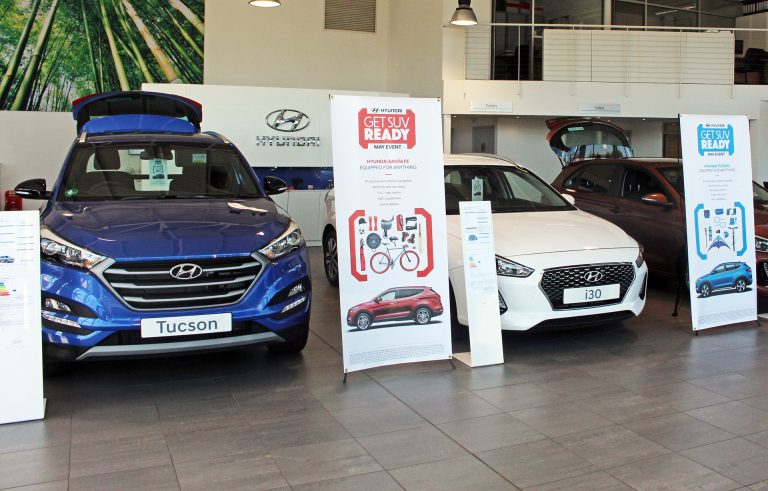
In London and the South, it was the 2015 Mitsubishi Outlander PHEV plug-in electric hybrid automatic, while in the South West and Wales it was the 2015 Ford Kuga diesel manual. In the East Midlands, the 2015 Volkswagen Passant in diesel manual proved most popular, while in Scotland it was the 2016 Hyundai Tucson. The data also shows that while new diesel registration may be falling, with a 28% drop in June, used diesels are faring much better.
Karolina Edwards-Smajda, Auto Trader retailer &consumer products director, commented: “Despite what has been at times a turbulent first six months of the year, as we enter into the second half of 2018 it’s reassuring to see that consumer demand for quality used cars remains strong.”
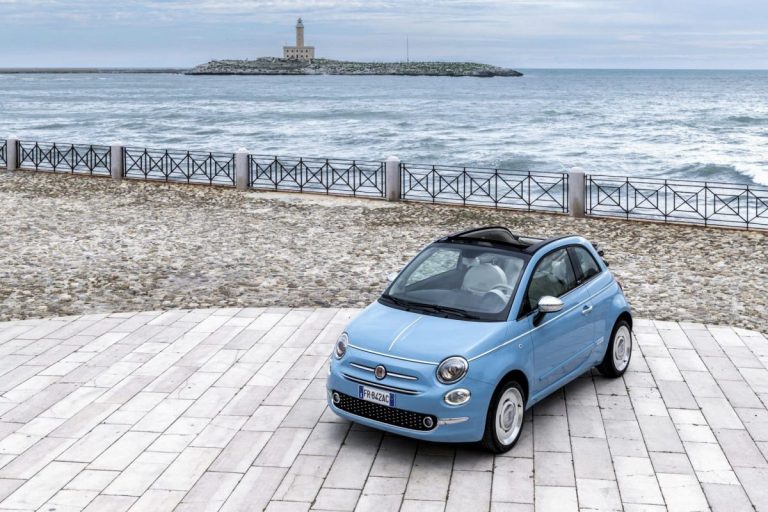
60 years after the introduction of the exclusive Fiat 500 Jolly, known as the “Spiaggina”, the car is making its return in the form of the new Fiat 500 “Spiaggina ’58” special series.
It will be a limited edition with only 1,958 cars available, all of which will be in the 500C convertible model. The Spiaggina ’58 pays tribute to both the year 1958 as well as the 60th anniversary of the first special series of the Fiat 500. The new Spiaggina sports vintage-style Fiat badges and wheel designs, a white belt line and a new colour exclusive to this moded called Volare Blue. Inside there’s a two-tone colour scheme using the same shade of blue, and more vintage Fiat branding.
Fiat has produced a video starring the new Fiat 500 Spiaggina ’58 to the notes of the song “Volare”, the Italian classic which also appeared for the first time in 1958.
Fiat 500C Spiaginna ’58
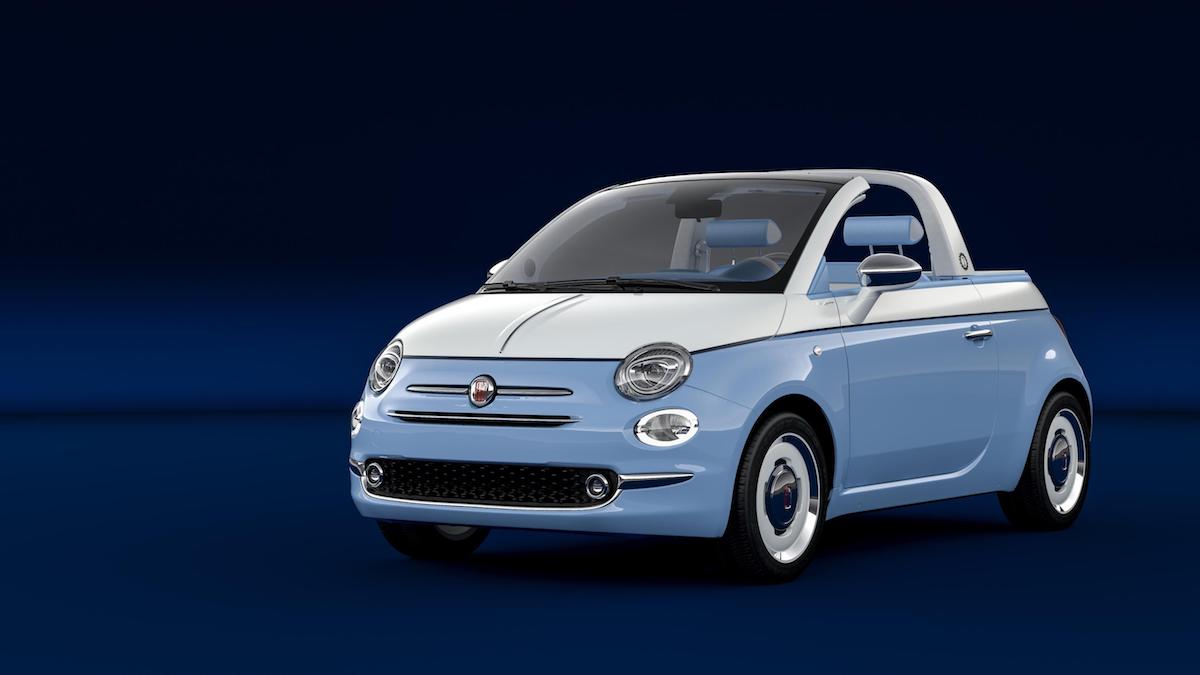
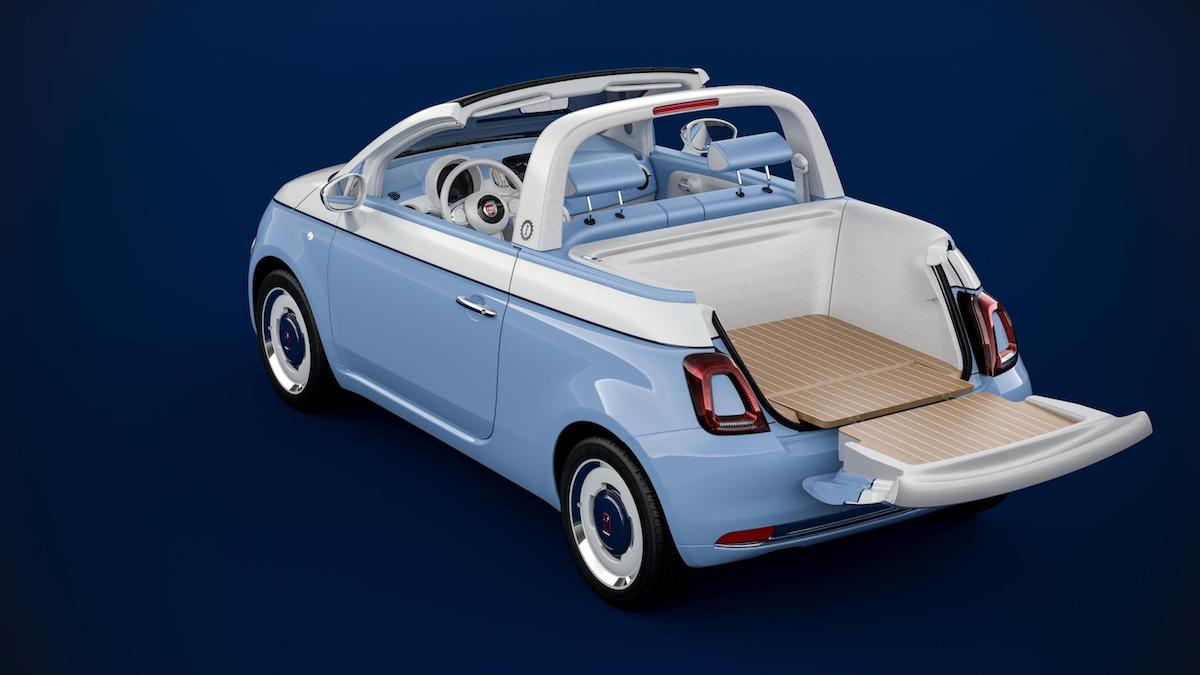
Spiaggina by Garage Italia concept
Furthermore, Garage Italia and design firm Pininfarina have marked the anniversary by producing a “Spiaggina by Garage Italia” show car, based on a Fiat 500C. Lapo Elkann, chairman and creative director of Garage Italia – as well as being the grandson of legendary former Fiat boss Gianni Agnelli – said: “I fell in love with the car when I was a boy, and as I grew up I was determined to bring it back to life.
“I am so happy about the model’s relaunch, and hope it will convey the dreams and the magical years of the post-war economic boom and the Italian way of enjoying life.”
Registrations of new cars in the UK fell more than 6% in the first half of 2018, the slide blamed on lack of consumer confidence and a continuing diesel backlash.
Latest figures from the Society of Motor Manufacturers & Traders (SMMT) showed a 3.5% decline in registrations in June. This reversed a 3.4% rise in May, which itself was blamed on a ‘blip’ in the May 2017 figures caused by changes to road tax.
So far in 2018, the market is down 6.3% on the same point last year, with 1.3 million cars registered. The past six months have seen strong growth in petrol car demand, up more than 11% to 812,535, and also growing interest in alternatively-fuelled cars such as plug-in hybrids and EVs. These have climbed 24% with 72,847 registered, buyers reacting to the greater choice in the market as more manufacturers turn to these technologies.
However, these growth areas cannot compensate for a continuing slide in diesel demand, registrations down 30% in the last six months to 428,612. The diesel figures are now almost half those of petrol whereas for most of the past five years the two have seen almost equal demand.
SMMT chief executive Mike Hawes is again calling for diesel to be given a fair chance in the market. He urges a ‘technology neutral’ strategy from Government and more backing for the latest-technology cleaner diesel engines after what he describes as “a rocky first six months” for the industry.
“It’s great to see demand for alternatively fuelled vehicles continue to rise, (but) given these cars still represent only one in 20 registrations, however, they cannot yet have the impact in driving down overall emissions that conventional vehicles, including diesels, continue to deliver,” Hawes says.
“Recent government statements acknowledging the importance of petrol and diesel are encouraging – however, we now need a strategy that supports industry investment into next-generation technologies and puts motorists back in the driving seat, encouraged to buy the car that best suits their needs – whatever its fuel type.”
The Ford Fiesta continues to dominate the new car top ten, its 56,415 registrations in 2018 more than 14,000 ahead of the second-placed Volkswagen Golf. Notably, two Mercedes-Benzmodels make the top 10 including the C-Class, long-time rival in the premium market to the BMW 3 Series.
A new teaser image of the forthcoming Volkswagen T-Cross small SUV has been released, ahead of the car’s public debut in the Autumn.
First seen as a concept at the 2016 Geneva show, the T-Cross will become Volkswagen’s smallest SUV model. It will line up in showrooms alongside the existing T-Roc, Tiguan, Tiguan Allspace and Touareg.
Safety will be a major part of the T-Cross sales message with it claimed to be one of the safest vehicles of its class. While all its safety features are yet to be revealed, the car will be supplied with what is described as a suite of driver assistance systems, and ‘Front Assist’ autonomous braking and lane-departure warning will be standard.
Technical details of the newcomer are currently scarce but its creators say it will be 4107mm long, built on the brand’s new MQB A0 modular platform that has already underpinned the VW Polo hatchback and the SEAT Arona, effectively a sister to the T-Cross. Volkswagen is also confirming that the car will be front-wheel drive only.
Primarily rivalling the Nissan Juke, the T-Cross will seek to meet the growing trend for city-based SUVs popular for their bold visual presence and interior space over any perceived off-road capability. The teaser sketch suggests that it will have muscular styling though this is expected to be less bold on the production model.
The T-Cross will be marketed under the strap of ‘I am more than one thing,’ Volkswagen describing it as “At home in the city, and ready for the small and large adventures both inside and outside the urban jungle.”
Volkswagen is expected to fully reveal the T-Cross in the summer, before its likely public debut at the Paris Motor Show. It is set to go on sale early in 2019 and while prices are yet to be revealed, industry sources predict they will start from around £17,000.
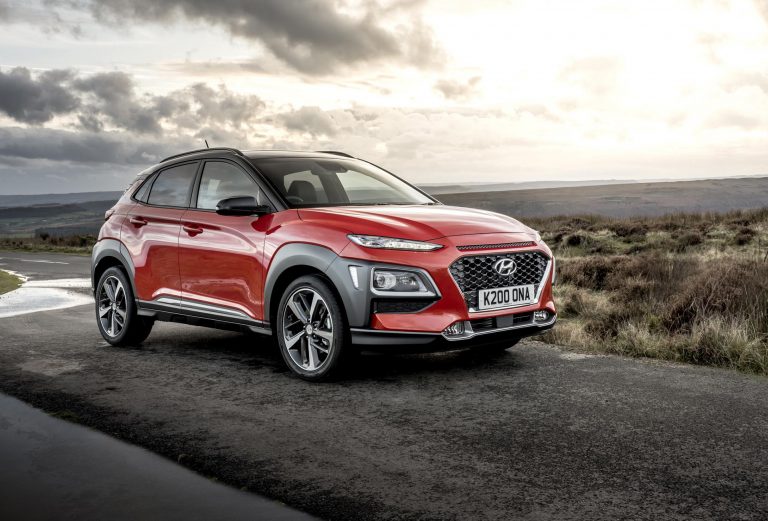
Choices available to buyers of the Hyundai Kona SUV will increase as diesel and electric variants go on sale alongside the petrol model launched in December 2017.
Orders are now being taken for the diesel model while order books for the electric version will open on 3rd August.
The Kona diesel costs from £19,750 – compared to £16,450 for the cheapest petrol version. It employs the 1.6 CRDi engine with a choice of two power outputs, 115 or 136hp, and can be bought with either a six-speed manual or seven-speed dual clutch auto transmission. Best CO2 emissions output is quoted at 111g/km.
The Kona Electric will cost from £29,495, though the Government’s plug-in-car grant for buyers of electric vehicles will cut £4,500 from the price.
Electric model offers two power outputs and charging times.
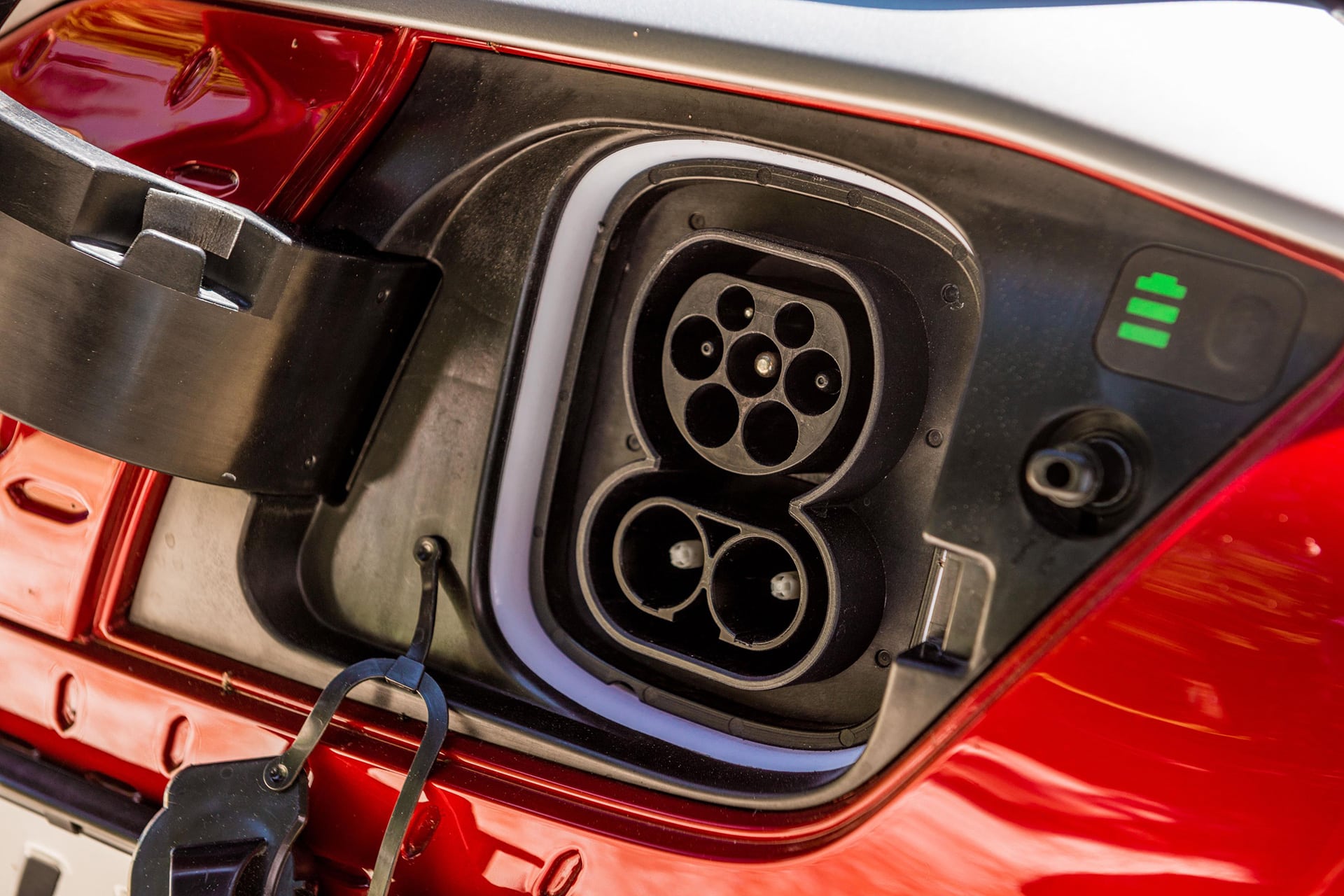
A core part of Hyundai’s plans to offer 18 new electrified vehicles by 2018 and joining the Ioniq and soon-to-launch Nexo in showrooms, the Kona Electric is being offered in two versions – with output of 39kWh (135hp) or 64kWh (204hp).
The lower-powered model accelerates past 62mph in 9.7 seconds and goes on to 96mph, while the 64kWh version achieves a 7.6-second 0-62mph time and 104mph. Hyundai also quotes a potential driving range between charges of up to 300 miles for both variants.
The larger capacity of the more powerful model results in a longer charging time, quoted at 9hrs 35 minutes using a 7kW wallbox whereas the 39kWh version takes 6hrs 10 minutes. However, both can be charged to 80% using a public 50kW charger in 75 minutes.
Both the diesel and electric versions of the Kona will be offered in Hyundai’s familiar three trim levels of SE, Premium and Premium SE.
Standard equipment on entry-level versions of both includes a seven-inch display audio, including DAB digital radio, Apple Car Play and Android Auto, rear parking sensors with a rear-view camera, Bluetooth connectivity with steering wheel controls and a leather steering wheel.
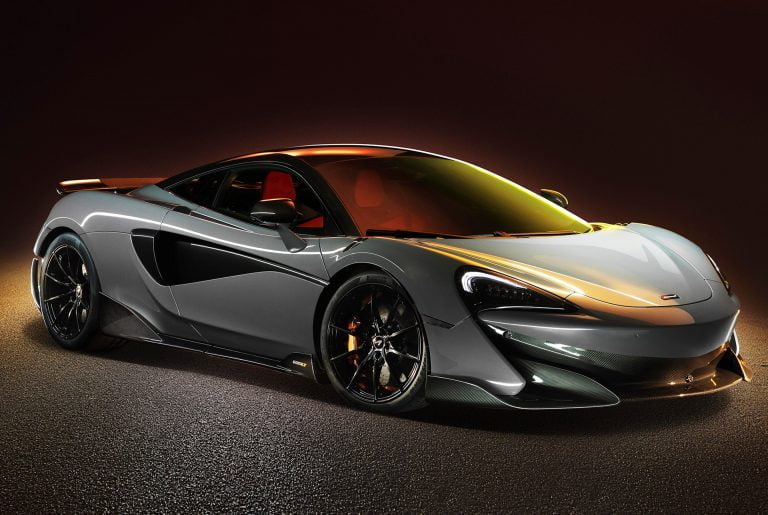
The McLaren 600LT has been unveiled – the fourth model to carry the ‘Longtail’ designation and the new range-topper for the brand’s entry-level Sports Series.
Based on the 570S Coupé, the 600LT weighs in at 96kg lighter despite its extended rear bodywork adding 7cm in length. More than 23% of the 570S components have been changed in the new model, with extensive use of carbon fibre helping to shed the pounds.
The composite material is used on a new and extended front splitter, side sills, extended diffuser and a fixed rear wing, also adding greater downforce.
Power for the 600LT is provided by the 3.8-litre twin-turbocharged V8 engine used by the 570S, but uprated to produce 600hp and 620Nm – a 30hp and 19Nm improvement. The unit also gains an uprated cooling system and McLaren quotes a power-to-weight ratio for the lightest dry weight variant of 481hp/tonne.
Further weight savings are provided by the exhaust which is a bespoke system with top-exit pipes – shortened and with reduced back pressure. And additional upgrades taken from McLaren’s Super Series cars include forged aluminium double wishbone suspension and lightweight brakes.
Even the tyres are specific to the car, the Pirelli P Zero Trofeo R rubber designed with an emphasis on track performance.
Similarly, the interior design is angled towards track driving– carbon-fibre race seats first employed on the McLaren P1 ultimate series car are used again, along with Alcantara trim material that also helps with the weight reduction.
Even further weight saving is available through McLaren’s Special Operations department, which can add a carbon fibre roof, cantrails and vented carbon fibre front wings.
McLaren adds that the 600LT will be produced in strictly limited numbers. Production will begin in October and last for around a year. The £185,500 price includes a Pure McLaren Road Owner Track Day experience with driver training.
The first McLaren Longtail was the GTR race version of the original McLaren F1 that debuted in 1997. The McLaren F1 GTR ‘Longtail’ won five of the 11 rounds of the 1997 FIA GT Championship and finished first and second in the GT1 class at the 24 Hours of Le Mans.
McLaren Automotive revived the name with its 675LT Coupe launched at the 2015 Geneva Motor Show, and followed it with the open-top 675LT Spider. The entire 500-strong production run sold in two weeks.
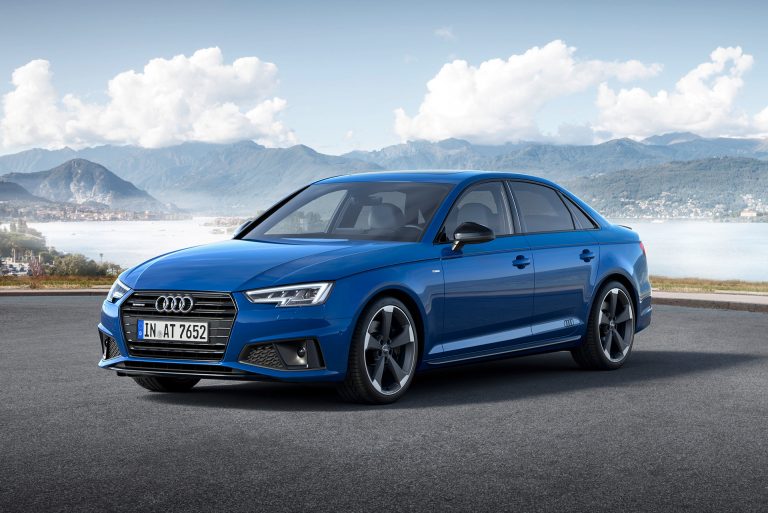
The Audi A4 has undergone a mid-life refresh focused on subtle styling updates and equipment changes. Applied across both the saloon and Avant estate variants, the visual changes are designed to give the BMW 3 Series rival a more striking external appearance.
SE and Sport models gain a new front and rear bumper design, more pronounced side skirts and a bespoke finish for the grilles. Avant versions add a roof edge spoiler, while other rear-end modifications include a rear diffuser flanked by a revised finish to the exhaust tailpipes.
SE versions gain a new design for their 17-inch diameter alloy wheels while Sport models now have 18-inch versions.
The more upmarket S Line and Black Edition grades will now employ a 3D-look single-frame front-end design with a honeycomb grille, edged by wedge-shaped bumpers with large air inlets, the design helping to guide some front-end airflow past the now 19-inch wheels. These, too, have been revised, as have the rear tailpipes and diffuser.
Black Edition buyers can also now select a new exterior body colour option, dubbed Turbo Blue.
SE models now come with navigation as standard. The five-inch monochrome driver’s information green has been replaced by a seven-inch colour version while the buttons on the steering wheel now access more functions.
Sport specification upgrades include four-way lumbar adjustment for the driver and front passenger seats. S line and Black Edition models gain the high beam assist function for automatic toggling between dipped and high headlight beams as required, while all A4 versions now include automatic electrically folding door mirrors.
Order books for the new A4 versions, dubbed the 2019 Model Year, open later this summer ahead of first deliveries towards the end of 2018. Audi is yet to confirm any pricing changes.
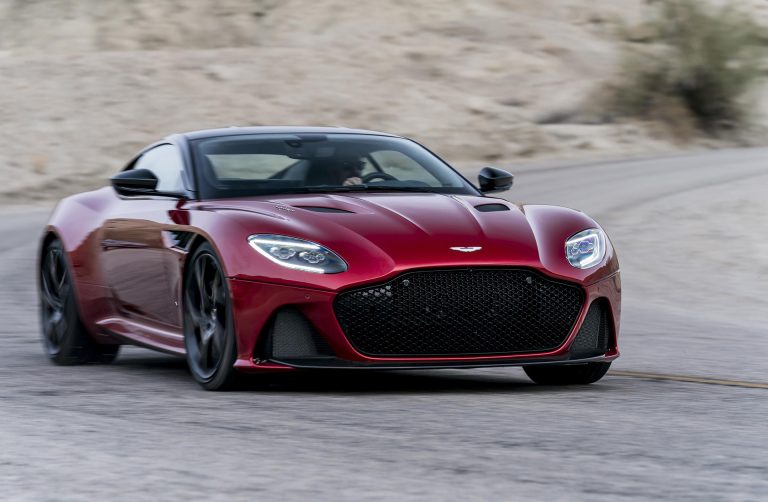
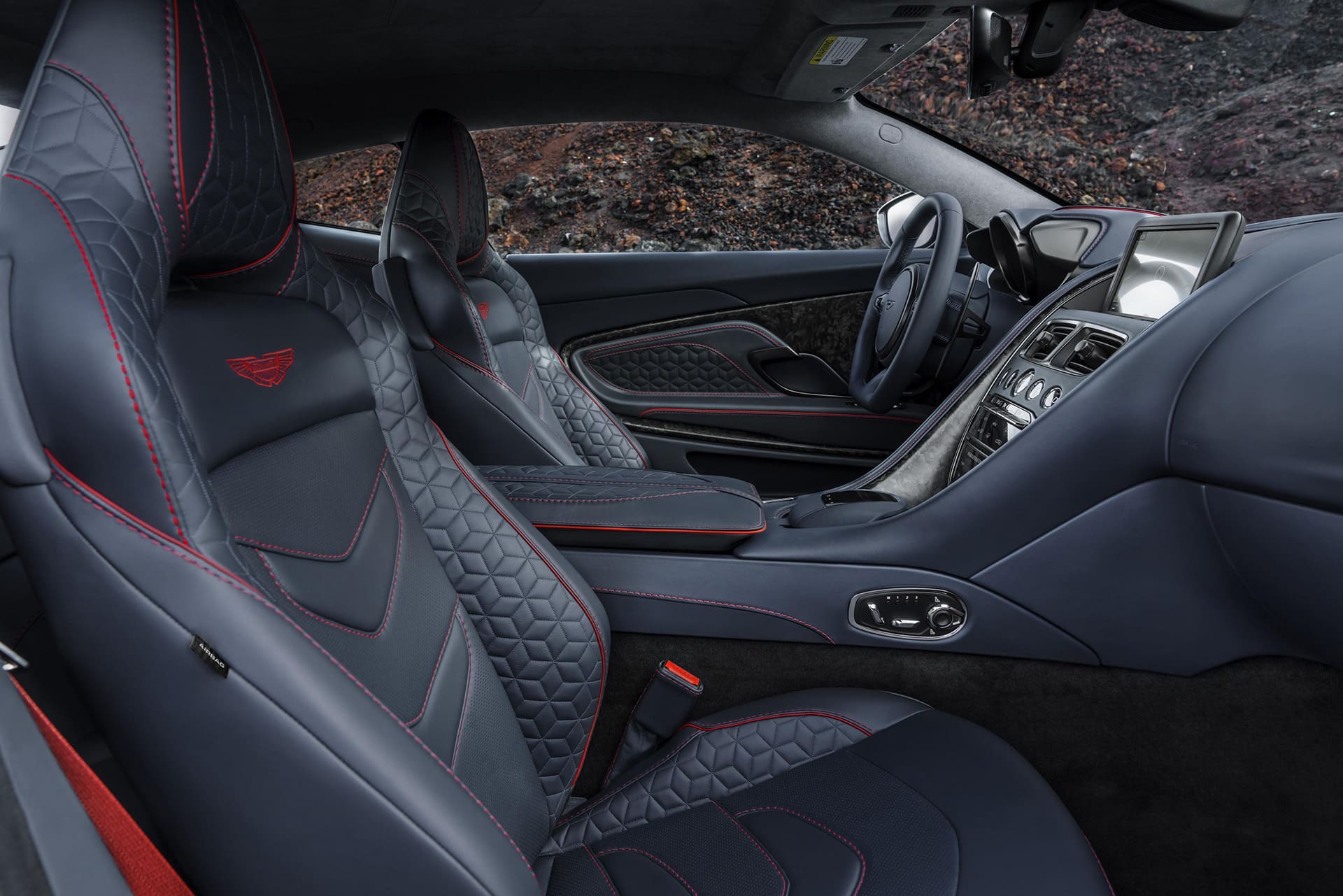
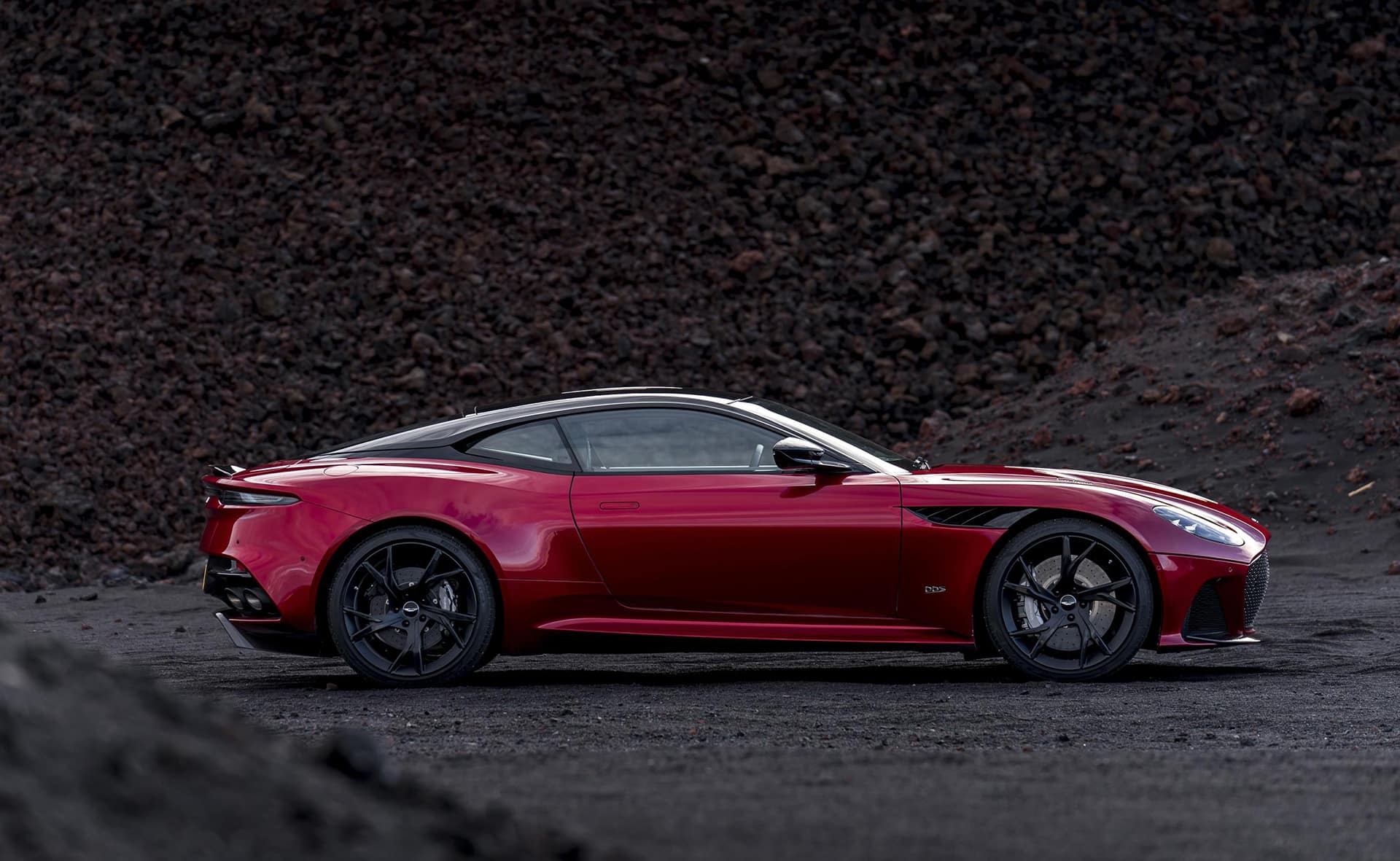
The Aston Martin DBS Superleggera has been unveiled and dubbed the British supercar brand’s ‘fastest and most-powerful ever.’
The new model replaces the Vanquish S as Aston Martin’s most potent car and returns the DBS designation to the line-up for the first time since 2012. The Superleggera suffix, first used in 1967 on the original Aston Martin DBS, is Italian for ‘Super Light’ and was originally used by an Italian coachbuilder.
Expected to target the likes of the Ferrari 812 Superfast, the DBS Superleggera will cost from £225,000 and is evolved from the DB11.
The new model employs the same 5.2-litre twin-turbo V12 engine as the DB11, but tuned upwards to produce 725hp and 900Nm of torque compared to the 630hp and 700Nm of the fastest DB11 AMR.
It is put to the road by a new rear-mounted ZF transmission with eight speeds. A mechanical limited-slip differential is fitted with torque vectoring to aid handling and a lower final drive.
As a result, the DBS Superleggera offers a top speed of 211mph and a 0-62mph time of only 3.4 seconds – 0-100mph takes just 6.4 seconds.
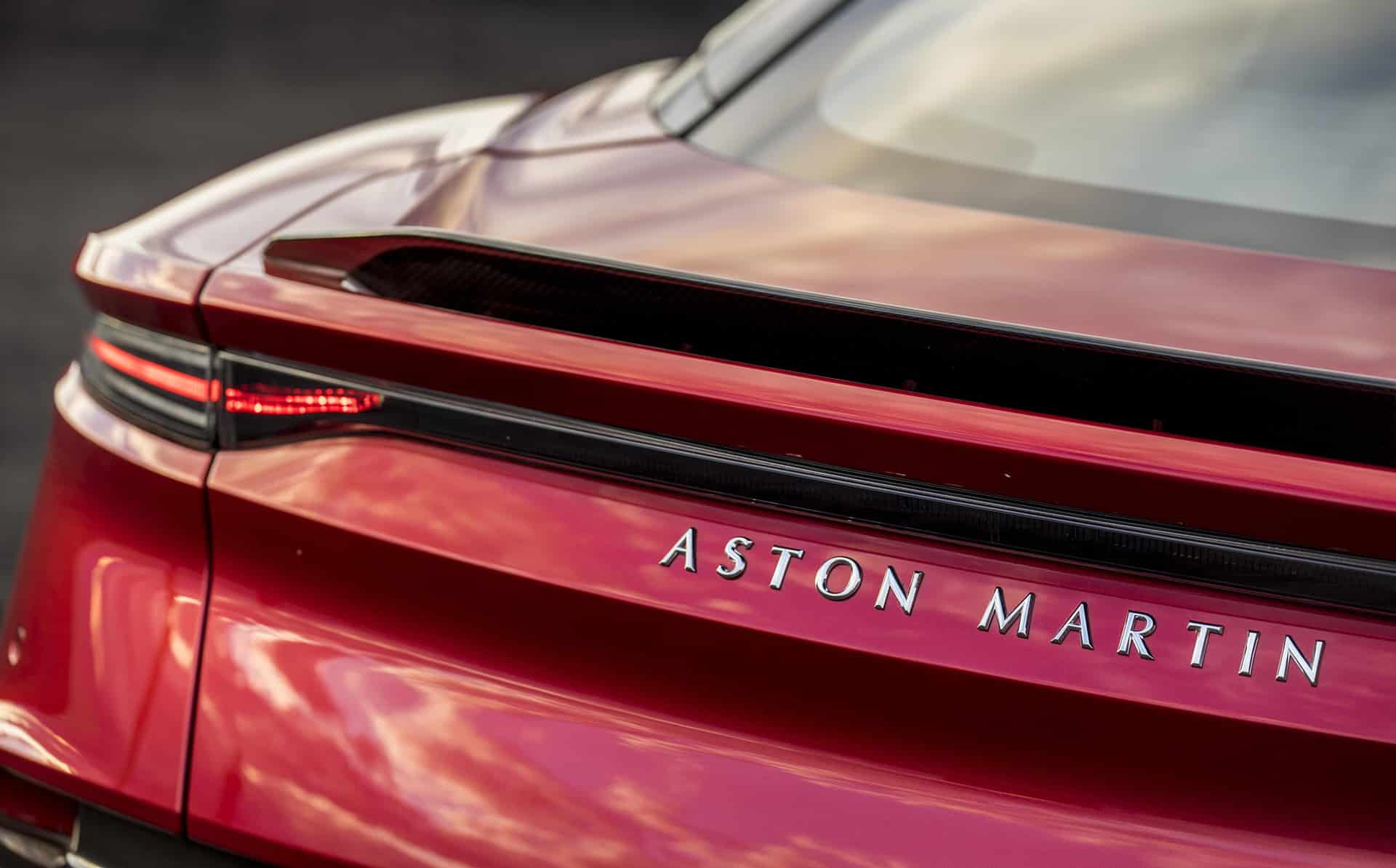
Body construction of the newcomer employs an updated version of the bonded aluminium structure used on the DB11 and clad in carbon fibre panels styled for a more muscular appearance. Aerodynamics that debuted on the DB11 have been retained for the new DBS, including the ‘curlicue’ and ‘Aeroblade’ downforce aids.
The car also boasts Formula One-style double-diffuser aerodynamics combining to generate 180kg of downforce at full speed – the highest yet on a series production Aston Martin but according to its makers with no additional drag penalty.
Suspension employs forged double wishbones at the front and a multi-link system at the rear. Aston Martin’s latest generation adaptive damping is fitted as standard, with three modes selectable by the driver – GT, Sport and Sport Plus change both chassis and powertrain settings accordingly.
First examples of the DBS Superleggera are expected on UK roads in the Autumn of 2018.
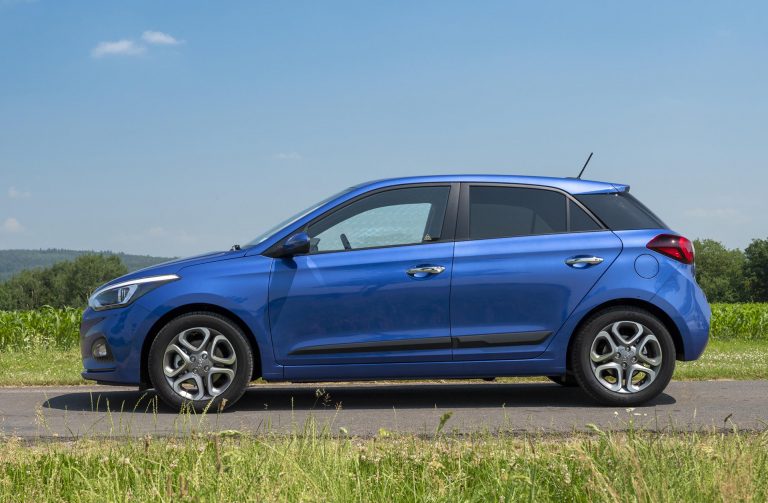
Dealers have started taking orders for the refreshed Hyundai i20 supermini, at prices starting from £13,995.
Most significant is the introduction of a seven-speed dual-clutch transmission on versions with the 100hp 1.0-litre petrol engine. This unit continues to be offered in 120hp form while there are also 75 and 84hp versions of a 1.2-litre unit.
The Ford Fiesta rival’s mid-life refresh includes mild changes to the exterior look, including adopting the brand’s now signature ‘Cascading Grille’, revisions to the front and rear bumpers and a redesigned tailgate and rear lamps.
Safety specifications have been improved from SE grade (the second of four trim levels). Standard safety equipment on these cars includes Autonomous Emergency Braking, lane-keeping assistance, a driver attention alert and auto high-beam headlamps. Automatic switching on of the headlamps is now standard across the range.
Seven-inch touchscreen standard
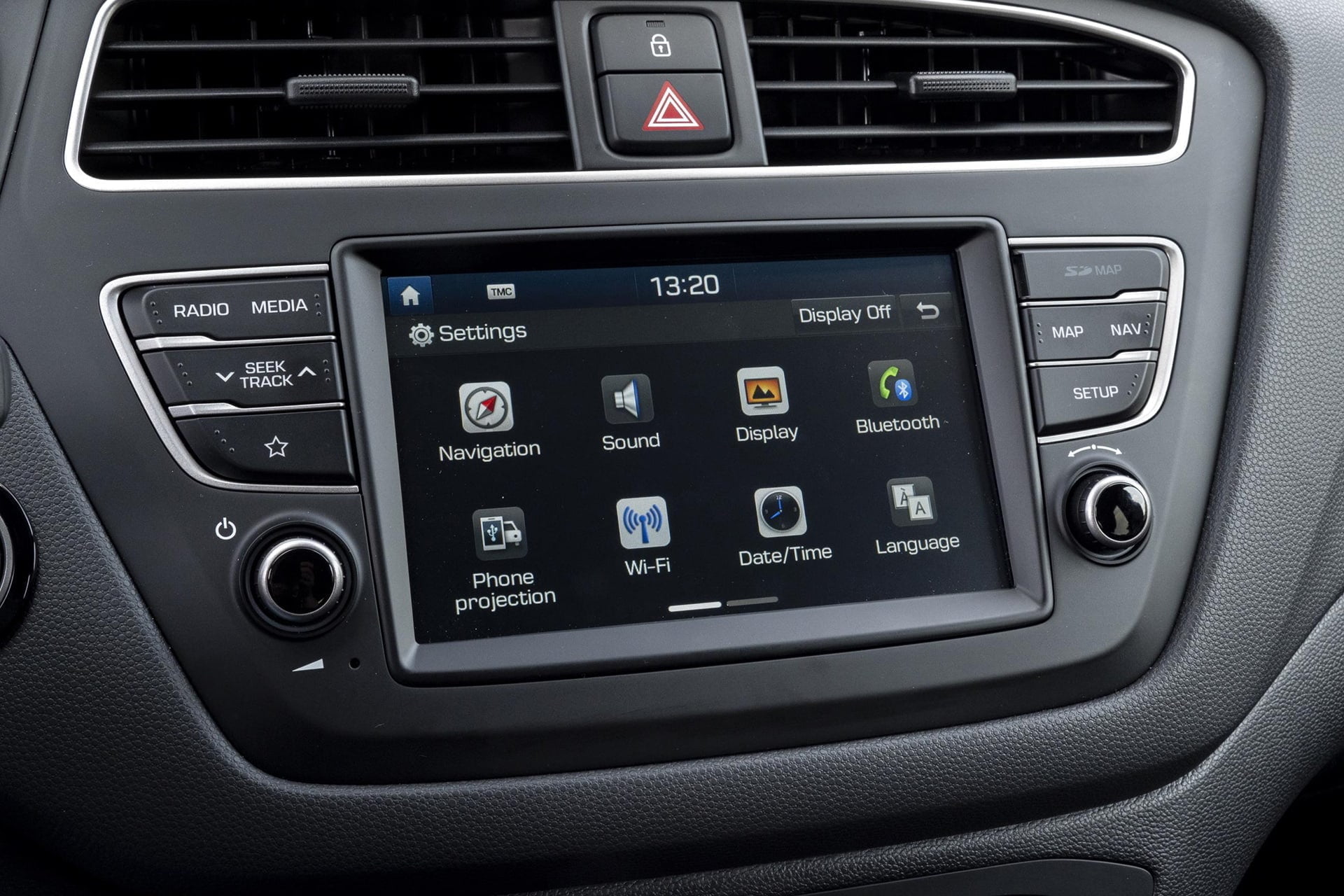
Inside, all versions of the new Hyundai i20 are new fitted with a seven-inch touchscreen offering smartphone compatibility through Apple CarPlay and Android Auto, plus DAB digital radio, a rear-view camera and Bluetooth connectivity with steering wheel controls.
The entry £13,995 price buys the i20 S 5 door 1.2-litre 75hp with a five-speed manual transmission. It also includes manual air conditioning, a USB charger, rear door speakers, remote central locking, electric front windows and electrically adjustable and heated door mirrors.
From £15,495 the SE increases engine power to 84hp and adds a bespoke design of 15-inch alloy wheels, front fog lamps, LED daytime running lamps, projector headlamps, rear parking sensors, cruise control with a speed limiter and electric rear windows. Trim additions include a leather steering wheel and gear knob.
The i20 Premium Nav starts at £16,245 and adds 16-inch alloy wheels, dark grey front grille, LED rear lamps, front and rear parking sensors, climate control, privacy glass, power folding mirrors, navigation, automatic wipers, an auto-dimming rear-view mirror and front centre armrest.
Finally, the Premium Nav SE tops the range at £17,295 and gains keyless entry and starting, a panoramic sunroof, and heated front seats and steering wheel.
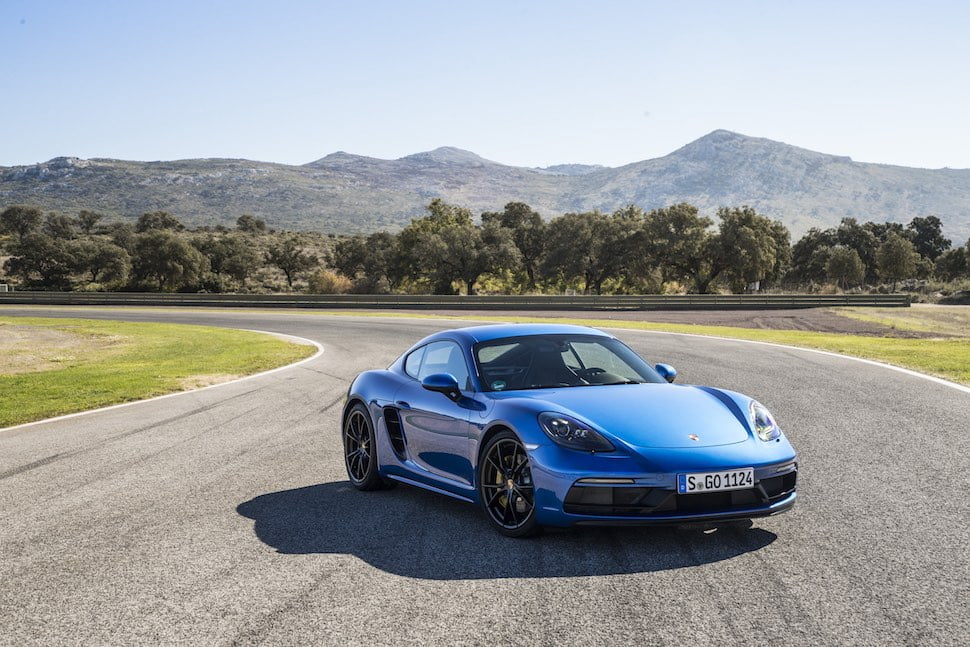
The 718 Cayman GTS is designed to be the sharpest version of Porsche’s baby two-door available. Thanks to a small hike in power, alongside a range of chassis tweaks and mechanical upgrades, the GTS should be one of the most capable compact sports cars on sale today.
The regular Cayman’s controversial 2.5-litre flat four-cylinder remains, and though many Porsche purists continue to baulk at the powertrain’s existence, the Stuttgart manufacturer is sticking with it – whether it’s liked or not.
What’s new?
The GTS comes fitted with a range of equipment as standard for which you’d have to tick quite a few options boxes if it were on a lower-spec Cayman. Features such as a mechanical limited-slip differential and Porsche’s PASM damper system come as part of the GTS’ overall price, rather than via the options list – and they do help to turn the car into a more competitive overall package.
Prices do start at a snick under £60,000 for the GTS – though our test car’s price was hiked up considerably thanks to a number of options.
How does it look?
(PA)
(PA)
The GTS gets a number of exterior touches that you can’t get on a regular Cayman. As such, you’ll see a black front apron and matching rear apron, along with smoked head- and tail-lights help to differentiate this car from the rest of the range.
The effect is a success; the GTS genuinely turns heads wherever it goes, while it helps to give the car even more presence out on the road. The larger alloy wheels added to our test car helped with this too, though their inclusion on the car does harm its comfort levels somewhat.
What’s the spec like?
As standard the Cayman GTS gets a comprehensive list of standard equipment, with notable features including bi-xenon headlights, sports seats and Porsche’s excellent infotainment system; this latter feature is beautifully simple to navigate and, thanks to Apple CarPlay, integrates with your smartphone easily.
Our test car featured a variety of optional extras including 20-inch alloy wheels (£758), parking assistance with reversing camera (£1,086) and optional sparkly paintwork (£1,658), which helped to bump up the car’s price up considerably – right the way up to £67,307 in fact.
The point is worth putting across, however, that the Cayman GTS will be just as fun to drive without any of these additions – the standard-fit power upgrade and mechanical features are the factors that make the difference.
What’s it like inside?
(PA)
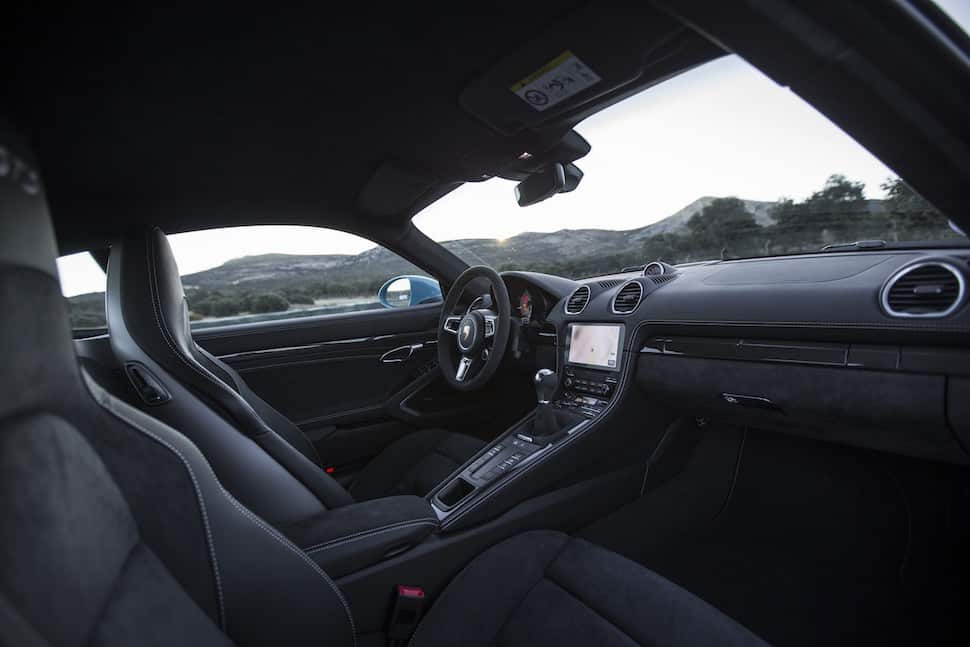
The cabin of the Cayman GTS is gloriously uncluttered. Everything is clear and well-made; the steering wheel compact and pleasingly thin-rimmed, while the seats are hugely supportive too.
It’s also quite a spacious interior, with large windows and a wide windscreen helping to contribute to a general sense of airiness – not something you’d expect from a compact two-seater.
It’s practical, too. You’ve got a well-sized boot (or ‘frunk’) at the front of the car, offering up 175 litres of space, while the rear storage section has a decent 275 litres to play with.
It means that the Cayman can be used for long weekends away, or on road trips where additional luggage space is needed. That said, longer items won’t fit – so you may have to leave the golf clubs at home.
What’s under the bonnet?
As mentioned, the GTS is powered by the same four-cylinder unit as found in the regular Cayman, however here it’s been boosted – though don’t expect any huge increase; just 15hp is added to the car’s power outputs. Torque is up too, with a total figure of 430Nm representing a decent amount of shoving force.
The result of that smaller, turbocharged engine is efficiency, with Porsche claiming 31mpg on the combined cycle, and we’d have to agree – 30mpg was regularly achieved during our test, along a mixture of motorway and country road driving.
Power here is sent to the rear wheels via Porsche’s PDK double-clutch automatic, though an excellent six-speed manual is available too – this would be our personal choice, thanks to its ability to deliver an ever-so-slightly more involving driving experience.
What’s it like to drive?
There’s no way about it; the Cayman GTS is pretty tremendous out on the open road. It corners, steers and accelerates just as you’d want it too, while the addition of the mechanical limited-slip differential helps to give the car just a little bit extra in the bends. Traction is immense too, even in poorer conditions.
The GTS gets a 1cm drop in ride height over the regular Cayman, while our test car came with optional sports suspension, pushing the ride down by a further 1cm. When coupled with the large 20-inch alloy wheels fitted to our car, this did result in a slightly harsher ride than we’d like – albeit an issue which could easily be rectified by optioning smaller wheels.
The decrease in ride height does give the Cayman added agility in the corners, but it reduces its comfort on a day-to-day basis – and this the opposite of what you want from a genuine road-focused car like the GTS.
Summary
The Cayman GTS is a bit of cracker. It’s sharp, nimble and brilliantly suited to the UK’s roads – and it gets better the harder you drive it.
Yes, the optional sports suspension and larger alloy wheels do add a harsher edge to the car’s ride, but even with these, it’s still a properly accomplished car.
Though some may have criticised the car’s use of a four-cylinder, you can’t take away from how effective it is – and it is the perfect accompaniment to the GTS’ beautifully balanced chassis. In all, it’s a bit of a home run from Porsche.
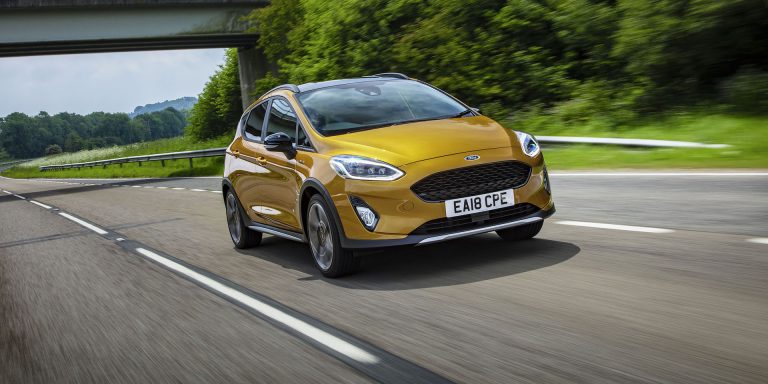
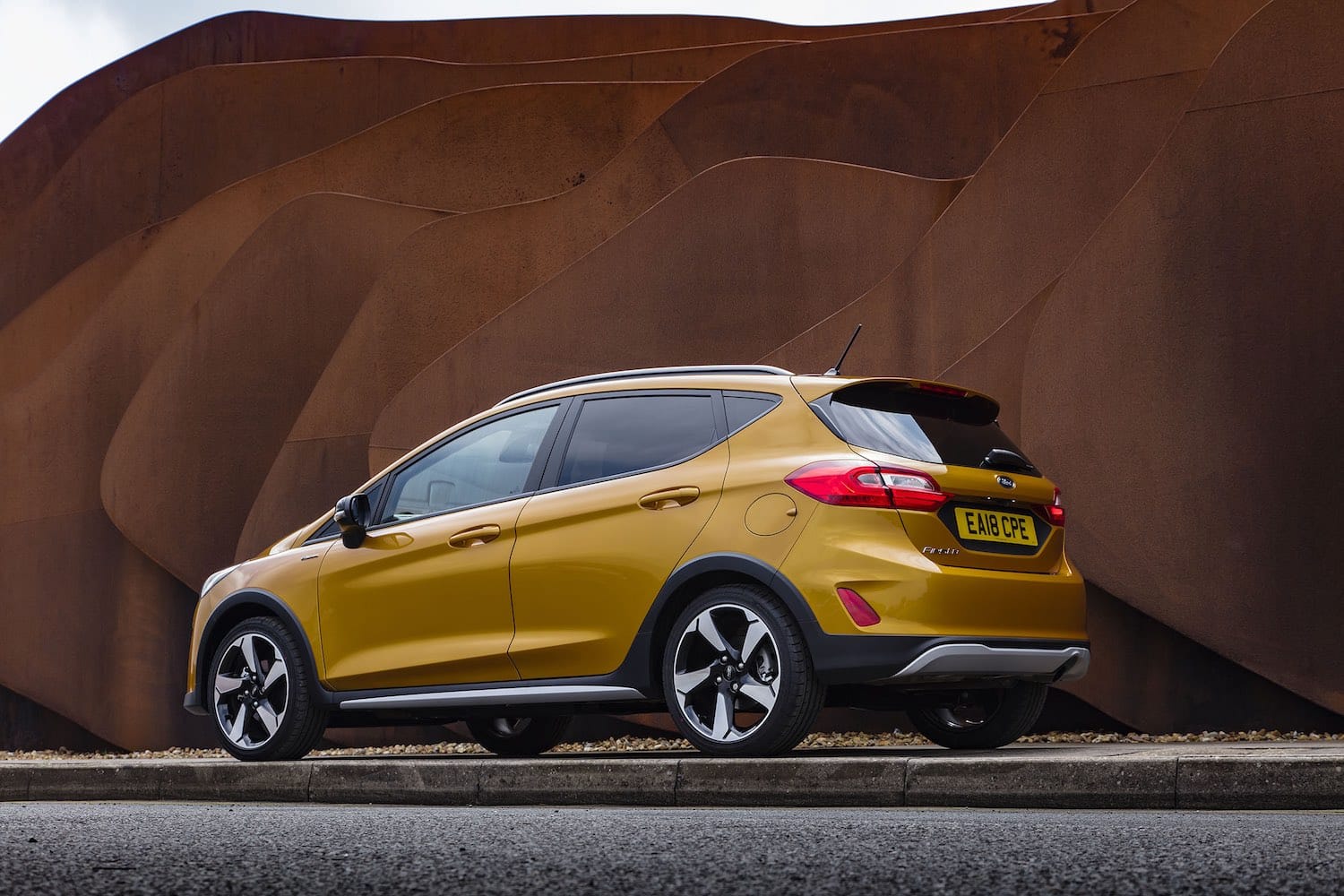
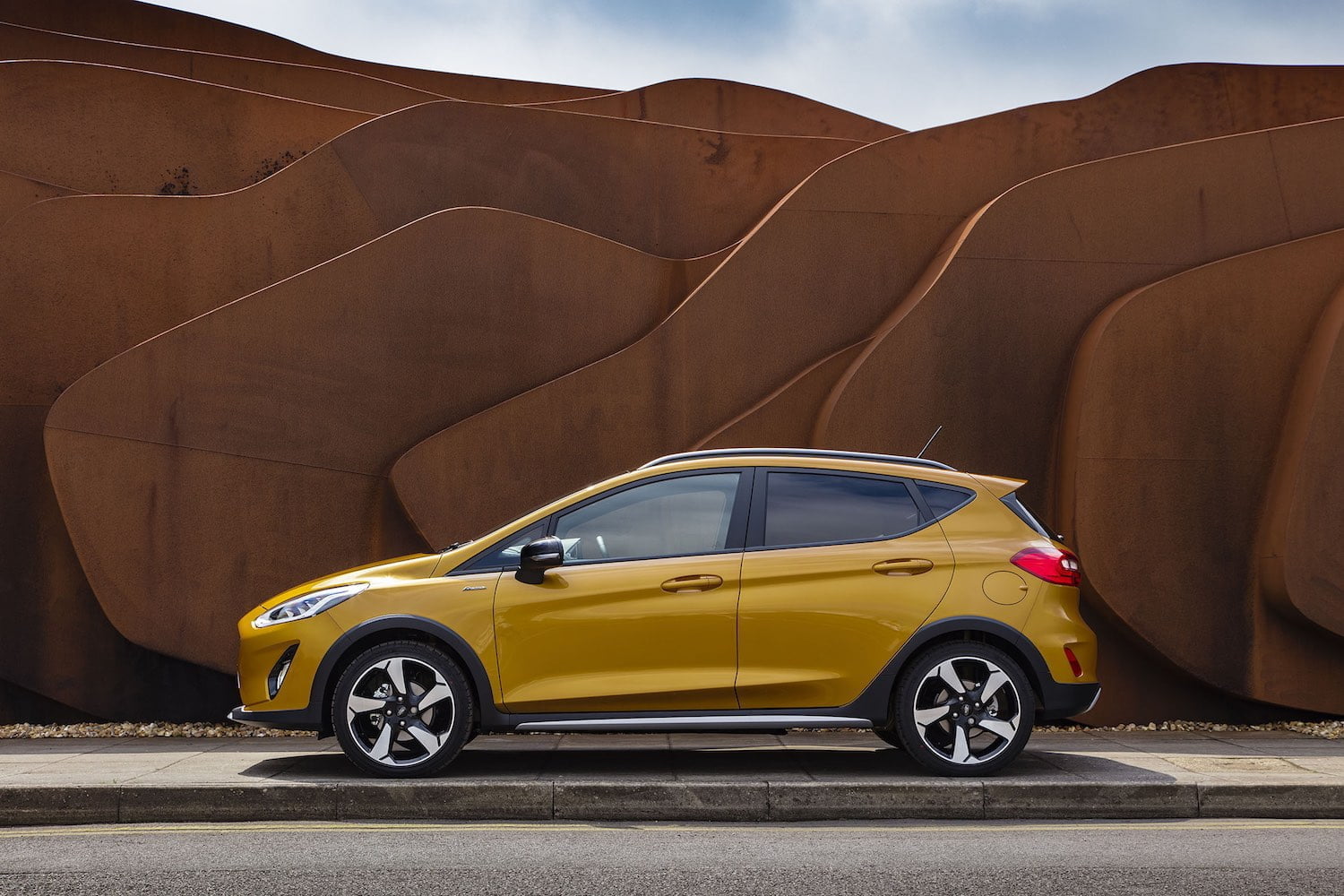
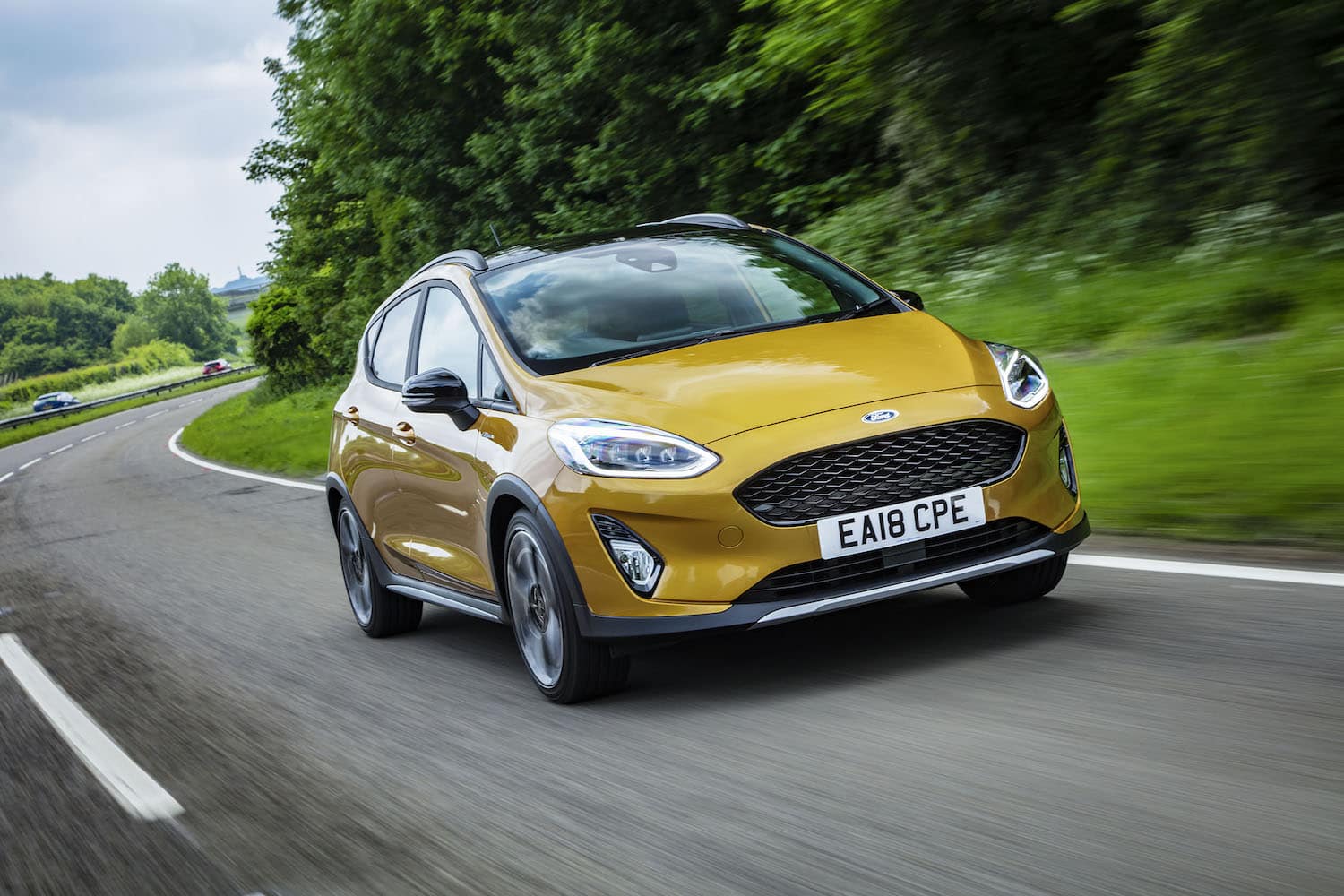
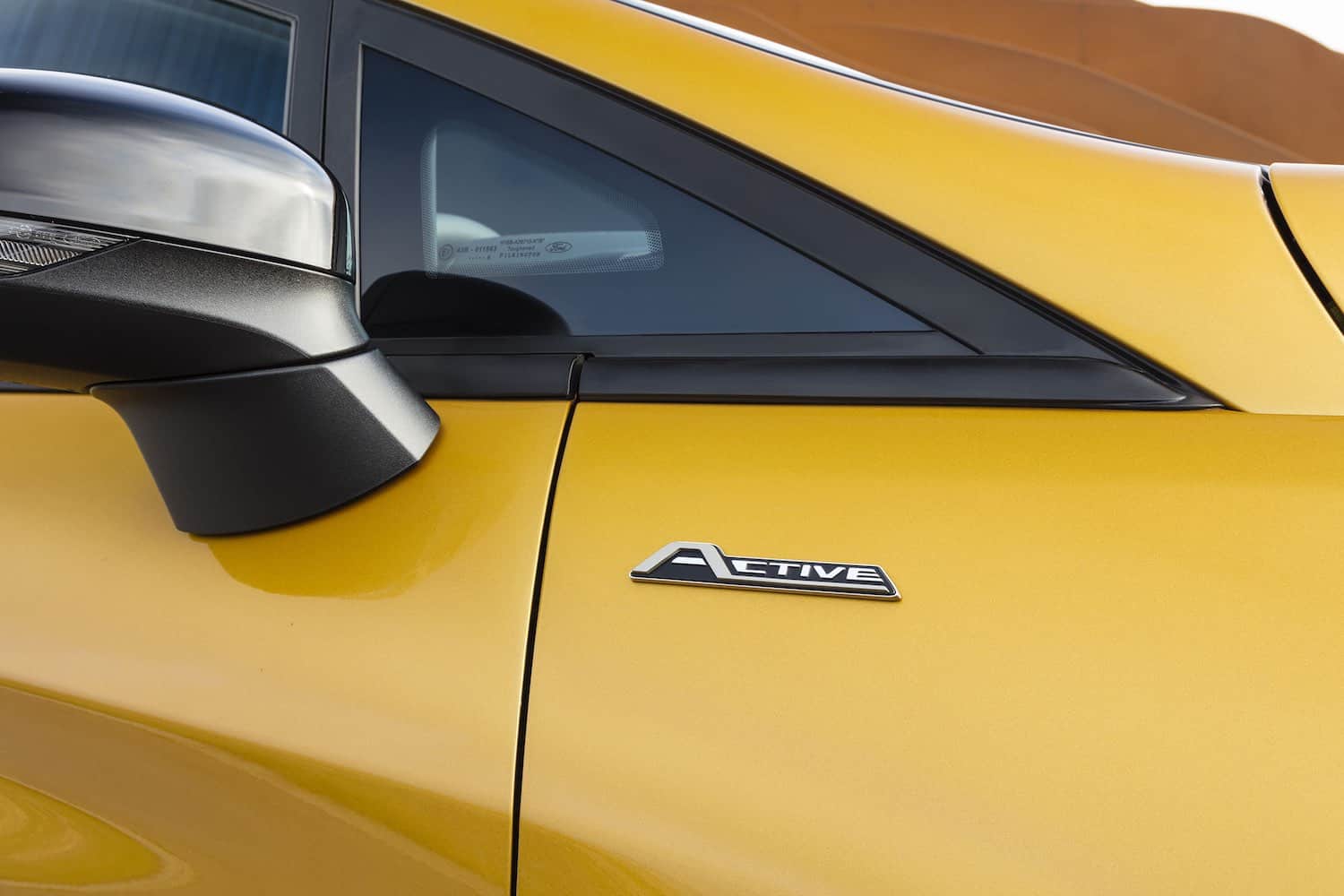
What is it? The Ford Fiesta Active is the first launch in a new SUV-inspired trim level from the brand.
Key features Raised ride height, ‘slippery’ drive mode, extra body mouldings.
Our view The Ford Fiesta Active might be regarded as a ‘faux’ SUV with the emphasis on appearance rather than capability, but many buyers buy such vehicles for that very reason.
Ford has done a good job of adding a more muscular style and raising the ride height without ruining the Fiesta’s much-praised handling, and the resultant car will likely attract significant numbers of buyers – those who would like an SUV, but not the weight or cost that comes with them.
Ford has done a good job of adding SUV style and raising the ride height without ruining the Fiesta’s handling
Full review
Introduction
The latest Ford Fiesta launched in early 2017 and simply replaced its predecessor at the top of the UK best-seller charts, so in now reviewing the Ford Fiesta Active, are we focusing on a mere new trim level?
Yes we are, but one which Ford considers will widen its potential customer base. Active is a major launch that goes beyond just the Fiesta – a similar version of the Ka+ launches alongside the Fiesta and we’ll be reviewing that shortly, while the next Ford Focus coming later in 2018 will include an Active variant.
So what is it? Well, Ford will tell us the range is designed to appeal to those buyers who like the look of an SUV but don’t want the perceived compromises, such as running costs and expense.
This is yet another car designed, we are told, to appeal to “outdoor and adventurous” types, who prefer to be outside walking the dogs along a beach than inside watching TV. So it gains elements, but only elements, of ‘SUV-ness’ (Ford’s word, not ours…).
Ford’s marketing types add that Active models are to the brand’s proper SUVs, the EcoSport and Kuga, like the ST-Line trim level is to the full-house ST hot hatches – elements of the proper cars, “in a more accessible package for a wider selection of drivers”.
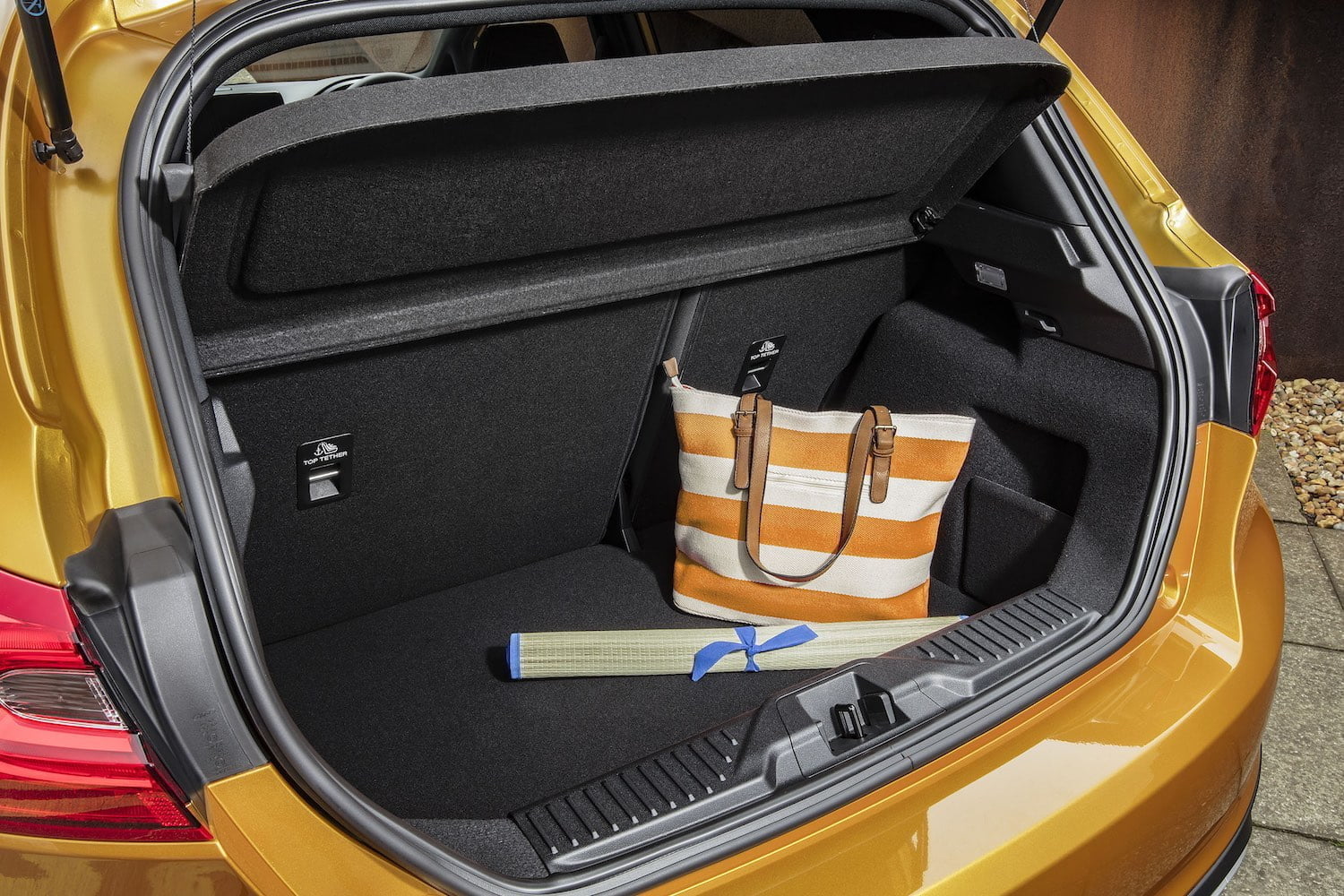
To make a Fiesta Active one takes the standard version, raises the ride height (though not by that much), adds ‘muscular’ body mouldings and roof rails, plus a more hard-wearing interior, and a couple of bespoke exterior colours.
Yes, basically this is a faux SUV, a lot cheaper than developing a full-house model line, especially as Ford is confident that what is not exactly that radical an upgrade package will earn the Active 15% of the Fiesta’s gargantuan sales mix.
The arrival of the Active sees the Fiesta range now available in five distinct lines (with sub trims within each). Entry level is Zetec, Titanium is the core best-seller, ST-Line the sporty version, Vignale the luxury angle, and now we have Active for the – well active…
There are three versions of the new model, dubbed Active 1, Active B&O Play and the range-topping Active X, each separated by £1,100. The pricing is on a par with the mainstream ST-Line and Titanium models, which Ford says is to give customers a direct choice between the three different formats.
Common to all the Active models is a ride height raised by about 2cm over the stock Fiesta, together with a 1cm wider track. This is combined with retuned suspension – according to Ford, the hydraulic rebound stops are designed to produce a better ride over the rougher roads this car is intended to traverse.
Be clear, this is not an off-roader, and it’s certainly not all-wheel-drive, but Active customers are expected to want to drive down muddy tracks, uneven surfaces and the like, and the suspension will be expected to smother the inevitable bumps and jolts.
Also as a result, the cockpit-selectable drive modes on versions with the six-speed manual transmission gain an extra setting, ‘Slippery’. This changes the Electronic Stability Control and traction control, as well as making tiny throttle and brake adjustments to maintain grip on surfaces such as mud, snow or ice.
Equally on Ford’s mind, of course, will be not compromising the road-holding and handling for which the Fiesta is renowned…
Other Active additions include bolder body mouldings – plastic spats on the wheels and on the front, back and sills, plus the silver-finish roof rails. The exterior effect is completed by a dark mesh grille and bright scuff plates, bespoke 17-inch alloy wheels and the availability of exclusive body colours, ‘Lux Yellow’ and ‘Silver Fox.’
One major plus for the Active models is that choosing one does not mean missing out on the elements that make the Fiesta the UK’s number one car. This includes the safety package. The Fiesta boasts a five-star Euro NCAP safety rating, and the technology available for it includes frontal collision warning and autonomous braking, pedestrian detection, traffic sign recognition, rear parking cameras and the like. Note, however, that much of it will require delving into the options list.
Inside the Ford Fiesta Active
Just over a year ago when we first drove the seventh-generation Fiesta we were impressed by the revolution inside the car. It remains a cosy supermini in the rear, and of course the Active model doesn’t change any of that, but the big change was in the dash which was sensibly laid out with intuitive placing of the vital controls.
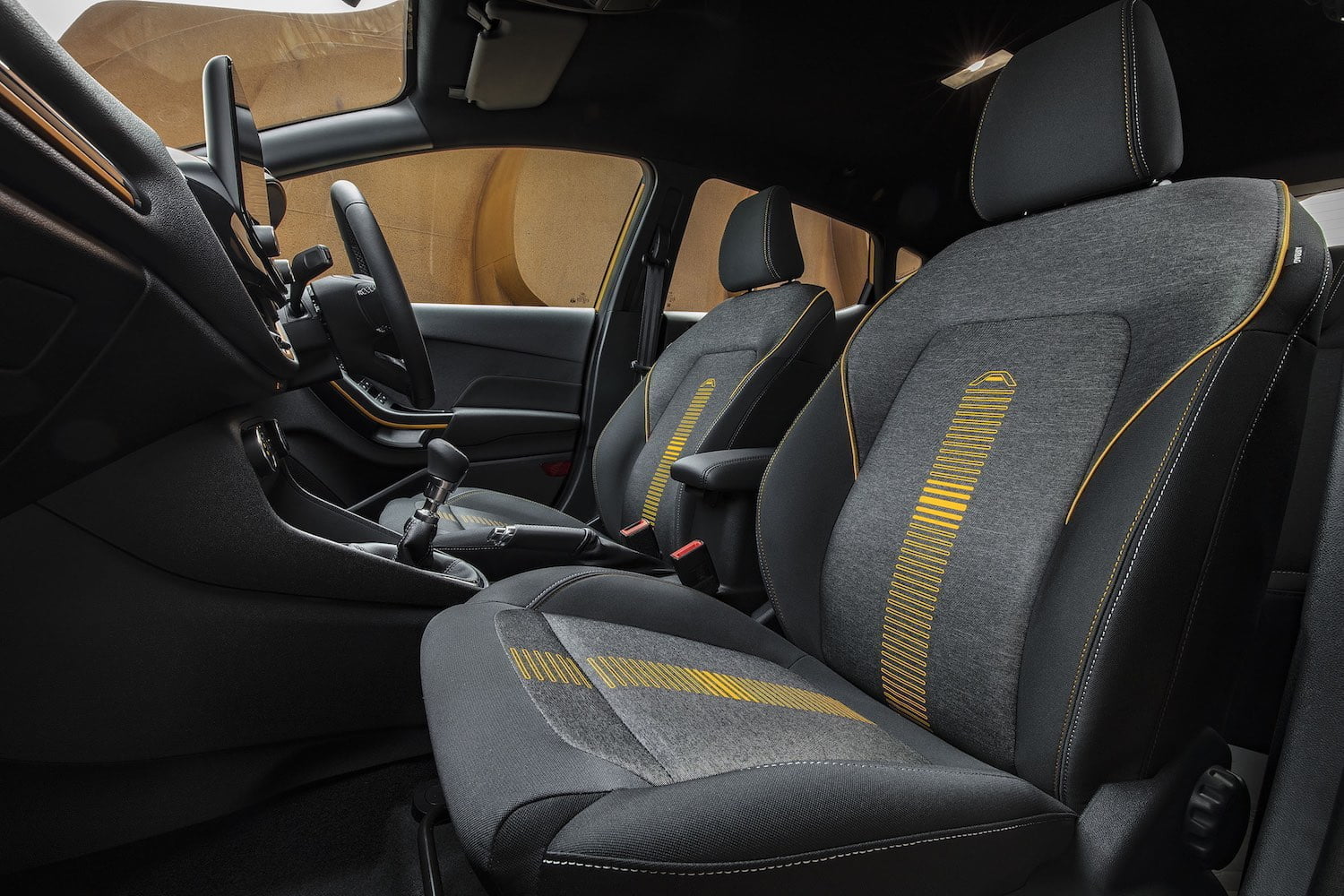
In the Active the main change is to the surfaces, which we are told now consist of more hard-wearing fabrics, developed in a new testing facility at Ford’s Dunton centre in Essex and aimed at owners with muddy boots and soggy passengers.
Ford expects the entry Active 1 to be the big seller in the line-up but choose the more expensive versions and the extras include interior upgrades – B&O Play models gain colour detailing, the Active X partial leather trim.
Dominating the top of the centre console is the touchscreen of the Sync3 connectivity system. This comes as standard on all models, but whether you get a six-inch or an eight-inch screen depends on which model chosen.
Sync3 is a definite plus of the model – it includes DAB radio and smartphone compatibility through Apple CarPlay or Android Auto, plus voice-activated commands of a range of smartphone apps.
Further tech is also available, such as the MyKey, which helps make loans of the car to the kids a painless experience by restricting just how enthusiastically they can drive it.
Driving the Ford Fiesta Active
One compromise that won’t need to be made by going Active is in powertrain choice. Depending on version, the car is available with 85, 100, 125 and 140hp petrol engines, all of them variations on the 1.0-litre three-cylinder unit.
While many superminis can’t be bought with a diesel engine these days, Ford offers two, both of 1.5 litres and with 85 or 120hp. Finally, both six-speed manual and auto transmissions are available across the range.
The 85hp engines, petrol and diesel, are only offered with the Active 1, but it is the 100hp unit that is expected to take the biggest slice of sales, and it is this version that The Car Expert drove on the launch event.
This is a proven engine with a string of awards behind it, and it is no surprise to find that it is refined in use and up with the competition in acceleration times, economy and emissions. It is a unit well suited to its surroundings.
Where the Active is likely to most differ from its Fiesta siblings is in its ride and handling, due to the jacked-up suspension. But the elevation is not radical and does not harm the much-heralded ride comfort of the car – in fact the Active feels just a little more cosseting on less than perfect surfaces.
In corners this model perhaps rolls just a little more than a stock Fiesta, but not to any degree that is a concern – everything is well controlled, the car as placeable as ever and the steering well weighted.
Summary
Ford might have taken a perceived cheaper option in turning the Fiesta into a sort-of-SUV but one gets the impression that buyers won’t mind one bit. The Fiesta Active adds a little bit of SUV style and some nice-to-have extras, but crucially does not harm any of the attributes that have made the Fiesta the car that everyone wants to beat.
Perhaps the scariest aspect of the Fiesta Active is its cost. Prices for the range start from £17,795 and our Active 1 test car with the 100hp engine has a list price of £18,095. However, our cars also boasted a few options – metallic paint, the useful Driver Assistance Pack, rear parking sensors, the B&O Play sound system and curiously a CD player.
All this lot pushes the price to £20,640. Yes, the £20 grand supermini is becoming a norm, but it still seems to be a lot to pay for a small car…
The Toyota Camry is to return to the UK, as a hybrid model to take on rivals including the Ford Mondeo Hybrid.
The large Toyota saloon will replace the current Avensis, which is set to be dropped from the Toyota line-up after persistently declining sales.
Camrys have not been sold in the UK since 2004, but the model is a major part of the Toyota line-up in other markets and the world’s best-selling saloon. The car enjoys a high reputation and profile in the US – Toyota Camrys have won two of the last three championship titles in NASCAR, America’s biggest motorsport series.
When the Camry goes on UK sale in 2019 it will be offered only with a hybrid drivetrain. This will effectively be the same unit already offered in the hybrid version of the RAV4 SUV, combining a 2.5-litre petrol engine with an electric motor. The car’s arrival will extend Toyota’s hybrid choices to eight, stretching right across the Japanese brand’s model range.
Toyota is not providing any specification or pricing details of the 2019 Camry yet, but says it expects the car to ‘maintain the company’s presence in the large and executive saloon market.’
The current Camry uses the Toyota New Global Architecture platform that also underpins a host of Toyota’s latest European models. It is a larger car than the Avensis that it will replace, and is expected to be more attractive to buyers, especially in the fleet market, as a result.
The Toyota Camry’s US profile is helped by constant success in NASCAR racing, Kyle Busch here celebrating with a burnout after winning the Coca-Cola 600 at Charlotte Motor Speedway on 27th May. (Photo: Sarah Crabill/Getty Images for NASCAR)
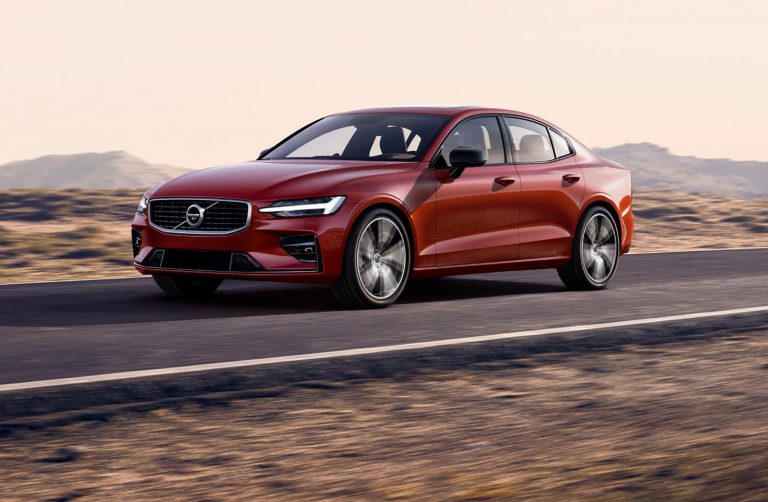
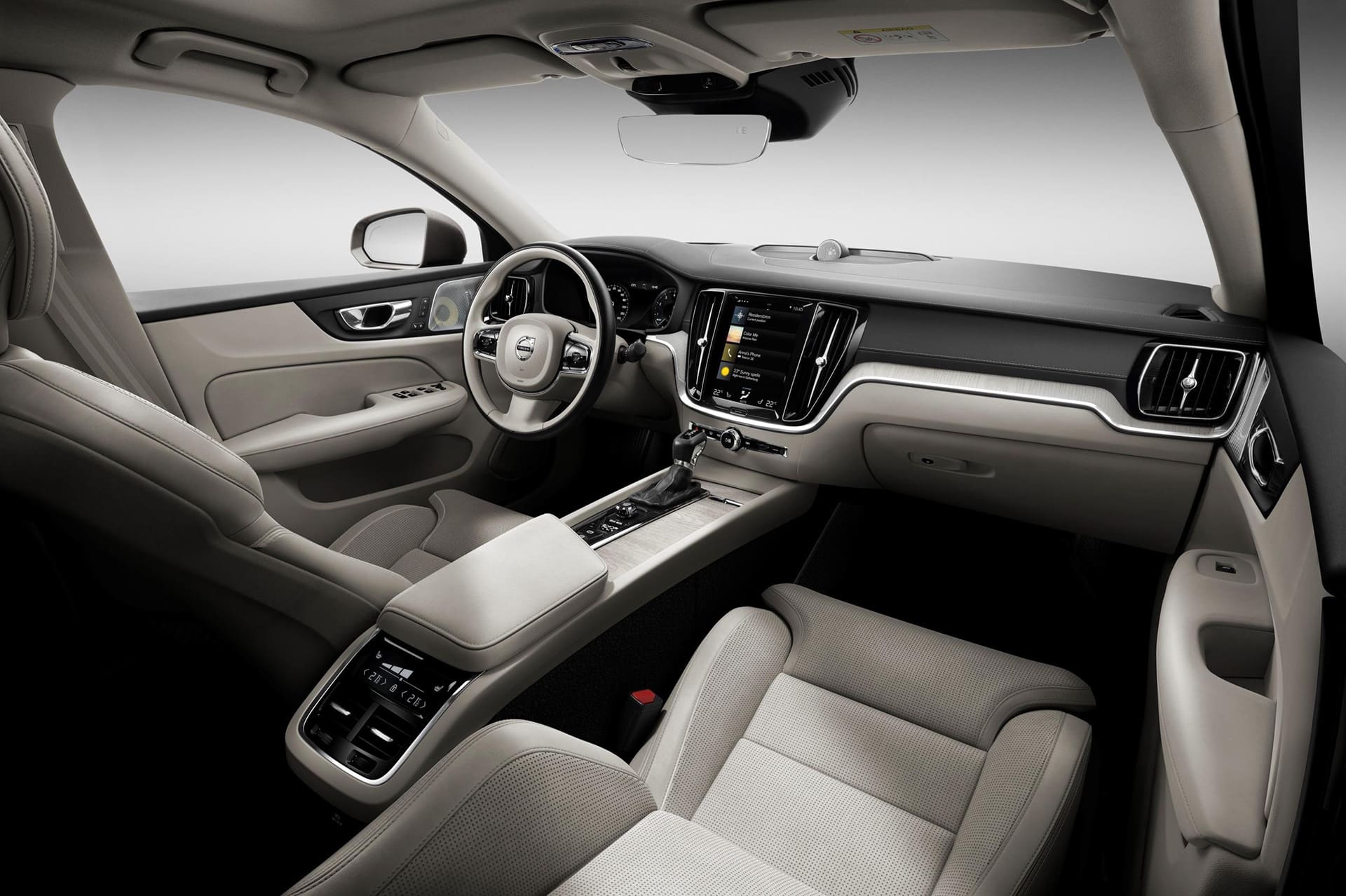
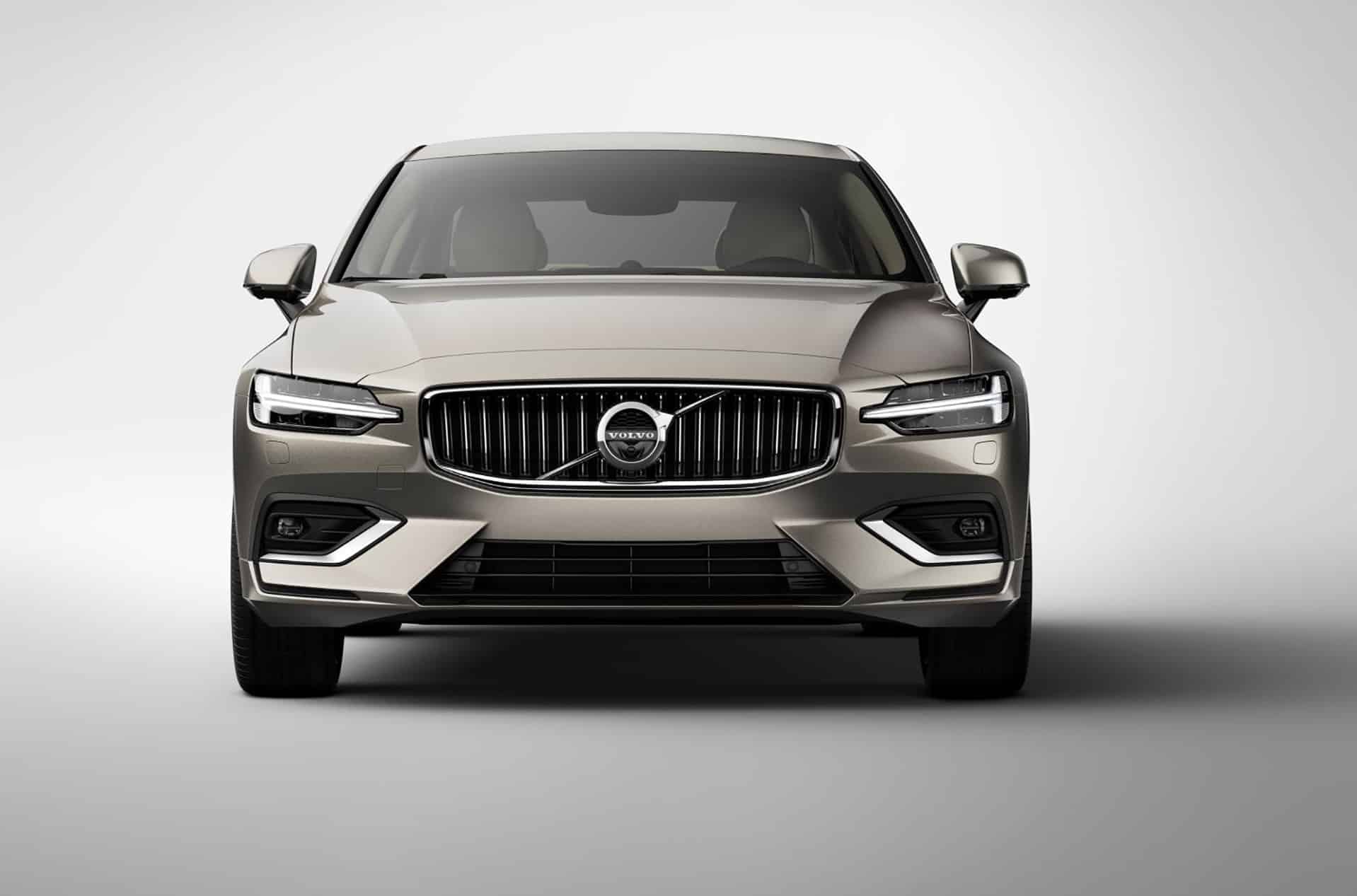
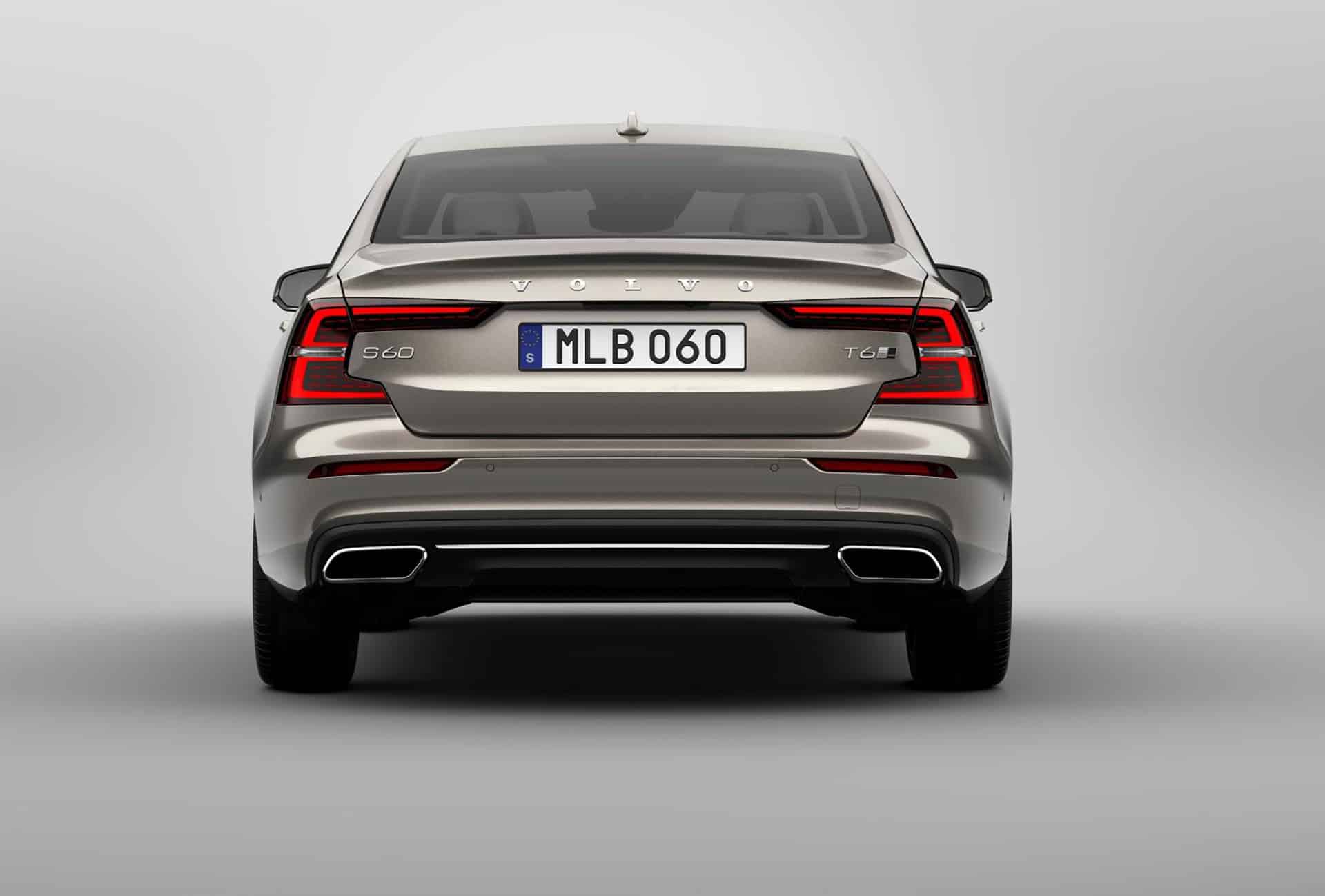
The much-trailed new Volvo S60 has been revealed, at the brand-new American factory where it will be built.
The new mid-sized model, which will join its already launched V60 estate sister in showrooms, will be the first Volvo manufactured in the USA, at a new plant in Charleston, South Carolina. The plant will begin production in the Autumn and from 2021 will also build the next-generation XC90.
The S60 will also be the first Volvo in the modern era that will not be offered with a diesel engine option. Volvo says this is a clear demonstration of its commitment to electrification and a future beyond internal combustion engines – the brand announced last year that all its cars offered from 2019 will be electrified in some form.
Four engines, two hybrids
Buyers will choose between the traditional T5 and T6 petrol engines and a pair of hybrid petrol units with both turbocharging and supercharging – the T6 Twin Engine all-wheel-drive hybrid produces a combined 340hp, while the T8 Twin Engine version, familiar from the Volvo 90 series, offers 400hp. However, the brand is not yet saying whether all four engines will be offered in UK 60 models.
Described as a ‘sports saloon,’and set to rival the mass-selling BMW 3 Series and Audi A4, the new S60 provides few surprises with its styling, both due to its estate sister already being on sale, and the fact that it is effectively a smaller version of the highly successful S90 series.
Both the S60 and V60 are built on Volvo’s versatile Scaleable Product Architecture (SPA) platform and share their safety tech and infotainment systems – which again are all lifted from both the XC60 SUV and the 90 Series. Autonomous emergency braking is standard, and Volvo adds that its City Safety with Autobrake technology is the only system on the market to recognise pedestrians, cyclists and large animals.
The Sensus Connect infotainment system offers Apple CarPlay, Android Auto and 4G smartphone compatibility on a tablet-style screen.,
The S60 can also be specified with the Pilot Assist system, which can take a degree of steering, acceleration and braking from the driver at speeds up to 80mph. Volvo says this has been upgraded for the S60 with improvements to its cornering performance.
Prices for the S60 are expected to be announced closer to its UK market launch likely early in 2019. It will also be available on the ‘Care by Volvo’ subscription scheme recently unveiled with the XC40 – this puts drivers in the car by means of a monthly flat-fee subscription, with no down payment, rather than ownership. The brand describes Care by Volvo as “making having a car as transparent, easy and hassle-free as having a phone.”
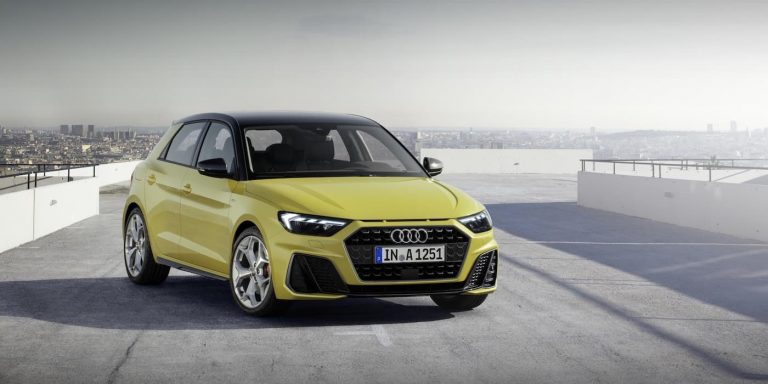
Audi has unveiled the all-new A1 Sportback – a second generation and completely rethought version of the A1 with the aim of putting a bigger dent in sales of the Mini.
Since its launch in 2010, the A1 has proven a strong seller for Audi and has become its third most popular model in the UK. But it only attracts around half the customers that the Mini does, and Audi wants a much bigger slice of that market – particularly younger buyers.
So the new A1 – available to order from September and on the roads in November – is a completely new design from the ground up. For a start, it comes solely in Sportback form – which is Audi speak for having five doors.
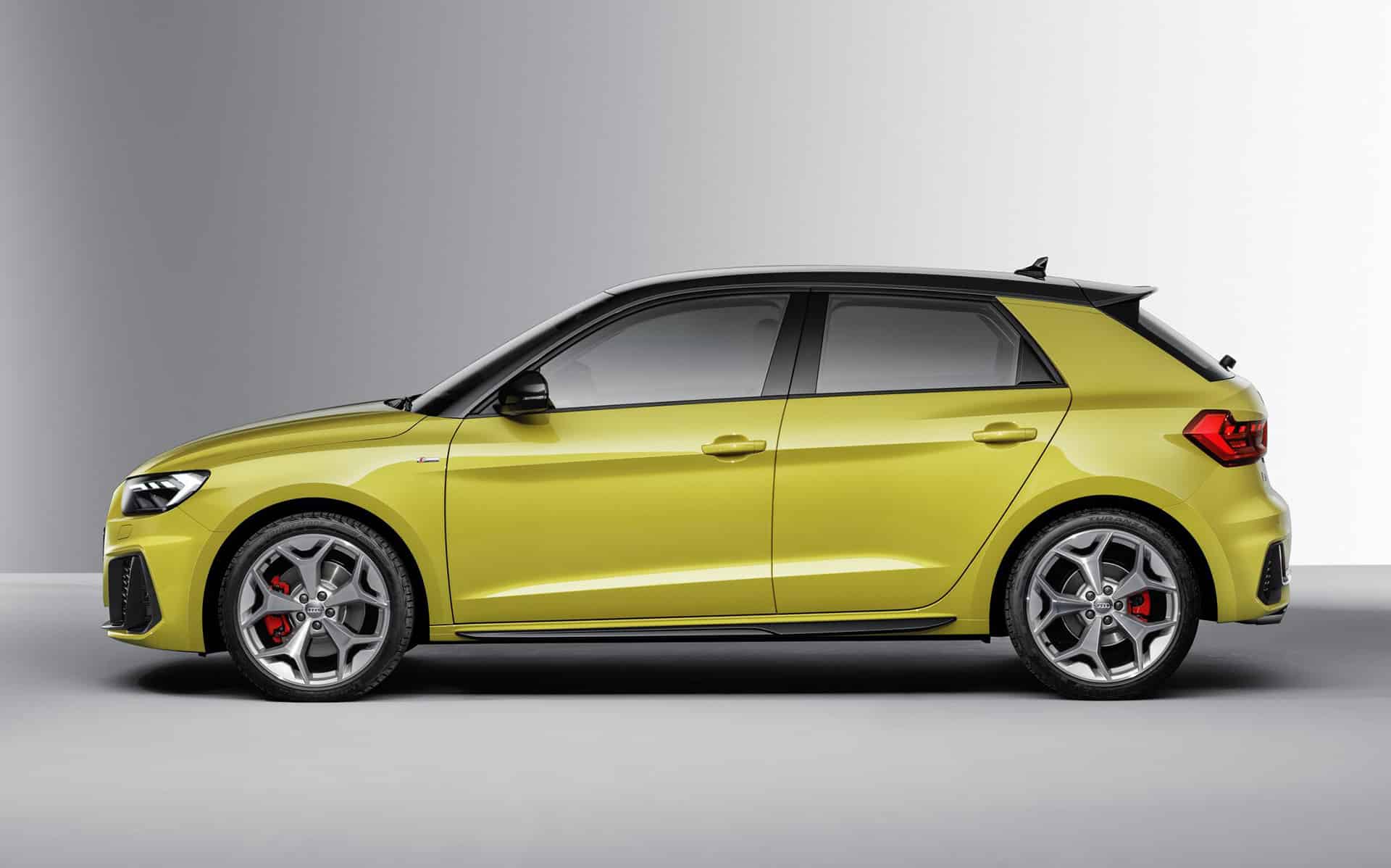
As a result, the body has grown in length by just over 5cm, the car now a tad more than four metres long. Combined with unchanged width and height of 1.7 and 1.4 metres, the result is a low-slung profile.
Just as important in Audi’s eyes is a more sporty exterior look, again seeking that younger, fashion-led audience. So the single-frame grille is wide and placed as low as possible, while the three flat slits in the bonnet are said to recall the iconic Sport quattro rally car of 1984.
The car boasts a contrasting and dark roof finish, this ending above the rear screen pillar and helping to emphasise the low look – in fact, all of the side styling is designed to draw the eye downwards.
Audi’s familiar SE, Sport and S Line trim options will be offered on the A1 Sportback and the S line models will include styling elements to further emphasise the sporty image, among them larger air inlets, additional trim on the sills, a long slit between the grille and bonnet and a larger rear wing.
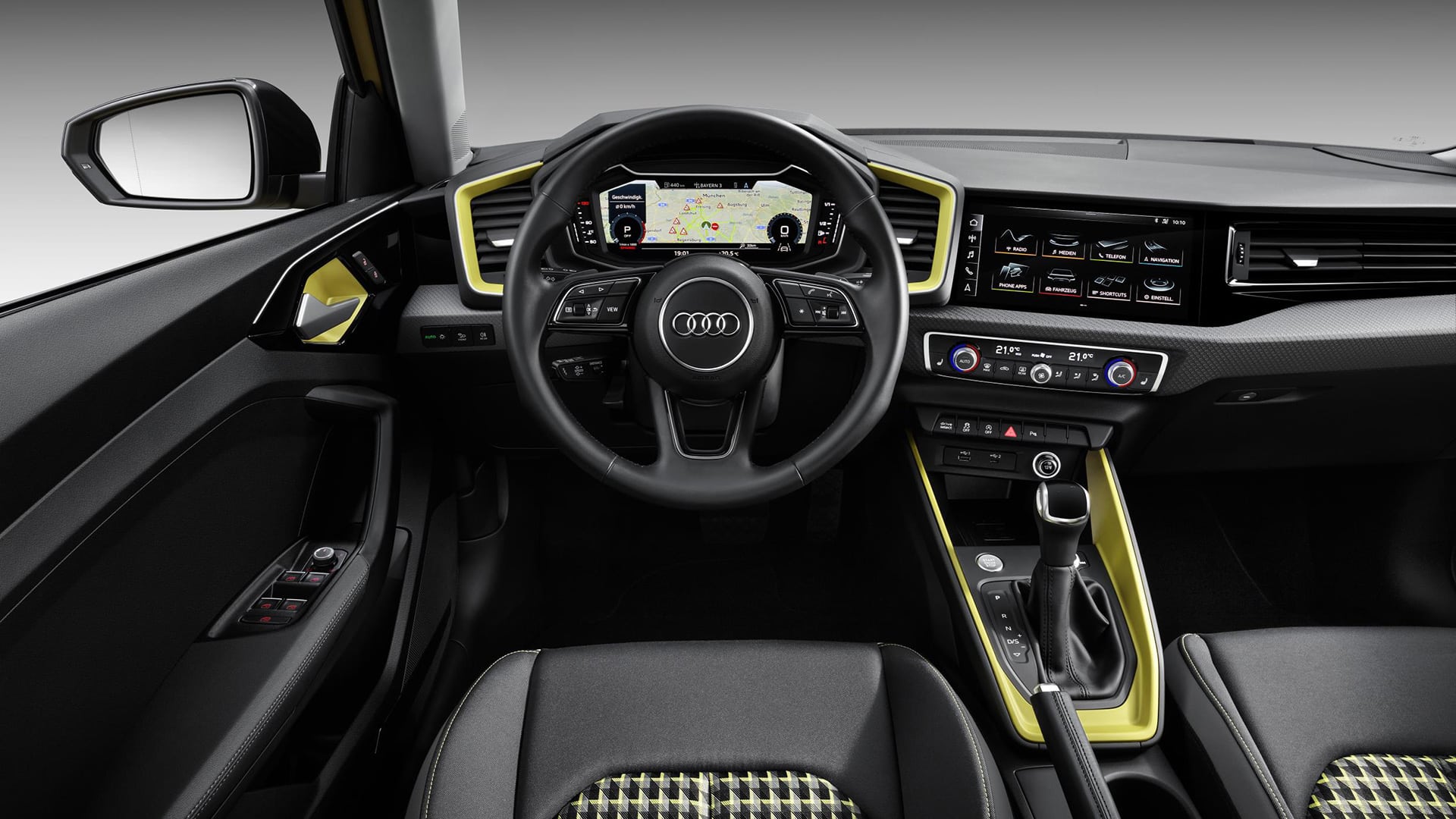
Inside has seen a major rethink too – gone has gone the ‘signature Audi’ dash layout, in its place a fascia full of sharp angles and with the major screens angled towards the driver. All but entry-level A1s will include an MMI touchscreen, which depending on model can range up to ten inches in size and include the features of Audi’s much-admired Virtual Cockpit.
At launch, the A1 Sportback will be offered with three engine options, all petrol. The 30 TFSI will employ a 1.0-litre three-cylinder unit with 116hp, there will be a 1.5-litre 150hp offering in the 35 TFSI, and a range-topping 2.0-litre unit with 200hp. This will come with a six-speed automatic transmission as standard, while the other two will offer a choice between a manual six-speed or seven-speed auto.
Shortly after launch, a new entry-level model will join the A1 Sportback range – this will be powered by the 25 TFSI engine with 95hp. An S1 version is also in Audi’s plans with 250hp. There has been no mention of any diesel engine options.
Prices for the A1 Sportback are yet to be announced – industry observers suggest they will rise closer to the £16,605 starting price of the MINI. Two ‘Launch Edition’ versions will also be available at launch – we are told they will be offered “in a range of vivid colours” with one having a design-led styling treatment and the other more sporty.
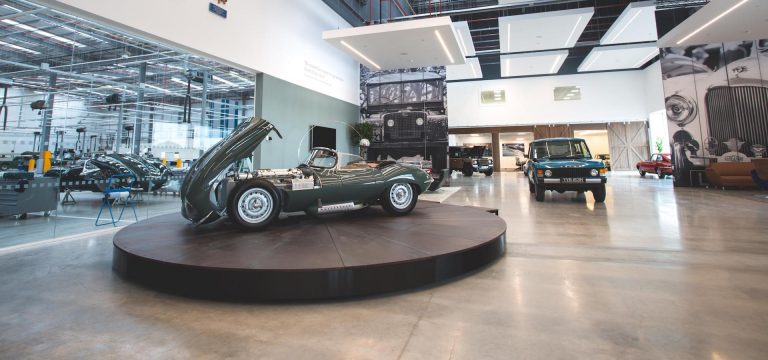
Coventry has seen its fair share of new car production over the last 100 years. But a brand-new production facility opened last year that is building new cars unlike pretty much anything attempted in the area before, and last month I was lucky enaough to join a private visit for a tour.
This is a new Jaguar facility, it has already been put to good use building three of the company’s newest models: the E-Type, the XK SS and the D-Type… If those names sound suspiciously similar to some famous Jaguar models from about 60 years ago, let me explain. Jaguar Land Rover Classics is building limited-run “continuation” vehicles of some of its most famous models.
New build, old style
The first of these was a run of six lightweight E-Type coupés, followed by nine XK SS roadsters, and now in production are 25 D-Type racing cars. All are brand-new vehicles, but built to exactly the same specifications as the original models from the 1950s and 1960s.
The continuation projects are quite controversial within the classic car world. Every single part of each vehicle is brand new, with nothing left from the original production runs. There is none of the original tooling and no-one involved played any part in the production of the originals.
Essentially the only difference between these cars and other third-party replicas is that they are built by a company owned by Jaguar Land Rover itself. Well, that and the price tags; the six E-Type continuations sold for a million pounds apiece, the XKSS pushed the price up to about £1.5 million and a new D-Types will set you back about £1.8 million.
Oh, and unlike the originals, the new ones are not street-legal as (unsurprisingly) they don’t meet any modern safety or emissions criteria. This is particularly ironic for the XK SS continuation models, which were originally created as road-going versions of the original D-Type racing car. So the XK SS continuation model is a track-only reproduction of a road-going version of a track-only car…
JLR Classic points out that original lightweight E-Type, XK SS and D-Type models have been changing hands for many millions of pounds in recent years, so these continuation models are not competing in the same marketplace.
In any case, all 40 continuation build slots were sold to hand-picked customers before they were even publicly announced, so Jaguar is not especially concerned by anyone’s disapproval.
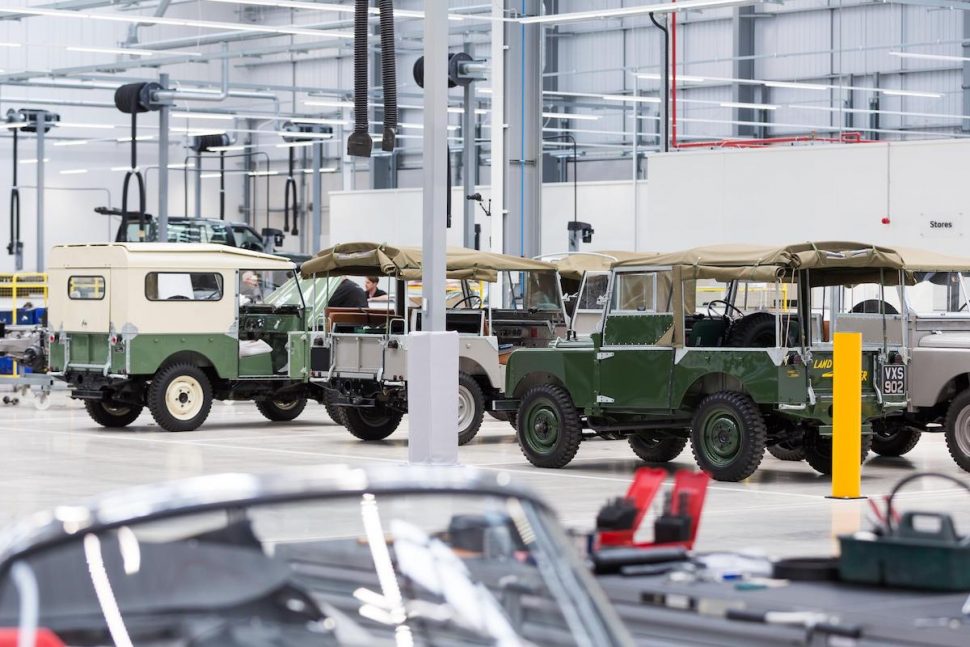
Fortunately, the workmanship is commensurate with the price tag, and in reality much better than the original racing cars that were knocked up in a far more rapid and roughshod manner. The technicians go about their craft in spotless, brightly-lit and quiet work bays, with each car taking about three months to build.
More than continuation models
If you can’t quite stretch into seven figures for a classic Jaguar, JLR Classics has a range of other projects on the go, with Land Rover Series One restorations starting at about £65K and “reborn” Jaguar E-Type Series One models at about £270K.
There’s also a number of work bays dedicated to maintaining XJ220 supercars from the 1990s, and a programme of one-off bespoke vehicles like Project Dylan, a fully-electric Jaguar E-Type unveiled last year and recently famous as the wheels of choice for Harry and Meghan’s post-wedding escape. If you thought the continuation project was divisive, the electric E-Type was originally referred to within Jaguar as Project Marmite…
Behind the workshop is an immaculately-assembled collection of a few hundred classic cars – mainly but certainly not exclusively JLR models – from the last hundred years or so. We weren’t allowed to take photos in there on my recent visit, but the collection of assembled vehicles is simply mouth-watering. From pre-war (and pre-Jaguar) vehicles through to the C-X75 vehicles hand-built for the last James Bond movie, SPECTRE, there’s something for every genre of car enthusiast.
JLR Classics public factory tours are available from £49, and have proved very popular since the facility opened last June. It’s well worth a visit.
The Mitsubishi Shogun Sport will go on UK sale in July at prices starting from £37,775.
The Shogun Sport currently sells in Asia as the Pajero Sport, and Mitsubishi hopes it will become one of its best-sellers in the UK, capitalising on the current popularity of SUVs among UK buyers.
Adding the Sport to the existing Shogun, the Outlander and the smaller ASX, and with the L200 pick-up also in the line-up and a new Eclipse Sport model set for launch later in 2018, the brand believes it will offer the widest range of 4×4 models in the market.
The Shogun Sport is a large seven-seat SUV aimed at the traditional end of the market, with full off-road ability. Available only with a 2.4-litre turbo diesel engine of 181hp, it is fitted with Mitsubishi’s Super Select II all-wheel-drive system with a rear differential lock, and a terrain control system with four standard settings – gravel, mud/snow, sand and rock.
New eight-speed auto
Launching with the model is a new eight-speed automatic transmission. This is said by Mitsubishi to improve fuel economy and emissions, while it includes a Sport mode manual override allowing the driver to change gear with shift paddles on the steering wheel or with the lever. When off-road in sand or rock mode the transmission prevents the driver from unintentionally shifting up a gear to ensure all torque required is available.
The car will launch in two variants. The £37,775 price tag buys the Shogun Sport 3, highlights of its specification including leather upholstery, electric seats, a reversing camera with parking sensors, keyless operation and smartphone compatibility for Apple CarPlay and Android Auto.
The Shogun Sport 4, costing an extra £2,000, adds a number of extras, particularly to the safety package. This gains adaptive cruise, control, a forward collision airing with autonomous braking, blind-spot warning and a 360-degree camera. It also includes an Ultrasonic mis-acceleration Mitigation System – this reduces the chance and severity of hitting obstacles when the driver mistakenly presses the accelerator when stationary or at speeds of up to 6mph.
Other additions to the Shogun Sport 4 include heated front seats, an upgraded audio system and headlamp washers.
EDITOR’S NOTE: This article is from 2018, and we have a new article with running costs for 2022 that shows the average running costs have now increased to about £220 a month.
One of the things we always preach here at The Car Expert is that you need to make sure you can comfortably afford to run whatever car you’re looking at buying. Now a new report has helped put some numbers on those running costs.
The report, commissioned by Kwik-Fit, has calculated that the average UK motorist spends £162 per month on running their car. That covers things like fuel, insurance, road tax and servicing, and doesn’t include the cost of the car itself.
Kwik-Fit’s research found that the average monthly car finance payment was just over £226. Given that most car buyers (both new and used) are borrowing money from somewhere to pay for their car, that means that the average total monthly spend on a car is about £400 per month in the UK.
Based on £162 per month, the annual running cost of a car averages out at just under £2,000. Obviously, some of those expenses are small, regular amounts like fuel, which accounts for an average of £67 per month. Other costs are larger, annual bills like a service (average of £191) or unexpected repairs and breakdowns (average of £159).
As part of your new or used car purchasing plans, you should look carefully at your likely expenses to make sure you have enough in hand each month to cover your known expenses and put towards any unexpected costs that may pop up. I’ve just spent more than £500 on an annual service and new brakes for our family car, which is enough to go way over the average costs shown in the table below. If you don’t have enough of a buffer in your finances to cover these bills when they crop up, it’s very easy to fall into financial trouble.
The table below shows the average amounts drivers spend each month on their motoring costs.
Item
Average monthly spend
Fuel
£67.63
Car insurance
£31.64
Routine maintenance and servicing
£15.96
Unexpected repairs and breakdowns
£13.26
Vehicle excise duty (road tax)
£12.16
Breakdown cover
£6.96
Parking permits and tickets
£6.89
Cleaning
£4.15
Fines
£3.69
Monthly average total (excluding finance)
£162.33
Finance
£226.12
Monthly average total (including finance payments)
£388.45
Source: Kwik Fit
The research also threw up some other interesting numbers. Almost a third of respondents said that they kept their car cleaning costs down by only using household cleaners. People, no! Household detergents are far too harsh for your car’s paintwork and will eat it up, leaving your car looking faded and splotchy in no time.
Of more concern was the suggestion that 8% of motorists spend nothing on routine maintenance, trying to save pennies by not having their car serviced at all.
Kwik Fit’s communications director, Roger Griggs, says this could be a false economy: “Regular servicing is important to ensure a car is running efficiently, and also to pick up any issues before they create long-term damage. As with most things in life, prevention is usually better than cure.”
Servicing plans – check the fine print
The purpose of the research was to promote Kwik-Fit’s service plan offer, matching similar plans offered by manufacturers and car dealers. Any service plan can be a good way to spread your annual maintenance expenses, but you need to look carefully at the fine print to ensure that any terms and conditions suit your needs.
The Kwik-Fit plan allows you to take your car to any Kwik-Fit garage in the UK, but has limitations on the age and mileage of the vehicle, and the plan only lasts for one year. Some dealer plans offer a multi-year plan but lock you into that specific dealership for servicing, which is no good if you move house to the other side of the country.
Keep some cash handy for unplanned expenses
Finally, we can only repeat what we’ve already said above and repeatedly in recent years. Any car can go wrong at any time with expensive consequences, so you need to make sure your wallet can cope with it.
It doesn’t have to be a breakdown or failure – it could be a puncture or damaged wheel from hitting a pothole. It could be a broken window from a vandal or thief. It could be that you accidentally put the wrong fuel in your tank during a moment’s inattention (it happens every four minutes), or any sort of unexpected drama.
If you are so financially stretched that you can’t deal with these inevitable demands on your bank account, you are very likely to hit money troubles at some stage of your car ownership. Choose a cheaper (or cheaper to run) car.
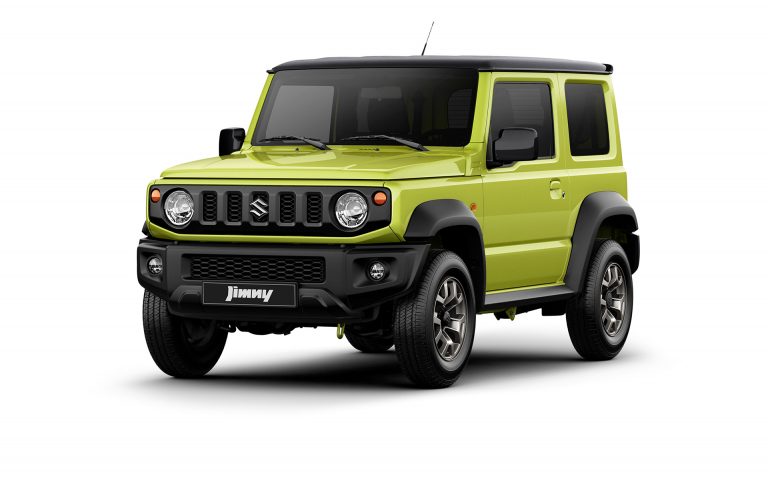
The look of the next Suzuki Jimny SUV has been revealed in an official picture released by its makers.
The fourth-generation model will launch first in Japan and is not expected on UK roads until early in 2019.
It has always been regarded as a traditional SUV in the Suzuki line-up, with proper off-road ability and its own core fan base as a result.
It is clear from the pictures that Suzuki will not be seeking to change this image. The Jimny retains its signature square, rugged exterior styling and also the traditional ladder chassis employed by the more robust off-roaders.
Also revealed is the use of a rigid three-link suspension system, and part-time four-wheel-drive with a low-range transfer gearbox – again answering the demands of off-roaders.
Current trends to personalisation will be encouraged by a trio of two-tone exterior finishes alongside the five single colours.
Suzuki describes the interior as ‘straightforward, down-to-earth beauty’ but the image shows the brand’s signature centre console layout topped by its standard infotainment screen with satnav and smartphone compatibility for systems such as Apple CarPlay.
So far no details have been released regarding the engines that will power the new Jimny. Industry sources suggest they will include the 1.2-litre and 1.0-litre turbo petrol units currently available in other Suzuki models, and will not include a diesel option, Suzuki having dropped all diesel form its UK range in recent months.
Suzuki launched the first Jimny in 1970 and has since sold 2.85 million around the world. The popularity of such cars, especially in countries such as India, has helped make Suzuki the eighth largest car manufacturer in the world, with 3.16 million sales in 2017.
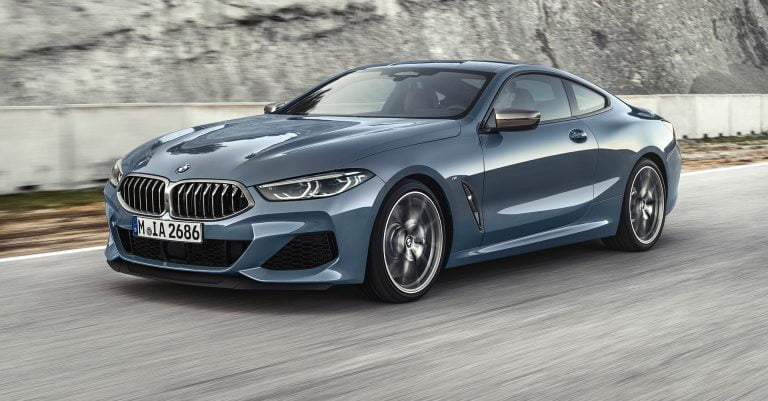
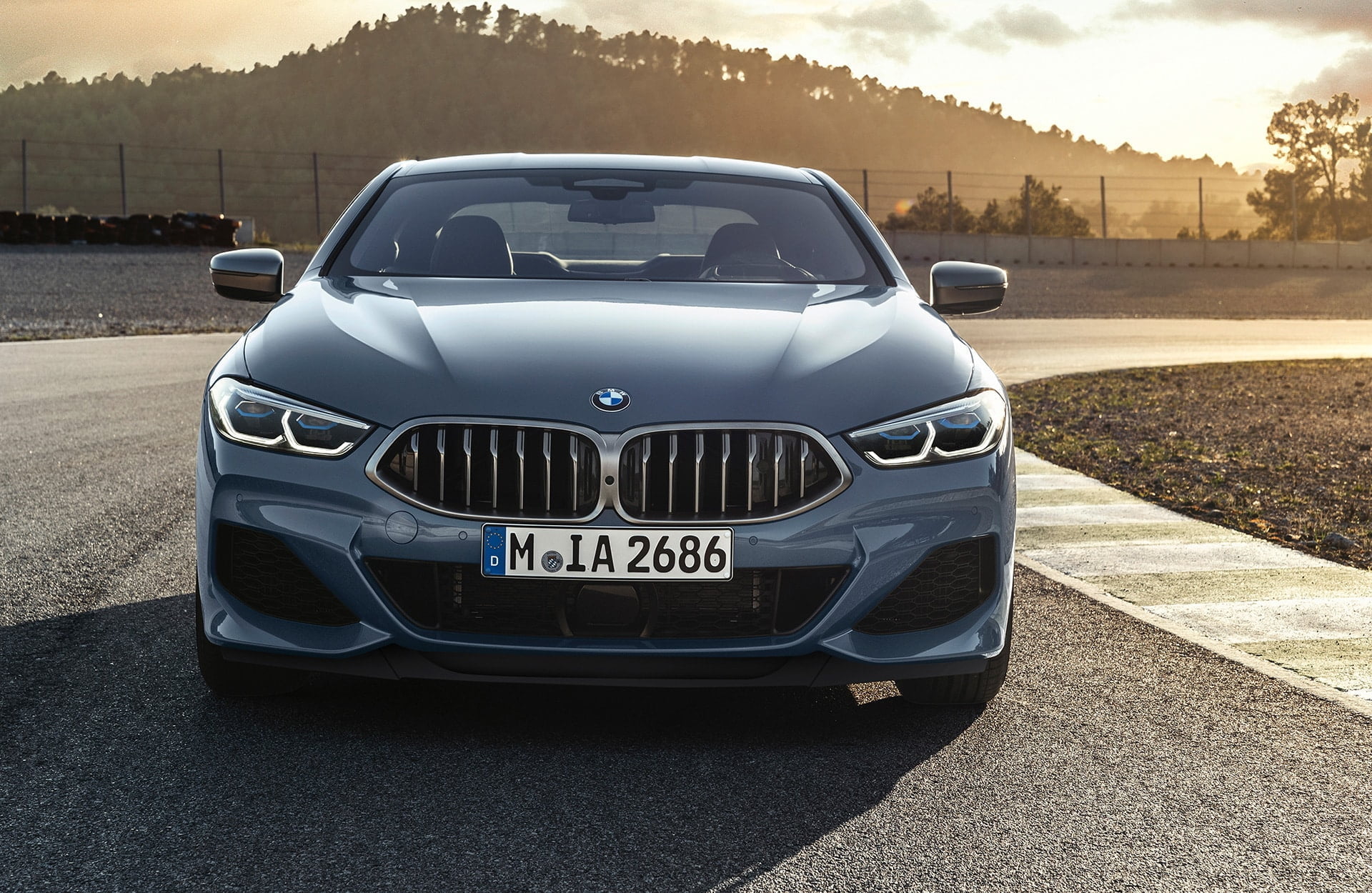
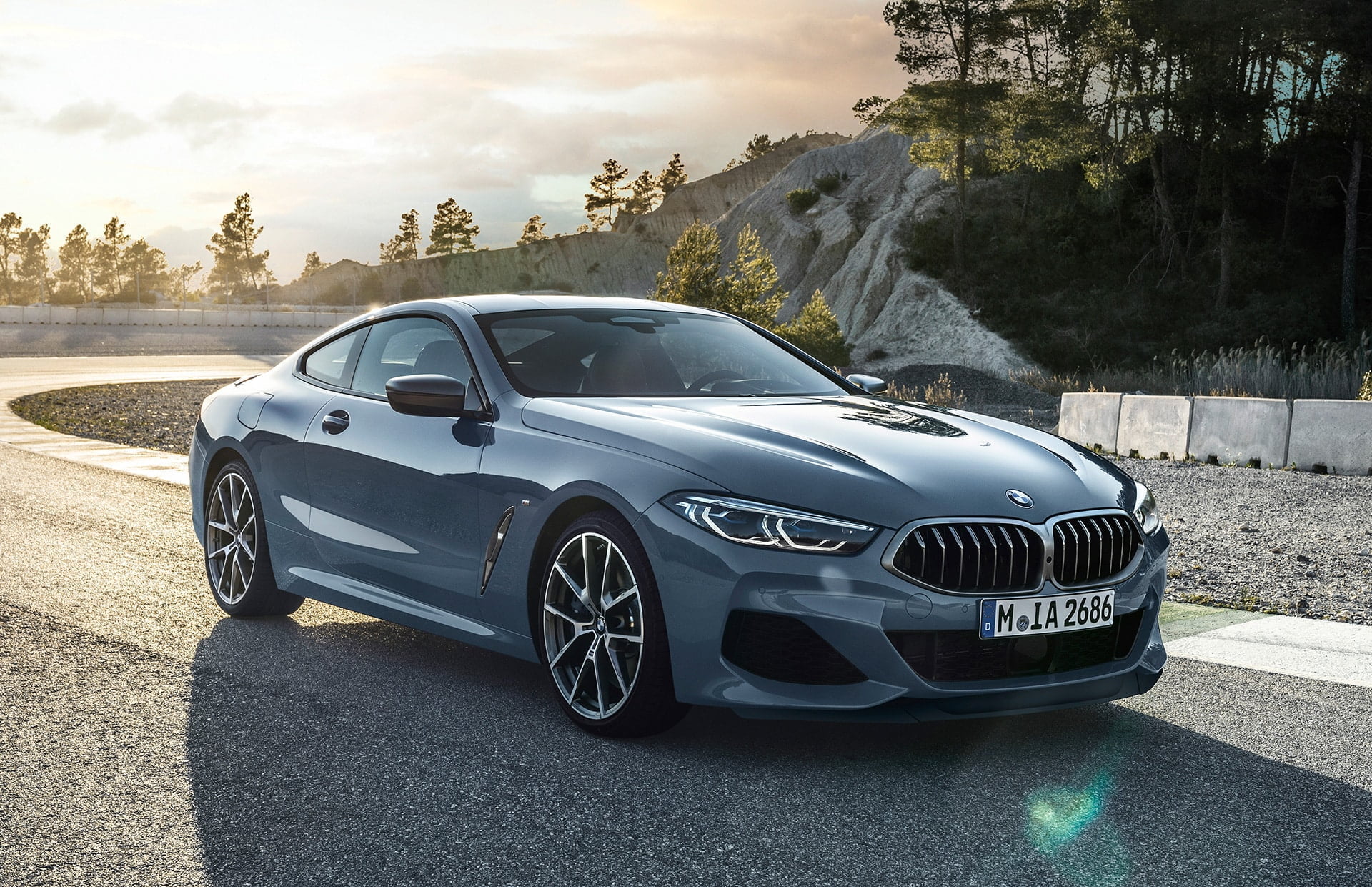
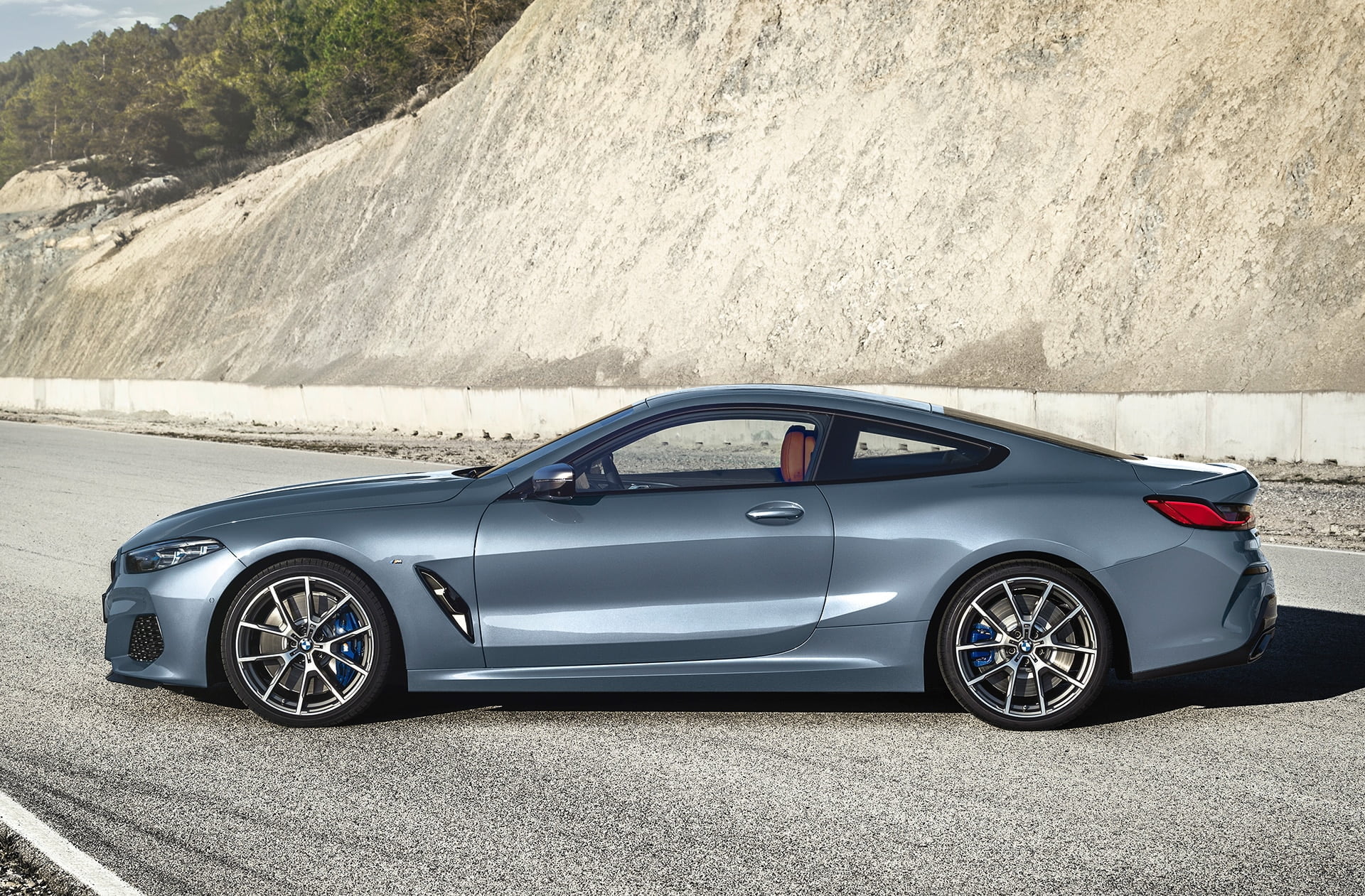
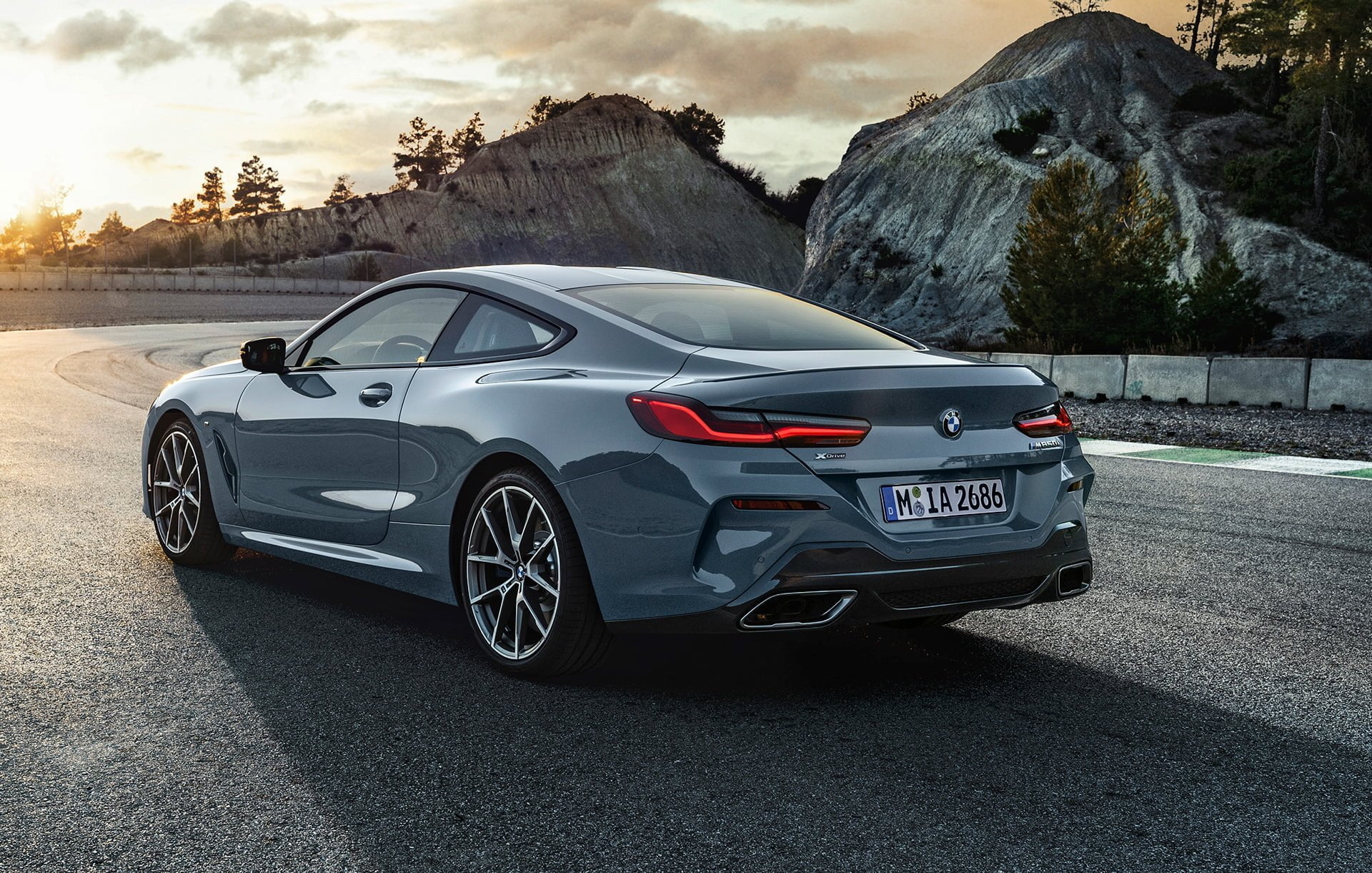
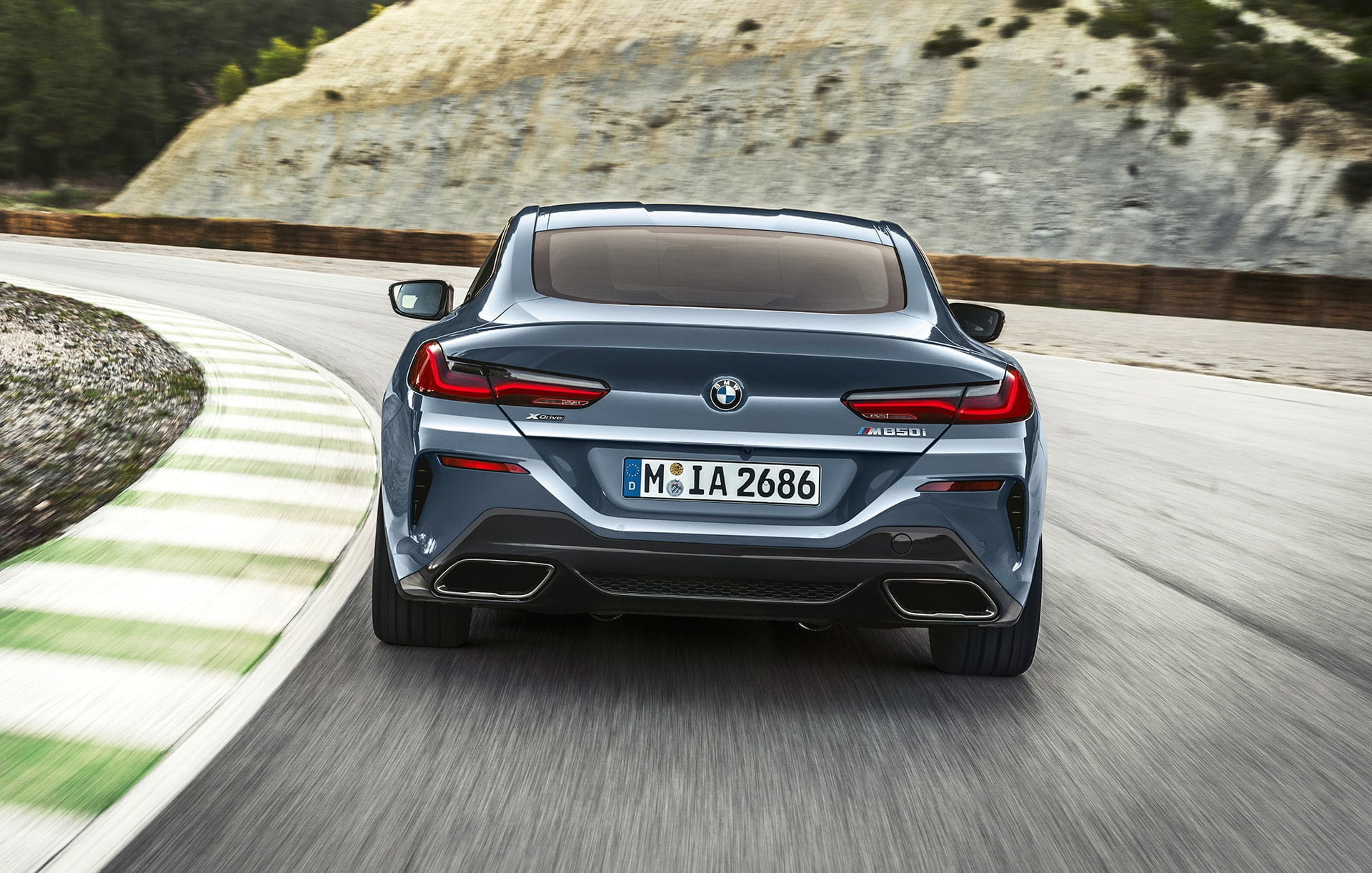
The production version of the BMW 8 Series coupe has been unveiled at the Le Mans 24 Hours race.
Dealers have already opened order books, at prices starting from £76,270. Built at the brand’s Dingolfing plant, which also produces the 7 Series, the 8 Series is expected on the roads from November.
Described by its makers as “the start of a new chapter in BMW’s long and illustrious history of making iconic and sensational sports cars” and “one of the most exciting new models to emerge in years”, the new coupe continues a BMW tradition of reserving the 8 designation for its top-level cars – previous examples include the Z8 roadster and the current i8 electric coupe.
It has been developed alongside the BMW M8 GTE world endurance racer, which gave BMW good reason to unveil the production car at Le Mans, the blue riband event of entrance racing.
Initially, the 8 Series will be available with two engine options – the entry 840d will use a 3.0-litre six-cylinder turbo diesel engine with 320hp and 680Nm of torque. While capable of a 0-62mph time of 4.9 seconds, it will also return 46mpg with CO2 emissions of 160g/km.
The lead M850i, costing from £100,045, will employ BMW’s latest 4.4-litre V8 petrol engine, at 530hp 68 horses more powerful than the unit it replaces, and with 750Nm of torque, up by 100Nm. Hitting 62mph from rest in 3.7 seconds, it is quoted at 28.3mpg and with emissions of 228g/km.
Both engines are matched to an eight-speed automatic transmission and all-wheel drive. The transmission has undergone several improvements including reduced weight, an updated electronic controller and revised ratios. This has helped efficiency by reducing engine speeds.
The transmission also boasts steering-wheel shift paddles for manual control and a launch-control function to enable the most potent acceleration from a standing start.
The all-wheel drive system is rear-biased, with all its torque directed to the rear wheels except when conditions demand more grip on the front axle.
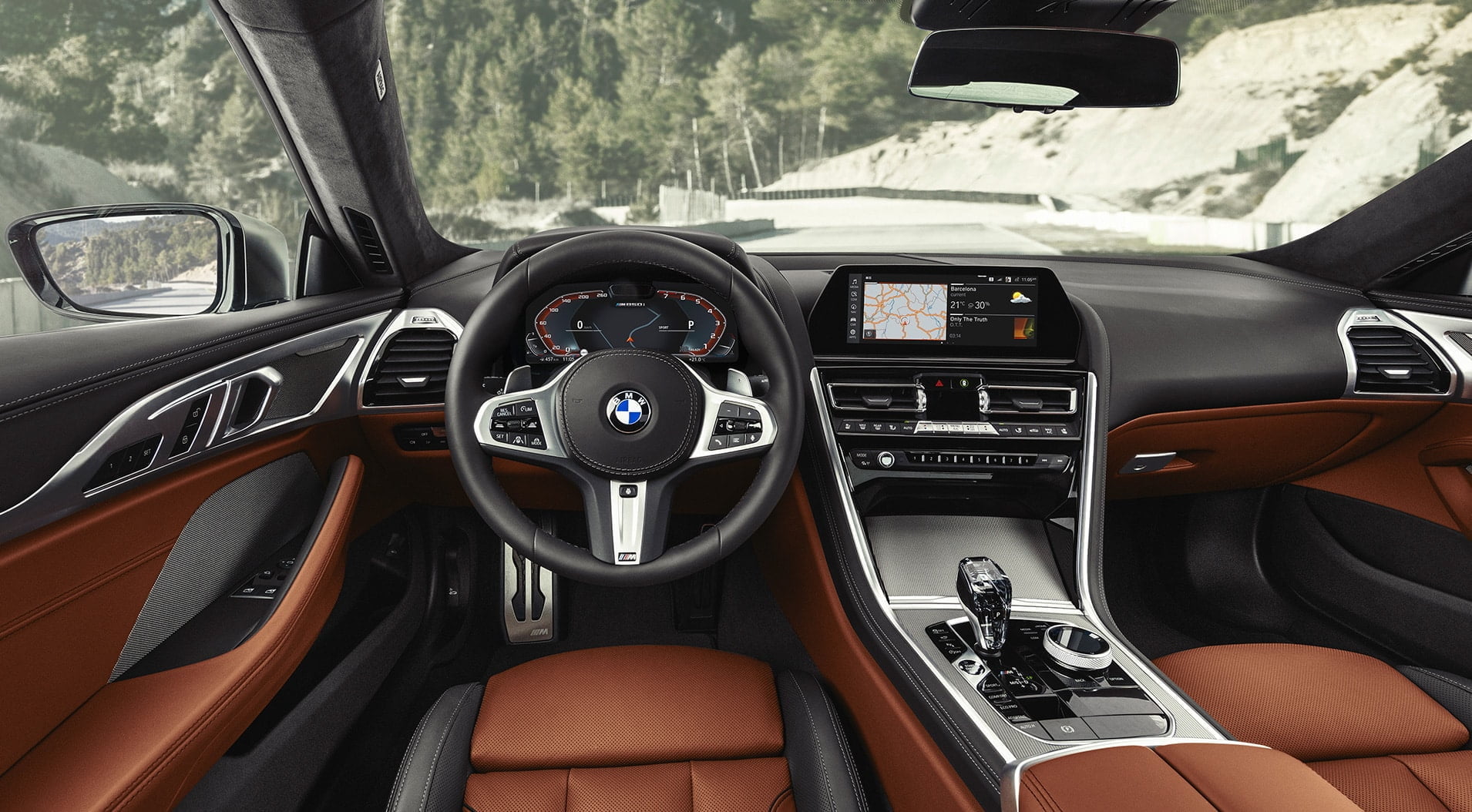
Technology features heavily in the 8 Series – particularly in terms of safety and connectivity. A suite of driver assistance systems under the title of BMW Personal Co-Pilot includes camera, ultrasonic and radar detectors. Cruise control with autonomous braking is standard, as is collision and pedestrian warning, and a head-up display.
Connectivity services include a digital personal mobility assistant service, that integrates with smartphone compatibility extending across Apple and Android devices, as well as Alexa and Google smart devices. It even integrates with Microsoft Office software.
Thatcham Research and the ABI (Association of British Insurers) have demanded greater clarity from carmakers regarding the autonomous capabilities of their vehicles. This follows increasing instances of crashes attributed to an over-reliance on autonomous technology, which has not yet developed to the point of driving the car independently.
Risks to UK drivers have been detailed in a new paper, titled “Assisted and Automated Driving Definition and Assessment.” It highlights the dangerous ambiguity surrounding some driver support technologies, particularly criticising the misleading names given to these systems, such as Tesla’s Autopilot or Nissan’s ProPilot, by carmakers.
Matthew Avery, Head of Research at Thatcham Research, commented: “We are starting to see real-life examples of the hazardous situations that occur when motorists expect the car to drive and function on its own. Specifically, where the technology is taking ownership of more and more of the driving task, but the motorist may not be sufficiently aware that they are still required to take back control in problematic circumstances.”
Avery stresses that “fully automated vehicles that can own the driving task from A to B, with no need for driver involvement whatsoever, won’t be available for many years to come. Until then, drivers remain criminally liable for the safe use of their cars and as such, as the capability of current road vehicle technologies must not be oversold.”
Thatcham Research has released a video showing what can happen when a motorist thinks a car can drive itself, which you can see below:
To guide both carmakers and legislatures, Thatcham Research has written a list of ten criteria that every assisted vehicle must meet before it can be considered automated. It has also revealed details of a new consumer testing programme to assess assisted driving systems against these ten criteria.
The first round of tests will take place this summer. Elements of the test include: Studying manufacturers’ promotional literature to see how clearly the system capabilities are explained, analysing how drivers cope with enabling the systems, and assessing what happens when the driver is required to take back control. The results will be published in the Autumn.
The latest consumer car finance figures show that customers are still borrowing more and more money on both new and used cars.
Results for April 2018, released last week by the Finance and Leasing Association, show that the number of new car finance deals matched the strong growth in private new car sales in the same month, bouncing back from a very poor month in April last year. The value of that lending continued to increase, resulting in about a 3% increase in average new car borrowing on private new cars.
Used cars also had a very strong month in April, after a small drop in March. While used car sales figures for the quarter won’t be released for a few months, a 20% increase in the number of used car finance deals was recorded. Combined with a 28% increase in the amount of money lent to consumers, this resulted in a 6% increase in the average borrowing on used cars. This made April the strongest month of the year to date for used car finance, which is unusual.
Cars bought on finance by consumers through dealerships
New business
Apr 2018
% change on prev. year
3 months to Apr 2018
% change on prev. year
12 months to Apr 2018
% change on prev. year
New cars
Value of advances (£m)
1,606
+31%
5,883
+2%
18,962
+1%
Number of cars
81,734
+27%
300,464
-4%
974,659
-8%
Used cars
Value of advances (£m)
1,569
+28%
4,474
+15%
16,282
+14%
Number of cars
134,159
+20%
383,666
+10%
1,406,333
+8%
Total cars
Value of advances (£m)
3,174
+29%
10,357
+7%
35,244
+6%
Number of cars
215,893
+23%
684,130
+3%
2,380,992
+1%
Data (c) Finance and Leasing Association
Finance market continuing at record levels
Looking back at the results o er the last 12 months, the value of lending on new cars continues to increase despite the sales slump of the last year. Meanwhile, the used car market is continuing its steady march onwards and upwards. In fact, the total lending on used cars is closing in on the lending for new cars (albeit based on a greater number of deals).
Nearly 90% of all private new car sales are financed at point of sale through dealer-sourced finance, a number which continues to creep upwards. The majority of these sales are funded using a personal contract purchase (PCP), with an ever-decreasing number of private new car buyers using cash or other sources of finance to purchase their cars.
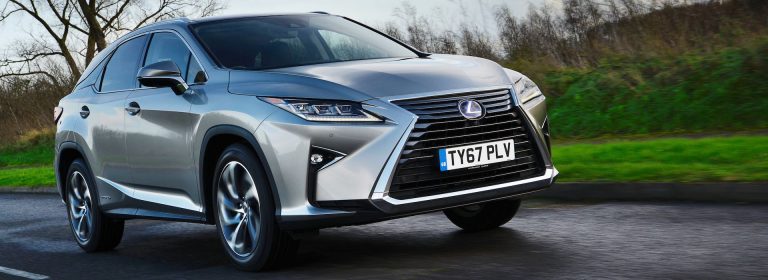
The Lexus RX 450h is a petrol-electric premium large SUV.
Key features Hybrid drivetrain, top-quality interior, good safety package
Our view The Lexus RX 450h is a quality premium SUV with the very worthwhile extra element of the economy and efficiency of its hybrid drivetrain.
The recent addition of an F Sport trim level adds an extra performance element, and to the overall appeal of a model that should be a serious consideration against the Audi Q7 or Volvo XC90.
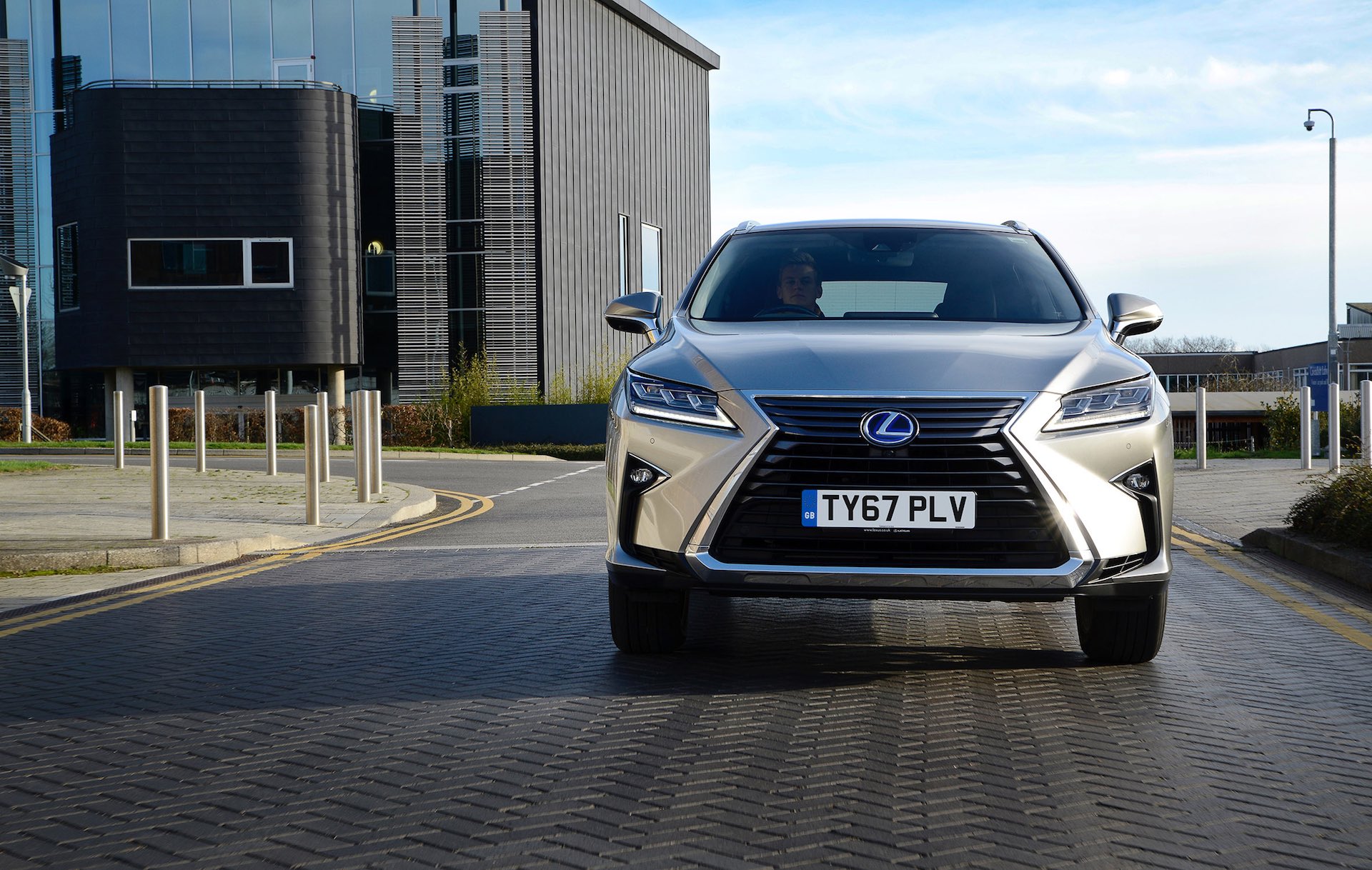
Visually the RX makes quite a statement, with the Lexus signature ‘spindle grille’ dominating the front end.
Full review
Introduction
The buyer seeking a large, upmarket SUV has quite a choice these days, with more new models consistently expanding the options available. But for many years, the Lexus RX offered something no rival could – a hybrid drivetrain.
Now, however, both of the perceived closest rivals to the Lexus, the Audi Q7 and Volvo XC90, also include versions with electric motors. But both are plug-in, as opposed to traditional, hybrids – while boasting fuel economy in treble figures and CO2 emissions in only double, and thus the resultant tax advantages, they also cost a lot more to buy; £8,000 plus for the Volvo, £13,000 for the Audi.
So for those wanting a hybrid, but with not-too-deep pockets, the Lexus remains the prime choice. Is it a good one?
Buying and owning the Lexus RX 450h
The Lexus RX has been around since 1998 and the fourth-generation model launched in 2015. It was on a new platform with a longer wheelbase, freeing up more interior space, and the comfort and luxury elements expected in a premium SUV were improved.
Visually the car makes quite a statement. The Lexus signature ‘spindle grille’ dominates the front end, with the angular styling and lots of chrome detailing ensuring the RX is easy to spot in the company car park.
At a time when petrol is reasserting itself over diesel, the Lexus RX 450h offers a major advantage – better than 50mpg fuel economy and CO2 emissions of 127g/km are the sort of figures one would expect from a diesel version of a vehicle this size. This is a big petrol SUV that a company car driver can seriously consider.
Trim levels for our RX 450h range across four – SE, Luxury, F Sport and Premier. Generally, the Luxury has been considered the best value for money, but the recently released F Sport has added a new element to the range – it’s pitched as a more performance-orientated model, the major addition being self-levelling air suspension.
Our test car is to F Sport spec – visually it gains some bespoke detailing, a black finish to the mesh grille and satin chrome bits. And it sits as standard on 20-inch wheels, more purposeful than the standard 18-inch rims.
More importantly, the F Sport includes adaptive variable suspension, or AVS, as standard. Each damper is individually electronically controlled according to road conditions – soft and smothering on rougher surfaces, firmed up to keep the car upright when cornering at speed.
F Sport also adds a couple of extra settings to the driver-controlled Drive Mode Select – configuring a number of parameters across the car including suspension damping, engine output, the response from the throttle.
On SE and Luxury versions the Drive Mode Select options are Normal, Eco or Sport – they act as their names suggest. F Sport (and range-topping Premier) models add Sport S and Sport S+ modes.
Sport S makes the accelerator react even quicker than in Sport mode, the hybrid system biasing itself towards performance, while Sport S+ also sharpens up the power steering and further stiffens the suspension.
When crash-tested by Euro NCAP in 2015, the RX clocked up a top-notch five-star rating. It comes as standard with the Lexus Safety System+. Its suite of active safety systems includes autonomous emergency braking, which on the range-topping Premier models is also part of the rear cross-traffic alert, so stopping a driver reversing out of a space straight into the path of a car, or a pedestrian.
Also included are the other systems that are fast becoming the norm these days – adaptive cruise control, lane-keeping, auto high beams, traffic sign recognition and on Premier models a blind-spot monitor and parking sensors upgraded to include bird’s-eye view panoramic camera.
The system also includes a ‘sway warning’ which detects if the car is moving about its lane, perhaps because the driver is becoming drowsy, and sounds an alert.
Inside the Lexus RX 450h
The RX cabin is very plush and beautifully put together
The new platform of the fourth-generation RX adds some 12cm to the car’s length, and 5cm of this is in the wheelbase. That means more interior space, particularly as the RX is only available as a five-seater, unlike the XC90 or Q7 that can be had with seven. To match those, Lexus now offers the RX L – a longer version of the RX with two additional seats.
It is a spacious interior – particularly in the rear where the floor has been lowered to increase the headroom. Even if you don’t slide back the rear bench seat to free up more room you will travel in supreme comfort, especially as you can recline the rear seats too. The boot, at 453 litres with the seats up and 924 litres with them folded, is not huge but more than adequate.
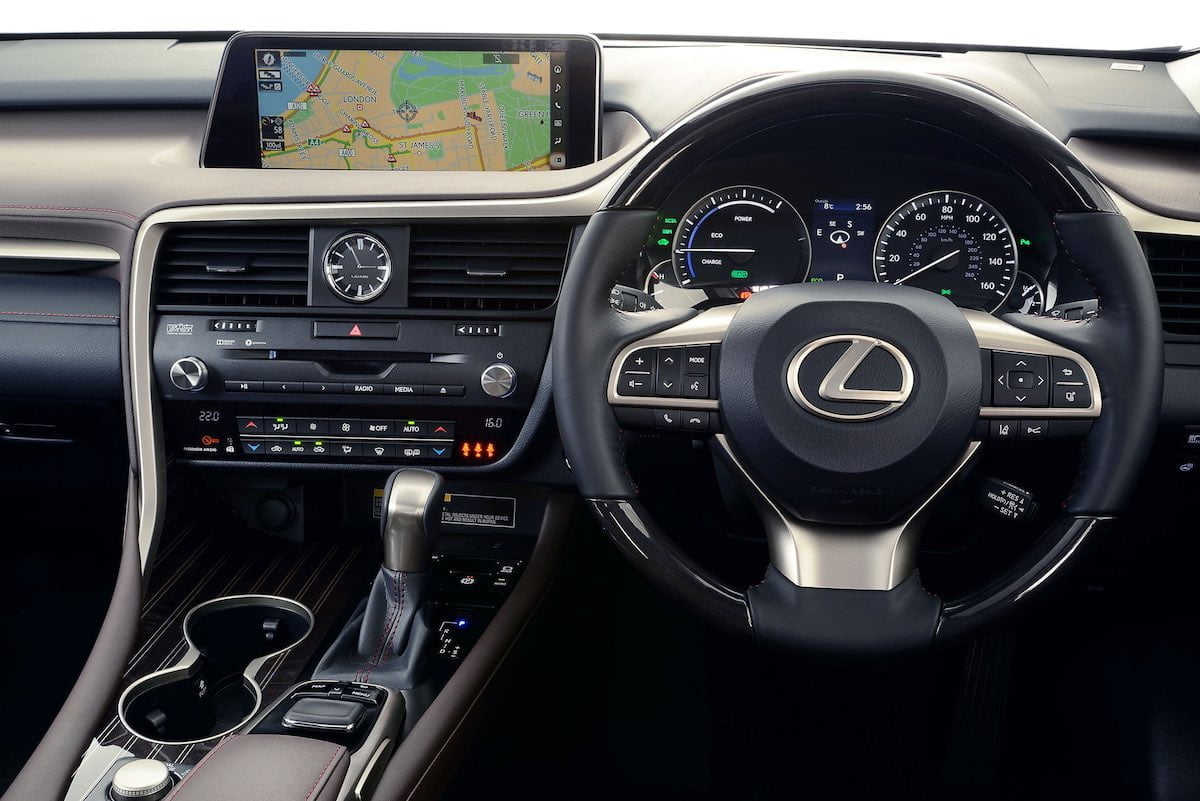
If there is one aspect that Lexus is renowned for, it is the quality of its interiors. The RX cabin is very plush indeed, beautifully put together, and on the F Sport extending to perforated leather on the upholstery, steering wheel and gear lever (including a white version should you desire), and sporty details such as aluminium drilled pedals.
In fact, there are lovely details throughout the interior – a favourite of this reviewer is the centre console holder that can be adjusted in depth between 7cm and 11cm to suit both cups and bottles.
Our F Sport gets the 12-inch touchscreen in the centre console (SE versions make do with an eight-inch screen). It’s effective in use, the navigation system easy to program and follow, while it also controls the optional and quality-sounding Mark Levinson hi-fi system fitted to our car.
Driving the Lexus RX 450h
Acceleration is refined and reasonably swift, while the RX rides in a very comfortable manner
The powertrain of the 450h matches a 3.5-litre V6 engine driving the front wheels to a pair of electric motors – a 123kW version up front and a 50kW equivalent in the rear, providing the all-wheel-drive system.
It’s refined system, particularly when moving at slow speeds when the electric motors take care of things and the RX glides along almost in silence. However it takes very little acceleration for the engine to cut in, and even relatively restrained depressing of the right-hand pedal results in lots of engine revs, and a noticeable, if not particularly intrusive, audio note.
Still, acceleration itself is refined and reasonably swift, passing 62mph in 7.7 seconds. Mind you hauling around electric motors and battery packs makes the Lexus a heavyweight vehicle, more than two tonnes in all, and so it is not as quick as the electric versions of the Audi or Volvo.
Once up to speed, the RX rides in a very comfortable manner indeed; a relaxed cruiser for eating up motorway miles.
Point the car at a succession of corners and it copes well, to a degree. It stays reasonably upright (particularly if one makes use of the extra drive modes to stiffen up the suspension). With the electronic dampers of the AVS working hard, it effectively leans into the corners in a controlled fashion. The steering feedback is not as sharp as on some rivals, but it is all very controllable.
Summary
Many buyers see the Lexus as a standard bearer for hybrid powertrains in the premium market – after all, the brand and its Toyota sister have been doing “the H word” for a long time.
Where some potential buyers are mistaken, however, is in thinking the Lexus is, as a result, a bit of an oddity. It is instead a worthy contender in the upmarket SUV sector, performing all aspects of what most buyers would require in such a car very well.
That the Lexus RF450h is a hybrid, with its petrol engine but un petrol-like economy and efficiency, is a very worthwhile extra.
Fuel additives have been around almost as long as cars themselves. Different products are available that claim to increase your horsepower, improve your fuel economy or generally make your engine more efficient.
Here in the UK, the market leader for fuel additives is Redex. The Redex brand dates back nearly 100 years, created in a time when the quality of petrol was generally poor and engines were far more problematic. Additives like Redex would help keep the fuel system clean of impurities and deposits that would build up inside your engine, helping your motor run smoother and last longer.
Of course, things have changed since then. The quality of petrol or diesel at your local service station has improved significantly, and you can buy premium fuels that contain cleaning additives straight from the pump. Engine design has moved on a long way as well, although newer engines are more sensitive to fuel quality. So is there still a need for fuel additives in the 21st century?
The famous Redex Round-Australia Trials
Back in my home country of Australia, Redex became famous in the 1950s for sponsoring a series of Round-Australia Trials. Standard production vehicles competed in a ‘race’ around Australia, covering up to 10,000 miles through some very inhospitable country – the main roads between state capitals were often still dirt tracks, let alone modern motorways. The fortnight-long events were front-page news around the country, with more than 150,000 spectators generally attending the start and finish in Sydney, and enormous crowds turning up at every checkpoint along the way.
An FJ Holden participates in the Redex Round-Australia Trial (image (c) Holts)
The only modifications you could make to your car were to add a comfier seat (a standard vinyl bench seat was not conducive to 10,000 miles of racing around Australia) and additional fuel tanks. The latter were needed because petrol stations were sometimes more than 500 miles apart.
Competitors were also required to carry picks and shovels to help extricate themselves from inevitable trouble, as well as enough food and water to survive if they broke down. More than half the entries each year would fail to finish, as 1950s production cars were largely unable to cope with some of the toughest driving conditions in the world.
Rather than an outright race, the events took the form of a reliability trial. Bonnets and radiators were sealed up before the start, and competitors would earn points for completing each leg on time and without damage. Finishing late, damaging your car or having to conduct repairs would get you penalised. Breaking your bonnet seal to work on your engine would earn so many penalty points that you were basically out of the running. The winning crew was the one who dropped the fewest points over the journey, rather than the first across the line.
My Redex Round-Surrey Trial
I’m undertaking a three-month trial of Redex fuel additives in my 2013 Mazda MX-5 to see if I can find any noticeable improvements to performance or fuel economy. Now we have plenty of potholes and rubbish roads here in Surrey, England, but obviously nothing like outback Australia (and nor am I interested in finding any such tracks in my little Mazda!), but I’m still going to try and invoke the spirit of the old Redex Trials to make things a little bit competitive.
The whole idea is to see whether adding Redex to my fuel tank improves my car’s performance and/or economy, so we need to try and eliminate as many variables as possible. Clearly, this won’t be a properly scientific lab test, but we can take care of some basics:
I will be using regular 95-octane petrol, from the same petrol station each time unless that’s not possible for some reason.
I will be using a full tank of petrol for each reading, filling the tank to the first ‘click’ at the bowser and then running the tank down until the red light comes on.
I will check the tyre pressures at each fill, if possible, to make sure they stay at the correct levels
I have set the car’s display screen so that it doesn’t show either my fuel consumption or the trip distance, so I won’t know how I’m going until I fill up
I have access to two other vehicles, so if I’m going to be doing any trips that are unlike my regular driving and would yield noticeably different fuel economy (for example, a long motorway journey), I can use another car.
How it works
My normal driving pattern of mixed urban and A-road driving, with occasional motorway travel, generally yields a fuel economy average of about 30-32 mpg.
At every fill-up, I will be taking a note of my trip meter mileage and the amount of fuel added to work out my fuel consumption for that tankful.
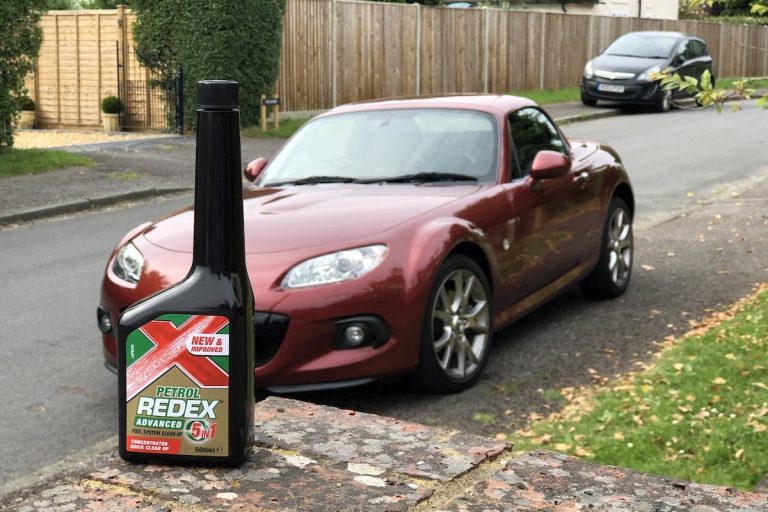
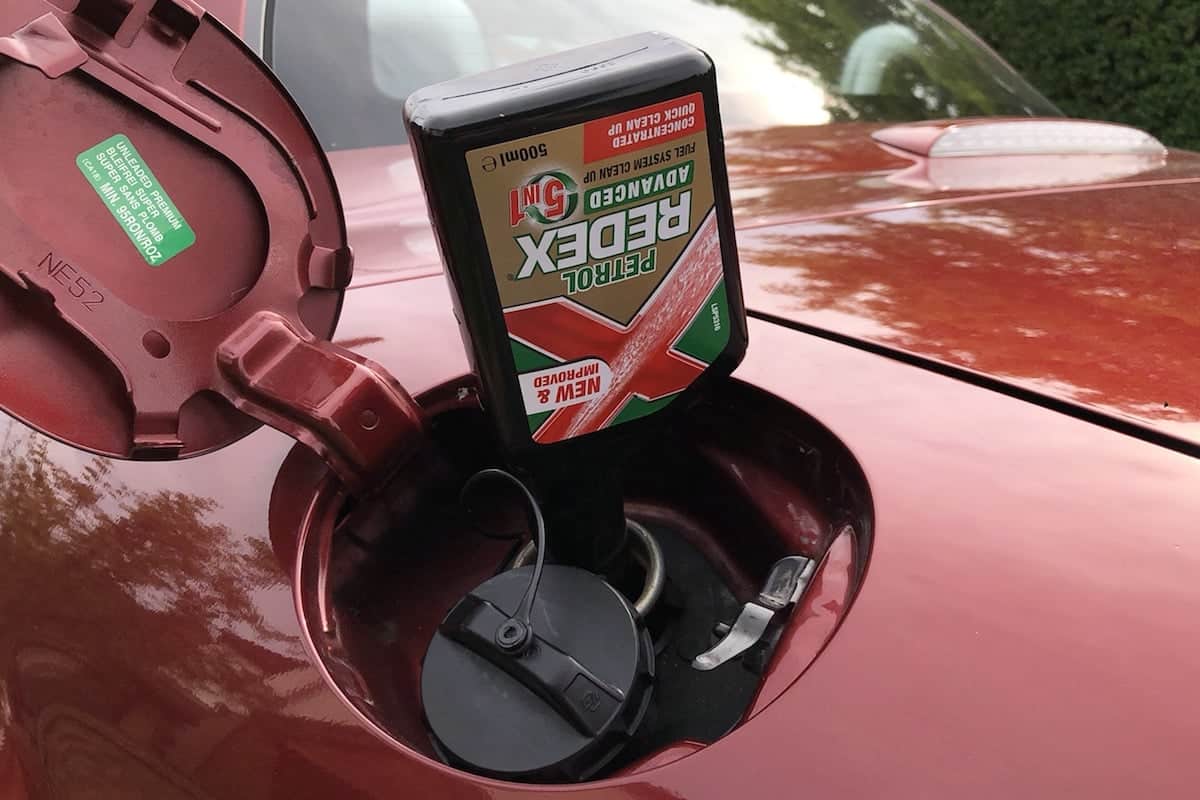
I kicked off my Redex trial a couple of weeks ago, and the recommendation from the team at Redex was to add a 500mL bottle of their “Redex 5-in-1 Advanced Fuel System Clean Up”. This is a concentrated product that aims to clean deposit build-up from the engine’s fuel injectors. For subsequent fills, I will be adding a 90mL bottle of ‘regular’ Redex petrol system cleaner each time.
The products Redex have sent me are specific to petrol engines, but the company produces a similar range for diesel engines as well.
The fourth-generation BMW X5 has been unveiled, its makers claiming that it will set the standard against upmarket rivals such as the Jaguar F-Pace and Audi Q7.
The car – which BMW continues to call a Sports Activity Vehicle rather than an SUV – goes on UK sale this month at prices starting from £56,710. First deliveries are expected later in the year.
Changes to the X5 include a new styling treatment, completely redesigned interior and the latest technology, which extends to the highest level of autonomous capability yet seen on one of BMW’s X range.
The car also promises major improvements in comfort and refinement, due primarily to being built on a new platform closely related to that used on the latest 5 Series and 7 Series ranges. Its wheelbase is 4cm longer than the outgoing X5, and the vehicles as a whole is larger – just shy of 4cm longer, 7cm wider and 2cm higher.
New X5 variants will be offered with a choice of two diesel engines and a single petrol unit, all of three litres. Range-topper is the M50d, powered by a six-cylinder diesel with four turbochargers and producing 400hp along with 760Nm of torque and accelerating from 0-62mph in 5.2 seconds.
The diesel in the xDrive 30d produces 265hp and 620Nm of torque, returning a 6.5-second 0-62mph time, while the petrol engine in the xDrive40i offers 340hp and 450Nm, with a 0-62mph time of 5.5 seconds.
All engines will be combined with an eight-speed automatic transmission and the latest version of BMW’s xDrive all-wheel-drive system. On the road it biases towards the rear axle, but can split drive between the front and rear according to conditions and the surface.
The chassis has also seen major changes. options available now include an off-road package which has air suspension all round – previously it was on the rear axle only. Four-wheel steering can also now be specified.
Built in Spartanburg, South Carolina in the USA, the X5 has been a major success for BMW since the first version launched in 1999. Since then more than 2.2 million have been sold.