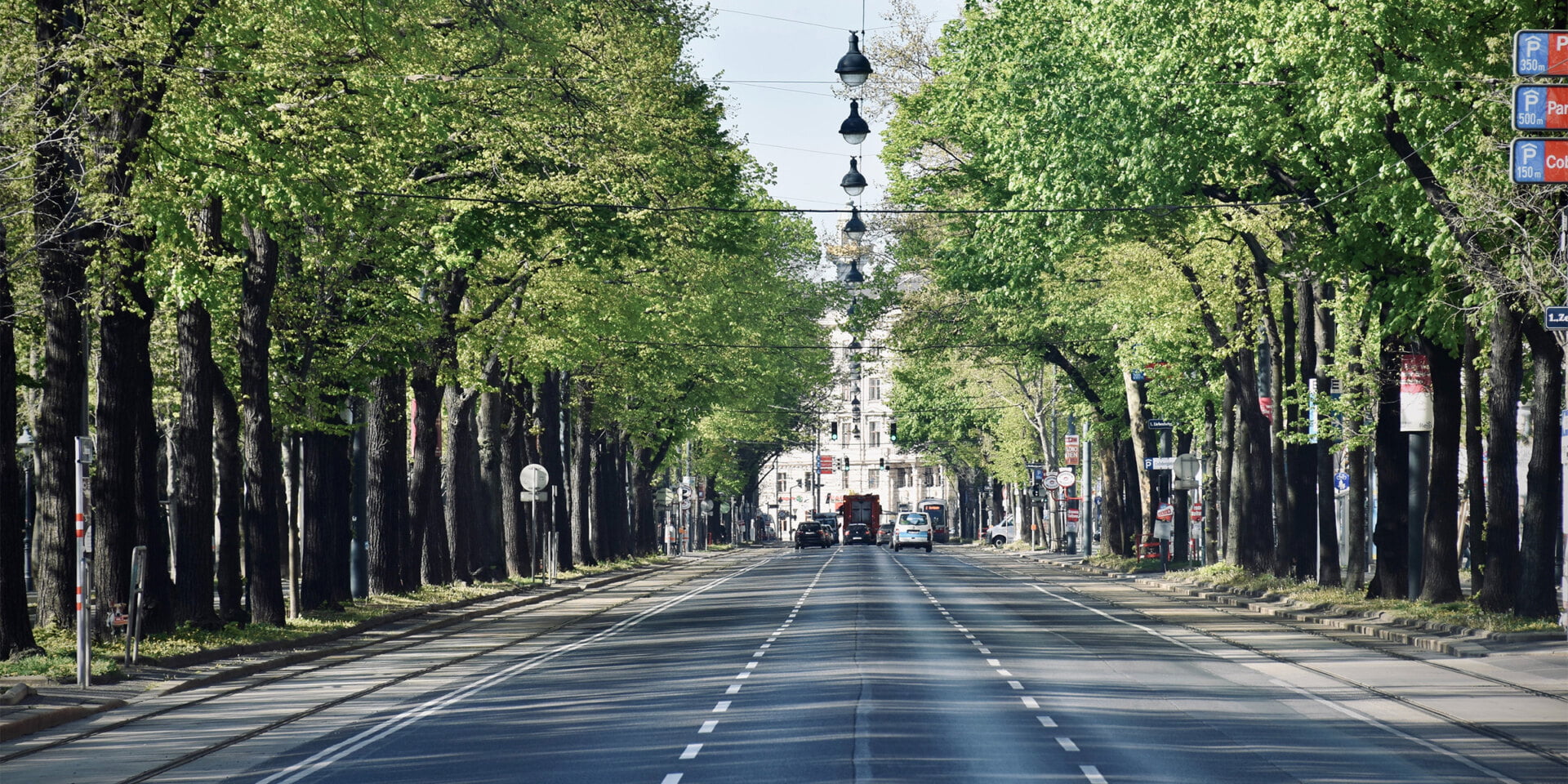






Taking your car to Austria, or hiring one when you get there? Here’s what UK motorists should check before setting off.
Austria is one of Europe’s best countries for a driving holiday if you enjoy mountain scenery, well-kept roads and compact distances between cities, lakes and alpine regions. Vienna, Salzburg, Graz, Innsbruck and the Tyrol all offer very different experiences, and a car can be useful if you’re heading beyond the main cities.
It’s also a country where the rules are worth understanding before you arrive. Austria has motorway vignettes, separate tolls for some alpine roads and tunnels, winter-equipment requirements, strict speed enforcement and plenty of mountain roads where conditions can change quickly.
For UK drivers, Austria is both an own-car and hire-car destination. You can drive there from the UK, usually through France, Belgium, the Netherlands and/or Germany, or you can fly into Vienna, Salzburg, Innsbruck or another airport and hire a car. The road rules are broadly the same either way, but the paperwork, insurance and practical checks can be different.
If you’re taking your own car from the UK to Austria, remember that the rules apply in every country you drive through, not just your final destination. Depending on your route, you may also need to check our guides to driving in France, Belgium, the Netherlands and Germany before you set off.
Documents you need to drive in Austria
You must carry your full UK driving licence when driving in Austria. For most UK drivers with a photocard licence, you don’t need an International Driving Permit for a short visit to Austria. If you still have a paper licence, or your licence was issued outside Great Britain, check the latest UK government guidance before travelling.
You should also carry your passport. If you’re taking your own car, carry proof of insurance and the car’s V5C registration document. If your car is more than three years old, take the MOT certificate as well.
If the car isn’t registered in your name – for example, if it’s leased, financed, hired or borrowed – you should take written permission from the registered keeper. For leased or hired cars taken abroad from the UK, this usually means a VE103 certificate.
You no longer normally need a European insurance “green card” for Austria, but you should still check with your insurer before you go. If you’re driving from the UK, make sure your cover applies in every country on your route, not just Austria.
Hiring a car in Austria
Hiring a car in Austria is common for ski trips, alpine holidays and journeys that involve several cities or neighbouring countries. It’s usually straightforward, but you need to check the details before booking.
Check the insurance excess before you travel. Some rental deals come with a large excess if the car is damaged, stolen or returned with certain types of damage. Tyres, wheels, windscreens, underbody damage, roof damage and lost keys may be excluded from basic cover.
If you’re travelling in winter, check whether the car has winter tyres and whether snow chains are included or available. Austria’s winter rules apply to the driver, so don’t assume the rental company has automatically covered everything you need for your route.
If you plan to drive outside Austria – for example into Germany, Italy, Switzerland, Slovenia, Hungary, Slovakia or Czechia – check that the rental company allows it. Cross-border travel may need permission and extra cover. You may also need separate toll stickers or vignettes for other countries.
Before driving away, take photos or video of the car, including the wheels, tyres, bumpers, glass, roof and interior. Make sure any existing damage is marked on the rental paperwork or app.
UK stickers and number plates
Your car must show that it’s from the UK. A number plate with a UK identifier and Union flag is accepted in Austria. If your number plate still has a GB badge, an EU flag, a national flag such as England, Scotland or Wales, or no country identifier at all, you need to display a separate UK sticker on the rear of the car.
The old GB sticker is no longer valid for UK cars driving abroad.
Rules of the road
Austria drives on the right-hand side of the road, opposite to the UK. Roundabouts run anticlockwise, overtaking is on the left, and you should move back to the right after passing another vehicle on motorways and dual carriageways.
For UK drivers, the first few miles can feel strange, especially when leaving an airport, hotel car park, petrol station or motorway service area. Take it gently at first and pay particular attention at roundabouts, junctions and slip roads.
Traffic lights use red, amber and green. A flashing green light means the green phase is about to end, so prepare to stop.
Trams are common in Vienna and some other cities. They generally have priority, and you should take particular care when passing one. If passengers are getting on or off, be ready to stop and give them space.
Pedestrian crossings are taken seriously. You must stop if someone is already on a crossing or clearly intends to use it.
Horns should be used sparingly. In Vienna and near hospitals, they are generally prohibited except in an emergency.
Mobile phone use while driving is not allowed unless you’re using a hands-free system. Set up your navigation, music and calls before moving off.
Dashcam rules in Austria are stricter than in the UK. Because privacy rules can be complicated, don’t assume you can use a dashcam in the same way you would at home. Check current guidance before travelling if you normally drive with one.
Seatbelts must be worn where fitted. Children need an appropriate restraint, and children under 14 who are shorter than 150cm must use suitable child seats or adapted belts. If you’re hiring a car, confirm child seats before arrival rather than assuming the rental company will have the right size available.
Speed limits in Austria
Austria uses kilometres per hour (km/h), not miles per hour (mph). Speed limits can vary by road type, vehicle type, weather, time of day and local signs, so always follow the signs in front of you.
Unless signs say otherwise, the usual limits for cars are:
| Road type | Speed limit |
|---|---|
| Built-up areas | 50km/h (31mph) |
| Roads outside built-up areas | 100km/h (62mph) |
| Motorways | 130km/h (80mph) |
Lower limits are common in towns, villages, tunnels, roadworks, alpine areas and environmental zones. Some motorway sections may have lower night-time limits or limits linked to air-quality rules.
Speed enforcement is strict, and fines can be issued at the roadside. Serious speeding can lead to a driving ban in Austria.
Speed camera detectors and radar jammers are not allowed. If your satnav or phone app includes speed-camera alerts, check the latest rules before travelling and disable any feature that may not be legal.
Alcohol limits
Austria has a lower drink-drive limit than England, Wales and Northern Ireland. The standard blood alcohol limit is 0.5g/l, which is the same as Scotland.
For novice drivers with less than two years’ experience and some professional drivers, the limit is lower at 0.1g/l.
The safest advice is simple: if you’re driving, don’t drink. Even a small amount of alcohol can affect judgement and reaction times, especially when you’re driving on the right, dealing with mountain roads, snow, unfamiliar signs or early starts on a ski holiday.
Austrian police can carry out roadside checks, and penalties can be serious.
Motorways, vignettes and tolls
Austria has an extensive motorway and expressway network, but you usually need a vignette to use it. This is a time-based toll for vehicles up to and including 3.5 tonnes.
You can buy a physical sticker vignette or a digital vignette linked to the vehicle’s registration number. Digital vignettes are convenient, but private customers buying some products online may have to wait before they become valid because of consumer cancellation rights. One-day and ten-day vignettes are treated differently, but don’t leave this until the last minute without checking the official ASFINAG rules.
Some alpine roads, tunnels and passes have separate section tolls on top of the vignette. This can catch visitors out, especially on routes through the Alps or towards Italy.
If you’re hiring a car in Austria, ask whether the vignette is already included. If you’re driving a hire car across borders, check whether you need extra toll products for Germany, Switzerland, Slovenia, Czechia or other neighbouring countries.
Do not use Austrian motorways or expressways without a valid vignette. Fines can be much more expensive than buying the correct toll product in advance.
Winter driving and mountain roads
Austria’s winter rules are a major part of driving there. For cars and goods vehicles up to 3.5 tonnes, winter tyres are required in wintry conditions between 1 November and 15 April. Wintry conditions include snow, slush or ice.
The rule is situational, so it is not enough to say the road was clear when you started the journey if conditions changed along the way. If you’re travelling in winter, heading into the mountains or going on a ski trip, make sure the car is properly equipped.
Winter tyres must meet Austrian requirements, including suitable markings and tread depth. Snow chains may be required where signs say so, and they can be essential on some mountain routes.
If you’re hiring a car, confirm winter tyres and snow chains in writing if you’ll need them. The driver is still responsible for the vehicle being legal and safe.
Mountain roads can be narrow, steep and exposed. Weather can change quickly, and some high passes may close because of snow, ice, rockfall or avalanche risk. Check road conditions before setting off, use lower gears on long descents and don’t let faster local traffic pressure you into driving beyond your comfort level.
Rescue lanes and breakdowns
Austria has a rescue-lane system, known as the Rettungsgasse. When traffic on a motorway or expressway slows to walking pace or stops, drivers must create a clear lane for emergency vehicles before those vehicles arrive.
On a two-lane road, traffic in the left lane moves to the left, while traffic in the right lane moves to the right. On roads with three or more lanes, the left lane moves left and all other lanes move right.
European breakdown cover is strongly recommended if you’re taking your own car. Recovery, storage, replacement transport and bringing a car back to the UK can become expensive quickly, especially in mountain areas or if your trip crosses several countries.
If you’re in a hire car, contact the rental company once everyone is safe. Don’t arrange repairs yourself unless the rental company has told you to do so.
What you must carry in the car
You should carry a warning triangle, first-aid kit and high-visibility jacket when driving in Austria. Keep the jacket somewhere you can reach from inside the car, not buried under luggage.
Your headlights must not dazzle oncoming traffic. Some modern cars allow you to switch the beam pattern or tourist mode through the settings menu. Others may need stick-on beam deflectors.
Dipped headlights should be used when visibility is poor. In winter or mountain weather, conditions can change quickly, so make sure your lights, wipers and screenwash are all working properly before setting off.
A torch, water, phone charging cable and offline maps are sensible additions, especially if you’ll be driving in winter, at night or through alpine areas.
Parking in Austria
Parking rules vary by town and city, and enforcement can be strict. Look carefully for signs, road markings, ticket machines, residents’ zones and time limits before leaving the car.
Many Austrian cities have short-stay parking zones, often known as Kurzparkzonen. These may require a parking ticket, voucher, app payment or local system even if you are only stopping briefly.
In some places, a short free parking period may still require a correctly completed voucher or parking disc, so do not assume that “free” means you can simply leave the car without displaying anything.
Don’t park where you block traffic, trams, cycle lanes, bus stops, driveways, pedestrian crossings or emergency access. Illegally parked cars may be clamped or towed, with release fees on top of any fine.
Fuel, charging and route planning
Petrol and diesel are widely available in Austria, and motorway service areas are generally good. Fuel may be cheaper away from the motorway, but do not leave refuelling too late if you’re heading into mountain areas.
If you’re driving an electric car, Austria has a good public charging network, especially on major routes and around towns. Coverage can still vary in remote alpine areas, so plan charging stops before travelling and take more than one payment option.
In winter, allow extra range for cold weather, heating, snow, detours and mountain climbs. With petrol, diesel or electric cars, it is sensible to keep more reserve than you would on a simple UK motorway journey.
Emergency numbers in Austria
If you need emergency help in Austria, dial 112. This is the European emergency number and can be used for ambulance, fire or police assistance.
Austria also has separate national emergency numbers: 122 for fire, 133 for police and 144 for ambulance. If you’re unsure which service you need, 112 is usually the simplest number to call.
The European emergency number 112 can be called free of charge from a mobile or landline. You should be able to get help in English, although this may depend on where you are and who answers the call.
If you break down on a motorway or fast road, don’t stay in the car if it’s unsafe. Put on your high-visibility jacket, move everyone away from traffic if possible, and call for help from a safe place.
If you’re in a hire car, contact the rental company once everyone is safe. Don’t arrange repairs yourself unless the rental company has told you to do so.
Common mistakes by UK drivers in Austria
The first mistake is forgetting the vignette. If you use a motorway or expressway without a valid vignette, the fine is likely to cost far more than the toll product would have done.
The second is missing separate section tolls. Some alpine roads and tunnels need extra payment even if you already have a vignette.
The third is underestimating winter rules. Austria’s winter-tyre requirement is based on conditions, not just whether you planned to drive in snow. If you’re heading into the mountains, ski resorts or high passes, check the car and the route properly.
Hire-car assumptions can also be expensive. Check winter equipment, cross-border permission, toll arrangements and damage exclusions before leaving the rental desk.
Finally, don’t focus only on Austria if you’re driving from the UK. France, Belgium, the Netherlands and Germany may all have their own requirements before you get anywhere near the Austrian border.
Checklist for driving in Austria
Before leaving the UK, check that you have:
- Driving licence
- Passport
- V5C registration document, if taking your own car
- Proof of insurance
- MOT certificate, if required
- UK sticker or UK number plate identifier
- VE103 or written permission, if needed
- Headlamp beam adjustment or deflectors
- Warning triangle
- First-aid kit
- High-visibility jacket
- Valid Austrian vignette, if using motorways or expressways
- Section toll plan, if using tolled tunnels or alpine roads
- Winter tyres or snow chains, if conditions require them
- European breakdown cover, if taking your own car
- Torch
- Phone charging cable
- Offline maps or paper map
- Water and screenwash
If you’re hiring a car, check before driving away that you have:
- Rental agreement
- Insurance and excess details
- Emergency contact number for the rental company
- Fuel policy
- Austrian vignette status
- Winter tyres or snow chains, if needed
- Cross-border permission, if needed
- Required safety equipment
- Photos or video of any existing damage
Austria can be a brilliant country to drive in, but it rewards preparation. Sort the vignette, check winter equipment, respect mountain conditions and give yourself more time than the map suggests.