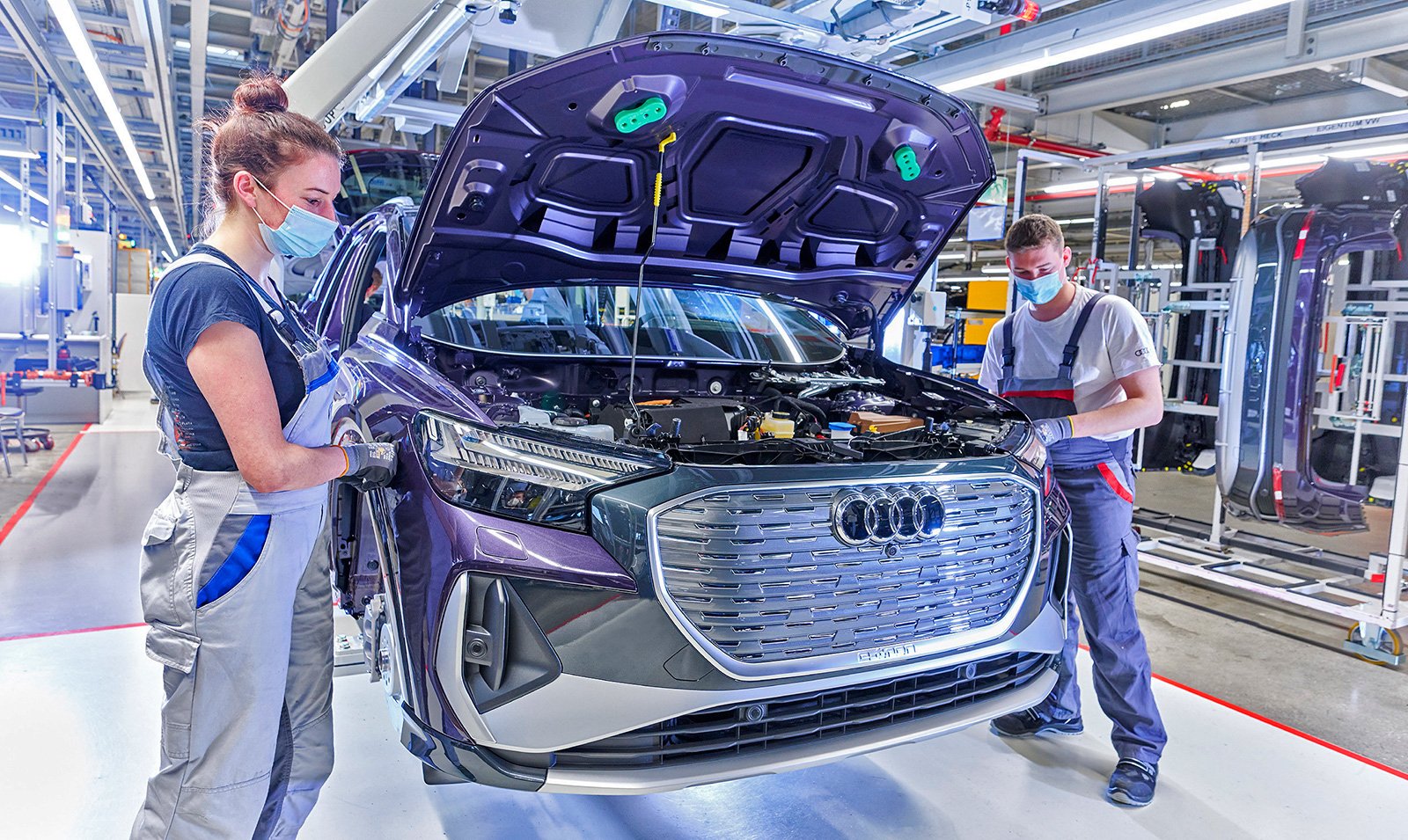







A worldwide shortage of semiconductor chips is causing a major headache for some of the leading car manufacturers, with customers now being forced to prioritise in-stock vehicles.
The Covid-19 pandemic has caused major disruption throughout the automotive industry and the knock-on effects are now being felt by many.
As a result of this, many manufacturers are being forced to delay deliveries and production of their vehicles, causing a huge headache to customers.
What is a semiconductor chip?
A semiconductor chip controls the flow of current through electronic equipment. To put it simply, these chips are the brains behind all our electronic devices.
Within cars, they help power systems like an onboard computer or a touchscreen, as well as crucial safety features like the anti-lock braking system, lights or windows.
Why is there a semiconductor shortage?
Throughout the Covid-19 pandemic, there has been a rapid rise in the demand for technology.
Be it working remotely or home schooling, there has been a greater need for everyday technology, with consumers flocking in their numbers to buy items such as monitors, laptops and tablets.
Combine that with the launch of new games consoles from both Sony and Microsoft, as well as the constant need for mobile phones and cars, the huge demand has simply outweighed the limited supply and we now have a global shortage of crucial semiconductor chips.
How are customers being affected?
While lengthy delays are now causing headaches to both manufactures and customers alike, the latter face the prospect of missing out on critical elements of their new cars.
Stellantis has been one of many car groups to confirm changes to its production plans. The latest Peugeot 308 models will not include the digital speedometers that they were expected to. Instead, they will be replaced by traditional analogue gauges.
In another example, Nissan and Renault have been producing current models without navigation systems or some of their standard digital screens because of the chip shortage.
With car manufacturers forced to adjust, customers are now doing the same. Customers have been forced to forego their preferred choice of a new car to simply take whatever’s available – and discounting has largely disappeared for the time being.
With the chip shortage tipped to continue into 2022, it may be a while before the situation returns to normal. However, it’s likely that the industry will catch up fairly quickly as soon as it can get more chips for its cars.