Introduction | Design | Powertrains | On the Road | Equipment | Summary and Specifications
Exterior and interior
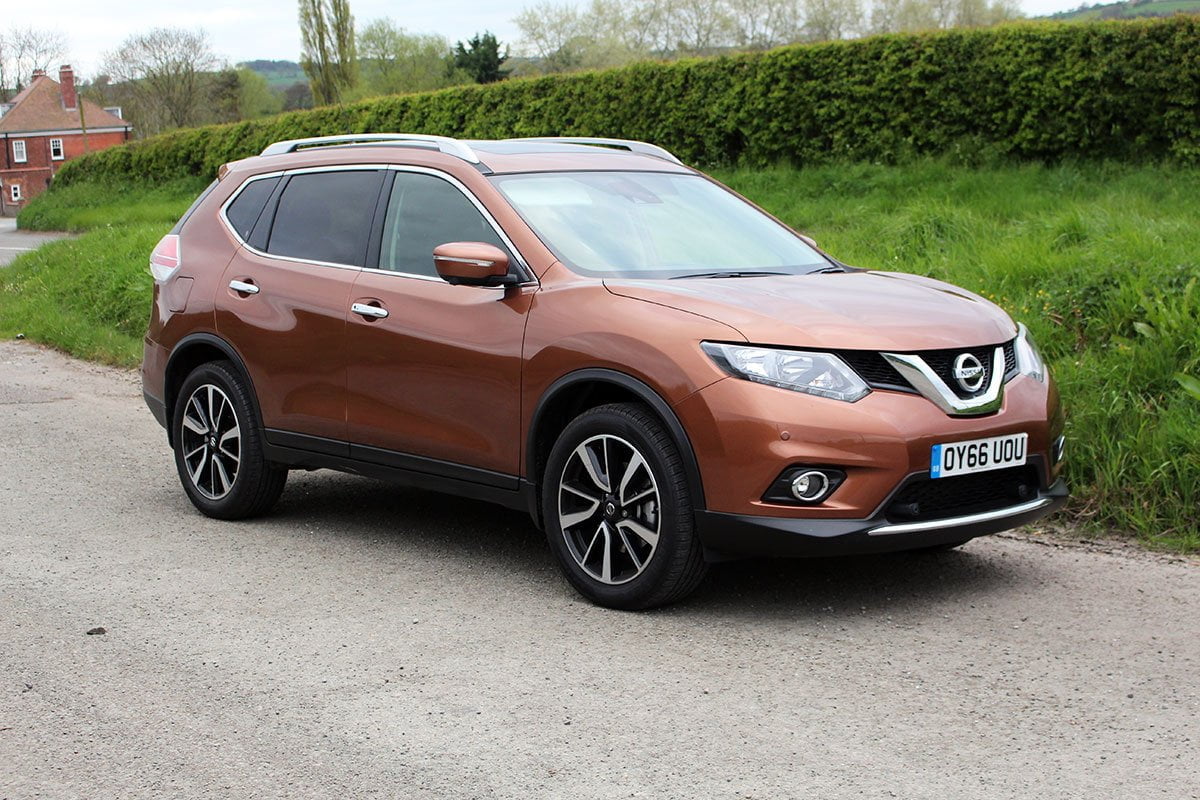
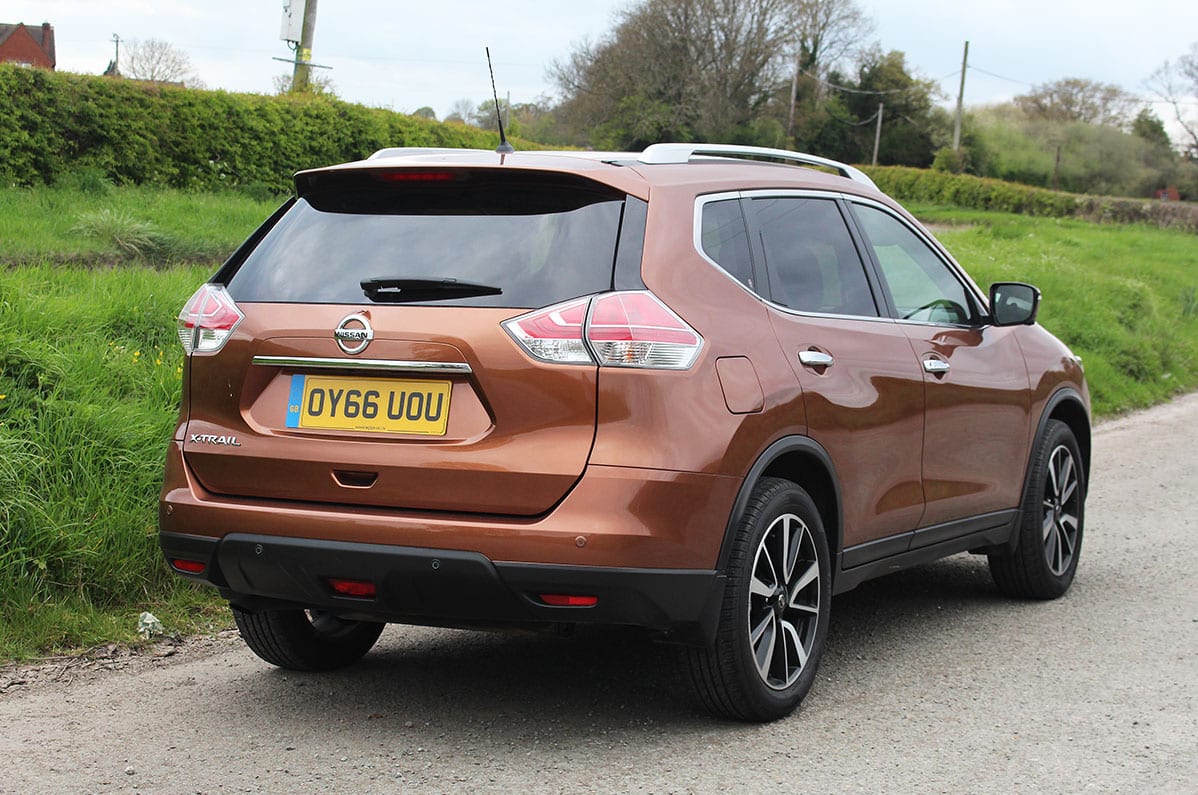
As mentioned, the square, muscular stance of the X-Trail was toned down quite substantially by the time we got to generation three. But this is not necessarily a bad thing, as the car does look reasonably stylish, the curves skillfully applied which means it will appeal to a wider audience.
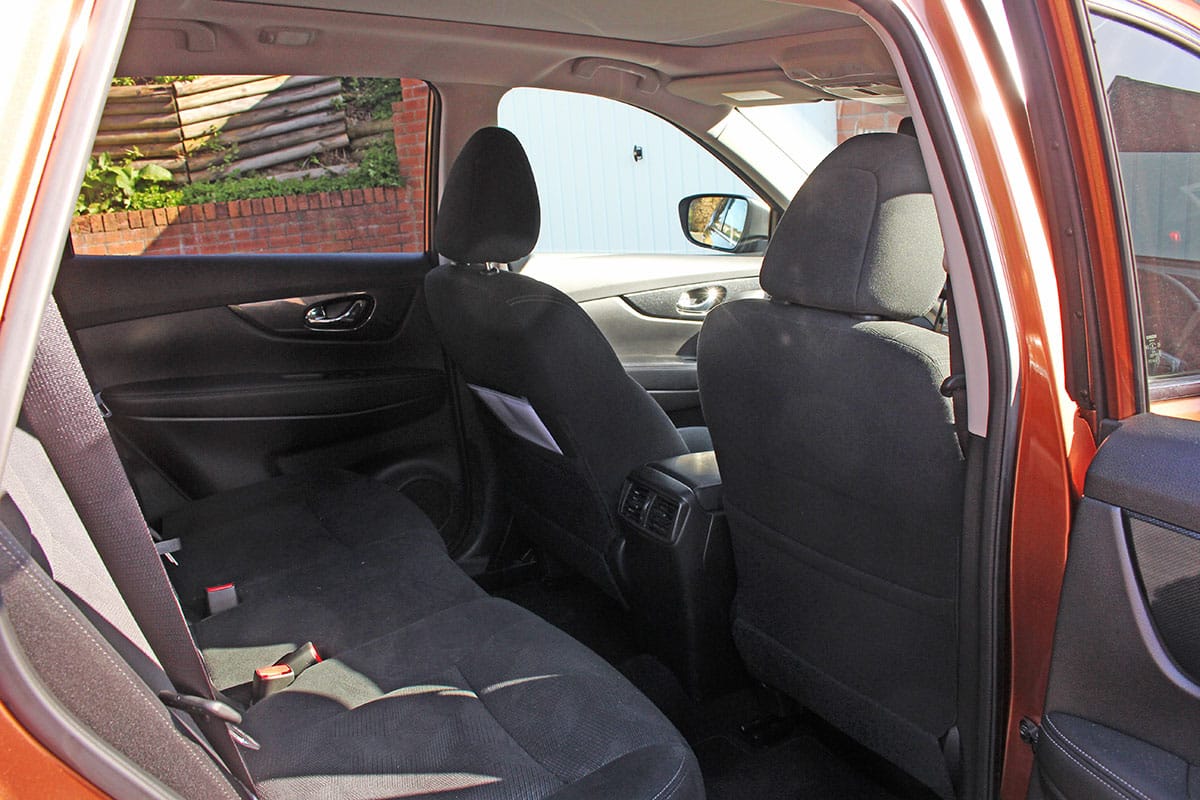
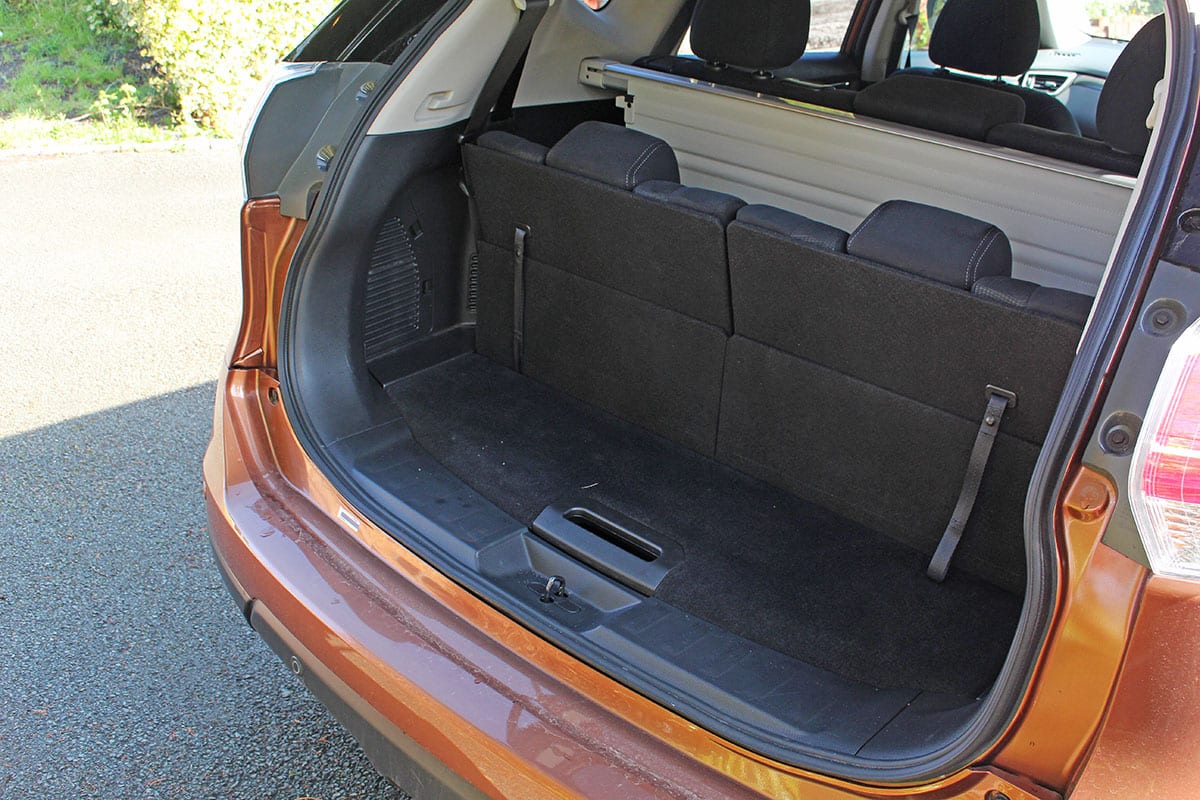
The main reason people will buy this car over a Qashqai is its space. The latest Qashqai does not include a ‘plus-two’ model so if one wants seven seats one has to go for the X-Trail. This puts the car in an exclusive club – fewer and fewer crossovers today include a seven-seat model, which might be a surprise considering many of them are bought by customers who have come out of MPVs.
If carrying seven is an essential reason for buying, however, it is essential to try the X-Trail out first. The rear two seats are small and cramped, really suitable only for the smallest family members and then not really if you intend to do a lot of motorway munching.
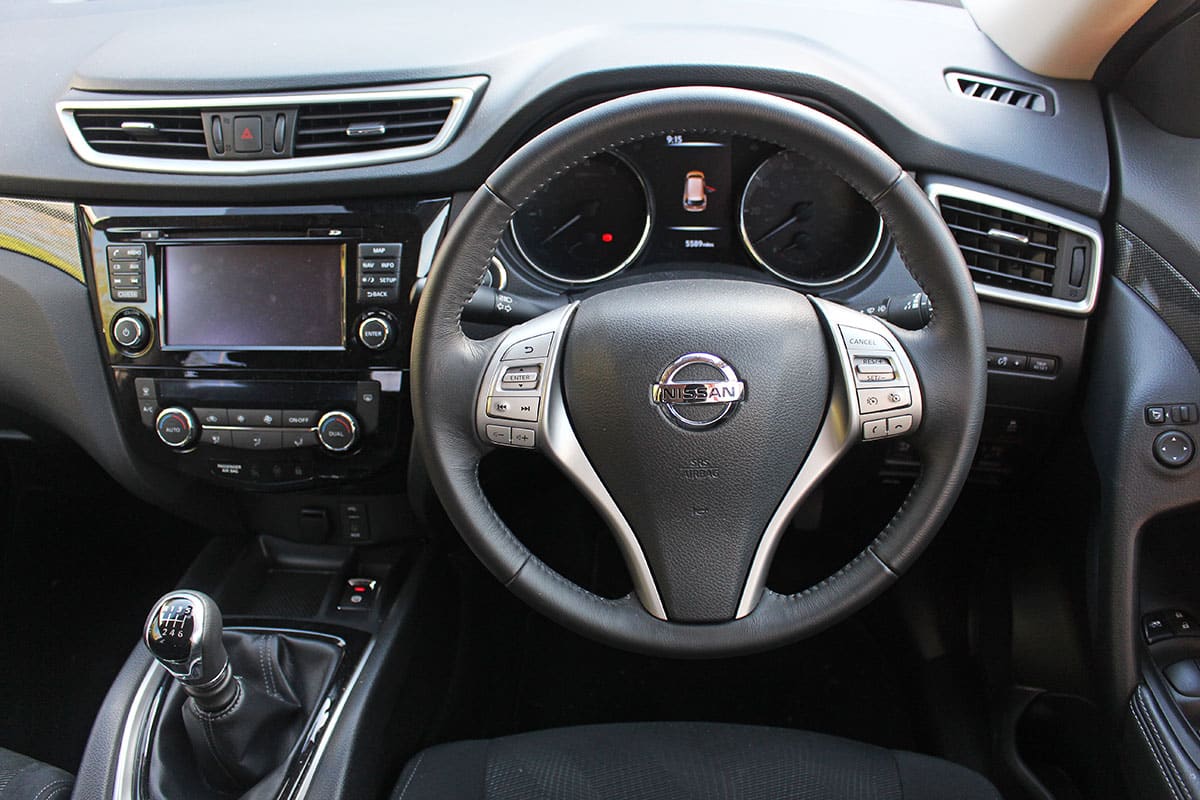
The X-Trail interior is clearly in the Qashqai mould, which is not a bad thing as like in that car it is highly practical with a sensible, easy to understand and use dash layout. However some elements of cheaper-looking plastic dull the effect, and this is another area the facelift addresses, promising a more refined interior.
Introduction | Design | Powertrains | On the Road | Equipment | Summary and Specifications