Exterior and interior
A-segment buyers, not surprisingly, do not want bigger cars, so the new Picanto boasts the same 3.6m length and 1.6m width as its predecessor. The height goes up a touch, by 5mm, and the wheelbase by 15mm, courtesy of the new platform the car is built on. This is not only significantly safer, with double the amount of high-strength steel in its construction, but allows more versatility in the cabin layout.
Kia tells us that the car has a shorter front overhang, a longer rear, but it’s not exactly noticeable. Now offered like most of its rivals in five-door form only, the model presents visually very agreeable proportions, with a much more purposeful stance compared to the curvy, friendly look of the outgoing car. And that more grown-up look certainly suits the sporty-themed GT-Line models.
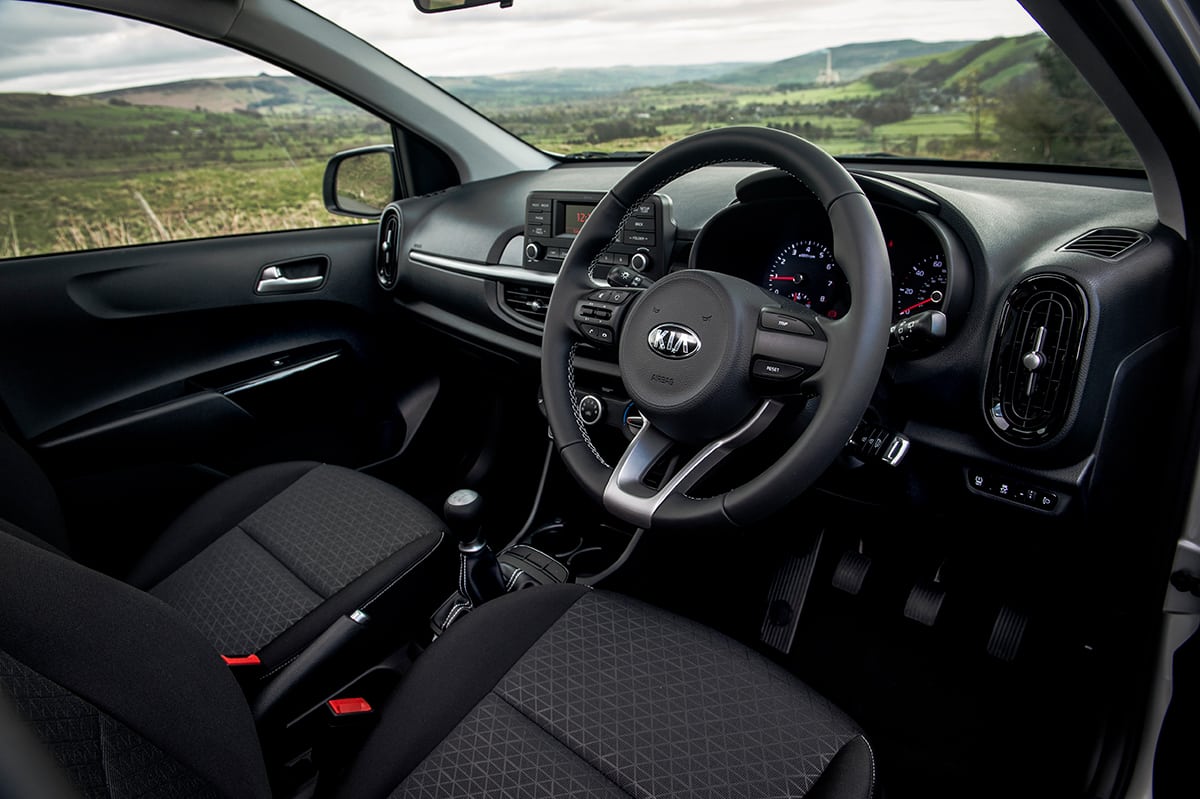
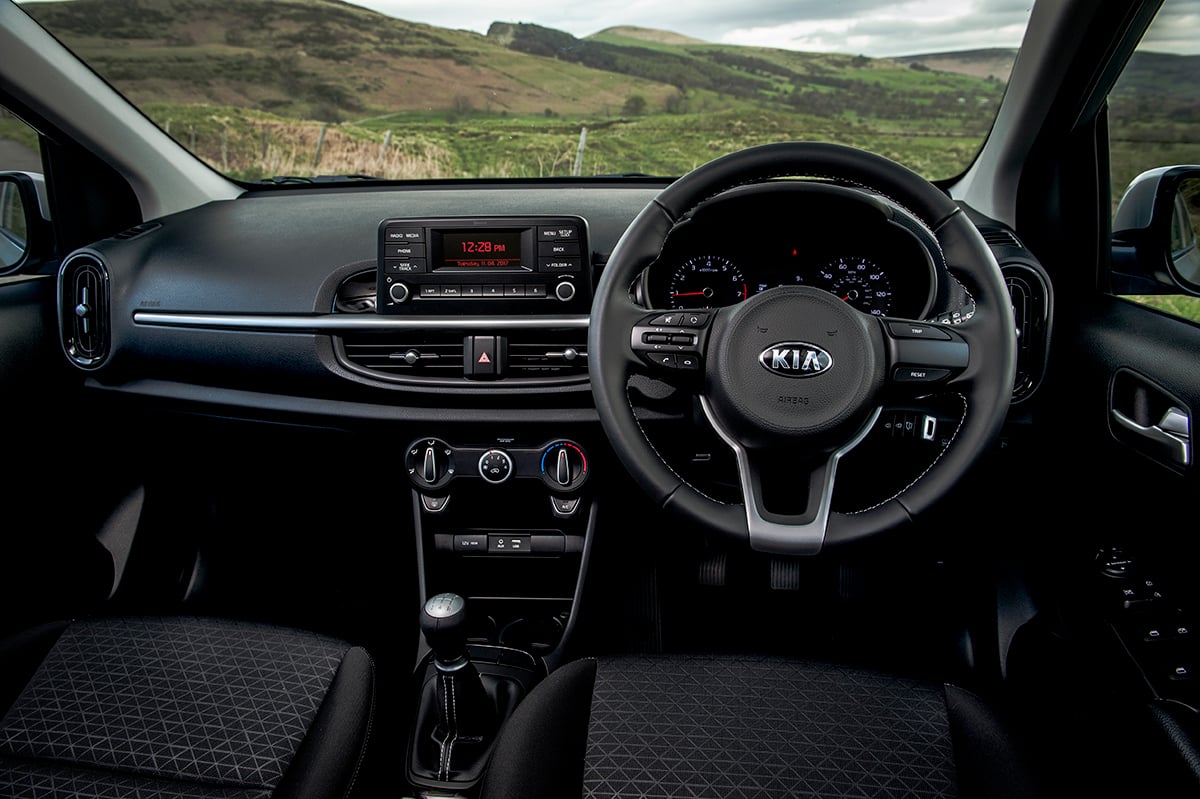
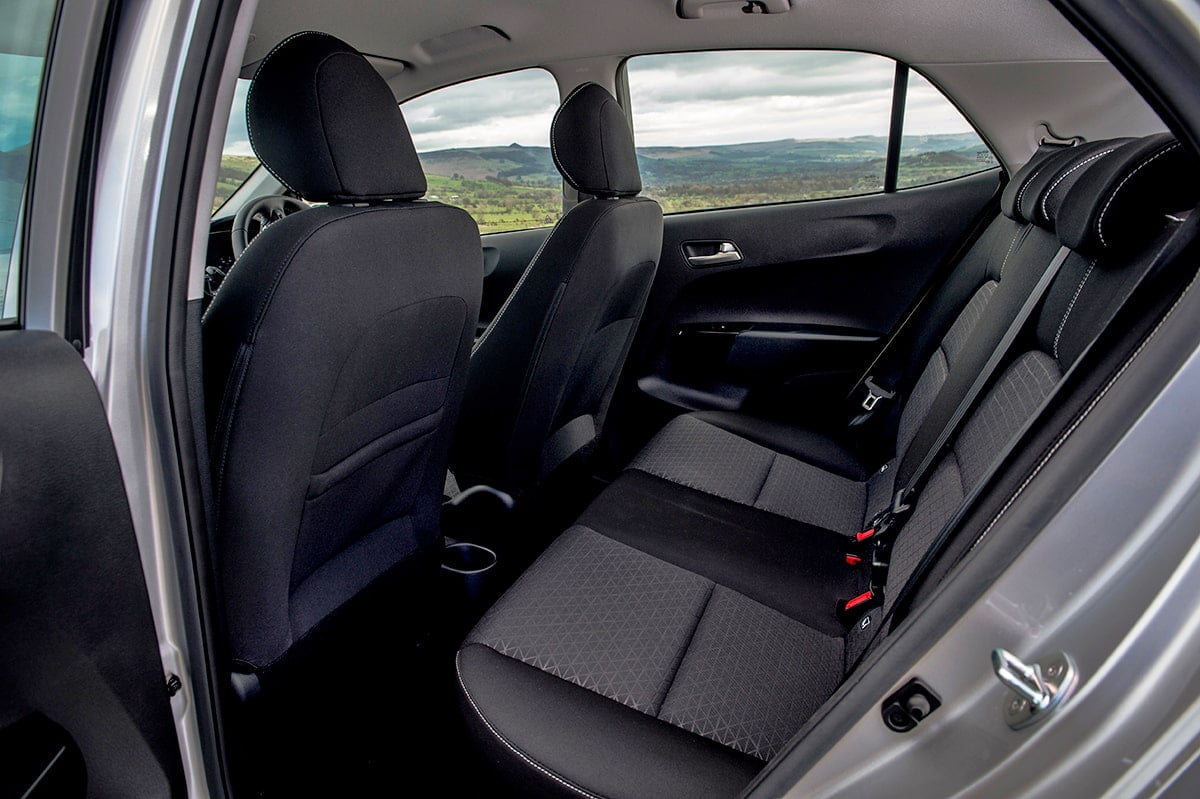
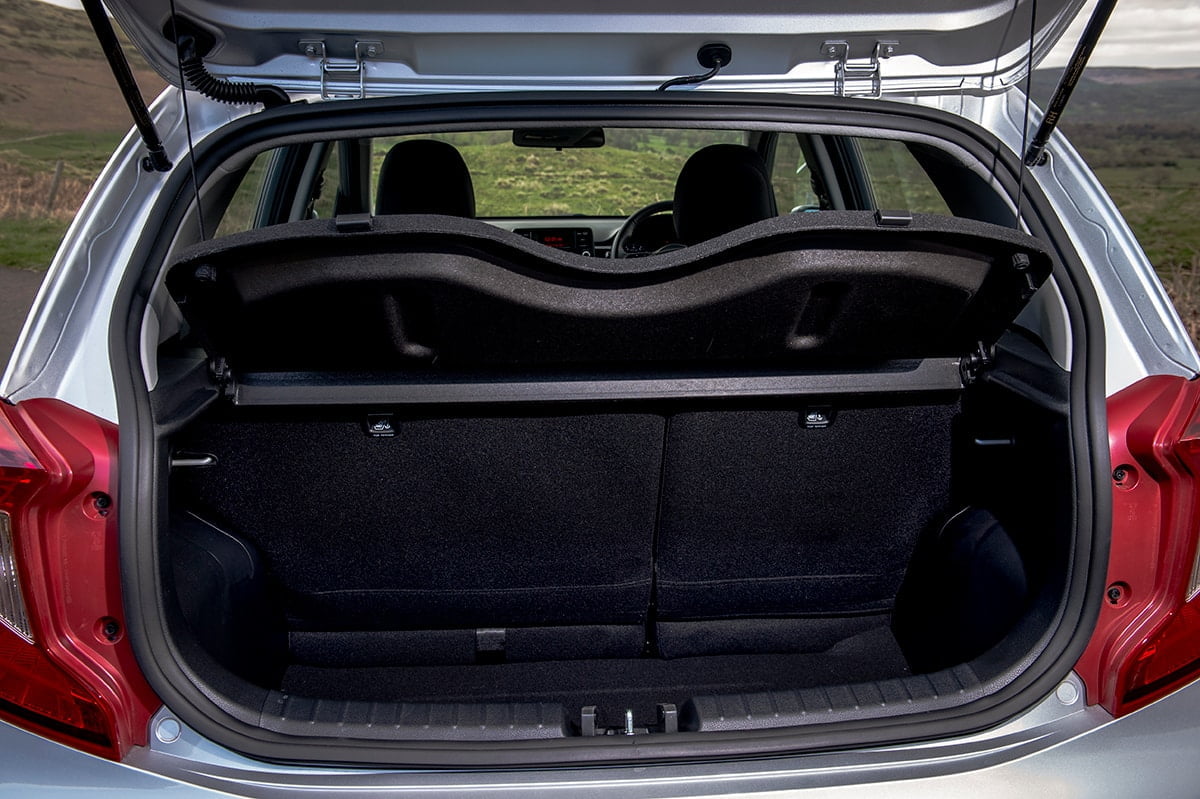
Inside those changes are combined with a totally revised cabin, based around a slimmer dash, to free up more space all over. The seats sit lower and further back than in the old car, which adds head, leg and shoulder room up front while not compromising it in the rear. And the boot space goes up too, by some 55 litres to what Kia claims is a class-leading 255 litres. Drop the rear seats and there are 1,010 litres to fill.
Certainly it feels as roomy, in front or back, as the best in the market, while the driver will have few complaints about the controls, which are elegantly simple and combined with effective yet distinctive graphics.
Next page: Powertrains