Exterior and interior
The latest Mini Countryman sits on a new platform, also used for the Clubman estate model and the BMW X1, which is regarded as a rival. The car measures some 20cm longer and 3cm wider than its predecessor, so it’s by far the biggest Mini around. It gains the latest-generation styling, which is still recognisably Mini, but if anything it looks even bulkier than the Mk1 with a bulbous grille, bulging headlamps (now LED) and a squared-off rear end.
Of course, the Countryman gains signature crossover styling cues. Black wheel arch protectors, chrome sills and roof rails are part of the package, while being a Mini, there are many opportunities to increase the cost with personalisation options, including two-tone exterior finishes and body decals.
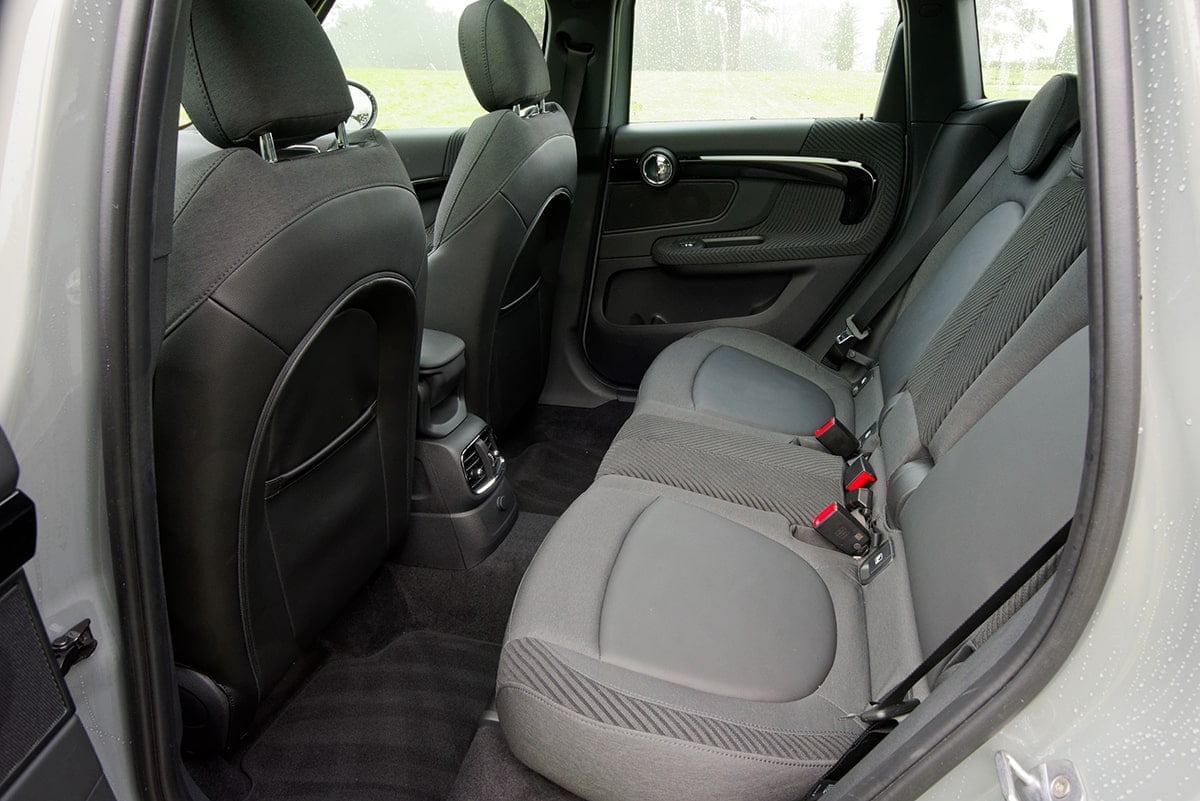
Mini fans will notice the biggest changes on the inside. The larger dimensions include a longer wheelbase, so front-seat passengers have more head and shoulder room, and rear-seat passengers get some room! For the first time, it is practical to offer three proper seats in the back of a Mini, and space can be extended by sliding the rear seats back and forward by up to 13cm.
Boot space is more generous too – at 450 litres, it is 31 less than in the Mercedes-Benz GLA but a lot more than the 355 offered by the Audi Q2. Drop the rear seats and the space jumps to 1,309 litres, 220 more than in the Mk1.
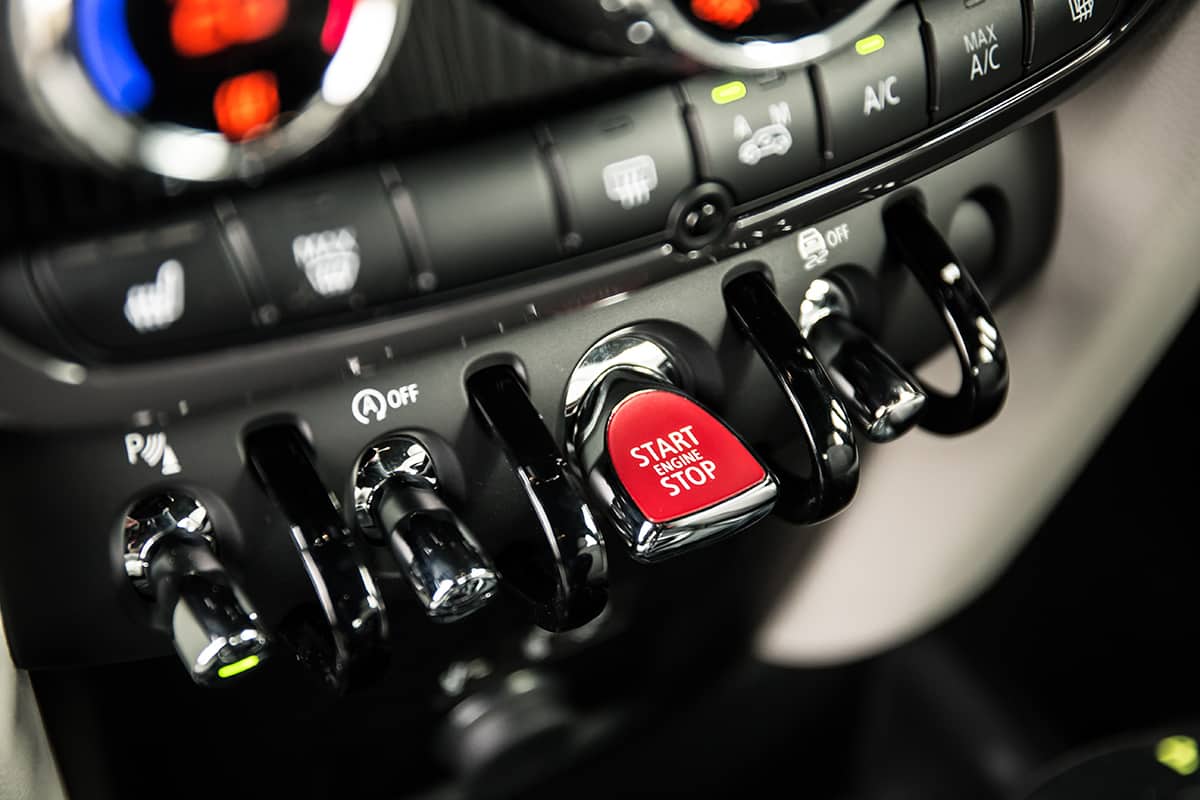
The traditional Mini dash layout remains. With its huge circular infotainment screen and the row of Star Wars pod racer-like flick switches below, it’s somewhat OTT but one of the elements that appeals to those who buy Minis. Updates see a touchscreen now standard, as is satellite navigation, while the screen is surrounded by a curious lighting ring that can change colour depending on what driving mode one has selected.
Next page: Engine and driving experience