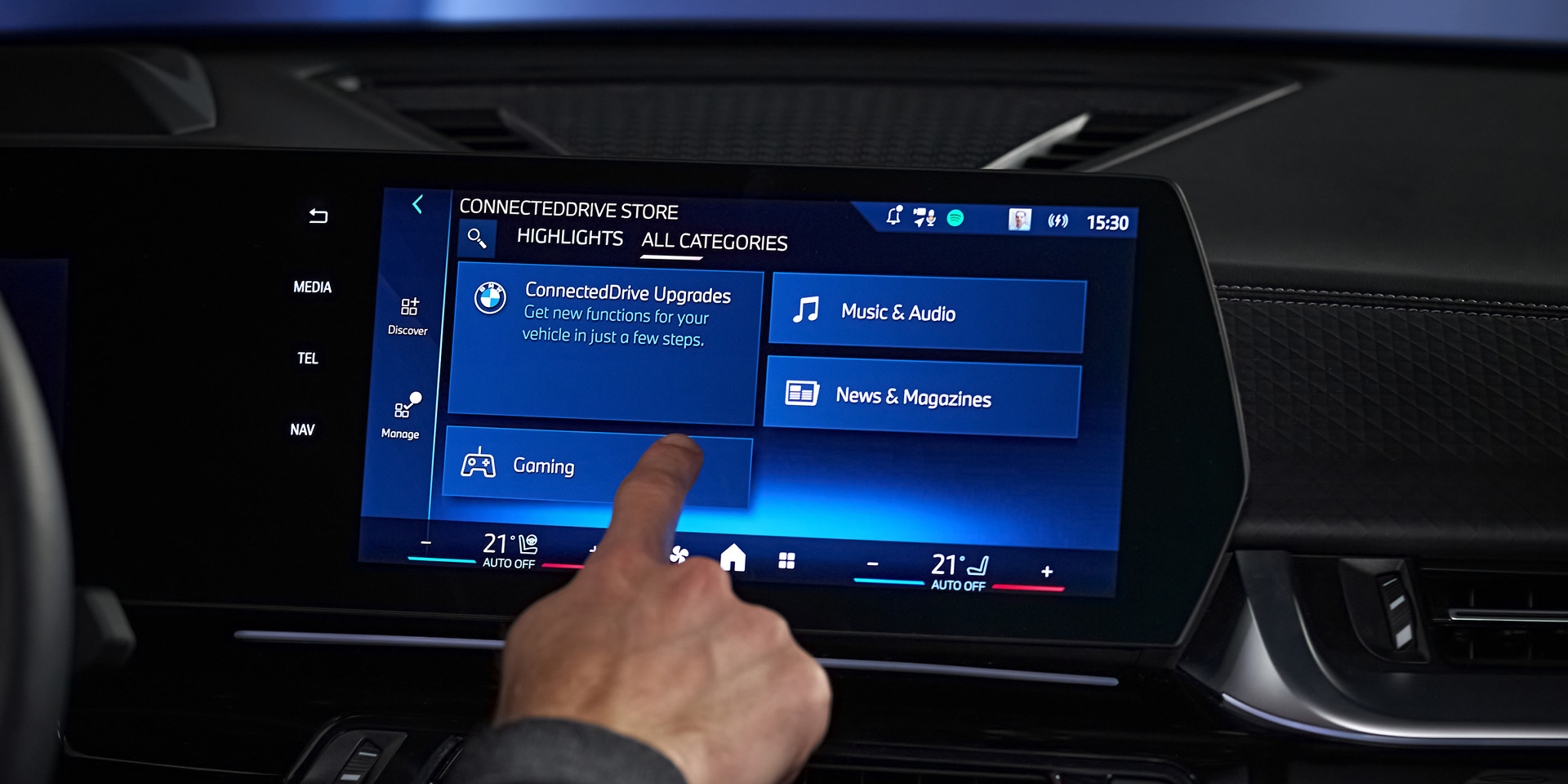






Modern cars don’t just have basic stereos and satnav systems anymore. Most new models now include far more sophisticated ‘infotainment systems’ that consist of internet-connected software that links the car to your phone, online services and the manufacturer itself.
Car companies usually package these connected services under names like ‘BMW ConnectedDrive’, ‘FordPass’ or ‘Mercedes me’. They promise extra convenience, remote access and live information, but they also increasingly come with ongoing subscription fees.
Some connected services can be genuinely useful, particularly when it comes to remote access and electric vehicle features. But many drivers will find that Apple CarPlay and Android Auto already cover most everyday tasks without any extra cost.
That leaves many buyers wondering whether connected services are actually worth paying for.
What are connected services?
Connected services are features that rely on your car having an internet connection, usually through a built-in SIM card.
This allows the car to send and receive data in real time, communicate with a smartphone app and access online services that go beyond basic radio or offline navigation.
In effect, this means your car’s touchscreen display becomes a connected device, more like a smartphone or tablet than a traditional dashboard display.
What do connected services actually do?
The details vary between brands, but most connected services fall into a few broad categories.
One of the most useful is remote vehicle access via a smartphone app. This allows you to check information about your car and control certain functions remotely. For example, you can lock or unlock the doors, check fuel or battery levels, and pre-heat or cool the cabin before a journey.
There’s also live data built into the car’s navigation system, such as real-time traffic updates and route planning. In electric cars, this can extend to charging station information and planning routes around charging stops.
Many connected services subscriptions also include safety and security features like emergency call functions, breakdown assistance or vehicle tracking. However, some of these services are now standard on new cars anyway.
Finally, connected services can allow over-the-air software updates, meaning the manufacturer can fix bugs or occasionally add features without the car visiting a dealership.
How is this different from Apple CarPlay and Android Auto?
Apple CarPlay and Android Auto essentially mirror your phone onto the car’s screen. They use apps you already know – like Google Maps, Waze and Spotify – run off your phone’s data, and are usually included at no extra cost. Because they rely on your phone, they’re also regularly updated and tend to be more responsive.
Connected services, by contrast, use the car’s own software and internet connection. While they can sometimes feel less polished, they can also control functions your phone cannot, particularly remote vehicle settings.
Are connected services worth paying for?
This largely comes down to how you use your car. If you regularly use remote features, such as checking battery charge, scheduling charging or pre-heating the cabin on cold mornings, connected services can add genuine convenience. This is particularly true for electric car owners, where remotely managing charging and cabin temperature can also help preserve driving range in colder weather.
On the other hand, many drivers already rely on Apple CarPlay or Android Auto for navigation, music and communication. In those cases, the manufacturer’s own connected services may end up being used very little.
This becomes more relevant once the free trial period ends. Most manufacturers include connected services for between one and three years when the car is new, after which drivers are often asked to pay a monthly or annual subscription.
That can create an awkward situation where features built into the car suddenly become ongoing costs. Some buyers are increasingly questioning whether they should be paying extra for services when their smartphone already performs many of the same tasks.
There’s also a growing sense among buyers that they’re being charged twice: once for the car itself, and again for features that rely on technology already built into it.
What should you check before buying?
Rather than focusing on the branding, it’s worth checking exactly what is included.
In particular, find out:
- Which features are included permanently
- Which ones require an ongoing subscription
- Whether remote smartphone app access is included
- How well the built-in navigation and software work compared with your phone
A system that sounds impressive on paper may offer limited real-world value if you end up defaulting to Apple CarPlay or Android Auto most of the time anyway.
Read more: