Find an Expert Rating: 
Home Blog Page 149

New Subaru Impreza to debut in Frankfurt

Subaru has announced that the latest incarnation of its Impreza will launch at the Frankfurt motor show in September. Since its launch in 1992, 2.5 million Subaru Impreza models have been sold worldwide. The fully redesigned Impreza is the second model in Europe to make use of Subaru’s new global platform. The Impreza also features Subaru’s trademark “symmetrical” all-wheel drive system, which provides 50:50 front and rear drive distribution. Like most Subaru models, it will also have horizontally-opposed “boxer” engines. The new Subaru Impreza will be unveiled on 12th September at the brand’s press conference at the 67th Frankfurt International Motor Show.
Rear view of new Subaru Impreza
The new Impreza features Subaru’s new global platform

Honda Civic Type R review

What is it? The Honda Civic Type R is the latest, most potent version of a performance icon.
Key features: New body and chassis, more power, more versatility.
Our view: The new Honda Civic Type R is a much more complete performance hatch than its predecessor, more potent, but also significantly more practical as a daily driver.


Honda Civic Type R – did we not review that quite recently? In fact, it was exactly two years ago. In June 2015, partly on a race track in Slovakia, we attended the launch of the last Civic Type R.

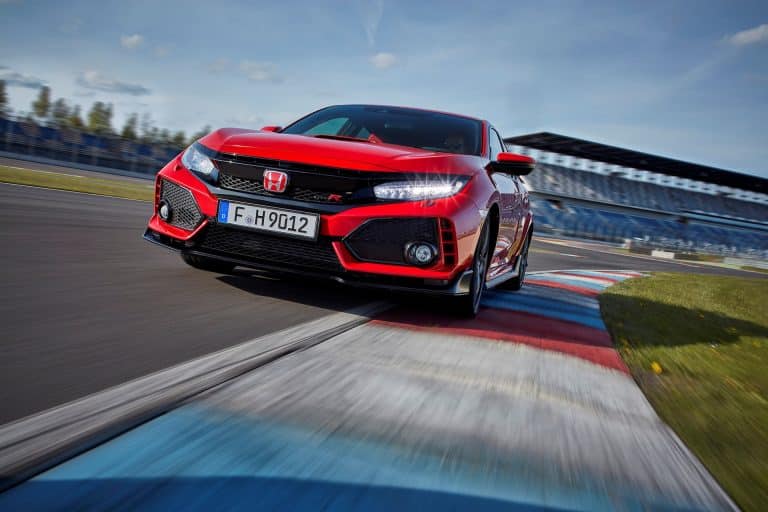
Just 24 months on and we are at staring at another race track, this time the awesome Lausitzring in what was once East Germany, as part of our first experience of an all-new Type R, which arrives in UK showrooms in July.

The reason is, of course, the fact that the mainstream Civic recently underwent its latest regeneration, going on sale in March. And it is a significant change for the model, adopting far more mainstream styling in a bid to increase its share of the market – especially as Honda’s UK plant at Swindon is now the global hub of Civic production.

So it is no surprise that a new Type R is in the mix. But appearing just four months after the mainstream car is almost indecently soon, and perhaps there is another reason. The 2015 Type R was extremely potent, but as an everyday car it could soon become hard work – race definitely ruled over road. With this one, Honda appears to have taken the opportunity to rectify matters, making it more user-friendly a major priority.

Do not think for a minute, however, that the new Type R is watered down. As I will discover in a test that encompasses a challenging race circuit and a legal 150mph on basically a dual carriageway, it’s the most powerful, best-handling version of the car yet.

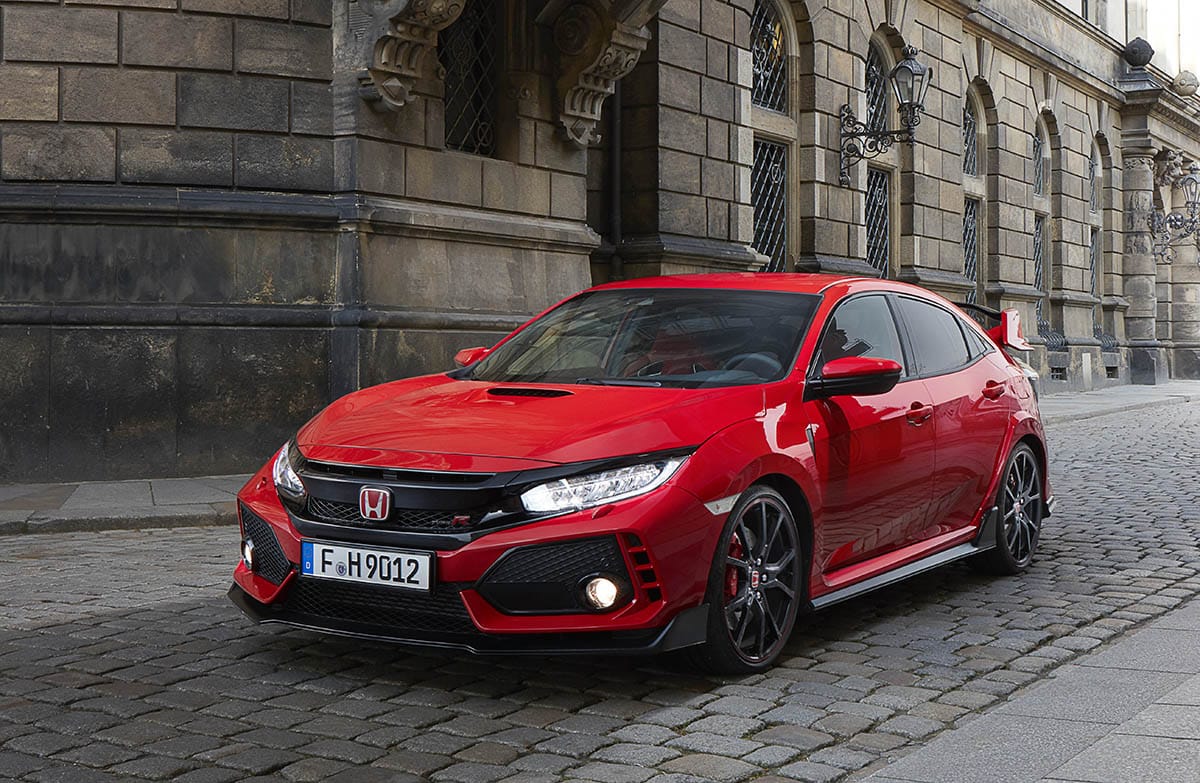
Honda Civic Type R looking menacing in red (The Car Expert)

Exterior and interior

According to Honda, the new Type R was developed alongside the standard Civic, demonstrating how important the model has become to the brand – those that make jokes about Hondas appealing to the ‘older’ set forget that company founder Soichiro Honda was first and foremost a racer.

The car is longer and lower than its predecessor, while its styling makes the car look wider even though it’s not. A lower centre of gravity helps too, and a driving position closer to the road. It sits on a new platform, which saves 16kg of weight while improving torsional stiffness by 37% – better for safety, much better for handling…

Aerodynamics have assumed their greatest importance yet on the new model. The underbody is smoother, while the specification includes phrases such as ‘air curtain’ and ‘vortex generators’ – the kind of thing you hear more often when talking about new race cars. We are promised such measures make the new car the most stable Type R at high speed yet, while other measures include the front splitter, sculpted air intakes, wheels enlarged to 20 inches, even a bonnet in aluminium because that saves 5kg over the steel version on the stock Civic.

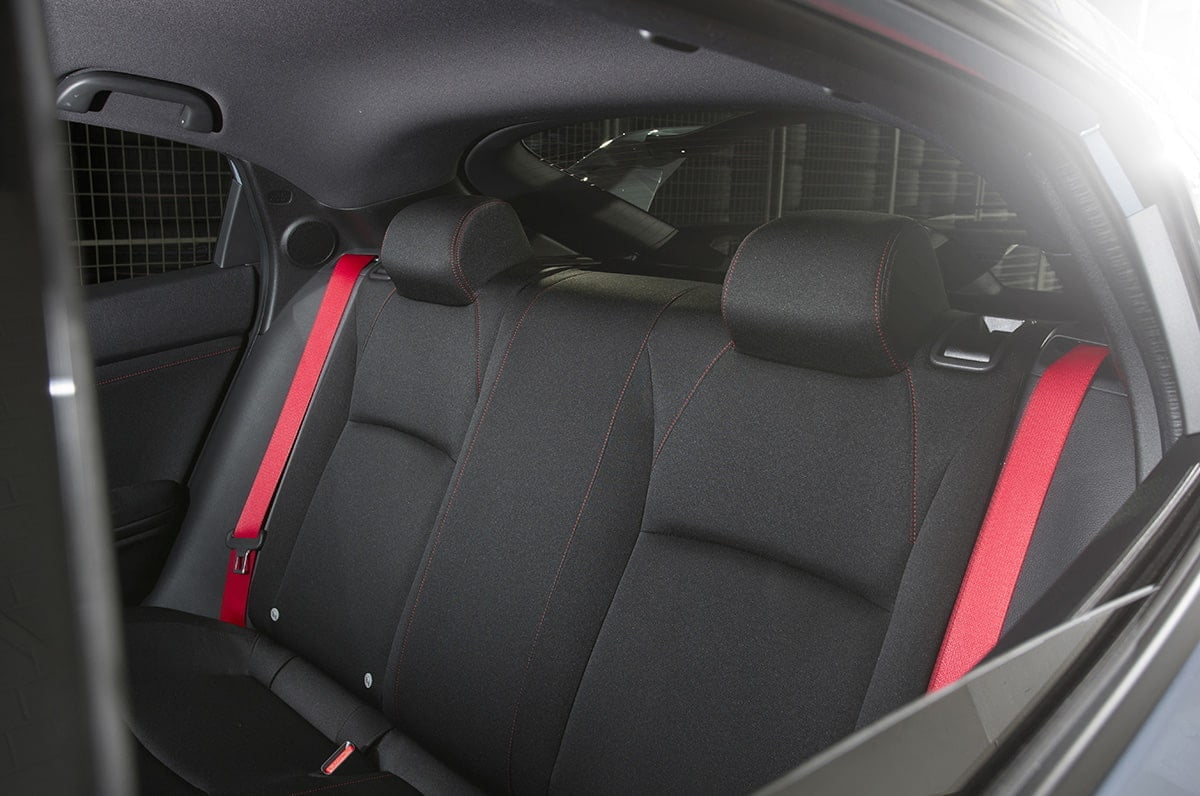
Inside is pure Type R, a riot of suede-effect fabric in the signature red and black. The seats might be the lightest ever fitted but they still hold you firmly yet comfortably, and make you feel like you are in a performance car.

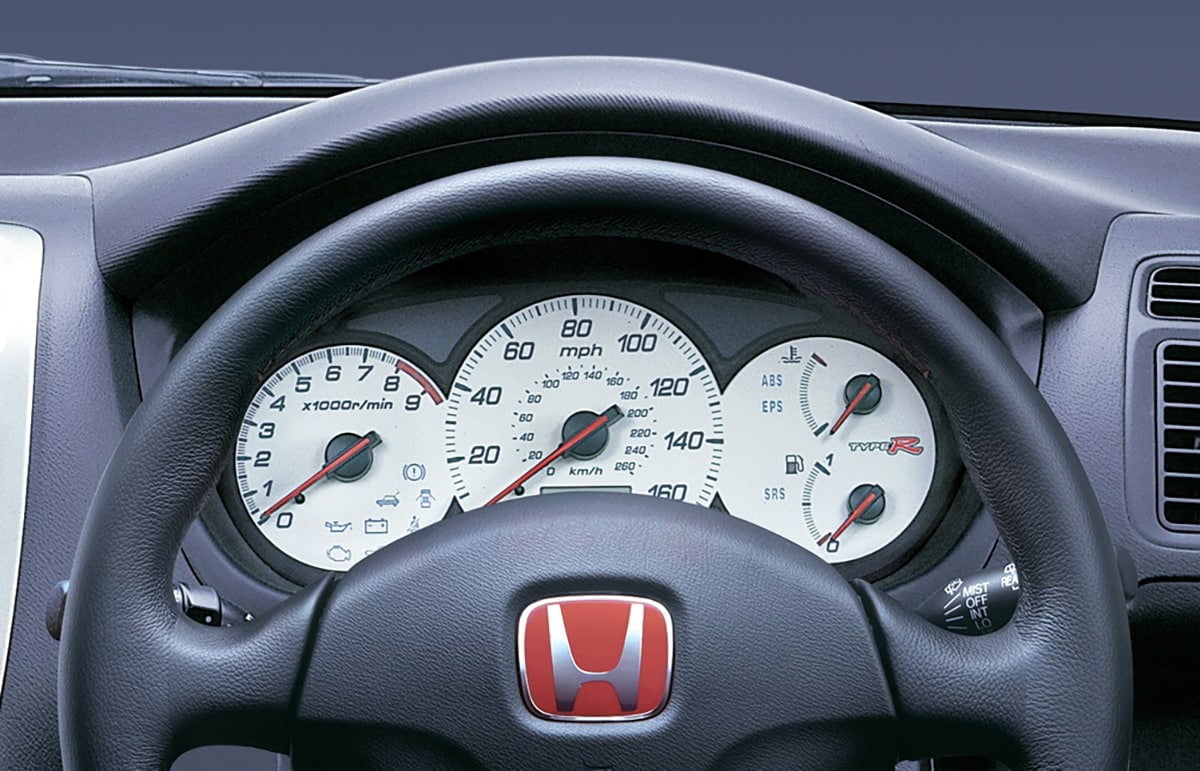
The dash is a big improvement – the display is still digital, but no longer something akin to a science-fiction spaceship. It is also no longer in two pieces, the pod sitting atop the fascia has gone which is an excellent move. In the old car, one had to choose either to partially block the view of this pod or the main display with the steering wheel.

And of course this is still a Civic, so benefits from the increased interior room provided by the new design, both in front and rear. All of which helps justify the car as a purchase for daily driving – as a passenger, you no longer feel like the car really doesn’t want you there, as you did in the 2015 Type R.
Powertrain and chassis

Not a great deal is carried over from the previous Type R, but the engine, transmission and brakes are. Honda could not simply drop the old engine into the new car, however, so the 2.0-litre VTEC turbo unit has been ‘optimised and refined’. This means an extra 19 horses, now putting out 320hp with peak torque of 400Nm.

The six-speed manual transmission has been improved too – a switchable ‘rev’ match’ system added. As its name suggests this precisely aligns engine speed to transmission to ensure the most efficient shifts and no ‘shock’ through the gearbox. And the Brembo braking package boasts bigger discs.

Possibly the most visual aspect of the powertrain changes are the triple tailpipes of the exhaust, looking for all the world like some weapon pointing at following vehicles. Exhaust flow is improved by 10% while the smaller central pipe performs multiple functions, both improving efficiency and that essential element, the sound the car makes!

All of which contributes to a 5.7-second 0-62mph time and a 169mph top speed. The Civic Type R claims the title of fastest-accelerating car in its class. It also – currently – holds the title more manufacturers these days appear to be chasing, as the fastest front-wheel drive car ever around the daunting 14-mile Nürburgring Nordschleife track in Germany.

Honda also dubs the Type R’s chassis as the most sophisticated in the model’s history. Allied to the platform and rigidity improvements is the significantly revamped suspension. The front MacPherson struts use a lot of aluminium and a bespoke ‘dual-axis’ setup which cuts torque steer – the tendency of a powerful front-wheel-drive car to want to go sideways when the power is put down.

The rear suspension is completely new too, a multi-link system designed to improve stability under braking. But just as important are the revisions to the adaptive dampers, both improving performance at pace but adding ride comfort in normal use.

Red and white - Honda Civic Type R

On the road

It all sounds great, on paper, but how does it work in practice? It’s not often one comes to a new performance car with such recent memories of its predecessor, which in the case of the Type R was one heck of a hot hatch but in daily driver terms only for the slightly masochistic.

Honda’s launch event in Germany gave us the opportunity to test all aspects of the car, from driving through the traffic-choked streets of the city of Dresden, to letting it loose on an unrestricted autobahn, and then the highlight – laps of the challenging Lausitzring road course.

The answer to the vital question is yes – one really can use the new Type R as a daily driver. General comfort has been markedly improved over its predecessor, and there is now even a ‘Comfort’ setting alongside the now default ‘Sport’ and track-special ‘+R’ driving modes, setting dampers, steering, gear shift and throttle response accordingly.

As a result, uneven roads are no longer akin to a session from a sadistic masseur, the chassis smothering the bumps. Cruise along in the car and it’s a quiet, refined environment not far removed from any other Civic.

And then one gets out on the motorway – and in parts of Germany, they are rather different to in the UK. With no speed limit to worry about one can fully experience the Type R’s pace, and boy does it have some…

Said pace comes in much earlier – above 2,500rpm you feel the car dialling up, but in a much more smooth and refined manner compared to its predecessor thanks to improved throttle delivery and slick gear shifts.

I admit I wimped out at an indicated 242km/h, which equates to 150mph, on what was basically a dual carriageway. At such speeds the Type R felt very fast indeed, yet still refined and fully in control. Obviously, such an experience will be irrelevant to anyone who buys a Type R in the UK, but I would suggest membership of a track day club will be an essential option, so as to experience and enjoy the car’s full dynamic abilities.

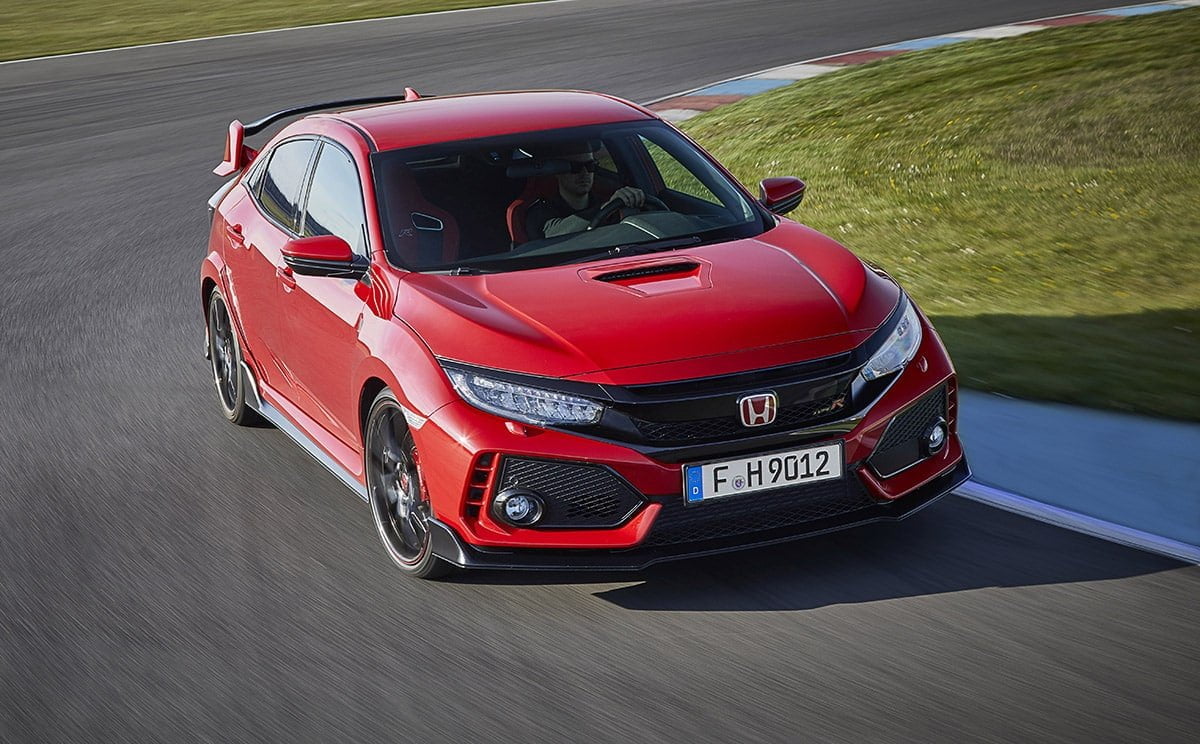
Because on the track the Type R really comes to life. The German instructors at the Lausitzring had an interesting technique, simply telling us to follow them in their Type R, and then indulging in laps that had us pushing on hard merely to keep up.

And the car soaks it all up – accelerating crisply, braking with confidence, turning in with confidence and maintaining superb grip through the bends. It very quickly becomes a whole lot of fun…
The cost

Entry cost to Type R ownership starts at £30,995. Spend an extra £2,000 and one can have the GT model, which gains a raft of mostly technology.

The GT specification includes a cross-traffic monitor, dual zone climate control, auto-dimming rear-view mirror, Honda’s Connect assistant incorporated into the navigation, wireless phone charging, an 11-speaker high-power version of the audio system, and LED front fog lights.

Summary

Type R has come to mean something special to performance car fans. With the red badge, they know they will get the most potency available in the Civic, a truly hot hatch.

This is not a lot of good, however, if the car gets left in the garage because driving it on a regular basis is just too full-on. And in the last Civic Type R, the balance was shifted just a little too much in the direction of the track.

The new Civic Type R rectifies that but, remarkably, does this while also offering increased performance – more potency, and more ability on the most demanding of race circuits.

This is a complete package that one can live with happily all week on the slow commute to and from work. Just make sure you take it to the track of a weekend and let it off the leash…

Honda Civic Type R – key specifications

On Sale: July 2017
Range price: £30,995-£32,995.
Insurance groups: TBA
Engine: 2.0-litre VTEC turbo petrol

Power: 320 hp
Torque: 400 Nm
0-62mph: 5.7 seconds
Top speed: 169 mph

Fuel economy (combined, mpg): 36.7
CO2 emissions (g/km): 176
Key rivals: Ford Focus RS, Volkswagen Golf R, Renault Megane RS
Test Date: June 2017
A short history of Honda Type R

Type R – a phrase that immediately excites petrolheads. Just as with the M of BMW, the AMG of Mercedes-Benz, performance fans know that Honda cars wearing the Type R badge will be potent machines, with not a little racing DNA.

Today, Type R is applied to the most performance-focused version of the Civic hatchback, and indeed a new one, the most potent yet, is about to arrive in UK showrooms. But the first Type R model was something very special indeed, and like all the early Type Rs only sold in Japan.

2017 marks the 25th anniversary of Type R. In the early 1990s Honda, a car manufacturer with a strong racing pedigree, conceived the idea of making top-performance models for sale in limited numbers, with the expectation that their owners would use them on the track.

Honda Civic Type-R history

Formula One heritage

Such cars were put on a serious diet, their suspension retuned and engines breathed upon to squeeze out more horsepower. They gained a new, red badge and ‘Championship White’ was always among the exterior paint options, reflecting Honda’s red and white racing colours worn by the company’s first Formula One winner in 1965.

Type R branding was first applied in 1992, to the Honda NSX. Launched in 1990, this was the brand’s first supercar – the first mass-produced car with an all-aluminium body, power from a 3.0-litre V6 engine of 280hp also all-aluminium and with the then revolutionary Variable Valve Timing (VTEC) technology. Its styling was inspired by an F-16 fighter jet cockpit and development of the car carried out by F1 champion Ayrton Senna.

Honda NSX
Andrew drove a Honda NSX for the first time in December 2016. More than 20 years old, it offered a bigger thrill than many a modern supercar – the Type R version must have been something truly special…

In Type R form, the NSX gained more radical suspension upgrades and lost some 120kg in weight, mainly by removing such superfluous items as the electric windows, the audio system and the air conditioning.

The NSX, its more radical NSX Type R successor (also known as the NSX-R), and the first Integra Type R, a 200hp coupe launched in 1995, all remained strictly Japanese-market cars. Then in 1997, the Integra Type R broke into America under Honda’s Acura badge. It was still primarily focused on track use – Honda, in fact, sold all the road versions at a loss, despite motoring journalists dubbing it the ‘best-handling front-wheel-drive car ever’.

By now the Type R badge had been applied to a version of the Civic hatchback, launched in 1997 and with some 185hp from its 1.6-litre engine – at the time unheard of from a non-turbo unit. Again this was only officially sold in Japan, but the Type R story was about to go global, starting with a second-generation Integra that at last officially came to Europe. It was followed by a Type R version of the larger Accord saloon.

Type R comes to Europe

It is with the second-generation Civic where the Type R story really gains pace. This Civic Type R, launched in 2001, was based on the three-door car manufactured at Honda’s UK factory in Swindon – as would be all future Civic Type R models.

Officially the car celebrated Honda’s return to Formula One. Its 2.0-litre i-VTEC petrol engine pumped out 200hp. The chassis was seam welded just like race cars, it had a close-ratio six-speed transmission, significantly uprated suspension and brakes.

With a 0-60mph time of just over six seconds and a plus-140mph top speed, remarkably this car was not as radical an upgrade as a version sold by Honda in Japan, but motoring journalists loved it, the Civic Type R winning many ‘best hot hatch’ awards and selling in big numbers as a result.

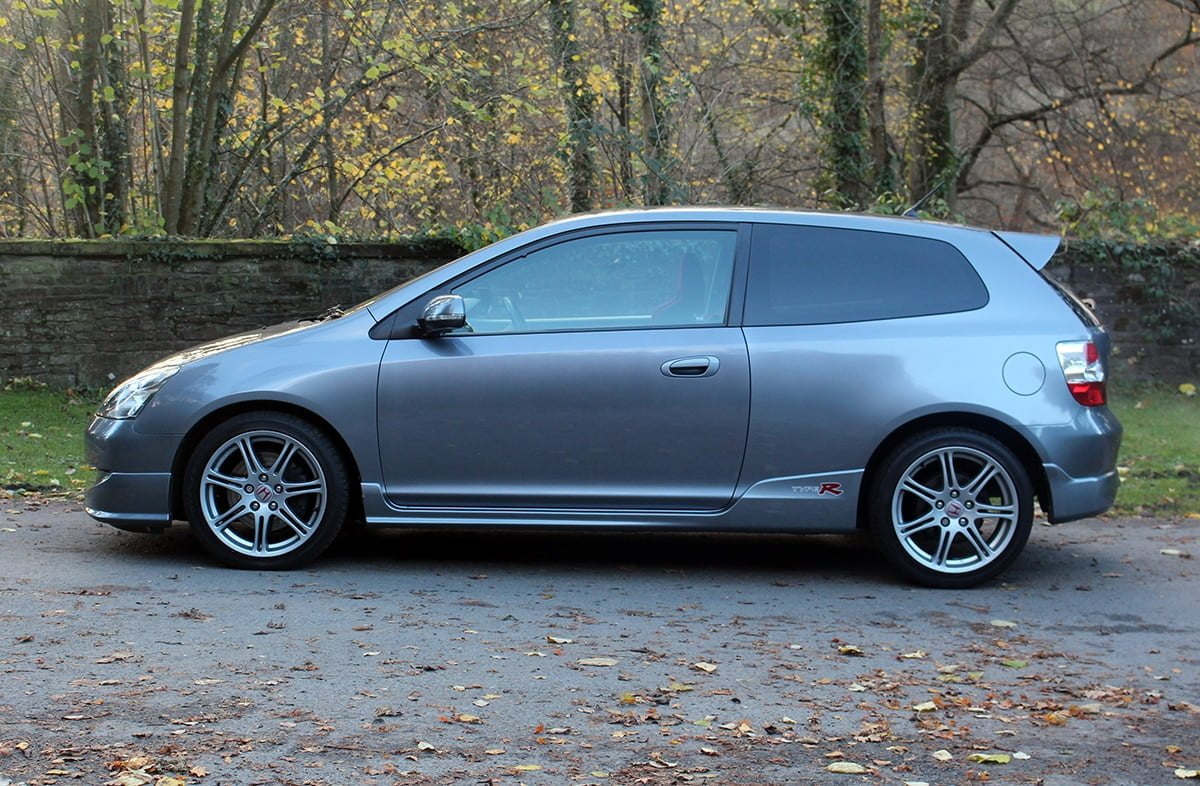
Your writer remembers the press launch of the ’01 car, the first Type R he drove, very well. It was held on the Isle of Man, and the highlight was discovering just how potent the car was on the mountain section of the TT course, specially closed for the occasion by the Manx police…

Type R on the Goodwood hill

For the launch of the third-generation Civic Type R, in 2007, we were based in Sussex. This time exploring the potency involved tackling the hillclimb course used for the Goodwood Festival of Speed – evocative surroundings…

Again the European market version was based on the five-door Civic hatchback coming out of Honda’s Swindon plant. In Type R form it still employed a 2.0-litre VTEC petrol engine, just one horsepower more potent than its predecessor with 201hp at 7800rpm. In Japan, the recipe was a four-door saloon with a 225hp engine.
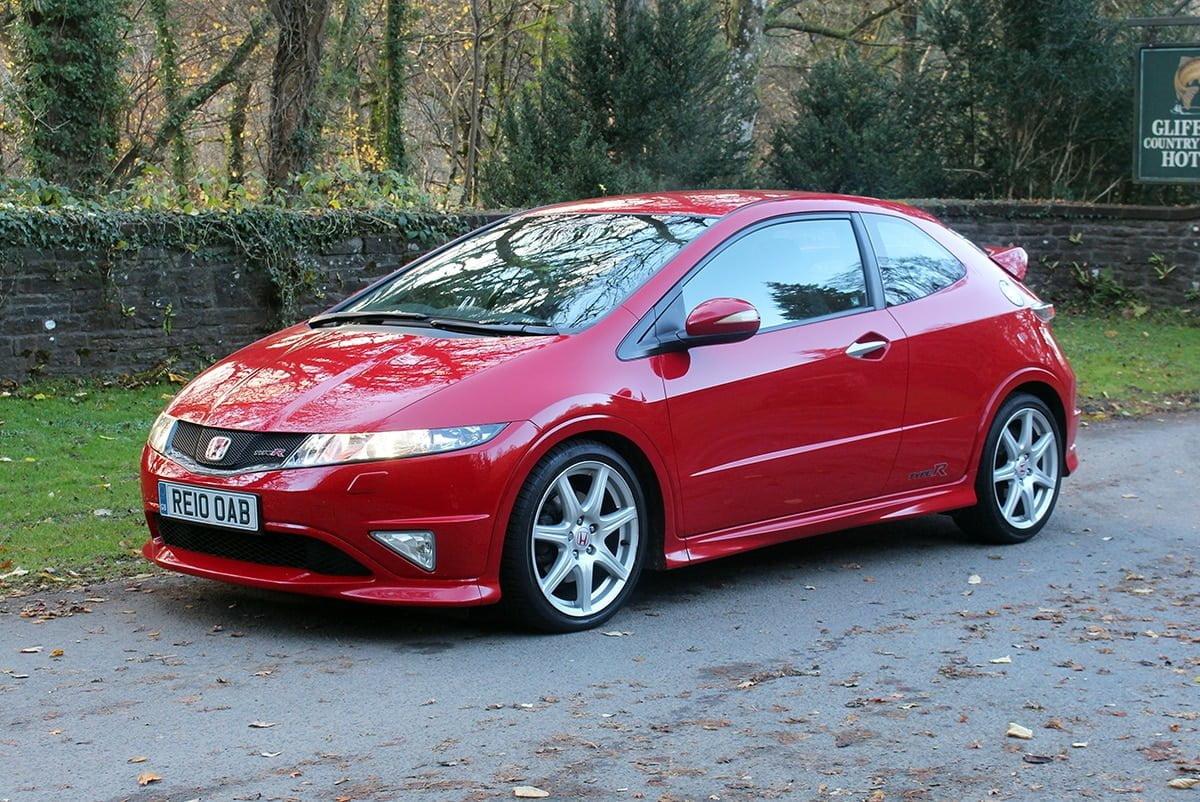
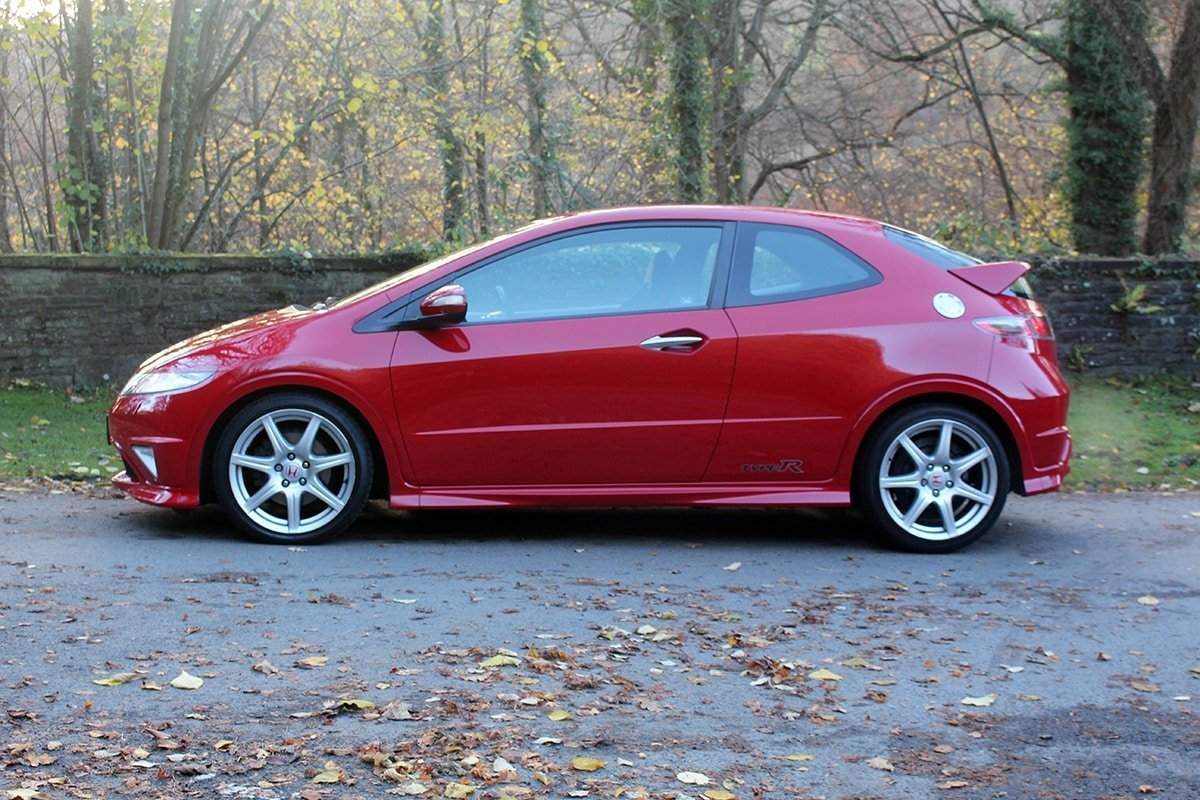
That model was sold for a mere three years, and then a wilderness period ensued. Not until 2015 did a new Type R appear, and this was a step change compared to its predecessors. With the Mk4, launched in 2015, Honda wanted to emphasise the ‘start of a new performance era’.

Race car for the road

The car boasted the most extreme powerplant yet. It was still a 2.0-litre petrol unit, with a surprisingly low red line of just 7,000rpm. But it boasted a 5.7-second 0-62mph time and a terminal speed of some 166mph. Bespoke adaptive damper suspension ensured it offered handling to match the power, as we journalist discovered on the launch, driving the cars around the same circuit in Slovakia that the World Touring Car Championship race versions would compete on just two weeks later.

Honda dubbed the 2015 Civic Type R ‘a race car for the road’, and indeed it was. But perhaps it was also a little too extreme to properly maintain the Type R’s established image, of matching huge performance potential to the ability to behave itself impeccably on a 30mph trip to the shops.
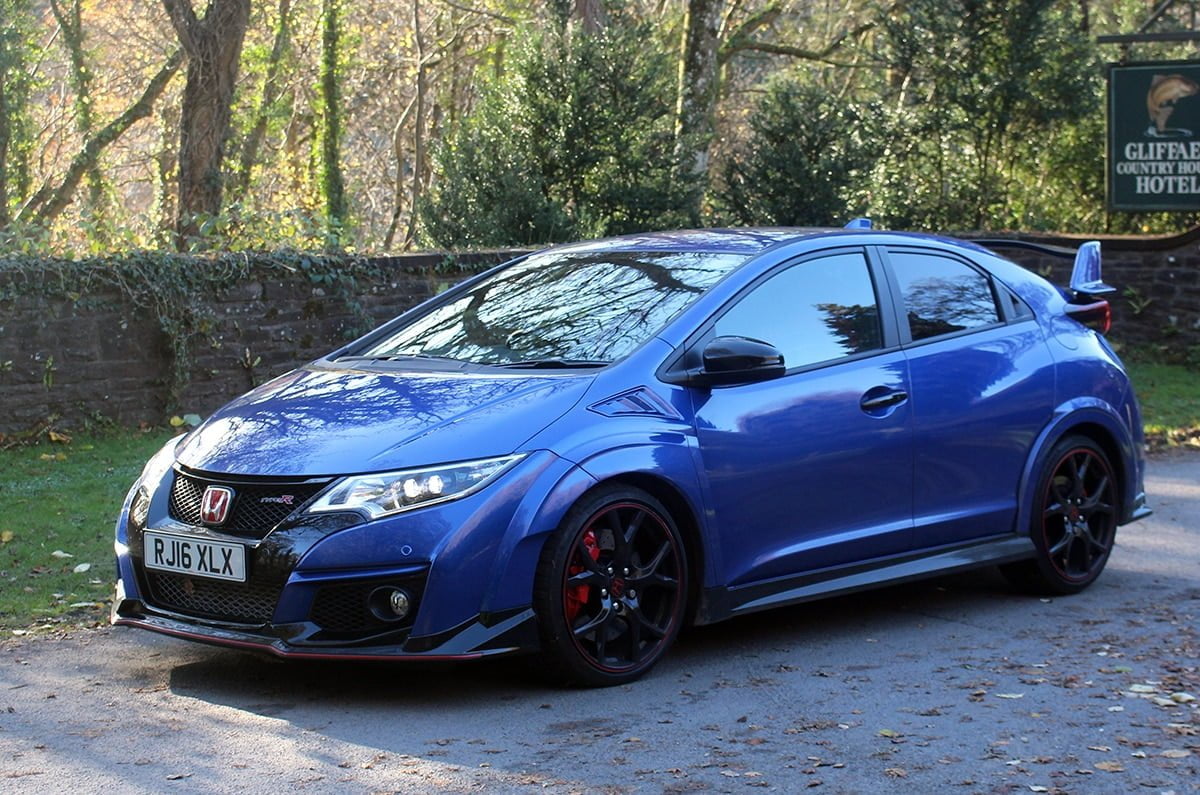
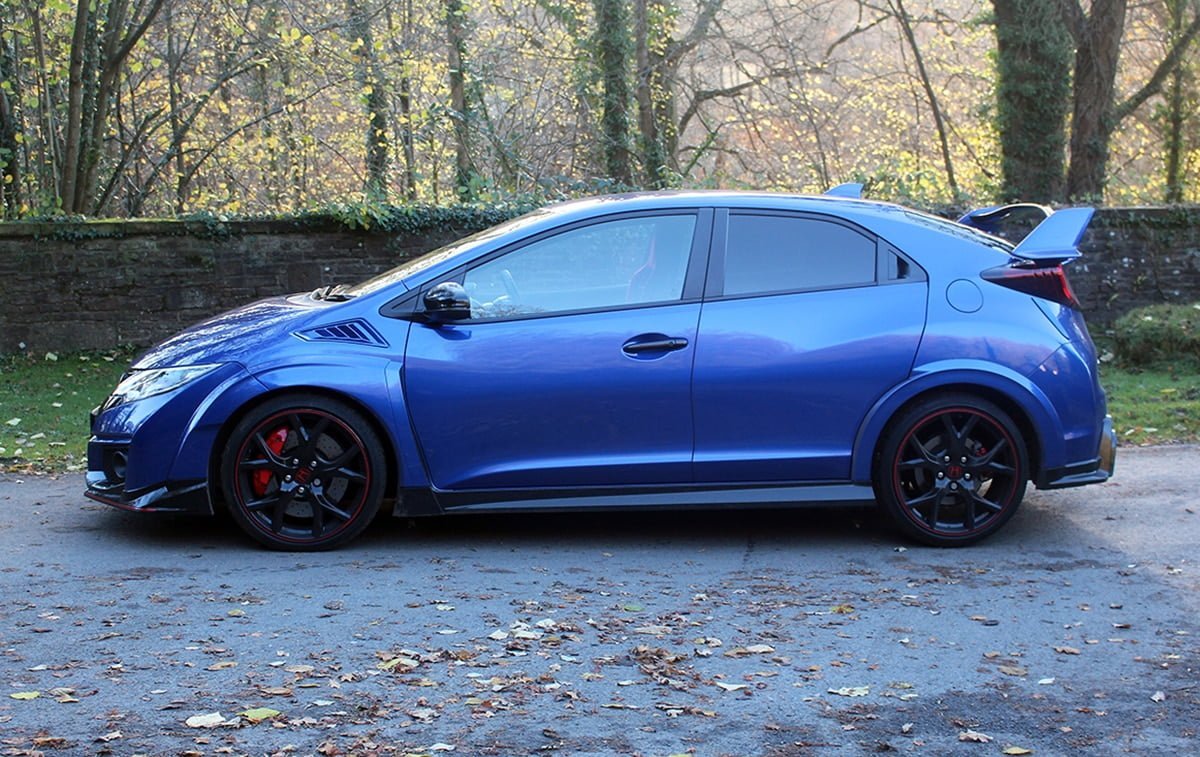
Now, just two years on, there is a fifth generation of Type R. It has evolved surprisingly quickly from the latest Civic, now manufactured in Swindon for sale across the whole world and boasting a more mainstream styling treatment.

The new Civic Type R is the most powerful version of the model yet. But as you will read in our first drive, it also returns the brand to a more versatile outlook, Honda wanting owners to be able to use it as an everyday car while enjoying it to the full on the track at weekends.

Yet while you may often see the new Civic Type R in the car park of Tesco, the original ethos of the brand has not been diluted. This is still significantly the most extreme version of the Civic you will be able to buy. And yes, it is seriously potent. The Type R legacy is in good hands…
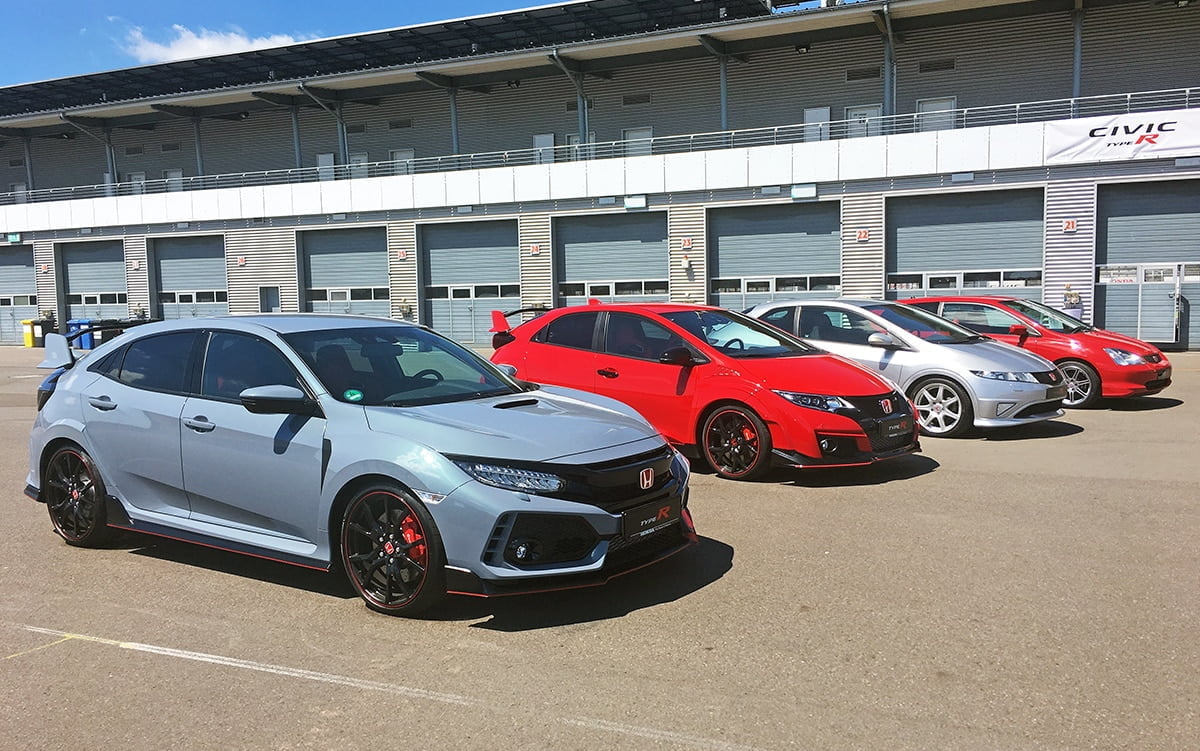
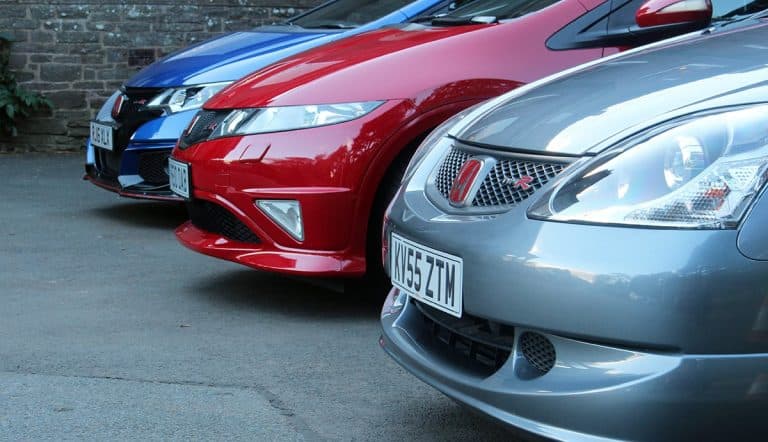
Honda Civic Type R 2017 with its predecessors
The next generation – the 2017 Honda Civic Type R with its three predecessors.

McLaren joins up as Dennis bows out

Major changes at McLaren are to see the separate sports car manufacturing and Formula One race team companies merged into a single entity. The formation of the McLaren Group follows an agreement with Ron Dennis, the man credited with leading McLaren to its household-name status today, to sell his remaining shares in the business. The move unites McLaren Automotive, which manufactures a renowned series of road cars and has just celebrated its fourth year of profit in just six years of sales, with McLaren Technology Group, which includes the iconic Formula One racing team and a high-tech arm, McLaren Applied Technologies. This works in a number of innovative areas, one of its many outlets being the electronics used in America’s leading single-seater race category the Verizon IndyCar Series.

End of an era

Dennis is selling his 11% stake in McLaren Automotive and 25% he owns of McLaren Technology Group. This brings to an end a 37-year association during which he transformed the F1 team, winning seven F1 constructors and eight drivers titles, and set up the road car manufacturer, creating a group today valued at £2.4 billion with an annual turnover of £898 million.
Ron Dennis made McLaren a world player and created the car manufacturer.
The current management team of Mike Flewitt, Zak Brown and Jonathan Neale will continue in their roles. Essa Al Khalifa will become Executive Chairman of the new group, and comments that as one Group, the three pillars of the business can support and enhance each other. “McLaren is unique, due to its strong heritage and passion to be best in everything it does, but also because no other company in the world can claim a corporate structure that comprises automotive, motorsport and applied technologies,” he says.
McLaren
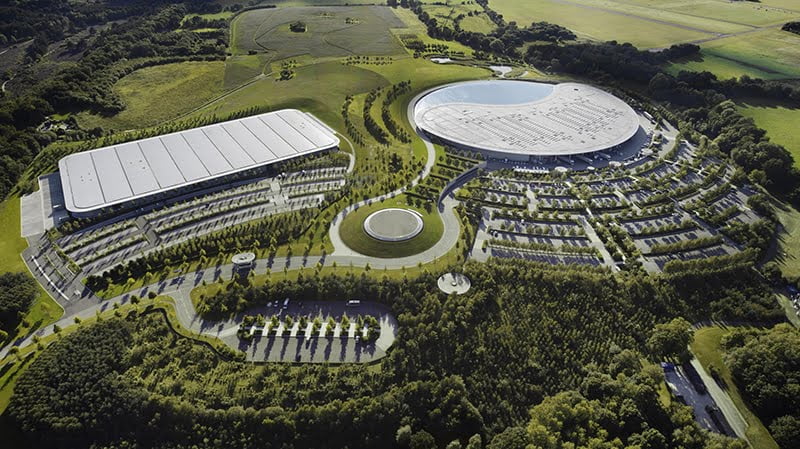
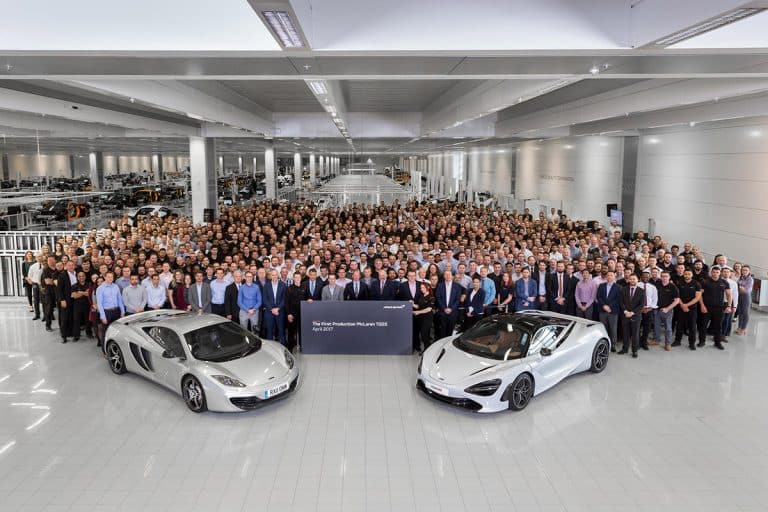
McLaren today employs 3200 people at Woking, England, the F1 and road car facilities alongside each other.

Two new editions for redesigned Skoda Citigo

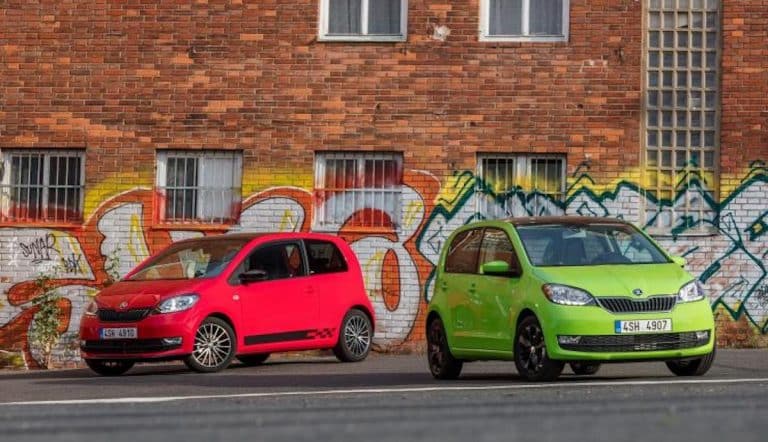
The Skoda Citigo has received a 2018 model year update, featuring a lightly redesigned exterior, updated interior and two new editions: Colour and Monte Carlo. Updates to the exterior consist of a redesigned bonnet, bumpers, fog lights and radiator grille. LED daytime running lights and dark-tinted rear lights are as standard for SE and SE L trim levels, optional for the S. The Citigo is available with a range of alloy wheels. The compact Citigo has a 251-litre boot which increases to 951 litres with the rear seats folded. A multifunction steering wheel with leather cover is standard for the top-of-the-range SE L. Two available infotainment systems are offered, with auxiliary and USB ports, an SD-card slot, colour display, speakers and Bluetooth connection. The latest round of updates follow the Citigo’s win in the Safest Used First Car 2017 awards this week. The 2018 model has autonomous emergency braking and brake assist to prevent collisions. Four airbags, electronic stability control, traction control and Hill-Hold Control are as standard.

New Editions

With the 2018 model year updates the Citigo gets two new editions based on existing trim levels. The Monte Carlo has a rally-based design with a lower sports chassis, front and rear spoilers and tinted windows. The Colour Edition, based on the SE trim, is available as either three or five doors with 15-inch Crux alloy wheels in black or white. UK pricing for the Citigo starts from £8,635 with all models now available to order.
Profile of green Skoda Citigo
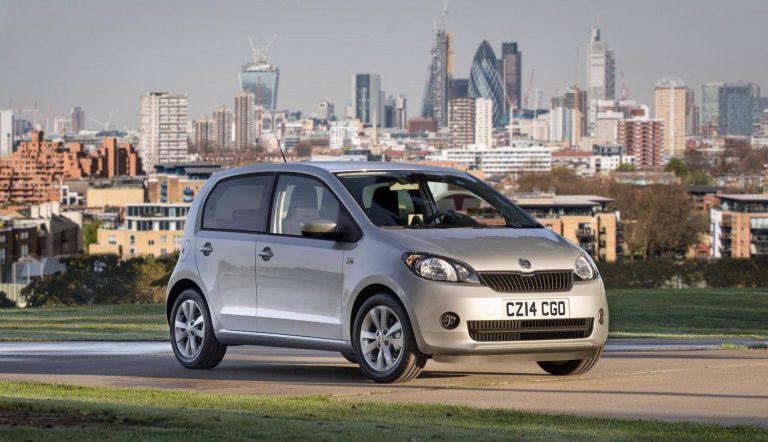
The Skoda Citigo recently won the title of ‘Safest Used First Car 2017’.

Fiat celebrates 500’s 60th birthday

Fiat has created the 500 Anniversario, a special edition of its iconic 500 model which turns 60 this year. Over two million Fiat 500s have been sold worldwide since the model’s introduction in 1957. Available as either a hatchback or a convertible, the Anniversario is available in either Riviera Green or Sicilia Orange. The exterior gets chrome accents on the bonnet and door mirror caps, vintage Fiat logos, 16-inch vintage alloy wheels and an ‘Anniversario’ logo on the boot. 16-inch diamond-finish alloy wheels are available at no extra cost. The vintage feel is continued inside, with the seats upholstered in horizontal striped fabric with contrasting piping matching the body colour. The body-coloured dashboard is joined by ‘Anniversario’ logo on the floormats. There’s nothing vintage or dated about the Anniversario’s technology. Climate control, cruise control and rear parking sensors are all as standard. Customers can opt for the Tech Pack which adds a 7-inch instrument panel and Uconnect with HD Live radio, Apple CarPlay and Android Auto. Satellite navigation is available on request. The Anniversario is available with a 1.2-litre 69hp petrol engine which, according to Fiat, is capable of producing a fuel economy of 60.1mpg. The Fiat 500 Anniversario is due in showrooms in July but is available to order now, with UK pricing starting from £14,265.
Fiat 500 Anniversario
The special edition Fiat 500 Anniversario in Riviera Green

The safest used first cars for 2017

The safest used first cars have been announced this morning, as part of a targeted campaign that aims to reduce the accident rate for new drivers.

More than 40% of young drivers have been involved in a road accident, according to a study released by Co-op Insurance. In conjunction with independent road safety experts Thatcham Research, Co-op Insurance announced the UK’s five safest used first cars.

The same research also found that safety was well down the list of priorities for first-time car buyers. Price, insurance and other running costs, age and colour were all ranked as more important than the car’s safety features.

It is the second year of collaboration between Co-op Insurance and Thatcham Research to rate the country’s used cars. Last year, the focus was on used family cars, and the rankings have been updated for 2017 (separate article to follow). For this year, the partners chose to draw particular attention to young drivers and their first cars.

For most of us, our first car has traditionally been an older vehicle – not necessarily an old banger, but not usually a choice based on providing the best possible avoidance of (and protection in) an accident. The current campaign hopes to change those attitudes.

Choosing the safest used first cars

To determine the results of the safest first used car ratings, Thatcham and Co-op Insurance had some specific criteria. They concentrated on cars in the supermini class that had a five-star Euro NCAP rating, were available for no more than £5,000 on the second-hand market, and had a CO2 emissions rating of 120g/km or less.

So, without further ado, the top five cars were as follows:
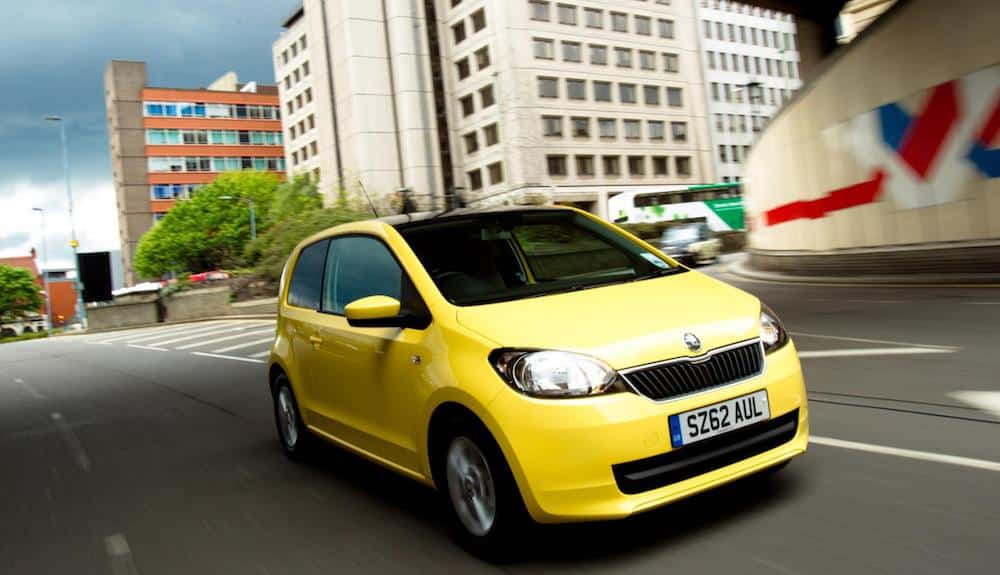
WINNER – Skoda Citigo

Skoda Citigo - winner, safest used first car 2017

Although the Skoda Citigo is essentially identical to the SEAT Mii and Volkswagen up!, the Skoda won out by virtue of having better availability than the SEAT, a lower market price than the Volkswagen, and better availability of autonomous emergency braking (AEB) technology.

AEB is optional on all of three models, but the judges found that there was better availability of this life-saving technology on the used Citigo models in the marketplace compared to the up! or Mii.

The Thatcham/Co-op ranking applies to any model in the Citigo range, as the car has only been on sale for a few years. It has a five-star rating from Euro NCAP (although the actual model tested was a Volkswagen up!).

Next page: The Skoda’s stablemates take podium places
UK car production continues to fall in May

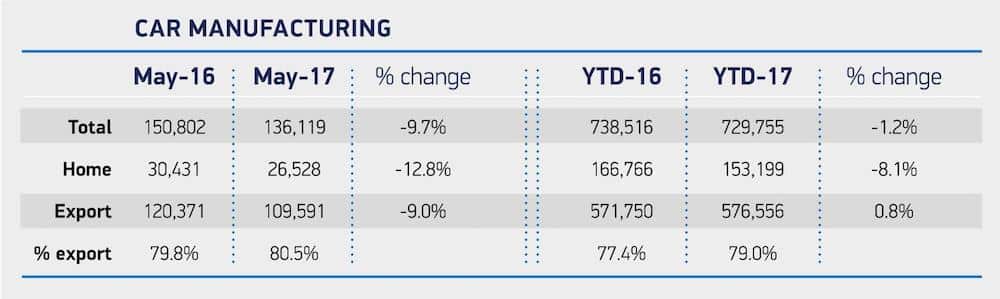
Figures released by the Society of Motor Manufacturers and Traders (SMMT) show that UK car manufacturing fell just under 10% in May. A total of 136,119 cars were produced, which was the second significant year-on-uyear decrease in a row after April saw production plummet compared to 2016. Production for the domestic market fell 12.8% in May, continuing the overall trend for 2017, with year-to-date results down 8.1%. In total, 153,199 of the cars manufactured this year have found their way to UK showrooms. Table showing overview of car manufacturing in May Overseas demand has been driving UK car manufacturing in 2017. Since January, 576,556 new cars have been exported, representing a 0.8% year-on-year increase. However, May saw production for overseas markets fall 0.9%. Mike Hawes, SMMT Chief Executive, noted: “After a record start to the year, car production in the UK has slowed, yet global demand is strong and exports remain the driving force for British car production volumes in the UK.”
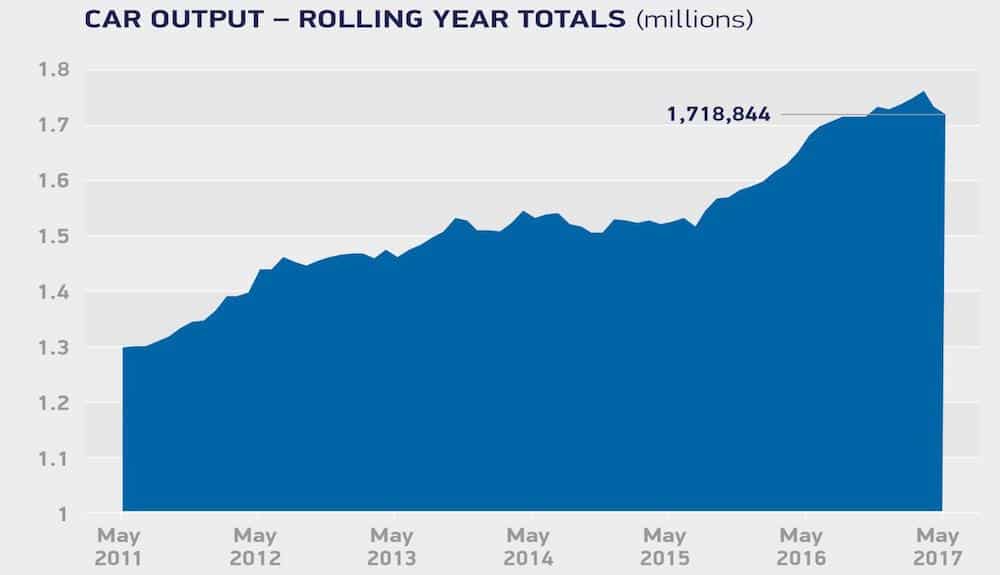
May 2017: graph of rolling year totals
Nearly 730,000 new cars have been made in Britain this year

Jaguar XE SV Project 8 blasts into Goodwood

The new Jaguar XE SV Project 8 is the second limited edition model from the marque’s Special Vehicle Operations (SVO) department. Following on from the F-Type Project 7, which was unveiled in 2014, Project 8’s ambition is to deliver a four-door saloon delivering supercar performance. Unfortunately for British fans of a British car company, the most powerful Jaguar road car ever made will only be built in left-hand drive. The XE SV Project 8 is powered by a 600hp version of JLR’s 5.0-litre supercharged V8 engine, producing a top speed of 200mph and a 0-60mph time of 3.3 seconds. Customers can choose from two specifications: the standard four-seater model or an optional two-seater Track Pack edition with carbon fibre racing seats. 300 examples of the XE SV Project 8 will be built, and will be the first model to be assembled by at the new SVO Technical Centre in Coventry. The Jaguar XE SV Project 8 is making its debut this weekend at the Goodwood Festival Speed, with UK pricing starting from £149,995.
Rear view of Jaguar XE SV Project 8
The Project 8 will be the lightest V8 sedan in the Jaguar range

Hyundai announces details of latest i30 Tourer

Hyundai has announced details of pricing and specification for its latest i30 Tourer estate. The Tourer joins the i30 hatchback which launched earlier this year. The latest version of the estate model sees the introduction of the 136hp 1.6-litre CRDi with dual clutch transmission and the three-cylinder 1.0-litre T-GSi. Customers have the option of ten different exterior colours . The solid finishes Engine Red and Polar White are available at no extra cost, while the other eight metallic or pearl paint finishes are extra. All specifications come with a black interior as standard, while Slate Grey is available at no extra cost on Premium SE models. DAB radio and Bluetooth are as standard on all models. Standard safety features for the i30 estate include Lane Departure Warning, Forward Collision Warning, Lane Keep Assist, Autonomous Emergency Braking and Hill Start Assist Control. The i30 Tourer goes on sale from 6th July with prices starting from £17,495. Demitasse Brown Hyundai i30 Tourer

Aston Martin goes electric with RapidE

Aston Martin has confirmed production of its first all-electric model, the RapidE. Based on the concept car that debuted in October 2015, only 155 will be built, with production set for 2019. The initial sketches show the RapidE as a four-door sports car with the looks of the Rapide S. The 6.0-litre V12 engine will be replaced by an all-electric powertrain. Aston Martin has confirmed Williams Advanced Engineering as its lead engineering partner in the project. Williams Advanced Engineering worked on the original Rapid E Concept. Further details of the electric powertrain and specification can be expected nearer the time of production.
Rear view of Aston Martin RapidE
Production of Aston Martin’s first all-electric model is expected for 2019

Jaguar Land Rover expands Ingenium engine range

Jaguar Land Rover has expanded its Ingenium engine range with the addition of a 300hp unit. The 2.0-litre four-cylinder turbocharged engine produces 400Nm of torque and will be available in the F-Pace SUV and the XE and XF saloons. Built at Jaguar Land Rover’s Engine Manufacturing Centre in Wolverhampton, the new 300hp powertrain joins the 200hp and 250 hp units which were introduced earlier this year. Paired with the same ZF eight-speed automatic transmission used by many other manufacturers, the new Ingenium petrol engines offer improved efficiency and fuel economy over the previous units. Additional 2018 model-year updates include the Gesture Boot Lid for the XE and the XF, while Configurable Dynamics technology allows drivers to personalise their driving experience. The F-Pace, XE and XF with the 300hp Ingenium engine are available to order now.
The Jaguar F-Pace benefits from expanded Ingenium engine range
The 300hp Ingenium engine gives the F-Pace a 0-62mph time of 6.0 seconds

BMW X3 SUV to gain potent M model

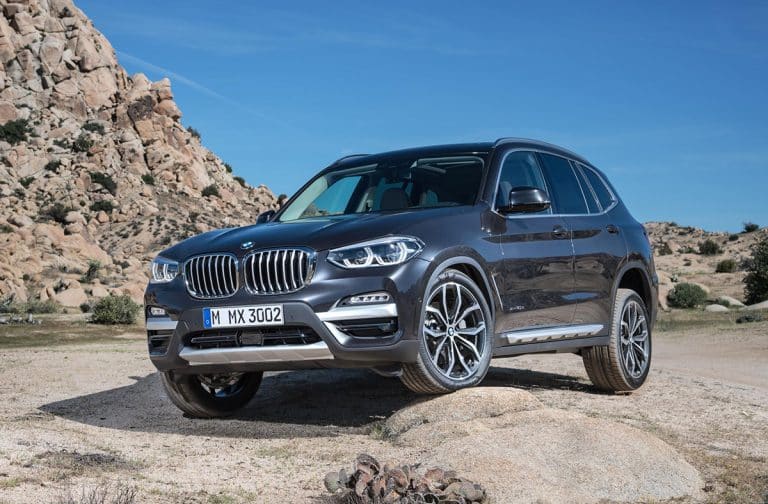
The next BMW X3 SUV will include the first M Performance version, with 360hp on offer from its 3-litre six-cylinder petrol engine.

On sale in November and priced from £38,800, the third-generation X3 is expected to continue the success of the model line. The X3 has sold 1.5 million since first launching in 2003 but has come under great pressure in recent times from new rival models such as the latest Audi Q5.

The new car is similar in size to its predecessor but with a 50mm longer wheelbase and a perfect 50:50 weight distribution. This will be particularly relevant to the performance-focused M40i, which promises a sub five-second 0-62mph time. It will cost from £51,280.

Two diesel engines

Initially, new X3s will be available with either the 20d or 30d diesel engines, offering 190 or 265hp respectively. The M40i will go on sale soon after, as will an xDrive 20i petrol unit. All will be matched to an improved version of the eight-speed Steptronic transmission and all-wheel drive.

Amongst a host of new technology available for the car will be BMW’s new ‘CoPilot’ system, which includes active cruise control and the Driving Assistant Plus safety package – a steering and lane control assistant, lane-change assistant and lane-keeping assistant with side collision protection.

All versions are also fitted with three-zone automatic climate control, which can provide individual settings for driver, front passenger and rear seat occupants. Options include perforated leather front seats with ventilation and a panoramic sunroof.

BMW X3 dash

SEAT Arona SUV targets Nissan Juke

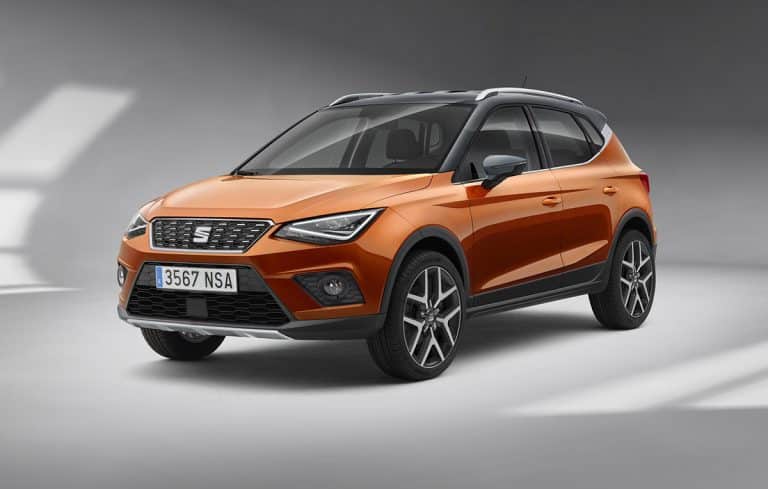
The SEAT Arona has been revealed as the brand’s second SUV, and will launch in September at the Frankfurt Motor Show. The Arona will target the best-selling Nissan Juke, alongside larger sister, the Ateca, which was launched last year to rival the Nissan Qashqai. A shortened version of the Ateca’s VW Group MQB platform is used for the Arona, and also underpins the Ibiza and Polo superminis which SEAT’s first compact SUV is closely related to.

Larger boot

SEAT quotes a 400-litre boot capacity for the car, 46 litres more than the Juke offers. The car is 79mm longer than the Ibiza at 4,138mm, and 99mm taller – driver sits 52mm higher, while headroom is 37mm better in the front and 33mm in the rear compared to the supermini. Five engine options will be available – petrol units in 1.0-litre 95 and 115hp, a 1.5-litre petrol with 150hp, and two versions of a 1.6-litre diesel with either 95 or 115hp. Transmissions will be five or six-speed manual or a seven-speed dual-clutch auto, and the car will be front-wheel drive only. SEAT will offer the Arona in its typical grade structure while the separate finishes to the body and roof will make possible up to 68 colour combinations. Prices for the car are not yet revealed but are likely to start at around £14,000.

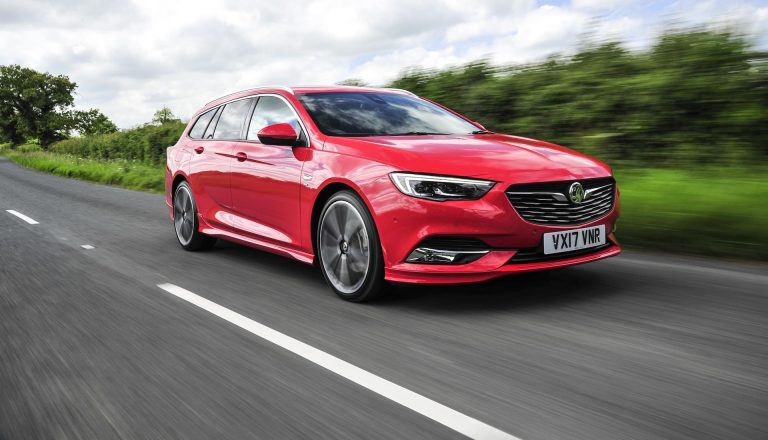
Vauxhall Insignia Sports Tourer review

60-second summary

What is it? Estate version of latest large fleet favourite Key features New look, more space, more technology Our view The Vauxhall Insignia Sports Tourer is improved in looks, practicality and tech, while the price makes it very good value for money. It’s a welcome addition to the traditional estate sector for buyers who need or want a hard working load-lugger rather than a lifestyle SUV. Similar cars Ford Mondeo, Volkswagen Passat, Skoda Superb

Full review

Introduction

The Vauxhall Insignia Sports Tourer is the second, estate version of the brand’s latest large-car offering for a market dominated by fleet drivers, and it launches at a time when that market is under attack on two flanks. Firstly, buyers are abandoning what are known as D-segment cars in droves, in favour of more imposing and muscular crossovers. And those that are not swayed by such vehicles are being tempted by estates from the likes of Audi and BMW as the premium manufacturers target the mainstream market. So Vauxhall has had to up its game, and generally it has done so. This new Insignia is a distinct improvement on the car that it replaces. The estate-bodied Sports Tourer goes on sale just after the five-door Insignia Grand Sport, that arrived in showrooms in May, and a third, off-road styled Country Tourer model is set to be unveiled in September. Vauxhall personnel at the Sports Tourer launch event also hinted at a fourth, as-yet-unnamed derivative to come.
Vauxhall Insignia Sports Tourer in front of a Boeing 747
This new Insignia is a distinct improvement on the car that it replaces.

Exterior and interior design

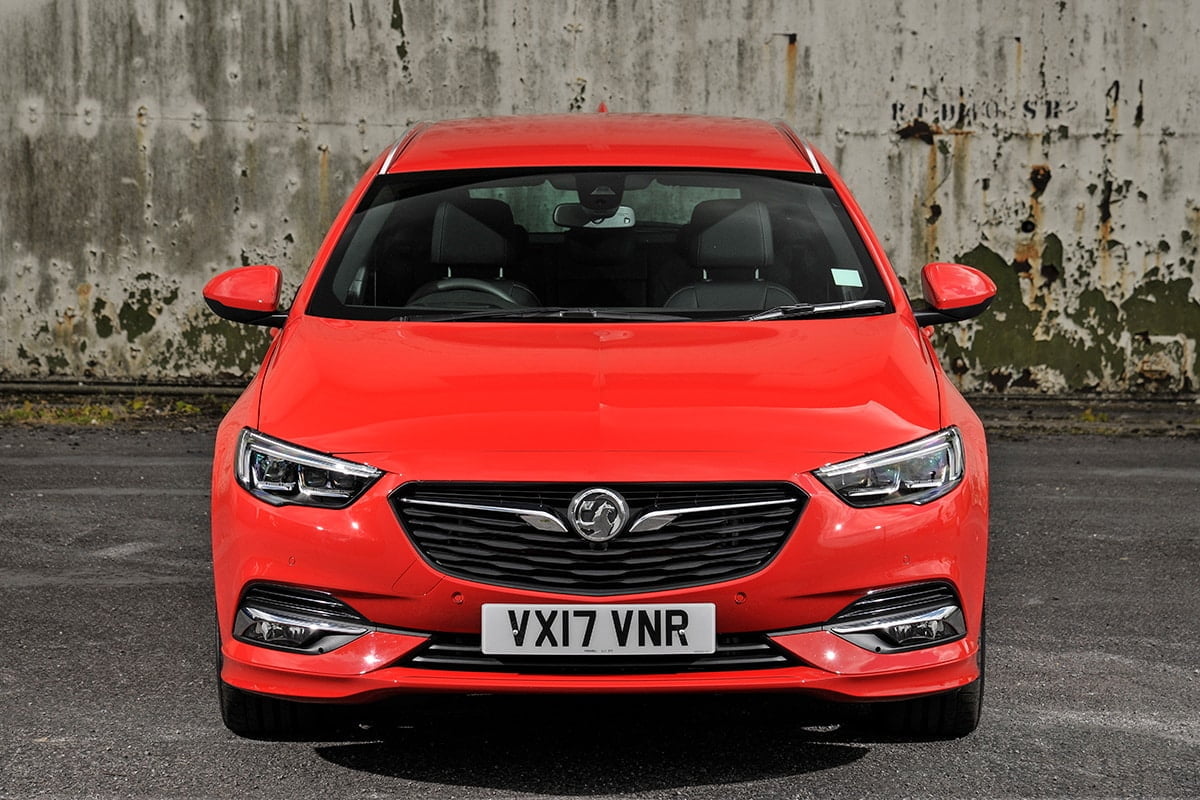
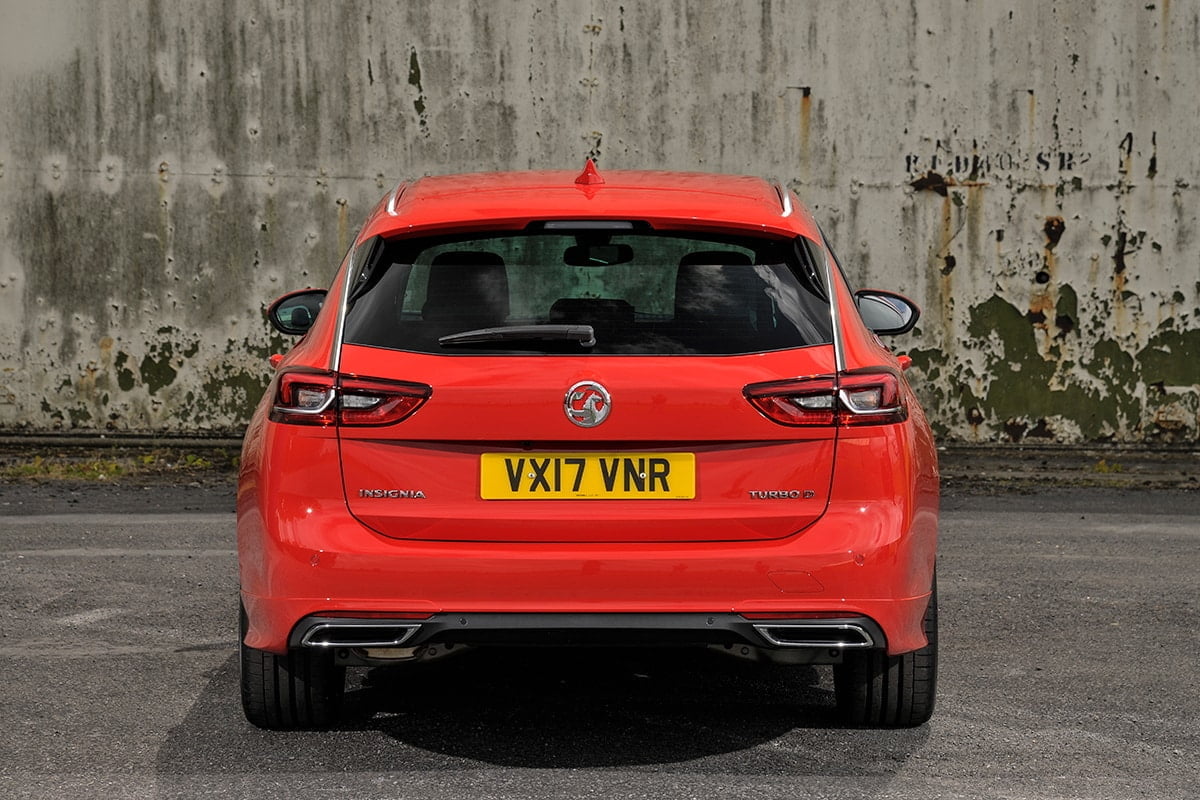
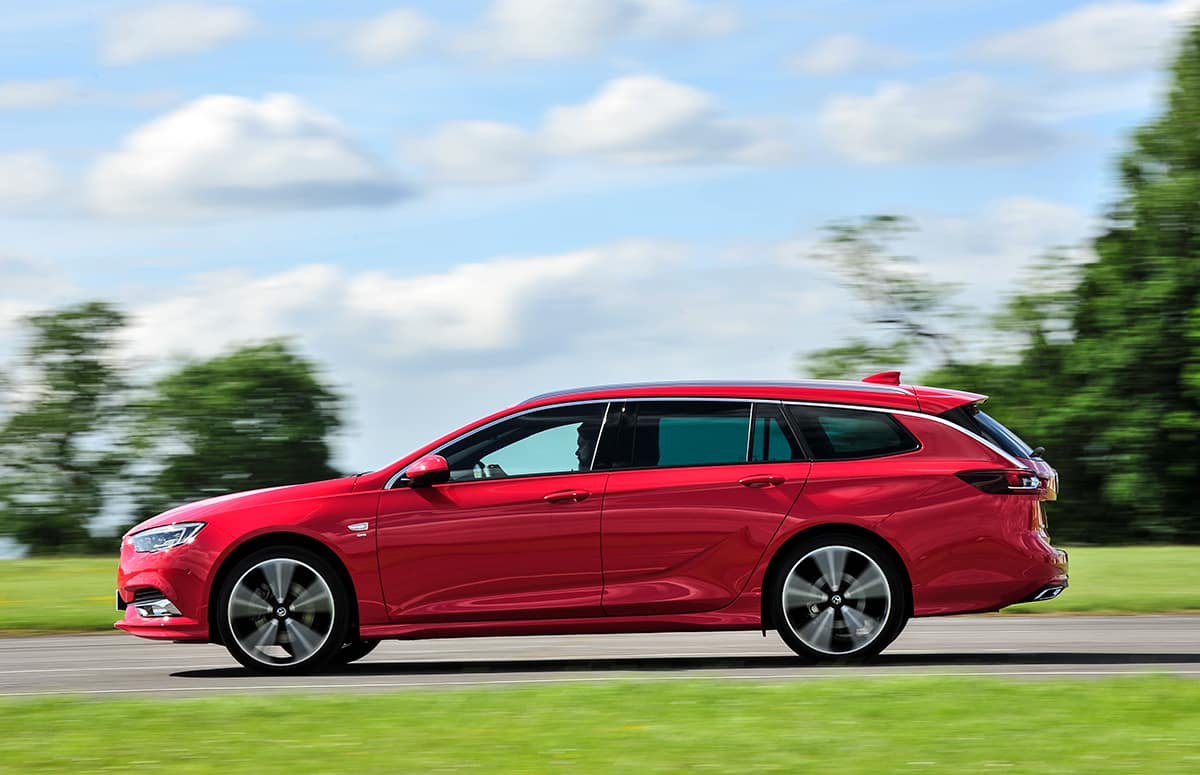
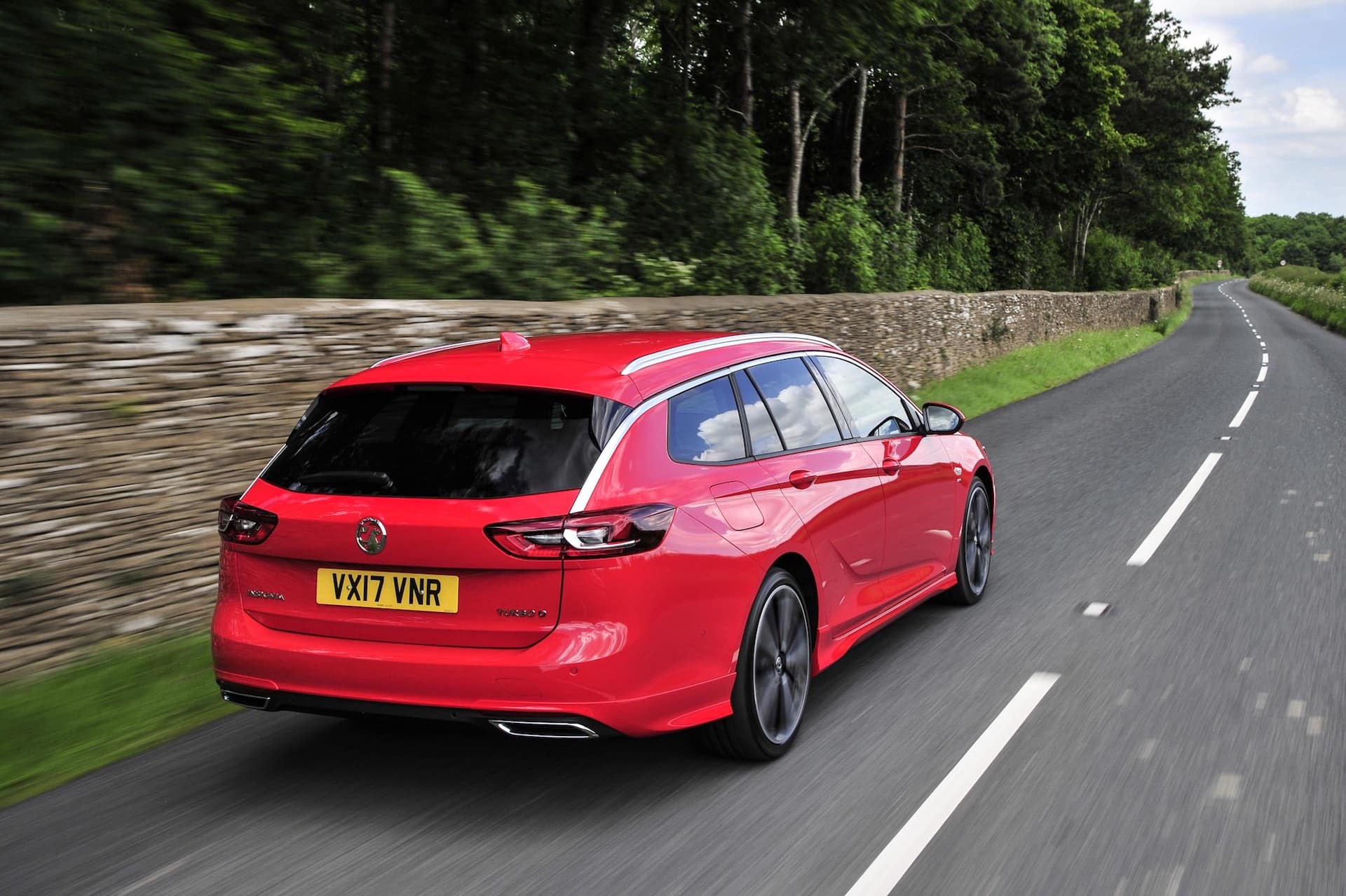
The previous Vauxhall Insignia Sports Tourer boasted a steeply raking roofline which attracted more comments about the space it compromised rather than any sharpness in styling. The new car’s look is based on the Monza concept of 2013 – as a result, it has an exterior profile that is more dynamic, and still retains that impression of a raked rear end, but it also answers the space criticism. At just under five metres end to end, the car is only slightly longer than its predecessor, but it looks huge, and the latest platform ensures it makes the most of its dimensions. The wheelbase is extended to just over 2.8m, the front overhang shortened by 3cm, and the roof also dropped by 3cm. Combined with the silver finish roof rails, this gives the car far more purposeful, aerodynamic visuals, while the saving up to 200kg in weight, with obvious benefits in efficiency and handling. Meanwhile, the boot adds a bold rear sweep to the car, because it has been extended by a significant 10cm. This bumps up luggage capacity, which now measures 560 litres with the seats up and 1,665 litres with them down. As well as being some 135 litres more than its predecessor, it’s also 60 litres more than one can get in a Ford Mondeo estate, though still overshadowed by the gargantuan boot of the Volkswagen Passat estate. Inside is a definite step up from previously and one of the highlights of the newcomer. There is plenty of space, even in the rear. The external impression of a downwards-raking roof does not appear to compromise headroom. Fit and finish, meanwhile has a much more premium feel. The driver’s environment is well laid-out, all the important controls mounted on a sweeping dash that curves around the driver. The infotainment touchscreen is integrated into the console, rather than poking upwards from it as appears to be an increasing trend these days, and a pleasing economy of buttons promotes a decluttered feel.

Powertrains

A six-strong engine range is available for the Vauxhall Insignia Sports Tourer. Petrol fans have the option of a new 1.5-litre turbo with either 140 or 165hp, and a 260hp 2.0-litre also combined with all-wheel drive. Vauxhall expects great things of the turbocharged four-cylinder 1.5-litre unit – one of a family of new, all-aluminium small capacity engines with direct injection, it promises significant gains in performance, efficiency and refinement. For the diesel market that has traditionally dominated Insignia sales, the choice is between 1.6-litre units of 110 or 136hp and a 170hp 2.0-litre. Standard transmission is a six-speed manual, while the previous six-speed auto has made way for an all-new eight-speed unit. At the launch, Vauxhall personnel did hint that the growing backlash against diesel engines is beginning to enter into their market projections. However the vast majority of Insignia sales are company cars, a diesel-dominated sector, and any changes in buying habits would be slowest to take effect in this market governed by fixed new-car ordering cycles.

On the road

At the UK launch event, The Car Expert drove cars equipped with the new 1.5-litre turbo petrol engine, in its more powerful 165hp incarnation, and the entry-level 110hp diesel. The petrol unit is impressive, overall. It remains refined even when under hard acceleration, but that hard acceleration does not feel very eager, even the base-level diesel appearing more potent. On the road the Insignia rides reasonably confidently, feeling slightly on the soft side but absorbing most of the bumps as a result. Road noise can be a little intrusive at higher speeds, where the not-so-firm chassis is a little less assured. In corners, the car displays plenty of grip, but again the softer setup does induce a little body roll, though not to significant levels.

Equipment

Vauxhall talks up the wide range of new technology available in the Insignia, but perhaps the greatest headline is the price of the car. Starting from £18,685 (with the 140hp petrol engine), the entry-level Design model is quite simply a bargain buy. Standard equipment, meanwhile, includes the OnStar assistance service with such features as alerting emergency services when it senses the car has been involved in a crash, a wi-fi hotspot and control through a smartphone app. Design models are fitted with the version of the Intellilink audio system with a seven-inch touchscreen, DAB digital radio and Bluetooth. There are seven trim levels to choose from, with all bar Design and SRi including satnav on an eight-inch touchscreen. Other new technology in the range includes LED matrix lighting, lane-keeping assistant and an effective head-up display.

Summary

The Vauxhall Insignia Sports Tourer will never be perceived to be as attractive as some of its German and even Japanese rivals. But Vauxhall has done an excellent job in addressing the car’s deficiencies, particularly in cargo capacity, while significantly improving the package as a whole. The car looks better than its predecessor, offers an interior of higher quality and comes with as much latest technology as its rivals. Couple all this with the price and the Insignia Sports Tourer is a serious contender in its market.
Vauxhall Insignia Sports Tourer rear
The Vauxhall Insignia Sports Tourer is a serious contender in its market.

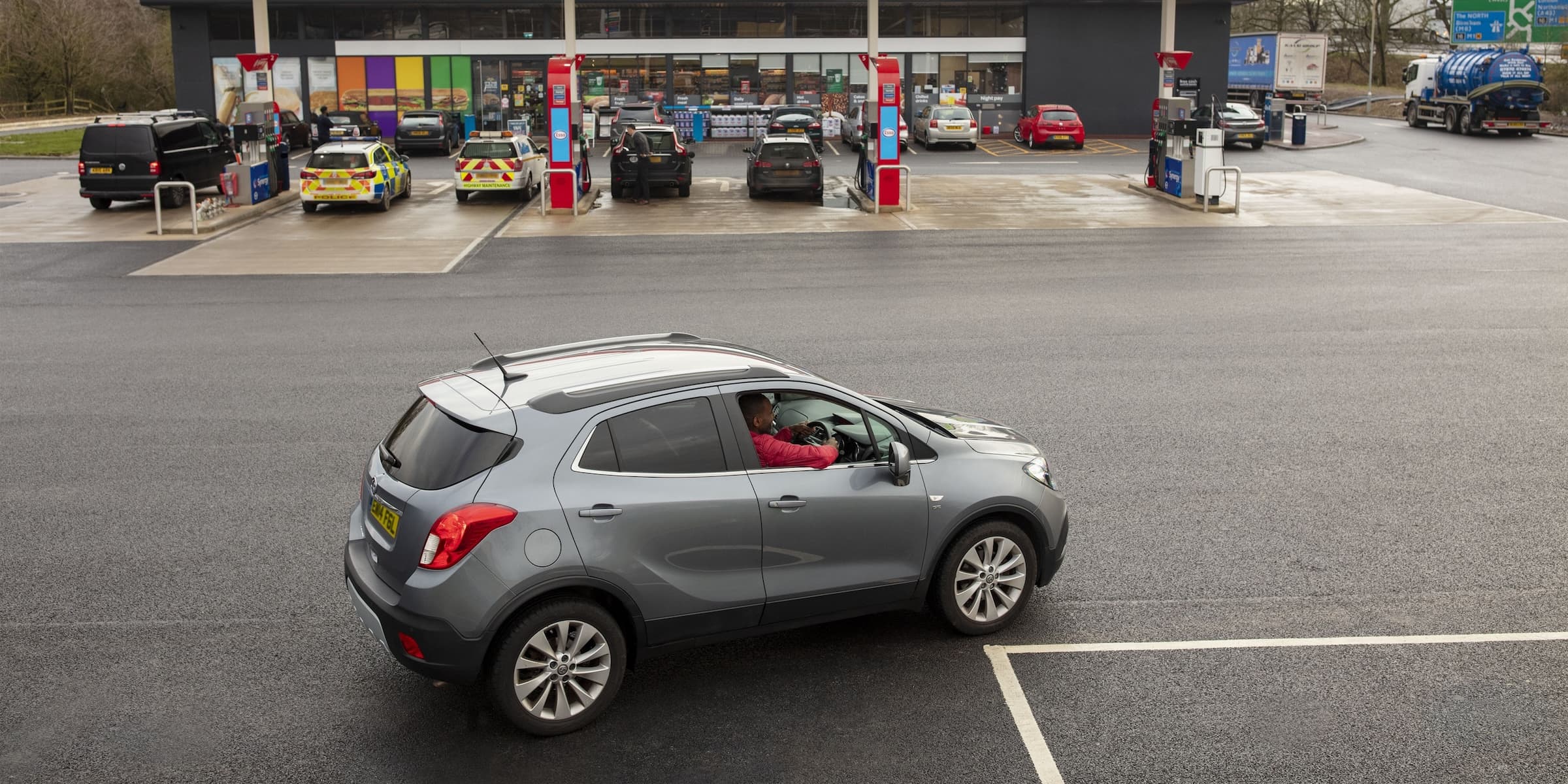
Petrol stations to adopt Uber-style surge pricing?

British petrol stations will start introducing demand-based surge pricing within months, similar to the model used by taxi company Uber, according to media reports.

The move is being driven by the major supermarket chains, who control more than 1,000 petrol stations across the UK. The supermarkets are also looking at plans to apply demand-based pricing to all their stores, not just petrol stations.

The Telegraph reported last month that the supermarkets are in the final stages of their plans to roll out surge pricing across their stations, using technology developed by Danish company a2i Systems, and that it could be live within a matter of months.

As petrol stations have become more automated over the years, implementing this kind of technology is now relatively simple. Pricing information on signs and individual pumps can be updated in a matter of seconds, and can be changed up or down continuously throughout the day.

Using artificial intelligence to control surge pricing

The technology, already commonly used in Europe and America, uses artificial intelligence to predict how consumers behave. Like Uber’s fare prices, it means petrol and diesel prices will rise during busy period and fall during quiet times.

It is likely that the system software will work in both predictive and reactive modes. That means it will not only react to high demand, but also predict when those busy times will come. The most obvious cases, as pointed out by the Telegraph, are that prices will skyrocket around holiday times and during the morning and afternoon school runs. But the software will also be able to log how many customers are visiting the station each hour and nudge prices up or down accordingly.

The supermarkets are already gathering your fuel-buying data

The systems will also be programmed with existing customer knowledge, which the supermarkets have been gathering for years. Every time you scan your Clubcard or Nectar loyalty card, the supermarket knows how much of what type fuel you have bought, as well as where and when you bought it.

Even if the data has been properly anonymised, it is still building a pattern of millions of customers’ fuel-buying habits. That data can be fed into the software to help retailers know when customers are most likely to need fuel. Each station will be able to collect its own data, rather than relying on national trends, to maximise profits.

How will customers respond to surge pricing for petrol?

Polls conducted by the Telegraph and the Mirror on their websites have shown, unsurprisingly, that about 85% of their readers thought that surge pricing for fuel and/or groceries was a bad idea.

Uber has faced a public backlash over the last few years for its surge pricing practices. However, that backlash has diminished significantly as consumers became accustomed to how the company’s pricing model worked. The company continues to grow and its surge pricing has become accepted practice, especially in major cities like London.

A similar backlash is likely to happen in the world of petrol pricing, no doubt fuelled by the tabloid media. But petrol retailers will be hoping that the story follows the same pathway as Uber’s, with consumers eventually accepting the idea (however reluctantly).
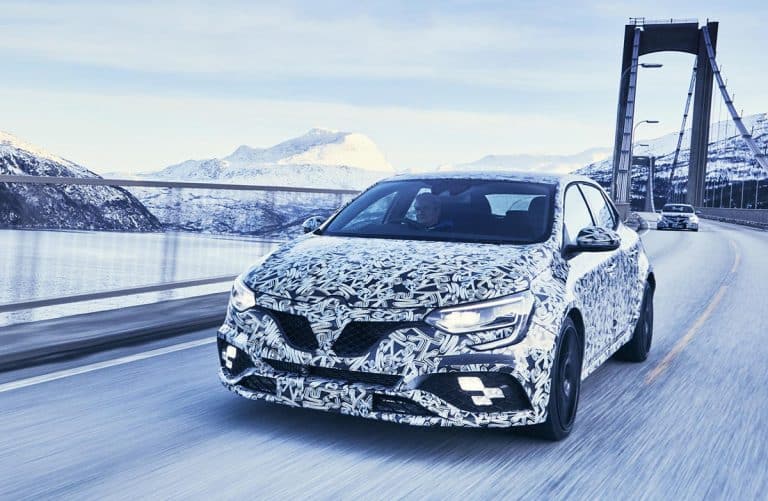
Four-wheel steer for Mégane Renault Sport

The next Mégane Renault Sport will be available with four-wheel steering and will offer a choice between two chassis set ups. Development of the car has been closely allied to the Renault Sport Formula One team, with lead driver Nico Hülkenberg carrying out track testing of the Mégane. Renault claims that the fitting of its 4Control four-wheel-steer technology is a first in a hot hatch. An electromagnetic actuator mounted on the rear axle angles the rear wheels in a slightly opposite direction to the fronts when cornering, improving agility, cornering performance and steering precision.

Road or track

When the car goes on sale later in 2017 customers will be able to choose between the more user-friendly Sport chassis, or the more track-focused Cup chassis. Power for the new Mégane Renault Sport is expected to come from the same 1.8-litre turbo engine employed in the upcoming Alpine 110 sports car, with at least 300hp. This should make the car more potent than its 275hp predecessor, which boasted a 5.7-second 0-62mph time. The Mégane’s major rival is expected to be the Honda Civic Type R, the latest version of which will launch in July with again more power than its predecessor.
Renault F1 driver Nico Hülkenberg has track tested the new Megane.

Volvo spins Polestar off into electrified performance car brand

Volvo performance division Polestar has become a separate car manufacturer that will focus on electrified models.

The Swedish carmaker introduced its performance brand as an extension of its Polestar Racing team in 2012, using know-how from race engineers to increase the performance of its road cars.

However, Polestar has now been spun off into a separate entity that will produce electrified high-performance variants of Volvo’s road cars that will only wear Polestar badging. The two companies will share technologies, facilities and engineering knowledge, much like the set-up between AMG and Mercedes.

Thomas Ingenlath, Volvo’s former senior vice-president of design, is moving over to Polestar as CEO. He said: “I am really excited to take up the challenge of establishing this exciting brand, developing a fabulous portfolio of bespoke products and channelling the passion we have throughout the Polestar team. The next chapter in Polestar’s history is just beginning.”

Polestar will reveal more details about its plans for the future later this year. However, it is clear that the focus will be on making the most of hybrid platforms in a performance context. Volvo’s model line-up currently includes a ‘twin-engine’ hybrid powertrain that uses a 2.0-litre petrol engine and an electric motor to offer impressive performance and economy.

Volvo and Polestar Performance had been working together since 1996, before Volvo Cars acquired 100% of the company in 2015.
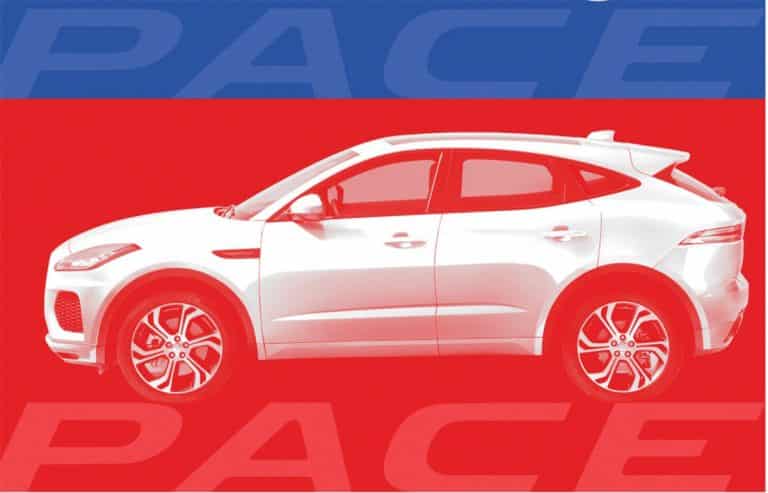
Jaguar E-Pace to create SUV family

The highly successful F-Pace is to become part of an SUV family. The smaller Jaguar E-Pace will be arrive in 2018, followed by the electric I-Pace. The E-Pace is due to be officially unveiled in London on 13th July and will target the likes of the BMW X1 and Audi Q3 in the currently mushrooming premium compact SUV market – sales of the X1 alone are up by almost half this year. Jaguar has indicated that E-Pace prices are expected to start from around £28,500. Teaser images released on Twitter by Jaguar suggest that the E-Pace will have more distinct lines compared to its larger sister – Jaguar director of design Ian Callum has been quoted as dubbing the E-Pace as a “combination of sports car looks with Jaguar performance.”

Front-wheel drive?

Industry sources suggest that the newcomer will be built on the same architecture as the Range Rover Evoque and the Discovery Sport of sister brand Land Rover. As such it will likely be offered in both front and all-wheel-drive formats, as are its rivals from Audi and BMW but few compact crossovers in the mainstream market. If so it will be the first front-wheel-drive Jaguar since the X-Type last built in 2009. Powertrains will all be from Jaguar Land Rover’s Ingenium family built at the brand’s new Wolverhampton plant. They are also expected to all be 2.0-litre units, possibly ranging from 161 to 250hp. The E-Pace is also thought to be a strong candidate for Jaguar’s first hybrid powertrain, a diesel-electric unit. The I-Pace will launch after the E-Pace, an all all-electric SUV built on completely new architecture. With the three SUVs giving Jaguar a much stronger offering in one of the strongest growth sectors in the market, the brand expects to continue progress that has already seen global sales leap by some 83% in the first quarter of 2017. Jaguar E-Pace teaser

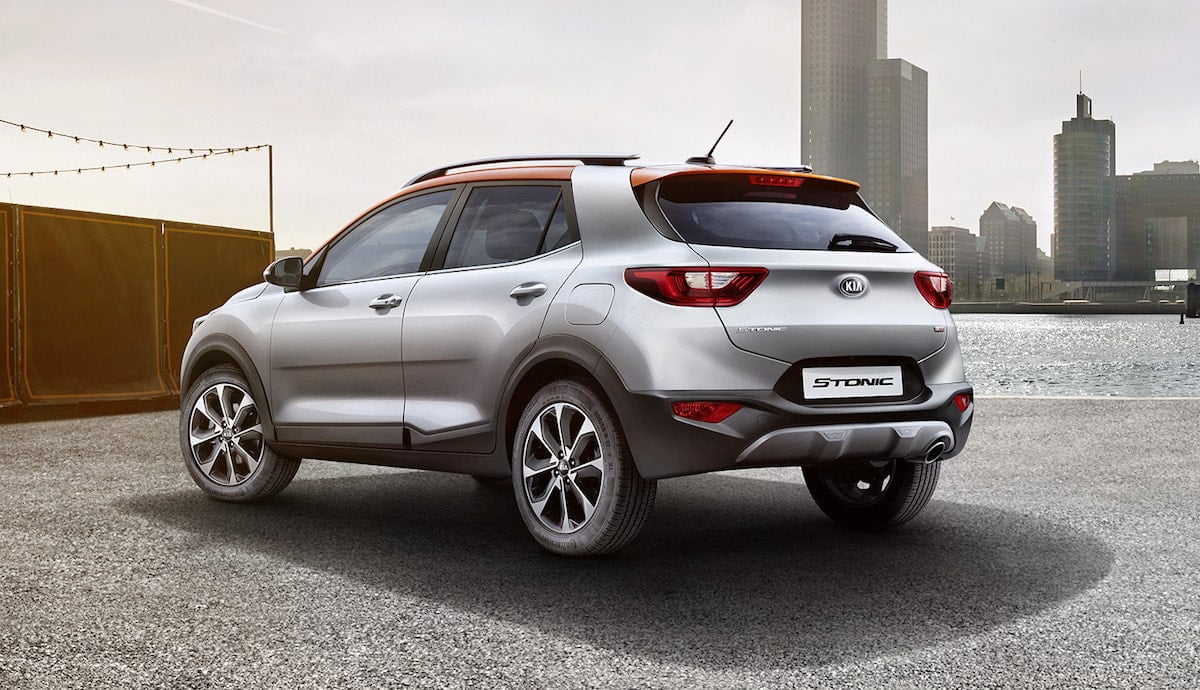
Kia Stonic crossover unveiled

The new Kia Stonic has been unveiled as the company’s entry into the highly competitive compact crossover market.

Aimed squarely at the likes of the Nissan Juke and Toyota C-HR, the new Stonic will compete in what is called the “B-SUV segment” – which has become the hottest sector of the new car market.

The B-SUV segment accounts for 1.1 million sales across Europe each year, and Kia expects this to double by 2020. Some customers will be downsizing from larger SUVs, but most are likely to be moving from conventional hatchbacks.

Like most new entrants in the segment, the Kia Stonic has rugged go-anywhere looks disguising conventional hatchback underpinnings, so don’t expect any genuine off-road talent. With a choice of one diesel and three petrol engines, all with manual transmission, the Stonic is front-wheel-drive only. But, like every other faux-by-four on the market, it’s unlikely to bother customers.

The Stonic’s styling is aggressive although still recognisably part of the Kia family, and the company plans to offer up to 20 two-tone colour combinations. Inside, you can expect touchscreen infotainment, state-of-the-art smartphone connectivity and colourful personalisation options.

The Kia Stonic will go on sale across Europe in the third quarter of this year. UK pricing and specifications have yet to be announced, but we’ll keep you posted.
smart electric drive models added to line-up

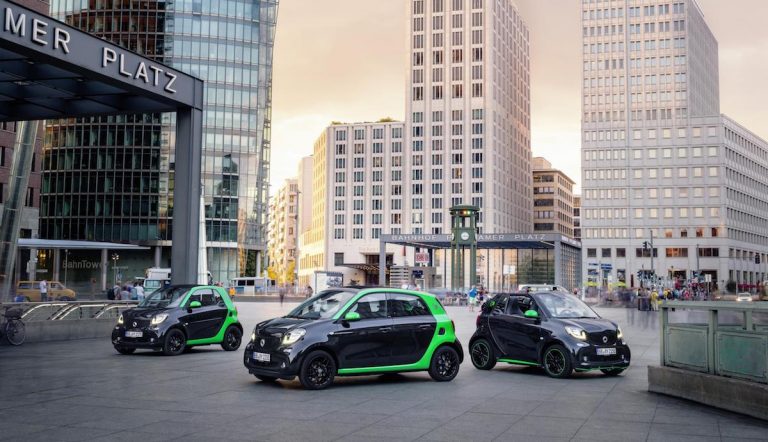
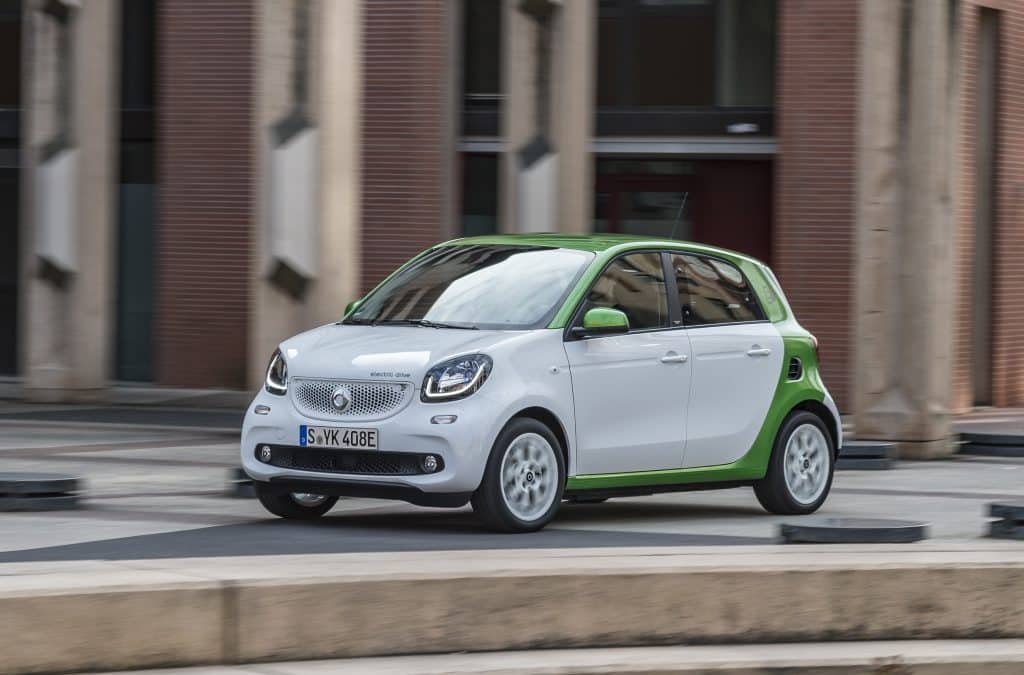
smart has added electric power to its line-up, covering both the fortwo and forfour models. It is the first time smart has offered an electric option for the four-door model, whereas the previous-generation two-door had a smart electric drive model. The smart electric drive models all use an 81 hp electric motor, which yields a range of up to 100 miles and a top speed of 80mph. The 7 kW on-board charger means that the car can be charged from 20% to 100% in two and a half hours using a 16-amp charger, or six hours via a standard three-pin household socket. Unfortunately, Daimler does not provide the times required for a full charge, making it difficult to directly compare the smart models to rivals like the Renault Zoe. Specifications for the vehicles are based on the petrol-powered prime model. This includes heated front seats, cruise control, leather upholstery and 15-inch alloy wheels. Every smart electric drive model will also come with charging cables for both domestic sockets and public charging stations. For £595 extra, a premium plus equipment line can be added. This adds a centre armrest, LED headlights and tail lights, front fog lamps, automatic lights and wipers, and a rear-view camera. A winter package adds a heated steering wheel, heated rear seats (on the forfour only) and added insulation. This will cost £295 on fortwo models and £495 on the forfour. A mobile phone app allows drivers to check their vehicle’s charging status and pre-set the climate control. The smart electric drive range is on sale now, with first customer deliveries expected from July. Prices start from £16,420 for the fortwo and £16,916 for the forfour. Meanwhile, the fortwo cabriolet starts at £18,650. All prices include the £4,500 Office for Low Emissions Vehicles (OLEV) grant. smart electric drive forfour

Aston Martin takes last-lap Le Mans win

Aston Martin sent the 60,000 British race fans attending the Le Mans 24 Hour race home happy, claiming victory in the GTE Pro class after a bold last-lap pass. The #97 Aston Martin V8 Vantage GTE of Darren Turner, Jonny Adam and Daniel ran faultlessly throughout the day and night of the classic race, and it fell to Adam to try and secure the victory in the closing stages. The Vantage pitted for its final fuel stop with 45 minutes of the race left, the class-leading #63 Chevrolet Corvette of Jordan Taylor pitting at the same time and resuming just ahead of Adam.

Contact made

The Aston closed on the Corvette and with two laps left made a lunge for the lead at Arnage bend, only to bounce off the side of his rival and have to drop back. The relentless hounding had its effect on Corvette driver Taylor, however, as on the next lap he locked up and went straight on at the chicane, starting a slow puncture that meant that when Adam tried again at the final corner, the Aston went through to victory. “He looked weak in a few corners and I knew I had to capitalise on them and when I got on to his bumper I knew it was now or never if I wanted to win Le Mans,” Adam said later. “We got it and it was really cool to get him just before the finish line and to see fans in the grandstands and the team on the pit wall celebrating, and it was then just time to bring it home.”
Aston Martin Vantage GTE Pro wins at Le Mans 2017
A faultless performance netted the win for the Aston Martin team, run by Prodrive in Banbury.
 

Porsche wins survival battle at Le Mans

Porsche has won its 19th Le Mans 24 Hours, and its third in a row, after a race of highs and lows for both the German team and its great rival Toyota.

The #2 Porsche 919 Hybrid of Timo Bernhard/Earl Bamber/Brendon Hartley retook the lead of the race with less than an hour of the 24 left. Its sister car driven by Neel Jani/André Lotterer/Nick Tandy, had looked on its way to an easy victory by several laps, only to retire with oil pressure failure with 21 hours completed.

However it was the Japanese Toyota team, bidding to avenge the heartbreak of the 2016 race in which it led much of the distance only to break down on the final lap, that had looked dominant in the early stages of this year’s event. But the team then suffered an hour of disaster just after midnight.

More Le Mans heartbreak for Toyota

Two Toyota entries locked out the front row of the 60-car grid, and with 10 hours gone the #7 car driven by Kobayashi, Conway and Sarrazin was secure in the lead. Then suddenly it slowed with a clutch issue as it returned to speed after a safety car period, handing the lead to the Porsche of Jani, Lotterer and Tandy.

Kobayashi tried to get the car back to the pits but a full lap of the 8.5-mile circuit proved too much and he was forced to abandon the car.

Hardly had the Toyota team absorbed this disappointment when its now second-placed #9 car of Lapierre, Kunimoto and López suffered a collision with an LMP2 class car and spun into the gravel at the Dunlop chicane.

Toyota’s Le Mans fortunes died in the dark.

Lapierre again tried to limp around a full lap to the pits but the rear end of the car suffered further damage, briefly catching fire, and he was forced to pull over and retire, agonisingly within sight of the pit lane.

This left Tandy in the lead Porsche eight laps ahead of his nearest competition, with the one remaining Toyota 28 laps back after being forced to change its front hybrid motor earlier in the race. But the #1 Porsche’s demise after 21 hours handed the lead to the lead-running Jackie Chan Racing Oreca in the second LMP2 class, with the second Porsche recovering having also changed its front hybrid motor.

The #2 Porsche, with Bernard aboard, duly reclaimed the lead and took the flag with a total of 367 laps completed, though observers agreed it had not been an impressive performance for the hybrid cars of the lead LMP1 class, just two of the five entries making it to the flag.

Uk fans celebrated, meanwhile, as Johnny Adam snatched the win in the GT category for Aston Martin. His Vantage moved past the leading Chevrolet Corvette runner in a thrilling battle only resolved on the final lap.

Aston Martin saved its best for the last lap.

Volkswagen Polo grows into market

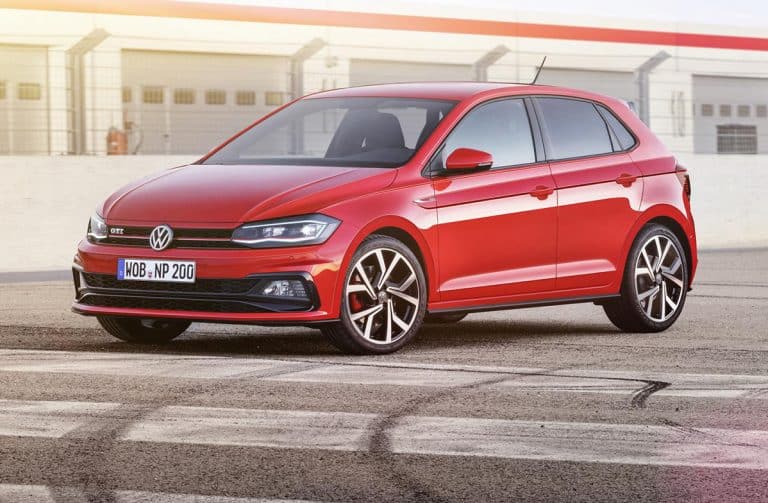
The new Volkswagen Polo supermini, on UK sale in November, will be the largest version of the car yet offered. Now into its sixth generation, Volkswagen’s rival to Britain’s best-selling Ford Fiesta is growing 81mm to 4053mm – only 96mm shorter than the 1997 Mk4 version of its big sister the Golf. It is being built on the group’s MQB AO platform which is also under latest SEAT Ibiza and the forthcoming Skoda Fabia. At 2564mm the new Polo has a wheelbase 96mm longer than its predecessor and 53mm longer than the Mk4 Golf, which should translate to significant improvements in interior space. Boot space goes up from 280 to 351 litres which again is 21 litres more than the Golf, while the car will also follow the current supermini trend, being sold only in five-door form. A new exterior look includes a front-end design described as more masculine, while 14 body colours and 13 dash shades help keep the car competitive in the personalisation market.

Digital upgrades

Notable in the interior is the digital instrument panel, fitted to a Polo for the first time and debuting the second-generation version of VW’s Active Info Display. The car will also feature a much wider selection of technology cascading down from the Golf, including the Front Assist and Blind Spot Detection safety aids, Adaptive Cruise Control and LED headlights. Six engines will be available ranging from 65 to 200hp, the latter powering a new GTI model. Only one will be a diesel – such engines have always been less popular in superminis and demand is predicted to slow.

Audi R8 Spyder – plus power, minus roof

Audi has introduced a V10 plus specification to its R8 Spyder range. The naturally aspirated V10 produces 610hp and a maximum torque of 560Nm, resulting in a 0-62mph time of 3.3 seconds and a top speed of 203mph. The V10 plus model is already available in the R8 coupé, but until now has not been available in the R8 Spyder. As well as a power boost over the ‘regular’ R8 V10 Spyder, the V10 plus model gets more carbon fibre in its chassis to reduce weight by 25kg. Audi offers 11 regular paint finishes, although it is possible to request a bespoke colour if you can’t find your ideal shade from the regular palette. The soft top is available in three colours and the side blades in five. 19-inch alloy wheels are as standard; 20-inch are optional. An optional micrommata package includes a unique green paint finish, grey detailing and a black interior with green contrast stitching. Inside, sports bucket seats are as standard, along with carbon fibre trim detailing and a 12.3-inch virtual cockpit instead of regular dials. Audi’s MMI Touch infotainment and navigation system is standard and features a wi-fi hotspot for passengers. An optional online module provides fast internet access via LTE and the ability to navigate via Google Earth and Google Street View. Audi opens order books for the R8 Spyder V10 plus convertible later this month, with UK pricing starting from £147,470 on-road.
Audi R8 Spyder in micrommata green
The micrommata package features a black interior with contrasting green stitching