Find an Expert Rating: 
Home Blog Page 160

Nissan cancels zero-star car after graphic crash test

Amid ongoing publicity about the poor safety standards provided by car manufacturers for vehicles sold in Latin America and other developing countries, Nissan has announced it will cease production of its “zero-star” Tsuru model in six months’ time.

Global NCAP, along with Latin NCAP and supported by Euro NCAP and other safety organisations, has repeatedly criticised global car manufacturers for selling cars in Latin America which do not include even offer basic safety equipment.

The safety bodies organised a car-to-car crash test this week, in which two Nissans – both built in Mexico – were crashed into one another. One car was a Nissan Versa, built for export to the USA, which scored the equivalent of five stars in its crash test rating. The second car was a Nissan Tsuru, also built in Mexico but for developing markets, which was rated zero stars in its Latin NCAP crash tests. The purpose of the test was to highlight the difference in crash performance between what is considered acceptable for cars sold in developed markets and what is still sold in other parts of the world.

The Versa has been on sale for the last five years, and is one of the cheapest new cars on sale in the USA. Like most modern cars, it has six airbags and is also fitted as standard with an electronic stability program to help prevent or mitigate crashes. It is built in several factories around the world and sold in many markets under different models names.

The Tsuru is based on a 1991 Nissan Sunny model, predecessor to today’s Versa. It was replaced in the USA in 1994 but has continued in production for the last 22 years in Mexico for sale in parts of Asia, Africa, Central America and South America. It cannot be sold in the USA or Europe as it does not meet modern safety standards – and hasn’t for the last decade or so.

Global NCAP ran a Versa and a Tsuru at one another, each travelling at 40mph. The results were entirely predictable, as shown below. Bear in mind that these were left-hand drive vehicles, so the impacts were on the driver’s side for each car.

If you are not in a position to watch the video, the Versa performed exactly as you would expect a modern family car in this test. Airbags deployed, crash structures deformed correctly and the driver was as well protected as could be reasonably expected. The Tsuru was a different story. The dummy is clearly shown violently impacting the steering wheel, the dashboard and the A-pillar.

The post-crash report summed up the Tsuru’s performance as follows:

“The results graphically highlighted the urgent need for the Nissan Tsuru to be taken out of production. A driver in the Tsuru would have had high probability of suffering life-threatening injuries; it is likely that the crash would have been fatal. There were no airbags, and the main structures all failed, fatally compromising the survival space.”

On the eve of the widely-promoted test, Nissan announced that it would end production of the Tsuru in May 2017. Although welcoming the decision, Latin NCAP questioned why it had to take so long.

Alejandro Furas, Latin NCAP Secretary General said: “I believe that Nissan made this announcement as a reaction to our campaign to stop the production of zero-star cars in Mexico and across Latin America.

“Our car-to-car crash test demonstrates why these zero-star cars should be removed from the market immediately. In April this year we published a report showing that the Nissan Tsuru had been involved in more than 4,000 deaths on Mexico’s roads between 2007 and 2012.

“Even though we welcome Nissan’s announcement, why should at least 15,000 more units of this potentially life-threatening model be sold between now and May? Why has it taken Nissan three years since we first crash-tested and gave the Tsuru a zero-star rating to take this unsafe car out of production?”

Given that the Tsuru runs the structure of a popular 1990s Nissan model sold around the world, the test also highlighted the level of safety development in the last 25 years. With the number of 1980s and 1990s models still used on a daily basis in the UK and other markets (particularly those with warmer and drier climates like Australia), it graphically illustrated the poor level of occupant protection provided relative to modern vehicles. And obviously a car which has covered 100,000-plus miles over 25 years is going to have lost a substantial amount of its original rigidity over that time.

Fortunately, issues like rust and simple depreciation have accounted for the vast majority of these vehicles in the UK, helped along by the scrappage scheme back in 2009 which saw thousands of older cars removed from the nation’s roads.

Nissan commits to UK manufacturing in Sunderland

Nissan has today committed to its car manufacturing operation in the UK, announcing that the next-generation Qashqai and X-Trail models will be built at its Sunderland factory.

Over 7,000 workers are currently employed at the plant, with a further 28,000 British automotive supply chain jobs reliant on the factory, and today’s news will be cause for celebration after recent uncertainty regarding the factory’s post-Brexit future. Nissan will now increase its investment in Sunderland, securing and sustaining their jobs for the foreseeable future.

The factory currently builds Nissan Qashqai, Note, Juke and Leaf models. The plant opened in 1986 and has produced almost nine million cars since. One in three British cars are produced in Sunderland, which is the UK’s largest car plant of all time. In addition, 80% of production from Sunderland is exported to more than 130 markets.

The brand’s decision follows “a commitment from the UK government to ensure the Sunderland plant remains competitive”. The exact nature of this government commitment has not been disclosed by either Nissan or Downing Street.

“I am pleased to announce that Nissan will continue to invest in Sunderland. Our employees there continue to make the plant a globally competitive powerhouse, producing high-quality, high-value products every day,” said Carlos Ghosn, Chairman and CEO of Nissan.

“The support and assurances of the UK government enabled us to decide that the next-generation Qashqai and X-Trail will be produced at Sunderland. I welcome British Prime Minister Theresa May’s commitment to the automotive industry in Britain and to the development of an overall industrial strategy.”

nissan-sunderland-02

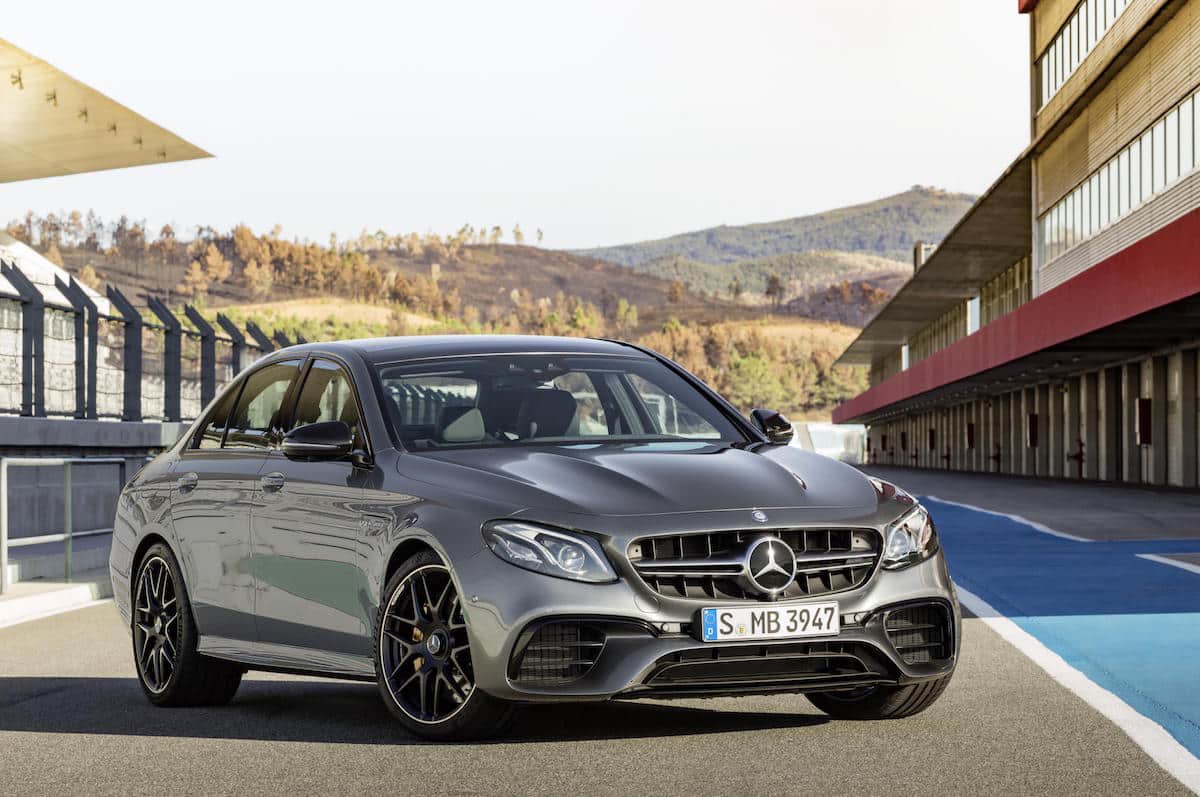
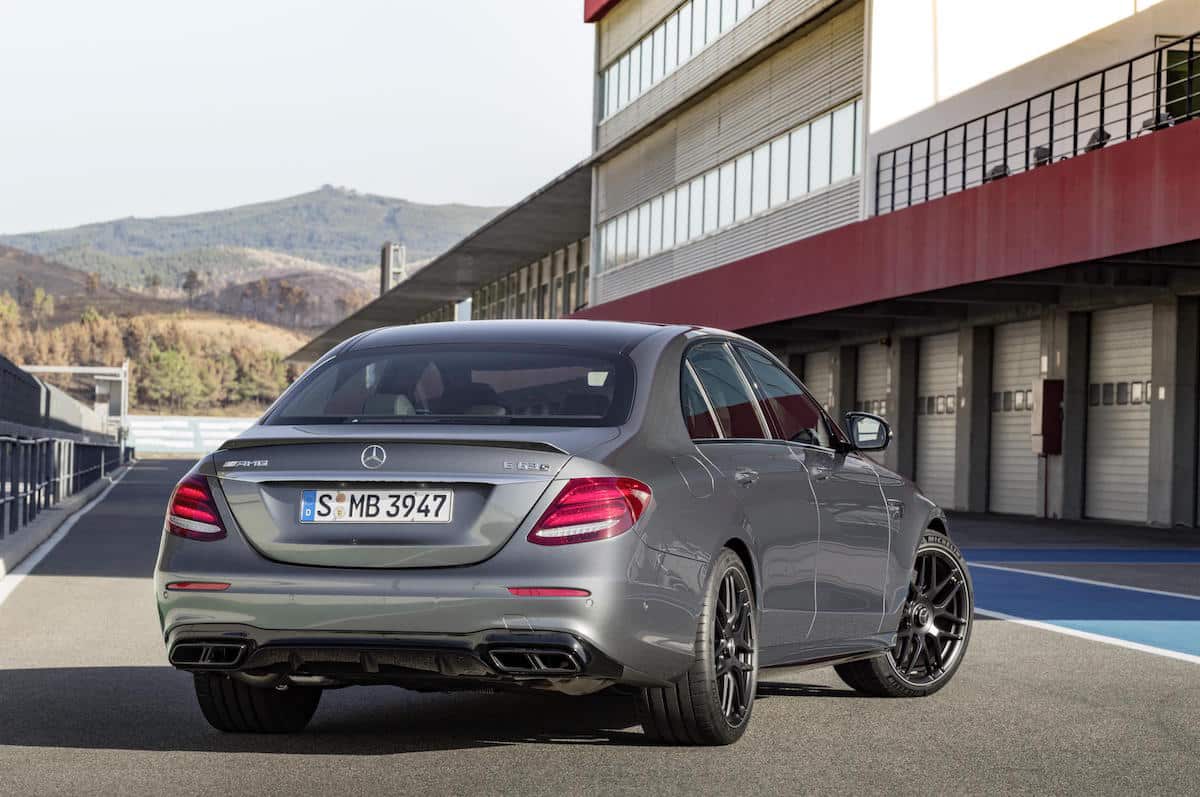
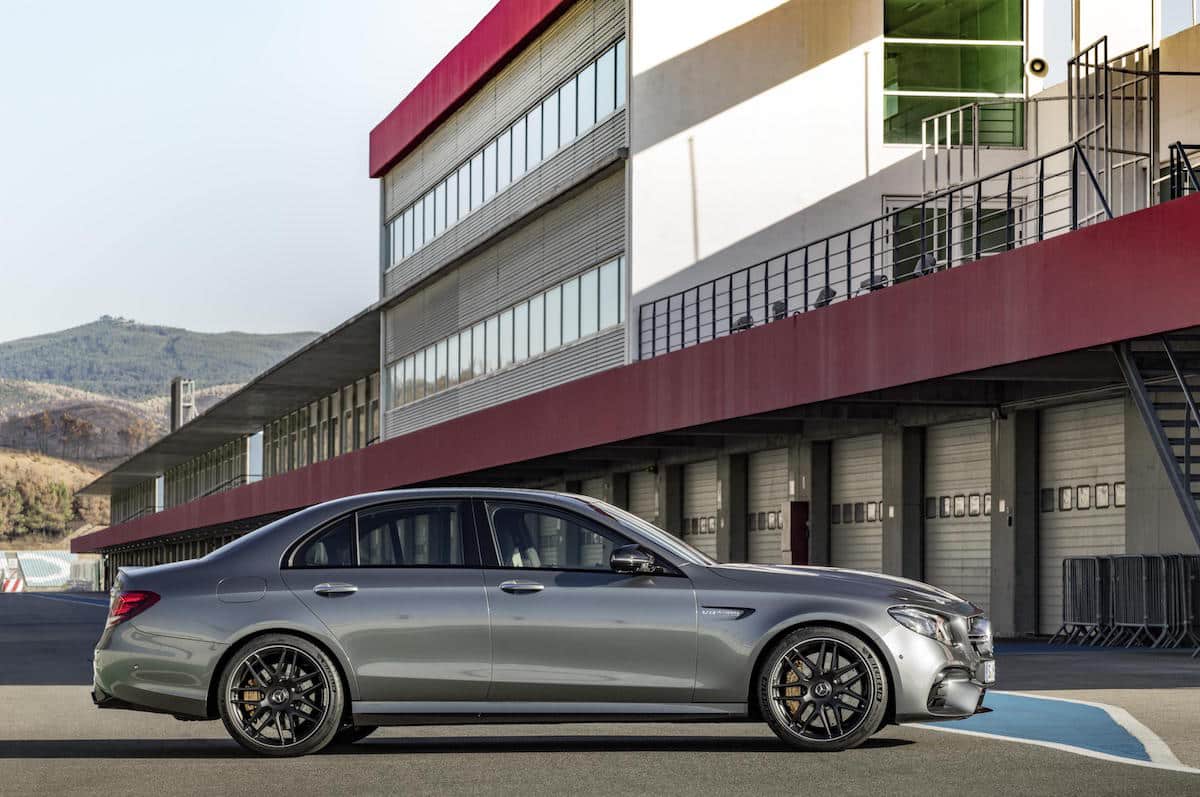
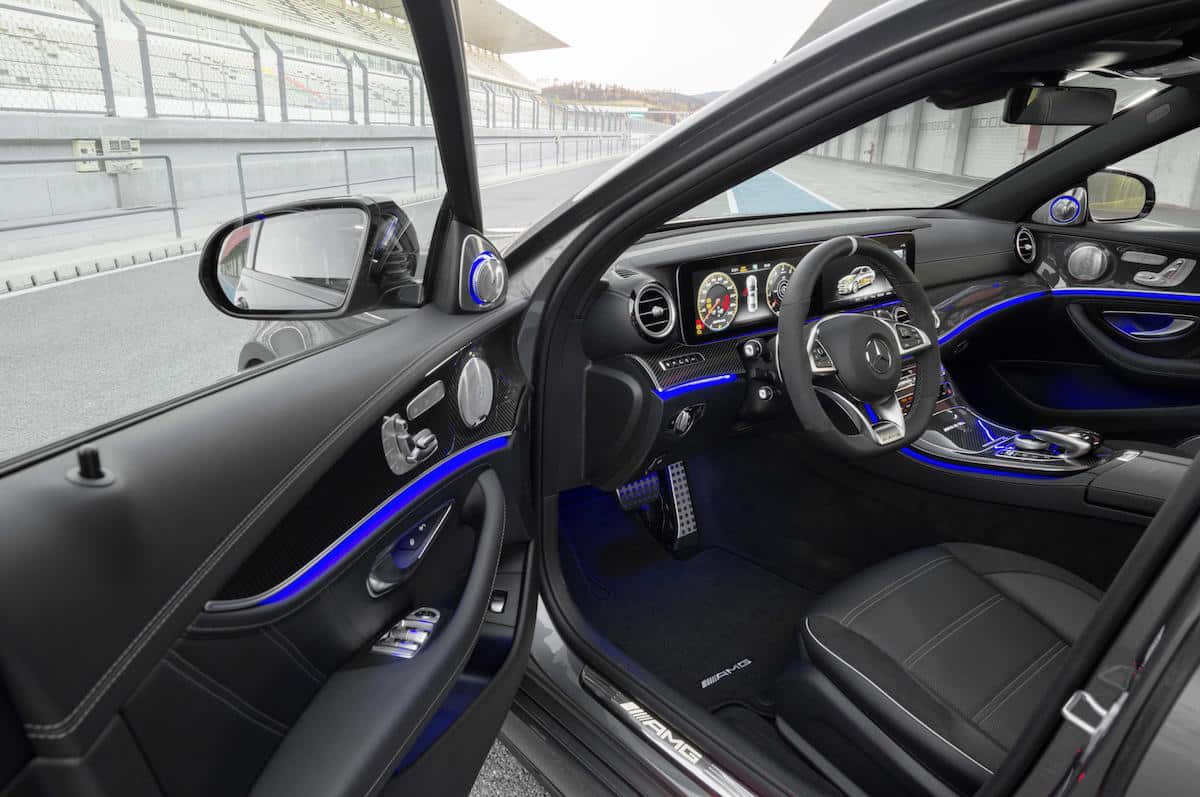
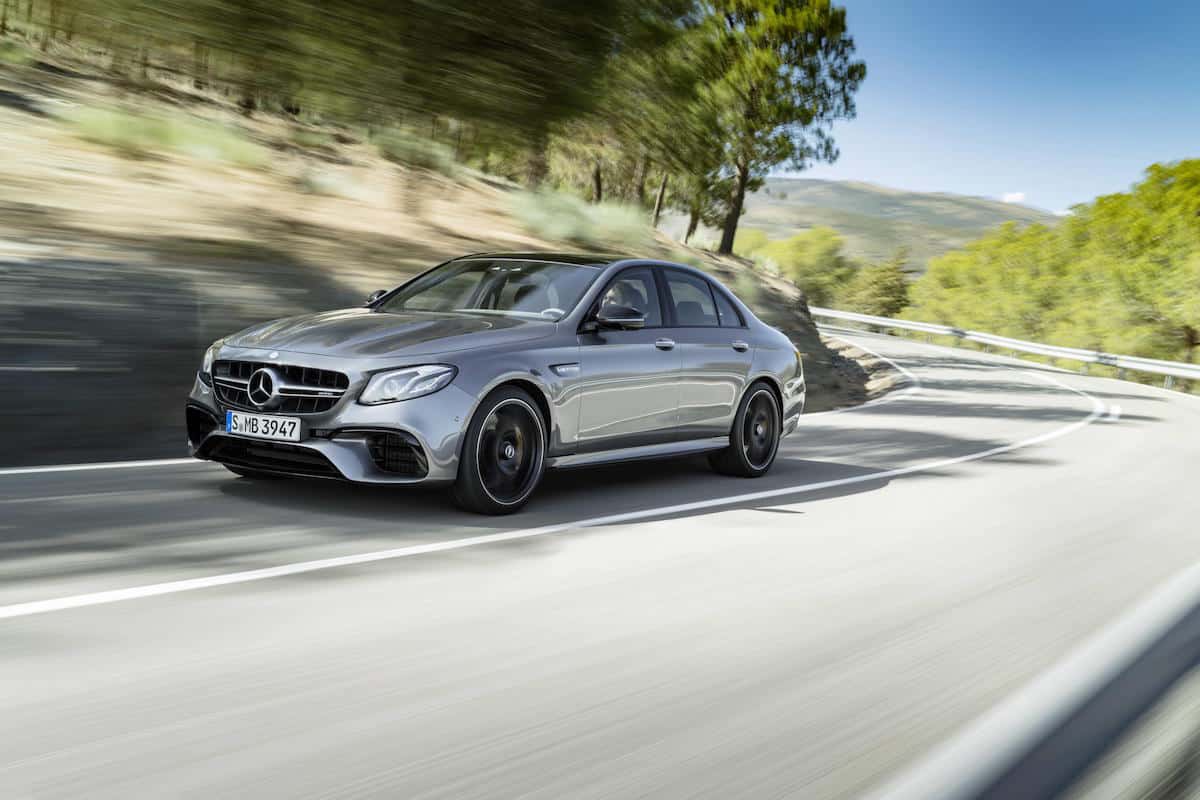
New Mercedes-AMG E 63 powers in

Mercedes-AMG has revealed its take on the new E-Class with the E 63 and E 63 S models, which will be offered with all-wheel drive in right-hand drive markets for the first time when it goes on sale in early 2017.

The E 63 will make its first public appearance at the 2016 Los Angeles Auto Show in November. UK order books will open in January, with the first cars set to arrive here in May 2017.

Like other new models in the Mercedes-AMG line-up, the E 63 has replaced the old 5.5-litre twin-turbo V8 engine for a slightly more eco-friendly 4.0-litre version. however, fewer cubic inches does not mean less power. In standard output, it delivers 571hp and 750Nm, which you would consider to be more than enough. But the E 63 S ups this to 612hp and 850Nm, shaving a tenth of a second off the 0-62mph sprint time (3.4 seconds vs 3.5 seconds). The engine has also been fitted with twin-scroll turbochargers for the first time, to improve throttle response and overall performance.

The new engine also features cylinder deactivation, so the V8 can become a V4 under light loads. Fuel consumption is a claimed 31.7mpg on the combined cycle, although few owners are likely to ever see that if they drive it with any enthusiasm.

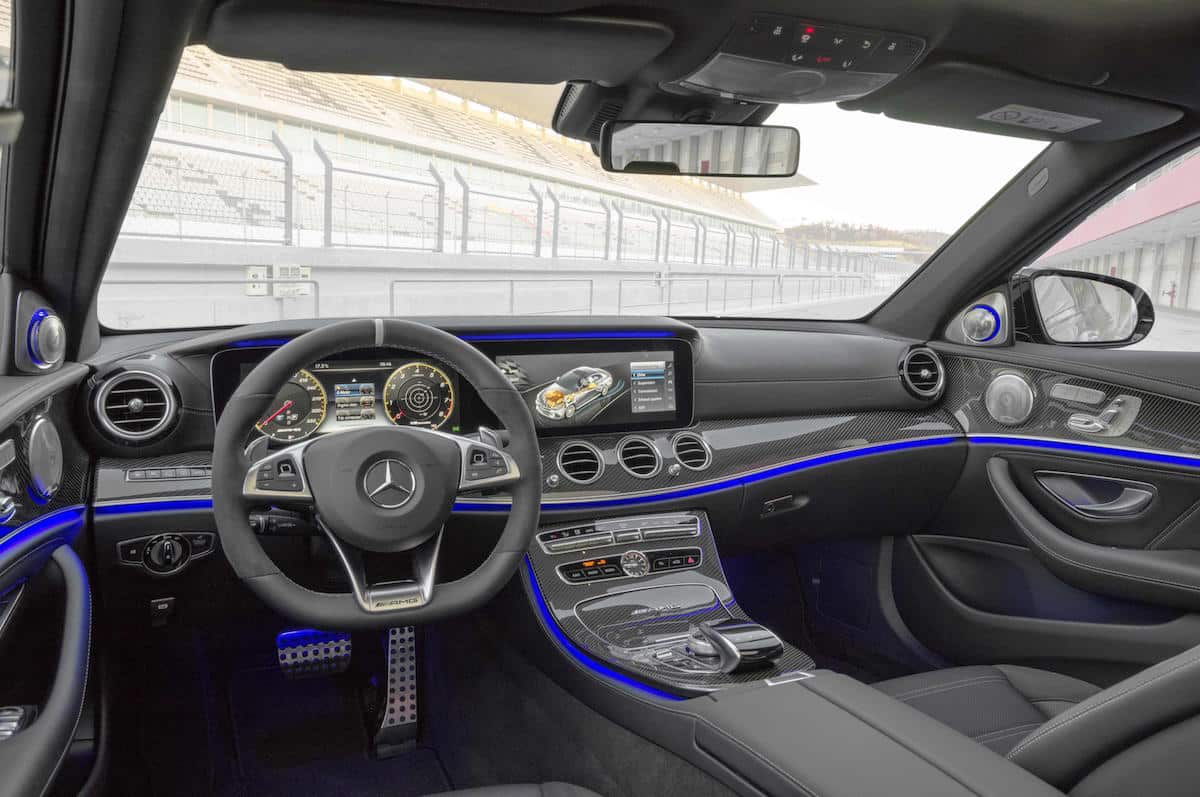
Visually, the E 63 models follow the usual AMG template of big wheels, deep bumpers and many exhaust pipes. Inside, the usual chunky flat-bottom steering wheel is present, along with an analogue clock designed by F1 partner IWC and lashings of aluminium trim (carbon fibre optional).

The E 63 will be available with all the luxury equipment found in the normal E-Class models, such as a semi-autonomous driving mode, booming stereo systems and huge 12.3-inch dashboard display screens.

Mercedes-AMG promises that the move from rear-wheel drive to all-wheel drive for the E 63 does not mean an end to the traditional tyre-shredding oversteer for which the brand is famous. The driver can engage a Drift mode to disconnect drive to the front wheels and return the E 63 to its rear-drive roots. The transmission is Mercedes’ latest nine-speed multi-clutch unit, claimed to deliver rapid shifts both up and down the gearbox despite the enormous torque being channeled through the driveline.

As usual, the AMG engineers have re-worked the standard E-Class suspension to turn the executive limo into a serious sports saloon. Running a three-chamber air suspension system, the E 63 is claimed to offer very high stability when cornering while maintaining ride comfort. Geometry of the multi-link rear suspension has also been altered to improve traction under high load. The standard E 63 has a mechanical rear differential lock, while the E 63 S gets an electronic version to provide increased sensitivity and control.

The electronic assistance systems have also been retuned, with a three-stage ESP system offering progressively less interference. Even if the system is switched off, it will reactivate temporarily under heavy braking.

To slow the big saloons down from the warp speeds it will easily attain, Mercedes-AMG has fitted the E 63 with 360mm diameter discs front and rear, which are vented and perforated. The E 63 S bumps the front discs up further to 397mm, and is also available with 402mm front (360mm rear) carbon ceramic brake discs.

Mercedes-AMG will offer a launch specification model called Edition 1, which will feature a matte black paint finish, racing stripes, 20-inch forged alloy wheels and the Night package (blacked-out trim and tinted windows).

UK pricing and specifications are yet to be announced.

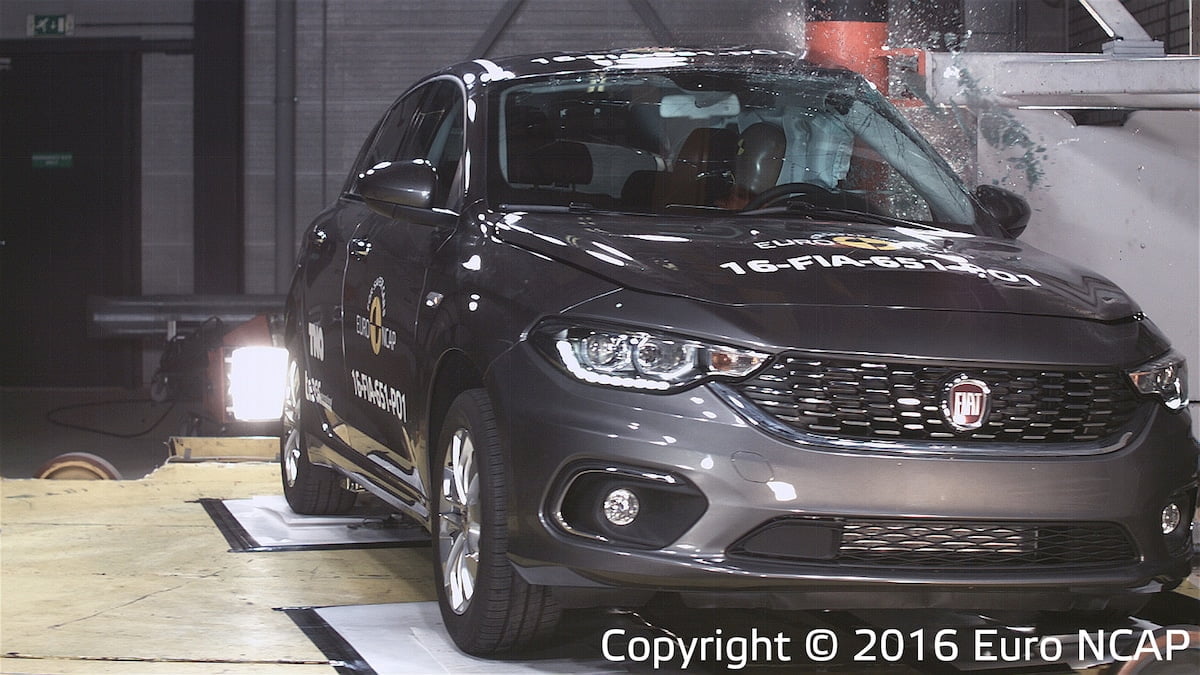
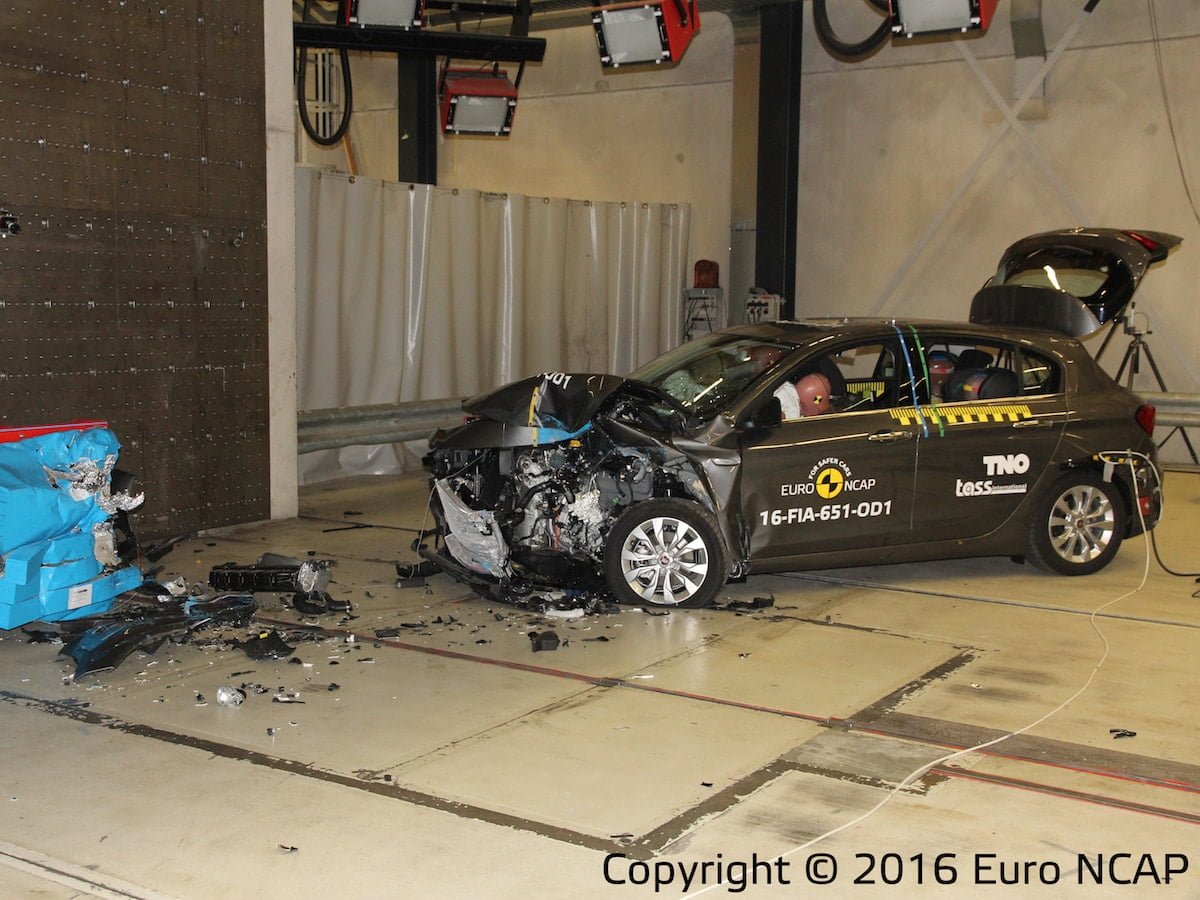
Thatcham slams Fiat Tipo Euro NCAP result

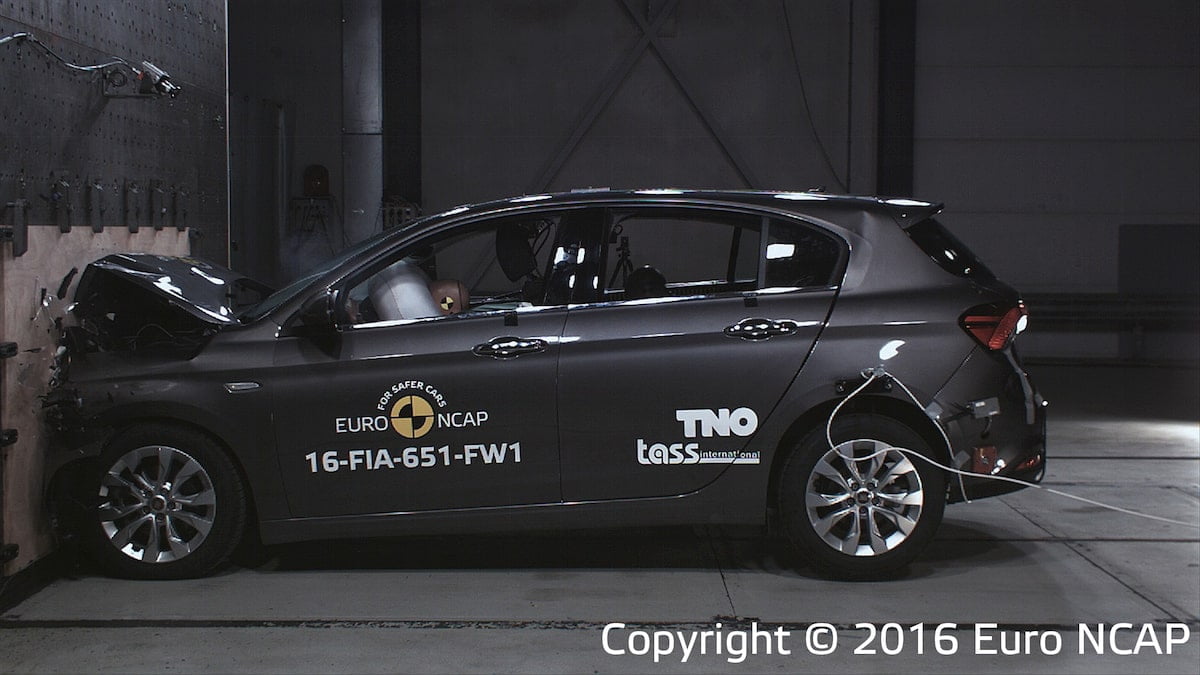
UK safety research experts at Thatcham Research have described the Fiat Tipo’s three-star performance in recent Euro NCAP crash tests as “disappointing”.

The standard version of the new Fiat Tipo was awarded a three-star rating, with models featuring an optional safety pack achieving four stars.

The areas of concern in the Tipo’s crash test results were marginal levels of head and chest protection for both front and rear occupants, and a marginal level of whiplash protection for rear-seat passengers. However, the Tipo did score maximum points in the side barrier and side pole impact tests.

The main area of concern for Thatcham is the omission of autonomous emergency braking (AEB) as standard on the Tipo. The optional safety pack does add low- and high-speed AEB, but still does not include pedestrian recognition – unlike the latest versions of its chief rivals.

“Consumers shouldn’t be asked to make a choice when it comes to safety,” said Thatcham Research Chief Executive, Peter Shaw. “The problem is that when safety systems are not standard, consumers simply do not specify the option. Our data shows that uptake rates of optional safety packs are extremely low – in the region of 2.5%. That’s why we believe vehicle manufacturers need to prioritise AEB as standard on all new cars.”

The Tipo in standard form scores just 25% in the Euro NCAP safety assist category. The safety pack adds city and inter-urban autonomous emergency braking, but even then it only raises the Tipo to a four-star level. This is off the pace of other new rivals launched in recent years.

“Vehicle manufacturers should be targeting a five-star Euro NCAP rating for all new models and to achieve this they need to score highly in every assessment category, including Safety Assist,” commented Thatcham Research Director of Research, Matthew Avery.

“The scores give consumers a clear indication of which cars they should be considering and just as importantly the ones that fall short of expectations. With most small family cars such as the Vauxhall Astra, Renault Megane and Volkswagen Golf all achieving five stars, it’s disappointing that Fiat can’t follow suit.”

Recent changes to the Euro NCAP testing protocol allow cars to be tested under a new dual rating scheme. The base rating indicates the safety standard of the car fitted only with standard safety equipment, and, if the manufacturer wishes, a second rating for the car fitted with an optional ‘safety pack’. The safety pack must be offered on all versions, be available in all markets and sold in ‘significant’ numbers. The dual rating lets consumers see the improvement in safety which can be achieved by the additional crash avoidance equipment.

Mini Countryman goes large – and electric

0

The Mini is getting even bigger – and gaining an electric member of the family.

While the modern generation of the Mini has always outstretched its 1950s inspiration in all areas, the latest version of its largest model – the Countryman SUV – will be even bigger.

The all-new Countryman is expected on UK roads in February, and will be joined later in 2017 by a plug-in hybrid version, the first Mini with an all-electric mode.

The size increase of the new model is significant – 200mm extra length and a 75mm longer wheelbase. This, says MINI has freed up extra interior space to allow the fitting of five full-sized seats and allow 50mm of extra knee room.

The new car also boasts improved head and shoulder room in the front and larger rear door openings, while the rear seats can be slid forward or back by up to 130mm. Dropping the rear seats extends the 450-litre boot space to 1309 litres, which is 220 litres more than in the previous Countryman.

Both the exterior and interior designs follow the look established with the latest-generation MINI range that debuted with the Hatch in 2014, but the Countryman treatment includes such details as matching the silver roof-rails to similarly finished sill tops to emphasise the car’s height.

The engine line-up generally follows that established with other recently launched MINIs, both the two petrol and two diesel options described as new units.

Petrol buyers will have a choice of TwinPower Turbo units – a three-cylinder 1.5-litre of 136hp in the Countryman Cooper produces 0-62mph times of 9.6 seconds, combined cycle fuel economy of 51.4mpg and CO2 emissions of 126g/km.

The 2-litre four cylinder of 192hp, meanwhile, will send the Countryman Cooper S model through 62mph from rest in 7.5 seconds, with efficiency figures of 45.6mpg and 141g/km.

Both the diesels are 2-litre units, the Cooper D offering 150hp, which sees it take 8.9 seconds to 62mph – a whole two seconds quicker than its predecessor. Combined cycle fuel economy is 64.2mpg with CO2 emissions of 113g/km.

The Cooper SD, meanwhile, has 190hp on tap, good enough for a 7.7-second 0-62mph time, 61.4mpg and 121g/km.

Much interest will surround the launch later in 2017 of the new plug-in hybrid variant. It combines the three-cylinder 1.5-litre petrol unit of 136hp with an electric motor – housed under the boot floor with its battery under the rear seat – adding another 88hp. The engine drives the front wheels, the motor the rears for all-wheel-drive capability.

Combined power is 224hp which makes the hybrid the most potent of the mainstream Countryman range, passing 62mph from rest in 6.9 seconds. Official combined cycle fuel economy is 134.5mpg, with emissions of 49g/km.

MINI adds that the plug-in hybrid can travel up to 25 miles on electric power alone, while charging from a wallbox takes 2.15 hours, from a domestic socket an hour longer.

Dealers are now taking orders for the new Countryman models, at prices ranging from £22,465 to £29,565. Prices for the plug-in hybrid variant are still to be revealed.

Ford expands Vignale range to Kuga and Edge SUVs

Ford is continuing to roll out its luxury Vignale specification models across the range, with the Edge and Kuga SUVs being the latest vehicles to receive the upmarket treatment.

The two crossover vehicles join the Mondeo Vignale and S-Max Vignale models which are already on sale. The models are available to order from any Ford dealer, but only the latest FordStore dealers feature dedicated Vignale Lounges for the benefit of Vignale customers.

Ford describes Vignale as an “upscale product and ownership experience” – which basically means your car gets more leather and you get treated better than a regular Ford customer when visiting the dealership. There is also a smartphone app and an online magazine, as well as a “lifestyle service” which “helps Vignale customers across Europe efficiently arrange travel, event and lifestyle activities”.

The Kuga Vignale and Edge Vignale models come loaded up with standard equipment which is generally available at extra cost on lower-spec versions. However, they also offer specific styling differentation, unique colour options and a higher standard of interior trim which is not available on lower-class Kuga and Edge models.

All Ford Vignale models feature a hexagonal-pattern grille insert and unique alloy wheel designs to set them apart, and corresponding hexagonal-quilted Windsor leather upholstery  with tuxedo stitching inside. The cashmere or ebony (Edge only) leather also extends across more surfaces than on regular models, covering the central armrest (Edge only) and instrument panel.

The Kuga Vignale is available in an exclusive pearl grey colour called Milano Grigio, while the Edge Vignale can be ordered in a unique metallic brown called Ametista Scura.

The company sees the Vignale sub-brand as a means to up-sell to its customers. “Our customers have high aspirations, and they want more from Ford,” said Jim Farley, Chairman and CEO of Ford of Europe.

“On some vehicles, our top-of-the-line Titanium specifications make up 70 per cent of all sales. With Ford Vignale, we can offer them the absolute best of Ford in terms of luxury and personal service.”

It’s not the first time that Ford has tried to apply a bit of Italian pizzazz to its top-of-the-range models, with the Ghia nameplate being used to designate the highest specification level on many models for nearly 40 years after Ford purchased the famous Italian design house back in 1970.

Ford Vignale badge

Mercedes shows its ‘pioneer premium pick-up’

0

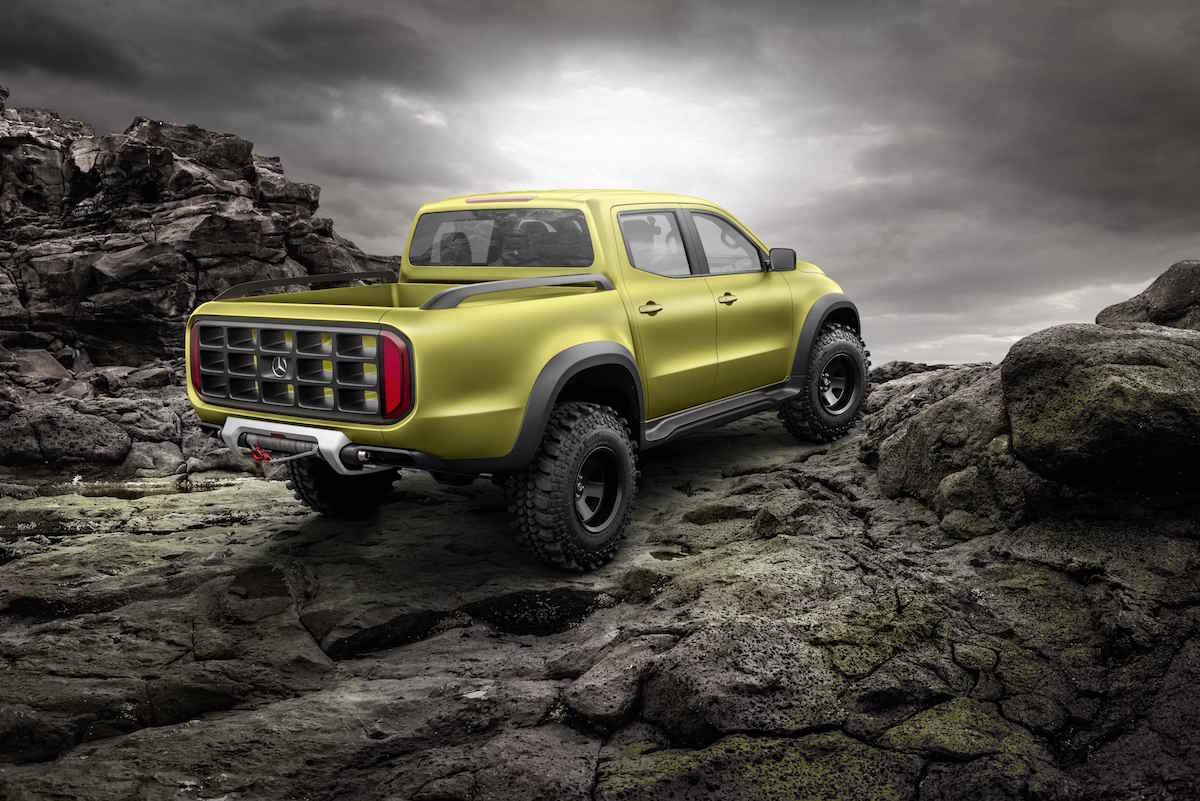
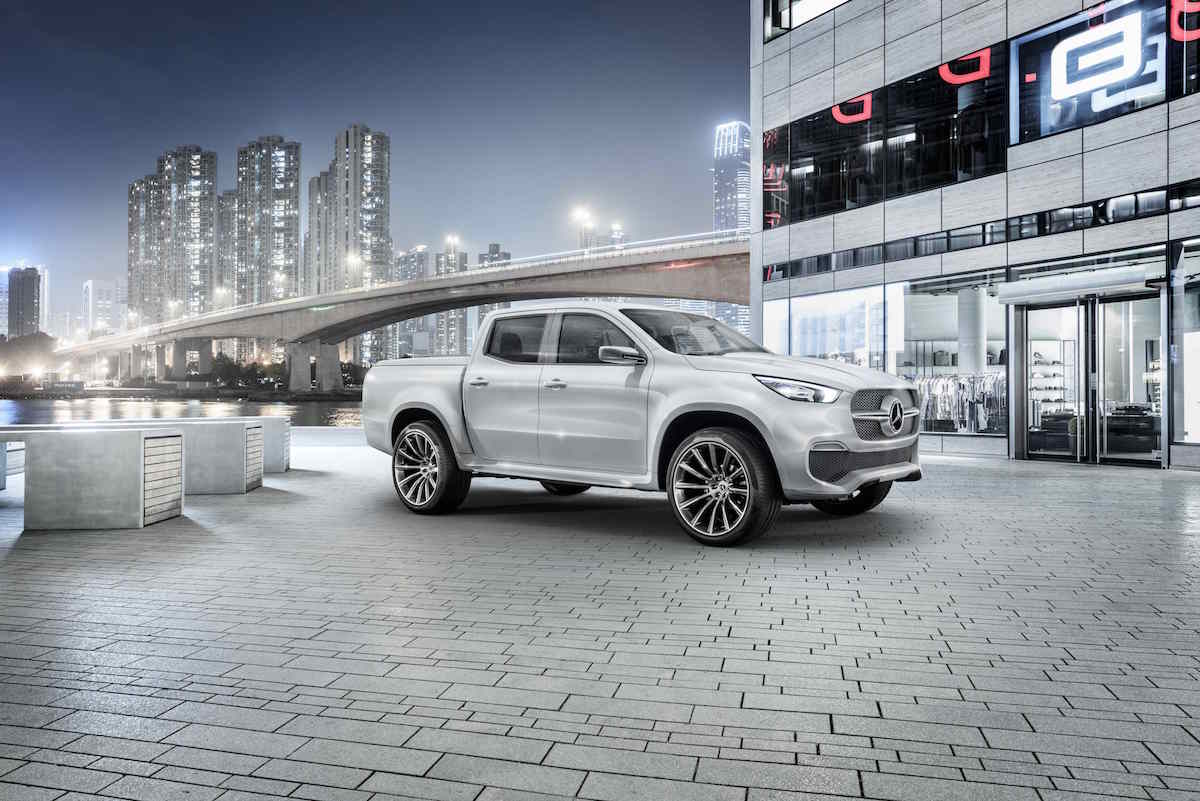
Mercedes-Benz has unveiled a pair of X-Class pick-up concepts, showcasing big ambitions for the brand in both commercial vehicle and retail car showrooms.

The decision to enter the pick-up market is perhaps no surprise as Mercedes seeks to expand its influence in the LCV sector. But with the X-Class, that will launch in late 2017, the brand is not just targeting the business users, building contractors and such like more likely to be browsing our sister site The Van Expert.

mercedes-benz-x-class-concept-18
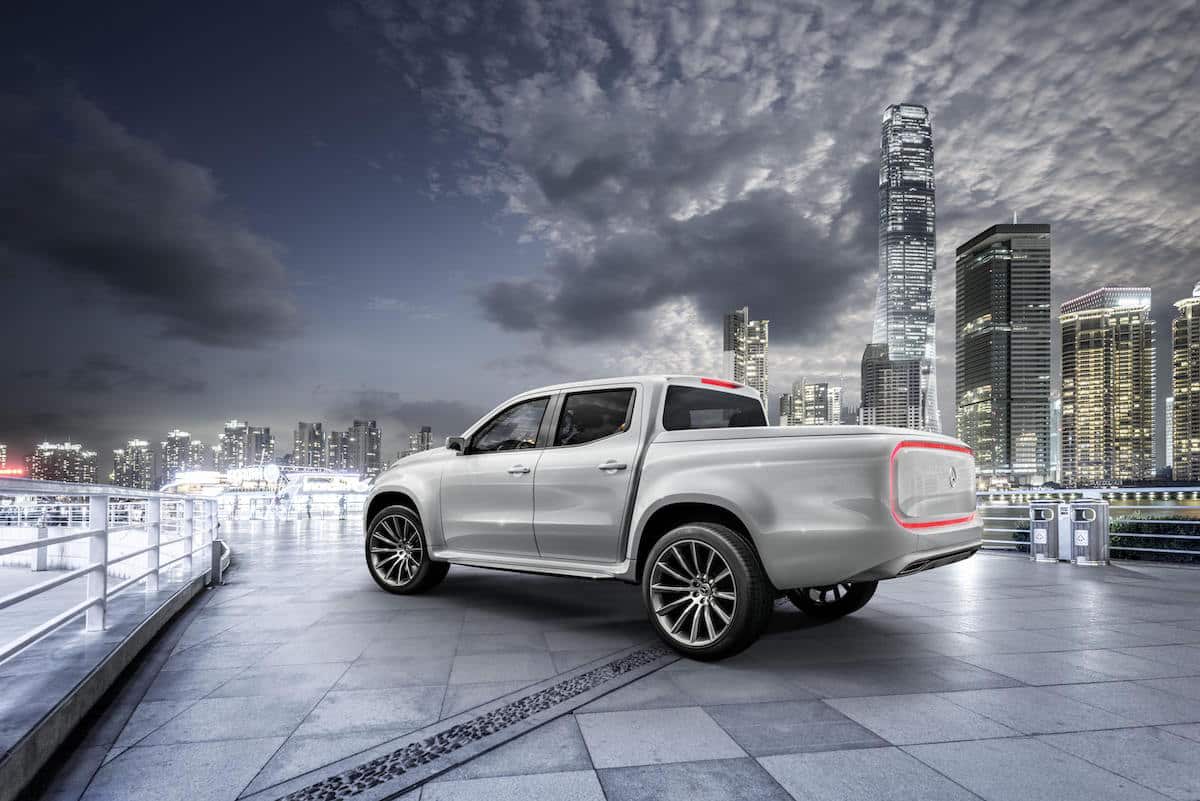
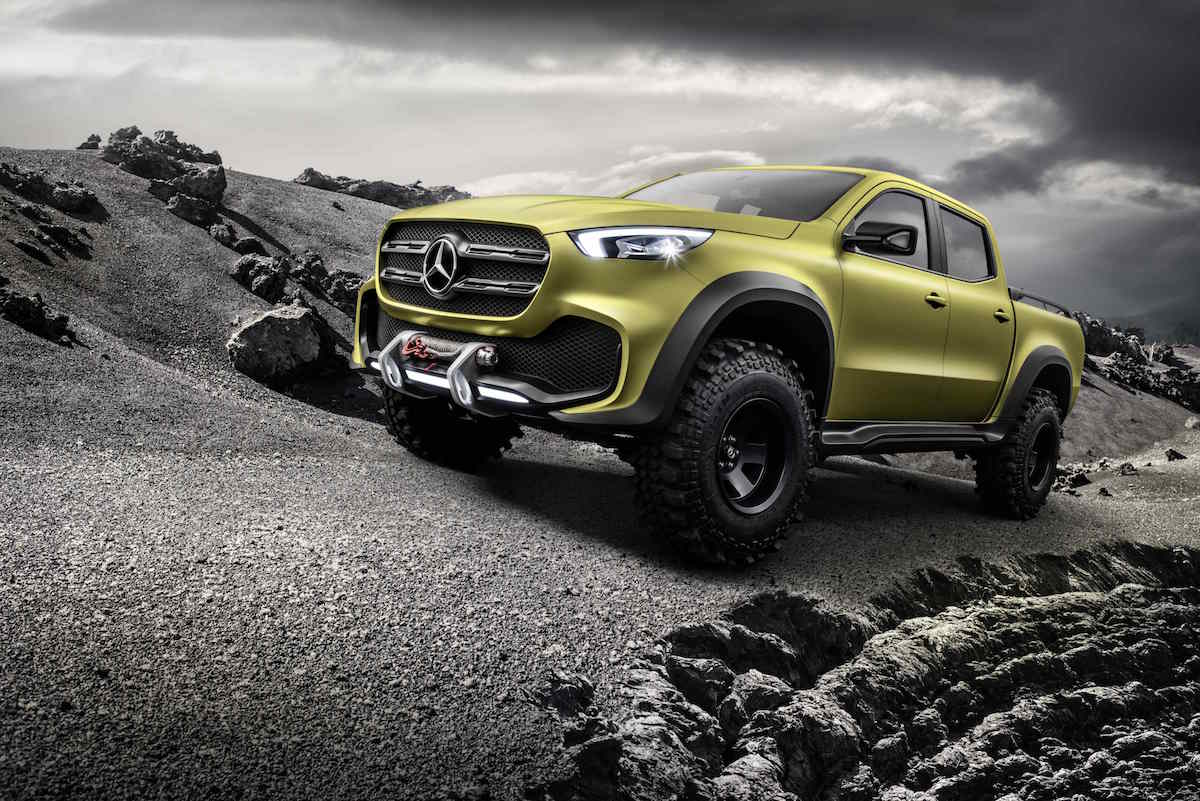
Mercedes-Benz X-Class ‘Powerful Adventurer’ (left) and ‘Stylish Explorer’ (right) concepts are targeting two different segments of the pick-up market

Just as important to the brand’s aims are more lifestyle-orientated buyers, such as off-roaders and adventurers, and the creators of the new vehicle are missing no opportunity to dub it the world’s first premium pick-up.

As such the two concepts unveiled boast very different looks – the Concept X ‘Stylish Explorer’ previews a production model that will be seeking car buyers with its SUV-related visuals, more heavily sculpted body, flared wheelarches and a power dome on the bonnet.

The ‘Powerful Explorer’, in contrast, offers a higher ground clearance, all-wheel-drive, extra cladding and scuff plates and off-road wheels and tyres.

The production versions will both, however, be full-house pick-ups, Mercedes-Benz having ensured this by entering into an agreement with the Renault-Nissan Alliance. As a result the X-Class will be one of three sister models, the others being Renault’s equally new Alaskan and the latest version of the Nissan Navara, which has a long and jealously-guarded reputation in the pick-up market to maintain.

Therefore the three models are modelled around a traditional ladder-frame design including a five-link rear axle and coil springs, with a payload capacity of up to 1.1 tonnes and a towing capacity to 3.5 tonnes.

Powertrains are yet to be specified, Mercedes only stating that range-topping versions will use a V6 engine with permanent all-wheel-drive and lockable differentials.

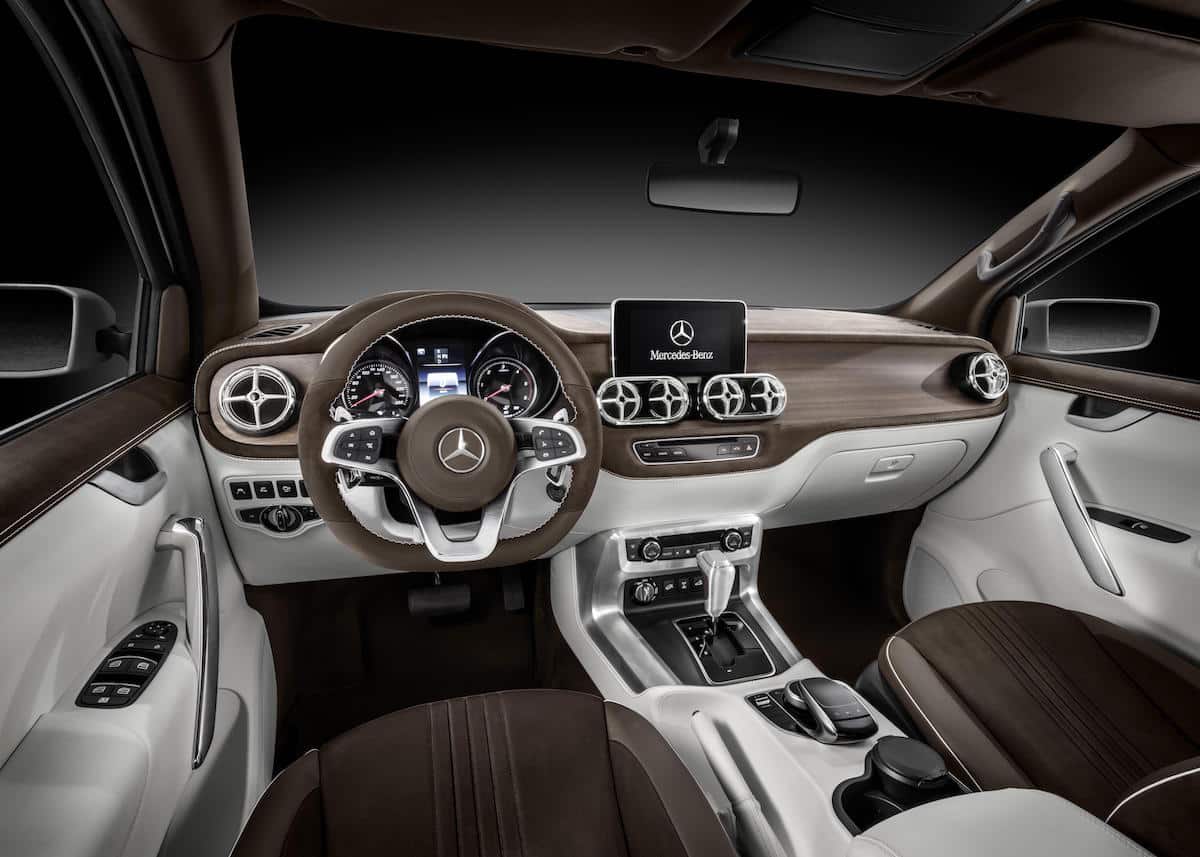
Currently it appears only a double-cab version of the X-Class will be offered, with four doors and a five-seat capacity, the rear passengers sitting on a bench seat. And the Mercedes aim to attract premium SUV buyers is indicated by the interior trim of the Stylish Explorer, which includes brown and white leather alongside oak wood and brushed aluminium, and a smartphone-style multifunctional touchpad. controlling all the vehicle’s telematics.

“We want to offer customers vehicles matching their specific needs – the X-Class will set new standards in a growing segment,” said Daimler chairman Mercedes-Benz Cars head Dr Dieter Zetsche.

And the brand is investing heavily in its new direction – to “the high nine figures” in Euros by the time of the market launch. The first version on sale is expected to be the production version of the Stylish Explorer in late 2017.

Key markets for the new model will be Argentina, Brazil, South Africa, Australia, and Europe. In Australia pick-ups have the biggest slice of the car market, at more than 14 per cent.

Ford Kuga gets major update

0

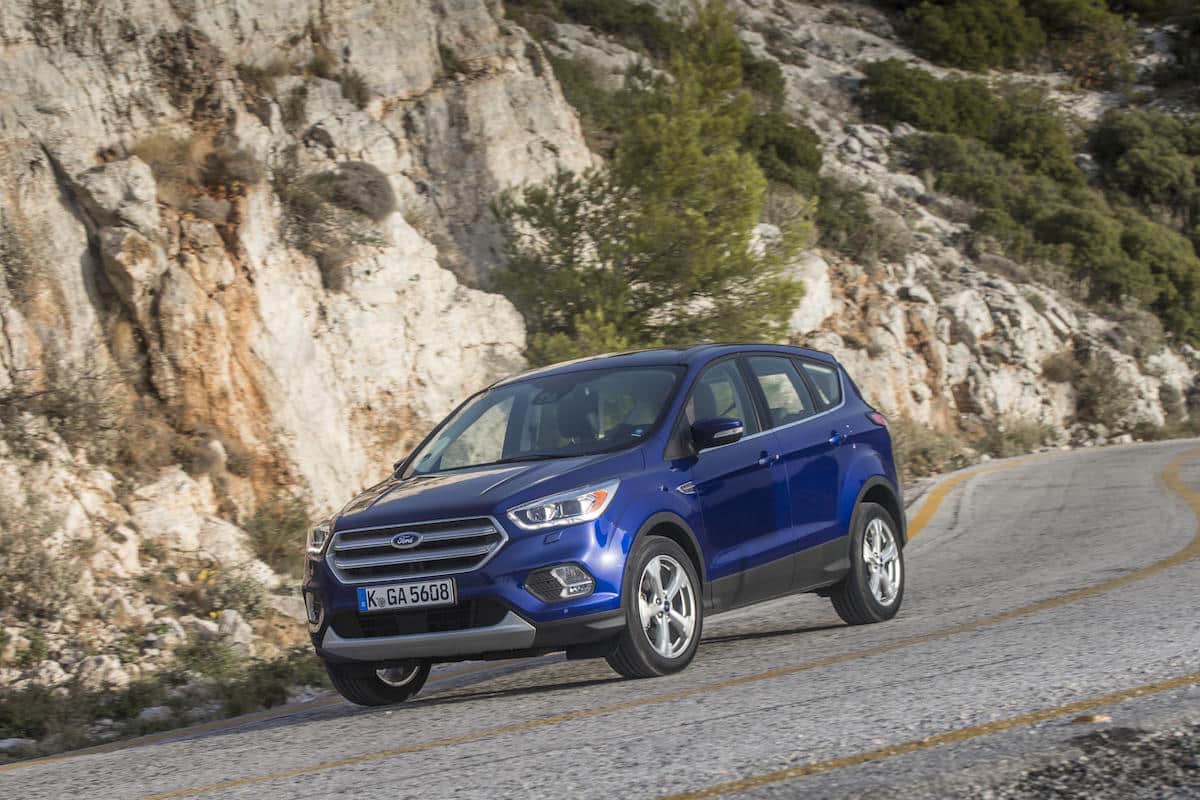
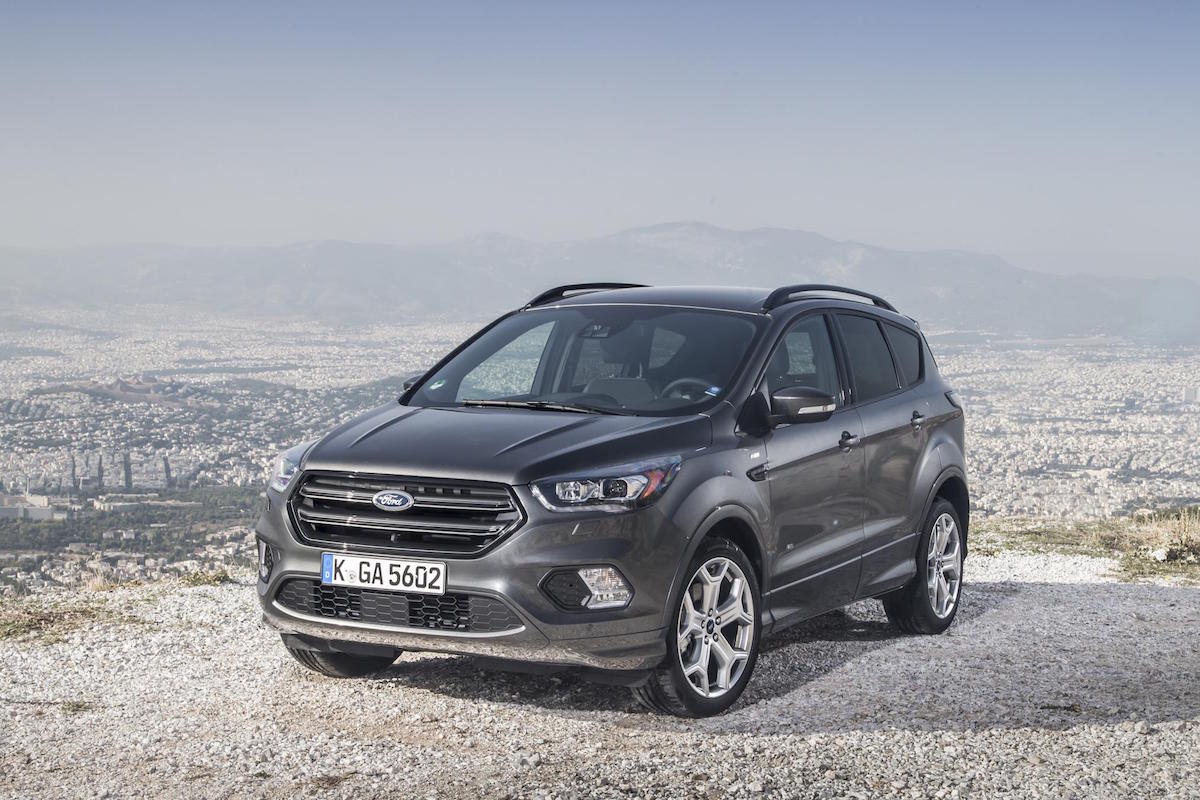
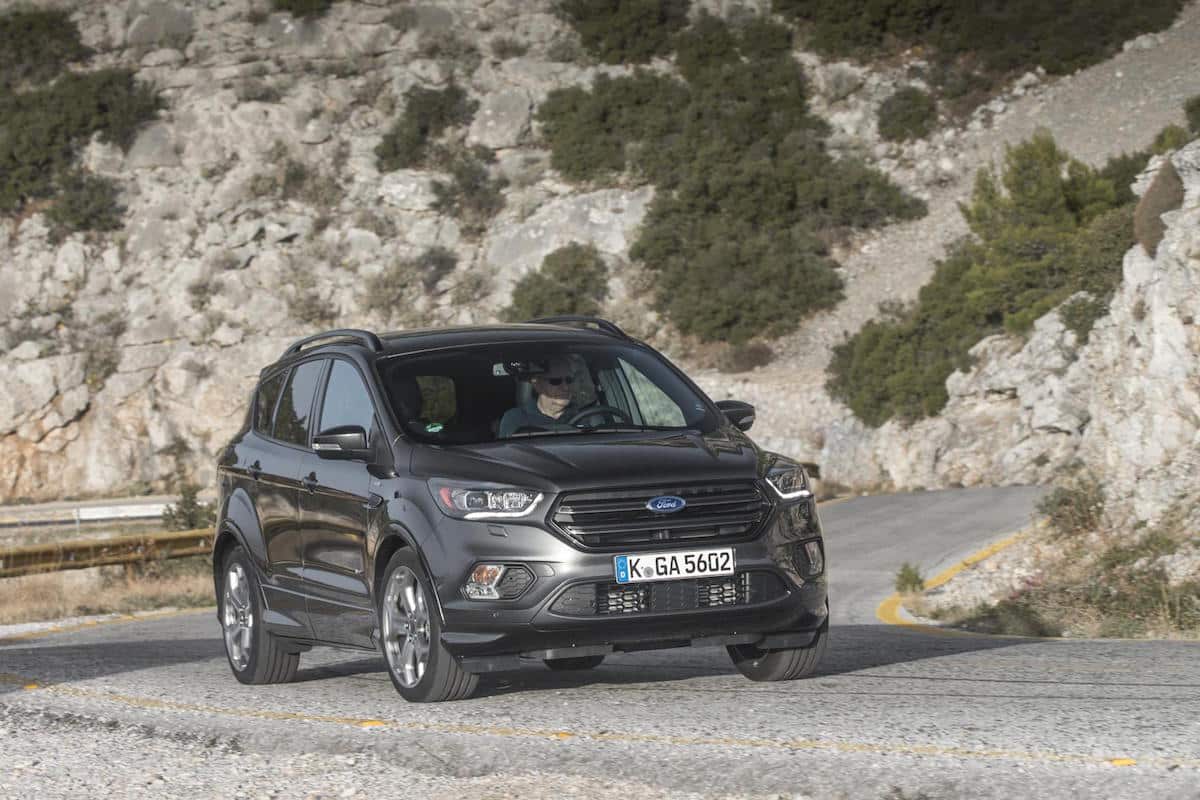
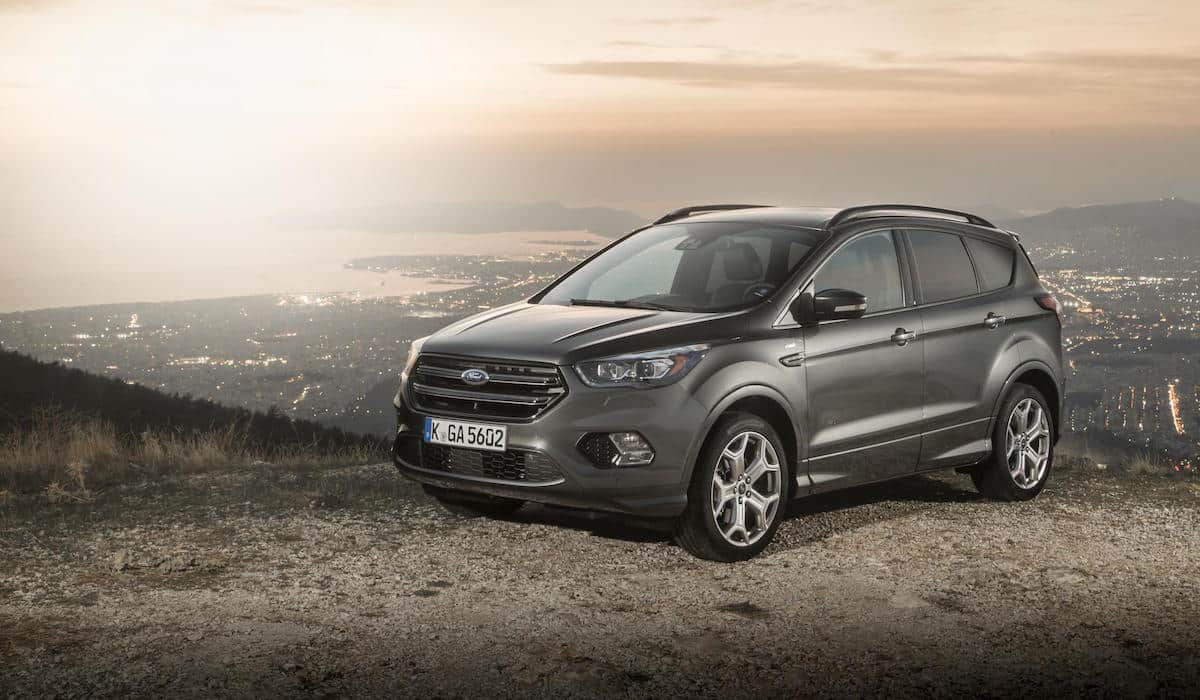
Ford has given its Kuga crossover model a significant update, with new styling, engine changes, enhanced active safety systems and an upgraded infotainment unit among the major changes.

The new Kuga is not a brand new vehicle, so retains the dimensions and structure of the existing model, which has been on sale since 2012. But Ford has given each aspect of the car a thorough going-over to keep the Kuga competitive against the likes of the new Volkswagen Tiguan, Renault Kadjar, Skoda Kodiaq and an ever-increasing number of rivals in the booming small SUV sector.

A fresher look, inside and out

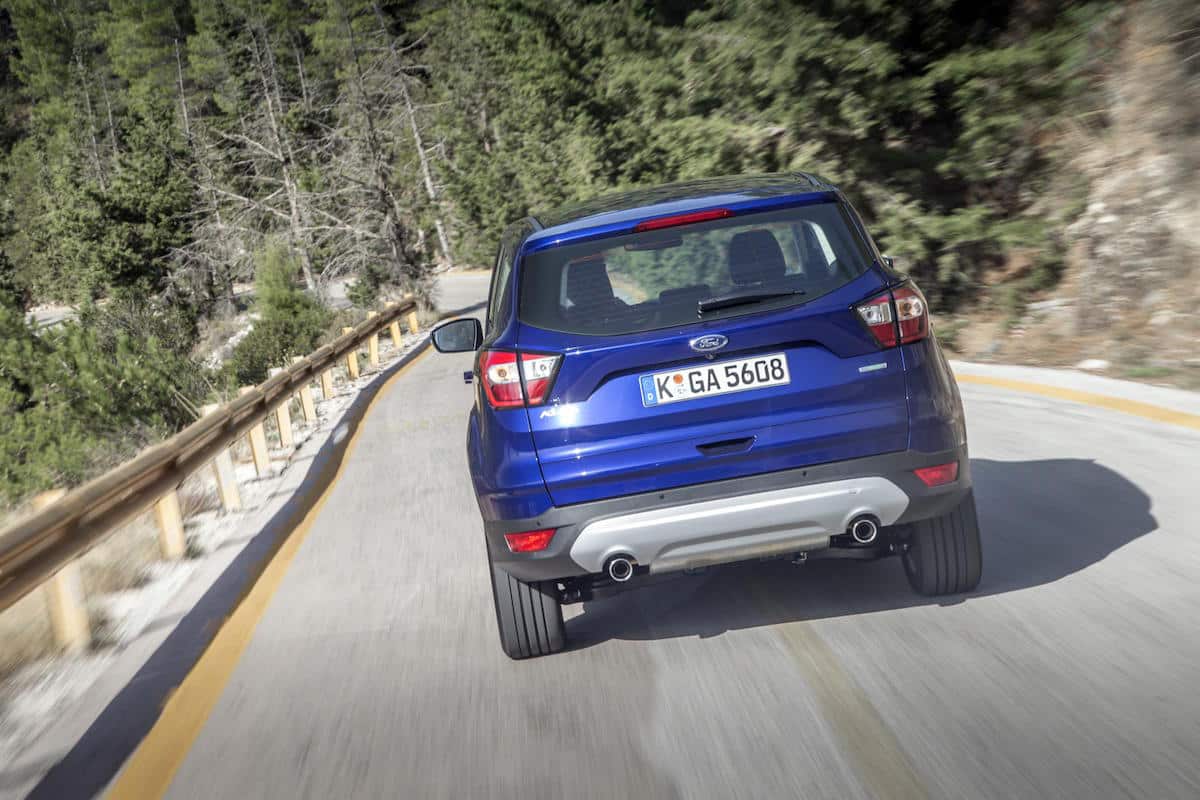
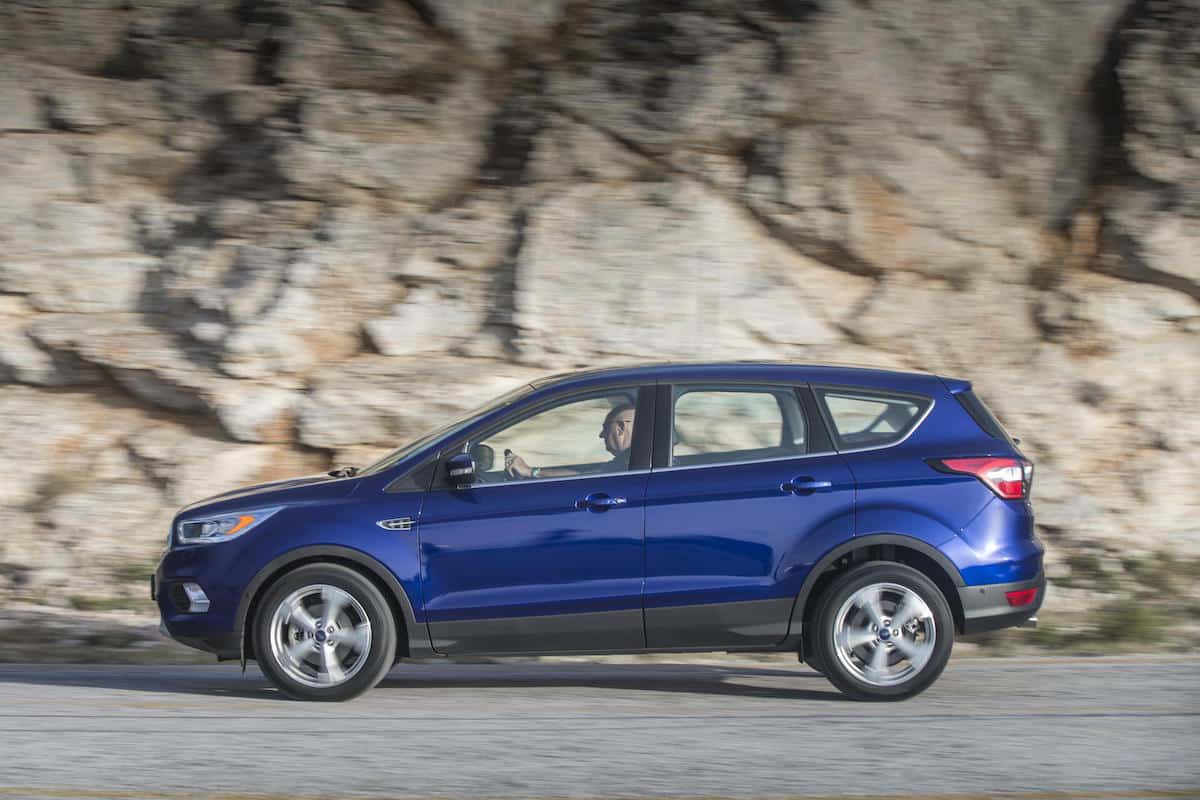
Exterior styling has been brought up to date and into line with the rest of the Ford SUV family. A new grille and new headlamps with LED daytime running lights make a noticeable difference, while tail lights and alloy wheels have also been redesigned. Two new colours (Copper Pulse and Guard Grey) have also been added to the palette.

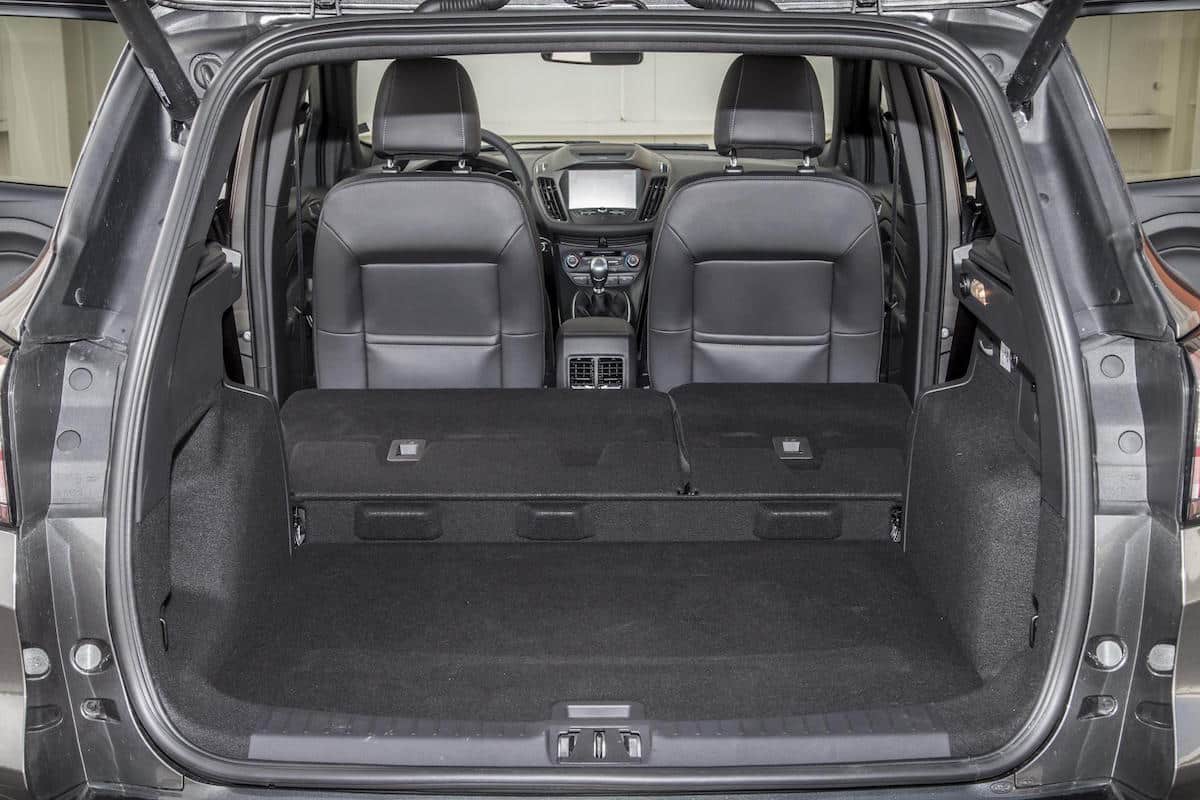
The interior has also been tidied up, although the Kuga still lacks the clean dashboard layout of many of its rivals. There are now fewer and more easily-distinguished buttons and switches to make knob-twiddling easier on the move. Moving to an electronic parking brake has also freed up some centre console space for more storage and a new USB socket.

Ford’s latest SYNC 3 infotainment unit is now available, which brings significant improvements to voice recognition and overall system performance. Ford claims you will be able to tell the car “I need a coffee” or “I need petrol” and it will be able to bring up the nearest café or petrol station in the navigation system. The eight-inch touchscreen now also allows swiping and pinching gestures.

Safety gets an upgrade

Active safety systems also get a boost, with assisted parking systems for both parallel and perpendicular parking and a cross traffic alert for reversing out of a parking space. The new Kuga also gets an improved version of Ford’s autonomous emergency braking system, which now operates at up to 31mph instead of the old model’s 19mph.

The previous model Kuga scored a five-star rating in the 2012 Euro NCAP crash tests, although standards have improved since then and is no guarantee the new Kuga will score five stars if and when it is put through the latest tests.

The variable all-wheel drive system fitted to top-level models uses electronic controls to direct or restrict drive to each wheel, including curve control and torque vectoring to maintain traction and stability.

Parental control for car keys

The owner can also programme a key to inhibit incoming phone calls, restrict top speed, prevent disabling the car’s safety systems, reduce audio system volume and even disable the stereo altogether if occupants are not wearing seat belts. It is marketed at parents concerned about letting their offspring drive the car, and shows how connected onboard systems can dictate how the vehicle functions.

The new Kuga has ditched the old 2.0-litre 120hp diesel in favour of a new 1.5-litre engine with the same power output – but with improved fuel consumption and emissions (at least in the lab). The 120hp and 150hp petrol and diesel models are front-wheel drive only, while the 2.0-litre 180hp diesel and 1.5-litre 182hp petrol models are all-wheel drive.

New Kuga ST-Line and Kuga Vignale specifications

As well as the above model updates, Ford is adding new ST-Line and Vignale specifications to the range. ST-Line models will have a sporty emphasis, with ‘optimised’ (stiffer) suspension and unique styling elements. Luxury-spec Vignale models will feature even more styling differentiation, quilted Windsor leather and prominent stitching, along with a unique pearlescent grey paint option.

The updated Kuga range is on sale now, with first cars expected to arrive before Christmas.

Fiat Tipo first drive

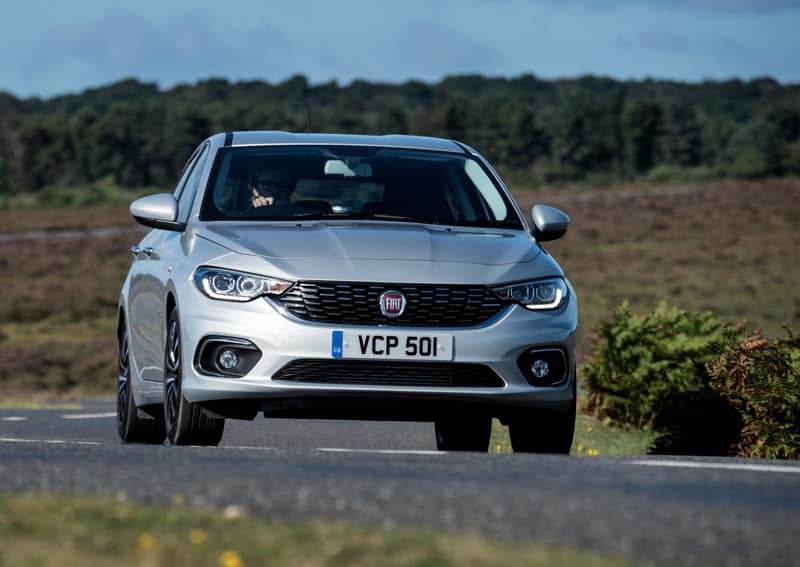
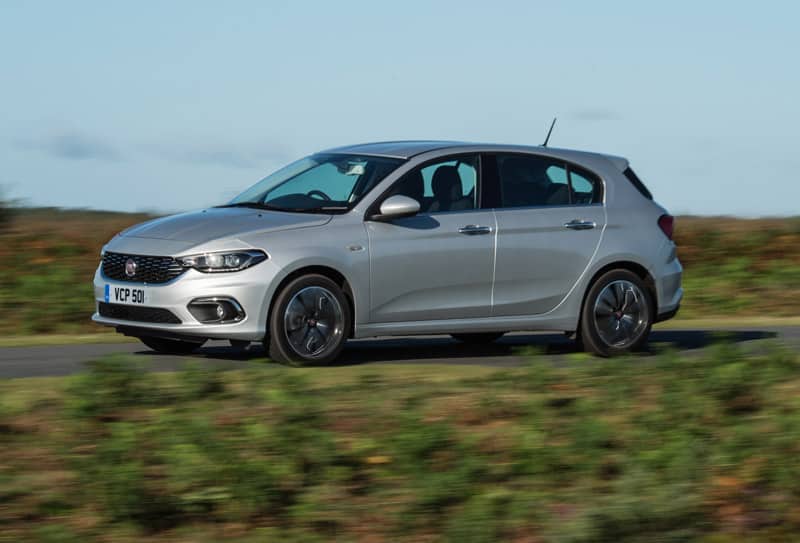
What is it? The Fiat Tipo is the Italian brand’s new rival to the Astra and Focus.
Key features: Lots of space, lots of equipment for the money.
Our View: The Fiat Tipo scores on value, but it’s just not that exciting or noticeable in a hugely competitive market. If you want something that offers plenty for your money, however, the Tipo is worth a look.
Type of review: First UK drive


Fiat Tipo hatchback and station wagon


Most of the headlines regarding Fiat in the last few weeks have surrounded the launch of the well-received rival to the Mazda MX-5, the 124 Spider.

Arriving at the same time as the roadster, however, has been a car with the potential for significant mass-market sales. Returning Fiat to the huge C segment to take on such heavyweight contenders as the Ford Focus, Vauxhall Astra and Volkswagen Golf is a car that revives a name not seen since 1995 – the Fiat Tipo.

The name is the only link one can make between the 1990s car and the larger, bang up-to-date version now arriving in showrooms. And the new car has to be good to give Fiat any hope of success – the three rivals mentioned are all top-ten sellers on the UK market, and that’s before one considers other C-segment contenders such as Renault’s Megane and the Peugeot 308, Korean entrants such as the Kia cee’d and Hyundai i30, the Japanese…

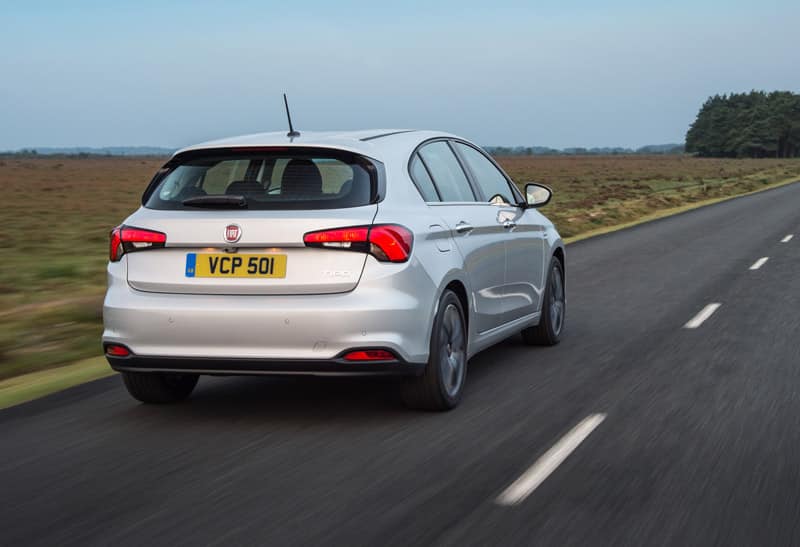
Like many C-segment cars the new Tipo is available in both five-door hatch and estate-style Station Wagon formats. There is also a saloon version, but that won’t be coming to a UK market that refuses to accept boots on mainstream cars.

Fiat claims today that it is “one brand with two souls”, the aspirational side comprising cars such as the 124 Spider and the rational side typified by the Tipo. Practicality and value are two of this car’s strongest weapons.

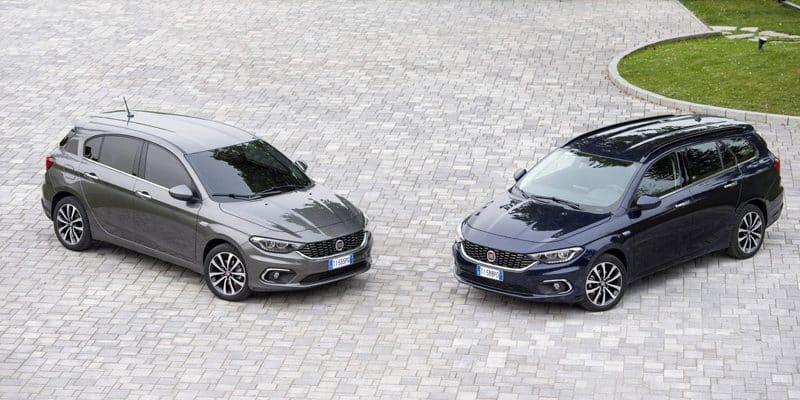
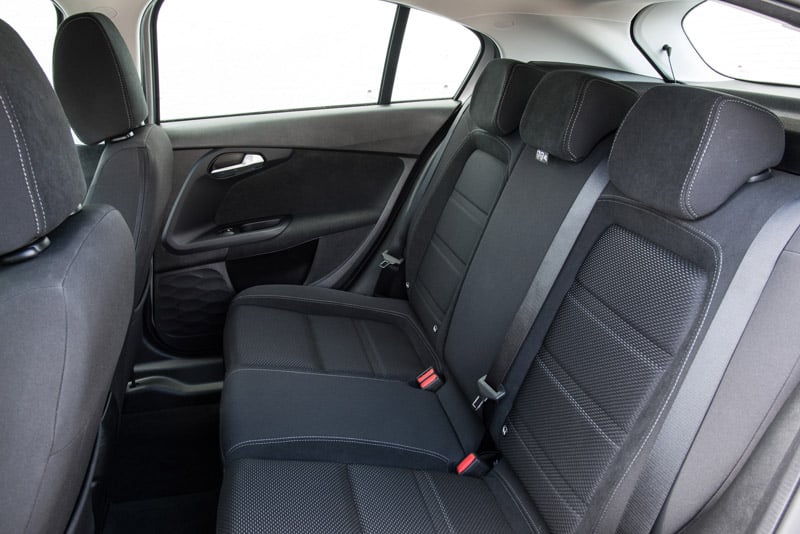
For a start it is very spacious within. The hatch measures up at 4.4m long, 1.8m wide and 1.5m high, while the Station Wagon adds 20cm of length and an extra cm of height thanks to its standard-fit roof bars.

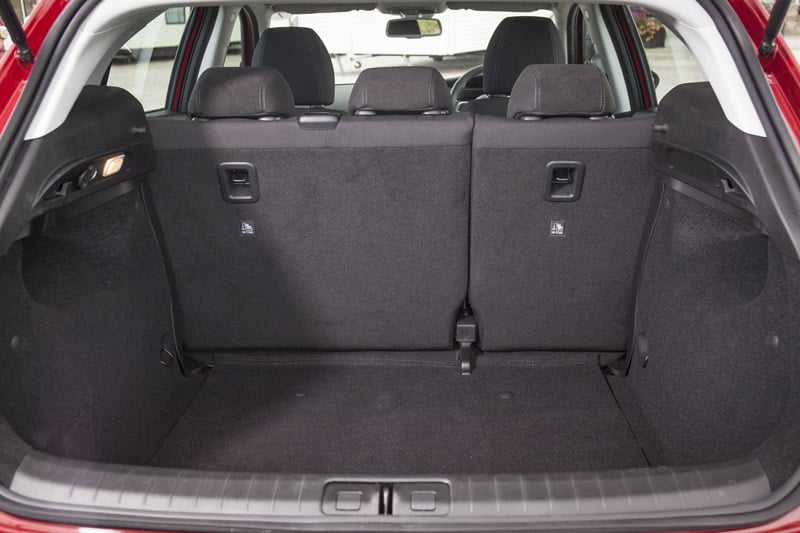
All of which means the cabin offers a roomy ambience while the boot space knocks rivals for six – the 440 litres in the hatch is some 124 litres better than the Focus, outstretches the Astra by 70 litres and the Golf by 60 litres.

The Station Wagon adds an extra 110 litres of space, and once the flip-and-fold rear seats are dropped one has a generally flat load floor accessed by a low rear sill, and able to accommodate loads up to 1.8 metres in length.

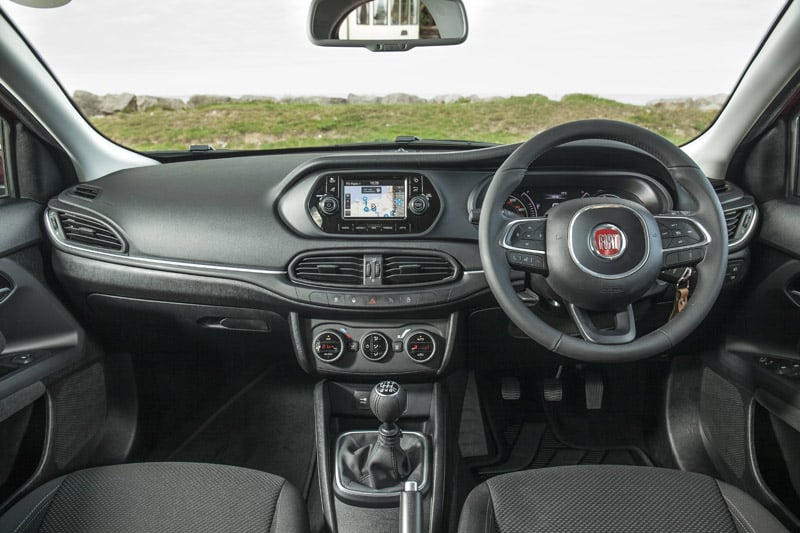
In terms of design, however, perhaps Fiat has taken that rational mantra a little too far. The exterior is quite innocuous and unmemorable, and the interior dash layout equally so, though it is generally well put together. It won’t come close to certain rivals on style – the dash layout looks like it would have been equally at home 10 years ago and the touchscreen atop the centre console is miniscule.

Tipo buyers are being offered a five-way engine choice. Petrol options include a pair of 1.4-litre units with either 95 or 120hp and combined as standard with a six-speed manual gearbox, and a 1.6-litre ‘e-TorQ’ version of 110hp and that can only be had with a six-speed automatic transmission.

Diesel buyers get to choose between a 1.3-litre of 95hp and a 1.6-litre of 120hp, and the latter, expected to produce the majority of sales, was the car we drove at the UK launch event.

Generally it’s a smooth unit, unless you rev it hard in which case it becomes a little audibly intrusive, and it bowls the car along at reasonable pace without fuss. It’s competent, without standing out.

The same can be said for the chassis performance. It’s a very relaxed, cosseting car to drive normally, but if you need to push on for any reason it becomes vague and hardly confidence-inducing, with noticeable body roll in bends and little feedback through the steering.

Fiat does expect to win brownie points on value – the £12,995 starting price for the entry-level Tipo Easy Plus is impressive, and the specification includes air conditioning, remote central locking, front electric windows, electric door mirrors, six airbags, DAB digital radio, USB and Bluetooth connectivity with steering wheel remote controls. Station Wagons add electric rear windows as well as those roof bars.

However Fiat reckons most buyers will be going neither for Easy or the mid-spec Easy Plus, but the top-level Lounge, which is only £2,000 more expensive. While bringing the Tipo closer to its big-selling rivals in terms of price, it does also add significant amounts of extras.

As well as the Easy Plus upgrades – that tiny five-inch touchscreen with Uconnect Live app-based services (varying from music streaming to checking Facebook), leather on the steering wheel and gear knob, LED daytime running lights, 16-inch alloy wheels, front fog lights, parking sensors and cruise control, Lounge buyers will also gain such niceties as TomTom Live navigation with traffic updates, climate control, an extra inch on the alloys, auto lights and wipers and a rear view camera.

Verdict

So the Fiat Tipo scores on value – it’s just that it’s not that exciting, that noticeable in today’s hugely competitive C segment. Those big-name rivals will remain more tempting, but if you want something that isn’t them and offers plenty for your money, the Fiat is worth a look.

Fiat Tipo – Key specifications

Models tested: Fiat Tipo Hatchback 1.6 Multijet 120hp Lounge.
On sale: September 2016.
Range price:
£12,995-£18,995 (hatch, Station Wagon +£1,000).
Insurance groups:
TBA.
Engines: Petrol 1.4×2, 1.6. Diesel 1.3, 1.6.
Power (hp):
95/120, 110. 95, 120.
Torque (Nm):
127/206, 152. 200, 320.
0-62mph (sec):*
12.1 (SW 12.3)/9.6 (9.8), 11.5 (11.7). 12.0 (12.3), 9.8 (10.1).
Top speed (mph):* 115/124, 119. 112, 124.
Fuel economy (combined, mpg):* 49.6/47.1, 44.8. 76.3, 76.3
CO2 emissions (g/km):*
132/139, 147. 99, 98.
Key rivals: Ford Focus, Vauxhall Astra, Volkswagen Golf
Test Date: September 2016.
* All performance/economy figures with manual gearbox where choice available.

New brand Lynk & Co throws out the rule book

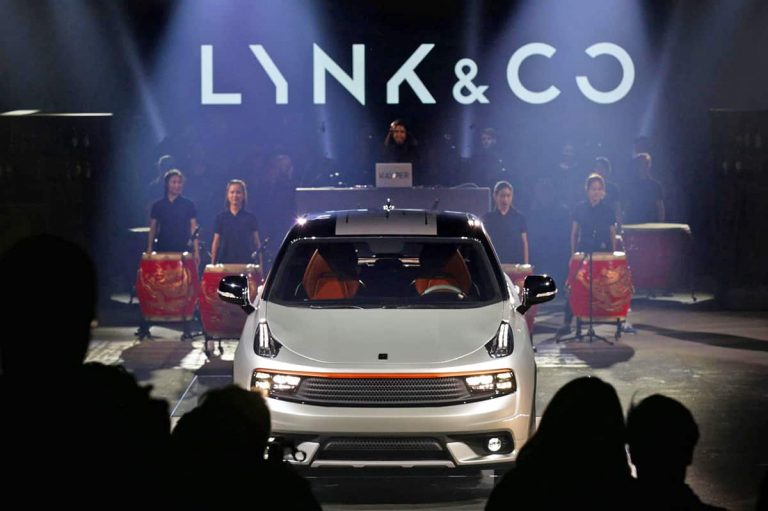
Lynk & Co promises to be a new and very different car-buying option for UK customers within the next couple of years.

The new brand is being launched by Chinese giant Geely Auto Group, owner of Volvo, and its creators promise to “challenge the conventions of the automobile industry.”

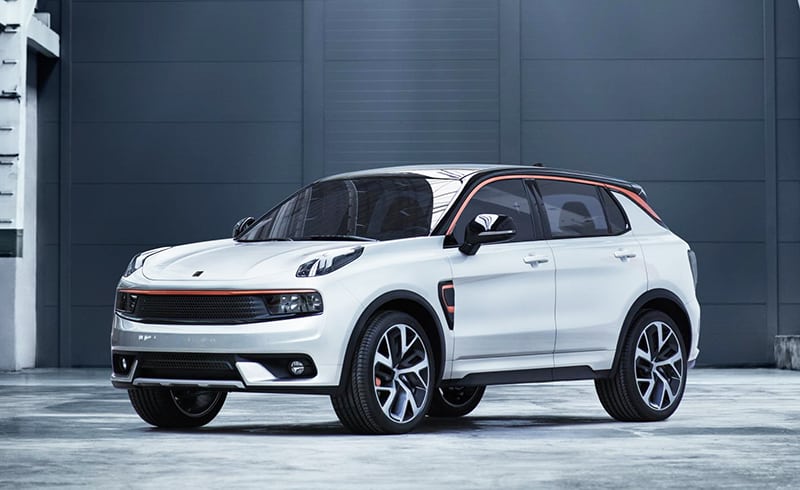
The first model, an SUV called simply the Lynk & Co 01, will launch in China in 2017, followed by Europe and the US. It will not be sold through traditional car dealers but online and in ‘stores’ in retail centres, along similar lines to those opened recently by Hyundai and Jaguar Land Rover in major shopping centres such as Bluewater.

This, according to Lynk & Co is part of a new business model that will see the brand interacting directly with its customers. Prices will be fixed and transparent, options to drive the cars will range from traditional ownership and leasing to subscription and sharing-membership, and cars will be delivered, and picked up for service, directly at the door of the customer.

Lynk & Co management say that as distribution typically reflects some 25 per cent of the cost of a car, its business model will enable highly competitive pricing.

There will be no traditional trim levels either – cars will be sold with ‘collections’ of options that the makers say will offer far greater value. “(We have) abandoned the traditional concept of meagre base models and long option lists that create infinite build configurations and costs in manufacturing,” a company spokesman said.

The 01, an SUV, is Lynk & Co's launch model.
The 01 is Lynk & Co’s launch model.

“Inspired by the fashion and technology sectors, Lynk & Co has replaced ‘trim levels and option lists’ with a simple selection of fully equipped, fixed-price collections themed to meet customer preferences.”

The 01 (which will be followed by the 02, 03 and so on in another example of simplifying conventional industry practice) uses the benefit of Geely’s ownership of Volvo to the full. It has been fully engineered in Sweden and sits on the CMA (Compact Modular Architecture) platform that the Swedish manufacturer developed for its latest models.

Use of the CMA enables the car to accommodate many varieties of powertrains and Lynk & Co intends to offer electric versions of all of its models.

The design benchmark for the 01 is said to be premium and popular compact SUVs across the globe. Its exterior look has been created by Geely’s Swedish design studio with input from further studios in Shanghai, Barcelona and Los Angeles, led by design director Peter Horbury, who formerly headed Volvo’s design team.

“The design brief for Lynk & Co was simple: the cars should stand out from the crowd and appeal to a truly global audience,” said Andreas Nilsson, head of Geely Design Sweden.

“From a distance, we have a European design approach – get closer, and you see more and more detail, such as the intricate lights, and the type of grain on the interior leather.  A strong wide grille completes the distinctive ‘face’ of the car.”

Lynk & Co is also describing itself as “born digital” – connected services will be central to every model and all cars will come with a large central touchscreen and telematics systems that are always connected to the internet and the car’s own cloud.

Novel aspects include a button that will allow owners to provide other people with access to the car using a shareable digital key. An app will allow control, monitoring and sharing of the car from a smartphone.

Lynk & Co cars will also benefit from Volvo’s renowned safety technology, and company personnel expect their cars to top safety tests across the globe.

Lynk & Co head Alain Visser is confident that his company can change the way cars are built, sold and lived with. “Our industry has been refining design and engineering successfully for decades – but not so much the distribution and ownership model,” he said.

“Our customers’ values and preferences have evolved dramatically. It is time for us to step into the future and reinvent the model to become a comprehensive solution for mobility and lifestyle.

“Our aim is to enrich and simplify car ownership by redefining how they are bought, owned, connected, serviced and used.

British drivers still uncomfortable with autonomous vehicles

0

More than half of British drivers are not comfortable with the idea of autonomous cars, according to new research by the London School of Economics. The findings were presented at the Goodyear Future of Mobility conference in London last week.

It is important to differentiate fully autonomous vehicles discussed here from the semi-autonomous technology found on a current Tesla, which has limited self-driving ability under very specific circumstances.

The survey results show that 55% of drivers would feel uncomfortable being either in or around a self-driving car. Only 28% responded that they would feel comfortable, with the balance undecided. However, the survey did find that people did at least warm to the idea as they thought about it over the course of a 20-minute interview, with slightly more favourable responses to the same questions at the end of the survey compared to the beginning.

Perhaps not surprising, given the lack of enthusiasm for self-driving cars, is that nearly 80 per cent of those surveyed thought that autonomous vehicles should retain a steering wheel to allow a human driver to override the car if necessary.

Despite the level of concern about autonomous vehicles, the survey participants tended to agree that they could potentially be safer than human-driven cars. In response to the statement “Most accidents are caused by human error, so autonomous vehicles would be safer,” 43% agreed and only 19% disagreed, with the rest unsure. The counter to this was a strong feeling (73%) that autonomous vehicles could malfunction.

The road is a social space

A panel of experts at the conference also discussed how autonomous vehicles would interact with human drivers on our roads. Describing roads as a ‘social space’, LSE’s Chris Tennant questioned whether drivers would be more or less likely to assist an autonomous vehicle into gaps, and how an autonomous vehicle (AV) would be able to co-operate with human drivers to negotiate merging around blockages.

The report concludes: “This research identifies a number of deep-seated reservations – to the willingness to give up control, to the reliability of AV technology and to AVs’ ability to integrate in the ‘social space’ that is the road. It is necessary to understand these reservations, rather than just assume that the public needs more information if AVs are to negotiate a place for themselves on the road.

“Arguments that focus simply on promoting greater safety, lifestyle enhancements or economic efficiencies will not gain traction if AVs do not fit comfortably into the public’s picture of what the road should look like for them to drive on.”

Tech-savvy drivers more likely to accept autonomous cars

The report suggests that familiarity is likely to improve the perception of autonomous vehicles in the eyes of the general public. Very few people have ever sat in one, or even seen one of the test vehicles on the road, so there is an understandable caution in embracing this technology.

Unsurprisingly, those who were early adopters of other automotive technologies were more likely to be open to the idea of using a self-driving car. Conversely, people who are still confused by how cruise control works are less inclined to trust a car to make its own decisions.

Using autonomous technology to plough new fields (literally)

New Holland NH Drive autonomous tractor

Farmers will soon be able to purchase a fully-autonomous tractor to plough fields while the farmer does other work. Case New Holland recently showed a concept called NHDrive that can perform a wide range of tasks, day and night, without supervision. Although a tractor on a farm doesn’t have to deal with roads and other road users, it still marks a step towards autonomous vehicles being brought to market and integrating into our lives.

David Smith, chief executive of Global Futures and Foresight, explained that new technology – like autonomous driving – typically enters our lives through doing things differently, and then accelerates as it is used to do different things.

In the case of self-driving vehicles, cars will be initially able to drive us to work while we sit and read or watch a movie, but then we will start using vehicles differently. A car could be sent across town to collect your kids from school, rather than you having to physically be present. The car will take itself off to for servicing or maintenance, and be able to charge itself during downtime. People will start to make their cars useful when they are otherwise not needed, such as renting your boot space out to transport groceries while you’re at your desk.

Autonomous tech could slash number of cars on the road

Smith pointed out that a third of the urban area of Los Angeles is devoted to the automobile. Autonomous driving and other mobility services such as car sharing models have the potential to radically alter this, with enormous impact on the very makeup of LA.

Various studies have estimated that the number of cars on the road could be reduced by as much as 90% with autonomous technology. Through connectivity between different cars and with local infrastructure, car sharing and multi-tasking, each car would get to its destination more quickly and efficiently, and then go off to pick up someone else or undertake a different task.

Autonomous cars, connected to each other and the local infrastructure

Nissan takes controlling stake in Mitsubishi

Nissan is now the effective owner of Mitsubishi after purchasing a 34% controlling stake in the brand.

The takeover comes at the end of recent traumatic times for Mitsubishi. The brand earned widespread condemnation following the revelation that fuel economy data on principally Japanese models had been falsified for 25 years.

The purchase, which is understood to have cost Nissan 237 billion Yen, equivalent to around £1.5 billion, will see Mitsubishi Motors Corporation (MMC) become a part of the now 17-year-old Renault-Nissan Alliance, taking the Alliance to sales of 10 million units in 2016 and creating what Nissan chairman and CEO Carlos Ghosn describes as “a new force in global-car making.”

“It will be one of the world’s three largest automotive groups, with the economies of scale, breakthrough technologies and manufacturing capabilities to produce vehicles to serve customer demand in every market segment and in every geographic market around the world,” Ghosn adds.
Future plans for Nissan and MMC will include joint purchasing and use of manufacturing plants, and platform and technology sharing.

Ghosn says that the brand will be targeting benefits of working together with Mitsubishi to the level of 24 billion Yen (£200 million) in 2017, rising to 60 billion Yen (£470 million) in 2018 and beyond.

According to a statement issued by Nissan the takeover came at the request of Mitsubishi president and CEO Osamu Masuko following the brand’s fuel economy crisis. The two manufacturers are known to each other having worked together on small Japanese ‘kei-cars’ for the past five years.
We are committed to assisting Mitsubishi Motors as it rebuilds customer trust,” said Ghosn, who becomes one of four Nissan representatives on the Mistusibhi board and its chairman-elect. “This is a priority as we pursue the synergies and growth potential of our enlarged relationship.”

“I welcome Nissan’s willingness to provide strategic, operational and management support as our new lead shareholder,” said Masuko. “As part of our Board and management team, Nissan will help us to rebuild customer trust in our company and maximise potential future synergies through our deeper alliance.”

New engines and tech top SEAT Leon revamp

0

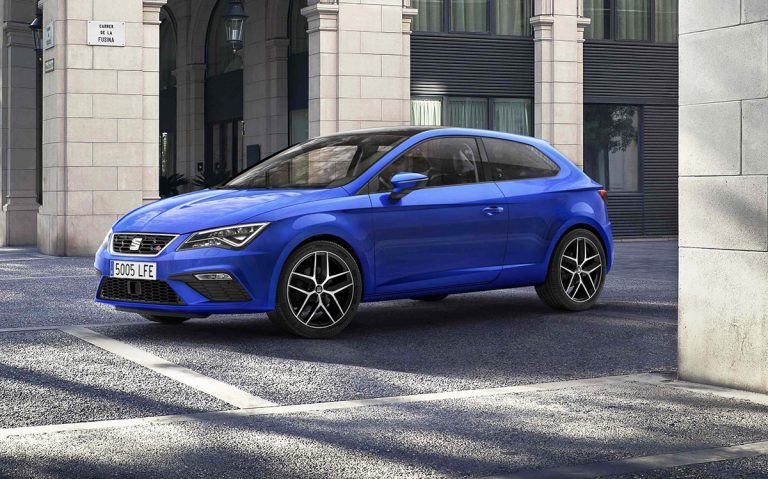
SEAT has unveiled a significant mid-life refresh for its Leon model that includes two new engines.

Technology upgrades and subtle styling revisions are also a feature of the revised Leons that will arrive in showrooms in February 2017. The upgrades will be applied to all three versions of the model, the five-door hatch, three-door Sports Coupe and estate Sports Tourer.

The new engines are the 1.0-litre TSI petrol unit of 115hp already seen in other VW Group models, and a 115hp diesel of 1.6 litres. SEAT has not yet released performance or efficiency figures for either unit, but they will slot into the middle of an existing engine range that offers petrol options of 110 to 180hp and diesels of 90 to 184hp.

Five and six-speed manual gearboxes, along with the double clutch DSG unit in six or seven speeds, will be offered across the range but again which models will get which transmissions is yet to be revealed.

The styling changes include sharper, more distinctive lines on the front and rear, a new bumper design and a grille increased in width by 40mm to make the car look larger. The front and tail lights are now full-LED units.

According to SEAT design director Alejandro Mesonero Romanos, the Leon’s design is already so popular that only minor tweaks are needed. “The Leon is a very attractive model and it isn’t necessary to change its image, only reinforce it, refresh it – the objective is to harmonise all parts of it, in particular the front and the rear, with the sides of the car,” he says.

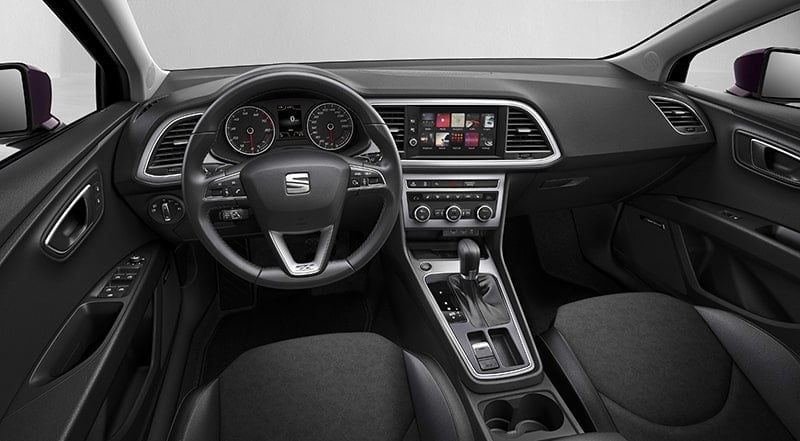
Main changes inside include LED ambient lighting which can be adjusted in intensity and a new-design eight-inch central screen doing away with several of the buttons and dials on the outgoing version. The new centre console includes an electric parking brake.

Seat-Leon
Revised interior has been decluttered.

The new Leon takes on several of the technology upgrades seen on the newly launched Ateca SUV. Traffic Jam Assist uses the Lane Assist and Adaptive Cruise Control to manoeuvre, accelerate and brake the car automatically in jammed traffic, at speeds up to 37mph.

A Pedestrian Protection System recognises vehicles, as well as pedestrians, crossing the path of the car, while further technology on offer includes Traffic Sign Recognition, Blind Spot Detection, Emergency Assist, High Beam Assist and what SEAT claims is the most advanced parking assist technology available with both bay and parallel parking,

Meanwhile, the camera and navigation systems have been improved to ensure they recognise more traffic signs.

Alongside the existing four trim levels, the new Leon will also be offered in a range-topping Xcellence trim including bespoke exterior and interior detailing and Alcantara and leather upholstery.

Prices and full range details will be revealed closer to the car’s UK launch.

Every Tesla to be fitted with self-driving tech

Electric vehicle manufacturer Tesla has announced that every car it makes will now be fitted with the hardware to provide full self-driving ability.

Tesla CEO Elon Musk made the announcement during an online conference on 19th October – the company has been working to create autonomous driving cars for some time.

The hardware consists of eight surround cameras to provide a 360-degree visibility around the car for a range of 250 metres. The main forward camera has a 150-metre range, a narrow version 250 metres and a wide version 60 metres. Side cameras look forwards for 80 metres and rearwards for 100 metres, while a rear-view camera has a 50-metre range.

A series of 12 ultrasonic sensors are also fitted, Tesla stating that these have been updated to detect hard and soft objects at eight metres, almost twice the distance of the previous sensors.

A forward-facing radar has had its processing capability enhanced to see through heavy rain, fog, dust and according to Tesla even the car ahead. And a new onboard computer to process all of the information has more than 40 times the computing power of its predecessor.

Tesla states that the system will provide the car with a view of the world around it far greater than any human driver could achieve, seeing in every direction simultaneously and on wavelengths that go far beyond the human senses.

For now these self-driving features will not be active as Tesla continues to develop the technology – the company says it is undertaking millions of miles of real-world driving to ensure the systems are safer and more convenient to use.

As a result the new models will temporarily lack some of the standard safety features fitted to Teslas with first-generation Autopilot hardware. These include automatic emergency braking, collision warning, lane holding and active cruise control.

Tesla intends to bring the new safety features online as they are cleared for production use, using online updates that will ensure that owners of the cars always have the most up-to-date safety package available to them.

One of the first to be rolled out is expected to be an Enhanced Autopilot, that will match the car’s speed to traffic conditions, stay within a lane, automatically change lanes without the driver’s input, move from one motorway to another and exit it close to a driver’s destination, self-park and automatically enter and exit a garage when summoned by the driver.

Tesla expects the issue an over-the-air update in the USA, unlocking the Enhanced Autopilot, in December, if the system is approved by regulatory bodies.

All Model S and Model X vehicles currently in production now boast the new autonomous driving hardware, as will the forthcoming Model 3.

“Self-driving vehicles will play a crucial role in improving transportation safety and accelerating the world’s transition to a sustainable future,” says Tesla.

“Full autonomy will enable a Tesla to be substantially safer than a human driver, lower the financial cost of transportation for those who own a car and provide low-cost on-demand mobility for those who do not.”

Insight – 75 years on, Jeep looks forward

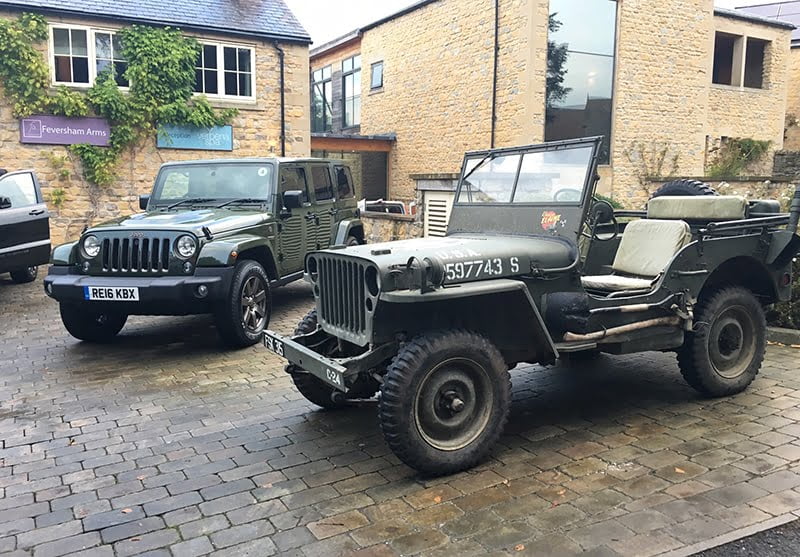
As we arrived at the Jeep 75th Anniversary event in Yorkshire, the first thing we saw was a reminder of what this brand is about – a Second World War Willys-Jeep.

There are many brands that claim to offer models that can ‘go anywhere’ – most notably that British institution Land Rover. But the very first Land Rover, launched in 1948, was an attempt to build on a 4×4 that had been launched in 1941 as the US military’s vehicle of choice, and as a result had found itself in every corner of the world as part of America’s global war effort – the Jeep.

Willys Jeep alongside a current Jeep Wrangler
The Wrangler at back is directly descended from the WW2 Willys-Jeep.

Some say that the seven bars on the grille of every Jeep, perhaps the most famous aspect of the brand apart from that go-anywhere ability, is because it was the first vehicle to drive on all seven continents – others that the bars represent the seven wonders of the natural world, the seven seas… there are many stories.

Seven years ago, however, Jeep was in danger of writing its final stories. The financial crash was bringing the US auto industry to its knees, and Jeep owner Chrysler found itself filing for bankruptcy. The proverbial ‘white knight’ was Sergio Marchionne, head of Fiat, and Chrysler, and therefore Jeep, was merged into the Italian state brand to become Fiat Chrysler Automobiles.

Four years later Marchionne released his five-year growth plan for FCA, and with the SUV market booming Jeep was the prime focus, set to move “into territory where it’s never been before.” From 497,000 global sales in 2008, Jeep exceeded a million for the first time in 2014, followed by an even better year in 2015.

The UK has played a big part in that success. “We’ve had tough times but we are having real fun now because we are doing really well,” say Jeep’s UK head of brand Damien Dally.

Jeep Renegade
The Renegade is by far Jeep’s most successful model.

“(In percentage terms) 2013 saw us record the biggest growth on the UK market except MG and SsangYong,” Dally tells us. “In 2015 we were the fastest growing of all.”

And the momentum is continuing. At the end of 2015 Jeep’s 10,794 vehicles registered was 176 per cent better than in 2014. By the end of September 2016, the figure was 11,762, 39 per cent up.

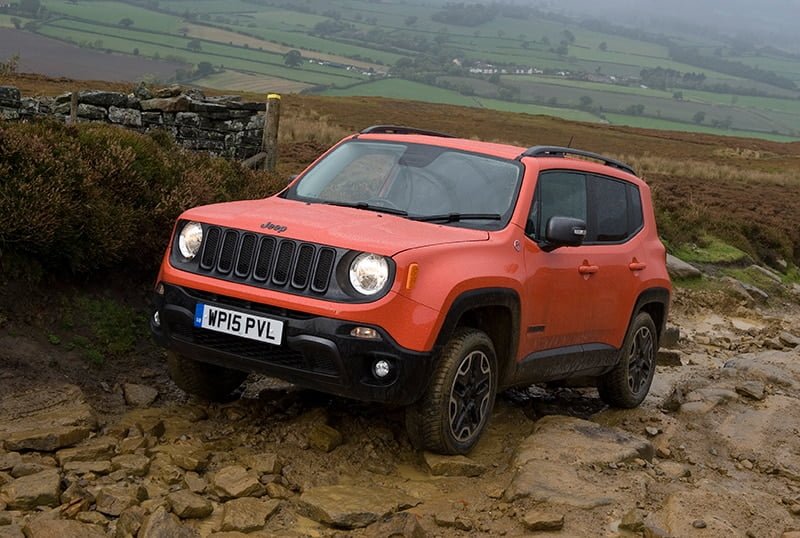
The one model that has transformed Jeep’s fortunes is the first we drive – the Renegade is a stylish SUV to properly compete in today’s mushrooming market, but it is still a Jeep. We are left in no doubt of that as the route directs us across the middle of a Yorkshire moor and up a ‘road’ that is nothing more than large slabs of rock at all sorts of crazy angles to each other.

The Renegade is by far Jeep’s most successful nameplate. Of the 12,500 cars the brand expects to sell in the UK in 2016, three quarters will be Renegades. It now outsells its direct rivals, the Skoda Yeti and MINI Countryman, and Dally is particularly pleased about beating the MINI on what is considered home turf.

And more is to come. Just unveiled is the Compass – it will be on sale in a year’s time, slotting between the Renegade and the larger Cherokee, and will play a major role in achieving Marchionne’s growth ambitions.

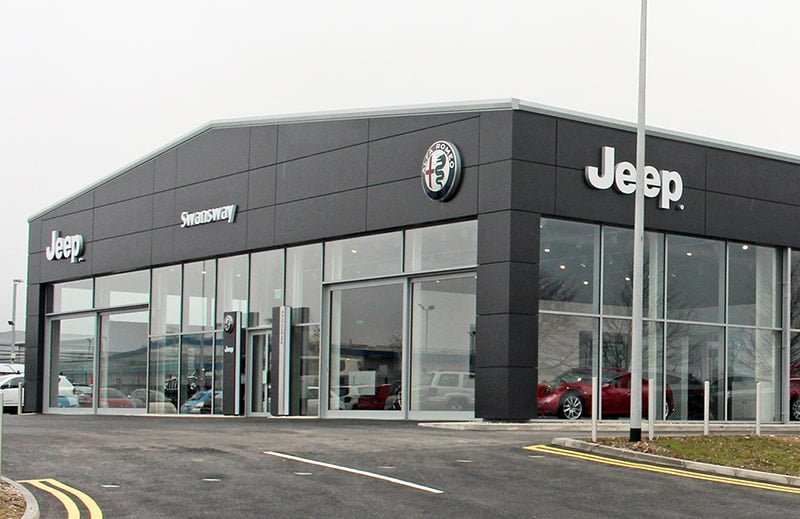
Jeep dealers are getting a new look, often shared with Alfa Romeo outlets.

So the product is there, and the dealers are following. Dally is proud of the fact that just five of Jeep’s current 68 outlets were with the brand in the Chrysler Jeep years. The network has been transformed, in both profitability, attitude and look. Several are in joint showrooms with sister brand Alfa Romeo; “It’s an absolutely deliberate strategy for us to partner with Alfa Romeo, we share similarities in the passion owners have for the brand. We’re making a big focus on customer experience.”

Dally emphasises that the priority in improving awareness of the Jeep brand is on owners of the cars; “We want to make every single one of them an ambassador for the brand, based on enthusiasm, passion, having fun, living life to the full.”

Jeep
Jeep showed off its prowess during the 75th anniversary event by setting up a ‘pop-up’ dealership on the cliffs above Robin Hood’s Bay, where only 4x4s could reach it.

It is not, however, about emphasising Jeep’s virtually unmatched off-road capabilities. Some believe that with Land Rover having temporarily at least abandoned its most traditional model, the Defender, and focused on its more upmarket and therefore more expensive models, that Jeep should be rushing to fill the gap with its veteran, the Wrangler – the model most closely related to the original Willys-Jeep. Dally doesn’t agree.

“We didn’t need to reinforce our 4×4 credentials. Instead we can reinforce our authenticity. It’s like wearing a TAG Heuer or Rolex watch – it might be accurate to 100/000th of a second, able to dive hundreds of metres, but very few owners will ever use those capabilities. They have the watch because ‘it can.’”

Everyone knows Jeeps can go extreme off-roading, he adds, but: “We very much distinguish the brand as about living life to the full. In our videos we always show people having fun – snowsports, surfing, mountain biking.”

And anyway sales of the Wrangler, built in the USA, are significantly production-constrained. “We’ve only ever sold 500 Wranglers a year in the UK – we sell every one we can get. I want to make the brand about passion, not fill a gap left by Land Rover.”

Such demand for the Wrangler has not stopped Jeep including it in the 75th anniversary limited edition range with bespoke liveries and upholsteries and extra equipment, along with on the two we tested a green paint finish appropriately dubbed ‘Sarge Green’.

Such special cars will celebrate Jeep’s big birthday in style but the future is about mainstream models, the Renegade, the Compass and more to come, as Jeep chases much bigger customer numbers attracted to the brand as much by the prospect of having fun as by climbing up a rocky gorge long after the road runs out…

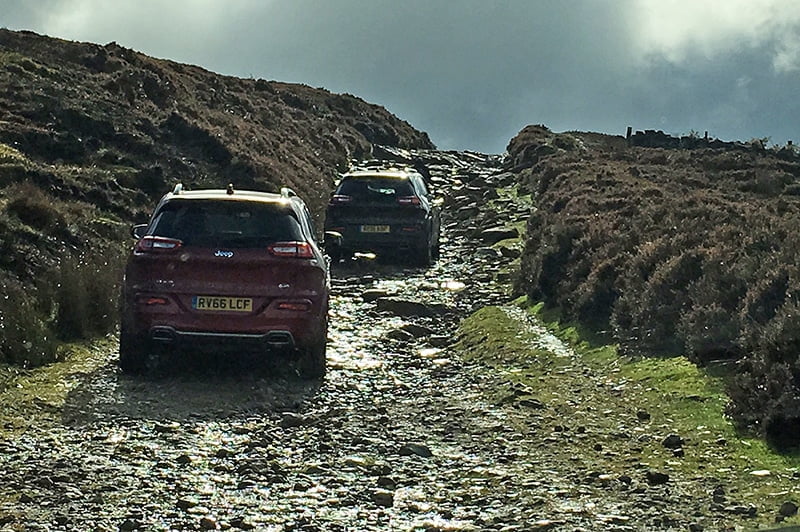
Jeep Cherokees on a rocky incline

What happens to the road tax when you sell your car?

The process for paying road tax when buying a used car in the UK changed two years ago, yet it still causes confusion among motorists today. We’ve updated this article from 2014 to bring you an up-to-date explanation of how it all works.

Before October 2014, a used car could be sold with any existing road tax (officially known as vehicle excise duty or VED) being carried over to the new owner. So if you bought a car which still had three months of tax left, you didn’t have to renew it for three months.

It was simple, straightforward and everybody understood how it worked. So obviously the DVLA decided to completely screw the whole thing up.

Starting in October 2014, road tax no longer carries over when you buy or sell a used car. Instead, the new owner has to purchase road tax before taking possession of the vehicle from the previous owner.

Understandably, this creates more hassle for buyers, as you have to either go online or call the DVLA and pay road tax before you can drive off in your car – even though the previous owner has already paid road tax for the vehicle.

Because the DVLA is antiquated and unable to cope with the 21st-century world we live in, it is only able to process road tax on a monthly or annual basis. So if you buy a used car on the 15th of the month, you have to pay road tax for the whole month.

But the previous owner will not be refunded for road tax already paid for that month. Therefore the DVLA has effectively double-taxed the vehicle for that month.

V5C logbook, UK registration certificate for road tax

Even if you’re giving your car to another family member at the same address, the tax won’t carry over. Both buyer and seller have to tax the car for a full month each time a used car is sold or transferred.

More than eight million used cars are sold each year in the UK. Obviously not all of them are already taxed at time of purchase, but it still means that the DVLA is effectively stealing millions of pounds from British motorists each year by double-taxing sold used cars for a month.

Road tax when selling a car: what do you need to do?

Since you can’t sell a car with road tax anymore, the existing tax will be cancelled as soon as the DVLA processes your notification of the ownership being transferred.

As a seller, you need to notify the DVLA immediately when you sell your car (or transfer ownership) to someone else. You will only receive a refund for any whole months of road tax outstanding, so if you sell your car on the first of the month then you still have to pay for that full month of road tax.

Unlike practically every other organisation on Earth, the DVLA can’t grasp the concept of billing by day rather than by month. It’s perfectly happy to rip off British motorists with the government’s blessing.

If you fail to notify the DVLA that you are no longer the registered keeper of the vehicle, you could be fined up to £1,000.

Road tax when buying a car: what do you need to do?

When you buy a used car, you must pay road tax before driving off in the vehicle. Even if your car is just parked in the street, you must pay road tax.

You can pay your road tax:

  • Online (24 hours),
  • By phone on 0300 123 4321 (24 hours)
  • At a post office (during business hours only, and not every post office handles vehicle tax).

Unhelpfully, you also can’t set up a direct debit over the phone; only online or in person.

If you fail to pay the DVLA before driving away, you could be fined £80, or a maximum £1,000 if the fine is not settled within 28 days. And of course, you won’t be insured if you’re not taxed.

No road tax = no insurance

If your car is not taxed then it will also not be insured (unless you are driving it directly to an MOT station). So not only are you liable to be fined, but if you are involved in an accident or have your car stolen, your insurance will not be valid.

If your scrap or export your car, you need to notify the DVLA and a apply for a Statutory Off Road Notification (SORN). This remains applicable as long as the car is off the road. However, you can’t put the car back on a public road – even if it’s just parked on the street – until you pay road tax again.

How are road tax transgressions enforced?

When changing the 2014 road tax rules, the DVLA decided to do away with the familiar round tax discs, which previously had to be displayed in every car’s windscreen. So it’s no longer possible for a policeman to notice the tax disc on your car is out of date and whack you with a fine. However, that very rarely happened anyway.

Today, road tax checks are all done electronically. Police use Automated Number Plate Recognition (ANPR) cameras to catch owners of untaxed vehicles on the road, and have been doing so long before the tax disc was taken out of circulation.

The DVLA makes vehicle database checks on vehicles every month. It can clamp your vehicle if you haven’t paid your road tax, and then force you to pay a release fee of £100 to be unclamped. Alternatively, your car may be impounded. That means you’ll have to pay a fee of £200 to release your car – and prosecution costs and fines may also apply.

Initial chaos has now subsided, but at a cost

Predictably, turning a perfectly simple and sensible system into a far more complex one caused widespread chaos throughout the UK. Many thousands of used car buyers were caught out by the changes, and many motor traders were confused by the changes as well.

This resulted in many used cars going untaxed for several months until owners realised (usually about the time their insurance or next road tax bill was due).

Organisations including the RAC warned that the number of untaxed cars would skyrocket under the new system. Yet the DVLA rubbished those claims, describing them as “nonsense”. So no-one was surprised (except the DVLA, presumably) when that’s exactly what happened.

The number of unlicensed vehicles more than doubled in the year after the new rules were introduced, with more than 560,000 untaxed vehicles costing the country a claimed £80 million. What’s more, two years later it appears that the system is still failing, with hundreds of millions of pounds lost.

Clearly, the massive increase in untaxed vehicles is unlikely to be the result of hundreds of thousands of motorists suddenly deciding to become VED-dodging criminals. The figures suggest that the system is at fault. Of course, getting the DVLA to accept its failure is unlikely.

There’s also the probability that at least some of the increase is down to vehicles no longer carrying tax discs in their windscreens, so owners are less likely to notice if their tax has expired.

The DVLA claimed that doing away with tax discs would save the country millions. But so far it looks like it has lost far more than it saved.

This article was first published in September 2014 and has been updated in October 2016 to reflect the number of questions we continue to receive about the workings of the UK vehicle registration process.

Mini Countryman plug-in hybrid to launch in 2017

1

Mini will launch its first plug-in hybrid in 2017, a version of the Countryman SUV.

The electric Mini forms part of the second-generation Countryman range, which will also be offered with conventional engine options. The new model is expected to be unveiled in the next few weeks.

Mini is not currently giving details of the plug-in hybrid powertrain, though it is expected to be based around the 1.5-litre three cylinder turbo engine. The engine will power the front wheels of the car, the electric motor the rears.

According to the car’s designers the car will be capable of up to 50mph in standard ‘AutoeDrive’ electric mode, and up to 78mph in a ‘AutoeMax’ mode – well beyond electric-only modes in typical hybrids.

With both combustion engine and electric motor working together, the hybrid is said to “demonstrate unparalleled acceleration performance when compared with its combustion-only siblings.” However no figures are being quoted at this point.

Part of the electric ability is due to a new high-voltage battery unit that is housed under the car’s rear seats, while the charging socket is discreetly hidden in the left scuttle.

The car also has a ‘Save Battery’ mode, which when pressed has the engine power the car while the battery can be recharged using a generator.

Few further details are yet being released concerning either the hybrid or the new Countryman range as a whole, though judging by prototypes seen testing the styling of the new model will not change radically over the current car.

Special edition Mitsubishi Outlander PHEV Juro

Mitsubishi has launched a special edition of its big-selling Outlander PHEV called the Juro, as it celebrates a milestone in plug-in hybrid sales.

The Juro basically amounts to a free satnav unit on top of the mid-spec GX3h+ model, but is likely to further help sales of Mitsubishi’s successful hybrid SUV.

The company is reporting 25,000 UK sales of the Outlander PHEV range since it was launched just over two years ago. Mitsubishi points out that the entire plug-in hybrid sector achieved less than 1,000 registrations in 2013, the year before the Outlander PHEV was launched. Of course, there have been more than a dozen other plug-in hybrid launches over the same period, but the Mitsubishi commands about half of the market.

Over its first half-year in 2014, the Outlander PHEV achieved 5,354 registrations, followed by 11,681 registrations in 2015 and another 7,800 registrations to the end of September this year.

In fact, it has been so successful that electric charging point provider Ecotricity has blamed the Outlander for single-handedly increasing the cost of charging across its stations throughout the UK.

The special edition Juro is priced at £32,749 (on-road, including the government’s plug-in car grant). Based on the identically-priced GX3h, it gets a touchscreen infotainment unit with TomTom satellite navigation, DAB radio, CD/DVD player and smartphone integration.

Mechanically, the Juro is identical to the rest of the Outlander PHEV range, running a 2.0-litre petrol engine linked to an electric motor and battery. It is capable of running up to 32 miles in electric mode.

Finance and home charging offers to keep sales momentum up

Despite the growth in the plug-in hybrid market, the Outlander continues to dominate registrations. However, Mitsubishi is keen to maintain that momentum , and is currently offering finance offers and a free home charging unit on all new Outlander PHEVs as well.

The company is currently offering a three-year, zero deposit and interest-free hire purchase deal, or PCP offers with a deposit contribution of £2,500 (although interest and fees are still payable on PCP offers). Mitsubishi is also offering free supply and installation of a 3.6kW Chargemaster Homecharge unit to all Outlander PHEV buyers, which allows a 60% faster charge rate than a standard 13A wall socket.

Alfa Romeo Giulia on sale from £29.2K

0

Alfa Romeo has started taking orders for its new Giulia sports saloon, the car the Italian brand hopes will challenge the BMW 3 Series.

Available in five trim levels and with four engines, the most powerful of which boasts a sub four-second 0-62mph time, the Giulia is expected to sell on a combination of its rear-wheel drivetrain and perfect 50/50 weight distribution.

Prices will start from £29,180, and the powertrain choice will be between a 2.0-litre turbo petrol unit of 200hp, a pair of 2.2 diesels with either 150 or 180hp, and the range-topping Quadrifoglio with its 3.0-litre V6 of 510hp.

The 2-litre petrol unit will only be available with a new eight-speed auto transmission with steering-wheel paddles –the two diesels are also set to be offered with six-speed manual units.

The five trim levels are dubbed Giulia, Super, Tecnica, Speciale and Quadrifoglio and all can be ordered now except for the Speciale, for which orders open later in October. Quadrifligio prices start from £59,000.

Alfa Romeo Giulia Quadrifoglio

All Giulias are supplied with a wide suite of safety aids, which helped the car gain a EuroNCAP five-star safety rating with the highest 98% adult protection score yet recorded in a crash test.

Even entry-level Giulias include Forward Collision Warning (FCW) with Autonomous Emergency Brake (AEB) with pedestrian recognition, Integrated Brake System (IBS), and Lane Departure Warning (LDW) among their standard equipment.

Alfa Romeo UK country manager Damien Dally insists that the Giulia is a true driver’s car. “(It offers) beautiful Italian styling and stunning performance, and so we’re delighted to see strong early interest in the car,” he adds.

The first Giulia demonstrators are expected in dealer showrooms in November.

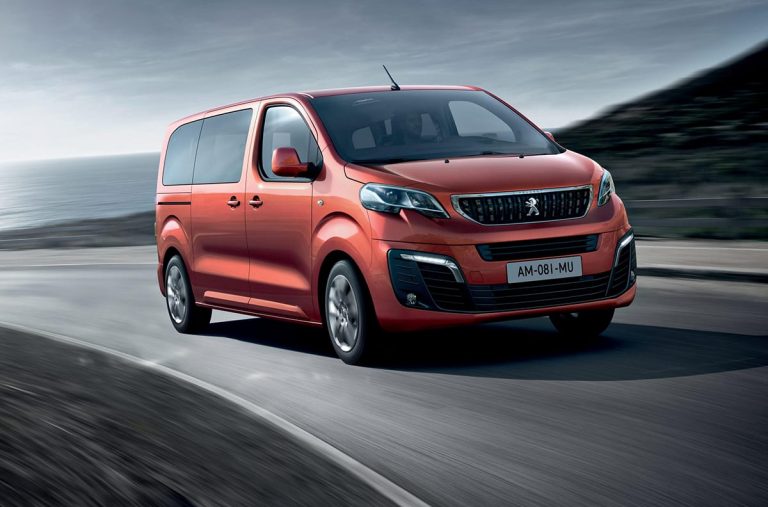
Peugeot Traveller review

What is it?

All-new VIP shuttle/MPV with wide-ranging specifications


What’s new?

Peugeot launches its new MPV, based on the equally new Expert van, into the market clearly targeting VIP shuttle work. The new Traveller is built on the latest EMP2 (Efficient Modular Platform) architecture that allows a great deal of versatility.

Peugeot-Traveller

As a result, the Traveller can be ordered in compact, standard and long options with 70cm between the shortest and longest. Peugeot describes the Compact version, measuring 4.6 metres long, as unique in the segment and also highlights the Traveller’s roof height, which at 1.9 metres will allow it to access most multi-storey car parks.

UK versions of the Traveller can be had with a four-strong range of engines, all being the brand’s latest Euro 6 compliant Blue HDi diesel units varying from 95 to 180hp. Depending on model they are matched to five or six-speed manual gearboxes or the ETG6 or EAT6 auto units.

Peugeot is offering the Traveller in two distinct ranges, for either private customers or the professional market, with an interior layout encompassing five, seven or eight seats. The range of options is wide, from a Business Plus version with a lounge seat cabin featuring four seats facing each other, to a variant designed to convey as many people as possible and their luggage – even the Compact will seat eight.

Peugeot-Traveller

The middle seats slide and fold forward easily to allow access to the rear row, while with Peugeot targeting the shuttle sector plenty of upmarket technology and comfort features are available.

For the passengers these include hands-free sliding doors on both sides, a glass roof panel, tri-zone climate control and leather seats can all be specified, while the driver gets such niceties as a head-up display, road-sign recognition and Peugeot’s first use of its new voice-control connected navigation and real-time traffic information.

What do we think of it?

Our brief drive of a Traveller during an industry test day was in the standard length version and one is immediately taken by its compact height, not towering over other cars as is typical of such vehicles.

Sitting in the passenger cabin, however, proves there is no compromise in headroom, an advantage of the new modular EMP-2 platform. Luggage space is plentiful too though not very deep unless you remove the rear seats – it’s fine for piling suitcases on top of each other.

The 150hp engine of our test vehicle is the second most powerful in the range. While not exactly lightning fast, no surprise in such a large vehicle, it is highly flexible. – the maximum torque of 370Nm comes in from a low 2,000rpm making for excellent in-gear acceleration, which in turn translates to easy progress particularly in congested traffic.

1610-peugeot-traveller-04

The driving position is notably elevated, and with a large glasshouse the all-round view is impressive, further aiding progress.

Verdict

Initial impressions suggest that Peugeot has created a significant new contender for several areas of the MPV market, from carrying as many people as possible to luxury VIP transport. Private buyers in particular will find cheaper alternatives, partly because the Traveller is not offered in a real base entry-level specification. But equally it could offer savings against other potential rivals, particularly from German makers – potential buyers should certainly include it on their comparison lists.

Peugeot Traveller – key specifications

Models tested: Peugeot Traveller Allure STD BlueHDi 150
Price: £36,985 on the road (range starts £27,920)
On sale: September 2016
Engine: 2.0-litre diesel, 150hp, 370Nm (4 diesels in range)
0-62mph and max speed: 11.0sec, 106mph
Economy and CO2 emissions: 53.3mpg, 139g/km
Key Rivals: Volkswagen Caravelle
Test date: September 2016

1610-peugeot-traveller-05

Skoda Kodiaq priced to compete at £21.5K

0

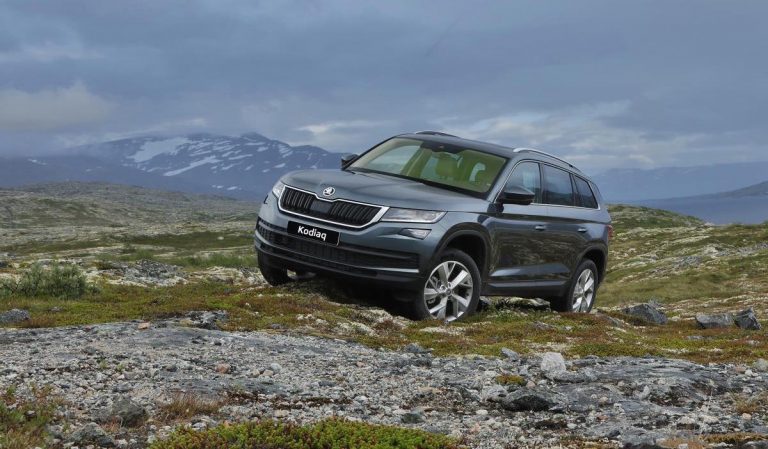
The Skoda Kodiaq SUV will cost from £21,495 when it arrives in UK showrooms in April 2017.

The price is highly competitive, significantly undercutting what are expected to be the Kodiaq’s major rivals such as the Nissan Qashqai.

Order books open in November for the car, Skoda’s first seven-seater SUV and regarded as the Czech manufacturer’s most important new model for some time.

Six engines will be available – the three petrol options ranging across a 1.4 TSI unit of 125hp in front-wheel-drive and six-speed manual gearbox, a 150hp manual version with a 4×4 gearbox or DSG six-speed auto in both FWD and 4WD, and a 2.0 TSI with 180hp and a seven-speed version of the DSG box with 4WD.

All three diesels are 2-litre units. Buyers will be able to choose from initially a 150hp with a six-speed manual gearbox and 4WD or the seven-speed DSG in both front and 4WD versions, and a range-topping 190hp version, with the DSG and 4WD.

1610-skoda-kodiaq-01

Some months after launch an entry-level 115hp version of the 2.0 TDI will join the range, with FWD and a manual gearbox only.
Skoda will offer 24 versions of the Kodiaq across the three familiar trim levels of S, SE and SE L, plus a new range-topping grade dubbed Edition.

Entry-level S models include as standard LED daytime running lights, 17-inch alloy wheels, a leather steering wheel with controls on it, manual air-conditioning. the Front Assist driver-aid, and a touchscreen infotainment system with DAB digital radio and the SmartLink smartphone connectivity.

SE models start from £22,945 – or £1,000 extra with seven seats. The alloy wheels grow to 18 inches, and tinted glass, cruise control and rear parking sensors are added, along with an eight-inch version of the infotainment system, dual-zone climate control, auto wipers and headlamps and auto-dimming rear-view mirrors.

Major additions to the SE L specification, costing from £28,595, include the seven seats as standard, 19-inch alloys, a power tailgate, a navigation system with WiFi, drive modes, Alcantara upholstery, heated front seats and LED headlamps.

Finally the new Edition grade, from £30,695, includes a bespoke 19-inch alloy design, metallic paint, chrome roof rails, wireless charging and a host of driver aids, among them Lane Assist, High Beam Assist and Blind spot detection.

Skoda has made no secret of regarding the Kodiaq as the spearhead of a crossover offensive – industry sources suggest the range will eventually grow to five separate models.

Kodiaq

New BMW 5 Series saloon revealed

0

BMW has officially revealed its seventh-generation 5 series saloon today, mixing evolutionary design with technology borrowed from the flagship 7 Series range.

The company chose to wait until after this month’s Paris motor show to show its latest model, to ensure it gets plenty of exposure rather than competing with dozens of other vehicle launches and industry announcements. The vehicle is expected to make its public debut at the Los Angeles motor show in November.

BMW claims the latest model is more refined than ever before, significantly lighter, safer, and more fuel efficient. A newly-developed modular engine range contributes significantly largely to performance and economy gains, while lightweight materials have helped with reducing the kerb weight.

Inevitably, the latest model has grown longer and (fractionally) wider, and its external dimensions are slightly longer than its age-old rival, the Mercedes-Benz E-Class. Cabin pace is also improved, especially for rear passengers, and the boot has grown to 530 litres.

The new 5 Series features a host of driver assistance systems, including an evasion aid and steering assistance which form part of an optional Driving Assist Plus package. The steering and lane control assist system functions in a similar fashion to the Tesla Autopilot system, keeping the car within its lane and allowing hands-off driving at up to 130mph. The traffic sign recognition system can also detect if other vehicles have priority, and alert the driver accordingly.

Both exterior and interior design display a clear evolution of the previous 5 Series, as well as influence from the newer 3 Series and 7 Series models. The overall look is significantly sharper than the old model. BMW claims that the drag coefficient has been reduced by 10 per cent, with a class-leading figure of 0.22 for the entry-level eco model.

From launch, the new 5 Series will offer two petrol and two diesel engines, with another diesel option set to join the range shortly afterwards. The petrol models will be the 530i 2.0-litre four-cylinder, developing 252hp, and the 540i xDrive 3.0-litre six-cylinder 340hp all-wheel drive model. The diesel offerings will be the 520d 2.0-litre generating 190hp and the 530d 3.0-litre six-cylinder engine, producing 265hp and an enormous 620Nm of torque. Both diesel models are available in either rear-wheel drive or all-wheel drive format. An eco-version of the 520d will join the range soon after launch, with a similar power output to the regular 520d version but lower emissions and a more limited specification.

A plug-in hybrid model will also be added to the range in coming months. The BMW 530e iPerformance combines the petrol engine from the 530i model with an electric motor to deliver 252hp and a claimed electric range of 28 miles.

Full UK prices and specifications for the new 5 Series will be available in coming weeks, so stay tuned to The Car Expert for more details.

Toyota and Suzuki look to join forces

The latest example of car manufacturers working together could well be Toyota and Suzuki.

The two Japanese firms have announced that they “have agreed to start exploring ideas directed towards a business partnership.”

Such a potential tie-up would bring benefits to both sides. Suzuki is renowned for its expertise in producing small cars, notably 4x4s, while Toyota has the research and development muscle in advanced and future technologies that are fast becoming essential in the automotive market.

“The industry is required to work not only on conventional automobile research and development, but also on R&D for advanced and future technologies in fields such as the environment, safety and IT,” the two manufacturers say in a joint statement.

“In addition to the work conducted by individual companies, it is increasingly important to work together with other businesses in areas such as infrastructure development and the setting of new industrial standards.”

The statement adds that Suzuki feels “increasingly uncertain” in the face of the research that is going into future technologies in cars, such as in safety, infotainment and environmental awareness. Whereas Toyota feels that it may be behind rivals in partnering up with companies to make the most of its research.

“As the environment which surrounds the automobile industry has been changing drastically, we need to have the ability to respond to changes in order to survive,” says Toyota president Akio Toyoda.

The two add that they might be open to other manufacturers joining them in a collaboration. Toyota has better experience of such tie-ups – most recently for example it has undertaken a joint programme with BMW that will produce the next BMW Z5 and Toyota Supra as hybrid cars.

Suzuki, however, famously broke off a joint venture with Volkswagen in 2015, with recriminations on both sides and the Japanese brand buying back the one-fifth stake the German giant had taken in it.

No details are available yet on what kinds of cars the new potential tie-up might produce – these will likely emerge as discussions between the two continue.

Toyota-Suzuki
Toyota’s President Akio Toyoda and Suzuki chairman Osamu Suzuki announce the potential tie-up.

Nissan GT-R Nismo range-topper jets in

0

Nissan will start taking orders for its range-topping GT-R Nismo in November, at a UK price of £149,995.

The coupe’s creators describe the car as the pinnacle of the GT-R range, “a high-performance race car for the road which takes the very best of the super-coupe’s legendary Japanese heritage, then enhances the iconic design and state-of-the-art technology even further.”

The GT-R Nismo achieves this through a 600hp version of the 3.8-litre V6 twin turbo engine, a 30hp increase over the previous most powerful version. The high-flow large diameter turbochargers are sourced from the versions used in the brand’s GT3 international race cars.

A six-speed dual clutch gearbox with paddle shifts is fitted as standard, along with an all-wheel-drive transmission.

Other upgrades over the standard version of the latest GT-R include the formation of the front bumper entirely from carbon-fibre composite to save weight, while to aid cooling the grille is larger.

Revised body styling increases downforce and airflow around the wheels, Nissan stating that the GT-R NISMO produces more downforce than any other previous production model from the brand. Cornering performance is claimed to be two per cent better than other GT-Rs.

Inside the upgrades include Alcantara leather on the dash, steering wheel and centre armrest, and the fitting of bespoke Recaro bucket seats in carbon fibre, leather covered with red Alcantara inserts.

1610-nissan-gtr-nismo-02

Mazda launches hard-top version of new MX-5

0

Mazda is to offer a version of its latest MX-5 with a retractable hard-top.

The MX-5 RF (Retractable Fastback) goes on sale in March 2017, at prices ranging from £22,195 to £28,995 – these £2,000 more than the fabric-roofed versions.

The much-anticipated move follows on from previous versions of the MX-5 which have also spawned hardtop variants. These became more popular than their fabric-roofed siblings, accounting for more than three quarters of sales in the UK.

For the well-received Mk4 version of the roadster, Mazda has conceived a hard top in four pieces. When it is lowered the front and middle sections are stored together, the rear glass sits behind the seats and the rear roof section remains in place, which Mazda says creates a unique open-topped look.

RF models will include a 500-strong Launch Edition. Costing £28,995 and powered by the larger of the MX-5’s two engine options, the limited run will offer a bespoke twin-tone roof, BBS wheels, black door mirrors and a black rear spoiler. The interior gains Alcantara trim and Recaro seats.

The Launch Edition will be available with a choice of free-of-charge Soul Red or Machine Grey metallic paint, and includes a Safety Pack – comprising High Beam Control and Blind Spot Monitoring with Rear Cross Traffic Alert – as standard.

Order books for the MX-5 RF are open and Jeremy Thomson, Managing Director of Mazda Motors UK believes it will replicate the success of its predecessors; “It will add a unique and stylish model to our range, one that stands distinct from the MX-5 Convertible, yet retains all the award-winning driver appeal our sports car is famed for.”

MX-5