Find an Expert Rating: 
Home Blog Page 161

Volkswagen Tiguan gets more power

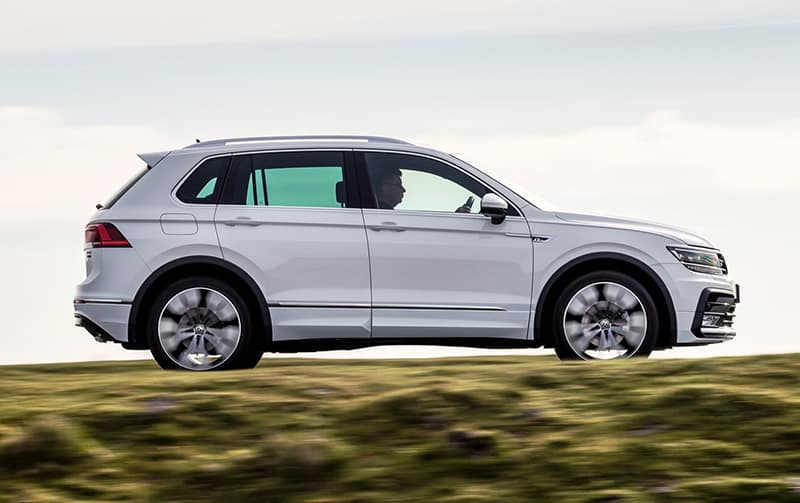
Volkswagen has boosted the engine range on its new Tiguan with a 240hp turbo diesel and a 180hp turbo petrol unit, which will be available exclusively on its top-level models.

The 2.0-litre BiTDI twin-turbo diesel engine is the same unit fitted in versions of the Passat. Available only with Volkswagen’s 4MOTION all-wheel drive system and driving through a seven-speed DSG double-clutch automatic gearbox, it is claimed to accelerate from rest to 62mph in 6.5 seconds.

The 2.0-litre TSI turbo petrol engine is already widely across various models in the wider Volkswagen Group. In the Tiguan, it is available with either a six-speed manual or seven-speed DSG automatic transmission. Both versions feature 4MOTION all-wheel drive and claim a 0-62mph time of 7.7 seconds.

The Tiguan is one of the safest mid-size crossovers on the market, scoring five stars in Euro NCAP crash tests earlier this year.

The new engine additions are only being offered in either SEL or R-Line specification. They are available to order now, with pricing ranging from £30,540 to £38,640 on-road.

Volkswagen Tiguan R-Line

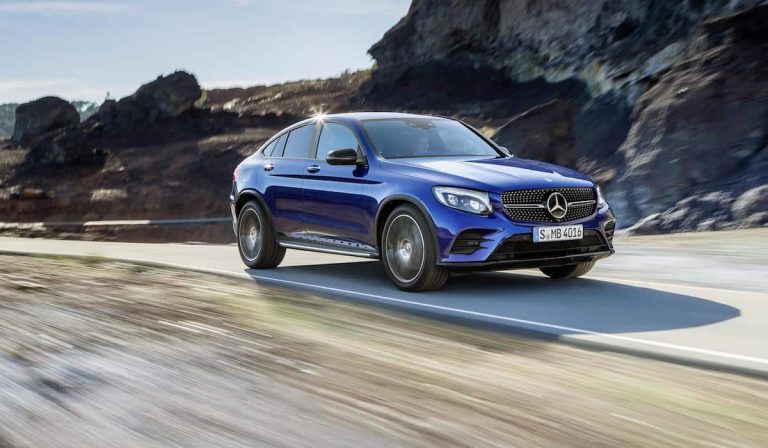
Mercedes-Benz expands line-up for E-Class estate and GLC coupé

Mercedes-Benz is rolling out a wider range of engines for its E-Class estate and GLC Coupé crossover ranges, mirroring the offerings for the E-Class saloon and regular GLC  ranges. Minor specification updates have also been made.

Of most interest to UK buyers will be the new diesel engine options, with the E-Class estate getting a new E200d version of the latest OM654 four-cylinder diesel engine. Rated at 150hp, it becomes the new entry-level model for the range and sits under the 195hp E220d version available from launch. Buyers will pay about £1,500 less for the lower-output version.

Both the E-Class estate and GLC Coupé are also now available to order with the familiar 260hp 350d 3.0-litre V6 diesel engine found in other Mercedes-Benz models.

All E-Class estate models are now available to order with Mercedes’ traditional rear-facing third-row seats in the boot. Only suitable for children under 115cm (3ft 9in) tall, the seats fold away into the boot floor when not in use.

A load securing kit is also optionally available for all E-Class estate models, using familiar rails and a telescopic bar to keep luggage in one place during your journeys.

Mercedes-Benz E-Class estate

The E220d estate is also now available with 4MATIC all-wheel drive, for a £1,500 premium over the rear-wheel drive version.

The E-Class saloon recently scored a five-star crash test rating from Euro NCAP, and the same safety features and systems are available on estate versions. The GLC SUV also scored five stars when tested last year, and again there is no reason to suggest the Coupé version would achieve a lesser result.

Mercedes-AMG versions added to the line-up

Both vehicles are now available with a 3.0-litre twin-turbo V6 petrol engine in the Mercedes-AMG E 43 estate and GLC 43 Coupé, both with 4MATIC all-wheel drive. The engine produces 400hp in the E-Class estate but is detuned to 367hp in the GLC version.

A carbon fibre package is also available for the E 43 estate and saloon models, although £1,755 for some carbon fibre mirror casings seems somewhat indulgent. At least the saloon version also comes with a carbon rear lip spoiler as well.

All models listed above are available to order now, with the first vehicles expected to arrive in December.

Record September for new car registrations

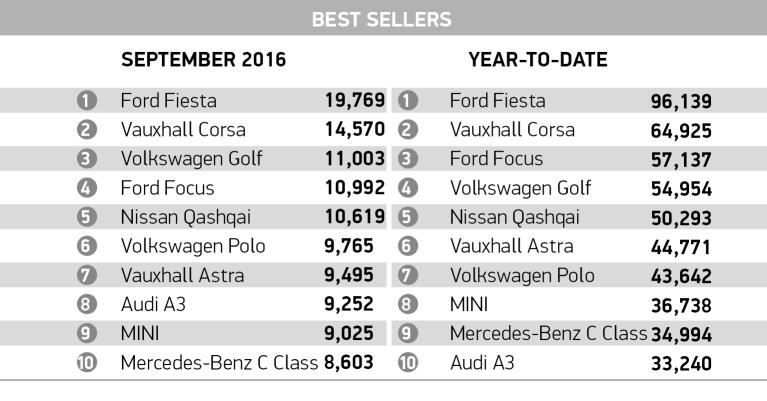
Nearly 470,000 new cars were registered last month, giving the UK its best September on record, according to figures published today by the Society of Motor Manufacturers and Traders (SMMT).

The September 2016 result of 469,696 new cars was an increase of 2% year-on-year. All of that growth came from registrations in England, which grew by , while registration numbers fell across Scotland, Wales and Northern Ireland.

Year-to-date, the new car market is running 3% above 2015 figures. September is often the busiest month of the year for new car dealers, with the biannual number plate change prompting a mini boom after what is often a flat August in showrooms.

Fleet sales drove most of the growth, with an increase of 7% on September 2015 results, while private and business registrations were both down. Diesel-powered cars made a bit of a comeback, with 3% more vehicles registered than for September last year. Petrol-powered cars still comfortably lead the market, despite a 1% fall compared to the same month last year.

Alternatively-fuelled vehicles continued their growth, up 33% on last year but still only making up 3% of the total vehicle market.

Ford Fiesta still leading the way

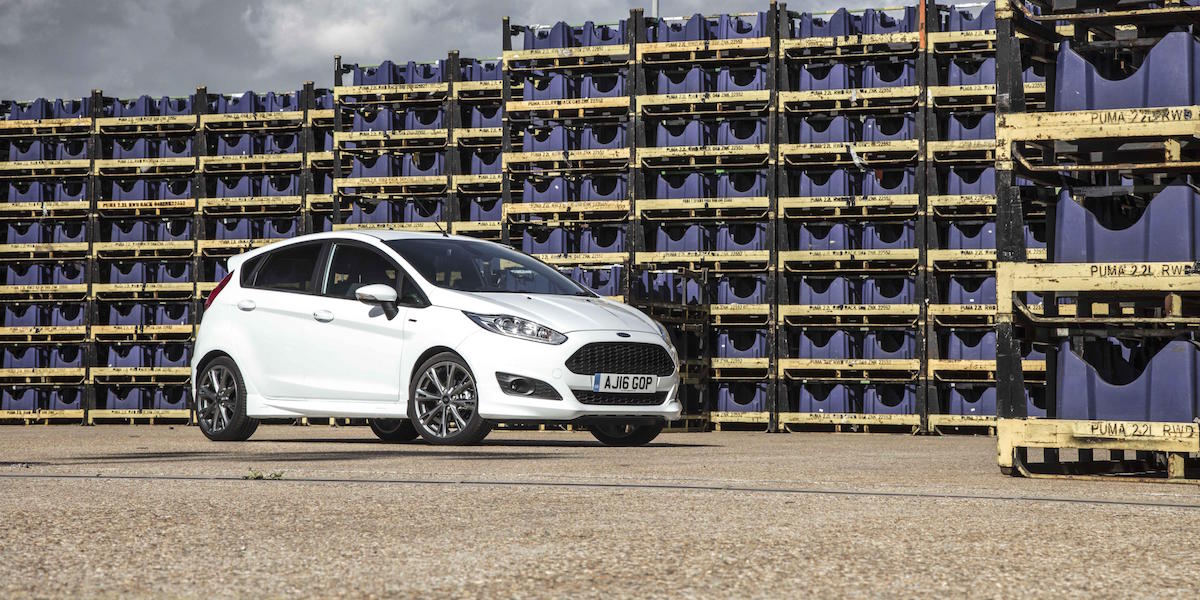
Ford Fiesta ST-Line

Looking at individual vehicles, the Ford Fiesta continues its reign at the top of the charts, ahead of the Vauxhall Corsa. The Volkswagen Golf pipped the Ford Focus by only 11 units for third place, followed by the Nissan Qashqai, Volkswagen Polo, Vauxhall Astra, Audi A3, Mini hatch and Mercedes-Benz C-Class.

Mike Hawes, SMMT chief executive, said: “September is always one of the biggest months for Britain’s new car market. The new 66-plate, combined with a diverse range of exciting new models featuring the latest technology, has certainly helped draw buyers into showrooms and many are taking full advantage of the attractive deals and low interest financing options on offer.

“However business and consumers place September orders many months in advance, so the ability of the market to maintain this record level of demand will depend on the ability of government to overcome political uncertainty and safeguard the conditions that underpin consumer appetite.”

Car registrations, September 2016

Fiat 124 Spider review

0

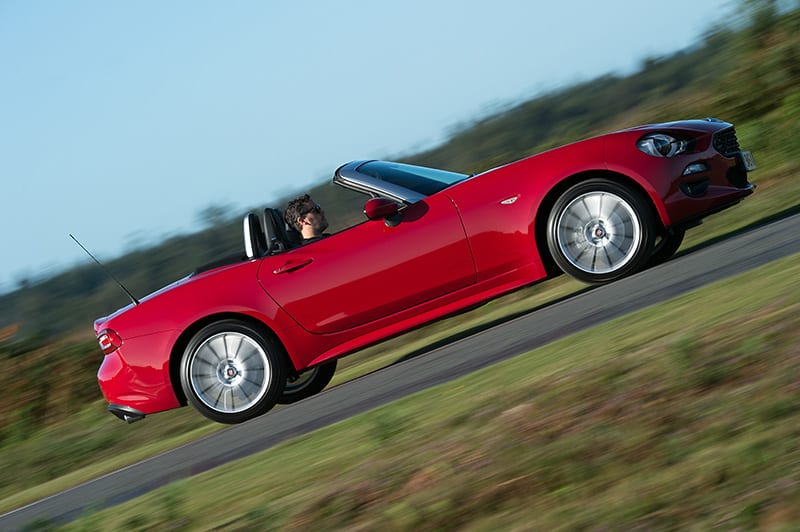
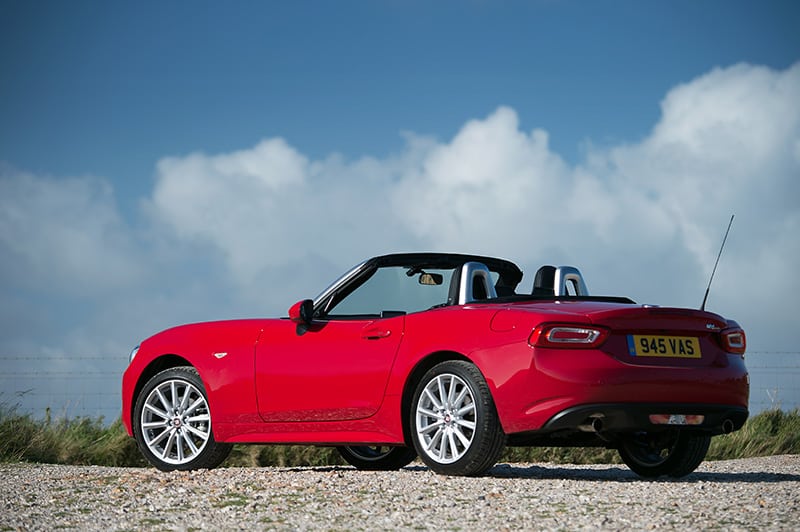
What is it? The new 124 Spider is a two-seat roadster, reviving an iconic Fiat nameplate.
Key features: Mazda MX-5 underpinnings, turbo engine.
Our View: Fiat has a big history in drop-top roadsters. But there has not been one in the Italian brand’s line-up since the demise of the Barchetta, back in 1995. And that was only made in left-hand-drive…
Type of review: First UK drive


According to Pietro Carminati, in charge of selling Fiat’s new drop-top in the UK, one of the most regular questions that is coming from potential buyers is, “You are making it for us, in right-hand-drive, aren’t you?”

1609-fiat-spider-08

The 124 Spider is indeed being made as a UK car, as Fiat calls upon every element available to ensure that the revival of one of its most iconic roadsters hits the mark. The original 124 Spider, made between 1966 and 1980, is also the most fondly remembered drop-top. It was the most successful, with more than 600,000 made, of which in Europe alone more than 5,000 are still on the roads today. But equally importantly it changed people’s perception of Fiat – proved the brand could make cars that were all about fun.

So big shoes, and Fiat has gone about filling them in a highly practical way. The most successful roadster of the last 25 years, by miles, is the Mazda MX-5, and the most recent version launched in 2015 is the best since the first. So having signed an agreement with the Japanese brand to use the platform and chassis of the MX-5 for its new model should give Fiat some confidence…

There is a lot of insistence, however, that the 124 Spider is not merely a rebadged MX-5. “Yes our platform is shared with Mazda but we are very happy about it,” Carminati insists. “When you develop a proper lightweight roadster there’s nothing better than starting with the best in the market over the last 25 years, rather than as some brands do cutting the roof from a B segment platform and then trying to restore the rigidity, adding weight to make it stiff.”

The styling, he adds, is totally Italian, evolved directly from the lines of the original 1966 Spider. The car is larger than its Japanese relation and rival, 139mm longer and 5mm wider, and looks it. And the Fiat is more about curves than the distinct lines evident in the latest MX-5, but it turns heads in the right way – the looks we got on the launch route were admiring.

Slip behind the wheel and you immediately feel in quality surroundings – Carmanati insists that the aim was “an Italian touch and feel to the car, a more premium and grown-up feeling.” And it’s achieved by plenty of soft-touch plastic, some nice piano black and satin chrome detailing and leather on the steering wheel and gearknob, even on entry-level cars. Choose the top trim, as was our test car, and the seat becomes leather too, if not that substantial – it doesn’t feel quite as snug as perhaps it should in a car like this.

The big difference between Mazda and Fiat is in the powertrain. While MX-5 buyers have a choice of 1.5 or 2.0 litre normally-aspirated petrol engines, Fiat installs its 1.4-litre Multiair unit, complete with turbocharger.

At 140hp, it’s closer to the 1.5 Mazda’s 131hp than the 2.0-litre’s 160. But thanks to the turbo there’s a lot more torque on offer, 240Nm which is 90 more than the 1.5 MX-5 and 40 over the 2-litre. And the grunt comes in lower, from around 2,000rpm.

All of which means one drives the 124 Spider in a different way. Through a challenging set of twisty bends, the MX-5 is all about revving high and changing gear, whereas the Spider can be left in gear to flow through each twist, using the torque to best advantage.

So in a way it’s a more relaxing car, a different kind of fun. And one needs to remember that the majority of one’s time in the car will likely be spent in ‘normal’ driving, sitting in queues, on urban roads where traffic lights impede progress every few hundred yards, and in such situations it is very well behaved. “If you want to sit back and enjoy the view (you can) while knowing that the power is there when you need it,” says Carmanati.

Yet the Mazda does feel more connected to the road than the Fiat. There’s less feel through the steering wheel in the Spider, you don’t carve the turns in quite the same way as the MX-5, and so it’s a little less involving. This is interesting because while Fiat says it has specifically tuned the suspension and steering, everything about the car – apart from that engine – is still basically Mazda.

We almost forgot the roof – to be honest during the launch we hardly had it up, because this like the Mazda is a car designed to be driven wind in the hair. It’s a manual hood and works in just the same way as the Mazda, put up, and more importantly down, virtually one-handed far faster than any electric motors could manage.

This report has turned naturally into a comparison as these cars will inevitably be direct rivals, and the choice between the two will be made no easier by the fact that 124 Spider prices start at £19,545, which is directly between the two MX-5 variants.

Fiat has kept the Spider range very simple – apart from the choice of exterior and interior colours, the options list has just a single item on it, and that’s only on the entry-level Classica model, upgrading its infotainment system.

Aside from Classica, you can have your 124 Spider as a Lusso or a Lusso Plus – we’ll ignore the Anniversary launch edition (celebrating 50 years since the first 124 Spider appeared) as it sold out long before the first cars arrived in the UK.

Classica models get such niceties as four airbags, air conditioning, the leather, audio controls on the steering wheel, cruise control, keyless engine start and USB, AUX and Bluetooth connectivity on the infotainment. That one option upgrades to a seven-inch touchscreen version with DAB, wi-fi, two USB ports and a multimedia control knob, and costs £500 extra.

The seven-inch system is standard on Lusso versions, and adds satellite navigation and a rear parking camera. For the £22,295 price tag Lussos also gain 17-inch alloy wheels instead of 16-inch, heated leather upholstery, automatic climate control, front fog lamps, keyless entry, chrome exhaust tips and a silver finish on the windscreen frame and rollover bars.

Pay another £1,000 for the Lusso Plus and the specification also includes adaptive LED headlamps, LED daytime running lights, automatic lights and wipers and a nine-speaker Bose sound system, with stereo headrest speakers on both seats.

Fiat tells us that early 124 Spider sales are hugely encouraging, and that only 15 per cent of buyers are choosing the Classica version. We are not surprised – the car includes many factors that have made the MX-5 such a success, but adds a different appeal of its own, while also being very good value. Want a roadster? You can now have twice as much fun choosing one…

Fiat 124 Spider – key specifications

Model tested: Fiat 124 Spider Lusso Plus
On sale: September 2016
Range price:
£19,545-£23,295
Insurance groups:
TBA.
Engines: Petrol 1.4-litre turbo.
Power (hp):
140.
Torque (Nm):
240.
0-62mph (sec):
7.5.
Top speed (mph): 134.
Fuel economy (combined, mpg): 44.1.
CO2 emissions (g/km):
148.
Key
rivals: Mazda MX-5
Test Date: September 2015

1609-fiat-spider-11

Paris 2016: Sport and race models from Audi

The Audi stand at the Paris motor show sees the launch of several new models and the reveal of a new motorsport programme.

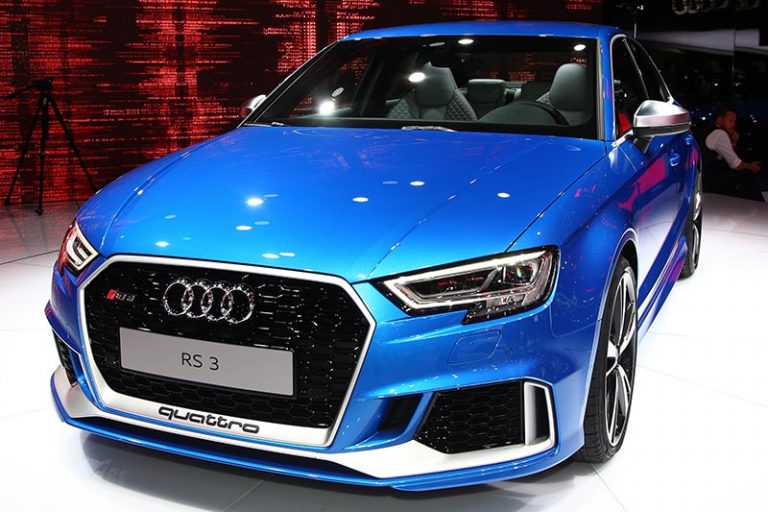
A new RS 3 model now takes as its basis the saloon A3, rather than the previous RS 3 Sportback hatch. As such, it could find fans in those who previously chose the booted rally-inspired cars such as the Impreza and Evo from Subaru and Mitsubishi.

Power comes from a 2.5-litre five-cylinder TFSI petrol engine, dubbed by Audi the most powerful five cylinder on the market with 400hp on tap (33hp more than its predecessor along with 480Nm of torque.

This potency is put through a seven-speed dual clutch transmission and the signature quattro all-wheel-drive powertrain, providing the RS 3 with a 0-62mph time of 4.1 seconds and a potential top speed of 174mph.

Visually the RS 3 bears all the signature design cues. Its track is 20mm wider than a standard A3, while the shell gains the distinctive front bumper of the previous RS 3 Sportback, flared-out wheelarches, a rear diffuser and oval twin exhaust tail pipes.

Audi-RS3-TCR
RS3 TCR racer will be for sale to customer teams.

The new RS 3 goes on sale in the summer of 2017, the first of eight new models from the renamed Audi Sport division. The division is also responsible for a new RS 3 Touring Car racer, the top model built to the rules of the new TCR formula that as well as boasting a globe-trotting International series is rapidly being adopted by national championships in a growing number of countries.

Audi expects to sell examples of the RS 3 racer to customer drivers and teams in Clubsport spec from around €99,000, and as a TCR car from €129,000.

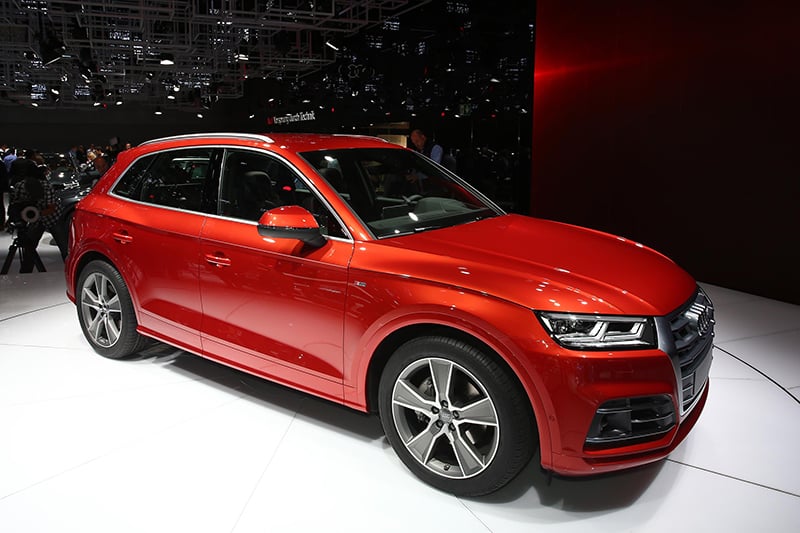
Also on the busy Audi stand in Paris is the second-generation Q5 SUV, on sale next year and targeting the likes of BMW’s X3 and the Mercedes-Benz GLC.

The new Q5 is up to 90kg lighter than its predecessor and described as one of the most aerodynamic models in its class. It will be offered with an engine line-up similar to that available with the A4 range.

Second-generation Q5 will take on BMW's X3.
Second-generation Q5 will take on BMW’s X3.

Paris 2016: Toyota debuts C-HR crossover

0

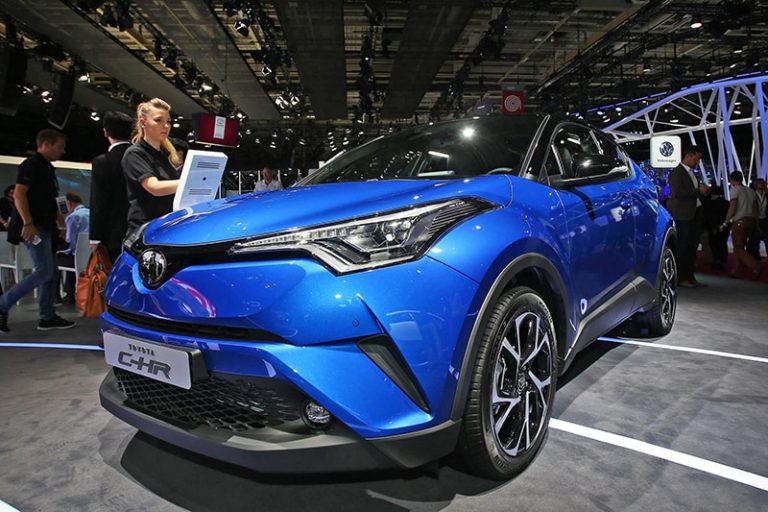
Toyota will increase its efforts in the crossover battlefield with the all-new C-HR, which debuts at the Paris motor show.

In production-ready form the C-HR (the initials stand for Coupe High-Rider) is close in looks to the concept version that debuted at the last Paris show in 2014. Its designers expect the car to stand out in the ever more congested mid-sized crossover market due to its coupe-like lines.

The car measures 4360mm long, 1795mm wide and 1550mm high, with a 2640mm wheelbase. The design, dubbed a ‘diamond-shape architectural theme’ features prominent projecting wheel arches at each corner and a raised ground clearance.

The interior is a new design for Toyota, notable elements including an instrument panel extending into the door trim and a focusing of the instruments around the driver. An eight-inch touchscreen controls the latest Toyota Touch 2 multimedia system, and stands proud , allowing the dash to be shallower and improve vision out of the car.

Highlight of the powertrain options will be a full-hybrid unit that matches a 1.8-litre petrol engine to the electric motor. Combined the two offer 122hp with combined cycle fuel consumption of 78.5mpg and CO2 emissions down to 82g/km. Updates to the unit include lighter and smaller components, lowering the car’s centre of gravity.

A 1.2-litre petrol engine with 115hp will also be available but UK buyers won’t get the 144hp 2-litre petrol unit offered in some markets.

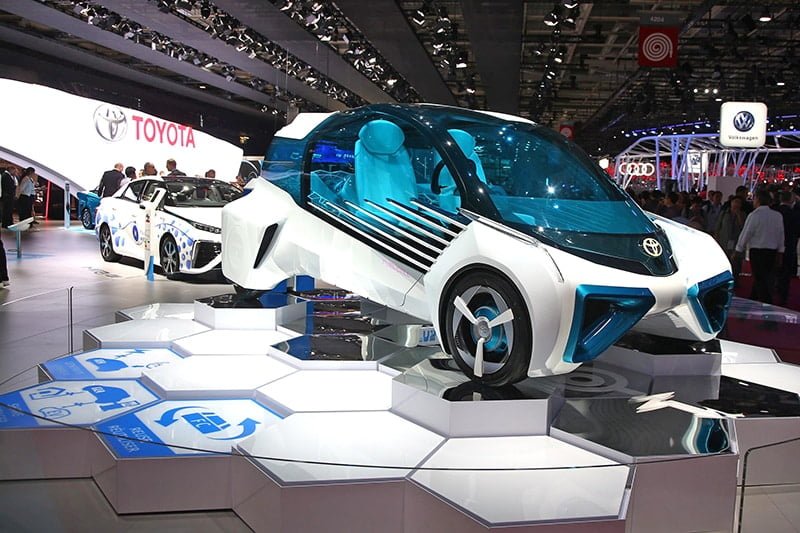
Toyota says that the CH-R will go on sale before the end of 2016 and meanwhile the Paris stand is also seeing the European debut of the FCV Plus hydrogen fuel cell concept car first seen at the Tokyo show earlier in 2016.

The FCV Plus uses four electric motors, one mounted in each wheel, fed by a fuel cell stack mounted between the front wheels and supplied by a hydrogen tank behind the rear wheels.

When not in use as a car, the FCV Plus doubles as a generator of electricity for the home and can also feed energy back into the national grid.

Aiding fuel efficiency are the aerodynamics, that also extend to the car’s underside.  The rear wheels and front floor have wireless battery charging panels built in, and words and symbols can be displayed on the windscreen and rear window to help others recognise when the car is charging.

A production version of the FCV Plus is not expected to be launched for at least 15 years, by which time Toyota predicts the hydrogen powertrain will be only half the size of the current unit.

The FCV Plus is some years from production reality.

Paris 2016: Suzuki Ignis set to rival Fiat Panda

0

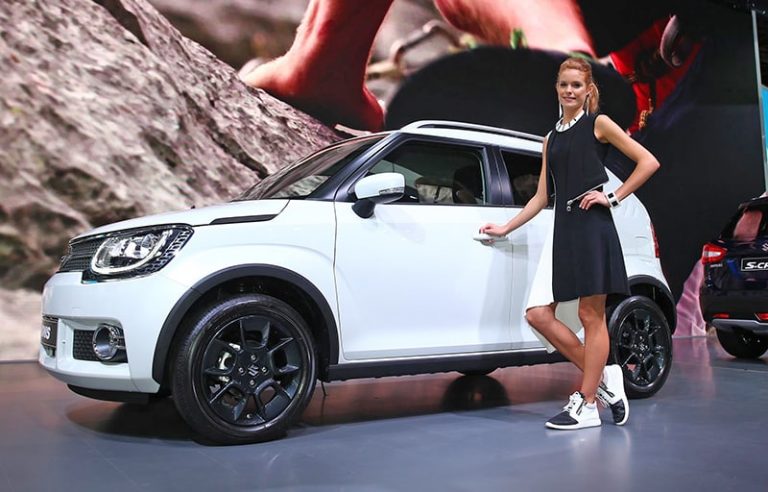
Suzuki’s UK range will expand early in 2017 with the arrival of the Ignis.

The new Ignis makes its European debut at the Paris motor show having been first seen at the Tokyo event in October 2015, and is a very different model to the previous car to use the name, last built in 2008.

Unlike its hatchback predecessor, the new Ignis is a high-roofed small crossover targeting the likes of the Fiat Panda. And in similar fashion to the Fiat, it is set to be offered with either front-wheel-drive or Suzuki’s well-known AllGrip all-wheel-drive system as used on the Vitara we reviewed earlier this year.

The Ignis will be powered by a 1.2-litre Dualjet engine, and this will be matched to a mild hybrid system, using an ISG (integrated starter generator) with an integrated power generator and electric motor, and a lithium-ion battery pack, to produce improved fuel economy.

New styling also debuts on the car, described by its creators as “a strong presence that skilfully blends a fresh new look with elements that remain true to its Suzuki heritage.”

The design principles were apparently “simple and iconic”, based around strong straight lines and curves. The shell is built with significant use of high-tensile steel to reduce weight while maintaining rigidity.

Suzuki is also highlighting the safety and technology offered with the Ignis, which includes stereo front-facing camera that control the brake support, lane departure and waving alert systems.

The interior touchscreen display includes connections for smartphones, accessing its apps through the car’s screen.

First deliveries of the Ignis to UK markets are expected in January 2017.

Paris 2016: UX points to next stage for Lexus

0

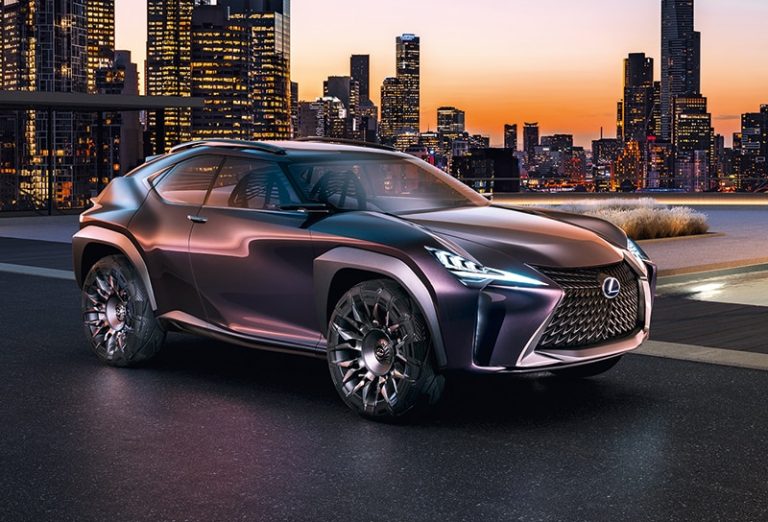
Lexus has unveiled a concept compact SUV at the Paris motor show, which is said to strongly predict the brand’s future direction.

Industry rumours suggest a production model evolved from the UX concept will replace the current CT 200h as Lexus reacts to the mushrooming appeal of crossovers.

Created by the Lexus design studio in France, the UX is described by the brand’s European CEO, Johan van Zyl, as a “vision of a premium urban crossover for the future.”

The model retains Lexus trademark styling signatures, such as the spindle grille, sharp body creases and L-shaped lights, but in what van Zyl dubs “An entirely new interpretation.”

The car is smaller than existing Lexus crossovers, adding weight to predictions that it will become a new model line, and its coupe-like body shell includes rear-hinged back doors.

The doors merge into the large wheelarches and a signature touch is the grouping of the door handles for front and rear next to each other. However whether such details as a see-through front windscreen pillar will make it to production remains to be seen.

Inside the UX is said to offer “imaginative technologies for an immersive driver experience”, alongside the high quality finishes for which the brand has become renowned.

The brand’s Kinetic Seat Technology is employed, while the instrumentation uses HMI technology to give a 3D impression.

Mechanical details of the car have not been revealed though it is bound to use a hybrid powertrain. In his speech unveiling the UX van Zyl reveals that a staggering 98% of all European Lexus sales are of hybrid cars.

“We offer the broadest range of premium hybrids in the industry with ten different models, and we sell more than any other manufacturer,” he says.

The range-topping LC is also making its debut on the Lexus stand in Paris. Using a new multi-stage hybrid system, the car is due on sale in January 2017.

1609-lexus-ux-07

Paris 2016: LaFerrari Aperta debuts, already sold out

0

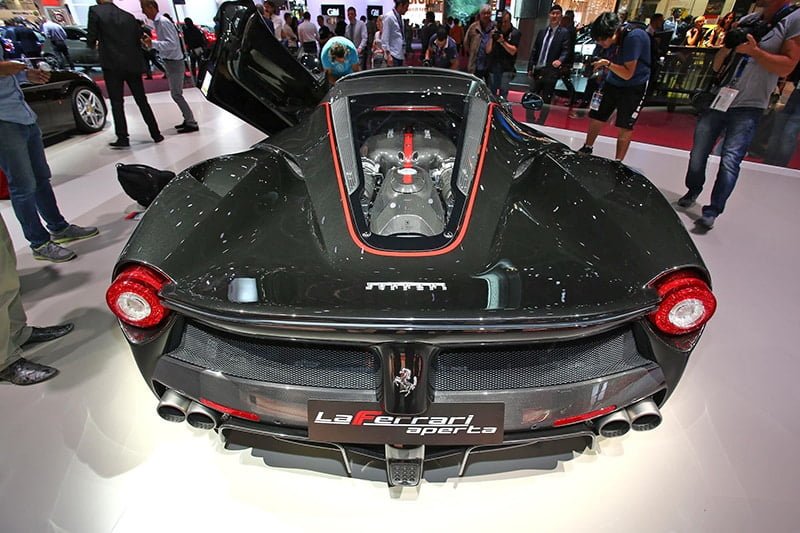
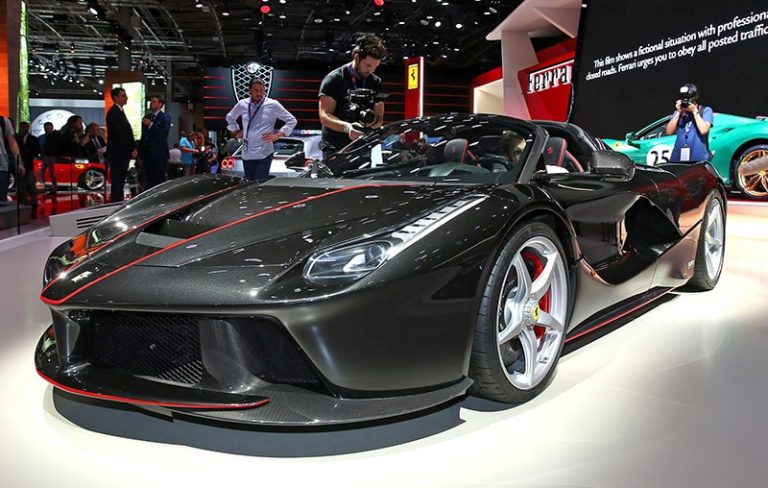
Ferrari has unveiled its convertible version of the LaFerrari at the Paris motor show, and given it the name Aperta.

The name has been used before, on very limited edition models from the prancing-horse marque.

The Aperta is effectively an open-top version of the exclusive and long sold-out LaFerrari Coupe, and is offered with either a soft top or an optional hard top in carbon-fibre. Ferrari has not revealed how many Apertas it plans to build – 500 coupes were eventually made.

It uses the same hybrid powertrain as the coupe, combining an 800hp 6.3-litre V12 engine with a 120kW electric motor for a total output of 963hp. Ferrari describes the car as the most high-performance and efficient it as ever built.

Power for the hybrid motor comes from 120 cells in eight modules, Ferrari says the output is the equivalent of 40 traditional batteries form a unit weighing only 60kg. The cells are charged from the energy generated under braking and when excessive torque is generated such as under cornering.

Ferrari says that the Aperta offers the same torsional rigidity and stiffness as the coupe, and delivers equally impressive performance. It will accelerate to close to 220mph, passing 62mph from rest in under three seconds and 124mph in seven seconds.

In creating the drop-top Ferrari’s engineers focused on aerodynamics and the chassis. In strengthening the chassis to compensate for the roof removal the butterfly door opening procedure was altered, including the insertion of a carbon-fibre section with an aerodynamic vent that has become one of the styling signatures of the car.

Changes in a bid to match the match the aero performance of the coupe have included altering the angle of the radiators and thus the airflow through them, directing it through the underbody, adding a duct to the bonnet and redesigning the front dam to increase ground effect.

There are also small L-shaped flaps on the upper corners of the windscreen to direct it upwards over the car an avoid creating a drag area behind the cabin.

Prices for the LaFerrari Aperta have not been revealed but they are of little consequence anyway as all available cars have already been sold. Industry rumours suggested one had been on offer for the equivalent of £2.8m – plus tax…

Aperta

Paris show – BMW X2 Concept previews new crossover

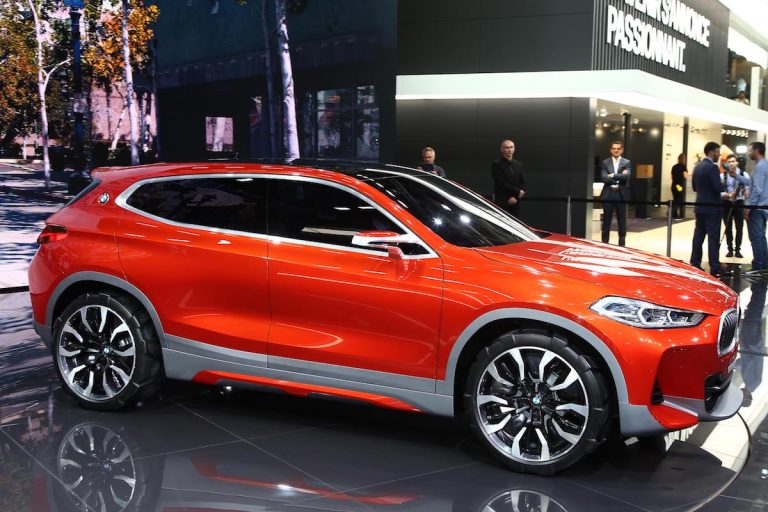
BMW has unveiled a near-production X2 concept at the Paris motor show, giving us a very clear indication of what the regular X2 model will look like when it arrives next year.

Although it won’t be on sale for about 18 months, the final version of the X2 crossover is expected to look similar to this concept version. It will be aimed squarely at similar sporting crossovers like the Range Rover Evoque and expected rivals from Audi and Mercedes-Benz.

BMW Concept X2 SUV crossover

The production X2 will share its platform with the X1 model and upcoming Mini Countryman. BMW has not provided any powertrain information for the concept, so it is possible that there is nothing whatsoever under the bonnet. Production models will probably share engines with the X1 and 2-Series models.

Like the Mercedes-Benz Generation EQ concept also unveiled today, the BMW Concept X2 has smoothed out its exterior surfacing, with less of the ‘flame surfacing’ than we have seen from BMW over the last 15 years. Door handles are hidden and panel gaps are minuscule, although the front and rear bumpers are far more conventional than the Mercedes.

BMW Concept X2 03

Like most concept cars, the Concept X2 rides on oversized wheels, with a low ride height and heavily-tinted glass. All of these elements will need to be ditched for production. Other styling elements are expected to carry over to production, such as the nose design which site the headlights higher than the grille rather than alongside the double-kidney grille in BMW tradition. The narrow side windows are also expected to reflect the final production model.

No interior photos have been provided, suggesting that BMW plans to reveal more of the X2 in coming months, most likely at the Los Angeles Motors Show in November or Geneva in March 2017.

BMW Concept X2 02

Paris 2016: New era for Kia Rio best-seller

0

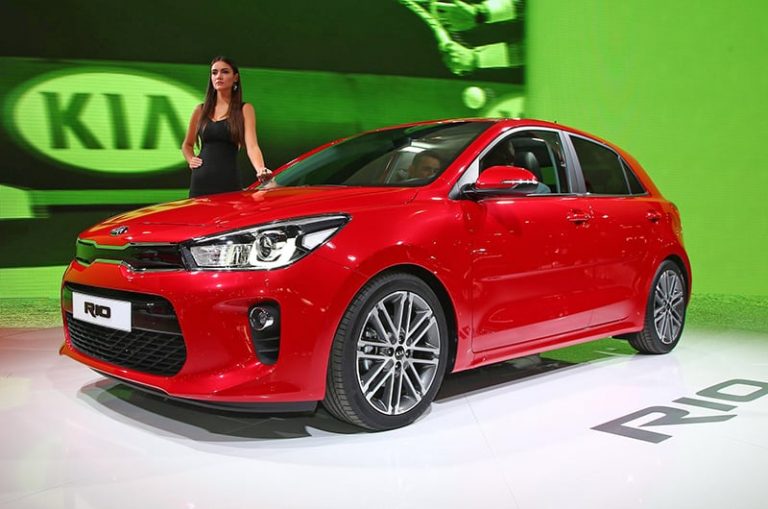
The all-new Kia Rio unveiled at the Paris motor show aims to build on the success of the current supermini, which globally is Kia’s best-selling model.

Kia hopes that the fourth-generation version will appeal to an even wider audience, its design the result of a joint programme between studios in the USA, Germany and Korea.

The exterior is distinctly different to the outgoing Rio, with straight lines and smooth surfaces dominating. Kia claims that the cabin offers more space and any rival, alongside a larger boot of 325 litres.

Highlight of the engine line-up will be Kia’s latest three-cylinder 1.0-litre direct-injection petrol unit. As well as bringing efficiency levels closer to those of diesel engines, the light weight of the unit is said to greatly aid front-end handling.

The new car is also claimed to be the most technologically-advanced version of the model yet, across safety, infotainment and connectivity. Both Android Auto and Apple CarPlay integration will be on offer while the Rio claims to be the first supermini to offer autonomous emergency braking with pedestrian recognition.

The Rio is expected on UK sale around the Spring of 2017.  Kia is also showing updated versions of the Soul mini MPV on its Paris stand, including a new 120hp SX model, while exterior, interior and design updates to the Carens have also been unveiled.

Paris show – Mercedes-Benz Generation EQ concept

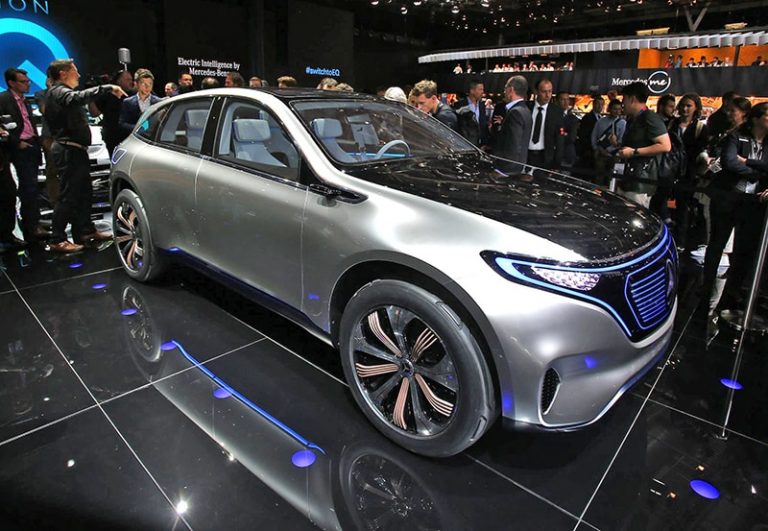
Mercedes-Benz has pulled the covers off a new battery-powered SUV crossover concept called Generation EQ at the Paris Motor Show, describing it as “close to production”.

The Generation EQ previews a new scalable architecture for battery-electric vehicles across a range of future Mercedes-Benz models. The wheelbase and track width, as well as all other system components like batteries, are variable components in a modular building-block system.  Daimler suggests that one single basic architecture could be suitable for SUVs, saloons, coupés, cabriolets and other body styles in a variety of sizes. Like the latest generation of Mercedes-Benz production models, the new platform uses a mix of steel, aluminium and carbon fibre in different roles to maximise strength and minimise weight.

As well as being the name of the concept car, the EQ branding will be used for future battery-electric Mercedes-Benz models. EQ stands for ‘electric intelligence’. Daimler describes the principle as extending beyond the vehicles into broader issues of electric mobility, such as charging systems, home storage units and wallboxes.

The concept is powered by two electric motors – one for each of the front and rear axles, to deliver all-wheel-drive traction. The lithium-ion battery is built into the vehicle floor. Mercedes-Benz claims a total power output of 300kW (407hp), with 700Nm of torque. Range is claimed to be up to 500km (320 miles).

The company describes the concept’s styling as ‘electro-look’, with an emphasis on stripping back the design to bare elements and minimising visual interference. Panel joins are scarcely visible, windscreen wipers and door handles have been concealed, and – like most contemporary concept cars – wing mirrors have been binned in favour of cameras. The end result is described as a monolithic look, and the intent is for much of the direction to filter down to future production vehicles.

Internal design emphasises touch-sensitive controls and no physical buttons or switches apart from the electric seats. The driver faces a 24-inch widescreen display, which displays all necessary information across different stages of the screen and can be reconfigured to personal preference. The screen is controlled by touch-sensitive elements on the steering wheel rather than from the screen itself.

The centre console is a separate touchscreen for operating the climate control and infotainment systems. Even door handles and window lifters are touch-sensitive controls rather than physical levers or switches. The four individual seats have speakers integrated into each headrest. Rear passengers can watch screens integrated into the rear of the front seats.

The exterior features LED lighting for not only head and tail lights, but also for illuminating the three-pointed-star logo. Strips of blue LED light also provide “a light show with exciting touches of colour”.

The Generation EQ concept also previews autonomous and connected technologies, integrated into range and economy information to advise the driver of charging facilities and local attractions within range.

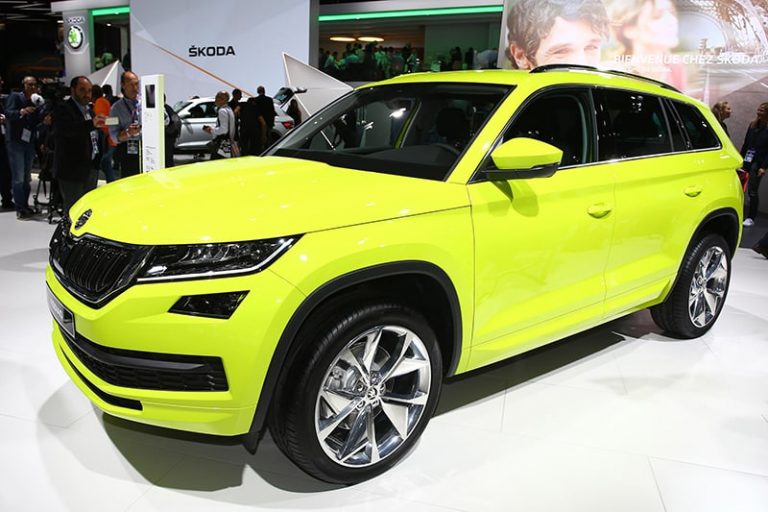
Paris 2016: Kodiaq begins Skoda SUV offensive

0

Skoda has unveiled its long-awaited Kodiaq SUV at the Paris motor show, starting a model rush that is expected to see the Czech brand grow to offer five crossovers.

Describing the launch of the Kodiaq as “the spearhead of our SUV offensive,” Skoda CEO Bernard Maier adds that the car is a “wonderful, powerful SUV,” its design language “shaping the identity of the entire brand.”

Despite the Kodiaq measuring up only 4cm longer than the Octavia saloon Skoda is claiming best-in-class interior space for the model, the only car in its class to offer a full third row of seats. It also claims a record boot space of 720 litres extendable up to 2065 litres with the rear seats folded.

Maier adds that the model will have all the best qualities for on and off-road performance – this will be achieved by a five-strong engine line-up, ranging across two 1.4 TSI petrol engines of 125 and 150hp, a 2.0 TSI with 180hp and a pair of 2.0 TDI diesels with 150 and 190hp. Depending on the model six-speed manual or seven-speed DSG auto transmissions will be available alongside front or all-wheel-drive transmissions.

Skoda’s much-vaunted ‘Simply Clever’ features are also being highlighted, the Kodiaq having more than 30 of them including the signature umbrella in the doors, while Maier adds that the Kodiaq will also offer the latest in connectivity.

“It will always be online,” he says, users able to make use of internet services such as Google Streetview, while a Skoda app will allow owners to stay connected to their car wherever they may be located.

The Kodiaq is expected on UK sale in April 2017. Industry sources suggest prices could start from £22,500 which would substantially undercut rivals such as the Nissan Qashqai.

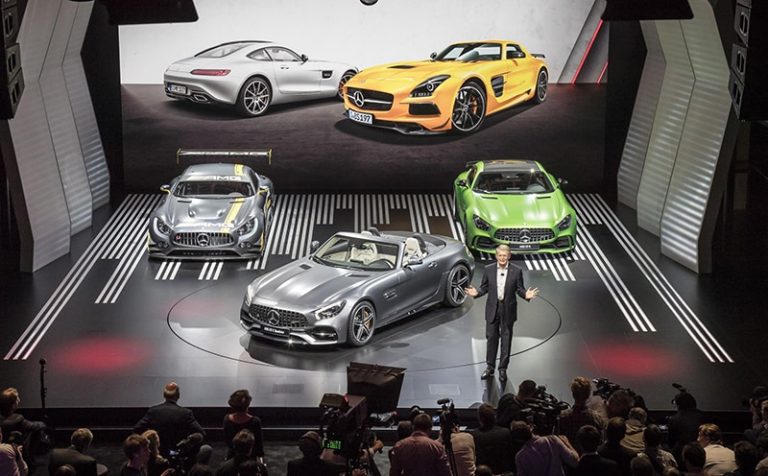
Paris 2016: Mercedes confirms AMG model rush

Mercedes-Benz has unveiled its AMG GT Roadster as the highlight of a swathe of announcements at the Paris motor show, and confirmed that the Mercedes-AMG brand is going on a model offensive.

According to CEO of Mercedes-AMG Tobias Moers, the performance sub brand is set to add at least ten new models. “Starting this year, we will offer the widest model range in the entire performance segment – a choice of no less than 48 different AMG performance cars,” he says.

The AMG GT Roadster will go on sale in February 2017 in two versions, a stock model with 476hp from its 4.0-litre V8 engine, and a GT C variant with 557hp on offer alongside 680Nm of torque. This sees it go from 0-62mph in 3.7 seconds and onto 196mph.

The uprated model also gains AMG Ride Control sports suspension with a wider rear track and bigger arches in which to house wider, 20-inch alloy wheels, active rear-axle steering and an electronically controlled rear differential lock, as well as a switchable performance exhaust.

Equipment on the GT C includes nappa leather upholstery, an AMG Performance steering wheel in nappa leather/Dinamica microfibre and an additional ‘race’ programme in the drive model selector.

Both cars make use of a fabric hood for light weight – this opens and closes in 11 seconds at speeds up to 30mph.

Mercedes insiders have also confirmed that the 557hp engine, together with the exterior upgrades, will also be extended to the Coupe version of the GT, though in what form such a model will be offered is yet to be revealed.

The GT roadsters are expected on sale at the end of 2016 at prices yet to be announced.

Meanwhile the model ramp-up will see Mercedes-AMG seeking to significantly increase its output, despite the fact that the almost 70,000 cars sold in 2015 represented a more than doubling of sales in just two years.

Main drivers were GT models, performance versions of the C-Class, compact cars and notably the new 43 series models being introduced across several ranges – the latest, the E 43 4Matic Estate, debuts in Paris.

1609-mercedes-amg-gtc

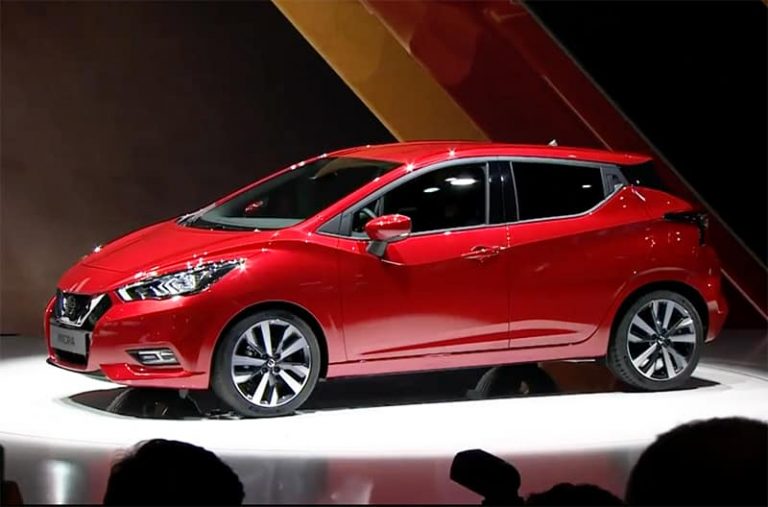
Paris 2016: New look, new tech for Nissan Micra

0

Nissan has unveiled an all-new Micra supermini at the Paris motor show, describing the car as a “complete redefinition” of the model.

The fifth-generation Micra is aimed directly at European buyers which form the world’s largest market for hatchbacks. It debuts a completely new body style, first seen on the Sway concept at the 2015 Geneva show. The body is lower, wider, longer and according to Nissan CEO Carlos Ghosn sleeker than both its predecessor and most competitors.

Power will come from new downsized turbo engines. At launch, a 0.9-litre turbocharged three-cylinder petrol unit and a 1.5-litre diesel will be available, both developing 90hp, with a 73hp 1.0-litre petrol engine following soon after.

Inside the Micra offers more space while the current trend to customisation is reflected in a total of 125 body and trim colour variations. Equipment includes the debut of a new six-speaker BOSE sound system with speakers in the driver’s headrest, while the seven-inch colour central display will access the audio system, satellite navigation, mobile phone, downloadable apps and Siri voice control via Apple CarPlay.

The new Micra will also debut the latest generation of Nissan’s Safety Shield safety technologies, Ghosn saying that the car will offer technologies more common on upper segment cars and be the first B segment model to be available with lane departure prevention.

Ghosn describes the unveiling of the Micra Gen5 as “an important milestone, redefining one of Nissan’s most iconic cars,” and emphasises the importance of returning production of the model to Europe – in a joint operation it will be built in the plant of sister brand Renault at Flins in France.

“It demonstrates Nissan’s ongoing commitment to manufacturing and delivering cars in Europe for Europe – (building it at the Renault plant is) a win for Nissan, Renault and our European customers,” Ghosn adds.

The new Micra is expected in showrooms in the Spring of 2017.

nissan-micra-paris-motor-show-2016

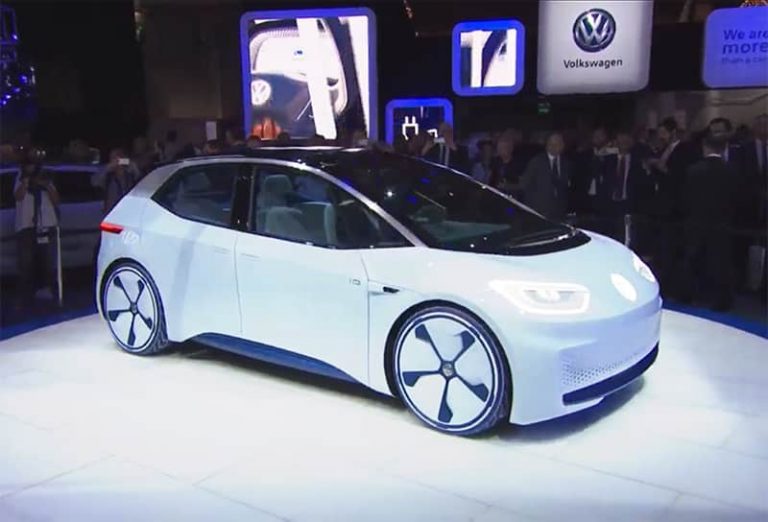
Paris 2016: I.D. sparks ‘greatest change in VW history’

1

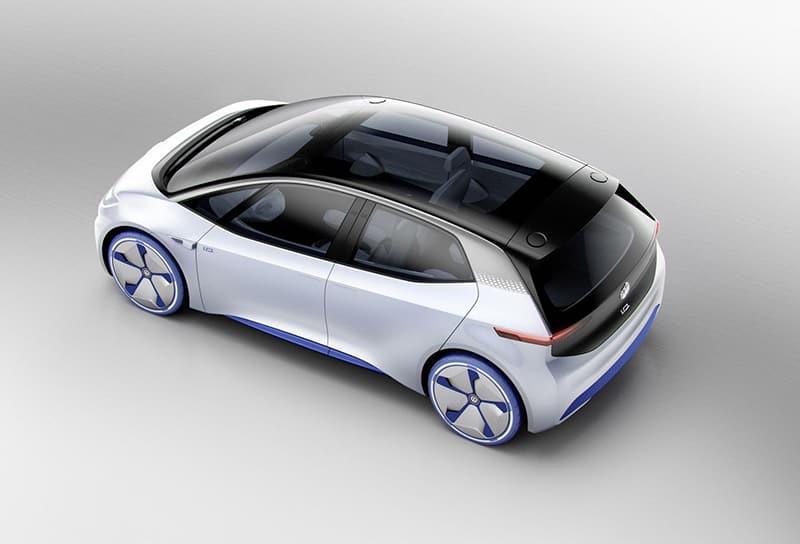
Volkswagen has unveiled the I.D. concept car at the Paris motor show and pledged the brand to an electric future.

The production version of the car will go on sale in 2020 as the first in a new range of Volkswagen electric cars, the brand’s board chairman Dr Herbert Diess telling the Paris show that VW aims to sell one million electric cars by 2025.

The I.D. is the first car to be built on an all-new modular electric platform with its batteries inside the floor. It will be powered by 125kW motor that Diess says promises driving pleasure, and have a range of up to 600km (370 miles).

Its batteries will be charged by wireless induction, and using the car’s park pilot function the process will be fully automated.

Inside the car uses the space vacated by the traditional internal combustion powertrain to increase room for occupants. The I.D. is the length of a Golf but according to Diess offers the internal space and comfort of a Passat, with luggage capacity to match.

The I.D. is also the first Volkswagen entirely designed to be ready for fully autonomous driving. It has a sensor system using 10 laser scanners, which form a central part of a safety package aiming at the brand’s ‘Vision Zero’ of fully accident-free driving.

The car’s cockpit lacks buttons or switches, instead being controlled by augmented reality displays projected on the windscreen and touchscreens in similar fashion to a mobile phone. These can be operated by voice and gesture control.

Diess also promises that each I.D. will be able to be fully individualised to the owner’s preferences; “It will be part of your digital lifestyle, and will become part of powerful community – electric is the new cool.”

And in potentially a major step forward for electric vehicles, Diess has told the show that the I.D. will cost the same as a VW Golf Diesel.

The unveiling comes as Volkswagen continues to suffer the fall-out from the ‘dieselgate’ emissions scandal but Diess insists the brand is recovering; “We are making good progress on getting the situation under control, getting back on track. We are dealing with the challenges and have a clear plan how to make Volkswagen more profitable, and more future proof.”

The electric programme is a central part of this strategy. “We are putting a much closer focus on a new world of mobility, Our future will be electric and connected – we will target new competitors like Tesla, Apple and others.

“We expect a breakthrough in electric mobility in 2020 and Volkswagen will be ready and well prepared by then. In a groundbreaking new approach starting in 2020 we will launch a new family of electric cars, all based on the new platform designed exclusively for electric – no combustion engines, no plug-in hybrids.

“Our goal is to become global market leader in electric cars – to make that happen we have started the greatest change process in VW’s history.”

1609-volkswagen-id-02

Paris 2016: Hyundai unveils its Type R rival

0

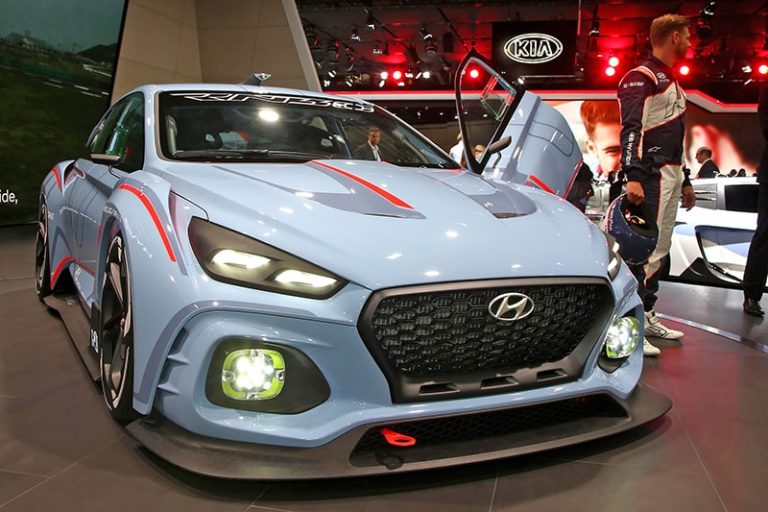
Hyundai is going after the Honda Civic Type R with the RN30 Concept, unveiled at the Paris motor show.

The car is based around the latest i30 hatchback, which also debuts at the Paris show.

Hyundai is planning a high-performance range of N cars across its line-up, and the RN30 is described as “a motor sport-inspired racing concept developed to deliver passion and pleasure on the track.”

It is revealed at Paris just as the next version of its Honda rival breaks cover. The Hyundai will also target the Ford Focus ST.

The car will use the i30’s 2.0-litre turbo engine uprated to deliver 380hp and allied to all-wheel drive. This has been developed in close collaboration with Hyundai Motorsport and its World Rally Championship programme.

The exterior gains extra aggressive panels, in similar form to the Type R that the car will rival, and added for both visual appearance and more effective aerodynamics.

According to Hyundai high performance development head Albert Biermann, the RN30 embodies the concept of a strong, high-performance car that brings dynamic, sporty driving.

“Soon to evolve into our first N model, the RN30 is inspired by our passion to provide a high-performance car that everybody can enjoy effortlessly.”

A launch date for the first production Hyundai N models is yet to be announced though it is expected to be sometime in 2017.

Type R concept tops Honda Civic Paris debut

1

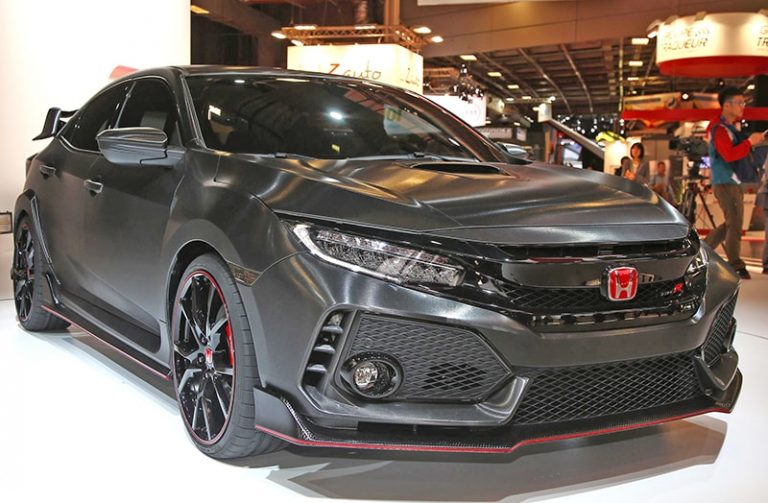
Honda is surprising the Paris motor show, revealing a concept pointing to the next Civic Type R performance hatchback.

The Type R Prototype is based on the tenth-generation Civic, which also debuts at the show. The production version of the Civic Type R will launch in the second half of 2017 as a range-topper.

Performance details have yet to be revealed, though the car is expected to use an updated version of the 2.0-litre petrol engine of 310hp in the current Type R, that only went on sale in 2015.

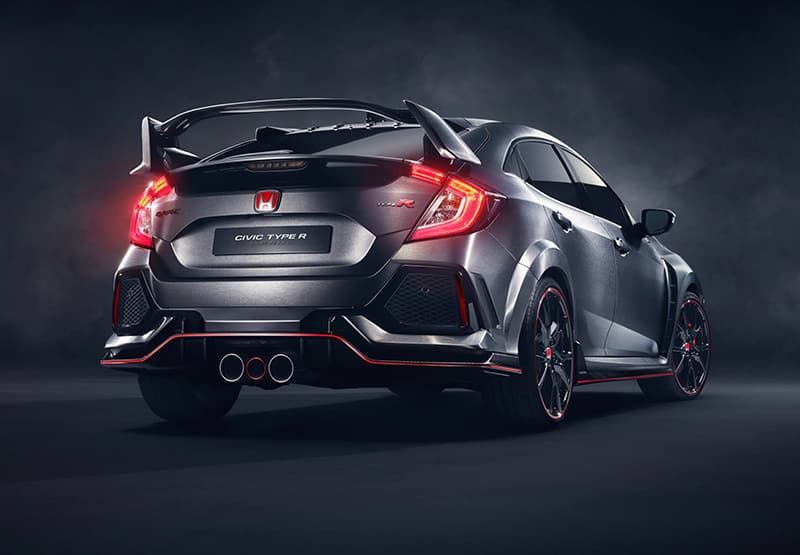
The new model boasts the more aggressive body styling that has become typical of previous Type R models for both styling and aerodynamic purposes.

Notable at the front end is a winged splitter in carbon fibre and slatted ducts on either side of the bumper, with diamond-mesh inserts in the air intakes.

A new air vent is added to the nose, above which sits the red H badge, while the bonnet also gains an extra air scoop.

Additional body mouldings include carbon fibre side skirts, while the car sits on 20-inch piano black alloy wheels with trademark red detailing, and 245-section tyres, squeezed under larger arches.

There are three exhaust tailpipes – the central one of smaller diameter and in red – under a large carbon fibre rear diffuser, while the equally trademark rear wing is retained.

Honda says that the next Type R, built like the rest of the Civic range in Swindon, UK, will be exported to global markets including for the first time as a Honda the USA.

1609-honda-civic-type-r-prototype-02

Land Rover Discovery Mk5 debuts in Paris

0

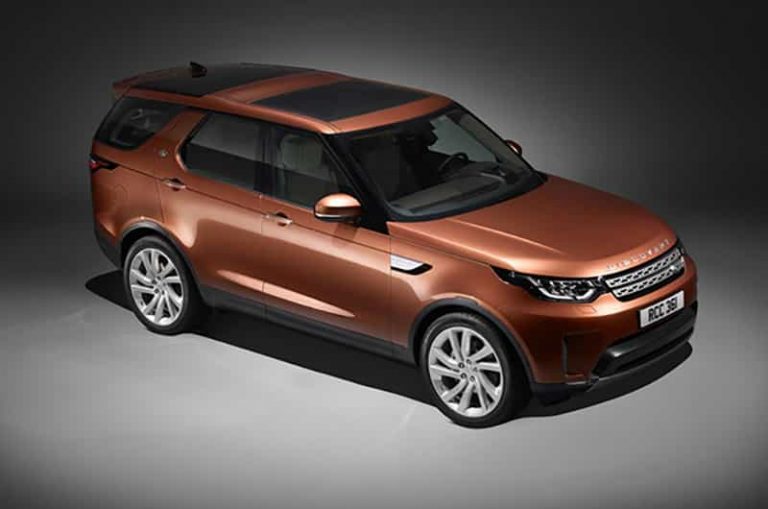
Land Rover has unveiled its new Discovery on the eve of its public debut at the Paris motor show.

The full-size seven-seat SUV, the fifth generation of the model, will go on sale in Spring 2017, at prices starting from £43,495.

Evolving from the Discovery Vision Concept shown at the New York Auto Show in 2014, the new car is a radical departure from previous models with a much bolder, curvier look.

The trademark stepped roof line remains, however, aiding headroom for passengers in the third row of seats and making possible a ‘stadium’ layout with each row placed higher than the one in front.

Land Rover designers claim that unlike many rivals who offer ‘5+2’ seats, all three rows in the Discovery will comfortably accommodate normal-sized adults. Each seat is heated and cooled, and is also fitted with folding technology that can be operated from the rear, the touchscreen in the centre console or remotely using a smartphone. “(Each) allows owners to rearrange the seats from inside a shop while they queue to pay for large or bulky items, ensuring the vehicle is perfectly configured to accommodate their purchases,” Land Rover says.

Other features designed to make life more comfortable for passengers includes ‘Auto Access Height’, which drops the car’s height by up to 40mm to ease entry or exit.

The new Discovery will make use of Jaguar Land Rover’s InControl Touch Pro infotainment system. Based around a 10-inch touchscreen mounted high on the centre console, it has cut the number of controls on the dash by a third.

Connectivity with iOS and Android smartphones is included alongside a 14-speaker Meridian digital surround system, with an additional subwoofer, and 3G WiFi.

Land Rover is also debuting its Activity Key wristband, which allows drivers to leave the standard key fob in the car. Holding the waterproof Activity Key up to the ‘D’ in the Discovery badge on the tailgate simultaneously locks the vehicle and disables the ordinary key, which can be left safely inside.

The basics of the model have not been forgotten, in particular its off-road ability. Ground clearance has been increased 43mm to 283mm, and the wading depth goes up 200mm to 900mm.

The Terrain Response 2 driving system offers a range of modes depending on the surface being traversed, setting various aspects of the car from throttle response to gear changing, and can be left in an auto mode.

For particularly different ground the All-Terrain Progress Control (ATPC) can be programmed to autonomously maintain a suitable crawl speed chosen by the driver, allowing them to concentrate solely on steering.

The new Discovery will go on sale with a three-way engine choice, the highlight of which is the new Sd4 Ingenium four-cylinder diesel. It produces 240hp with an 500Nm of torque and fuel economy of 43.5mpg and CO2 emissions of 171g/km.

Also available will be a six-cylinder diesel with 258hp and 600Nm of torque, and a 340hp supercharged petrol 3.0-litre V6, with 450Nm.

According to Jaguar Land Rover managing director Jeremy Hicks the new Discovery will build on the strong demand that has always existed for the model in the UK, offering customers the most complete all-round SUV package available anywhere today.

“The new vehicle takes absolutely everything that is great about Discovery from its design, its versatility, its go anywhere, do anything credentials and builds on them to make it better in every way,” he says.

And he adds that the new model will appeal to a wider range of buyers. “Customer interest has exceeded all expectations already with a strong mix of new customers interested in the brand. With the addition of the Ingenium 2.0 litre engine, we’re also looking forward to talking to more fleet and business users across the country.”

More five-star crash tests – but at a price?

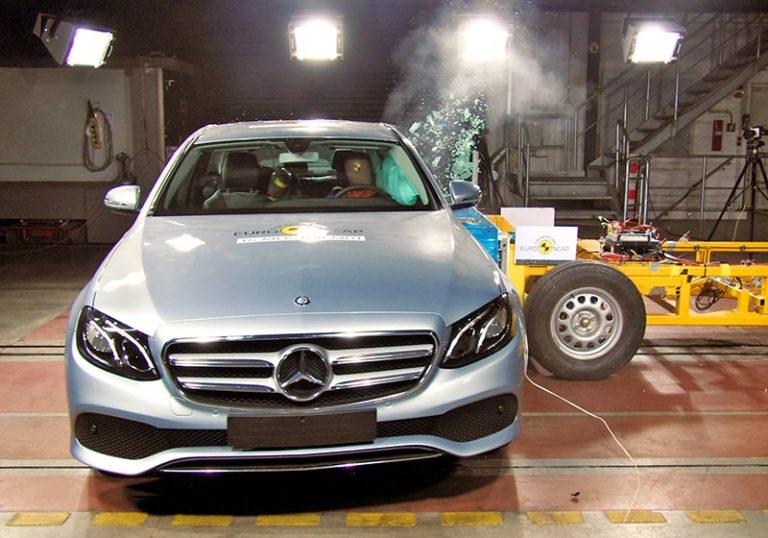
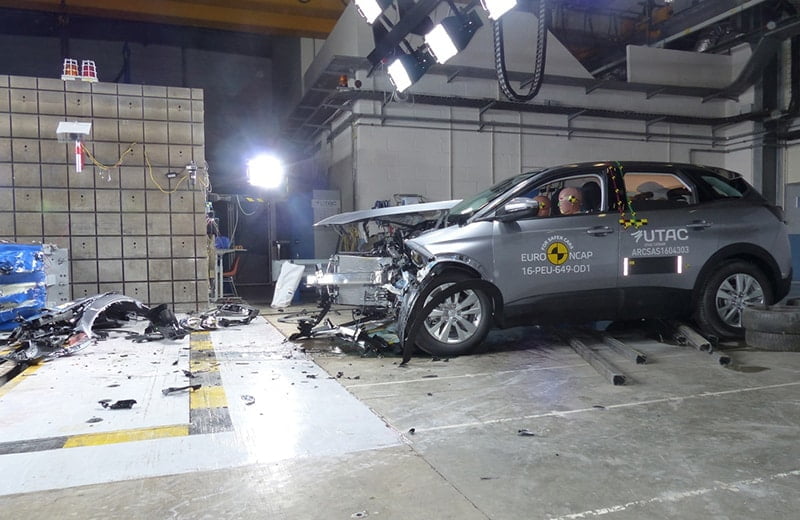
The new Mercedes-Benz E-Class and the Peugeot 3008 have both gained top five-star ratings in Euro NCAP crash tests.

But safety experts in the UK are questioning why several safety features are not offered as standard, and why manufacturers cannot offer the same levels of safety across all their global markets.

In the latest tests conducted by the European safety body Euro NCAP, an E 220 d Avantgarde version of Mercedes’ large four-door premium saloon scored 95% for adult occupant protection, 90% for child protection, 77% for pedestrian protection and 62% for its safety assist features.

The testers noted that the car is fitted as standard with the Mercedes ‘Pre-Safe’ system that senses when an accident is about to occur and primes restraint and protection systems ready for the collision.

Also highlighted was the side-barrier impact that forms one of the several tests carried out by Euro NCAP, and in which the Mercedes scored maximum points with good protection of all critical body areas.

The car’s autonomous emergency braking system also earned it maximum points for avoiding impacts with a stationary car at all speeds tested, which testers said would give additional protection against whiplash injuries.

The 1.6 HDi Active version of the Peugeot 3008 scored 86% for adult protection, 85% for child protection, 67% for its pedestrian protection and 58% for safety features.

Testers highlighted the ‘predominantly good or adequate protection’ provided by the bonnet to the head of a struck pedestrian, though added that the base of the windscreen and the stiff windscreen pillars scored poorly.

Maximum points were scored for protection to the pelvis and to pedestrians’ legs, but while the pedestrian-detecting autonomous emergency braking system performed well in the tests, it was discounted from the results as the technology is not standard on every version of the 3008.

Meanwhile the UK’s automotive safety testers at Thatcham Research have welcomed the addition of two more Euro NCAP five-star rated cars, but added that with much of the latest advanced technology costing extra, safety still comes at a price.

While Autonomous Emergency Braking is included as standard on the Mercedes, many of its other safety features are only available as optional extras.

“The E-Class is head and shoulders above the competition when it comes to advanced safety features. However, we know that the take up of optional safety features is typically less than 10%, so more needs to be done in terms of standard fitment to make these superb technologies more widely accessible,” says Thatcham director of research, Matthew Avery.

NCAP
A second E-Class is tested for frontal impact. Photo: Euro NCAP

Thatcham is also pointing out how the latest results highlight the current gulf in safety standards in different parts of the world, as recent safety test results from Global NCAP in India and Latin America have brought the issue into sharp focus.

India’s ‘car of the year’, the Renault Kwid, continues to be offered without any airbags on the standard version, scoring zero stars for adult occupant protection as a result. The same was true of the Honda Mobilio, which also scored no stars, as did the Chevrolet Spark GT in tests carried out in Latin America.

When Euro NCAP began safety testing in 1997, most cars had a driver airbag and by the early 2000s many, including Renault’s Megane, had up to six fitted as standard.

Thatcham believes that safety should not come with a price tag. “Airbags save lives by making vehicles safer and it simply is not acceptable that cars sold at very similar price points in different countries bring varying levels of safety – or more worryingly, no safety at all,” says chief executive Peter Shaw.

Commenting on the results in India the Secretary-General of Global NCAP, David Ward, says, “Renault and Honda make safe cars in other markets; they have the know-how to make all their Indian cars much safer. We expect them to start doing so now.”

Aftermath of the Peugeot's frontal-impact test. Photo: Euro NCAP
Aftermath of the Peugeot’s frontal-impact test. Photo: Euro NCAP

Jeep reveals all-new Compass SUV

0

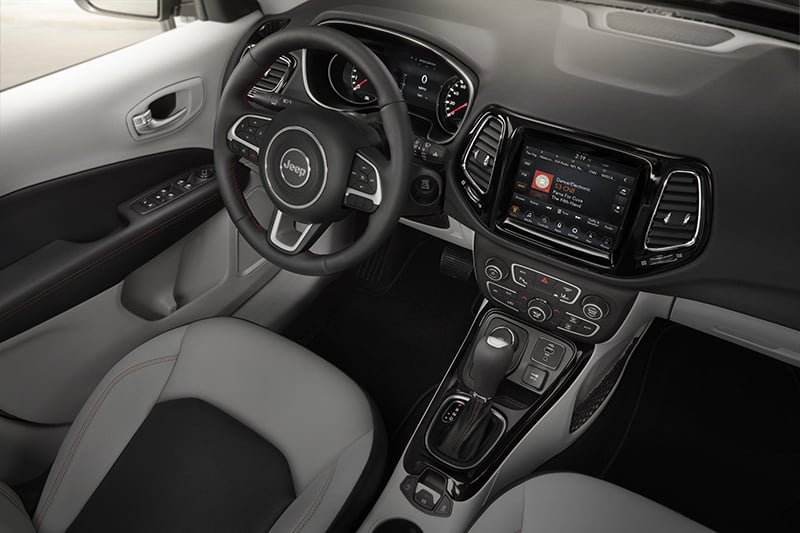
Jeep has revealed its all-new Compass SUV in Brazil, ahead of the model’s official unveiling at the Los Angeles motor show in November.

The model, which is expected to provide the brand with a rival to big-selling models such as the Nissan Qashqai and Volkswagen Tiguan, will go on sale in the USA first, before a European launch in the second half of 2017. Industry speculation suggests it will make its European debut at the Geneva Motor Show in March.

Very few details of the Compass have yet been released, Jeep merely saying that it will be offered with “17 fuel-efficient powertrain options” to suit customers in more than 100 global markets.

It is also described as “the most capable compact SUV” ever, its makers saying that it will include class-leading off-road ability, superior on-road driving dynamics and a host of safety and advanced technology offerings.

Photos issued of the new model, celebrating the start of production at FCA’s Jeep Assembly Plant in Pernambuco, Brazil, suggest that its styling follows that of its larger sister the Grand Cherokee, both in terms of the exterior visuals and interior layout.

The new Jeep will be built on an extended version of the Fiat Chrysler Automobiles platform also used for the Jeep Renegade and Fiat 500X.

Jeep Compass

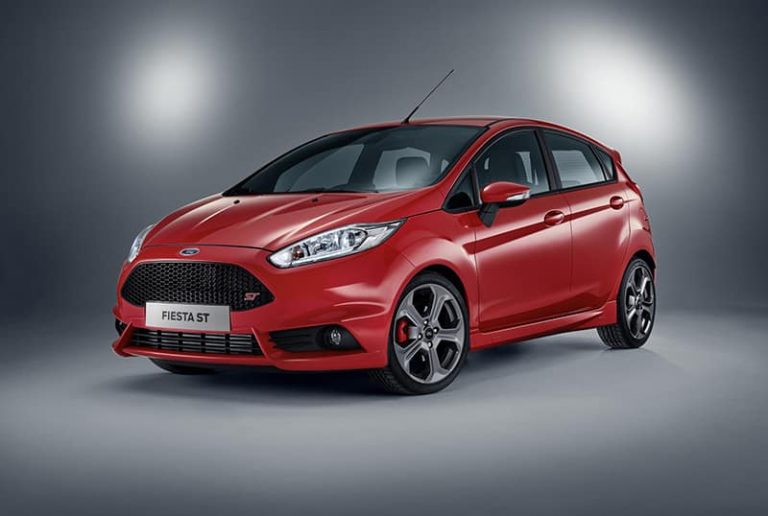
Ford Fiesta ST gains two more doors

0

Ford is to offer the performance version of the Fiesta, the ST, for the first time with five doors.

The five-door variant will boast the same potency as the existing three-door, and its creators believe it will appeal to fans of the car who require more practicality, for example those with young families.

Power for the car comes from a 1.6-litre EcoBoost petrol engine of 182hp with 240Nm of torque. The 0-62mph sprint takes 6.9 seconds while combined cycle fuel efficiency is 46.3mpg with CO2 emissions of 141g/km.

Upgrades over the mainstream Fiesta include retuned suspension, steering and brakes, bespoke settings to the Torque Vectoring control – this brakes the inside front wheel when cornering to reduce understeer and improve grip – and Electronic Stability Control with three modes.

Visually the car gains 17-inch alloy wheels, and a specific grille, headlamp design and rear diffuser.

The five-door models go on sale in October at prices starting from £19,495 and are expected to take 25 per cent of ST sales. “Ford has now sold more than 38,000 Fiesta STs in Europe since we introduced (the car) in 2013, and growing numbers of customers have been asking us for a five-door version,” said Ford of Europe marketing chief Roelant de Waard.

“The Fiesta ST with five doors makes an affordable Ford Performance driving experience accessible to an even greater number of customers,” he adds.

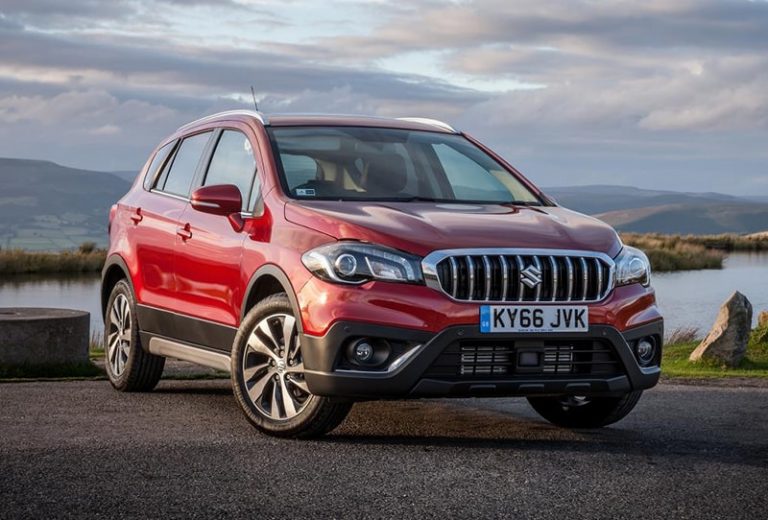
New engines for revised Suzuki S-Cross

0

Suzuki has unveiled a significant facelift to its S-Cross crossover, which includes new engines.

Three years after its launch, the S-Cross gains the petrol Boosterjet engines that have already been seen in the Vitara and Baleno. The units are available in three-cylinder 1.0-litre and four-cylinder 1.4 litre form.

Claiming the same output as a previous 1.6-litre engine but with 10 per cent improvements in fuel consumption and 11 per cent lower CO2 emissions, the 1.0 offers 111hp and 170Nm of torque.

The 1.4 version has 140hp on tap, with 220Nm of torque. 17 per cent more powerful, with a torque improvement of 41 per cent, while four per cent more economical than the previous 1.6-litre engine.

There is also a 1.6-litre DDiS diesel engine option, producing 320Nm and in 2WD form offering combined cycle fuel economy of 68.8mpg and 106g/km CO2 emissions.

New S-Cross models are also available in all three engine formats with Suzuki’s AllGrip four-wheel-drive transmission.

The facelifted model sits 15mm higher than its predecessor at 180mm and gains revised front-end styling which its creators say gives it a stronger on-road presence. New head and LED rear lamps also feature.

Inside the dash surfacing has been revised while all versions now include DAB radio as standard.

Trim levels now range across SZ4, SZ-T and SZ5. Standard equipment includes seven airbags, ESP, Bluetooth, DAB digital radio, air conditioning, Daytime Running Lights, 16-inch alloy wheels, cruise control with a speed limiter, air conditioning, heated door mirrors, black protective skid plates and black wheel arch extensions.

SZ-T versions add LED Projector Headlamps, satellite navigation, polished 17-inch alloy wheels, a rear parking camera, front and rear parking proximity sensors, Dual Zone automatic air conditioning, front fog lamps, rear privacy glass, silver roof rails and silver rear skid plates.

Range-topping SZ5 models include a Radar Brake Support driver aid, leather seat upholstery, heated front seats, a double sliding panoramic sunroof and aluminium roof rails.

The new S-Cross will launch on 17th October, at prices starting from £14,999.

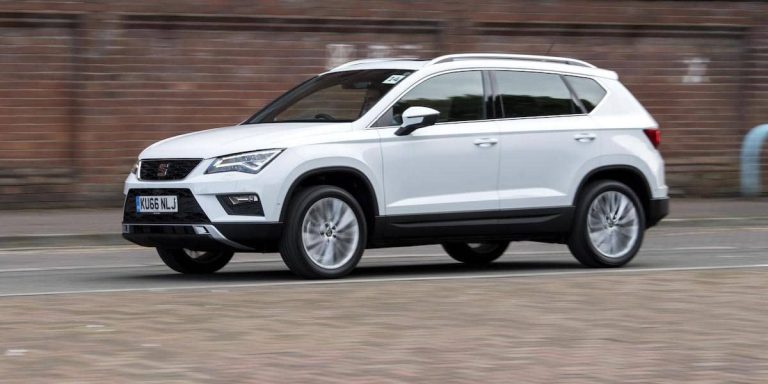
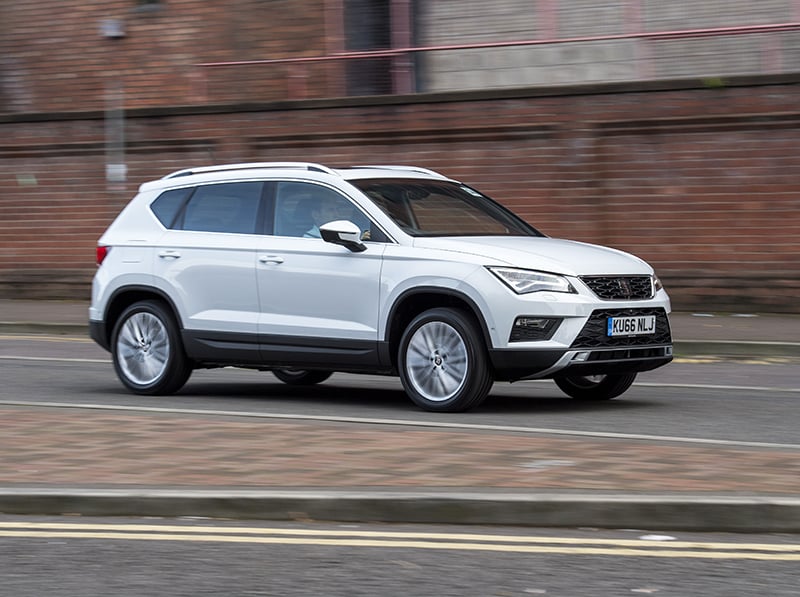
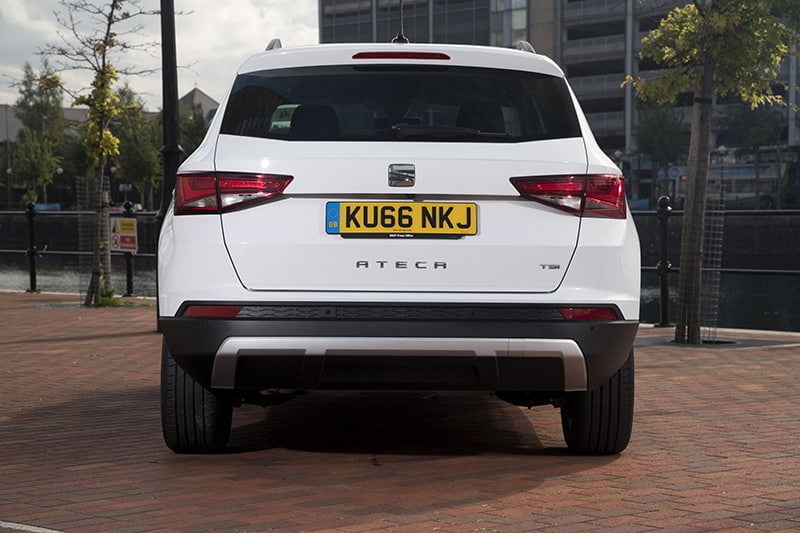
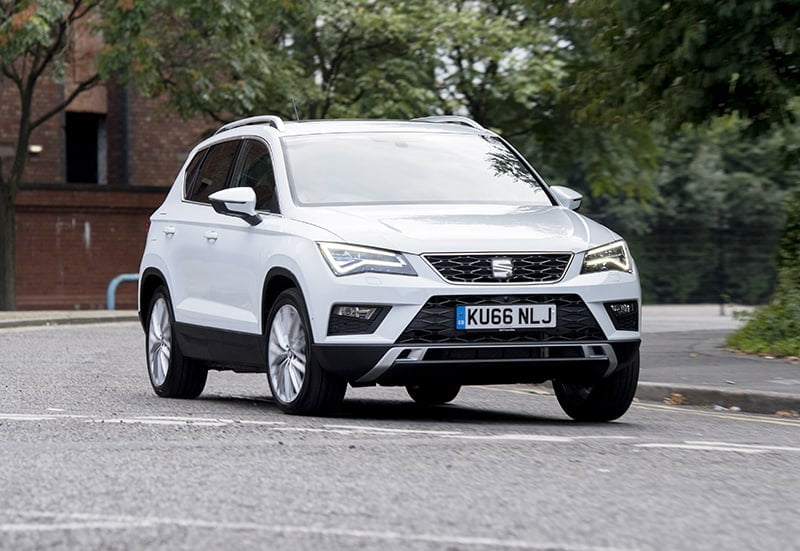
SEAT Ateca review

What is it?
SEAT’s first proper SUV

Key features
Stylish looks, strong powertrains, plenty of tech.

Our view: SEAT has offered all-wheel-drive cars before, but the Spanish brand has never had a full-house SUV in its range. And this is a problem, because the crossover/SUV market is the one that is soaring, and which just about every other manufacturer is now in.


So now we have the Ateca compact SUV, and SEAT management will tell you that the brand’s late arrival to the party is no bad thing, allowing them to ensure they best meet the requirements of customers.

This car will take on the likes of Renault’s Kadjar and the all-conquering Nissan Qashqai, while next year it will be joined by a smaller sister, currently dubbed A Zero Cross, to tackle the Japanese brand’s equally popular Juke.

Ateca

The Ateca – the name follows SEAT tradition in referring to a small Spanish village – is designed as a sister model to the Leon. But while completely designed by the Spanish brand, it is built at the Kvasiny, Czech Republic factory of sister VW Group brand Skoda.

And this is, of course, the crucial point – while according to company head Luca de Meo marking “the start of a new era for the brand” the Ateca is hardly stepping into unknown territory.

It is built on the MQB platform that has underpinned just about every new VW Group model over the past couple of years, and the all-wheel-drive versions employ transmissions long proven in the cars of sister brands Audi, Skoda and Volkswagen.

First impressions of the Ateca are impressive. It is an SUV with visually more low purpose than pumped-up dominance – effectively a more imposing, larger Leon. Measuring 4363mm long with a 2638mm wheelbase, it feels comfortable and spacious on the inside, while the boot-space of 510 litres is 80 litres more than the segment-leading Qashqai can offer.

Note, however, that if you choose an all-wheel-drive version you do sacrifice 25 litres. A double boot floor provides useful hidden storage, while fold the rear seats and the space jumps to a maximum of 1604 litres.

SEAT says it designed the cockpit wholly around the driver, though basically it’s an evolution of that already offered in the Leon. Certainly everything falls to hand naturally and intuitively, the high centre console notable, while the finishes, at least on the visible bits, are up to the mark. A definite plus is the amount of adjustment available in seat and steering column – it’s easy to get totally comfortable behind the wheel.

There are five engine choices available, SEAT’s literature adding “at launch” which suggests more might be on the way. For now you have the choice of 1.0 TSI 115hp and 1.4 TSI 150hp petrol units, and TDI diesels in 1.6 115hp and 2.0 150 and 190hp offerings.

Only the two 2.0 diesels can be specified with all-wheel-drive, while SEAT expects the 1.4 petrol and 150hp diesel to be most popular amongst retail customers, the efficiency and therefore tax credentials of the 1.6 TDI to attract fleet buyers. The latter are expected to account for 45 per cent of sales.

During the launch, The Car Expert tried out the 1.4 petrol and the 1.6 and 2.0 190hp diesels, the latter with all-wheel drive. The busy roads around Manchester, pot-marked with roundabouts and traffic lights, made it difficult to form a firm opinion on the Ateca’s dynamic qualities and that will have to wait for a full road test, but initial impressions are positive.

The refinement of the engines is a given – they are proven VW Group units. The diesels still sound a little agricultural on start-up and at low revs but they settle into a beat which is as smooth as it is freely giving of pace.

SEAT has always been pitched as a sporty member of the VW Group and its chassis are expected to perform. No complaints here – the car rides well, if a little firmly, and maintains a confident, upright poise in corners, whether with or without the extra grip of the all-wheel-drive transmission.

All bar entry-level S models include the Drive Profile function that sets the chassis according to four modes, Normal, Sport, Eco and Individual. AWD versions also add Snow and Offroad modes, along with Hill-Descent Control. The Ateca is said to have a fair degree of off-road ability, though very few customers are expected to leave the tarmac very often…

1609-seat-ateca-05

The £17,990 starting price for the Ateca is impressive, but that does buy the 1.0 petrol unit, small for an SUV, in entry-level S trim, which is light on equipment though you do get a touchscreen infotainment system.

The standard safety spec is impressive, however, including such aids as front assist with city emergency braking and pedestrian protection, and tiredness recognition and multi-collision braking features. Technology is a feature of the Ateca – go up the range and you can add such useful aids as auto high beams, traffic jam assist, blind-spot alerts…

Ignoring the 200-strong ‘First Edition’ models which are likely to be sold out before you read this, there are three further trims, of which SE variants are expected to be the prime fleet seller.

They start from £19,590 with the 1.0 and £21,015 with the more attractive 1.4 TSI – an extra £875 gets you a 1.6 diesel in Ecomotive form. Among the gains are better infotainment, with Bluetooth and voice control, cruise control, dual-zone climate control and parking sensors.

Move up to SE Technology, a shade under £2,000 more than SE but annoyingly not offered with the 1.4 petrol, and you gain satellite navigation and DAB radio. Most retail customers, however, are expected to choose Xcellence, £2,890 more than SE, the extras including the navigation/DAB ambient lighting in a choice of eight colours, sports seats, keyless entry, a wireless phone charger and rain-sensing wipers.

And of course, there is a goodie-strewn options list, ranging across such delights as adaptive cruise control, a panoramic sunroof, self-parking and an above-view camera to an electric tailgate that opens automatically by waving one’s foot under the rear of the car.

In terms of engines on first impressions, we would choose the 1.4 petrol unit. You sacrifice 12mpg and 7g/km of CO2 emissions over the 1.6 diesel, but alongside an £875 cheaper price comes a 0-62mph time three seconds quicker and very smooth progress. And its Benefit-in-Kind tax is one per cent less than the diesel.

So will the Ateca be a success? It looks very likely. UK dealers are reporting unprecedented interest and pre-orders for the car and we are not surprised. Combining ability with a splash of style that is part of the brand’s image but always harder to achieve with an SUV, it’s an effective new entrant to the crossover market.

Similar cars

Citroën C5 Aircross | Ford Kuga | Honda CR-V | Hyundai Tucson | Jeep Compass | Kia Sportage | Mazda CX-5 | Mini Countryman | Mitsubishi Eclipse Cross | Nissan Qashqai | Peugeot 3008 | Renault Kadjar | Skoda Karoq | Subaru XV | Toyota RAV4 | Vauxhall Grandland X | Volkswagen Tiguan

SEAT Ateca – key specifications

Models tested: SEAT Ateca SE 1.6 TDI Ecomotive 115PS 6-sp m, Xcellence 1.4 EcoTSI 150PS 6-sp man, Xcellence 2.0 TDI 190PS 7-sp DSG
On Sale: Sept 2016
Range price:
£17,990-£29,990
Insurance groups:
8E-21E.
Engines: Petrol 1.0, 1.4. Diesel 1.6, 2.0×2.
Power (hp):
115, 150. 115, 150/190.
Torque (Nm):
200, 250. 250, 340/400.
0-62mph (sec):
11.0, 8.5. 11.5, 9.0*/7.5
Top speed (mph): 114, 125. 114, 122*/132
Fuel economy (combined, mpg): 54.3, 53.3**. 65.7**, 55.4*/53.3.
CO2 emissions (g/km):
119, 122**. 113**, 129*/135.
Test Date: September 2015.
* = 4Drive manual, 2WD versions TBA ** = SE versions

1609-seat-ateca-12

MG to switch car assembly from UK to China

MG is to end assembly of cars in the UK – and according to its sales and marketing head, Brexit is partly to blame.

The historic British brand, which is owned by Chinese giant SAIC, began building cars on part of the former Rover plant at Longbridge, Birmingham, in 2011, six years after MG Rover collapsed and closed the plant. Initially the MG6 saloon and more recently the MG3 supermini were assembled using kits of parts made in China and shipped into the UK.

In future, however, the cars will be fully produced in China and then imported into Britain ready for distribution to the brand’s dealer network.

According to sales & marketing head Matthew Cheyne, the change has been made for a number of reasons but primarily because the small UK operation is not economically viable when compared with the larger, more modern facilities that SAIC has in China.

But he also told Autocar that the drop in the value of the pound since the UK voted to leave the European Union had also made producing cars at Longbridge more expensive and not cost-effective.

The decision will cost 25 jobs at the plant but the site will continue to employ 300 people, as Cheyne insists that the brand’s design and development centre will remain at Longbridge.

The BBC reports that the decision has drawn heavy criticism from Richard Burden, Labour MP for Birmingham Northfield, who dubbed it “hugely disappointing and premature”.

“I understand the business concerns that MG have surrounding costs of assembly at Longbridge, which have undoubtedly been aggravated by problems with the strength of the pound,” Burden said.

“However, more discussions should have taken place to explore alternatives and options before any decisions were finalized,” he added.
MG is pushing ahead with plans for a more global product line-up with an SUV sister to the GS set to be the next model launched.