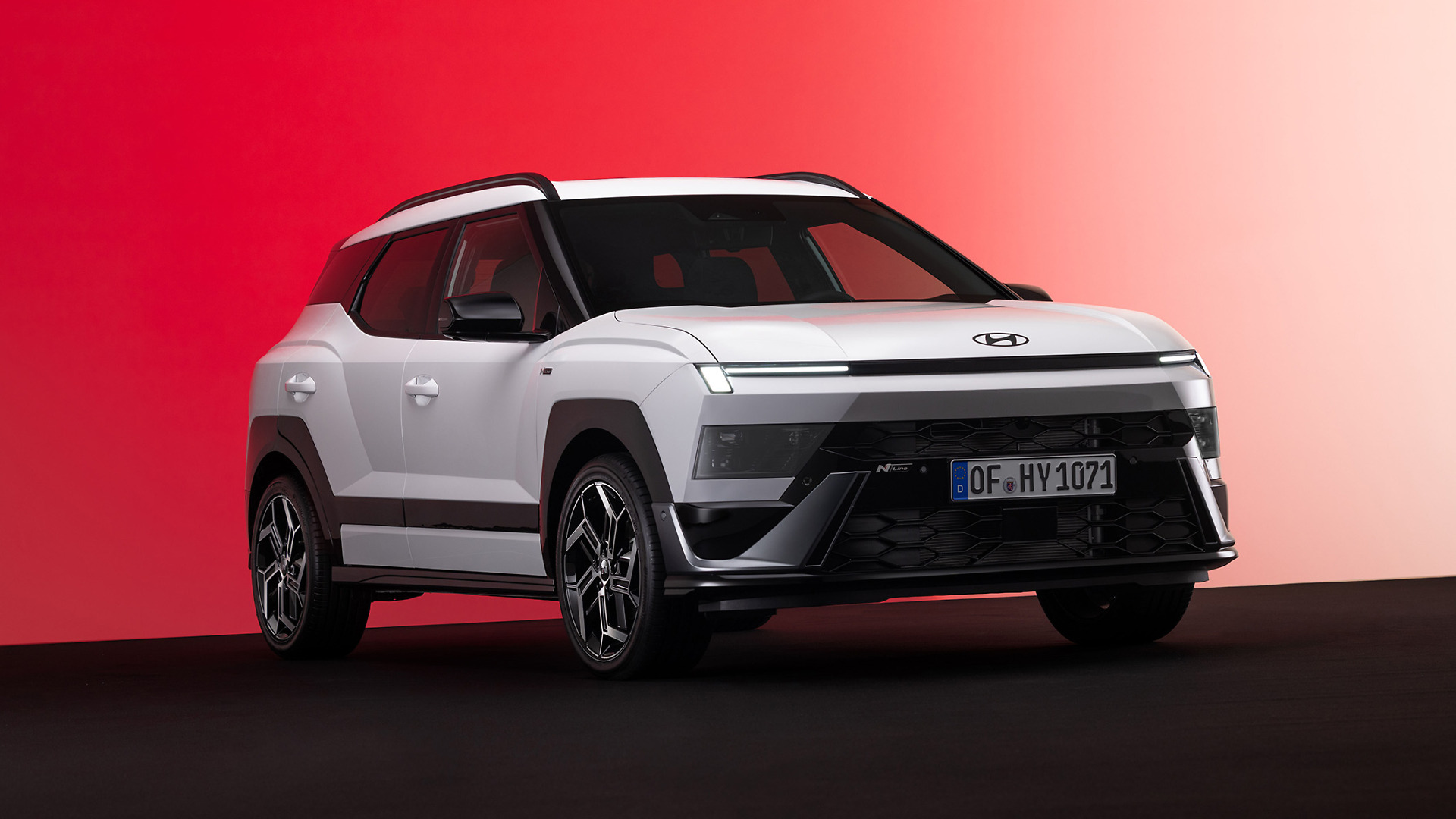







Hyundai has unveiled the second-generation Bayon, giving its compact SUV a substantial redesign, a more spacious interior and additional technology. A new full hybrid version will also join the range in 2027.
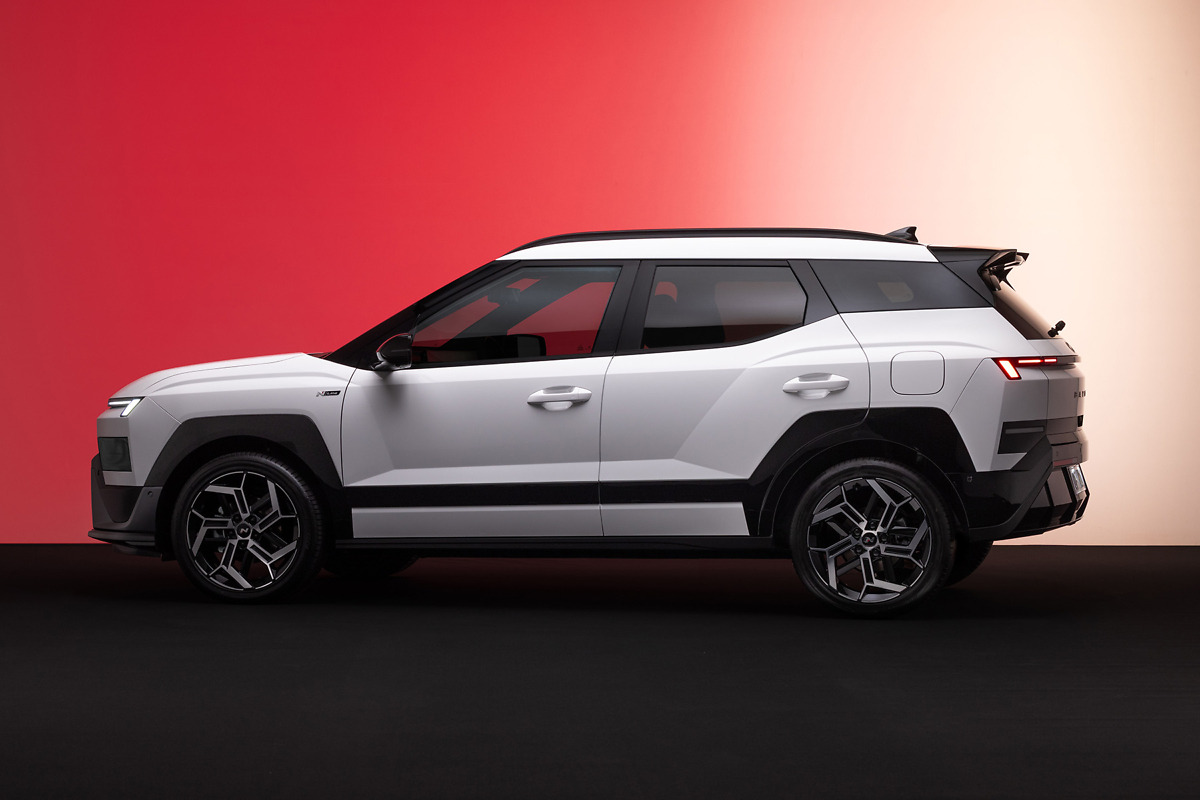
The new Bayon retains its position in the small SUV class, competing with models such as the Renault Captur, Toyota Yaris Cross and Ford Puma. However, its redesigned bodywork gives it a more conventional SUV appearance than its predecessor, with a taller stance, more angular styling and increased ground clearance.
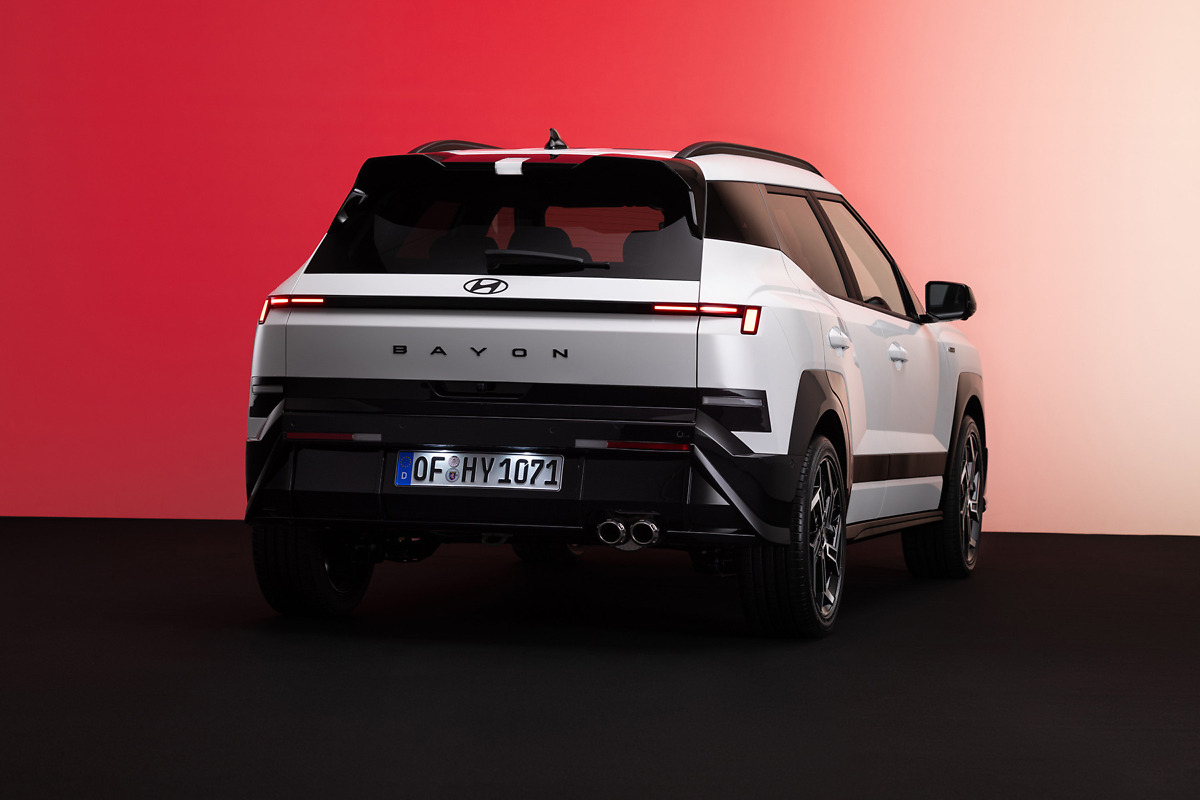
The front end features a full-width lighting strip, separate LED headlights and a more prominent lower bumper. Chunkier wheel arches, additional black body cladding and roof rails contribute to the SUV styling, while the rear gets a redesigned lighting arrangement.
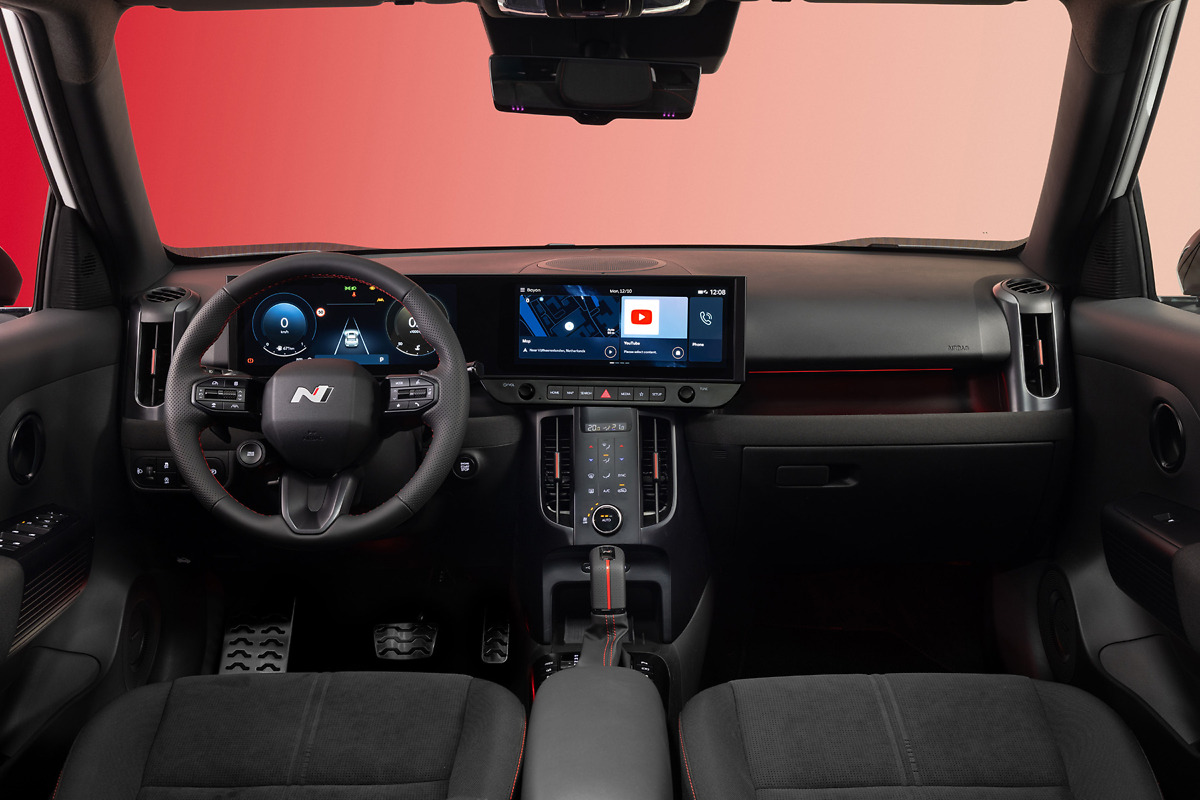
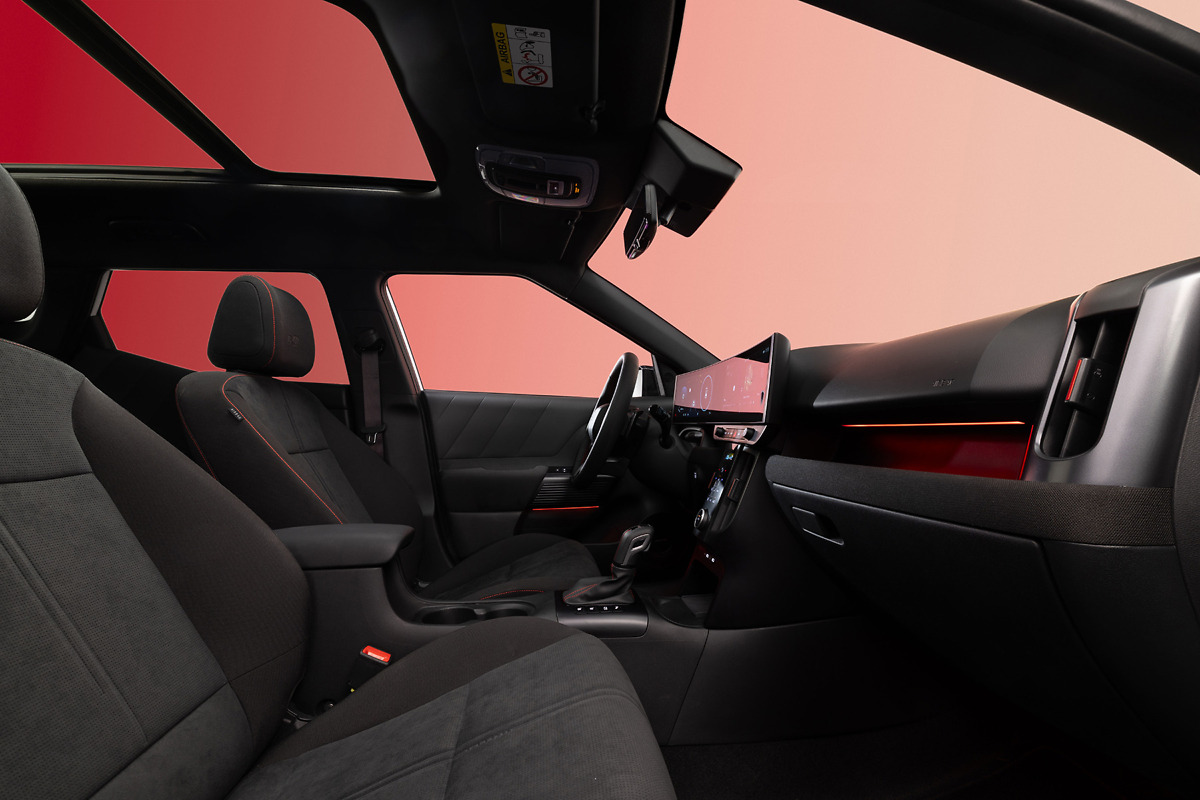
An ‘N Line’ version will also be available, adding sportier bumpers, gloss-black exterior trim, unique 18-inch alloy wheels and twin exhaust outlets. Inside, it features dedicated cloth and suede-effect upholstery. Hyundai will offer a selection of exterior colours, including three matt finishes.
More space and technology inside
Hyundai says the longer wheelbase provides more rear legroom, while passengers in the back also benefit from reclining seatbacks, a centre armrest and available heated seats. Boot capacity has increased to a projected 440 litres on petrol models, although the forthcoming hybrid will have a slightly smaller 397-litre luggage compartment.
The dashboard has also been redesigned, with available twin 12-inch displays combining the digital instrument panel and infotainment system in a curved arrangement. Wireless Apple CarPlay and Android Auto are supported, while Hyundai Digital Key 2 allows compatible smartphones and smartwatches to unlock and start the car.
Other available features include wireless phone charging, an eight-speaker Bose sound system, an opening panoramic sunroof and heated and ventilated front seats. Some versions will also offer video streaming services through the infotainment display.
The Bayon will be available with an expanded range of driver assistance technology, including adaptive cruise control, lane-keeping assistance, blind-spot monitoring and a 360-degree parking camera. Hyundai’s Highway Driving Assist 2 system will also be offered, combining steering and speed assistance on suitable roads.
Petrol engines at launch, hybrid to follow
The new Bayon will initially be offered with a choice of two 1.0-litre turbocharged petrol engines, producing 90hp and 115hp respectively. Both will be available with either a six-speed manual or seven-speed dual-clutch automatic gearbox.
A new full hybrid powertrain is scheduled to join the line-up in 2027. It will combine a 1.6-litre petrol engine with an electric motor and six-speed dual-clutch automatic transmission, producing a combined 138hp.
Unlike a plug-in hybrid, the system will not need to be charged externally. Instead, it will recover energy during braking and deceleration to recharge its battery.
Drivers will be able to adjust the level of regenerative braking using paddles behind the steering wheel, while an adaptive setting will automatically vary the amount of energy recovered according to driving conditions.
UK pricing and availability
The new Hyundai Bayon will be manufactured at the company’s factory in Turkey for European markets.
UK prices, specifications and an exact launch date have yet to be announced. The full hybrid version is expected to follow the initial petrol models during 2027.