

British car buyers have barely had time to get used to names like BYD, Omoda, Jaecoo and Leapmotor, yet another wave of unfamiliar Chinese car brands is already preparing to follow them into the market.
Some are entirely new names, while others have been selling cars in China for decades. Several are backed by enormous automotive groups that already operate other brands in the UK, although you wouldn’t necessarily realise it from their names or logos.
And while the first wave of Chinese manufacturers has largely made its mark by offering generous equipment and competitive prices, some of the next arrivals are aiming considerably further upmarket.
So who are these new brands, what sort of cars will they be selling, and what could their arrival mean for British car buyers?
Meet the next wave
Denza
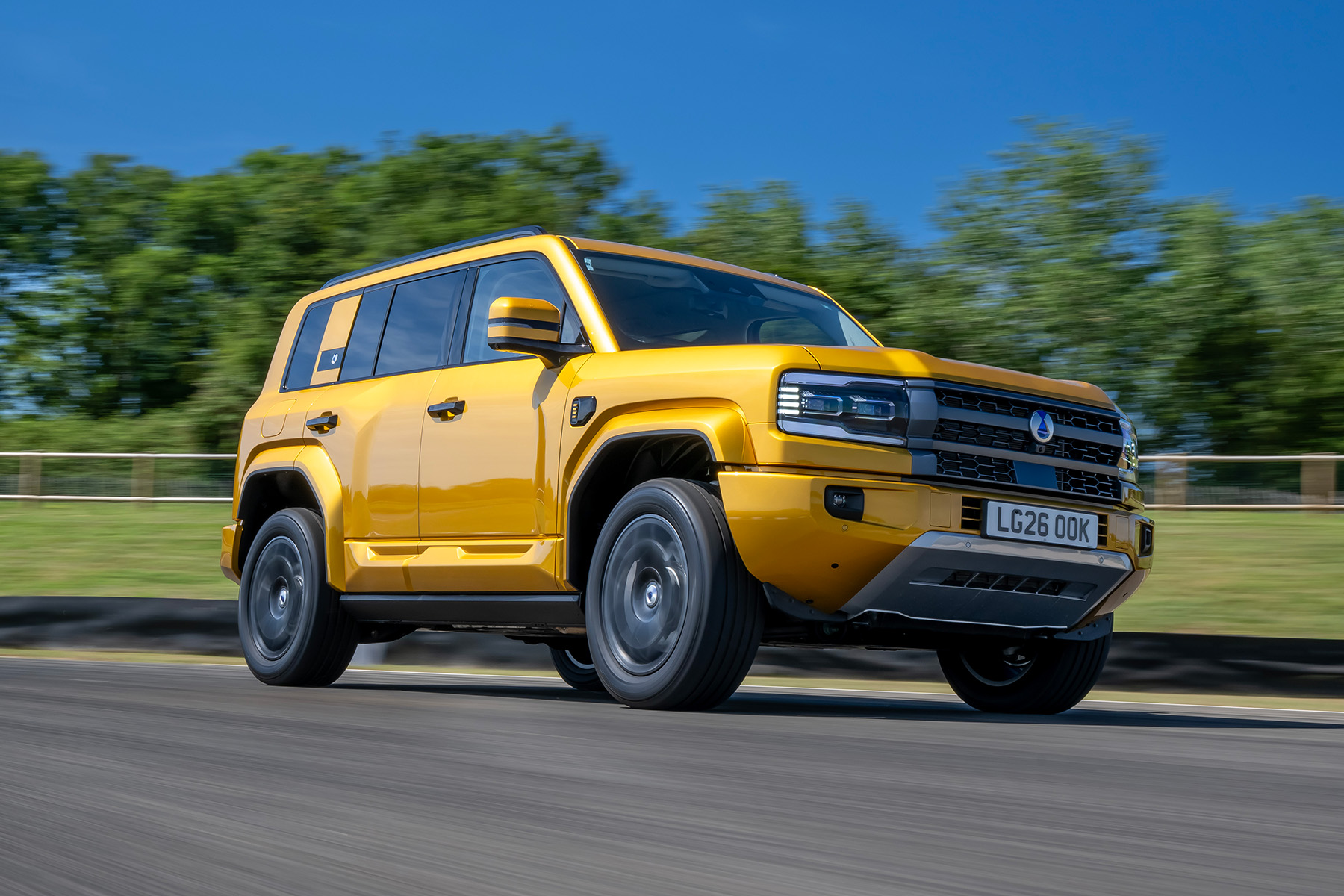
If you’ve only recently become familiar with BYD, prepare to meet its more expensive sibling, Denza. Originally established as a joint venture between BYD and Mercedes-Benz, Denza is now part of the BYD Group and is being positioned as a premium alternative to established luxury brands. Think of it as a similar relationship as Lexus is to Toyota.
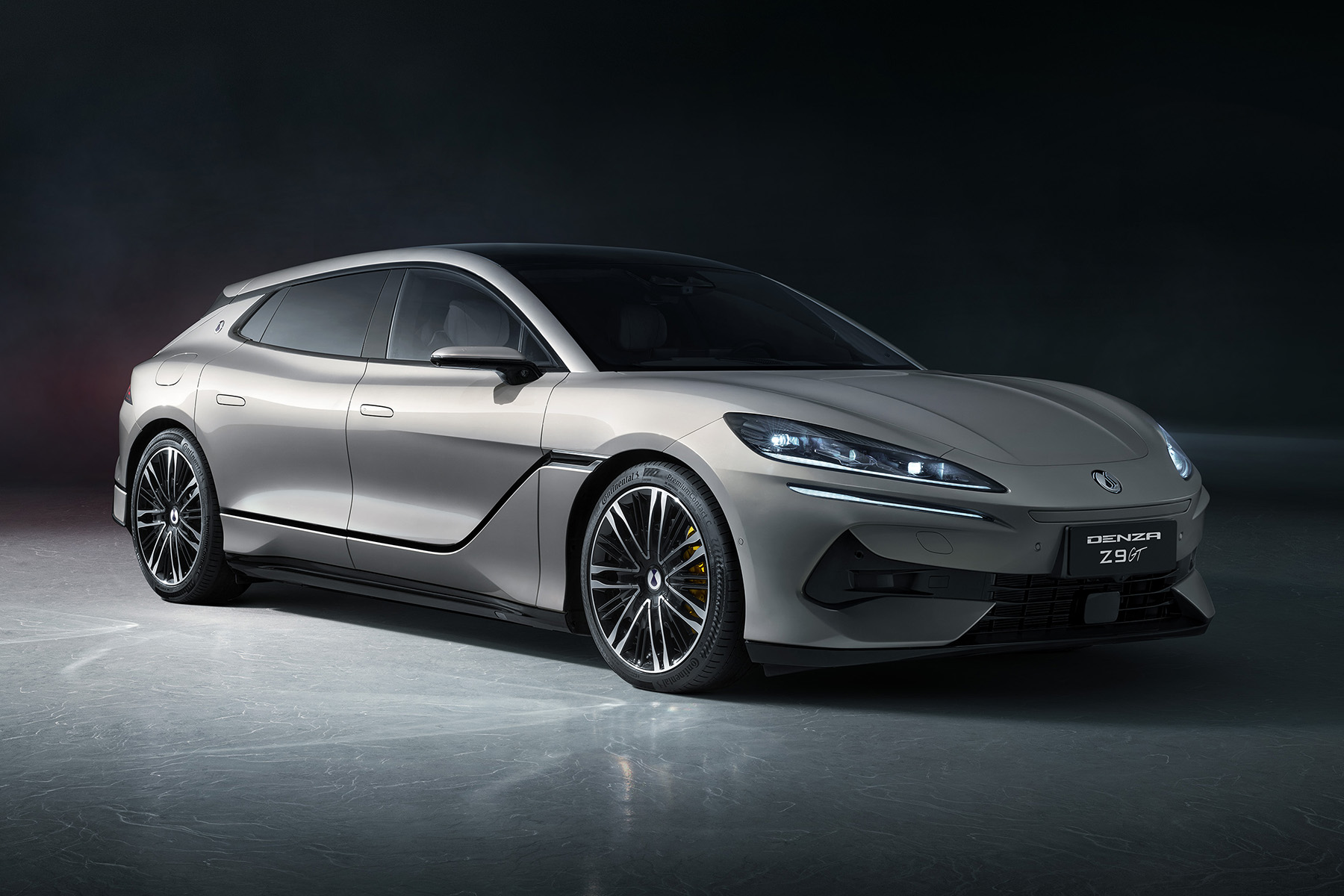
Denza has already begun its European and UK launch programme, with its first car starting to hit streets now. Its first models include the Z9GT, a large sporting estate available with electric or plug-in hybrid power, and the Bao 5, a chunky plug-in hybrid SUV.
Denza is an example of how Chinese manufacturers are no longer concentrating simply on offering cheaper alternatives to mainstream cars. They’re also taking aim at premium brands, competing head-on in terms of technology, performance and luxury.
Hongqi
One of China’s oldest car brands is probably also one of the least familiar names to UK buyers. Hongqi (pronounced ‘Hoong-chee’) has been making cars since 1958 and is part of the enormous FAW Group, which also has longstanding manufacturing partnerships with Volkswagen and Toyota in China.
Historically associated with luxury cars for Chinese government officials, Hongqi is now expanding into Europe with a range of electric, hybrid and petrol-powered vehicles.
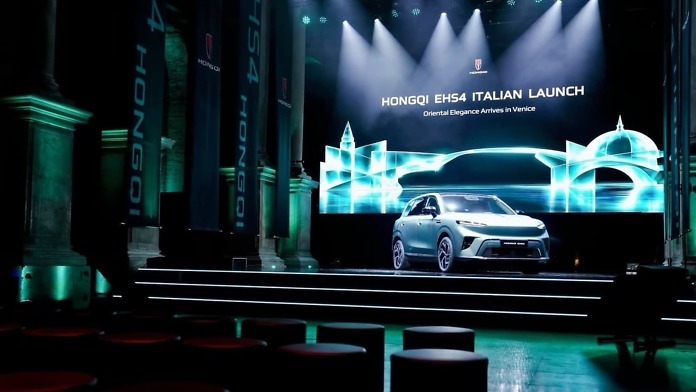
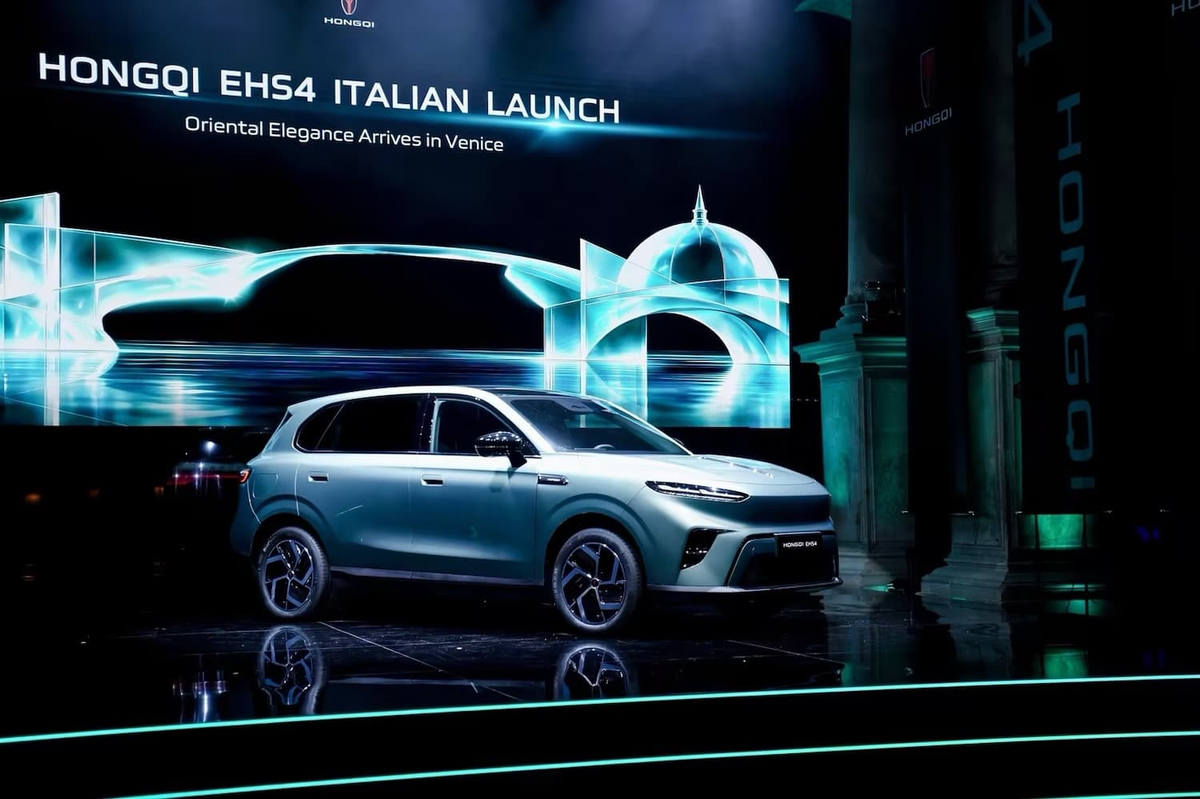
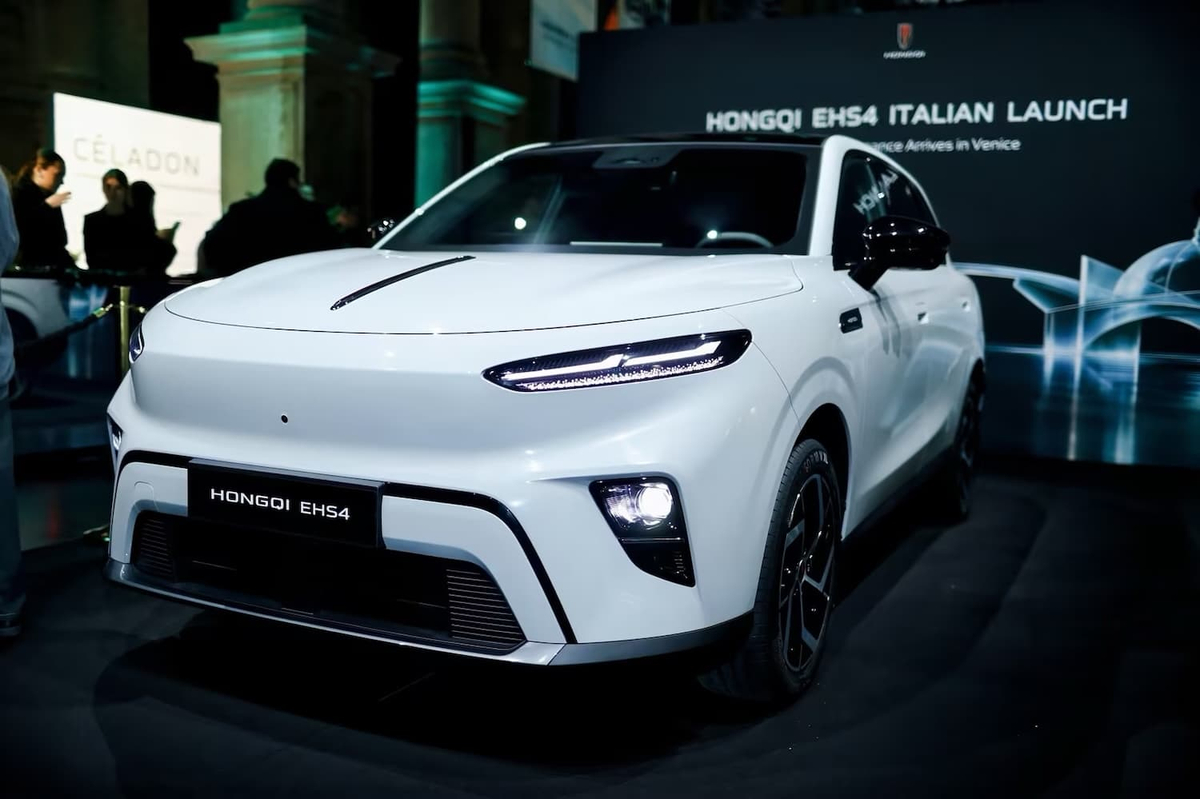
The Car Expert attended Hongqi’s European launch in Venice last week, where the company unveiled its EHS4, a relatively conventional small electric SUV designed specifically for Europe that will debut next year. A range-extender version, which uses a petrol engine to generate electricity, is also planned.
Hongqi is targeting more than 150 European dealerships and service outlets by the end of 2027, across a network covering 27 countries. The UK is part of its European ambitions, although details on a British launch remain limited.
iCaur
As if Chery didn’t already have enough brands, with Omoda, Jaecoo, Chery itself and Lepas, it’s preparing to introduce another couple over the next two years. The first of these is iCaur (pronounced ‘iCar’, with spelling that way in China, but Apple has something to say about that in other parts of the world).
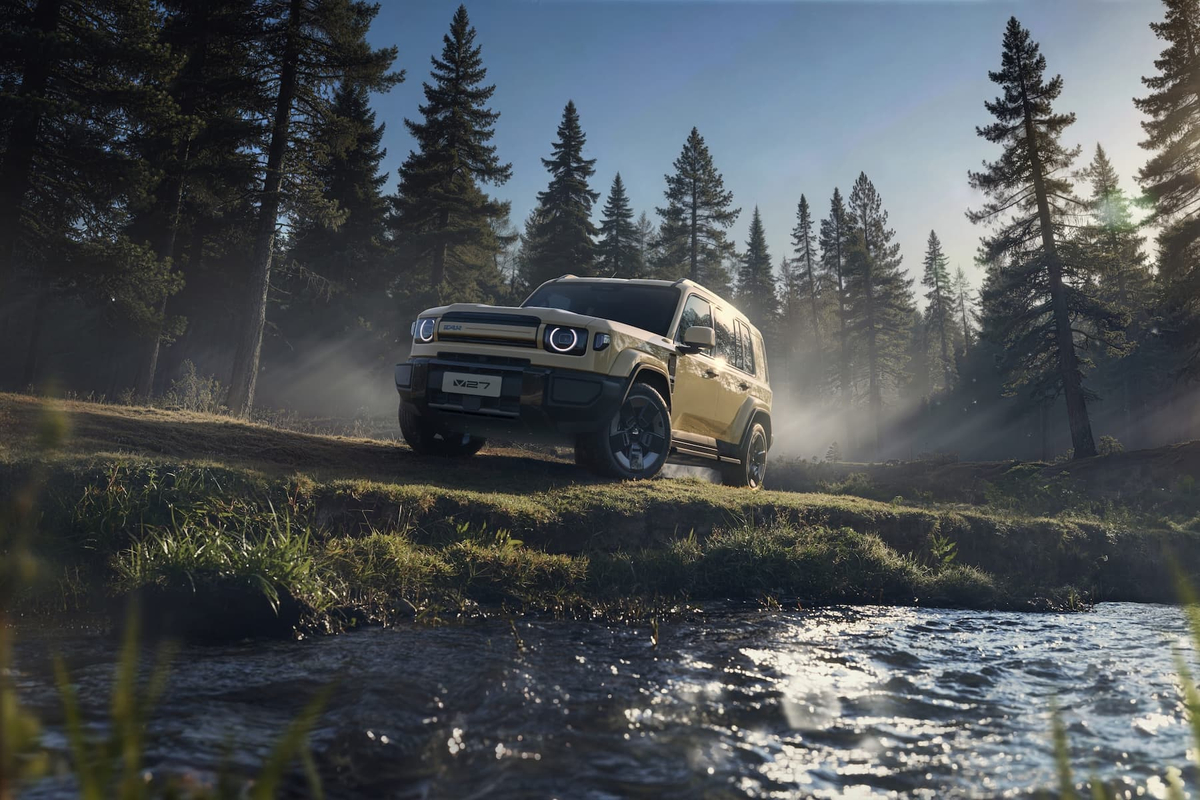
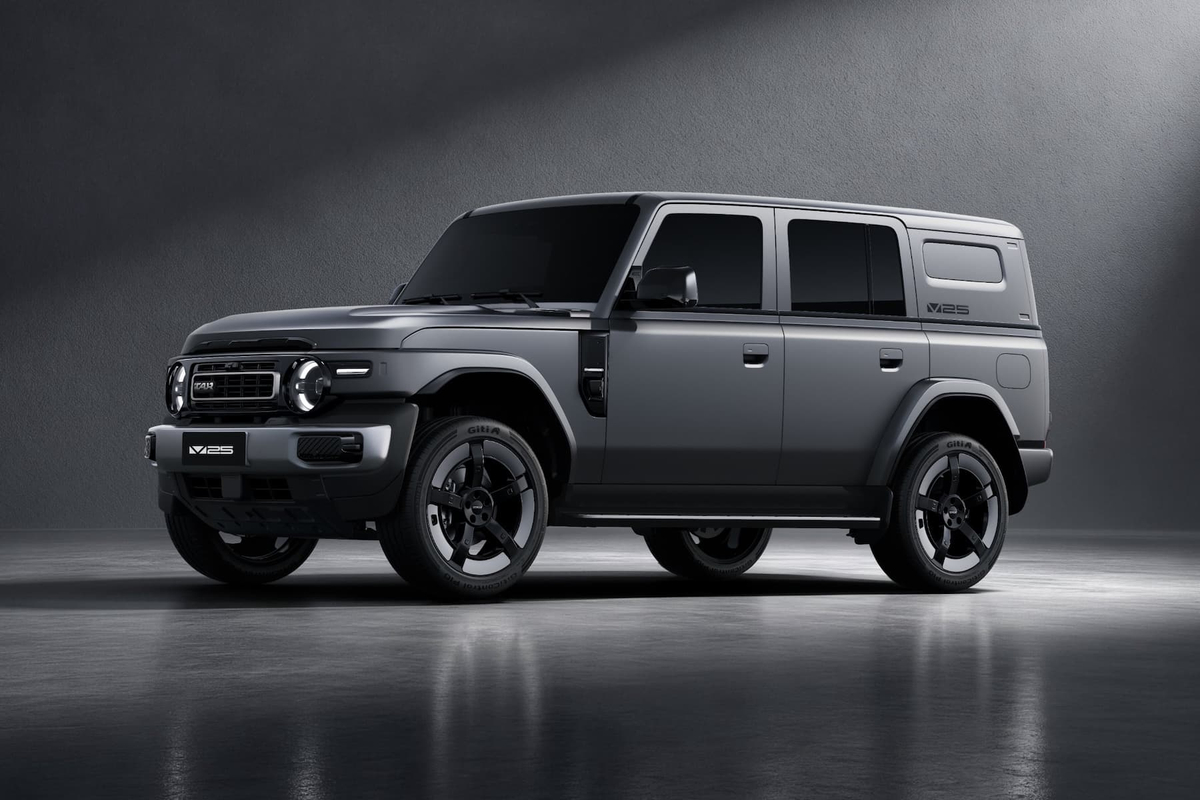
iCaur is scheduled to launch in the UK in early 2027, starting with the V27, a large, boxy five-seat SUV with an electrified hybrid powertrain and an emphasis on outdoor activities and off-road capability. This will likely be followed by the slightly smaller V25, although that’s yet to be confirmed. In China, iCaur also has the cute V23, but Europe won’t be getting that model, at least not in its current form. Some design aspects don’t comply with European laws, so we’ll have to wait and see if these issues are addressed as part of a mid-life update that would allow it to be sold here.
Unlike many of the electric SUVs coming from China, iCaur’s vehicles have a more rugged, traditional 4×4 appearance. Its styling is intended to give the brand a distinctive identity within an increasingly crowded market.
iCaur will have its own UK management and retail operation, although it will benefit from the manufacturing resources and experience of the wider Chery group.
Zeekr
Zeekr belongs to the huge Geely automotive group, which also owns Volvo, Lotus and Polestar, as well as the Geely brand itself. The company specialises in premium electric vehicles and is already established in several European markets. Its range includes the compact Zeekr X SUV, the larger 7X SUV and the 001 and 7GT sporting estates.
Zeekr has been expanding its European operations and dealer network, although UK launch arrangements have yet to be confirmed. We’re expecting it to land here in the first half of 2027, and will keep you updated as we get more news.
Its connection with Geely means it can draw on the group’s considerable engineering and manufacturing resources, rather than starting from scratch as an independent new manufacturer.


Aito
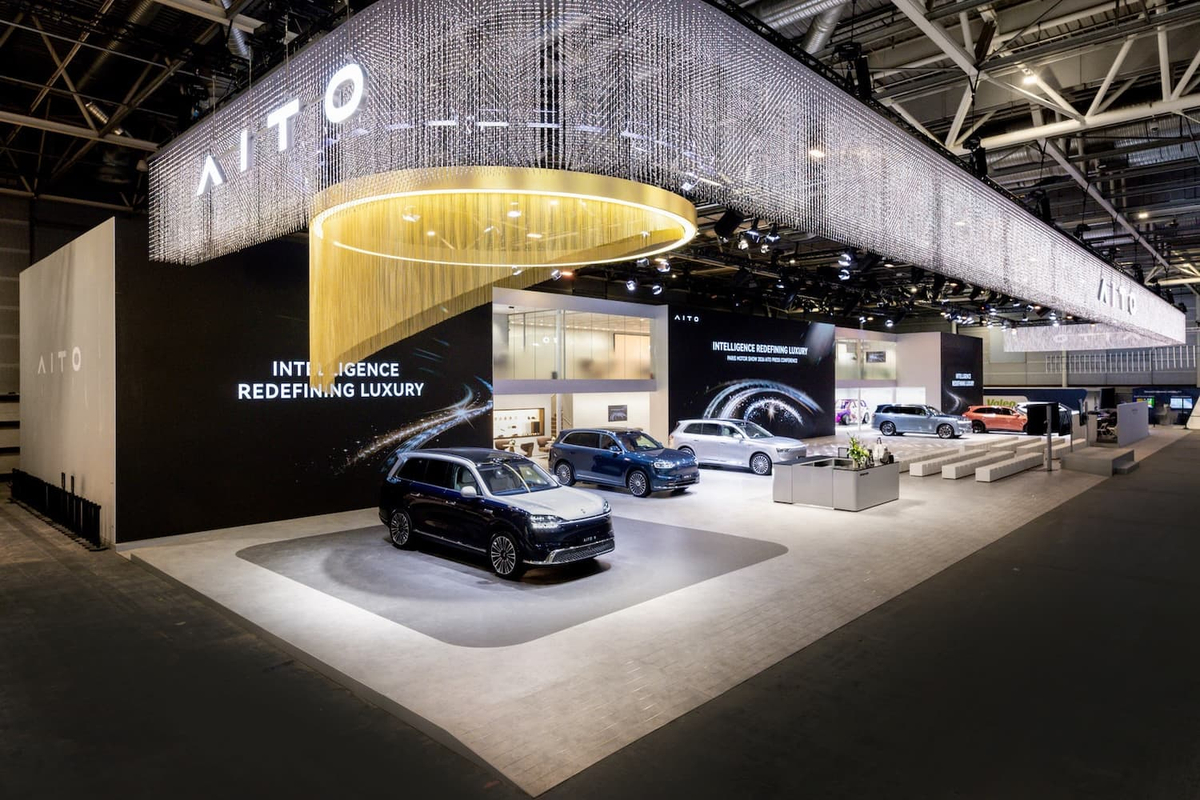
Aito is another premium Chinese brand, developed by the Seres Group with extensive involvement from technology company Huawei. The brand places particular emphasis on the technology inside its cars, including its digital systems and driver assistance features. Its range in China consists primarily of large, luxurious SUVs, with electric and range-extender powertrains.
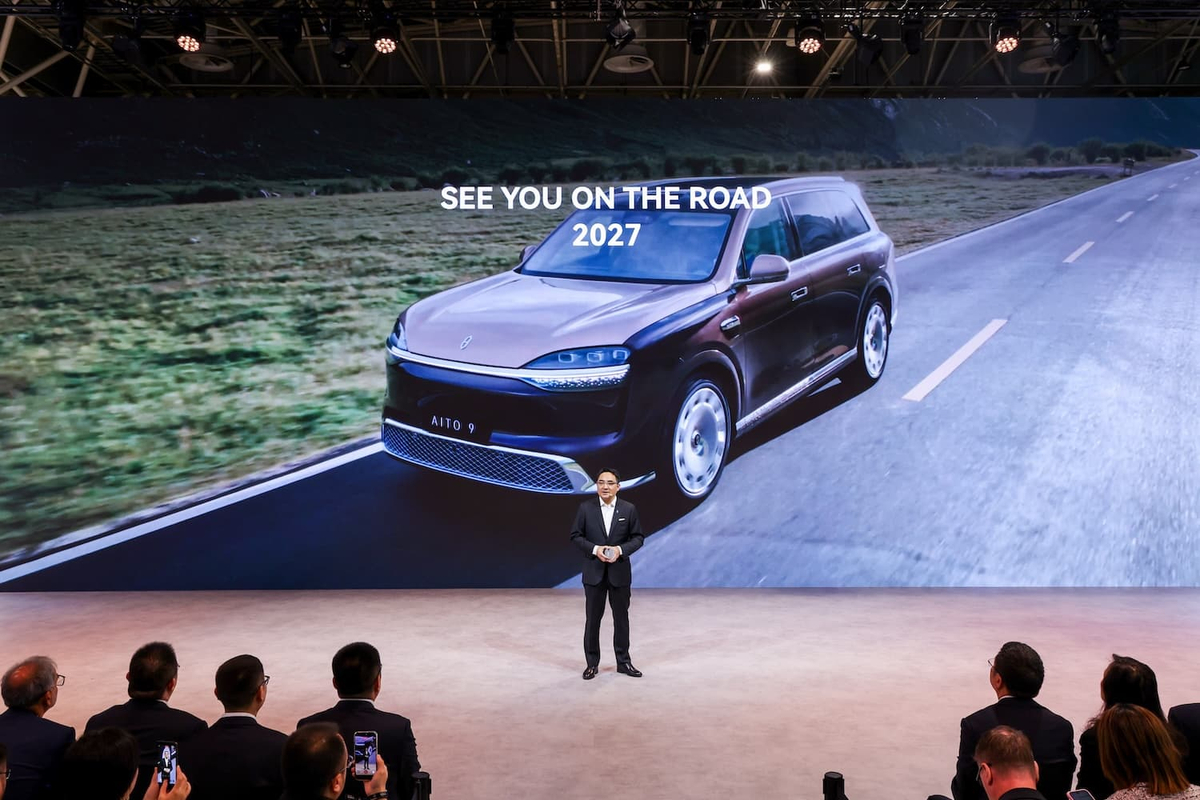
At the Paris motor show in October, Aito announced that it would launch in Europe in autumn 2027. It displayed four SUVs of various sizes, although it has not yet confirmed which European countries will receive them first.
Aito represents another trend in the Chinese car industry: technology companies – in this case, Huawei – becoming increasingly influential in how cars are developed, equipped and sold. The crossover between electronics and automotive technologies is becoming increasingly important as self-driving cars become ever closer, so these sorts of tie-ups are likely to continue.
Avatr
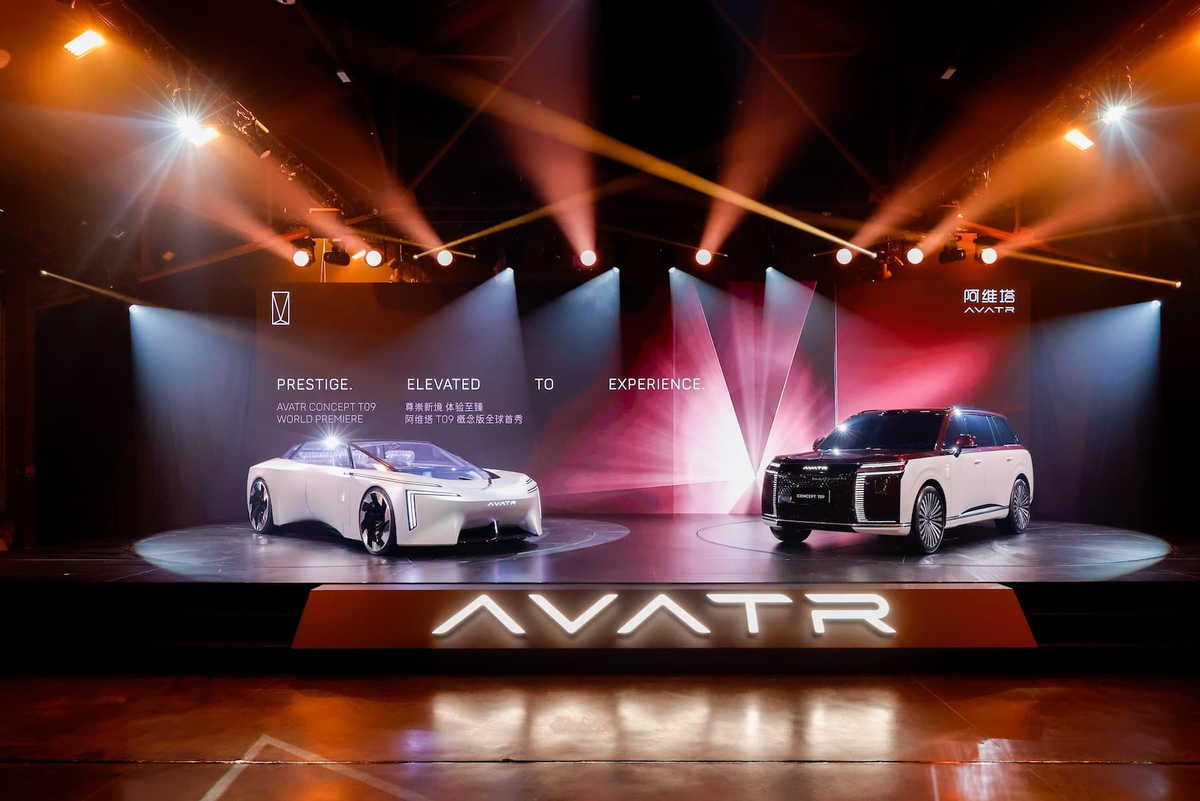
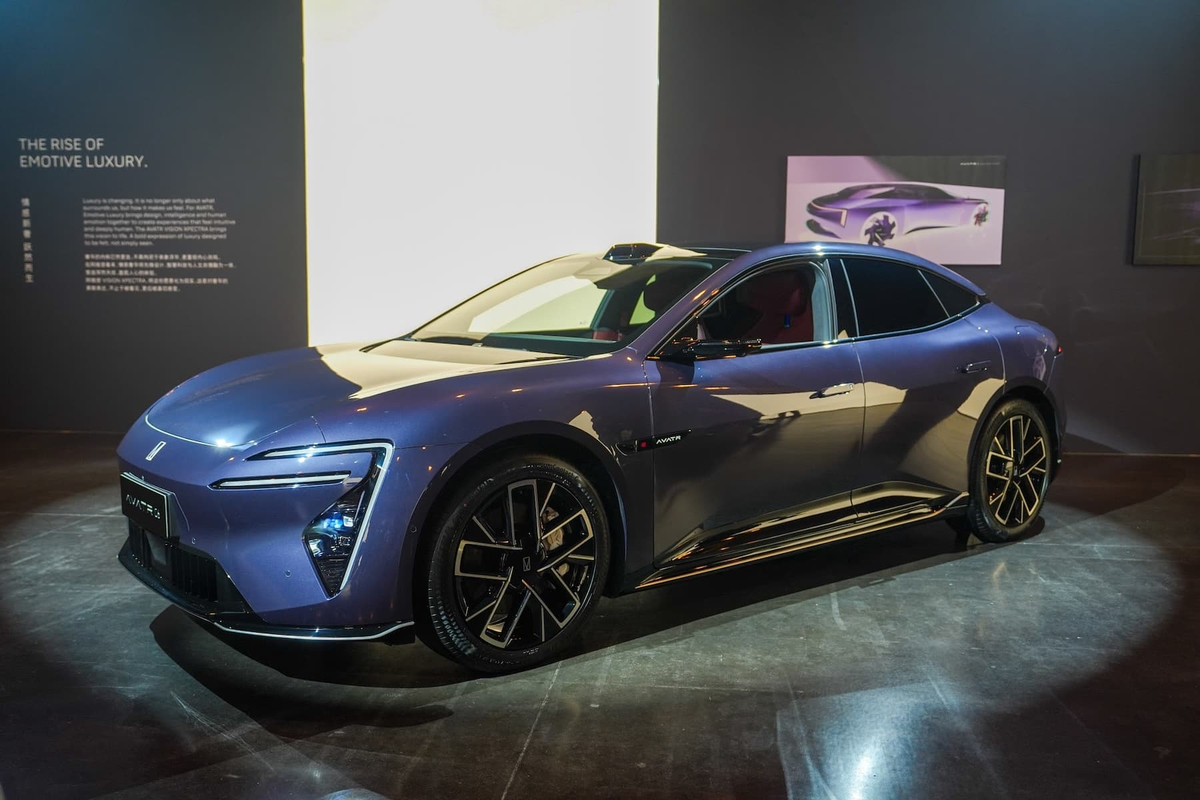
Avatr is part of the Changan automotive group, which has already entered the UK market under its own name with the Deepal range of SUVs. Avatr is aimed at the premium end of the market, with more distinctive styling and a strong emphasis on technology. It also has connections with battery manufacturer CATL and technology company Huawei.
Changan plans to introduce Avatr vehicles into selected European markets during 2027, initially including Norway and Spain. Whether and when the brand will reach Britain remains to be confirmed. We also don’t yet know whether Avatr models will be sold as a sub-brand of Changan, as the Deepal models are, or as a standalone brand. What it does show is how, like Chery, Changan is developing different identities for different parts of the automotive market rather than selling everything under one name.
Nevo
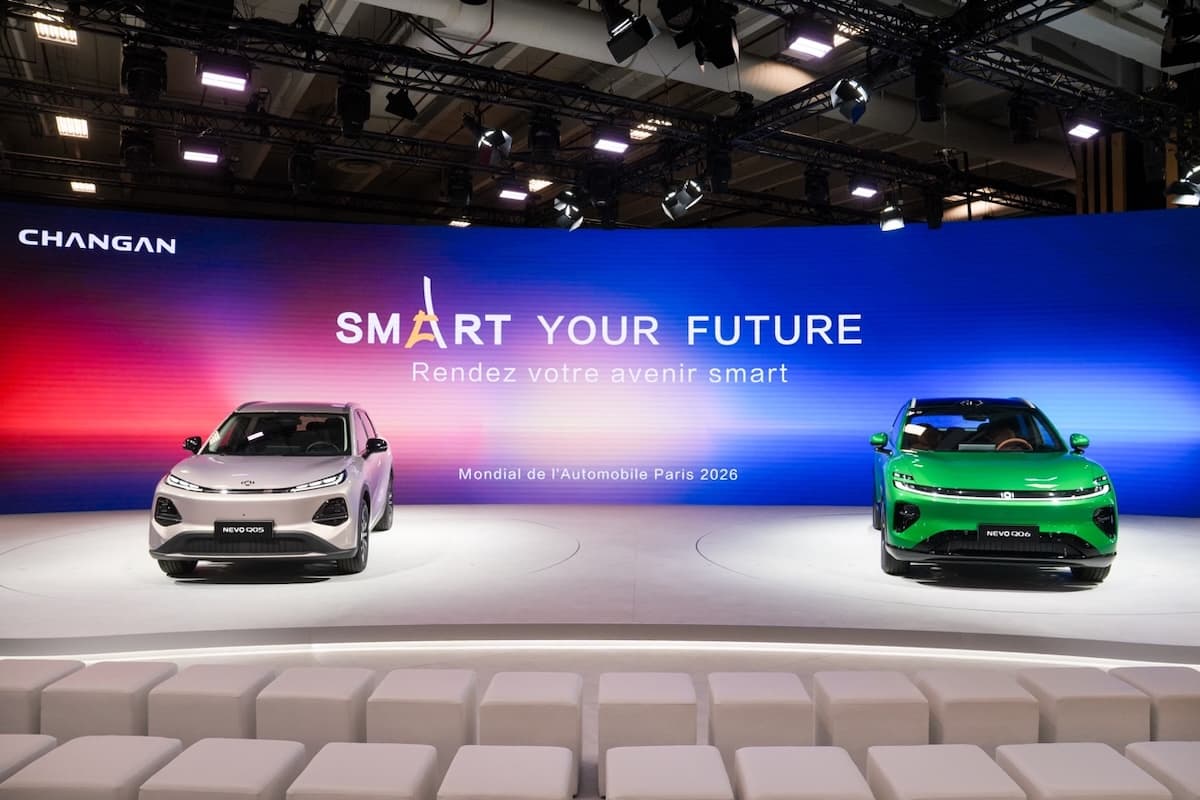
Another member of the Changan family is Nevo, which takes a more mainstream approach than Avatr. While Avatr is focused on premium technology and luxury, Nevo is being positioned around practical, comfortable family cars, with electric and hybrid models.
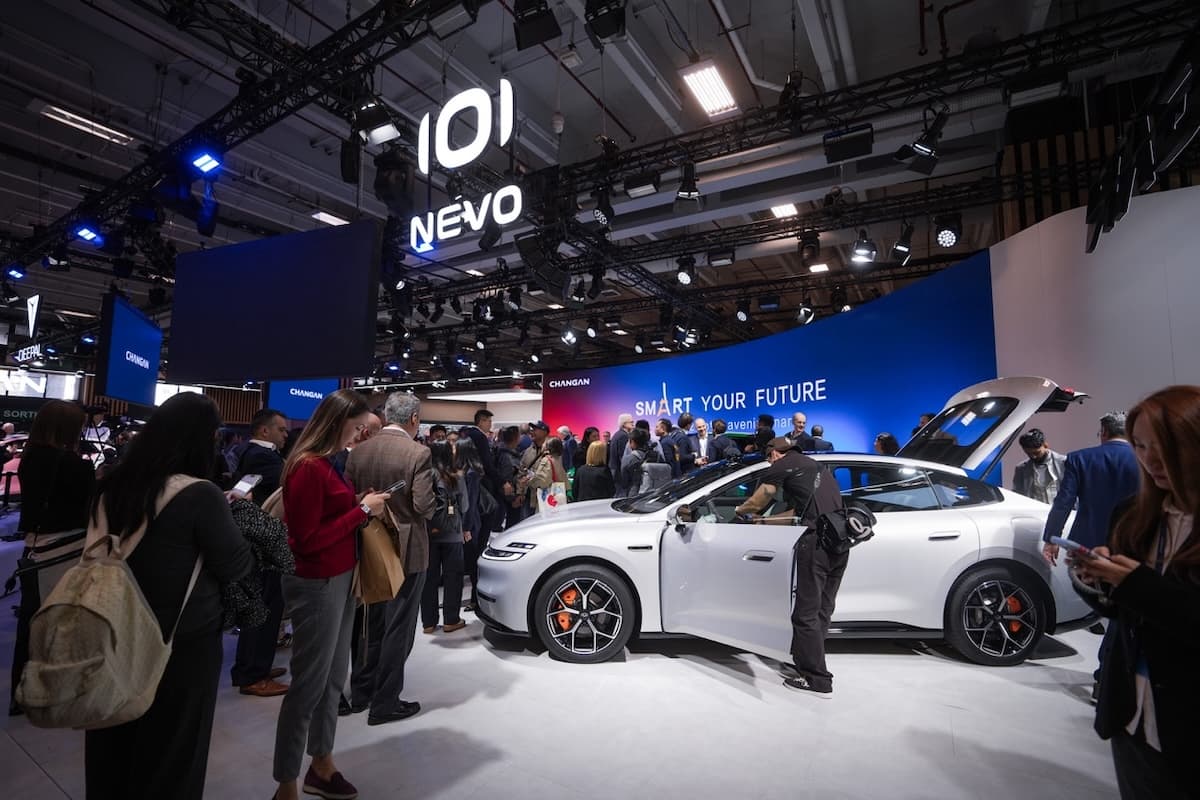
The Nevo Q05 electric SUV made its European debut at the Paris motor show, with European sales expected to begin in early 2027.
Once again, British launch plans have not yet been confirmed and, as with Avatr, we don’t yet know whether the cars will be branded as Nevo or Changan Nevo.
Freelander
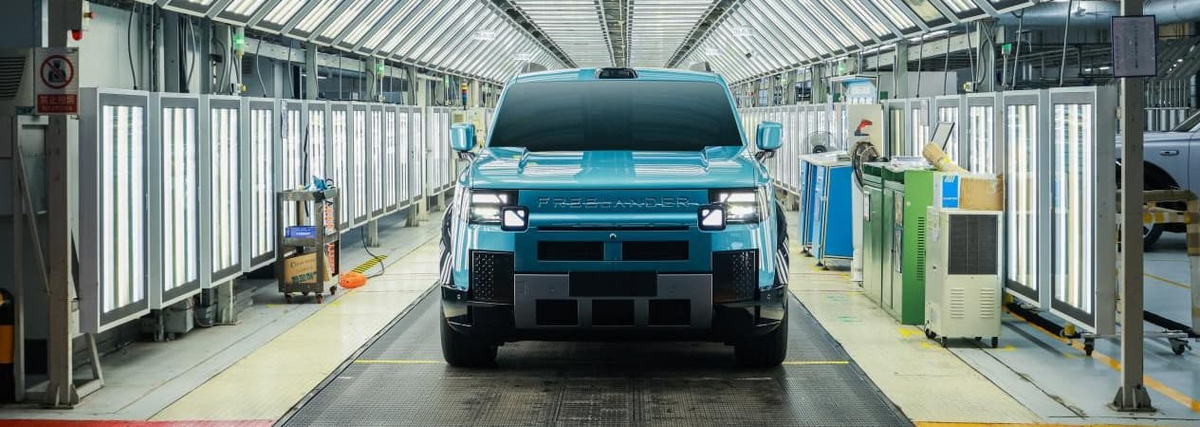
The next Chery brand to launch after iCaur has a more familiar name. Freelander was originally the name of Land Rover’s smallest model, but it’s now being revived as a separate brand through a partnership between Chery and Jaguar Land Rover.
The new Freelander vehicles will be developed primarily for international markets, starting outside Europe before eventually expanding into Britain.
Unlike the original Land Rover Freelander, the new brand will offer a wider range of electrified SUVs in a range of sizes. Its first model is a large plug-in hybrid, although vehicles sold in Europe may differ from those offered in China.
A UK launch is planned, but the timing remains unconfirmed and may be some way off, probably in 2028.
Why are there so many Chinese car brands?
For decades, UK car buyers have been accustomed to a relatively familiar collection of European, Japanese, Korean and American manufacturers. Although brands have occasionally come and gone, the overall choice hasn’t changed dramatically.
China’s car industry operates rather differently. For a start, the Chinese car industry builds more cars each year than America, Europe and Japan combined, so it’s not surprising that there are plenty of brands you may never have heard of. Major manufacturers also often have several separate brands, each supposedly aimed at different customers or parts of the market. Chery, Geely, Changan and BYD are all following this approach as they expand internationally.
In theory, this allows manufacturers to offer everything from affordable family cars to expensive luxury models without trying to make one brand appeal to everyone. It’s also much the same as what groups like Volkswagen (VW, Audi, SEAT, Skoda, Porsche, Bentley, Lamborghini) or Stellantis (Peugeot, Citroën, Vauxhall, Opel, Fiat, Alfa Romeo, Abarth, Maserati, Lancia, Jeep, Chrysler, Dodge, Ram) do here in Europe.
In practice, the differences are not always as obvious with the Chinese brands we have seen to date. Many of these newest cars are mid-sized SUVs offering broadly similar styling, generous standard equipment, large touchscreens and electric or plug-in hybrid powertrains – but you’d struggle to tell them apart in a line-up.
The challenge for Chinese manufacturers is convincing customers who know almost nothing about them that their particular brand offers something genuinely different from all the others.
And although some of these newcomers are backed by enormous companies with considerable financial resources, that doesn’t guarantee they’ll succeed in Europe. Establishing dealerships, servicing facilities, parts supplies and customer support is enormously expensive, particularly before a brand has built up a substantial customer base.
What does this mean for British car buyers?
In the short term, the arrival of more Chinese manufacturers should generally be good news for customers. More competition means more choice, and it puts pressure on all manufacturers to offer better cars, more equipment and more attractive prices and finance deals.
But the consequences could be more significant than simply having another dozen car badges to choose from.
Several long-established manufacturers are already under considerable pressure in the UK, facing declining sales, rising costs or difficulty competing with newer brands. Another wave of Chinese competitors arriving in 2027 and beyond could make life considerably more difficult for them.
Some familiar manufacturers may need to cut prices, improve their products or rethink their model ranges. Others could eventually reduce their presence in the UK if they can no longer compete profitably.
The Chinese newcomers will face intense competition themselves, not just from established manufacturers but increasingly from one another. It’s difficult to see how every new brand can achieve its ambitious sales targets when so many are competing for the same customers with similar cars.
For buyers, the main consideration will be how well these unfamiliar manufacturers establish themselves in Britain. Competitive prices and long equipment lists are attractive, but dealership coverage, warranties, servicing, parts availability and long-term ownership costs will matter just as much.
It’s far too early to judge which of the incoming brands will offer the best cars or ownership experience, especially when several haven’t even announced their British ranges or prices.
What is clear is that the UK car market is changing rapidly. By the end of the decade, the number of brands competing for British customers could look very different from the one we’ve known for the last 20 or 30 years.