Dacia has confirmed pricing for the Duster SUV’s new range of petrol engines, with the latest variants available from £14,395 on-road.
On offer in both 130hp and 150hp guises, the engines feature a lighter aluminium block than their predecessors and take advantage of bore spray coating – a technology used on the inside of the cylinders that improves performance and engine response as a result of better heat management.
The engines also have a gasoline particulate filter to reduce harmful pollutants.
That all translates to 240Nm of torque, 137g/km and a claimed 47mpg for the 130hp TCe engine, while the 150hp unit boasts identical efficiency figures while seeing a jump in torque to 250Nm.
Both units are paired with a six-speed manual gearbox and two-wheel drive at launch, with all-wheel-drive variants due to arrive later in 2019.
Available in Comfort and Prestige trims, Dusters equipped with the 130hp option offer 16-inch alloy wheels, a rear parking camera plus sensors, electric windows and a seven-inch touchscreen infotainment system with support for both Android Auto and Apple CarPlay as standard (take note, BMW…).
As for the 150hp that comes exclusively with Prestige, it adds 17-inch alloy wheels, a multi-view camera, blind spot warning, climate control and keyless entry. Pricing begins at £16,295 for this range-topping model.
Order books are now open for the new Dacia Duster TCe engine range, with customer deliveries set to begin from March 2019.
Some charge BMW with creating the craze for premium SUVs with the original X5 and X3. These were cars that looked every bit the rugged off-roader, but traded in any ability on the rough stuff in favour of being fabulous to drive on tarmac.
With the new X5, the brand’s engineered some off-road ability back in, and hopes to combine it with its well-loved on-road manners as well as a serious dose of luxury to create a car that can – theoretically – do anything.
But the high-end SUV market has some brilliant entrants in that BMW has to match – the archetypal Range Rover Sport, the luxurious Mercedes-Benz GLE and the tech-filled Audi Q7 to name but a few.
Not forgetting that the X5 will soon no longer be the brand’s flagship SUV, as the monstrous new X7 launches next year. A tough gig, then.
What’s new?
The X5 has switched onto the same modular underpinnings as its smaller sibling, the X3 and X4, giving it access to a whole range of new tech. For the UK, there’s standard air suspension, as well as active four-wheel steering to help make the massive X5 feel more agile.
There’s plenty of tech inherited from other models, such as the new standard digital gauge cluster and widescreen infotainment system – renamed from the classic ‘iDrive’ to the rather bland ‘BMW Operating System 7.’
On the styling front, there’s the latest iteration of BMW’s kidney grilles, now joined in the middle by a chrome bar, as well as optional Laser LED headlights and wheels of up to 22 inches – available even on base models.
How does it look?
BMW’s latest corporate design is divisive, to say the least, and the X5 takes some of its cues from the massive – and, if we’re honest, fairly ugly – X7. That means a vast chrome grille, joined in the middle unlike BMWs of old, and sharp lines throughout. It’s certainly distinctive, however, and once you get past the snout the rest of the car looks decent.
The front features slim LED headlights with a new hexagonal motif flanking that walloping conk, while round the rear, broad LED taillights make the X5 feel even wider than it is. Not that it needs any help, as it’s already 6cm wider than its predecessor, as well as 4cm longer and 2cm taller.
The wheel designs in particular – other than the entry-level 19-inch units – are great, and the X5 looks properly mean on 21- or 22-inch rims. Round the back though, it’s pure X3 – a little bland and a little anonymous.
What’s the spec like?
Equipment’s generous, as you’d hope for the X5’s £57,495 asking price. LED headlights, leather upholstery, electric and heated front seats, air suspension, all-round parking sensors and a reversing camera, multi-zone climate control, adaptive cruise control, emergency braking and a range of online services.
The majority of customers will opt for the M Sport package, netting meaner-looking body styling and standard 20-inch wheels, and some models even get a crystal-glass gearknob and infotainment controller.
However, we can’t help but find the addition of Apple Carplay as a cost option very stingy. Worse still, it’s on a yearly subscription – so if you want to keep your phone connected, you’ll have to pay up. That’s a real blow, considering many superminis offer it as standard, and often throw Android Auto in as a bonus – yet the latter isn’t even an option on BMW models.
What’s it like inside?
The X5’s interior is supremely spacious and the seats – both front and back – are excellent. There’s a vast range of adjustment to the driving position, allowing anyone to get comfortable, and the 650-litre boot can be extended to 1,870 litres with the seats folded down. An optional third row secures this as a luxury SUV that would suit large families, too.
Our beef is with some of the redesigned elements, which feel like a step backwards compared to the previous model. Take the gauges, for example – they’re now fully digital, which is very slick and modern, but their angular half-octagonal shape affords nothing like the clarity of the brand’s signature twin circular dials.
There are other annoyances – such as the hard-to-read climate controls, as well as the cheap-feeling materials on the central tunnel. It’s a shame that some of the fundamentals, items BMW’s been getting bang-on for the last couple of decades, should be abandoned in the pursuit of showing off.
What’s under the bonnet?
Three engines are coming to the UK initially – all 3.0-litre straight-six turbocharged units. For petrol lovers (or diesel despisers) there’s the 40i petrol, which produces 340hp and 450Nm of torque and is capable of 0-60mph in less than 5.5 seconds.
Official fuel economy of just 33.2mpg and CO2 emissions of 193g/km should see it remain a relatively niche choice, although BMW is anticipating more customers will opt for it as diesel’s popularity continues to wane.
The vast majority of buyers will opt for the 30d diesel – a twin-turbo unit, producing 265hp and a hefty 620Nm of torque. It’s a good engine, too – creamy smooth and relatively powerful, though it struggles a little with the X5’s 2.2-tonne bulk when overtaking.
BMW’s also synthesised a fake engine noise, which is a little too loud and distracting – though at a cruise, near-silence reigns in the cabin. Official fuel economy of 47.1mpg isn’t too shabby either.
The top end is rounded off with the M50d, which turns the X5 into an absolute weapon. It’s ferociously powerful, without too much drama from a standstill but a heroic chunk of mid-range torque – 760Nm of it, in fact. Power output is 400hp, while combined MPG stands at 41.5, though that will definitely take a tumble if you intend on using the accelerator with the alacrity it demands.
All three engines are mated to the same rear-biased xDrive four-wheel drive system and BMW’s fantastic eight-speed automatic gearbox.
What’s it like to drive?
The X5 has a reputation for its ability on the tarmac, and that’s been replicated in this new model. What’s impressive is how small this 2.2-tonne behemoth feels on the road – it doesn’t feel as though it’s fighting its weight in the corners, and it stays impressively flat and level.
The rear-wheel steering helps with this agility, though some won’t like the way it feels – almost as though the rear of the car were squirming under load. Once you’re used to it, though, it feels natural. The X5 won’t trouble the likes of a Porsche Cayenne on the tarmac, but does make a Range Rover Sport feel heavy and leaden.
The ride has the floaty hallmarks of air suspension, but ride quality is a little compromised by the 22-inch wheels it’s possible to specify on even the entry-level model. Smaller options are available, and we suspect this would take the brittle edge off matters, even if they don’t look as good.
BMW’s rear-biased xDrive system is capable of sending all of the power to the front wheels if necessary, and it combines with an optional off-road package to make this new X5 far better on the rough stuff than its predecessor.
It won’t trouble a Range Rover Sport, but it’s fair to say that most X5 owners won’t be aiming to rock-crawl or do any serious mud-plugging. Around the woods of the Goodwood estate, it never felt troubled.
Summary
The BMW X5 falls down in too many areas to call it a definite class-leader, but the attraction will be there for many – it’s still a status symbol, it’s still eye-catching and it’s still great to drive.
The additional capability afforded by some genuine off-road chops will broaden its appeal, too, and we’re looking forward to trying 2019’s plug-in hybrid model.
It’s a good all-rounder with only a few negatives – and in this competitive sector, that’s all you can ask for.
Seven new cars have been awarded five-star safety ratings from Euro NCAP, in a very positive end to the year for car manufacturers.
As we reported yesterday, Fiat and Jeep are in the safety doghouse after two of the worst-ever results in Euro NCAP history, but the news was much better for the rest of the field put through the crash-testing wringer.
The Audi Q3, BMW X5, Hyundai Santa Fe, Jaguar I-Pace, Peugeot 508, Volvo V60 and Volvo S60 all scored the maximum five-star rating, with some excellent results for driver protection, child protection and vulnerable road users.
The new BMW X5 scored five stars from Euro NCAP
Michiel van Ratingen, Euro NCAP’s secretary general, said: “The Audi Q3, Jaguar I-Pace, Peugeot 508 and Volvo V60/S60 have set the standard against which others are judged this time, and other manufacturers could do well to follow their example.
“The I-Pace, especially, demonstrates that future vehicles will be good for the environment but also provide high levels of safety.”
After issuing a scathing criticism of Fiat and Jeep yesterday, Matthew Avery from the UK’s Thatcham Research was full of praise for the latest five-star cars: “These six carmakers take a more consistent approach to safety across their model range, and all have made a conscious decision to meet the standards set by Euro NCAP’s toughest tests.
“The Audi Q3, Jaguar I Pace, Peugeot 508 and Volvo V60 are all amongst the ten safest cars produced in 2018, with the BMW X5 and Hyundai Santa Fe not far behind.”
Mercedes-Benz has opened order books for two new powertrain options in its E-Class range.
Buyers of the E-Class saloon can now order the new E 300 e, a petrol-electric plug-in hybrid model, while the coupé and cabriolet variants are now available with the high-powered E 350 petrol engine.
The hybrid goes on sale with prices starting at £47,450. It’s powered by a 2.0-litre four-cylinder petrol engine, which produces 210hp, mated to a 120hp electric motor. Total system output is 320hp.
It is capable of a theoretical 134.5mpg, according to the WLTP combined cycle, while CO2 emissions are pegged at just 46g/km. The E300 e is capable of travelling 31 miles on electric power alone, and charging takes two hours with a 7.4kW charger – or four hours from a standard three-pin plug socket.
That starting price nets an E 300 e in entry-level SE trim, with sportier AMG Line cars coming in at £49,945. All cars receive blind-spot assist, active parking, keyless go, heated front seats, 18-inch alloy wheels, a twin-screen infotainment and gauge setup, heated front seats and wood trim on the centre console. AMG Line adds a styling package, full leather upholstery and darker wood trim.
More power for two-door E-Class models
Meanwhile, the E-Class coupé and cabriolet line-ups now have access to the 350 petrol engine. Confusingly named, it’s also a 2.0-litre unit which produces 300hp and 400Nm of torque. It starts from £44,750 for a coupé model, while cabriolets cost from £49,246.
The 350 isn’t a full hybrid, but uses Mercedes’ EQ Boost mild hybrid system. It’s essentially a beefed-up starter motor, which combines with a larger battery pack and 48-volt onboard electronics to boost power output by 15hp.
The E 350 coupé and cabriolet are available exclusively in AMG Line trim, and so come with similar specifications to the saloon – twin-screen infotainment, electrically adjustable and heated leather seats, all-round parking sensors and keyless go. 19-inch alloy wheels are also standard.
Order books are open now for both the E300 e saloon and the E 350 coupé and cabriolet models. First deliveries of all models will commence in Spring 2019.
The Fiat Panda has become only the second car to ever be awarded zero stars for safety by crash testing body Euro NCAP – and the other car was the Fiat Punto, tested last year.
The current Panda has been around since 2011, and was originally awarded a four-star rating when it was new. But safety standards have improved significantly over the last seven years, and the Panda has fallen a long way off the pace.
One of the particular areas of concern was child safety, where the Panda scored a miserable 16% – compared to an industry average of 79%. The Panda failed to score more than 50% in any of the four categories (adult protection, child protection, vulnerable road users and safety assistance systems), which meant that it automatically scored zero stars.
Matthew Avery, director of research at UK safety organisation Thatcham Research, was not impressed: “Most troubling is that the Fiat Panda is seen as a good choice for young drivers and fledgling families. But the only safety technology fitted were seatbelt reminders and the rear system failed to meet requirements, so wasn’t even rated.
“These shocking Euro NCAP test results demonstrate an inconsistent commitment to safety, as Fiat has produced four and five-star cars in the past.
“Where budgets are tight, consider a safer small car second-hand, like the five-star SEAT Ibiza.”
New Jeep Wrangler equally disappointing
Fiat Chrysler Automotive came in for further stinging criticism with its American subsidiary, Jeep. When the all-new Jeep Wrangler 4×4 was put through the same crash testing regime, it scored a paltry one-star rating.
Lone stars might be good in Texas, but not in a crash test.
While Fiat can at least claim that the Panda is a seven-year-old vehicle and is unable to be redesigned to meet some of the latest standards, it has no such excuse with the new Jeep Wrangler, which is a completely new design and has only just arrived in UK showrooms.
The new Wrangler has achieved the worst score of any new model ever tested by Euro NCAP, and the third-worst in history ahead of the Fiat Panda and Punto.
Avery stated: “Unlike the Fiat Panda, the Jeep Wrangler is an entirely new vehicle and doesn’t come cheap. Buyers outlaying over £50,000 on a car should expect more than a one-star safety rating.
“No AEB (autonomous emergency braking) system is fitted, which is unheard of in this price bracket. There were a number of issues with the Wrangler in impact testing too, in terms of deformation of the footwell and damage to connecting structures, while the make-up of the dashboard was seen to present a risk to occupants.”
The controversy over Fiat and Jeep’s poor results rather detracted from some excellent five-star results for Audi, BMW, Hyundai, Jaguar, Peugeot and Volvo, which we will explore in a separate article.
New car registrations were down by 3% in November, just as they were in October, according to the latest data released today by the Society of Motor Manufacturers and Traders (SMMT).
Private new car sales were largely the cause of this month’s fall, down more than 6% on the same month last year. Fleet sales, which make up the majority of new registrations, were down by less than 1%.
In terms of market breakdown, there was relative stability among fuel types. Diesel sales for November were just over 32% of the overall total, which is in line with the year-to-date figure. Petrol engines made up 61% of the total and alternatively-fuelled vehicles (hybrids and electric cars) were just under 7%, about 1% over and under their year-to-date results respectively.
Ongoing supply issues for some brands
Supply issues continue to play havoc with some manufacturers in the wake of new WLTP fuel economy and emissions regulations that came into force in September.
Audi had a third shocking month in a row, with registrations down 43% in November after being down by 53% in both October and September. Ford, Hyundai and Nissan were other big names with a poor month.
On the sunnier side of the street, Kia, SEAT, Skoda, Vauxhall and Volvo all had strong performances in November. For the two Volkswagen junior brands, supply definitely appears to be improving as WLTP-compliant models start flowing freely through to dealerships.
Hatchbacks dominate top ten
Seven of the top ten-selling cars in November were hatchbacks, with the remaining three SUV/crossover models and no saloons or estates to be seen.
As usual, the Ford Fiesta is parked in the top spot, although only 500 units ahead of the Volkswagen Golf. The new Mercedes-Benz A-Class had another sterling month to again finish in third place, while the Nissan Qashqai recovered to fourth place after a slow month in October.
An improved fifth place for the Mini hatchback in November means it has overtaken the Volkswagen Polo in year-to-date registrations, while the Mercedes A-Class has also jumped the Ford Kuga, which fell back out of the top ten this month.
Many large SUVs offer seven seats, either as standard or as an option. It makes a lot of sense in a family car, as even the smallest of rear pews can be invaluable if you need to carry unexpected passengers for a short journey.
This is the first foray into the world of seven-seat SUVs for Lexus – at least in the European market. The RX L is based on the popular RX, which we reviewed back in June.
What’s new?
It’s difficult to tell the RX L hides a pair of third-row seats inside, but put it next to the standard car and you’ll notice the blockier rear and higher roofline. There’s actually an 11cm increase in the car’s overall length, all behind the rear wheels.
There’s not much else to report, with the rest of the L being standard RX fare. That means the same combination of 3.5-litre V6 petrol engine and electric motor, plus a tech-filled cabin.
How does it look?
It’s actually quite difficult to spot the extra bulk of the RX L over the regular RX – Lexus’ stylists have done a great job disguising the larger rear, and the sloping window line gives the impression of a rakish coupé roof without any of the associated practicality woes.
Up front, there’s the classic Lexus ‘spindle’ grille – an acquired taste, but it’s flanked with really smart LED headlights and a selection of other cuts and slashes. Lexus’ design language is nothing if not distinctive, and you certainly won’t mistake this for any other SUV on the road.
Next to a Range Rover Sport’s straight-edged styling, it’s equal parts gaudy and appealing.
What’s the spec like?
Our RX was in range-topping Premier trim – a pricey investment, but one that comes with plenty of equipment to sweeten the deal.
All RX Ls, regardless of trim level, boast some serious kit, including eight-way electrically adjustable front seats with heating and ventilation, a power folding third row, satnav, a powered tailgate and a raft of standard safety kit including lane keep assist, adaptive cruise control and active high beam assist.
Our car was kitted out with a brilliant Mark Levinson sound system as well as 20-inch alloy wheels, plus a sunroof, 360-degree camera system, heads-up display and heated rear seats.
What’s it like inside?
Superbly-built interior, but frustrating infotainment system
Lexus’ interiors are almost uniquely well-built – even the German brands can’t match how well the RX is screwed together. Most materials are superb, and so are the fittings – the high-resolution 12-inch display for the infotainment system is a real highlight.
There are two big dark clouds hanging over it, though.
The first is the infotainment – which after a week of use we still couldn’t grow accustomed to. It’s navigated through a sort of square mouse-pointer device, rather than the simpler and more effective touchscreen or scroll wheel of most rivals. The interface itself isn’t poor, but it’s immensely difficult to select the option you’d like, especially when on the move.
The second is space. Having a third row of seats is all well and good, but adults will really struggle to get into them – and once back there, it’s very cramped. The back row is really only suitable for children – a shame, as the middle row is roomy and comfortable.
What’s under the bonnet?
As mentioned, the RX L uses the same powertrain as the regular RX – a Lexus classic consisting of a 3.5-litre V6 petrol engine running the efficient Atkinson cycle, and an electric motor and battery pack. Total system output is 312hp, which is a healthy amount even in a car this size. Petrol power is sent to the front wheels, while the electric motor takes care of the back wheels.
The overall effect isn’t the same as a diesel rival would be. While most diesel SUVs of this size concentrate on low-down torque, the RX is happier with some revs – which the CVT gearbox is only too happy to provide, sending the dials spinning at a prod of the throttle.
Outright performance is impressive, though – 0-60mph can be achieved in 7.8 seconds, though top speed is just 112mph. Claimed fuel economy is 47.1mpg and CO2 emissions are 138g/km, which are really good figures for such a large, petrol-powered SUV.
You will have to work hard to achieve these figures, though – long runs are less suited to the hybrid powertrain and you’re more likely to see figures in the mid-30s.
What’s it like to drive?
The big Lexus doesn’t really like being treated like a hot hatch
The RX L trades mainly on refinement, quality and comfort. It’s a big car with an imposing presence, and though that can make it difficult to park in cities the commanding driving position and beefy bodywork do garner a certain level of respect from other traffic.
When cruising along, the RX L is comfortable and cushy, riding over potholes and speed humps with ease. It’s also refined, with thick glazing and great soundproofing muting out most of the wind noise and road noise.
There’s little point troubling the Sport or Sport S modes, however. The RX is a huge car that’s not too happy to be thrown around like a hot hatchback, and the hybrid powertrain and CVT gearbox doesn’t exactly lend itself to thrilling performance. Keep the RX L in its happy place, and you’ll have a comfortable ride.
Summary
The RX L is somewhat of a quirky choice next to the established German opposition such as the Mercedes-Benz GLS or Audi Q7 – but then, that’s a characteristic most Lexus’ have.
The two tiny rear seats in the RX L aren’t quite enough to recommend it over the standard RX, though, and if you regularly carry seven adults, rivals will serve you far better.
If you’re after an imposing hybrid SUV and your focus is on comfort, though, the RX L will serve you pretty well.
Model as tested: Lexus RX450h L Premier
Price: £61,995
Engine: 3.5-litre V6 hybrid
Power: 312 hp
Torque: 335 Nm
Top speed: 112 mph
0-60mph: 7.8 seconds
Fuel economy (combined): 41.7 mpg
CO2 emissions: 137 g/km
Hyundai and Kia have been forced to reduce their claimed range for their latest new electric models after what was described as “a testing error”. The vehicles affected are the Kia e-Niro and Hyundai Kona Electric.
According to Hyundai (which is also Kia’s parent company), the “independent organisation” responsible for the testing procedures applied an “incorrect testing methodology”.
Hyundai claims that the test centre accidentally kept the cars on the test’s ‘urban’ cycle for a disproportionate amount of time, which resulted in the vehicles travelling at lower overall speeds with reduced energy usage for a longer period. This produced better results than it would have if the correct protocol had been followed.
The previously-claimed WLTP combined cycle range for the Kia e-Niro fitted with a 64kWh battery pack drops from 301 miles to 282 miles. The claimed range for the standard 39kWh battery pack drops too, from 193 miles to 179 miles.
The numbers are similar for the Hyundai Kona Electric. The official range has been reduced from 312 miles to 279 miles for cars with the 64kWh battery, and from 190 miles to 180 miles with the 39kWh battery.
Both brands have said that no other models in their respective ranges are affected by similar slip-ups, and that customers who have ordered an e-Niro or Kona Electric have been contacted to “flag up the issue”.
The admissions come at a crucial time for electric car uptake in the UK new car market, and range anxiety is already at the top of the list for buyers’ concerns about buying an electric car.
Last month it was reported by WhatCar? that most electric cars currently on sale overstate their mileage, although the Hyundai Kona Electric was found to have the best range of any electric currently on sale.
BMW has announced UK pricing and full specifications for its latest 8 Series coupé.
The new model sits as BMW’s flagship alongside the 7 Series luxury saloon and revives a nameplate last seen in the 1990s. It will also be joined by a convertible version in time for next summer.
The 8 Series coupé goes on sale in the UK this month, with prices starting from £76,270 on-road for the 840d diesel model. The 840d uses a 3.0-litre straight-six diesel, producing 320hp and good for a 0-60mph sprint of 4.7 seconds. It returns official fuel economy of 46.3mpg and emits 160g/km of CO2.
Customers wishing to opt for petrol power have only one option – the hot M850i, which uses a 530hp 4.4-litre V8 engine and is capable of 0-60mph in just 3.5 seconds. Fuel economy sits at a less-impressive 29.1mpg, though, and CO2 emissions are 221g/km. It’s priced from £99,525 on-road.
Both engines are mated to a rear-biased xDrive four-wheel drive powertrain and eight-speed automatic gearbox which can work with the satnav to predict the gear it might need for the upcoming corners and junctions.
All cars come with a pair of large screens inside – a 10-inch unit that takes care of instrumentation and driving data, and a 12-inch screen that acts as the monitor for BMW’s latest iDrive infotainment system.
Adaptive navigation, Bluetooth, Wifi and a 20GB multimedia hard drive all feature as standard. Leather upholstery, LED lights and an optional cut glass gear selector are also available.
Also included as standard equipment is a head-up display, all-round parking sensors with park assist and a raft of safety features. BMW has bundled its driving assist technology into a ‘Personal Co-Pilot’ pack which includes adaptive cruise control, active city braking with pedestrian and cyclist detection and high beam assist.
The new 8 Series goes on sale later this month. Convertible pricing is yet to be announced, but we’ll have all the details for you as soon as BMW provides them.
Police across the UK caught an average of 179 drunk-drivers per day in December 2017, new research has found.
A series of Freedom of Information requests sent to 41 police forces across the UK by insurance comparison firm Confused.com revealed 5,551 motorists were caught intoxicated behind the wheel through the final month of the year. That alone accounts for 10% of the total drink-driving offences throughout 2017.
December proved to be the highest month for caught drunk-drivers, while July followed in second with 5,213 offences. Last year as a whole also saw a 2% increase on the number of drivers caught under the influence, totalling 57,613, compared with 56,745 in 2016.
A further survey by Confused.com of 2,000 motorists revealed 4% had been caught driving over the limit at some point, with 28% of those admitting to the crime saying it occurred the morning after drinking.
Amanda Stretton, Confused.com motoring editor, said: “There are a worrying number of people confused about how long they should wait between drinking alcohol and driving, and this has led to thousands of motorists being caught drunk behind the wheel each month.
“Drink driving can seriously impact the safety of our roads and put other road users at risk. Not only this, but it can land drivers with a fine or driving ban, which can have a negative impact on their car insurance premiums.
“To avoid getting caught out, we suggest drivers stop drinking early if they know they have to get behind the wheel in the morning, but the best advice would be to avoid drinking alcohol at all.”
Drivers across the UK could be causing confusion for other motorists by relying on daytime running lights (DRLs) for illumination in low visibility conditions, new research has found.
A study by the RAC of more than 2,000 drivers found that 62% claimed to have seen other vehicles with lights on at the front in dull and overcast weather conditions but not at the rear.
Another 15% say they had not noticed this, while 2% were unsure.
EU law has required all new cars and small vans sold in the country to be fitted with DRLs at the front of the vehicle since 2011 in an effort to improve road safety, but they are intended to complement dipped headlights rather than replace — and are dimmer as a result.
It’s also not a legal requirement for DRLs to be fitted at the rear of a car, although some manufacturers choose to fit them.
Most manufacturers now use LED lights for their daytime running lights, as LEDs have very low energy consumption and can easily be formed into various different shapes to suit the whims of car designers.
When asked if they knew the car they drove most frequently had DRLs fitted, 47% said their car did not, 29% said they only had them up-front while 14% claimed to have them both front and back. Further still, 8% said they knew their car had them at the front of their vehicle — but were unsure about the rear.
Pete Williams, RAC road safety spokesperson, said: “This is potentially a very worrying finding as it implies that many motorists are driving without any rear lights believing that because they have running lights that switch on automatically at the front, they are also on at the rear.
“Alternatively, and arguably just as concerning, these drivers could simply have decided the light conditions were not bad enough to merit turning on their dipped lights or sidelights.”
Toyota has announced pricing and specifications for the new British-built Corolla hatchback and estate models – marking the return of the nameplate to the UK after a 12-year hiatus.
The new hatchback, which will compete with the massively popular VW Golf and Ford Focus in the European market, will be priced from £21,300.
That starting price nets you the most basic of the three powertrain options, and the only pure internal combustion unit in the range – a 1.2-litre turbocharged petrol expected to offer around 115hp.
Heading up the range, customers can also choose a 1.8-litre hybrid powertrain lifted from the Prius, which starts from £23,750, or a new 2.0-litre hybrid. This model takes aim at higher-powered rivals with its 180hp output, and starts from £27,550 – though it’s not available in base trim as the other two are. The range currently tops out at £30,340 for a 2.0-litre hybrid estate in Excel trim.
Both hybrids are mated to CVT transmissions, while the 1.2-litre petrol gets a six-speed manual ‘box. Toyota expects 85% of customers to opt for one of the hybrid powertrains.
Customers can also choose from hatchback or Touring Sports estate models – with the latter commanding a £1,270 premium. A saloon model will follow (not built in the UK), with pricing and specification details expected in the new year.
Trim levels begin with Icon and run upwards through Icon Tech, Design and Excel. All models get 16-inch alloy wheels, automatic LED headlights, heated front seats, an eight-inch touchscreen infotainment display, reversing camera and DAB radio.
Icon Tech bolsters this with satnav, a seven-inch instrument display, parking sensors and park assist. Design, as the name suggests, boosts the car’s looks with 17-inch alloy wheels, rear privacy glass and LED fog lights, plus automatic wipers, while top-of-the-range Excel trim brings 18-inch alloy wheels (17-inch on estate models), upgraded LED headlights, keyless entry, sports seats, part-leather upholstery and an optional bi-tone paint finish.
All models also get a raft of safety kit, including adaptive cruise control, pre-collision assist, lane keeping assist, road sign assist and automatic high beam.
The largest retail network of electric car chargers is to be rolled out across Tesco stores nationwide.
Charging bays will be installed at Tesco’s largest Extra and Superstore car parks, with 600 outlets to benefit from the boost. It will create 2,400 EV bays – a 14% increase in the number of public charging slots.
By 2020, both fast and rapid chargers are set to be installed at the sites by Pod Point – the UK’s largest independent operator of rapid chargers
Customers will be able to charge their electric cars using a standard 7kW fast charger for free, or use a rapid 50 kW charger for a cost yet to be disclosed.
Volkswagen has spearheaded this charging initiative as it aims to ramp up the infrastructure for EVs ahead of the launch of its new family of all-electric models, and also tries to rebuild its environmental credentials after the global Dieselgate scandal.
Erik Fairbairn, chief executive of Pod Point, said: “This agreement is a monumental day for electric vehicle drivers. It is a massive leap forward for the UK and a significant step in our mission to put a Pod Point everywhere you park.”
Since the government’s Road to Zero announcement that all new cars registered from 2040 need to be “effectively zero emission” – meaning they can’t just run on petrol or diesel – there has been an increased push from charging providers and vehicle manufacturers to build up the infrastructure and viability of electric vehicles to meet this deadline.
Ford’s range-topping Edge SUV brought all-American looks to UK shores back in 2016, and its uptake was reasonably strong. To continue its popularity, Ford has refreshed it for 2018, adding an updated design as well as a new engine and gearbox too.
Though SUVs are ten-a-penny these days, Ford hopes that the Edge’s aggressive looks, strong equipment levels and roomy interior will ensure it stands out from the crowd. However, is it able to? We’re in Sweden to find out.
What’s new about the Ford Edge?
This is no ground-up remodeling. Very much the facelift, the new Edge isn’t groundbreakingly different to the car it replaces, but this doesn’t mean that Ford has just fitted a new grille to the old Edge and left it at that. Yes, the looks have been refreshed, but there are also a new diesel engine and gearbox too.
To keep things current, Ford has also graced the Edge with a range of cutting-edge assistance systems, along with its latest in-car technology. Improved refinement has been put high up the list of priorities too, which is why there’s a variety of features now included in the Edge to help keep things as quiet and as comfortable as possible.
How does it look?
Though the Edge is a relatively new addition to the UK’s roads, it’s been on sale in America for some time now and this certainly shows when it comes to the car’s styling. It’s big, brash and square – but it does look good in the metal. Certainly, the new grille and revised rear lights give it even more presence than it had before and the 20-inch polished alloy wheels fitted to our test car only added to this.
How does it stack up against rivals in terms of looks? Pretty well, actually. Whereas many other manufacturers are leaning towards rounded, smooth designs the Edge’s blocky appearance does give it a certain amount of appeal. It’s likely to divide opinion, but that’s not such a bad thing in the SUV segment.
What’s the spec like?
Base Titanium specification Edge models are fitted with a strong amount of standard kit, with features such as 18-inch wheels, LED headlights and heated front seats all included as part of the car’s £36,995 price tag. At this price, the Edge makes a fair bit of sense – though it does come with the less powerful diesel engine driving just the front wheels alone.
Rocking in at £46,995, the Vignale does get all manner of extras over the base model. A leather-trimmed steering wheel, chrome roof rails and Matrix Adaptive LED headlights do make it stand out from the rest of the range, but these aren’t features which drastically alter the package.
Continued on next page:Interior, drive and our verdict
Toyota has introduced an updated Prius at the 2018 Los Angeles motor show.
This version comes with an electric all-wheel drive system, as well as a new hybrid battery that is designed to perform in colder weather and new equipment. The design has also been tweaked slightly.
The Hybrid AWD-i system uses a high-torque electric motor mounted on the rear axle to send power through the wheels when needed. It engages when pulling away up to 7mph and on wet or slippery roads up to 44mph.
Although the additional motor is mounted under the boot, storage space is only slightly infringed upon.
The exterior of the Prius features slimmer angled headlights with bi-beam LEDs, less complex grille designs and the front of the car has been raised slightly to incorporate into the lines running along the sides. The rear also has simpler lights.
Toyota is offering the Prius with two new colours – Emotional Red and Aqua Breeze – and two new wheel options, a 17-inch alloy wheel and 15-inch grey contrast wheelcaps.
Equipment offerings have also been updated, with new cloth upholstery, a larger wireless charging tray, an improved head-up display to include navigation instructions and a faster Toyota Touch 2 touchscreen infotainment system that uses ‘gestures familiar from smartphone use’.
The 2019 Prius will make its European debut at the Brussels Motor Show in January. It is expected prices will remain close to the current £24,245.
Kia has revealed its new Soul EV at the LA Auto Show, replacing the model that has been on sale since 2014.
The all-electric crossover is set to produce 204hp (150kW) through its single electric motor and will have a 64kWh battery, which should give it a significant range.
The exact distance it can cover on a single charge has yet to be disclosed, with testing still being carried out before the official figure is published early in 2019.
The larger Kia e-Niro, which was launched at the Paris motor show last month, has a claimed range of 301 miles, so the Soul EV will likely match or surpass that figure.
Unlike previous generations of the Kia Soul, the new model won’t be sold in Europe with a regular petrol motor.
The Soul’s signature boxy styling continues
Evolved styling cues ensure that the third-generation Soul is distinct from its predecessor. The model’s trademark boxy look has been retained, though, albeit with updated front and rear light designs. The 17-inch wheels on the Soul EV are designed to reduce drag and increase efficiency.
The car features a smart regenerative braking system, operated by paddle shifters behind its steering wheel. The system will allow drivers to slow the car down while making use of the kinetic energy that comes from braking to gently recharge the battery, giving extra range.
Inside, a ten-inch touchscreen comes as standard. This display supports Apple CarPlay and Android Auto, and also features integrated voice recognition technology. A full range of driving assistance systems will also add to the car’s tech prowess.
Full specifications and pricing for the Soul EV will be released in 2019, and while the car is set to become available in the first half of next year in continental Europe, it will come to the UK market a few months later.
To add another offering in the varied small saloon segment, here’s the Volvo S60 – a compact four-door from the Swedish brand designed to take on the likes of the Mercedes-Benz C-Class and the upcoming and all-new BMW 3 Series. It’s based on Volvo’s Scalable Platform, and therefore shares its underpinnings with the XC90 SUV and V90 estate, to name just two.
It’s also the first car to be built in Volvo’s new manufacturing plant in Charleston, USA – a possible reflection of the brand’s concerns surrounding America’s potential change to import tariffs. We’re testing it here in range-topping T8 Polestar Engineered specification.
What’s new?
The standout feature of this latest Volvo is the complete lack of any diesel option. That’s right, this is the first car in the modern Volvo range to lack an oil-burner as an engine choice, leaving just petrol and plug-in hybrid offerings instead. It reflects Volvo’s push towards electrification – and to clarify, that means the use of petrol and hybrid offerings – not just solely electric powertrains.
Many of the latest design features that we recognise from current Volvo vehicles have been carried over the S60 – though we’ll come to these in a little more depth later – while the interior has also been treated to plenty of plush materials that we’ve come to expect from the manufacturer.
If we were honest, the looks of the S60 aren’t groundbreaking – but that’s simply because they play so close to the other cars in the range, most obviously its sister model, the V60 estate that was launched earlier this year.
The front ‘Thor’s Hammer’ headlights are present and correct, while the lights are the rear could have been the units taken from the larger S90 saloon, but put on a hot spin. It is, again, a minimalistic and thoroughly Scandinavian design, and it looks particularly good in the flesh.
It’s an agile, taut design – and alludes the S60 to a far sportier ethos than that of Volvos of old. Would we like it to be a little more exciting? Perhaps. But in this segment, playing it safe isn’t a particularly bad thing, particularly when you consider the understated designs that have been coming from German rivals.
What’s the spec like?
Though full specifications of the S60 have yet to be confirmed, the Polestar Engineered-spec cars we tested came fitted with a host of equipment, including a full satellite navigation system, Bowers and Wilkins stereo and nappa leather upholstery.
We’ll have to wait and confirm closer to the car’s full launch as to what is standard with each specification – though expect a strong amount of tech to accompany this range-topping car, especially when it comes to safety equipment.
What’s it like inside?
It’s business as usual in the cabin of the S60, but this is something we’re quite happy about. So far, the cabins of the XC90, V90 and XC40 – to name but three – have been exceptionally well put together, and this has, thankfully, been carried on over to the S60.
It’s a beautiful blend of high-quality materials and well-executed tech, and everything feels built to last. The large central touchscreen dominates the interior, and this is complemented by the central screen in between the dials in front of the driver. There’s plenty of headspace for those sitting up front, while those in the back do equally well.
The boot is decent too, offering up 442 litres of space with the rear seats in place. It’s slightly less than that of the Mercedes C-Class, which offers 480 litres of seats-up load area.
What’s under the bonnet?
This top-of-the-range T8 Polestar Engineered S60 utilises an in-line four-cylinder petrol engine which is both supercharged and turbocharged. This is linked to a rear-mounted electric motor which drives, unsurprisingly, the rear wheels.
Combined, they produce a substantial 405hp and 430Nm of torque, which can push the S60 to 60mph in 4.5 seconds and onwards to a 155mph top speed. Despite this performance, and thanks to the inclusion of hybrid assistance, Volvo claims that the T8 will return 134mpg combined while emitting just 48g/km of CO2.
This Polestar Engineered T8 benefits from a series of high-performance parts, too. Look closely and you’ll see six-piston Brembo brakes peering out from behind 20-inch forged wheels, while Ohlins adjustable dampers have been fitted too. There’s also a bump in power over the regular T8 – around 15hp more, in fact.
What’s it like to drive?
Volvo S60 T8 plug-in hybrid
We tested a conventionally powered T6 (an engine yet to be confirmed for the UK) prior to our time in the more powerful T8, and it proved to be a good basis for its pokier stablemate.
The lower-powered car’s steering, though lacking any real feedback, is well weighted and direct, giving the S60 plenty of agility in the corners.
The T8’s engine response is linear and predictable, with the combination of combustion and electric unit blending seamlessly to provide effortless forward progress. It’s punchy, too, particularly from a dead start where the electric motor and its instantaneous torque makes itself known.
The ride is a little firm, in all honesty. Even the standard S60 on regular suspension felt a touch jostling even on smooth Californian canyon roads, and the T8’s firmer setup only exacerbated this.
We’d argue towards a smaller wheel size to help remedy this – the Polestar’s 20-inchers are a touch too large, in our opinion.
Summary
The S60, even in standard form, is an excellent alternative to current and forthcoming German rivals. It’s well built, beautifully finished and looks good out on the road – even if its design plays rather safe.
This T8 Polestar Engineered model makes a particularly strong case for itself, thanks to its combination of strong performance and good economy figures.
We’ll have to wait and see what Volvo expects customers to pay for this model – though we’d reckon at the mid-£50,000 mark – to see its value-for-money. But off-the-bat impressions are good, and rivals had best be worried.
It may be fast approaching winter as I write this, but when the sun does appear in the skies, it hangs low and can be blinding when you’re out driving or riding. Especially if, like me, your eyes are painfully light-sensitive.I tend to go through sunglasses at a much faster rate than the average human being, and always tend to have about three pairs on hand so I’m never caught without a pair. It’s ridiculous.For a long time now, my go-to brand for eyewear has been Oakley, simply because my eyes seem to prefer them, although most of the company’s designs are best described as ‘sporting’ rather than ‘stylish’ – fine for weekends but not so flash if you’re dressed a bit more formally.Of all the brands I’ve tried over the years, one I’d never bought was American brand Serengeti – partly because they’re not as readily available on every high street from the major eyewear chains. So when Serengeti asked me to review a pair of its sunglasses, I was keen to give them a go.The particular glasses I’ve been evaluating are called the Serengeti Livio, which retail for £179 (although you can find better prices shopping around). They have amber polarised “Drivers” lenses and a rubberised nylon frame.The Livio is a traditional-looking pair of glasses, much in the style of the iconic Ray-Ban Wayfarer or the highly-popular Oakley Frogskins. It’s available in four different colourways; three with sanded a black frame, with either grey or blue everyday lenses or the amber “Drivers” lenses; while the fourth choice is a sanded brown frame with amber “Drivers gold” lenses that are better for very bright conditions.Clearly not Stuart modelling a pair of Serengeti Livio sunglasses…
Fit and finish
The Livio is classed by Serengeti as a medium-fit frame, but I found it a touch tight compared to other brands. This is despite being identical (according to the official measurements) to two pairs of Oakleys I was comparing against the Livio.The Livio frame itself has a very solid feel and the hinges appear to be of a robust and quality construction – so you’re not likely to suffer annoying breakages in your day-to-day adventures.The so-called Drivers lens featured on this model is designed to suit the needs of driving (hence the name), designed to help distinguish red, green and yellow colours as used in virtually all traffic-related infrastructure worldwide. It is the original lens colour first launched by Serengeti in 1985 and remains popular today.
So how do they fare?
The amber lens colour gives a warm, sepia tone to everything, which many people don’t really like but I find helpful when out and about, and especially when driving. It essentially filters the blue out of everything, so the sky always looks a bit threatening even when it’s clear, but the flip side is that the red/yellow/green spectrum does really pop quite well. When driving, this is particularly useful as you genuinely do find it easier to spot traffic lights and signs much earlier against a crowded urban background. The main issue I had with this particular lens treatment was that it didn’t provide enough protection in brighter sunshine, which left me scrambling to hurriedly switch sunglasses for a darker pair. To be fair, the Serengeti site specifically identifies these lenses as suitable for “overcast to medium light conditions”, which seems about right.I have a pair of Oakley Enduros (sadly no longer in production) with a very similar lens treatment, and the performance of these and the Serengeti Livio side-by-side appeared to me to be virtually identical.
Summary
Overall, I was quite pleased with the performance of the Serengeti Livio in most everyday situations against similar sorts of competitor models. They are certainly pricey, but comparable with other premium-brand sunglasses from rival manufacturers.The frame has a reassuringly solid feel. As a bonus, the glasses come in a proper hard case rather than a rubbish soft bag (yes, I’m looking at you, Oakley) for added protection when you’re not wearing them.For driving use, I think I’d be more inclined to go for the version with the “Drivers gold” lenses that provide more protection in brighter conditions, but that’s more because of my stupidly light-sensitive eyes.If you’re buying online, be aware that the frames are a slightly tighter fit than the dimensions suggest, but I’d always recommend buying from your local high street store anyway so you can try them on in person.You may have to hunt around a bit to find Serengeti glasses in the big high street chains (and it doesn’t help that the same company that owns Oakley, Ray-Ban and most of the big brands also owns most of the stores…), but it’s definitely well worth the effort.
Porsche has unveiled the latest incarnation of its most famous model – the all-new Porsche 911.
The eighth-generation model carries top billing at this week’s LA motor show and features revised engines, an upgraded interior and greater efficiency – all wrapped up in a design that looks almost exactly like the old one.
Despite the predictable same-again styling, the new 911 has been extensively reworked under the skin. It features a significantly wider body, with 4cm of extra metal across the nose and rear wheel arches, which are now the same width across all models and house 21-inch rear wheels. The fronts are 20 inches, aiding the 911’s stance.
Agility and stability should be improved thanks to the use of more aluminium in the rear section, which aids weight distribution. A revised chassis also brings rear-wheel steering to even basic models.
911 Carrera S coupé
Of course, it wouldn’t be a Porsche 911 without a rear-mounted, flat-six engine – and that’s exactly what Porsche has installed here. The latest units are more powerful than the ones they replace, with the Carrera S debut model producing 450hp – around 30hp more than its predecessor.
Combined with a revised eight-speed dual-clutch gearbox, 0-60mph times have tumbled by 0.4 seconds compared with the previous model – the Carrera S will perform the sprint in just 3.5 seconds. That’s shortened by a further 0.2 seconds with the optional Sport Chrono Package, which adds launch control, revised gearbox software and a ‘sport’ function. Top speed for the Carrera S is 191mph.
A seven-speed manual gearbox will join the range later in the year, while a standard entry-level Carrera is also likely with a lower-powered engine.
New safety kit and driving modes have been added – including the humorously-named ‘Wet’ mode, intended for damp tarmac (unsurprisingly). Front collision warning and autonomous emergency braking are standard on all models, plus adaptive cruise control with stop-and-go and, for the first time, a night-vision system with a thermal imaging camera.
The 911’s styling has clearly evolved over the previous model, with more precise and straight-edged detailing bringing a modern edge. There are new LED matrix headlights at the front, complete with four-point daytime running lights, while the lines of the ‘frunk’ are straighter, evoking models of old. There are also new retractable door handles that sit flush with the body for improved aerodynamic efficiency when not in use.
The rear sees the addition of a full-width light bar – one of Porsche’s now-signature design features and supplemented by a pair of vertically mounted high-intensity brake lights, which sit within a full-width engine grille. Wide oval exhaust pipes complete the look.
Inside, things have taken a greater leap forward. Porsche still steadfastly refuses to adopt a digital rev counter, but the 911’s other dials are now digital and configurable. The centre infotainment screen has grown to a widescreen ten-inch unit, while a new row of switches sits underneath, providing access to common functions.
There’s also what looks to be an enormous cupholder mounted just ahead of the centre armrest.
The new 911 is available to order from today, with prices kicking off from £93,110 on-road for the Carrera S model.
UK deliveries are expected to begin in the spring, and there will inevitably be about 638 different versions of the new 911 (Targa, cabriolet, Turbo, GT3, etc.) joining the family on a month-by-month basis over the next year.
The fourth-generation Mazda 3 has been unveiled at the LA motor show, making its debut with a clever engine and smart new design.
Available in hatchback and saloon guises, the best-selling Mazda takes styling cues from the Japanese brand’s recent concept cars and puts them into production.
Mazda claims the model represents “car as art”, with the firm’s head of design, Ikuo Maeda, adding: “We have elevated design quality with this car to that of art and that is not easy to achieve, as complicated restrictions apply to car designs.”
Quite whether you’d be able to call the new Mazda 3’s design as artistic is up for debate, but a smart grille that bleeds into the headlights and swooping body curves will mean it certainly stands out from the crowd in the mid-sized segment.
Mazda 3 saloon will join ange in the Autumn.
New petrol engine with diesel-style technology
However, it’s the engine that will really pique interest as it uses diesel technology to increase the efficiency of a traditional petrol engine.
The new 2.0-litre Skyactiv-X unit is said to reduce fuel consumption by a third and dramatically improve emissions, helped in part by a new 24-volt mild-hybrid system that boosts the engine.
Two traditional petrol engines – a 1.5-litre and a 2.0-litre – will be offered along with a 1.8-litre diesel unit. An all-wheel-drive system will also be available, but currently there’s no word on whether it’ll come to the UK.
The dash has a smart and simple design with a new nine-inch screen, and the company claims it has concentrated on comfort, ergonomics and a premium feel inside.
Mazda wants to push itself further up the premium pecking order and thinks this Mazda 3 – a car that has found six million homes around the globe in the last 15 years – will be the model to help it achieve that.
UK prices have yet to be confirmed, but it’s rumoured it’ll start from just over £23,000 when it arrives in the spring of 2019.
The new Suzuki Jimny goes on UK sale in January, and dealers should be rubbing their hands in anticipation.
Potential customers have been totally sold on the new Jimny’s combination of retro styling and proper off-road ability, and a website set up by Suzuki UK to register interest in the car has received more than 10,000 hits.
So why aren’t Suzuki dealers revelling in the prospect of huge sales for this newcomer? Because they will be unlikely to get anywhere enough Jimnys for those customers. Demand exceeding supply is not a situation Suzuki is familiar with. And in the case of the Jimny, supply is a big issue.
The car launched first in Japan, in both the normal version and a slimmer variant meeting the country’s Kei-car rules. Basically such cars are the lowest powered variants, are given tax and insurance benefits, and unlike all other cars in Japan a buyer of a Kei-car does not have to prove they have a space to park it in.
As a result, in Japan the waiting list for the Jimny in Japan stretches over a year. Which has a big effect on any sales expansion to Europe. Suzuki UK has been told its entire allocation of Jimnys for the first six months of 2019 is a whole 600 cars. When dealers open their order books in January they could sell out in that same month…
This many Jimnys in one place is likely to be a rare sight.
“Jimny is the most irritating car I’ve ever had to launch,” Suzuki UK’s sales head Dale Wyatt tells The Car Expert. “This car has demand way ahead of supply – it’s an icon, but I have no idea how many cars I could have to sell.”
And Wyatt believes there is no easy fix to the problem. “The truth is demand is bigger than can be solved by adding a shift in the factory – it requires another factory, and dealing with that takes time so we are going to have to navigate our way through it probably for a couple of years.”
Trouble is a couple of years is not really what Suzuki has. In an ironic twist, new emissions regulations coming in 2020 could make the Jimny somewhat less attractive to buyers, the manufacturer or both…
The Jimny is only available with a 1.5-litre petrol engine, and to maintain its off-road ability said unit is not one of the brand’s latest Boosterjet turbo units. And with that comes a not very environmentally friendly CO2 emissions level, starting at 158g/km.
From 2020 in Europe, CO2 emissions across Suzuki’s car line-up will be expected to , average 90.5g/km, with a fine of 95 Euros for each gram that level is exceeded. “We could be looking at a €6000 fine per Jimny we sell,” Wyatt says, adding that this would have to either be absorbed or the car sold in the UK not for its current £18,000 but nearer £22,000…
So in the case of the Jimny, popularity may not be good news – especially for Suzuki, and also for the likely to be frustrated buyers who want one…
Bentley has taken a blowtorch to its Continental grand tourer and created this – the new Continental GT Convertible.
The £175,100 GT Convertible is obviously a sister model to the coupé version launched last year, and inherits that model’s lower, sleeker styling compared to previous generations. Quad LED headlights flank a huge square grille, from which flowing lines run backwards.
Where the coupe’s sloping roofline would meet the tailgate, Bentley has installed a wide, flat rear deck and small lip spoiler to replace the coupe’s retractable spoiler. The roof – a fabric unit rather than a folding hardtop – nestles into place behind the rear seats and can be retracted in 19 seconds. Roof up, the Continental retains its sloping roofline and wide rear haunches.
The fabric top itself can be dropped at speeds of up to 30mph, and can be had in seven different colours. It’s even available in a tweed finish for that extra-aristocratic feel. It’s also better-insulated than before, contributing, Bentley says, to a three-decibel reduction in noise at a cruise. The firm also claims it’s as quiet as the previous-generation hard-top.
6.0-litre W12 power the only option for now
Under the bonnet lies typical Bentley fare – a 6.0-litre twin-turbocharged W12, producing a whopping 635bhp and 900Nm of torque. Bentley says it’ll push this massive car from 0-60mph in 3.7 seconds — just 0.1 seconds slower than the Coupe — and on to a top speed of 207mph. It’s paired to an eight-speed automatic transmission and all-wheel drive.
The engine also offers stop-start and cylinder deactivation tech but given the powertrain’s sheer size and output it’s perhaps not surprising that the Continental GT C returns just 22.8mpg on the combined cycle and emits 284g/km of CO2.
The W12 is currently the only engine on offer, but a smaller V8 model is likely to follow, along with the inevitable Speed versions, Mulliner editions and so on.
Few people would drive the Continental GT C like a sports car, but Bentley’s fitted a 48-volt electrical system to endow the car with an active roll control for improved handling and ride comfort. It rides on air springs, with 60% more volume than the previous car – allowing for more adjustability.
Inside, things are much the same as in the coupé. That means all cars get Bentley’s new ‘revolving’ infotainment display – offering customers the choice of a 12-inch screen, a trio of traditional gauges or a swathe of wood in the centre console.
There are heaters in the seats and armrests for extra warmth when the roof is down, and Bentley’s added an updated neck warmer in the seat headrests.
The Continental GT Convertible will go on sale in 2019, with prices beginning from £175,100.
You might have thought that the SUV segment was as full as it could possibly get, but BMW managed to fill another niche back in 2016 with the X4. Now, the mid-sized ‘Sports Activity Coupe’ has been refreshed for 2018, bringing a new look and upgraded chassis tech.
Slotting neatly in between the X3 and X5, the X4 has been designed to offer a coupe-like design but with the increased ride height which is so beloved by drivers at the moment. Is it a case of all show and no go, though?
What’s new?
The all-new X4 is longer than the car it replaces – 8cm longer, in fact – and is nearly 4cm wider too. It means that the X4 can offer better interior space than the car it replaces, as well as a bigger boot.
However, a lighter chassis promises improved dynamic capabilities, while lowering the car’s overall weight and therefore improving its efficiency.
The X4 is actually based on its slightly squarer sister, the BMW X3. It’s built on BMW’s modular ‘Cluster Architecture’ platform that has underpinned almost every new BMW since 2015’s 7 Series, up to and including the new Z4 and 3 Series unveiled in Paris last month.
The interior is also bolstered by BMW’s latest cabin architecture, with a raft of in-car technology helping to bring it closer into line with the rest of the firm’s range.
How does it look?
The first thing you notice about the X4’s design are those grilles. The kidney grilles are a well-known BMW trademark, but the X4’s are almost brutishly large, and they dominate the front of the car. Do they work in terms of styling? In our opinion, they’re perhaps just a little too big – though they are in proportion with the rest of the car’s front end.
BMW has done well to disguise the car’s overall heft too, with flowing lines down the flanks meeting an abrupt rear end design to create a vehicle which looks – dare we say it – quite ‘sporty’. Large alloy wheels only help to improve this effect.
The slim lights at the rear look decidedly un-BMW, while the slab of black plastic around the exhaust pipes isn’t the prettiest of additions.
What’s the spec like?
Prices for the X4 start at £42,900, which bags 18-inch alloy wheels, LED headlights, cruise control and parking sensors at both the front and rear of the car as standard. A wealth of safety assistance systems is also fitted on base cars, with automatic stability control, dynamic traction control and hill-start assist all welcome functions.
You’ll have to upgrade to an M Sport model in order to get the fantastic ten-inch colour infotainment system as standard, along with larger alloy wheels and a chunky body kit. You certainly won’t be left wanting for kit on the regular X4, but if you fancy some of the standout toys then it’s a better option to choose a higher level of trim.
Safety-wise, the X4 hasn’t itself been crash-tested by Euro NCAP, but it is awarded a five-star rating based on the performance of its sister model, the BMW X3.
What’s it like inside?
The X4’s cabin mimics that of the 5 Series and 7 Series – and this is a really good thing. Everything is laid out intuitively, with the main controls for heating and ventilation placed within easy reach of the driver.
A large central cubby area is ideal for phones of keys, and this is backed up by a decent sized area underneath the armrest. The dials are clear and easy to read, too.
There’s a decent amount of legroom to be found in the back, though the car’s sloping roofline does impede on headroom quite a lot. The boot, meanwhile, comes in at a decent 525 litres in capacity, though it can be increased to 1,430 litres by folding down the rear seats which split 40:20:40.
What’s under the bonnet?
Our test car came in X4 20d specification, which uses a turbocharged 2.0-litre diesel engine for propulsion. It pushes out 190hp and a healthy 400Nm of torque, which is enough to send it to 60mph in 7.8 seconds and onwards to a 132mph top speed.
In terms of efficiency, BMW claims that the X4 will return 52.3mpg combined while emitting 142g/km of CO2. They’re reasonable figures for a car of this size – and they’re the best you’ll get from the X4 line-up of engines, as the 20d is both the most economical and least powerful powertrain available.
If you are after the best X4 performance-wise, then there’s the range-topping M40i to go for; this hits 60mph in 4.6 seconds as well as a 155mph top speed. You will only get 31.4mpg on a good day, however.
What’s it like to drive?
Most SUVs attempt to deliver a semblance of sporty driving, with many failing to deliver. The X4 does well, however, thanks to well-weighted steering and decent cornering ability. Though you might imagine that to achieve this, BMW would have had to make the X4 a lot firmer – and in truth, it has – though it still rides superbly well, absorbing the vast amount of road imperfections.
The engine is smooth and refined, and though certainly not the quickest out of the blocks feels more than punchy enough for all situations. The diesel’s gruff engine note is also kept well isolated from the cabin too, which makes things all the more relaxing.
The eight-speed automatic gearbox shifts smoothly, while the xDrive all-wheel-drive system means there’s a little extra traction in damp conditions.
Summary
The BMW X4 may be another niche-filler, but it’s one well worth considering. It may not quite match rivals for rear-seat space, but the X4 does deliver a surprisingly dynamic drive – one which you wouldn’t quite expect from a car in this segment. Its diesel engine is refined and efficient, and the interior is solidly built too.
It may be expensive, but the BMW X4 is one to look at if you’re about to pick from the vast swathes of models currently available in the SUV segment.
Citroën has a history of producing cars that focus on the quality of the ride over anything else – most notably the famous DS from 1955 with its incredible ‘magic carpet’ suspension that would glide over any bump, ironing out potholes or uneven surfaces.
The C5 Aircross is a completely new model for Citroën in Europe, although a slightly different version went on sale in China last year, and it combines the great features of the C3 Aircross and C4 Cactus into a larger, more premium package.
What’s new?
There are plenty of recognisable features from the existing Citroën range that will feel familiar in this, but this large crossover is a first for the brand. It’s a five-seater but it boasts a more usable, higher-capacity boot than the C4 SpaceTourer MPV.
Its party piece is the progressive hydraulic cushion suspension, which we would be putting to the test on rough terrain in Morocco – a surface slightly more aggressive than the local high street it’ll have to combat here in the UK.
How does it look?
Citroën C5 Aircross
The C5 Aircross builds on the striking design that Citroën has been developing over the past few years. It’s still got the airbump panels, but they are positioned more discreetly across the lower panels and doors than you would have seen on the C4 Cactus.
The quirky style of the C3 Aircross has been pushed even further, with bold lines carried across the car and to the front light signatures. The airbump design is also used throughout the exterior, with the bubbly shapes featuring on the grille, wheels and lights.
What’s the spec like?
There are three specification levels on the C5 Aircross – Feel, Flair and Flair Plus.
As standard on the entry-level Feel, the C5 gets the safety pack with active safety braking, blind spot monitoring and lane departure warning.
Citroen’s Connect Nav with TomTom updates is available as standard on Flair and Flair Plus, which gives clear and easy-to-understand directions. This is also available with Apple CarPlay, Android Auto and MirrorLink.
Top-spec Flair Plus cars get added benefits such as wireless smartphone charging, panoramic glass roof, cruise control and driver attention alert too.
What’s it like inside?
(PA)
The most important place for Citroën’s comfort features has to be in the interior, and the designers have done a brilliant job here – particularly with the seats. The soft materials, stylish and modern design and memory foam centre give both the look and feel of a truly comfy car seat.
The interior will look familiar if you’ve spent any time in Citroën’s most recent car and it works really well. Good-sized door pockets, glovebox and another storage bin under the armrest will keep your belongings stored well too.
The C5 Aircross also benefits from three independently adjustable rear seats and two ISOFIX points. Boot space goes from 580 to 720 litres depending on how these seats are adjusted, and with them flattened this increases to 1,630 litres.
What’s under the bonnet?
We tested the C5 Aircross with the 1.6-litre turbocharged petrol 180hp engine. However, it’s also available with a diesel of equivalent power in the UK and the option of a 130hp powertrain in either petrol or diesel guise, too.
All options are available with either a six-speed manual gearbox or an eight-speed automatic.
The 1.6-litre petrol can hit 60mph in a very respectable 8.2 seconds, while the 2.0-litre diesel with the same power output will hit that only 0.4 seconds slower. For the best economy, the diesel will return 60mpg on a combined cycle, while the petrol claims 49.6.
What’s it like to drive?
Citroën has put the emphasis on comfort at every stage, but that does mean if you’re looking for precise and direct handling you won’t find an exceptional example here.
That’s not to say the Citroën can’t handle itself on both twisty country lanes and out on the motorway – the steering is quick to respond. However, the C5 Aircross offers relaxed and serene driving as it cruises effortlessly over potholes that would make you brace in another car.
Despite looking like a large SUV, on the road it doesn’t feel too big for the track and is easy to manoeuvre through a tight spot, too.
Summary
The C5 Aircross sets a new standard for Citroën’s SUV and crossover range. With a striking presence on the road, a more grown-up look and a range of safety and tech features, it’s a great package for a family buyer.
Its tough exterior paired with the super-soft hydraulic suspension makes for an easy life on the road too, although the styling might not be to everybody’s taste.
Land Rover has unveiled the second generation of its popular Range Rover Evoque compact SUV, replacing the current model that has been on sale since 2011.
With more than 700,000 units sold worldwide, the Evoque has been a considerable success for the brand – in 2012 and 2013, it made up over a third of Land Rover sales. Perhaps that’s why the brand hasn’t deviated far from the original styling with this model.
The new Evoque features the latest version of Land Rover’s corporate grille, flanked by distinctive LED daytime running lights and large side air intakes. The sides are made even sleeker by the use of pop-out door handles – a trick first seen on the Range Rover Velar – and the Evoque’s trademark ‘floating roof’ remains, thanks to blacked-out door and windscreen pillars.
Round the back of the car, there’s a further nod to the Velar with a full-width styling element containing the tail lights.
The big news for the Evoque, however, is the new platform on which it sits. The old car used underpinnings that could be traced back to the Mk2 Ford Focus – a throwback to the days when Ford owned Land Rover.
But the new platform – catchily named Premium Transverse Architecture – is bang up to date and, crucially, allows the installation of new hybrid powertrains.
The Evoque will be available from launch with a 48-volt mild hybrid system – uniquely deployable across the entire engine range and consisting of an integrated starter/generator and underfloor battery pack. A plug-in hybrid will follow in around a year’s time, likely to be a smaller evolution of the system fitted to the larger Range Rover and Range Rover Sport PHEV. A three-cylinder petrol engine will also follow.
Initially, however, a trusted range of four-cylinder petrol and diesel Ingenium engines will be offered. The range kicks off with a 2.0-litre 150hp diesel (the only engine available with a manual gearbox) as well as 180hp and 240hp versions of the same engine. On the petrol front, a 2.0-litre is offered with 200hp, 250hp and 300hp power outputs.
Nought to 60mph times range from 6.3 seconds to 10.4 seconds, while up to 44.9mpg is possible from the lowest-powered, manual diesel. All but the basic manual model feature four-wheel drive as standard, with Land Rover’s automatic Terrain Response system for a modicum of off-road capability.
The Evoque will launch with five trim levels, although the first four can be equipped with additional ‘R-Dynamic’ goodies for a bit of extra style. As standard, though, all cars get automatic LED headlights, 17-inch alloy wheels, a heated windscreen, ambient lighting, dual-zone climate control, keyless start, heated front seats, a rear-view camera, lane keep assist, cruise control, autonomous emergency braking and a ten-inch touchscreen infotainment system.
The top-spec First Edition trim loads on the kit, with matrix LED headlights, 20-inch wheels, a Meridian sound system, perforated leather upholstery, 16-way electric seats, a head-up display, powered tailgate, adaptive cruise control and 360-degree cameras.
The Evoque is available to order now, with prices kicking off from £31,600 for a front-wheel-drive diesel manual model. The range currently tops out at £50,400 for a 250hp petrol model in First Edition trim.


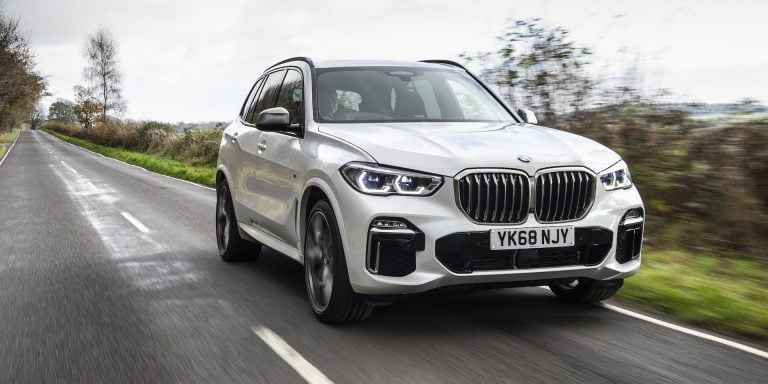


 The X5 has a reputation for its ability on the tarmac, and that’s been replicated in this new model. What’s impressive is how small this 2.2-tonne behemoth feels on the road – it doesn’t feel as though it’s fighting its weight in the corners, and it stays impressively flat and level.
The rear-wheel steering helps with this agility, though some won’t like the way it feels – almost as though the rear of the car were squirming under load. Once you’re used to it, though, it feels natural. The X5 won’t trouble the likes of a Porsche Cayenne on the tarmac, but does make a Range Rover Sport feel heavy and leaden.
The ride has the floaty hallmarks of air suspension, but ride quality is a little compromised by the 22-inch wheels it’s possible to specify on even the entry-level model. Smaller options are available, and we suspect this would take the brittle edge off matters, even if they don’t look as good.
BMW’s rear-biased xDrive system is capable of sending all of the power to the front wheels if necessary, and it combines with an optional off-road package to make this new X5 far better on the rough stuff than its predecessor.
It won’t trouble a Range Rover Sport, but it’s fair to say that most X5 owners won’t be aiming to rock-crawl or do any serious mud-plugging. Around the woods of the Goodwood estate, it never felt troubled.
The X5 has a reputation for its ability on the tarmac, and that’s been replicated in this new model. What’s impressive is how small this 2.2-tonne behemoth feels on the road – it doesn’t feel as though it’s fighting its weight in the corners, and it stays impressively flat and level.
The rear-wheel steering helps with this agility, though some won’t like the way it feels – almost as though the rear of the car were squirming under load. Once you’re used to it, though, it feels natural. The X5 won’t trouble the likes of a Porsche Cayenne on the tarmac, but does make a Range Rover Sport feel heavy and leaden.
The ride has the floaty hallmarks of air suspension, but ride quality is a little compromised by the 22-inch wheels it’s possible to specify on even the entry-level model. Smaller options are available, and we suspect this would take the brittle edge off matters, even if they don’t look as good.
BMW’s rear-biased xDrive system is capable of sending all of the power to the front wheels if necessary, and it combines with an optional off-road package to make this new X5 far better on the rough stuff than its predecessor.
It won’t trouble a Range Rover Sport, but it’s fair to say that most X5 owners won’t be aiming to rock-crawl or do any serious mud-plugging. Around the woods of the Goodwood estate, it never felt troubled.

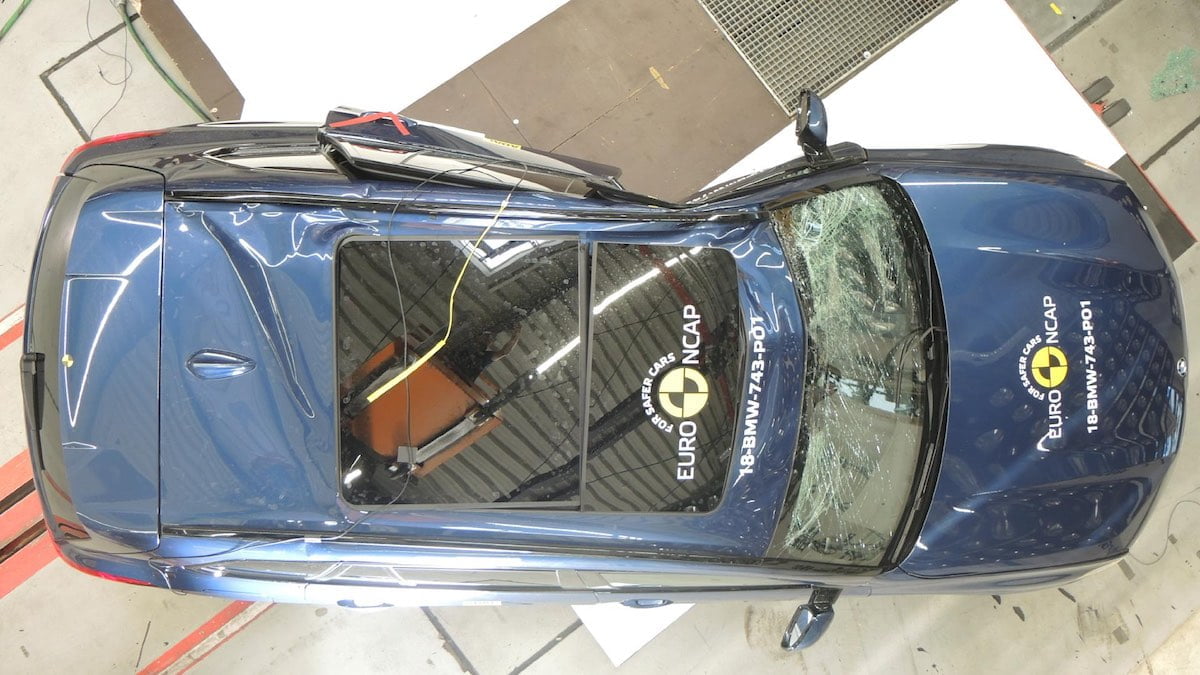


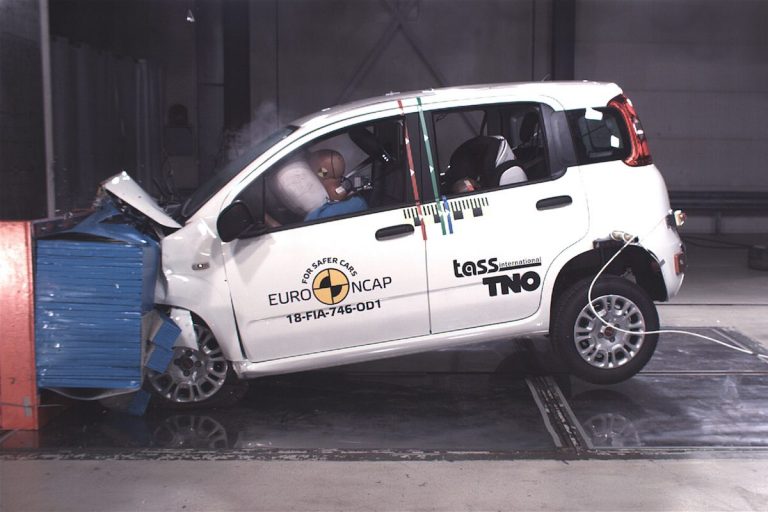

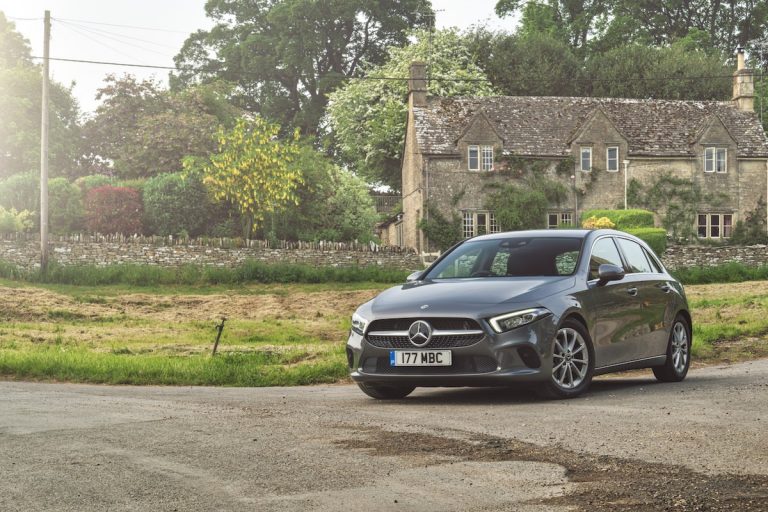

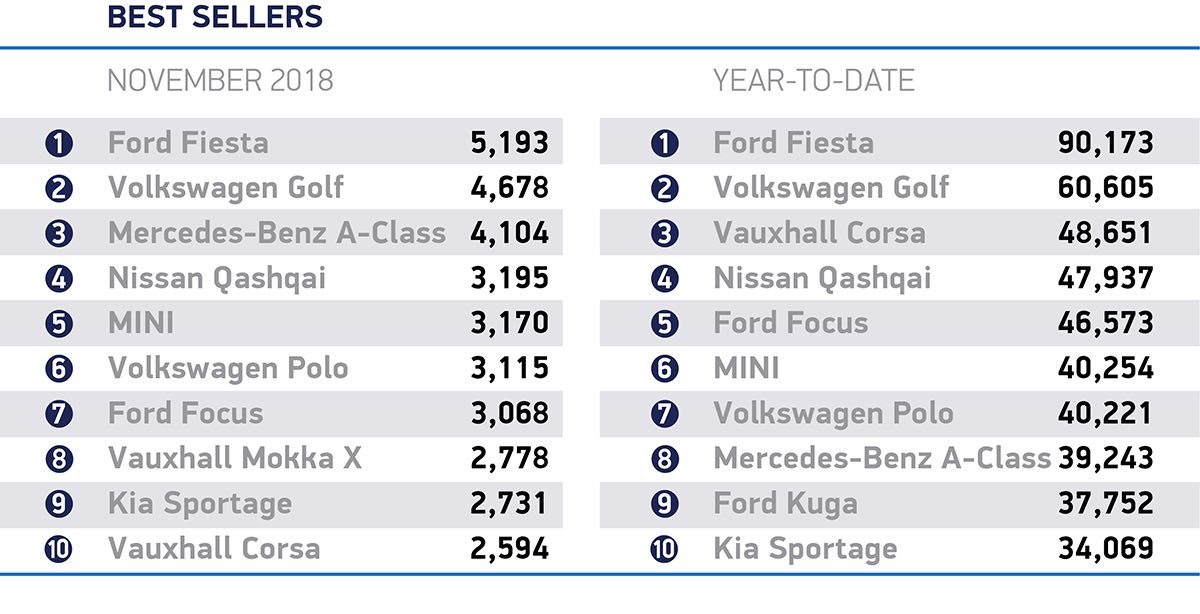 As usual, the Ford Fiesta is parked in the top spot, although only 500 units ahead of the Volkswagen Golf. The new Mercedes-Benz A-Class had another sterling month to again finish in third place, while the Nissan Qashqai recovered to fourth place after a slow month in October.
An improved fifth place for the Mini hatchback in November means it has overtaken the Volkswagen Polo in year-to-date registrations, while the Mercedes A-Class has also jumped the Ford Kuga, which fell back out of the top ten this month.
As usual, the Ford Fiesta is parked in the top spot, although only 500 units ahead of the Volkswagen Golf. The new Mercedes-Benz A-Class had another sterling month to again finish in third place, while the Nissan Qashqai recovered to fourth place after a slow month in October.
An improved fifth place for the Mini hatchback in November means it has overtaken the Volkswagen Polo in year-to-date registrations, while the Mercedes A-Class has also jumped the Ford Kuga, which fell back out of the top ten this month.


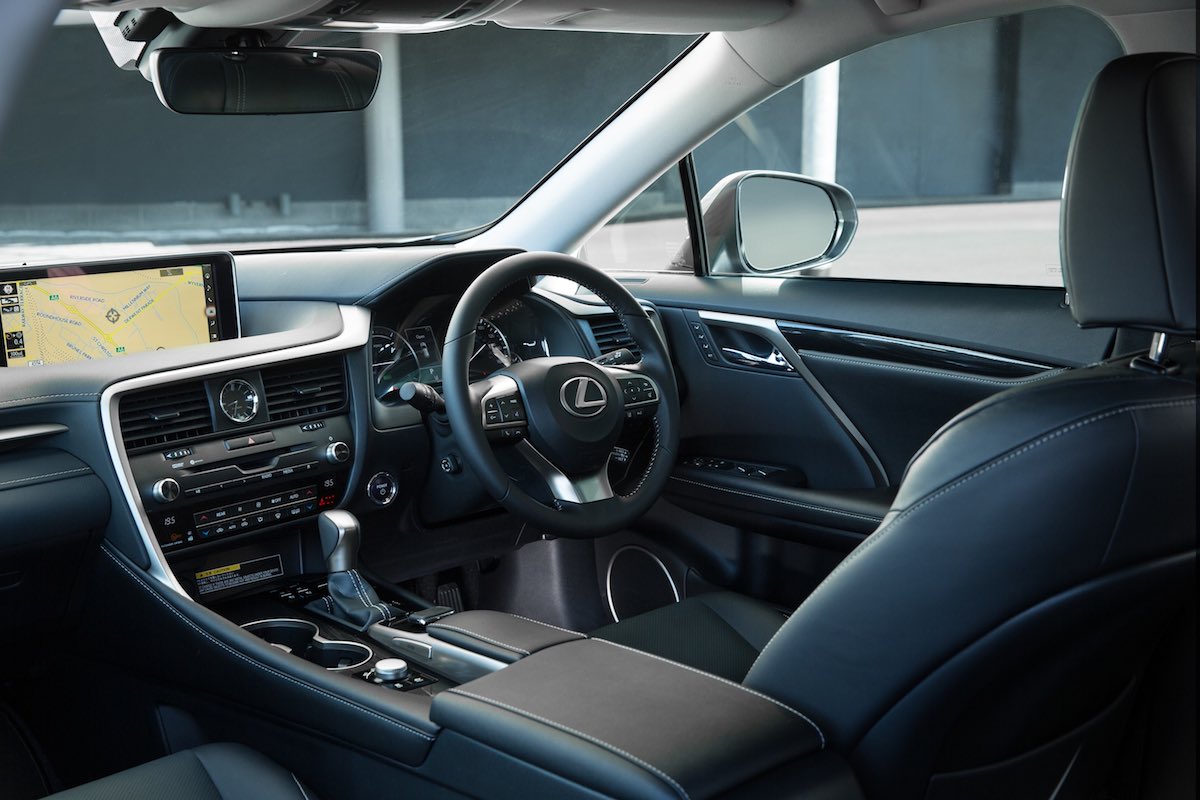

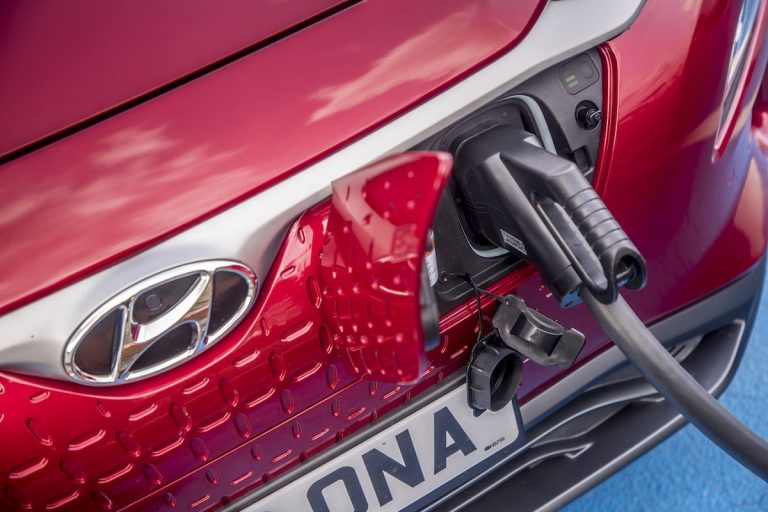


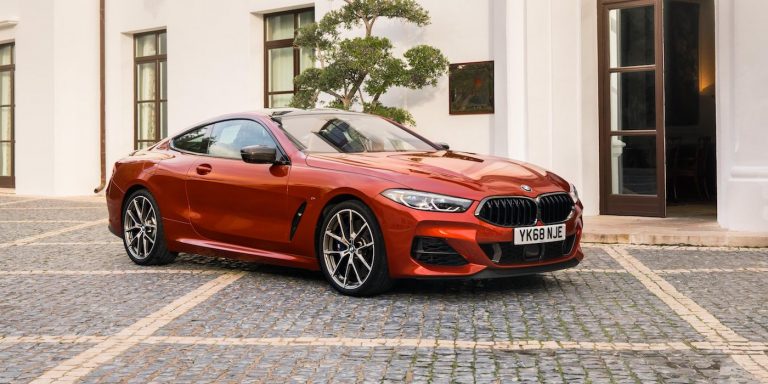
 Adaptive navigation, Bluetooth, Wifi and a 20GB multimedia hard drive all feature as standard. Leather upholstery, LED lights and an optional cut glass gear selector are also available.
Also included as standard equipment is a head-up display, all-round parking sensors with park assist and a raft of safety features. BMW has bundled its driving assist technology into a ‘Personal Co-Pilot’ pack which includes adaptive cruise control, active city braking with pedestrian and cyclist detection and high beam assist.
The new 8 Series goes on sale later this month. Convertible pricing is yet to be announced, but we’ll have all the details for you as soon as BMW provides them.
Adaptive navigation, Bluetooth, Wifi and a 20GB multimedia hard drive all feature as standard. Leather upholstery, LED lights and an optional cut glass gear selector are also available.
Also included as standard equipment is a head-up display, all-round parking sensors with park assist and a raft of safety features. BMW has bundled its driving assist technology into a ‘Personal Co-Pilot’ pack which includes adaptive cruise control, active city braking with pedestrian and cyclist detection and high beam assist.
The new 8 Series goes on sale later this month. Convertible pricing is yet to be announced, but we’ll have all the details for you as soon as BMW provides them.
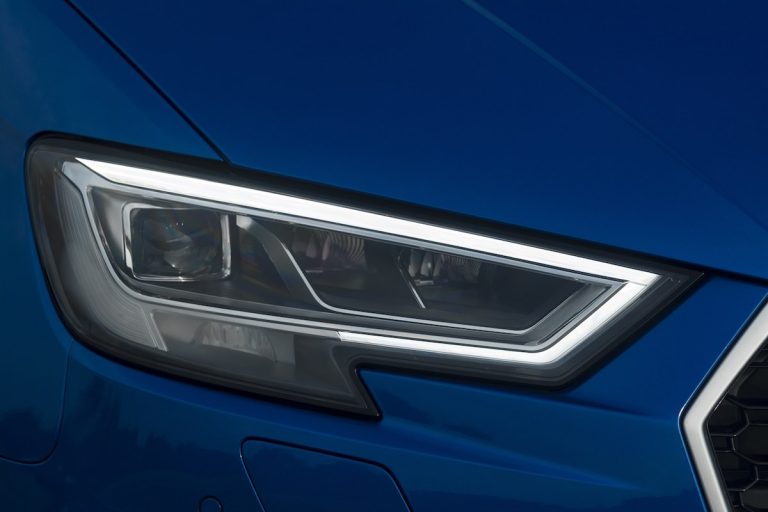

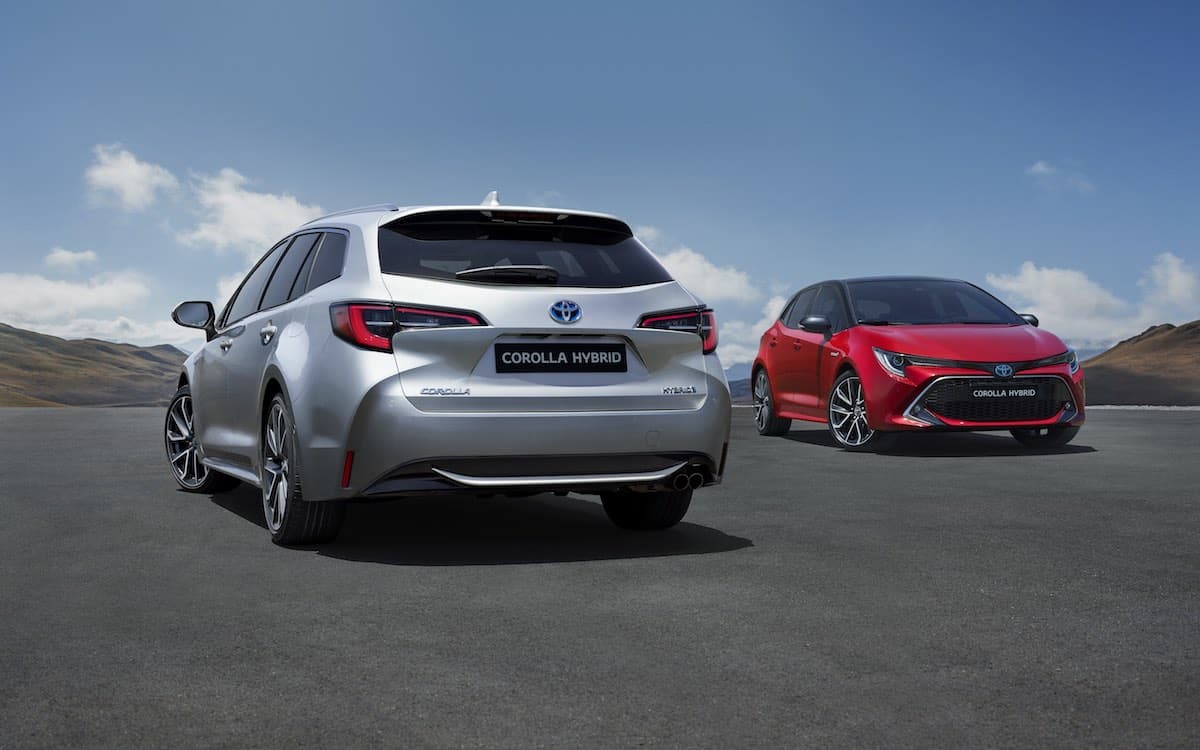 Both hybrids are mated to CVT transmissions, while the 1.2-litre petrol gets a six-speed manual ‘box. Toyota expects 85% of customers to opt for one of the hybrid powertrains.
Customers can also choose from hatchback or Touring Sports estate models – with the latter commanding a £1,270 premium. A saloon model will follow (not built in the UK), with pricing and specification details expected in the new year.
Trim levels begin with Icon and run upwards through Icon Tech, Design and Excel. All models get 16-inch alloy wheels, automatic LED headlights, heated front seats, an eight-inch touchscreen infotainment display, reversing camera and DAB radio.
Icon Tech bolsters this with satnav, a seven-inch instrument display, parking sensors and park assist. Design, as the name suggests, boosts the car’s looks with 17-inch alloy wheels, rear privacy glass and LED fog lights, plus automatic wipers, while top-of-the-range Excel trim brings 18-inch alloy wheels (17-inch on estate models), upgraded LED headlights, keyless entry, sports seats, part-leather upholstery and an optional bi-tone paint finish.
All models also get a raft of safety kit, including adaptive cruise control, pre-collision assist, lane keeping assist, road sign assist and automatic high beam.
Both hybrids are mated to CVT transmissions, while the 1.2-litre petrol gets a six-speed manual ‘box. Toyota expects 85% of customers to opt for one of the hybrid powertrains.
Customers can also choose from hatchback or Touring Sports estate models – with the latter commanding a £1,270 premium. A saloon model will follow (not built in the UK), with pricing and specification details expected in the new year.
Trim levels begin with Icon and run upwards through Icon Tech, Design and Excel. All models get 16-inch alloy wheels, automatic LED headlights, heated front seats, an eight-inch touchscreen infotainment display, reversing camera and DAB radio.
Icon Tech bolsters this with satnav, a seven-inch instrument display, parking sensors and park assist. Design, as the name suggests, boosts the car’s looks with 17-inch alloy wheels, rear privacy glass and LED fog lights, plus automatic wipers, while top-of-the-range Excel trim brings 18-inch alloy wheels (17-inch on estate models), upgraded LED headlights, keyless entry, sports seats, part-leather upholstery and an optional bi-tone paint finish.
All models also get a raft of safety kit, including adaptive cruise control, pre-collision assist, lane keeping assist, road sign assist and automatic high beam.

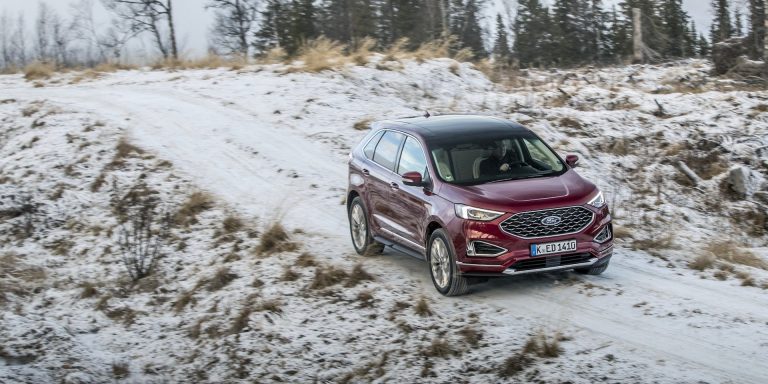


 The exterior of the Prius features slimmer angled headlights with bi-beam LEDs, less complex grille designs and the front of the car has been raised slightly to incorporate into the lines running along the sides. The rear also has simpler lights.
Toyota is offering the Prius with two new colours – Emotional Red and Aqua Breeze – and two new wheel options, a 17-inch alloy wheel and 15-inch grey contrast wheelcaps.
Equipment offerings have also been updated, with new cloth upholstery, a larger wireless charging tray, an improved head-up display to include navigation instructions and a faster Toyota Touch 2 touchscreen infotainment system that uses ‘gestures familiar from smartphone use’.
The 2019 Prius will make its European debut at the Brussels Motor Show in January. It is expected prices will remain close to the current £24,245.
The exterior of the Prius features slimmer angled headlights with bi-beam LEDs, less complex grille designs and the front of the car has been raised slightly to incorporate into the lines running along the sides. The rear also has simpler lights.
Toyota is offering the Prius with two new colours – Emotional Red and Aqua Breeze – and two new wheel options, a 17-inch alloy wheel and 15-inch grey contrast wheelcaps.
Equipment offerings have also been updated, with new cloth upholstery, a larger wireless charging tray, an improved head-up display to include navigation instructions and a faster Toyota Touch 2 touchscreen infotainment system that uses ‘gestures familiar from smartphone use’.
The 2019 Prius will make its European debut at the Brussels Motor Show in January. It is expected prices will remain close to the current £24,245.
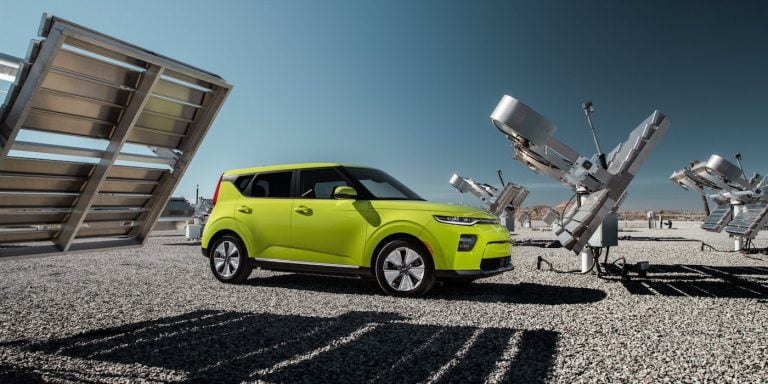


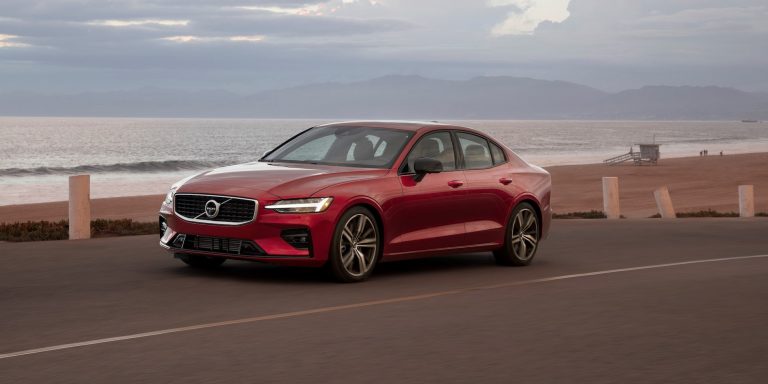


 It’s business as usual in the cabin of the S60, but this is something we’re quite happy about. So far, the cabins of the XC90, V90 and XC40 – to name but three – have been exceptionally well put together, and this has, thankfully, been carried on over to the S60.
It’s a beautiful blend of high-quality materials and well-executed tech, and everything feels built to last. The large central touchscreen dominates the interior, and this is complemented by the central screen in between the dials in front of the driver. There’s plenty of headspace for those sitting up front, while those in the back do equally well.
The boot is decent too, offering up 442 litres of space with the rear seats in place. It’s slightly less than that of the Mercedes C-Class, which offers 480 litres of seats-up load area.
It’s business as usual in the cabin of the S60, but this is something we’re quite happy about. So far, the cabins of the XC90, V90 and XC40 – to name but three – have been exceptionally well put together, and this has, thankfully, been carried on over to the S60.
It’s a beautiful blend of high-quality materials and well-executed tech, and everything feels built to last. The large central touchscreen dominates the interior, and this is complemented by the central screen in between the dials in front of the driver. There’s plenty of headspace for those sitting up front, while those in the back do equally well.
The boot is decent too, offering up 442 litres of space with the rear seats in place. It’s slightly less than that of the Mercedes C-Class, which offers 480 litres of seats-up load area.
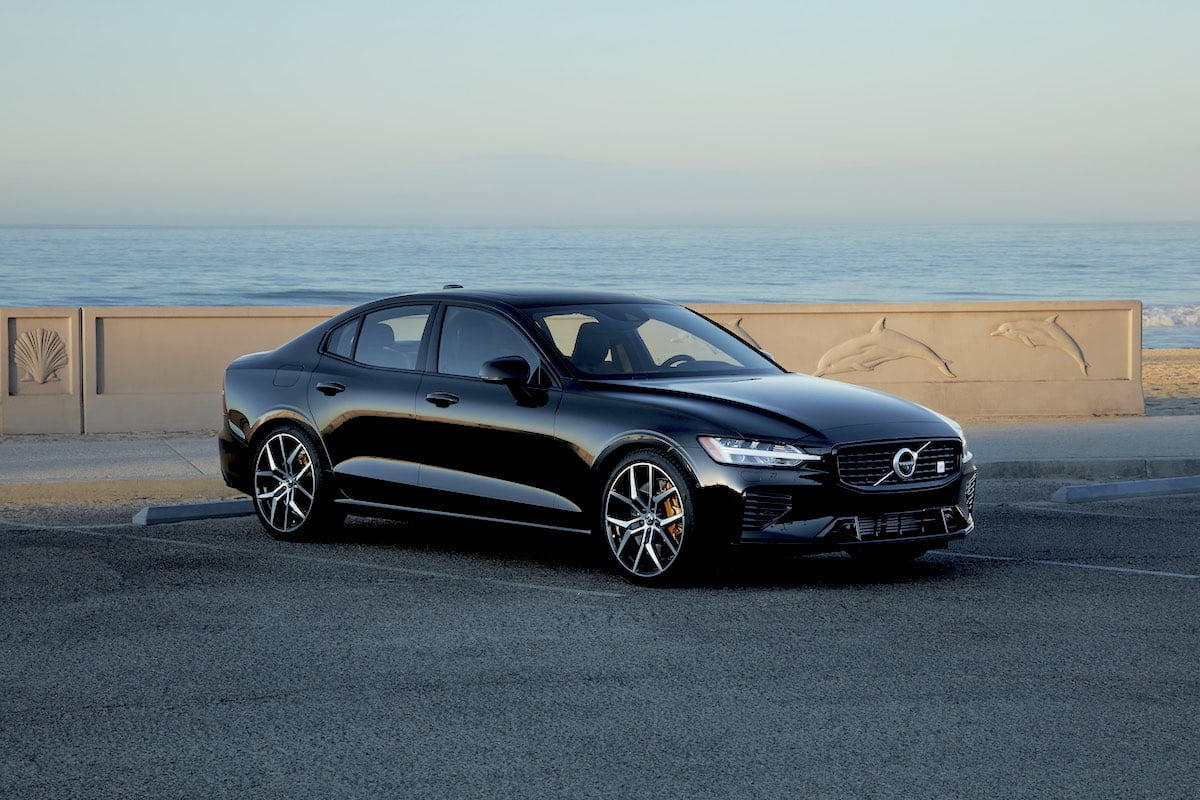
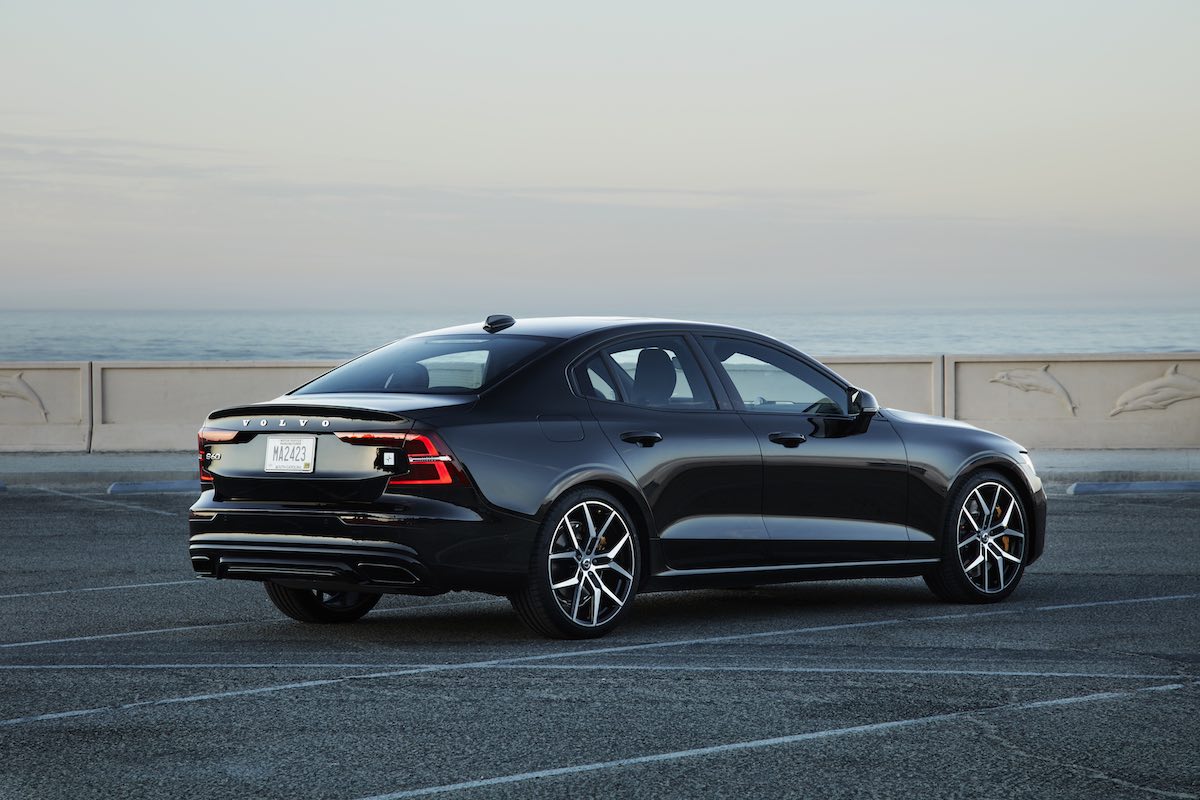


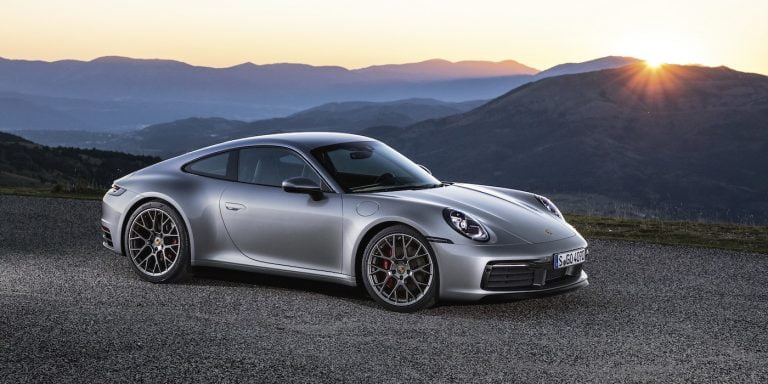


 Inside, things are much the same as in the coupé. That means all cars get Bentley’s new ‘revolving’ infotainment display – offering customers the choice of a 12-inch screen, a trio of traditional gauges or a swathe of wood in the centre console.
There are heaters in the seats and armrests for extra warmth when the roof is down, and Bentley’s added an updated neck warmer in the seat headrests.
The Continental GT Convertible will go on sale in 2019, with prices beginning from £175,100.
Inside, things are much the same as in the coupé. That means all cars get Bentley’s new ‘revolving’ infotainment display – offering customers the choice of a 12-inch screen, a trio of traditional gauges or a swathe of wood in the centre console.
There are heaters in the seats and armrests for extra warmth when the roof is down, and Bentley’s added an updated neck warmer in the seat headrests.
The Continental GT Convertible will go on sale in 2019, with prices beginning from £175,100.


 The X4’s cabin mimics that of the 5 Series and 7 Series – and this is a really good thing. Everything is laid out intuitively, with the main controls for heating and ventilation placed within easy reach of the driver.
A large central cubby area is ideal for phones of keys, and this is backed up by a decent sized area underneath the armrest. The dials are clear and easy to read, too.
There’s a decent amount of legroom to be found in the back, though the car’s sloping roofline does impede on headroom quite a lot. The boot, meanwhile, comes in at a decent 525 litres in capacity, though it can be increased to 1,430 litres by folding down the rear seats which split 40:20:40.
The X4’s cabin mimics that of the 5 Series and 7 Series – and this is a really good thing. Everything is laid out intuitively, with the main controls for heating and ventilation placed within easy reach of the driver.
A large central cubby area is ideal for phones of keys, and this is backed up by a decent sized area underneath the armrest. The dials are clear and easy to read, too.
There’s a decent amount of legroom to be found in the back, though the car’s sloping roofline does impede on headroom quite a lot. The boot, meanwhile, comes in at a decent 525 litres in capacity, though it can be increased to 1,430 litres by folding down the rear seats which split 40:20:40.
 Most SUVs attempt to deliver a semblance of sporty driving, with many failing to deliver. The X4 does well, however, thanks to well-weighted steering and decent cornering ability. Though you might imagine that to achieve this, BMW would have had to make the X4 a lot firmer – and in truth, it has – though it still rides superbly well, absorbing the vast amount of road imperfections.
The engine is smooth and refined, and though certainly not the quickest out of the blocks feels more than punchy enough for all situations. The diesel’s gruff engine note is also kept well isolated from the cabin too, which makes things all the more relaxing.
The eight-speed automatic gearbox shifts smoothly, while the xDrive all-wheel-drive system means there’s a little extra traction in damp conditions.
Most SUVs attempt to deliver a semblance of sporty driving, with many failing to deliver. The X4 does well, however, thanks to well-weighted steering and decent cornering ability. Though you might imagine that to achieve this, BMW would have had to make the X4 a lot firmer – and in truth, it has – though it still rides superbly well, absorbing the vast amount of road imperfections.
The engine is smooth and refined, and though certainly not the quickest out of the blocks feels more than punchy enough for all situations. The diesel’s gruff engine note is also kept well isolated from the cabin too, which makes things all the more relaxing.
The eight-speed automatic gearbox shifts smoothly, while the xDrive all-wheel-drive system means there’s a little extra traction in damp conditions.

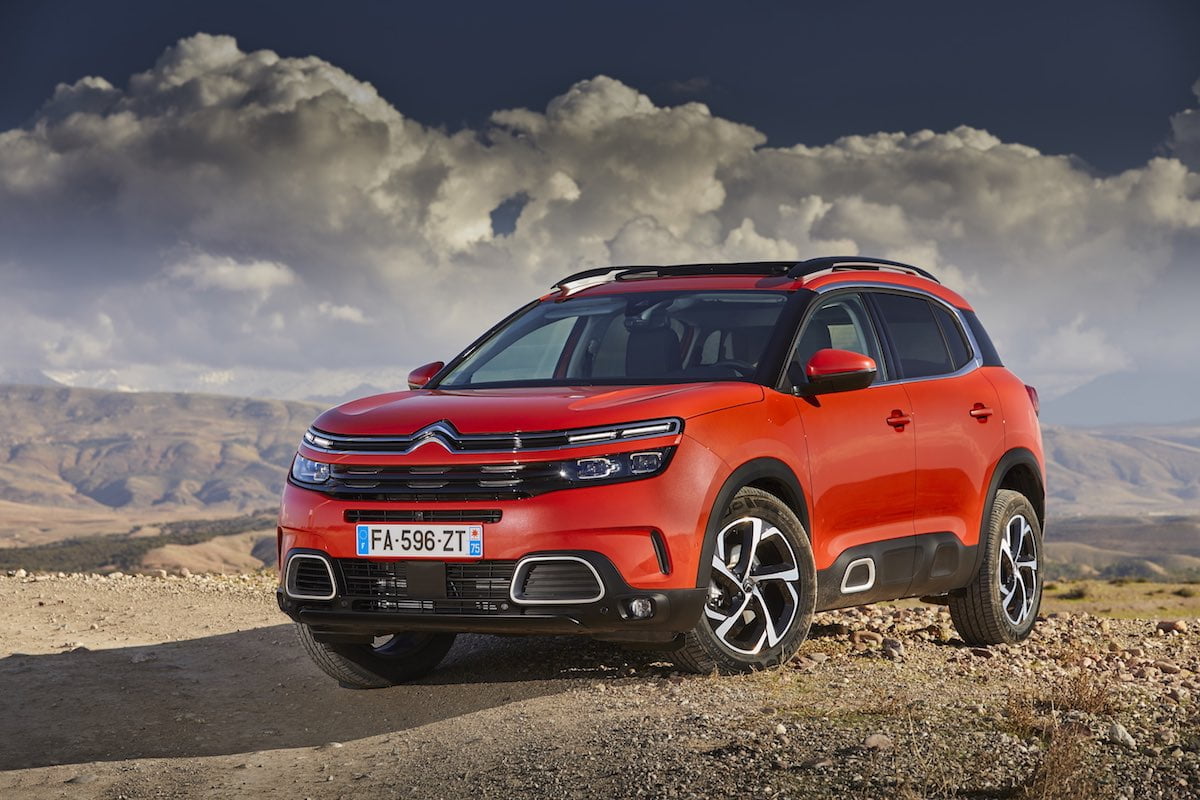


 Nought to 60mph times range from 6.3 seconds to 10.4 seconds, while up to 44.9mpg is possible from the lowest-powered, manual diesel. All but the basic manual model feature four-wheel drive as standard, with Land Rover’s automatic Terrain Response system for a modicum of off-road capability.
The Evoque will launch with five trim levels, although the first four can be equipped with additional ‘R-Dynamic’ goodies for a bit of extra style. As standard, though, all cars get automatic LED headlights, 17-inch alloy wheels, a heated windscreen, ambient lighting, dual-zone climate control, keyless start, heated front seats, a rear-view camera, lane keep assist, cruise control, autonomous emergency braking and a ten-inch touchscreen infotainment system.
The top-spec First Edition trim loads on the kit, with matrix LED headlights, 20-inch wheels, a Meridian sound system, perforated leather upholstery, 16-way electric seats, a head-up display, powered tailgate, adaptive cruise control and 360-degree cameras.
The Evoque is available to order now, with prices kicking off from £31,600 for a front-wheel-drive diesel manual model. The range currently tops out at £50,400 for a 250hp petrol model in First Edition trim.
Nought to 60mph times range from 6.3 seconds to 10.4 seconds, while up to 44.9mpg is possible from the lowest-powered, manual diesel. All but the basic manual model feature four-wheel drive as standard, with Land Rover’s automatic Terrain Response system for a modicum of off-road capability.
The Evoque will launch with five trim levels, although the first four can be equipped with additional ‘R-Dynamic’ goodies for a bit of extra style. As standard, though, all cars get automatic LED headlights, 17-inch alloy wheels, a heated windscreen, ambient lighting, dual-zone climate control, keyless start, heated front seats, a rear-view camera, lane keep assist, cruise control, autonomous emergency braking and a ten-inch touchscreen infotainment system.
The top-spec First Edition trim loads on the kit, with matrix LED headlights, 20-inch wheels, a Meridian sound system, perforated leather upholstery, 16-way electric seats, a head-up display, powered tailgate, adaptive cruise control and 360-degree cameras.
The Evoque is available to order now, with prices kicking off from £31,600 for a front-wheel-drive diesel manual model. The range currently tops out at £50,400 for a 250hp petrol model in First Edition trim.