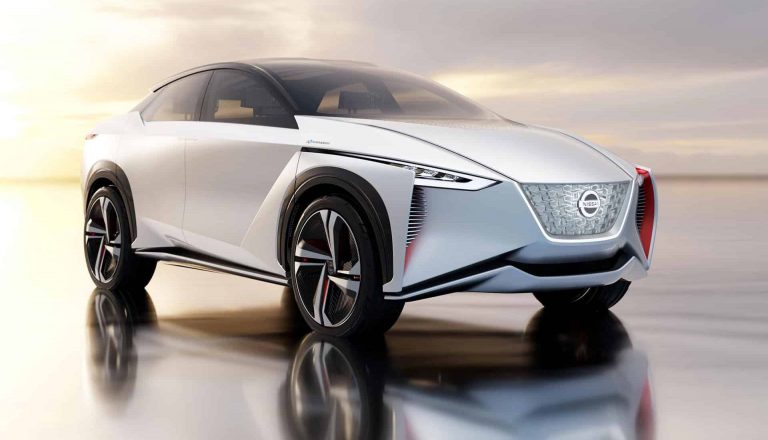
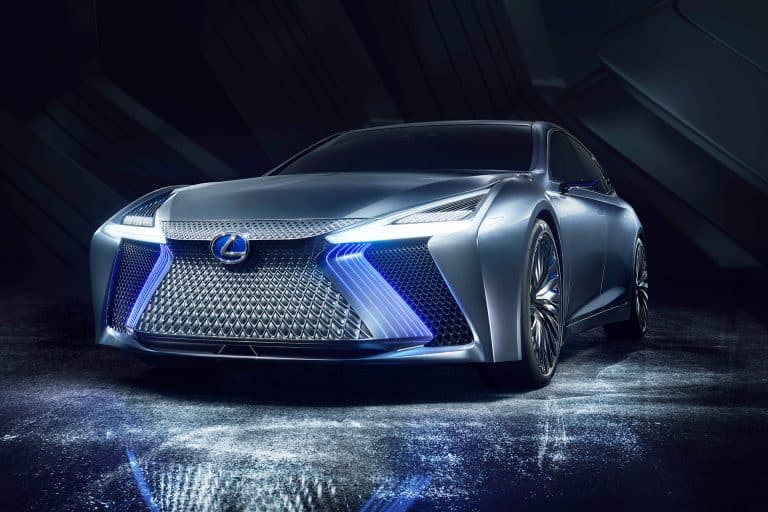
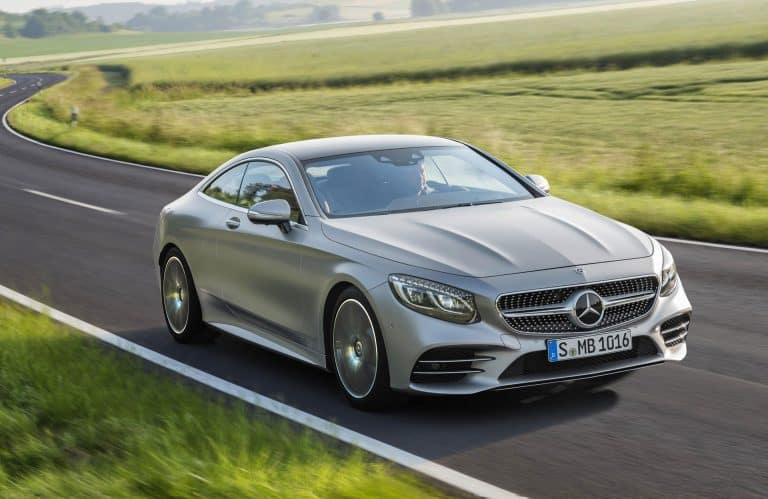
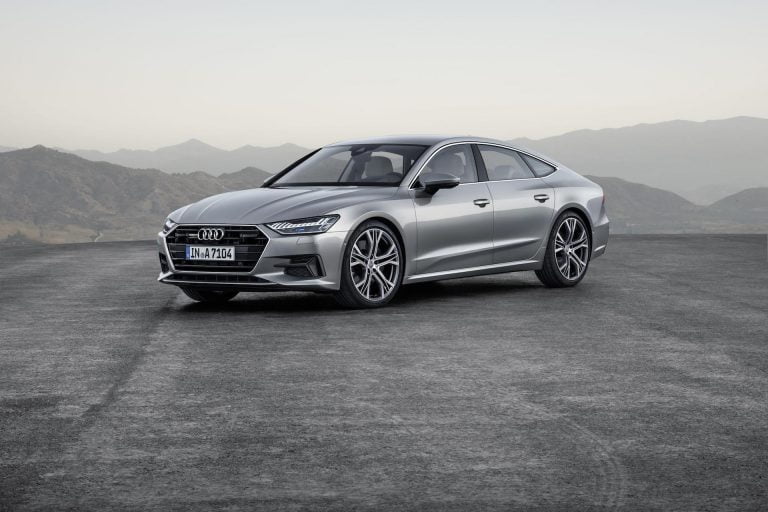
The Volvo S90 and V90 range-topping saloon and estate models can now be ordered with a new petrol engine targeted primarily at company drivers.
The T4 unit is a Euro 6 emissions compliant 2.0-litre four-cylinder petrol engine producing 190hp and mated to an automatic transmission. Volvo currently only offers a petrol engine as part of the hybrid models, alongside two diesel units.
The Swedish brand believes the new engine will appeal to drivers wanting to stick with petrol drivetrains but still take advantage of higher fuel economy figures closer to those recorded with diesel units. The T4 engine returns combined cycle economy of 42.2 mpg in the S90 and 40.9 mpg in the V90.
Volvo will offer T4 versions of the S90 and V90 across the full trim level line-up from Momentum to Inscription Pro. Standard equipment includes the Sensus nine-inch touchscreen control system, satellite navigation with real-time traffic information, automatic emergency braking with pedestrian, cyclist and large animal detection, the Pilot Assist semi-autonomous drive technology, LED headlights, dual-zone climate control and leather-faced upholstery. Depending on the trim level, T4 versions are available with wheels ranging from 18 to 21 inches.
Retaining former diesel car buyers
Diesel engine sales have been sliding in recent months on the back of negative publicity over their emissions, with registrations of new diesel cars down 15% year-to-date and 30% in October alone.
According to Volvo Car UK’s Head of Business Sales, Steve Beattie, petrol engines are becoming an increasingly popular choice with motorists, including business users. “It’s imperative we offer the range of engines that our customers demand, and we expect strong interest in the S90 and V90 T4,” he says.
Used car sales are following the new car market downwards – but at a much slower rate.
Figures for the third quarter of 2017 issued by the Society of Motor Manufacturers & Traders (SMMT) show that the used market dropped by 2.1%.
Year-to-date however, the market is holding steady, just 0.1% up, whereas new car registrations in the same period have slumped by 4.6%.
Used sales declined for a second successive quarter – in total 2,102,078 cars were sold, but SMMT chief executive Mike Hawes claims that overall the market is currently positive, with more than six million secondhand cars changing hands so far in 2017.
“The used car sector remains in good health as motorists take advantage of some great deals on cars – including some of the latest low emission diesel and alternatively-fuelled vehicles,” Hawes says.
However, he adds a warning that the slumping demand in the new car market is normally followed by a similar decline in used car sales, unless there are significant tax changes affecting the new car market.
He again calls upon Government to help the sector. “Fleet renewal is the fastest way to improve air quality, however, so we need economic and political certainty to boost buyer confidence and keep both markets moving,” Hawes says.
Diesel sales still strong
Negative emissions publicity that has heavily hit sales of new diesel cars does not seem to have reached the used market. While petrol sales fell 6.5%, demand for diesels remained healthy, rising 4.2% and year-to-date, more than 2.5 million used diesel cars have changed hands. This suggests that potential new diesel car buyers are instead turning to the used car market, possibly attracted by a number of attractive ex-demonstrator or pre-registered cars hitting forecourts in ever-increasing numbers.
“A lack of consumer confidence has rippled out across the market but it’s reassuring to see that the confusion surrounding new diesel vehicles hasn’t hurt the sales of used diesel cars,” says Simon Benson, director of motoring services at used car website AA Cars.
“This suggests that drivers who rely heavily on diesel – those driving frequent, long distances, for example – are instead turning towards the second-hand market. Dealers should consider this an opportunity to advise customers and help them identify the fuel type that’s right for their specific needs”.
Sales of both electric and hybrid used vehicles have grown strongly, closely reflecting the healthy demand that’s been seen in the new car market and also helped by more vehicles entering the used sector. Registrations rose 17% to 25,196 units and pure electric vehicles, in particular, proved increasingly popular, with sales up 66.4%.
More vehicles coming onto the market are fuelling a rise in sales of used electric cars such as the Renault ZOE.
British sports car manufacturer Lotus is targeting serious performance fans with the Lotus Exige Cup 430.
The Cup 430, which succeeds the Exige Cup 380 unveiled as recently as April 2017, goes on sale at £99,800 – a £6,800 increase over its predecessor – and promises a 3.3-second 0-62mph time.
It is described as the most extreme version of the two-seater car yet and unlike the 380, which was offered as a limited-edition model with just 60 made, the 430 will join the Lotus production line-up.
More power plus less weight
As the name suggests, the newcomer produces 430hp – 55 horses more than the 380 – and 440Nm of torque from its 3.5-litre V6 engine. This has been developed from the unit used in the recently launched Evora GT430 model and includes a new supercharger and charge cooler.
Overall weight of the car is down by 12kg to 1059kg, while the body has been redesigned to improve its downforce, generating 220kg. The front clam bonnet is lighter and includes carbon fibre ducts and wider radiator apertures, while the revised mesh of the grille enables a more effective design of front splitter and air curtain.
At the rear, the body panel is again lightened by the same 6.8kg as the front, and a larger, straight motorsport-pattern wing added. Downforce is more biased towards the front, from 36% to 45%, to aid turn-in.
Compared to the next production model down, the Exige Sport 350, the Cup 430 is 24% more powerful and produces the same downforce at 100mph as the 350 does at its 170mph terminal speed.
As a result the new, omer will pass 62mph from rest in 3.3 seconds, and go on to 180mph. It has also become the fastest production Lotus to lap the brand’s test track at its Hethel base in Norfolk.
According to Lotus boss Jean-Marc Gales, there is not another car on sale that can match the new Exige Cup 430. “The Exige continues to push the boundaries of what is possible in terms of performance, agility, aerodynamics and rapid covering of ground from A to B in a production road car – it will go down as a ground-breaking car in the history of Lotus,” he says.
The Mitsubishi Shogun Sport will further expand the Japanese brand’s range of SUVs in 2018.
Mitsubishi intends to capitalise on the seeming unstoppable appetite for SUV models amongst the UK buying public by marketing a model it currently sells in Asia as the Pajero Sport. There are high hopes that the Shogun Sort will become one of the brand’s best sellers in the UK.
When it arrives early in the new year the newcomer will join the ASX, Outlander, L200 pickup and Shogun SUV models that the brand already sells, and the new Eclipse Cross model that Mitsubishi has already announced for a 2018 launch.
The seven-seater Shogun Sport uses the same platform as the L200 pickup and according to its creators will offer the same off-road ability as its Shogun sister – able to ‘comfortably negotiate the most demanding of terrain.’
Single engine option
Just one powertrain will be available – a 2.4-litre diesel with 180hp and 430Nm of torque on tap, the latter from 2500rpm. It will be mated to a new eight-speed automatic transmission and Mitsubishi’s Super Select II all-wheel-drive system – this operates in two or four-wheel mode depending on conditions.
Hill descent, hill start and trailer start aids will further enhance the Shogun Sport’s go-anywhere specification, as will a dedicated off-road mode that allows the car’s setup to be selected according to the terrain.
Two specifications will be available from launch and standard equipment on both will include leather upholstery, keyless entry with push-button start, LED daytime running lights and the Mitsubishi Smartphone Link Display Audio (SDA) system with Apple or Android smartphone compatibility.
The range-topping models significantly increase the safety specification, adding a radar-guided forward collision alert, blind spot warning and a bird’s-eye view monitor the entire car using cameras at the front, rear and in the door mirrors.
Mitsubishi is yet to announce prices for the Shogun Sport – industry observers suggest it will start at around £26,000 – more expensive than the Outlander but less than the Shogun.
Eight new cars have been crash tested by independent safety testers Euro NCAP, with all eight vehicles scoring a maximum five-star rating.
The Citroën C3 Aircross, Mitsubishi Eclipse Cross, Vauxhall Crossland X, Volvo XC60, Volkswagen T-Roc and Polo, Škoda Karoq and SEAT Arona all achieved a five-star result in an excellent round of tests.
The Volvo XC60 mid-size SUV achieved the highest score of any car tested in 2017, equalling the best-ever results of its bigger sibling, the XC90. Matthew Avery, director of research at the UK’s own Thatcham Research, praised the Swedish company for its safety efforts.
“It’s exceedingly rare for a vehicle to score so favourably across the board,” said Avery. “The adult occupant protection result for the Volvo XC60 is one of the best on record. But it’s in active safety that Volvo is really maintaining its lead. The XC60’s standard-fit safety technologies are excellent – or rather those that we were able to test, as its Turn Across Path and Run off Road systems are not yet a feature of the Euro NCAP programme. That’s how high the Volvo XC60 is above the bar set by Euro NCAP.”
Of the eight cars tested in this latest round, six are equipped as standard with autonomous emergency braking (AEB), which leading safety experts consider the most important new safety technology in decades. The Vauxhall Crossland X and Citroën C3 Aircross do not have AEB as standard but offer it as an option, and still achieved a five-star score even without AEB as standard.
What is it?
The MG ZS is an all-new small SUV and MG’s first entry into the fastest-growing UK market.Key features
Budget price, strong spec, seven-year warranty
Our view
The MG ZS is the car designed to take the brand into mainstream territory, and in most respects it succeeds. It competes with much better-known rivals for design and specification and beats them in terms of interior space, its budget price and its warranty.
Less impressive are the powertrains that provide only adequate performance. The better of the two engines is let down by only being available with an auto transmission which results in economy and emissions figures that compare badly to rivals.
Similar carsRenault Captur, Kia Stonic, Mazda CX-3
Every manufacturer wants a small SUV these days and MG wants one more than most. While more consumers now recognise the modern, Chinese-owned incarnation of the once iconic British brand, people that buy MGs have until recently still tended to be over 65, with nostalgic memories of MG-Rover.
The MG3 supermini and the larger GS SUV started the brand on the road to recognition, and MG claims that the average age of its buyers is now 45 – still high for a budget brand. The MG ZS, however, is regarded as the game-changer.
A combination of a budget price, strong specification and a seven-year warranty is expected to persuade around 4,500 UK buyers into an MG ZS in 2018 – and that’s double MG’s entire current annual sales in the UK.
These buyers, MG hopes, will be predominantly young families and single people, attracted by a car that looks – well like several of the other compact SUVs now flooding the market.
The ZS is by no means an unattractive car, but it appears that MG believes replicating the mainstream at this stage of its development is a safer option than adventurous styling. Without looking at the badges you will struggle to distinguish the ZS from its established rivals such as the Mazda CX-3. And this, we are told, is the new ‘Emotional Dynamism’ design direction set to future on future new models…
MG ZS will compete in a very full market segment against all the biggest brands in the industry
Buying and owning an MG ZS
The MG ZS goes on sale with a choice of two petrol engines and three trim levels. All cars are front-wheel-drive – there won’t be an all-wheel-drive sister because buyers don’t want one and there are no current plans for a diesel either.
The core engine is a 1.5-litre four-cylinder unit with 106hp. It’s matched as standard to a five-speed manual gearbox and available in all three trims, dubbed Explore, Excite and Exclusive.
MG is banking on a budget price being a major draw to the ZS. The cheapest Explore version costs from just £12,495, and its specification includes LED daytime running lights, cruise control, and Bluetooth and MP3 connection on the radio.
Jump up to Excite, at an extra cost of £1,500, and you gain quite a lot of significant upgrades. There are 17-inch alloy wheels instead of 15-inch steel versions. The steering wheel gains leather and audio controls, the mirrors are electrically adjustable and heated.
You get air conditioning and an eight-inch colour touchscreen that includes smartphone integration, but only at present for Apple CarPlay. More usefully perhaps, there are three steering modes, dubbed Urban, Normal and Dynamic, and parking sensors.
Range-topper is Exclusive, for another £1,500 and the toys include ‘leather-style’ upholstery, satellite navigation, and a reversing camera alongside the parking sensors.
MG expects most customers, however, to choose the rather more modern three-cylinder 1.0-litre engine, developed with former Vauxhall owner General Motors. It’s more powerful, at 111hp, but at 12.4 seconds it’s also half a sec slower to 62mph than its 1.5-litre sister. Economy and emissions are not as good either, due entirely to the fact that it only comes mated to a six-speed auto transmission. You can only buy the 1.0 version in Excite or Exclusive form at a £2,000 premium over 1.5 versions.
At the time of writing the ZS has not been crashed into things by the testers of Euro NCAP. The standard safety specification does include side and curtain airbags, electronic braking and anti-rolling aids, and a hill-hold function, but the industry’s current favourite phrase of autonomous braking does not appear anywhere in MG literature.
What may have surprised rivals is MG’s launch, alongside the ZS, of a seven-year warranty. Currently only applying to the new small SUV, it’s capped at 80,000 miles, unlike Kia’s well-known seven-year offer which stretches to 100,000 miles.
MG claims, however, that its warranty is the best in the business because it enjoys full support by the factory from day one to day 2,555, whereas the direct manufacturer support for rival long warranties declines the longer they go on. And like the Kia warranty, it’s transferable to a new owner if the ZS is sold on.
Inside the MG ZS
Dashboard layout and interior quality is competitive, if not class-leading
On slipping inside the MG ZS one is impressed by the space. It’s a notably bigger car than the segment-leading Nissan Juke (almost 180mm longer, more than 40mm wider and higher), and MG claims interior space comparable to the Juke’s larger Qashqai sister.
Certainly there is no shortage of room to move about whether sitting in the front or back of the ZS, and it also scores on boot space – at 448 litres it’s not only claimed to be the best in the class but also measures up at over 90 litres more than most of its perceived rivals.
MG bosses used the word ‘premium’ a lot in the launch presentation and a fair amount of effort has been expended on at least the more visible areas of the interior. The soft touch plastics around the dash are well finished and the general layout good, if very traditional.
Controls come readily to hand and it is easy to get reasonably comfortable, though forward and back adjustment on the steering wheel would be welcome. The eight-inch touchscreen offered on all but entry-level models works well enough, with an easy-to-understand menu system.
In summary, premium is perhaps an optimistic way to describe the interior of the ZS, but it is a big improvement on previous offerings from the brand. Your reviewer has driven four new small SUVs in the past month alone and the MG lags behind none of them in terms of interior quality.
Driving the MG ZS
Overall, the MG ZS is a comfortable car to ride inThe Car Expert drove cars fitted with both engine options at the launch event and would advise buyers to follow MG’s prediction and choose the 1-litre engine – even if it means giving up manual gear changes.
The 1.5 appears to offer enthusiastic acceleration, but this does not translate to actual power delivery and it struggles for versatility, while the five-speed manual gearbox is a touch indistinct in its shifts.
The 1.0-litre feels far more potent, and combined with the auto gearbox presents a more sorted proposition, with smooth acceleration and comfortable high-speed cruising. However while the auto gearbox is reasonably smooth in its shifts, it does sap speed, and more importantly economy and emissions – the ZS does not measure up well in this area amongst rivals.
MG claims to have spent many months specifically tuning the ZS for UK roads and overall it’s a comfortable car to ride in. On the urban crawl it soaks up the less than perfect surfaces of town-centre roads and out in the country at higher speeds it maintains is poise, with the body staying reasonably upright when cornering.
The steering is light, but not over-so, and provides enough feedback to maintain confidence in bends. The three steering modes effectively change the level of power steering assistance and while the extra lightness of Urban mode can be useful for negotiating tight urban streets, leaving the setting in Normal effectively provides all one needs.
Summary
The MG ZS won’t write any great headlines, but then it doesn’t really need to. MG needs a car in a big market that competes on the level with much better-known rivals, and the ZS does just that.
Buyers searching for the best economy and emissions won’t be detained long by this car. However those looking for a small crossover that is easy to live with, comes at a budget price and with a reasonably strong specification, plus that seven-year warranty, should certainly check out the MG ZS.
The UK House of Commons’ Environmental Audit Committee has demanded answers from Volkswagen, with new data revealing that the company has not fixed a third of its emissions-cheating Dieselgate cars, despite a pledge to the British government to have done so by now.
Mary Creagh MP, Chair of the Environmental Audit Committee, has written to the Department for Transport to express the Committee’s concerns around the lack of progress of applying fixes to cars equipped with ‘defeat devices’. Nearly 1.2 million Volkswagen, Audi, SEAT and Skoda models were sold in the UK with the cheat software. So far, just over 800,000 have been “fixed” and just under 400,000 remain “unfixed”. Additionally, the rate of work being carried out has dropped right off, with only a small number of cars having the emissions fix carried out each month compared to earlier this year.
A representative of the Department for Transport said: “The UK government continues to take the unacceptable actions of Volkswagen extremely seriously and is working hard on behalf of UK consumers.”
Volkswagen sinks to a new low by trying to blame customers
Part of the problem is that the recall issued for the 1.2 million cars was voluntary and issued by Volkswagen UK, rather than a compulsory recall ordered by the government. Compulsory recalls are only issued in the UK for safety matters. Volkswagen has tried to blame customers for not bringing their cars in to have the recall work done, in the company’s latest attempt to shirk blame for the Dieselgate scandal. A Volkswagen spokesperson told The Times: “The service action remains voluntary and we are aware that some customers have actively declined the implementation of the technical measures.”
Thousands of owners have indeed refused to bring their cars to have the recall work done, due to allegations that the solutions applied by Volkswagen have caused damage to “fixed” vehicles, in addition to affecting fuel economy and performance. Volkswagen has denied this, as it has done with virtually every aspect of the Dieselgate scandal, but there has been a growing number of deeply dissatisfied owners taking the company to task over its handling of the repairs.
The initial correspondence from Volkswagen to its customers strongly implied that the recall was compulsory, and prominently featured the government Driver and Vehicle Standards Agency (DVSA) logo on letters to owners of affected vehicles. There have been numerous complaints from owners who believed that they were legally obliged to have the emissions recall work done as a result of this correspondence.
The Volkswagen Diesel Customer Forum (Emissions Scandal) group on Facebook, now comprising more than 6,500 members, has reported many occurrences of cars suffering from performance and/or economy and/or reliability problems after dealers have carried out the emissions recall work. The group has been pushing the hashtag #vwfixfail aggressively in social media and has been campaigning against Volkswagen’s behaviour throughout the Dieselgate scandal.
The BBC’s Watchdog programme also investigated complaints about “fixed” Volkswagens suddenly going into ‘limp-home’ mode, which was alleged to have caused an accident when a “fixed” car rapidly decelerated from 70mph on a motorway. The programme also reported on many owners who have suffered breakdowns, reduced performance and increased fuel consumption after the recall work was done.
As usual, Volkswagen denies everything. It refuses to accept allegations that the recall work, which they describe as a “technical measure”, causes any problems. The company even claims that the fix will not affect performance or economy, which begs the questions as to why the cars were not sold in this state in the first place and why there was a need to cheat the system at all. But then again, this is the same company that denied it had even been cheating at all and refuses to compensate owners for its own failures, so its claims can hardly be considered to be trustworthy.
An Austrian consumer group found that 43% of owners of “fixed” cars reported increased fuel use, reduced acceleration and considerable jerkiness to the engine’s power delivery. There have been many reports of increased diesel particulate filter (DPF) problems, as the filter is having to work much harder to catch and burn off more soot than before.
Volkswagen’s handling of the whole Dieselgate scandal has been disgraceful from the very start, and continues to fall short of any form of decency. The company has treated its customers and the British public like idiots, and expects us all to accept its repeated lying, denials and lack of contrition. Its latest pathetic attempt to blame customers for its failure to deliver on its pledge is simply the latest act of a company that believes it is above the law.
In a breathtaking display of arrogance and hypocrisy, Volkswagen UK managing director, Paul Willis, told a UK Transport Select Committee in February that Volkswagen had done nothing wrong and the recall of 1.2 million vehicles was done simply to put customers’ minds at rest. Willis argued that no-one had been misled because cars were not sold on the basis of NOx levels in the UK. Of course, this fails to address why Volkswagen bothers to ensure its other vehicles all comply, and why only certain models that were fitted with the cheat software to comply with a test that they did not need to comply with…
In the US, Volkswagen has been hit with billions of dollars in fines for its cheating. However, in virtually every other part of the world it has got off scot-free. This is not because the US is tougher on emissions or cheating, but rather due to the wording of the relevant legislation in America.
Essentially, manufacturers in the USA are required to formally identify any systems that control a car’s emissions systems to the Environmental Protection Agency (EPA), and Volkswagen obviously failed to declare its carefully-hidden ‘defeat device’. So it wasn’t fined for emissions breaches, it was fined for failing to report the secret device. Other countries don’t have an equivalent clause and so have been unable to penalise Volkswagen.
Sales staff from UK Volkswagen, Audi, SEAT and Skoda dealers have reported dissatisfaction and despondency to The Car Expert (in confidence) about having to carry the can for Volkswagen’s behaviour and face thousands of angry owners. Now I don’t usually expect customers to feel sorry for car salespeople, but as a former Volkswagen and Audi sales executive myself, I can sympathise. I am angry that I sold hundreds of cars to innocent customers over several years that were fitted with these cheating devices. Like others, I was happily sharing Volkswagen’s “Clean Diesel” mantra with no idea that the company was cynically manipulating its vehicles to cheat emissions tests.
Interestingly, although the emissions work definitely and absolutely doesn’t cause any cars to break in any way at all, Volkswagen has been quietly compensating some owners who have suffered mechanical maladies post-fix. Volkswagen’s bullshit department describes this as a “trust-building measure” because it is generously paying for repairs to fuel and exhaust systems, even though the damage was totally unrelated to the recall work that affected the fuel and exhaust systems. Promise.
The Car Expert recommendation: Don’t buy a “fixed” vehicle
Should you buy a used diesel Volkswagen, Audi, SEAT or Skoda that has been “fixed”? No. There are far too many reports of breakdowns, poor performance and poor fuel economy for it to be a safe bet. There are literally thousands of other vehicles for sale that are less risky places to put your money.
Should you buy a used diesel Volkswagen, Audi, SEAT or Skoda that has not been “fixed” but is on the list? Probably not. The company continues to pester owners who have bluntly refused to have the fix applied, but it is entirely possible that the government may eventually step in and force cars to have the recall work done. The fix may become an MOT requirement, or it may find some other method to enforce the work. As previously mentioned, compulsory recalls are only issued for safety matters in the UK, so that would have to be changed if a compulsory recall was to be issued.
If you own one of these vehicles, whether fixed or unfixed, you have every right to be angry. The Dieselgate scandal has made people wary of buying a used car on the cheat list, regardless of our recommendation above. You will get no apology from Volkswagen, despite the company screwing you over. If you want to sell your car privately or part-exchange it on a non-VW Group vehicle, your car’s value is likely to suffer.
If you part-exchange it for another Volkswagen/Audi/SEAT/Skoda, you may be eligible for a boost to your part-exchange value (called something insipid like a “customer loyalty bonus”), but the downside is you have to buy a new car from the same company that has just screwed you.
The number of personal new car finance deals fell by 11%, which was more than the corresponding sales drop of 9%, however the total amount of money lent was the same as September 2016 according to the latest figures published by the Finance & Leasing Association (FLA). That meant that the average amount borrowed on new cars hit a record £19,904, up 12% on the same month last year.
Used cars also continued their growth in terms of car finance, with volume up by 3% and total lending up by 9%. This means that the average amount borrowed on used cars also hit a new record of £11,609, a 6% increase on the same month last year. Used car sales figures for July to September are expected to be released later this month, but the finance figures are usually a good guide to the broader market.
Average borrowing on both new and used cars has been steadily increasing for the several years, outstripping both average weekly earnings (which haven’t grown anywhere near as much) and “real” household income (which has been flat for years). At the industry’s lowest ebb in early 2010, after the 2008 financial crisis, the average borrowing was £11,782 against an average weekly earning of £442. In September 2017, average weekly earnings had increased to £507 (up 15%), but average new car borrowing was up to £19,904 (up 69%). Used car borrowing is up from £9,211 in early 2010 to £11,609 in September 2017 (a 26% increase).
Much of this growth has been fuelled by the boom in PCP car finance over this decade, with customers borrowing more money without increasing their monthly payments. However, it has meant that the total debt on new car finance has increased massively over that time. The Bank of England and the Financial Conduct Authority are both continuing investigations into the car finance industry to determine whether any action needs to be taken to ensure the viability and sustainability of the car finance market.
New car buyers are borrowing an average of £2,200 more per car than they were 12 months ago, which is more than a month’s pay according to average weekly earnings. Used car buyers are borrowing about £630 more compared to the same month last year.
With the Bank of England announcing a 0.25% interest rate rise this month, it will be interesting to see if there is any effect on car finance. Interest rates remain at an historic low, so finance is still very cheap for most customers and it’s likely to stay that way for the foreseeable future.
Android Auto is a system designed by Google, in conjunction with car manufacturers, that allows you to control selected apps on your Android smartphone from your car’s infotainment system.
The idea is to allow drivers to control selected apps on your phone in a safe manner while driving, such as your navigation, phone, messaging and music apps.
The system is pretty much a rip-off of the rival Apple CarPlay system, which is not surprising given that Android itself is a copy of Apple’s iOS and most Android smartphones are wannabe iPhones…
Along with Apple CarPlay, Android Auto is gradually being adopted by virtually every car company as new models are unveiled. The central display screens on new cars are perfect for Android Auto to create a display that looks very much like an Android smartphone screen, using app icons that look exactly the same as the ones on your phone.
This Hyundai is using Android Auto for navigation rather than its own system
Some older systems can be retrofitted with Android Auto, either by the car manufacturer or by independent companies, and there are a growing number of aftermarket stereo systems that can run Android Auto and CarPlay.
Systems like Apple CarPlay and Android Auto will potentially revolutionise in-car infotainment systems, providing a much better experience for car owners at a lower cost than traditional systems. A smartphone is far more advanced than your car’s radio and satnav system anyway, so it seems smarter for your car to use your phone’s technology rather than provide its own, inferior, systems.
The system also uses Google’s version of Siri, the “OK Google” voice control system, in addition to the car’s controls. So if you prefer not to fiddle around with buttons or a touchscreen, you can simply tell Android Auto what to do.
Android Auto allows you to access the following while driving:
Navigation: Your Android smartphone has a free and regularly updated navigation system already built in, thanks to Google Maps. It comes complete with a full “turn by turn” navigation system that is better than most portable satnav units or integrated manufacturer nav systems.
Alternatively, you can use the popular Waze navigation app if you prefer it to Google Maps. Other navigations apps may also be available in the future.
Phone calls: Using your car’s steering wheel phone controls, or the controls for the display screen, you can answer or reject calls, listen to voicemails.
There’s no need to sync your contacts between your phone and your car, as the system gets the information directly from your phone when a call is made or received.
Messages: Your text messages can be displayed on the car’s display screen, or the system can read them to you if you prefer. You can also dictate a message to send to anyone in your contacts.
Audio: You can play music, podcasts or audiobooks stored on your phone from Google Play Music account, or from other music apps like Spotify or Amazon Music. You can also access radio apps like BBC iPlayer Radio.
Manufacturer apps: Many car manufacturers have developed specific apps that allow you to access certain car settings from the Android Auto display. To date, these have been very basic, but will develop further as demand grows and the manufacturers develop systems that integrate better with Android Auto.
Do I need Android Auto on my new car?
If you are buying a new car and it offers the option of Android Auto (usually along with Apple CarPlay as well), it is definitely a worthwhile addition. At the moment, the level of integration between your phone and your car is somewhat limited, but this will accelerate rapidly in coming years.
The key selling points of Android Auto are:
A (usually) seamless integration of selected functions of your smartphone with your car’s infotainment system
It’s always up to date, as Google updates Android regularly. When was the last time you updated your car’s operating system (or even had the option to)? If you have ever been frustrated by the navigation system on a ten-year-old car, you’ll understand the importance of keeping things up to date.
Voice control. As cars and infotainment systems get ever-more complex, the option to simply speak to your car is becoming a real advantage. Voice recognition software has improved enormously over the last decade, so if you have previously tried voice control in your car and hated it, it may be worth another try.
Only approved apps are accessible when driving. Your smartphone essentially blacks out when you plug it into your car, so any non-essential notifications will not be displayed until you disconnect it again. So no Snapchat, Facebook, Twitter or other distractions while you’re driving.
Important considerations are:
Android Auto needs a decent phone signal at all times. Google Maps, Google Play Music, Spotify and most other apps require a constant data signal to function. If you are driving beyond cellular network range, Android Auto won’t work.
Your phone needs to be plugged in to charge at all times. With your smartphone running your car stereo and providing navigation, and continually downloading and uploading data, your phone battery will go flat in no time. To date, all the compatible systems available have used a cable to connect to your phone, so it will charge your phone while it working anyway. However, BMW has announced the first wireless Android Auto and CarPlay system, which sounds great but will kill your phone battery on a long journey. Some cars now have wireless charging as well, which you will need if you’re not plugging the phone in every time.
Is Android Auto actually any good?
Depending on how new your particular model of car is, you may not find that Android Auto works any better than your existing navigation or voice control systems. However, a key part of Apple CarPlay and Android Auto is that they will continue to be updated and improved, just like the operating system on your phone.
This means your car infotainment system will continue to get smarter over time, unlike existing systems that don’t improve or maintain compatibility with newer hardware and software.
What if I’m buying a used car? Can I get Android Auto added?
Most existing cars on the road were not designed with Android Auto in mind – in fact, one of the problems with traditional car infotainment systems is that they usually lag years behind consumers (which is why many new cars are still sold with CD players). Some systems can be retrofitted to accommodate CarPlay and/or Android Auto, but many can’t.
If you have an old-school standard size rectangular stereo (called DIN, or double DIN for units that are twice as tall), then you can easily replace your current unit with an aftermarket stereo that incorporates Android Auto. There are several stereo manufacturers who make Android Auto units that can slot straight into your car, and prices generally start at a couple of hundred pounds.
However, these have been getting increasingly rare over the last decade, as manufacturers preferred to fit integrated infotainment systems that are not interchangeable. This is more of a problem, as you can’t just pull out the old system and replace it.
For more popular brands like Audi, aftermarket companies have been developing hardware and software that updates existing systems to work with Android Auto. In coming years, many more companies are likely to find ways of adding CarPlay and Android Auto to your old unit, but it may take years to cover all the makes and models in the marketplace, so don’t hold your breath waiting.
Apple CarPlay is a system designed by Apple, in conjunction with car manufacturers, that allows you to control selected apps on your iPhone from your car’s infotainment system.
The idea is to allow drivers to control selected apps on your phone in a safe manner while driving, such as your navigation, phone, messaging and music apps. Unsurprisingly, a similar system for Android phones was developed shortly after, called Android Auto.
Apple CarPlay is gradually being adopted by virtually every car company as new models are unveiled. The central display screens on new cars are perfect for CarPlay to create a display that looks very much like an iPhone screen, using app icons that look exactly the same as the ones on your phone.
Some older systems can be retrofitted with CarPlay, either by the car manufacturer or by independent companies, and there are a growing number of aftermarket stereo systems that can run CarPlay.
Apple CarPlay is available on the latest Mini models
Systems like Apple CarPlay and Android Auto will potentially revolutionise in-car infotainment systems, providing a much better experience for car owners at a lower cost than traditional systems. A smartphone is far more advanced than your car’s radio and satnav system anyway, so it seems smarter for your car to use your phone’s technology rather than provide its own, inferior, systems.
The system also uses Apple’s Siri voice control system in addition to the car’s controls, so you don’t have to fiddle around with buttons or a touchscreen.
Apple CarPlay allows you to access the following while driving:
Navigation: Your iPhone has a free and regularly updated navigation system already built in, thanks to Apple Maps. It may have been justifiably derided when it was first launched for being a bit rubbish, but Apple has been working away on its Maps app to the point where it is now as good as (if not better than) Google Maps and comes complete with a full “turn by turn” navigation system that is better than most portable satnav units or integrated manufacturer nav systems.
Apple Maps now provides speed limit information, lane suggestions and full UK postcode recognition. Plus the mapping is updated almost every week with the latest changes to the UK road system.
Phone calls: Using your car’s steering wheel phone controls, or the controls for the display screen, you can answer or reject calls, listen to voicemails.
There’s no need to sync your contacts between your phone and your car, as the system gets the information directly from your iPhone when a call is made or received.
Messages: Your text messages can be displayed on the car’s display screen, or Siri can read them to you if you prefer. You can also dictate a message for Siri to send to anyone in your contacts.
Audio: You can play music, podcasts or audiobooks stored on your phone from iTunes or your Apple Music account, or from other music apps like Spotify, Google Play Music or Amazon Music. You can also access radio apps like BBC iPlayer Radio.
Manufacturer apps: Many car manufacturers have developed specific apps that allow you to access certain car settings from the CarPlay display. To date, these have been very basic, but will develop further as demand grows and the manufacturers develop systems that integrate better with CarPlay.
Apple CarPlay running on a Volvo XC90
Do I need Apple CarPlay on my new car?
If you are buying a new car and it offers the option of Apple CarPlay (usually along with Android Auto as well), it is definitely a worthwhile addition. At the moment, the level of integration between your phone and your car is somewhat limited, but this will accelerate rapidly in coming years.
The key selling points of Apple CarPlay are:
A (usually) seamless integration of selected functions of your iPhone with your car’s infotainment system
It’s always up to date. Apple updates iOS every year, with minor updates several times a year. When was the last time you updated your car’s operating system (or even had the option to?). If you have ever been frustrated by the navigation system on a ten-year-old car, you’ll understand the importance of keeping things up to date.
Voice control by Siri. Most voice command systems are, frankly, a waste of time. Siri, on the other hand, is one of the best on the market. If you use Siri anyway, you’ll find it perfectly natural to use it in your car. If you don’t currently use Siri on your iPhone, you may find it so useful in your car that you start using it all the time.
Only approved apps are accessible when driving. Your iPhone essentially blacks out when you plug it into your car, so any non-essential notifications will not be displayed until you disconnect it again. So no Snapchat, Facebook, Twitter (sorry Donald) or other distractions while you’re driving.
Important considerations are:
Apple CarPlay needs a decent phone signal at all times. Apple Maps, Apple Music, Spotify and most other apps require a constant data signal to function. If you are driving beyond cellular network range, your CarPlay won’t work.
Your phone needs to be plugged in to charge at all times. With your iPhone running your car stereo and providing navigation, and continually downloading and uploading data, your phone battery will go flat in no time. To date, all the CarPlay-compatible systems available have used a cable to connect your iPhone, so it will charge your phone while it working anyway. However, BMW has announced the first wireless CarPlay system, which sounds great but will kill your iPhone battery on a long journey. Some cars now have wireless charging as well, which you will need if you’re not plugging the phone in every time.
Is Apple CarPlay actually any good?
Depending on how new your particular model of car is, you may not find that CarPlay works any better than your existing navigation or voice control systems. However, a key part of Apple CarPlay and Android Auto is that they will continue to be updated and improved, just like the operating system on your phone.
This means your car infotainment system will continue to get smarter over time, unlike existing systems that don’t improve or maintain compatibility with newer hardware and software.
What if I’m buying a used car? Can I get Apple CarPlay added?
Most existing cars on the road were not designed with Apple CarPlay in mind – in fact, one of the problems with traditional car infotainment systems is that they usually lag years behind consumers (which is why most new cars are still sold with CD players). Some systems can be retrofitted to accommodate CarPlay and/or Android Auto, but many can’t.
If you have an old-school standard size rectangular stereo (called DIN, or double DIN for units that are twice as tall), then you can easily replace your current unit with an aftermarket stereo that incorporates CarPlay. There are several stereo manufacturers who make CarPlay units that can slot straight into your car, and prices generally start at a couple of hundred pounds.
However, these have been getting increasingly rare over the last decade, as manufacturers preferred to fit integrated infotainment systems that are not interchangeable. This is more of a problem, as you can’t just pull out the old system and replace it.
For more popular brands like Audi, aftermarket companies have been developing hardware and software that updates existing systems to work with CarPlay. In coming years, many more companies are likely to find ways of adding CarPlay to your old unit, but it may take years to cover all the makes and models in the marketplace, so don’t hold your breath waiting.
UK car sales plummeted again in October, as industry figures blamed the slide on collapsing consumer confidence and an over-hyped campaign against diesel.
New figures issued by the Society of Motor Manufacturers & Traders (SMMT) show registrations of new cars slumped by more than 12% to 158,192 units, the first double-digit decline since the recession years. Year to date the market is down 4.6%.
For diesel the fall was even more marked, the 62,349 cars registered down 30%, or almost a third, on the same month in 2016. Diesel’s share of the market, that was almost half in October 2016, has now slipped to less than 40%.
The fall of diesel shows no signs of slowing
Speaking to The Car Expert before the figures were released, Hyundai UK CEO Tony Whitehorn pinned blame for the slump on consumer confidence, less attractive exchange rates for foreign manufacturers and a campaign against diesel.
“Consumer confidence is low and won’t be helped by the increase this week in interest rates, that will hurt even more,” Whitehorn said. “(And) with the change in exchange rates many manufacturers are looking at the UK and saying this is no longer treasure island – we’re not going to invest quite so much. A number of manufacturers are tens of thousands of units down year on year.”
According to the SMMT figures, Hyundai registrations slipped by 0.5% in October but year-to-date the brand is up more than 2% in a market down 4.6%.
‘Tragic’ diesel campaign
Whitehorn dubbed as “tragic” the negative publicity applied to diesel cars. “I think it’s been hyped – diesel and petrol particulates, NOx, NO and CO are pretty similar nowadays with Euro-6 cars but there’s a consumer momentum,” he said.
Commenting on the figures, SMMT Chief Executive Mike Hawes urged the Government to reassure customers over diesel cars. “Declining business and consumer confidence is undoubtedly affecting demand in the new car market but this is being compounded by confusion over government policy on diesel,” he said.
“Consumers need urgent reassurance that the latest, low emission diesel cars on sale will not face any bans, charges or other restrictions, anywhere in the UK – we urge the Government to use the forthcoming Autumn Budget to restore stability to the market, encouraging the purchase of the latest-low emission vehicles as fleet renewal is the fastest and most effective way of addressing air quality concerns,” he added.
However, others are urging further take-up of alternatively-fuelled vehicles, which include electric and plug-in hybrid cars. Registrations of such vehicles grew by 37% in October to 8,244, with their market share continuing to hover just above 5% for the fourth month in a row.
Year-to-date more than 102,000 AFVs have been registered in the UK, 4.6% of the market compared to 3.3% in 2016.
The Alfa Romeo Stelvio Quadrifoglio is the fastest SUV in its class, claim the new performance model’s creators.
Evidence for the claim is a remarkable 3.8-second 0-62mph time from the newcomer, a top speed of 176mph and a record-setting lap record of 7 min 51.7 sec around the 14-mile Nurburgring circuit in Germany during development.
When it arrives in summer 2018, the Stelvio Quadrifoglio will become the top model in the Stelvio range, Alfa Romeo’s first SUV which went on sale in September. When the Italian brand revealed the Stelvio at the 2016 Los Angeles Motor Show, it was as a Quadrifoglio model.
On sale in the summer of 2018, the Stelvio Quadrifoglio will join a fast-growing sub-sector of potent premium compact SUVs. Porsche launched the Macan turbo way back in 2015, while both BMW and Jaguar are developing performance versions of their X3 and F-Pace SUVs, using the same engines in their performance cars the M3 and F-Type SVR.
Bi-turbo powerplant
Alfa Romeo has taken a similar route – powering the Stelvio Quadrifoglio is the same 2.9-litre V6 bi-turbo petrol engine used in the Quadrifoglio version of the Giulia saloon. It produces 510hp at 6,500rpm, with 600Nm of torque between 2,500 and 5,000rpm.
The engine is matched to an eight-speed auto gearbox and all-wheel-drive, including torque vectoring that individually adjusts torque to individual wheels to maintain the most effective grip. This forms part of the Chassis Domain Control (CDC), described as the car’s ‘brain’ and coordinating all of the various electronic systems, such as the active suspension and the DNA Pro driving mode selector, to ensure they work most effectively together. Carbon-ceramic brakes are also part of the Quadrifoglio package.
Visually, the Quadrifoglio will stand out from stock Stelvio models courtesy of its additional vents on the bonnet and on the sides for the intercooler, the side skirts and big body-coloured wheel arches. Similarly, the inside will be liberally sprinkled with surfaces in carbon fibre, leather and Alcantara, while standard equipment will include the latest nine-inch Alfa Connect infotainment system with 3D navigation and Apple CarPlay and Android Auto smartphone compatibility.
UK pricing and specifications for the Alfa Romeo Stelvio Quadrifoglio are yet to be released. Industry observers suggest it will start from above £65,000, based on how much more the Giulia Quadrifoglio costs over the Giulia Veloce. The current Stelvio range-topper is the Milano, which starts at £45,390.
The next step in Vauxhall’s absorption into the PSA Groupe (Peugeot, Citroën, DS Automobiles) has been finalised, with PSA taking control of Vauxhall Finance.
Vauxhall Finance, along with its German sister Opel Finance, was part of GMAC under its previous owner General Motors. Following the sale of GM’s two European car brands to PSA Groupe, the finance divisions have now also been transferred to PSA’s finance operation.
Although the switch may not seem significant, it will affect nearly every customer buying a new Vauxhall as the finance offered at Vauxhall dealers is almost always provided by Vauxhall Finance. The 400 Vauxhall dealers themselves also use Vauxhall Finance to buy in vehicles, fund showroom improvements and other interests.
Vauxhall Finance and Opel Finance will now be set up as a new organisation under the control of Banque PSA Finance and major French bank BNP Paribas. With a total of 1,800 Opel and Vauxhall dealerships in 11 countries added to PSA’s existing operations for Peugeot, Citroën and DS dealerships, Vauxhall dealers will be hoping that the new arrangement will allow them to offer the most competitive finance deals possible for customers.
What does this mean for car buyers?
There is unlikely to be any visible difference to Vauxhall customers in how finance products are sold at dealerships (apart from a few lines in the fine print on all new contracts), but it remains to be seen how the new owners will approach the UK’s uncertain finance market.
Existing finance contracts will not be affected by the change, and all currently advertised offers are still available with no changes.
Management of the new operation has pledged to present its strategic plan for the future of Vauxhall Finance and Opel Finance within the next 100 days. Commenting on the transaction, Chief Executive Officer Alexandre Sorel said: “We are now thoroughly committed to building the strategic plan with the clear purpose of improving the performance of the company’s businesses and the competitiveness of our financial solutions for Opel and Vauxhall customers.”
What is it?
The Hyundai Ioniq hybrid is one of a three-pronged eco attack by the Korean manufacturer that also includes full-electric and plug-in hybrid sister cars.Key features
Less radical design, low starting price, well-equipped
Our view
The Hyundai Ioniq provides the Toyota Prius with a serious rival. The Korean newcomer is cheaper to buy, comes with plenty of equipment including a strong safety package, and offers performance and on-the-road dynamics directly comparable to its Japanese competitor.
Space inside is adequate, the boot good-sized, while the less outlandish design looks far more contemporary. However, the Hyundai is not quite as eco-efficient as the Toyota and becomes significantly less so if one chooses the top specification version.
Similar carsToyota Prius, Toyota Auris hybrid
When Hyundai decided to make an assault on the eco market, it did so in force. The new Hyundai Ioniq is a model on sale in traditional hybrid and full-electric versions, plus a plug-in hybrid variant.
The hybrid Ioniq we are testing forms a direct rival to the Toyota Prius – the one car everyone will quote when asked to name a hybrid. And in many ways, the Korean newcomer even looks like its long-established Japanese rival, with a pointed stance, low nose, long, sleek shape and a more slab-like back.
The rear end of both cars shares that seeming hybrid styling signature, the split rear screen with two areas of glass separated by a metal panel. This reviewer is not a fan, the metal bit seeming to fall right across where one wants to see out the back in the mirror.
The Hyundai is slightly larger and generally a better-looking car than the Toyota, with subtle curves instead of sharp angles producing a pleasing visual stance. The fastback shape, we are told, is all about aerodynamics, while other efforts to make the most of the car’s eco credentials include such measures as an aluminium bonnet and tailgate. As a result, the Ioniq is 60kg lighter than its traditional stablemate the i30.
The Hyundai Ioniq is slightly larger and less radical in appearance than the Toyota Prius
Buying and owning the Hyundai Ioniq
A big selling point for the Ioniq is its price – the hybrid starts from £19,995, which is more than £4,500 cheaper than its full-electric sister (even after the Government’s £4,500 plug-in grant is applied), and more than £4,000 less than the cheapest Prius.
The Hyundai also comes well equipped – standard on all versions are alloy wheels, DAB radio with Bluetooth, cruise control and both rear parking sensors and a camera.
It’s no less impressive in terms of safety. Autonomous Emergency Braking is on all cars, as is a lane-keep assist system, so it’s no surprise that the Ioniq has earned a five-star Euro NCAP safety rating – as has, incidentally, the Prius.
There are two more Ioniq trims – costing from £21,795, the Premium adds such niceties as satellite navigation, keyless entry and start, a digital dash and more upmarket audio with Android and Apple smartphone capability.
Our test car is the range-topping Premium SE, starting from £23,595. Heated leather extends across both front seats, the steering wheel and even the outer rear seats. The driver’s seat offers powered adjustment, while there are bigger alloy wheels and extra safety in the form of blind-spot detection (with a rear cross-traffic alert) and front parking sensors.
Note, however, that all this kit has a trade-off in terms of eco performance. The best fuel economy and CO2 emissions figures for the Ioniq are 83.1mpg and 79g/km – on our range-topper these dip to 70.6mpg and 92g/km, which lags significantly behind the equivalent top model of the Prius.
Inside the Hyundai Ioniq
Conventional dash looks like any other Hyundai
The first thing one notices when slipping into the Ioniq is its normality. The dash layout looks like that of any other Hyundai and a world away from the sci-fi digital layout of the Prius, which this reviewer already considers oddly dated.
The Ioniq is cleverly packaged – that sharply-styled exterior profile with its dipping rear roofline means that space in the rear is cosy but not over so. The batteries for the hybrid system are neatly incorporated under the rear seats, which means no sacrifice of boot space and 443 litres as a result – more than 100 litres of extra volume compared to the Prius.
Driving the Hyundai Ioniq
Steering is light for urban traffic but not so good on open roads
Powering the Ioniq is typical hybrid drivetrain, combining a 1.6-litre four-cylinder petrol engine of 105hp with a 32kW electric motor. Combined they put out 141hp and 265Nm of torque, which is more than the Prius despite the Toyota having both a 1.8-litre engine and 53kW motor. However our test Hyundai reaches 62mph from rest in 11.1 seconds, half a second behind the Prius.
Where the two rivals differ significantly is in the transmission. They are both autos, but the Toyota uses a CVT while the Ioniq gains a newly designed six-speed dual-clutch transmission. This is more efficient and makes acceleration a more purposeful process.
The petrol engine certainly holds its own alongside its electric imposter – while the car moves off smartly in full-electric mode, the engine is quick to cut in, which makes for more noise, especially if you use sport mode when the revs are held longer and the engine note can become intrusive.
The changes between electric and internal combustion powerplants are noticeable, as is the regenerative braking, and the Ioniq does not quite feel as smooth in this area as does the Toyota.
Hyundai has spent quite a lot of effort on the Ioniq’s suspension, with the rear benefiting from a multi-link suspension layout which translates to comfortable progress, slightly on the firm side, even when the road surfaces become less than perfect.
Up front for the driver, it’s not quite so pleasing. In town, it’s really easy to steer through sharp corners and urban traffic but out on a twisty country road, the steering feels over-light and lifeless when holding a straight line.
Summary
Many buyers when looking for an eco-friendly hybrid car might consider the Hyundai Ioniq a Korean copy of the Toyota Prius, which is to do it a disservice. This is an all-new design that competes square-on with its flag-waving rival and beats it in several areas.
The Ioniq is not the most exciting car to drive but that is not generally what people buy hybrids for. With a significantly lower selling price and an impressive equipment list it should appeal to those who have wanted to go hybrid but been put off by the price. But those for whom eco performance really is a major concern should keep away from the top-spec models like our test car.
Not the most exciting car, but that’s not generally why people buy hybrids
The Mercedes-Benz X-Class will likely tick boxes with lifestyle buyers as a pickup wearing a desirable badge.
First deliveries of the brand’s first-ever open-backed model will be made in January 2018, at prices starting from £27,310 plus VAT, and only available in the lifestyle-friendly double-cab format.
However, Mercedes-Benz reckons buyers looking for a tough workhorse should not dismiss the X-Class, pointing to the fact that it boasts selectable all-wheel drive and a low-range gearbox as standard. A differential lock and 20mm ground clearance increase are also on offer as options to further expand the vehicle’s capabilities.
Both markets, meanwhile, will likely appreciate a strong standard safety specification. This includes autonomous emergency braking, lane-keeping and hill-start assist, traffic sign recognition and a reversing camera, as well as the Mercedes me Connect emergency and breakdown service.
The X-Class goes on sale in three trim levels and which you buy depends on what use you are likely to put the vehicle to. Entry-level is the X 220 d Pure, powered by a 2.3-litre four-cylinder turbodiesel of 163hp, put through a six-speed manual gearbox. Lots of storage, black fabric and 17-inch steel wheels feature on a specification tuned to the building site.
Progressive models will offer more home comforts, including styling upgrades, heated mirrors and alloy wheels, as well as the option of an X 250 d model with 190hp and matched to a seven-speed auto transmission. Progressive trim starts at £28,510, the more powerful engine and auto transmission combination adds another £2,000.
Lifestyle buyers will likely favour the top-range Power grade. Only available in X 250 d form and at £3600 more than the Progressive version, it gains a further raft of styling touches including quite a lot of chrome, along with LED front and rear lights, keyless entry and start, folding mirrors, electrically adjustable front seats, leather upholstery and 18-inch alloy wheels.
Mercedes offers a standard infotainment package across the range, a CD system also including Bluetooth and a DAB radio. A seven-inch touchscreen controls everything while steering wheel controls feature on Progressive and Power models. The package can be upgraded, adding Garmin Map Pilot navigation for £405, or the full Mercedes Connect Online system for £1470.
Also available on the options list are seven packages targeted at different types of users. These range from extra styling to parking sensors and a 360-degree camera and a winter package with heated seats and windscreen washer jets.
Mercedes clearly has high hopes for its new pickup and will expand the range later in 2018, adding a V6-powered X 350 d model to the line-up.
This week the international motor show scene has shifted to Japan and while much of the new metal at the Tokyo Motor Show is destined for the domestic Japanese market, there are also cars that preview or at least hint at, future European models.
Posted here are some of the highlights from what is one of the most wide-ranging shows around.
Mitsubishi E-Evolution
This is the Mitsubishi E-Evolution – yes, it’s the brand’s first Evo model for years. But while the old Evos were rally replicas with big wings, this is a four-wheel-drive coupe-like SUV with an electric powertrain. Apparently it forecasts a new direction for the brand while not previewing a specific model.
Mazda Vision Coupe and Kai
Mazda pulls out the stops for its home show and two new models are attracting a lot of attention. The Vision Coupe (above) is one of the most striking cars at the show. Officially Mazda says that it previews the next version of the brand’s ‘Kodo – Soul in Motion’ design language, with a more minimalist theme. Beyond that, little is being said – certainly no mechanical information on the car, and no clue as to whether it might hint at a future sports car Mazda is known to be thinking about…
The future for the Mazda Kai (below) is much more predictable. Officially it’s a ‘compact hatchback that heralds a new generation of inspired vehicles’ – but most observers believe it will evolve into the next Mazda3, expected in 2019.
Honda Sports EV and Urban EV
Is Honda about to make a successor to the iconic S2000? Apparently not, though comments by the brand’s high-ups at the show suggested such a car is not out of the question. These two are the Sports EV and Urban EV concepts. The latter is significant as its previews a production electric car that Honda intends to put on sale first in Europe, in 2020. The Sports EV suggests a future electric-powered performance car, though there is no current confirmation it will reach production.
Toyota TJ Cruiser
Can an SUV also be a van? Toyota thinks it could, and this concept, the TJ Cruiser, is it. The ‘crossover genre concept vehicle’ apparently ‘represents the harmonious balance between the roominess of a cargo van and the powerful design of an SUV.’ The T stands for ‘Toolbox’ – showing how the vehicle can be used for work, and the J for the ‘Joy’ of going visiting in the car. And it’s a Cruiser because all of Toyota’s SUV models are.
Toyota GR HV
This is Toyota’s other major concept unveiled at Tokyo, the GR-HV. It’s designed to prove that a sports car can also be eco-friendly, though no performance figures have been revealed. The GR-HV boasts both design cues and powertrain elements evolved from the TS050 hybrid car that Toyota races in the Le Mans 24 Hours, while one other race-bred element is the H-pattern gearbox selection. Will it reach production? No clues, though Toyota is known to want a successor to sports models such as the Supra.
Subaru Viziv
Subaru is certainly suggesting exciting future cars with this concept, the Viziv. It showcases the brand’s legacy, being both all-wheel-drive and powered by a ‘Boxer’ flat engine, but apart from that we are not being told much. Seasoned observers suggest this could hint at the shape of the next WRX.
Suzuki E-Survivor
The next big thing in SUVs? Suzuki is showing the E-Survivor, a convertible SUV that is stripped down so much it could almost be a dune buggy. The electric all-wheel-drive model could also suggest elements of future versions of the brand’s well-known Jimny and Vitara models.
Tokyo Show suggests more Nissan Leaf models – click hereTokyo show debut for flagship Lexus LS+ concept – click here
New suspension technology and major changes to the signature ‘air bumps’ feature on the new Citroën C4 Cactus, unveiled ahead of its launch in Spring 2018.
The car has been revealed just as the Citroën C3 Aircross goes on sale, a small SUV that some observers consider has made the C4 Cactus effectively redundant. But Citroën has shown its faith in the model with wide-ranging updates.
Prime amongst these are the Progressive Hydraulic Cushions (PHC) – suspension technology debuting on a European Citroën and described as giving the car a ‘Magic Carpet’ ride quality. PHC is set to appear on other future models from the brand and its development resulted in the filing of 20 patents.
The PHC system replaces the bump stops in a conventional spring and damper suspension system with a pair of hydraulic stops on each unit – one for compression and one for decompression. These come into play when the car endures a heavy impact on the road surface, such as a pothole, by slowing each end of the suspension movement to avoid sudden jolts in the cabin.
Citroën is heavily promoting its Advanced Comfort programme and alongside the PHC the Cactus also debuts Advanced Comfort Seats. These use a high-density foam that is said to maintain its comfort even after many hours of use, or as the seats age over time.
Visually the most notable exterior difference of the Cactus will be the new design of ‘Air Bump’ body side mouldings. These are slimmer than their predecessors and mounted lower, on the sills rather than the door panels.
The new C4 Cactus will be offered with a wide line-up of powertrains although not all will be available to UK buyers. British buyers are expected to have a choice of petrol units ranging across 82, 110 or 130hp, all with manual gearboxes and the 110 also offered with a six-speed auto.
Diesel buyers will initially choose between either standard or stop-and-start versions of a 110hp unit. In Autumn 2018 a 120hp version with the auto transmission will join the line-up.
Meanwhile, technology available on the C4 Cactus will include 12 driver assistance systems and three different connectivity options. The latter includes Smartphone compatibility for Android Auto, Apple CarPlay and MirrorLink, a connected navigation system through a seven-inch touchscreen and an assistance service for emergencies or accidents.
What is it? The new Citroën C3 Aircross is the brand’s small SUV that replaces an MPV
Key features Stylish design, lots of space, more versatile than rivals
Our view The Citroën C3 Aircross is a notably stylish new entrant to the small SUV market, both outside and in. It’s also practical and versatile, with lots of interior space and off-road ability with the aid of the optional GripControl.
While it offers an ordinary drive, this is no worse than the majority of the small SUV market. The only significant downside is the amount of equipment, especially safety-related, that requires paying for the top trim level or options.
The new Citroën C3 Aircross aims to provide the manufacturer with a contender in the now hotly-contested small SUV market – but it also has a legacy to uphold.
For many years Citroën sold the C3 Picasso, an MPV that succeeded the equally distinctive Xsara Picasso and gained a lot of fans – 65,000 in the UK alone. But buyers don’t want MPVs anymore and the expansion of the latest C3 hatch, launched in January 2017, had to be an SUV.
The C3 Aircross is, of course, closely related to sister brand Peugeot’s 2008, but also to the Crossland X of new sister brand Vauxhall – they share their underpinnings and are all built together on the same production line in Zaragoza, Spain.
Not surprisingly, the Citroën stands out for style – today’s brand is all about distinctive cars. Styling signatures include the two-tier front light layout (now with the fog lights integrated into the main headlamp units), the ‘floating’ roof design with its black pillars and the 3D-effect rear lights intended to emphasise the car’s width.
Equally, the car emphasises its SUV credentials with black wheel arch edges, front and rear skid plates and roof rails, and its high stance – at 17.5cm the ground clearance is 5cm more than the C3 hatch.
Finally, there are up to 85 exterior colour combinations. These comprise eight body colours, three roof colour options and four ‘colour packs’ comprising headlamp surrounds, roof bars, door mirrors and a ‘venetian blind’ design on the rear quarter lights. This last, however, is a stick-on graphic on the glass and slightly low-rent to this reviewer’s eyes – as well as compromising rear three-quarter visibility.
The Citroën C3 Aircross is one of the most stylish entrants to the small SUV market
Buying and owning the Citroën C3 Aircross
The C3 Aircross is offered with six powertrain combinations across four engines, and three trim levels, Touch, Feel and Flair. Petrol buyers have the choice of 82, 110 or 130hp engines with five or six-speed manual gearboxes, the 110 also offered with a six-speed auto.
For diesel fans the choice is between 100 or 120hp units, in manual form only. Initially, three-quarters of C3 Aircross sales are expected to be petrol-powered, but are expected to adjust to 60/40 as customers are told about the benefits of today’s cleaner diesels.
The entry-level Touch trim is only available with the 82hp petrol engine at a price of £13,995. Highlights of the equipment list include DAB radio and Bluetooth connectivity, manual air conditioning, cruise control and automatic lights.
Feel trim, costing from £15,100 with the 82hp engine, adds alloy wheels, an aluminium-effect finish on the skid plates, leather on the steering wheel and LED daytime running lights. There are two extra speakers on the audio, Android, Apple and Mirror smartphone connectivity, a seven-inch colour touchscreen and electric, heated door mirrors.
Another £1500 buys the top Flair trim, and rivals will point to the fact that you have to spend this amount of money to gain such basics as electric rear windows. The wheels expand to 17 inches, while the buyer has the choice of one of the four ‘style packs’ on the two-tone roof.
Navigation is included with Flair versions, while the air conditioning is automatic and dual zone. Other notables include keyless entry and start, automatic windscreen wipers and rear parking sensors.
Few of today’s small crossovers are available in four-wheel-drive form as customers want the looks not the capability, and the C3 Aircross is no different. But the car scores over its rivals by offering its clever GripControl traction system – a £400 option with all bar the 82hp engine and Touch trim.
GripControl keeps the car sure-footed off the tarmac, especially in muddy conditions – the latest version even includes Hill Descent Control. It is also a prime safety aid – an aspect of four-wheel-drive often forgotten – by improving grip on wet or icy roads.
The overall safety specification on all cars includes six airbags, lane departure warning, traffic sign recognition, hill-start assist and a speed limiter. Surprisingly neither of the upper trim levels adds further safety features except the connected emergency services on top Flair specification.
Autonomous emergency braking with a collision alert and blind-spot monitoring are both available for the Aircross, but only as options. We wait to see if this fact will affect the car’s Euro NCAP safety rating when it is tested.
Inside the Citroën C3 Aircross
Interior is an attractive environment, but also user-friendly and practical.
Citroën insists that the C3 Aircross has to reflect the practicality of its MPV forebear as much as the current SUV popularity, and in terms of interior space it generally does. The long 2.6-metre wheelbase translates to rear passenger leg and headroom claimed to be best in class, as is the 410-litre boot space.
This can be further improved by a neat arrangement that allows the individual sections of the 60:40 rear seat to slide back and forth by up to 15cm, as well as folding flat, which boosts carry space to 1289 litres. However, the sliding function is only available on Flair models as standard. On Feel models it’s part of the £490 optional ‘Family Pack’ which also includes the auto braking and collision alert and another neat touch – a folding front passenger seat, allowing something as long as 2.4 metres to be accommodated.
One further note – our test cars at the launch event included panoramic sunroofs, a £950 option on all but Touch models. These produce a light and airy interior but also cut the headroom available on the non-adjustable front passenger seat – tall buyers beware…
We first saw the new breed of stylish Citroën interiors with the C4 Cactus, and the C3 Aircross follows the format – generally, it’s an attractive environment but also user-friendly and practical. However the ordinary quality of some of the plastics and cloth trim slightly dull the effect, and a definite wrong move is the aircraft-style handbrake lever. A case of form over function, it looks good but is irritatingly difficult to use.
Driving the Citroën C3 Aircross
Engines are strong, but on-road dynamics not so much
At the launch event, The Car Expert was able to drive cars fitted with the 110 and 130hp petrol engines, which will take the majority of Citroën C3 Aircross sales. The efficiency and refinement of these three-cylinder turbo engines produce little surprise – they are effective units, especially the 110. Plus 50mpg combined cycle fuel economy combines with a CO2 emissions figure that is only 11g/km worse than the best diesel, and thanks to the stop-start function, a gramme better than the far-slower 82hp petrol.
Sadly the car’s on-the-road dynamics do not quite live up to the standards of the engines. Citroën makes much of ambitions to be the benchmark of the auto industry for comfort with its ‘Advanced Comfort Programme’ and the Aircross suspension, while slightly stiff, does smother the bumps and imperfections of the average road.
The steering, however, is fidgety, and absent of feel through the wheel, and through a series of bends the driver feels remote from the car. But the Aircross is not particularly worse than its rivals in this respect, unimpressive steering seeming to be a trait of the small SUV sector.
Summary
In a now crowded small SUV market any newcomer has to stand out, and in looks, the Citroën C3 Aircross certainly does that – it is one of the most stylish entrants to the market and leaves newcomers such as its Vauxhall sister model and the Kia Stonic in its wake.
The inside matches the exterior for style and adds a healthy dose of practicality, in most areas. However, making the car truly versatile requires paying for top trims or options – as does too much of the safety specification.
The Aircross won’t impress quite as much for its driving prowess, but then one will struggle to find a small SUV that does. Overall the car offers enough against its rivals, along with some bespoke extras such as the off-road ability provided by GripControl, to make it a contender.
The BMW X2 has been unveiled as the brand’s sportiest small crossover yet – designed to attract more younger buyers than the other six models already in the X range.
First seen as Concept X2 at the Paris Motor Show in 2016, the newcomer measures up at 4360mm long – 20mm shorter than its X1 sister.
At 1526mm it is also more than 70mm lower. Much of this is removed from the depth of the windows, giving the car a sportier look which is emphasised by a new-design version of BMW’s signature kidney grille – wider at the base than at the top, it adds to the car’s planted look.
The X2 does match its X1 sister in the 2670mm wheelbase – the two cars share the same platform used under the 2 Series Active Tourer and are being built alongside each other at Regensburg in Germany. With a short bonnet and rear overhang, the X2 promises plenty of interior space, including a 470-litre boot.
Initially, the X2 will be sold in a single version – the xDrive 20d. This is powered by a 2-litre four-cylinder turbocharged diesel engine of 190hp and 400Nm of torque, put through an all-wheel-drive transmission. A degree of off-road ability is added by this transmission with hill-descent control fitted as standard.
The 20d offers 7.7-second 0-62mph time while returning combined cycle fuel economy of 61.4mpg and CO2 emissions of 121g/km.
Three more variants will follow in 2018, all also 2-litre turbocharged models. The 20i petrol model will be on sale in front-wheel-drive form only, while there will be 18D diesel versions in both two and all-wheel drive formats.
BMW will offer four trim levels for its new SUV, in the familiar SE, Sport, M Sport and M Sport X grades. SE models sit on 17-inch wheels, all others on 19-inch wheels with 20-inch variants offered as options, while LED headlamps are standard on all bar the entry-level SE. all versions also get a 6.5-inch Touch Control Display with navigation system as standard, while the options list includes such niceties as a head-up display.
Dealers open order books for the car in mid-November, with the X2 xDrive 20D SE costing from £33,980.
New car sales figures for the six months between April and September (Q2 and Q3) made uncomfortable reading for many people in the UK automotive industry. 132,000 fewer new cars were registered than over the same six-month period last year, and there appears to be no end in sight to the falling market.
Then in mid-April, the prime minister called a general election. That’s traditionally never a good thing for car sales, as both private and fleet buyers hold off purchasing for a few weeks to see how things pan out. Then we had the debacle of the hung election and uncertainty that lasted until the end of June.
So it was easy to write-off poor overall sales figures for Q2 as the result of external events. But you would then expect things to stabilise and bounce back to normal during Q3. Except that didn’t happen. July, then August and then September were all bad months as well.
Industry organisations like the SMMT have been eager to point the blame at Brexit, lack of government support, economic uncertainty, media coverage, aliens or any other external cause they can think of. But very few people within the automotive sector seem to accept that the car industry has played a large part in bringing its current problems on itself. It’s quite simple:
The UK car industry is reliant on customers buying cars they don’t need with money they don’t have. That is simply not sustainable.
Over the course of this decade, new car sales have soared year-on-year. Certainly part of this was a recovery from the global financial crisis, but it has been more than that. Private new car sales increased by 46% between 2011 and 2016, just ahead of an overall market growth of about 39% for the same period, according to SMMT figures. So where did this growth come from?
The country’s population grew by less than 4% over the same period, so it was clearly existing drivers choosing to buy new cars, rather than any massive population increase. Average weekly earnings improved by less than 9%, although real-world incomes have barely changed at all, so it’s not like we all had extra cash to flash on a shiny new car. The inevitable answer is cheap car finance in the form of personal contract purchase (PCP)and leasing (personal contract hire, or PCH) agreements.
At the start of this decade, fewer than half of private new car buyers financed their cars through the dealership, with the majority borrowing from a bank or elsewhere, or using their own savings. Today, nearly 90% of private new car buyers are financing through dealerships, which is all because of PCP car finance.
Although the PCP has been around for a long time, its popularity has boomed over the course of this decade. The government scrappage scheme in 2009/2010 was a massive boost in getting first-time new car buyers onto the PCP treadmill, providing a handy deposit that was combined with low monthly payments to put many thousands of drivers into a new car for the first time.
As the market recovered from the global financial crisis, demand for both new and used cars was strong and PCP customers came to the end of their agreements to find that they had a handy amount of equity between their car’s value and its settlement figure, which they rolled into another PCP on another new car. And as millions of car buyers have found over the last few years, once you get onto the PCP or leasing merry-go-round, it’s quite difficult to get off again.
Short-term desperation has caused longer-term problems
With PCP finance becoming more popular and customers swayed by low monthly payments, car manufacturers and finance companies began looking for ways to gain an edge and keep sales flowing. Different methods have been used to keep the advertised monthly payments as low as possible for both PCP and lease agreements, putting short-term results ahead of long-term sustainability.
Finance companies started pushing guaranteed future values (GFV/GMFV) up, even though used car values were falling due to the increased number of three-year-old cars coming back onto the market. The better the GFV, the lower the monthly payment. Of course, that meant less chance of a customer having equity at the end of the agreement, but that was a problem for tomorrow, not today.
Advertised offers have been based on ever-decreasing annual mileages. Instead of basing calculations on 10,000 miles per year, which is a reasonable average for most drivers, most deals are now advertised on the basis of 6,000 miles per year. Lower mileages mean better GFVs, which keep monthly payments down, etc. This was often not conveyed clearly to customers and many buyers have found themselves with unexpected excess mileage penalties.
The other tactic has been to stretch the contract lengths from the previous default of 36 months (three years) out to 42 months or 48 months (four years). A longer term means lower monthly payments on either a PCP or a lease. Again, it’s great for doing business today but creates problems tomorrow.
The net result of these tactics is that customers are coming back at the end of their PCP agreements (or before, when dealers have been chasing them with phantom early upgrade offers) to find that they don’t have their expected or promised equity, so they don’t have a ready-made deposit for a new car. With less deposit, they can’t afford the car they want, so they take a four-year term instead of a three-year term. That means that they are not going to be buying another car for at least a year longer than last time.
If every private PCP customer switched from a three-year PCP to a four-year PCP, some quick back-of-the-envelope maths suggests that it would cost the industry about 300,000 new car sales per year. If contract hire (both private and corporate) customers did the same thing, it would be even more disastrous. It would have a much greater impact than the various external excuses being thrown around.
Customers are still dependent on low monthly payments
Plenty of industry mouthpieces have complained that the general media is scaring the public away from buying cars with dire warnings about the perils of car finance. But those arguments don’t really stack up.
Media coverage and other warnings about PCP finance don’t appear to be putting people off. Monthly reports from the Finance & Leasing Association (FLA) show that a record 86% of private new car buyers are financing at dealers in 2017. The number of deals being done has decreased in line with the decrease in new car sales, but the amount of money being borrowed is still going up as buyers take on even higher levels of PCP debt.
It’s not like we’re seeing more buyers borrowing from elsewhere or paying cash. They’re still taking dealer finance – there’s just fewer of them about, and they are being talked into taking longer contracts so there will continue to be fewer coming back again each month for the next few years.
There have been waves of financial incentives and cheap credit thrown at car buyers to keep them coming into showrooms, but it would seem that the new car market has reached saturation point. There simply aren’t enough customers for all these vehicles. And with used car values continuing to fall, new cars are starting to look very expensive by comparison.
A pair of concepts unveiled at the Tokyo Motor Show suggest that the Nissan LEAF electric car is set to grow into a family.
The iMx electric crossover, and the LEAF NISMO performance concept, are both widely predicted to evolve into production models in the near future.
The electric platform that underpins the latest LEAF is also used, in updated form for the iMx, a four-seater crossover model. It offers all-wheel-drive thanks to the two electric motors, one on each axle, producing a total output of around 430hp with 700Nm of torque.
A compact platform allows a completely flat floor, translating to generous interior space, and Nissan adds that the low centre of gravity of the electric powertrain will make the iMx an impressive vehicle to drive. However when occupants don’t want to drive the concept will be able to take over with its in-built ProPilot autonomous system.
Flat floor of iMx means lots of space inside.
The car’s battery can be charged conventionally or wirelessly and will also serve as a power source, able to pass power to the grid. It is also claimed to offer a driving range of more than 370 miles.
Nissan is not currently revealing any future additional LEAF models, though personnel from the brand have suggested that an Electric Vehicle (EV) crossover model is in their plans. The styling of the iMx is very close to the latest production LEAF.
There are also currently no clues as to any performance upgrades that will accompany the forthcoming NISMO version of the LEAF, set to launch in the near future as the brand seeks to make its EV standard bearer appeal to more image-conscious buyers.
This process has become easier because the latest LEAF production model is both lower and wider than its predecessor, and the NISMO Concept on show in Tokyo includes the more aggressive body additions and styling that characterise models in the sporty sub-brand.
In a further move to strengthen its EV image, Nissan will effectively replace sister brand Renault in the all-electric FIA Formula E single-seater championship for the 2018-19 season. And the brand has also unveiled a future EV safety measure at the show – ‘Canto’.
Derived from the Latin for “I sing,” Canto is described as the future sound of Nissan’s electric vehicles. It will vary in tone and pitch depending on whether the vehicle is accelerating, decelerating or coasting, and will allow pedestrians to hear the normally virtually silent EVs approaching them.
The Lexus LS+ Concept, unveiled at the Tokyo Motor Show, previews a host of autonomous driving technology coming to the brand’s future models.
According to Lexus, the technologies are aimed at making driving both safe and smooth while still fun, and some of them are planned to feature on new Lexus models launched in the first half of the 2020s.
Included on the LS+ Concept are systems dubbed Highway Teammate, set to allow fully autonomous-driving on motorways, from joining to exiting, in 2020.
Drivers are already able to make use of systems that allow the car to autonomously merge onto motorways, make lane changes and diverge off them, as well as staying in lane and a safe distance from the vehicle ahead. The technology recognises actual traffic conditions, makes judgements and responds accordingly.
The LS+ Concept takes this a stage further by communicating with a data centre to update its system software, so that new functions can be added. This can include information on roads and surrounding areas to increase the level of automated driving possible.
“In effect, the vehicle can grow with its users, representing a new era for the way in which people can become emotionally attached to their cars,” Lexus says.
Also featured on the Tokyo show concept are indications to the future direction of the Lexus ‘L-finesse’ design language. The signature spindle grille is made bolder and features a shutter mechanism that improves cooling performance and the car’s overall aerodynamics. Both the headlamps and rear lights partly use lasers for illumination, and the side mirrors are electronic.
Lexus launched its F range of performance models with the IS F in 2007 and also debuting at the Tokyo show are limited edition models to celebrate the 10th anniversary of the F line.
The bespoke specification of these cars will include performance dampers and titanium exhaust silencers, and exterior styling details in CFRP composite material, complementing a matt grey paint finish and blue interior.
Just 50 10th anniversary versions each of the RC F coupe and GS F saloon will be built, but European fans will miss out as they will only be sold in Japan.
Dealers are now taking orders for the updated Mercedes-Benz S-Class Coupe, with prices starting from £104,115.
Entry model to the flagship range, unveiled at the Frankfurt motor show in September, is the S 560, replacing the outgoing S 500. Major change to the model is its 4.0-litre bi-turbo V8 petrol engine, producing 469hp and 700Nm of torque. The S 560 will reach 62mph from rest in 4.6 seconds and go on to an electronically-limited 155mph, while returning combined-cycle fuel economy of 34mpg and producing CO2 emissions of 188g/km.
Above the S 560 sit two AMG variants, the S 63 and S 65. The £128,015 S 63 uses AMG’s own 4.0-litre twin-turbo unit. With 612hp and 900Nm on tap the 0-62mph time is 4.2 seconds, alongside 31.7mpg and 203g/km. The S 65, costing from £189,615, is powered by a 6-litre V12 engine with 630hp and a torque figure of 1000Nm. This cuts another tenth of a second from the 62mph sprint time to 4.1sec, while like the S 63 top speed remains limited to 155mph. Official efficiency figures for the top model are 23.7mpg and 279g/km.
Buyers will only be able to buy the S 560 in AMG Line trim. Highlights of the equipment list include wireless phone charging, air suspension; a 12.3-inch widescreen cockpit and infotainment display; a panoramic sunroof, a memory package including electrically adjustable seats and steering wheel and ambient lighting with a choice of 64 colours.
Owners of the S 63 will also enjoy massaging seats and various AMG accessories including a sports exhaust and suspension, sports seats finished in Nappa leather, a bespoke grille and 20-inch alloy wheels. S 65 models, meanwhile add a Burmester high-end sound system, intelligent lights with Swarovski crystals fitted, a head-up display, 360-degree camera and extra comfort and driver aids.
Standard on the S 63 and S 65 is the Driving Assistance package ranging across several electronic aids such as distance and steering controls, speed limit, braking and evasive steering assistance, and blind-spot and lane-keeping systems. The package also includes route-based speed adaptation, slowing the car down as it approaches junctions, roundabouts and toll roads.
S 560 owners can buy the Driving Assistance package as a £2,580 option, or £1,695 if specified with the £4,995 Premium Equipment line, adding such niceties as Nappa leather, a 360-degree camera and the various extra comfort packages.
First deliveries of the new S-Class Coupe models are expected in January 2018.
Audi has unveiled the second generation of the A7 Sportback, a sleeker, five-door liftback incorporating much of the technology from the new A8 saloon flagship.
Although very similar in overall size and shape to the previous model, the second-generation A7 is an all-new production showcasing Audi’s latest design language and technological know-how. Its first public showing will be Los Angeles motor show in November, with UK orders opening early in 2018.
The styling follows Audi’s current trend for an even larger grille and slimmer LED headlights up front, and slim LED tail lights at the back. Like the previous model, the new A7 Sportback has a large rear hatchback to access a 535-litre boot. Both regular (SE) and S Line trims are expected when the car goes on sale next year.
The new Audi A7 hasn’t strayed from the original formula.
Inside, the A7 Sportback follows the lead of the new A8 saloon by replacing the previous MMI controls with twin touchscreen displays. An optional virtual cockpit digital display replacing the traditional dials, as well as a head-up display projecting selected information onto the windscreen, will give the driver plenty of information at any time. Size-wise, it’s very similar to the old model, with maybe a fraction more knee room for rear-seat passengers. UK-spec cars will have three seats as standard in the rear, although the centre seat is not going to be very comfortable for longer journeys.
The A7 Sportback will also provide higher levels of driver assistance and semi-autonomous driving, which will progressively ramp up over the anticipated life cycle of the car. The Audi AI system will allow the A7 Sportback to manoeuvre itself into and out of parking spaces and garages without a driver behind the wheel, and advanced cruise control support systems will help keep the car in its lane on motorways and A roads – much like the Tesla Autopilot system.
At launch, the A7 Sportback will only be available with a 3.0-litre petrol V6 engine paired with a seven-speed automatic transmission. Additional petrol and diesel engines will follow, and presumably a hybrid as well. All versions of the vehicle will have ‘mild hybrid’ technology, using a 48-volt electrical system to allow the battery to control minor systems and potentially even switch off the engine while coasting.
Final UK prices and specifications will be announced closer to the car’s UK launch early in 2018. Audi has suggested that prices will start at about £56,000 on-road. The new A7 will be in for a fight right from the start, however, as Mercedes-Benz is expected to unveil its new A7 rival, the third-generation CLS, in coming weeks.
The cabin takes much of its design from the new flagship A8 saloon.
Sliding sales of diesel-engined cars, reshaping the UK market, have caught the automotive industry by surprise.The Car Expert has heard totally different opinions the future of diesel from two different brands within 24 hours, as manufacturers struggle to predict future trends and production quotas between petrol and diesel cars.
While UK car registrations slumped by 9% in September – normally one of the two biggest months of the year for the market due to the change in registration plates – diesel registrations plummeted almost 22%.
Year-to-date diesel demand has slid 14% to under 43% of the market, and the rate appears to be accelerating. A study commissioned by aftersales specialist Kwik-Fit suggested only one in six people planning to buy a new car in the next two years would consider a diesel.
Confusion driving customers away from diesel
Most in the industry agree that a wave of negative and often ill-informed publicity over the emissions of diesel, including the threats of bans, have hit the market – many of the ‘scare stories’ failing to discriminate between older, dirtier diesel engines and the newest-technology, more emissions-friendly units.
“The confusion surrounding air quality plans has not helped, but consumers should be reassured that all the new diesel and petrol models on the market will not face any bans or additional charges,” said Mike Hawes, chief executive of the Society of Motor Manufacturers & Traders (SMMT), following the release of the latest registration figures.
However, only days after Hawes’ statement, Oxford City Council unveiled plans to start banning all petrol and diesel cars from Oxford city centre as early as 2020.
Nowhere has the effect been seen more than in the SUV sector, the fastest-growing part of the UK market. More and more buyers are turning to petrol in a sector formerly dominated by diesel.
“We expect our petrol/diesel split on the Stonic to be 65-35%,” Kia product specialist Monica Forgo told The Car Expert at the launch of the brand’s new Kia Stonic small SUV this week. “But it could be 70-30, and within year it might even be 80-20 – the market has changed so much and we are monitoring it very closely.”
One day later, however, Citroën’s Dan Bullimore offered a very different view at the launch of the brand’s new C3 Aircross – a direct rival to the Stonic. “We expect the initial split to be 75-25 in favour of petrol, but to then revert to 60-40,” he said.
“We have done a lot of work with our dealers to help them to explain to customers the advantages of our modern diesel engines and the differences between them and older units – particularly with regard to NOx emissions,” Bullimore added.
All of which suggests that the only predictable aspect of the diesel market over the coming months is that it will be unpredictable…
Citroën expects diesel sales to return to its new C3 Aircross model.

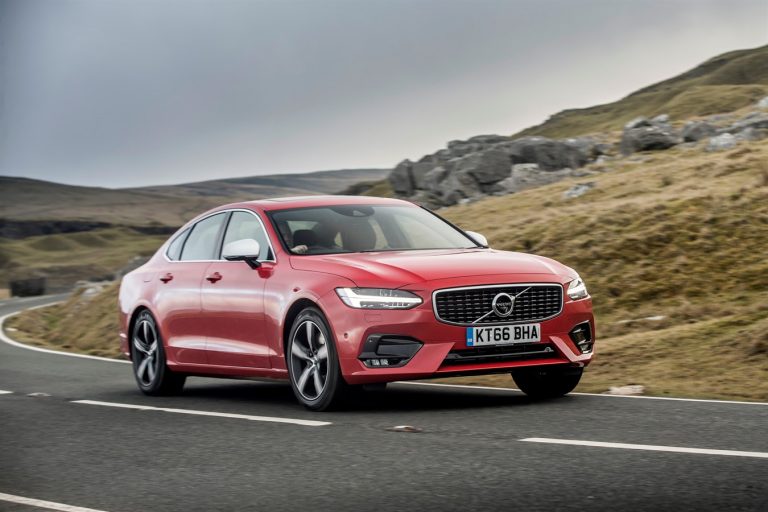
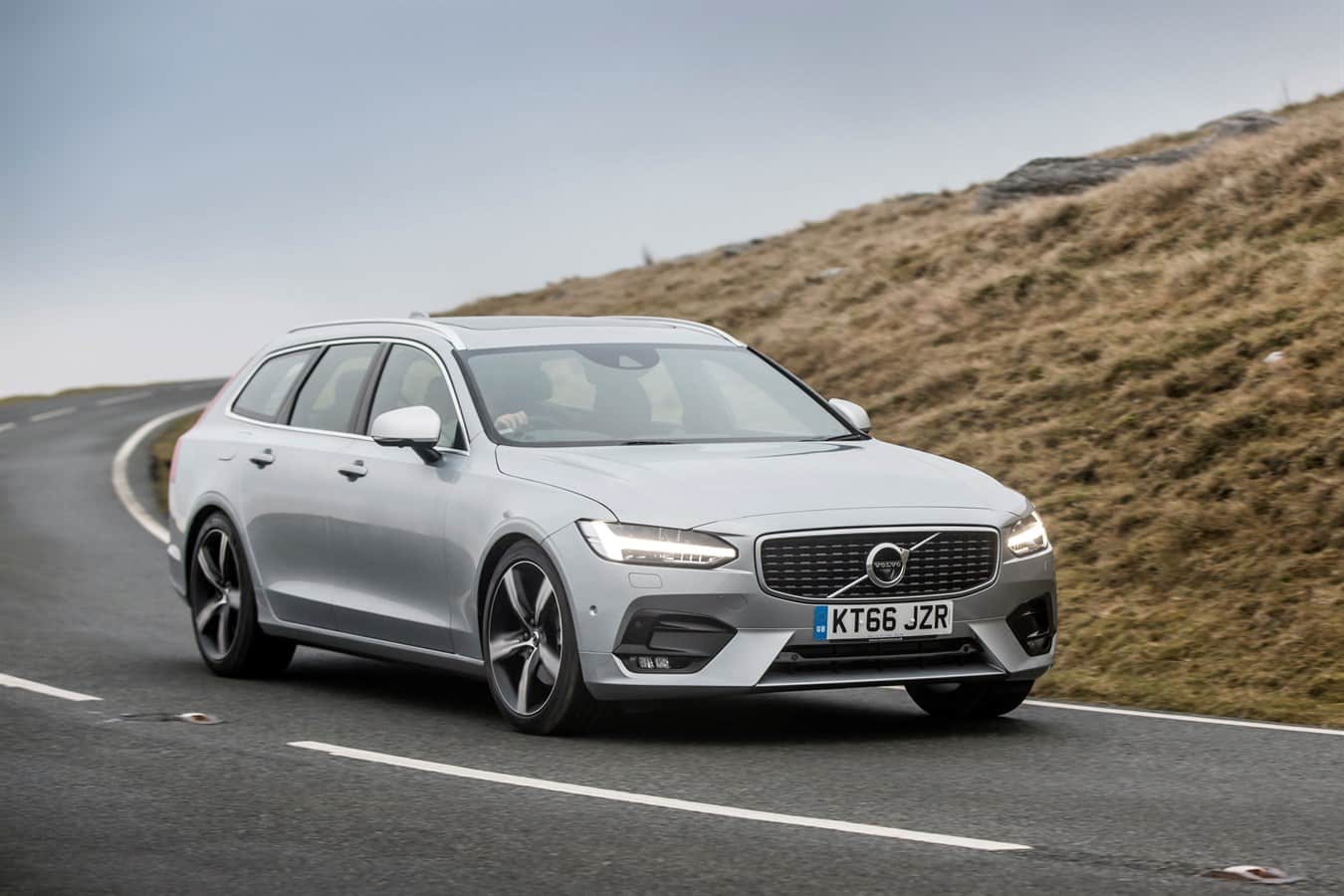

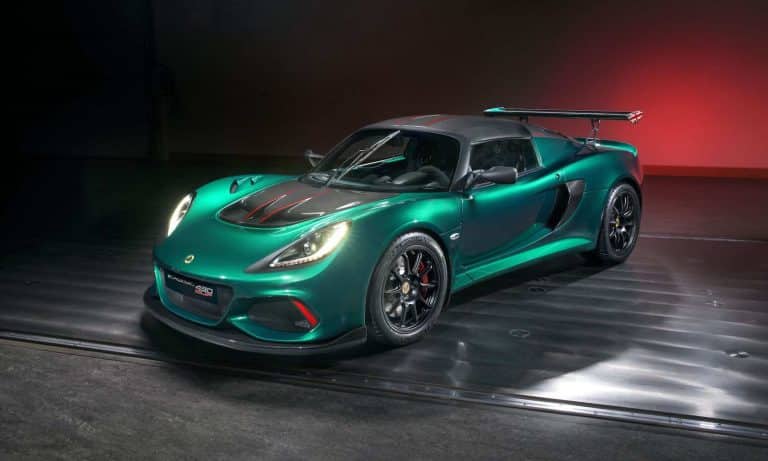


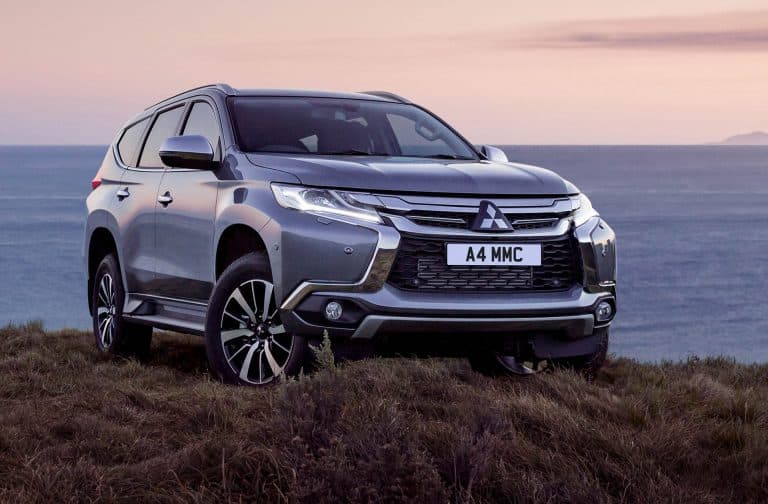
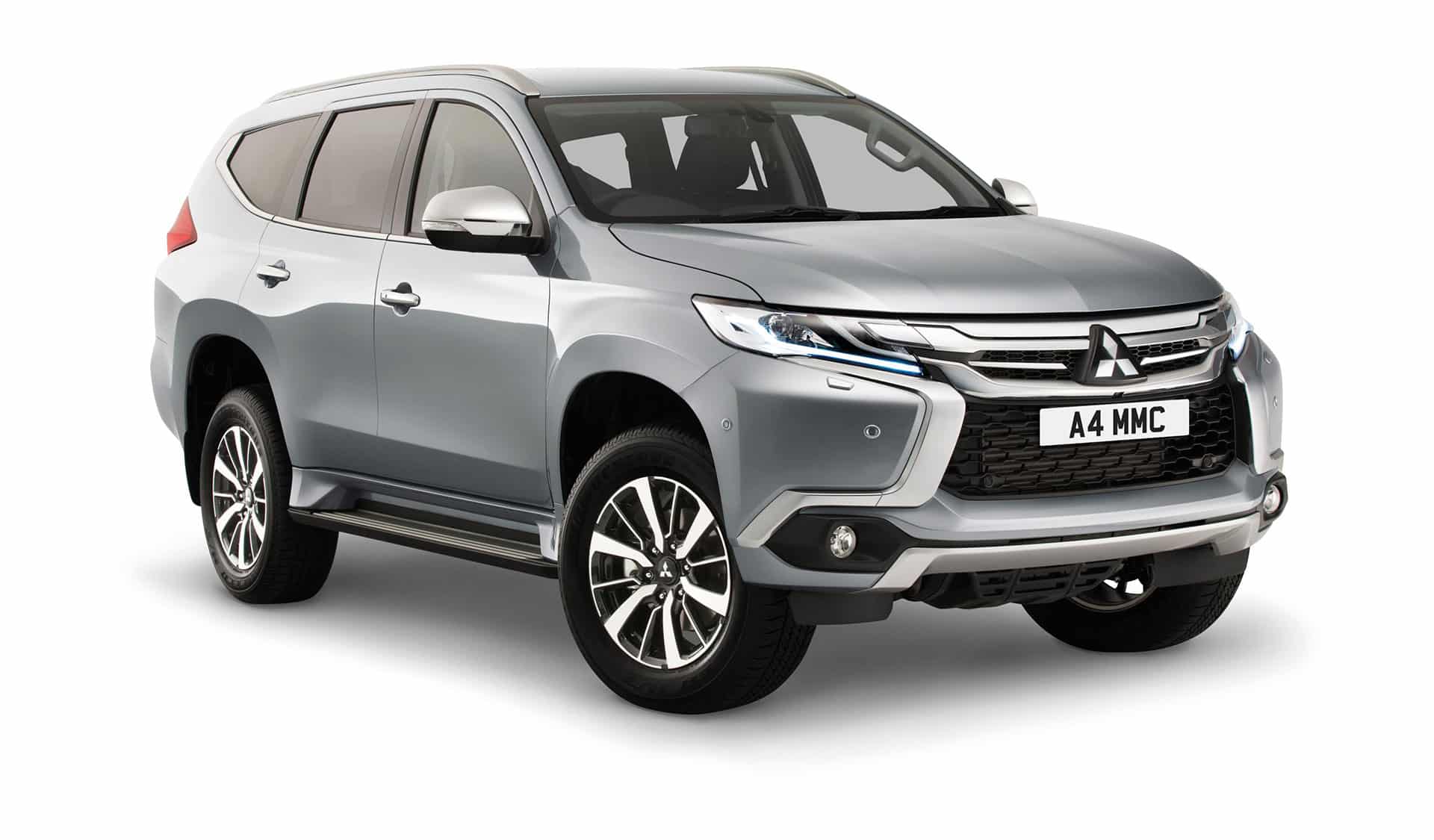
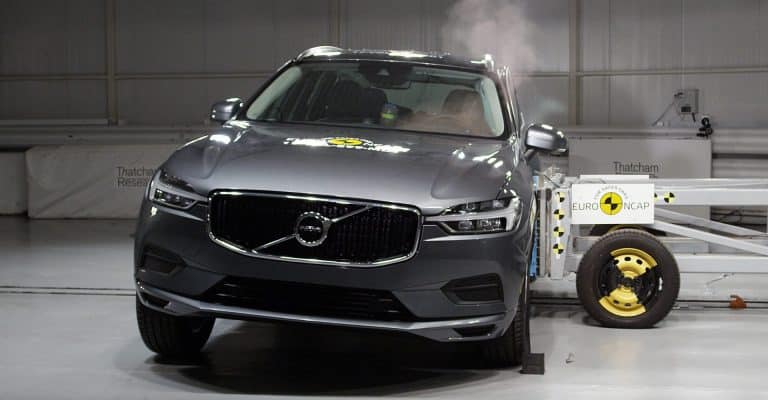


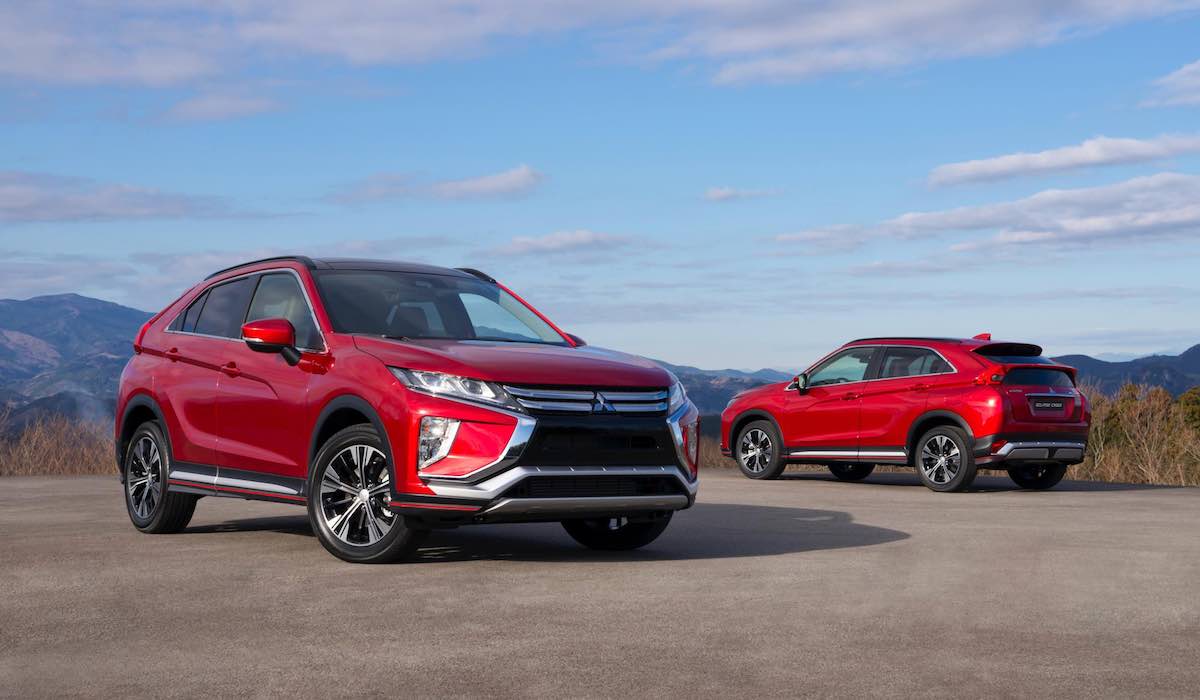
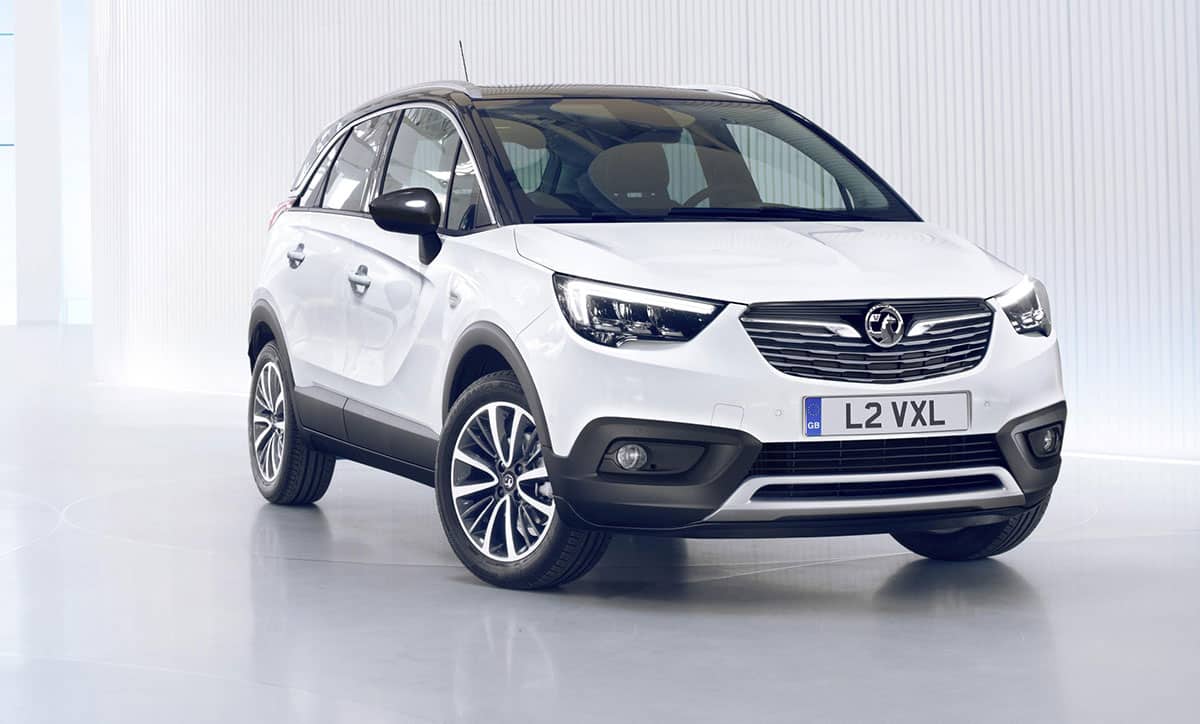


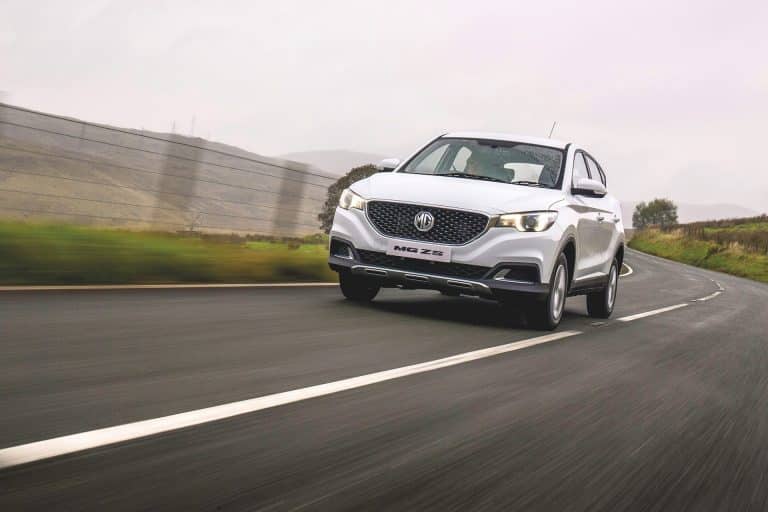


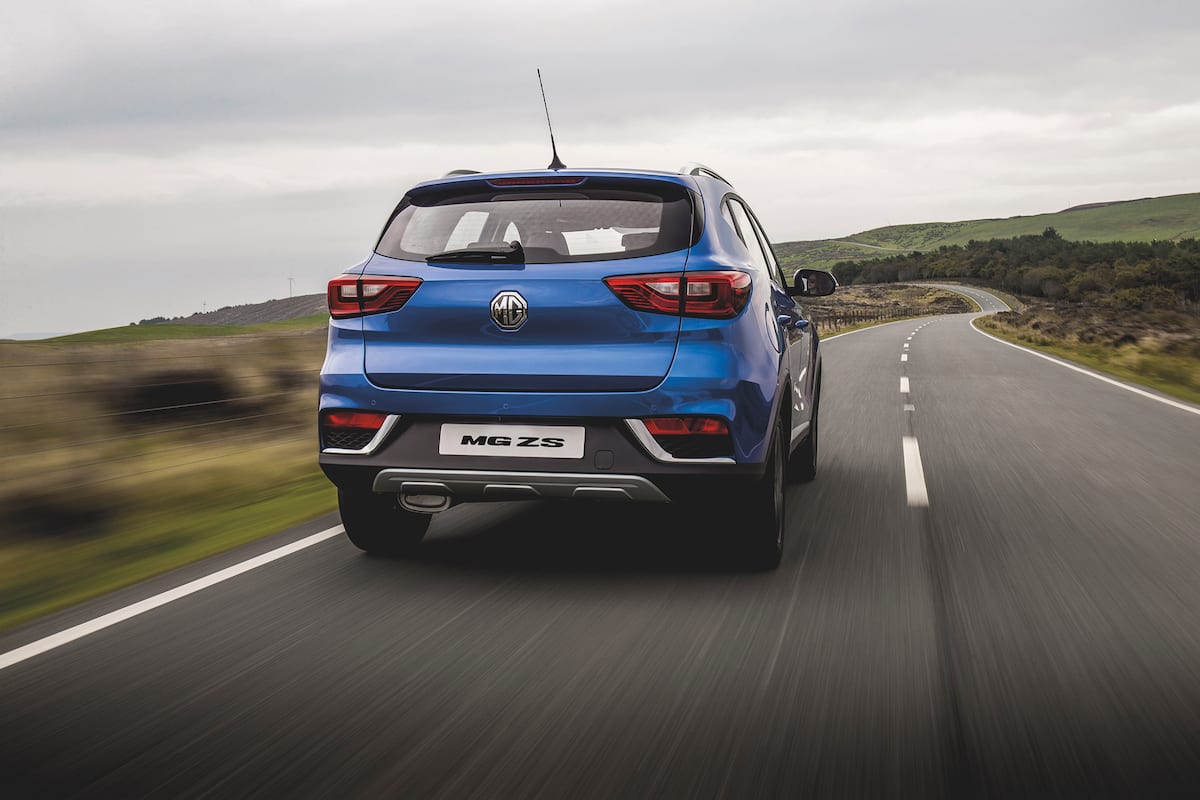





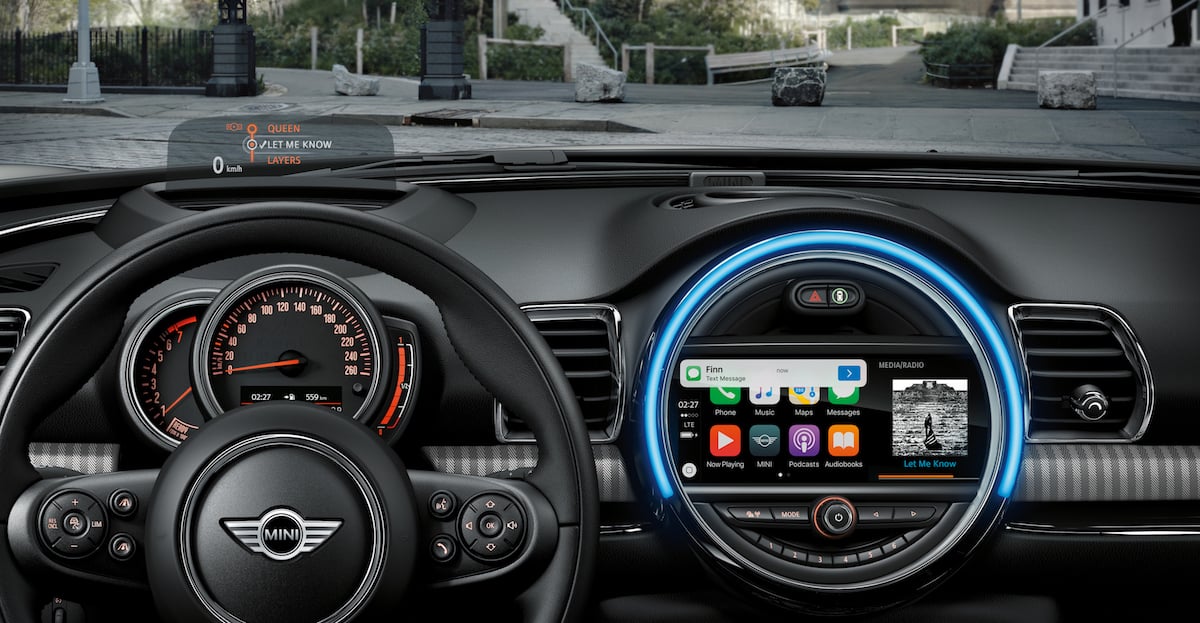

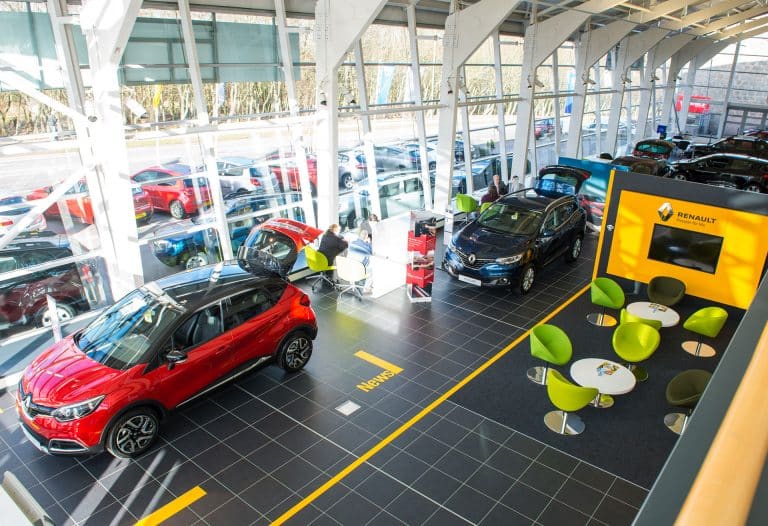
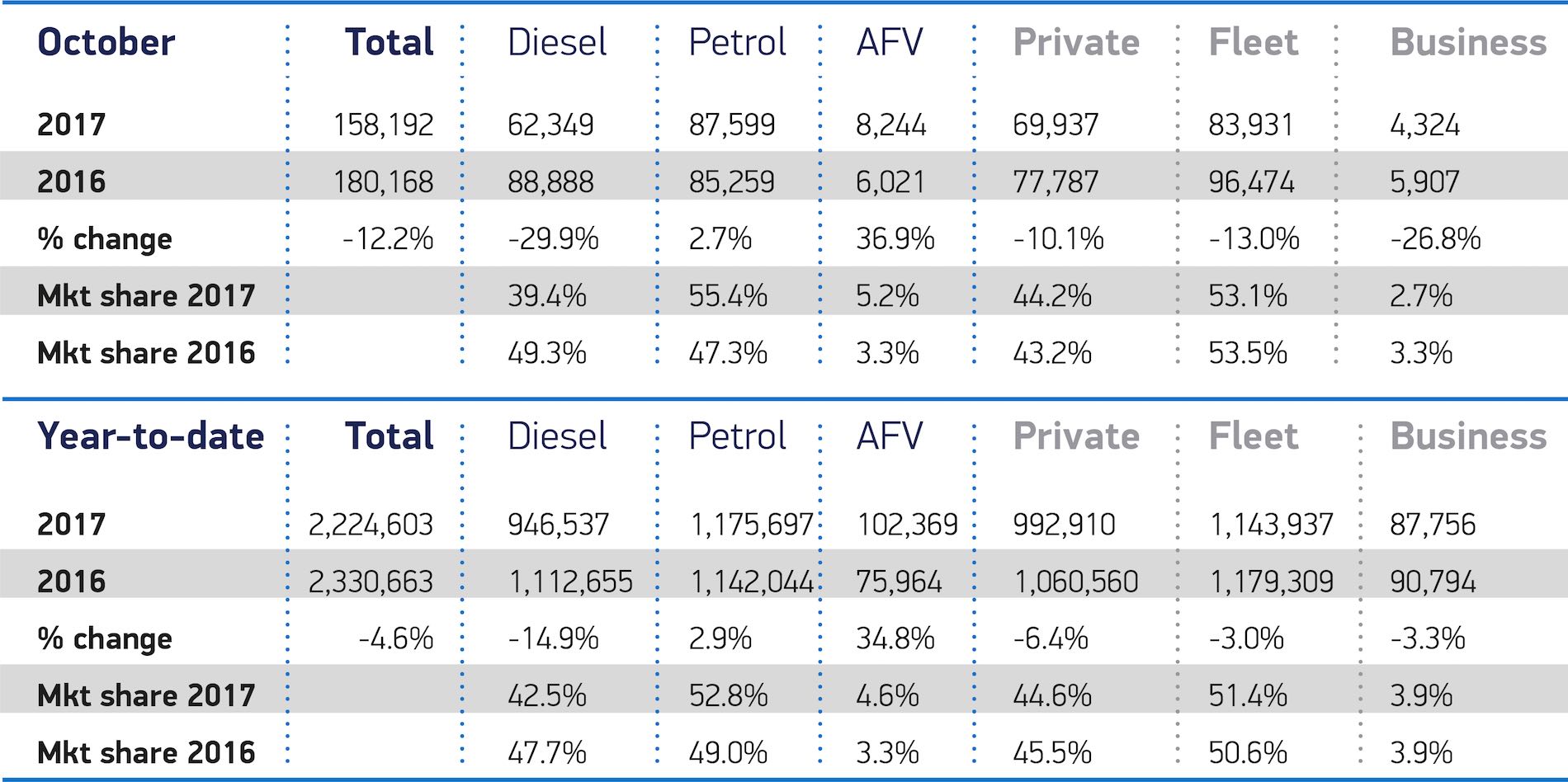
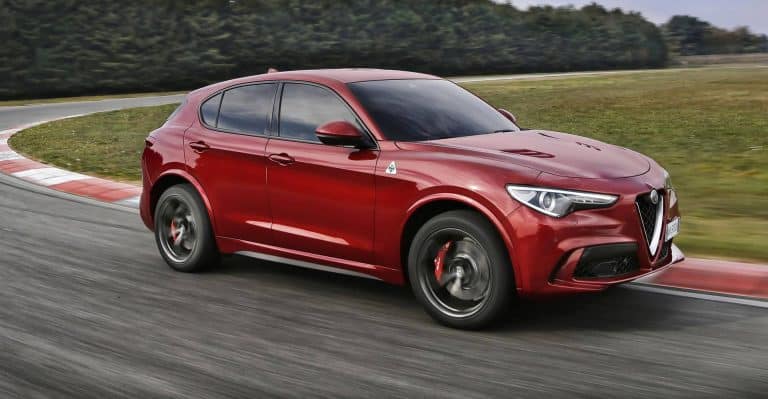
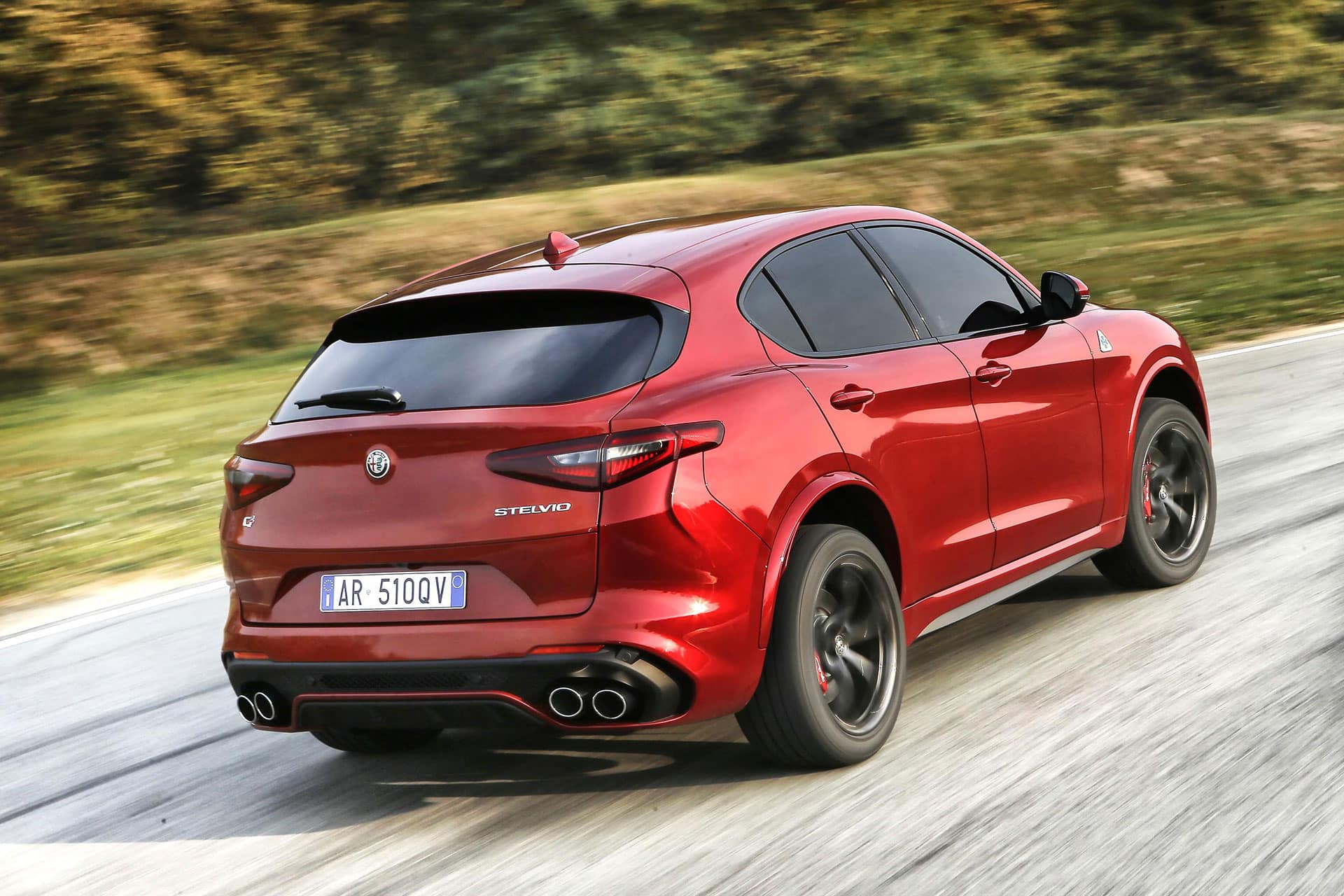

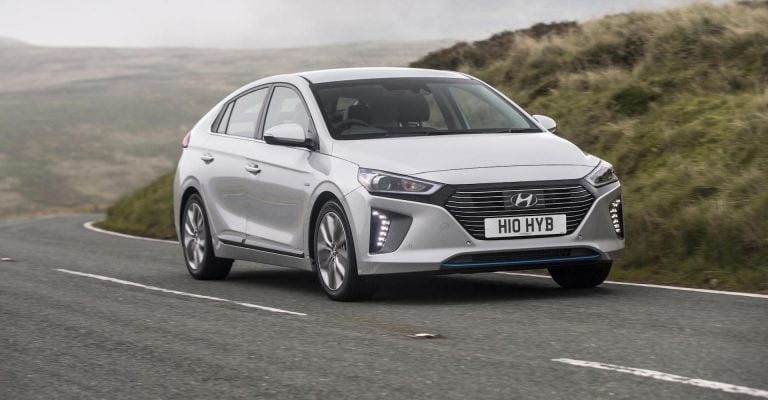


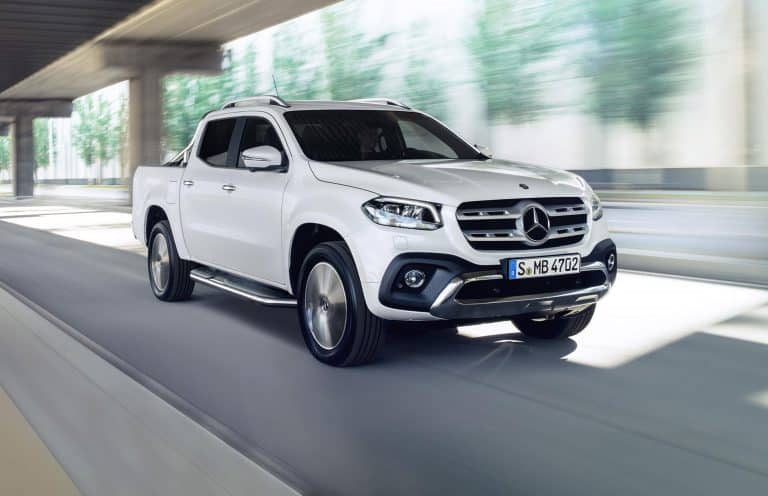
 Lifestyle buyers will likely favour the top-range Power grade. Only available in X 250 d form and at £3600 more than the Progressive version, it gains a further raft of styling touches including quite a lot of chrome, along with LED front and rear lights, keyless entry and start, folding mirrors, electrically adjustable front seats, leather upholstery and 18-inch alloy wheels.
Mercedes offers a standard infotainment package across the range, a CD system also including Bluetooth and a DAB radio. A seven-inch touchscreen controls everything while steering wheel controls feature on Progressive and Power models. The package can be upgraded, adding Garmin Map Pilot navigation for £405, or the full Mercedes Connect Online system for £1470.
Also available on the options list are seven packages targeted at different types of users. These range from extra styling to parking sensors and a 360-degree camera and a winter package with heated seats and windscreen washer jets.
Mercedes clearly has high hopes for its new pickup and will expand the range later in 2018, adding a V6-powered X 350 d model to the line-up.
Lifestyle buyers will likely favour the top-range Power grade. Only available in X 250 d form and at £3600 more than the Progressive version, it gains a further raft of styling touches including quite a lot of chrome, along with LED front and rear lights, keyless entry and start, folding mirrors, electrically adjustable front seats, leather upholstery and 18-inch alloy wheels.
Mercedes offers a standard infotainment package across the range, a CD system also including Bluetooth and a DAB radio. A seven-inch touchscreen controls everything while steering wheel controls feature on Progressive and Power models. The package can be upgraded, adding Garmin Map Pilot navigation for £405, or the full Mercedes Connect Online system for £1470.
Also available on the options list are seven packages targeted at different types of users. These range from extra styling to parking sensors and a 360-degree camera and a winter package with heated seats and windscreen washer jets.
Mercedes clearly has high hopes for its new pickup and will expand the range later in 2018, adding a V6-powered X 350 d model to the line-up.
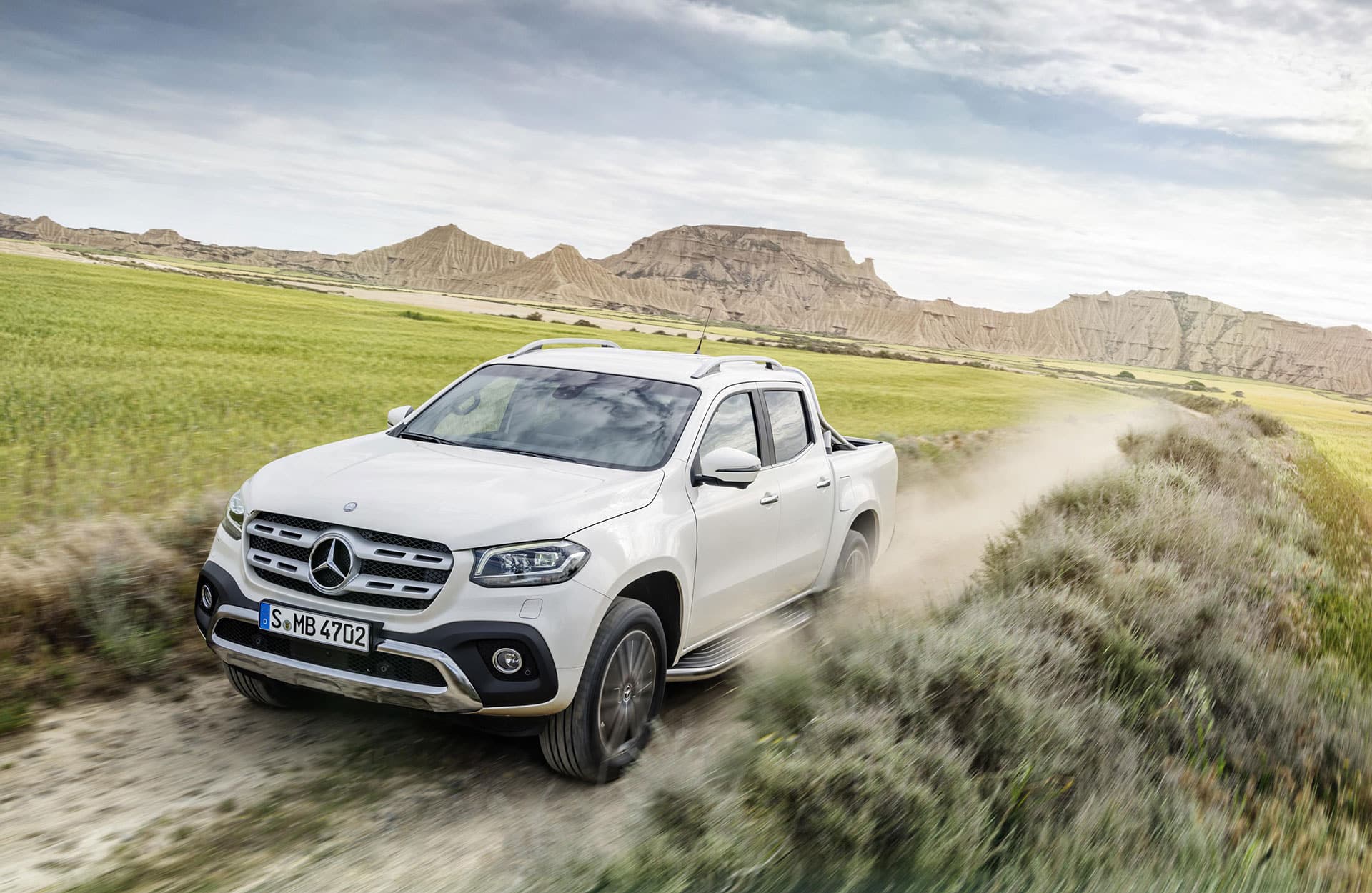

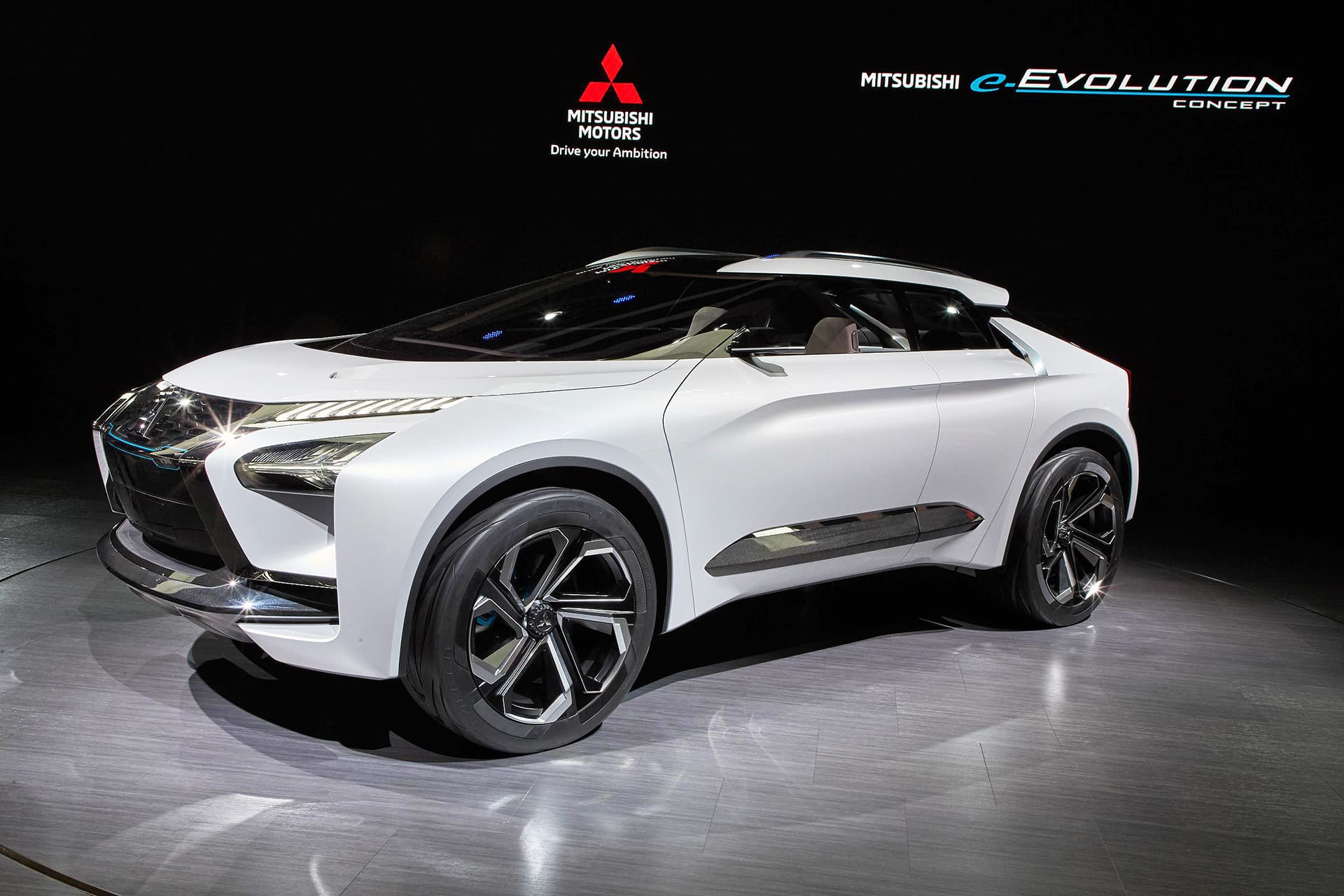 This is the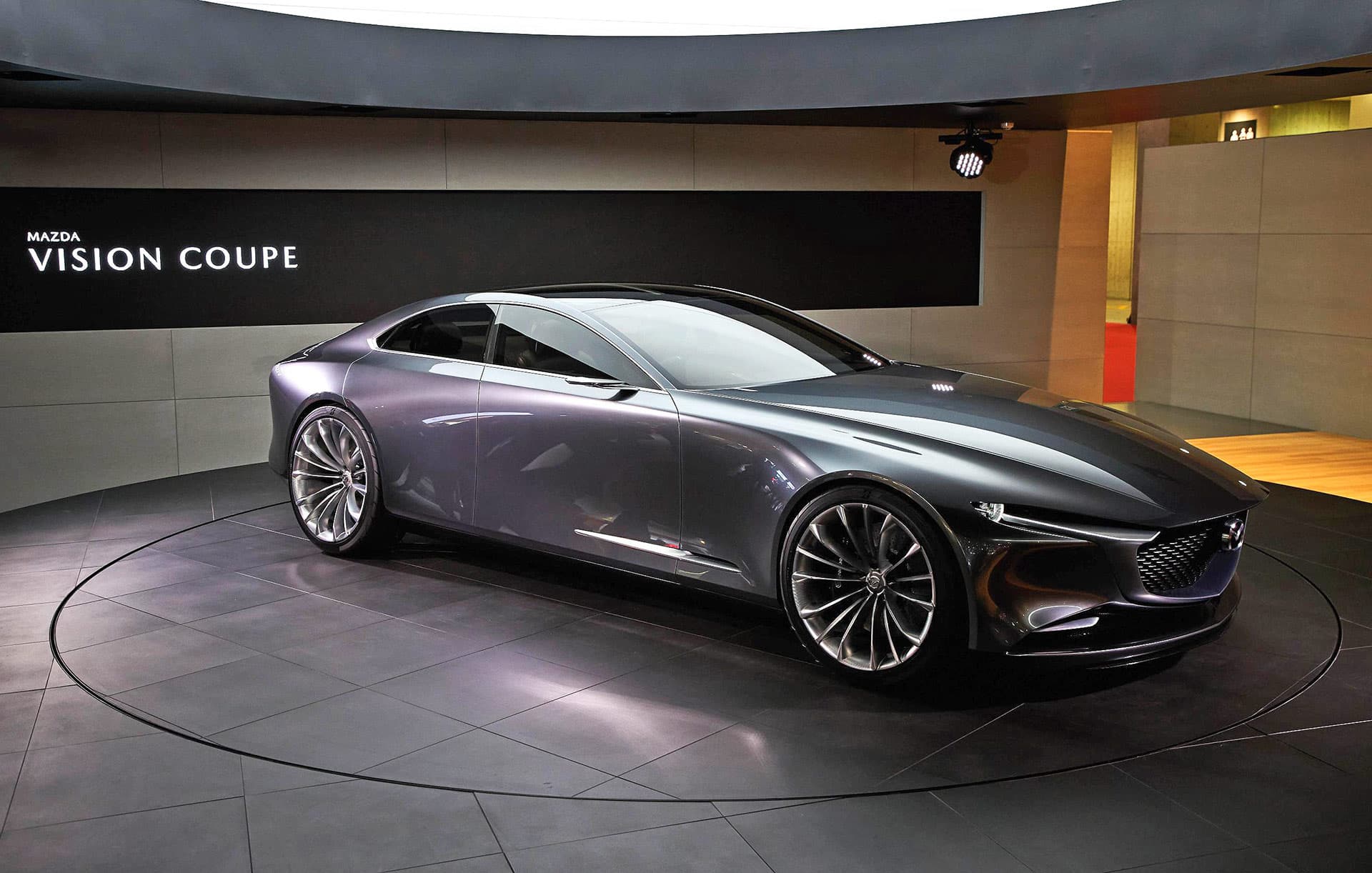

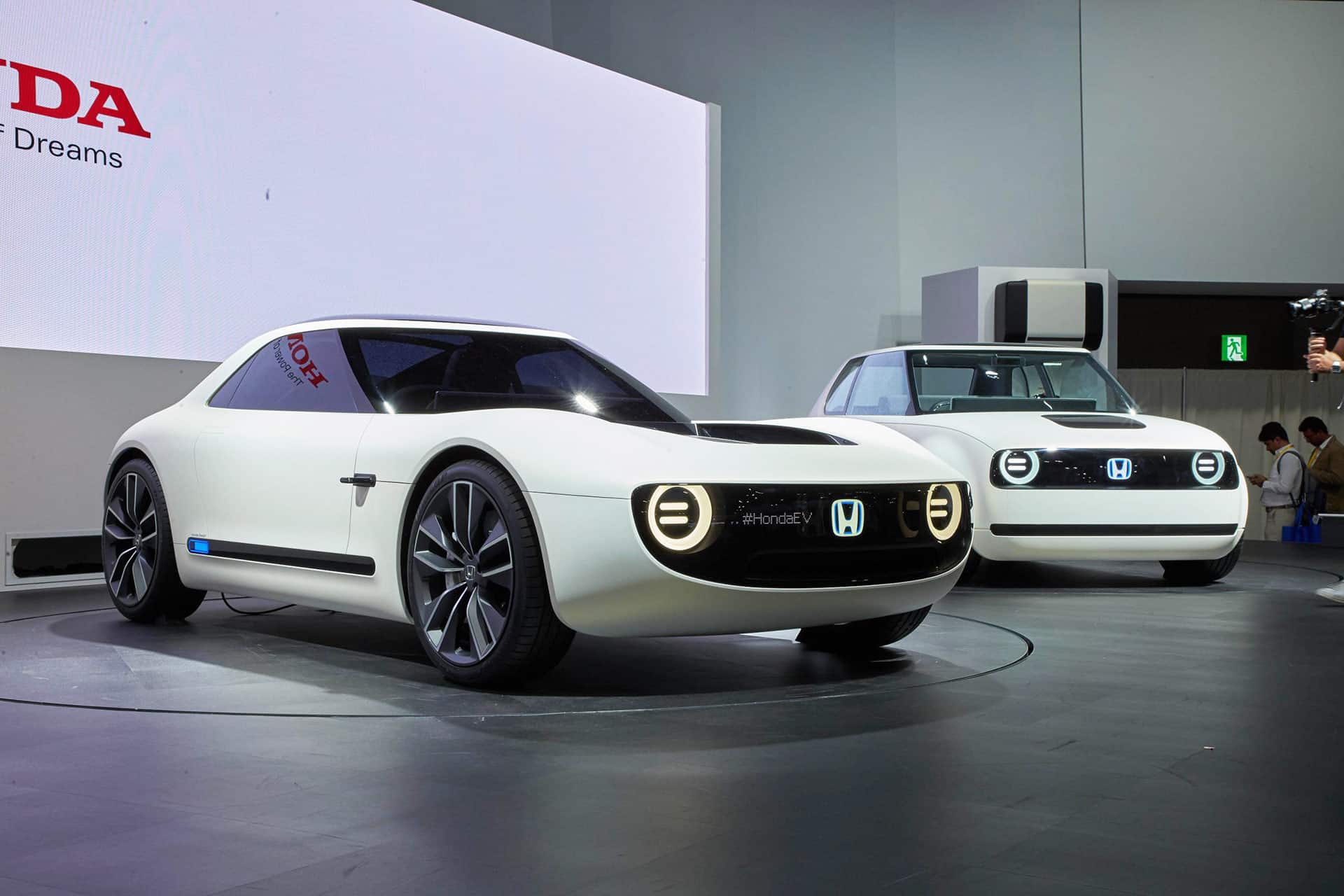 Is
Is 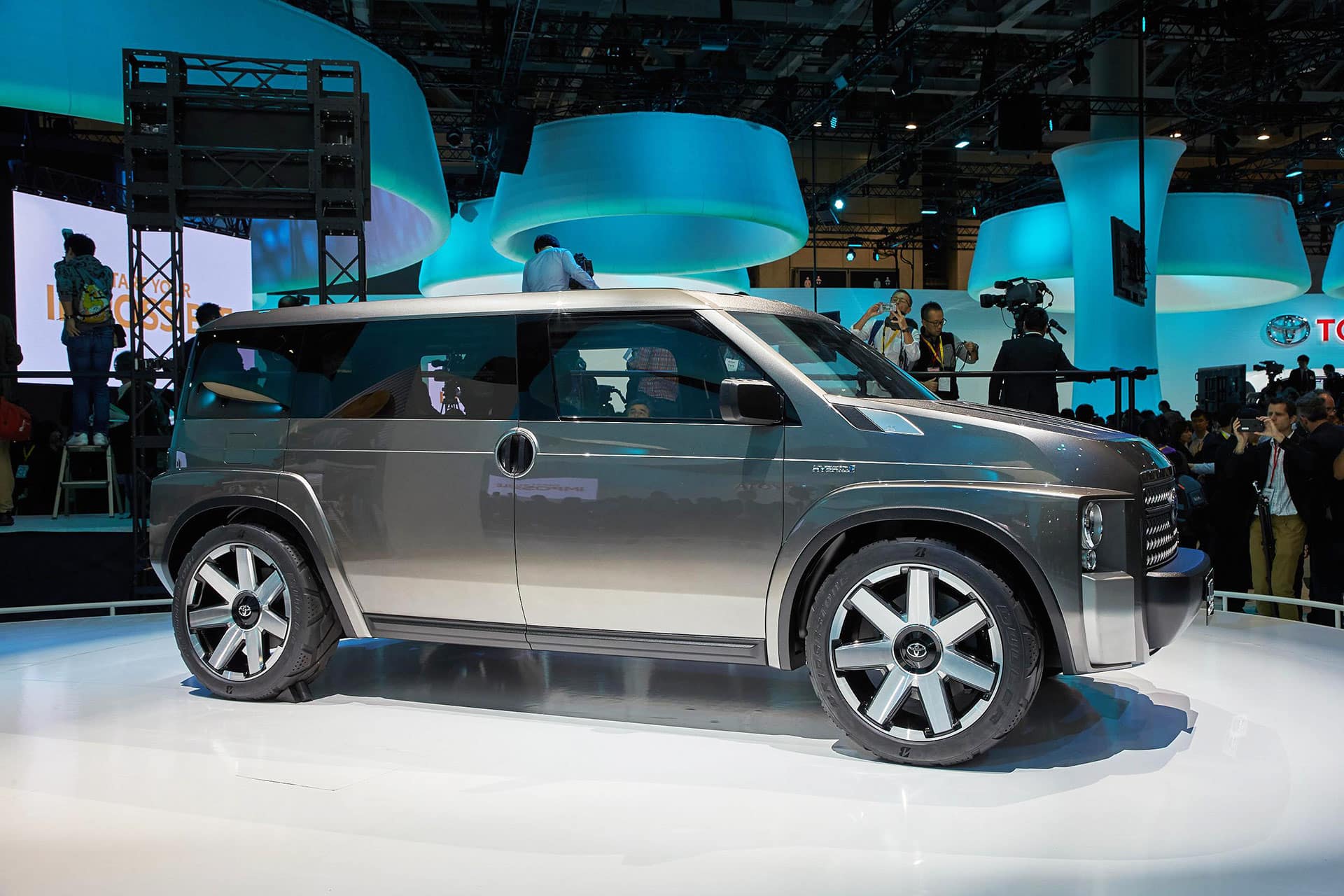 Can an SUV also be a van?
 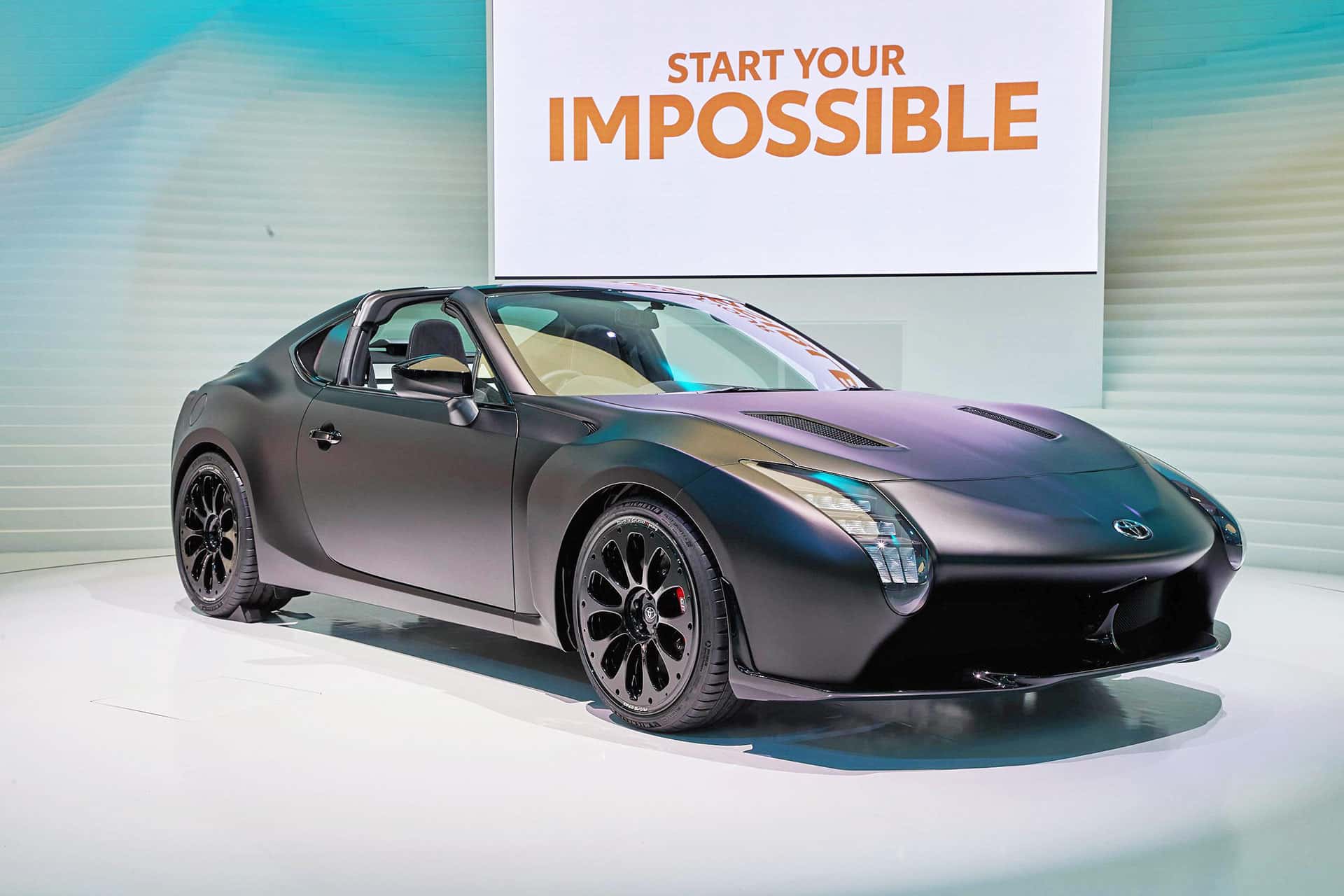 This is Toyota’s other major concept unveiled at Tokyo, the GR-HV. It’s designed to prove that a sports car can also be eco-friendly, though no performance figures have been revealed. The GR-HV boasts both design cues and powertrain elements evolved from the TS050 hybrid car that Toyota races in the Le Mans 24 Hours, while one other race-bred element is the H-pattern gearbox selection. Will it reach production? No clues, though Toyota is known to want a successor to sports models such as the Supra.
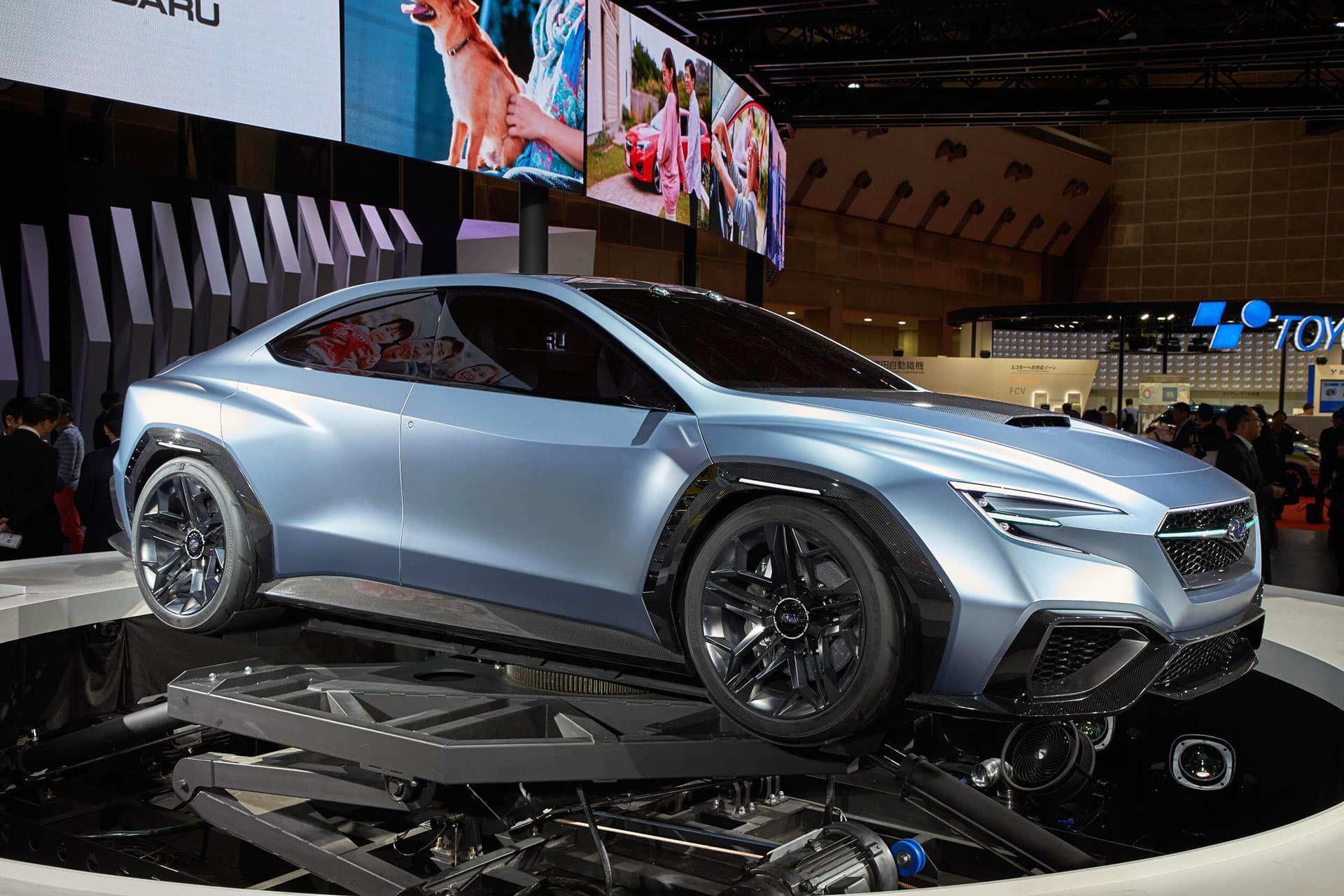
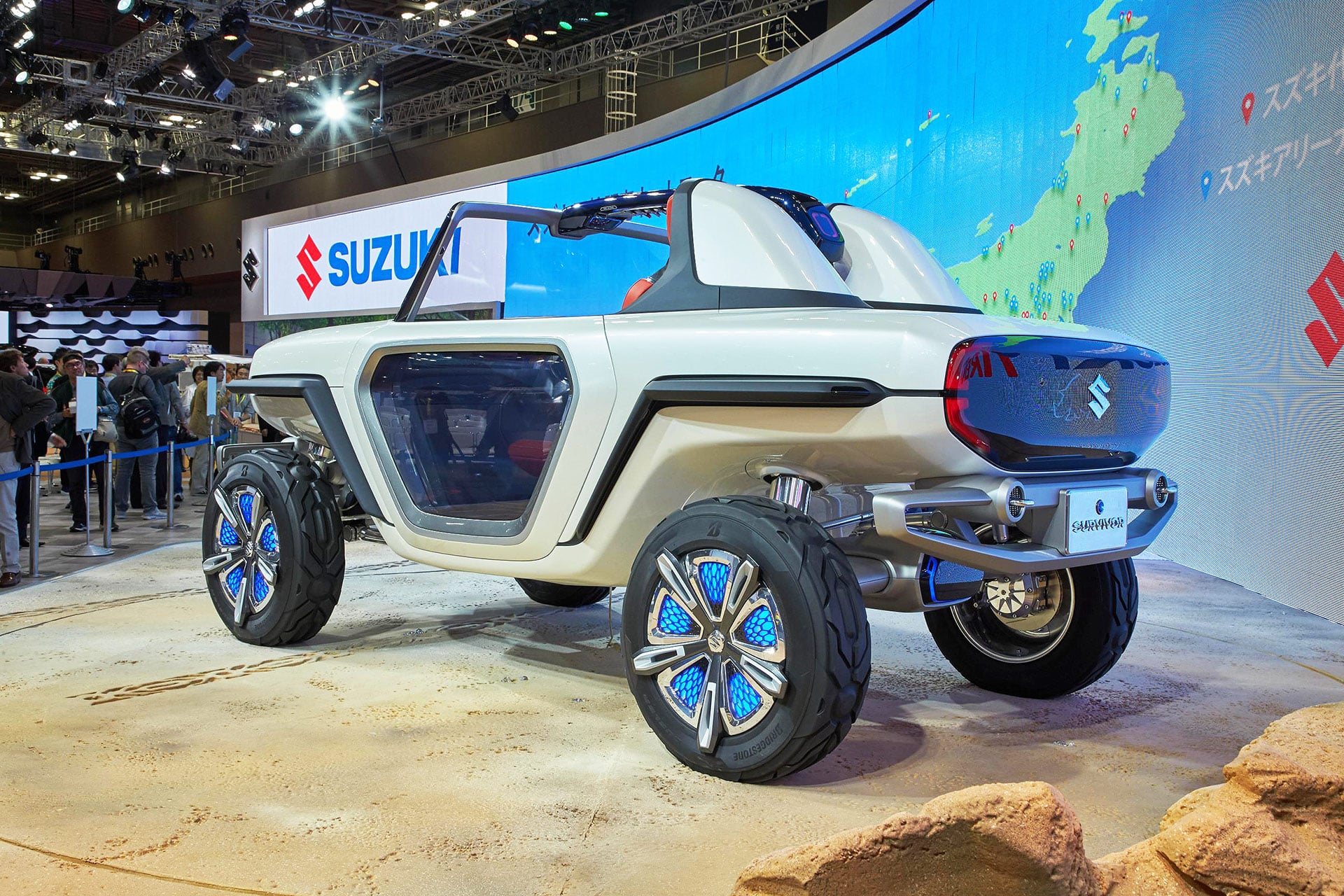 The next big thing in SUVs?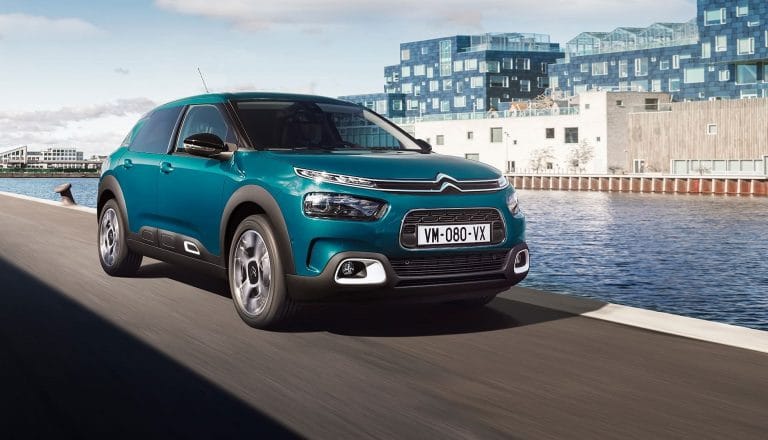
 Citroën is heavily promoting its Advanced Comfort programme and alongside the PHC the Cactus also debuts Advanced Comfort Seats. These use a high-density foam that is said to maintain its comfort even after many hours of use, or as the seats age over time.
Visually the most notable exterior difference of the Cactus will be the new design of ‘Air Bump’ body side mouldings. These are slimmer than their predecessors and mounted lower, on the sills rather than the door panels.
The new C4 Cactus will be offered with a wide line-up of powertrains although not all will be available to UK buyers. British buyers are expected to have a choice of petrol units ranging across 82, 110 or 130hp, all with manual gearboxes and the 110 also offered with a six-speed auto.
Diesel buyers will initially choose between either standard or stop-and-start versions of a 110hp unit. In Autumn 2018 a 120hp version with the auto transmission will join the line-up.
Meanwhile, technology available on the C4 Cactus will include 12 driver assistance systems and three different connectivity options. The latter includes Smartphone compatibility for
Citroën is heavily promoting its Advanced Comfort programme and alongside the PHC the Cactus also debuts Advanced Comfort Seats. These use a high-density foam that is said to maintain its comfort even after many hours of use, or as the seats age over time.
Visually the most notable exterior difference of the Cactus will be the new design of ‘Air Bump’ body side mouldings. These are slimmer than their predecessors and mounted lower, on the sills rather than the door panels.
The new C4 Cactus will be offered with a wide line-up of powertrains although not all will be available to UK buyers. British buyers are expected to have a choice of petrol units ranging across 82, 110 or 130hp, all with manual gearboxes and the 110 also offered with a six-speed auto.
Diesel buyers will initially choose between either standard or stop-and-start versions of a 110hp unit. In Autumn 2018 a 120hp version with the auto transmission will join the line-up.
Meanwhile, technology available on the C4 Cactus will include 12 driver assistance systems and three different connectivity options. The latter includes Smartphone compatibility for 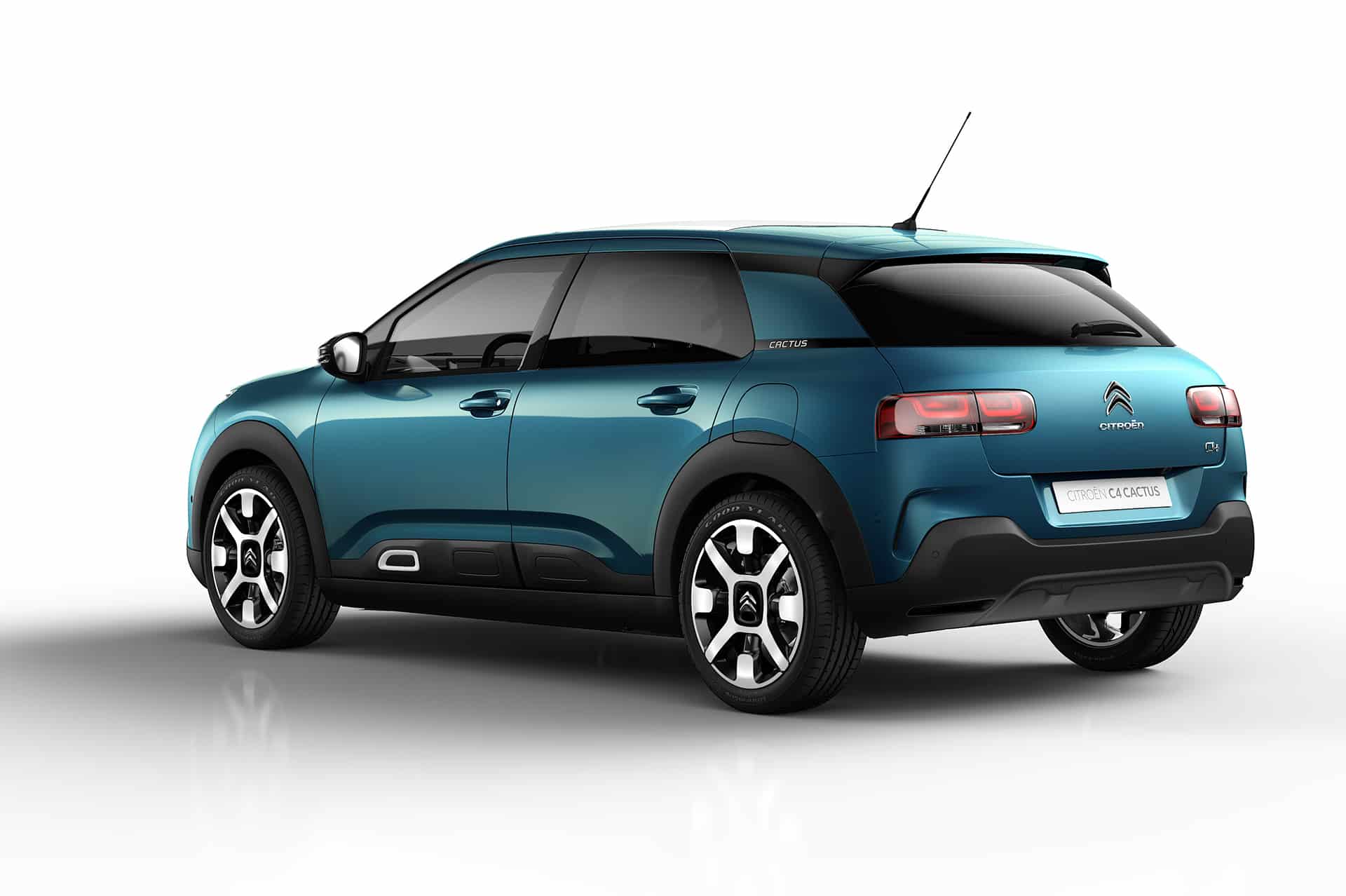
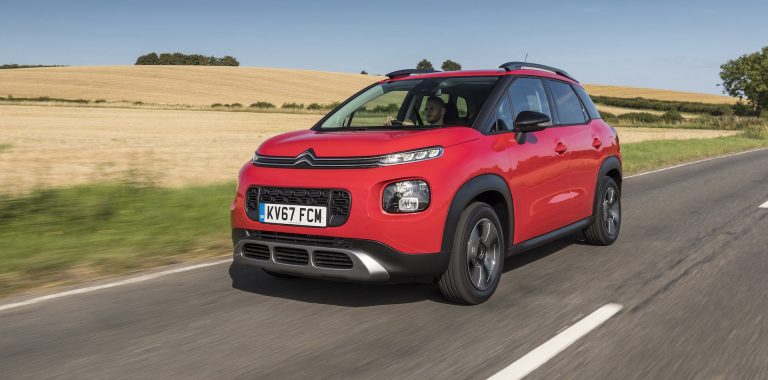


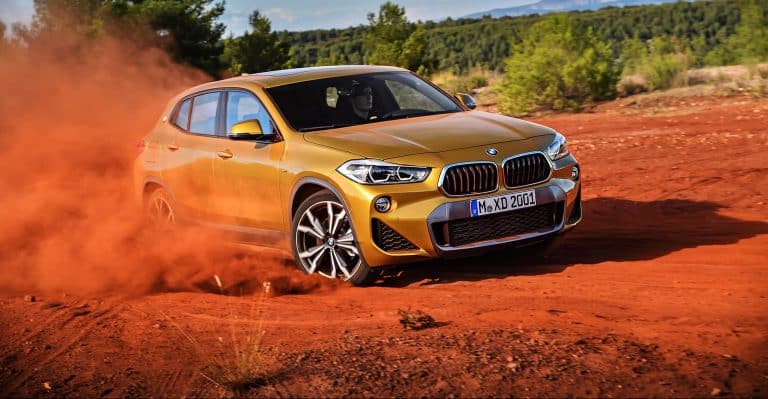
 Initially, the X2 will be sold in a single version – the xDrive 20d. This is powered by a 2-litre four-cylinder turbocharged diesel engine of 190hp and 400Nm of torque, put through an all-wheel-drive transmission. A degree of off-road ability is added by this transmission with hill-descent control fitted as standard.
The 20d offers 7.7-second 0-62mph time while returning combined cycle fuel economy of 61.4mpg and CO2 emissions of 121g/km.
Three more variants will follow in 2018, all also 2-litre turbocharged models. The 20i petrol model will be on sale in front-wheel-drive form only, while there will be 18D diesel versions in both two and all-wheel drive formats.
BMW will offer four trim levels for its new SUV, in the familiar SE, Sport, M Sport and M Sport X grades. SE models sit on 17-inch wheels, all others on 19-inch wheels with 20-inch variants offered as options, while LED headlamps are standard on all bar the entry-level SE. all versions also get a 6.5-inch Touch Control Display with navigation system as standard, while the options list includes such niceties as a head-up display.
Dealers open order books for the car in mid-November, with the X2 xDrive 20D SE costing from £33,980.
Initially, the X2 will be sold in a single version – the xDrive 20d. This is powered by a 2-litre four-cylinder turbocharged diesel engine of 190hp and 400Nm of torque, put through an all-wheel-drive transmission. A degree of off-road ability is added by this transmission with hill-descent control fitted as standard.
The 20d offers 7.7-second 0-62mph time while returning combined cycle fuel economy of 61.4mpg and CO2 emissions of 121g/km.
Three more variants will follow in 2018, all also 2-litre turbocharged models. The 20i petrol model will be on sale in front-wheel-drive form only, while there will be 18D diesel versions in both two and all-wheel drive formats.
BMW will offer four trim levels for its new SUV, in the familiar SE, Sport, M Sport and M Sport X grades. SE models sit on 17-inch wheels, all others on 19-inch wheels with 20-inch variants offered as options, while LED headlamps are standard on all bar the entry-level SE. all versions also get a 6.5-inch Touch Control Display with navigation system as standard, while the options list includes such niceties as a head-up display.
Dealers open order books for the car in mid-November, with the X2 xDrive 20D SE costing from £33,980.