British motorists wanting to go green currently have some 83 different low-emission cars and vans to choose from – but they need more incentives to switch from petrol and diesel vehicles to electric alternatives.
Industry body the Society of Motor Manufacturers & Traders (SMMT) this week organised a photo-call of 26 of the alternatively-fuelled vehicles currently on sale in the UK – mostly hybrids and electric vehicles but also including hydrogen fuel-cell cars, and drawn from 16 different brands.
And the public display of the variety on offer comes just as looming changes to Vehicle Excise Duty (VED, commonly known as road tax) threaten to make such cars less attractive to potential buyers.
Sales of alternatively-fuelled cars have been growing at the greatest rate ever seen on the UK market – up 22.2 per cent in 2016. But the 88,919 such vehicles registered represented just 3.3 per cent (up from 2.8 per cent) of a market worth almost 2.7 million units. And of that almost 89,000 such vehicles, 36,917 were plug-in electric models – Britain is now the biggest market in the EU for such cars.
Low costs the attraction
The SMMT commissioned a YouGov survey to find out the reasons why motorists might be persuaded to switch to hybrid and electric cars. Low running costs topped the incentives, quoted by 51 per cent of the 2,100 people questioned. This was followed by cheap or zero road tax (46 per cent), while 36 per cent highlighted purchase incentives such as the Government’s plug-in car grant, that can cut around £4,500 from the purchase price of such vehicles.
From April, however, the new VED rates will badly affect the two largest incentives. Currently owners of virtually all low-emission vehicles pay no road tax at all, as the CO2 emissions of such vehicles are below 100g/km.

After 1st April 66 per cent of these vehicles will move into a regime where in addition to a road tax charge of varying rate on purchase, their owners will have to pay £140 per year thereafter. A few vehicles, costing more than £40,000, will also be subject to a £310 supplementary charge – every year for five years.
This is very concerning when the YouGov survey also revealed that currently, just 13 per cent of motorists would consider switching to ultra low-emission vehicles when buying their next car. And very few give the new tax rates as the reason – alarmingly the survey showed that some 68 per cent of respondents were not even aware such changes are on the way.
Fear of running out
Instead, the prime reason given still relates to the ‘range anxiety’ that has hung over electric vehicles since they were first launched. Some 48 per cent of respondents fear that they won’t find a place to charge their car before it runs out of power, and 43 per cent say they don’t have convenient charging locations near their home or place of work.

These concerns endure despite many manufacturers offering free home wallbox installations with purchases, and the latest electric cars now having ranges between charges of around three times the average daily commute – the latest Renault ZOE for example can travel 180 miles before needing to be plugged in.
Other concerns included the possible price of battery replacement (46 per cent) and the higher purchase price of such cars (41 per cent) despite the Government incentives.
Government charged to act
Such doubts exist as concern over the pollution caused by car emissions, particularly diesels, grows, and the SMMT is insisting that the Government needs to get fully behind promoting the advantages of low-emission vehicles.
“Our survey highlights the need for ongoing government support for this new market,” says SMMT chief executive Mike Hawes.
“We want to encourage more people to switch to ultra low emission vehicles in meaningful numbers but more must be done to boost buyer confidence. A consistent approach to incentives – fiscal and otherwise – and, most importantly, greater investment in the charging network is essential if we are to grow this emerging market.”
The Government claims, however, that it is doing as much as it can to support the growth of alternatively fuelled vehicles. “We are working with determination to get more people switching to low emission vehicles,” says Transport Minister, John Hayes.
“Our Vehicle Technology and Aviation Bill published this week, will make sure the right infrastructure – such as electric charge points and hydrogen refuelling stations – is in place for this growing market.
“We’ve committed more than £2 billion since 2011 to increase electric vehicle uptake and support greener transport schemes. This includes £290 million, announced in the Autumn Statement, to support electric vehicles, low emission buses and taxis, and alternative fuels.”
Despite such promises many in the industry feel the post-April VED charges could stall any meaningful progress towards wider adoption of low-emission vehicles.


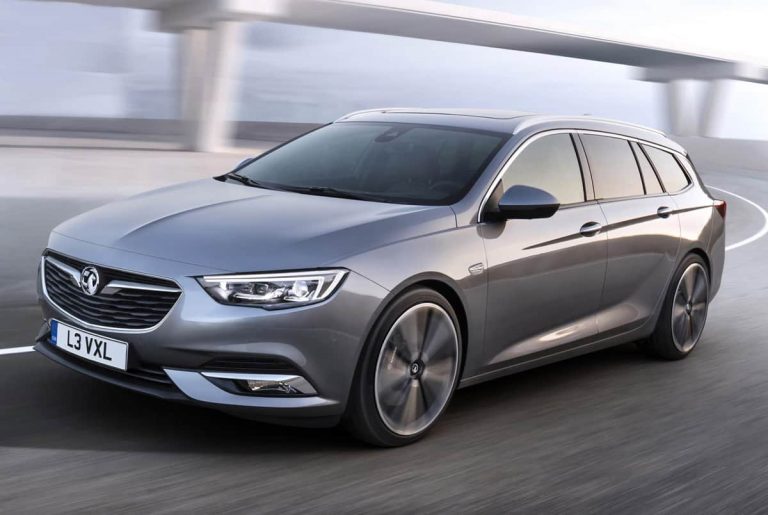
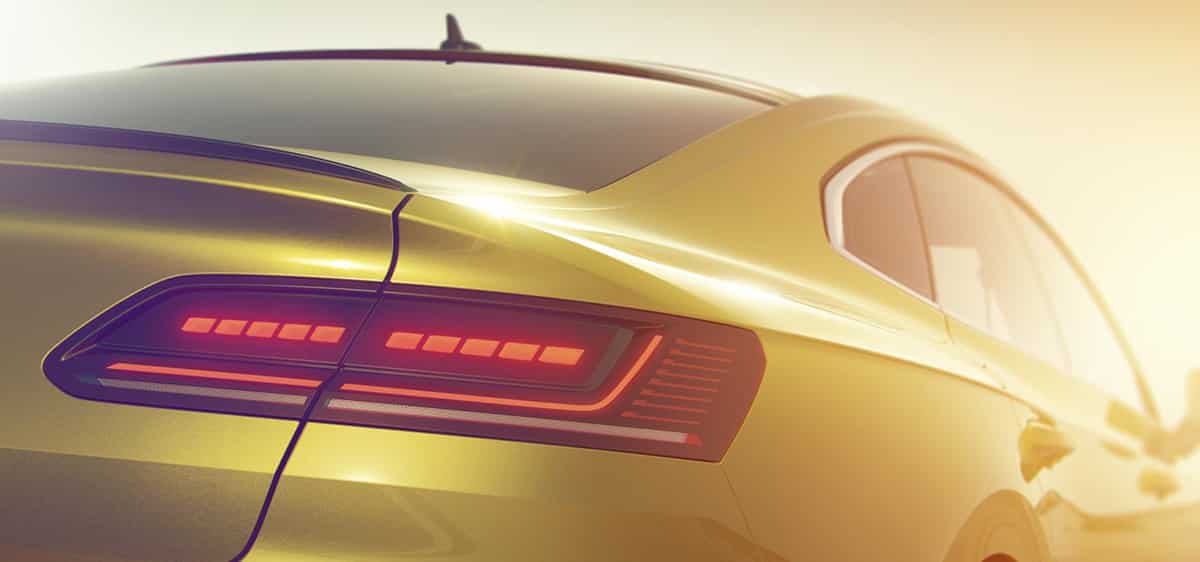 Volkswagen has not released any details of the Arteon’s powertrains though they are expected to replicate the engine choices of European-specification Passats, and include both front-wheel and all-wheel-drive transmissions.
The brand does say that the car will debut ‘the latest generation of driver assistance systems,’ including ‘features that are typically reserved for luxury automobiles’.
The Volkswagen Arteon is expected on UK sale sometime in the summer of 2017 at prices starting in the region of £28,000.
Volkswagen has not released any details of the Arteon’s powertrains though they are expected to replicate the engine choices of European-specification Passats, and include both front-wheel and all-wheel-drive transmissions.
The brand does say that the car will debut ‘the latest generation of driver assistance systems,’ including ‘features that are typically reserved for luxury automobiles’.
The Volkswagen Arteon is expected on UK sale sometime in the summer of 2017 at prices starting in the region of £28,000.



 It is understood that the Velar will be the most on-road pitched Range Rover model yet and will also debut a new interior design, based on the layout of its Jaguar sister model.
The Velar name (pronounced vel-ar) is one of the oldest elements of the car, dating back to the first Range Rover prototypes of the 1960s. When development engineers needed to hide the true identity of the 26 pre-production Range Rovers, they chose the name Velar, derived from the Latin velare meaning to veil or cover.
It is understood that the Velar will be the most on-road pitched Range Rover model yet and will also debut a new interior design, based on the layout of its Jaguar sister model.
The Velar name (pronounced vel-ar) is one of the oldest elements of the car, dating back to the first Range Rover prototypes of the 1960s. When development engineers needed to hide the true identity of the 26 pre-production Range Rovers, they chose the name Velar, derived from the Latin velare meaning to veil or cover.

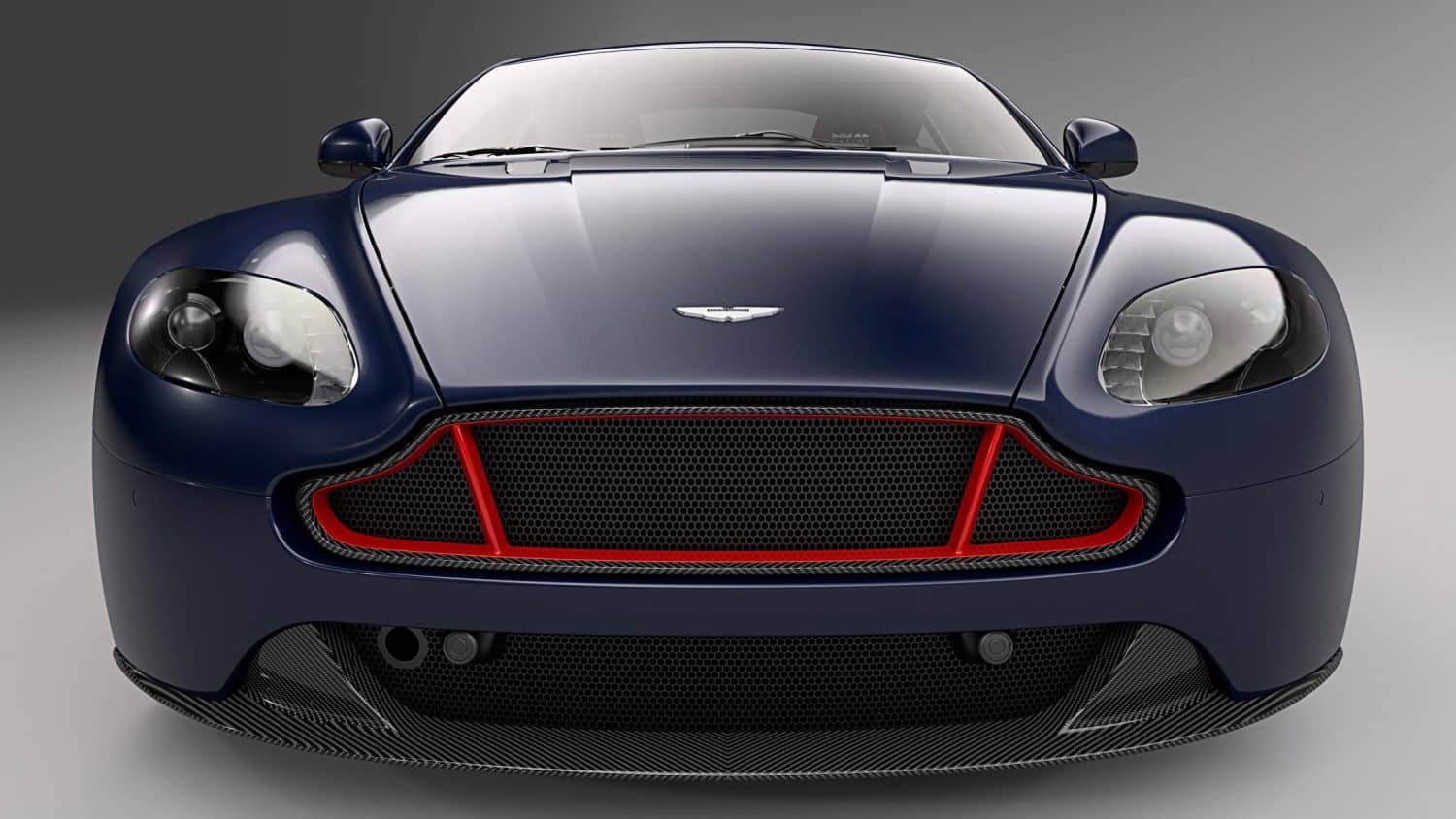
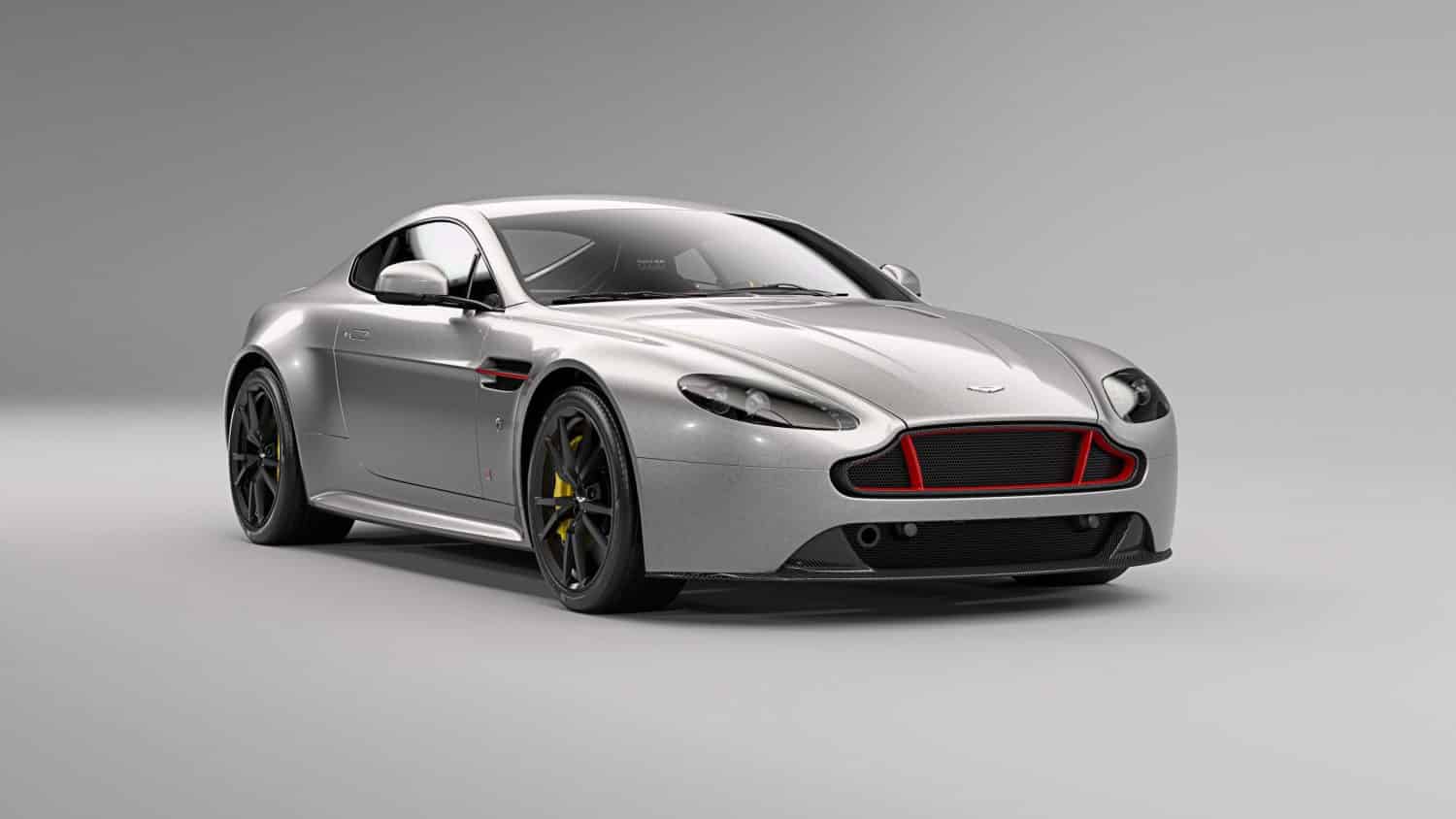





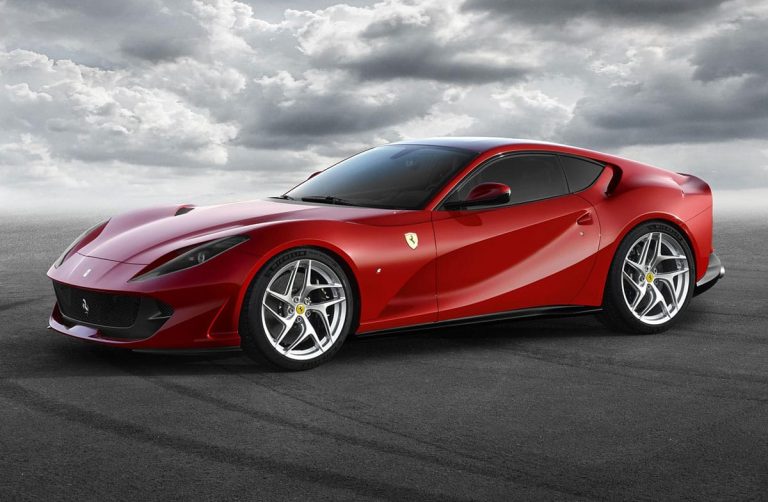
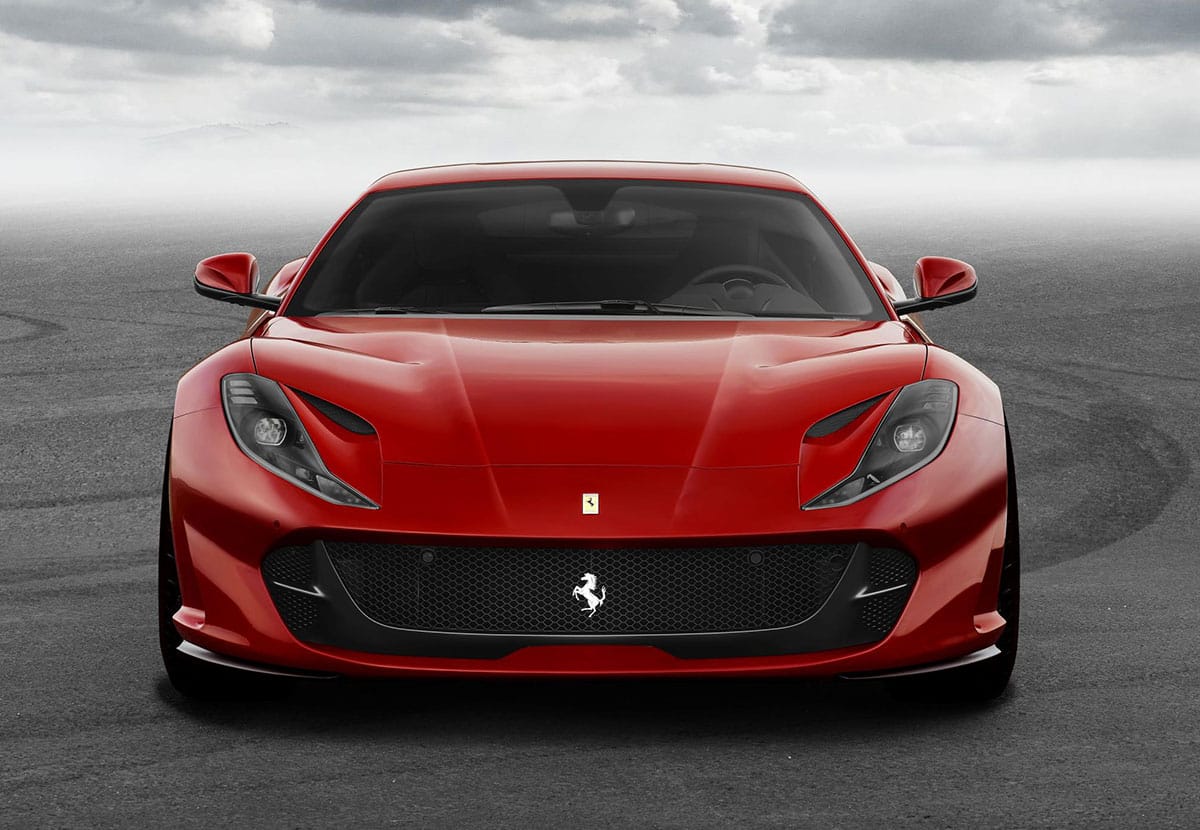
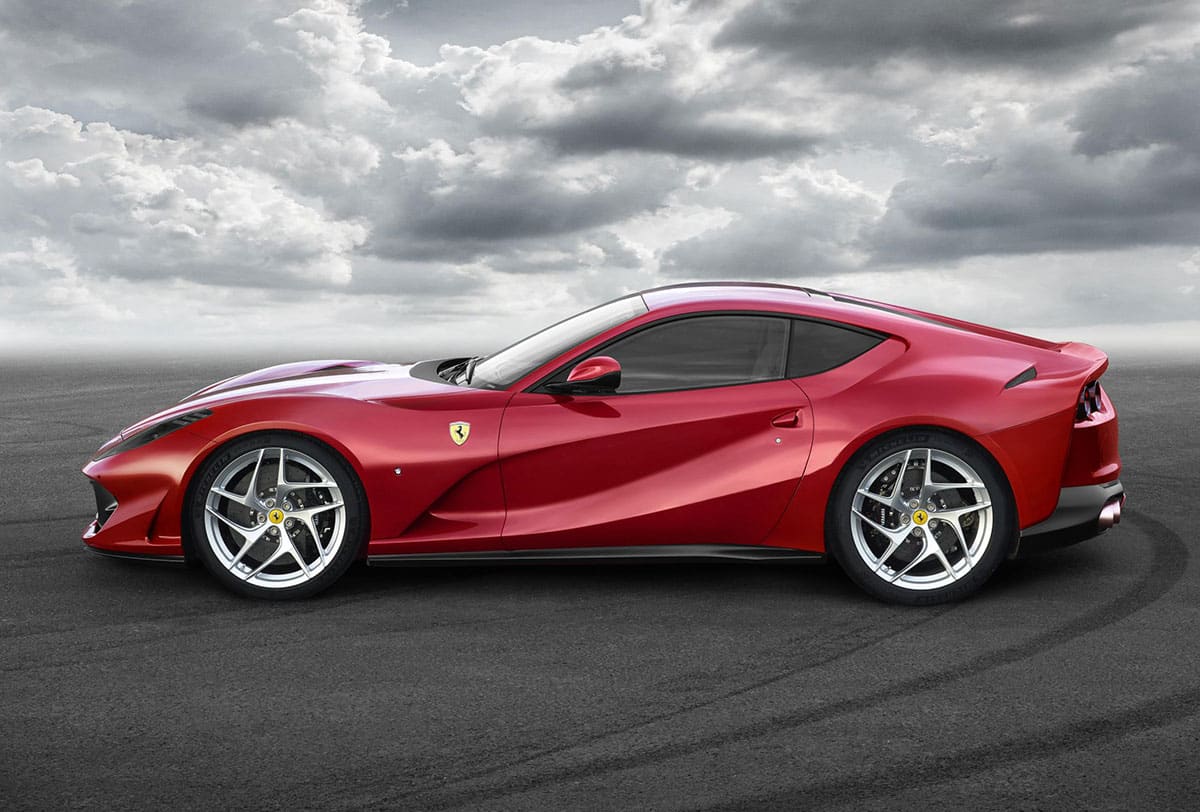
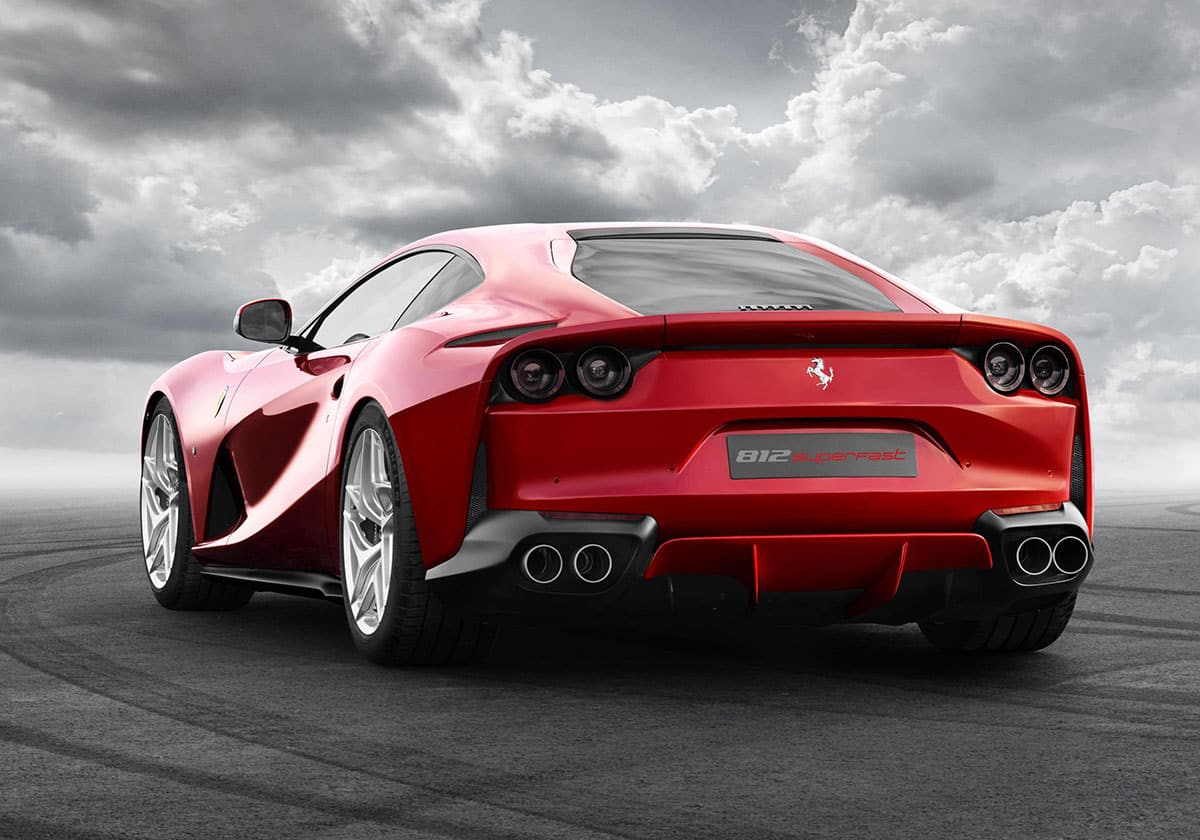
 Industry observers also believe that this engine will be the last traditional 12-cylinder unit from Ferrari with future units using turbos or hybrid assistance.
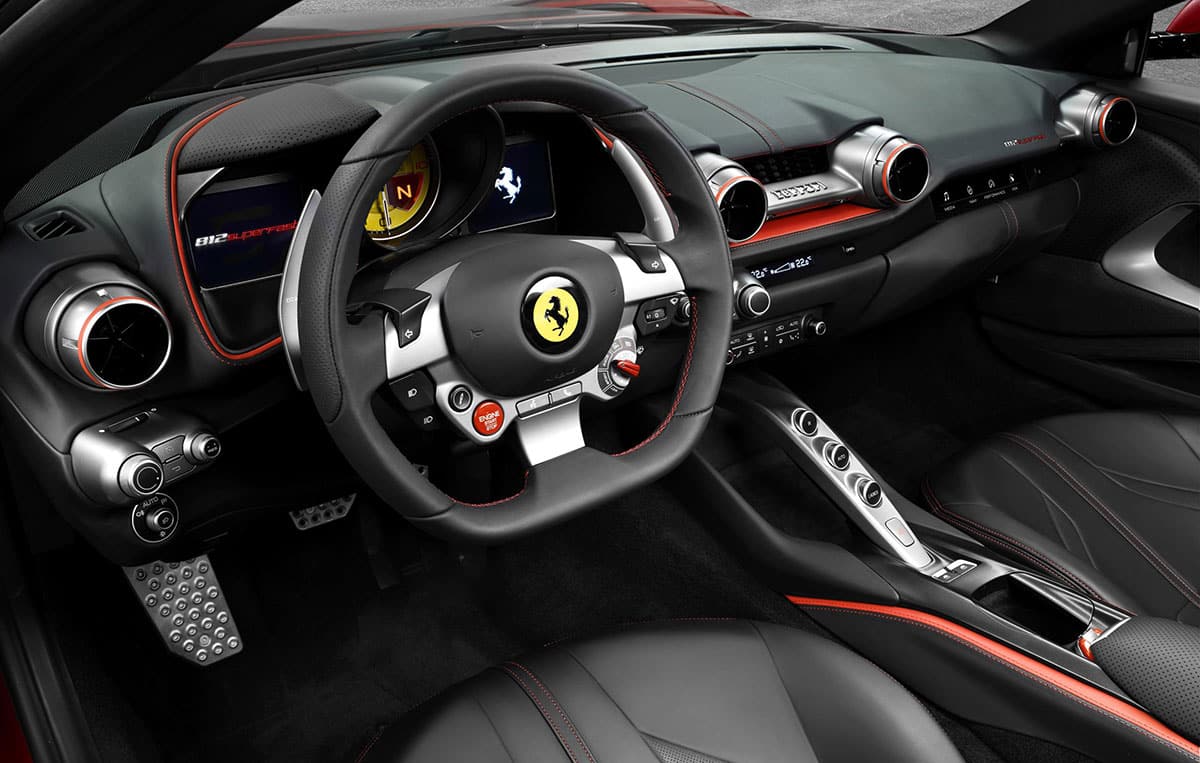
The 812 Superfast also features the first electric power steering system ever fitted to a Ferrari. This is fully integrated into the car’s electronic systems, including the latest version of the Slide Slip Control system that aids handling.
Industry observers also believe that this engine will be the last traditional 12-cylinder unit from Ferrari with future units using turbos or hybrid assistance.
The 812 Superfast also features the first electric power steering system ever fitted to a Ferrari. This is fully integrated into the car’s electronic systems, including the latest version of the Slide Slip Control system that aids handling.

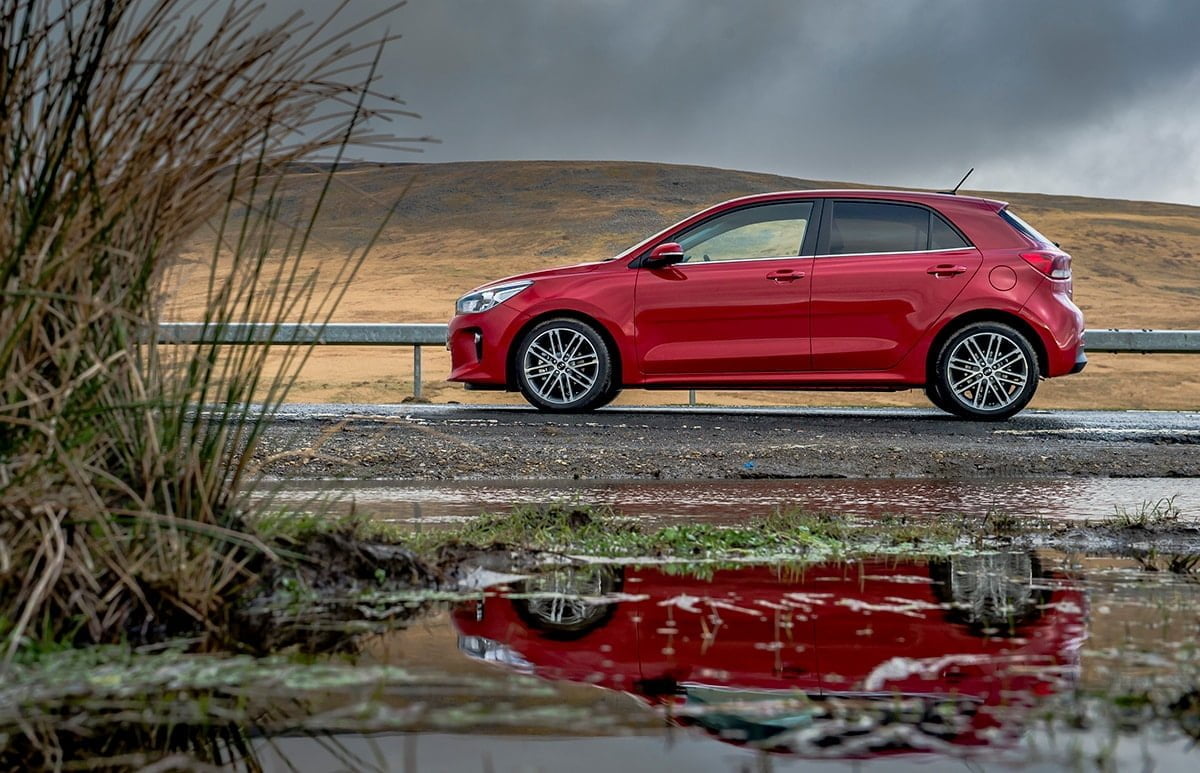
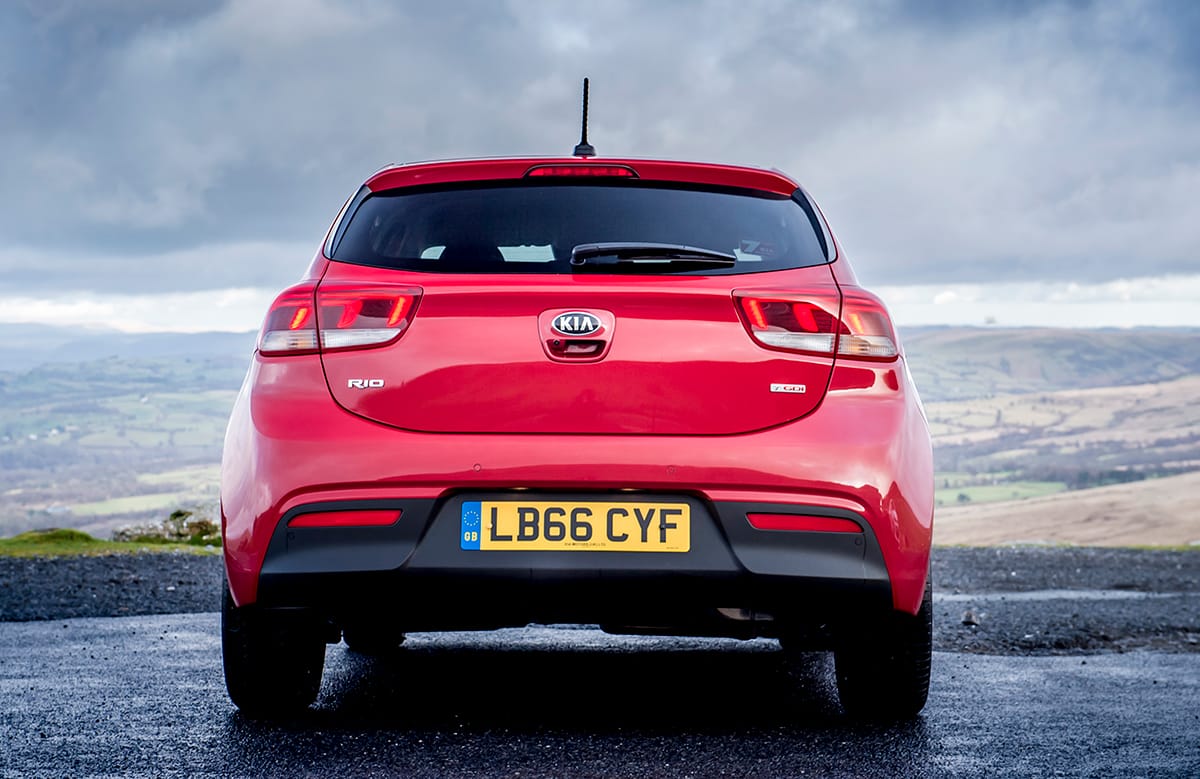
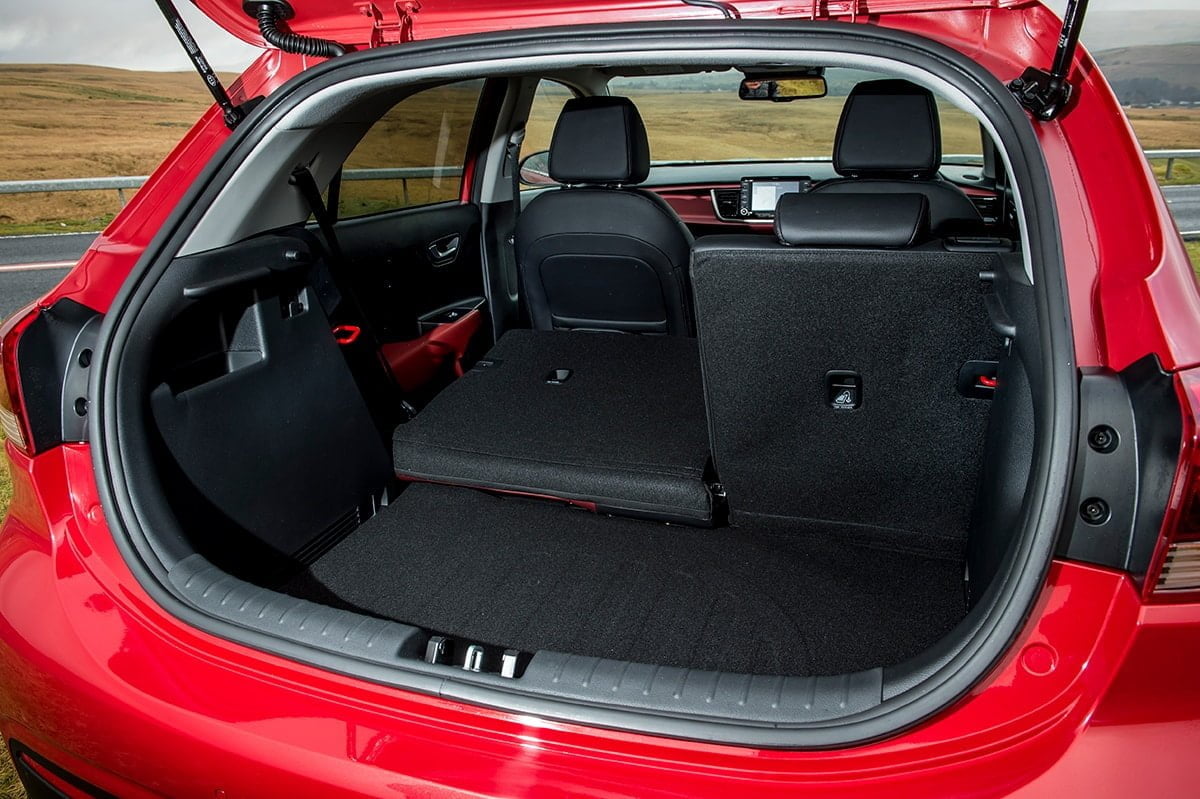
 Inside there is more space, particularly in the boot that grows from 200 to 255 litres, and a horizontal design to increase the impression of width, while the materials and layout have been upgraded to offer a feeling of greater quality.
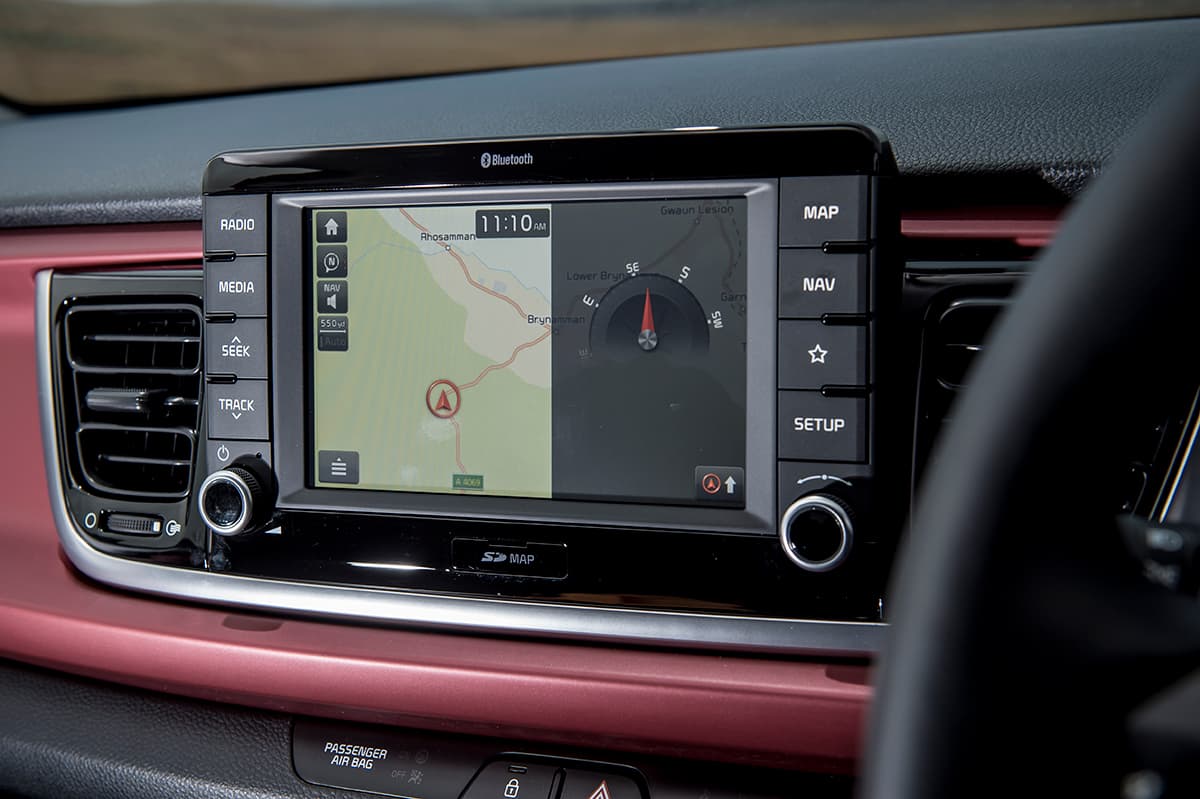
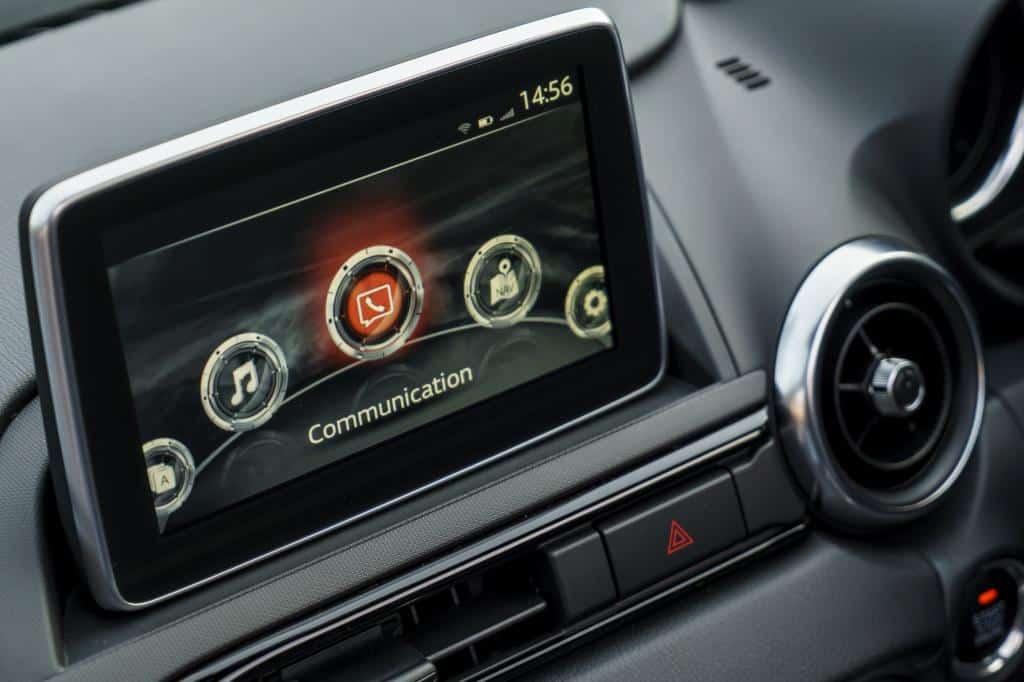
A new dash layout includes a central seven-inch touchscreen, effectively moving several controls upwards and closer to the driver. Five separate colour packs will be available to customise the upholstery, while GT-Line versions will also be fitted with a D-shaped steering wheel.
Inside there is more space, particularly in the boot that grows from 200 to 255 litres, and a horizontal design to increase the impression of width, while the materials and layout have been upgraded to offer a feeling of greater quality.
A new dash layout includes a central seven-inch touchscreen, effectively moving several controls upwards and closer to the driver. Five separate colour packs will be available to customise the upholstery, while GT-Line versions will also be fitted with a D-shaped steering wheel.









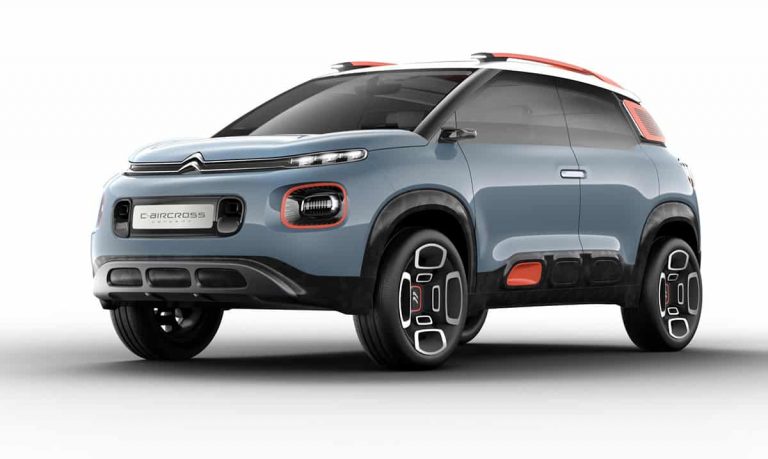
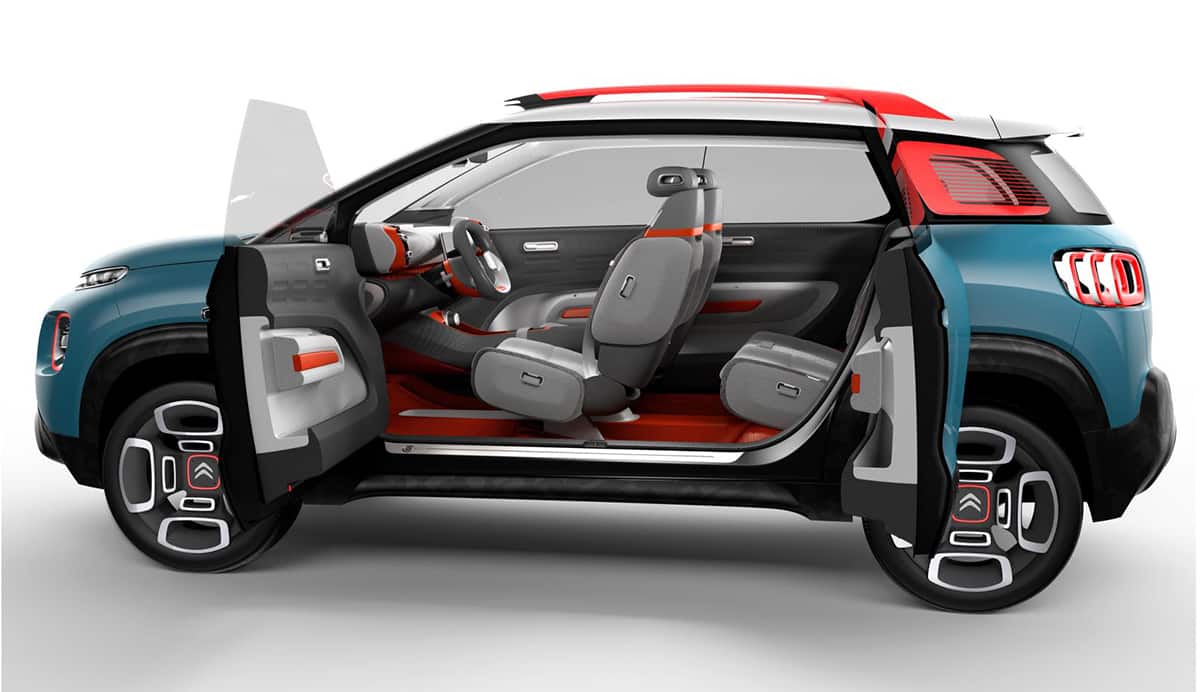
 Citroen is applying its Advanced Comfort programme to the C-Aircross . A colour head-up display replaces traditional dials, user-friendly controls sit on the single-spoke steering wheel, while rear-facing cameras are employed in place of the door mirrors. A 12-inch touchscreen dominates the centre console. A host of storage areas are incorporated throughout the cabin.
No details have been released concerning powertrains though the production model will likely make use of the same engine range as the recently launched C3. The concept makes use of the brand’s Grip Control system, offering standard, sand, off-road and snow modes, together with one that disengages the electronic stability programme.
Citroen is applying its Advanced Comfort programme to the C-Aircross . A colour head-up display replaces traditional dials, user-friendly controls sit on the single-spoke steering wheel, while rear-facing cameras are employed in place of the door mirrors. A 12-inch touchscreen dominates the centre console. A host of storage areas are incorporated throughout the cabin.
No details have been released concerning powertrains though the production model will likely make use of the same engine range as the recently launched C3. The concept makes use of the brand’s Grip Control system, offering standard, sand, off-road and snow modes, together with one that disengages the electronic stability programme.