



The ten biggest losers of 2018:
1. Infiniti (down 79%)
Winning a wooden spoon is always unwelcome, but Infiniti was the worst-performing brand year-on-year by some margin in 2018. After seeing growth of 36% in 2017, it was a major reversal to lose nearly 80% of its sales volume the following year.

Six months ago we suggested that Infiniti needs an electric luxury model built from the platform of the class-leading Nissan Leaf, but there’s no sign of anything like this happening anytime soon. What will 2019 bring for Infiniti?
2. DS Automobiles (down 44%)
2018 started slowly for DS Automobiles and got worse as the year went on. As much as it wants to be seen as its own brand, rather than a Citroën spin-off, there’s a long way to go before that really happens.

The DS 7 Crossback has generated interest but not exactly set the sales charts alight. Hopefully, the smaller DS 3 Crossback arriving in 2019 can turn things around.
3. Nissan (32%)
In absolute terms, Nissan saw the largest drop in sales of any manufacturer in 2018, with nearly 50,000 fewer registrations than in 2017. This represents a 32% drop year-on-year.

Nissan really needs a boost across the board. Half of its sales volume comes from the Qashqai SUV, built in Sunderland and the fourth-best-selling car in the UK. The rest of the Nissan range needs to follow its example.
4. Smart (down 26%)
Smart didn’t look too clever in 2018, with sales figures down nearly 3,000 on the previous year. The brand is putting much more emphasis on its electric models, which wasn’t helped by the government reducing its plug-in car grant by £1,000 – essentially making those models £1,000 dearer overnight.
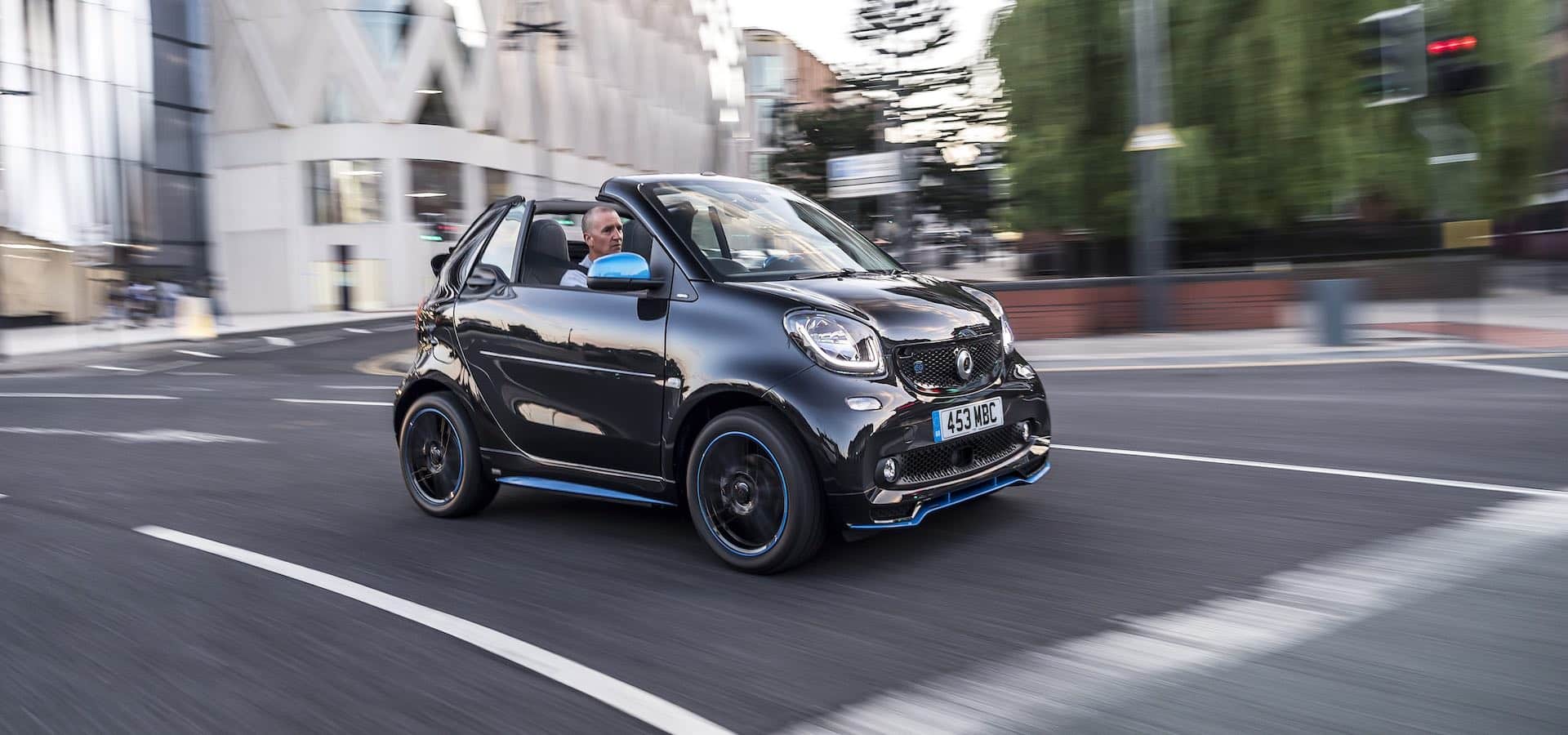
It’s a bit of a shame for Smart, as the current model Fortwo is massively better than the previous one (which sold quite well, in comparison) and the four-seat Forfour offers significantly better practicality.
5. Maserati (down 24%)
The Levante SUV is doing reasonably well for Maserati, but the company’s two saloons, Quattroporte and Ghibli, are off the pace of their rivals.

The venerable Granturismo and Grancabrio sports models have finally ended production, but their replacement models are not yet in sight and won’t be for at least another year. 2019 could be another sales struggle for the famous trident brand.
6. SsangYong (down 23%)
SsangYong has improved its cars significantly in recent years, but they’re still very much sold on the basis of being cheap rather than desirable.

That’s not a bad business model, but you still need a proper range of vehicles that appeal to a wider demographic of customers, or at least some clever marketing like fellow budget brand Dacia.
At least SsangYong had a good year on the commercial vehicles front, with its Musso pick-up improving significantly in 2018. Unfortunately, LCV volumes are much smaller than passenger car volumes so it won’t have helped the company all that much…
7. Fiat (down 20%)
The Fiat 500 continues to charm its way into driveways around the country, but the rest of the range has been less successful.
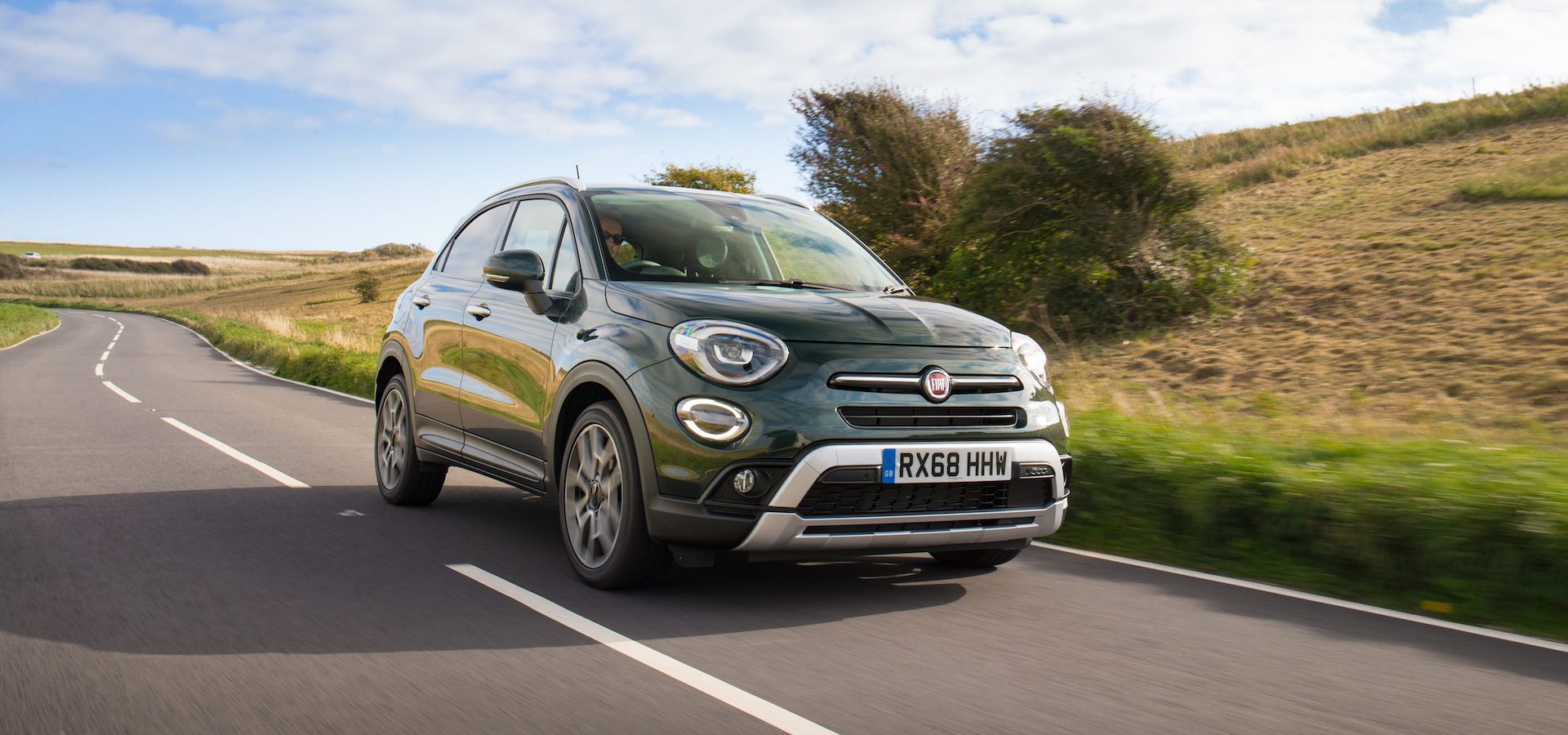
The ageing Panda hit the headlines for all the wrong reasons last month when it scored zero stars in Euro NCAP crash testing, making it the worst car on sale when it comes to safety.
8. Audi (down 18%)
Halfway through last year, things were looking perfectly decent for Audi. Sales were fractionally down year-on-year, but only by 0.5% so nothing to get too worried about. Then came WLTP.
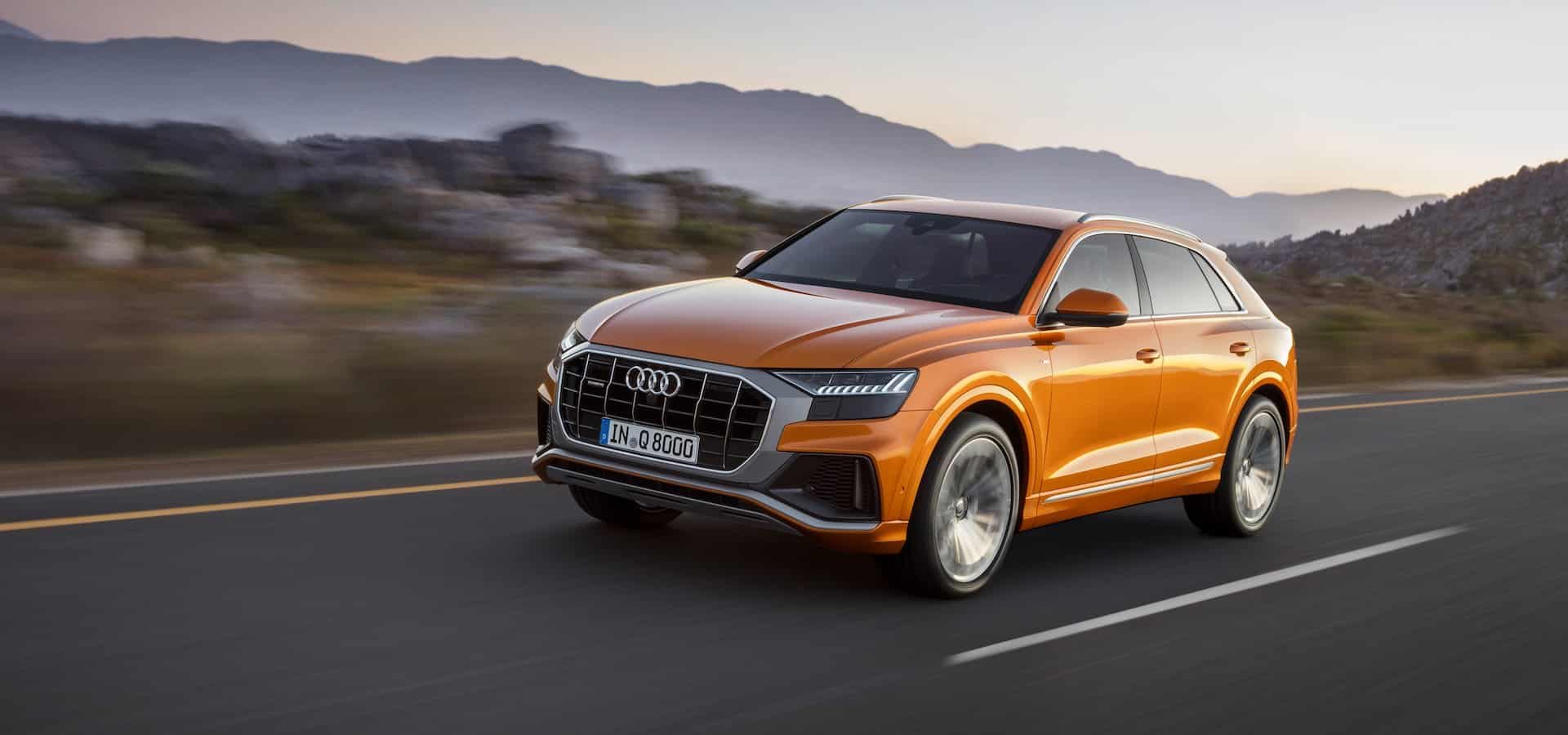
Audi bore the brunt of the Volkswagen Group’s failure to get its cars ready for the new EU fuel economy and emissions laws that came into effect across Europe in September. As a result, sales have crashed for the last four months in a row as dealers simply can’t get cars for their prospective customers – most of whom are probably enjoying a new BMW or Mercedes instead.
Audi ended the year down 18% on the previous 12 months, a drop of about 35,000 cars. If we assume a very conservative £10,000 cost per car, that’s a loss of income of about £350 million. Ouch.
9. Alfa Romeo (down 17%)
Alfa Romeo perennially seems to be a two-car company. Earlier this decade, it was the Giulietta and Mito. Now it’s the Giulia and Stelvio, and that ultimately won’t ever get Alfa into the mainstream.

It’s not that the Giulietta and Mito have disappeared – the problem is that they’re still the same cars that they were at the start of the decade, and neither is competitive with the class leaders.
10. Bentley (down 12%)
Bentley just edged Ford for the last place on this list, highlighting the difference between relative and absolute performance. Bentley dropped 800 cars in 2018 compared to the year before, which was a slightly larger relative drop than the 23,000 fewer cars that Ford sold in 2018 compared to 2017.

The all-new Continental GT coupé and convertible will hit their strides in the coming year, so we don’t expect to see Bentley back here again in 12 months’ time. It’s far more likely that we’ll see the winged B logo on the most-improved list instead.