

Looking for vans, pick-ups and light commercial vehicles? Visit our sister site, The Van Expert.
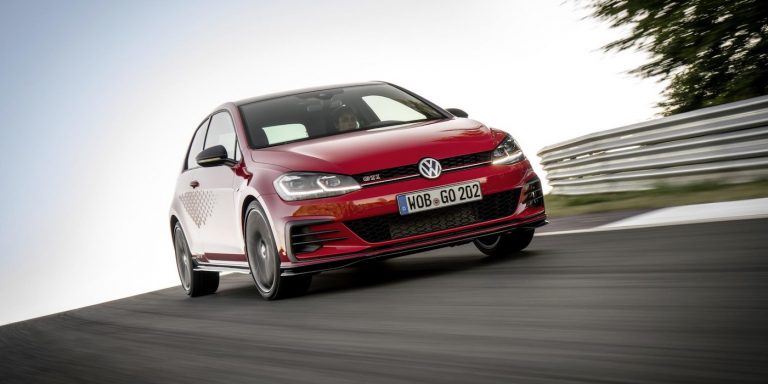
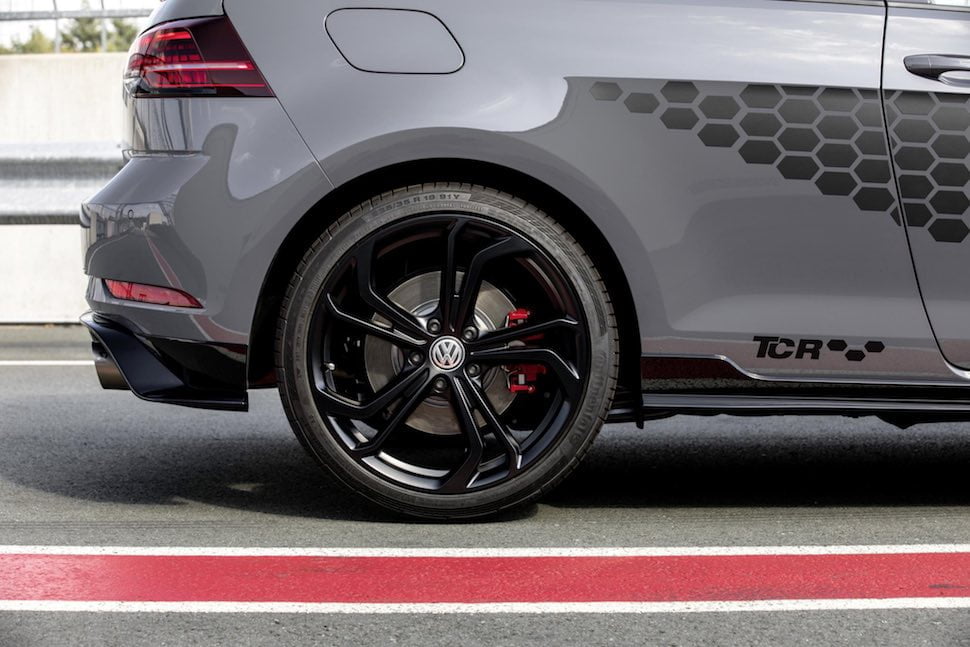 But it’s not only styling touches which have been applied to the TCR. New 18-inch forged alloy wheels sit on all four corners, which house perforated brake discs. It also benefits from a front-axle locking differential for better cornering performance.
A series of additional packages are also available with the TCR. The first includes larger 19-inch wheels, as well as the upgraded top speed. It also benefits from a sports version of the car’s rear damping system and traction control.
The second includes 19-inch alloys in a different style, though this time shod in semi-slick sports tyres. Additional wheel locks with expanded anti-theft protection are also fitted as part of this pack.
UK prices and specifications for the Volkswagen Golf GTI TCR have yet to be revealed, though it is reported to cost €38,950 (£34,500) in the car’s native Germany.
But it’s not only styling touches which have been applied to the TCR. New 18-inch forged alloy wheels sit on all four corners, which house perforated brake discs. It also benefits from a front-axle locking differential for better cornering performance.
A series of additional packages are also available with the TCR. The first includes larger 19-inch wheels, as well as the upgraded top speed. It also benefits from a sports version of the car’s rear damping system and traction control.
The second includes 19-inch alloys in a different style, though this time shod in semi-slick sports tyres. Additional wheel locks with expanded anti-theft protection are also fitted as part of this pack.
UK prices and specifications for the Volkswagen Golf GTI TCR have yet to be revealed, though it is reported to cost €38,950 (£34,500) in the car’s native Germany.
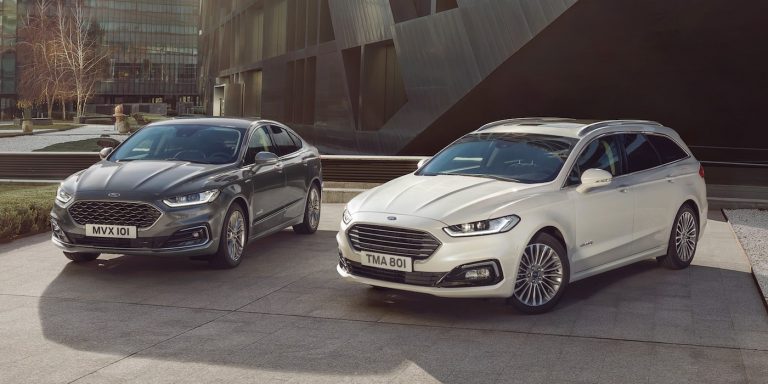



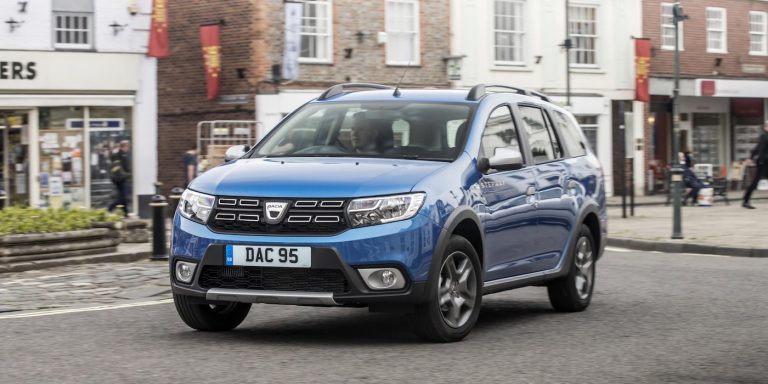
 In addition to the new engine, Dacia’s revised its trim levels for the two models. The Sandero and Logan MCV ranges kick off with Access trim, available exclusively with the basic SCe 75 petrol engine and equipped with LED daytime running lights, manual windows, black plastic bumpers and trim pieces and basic ventilation.
Essential trim can be specified with the TCe 90 or new Blue dCi 95 and comes with most of the essentials – Bluetooth connectivity, electric front windows, body-coloured trim and air-conditioning.
Finally, range-topping Comfort trim brings new wheel trims, electrically operated door mirrors, remote central locking, a seven-inch MediaNav touchscreen infotainment system, cruise control, rear parking sensors and electric rear windows.
Pricing kicks off at £6,995 for the Sandero Access model. Essential trim commands an £800 premium and Comfort a further £1,000. The Logan MCV is priced at £1,500 over the equivalent Sandero, and is equipped identically.
In addition to the new engine, Dacia’s revised its trim levels for the two models. The Sandero and Logan MCV ranges kick off with Access trim, available exclusively with the basic SCe 75 petrol engine and equipped with LED daytime running lights, manual windows, black plastic bumpers and trim pieces and basic ventilation.
Essential trim can be specified with the TCe 90 or new Blue dCi 95 and comes with most of the essentials – Bluetooth connectivity, electric front windows, body-coloured trim and air-conditioning.
Finally, range-topping Comfort trim brings new wheel trims, electrically operated door mirrors, remote central locking, a seven-inch MediaNav touchscreen infotainment system, cruise control, rear parking sensors and electric rear windows.
Pricing kicks off at £6,995 for the Sandero Access model. Essential trim commands an £800 premium and Comfort a further £1,000. The Logan MCV is priced at £1,500 over the equivalent Sandero, and is equipped identically.

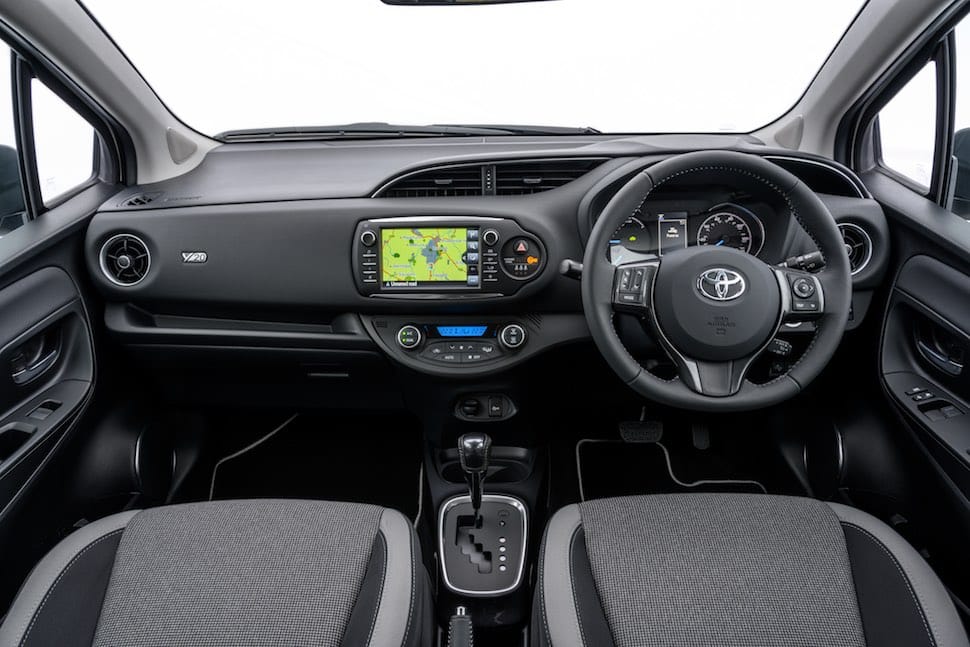


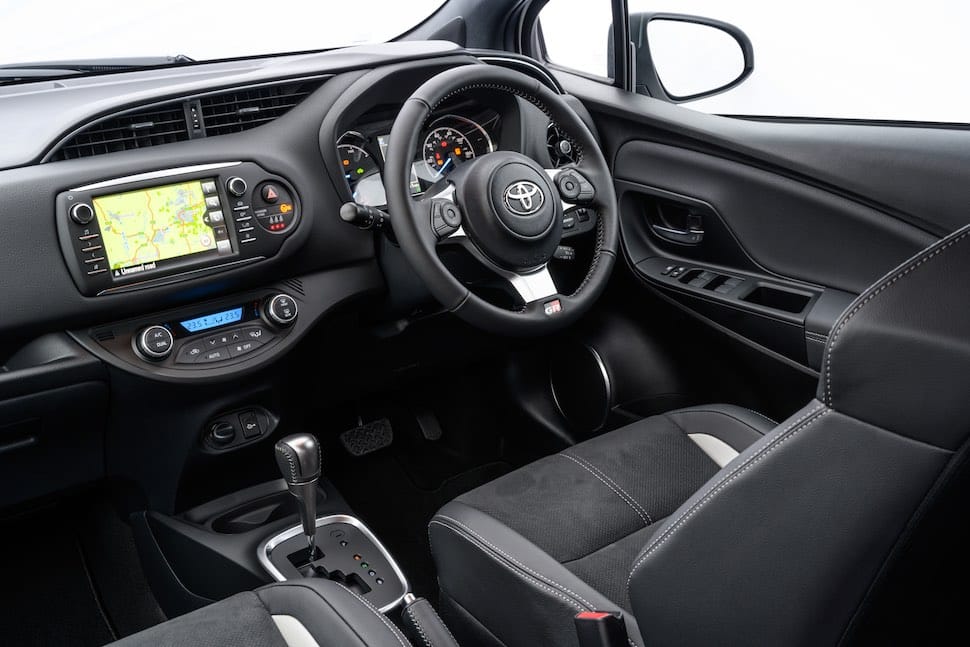
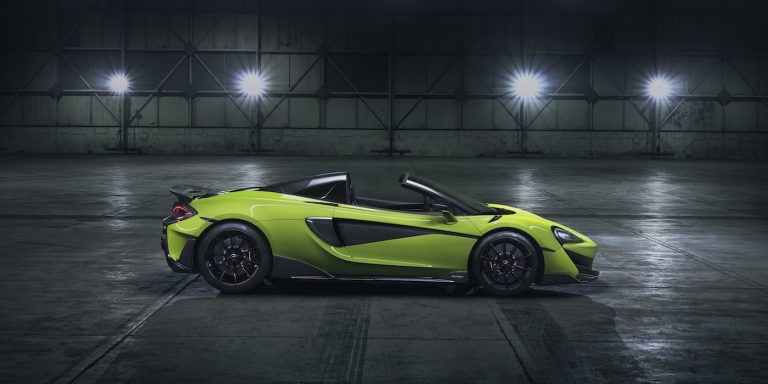




Electric cars have gradually been growing in popularity in the past few years, and the consensus is certainly that they represent the next step in our collective motoring future.
The problem is that their appeal to car buyers continues to be limited, because of either their high list prices or limited electric ranges. This is not helped by manufacturers overstating range estimates, in some cases by an enormous margin.
Even models such as the best-selling Nissan Leaf suffer from this. The Leaf has a real-world electric range of about 130 miles in normal driving conditions, compared to its claim of about 170 miles – let alone the fact that a conventional petrol or diesel hatch will easily cover 200+ miles and only take five minutes to fill up again.
Hyundai, however, has quickly established itself as one of the leading manufacturers when it comes to new tech and fuels, and models such as the Kona Electric – which we’re testing today – are certainly giving rival firms something to worry about.
The obvious difference in the Kona Electric is its electrification, with two different battery packs offered (depending on how many miles you need between charges).
As with the majority of EVs, the Kona’s grille has been closed off, leaving a ‘smoothed-off’ look, with revised front and rear bumpers and also unique (to the Electric) 17-inch alloys.
An impressive amount of standard safety equipment is also fitted, with all models coming with kit such as autonomous emergency braking, lane-keep assist and adaptive cruise control.
As with the standard Kona, the styling is quite divisive. The changes made to the Electric give it an added edge over the standard car, but it’s not all positive.
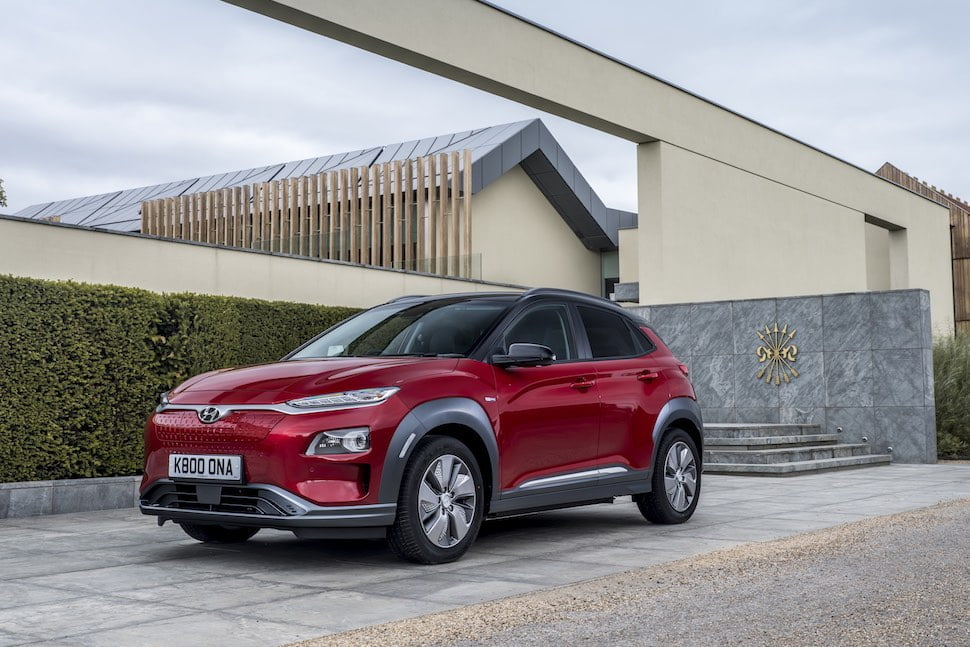
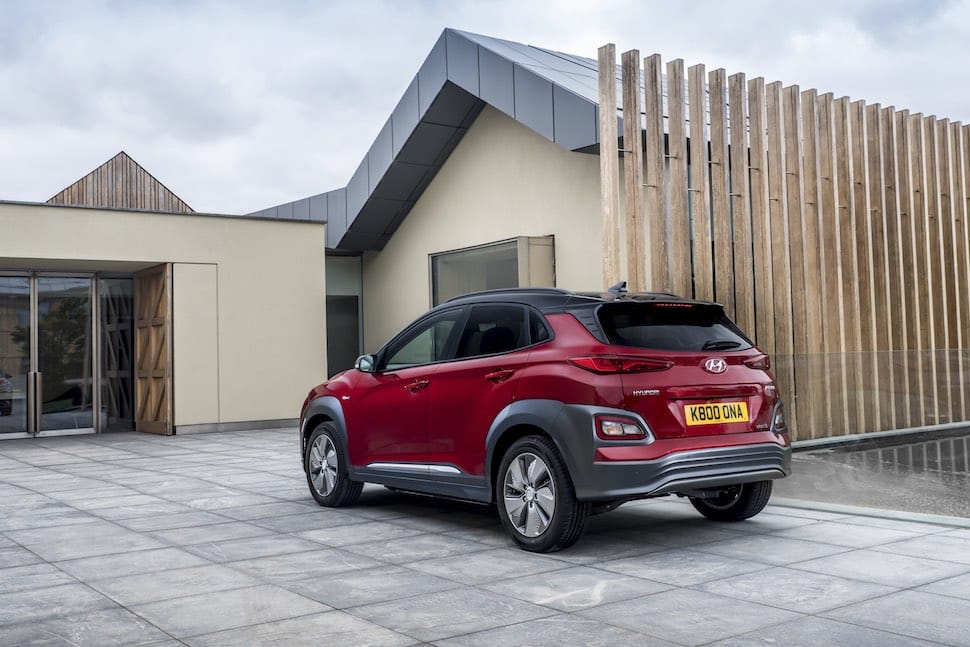

We like the two-tone roof and the smoothed and dimpled front grille, while the painted plastic cladding pulls off the “Look, I can go off-road” crossover styling far better than other models. But the textured 17-inch alloys are not pleasant – and almost appear aftermarket, although we appreciate they’re there to help efficiency.
The silver trim applied to both the interior and exterior also isn’t something you expect to find on a car costing £30,000 upwards, either. It feels low-rent and not the premium quality you might expect when splashing this much cash on a small crossover.
Three trims are offered on the Kona Electric – SE, Premium and range-topping Premium SE, which our test car was. SE is only offered with the smaller 39kWh battery pack, with standard equipment including a seven-inch touchscreen, adaptive cruise control and a reversing camera.
Premium brings a load more kit – such as front and rear parking sensors, a Krell sound system and an eight-inch touchscreen, as well as further safety equipment. Premium SE comes laden with kit, with extras including LED headlights, a heated steering wheel and a head-up display.
Prices for the Kona Electric start from £30,750 on-road, or £36,345 for the more desirable 64kWh version.
Continued on next page: Interior, drive and our verdict
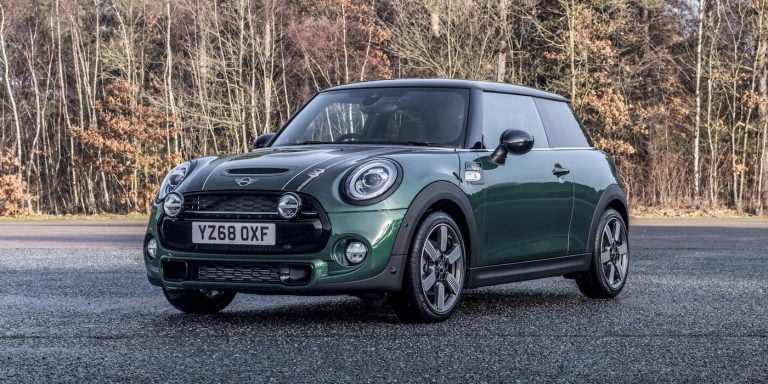
 Inside, the 60 Years Edition features emblems on the steering wheel and front seats, with the latter also upholstered in Mini Yours ‘Dark Cacao’ leather. Contrasting stitching and piping match the exterior look as well.
Standard equipment includes LED front and rear automatic lights, a rear-view camera, power folding mirrors plus a nine-inch infotainment system that supports Bluetooth connectivity in addition to Android Auto and Apple CarPlay.
Thanks to its Cooper S underpinnings, the Mini 60 Years Edition features a 2.0-litre turbocharged four-cylinder engine, sending 190hp and 300Nm of torque to the front wheels via a seven-speed automatic gearbox.
As a result, 0-60mph is covered in 6.5 seconds with a 143mph top speed achievable. Mini claims the car can return 39.8mpg on the combined cycle while emitting 129g/km of CO2.
Inside, the 60 Years Edition features emblems on the steering wheel and front seats, with the latter also upholstered in Mini Yours ‘Dark Cacao’ leather. Contrasting stitching and piping match the exterior look as well.
Standard equipment includes LED front and rear automatic lights, a rear-view camera, power folding mirrors plus a nine-inch infotainment system that supports Bluetooth connectivity in addition to Android Auto and Apple CarPlay.
Thanks to its Cooper S underpinnings, the Mini 60 Years Edition features a 2.0-litre turbocharged four-cylinder engine, sending 190hp and 300Nm of torque to the front wheels via a seven-speed automatic gearbox.
As a result, 0-60mph is covered in 6.5 seconds with a 143mph top speed achievable. Mini claims the car can return 39.8mpg on the combined cycle while emitting 129g/km of CO2.
 Just 500 examples of the Mini 60 Years Edition are destined for the UK and will retail from £29,990 when it reaches dealers from March.
The original Mini was launched in 1959 and went on to become one of the most iconic cars produced – in 1999 it was even voted the second-most influential car of the 20th century by a jury of professionals appointed by the Global Automotive Elections Foundation.
The Mini Cooper S is built in Britain.
Just 500 examples of the Mini 60 Years Edition are destined for the UK and will retail from £29,990 when it reaches dealers from March.
The original Mini was launched in 1959 and went on to become one of the most iconic cars produced – in 1999 it was even voted the second-most influential car of the 20th century by a jury of professionals appointed by the Global Automotive Elections Foundation.
The Mini Cooper S is built in Britain.
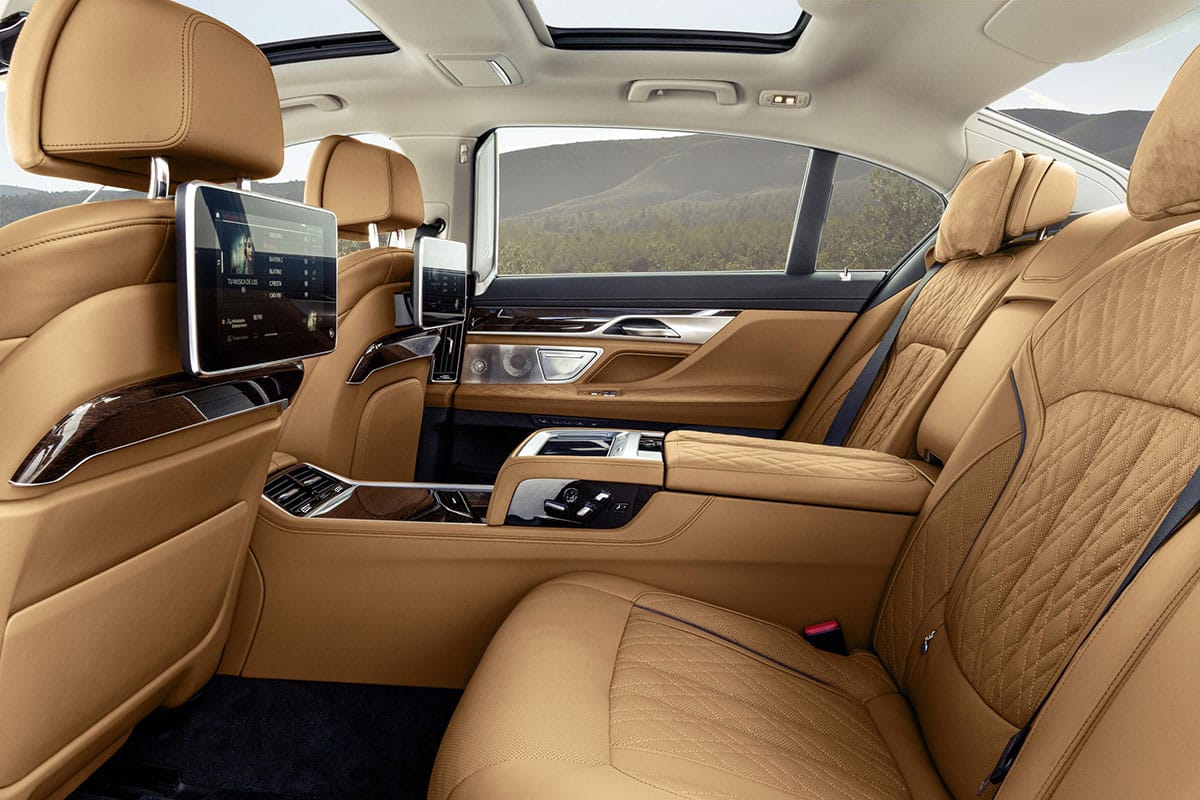
 Subtle changes to the interior include higher quality materials. The rear-seat entertainment system comprises two ten-inch full-HD displays with a Blu-ray player while the car also giant the latest version of the BMW Touch Command unit.
The Touch Command removable tablet with a seven-inch screen can be used from any seat and even outside the vehicle. Occupants can use it to operate comfort functions such as seat adjustment, interior lighting and climate control, as well as the infotainment, navigation and communication systems.
The standard and long-wheelbase options remain, but both have been extended by 2cm over the previous car. The long wheelbase variant offers an extra 14cm over the standard car.
Subtle changes to the interior include higher quality materials. The rear-seat entertainment system comprises two ten-inch full-HD displays with a Blu-ray player while the car also giant the latest version of the BMW Touch Command unit.
The Touch Command removable tablet with a seven-inch screen can be used from any seat and even outside the vehicle. Occupants can use it to operate comfort functions such as seat adjustment, interior lighting and climate control, as well as the infotainment, navigation and communication systems.
The standard and long-wheelbase options remain, but both have been extended by 2cm over the previous car. The long wheelbase variant offers an extra 14cm over the standard car.
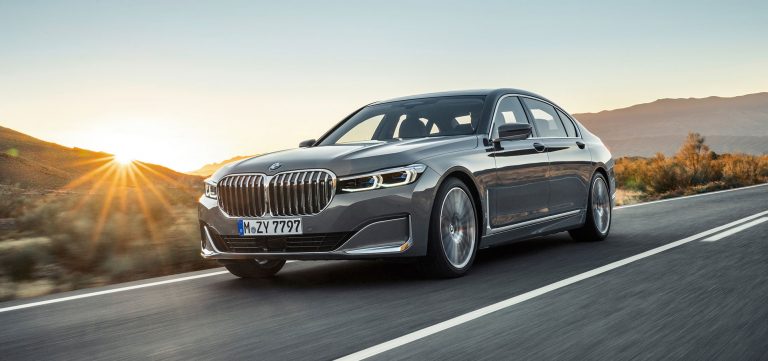
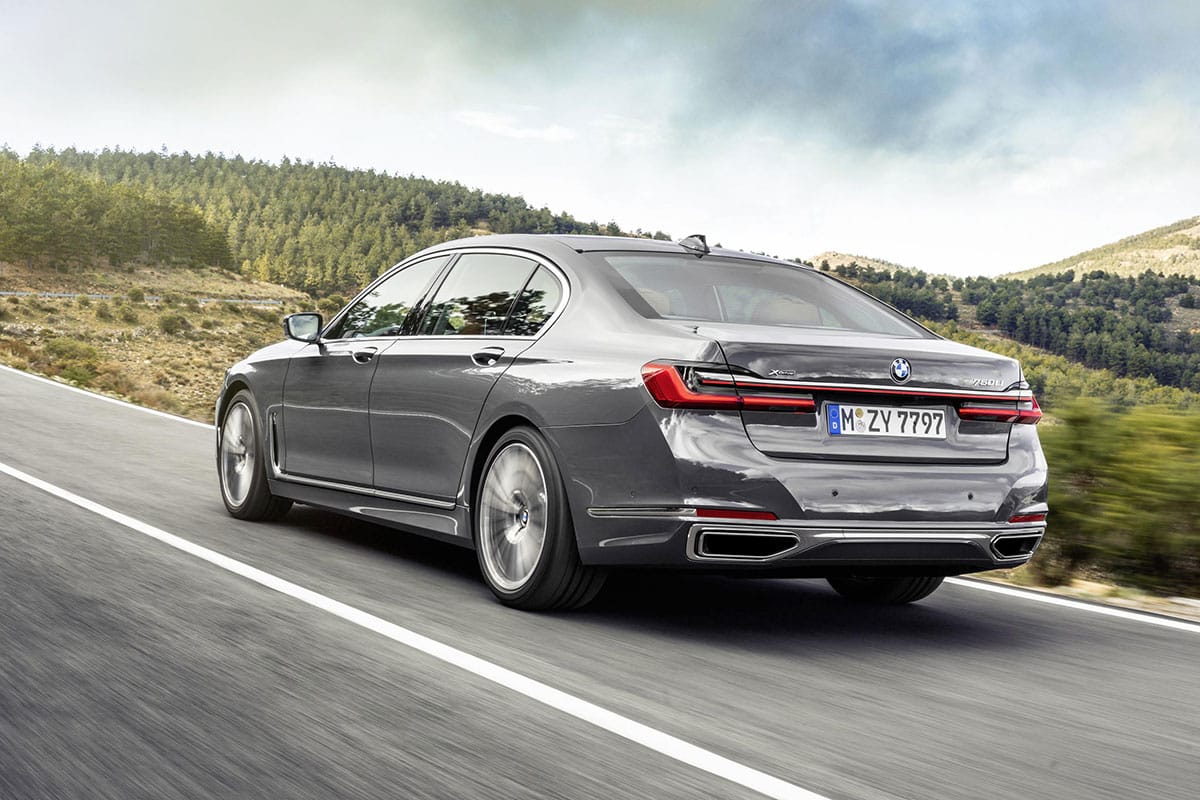
 Powertrain options range across six, eight or 12 cylinders. The entry-level petrol engine is the 740i with 340hp, while the 4.4-litre V8 in the 750i produces 530hp. Above it sits the range-topping M760i, offered only as a long-wheelbase model and powered by a 6.6-litre V12 with 585hp, capable of sending the 7 Series to 60mph from 0 in under four seconds.
Diesel choices use the same 3.0-litre six-cylinder engine, with either 265 or 320hp, while there is also an updated plug-in hybrid version is also available, with a 3.0-litre six-cylinder petrol linked to an electric motor to produce a combined 394hp.
Other new technology includes an updated version of the Parking Assistant, along with a new Reversing Assistant. This can remember where the car has driven at slow speeds and reverse it up to 50 metres along that route.
The new 7 Series is expected to arrive in the UK this April at prices yet to be announced.
Powertrain options range across six, eight or 12 cylinders. The entry-level petrol engine is the 740i with 340hp, while the 4.4-litre V8 in the 750i produces 530hp. Above it sits the range-topping M760i, offered only as a long-wheelbase model and powered by a 6.6-litre V12 with 585hp, capable of sending the 7 Series to 60mph from 0 in under four seconds.
Diesel choices use the same 3.0-litre six-cylinder engine, with either 265 or 320hp, while there is also an updated plug-in hybrid version is also available, with a 3.0-litre six-cylinder petrol linked to an electric motor to produce a combined 394hp.
Other new technology includes an updated version of the Parking Assistant, along with a new Reversing Assistant. This can remember where the car has driven at slow speeds and reverse it up to 50 metres along that route.
The new 7 Series is expected to arrive in the UK this April at prices yet to be announced.
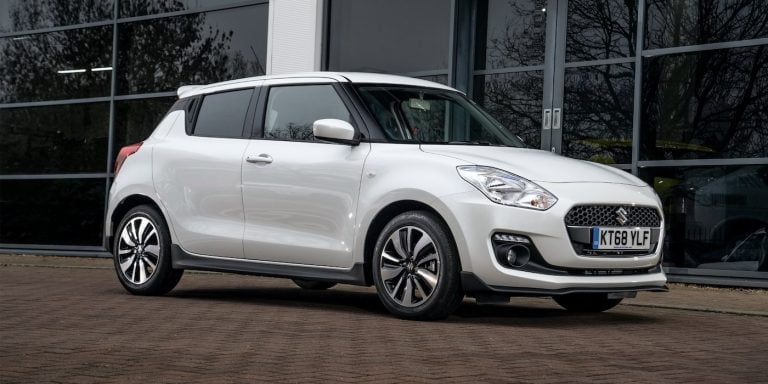
 Powering the Swift Attitude is Suzuki’s naturally-aspirated 1.2-litre four-cylinder petrol engine. It produces 90hp and 120Nm, with that power sent to the front wheels via a five-speed manual gearbox.
As a result, the 0-60mph sprint is covered in 11.7 seconds with a top speed of 112mph possible. Suzuki claims it can return 61.4mpg on the combined cycle, while emitting 106g/km of CO2.
The standard no-cost colour option is Fervent Red, while you can choose from Pure White, Premium Silver, Super Black, Mineral Grey or Burning Red for an additional £485.
Now on sale, the Suzuki Swift Attitude is available from £13,499. The firm is also offering a 0% PCP finance deal on the hatch to support the new model, which includes a £500 manufacturer contribution.
Powering the Swift Attitude is Suzuki’s naturally-aspirated 1.2-litre four-cylinder petrol engine. It produces 90hp and 120Nm, with that power sent to the front wheels via a five-speed manual gearbox.
As a result, the 0-60mph sprint is covered in 11.7 seconds with a top speed of 112mph possible. Suzuki claims it can return 61.4mpg on the combined cycle, while emitting 106g/km of CO2.
The standard no-cost colour option is Fervent Red, while you can choose from Pure White, Premium Silver, Super Black, Mineral Grey or Burning Red for an additional £485.
Now on sale, the Suzuki Swift Attitude is available from £13,499. The firm is also offering a 0% PCP finance deal on the hatch to support the new model, which includes a £500 manufacturer contribution.
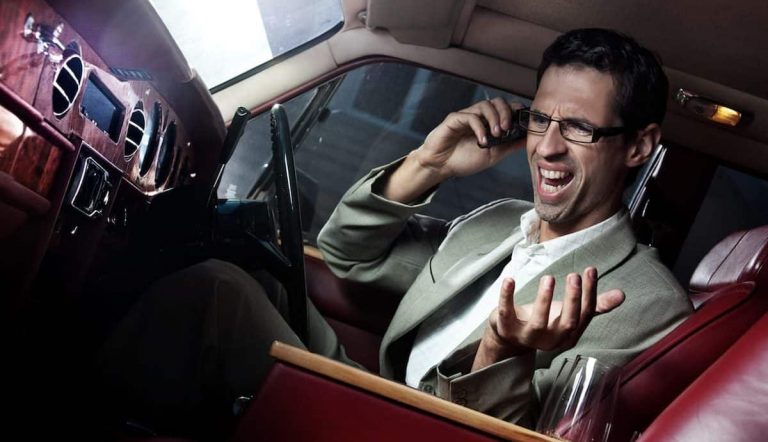
 The move by most car manufacturers towards touchscreen infotainments systems is a real issue for distracted driving, as touchscreens require significantly more attention from the user to use. This is largely because the buttons are not in one fixed place and there is no real haptic feedback to know if you have successfully pressed the right button.
You need to look carefully to see where you need to be touching the screen and then take your hand off the wheel for quite some time to touch the screen and input a command. Because the car is moving and the button positions are not consistent, it requires considerable cognitive effort compared to pushing physical buttons.
Obviously, not every distraction is going to result in a fiery car crash. But it’s also impossible to argue with the fact that you can’t be prioritising your attention on your driving if you are attending to something else at the same time.
If something happens in front of you while your focus is elsewhere, at best it will give you less time to react once you return your focus to your driving. At worst, an accident can happen in a flash and you will never know what happened.
The move by most car manufacturers towards touchscreen infotainments systems is a real issue for distracted driving, as touchscreens require significantly more attention from the user to use. This is largely because the buttons are not in one fixed place and there is no real haptic feedback to know if you have successfully pressed the right button.
You need to look carefully to see where you need to be touching the screen and then take your hand off the wheel for quite some time to touch the screen and input a command. Because the car is moving and the button positions are not consistent, it requires considerable cognitive effort compared to pushing physical buttons.
Obviously, not every distraction is going to result in a fiery car crash. But it’s also impossible to argue with the fact that you can’t be prioritising your attention on your driving if you are attending to something else at the same time.
If something happens in front of you while your focus is elsewhere, at best it will give you less time to react once you return your focus to your driving. At worst, an accident can happen in a flash and you will never know what happened.



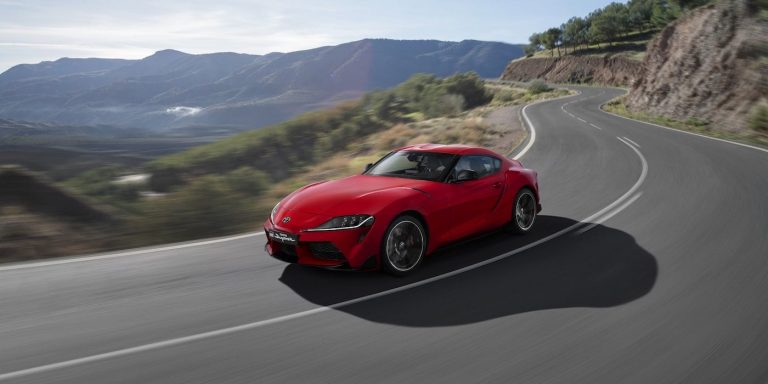
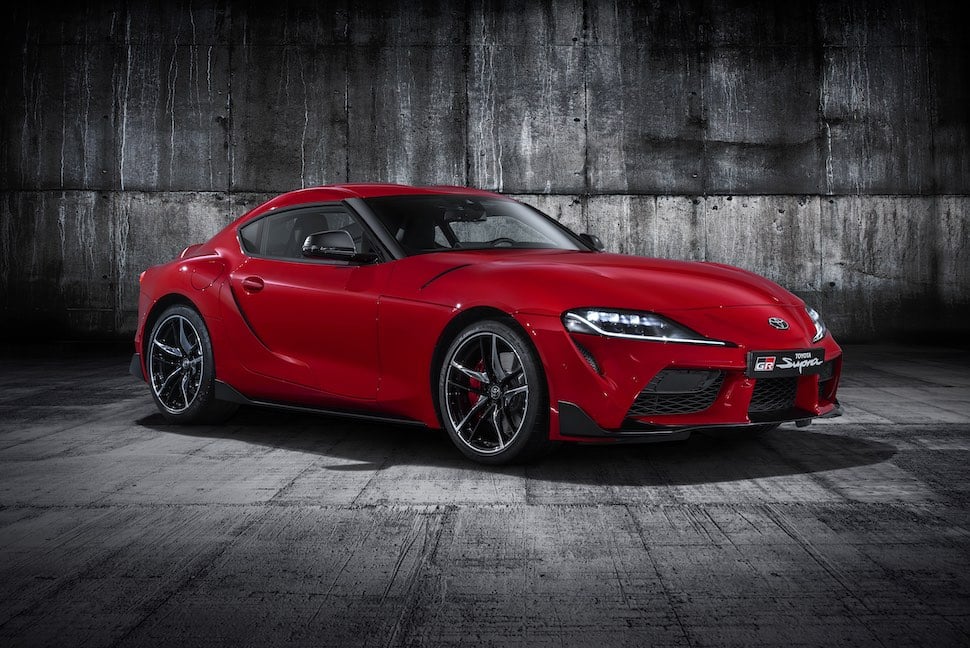


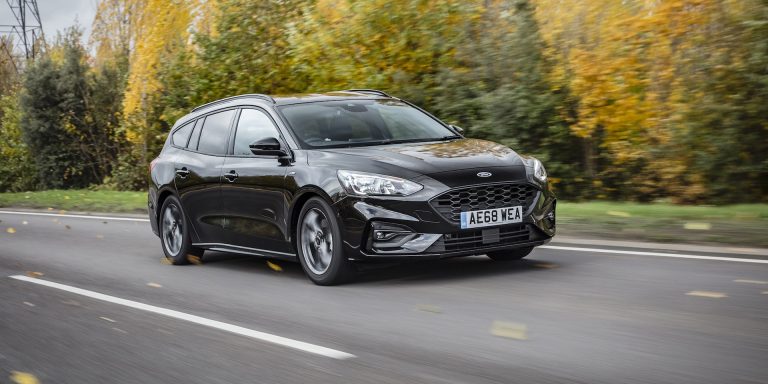


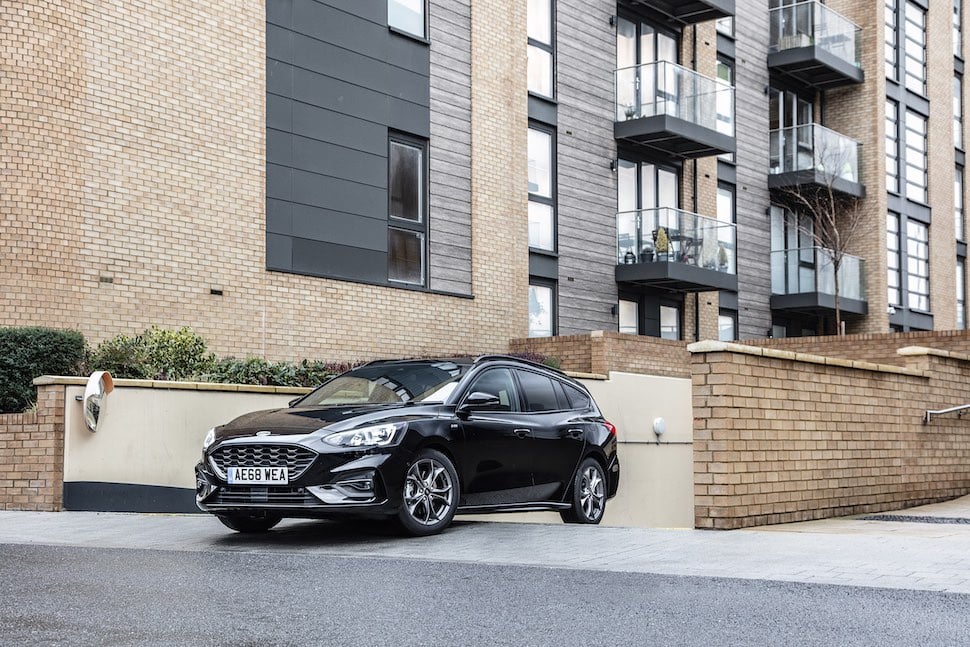

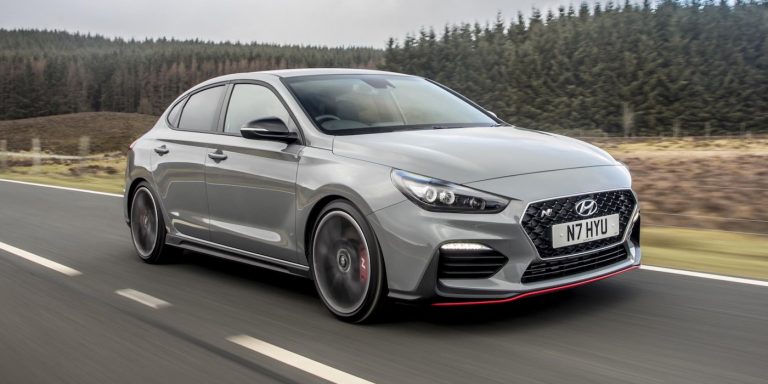
 A manual handbrake and six-speed manual gearbox help to up the driver involvement, while clever tech such as launch control and rev-matching make for smoother progress.
The i30 Fastback N also features LED headlights and taillights, cruise control, keyless entry and an eight-inch touchscreen infotainment system with Apple CarPlay and Android Auto connectivity.
There’s also N-specific sports seats, performance gauges and a selection of six colours including Shadow Grey, specific to the Fastback N.
Hyundai supplies the Fastback N with the same five-year, unlimited-mileage warranty as all of its cars – and impressively, continues to uphold it even if the car is used on track. Order books open for the i30 Fastback N on January 21.
A manual handbrake and six-speed manual gearbox help to up the driver involvement, while clever tech such as launch control and rev-matching make for smoother progress.
The i30 Fastback N also features LED headlights and taillights, cruise control, keyless entry and an eight-inch touchscreen infotainment system with Apple CarPlay and Android Auto connectivity.
There’s also N-specific sports seats, performance gauges and a selection of six colours including Shadow Grey, specific to the Fastback N.
Hyundai supplies the Fastback N with the same five-year, unlimited-mileage warranty as all of its cars – and impressively, continues to uphold it even if the car is used on track. Order books open for the i30 Fastback N on January 21.

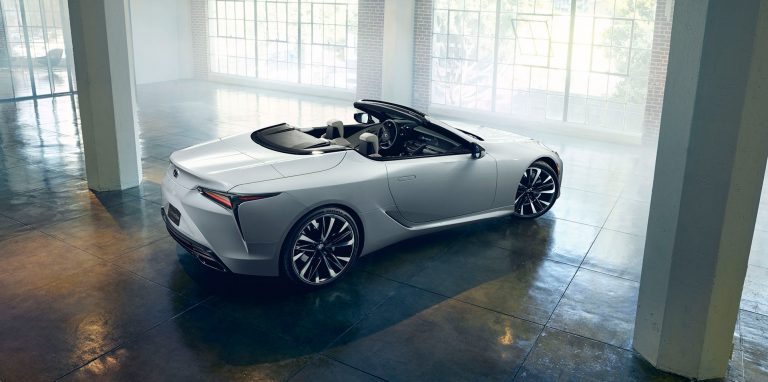
 Whether the roof will be fabric or metal has not been stated, while there is also no information as to the folding mechanism. However, the car does boast a contoured rear deck, which is clearly designed to accommodate the roof under its deck panel.
Lexus clearly expects the car to be a performance model, with the Detroit concept displayed on 22-inch wheels.
Much attention has been paid to the cabin, which is fitted with seats finished in white leather with yellow accents.
“A production version of this concept would be exhilarating in many different ways,you would see its dynamic lines as you approach, hear its engine when you start it up and feel everything around you once on the road – it would engage the senses in an exciting way, every time you get behind the wheel,” says Mori.
Whether the roof will be fabric or metal has not been stated, while there is also no information as to the folding mechanism. However, the car does boast a contoured rear deck, which is clearly designed to accommodate the roof under its deck panel.
Lexus clearly expects the car to be a performance model, with the Detroit concept displayed on 22-inch wheels.
Much attention has been paid to the cabin, which is fitted with seats finished in white leather with yellow accents.
“A production version of this concept would be exhilarating in many different ways,you would see its dynamic lines as you approach, hear its engine when you start it up and feel everything around you once on the road – it would engage the senses in an exciting way, every time you get behind the wheel,” says Mori.

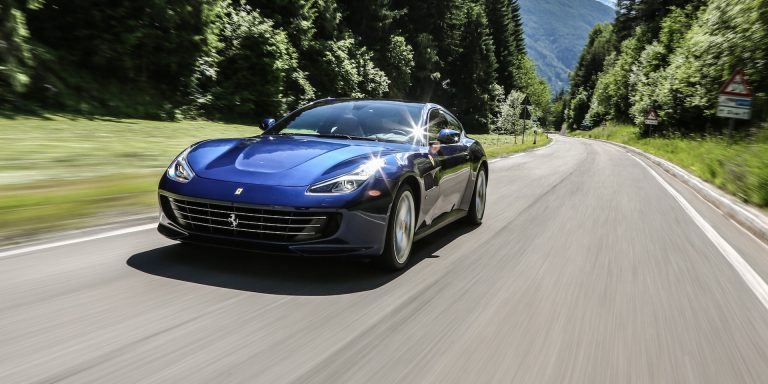


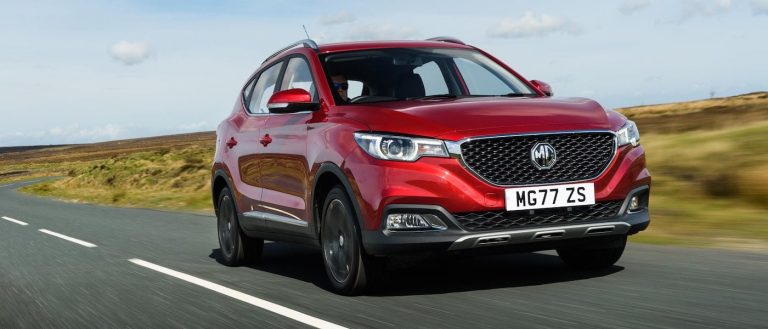
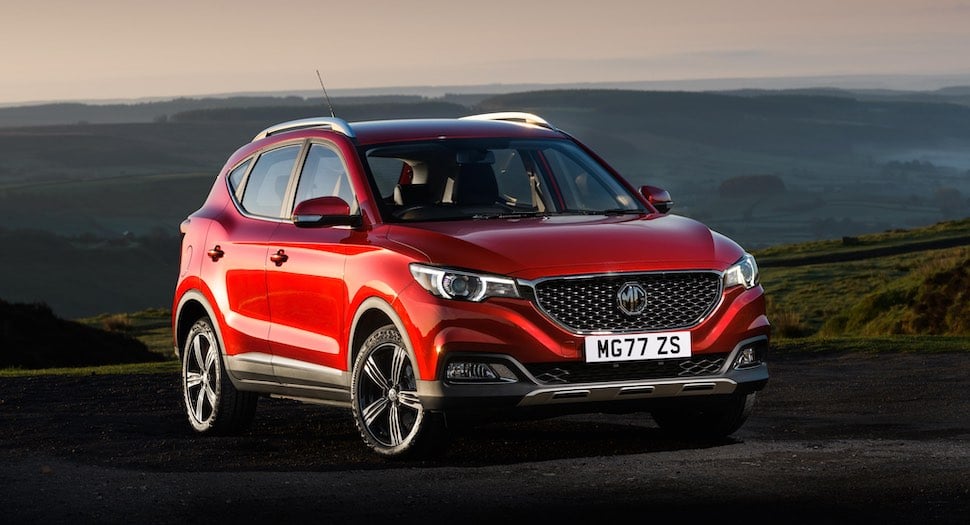 MG was a strong performer right throughout the year, being the most-improved brand in the first half of the year and maintaining that position over the last six months, ending up with double the number of new cars on the road in 2018 compared to 2017.
 In absolute terms, an extra 5,000+ cars sold was the largest increase of any manufacturer in 2018.
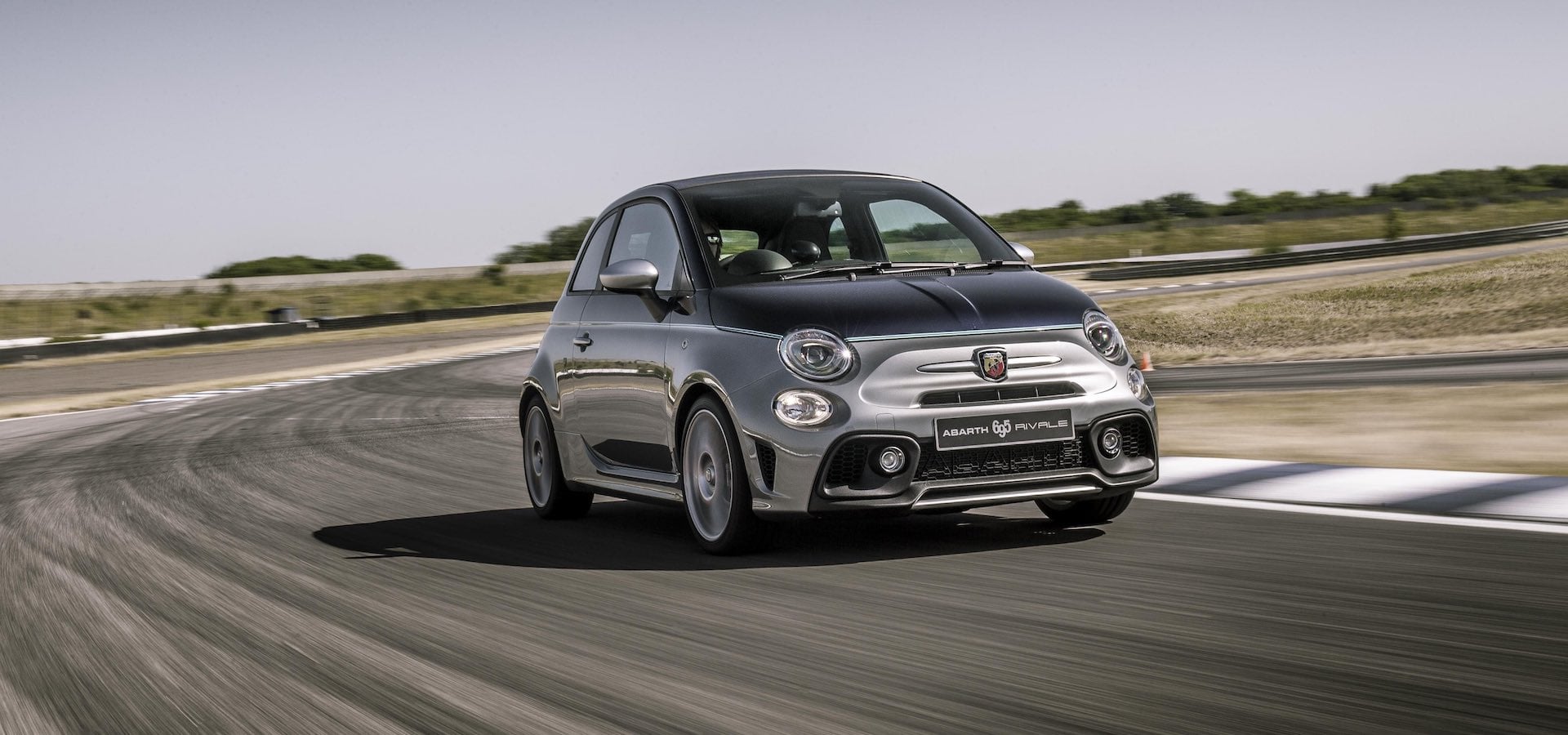 The Abarth 124 Spider is a great halo model for both Abarth and Fiat, although that could be made more difficult in 2019 with the Fiat version of the 124 currently pulled from sale (allegedly because of WLTP compliance issues).
 The new XV crossover certainly helped that, and hopefully the momentum will carry through into 2019.
 Not even a WLTP-induced stock shortage in September could stop SEAT posting yet another year of improvement, although it did take a chunk out of sales in the last three or four months.
 Mind you, McLaren still managed to outsell Infiniti in the last six months, so it wasn’t too bad…
 Its safety reputation remains second to none, while the all-new XC40 crossover is reaching a new, younger demographic of customers who think Volvo is a cool brand.
 Even more surprising was that most of that growth came in the last six months, when the Castle Bromwich plant was being shut down due to lack of demand for the Jaguar XJ, XF, XE and F-Type models.
 An ever-growing model range, exceptional value for money and a seven-year warranty are all proving to be attractive to new car buyers.
 With an all-new Mazda 3 family hatch arriving in 2019, and a strong range of cars across the board, Mazda continues to impress against much bigger names in the industry.
Continued on next page: The ten biggest losers of 2018
With an all-new Mazda 3 family hatch arriving in 2019, and a strong range of cars across the board, Mazda continues to impress against much bigger names in the industry.
Continued on next page: The ten biggest losers of 2018 


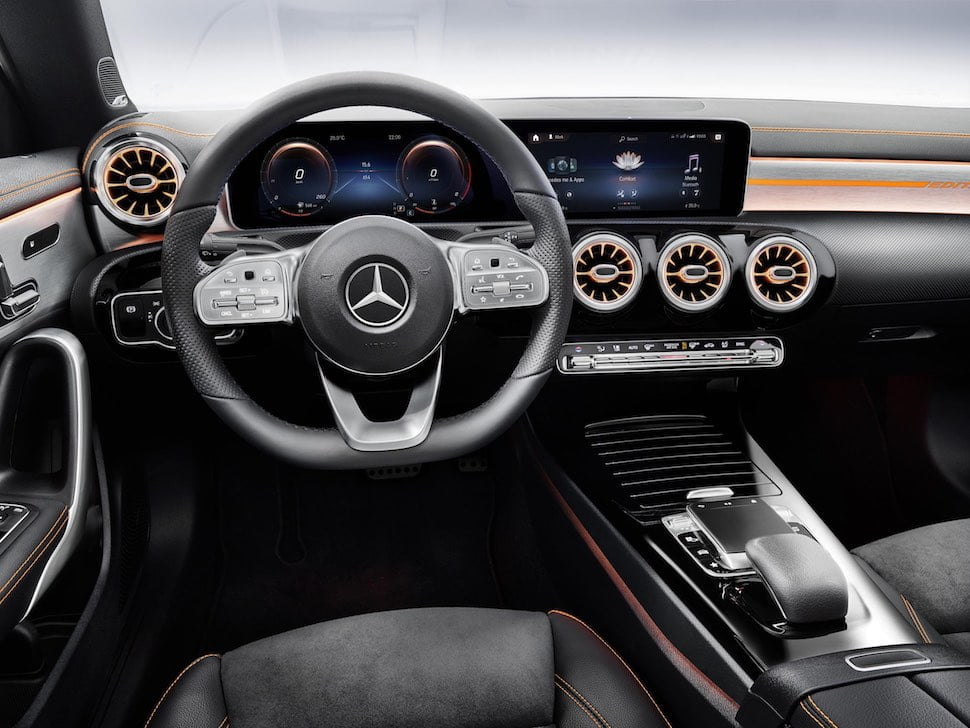 The new CLA is the fifth Mercedes-Benz to be based on the new MFA2 platform, also found in the A-Class hatch and saloon, long-wheelbase A-Class and new B-Class. Mercedes claims the new platform will support front or four-wheel drive and offers a more focused and engaging driving experience. A lower centre of gravity and wider track should also help matters.
The CLA borrows semi-autonomous driving technology which is the same found in the S-Class luxury saloon, including autonomous emergency braking, lane-keep assist and radar-guided cruise control. Buyers will also have the choice to opt for alloy wheels ranging from 16-inch to 19-inch designs.
If the CLA saloon isn’t practical enough, you will have to wait for the shooting brake (estate) version, which will add more boot space and passenger room. It’s expected to be revealed later this year.
The new CLA will go on sale in June 2019 with prices yet to be confirmed.
The new CLA is the fifth Mercedes-Benz to be based on the new MFA2 platform, also found in the A-Class hatch and saloon, long-wheelbase A-Class and new B-Class. Mercedes claims the new platform will support front or four-wheel drive and offers a more focused and engaging driving experience. A lower centre of gravity and wider track should also help matters.
The CLA borrows semi-autonomous driving technology which is the same found in the S-Class luxury saloon, including autonomous emergency braking, lane-keep assist and radar-guided cruise control. Buyers will also have the choice to opt for alloy wheels ranging from 16-inch to 19-inch designs.
If the CLA saloon isn’t practical enough, you will have to wait for the shooting brake (estate) version, which will add more boot space and passenger room. It’s expected to be revealed later this year.
The new CLA will go on sale in June 2019 with prices yet to be confirmed.

 Part of this was as a result of new WLTP fuel economy and emissions laws that came into effect in September. Although introduced as a response to years of car manufacturers gaming lab tests with their diesel cars, the new rules had an unexpected knock-on effect for hybrids.
Several plug-in hybrid models have disappeared from sale as manufacturers have had to re-engineer them to comply with the tougher new laws, and will gradually reappear over the course of teh coming year.
Also not helping in the last few months has been the removal of government grants for plug-in hybrid vehicles, effectively increasing their price by £2,500 overnight. Fully-electric cars also became £1,000 dearer as their grants were reduced.
Part of this was as a result of new WLTP fuel economy and emissions laws that came into effect in September. Although introduced as a response to years of car manufacturers gaming lab tests with their diesel cars, the new rules had an unexpected knock-on effect for hybrids.
Several plug-in hybrid models have disappeared from sale as manufacturers have had to re-engineer them to comply with the tougher new laws, and will gradually reappear over the course of teh coming year.
Also not helping in the last few months has been the removal of government grants for plug-in hybrid vehicles, effectively increasing their price by £2,500 overnight. Fully-electric cars also became £1,000 dearer as their grants were reduced.
 It’s worth pointing out that most of this collapse started in the second half of 2017 and continued through the first quarter of 2018. In the last nine months or so, diesel’s market share has pretty much levelled out at just over 30% market share. This seems to be a much more realistic level for a fuel that was never the right choice for most consumers in the first place.
It’s also worth pointing out that, despite the industry’s obsession with blaming Brexit and the UK government for everything, the fall in diesel sales is not a UK phenomenon. It’s a worldwide situation as car buyers all over the globe are deserting new diesel cars in droves.
However, anti-diesel sentiment is being felt most keenly in European countries. This is because we always bought more diesels than American or Asian car buyers, so the fall has been much greater.
It’s worth pointing out that most of this collapse started in the second half of 2017 and continued through the first quarter of 2018. In the last nine months or so, diesel’s market share has pretty much levelled out at just over 30% market share. This seems to be a much more realistic level for a fuel that was never the right choice for most consumers in the first place.
It’s also worth pointing out that, despite the industry’s obsession with blaming Brexit and the UK government for everything, the fall in diesel sales is not a UK phenomenon. It’s a worldwide situation as car buyers all over the globe are deserting new diesel cars in droves.
However, anti-diesel sentiment is being felt most keenly in European countries. This is because we always bought more diesels than American or Asian car buyers, so the fall has been much greater.
 These financing arrangements have been powering the growth in the car industry for the last decade, as buyers sign up for contracts that essentially force them to keep replacing their car on a regular schedule rather than waiting until they actually need a new car.
However, the same finance arrangements are also largely the reason that the new car market has been slowing down in the last two years. Finance companies and dealers are pushing customers into longer terms (usually four years instead of three) in order to keep monthly payments down, which means a slowdown in repeat business and therefore a slide in new car sales.
These financing arrangements have been powering the growth in the car industry for the last decade, as buyers sign up for contracts that essentially force them to keep replacing their car on a regular schedule rather than waiting until they actually need a new car.
However, the same finance arrangements are also largely the reason that the new car market has been slowing down in the last two years. Finance companies and dealers are pushing customers into longer terms (usually four years instead of three) in order to keep monthly payments down, which means a slowdown in repeat business and therefore a slide in new car sales.


Automotive Website of the Year


Automotive Website of the Year
Automotive Website of the Year
