- Read more Skoda news, reviews and features at The Car Expert
- Read more MINI news, reviews and features at The Car Expert
- Read more Nissan news, reviews and features at The Car Expert
- Read more Suzuki news, reviews and features at The Car Expert





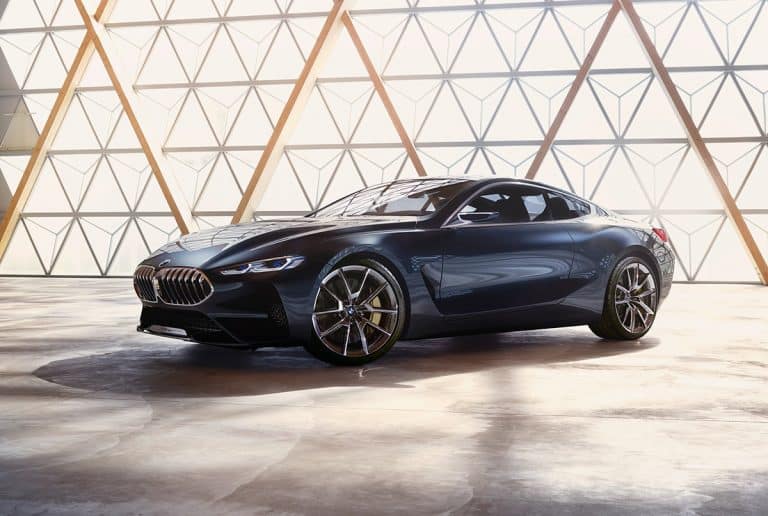
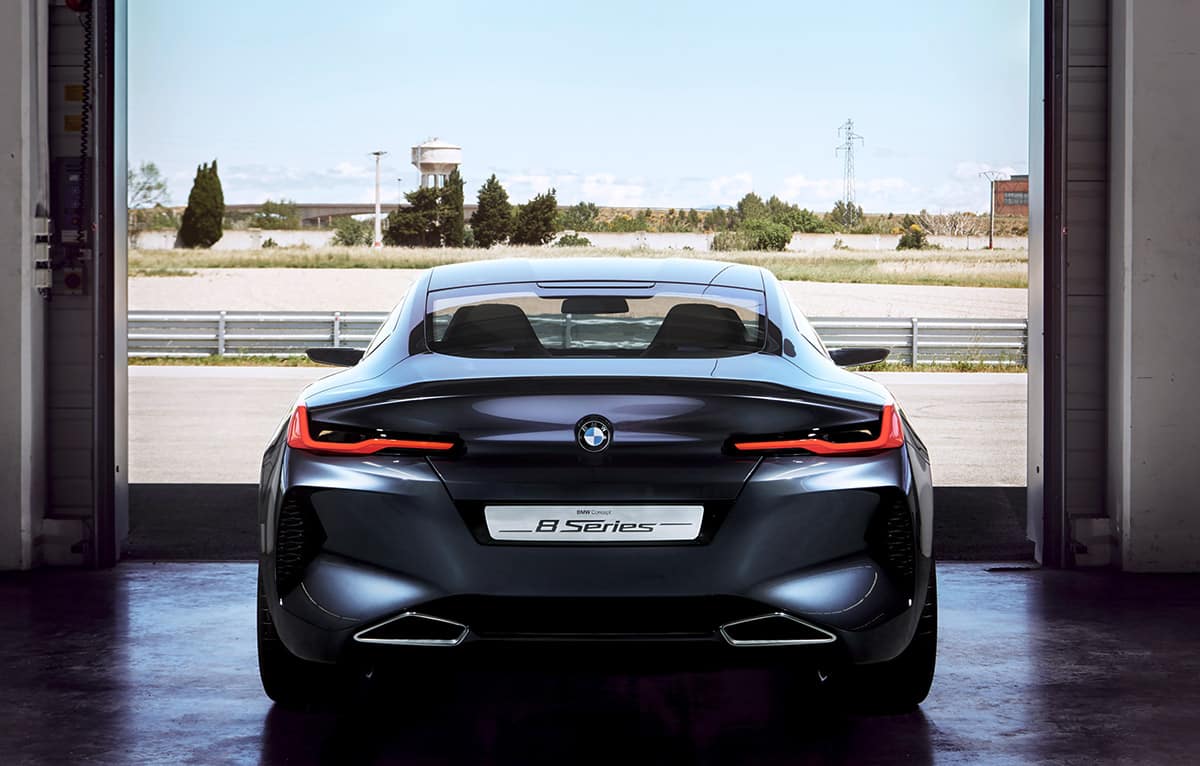
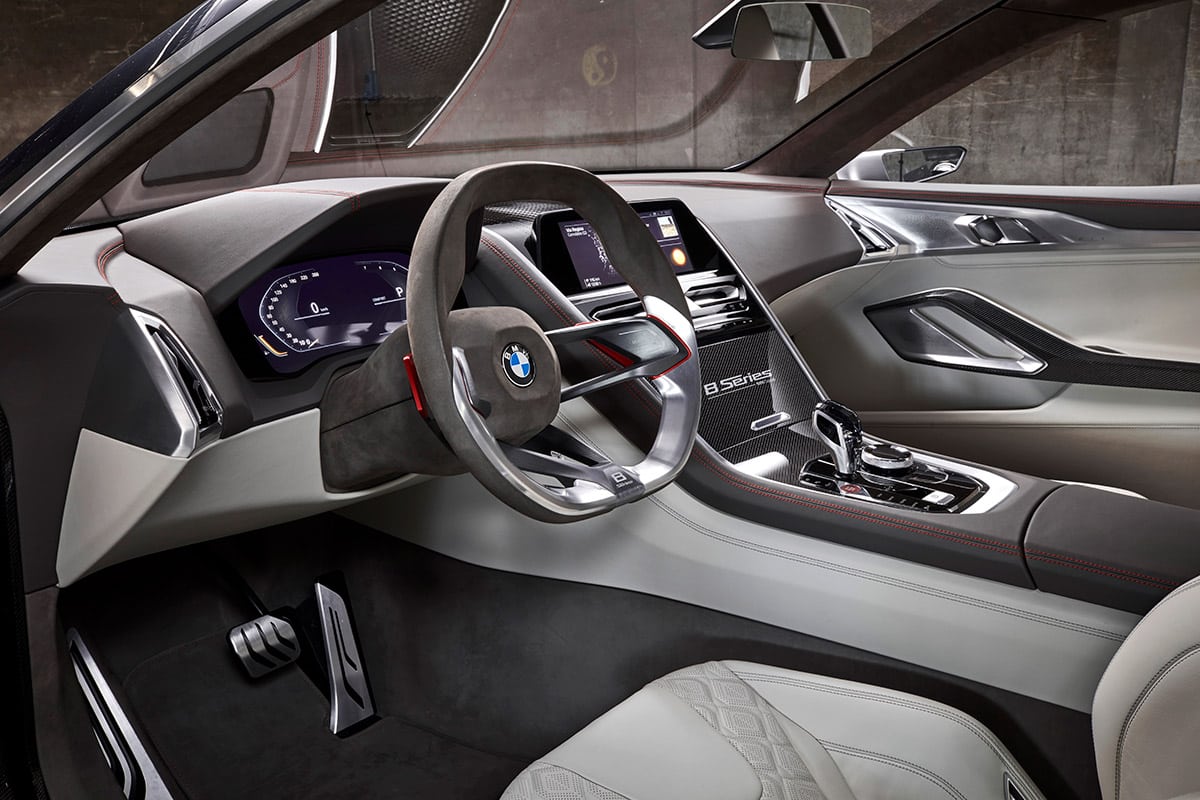
The BMW 8 Series is on the way back – the German brand has revealed a concept version of the 2+2 coupe that will go on sale in 2018.
The Concept 8 Series, on show this week at the Concorso d’Eleganza Villa d’Este at Lake Como in Italy, revives a model line last marketed almost 20 years ago. According to BMW bosses, the production version will aim to significantly increase the brand’s luxury class offerings as part of ‘Number-One’ Next’, the biggest model offensive in BMW’s history.
Industry sources suggest that the BMW 8 Series line-up will replace the coupe and convertible versions of the current 6 Series, and target the likes of the Mercedes-Benz S-Class Coupe. It will be a two-door car and will be offered first in coupe form, the convertible following a year later with very likely a fabric – rather than metal – folding roof.
While production versions of the 8 Series are expected to differ in details to the concept, a bold exterior look will be an essential element of the new car. “The forthcoming BMW 8 Series Coupe will demonstrate that razor-sharp dynamics and modern luxury can go hand-in-hand,” says BMW chairman Harald Krüger.
“This will be the next model in the expansion of our luxury-car offering and will raise the benchmark for coupes in the segment. In the process, we will strengthen our claim to leadership in the luxury class.”
No details have yet been released of the car’s mechanical makeup or powertrains, though it is expected to use the latest lightweight chassis construction already seen in the 7 Series, and be available in both rear-wheel and all-wheel-drive form.



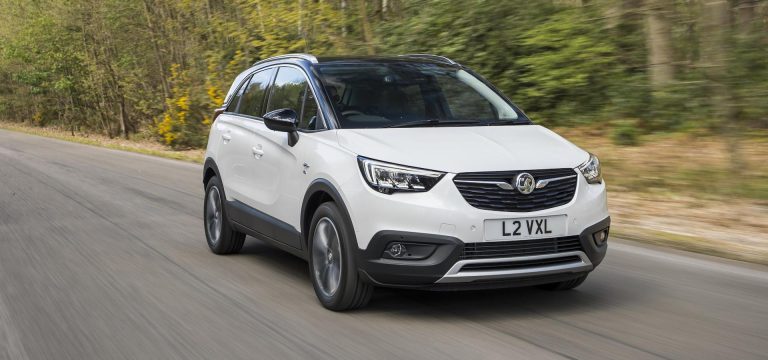
What is it? The Vauxhall Crossland X is a new family-pitched compact SUV.
Key features: Five engines, front-wheel-drive only, entry-level SUV
Our View: The Vauxhall Crossland X is a perfectly competent model but may struggle for visibility in an increasingly congested sector.
Type of Review: First UK drive
The Vauxhall Crossland X is the brand’s new compact SUV – but of course Vauxhall already has a compact SUV, in the Mokka X, so where does this newcomer fit in?
Well this is another example of a manufacturer striving to take as much advantage as possible of a booming sector of the market, even if it means offering, in this case, three separate models where previously one would have sufficed.
The Crossland X is designed to be the new entry point to the Vauxhall SUV range, and aimed firmly at those who like the muscular looks and the high driving position of such vehicles, but don’t want all the off-road bells and whistles such as a 4×4 drivetrain.
As we’ve said many times on The Car Expert, compact, what the industry calls B segment, SUVs are doing big business right now. Taking just 0.8% of the market in 2010, they now account for 8.3%.
Small people carriers, however, have gone right out of fashion, so it’s bye-bye Vauxhall Meriva, hello Crossland X. In future, it will sit alongside its slightly (very slightly) larger sister, the Mokka X, with the latter offering the more traditional SUV ability including the option of all-wheel-drive.
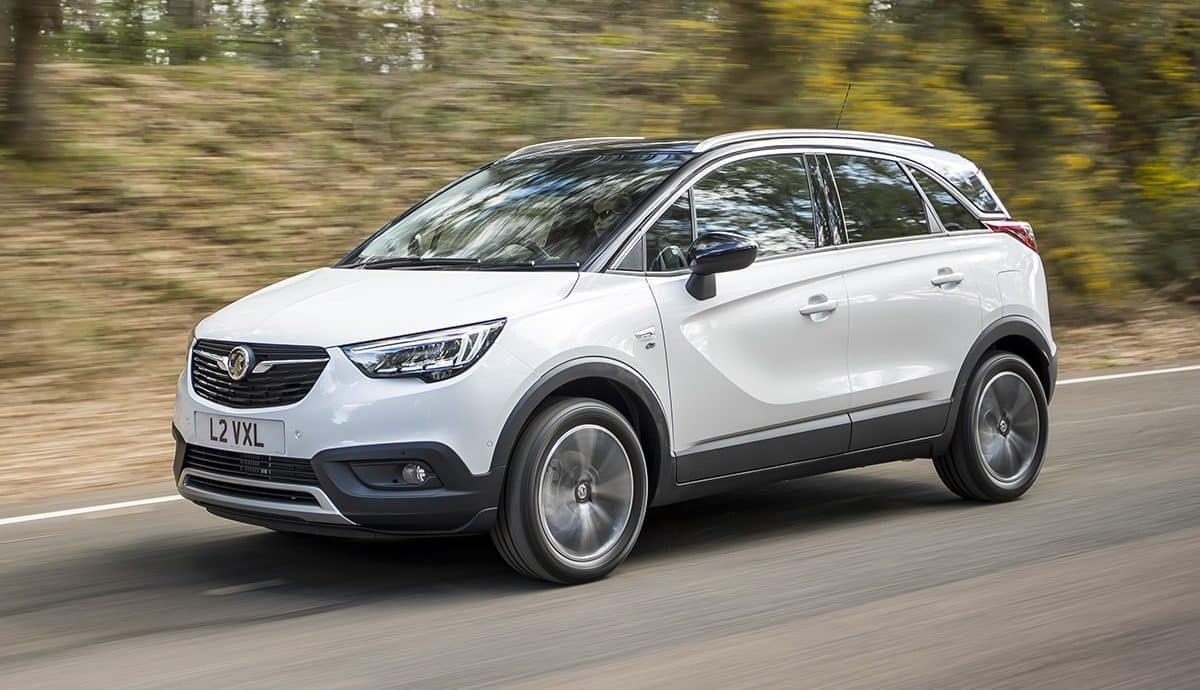
Soon they will be joined by a third, range-topping model, the Grandland X. This car, due for its public debut at the Frankfurt show in September, is some 20cm longer than the Mokka X, yet still only a five-seater, designed to be the luxury option in the range. Confused yet?
Back to the Crossland X. It’s the first model built on a new platform, shared with Peugeot Citroën parent PSA Group in a joint project agreed long before PSA decided to buy Vauxhall and sister brand Opel. It’s being built at GM’s Zaragoza plant in Spain together with sister model and future rival, the Citroën C3 Aircross, which we will see later this year.
Next page: Design and powertrains
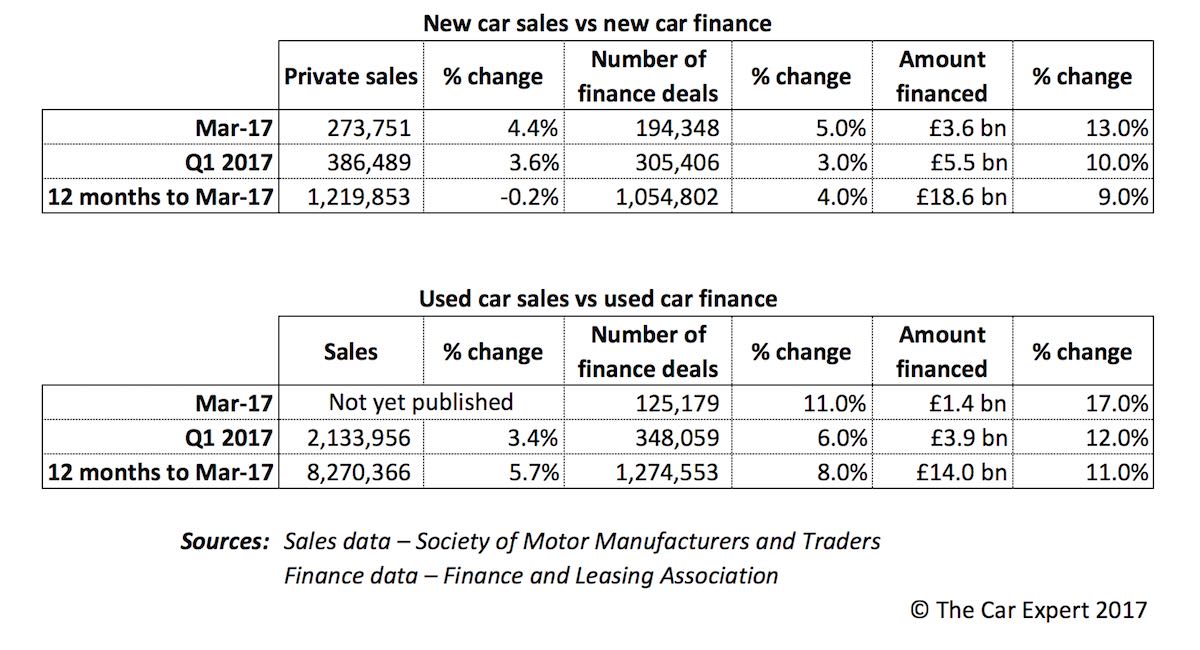 The results show that the number of new cars sold under finance has increased at much the same rate as the number of total sales, which is to be expected. However, the value of those loans has increased by 10%, meaning customers are borrowing more on each car. Over the last 12 months, this trend has been accelerating, with March 2017 alone showing a new car finance increase of 5% in terms of volume, but an increase of 13% by value.
For used cars, the pattern of customers taking out more finance and borrowing more per car is even clearer. Used car sales were up 3.4% on last year, but the number of loans increased by 6% and the amount financed increasing by 12%. Although the SMMT is yet to publish a month-by-month breakdown of used car sales for 2017, again we can see that the both the volume of finance deals and amount of money financed has been accelerating over the last 12 months.
The results show that the number of new cars sold under finance has increased at much the same rate as the number of total sales, which is to be expected. However, the value of those loans has increased by 10%, meaning customers are borrowing more on each car. Over the last 12 months, this trend has been accelerating, with March 2017 alone showing a new car finance increase of 5% in terms of volume, but an increase of 13% by value.
For used cars, the pattern of customers taking out more finance and borrowing more per car is even clearer. Used car sales were up 3.4% on last year, but the number of loans increased by 6% and the amount financed increasing by 12%. Although the SMMT is yet to publish a month-by-month breakdown of used car sales for 2017, again we can see that the both the volume of finance deals and amount of money financed has been accelerating over the last 12 months.


Figures released by the Society of Motor Manufacturers and Traders (SMMT) show that used car sales were at a record high in the first quarter of 2017. A total of 2,133,956 used cars changed hands, representing a 3.4% increase on the same period in 2016.
Sales of used diesel cars saw an increase of 5.6%, while sales of petrol models rose 1.6% and alternatively-fuelled vehicles saw a rise of 43.2%. In the first three months of 2017, the alternatively-fuelled segment accounted for 1.0% of the total used car market, compared with 0.7% last year.
More used diesel cars now feature the latest Euro 6 emissions systems, making up 20% of the 851,569 used diesel cars sold. Euro 6 came into law in 2015, so this figure is certain to increase over time.
The best-selling colour was silver with 463,959 vehicles, accounting for over a quarter of total used car sales. Compared with 2016, sales of silver cars were down 2.1%, while sales of white cars saw an increase of 17.1%.
Assessing the situation, SMMT Chief Executive, Mike Hawes said: “A buoyant used car market combined with strong residual values is good news for the sector, with motorists benefiting from the wide range of models and high-tech safety and connected features entering the market.”
The Ford Fiesta, consistently the best-selling car in the new car market, was also the top seller in the used car sector.






 You could hardly call the Roadster’s styling cutting-edge. Though updated, the Morgan’s looks have remained relatively unchanged since they were first imagined. You’ve got an almost unlimited choice of paint colours for the exterior, and you can choose between various exterior finishes and trim pieces too.
There’s a very traditional image associated with the Roadster. It’s a well-known sports car, and you’d be amazed at how many people smile when they see it – it’s an effect that few vehicles have on those they pass.
There’s no denying the sheer attention to detail that you’ll find in a Morgan. The same can be said of the Roadster, as everything is beautifully designed.
You could hardly call the Roadster’s styling cutting-edge. Though updated, the Morgan’s looks have remained relatively unchanged since they were first imagined. You’ve got an almost unlimited choice of paint colours for the exterior, and you can choose between various exterior finishes and trim pieces too.
There’s a very traditional image associated with the Roadster. It’s a well-known sports car, and you’d be amazed at how many people smile when they see it – it’s an effect that few vehicles have on those they pass.
There’s no denying the sheer attention to detail that you’ll find in a Morgan. The same can be said of the Roadster, as everything is beautifully designed.
 You’ll be unsurprised to hear that there’s not a huge amount of practicality to be found in the Morgan Roadster. As a two-seater, low-slung sports car it isn’t designed to match a family hatchback for space, but in truth it doesn’t do as badly as you’d think.
There’s an area behind the seats large enough for two soft weekend bags, and its elasticated door pockets are large enough for sunglasses cases or mobile phones, and it provides usable spaces that make it just a little easier to get along with day to day.
You’ll be unsurprised to hear that there’s not a huge amount of practicality to be found in the Morgan Roadster. As a two-seater, low-slung sports car it isn’t designed to match a family hatchback for space, but in truth it doesn’t do as badly as you’d think.
There’s an area behind the seats large enough for two soft weekend bags, and its elasticated door pockets are large enough for sunglasses cases or mobile phones, and it provides usable spaces that make it just a little easier to get along with day to day.
 The Morgan Roadster has all the old-school charm you’d expect from a hand-built car. It’s got a surprising amount of performance, and the sprint to 60mph takes just 5.3 seconds – more than enough to give the modern hot hatch driver something to think about. Shift from second into third at speed and it’ll even chirp its rear tyres.
The power-assisted steering lacks a lot of precision, and there’s not a huge amount of feedback, either. However, you can still get the Morgan sweeping through country road bends with little thought. The ride is firm, but it’s never overly sprung. Yes, if you hit a pothole it’ll send a large shockwave through to the cabin, but for the most part it’s comfortable enough. This is aided by the well-padded seats, too.
The Roadster is never a car you feel the need to thrash. It’s happiest when ambling along at a cruise, the rorty exhaust chattering away throughout the rev range. Unsurprisingly, the Roadster’s drive is as traditional as its looks.
The Morgan Roadster has all the old-school charm you’d expect from a hand-built car. It’s got a surprising amount of performance, and the sprint to 60mph takes just 5.3 seconds – more than enough to give the modern hot hatch driver something to think about. Shift from second into third at speed and it’ll even chirp its rear tyres.
The power-assisted steering lacks a lot of precision, and there’s not a huge amount of feedback, either. However, you can still get the Morgan sweeping through country road bends with little thought. The ride is firm, but it’s never overly sprung. Yes, if you hit a pothole it’ll send a large shockwave through to the cabin, but for the most part it’s comfortable enough. This is aided by the well-padded seats, too.
The Roadster is never a car you feel the need to thrash. It’s happiest when ambling along at a cruise, the rorty exhaust chattering away throughout the rev range. Unsurprisingly, the Roadster’s drive is as traditional as its looks.


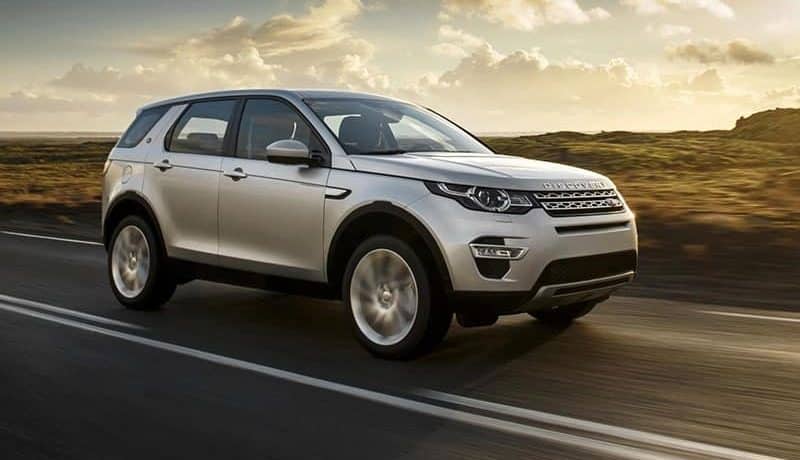


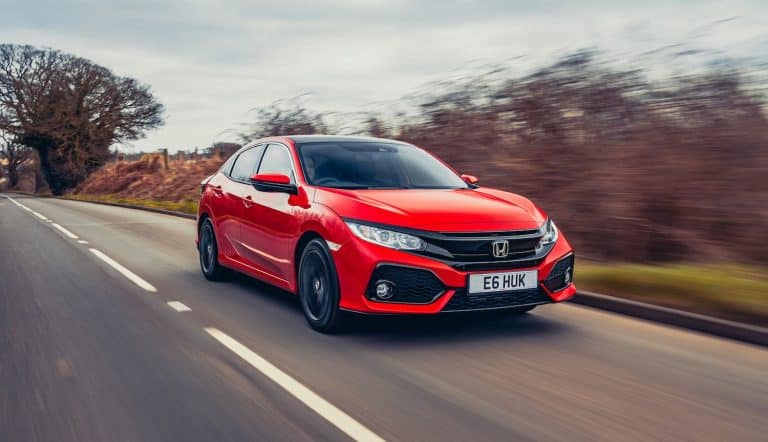



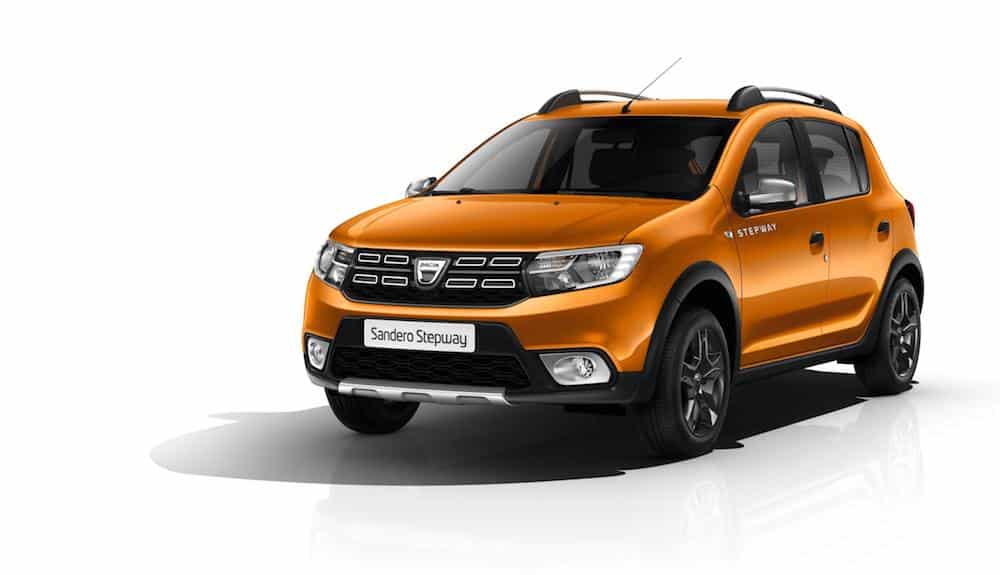
Looking through the huge number of media reports on the “car finance crisis” allegedly gripping the country, it’s amazing to see how many people fundamentally misunderstand how PCP (personal contract purchase) car finance works – and that includes reporters and editors at major media institutions.
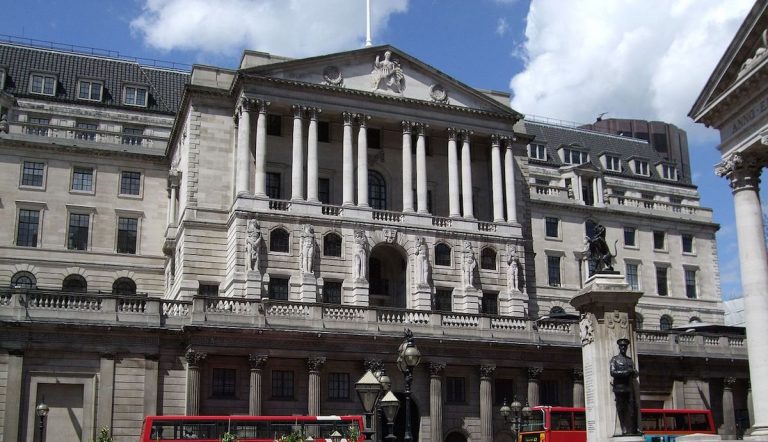
With both the Bank of England and the Financial Conduct Authority (FCA) announcing investigations into the car finance sector, there has been plenty of reporting from both mainstream and specialist media.
Given the size of the car finance market in the UK (approx. £40 billion) and the number of private car buyers who take out a PCP to fund their purchase (up to 90%), it is astonishing how many errors are being made by major media outlets when trying to explain the situation. Here are some of the most common and important issues that have been misreported.
Perhaps the biggest misconception about PCPs is the repeated assertion that you are leasing the vehicle rather than buying it. This has been widely reported and repeated, and is not helped by some finance companies and others who should know better referring to a PCP as a “personal contract plan“, rather than the correct “personal contract purchase“. Again, this has been widely repeated by the media without properly looking at the detail:
The Guardian and others are also guilty of using the word ‘leasing’ repeatedly when describing the PCP marketplace. To be very clear, a PCP is not a lease. It is a form of hire purchase (i.e. – a mortgage) – it says so at the top of the contract. When you take out a PCP, you are borrowing the total value of the car minus your initial deposit. When you lease a car, you do not incur a debt and simply agree to pay a monthly fee for the use of someone else’s car.
Highlighting their own confusion, The Times ran a prominent example (shown below) of a PCP payment schedule – except they actually used a PCH (personal contract hire) schedule, which is a rental…

The Times got its numbers from an independent car leasing broker who specialises in contract hire leasing, mainly for business users. Surely it would have been more sensible to call a Mercedes-Benz dealer and ask for a PCP quote?
The above graphic also refers to an “implied guaranteed resale price”, which appears to be something that The Times made up on the spot. Car geeks will also note that they have used the wrong car in their illustration (the one shown would cost 15% more), but that’s the least of their crimes here…
Even when media outlets do correctly report that a PCP is a purchase rather than a rental agreement, there are mistakes being reported. One common misconception is that a customer is borrowing less money on a PCP than on a hire purchase (HP) because they are not borrowing the balloon amount, as reported in the Telegraph:
This is not true. Customers are borrowing the same amount on a PCP as on an HP (i.e. – the entire amount of the vehicle, minus any deposit), and paying interest on that entire amount. The difference is the PCP provides the option not to repay the balloon and instead hand back the car at the end of the agreement (although terms and conditions apply).
Another misrepresentation is that credit checks are conducted by the staff at the dealership. Again, this has been reported on multiple occasions, such as these:
The staff at the dealership are acting as agents for the finance company, and simply gather all the required personal information to send off to the finance company. It is the responsibility of the finance company to assess the application, which includes conducting a credit check from the likes of Experian. Car dealers can also only go on what customers tell them they want to spend, and do not have access to customers’ private financial information.
The only real requirement of the salesman in the dealership is to make sure that the customer’s details are being recorded correctly, and not ‘massaged’ in any way to appear more favourable to the finance company.
The FCA is investigating how financial products – principally PCPs – are sold by car dealers, but this is likely to cover how staff are explaining and selling finance products. There is certainly concern over dealers who are trying to get customers approved by second-string lenders if the customer has been declined by their primary lender (eg – if you go to a Volkswagen dealer and are declined by Volkswagen Finance, the dealer may try and get you approved by a finance company that specialises in sub-prime customers – but at much higher rates).
Perhaps unsurprisingly, The Financial Times has done best at explaining the issues without getting into a muddle. The FT also describes the current situation as a “toxic tangle of slick salesmanship, financial wizardry, and consumer incompetence”, which sounds about right.
The FT also neatly sums up the task facing the FCA and BoE: “The car market’s heady mix of prestige products and bewildering finance will resist efforts at reform. Yet we must try.”
If you need any more convincing that there is widespread confusion about PCPs and how they work, feel free to read through the comments sections of any of the articles listed above. There are several examples of long-winded arguments between readers, berating each other over the topic.
In many cases, both sides are completely wrong yet neither will admit any error and are steadfast in their (mis)beliefs. But to be fair to them, if the majority of the media can’t explain how a PCP works with armies of reporters, fact-checkers and editors, what hope does the public have?
Do you think you may have been mis-sold a PCP car finance contract? Let us know in the comments below.
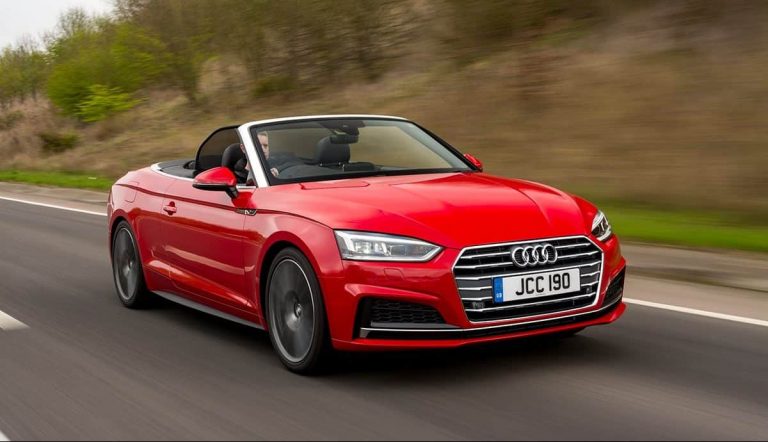
What is it? The Audi A5 Cabriolet is the second-generation version of the brand’s coupé drop-top.
Key features: More refined, better on the road, more tech.
Our view: Improved in all areas, the Audi A5 Cabriolet is a compelling proposition for those seeking an upmarket drop-top.
Type of review: Taster Test
The launch of the Audi A5 Cabriolet completes the renewal of a model line that began last year with the arrival of second-generation versions of the A5 Coupé and A5 Sportback variants. According to its creators, the new car is better in all areas; increasing its quality, performing better on the road and taking full benefit of the increasingly sophisticated technology available in Audi models.
Three engines are available for mainstream versions of the new car. Petrol options range across a 2.0-litre petrol unit offering 190hp and matched to either six-speed manual or automatic transmissions, or a 252hp version with an automatic gearbox and quattro all-wheel-drive. For the more performance-hungry, Audi is also launching a new S5 Cabriolet, with a V6 petrol engine producing 354hp, quattro all-wheel drive and a 5.1-second 0-62mph time.
Our test car, however, is fitted with the 2.0-litre diesel, putting out 190hp, with the S tronic and front-wheel-drive – this car can also be had with quattro.
All are housed within a new shell, 47mm longer but 8mm narrower than its predecessor, and with a wheelbase increased by 14mm. Torsional rigidity, always a crucial factor in a convertible, is said to be up by 40 per cent, while the use of modern construction techniques including high-strength steel and aluminium enable weight savings of up to 40kg – all of which should mean a better on-road performance.
Audi has resisted any temptation to adopt a more solid but space-eating metal roof – the soft top boasts four layers and folds electrically in 15 seconds, at speeds up to 30mph. Once folded, it sits in a tray under the rear – this moves up when the hood closes to offer a total boot space of 380 litres.

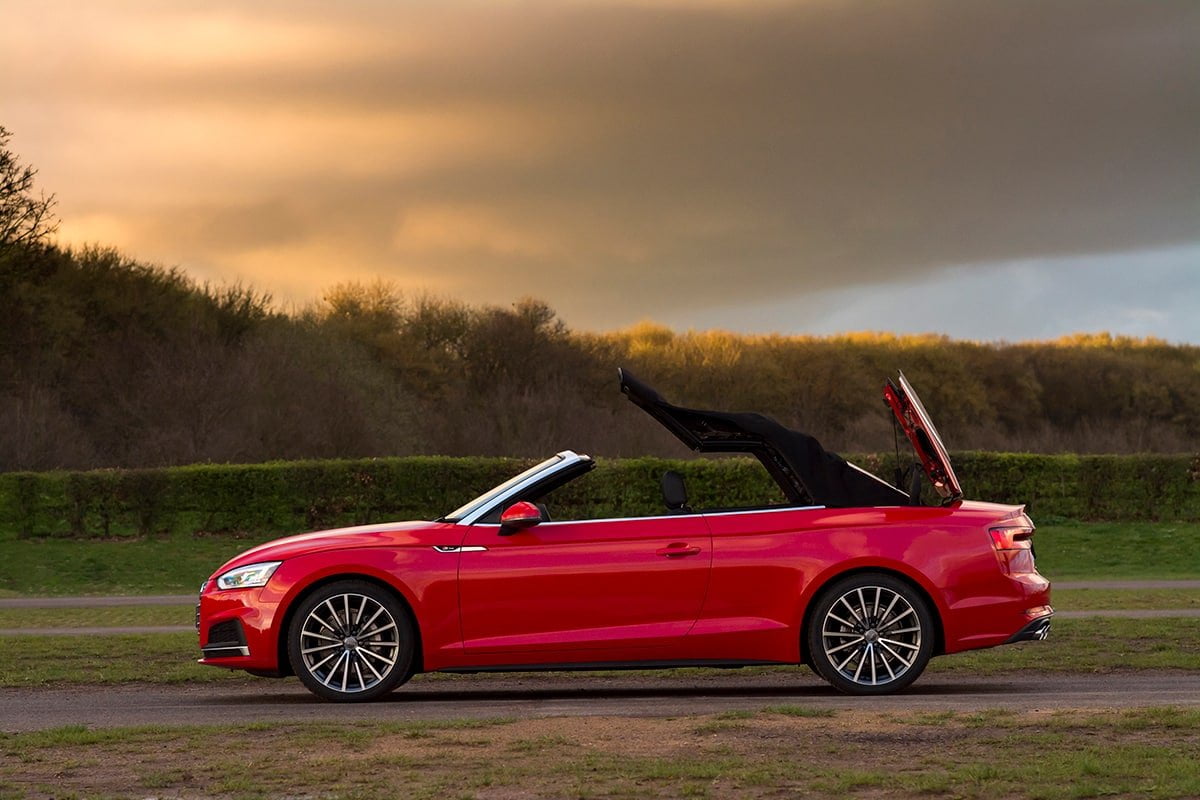
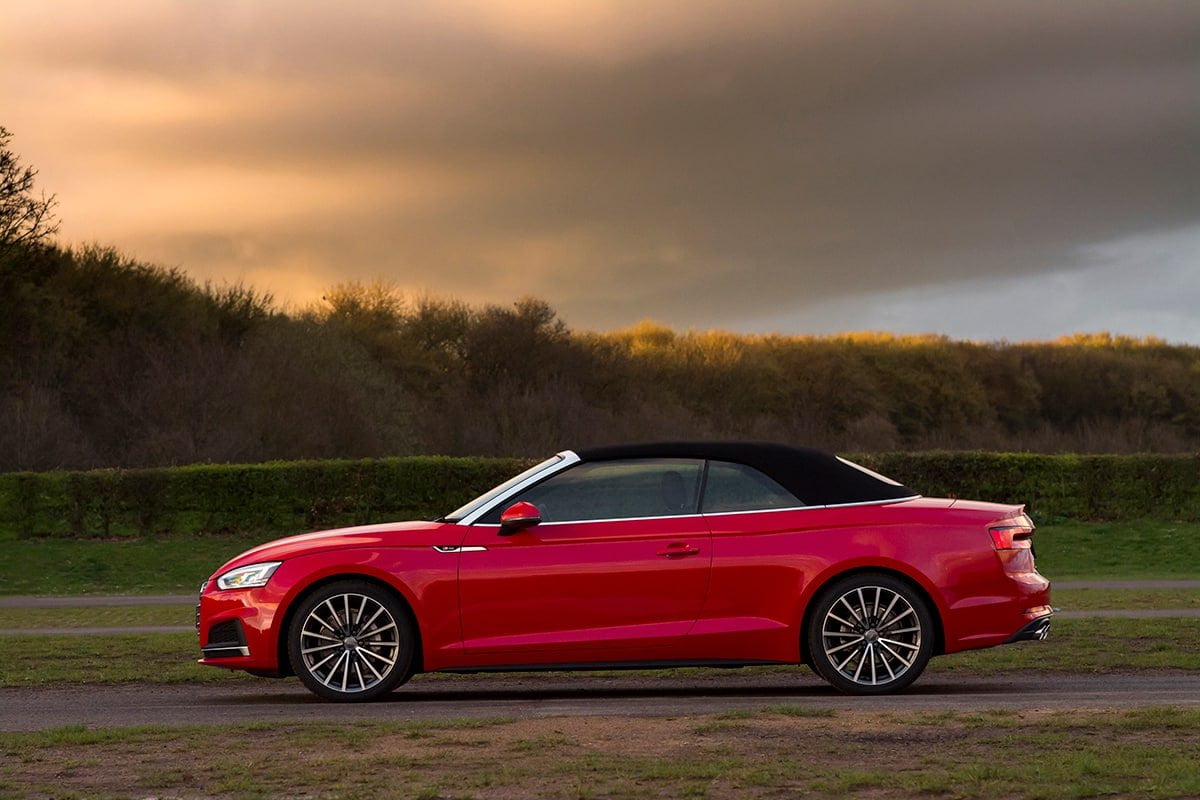
Styling changes include a significantly wider, flatter grille and a rear screen that is also flatter. With a distinctive shoulder line the car certainly looks purposeful, particularly with the hood down.
Step inside the Cabriolet and the surroundings are familiar, not just to the A5 range but Audi’s current line-up. That’s not a bad thing – Audi interiors are the best in the business and the latest better yet, combining excellent build quality with top levels of practicality – the various controls fall naturally to hand and are both simple and refined to use. Of course, the fully digital ‘virtual cockpit’ is a must-have, well worth the £250 extra it costs.
The diesel in our test car maintains the level of refinement – it’s smooth in start-up, and any audio note virtually disappears once on the road. In fact the lack of stirring sound is almost misleading, as this engine is quite perky in its performance – 62mph dispatched in 8.3 seconds is plenty swift enough for most. And it is all achieved in such a confident manner that is matched by the car’s handling. The ride is comfortable on the motorway, and while it may not be quite as ‘point and grip’ in the bends as its coupé sister, it is still pretty assured.
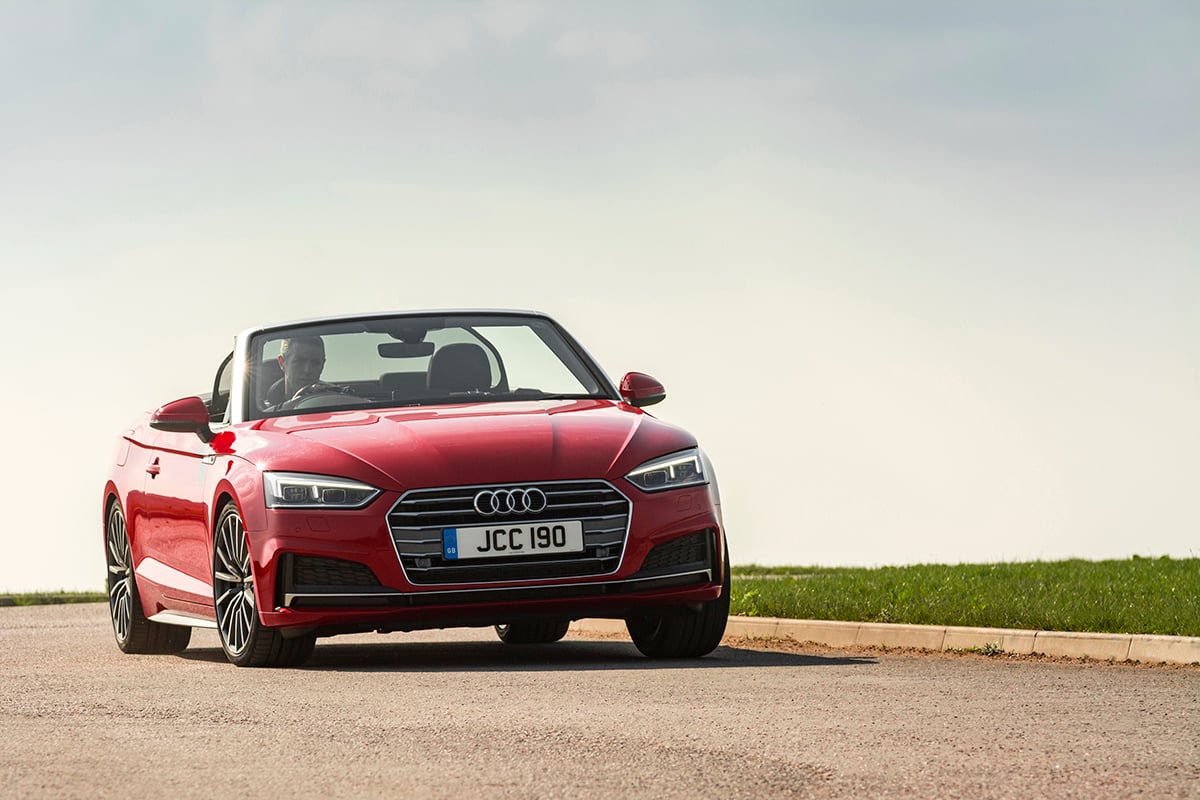
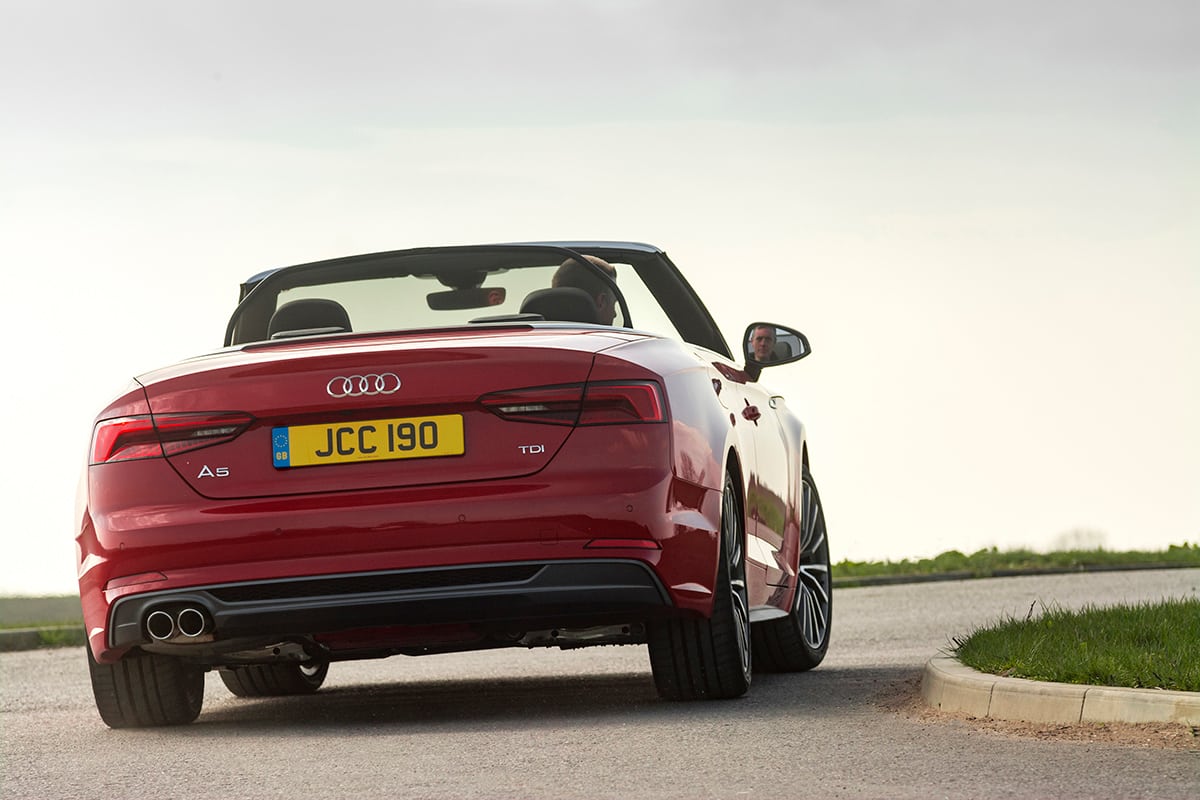

First impressions of the new A5 Cabriolet are highly positive – in diesel form at least (we have yet to try the petrol variant) it’s a complete package. The original model was accomplished, but the new one simply improves the breed.
Perhaps the one aspect to watch is the price – while our £42K base price virtually matches the car’s direct rivals, it’s very easy to add substantially to this dipping into the options list – our test car had more than £4,000 of extras, including a rear-view camera costing £1,050 alone…
Model tested: Audi A5 Cabriolet 2.0 TDI 190hp S line automatic
Price: £42,625 (Range starts £35,235)
On sale: First deliveries April 2017
Engine: 2.0-litre diesel, 190hp, 400Nm
0-62mph and max speed: 8.3 sec, 144mph
Economy and emissions: 60.1mpg (62.8*), 124g/km (118*)
Key rivals: BMW 420d Cabriolet, Mercedes-Benz C220d Cabriolet.
Test date: April 2017
* = with standard 17-inch wheels, test car fitted with 19-inch wheels.
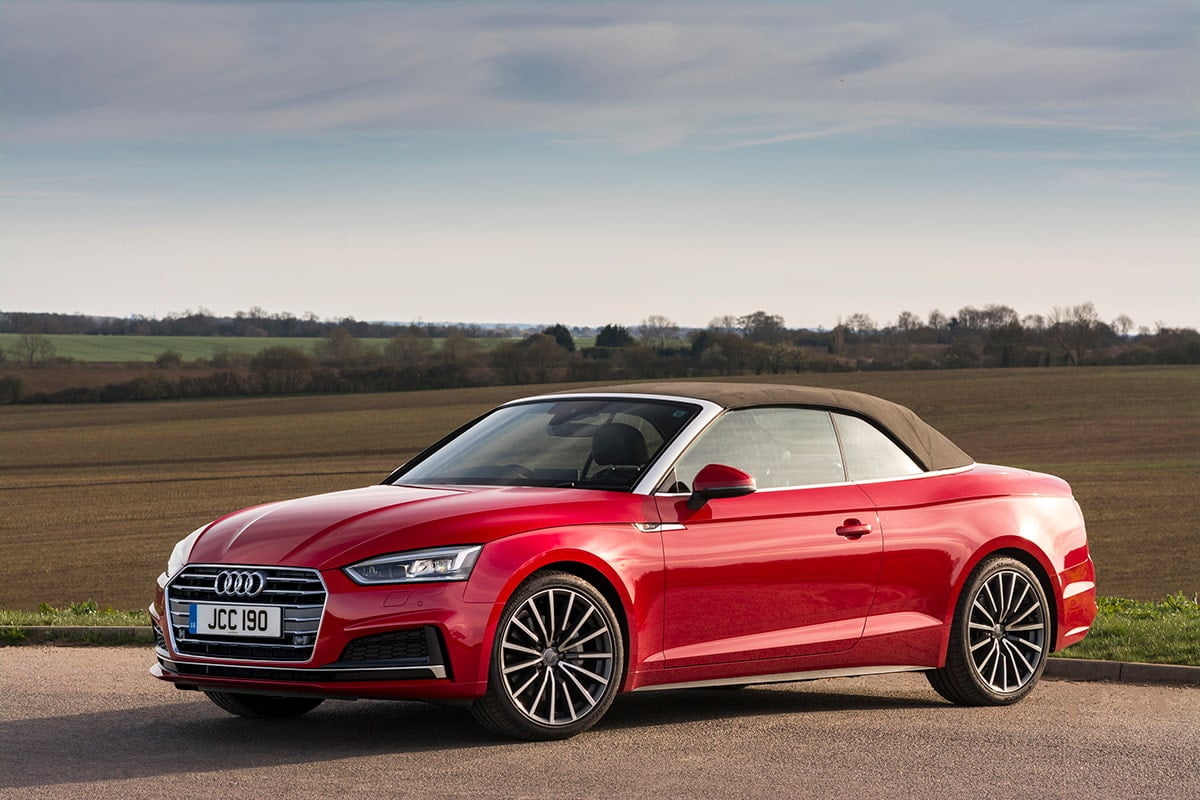


The Car Expert Taster Tests are concise summaries of new models to the market, that we have driven for under 50 miles. They are often preludes to full road tests of the vehicle at a later date.


Automotive Website of the Year


Automotive Website of the Year
Automotive Website of the Year