The UK new car market enjoyed its biggest month on record in March, registrations jumping by 8.2 per cent fuelled by looming Vehicle Excise Duty (VED) changes and new registration plates.
According to figures released by the Society of Motor Manufacturers & Traders (SMMT), 562,337 cars were registered during the month – more than double those recorded in January and February combined.
The first quarter results were also a record, up 6.2 per cent to 820,016 units.
17-plate buyers
March is always a busy month for car dealers due to the twice-yearly change in registration plates, this month to 17 plates. However observers believe most of the sales growth was due to buyers avoiding new VED rates that came into force on 1st April, adding extra costs to the vast majority of new cars (For the full story of the tax changes see here).
“These record figures are undoubtedly boosted by consumers and businesses reacting to new VED changes, pulling forward purchases into March, especially those ultra-low emission vehicles that will no longer benefit from a zero-rate fee,” SMMT chief executive Make Hawes said.
“This bumper performance probably means we will see a slowdown in April, exacerbated by the fact there are fewer selling days this year given Easter timing,” Hawes added.
Opinions differed as to how much looming tax hikes affected the market.
However not everyone was convinced by the tax argument, one dealer telling The Car Expert that he did not believe consumers fully understood the implications of the changes and that the market had been artificially boosted by manufacturers pushing incentives.
The dealer said that after a reasonably strong January and February, his business had exploded in March. But he predicted that the second quarter of the year could be much more difficult, particularly as the triggering of the Brexit process would add uncertainty in the minds of consumers.
Hawes also believes the market will slow over the rest of 2017, but not significantly. “Looking ahead to the rest of the year, we still expect the market to cool only slightly given broader political uncertainties as there are still attractive deals on offer,” he said.
Fleet sales bouyant
Much of the March market was driven by fleet sales, for which the VED changes will add significant extra costs. The 12 per cent increase in the fleet and business sector also no doubt accounted for a halt to recent sliding diesel sales, registrations climbing 1.6 per to 295,256 vehicles.
The alternative-fuelled sector, which includes electric cars, continued its steep climb. Registrations surged some 31 per cent in March to 22,818, though this still represents only 4.1 per cent of the overall market.
Meanwhile the New Car Top Ten continues to have a familiar look about it, with the Ford Fiesta still secure in the number one spot. some 25,428 examples were registered in March, more than 8,000 ahead of nearest rival the Ford Focus.
MINI has announced a new design package: the Black Pack. Exclusive to the UK, it is available for the MINI Cooper Clubman in both petrol and diesel guises.
The Black Pack consists of a some minor specification updates to the interior and exterior design. These include 17-inch gloss black alloy wheels, black bonnet stripes and piano black interior trim.
Included as standard are a multi-function steering wheel, satellite navigation, DAB radio, bluetooth, cruise control and MINI Connected.
The MINI Excitement Pack, which is part of MINI Connected, is intended to put the fun back into driving. It can be selected to offer analysis on driving style and to make driving suggestions.
The Black Pack adds £700 to the cost of both the regular Cooper Clubman models. With the pack, the Cooper Clubman starts from £20,730 and the Cooper D Clubman from £23,735.
Both models are available to order from MINI dealers now.
Nissan has added two new specifications to its Juke crossover, ahead of an anticipated all-new model expected later this year.
The Juke Tekna Pulse and Juke N-Connecta Style are enhanced versions of the existing Tekna and N-Connecta models, and benefit from a few specification updates to help maintain sales numbers over the coming months.
Both models are available in a choice of either metallic black or dark grey for exterior colour, and come with an exterior black pack that consists of gloss black treatment for bumper inserts, wing mirrors and headlamp inserts. They also get new 18-inch alloy wheels, also finished in gloss black.
Inside the cabin, both Jukes get the black personalisation pack which applies gloss black to various trim pieces like centre console, gear knob, air vents and more.
Juke Tekna Pulse
The main new feature of note on the Juke Tekna Pulse is an updated six-speaker sound system by French audio specialists Focal. The main speakers are rated at a maximum of 120 watts (compared to 40 watts on the rest of the Juke range) and the tweeters are rated at 100 watts, again compared to 40 watts on the regular models.
The Tekna Pulse also has sports pedals and floor mats included as standard.
The Juke Tekna Pulse costs an additional £1,455 over the standard Juke Tekna, at a starting price of £20,700 compared to £19,245. Only 1,500 Tekna Pulse models will be built.
Juke N-Connecta Style
Looking like slightly better value is the N-Connecta Style model, which is priced at £670 over the regular N-Connecta. In addition to the larger alloy wheels and black pack, the N-Connecta Style adds xenon headlights over and above the standard N-Connecta specification.
The standard N-Connecta is priced from £18,085, while the updated N-Connecta Style starts at £18,755.
Both models are available to order from Nissan dealers now.
The headlamp pictured above is all we currently officially know about the looks of the Hyundai Kona, a new SUV launching later in 2017.
However the Kona is expected to be a direct rival to the mass-selling Nissan Juke, as Hyundai continues its bid to be the biggest-selling Asian brand in Europe by 2021. To make that possible the Korean brand plans to launch a total of 30 new models and derivatives.
The Kona name comes from a district of Hawaii and according to Hyundai the island’s energetic image and unique lifestyle matches the new model.
All the brand will currently say about the Kona is that it will be a B-segment SUV with a ‘progressive style that reflects the lifestyle of modern customers’. It will become the fourth SUV in the European Hyundai line-up, alongside the Grand Santa Fe, Santa Fe and Tucson.
The picture suggests the styling of the new model will be bolder than recent Hyundai offerings, while we are also told that the Kona ‘will be a true SUV’, suggesting it will go against the current trend towards crossover-style vehicles without all-wheel-drive ability.
The Car Expert will post more details of the Hyundai Kona as we get them.
What is it?
The latest Nissan Micra is an all-new fifth generation of the core supermini.
Key features:
Total revamp, mainstream styling, quality interior, more tech.
Our view:
The revival that was needed, the new Nissan Micra is an impressive package that will be a strong contender in a crowded market.
For years the Nissan Micra was established as a distinctive contender in the supermini market, with its curvy, instantly recognisable if somewhat Marmite exterior.
Times have changed for the car, however. Nowadays it lives in the shadow of the massively successful Qashqai and Juke SUVs. And the last version of the supermini was a global car that really did not offer any attractive headlines for discerning UK buyers.
Now with the new, fifth-generation Micra, Nissan is fighting back. We are told that this car will re-establish itself as a top-10 seller on the UK market, and “at the heart” of the supermini segment. “Only the name is the same,” Nissan personnel insist, though that is not quite correct as the car uses an existing platform, albeit one that has undergone major development.
Mainstream design
While the new Micra is a lot more agreeable to look at than its dull direct predecessor, the distinctive curvy styling of the early generations has also been abandoned for something more mainstream, while competing squarely with its rivals in the traditional areas of equipment and technology.
Only offered as a five-door, the new car is substantially longer than the Mark 4, by some 174mm. It’s 78mm wider, but also 55mm lower. As a result the car looks distinctly more athletic.
There are strong design elements – the front end is bold, with the Nissan signature ‘V-motion’ grille design, merging into narrow headlamps. These can be LED as an option, but the daytime running lights are LED on every model.
From the headlamps flow distinct shoulder lines along the flanks, dipping at the front doors and then rising towards the rear. And the increasingly popular ‘floating roof’ look is created by black door and rear screen pillars, the latter housing the rear door handles, just like the Suzuki Swift we reviewed recently.
Those who have driven a fourth-generation Micra will notice the biggest differences on slipping inside. Style was not a phrase one used with the old car, but the new one is a revelation.
According to Nissan “the cabin is based around a T-shaped ‘gliding wing’ dashboard, with simple and harmonious structures that create excellent space for the driver and front passenger.” Not sure what that means, but it certainly looks good. Finished in a two-tone shade, it is well laid out with, admittedly in the upper spec cars we are driving on the launch, a lot of soft-to-the-touch quality trim on show.
The tech includes an infotainment system controlled by a touchscreen mounted high on the centre console. Again, our upper spec models get the top NissanConnect system, with a seven-inch full colour screen, DAB radio, satellite navigation and smartphone-style apps.
It’s a spacious car too, no surprise with the extra length perhaps. The 300-litre boot outstretches the biggest-selling rivals, while still leaving plenty of rear-seat kneeroom. Drop those seats and the space jumps to 1004 litres. Taller occupants might consider the roof a little close, but overall this is a roomy supermini.
Upper grades include NissanConnect touchscreen infotainment.
Powertrains
Three engine options will be available for the Micra – not as many as some rivals offer but Nissan does say that this is the launch line-up so perhaps more are on the way.
All three are downsized versions of existing engines, consisting of a 1-litre three-cylinder petrol with 71hp, a turbo version of 0.9 litres with 90hp, and a 90hp diesel of 1.5 litres and four cylinders.
The very first cars in the UK are not available with the 1-litre petrol, which we are told will be here “soon”. On the launch event we drove with the turbo petrol unit, likely to be the major seller, and it proved most capable.
This is an engine we know – also found in the Twingo of sister brand Renault and Mercedes-Benz smart models. It is not exactly fast, cresting 62mph from rest in 12.1 seconds, but it is enthusiastic enough to suit this environment while producing the economy and emissions figures – 64mpg and 99g/km – to make the Micra competitive.
Standard transmission is a five-speed manual unit and this is an excellent unit, with slick, swift changes.
Nissan insists that the Micra has been engineered specifically to suit European and particularly UK roads. As well as lower in height, the shell is also stiffer while new suspension has been added.
Technology also aids the on-the-road dynamics. Intelligent Ride Control uses the engine and brakes to try and dial out the fore/aft pitching motion felt when going over large bumps such as traffic humps.
Then there is Intelligent Trace Control, which when cornering, automatically applies and adjusts the inside brakes and outside wheels to keep the car pointing where intended.
They all work very well – the car feels a little more engaged than does the general supermini pack. It’s not quite as cossettingly comfortable as some, and not quite as excellent in its handling as is the Ford Fiesta (but then what rival to the Ford is?). But the Micra does a very good job of being a competent all-rounder.
Five grades
Five trim levels will be on offer with the new Micra range. The entry Visia grade includes 15-inch steel wheels, front fog lights, a two-speaker audio system and Bluetooth compatible audio.
The safety package is notable too, ranging across six airbags, Lane Departure Warning and Intelligent Lane Intervention, and Intelligent Emergency Braking with Pedestrian detection. Nissan is describing the safety package available for the Micra as the most comprehensive ever offered on one of its small cars – other tech available includes traffic sign recognition and the well-known around-view monitor giving a 360-degree view of the car’s surroundings.
Top of the grades is the Tekna, notable elments including 17-inch alloy wheels, keyless entry and start, a rear view camera with rear parking sensors through the NissanConnect touchscreen, and a BOSE audio system with six speakers, two of them in the driver’s headrest.
And of course as is the way with today’s small cars, personalisation reigns. Starting with a choice of 10 exterior colours there are also exterior and interior colour packs and a range of body decals.
Nissan has done an impressive job on the new Micra, rescuing a car that was rapidly descending into obscurity and thrusting it right back into the mainstream. In looks and performance the Micra now contends squarely with its competitors and in some elements, notably the interior, it leaves many rivals in its wake.
Volkswagen has updated the Golf GTE plug-in hybrid performance hatch to bring it in line with the rest of the facelifted Golf range. And along the way, it has increased the equipment levels while reducing the price tag.
Pricing now starts £3,420 lower than the old model, and the new Golf GTE is also now available in two trim levels; the regular GTE and the new GTE Advance for an extra £1,500.
Both GTE models get full LED headlights and tail lights, Active Info digital cockpit display and a smartphone app to manage charging. For the first time on a Golf, the GTE also gets a semi-autonomous traffic jam mode which can operate at up to 37mph.
The GTE Advance adds 18-inch alloy wheels, satnav, heated seats, tinted rear windows, centre armrest and an EU-friendly electric mode warning sound to alert ignorant pedestrians who are walking on the road.
The hybrid powertrain has not changed from the previous version, and combines a 150hp 1.4-litre turbo petrol engine with a 102hp electric motor. Working together, they produce an overall peak of 204hp. Compared to its GTI sister, the Golf GTE gives away 26hp and is over a second slower from 0-62mph. However, being a plug-in hybrid means that it can travel up to 31 miles and hit 81mph purely on electric power (although trying to achieve one will impact your ability to achieve the other).
As a combined petrol-electric vehicle, the Golf GTE produces very low emissions on the official test cycles (and Volkswagen promises that it really is acting legally these days). Official CO2 emissions are just 38g/km (40g/km for the GTE Advance), and because it’s not a diesel, the levels of urban pollution from NOx output will be tiny as well.
Volkswagen claims that the battery can be charged in less than 3.5 hours from a domestic plug socket, or just over two hours if you install a domestic wallbox. The car’s charging socket is hidden behind the Volkswagen badge in the grille.
As with the old model, drivers can switch between four driving modes: a purely-electric E-Mode; a hybrid mode where the car will switch between petrol and electric as suits; a battery-charging mode which only uses the petrol engine; and GTE Mode, which uses both petrol and electric power together for maximum performance.
Pricing starts at £28,135 for the regular Golf GTE and £29,635 for the GTE Advance, which includes £2,500 from the government’s plug-in car grant (PICG). Along with the rest of the updated Volkswagen Golf range, the new Golf GTE is on sale now.
The new SsangYong Rexton SUV has debuted at the Seoul Motor Show in Korea.
Retaining the name applied to SsangYong’s original large SUV, the new Rexton will become the flagship model line in the SsangYong range. It was effectively first revealed as the LIV-2 concept, unveiled at the Paris Motor Show in September 2016.
The new Rexton measures up at 4850mm long, 1920mm wide and 1800mm high, on a 2865mm wheelbase. This makes it a larger vehicle than the Hyundai Santa-Fe, which is regarded by many as the Rexton’s main rival.
The exterior look follows SsangYong’s latest ‘Nature-born 3 Motion’ design language. Notable elements include the ‘spread-wing’ radiator grille and the lines on the flanks that rise towards the rear bumper.
Both these elements were first seen on the smaller Tivoli and both are set to be a feature of all future models from SsangYong to create a recognisable brand identity.
The new Rexton also features various elements designed to give it a more upmarket appearance, including the availability of 20-inch wheels, daytime running lights and LED fog, side and indicator lights.
Upmarket interior dominated by new infotainment system.
Prime powertrain option will be a 2.2-litre turbodiesel engine combined with a seven-speed automatic transmission sourced from Mercedes-Benz. A 2.0-litre petrol unit will also be available with a six-speed auto ‘box.
Smart all-wheel-drive will be fitted, operating in rear-wheel format under normal road conditions, but offering four-wheel traction when required with high and low ratios.
Extensive safety specification
SsangYong says that the Rexton will be one of the safest cars in its class, with a package encompassing nine airbags including a knee bag for the driver and rear side bags.
Driver assistance systems include Autonomous Emergency Braking, Lane Change Assist, Rear Cross Traffic Alert, Blind Spot Detection and a Front Vehicle Start Alarm. 3D Around View Monitoring will also be available.
Technology features heavily on the new SsangYong Rexton, the navigation and infotainment system operated through a 9.2-inch screen and offering Apple CarPlay and Android Auto compatibility. Also available are auto door locking, a driver’s seat that automatically adjusts when the door is opened, dual-zone fully-auto air conditioning and a tailgate that opens when the key is held next to it.
The new model will go on sale first in Korea in the first half of 2017 as the G4 Rexton, while UK sales will begin before the end of the year.
Prices are yet to be announced but industry observers suggest they will start from under £30,000. If confirmed they will combine with the feature-rich specification to make the new SsangYong Rexton highly competitive in its market.
A special edition of the Fiat 500 convertible has been launched to celebrate the original model’s 60th anniversary. Over six million 500s have been sold worldwide since 1957.
Only 250 of the limited-edition convertible will be available in the UK. The first 60 will be individually numbered with a limited edition plate and certificate of authenticity.
The special edition 500 will feature a grey-fabric roof and a two-tone white and ivory paint finish. Chrome mirror covers and 16-inch alloy wheels with a white diamond finish complete the look.
The 500 is badged with vintage Fiat logos and a bespoke icon which incorporates a red ’60’ into the last two figures of the ‘500’ logo to create a ‘500-60th’ logo.
Inside, the same logo appears on the kick plates, while the steering wheel has a vintage Fiat logo. The bordeaux vinyl dashboard is complemented by bordeaux piping on the ivory leather seats. Ivory leather is also used for the gear knob and the 500 has bespoke floor mats.
The special edition Fiat 500 includes a multi-function steering wheel and seven-inch Uconnect touchscreen infotainment system as standard. It also has Bluetooth, satellite navigation, USB and auxiliary ports.
An ivory and burgundy colour scheme is used inside the cabin.
As standard, the Fiat 500 60th anniversary edition comes with rain and dusk sensors, cruise control, automatic climate control, fog lights and rear parking sensors. Apple CarPlay and Android Auto allow access to smartphone applications via the touchscreen.
The 60th anniversary special is available with the same three petrol engines found in regular Fiat 500 models. The 1.3-litre diesel engine is not offered.
Pricing starts from £19,240 for the 1.2-litre 69hp model with a manual gearbox.
The special edition Fiat 500 60th anniversary is now available to order and customers can expect to take delivery from July.
Toyota unveiled a hot hatch version of the Yaris and an autonomous commuter concept vehicle at the Geneva motor show earlier this month.
The two vehicles targeted very different automotive environments, which epitomises the issues facing manufacturers as they look towards the future of motoring. One is a performance model designed to appeal to the driving enthusiast, while the other is a vision of what the future holds for car owners with limited interest in actually driving their vehicles.
The new Toyota Yaris GRMN has been released to coincide with Toyota’s return to the World Rally Championship (WRC) after a 17-year break. The Yaris’ white paint finish with red and black detailing is designed to reflect the livery of the WRC car.
GRMN stands for “Gazoo Racing, Masters of the Nürburgring”. it may not be that catchy, but it signals the brand’s intentions for the hotted-up Yaris.
The Yaris GRMN features a new supercharged 1.8-litre engine producing over 205hp, which is paired with a six-speed manual transmission. That should see it outperform rivals like the Volkswagen Polo GTI or Renault Clio RS, at least in a straight line. And with a title that includes “Masters of the Nürburgring”, it will hopefully go around corners equally effectively.
Toyota’s European team were responsible for developing the new Yaris’ engine and designing the interior, while the chassis and braking system were developed by their Japanese counterparts. The car will be produced in Valenciennes, France.
A reinforced chassis and additional bracing are accompanied by shorter springs, dedicated shock absorbers and upgraded brakes. The Yaris’ suspension was tuned and tested on Nürburgring’s Nordschleife, as you’d expect with that name.
The new Yaris GRMN is offered exclusively as a three-door, unlike the rest of the freshly-updated Yaris range. It comes with 17-inch alloy wheels and a bespoke rear spoiler as standard. Dedicated front and rear bumper designs, a rear diffuser and a centre exhaust give further clues to the car’s sporting intent.
Inside, the front sport seats are joined by a leather-wrapped steering wheel and aluminium sports pedal set.
The new Yaris is the first GRMN model to be marketed in Europe, although they have previously been sold in Japan. The Yaris GRMN will be on sale in the UK from early 2018.
Toyota intends the i-Tril Concept to be a viable alternative to city cars, other all-electric models and motorcycles.
An electric motor housed in the axle unit powers the i-Tril, while it’s four-metre turning circle makes it suited to urban streets.
The i-Tril weighs just 600kg and has a tapered shape – the tracks of the 19-inch front wheels are 1,200mm, while the tracks of the 20-inch back wheels are 600mm.
The i-Tril features Active Lean technology, which Toyota has previously shown on the i-Road concept three years ago. A hinge between the rear axle and the cabin, allows the body and front tyre to lean, while the powered rear wheels remain perpendicular to the road surface. When the i-Tril is in autonomous mode and approaching a corner, a display panel alerts the occupants as to which way the cabin is about to lean.
The front wheels and wings are separate from the main body of the i-Tril. The butterfly-opening doors are hinged on a slope, giving easy access to the driver and passengers. Toyota insists that it is still possible to open the doors within a regular parking space.
As the doors open they remove a section of the floor, creating a smaller footprint. The front seat can swivel 20 degrees for easy access, whilst the front seat headrest is fixed to the roof and pivots down when the vehicle is switched on.
Toyota intends the i-Tril to be capable of operating fully autonomously, and is targeting a range of more than 185 miles between charges.
The i-Tril has no pedals and is instead operated by left and right-hand control nodes that work in a similar manner to a computer joystick or mouse. Steering, acceleration and braking are all controlled electrically via a drive-by-wire system. The multimedia and infotainment systems are voice controlled. The resulting interior layout is very minimalistic in design, with most of the traditional control points eliminated.
The i-Tril has a one-plus-two seating layout, much like a McLaren F1 supercar from the 1990s. The driver is positioned up front in the centre of the car, while the rear of the cabin accommodates a two-seater bench.
Toyota describes the i-Tril concept as “a snapshot of the kind of vehicle we might expect to see on city streets in the 2030s”.
McLaren Automotive has released a second design sketch of its forthcoming ‘Hyper-GT’, currently codenamed the McLaren BP23.
First announced in November 2016, the three-seater car, with a central driving position, will be a successor to the iconic McLaren F1.
Only 106 McLaren F1s were built between 1992 and 1999, and the same number of the new car will be constructed – all have already been sold at a rumoured price of £2m each.
McLaren Automotive describes the BP23 as ‘the most exquisitely crafted and luxurious road-going McLaren to date.’
Range-topper
the BP23 will also have a hybrid powertrain making it the most powerful and most aerodynamic road-going McLaren yet built, taking over from the current P1 at the top of the company’s Ultimate Series.
There are still very few details of the new car available. It is currently under development at McLaren Special Operations (MSO), the bespoke division of McLaren Automotive, and future owners are being consulted on colours and trims to make their cars personal to them.
First deliveries of the BP23 are expected in 2019. Rumours suggest it will debut carbonfibre technology that will expand across the McLaren model range.
Meanwhile hybrid powertrains are expected to feature much more prominently among the 15 new models that the brand plans to launch by 2022 under the ambitious ‘Track 22’ business plan, announced by McLaren Automotive CEO Mike Flewitt at the Geneva Motor Show in March 2016.
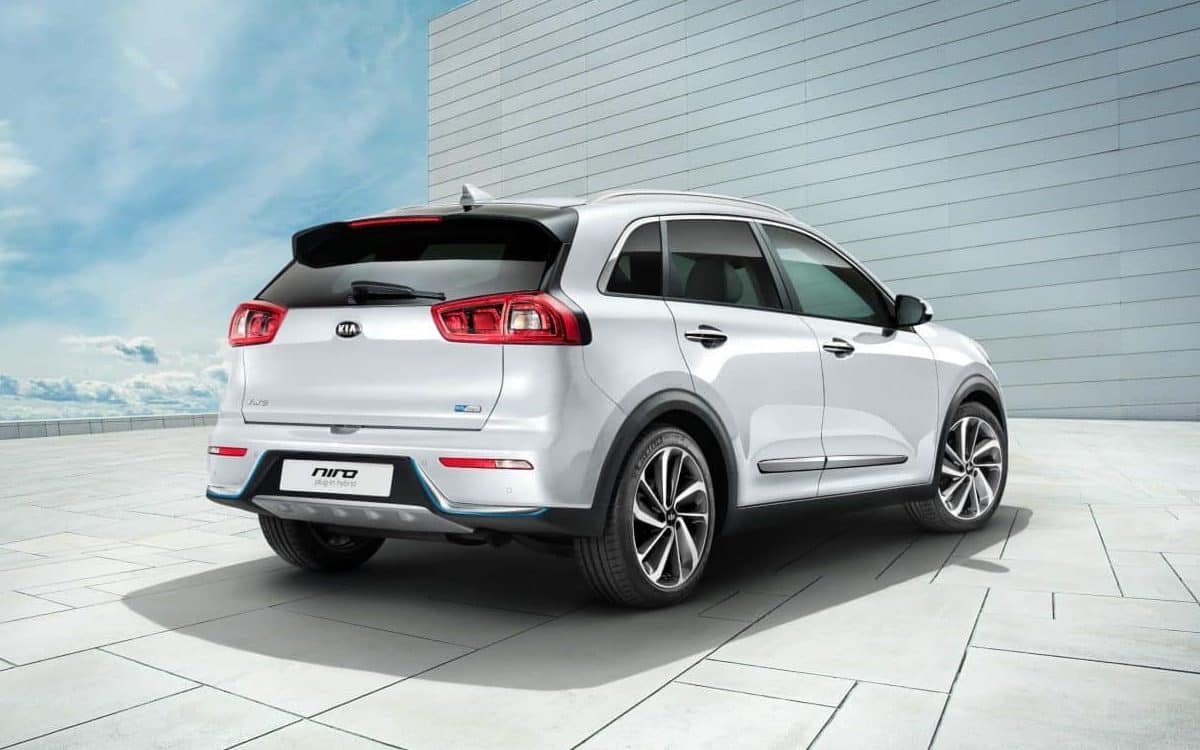
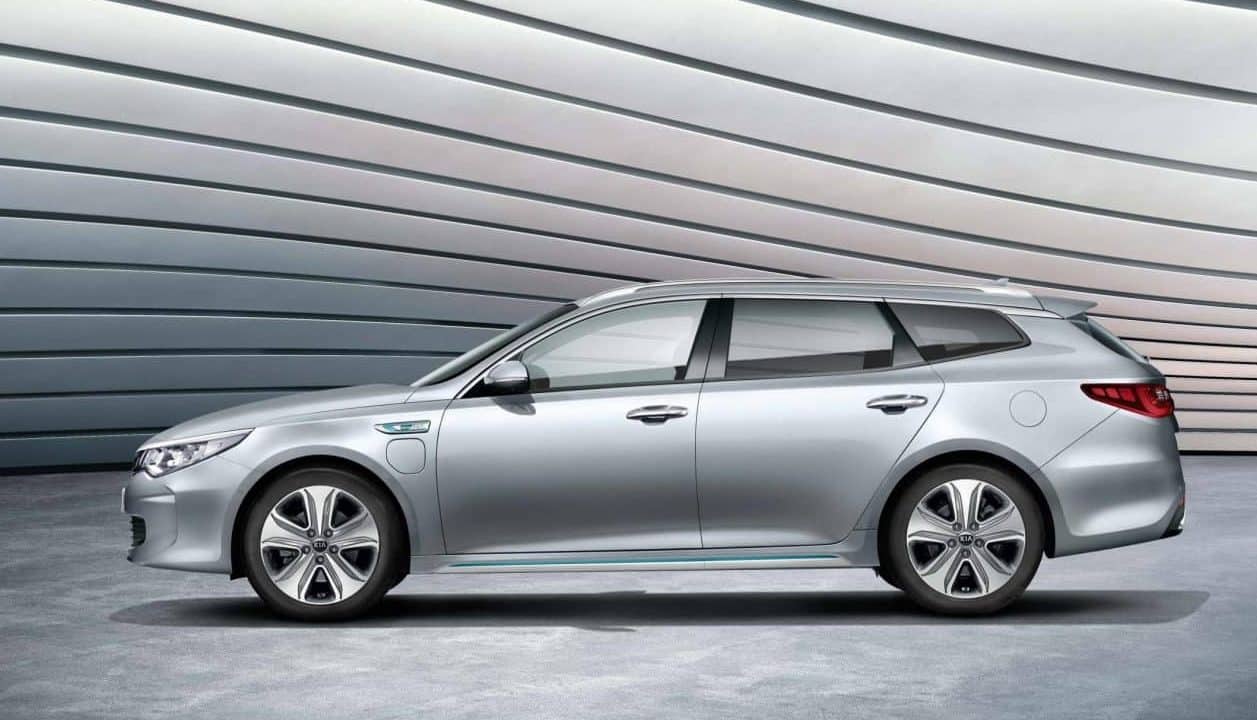
Kia unveiled two new additions to its hybrid family at this year’s Geneva motor show; both the Niro and Optima Sportswagon are now available as plug-in hybrids.
Michael Cole, chief operating officer at Kia Motors Europe, said that the “new plug-in hybrid versions of the Niro and Optima Sportswagon will help Kia achieve its 2020 target to improve fuel economy by 25% compared with 2014 levels.”
The Niro Plug-in hybrid combines a 105hp 1.6-litre direct-injection petrol engine with a 60hp electric motor, which is hooked up to an 8.9kWh lithium-polymer battery pack. The electric motor is about 40% more powerful than the unit used in the regular Niro hybrid, while the battery also has substantially more capacity than the 1.56kWh unit in the regular hybrid.
Kia says its engineers are targeting sub-30g/km CO2 emissions and an electric driving range of around 34 miles. Official fuel economy and emissions figures are yet to be announced.
Together the Niro Plug-in’s engine and battery pack produce around 160hp and a maximum torque of 265Nm. The Niro has a 0-62mph time of 10.8 seconds, 0.7 seconds faster than the existing Niro hybrid.
A six-speed double clutch transmission is paired with a transmission-mounted electric device (TMED), which is different from the CVT set-up typically used by hybrid vehicles. Kia claims that this option allows a more efficient transfer of power from the engine and electric motor to the wheels.
The Niro Plug-in hybrid’s powertrain combines a 1.6-litre petrol engine with an 8.9kWh lithium-polymer battery.
The Niro Plug-in uses regenerative braking and a driving assistant system to produce a more efficient drive. The system anticipates topographical changes and offers guidance on efficient driving. The infotainment system also displays the battery charge level and highlights nearby charging stations.
Kia has differentiated the Niro Plug-in Hybrid from the existing Niro hybrid with some minor cosmetic exterior updates. These include a new satin-finish chrome grille surround, chrome brightwork with a metallic-blue finish, LED headlamps and ‘Eco Plug-In’ badging. 16-inch alloy wheels are also available.
The Niro plug-in’s battery pack, located beneath the floor of the 324-litre boot, leaves cabin space unaffected. An optional towing pack facilitates the towing of braked loads up to 1,300 kg.
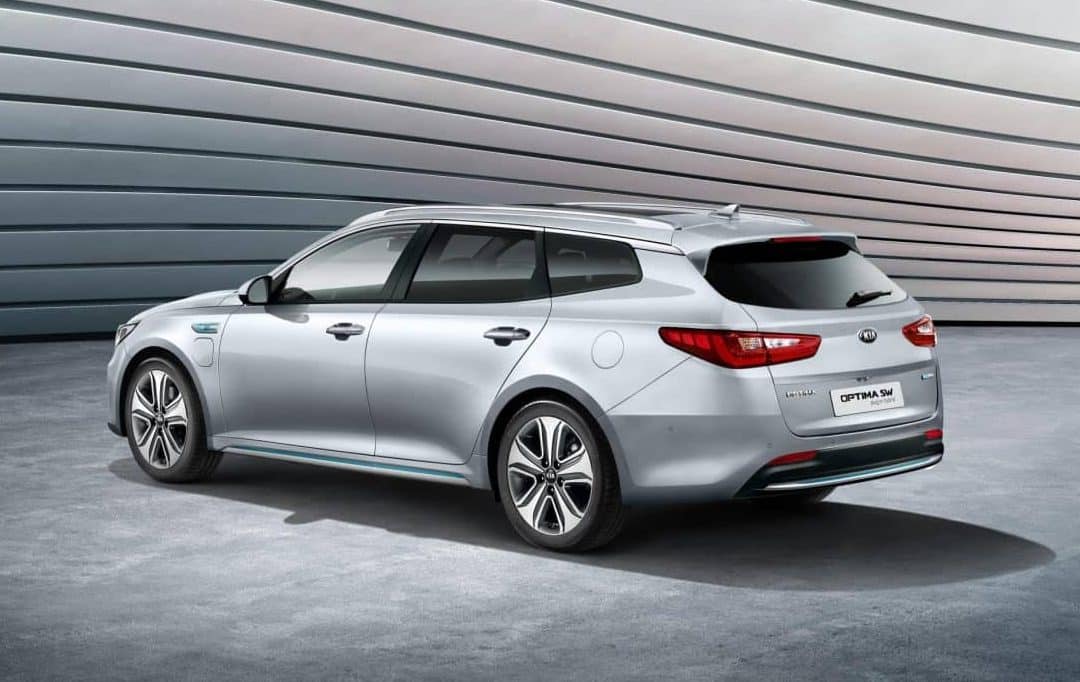
The Optima Sportswagon is the second of Kia’s two new plug-in hybrids.
Optima Sportswagon Plug-In Hybrid
Kia has built the Optima Sportswagon Plug-in Hybrid exclusively for the European market. The powertrain uses a 2.0-litre four-cylinder petrol engine with a 68hp electric motor and 11.26kWh lithium-ion battery pack. Unlike the Niro Plug-in Hybrid, the Optima makes do with a regular six-speed automatic transmission, with the electric motor replacing the traditional torque converter. The 200hp and maximum torque of 375Nm makes the Optima capable of 0-62mph in 9.7 seconds.
Kia is targeting an electric range of around 38 miles at speeds of up to 75mph and CO2 emissions of 34g/km. However, like the Niro, final range and emissions figures are yet to be confirmed.
To optimise efficiency, the Optima comes with regenerative braking and is offered with an advanced heating, ventilation and air-conditioning system which can be used to target the driver area only.
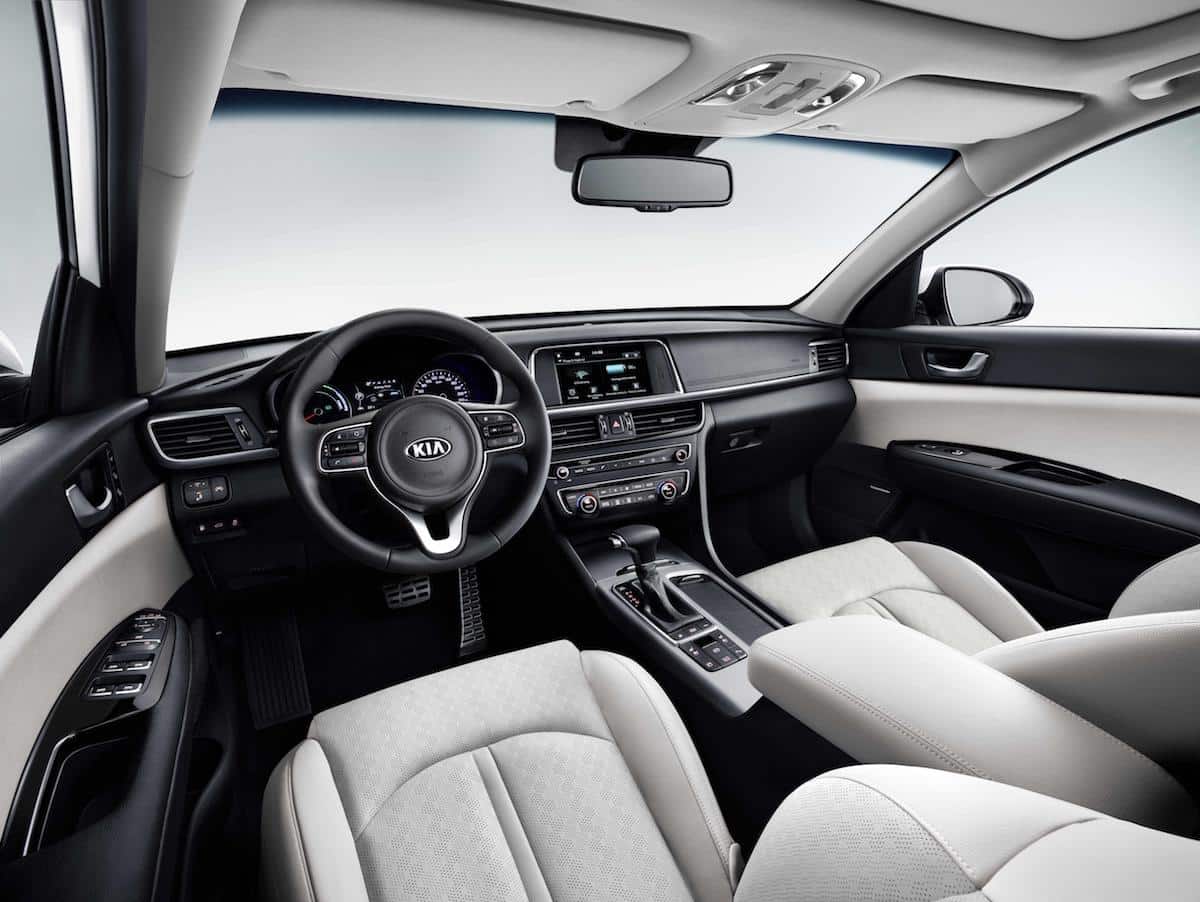
Inside, the Optima Sportswagon’s instrument display keeps the driver informed of the battery’s charge.
Updates to the Optima’s exterior include new bumpers, side skirts and wheels, chrome brightwork and ‘Eco Plug-In’ badging.
A new instrument display keeps the driver informed about the battery’s charge and driving efficiency. The eight-inch infotainment system, compatible with Android Auto and Apple CarPlay, displays current EV range and nearby charging points.
The Niro and Optima Sportswagon Plug-in Hybrids will be sold with Kia’s standard seven-year/100,000-mile warranty, which includes the lithium-ion battery packs.
Both hybrids are set to go on sale in late summer/early autumn 2017.
The Optima Sportswagon Plug-in Hybrid, like the Niro, comes with Kia’s seven-year/100,000-mile warranty as standard.
What is it?
The Suzuki Swift is the third-generation version of the brand’s best-selling supermini.
Key features
Lighter, more powerful and efficient, more technology.
Our view
The new version of the Suzuki Swift takes the model a significant step forward – Suzuki’s confidence in increasing sales should not be misplaced.
The Suzuki Swift is a very important car to the Japanese brand. Since a model name dating back to the 1980s was revived in 2005 on the brand’s first ‘global car’, the supermini has sold 5.4 million across the world. One million of these have been in Europe and 127,000 in the UK – in both continent and country, it is Suzuki’s best seller.
The current, second-generation Swift peaked at 13,300 UK sales as recently as 2015 and was still selling more than 11,000 last year despite the imminent arrival of the new one, so there is no doubt that the third-generation model’s arrival in June is eagerly awaited by Suzuki fans.
Exterior and interior
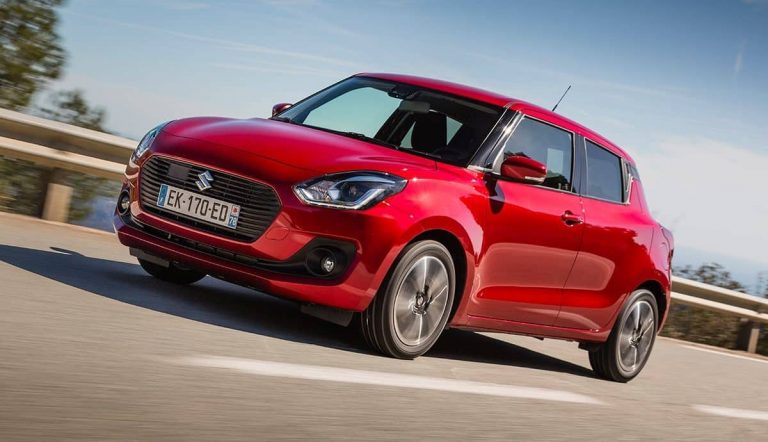
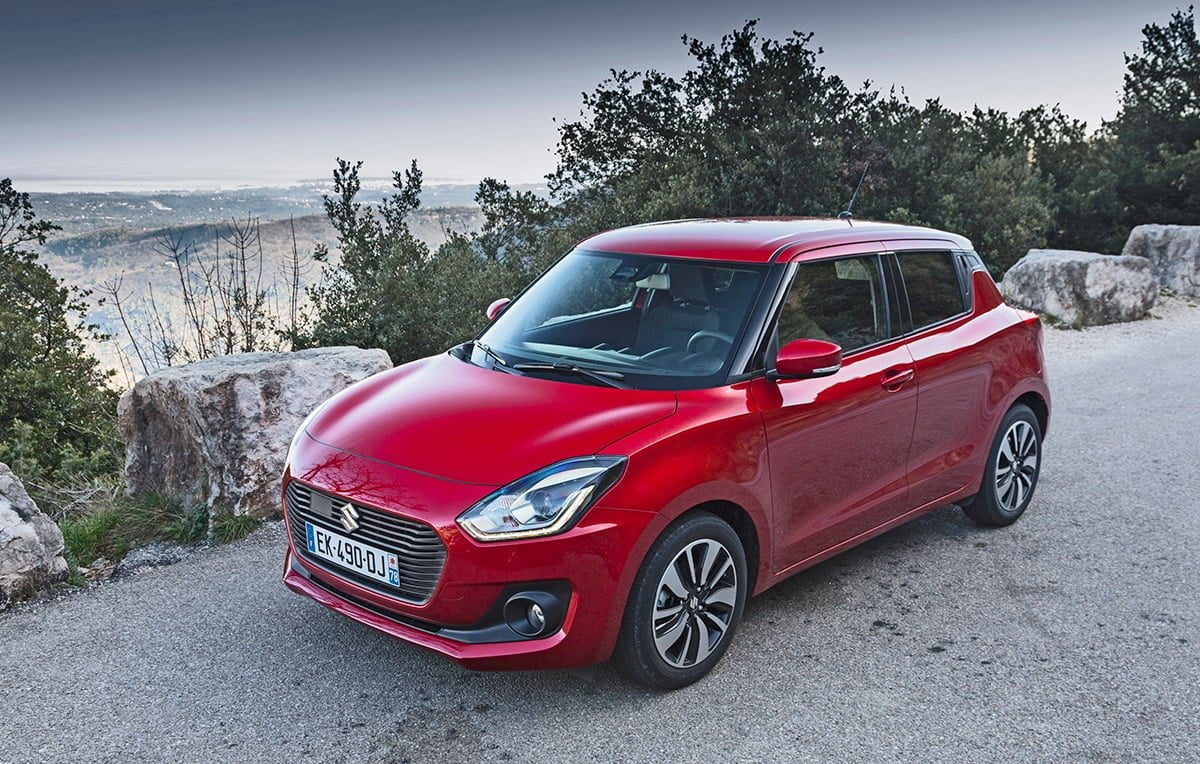
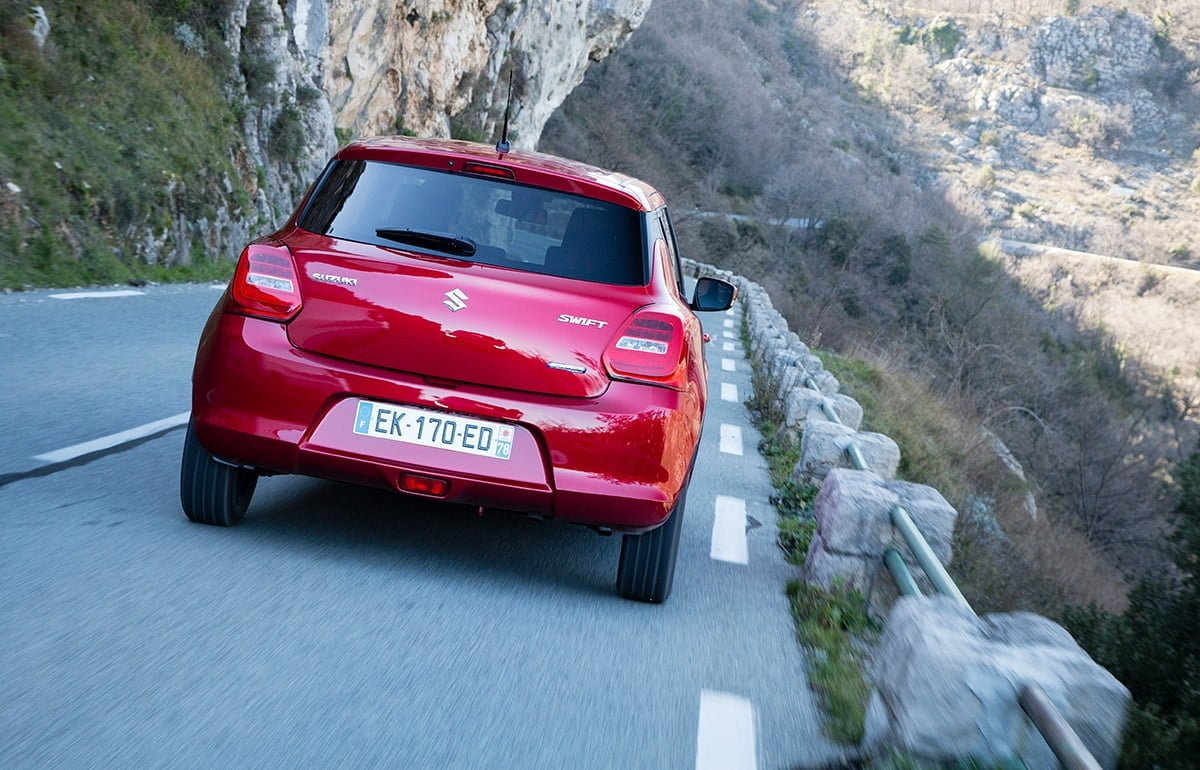
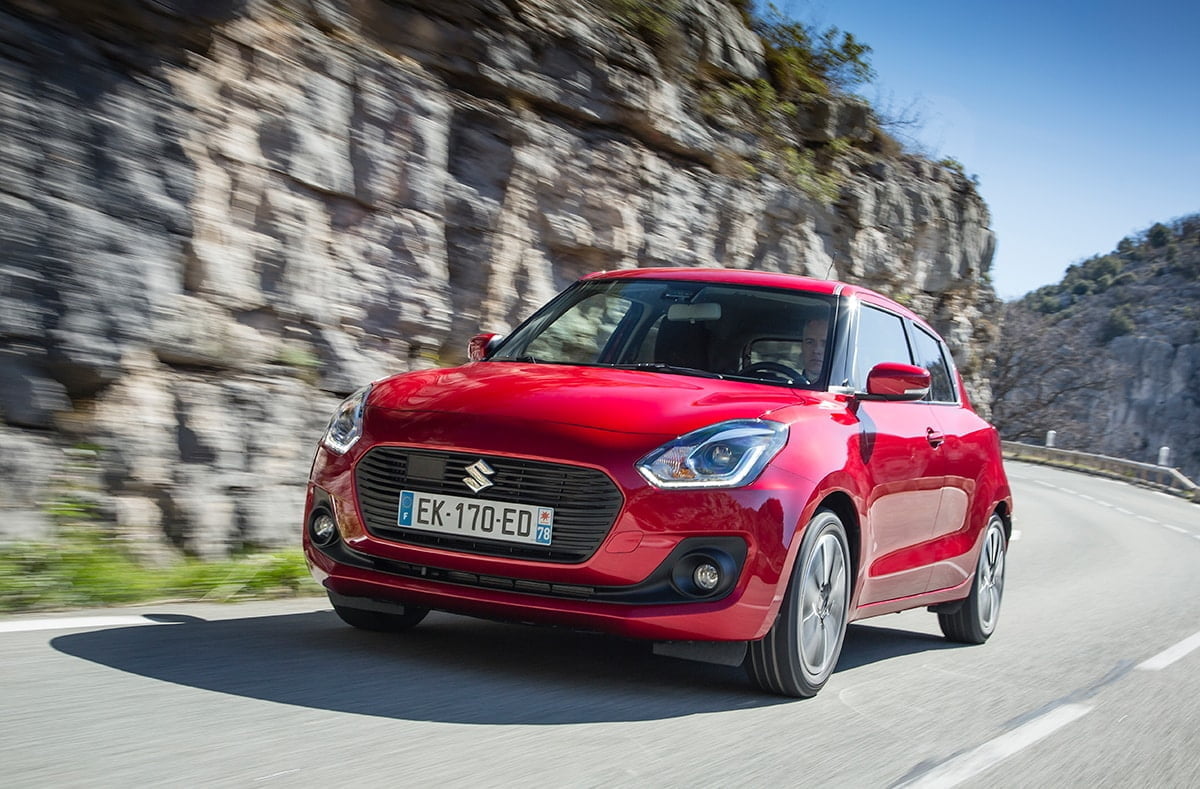
The latest Swift grabs the attention on first sight, and not just because a newly introduced exterior colour, ‘Burning Red’ is a head-turning, saturated shade. The not unattractive exterior of the previous model has been made bolder – Suzuki dubs the look ‘more emotional’ and it certainly makes a statement with a wide, aggressive grille, muscular arches and a very distinctive shoulder line.
Clever blacking out of the entire windscreen pillar, and similar treatment to a portion of the rear screen pillar (in which the rear doorhandles are placed) make a height reduced by 15mm look even lower, enhancing the purposeful appearance of the car.
To add the final touch, cars available to journalists on the European test launch event in France are to top GLX spec, equivalent to SZ5 in the UK, and so include distinctive LED light signatures on both the front and rear.
As well as that reduced height, the car is 40mm wider than its predecessor (and notably 40mm wider than Japanese-market Swifts), but also 10mm shorter. Suzuki’s latest ‘Heartect’ platform allows a 20mm longer wheelbase, freeing up more interior space including a boot enlarged by 54 litres to 265 litres. It also sees the overall weight of the car cut by some 100kg, good for both handling and efficiency.
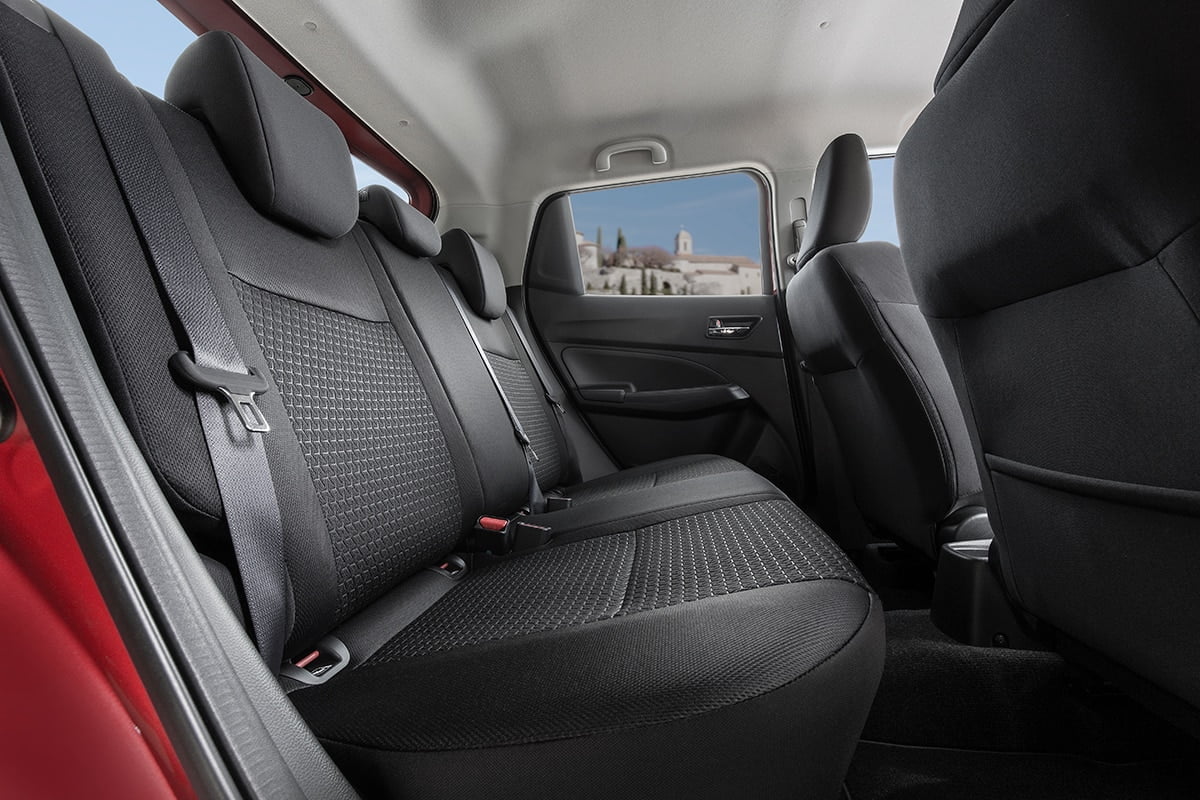
On slipping inside both your correspondent and his driving companion immediately comment on the cossetting plushness of the seats – notably this upholstery is standard throughout the range, not just on top models.
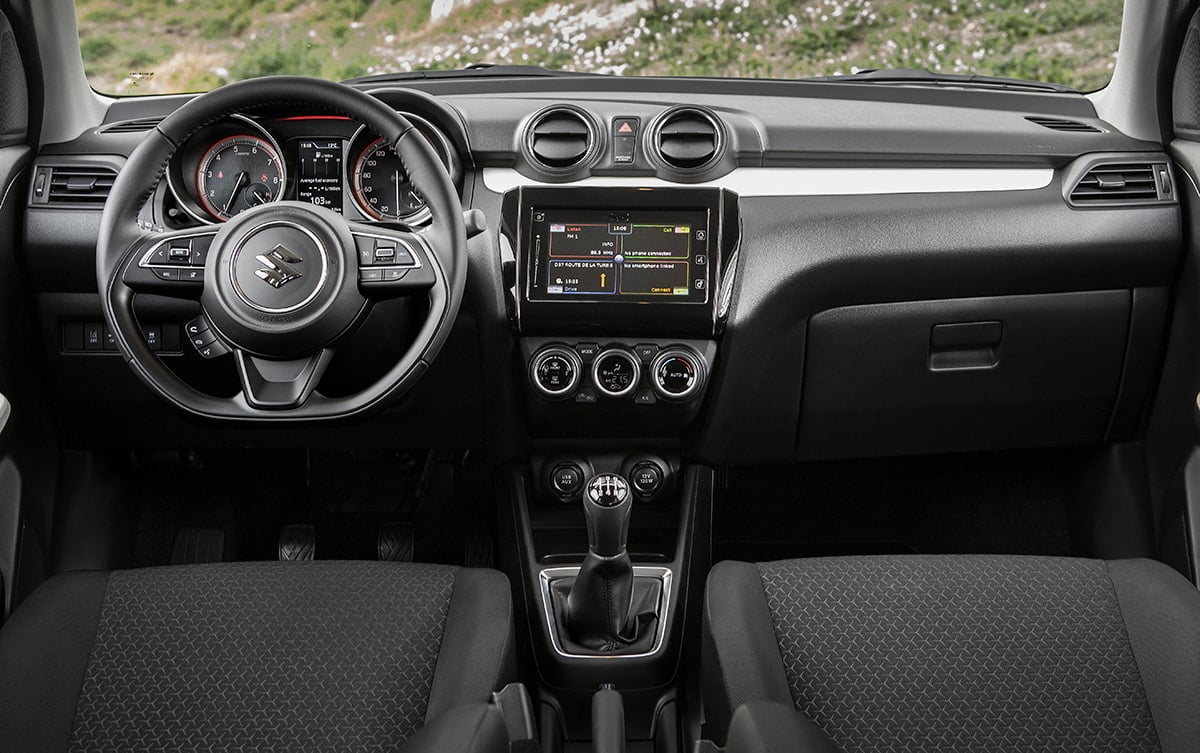
The cabin is spacious and well finished, the dash functional with the overriding theme one of circular binnacles, giving a sporty look. A touchscreen infotainment system dominates the centre console, fitted to all bar entry-level models and on this range-topping version including full-colour satellite navigation as well as MirrorLink, Andorid Auto and Apple CarPlay smartphone integration.
The screen is neatly angled gently towards the driver but I admit to still finding it the least user-friendly aspect of Suzuki’s cars, sliding such items as volume controls on the screen is less than precise while the navigation too often fails to keep up with the driver.
There is a second display on the instrument panel between the two main dials, mono on lower models and full colour on our test car, where it acts as a guide to which way power is flowing between the engine and the battery of the mild hybrid assist system fitted to our 1.0-litre Boosterjet model.
Circular theme to new car’s dash.
Display between dials monitors engine-battery power.
Touchscreen least impressive aspect of interior.
Plenty of rear-seat space.
Boot significantly enlarged over previous version.
Powertrains – on the road
The Boosterjet engine, with its 111hp, will be the big seller of the range. Its turbocharged output is 21hp more than the larger capacity 1.2-litre Dualjet unit, making the smaller-engined car faster to 62mph by 1.3 seconds, yet it returns 61.4mpg and 104g/km in standard form, just 3mpg and 6g/km behind the 1.2. Add in the SHVS hybrid assist and the Boosterjet matches the 1.2 on fuel economy and is a shade better on emissions.
More than that, it is a very willing engine – it pulls strongly from low down the rev range like a petrol engine shouldn’t, which proves a boon on a launch event test route that includes a series of hairpin bends climbing and descending the mountainous roads between Nice and Monaco.
Suzuki claims to have carried out extensive testing of their car for Europe on the roads of Europe, or more specifically in the UK and Germany, starting in January 2016. We’ll hold out on a firm view until we get to try a right-hand drive version on the uniquely challenging road surfaces of Britain, but first impressions are good.
The car rides well and smothers the worst bumps, particularly the vicious ramps entering and leaving villages, though extended lengths of uneven surface can make it a little skitty. Its cornering performance is excellent – the Swift turns in exactly where aimed and maintains its poise with good feedback from the wheel, and little body roll.
Equipment levels
UK Swifts will adopt Suzuki’s usual format of SZ3, SZ-T and SZ5 trim levels. The former base market SZ2 grade has gone, as has a three-door body option, because nobody buys three-door small cars these days.
Equipment is impressive – entry-level cars include such niceties as Bluetooth connectivity, air conditioning, DAB, privacy glass, LED daytime running lights and a leather steering wheel.
Suzuki expects as much as half of all Swift sales to be of the mid-range SZ-T version, particularly as you can’t buy a SZ3 with the Boosterjet. Specification add-ons include a rear-view camera, the touchscreen with Smartphone integration, 16-inch alloy wheels and front fog lamps.
Range-topping SZ5 versions, meanwhile include auto air conditioning, a layer of polish on the alloys, satellite navigation, keyless entry and start, electric windows all round, LEDs on front and back, adaptive cruise control and six speakers instead of four.
These cars are also fitted with the top safety specification, the Advanced Forward Detection System. This combines a laser sensor and a camera to provide autonomous emergency braking, lane departure control and an assist function to the high-beam headlamps. Its DSBS – Dual Sensor Brake Support – can run through the options from warning the driver of a collision risk to initialising brake assist to increase braking force if the driver panic brakes, or even full autnomous braking in a final attempt to avoid an impact.
Suzuki tells us an all-wheel-drive variant will also be available on SZ5 grades, though the brand is not revealing yet whether like its predecessors the new Swift will spawn a performance pitched Swift Sport model – we think it quite likely.
The other big unknown is price – these will not be announced until the end of April, just over a month before the car hits UK roads. With there now being no base, three-door option the former £9,000 entry point is likely to be nearer £11,000. But Suzuki is just as likely to maintain the value-based pricing structure which has seen its most recent release, the Ignis, selling at 50 per cent above expectations.
On this basis, the brand’s aspirations towards putting the Swift in the supermini top 10 by swelling annual sales to 20,000 or more may well be realistic. Aside from the less than stellar touchscreen infotainment, the new Suzuki Swift is an impressive package and a definite step forward.
Models Tested:Suzuki Swift 1.0 Boosterjet SHVS GLX (equiv SX5)
On Sale: June 2017
Range price:TBA
Insurance groups: TBA
Engines: Petrol 1.0, 1.2.
Power (hp):90, 111
Torque (Nm): 120, 170 (160*)
0-62mph (sec):11.9, 10.6
Top speed (mph): 111, 121 (118*)
Fuel economy (combined, mpg): 65.7, 61.4 (56.5*, 65.7**)
CO2 emissions (g/km): 98, 104 (114*, 97**)
Key rivals:SEAT Ibiza, Kia Rio, Skoda Fabia.
Test Date: March 2017
* = with auto transmission. ** = with hybrid.
All figures for 2WD models.
What is it?
The latest version of the Renault Zoe electric supermini.
Key features
New battery increases official range to 250 miles. New top trim level, updates across range
Our view
The Renault Zoe is a definite contender amongst its electric rivals, particularly considering its versatile purchase options and now its range.
This writer believes that the Renault Zoe is a much-underrated car. While the Leaf from sister brand Nissan continues to grab all the headlines associated with it being first to the party, the Zoe has built itself a loyal following since the car’s launch in 2012 and was the best-selling electric car in Europe in 2015.
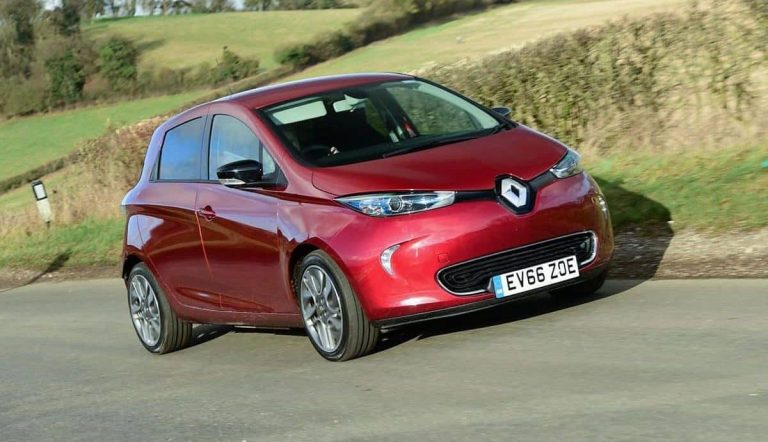
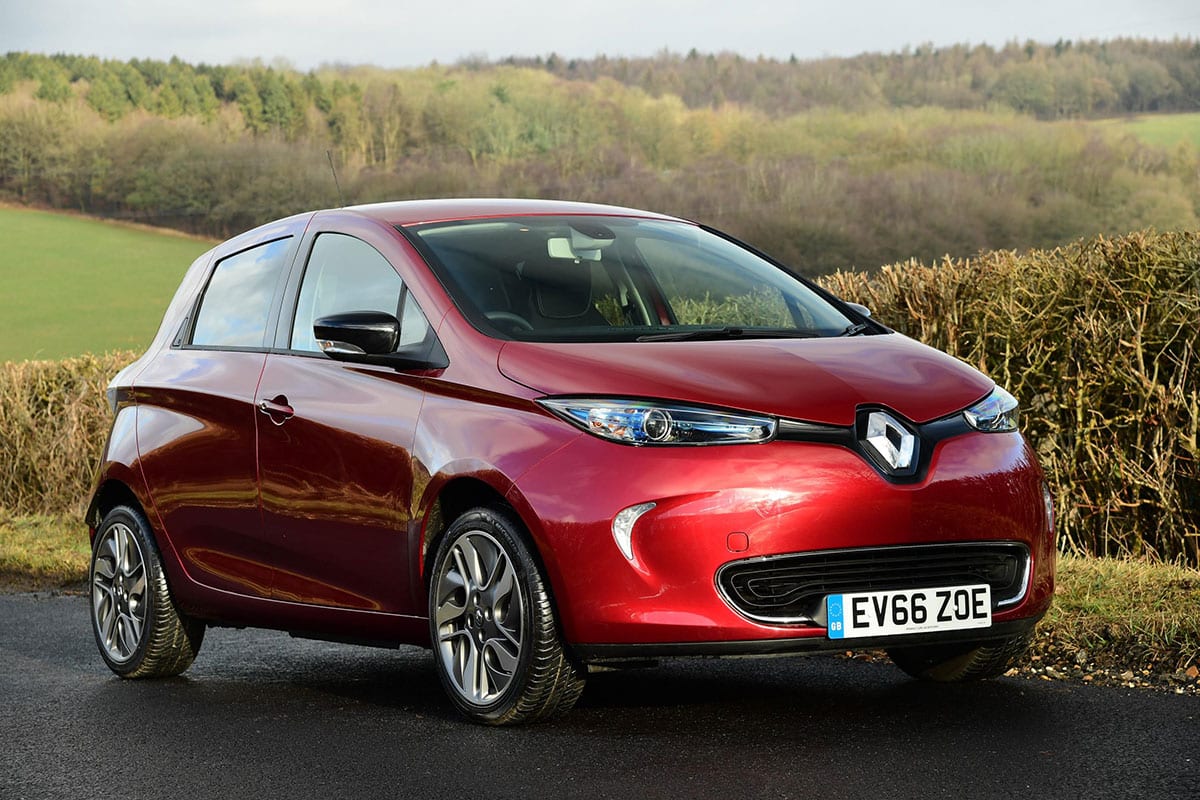
Now for 2017 Renault has introduced a facelift for the Zoe, the major headline of which is a new 41kWh battery. This is almost double the capacity of the original 22kWh battery and pushes the Zoe’s official range to 250 miles.
While Renault claims that this gives the Zoe the longest range of any mainstream electric vehicle, we are also told that the car’s ‘real-world’ range between charges is now between 124 miles in extreme cold and 186 miles in ‘temperate’, in other words typical, conditions. This, of course, makes the Zoe a very practical car indeed – how often does the average motorist clock up more than 186 miles in a day?
A larger-capacity battery does mean longer charging times of course – the 22kWh unit, which is still available in the entry-level Expression model, takes four hours to charge fully using a 7kW home point, or an hour to 80 per cent capacity at a 43kW charge point like one finds at motorway service areas.
The new Z.E. 40 battery ups these charging times to 7hr 25min and 1hr 40min respectively, but one can buy an optional quick charger for on-the-road use which cuts the 80 per cent time back down to an hour and five minutes. That’ll give you well over 200 miles range with one stop, and an hour is just right for lunch…
Other changes to the 2017 Zoe include the addition of a new range-topping trim level, Signature Nav, which among other things includes the quick charger as standard. Also offered on this trim level are leather upholstery, a seven-speaker Bose audio system, rear parking camera, bespoke 16-inch alloy wheels and lumbar adjustment on the driver’s seat.
Across the range the interior and exterior are mildly modified and there are three new exterior colours, Mars Red, Titanium Grey and Ytrium Grey, the last only on Signature Nav cars.
The biggest difference between the Renault Zoe and its great rival the Nissan Leaf, in this writer’s opinion, is in exterior looks. The Leaf, with its squared-off, slanted rear end, looks different enough to be identified as such, an electric car. The Zoe, however, looks just like any other supermini – it could just as easily be a traditional petrol/diesel sister to the Clio and Twingo and is very closely related to the former.
It’s a big car for its market, more than 100mm taller than a Clio, and the batteries under the back seats elevate the cabin producing a quite high, upright, seating position. There is plenty of space, enough to carry five adults within, and while the batteries compromise some of the practicality, the shape of the floor when the rear seats are dropped for example, the boot space of 338 litres is some 38 larger than a Clio’s.
Those that have driven the Clio will find the interior familiar, as the dash is the same, though fitted with a digital display which supplies important information such as how much battery power one has left, and when the battery is being recharged under coasting or braking – be warned, you can end up changing your driving style trying to up your figures!
On the road
Again, the Zoe scores because it is so normal. Having inserted the keycard one puts the auto gearbox into drive and presses the accelerator, and off it goes. The experience is just like driving a typical supermini, but without the noise – the only sound is an artificially generated whine at low speed, basically to warn pedestrians that the car is coming. We understand this can be turned off.
This is not a fast car, its 0-62mph time over 13 seconds, but it feels nippy in its natural environment of urban streets. At speeds under around 40mph the torque of the electric motor is at its most efficient, and the Zoe reaches 30mph in a mere four seconds.
It’s much less fun at high speeds, on a motorway for example, because above 60mph it seriously struggles for pace. Steep gradients cause similar issues, it will get up them, but not in any hurry.
The Zoe rides in adequate fashion, though its cornering performance is staid, lumbering through the bends with a degree of body roll. The braking is a bit harsh too, taking the gloss from the car’s refinement.
Charging easy through bonnet socket.
Buying a Zoe
Electric cars are not cheap and on the surface the Zoe is no different, but there is a way to spread the cost. Renault offers the option of either buying the car and battery outright, or leasing the battery and paying a monthly fee that varies based on one’s expected mileage. This also answers those concerned about the staying power of the battery, though Renault does offer a five-year/60,000-mile warranty that includes the battery retaining at least 75 per cent of its original capacity.
For example if you choose the iDynamique NAV model, the second trim level and first available with the new battery, you’ll pay £23,445 outright, or £17,845 plus battery lease. This ranges over six levels from £59 a month for cars doing an annual mileage of 4,500 miles or less, to £99 for up to 10,500 miles or £110 for unlimited annual mileage.
It’s also worth mentioning one can still buy the Zoe with the original motor, so the very cheapest one can get into the car is £13,995 plus battery lease – these prices all include the Government’s plug-in car grant. And every retail purchase of a ZOE includes supply and installation of a 7kW fast-charger home wall box.
Verdict
The Renault Zoe won’t write headlines for its roadholding and handling but in the urban environment that electric cars are excepted to populate it becomes a leading contender. With its practical purchase options, it should be considered by anyone wanting to go electric.
Model tested:Renault Zoe Z. E. 40
Price: £23,445-£26,245 (With leased battery £17,845-£20,645)*
On sale: Jan 2017.
Engine: Electric motor, 92hp, 220Nm
0-62mph and max speed: 13.5, 84mph
Range and CO2 emissions: 124-186 miles (real-world), 0g/km
Key rivals: Nissan Leaf, Volkswagen e-Up
Test date: Feb 2017
* = Prices factor in Government plug-in car grant
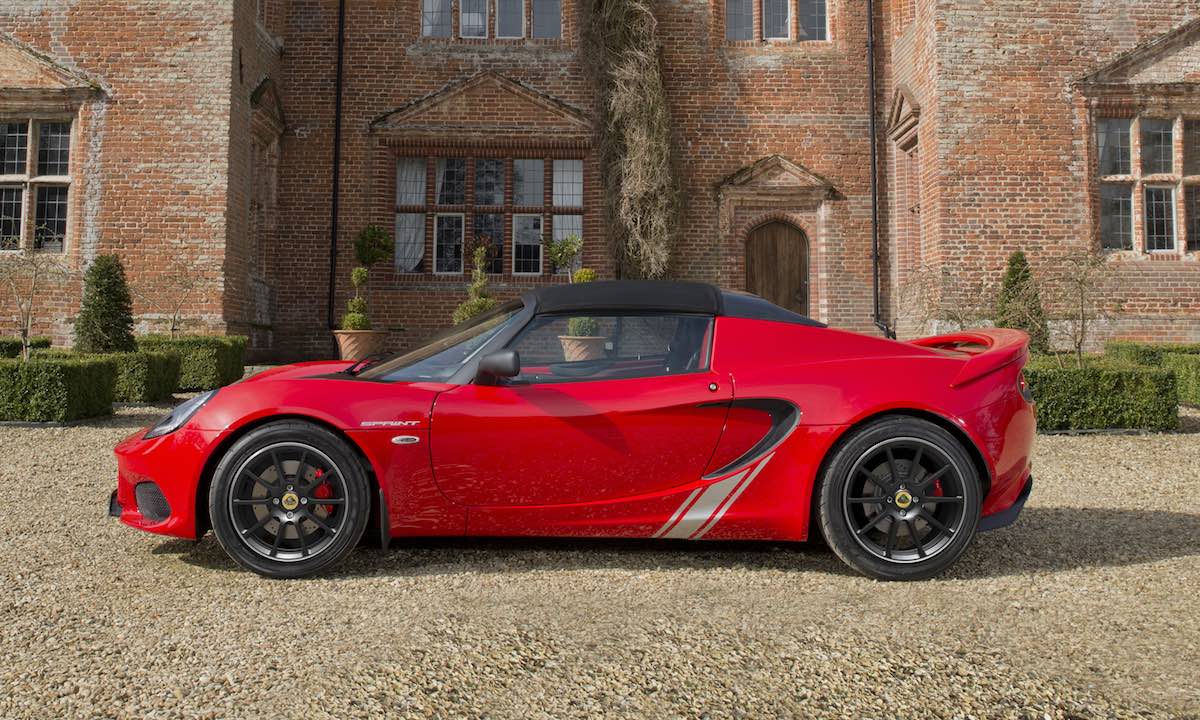
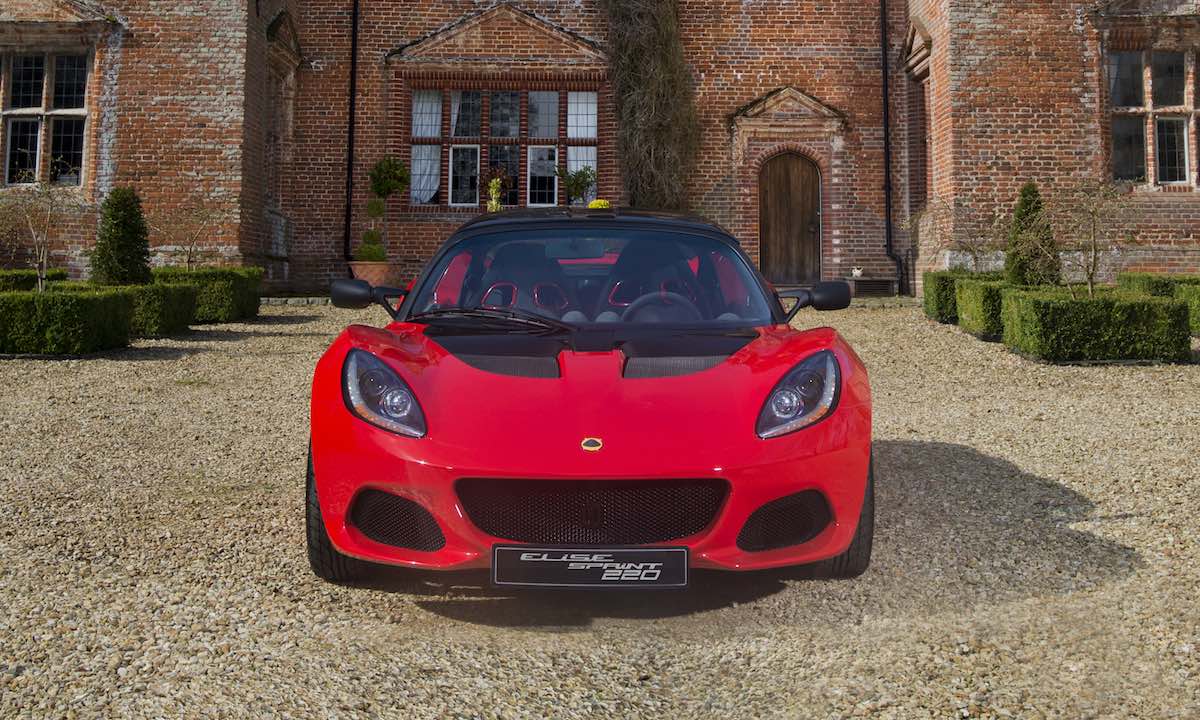
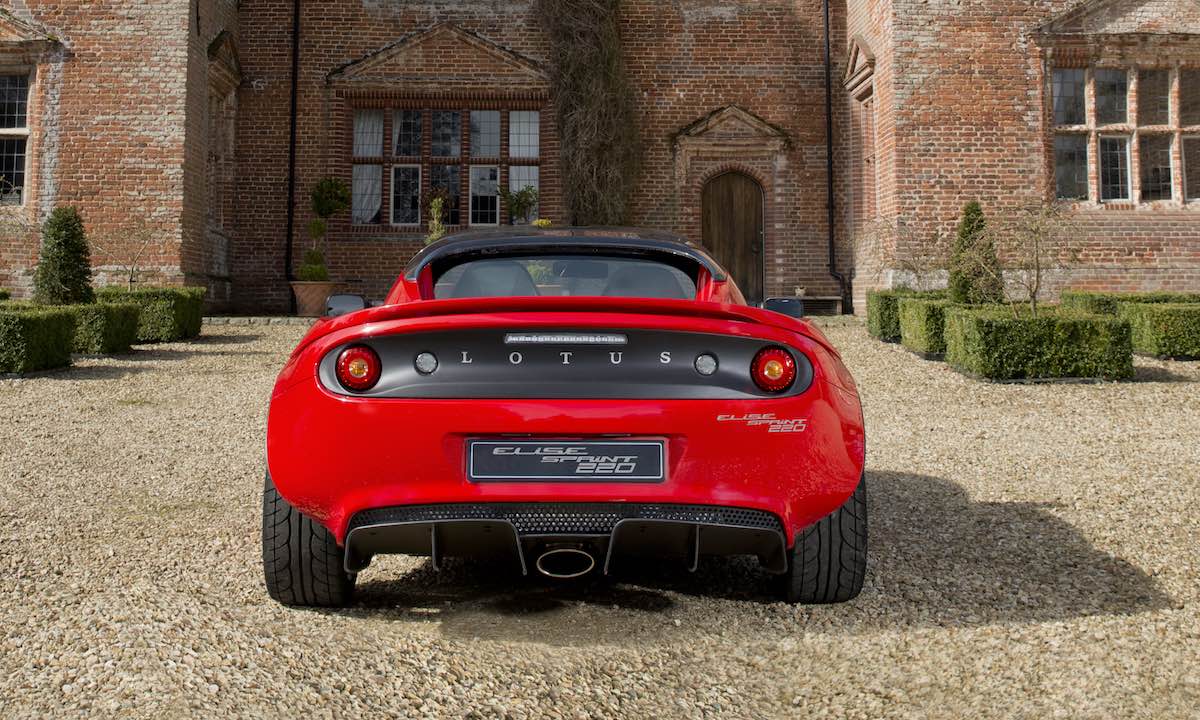
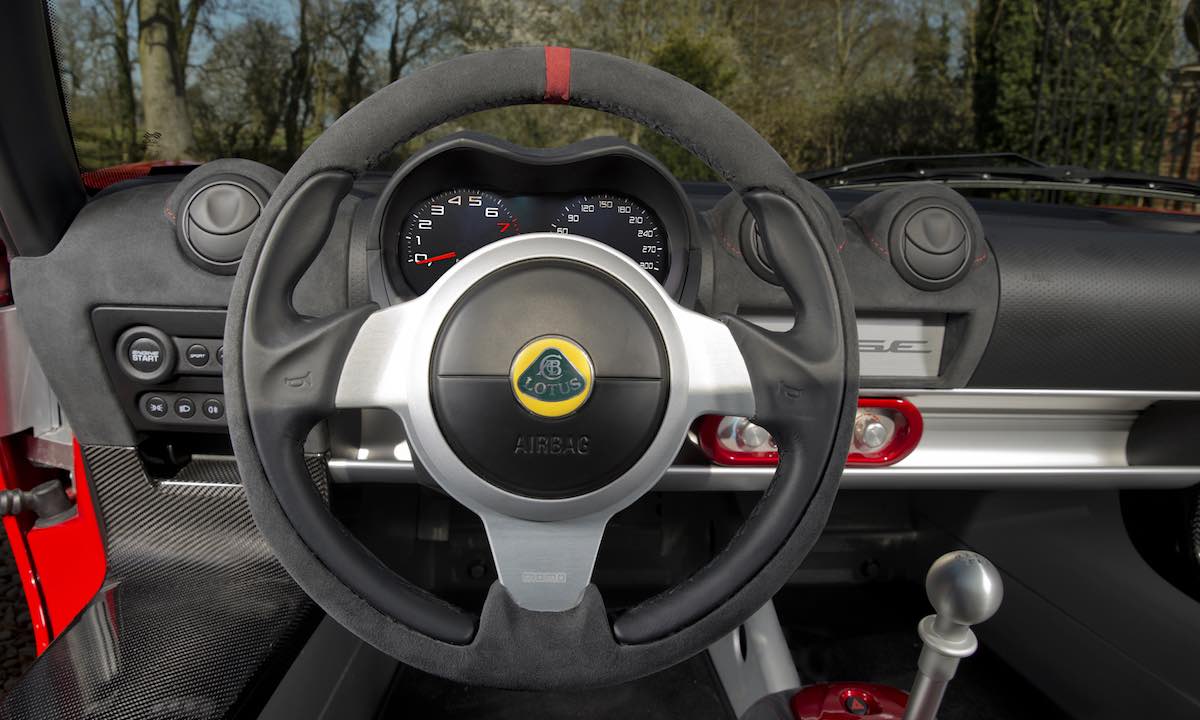
Lotus has done what many would have thought impossible, and reduced the weight of its already tiny Elise sports car to create the Lotus Elise Sprint.
The new diet has brought the featherweight Elise’s weight down by 41kg to just 798kg (dry weight, not kerb weight). Continuing the model’s evolution since first being unveiled more than 20 years ago, the Elise Sprint features more carbon fibre and other weight-saving measures to bring its dry weight below 800kg – which is frankly tiny for a modern car of any description.
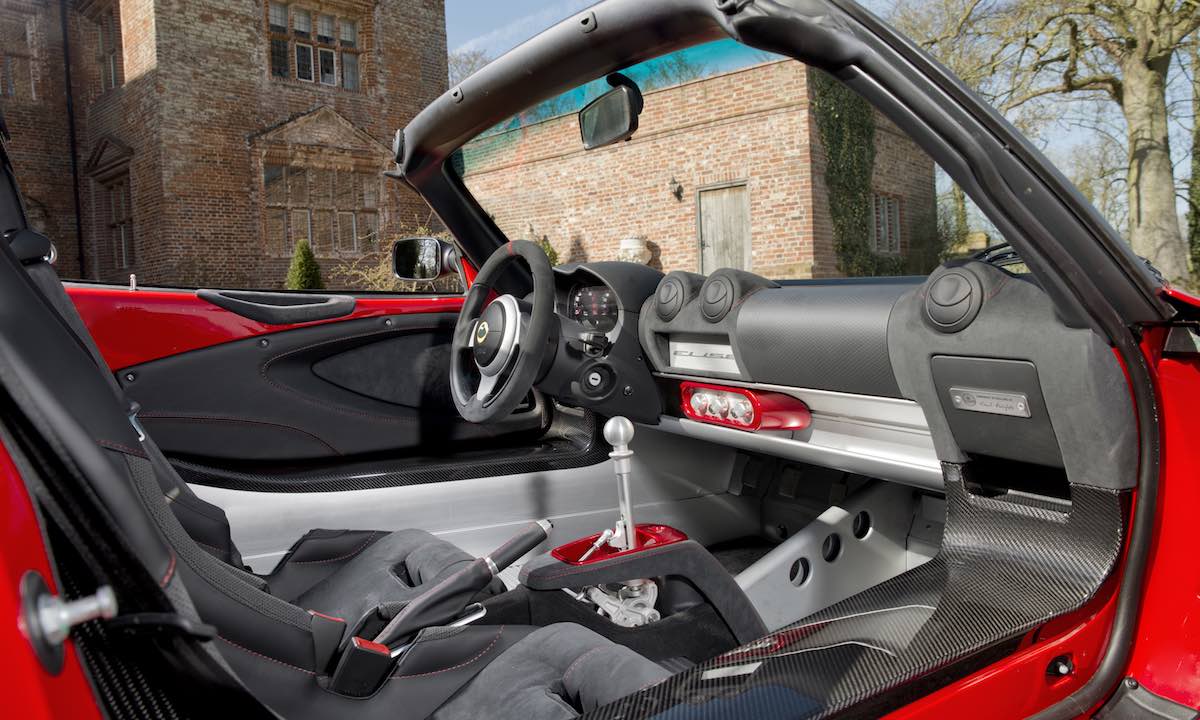
Following founder Colin Chapman’s mantra of “adding lightness”, Lotus has replaced the conventional battery with a lithium-ion unit, saving 9kg. New lightweight alloy wheels have saved 5kg, while the rear windscreen is now polycarbonate rather than glass, saving another 6kg. Carbon fibre has been used to good effect, being used for new racing seats, access panel, roll hoop cover and engine cover.
Revisions to the front and rear styling have also contributed 10kg in weight reduction, which will be rolled out across the Elise range and not limited to the Elise Sprint. The same applies to the beautiful open-gate manual gearbox, which saves another kilo. The final claimed weight for the Elise Spring also includes optional, lighter brake discs (a 4kg saving) and carbon sill covers (saving just under a kilo).
Styling tweaks to the Elise Sprint models include a matt black transom panel in front of the windscreen, black-painted alloy wheels, some go-faster stripes and badging. Inside, seat inserts have been colour-coded to the bodywork, as has the transmission console and HVAC panel. Alcantara trim on the doors, sills, seats and vent surrounds is available at extra cost.
Two engines are available across the Elise range, and have not changed for 2017. A 1.6-litre naturally-aspirated unit produces 135hp, while the 1.8-litre supercharged unit produces 220hp. Lotus has spent time improving the “aural appeal” of the 220hp engine option. The company claims that the 1.8-litre supercharged Elise 220 (in Sport or Sprint trims) is “the best-sounding four-cylinder car on the market”.
Lotus Elise Sprint – exterior
1 of 5
Lotus Elise Sprint
Lotus Elise Sprint
Lotus Elise Sprint
The weight reduction programme is claimed to improve 0-62mph acceleration of the Elise Sprint to just 5.9 seconds.
The whole Elise line-up has been upgraded at the same time as the Sprint model is launched. As mentioned, the revised front and rear assemblies have saved a total 10kg in weight. At the front, a lighter clam panel and wider grille apertures have saved 8.7kg. At the rear, two of the tail lights have been ditched and the rear fog lights have been repositioned, saving 300g and visually boosting the appearance. The open-gate gearbox is now standard across the range, and promises a better shift as well as a gloriously technical look.
In a nod to life in the 21st century, all Elise models can now be ordered with a new stereo featuring iPod and Bluetooth connectivity. Not as standard, obviously, but available. And a new “electric light blue” paint finish has been added to the colour palette.
With the reduced weight and altered weight distribution, Lotus has also worked to balance the Elise’s aerodynamics with vanes and elements underneath the bodywork to reduce drag and increase stability.
Lotus has built about 33,000 Elise models in various configurations since 1994, and the latest versions are on sale now. First deliveries are expected from April.
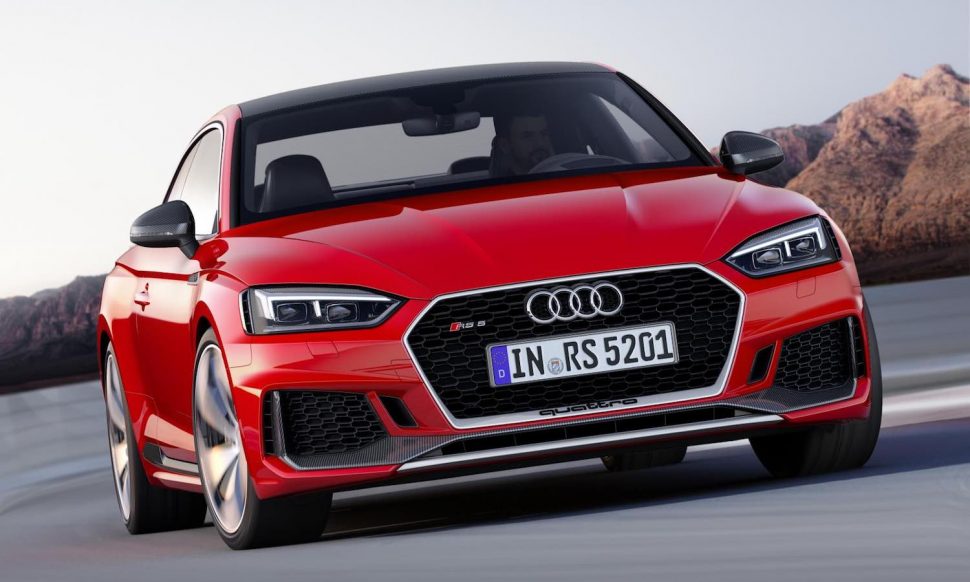
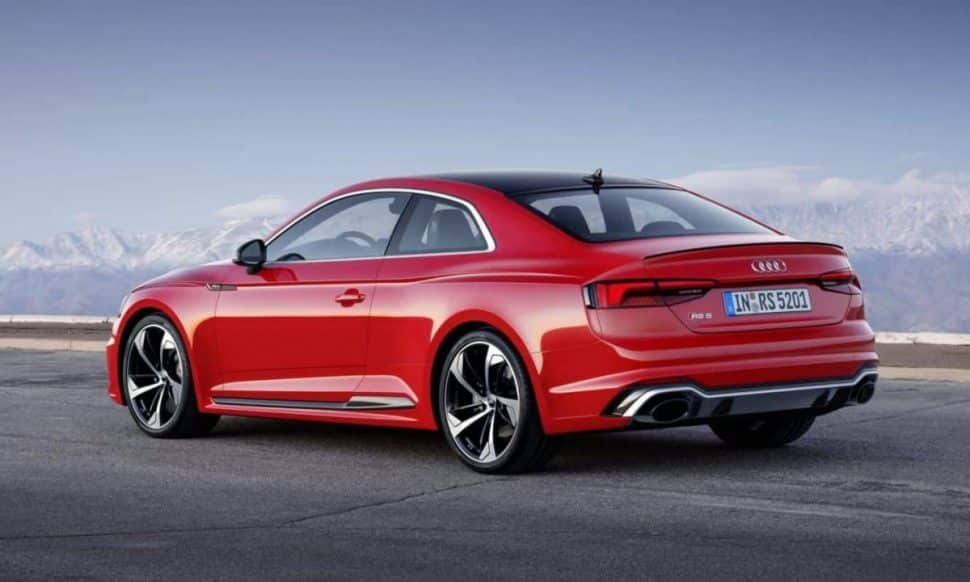
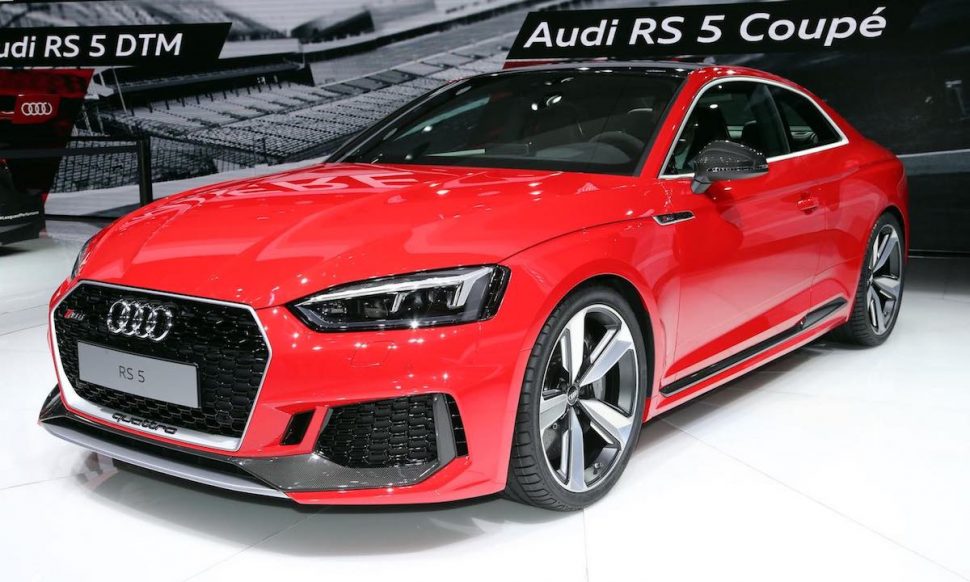
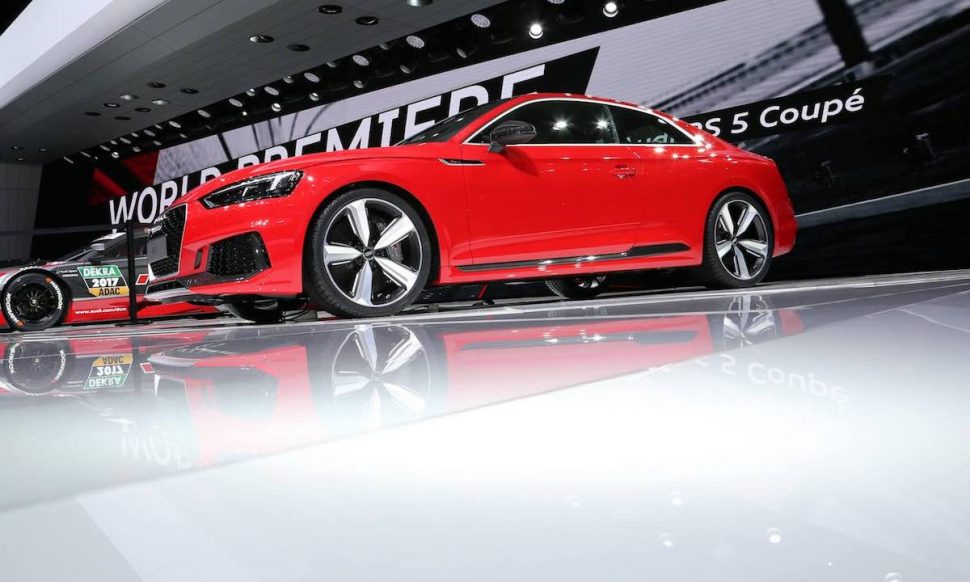
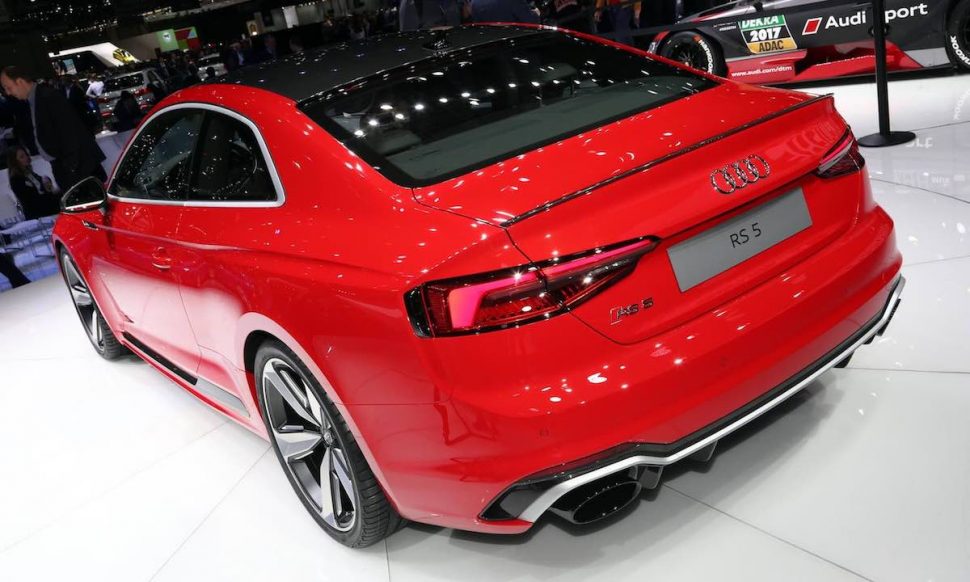
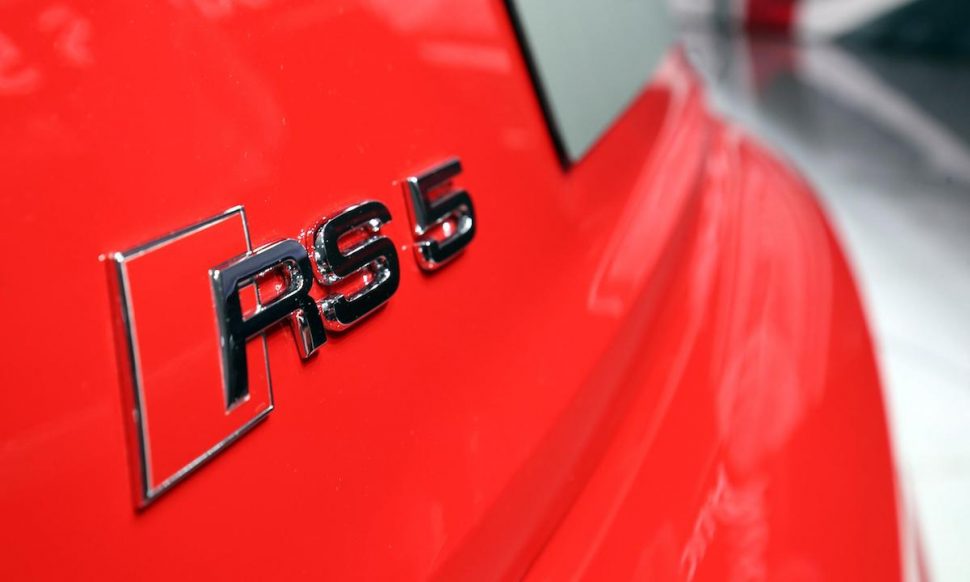
The all-new Audi RS 5 Coupe made its debut at the Geneva motor show last week, representing the apex of the new A5 range that has rolled out over the last six months.
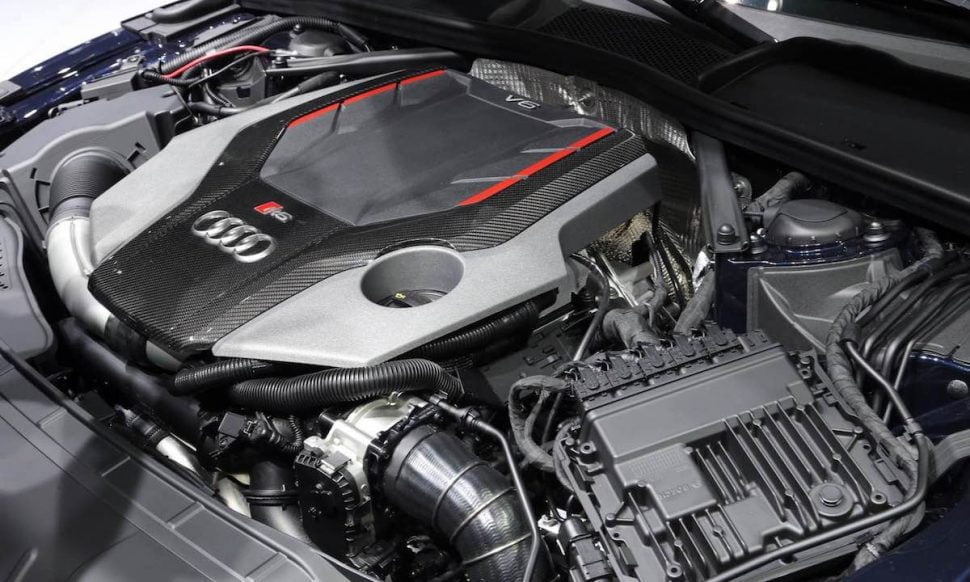
The second-generation Audi RS 5 has a new 2.9-litre twin-turbo V6 engine to replace the old model’s 4.2-litre naturally-aspirated V8 unit. The new engine, which has already been seen in sister brand Porsche’s Panamera, produces the same 450hp as the previous model, but with an increase in torque – now at 60Nm – across a wider range. The new engine is almost certain to be fitted into the new Audi R8 at some stage soon as well.
As well as improved output from the engine, the new RS 5 has been on a diet, weight has reduced by 60kg over the previous model. As a result, Audi claims that the 0-62mph time has reduced to 3.9 seconds, half a second quicker than its predecessor. The lower kerb weight should also result in improved handling, something the original RS 5 was heavily criticised for.
The quattro all-wheel drive system distributes drive to the front and rear axles in a 40:60 ratio, giving the new RS 5 a slight rear-wheel-drive bias. A torque vectoring sports differential will be available at additional cost.
Interestingly, Audi has replaced the old car’s double-clutch automatic gearbox with an old-school torque converter automatic transmission, although it has eight ratios compared to seven previously. This is presumably an attempt to improve emissions and fuel consumption on the official test cycle, rather than a decision to improve the driving experience.
The weight of the RS 5 has been reduced by 60kg. An optional carbon roof and ceramic brakes offer scope to reduce this further at extra cost.
The new Audi RS 5 is allegedly the first car to benefit from Audi Sport’s new design philosophy, though as with any Audi design evolution, it is an extremely subtle shift in direction. Inspiration has been drawn from the Audi 90 quattro IMSA GTO racing car from the 1990s, though you would need to be a bit of an Audi fanatic to spot that.
Audi Sport claims that the koala-nose radiator grille (not an official term…) is wider and flatter than the regular A5, and the front and rear wheel arches have been pumped out in the usual RS style.
The new RS 5 comes with 19-inch alloy wheels as standard, with 20-inch wheels available. Customers can choose from the usual gloss black, carbon and matt aluminium packages, whilst Audi Sport offers an exclusive metallic Sonoma green paint finish.
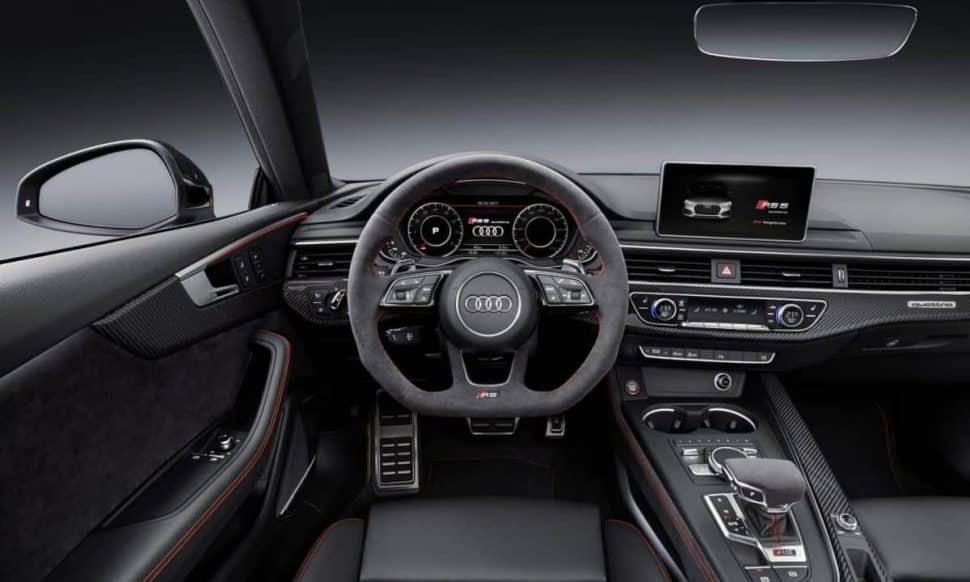
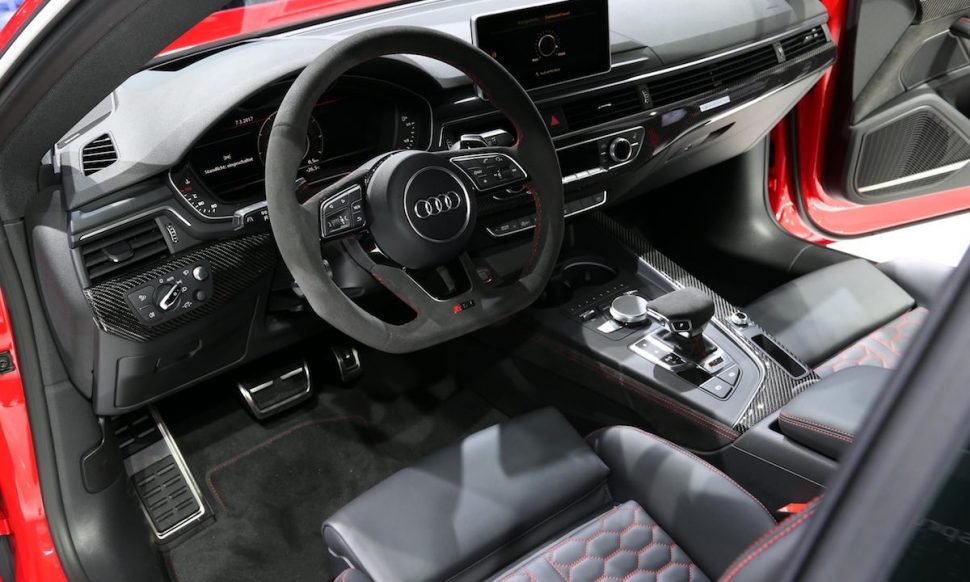
Inside, the cabin gets the traditional RS treatment, with red highlights and stitching on the steering wheel, selector lever, seats and seat belts. The leather sports seats are available with diamond stitching, and RS logos are splashed across the cabin to remind your passengers that this is not a regular A5 diesel. The virtual cockpit display has been upgraded to provide information on tyre pressure, torque and g-forces.
The interior follows the layout established by the rest of the A5 range, and although UK specification has not yet been announced, it is reasonable to expect that the RS 5 will be equipped with a high level of comfort and safety equipment.
Order books for the Audi RS 5 Coupe are due to open in May, and the first customers can expect to take delivery of their cars in the Summer. If you like the sound of the RS 5 Coupe but would prefer it to be a bit more wobbly and blustery, a Cabriolet version is almost certain to be announced in coming months.
An upgraded Toyota Yaris range has gone on sale in the UK, including a new 1.5-litre petrol engine and improved safety features as standard equipment.
The new Yaris is the first vehicle in the Toyota range to use the company’s new 1.5-litre petrol engine. The Toyota Safety Sense package, which includes a pre-collision system, lane departure alert and adaptive cruise control, will feature as standard on all Yaris models.
The new Toyota Yaris made its debut at this month’s Geneva Motor Show, and the vehicle is now available on the UK market with six trim levels to choose from. The slower-selling three-door body style has been discontinued, so all new models will be five-door hatchbacks.
The new 110hp 1.5-litre engine replaces the former 1.33-litre unit. Toyota claims it is 10 per cent more powerful, and will achieve better fuel economy and lower CO2 emissions. It is available with both manual and automatic transmissions.
Additionally, the Yaris Hybrid model has received some extra attention to improve its refinement. A re-engineered subframe for the hybrid components is paired with new engine mounts, front driveshafts and roll restrictor to reduce noise and vibrations under acceleration.
The Yaris’s £78million overhaul also results in changes to the exterior and interior styling of the vehicle, as well as improved equipment specifications across the board.
The Yaris Hybrid has been redesigned to improve refinement
Entry-level Active trim models include equipment such as rain-sensing windscreen wipers, Bluetooth and a six-speaker audio system. Icon is the next trim level up and offers 15-inch alloy wheels, cruise control, the Toyota Touch 2 multimedia system and a rear-view camera. Icon Tech trim adds front parking sensors and Toyota Touch 2 with Go, which includes satnav and access to online services.
Design and Bi-tone models focus mainly on new cosmetic features, such as 16-inch alloy wheels, LED rear lights, rear privacy glass and a rear spoiler. The Bi-tone option offers a choice of contrasting exterior colour options and matching trims for the dashboard and door panels, and also includes power windows and LED daytime running lights.
Finally, the top-of-the-range Excel grade offers automatic headlights and part-leather and Alcantara seat upholstery.
The new Yaris is yet to be tested by Euro NCAP, but its predecessor achieved a five-star rating and the standard fitment of the Toyota Safety Sense package will certainly help the new model.
The new Toyota Yaris range is now available to order from all Toyota dealers.
Nissan has added a new limited-production Black Edition to the LEAF electric vehicle range.Available from now until August, the LEAF Black Edition pricing starts at £26,890 (including the government’s plug-in vehicle grant).
The Black Edition gets the larger 30kWh battery from the LEAF range, which gives an official range of 155 miles. However, as with any official economy and range figures, in the real world this figure is likely to be significantly less. The LEAF Black Edition package is based on the existing Acenta specification, and adds LED headlights, black-painted alloys, black door mirror caps, black roof spoiler, rear privacy glass and 360-degree camera system. And the floor mats get blue stitching. The model is only available in two colours; white or black.As an additional incentive, the first 200 customers to buy a LEAF Black Edition will receive a free wi-fi hotspot capable of pairing with up to eight devices.All LEAF models are currently available with a 0% PCP finance offer with no minimum deposit and three years’ free servicing. In conjunction with the finance offer, Nissan is also offering a year’s free insurance (terms and conditions apply).
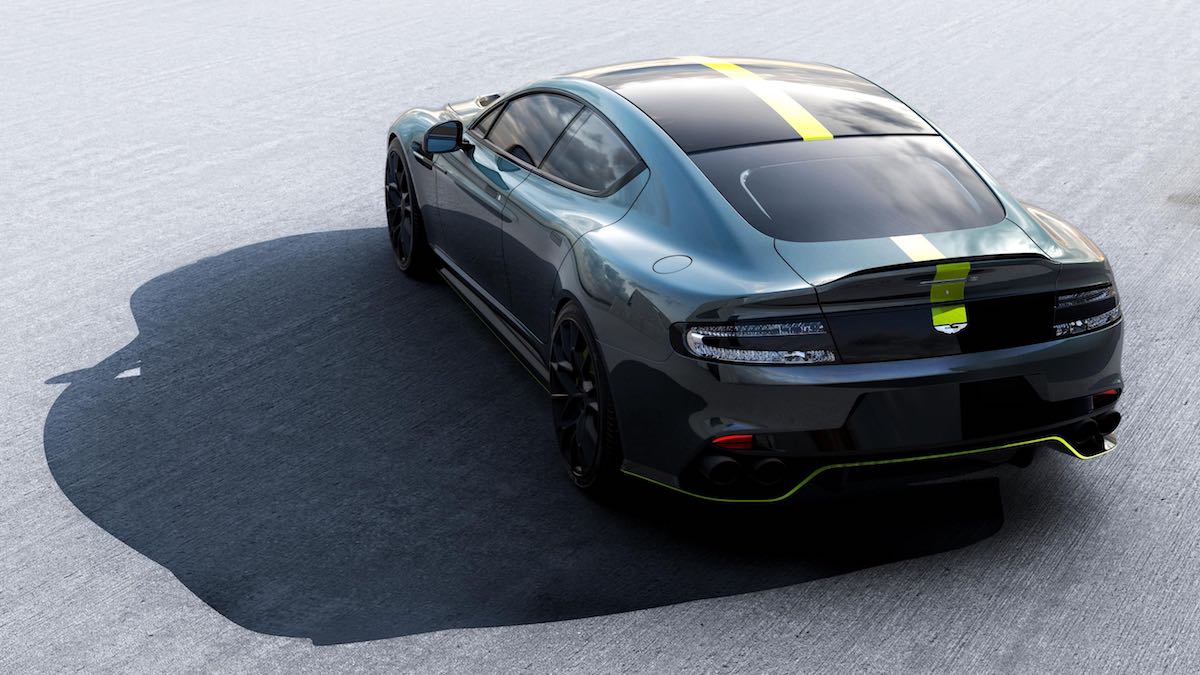
Aston Martin has launched a performance sub-brand called AMR, which will offer higher-performance versions of its core models.
In a similar vein to Mercedes-Benz’s AMG department, or BMW’s M division, AMR will offer motorsport-inspired upgrades to Aston Martin models – and the company hopes that the new programme will become as lucrative as those of its rivals.
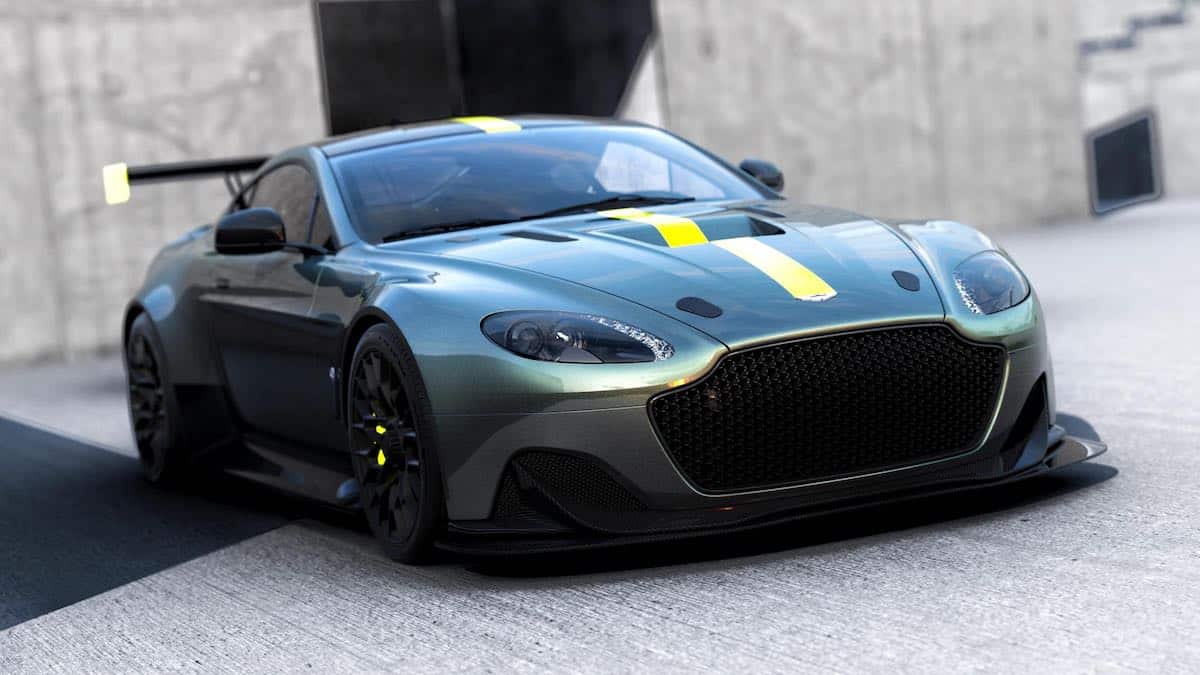
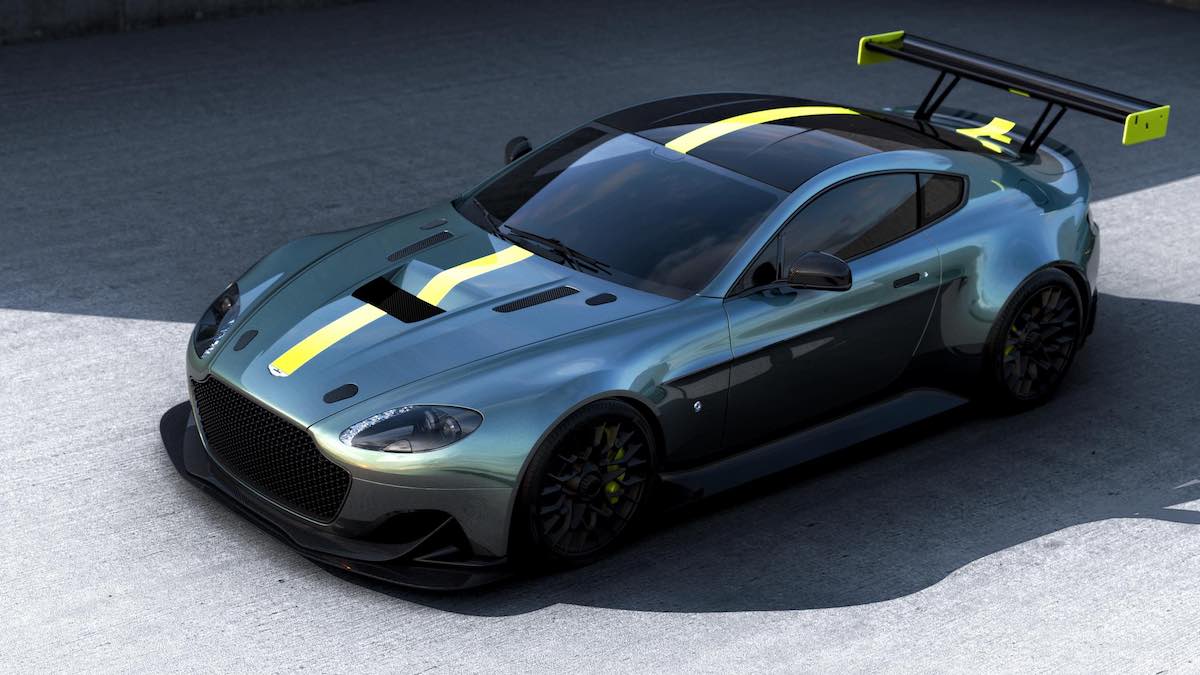
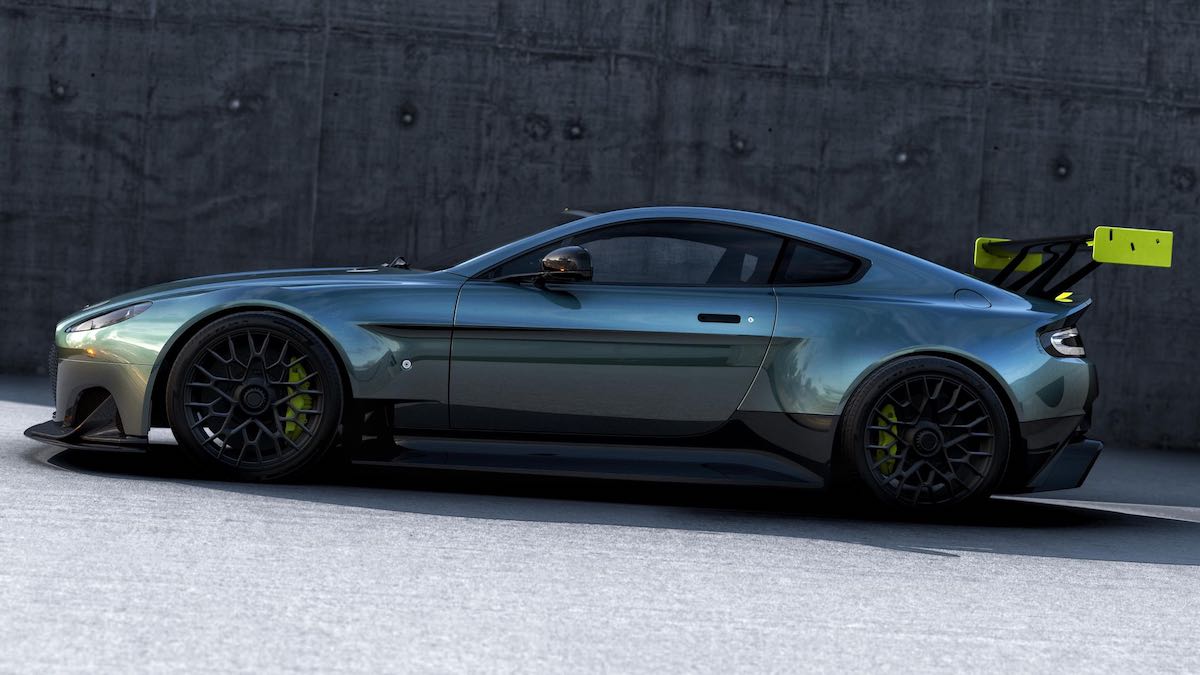
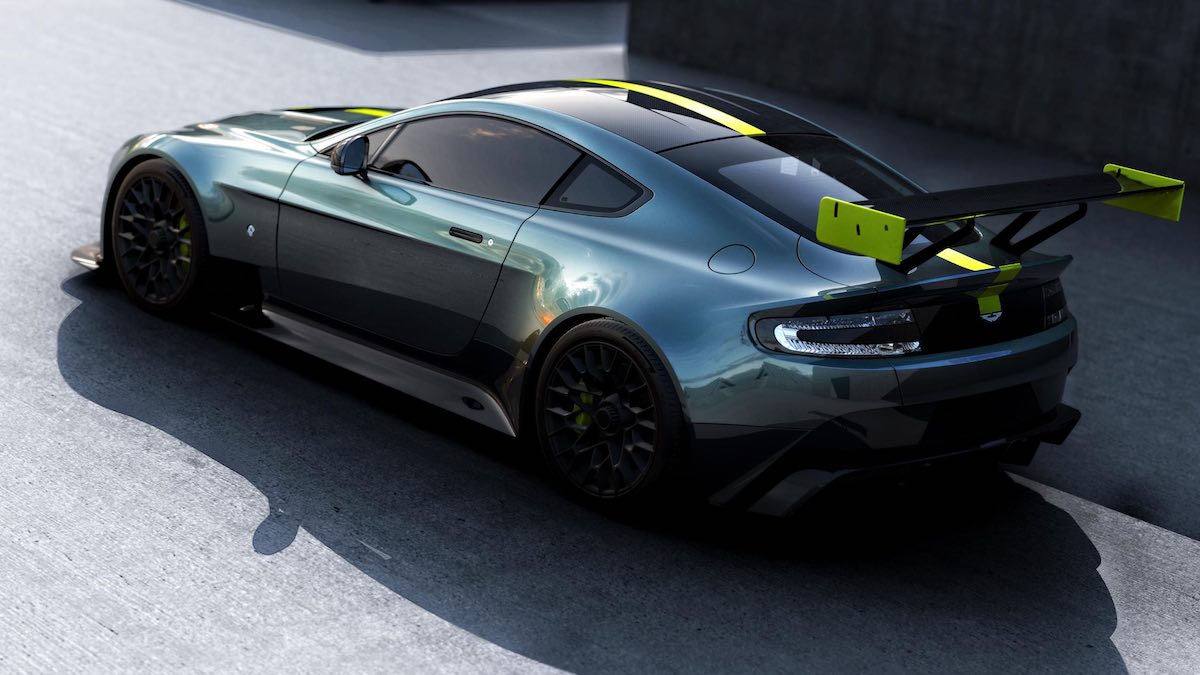
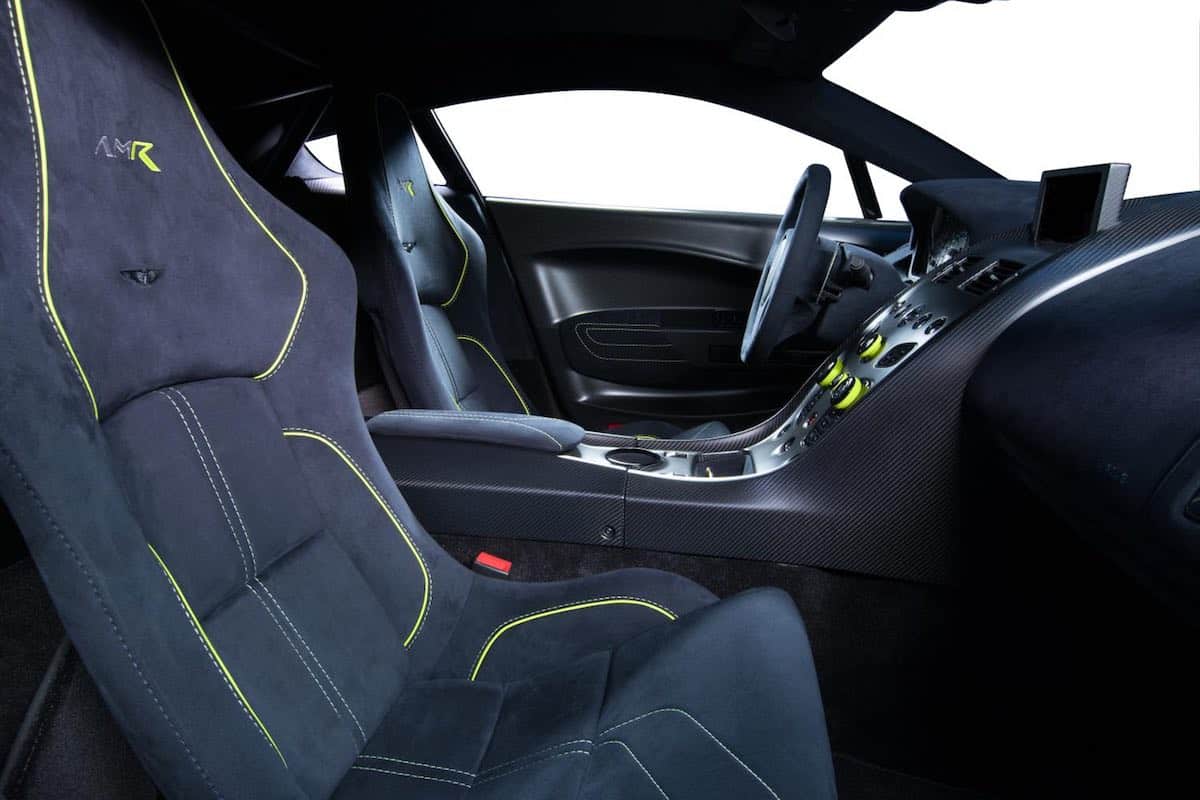
Aston Martin showed off the first two examples of its new performance brand at last week’s Geneva motor show; the Rapide AMR and the Vantage AMR Pro. The vehicles demonstrate the two tiers of upgrades planned, although both are still concepts at this stage.
The first tier AMR models will be developed alongside the regular models, much like an “M-Sport” specification BMW or an “S” specification Audi. The more highly-developed AMR Pro models, however, will be developed separately by Q by Aston Martin Advanced Operations, the company’s in-house personalisation and performance department. Q Branch was responsible for developing the mighty track-only Aston Martin Vulcan, as well as the Vantage GT12 and GT8 models.
Marek Reichman, Aston Martin’s chief creative officer, described the positioning of the new factory speed shop: “AMR enables us to take Aston Martin into a new dimension. One where we can turn-up the sporting DNA present in all of our models and make a true statement.
“An AMR model will have an instantly-recognisable design language. One that accentuates and amplifies, together with the latest GT race car technology for the road. They will be special and rare cars that are credible, thrilling to drive and hugely desirable to own.”
The two concept vehicles displayed in Geneva were the Rapide AMR and the Vantage AMR Pro.
Aston Martin Rapide AMR
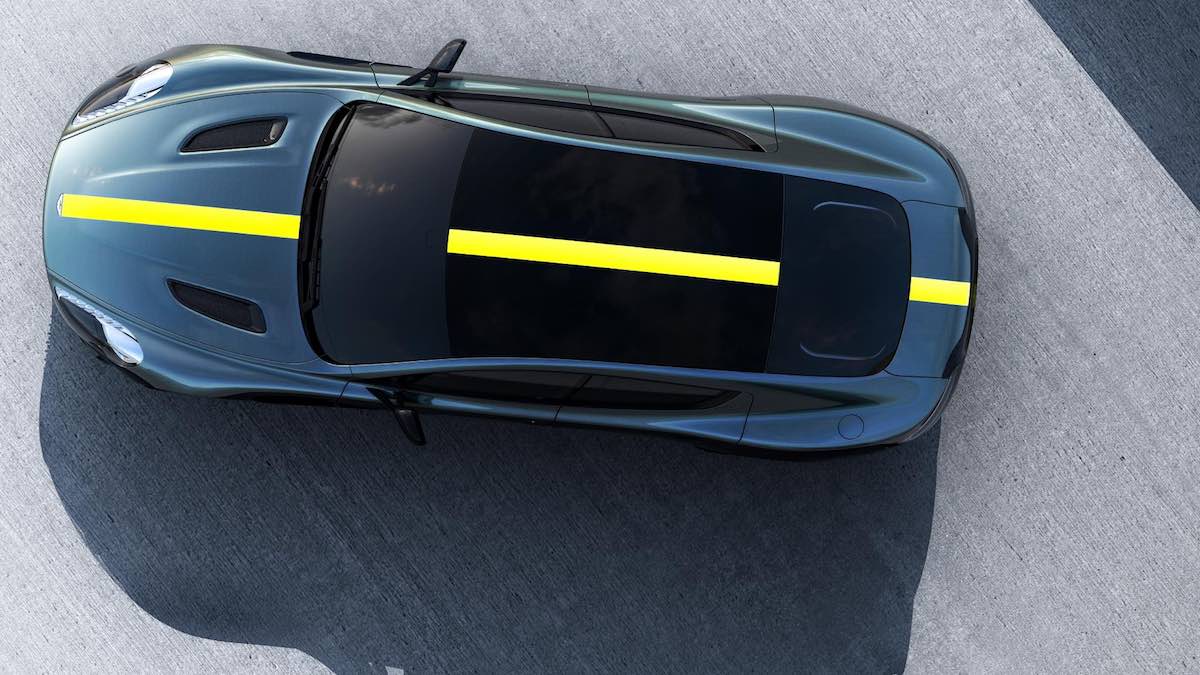
The Rapide AMR represents what Aston Martin calls “tier one” of the AMR programme. The AMR line is aimed at a level below the Vantage GT8 and GT12 models, offering race-inspired styling and limited performance updates but stopping short of the more extreme models. The company plans an AMR version of every model in the range.
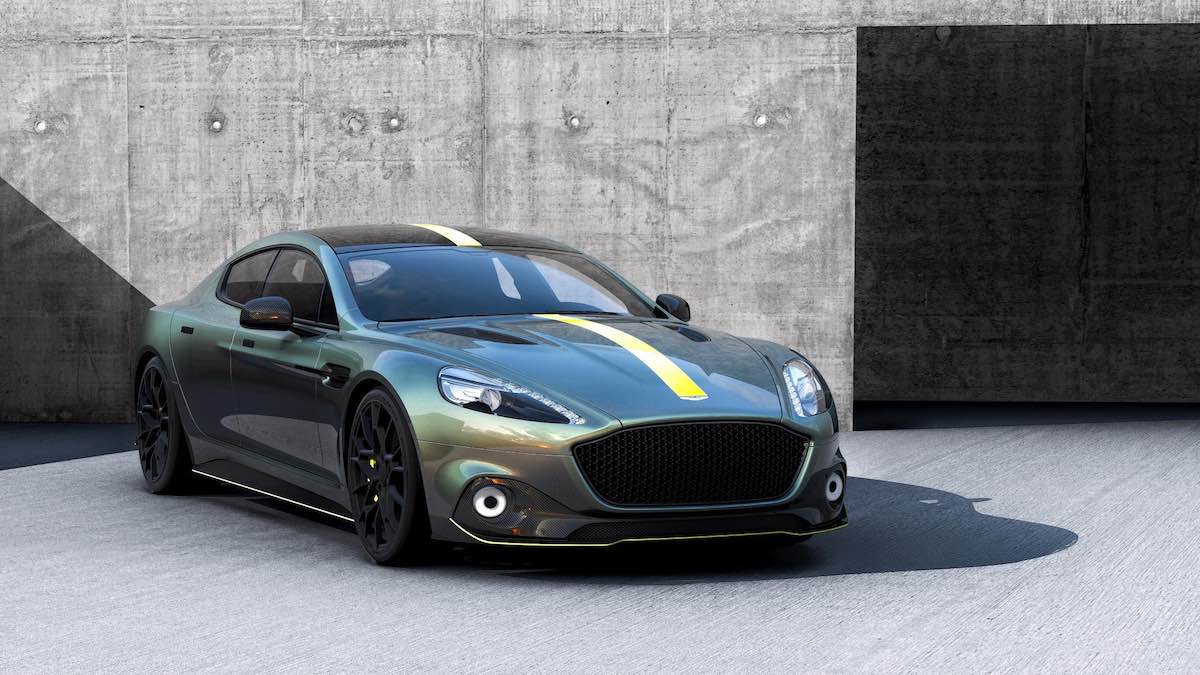
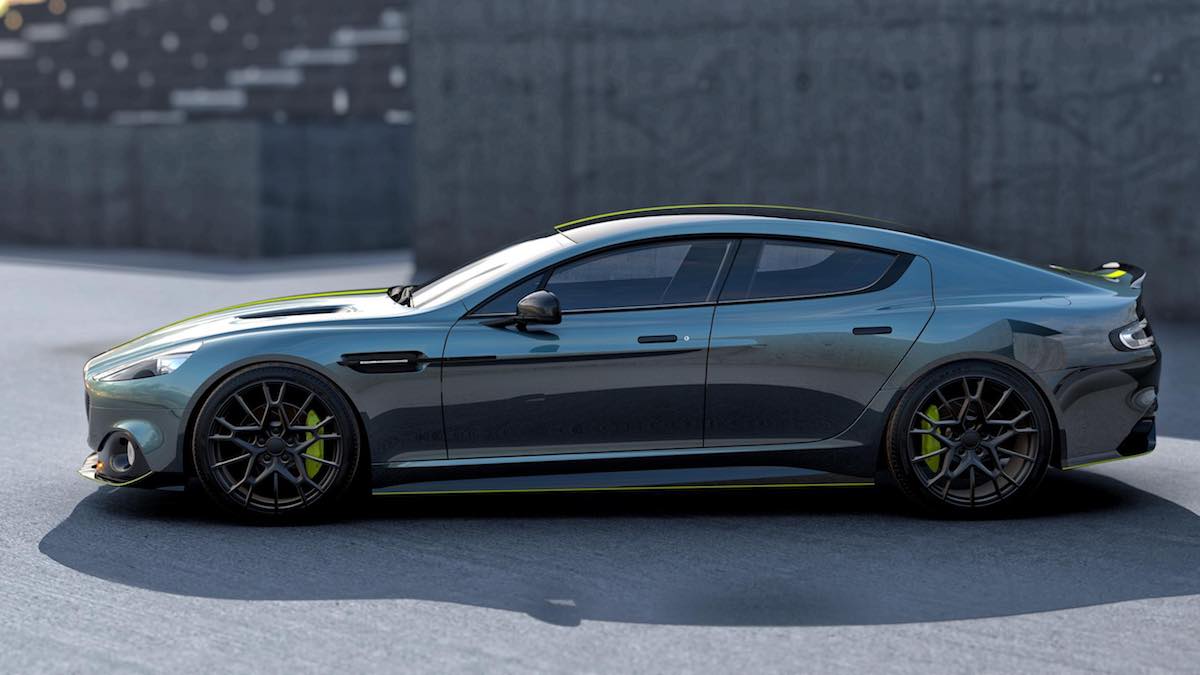
The Rapide AMR’s 6.0-litre V12 engine gets a 40hp boost over that in the regular Rapide S, up to 600hp and channelling its increased output through a new quadruple exhaust system.
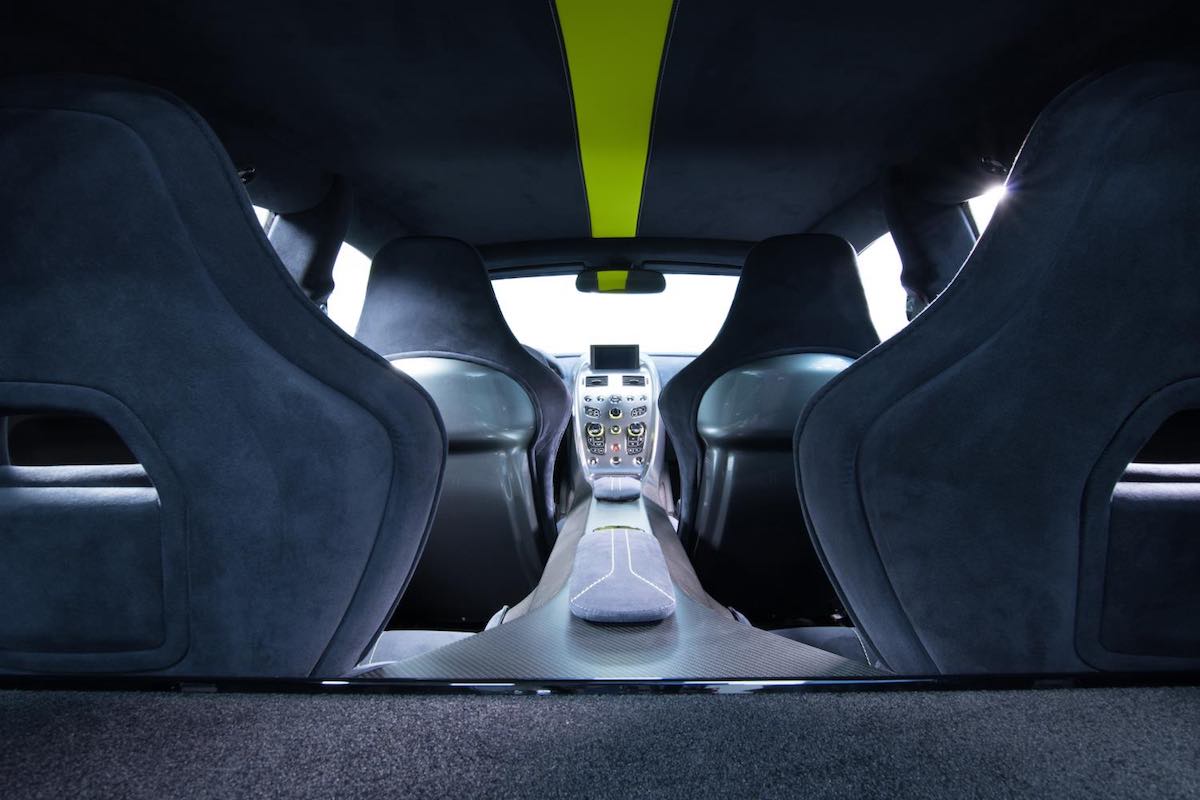
Visually, the Rapide AMR is distinguished by a new front bumper/splitter/grille combo, rear bumper/diffuser and integrated rear decklid spoiler, along with a new set of 21-inch wheels. Carbon fibre is splashed across various trim bits and pieces, and the whole thing is topped off with a “vibrant” lime green stripe. Inside there is a special order of alcantara and carbon fibre, again with bright green accents.
Aston Martin describes the Rapide AMR as “a fabulous fusion of race car attitude with a luxurious crafted twist”. It has committed to a production run of 210 cars, which will presumably see the Rapide through to the end of its life cycle.
Aston Martin Rapide AMR
1 of 5
Aston Martin Vantage AMR Pro
The Vantage AMR Pro is a track-only, more extreme development over the standard production model. Power jumps from 430hp (standard Vantage S) to 507hp in the Vantage AMR Pro, using a development of the engine used by the GT4 racing Vantage.
The factory racing programme has also donated a range of components for the Pro-spec Vantage. Adjustable suspension and competition-spec solid mountings for the engine and transmission are part of the package, as are centre-lock 19-inch racing wheels with semi-slick Michelin Pilot Cup 2 tyres.
The bodywork also gets a helping hand from the championship-winning WEC team, with the bonnet and rear wing coming straight from Aston’s Le Mans challenger. This is matched with a new front bumper/splitter/valance/grille assembly, new front wings, side sills and rear bumper/diffuser. And, of course, the lime green go-fast stripe.
Step inside the Vantage AMR Pro and you will find that Q Branch has installed a bespoke roll cage, as well as lashings of carbon fibre and alcantara (with the obligatory lime green highlights).
Aston Martin has said that it plans to build “no more than seven” of the Vantage AMR Pro models. Pricing was not disclosed, but it’s reasonable to assume that you will pay a handsome sum for the privilege of a Vantage AMR Pro.
The Geneva motor show is always an amazing event, with more new metal than you can possibly get around to seeing unless you spend the show’s whole two-week run poking around every car on every stand.
This year’s event certainly lived up to expectations, with dozens of fantastic new production and concept cars being unveiled and launched. We’ve covered as many as we could in the last week, but there were many more we didn’t have time to include.
So, what were the absolute highlights of a Geneva motor show filled with highlights? Here’s our stab at it, but you may have your own favourites.
New supercars
The Geneva motor show is traditionally the show of choice for supercar manufacturers to launch their latest rocketships into public view, and 2017 was no exception.
The Ferrari 812 Superfast caused the biggest traffic jam at Palexpo, as almost everyone in the building crammed around to see the covers being pulled off Ferrari’s new flagship. With 800hp on tap, the 812 Superfast has some 60hp more than its already-very-fast predecessor, the F12 Berlinetta. So it will be Superfast by name and nature.
The McLaren 720S is the first of a new generation of McLaren Super Series models, and the vital statistics suggest a massive jump in performance over the 650S it replaces. The panda-eyed McLaren also goes head-to-head with Ferrari’s 488 highly-acclaimed GTB, so we all await the inevitable comparisons which will fill car magazines over the next year.
Ferrari 812 Superfast
McLaren 720S
Aston Martin Valkyrie
Lamborghini Huracan Performante
Lamborghini Aventador S
Aston Martin revealed a name and some more information about its upcoming hypercar, designed and developed with legendary F1 designer Adrian Newey. The Aston Martin Valkyrie will cost about £2 million, and the company claims that it has already sold every vehicle in the strictly limited production run.
Lamborghini showed off its new Huracan Performante, a powered-up and stripped down version of the regular Huracan V10 coupé, along with the new flagship V12 model, the Aventador S.
Pagani had a convertible version of its amazing Huayra supercar on show. Only 100 will be built, so if you’ve already missed out on a Valkyrie then you’d better get in quick.
One of the more unexpected supercar launches was the all-new RUF CTR Yellowbird. Yes, it is definitely all new, despite the fact that it looks just a restomodded 1980s Porsche 911. To celebrate the 30-year anniversary of the original CTR, RUF has built a bespoke carbon monocoque and steel frame, which holds a 700hp 3.6-litre flat-six engine (again, all new and allegedly sharing no parts with a regular Porsche 911 flat-six engine).
Next page:SUVs galoreRUF CTR Yellowbird 2017
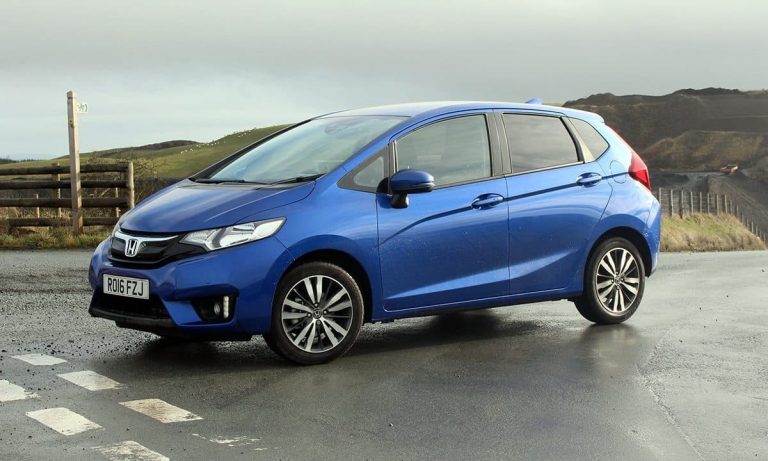
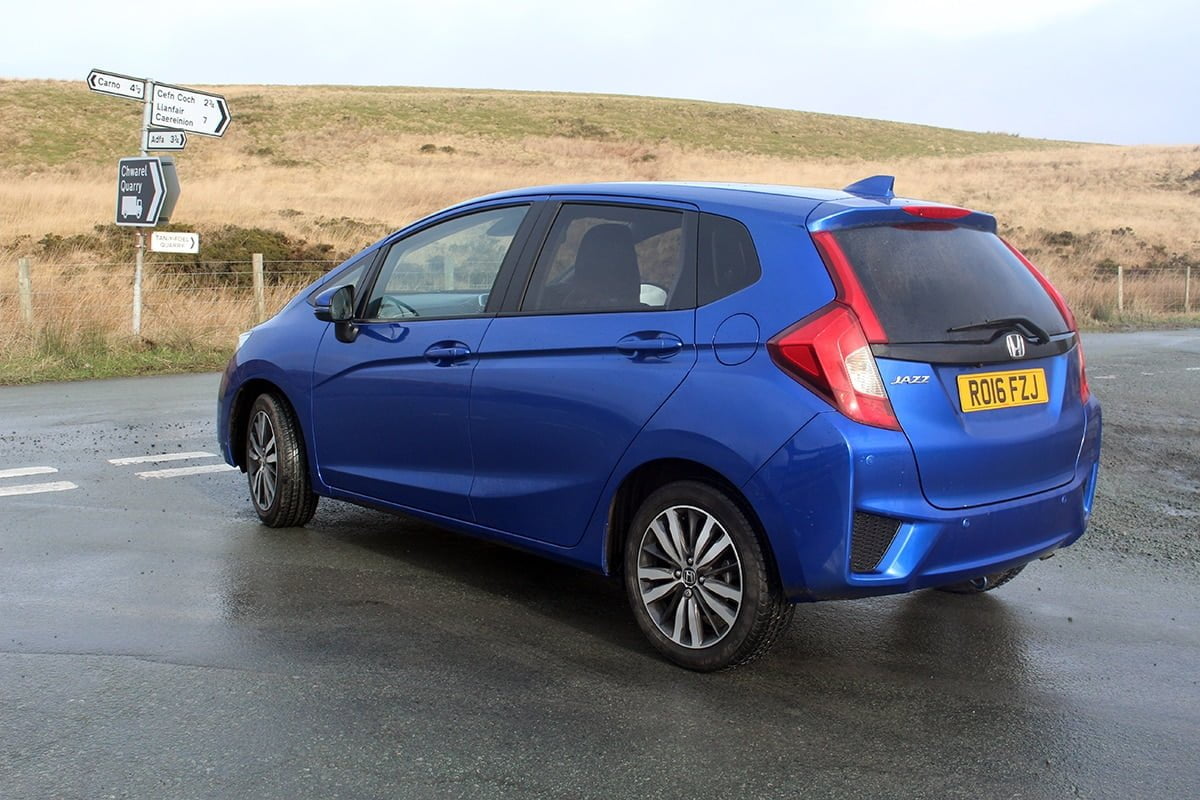
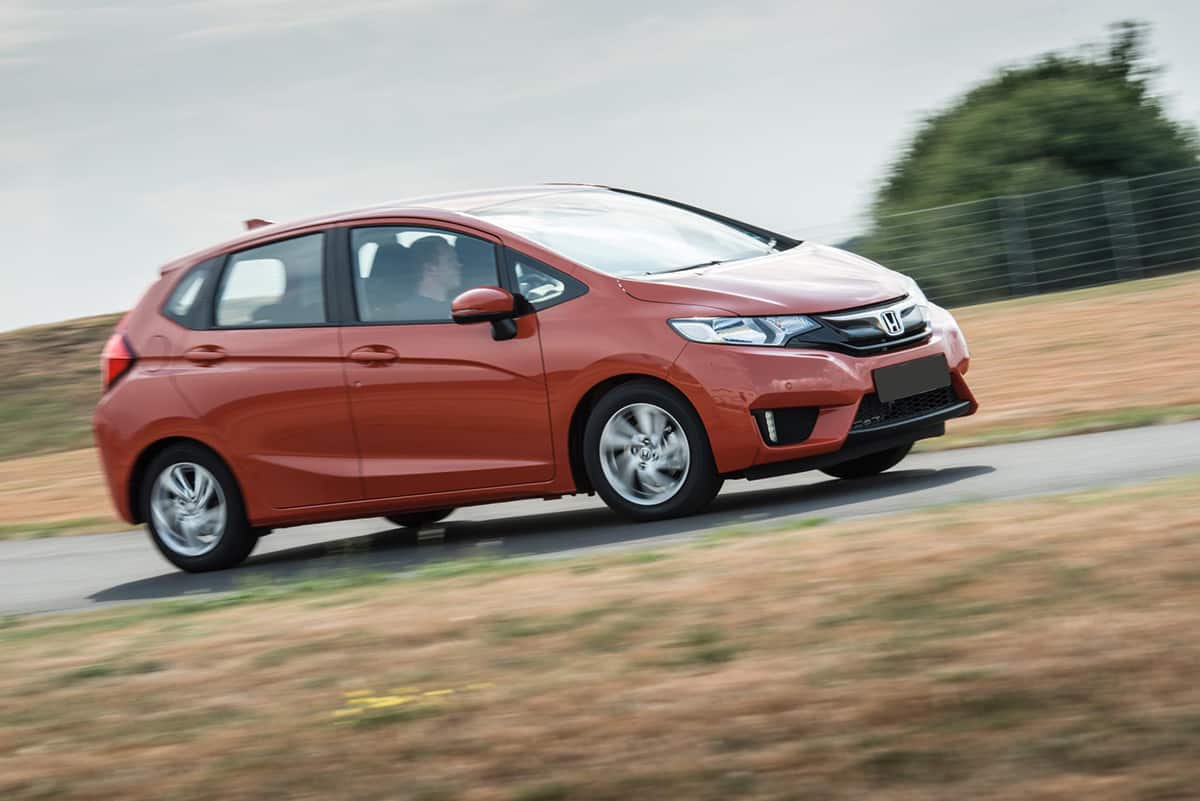
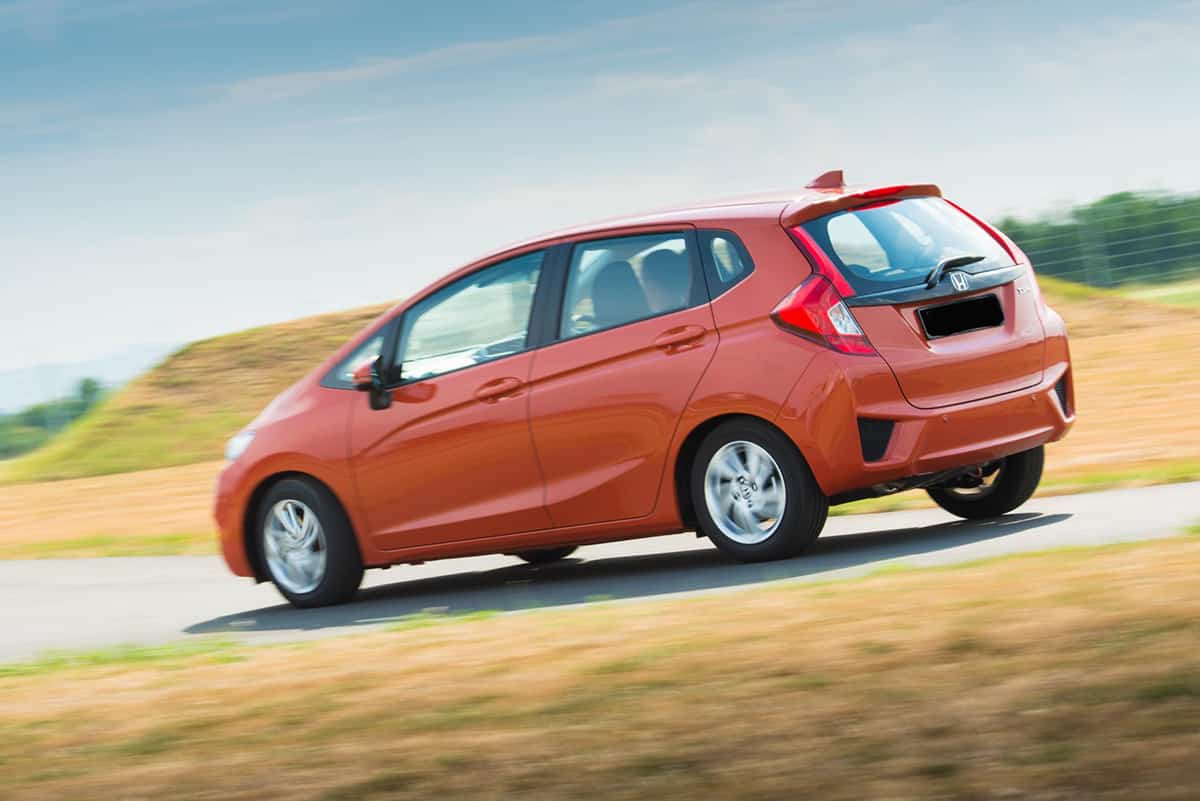
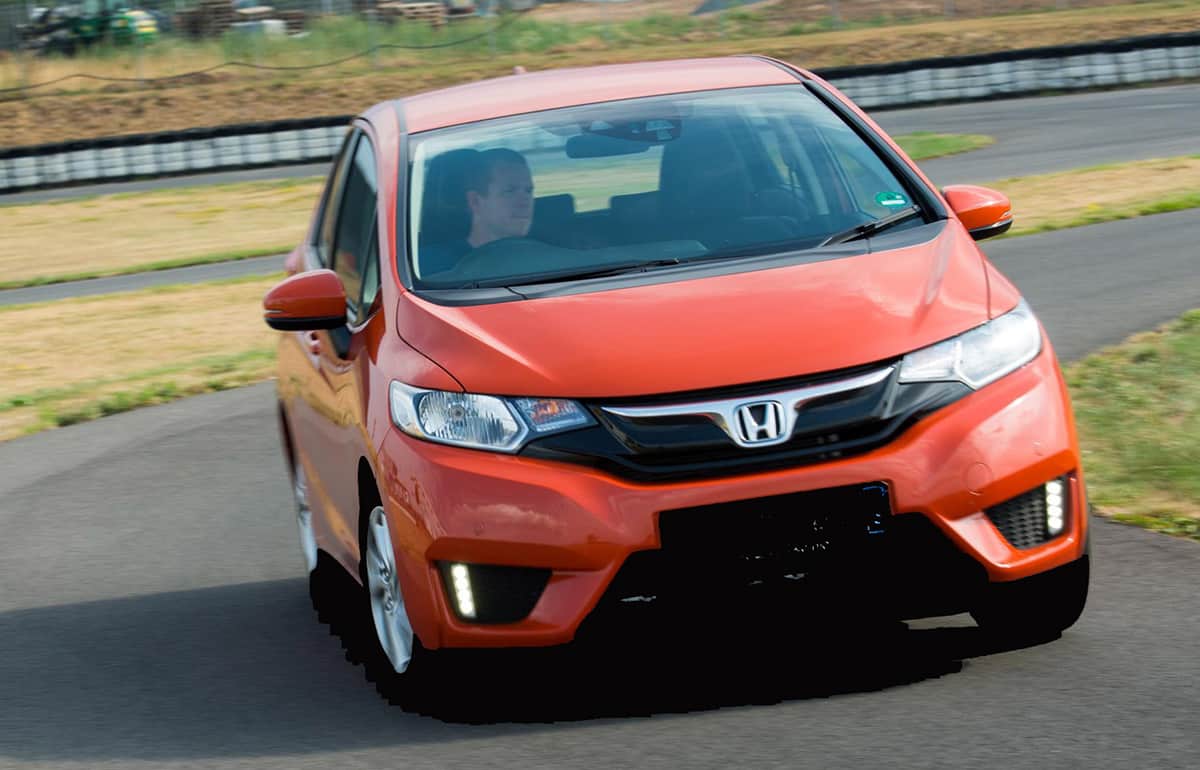
What is it: The current Honda Jazz is the third generation of the brand’s core supermini. Key features: Completely new look, improved interior space, more tech. Our view: The Honda Jazz scores adequately in all areas, and highly for its equipment. In terms of space rivals cannot compare with it. Review type: Full road test.
Is the Honda Jazz a misunderstood car? Despite concerted marketing efforts by its makers – partiularly at the launch of the third-generation version in 2015 – the Jazz has never quite shaken its reputation as a car bought by the more mature motorist.
There is a perfectly good reason for this, however. With age comes experience, the ability to recognise a good value, practical product. Perhaps the Jazz has an elder following because of all the basic things it does rather well.
The 2015 redesign was no mere cosmetic exercise. It involved a complete ground-up renewal, the car built onto Honda’s latest B-segment platform shared with the HR-V crossover. Combined with an exterior length extended by 95mm, the wheelbase by 30mm, the result was much better use of the interior space and the fitting of Honda’s clever Magic Seats system, more on which shortly.
Lighter weight and an updated chassis were other factors suggesting that this Jazz should be a significant improvement.
Exterior and interior design
The Honda Jazz has never looked like a typical supermini, its profile suggesting more mini MPV. The 2015 update served to add muscle to the profile with bolder lines, a distinct sliced horizontal line and the addition of the family face with its ‘X’ shape on the front end.
It may be different, but it is not a bad direction to go in. Instead of the friendly curviness of typical superminis, the Jazz presents a more purposeful stance.
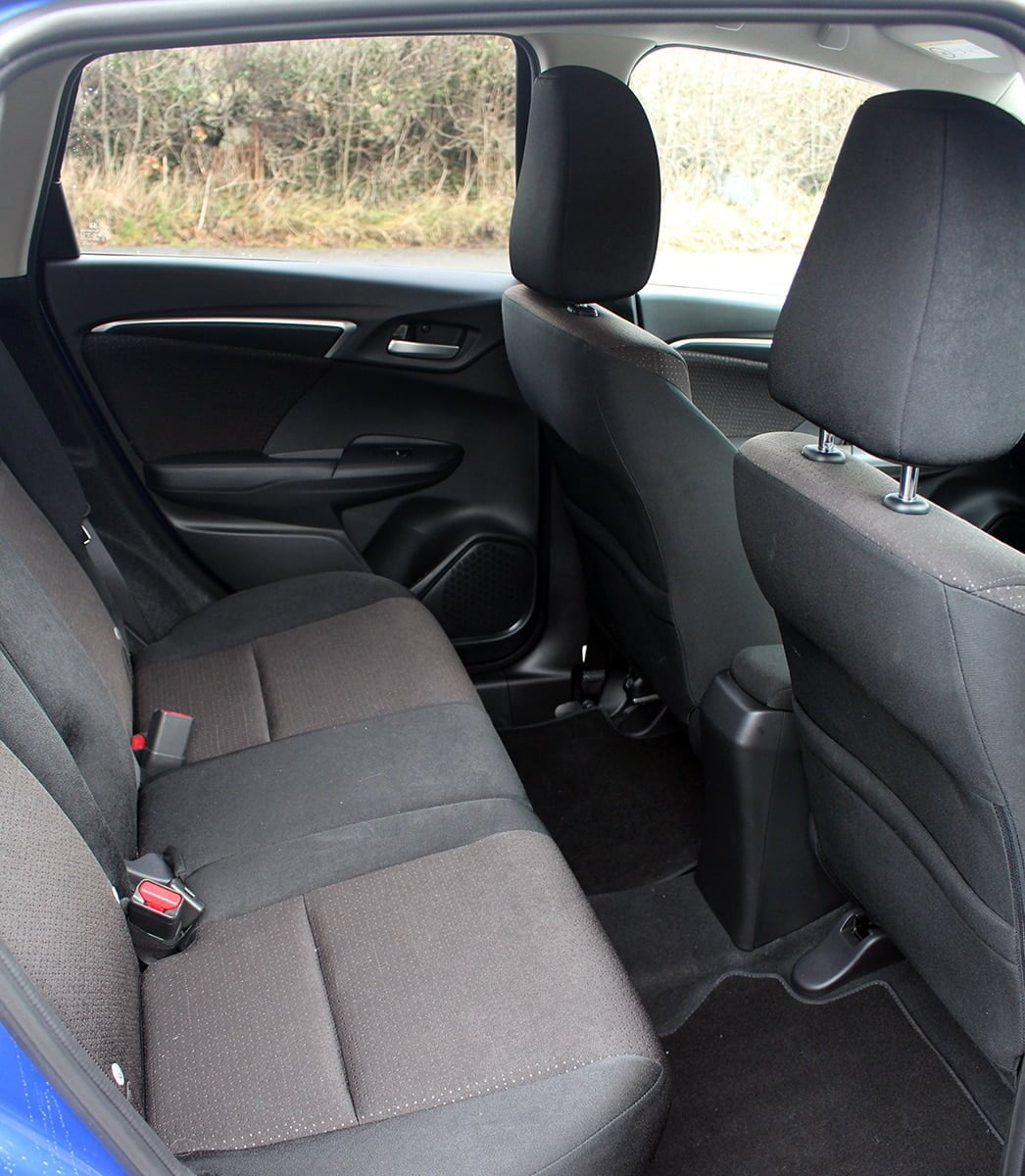
It is inside, however, where the Jazz really scores, and the MPV analogy mostly holds sway. For a supermini there really is a lot of space, particularly in the rear seats – adults will not be compromised in these.
Then there is the boot – almost 400 litres when most rivals struggle to achieve 300. It’s sensible space too, and the Magic Seats can be adjusted through a range of versatile settings to accommodate just about any awkward shape one might desire to carry.
The dash instruments are practical but the touch-sensitive controls – an app-based ‘pinch, swipe and tap‘ system – do not have a distinct action and in general one feels the Jazz is suffering in a time when supermini interiors are making sudden leaps forward. It is already beginning to feel a little dated.
Same with the fit and finish – it’s all put together competently enough, but others have stepped up their game and you feel the Honda needs to as well.
Powertrain
Just one engine is available for the Jazz. It’s a 1.3-litre petrol unit, naturally aspirated where many rivals have gone turbo. So it does not feel that enthusiastic, and to get the best out of it you have to make serious use of the rev range. It is smooth enough, however, and the six-speed manual gearbox fitted to our test car is a pleasure to use with its slick shifts. There is a CVT option, though it is not a great option.
Similarly the 55.4mpg fuel economy and 120g/km emissions levels are reasonable for a petrol-powered car but there are rivals who do better.
On the road
So the Jazz engine needs working hard to get the best out of it, which makes it a little thrashy. But the car scores very well in its chassis. As part of the design package for the latest version Honda engineers focused on redesigning the front suspension, which had come in for criticism in previous incarnations of the car. And they did a very good job.
The Jazz smothers all but the worst bumps, and grips well when cornered enthusiastically. The steering is a little light for such situations, but in the car’s natural environment of the urban streets, the steering is a boon allowing easy manouvering and ensuring living with a Jazz is an easy process.
Equipment
The safety specification is certainly a plus point on the Jazz. On all but the entry-level model the Honda safety technology package, dubbed the Advanced Driver Assist System, is standard. It includes Intelligent Speed Assist, Forward Collision Warning, Lane Departure Warning, the Traffic Sign Recognition system and High-beam Support System, while the City-Brake Active system is standard on even the base model – all electronic aids aiming to make the driver’s job easier.
Our test car is to top EX Navi spec and so comes with quite a selection of equipment. Keyless entry and start, automatic climate control and a six-speaker audio system are standard, as are 16-inch alloy wheels and front fog lamps. The Honda Connect in-car infotainment system is also supplied, with that pinch, swipe and tap format on a seven-inch touchscreen. And Garmin navigation is included too, along with a rear parking camera.
Summary
The Honda Jazz is a perfectly competent supermini that does everything needed of it adequately enough. It’s just that rivals outscore it in individual areas. If you want a supermini with lots of equipment for the money, it scores highly. And if you want a supermini with lots of space, there is no other choice.
Test Date: January 2017 Model Tested: Honda Jazz 1.3 I VTEC EX Navi Price:£16,755. Insurance group: 13E. Engine: Petrol 4-cylinder 1318cc Power (hp):102 @ 6000rpm Torque (Nm):123 @ 5000rpm 0-62mph (sec):11.5 Top speed (mph): 118 Fuel economy (combined, mpg): 55.4 CO2 emissions (g/km): 120 Key rivals: Volkswagen Polo, Toyota Yaris, Ford Fiesta.
With 2.3 million vehicles sold since 2007, the Nissan Qashqai has been one of the most successful crossover vehicles of the last decade. This week, Nissan unveiled the facelifted Qashqai at the Geneva motor show.
The new model features minor modifications to the suspension, damping and steering systems, as well as an updated design both inside and out and improvements to its driver aid systems.
In a first for the mass-market sector, the new Qashqai will also be available with a semi-autonomous driving mode where the driver will be able to completely let go of the steering wheel in certain circumstances.
Inside, Nissan has introduced the Tekna+ grade offering leather-trimmed seats. Other interior updates include a flat-bottomed steering wheel and four-way controller for the dashboard.
The infotainment system offers DAB radio and satellite navigation with a smart user interface. A BOSE seven-speaker sound system is available as an option.
Nissan claims that improved use of absorption materials, including thicker rear glass, has reduced noise in the Qashqai’s cabin.
The front end of the Qashqai has been redesigned and the rear and front lights revised. Adaptive front lighting improves night-time safety. Two new paint finishes are available: Vivid Blue (as seen in Geneva) and Chestnut Bronze. There is a choice of 17, 18 or 19-inch alloy wheels.
Driver aids are improved and extended in the new model, with the major additions being pedestrian recognition for the AEB system and a rear cross traffic alert which reduces the risk of low-speed impacts when reversing. Other available driver aids include blind spot and lane departure warnings.
Nissan will also be introducing a semi-autonomous capability called ProPilot. The system allows the car to drive itself within its lane on a motorway-syle road with no input required from the driver. ProPilot controls the car’s steering, acceleration and braking, and can be used in traffic or at high-speed. Future updates to the system will allow it to change lanes and deal with junctions, but this will not be available at launch.
Paul Willcox, Chairman of Nissan Europe, hopes that the new Qashqai “will continue to define and set new standards in the crossover segment.”
The new Nissan Qashqai goes on sale in the UK in July 2017.
The name is the big news surrounding the Aston Martin Valkyrie. Making its debut at the Geneva show, the hypercar adopts the ‘V’ naming convention of the Aston Martin brand.
The Valkyrie is being developed in conjunction with Formula One designer Adrian Newey, previously responsible for the World Championship-winning cars of Red Bull Racing.
The Geneva display car effectively only shows the visual appearance of the Valkyrie – its chassis is still under development. Aston Martin describes it as a Formula One car for the road and its mid-engined powertrain combines a 6.5-litre V12 Cosworth unit to a KERS energy-recovery system developed straight from those on F1 cars.
The publicly-stated goal when the collaboration with Red Bull Racing was announced was to produce a car which could match a Formula One car around Silverstone.
The production version of the Aston Martin Valkyrie is expected to launch in 2019, and the price is estimated at £2 million each – and every one of the strictly limited production run has already been sold.
Supercar to follow?
Reports at the show suggest that Aston Martin will use the reputation established by the Valkyrie, along with development elements such as the aerodynamic package, to launch a mid-engined supercar.
Likely appearing in 2021, the new model would rival such cars as the McLaren 720S, which has launched at the Geneva event. This would mark a significant shift from the brand’s current model range of a number of variations on a front-engined coupé theme, all sharing the same platform.
Aston Martin is on a significant expansion and regeneration programme at present – the DBX SUV is also expected in 2019, built in a brand-new plant converted from enormous MOD hangers at St Athan in Wales. A revival of the Lagonda badge is also believed to be in the pipeline.
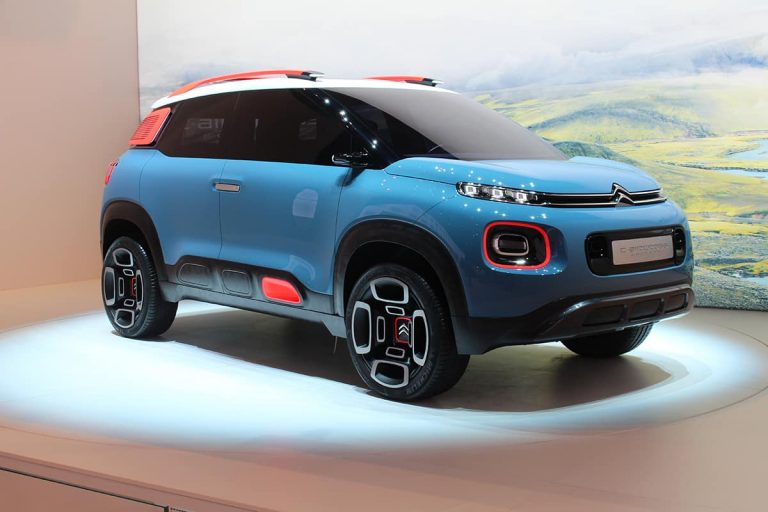
The Citroën C-Aircross Concept debuts at the Geneva motor show as ‘a new vision’ of the French brand’s future SUV line.
Citroën C-Aircross concept teases new C3 Picasso
In fact it is the likely replacement for the current C3 Picasso, and when the production version is unveiled – possibly at the Frankfurt show in September, it will be pitched against the mass-selling Nissan Juke.
The design takes the latest styling language established with the recent C4 Cactus and particularly C3 models and applies it to a SUV format. Notable touches on the concept include rear-hinged back doors which give the cabin a spacious feel when they are opened.
Technology features heavily in the concept – the car includes a colour head-up display that replaces the traditional instrument panel, a single-spoke steering wheel with controls mounted on it, rear facing cameras instead of mirrors and wireless induction charging for smartphones.
The production model, likely on sale early in 2018, is expected to use the same engine range employed in the C3 and C4 Cactus. It will also follow the current crossover trend in not offering an all-wheel-drive option, though PSA’s impressive Grip-Control traction aid will be available.
More crossovers to come for Citroën
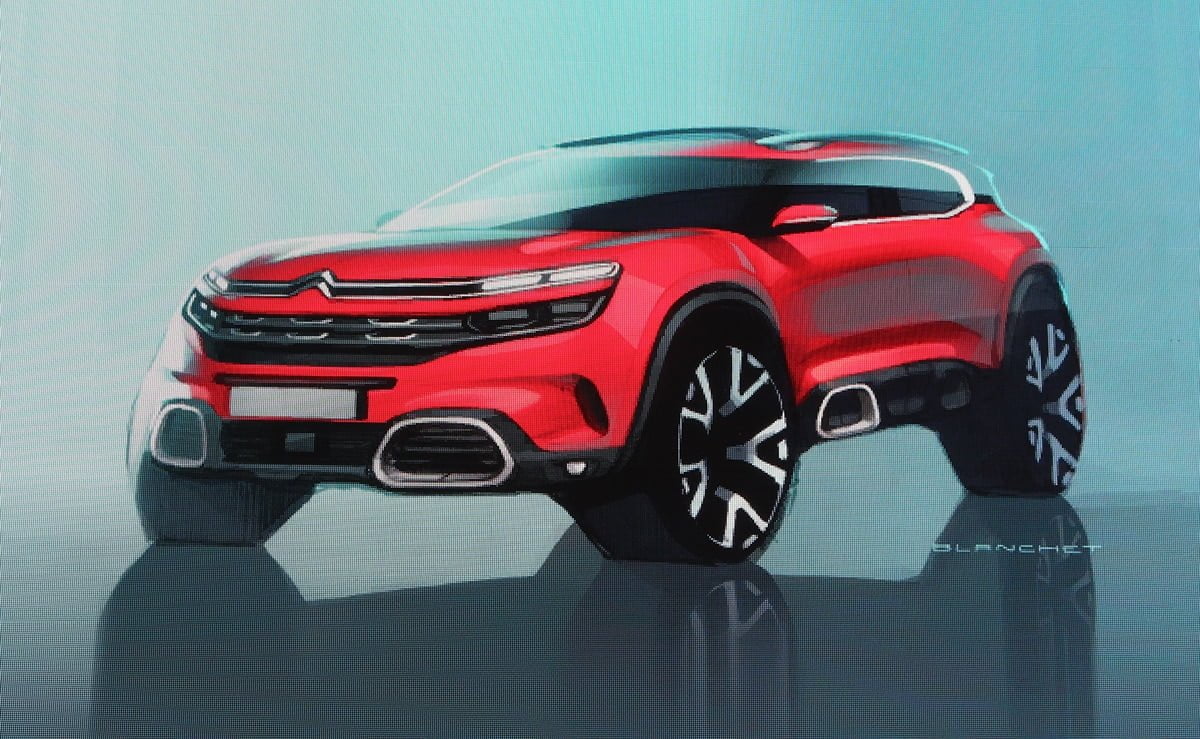
Citroën used the unveiling of the C-Aircross to tease its next concept, the brand’s head Linda Jackson revealing two sketches of the C5 Aircross. This will be unveiled at the Shanghai motor show in April, and evolve into a mid-sized crossover that will adopt the C5 badge when it launches, probably early in 2018.
The latest version of the Subaru XV crossover makes its global debut at Geneva ahead of going on sale in early 2018.
The second-generation XV sits on the brand’s new Global Platform that is also used in the Impreza hatch. The styling is new too, a more muscular look based on Subaru’s latest ‘Dynamic x Solid’ design language. Highlights of the design include a wide and low profile, a hexagonal grille with hawk-eye headlights and matt black cladding on the bumper to emphasise the off-road ability of the XV.
Power comes from Subaru’s 2-litre flat-four 156hp diesel engine, which has been upgraded to improve performance, economy and weight – Subaru says 80 per cent of the parts have been changed. A 2-litre petrol version of the car is also likely to be offered and both will be matched to a seven-speed CVT transmission.
The symmetrical all-wheel-drive fitted to virtually all Subarus is retained, but gains a new electronic aid, dubbed X-Mode. This increases the off-road ability of the XV – integrating control of the engine, transmission and brakes to maintain control when tyres slip and lose traction on a slippery road surface, including when descending hills.
A wide-ranging safety package will include several preventative features, including the EyeSight driver assist technology that includes a pre-collision braking control, adaptive cruise control, and lane keep assist.
Among new technologies, the High Beam Assist function uses a camera to automatically switch from high to low beam as per road conditions, and steering responsive headlights to highlight the road ahead when the car is cornering and improve visibility at night.
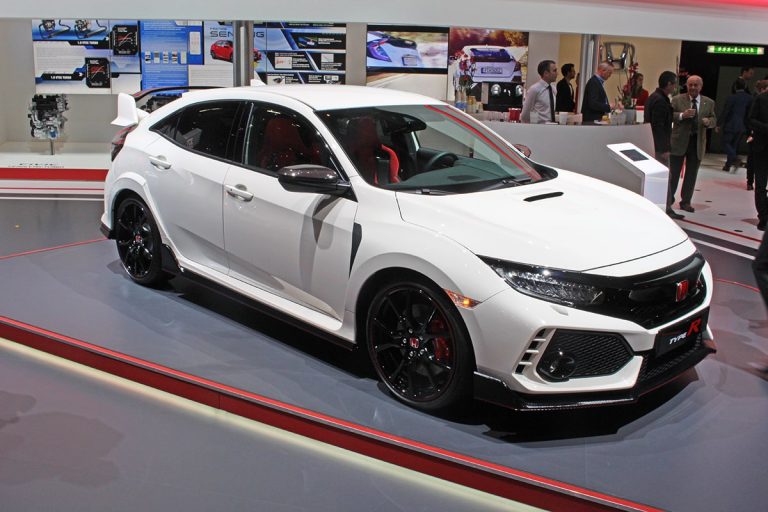
New versions of the Honda Civic Type R seem to come around quickly these days and summer 2017 will see the fifth generation of the model on sale.
Built like its predecessor in the UK, at Honda’s Swindon plant, the new Civic Type R is based on the tenth-generation Civic range that arrives in showrooms at the end of March.
Unlike its predecessor the requirements of the new Type R were taken account of when the mainstream Civic was at the design stage, which is the reason for its rapid reveal, even before the stock car has gone on sale.
While it uses the same 2.0-litre VTEC turbo petrol engine of the outgoing model, the new Civic Type R benefits from improvements to the powertrain. Peak power goes up 10hp to 320hp, while the torque figure remains at the same 400Nm. Honda says that work on the ECU settings has improved drivability and throttle response on the car.
Performance and economy settings for the new car are still to be released, though it is expected to be slightly faster to 62mph than the 5.7 seconds that the current Type R takes.
Criticisms levelled at the current Type R have included a view that it is a bit too extreme for a road car, and Honda appears to have made efforts to address this and produce a more versatile hot hatch. Notably the driving modes available now include a ‘Comfort’ setting alongside the traditional ‘Sport’ and ‘+R’ modes – the latter is specifically designed for use when the car is on a circuit.
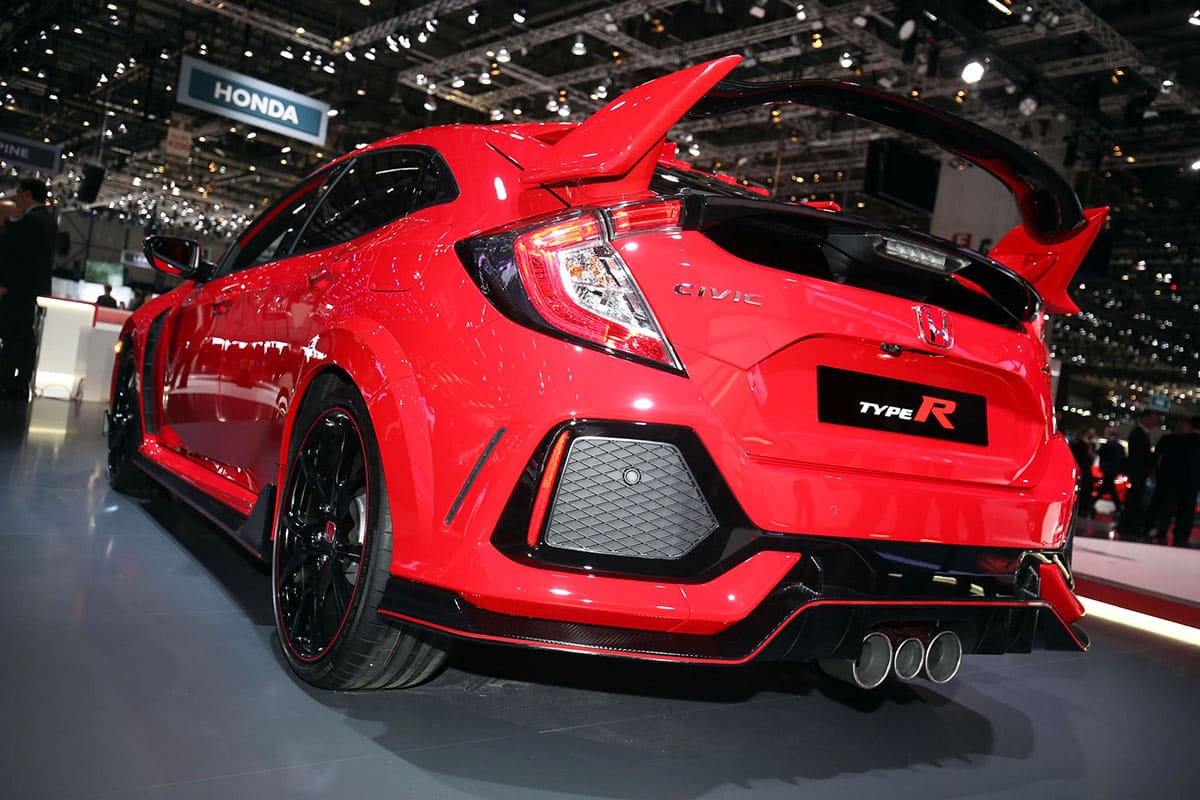
The new Honda Civic Type R has triple exhausts and a big rear wing – just like a Ferrari F40
The new Civic Type R is described as 38 per cent more torsionally rigid than its predecessor. It is larger in length in width and lower in height than the outgoing Type R, with a centre of gravity reduced by 34mm.
Chassis improvements over the mainstream Civic include new geometry on the Macpherson strut front suspension to minimise torque steer and maximise handling response. At the back more rigid arms are fitted to the newly designed independent multi-link system.
The aerodynamics, always a highly visual element of the Type R, are improved with a smoother underbody, front air curtain, a lightweight rear wing and vortex generators at the trailing edge of the roof line.
According to Honda the bold body styling contributes to a class-leading balance between lift and drag, contributing to greater high-speed stability.
Prices for the new model are still to be confirmed – the current Type R costs from £30,000.
Autonomous electric concept points to future vehicle usage
Also debuting on Honda’s Geneva stand is the NeuV, a battery electric concept that learns about its owner and acts accordingly.
According to its creators the NeuV (pronounced new-vee) takes advantage of the fact that most privately-owned cars spend 96 per cent of their time idle.
When not being used by its owner, the car can function as an autonomous ride-share vehicle ferrying customers. And while not in use it can feed energy back to the Grid in times of high demand, earning its owner money in the process.
The NeuV includes an ‘emotion engine’ called HANA (Honda Automated Network Assistant), which learns from the driver by detecting emotions behind their judgments. It can then apply what it has learnt from the driver’s past decisions to make new choices and recommendations.
It’s not as fast as a Civic Type R, but it might be more relevant to your motoring future
Two people and their luggage can be carried by the NeuV, and it also provides storage space and a charging point for a ‘Kick ’n Go’ electric scooter concept to help passengers get to their final destination.

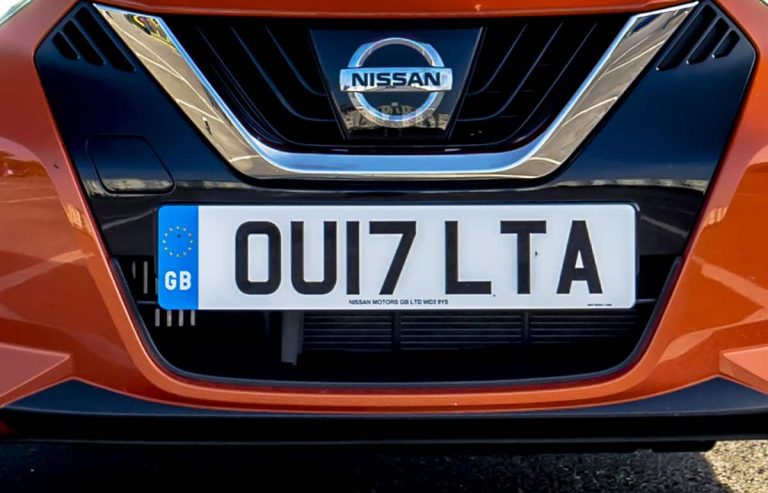


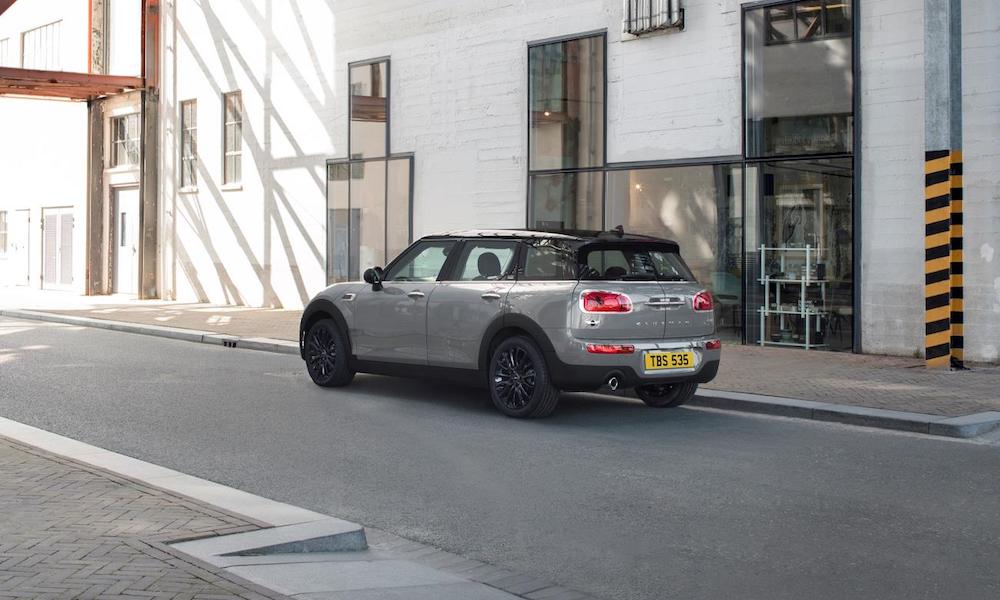

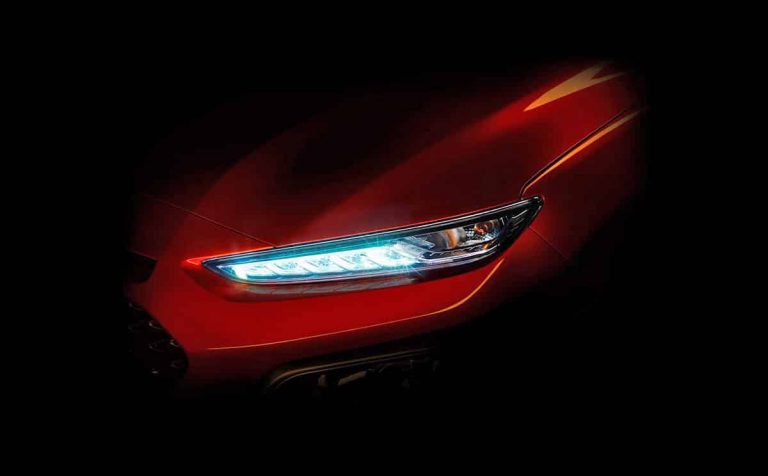
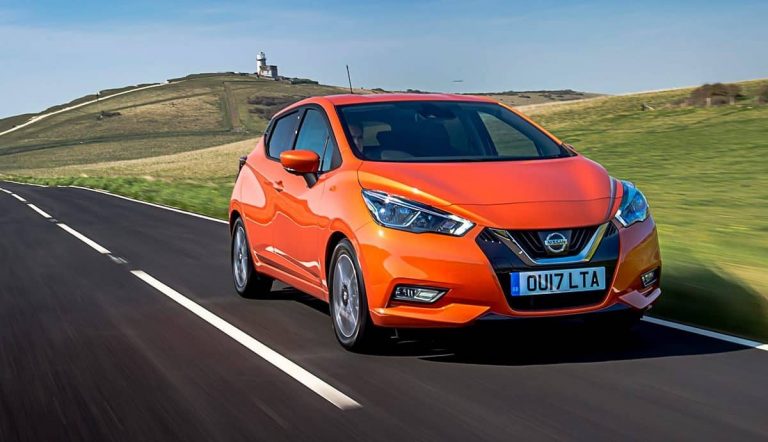


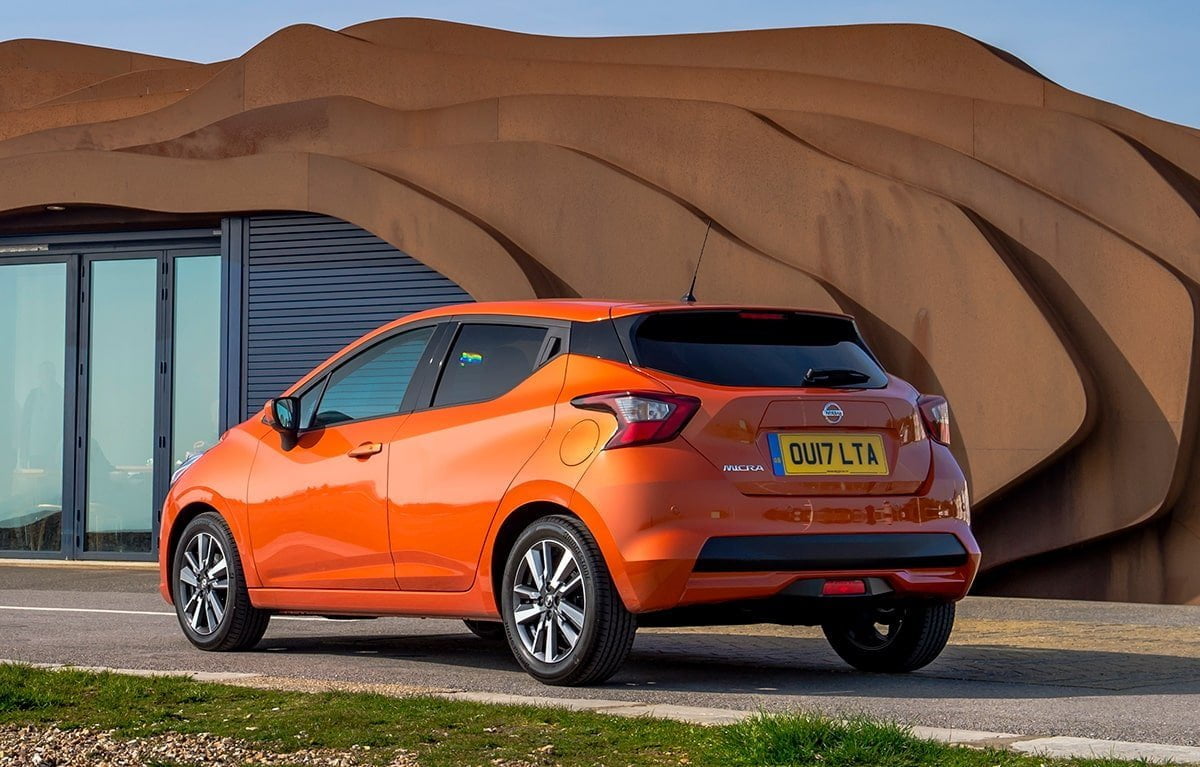

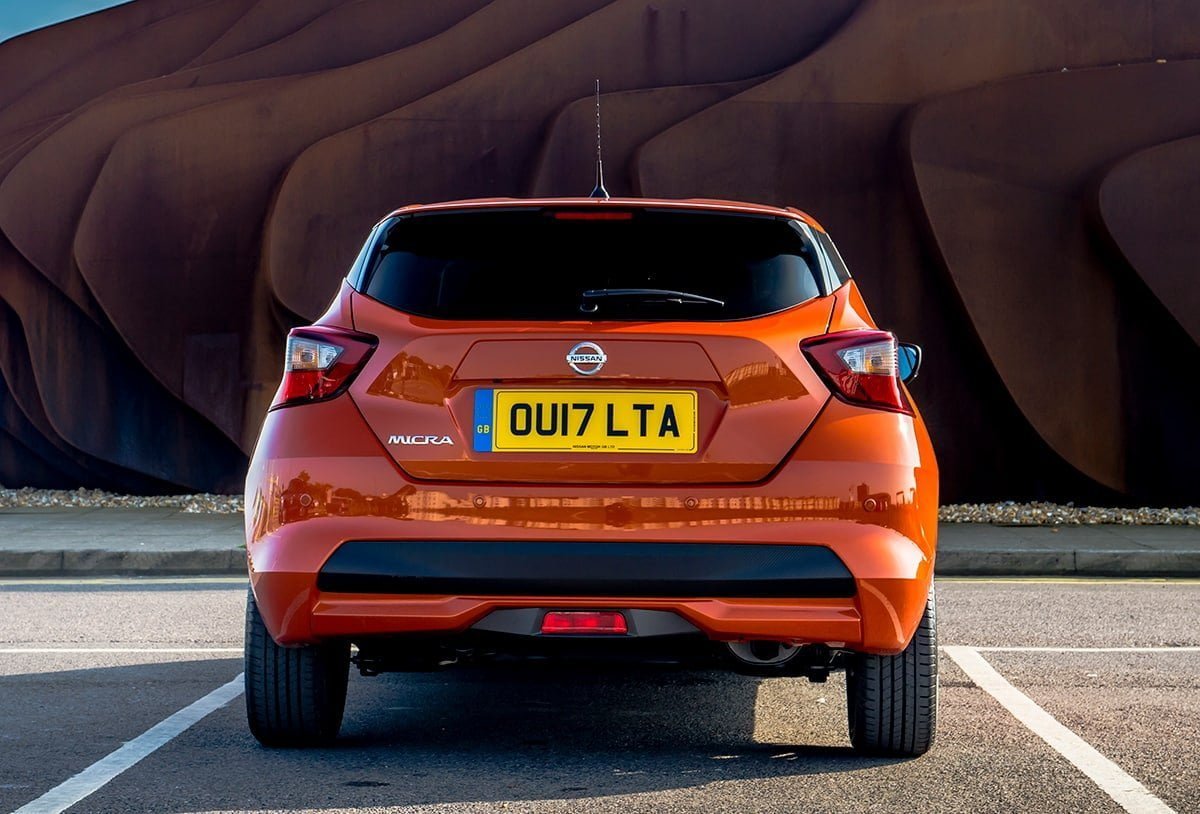


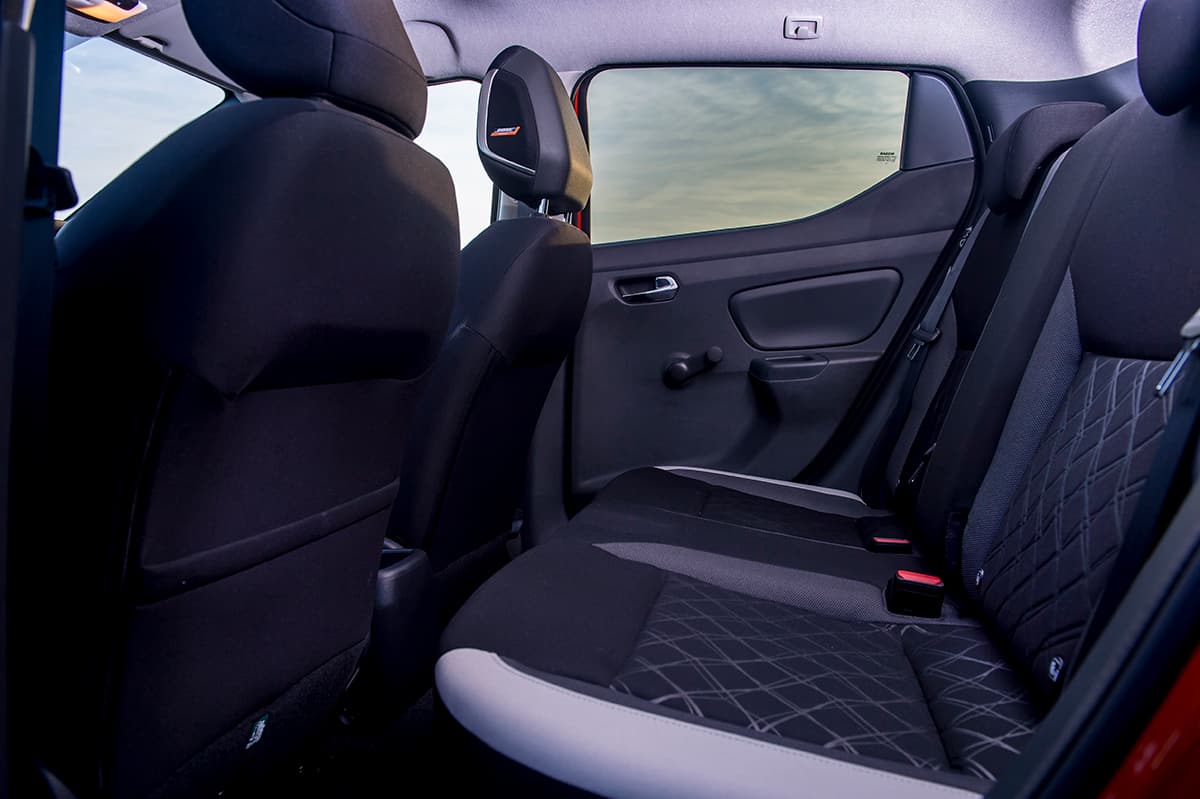
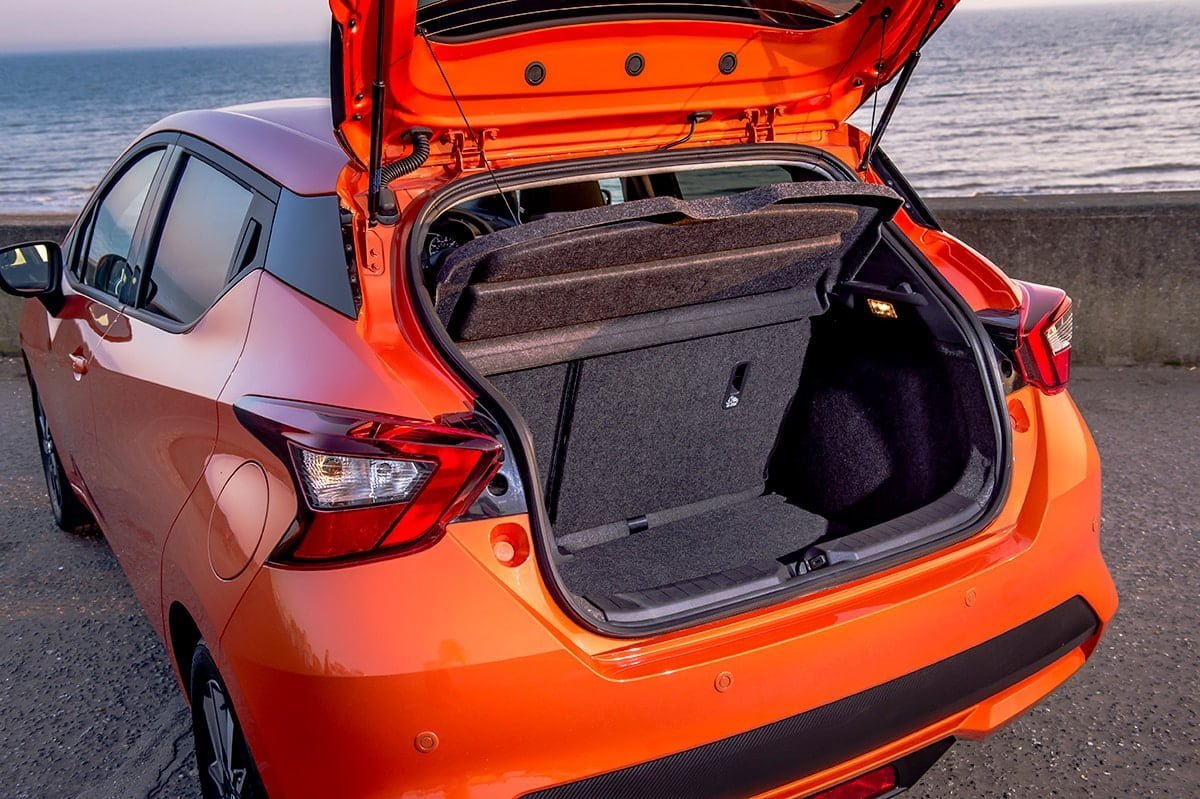
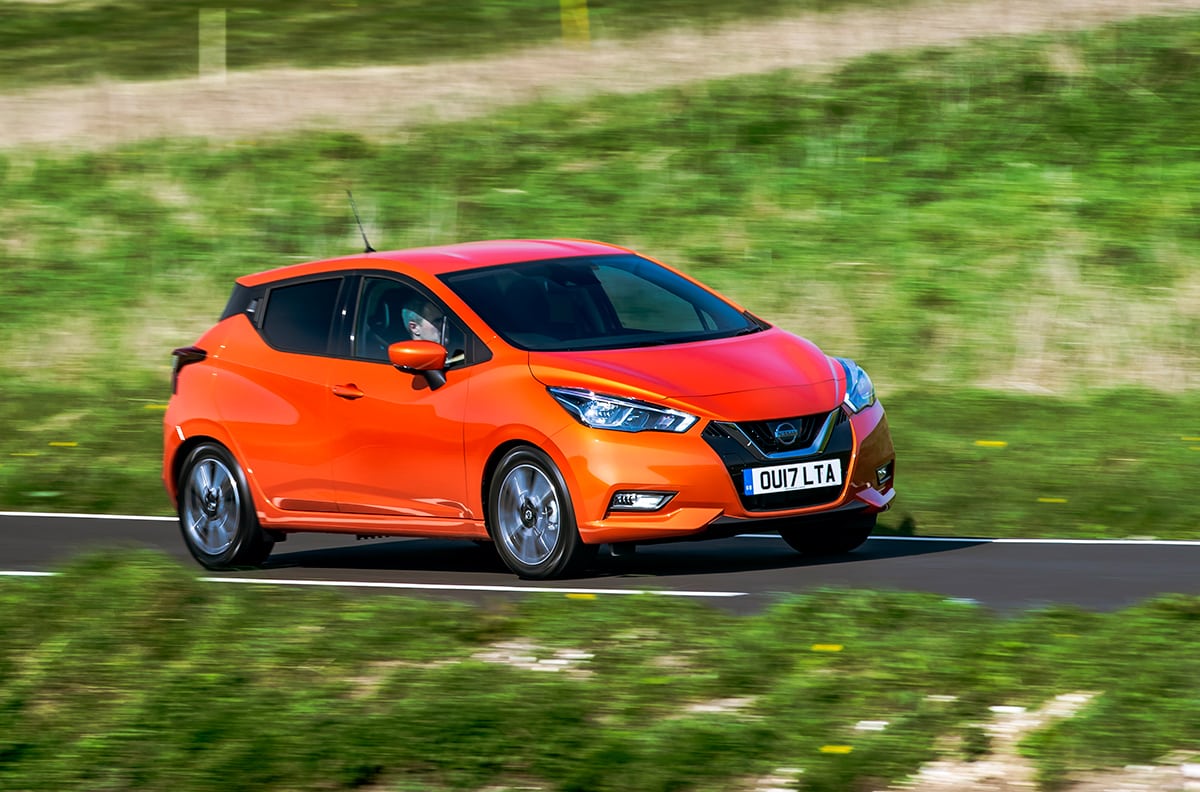

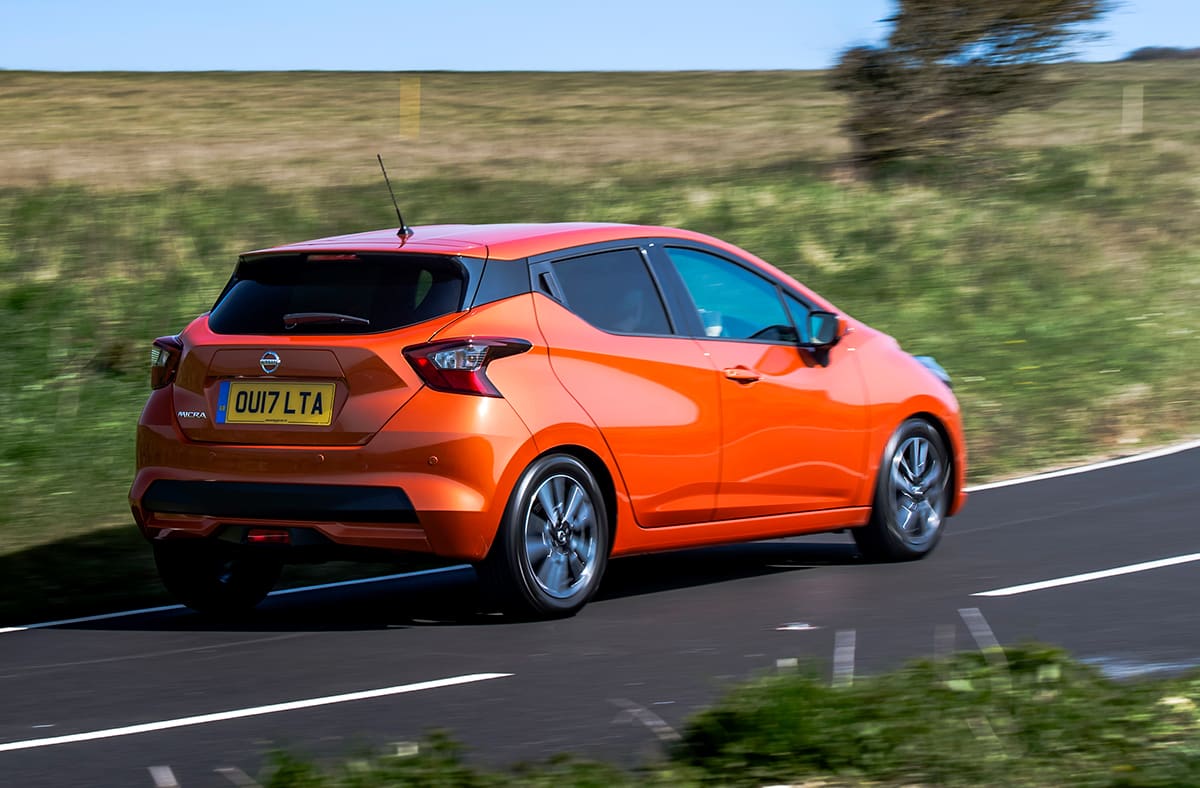


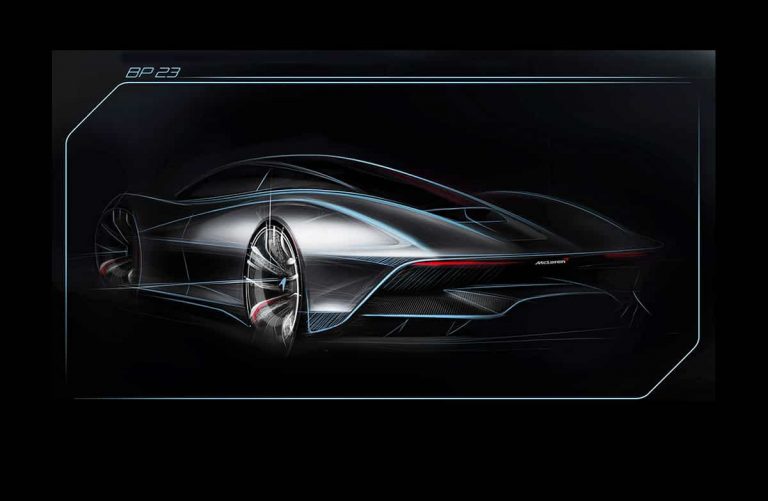
 First deliveries of the BP23 are expected in 2019. Rumours suggest it will debut carbonfibre technology that will expand across the McLaren model range.
Meanwhile hybrid powertrains are expected to feature much more prominently among the 15 new models that the brand plans to launch by 2022 under the ambitious ‘Track 22’ business plan, announced by McLaren Automotive CEO Mike Flewitt at the Geneva Motor Show in March 2016.
First deliveries of the BP23 are expected in 2019. Rumours suggest it will debut carbonfibre technology that will expand across the McLaren model range.
Meanwhile hybrid powertrains are expected to feature much more prominently among the 15 new models that the brand plans to launch by 2022 under the ambitious ‘Track 22’ business plan, announced by McLaren Automotive CEO Mike Flewitt at the Geneva Motor Show in March 2016.