Find an Expert Rating: 
Home Blog Page 154

Geneva: Bentley and Jaguar go electric

The Bentley EXP 12 Speed 6e and Jaguar I-Pace may both be concepts but demonstrate how all aspects of the automotive industry, including the premium and luxury sectors, are looking increasingly to an electric future.

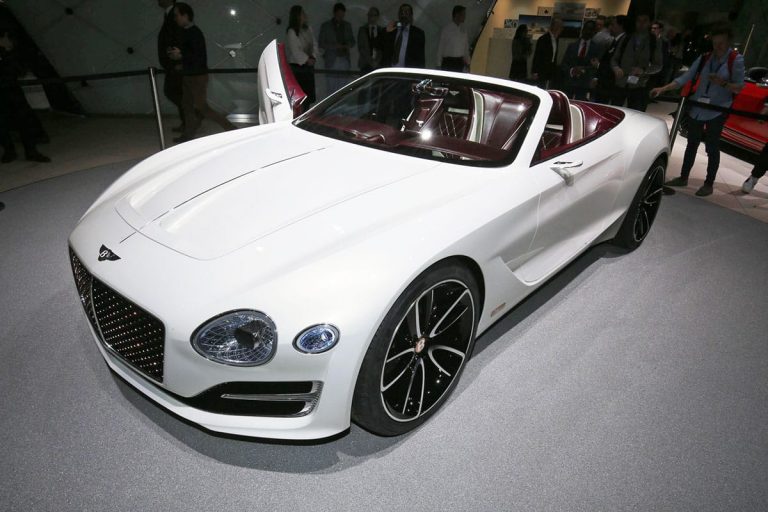
With the EXP 12 Speed 6e, unveiled at the Geneva show, Bentley aims to demonstrate that an all-electric version of one of its cars will not compromise the quality, refinement and high performance levels that customers of the luxury brand expect.

“The EXP 12 Speed 6e is a concept to show that Bentley is defining electric motoring in the luxury sector, with the appropriate technology, high quality materials and refinement levels you’d expect from a true Bentley,” company chairman and CEO Wolfgang Dürheimer says.

This version of the concept is aimed mainly at gauging reaction to Bentley’s latest exterior and interior design direction, and no mechanical details of the Speed 6e powertrain have been released.

Long range a priority

Bentley is working towards electric technology that will include high-speed inductive charging and give the car a range sufficient for the ‘grand touring’ requirements of the brand’s customers.

“An electric Bentley would, for example, be able to drive between London and Paris or Milan and Monaco on a single charge and the onboard experience will be enhanced for both driver and passenger thanks to the integration of state-of-the-art technology,” Bentley’s launch release states.

Bentley wants to show that electric cars will offer the same level of bespoke craftsmanship.

The brand is planning for an electric future, with plug-in hybrid variants set to be offered across the Bentley model range starting with the Bentayga SUV in 2018.

“This concept enables us to engage with luxury customers and gather feedback on our approach,” Dürheimer says. “Bentley is committed to offering an electric model in its future portfolio and we are interested to receive feedback on this concept.”

electric Jaguar i-Pace front 34
The Jaguar i-Pace is on show in almost production-ready form. Photo: Andrew Charman

Pace quickens at Jaguar

The Jaguar I-Pace concept makes its European debut following its reveal at Geneva in January, and a production version will not be far behind.

Jaguar has been taking registrations from customers wanting to be among the first to own a production I-Pace, and according to reports 350 have already signed up.

While the car is closely related to the recently launched F-Pace, development of the I-Pace required the design teams to ‘tear up the rule book’, according to Jaguar design director Ian Callum. The result, he believes, is a no-compromise smart, five-seat sports car and a performance SUV in one.

“The I-Pace Concept is a radical departure for electric vehicles – it represents the next generation of battery electric vehicle design,” Callum says.

“It’s a dramatic, future-facing design – the product of authentic Jaguar DNA matched with beautiful, premium details and British craftsmanship.”

The production I-Pace will be on the roads in 2018 as Jaguar’s first-ever battery-powered electric vehicle. “(It) opens a new chapter in the history of our legendary brand,” Callum says.

electric Jaguar i-Pace side
Jaguar I-Pace will be on roads in 2018. Photo: Andrew Charman

Geneva: Mitsubishi Eclipse sharpens up

The Mitsubishi Eclipse Cross debuts at the Geneva Motor Show as the Japanese brand makes a determined effort to crack the ultra-competitive mid-sized SUV market. Read more Mitsubishi news, reviews and features at The Car Expert Mitsubishi believes that the Eclipse Cross will appeal to style-conscious drivers, focusing on its ‘sharp coupé looks and muscular SUV stance’. Even the name has a sporty connection, last used on a two-door coupe and convertible sold in the US before 2012. The Eclipse Cross is a compact-looking car, with distinct angles on the nose and a body shoulder line that rises towards the backwards-sloping roof line. The rear screen is particularly sharply angled. When it goes on sale in the UK early in 2018 the Mitsubishi Eclipse Cross will be offered with two powertrains – the 2.2-litre turbodiesel familiar from other Mitsubishi models and a new 1.5-litre turbo petrol engine. Both units gain new transmissions – a CVT with eight-speed manual override on the petrol engine and an eight-speed auto with the diesel. It’s not clear yet whether a front-wheel-drive version will be in the range, but the car will certainly be offered with Mitsubishi’s electronically-controlled 4WD. The ‘Super All-Wheel Control’ (S-AWC) vehicle control system will be included, this boasting an Active Yaw Control activated by the brakes.
Red Mitsubishi Eclipse Cross on display at the Geneva Motor Show
The Mitsubishi Eclipse Cross will go on sale in the UK in early 2018. Photo: Andrew Charman
With the Eclipse Cross, Mitsubishi will launch a major reworking of its interior design. Horizontal lines dominate the styling with silver framing, while the technology available includes a tablet-style infotainment display and a new Head Up Display. A Smartphone Link Display Audio system uses a touchscreen to connect to Apple CarPlay, including using the Siri personal assistant built into iPhones. Android Auto devices are also supported including voice control of features such as Google Maps and Google Play. Read more Mitsubishi news, reviews and features at The Car Expert Also on Mitsubishi’s stand is the eX concept, a car that previews a potential future compact crossover with an electric drivetrain.
Also on Mitsubishi's stand alongside the Mitsubishi Eclipse Cross was the eX concept car
The eX concept car previews a potential future compact crossover. Photo: Andrew Charman

Geneva: Kia Picanto goes sporty

The Kia Picanto debuting at the Geneva show is the third-generation version of the city car with the major attraction being increased interior space. Read more Kia news, reviews and features at The Car Expert The car retains the exterior dimensions of its predecessor but a 15mm extension to the wheelbase, combined with cutting the front overhang by 25mm and extending the rear by 10mm. This allows a complete rework of the interior, Kia claiming the 255-litre boot space as best in class. A reworked dash design includes a ‘floating’ 7-inch touchscreen infotainment system, while in-car technologies and connectivity available will include Android Auto, Apple CarPlay and a wireless smartphone charger. Kia expects Picanto owners to personalise their car and the new model offers 11 exterior paint colours and a range of interior colour packs for buyers to choose from. The three-door option of its predecessor has gone but the new Kia Picanto gains a sports-pitched trim level, GT-Line. Cars in this specification will include body kits and a high equipment level, and the arrival of the GT-Line trim coincides with the launch of a new turbo petrol engine in the Picanto – with 100hp it is the most powerful unit yet sold with the car.
Silver Kia Picanto on display at the Geneva Motor Show
The new Kia Picanto offers a choice of 11 exterior paint colours. Photo: Andrew Charman
Other powertrain choices comprise the three cylinder 1.0-litre 67hp and four cylinder 1.2-litre units already offered in the current Picanto. The Kia Picanto goes on UK sale in May and The Car Expert will review it next month. Read more Kia news, reviews and features at The Car Expert A star of the stand is the Kia Stinger fastback coupe, making its European debut after its reveal in Detroit in January. The Stinger is expected to go on UK sale in early 2018. It will be offered with three engine choices: a 2.0-litre turbo petrol unit of 255hp, a 2.2-litre turbodiesel with 200hp and a 3.3-litre twin-turbo V6 petrol with 370hp. This will complete the 0-62mph sprint in 5.1 seconds – the fastest-accelerating and most powerful car Kia has ever produced. Meanwhile, Kia has also demonstrated its commitment to plug-in hybrid powertrains with PHEV versions of the Niro hatch and Optima large saloon both unveiled at the Geneva show.
The Kia Stinger at the Geneva Motor Show
The Stinger is expected to go on sale in the UK in early 2018. Photo: Andrew Charman

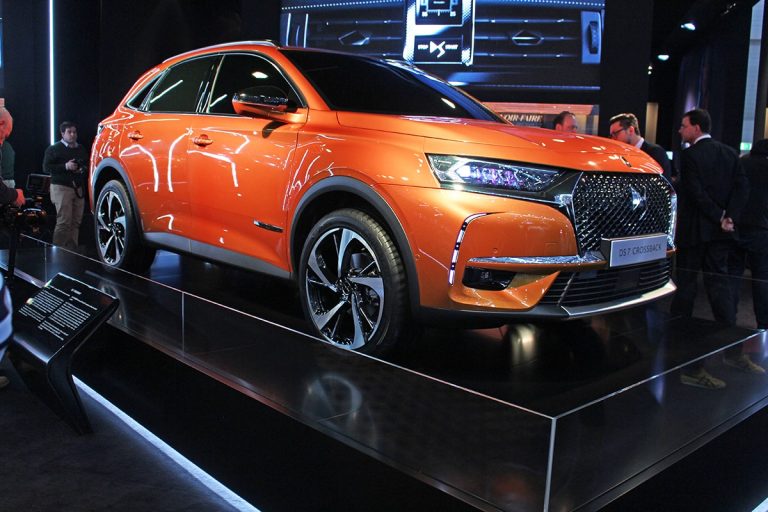
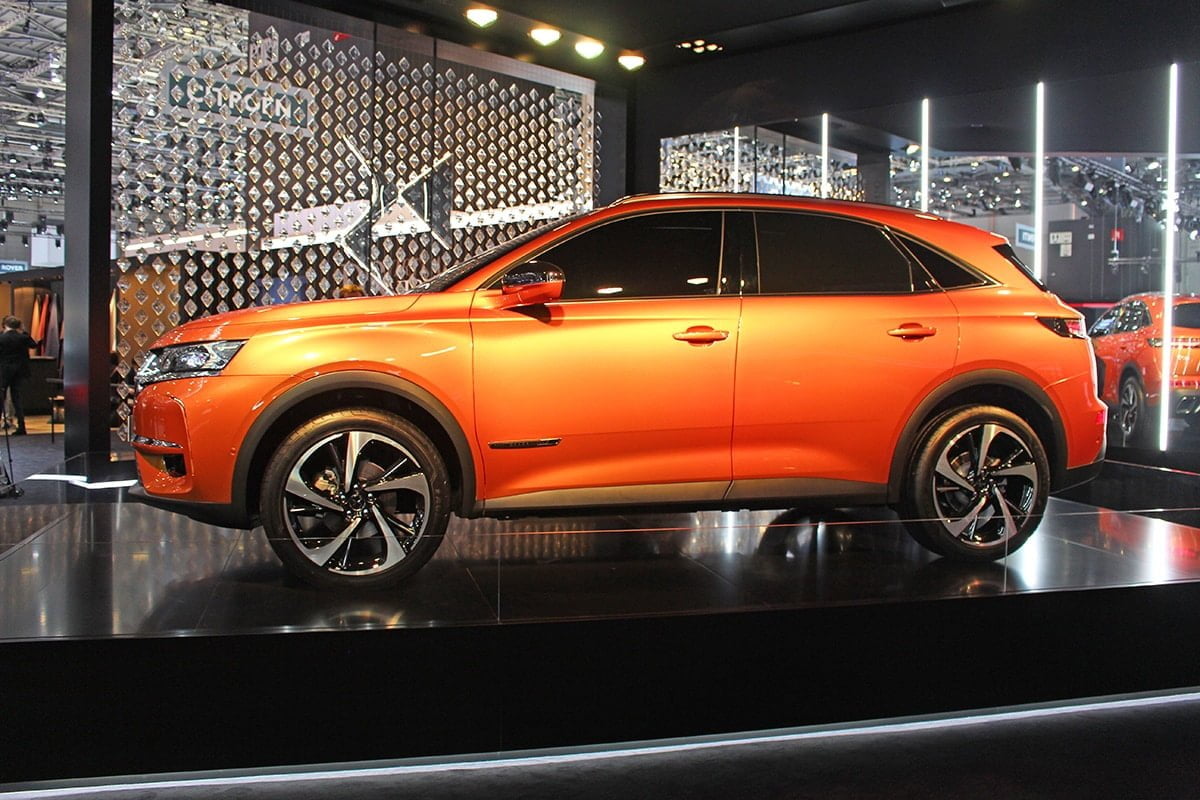
Geneva: DS 7 Crossback is a first

Unveiling the DS 7 Crossback at the Geneva show is a significant moment for PSA Group’s spun-off ‘avant garde’ brand.

When the SUV arrives on UK roads in 2018 it will be the first car designed specifically as a DS – currently the entire range on sale are reworked and rebadged versions of cars offered by parent brand Citroën.

The DS 7 Crossback intends to make a mark in the mushrooming upmarket mid-sized SUV market, and prime rivals will be the Audi Q5 and Jaguar F-Pace.

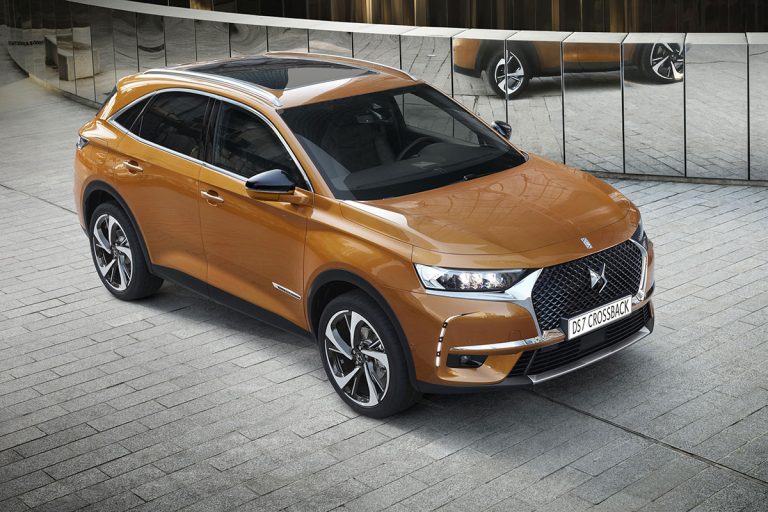
It is certainly a distinctive car, with the signature DS styling, including the front headlamp ‘wings’ and pencil-thin daytime running lights. Active LED headlamps will be offered on production models, along with a complex tail lamp setup comprising 42 LEDs.

The car is built on the PSA Group modular EMP2 platform. All versions will be front-wheel-drive only apart from the range-topping hybrid, with a choice of six powertrains. Entry-level will be the three-cylinder 1.2-litre petrol unit with 130hp, and there will be 180 and 225hp versions of a 1.6-litre turbo petrol engine.

The new DS 7 Crossback was unveiled at the Geneva motor show 2017

Diesel options will comprise a new 1.5-litre unit of 130hp and said to produce impressive fuel economy, and a 2-litre with 180hp.

The plug-in hybrid ‘E-Tense’ version, evolved from the E-Tense concept seen at the 2016 Paris show, is the first petrol PHEV model across the entire PSA Group. It will go on sale in 2019, a year after the mainstream range.

A 200hp petrol engine and 109hp electric motor drive the front wheels, and a second 109hp motor powers the rears, creating the only all-wheel-drive option in the DS 7 range. Up to 37 miles will be possible in completely electric mode

And charging will take 4.5 hours in standard mode with a 2.5-hour fast option.

DS is already taking reservations from customers who wish to own the initial ‘Premiere’ versions of the DS7 Crossback – details of the newcomer are on a website launched directly following the unveiling of the car in Geneva.

Premiere models will feature signature styling elements including the distinctive ‘watchstrap’ interior upholstery.

Prices for the DS 7 are yet to be revealed but industry sources suggest they will range from around £30,000 to £40,000, making them a highly competitive option in the premium market.

Once the DS 7 is on sale it will be followed quickly by a raft of new models as DS establishes its own identity. Replacements for the current DS3, 5 and 7 models are expected along with four SUVs.

Geneva: Volvo XC60 targets Jaguar

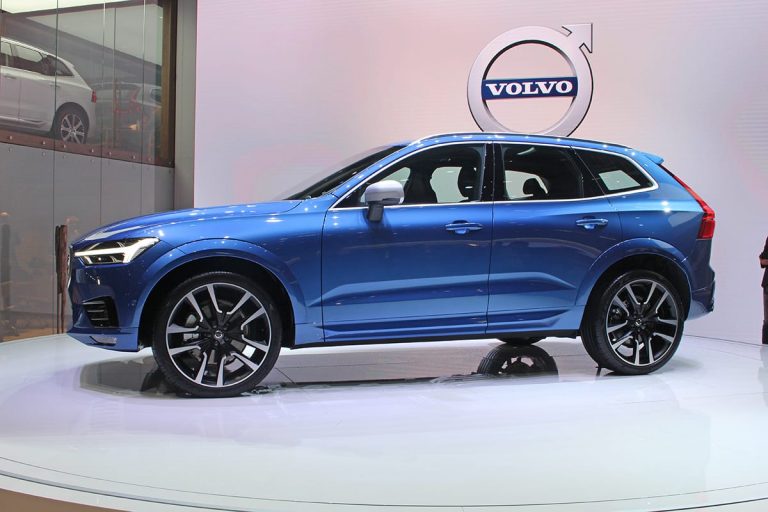
The Volvo XC60, unveiled in Geneva, is the second generation of the brand’s mid-sized SUV and a vital part of the Swedish brand’s mushrooming fortunes.

Volvo has seen major growth since reinventing its range around the ‘Drive-e’ programme – UK registrations were up eight per cent in 2016, and the second-generation XC60 is expected to boost this progress – in nine years on sale the outgoing model has sold almost a million globally and today accounts for 30 per cent of Volvo’s volume.

When it arrives in UK showrooms in September the XC60 is expected to target buyers of the Jaguar F-Pace and Audi Q5 in what is now a very competitive upmarket mid-sized SUV market.

The new Volvo XC60 is built on the Swedish brand’s latest SPA large car platform – this has already been used on the successful range-topping 90 Series models and will also be the basis for the next generation S60 saloon and V60 estate, which are expected in 2018.

The new XC60 measures up longer by 62mm, with a wheelbase extended by 91mm, and wider than the outgoing car, but looks sleeker due to the 14mm shaved from the height.

The XC60 will be offered with the Drive-e powertrains already familiar, particularly in the 90 Series cars. At launch these will comprise the 190hp D4 and 235hp D5 diesel, the petrol unit of 254hp and the T8 Twin Engine petrol hybrid.

Much praised since launching in the XC90, the T8 unit produces 407hp, resulting in a 5.3-second 0-62mph time. Volvo has not yet released any other figures for the XC60, but the hybrid version of car’s larger sister, the XC90, offers CO2 emissions levels of just 49g/km.

Volvo is heavily promoting the safety package available for the XC60, dubbing the new model one of the safest cars ever made.

The City Safety system now includes a Steer Assist feature. This is employed both by a new safety system called Oncoming Lane Mitigation to guard against head-on collisions, and the Blind Spot Indication System to reduce the risk of lane-changing collisions.

Volvo is a major player in developing autonomous driving technology – available as an option on the XC60 is the Pilot Assist system. This takes care of steering, acceleration and braking on well-marked roads at speeds up to 78mph.

Unveiling the XC60 at the Geneva show, Volvo president and CEO Håkan Samuelsson says that the brand has a strong heritage in designing stylish and dynamic SUVs that offer the latest in technology.

“The new XC60 will be no exception – it’s the perfect car for an active lifestyle, and it represents the next step in our transformation plan,” Samuelsson adds.

Geneva: ‘most powerful’ Ferrari 812 Superfast

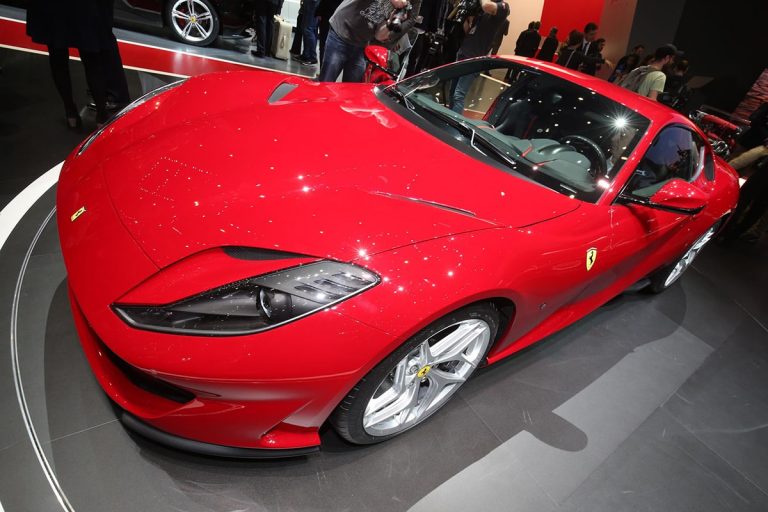
The Ferrari 812 Superfast, unveiled at the Geneva Motor Show, is the most powerful and fastest front-engined road-going car the iconic Italian brand has ever produced. Reason for this lies in the new 12-cylinder engine developed for the car, which its creators describe as ‘of unprecedented efficiency and might.’ It is based on the 6.2-litre unit of the previous record-holding F12 Berlinetta, but with its capacity enlarged to 6.5 litres and modifications made to the intake system and combustion rate. The first 350 bar direction injection system used on a spark-ignition engine is fitted, while the variable geometry inlet tracts are evolved from those on the limited-edition F12tdf, and originally developed by Ferrari’s F1 team. Power goes up 60hp over the F12 Berlinetta, the Superfast pumping out some 800hp at 8500rpm. Torque is 718Nm at 7000rpm, with 80 per cent on tap from only 3500rpm.

Fast but flexible

Ferrari says these figures make the engine a very flexible unit, essential to attract the 812’s very specific customer base; “(They) demand the most powerful and exclusive Ferrari in the range – they want a blisteringly high-performance car, but refuse to compromise on the kind of versatility that will allow them to thoroughly appreciate driving it as a 360-degree experience.” The engine is combined with a developed version of Ferrari’s F1 dual-clutch transmission – the modifications are to meet the car’s track driving performance targets and cope with a rev counter red line extended to 8,900rpm. Shift times have also been reduced by 30 per cent.
Ferrari 812 Superfast 2
Many Geneva visitors struggled to get a proper look at the Ferrari 812 Superfast, such was the interest. Photo: Andrew Charman
All of this translates to a 0-62mph time of 2.9 seconds, the 812 Superfast taking only another five seconds to double its speed and being capable of 211mph. Combined cycle fuel consumption is 19mpg with CO2 emissions of 340g/km. Also debuting on the car is Ferrari’s first electric power-steering system, and the ‘Virtual Short Wheelbase 2.0’ that combines the electric assistance to the front steering with rear-wheel steering to make the car more agile in corners. The driver can dial in functions including peak performance and power oversteer. Brembo brakes originally fitted to the LaFerrari hypercar are used again on the 812 Superfast, which with the performance ABS system cuts braking times from 62mph by almost six per cent when compared to the F12 Berlinetta.

Aero excellence

A major aerodynamics programme sees the Ferrari 812 Superfast significantly more aero-efficient than the F12 Berlinetta, both active aero elements and improvements to the car’s drag values helping to generate 30 per cent more downforce. Notable elements include a vane on the front bumper to shift air hitting the front of the car out to the flanks, reducing the aero wake and therefore the drag. The underbody diffusers ahead of the front wheels boast mobile elements to cancel out air pressure generated at high speeds. The car’s styling is said to recall the classic 365 GTB/4 Daytona of 1969, the fastback two-box design including a high but short tail. Creases are distinctive and the wheelarches muscular to add to the car’s presence. No price has yet been announced for the 812 Superfast. Ferrari 812 Superfast at the 2017 Geneva motor show

Geneva: Alpine A110 adds sport to Renault

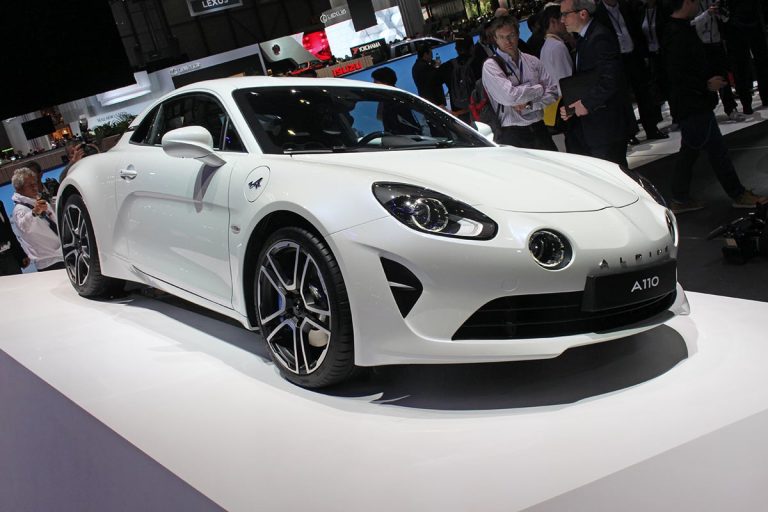
Renault has chosen the shadow of the Alps for its revival of a renowned sports car line – the long-awaited Alpine A110 debuts at the Geneva Motor Show. The new Alpine is a mid-engined, two-seater sports coupe which its makers say remains true to the spirit of previous Alpine models and particularly the A110 ‘Berlinette’ last made in 1977. A riveted, bonded and welded aluminium bodyshell helps the Alpine A110 weigh in at just 1080kg – its power-to-weight ratio bettering the Porsche Cayman which is expected to be a prime rival. The Alpine is a compact car, measuring up at 4178mm long, 1798mm wide and only 1252mm high. Handling-friendly weight distribution of 44/56% front to back concentrates the most mass between the wheels – the engine sits behind the driver and the fuel tank ahead, behind the front axle.

Turbocharged power

Power comes from a Renault Sport developed four-cylinder turbo unit of 1.8 litres. It offers 252hp with 320Nm of torque and is combined with a seven-speed DCT transmission. Alpine says that the A110 will return a 4.5-second 0-62mph time, long with an electronically limited 155mph top speed. Three driving modes are on offer, changing the parameters of the engine, transmission, steering and Electronic Stability Control, along with the exhaust note to suit Normal, Sport or Track settings. The cockpit display reflects the mode selected.
Blue Alpine A110 on display at the Geneva Motor Show
The Alpine attracted a lot of attention in Geneva. Photo: Andrew Charman
Aerodynamics include a flat floor and a rear bumper diffuser. Air inlets in the front bumper create a curtain along the front wheel wells, improving air flow around the wheels and cutting drag – The A110’s Cd value of 0.32 is claimed to be among the lowest in its sector. The Alpine A110 is to be built in a bespoke factory in Dieppe, France and first UK deliveries are expected in 2018. The first 1,955 examples, celebrating the year that original Alpine was launched, will be dubbed ‘Premiere Edition’ models with bespoke styling and equipment and each carrying a numbered plaque. Alpine will then launch further specifications when this run is concluded. UK prices are yet to be revealed – French prices have been announced at €58,500. This equates to around £50,600 but does not take account of local taxation levels.

Geneva: SsangYong unveils XAVL concept

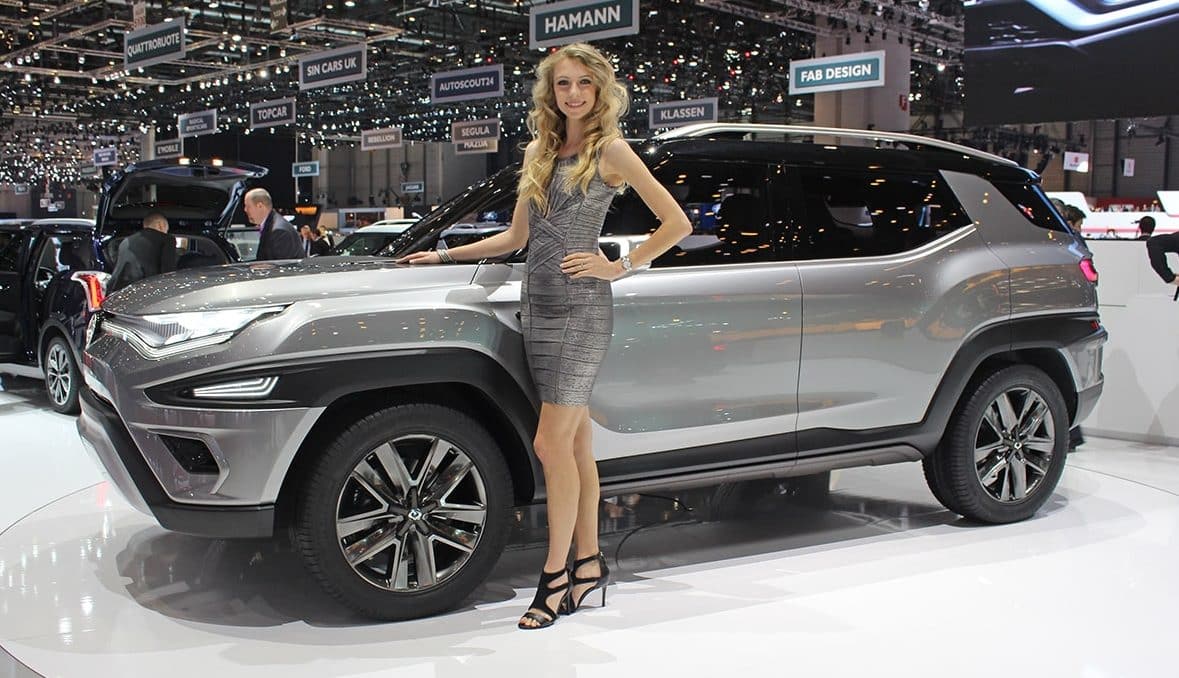
The new SsangYong XAVL concept car has made its debut in Geneva. The new XAVL – which stands for ‘eXciting Authentic Vehicle Long’ – concept was developed from the XAV concept which SsangYong presented at the Frankfurt motor show in 2015. For the design of the mid-size SUV, SsangYong drew on the second-generation Korando model from the 1990s. Read more SsangYong news, reviews and features at The Car Expert The XAVL concept can accommodate seven passengers with three rows of individual seats. The seats are arranged in a two-three-two layout, with the five seats of the second and third rows able to fold and slide for maximum comfort and practicality. The XAVL concept has the option to be powered by either a Euro 6d-Temp compliant 1.5-litre petrol or a 1.6-litre diesel engine. The petrol and diesel engines can be combined with either a six-speed manual or six-speed automatic transmission and a two wheel-drive system. Safety features include an external airbag which provides pedestrians with increased protection, a central airbag between the driver and front seat passenger which enhances the passenger’s safety, as well as a driver’s knee airbag.
The new XALV SsangYong concept car has had its world premiere at the Geneva Motor Show
The XAVL was developed from SsangYong’s XAV concept which was presented at the Frankfurt motor show in 2015. Photo: Andrew Charman
Additional safety features include Advanced Emergency Braking System, Lane Change Assist, Lane Keeping Assist, High Beam Assistance, Blind Spot Detection and Rear Cross Traffic Alert. Inside the cabin, a Smart Parking Assist System is available along with a 10.25-inch LCD display. A Wifi hotspot serves the second and third row of seats. Smartphones can be used to control the car’s navigation, heating, ventilation and air conditioning as well as the infotainment system. Additionally, Link to Home IOT (Internet of Things) technology will enable occupants to connect with their home and manage CCTV, security, domestic equipment and temperature control. Johng-Sik Choi, CEO of SsangYong Motor Company, said: “I am delighted to unveil this concept which signposts the future generation of SsangYong cars.”

New-look Korando

Also on the SsangYong stand at Geneva is the redesigned Korando. The new Korando features daytime running lights which operate using 11 high-luminescent LED lamps and separate lenses to improve visibility. The redesign includes new 18-inch diamond-cut wheels and an ergonomically designed steering wheel.
The SsangYong Korando 2017 is on the same stand as the XAVL concept at Geneva
The new-look Korando features LED daytime running lights and 18-inch diamond-cut wheels.
The Korando’s safety is enhanced by the addition of front and rear view safety cameras. These allow the driver to monitor blind spots around the vehicle when parking or moving at low speed. Customers can choose between a seven-inch colour display and TomTom seven-inch navigation, which both support the video camera displays, Bluetooth hands-free and iPod connectivity. The Korando offers the choice of a 2.2-litre diesel or a 2.0-litre petrol engine which can be combined with either a six-speed manual or a six-speed Aisin automatic transmission. There is also the option of front wheel-drive or on-demand all-wheel drive. Read more SsangYong news, reviews and features at The Car Expert The new Korando will be available to buy from late Spring/early Summer 2017, while possible production of the XAVL concept is not expected until 2020.
Interior of Ssang Yong Korando 2017 on the same stand as the XAVL concept
Customers can choose between a seven-inch colour display and TomTom seven-inch navigation.

Geneva: McLaren 720S stars

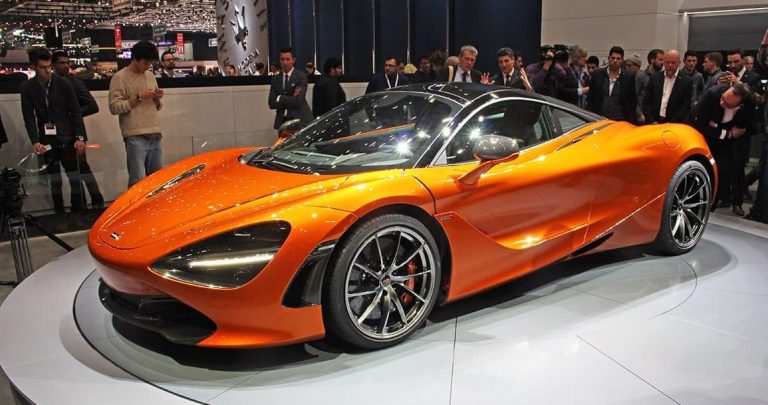
One of the most eagerly awaited unveilings at the 2017 Geneva Motor Show is the McLaren 720S. Successor to the McLaren 650S, the new model is the first in the brand’s second-generation Super Series, which includes the range-topping cars. It is also the first major element of the bold ‘Track 22’ plan, unveiled in Geneva one year ago and committing McLaren Automotive to 15 new models in six years. Read more McLaren news, reviews and features at The Car Expert As its name suggests the McLaren 720S offers 720hp from a new four-litre twin-turbo V8 engine. It is built around a brand-new monocoque central structure, dubbed Monocage II. This is formed completely of carbon fibre and is both significantly lighter and stronger than its predecessor.

Twice the aero

The 720S features new, bolder aerodynamics and according to McLaren is twice as aerodynamically efficient as its 650S predecessor. Industry sources suggest the car will hit 124mph from rest in just 7.8 seconds, and complete a standing quarter mile in 10.3 seconds. The car also features an uprated braking system that will slow the 720S from 124mph to a stop in just 4.6 seconds and 117 metres – this is six metres better than a 650S and comparable to McLaren’s ultimate supercar the P1.
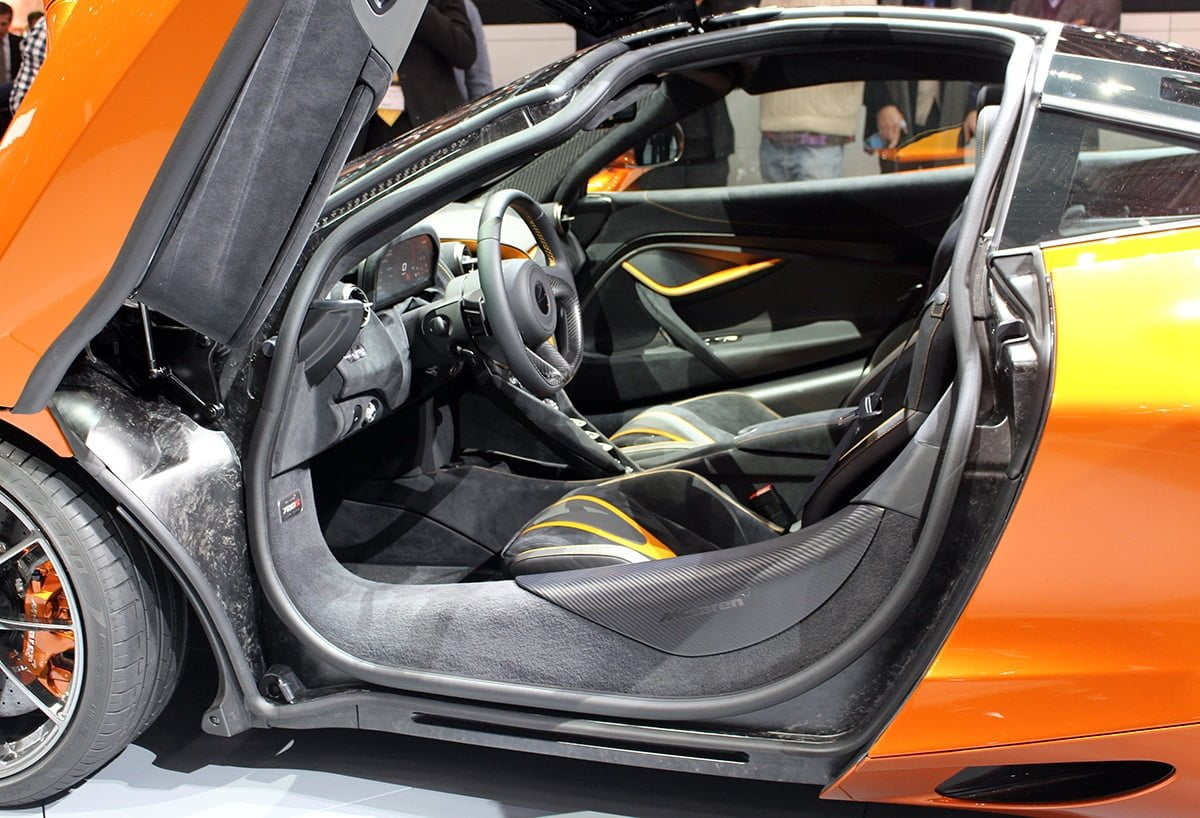
Interior of McLaren 720s at Geneva Motor Show
The McLaren 720s’ cockpit features a Folding Driver Display and a Central Infotainment Touchscreen. Photo: Andrew Charman
Chassis technology is being upgraded to match the powertrain with a new adaptive system Proactive Chassis Control II uses multiple sensors – 12 more than on previous Super Series models, including an accelerometer on each wheel hub

New cockpit systems

Technology on the 720S includes a driver information system dubbed “a revolutionary approach” by its creators. Two screens – a Folding Driver Display and a Central Infotainment Touchscreen – are fitted. In Full Display Mode, when the driver unlocks and slips into the car they are given a comprehensive range of information on an upright TFT screen, the display format changing according to a driver’s choice of Comfort, Sport, or Track driving modes. The Folding Driver Display includes a Slim Display Mode, that sees the display slide down to show only essential information in a strip. McLaren anticipates this suiting drivers wanting the minimum of distraction, such as when on a track. The eight-inch central infotainment screen will run multiple applications simultaneously on a vertical touchscreen carousel including controlling the audio, media and navigation. A short history of McLaren, by The Car Expert

Geneva: SEAT reveals new Ibiza

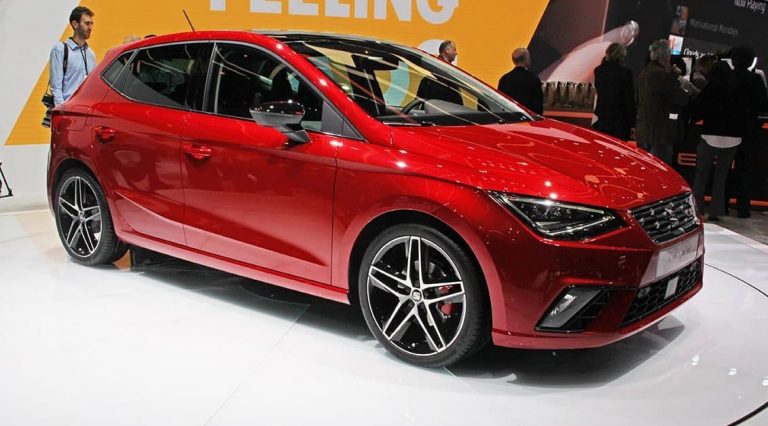
SEAT has unveiled the new Ibiza at the Geneva motor show. SEAT has had a good start to 2017 with a 13.6% increase in sales in the first two months of the year. SEAT has recently launched a flurry of new and updated models including the Ateca, the brand’s first SUV, and the redesigned Leon. A new compact crossover, the Arona, is also expected. The new range includes an alternative to the current FR trim, the Xcellence version. The Ibiza is SEAT’s best-selling model with over 5.4 million units sold worldwide. The fifth-generation Ibiza was developed and initially unveiled in Barcelona. The new Ibiza features an MQB (Modular Quer Baukasten) A0 platform developed by Volkswagen and specifically designed for smaller cars. Apple CarPlay and Android Auto are available with the new Ibiza along with Mirror Link connectivity via an integrated eight-inch touchscreen. Available driving-assistance systems include adaptive cruise control. Luca de Meo, president of SEAT, believes: “The new SEAT Ibiza will make a great leap forward for the brand and it is called to set a turning point in the segment.” The new Ibiza will play an important part in the consolidation and growth of the SEAT brand. Also on the SEAT stand at Geneva is the Leon CUPRA. The Leon CUPRA is the fastest legal street model from SEAT and has a 300hp engine that can produce 380Nm of maximum torque. SEAT claims that it has an acceleration of 0-62mph in 4.9 seconds.
White SEAT new Ibiza at the Geneva Motor Show
The Ibiza is SEAT’s best-selling model with over 5.4 million units sold worldwide. Photo: Andrew Charman
The Leon CUPRA is available with SEAT’s 4Drive Total Traction system when combined with the family ST model and the double-clutch DSG (direct-shift gearbox). Alongside the new Ibiza and the Leon CUPRA, SEAT is showing the new SEAT Leon CUPRACER Evo 17. This is the competition version destined to be fielded in the TCR International Series. The model on show at Geneva has a grey matte exterior, carbon fibre interior details and copper detailing both inside and out. Two versions of the Leon CUPRACER Evo 17 are available: one with DSG and the other with a sequential manual gearbox. The CUPRACER has the same engine as the street version, but is capable of 350hp and 420Nm of torque.
SEAT Leon CUPRACER Evo 17 on SEATs stand alongside new Ibiza at Geneva
The SEAT Leon CUPRACER Evo 17 will compete in the TCR International Series.

Geneva: Range Rover Velar waves flag

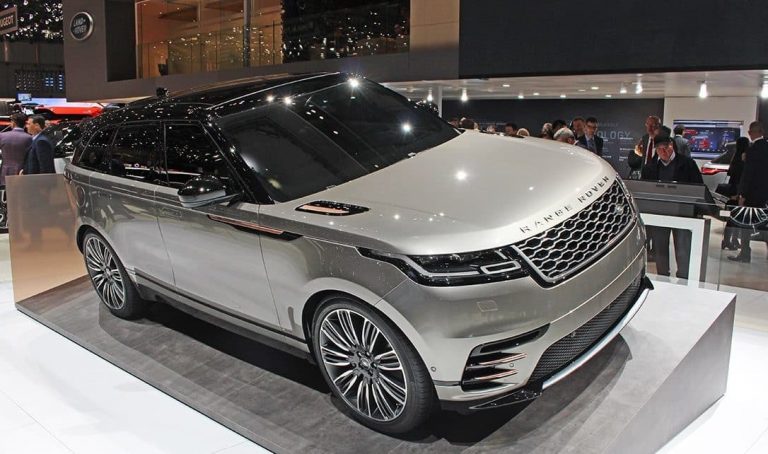
While the UK auto industry headlines focus elsewhere in the Geneva motor show halls, the Range Rover Velar is an important unveiling for the home industry.

The Velar is a truly British car, designed at Jaguar Land Rover’s Gaydon studios and to be built in the JLR plant in Solihull, Birmingham. Its Ingenium powertrain range, meanwhile, will come out of the recently-constructed engine plant near Wolverhampton in the West Midlands.

JLR sales have been mushrooming in recent times, Land Rover registrations alone up by close to 20 per cent in 2016, and the Velar is expected to further boost this progress.

Targeting Porsche rival

Sitting between the existing Range Rover Evoque and Sport lines, the Velar will be expected to widen the Land Rover brand’s customer base and attract buyers away from the Macan of rival Porsche.

The car sits on the same platform as the F-Pace SUV that has already proven a major success for sister company Jaguar, and will be offered with a six-strong powertrain range. The name comes from the development of the original Range Rover of 1970 – the title Velare, derived from the Latin velare meaning to veil or cover, was given to the 26 pre-production examples of the Range Rover produced.

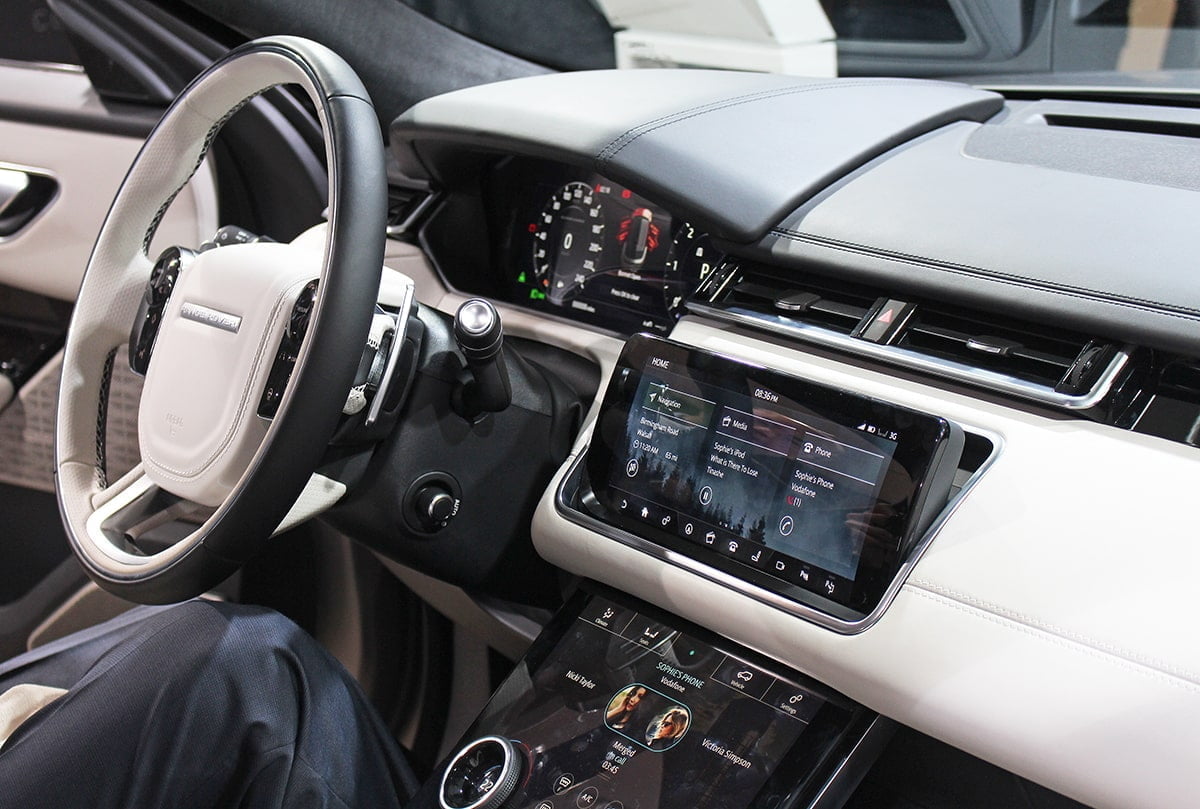
Interior of Range Rover Velar at Geneva Motor Show
The Velar will be expected to widen the Land Rover brand’s customer base. Photo: Andrew Charman

Sales of the newcomer start in July, with the Range Rover Velar priced from £44,830 to £85,450.

Geneva: Volkswagen Arteon unveiled

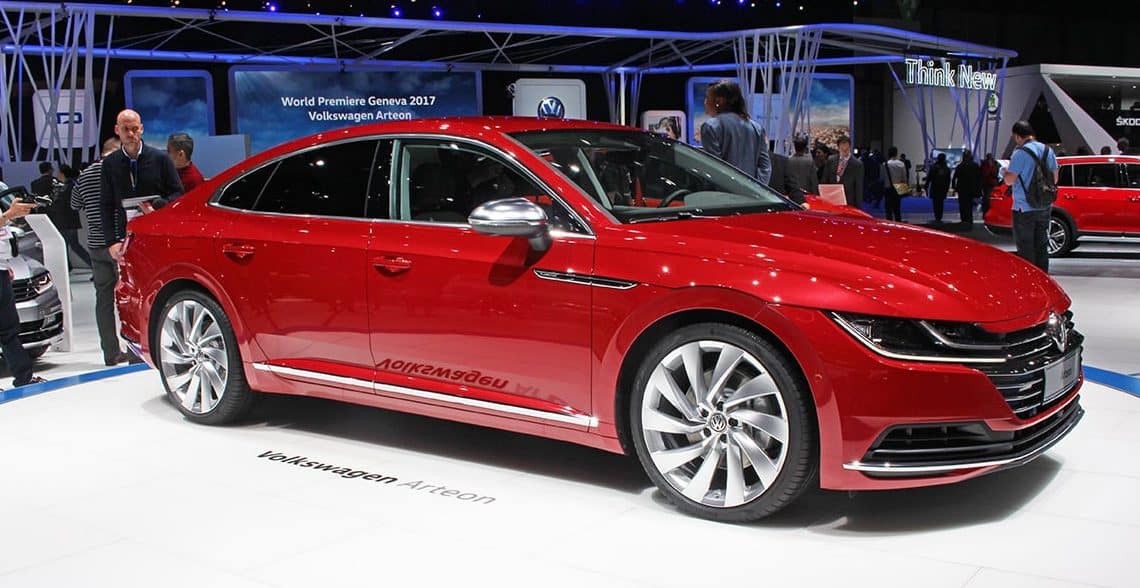
The Volkswagen Arteon, unveiled at the Geneva Motor Show, is described by its makers as “a five-door gran turismo”. Read more Volkswagen news, reviews and features at The Car Expert Effectively replacing the previous CC model, the Arteon is designed to sit at the top of the Volkswagen range above the Passat. It is expected to target upmarket rivals such as the BMW 4 Series Gran Coupe when it goes on sale in the Autumn of 2017. VW states that the Arteon “combines the design elements of a sports car with the elegance and space of a fastback”. The car sits on a very long wheelbase, taking up 2,841mm of the 4,862mm overall length, which, combined with a 1,871mm width and 1,427mm height, promises impressive space in the five-seat cabin. The Modular Transverse Matrix (MQB) platform on which the Volkswagen Arteon is built adds to this space, the transverse mounting of the engine permitting a more compact front end.

Six-strong engine range

Six engines will be available, all direct injection turbo units. Petrol and diesel options will each be available in 150 and 190hp outputs, with the 150 petrol a new engine to the Volkswagen range and boasting active cylinder management that shuts down a bank to save fuel when the engine is not under load.
Red Volkswagen Arteon at Geneva Motor Show
The Volkswagen Arteon is set to go on sale in Autumn 2017. Photo: Andrew Charman
The range-topping petrol unit will offer 280hp, its diesel equivalent 240hp, and all six engines will be able to be combined with a dual-clutch DSG gearbox – this is standard on all but the entry-level petrol unit and the most powerful diesel. Volkswagen is highlighting new styling elements on the Arteon, particularly the front-end. This includes a bonnet stretching forward and over each wing with a grille emphasising the car’s width. Muscular wings and flared wheel arches house alloy wheels of up to 20 inches in diameter and are prime styling elements of the Arteon. Read more Volkswagen news, reviews and features at The Car Expert According to Volkswagen design head Klaus Bischoff, the Arteon is a car for people who want a five-door fastback with an accomplished, elegant design and progressive technology. Bischoff says: “An avant-garde business-class gran turismo, it speaks to the heart and the head alike.”
Front-view of Volkswagen Arteon shown at Geneva
The Arteon is designed to sit at the top of the Volkswagen range above the Passat.

Geneva: Vauxhall Crossland X carries hopes

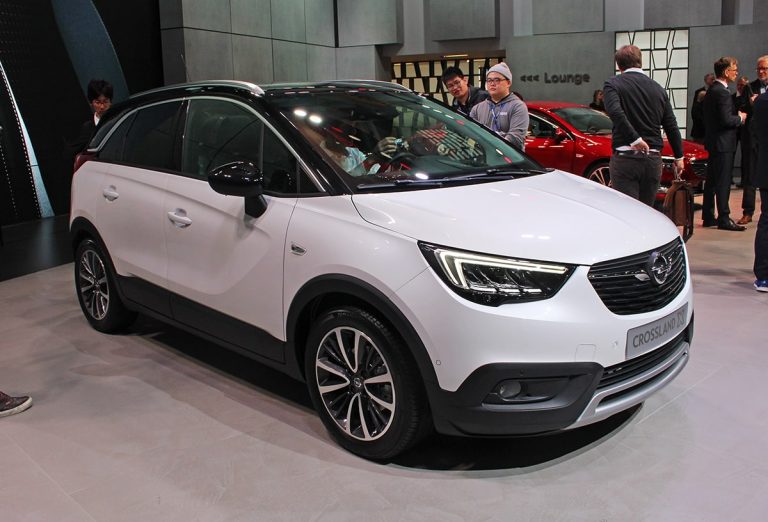
Vauxhall and sister Opel have unveiled the new Crossland X SUV and Insignia large car at the Geneva motor show, hoping that the two new models would earn headlines away from the uncertainty resulting from the sale of the two brands to PSA Group.

But the new cars are not likely to be the reason that the Vauxhall-Opel stand was one of the busiest of the show’s press day, as journalists from around the world clamoured to get more information about the impending takeover by PSA Group, which was only announced on Monday and remained one of the biggest talking points of the whole show.

Ironically the Crossland X and its forthcoming larger sister the Grandland X are built by Vauxhall-Opel’s new owner – both are part of a joint project with PSA.

The Crossland X sits on the same platform as the Peugeot 2008 while the Grandland X is effectively a sister to the Peugeot 3008, named European Car of the Year on the eve of the show.

The Crossland X will replace the current Meriva in the Vauxhall line-up. It is 4.2 metres long, shorter than its currently on-sale Mokka X sister and 16cm under the Astra family hatch.

Two Insignia models debut

Set to become the new Vauxhall range-topper, the Insignia has been unveiled in both Grand Sport hatch and Sports Tourer estate versions.

Vauxhall Insignia at Geneva Motor Show
The Vauxhall Insignia has been unveiled with a Grand Sport hatch and Sports Tourer estate versions. Photo: Andrew Charman

The car is built on a completely new platform that Vauxhall says adds to the interior space while also improving the on-road performance.

Technology will feature heavily – LED matrix lighting, Lane Keep Assist, a Head-up Display and premium seats with front- and rear-seat heating and a heated windscreen are among the features that will b eon offer when the car goes on sale in the summer.

Vauxhall’s latest generation IntelliLink and OnStar systems are also on show in the car with the OnStar assistance service now offering new features including the ability to book hotel rooms and search for suitable parking spots via an OnStar Advisor.

Geneva: Infiniti Project Black S debuts

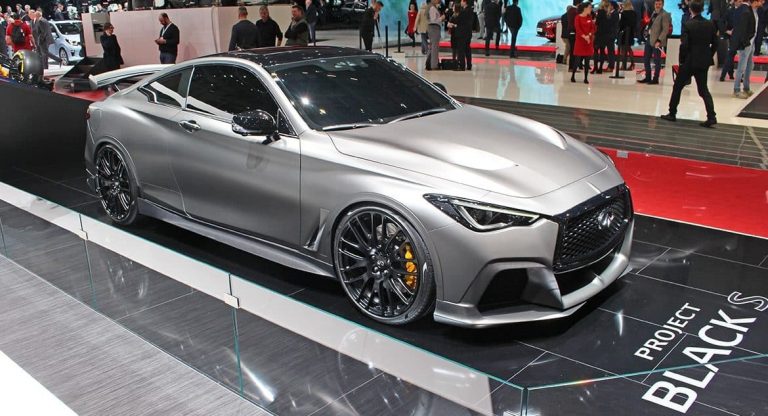
The Infiniti Project Black S is a radical rework of the Q60 coupe said to celebrate the brand’s association with the Renault Formula One team.

However the concept has another, important role – Infiniti management wants to know if high-performance versions of its model range would be popular and reaction to Project Black S will be closely noted – approval from Geneva motor show visitors could lead to a future production model.

The car’s powertrain adds Formula One technology in the form of a KERS – Kinetic Energy Recovery System – to the 3.0-litre twin-turbo V6 engine of the Q60. Developed by Renault F1 engineers the KERS harvests energy, for example, developed under braking, to boost power and torque, pushing the car’s output to 500bhp.

Styling to match the potency is added, based around a matt grey exterior colour with gloss black detailing replacing the chrome of mainstream Infiniti models.

Composite body elements

Carbon fibre is also used extensively, including a large front splitter, rear diffuser, wings and side skirts. Ultra-thin aero ‘blades’ are fixed in the side sills ahead of the rear wheels to channel air around the lower body of the car while a large fixed rear wing – also made of carbon fibre – is mounted at the rear.

Rear-view of Infiniti Project Black S at Geneva Motor Show
The Infiniti Project Black S features a matt grey paint finish with gloss black detailing. Photo: Andrew Charman

Other bespoke touches include larger air intakes at the front to channel cold air into the engine bay and brakes, and vents in the bonnet to allow heat to escape. Forged 21-inch aluminium alloy wheels – larger, wider and lighter than those on the standard Q60 – are fitted under wheel arch extensions.

“The company believes there is potential for a ‘Black S’ grade that offers progressive levels of product enhancement – including higher power and torque from innovative powertrains, new or uprated suspension systems, and unique design elements,” Infiniti says.

“Project Black S suggests what a Black S grade could offer customers, and the concept’s debut in Geneva will help Infiniti gauge potential interest in daring high-performance derivatives of its cars that benefit from genuine motorsport technology.”

Infiniti Project Black S Q60 at the Geneva Motor Show 2017

Geneva: Mercedes-AMG GT debuts

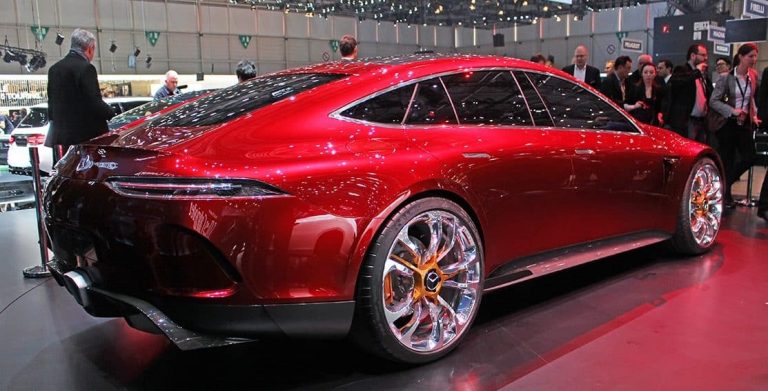
The Mercedes-AMG GT concept previews the German brand’s answer to the Porsche Panamera.

Unveiled at the Geneva motor show, the concept is expected to evolve into a four-door production model that is expected to launch in 2019. It will be a successor to the CLS Shooting Brake.

Other rivals in the new car’s sights will include the BMW 6 Series Gran Coupé and the Audi A7.

600hp engine

The Geneva concept is presented in range-topping form with a 4.0-litre twin-turbo V8 engine producing more than 600bhp. The GT – the name has not been confirmed for a production model – would be manufactured by the Mercedes-Benz performance subsidiary Mercedes-AMG. However it will be based around the Mercedes-Benz modular rear architecture (MRA) platform that is already used on AMG models such as the C 63.

Industry sources suggest two power outputs of the four-litre will be offered in the car, both combined with all-wheel-drive, while there will also be an entry-level 3.0-litre V6 model.

Front-view of Mercedes-Benz AMG GT concept car that is being shown in Geneva
The Mercedes-AMG GT concept is expected to evolve into a four-door production model that will be launched in 2019.

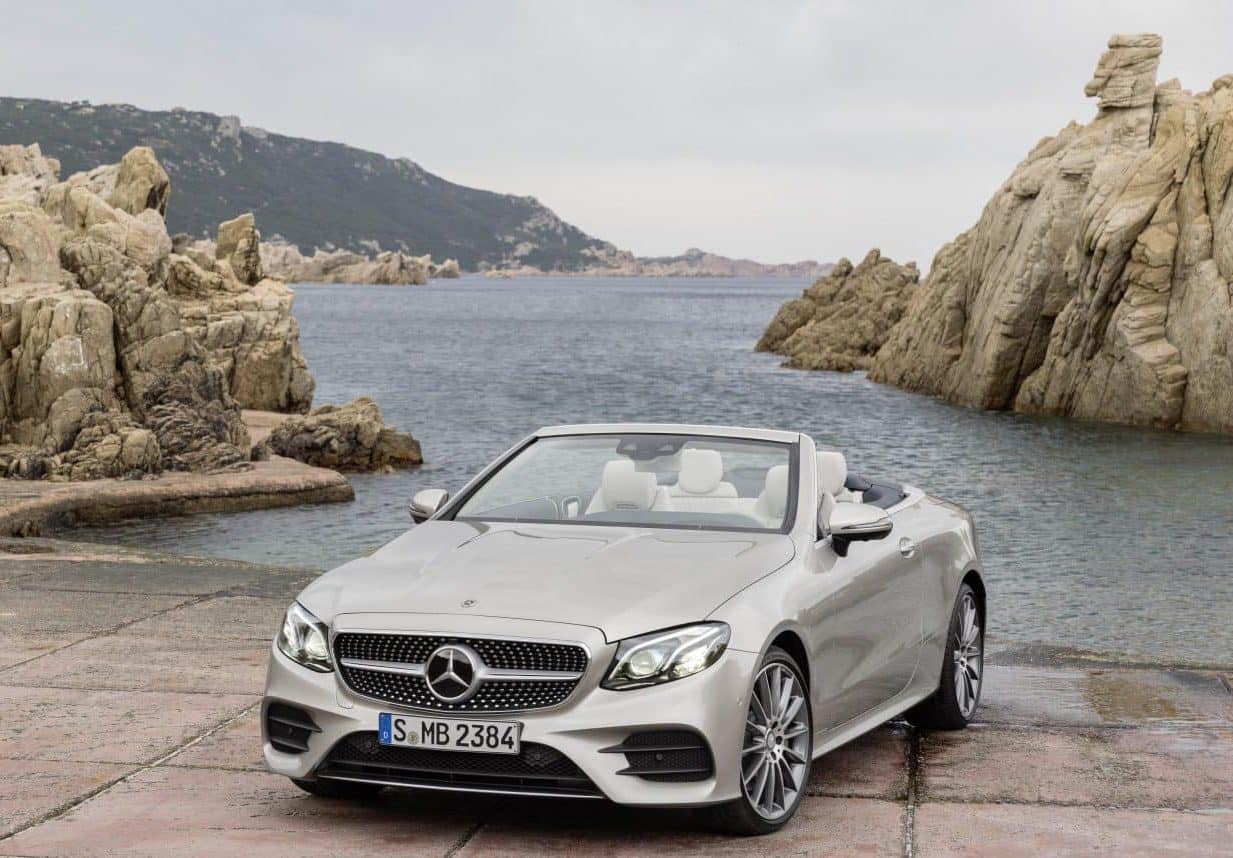
Also on the Mercedes-Benz stand at Geneva is the E-Class Cabriolet, completing the brand’s latest E-class range. The cabriolet is based heavily on the new E-Class Coupe and retains that model’s lightweight part-aluminium construction.

Mercedes E-Class Cabriolet joins Mercedes-Benz family at Geneva
The Mercedes-Benz E-Class Cabriolet is receiving its world premiere at the Geneva Motor Show. Photo: Andrew Charman

Peugeot 3008 wins European Car of the Year

The new Peugeot 3008 SUV has been awarded the European Car of the Year 2017, in a presentation made ahead of the Geneva Motor Show. The annual award was decided by a judging panel comprising 58 automotive journalists from across Europe. The Peugeot 3008 scored 319 points, winning by 23 points over the Alfa Romeo Giulia (296 points). In third place was the Mercedes-Benz E-Class, which was recently awarded UK Car of the Year, on 197 points, followed by the Volvo S90 and V90 (172 points), Citroën C3 (166 points), Toyota C-HR (165 points) and Nissan Micra (135 points). It is the fifth victory for Peugeot in the European Car of the Year awards, its most recent coming in 2014 for the current Peugeot 308 hatchback. Last year’s winner was the Vauxhall/Opel Astra. The 3008 was also highly commended by Thatcham Research earlier this year for its safety features. Unlike most Car of the Year awards these days, there are no category or class winners – just one single award. The winner is traditionally announced in Geneva just ahead of the opening of the annual Geneva motor show. The Peugeot 3008 went on sale in January and The Car Expert tested the car last November – our report is here.

PSA to buy Vauxhall in €2.2bn deal

UK employees of Vauxhall are facing an uncertain future after French giant PSA agreed a 2.2 billion Euro deal (around £1.9m) to buy the brand and its German sister Opel.

The deal will see PSA Group, which owns Peugeot, Citroën and DS Automobiles, take over the running of Vauxhall and Opel from current owner, US giant General Motors (GM). The new group will be Europe’s second largest car maker after Volkswagen, overtaking the RenaultNissan alliance and having 17 per cent of the market.

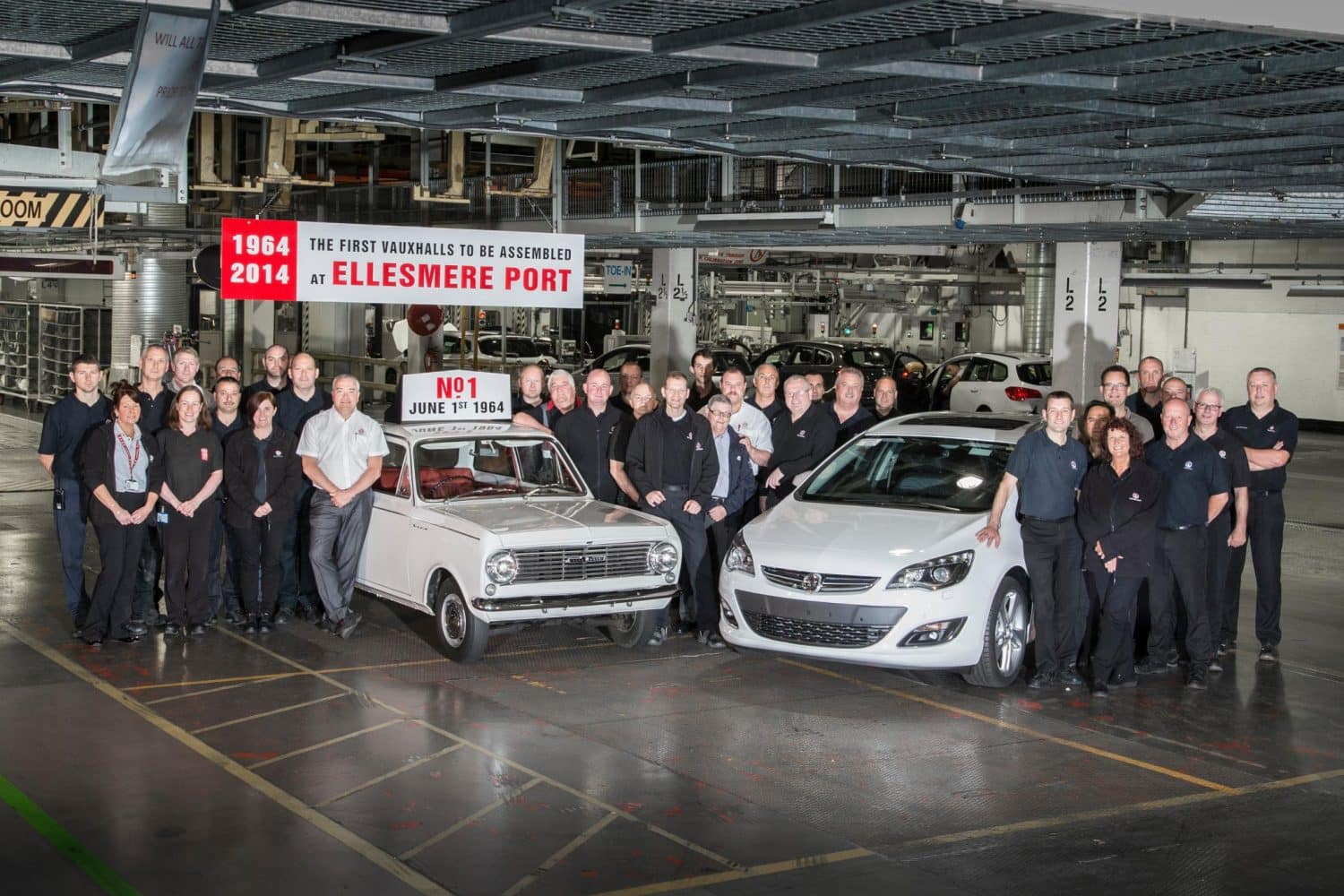
However the deal leaves 4,500 UK Vauxhall workers, particularly those in the brand’s two plants at Ellesmere Port, Cheshire and Luton, Bedfordshire, concerned about their long-term job prospects.

Savings of €1.7bn

GM and PSA issued a joint statement announcing the sale and stating that the addition of Vauxhall and Opel is expected to “allow significant economies of scale and synergies in purchasing,” resulting in savings of 1.7 billion Euros by 2026 and a significant part as early as 2020.

GM decided to sell its European operations after missing a target for them to break even in 2016 after years of losses. The failure to hit the break-even target was blamed on Brexit – the UK’s decision to leave the European Union and the sharp fall in the value of the UK pound that followed the vote.

PSA believes it will “accelerate Vauxhall/Opel’s turnaround” with the group making a sustained operating profit of two per cent by 2020 and six per cent by 2026.

PSA buys Vauxhall
The sale agreement is significant for both PSA Group CEO, Carlos Tavares and GM CEO, Mary Barra, pictured at the press conference in Paris.

GM sees the sale as a significant step in its ongoing work to transform its business, which the company says has delivered three years of record performance and a strong 2017 outlook. However rumours continue to circulate in the US suggesting that GM may now merge with FIAT Chrysler Automobiles.

Commenting on the agreement, PSA head Carlos Tavares says that the group is proud to join forces with Vauxhall/Opel and deeply committed to continuing to developing the company and accelerating its turnaround.

Vauxhall Ellesmere Port
Uncertainty will hang over Ellesmere Port, a Vauxhall plant with a long history.

“We respect all that Opel/Vauxhall’s talented people have achieved as well as the company’s fine brands and strong heritage – we intend to manage PSA and Opel/Vauxhall capitalizing on their respective brand identities,” Tavares adds.

“Having already created together winning products for the European market, we know that Opel/Vauxhall is the right partner. We see this as a natural extension of our relationship and are eager to take it to the next level.”

“We are confident that the Opel/Vauxhall turnaround will significantly accelerate with our support, while respecting the commitments made by GM to the Opel/Vauxhall employees,” Mr Tavares continues.

Vauxhall Vivaro
Vauxhall still has a major plant in Luton making the Vivaro van.

Wait and see on UK factories?

Vauxhall currently builds the Astra at Ellesmere Port and the Vivaro in Luton, as well as having its corporate headquarters in the Bedfordshire town. PSA has not built cars in the UK since closing its Peugeot factories in Coventry in 2006.

Brexit has added potential complexities for manufacturers with factories in Britain, particularly over exports that account for the vast majority of UK automotive production. Around 80 per cent of Vauxhall exports are to the European Union – there are fears that these could be badly affected by the export and import tariffs that will result if the Government does not secure an agreement to remain part of the single market when it leaves the EU.

Reacting to the sale announcement Len McCluskey, general secretary of the Unite trade union, insists that PSA head Carlos Tavares can be convinced that keeping production in Britain makes sense.

“Our plants are the most productive in the European operation, the brand is strong here, the market for the products is here, so the cars must be made here,” McCluskey says.
However he adds that the Government needs to play its part to end the harm being caused to the UK auto sector by the uncertainty over Brexit. He insists that the Budget on Wednesday would be a perfect opportunity to announce that trading opportunities with Europe will be preserved.

The current Astra is expected to continue in production until at least 2021 and relocating its manufacturing plant before then would seem to be unlikely. However around three-quarters of the car’s components are sourced from the EU so PSA could decide to base future Astras on the same platform as Peugeot Citroën models, building them together in European factories.

New UK plants?

Some reports suggest, however, that a ‘hard Brexit’ could be good news for Vauxhall manufacturing in the UK. PSA could decide to overcome the inevitable tariffs resulting by relocating some production to Britain in order to supply the UK market, which is one of the strongest in Europe and in which Vauxhall has a significant 16 per cent share.

Tavares has appeared to confirm such reports, sating that there could be an opportunity to open new plants in the UK.

Vauxhall/Opel and PSA already co-operate on several models. The Vauxhall Crossland X and Grandland X crossovers, launching at the week’s Geneva motor show, are built on the same platform as the Peugeot 2008 and 3008 equivalents. The Vivaro van, however, is part of a joint programme with PSA’s great rival Renault-Nissan, sold by the latter as the Traffic and Primastar.

The Car Expert will update this story as more details emerge.  

Vauxhall Crossland X 02
The forthcoming Vauxhall Crossland X SUV is built in a joint project with PSA Group.

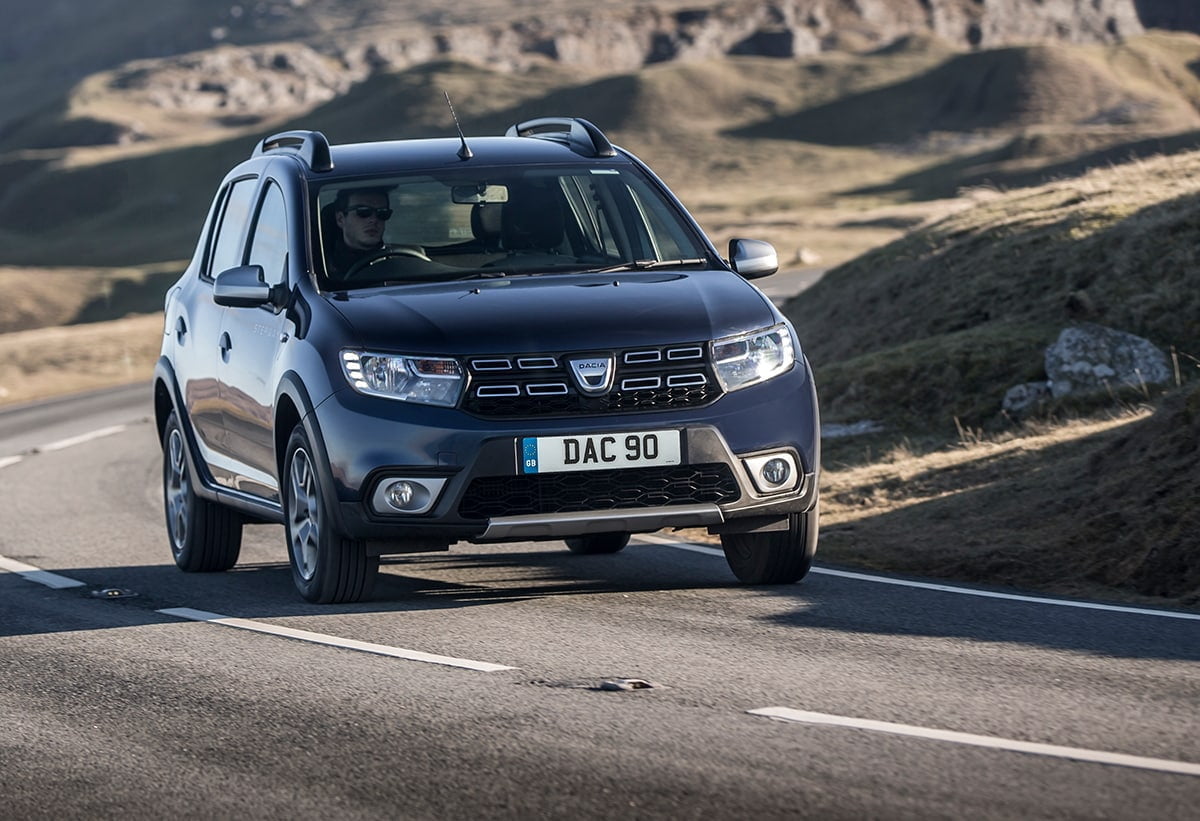
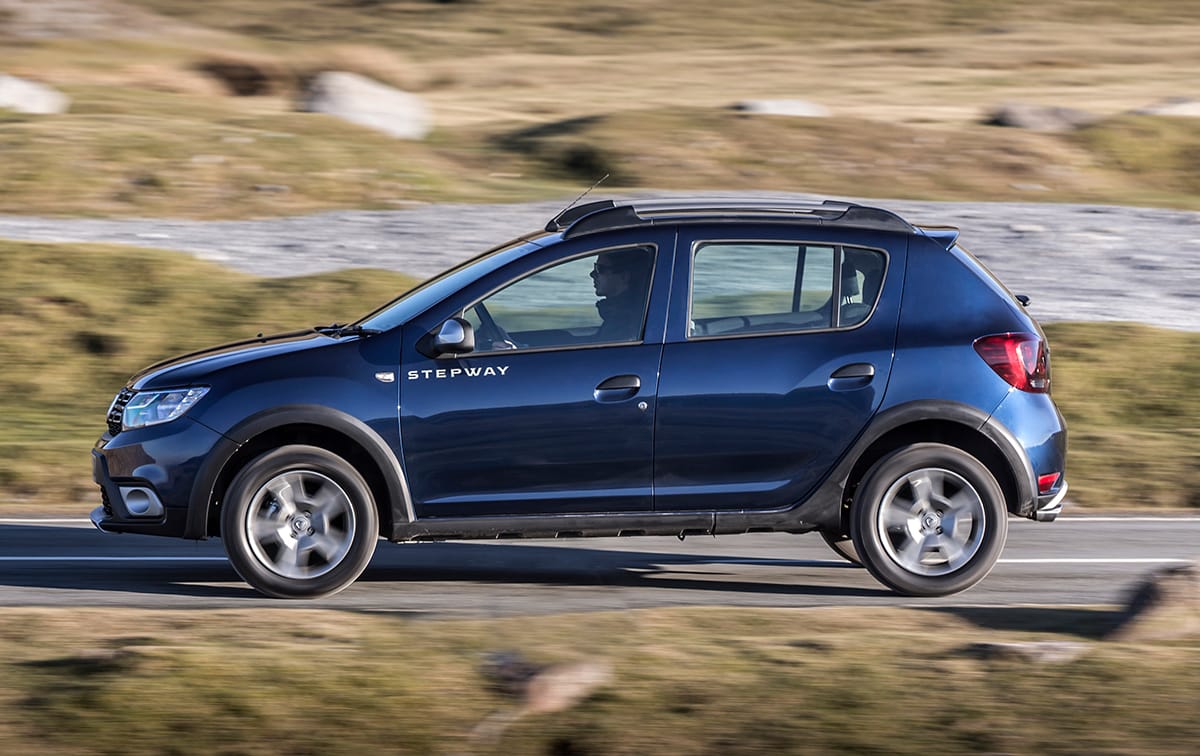
Dacia Sandero Stepway review

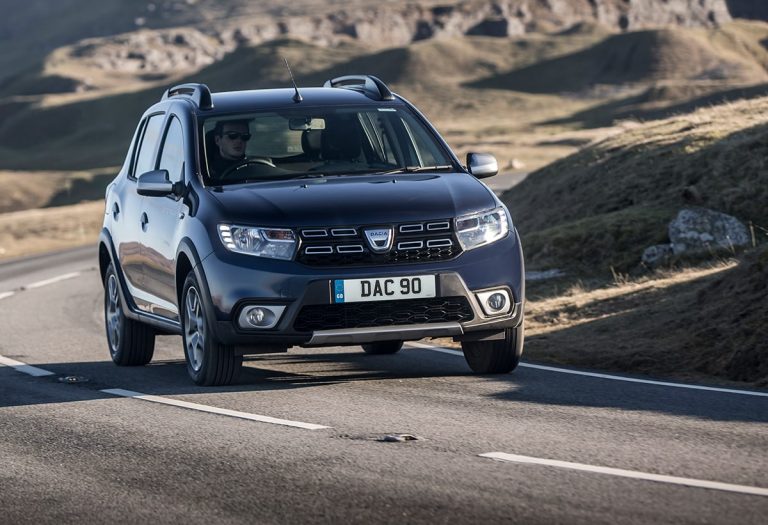
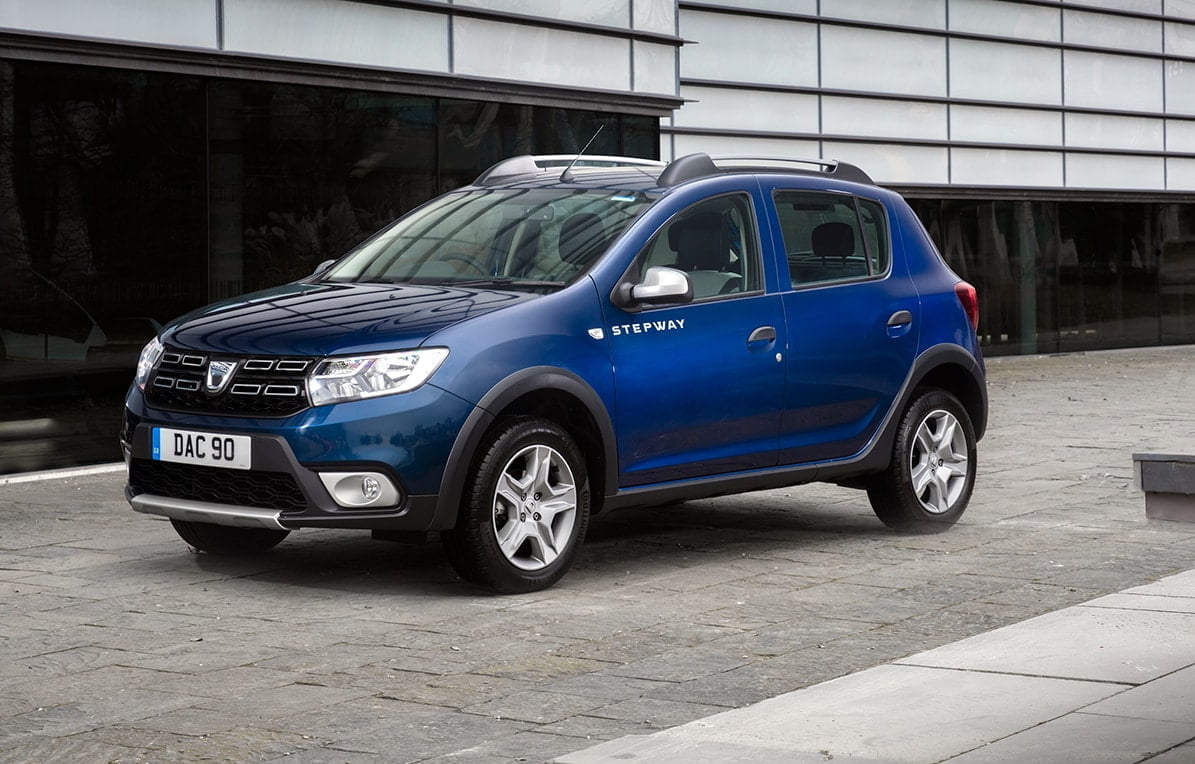
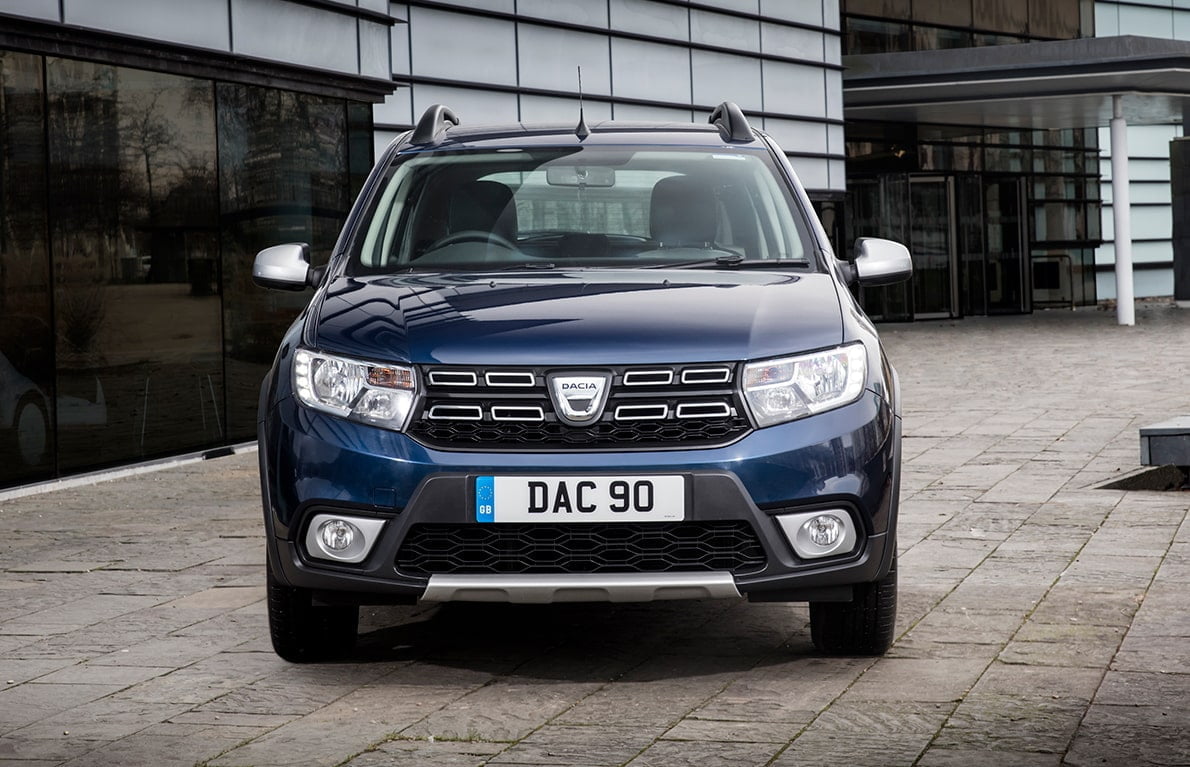
What is it? The Dacia Sandero Stepway is an off-road styled crossover version of the budget brand’s supermini model. Key features: Sub £9K starting price, off-road styling. Our view: It won’t write any headlines for its road dynamics but the Dacia Sandero Stepway is good value for a low price – a better option than the standard Sandero. Type of review: Taster test.
The Dacia Sandero Stepway is a typical example of the mantra that has guided the Romanian budget brand’s growth since owner Renault launched it onto the UK market four years ago. It offers as much as is practical for a rock-bottom budget price. The Stepway arrived in 2013 with the Dacia brand, the concept behind the car being to appeal to the mushrooming crossover market by taking the Sandero supermini and jacking up the ground clearance. The car gained bolder, off-road styling, while not bothering with the complex and expensive all-wheel-drive powertrain that most crossover buyers don’t want anyway. At the Paris Show in September 2016 Dacia unveiled mild updates across its range and the Sandero Stepway was included. The new models are just arriving on UK roads and the Stepway concept is expanding – next to be treated will be the big-sister Logan MCV.

Powertrain and styling

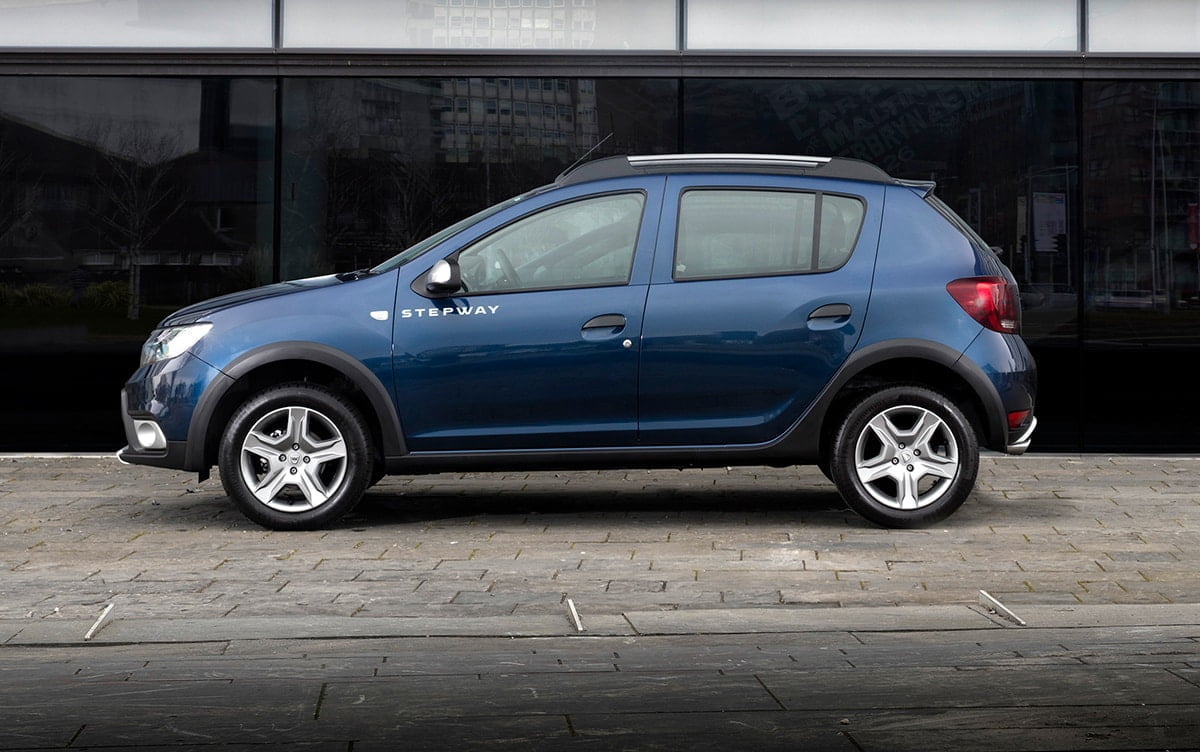
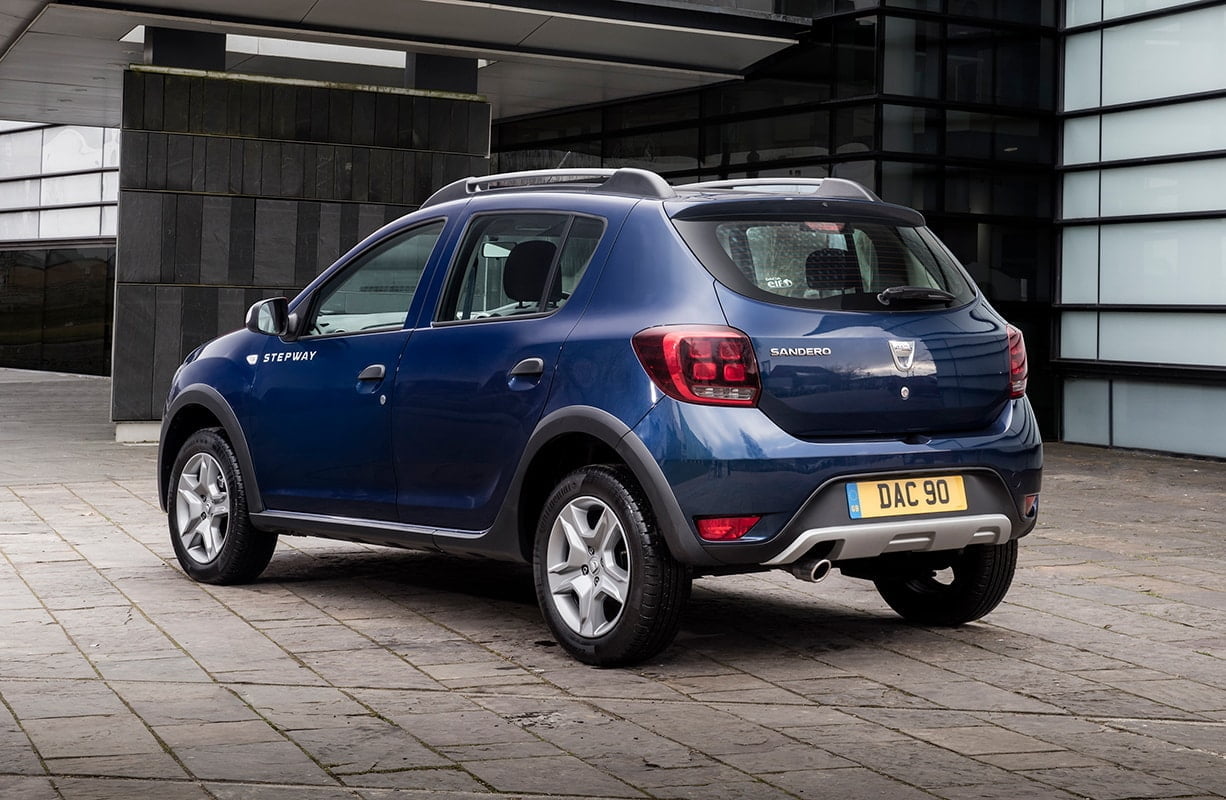
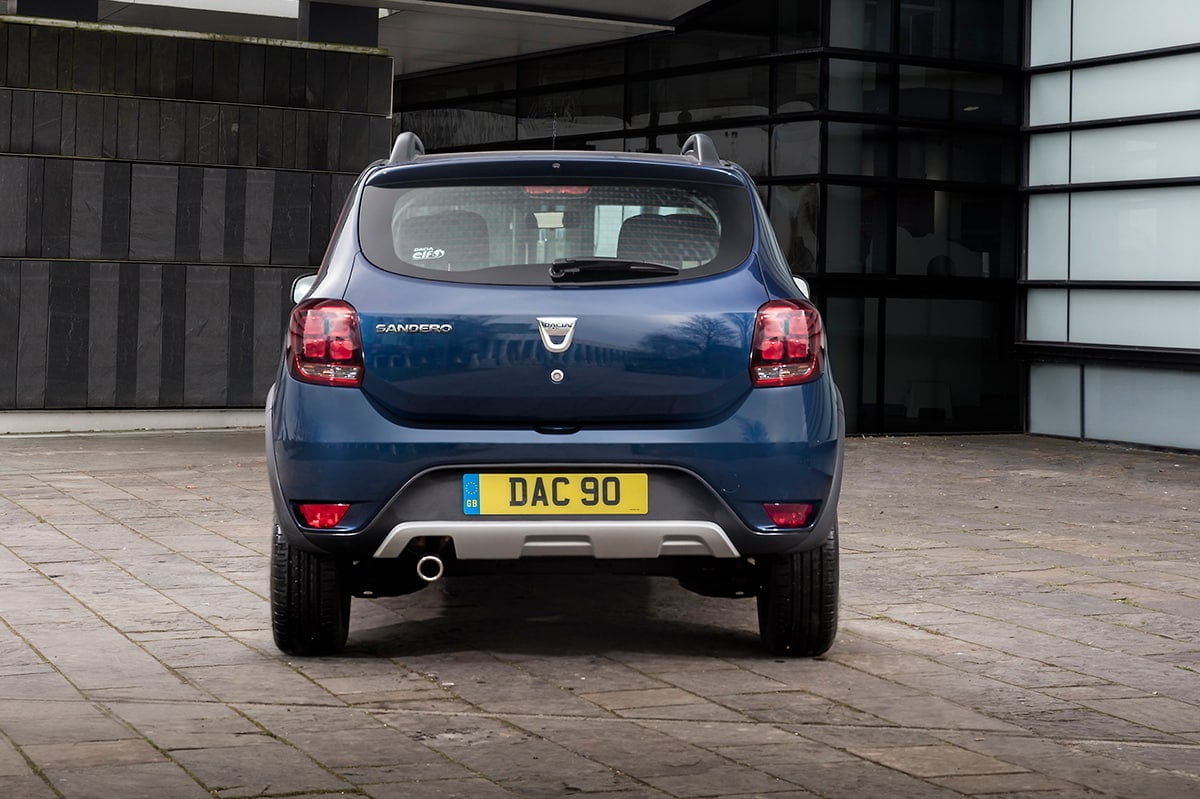
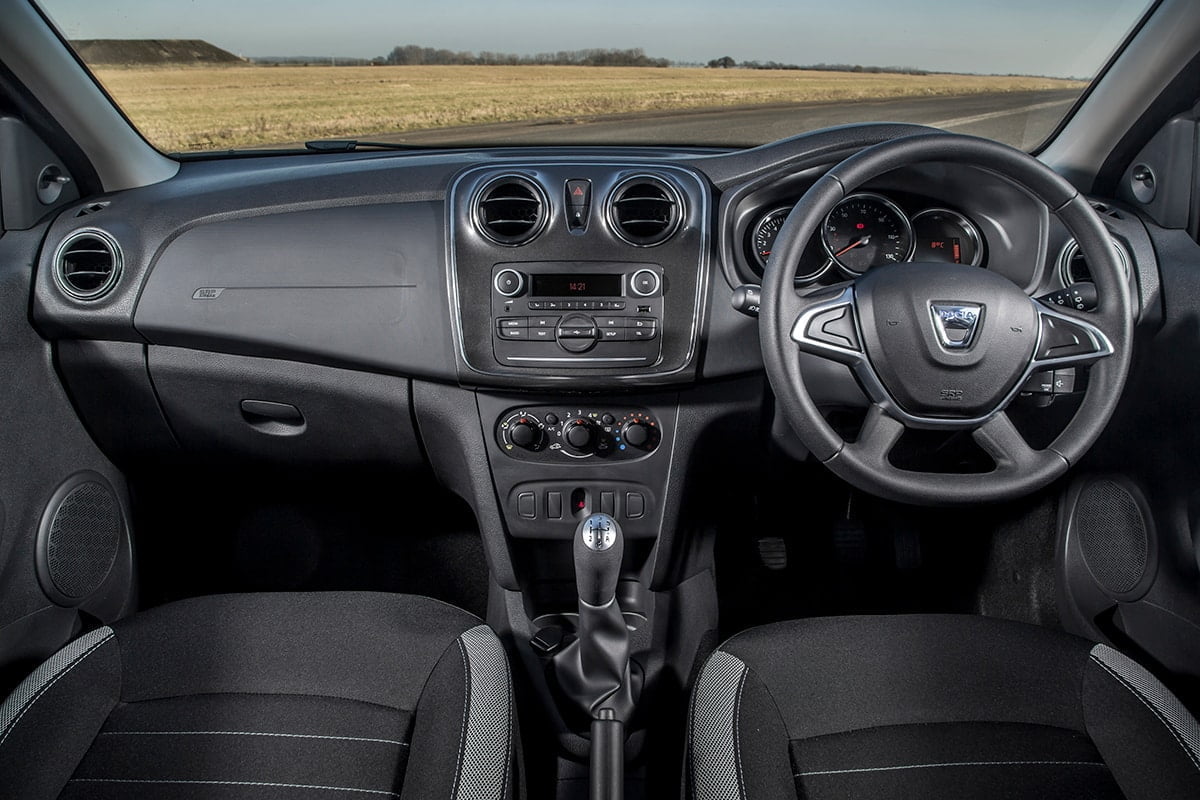
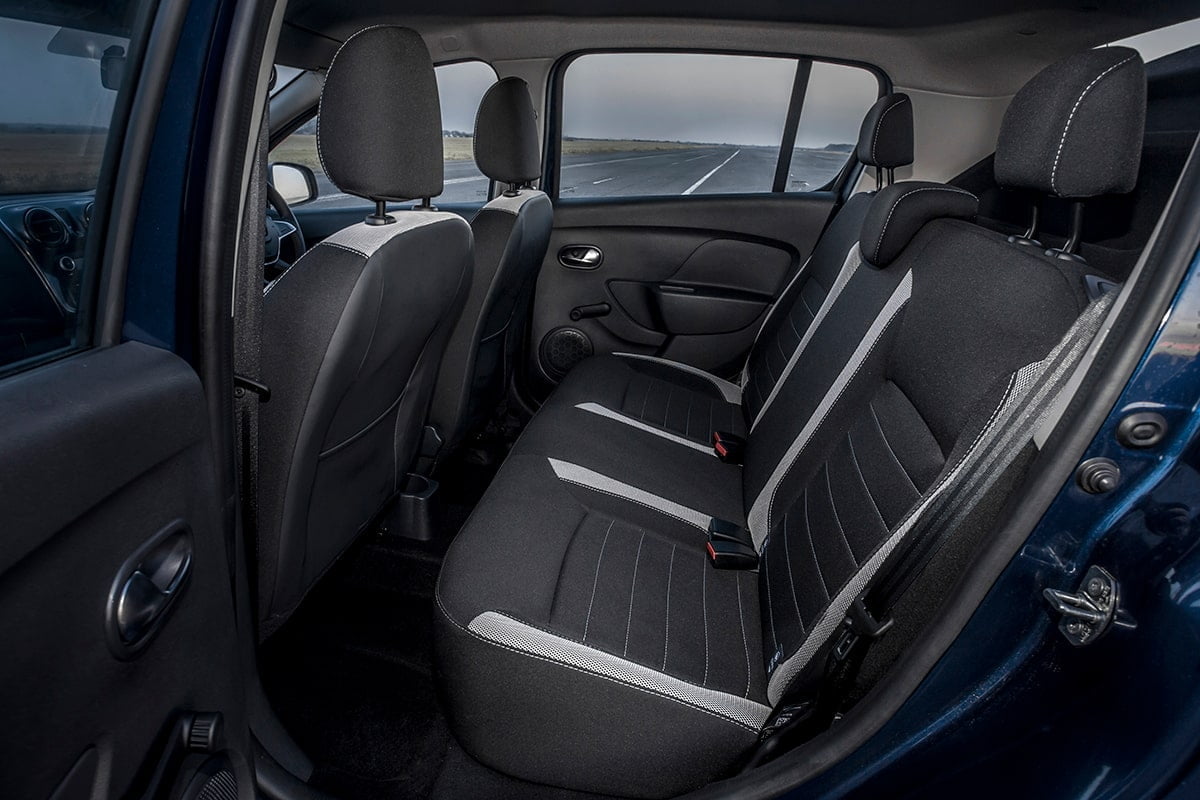
The Dacia Sandero Stepway costs £1,000 more than a standard Sandero, and to create it one starts with a stock car fitted with either the 898cc 90hp petrol engine, or the 1.5-litre diesel also with 90 horses on tap. Entry-level Sanderos with the 1.2 petrol engine of 75hp are not permitted the Stepway treatment. Ground clearance is increased by 40mm and visual representations of protective skid plates are added under the redesigned front and rear bumpers. The suspension is beefed up to cope with the unlikely concept of Stepway owners not always staying on the tarmac, and the car distinguished from its sister by adding wheelarch extensions and roof rails. Inside you’ll struggle to see any difference apart from some rubber floor mats. As for the updates between the new and previous versions, well they are hardly headline generating. The usual formula of changes to the alloy wheel design and new exterior colours applies. But perhaps most significant are the first Daytime Running Lights fitted to any Dacia. It’s an easy car to get into – the jacked-up stance ensures that. Once inside one views the basic, functional dash layout that characterises Dacia models. The rotary dials and push switches are looking increasingly dated in today’s market, but they work absolutely fine. It is inside where most of the range updates have happened. The steering wheel has been redesigned, the seat upholstery updated. There are a couple more storage spaces and some chrome detailing that adds a welcome break to the quite dark finish. More importantly, it’s easier to get comfortable. The driver’s seat is now adjustable for height, as is the steering wheel, and the front seatbelts.

On the road

Our test car is fitted with the petrol engine – both it and the diesel are proven Renault units. Both are allied to a five-speed manual gearbox, there is no auto option on the Stepway. Combined cycle fuel economy on our model is quoted at 55mpg, with a 62mph sprint time of a shade over 11 seconds, so adequate for the supermini market. Adequate is also the best description of the refinement on offer – there are smoother models out there, with slicker gear shifts, but the Stepway is competent enough particularly considering how much one pays for it. The ride quality is quite surprising – jacking up the Sandero seems actually to improve the chassis, and the Stepway bowls along in reasonable comfort, confidently smothering bumps. It does lean over a little in the corners but in a very controlled manner. Choose a Stepway and you won’t be given the option of bargain-basement Access trim, which is no bad thing. Our test car is in the lower Ambiance trim level, and for £8,795 it includes a surprising level of equipment. Start-stop is fitted, and a the infotainment includes DAB radio and Bluetooth. Air conditioning is standard too. Options? On our test car they extended to metallic paint and an emergency spare wheel in lieu of the usual tyre inflation kit. They add £595 to a selling price of just £8,795 – pretty much a bargain for a crossover-styled car as this is. According to Dacia UK, however, only around half its customers are looking for the lowest budget option. The other half want all the bells and whistles while appreciating value for money, and so choose the range-topping Laureate. To buy a Laureate one pays another £1200. This adds such niceties as a seven-inch touchscreen with satellite navigation, an onboard computer, cruise control, rear parking sensors and electric rear windows. That’s worthy of consideration, and perhaps equally so is the diesel. The drawback is a £1400 price hike over petrol Stepways, the advantage fuel economy that jumps by almost 20mpg, together with a dip in emissions under the magic 100g/km marker – not that this will be as important following the VED tax changes on 1st April (see here for more). The diesel is also likely to offer a more satisfying drive thanks to its greater mid-range torque.

Verdict

Dacia makes no bones about offering budget cars – the brand bases its entire advertising on that premise. But within that budget range the Dacia Sandero Stepway is possibly one of the best options. Even those not necessarily looking for a crossover could benefit from choosing this over a standard Sandero.

Dacia Sandero Stepway – key specifications

Model tested: Dacia Sandero Stepway Ambiance TCe 90 Price: £9,390 (with options, stock OTR price £8,795) On sale: December 2016 Engine: 898cc petrol, 90hp, 140Nm 0-62mph and max speed: 11.1sec, 104mph Economy and emissions: 55.4mpg, 115g/km Key rivals: Hyundai iX20, Kia Venga, Suzuki S-Cross Test date: February 2017 Dacia Sandero Stepway tracing

Volkswagen Tiguan Allspace debuts at Geneva

European audiences get their first view of the Volkswagen Tiguan Allspace at next week’s Geneva motor show.

The extended version of the brand’s popular SUV was unveiled as the Volkswagen Tiguan LWB at the Detroit show in January.

It stretches the standard Tiguan wheelbase by 110mm, and the overall length by 215mm, mainly in the rear overhang that grows 106mm.

The extension creates a potential extra 145 litres of boot space, or 250 litres with the rear seats folded, as well as the option of fitting two extra seats in a third row.

Six-strong engine range

Ahead of the car’s European debut, more details of the powertrain line-up have been released – six engines will be available, ranging from 150 to 240hp. All are direct-injection four-cylinder turbo units.

Three petrol options range across 150, 180 and 220hp, while their diesel equivalents rate at 150, 190 and 240hp. Front-wheel drive is standard on the entry-level models, though 4Motion all-wheel-drive is an option on the 150hp diesel and standard on all other versions. All-wheel-drive models also gain the DSG auto dual-clutch gearbox.

Volkswagen Tiguan Allspace will be presented as a more versatile version of the SUV

Mild changes to the front-end styling and the profile differentiate the Volkswagen Tiguan Allspace from its big-selling standard length sister. It will be offered in VW’s standard three trim levels of Trendline, Comfortline and Highline.

UK sales of the Tiguan Allspace are not expected to begin until late 2017. Prices are still be revealed but based on the already announced German prices they are expected to be around £3,000 more than the standard Tiguan. This costs from £23,140.

The Tiguan Allspace will be unveiled on Volkswagen’s Geneva stand on 7th March – The Car Expert will be at the show to provide latest news on all of the new model reveals.

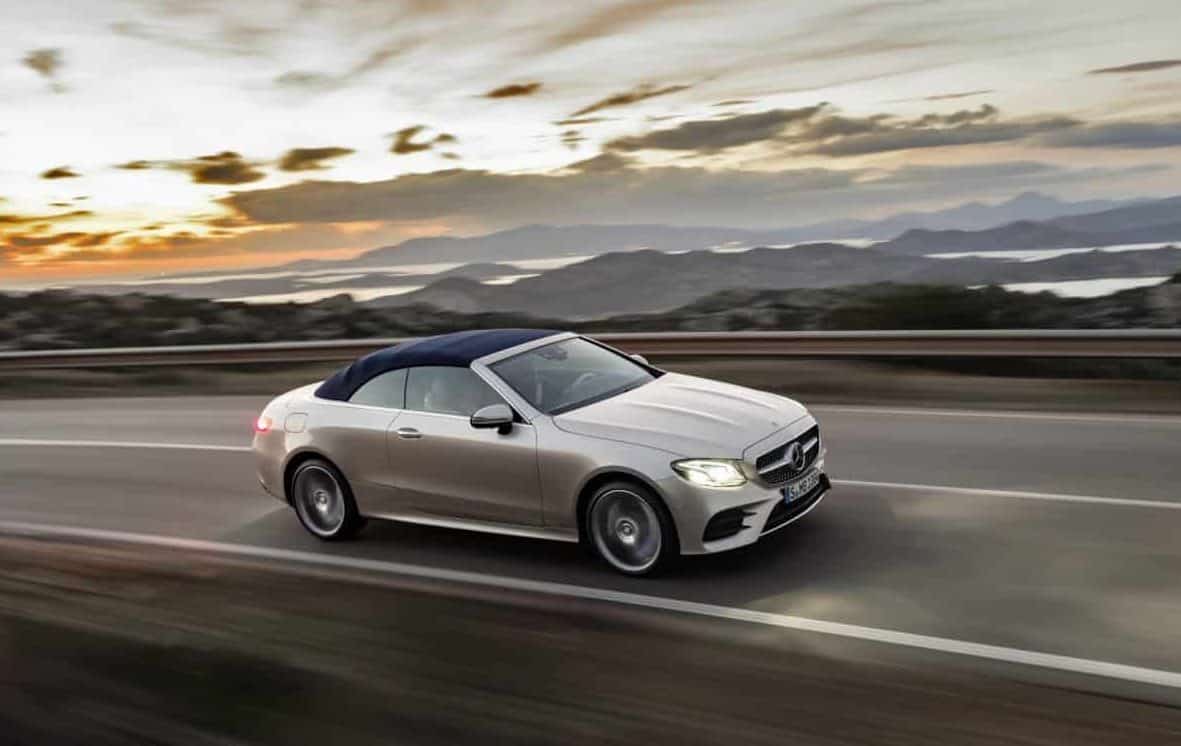
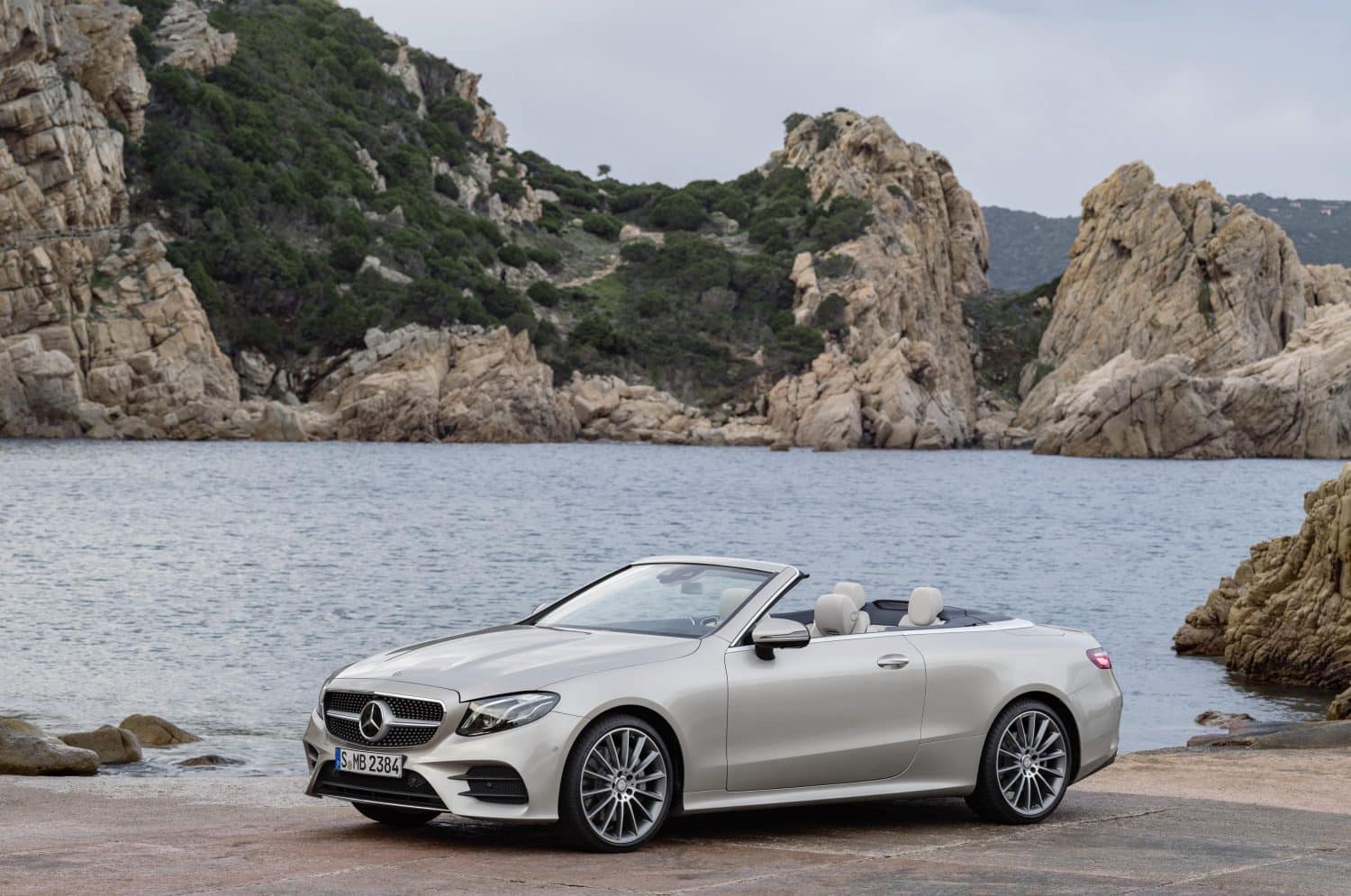
E-Class Cabriolet joins the family

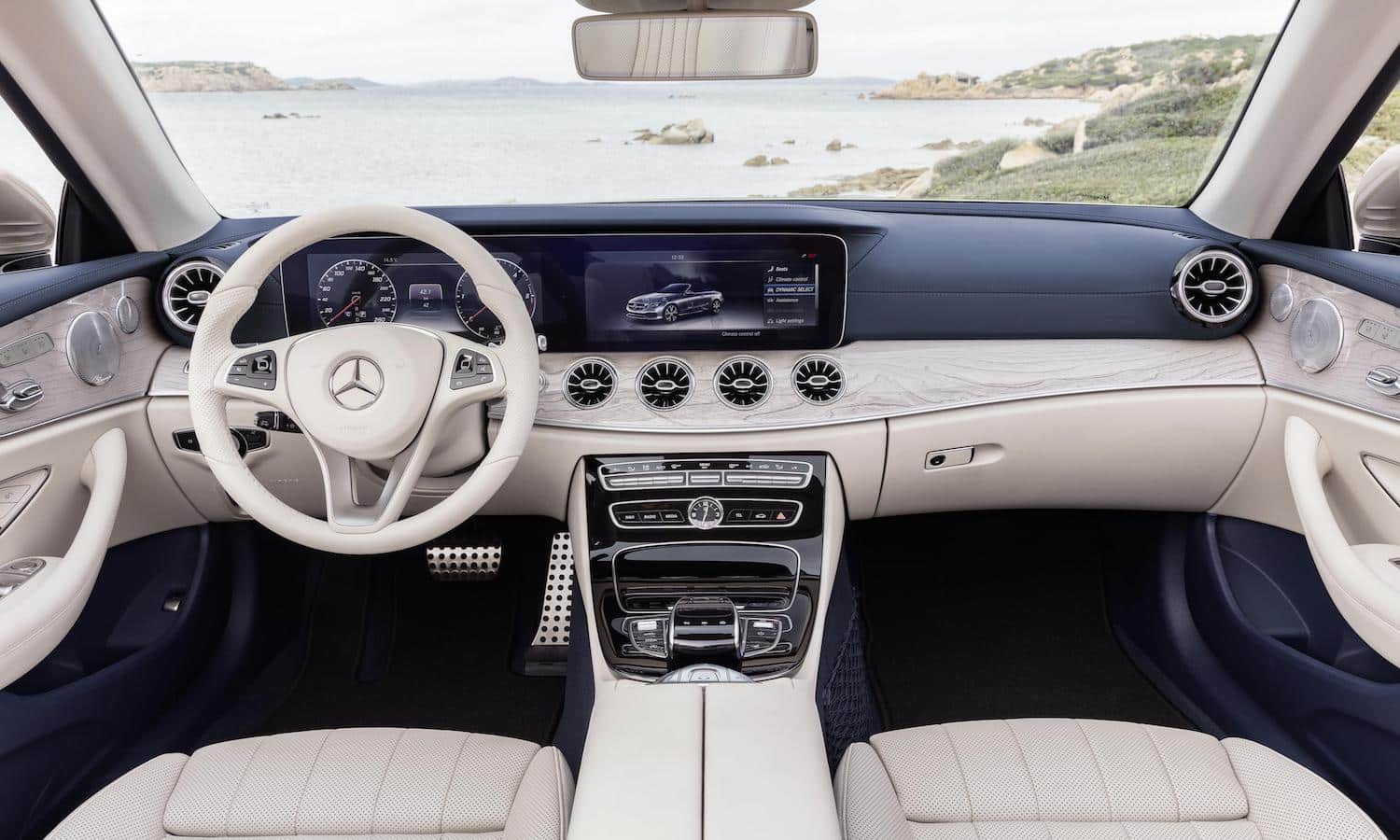
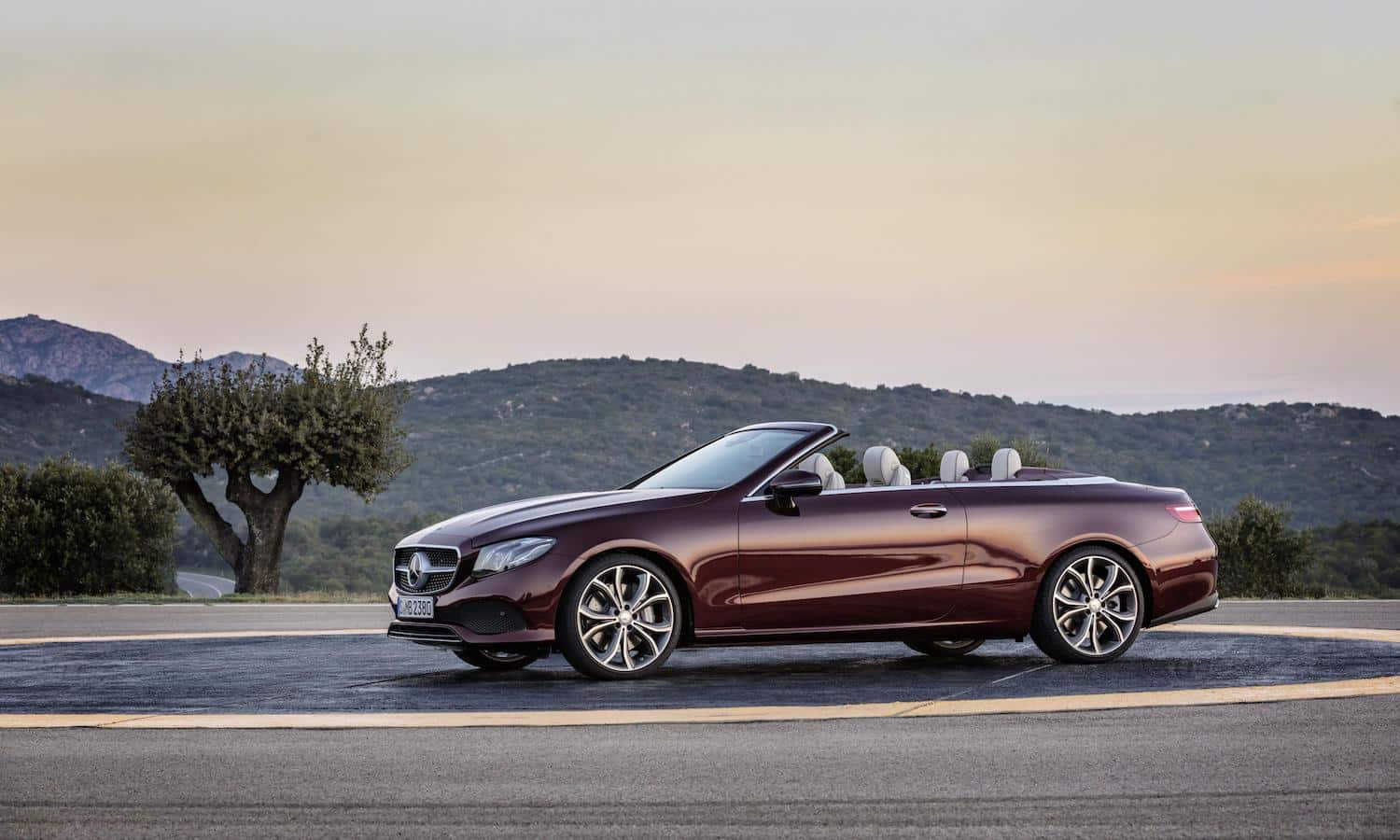
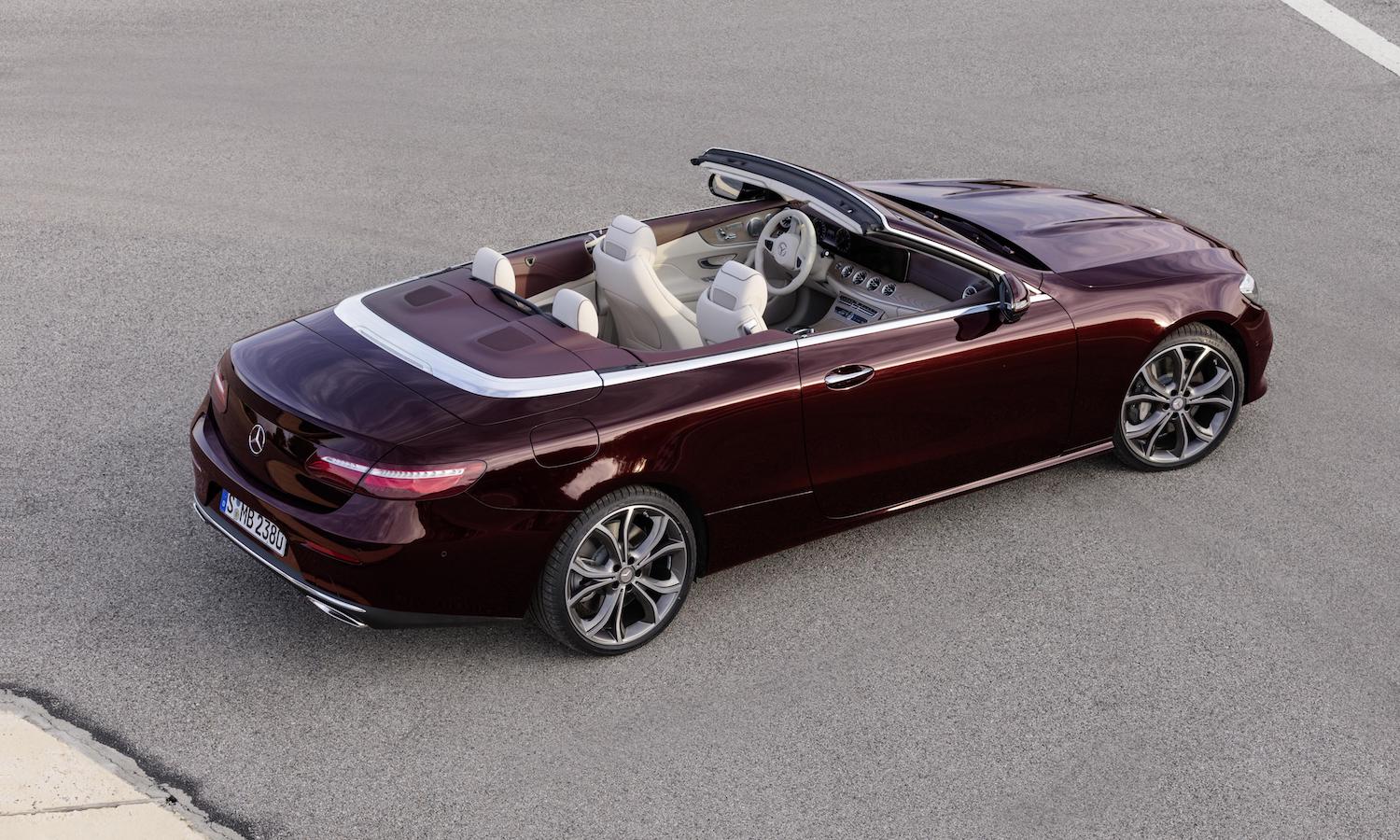
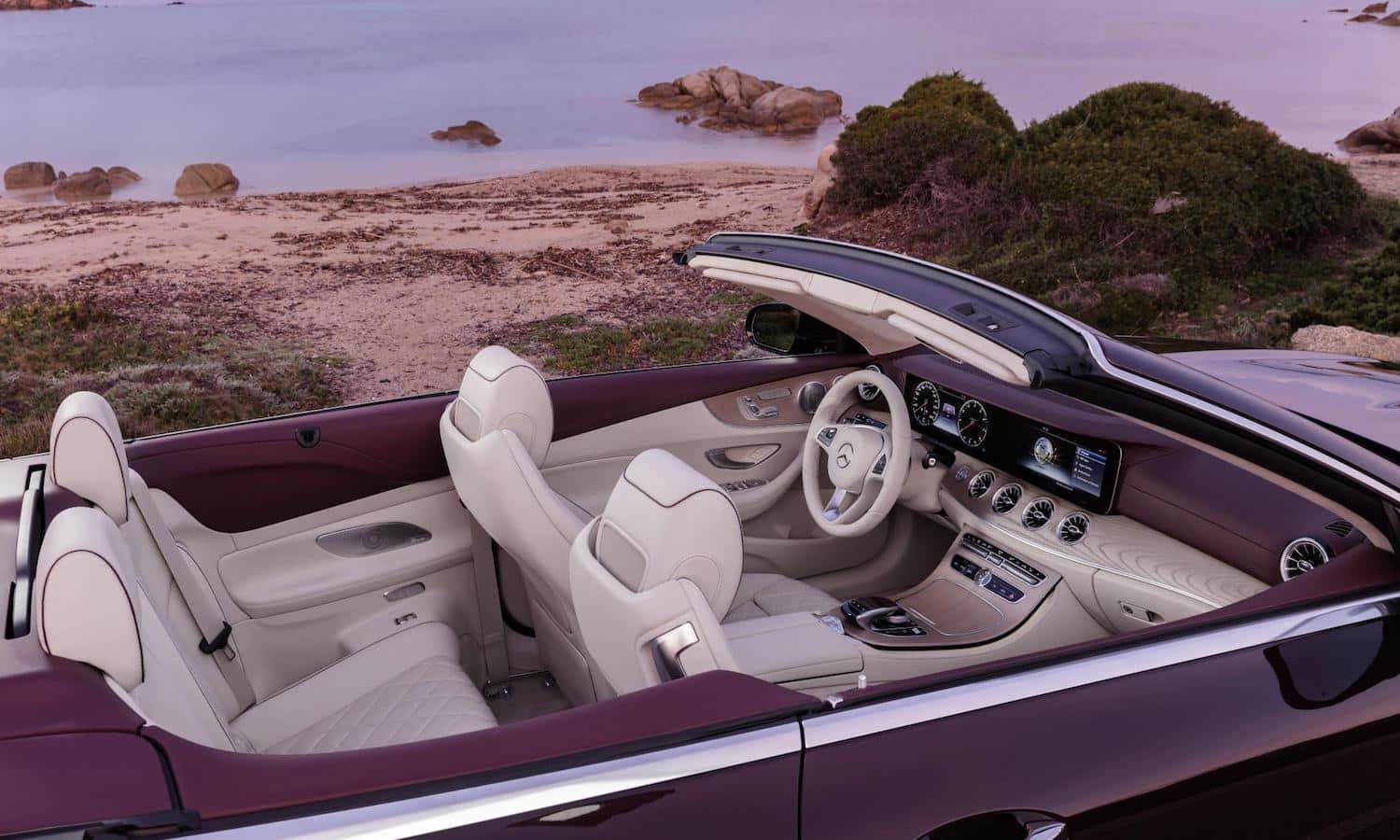
Mercedes-Benz has completed the roll-out of its new E-Class range with the E-Class Cabriolet. The E-Class Cabriolet joins the largest convertible range in Mercedes-Benz history, which now includes C-Class, E-Class, S-Class, SLC (nee SLK), SL and AMG GT topless models. As expected, the E-Class Cabriolet is based heavily on the new E-Class Coupe and retains that model’s lightweight part-aluminium construction. Unlike the previous-generation models, the new E-Class coupe and cabriolet models are based on the E-Class saloon platform, rather than the smaller C-Class. As with the previous E-Class Cabriolet, the new model features a fully-automatic soft top roof, which takes about 20 seconds to open or close and can be operated at speeds up to 31mph. The acoustic insulation in the roof material has been improved, and Mercedes-Benz claims a sufficient reduction in wind and driving noise for occupants to converse normally even when driving at high speed. Like most large soft-top vehicles, the fabric roof is stowed in a collapsible compartment in the boot. For the new E-Class Cabriolet, Mercedes-Benz now offers an option to operate the boot separator electrically instead of manually. The new model offers the Aircap electric wind deflector and rear draught stop which featured on the previous mode, although they are now part of an optional comfort package rather than standard equipment. The Cabriolet Comfort package also includes Mercedes’ Airscarf neck-level heating system for the front seats. Like the coupe, the E-Class cabriolet has grown in size over its predecessor, which primarily improves rear cabin and boot space. The boot capacity is slightly larger at 385 litres (reducing to 310 litres when the boot separator is in use), and the rear seats now fold in a 50:50 split for the first time to increase loading space. All models of the E-Class Cabriolet are equipped with 9G-TRONIC nine-speed automatic transmission. A 4MATIC all-wheel drive option is available for the first time, although it remains to be seen whether this will be available in the UK. An E63 AMG model is also possible, mirroring the coupe. The E-Class Cabriolet includes features common to the award-winning saloon and new coupe models, including autonomous emergency braking, brake assist and steering assist systems. The cabriolet also continues the previous model’s roll-over protection system. In the event of a the car rolling over, two cartridges hidden behind the rear seats are explosively fired to pop up and provide roll-over protection for the driver and passengers. UK pricing and specification will be announced closer to the car’s anticipated local launch this summer.

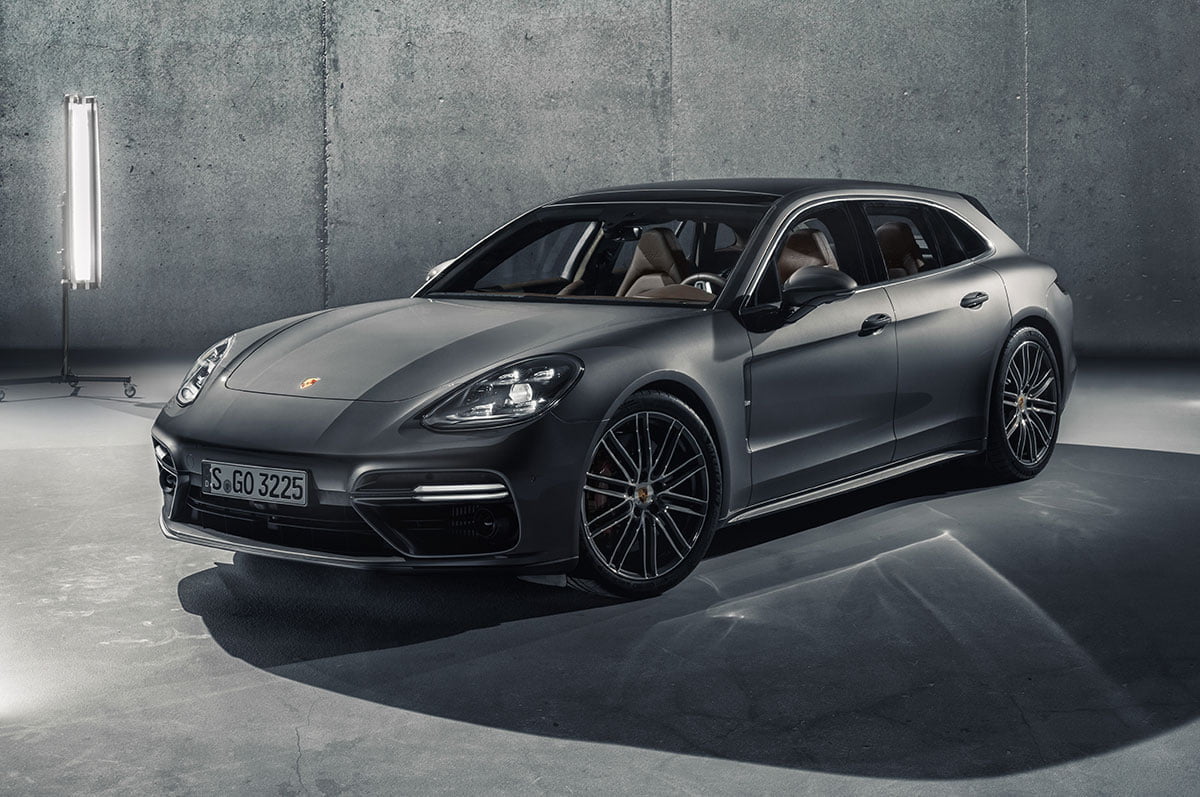
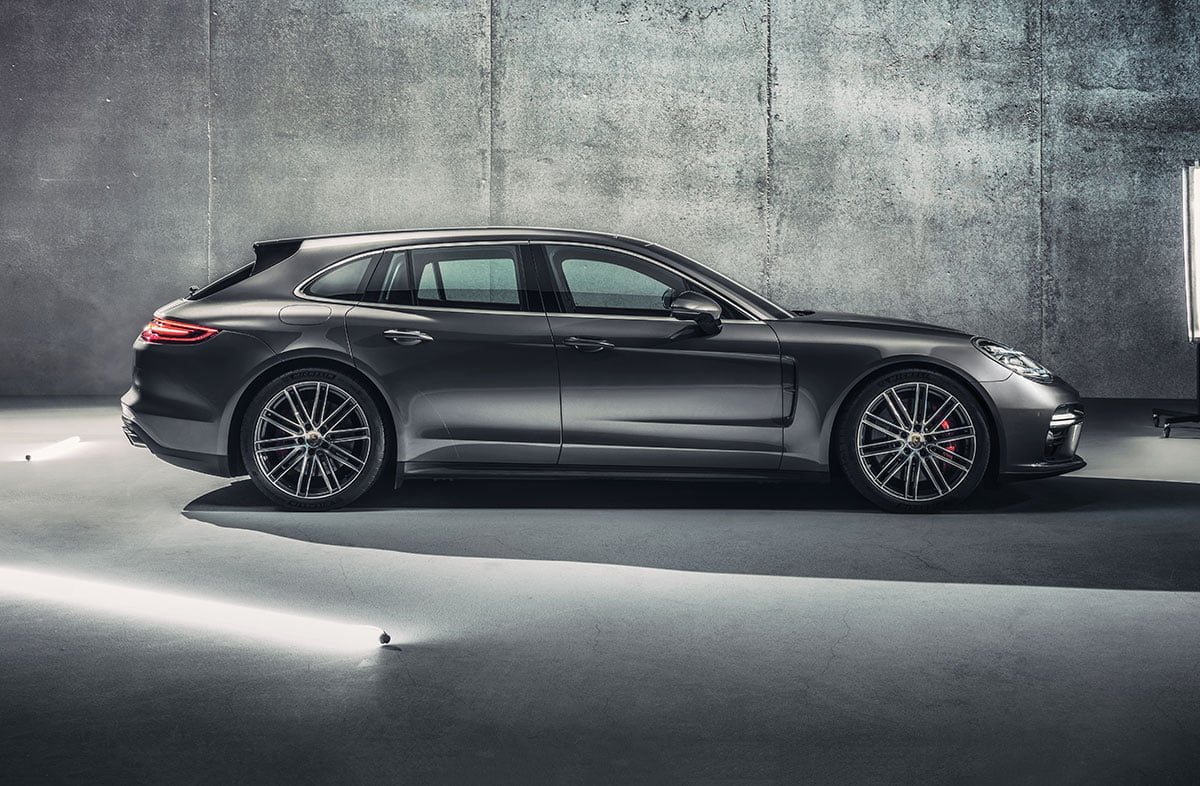
Porsche Panamera Sport Turismo unveiled

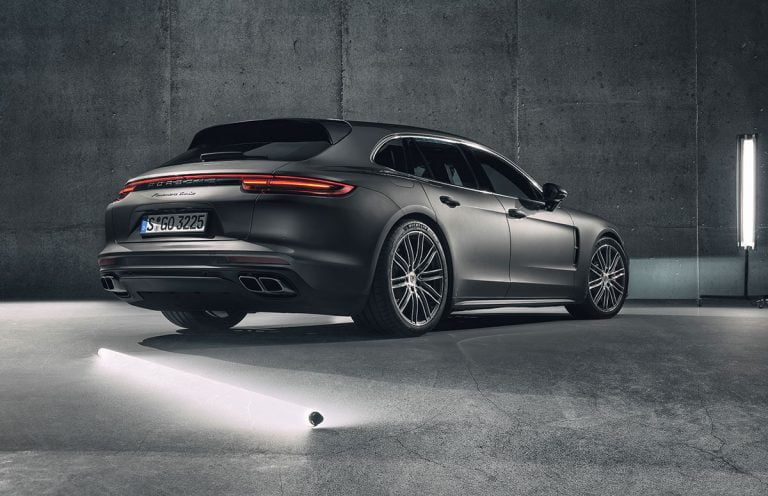
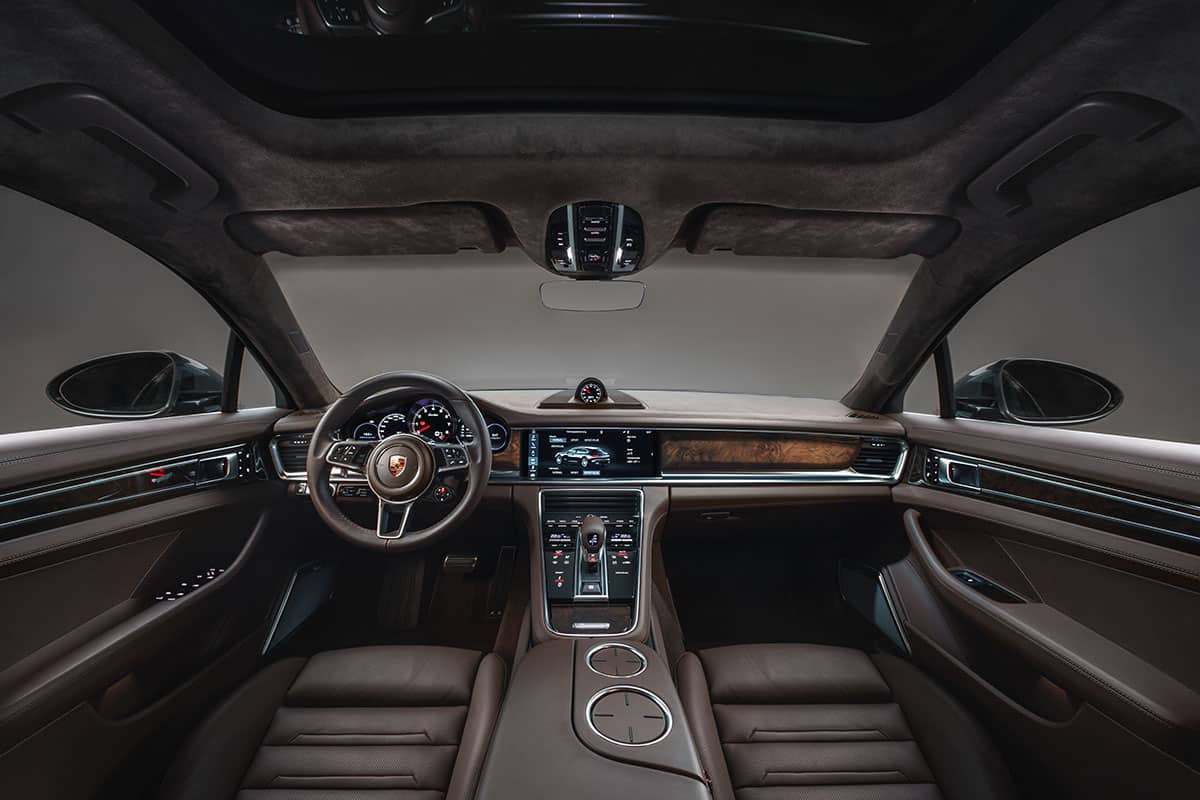
The Porsche Panamera Sport Turismo has been revealed and will make its public debut at the Geneva Motor Show on 7th March. Having confounded sceptics with the launch of the Cayenne SUV in 2002, the German brand renowned for its sports cars is now offering an estate. Today the Cayenne outsells the entire Porsche sports car range. The Porsche Panamera Sport Turismo is based on the second-generation version of the four-door car launched last year and evolved from the Sport Turismo concept that was revealed at the Paris Motor Show as long ago as 2012.

Four-plus-one seats

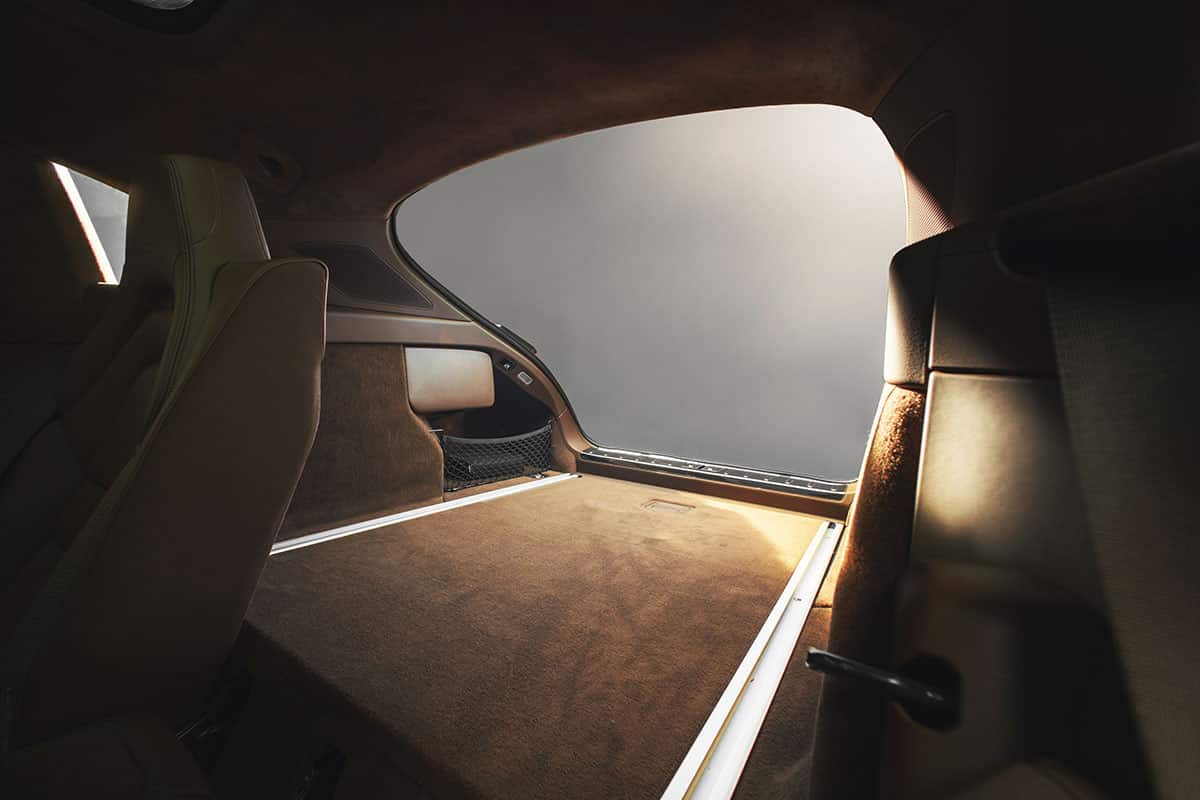
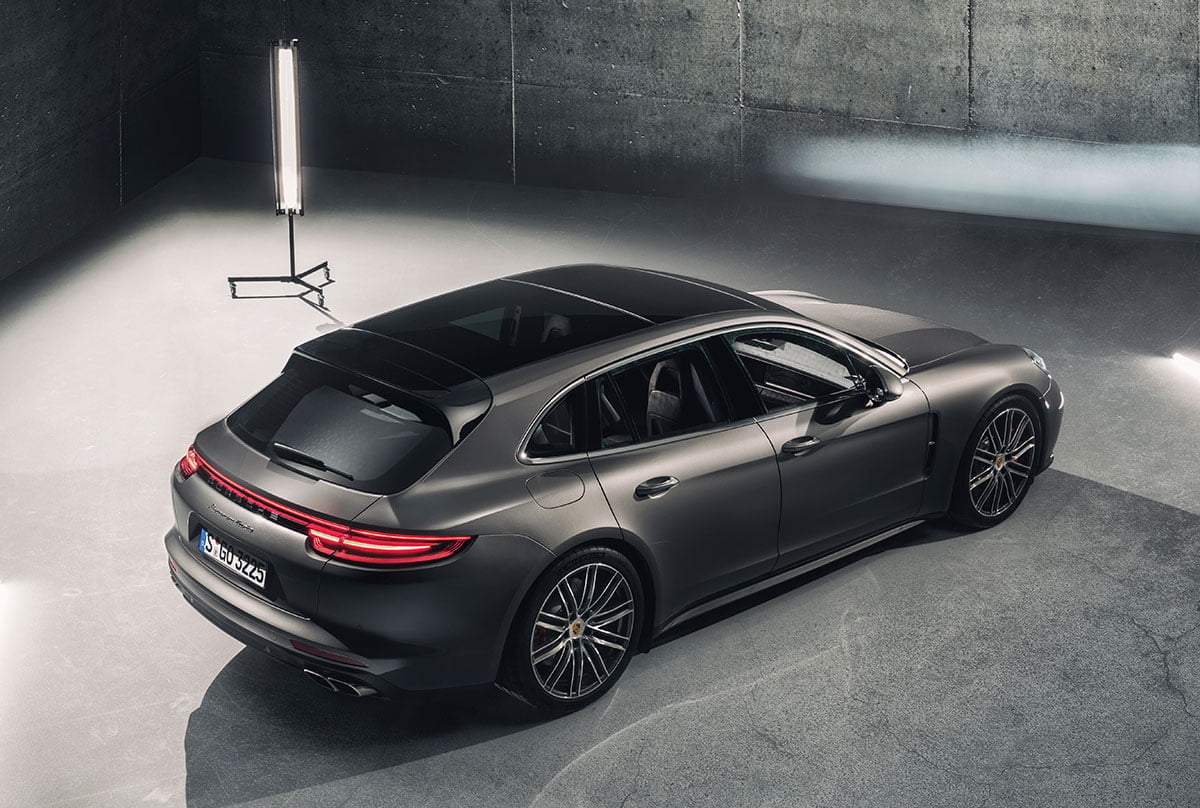
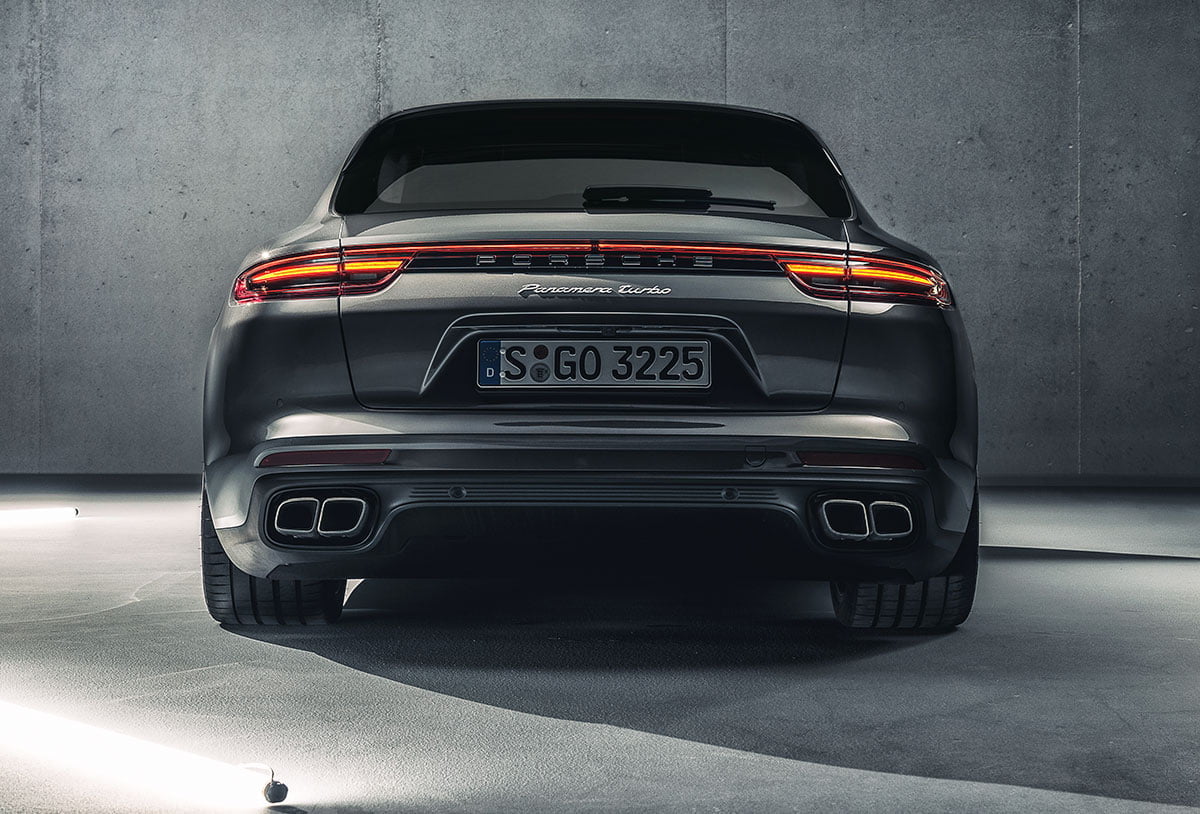
While the Panamera is a four-seater, the Sport Turismo offers ‘four-plus-one’ seating, with a central, narrower, third seat in the rear mainly suitable for children. Porsche will also offer the car as a four-seater with two individual adjustable rear seats. The Sport Turismo measures up at the same length, width and wheelbase as the standard car, but with 5mm extra height. The major differences are an extended roof line to a less slanted rear pillar housing a large tailgate, which opens electronically. The rear loading lip is also lower and boot space increases to 520 litres – 20 more than a standard Panamera and 95 better than the hybrid model. With all of the rear seats folded capacity grows to 1390 litres.

All-wheel-drive standard

The Sport Turismo engine line-up will replicate that of the saloon, with five options, all allied to active all-wheel-drive and the Porsche Traction Management traction control system. Entry-level model will be the stock Sport Turismo with a 3-litre V6 turbo petrol engine of 330hp at £73,071. The E-Hybrid version matches a turbo 2.9-litre V6 petrol unit to an electric motor, producing 462hp and combined cycle fuel economy of 113mpg, along with CO2 emissions of 56g/km. It costs £83,288. A 4S variant uses a twin-turbo 2.9-litre V6 petrol unit and increases the power to 440hp for a cost of £93,979, while the one diesel model, a turbo 4.0-litre V8 with 422hp on tap, is available at £97,067. Range topper is the Turbo, with its twin-turbo 4.0-litre V8 of 550hp, costing £117,247. Porsche is promoting the performance credentials of the Sport Turismo, claiming that the car debuts the first adaptive roof spoiler in its segment. The three-stage system stays at an angle of minus seven degrees at speeds up to 105mph, when it automatically moves to plus one degree, though this can be activated from 55mph by engaging Sport or Sport Plus Driving modes, producing up to 50kg of extra downforce on the rear axle. If the driver decides to open the car’s panoramic sliding roof at speeds above 55mph, the spoiler adjusts its position to plus 26 degrees, which helps cut wind noise. UK dealers are already taking orders for the Porsche Panamera Sport Turismo, with the first cars expected on the roads in October.

Range Rover Velar to attract ‘new customers’

The Range Rover Velar has been unveiled ahead of its public debut at next week’s Geneva Motor Show. Revealed at the Design Museum in London, the fourth member of the Range Rover family is described by its makers as ‘filling the white space’ between the brand’s Evoque and Sport models. It has also been dubbed the most road-focused Range Rover yet.

UK-built, on sale in July

The Velar will be built at Jaguar Land Rover’s Solihull plant in Birmingham and go on sale in mid-July 2017. Prices start from £44,830 and the model is expected to rival the Porsche Macan. JLR expects the Range Rover Velar to bring ‘a new type of customer’ to the brand, saying that it offers a combination of luxury, refinement and all-terrain capability never before seen in the mid-size SUV segment. The Velar is closely related to the F-Pace of sister brand Jaguar and uses the same aluminium-intensive platform for a combination of light weight and stiffness. Sitting on a 2874mm wheelbase, the car is said to offer ‘exceptional’ interior space along with a 632-litre boot. Six powertrains will be available – entry-level is the 180hp 2-litre Ingenium diesel, also available in a 240hp version. A new four cylinder Ingenium petrol unit offers 250hp with a 300hp variant set to join the range later in the year. A V6 diesel combines 300hp with 700Nm of torque, while the range-topper is a 3-litre V6 petrol engine with 380hp. All will be matched to eight-speed auto transmissions, adaptive dampers and intelligent all-wheel-drive – Land Rover’s reputation for all-surface ability ensured there was no thought of following the front-wheel-drive route of many other mid-sized SUVs. This capability is emphasised by a class-leading ground clearance of 251mm on versions with the air suspension that is standard on six-cylinder models, and a wading depth of 650mm. The options list will include the Terrain Response 2 and All Terrain Progress Control traction aids, while a locking rear differential will also be available. Among notable styling touches are the slimmest LED headlamps fitted to a production Land Rover, and flush-fitting door handles. The Velar is also described as the most aero-efficient Land Rover yet. Inside a new interior design focuses on keeping the number of controls to a minimum. The front is dominated by the new Touch Pro Duo infotainment system which uses two 10-inch high-definition touchscreens integrated into the dash. Also debuting is a new seat material, described as a sustainable alternative to leather. It is finished in grey and has inserts in Ebony or Light Oyster shades. Three trim levels will be on offer when the Velar goes on sale while for the first year there will be an extra First Edition model. Based on the top HSE trim and powered by the 3-litre engines, it includes full extended leather interior trim, perforated Windsor leather seats, a 1600W Meridian Signature sound system, matrix-laser LED headlights and 22-inch split-spoke wheels with diamond-turned finishes. Jaguar Land Rover UK Managing Director, Jeremy Hicks, describes the Range Rover Velar as a “stunning addition” to the Range Rover family. “It enhances a model line-up that originally defined the luxury SUV segment and continues to do so – Velar brings increased choice to new and existing customers in a growing SUV market,” Hicks says. “It leads the way in terms of design, usable technology, new materials and of course Land Rover’s legendary go anywhere, do anything capability,” he adds.

Crash test issues for Fiat and Ford

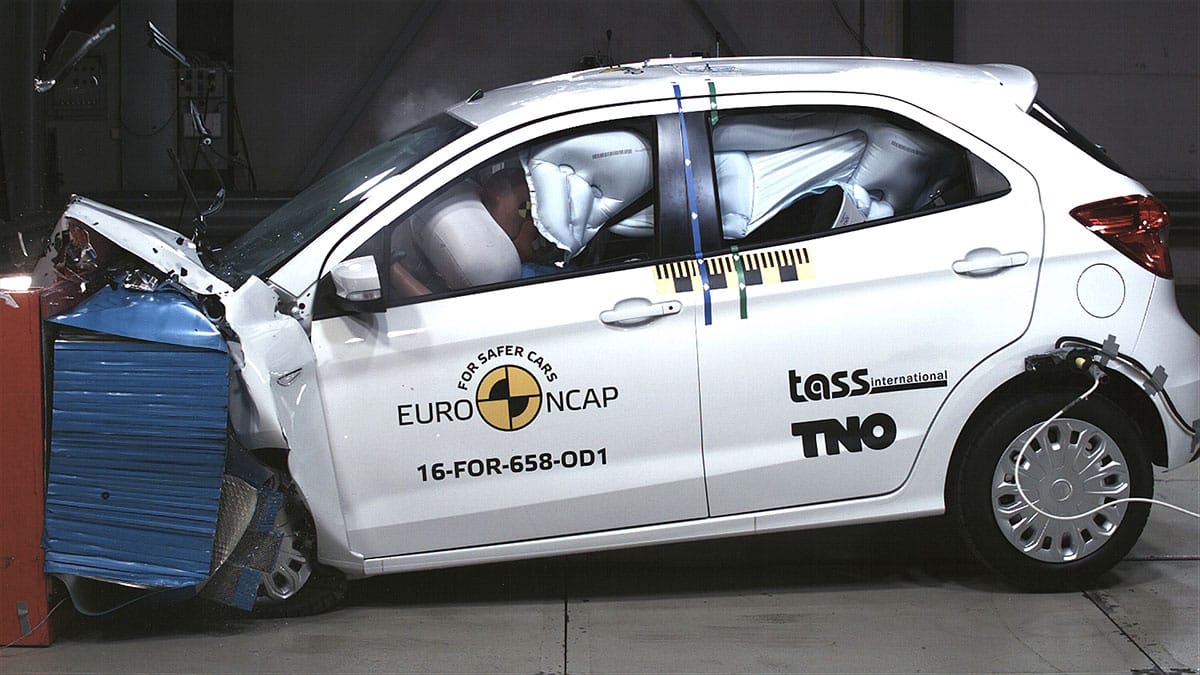
Fiat and Ford have slipped behind rivals in the latest round of Euro NCAP safety tests. The results of new crash tests conducted by the safety body show that the latest facelift of the 10-year-old Fiat 500 and the brand-new Ford Ka+ only achieved three of the maximum five stars. For Ford it was the second successive issue involving the crash tests – in January the latest Mustang muscle car scored only two stars.

Six cars tested

The latest round of six crash tests enabled Euro NCAP to benchmark three of the latest new cars in the same segment; the Fiat 500, Ford Ka+ and Citroën C3. The Citroën managed a four-star rating, only failing to achieve the full score by just falling short of the threshold on the pedestrian protection test. The Fiat 500, however, was considered to offer poor protection of both the driver and rear-seat passenger in a full-width frontal impact, which is a recent additional test introduced in 2015. The testers rated the chest protection provided to occupants of the Ford Ka+ as poor, and noted that both cars lack autonomous braking technology that is now on offer on half of new models today – though it is less common among superminis.
Ford Ka+ crash test
Brand-new Ford Ka+ offered ‘poor chest protection’ according to testers.
However the testers also pointed out that the two cars also lacked more basic protection, such as rear seatbelt pretensioners and load-limiters, by now standard on most cars on the market. “Superminis are extremely popular in the European new car market and the segment is very price-sensitive. To deliver attractive yet affordable cars, manufacturers are tempted to cut down on safety equipment, emphasising great looks and style instead,” Euro NCAP commented. The safety body’s secretary general, Michiel van Ratingen, even suggested that Fiat 500 buyers should consider waiting for the next-generation model and hope that the safety specification is improved. “The 500 is an old car by now and the small improvements that Fiat have made on the facelift don’t hide that,” van Ratingen said, adding; “Consumers may be better off waiting for the all-new 500 and hope that FIAT will take the opportunity to offer a vehicle that competes on safety with its competitors, as the original did 10 years ago. He was also strongly critical of the Ford Ka+ performance. “Unfortunately, high hopes for the segment are smashed by Ford by releasing a brand new Ka+ with mediocre safety performance,” he said. “The car lacks the more sophisticated restraint systems offered by most of its rivals, let alone more sophisticated technology like autonomous braking. The new Citroën C3 shows that a respectful rating is achievable also for superminis.”

UK backing

The findings were backed by Matthew Avery, director of research at Thatcham Research, Euro NCAP’s UK representative, who said that the results of all three superminis were disappointing. “Of particular note was the Fiat 500’s child occupant protection score, which is one of the lowest we have seen in the category – as a premium city car popular with young families, it should be offering more protection to its passengers, especially since the Fiat 500 we tested in 2009 earned five stars for occupant protection,” he said. Avery also noted that Autonomous Emergency Braking is not even available on the Ford Ka+ as part of an optional safety pack despite being available on other Ford cars such as the Fiesta and recently launched Edge SUV. And while the Citroën C3 comes with a windscreen-mounted camera, marketed as a device for capturing stills and video from the driver’s perspective, Avery believes an opportunity has been missed; “This very same camera could be used to deliver a potentially life-saving Autonomous Emergency Braking (AEB) system, like it does with other Peugeot and Citroën products. “We know it’s within the means of manufacturers to create superminis with lifesaving tech as standard, as we saw with the five star Honda Jazz,” he added.

Land Rover issues

The other three cars tested, the Audi Q5, Land Rover Discovery and Toyota C-HR, all achieved five-star ratings, though the Discovery suffered issues during its test. In the frontal offset test, the driver airbag bottomed out owing to insufficient pressure and, in the side barrier test, the driver’s door became unlatched. Referring to Jaguar Land Rover’s ambitious programme of new model releases, van Ratingen sounded a warning; “We hope that this challenging schedule and tight development times do not compromise the safety of the vehicles offered, and we hope that (JLR) will take our findings onboard”.
Land Rover Discovery crash test
Five stars for Land Rover Discovery, but issues too.

SEAT Ibiza to boost bold ambitions

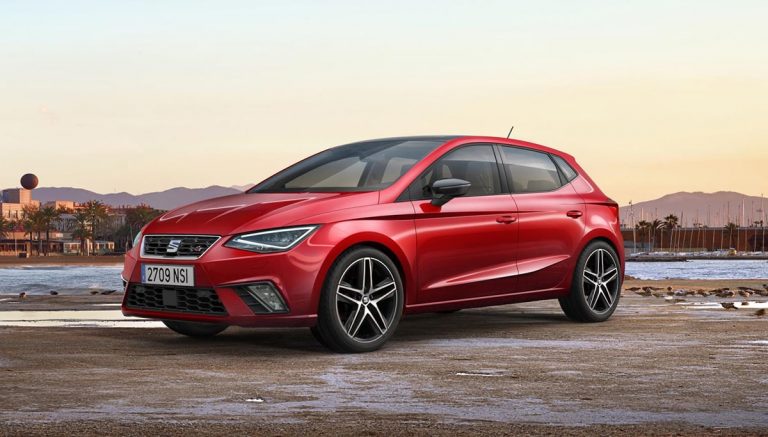
The fifth-generation SEAT Ibiza will be unveiled at the Geneva Motor Show on 7th March. The all-new model is the first VW Group product to use the new MQB-A0 modular platform, designed for the group’s smaller vehicles. The Ibiza supermini has historically been the Spanish brand’s most popular model, with 5.4 million sold since the Mk1 version first appeared in 1984. The new version will complete the first stage of the SEAT’s major product offensive –arriving in UK showrooms in July, it will be the third new model launched in recent times, following on from the Ateca SUV and latest version of the Leon family car.

New architecture

SEAT provided first details of the latest Ibiza in January. The new platform frees up significantly more interior space and improves the car’s on-road manners while the model also debuts a new and bolder exterior design. Larger-segment technologies also move down into the car that SEAT management describe as ‘a completely new model.’ Apple CarPlay, Android Auto and Mirror Link connectivity will be available through an integrated eight-inch touchscreen, while driving-assistance systems such as adaptive cruise control will also be on offer.SEAT Ibiza interior SEAT expects the new Ibiza to boost sales in a year expected to show significant growth for the brand – sales in January were up 16.5 per cent. According to SEAT chairman Luca de Meo the new Ibiza is important to the brand while it is in a phase of consolidation and growth. “We are working to become one of the most dynamic organisations in our industry – the new SEAT Ibiza will make a great leap forward for the brand and it is set to be a turning point in the segment,” de Meo says. SEAT’s ambitions will be further strengthened later in 2017 when the brand’s second SUV, the Arona, is unveiled, a smaller sister to the already successful Ateca. Also debuting on the SEAT stand in Geneva will be the Leon Cupra 300. The brand’s most powerful road car yet, it boasts a sub five-second 0-62mph time thanks to its 300hp, 380Nm engine, and all-wheel-drive on its Sports Tourer version. SEAT Ibiza rear 34

DS 7 Crossback to kick off model blitz

The DS 7 Crossback has been revealed ahead of its Geneva show unveiling, where it will be a crucial debut for Citroën’s upmarket sister brand. Not only is the car the first DS Automobiles SUV, it is also the first model conceived specifically for DS. All previous cars sold by the brand since it launched in 2014 have been evolved from their Citroën counterparts. When the DS 7 Crossback arrives in showrooms in 2018, it will mark the start of an intensive launch programme for the brand, seeing a new car every 12 months over the next six years. According to industry observers the models will likely include a replacement of all three of the current DS range, including the DS 3 that is the brand’s most popular model. The most likely immediate follow-up to the DS 7 Crossback, however, is thought to be a smaller SUV dubbed DS 3 Crossback.

Premium buyers targeted

The DS 7 Crossback targets mid-sized premium SUVs such as the BMW X3 and Audi Q5. Its makers describe the car as ‘a stylish vehicle with a wide range of attributes’, including several autonomous driving technologies – Active LED Vision, Connected Pilot and Driver Attention Assist topping the list. The designers claim that the DS 7 Crossback will be instantly recognisable from front or rear, and at day or night. The brand’s signature ‘DS Wings’ front-end treatment continues, the wing-shaped headlamps framing a new take on the diamond-effect grille.
DS 7 Crossback interior
Four different interior treatments will be on offer to DS 7 Crossback buyers
Light signatures have long been a central DS styling trait and in the Crossback rotating LED lamps feature at the front, with 3D-effect tail lights. Inside the emphasis will be on luxury, buyers offered a choice of four different styling treatments, as previewed on the Divine DS concept unveiled at the 2014 Paris show. Plentiful leather upholstery and bespoke stitching are among the options, while technology will include two 12-inch touchscreens – one centrally mounted for the navigation and infotainment and the other forming a digital instrument panel. Five front-wheel-drive only powertrains will be available – familiar 130, 180 and 225hp petrol units and diesels of 130 and 180hp from the Peugeot/Citroën range will be paired with either a six-speed manual gearbox or the new EAT8 eight-speed auto transmission.

First PSA plug-in car

The only all-wheel-drive option will be the range-topping plug-in hybrid ‘E-Tense’ version, evolved from the E-Tense concept seen at the 2016 Paris show and set to go on sale in 2019, a year after the mainstream range. The first petrol PHEV launched by the PSA Group, this combines a 200hp petrol engine and 109hp electric motor driving the front wheels, and a second 109hp motor driving the rears. The E-Tense will be able to be driven in completely electric mode for up to 37 miles – hybrid economy is not yet being quoted. Charging will take 4.5 hours in standard mode with a 2.5-hour fast option. DS Automobiles will unveil the DS 7 Crossback at the Geneva Show on 7th March, and at the same time online reservations will open for a launch edition model, the LA Premiere. This high-specification version features exclusive styling including the brand’s signature ‘watch-strap’ seat upholstery.