Mercedes-Benz has unveiled an electric SUV concept at the Beijing Motor Show pointing directly to the future of the brand’s Maybach luxury division.
The Mercedes-Maybach Vision Ultimate Luxury is unlikely to ever reach a showroom in its present form, but does give strong clues as to the look of a forthcoming Mercedes-Maybach model designed to target the likes of the Bentley Bentayga. This is expected to be based on the next Mercedes-Benz GLS.
According to Mercedes chief design officer Gorden Wagener, the Ultimate Luxury is an entirely new kind of vehicle. “Our concept combines the DNA of an SUV with that of a saloon to produce an ultra-modern SUV of three-box design,” he says. “With sensuality and pure sophistication, we have created a timeless vehicle that underscores the position of Mercedes-Maybach as the ultimate luxury brand.”
The concept is larger than its perceived Bentayga rival in all respects, measuring nearly 5.3m long, more than 2.1m wide and just under 1.8m high, sitting on enormous 24-inch wheels. Its designers say that a priority was to transfer the design of a saloon into SUV architecture to provide the raised driving position that customers want for a feeling of greater security.
Four electric motors comprise the drivetrain, one to each wheel providing all-wheel-drive capability and a combined output of 750hp. The 80kWh battery is accommodated under the car’s flat floor, and is said to give a range of more than 200 miles with an electronically limited top speed of 155mph.
Charging capacity is quoted at 350kWh and Mercedes claims that the charger can add an extra 60 miles of range in just five minutes.
Inside the Ultimate Luxury is themed primarily as a chauffeur’s car with the focus on the rear-seat passengers, the high-quality trim featuring extensive leather, aluminium and even rose gold detailing, much of it hand finished.
The minimalist cockpit layout is centred on two 12-inch displays similar to those seen on other recent Mercedes-Benz models.
It’s a familiar experience known to millions of holidaying Brits. You arrive at your destination. From the airport, you transfer to a hot and sticky car rental office, queue for an eternity, because only one desk is open, even though several planes have just landed. You fill in a hefty document, sign away all your consumer rights in perpetuity and are handed a key.
The first warning sign is just how scuffed the fob is. Then you’re led out into the burning sun and pointed in the direction of your car. You pray the air conditioning is working, note the “wear and tear” of the bodywork, the tired and stained interior; tell-tale signs of being worked hard in unforgiving conditions over the course of a long summer season.
You could be forgiven for thinking all rental cars are the same, so why should you consider buying one when you’re in the market for a used car?
The simple answer is that a high percentage of new cars are bought by car rental companies, run for a short period and then disposed into the used car sector. They are then sold as nearly-new cars, one of the most sought-after parts of the used car market; current models, with recent registration plates and covered by a manufacturer’s warranty package.
So, it’s probably a good time to put aside any prejudices you might have about rental cars as these can be some of the best buys on the market.
The age advantage
Rental cars are typically run between eight and 12 months before their owners put them through auction where most are bought by dealers looking for desirable stock for their forecourts.
If you’re buying an ex-rental used car with cash then you won’t take the hit most new car buyers suffer as soon as they leave the showroom; that residual value drop has already happened!
If you’re taking out finance then you should benefit from competitive monthly rates, hopefully in line with your budget, whether you choose a Personal Contract Purchase (where you have the option of buying outright at the end of the contract) or Personal Contract Hire (where you don’t).
Do dealers have to reveal that cars are ex-rentals?
Yes. Under the 2008 Consumer Protection from Unfair Trading Regulations, dealers are obliged to tell you if a car they’re selling is an ex-rental. Failure to do so could result in them answering to Trading Standards and facing a hefty fine.
The days of saying an ex-rental car had one previous owner – which technically it has, albeit with multiple drivers – have passed, although cases are still reported.
If in doubt, ask the dealer who the previous owner was, rather than wait for the V5C registration document (generically referred to as the “log book”) to land on your doormat a couple of weeks after you’ve made your purchase. The dealer should have all the paperwork that goes with the car, so ask to see the V5C (and service books, while you’re at it).
Are ex-rentals a good buy?
That’s the million dollar question and there’s no definitive answer because there’s so many variables.
Rental cars can live short and hard lives. But if they’re in service with a reputable rental company, ideally a member of the British Vehicle and Rental Leasing Association (BVRLA), then processes would have been in place to ensure they were fit for purpose.
These vehicles will have been inspected, maintained, cleaned and serviced far more often than a privately-owned vehicle. Hertz for example, carries out oil, water and pressure level checks every six days.
The last thing a credible operator wants is the embarrassment of a car breaking down through their negligence. They also have a duty of care to inspect and rectify any reported faults from customers.
The rental company will probably have bought the vehicle direct from a car manufacturer and will aim to achieve as high a buy-back value as possible from the brand at the end of its tenure. After which it will be fed into the carmaker’s franchised dealer network.
Therefore, it’s up to the rental company to make sure the car is in the best possible condition to secure the highest possible return.
But haven’t ex-rental cars been thrashed?
That’s the common perception. Rental cars are certainly subjected to extremes in driving behaviour. A typical monthly rotation could see a good driver followed by a hard braker, followed by a clutch rider, followed by an out and out speed merchant. That’s a lot of potential wear and tear.
However, there are counter arguments. Rental cars come with hefty insurance excesses, which could be as much as the first £1,000 of any damage. For many renters, that’s sufficient to make sure it is driven sensibly and returned in the best possible condition.
To support this argument, Accident Exchange, the specialist car repair company, reported that 60% of its rental claims relate to general bodywork repairs such as scratches and scuffs, rather than anything major or mechanical.
So why the negativity around buying ex-rental?
The industry hasn’t helped itself. Ex-rentals are still a grey area for many dealers because of the negative connotations around buying a car where the assumption is that it has been mistreated.
You’ll find no reference to a car being ex-rental on websites run by car manufacturers, dealers, car supermarkets or the online classifieds; sellers know the term can cause an unwanted barrier to purchase. Yet many ex-rental cars are sold as part of a car manufacturer’s approved used car programme and will include attractive bundled extras such as extended warranty and breakdown and recovery; but there is no mention of where they were sourced.
The waters are further muddied by some rental companies not using their trading names on the original V5C, choosing instead to use abbreviations or names of companies they’ve registered but don’t trade as.
Greater transparency would certainly help build consumer confidence and it’s encouraging that one of the biggest renters, Hertz, operates a transparent ex-rental sales service direct to buyers.
It’s your call
Ignoring ex-rental cars could severely limit your choice, especially if you’re after a nearly-new car in tip-top condition, which has been well maintained, is in the right colour and has all the bells and whistles you’re after.
Ultimately, you must be comfortable with your choice and that final decision is down to you.
Buyers of the McLaren 570S Spider will have more models to choose from in future following the launch of new Design Editions.
Five Design Edition versions have been launched for the convertible model, each offering bespoke colour, trim and material specifications that McLaren says are different but entirely harmonious.
Creation of the new packages for the McLaren Sports Series convertible follows the success of a Design Edition range launched for the 570S Coupé in January. As with the Coupé, ordering Design Edition cars will be cheaper than specifying the options individually, and Design Edition customers will also be able to specify additional options such as carbon-fibre interior upgrades or exterior components.
Each of the five Editions is based around a specific exterior colour – Silica White, Storm Grey, Vermillion Red, Onyx Black or Vega Blue. Each of these is combined with an interior treatment from the McLaren Designer range, four offered as sport themes and one to a more luxury finish.
Further bespoke details include the wheel finish, brake caliper colour and branding and finish of the 570S Spider’s electrically retractable two-piece hard-top.
Illustrated in the pictures is the Design Edition 4, based on the Onyx Black paint finish with the retractable hard-top in body colour, 10-spoke forged alloy wheels in a ‘Stealth’ finish and brake calipers in McLaren’s signature orange with black printed logos.
Inside the car combines Carbon Black Alcantara, nappa leather again in McLaren Orange and including perforated nappa leather seats with contrasting stitching, a colour co-ordinated steering wheel and branding on the leather sill finishers.
Depending on which Design Edition package is chosen, they will add between £8,100 and £10,700 to the cost of the McLaren 570S Spider, which starts at £164,750.
According to McLaren Automotive Design Director, Rob Melville, it seemed obvious that those that designed the car should be the first to exploit what he describes as a “virtually limitless number” of different personalisation opportunities.
“We have selected key exterior and interior colours and finishes that we believe showcase the 570S Spider in the most desirable way and are offering them as Design Editions that we as designers would choose,” Melville says.
Coming soon on The Car Expert: Weekend with a McLaren – driving the 720S
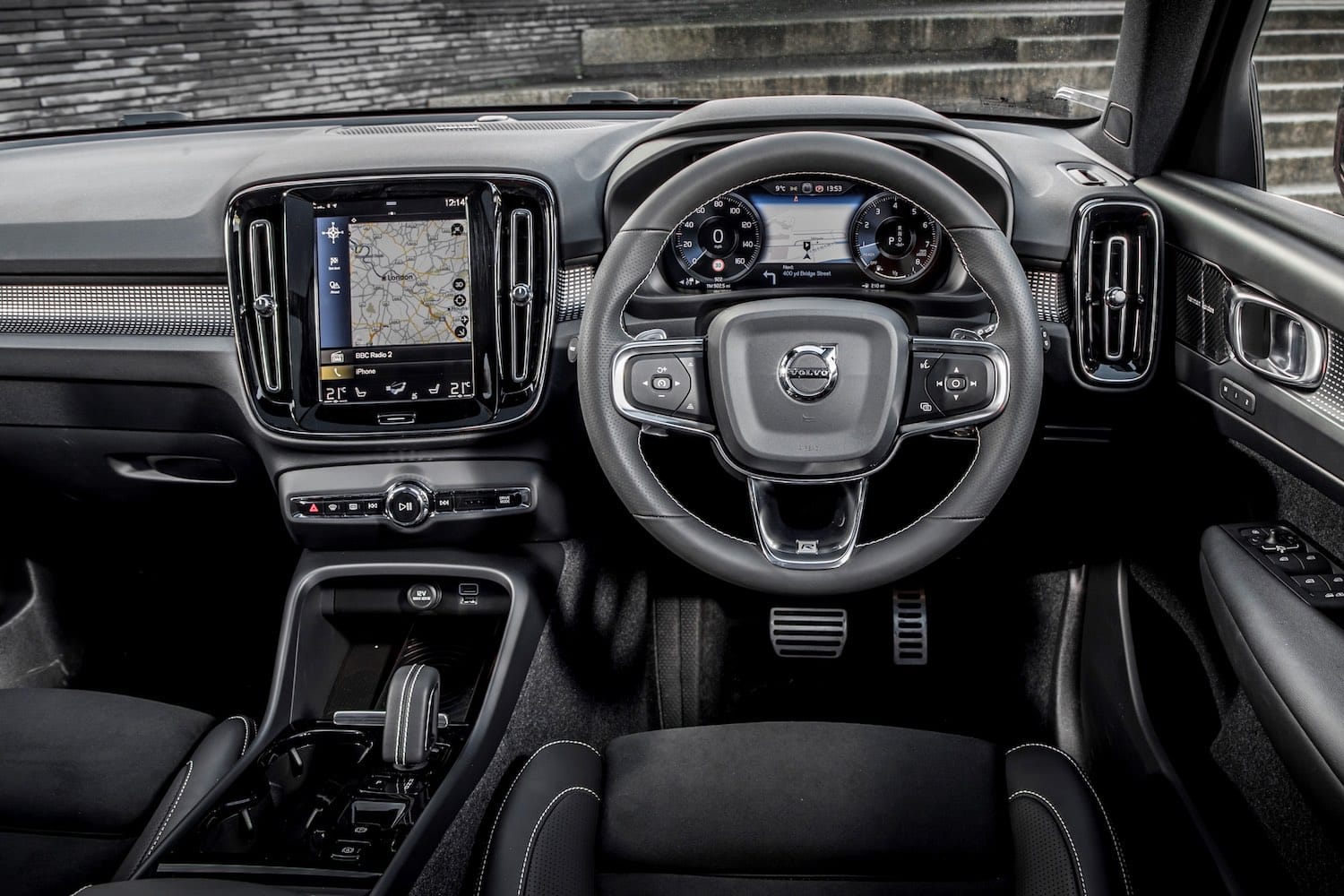
SsangYong has launched a limited-edition model of its Tivoli small SUV, called the Tivoli Ultimate.
The only engine option is a 1.6-litre petrol engine, but you can choose between a six-speed manual or six-speed automatic transmission.
Based on the top-spec ELX model, the Ultimate gets leather-upholstered electric front seats that are also heated and ventilated (handy now that the weather has finally started to warm up). The steering wheel is also heated (also handy, since this mini-heatwave certainly won’t last more than a couple of days).
Leather seats are electrically adjustable, heated and ventilated
The ELX model is already comprehensively equipped for its price, and the Ultimate gets all the comfort, convenience and safety features that are standard on the ELX.
Visually, the Ultimate debuts a new design for the front bumper and LED foglights, that will make their way onto the rest of the range eventually. Similarly, a repositioned handbrake and minor switchgear changes on the inside will filter through to regular Tivoli models.
The manual-gearbox Ultimate is priced at £17,495 on-road, while the automatic version will set you back £18,745 on-road.
Premium hatchbacks have fast become one of the most popular segments on the market today, with three clear leaders – the Audi A3, BMW 1 Series and Mercedes-Benz A-Class.
Despite this, they’ve all remained relatively unchanged for quite a few years now, but Mercedes has been the first to pull the trigger on the new generation of luxury hatches.
Not only does the three-pointed star have its sights set on getting an early lead in its class – with a new 1 Series on the horizon and Audi likely to refresh its hatch in the next couple of years – but also setting a new tech benchmark.
What’s new about the new Mercedes-Benz A-Class?
Although this is still instantly recognizable as an A-Class – despite a new design to bring it in line with Mercedes’ latest offerings – there’s plenty of new tech and engineering behind the hatchback.
The biggest selling point is a new infotainment system, dubbed MBUX (Mercedes-Benz User Experience). It’s designed to offer a more immersive experience – bringing a new Mercedes Me voice assistant, tons of customisation and some augmented reality features for satellite navigation.
Elsewhere, there’s semi-autonomous technology and a range of new engines – two petrol and one diesel.
How does it look?
The A-Class is the latest Mercedes to take on the more angular design language as introduced on the CLS. It remains instantly recognisable as a member of the German firm’s model line, but the new look is effective in bringing it firmly up to date.
Buyers will want to know their car will still stand out on the road in the same way its predecessors did, and it does thanks to sharp lines and a subtly aggressive look. The A-Class brings a presence to the road that rivals fail to deliver on.
What’s the spec like?
Our test car came in AMG Line trim, meaning standard equipment includes 18-inch alloy wheels, AMG bodystyling, LED headlights, keyless start and the MBUX system displayed on a seven-inch touchscreen.
Highlights on the options list include heated and ventilated seats, active parking assist and two ten-inch displays – one for the instrument cluster, and another for the MBUX system.
The MBUX system is the real highlight of the car. Not only is it intuitive, but the range of customisation options really brings a real touch of personalisation to the car. A ‘Mercedes Me’ voice assistant has been added here too – similar to the likes of Google Assistant and Amazon Alexa – which allows some functions of the car to be controlled by voice, as well as providing deeper levels of information.
In theory, it’s a great idea but here it could do with some refinement in reality – often struggling to pick up basic phrases. As it’s cloud-based, it’s likely to be a fast-improving feature, though.
Continued on next page:Interior, drive and our verdict
What is it?
The latest Lexus CT 200h is a significant refresh of the upmarket petrol-electric hatchback.Key features
Bolder styling, more extensive safety package, interior upgrade.
Our view
The significant revamp to the Lexus CT 200h is a generally positive package that adds extra appeal to the car, particularly its visuals.
They can’t address some of the basic issues that hold the car back against its rivals, such as the cramped interior and over-firm ride. But in an increasingly diesel-hostile market, the car’s hybrid efficiency could sway sales its way.
Similar cars
BMW 1 Series, Audi A3 Sportback, Mercedes-Benz A-Class
The updated Lexus CT 200h brings bolder styling and an enhanced safety package
Full review
Introduction
The Lexus CT 200h is, in many ways, an exclusive choice for the upmarket hatch buyer. Seven years on from first going on sale, the petrol-electric hybrid – effectively to Lexus what the standard-bearer Prius is to Toyota – still has no direct rivals.
The car’s primarily German competitors in the premium hatch sector have not been persuaded to go down the traditional hybrid route – only recently have we seen a significant degree of electrification, and one that requires a much bigger commitment from the buyer, in choosing the plug-in hybrid Audi A3 e-tron or the forthcoming fully-electric I-Pace from Jaguar.
Instead, the Lexus has to pitch its somewhat bespoke appeal against traditional cars that sell in big numbers – market heavyweights such as the Audi A3, BMW 1 Series and Mercedes-Benz A-Class. And while since the CT 200h launched 27,500 have been sold to UK buyers – more than a third of its entire European volume – the car needs to up its game.
As a result, the 2018 CT 200h has undergone a refresh that involves significantly more than tinkering with the styling. There are styling changes, but there is also a significant boost in cabin quality, a better safety specification and a simplified trim structure.
The exterior changes are aimed at giving the traditionally innocuous Lexus a degree more visual presence, according to its chief designer to make it “more emotional and sporty”, and attract younger, planet-conscious drivers to its charms.
So the front bumper and the signature Lexus spindle grille are cleaner in design, there are single projector LED headlamps, bold ‘arrowhead’ daytime running lights now mounted above them, similar work on the rear end and new alloy wheel designs.
Our F Sport test car gains further changes – the mesh on the front grille is to a bespoke design in a black metallic finish, there are various black detailing elements, the Azure blue paint job is one of two colours reserved for F Sport, and can be combined with a contrasting black roof.
Buying and owning a Lexus CT 200h
The Lexus CT 200h is now available in four core grades, dubbed SE, Luxury, F Sport and Premier – there are also SE Plus Pack and F Sport Premier Pack variants which come with extra equipment.
The basis for them all is a five-door hatchback propelled by the latest version of the hybrid drivetrain that Toyota and Lexus have poured so much investment into. In the CT 200h, it combines a 1.8-litre four-cylinder petrol engine (considering its size the fact it produces just 100hp is a surprise) with a 650-volt electric motor providing another 82 horses and rather more torque – 207Nm compared to the 142 of the engine. And of course electric torque is all available straight away, you don’t need to spin up the revs…
As is typical with hybrid cars, the transmission is automatic, a CVT driving through the front wheels. And this all adds up to a car that is not that fast – it takes 10-plus seconds to hit 62mph, some two seconds behind similarly priced rivals. But the Lexus does score on economy and emissions – it goes around 15 miles further on average per gallon, and its sub 100g/km CO2 levels are more than 20 grams better than the competition.
The new Lexus grade structure starts with the entry-level SE model, which costs from £23,495. It comes with a good selection of equipment, including dual-zone air conditioning, 16-inch alloy wheels, rain-sensing wipers, Drive Mode Select, a reversing camera, six-speaker audio and seven-inch media display screen operated by a rotary controller.
If one wants navigation then that is part of a ‘Plus Pack’ that also adds 17-inch wheels and rear parking sensors. More pertinently it includes the ‘Lexus Safety System+’, a suite of technologies encompassing the PreCollision System autonomous emergency braking, adaptive cruise control, lane keeping and road-sign assistance and automatic high beam headlamp controls.
Even at £2,000 more than the base model, the SE Plus Pack is a far more attractive option – the SE is the only CT 200h to not get the Safety System Plus as standard.
Our test car to F Sport specification would cost us another £2,500 on top of the SE Plus Pack. As well as the sporty elements inside and out, it gains a performance suspension upgrade.
Inside the Lexus CT 200h
Lexus interiors have always been of high quality and the latest upgrades merely improve what is already good. The fit and finish, which on our F Sport includes a lot of leather, is to standards to compare with those German rivals.
Specific details applied to our car encompass two-tone leather including a perforated covering around the steering wheel and on the gear shift, and aluminium pedals and scuff plates.
Upgrades can’t address one issue of the interior, which is not overly generous space. Despite the hybrid system’s battery pack being neatly slotted in between the rear wheels, room in the rear seats is on the tight side, while the 375-litre boot space is average.
Lexus tells us that the cockpit is focused around the driver, with a low-set seat and instruments arranged to offer the simplest possible use. This might be true in some respects – the sweeping console between the front seats is rather attractive. But the layout looks somewhat dated compared to rivals – the sat nav screen, for example, offered on all but entry-level models, might have mushroomed from seven to ten inches in size, but it still looks stuck onto the top of the console rather than an integrated part of the layout.
This screen is also responsible for the one major irritation with the CT 200h – the rotary dial that controls all infotainment functions. You are supposed to move it up, down, left or right and then press to select functions. But it is far too sensitive and, even at the end of a week in the little Lexus, we were still jumping past the button we wanted to select.
Driving the Lexus CT 200h
It’s easy to choose a CT 200h drivetrain as there is only one, and overall it is an efficient one. At low speeds, it runs on electric power only and is virtually silent in operation, to levels comparable to the best luxury cars. Glide through busy streets at speeds below 28mph with a fully-charged battery and you will need to watch for jaywalking pedestrians, because the petrol engine will remain redundant and they won’t hear you coming.
Out of town and at increased speed, the engine comes to life, but you scarcely notice it – the dash displays even include a graphic option to show you which bit of the drivetrain is functioning and when.
It does become louder, noticeably so, once you reach motorway speeds, and you have plenty of time to hear it because the car takes a while to get to the limit – the 10.3-second 0-62mph time is pedestrian when compared to conventional rivals.
There is a Drive Mode selector available on the dash, which offers full EV, Eco and Sport modes alongside Normal. Selecting Sport does make the car feel a little more potent, even if the watch does not really reflect it.
The instant torque of the hybrid assistance does make overtaking at speed reasonably efficient, though pick-up through the CVT transmission is not that rapid.
The CT 200h offers high levels of grip, but has always been known for an over-firm ride, and our F Sport version, with its ‘lateral performance damper system’, adjusted springs and thicker anti-roll bars, exacerbates this trait. It’s a bit too sports car for a car that is not fast enough to be a sports car.
Summary
The latest upgrade package to the Lexus CT 200h does add an extra element to the car and make it worthy of another look, but they fail to resolve some basic flaws that only an all-new model could address.
The CT200h has no real hybrid rivals in its class, competing instead with petrol-powered mainstays such as the BMW 1 Series, Audi A3 Sportback and Mercedes-Benz A-Class. Audi offers electric propulsion in the Sportback, but this is a plug-in model some £10,000 more expensive than our Lexus test car.
And there is one more factor that makes this package of upgrades all the more relevant, and timely. The new Lexus comes to market just as the tide is turning against diesel – for those buyers convinced they must now buy petrol, but still wanting diesel-like economy and emissions levels, the car may be the answer. The revamped Lexus CT 200h could well prove more attractive today than seven years ago when it was a brand new kid on the block.
The new Ford Focus unveiled this week in London (hatch and estate) and Beijing (saloon), promises to deliver the most sophisticated range of driver assistance technologies ever seen in the mainstream family hatch sector.
Inevitably, most of these advanced systems are not included as standard on the Focus. Most are only available as optional extras, and some can only be selected on higher-end models. As usual, the base models miss out on most of the good stuff, but hopefully the technology will filter down quickly over the life of the vehicle (which is likely to be at least seven years).
The systems are likely to also be rolled out fairly quickly across other new Ford models as they are launched in coming years. Most of them are enhancements to technologies already available either within Ford or at other brands, rather than all-new systems, but they do extend the level of safety provided beyond what has been possible previously.
The suite of assistance systems, catchily titled “Ford Co-Pilot360 technologies”, will vary depending on specification, engine, gearbox and even the country you’re in, but will be made up from the following:
Autonomous Emergency Braking
(standard on all models)
Called Pre-Collision Assist, the system in the Ford Focus doesn’t just scan for cars stopping in front of you. It can detect pedestrians and even cyclists in front of you or crossing your path.
The cyclist detection system is something the Ford engineers are particularly proud of, as it required developing new software algorithms to recognise the size and movement of a cyclist both in front of the car and moving across the car’s path.
Post-Collision Braking
(standard on all models)
If you are unfortunate to have a collision in a new Focus, the car will even remember to apply the brakes after impact, to help prevent you rolling into oncoming traffic or onto a footpath after you have bounced off whatever you hit (or whatever hit you).
Evasive Steering Assist
(standard on all models)
If you are trying to swerve around an obstacle ahead, the Focus can recognise your movements and assist with steering inputs while still maintaining full braking pressure.
The car will give you extra steering assistance as you swerve to avoid the obstacle, and then limit the counter-steering the other way to prevent you triggering a spin or rollover as you steer back onto your side of the road again.
Adaptive Cruise Control
(not available on Style, Zetec and ST-Line, optional on other models)
No, Ford is not the first manufacturer to offer adaptive cruise control in this segment. However, Ford claims that its system is smarter than the opposition efforts, and can speed up or slow down according to speed limit changes en route. It will also keep the car centred in its lane rather than letting you drift over to the lane markings or road edge.
Ford claims to have developed a new system for the car to detect unpainted road edges, making the system far more useful on UK roads than most other similar systems.
If you have an automatic gearbox, which in the UK will initially only be available with the top-spec diesel engine, the system will also have full stop & go traffic functionality to make your morning commute that much easier.
Active Park Assist
(not available on Style and Zetec, standard on Vignale, optional on other models)
This is another system that works better with an automatic transmission than a manual gearbox. With the auto ‘box, the new Ford Focus can park itself in a parallel or perpendicular parking spot with no input from the driver other than holding down the relevant button.
With a manual gearbox, you will have to engage first and reverse gears as required as well as operate the brake and throttle yourself, meaning the car will essentially only do the steering bit (although, to be fair, that’s the bit that most people want it to do).
Blind Spot Assist with Cross Traffic Alert
(not available on Focus Style, optional on other models)
The radar units that provide you with blind spot warnings are now also used to warn you of traffic crossing behind you as you reverse.
In addition to providing a beep warning, the system can apply the brakes to prevent you reversing into another car. This should be particularly helpful in busy car parks, particularly if you find yourself parked between a pair of SUVs or Transit vans and unable to see what’s coming as you back out.
Wide-angle reversing camera
(not available on Style and Zetec, standard on Vignale, optional on other models)
As well as the beeping, a wider-angle reversing camera promises to give you a better view of what’s behind you as you reverse. Many reversing cameras have quite a limited field of view, making them less useful. Ford claims “a near-180 degree view”.
Adaptive front lighting
(optional on Focus ST-Line X and Vignale, not available on other models)
Again, Ford isn’t the first company to offer headlights that steer into corners. But the Ford system works predictively rather than reactively, meaning it swivels the headlights into a corner before you turn the wheel rather than afterwards.
The adaptive headlight system can monitor the road up to 65 metres ahead of the car, looking for road markings and signs to signal a bend, corner or junction is ahead. Most other systems wait until the driver steers into the corner and then move the headlights to follow where the steering wheel is pointed.
Like rival systems, the adaptive headlights can switch off part or all of the high beams to prevent blinding other drivers and even cyclists coming towards you.
Wrong Way Alert
(not available from launch in UK)
Starting off in Germany, Austria and Switzerland, then eventually rolling out elsewhere, the Focus will be able to recognise if you’ve turned onto the wrong ramp to enter a motorway or headed the wrong way down a one-way road.
A large red warning message will flash on the driver’s information screen, accompanied by what Ford engineers describe as an “intense acoustic signal”. Presumably, this is technician-speak for a very loud and annoying buzzing noise.
Head-up display
(optional on ST-Line X and Titanium X, standard on Vignale, not available on other models)
If The Car Expert ruled the automotive world, all cars would have a head-up display (HUD). Projecting important information directly into the driver’s line of vision is a major safety advantage, and Ford claims that its HUD system sets new standards.
The HUD in the new Focus is said to be the brightest in the business, making it easier to read in bright sunlight. It’s also apparently the most configurable, so you can decide exactly how much or how little information you want to be projected onto the display screen.
In another worthwhile first, the Focus HUD is said to be perfectly visible while wearing polarised sunglasses. Anyone who wears these will know that they usually turn digital displays to blank screens, which is incredibly annoying.
We look forward to testing these systems (under controlled circumstances, of course, not by actually trying to drive the wrong way along a motorway…) when the new Focus is available to drive later in the year.
Audi has unveiled the A6 Avant estate version of the new A6 saloon that launched last month.
Like the saloon, the design objective has been to make the A6 Avant look lower and longer than the model it replaces. Featuring Audi’s latest XXL-sized trapezoidal grille and blistered wheel arches, there are hints of previous RS 6 models in the design.
In reality, the car is only 1cm longer and 2cm wider than before, and barely 6mm taller, but by increasing the wheelbase and reducing the overhangs at either end, Audi has been able to free up more interior space – especially for rear-seat passengers.
Comforts galore, mainly at extra cost
An electric tailgate is standard, although being able to open it by waving your foot under the rear bumper will cost extra. A luggage compartment rail system allows owners to adjust four variable lashing points to secure objects. A tensioning strap, a net and two hooks are also included and an additional load-securing kit with telescopic bar and strap can also be added at extra cost to divide the luggage compartment into two sections.
The A6 Avant comes with the same package of safety systems announced for the new A6 saloon. Three headlight formats are available, the most sophisticated being matrix LED headlights, recognisable by five horizontal lines that form the daytime running light signature.
Upgraded tail lights with a special light signature made up of a single horizontal line and nine vertical segments for each unit are available. When unlocking and locking the doors, they initiate a pulsing light show sequence that will presumably impress your neighbours (or at least their kids).
Inside there is an ambient lighting package as standard, which can be upgraded at extra cost to offer adjustable shades of light to make you feel right at home.
There are various driver assist systems available at extra cost, divided into “City assist” and “Tour” packs. The City assist pack includes features such as the new crossing assist system, while the Tour pack offers adaptive cruise assist, which supplements the adaptive cruise control by means of gentle steering intervention to keep the vehicle in its lane.
Efficiency assist, also part of the Tour pack, promotes an economical driving style, predictively factoring in speed limits, bends, roundabouts and – if route guidance is active – turnings as part of the cruise control function and also providing haptic feedback via the active throttle pedal.
Power is provided by four and six-cylinder diesel and petrol engines, all featuring Audi’s latest mild hybrid technology (MHEV). This enables engine-off coasting at speeds of between 34mph and 99mph to conserve fuel, and an enhanced start-stop system that is active from 13mph.
Automatic transmission only; two- or four-wheel drive
UK specifications are still to be announced, but all versions of the new A6 Avant will be equipped with one of two different automatic transmissions. All-wheel-drive will be a standard or optional feature depending on model. A sport differential that actively distributes power between the rear wheels when cornering at speed will also be available at additional cost.
Four suspension set-ups will be available. Standard will be conventional steel spring suspension, with optional sport suspension, suspension with damper control and adaptive air suspension available depending on your comfort/handling preferences and the depth of your pockets.
Unsurprisingly, the cabin is almost exactly the same as the A6 saloon for driver and passengers. The majority of operating functions are controlled by two large displays. Infotainment and navigation are managed from the top display, which measures nine or ten inches depending on specification.
The lower eight-inch display is used for climate control and convenience functions. The digital Audi Virtual Cockpit with its 12-inch high-resolution LCD screen is an extra-cost option, as is a full-colour heads-up display.
The optional ‘MMI navigation plus’ is the top-spec infotainment system for the new A6 Avant. Its data transfer module supports the LTE Advanced standard and incorporates a WiFi hotspot. The navigation system uses Personal route assist to recognise the driver’s preferences based on previous journeys and generates intelligent suggestions from this information.
The Audi connect portfolio offers numerous online services, including the optional Audi connect key, which allows the driver to lock and unlock the new A6 Avant via an Android smartphone app. Other options also include the Audi Phone Box supporting telephony with Voice-over-LTE protocol, and a 15-speaker Bang & Olufsen sound system.
Two specifications will be offered in the UK; Sport and S Line. Pricing and specification details will be announced closer to order books opening this summer.
Ford has unveiled the all-new fourth-generation Focus hatchback, which it hopes will take the battle to the Volkswagen Golf for family car dominance.
Ford claims that the new Focus is a proper clean-sheet-of-paper design that will provide a more rewarding drive than any of its rivals. It has even gone so far as to describe the new Focus as the “most innovative, dynamic and exciting Ford ever”. Yet despite the technological leaps forward, the starting price for the new model will actually be more than £2,000 less than the outgoing model.
There is a host of new technology available, more efficient engines and better use of space. The new Focus is the first car to be built on Ford’s new C2 platform that aims to enhance crash protection and deliver more interior space. Ford has spent €600 million on its production facility in Germany to prepare it for the new model and deliver higher levels of build quality.
UK model range kicks off at £17,930
The new Focus is available to order immediately from Ford dealers, with prices starting at £17,930 on-road for the entry model Focus Style hatch – more than £2,000 less than the model it replaces.
The range will comprise seven variants from launch. Starting with Style, the specifications rise through Zetec, ST-Line, ST-Line X, Titanium, Titanium X and Vignale.
As with other models in the Ford family, the range splits between more comfort-oriented models (Titanium and Titanium X) and more sport-oriented models (ST-Line and ST-Line X). The Vignale sits at the top of the tree, with several visual tweaks and additional luxuries to differentiate it from the rest of the range.
UK customers will be able to choose between five-door hatch and estate body styles, with no plans at this stage for a three-door hatch version. Some other markets will get a saloon version, but this will not be offered here.
Three petrol, two diesel engine choices
There will be five engine options available: a 1.0-litre petrol unit in three power outputs of 85hp, 100hp and 125hp, all driven through a six-speed manual gearbox; and a new 1.5-litre diesel engine available in 95hp or 120hp versions. The 120hp unit is also available with an equally-new eight-speed automatic transmission.
Ford claims fuel efficiency and CO2 emissions improvements of 10% across the range, thanks to a combination of improvements from engines, gearboxes and aerodynamics.
Advanced technologies to enhance safety and entertainment
The new Focus offers a wider range of advanced features than any Ford before it, including semi-autonomous driving options. Of particular interest to company car drivers will be a sophisticated (optional) adaptive cruise control system that can stop and start in traffic, follow speed limit changes and keep the car in its lane.
A head-up display will be offered for the first time on a Ford in Europe, and claims to be one of the largest and brightest systems on the market. In a bonus for many drivers (well, for me, anyway), it claims to be the first of its type to be compatible with polarised sunglasses.
There are also new or improved systems for autonomous parking, autonomous emergency braking with cyclist detection, blind spot warnings and evasive emergency steering assistance. Parents can also code a key for young drivers that will prevent phone calls, limit top speed, prevent deactivation of safety features, set a maximum stereo volume and even disable the stereo altogether if occupants are not wearing seatbelts.
The new Ford Focus is being unveiled today at an event in London, and we will be there to bring you all the information you need. Follow our Instagram accountto see plenty of photos of every aspect of the car over the next couple of days as we explore it in detail.
Until 9 July, Dacia will be offering a series of finance deals across its range.
The offers include 4.9% APR representative on three-year personal contract purchase (PCP) car finance packages across the entire Dacia range. These deals also include deposit contributions of £250 and no minimum customer deposit. Alternatively, there are 6.9% APR representative four-year PCP offers with a £250 deposit contribution on selected models.
If you don’t want a PCP, there is the option of hire purchase (HP) finance at 7.9% APR representative, again with no minimum deposit.
Cars have to be ordered by 9 July and delivered by 31 August 2018.
£1,000 off a Dacia Duster if you’re paying cash
For Dacia Duster buyers who are choosing to buy their car with cash (or money borrowed elsewhere) rather than financing it through the dealership, selected diesel versions are now available with discounts of up to £1,000.
Like many brands, Dacia is keen to shift diesel stock as buyers migrate back to petrol power, so there’s no similar offer on a petrol Duster.
How do these deals stack up? The Car Expert checks the fine print
These offers are for selected new Dacia models only.
Dacia calls its PCP finance “Dimensions”, but it’s no different to anyone else’s PCP finance. HP finance doesn’t get a catchy name.
The annual mileages shown on the website examples are all set at 6,000 to help keep the advertised monthly payments down. This is less than most drivers average per year, so make sure you are choosing an annual mileage allowance that suits your needs.
The excess mileage on the PCP packages is 8p/mile. That’s £80 for every 1,000 miles you go over your limit, so make sure you allow yourself enough mileage when setting up the finance agreement. The fee only applies if you are giving the car back and claiming the guaranteed future value (GFV). HP customers do not need to worry about excess mileage.
Offers cannot be used with other schemes or finance offers.
Cars have to be ordered by 9 July 2018 and registered by 31 August 2018.
The finance offers are provided through Dacia dealers by Dacia Finance (a division of RCI Financial Services). If a dealer offers you a finance deal that does not match these details or from another lender, it is not part of this offer.
As with any car purchase, work out your budget before you visit the showroom and don’t be persuaded to go beyond it – regardless of what the smiling sales executive suggests. They don’t have your best interests at heart, but The Car Expert does!
The latest numbers posted by the Finance & Leasing Association show that car finance continues to drive car sales across the country, even though the number of new car sales is falling.
Data for February shows that the number of new car finance deals decreased by 2% on last year, in line with the drop in sales. But the amount borrowed increased by 9%, representing an increase of more than 11% in the amount borrowed per car.
February is one of the slowest months of the year for new car sales, so any fluctuations tend to be less important. But the data is bang in line with what has been happening in the industry for the last several years. More than 88% of private new car buyers are taking finance arranged at the dealership, essentially creating a financial monopoly on how new cars are purchased.
Cars bought on finance by consumers through dealerships
New business
Feb 2018
% change on prev. year
3 months to Feb 2018
% change on prev. year
12 months to Feb 2018
% change on prev. year
New cars
Value of advances (£m)
923
+9%
3,193
0%
18,917
+2%
Number of cars
50,765
-2%
166,558
-7%
987,020
-7%
Used cars
Value of advances (£m)
1,410
+15%
3,925
+15%
15,884
+13%
Number of cars
123,033
+11%
336,391
+10%
1,384,880
+7%
Total cars
Value of advances (£m)
2,333
+13%
7,118
+8%
34,801
+7%
Number of cars
173,798
+7%
502,949
+3%
2,371,900
+1%
Data (c) Finance and Leasing Association
Used car finance continues double-digit growth
Meanwhile, on the used car front, dealer-arranged car finance showed another month of double-digit growth in terms of the number of deals done and the value of those deals.
There is much less fluctuation in the used car market on a month-by-month basis compared to new cars with their biannual plate changes, and it was another record month for used car finance. 11% more deals were done and the average value of those deals grew by just under 4%, resulting in a 15% increase in overall borrowing.
The March new car sales results were fairly disastrous, although much of that was expected after the bubble of last year. With such a sharp decline in sales, we are unlikely to see another record month for borrowing when the March results are published. However, the same trends are likely to be visible, with average debt continuing to increase for both new and used cars.
So far, there isn’t any clear sign that new car buyers are switching to used cars. The growth of used car finance has been on a steady upwards trajectory for several years, and the fall in private new car sales that started nearly two years ago does not appear to have noticeably altered the used car trends.
What is it?
The Skoda Superb is the Czech brand’s rival to fleet large car stalwarts from Ford, Volkswagen – and BMW…
Key features
Upmarket styling, strong safety spec, large luggage space
Our view
The Skoda Superb is today seeing its range-topping status seriously challenged by the brand’s new Kodiaq SUV. But for those who prefer large saloon-styled, but hatch-practical car over SUV, the Superb ticks very many boxes.
The car offers lots of space, high quality in both build and performance, and pleasing amounts of tech – though these may require spending extra. But for fleet buyers in particular, the Skoda Superb is as valid a consideration as a Ford Mondeo, a Volkswagen Passat – or a BMW 5 Series.
Similar cars
Volkswagen Passat, Ford Mondeo, BMW 5 Series.
It is remarkable that even today, some still snigger when the Skoda Superb is mentioned, incredulous that the two words could be combined.
Anyone who has driven the Superb, however, know that as the Czech brand has steadily increased its reputation for quality under the stewardship of the Volkswagen Group, its halo model has become an ever more prominent player in the fleet market.
In that, the Superb is only repeating history – the name comes from a much earlier time, from 1934, when Skoda was a renowned maker of luxury cars in its home market and the Superb its most upmarket car of all.
Today, the Superb is not only a car routinely chosen as a motorway muncher in preference to a Ford Mondeo or Volkswagen Passat, it is also being given more attention by those who previously would have driven Audi, BMW of Mercedes-Benz, but who can no longer justify the price premium with comes with such upmarket badges.
The current Superb, the third-generation model, launched in 2015. Since then it has racked up a swathe of awards, especially in the business car market. And its success continues despite the opposition upping its game, particularly in the areas of technology.
It certainly looks the part – whether in hatch form, as we are testing here, or the even more practical estate. The new 2015 model introduced a bolder but also more mature styling treatment, based on distinctive lines and creases that give the car prominence on the driveway and in the company car park.
Notably, while a hatchback, visually the Superb evokes an executive saloon – directly targeting those Audis and BMWs that have been stealing sales from the more mainstream contenders in the segment.
Buying and owning a Skoda Superb
The current Superb is a substantial car – both longer and wider than the car it replaced. But its aluminium-intensive construction on the VW Group MQB platform, effectively one of the first examples of the modern trend to modular building, allows significant weight over the previous model – 75kg from the shell alone.
Superb buyers choose from three petrol and three diesel powertrains. Entry-level is the 1.4-litre petrol unit with 150hp on tap – it’s not as overwhelmed as one might think in such a large car and returns 54.3mpg and CO2 emissions of 119g/km. This is impressively frugal for a petrol unit, and achieved by means of active cylinder technology that shuts down two of the four pots when they are not under load.
Those who need more power and must have petrol can go for the 2.0-litre with 220hp, or the range-topping 280hp variant, which is matched to a DSG auto gearbox and all-wheel-drive as standard. Remarkably this engine is 20hp more powerful than the larger and heavier 3.6 unit it replaced, yet up to 24% more fuel efficient.
Of course, the diesels will still be of core interest to fleet buyers. Our test car is fitted with the 2.0-litre 150hp unit, which sits midway between a 1.6-litre 120hp unit and a 190hp version of the 2.0-litre.
The Superb gained a five-star Euro NCAP safety rating when it was tested back in 2015. A wide-ranging suite of safety systems is available for the car, including autonomous emergency braking which is standard on all models. Other safety technology is typical of that becoming the norm across the market, blind spot assistance (for the first time on a Skoda), traffic signs, park assist et al. However how much is included depends how far up the trim levels one goes.
Our SE Technology model – effectively the third of the six trim levels, is well equipped. Highlights on the long standard list include adaptive cruise control, bi-xenon headlamps, an infotainment system based around a 9.2-inch touchscreen and including sat nav and DAB radio, electric boot opening, heated electric mirrors, leather upholstery and the Drive Mode selector allowing one to change the driving characteristics of the car.
Inside the Skoda Superb
The interior of the current Superb is one area in which Skoda has made major inroads to the advantages formerly enjoyed by its rivals.
For a start, there’s a lot of space for people and for their luggage. Head, leg and shoulder room is generous in front and back, particularly in terms of width – the previous car was uncomfortably narrow in this respect. The boot appears cavernous – at 625 litres it is 30kg better than its predecessor and knocks many rivals firmly into touch, though it could be a little more practical in its interior layout.
Inside, one enjoys quality surroundings. The leather is well stitched, the plastics of a high-level, tactile finish. It’s easy to get comfortable in this voluminous interior.
Ahead the driver faces a typically efficient and thoughtfully laid out VW Group cockpit – digital displays abound, while the touchscreen is easy to use and the graphics of high quality, particularly on the satellite navigation.
And then there are Skoda’s much-hyped, but also very useful, ‘Simply Clever’ items. While more familiar now, such features as the umbrella tucked into the door shell, an ice scraper under the fuel filler cap, and a boot light that unclips to become a torch, are brilliant little ideas.
Driving the Skoda Superb
With big cars, one fears barge-like driving characteristics, but not this Skoda. This is a car designed for racking up many a motorway mile in great comfort, and it totally fulfils the brief.
While the petrol engines offer the most refinement, purring along in near silence, the 150hp diesel in our test car runs them close, smooth in its plentiful power delivery, never harsh in tone. And while some might prefer the direct changes of a manual transmission, it’s difficult to fault the proven DSG unit in our test car.
The chassis also lives up to its billing, especially with the adaptive dampers of the Dynamic Chassis Control – a £750 option on our car – dialled into the Comfort setting. If one’s daily life requires long-distance motoring, the Skoda is a compelling proposition.
It’s not quite so accomplished when the roads turn twisty. While still composed, this is not a car you can corner with too much gusto. Comfort is too floaty, Sport a little harsh with the body roll just not controlled enough to prevent the driver being reminded just how large this car is. Dial up normal on the selector, and it’s a compromise, but a satisfactory one for day to day use.
Summary
The Skoda Superb is – superb… While perhaps its range flagship status is now under significant threat from the Kodiaq, not everyone wants an SUV and the Superb offers lots of space, high quality in both build and performance, and so long as one steps above the entry-level model, pleasing amounts of tech.
More than ever before, the Skoda Superb will provide those in the market for a large executive car with all they will require – whether they are stepping out of a Volkswagen Passat or a BMW 5 Series.
Driving games have been very serious affairs for quite a long time. Ever-heightened levels of processing power have led to developers trying to produce ever-more realistic driving characteristics and infinite opportunities to tweak settings to suit your own preferences.
Whilst the Gran Turismo/Forza/Project Cars titles are all very worthy and challenging, they’re not exactly aimed at casual fans who just to have some fun and wreak some virtual havoc. Clearly, someone at Electronic Arts noticed this as well and picked up the phone to Criterion Games in Guildford, who had produced a much-loved title called Burnout Paradise a decade ago.
Criterion reopened the Burnout Paradise files and set to work. The result is Burnout Paradise Remastered, which brings the original game to a new audience on the latest Sony PlayStation 4 and Microsoft Xbox One audiences. In addition to the original game content, the Remastered version also gets nearly all of the previously-released downloadable content (DLC) and support for the latest ultra-high definition 4K screens running at 60 frames per second.
So why all the effort to resurrect a game that’s a decade old?
There are probably sounds business reasons, but for driving game fans, the only reason that matters is because Burnout Paradise remains as much laugh-out-loud driving fun as it was ten years ago.
The game’s premise is very simple. You have a large open world of roads to explore, and a succession of ever-faster cars to race and crash.
The cars are not licensed versions of your favourite Ferraris or Porsches, they are simply copies or products of the designers’ imaginations. But it matters not one bit, because the gameplay is fast and frenetic and you are having too much fun to notice.
There are various different challenges you can either choose to take on or simply ignore as you power around the streets of Paradise City, complete with the Guns N’ Roses song of the same name as the soundtrack (no, not on continuous loop. There are plenty of other rock tracks as well).
You can race against other cars from point to point, choosing whichever route you like to get to the finish line. You can perform stunt challenges, run other cars off the road, crash through billboards, hunt for hidden shortcuts and more.
It sounds quite simplistic and I completely expected the novelty to wear off after the first 20 minutes or so. But it’s surprisingly addictive, and I found myself thinking “just another ten minutes” several times as I pulled up to another set of traffic lights for “just one more” race across town.
Generally, the object in a racing game is not to crash, but Burnout Paradise is a bit different in that regard. The cars travel at rather insane speeds around the city, so you will inevitably hit something sooner rather than later. And the crashes are a visual highlight of the game – gloriously rendered in slow motion as you barrel roll across four lanes and into a concrete barrier.
If it’s merely a massive accident, rather than the complete destruction of your vehicle, you will be able to carry on with minimal loss of time (and no adverse effect on your car’s performance). If you have a really enormous shunt, you will be reset with a freshly-rehabilitated car on a nearby piece of track, but you will lose more time and may not be heading in the right direction.
This will definitely happen to you. A lot.
So what are the downsides?
There’s no hiding that this is a ten-year-old game that’s been given a spit and polish to look sharper on modern gaming systems. The scenery and cars are not as photo-realistic as you’ll see in the latest Gran Project Forza titles.
There’s no real learning curve to speak of, so if you like driving games that present increasing difficulty and challenge as you progress, you may get bored fairly easily.
The cars are all no-name knock-offs rather than licensed models from real manufacturers. Mind you, the Grand Theft Auto games are exactly the same and that has hardly stopped them from being wildly successful.
If you don’t like ‘90s rock music, the soundtrack is probably going to grate in fairly short order. If you like GNR, Soundgarden and similar, you’ll love it.
Summary
If you like your driving games to be simulator experiences, complete with steering wheel and manual gear change setup, Burnout Paradise Remastered is not really going to be your cup of tea.
The driving experience is not realistic, nor is it designed to be. It’s super-fast, arcade-style, smash-em-up racing.
If you want to grab your controller and simply enjoy some hilarious racing and vehicular destruction without fiddling with intricate car setups and other details, Burnout Paradise Remastered is simple, fast, glorious fun.
The UK new car sales market slid almost 16% in March – despite the launch of a new registration plate that traditionally draws buyers into showrooms.
Latest figures from the Society of Motor Manufacturers & Traders (SMMT) show that 474,069 cars were registered in the month, 15.7% down on March 2017 and completing a full year of falling sales.
First-quarter sales in 2018 have slid more than 12% compared to 2017, but the SMMT has tried to put a gloss on the figures, arguing that the March figure is still the fourth highest on record and that so far this year more than 700,000 motorists have driven home in a new car.
Diesel has now fallen below a third of total new car registrations
March 17 ‘a blip’
As we predicted last month, the March results were inevitably going to look poor in comparison with last year. Increases to vehicle excise duty (road tax) last April led to a significant blip in registrations in March 2017, producing the highest-ever month for sales as motorists rushed to buy new models and beat the price rises.
“March’s decline is not unexpected given the huge surge in registrations in the same month last year,” says SMMT chief executive Mike Hawes, adding; “Despite this, the market itself is relatively high with the underlying factors in terms of consumer choice, finance availability and cost of ownership all highly competitive.”
“Consumer and business confidence, however, has taken a knock in recent months and a thriving new car market is essential to the overall health of our economy,” Hawes argues.
“This means creating the right economic conditions for all types of consumers to have the confidence to buy new vehicles. All technologies, regardless of fuel type, have a role to play in helping improve air quality whilst meeting our climate change targets, so government must do more to encourage consumers to buy new vehicles rather than hang onto their older, more polluting vehicles.”
Wintry weather in March added to the challenges facing dealers trying to meet sales targets.
More diesel disaster
Hawes’s comments come in the wake of further disastrous sales figures for diesel-powered cars – registrations slid another 37% in March with 153,594 leaving showrooms. Diesel’s slice of the UK market is now at 32%, whereas at the end of 2015 it was virtually equal to petrol at 50%.
Despite the protestations of various UK industry figures, it’s important to remember that the same thing is happening worldwide, with customers moving away from diesel in all the major European markets. German results reported today showed a 25% decline in diesel sales against an overall 3% decline.
Sales of ‘alternatively-fueled’ vehicles – encompassing hybrids and electric vehicles and often pointed to by the SMMT as a positive aspect of the market, continue to rise, but the rate has slowed significantly. Registrations in March were up 5.7% with 24,126 vehicles registered, claiming 5% of the market – a market share that has not really grown in the last year despite a continued increase in the number of new hybrid and electric models available to buy.
Fiesta still rules, Corsa improves
The Ford Fiesta retains its rock-solid place at the head of the best-sellers top 10, with 19,272 vehicles registered in March. The Volkswagen Golf holds second on 13,966 and the Nissan Qashqai third on 12,018.
It was also a stronger month for the Vauxhall Corsa, vaulting back up to fourth place after a slow start to the year.
Business as usual for the Ford Fiesta
Kia has announced an extension and some changes to its scrappage scheme, as well as a range of other discounts and offers, for cars sold and registered by the end of June.
Previously only available on Picanto and Rio, the scrappage scheme will now be offered on Picanto, the all-new Stonic compact SUV and remaining stock of the run-out Cee’d hatchback. Rio models are no longer eligible.
Customers can receive £2,000 off the price of one of these new models when they scrap a qualifying part-exchange car that is at least seven years old. Terms and conditions apply, and we’ve checked the fine print for you below.
Hybrid offers
To help promote its range of hybrid models at a time when interest in hybrids is at an all-time high, Kia is offering a hybrid test drive incentive until the end of June.
Any customer who test drives the Niro (either the hybrid or plug-in hybrid version) or Optima plug-in hybrid will receive £1,000 off if they decide to purchase the car.
Finance offers on SUV models
Kia is offering a deposit contribution of up to £1,500 on Sportage and Stonic when purchased on a personal contract purchase (PCP).
On Sportage, the deposit contribution is £500 for the grade ‘1’ model, customers wanting a grade ‘2’ or above with a petrol engine will receive a £1,250 deposit contribution. Those purchasing a grade ‘2’ or above with a diesel engine will receive a £1,500 deposit contribution.
For the Stonic, the deposit contribution on PCP finance contracts has increased from £1,000 to £1,500 and is available on all grades and engines.
The newly-updated Sorento enjoys a deposit contribution of £2,000, available on all models.
The Mazda 2 and Mazda 3 hatchback models are now available in a Sport Black special edition, featuring some styling tweaks and additional features.
The Mazda 2 Sport Black will be limited to 500 examples, while the Mazda 3 version will be limited to 700 vehicles. Both models feature gloss black paintwork for the rear spoiler, mirrors and other trim bits, along with black (Mazda 2) or ‘dark’ (Mazda 3) alloy wheels.
Each model will only be available in three colours: red, blue and either grey (Mazda 2) or white (Mazda 3).
Mazda 2 Sport Black
The Mazda 2 Sport Black is powered by a 90hp 1.5-litre petrol engine and is based on the mid-spec SE-L model. It sits in the middle of a revised Mazda 2 range that has been simplified and upgraded for 2018, with extra equipment all round.
Over and above the SE-L specification, the Mazda 2 Sport Black gets 16-inch black alloy wheels, privacy glass, free metallic/mica paint in a choice of three colours (Deep Crimson mica, Dynamic Blue mica or Machine Grey metallic) and jet black detailing.
The Mazda 2 Sport Black is priced at £15,995 on-road.
Mazda 3 Sport Black
The Mazda 3 Sport Black is powered by a 120hp 2.0-litre petrol engine and is based on the SE-L Nav specification. Like its smaller brother, it gets larger alloy wheels – 18-inch in this case – in a dark alloy finish. It is also available in a choice of three premium paint colours (Soul Red metallic, Snowflake White pearlescent and Eternal Blue mica), with jet black detailing to the rear spoiler and wing mirrors.
The LED headlights get adaptive steering ability to angle into corners, plus there’s a reversing camera, keyless entry, heated steering wheel and a Bose surround-sound stereo.
The Mazda 3 Sport Black is priced at £21,595 on-road.
Both Sport Black models are on sale now while stocks last.
Unions at the Vauxhall plant at Ellesmere Port, Merseyside will have no doubt looked on enviously at their colleagues in Luton today.
PSA Group, which bought Vauxhall and sister German brand Opel from the US giant General Motors in August 2017, has announced major investment in the Luton plant.
The next generation Vivaro van will be built at Luton, and production will be revamped up from 60,000 vehicles a year to 100,000, securing the plant’s future for at least the next decade.
However at Ellesmere Port, home of the Vauxhall Astra, the wait, and the uncertainty with it, continues. And it could continue for some time – PSA head Carlos Tavares has said that a decision on the plant’s future needs to be taken “soon.” But that soon is 2020, the deadline to make decisions about the next Astra, expected to replace the current model in around 2023.
Concerns for the future of both UK plants were sparked as soon as PSA took over – the French firm, parent of Peugeot and Citroën, has not been afraid to shut its British factories before, pulling Peugeot production out of Coventry in 2006. Where once the sprawling Ryton and Stoke plants stood are now new industrial units and housing estates.
Cost cutting essential
As soon as PSA took over Vauxhall and Opel in 2017, it made clear that operating costs at the two UK plants were higher than their equivalents in mainland Europe and cost cutting has been underway since. The Ellesmere Port workforce of around 1,800 was cut by 400 in October, and a further 250 posts went in January.
Luton has also been making cost cuts – at the announcement of the Vivaro investment, thought to be worth around £100m with the UK Government contributing £9m, Tavares stated that the plant has reduced its annual running costs by around 17%. But to match other plants in Europe, it needs to find another 20%.
PSA head Carlos Tavares (left) is being urged to secure the future of Ellesmere Port.
It wasn’t the cost-cutting that swung the deal for Luton – a major reason PSA decided to put new money into the UK, instead of competing sites in Germany and Poland, was due to the high expense of installing a new paint shop at the other locations, whereas Luton already has one.
Brexit is also weighing heavily on PSA’s mind. Tavares admitted at the announcement that the investment had been made “despite the Brexit uncertainty,” and speaking to the BBC at the Geneva motor show in March he said that continuing uncertainty undermines Ellesmere Port’s chances of future investment.
“No one is going to make huge investments without knowing what will be the final competitiveness of the Brexit outcome,” Tavares argued.
Union pressure
Unions at Vauxhall have welcomed the Luton news, but urged PSA to make a similar decision at Ellesmere Port. “The investment into Luton is very welcome, but we do expect to hear of similar plans for Ellesmere Port, where the workforce has been just as loyal and is just as deserving of a secure future but continues to live with a cloud hanging over it,” said general secretary of the Unite union, Len McCluskey.
Earlier, Mr McCluskey had insisted that it was in PSA’s interest to continue making cars in the UK. “The UK market is vitally important to Peugeot and if he wants to protect that market share he should openly commit to new models in both Ellesmere Port and Luton,” he said.
“Our Vauxhall plants are among the most productive in the PSA family, and the products our members make are among the most popular vehicles in the country.”
Despite the strong words, for now all the Ellesmere Port workforce can do is to continue to cut costs, and to wait…
This is the facelifted and fettled version of the wildly popular Mk3 Mini three-door hatch. Having occupied a position in the UK’s best-selling cars charts on and off for many years, the Mini has a dedicated and choosy fan base who love its pastiche of retro design elements, perky engines and sporty driving dynamics.
With a brand-new Volkswagen Polo GTI on sale now, and the latest version of the Ford Fiesta ST on the way, this high-performance Cooper S model has its work cut out for it.
What’s new?
The only way this new Mini could shout about its British heritage more is if the horn played ‘Jerusalem’. The latest car is absolutely covered in Union Jacks, with the new LED taillights the boldest implementation of this.
Elsewhere, changes are relatively small. UK cars now get full LED headlights as standard, with an unbroken ring of LEDs functioning as daytime running lights. Mini’s new, simpler logo features throughout, and inside there are a few tech upgrades.
Personalisation has been ramped up, too, with the Mini Yours program giving buyers unprecedented levels of control over what their car looks like.
How does it look?
Those patriotic taillights are the big talking point – they make the Mini totally unmistakable, even from a distance, and are bound to be a bit of a Marmite choice.
The headlights now feature an unbroken ring of LEDs – a far more premium touch – but elsewhere the Mini retains its cute proportions and retro styling. Whether you prefer this to the more contemporary style of cars such as the Audi A1 is a personal choice, but sales figures definitely come out in the Mini’s favour.
The Mini Yours personalisation programme will allow you to add your own choice of design to the projector lights, indicator repeaters, door sills and dash – our test car was named after the Royal family, and proudly displayed ‘Phillip’ on the front wings. The programme launches in the UK in July.
What’s the spec like?
The new Mini features an improved equipment tally, but buyers should be wary of the extensive options list. As standard, the car comes with a six-inch infotainment display, DAB digital radio, LED lights front and rear, air-conditioning, and remote central locking.
Equipment levels increase with engine spec, but most buyers will opt for the ‘Chili Pack’ of options. This adds rear parking sensors, automatic lights and wipers, different alloy wheels, improved upholstery and sports seats.
Personalisation is vast and varied, and with the Mini Yours pack, it’s possible to have as many as 12 Union Jacks adorning your car. Please don’t specify all of them, though.
What’s it like inside?
The Mini’s interior remains a sticking point, as its retro design hinders usability to a point. It’s characterful, but buttons and switches are scattered about the cabin. The small gauge cluster is hard to read, while the central infotainment display looks a bit lost within its vast surround.
Lighting is another issue, with an irritating strip in the centre console and a gaudily lit panel in front of the passenger clashing with the rest of the cabin backlighting.
Space for rear passengers and luggage is poor, but this won’t matter to most buyers – there’s plenty of room in the front, with comfortable and easily adjustable seats. Five-door models fix this to a point, but the Mini really isn’t a great family car.
What’s under the bonnet?
The entry-level 1.2-litre engine has been replaced by a detuned version of the Cooper’s 1.5-litre unit. The rest of the range is identical in power, though fuel economy has improved.
Our Cooper S model produced a hefty 192hp. Despite the Mini weighing a fairly porky 1,265 kilos, performance is sprightly, with 0-60mph despatched in 6.6 seconds. Top speed sits at 146mph.
The engine has plenty of low-down grunt, but doesn’t encourage you to rev it hard. The best progress is to be made in the mid-range, thanks to that turbocharged torque. All Minis get an excellent six-speed manual ‘box as standard, with rev-match technology in ‘Sport’ mode.
Most automatic models are fitted with a new seven-speed automatic transmission, which is smooth to shift but seemed too happy to change down unnecessarily. Hot JCW and Cooper SD models feature a heavier-duty eight-speed auto instead.
What’s it like to drive?
The Mini sticks to the road like glue in hard cornering – Mini says it handles ‘like a go-kart’ and has been trading on this since the brand was reborn in 2001. It’s fantastically entertaining on a twisty road, and the relatively stiff suspension ensures the car remains flat in cornering.
The steering is nicely weighted – albeit slightly too heavy in ‘Sport’ mode, and offers bags of feedback. It’s not a match for really hardcore hot hatches such as the Peugeot 208 GTi by Peugeot Sport, but it walks all over the likes of the Audi S1 or Volkswagen Polo GTI.
That stiff suspension does mean the ride isn’t ideal for longer journeys, though. The Mini doesn’t exactly crash into bumps and potholes – it sort of bounces over them instead, courtesy of its short wheelbase.
Summary
The new Mini isn’t a big change over the old car, but it didn’t need to be. The updates help freshen up what’s now a four-year-old car, and the result is eye-catching and feels premium.
The best part of the Mini – the driving experience – has been left virtually untouched, and while it’s no luxury limo it remains amazing fun on a twisting road and more than accomplished in town.
Lower-spec Cooper would be our choice over the somewhat pricey Cooper S, but whatever engine or trim you go for the Mini hatchback is a great small car.
Model as tested: Mini Cooper S 3dr hatch
Price (on-road): £20,630
Engine: 1.5-litre turbocharged petrol
Gearbox: Eight-speed automatic
Power: 192 hp
Torque: 300 Nm
Top speed: 146 mph
0-60mph: 6.6 seconds
Fuel economy (combined): 47.1 mpg
CO2 emissions: 138 g/km
What is it?
The Vauxhall Insignia GSi revives a long-lost badge on a more overtly sporty version of the large fleet car.
Key features
Sports styling, diesel version, all-wheel-drive
Our view
The Vauxhall Insignia GSi is a new option for those that enjoy enthusiastic driving, without going to extremes. While no more powerful than other Insignias, its chassis is extremely well balanced, particularly effective on flowing cross-country routes.
Adding the GSi brings the Insignia firmly into competition with cars such as the Ford Mondeo ST-Line and Volkswagen Passat S-Line, but without leaving them in its wake.
Similar carsFord Mondeo ST Line, Volkswagen Passat R-Line, Audi A4 S Line
The launch of the Vauxhall Insignia GSi marks the return of a badge not seen on one of the brand’s models for ten years. The moniker suggests sportiness, so what is it doing on a car regarded as a staple in the fleet market?
The answer is to give the big car some extra image at a time when it, and its entire sector, is under attack. Those who used to choose such big saloons or estates as a matter of course are now going increasingly for SUVs, while fleet types are being drawn to the likes of BMW and Audi as the premium brands try to snap up sales from customers who were once regarded as below them.
Vauxhall thinks there is still mileage in this market though, evident in the fact that when the Iatest-generation Insignia launched in 2017, it gained extra snappy names – Grand Sport for the hatch and Sports Tourer for the estate. We’ve since seen a more off-road themed variant in the Country Tourer, and now the GSi becomes the new ‘halo model’, the range-topper.
Previously that job was done by the Insignia VXR, and while announcing that the Corsa supermini will also soon get the GSi treatment, Vauxhall insists this is not the end for VXR – in future, such cars will be more hardcore, while the GSi way will be a more ‘real world’ sensible sportiness.
Evidence of this is the fact that there are no engine upgrades to the GSi – all the performance work has been done to the chassis. Yet in petrol form (yes, there is also a diesel variant) the GSi has lapped the renowned 14-mile Nurburgring test track 12 seconds quicker than the VXR variant of its predecessor…
Evidence of the ‘sensible sporty’ image is clear in the Insignia GSi’s visual upgrades. The looks are bolder but not outrageously so. And UK buyers get more bling as standard than their European equivalents – a larger rear spoiler and 20-inch alloy wheels are standard on Brit versions.
In terms of rivals, Vauxhall sees the GSi taking on the Ford Mondeo ST-Line and Volkswagen Passat R-Line. For GSi, money one can have the Ford with similar power output but not all-wheel-drive, or less power and AWD. The Passat S-Line comes in at 20hp less and again in 2WD form – to get AWD you need to pay an extra £5,000 or so for the 240hp variant.
Bravely, Vauxhall also tells us that they could steal some sales back from the premium sector, suggesting that an Insignia could be a much more economic option compared to something from Audi’s S model line-up for example.
Vauxhall sees the GSi taking on the Ford Mondeo ST-Line and Volkswagen Passat R-Line.
Buying and owning a Vauxhall Insignia GSi
The Vauxhall Insignia GSi is pitched as a range-topping model and offered in both Grand Sport hatch and Sports Tourer estate variants.
It gains the most powerful options in the diesel and petrol engine range, both of 2.0 litres and offering 210hp in the diesel and 260hp in the petrol. These engines are both familiar, already available in other Insignia variants, and as mentioned there are no power upgrades – the car’s secret is elsewhere, as we will see shortly.
An eight-speed auto transmission is standard equipment, with manual shift paddles and modified to provide more slick shifts than on the standard car. It is combined with an all-wheel-drive transmission described as ‘unique to the segment’ by Volker Strycek, a former top German racing driver and as head of Vauxhall-Opel’s performance department responsible for applying the GSi effect to the Insignia.
The AWD centres on a twin-clutch torque-vectoring unit; it constantly varies the grip applied dependent on the road conditions, and as a result particularly improves the performance out of corners, eliminating understeer – a tendency to go straight on rather than turn as the driver desires.
It is on the chassis where the team led by Strycek have carried out most of their work. The new Insignia starts off with an advantage by being up to 160kg lighter than its predecessor, modern metals, in particular, cutting poundage from the body.
Start point was to drop the GSi’s ride height a centimetre lower than the stock car. It employs bespoke springs, dampers, anti-roll bars and driveshafts, while the GSi-specific wheels and tyres cut unsprung weight on each corner by 1.5kg. Brakes from racing supplier Brembo are fitted, with larger front discs.
Further changes have been carried out to the car’s Flexride active suspension system, retuned for the GSi’s role. It includes a Sport mode with configurable settings plus a ‘Competitive Mode’ – an on-track setting which reduces the input of the car’s electronic stability control and allows more aggressive cornering.
Range-topping status brings with it a long equipment specification. The standard list includes a host of technology, including keyless entry and start, an eight-inch colour touchscreen, navigation, Bose premium sound system, head-up display and Vauxhall’s On Star connectivity and emergency service. Heating extends to the front and outer rear seats and the steering wheels, while those up front also get massaging and seat ventilation.
More potency requires a safety specification up to the mark. The Insignia gained a five-star Euro NCAP crash-test rating when tested in 2017. However, it’s worth noting that significant safety items require options list spending – a rear camera is £350, adaptive cruise control £570, while £1,025 buys a ‘driver assistance pack’ including park and lane-change assistance, a 360-degree camera and a rear cross traffic alert.
Inside the Vauxhall Insignia GSi
The interior of the GSi is similar to other Insignia models, with several upgrades
The interior of the GSi is similar to other Insignia models, with some notable upgrades, particularly in the sports seats – another aspect that UK buyers get as standard while their European equivalents have to spend on the options list.
These seats are specially designed units, inspired by those made by specialist Cobra for racing cars – they are lighter even than the specific Recaro units fitted in the previous Insignia VXR, and they have more precisely sited seat belt routing at shoulder height. As well as all the functions already described they are swathed in leather.
Ahead the driver enjoys the much more effective cockpit design that debuted with the new Insignia range. The central touchscreen removes many extraneous buttons, making for a much less cluttered look and encouraging a more premium feel to the car.
The latest Insignia boasts a wheelbase stretched more than 9cm over its predecessor, which translates to plenty of interior space. However, the sloping roofline of the hatch does make for cosy rear-seat headroom, and while the boot looks big rivals offer significantly more actual space.
Driving the Vauxhall Insignia GSi
On motorways, it’s a comfortable, refined cruiser. Pointed at a B-road peppered with fast bends, it will surprise any enthusiastic driver.
The launch event served up just the diesel variant of the GSi – despite everything that is happening around diesel at present, Vauxhall still expects this to account for a higher percentage of the car’s sales.
For a start, it’s cheaper than the petrol engine, with better economy and emissions – though beaten very significantly in this area by rivals from other brands. And while some 50 horsepower less potent than its petrol sibling, it is highly flexible, with its entire 480Nm torque offering on offer from a mere 1,500rpm.
Combine this engine with the grippy all-wheel-drive system and the significant chassis upgrades and the real attraction of the Insignia GSi becomes very apparent. Strycek and his team certainly know their stuff – this is an exceptionally well-balanced car, and at its best when one takes on a swift, flowing cross-country route.
Performance-pitched cars normally come with compromises – most often rock-hard suspension that can soon become wearing particularly on the small of the back. Not the GSi – on the motorway it is a comfortable, refined cruiser, and pointed at a B-road peppered with fast bends it will surprise any enthusiastic driver. It doesn’t feel particularly fast, but it does feel fun to drive.
Summary
Vauxhall insists that the Insignia GSi is not a replacement for the VXR and this is true – it’s not quick enough to offer the image of an outright performance car.
Equally, however, it does not come with the limitations one gets used to with VXR, models you can’t really use every day unless you are some kind of masochist. The GSi you can – it offers enough beautifully balanced, swift progress to enjoy, without sacrificing the comfort you need.
Buy a GSi and you will also be driving a reasonably exclusive car – the Insignia sells around 25,000 examples a year but Vauxhall’s number crunchers expect only around 500 of these to be GSi models. They will also be more highly biased to retail sales than the Insignia’s usual fleet majority – few user choosers are likely to persuade their fleet manager to let them drive a GSi.
Should you choose a GSi? Well, it will appeal to a very specific audience. Rivals from Ford and Volkswagen offer better economy but not all the specification for the money, while it’s difficult to see too many choosing this car over a BMW or an Audi, unless funding really is the critical factor.
In such circumstances, and for those who like to drive enthusiastically without requiring performance to track day levels, the Insignia GSi is certainly worth a look.
The facelift version of the Hyundai Tucson SUV has made its debut at the New York International Auto Show.
Built in Europe, the Tucson is Hyundai’s global best-seller. The Korean brand will expect it to challenge models such as the Nissan Qashqai and the Toyota RAV4 – an all-new version of which is also debuting in New York.
Changes to the Tucson involve a subtle restyle, updated powertrains – downsized with improved CO2 emissions – and more technology.
Three diesel and two petrol engine options will be available, but it’s not yet clear if all will be on offer to UK buyers. Most powerful will be the 2-litre diesel of 186hp, which will be combined with either a six-speed manual or a new eight-speed auto transmission and all-wheel drive.
Two 1.6-litre diesels will be offered with either 115 or 133hp, both front-wheel drive with six-speed manual and the higher output model also available with a seven-speed dual clutch auto and all-wheel drive. Petrol options are both 1.6 litres and encompass a front-wheel-drive model with 132hp, and an 177hp variant with either FWD or AWD.
Styling upgrades include changes to the bumpers, skid plate and grille, plus a new light signature with LED headlamps and new wheel design.
Among technology highlights are a seven-inch information screen with Apple CarPlay, Android Auto and Bluetooth smartphone compatibility, phone charging, a premium sound system and 3D navigation.
A strong safety package will also be offered including autonomous emergency braking, lane keeping assistance, a driver attention warning and speed limit indicator. Hyundai’s Surround View Monitor, using cameras to provide 360-degree vision during reversing, will be on offer, as will be an adaptive cruise control using front radar sensors.
The new Tucson is expected on UK sale in summer 2018 at prices yet to be announced – the current model starts from £19,855.
The fifth-generation Toyota RAV4 has been unveiled at the New York Auto Show – in a market where the SUV is the best-selling car.
Expected on UK sale early in 2019, the new RAV4 is the first model built on the brand’s Toyota New Global Architecture platform. This has a lower centre of gravity and more effective weight distribution than its predecessor, leading to improved economy and handling through the more rigid body construction.
Another aspect of the new platform is the wheelbase, extended by 30mm to free up more interior space. Combined with shorter front and rear overhangs, this produces a length of 4.6m, almost identical to the outgoing car. The new RAV4 is slightly wider and Toyota says luggage space is also increased, though by how much is yet to be revealed.
Significantly different is the styling, the new RAV4 given a distinctly bolder look designed to emphasise its credentials as an off-road SUV – the higher ground clearance evidence of this.
Toyota adds that both of the powertrains in the RAV4 will be new, a 2.0-litre petrol unit and a 2.5-litre hybrid. A diesel option is not expected to be offered, and it’s possible that UK buyers will only be able to choose the hybrid – performance and economy figures for which are yet to be released.
The hybrid uses a newly-developed electric motor drive that employs two electric motors, one on each axle. This format cuts energy losses which aids fuel economy, while offering an effective all-wheel-drive system. A front-wheel drive variant could also be offered.
When the new RAV4 goes on sale its biggest rival will be the Nissan Qashqai, British built and currently the UK’s best-selling SUV.
The first Sportback version of the Audi RS 5 performance model has been unveiled at the New York Auto Show.
The five-door model will sit alongside the existing RS 5 Coupe, and employ the same mechanical specification including the 2.9-litre V6 petrol engine. This boasts two turbochargers mounted between the banks of cylinders.
Peak power of the unit is rated at 450hp, alongside 600Nm of torque produced between 1900 and 5000rpm. This results in a 0-62mph time of 3.9 seconds and the potential for a terminal speed of up to 174mph.
All-wheel-drive standard
An eight-speed automatic transmission is mounted as standard, its shift times tuned for more rapid response, and combined with the permanent all-wheel-drive. As standard, the power is split 40:60 front to rear, though when conditions require up to 85% can be sent to the front axle or 70% to the rear.
UK-spec RS5s also gain a sport differential on the rear axle. The cockpit-operated drive select control allows various aspects of the quattro all-wheel drive system and several other elements of the driving experience to be tailored to the driver’s individual preferences.
The car’s five-link suspension is also specifically modified to RS specification, while a sport variant on the options list includes Dynamic Ride Control – this offers adjustable, electronically controlled damping, along with ceramic brakes and RS-specific steering.
Exterior styling upgrades include extended wheel arches and a wide, flat single-frame grille, solid air intakes with a honeycomb structure typical of an RS, gloss black design elements and a front spoiler with matte aluminium quattro lettering.
The rear end gains an RS-specific diffuser insert, RS exhaust system with oval tailpipes and a spoiler lip. The RS 5 Sportback sits on 19-inch wheels as standard, while a range of 20-inch designs is on the options list.
Inside are sport seats in Nappa leather with honeycomb stitching, a flat-bottomed multifunction sports leather steering wheel and RS-specific information displays in the ‘virtual cockpit’ digital display providing information on tyre pressure, torque and G forces.
The RS 5 Sportback will also be a practical performance car. Its boot offers a 480-litre capacity extending to 1300 litres when the rear seats are fully folded. Alternatively, these can be folded in a 40:20:40 split ratio.
Audi is targeting the RS 5 Sportback initially at the North American market, targeting the likes of the BMW M3 – a UK on-sale date is yet to be announced but industry observers predict it will be around the end of 2018.
The car finance sector has started 2018 with some surprisingly good results, based on the information published last week by the Finance and Leasing Association.
Despite private new car sales falling by nearly 10% in January, point-of-sale consumer car finance (ie – finance arranged via car dealers) on new cars was down by only 4%. In addition, the amount borrowed was up by 4% on last year, meaning that the average amount borrowed on new cars was up by more than 8% compared to the same month in 2017.
It’s a bit early to say whether this means we can expect an even bigger result than last year’s record levels of car finance debt, but it’s a worrying start.
Point-of-sale finance continues to monopolise the new car finance market, with more than 88% of private new car buyers using finance sourced by the dealer to fund their cars. This is up from about 86% a year ago. Most buyers use a personal contract purchase (PCP) to fund their new cars, borrowing more than £19,000 per vehicle on average in January.
Cars bought on finance by consumers through dealerships, January 2018
New business
Jan 2018
% change on prev. year
3 months to Jan 2018
% change on prev. year
12 months to Jan 2018
% change on prev. year
New cars
Value of advances (£m)
1,167
+4
3,686
-1
18,840
+1
Number of cars
61,204
-4
186,674
-9
988,025
-7
Used cars
Value of advances (£m)
1,544
+20
3,785
+15
15,697
+12
Number of cars
131,870
+13
320,855
+10
1,372,597
+7
Total cars
Value of advances (£m)
2,711
+13
7,471
+6
34,537
+6
Number of cars
193,074
+7
507,529
+2
2,360,622
0
Data (c) Finance and Leasing Association
Used car finance continues to soar
The news for finance companies was even better on the used car front. The number of finance agreements sold increased by 13% compared to the same month last year, while the total amount borrowed increased by 20%, meaning that average borrowing on used cars increased by 6%. Used car buyers borrowed, on average, £11,700 in January.
Dealer-sourced finance has continued to grow at a substantial rate over the last decade, with the total amount lent to car buyers in January 2018 more than double what it was five years ago.
It is hard to say how much this continuing growth can be attributed to people choosing a used car over a new one, as used car finance growth has been on a steady upward trend since 2011. Private new car sales started falling (year-on-year) in April 2016 and have fallen every month since then, but there doesn’t appear to have been a corresponding boost to used car finance levels that would indicate it’s all quite that simple.
Will this increase the chances of another interest rate rise?
This is the third month of results published since the Bank of England increased the base interest rate from 0.25% to 0.5% in November 2017, and it has clearly done nothing to slow the car finance market.
Obviously, car finance on its own won’t determine the Bank’s monetary policy, but it is a clear sign that consumers are not reducing their level of borrowing. The amount of debt per customer is at record levels, and continuing to rise each month. If this behaviour is being repeated in other sectors, like personal loans and credit cards, we can expect to see another interest rate rise sooner rather than later.
The performance version of the Alfa Romeo Stelvio SUV, the Quadrifoglio, has gone on sale at prices starting from £69,500.
With 510hp on offer from its 2.9-litre bi-turbo V6 engine the newcomer will join a growing number of performance models in the growing premium SUV market. Challengers are expected to include the forthcoming BMW X3 M and Jaguar F-Pace SVR.
The power, combined with torque of 600Nm from 2500 to 5000rpm, sends the Stelvio Quadrifoglio through 62mph from rest in 3.8 seconds, and onto a terminal speed of over 176mph.
The engine is combined as standard with an eight-speed auto transmission and with the Q4 all-wheel-drive system – in normal mode the vehicle is rear-wheel-drive, with 100% of its torque put through the rear axle, but can transfer up to 50% to the front when conditions demand.
Alfa Romeo’s Chassis Domain Control co-ordinates a suite of electronic aids including active suspension, the electronic stability control and torque vectoring. The latter employs two electronically controlled clutches in the rear differential, separately assigning torque to each wheel, ensuring the most effective power transfer to the road under demanding conditions such as cornering on the limit.
Specification of the Quadrifoglio will be range-topping and will include bespoke 20-inch alloy wheels that require reprofiled wheel arches, a restyled rear diffuser, a four-pipe sports exhaust and bi-xenon headlamps with LED daytime running lights.
Notable elements inside include a leather dashboard and door tops, leather and Alcantara seats, leather steering wheel, carbon fibre trim and stainless steel pedals. An 8.8-inch Alfa Connect infotainment system sits in the centre console and includes Apple CarPlay and Android Auto smartphone compatibility..
The safety specification is extensive too, including Autonomous Emergency Braking, Lane Departure Warning, Blind Spot Monitoring, an Integrated Braking System, Forward Collision Warning and a rear-view camera with guidance lines.
First UK deliveries of the Alfa Romeo Stelvio Quadrifoglio are expected in the summer.
What is it?
The Volvo XC40 is the Swedish brand’s first compact SUV, targeting the likes of the Range Rover Evoque and Jaguar E-Pace.
Key features
More youthful style, high technology, efficient powertrains
Our view
The Volvo XC40 arrives late to the premium compact SUV market but will make its mark within it.
Combining all the major advances of its larger XC60 and XC90 sisters with a distinctive, younger-pitched style, it also scores on the quality of its technology and the efficiency of its powertrains. It is a worthy European Car of the Year.
Similar cars
Audi Q3, Mercedes-Benz GLA, Range Rover Evoque
Volvo appears to be able to do little wrong at present – global sales jumped 22% in 2017 (though they slid 18% in the declining UK market), the 90 Series has earned rave reviews, and now the XC40 has won the brand its first ever European Car of the Year title, before even hitting UK roads.
The XC40 is Volvo’s first compact SUV and one might wonder why the brand has taken so long to get into a market where all the action is. But the car is part of a considered SUV programme that started with the XC90 and continued with the XC60.
This comes at a time when the Swedish brand has been transitioning, moving upmarket to more directly challenge the premium heavyweights. And while the Range Rover Evoque kick-started the premium SUV market a few years ago, only recently has the sector really come to life with the latest versions of the BMW X1, Audi Q3 and Mercedes-Benz GLA.
Interestingly, however, one of the XC40’s likely most direct rivals is only appearing at the same time as the Swedish contender. Volvo will hope to seriously dent Jaguar’s lofty ambitions for its E-Pace.
In many ways, the XC40 reflects the DNA of its successful sisters the XC90 and XC60, in a more compact package. But it also cuts a distinctive visual appearance – a much bolder design first seen on the almost identical Concept 40:1 unveiled in May 2016, and set to form the building blocks for further 40 Series cars that will follow.
It’s an attractive design pitched towards a more youthful audience, featuring plenty of sculpted panels and sharp angles, personalisation options in such areas as the contrasting paint finish on the roof, and neat touches such as the way the doors overlap the sills so you don’t transfer road grime from sill to clothes.
The Volvo XC40 is an attractive design pitched towards a more youthful audience.
Buying and owning the Volvo XC40
The XC40 is the first Volvo on the new CMA (compact modular architecture) platform, which will also underpin coming 40 Series cars. The platform offers many major advances, from improving interior space to saving weight, and is specifically designed to accept a range of drivetrains including plug-in and full-electric units.
Both will form part of the future XC40 powertrain options. For now, it’s a choice of five of the brand’s downsized 2.0-litre Drive-E engines, two diesel units of 150 and 190hp, and three petrol engines of 190hp, 247hp and a brand-new three-cylinder T3 unit offering 156hp.
As is typical for the market, both front and all-wheel-drive transmissions will be available on all models except the T3 that is front-powered only. Volvo expects 60% of all XC40 sales to be of the 150hp D3 diesel, two-thirds of these front-wheel-drive. An eight-speed auto transmission will be the standard, though the D3 diesel and T3 petrol also offer a six-speed manual alternative.
Trim levels are based around the brand’s familiar Momentum, R Design and Inscription grades, though each also offers a Pro version with such extras as a powered, heated driver’s seat and headlamps that bend around corners.
Equipment levels are generous – topping the list on the entry-level Momentum model are navigation through Volvo’s superb portrait-style infotainment screen, remote control of various functions through a smartphone app, auto LED headlamps, a Drive Mode feature offering five engine/chassis settings including an off-road mode, and a 12-inch digital driver’s instrument panel.
R-Design is expected to be the most popular trim and includes both sports suspension and several styling upgrades, but for early buyers the First Edition launch model will be most appealing. It adds close to £5,000 to the cost but also many extras including a tilting glass sunroof, park assist, a premium Harman Kardon sound system and significant extra safety technology.
The XC40 is so new it has not at the time of writing been run into various solid objects as part of the Euro NCAP test programme, but with Volvo’s focus on safety innovation and outstanding results in all its other models, a top five-star result is virtually certain.
The car bristles with the latest safety tech – we are pleased to see that every version comes as standard with the City Safety pack that includes autonomous emergency braking as well as a lane-keeper and road sign and driver alert aids. Only the fact that some of the most impressive technology is on the options list prevents us giving the car a top 10-point safety score.
These options are combined into an ‘Intellisafe Pro’ pack, costing £1,400 and including the Pilot Assist system that autonomously steers the car, BLIS blind-spot warning, adaptive cruise control and a cross-traffic alert with auto braking. This pack does come as standard on the First Edition launch model.
Inside the Volvo XC40
The XC40 features an interior that is minimalist and stylish.
Remember when Volvo interiors were plain irritating, especially the centre console with its full alphabet’s worth of buttons? Those times seem a very long ago. The XC40 is very well screwed together with a layout that is minimalist, stylish – just cool, basically.
Particularly good is the driver’s environment. Every car gets a digital instrument display on a 12-inch screen and the latest incarnation of Volvo’s oh-so-good portrait-style nine-inch infotainment touchscreen.
The screen takes a little getting used to, but once you do it’s so user-friendly, and offers full connectivity through Apple CarPlay or Android Auto, as well as voice activation and the on-call convenience and emergency assistance service.
Our one gripe concerns the graphics of the satnav system. They are simply not as crisp as those offered particularly by VW Group products, while panning out the screen loses the detail of side roads rather earlier than on rivals.
However, if your XC40 is lucky enough to be fitted with the around-view parking monitor (standard on the First Edition, otherwise part of the £1,600 Xenium pack that also includes the sunroof and automatic parking), this is pure witchcraft. On screen appears a crisp view of the car, but seemingly filmed from 20 feet above it, making inch-perfect parking a doddle.
Interior space is competitive with the opposition. The XC40 is longer and wider than several of its rivals and this translates to good space within for four adults, five at a push.
A range of clever touches adds to the appeal – for example, if you want to go beyond the standard 480-litre boot space by removing the parcel shelf, there’s a space to stow it under the floor. Moving the speakers from the doors has freed up cavernous storage pockets, while even the glovebox includes a curry hook – a small point, but useful nonetheless.
Driving the Volvo XC40
Progress in a Volvo XC40 is enjoyable for both driver and passengers
Big news in the powertrain department is the new T3 petrol engine but, unfortunately, supplies of cars with this unit are a little behind the rest, so on the launch event we had to content ourselves with the T4 and T5 petrols and the D4 diesel.
All three engines impress with their flexibility and eagerness, though all three can add a slightly intrusive engine note if pushed hard. However, you don’t really have to push them that hard, because they accelerate briskly and especially with the eight-speed auto transmission, seamlessly up the range.
We remain particularly impressed by the D4 diesel. It is an extremely flexible unit, refined too, and not at the expense of efficiency – plus 55mpg fuel economy and CO2 emissions of under 140g/km, on an all-wheel-drive model with an auto gearbox, shines above many of the XC40’s rivals.
The XC40 is a supremely comfortable vehicle to travel in – the ride seems angled towards relaxing, smothering bumps and ruts in very effective fashion.
Remarkably, however, such comfort does not evolve into a wallowy performance if one tries to push on through a series of challenging bends. The XC40 remains composed, upright and confidence-inducing, even if the Drive Mode system is set to favour the default comfort setting over a more sporty mode.
To sum up, progress in an XC40 is highly enjoyable, for the driver and their passengers.
Summary
The Volvo XC40 starts at £27,905, which buys a front-wheel-drive T3 petrol powered machine in Momentum trim with a manual gearbox. Diesels start at £28,965, all-wheel-drive at £30,405 with the D3. Cheapest First Edition variant is the D4 in AWD form, costing from £39,305.
A major debut with the XC40 is ‘Care by Volvo’ – initially available to customers inside the M25 motorway, the brand calls it a subscription service and it is much more than a contract hire programme.
Inspired by mobile phone contracts, a fixed monthly fee covers rental of the car, servicing, roadside assistance and remarkably, insurance for up to three people aged between 25 and 79 – this last Volvo expects will be particularly attractive to younger drivers.
The car is replaced every 24 months while subscribers also get access to a different Volvo for 14 days a year – perhaps a large estate for the family holiday for example. And Volvo intends to add a range of connected services to the programme.
All of which could be an attractive means to get in what is a highly attractive vehicle. It’s becoming increasingly difficult to find aspects of modern Volvos to criticise – each is a step forward in comfort, practicality, style, economy, performance and particularly safety.
The XC40 may be arriving a little late to the premium compact SUV market – but it is going to carve itself a large slice of it.


 Each of the five Editions is based around a specific exterior colour – Silica White, Storm Grey, Vermillion Red, Onyx Black or Vega Blue. Each of these is combined with an interior treatment from the McLaren Designer range, four offered as sport themes and one to a more luxury finish.
Further bespoke details include the wheel finish, brake caliper colour and branding and finish of the 570S Spider’s electrically retractable two-piece hard-top.
Illustrated in the pictures is the Design Edition 4, based on the Onyx Black paint finish with the retractable hard-top in body colour, 10-spoke forged alloy wheels in a ‘Stealth’ finish and brake calipers in McLaren’s signature orange with black printed logos.
Inside the car combines Carbon Black Alcantara, nappa leather again in McLaren Orange and including perforated nappa leather seats with contrasting stitching, a colour co-ordinated steering wheel and branding on the leather sill finishers.
Depending on which Design Edition package is chosen, they will add between £8,100 and £10,700 to the cost of the McLaren 570S Spider, which starts at £164,750.
According to McLaren Automotive Design Director, Rob Melville, it seemed obvious that those that designed the car should be the first to exploit what he describes as a “virtually limitless number” of different personalisation opportunities.
“We have selected key exterior and interior colours and finishes that we believe showcase the 570S Spider in the most desirable way and are offering them as Design Editions that we as designers would choose,” Melville says.
Each of the five Editions is based around a specific exterior colour – Silica White, Storm Grey, Vermillion Red, Onyx Black or Vega Blue. Each of these is combined with an interior treatment from the McLaren Designer range, four offered as sport themes and one to a more luxury finish.
Further bespoke details include the wheel finish, brake caliper colour and branding and finish of the 570S Spider’s electrically retractable two-piece hard-top.
Illustrated in the pictures is the Design Edition 4, based on the Onyx Black paint finish with the retractable hard-top in body colour, 10-spoke forged alloy wheels in a ‘Stealth’ finish and brake calipers in McLaren’s signature orange with black printed logos.
Inside the car combines Carbon Black Alcantara, nappa leather again in McLaren Orange and including perforated nappa leather seats with contrasting stitching, a colour co-ordinated steering wheel and branding on the leather sill finishers.
Depending on which Design Edition package is chosen, they will add between £8,100 and £10,700 to the cost of the McLaren 570S Spider, which starts at £164,750.
According to McLaren Automotive Design Director, Rob Melville, it seemed obvious that those that designed the car should be the first to exploit what he describes as a “virtually limitless number” of different personalisation opportunities.
“We have selected key exterior and interior colours and finishes that we believe showcase the 570S Spider in the most desirable way and are offering them as Design Editions that we as designers would choose,” Melville says.


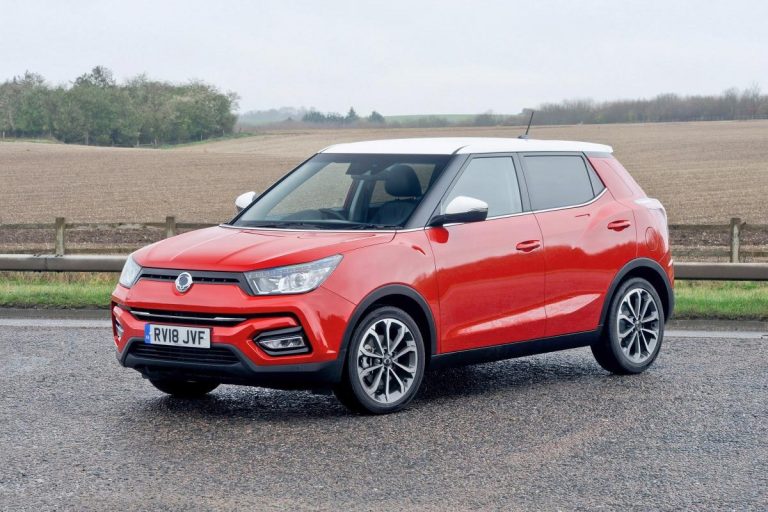
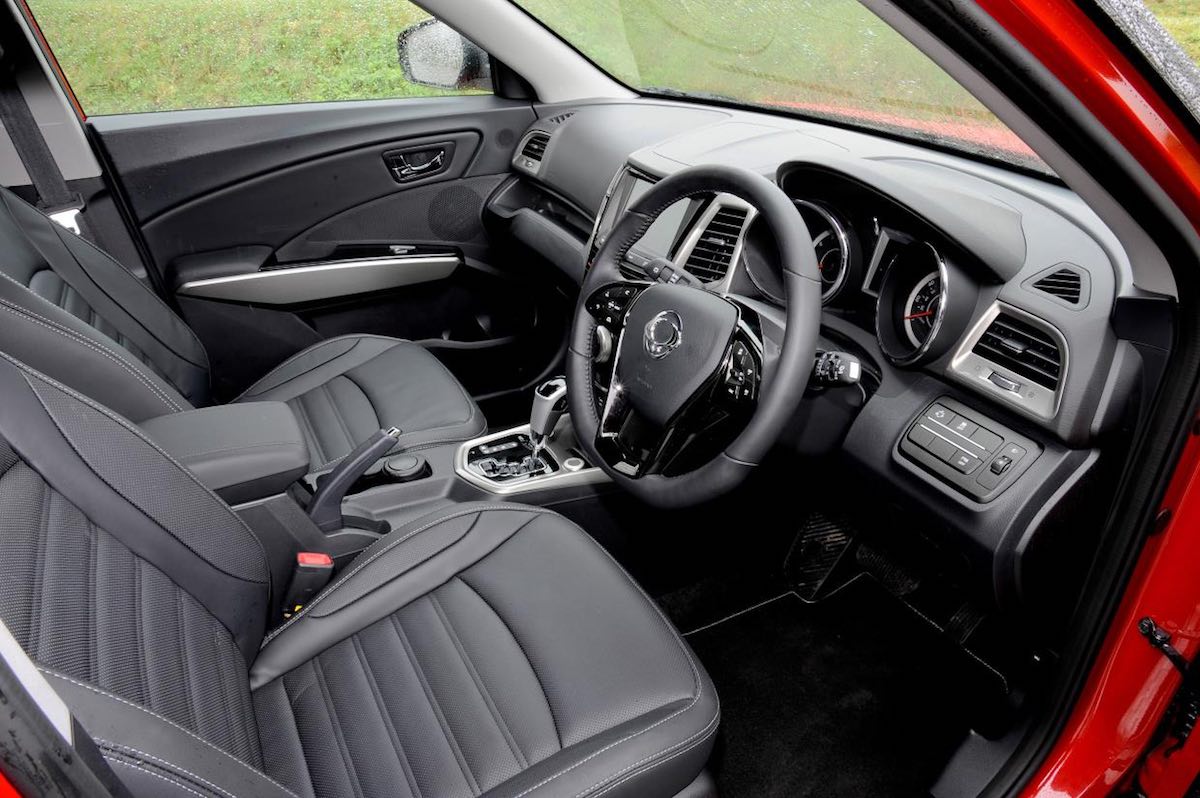
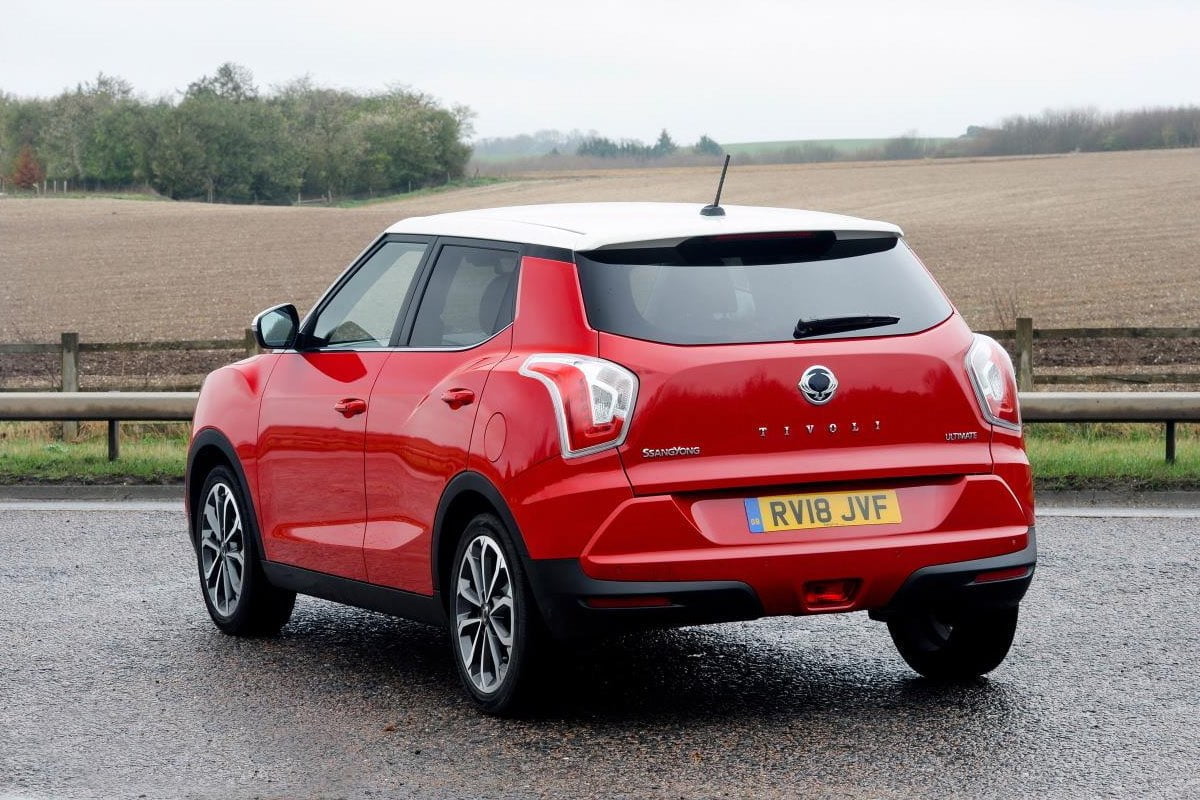

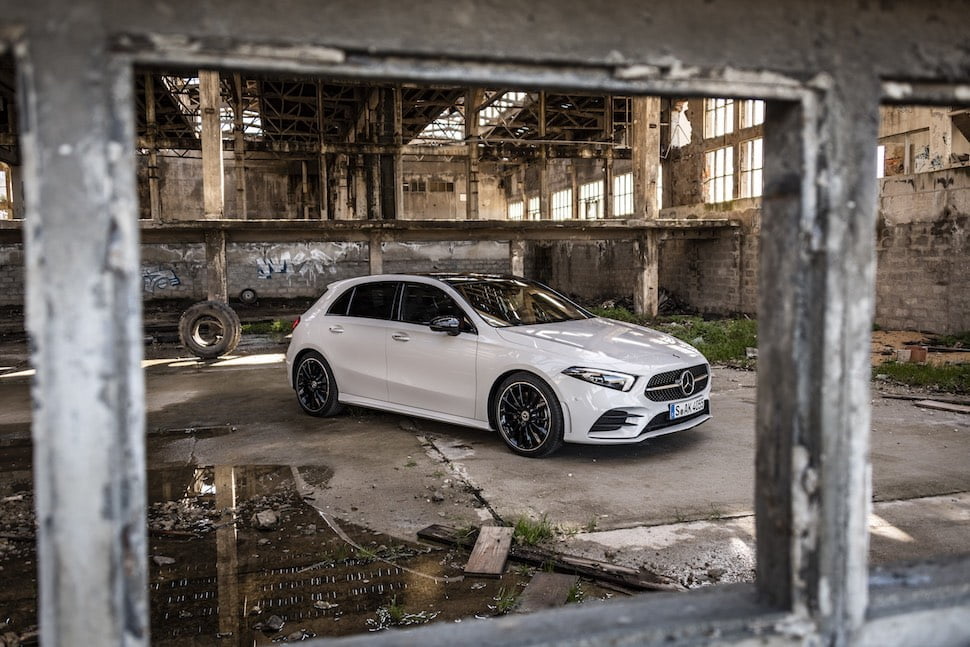

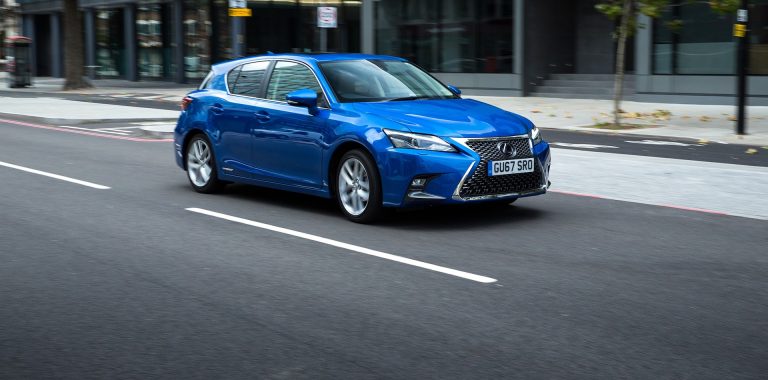
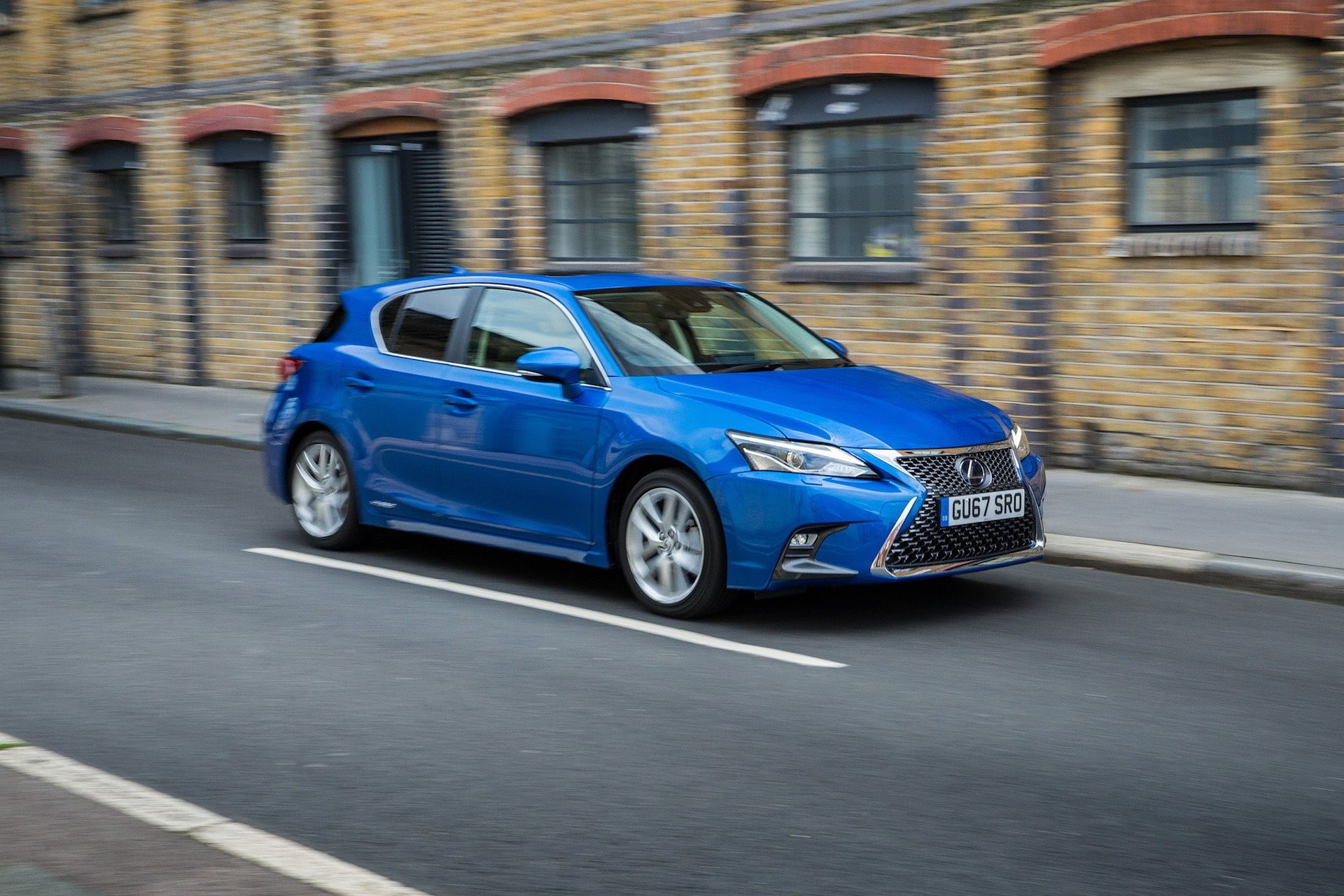


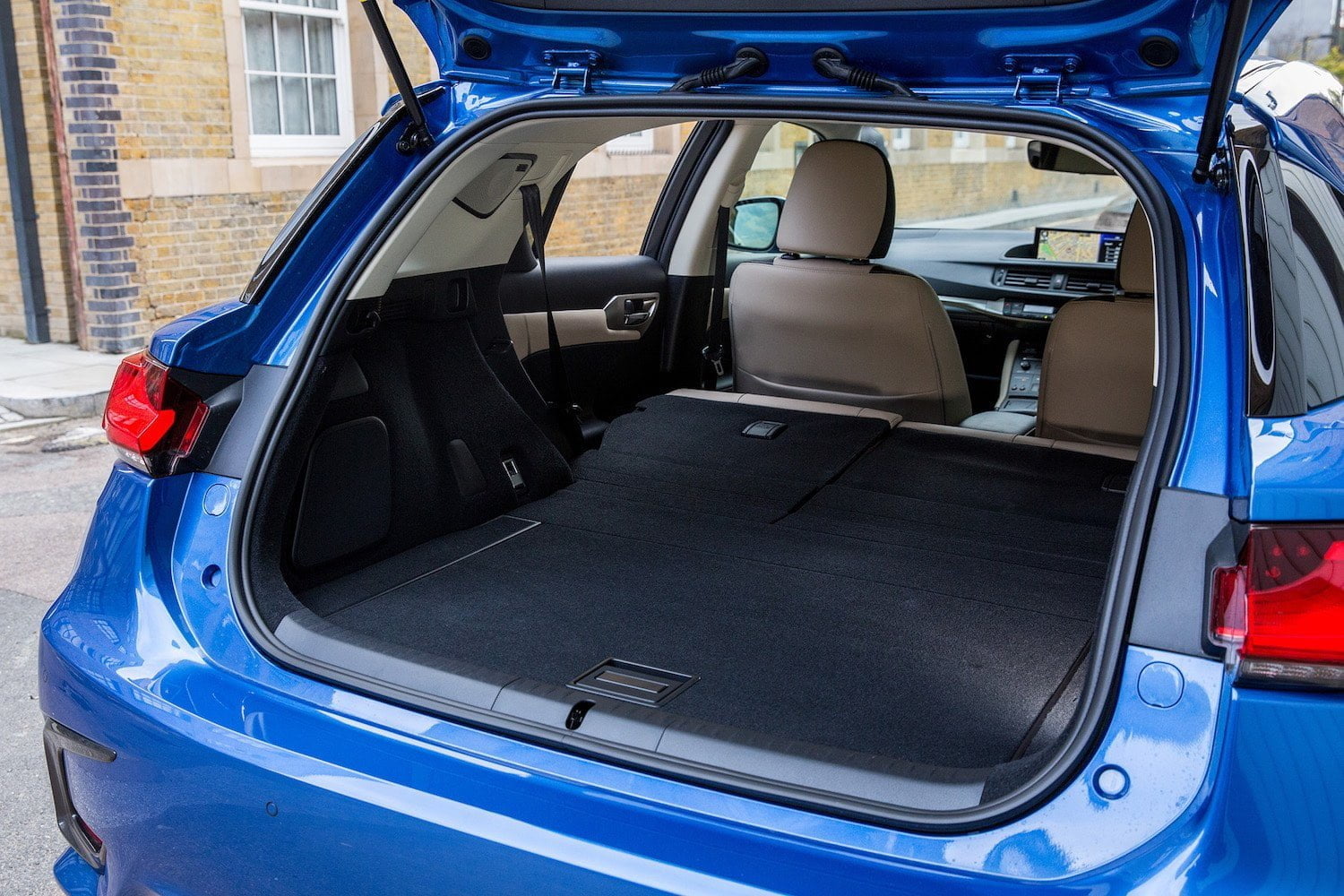


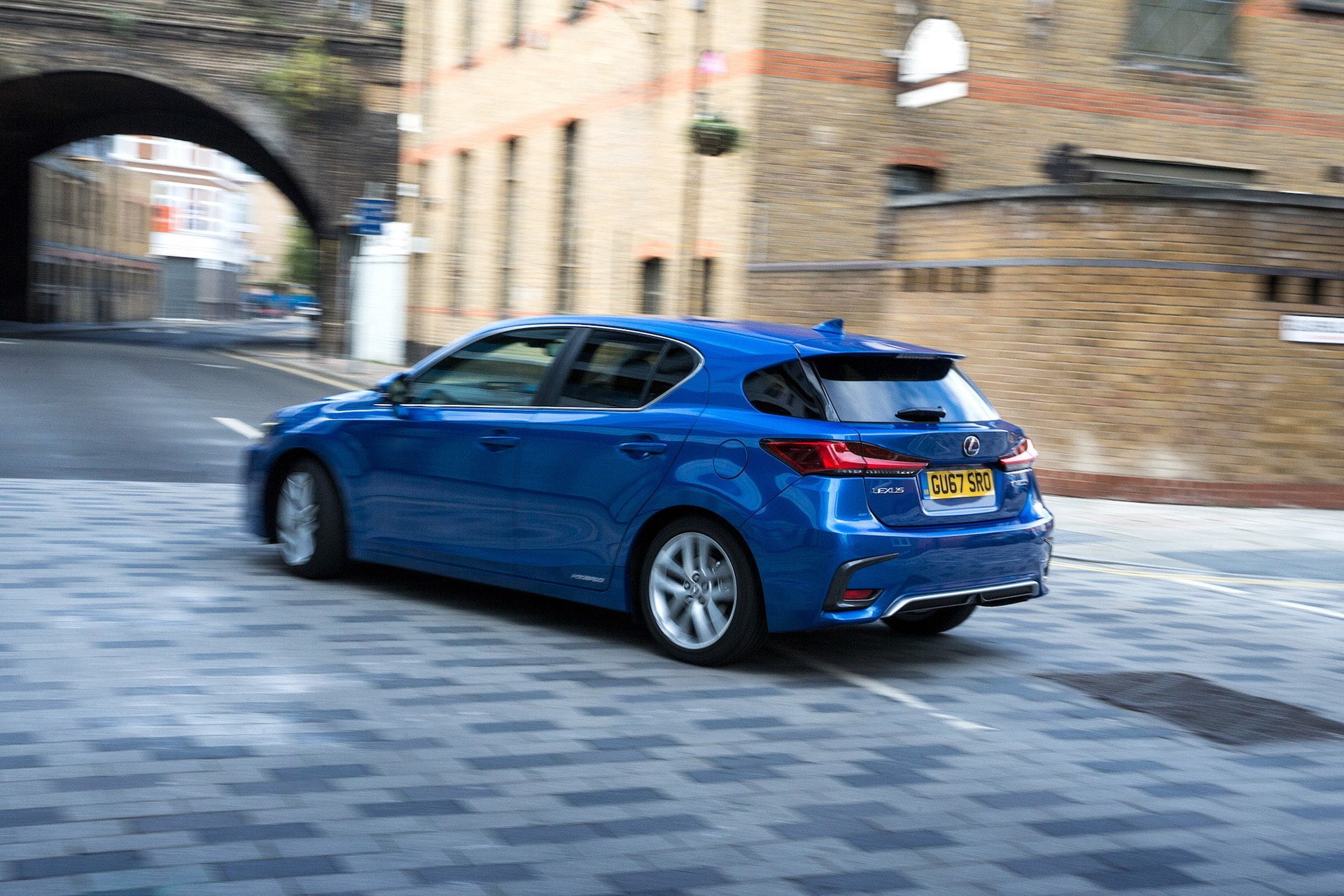


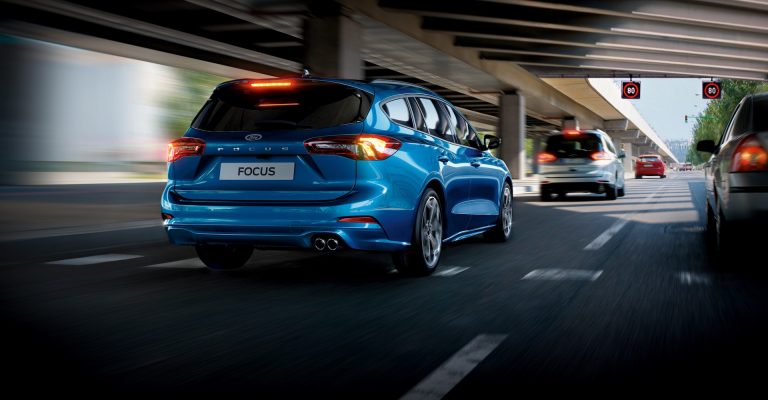


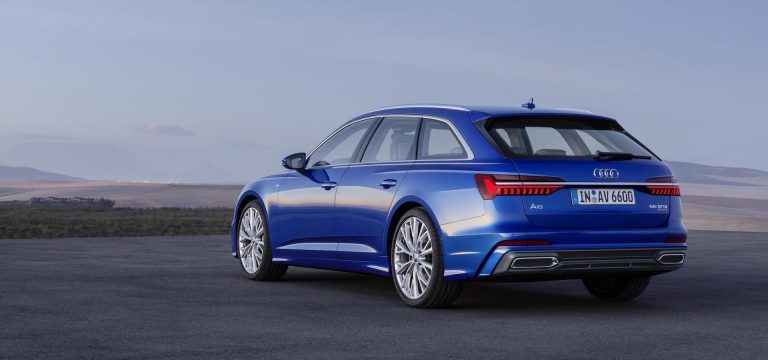


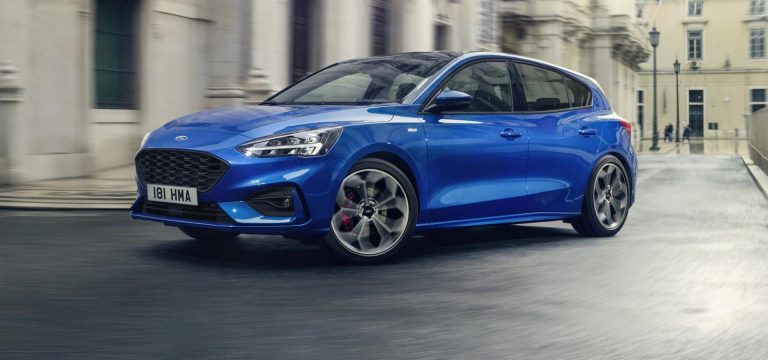


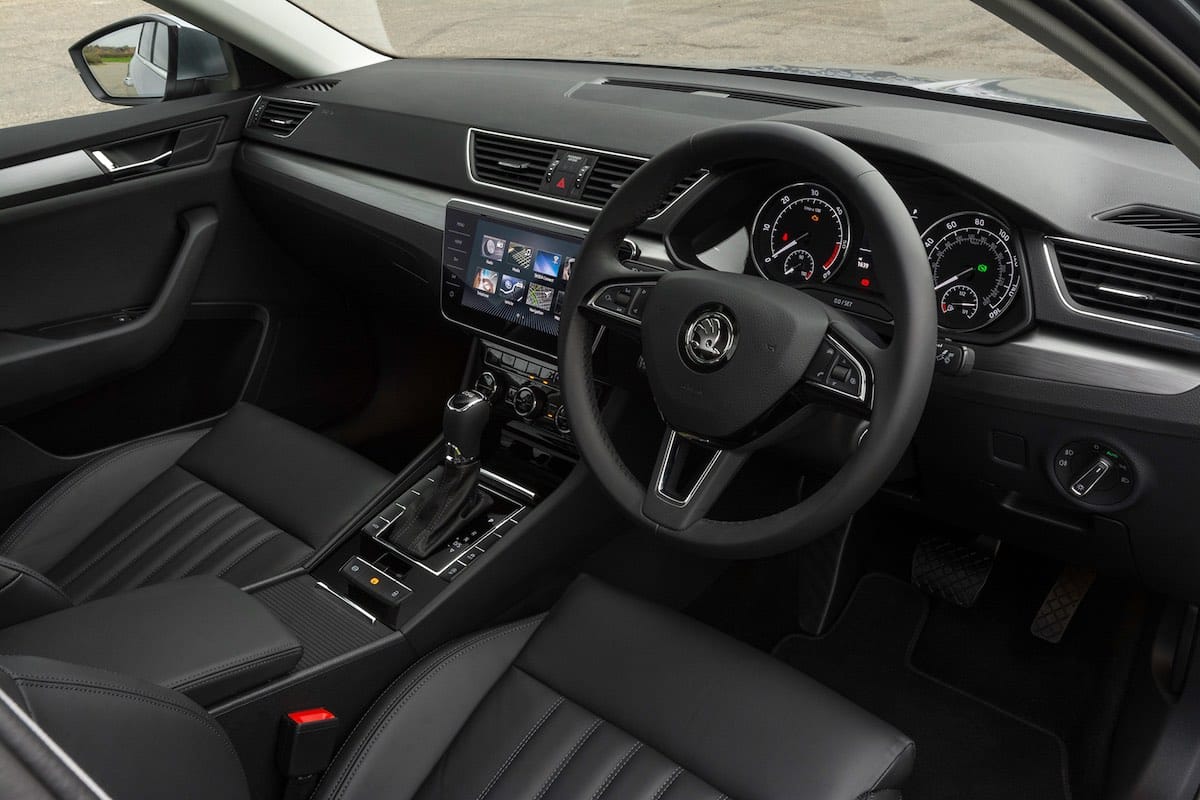

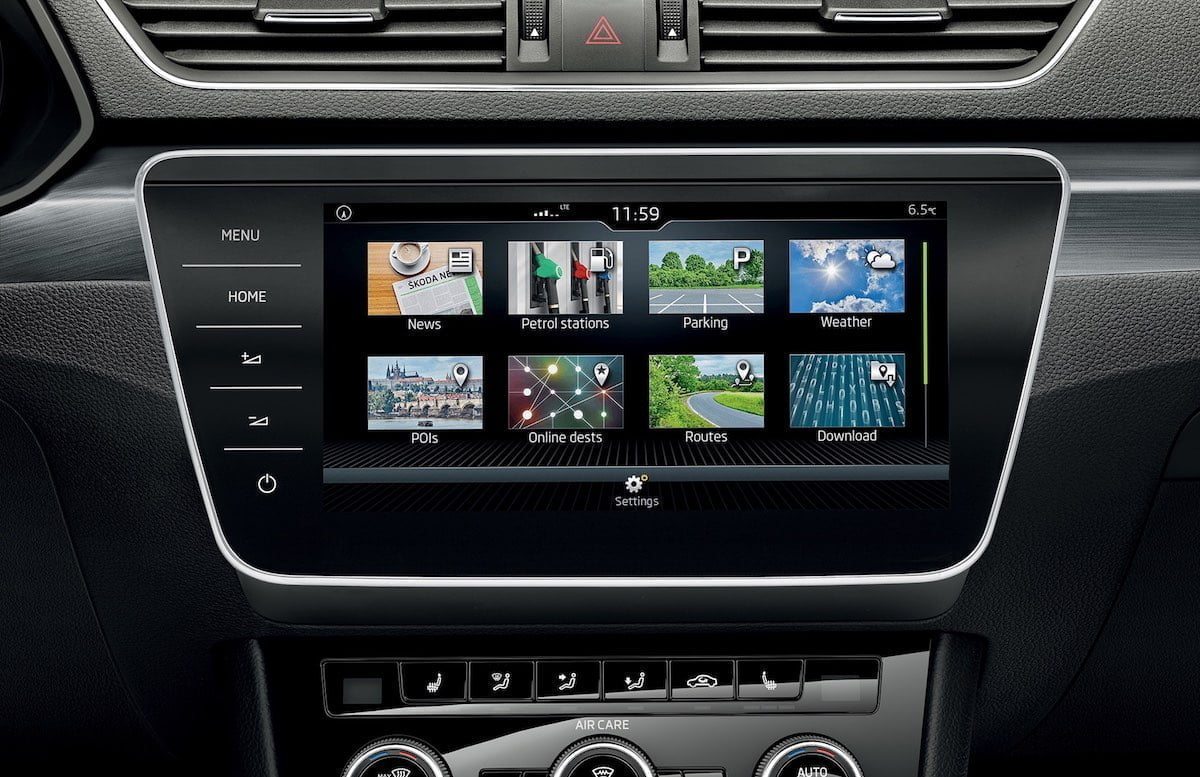

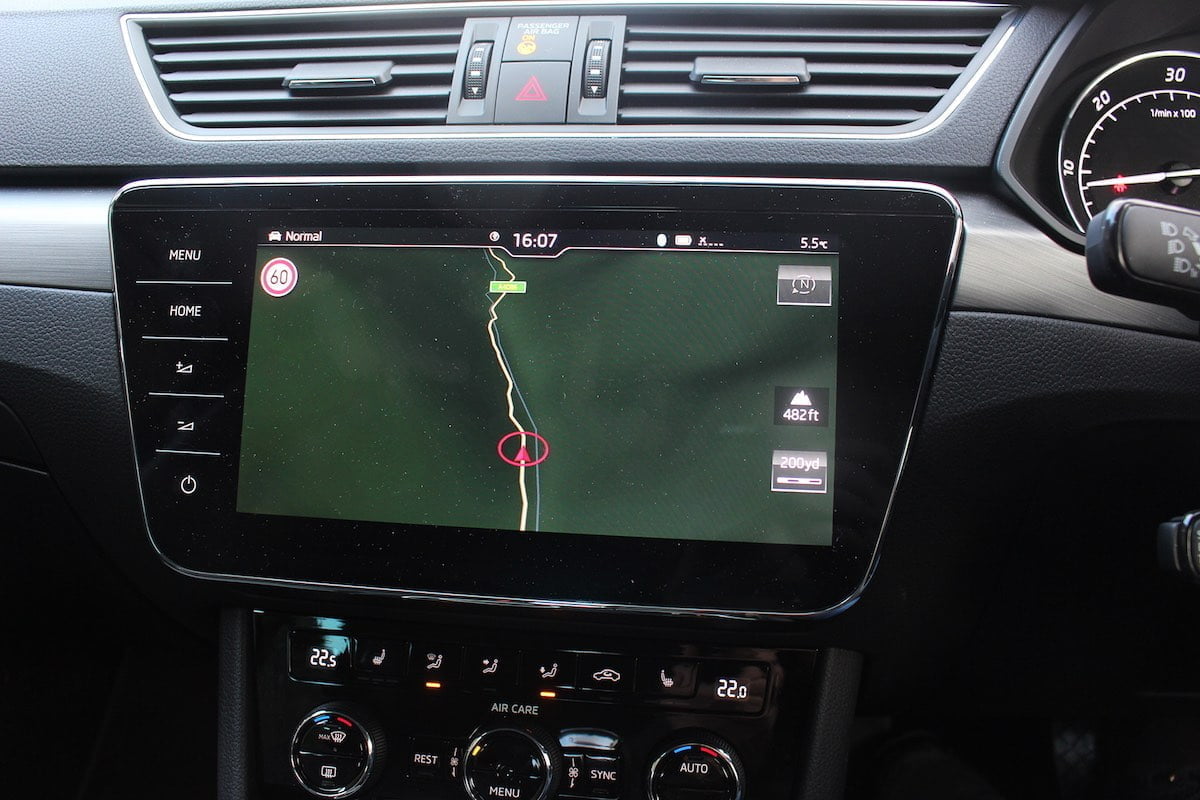
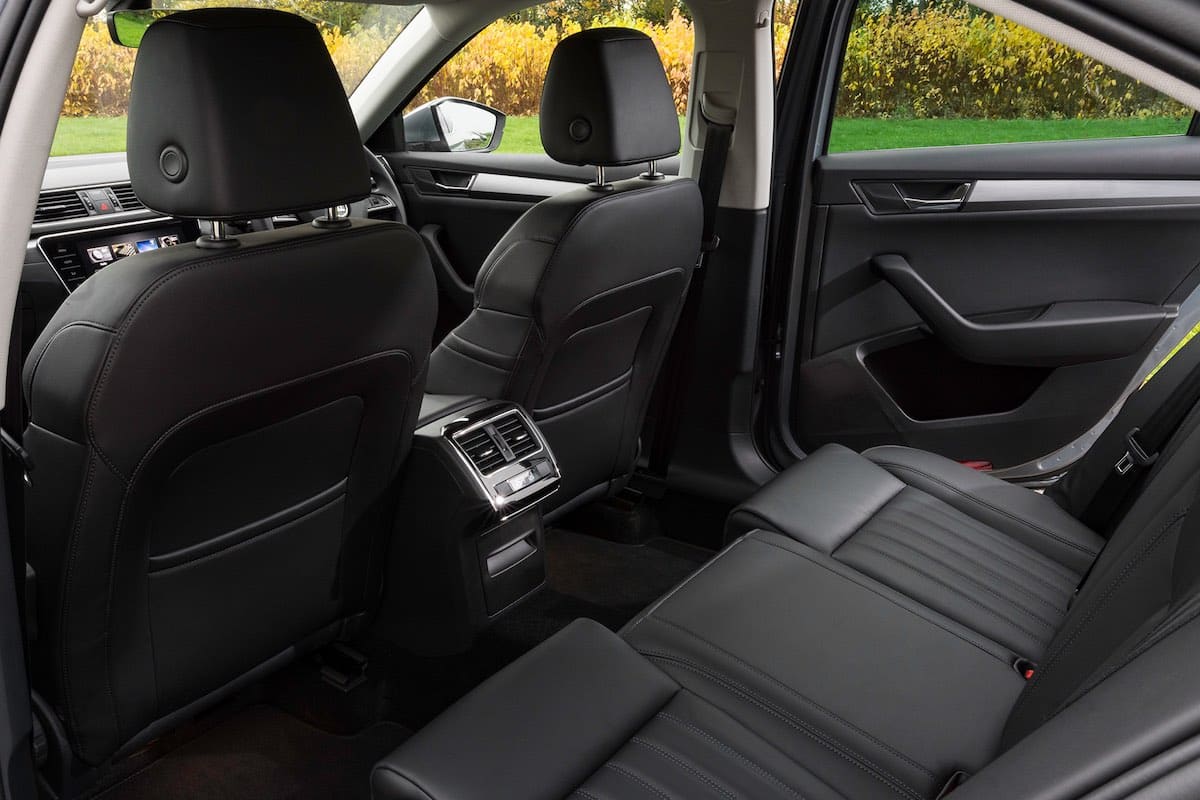


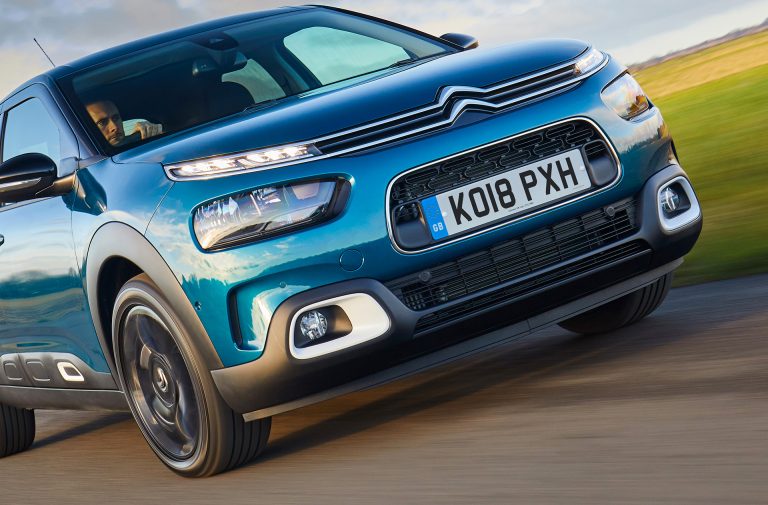


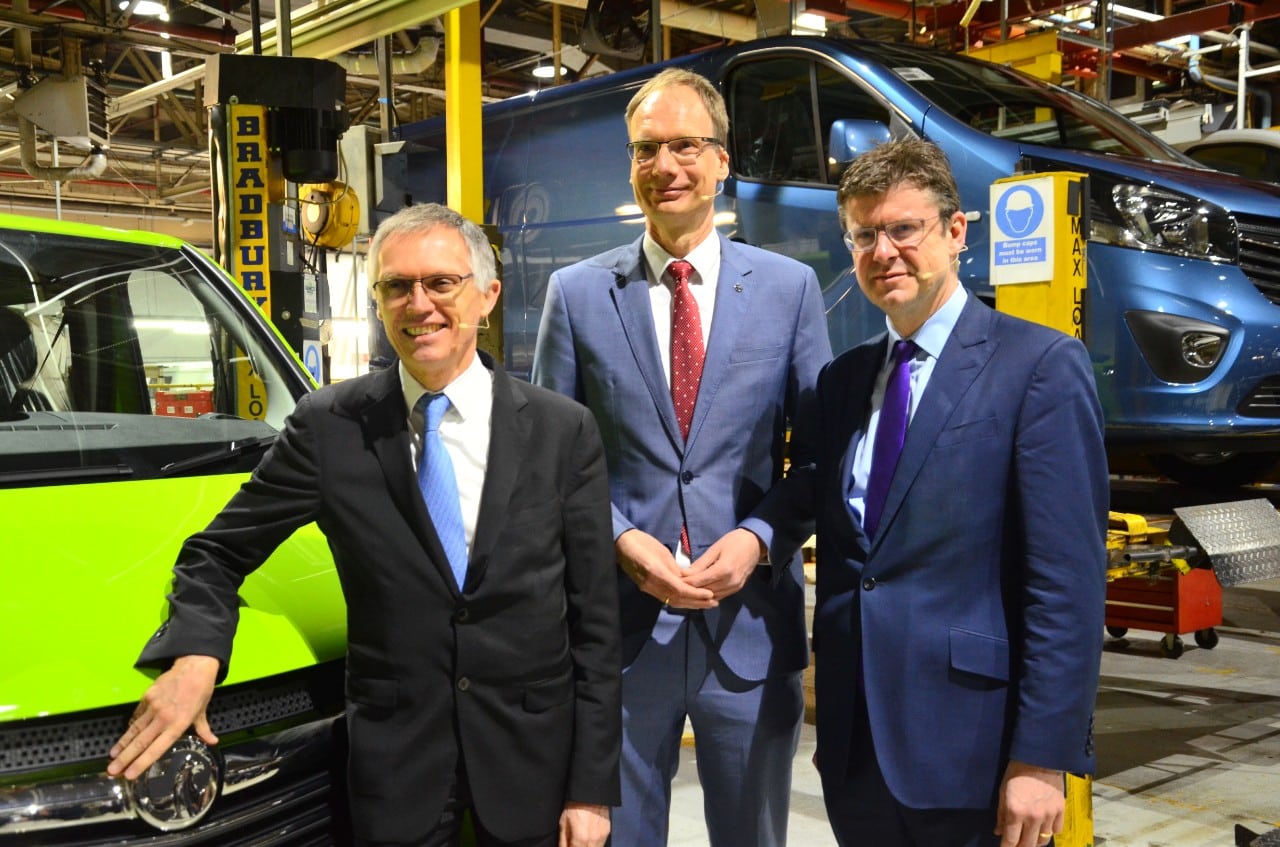


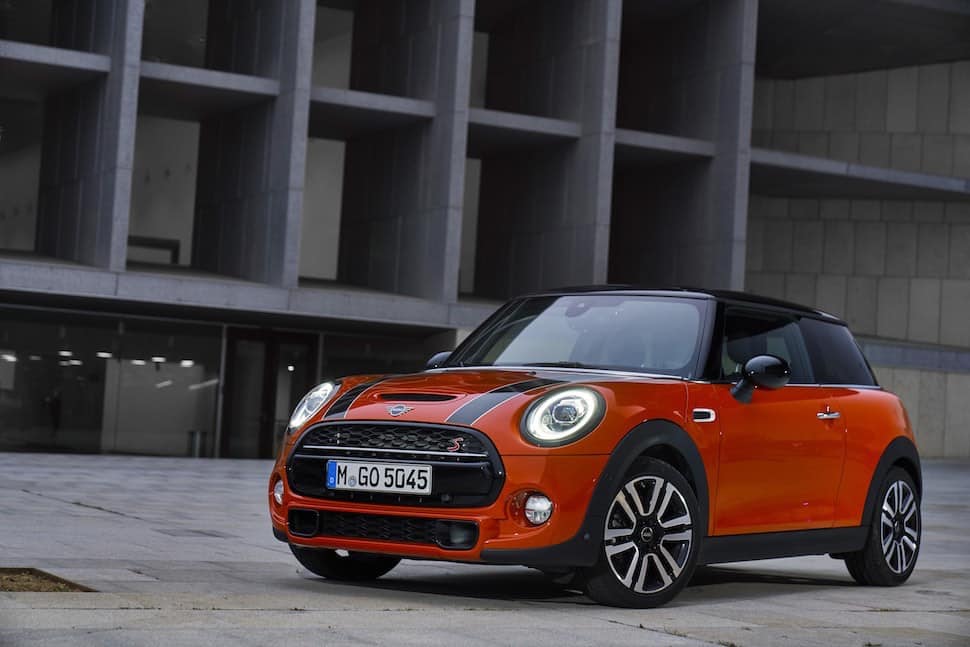


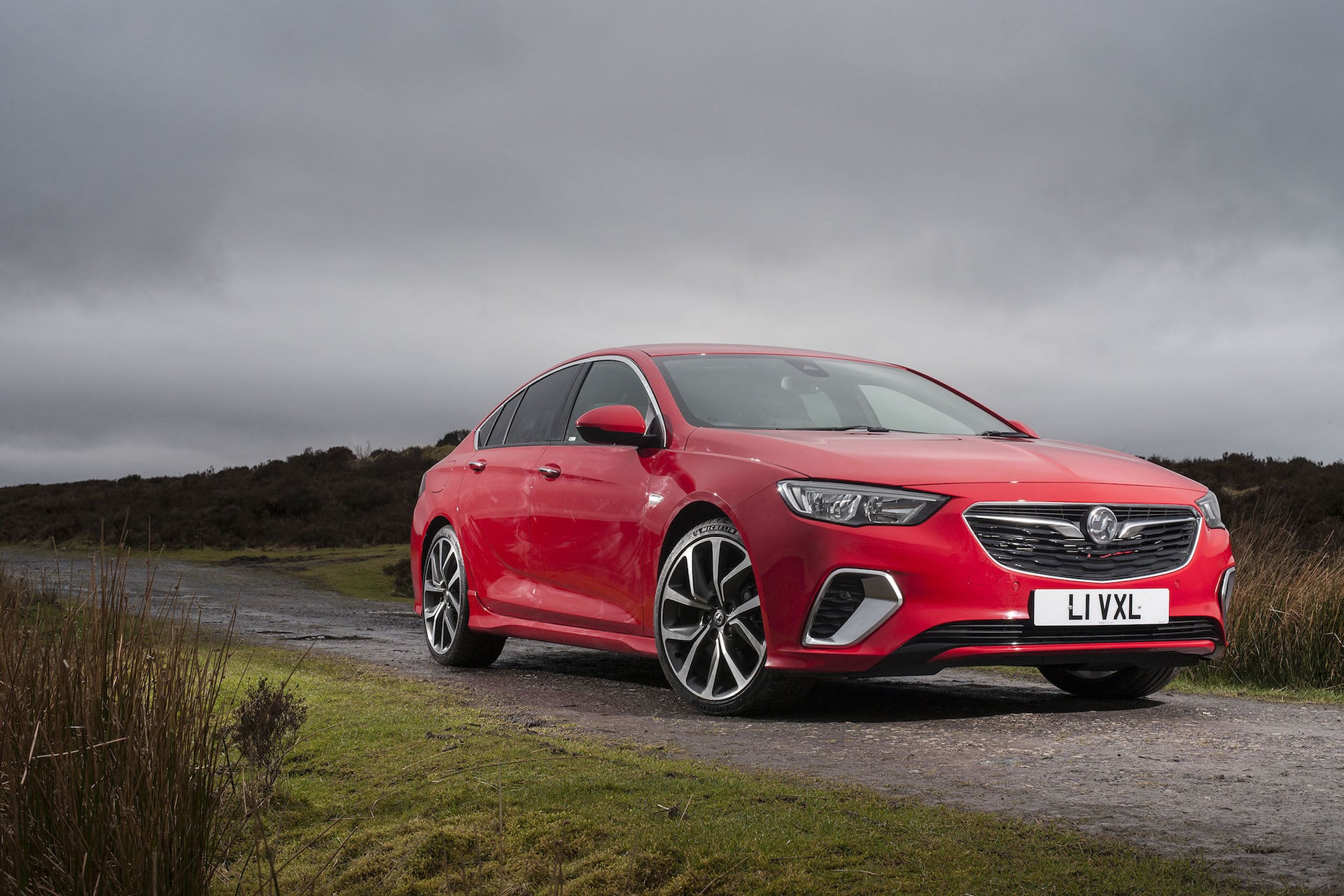

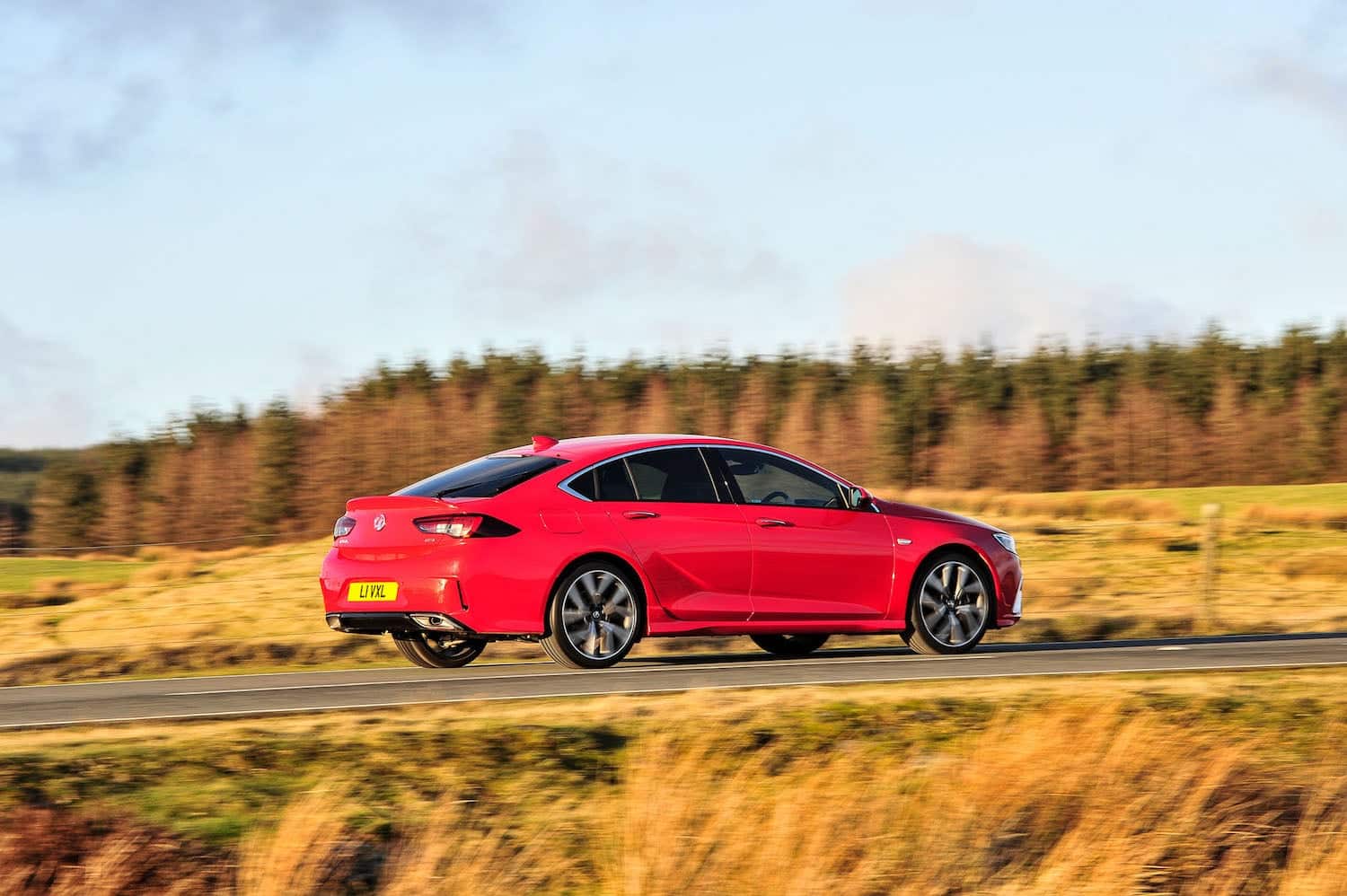
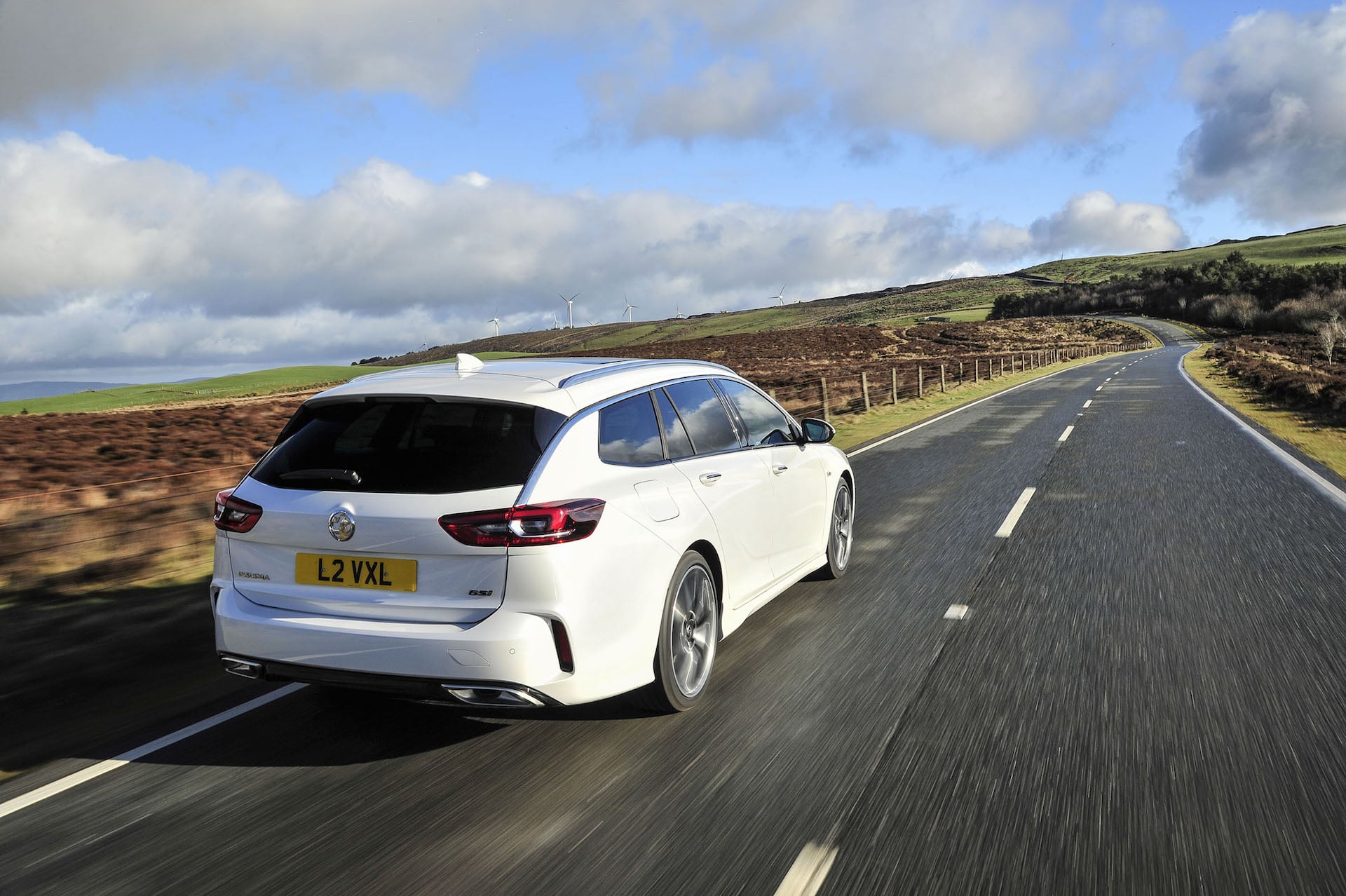

 Styling upgrades include changes to the bumpers, skid plate and grille, plus a new light signature with LED headlamps and new wheel design.
Among technology highlights are a seven-inch information screen with
Styling upgrades include changes to the bumpers, skid plate and grille, plus a new light signature with LED headlamps and new wheel design.
Among technology highlights are a seven-inch information screen with 

 Toyota adds that both of the powertrains in the RAV4 will be new, a 2.0-litre petrol unit and a 2.5-litre hybrid. A diesel option is not expected to be offered, and it’s possible that UK buyers will only be able to choose the hybrid – performance and economy figures for which are yet to be released.
The hybrid uses a newly-developed electric motor drive that employs two electric motors, one on each axle. This format cuts energy losses which aids fuel economy, while offering an effective all-wheel-drive system. A front-wheel drive variant could also be offered.
When the new RAV4 goes on sale its biggest rival will be the
Toyota adds that both of the powertrains in the RAV4 will be new, a 2.0-litre petrol unit and a 2.5-litre hybrid. A diesel option is not expected to be offered, and it’s possible that UK buyers will only be able to choose the hybrid – performance and economy figures for which are yet to be released.
The hybrid uses a newly-developed electric motor drive that employs two electric motors, one on each axle. This format cuts energy losses which aids fuel economy, while offering an effective all-wheel-drive system. A front-wheel drive variant could also be offered.
When the new RAV4 goes on sale its biggest rival will be the 

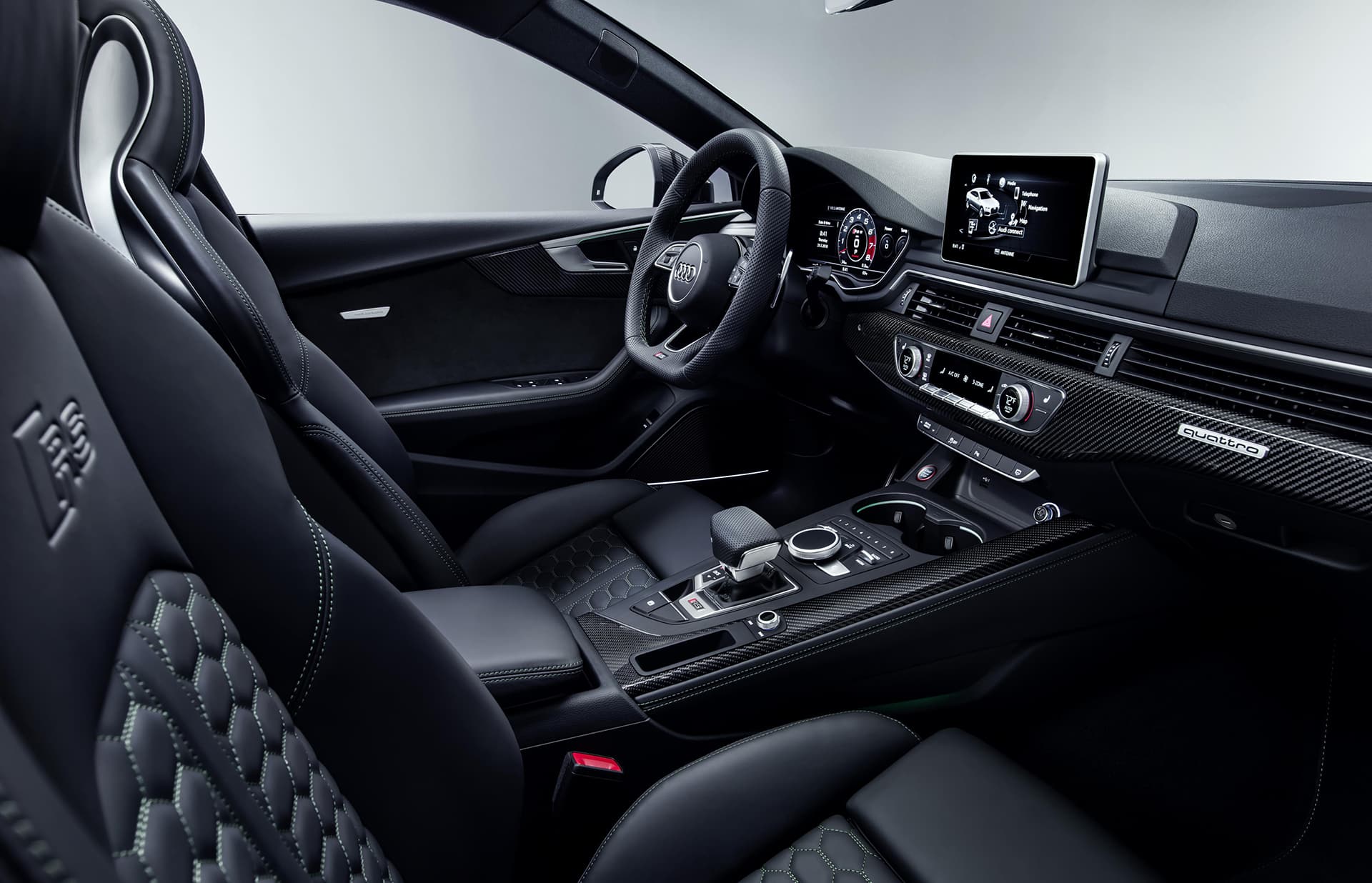 Inside are sport seats in Nappa leather with honeycomb stitching, a flat-bottomed multifunction sports leather steering wheel and RS-specific information displays in the ‘virtual cockpit’ digital display providing information on tyre pressure, torque and G forces.
The RS 5 Sportback will also be a practical performance car. Its boot offers a 480-litre capacity extending to 1300 litres when the rear seats are fully folded. Alternatively, these can be folded in a 40:20:40 split ratio.
Audi is targeting the RS 5 Sportback initially at the North American market, targeting the likes of the
Inside are sport seats in Nappa leather with honeycomb stitching, a flat-bottomed multifunction sports leather steering wheel and RS-specific information displays in the ‘virtual cockpit’ digital display providing information on tyre pressure, torque and G forces.
The RS 5 Sportback will also be a practical performance car. Its boot offers a 480-litre capacity extending to 1300 litres when the rear seats are fully folded. Alternatively, these can be folded in a 40:20:40 split ratio.
Audi is targeting the RS 5 Sportback initially at the North American market, targeting the likes of the 


 The engine is combined as standard with an eight-speed auto transmission and with the Q4 all-wheel-drive system – in normal mode the vehicle is rear-wheel-drive, with 100% of its torque put through the rear axle, but can transfer up to 50% to the front when conditions demand.
Alfa Romeo’s Chassis Domain Control co-ordinates a suite of electronic aids including active suspension, the electronic stability control and torque vectoring. The latter employs two electronically controlled clutches in the rear differential, separately assigning torque to each wheel, ensuring the most effective power transfer to the road under demanding conditions such as cornering on the limit.
Specification of the Quadrifoglio will be range-topping and will include bespoke 20-inch alloy wheels that require reprofiled wheel arches, a restyled rear diffuser, a four-pipe sports exhaust and bi-xenon headlamps with LED daytime running lights.
Notable elements inside include a leather dashboard and door tops, leather and Alcantara seats, leather steering wheel, carbon fibre trim and stainless steel pedals. An 8.8-inch Alfa Connect infotainment system sits in the centre console and includes Apple CarPlay and Android Auto smartphone compatibility..
The safety specification is extensive too, including Autonomous Emergency Braking, Lane Departure Warning, Blind Spot Monitoring, an Integrated Braking System, Forward Collision Warning and a rear-view camera with guidance lines.
First UK deliveries of the Alfa Romeo Stelvio Quadrifoglio are expected in the summer.
The engine is combined as standard with an eight-speed auto transmission and with the Q4 all-wheel-drive system – in normal mode the vehicle is rear-wheel-drive, with 100% of its torque put through the rear axle, but can transfer up to 50% to the front when conditions demand.
Alfa Romeo’s Chassis Domain Control co-ordinates a suite of electronic aids including active suspension, the electronic stability control and torque vectoring. The latter employs two electronically controlled clutches in the rear differential, separately assigning torque to each wheel, ensuring the most effective power transfer to the road under demanding conditions such as cornering on the limit.
Specification of the Quadrifoglio will be range-topping and will include bespoke 20-inch alloy wheels that require reprofiled wheel arches, a restyled rear diffuser, a four-pipe sports exhaust and bi-xenon headlamps with LED daytime running lights.
Notable elements inside include a leather dashboard and door tops, leather and Alcantara seats, leather steering wheel, carbon fibre trim and stainless steel pedals. An 8.8-inch Alfa Connect infotainment system sits in the centre console and includes Apple CarPlay and Android Auto smartphone compatibility..
The safety specification is extensive too, including Autonomous Emergency Braking, Lane Departure Warning, Blind Spot Monitoring, an Integrated Braking System, Forward Collision Warning and a rear-view camera with guidance lines.
First UK deliveries of the Alfa Romeo Stelvio Quadrifoglio are expected in the summer.