Hyundai has announced details of pricing and specification for its latest i30 Tourer estate. The Tourer joins the i30 hatchback which launched earlier this year.
The latest version of the estate model sees the introduction of the 136hp 1.6-litre CRDi with dual clutch transmission and the three-cylinder 1.0-litre T-GSi.
Customers have the option of ten different exterior colours . The solid finishes Engine Red and Polar White are available at no extra cost, while the other eight metallic or pearl paint finishes are extra.
All specifications come with a black interior as standard, while Slate Grey is available at no extra cost on Premium SE models. DAB radio and Bluetooth are as standard on all models.
Standard safety features for the i30 estate include Lane Departure Warning, Forward Collision Warning, Lane Keep Assist, Autonomous Emergency Braking and Hill Start Assist Control.
The i30 Tourer goes on sale from 6th July with prices starting from £17,495.
Aston Martin has confirmed production of its first all-electric model, the RapidE.
Based on the concept car that debuted in October 2015, only 155 will be built, with production set for 2019.
The initial sketches show the RapidE as a four-door sports car with the looks of the Rapide S. The 6.0-litre V12 engine will be replaced by an all-electric powertrain.
Aston Martin has confirmed Williams Advanced Engineering as its lead engineering partner in the project. Williams Advanced Engineering worked on the original Rapid E Concept.
Further details of the electric powertrain and specification can be expected nearer the time of production.
JaguarLand Rover has expanded its Ingenium engine range with the addition of a 300hp unit. The 2.0-litre four-cylinder turbocharged engine produces 400Nm of torque and will be available in the F-Pace SUV and the XE and XF saloons.
Paired with the same ZF eight-speed automatic transmission used by many other manufacturers, the new Ingenium petrol engines offer improved efficiency and fuel economy over the previous units.
Additional 2018 model-year updates include the Gesture Boot Lid for the XE and the XF, while Configurable Dynamics technology allows drivers to personalise their driving experience.
The F-Pace, XE and XF with the 300hp Ingenium engine are available to order now.
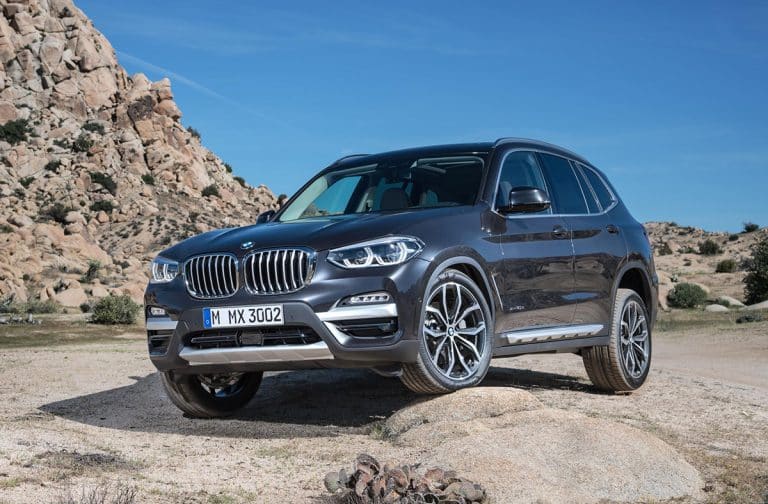
The next BMW X3 SUV will include the first M Performance version, with 360hp on offer from its 3-litre six-cylinder petrol engine.
On sale in November and priced from £38,800, the third-generation X3 is expected to continue the success of the model line. The X3 has sold 1.5 million since first launching in 2003 but has come under great pressure in recent times from new rival models such as the latest Audi Q5.
The new car is similar in size to its predecessor but with a 50mm longer wheelbase and a perfect 50:50 weight distribution. This will be particularly relevant to the performance-focused M40i, which promises a sub five-second 0-62mph time. It will cost from £51,280.
Two diesel engines
Initially, new X3s will be available with either the 20d or 30d diesel engines, offering 190 or 265hp respectively. The M40i will go on sale soon after, as will an xDrive 20i petrol unit. All will be matched to an improved version of the eight-speed Steptronic transmission and all-wheel drive.
Amongst a host of new technology available for the car will be BMW’s new ‘CoPilot’ system, which includes active cruise control and the Driving Assistant Plus safety package – a steering and lane control assistant, lane-change assistant and lane-keeping assistant with side collision protection.
All versions are also fitted with three-zone automatic climate control, which can provide individual settings for driver, front passenger and rear seat occupants. Options include perforated leather front seats with ventilation and a panoramic sunroof.
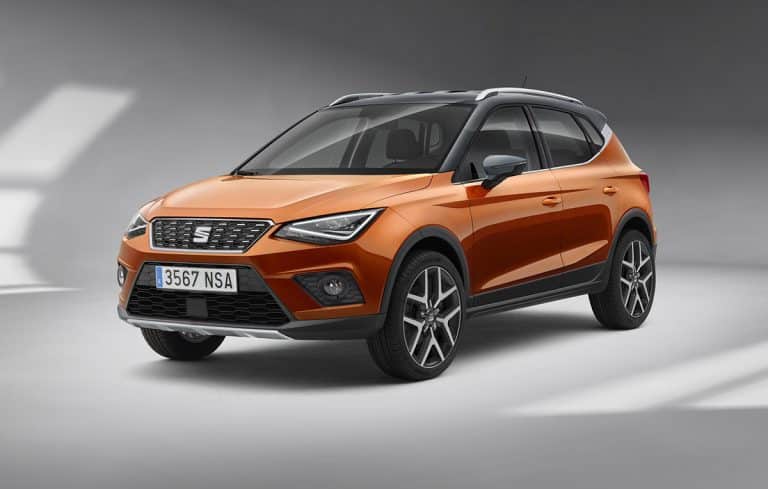
The SEAT Arona has been revealed as the brand’s second SUV, and will launch in September at the Frankfurt Motor Show.
The Arona will target the best-selling Nissan Juke, alongside larger sister, the Ateca, which was launched last year to rival the Nissan Qashqai.
A shortened version of the Ateca’s VW Group MQB platform is used for the Arona, and also underpins the Ibiza and Polo superminis which SEAT’s first compact SUV is closely related to.
Larger boot
SEAT quotes a 400-litre boot capacity for the car, 46 litres more than the Juke offers. The car is 79mm longer than the Ibiza at 4,138mm, and 99mm taller – driver sits 52mm higher, while headroom is 37mm better in the front and 33mm in the rear compared to the supermini.
Five engine options will be available – petrol units in 1.0-litre 95 and 115hp, a 1.5-litre petrol with 150hp, and two versions of a 1.6-litre diesel with either 95 or 115hp. Transmissions will be five or six-speed manual or a seven-speed dual-clutch auto, and the car will be front-wheel drive only.
SEAT will offer the Arona in its typical grade structure while the separate finishes to the body and roof will make possible up to 68 colour combinations. Prices for the car are not yet revealed but are likely to start at around £14,000.
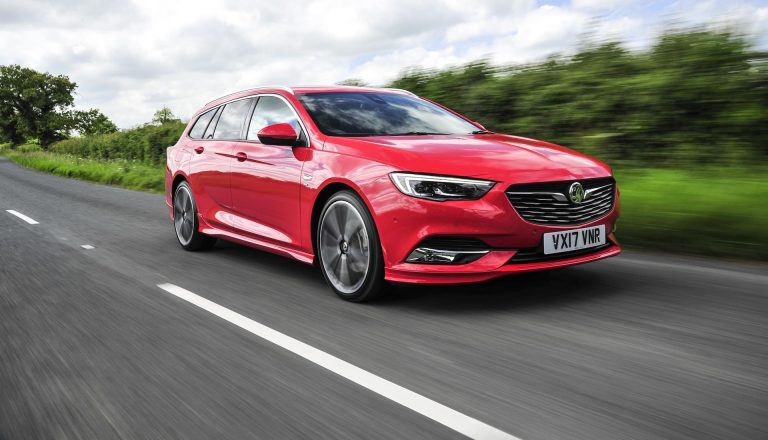
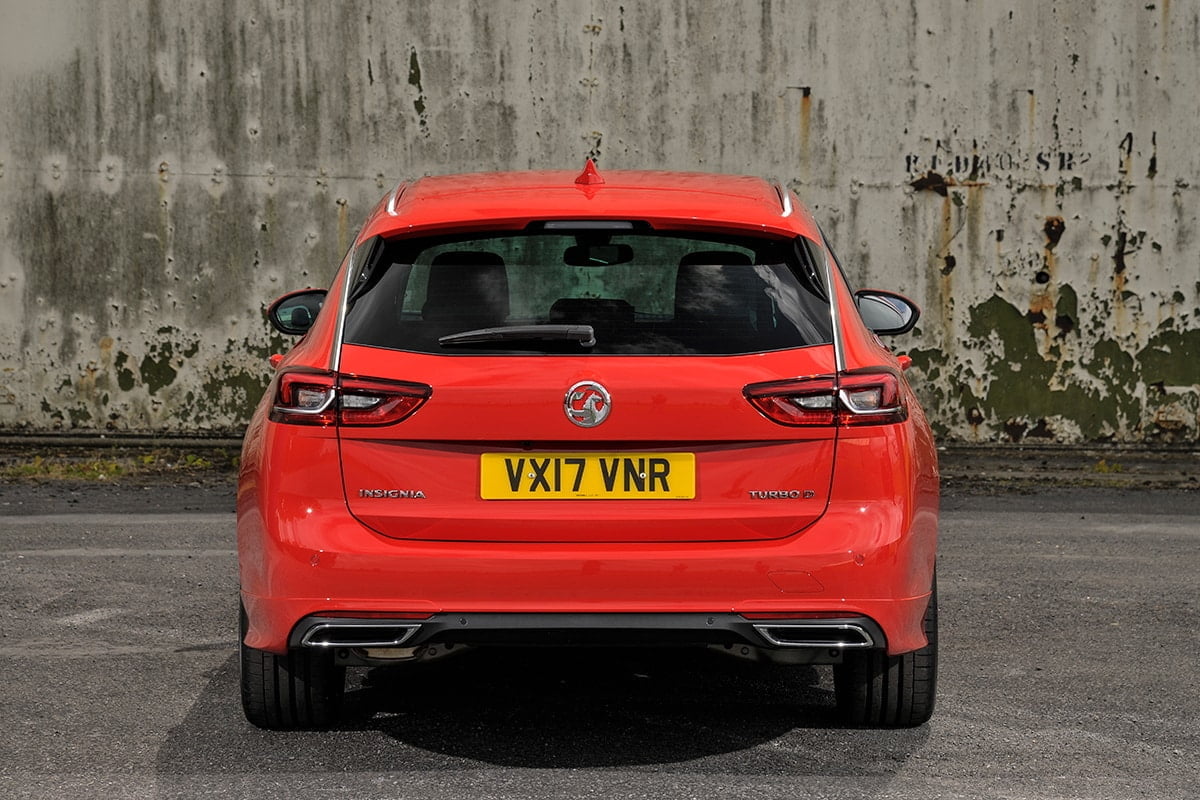
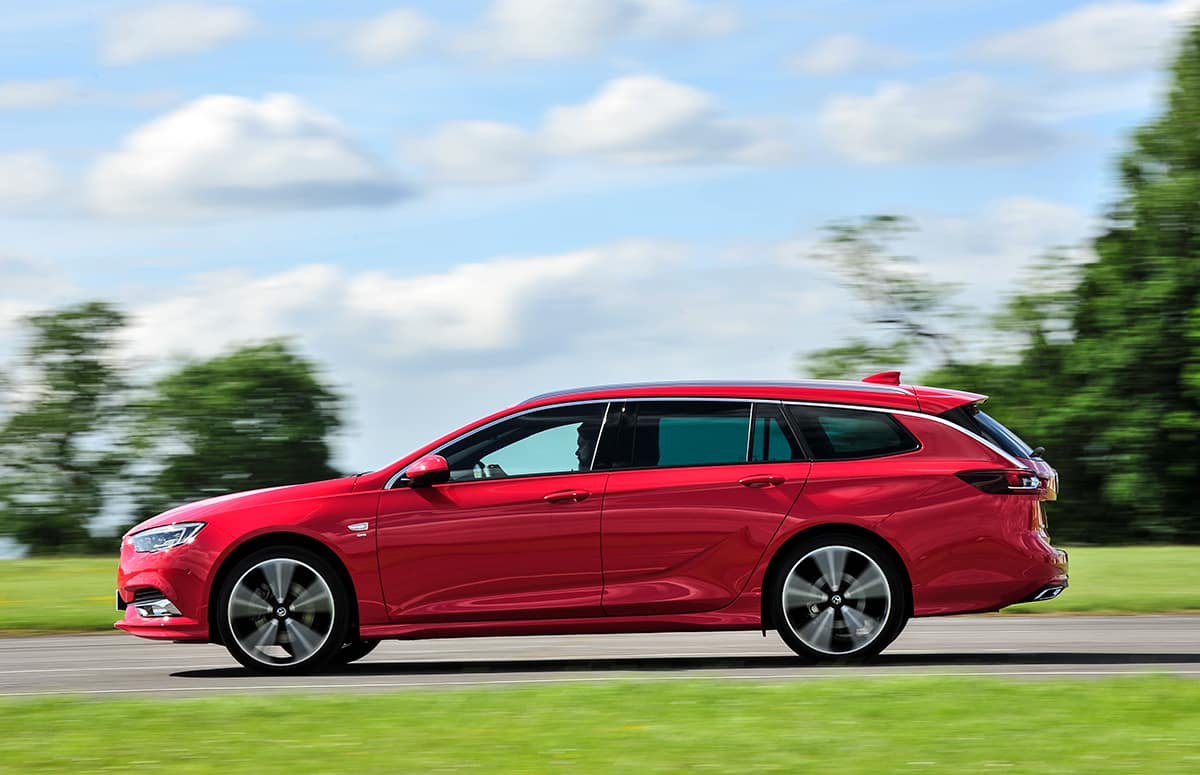
The Vauxhall Insignia Sports Tourer is the second, estate version of the brand’s latest large-car offering for a market dominated by fleet drivers, and it launches at a time when that market is under attack on two flanks.
Firstly, buyers are abandoning what are known as D-segment cars in droves, in favour of more imposing and muscular crossovers. And those that are not swayed by such vehicles are being tempted by estates from the likes of Audi and BMW as the premium manufacturers target the mainstream market.
So Vauxhall has had to up its game, and generally it has done so. This new Insignia is a distinct improvement on the car that it replaces.
The estate-bodied Sports Tourer goes on sale just after the five-door Insignia Grand Sport, that arrived in showrooms in May, and a third, off-road styled Country Tourer model is set to be unveiled in September. Vauxhall personnel at the Sports Tourer launch event also hinted at a fourth, as-yet-unnamed derivative to come.
This new Insignia is a distinct improvement on the car that it replaces.
Exterior and interior design
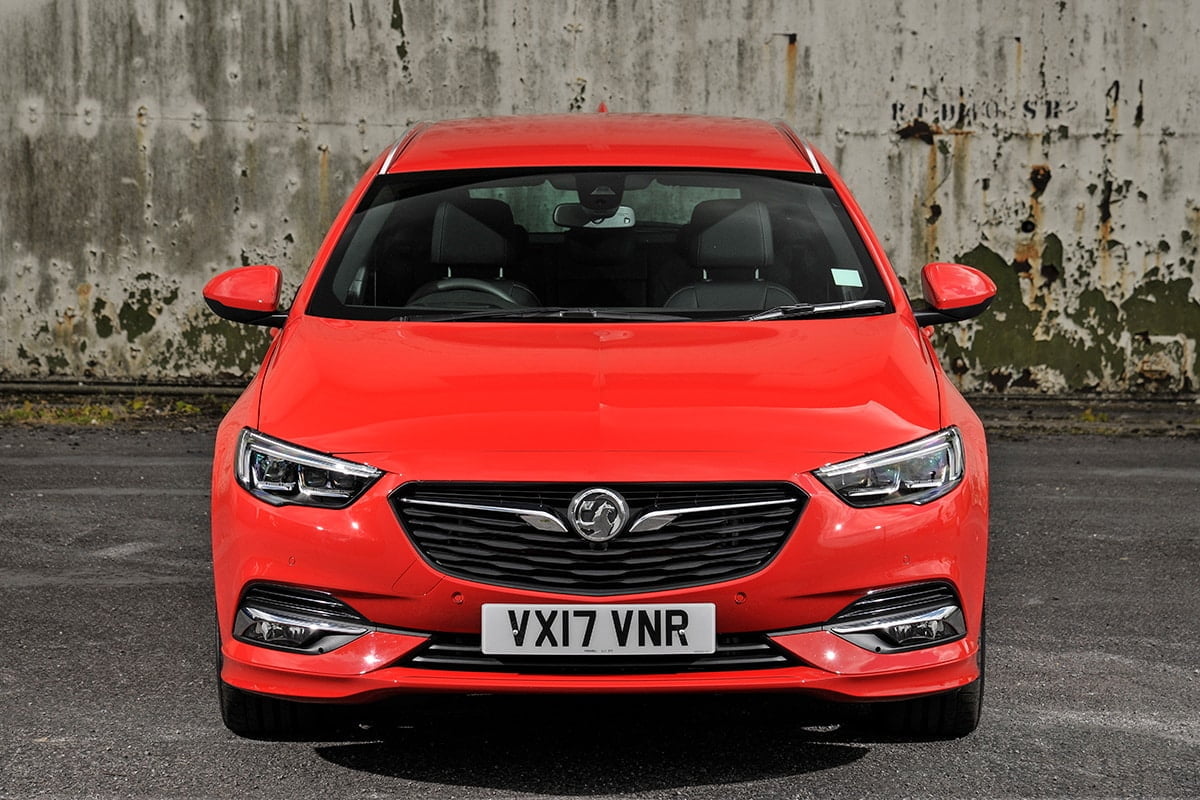
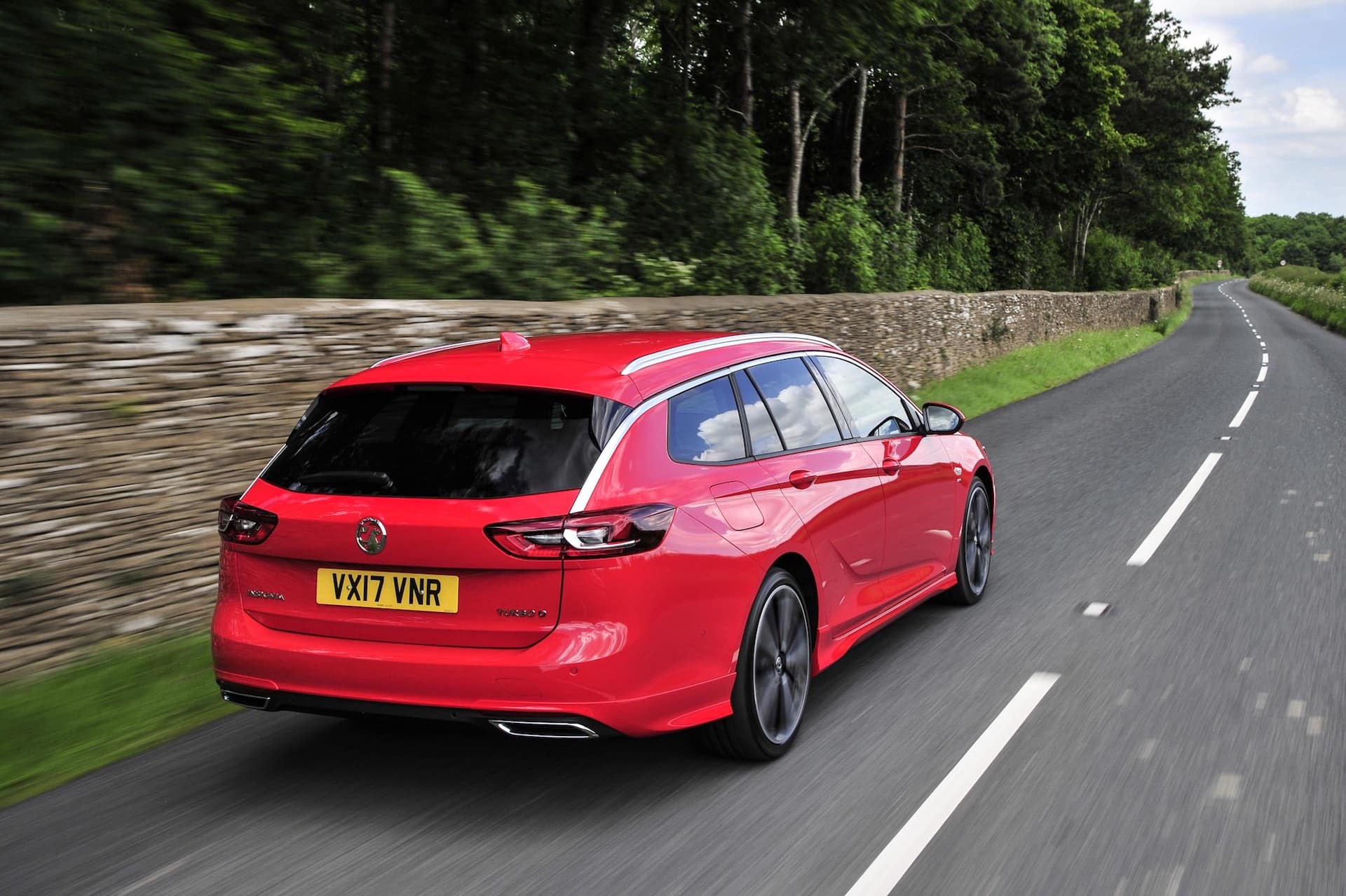
The previous Vauxhall Insignia Sports Tourer boasted a steeply raking roofline which attracted more comments about the space it compromised rather than any sharpness in styling. The new car’s look is based on the Monza concept of 2013 – as a result, it has an exterior profile that is more dynamic, and still retains that impression of a raked rear end, but it also answers the space criticism.
At just under five metres end to end, the car is only slightly longer than its predecessor, but it looks huge, and the latest platform ensures it makes the most of its dimensions. The wheelbase is extended to just over 2.8m, the front overhang shortened by 3cm, and the roof also dropped by 3cm. Combined with the silver finish roof rails, this gives the car far more purposeful, aerodynamic visuals, while the saving up to 200kg in weight, with obvious benefits in efficiency and handling.
Meanwhile, the boot adds a bold rear sweep to the car, because it has been extended by a significant 10cm. This bumps up luggage capacity, which now measures 560 litres with the seats up and 1,665 litres with them down. As well as being some 135 litres more than its predecessor, it’s also 60 litres more than one can get in a Ford Mondeo estate, though still overshadowed by the gargantuan boot of the Volkswagen Passat estate.
Inside is a definite step up from previously and one of the highlights of the newcomer. There is plenty of space, even in the rear. The external impression of a downwards-raking roof does not appear to compromise headroom.
Fit and finish, meanwhile has a much more premium feel. The driver’s environment is well laid-out, all the important controls mounted on a sweeping dash that curves around the driver. The infotainment touchscreen is integrated into the console, rather than poking upwards from it as appears to be an increasing trend these days, and a pleasing economy of buttons promotes a decluttered feel.
Powertrains
A six-strong engine range is available for the Vauxhall Insignia Sports Tourer. Petrol fans have the option of a new 1.5-litre turbo with either 140 or 165hp, and a 260hp 2.0-litre also combined with all-wheel drive.
Vauxhall expects great things of the turbocharged four-cylinder 1.5-litre unit – one of a family of new, all-aluminium small capacity engines with direct injection, it promises significant gains in performance, efficiency and refinement.
For the diesel market that has traditionally dominated Insignia sales, the choice is between 1.6-litre units of 110 or 136hp and a 170hp 2.0-litre. Standard transmission is a six-speed manual, while the previous six-speed auto has made way for an all-new eight-speed unit.
At the launch, Vauxhall personnel did hint that the growing backlash against diesel engines is beginning to enter into their market projections. However the vast majority of Insignia sales are company cars, a diesel-dominated sector, and any changes in buying habits would be slowest to take effect in this market governed by fixed new-car ordering cycles.
On the road
At the UK launch event, The Car Expert drove cars equipped with the new 1.5-litre turbo petrol engine, in its more powerful 165hp incarnation, and the entry-level 110hp diesel.
The petrol unit is impressive, overall. It remains refined even when under hard acceleration, but that hard acceleration does not feel very eager, even the base-level diesel appearing more potent.
On the road the Insignia rides reasonably confidently, feeling slightly on the soft side but absorbing most of the bumps as a result. Road noise can be a little intrusive at higher speeds, where the not-so-firm chassis is a little less assured.
In corners, the car displays plenty of grip, but again the softer setup does induce a little body roll, though not to significant levels.
Equipment
Vauxhall talks up the wide range of new technology available in the Insignia, but perhaps the greatest headline is the price of the car. Starting from £18,685 (with the 140hp petrol engine), the entry-level Design model is quite simply a bargain buy.
Standard equipment, meanwhile, includes the OnStar assistance service with such features as alerting emergency services when it senses the car has been involved in a crash, a wi-fi hotspot and control through a smartphone app.
Design models are fitted with the version of the Intellilink audio system with a seven-inch touchscreen, DAB digital radio and Bluetooth. There are seven trim levels to choose from, with all bar Design and SRi including satnav on an eight-inch touchscreen. Other new technology in the range includes LED matrix lighting, lane-keeping assistant and an effective head-up display.
Summary
The Vauxhall Insignia Sports Tourer will never be perceived to be as attractive as some of its German and even Japanese rivals. But Vauxhall has done an excellent job in addressing the car’s deficiencies, particularly in cargo capacity, while significantly improving the package as a whole.
The car looks better than its predecessor, offers an interior of higher quality and comes with as much latest technology as its rivals. Couple all this with the price and the Insignia Sports Tourer is a serious contender in its market.
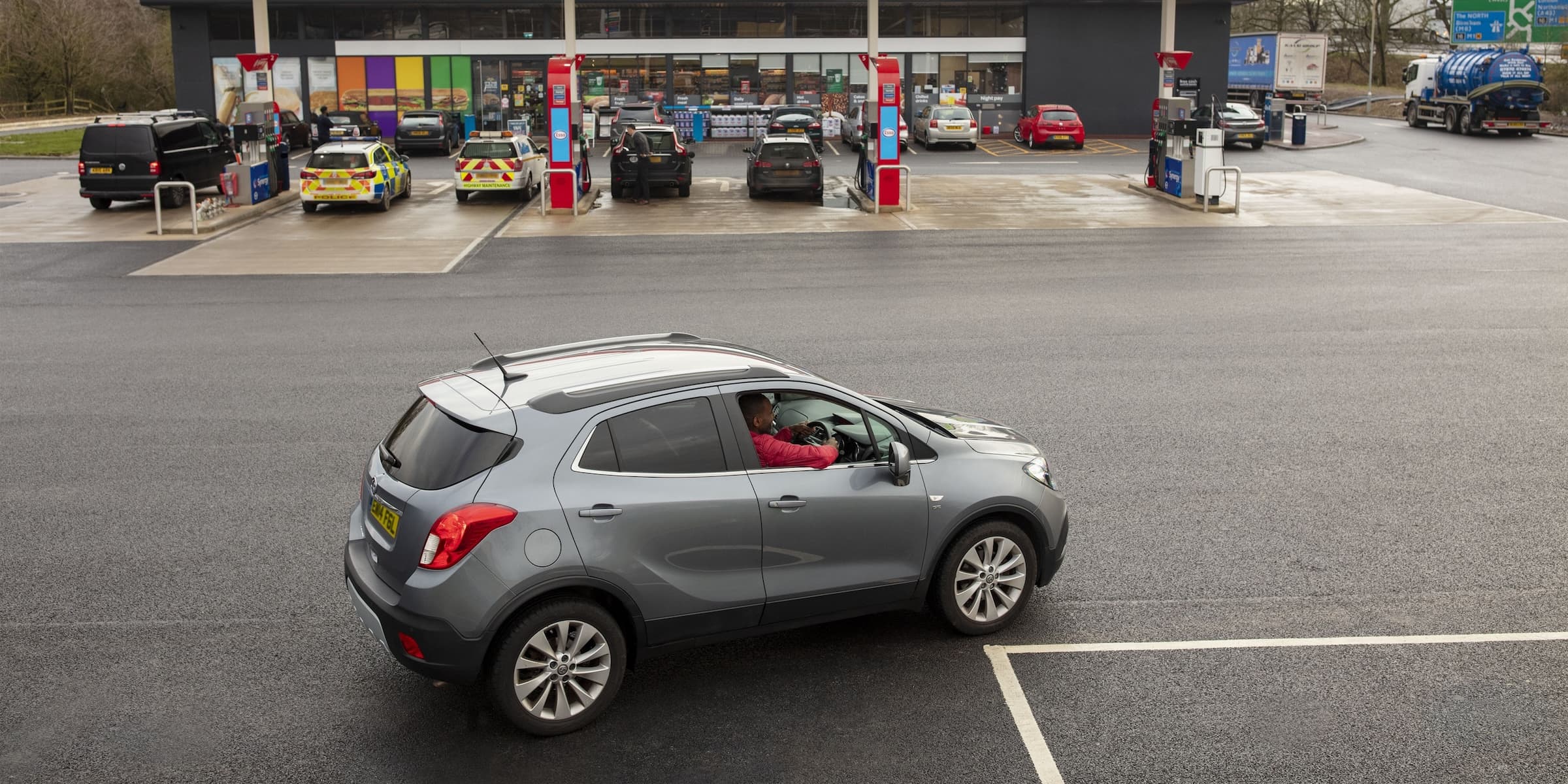
British petrol stations will start introducing demand-based surge pricing within months, similar to the model used by taxi company Uber, according to media reports.
The move is being driven by the major supermarket chains, who control more than 1,000 petrol stations across the UK. The supermarkets are also looking at plans to apply demand-based pricing to all their stores, not just petrol stations.
The Telegraph reported last month that the supermarkets are in the final stages of their plans to roll out surge pricing across their stations, using technology developed by Danish company a2i Systems, and that it could be live within a matter of months.
As petrol stations have become more automated over the years, implementing this kind of technology is now relatively simple. Pricing information on signs and individual pumps can be updated in a matter of seconds, and can be changed up or down continuously throughout the day.
Using artificial intelligence to control surge pricing
The technology, already commonly used in Europe and America, uses artificial intelligence to predict how consumers behave. Like Uber’s fare prices, it means petrol and diesel prices will rise during busy period and fall during quiet times.
It is likely that the system software will work in both predictive and reactive modes. That means it will not only react to high demand, but also predict when those busy times will come. The most obvious cases, as pointed out by the Telegraph, are that prices will skyrocket around holiday times and during the morning and afternoon school runs. But the software will also be able to log how many customers are visiting the station each hour and nudge prices up or down accordingly.
The supermarkets are already gathering your fuel-buying data
The systems will also be programmed with existing customer knowledge, which the supermarkets have been gathering for years. Every time you scan your Clubcard or Nectar loyalty card, the supermarket knows how much of what type fuel you have bought, as well as where and when you bought it.
Even if the data has been properly anonymised, it is still building a pattern of millions of customers’ fuel-buying habits. That data can be fed into the software to help retailers know when customers are most likely to need fuel. Each station will be able to collect its own data, rather than relying on national trends, to maximise profits.
How will customers respond to surge pricing for petrol?
Polls conducted by the Telegraph and the Mirror on their websites have shown, unsurprisingly, that about 85% of their readers thought that surge pricing for fuel and/or groceries was a bad idea.
Uber has faced a public backlash over the last few years for its surge pricing practices. However, that backlash has diminished significantly as consumers became accustomed to how the company’s pricing model worked. The company continues to grow and its surge pricing has become accepted practice, especially in major cities like London.
A similar backlash is likely to happen in the world of petrol pricing, no doubt fuelled by the tabloid media. But petrol retailers will be hoping that the story follows the same pathway as Uber’s, with consumers eventually accepting the idea (however reluctantly).
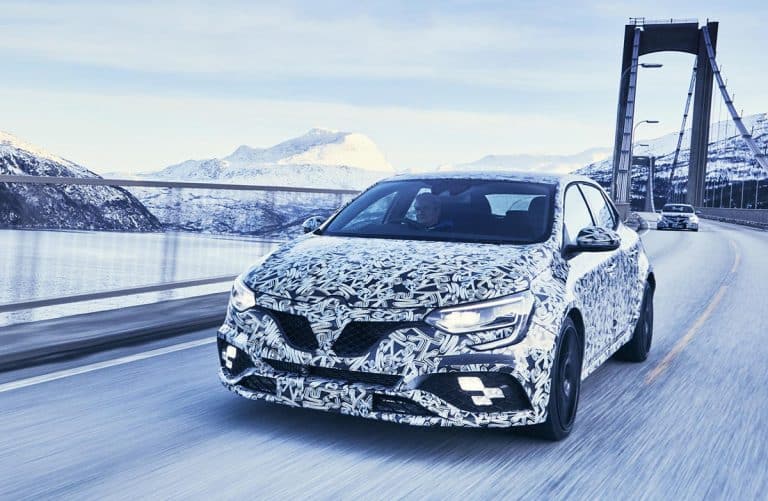
The next Mégane Renault Sport will be available with four-wheel steering and will offer a choice between two chassis set ups.
Development of the car has been closely allied to the Renault Sport Formula One team, with lead driver Nico Hülkenberg carrying out track testing of the Mégane.
Renault claims that the fitting of its 4Control four-wheel-steer technology is a first in a hot hatch. An electromagnetic actuator mounted on the rear axle angles the rear wheels in a slightly opposite direction to the fronts when cornering, improving agility, cornering performance and steering precision.
Road or track
When the car goes on sale later in 2017 customers will be able to choose between the more user-friendly Sport chassis, or the more track-focused Cup chassis.
Power for the new Mégane Renault Sport is expected to come from the same 1.8-litre turbo engine employed in the upcoming Alpine 110 sports car, with at least 300hp. This should make the car more potent than its 275hp predecessor, which boasted a 5.7-second 0-62mph time.
The Mégane’s major rival is expected to be the Honda Civic Type R, the latest version of which will launch in July with again more power than its predecessor.
Volvo performance division Polestar has become a separate car manufacturer that will focus on electrified models.
The Swedish carmaker introduced its performance brand as an extension of its Polestar Racing team in 2012, using know-how from race engineers to increase the performance of its road cars.
However, Polestar has now been spun off into a separate entity that will produce electrified high-performance variants of Volvo’s road cars that will only wear Polestar badging. The two companies will share technologies, facilities and engineering knowledge, much like the set-up between AMG and Mercedes.
Thomas Ingenlath, Volvo’s former senior vice-president of design, is moving over to Polestar as CEO. He said: “I am really excited to take up the challenge of establishing this exciting brand, developing a fabulous portfolio of bespoke products and channelling the passion we have throughout the Polestar team. The next chapter in Polestar’s history is just beginning.”
Polestar will reveal more details about its plans for the future later this year. However, it is clear that the focus will be on making the most of hybrid platforms in a performance context. Volvo’s model line-up currently includes a ‘twin-engine’ hybrid powertrain that uses a 2.0-litre petrol engine and an electric motor to offer impressive performance and economy.
Volvo and Polestar Performance had been working together since 1996, before Volvo Cars acquired 100% of the company in 2015.
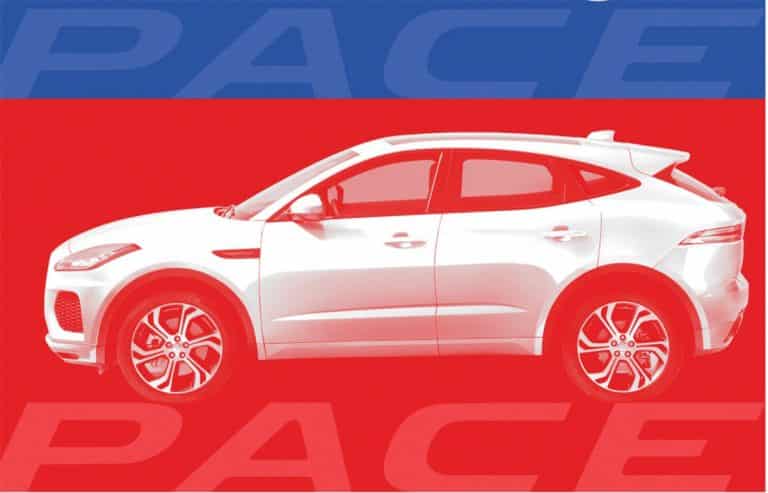
The highly successful F-Pace is to become part of an SUV family. The smaller Jaguar E-Pace will be arrive in 2018, followed by the electric I-Pace.
The E-Pace is due to be officially unveiled in London on 13th July and will target the likes of the BMW X1 and Audi Q3 in the currently mushrooming premium compact SUV market – sales of the X1 alone are up by almost half this year. Jaguar has indicated that E-Pace prices are expected to start from around £28,500.
Teaser images released on Twitter by Jaguar suggest that the E-Pace will have more distinct lines compared to its larger sister – Jaguar director of design Ian Callum has been quoted as dubbing the E-Pace as a “combination of sports car looks with Jaguar performance.”
Front-wheel drive?
Industry sources suggest that the newcomer will be built on the same architecture as the Range Rover Evoque and the Discovery Sport of sister brand Land Rover. As such it will likely be offered in both front and all-wheel-drive formats, as are its rivals from Audi and BMW but few compact crossovers in the mainstream market. If so it will be the first front-wheel-drive Jaguar since the X-Type last built in 2009.
Powertrains will all be from Jaguar Land Rover’s Ingenium family built at the brand’s new Wolverhampton plant. They are also expected to all be 2.0-litre units, possibly ranging from 161 to 250hp. The E-Pace is also thought to be a strong candidate for Jaguar’s first hybrid powertrain, a diesel-electric unit.
The I-Pace will launch after the E-Pace, an all all-electric SUV built on completely new architecture. With the three SUVs giving Jaguar a much stronger offering in one of the strongest growth sectors in the market, the brand expects to continue progress that has already seen global sales leap by some 83% in the first quarter of 2017.
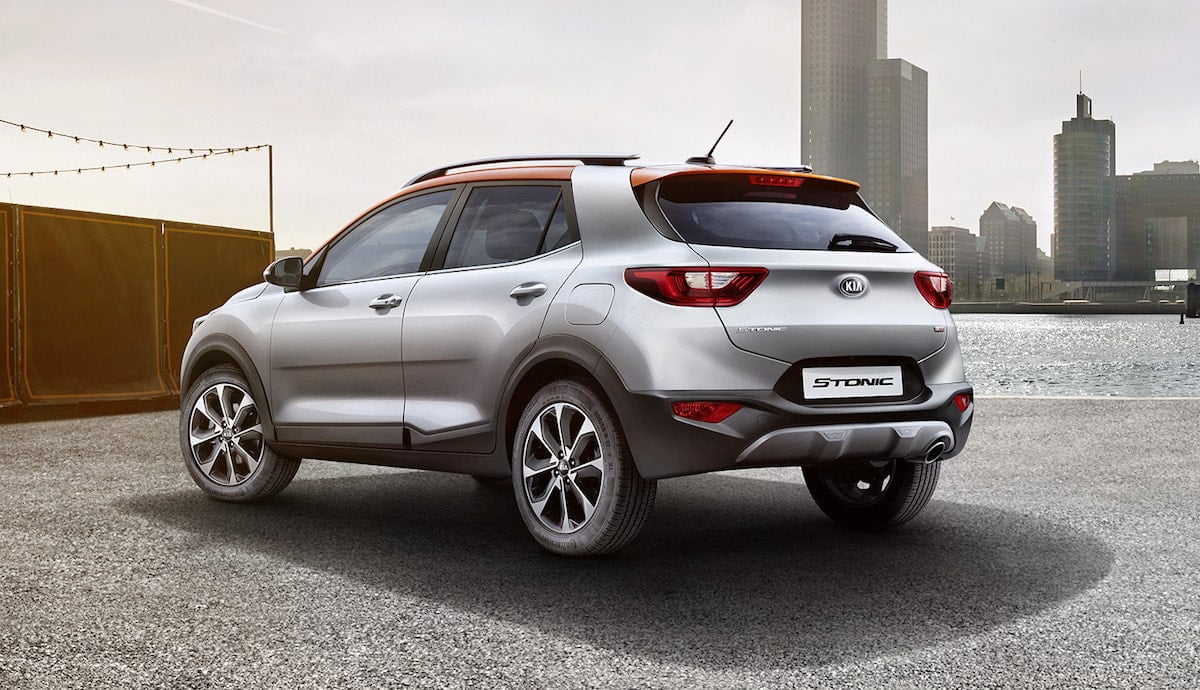
The new Kia Stonic has been unveiled as the company’s entry into the highly competitive compact crossover market.
Aimed squarely at the likes of the Nissan Juke and Toyota C-HR, the new Stonic will compete in what is called the “B-SUV segment” – which has become the hottest sector of the new car market.
The B-SUV segment accounts for 1.1 million sales across Europe each year, and Kia expects this to double by 2020. Some customers will be downsizing from larger SUVs, but most are likely to be moving from conventional hatchbacks.
Like most new entrants in the segment, the Kia Stonic has rugged go-anywhere looks disguising conventional hatchback underpinnings, so don’t expect any genuine off-road talent. With a choice of one diesel and three petrol engines, all with manual transmission, the Stonic is front-wheel-drive only. But, like every other faux-by-four on the market, it’s unlikely to bother customers.
The Stonic’s styling is aggressive although still recognisably part of the Kia family, and the company plans to offer up to 20 two-tone colour combinations. Inside, you can expect touchscreen infotainment, state-of-the-art smartphone connectivity and colourful personalisation options.
The Kia Stonic will go on sale across Europe in the third quarter of this year. UK pricing and specifications have yet to be announced, but we’ll keep you posted.
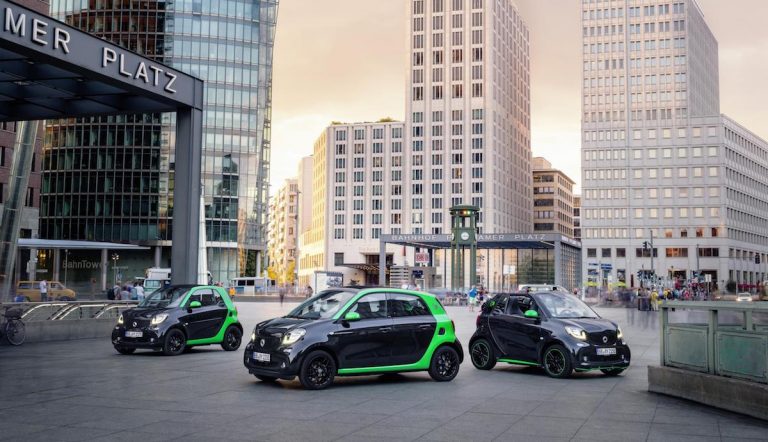
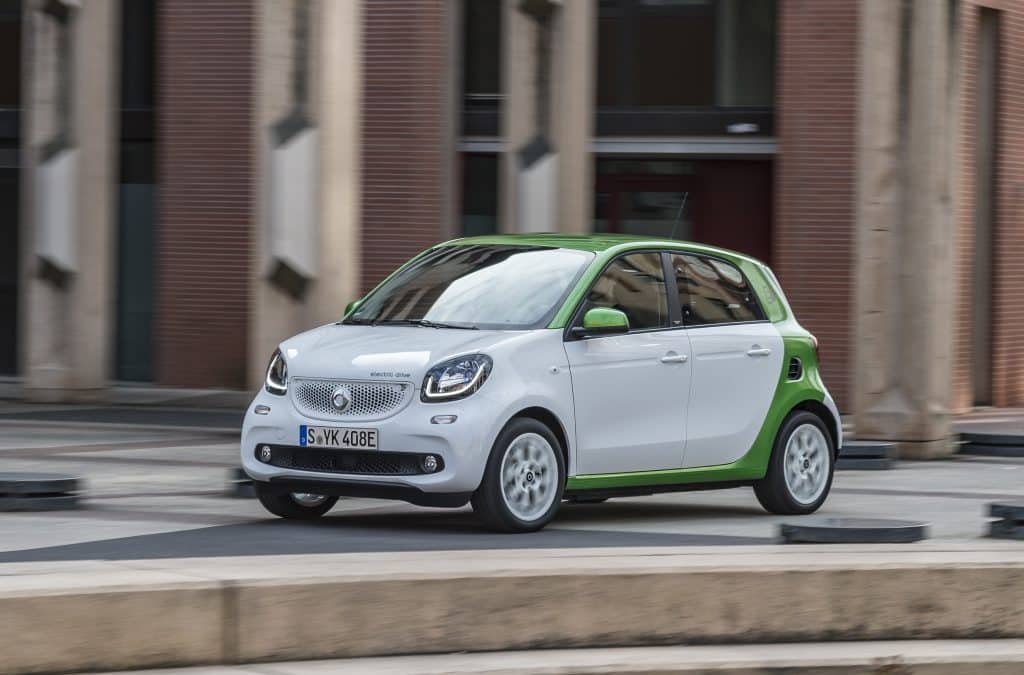
smart has added electric power to its line-up, covering both the fortwo and forfour models. It is the first time smart has offered an electric option for the four-door model, whereas the previous-generation two-door had a smart electric drive model.
The smart electric drive models all use an 81 hp electric motor, which yields a range of up to 100 miles and a top speed of 80mph. The 7 kW on-board charger means that the car can be charged from 20% to 100% in two and a half hours using a 16-amp charger, or six hours via a standard three-pin household socket. Unfortunately, Daimler does not provide the times required for a full charge, making it difficult to directly compare the smart models to rivals like the Renault Zoe.
Specifications for the vehicles are based on the petrol-powered prime model. This includes heated front seats, cruise control, leather upholstery and 15-inch alloy wheels. Every smart electric drive model will also come with charging cables for both domestic sockets and public charging stations.
For £595 extra, a premium plus equipment line can be added. This adds a centre armrest, LED headlights and tail lights, front fog lamps, automatic lights and wipers, and a rear-view camera.
A winter package adds a heated steering wheel, heated rear seats (on the forfour only) and added insulation. This will cost £295 on fortwo models and £495 on the forfour. A mobile phone app allows drivers to check their vehicle’s charging status and pre-set the climate control.
The smart electric drive range is on sale now, with first customer deliveries expected from July. Prices start from £16,420 for the fortwo and £16,916 for the forfour. Meanwhile, the fortwo cabriolet starts at £18,650. All prices include the £4,500 Office for Low Emissions Vehicles (OLEV) grant.
Aston Martin sent the 60,000 British race fans attending the Le Mans 24 Hour race home happy, claiming victory in the GTE Pro class after a bold last-lap pass.
The #97 Aston Martin V8 Vantage GTE of Darren Turner, Jonny Adam and Daniel ran faultlessly throughout the day and night of the classic race, and it fell to Adam to try and secure the victory in the closing stages.
The Vantage pitted for its final fuel stop with 45 minutes of the race left, the class-leading #63 Chevrolet Corvette of Jordan Taylor pitting at the same time and resuming just ahead of Adam.
Contact made
The Aston closed on the Corvette and with two laps left made a lunge for the lead at Arnage bend, only to bounce off the side of his rival and have to drop back.
The relentless hounding had its effect on Corvette driver Taylor, however, as on the next lap he locked up and went straight on at the chicane, starting a slow puncture that meant that when Adam tried again at the final corner, the Aston went through to victory.
“He looked weak in a few corners and I knew I had to capitalise on them and when I got on to his bumper I knew it was now or never if I wanted to win Le Mans,” Adam said later. “We got it and it was really cool to get him just before the finish line and to see fans in the grandstands and the team on the pit wall celebrating, and it was then just time to bring it home.”
Porsche has won its 19th Le Mans 24 Hours, and its third in a row, after a race of highs and lows for both the German team and its great rival Toyota.
The #2 Porsche 919 Hybrid of Timo Bernhard/Earl Bamber/Brendon Hartley retook the lead of the race with less than an hour of the 24 left. Its sister car driven by Neel Jani/André Lotterer/Nick Tandy, had looked on its way to an easy victory by several laps, only to retire with oil pressure failure with 21 hours completed.
However it was the Japanese Toyota team, bidding to avenge the heartbreak of the 2016 race in which it led much of the distance only to break down on the final lap, that had looked dominant in the early stages of this year’s event. But the team then suffered an hour of disaster just after midnight.
More Le Mans heartbreak for Toyota
Two Toyota entries locked out the front row of the 60-car grid, and with 10 hours gone the #7 car driven by Kobayashi, Conway and Sarrazin was secure in the lead. Then suddenly it slowed with a clutch issue as it returned to speed after a safety car period, handing the lead to the Porsche of Jani, Lotterer and Tandy.
Kobayashi tried to get the car back to the pits but a full lap of the 8.5-mile circuit proved too much and he was forced to abandon the car.
Hardly had the Toyota team absorbed this disappointment when its now second-placed #9 car of Lapierre, Kunimoto and López suffered a collision with an LMP2 class car and spun into the gravel at the Dunlop chicane.
Toyota’s Le Mans fortunes died in the dark.
Lapierre again tried to limp around a full lap to the pits but the rear end of the car suffered further damage, briefly catching fire, and he was forced to pull over and retire, agonisingly within sight of the pit lane.
This left Tandy in the lead Porsche eight laps ahead of his nearest competition, with the one remaining Toyota 28 laps back after being forced to change its front hybrid motor earlier in the race. But the #1 Porsche’s demise after 21 hours handed the lead to the lead-running Jackie Chan Racing Oreca in the second LMP2 class, with the second Porsche recovering having also changed its front hybrid motor.
The #2 Porsche, with Bernard aboard, duly reclaimed the lead and took the flag with a total of 367 laps completed, though observers agreed it had not been an impressive performance for the hybrid cars of the lead LMP1 class, just two of the five entries making it to the flag.
Uk fans celebrated, meanwhile, as Johnny Adam snatched the win in the GT category for Aston Martin. His Vantage moved past the leading Chevrolet Corvette runner in a thrilling battle only resolved on the final lap.
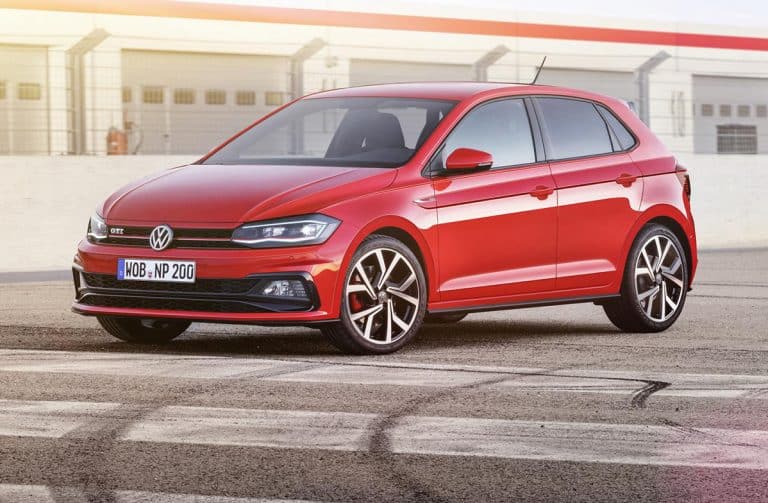
The new Volkswagen Polo supermini, on UK sale in November, will be the largest version of the car yet offered.
Now into its sixth generation, Volkswagen’s rival to Britain’s best-selling Ford Fiesta is growing 81mm to 4053mm – only 96mm shorter than the 1997 Mk4 version of its big sister the Golf. It is being built on the group’s MQB AO platform which is also under latest SEAT Ibiza and the forthcoming Skoda Fabia.
At 2564mm the new Polo has a wheelbase 96mm longer than its predecessor and 53mm longer than the Mk4 Golf, which should translate to significant improvements in interior space. Boot space goes up from 280 to 351 litres which again is 21 litres more than the Golf, while the car will also follow the current supermini trend, being sold only in five-door form.
A new exterior look includes a front-end design described as more masculine, while 14 body colours and 13 dash shades help keep the car competitive in the personalisation market.
Digital upgrades
Notable in the interior is the digital instrument panel, fitted to a Polo for the first time and debuting the second-generation version of VW’s Active Info Display. The car will also feature a much wider selection of technology cascading down from the Golf, including the Front Assist and Blind Spot Detection safety aids, Adaptive Cruise Control and LED headlights.
Six engines will be available ranging from 65 to 200hp, the latter powering a new GTI model. Only one will be a diesel – such engines have always been less popular in superminis and demand is predicted to slow.
Audi has introduced a V10 plus specification to its R8 Spyder range. The naturally aspirated V10 produces 610hp and a maximum torque of 560Nm, resulting in a 0-62mph time of 3.3 seconds and a top speed of 203mph.
The V10 plus model is already available in the R8 coupé, but until now has not been available in the R8 Spyder. As well as a power boost over the ‘regular’ R8 V10 Spyder, the V10 plus model gets more carbon fibre in its chassis to reduce weight by 25kg.
Audi offers 11 regular paint finishes, although it is possible to request a bespoke colour if you can’t find your ideal shade from the regular palette. The soft top is available in three colours and the side blades in five. 19-inch alloy wheels are as standard; 20-inch are optional. An optional micrommata package includes a unique green paint finish, grey detailing and a black interior with green contrast stitching.
Inside, sports bucket seats are as standard, along with carbon fibre trim detailing and a 12.3-inch virtual cockpit instead of regular dials.
Audi’s MMI Touch infotainment and navigation system is standard and features a wi-fi hotspot for passengers. An optional online module provides fast internet access via LTE and the ability to navigate via Google Earth and Google Street View.
Audi opens order books for the R8 Spyder V10 plus convertible later this month, with UK pricing starting from £147,470 on-road.
Nissan has updated its flagship crossover and worldwide best-seller. The X-Trail has sold more than 3.7 million units since its launch in 2000.
The redesigned exterior features Nissan’s new ‘V-motion’ corporate grille, new headlamp clusters and boomerang-shaped daytime running lights. Six paint finishes have been carried over, with four new ones added: Monarch Orange, Palatial Ruby, Sapphire Blue and Picador Brown.
Inside the cabin, there is a new flat-bottomed steering wheel with controls for the central screen and cruise control. The top-of-the-range Tekna trim level adds quilted leather upholstery, heated front and rear seats, as well as an optional tan and black two-tone leather interior.
In terms of new technology, the electric tailgate available on the top two trim levels now gets hands-free functionality. Kicking a foot under the centre of the car’s rear bumper activates an opening mechanism. Tekna models get an eight-speaker Bose sound system and DAB digital radio will be standard on all models from October.
The X-Trail received a five-star rating from Euro NCAP when it was last tested in 2014. From 2018, the introduction of ProPILOT will enable semi-autonomous driving during heavy traffic congestion and motorway cruising.
Having been unveiled earlier this week in Cardiff ahead of the UEFA Champions League Final, the new Nissan X-Trail is set to go on sale in August.
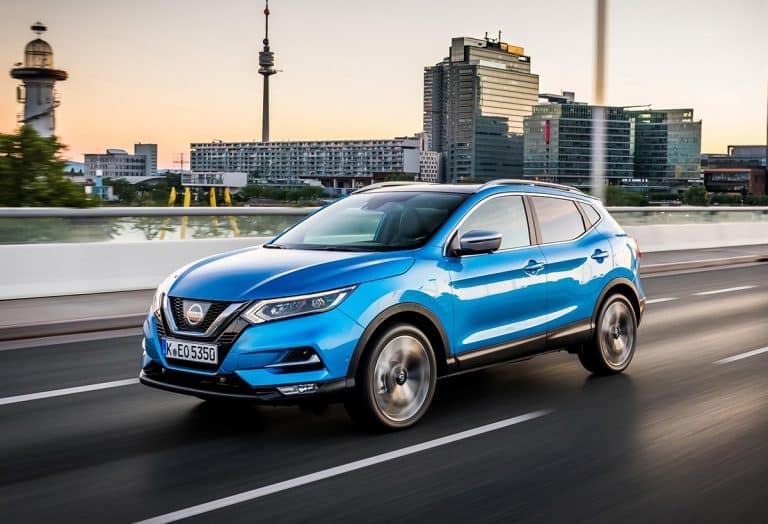
The Nissan Qashqai is being updated, with the first examples of the new version due in showrooms in July.
Buyers should not expect any radical changes, however, as Nissan’s Brit-built crossover pioneer remains a highly popular buy – so far in 2017 only Ford’s Fiesta and Focus have outsold the Nissan Qashqai on the UK market.
On the exterior, the front end is redesigned with the integrated front bumper largely finished in the body colour. There is the latest v-design grille and a reshaped bonnet. New headlamp designs differentiate between models, and the daylight running light signature is new too. The rear is also revised and there are two bumper designs depending on grade chosen.
Nissan says that the most obvious updates are to the Qashqai’s interior. These include higher quality surfaces and a completely new steering wheel design with revised controls. On higher-spec models, the seats have also been upgraded.
Ride, handling and steering are all improved, the package including retuned dampers, stiffer anti-roll bars and a new self-centring steering technology. Nissan adds that noise, vibration and harshness are also better than the previous model.
Buyers will also have more choice in future – the Qashqai gains a fifth, range-topping grade dubbed Tekna+. Highlights of its standard equipment list are Nappa leather seats with 3D quilting, a driver’s seat with pneumatic lumbar support and an eight-speaker BOSE audio system.
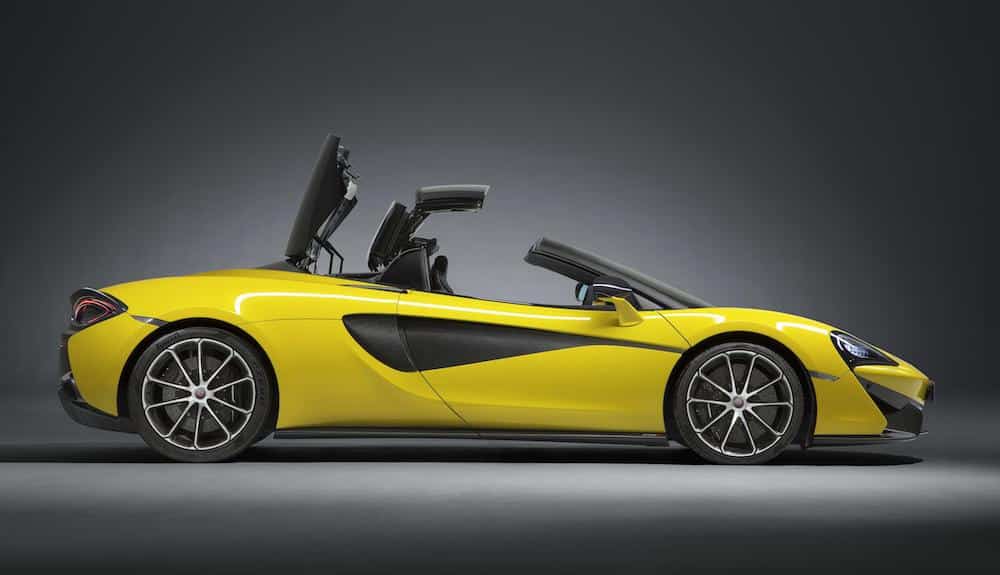
McLaren has announced a third body style for its entry-level Sports Series range. The convertible 570S Spider joins the existing Coupe and GT models and will make its debut at the Goodwood Festival of Speed.
Built in Woking, the rear-wheel-drive two-seater has the same retractable hard top as the McLaren 650S and 675LT Spiders. Adding just 46kg, the roof takes 15 seconds to open or close and can do so at speeds of up to 25mph. An electrically operated wind deflector reduces wind buffeting.
The 3.8-litre twin-turbocharged McLaren V8 engine in the 570S Spider is the same one found in its coupé twin. It is paired with the same seven-speed gearbox, producing 570hp and maximum torque of 600Nm. With a 0-62mph acceleration time of 3.2 seconds, the Spider has a top speed of 204mph with the roof closed.
McLaren has introduced three new paint finishes. Curacao Blue, Vega Blue and Sicilian Yellow join the existing palette, giving customers a total of 20 colours to choose from. A 10-spoke alloy wheel design is also available, along with a new black brake calliper colour.
Inside, a seven-inch touchscreen manages climate control and infotainment functionality. Six-way adjustable electric memory seats are as standard, with eight-way adjustability optional.
The McLaren 570S Spider is available to order now with UK pricing starting from £164,750. Customers can expect to take delivery of their vehicles in August.
BMW has announced the new 6 Series Gran Turismo, which will replace the 5 Series GT model and is set to be the only model in the next generation of the 6 Series range.
Based on the new BMW 5 Series saloon that launched last year, the new 6 Series Gran Turismo is longer and lower, with more interior and luggage space. It is aimed at the Audi A7 Sportback, which is also a liftback model based on a mid-size (A6) saloon.
The GT will initially be offered with a choice of three engines and BMW xDrive all-wheel-drive available on some models. An eight-speed automatic transmission will be standard.
The existing 6 Series coupé, convertible and Gran Coupé liftback models have ceased production and will not be directly replaced. The all-new BMW 8 Series range announced last month will assume the role of BMW’s flagship coupé.
Inside the 6 Series Gran Turismo
Again based on the new 5 Series, the 6 Series Gran Turismo uses a free-standing touchscreen for navigation, communication and infotainment. It is controlled by the central iDrive dial, voice control or an optional gesture control system.
The car’s infotainment system is highly integrated with the driver’s smartphone. Calendar entries can be used to plan the optimum departure time for a journey, while drivers can manage calendar, email and contact data via Microsoft Exchange.
Optional head-up display reflects driving-related information onto the windscreen
Incoming emails can be read aloud and a response dictated back. Real-time traffic information and on-street parking information help drivers on the move, while satnav uses car-to-car communication to provide drivers with as much information as possible. Drivers can monitor their vehicle from the car key, which can display the fuel level, service intervals and even whether the doors and windows are closed.
Finishing touches
Standard equipment for the 6 Series GT includes automatic climate control, metallic paint, 18-inch alloy wheels and a reversing camera. The two trim levels are SE and M Sport, the latter adding 19-inch alloy wheels and leather upholstery with piping and stitching in contrast colours.
In terms of driver assistance, autonomous emergency braking is standard, including a pedestrian detection feature. Optional assistance systems include active cruise control, lane departure warning, side collision warning and emergency steering assistance.
The new BMW 6 Series Gran Turismo will make its debut at the Frankfurt motor show in September. Prices start at £46,810 on-road and the first cars are expected to arrive in the UK in November.
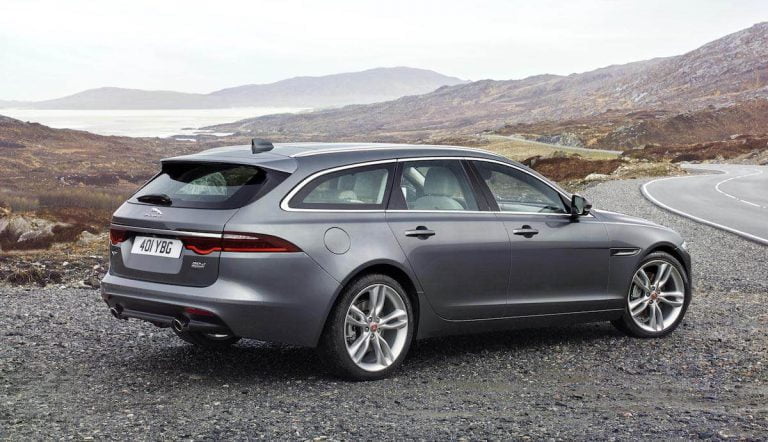
After numerous official ‘spy shots’ and teases, the new Jaguar XF Sportbrake estate has finally been unveiled.
The launch of the new XF Sportbrake also marks ten years since the launch of the original XF saloon at the 2007 Frankfurt motor show.
The XF Sportbrake shares most of its underpinnings and technology with the second-generation XF saloon, but does gain a few new features. It will launch with a range of Ingenium diesel engines, as well as the new Ingenium petrol engines that are also being introduced to the XF saloon.
Innovations for the XF Sportbrake include gesture control operation for the tailgate and panoramic roof, a driver drowsiness detection system and a waterproof car key. Furthermore, an optional air purification system will work to clean cabin air against external pollution.
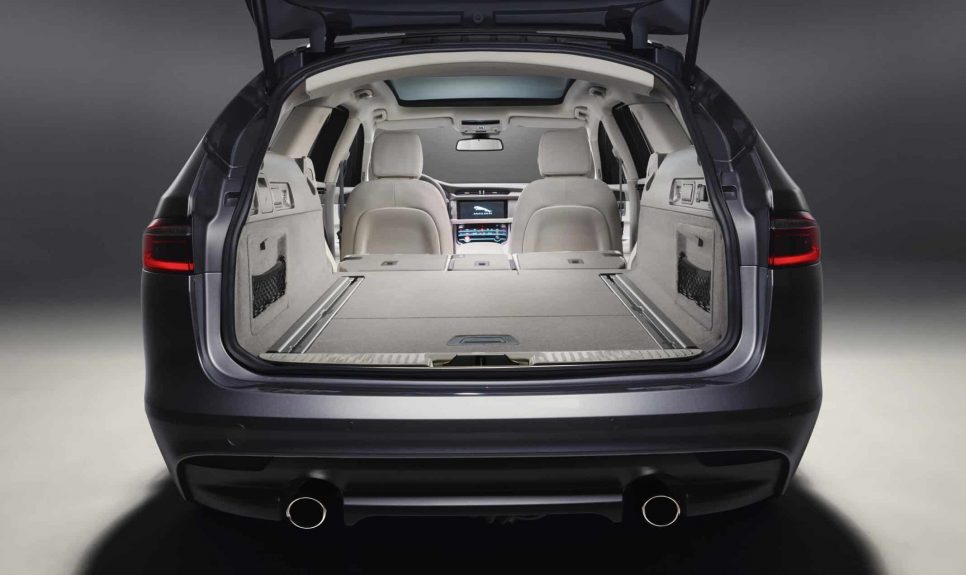
The XF Sportbrake boasts a 565-litre load space with the rear seats up. The rear suspension is self-levelling to keep the ride under control regardless of load. Towing capacity is rated at two tonnes.
To publicise Jaguar’s sponsorship of the Wimbledon tennis tournament, the XF Sportbrake was unveiled on a replica Centre Court. The car will now embark upon a UK-wide tour of tennis clubs and schools, with Andy Murray’s Wimbledon trophy safely stored within, helping to inspire the next generation of British tennis talent.
Aston Martin has announced production of the first model from its new performance division, AMR, which was announced at the Geneva motor show. The Vantage AMR will have a limited production run of 300 cars.
The Vantage AMR is offered with the choice of a 430hp V8 or 595hp V12 powertrain. The limited production run will see 200 V8s and 100 V12s manufactured. Customers can choose from an automated sequential manual paddle-shift transmission and six and seven-speed manual gearboxes.
The four colour schemes available are white with orange, black with blue, blue with red and silver with grey. The AMR Halo Pack combines green with lime green and adds Union Jack AML wing badges. There is also a choice of three different finishes for the the V8’s five-spoke alloy wheels and the V12’s 10-spoke alloy wheels.
The interior colour scheme is matched to that of the exterior. Materials used include leather, alcantara and carbon fibre.
The AMR Accessories range offers customers the chance to further personalise their vehicle. The AMR Aero Kit is an aerodynamic package for the coupe models featuring, among other things, a carbon fibre front splitter and fixed rear spoiler.
Both the V8 and V12 Vantage AMR models are available in Coupe and Roadster body styles. UK pricing starts from £97,995 with deliveries expected to commence in Q4 2017.
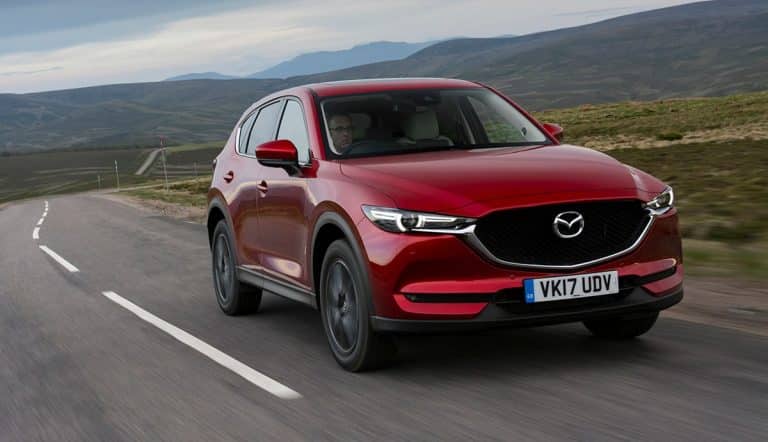
Our view: Improved in all areas, the new Mazda CX-5 is a definite contender for crossover buyers, particularly in diesel form.
Ask any car enthusiast to name a Mazda and they will very likely reply MX-5 – the roadster dominates the Japanese brand’s public image. But Mazda sells a great many more examples each year of a much less obvious model – the CX-5 crossover.
Launched in 2012, the CX-5 has become Mazda’s best-selling car. In Europe, the three CX crossover models account for half of all Mazdas sold, while in the UK it’s a third – because we buy so many MX-5s.
So there is no doubting the importance of the crossover as the second-generation model arrives on UK roads in July. It is all-new, but it is also an evolution of the current car.
When the previous CX-5 arrived in 2012, it was described as a bridge between Mazda’s fifth and sixth generation UK model range. The car debuted the first elements of the brand’s ‘Kodo – Soul of Motion’ design language, and also the first of the efficiency-seeking SkyActiv Technology programme in the chassis.
Today every Mazda is 100% SkyActiv, including engines, and 100% Kodo. And we are told the new CX-5 is again a bridge – it previews what is to come in the seventh generation of Mazda cars, dubbed by UK boss Jeremy Thomson “as big a step forward,” as was Gen Six.
As millions of motorsport fans around the world will agree, Le Mans is one of the greatest motor racing films ever. Although to be fair, it’s a fairly short list.
The plot is pretty thin, the dialogue fairly absent and if you’re not a fan of the greatest race in the world, you’ll probably be bored to tears well before the halfway mark. But the authenticity of the racing footage remains some of the best ever committed to film, largely because the producers filmed the 1970 race in detail. They even entered their own car.
Le Mans was the pet project of Hollywood’s most glamorous actor of the 1960s, Steve McQueen. The movie’s troubled production, which affected McQueen for years, is the stuff of legend. As a cult classic, the film is inexorably linked to its star actor and a whole cottage industry has grown out of the movie.
Now a stunning new graphic novel interpretation of the movie has been released, with the blessing of the McQueen estate. It not only re-tells the original story but builds upon it in a wholly sympathetic manner.
Created by Sandro Garbo over a three-year period, Steve McQueen in Le Mans revisits the story of the fictional 1970 race between the Gulf Porsche team of Michael Delaney (played by McQueen) and Scuderia Ferrari.
The graphic novel explores the back story to the start of the movie and develops the main characters more fully. Reading through, you get the feeling of ducking in and out of the movie as the story progresses.
Michael Delaney’s Gulf Porsche 917K lined up for the start at Le Mans
Garbo’s illustrations are superb, capturing every detail of the Porsche 917, Ferrari 512S and other vehicles, as well as the grand Circuit de la Sarthe and its environs. McQueen himself is obviously front and centre in the story, and his likeness has been skilfully reproduced.
Every other character from the movie has been replaced with a similar-but-not-the-same representation. This is presumably licensing-related, but since Le Mans was always all about McQueen it’s not even a minor quibble.
Steve McQueen’s likeness has been faithfully and skilfully reproduced
Some of the frames are almost perfect reproductions of shots from the movie, with every detail precisely accounted for. Other images view a particular scene from an alternative angle to the movie cameras, which gives a real behind-the-scenes effect and makes you feel like you are right in the paddock.
Steve McQueen in Le Mans is only the first volume of the overall story, taking the reader up to the defining point of the race. The explosive crashes of Aurac’s Ferrari and Delaney’s Porsche are spread vividly across seven pages in a cliffhanger ending to the first volume.
Hopefully, Volume Two will be with us in rather less than the three years it took to create the first chapter, as I’m anxious to see how Garbo concludes his version of the classic story.
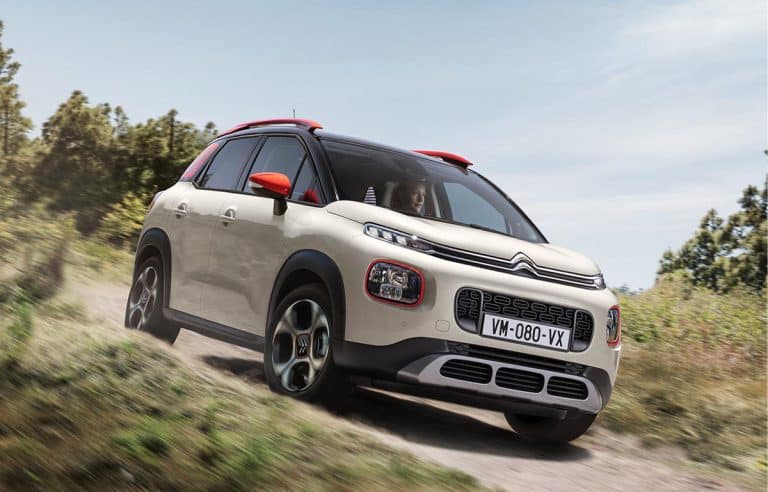
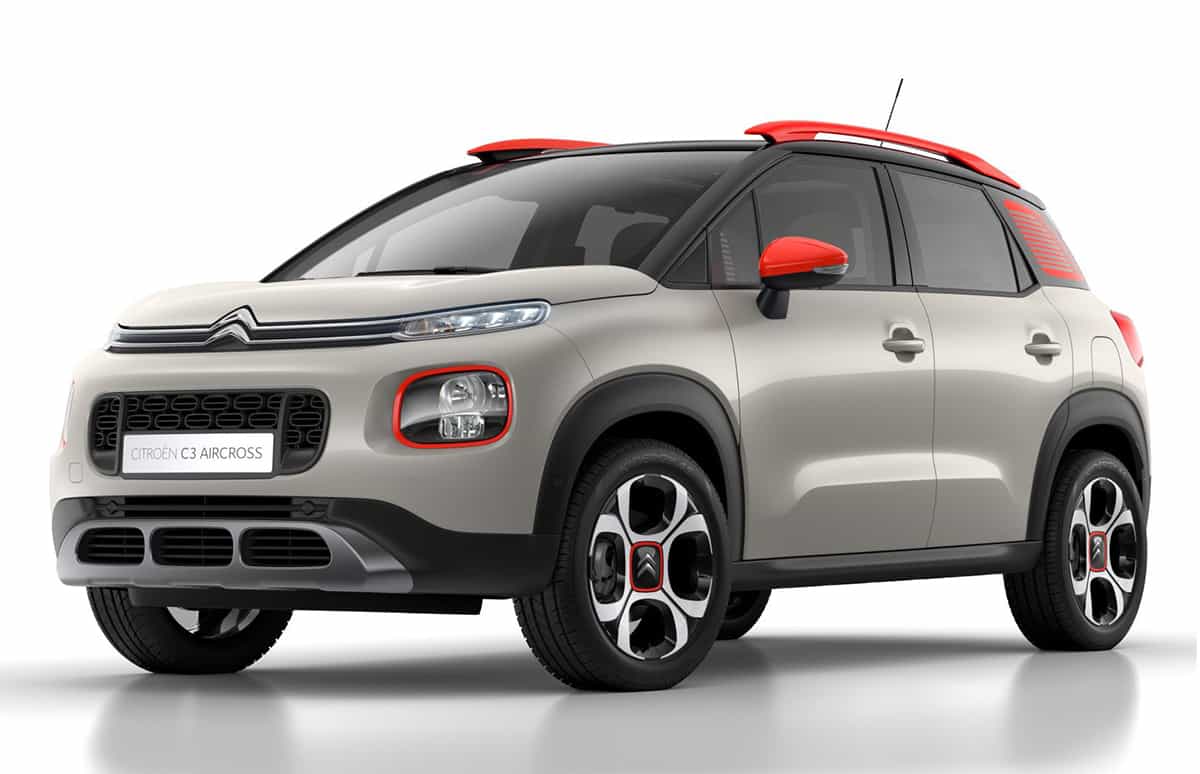
The Picasso is dead – making way for the Citroën C3 Aircross.
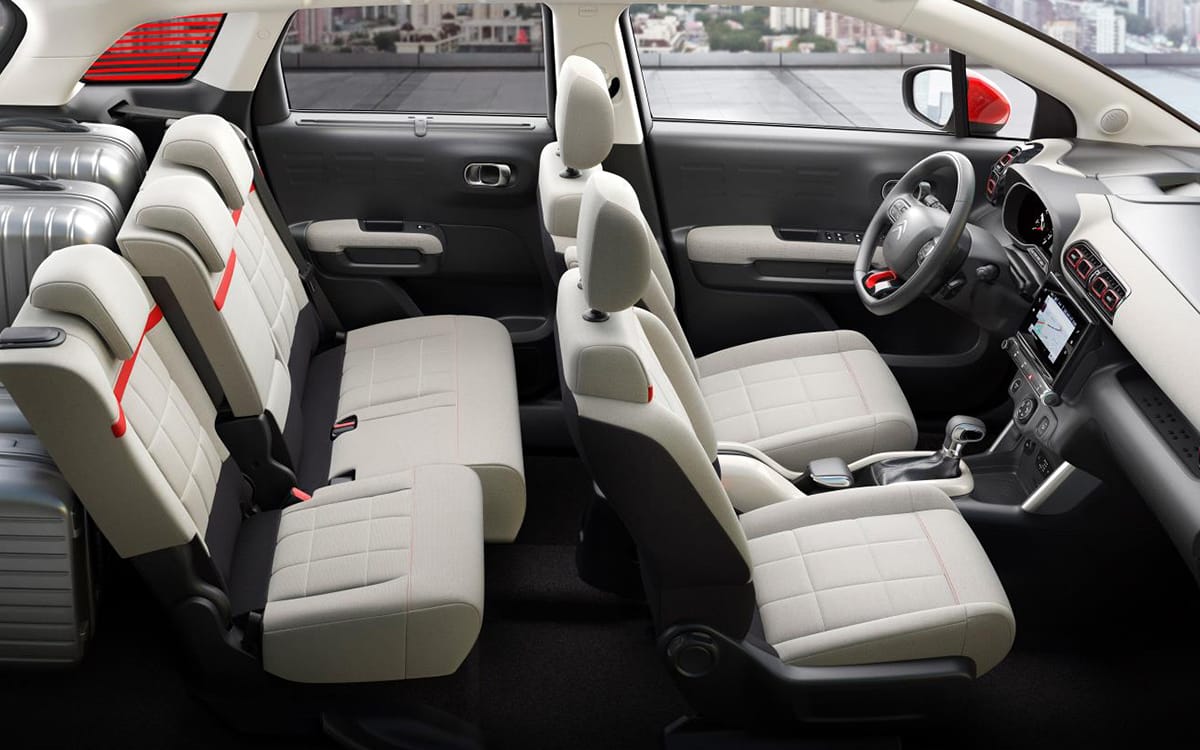
Unveiled in Paris and expected to make its public debut at the Frankfurt show in September, the C3 Aircross follows the trend of replacing MPVs with crossovers. Sales of the former have been plummeting as buyers turn in droves to the more SUV-styled crossover market.
The mass-selling Nissan Juke will be the prime target of the C3 Aircross but it will also rival its sister model, the newly-launched Vauxhall Crossland X. The two have been developed together ahead of Vauxhall’s takeover by Citroën’s parent PSA Group, and the Crossland X in turn replaces the Meriva mini MPV.
The C3 Aircross is based on the C-Aircross concept unveiled at the Geneva Motor Show in March. Gone, not surprisingly, are the rear-hinged rear doors and missing door pillar of the concept. But also not making it to production are Citroën’s new signature ‘air-bump’ side mouldings, seen on the recent C4 and C3 production models.
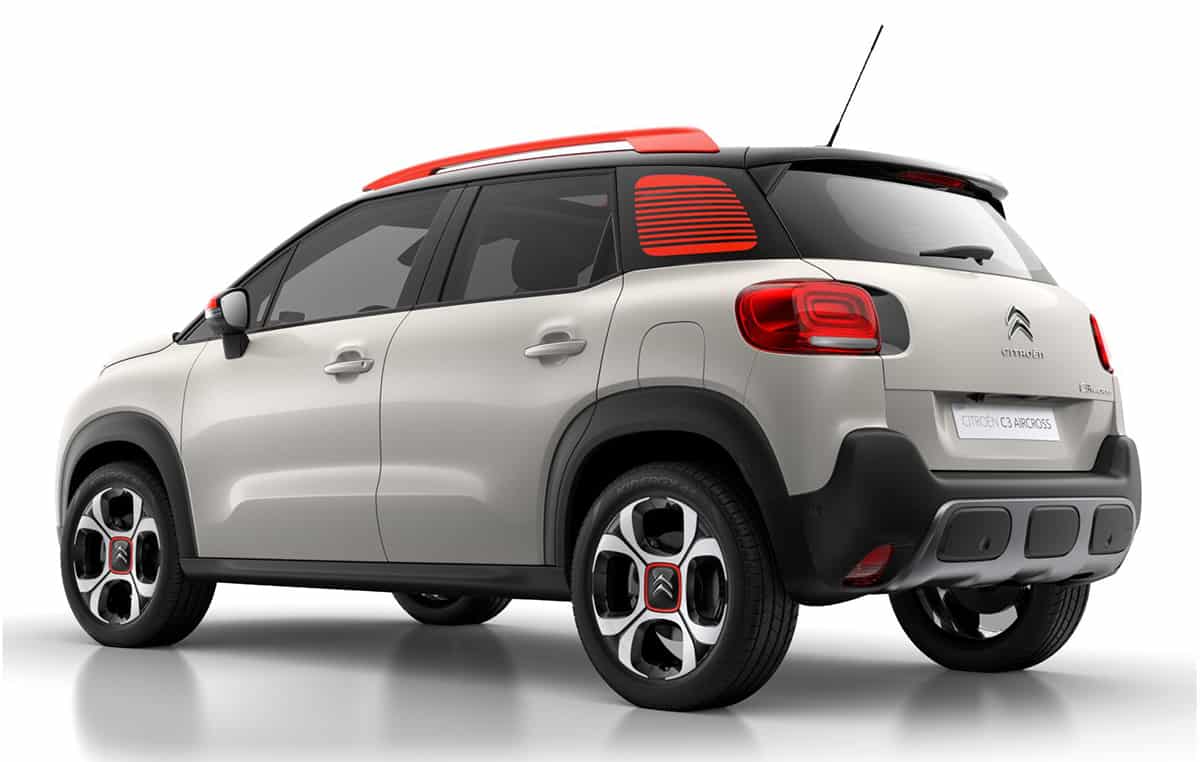
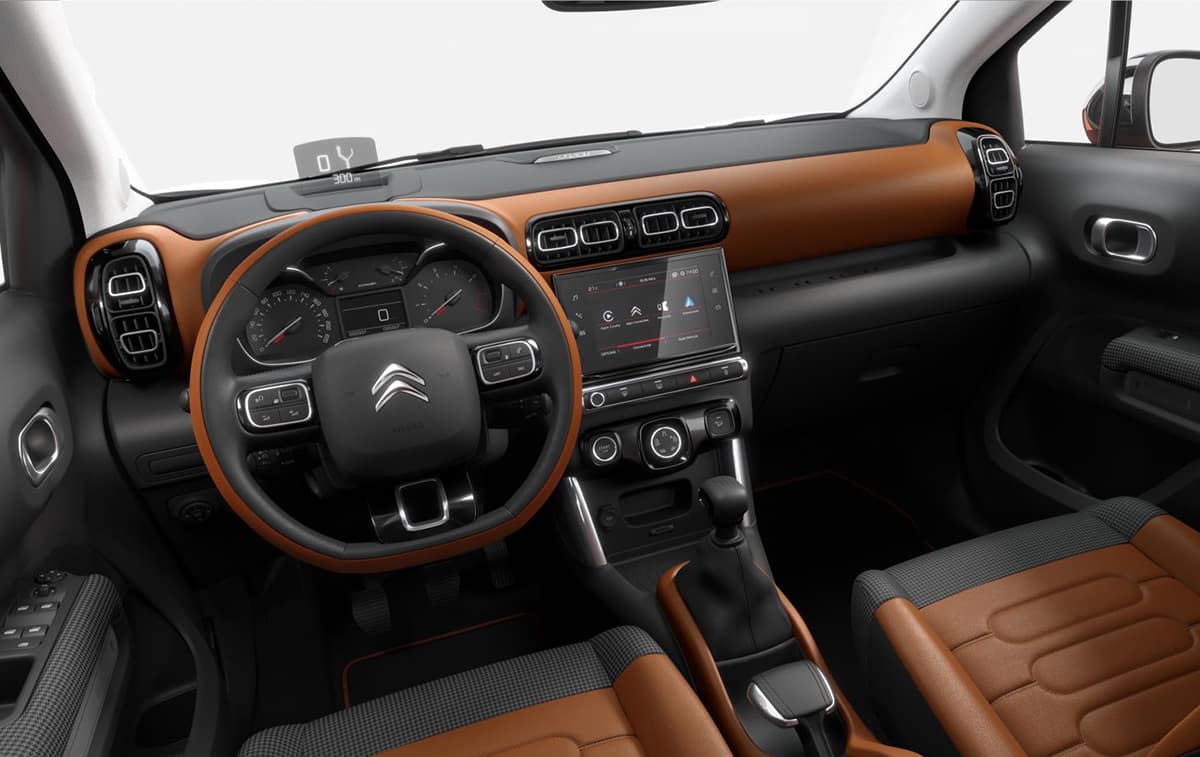
A new signature are the ‘Venetian Blind’ rear quarterlights, made from polycarbonate and layered with a coloured film. The C3 Picasso will also boast up to 90 colour combinations including eight body colours, four roof options and five interior finishes.
Three petrol engines and two diesels will be offered with the car, all matched to front-wheel-drive only transmissions. Citroën also promises that the modular design will translate to class-leading interior space.