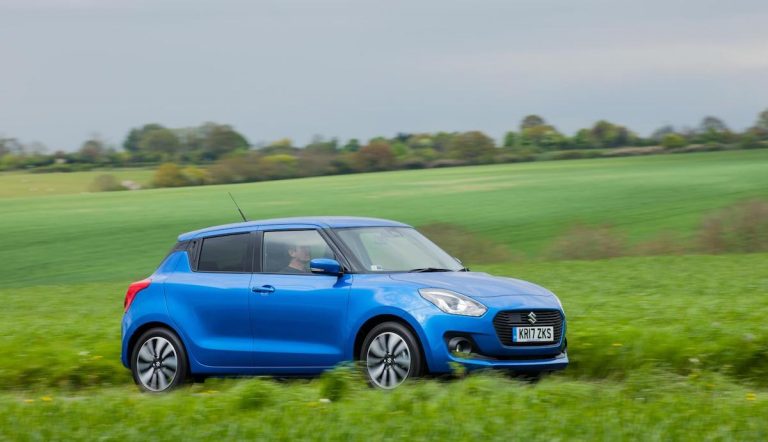
Suzuki has announced new personal finance and loyalty offers to support the launch of the all-new Swift range, which went on sale in the UK this week.
A PCP finance offer is available for selected Swift models, including a 2.9% representative annual percentage rate (APR) and a £500 deposit contribution. Depending on the model chosen, customers may avoid having to contribute any cash up-front at all. However, the more cash you are able to put in to start with, the lower your monthly payments will be.
The PCP offer applies to SZ-T and SZ5 front-wheel-drive models only. Entry-level SZ3 models and top-spec SZ5 all-wheel-drive models are not included in this offer, so equivalent finance quotations on those models may be significantly more expensive.
Suzuki is also offering a £500 loyalty offer for existing Suzuki owners. If you currently have a Suzuki car in the household, you are eligible for £500 worth of Suzuki accessories for your new Swift.
The offer only applies to the models above, which must be sold and delivered by 30 June 2017.
The 2.9% APR advertised is a representative rate, and may be slightly different depending on how much you borrow and over how long. The actual rate of interest is 2.8%, plus fees and charges.
The advertised payments on Suzuki’s website are based on an 8,000 miles per year mileage allowance. You can set this higher or lower depending on your circumstances, but it will affect your monthly payments and guaranteed minimum future value (GMFV). The excess mileage fees are set at 7p/mile for the first 5,000 miles and 14p/mile over that, so don’t be tempted to set your mileage too low.
The finance deal only applies to new cars, which does not include dealer demonstrators or pre-registered cars. The finance offer is provided through Suzuki dealers by Suzuki Financial Services, which is a trading name for Lloyds Banking Group (the company actually providing the finance). If a dealer offers you a finance deal that does not match these details, it is not part of this offer.
Car finance borrowing results for April show that car buyers are continuing to borrow more money on their cars, although the number of loan agreements fell in line with car sales.
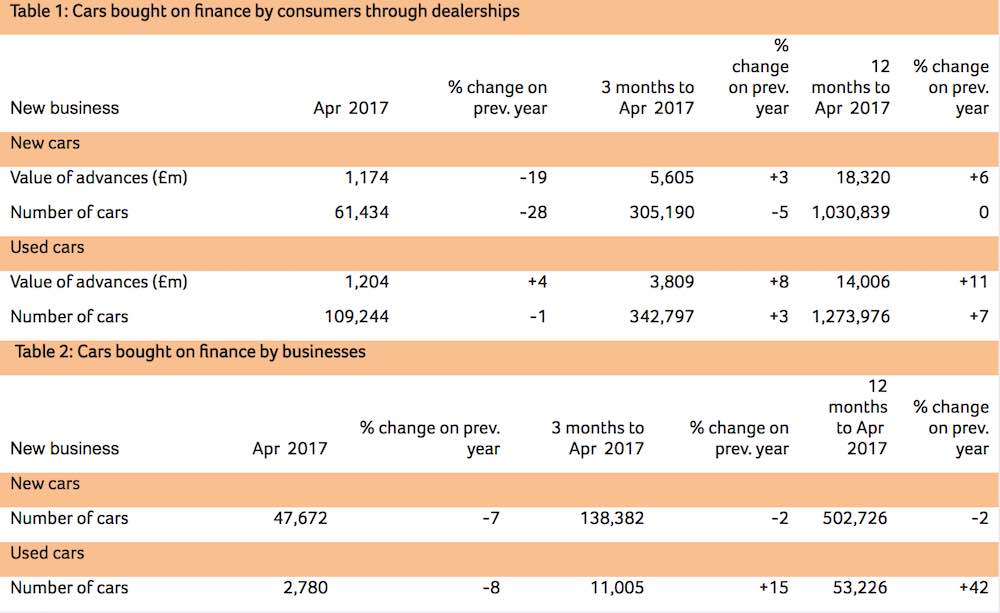
Latest figures published today by the Finance & Leasing Association (FLA) show that the number of new car finance agreements for consumers fell by 28% in April compared to last year, which is in line with the fall of 28% in private new car sales for the same month. 61,434 new cars were financed, with a combined finance value of more than £1.1bn.
However, the value of those agreements continues to increase, continuing a trend that has been tracking for well over a year now. While the number of agreements fell by 28%, the total amount financed only fell by 19%. Although not shown in the table below, this represents a 12% increase in the amount of money borrowed per car. According to my very quick maths, average borrowing is up from just under £17,000 to just over £19,000.
Fewer car finance agreements in April, but for more money. Table (c) Finance & Leasing Association.
Used cars showed a similar pattern, with volumes down but values up. Used car sales numbers for April have not yet been published, but the FLA results show that the number of used car finance agreements fell by 1% while the value of those agreements increased by 4%. This means that the average amount financed increased from £10,500 to £11,000
Interestingly, the combination of a weaker new car market and stable used car sales numbers meant that more money was spent financing used cars than new cars in April. Year-to-date figures still show significantly more money being financed on new cars, however.
Levels of car finance borrowing an ongoing concern
The increasing amount of car finance borrowing is an ongoing concern for UK financial authorities, with both the Bank of England and the Financial Conduct Authority currently investigating the sector.
About £41bn was lent by FLA members to consumers for purchasing new and used cars in 2016. There are concerns about both the size of that market and the way finance products are being sold in dealerships.
The most popular finance product for personal car buyers, especially for new cars, is the personal contract purchase (PCP). The Financial Conduct Authority is particularly interested in how PCPs are being sold, and whether dealers are following requirements in how these products are being presented and explained to customers.
What is it: Latest-generation variant of Mini’s crossover model. Key features: Larger size, new engine, more equipment. Our view: While remaining a divisive model, the new Mini Countryman is a major advance on its predecessor, particularly in terms of interior space. Review type: Full road test
If ever there was a Marmite car, it is the Mini Countryman. First launched in 2010, this model took the BMW-era reimagining of a British motoring icon into the booming crossover market.
To many enthusiasts, however, it’s a Mini too far, principally because there is nothing mini about it. The Countryman outstretches many family hatches, especially in height. And it has a bulging body style that looks like a Mini has spent several weeks in a gym.
Lined up against the detractors, however, are the fans, and there are plenty of them. The first-generation model regularly topped the brand’s sales charts.
Many who fully bought into the lifestyle image that has made the Mini such a success, love the idea that they can also buy into the UK market’s fastest-growing sector – crossovers – yet still drive a Mini. And they are prepared to live with the compromises, most notably very little space in the back.
Now Mini has addressed that issue in the second-generation Countryman, which arrived on UK roads in February 2017. Adopting the styling cues of other new Mini models launched over the last couple of years, the latest Countryman boasts new engines and more tech, much of it standard. But the big headline – it’s even bigger than its predecessor…
Porsche has unveiled its latest limited-production 911 model, the 911 Turbo S Exclusive Series, at Highclere Castle in Berkshire.
The 3.8-litre flat-six cylinder twin-turbo engine produces a total of 607hp and a maximum torque of 750Nm. This translates to a 0-62mph time of 2.9 seconds and a top speed of 205 mph.
The 911 Turbo S Exclusive Series is available in a unique golden yellow colour, as well as other selected colours. The look is finished with carbon accents on the bonnet, roof and side skirts, twin tailpipes in black stainless steel and 20-inch black wheels.
Inside, the adjustable seats are upholstered in leather and feature stripes and stitching in the contrast colour of golden yellow. A plate on the passenger’s side features the build number of the vehicle.
Buy yourself a matching watch while you’re at it
Each 911 Turbo S Exclusive Series will be hand-finished at Porsche Exclusive Manufaktur at the company’s headquarters in Germany. Personalisation options for the 911 extend to a £8,700-watch configured to the same design as the clock chosen for the car and a matching leather luggage set.
With just 500 units due for worldwide release, the 911 Turbo S Exclusive Series is available to order from 8th June and is priced from £186,916.
As the UK goes to the polls in the General Election, the motor industry is keenly awaiting the outcome of the vote.
Speaking to The Car Expert at the launch of the new Mazda CX-5, Mazda UK managing director Jeremy Thomson expressed the thoughts of many in the industry. He believes that the result of the General Election, and the Brexit negotiations to follow, could dramatically impact the future of the industry.
“Depending on the result we could see very different positions on personal taxation, which will affect consumption and the willingness of consumers to invest in new cars,” Thomson said.
“Other elements affecting the industry could be the new Government’s views of taxation on cars, on fuel, and what happens to interest rates based on the response of markets to the result. These are all things that drive consumer behaviour and attitudes to the affordability of cars and the cost of PCPs.”
Brexit questions
The new Government’s stance on Brexit could have an even bigger impact, Thomson argues, and could dramatically change the attitude of the trading relationship between manufacturers and the UK, and for those that build cars in the UK, with Europe.
“Mazda is already subject to a 10 per cent trade tariff on everything we bring into the UK, it is inbuilt into our business model and we pay around £50m a year in trade tariffs. In some future world we might see a free trade agreement with Japan which would level the playing field with other manufacturers. Brexit could be a benefit to Mazda. Equally no Brexit agreement will fundamentally change the trading agreement manufacturers have with the UK.”
Mazda boss Jeremy Thomson believes much depends on the result of the General Election.
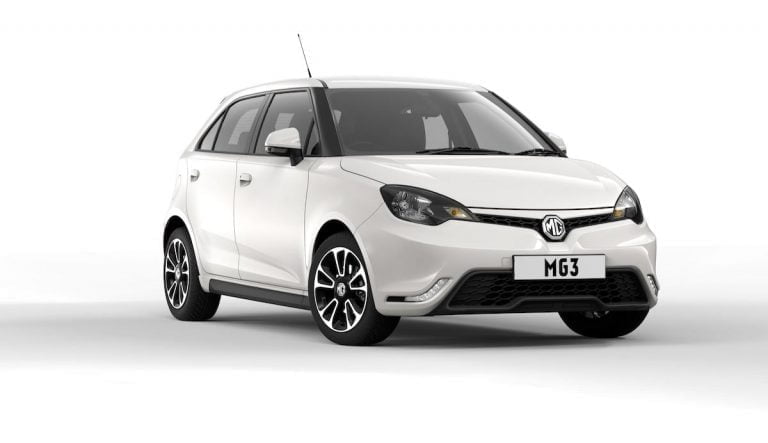
MG Motor UK is currently offering 0% finance on selected finance agreements for the MG3 range.
The interest-free finance applies to conditional sale agreements (basically a hire purchasewithout the ‘option to buy’ fee at the end) on new MG3 models purchased and delivered by the end of June.
For most models in the range, there is a 20% minimum deposit requirement set by MG Financial Services. However, in a specific offer on the top-spec MG3 3Style+ model, a low-deposit offer is also available (advertised as £189 up front and then £189/month for five years). This model also includes a £166 deposit contribution that the other models do not offer – although you can always still haggle on price with any car purchase, even on 0% finance.
The Car Expert says… always check the fine print
With a 0% APR deal, there are no fees and no interest, and on a conditional sale agreement there are no mileage restrictions. However, there will be fees and charges if you are late with payments or default on payments.
The finance deal only applies to new cars, which does not include dealer demonstrators or pre-registered cars. The finance offer is provided through MG dealers by MG Financial Services, which is a trading name for GMAC UK (the company actually providing the finance). If a dealer offers you a finance deal that does not match these details, it is not part of this offer.
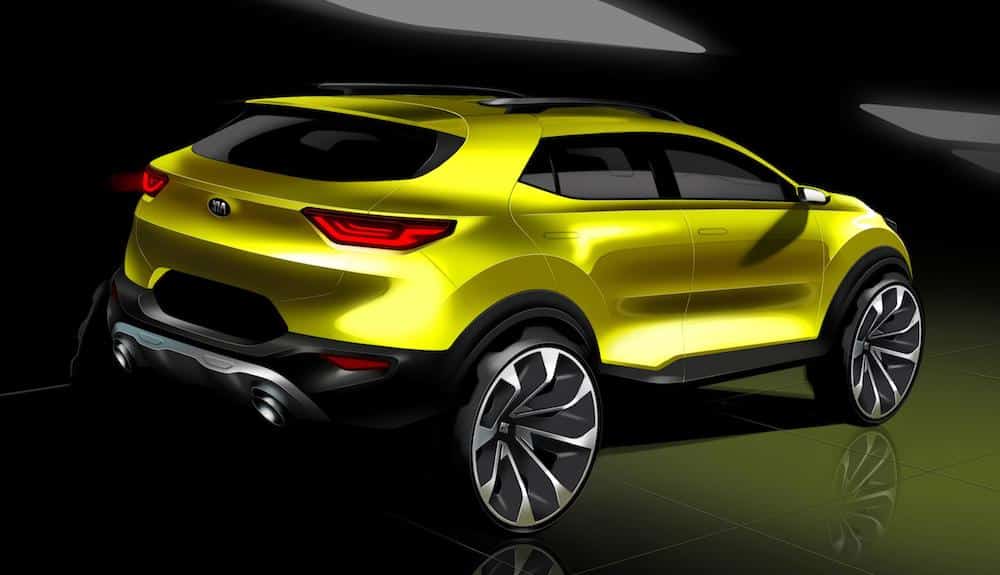
Kia has announced a new addition to its range of compact crossovers: the Stonic.
Inspired by larger Kia SUVs such as the Sportage, the new model will be available with a host of personalisation options.
Roof bars and unique tail lamp graphics contribute to a sporty exterior look. This continues inside the cabin, with an emphasis on technology and ergonomics.
The infotainment system uses a floating human-machine interface (HMI) to blend smartphone access with the car’s own functions.
Further details of pricing and specification are yet to be announced. The new Kia Stonic is scheduled to go on sale in the UK in the second half of 2017.
The end of the line is approaching for the Vauxhall VXR8, and a final edition of the super-saloon known as the Vauxhall VXR8 GTS-R will debut at this month’s Goodwood Festival of Speed.
Production of the Holden Commodore, which forms the basis for the VXR8 and Maloo, will come to an end in late October as GM closes its manufacturing facility in Adelaide, South Australia. This will bring an end to all car manufacturing in Australia, as Ford has already closed its doors and Toyota will also cease production in early October.
The VXR8 GTS-R is built by Holden Special Vehicles to Vauxhall’s UK specification. It is powered by an even more powerful version of the current GTS’s supercharged 6.2-litre V8 engine. With 595hp and 740Nm of torque, the GTS-R is the most powerful car in Vauxhall history.
As well as the extra performance, the Vauxhall VXR8 GTS-R builds on the GTS model’s specification. It features an upgraded braking system, new 20-inch alloy wheels, revised front bumper and grille assembly, rear bumper and diffuser, revised exhaust outlets and unique diamond-stitched alcantara interior trim.
Only 15 models of the VXR8 GTS-R will be built, with an on-road price of £74,500.
Figures released today by the Society of Motor Manufacturers and Traders (SMMT) have shown a significant fall in the registrations of new diesel cars during May, down 20% on last year.
Overall new vehicle registrations fell 8.5% in another difficult month for manufacturers and dealers, following April’s dramatic 20% downturn. A total of 186,265 new cars were registered for the month, but the make-up of the market looks to have changed significantly.
Private car sales were the leading cause of the sales slowdown, down 14% on last year. This will be significantly affected by the looming General Election. Fleet sales were also down, although business registrations were up.
The beginning of the end for diesel?
As the table above shows, diesel sales slumped dramatically, with 20,000 fewer new diesel cars registered in May 2017 compared to last year. Diesel sales now trail petrol sales by a margin of nearly 100,000 cars for the first five months of the year, and diesel’s market share has fallen to levels not seen for many years.
Such significant falls in diesel car sales will be a challenge for manufacturers and dealers if the pattern continues at the current rate. Many industry analysts have been expecting a gradual decrease in diesel demand, but a 20% slump will be causing some urgent re-thinking in head offices around the UK.
New road tax charges have reduced one of the sales advantages of diesel cars, and the cost of diesel remains a few pence per litre higher than petrol. This is on top of the continued negative press surrounding diesel cars’ emission levels and the prospect of toxin taxes for diesel cars in coming years.
The SMMT’s figures illustrate the dramatic fall in diesel registrations in 2017.
These factors have also impacted on residual values for diesel cars – which have traditionally been stronger than those for petrol cars. This will also ultimately drive up monthly payments for new diesel car finance offers. Expect discounts and deals on diesel models to increase immediately as retailers look to clear stock that is not selling.
This will particularly affect the big European brands who are heavily committed to diesel cars. Japanese brands like Toyota and Lexus, who have long preferred petrol hybrids to diesels, may be relative winners if diesel continues to decline in popularity. Volvo has also signalled that the current generation of diesel engines could be the last one it offers.
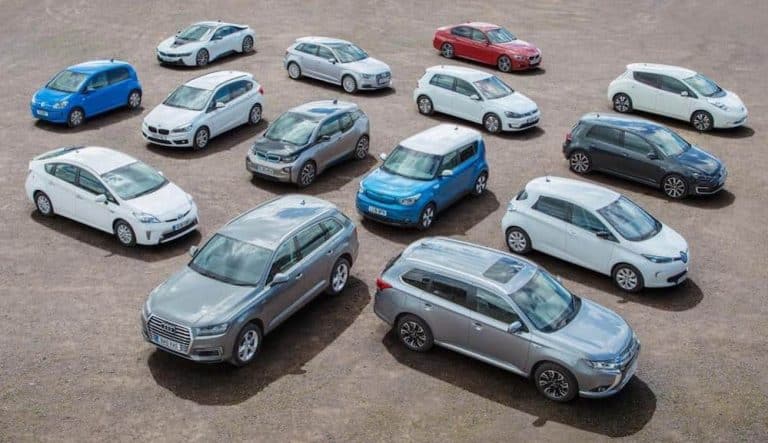
The alternatively-fuelled vehicle (AFV) segment improved following a dip in April. Numbers of EVs and hybrids were up by about 2,500 over last year, contributing to a new record market share of 4.4% – almost all of which will have come at the expense of diesel cars. This growth has improved the year-to-date results for the segment, which is running more than 27% ahead of last year.
The overall market year-to-date performance is down 0.6%, with increases in the business and fleet sectors failing to compensate for a 4.2% decrease in private new car sales.
Mike Hawes, SMMT Chief Executive, said that the SMMT “expected demand in the new car market to remain negative in May due to the pull-forward to March – which was an all-time record month – resulting from VED reform.”
Contrary to predictions that the General Election might boost car sales, Hawes suggests that it has “given many pause for thought and affected purchasing patterns in the short term”.
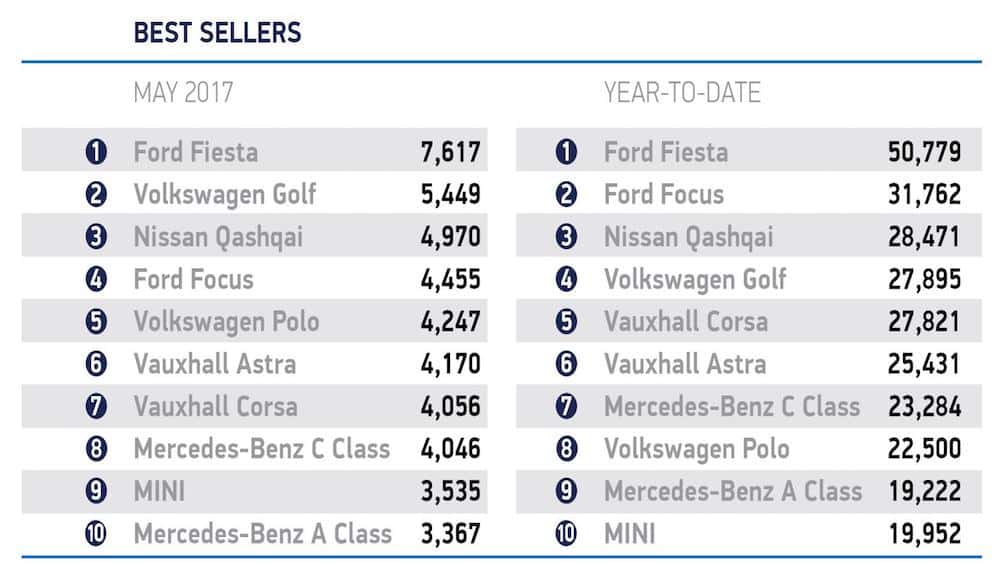
Ford Fiesta continues its reign at the top
As usual, the Ford Fiesta reigned supreme at the top of the charts in May. Its larger sibling, the Focus, struggled somewhat in comparison, sliding back to fourth.
Ironically, given that Volkswagen sparked the current anti-diesel crusade in the first place, one of the best performers of May was the Volkswagen Golf. It wasn’t all good news for Volkswagen, however, as the Polo fell out of the top ten sellers in May.
The Ford Fiesta enjoyed another month as the most-registered new car.
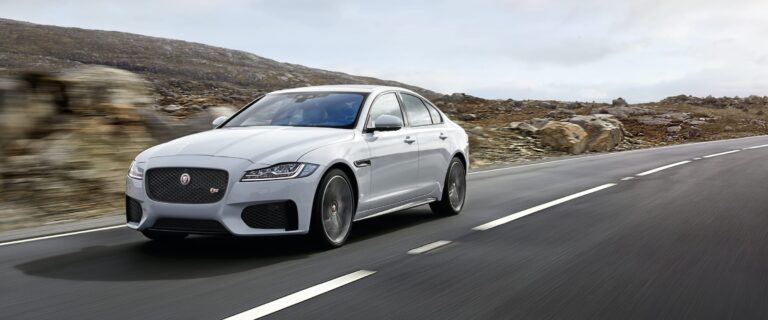
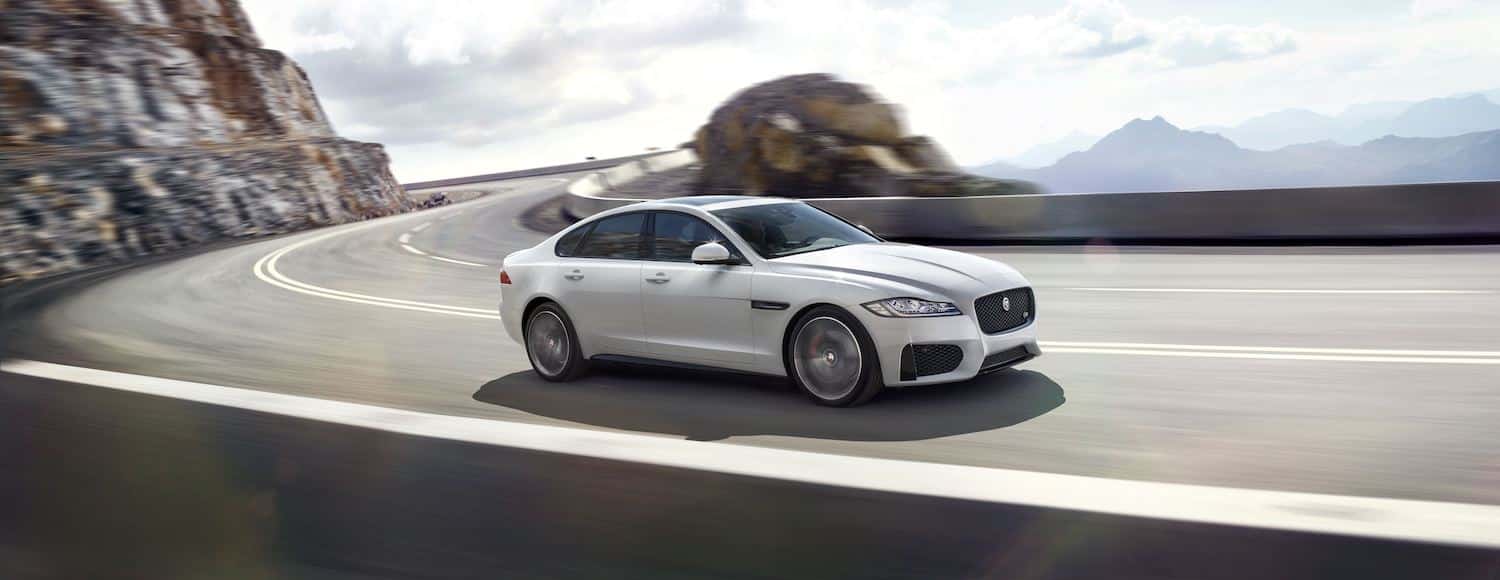
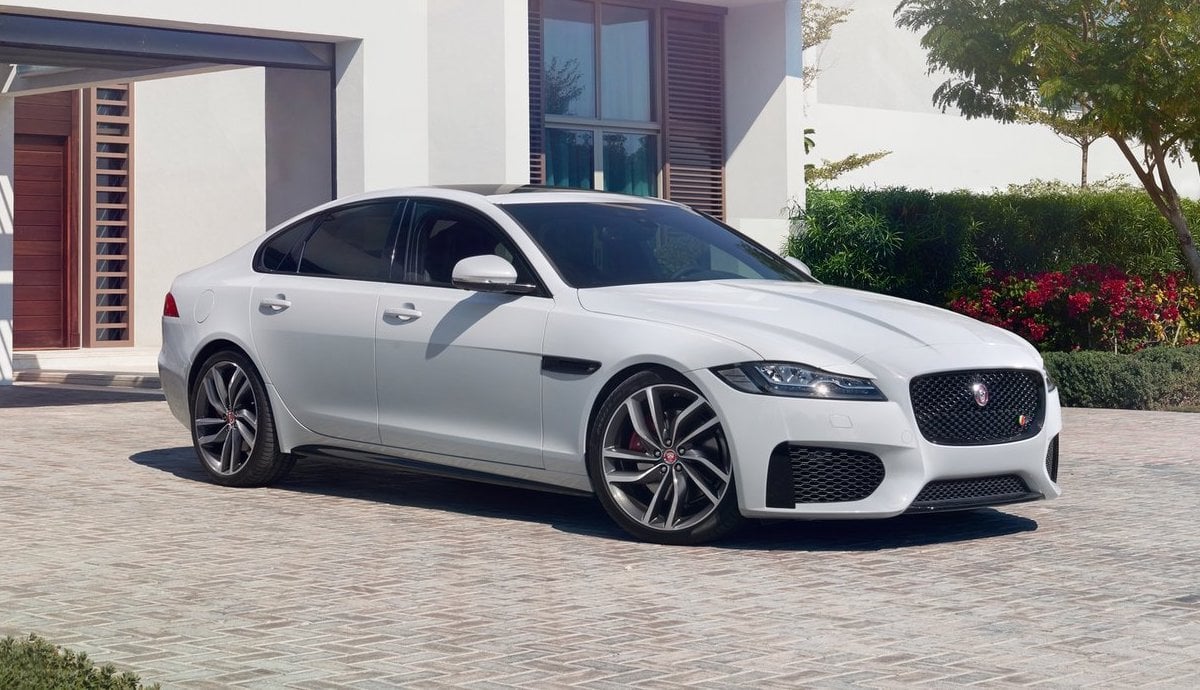
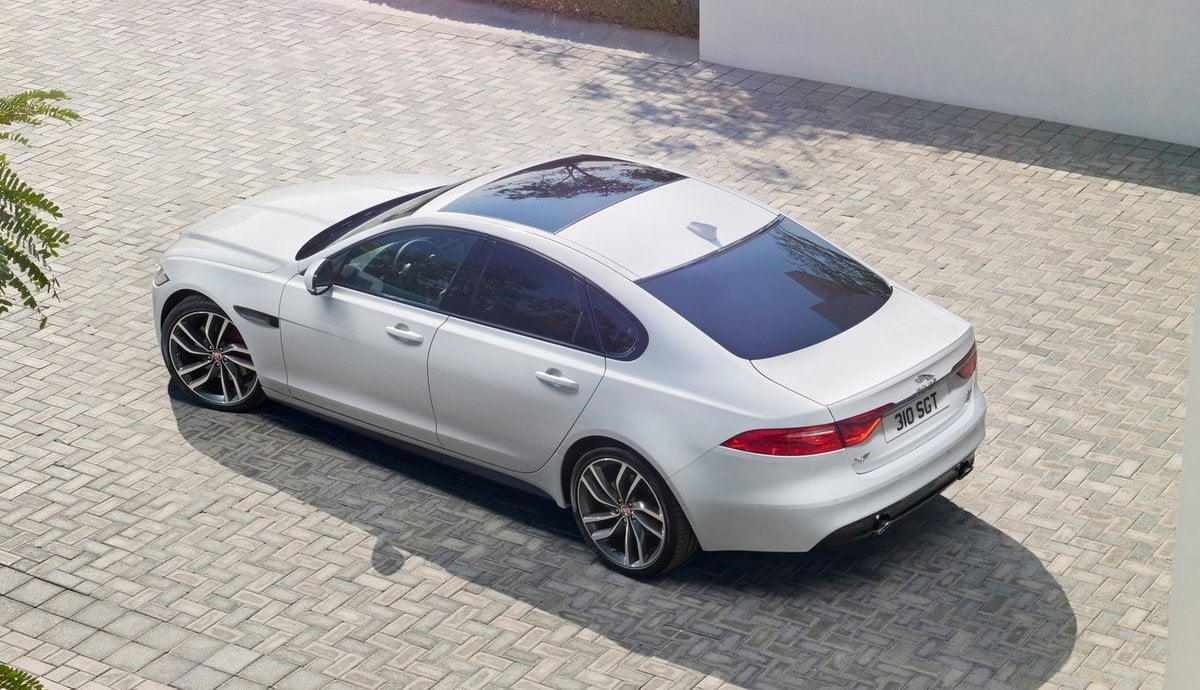
What is it: The Jaguar XF S is the performance model of the second-generation XF family, although not the most extreme version available. Key features: Supercharged V6 engine, lightweight construction, superb ride/handling balance Our view: The Jaguar XF S is a worthy competitor in a very tough market. It’s not perfect, but it is a fine car. Review type: Full road test
The current Jaguar XF range has been on sale for a couple of years now, although it’s possible you may not have noticed since it looks rather similar to both the previous model and the smaller Jaguar XE saloon.
Despite the same-again styling, it is a much more advanced machine. Extensive use of aluminium and lightweight materials has kept weight down – despite a more spacious cabin and ever-increasing levels of kit weighing it down.
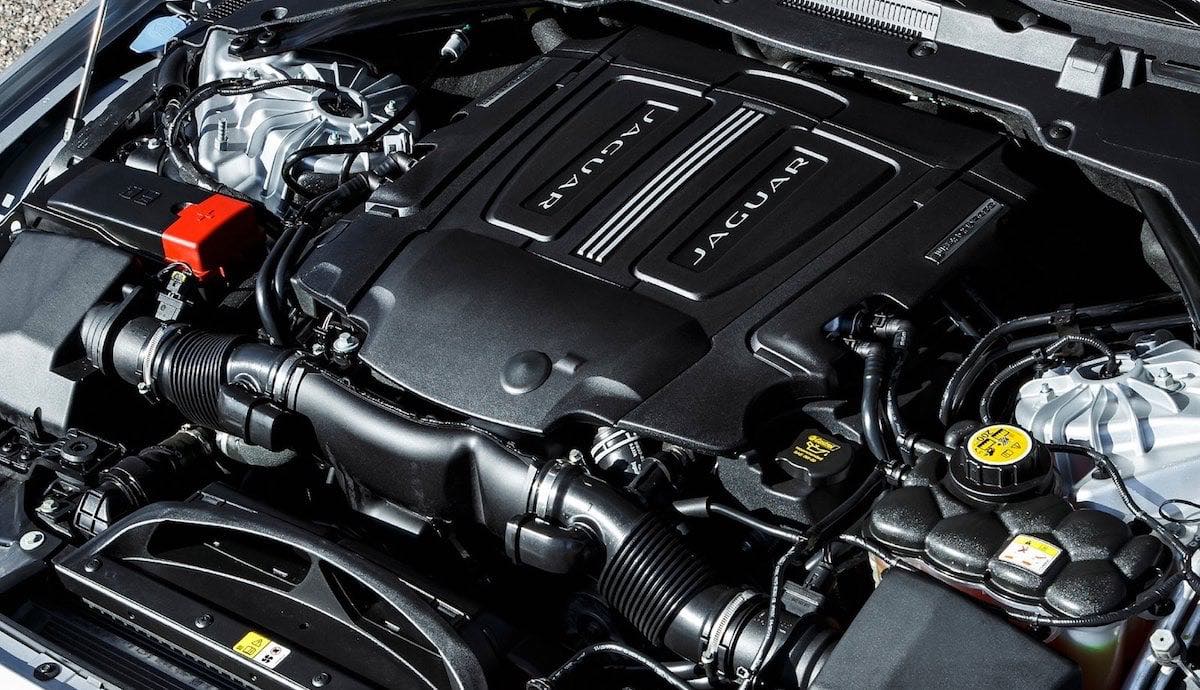
On test is the XF S performance model, which is powered by a supercharged 3.0-litre petrol V6 engine generating some 380hp. Plenty quick enough, then. It also gets some slight styling tweaks, bigger wheels and brakes, and suspension upgrades. Lower-spec models get the Ingenium diesel and (from summer 2017) petrol engines, replacing previous units sourced from the Ford empire.
Over a week of varied driving, the XF S proved highly competent is what is an incredibly tough market segment. The middleweight Jaguar range has to compete against the Audi A6, BMW 5 Series, Infiniti Q70, Lexus GS, Maserati Ghibli and Mercedes-Benz E-Class. If you don’t want the performance S model, then the Volvo S90 is also a formidable competitor.
Exterior design
Jaguar has managed to produce a bodyshell that provides significantly more room than the previous model, despite being fractionally shorter (only by 7mm, so don’t start making plans for that extra garage space).
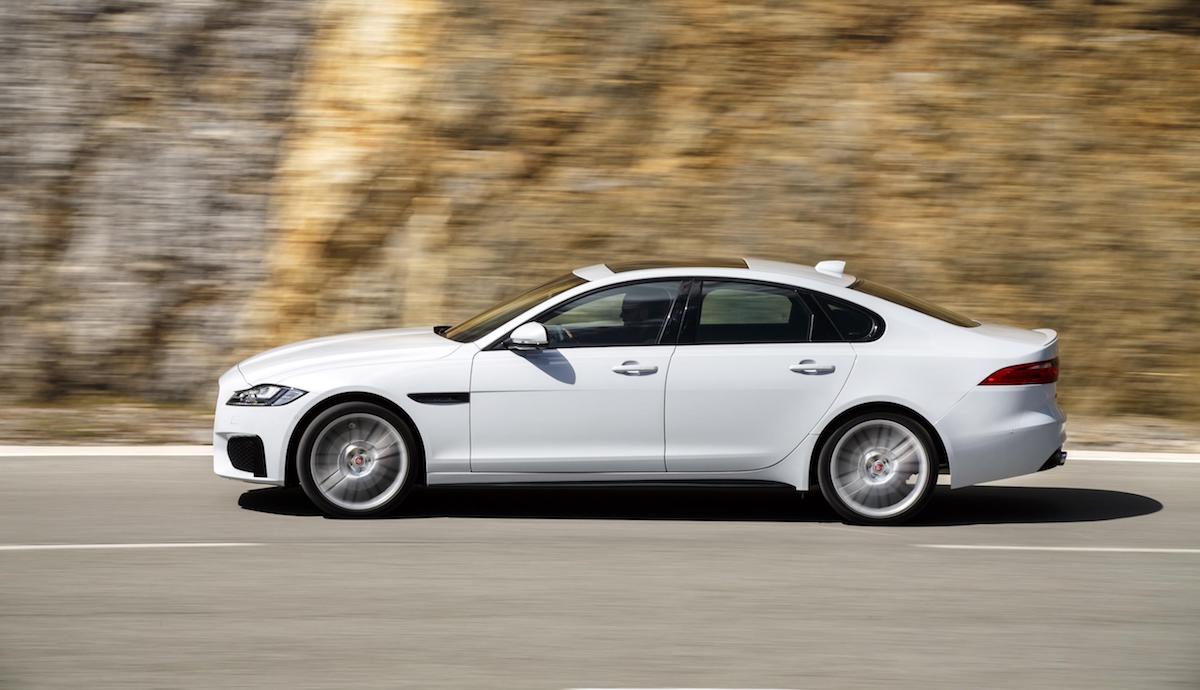
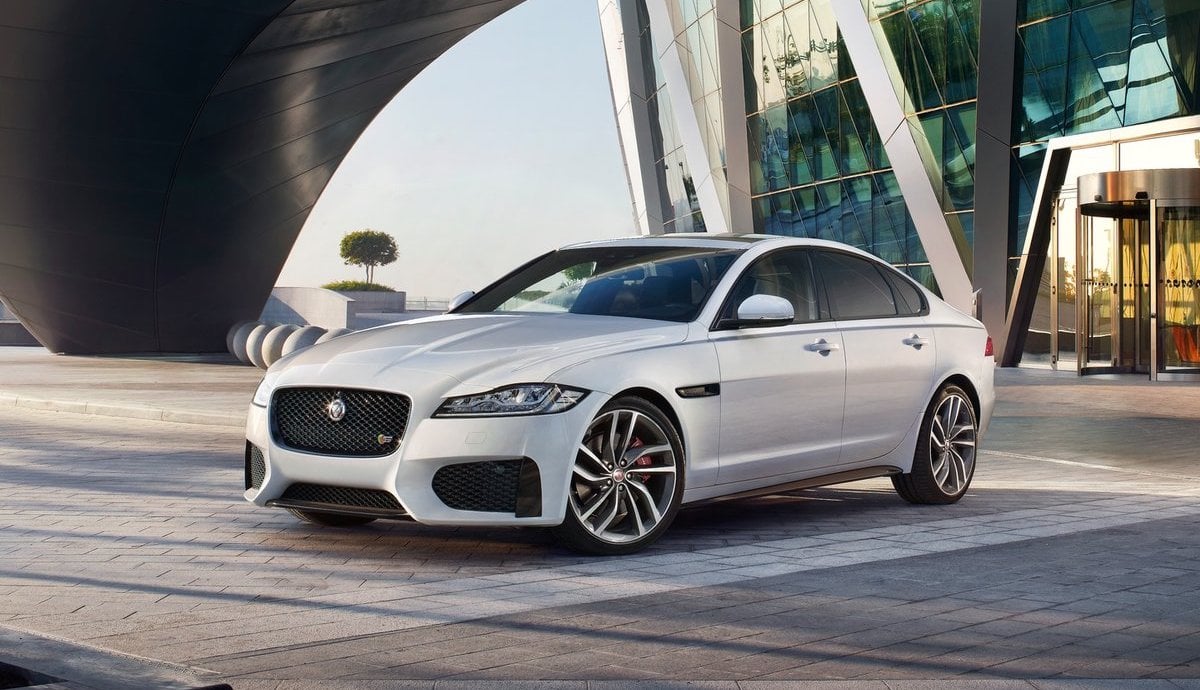
In XF S specification, and with our car’s optional 20-inch alloy wheels, it is a handsome albeit slightly generic look. When the previous XF and then the current Jaguar XJ were launched nearly a decade ago, it was a rather shocking break with decades of retro-tastic Jaguar designs. A toned-down version of the XJ’s style has been applied to the small XE and mid-size XF saloons, and it is a modern yet fairly anonymous look.
Even for car enthusiasts, telling the difference between an XE and XF on the street can be tricky. Having decided on a new design language, Jaguar seems determined to apply it rigorously to every model in the range.
Better than: Audi A6, Infiniti Q70 Not as good as: BMW 5 Series, Lexus GS, Maserati Ghibli, Mercedes-Benz E-Class, Volvo S90
Interior design
Jaguar’s design and engineering teams have managed to significantly improve the room for rear-seat passengers, who now have a decent amount of room for such a large car. The boot is not only larger but also better shaped, and it was able to swallow two large and two small suitcases with ease.
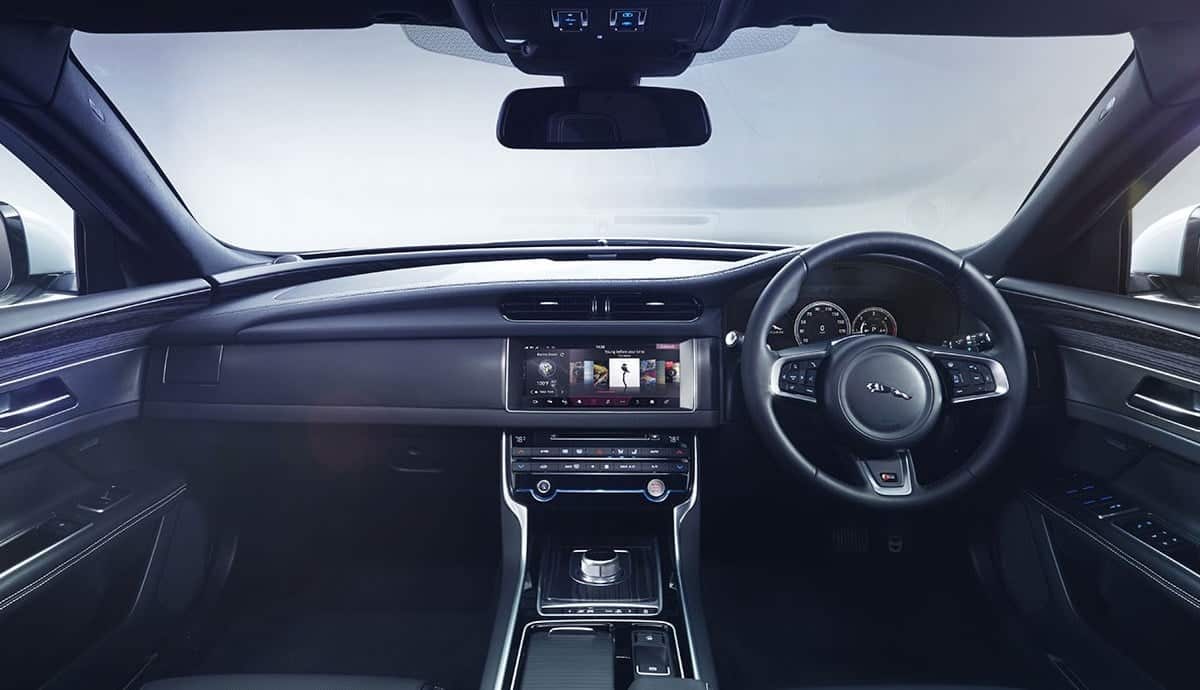
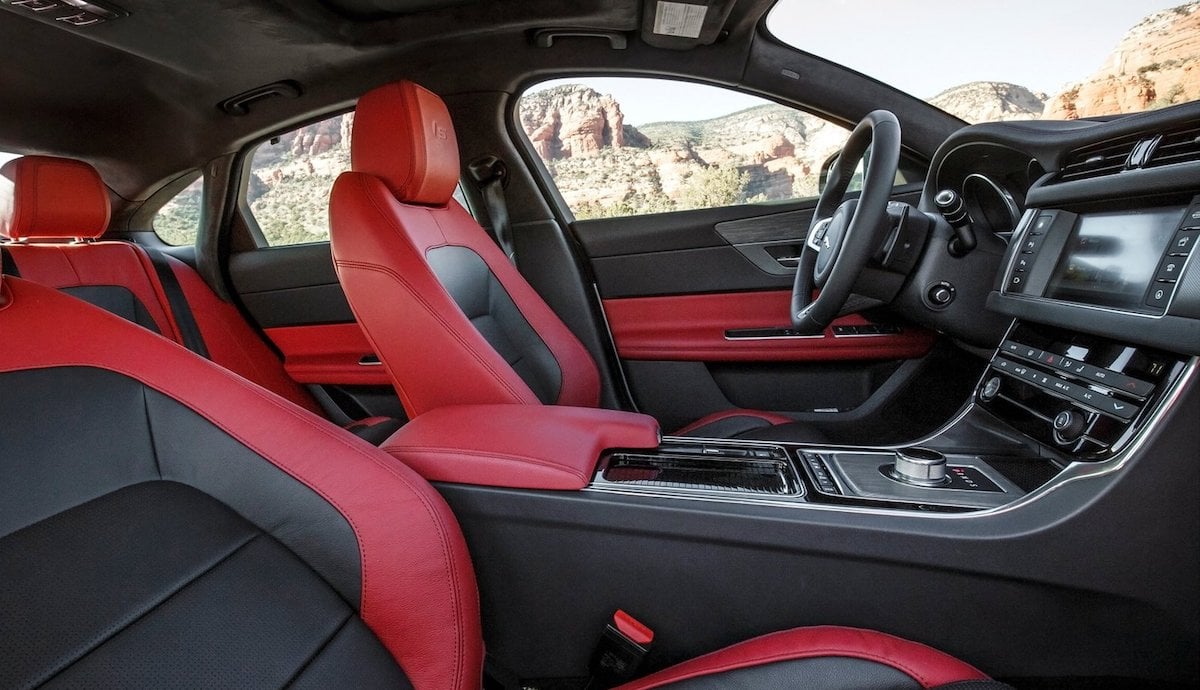
The dashboard layout is similar to XE and has some genuinely nice design features, like a sweeping line which ran all around the dash from door to door, but gimmicks like a pop-up gear selector and automatically-swivelling air vents lose their appeal after the second time you start the car. Another negative is the touchscreen infotainment system, which looked dated and was annoying to use on the move (more of that shortly). Likewise the digital dash display, which lags behind Audi’s best-in-class version.
Emphasising its ‘sportiness’, our test vehicle had carbon-fibre trim and somewhat gaudy red and black leather. Maybe some buyers like it, but the combination seemed rather tacky for what was nearly a £60,000 car with all the options it was carrying.
Better than: Infiniti Q70, Lexus GS, Maserati Ghibli Not as good as: Audi A6, BMW 5 Series, Mercedes-Benz E-Class, Volvo S90
Powertrain
The supercharged 3.0-litre V6 petrol engine in the Jaguar XF S may be getting a bit long in the tooth these days, but it is still a lovely thing to drive. Partnered with a refined eight-speed automatic transmission, its 380hp gives more than enough performance for any given situation. Unlike many ‘sporting’ saloons (and unlike Jaguar’s own F-Type sports car), the XF S does not have a booming exhaust note to drive you batty over a long journey. Instead, the fast Jaguar is a pleasingly hushed model of discretion.
The performance does come at a price, however. Over a week of mainly gentle driving and motorway cruising, we rarely saw fuel economy reach 30mpg. If we’d been really pushing it, the numbers would probably have been down in the teens.
Better than: Audi A6, Infiniti Q70, Maserati Ghibli, Mercedes E-Class, Volvo S90 Not as good as: BMW 5 Series
On the road
If you enjoy driving your large luxury saloon along winding B-roads at speed, then the Jaguar XF S fits the bill very well. The steering encourages you to play and the handling is excellent for such a large car. Switch the car into Dynamic mode and it’s a sharp performer.
Finding a balance for the other 99% of the time is usually a difficult trick. Big wheels and stiff suspension are usually the enemies of comfortable ride, and most manufacturers will sacrifice one in favour of the other. Jaguar, however, has managed to balance the opposing requirements of ride and handling pretty well.
Even on our car’s optional 20-inch wheels (19-inch is standard), the XF S was a comfortable commuter and motorway cruiser. Switching over to Eco mode dulls the throttle response significantly, which is actually very useful in commuter traffic compared to the very sensitive response of Normal and Dynamic modes.
Better than*: Audi A6, Infiniti Q70, Lexus GS, Maserati Ghibli, Volvo S90 Not as good as*: BMW 5 Series, Mercedes-Benz E-Class
*Where we have not driven competitor vehicles to rate against the tested vehicle, we have aggregated reports from across the UK motoring media.
Equipment
Equipment levels for the Jaguar XF S are largely in line with what you’d expect for this segment and price. Electrically-adjustable heated leather seats, auto high-beam headlights, auto wipers, reversing camera, parking sensors, satnav and bluetooth streaming are all present.
The test car featured an optional head-up display, which worked brilliantly and is highly recommended. It was also equipped with an upgraded infotainment system, which did not garner any great praise. The system felt slow and clunky compared to its German rivals, and the touchscreen was difficult to use on the move (the Germans still refuse to go down the touchscreen path, and I completely agree with them). Bluetooth pairing was also inconsistent.
Safety-wise, the Jaguar XF range was awarded a five-star rating from Euro NCAP when it was launched in 2015. Autonomous emergency braking is standard, but additional active safety features like lane-keeping assist, blind-spot assist and active cruise control are all optional extras.
Better than: Infiniti Q70, Lexus GS, Maserati Ghibli Not as good as: Audi A6, BMW 5 Series, Mercedes-Benz E-Class, Volvo S90
Summary
The large executive car segment is a very tough marketplace, but the Jaguar XF S is competitive in pretty much every way you would need.
It is a comfortable, quiet and smooth saloon, with plenty of performance on tap whenever you feel the need. It rewards spirited driving far more than most of its rivals, and is a genuinely lovely place to cover miles – whether it’s a daily commute, a motorway trip or a Sunday blast.
The visible digital technology – satnav, stereo, bluetooth, and instrument panel – lags considerably behind the best in class, and certainly the fuel economy on the XF S isn’t too clever. Some of the optional extras are pretty pricey, and a few should really be standard equipment on a car like this.
If you can live with the negative points and enjoy driving, there’s no reason why you wouldn’t enjoy a Jaguar XF S.
Similar cars
Audi A6 | BMW 5 Series | Infiniti Q70 | Lexus GS | Maserati Ghibli | Mercedes-Benz E-Class | Volvo S90
Jaguar XF S – key specifications
Test Date: May 2017 Price: from £51,100 Engine: Petrol, 3.0-litre supercharged V6
Ten years ago, the Nissan Qashqai went on sale. A decade on, not even the most optimistic prophet at the Japanese brand could honestly state that they had expected the dramatic way in which this car changed the car market – in the UK, across Europe, even globally.
The concept was simple – Nissan designers noticed how buyers liked SUVs for their dominant road presence, but not so much for their generally coarser road manners, and the complexity and cost of their all-wheel-drive powertrains.
In fact, the Nissan Qashqai was born out of a difficult period in the company’s design office, which had started off penning a replacement for the Almera family car. With Renault and Nissan newly merged, boss Carlos Ghosn insisted that the poor-selling Almera should be replaced by something much better. A 25-strong design team conceived the idea of a larger car, somewhat like SEAT’s Altea, but after nine months of work concluded they were going in the wrong direction.
Meanwhile, Nissan had been talking to its customers, concluding that while SUVs were becoming more popular, many motorists considered them too large for using as around-town everyday cars, while poor fuel efficiency and lacklustre interior quality were also turn-offs.
According to Peter Brown, vehicle evaluation manager then and today at the Nissan Technical Centre Europe (NTCE), based in Cranfield, Berkshire, from this conclusion was born the idea of the first ‘crossover’.
“We managed to persuade the business that we could break down some of these barriers by taking the best bits of a family hatchback and adding the elements of SUVs that are most attractive to customers,” Peter said.
The resultant car would “combine the advantages of a compact SUV with the agility and comfort of a hatchback”. It was named the Qashqai – after inhabitants of a mountainous area of southwest Iran and translating to ‘horse with white forehead.’
Three into one
The Nissan Qashqai ended up replacing three cars – the Almera and its larger sister the Primera, and the Terrano II SUV. And while observers naturally compared the imposing newcomer to the Terrano, it was a very different concept. The Terrano was of traditional SUV construction with its body bolted to a ladder frame, the Qashqai was of monocoque construction, like all new family cars.
Nissan emphasised this fact when the Qashqai was unveiled as a concept at the 2004 Geneva motor show. The Ford Focus and Volkswagen Golf hatchbacks were described as the Qashqai’s prime rivals, not any SUVs.
Reaction to the car was guarded. One media commentator dubbed it “the Stannah Stair Lift of concept cars”, and also dismissed the name as ridiculous. Nissan was convinced, however, and less than three years later launched the production Qashqai.
A decade on, that optimism has been dramatically rewarded. Today Nissan proudly claims to have invented a whole new sector with the crossover, a description now familiar to motorists. Said sector is today the fastest growing in the entire industry – in 2010 crossover/SUVs accounted for less than 1% of the UK market, today it’s close to 9%, and the story is the same across Europe.
Just about every manufacturer today considers it vital to have not just one, but a range of crossovers in its line-up. Nissan claims 21 direct rivals have been launched against the Qashqai in the last decade, while new models are appearing all the time; Vauxhall and Skoda among those revealing new contenders in 2017.
Meanwhile the crossover sector has itself fragmented into sub-sectors based mainly on size, while expanding into the premium and even the luxury arenas – in 2006, who would have imagined buying an SUV-like Bentley, or Maserati, or even Jaguar?
Through it all, the Nissan Qashqai has remained out front. In the last decade, more than 3.3 million Qashqais have been sold in 99 countries across the world, 2.3 million of these in Europe. And almost all of them have come out of Nissan’s UK plant in Sunderland.
A very British car
In fact the Qashqai is more British than virtually all other cars rolling off the lines in UK plants. It was the first Nissan to be styled by the brand’s European Design Centre in Paddington, London, while in charge of getting the engineering right was the Nissan Technical Centre Europe (NTCE), based in Cranfield, Berkshire.
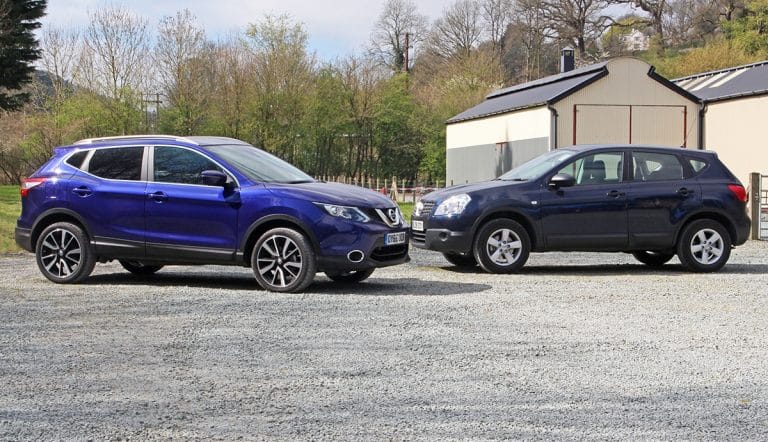
To celebrate the decade the Qashqai has been with us, The Car Expert spent a week driving two versions of the car – one of the very first, a 1.6 petrol model on sale in 2008, and the current model in 1.5 dCi diesel form. This is an example of the second-generation Qashqai, launched in 2014 and with a facelifted version expected on sale in July.
Slipping into the 2008 model first, it’s difficult to believe that when we attended the launch events a decade ago, the motoring journalist pack had to think long and hard about how to describe this newcomer. It seemed not one thing or another, with SUV height and looks, an MPV interior, and claimed family hatch economy.
Today, even a 2008 Qashqai feels one of the most normal of all cars to drive, simply because we drive so many crossovers these days. Reacquainting ourselves with the old model is a reminder that the Qashqai did not do anything stand-out well, but it did everything to a level that was thoroughly practical and easy to live with – it really did offer that SUV feel without SUV drawbacks.
The interior for example – back in 2007 this gained a few headlines because it was far better than anything we had previously seen from Nissan. Today it immediately looks dated when perhaps unkindly compared to that of the current Qashqai. The new car benefits from all the advances made in technology, digital displays and such like, but there remains an appeal to the simplicity of the original version.
The Nissan Qashqai grows up
Where the current Nissan Qashqai wins hands down is in interior space. Rear-seat passengers were the least well-served in the original, particularly in terms of headroom, but the new architecture adopted for the second-generation model added 47mm to the length and a whole lot more room inside.
On the road? Well, it’s not really a fair test because our 2008 original is petrol powered, while the current version is a diesel, reflecting the CO2 emissions-induced growth of diesel popularity over the last decade.
It’s a clear demonstration of the march of technology that the diesel not only feels smoother and quieter than its petrol predecessor, but it moves the Qashqai along rather more rapidly. The current car reaches 62mph more than two seconds quicker than the 2008 version, despite the engine having 18 fewer horses and having to cope with more than 120kg of extra weight! That’s progress…
The first Qashqai introduced handling to the SUV market, showing that you could drive such a car without resorting to fear each time a corner loomed ahead. The current one maintains the trend.
It’s more dynamically sorted than its predecessor, but still erring towards comfort rather than grin-producing road holding – which of course is what it was always meant to do. The extra weight helps it feel more planted on the roads.
Yet… the 2008 Nissan Qashqai impressed us. Strip off all the modern tech from the current model, and it’s not that massively different from its pioneering predecessor. The most pertinent conclusion to come out of our week’s testing is just how right Nissan got it ten years ago.
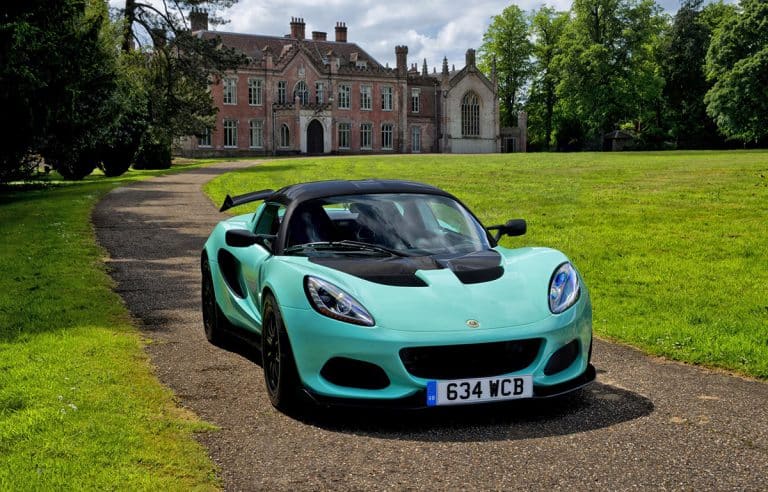
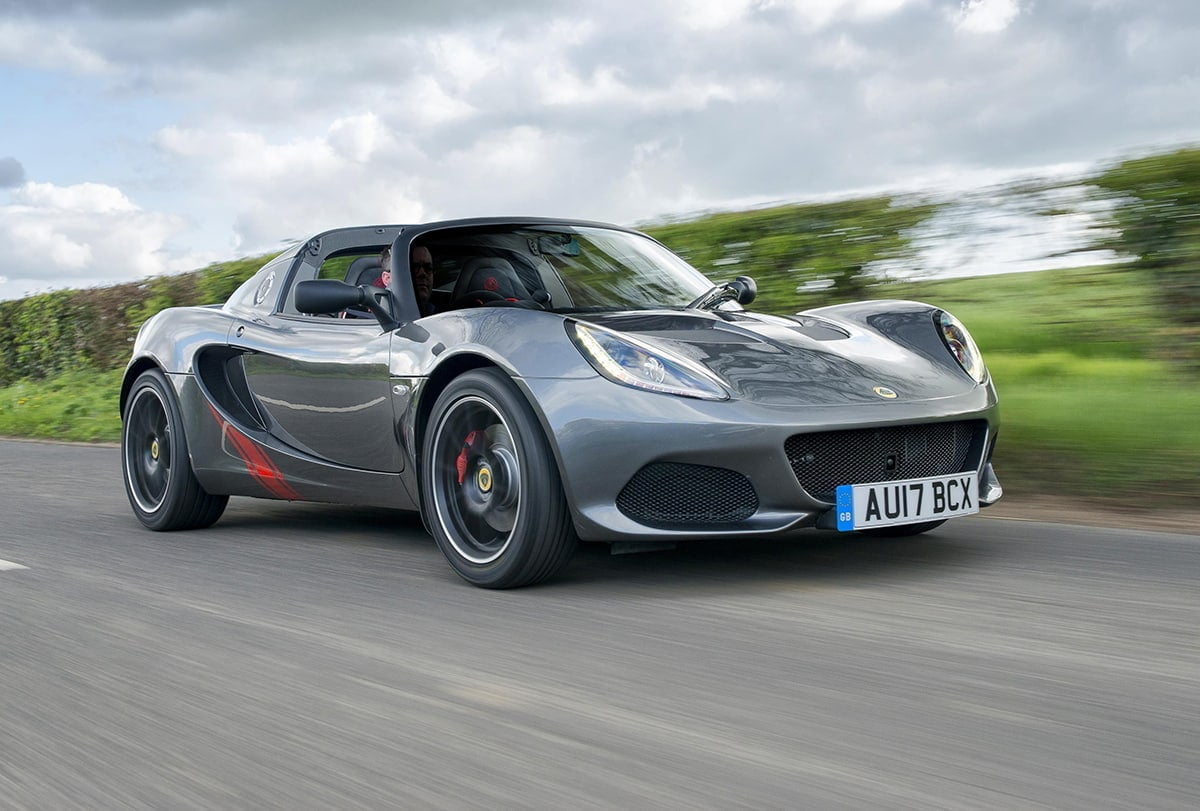
The Lotus Elise Cup 250 has been revealed as the fastest four-cylinder sports car ever produced by the Norfolk brand.
Dealers are already taking orders for the car that promises a 0-60mph time of 3.9 seconds from its 1.8-litre 243hp engine.
For road and track
Lotus describes the Elise Cup 250 as bridging the gap between road and track, offering race car capability in a car usable every day.
Joining the already released Exige Cup 380, the Lotus Elise Cup 250 gains similar aerodynamic improvements. These include a new lightweight rear wing, front splitter, bargeboards and rear diffuser contributing to 125kg of downforce at 140mph.
The car’s dry weight is reduced to 884kg, thanks to the use of carbon fibre, titanium and aluminium. Revised dampers and lightweight forged wheels, shod with Yokohama performance tyres, also feature.
The latest Elise visual treatment, debuted earlier in 2017 on the standard car, includes wider front radiator inlets and a mesh-pattern grille, and two instead of four rear light clusters.
The reveal of the Elise Cup 250 comes just as Lotus looks set to acquire new owners with Chinese giant Geely, which owns Volvo, taking a controlling stake in the brand.
Announcing the new car, Lotus CEO Jean-Marc Gales describes it as the latest edition in an exciting period for the company.
“We know what existing Lotus enthusiasts demand from our cars and we are also bringing in many new customers who can see clearly that we offer an unrivalled combination of performance, styling, dynamics and value for money,” Galles says.
“The power and aerodynamic prowess of the new Elise Cup 250 has taken the fight beyond the reach of lesser rivals and, at just 860kg, it shows that we are ahead of the curve in delivering lightweight, intelligently engineered sports cars,” he adds.
Prices for the Lotus Elise 350 Cup start from £47,400.
Audi has unveiled an ambitious new model programme to include more Q series SUVs and three e-tron battery-electric cars.
The German premium brand intends that at least 30 per cent of its sales will be of electric or part-electric models by 2025, and to have the technology available for driverless city cars within four years.
Five new lines in one year
The plans have been outlined to Audi shareholders during the brand’s AGM in Neckarsulm, Germany. “We are rejuvenating our model portfolio enormously and will renew five existing core model series by mid-2018,” said chairman Rupert Stadler.
“In addition, we will expand our successful Q family by 2019 with two new concepts – the Audi Q8 and the Audi Q4 – and we will launch our battery-electric e-tron models.” Three new electric Audis will appear by 2020, and the brand will then introduce electric versions across its core model ranges.
Audi is also taking over the development of autonomous car technology across the Volkswagen Group and the first examples of driverless cars will be launched early in the next decade. Meanwhile the new ‘myAudi’ programme will establish a digital platform for online services across the range.
This year the brand will focus on its high-end cars. A new A8 will be launched at the first-ever Audi Summit event in Barcelona in June, and will be followed by a new A7.
Fiat’s finance arm has begun offering personal contract hire (PCH) packages on selected Fiat, Alfa Romeo and Jeep models from its dealerships, in a move which aims to strengthen its position in the growing PCH sector.
Private customers looking at a Fiat Tipo or 500X, Alfa Romeo Giulia or Jeep Cherokee, Grand Cherokee or Renegade will now have a factory-backed PCH option to compare with the traditional personal contract purchase (PCP) or hire purchase (HP) offers.
The new offering, called Be-Free, includes road tax, breakdown cover and roadside assistance and free GAP insurance finance waiver (which covers any early termination costs in the event of the car being declared a total loss).
Customers can choose terms from two to five years, with mileage allowances of up to 150,000 miles over the total duration. A variety of upfront rental payments is also available.
The move into personal contract hire is potentially a significant one for Fiat’s brands, as controversy continues to swirl around PCP car finance, and it is likely that more models will be added to the above list in coming months. The move may also be an attempt by Fiat Chrysler Automobiles (FCA) to reclaim some of the finance business which is currently going to a large number of independent finance brokers currently monopolising the PCH market.
The new PCH offers are being managed by FCA Fleet Services, the contract hire division of FCA Bank, which is a joint venture between Fiat Chrysler Automobiles and French bank Crédit Agricole.
Skoda is targeting corporate fleets, small businesses and company car drivers with a trim level of its newly-launched Kodiaq called SE Technology.
Only available with a 2.0-litre diesel 150hp engine, customers can choose between front or four-wheel-drive and a manual or automatic gearbox.
Based on the entry-level SE specification, the Kodiaq SE Technology has relatively few luxury features but a high level of connectivity, aimed at the needs of business users. The Skoda Connect online infotainment system provides satellite navigation, traffic reports and calendar updates.
The Skoda Kodiaq was awarded five stars from Euro NCAP this week, thanks to excellent ccrash protection and standard fitment of autonomous emergency braking on all models.
Pricing for the five-seat version starts from £26,860 and from £27,860 for the seven-seat model.
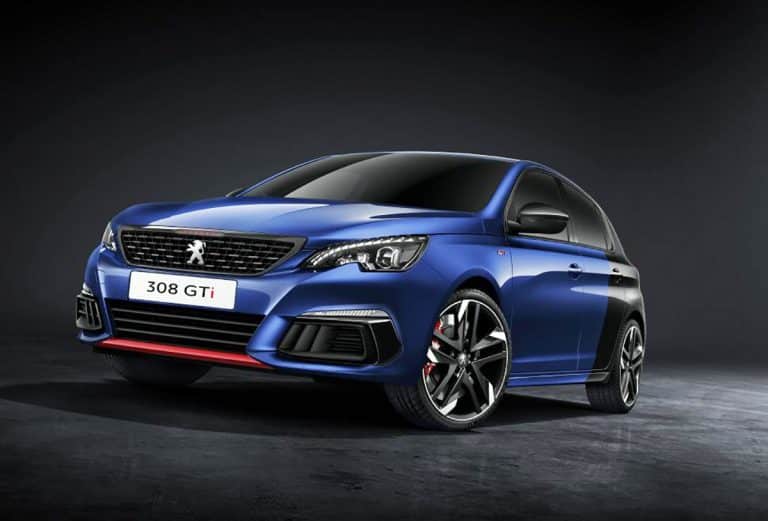
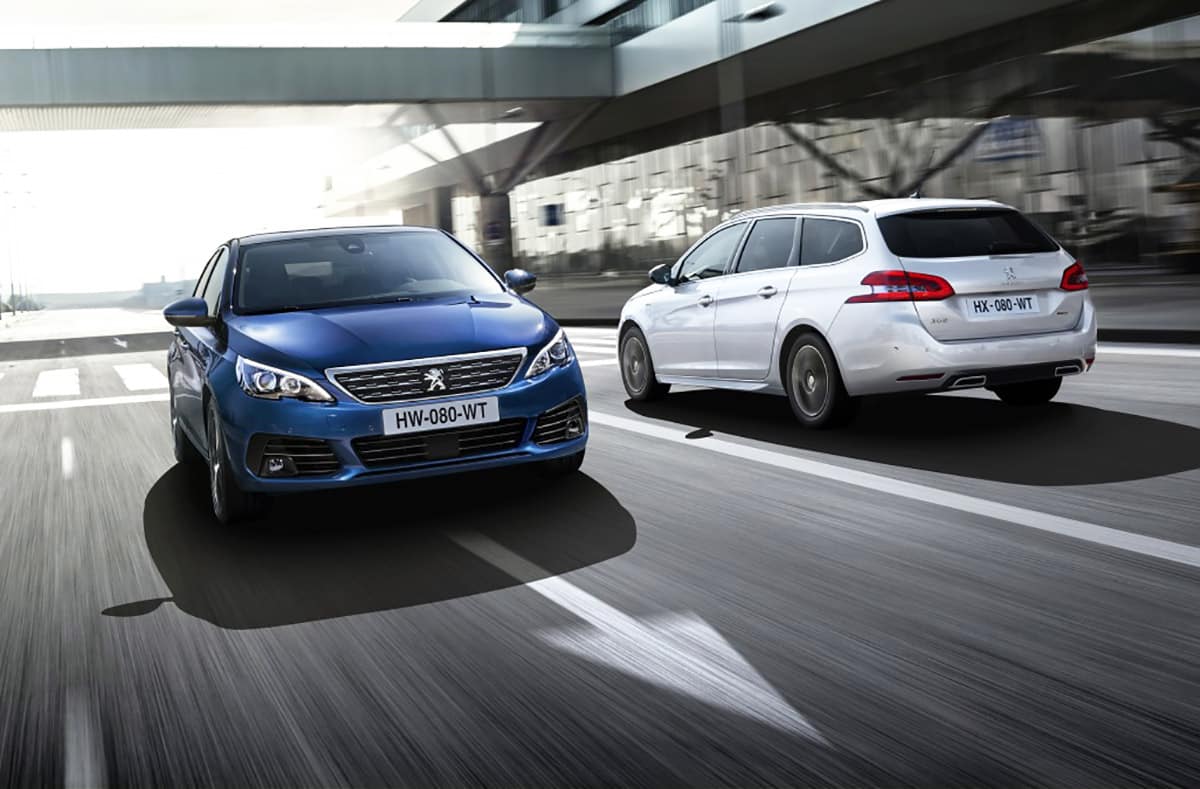
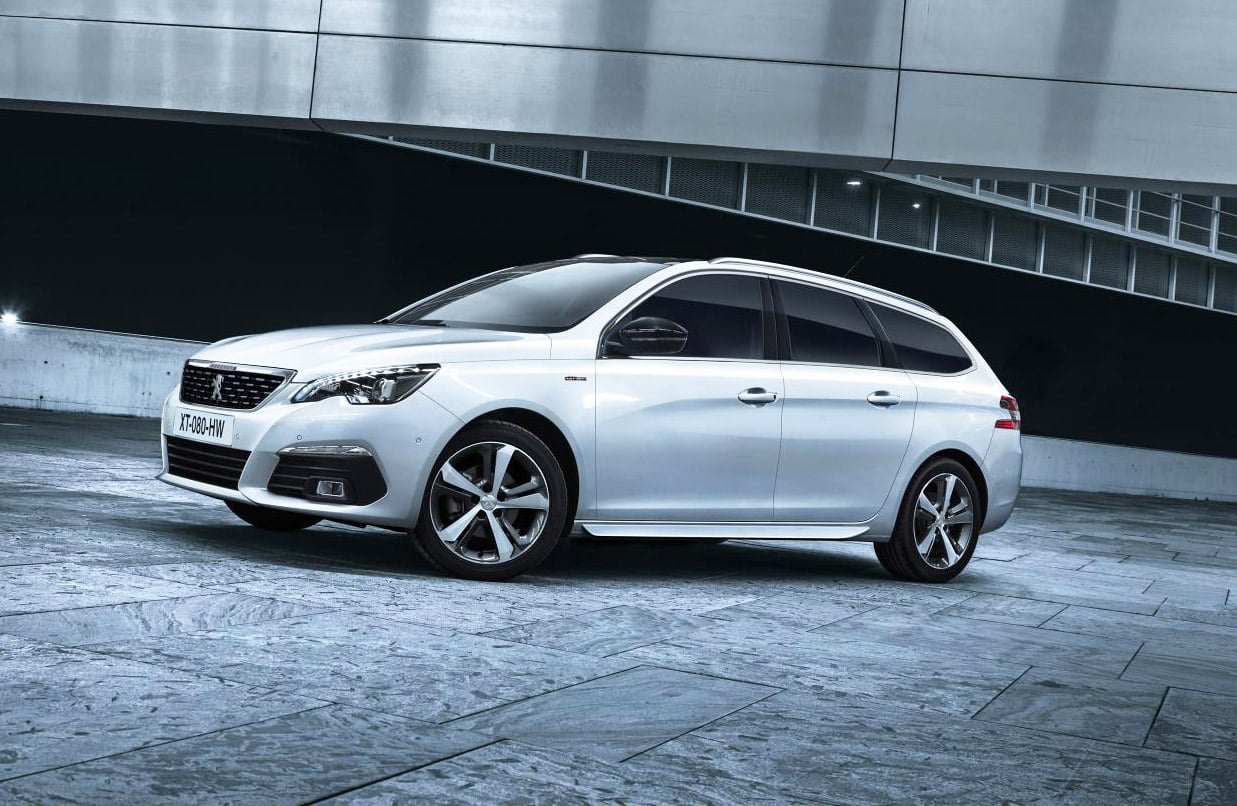
Technology upgrades feature in a facelift to the Peugeot 308 family car, ranging across the hatch, SW estate and GTi versions of the model.
On sale in September, the new model also includes significant engine and transmission updates.
Dubbed New Peugeot 308, the car will be the first Peugeot-Citroën model to be fitted with the group’s new 1.5-litre BlueHDi diesel engine of 130hp. This uses an ‘at source and at exhaust’ emission control system that Peugeot says was developed in its Le Mans 24hr race cars.
The three-cylinder Pure Tech petrol engines are upgraded and matched to a revised six-speed manual gearbox, while the 2-litre 180 BlueHDi diesel gains a new eight-speed auto transmission.
Six-second GTi
The Peugeot 308 GTi remains the range-topper, developed by the brand’s Peugeot Sport competition department. Its 270hp petrol engine promises a 0-62mph time of six seconds while returning CO2 emissions of 139g/km.
New technology includes the brand’s latest infotainment system. Centring on a 9.7-inch touchscreen, it includes Mirrolink, Apple CarPlay and Android Auto smartphone compatibility.
Peugeot is also highlighting the increase in driver aids now available for the 308 range. Speed Limit Recognition, Adaptive Cruise Control and an Active Blind Spot Monitoring System are all added to the menu.
The Speed Limit Recognition employs a windscreen-located camera to read speed limit signs and display them on the car’s dashboard, while ignoring signs aimed at specific vehicles, such as HGVs.
The Adaptive Cruise Control includes a stop function, while also now available is a
smart park assist system dubbed City Park.
Visually the car gains the usual facelift elements of reshaped bumpers and headlamps, the new look designed to match that of the larger 3008 SUV launched in 2016.
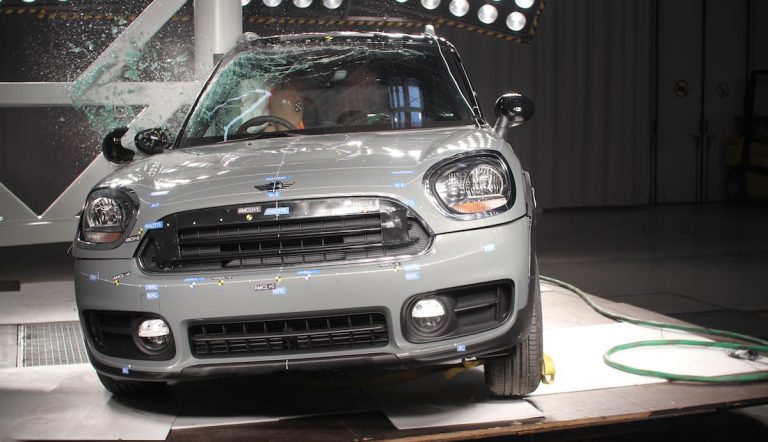
Euro NCAP has released the results for its latest round of crash tests, with the MINI Countryman, Skoda Kodiaq and Nissan Micra all receiving five-star safety ratings.
Also tested was the new Suzuki Swift, due to go on sale in the UK in June, which received a disappointing three-star rating in its base specification. The premium SZ5 models will receive additional accident avoidance technology, which improves the score for those models to four stars. However, the SZ5 specification models start at an additional £3,500 over the entry-level Swift.
All four cars tested did receive five stars for adult occupant, child and pedestrian protection. The differences lay in the provision (or lack) of advanced accident avoidance systems like autonomous emergency braking (AEB).
The Skoda Kodiaq had the most advanced AEB system of the four cars tested, being able to detect both cars and pedestrians. The latest result means that all recently-tested Skodas have received five-star ratings.
The MINI Countryman also has AEB car-to-car as standard, which helped it secure the five-star rating, with pedestrian detection an additional-cost option.
The Nissan Micra receives a five-star rating across all models in the UK, although some models in the rest of Europe do not receive all the same safety equipment as standard and only receive a four-star rating as a result.
The Nissan Micra gets five stars for all UK models. Some continental models will only get four.
The Suzuki Swift was the only vehicle not to any AEB technology as standard equipment, although the optional safety pack does include AEB car-to-car. This was one factor in the Swift’s below-par three-star score.
The Euro NCAP ratings are based on a vehicle with safety equipment which is standard across the whole model range. Euro NCAP now allows manufacturers to have a second rating for vehicles that offer additional safety equipment as part of an extra-cost safety pack. To qualify for this second rating, manufacturers must commit to selling at least 25 percent of cars fitted with the option pack in the first three years, and 55 percent of sales in the following three years.
Skoda has announced a series of minor modifications to its Superb and Superb Estate as part of its 2018 model year update programme.
From the end of May, the Superb will feature new 19-inch alloy wheels and be available in a new Velvet Red paint finish.
Technology-wise, the Skoda Connect App now offers remote access and provides details as to the status and location of the vehicle. A larger infotainment screen is paired with SmartLink+ featuring navigation and communication apps.
Driver assistance systems include Park Distance Control and Manoeuvre Assist which now detects obstacles in front of the vehicle.
Inside, Skoda has looked to improve comfort, and a massage function is now available for the driver’s seat, which also includes ventilation and memory.
CareConnect is now as standard from Ambition trim upwards and features automatic emergency call. If a restraint system has been triggered following an accident, this is activated with the vehicle establishing voice and data connection to an emergency call centre. An emergency call can all be initiated via a button in the roof module.
How do police enforce regulations in countries that have no road speed limits outside towns? They get themselves a supercar…
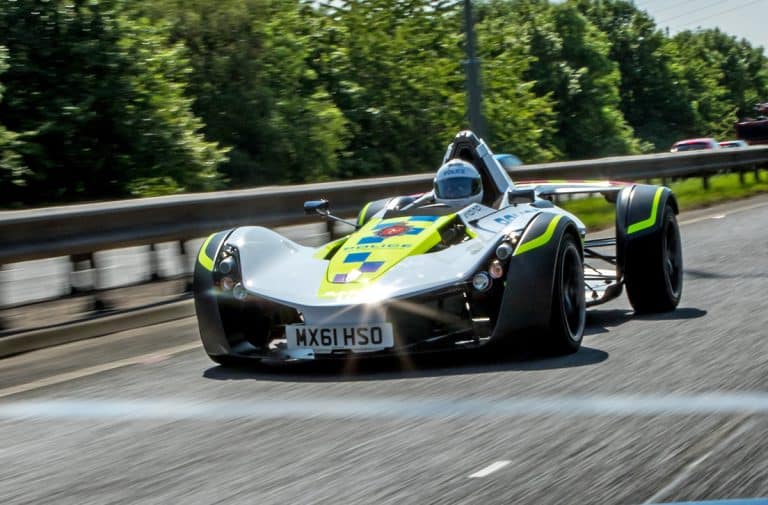
A BAC Mono, a carbon-fibre based single seater powered by a 2.5-litre engine of 305hp and with a 0-60mph time of 2.8 seconds, has joined the fleet used by the traffic department of the Isle of Man police force.
Liverpool-based BAC has been using the roads of the Isle of Man, including the world famous TT course, to test its cars ever since launching in 2011. The island also recently hosted a gathering of the specialist cars with 12 taking part and enjoying roads specially closed for the event by the Manx Government.
Attracting bikers
Now the BAC Mono, which has been specially supplied in police livery, will be used by the force, primarily to promote safer motoring. Police chiefs believe it will create great interest, particularly among the thousands of motorcyclists who travel to the island around the TT festival in June.
BAC Co-Founder and Director of Product Development, Neill Briggs, is delighted to be making the car available, saying that the company has a very special affinity with the Isle of Man.
“The Government has been nothing but amazingly supportive to BAC and the BAC dream, and we’re honoured to be able to play our part in making their roads a safer place – this is a world first for both BAC and the Isle of Man and something both parties are incredibly proud of,” Briggs said.
Swedish brand Volvo and UK sports car manufacturer Lotus look destined to be related after Chinese giant Geely agreed terms to buy a stake in Malaysian manufacturer Proton.
Geely purchased Volvo from Ford in 2010, while Proton has owned the majority share in Lotus since 1996. The Malaysian manufacturer has been losing money for some time but the 49.9% stake that Geely is buying, effectively taking control of the firm, could prove a major boost, giving Proton access to up-to-date powertrains. The Chinese, meanwhile, will benefit from an increased presence in the south-east Asian market.
As part of the deal, Geely will acquire a 51% majority stake in Lotus, with Proton parent DRB-Hicom looking to sell off its remaining interest in the sports car firm. Lotus has been making significant progress in recent times but needs to expand – UK registrations were down nine per cent in 2016.
PSA beaten?
The deal is still subject to regulatory approval and is expected to be completed in July, possibly frustrating PSA Group which had previously been believed to be the most likely bidder for Proton.
Industry observers generally believe the Geely takeover is positive news for Lotus, giving the sports car manufacturer access to the funding and investment that has already proven a major success for Volvo.
A new version of the core Lotus Elise model is expected in 2020, and the new ownership could also see a revival of the company’s previously mooted SUV programme.
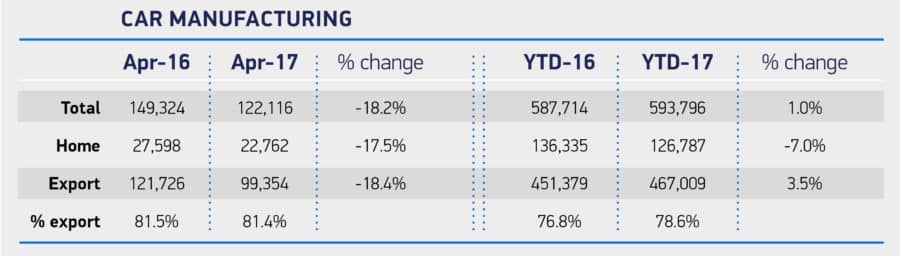
Figures released by the Society of Motor Manufacturers and Traders (SMMT) show that UK car manufacturing plummeted in April. A total of 112,116 cars were produced, representing an 18.2% drop in production from March which was the highest month on record.
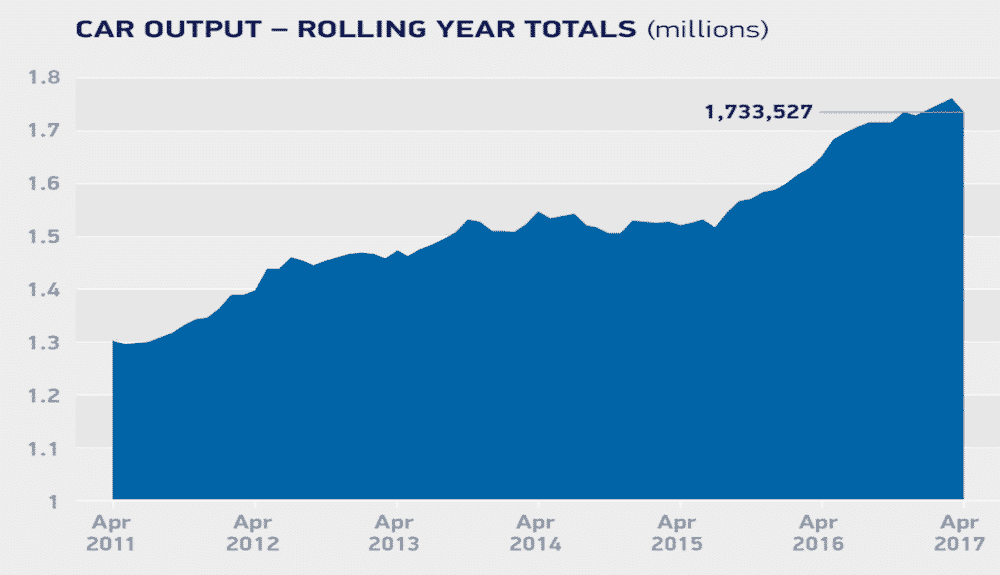
Despite April’s fall in production, year-to-date output remains the strongest it has been for 17 years. So far in 2017, production has risen 1% to 593,796 cars.
Overseas demand continues to drive growth in UK car manufacturing, and this year 76.8% of all the cars produced in the UK have been exported. This overseas demand has helped to combat a 7% drop in domestic demand.
Overseas demand for UK-manufactured vehicles rose 3.5% in April 2017 on the same period last year.
Mikes Hawes, SMMT Chief Executive, said: “Overall, British car manufacturing remains in good health with the production outlook still very positive, and significant new models are due to go into UK production shortly.”
Ahead of next month’s general election, the SMMT has published a report calling on the next government to “safeguard the conditions that have made the UK’s automotive industry globally competitive”.
According to the SMMT, the sector provides 814,000 jobs and produces a turnover of £71.6bn.
Year-to-date production for 2017 is at an all-time high.
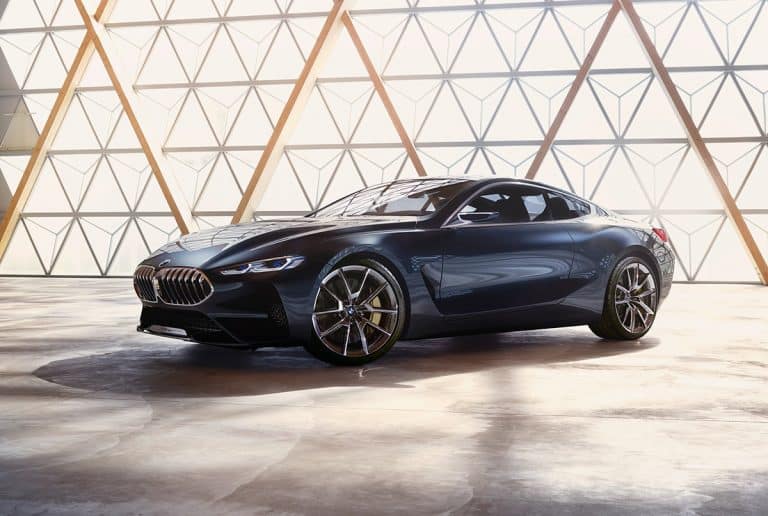
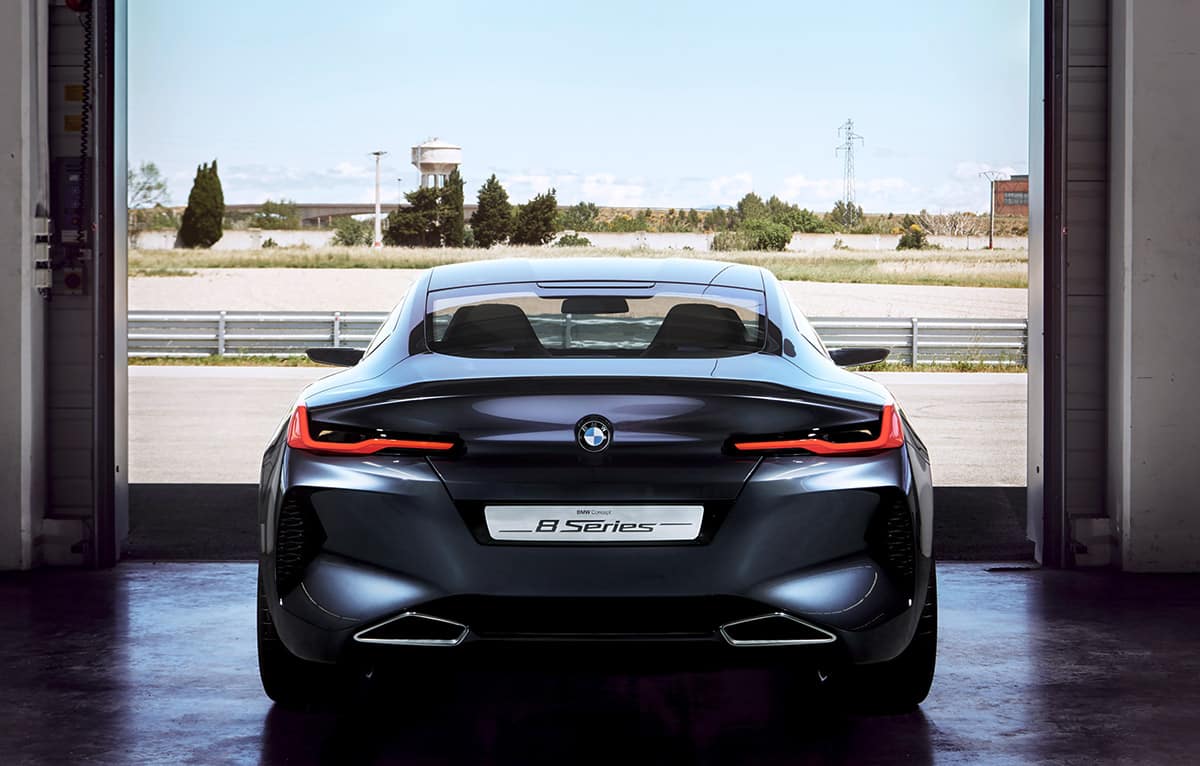
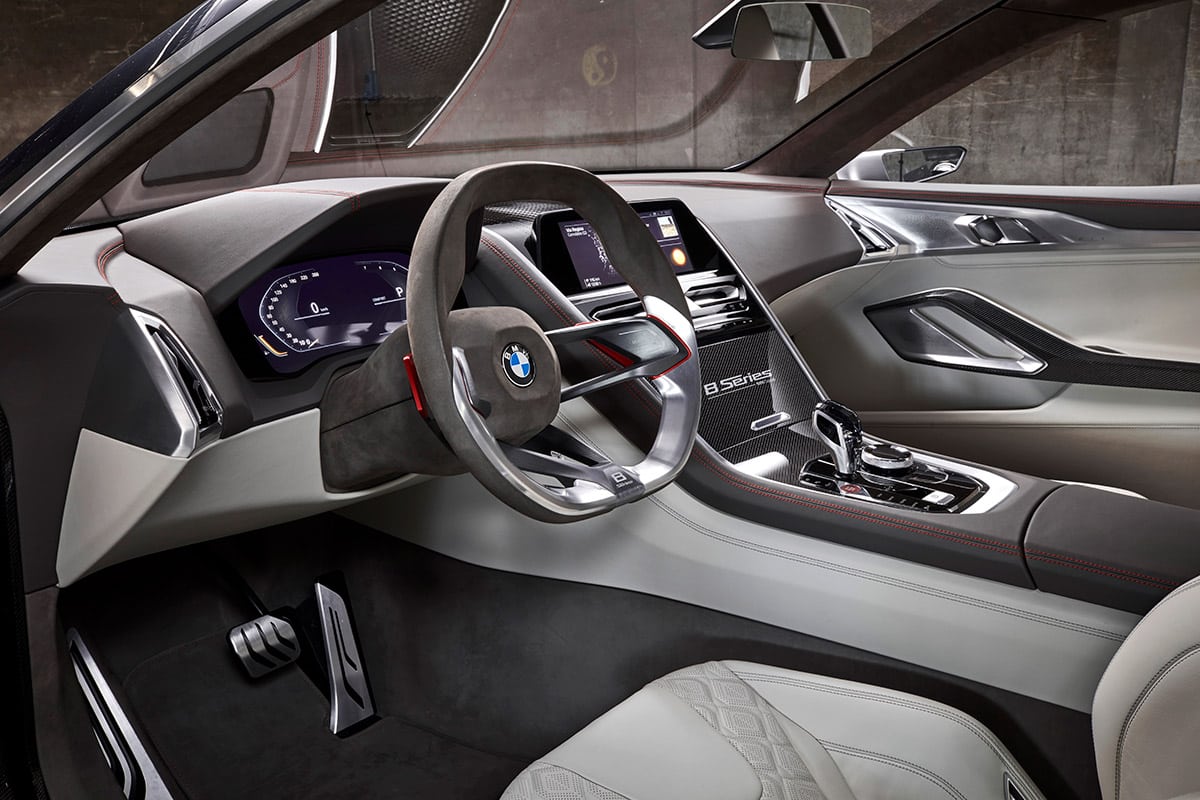
The BMW 8 Series is on the way back – the German brand has revealed a concept version of the 2+2 coupe that will go on sale in 2018.
The Concept 8 Series, on show this week at the Concorso d’Eleganza Villa d’Este at Lake Como in Italy, revives a model line last marketed almost 20 years ago. According to BMW bosses, the production version will aim to significantly increase the brand’s luxury class offerings as part of ‘Number-One’ Next’, the biggest model offensive in BMW’s history.
Industry sources suggest that the BMW 8 Series line-up will replace the coupe and convertible versions of the current 6 Series, and target the likes of the Mercedes-Benz S-Class Coupe. It will be a two-door car and will be offered first in coupe form, the convertible following a year later with very likely a fabric – rather than metal – folding roof.
Bold visuals
While production versions of the 8 Series are expected to differ in details to the concept, a bold exterior look will be an essential element of the new car. “The forthcoming BMW 8 Series Coupe will demonstrate that razor-sharp dynamics and modern luxury can go hand-in-hand,” says BMW chairman Harald Krüger.
“This will be the next model in the expansion of our luxury-car offering and will raise the benchmark for coupes in the segment. In the process, we will strengthen our claim to leadership in the luxury class.”
No details have yet been released of the car’s mechanical makeup or powertrains, though it is expected to use the latest lightweight chassis construction already seen in the 7 Series, and be available in both rear-wheel and all-wheel-drive form.
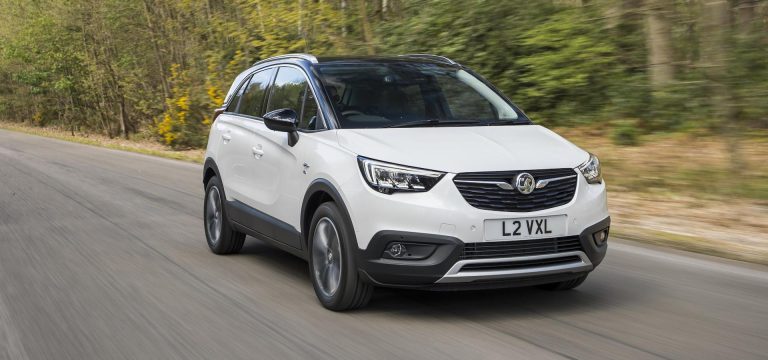
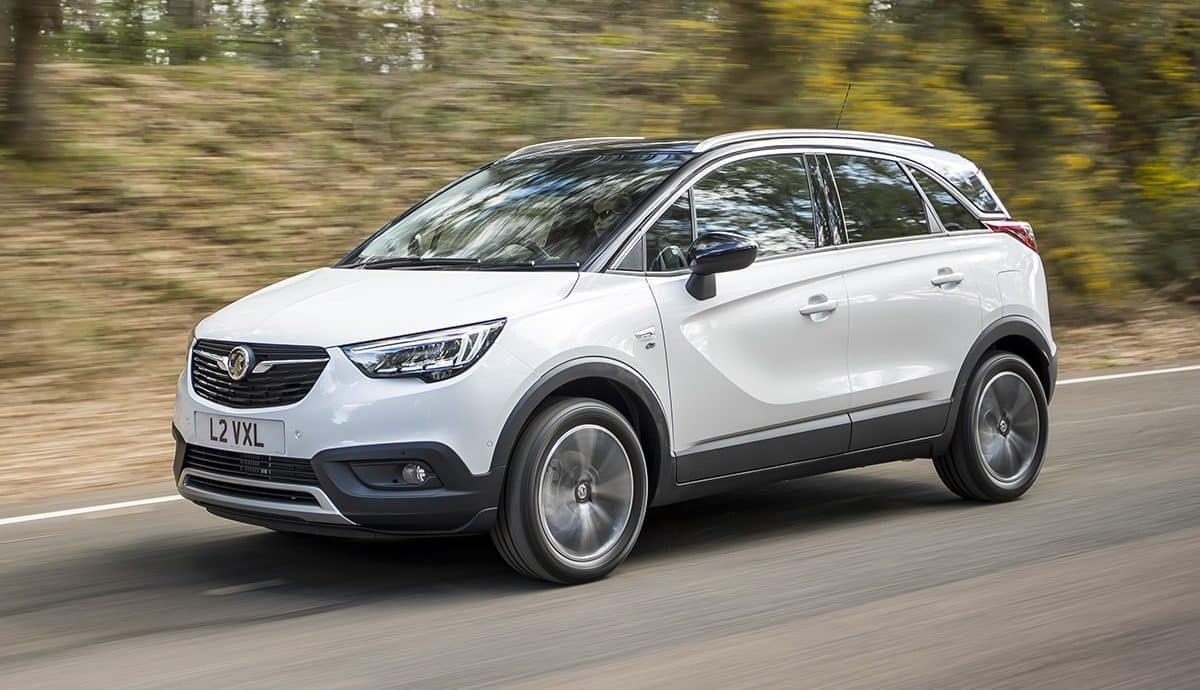
What is it? The Vauxhall Crossland X is a new family-pitched compact SUV. Key features: Five engines, front-wheel-drive only, entry-level SUV Our View: The Vauxhall Crossland X is a perfectly competent model but may struggle for visibility in an increasingly congested sector. Type of Review: First UK drive
The Vauxhall Crossland X is the brand’s new compact SUV – but of course Vauxhall already has a compact SUV, in the Mokka X, so where does this newcomer fit in?
Well this is another example of a manufacturer striving to take as much advantage as possible of a booming sector of the market, even if it means offering, in this case, three separate models where previously one would have sufficed.
The Crossland X is designed to be the new entry point to the Vauxhall SUV range, and aimed firmly at those who like the muscular looks and the high driving position of such vehicles, but don’t want all the off-road bells and whistles such as a 4×4 drivetrain.
As we’ve said many times on The Car Expert, compact, what the industry calls B segment, SUVs are doing big business right now. Taking just 0.8% of the market in 2010, they now account for 8.3%.
Small people carriers, however, have gone right out of fashion, so it’s bye-bye Vauxhall Meriva, hello Crossland X. In future, it will sit alongside its slightly (very slightly) larger sister, the Mokka X, with the latter offering the more traditional SUV ability including the option of all-wheel-drive.
Soon they will be joined by a third, range-topping model, the Grandland X. This car, due for its public debut at the Frankfurt show in September, is some 20cm longer than the Mokka X, yet still only a five-seater, designed to be the luxury option in the range. Confused yet?
Back to the Crossland X. It’s the first model built on a new platform, shared with PeugeotCitroën parent PSA Group in a joint project agreed long before PSA decided to buy Vauxhall and sister brand Opel. It’s being built at GM’s Zaragoza plant in Spain together with sister model and future rival, the Citroën C3 Aircross, which we will see later this year.
As we have reported previously, the Bank of England has announced that it has opened an investigation into the UK car finance market, citing concerns over the state of the sector.
Predictably, the industry lobby groups and lapdogs leapt in to defend the status quo, claiming that everything is fine and warning of dire consequences for the UK car industry if the Bank interferes.
So why has the Bank of England chosen to open an investigation, and what is it looking for?
Part of an ongoing study of the UK credit market
The Bank of England has been monitoring credit and household debt for some time, which includes car finance along with house mortgages, credit cards, personal loans and so on. Unlike the Financial Conduct Authority, which has also opened its own investigation into the selling (and potential mis-selling) of car finance, the Bank of England is concentrating on the overall economic picture.
Car finance borrowing is growing at a much faster rate than the rest of the credit market and is now a £40 billion per year industry, with up to 90% of private new car sales now being financed by a personal contract purchase (PCP). This rapid growth has inevitably been spotted by the Bank, which would like to know more about how and why it is happening.
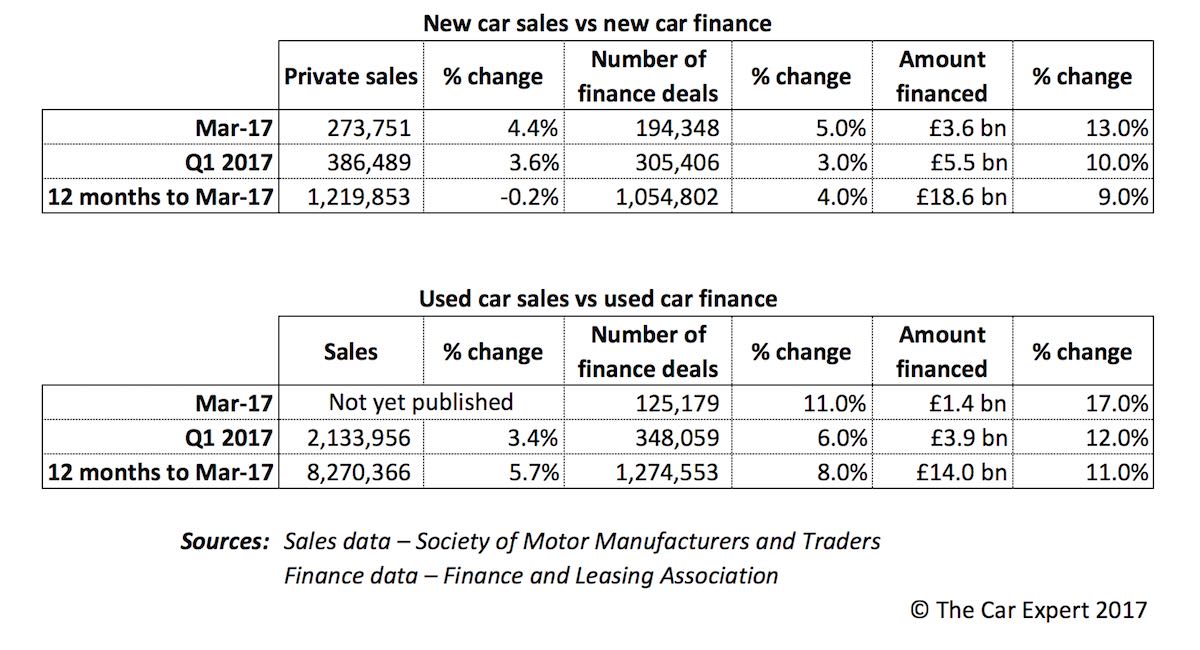
Last week, the Finance and Leasing Association published its results for the first quarter of 2017. These are shown below, along with data for private car sales over the same periods.
The results show that the number of new cars sold under finance has increased at much the same rate as the number of total sales, which is to be expected. However, the value of those loans has increased by 10%, meaning customers are borrowing more on each car. Over the last 12 months, this trend has been accelerating, with March 2017 alone showing a new car finance increase of 5% in terms of volume, but an increase of 13% by value.
For used cars, the pattern of customers taking out more finance and borrowing more per car is even clearer. Used car sales were up 3.4% on last year, but the number of loans increased by 6% and the amount financed increasing by 12%. Although the SMMT is yet to publish a month-by-month breakdown of used car sales for 2017, again we can see that the both the volume of finance deals and amount of money financed has been accelerating over the last 12 months.
Particular growth in sub-prime car finance sector
The Bank of England is also concerned that much of that growth is coming from ‘sub-prime’ customers, potentially leading to a lot of money being owed by high-risk borrowers. Closely connected to this is a concern that sub-prime customers are being loaned large amounts of money on highly unfavourable terms (ie – much higher interest rates and fees), further increasing the likelihood of these customers defaulting on their loans.
The Bank is concerned that any downturn in economic conditions could lead to large-scale defaulting on these finance deals, which would be bad news for both borrowers and lenders. It has been suggested that the Bank may impose tougher lending criteria to limit the amount of money being lent to higher-risk customers.
The industry has predictably reacted with outrage and warnings of catastrophe if lending criteria are tightened up.
Currently, high interest rates for sub-prime borrowers mean that such a customer could be paying the same per month as a regular ‘prime’ customer, but is only able to afford a cheaper car because much more of the monthly payment is simply interest.
So for £200/month on a PCP, a regular customer might be able to afford a £20,000 car. But for a sub-prime customer paying much more interest, their £200/month might only get them a £15,000 car.
The finance companies try to justify charging higher interest rates because the sub-prime borrower is considered a higher risk, but the combination of higher interest with generous borrowing limits simply makes a customer default more likely.
Are tougher affordability rules the answer?
If the lending criteria were made tougher, and the finance companies were not allowed to pile on the interest, then the sub-prime customer might still only be allowed to borrow enough money for a £15,000 car. But their monthly payments might now only be £150 per month instead of £200, which means they are less likely to default on that loan if they hit any financial trouble.
From the car industry’s point of view, they have still bought the same car, but the finance company is making a more normal profit margin on the deal, rather than milking those customers who can least afford it.
If the sub-prime customer does still default on a smaller loan with a lower interest rate, then at least the loan settlement figure is going to be lower. This gives them a better chance of being able to sell the car and settle all or most of their debt, rather than having an enormous debt still outstanding that could be far more damaging for a much longer time.
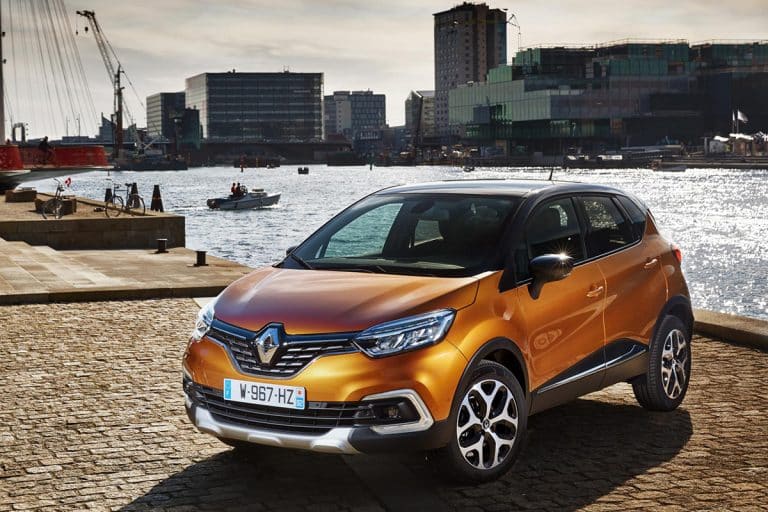
The Renault Captur, a model the brand first launched in 2013 as one of the first of the breed of smaller crossover-style SUVs, is being updated.
The changes are expected to maintain the Captur’s major success for Renault – it has since become the brand’s best-selling model both in the UK and Europe, with more than 215,000 sold in 2016, as the B-segment SUV sector has mushroomed in popularity.
Changes to the model centre on its looks and equipment, with the mechanical specification – ranging across 90 and 120hp petrol and 90 and 110hp diesel engines – remaining unchanged.
Family look
Visually the car gains redesigned bumpers, front grille and headlamps, designed to fit the family style established by its larger sister models, the Kadjar and soon to be launched Koleos. New colour options for both the body and roof take the number of variations of the two-tone exterior finish to 30.
Inside there are new finishes designed to present a more upmarket environment, redesigned gear levers and door panels and several new equipment options. These include Android phone connection on the top-specification R-Link infotainment system, along with front and side parking sensors, blind spot warning, hands-free parking and a fixed panoramic sunroof.
Dealers have started taking orders for the new Renault Captur, prices ranging from £15,355 to £23,745 and now including a range-topping Signature S Nav trim level. First cars are expected on UK roads in July.