Find an Expert Rating: 
Home Blog Page 127

Driving BMW’s greatest roadsters

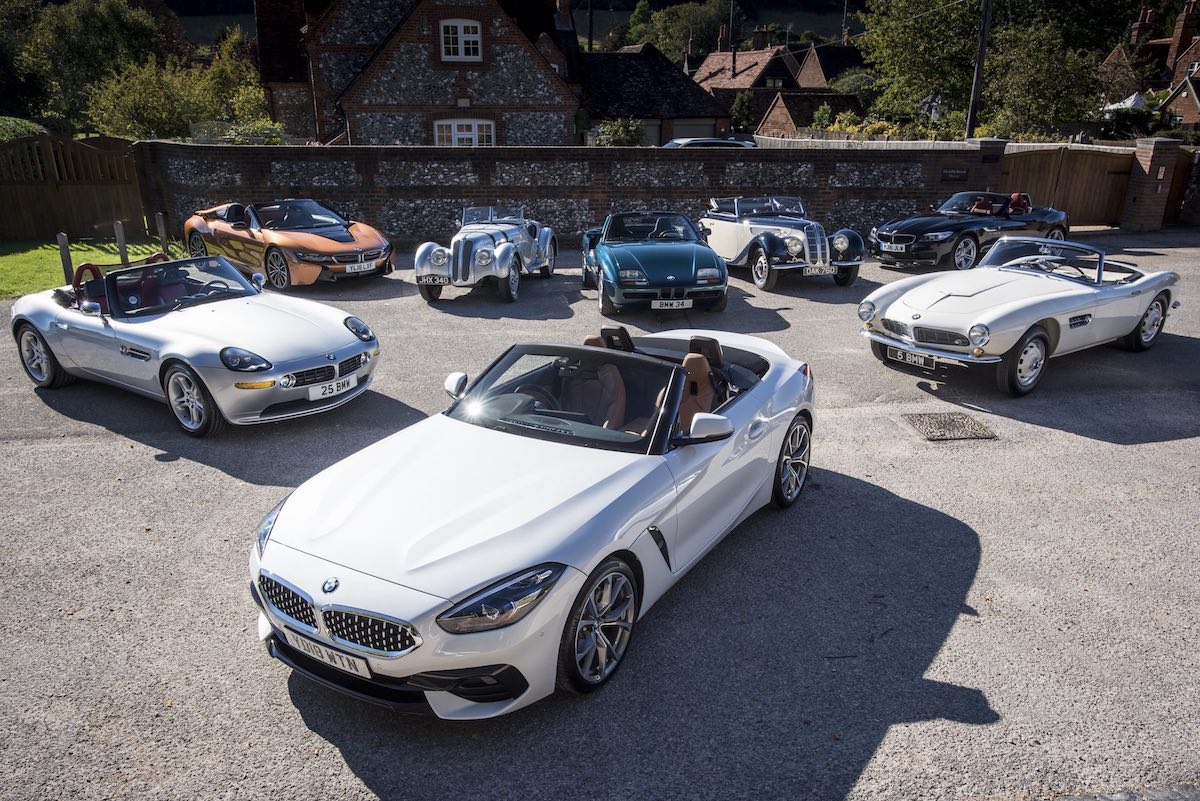
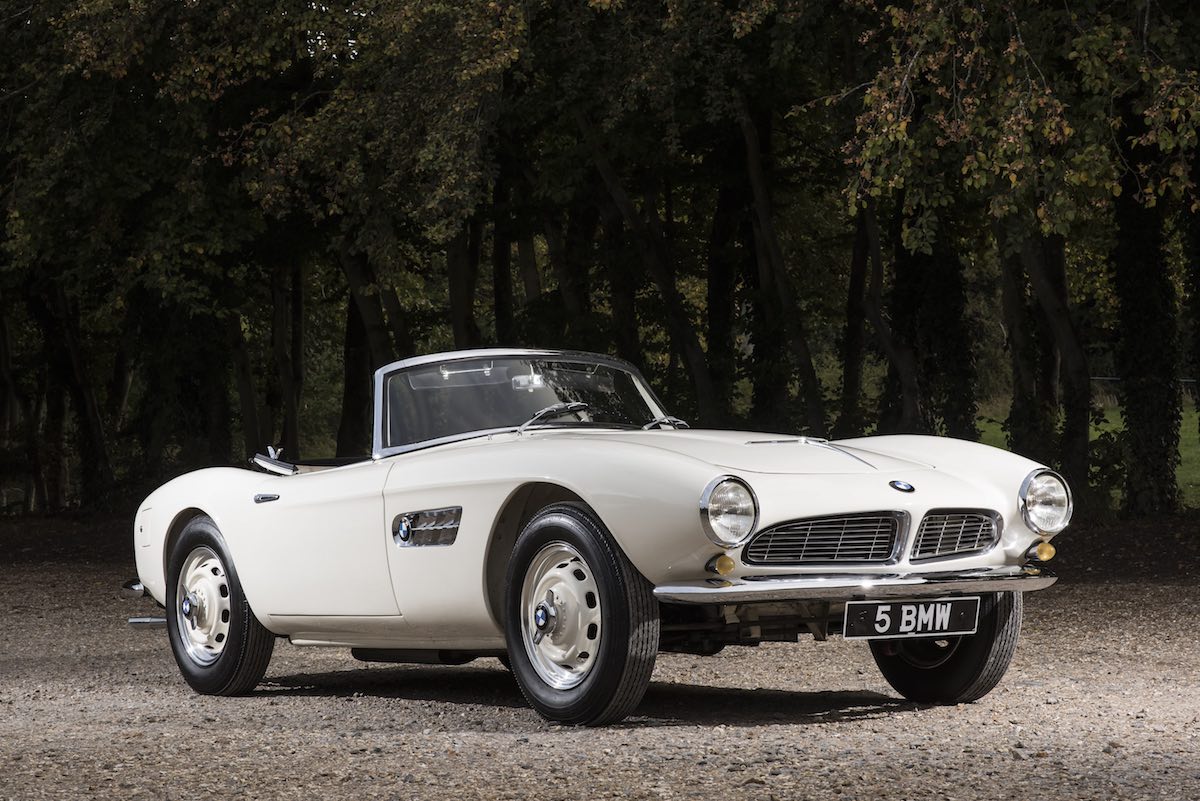
It’s a beautifully warm and sunny evening, and I’m driving an open-topped roadster along some very pleasant country roads surrounding the village of Hambleden, near Henley-upon-Thames. I must admit, though, that I’m finding it a little difficult to relax, as the car I’m in is left-hand drive, doesn’t have any door mirrors, cuts out if left to idle and – most worryingly – is worth £2 million. It’s BMW’s own 507, maintained as part of the brand’s UK heritage fleet and I’ve been allowed to take it for a drive as part of an event commemorating the brand’s open-topped history – as well as looking to its future. In attendance alongside the 507 is the all-new Z4, albeit in pre-production form so we’re not allowed to drive it. It sits in a frankly stunning lineup which includes – in order of age descending – a brand-new i8 Spider, a previous-generation Z4, a Z8, a Z1, that incredible 507, a 327 and a 328. It’s an amazing collection which would likely cost close to £4 million to replace, assuming you could find such wonderful examples in the first place.
BMW UK heritage roadster collection
A £4 million collection of some of BMWs greatest hits (PA)
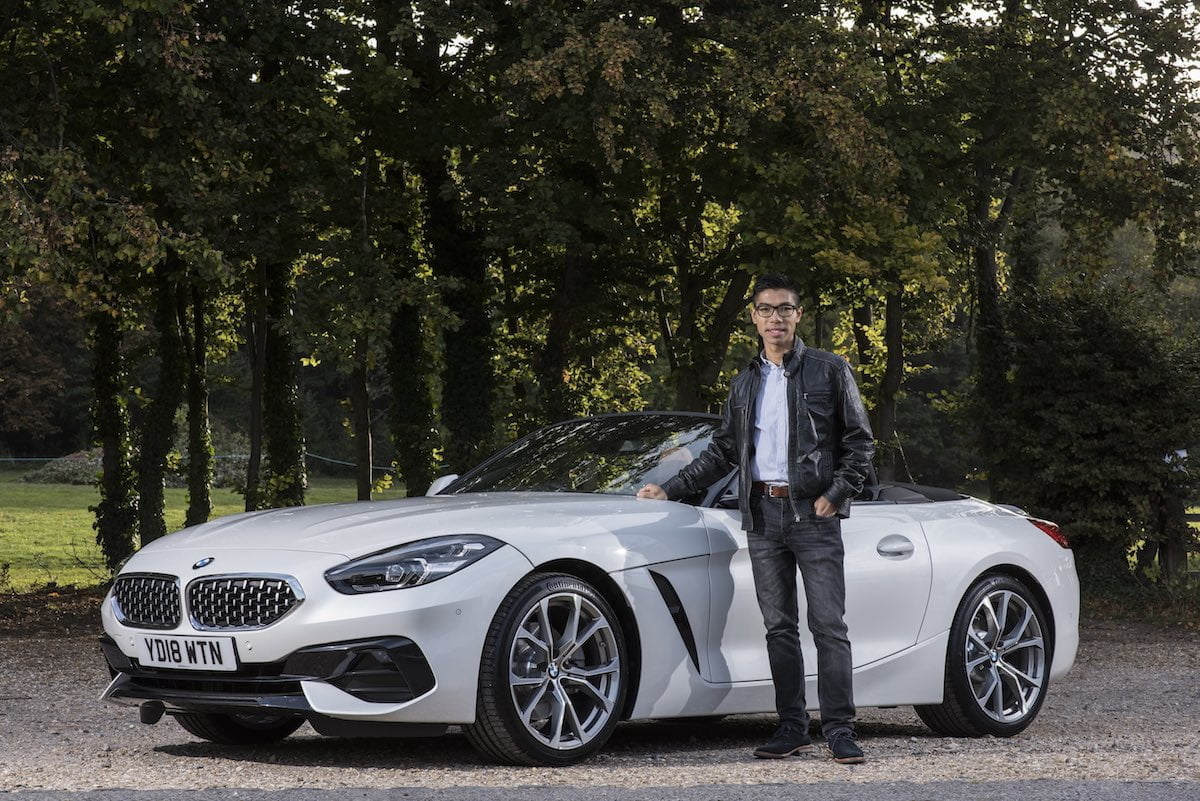
BMW has brought the new Z4 together with its predecessors primarily to show off its design. The man behind the car, Australian designer Calvin Luk, points out elements taken from previous models – such as the long, thin taillights and wide kidney grilles inspired by the 507 and Z8, as well as all-new design features such as the double-stacked headlights and more cab-forward proportions. Customer feedback means the driving position’s moved forward, so the hood is shorter, and the wheels have been thrust out to each corner. It’s certainly different to any BMW that’s come before it, and though many aspects of the styling are divisive – such as the huge grilles and sharp lines – the overall proportions are very tidy.
2019 BMW Z4 with designer
The new BMW Z4 with its Australian designer, Calvin Luk (PA)
But back to my poorly 507, which as I mentioned has an issue with idling. However, the roads are clear and I soon grow accustomed to its heavy steering and non-existent rear visibility. Without any need to stop and risk the engine cutting out, I’m able to give the car a few beans and hear that 3.2-litre V8 sing. The 507 wasn’t a success in its day – only 251 were built – making it incredibly rare, collectable and valuable. It’s for this reason I can’t really relax behind the wheel – but instead spend my time alternating between concentrating fiercely on the road ahead and marvelling at how the front wings raise up from the cabin to give the impression of a hood a mile long. It’s a little bit intoxicating.
BMW 507 roadster
The very rare BMW 507 roadster (PA)
Breathing a massive sigh of relief as I return the unscathed 507 to BMW’s custodianship, I grab the keys to a childhood icon – the Z1. This dinky fibreglass roadster was produced in tiny numbers between 1989 and 1991 and was the first to be given the ‘Z’ name. Step towards the Z1 and it’s the party-piece doors that grab your eye first. Instead of opening outwards, they slide down – window and all – into the sills at the push of a button. That alone is enough of an exhibition but, remarkably, all of the car’s crash structure is built into the sills so it’s perfectly safe to drive around with the doors retracted.
BMW Z1 roadster | The Car Expert
The first BMW Z-car, the 1989 Z1 (PA)
Unassisted steering aside, the Z1 feels for all the world like a modern, compact sports car. The straight-six engine sounds wonderful, the suspension is firm yet comfortable, and the five-speed gearbox is light and precise. Put simply, it’s brilliant fun on these roads, and I come away from my drive absolutely craving one. Stepping out of the Z1 and into the brand-new i8 Spider is like going from a theatre to a dentist’s waiting room. The hybrid i8 is indeed very fast, but it just seems too safe, comfortable and clinical after the classic models. Unlike the new Z4, the i8 was mostly designed from a clean sheet, and it shows – there are very few recognisable design influences in here. Is that a bad thing? Of course not, and the i8 Spider is still a very impressive car. But I’m short on time and desperate to drive more of the classics, so I head back and swap into my other boyhood dream car. The Z8 is another model that wasn’t exactly a contemporary success – reports at the time criticised its styling, its lazy V8 engine and the chassis, which was felt to be an uncomfortable middle ground between cushy GT and hardcore sports car.
BMW Z8 roadster | The Car Expert
The BMW Z8 has aged better than the James Bond movie in which it featured (PA)
I don’t know if it’s improved with age, but the Z8’s styling doesn’t look awkward at all any more – and rather than being disappointed, I’m revelling in the wonderful and ever-rarer sensation of a big V8 sports car with a manual gearbox. The Z8’s 5.0-litre naturally-aspirated V8 sounds fabulous when revved out, and the avant-garde interior is simply gorgeous. Obviously dating from the early 2000s means you won’t find much in the way of the latest technology in here, yet the controls and materials feel bang up-to-date and it drives beautifully. It’s nowhere near as sharp to drive as its looks suggest, but you soon learn to take it easy through the corners and allow the engine to stretch its legs on the straights. I’m enjoying it hugely. Next, I attempt to squeeze into the £750,000 328 – but I’m 6’2 and ‘generously’ proportioned, so I don’t quite trust myself to drive this 1930s machine safely with my legs bent double and the steering wheel at my chest. The 327 is a different matter though, and I gladly set off for a spin – after a brief tutorial on the dashboard’s totally unmarked switches. This car pre-dates the 507 by nearly 20 years, and so I keep the speed fairly low. Something this age demands a totally different driving style, with all the controls requiring serious heft and a gearbox throw a mile long. This time, there’s not just limited rear visibility – there’s none, with the convertible roof blocking the interior mirror perfectly, but otherwise I’m enjoying myself. As a carefully-maintained heritage car, this is as perfect a driveable example as you’re likely to come across, and it feels remarkably tight for a car that’s eight decades old. Lining this 30s car up alongside the modern Z4, the lineage isn’t quite as clear as it is with some of the modern cars. But all of the roadsters here have a clear sporting focus in their design – even the ones more suited to boulevard cruising than track usage. More importantly, they’re all gorgeous to look at, great to drive and with the roof down on a warm evening, about as pleasant as motoring gets. I’m sad to leave.

Mercedes-Benz CLS test drive

What is it?

This is the CLS – Mercedes’ sleek, coupe-like four-door designed to entice buyers in to whom a regular saloon car is too boring, and a coupe is simply too impractical. Here, we’re testing it in powerful 400d layout – with a torquey 3.0-litre turbocharged diesel engine sending power to all four wheels for better all-weather capability.

What’s new?

There’s quite a lot of new tech going on underneath this elegant four-door. For instance, we’ve got Mercedes’ latest infotainment suite as seen on the E-Class and S-Class models, while there are also features such as air suspension and dynamic steering assist. It may not feel completely new if you’re used to other models in the current Mercedes-Benz line-up, but for those a little more unfamiliar with the Mercedes range then it’ll come across as pretty new and technology-heavy.

How does it look?

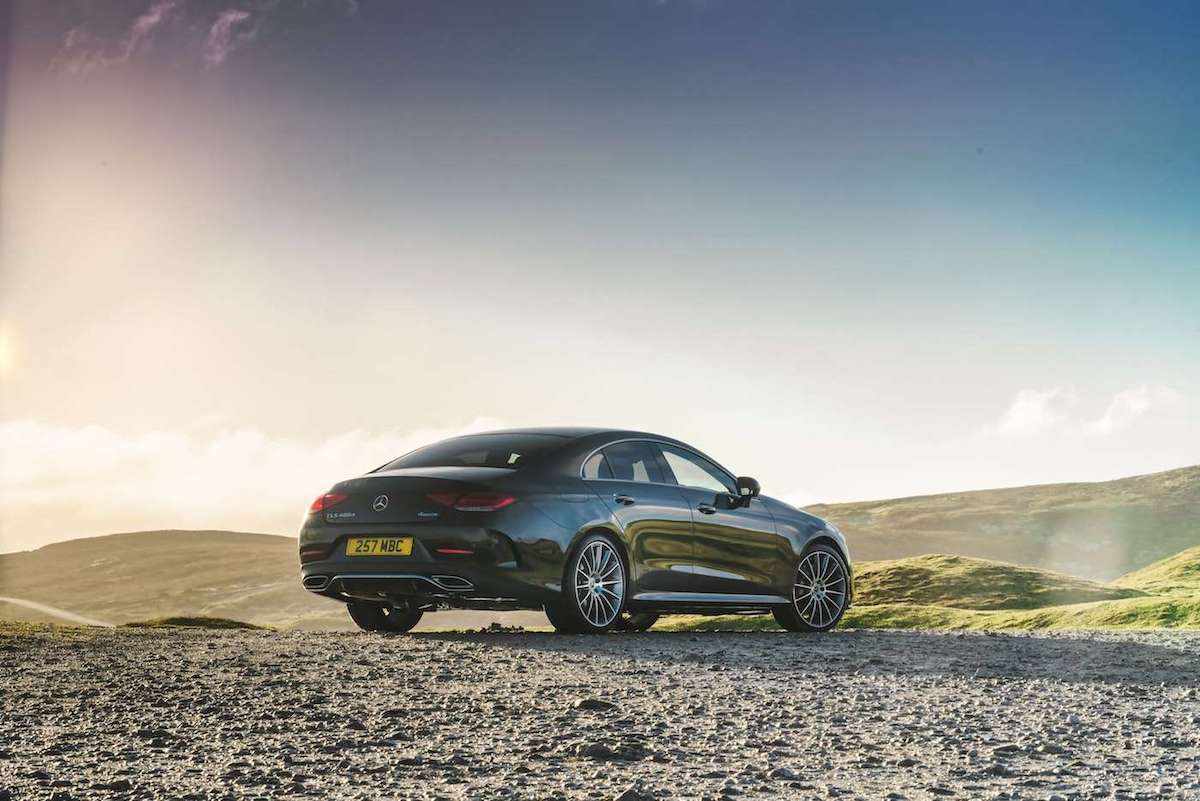
Mercedes-Benz CLS test drive 2018 - rear Does this, latest-generation CLS look as good as that pioneering first incarnation model which so inspired the entire four-door coupe segment? Not quite, but that’s not to say that it isn’t a smart-looking beast. The front end utilises much of Mercedes’ latest design language, and shares more than some of its styling touches with the new A-Class hatch. The ‘ruby black’ metallic paint of our test car gave the CLS a particularly high-end appearance, with contrast silver alloy wheels helping to give it enough presence on the road. It’s the rear end we’re less enamoured with. For some reason, it doesn’t look quite right – but then that is through our eyes, of course.
What’s the spec like?

There’s plenty of standard equipment to be found on the CLS, but then you’d hope so given the car’s £60,410 starting price. You get heated front seats as part of the overall price, along with that 12.3-inch infotainment system which houses satellite navigation and media functions. You also get cruise control, active lane keeping assist and automatic climate control – so there’s a wealth of goodies to discover before having to tick any boxes. That said, our test car did come with some of those options selected; the premium package, which adds a premium Burnmeister surround system was present for £3,895, while the comfort package which features air suspension was also an option added – though this is one we’d recommend given the excellent ride it provides.

What’s it like inside?

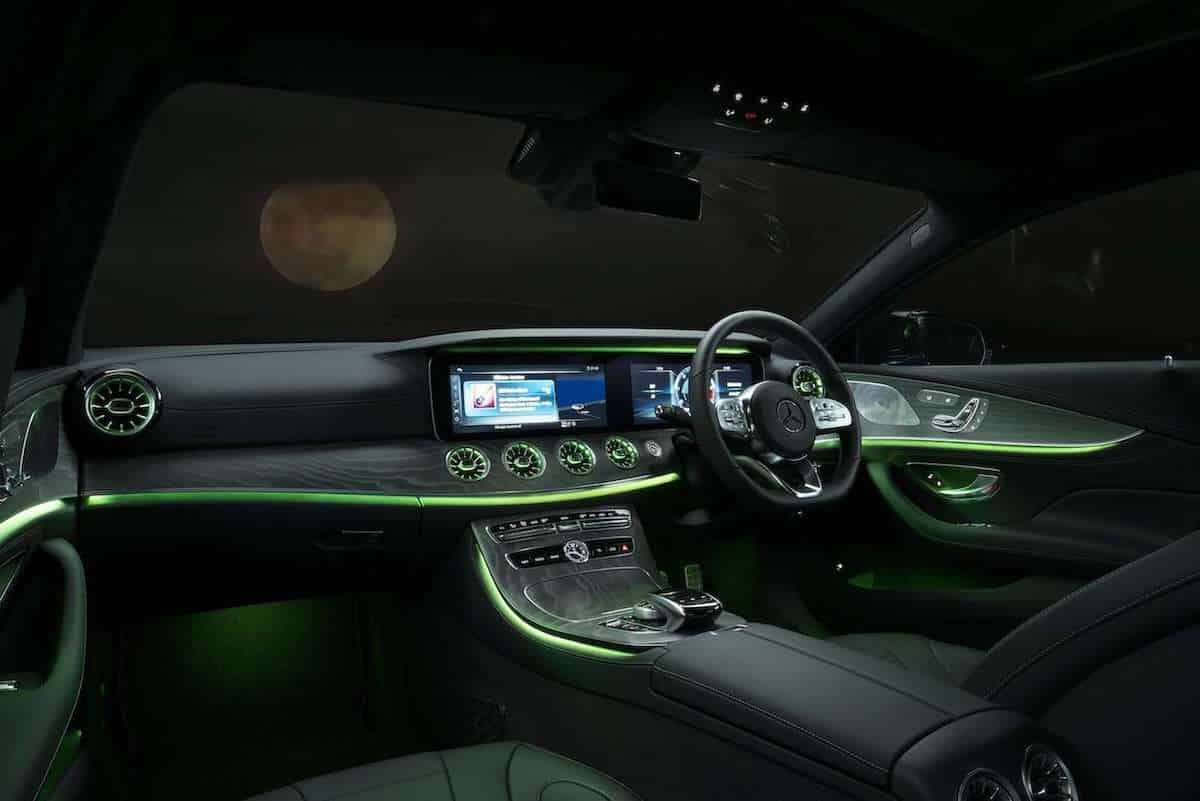
Mercedes-Benz CLS dashboard 2018 The CLS benefits from the latest Mercedes cabin architecture and, as a result, it’s an excellent place to be. The 12-inch infotainment system which wraps around both driver and passenger is wonderfully high-res and helps to lift the overall feel of the interior. The seats are brilliant supportive, and though the S-Class inspired multifunction steering wheel may look a little chintzy in our eyes, it’s another high-end touch which helps to elevate the look of the CLS’ cabin. There’s plenty of space for those in the back too, with a decent amount of head- and legroom despite the car’s sloping roofline. The 520-litre boot is also usefully large and is more than big enough for a few weekend bags or several suitcases.
What’s under the bonnet?

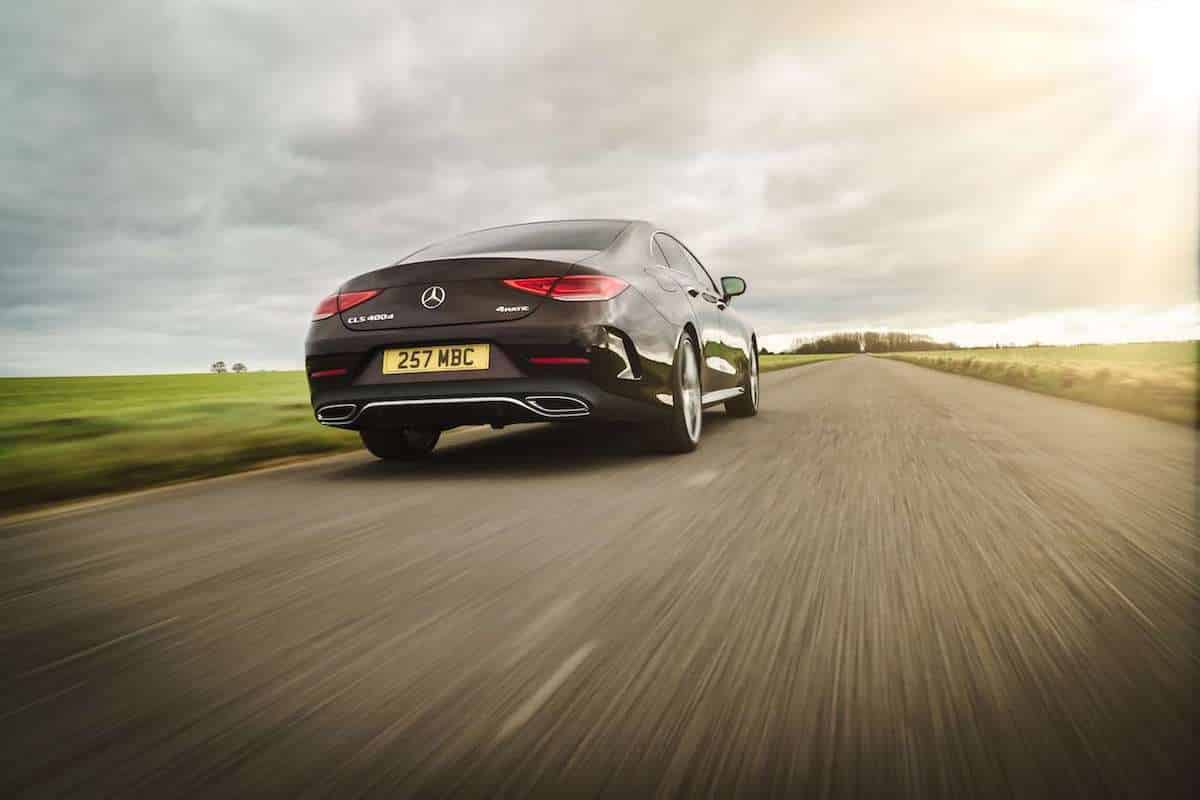
As mentioned, this CLS uses a turbocharged 3.0-litre diesel for propulsion, and its stats are quite impressive; 340hp and 700Nm allow the CLS to hit 60mph in just 4.8 seconds, before hitting a top speed of 155mph. It’s that torque figure that makes the difference here, as it gives the CLS a sense of never-ending shove ideal for swift overtakes or effortless motorway cruising. Mercedes claims that the CLS will still return 47.9mpg on the combined cycle, however, which means you shouldn’t have to spend all that much time at the pump. Again, as we said earlier, power is sent to all four wheels for better traction in poor conditions, while it’s all driven through a nine-speed automatic gearbox.

What’s it like to drive?

Mercedes-Benz CLS 400d 2018 test drive review | The Car Expert The CLS ticks many of the boxes that you’d find yourself needing to be ticked when looking for a comfortable, long-distance cruiser. For one, it settles down when travelling at motorway speeds, with only the faintest amount of wind noise from the wing mirrors intruding into the cabin’s otherwise serene calmness. Secondly, it rides well – road imperfections are soaked up well and only the very largest of potholes make their presence known, despite our test car’s large 20-inch alloy wheels. This will likely be down to the inclusion of air suspension on our CLS – a costly addition at £2,495, but one well worth specifying if you’re after the best ride quality possible. The CLS makes for an excellent long journey companion, which is exactly what you want from a car of this type.
Summary

The CLS gets the job of being a comfortable, spacious and refined long-distance cruiser done incredibly well. Yes, we may have some qualms regarding the rear-end styling, but for most the car’s sleek looks will appeal strongly. This new diesel engine is also impressively flexible and endows the CLS a little more performance than you’d expect. If you’re after a car to whisk you up and down the motorway in elegant quiet, then the CLS is well worth considering.

Porsche Panamera GTS joins the range

0
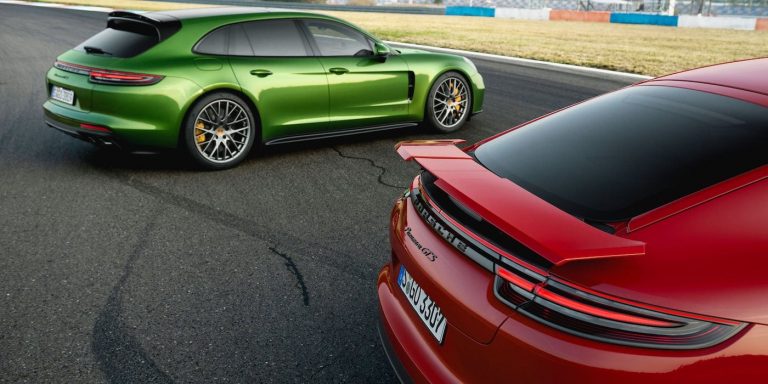
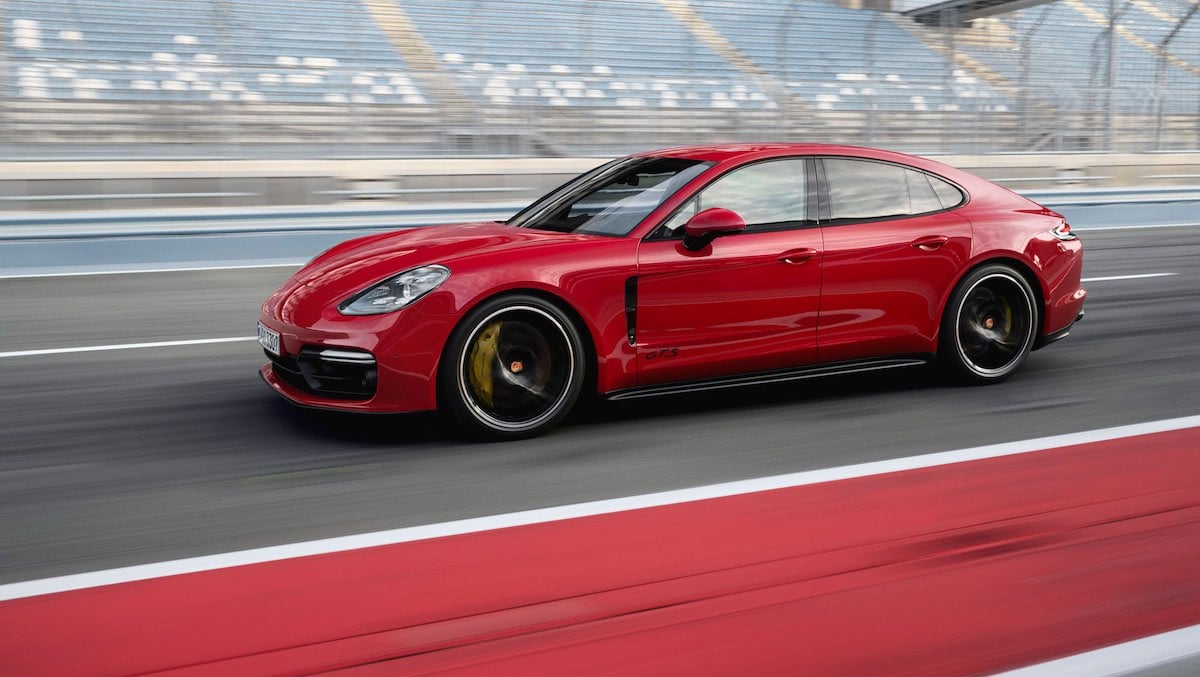
Porsche has revealed a GTS upgrade for the Panamera family. The new model is available across standard and Sport Turismo models, and is priced from £105,963. The original Panamera range was first given a GTS model back in 2011, but this is the first appearance of the moniker on the Sport Turismo estate version unveiled in 2017. In GTS guise, the Porsche Panamera gains a 4.0-litre, twin-turbocharged V8 engine that develops 460hp and 620Nm of torque – an upgrade of 20hp and 100Nm over the previous version of the engine. That extra punch enables the GTS models to get from 0-60mph in 3.9 seconds and reach a top speed of 181mph (saloon) and 179mph (Sport Turismo). The engine is paired with all-wheel drive and an eight-speed automatic transmission.
Porsche Panamera GTS saloon 2018 | The Car Expert
(PA)
Porsche has fitted the GTS with adaptive air suspension to aid comfort, but a slightly lower ride height should also improve cornering performance. Larger brakes have also been applied for improved stopping power. To further distinguish them from the rest of the Panamera range, Porsche has given the GTS models a unique design package that adds black trim to the front and rear splitters, as well as 20-inch alloy wheels. Inside, customers can choose to spec the GTS package that adds customisable elements, such as the rev counter, trim detailing and GTS logos in contrasting Carmine Red or Crayon. They would sit alongside Alcantara upholstery and aluminium trim, as well as a sports steering wheel. Porsche has also introduced a head-up display to the GTS – a first for the Panamera. Prices for the Porsche Panamera GTS models start from £105,963. Order books are open now.

Audi fined £700m over diesel emissions scandal

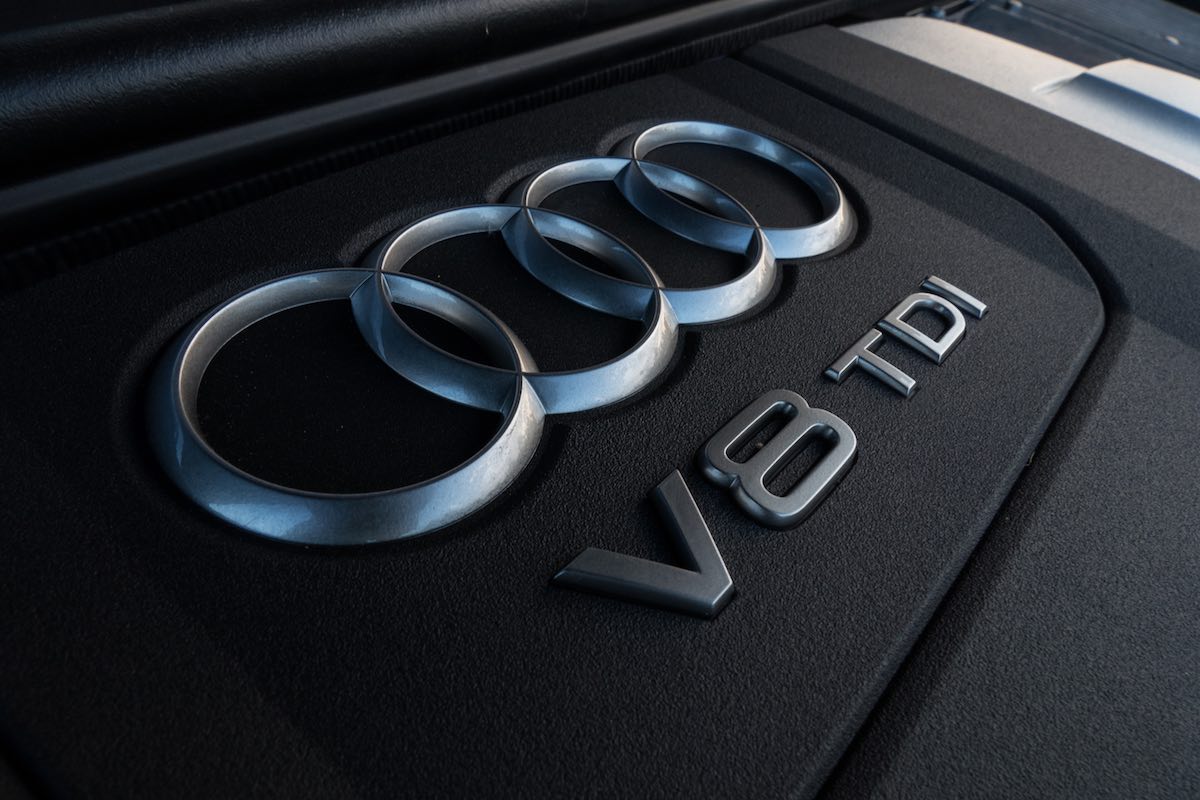
Audi has been fined €800m (approximately £703 million) for its involvement in the Volkswagen Group’s Dieselgate scandal. The German firm was investigated over claims that versions of its V6 and V8 diesel engines contained cheat software, used to bypass European emissions regulations. This is a separate offence from the four-cylinder diesel engines originally discovered to be cheating emissions laws back in 2015, developed by parent company Volkswagen and also heavily used across the Audi, SEAT and Skoda ranges. The fine by Munich’s public prosecutor is made up of €5m (circa £4m) as a maximum penalty for ‘negligent regulatory offences’ – or the brand’s failure to discover the cheating software itself – and €795m (circa £699m) as payment for the economic benefits the brand had from selling the cheating vehicles. In a statement, Audi said: “Following thorough investigation, Audi accepted the fine and it will not lodge an appeal against it. By doing so, Audi admits its responsibility for the deviations from the regulatory requirements.” The fine will “significantly” affect Audi’s financial targets for the 2018 fiscal year, the company said. It means, though, that parent company the VW Group now faces one less set of legal proceedings. Audi V8 TDI diesel engine cover

No end in sight for Dieselgate saga

The Dieselgate scandal first broke in 2015 when it was revealed that Volkswagen had been putting ‘defeat devices’ into millions of cars to cheat emissions tests. It was fined €1 billion (circa £880m) four months ago over the scandal. Audi’s ousted chief executive Rupert Stadler is still in jail awaiting trial for his involvement in ‘dieselgate’. He is one of several executives from the VW Group facing court cases, including former chief executive Martin Winterkorn. Charges include fraud and false advertising. In addition, the group is fighting a lawsuit against investors who believe they were not informed about the crisis and lost money. Group actions are also in progress in several European countries, including the UK, with owners of affected cars pushing the company to offer compensation as it has done in the USA.

BMW X7 unveiled as brand’s largest SUV

0
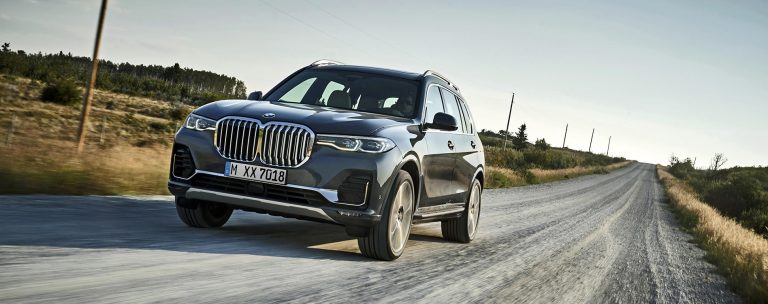
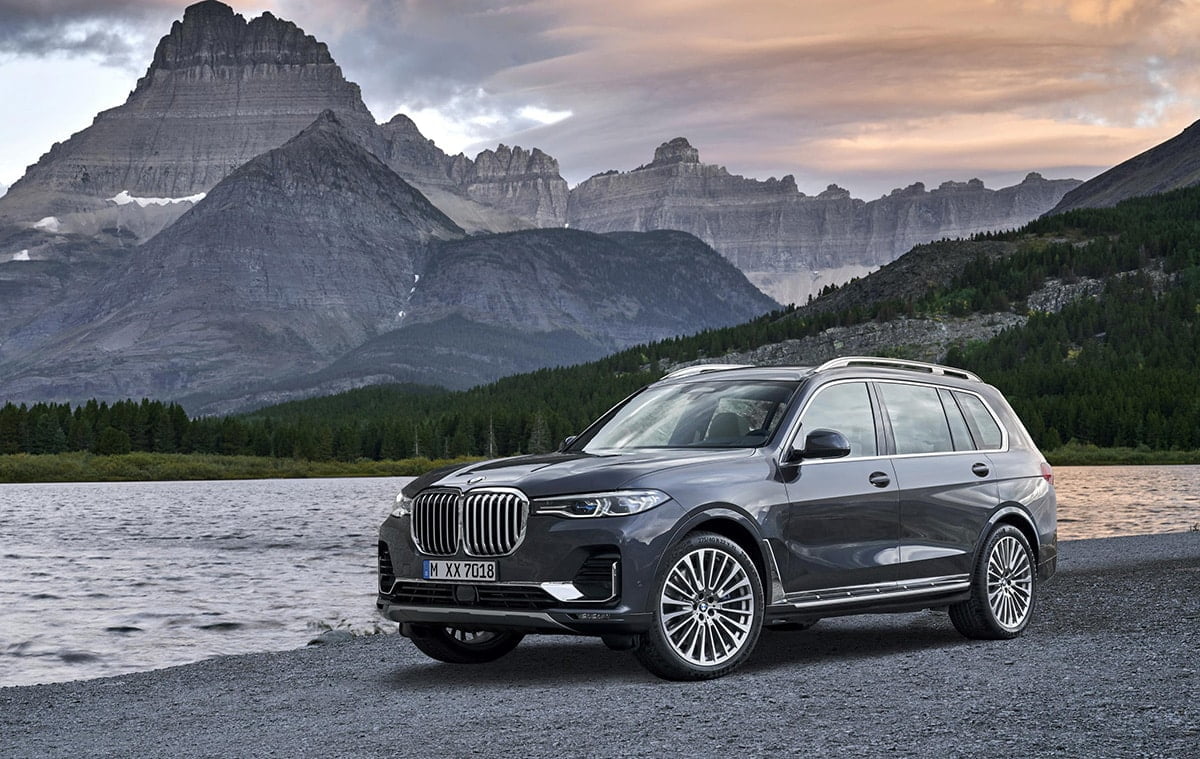
The BMW X7 will go on sale in April 2019 at a cost from £72,155, and becomes the seventh and largest SUV in the German premium brand’s line-up. Set to make its public debut at the Los Angeles Motor Show in November and evolved from the Concept X7 shown at the 2017 Frankfurt show, the X7 will become BMW’s flagship SUV model and according to its designers offer ‘unrivalled luxury in the large 4×4 segment’. The new model measures more than five metres long, two metres wide and 1.8 metres tall. It is 23cm longer than BMW’s current largest SUV, the X5, and the only BMW that outstretches it, by 9cm, is the long-wheelbase version of the 7 Series saloon. BMW intends that the X7 will offer the luxury of the 7 Series but in a capable SUV environment. An interior evolved from the X5 provides up to seven seats, but can be specified in a six-seat configuration with separate seats in the second row. BMW X7 The Car Expert A control panel in the driver’s door allows the second-row seats to slide forward or back by 1.5cm to ease entry to the rear. Boot capacity of the X7 is 326 litres, but folding the second- and third-row seats down increases this to 2,120 litres. Standard equipment includes electric adjustment for all three rows of seats, four-zone climate control, a panoramic sunroof in three sections and doors with a soft-close function. Air suspension enables the vehicle to be lowered to ease access or loading, while a split tailgate with electric closing on both elements will also be on all models. Mechanically the X7 is based on the current X5. Three models initially on sale in the UK will all use six-cylinder engines – the xDrive30d offers 265hp, the xDrive40i 340hp and the range-topping M50d 400hp and a 5.4-second 0-62mph time. BMW X7 The Car Expert All are matched to a new version of the eight-speed Steptronic auto transmission and all-wheel-drive. The M50 also includes an electronically controlled M Sport rear differential lock to reduce understeer and improve corner exit while also increasing traction on loose surfaces or roads with differing grip levels on left and right. Prime rivals for the X7 in the currently expanding large luxury SUV market will be the Land Rover Discovery and Mercedes-Benz GLS. BMW expects the model to sell particularly well in China, the Middle East, Russia and America. BMW X7 The Car Expert
Peugeot 508 review

60-second summary

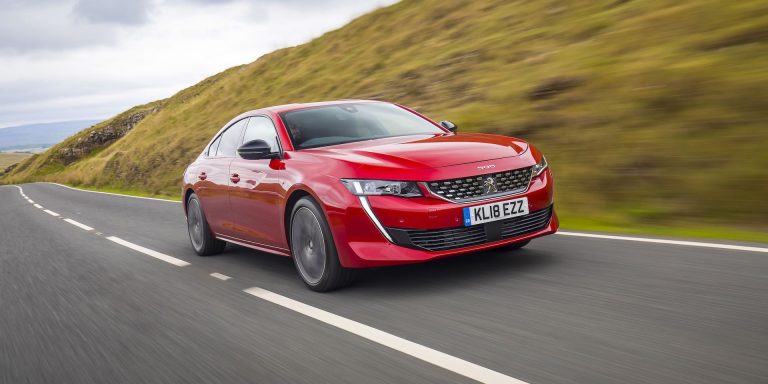
What is it? The latest Peugeot 508 is an all-new version of the brand’s large family car. Key features Fastback exterior style, technology-led cockpit, good residual values Our view The new Peugeot 508 surprises in many areas. Visually it is highly attractive, its technology-led cockpit is mostly a pleasure to use and it offers quality in both construction and performance. It is a worthy consideration as an alternative to a premium-market car. Similar cars BMW 3 Series, Audi A4, Volkswagen Passat Peugeot 508 review 2018 wallpaper (The Car Expert)

Full review

Introduction

There is a new Peugeot 508 in town and we can hear readers saying so what? The old one didn’t write any significant headlines, a basically forgettable large car which in recent times generated UK sales in the mere hundreds. Well hold up, because the new 508 is nothing like its predecessor. From styling to technology Peugeot really has torn up the 508 history book, and that has a lot to do with the cars the new version is expected to take on. You might think that those checking out the new 508 would have it on a list that also includes such mainstream cars as the Ford Mondeo and Vauxhall Insignia. Not Peugeot, evidenced by the price; the new 508 range starts from £25,000 and the most popular version we drove on the launch event has a cool £31,200 price tag – before options. You can get a Mondeo for under £20,000, one close in specification to our Peugeot for around £25K. No – Peugeot is aiming higher, much higher. Think Volkswagen Passat, but think particularly BMW 3 Series and Audi A4 – the upmarket makers have been stealing sales from the mainstream market for some time now, and Peugeot thinks it’s time to claim a slice of their pie… It’s a bold aim, and it’s been tried before by other markers with not a lot of success – can Peugeot break the mould? That mould has certainly been cast aside with regard to the styling. In contrast to the bland ‘rep car’ exterior of the previous 508, the new one comes in a stylish fastback shape, sloping significantly towards the rear, with four-door curves while remaining a five-door hatch (an estate SW version will follow). It looks low and wide, because it is low – frameless doors, the sort you find in sports coupes, are fitted and they help produce a roof height of just 1.9 metres, some 6cm lower than its predecessor. This is generally a more compact proposition, shortened by 8cm – downsizing is not something we are used to in modern cars but it does mean that visually, the 508 certainly ticks the box.

Buying and owning a Peugeot 508

From launch, the new 508 line-up offers 14 different versions across four engines – petrol units of 180hp and 225hp, and 130hp and 160hp diesels. It’s notable that 10 of those 14 models are diesel powered – Peugeot predicts that the fleet market will still take the vast majority of what are expected to be greatly increased sales for the 508, and for motorway-munching company drivers diesel still makes sense. There are five trims on offer, though its name suggests the range-topping First Edition to be on sale for only a limited time. Entry-level is Active, and even at this level Peugeot supplies enough toys to attract the buyer. These include such niceties as dual-zone climate control, auto wipers and headlamps, rear parking sensors, electric driver’s seat adjustment and a Connected 3D navigation system, on a centre console touchscreen that also offers DAB radio, voice control and Apple, Android and MirrorLink smartphone connections. Crucially all 508s come with a proper active safety package – auto emergency braking, distance alert, lane keeping and road edge detectors all included. A five-star Euro NCAP safety rating should be a given. Despite all those diesel engine options, Peugeot expects the best-selling 508 to be the 180hp petrol model, with the new eight-speed auto transmission, and in GT-Line specification – third of the current five trim levels. We drove this car on the launch and it is an impressive package. It’s designed to look more sporty, with extra body detailing such as the chequered grille and rear diffuser, and more stylish 18-inch alloy wheels. And it gains a host of equipment such as full LED headlamps that self-level, a wireless smartphone charging panel at the base of the centre console, and upgrades to interior detailing and the ‘i-Cockpit’ instrument display (more on which directly).

Inside the Peugeot 508

This reviewer believes that a major test as to whether a car can be considered ‘premium’ is the interior. Volume manufacturers are getting very good at producing quality interiors, but all the time they are racing to catch up to a level that the likes of Audi and BMW have been at for some time. Well, the new Peugeot 508 makes a very good effort at reproducing such quality – especially the GT-Line model we are testing. A host of environment upgrades over lower-spec models include leather effect, double-stitched seats, a proper leather steering wheel and aluminium pedals. Crucially it’s all very well put together. The surfaces, the combination of gloss metal and brushed aluminium finishes, all feel pleasingly upmarket when touched. The short but ergonomically shaped gear lever on auto models takes up very little space between the front seats, though it also takes a little getting used to. Peugeot is very proud of its technology and this is particularly true of the ‘i-Cockpit’ – effectively a 12-inch digital instrument panel which combines with the 10-inch centre console touchscreen angled towards the driving seat – placing all the info the driver needs easy to hand. However, the steering wheel is also somewhat small and, in order to see said instruments, it needs to be set lower than some drivers may find comfortable. When Peugeot first launched the i-Cockpit we dubbed it ‘out Audi-ing Audi’ and we still get excited by it, principally the range of display options that allows the prioritising of information. The choices are between ‘Driving’ and ‘Navigation’, plus on our GT-Line version a ‘Dials’ mode and – on top-level First Editions – a Night Vision setting. About the only thing you can’t do that you can in an Audi is to put Google Earth imagery on the instrument panel… The central touchscreen, meanwhile, is equally efficient – though not so much the row of ‘piano key’ switches under it. As they lie flat, it’s difficult to see the function engraved on each, and it takes some familiarity to ensure you don’t (for example) activate the phone while trying to call up the navigation… As for the basics – legroom is great, front or back. You might think, however, that the sloping roofline compromises rear-seat headroom, and to a degree it does. If you are of average height it’s no problem, but taller travellers may be less comfortable. Meanwhile, the boot is slightly bigger than either Audi’s or BMW’s, at 487 litres extending to 1537 with the rear seats folded.

Driving the Peugeot 508

Peugeot expects the 1.6-litre petrol engine, with 180hp on tap, to be the one most buyers choose and this is no surprise. Refinement comes as expected but it’s brisk too, feeling enthusiastic as it takes the car through 62mph from rest in just under eight seconds. Cruising on the motorway it’s as hushed as any from those perceived premium rivals. Less satisfactory is the auto transmission. Generally it works well, but having eight different speeds on offer it can be too keen to switch between them. This is annoying but it doesn’t happen that often – a good thing as Peugeot is only offering entry-level 130hp diesel versions of the 508 with a manual transmission. This 508 is some 70kg lighter than its predecessor, achieved by a combination of smaller dimensions and more modern materials. Combine this with a well-sorted suspension of traditional MacPherson strut design up front and a multi-link rear end, and the result is a surprisingly well-handling car for its sector. Heading into corners the small steering wheel allows inch-perfect placing. While there’s not a lot of feedback through the electric power steering that has replaced previous hydraulic setups, the car remains well composed and with plenty of grip. It’s no BMW, but then no rival is. It is more enjoyable than is the norm in the big car sector. We are yet to try the active suspension available as standard on the GT variant and an option on our GT-Line. The adaptive dampers allow Eco, Comfort, Normal and Sport modes and we are told the chassis tightens up considerably when set to Sport. No matter – our car remained perfectly compliant on the road, producing a confident yet comfortable drive.

Summary

Does the Peugeot 508 meet the lofty aims of its designers? Generally yes. It does feel more upmarket than the mainstream Ford and Vauxhall opposition, the niggles only just that in an overall quality package. It’s a much better car to drive than the crossovers that are eating up the big car sector, and it should rate a test from those looking at Audis or BMWs, particularly company drivers. Their fleet managers should like it too – Peugeot is working very hard to keep residual values of the 508 higher than one would expect from a mainstream car. Predicted three-year values are 41%, significantly better than any predecessors and also likely to return more money than an Audi or BMW. These sensible factors are wrapped up in a car that not only behaves well but offers seriously attractive visuals  – well worth taking a second look at.

Key specifications

Make & model Peugeot 508 BMW 3 Series Audi A4
Specification GT Line 320i M Sport Sport
Price (on-road) £31,200 (range starts £25,000) £32,300 (range starts £27,800) £33,165 (range starts £27,815)
Engine 1.6-litre petrol 2.0-litre petrol 2.0-litre petrol
Power 180 hp 184 hp 190 hp
Torque 250 Nm 290 Nm 320 Nm
0-62mph 7.3 sec 7.2 sec 7.3 sec
Top speed 155 mph 146 mph 149 mph
Fuel economy (combined) 49.6 mpg 43.5 mpg 52.3 mpg
CO2 emissions 125 g/km 149 g/km 122 g/km
Insurance group 30E 28E 26E
Euro NCAP rating Not yet tested 5 stars (2012) 5 stars (2015)
 

Skoda Scala named as new rival to Ford Focus

0
Scala will be the name of the new Skoda family hatch model, due to be unveiled before the end of 2018. The model will replace the Rapid in the Skoda line-up and will be a highly important car for the brand, taking on top-five sellers the Ford Focus, Volkswagen Golf and Vauxhall Astra. Scala comes from a Latin word meaning ‘stairs’. According to Skoda, the name has been chosen to signify a step forward for the Czech brand. Technical details of the car are currently scarce, Skoda so far only releasing silhouette sketches hinting at the exterior styling. The Scala is based on the Vision RS concept seen at this month’s Paris motor show, and will be the first Skoda to use the Volkswagen Group MQB A platform, which also underpins the Volkswagen T-Roc and SEAT Ibiza.
1810 Skoda Vision RS The Car Expert
Vision RS Paris show concept said to inspire look of Scala.
The engine line-up is likely to call upon standard VW Group products, including the latest three-cylinder 1.0-litre units in a range of power outputs and the 1.5-litre version with 150hp. Diesel versions are also likely to be offered but industry sources suggest there are no plans for hybrid or electric variants. One styling update compared to previous Skodas will see the round badge on the tailgate of the car replaced by Skoda lettering – this change is likely to be replicated on other future models from the brand. According to Skoda chairman Bernhard Maier, the new Scala opens a new chapter for the brand and will offer a major increase in technology, Skoda taking “several steps forward” in development. “(The Scala) is a completely new development that sets standards in terms of technology, safety and design in this class,” Maier says. Globally the Rapid has been the second biggest seller for Skoda, beaten only by the Octavia.
1810 Skoda Scala The Car Expert
Rear end styling update sees lettering replacing the Skoda badge.

Anger as Government slashes plug-in car grants

Government moves to abolish grants for plug-in hybrid cars have been slammed across the UK automotive industry. From next month, new plug-in hybrid cars will no longer qualify for any form of Government assistance, instantly adding £2,500 to the cost of such vehicles. Only vehicles that can travel more than 70 miles on electric power alone – which are essentially only pure EVs – will continue to receive grants. But these are being cut from £4,500 to £3,500, due to what the Government describes as “recent reductions in the price of electric vehicles.” Grants have been available to encourage the purchase of ultra low-emission vehicles since 2011, and the Government claims it has helped support the purchase of more than 160,000 such vehicles in the period since.

35,000 more grants

Adding that such measures had been out in place to establish the market, the Government says that it will now focus its aid on zero-emission vehicles. The next 35,000 electric cars will receive grants but what happens beyond that is not currently being revealed.
Volkswagen Golf GTE plug-in hybrid charging point
Plug-in models such as the Volkswagen Golf GTE will see their grants disappear..
Industry body the Society of Motor Manufacturers & Traders (SMMT) led the criticism, arguing that the move would have far-reaching consequences for consumers, the environment and industry. “Reducing the purchase incentives for zero-emission cars by a third and completely removing the grant for plug-in hybrids is totally at odds with Government ambition to be the world leader in the take up of ultra-low emission vehicles announced in its Road to Zero Strategy,” said SMMT chief executive Mike Hawes. “It also sends yet more confusing signals to consumers and will make it virtually impossible for Government and industry to meet their CO2 reduction targets,” he added.

Short notice will hit industry

Hawes also argued that the very short notice of only one month before the new measures come into force will further distort a UK car market already impacted by previous conflicting government policies, and will put even greater pressure on industry. Mitsubishi, which has seen the plug-in hybrid version of its Outlander SUV become the brand’s Uk best seller, described the decision as extremely disappointing.
1808 Mitsubishi Outlander PHEV The Car Expert
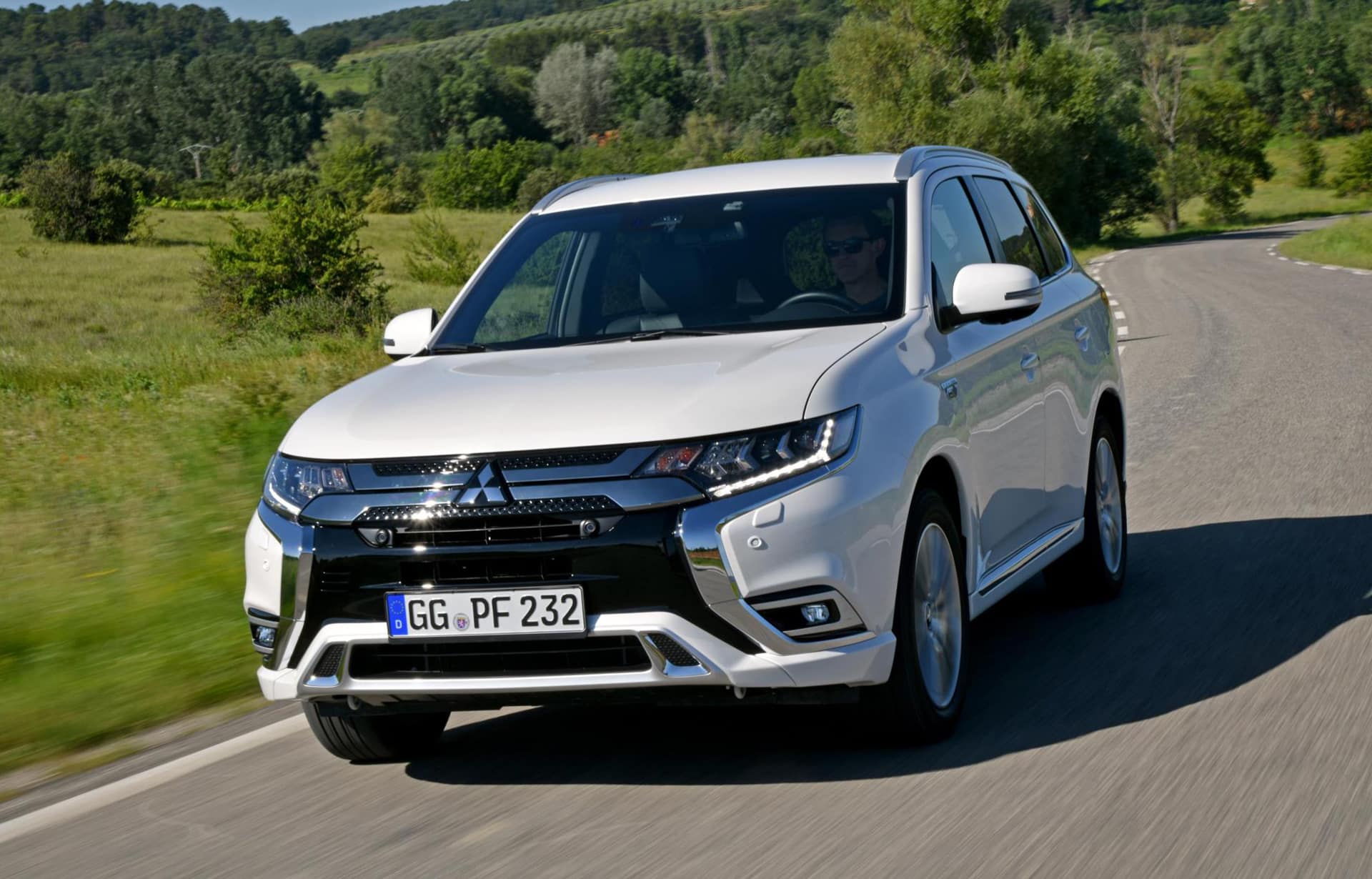
Plug-in hybrid version of Mitsubishi Outlander has become a brand best-seller.
“(It) is completely at odds with the Government’s stated objective of making the UK a world leader in green mobility in the future,” said Rob Lindley, Managing Director at Mitsubishi Motors in the UK. “As motorists seek a low-emission, fuel-efficient alternative to diesel vehicles, now should be the ideal time for the Government to incentivise plug-in hybrid technology, not pull its support,” he added. “Such technology forms the perfect segue between conventional petrol and diesel powered and full electric vehicles, particularly as the charging network is nowhere near evolved enough to support widespread full EV use.” British Vehicle Rental & Leasing Association Chief Executive Gerry Keaney described the decision as: “unbelievably short-sighted,” adding that it would “only serve to stifle the uptake of electric vehicles.”
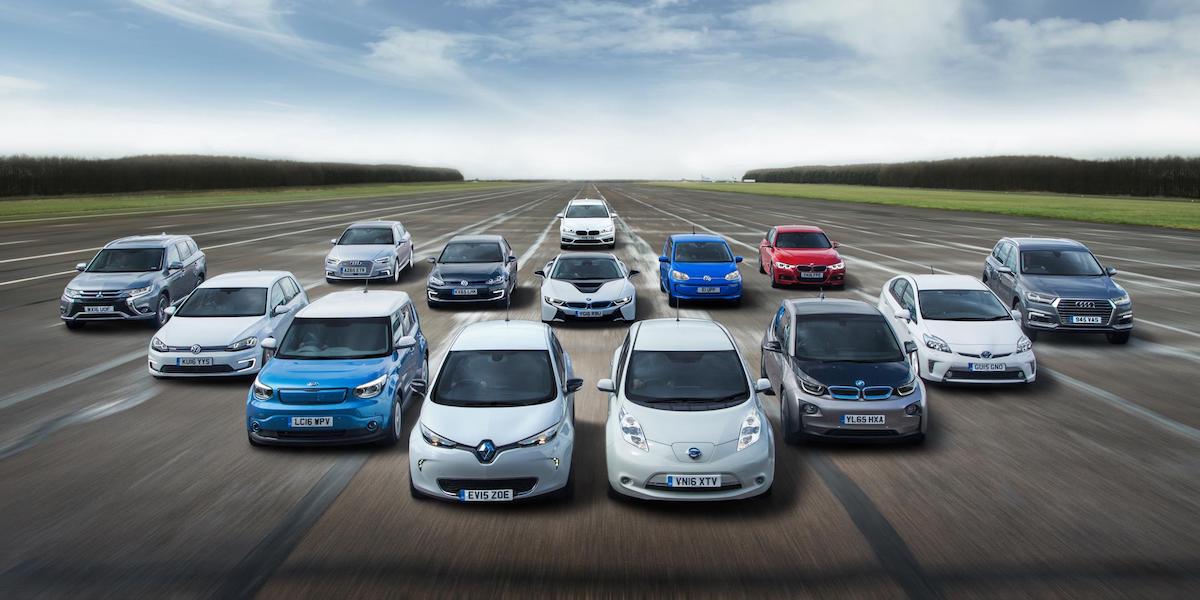
The choice of electric and plug-in hybrid cars has grown significantly since this 2016 picture – but the latest moves will not help achieve the Government’s bold ambitions for EV take-up.

New petrol engine tops Nissan Qashqai update package

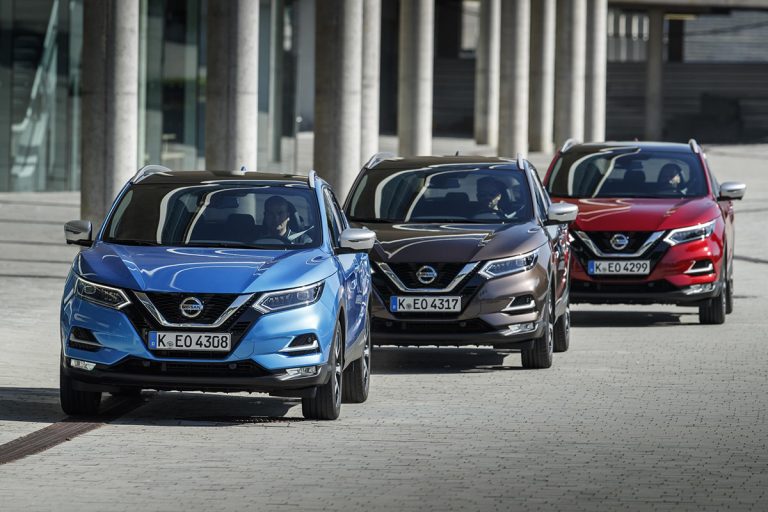
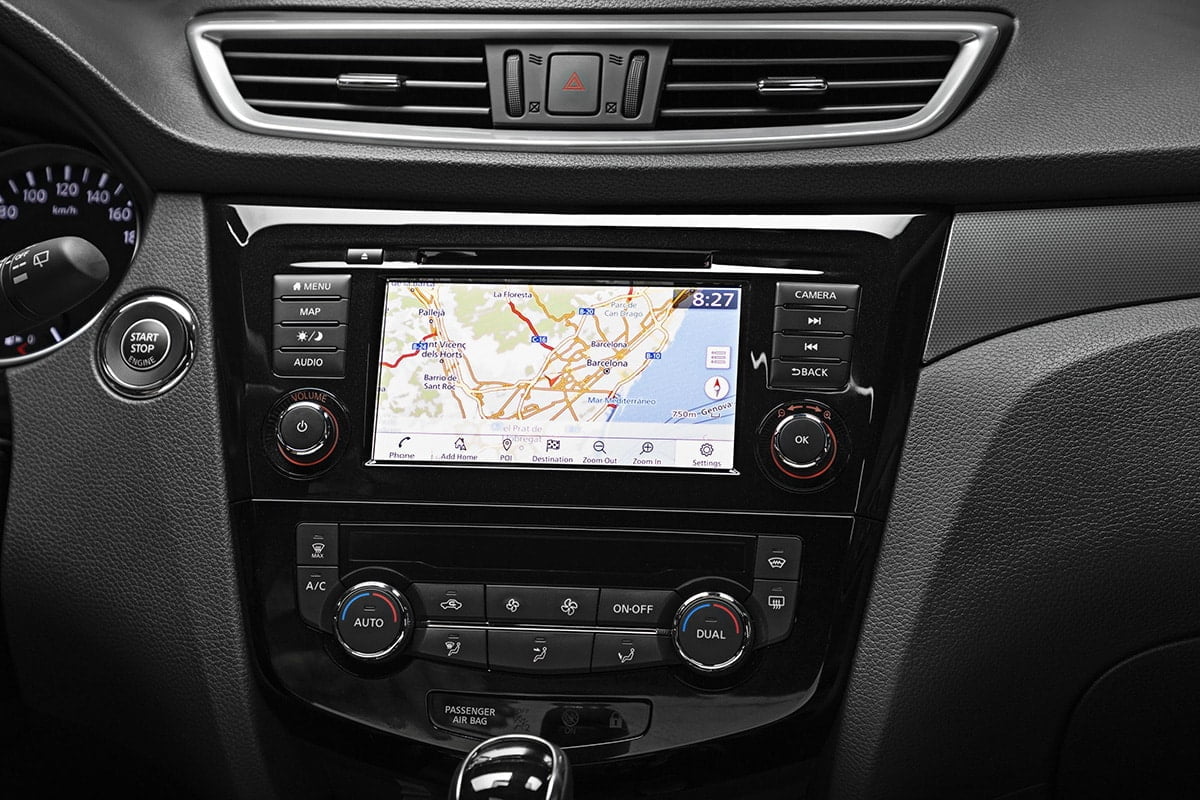
The big-selling Nissan Qashqai has been facelifted, with the major headline a new petrol powertrain range for the British-built crossover. A 1.3-litre petrol engine has been developed in conjunction with Mercedes-Benz parent company Daimler. It will be offered with 130hp and 160hp outputs, and replaces the existing 1.2 115hp and 1.6-litre 163hp petrol units. The new engine is available in front-wheel-drive format only and while as standard it is combined with a six-speed manual transmission, the 160hp version can be specified with a new dual-clutch auto unit, fitted for the first time in a mainstream Nissan model. Nissan says that the new powertrains will both improve fuel economy and emissions while also offering much better drivability – acceleration is sharper, but the engine also smoother and quieter. With both power outputs and a manual transmission best fuel economy is quoted at 53.3mpg and CO2 emissions at 121g/km. Compared to the outgoing 1.2-litre unit the emissions figure is 8g/km lower despite a 25hp power increase. The new 1.3-litre engine is expected to be fitted to more than half of all Qashqais sold in future. Nissan Qashqai The Car Expert Also now available for the Qashqai is NissanConnect, an infotainment system operated through a seven-inch touchscreen in the centre console and with full smartphone compatibility. All models except the entry-level Visia now offer Apple CarPlay and Android Auto integration, while the system also provides TomTom Premium Traffic, downloading real-time data. The subscription-based service is free for the first five years of ownership and transferable to a new owner if the car is sold. A new smartphone app called Door to Door Navigation can be downloaded to the owner’s phone and enables planning of routes before leaving the home or office. Once the route is complete it is sent directly to the car’s system to be ready as soon as the driver gets into the car. Nissan is yet to reveal prices of the new Qashqai models. Nissan Qashqai The Car Expert

Mitsubishi ASX reduced to a single model

0

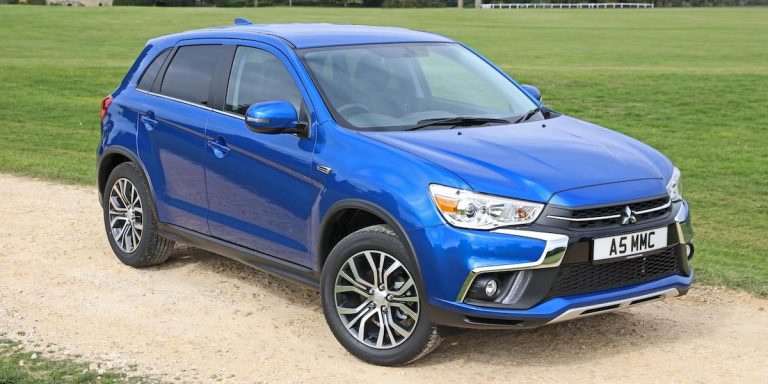
Mitsubishi will rationalise its long-serving ASX crossover range into a single trim level for the 2019 model year.

The ASX, which has been around since 2010, will now only be offered as a Juro model, which is a name Mitsubishi often uses for limited-edition models. The two diesel engines have been ditched, leaving the 1.6-litre petrol engine as the only choice.

Four-wheel drive has also gone, with the ASX Juro only available as a front-wheel-drive model.

The Juro is largely based on the old ASX 3 specification and is priced at £19,195. Compared to the ASX 3, the Juro gets faux leather/Alcantara seats, an upgraded seven-inch infotainment touchscreen and LED daytime running lights. However, it loses bi-xenon headlights, meaning you’ll have to make do with halogen lights instead.

Visually, the Juro has been given a new grille and front bumper design, new rear bumper and a revised centre console in the cabin.

Safety equipment remains mostly unchanged from the previous model, with ABS and hill-start assist present as well as seven airbags spread from front to rear. The ASX was crash-tested by Euro NCAP way back in 2011 and given a five-star rating, however this rating expired in January so is no longer valid.

The ASX Juro is priced at £19,195 on-road, although the company is offering a £2,000 deposit contribution if you take out PCP finance.

Mitsubishi ASX Juro - rear view

Paris show round-up – more of the new cars

The 2018 Paris motor show was smaller this year compared to recent events, with some major brands missing from its exhibition halls. However, there was still plenty of interesting new metal on display and over the past couple of days, we at The Car Expert have brought you many of the latest models revealed at the show. We round up our coverage with a gallery of some of the other big reveals in the Paris halls.

BMW Z4

BMW Z4 The Car Expert Star of the BMW stand at Paris is, of course, the new 3 Series. But the latest Z4 roadster, unveiled a fortnight ahead of the show, commands as much attention. The car debuts at the show as part of a joint project with Toyota that is also producing the next Toyota Supra. The new Z4 is longer and wider than the car it replaces but with a shorter wheelbase which we are told makes it more agile. Orders can be taken now, with a three-way engine choice, and first cars expected on the road in March 2019.

Renault Kadjar

Renault Kadjar The Car Expert Chief changes to the Renault Kadjar SUV, which debuts in facelift form at Paris, are a range of revisions to the engine range. They will be available in 140 and 160hp petrol options and 115 and 150hp diesels, the latter significantly more powerful than their predecessors. Exterior modifications are minor but the interior has undergone several changes, particularly to the controls. The Kadjar is expected on UK sale in Spring 2019.

Hyundai i30 N Option

Hyundai i30 N the Car Expert Alongside the new Fastback version of the Hyundai i30 N performance model, the Korean brand is also showing the hatch variant with the first of a new range of customisation options known as Option. There will be a choice of 25 different times including such niceties as carbon fibre rear spoilers and bonnets, replacement grilles and matt black body colours.

Kia Proceed

KIA PROCEED The Car expert Soon to join the new Kia Ceed five-door in showrooms is the Proceed – yes, this has lost its silly apostrophised name too. It’s also no longer a simple three-door variant but a five-door shooting-brake style car with a strongly rearwards sloping roofline. Mechanically the Proceed will replicate the Ceed when it arrive s in showrooms early in 2019.

Lexus RC

Lexus RC The Car Expert Making its debut in Paris is the revised Lexus RC coupe, with a number of changes mainly to improve the handling. These include a lower ride height and revised suspension and steering. The car also boasts subtle styling tweaks and an updated interior, and is expected on sale before the end of 2018.

Mercedes-Benz EQC

Mercedes-Benz EQ The Car Expert Mercedes-Benz is among the many manufacturers heading towards electric drivetrains and the EQC is the first of up to 10 electric models set to be launched by 2025. It uses two electric motors, one on each axle, with combined power of 408hp giving the car a 5.1-second 0-62mph time. Under the new WLTP testing cycle the EQC’s range is quoted at 249 miles.

Infiniti Q60 Black-S

Infiniti Black S The Car Expert Infiniti has made a muscle car – this version of the Q60 coupe is known as the Black S and uses a hybrid drivetrain which uses a Kinetic Energy Recovery System developed from Formula One. Total power output is 571hp which is reputed to produce a 0-62mph time under four seconds – though Infiniti isn’t giving any clues at present. Rumour has it that the car, with all its lightweight carbon fibre bodywork, could go into production…

Lamborghini Aventador SVJ

Lamborghini Aventador The Car Expert The Lamborghini Aventador SVJ makes its show debut in Paris after its reveal at the Pebble Beach concours, and takes the title of fastest Lambo yet. Its 6.5-litre engine has been tuned to produce 770hp, 30hp more than the Aventador S and producing a 0-62mph time of 2.8 seconds and a terminal speed in excess of 217mph. Around 900 are planned at around £356,000 each.

Audi PB18 e-tron

Audi e-tron The Car Expert Finally, the Audi PB18 e-tron – also first revealed at Pebble Beach, this electric concept has evolved from the Alcon concept revealed a year ago at the 2017 Frankfurt show. The all-wheel-drive car pumps out 775hp through an electric powertrain using solid-state batteries and placed in a lightweight body of aluminium, plastics and composites. Rumours suggest it could be a successor to Audi’s renowned R8.
Vietnam’s Vinfast targets Europe with saloon and SUV

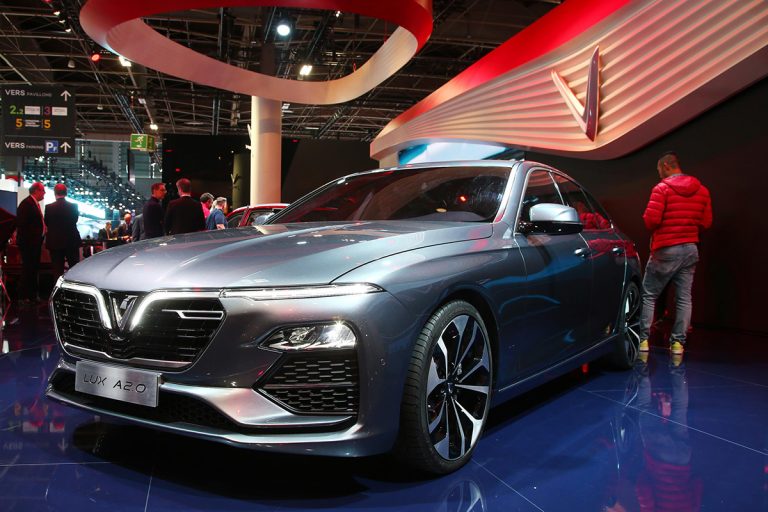
Never heard of Vinfast? If the Vietnamese manufacturer has its way, you soon will. The new brand, Vietnam’s first volume car manufacturer, signed up football icon David Beckham to help launch a saloon and an SUV in Paris. Both of the new models have been designed in collaboration with Italian vehicle stylist Pininfarina and built using BMW platforms and engines. The Lux A2.0 saloon is based on the outgoing BMW 5 Series, while the BMW X5 provided the basis for the Lux SA2.0 SUV. Both will be powered by BMW 2.0-litre turbo petrol engines with two power outputs, and will be available in rear and all-wheel drive variants. According to Vinfast the design of both cars was decided following a public vote on 20 designs submitted by renowned styling houses Italdesign Giugiaro, Pininfarina, Torino Design and Zagato. Vinfast The Car Expert Two designs were chosen, both from Giugiaro, and Vinfast then worked with Pininfarina to develop them to production level. The pair will go into production in mid-2019, at a new facility being built on reclaimed land near the Vietnamese port of Hai Phong, the plant described as one of Vietnam’s biggest-ever industrial projects. They will be launched first in their home market, but the presence of Vinfast at the Paris show demonstrates clearly the brand’s ambitions towards international sales. The brand is understood to have also secured the rights to produce a version of the city car sold in the UK as the Vauxhall Viva, while further plans include an electric scooter and an electric bus. Vinfast is a subsidiary of Vingroup, Vietnam’s largest privately-owned business. Celebrating its 25th anniversary in 2018, had revenues in 2017 of 3.9 million US dollars. Vinfast The Car Expert

New car registrations crash by 20% in September

UK new car registrations fell by more than 20% in September compared to the same month last year, according to data released today by the Society of Motor Manufacturers and Traders (SMMT). it might be one of the busiest months of the year for the car industry, but about 87,000 fewer cars were registered this September compared to last year. About 72,500 of that drop came from diesel cars, with 15,000 fewer petrol cars registered. Hybrid and electric cars were up by just under 1,000 units. Naturally, this has triggered a Pavlovian reaction from many commentators to point their fingers at Brexit and blame the government, but as usual that’s a red herring. This month’s falls are largely the result of new European emissions legislation that has affected the supply of new vehicles all across Europe – not just the UK. September 2018 new car registrations Although the numbers look savage, a significant decrease had been expected by many industry figures as a result of new WLTP emissions rules that came into effect from the start of September. This has caused supply issues from a number of car manufacturers, with many existing models not able to be sold after 31 August unless they have new or upgraded engines. This was seen in last month’s registration figures, which were about 18,000 units up on last year as dealers and manufacturers raced to clear non-complying stock before the deadline. The good news is that the supply shortages should ease in coming months, so it’s possible that the last three months of the year will be a bit stronger as cars are delivered to waiting customers.
Is Brexit really a factor?

Of course, there will be an element of Brexit uncertainty that will be affecting new car sales, particularly to fleets who have the ability to reduce their overall numbers as they wait to see what will happen over the next 12 months. Consumer sales are dominated by PCP car finance that means buyers don’t really have the option of delaying a change in vehicles, so dealerships sales will still be ticking along as normal. However, uncertainty in the market coupled with stock shortages for new cars will almost certainly be good news for used car sales. There will also undoubtedly be plenty of pre-registered cars waiting to be sold off in dealer “secure storage facilities” (ie – fields and car parks) over the coming months.

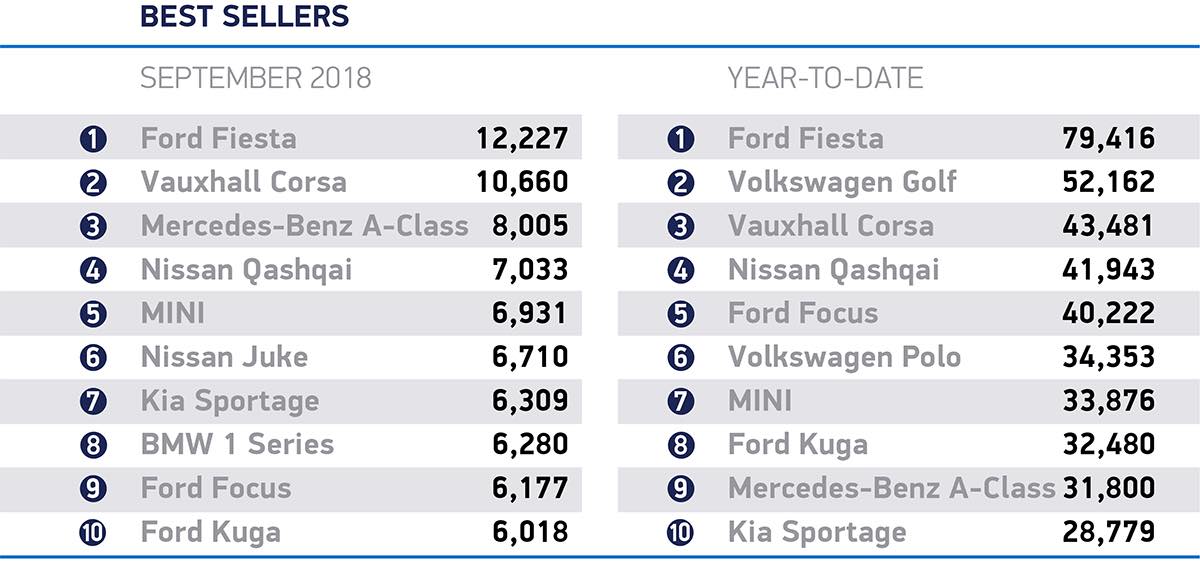
Ford Fiesta reigns over shuffled top ten

September 2018 best-seller list The WLTP supply issues have had a dramatic effect on the sales of individual models in September. Not that it seemed to affect the Ford Fiesta at all, which remained firmly ensconced at the top of the tree. On the other hand, Volkswagen seemed to struggle in September. The Golf and Polo both fell out of the top ten list altogether, and Volkswagen sales overall were down 55% on last year. Audi was also down by 53%, while SEAT was down 37% and Skoda down 31%. This will presumably bring about a complete lack of sympathy from anyone, as it couldn’t happen to a nicer company… The Vauxhall Corsa enjoyed a strong month, leaping to second place and not far behind the dominant Fiesta. It was also good news for the new Mercedes-Benz A-Class, Nissan Qashqai and Juke SUVs, and Mini hatch. The Ford Focus dropped to ninth, presumably as much to do with the changeover of production from the old model to the all-new one as any WLTP factors.
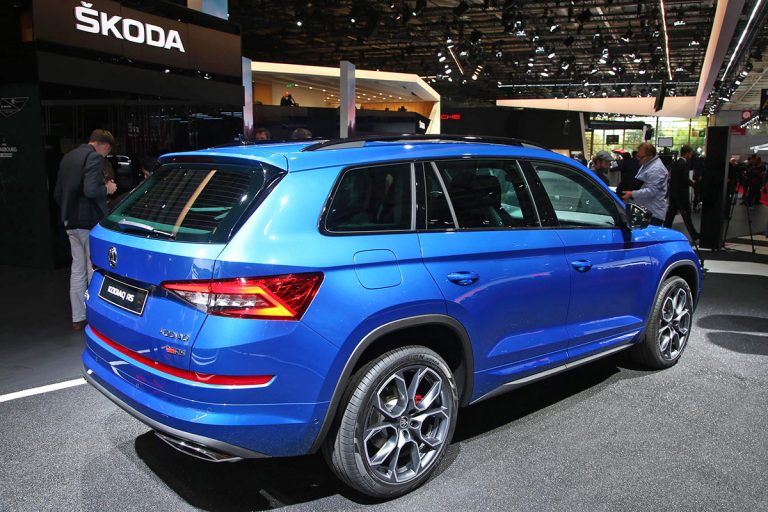
Hot Skoda Kodiaq, off-road Karoq debut in Paris

Skoda has arrived at the Paris show with two new directions for its successful and still young SUV range. The Skoda Kodiaq vRS is a performance version of the brand’s larger SUV, powered by the most powerful diesel engine the Czech brand has yet produced. It is the first SUV to be added to Skoda’s vRS sports line. The engine produces 240hp with 500Nm of torque, which is said to see it through 62mph from rest in seven seconds. Bespoke styling details include new bumpers, gloss-black details on the radiator grille, window frames and wing mirrors and full LED headlamps. Sports seats with perforated Alcantara and carbon leather are fitted inside alongside the virtual cockpit instrument system. The vRS also debuts Skoda’s Dynamic Sound Boost system, which refines the sound profile of the engine to make it sound more sporty. Sports styling also features on a new version of the smaller Karoq on display. The SportLine is available in front and all-wheel varieties and powered by a choice of two petrol and two diesel engines, including a new 190hp version exclusive to the model. Skoda Karoq Scout The Car Expert Attracting more interest is the Karoq Scout, an off-road styled version of the model, with all-wheel-drive as standard. It gains bolder body mouldings with silver colouring, and chrome strips around the radiator grille and side windows. Bespoke wheel arch covers surround either 18-inch or optional 19-inch wheels. Inside the seats gain new covers with a contrasting strips effect, piano black detailing is added along with dark ash-wood effect decorative strips. The Karoq Sport will go on sale with either 150 or 190hp diesel engines or a 150hp petrol unit. Skoda is yet to release prices or on-sale dates for any of the new SUV variants. Skoda Karoq Scout The Car Expert  

Toyota Corolla gains Touring Sports variant

0
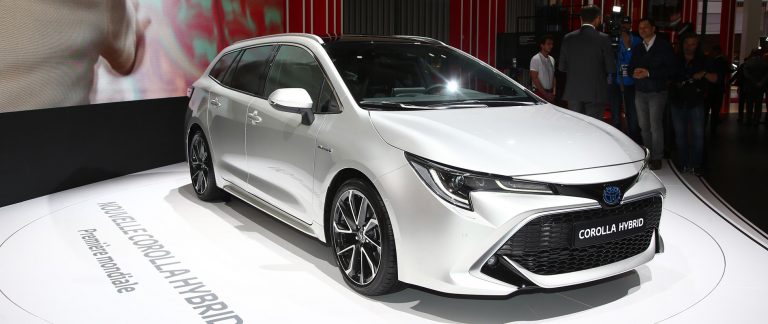
The reborn Toyota Corolla is on display at the Paris show with the estate Touring Sports version making its debut. Toyota is reviving the Corolla badge in the UK, 14 years after it was replaced by the Auris. The hatchback version was revealed at the Geneva show in March. Like its Auris predecessor, the Corolla is being built at Toyota’s UK plant in Burnaston, Derbyshire and the new line-up is set to go on UK sale before the end of 2018. It will need to beat some of the UK’s biggest-selling cars, including the new Ford Focus. Toyota sees the Corolla Touring Sports model as key to fleet sales. Its styling, created in Toyota’s European Design Centre in Zaventem, Belgium, is intended to give the car a more sporty appearance compared to traditional estates, with a rising shoulder and sloping roof line. All versions of the new Corolla use Toyota’s new Global Architecture platform. Advantages include a centre of gravity that’s 1cm lower, an additional 60% more rigidity in the body shell and a new multi-link rear suspension as standard, all of which should significantly improve handling. Toyota Corolla Sports Tourer The Car Expert Boot space of the new model is 598 litres, which compares favourably with rival estates, though Toyota is not currently revealing the space available with the seats folded. With a wheelbase 6cm longer than the hatchback version, and 10cm longer than its predecessor, the Touring Sports is claiming class-leading rear legroom. The engine line-up of the Corolla Touring Sport will reflect that of the hatchback. Just one traditional petrol engine will be available, the entry-level version using a 115hp 1.2-litre turbo petrol engine. Most promotion, however, will be pitched at the two hybrid options – a 1.8-litre with 123hp and a 2.0-litre offering 180hp. Respectively they return fuel economy of 83.1mpg and 74.3mpg, with emissions of 76 and 87g/km. Toyota Corolla Sports Tourer The Car Expert

Ford updates Mondeo hybrid models

0
From 2019, Ford will update its Mondeo hybrid petrol-electric model and add an estate version to the existing saloon. Ford is yet to release prices and specifications for the updated model, however the current Mondeo hybrid saloon is priced from £25,595. As is normal, the estate version is expected to cost about £1,000 more. Drivetrains for the 2019 Mondeo hybrids will consist of an electric motor that is paired to a 2.0 litre petrol engine. A generator enabling regenerative charging of the 1.4kWh battery, combined with regenerative braking technology, will allow the system to capture up to 90% of the energy lost through braking to replenish the battery. Capable of a pure electric mode, the hybrid powertrain delivers 187hp and, like most hybrid and electric vehicles, is mated to an automatic continuously-variable transmission (CVT). The Mondeo hybrid will include other features to help drivers get maximum efficiency from their vehicles, including Ford’s Smartgauge interface for monitoring fuel and energy consumption and electric power steering. Electricity will also power the air-conditioning, powertrain cooling and vacuum systems that significantly reduce drag (and therefore improve economy) on the petrol engine. We’ll have more information as the updated Mondeo hybrid gets closer to its UK introduction.
Ford Mondeo Estate Hybrid

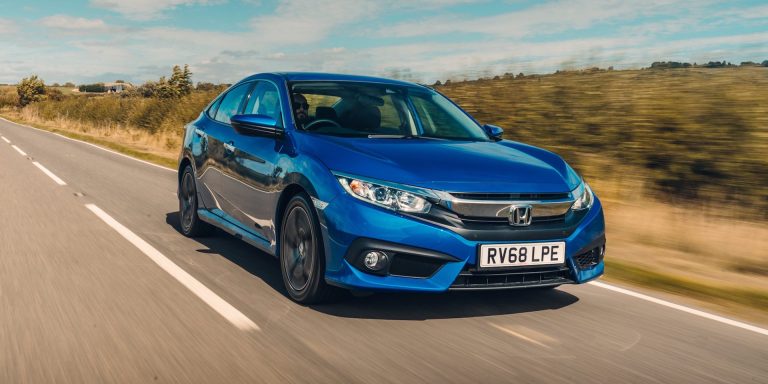
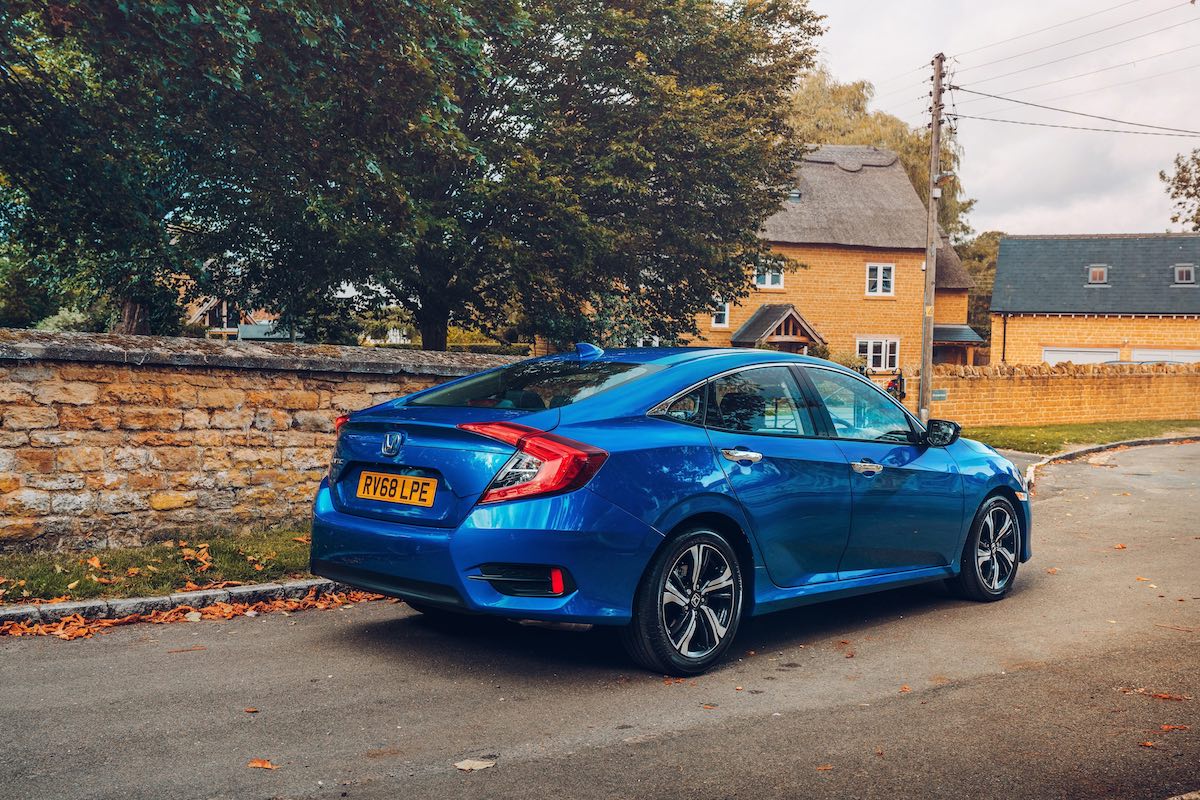
Honda Civic 4 Door review

60-second summary

What is it? The Honda Civic ‘4 Door’ is a saloon variant of the brand’s core family car. Key features Coupe styling, four doors, large boot Our view The Honda Civic 4 Door is a visually appealing and roomy alternative to the hatch, with efficient engines and a comfort-biased on-the-road performance. It’s slightly let down by an interior that no longer keeps pace with recent rivals, and with the continuing indifference towards saloons amongst the UK car buying public, it will remain rather rarer on the roads than its now more mainstream hatch sister. Similar cars Mazda 3, SEAT Toledo, Skoda Octavia Honda Civic 4 Door saloon road test 2018 - The Car Expert

Full review

Introduction

For many years, UK motorists have been quite happy to drive four-door cars – so long as their boots bear premium badges from the likes of Audi, BMW, Mercedes-Benz or Jaguar. However, any efforts by manufacturers to market volume-market saloons – that on the continental market do alright, thank you very much – have floundered. In the UK we like our hatchbacks. Honda, however, clearly believes it can find a market for a saloon version of its family car, the Civic, as the ‘Civic 4 Door’ (clearly, the company doesn’t want to use the “S” word) is now arriving in showrooms. It follows the tenth-generation hatch, which when it launched in early 2017 was considered a major step forward over previous models. The saloon shares most of the same DNA of the hatch – it’s a larger car on a new platform, which will mean significantly more space over its predecessor. Forward of the front door pillar, four-door matches five-door. But from here the roofline slopes downwards, and the rear flanks are higher to produce a distinctly different and less bold visual impression than does the hatch. Add in a larger, if not that much larger, boot and the car could appeal to those for whom the Civic hatch is just a little too ‘in-your-face.’ It’s not that different, mind. Visually it looks much more like the hatch than it does the traditional idea of a saloon, though Honda has come up with an elegant, coupe-like profile that really suits the car. A word of warning for those considering themselves flag-waving Brits. While Honda’s UK plant in Swindon exports Civic hatch models all over the world, it doesn’t make the saloons – they are built in Turkey…

Buying and owning a Honda Civic 4 Door

The Civic saloon range is simple – a choice of two engines (fewer than available with the hatch) but with the same three trim levels. Entry price is £19,395, which buys the 1.0-litre turbo petrol variant in SE trim. You get 129hp, a 0-62mph time of 10.7 seconds (with a manual transmission), fuel economy of 58.9mpg and CO2 emissions of 110g/km. The alternative is a 1.6-litre diesel with 120hp on tap. It’s quicker than the petrol version, cresting 62mph in 9.9 seconds, and it’s more efficient, with plus 83mpg and emissions as low as 91g/km. But it is also £1,350 more expensive to buy. There are as many transmission options as trim levels. The petrol can be had with either a six-speed manual or CVT auto gearbox, the latter ever so slightly more efficient with 60.1mpg and 107g/km. The diesel can be bought with the manual or Honda’s new nine-speed auto transmission. It’s a clever unit, this, able if necessary to skip gears – for example, it can go straight from ninth to fifth gear on the down change. While a smooth and refined unit, it does come with an efficiency penalty of some 14mpg and 17g/km. The Civic does score on its safety package, though it took modifications to its side airbags to persuade Euro NCAP to retest it and give it a full five-star safety rating. From entry level upwards the safety suite includes autonomous emergency braking, lane keeping assist, lane departure warning, adaptive cruise control and traffic sign recognition. It requires a rise in grade, however, to get the niceties many buyers desire, such as Apple CarPlay or Android Auto smartphone integration, rain-sensing wipers, climate control and parking sensors. These all come on SR models which are £1,845 more expensive than the SE. Range-topper is the EX, another £2,860 paying for leather seats heated front and rear, keyless entry and starting, LED headlights with washers, LED fog lights and wireless phone charging.

Inside the Honda Civic 4 Door

One of the plusses of the latest Honda Civic hatch is its increased interior room, thanks to the car being wider and longer (the latter by almost 14cm) than its predecessor. Mind you it is also lower, but this does not seem to compromise any interior headroom. The saloon is longer still, by another 13cmm and yes, a very roomy car. And it has a bigger boot too, the already generous 478 litres of the five-door enlarged to swallow 519 litres. But it’s not as convenient a space as the hatch, the boot lid getting in the way when loading larger items. In terms of fit and finish, saloon unsurprisingly replicates hatch. In our five-door review, we highlighted how the driver’s surroundings, in particular, were far more mainstream than the quirky curves and pods of the previous version. And this remains true of the four-door, as is the fact that it all works properly. But, it is very quickly beginning to look somewhat dated. Coming to the Civic shortly after driving the latest Ford Focus, a direct rival, the interior feels last-generation. The graphics on the infotainment unit in particular – we’d advise buyers to go for at least the mid-range model so you can make use of the up-to-date and frequently updated versions of smartphone apps such as the navigation instead of Honda’s offering.

Driving the Honda Civic 4 Door

At the launch event, The Car Expert drove cars with both engines. Interestingly, Honda believes that, even in the current changing environment, the diesel will significantly outsell the petrol unit – especially to fleet customers. Both engines are effective, as you expect from Honda, and yes, we particularly liked the diesel. Mind you the 1.0-litre petrol is by no means outshone, and there would seem little reason to add the hatch’s larger 1.5-litre option to the four-door line-up. The building blocks of the tenth-generation Civic – a new platform, less weight with a lower centre of gravity, and sophisticated suspension – resulted in vastly improved road manners over its predecessor, and the saloon maintains the trend. There’s no getting away from the fact that this is a big family car and that size will make itself felt if you try to haul it aggressively through corners. But this car is not about that, not about trying to be a Civic Type R. The Civic saloon’s natural territory will be the motorway, cruising in refined style, emphasising comfort. The car does that very well indeed, while if you take the bendy bits like a normal person, the well-weighted steering will provide all the feedback required for confident progress.

Summary

It’s easy to sum up the Civic 4 Door. It takes all the good elements of the latest hatch, plus some of the more average bits, and adds some quirky bits of its own. There’s no denying that it looks good from outside, in some ways better than the hatch, and the only real minus point compared to its five-door sister is the slightly awkward boot opening. So will it break through the apathy felt by UK buyers towards volume market saloon cars? Probably not. Its sheer size might appeal to those looking for a replacement to the now no-longer-available Toyota Avensis. And it might strike a chord with those who like what Honda does but also want something a little more bespoke. Such people, however, will enjoy the car’s exclusivity, because it will very likely remain a niche model. You will not see too many of these at the motorway services or in the company car park…

Key specifications

Make & model Honda Civic 4 Door Mazda 3 Fastback SEAT Toledo
Specification SE SE-L Nav SE
Price (on-road) £19,395 £20,395 £17,130
Engine 1.0-litre petrol 2.0-litre petrol 1.0-litre petrol
Power 129 hp 120 hp 110 hp
Torque 200 Nm 210 Nm 200 Nm
0-62mph 10.7 sec 8.8 sec 9.8 sec
Top speed 130 mph 123 mph 124 mph
Fuel economy (combined) 58.6 mpg 55.4 mpg 61.4 mpg
CO2 emissions 110 g/km 119 g/km 106 g/km
Insurance group 15E 18E 17E
Euro NCAP rating 5 stars (2017) Not tested 5 stars (2012)

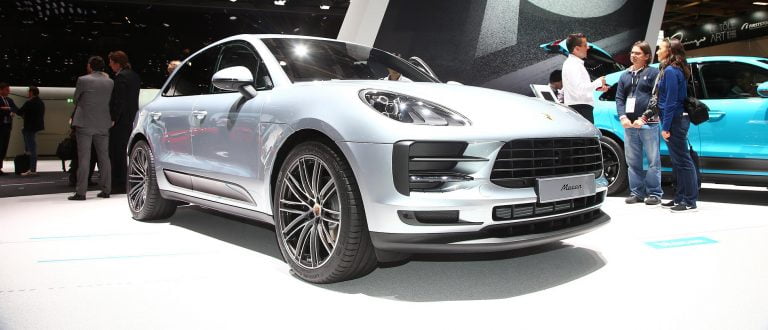
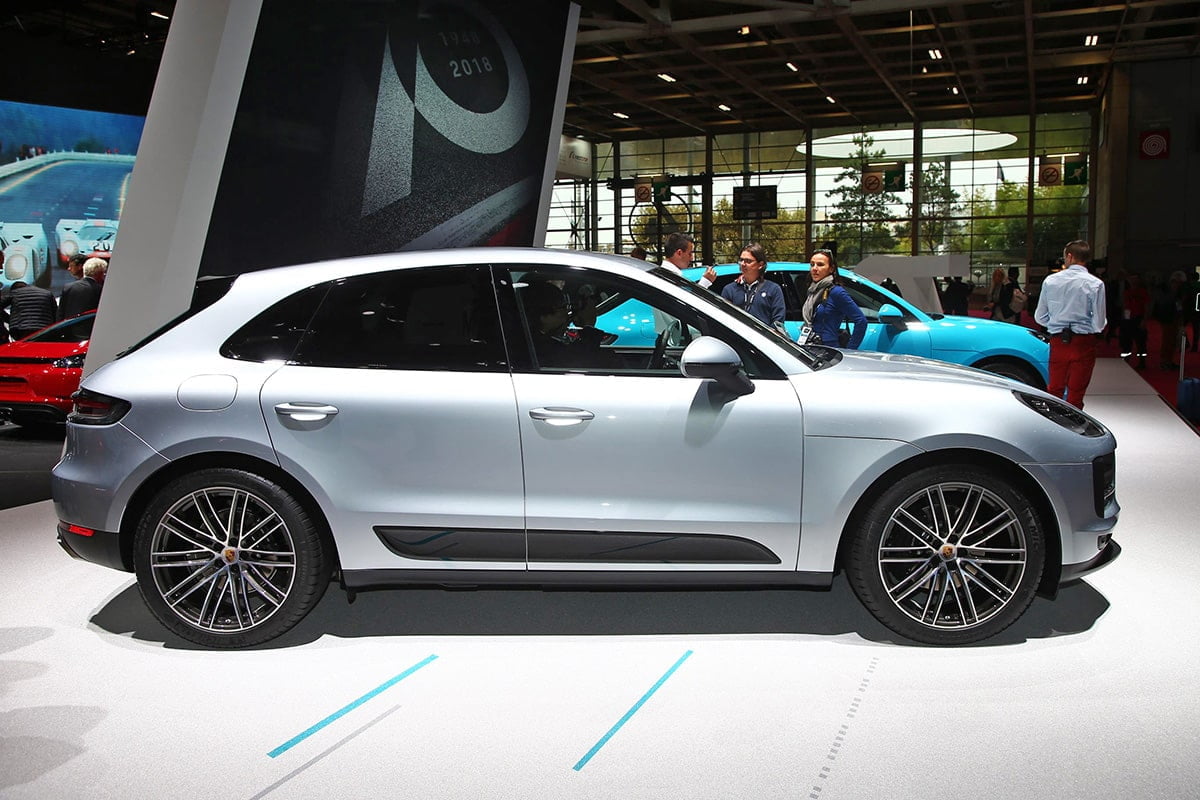
Porsche Macan revised to take on new rivals

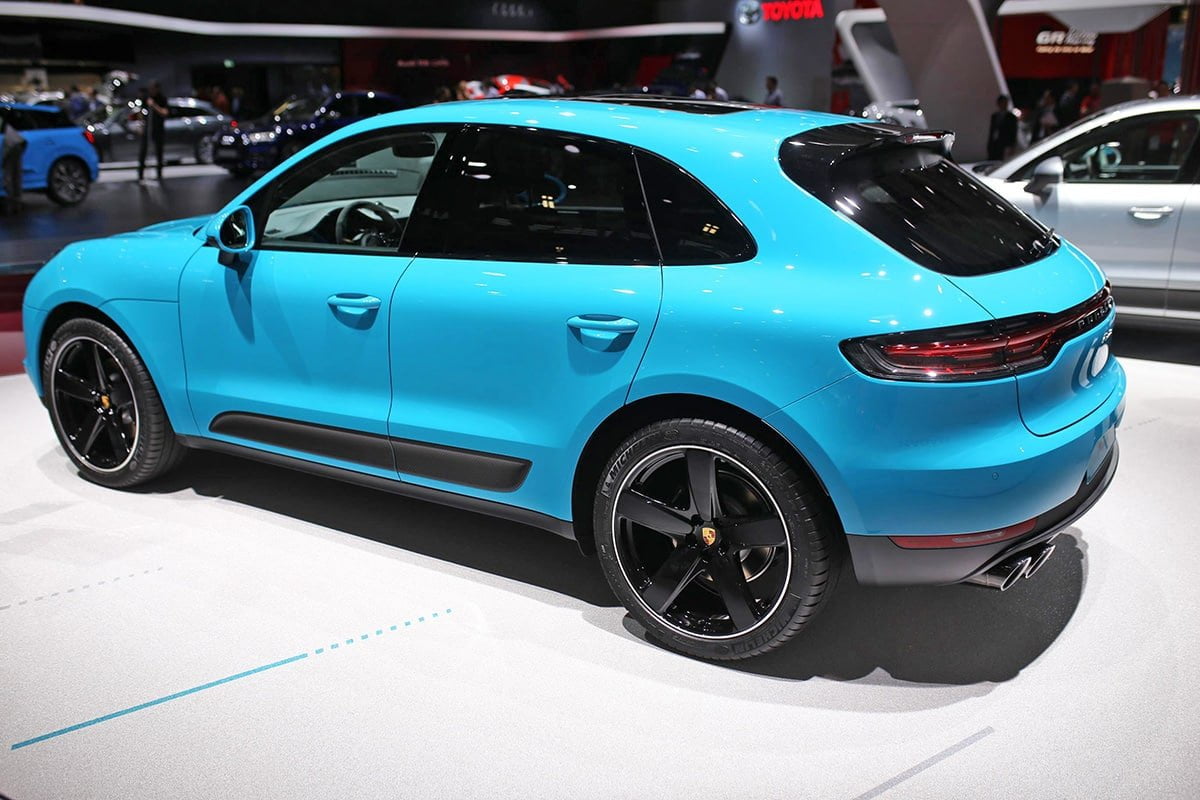
The revised version of the Porsche Macan is debuting at Paris at the same time as dealer open order books. Since its launch in 2014 the Macan has become Porsche’s fastest-selling car, but it is now facing a host of new challengers in its market, including the BMW X4, Jaguar F-Pace and Audi Q5. Updates to the Macan range across the engine, chassis and cockpit as well as external styling tweaks. Initially the car will be available with a 2-litre four-cylinder turbo petrol engine improved to put out 245hp and 370Nm of torque, and combined with a seven-speed double-clutch gearbox and four-wheel drive,. This will produce a 0-62mph time of 6.7 seconds and a top speed of 139mph, with fuel economy of 34.9mpg and CO2 emissions of 185g/km, under the new WLTP protocol. Porsche Macan The Car Expert The engine line-up is set to grow, adding V6 engines in higher-rated S versions of the SUV. But there are not expected to be any diesels, Porsche having previously announced that it would be moving away form offering diesel versions of its cars. Changes to the chassis include the development of new tyres with improved cornering characteristics, the Macan using differently sized tyres front and rear. Visually the Macan gains changes designed to make it look wider and more purposeful. These include a redesigned front bumper and LED projector headlamps, together with an LED strip running right across the rear of the car between the light clusters. Four new exterior colours are also now available. A new Porsche Communication Management System is added inside, based on a touchscreen now 10.9 inches wide instead of the previous 7.2 inches. It offers navigation,  phone integration, audio systems and voice control, while a connected system includes a wi-fi hotspot. Prices for the new Macan start from £46,344. Porsche Macan The Car Expert  
Paris concept marks 20 years of Smart

0
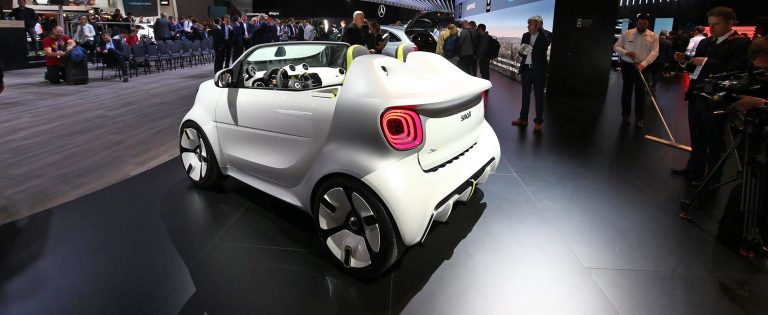
The Smart Forease, unveiled at the Paris motor show, is a concept that is mainly about celebrating the brand’s 20th anniversary. Based on the Smart EQ Fortwo Cabrio, and therefore a concept that can be driven like a production car, the Forease is an electrically-powered open two-seater. It’s lower than a typical Smart, with a shorter windscreen, and so gains two stubby domes behind the cockpit to protect occupants if the car should roll over. Inside the major change is the replacement of the two air vents with circular displays, Smart arguing that the open top negates the need for any more fresh air. The car’s designers describe it as ‘an uncomplicated solution for urban mobility,’ its design brief based on reducing everything to the essentials with a minimalist appearance. Smart Forease The Car Expert Smart says that the car pays tribute to two earlier concepts, the Crossblade of 2001 and the Forspeed of 2011. But it also ‘affords a preview of the electric future of the Smart brand’.

An all-electric future for Smart

According to the brand’s new head Katrin Adt, taking up her role at the Paris show, the Smart Forease embodies a refreshingly simple form of driving fun in the city. “(It stands for) urban electric mobility without compromise – because, if in doubt, Smart always opts for a consistent approach – the result is a sustainable driving experience built on freedom,” she says. Smart claims to be the first automotive brand with its sights set on a systematic switch from internal combustion to electric power. Since 2017, it has been selling only electric vehicles in the USA, Canada and Norway and intends to do the same in Europe from 2020, and then expand the programme to the rest of the world. Smart Forease The Car Expert

Big interest in new Suzuki Jimny 4×4

0
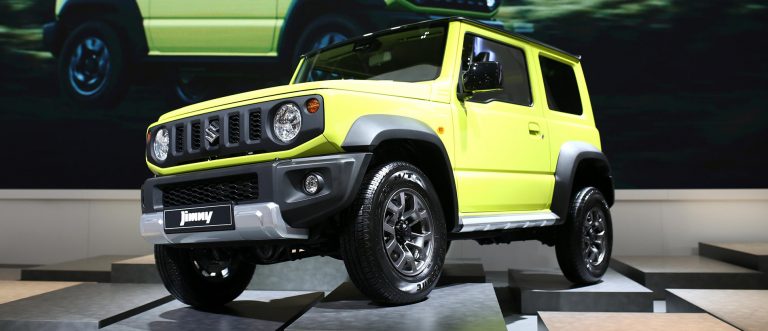
The new Suzuki Jimny is on display at the Paris motor show ahead of its UK debut early in 2019 – a now rare thoroughly traditional small SUV. Suzuki is reporting major interest among potential buyers of the 4×4, with unprecedented numbers signing up to a website detailing the car. Demand for the Jimny is likely to exceed supply from Japan, where the new car has already proven very popular. The fourth-generation Jimny retains much of the ‘proper off-road’ DNA of its predecessor, including a body-on-ladder frame and a part-time all-wheel-drive system, operating in rear-wheel mode under normal motoring and including a low-range mode. The retro-look body style of square angles and creases is also retained, with no move to the more aerodynamic shells of virtually all other small SUVs on the market. Even the round headlamps and separate indicators are still there.

Simple yet robust specification

When it arrives in UK showrooms the Jimny will be offered with only one engine option, a 1.5-litre petrol unit of 102hp that replaces the 1.3-litre version of the previous model. With the five-speed manual gearbox (a four-speed auto is an alternative) the Jimny will reach 62mph in just over 12 seconds, returning combined cycle fuel economy of around 36mpg and CO2 emissions of 178g/km. Some modernity has invaded the interior, which now boasts Suzuki’s standard seven-inch touchscreen infotainment system. But generally, the styling remains robust to cope with a tough working life. The boot space extends to 377 litres with the rear seats folded, 58 more than the previous Jimny. But when used to carry four people, just 85 litres is available, accessed through a side-opening tailgate. The Car Expert will be driving the new Jimny next month – watch out for our full review. Suzuki Jimny The Car Expert

DS 3 Crossback doubles upmarket brand

0
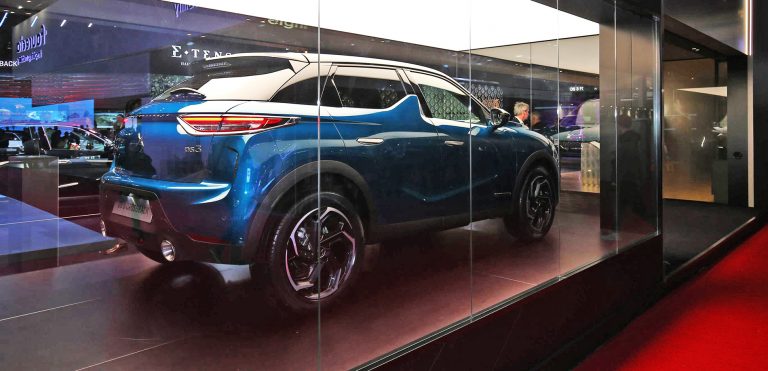
The DS 3 Crossback has been unveiled at the Paris motor show, the second bespoke model since the upmarket brand was spun off from Citroën. The DS 3 Crossback will sit in showrooms alongside its larger sister the DS 7 Crossback, and will enter one of the most fiercely competitive segments in Europe. Rivals will include the Audi Q2 and Volvo XC40. The car is the first to use PSA Group’s new CMP (common module platform) architecture that is set to underpin a wide range of future cars from all of the PSA brands, including Vauxhall. The next Peugeot 208 and Vauxhall Corsa will both be built on the CMP. Initial launch editions of the DS 3 Crossback will go on sale by the summer of 2019 with petrol and diesel engines, but soon after they will be joined by the brand’s first all-electric model. Dubbed the E-Tense, the electric DS3 Crossback has its own display at the Paris show. Powered by a 100kWh/136hp electric motor and 50kWh lithium-ion battery, it is said to have a potential range of 200 miles under the new WLTP measuring protocol. DS 3 Crossback The Car Expert The car includes energy regeneration technology, which under deceleration can recover up to 20%. Using a three-phase wallbox the car will be fully charged in five hours, while on a public 100kW fast-charging system it can be charged to 80% in 30 minutes. Like the DS 7 Crossback, the DS 3 will offer distinct styling and personalisation options, including a choice of five separate interior treatments. Also on the DS Automobiles stand in Paris is a plug-in hybrid version of the DS 7 Crossback. Combining a 200hp petrol engine with two 80kW electric motors, one on each axle, it offers a potential combined 300hp and 450Nm of torque. An electric eight-speed auto transmission drives the front wheels while the hybrid system’s lithium-ion battery is placed under the second row of seats. The DS 7 Crossback E-Tense will be able to travel up to 37 miles on pure electric power. Charging will take overnight through a domestic three-pin socket, of two hours with a 32A wall socket and 6.6kW charger. DS 3 Crossback The Car Expert

Paris debut for ‘most potent’ Ferrari 488 Pista drop-top

0
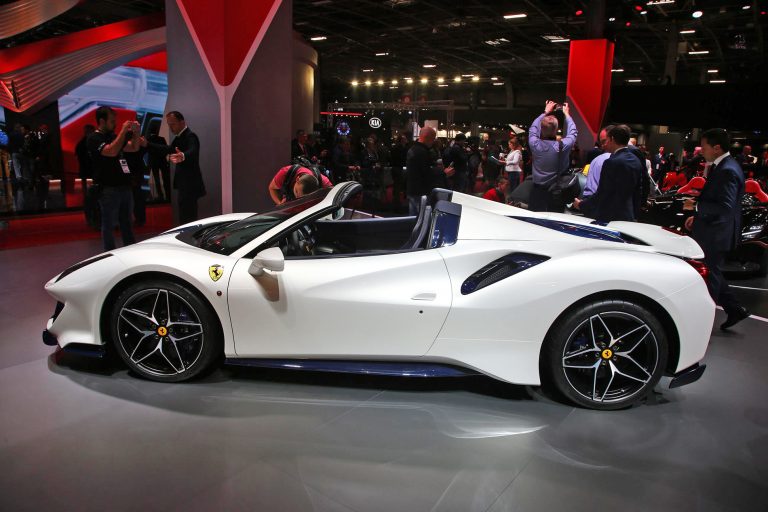
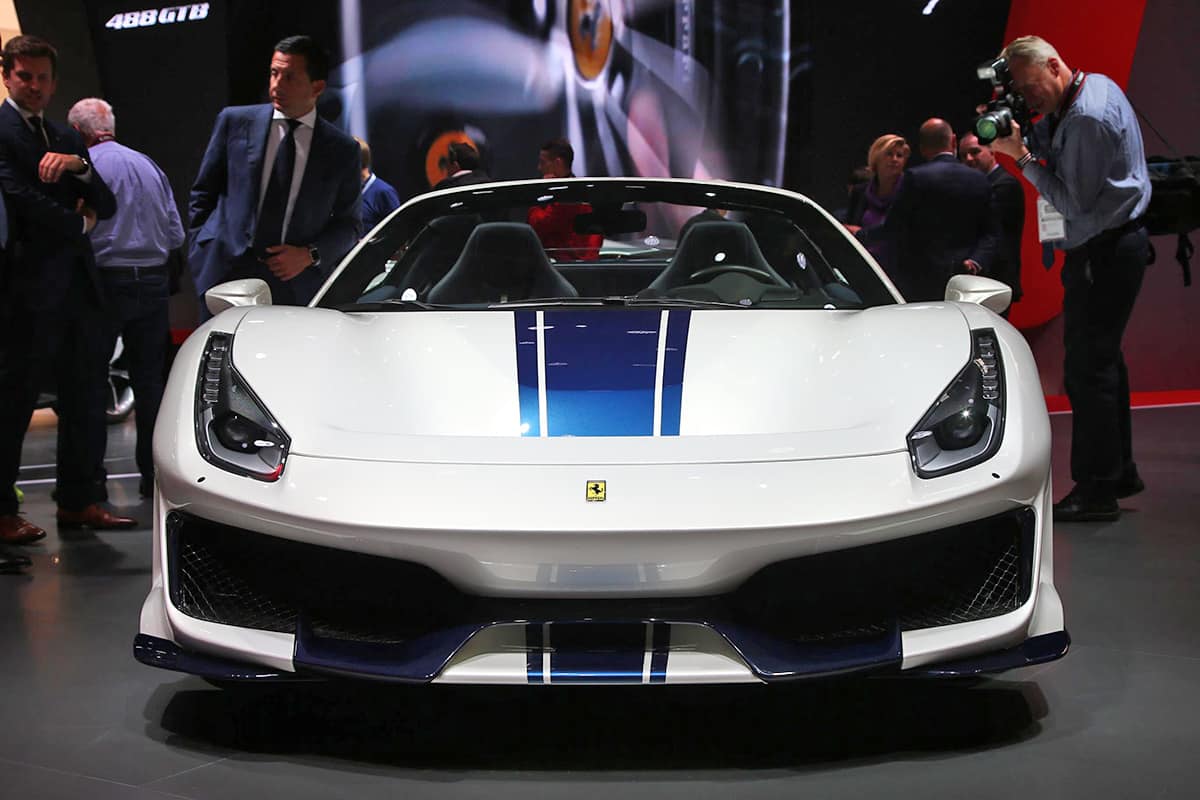
The Ferrari 488 Pista Spider is making its show debut in Paris after being unveiled at the Pebble Beach Concours d’Elegance. The car is the 50th drop-top model to be produced by Ferrari and also the most potent spider variant in the brand’s history. Its engine and aerodynamics have been taken from the 488 Challenge and 488 GTE track cars – the latter earning Ferrari its fifth GT class World Endurance Championship title in seven years. The engine, a winner at the International Engine of the Year awards, is Ferrari’s most powerful V8 yet built, with 720hp – 50 horses more than the stock 488 Spider. This gives the 488 Pista a 0-62mph time of 2.85 seconds. It takes eight seconds to reach 124mph and will go on to a terminal speed of 211mph. Specific modifications have included a new intake layout developed for the 488 Challenge model. The intakes are moved from the car’s side to the rear spoiler area, creating a cleaner more prolific airflow, while also freeing up space for a larger intercooler ahead of the rear wheels. The creation of the 488 Pista Spider has relied heavily on Ferrari’s Formula One department, notably in some serious weight saving. The engine alone is 18kg lighter than previous versions, while ultralight materials are employed extensively including carbon-fibre for the engine cover, the front and rear bumpers and the rear spoiler, and Lexan for the rear window. Aerodynamic efficiency of the car has been improved by 20%. New measures such as an aerodynamic S-duct in the front, derived directly from an F1 version, adds 18% to the downforce for only 2% of extra drag. Ferrari sees the typical 488 Pista Spider buyer as a committed fan of the brand who will already own other drop-top variants, who enjoys the power and speed the car offers but also likes open-top driving and the audio note of the engine. Ferrari has not confirmed a price for the 488 Pista Spider but it is executed to be north of £275,000. Ferrari 488 Pista Spider The Car Expert

Peugeot reveals 508 SW estate in Paris

0

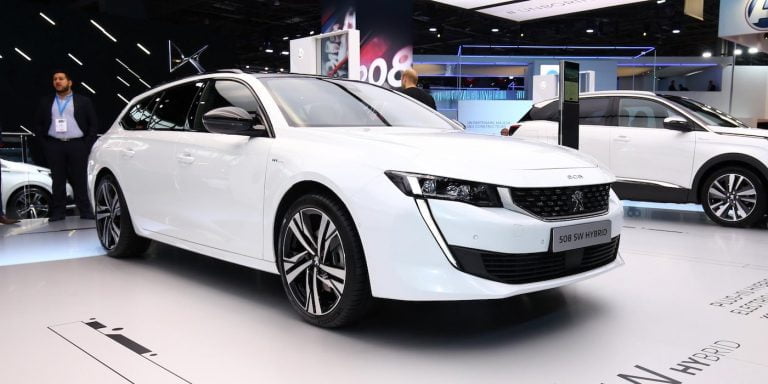
Peugeot has unveiled a new estate variant of the striking 508 saloon today at the 2018 Paris motor show, which is now available to order.

The initial release of the 508 SW will include a limited First Edition model, which will feature extra styling cues such as gloss black grille and unique 19-inch alloy wheels.

UK buyers will have the pick of two colours for First Edition cars: Twilight Blue and Amazonite Grey. The interior will have black roof lining and blue ambient mood lighting, as well as aluminium door sills and pedals.

The boot floor will be lined with a Zebrano wood finish with anti-slip bars. In terms of gadgets, you can expect to find much of the same equipment as the saloon. Engine choice for the First Edition comprises a 1.6-litre 225hp petrol engine or a 2.0-litre 180hp diesel.

Peugeot 508 SW interior | The Car Expert

Hybrid power on its way

Two plug-in hybrid options will be available from autumn 2019, in either two-wheel drive or four-wheel drive versions. The plug-in hybrid powertrain combines an 180hp petrol engine with a 300-volt battery with a capacity between 11.8kWh and 13.2 kWh. This will allow the 508 SW to drive for up to 30 miles on a single electric charge.

Peugeot claims to have enhanced energy conservation through features such as a braking system that conserves power as the car brakes or slows down and predictive electrical deployment based on satnav programming.

Fast charging allows the battery to be recharged in around two hours, and Peugeot claims emissions outputs as low as 49g/km of CO2.

The plug-in hybrid powertrains will only be available for the top-spec GT models of the 508SW and saloon, and will arrive in the autumn of 2019.

Peugeot 508 SW wallpaper | The Car Expert

Toyota Camry ready for return to UK

0
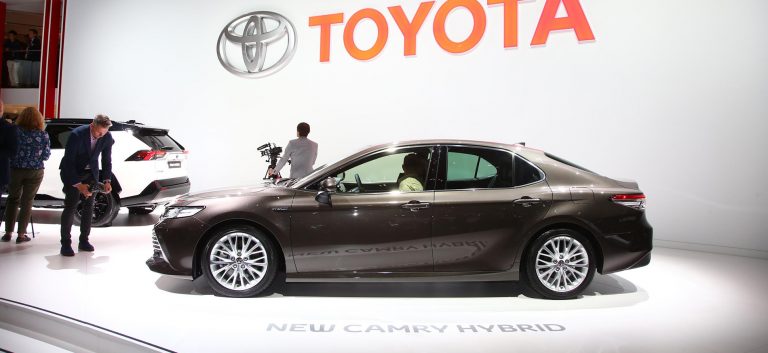
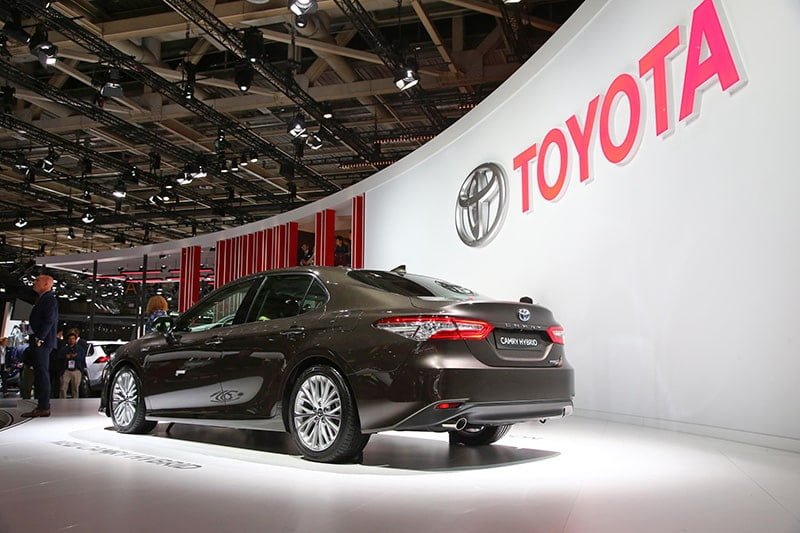
The Toyota Camry is on display at the Paris motor show ahead of its planned return to the UK market in 2019. The large saloon has not been sold in Britain for 14 years, despite being a familiar Toyota model across the globe and in the US leading the brand’s motorsport programme in NASCAR. The current version was launched in 2017 and when it goes on UK sale it will fill a gap left by the dropping of the Avensis model, sales of which have been wound down over the past couple of years. Prime rivals will be the Ford Mondeo and Vauxhall Insignia, and the car’s builders believe the more upmarket-pitched Camry will appeal far more to particularly fleet buyers than did the Avensis. Toyota also states that a shift away from diesel power in the large car market has made marketing the eighth-generation Camry in western Europe a viable proposition. Toyota Camry The Car Expert The brand is putting total faith in hybrid – the Camry will only be available with a petrol-electric drivetrain. Replicating the system already available with the RAV4 SUV, it combines a 2/5-litre petrol engine with an electric motor for a combined output of 218hp. Toyota quotes 0-62mph times of 8.3 seconds and a maximum speed of 112mph for the Camry. Combined cycle fuel economy and CO2 emissions are said to be 67.3mpg and 98g/km respectively for cars on 17-inch wheels. The latest Camry uses the Toyota New Global Architecture (TNGA) platform. This also underpins several current UK cars, including the RAV4, Prius, C-HR and Auris, which itself is set to be replaced by the Corolla. Toyota is yet to confirm any UK prices or specifications for the Camry – industry observer suggest it will cost from around £30,000. Toyota Camry The Car Expert
Renault EZ-Ultimo robot limo stars in Paris

0
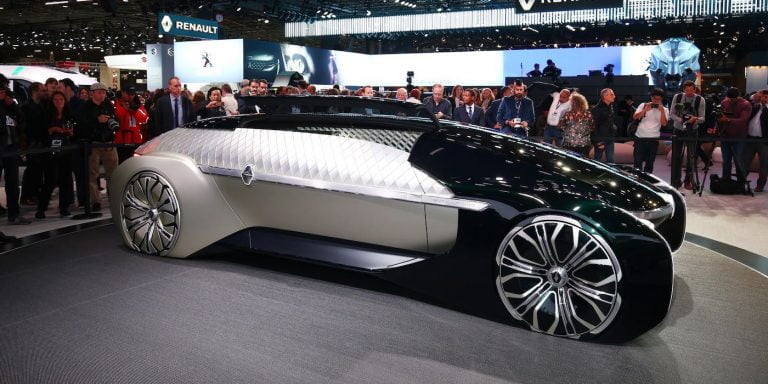
The Renault EZ-Ultimo, a concept for a premium autonomous on-demand vehicle, has been revealed at the Paris motor show. The third instalment of a trio of concepts created under the EZ banner, the EZ-Ultimo is pitched as a self-driving vehicle that travellers would book for single journeys, rather than owning. It is also targeted at luxury travel – “people looking to enhance a special moment through a private trip in a city, a premium tourist experience or businesses looking to offer premium journey services to its clients,” Renault says. Renault EZ-Ultimo The Car Expert Renault head designer Laurens van den Acker says that as consumer trends change and people are enjoying ride-hailing services more and more, a new paradigm for mobility will emerge.” “Embodying this revolution, EZ-Ultimo offers a unique luxurious experience aboard a robo-vehicle that can be adapted depending on the service provider,” van den Acker adds. Renault EZ-Ultimo The Car Expert Renault is giving few details about the electric powertrain of the EZ-Ultimo, though it is said to have a range of 310 miles. The car offers level 4 autonomy, being able to completely drive itself in most road situations. The other two EZ concepts are the EZ-Pro, a last mile delivery self-driving vehicle, and EZ-Go, a ride-hailing vehicle for up to six occupants that was first seen at the Geneva show in March. Renault EZ-Ultimo The Car Expert