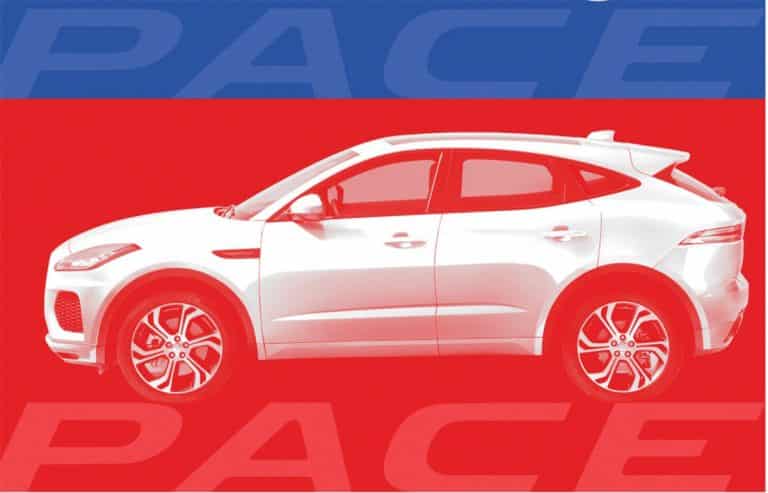
The highly successful F-Pace is to become part of an SUV family. The smaller Jaguar E-Pace will be arrive in 2018, followed by the electric I-Pace.
The E-Pace is due to be officially unveiled in London on 13th July and will target the likes of the BMW X1 and Audi Q3 in the currently mushrooming premium compact SUV market – sales of the X1 alone are up by almost half this year. Jaguar has indicated that E-Pace prices are expected to start from around £28,500.
Teaser images released on Twitter by Jaguar suggest that the E-Pace will have more distinct lines compared to its larger sister – Jaguar director of design Ian Callum has been quoted as dubbing the E-Pace as a “combination of sports car looks with Jaguar performance.”
Front-wheel drive?
Industry sources suggest that the newcomer will be built on the same architecture as the Range Rover Evoque and the Discovery Sport of sister brand Land Rover. As such it will likely be offered in both front and all-wheel-drive formats, as are its rivals from Audi and BMW but few compact crossovers in the mainstream market. If so it will be the first front-wheel-drive Jaguar since the X-Type last built in 2009.
Powertrains will all be from Jaguar Land Rover’s Ingenium family built at the brand’s new Wolverhampton plant. They are also expected to all be 2.0-litre units, possibly ranging from 161 to 250hp. The E-Pace is also thought to be a strong candidate for Jaguar’s first hybrid powertrain, a diesel-electric unit.
The I-Pace will launch after the E-Pace, an all all-electric SUV built on completely new architecture. With the three SUVs giving Jaguar a much stronger offering in one of the strongest growth sectors in the market, the brand expects to continue progress that has already seen global sales leap by some 83% in the first quarter of 2017.
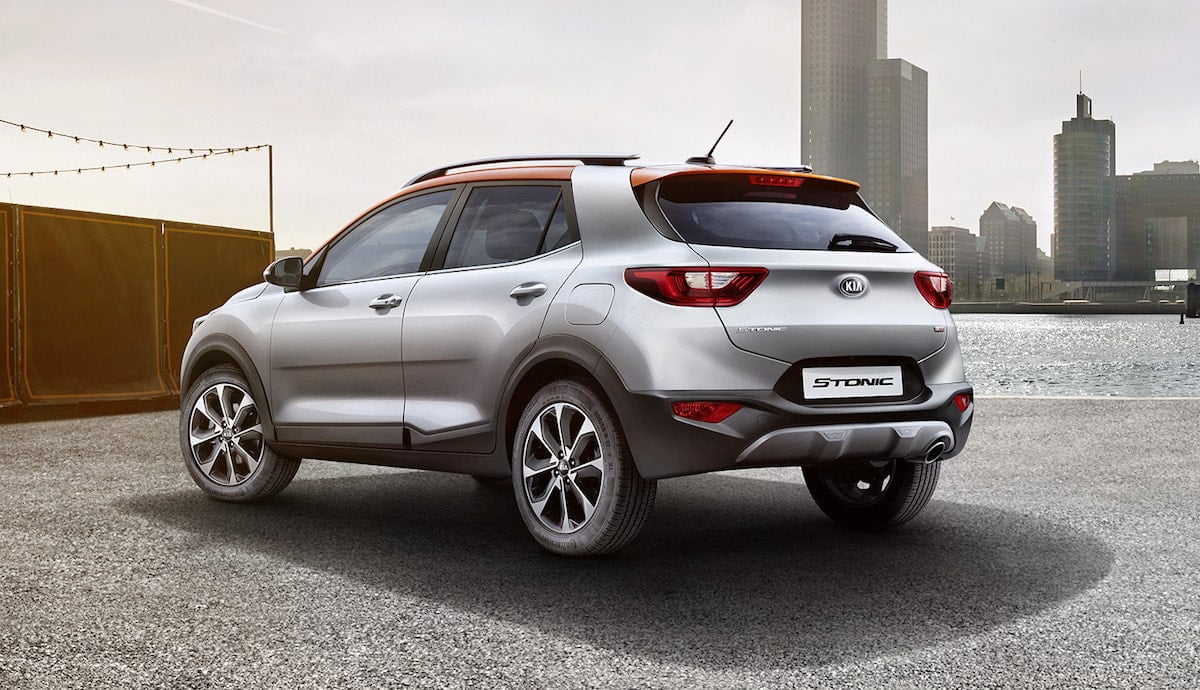
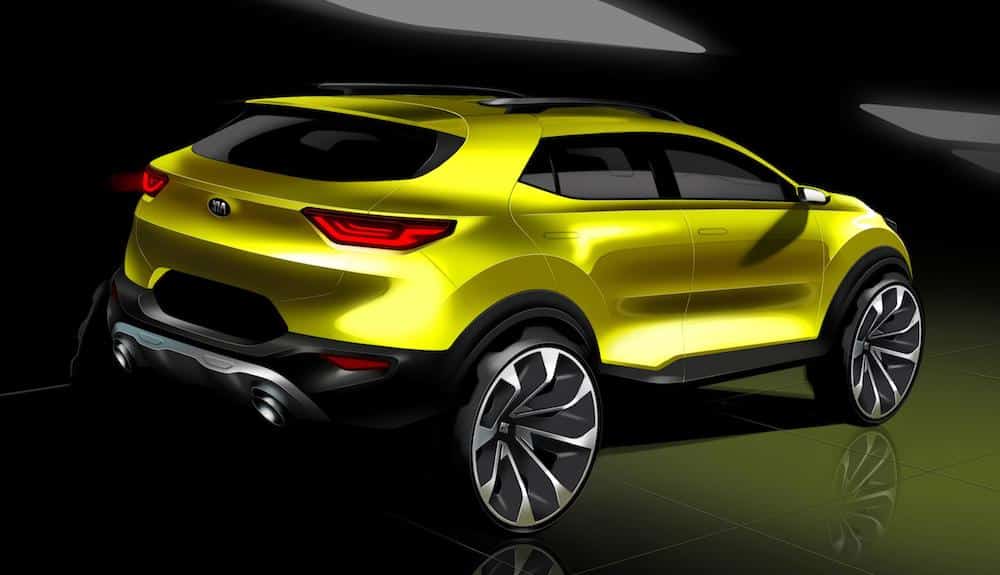
The new Kia Stonic has been unveiled as the company’s entry into the highly competitive compact crossover market.
Aimed squarely at the likes of the Nissan Juke and Toyota C-HR, the new Stonic will compete in what is called the “B-SUV segment” – which has become the hottest sector of the new car market.
The B-SUV segment accounts for 1.1 million sales across Europe each year, and Kia expects this to double by 2020. Some customers will be downsizing from larger SUVs, but most are likely to be moving from conventional hatchbacks.
Like most new entrants in the segment, the Kia Stonic has rugged go-anywhere looks disguising conventional hatchback underpinnings, so don’t expect any genuine off-road talent. With a choice of one diesel and three petrol engines, all with manual transmission, the Stonic is front-wheel-drive only. But, like every other faux-by-four on the market, it’s unlikely to bother customers.
The Stonic’s styling is aggressive although still recognisably part of the Kia family, and the company plans to offer up to 20 two-tone colour combinations. Inside, you can expect touchscreen infotainment, state-of-the-art smartphone connectivity and colourful personalisation options.
The Kia Stonic will go on sale across Europe in the third quarter of this year. UK pricing and specifications have yet to be announced, but we’ll keep you posted.
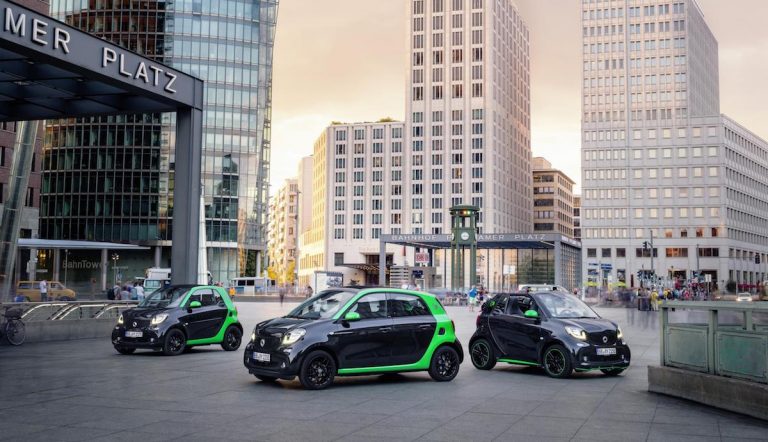
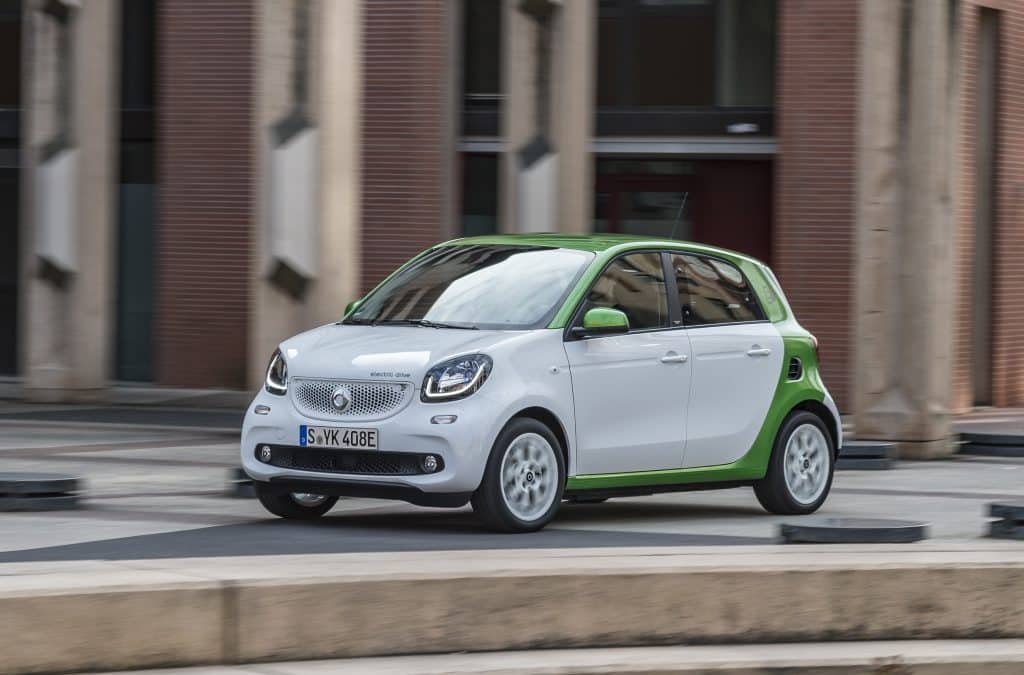
smart has added electric power to its line-up, covering both the fortwo and forfour models. It is the first time smart has offered an electric option for the four-door model, whereas the previous-generation two-door had a smart electric drive model.The smart electric drive models all use an 81 hp electric motor, which yields a range of up to 100 miles and a top speed of 80mph. The 7 kW on-board charger means that the car can be charged from 20% to 100% in two and a half hours using a 16-amp charger, or six hours via a standard three-pin household socket. Unfortunately, Daimler does not provide the times required for a full charge, making it difficult to directly compare the smart models to rivals like the Renault Zoe.Specifications for the vehicles are based on the petrol-powered prime model. This includes heated front seats, cruise control, leather upholstery and 15-inch alloy wheels. Every smart electric drive model will also come with charging cables for both domestic sockets and public charging stations.For £595 extra, a premium plus equipment line can be added. This adds a centre armrest, LED headlights and tail lights, front fog lamps, automatic lights and wipers, and a rear-view camera. A winter package adds a heated steering wheel, heated rear seats (on the forfour only) and added insulation. This will cost £295 on fortwo models and £495 on the forfour. A mobile phone app allows drivers to check their vehicle’s charging status and pre-set the climate control. The smart electric drive range is on sale now, with first customer deliveries expected from July. Prices start from £16,420 for the fortwo and £16,916 for the forfour. Meanwhile, the fortwo cabriolet starts at £18,650. All prices include the £4,500 Office for Low Emissions Vehicles (OLEV) grant.
Aston Martin sent the 60,000 British race fans attending the Le Mans 24 Hour race home happy, claiming victory in the GTE Pro class after a bold last-lap pass.
The #97 Aston Martin V8 Vantage GTE of Darren Turner, Jonny Adam and Daniel ran faultlessly throughout the day and night of the classic race, and it fell to Adam to try and secure the victory in the closing stages.
The Vantage pitted for its final fuel stop with 45 minutes of the race left, the class-leading #63 Chevrolet Corvette of Jordan Taylor pitting at the same time and resuming just ahead of Adam.
Contact made
The Aston closed on the Corvette and with two laps left made a lunge for the lead at Arnage bend, only to bounce off the side of his rival and have to drop back.
The relentless hounding had its effect on Corvette driver Taylor, however, as on the next lap he locked up and went straight on at the chicane, starting a slow puncture that meant that when Adam tried again at the final corner, the Aston went through to victory.
“He looked weak in a few corners and I knew I had to capitalise on them and when I got on to his bumper I knew it was now or never if I wanted to win Le Mans,” Adam said later. “We got it and it was really cool to get him just before the finish line and to see fans in the grandstands and the team on the pit wall celebrating, and it was then just time to bring it home.”
Porsche has won its 19th Le Mans 24 Hours, and its third in a row, after a race of highs and lows for both the German team and its great rival Toyota.
The #2 Porsche 919 Hybrid of Timo Bernhard/Earl Bamber/Brendon Hartley retook the lead of the race with less than an hour of the 24 left. Its sister car driven by Neel Jani/André Lotterer/Nick Tandy, had looked on its way to an easy victory by several laps, only to retire with oil pressure failure with 21 hours completed.
However it was the Japanese Toyota team, bidding to avenge the heartbreak of the 2016 race in which it led much of the distance only to break down on the final lap, that had looked dominant in the early stages of this year’s event. But the team then suffered an hour of disaster just after midnight.
More Le Mans heartbreak for Toyota
Two Toyota entries locked out the front row of the 60-car grid, and with 10 hours gone the #7 car driven by Kobayashi, Conway and Sarrazin was secure in the lead. Then suddenly it slowed with a clutch issue as it returned to speed after a safety car period, handing the lead to the Porsche of Jani, Lotterer and Tandy.
Kobayashi tried to get the car back to the pits but a full lap of the 8.5-mile circuit proved too much and he was forced to abandon the car.
Hardly had the Toyota team absorbed this disappointment when its now second-placed #9 car of Lapierre, Kunimoto and López suffered a collision with an LMP2 class car and spun into the gravel at the Dunlop chicane.
Toyota’s Le Mans fortunes died in the dark.
Lapierre again tried to limp around a full lap to the pits but the rear end of the car suffered further damage, briefly catching fire, and he was forced to pull over and retire, agonisingly within sight of the pit lane.
This left Tandy in the lead Porsche eight laps ahead of his nearest competition, with the one remaining Toyota 28 laps back after being forced to change its front hybrid motor earlier in the race. But the #1 Porsche’s demise after 21 hours handed the lead to the lead-running Jackie Chan Racing Oreca in the second LMP2 class, with the second Porsche recovering having also changed its front hybrid motor.
The #2 Porsche, with Bernard aboard, duly reclaimed the lead and took the flag with a total of 367 laps completed, though observers agreed it had not been an impressive performance for the hybrid cars of the lead LMP1 class, just two of the five entries making it to the flag.
Uk fans celebrated, meanwhile, as Johnny Adam snatched the win in the GT category for Aston Martin. His Vantage moved past the leading Chevrolet Corvette runner in a thrilling battle only resolved on the final lap.
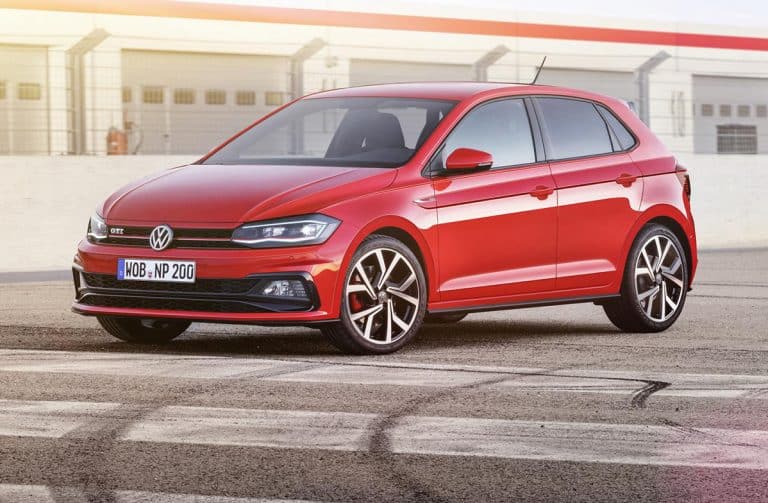
The new Volkswagen Polo supermini, on UK sale in November, will be the largest version of the car yet offered.
Now into its sixth generation, Volkswagen’s rival to Britain’s best-selling Ford Fiesta is growing 81mm to 4053mm – only 96mm shorter than the 1997 Mk4 version of its big sister the Golf. It is being built on the group’s MQB AO platform which is also under latest SEAT Ibiza and the forthcoming Skoda Fabia.
At 2564mm the new Polo has a wheelbase 96mm longer than its predecessor and 53mm longer than the Mk4 Golf, which should translate to significant improvements in interior space. Boot space goes up from 280 to 351 litres which again is 21 litres more than the Golf, while the car will also follow the current supermini trend, being sold only in five-door form.
A new exterior look includes a front-end design described as more masculine, while 14 body colours and 13 dash shades help keep the car competitive in the personalisation market.
Digital upgrades
Notable in the interior is the digital instrument panel, fitted to a Polo for the first time and debuting the second-generation version of VW’s Active Info Display. The car will also feature a much wider selection of technology cascading down from the Golf, including the Front Assist and Blind Spot Detection safety aids, Adaptive Cruise Control and LED headlights.
Six engines will be available ranging from 65 to 200hp, the latter powering a new GTI model. Only one will be a diesel – such engines have always been less popular in superminis and demand is predicted to slow.
Audi has introduced a V10 plus specification to its R8 Spyder range. The naturally aspirated V10 produces 610hp and a maximum torque of 560Nm, resulting in a 0-62mph time of 3.3 seconds and a top speed of 203mph.
The V10 plus model is already available in the R8 coupé, but until now has not been available in the R8 Spyder. As well as a power boost over the ‘regular’ R8 V10 Spyder, the V10 plus model gets more carbon fibre in its chassis to reduce weight by 25kg.
Audi offers 11 regular paint finishes, although it is possible to request a bespoke colour if you can’t find your ideal shade from the regular palette. The soft top is available in three colours and the side blades in five. 19-inch alloy wheels are as standard; 20-inch are optional. An optional micrommata package includes a unique green paint finish, grey detailing and a black interior with green contrast stitching.
Inside, sports bucket seats are as standard, along with carbon fibre trim detailing and a 12.3-inch virtual cockpit instead of regular dials.
Audi’s MMI Touch infotainment and navigation system is standard and features a wi-fi hotspot for passengers. An optional online module provides fast internet access via LTE and the ability to navigate via Google Earth and Google Street View.
Audi opens order books for the R8 Spyder V10 plus convertible later this month, with UK pricing starting from £147,470 on-road.
Nissan has updated its flagship crossover and worldwide best-seller. The X-Trail has sold more than 3.7 million units since its launch in 2000.
The redesigned exterior features Nissan’s new ‘V-motion’ corporate grille, new headlamp clusters and boomerang-shaped daytime running lights. Six paint finishes have been carried over, with four new ones added: Monarch Orange, Palatial Ruby, Sapphire Blue and Picador Brown.
Inside the cabin, there is a new flat-bottomed steering wheel with controls for the central screen and cruise control. The top-of-the-range Tekna trim level adds quilted leather upholstery, heated front and rear seats, as well as an optional tan and black two-tone leather interior.
In terms of new technology, the electric tailgate available on the top two trim levels now gets hands-free functionality. Kicking a foot under the centre of the car’s rear bumper activates an opening mechanism. Tekna models get an eight-speaker Bose sound system and DAB digital radio will be standard on all models from October.
The X-Trail received a five-star rating from Euro NCAP when it was last tested in 2014. From 2018, the introduction of ProPILOT will enable semi-autonomous driving during heavy traffic congestion and motorway cruising.
Having been unveiled earlier this week in Cardiff ahead of the UEFA Champions League Final, the new Nissan X-Trail is set to go on sale in August.
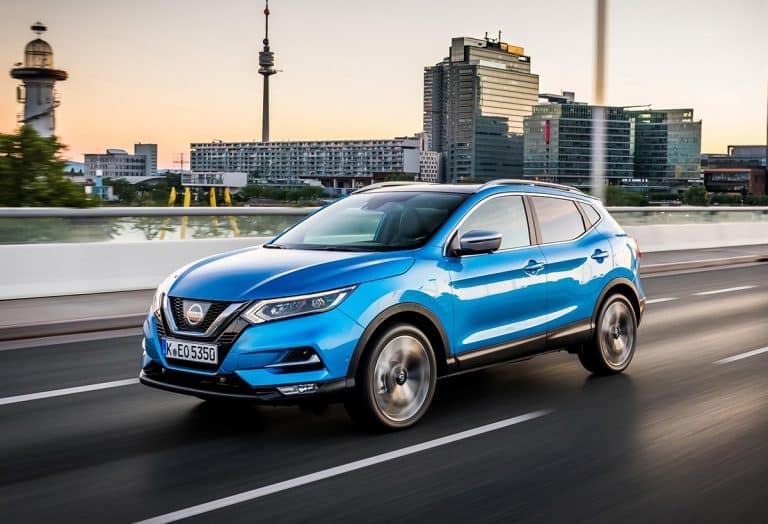
The Nissan Qashqai is being updated, with the first examples of the new version due in showrooms in July.
Buyers should not expect any radical changes, however, as Nissan’s Brit-built crossover pioneer remains a highly popular buy – so far in 2017 only Ford’s Fiesta and Focus have outsold the Nissan Qashqai on the UK market.
On the exterior, the front end is redesigned with the integrated front bumper largely finished in the body colour. There is the latest v-design grille and a reshaped bonnet. New headlamp designs differentiate between models, and the daylight running light signature is new too. The rear is also revised and there are two bumper designs depending on grade chosen.
Nissan says that the most obvious updates are to the Qashqai’s interior. These include higher quality surfaces and a completely new steering wheel design with revised controls. On higher-spec models, the seats have also been upgraded.
Ride, handling and steering are all improved, the package including retuned dampers, stiffer anti-roll bars and a new self-centring steering technology. Nissan adds that noise, vibration and harshness are also better than the previous model.
Buyers will also have more choice in future – the Qashqai gains a fifth, range-topping grade dubbed Tekna+. Highlights of its standard equipment list are Nappa leather seats with 3D quilting, a driver’s seat with pneumatic lumbar support and an eight-speaker BOSE audio system.
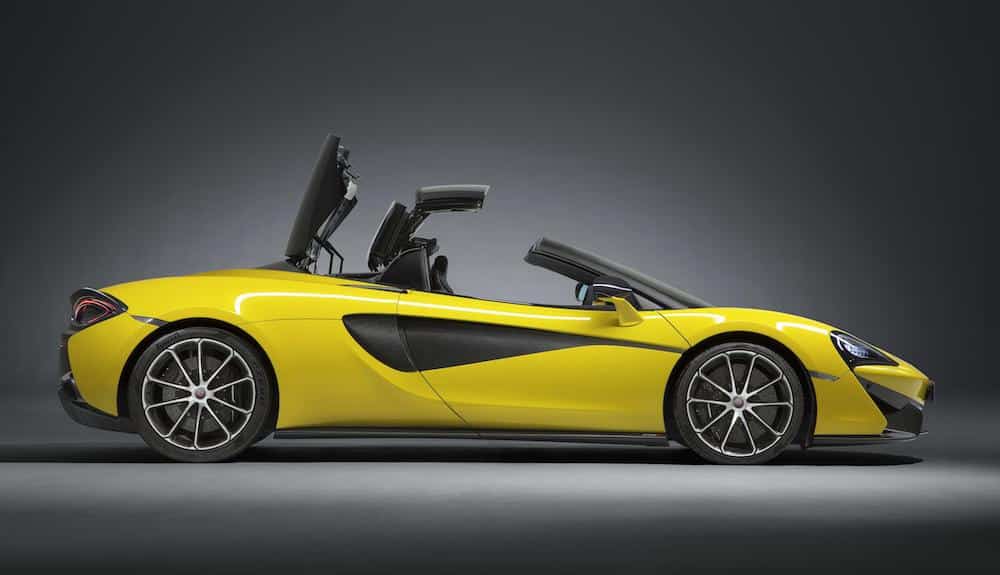
McLaren has announced a third body style for its entry-level Sports Series range. The convertible 570S Spider joins the existing Coupe and GT models and will make its debut at the Goodwood Festival of Speed.
Built in Woking, the rear-wheel-drive two-seater has the same retractable hard top as the McLaren 650S and 675LT Spiders. Adding just 46kg, the roof takes 15 seconds to open or close and can do so at speeds of up to 25mph. An electrically operated wind deflector reduces wind buffeting.
The 3.8-litre twin-turbocharged McLaren V8 engine in the 570S Spider is the same one found in its coupé twin. It is paired with the same seven-speed gearbox, producing 570hp and maximum torque of 600Nm. With a 0-62mph acceleration time of 3.2 seconds, the Spider has a top speed of 204mph with the roof closed.
McLaren has introduced three new paint finishes. Curacao Blue, Vega Blue and Sicilian Yellow join the existing palette, giving customers a total of 20 colours to choose from. A 10-spoke alloy wheel design is also available, along with a new black brake calliper colour.
Inside, a seven-inch touchscreen manages climate control and infotainment functionality. Six-way adjustable electric memory seats are as standard, with eight-way adjustability optional.
The McLaren 570S Spider is available to order now with UK pricing starting from £164,750. Customers can expect to take delivery of their vehicles in August.
BMW has announced the new 6 Series Gran Turismo, which will replace the 5 Series GT model and is set to be the only model in the next generation of the 6 Series range.
Based on the new BMW 5 Series saloon that launched last year, the new 6 Series Gran Turismo is longer and lower, with more interior and luggage space. It is aimed at the Audi A7 Sportback, which is also a liftback model based on a mid-size (A6) saloon.
The GT will initially be offered with a choice of three engines and BMW xDrive all-wheel-drive available on some models. An eight-speed automatic transmission will be standard.
The existing 6 Series coupé, convertible and Gran Coupé liftback models have ceased production and will not be directly replaced. The all-new BMW 8 Series range announced last month will assume the role of BMW’s flagship coupé.
Inside the 6 Series Gran Turismo
Again based on the new 5 Series, the 6 Series Gran Turismo uses a free-standing touchscreen for navigation, communication and infotainment. It is controlled by the central iDrive dial, voice control or an optional gesture control system.
The car’s infotainment system is highly integrated with the driver’s smartphone. Calendar entries can be used to plan the optimum departure time for a journey, while drivers can manage calendar, email and contact data via Microsoft Exchange.
Optional head-up display reflects driving-related information onto the windscreen
Incoming emails can be read aloud and a response dictated back. Real-time traffic information and on-street parking information help drivers on the move, while satnav uses car-to-car communication to provide drivers with as much information as possible. Drivers can monitor their vehicle from the car key, which can display the fuel level, service intervals and even whether the doors and windows are closed.
Finishing touches
Standard equipment for the 6 Series GT includes automatic climate control, metallic paint, 18-inch alloy wheels and a reversing camera. The two trim levels are SE and M Sport, the latter adding 19-inch alloy wheels and leather upholstery with piping and stitching in contrast colours.
In terms of driver assistance, autonomous emergency braking is standard, including a pedestrian detection feature. Optional assistance systems include active cruise control, lane departure warning, side collision warning and emergency steering assistance.
The new BMW 6 Series Gran Turismo will make its debut at the Frankfurt motor show in September. Prices start at £46,810 on-road and the first cars are expected to arrive in the UK in November.
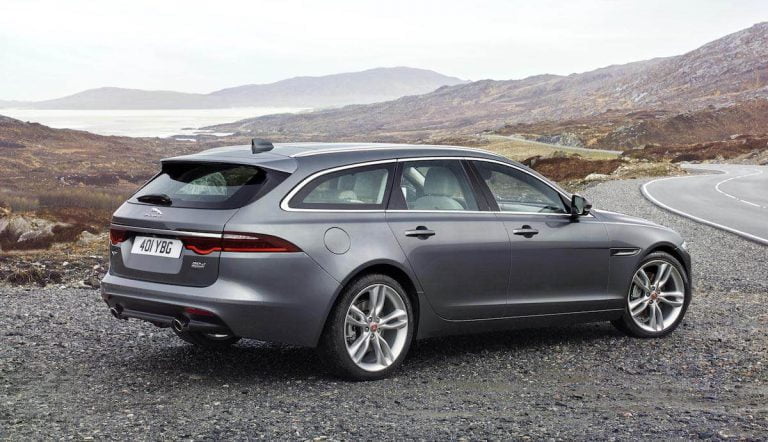
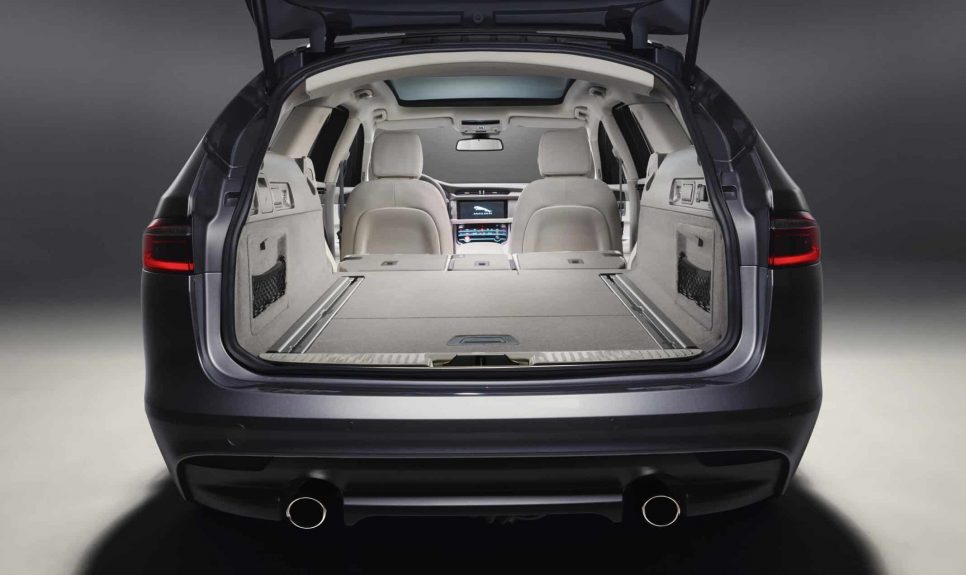
After numerous official ‘spy shots’ and teases, the new Jaguar XF Sportbrake estate has finally been unveiled.The launch of the new XF Sportbrake also marks ten years since the launch of the original XF saloon at the 2007 Frankfurt motor show.
The XF Sportbrake shares most of its underpinnings and technology with the second-generation XF saloon, but does gain a few new features. It will launch with a range of Ingenium diesel engines, as well as the new Ingenium petrol engines that are also being introduced to the XF saloon.
Innovations for the XF Sportbrake include gesture control operation for the tailgate and panoramic roof, a driver drowsiness detection system and a waterproof car key. Furthermore, an optional air purification system will work to clean cabin air against external pollution. The XF Sportbrake boasts a 565-litre load space with the rear seats up. The rear suspension is self-levelling to keep the ride under control regardless of load. Towing capacity is rated at two tonnes.
To publicise Jaguar’s sponsorship of the Wimbledon tennis tournament, the XF Sportbrake was unveiled on a replica Centre Court. The car will now embark upon a UK-wide tour of tennis clubs and schools, with Andy Murray’s Wimbledon trophy safely stored within, helping to inspire the next generation of British tennis talent.
Aston Martin has announced production of the first model from its new performance division, AMR, which was announced at the Geneva motor show. The Vantage AMR will have a limited production run of 300 cars.
The Vantage AMR is offered with the choice of a 430hp V8 or 595hp V12 powertrain. The limited production run will see 200 V8s and 100 V12s manufactured. Customers can choose from an automated sequential manual paddle-shift transmission and six and seven-speed manual gearboxes.
The four colour schemes available are white with orange, black with blue, blue with red and silver with grey. The AMR Halo Pack combines green with lime green and adds Union Jack AML wing badges. There is also a choice of three different finishes for the the V8’s five-spoke alloy wheels and the V12’s 10-spoke alloy wheels.
The interior colour scheme is matched to that of the exterior. Materials used include leather, alcantara and carbon fibre.
The AMR Accessories range offers customers the chance to further personalise their vehicle. The AMR Aero Kit is an aerodynamic package for the coupe models featuring, among other things, a carbon fibre front splitter and fixed rear spoiler.
Both the V8 and V12 Vantage AMR models are available in Coupe and Roadster body styles. UK pricing starts from £97,995 with deliveries expected to commence in Q4 2017.
What is it?
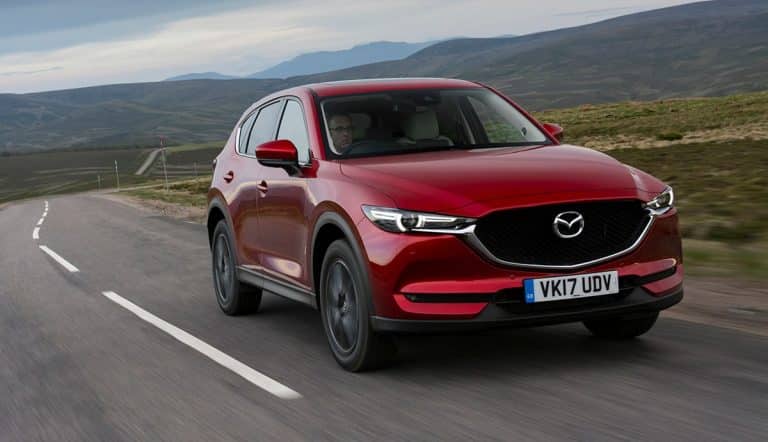
The Mazda CX-5 is the second-generation version of the brand’s best-selling crossover.
Key features:
Interior upgrades, revised styling, higher quality throughout.
Our view:
Improved in all areas, the new Mazda CX-5 is a definite contender for crossover buyers, particularly in diesel form.
Ask any car enthusiast to name a Mazda and they will very likely reply MX-5 – the roadster dominates the Japanese brand’s public image. But Mazda sells a great many more examples each year of a much less obvious model – the CX-5 crossover.
Launched in 2012, the CX-5 has become Mazda’s best-selling car. In Europe, the three CX crossover models account for half of all Mazdas sold, while in the UK it’s a third – because we buy so many MX-5s.
So there is no doubting the importance of the crossover as the second-generation model arrives on UK roads in July. It is all-new, but it is also an evolution of the current car.
When the previous CX-5 arrived in 2012, it was described as a bridge between Mazda’s fifth and sixth generation UK model range. The car debuted the first elements of the brand’s ‘Kodo – Soul of Motion’ design language, and also the first of the efficiency-seeking SkyActiv Technology programme in the chassis.
Today every Mazda is 100% SkyActiv, including engines, and 100% Kodo. And we are told the new CX-5 is again a bridge – it previews what is to come in the seventh generation of Mazda cars, dubbed by UK boss Jeremy Thomson “as big a step forward,” as was Gen Six.
Next page:Design
As millions of motorsport fans around the world will agree, Le Mans is one of the greatest motor racing films ever. Although to be fair, it’s a fairly short list.
The plot is pretty thin, the dialogue fairly absent and if you’re not a fan of the greatest race in the world, you’ll probably be bored to tears well before the halfway mark. But the authenticity of the racing footage remains some of the best ever committed to film, largely because the producers filmed the 1970 race in detail. They even entered their own car.
Le Mans was the pet project of Hollywood’s most glamorous actor of the 1960s, Steve McQueen. The movie’s troubled production, which affected McQueen for years, is the stuff of legend. As a cult classic, the film is inexorably linked to its star actor and a whole cottage industry has grown out of the movie.
Now a stunning new graphic novel interpretation of the movie has been released, with the blessing of the McQueen estate. It not only re-tells the original story but builds upon it in a wholly sympathetic manner.
Created by Sandro Garbo over a three-year period, Steve McQueen in Le Mans revisits the story of the fictional 1970 race between the Gulf Porsche team of Michael Delaney (played by McQueen) and Scuderia Ferrari.
The graphic novel explores the back story to the start of the movie and develops the main characters more fully. Reading through, you get the feeling of ducking in and out of the movie as the story progresses.
Michael Delaney’s Gulf Porsche 917K lined up for the start at Le Mans
Garbo’s illustrations are superb, capturing every detail of the Porsche 917, Ferrari 512S and other vehicles, as well as the grand Circuit de la Sarthe and its environs. McQueen himself is obviously front and centre in the story, and his likeness has been skilfully reproduced.
Every other character from the movie has been replaced with a similar-but-not-the-same representation. This is presumably licensing-related, but since Le Mans was always all about McQueen it’s not even a minor quibble.
Steve McQueen’s likeness has been faithfully and skilfully reproduced
Some of the frames are almost perfect reproductions of shots from the movie, with every detail precisely accounted for. Other images view a particular scene from an alternative angle to the movie cameras, which gives a real behind-the-scenes effect and makes you feel like you are right in the paddock.
Steve McQueen in Le Mans is only the first volume of the overall story, taking the reader up to the defining point of the race. The explosive crashes of Aurac’s Ferrari and Delaney’s Porsche are spread vividly across seven pages in a cliffhanger ending to the first volume.
Hopefully, Volume Two will be with us in rather less than the three years it took to create the first chapter, as I’m anxious to see how Garbo concludes his version of the classic story.
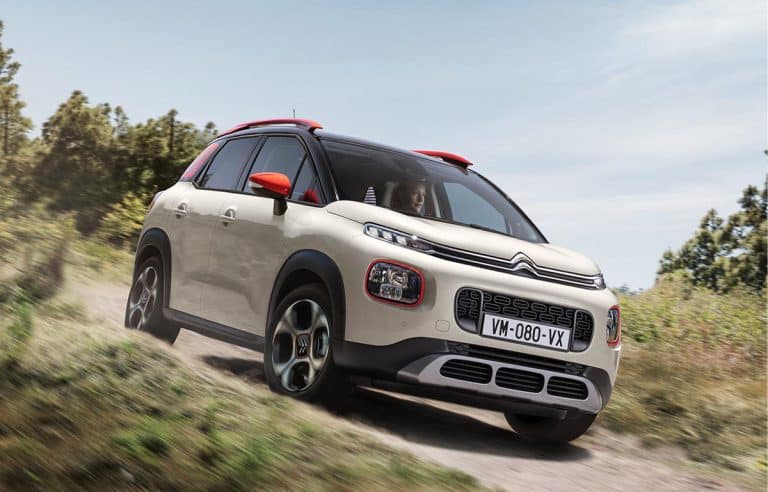
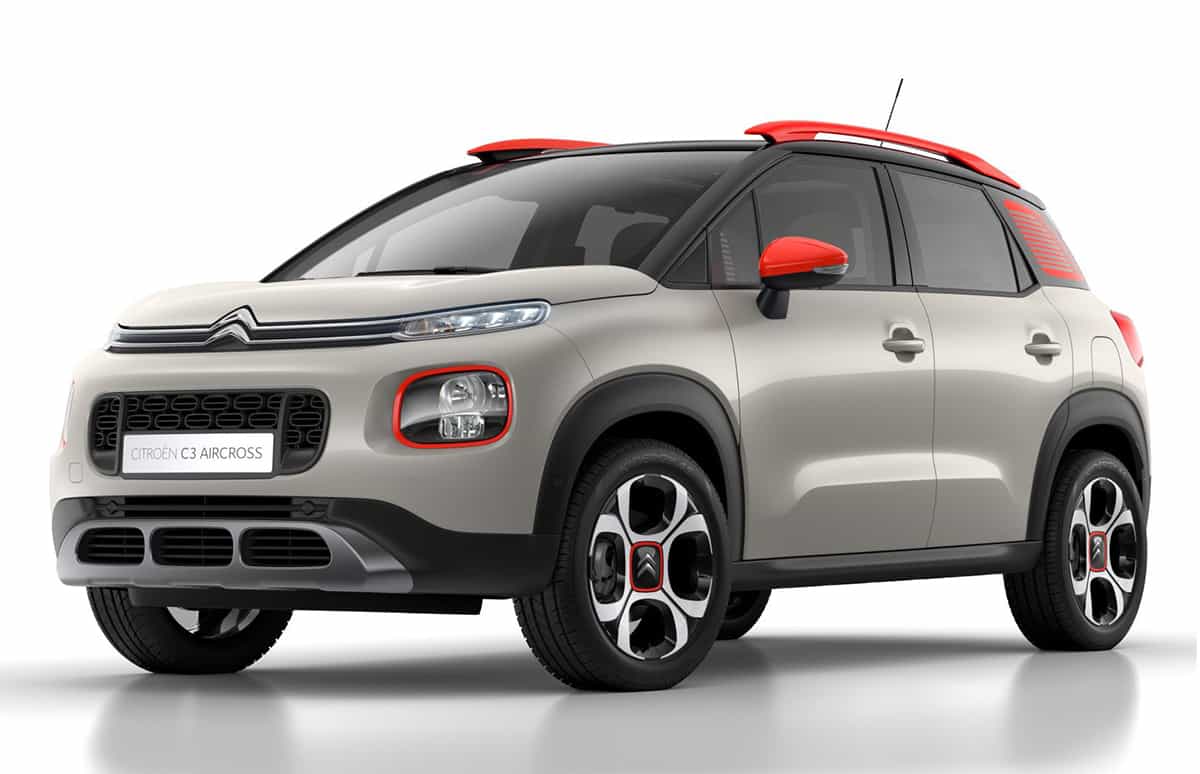
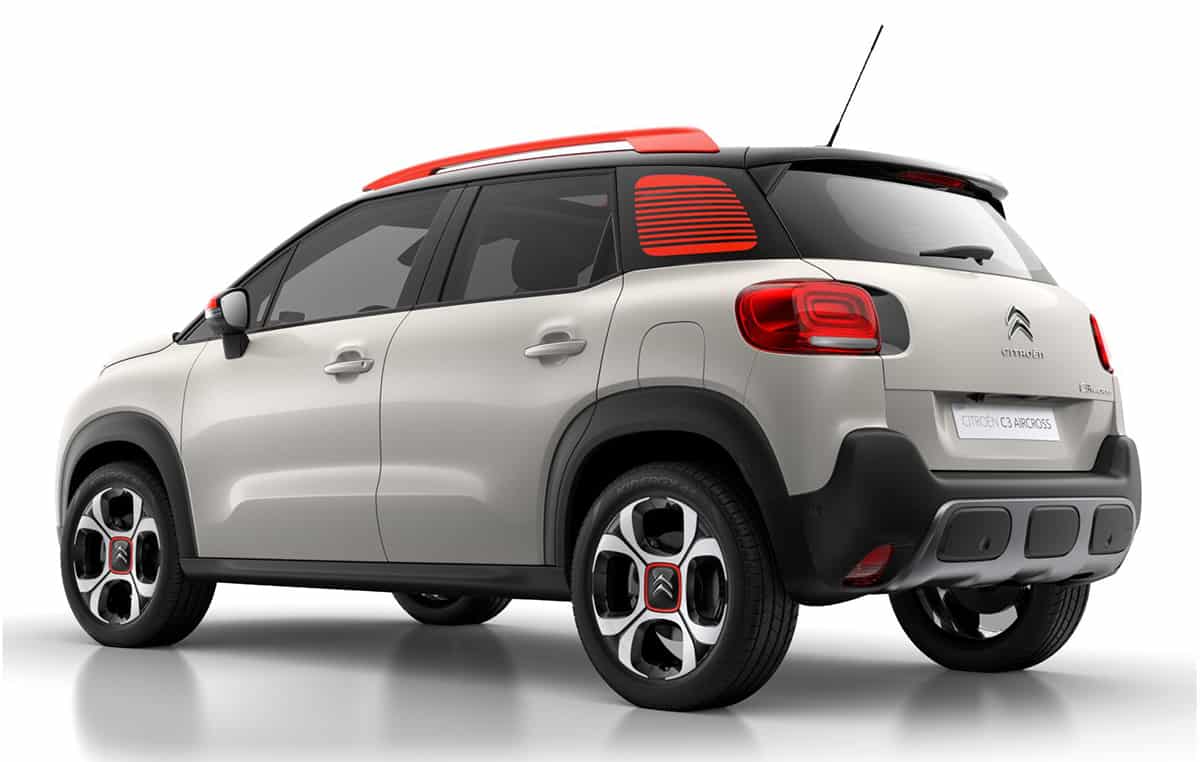
The Picasso is dead – making way for the Citroën C3 Aircross.
Unveiled in Paris and expected to make its public debut at the Frankfurt show in September, the C3 Aircross follows the trend of replacing MPVs with crossovers. Sales of the former have been plummeting as buyers turn in droves to the more SUV-styled crossover market.
The mass-selling Nissan Juke will be the prime target of the C3 Aircross but it will also rival its sister model, the newly-launched Vauxhall Crossland X. The two have been developed together ahead of Vauxhall’s takeover by Citroën’s parent PSA Group, and the Crossland X in turn replaces the Meriva mini MPV.
The C3 Aircross is based on the C-Aircross concept unveiled at the Geneva Motor Show in March. Gone, not surprisingly, are the rear-hinged rear doors and missing door pillar of the concept. But also not making it to production are Citroën’s new signature ‘air-bump’ side mouldings, seen on the recent C4 and C3 production models.
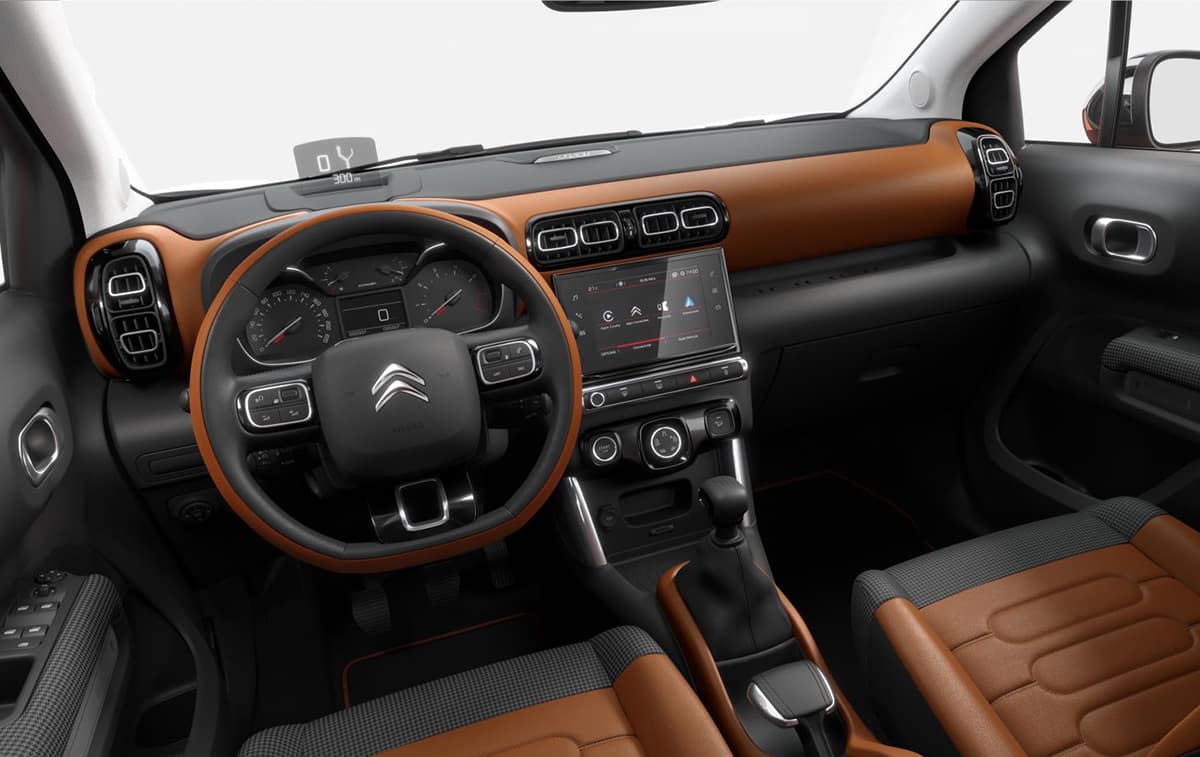
A new signature are the ‘Venetian Blind’ rear quarterlights, made from polycarbonate and layered with a coloured film. The C3 Picasso will also boast up to 90 colour combinations including eight body colours, four roof options and five interior finishes.
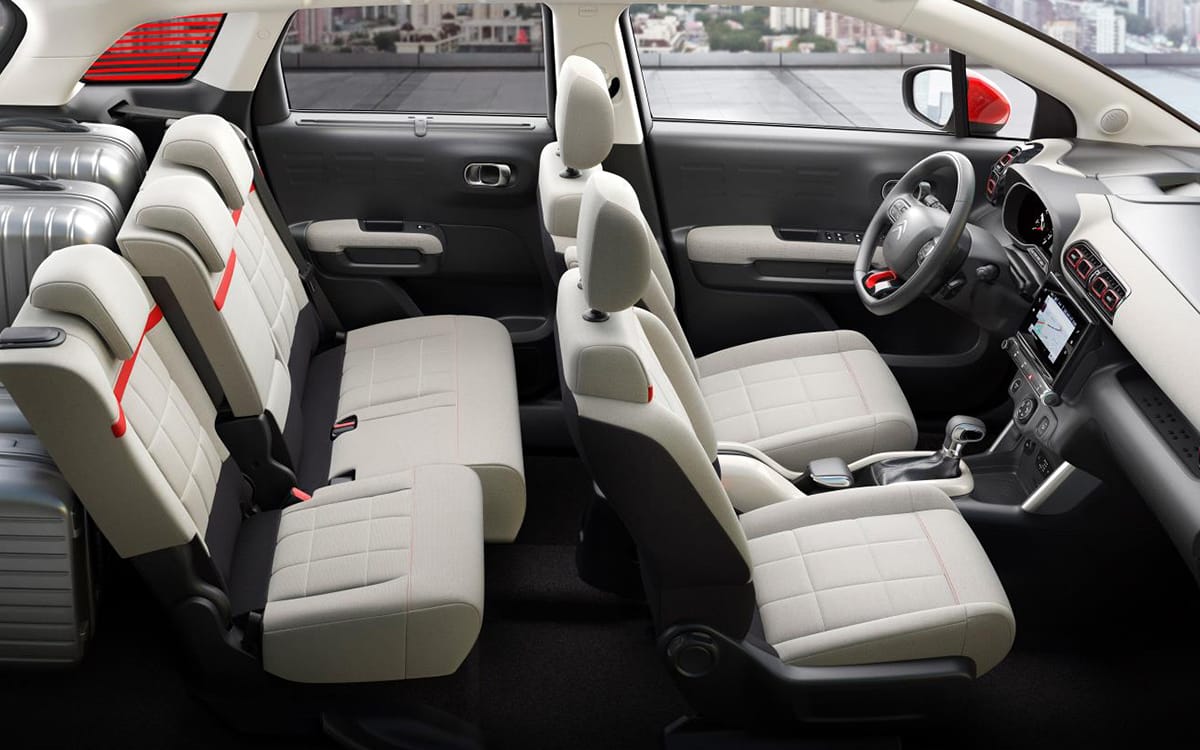
Three petrol engines and two diesels will be offered with the car, all matched to front-wheel-drive only transmissions. Citroën also promises that the modular design will translate to class-leading interior space.
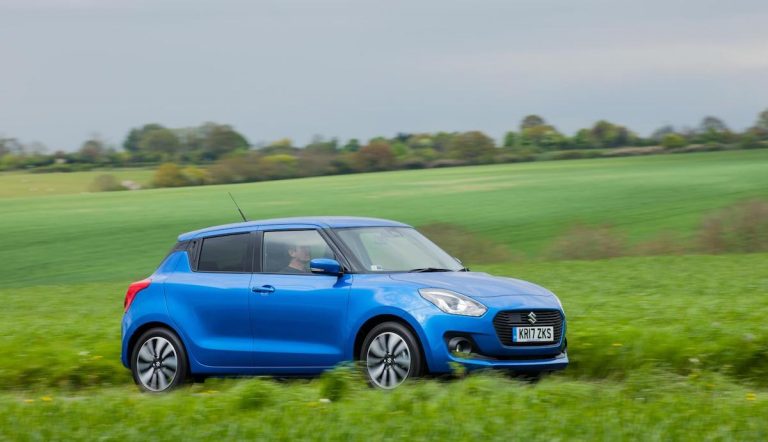
Suzuki has announced new personal finance and loyalty offers to support the launch of the all-new Swift range, which went on sale in the UK this week.
A PCP finance offer is available for selected Swift models, including a 2.9% representative annual percentage rate (APR) and a £500 deposit contribution. Depending on the model chosen, customers may avoid having to contribute any cash up-front at all. However, the more cash you are able to put in to start with, the lower your monthly payments will be.
The PCP offer applies to SZ-T and SZ5 front-wheel-drive models only. Entry-level SZ3 models and top-spec SZ5 all-wheel-drive models are not included in this offer, so equivalent finance quotations on those models may be significantly more expensive.
Suzuki is also offering a £500 loyalty offer for existing Suzuki owners. If you currently have a Suzuki car in the household, you are eligible for £500 worth of Suzuki accessories for your new Swift.
The offer only applies to the models above, which must be sold and delivered by 30 June 2017.
The 2.9% APR advertised is a representative rate, and may be slightly different depending on how much you borrow and over how long. The actual rate of interest is 2.8%, plus fees and charges.
The advertised payments on Suzuki’s website are based on an 8,000 miles per year mileage allowance. You can set this higher or lower depending on your circumstances, but it will affect your monthly payments and guaranteed minimum future value (GMFV). The excess mileage fees are set at 7p/mile for the first 5,000 miles and 14p/mile over that, so don’t be tempted to set your mileage too low.
The finance deal only applies to new cars, which does not include dealer demonstrators or pre-registered cars. The finance offer is provided through Suzuki dealers by Suzuki Financial Services, which is a trading name for Lloyds Banking Group (the company actually providing the finance). If a dealer offers you a finance deal that does not match these details, it is not part of this offer.
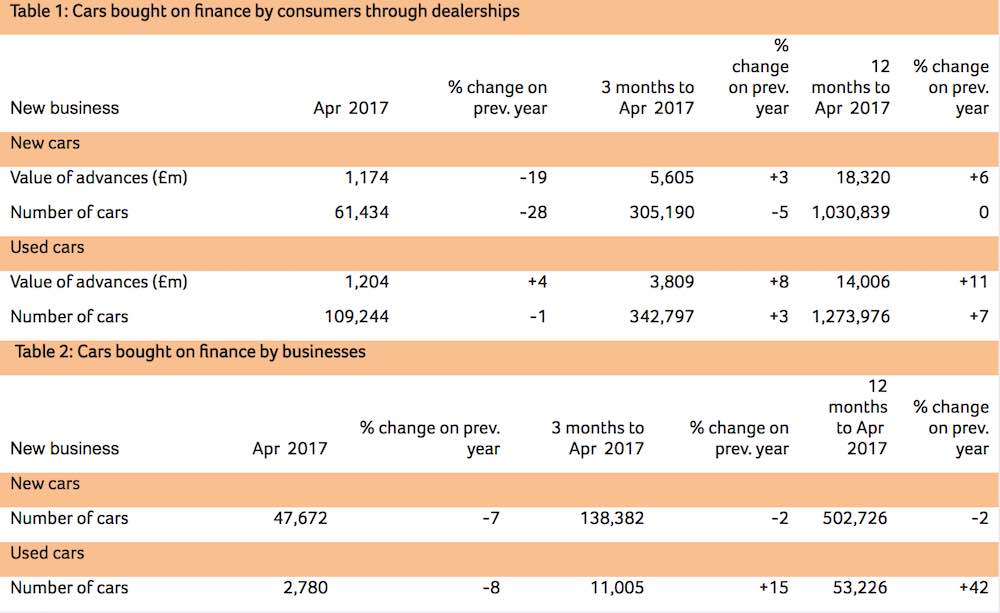
Car finance borrowing results for April show that car buyers are continuing to borrow more money on their cars, although the number of loan agreements fell in line with car sales.
Latest figures published today by the Finance & Leasing Association (FLA) show that the number of new car finance agreements for consumers fell by 28% in April compared to last year, which is in line with the fall of 28% in private new car sales for the same month. 61,434 new cars were financed, with a combined finance value of more than £1.1bn.
However, the value of those agreements continues to increase, continuing a trend that has been tracking for well over a year now. While the number of agreements fell by 28%, the total amount financed only fell by 19%. Although not shown in the table below, this represents a 12% increase in the amount of money borrowed per car. According to my very quick maths, average borrowing is up from just under £17,000 to just over £19,000.
Fewer car finance agreements in April, but for more money. Table (c) Finance & Leasing Association.
Used cars showed a similar pattern, with volumes down but values up. Used car sales numbers for April have not yet been published, but the FLA results show that the number of used car finance agreements fell by 1% while the value of those agreements increased by 4%. This means that the average amount financed increased from £10,500 to £11,000
Interestingly, the combination of a weaker new car market and stable used car sales numbers meant that more money was spent financing used cars than new cars in April. Year-to-date figures still show significantly more money being financed on new cars, however.
Levels of car finance borrowing an ongoing concern
The increasing amount of car finance borrowing is an ongoing concern for UK financial authorities, with both the Bank of England and the Financial Conduct Authority currently investigating the sector.
About £41bn was lent by FLA members to consumers for purchasing new and used cars in 2016. There are concerns about both the size of that market and the way finance products are being sold in dealerships.
The most popular finance product for personal car buyers, especially for new cars, is the personal contract purchase (PCP). The Financial Conduct Authority is particularly interested in how PCPs are being sold, and whether dealers are following requirements in how these products are being presented and explained to customers.
What is it: Latest-generation variant of Mini’s crossover model.
Key features: Larger size, new engine, more equipment.
Our view: While remaining a divisive model, the new Mini Countryman is a major advance on its predecessor, particularly in terms of interior space.
Review type: Full road test
If ever there was a Marmite car, it is the Mini Countryman. First launched in 2010, this model took the BMW-era reimagining of a British motoring icon into the booming crossover market.
To many enthusiasts, however, it’s a Mini too far, principally because there is nothing mini about it. The Countryman outstretches many family hatches, especially in height. And it has a bulging body style that looks like a Mini has spent several weeks in a gym.
Lined up against the detractors, however, are the fans, and there are plenty of them. The first-generation model regularly topped the brand’s sales charts.
Many who fully bought into the lifestyle image that has made the Mini such a success, love the idea that they can also buy into the UK market’s fastest-growing sector – crossovers – yet still drive a Mini. And they are prepared to live with the compromises, most notably very little space in the back.
Now Mini has addressed that issue in the second-generation Countryman, which arrived on UK roads in February 2017. Adopting the styling cues of other new Mini models launched over the last couple of years, the latest Countryman boasts new engines and more tech, much of it standard. But the big headline – it’s even bigger than its predecessor…
Next page:Exterior and interior design
Porsche has unveiled its latest limited-production 911 model, the 911 Turbo S Exclusive Series, at Highclere Castle in Berkshire.
The 3.8-litre flat-six cylinder twin-turbo engine produces a total of 607hp and a maximum torque of 750Nm. This translates to a 0-62mph time of 2.9 seconds and a top speed of 205 mph.
The 911 Turbo S Exclusive Series is available in a unique golden yellow colour, as well as other selected colours. The look is finished with carbon accents on the bonnet, roof and side skirts, twin tailpipes in black stainless steel and 20-inch black wheels.
Inside, the adjustable seats are upholstered in leather and feature stripes and stitching in the contrast colour of golden yellow. A plate on the passenger’s side features the build number of the vehicle.
Buy yourself a matching watch while you’re at it
Each 911 Turbo S Exclusive Series will be hand-finished at Porsche Exclusive Manufaktur at the company’s headquarters in Germany. Personalisation options for the 911 extend to a £8,700-watch configured to the same design as the clock chosen for the car and a matching leather luggage set.
With just 500 units due for worldwide release, the 911 Turbo S Exclusive Series is available to order from 8th June and is priced from £186,916.
As the UK goes to the polls in the General Election, the motor industry is keenly awaiting the outcome of the vote.
Speaking to The Car Expert at the launch of the new Mazda CX-5, Mazda UK managing director Jeremy Thomson expressed the thoughts of many in the industry. He believes that the result of the General Election, and the Brexit negotiations to follow, could dramatically impact the future of the industry.
“Depending on the result we could see very different positions on personal taxation, which will affect consumption and the willingness of consumers to invest in new cars,” Thomson said.
“Other elements affecting the industry could be the new Government’s views of taxation on cars, on fuel, and what happens to interest rates based on the response of markets to the result. These are all things that drive consumer behaviour and attitudes to the affordability of cars and the cost of PCPs.”
Brexit questions
The new Government’s stance on Brexit could have an even bigger impact, Thomson argues, and could dramatically change the attitude of the trading relationship between manufacturers and the UK, and for those that build cars in the UK, with Europe.
“Mazda is already subject to a 10 per cent trade tariff on everything we bring into the UK, it is inbuilt into our business model and we pay around £50m a year in trade tariffs. In some future world we might see a free trade agreement with Japan which would level the playing field with other manufacturers. Brexit could be a benefit to Mazda. Equally no Brexit agreement will fundamentally change the trading agreement manufacturers have with the UK.”
Mazda boss Jeremy Thomson believes much depends on the result of the General Election.
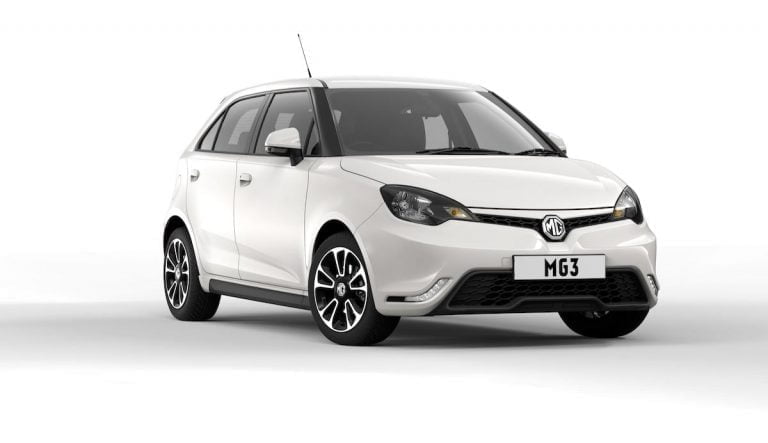
MG Motor UK is currently offering 0% finance on selected finance agreements for the MG3 range.
The interest-free finance applies to conditional sale agreements (basically a hire purchasewithout the ‘option to buy’ fee at the end) on new MG3 models purchased and delivered by the end of June.
For most models in the range, there is a 20% minimum deposit requirement set by MG Financial Services. However, in a specific offer on the top-spec MG3 3Style+ model, a low-deposit offer is also available (advertised as £189 up front and then £189/month for five years). This model also includes a £166 deposit contribution that the other models do not offer – although you can always still haggle on price with any car purchase, even on 0% finance.
The Car Expert says… always check the fine print
With a 0% APR deal, there are no fees and no interest, and on a conditional sale agreement there are no mileage restrictions. However, there will be fees and charges if you are late with payments or default on payments.
The finance deal only applies to new cars, which does not include dealer demonstrators or pre-registered cars. The finance offer is provided through MG dealers by MG Financial Services, which is a trading name for GMAC UK (the company actually providing the finance). If a dealer offers you a finance deal that does not match these details, it is not part of this offer.
Kia has announced a new addition to its range of compact crossovers: the Stonic.
Inspired by larger Kia SUVs such as the Sportage, the new model will be available with a host of personalisation options.
Roof bars and unique tail lamp graphics contribute to a sporty exterior look. This continues inside the cabin, with an emphasis on technology and ergonomics.
The infotainment system uses a floating human-machine interface (HMI) to blend smartphone access with the car’s own functions.
Further details of pricing and specification are yet to be announced. The new Kia Stonic is scheduled to go on sale in the UK in the second half of 2017.
The end of the line is approaching for the Vauxhall VXR8, and a final edition of the super-saloon known as the Vauxhall VXR8 GTS-R will debut at this month’s Goodwood Festival of Speed.
Production of the Holden Commodore, which forms the basis for the VXR8 and Maloo, will come to an end in late October as GM closes its manufacturing facility in Adelaide, South Australia. This will bring an end to all car manufacturing in Australia, as Ford has already closed its doors and Toyota will also cease production in early October.
The VXR8 GTS-R is built by Holden Special Vehicles to Vauxhall’s UK specification. It is powered by an even more powerful version of the current GTS’s supercharged 6.2-litre V8 engine. With 595hp and 740Nm of torque, the GTS-R is the most powerful car in Vauxhall history.
As well as the extra performance, the Vauxhall VXR8 GTS-R builds on the GTS model’s specification. It features an upgraded braking system, new 20-inch alloy wheels, revised front bumper and grille assembly, rear bumper and diffuser, revised exhaust outlets and unique diamond-stitched alcantara interior trim.
Only 15 models of the VXR8 GTS-R will be built, with an on-road price of £74,500.
Figures released today by the Society of Motor Manufacturers and Traders (SMMT) have shown a significant fall in the registrations of new diesel cars during May, down 20% on last year.
Overall new vehicle registrations fell 8.5% in another difficult month for manufacturers and dealers, following April’s dramatic 20% downturn. A total of 186,265 new cars were registered for the month, but the make-up of the market looks to have changed significantly.
Private car sales were the leading cause of the sales slowdown, down 14% on last year. This will be significantly affected by the looming General Election. Fleet sales were also down, although business registrations were up.
The beginning of the end for diesel?
As the table above shows, diesel sales slumped dramatically, with 20,000 fewer new diesel cars registered in May 2017 compared to last year. Diesel sales now trail petrol sales by a margin of nearly 100,000 cars for the first five months of the year, and diesel’s market share has fallen to levels not seen for many years.
Such significant falls in diesel car sales will be a challenge for manufacturers and dealers if the pattern continues at the current rate. Many industry analysts have been expecting a gradual decrease in diesel demand, but a 20% slump will be causing some urgent re-thinking in head offices around the UK.
New road tax charges have reduced one of the sales advantages of diesel cars, and the cost of diesel remains a few pence per litre higher than petrol. This is on top of the continued negative press surrounding diesel cars’ emission levels and the prospect of toxin taxes for diesel cars in coming years.
The SMMT’s figures illustrate the dramatic fall in diesel registrations in 2017.
These factors have also impacted on residual values for diesel cars – which have traditionally been stronger than those for petrol cars. This will also ultimately drive up monthly payments for new diesel car finance offers. Expect discounts and deals on diesel models to increase immediately as retailers look to clear stock that is not selling.
This will particularly affect the big European brands who are heavily committed to diesel cars. Japanese brands like Toyota and Lexus, who have long preferred petrol hybrids to diesels, may be relative winners if diesel continues to decline in popularity. Volvo has also signalled that the current generation of diesel engines could be the last one it offers.
The alternatively-fuelled vehicle (AFV) segment improved following a dip in April. Numbers of EVs and hybrids were up by about 2,500 over last year, contributing to a new record market share of 4.4% – almost all of which will have come at the expense of diesel cars. This growth has improved the year-to-date results for the segment, which is running more than 27% ahead of last year.
The overall market year-to-date performance is down 0.6%, with increases in the business and fleet sectors failing to compensate for a 4.2% decrease in private new car sales.
Mike Hawes, SMMT Chief Executive, said that the SMMT “expected demand in the new car market to remain negative in May due to the pull-forward to March – which was an all-time record month – resulting from VED reform.”
Contrary to predictions that the General Election might boost car sales, Hawes suggests that it has “given many pause for thought and affected purchasing patterns in the short term”.
Ford Fiesta continues its reign at the top
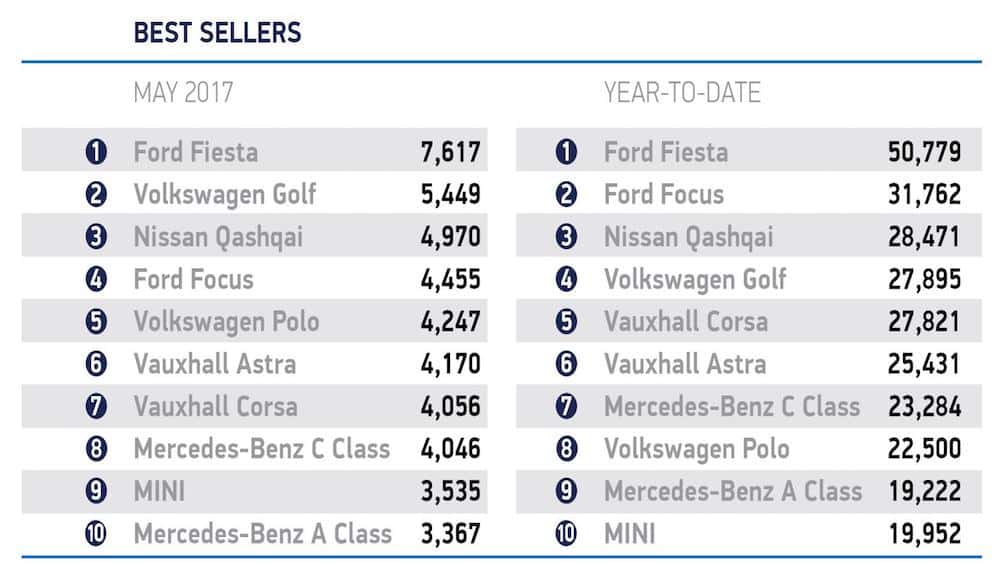
As usual, the Ford Fiesta reigned supreme at the top of the charts in May. Its larger sibling, the Focus, struggled somewhat in comparison, sliding back to fourth.
Ironically, given that Volkswagen sparked the current anti-diesel crusade in the first place, one of the best performers of May was the Volkswagen Golf. It wasn’t all good news for Volkswagen, however, as the Polo fell out of the top ten sellers in May.
The Ford Fiesta enjoyed another month as the most-registered new car.Additional reporting by Katharine Morgan.