-
Read about the latest updates for the Nissan Qashqai
-
Read more Nissan news, reviews and features at The Car Expert










As millions of motorsport fans around the world will agree, Le Mans is one of the greatest motor racing films ever. Although to be fair, it’s a fairly short list.
The plot is pretty thin, the dialogue fairly absent and if you’re not a fan of the greatest race in the world, you’ll probably be bored to tears well before the halfway mark. But the authenticity of the racing footage remains some of the best ever committed to film, largely because the producers filmed the 1970 race in detail. They even entered their own car.
Le Mans was the pet project of Hollywood’s most glamorous actor of the 1960s, Steve McQueen. The movie’s troubled production, which affected McQueen for years, is the stuff of legend. As a cult classic, the film is inexorably linked to its star actor and a whole cottage industry has grown out of the movie.
Now a stunning new graphic novel interpretation of the movie has been released, with the blessing of the McQueen estate. It not only re-tells the original story but builds upon it in a wholly sympathetic manner.
Created by Sandro Garbo over a three-year period, Steve McQueen in Le Mans revisits the story of the fictional 1970 race between the Gulf Porsche team of Michael Delaney (played by McQueen) and Scuderia Ferrari.
The graphic novel explores the back story to the start of the movie and develops the main characters more fully. Reading through, you get the feeling of ducking in and out of the movie as the story progresses.

Garbo’s illustrations are superb, capturing every detail of the Porsche 917, Ferrari 512S and other vehicles, as well as the grand Circuit de la Sarthe and its environs. McQueen himself is obviously front and centre in the story, and his likeness has been skilfully reproduced.
Every other character from the movie has been replaced with a similar-but-not-the-same representation. This is presumably licensing-related, but since Le Mans was always all about McQueen it’s not even a minor quibble.

Some of the frames are almost perfect reproductions of shots from the movie, with every detail precisely accounted for. Other images view a particular scene from an alternative angle to the movie cameras, which gives a real behind-the-scenes effect and makes you feel like you are right in the paddock.
Steve McQueen in Le Mans is only the first volume of the overall story, taking the reader up to the defining point of the race. The explosive crashes of Aurac’s Ferrari and Delaney’s Porsche are spread vividly across seven pages in a cliffhanger ending to the first volume.
Hopefully, Volume Two will be with us in rather less than the three years it took to create the first chapter, as I’m anxious to see how Garbo concludes his version of the classic story.

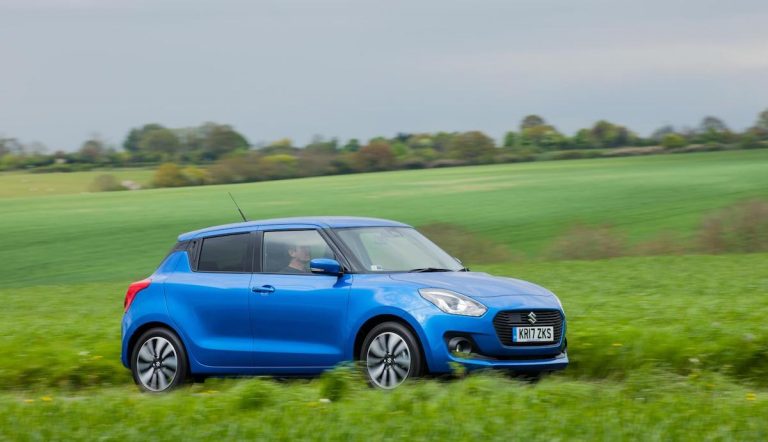
Suzuki has announced new personal finance and loyalty offers to support the launch of the all-new Swift range, which went on sale in the UK this week.
A PCP finance offer is available for selected Swift models, including a 2.9% representative annual percentage rate (APR) and a £500 deposit contribution. Depending on the model chosen, customers may avoid having to contribute any cash up-front at all. However, the more cash you are able to put in to start with, the lower your monthly payments will be.
The PCP offer applies to SZ-T and SZ5 front-wheel-drive models only. Entry-level SZ3 models and top-spec SZ5 all-wheel-drive models are not included in this offer, so equivalent finance quotations on those models may be significantly more expensive.
Suzuki is also offering a £500 loyalty offer for existing Suzuki owners. If you currently have a Suzuki car in the household, you are eligible for £500 worth of Suzuki accessories for your new Swift.
The offer only applies to the models above, which must be sold and delivered by 30 June 2017.
The new Swift has received many favourable reviews from the UK media, including here at The Car Expert. However, in recent weeks it received a disappointing three-star safety rating from Euro NCAP.
The 2.9% APR advertised is a representative rate, and may be slightly different depending on how much you borrow and over how long. The actual rate of interest is 2.8%, plus fees and charges.
The advertised payments on Suzuki’s website are based on an 8,000 miles per year mileage allowance. You can set this higher or lower depending on your circumstances, but it will affect your monthly payments and guaranteed minimum future value (GMFV). The excess mileage fees are set at 7p/mile for the first 5,000 miles and 14p/mile over that, so don’t be tempted to set your mileage too low.
The finance deal only applies to new cars, which does not include dealer demonstrators or pre-registered cars. The finance offer is provided through Suzuki dealers by Suzuki Financial Services, which is a trading name for Lloyds Banking Group (the company actually providing the finance). If a dealer offers you a finance deal that does not match these details, it is not part of this offer.


Car finance borrowing results for April show that car buyers are continuing to borrow more money on their cars, although the number of loan agreements fell in line with car sales.
Latest figures published today by the Finance & Leasing Association (FLA) show that the number of new car finance agreements for consumers fell by 28% in April compared to last year, which is in line with the fall of 28% in private new car sales for the same month. 61,434 new cars were financed, with a combined finance value of more than £1.1bn.
However, the value of those agreements continues to increase, continuing a trend that has been tracking for well over a year now. While the number of agreements fell by 28%, the total amount financed only fell by 19%. Although not shown in the table below, this represents a 12% increase in the amount of money borrowed per car. According to my very quick maths, average borrowing is up from just under £17,000 to just over £19,000.
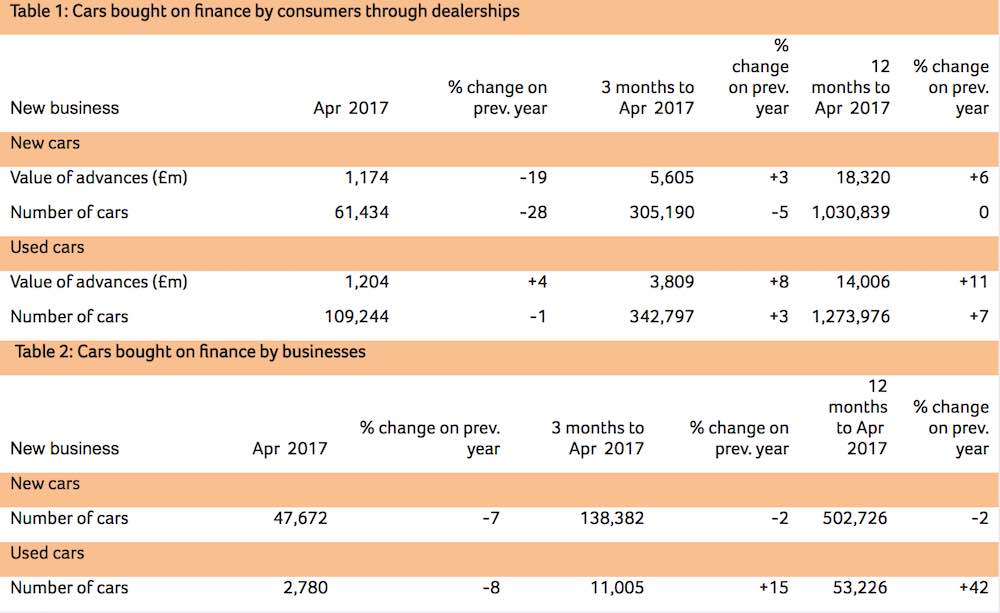
Used cars showed a similar pattern, with volumes down but values up. Used car sales numbers for April have not yet been published, but the FLA results show that the number of used car finance agreements fell by 1% while the value of those agreements increased by 4%. This means that the average amount financed increased from £10,500 to £11,000
Interestingly, the combination of a weaker new car market and stable used car sales numbers meant that more money was spent financing used cars than new cars in April. Year-to-date figures still show significantly more money being financed on new cars, however.
The increasing amount of car finance borrowing is an ongoing concern for UK financial authorities, with both the Bank of England and the Financial Conduct Authority currently investigating the sector.
About £41bn was lent by FLA members to consumers for purchasing new and used cars in 2016. There are concerns about both the size of that market and the way finance products are being sold in dealerships.
The most popular finance product for personal car buyers, especially for new cars, is the personal contract purchase (PCP). The Financial Conduct Authority is particularly interested in how PCPs are being sold, and whether dealers are following requirements in how these products are being presented and explained to customers.






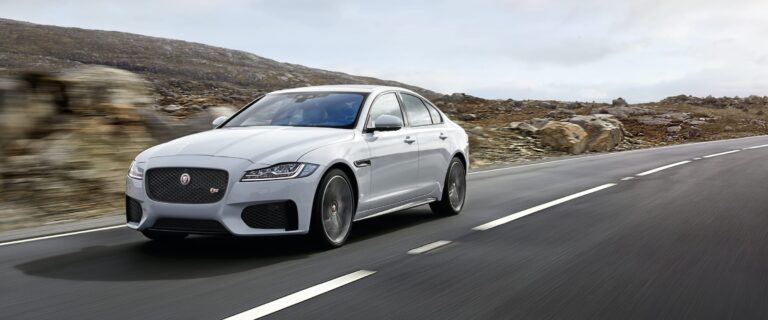
What is it: The Jaguar XF S is the performance model of the second-generation XF family, although not the most extreme version available.
Key features: Supercharged V6 engine, lightweight construction, superb ride/handling balance
Our view: The Jaguar XF S is a worthy competitor in a very tough market. It’s not perfect, but it is a fine car.
Review type: Full road test
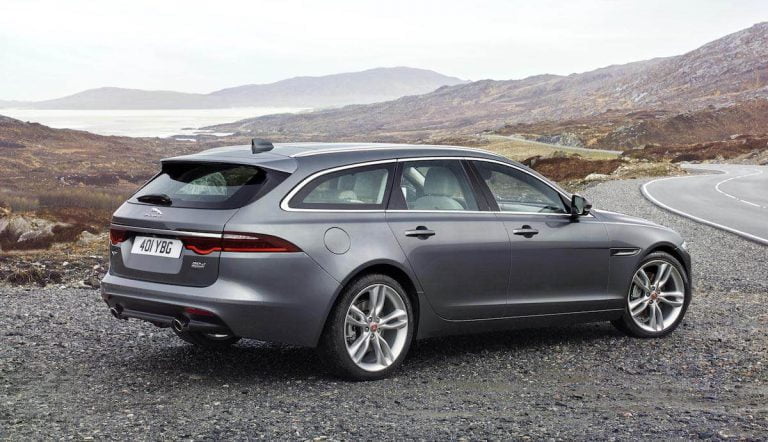
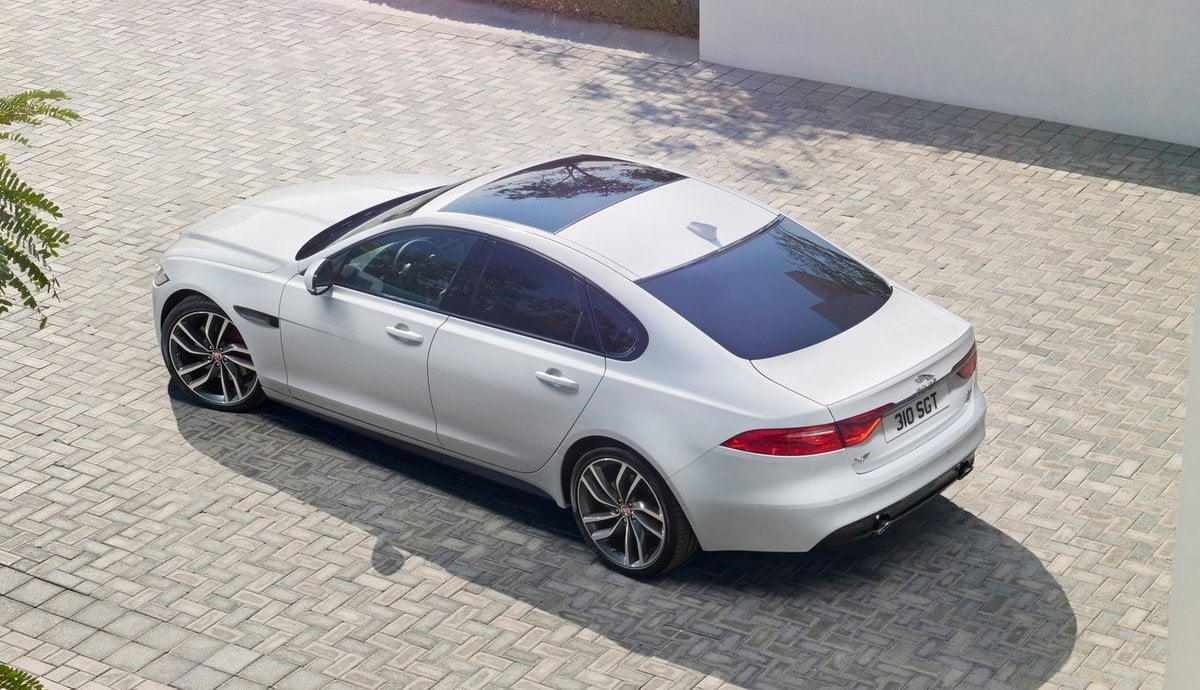
The current Jaguar XF range has been on sale for a couple of years now, although it’s possible you may not have noticed since it looks rather similar to both the previous model and the smaller Jaguar XE saloon.
Despite the same-again styling, it is a much more advanced machine. Extensive use of aluminium and lightweight materials has kept weight down – despite a more spacious cabin and ever-increasing levels of kit weighing it down.
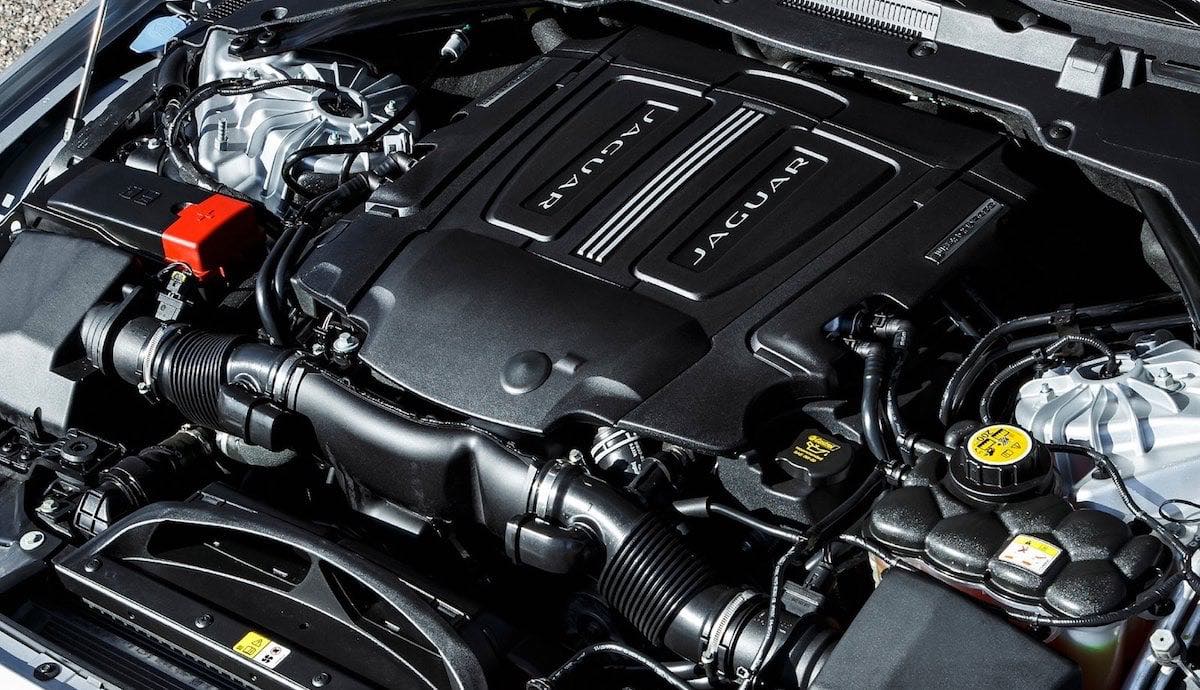
On test is the XF S performance model, which is powered by a supercharged 3.0-litre petrol V6 engine generating some 380hp. Plenty quick enough, then. It also gets some slight styling tweaks, bigger wheels and brakes, and suspension upgrades. Lower-spec models get the Ingenium diesel and (from summer 2017) petrol engines, replacing previous units sourced from the Ford empire.
Over a week of varied driving, the XF S proved highly competent is what is an incredibly tough market segment. The middleweight Jaguar range has to compete against the Audi A6, BMW 5 Series, Infiniti Q70, Lexus GS, Maserati Ghibli and Mercedes-Benz E-Class. If you don’t want the performance S model, then the Volvo S90 is also a formidable competitor.
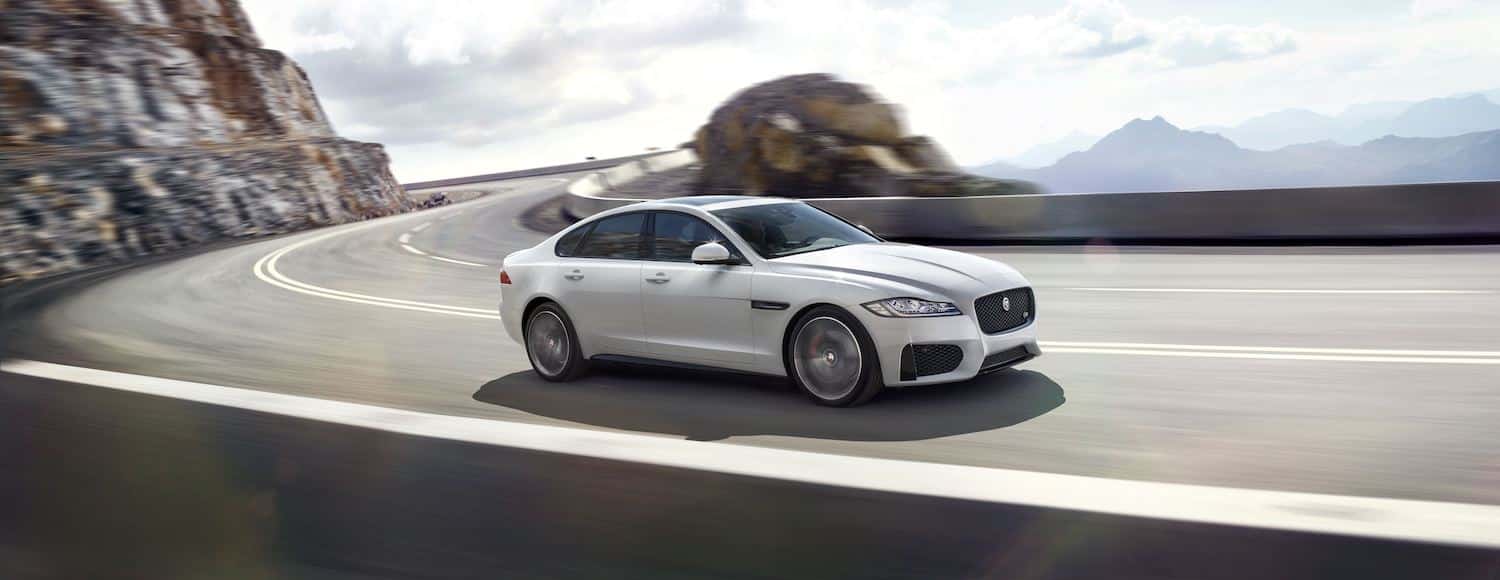
Jaguar has managed to produce a bodyshell that provides significantly more room than the previous model, despite being fractionally shorter (only by 7mm, so don’t start making plans for that extra garage space).
In XF S specification, and with our car’s optional 20-inch alloy wheels, it is a handsome albeit slightly generic look. When the previous XF and then the current Jaguar XJ were launched nearly a decade ago, it was a rather shocking break with decades of retro-tastic Jaguar designs. A toned-down version of the XJ’s style has been applied to the small XE and mid-size XF saloons, and it is a modern yet fairly anonymous look.
Even for car enthusiasts, telling the difference between an XE and XF on the street can be tricky. Having decided on a new design language, Jaguar seems determined to apply it rigorously to every model in the range.
Better than: Audi A6, Infiniti Q70
Not as good as: BMW 5 Series, Lexus GS, Maserati Ghibli, Mercedes-Benz E-Class, Volvo S90
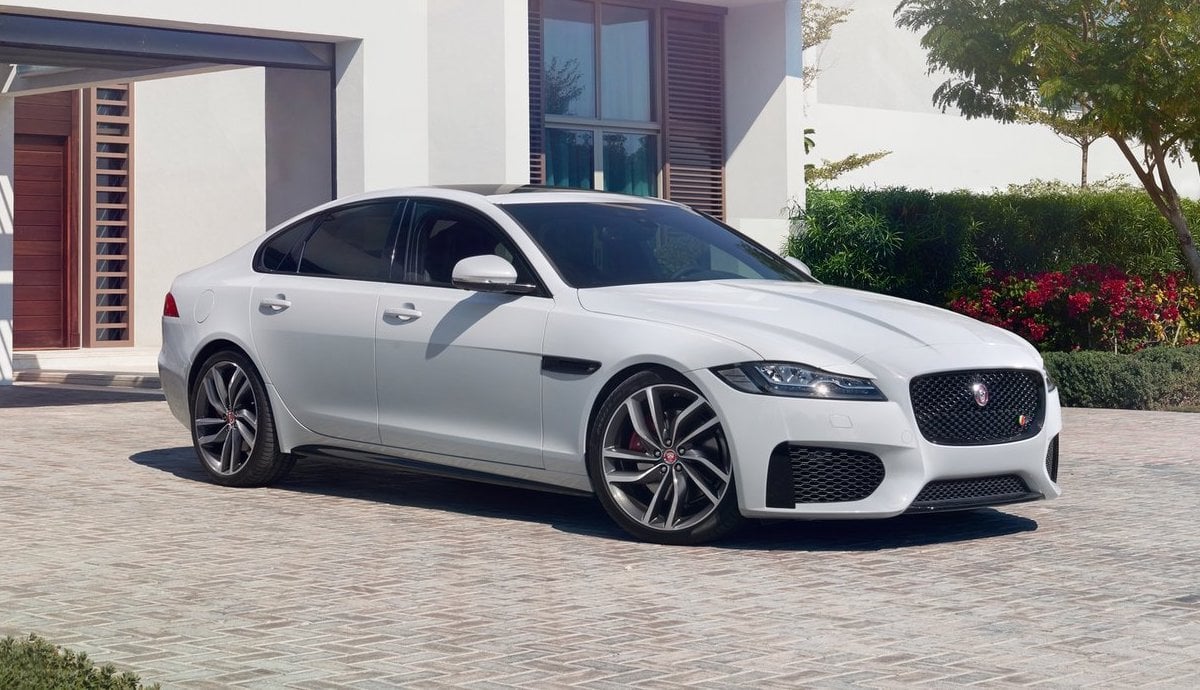
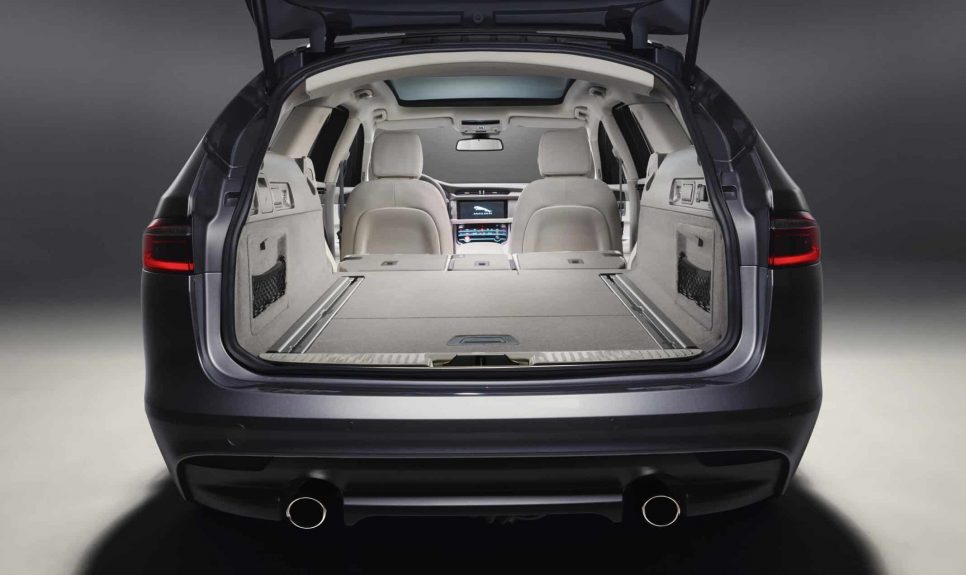
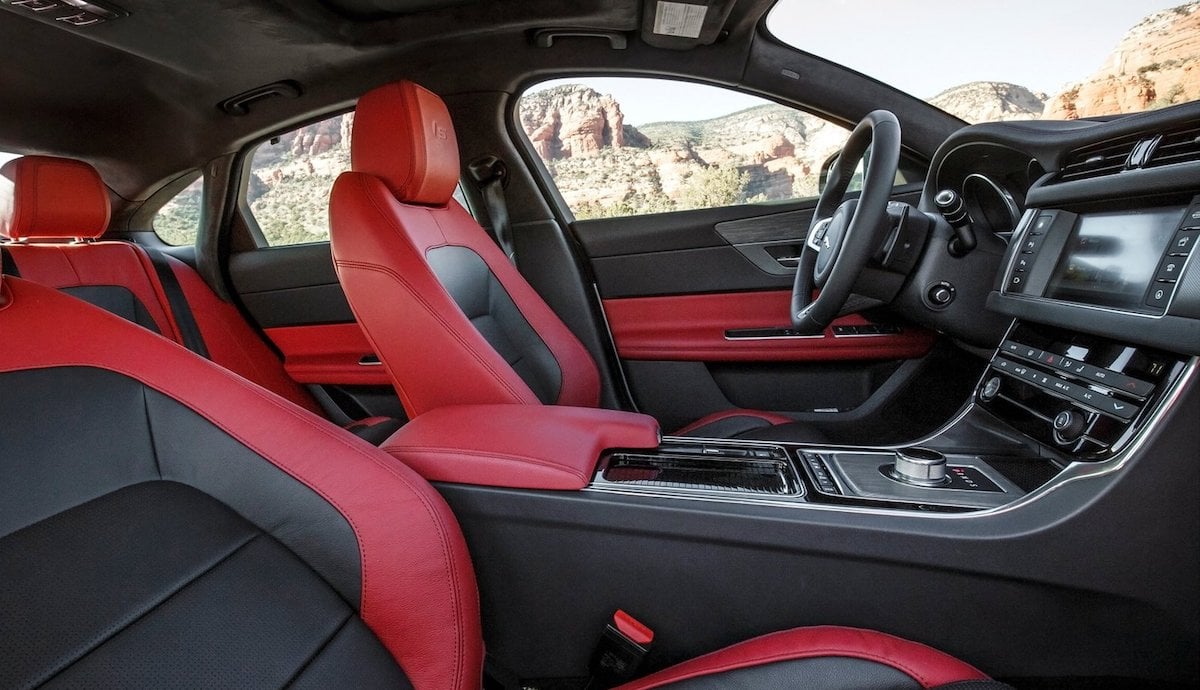
Jaguar’s design and engineering teams have managed to significantly improve the room for rear-seat passengers, who now have a decent amount of room for such a large car. The boot is not only larger but also better shaped, and it was able to swallow two large and two small suitcases with ease.
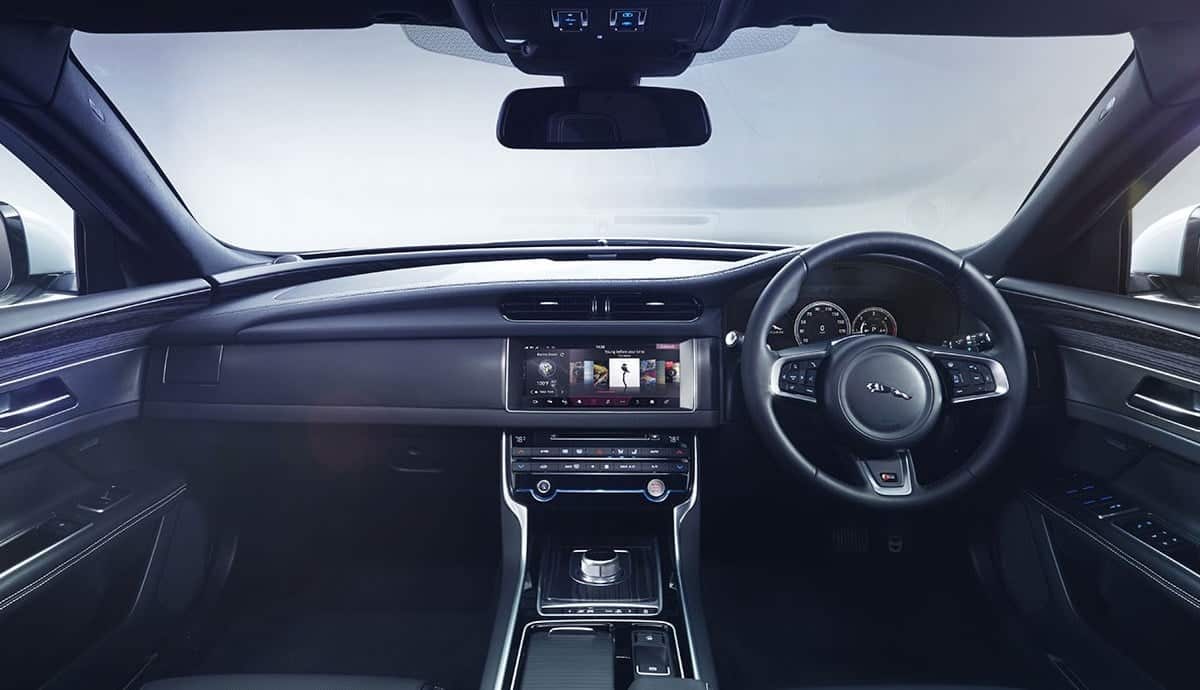
The dashboard layout is similar to XE and has some genuinely nice design features, like a sweeping line which ran all around the dash from door to door, but gimmicks like a pop-up gear selector and automatically-swivelling air vents lose their appeal after the second time you start the car. Another negative is the touchscreen infotainment system, which looked dated and was annoying to use on the move (more of that shortly). Likewise the digital dash display, which lags behind Audi’s best-in-class version.
Emphasising its ‘sportiness’, our test vehicle had carbon-fibre trim and somewhat gaudy red and black leather. Maybe some buyers like it, but the combination seemed rather tacky for what was nearly a £60,000 car with all the options it was carrying.
Better than: Infiniti Q70, Lexus GS, Maserati Ghibli
Not as good as: Audi A6, BMW 5 Series, Mercedes-Benz E-Class, Volvo S90
The supercharged 3.0-litre V6 petrol engine in the Jaguar XF S may be getting a bit long in the tooth these days, but it is still a lovely thing to drive. Partnered with a refined eight-speed automatic transmission, its 380hp gives more than enough performance for any given situation. Unlike many ‘sporting’ saloons (and unlike Jaguar’s own F-Type sports car), the XF S does not have a booming exhaust note to drive you batty over a long journey. Instead, the fast Jaguar is a pleasingly hushed model of discretion.
The performance does come at a price, however. Over a week of mainly gentle driving and motorway cruising, we rarely saw fuel economy reach 30mpg. If we’d been really pushing it, the numbers would probably have been down in the teens.
Better than: Audi A6, Infiniti Q70, Maserati Ghibli, Mercedes E-Class, Volvo S90
Not as good as: BMW 5 Series
If you enjoy driving your large luxury saloon along winding B-roads at speed, then the Jaguar XF S fits the bill very well. The steering encourages you to play and the handling is excellent for such a large car. Switch the car into Dynamic mode and it’s a sharp performer.
Finding a balance for the other 99% of the time is usually a difficult trick. Big wheels and stiff suspension are usually the enemies of comfortable ride, and most manufacturers will sacrifice one in favour of the other. Jaguar, however, has managed to balance the opposing requirements of ride and handling pretty well.
Even on our car’s optional 20-inch wheels (19-inch is standard), the XF S was a comfortable commuter and motorway cruiser. Switching over to Eco mode dulls the throttle response significantly, which is actually very useful in commuter traffic compared to the very sensitive response of Normal and Dynamic modes.
Better than*: Audi A6, Infiniti Q70, Lexus GS, Maserati Ghibli, Volvo S90
Not as good as*: BMW 5 Series, Mercedes-Benz E-Class
*Where we have not driven competitor vehicles to rate against the tested vehicle, we have aggregated reports from across the UK motoring media.
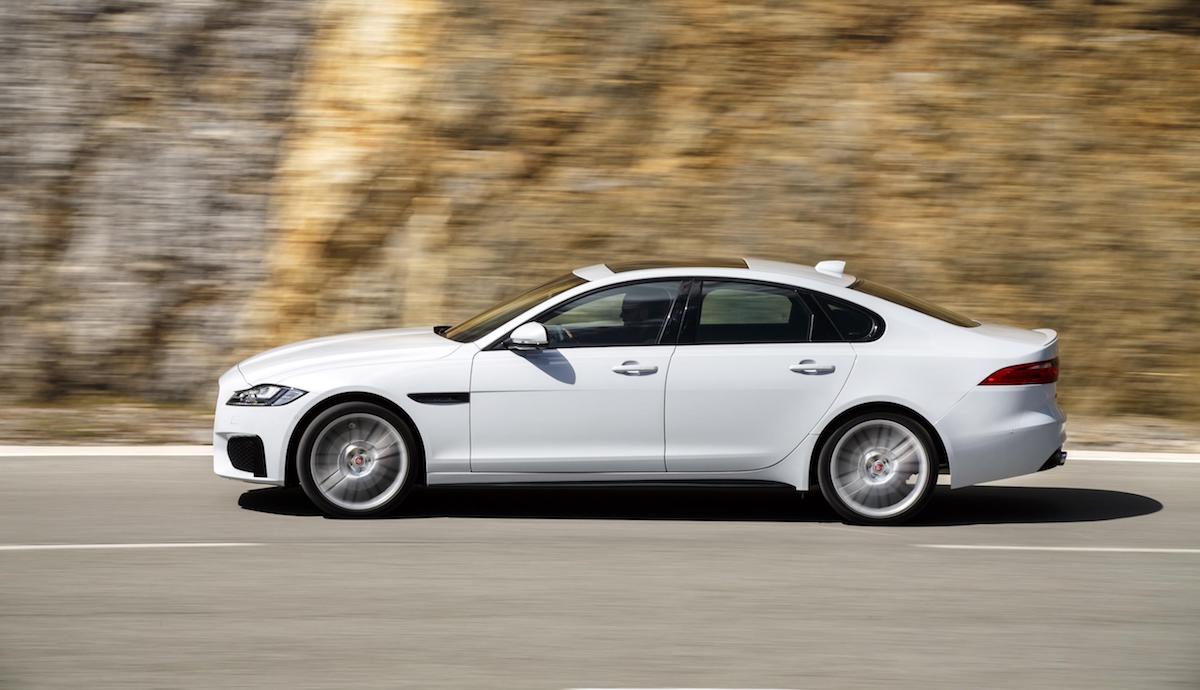

Equipment levels for the Jaguar XF S are largely in line with what you’d expect for this segment and price. Electrically-adjustable heated leather seats, auto high-beam headlights, auto wipers, reversing camera, parking sensors, satnav and bluetooth streaming are all present.
The test car featured an optional head-up display, which worked brilliantly and is highly recommended. It was also equipped with an upgraded infotainment system, which did not garner any great praise. The system felt slow and clunky compared to its German rivals, and the touchscreen was difficult to use on the move (the Germans still refuse to go down the touchscreen path, and I completely agree with them). Bluetooth pairing was also inconsistent.
Safety-wise, the Jaguar XF range was awarded a five-star rating from Euro NCAP when it was launched in 2015. Autonomous emergency braking is standard, but additional active safety features like lane-keeping assist, blind-spot assist and active cruise control are all optional extras.
Better than: Infiniti Q70, Lexus GS, Maserati Ghibli
Not as good as: Audi A6, BMW 5 Series, Mercedes-Benz E-Class, Volvo S90
The large executive car segment is a very tough marketplace, but the Jaguar XF S is competitive in pretty much every way you would need.
It is a comfortable, quiet and smooth saloon, with plenty of performance on tap whenever you feel the need. It rewards spirited driving far more than most of its rivals, and is a genuinely lovely place to cover miles – whether it’s a daily commute, a motorway trip or a Sunday blast.
The visible digital technology – satnav, stereo, bluetooth, and instrument panel – lags considerably behind the best in class, and certainly the fuel economy on the XF S isn’t too clever. Some of the optional extras are pretty pricey, and a few should really be standard equipment on a car like this.
If you can live with the negative points and enjoy driving, there’s no reason why you wouldn’t enjoy a Jaguar XF S.
Audi A6 | BMW 5 Series | Infiniti Q70 | Lexus GS | Maserati Ghibli | Mercedes-Benz E-Class | Volvo S90
Test Date: May 2017
Price: from £51,100
Engine: Petrol, 3.0-litre supercharged V6
Power: 380hp @ 6,500rpm
Torque: 450Nm @ 4,500rpm.
0-62mph: 5.1 seconds
Top speed: 155 mph
Insurance group: 38
Fuel economy: 34.0 mpg (combined cycle) CO2 emissions: 198. g/km
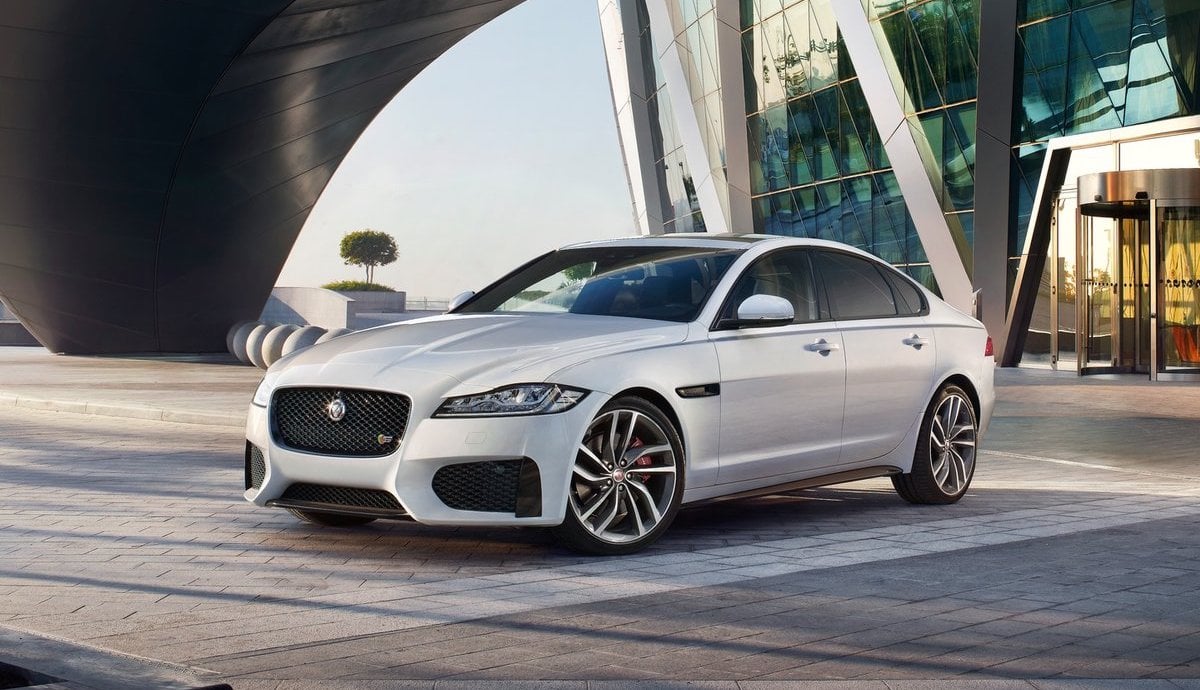
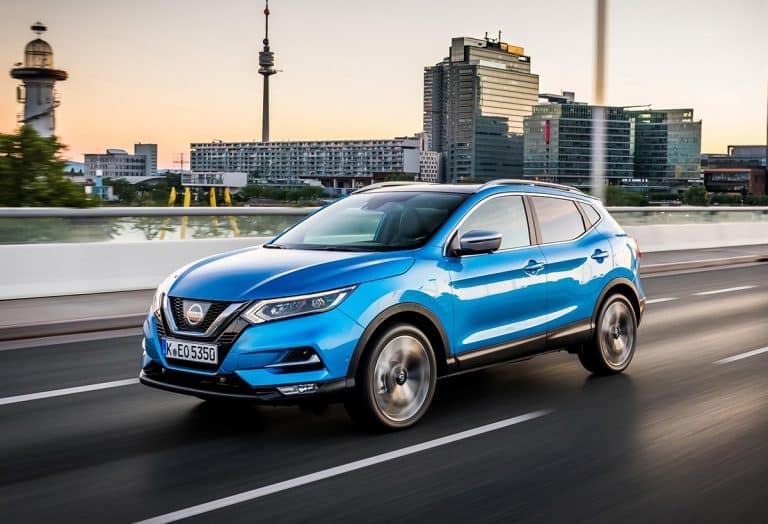
Ten years ago, the Nissan Qashqai went on sale. A decade on, not even the most optimistic prophet at the Japanese brand could honestly state that they had expected the dramatic way in which this car changed the car market – in the UK, across Europe, even globally.
The concept was simple – Nissan designers noticed how buyers liked SUVs for their dominant road presence, but not so much for their generally coarser road manners, and the complexity and cost of their all-wheel-drive powertrains.
In fact, the Nissan Qashqai was born out of a difficult period in the company’s design office, which had started off penning a replacement for the Almera family car. With Renault and Nissan newly merged, boss Carlos Ghosn insisted that the poor-selling Almera should be replaced by something much better. A 25-strong design team conceived the idea of a larger car, somewhat like SEAT’s Altea, but after nine months of work concluded they were going in the wrong direction.
Meanwhile, Nissan had been talking to its customers, concluding that while SUVs were becoming more popular, many motorists considered them too large for using as around-town everyday cars, while poor fuel efficiency and lacklustre interior quality were also turn-offs.
According to Peter Brown, vehicle evaluation manager then and today at the Nissan Technical Centre Europe (NTCE), based in Cranfield, Berkshire, from this conclusion was born the idea of the first ‘crossover’.
“We managed to persuade the business that we could break down some of these barriers by taking the best bits of a family hatchback and adding the elements of SUVs that are most attractive to customers,” Peter said.

The resultant car would “combine the advantages of a compact SUV with the agility and comfort of a hatchback”. It was named the Qashqai – after inhabitants of a mountainous area of southwest Iran and translating to ‘horse with white forehead.’
The Nissan Qashqai ended up replacing three cars – the Almera and its larger sister the Primera, and the Terrano II SUV. And while observers naturally compared the imposing newcomer to the Terrano, it was a very different concept. The Terrano was of traditional SUV construction with its body bolted to a ladder frame, the Qashqai was of monocoque construction, like all new family cars.
Nissan emphasised this fact when the Qashqai was unveiled as a concept at the 2004 Geneva motor show. The Ford Focus and Volkswagen Golf hatchbacks were described as the Qashqai’s prime rivals, not any SUVs.
Reaction to the car was guarded. One media commentator dubbed it “the Stannah Stair Lift of concept cars”, and also dismissed the name as ridiculous. Nissan was convinced, however, and less than three years later launched the production Qashqai.
A decade on, that optimism has been dramatically rewarded. Today Nissan proudly claims to have invented a whole new sector with the crossover, a description now familiar to motorists. Said sector is today the fastest growing in the entire industry – in 2010 crossover/SUVs accounted for less than 1% of the UK market, today it’s close to 9%, and the story is the same across Europe.
Just about every manufacturer today considers it vital to have not just one, but a range of crossovers in its line-up. Nissan claims 21 direct rivals have been launched against the Qashqai in the last decade, while new models are appearing all the time; Vauxhall and Skoda among those revealing new contenders in 2017.
Meanwhile the crossover sector has itself fragmented into sub-sectors based mainly on size, while expanding into the premium and even the luxury arenas – in 2006, who would have imagined buying an SUV-like Bentley, or Maserati, or even Jaguar?
Through it all, the Nissan Qashqai has remained out front. In the last decade, more than 3.3 million Qashqais have been sold in 99 countries across the world, 2.3 million of these in Europe. And almost all of them have come out of Nissan’s UK plant in Sunderland.


In fact the Qashqai is more British than virtually all other cars rolling off the lines in UK plants. It was the first Nissan to be styled by the brand’s European Design Centre in Paddington, London, while in charge of getting the engineering right was the Nissan Technical Centre Europe (NTCE), based in Cranfield, Berkshire.
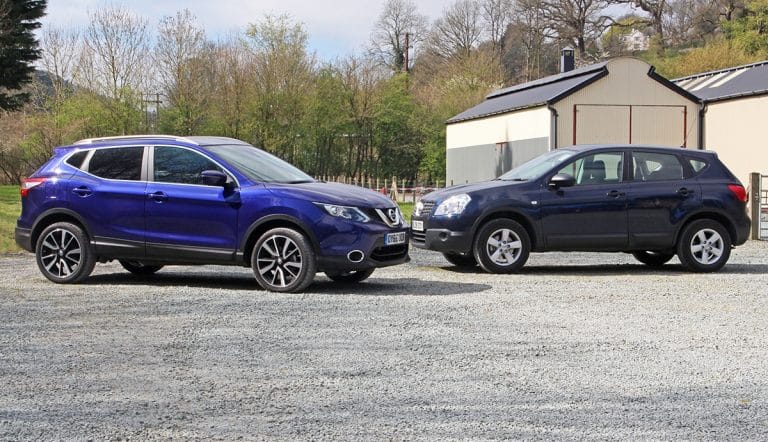
To celebrate the decade the Qashqai has been with us, The Car Expert spent a week driving two versions of the car – one of the very first, a 1.6 petrol model on sale in 2008, and the current model in 1.5 dCi diesel form. This is an example of the second-generation Qashqai, launched in 2014 and with a facelifted version expected on sale in July.
Slipping into the 2008 model first, it’s difficult to believe that when we attended the launch events a decade ago, the motoring journalist pack had to think long and hard about how to describe this newcomer. It seemed not one thing or another, with SUV height and looks, an MPV interior, and claimed family hatch economy.
Today, even a 2008 Qashqai feels one of the most normal of all cars to drive, simply because we drive so many crossovers these days. Reacquainting ourselves with the old model is a reminder that the Qashqai did not do anything stand-out well, but it did everything to a level that was thoroughly practical and easy to live with – it really did offer that SUV feel without SUV drawbacks.
The interior for example – back in 2007 this gained a few headlines because it was far better than anything we had previously seen from Nissan. Today it immediately looks dated when perhaps unkindly compared to that of the current Qashqai. The new car benefits from all the advances made in technology, digital displays and such like, but there remains an appeal to the simplicity of the original version.


Where the current Nissan Qashqai wins hands down is in interior space. Rear-seat passengers were the least well-served in the original, particularly in terms of headroom, but the new architecture adopted for the second-generation model added 47mm to the length and a whole lot more room inside.
On the road? Well, it’s not really a fair test because our 2008 original is petrol powered, while the current version is a diesel, reflecting the CO2 emissions-induced growth of diesel popularity over the last decade.
It’s a clear demonstration of the march of technology that the diesel not only feels smoother and quieter than its petrol predecessor, but it moves the Qashqai along rather more rapidly. The current car reaches 62mph more than two seconds quicker than the 2008 version, despite the engine having 18 fewer horses and having to cope with more than 120kg of extra weight! That’s progress…
The first Qashqai introduced handling to the SUV market, showing that you could drive such a car without resorting to fear each time a corner loomed ahead. The current one maintains the trend.
It’s more dynamically sorted than its predecessor, but still erring towards comfort rather than grin-producing road holding – which of course is what it was always meant to do. The extra weight helps it feel more planted on the roads.
Yet… the 2008 Nissan Qashqai impressed us. Strip off all the modern tech from the current model, and it’s not that massively different from its pioneering predecessor. The most pertinent conclusion to come out of our week’s testing is just how right Nissan got it ten years ago.


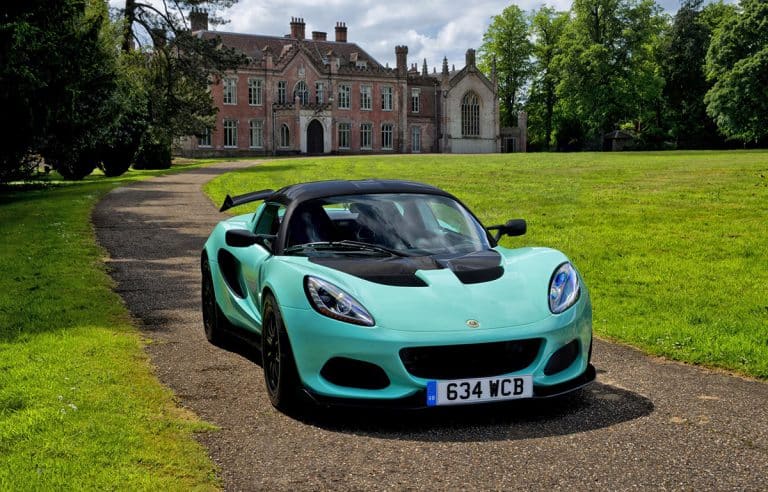
 The reveal of the Elise Cup 250 comes just as Lotus looks set to acquire new owners with Chinese giant Geely, which owns Volvo, taking a controlling stake in the brand.
Announcing the new car, Lotus CEO Jean-Marc Gales describes it as the latest edition in an exciting period for the company.
“We know what existing Lotus enthusiasts demand from our cars and we are also bringing in many new customers who can see clearly that we offer an unrivalled combination of performance, styling, dynamics and value for money,” Galles says.
“The power and aerodynamic prowess of the new Elise Cup 250 has taken the fight beyond the reach of lesser rivals and, at just 860kg, it shows that we are ahead of the curve in delivering lightweight, intelligently engineered sports cars,” he adds.
Prices for the Lotus Elise 350 Cup start from £47,400.
The reveal of the Elise Cup 250 comes just as Lotus looks set to acquire new owners with Chinese giant Geely, which owns Volvo, taking a controlling stake in the brand.
Announcing the new car, Lotus CEO Jean-Marc Gales describes it as the latest edition in an exciting period for the company.
“We know what existing Lotus enthusiasts demand from our cars and we are also bringing in many new customers who can see clearly that we offer an unrivalled combination of performance, styling, dynamics and value for money,” Galles says.
“The power and aerodynamic prowess of the new Elise Cup 250 has taken the fight beyond the reach of lesser rivals and, at just 860kg, it shows that we are ahead of the curve in delivering lightweight, intelligently engineered sports cars,” he adds.
Prices for the Lotus Elise 350 Cup start from £47,400.

Audi has unveiled an ambitious new model programme to include more Q series SUVs and three e-tron battery-electric cars.
The German premium brand intends that at least 30 per cent of its sales will be of electric or part-electric models by 2025, and to have the technology available for driverless city cars within four years.
The plans have been outlined to Audi shareholders during the brand’s AGM in Neckarsulm, Germany. “We are rejuvenating our model portfolio enormously and will renew five existing core model series by mid-2018,” said chairman Rupert Stadler.
“In addition, we will expand our successful Q family by 2019 with two new concepts – the Audi Q8 and the Audi Q4 – and we will launch our battery-electric e-tron models.” Three new electric Audis will appear by 2020, and the brand will then introduce electric versions across its core model ranges.
Audi is also taking over the development of autonomous car technology across the Volkswagen Group and the first examples of driverless cars will be launched early in the next decade. Meanwhile the new ‘myAudi’ programme will establish a digital platform for online services across the range.
This year the brand will focus on its high-end cars. A new A8 will be launched at the first-ever Audi Summit event in Barcelona in June, and will be followed by a new A7.


 Peugeot is also highlighting the increase in driver aids now available for the 308 range. Speed Limit Recognition, Adaptive Cruise Control and an Active Blind Spot Monitoring System are all added to the menu.
The Speed Limit Recognition employs a windscreen-located camera to read speed limit signs and display them on the car’s dashboard, while ignoring signs aimed at specific vehicles, such as HGVs.
The Adaptive Cruise Control includes a stop function, while also now available is a
smart park assist system dubbed City Park.
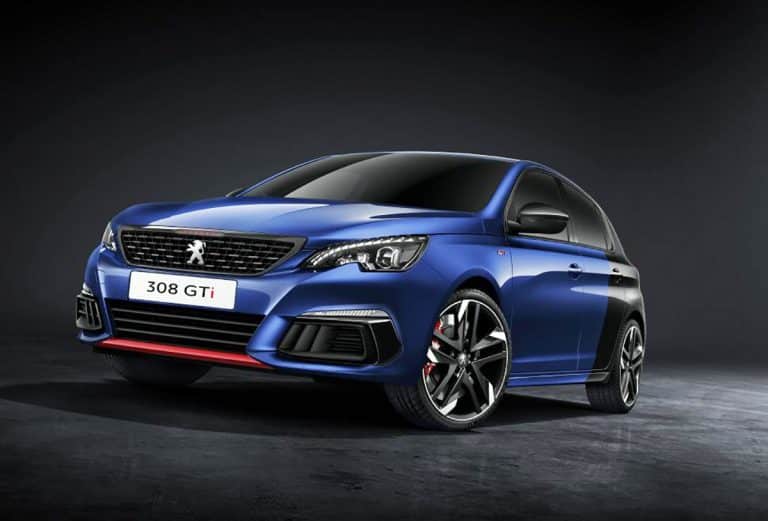
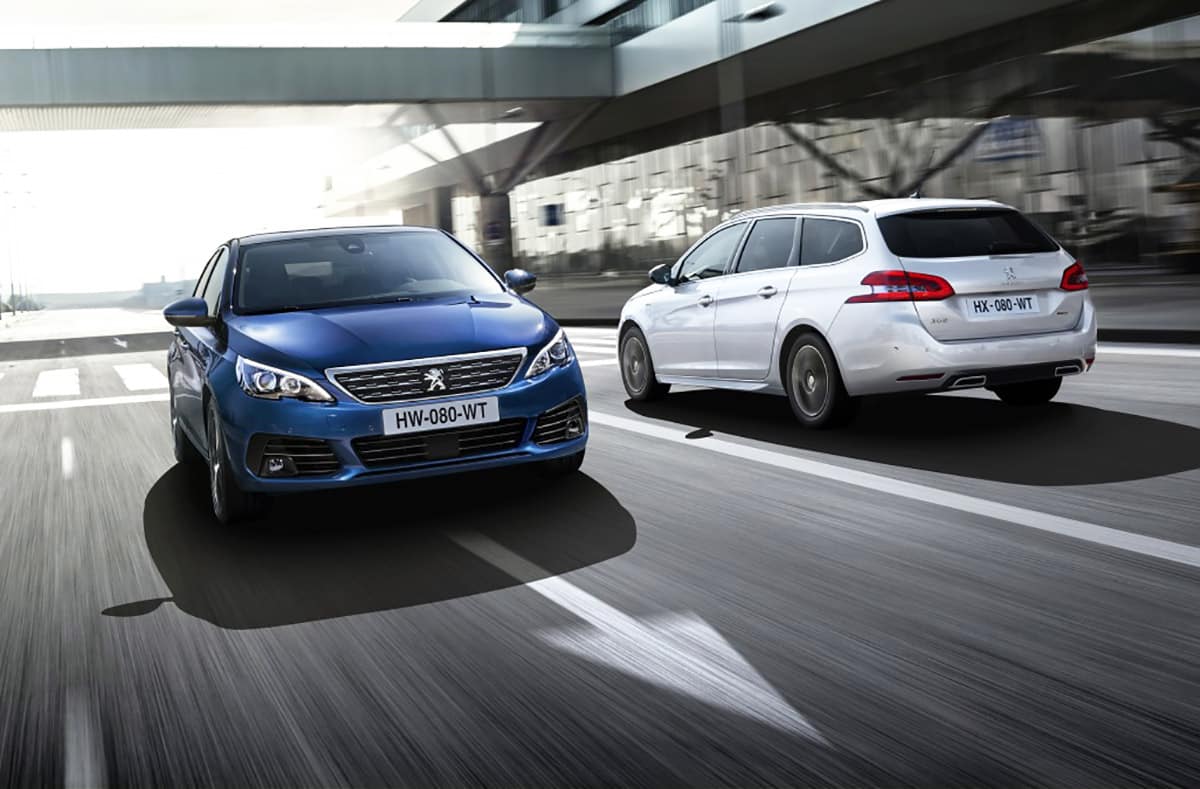
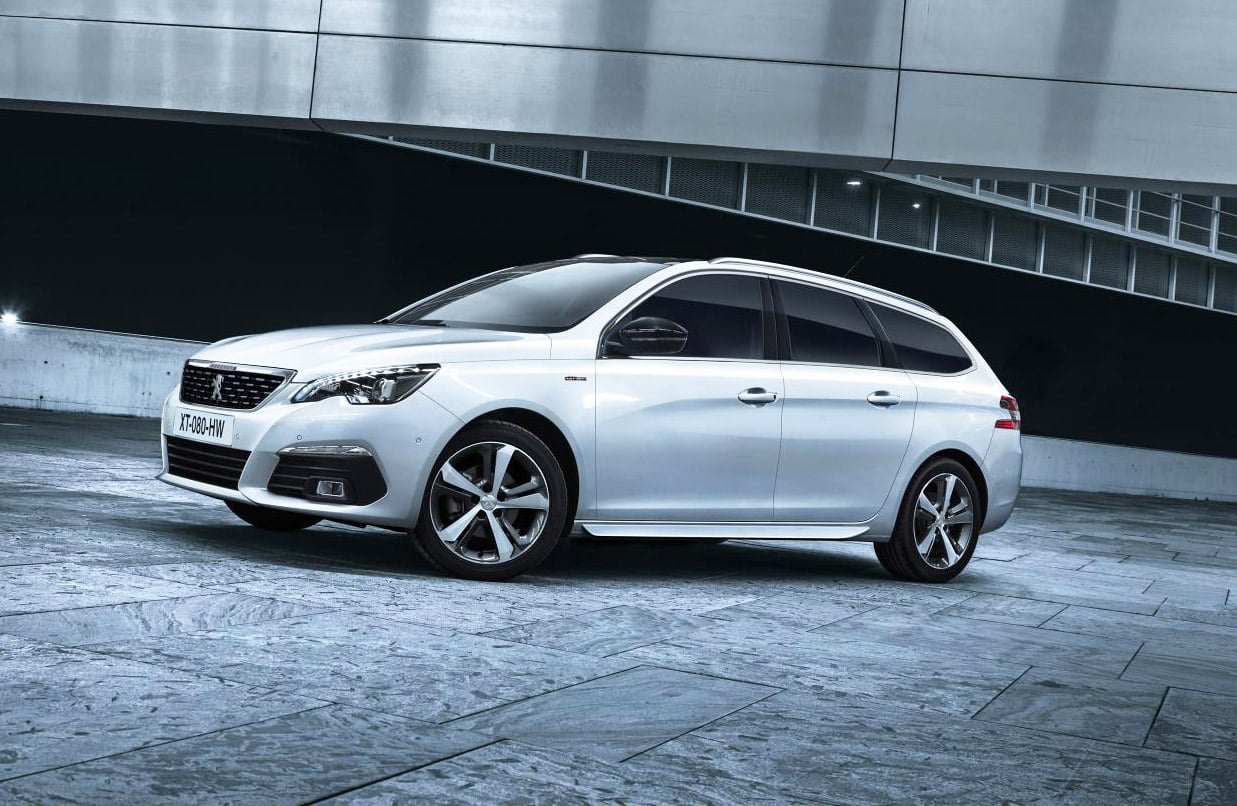
Visually the car gains the usual facelift elements of reshaped bumpers and headlamps, the new look designed to match that of the larger 3008 SUV launched in 2016.
Peugeot is also highlighting the increase in driver aids now available for the 308 range. Speed Limit Recognition, Adaptive Cruise Control and an Active Blind Spot Monitoring System are all added to the menu.
The Speed Limit Recognition employs a windscreen-located camera to read speed limit signs and display them on the car’s dashboard, while ignoring signs aimed at specific vehicles, such as HGVs.
The Adaptive Cruise Control includes a stop function, while also now available is a
smart park assist system dubbed City Park.
Visually the car gains the usual facelift elements of reshaped bumpers and headlamps, the new look designed to match that of the larger 3008 SUV launched in 2016.
Automotive Website of the Year


Automotive Website of the Year
Automotive Website of the Year