Looking for vans, pick-ups and light commercial vehicles? Visit our sister site, The Van Expert.

| Cars that fail both the old and new emissions standards under Which? testing | |||||
| Fuel type | Car name and generation | Engine/trim | NOx (g/km) | NEDC (0.08g/km) | WLTP (0.168g/km) |
| Diesel | Subaru Forester (2013 to present) | 2.0D Sport Lineartronic | 2.022 | 2428% | 1104% |
| Diesel | Renault Grand Scenic (2016 to present) | Energy dCi 160 Bose Edition EDC | 0.896 | 1020% | 433% |
| Diesel | Renault Captur (2013 to present) | dCi 90 Intens | 0.725 | 806% | 332% |
| Diesel | Peugeot 5008 (2017 to present) | BlueHDi 150 Allure | 0.700 | 775% | 317% |
| Diesel | Ford Kuga (2012 to present) | 2.0 TDCI S/S Vignale 4×4 | 0.655 | 719% | 290% |
| Diesel | Renault Megane (2016 to present) | dCi 130 GT Line | 0.504 | 530% | 200% |
| Diesel | Kia Sorento (2015 to present) | 2.2 CRDi GT Line AWD automatic | 0.480 | 500% | 186% |
| Diesel mild hybrid | Renault Scenic (2016 to present) | Energy dCi 110 Hybrid Assist Intens | 0.478 | 498% | 185% |
| Diesel | Renault Scenic (2016 to present) | Energy dCi 130 Bose edition | 0.472 | 490% | 181% |
| Diesel | SsangYong Korando (2011 to present) | 2.2 e-Xdi 220 Sapphire 4WD automatic | 0.468 | 485% | 179% |
| Diesel | Citroën SpaceTourer (2016 to present) | M BlueHDi 150 s/s Shine | 0.436 | 445% | 160% |
| Diesel | Kia Sportage (2016 to present) | 2.0 CRDi 136 Spirit AWD | 0.427 | 434% | 154% |
| Diesel | Kia Optima Sportwagon (2016 to present) | 1.7 CRDi GT-Line DCT | 0.400 | 400% | 138% |
| Diesel | Fiat Tipo (2016 to present) | 1.6 Multijet s/s Lounge | 0.383 | 379% | 128% |
| Diesel | Ford Edge (2015 to present) | 2.0 TDCi BiTurbo S/s Titanium 4×4 Powershift | 0.380 | 375% | 126% |
| Diesel | Alfa Romeo Giulia (2017 to present) | 2.2 Diesel Super AT8 | 0.376 | 370% | 124% |
| Diesel | Mercedes-Benz CLA Shooting Brake (2015 to present) | Diesel 2.1 (136bhp) 2WD | 0.357 | 346% | 113% |
| Diesel | Mazda CX-5 (2017 to present) | Skyactiv D 150 Exclusive line | 0.342 | 328% | 104% |
| Diesel | Mazda 3 (2013 to present) | Skyactiv D 105 Sports line | 0.329 | 311% | 96% |
| Diesel | Hyundai i40 Tourer (2011 to present) | 1.7 CRDi blue Premium DCT (2016) | 0.313 | 291% | 86% |
| Diesel | Vauxhall Insignia Sports Tourer (2017 to present) | 1.6 Ecotec Diesel s/s Business Innovation | 0.302 | 278% | 80% |
| Diesel | Land Rover Discovery Sport (2015 to present) | TD4 E-Capability HSE | 0.300 | 275% | 79% |
| Diesel | Volkswagen Golf SV (2014 to present) | 1.6 TDI BMT Comfortline | 0.299 | 274% | 78% |
| Diesel | Volvo V90 (2016 to present) | D5 Inscription AWD automatic | 0.267 | 234% | 59% |
| Diesel | Peugeot 3008 (2016 to present) | BlueHDi 120 Allure | 0.266 | 233% | 58% |
| Diesel | Nissan Qashqai (2014 to present) | 1.6 dCi Tekna | 0.240 | 200% | 43% |
| Diesel | Alfa Romeo Stelvio (2017 to present) | 2.2 diesel Super Q4 AT8 | 0.228 | 185% | 36% |
| Diesel | Audi A5 Cabriolet (2017 to present) | 2.0 TDI design quattro S tronic | 0.220 | 175% | 31% |
| Diesel | Skoda Octavia vRS estate (2013 to present) | RS TDI DSG | 0.219 | 174% | 30% |
| Diesel | Jaguar F-Pace (2016 to present) | 20d Prestige AWD automatic | 0.215 | 169% | 28% |
| Diesel | Volvo S90 (2016 to present) | D4 Inscription automatic | 0.191 | 139% | 14% |
| Diesel plug-in hybrid | Audi Q7 e-tron (2016 to present) | e-tron quattro tiptronic | 0.177 | 121% | 5% |
| Diesel | Skoda Kodiaq (2017 to present) | 2.0 TDI SCR Style 4×4 DSG | 0.172 | 115% | 2% |
| Cars that pass the new WLTP emissions standards but fail the old NEDC standards | |||||
| Diesel | BMW 3 Series GT (2013 to present) | 320d Gran Turismo Luxury line steptronic | 0.166 | 108% | -1% |
| Diesel | Audi Q5 (2017 to present) | 2.0 TDI design quattro S-tronic | 0.131 | 64% | -22% |
| Diesel | Audi SQ7 (2016 to present) | SQ7 TDI quattro tiptronic | 0.123 | 54% | -27% |
| Diesel | BMW 5 Series Touring (2017 to present) | 530d Touring Sport Line steptronic | 0.122 | 53% | -27% |
| Diesel | Ford Fiesta (2017 to present) | 1.5 TDCi s/s Titanium | 0.116 | 45% | -31% |
| Diesel | BMW 3 Series Touring (2012 to present) | 318d Touring steptronic | 0.114 | 43% | -32% |
| Diesel | Mercedes-Benz GLC (2015 to present) | 220d 4Matic 9G-tronic | 0.112 | 40% | -33% |
| Diesel | Mini Countryman (2017 to present) | Cooper D Countryman | 0.107 | 34% | -36% |
| Diesel | Mercedes-Benz GLC Coupe (2016 to present) | 250d 4matic 9G-tronic | 0.099 | 24% | -41% |
| Diesel | DS 7 Crossback (2017 to present) | BlueHDi 180 automatic | 0.098 | 23% | -42% |
| Diesel | Volvo XC60 (2017 to present) | D5 R Design AWD Geartronic | 0.093 | 16% | -45% |
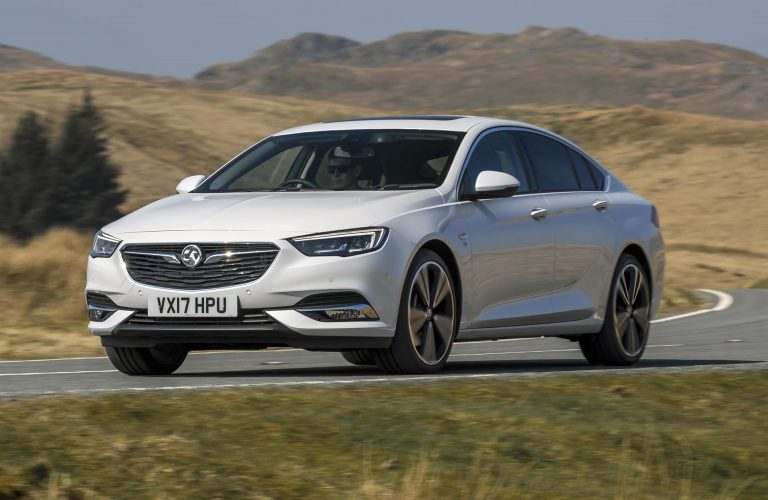
| Diesel | Vauxhall Insignia Grand Sport (2017 to Present) | 2.0 Diesel s/s Business Innovation | 0.087 | 9% | -48% |
| Diesel | Volkswagen Arteon (2017 to present) | 2.0 TDI SCR Elegance 4Motion DSG | 0.087 | 9% | -48% |
| Diesel | Volkswagen Passat estate (2015 to present) | 2.0 TDI SCR BMT Highline | 0.084 | 5% | -50% |
| Cars that pass both the old and new emissions standards | |||||
| Diesel | BMW 7 Series (2015 to present) | 730d Steptronic | 0.080 | 0% | -52% |
| Diesel | Vauxhall Zafira Tourer (2012 to present) | 2.0 CDTI ecoflex s/s innovation | 0.076 | -5% | -55% |
| Diesel | SEAT Ateca (2016 to present) | 2.0 TDI Xcellence 4Drive DSG | 0.076 | -5% | -55% |
| Diesel | Land Rover Discovery (2017 to present) | TD6 SE automatic | 0.061 | -24% | -64% |
| Diesel | BMW 5 Series (2017 to present) | 520d Luxury Line Steptronic | 0.053 | -34% | -68% |
| Diesel | BMW X3 (2017 to present) | xDrive20d xLine Steptronic | 0.043 | -46% | -74% |
| Diesel | Mercedes-Benz CLS (2018 to present) | CLS400d Coupe AMG Line 4Matic 9G-tronic | 0.042 | -48% | -75% |
| Diesel | Peugeot 308 SW (2014 to present) | 2.0 BlueHDi 180 GT EAT8 | 0.041 | -49% | -76% |
| Diesel | Mercedes-Benz S-Class (2013 to present) | S400d 9G-tronic | 0.035 | -56% | -79% |
| Diesel | Vauxhall Grandland X (2017 to present) | 2.0 Diesel s/s Innovation automatic | 0.034 | -58% | -80% |
| Diesel | BMW X2 (2018 to present) | xDrive20d M Sport X Steptronic | 0.031 | -61% | -82% |
| Diesel | Mercedes-Benz E-Class estate (2016 to present) | E220d 9G-tronic | 0.028 | -65% | -83% |
| Diesel | Mercedes-Benz E-Class saloon (2016 to present) | E220d 9G-tronic | 0.024 | -70% | -86% |
| Diesel | BMW 2 Series Active Tourer (2014 to present) | 218d Active Tourer Steptronic | 0.014 | -83% | -92% |
| Cars bought on finance by consumers through dealerships – June 2018 | ||||||
| New business | Jun 2018 | % change on prev. year | 3 months to Jun 2018 | % change on prev. year | 12 months to Jun 2018 | % change on prev. year |
| New cars | ||||||
| Value of advances (£m) | 1,717 | +9% | 4,962 | +18% | 19,479 | +4% |
| Number of cars | 83,470 | +1% | 243,495 | +12% | 978,713 | -6% |
| Used cars | ||||||
| Value of advances (£m) | 1,460 | +11% | 4,562 | +16% | 16,528 | +13% |
| Number of cars | 119,903 | +4% | 383,302 | +10% | 1,412,991 | +7% |
| Total cars | ||||||
| Value of advances (£m) | 3,176 | +10% | 9,524 | +17% | 36,007 | +8% |
| Number of cars | 203,373 | +3% | 626,797 | +11% | 2,391,704 | +2% |



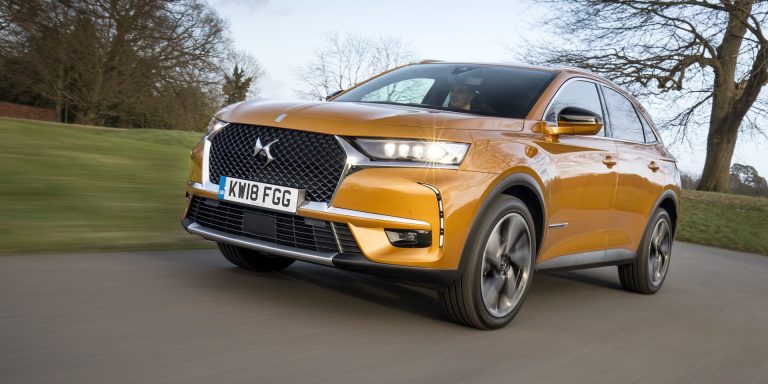

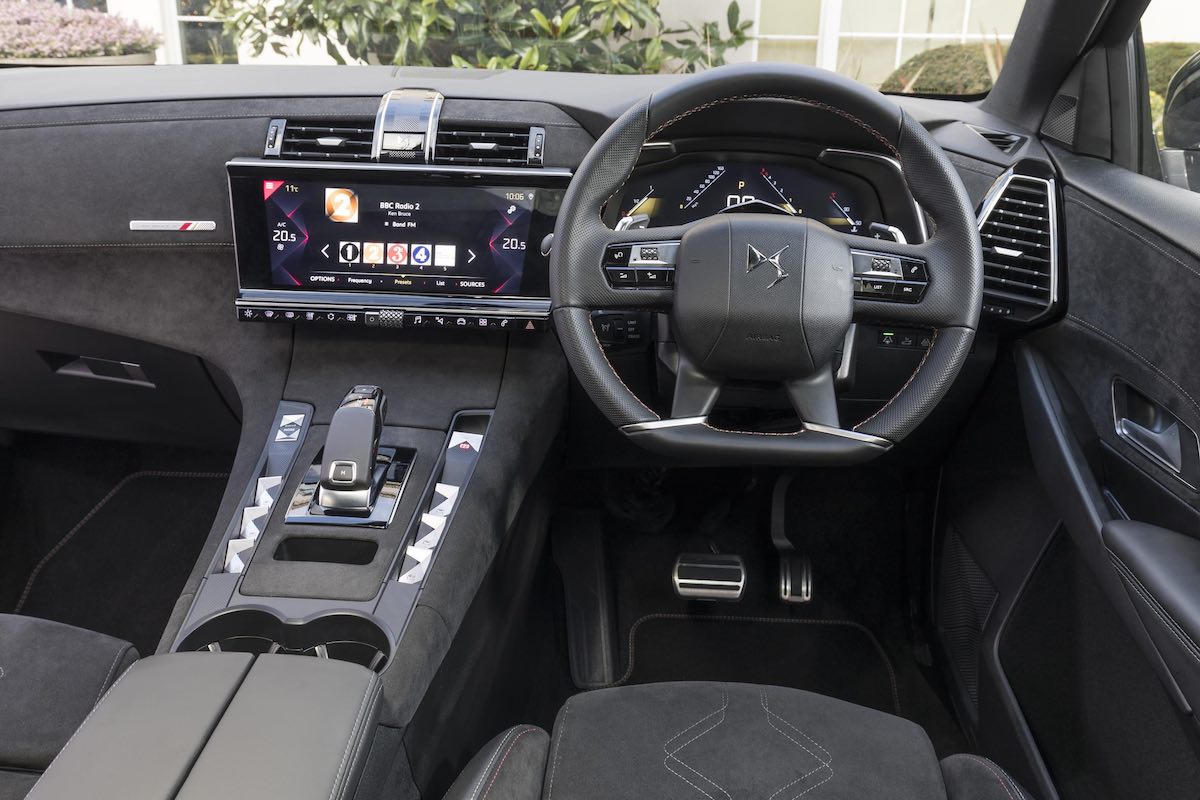


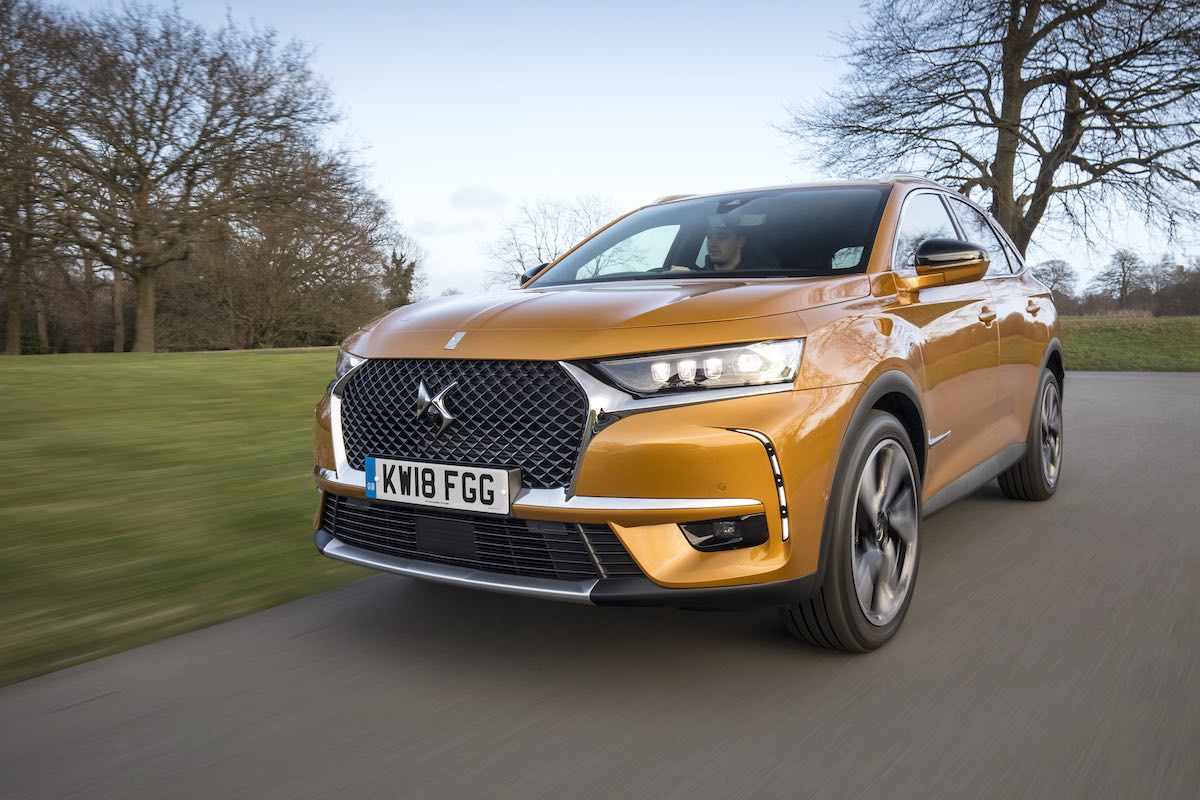
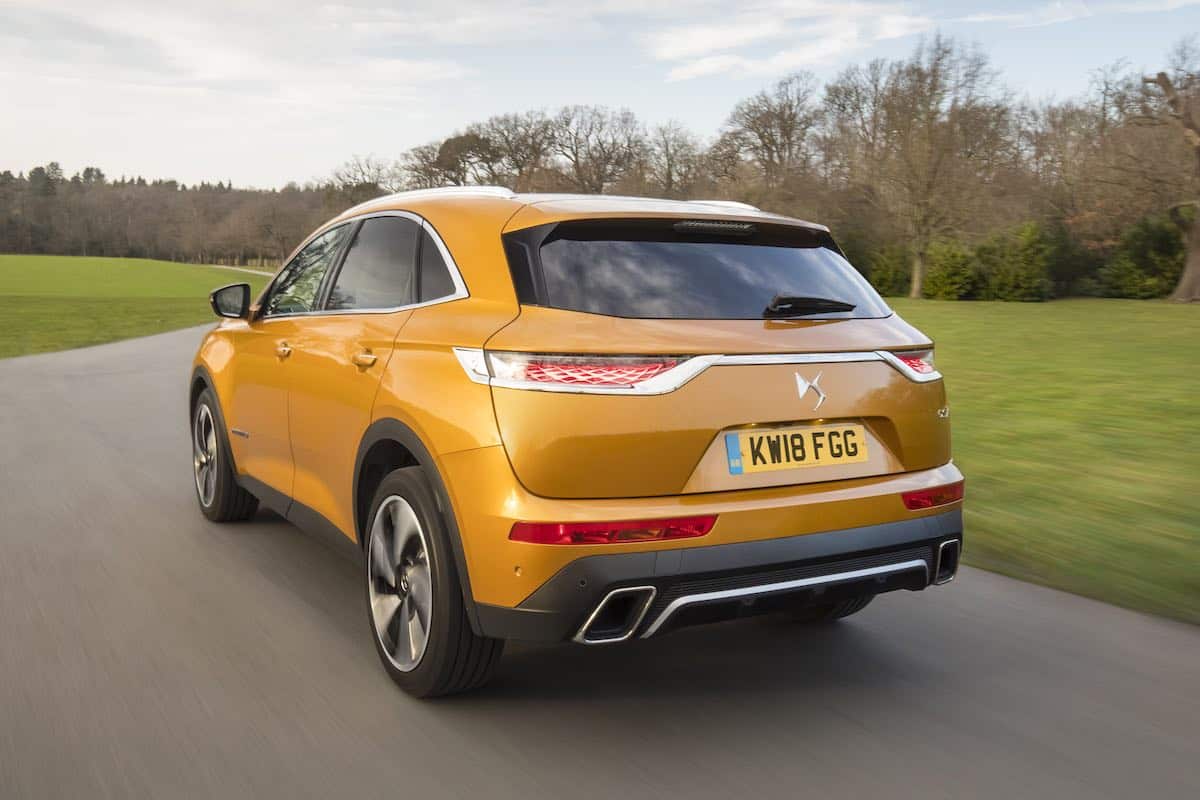
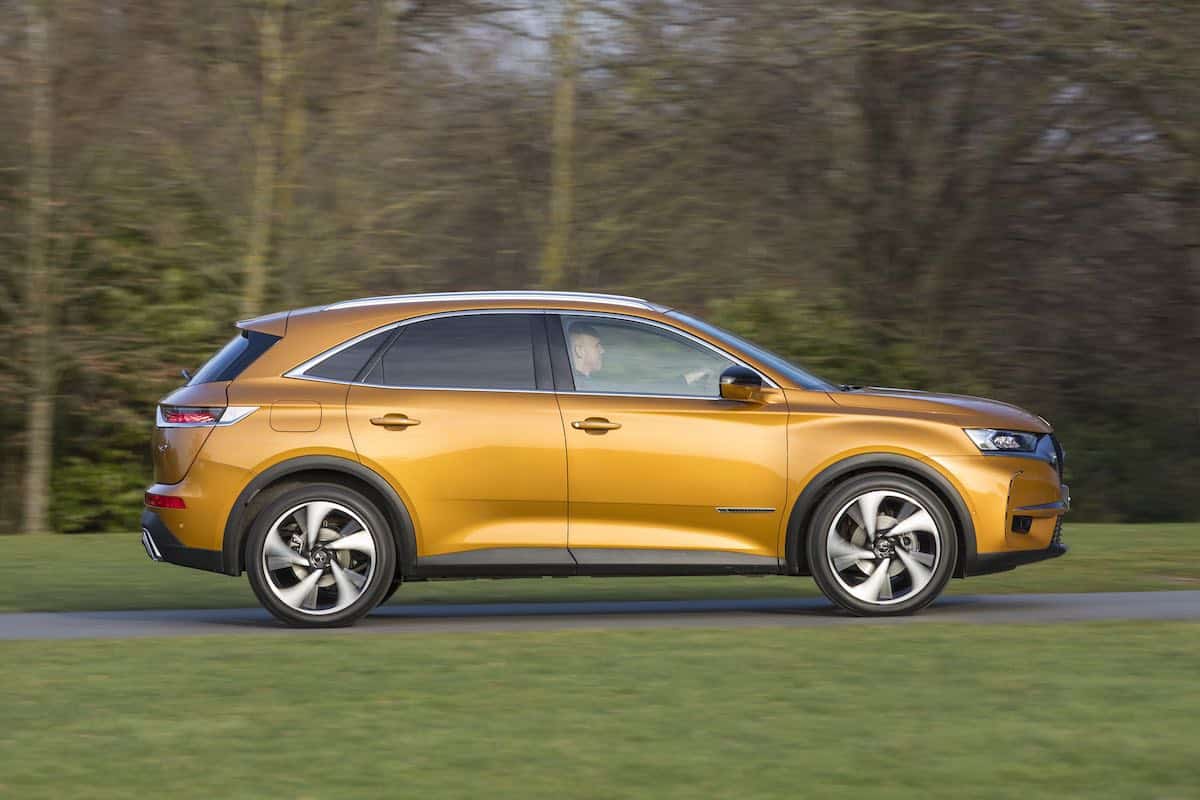
| Make & model | DS 7 Crossback | Audi Q5 | Lexus NX |
| Specification | Performance Line PT 225 EAT8 | 2.0 TFSI quattro Sport 252PS tiptronic | NX 300h SE Auto FWD |
| Price (on-road) | £34,990 (range starts £28,095) | £40,940 (range starts £40,175) | £34,895 (range starts £34,895) |
| Engine | 1598cc petrol | 1984cc petrol | 2494cc petrol + electric motor |
| Power | 225hp @ 5500rpm | 252hp @ 5000rpm | 197hp |
| Torque | 300Nm @ 1900rpm | 370Nm @ 1600rpm | 210Nm @ 4200rpm engine. 270Nm (motor) |
| 0-62mph | 8.3 sec | 6.3 sec | 9.2 sec |
| Top speed | 141mph | 147mph | 112mph |
| Fuel economy (combined) | 47.9mpg | 40.9mpg | 54.3mpg |
| CO2 emissions | 134g/km | 157g/km | 133g/km |
| Insurance group | 29E | 35E | 27E |
| Euro NCAP rating | 5 stars (2017) | 5 stars (2017) | 5 stars (2014) |
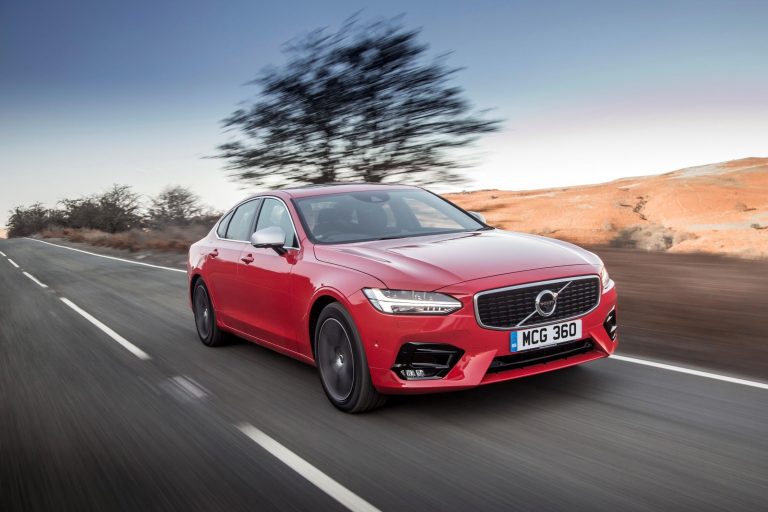
 The 2.0-litre four-cylinder unit offers 250hp and 350Nm of torque, while returning combined cycle fuel economy from 42.8mpg and CO2 emissions from 154g/km in the S90 saloon. In the standard V90 estate, the figures are 41.5mpg and 157g/km, from 38.2mpg and 172g/km with all-wheel drive in the Cross Country, and 35.8mpg and 184g/km in the XC90.
S90 and V90 customers can specify the T5 engine in all versions except the entry-level Momentum and Momentum Pro trims, T5 prices starting from £41,120 in the saloon, £43,120 in the estate and £44,685 in the Cross Country.
XC90 buyers can choose the T5 with any version, the cheapest in Momentum trim costing from £50,435.
Volvo Car UK managing director Jon Wakefield expect the T5 to appeal equally to retail and business buyers. “(It is) a superb addition to the S90, V90 and XC90 ranges – this cutting-edge engine brings increased choice for our customers, and offers strong performance with excellent efficiency and refinement,” he says.
The 2.0-litre four-cylinder unit offers 250hp and 350Nm of torque, while returning combined cycle fuel economy from 42.8mpg and CO2 emissions from 154g/km in the S90 saloon. In the standard V90 estate, the figures are 41.5mpg and 157g/km, from 38.2mpg and 172g/km with all-wheel drive in the Cross Country, and 35.8mpg and 184g/km in the XC90.
S90 and V90 customers can specify the T5 engine in all versions except the entry-level Momentum and Momentum Pro trims, T5 prices starting from £41,120 in the saloon, £43,120 in the estate and £44,685 in the Cross Country.
XC90 buyers can choose the T5 with any version, the cheapest in Momentum trim costing from £50,435.
Volvo Car UK managing director Jon Wakefield expect the T5 to appeal equally to retail and business buyers. “(It is) a superb addition to the S90, V90 and XC90 ranges – this cutting-edge engine brings increased choice for our customers, and offers strong performance with excellent efficiency and refinement,” he says.

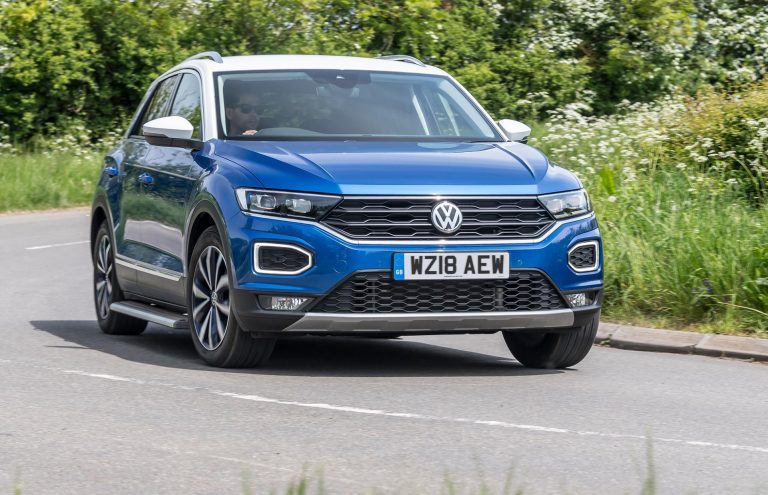
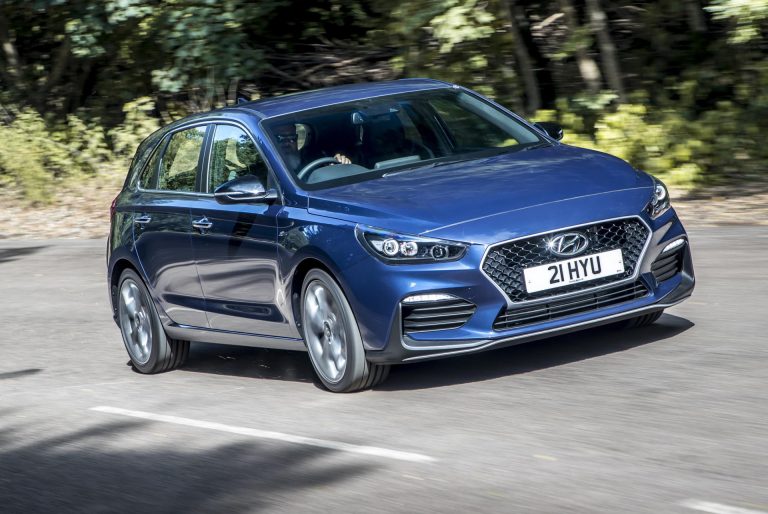
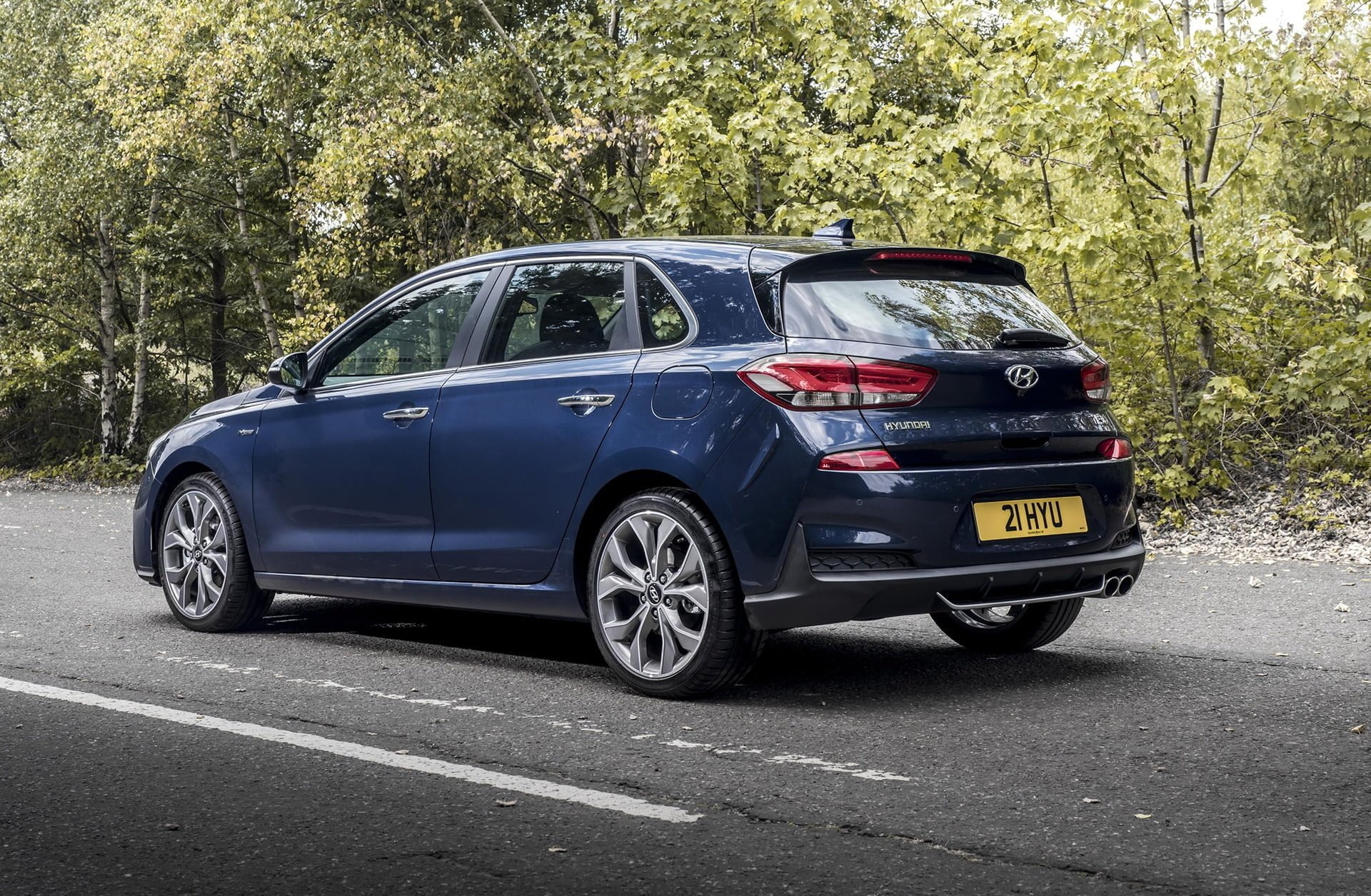
 According to Hyundai Motor UK CEO Tony Whitehorn, the i30N has had a tremendous reception but many customers ‘want the show but don’t need the go.’
“N Line will give customers that balance of looks and performance,” Whitehorn says.
The i30 N Line models include an extensive safety package, autonomous emergency braking, hill start assist, lane departure warning and lane keeping standard on all models.
All versions also get an eight-inch centre console touchscreen display which includes DAB and smartphone compatibility for Apple CarPlay and Android Auto.
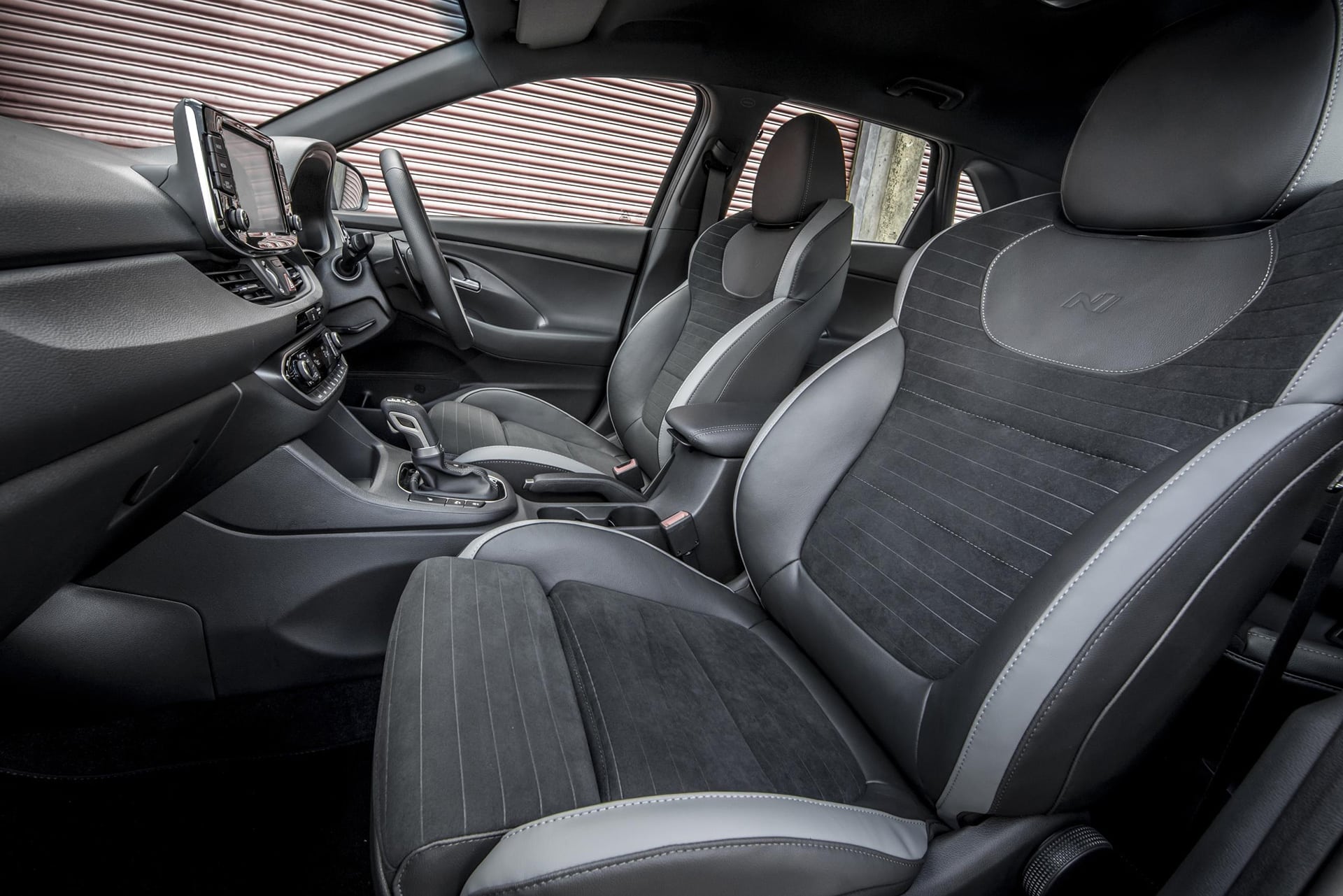
N Line models will be offered in both standard and ‘+’ versions, with £2,000 between them. The standard cars include cloth sports seats with the driver’s side electrically adjustable,, and black headlining and chrome effect exterior door handles to help distinguish the car from other i30 models. Air conditioning, an automatically dimming rear-view mirror and privacy glass are also standard.
The + models add heated leather and suede front seats, both with electrical adjustment and the driver’s side having a memory function. The steering wheel is heated and dual-zone climate control included as are LED headlamps and automatic rain-sensing wipers.
According to Hyundai Motor UK CEO Tony Whitehorn, the i30N has had a tremendous reception but many customers ‘want the show but don’t need the go.’
“N Line will give customers that balance of looks and performance,” Whitehorn says.
The i30 N Line models include an extensive safety package, autonomous emergency braking, hill start assist, lane departure warning and lane keeping standard on all models.
All versions also get an eight-inch centre console touchscreen display which includes DAB and smartphone compatibility for Apple CarPlay and Android Auto.
N Line models will be offered in both standard and ‘+’ versions, with £2,000 between them. The standard cars include cloth sports seats with the driver’s side electrically adjustable,, and black headlining and chrome effect exterior door handles to help distinguish the car from other i30 models. Air conditioning, an automatically dimming rear-view mirror and privacy glass are also standard.
The + models add heated leather and suede front seats, both with electrical adjustment and the driver’s side having a memory function. The steering wheel is heated and dual-zone climate control included as are LED headlamps and automatic rain-sensing wipers.




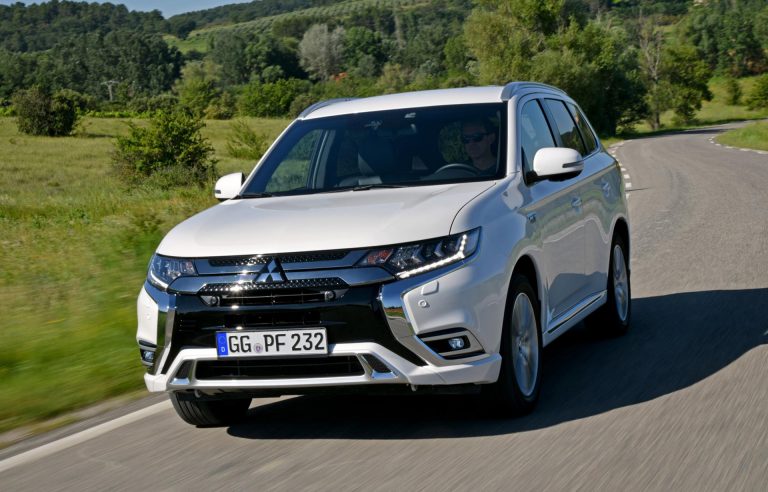
 Further changes on the 2019 Outlander include revisions to the dampers to improve the slow-speed ride, plus a driver-selected ‘Sport Mode’ which sharpens throttle response and grip through the car’s all-wheel-drive system. There is also now a ‘Snow’ mode to improve getaway and cornering on low-grip slippery surfaces.
The steering rack has been modified to be more responsive, and the front brake discs enlarged to improve stopping power.
Inside sees a raft of changes including more supportive front seats, improved soundproofing, a redesigned instrument cluster and changes to the switchgear. Apple CarPlay and Android Auto smartphone compatibility is included.
Subtle exterior updates encompass a new front end with a honeycomb mesh grille, bumper extensions and revised headlamps designs, and a larger rear spoiler. Two-tone finished 18-inch alloy wheels are also specified.
Further changes on the 2019 Outlander include revisions to the dampers to improve the slow-speed ride, plus a driver-selected ‘Sport Mode’ which sharpens throttle response and grip through the car’s all-wheel-drive system. There is also now a ‘Snow’ mode to improve getaway and cornering on low-grip slippery surfaces.
The steering rack has been modified to be more responsive, and the front brake discs enlarged to improve stopping power.
Inside sees a raft of changes including more supportive front seats, improved soundproofing, a redesigned instrument cluster and changes to the switchgear. Apple CarPlay and Android Auto smartphone compatibility is included.
Subtle exterior updates encompass a new front end with a honeycomb mesh grille, bumper extensions and revised headlamps designs, and a larger rear spoiler. Two-tone finished 18-inch alloy wheels are also specified.

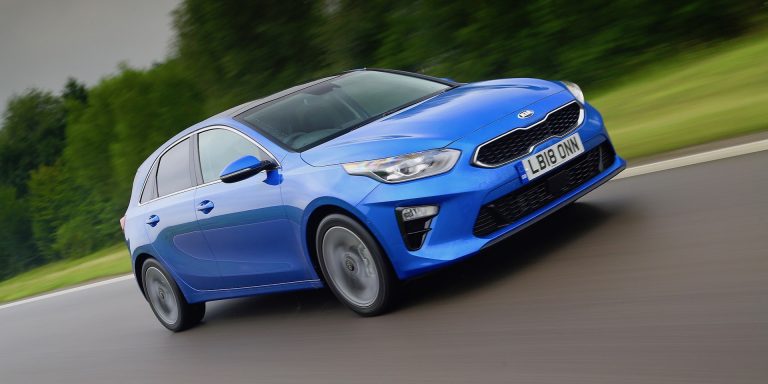
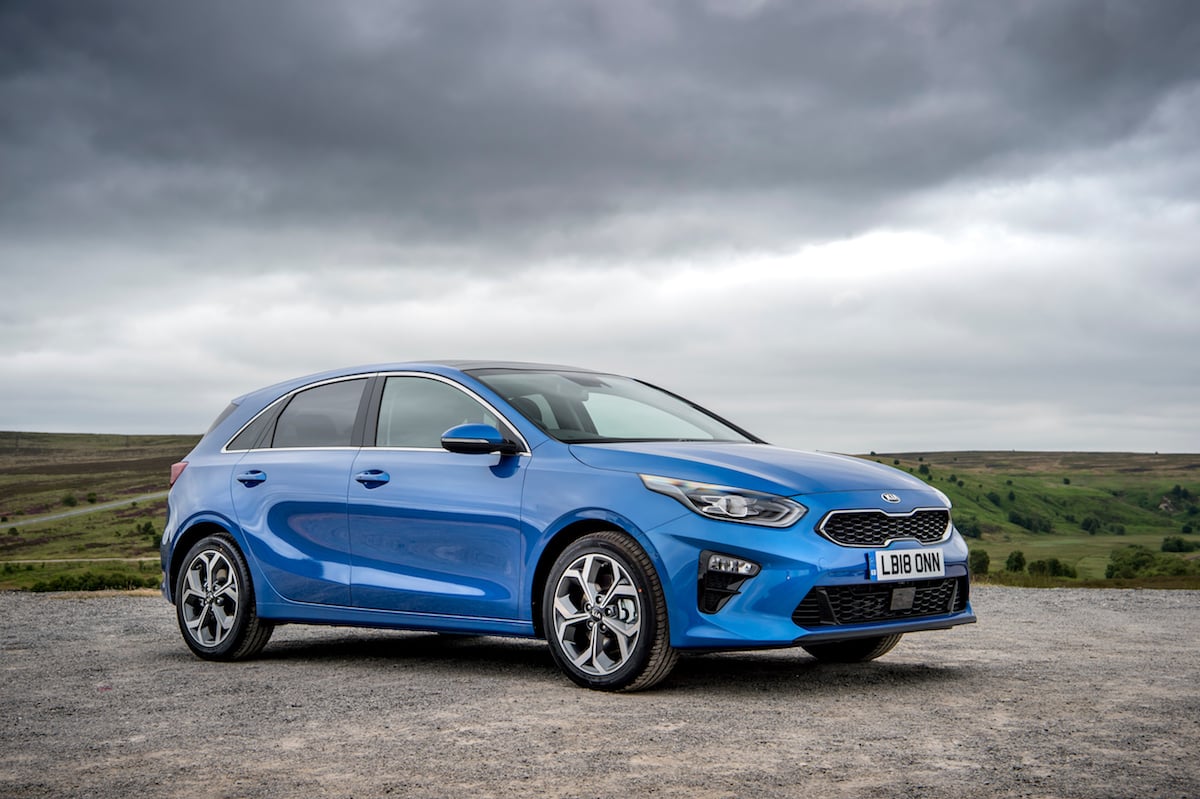


| Make & model | Kia Ceed | Ford Focus* | Hyundai i30 |
| Specification | 3 | ST-Line | Premium |
| Price (on-road) | £21,505 (range starts £18,295) | £22,050 (range starts £17,930) | £22,360 (range starts £17,000) |
| Engine | 1.4-litre petrol | 1.5-litre petrol | 1.4-litre petrol |
| Power | 140 hp | 150 hp | 140 hp |
| Torque | 242 Nm | 240 Nm | 242 Nm |
| 0-60mph | 8.6 sec | 8.8 sec | 8.9 sec |
| Top speed | 130 mph | 130 mph | 130 mph |
| Fuel economy (combined) | 48.7 mpg | 52.3 mpg | 52.3 mpg |
| CO2 emissions | 132 g/km | 123 g/km | 124 g/km |
| Insurance group | TBA | 19E | 15E |
| Euro NCAP rating | Not yet tested | 5 stars (2012) | 5 stars (2017) |



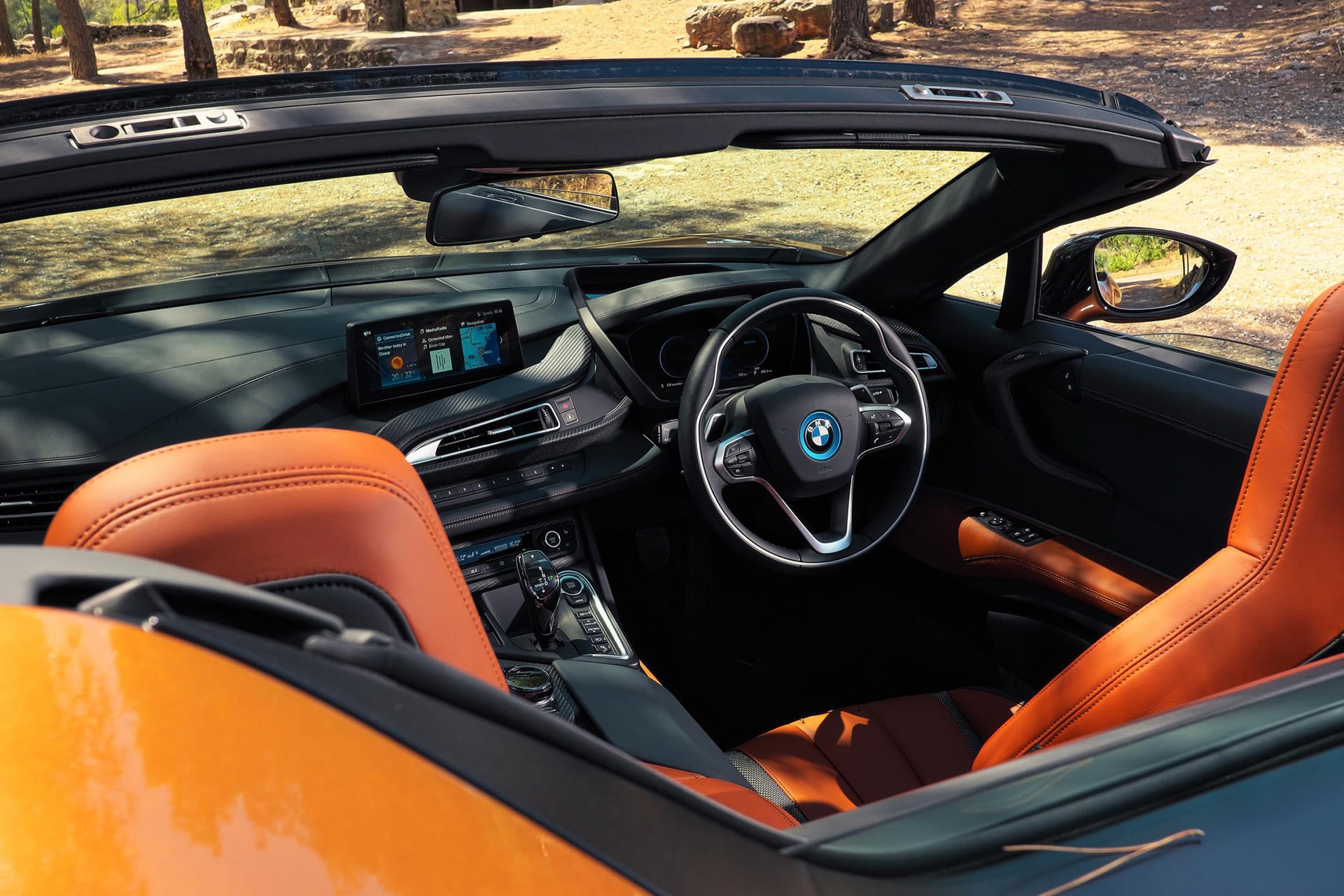
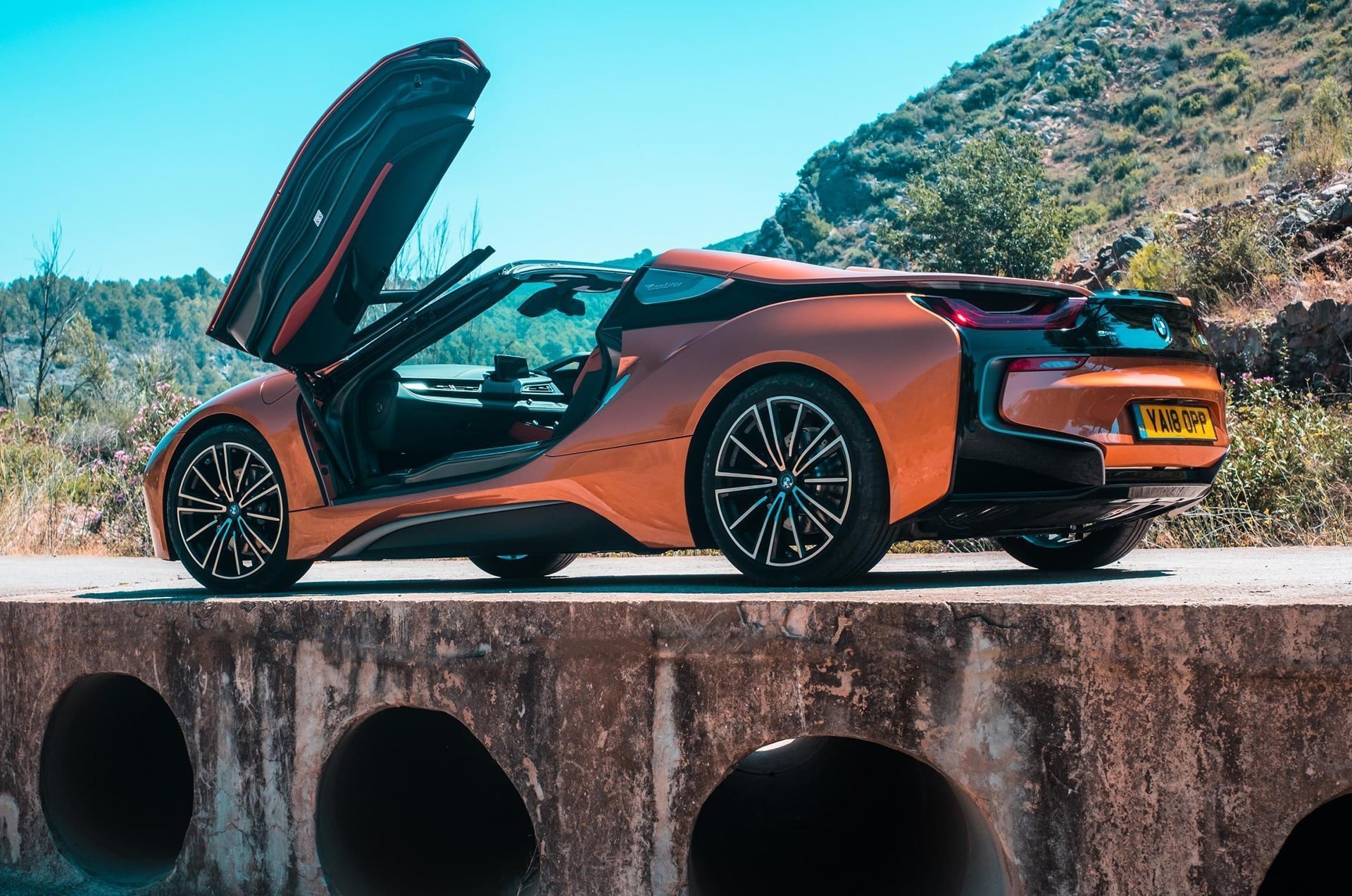
The long-awaited BMW i8 Roadster has gone on sale, the first open-topper from the German manufacturer’s hybrid electric sub-brand.
First shown as a concept at the Beijing Auto Show back in 2012, the two-seater will sit in showrooms alongside the existing i8 2+2 coupe.
Like the coupe model, the new i8 Roadster is powered by a combination of a British-built petrol engine powering the rear wheels and an electric motor driving the front wheels.
According to BMW, much of the concept has been retained in the production version, particularly the signature dihedral doors and clever packaging of the roof. This opens or closes electrically in 15 seconds, at speeds of up to 31mph – the fastest operating roof in the BMW range.
You may also like:
When opened, the three segments of the roof fold back vertically in a Z shape, which frees up 100 litres of storage capacity between the roof box and the seats. The rear compartment of the car accommodates another 68 litres. When the roof opens the rear screen raises 3cm to cut turbulence, and its height can be adjusted by the driver.
The i8 Roadster’s structure combines aluminium with CFRP (carbon-fibre reinforced polymer) and includes 3D printed parts connecting the roof to the body. This process allowed the components to be produced in a geometric form not possible with traditional casting techniques.
A combination of a three-cylinder turbo petrol engine and an electric motor provides the hybrid powertrain, the engine driving the rear wheels through a six-speed automatic transmission, and the electrics driving the fronts using a two-speed auto gearbox. Since its launch in the original i8 coupe the hybrid technology has been developed, and the electric side now solely provides the propulsion much more frequently, the engine only used for hard acceleration.
The capacity of the lithium-ion battery has been increased from 20 to 34Ah, allowing an increase in electric power by 12hp to 143hp and the ability to travel 33 miles in electric-only mode. The car can reach 65mph from rest on electric power alone, or 75mph if an ‘eDrive’ boost button is pressed.
The 1.5-litre petrol engine now puts out 231hp and 320Nm of torque. combined system power is now 374hp, which means the i8 Roadster will reach 62mph from rest in 4.6 seconds and go on to an electronically limited 155mph. And it will do this while returning combed cycle fuel economy 141.2mpg and CO2 emissions of 46g/km.
However, such technology comes at a cost. Prices for the i8 Roadster start from £124,735.






| Make & model | Mazda6 | Ford Mondeo | Vauxhall Insignia |
| Specification | Sport Nav+ saloon | ST-Line Edition saloon | Grand Sport Elite Nav |
| Price (on-road) | £25,995 | £24,195 | £25,315 |
| Engine | 2.0-litre petrol | 1.5-litre petrol | 1.5-litre petrol |
| Power | 165 hp | 165 hp | 165 hp |
| Torque | 213 Nm | 240 Nm | 250 Nm |
| 0-62 mph | 9.4 sec | 9.2 sec | 8.4 sec |
| Top speed | 134 mph | 138 mph | 138 mph |
| Fuel economy (combined) | 44.1 mpg | 42.8 mpg | 47.1 mpg |
| CO2 emissions | 146 g/km | 150 g/km | 146 g/km |
| Insurance group | 24E | 22E | 17E |
| Euro NCAP rating | 5 stars (2013) | 5 stars (2014) | 5 stars (2017) |


 The car has been hinted at in a series of official teaser sketches, while McLaren says that the name signifies the fact that it will have a ‘flowing, highly streamlined design’ and will be capable of a peak speed faster than any previous McLaren road car.
This will require the car to exceed the 243mph set by the McLaren F1 – the Speedtail will do this by means of a petrol-electric powertrain mating a hybrid system to a twin-turbo V8 engine..
In another nod to the F1, the Speedtail will be a three-seater – the driver sitting in the centre with their passengers either side and slightly further back.
Every example will also be bespoke, McLaren’s Special Operations Department tailoring each car to its owner’s requirements.
Development of the Speedtail is underway – industry sources suggest a full prototype does not yet exist. It is expected to begin production in late 2019, becoming McLaren’s third Ultimate Series model after the P1 and recently launched Senna.
The car has been hinted at in a series of official teaser sketches, while McLaren says that the name signifies the fact that it will have a ‘flowing, highly streamlined design’ and will be capable of a peak speed faster than any previous McLaren road car.
This will require the car to exceed the 243mph set by the McLaren F1 – the Speedtail will do this by means of a petrol-electric powertrain mating a hybrid system to a twin-turbo V8 engine..
In another nod to the F1, the Speedtail will be a three-seater – the driver sitting in the centre with their passengers either side and slightly further back.
Every example will also be bespoke, McLaren’s Special Operations Department tailoring each car to its owner’s requirements.
Development of the Speedtail is underway – industry sources suggest a full prototype does not yet exist. It is expected to begin production in late 2019, becoming McLaren’s third Ultimate Series model after the P1 and recently launched Senna.

Automotive Website of the Year


Automotive Website of the Year
Automotive Website of the Year