Fiat has unveiled yet another new 500 special series, this time called Collezione. It is available both as a hatch and a convertible, featuring new chrome trims on the front bumper, bonnet and mirror caps, an exclusive 16-inch alloy wheel design and two new two-tone paint schemes.
Several colour combinations can be chosen, including the two-tone Primavera (Bossa Nova White and Lunar Grey) and Acquamarina (Bossa Nova White and Smooth Mint) combinations, as well as Taormina Ivory, Bossa Nova White White and Epic Blue. A chrome Collezione logo autographs the boot lid.
The interior has a colour-coded dashboard: white in combination with Primavera and mint in the combination with Acquamarina. The seats are also in two colours, with a grey striped base and ivory upper section, and are embroidered with the 500 logo. The Collezione logo also appears inside, embroidered on the floor mats.
The new Fiat 500 Collezione is optionally available with Fiat’s latest seven-inch touchscreen and HD LIVE radio, which is also Apple CarPlay ready and Android Auto compatible. There are also the options of integrated TomTom navigation and a Beats Audio stereo upgrade.
The Fiat 500 Collezione is on sale now. It is only available with the 1.2-litre 69hp petrol engine, coupled with either a five-speed manual or Dualogic automated manual transmission. Prices start at £13,865 on-road.
Vauxhall has introduced its electronic IntelliGrip traction control system on the new Grandland X SUV, which was not available when the model was launched last year.
The system is exactly the same as available on various Peugeot SUVs, which is not surprising as the Grandland X is based on the Peugeot 3008. It uses the car’s stability control and engine management settings to optimise grip for four different surfaces (road, snow, mud and sand, plus you can disable it altogether). Only the front wheels are driven, as with any Grandland X model.
The idea is that the IntelliGrip system offers comparable traction and stability to a four-wheel drive system but with much less weight, and therefore better fuel economy and emissions.
The system has been broadly praised in reviews of different Peugeot models, although ultimately it is not a genuine off-road substitute for a full four-wheel drive system. For the light dusting of dirt or snow that your average faux-by-four will ever have to face, however, it’s likely to be perfectly satisfactory.
There are five modes available to the driver to select from:
Normal/On-road: Default setting for normal on-road driving. The electronic stability programme (ESP) and traction control are calibrated for normal road driving conditions.
Snow: Traction control minimises the slip of the front wheels, slows the spinning wheel down and transfers the torque to the other front wheel.
Mud: This mode allows more slip on muddy surfaces, enabling the wheel with the least traction to spin when the vehicle is launching to ensure that mud is removed and the tyres can re-establish traction. Meanwhile, the wheel with the highest grip is provided with the highest torque.
Sand: Sand mode allows a small amount of simultaneous wheel spin on the two driven wheels, enabling the car to advance and reducing the risk of sinking.
ESP Off: This deactivates the ESP and traction aids to give the driver complete control over the vehicle’s movement at low speed. The electronic nannies automatically switch back on into normal mode at speeds above 31mph.
The IntelliGrip system is available with any of the powertrain combinations on the Grandland X, excluding 2.0-litre 177hp diesel variant in Ultimate trim. It is part of the “All Road Pack” option, which also includes five-spoke, 18-inch alloy wheels and 225/55 R18 all-season tyres. The “All Road Pack” option can be selected for SE, Tech Line Nav, Sport Nav and Elite Nav model variants.
Dacia has revised its compact SUV Duster line-up and launched two new trim levels, expending the range to a total of three grades; Access, Air and Nav+.
The new Air trim starts at £10,995 on-road and features air conditioning, DAB digital radio, Bluetooth connectivity, height-adjustable driver’s seat, 16-inch steel wheels, body-coloured front and rear bumpers, electric front windows, USB and AUX connections, and front fog lights as standard.
The new Nav+ trim starts at £13,095 on-road and, in addition to the Air, adds a seven-inch touchscreen multimedia system with satnav, rear parking sensors, reversing camera and 16-inch alloy wheels. It also features electric rear windows, heated and electrically-adjustable door mirrors, on-board computer and a leather steering wheel.
Access and Air versions of the Duster are available with a 1.6-litre 115hp petrol engine. The Nav+ is available with a 125hp petrol engine or a 1.5-litre dCi 110hp diesel engine.
All versions of the Duster can be specified with either two-wheel drive or four-wheel drive and a manual gearbox. The automatic six-speed automatic transmission is only available on Nav+ trim with the diesel engine, priced at £15,495 on-road. The pairing returns fuel economy of 62.8mpg (NEDC combined) and CO2 emissions of 116g/km.
The new Duster range, which starts at £9,495 on-road, is available to order now with first customer deliveries from April.
The 2016 Ford Ka (petrol manual) was, on average, the fastest-selling used car at dealerships in the UK last month according to Auto Trader, taking an average of 17 days to leave forecourts.
Hot on its heels were three SUVs, the 2015 Audi Q5 (diesel automatic) and the 2015 Vauxhall Antara (diesel manual) which both took an average of 19 days to sell in February, and the 2011 Audi Q5 diesel manual, which averaged 20 days between arriving on the forecourt and departing with a new owner.
Wintry conditions in February boosted the popularity of SUVs, with six of the ten fastest-selling vehicles on Auto Trader being 4x4s (or faux-by-fours). The Hyundai ix35, Volvo XC90 and Mazda CX-5 also made the top ten.
The 2015 Ford Ka was the fastest-selling car in February, says Auto Trader
February was another solid month for used diesel cars, making up seven of the national top ten-selling models on its site. A diesel also took the top spot in three of the 13 regions and countries tracked: North West (2016 Hyundai Tucson – diesel manual – 19 days), Wales (2017 Nissan Qashqai – diesel manual – 24 days) and Northern Ireland (2017 Volkswagen Golf – diesel manual – 37 days).
Hatchbacks were outnumbered nationally, but at a regional/country level, they were the clear winners, recording the fastest turn of sale in all but one region. In fact, so popular was the hatchback in the West Midlands, the South West, Yorkshire and Northern Ireland last month, no other body type made it onto their respective top tens.
So, what does this mean for used car buyers? Well, if you’re looking for a two-year-old Ford Ka or one of the other popular models listed above, you need to move fairly quickly rather than dragging your heels. And you should probably not expect as much opportunity to haggle on price as you might get on less popular models.
If you want to avoid your new car dropping dramatically in value once you have driven it away from a dealership then go for a small hatchback.
That’s the advice from automotive data experts cap hpi who have compiled a short-list of depreciation busting cars – vehicles that represent a great brand new purchase for drivers.
Top of the list is the Ford Ka about which Mark Bulmer, Black Book editor at cap hpi says: “Ford introduced a car with five doors that’s only a fraction smaller than Britain’s top seller, the Ford Fiesta, and priced it from less than £10,000.
“The car is well finished both inside and out. Its competitive price is backed up with low insurance bandings ranging from group one for the 75hp model – the only five-door car in this class to achieve the minimum rating – to group five for the higher-powered Zetec.”
This is followed by the Dacia Sandero Stepway and Audi A1 while in fourth place comes a surprise – the Porsche Macan, about which Mark says: “The Macan is like a large hot hatchback, whilst at the same time a medium-sized luxury SUV. This car has been built with the emphasis on performance and driver enjoyment rather than a load-carrying SUV. Other similar vehicles fail to match the driving dynamics and build quality of the Macan.”
The rest of the list of best cars for depreciation consists of the Toyota C-HR, Ford Focus RS, Mercedes Benz CLA-Class, Honda Civic, VW California, Lexus IS 300h, Peugeot 3008, Suzuki Ignis and Dacia Duster.
WLTP may not be the snappiest of abbreviations, but it will soon become an important part of the car-buying process along with monthly payment budgeting, creature comfort choices and, of course, colour.
In essence, this is a new fuel economy and emissions testing regime aimed at holding car manufacturers more accountable for the data they produce on new cars, while giving customers a more accurate picture of how their car will perform in the real world.
The Car Expert looks at what WLTP is all about and how it will become part of your decision making when buying a car.
Real-world emissions testing will now be done on all new cars.
What is WLTP?
WLTP stands for the somewhat cumbersome “World Harmonised Light Vehicle Test Procedure”.
It’s a new EU testing regime launched in September 2017. New cars are tested in a completely new way to give buyers more reliable figures on achievable miles per gallon (mpg) and carbon dioxide (CO2) emissions.
In theory, this should help you more accurately compare and select the car best suited to the type of driving you do. It will also determine how much road tax (actually called vehicle excise duty, or VED) or company car benefit-in-kind (BIK) tax you will have to pay; both of which will continue to be linked to CO2 emissions.
It’s now six months since WLTP was introduced, and in another six months (September 2018) there will be WLTP test information on all new cars on sale in UK showrooms.
Will Brexit affect whether these EU rules will apply to the UK?
No. Regardless of what happens with Brexit, this is a European-wide standard that is part of a wider regulatory process. It forces all car manufacturers to dramatically reduce the CO2 emissions of new cars.
Car makers have been ordered by the EU to reduce the average CO2 emissions across all new cars sold in 2021 to just 95g/km or face hefty fines. As all car manufacturers will have to build cars that comply with this order for other European markets anyway, it would make no sense for the UK to implement different regulations.
Why is WLTP being introduced?
Good question. The answers range from a genuine need to address air quality across the continent, especially in heavily congested cities – some of which have already moved to ban diesel-engined cars – as well as the lasting legacy of Dieselgate, where the Volkswagen Group was found to have falsified the CO2 ratings of certain vehicles when undergoing emission testing.
No, Volkswagen, we haven’t forgotten.
Also, the previous system was antiquated and widely discredited. First introduced in the 1980s and not updated since 1997, the New European Driving Cycle (NEDC) relied solely on rolling-road tests to produce emissions and fuel economy ratings reflecting the best possible outcomes in controlled laboratory conditions.
However, cars have moved on since the NEDC tests were last updated more than 20 years ago. The average vehicle is now loaded with high-tech safety and comfort features, from electronic stability control, parking sensors and airbags, to air conditioning, heated windscreens and electric seats. Yet the way vehicles were tested had not kept pace, resulting in a gap between performance in the lab and on-road where fitment of these in-car technologies can differ across models, and conditions such as speed, congestion, road surface and driving style can vary dramatically from journey to journey and driver to driver.
These advanced safety and comfort features may not be fitted to vehicles as standard and only available at extra cost, or they may be fitted in some countries but not others. Many of these items can impact the weight and/or aerodynamics of a car, and therefore affect their emissions and fuel economy. Yet under the current rules, only the most basic model without any such extras is tested.
Under WLTP, cars will be individually rated according to what gear they have onboard. It’s fair to assume that the more kit is added, the poorer the rating will be, and this will impact pricing. Expect car makers to look closely at how they can bundle creature comforts together and delete some options to achieve the best possible ratings and prices.
The car manufacturers have also become exceptionally good at gaming the current system, by optimising their vehicles to perform better in the lab tests – even if that means compromising real-world performance for their customers. The idea is that this should not be possible under the new tests.
Ultimately, car buyers should get a better idea of what the real fuel economy and emissions levels of a new car should be under WLTP than the old NEDC tests.
New WLTP lab test will make cars work harder and more accurately replicate real driving conditions.
How does the WLTP test fuel economy and emissions?
The old NEDC system determined test values based on a theoretical driving profile; think of boffins in lab coats with clipboards gathered around a car on a rolling road.
However, the WLTP cycle was developed using far more rigorous rolling road testing (see the infographic below), combined with real-world driving data to better represent everyday driving. What this means is that the boffins are still there (although clipboards have been traded for tablets) but their laboratory findings are married to those produced by cars driven by real drivers on real roads equipped with high-tech emissions measuring devices.
The WLTP driving cycle is divided into four parts with different average speeds reflecting different roads: low (city), medium (urban), high (A-road) and extra high (motorway). Each part contains a variety of driving phases, stops, acceleration and braking phases. For a certain car type, each powertrain configuration is tested with WLTP ratings reflecting the car’s lightest (most economical) and heaviest (least economical) loads.
WLTP was developed with the aim of being used as a global test cycle across different world regions, so tailpipe emissions and fuel consumption values would be comparable across borders. It will be the new standard across Europe, with other governments invited to recognise it for their countries.
What’s so real about real-world testing?
What differentiates WLTP from NEDC is the inclusion of (sorry folks!) yet another acronym: RDE, or Real Driving Emissions.
In a world first, new models being developed for sale in the UK and Europe will need to prove their air quality credentials by undergoing real-world road testing.
This uses special portable emissions measurement equipment to record and analyse the trace tailpipe emissions of pollutants CO2, nitrogen oxide (NOx) and particulates, while the car is driven in a wide range of every-day and extreme conditions, including carrying a heavy load up a steep hill at high speed in very low temperatures.
RDE testing has been designed to demonstrate that new cars’ emission ratings are those achieved in real-world conditions meaning the tough Euro-6 engine emissions standard are met on the road as well as in the lab.
Portable emissions testing equipment
How do the NEDC test ratings compare with WLTP?
Not very well! It is expected that most cars tested under WLTP and RDE are likely to show poorer fuel economy and higher CO2 emissions than the same car tested under the old NEDC test.
According to JATO Dynamics, the automotive industry research company, cars already retested under WLTP are showing a greater than expected increase over their original NEDC CO2 rating.
Significant rises in CO2 emissions were found across the board. For example, a Peugeot 308 with a 1.2-litre 130hp petrol engine saw its rating rise from 104g/km (NEDC) to 117g/km (WLTP), an increase of 13%.
Meanwhile, a BMW X6 3.0-litre diesel increased from 157g/km (NEDC) to 183g/km (WLTP), an increase of 17%.
Expect similar discrepancies in the fuel consumption figures published by car manufacturers, especially as the current claimed combined ratings are mostly unachievable in real-world driving.
Will WLTP ratings apply to all new cars?
Yes. From September 2018, if a car has not got its WLTP certification it cannot be sold in the UK.
By September 2019, all cars will also have undergone the full RDE testing for both NOx and particulate emissions.
Is this the end of the old NEDC ratings?
Not just yet, as there will be a transition period in place while the new standards are phased in. New cars will be tested under both the new WLTP and old NEDC protocols until 2020. The exisiting NEDC ratings for CO2 and fuel consumption will still be used to calculate both road tax (VED) and benefit-in-kind (BIK) company car tax until 2020.
This will probably be confusing at first, but it will at least allow car buyers to see how inaccurate the old tests are in comparison to the new ones. If you are comparing different models when you are looking to buy a new car, it will be very important to make sure you are comparing like-for-like figures, rather than the new WLTP figure for one car against the old NEDC figure for another car.
Hopefully from 2020, when the old NEDC ratings are finally phased out, there will be more clarity.
McLaren has teased photos of its next Ultimate Series hypercar, along with a promise that the new model will be the fastest ever produced by the brand.
The ‘Hyper-GT’ will exceed the 243mph top speed of McLaren’s previous record holder and its first road car, the iconic McLaren F1.The marker was set on a German test track by British Le Mans 24 Hours winner in 1998.
Like its predecessor, produced between 1992 and 1998, the newcomer will be a three seater, with a central driving position. We exclusively snapped the car on the road about six months ago, just days before McLaren confirmed its existence and released its own official photos of the prototype track testing.
The car will be powered by a hybrid drivetrain combining a twin-turbo V8 engine with electric motors, and is expected to be significantly more powerful than the current most potent McLaren production car, the 1,000hp P1.
Currently officially known by its BP23 code name, the car will carry a proper name – McLaren’s Ultimate Series models are named whereas the more mainstream Sports and Super Series models carry numbers.
The BP23 is also being pitched as the most luxurious McLaren yet made. Each will be personalised to their customer by McLaren Special Operations, and production of the cars will begin at the end of 2019.
McLaren intends to build 106 examples of the BP23 – exactly the same number as was produced of the McLaren F1. And anyone who believes they can afford the likely £2 million price tag will be disappointed – since the car was announced in November 2016 all have already been reserved.
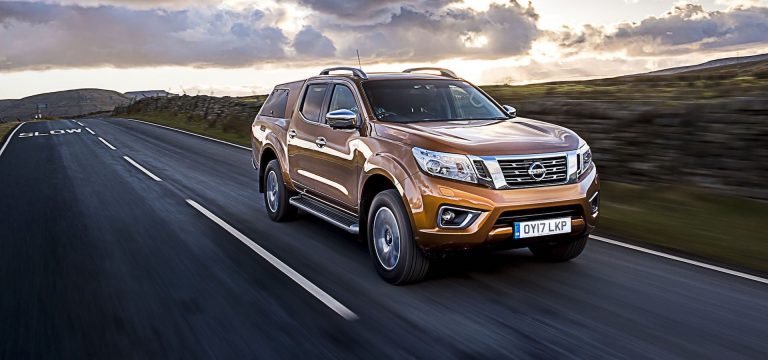
What is it? The current Nissan Navara is the third generation of a core pick-up contender.
Key features Multi-link rear suspension, improved interior, downsized engines
Our view The current, third-generation Nissan Navara does a very good job of bringing SUV-like refinement to the pick-up sector without compromising payload capacity or off-road ability.
Rear suspension changes, in particular, have made the Navara Double Cab a vehicle one can confidently use at work in the week and at play over the weekend.
The Nissan Navara is one of the best-known pick-up trucks on the market, and when the latest, third-generation model went on sale in 2016, it replaced a model that had lasted for a decade.
The revamp was not before time for other reasons. The Navara has always had core rivals in the Toyota Hilux and Mitsubishi L200, but recently, the pick-up market has significantly expanded.
The new Renault Alaskan is essentially another version of the Nissan; the Volkswagen Amarok is rising in popularity, and in particular, Ford’s decision to properly sell its Ranger in Europe for the first time has proved a big success, the model becoming very familiar on UK roads. And if money’s no object, one can even buy a Mercedes-Benz pick-up now – like the Renault, it’s also based on the Navara platform.
So the Navara has had to raise its game, and Nissan’s recipe has been to make improvements in several areas without compromising the features that have previously made the vehicle so popular, especially its go-anywhere all-wheel-drive capability.
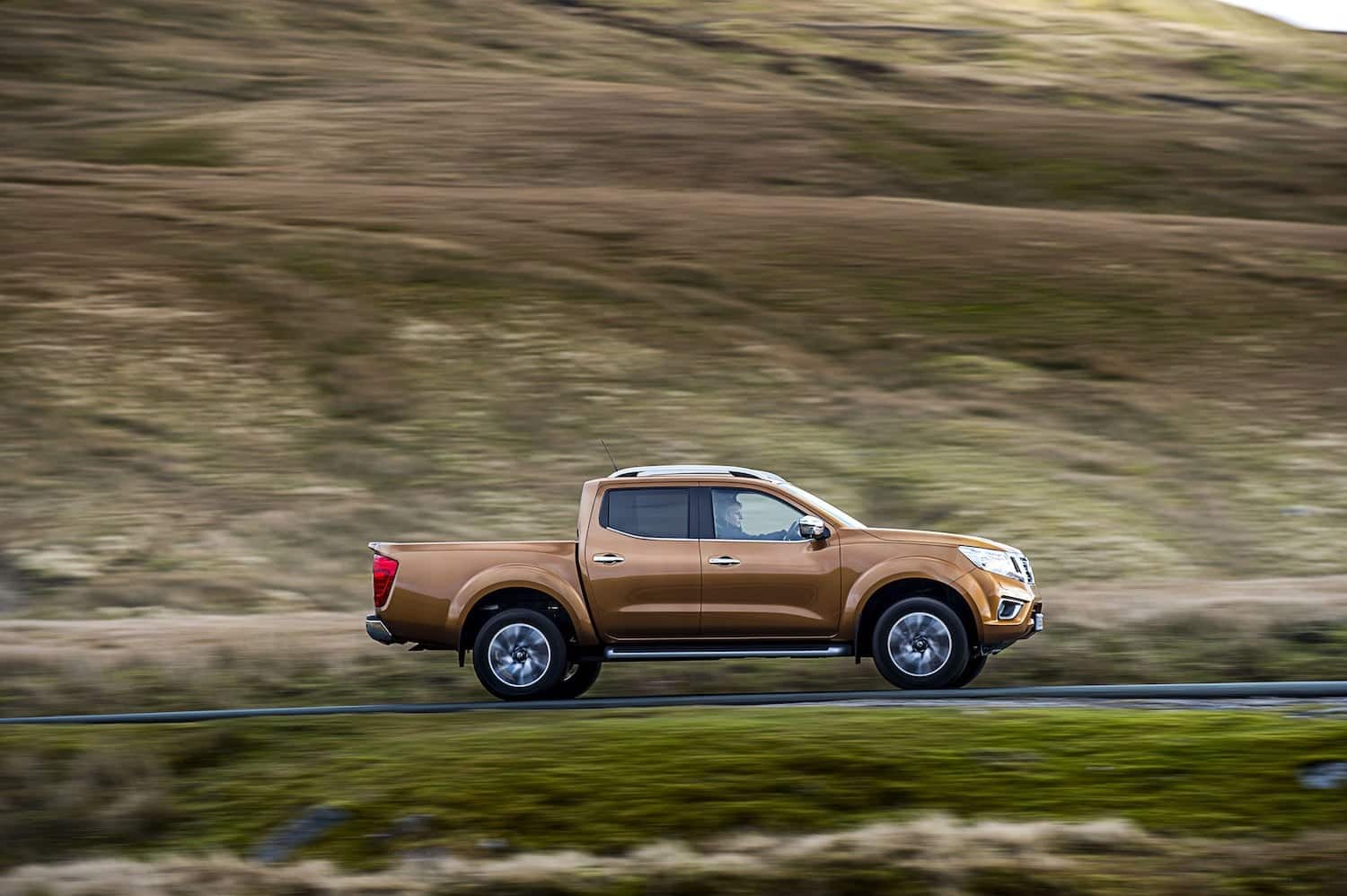
The Navara is available as a King Cab or Double Cab – our test vehicle is the latter, and it is this that has seen the major chassis changes. The leaf springs formerly suspending the back axle may have suited the working environment but they were somewhat harsh on rear-seat occupants, so the replacement with a multi-link setup was welcome.
Up front, the 2016 update saw the diesel engine downsized to 2.3 litres, which can be had with either 160 or 190hp. It’s up to 24% more efficient than the engine it replaced.
Inside there were major quality upgrades, along with a healthy injection of the latest technology including such niceties as the 360-degree around view monitor, which Nissan was an early adopter of.
Nissan has made major improvements to the Navara’s comfort without compromising its capability
Buying and owning a Nissan Navara
Double cab pick-ups have become more and more popular as genuine dual-purpose vehicles – work truck during the week and family car on the weekend. This has meant that pick-ups have had to evolve, with more comfort and better road manners but without compromising the ‘day job’.
One of the stated aims with the latest Nissan Navara was to make it more SUV-like and our test model came fitted with the Grand Truckman hard top, the less expensive of two options in this area. For around £2,000 fitted, the unit completely covers the load bed and includes a heated rear window, pop-out side windows, an interior light and roof bars, while also dialling into the vehicle’s central locking. There is also a premium version, costing close to £3,900, that adds full interior lighting and trim, as well as a stop light.
Nissan has made some changes to increase the Navara’s capacity. Our Double Cab has a load bed extended by just under 7cm over its predecessor. Now almost 1.6m long, it’s at the top end of the sector. Combine that with a payload rating in excess of one metric tonne and a 3.5-tonne towing ability, and this vehicle is built to be a workhorse.
The load bed is swathed in tough plastic while notable is the C-channel load system, a neat addition. Solidly built channels are fitted to the rear of the cabin bulkhead and the sides of the load bed, in which clamps slide to secure cargo. With pick-ups naturally light in the rear end the last thing one wants is up to a tonne sliding around in the rear as you go around corners…
Mechanically the choice of Navara is simple – one diesel engine, two power levels, manual or auto transmission, selectable all-wheel-drive on all models except one version of the King Cab. Four trim levels are available, while standard equipment on all versions includes seven airbags, an electronic braking differential, off-road electronic aids including hill start assist, cruise control and electric windows.
The five-year warranty is a welcome part of the standard specification, while when tested in 2015 the Navara earned a four-star Euro NCAP safety rating. It scored particularly highly in a side impact barrier test, but in other tests protection of the rear-seat passengers was marked down, while the low-speed autonomous emergency braking system was only an option.
Inside the Nissan Navara
Anyone getting into a Navara after a Qashqai or an X-Trail will be in familiar surroundings.
Nissan has tried very hard to improve the interior quality of the Navara, appreciating that many owners will want to use their weekday workhorse as weekend family transport, while some will buy it simply because they like driving pick-ups.
For the third generation, the insides underwent a complete redesign, making use of Nissan’s experience with its more road-only SUVs and in the process freeing up more space. Anyone getting into this after a Qashqai or an X-Trail will be in familiar surroundings.
So while the fixtures and fittings remain robust, as they must be in a working vehicle, there is also a sense of style and quality, within our top-spec model a lot of piano black trim included. It’s good looking without descending to a level that would be impractical in such a vehicle.
We are told that the support in the front seats was evolved from techniques created by the NASA space programme! Whatever, it works – the seats are very comfortable even after a long trip, the writer completing a couple of hundred motorway miles in the Navara.
Our test car is to top-line Tekna specification, so comes with plenty of toys. Those seats are leather upholstered and heated. The seven-inch touchscreen of the infotainment system dominates the centre console, and includes DAB digital radio, a colour reversing camera (combined with sensors on the Tekna), Bluetooth audio streaming, app integration and live traffic updates.
Said screen also serves as the screen for the Around View Monitor. This system, which uses cameras to give the driver a bird’s eye view of the car, is particularly useful when negotiating a tricky and tight off-road course.
In total, the revamp of the interior has been well executed, and only the height above the ground reminds occupants that they are in a pick-up.
Driving the Nissan Navara
Navara feels like an SUV to drive, and rear passengers will really feel the difference
With our test vehicle boasting the higher power engine, there was no shortage of get-up and go. Nissan has provided a proper engineering solution to adding potency to the 2.3-litre diesel unit, the 190hp employing two turbochargers whereas the 160 unit has only one. As a result, acceleration is smooth and refined, quite unlike the loud, clattery progress that once was the norm on such vehicles.
Our test model is fitted with the six-speed manual transmission and this is less impressive than the engine. The long gear lever can sometimes be a little vague to shift. There is an auto option that we haven’t tried, but which could be a viable alternative in this environment.
All-wheel-drive is easily selected from a dial on the centre console, and it includes both high and low-range settings – a locking differential is available as an option, but in standard form the Navara is more than capable off-road, and comes with such aids as hill descent control.
Without doubt the biggest gain on the latest version is the change to the rear suspension. The five-link unit that now comes as standard on the Double Cab is in a different league to the former leaf-spring setup (which remains on the King Cab). Once when driving such vehicles the attention was always on the over-lively rear end, but now it feels just like an SUV to drive, while rear-seat passengers will particularly appreciate the improvements in comfort.
From the driver’s seat, this pick-up is still one high-up machine, but also one that can carry far more speed into corners with confidence. Grip levels are improved and there is far less of that waggly rear-end sensation that used to have one treating bendy bits with caution, especially in damp conditions.
One aspect that is notable – the exterior restyling that accompanied Nissan Navara Mk3 included a raising of the front wings, probably to make it look more like an SUV. This does make them a little too prominent in the eye line when driving, though generally this is a good vehicle to see out of, with the around-view monitor as back-up.
Summary
The Nissan Navara has always been a leading contender amongst workhorse pick-up trucks, but today such vehicles are expected to do a lot more than simply be workhorses. In its third-generation form the Navara addresses these requirements and meets them in style.
The current Navara is a good-looking vehicle which inside offers much comfort in quality surroundings, and plenty of technology. It is also a comfortable vehicle to ride in, so long as one chooses the Double Cab which the vast majority of buyers will. The rear suspension changes have effectively revolutionised the vehicle’s ride quality and handling ability.
At the same time, the Navara has lost none of the robust ability that vehicles of this type need first and foremost. It offers a good-sized load bed with excellent payload and towing capacity. And it can carry that payload into the most inhospitable of conditions thanks to a very effective all-wheel-drive chassis.
For anyone who would really like an SUV, but who needs a pick-up, the Nissan Navara will be high on the consideration list.
The Geneva motor show is one of the two most important European events of the year and manufacturers target their most important unveilings in Switzerland. However, Geneva has another side.
No front-line motor show attracts quite the variety of wild and wacky cars as does Geneva. Outlandish concepts that demonstrate the breadth of a styling house’s imagination, compete for space with equally wacky cars that tiny never previously heard-of manufacturer sunset will soon be in production – but which are never subsequently seen on a road.
To conclude our coverage from this year’s show, here we highlight some of the novel creations that make Geneva great.
This is the Rimac C_Two, and if the name sounds familiar, it’s because there has been a Rimac Concept 1. Nine of them were built, and one was famously crashed and set on fire by a certain Richard Hammond.
The C_Two is built in Croatia, it has an electric drivetrain, with apparently 1,914hp, and claims a 0-62mph time of 1.85 seconds and a top speed of 258mph. The two-seater is propelled by four electric motors and has a claimed range of around 400 miles between charges.
Lvchi Venere
This four-seater limousine comes from Chinese newcomer Lvchi Auto, and is powered by a 1,000hp electric drivetrain. Four electric motors are involved with a claimed 0-62mph time of under three seconds.
Debuting at the show, Lvchi has big plans – it will start taking orders for a sports car and a coupé at the end of December 2019, by which time an electric SUV, MPV and saloon will have been unveiled, and two and four-seat city cars and a five-door hatch are planned by 2020. The company plans to sell 100,000 cars in 2019 and 550,000 by 2023, by which time its Chinese plants will be joined by one in Italy…
Chelsea Truck Co 6×6
This may look like a Land Rover Defender because, basically, that’s the starting point for this huge six-wheeled vehicle, called the 6×6 Civilian Carrier and built by the – wait for it – Chelsea Truck Company.
No, it’s not the Chelsea Tractor Co, and yes the firm is based in London. Almost 5.5 metres long, the vehicle boasts exterior styling carried out by UK aftermarket specialist Kahn Design, and unsurprisingly it claims to offer a great deal of off-road prowess…
Sbarro 4×4+2
And while we are talking six-wheelers… This is the 4×4+2 from French creators Sbarro. Think it looks scary? You would be right, but we can add some extra frightening facts – several components, including the engine, started life at Porsche…
Renault EZ-Go
This concept could be for real, because it’s on the Renault stand. The EZ-Go is an autonomous vehicle that in the future could provide the role of taxi in emissions-free city centres.
Six occupants can be accommodated, all sitting facing each other, and they enter through a glass roof that raises out of the way.
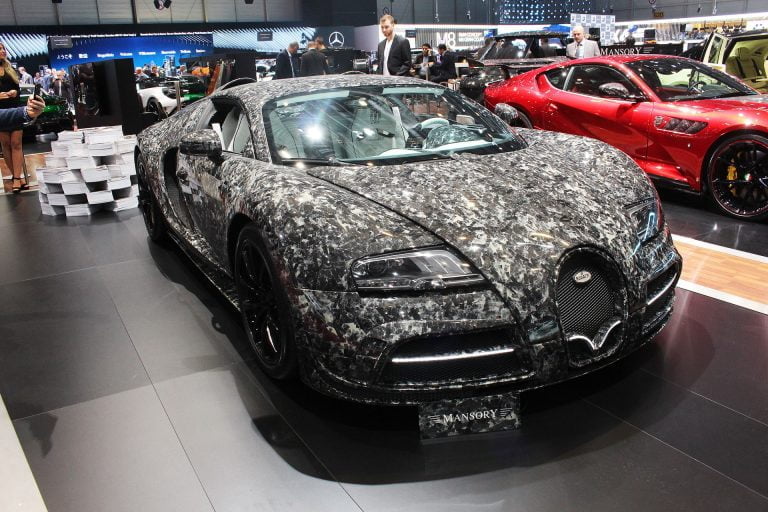
Mansory Bugatti Veyron Vivere Final Diamond Edition
Everyone we have shown pictures of this car to has reacted – well not very positively. It is a take on the Bugatti Veyron by German aftermarket stylist Mansory. The effect, employed as liberally inside as on the exterior, is a sort of polished marble, actually created using carbon fibre.
Would you pay £1.5 million or so to have your car look permanently as if it has been snowed on?
PAL-V Liberty
This extraordinary device claims to be the world’s first production flying car. The PAL-V Liberty is made in Holland and is a three-wheeled dual-engined vehicle, one for driving it on the ground and the other for powering the rotor blades atop it.
Those perusing it at the Geneva show are able to place orders for the first production versions, due on and above the roads in around a year. The cost? a mere 499,000 Euros, around £445,000 in UK money, before taxes. That price does include some flying lessons, but if it’s still a bit too steep, PAL-V plans a Sport model at a mere €299,000 (£254,000). Time we feel, to fly away from Geneva…
Star of the Citroën stand at the Geneva motor show is an all-new version of the Berlingo Multispace van-based MPV.
Citroën claims to have created the ‘leisure activity vehicle’ market when it launched the first Berlingo 22 years ago, and globally the model is now the brand’s second-largest seller. More than 1.7 million have found owners, beaten only by the C3.
The third-generation Berlingo will for the first time be available in two body lengths. These are dubbed M and XL and measure 4.4 and 4.75 metres respectively.
The longer variant will join the now exclusive club of people carriers offering seven seats, while the second row will continue to provide three individually folding seats. Also available will be a flat floor through to the folding front passenger seat, offering maximum load lengths of 2.7 or 3.05 metres.
Underpinning the new model is Citroën’s latest EMP2 platform, and this has resulted in visual changes. The new Berlingo has a higher and shorter front end with a more forward-set windscreen. It also gains the ‘air bump’ styling side panels first seen on the first Cactus.
Technology upgrades to the Berlingo will include 19 driving assistance systems and four connectivity technologies. The engines will be updated too, including PSA Group’s new BlueHDi 130 1.5 diesel unit, and the new EAT8 eight-speed automatic gearbox.
New C4 Cactus popping up in UK showrooms
Berlingo sales are expected to begin in the second half of 2018, by which time the latest C4 Cactus will already be on the roads. The model makes its debut motor show appearance just as it is launching in the UK, the major changes seeing a pitch further upmarket with more comfort and updated technology.
The C4 Cactus is the first European Citroën offered with the Progressive Hydraulic Cushions (PHC) suspension system, producing what the brand describes as its ‘magic carpet ride’ effect. Citroën’s Advanced Comfort seats are also fitted, for the first time on any production model.
The first fully electric Audi production model, the e-tron, is on show in prototype form at Geneva, and at the same time dealers are starting to take orders for the newcomer.
The Audi e-tron is an electric SUV, and when the first versions hit UK roads in early 2019 they will be direct rivals to the Jaguar I-Pace.
Audi describes the e-tron as a milestone model for the company’s future, and according to CEO Rupert Stadler the first of many electric cars. “In 2020 we will have three all-electric vehicles in our product range, with a four-door Gran Turismo – the production version of the Audi e-tron Sportback concept – and a model in the compact segment joining the sporty SUV,” he says.
“We will be launching more than 20 electric cars and plug-in hybrids by 2025 – spread across all segments and concepts,” Stadler adds.
Few specific technical details of the e-tron are yet being revealed, Audi only stating that it will offer five people and their luggage similar space to one of the brand’s traditional premium cars, and offer a driving range comparable with a conventionally powered equivalent.
Recharging to 80% capacity will take less than 30 minutes at fast-charging stations with up to 150kW capacity, while the e-tron’s drivetrain will also offer full all-wheel-drive capability.
Audi is not yet quoting prices either, but confidently expects huge demand for the e-tron. Early buyers are being asked to pay a £1,000 deposit, either at dealers or on the Audi UK website, which will place them on a priority list for the first production cars.
Prior to the official launch, Audi is putting 250 examples of the e-tron, each wearing the same camouflage livery as the Geneva show display car, through an extensive testing programme. More than three million miles of testing is planned on four continents and at extremes of temperatures.
A fleet of e-trons has been driving around the streets of Geneva during the show, clearly hoping to draw some attention away from the Jaguar rival launching at the event.
Motorists are backing calls to create segregated cycle routes on the UK’s single-carriageway A-roads, according to a survey of over 1,000 drivers for road safety charity Brake and insurance company Direct Line.
Drivers questioned said they believe the current road network is not fit for cyclists and building dedicated cycleways should be the Government’s priority for roads investment.
They stated that the 60mph speed limit on single-carriageway A-roads is too fast to assure the safety of cyclists, and that both the warning signs and space available for cyclists are inadequate.
This sense of risk is echoed by the overwhelming majority of survey respondents, stating that they would advise children or teenagers never to cycle on single-carriageway A-roads or only to cycle with an adult.
Better cycle routes would encourage more drivers to take up cycling
The Brake and Direct Line survey found that such investment would significantly increase the numbers of motorists who would take-up cycling. Some 70% of drivers said they currently never cycle on single-carriageway A-roads, and more than half commented that they would be persuaded to if there was a demarcated space for cyclists.
Joshua Harris, Brake’s director of campaigns, said: “Getting more people cycling is a win-win for the Government, delivering both personal and public health benefits. Contrary to popular opinion, our survey shows that the majority of drivers are willing to switch modes and cycle if safe facilities are available.
“We echo the call from drivers and urge the Government to prioritise investment in safe, segregated cycle routes in the upcoming Road Investment Strategy.”
Gus Park, managing director of motor insurance at Direct Line, added: “All road users should be able to undertake their journeys safely. Many who would cycle choose to drive instead, as they feel some roads are just not safe enough for them to use.
“Single-carriageway A-roads are vital arteries within our road infrastructure, but they need to ensure they can accommodate all road users, regardless of their preferred method of transport, now and in the future.”
The Government is currently consulting on billions of pounds of investment in both the Strategic Road Network and the Major Road Network.
The Toyota Supra is on its way back, and a racing concept unveiled at the Geneva motor show gives strong hints to the look of the new sports car.
There has not been a Supra in the Toyota range for 16 years, and the new one has come about as the result of a joint project with BMW that will also create the next BMW Z4. However, we understand the two will be very different cars.
“Yes, the Supra is returning,” said Toyota Motor Europe president and CEO Dr Johan Van Zyl, unveiling the car at the Geneva event. “This concept is a clear signal of our intention to bring back one of our most legendary sports cars to the market.
“This baby, developed by Toyota Gazoo Racing, is a thoroughbred designed for the race track, the best way of taking our ‘Supra Hero’ into a new era. It has been made light, compact and, of course, fast. I think you will agree it looks amazing.”
Toyota not giving too much away just yet
Toyota is not giving many clues as to just how close to the production Supra the racing concept is, merely stating that it demonstrates the brand’s “commitment to bringing the Supra back to the market,” and “shows the future potential for a car that can deliver high performance both on road and track.”
Just what level that performance might reach is currently being kept under wraps too, with no technical details released to accompany the concept. Industry rumours suggest that the road car will produce around 340hp from its engine and, of course, offer a sub-four-second 0-62mph time.
Visually the concept is clearly in the traditional Supra mould – a muscular-looking, front-engined, rear-wheel-drive two-seater sports car.
Unsurprisingly, the racing concept makes extensive use of lightweight composite materials in such areas as the wide front and rear bumpers, front splitter and rear diffuser, side skirts, door mirror housings, the bonnet and the rear wing. Even the window are lightweight lexan, rather than glass.
The new Supra road car is expected to break cover in 2019.
Many visitors to the Ford stand at the Geneva motor show will be drawn by the Ford Mustang Bullitt – a new limited edition model paying homage to the iconic movie starring Steve McQueen.
However, the stand also hosts important European debuts for the revamped Edge large SUV and the Ka+ Active version of the mini-crossover.
First seen at the Detroit show in January, the Mustang Bullitt will go into production in June. It is the third such model, following versions launched in 2001 and 2008, and celebrates the 50th anniversary of the car’s starring role in the film.
The Bullitt’s 5.0-litre V8 engine will be tuned to produce an anticipated 464hp, 14 horses more than the current most potent model, the GT. It also includes rev-matching technology to smooth out gear changes.
Buyers of the Bullitt will be able to choose liveries connected to the film, either Shadow Black or a Dark Highland Green exterior colour. Ford is not currently saying how many will be made to UK specification or what they will cost.
Technology updates for Edge large SUV
The revamped Edge is described as Ford’s most technically advanced SUV yet. Its drive assistance technologies, in particular, are updated to make the most of current camera and sensor advances. The adaptive cruise control includes a system to keep the car centred in its lane, while post-collision braking and an evasive steering aid also feature.
When the latest Edge goes on sale it will be available with a new 238hp bi-turbo diesel engine and equally new eight-speed auto transmission.
New Ka+ Active joins the range
The KA+ Active capitalises on a growing trend for crossover-styled city cars, with more muscular body styling, a ride height raised by 23mm and bespoke chassis settings.
On its arrival in showrooms in the summer of 2018, the Ka+ Active will be offered with an extensive standard specification. Prices will start from £10,795 and for the first time powertrain choices will include a diesel, a 95hp 1.5-litre unit.
Nissan has announced a number of new features and design upgrades to its ageing Juke compact crossover, in a final fling before the model’s expected replacement towards the end of this year.
The most obvious visual changes include a dark chrome treatment of the V-shaped grille, dark headlamp interior and dark turn indicators on the door mirrors.
LED fog lamps are now standard from Acenta grade upwards, and there are new 16-inch alloy wheel designs. In addition, the 18-inch wheels on the Tekna grade can be personalised with coloured inserts.
Coloured body parts, including front and rear bumper finishers, doors side sills and mirror caps, are also available through Nissan’s personalisation program. These are standard on the Bose Personal Edition model (which replaces the old N-Connecta model) and optional on Tekna models. Two new body colours – Vivid Blue and Chestnut Bronze – join the colour palette.
Inside, Nissan has introduced the Bose Personal audio system, featuring two Bose UltraNearfield speakers built into the driver’s seat headrest. The system is standard on the Bose Personal Edition models.
Other changes to the interior include a choice of two new personalisation colours – Energy Orange and Power Blue – for the central console, air vents, door inserts and seat upholstery. Gloss black interior personalisation remains available as before. This personalisation offering is standard on BOSE Personal Edition and Tekna specification models.
There is apparently also a higher grade of leather on the steering wheel, plus a higher-resolution driver trip computer display.
Nissan helpfully points out that all models come with air conditioning, electric door mirrors, power windows, CD player plus auxiliary port and LED daytime running lights as standard. If you happen to have just woken up from a ten-year-long coma, this may sound amazing. For everyone else, not so much.
Acenta grade adds the Nissan Dynamic Control System, front fog lamps, cruise control with speed limiter, climate control, privacy glass, USB port and Bluetooth connectivity.
The Bose Personal Edition grade comes with an upgraded infotainment system, reversing camera, keyless start, electrically-folding door mirrors, part-leather seats, automatic headlights and the Bose Personal sound system.
Finally, the top-spec Tekna grade adds lane departure warning, blind spot Warning, Intelligent Around View Monitor and full leather heated front seats.
The upgraded Nissan Juke is on sale in the UK from May 2018.
Starting today (Friday) and running until Monday (12 March), Vauxhall dealers across the country are offering customers £500 worth of free fuel with every new car and van purchase made this weekend.
This offer is in addition to Vauxhall’s existing new car finance offers and anything else you can negotiate with the dealer. The £500 free fuel offer is available with any new Vauxhall car, SUV or commercial vehicle.
Based on the current average petrol price of 121.9p per litre, £500 would buy you approximately 410 litres of fuel. Vauxhall’s expert team of calculator button pushers have worked out that customers choosing a Corsa 1.0-litre petrol three-door model, which achieves 64.2mpg, could enjoy 5,778 miles of motoring on free fuel – although this is entirely unrealistic and based on a best-case scenario that won’t ever happen in the real world.
On the other hand, if you’re buying one of the last-ever VXR8 saloons, £500 of petrol will probably only get you as far as the next petrol station…
The SEAT stand at this year’s Geneva motor show is divided very deliberately into two – one side marking the launch of Cupra.
While the name may be familiar, applied to the most performance-pitched versions of SEAT cars in the past, in future it will be marketed as a completely separate performance sub-brand – in a similar fashion to the way Citroën’s DS line was separated out into the upmarket DS Automobiles brand.
Initially, Cupra models will be reworked versions of SEAT cars – the first, the Cupra Ateca, is on the Geneva stand and it is likely that it will be followed by new variants of the familiar Ibiza and Leon models, but this time with no sign of any SEAT badges.
Later on, however, Cupra could produce bespoke cars – by 2020 the brand is expected to offer a seven-strong line-up.
According to SEAT President Luca de Meo , the Cupra brand is part of a diversification of SEAT’s business and the development of new models that can be profitable. “Cupra aims to appeal to new customers who want to avoid entering in the luxury segment but at the same time want to feel special.”
The Cupra Ateca has a 2.0-litre petrol engine with 300hp, all-wheel drive and a newly-developed version of the VW Group seven-speed DSG auto transmission. Developments to this are aimed at making it sportier, with faster, smoother shifts.
Cupra look
Cupra models will also gain bespoke styling. The Ateca’s upper grille is fitted with a honeycomb mesh, a bespoke bumper and detailing in gloss black – in this case on the roof rails, wing mirrors, window frames, side mouldings, wheels, front grille and front and rear diffusers, and the spoilers that frame the rear window.
Black brake callipers, quad exhaust pipes and bespoke 19-inch alloy wheels also feature, along with Cupra logos in copper on the six exterior colours, dubbed Energy Blue, Velvet Red, Brilliant Silver, Rodium Grey, Magic Black and Nevada White.
Inside there is Alcantara upholstery on the door panels and seats, the latter stitched in grey as is the leather steering wheel. A carbon fibre effect is added to the sides and aluminium pedals included. Equipment levels are high too, highlights on the standard equipment list including keyless entry and start, a wireless charger, 360º top view camera, eight-inch touchscreen navigation system, digital instrument panel, and park assistance.
Electricity is also expected to be a central part of Cupra’s plans, with some observers predicting it will launch electric models before SEAT. The electric touring car racing version of the Leon, debuting on the stand, is badged as a Cupra.
The all-new Mercedes-Benz A-Class is now available to order in the UK, with first deliveries scheduled for late May. It has had its first public outing at this week’s Geneva motor show.
The new version of Mercedes’ smallest model is available in three trim levels – SE, Sport and AMG Line – and with a choice of three engines, all with a seven-speed automatic gearbox. Prices start from £25,800 for the entry-level A 180 d SE, with the petrol models starting at £27,500 for the A 200 SE and £30,240 for the A 250 SE.
Mercedes-Benz is promoting the advanced technology and connectivity features of the latest A-Class range, with even basic models offering a high specification.
The entry-level SE features twin seven-inch displays for instrumentation and infotainment. The central touchscreen runs Mercedes’ latest MBUX multimedia system, including ‘Hey Mercedes’ voice activation. The SE specification also gets 16-inch alloy wheels, DAB digital radio, a combination of cloth and artificial leather upholstery, active lane-keeping assist, speed limit assist, keyless starting and manual air conditioning.
Sport specification adds full-LED headlights, 17-inch alloy wheels, a different kind of cloth/fake leather upholstery and automatic climate control.
As usual, AMG Line models will be visually distinguished from lower-spec models through a range of exterior changes. These include 18-inch alloy wheels; AMG body styling that comprises deeper front and rear bumpers with bigger vents; artificial leather/artificial suede microfibre upholstery and a chunkier sports steering wheel.
A-Class engine choices
The A 180 d uses a 1.5-litre diesel engine, which produces 116 hp and 260 Nm of torque. It delivers up to 68.9 mpg on the combined cycle, with a top speed of 125 mph. It can travel from 0 to 62 mph in 10.5 seconds.
The A 200 is powered by a 1.4-litre petrol engine with an output of 163 hp and 250 Nm. It can deliver up to 51.4 mpg.
The A 250 has a 2.0-litre petrol engine that generates 224 hp and 350 Nm. It claims 45.6 mpg on the combined cycle. It can accelerate from 0 to 62 mph in 6.2 seconds and has a top speed of 155 mph.
Options packages
There are a number of options available. The Executive equipment package costs £1,395 and upgrades the standard seven-inch central touchscreen media display to a ten-inch item, as well as adding active parking assist, heated front seats, and folding mirrors.
For £2,395, customers can specify the Premium equipment line which, in addition to the Executive line, adds a ten-inch cockpit display to the ten-inch central touchscreen to create a widescreen effect across the dashboard, plus 64-colour ambient lighting, illuminated door sills, keyless entry, upgraded sound system and a rear armrest.
The Premium Plus equipment line includes the Premium and Executive lines, and then adds memory function for the driver and front passenger seats, multibeam LED headlights with automatic high beam, and a panoramic sunroof.
The Advanced Navigation package introduces augmented reality into the onboard satellite navigation. Using a camera located at the top of the windscreen, the infotainment screen overlays the navigation display with the actual road ahead, making for clearer, more obvious navigation.
The package includes Traffic Sign Assist, which automatically reads road signs, making sure the driver is always aware of the current speed limit. The Advanced Navigation package costs £495 and is only available on top of the Executive, Premium or Premium Plus equipment lines.
Land Rover is bidding to take on the rising tide of SUVs from luxury manufacturers with a special version of the Range Rover.
A maximum number of 999 Range Rover SV Coupés will be made, and sold for £240,00 each, rivalling the likes of the Bentley Bentayga and Lamborghini Urus.
The clue to the car’s construction is in the name. SV stands for Special Vehicle, the calling card of Jaguar Land Rover’s Special Vehicle Operations division, which has already produced a number of specialist limited-edition models.
All-new construction
The two-door coupé is said to pay homage to the original two-door Range Rover of 1970. And it is much more than an upgrade of the existing Range Rover – the bonnet and lower tailgate are the only body panels carried over, the new panels crafted in aluminium as are the new front and rear bumpers.
Eight exterior colours will be offered, four of them new to Range Rover and dubbed Constellation, Parallax, Liquesence and Obsidian – nope, we have absolutely no idea what colours they actually are!
The SV Coupe will be the fastest Range Rover available – its 5.0-litre V8 supercharged engine will push out 565hp and 700Nm of torque, resulting in a five-second 0-60mph time and a 165mph top speed.
It will also be designed to handle – its ride height is lowered by 8mm over the standard model and above 65mph it lowers by another 15mm to aid stability and fuel consumption. The SV Coupe is also the first Range Rover for which 23-inch wheels are available.
Despite the performance specification, the SV Coupe loses none of the full off-road ability that Land Rover is known for. The permanent all-wheel-drive remains, as does the two-speed transfer box and locking rear differential. Land Rover’s Terrain Response 2 electronics are also retained.
The air suspension offers five modes, from a 5cm height reduction to ease access to the boot, to two off-road modes and further modes that can increase the ride height by up to 8cm.
Technology highlights inside include a 10-inch display, a 12-inch digital display ahead of the driver and a full-colour head-up display. The 1700w sound system has 23 speakers, including a dual-channel subwoofer.
Upmarket interior
The interior is upholstered in a choice of four two-tone finishes, while there are also four single-tone colours. The seats are heated, cooled and covered in a bespoke leather in a graduated diamond quilt design. The front seats adjust 20 ways and the rear seats 10.
Three wood veneer options, applied to the steering wheel rim, door panels, centre console, instrument panel and load floor, include a Nautica veneer that merges walnut and sycamore.
The SV Coupe will be hand-built at Land Rover’s SVO unit in Warwickshire, with each created to the individual specification of its buyer.
The Driver & Vehicle Standards Agency (DVSA) has announced that learner drivers will be able to take driving lessons on motorways in England, Scotland and Wales from June.
Learners will need to be accompanied by an approved driving instructor and driving a car fitted with dual controls. Motorways lessons will be voluntary and it will be up to the driving instructor to decide when the learner driver is competent enough for them.
A consultation was launched at the end of 2016, and the plans drawn up in August 2017. The announcement today of the date of implementation is the final step to the idea finally coming to fruition.
A common sense decision that could save countless lives
The announcement has been welcomed as ‘common sense’ and could save countless lives according to IAM RoadSmart, the UK’s biggest independent road safety charity, which has long called for this move to be made.
Neil Greig, IAM RoadSmart director of policy and research, said: “IAM RoadSmart strongly welcomes this common-sense change to the law on motorway driving.
“It has never made sense to us that new drivers on our most important roads learned how to use them by trial and potentially fatal error. The Government’s insistence on the use of approved instructors and dual controlled cars is a welcome safeguard that will ensure consistent levels of training and a proper phased introduction to motorway driving skills.
“Delays and injuries caused by driver error blight our motorways and with new systems such as smart motorway being widely introduced, it is vital that the level of knowledge and skill among motorways users is improved to keep our key economic routes flowing.
“Any current drivers who feel the need to refresh their skills or improve their confidence and enjoyment on the motorway can take an IAM RoadSmart motorway module today.”
No show is more famed for the quantity and variety of its concept cars than Geneva, so Mazda will be very pleased to have won the ‘Concept Car of the Year’ award.
Particularly as the car that took the accolade, the Mazda Vision Coupé, was not actually making its debut at the show, having first been unveiled at the Tokyo event back in November 2017.
The Mazda Vision Coupé, which the company says represents the next phase for its ‘Kodo – Soul of Motion’ design language, was also awarded the title of ‘Most Beautiful Concept Car of the Year’ at the 2018 Festival Automobile International held in Paris in February.
Adding weight to the Geneva accolade is the fact that the panel of 18 judges included several individuals who currently serve as design directors at global automakers.
Mazda describes the styling of the Vision Coupé as pursuing an essentially Japanese aesthetic. “The concept’s flowing and deceptively simple “one motion” form speaks of elegance and quality,” a spokesman said. And while the car itself is unlikely to be seen in a showroom in its present form, many elements of it – in particular the exterior design – will progress to future Mazda production models.
Commenting on the award, Mazda design and brand styling head Ikuo Maeda said that Mazda is delighted to win it so soon after the Paris accolade. “It’s truly an honour to have this model, which aims to express the essence of Japanese aesthetics, applauded by some of the world’s top car designers,” he said.
“The essence of this design concept will be evident in the next generation of Mazda cars, the first of which is due to be launched in 2019,” Maeda added.
Apparently one never simply buys a Rolls-Royce, so with no specific new product to launch at Geneva the British luxury brand is instead showing off the efforts of its bespoke division.
Three different versions of the latest Phantom, launched six months ago, are displayed at the Swiss show. Each has been specifically ordered for a customer and each apparently demonstrates “why Rolls-Royce is a Luxury House in the business of motor cars and the by-word for Bespoke.”
‘The Gentleman’s Tourer’ was modelled to evoke the Phantom II Continental saloons of the 1930s, which were seen as tourers for long journeys across the continent. The Geneva car boasts bespoke ‘iced Gunmetal’ paint and a satin silver bonnet, created especially to appeal to an interest in high-performance aircraft by the car’s buyer. Inside it is upholstered in various shades of black, grey and Anthracite leathers with the stand-out feature a detailing in Ruthenium – a precious metal platinum derivative of which only 20 tonnes is mined each year.
The other two cars are both extended wheelbase Phantoms, dubbed ‘Whispered Muse’ and ‘A Moment in Time’. They are the first two new Phantoms commissioned with interior ‘galleries’ created by individual artists.
Whispered Muse
The gallery in Whispered Muse was created by London-based designer Helen Amy Murray. Inspired by the original Charles Sykes drawings for the Spirit of Ecstasy symbol of Rolls-Royce, it uses various silks to create a sculpted effect, as well as Piano Seashell veneer on the interior surfaces, created by hand polishing for 12 hours. The seats are also clad in a Seashell leather shade.
On the outside, the paintwork is again bespoke, with a newly-developed crystal effect over the two-tone Selby Grey and Palais Nemaskar Dawn bespoke paint. Creating the finish involved ten layers of paint, with the last being a layer of glass-infused clearcoat to create the crystal effect. Rose Gold is also used extensively, with the Spirit of Ecstasy finished this way for the first time.
A Moment in Time
If that sounds like a lot of effort… The process of creating A Moment in Time began by pulling a broad strip through a tank of water, the strip weighted and suspended to control the effect. This was captured on camera and the resulting fluid form analysed by the Rolls-Royce design team and design specialists Based Upon. It was then recreated in clay to create a wax sculpture and the final version machined from a solid billet of aluminium, then polished to accentuate its curvature.
This car’s interior uses a Piano Milori Sapphire veneer, hand-polished for 12 hours, and of course, the exterior paintwork is again bespoke, a newly-created Blue Crystal over Milori Sapphire paint with a mere six layers including the final clear coat infused with blue glass to create the blue crystal effect.
Two-seat Dawn
Also debuting on the Geneva stand is an aero cowling for the Rolls-Royce Dawn, which is effectively an extended tonneau cover over the rear seats and turning it into a two-seat roadster.
The hand-made unit comprises two cowls that extend upwards behind the front seats and each includes leather-lined storage compartments. The tonneau cover is made in carbon fibre and aluminium and the lid of each cowl is covered in leather.
Of course, Rolls-Royce would never be so vulgar as to indicate the price of such conversions. But consider that the Phantom starts from beyond a quarter of a million pounds, even before the bespoke department gets involved…
Supercars for the very wealthy have always been an essential part of the Geneva motor show, but a more recent trend sees such supercars and even more specialist hypercars being developed into track specials, so those very wealthy owners can pound around a race circuit living out their dreams of being the next Lewis Hamilton. This year’s Geneva event revealed a small but highly exclusive selection of such machines.
In the Valkyrie, Aston Martin believes it has the world’s most extreme road car, and at Geneva this year an even more potent track version was revealed. The Aston Martin Valkyrie AMR Pro is, like the road car, mainly the work of Adrian Newey, chief technical officer of Aston Martin Red Bull Racing and responsible for several Formula One world championship-winning cars.
The Valkyrie AMR Pro boasts a hybrid V12 powertrain developing more than 1,100hp, and totally redesigned aerodynamics generating downforce of more than 1,000kg.
According to its creators, the AMR Pro offers track performance akin to a current Le Mans LMP1 prototype or Formula One car – full technical details are yet to be revealed but it is capable of 225mph.
Ferrari 488 Pista
Ferrari always produces a new car for Geneva, and there is always a huge crowd around it all day long. This time it is the 488 Pista – it can be driven on the road but considering it is powered by the most powerful V8 engine in Ferrari history and boasts the most technology ever transferred from the brand’s F1 and GT racing programmes, why would you want to?
The 488 Pista deliberately celebrates Ferrari’s motorsport heritage. The V8 pumps out 720hp with 700Nm of torque, while the Pista is also 90kg lighter than the 488GTB that has proven such a successful car for Ferrari. And it boasts a clever ‘S duct’ that makes the aerodynamics 20% more efficient than the 488GTB…
McLaren Senna GTR
The names McLaren and Senna are indelibly linked and when the British brand launched an extreme road car named after the double world champion, they sold out pretty quickly. So now a further 75 are being made, specifically built for track use and dubbed the Senna GTR.
The McLaren Senna GTR promises more power, more grip and more downforce – up to 1,000kg – than the Senna, although we are not being given precise details just yet. But McLaren CEO Mike Flewitt is in no doubt just how potent a machine will result; “The very limited number of customers who secure this car will be buying the closest experience you can get to a race car without actually lining up on a circuit grid,” he says.
McLaren is making major efforts to get owners of its cars onto the track. A single-make race series has been launched as part of the programme of Pure McLaren track events, allowing McLaren owners with the minimum of an International D-grade licence to take advantage of a full ‘arrive and drive’ package to race in a 570S GT4 car. However, we understand that the Senna GTR will not be developed into a full race car for competition.
Pininfarina H2 Speed
Italian styling house Pininfarina first showed its H2 Speed concept, with a hydrogen fuel-cell engine using four electric motors, at the 2016 Geneva show and won the concept of the show award. Now the car is back, and set to become a production model, just 12 being made and all for track-only use.
The latest version of the H2 Speed is larger in all areas than the 2016 concept, but with no increase in weight. Its powertrain, developed by Swiss specialist GreenGT, produces 653hp, good enough for a 0-62mph time of 3.4 seconds and a maximum speed of 186mph.
Pininfarina describes it as a car for “speed- and performance-loving gentleman drivers who also respect the environment and are attracted at the same time by the exclusivity typical of a Pininfarina-designed vehicle.” What they are not saying yet is how much it will cost…
Lamborghini Huracan Performante Spyder
The Performante version of the Lamborghini Huracan was developed as a more focused version of the Italian supercar brand’s current road car, drivable on the road but more suited to being exploited on the track, and now there is a drop-top Spyder variant.
Apart from the folding fabric roof, this is basically the Performante, with its bespoke carbon fibre body styling, including the dramatic and enormous rear diffuser. The convertible weighs in at 35kg less than the stock Huracan Spyder, but with the same engine as the Performante coupé so enjoying a 30hp power increase to 640hp.
The Spyder is not quite so quick as the coupé due to the body strengthening needed to accommodate the soft top. Even so, it will hit 62mpg from rest in 3.1 seconds, double that in 9.3 seconds and go on to 201mph. Pricing is yet to be announced – industry sources believe it will be from around £238,000 which is £23,000 more than the Performante coupé.
Bugatti Chiron Sport
The Bugatti Chiron Sport, unveiled at the show, boasts no changes to the 8.0-litre W12 engine used by its Chiron inspiration – but that won’t matter, as the regular Chiron puts out a mere 1,500hp together with 1,600Nm of torque! Changes to the Sport model involve a diet, with such areas as the intercooler cover and even the windscreen wiper being made of carbon fibre, and the rear screen being formed of lighter glass.
The chassis is returned for a more track-focused performance, with 10% stiffer dampers, more rapidly-reacting steering and torque vectoring on the rear axle to aid handling with all that power.
The Chiron sport will pass 62mph in a mere 2.5 seconds and by 6.5 seconds an owner will be going at 124mph plus. It will also cost said owner in excess of £2.3 million to buy one…
Photos: Andrew Charman/Newspress
As we toured the halls at the Geneva motor show, the electric cars kept on coming – here is a second selection of the plug-in vehicles set to become familiar sights.
The Jaguar I-Pace might be the first electric car from a premium European brand, but the Hyundai Kona Electric makes a bolder claim, to be the first all-electric SUV on sale. It will be offered in two versions, with either 135 or 204hp, and a range of 186 or 292 miles.
Charging of the Kona electric can be as short as 50 minutes (to 80%), using the latest 100kW DC fast charger. And it will be easy to differentiate the Electric models from other Konas, because an electric powertrain does not require a grille…
Honda Urban EV
Concept version of Urban EV big hit at Frankfurt and Geneva shows.
Concept car had clever door screens instead of mirrors.
This electric concept from Honda looks production ready and it is – the Japanese brand announced at the show that order books for the car will open in early 2019, and it will become Honda’s first mass-produced electric vehicle to be sold in Europe.
The Urban EV accommodates four on two bench seats, and these have different fabric finishes, according to the makers in a bid to create the atmosphere of a lounge. Another notable aspect is the wraparound dashboard which extends into the doors – these have digital camera displays, replacing traditional side mirrors.
No news yet, however, on the coupé EV also on show with its Urban EV sister.
Porsche Mission E-Cross Turismo
These days virtually every motor show unveiling is telegraphed days before, which made this one all the more surprising. Porsche revealed a new crossover version of its forthcoming Mission E electric model, dubbed the E-Cross Turismo. The concept’s all-wheel-drive powertrain is powered by 800-volt electrics which gives it more than 600hp and a 0-62mph time of 3.5 seconds.
Porsche promises that the E-Cross Turismo will be able to perform multiple rapid accelerations without losing power, and will be fast to recharge, providing a range of 250 miles after just 15 minutes plugged in. The concept is described as ‘road ready’ and produced to gauge customer interest. The smart money says a production version will go on sale in 2021.
SsangYong e-SIV
The e-SIV is the fifth concept for an electric car that we have seen from the Korean brand on SsangYong, though there is still no news as to when one of these will translate into a production model. This latest is a mid-sized SUV and we do know that the body shape will form the basis of SsangYong’s next production model in this market.
While boasting an electric drivetrain, the concept mainly focuses on connectivity and autonomous driving – e-SIV stands for Electronic Smart Interface Vehicle. The car can reach level 3 autonomous driving standard, recognizing its lane, staying in it and keeping a safe distance from other vehicles. And the connectivity allows everything from remotely charging the battery to turning various equipment on and off, and offering an extensive infotainment service.
Polestar 1
The Polestar 1, making its European debut at Geneva, is the first release from Volvo‘s electric performance sub-brand, and is very much an upmarket car. The car is a plug-in hybrid, combining a Volvo 2.0-litre turbo engine driving the front end with two electric motors at the rear, for peak power of around 600hp and 1,000Nm of torque. It can also drive on electric-only power for more than 90 miles.
More than 6,000 potential customers have expressed interest in the Polestar 1, which could lead to a long waiting list as the company intends to build the £116,000-plus car at the rate of 500 a year. The UK has joined the second list of markets the Polestar 1 will be sold in – official orders open on 13th March with customers required to put down a refundable deposit of 2500 Euros to secure their car.
British luxury sports car manufacturer Aston Martin has unveiled an all-electric concept at the Geneva motor show that revives the famed Lagonda badge.
The Lagonda Vision Concept previews at least one and possibly two production models, to launch between 2021 and 2023, and Aston Martin insists the revived Lagonda will be true to the heritage of the company founded by Anglo-American entrepreneur Wilbur Gunn in 1904.
Gunn’s Lagondas were known for their innovation, one model in 1910 boasting a form of monocoque decades before the technology became widely accepted. Aston Martin bought Lagonda in 1947 and continued the tradition, particularly with the strikingly-styled Aston Martin Lagonda of the 1980s.
Now, according to Aston Martin CEO Andy Palmer, the new Lagonda aims to continue the trend. The company is planning to usher in “the biggest revolution in land-bound transportation since the invention of the car” on its way to becoming what Aston Martin claims will be the world’s first zero-emission luxury brand.
“We believe people associate luxury in their cars with a certain traditional and even old-fashioned approach because, to date, that is all that’s been available to them,” commented Palmer at the unveiling of the car. “Lagonda exists to challenge that thinking and prove that being modern and luxurious are not mutually exclusive concepts.”
Described as a ‘near future’ design study, the Vision Concept was unveiled alongside two 40% scale models of potential future Lagonda models, one a coupé and the other an SUV. According to Aston Martin chief creative officer, Marek Reichman, electrification allows a complete redesign of a car’s packaging.
“Our new concept shows the scope of design opportunities that open up once you no longer need to provide space for a large power source directly in front of the passenger compartment,” Marek says, adding: “In the Lagonda Vision Concept, the batteries occupy the floor of the car. Everything above that line belongs to us.”
The Vision is significantly shorter and lower than traditional limousines but offers internal space for four, including plenty of room to stretch out. According to Reichman, without any internal combustion architecture to accommodate the designers were able to finalise the interior in detail and then build the car’s exterior around it. So, for example, there is no bonnet as it doesn’t need one.
Aston Martin is currently providing few performance details of the Lagonda Vision, only saying that it has been designed to accept batteries giving its all-wheel-drive powertrain a range of up to 400 miles between charges. The car is also designed to accept level four autonomous technology, in effect being able to drive itself on all recognisable roads.
Could this be Apple’s car?
Aston Martin is expected to partner with an as-yet-unnamed US technology company on this aspect of the Lagonda, sparking rumours that it could be Apple, which has been making very public noises about getting into the car industry.
Lagonda owners are expected to be the kind of people who are routinely transported in a car rather than driving it – so in order to give the most versatility between human or computer driver, the steering wheel can be moved from the left to right seat as needed and the front seats turn to face those in the rear.
Decisions about how Lagonda will be marketed have also apparently still to be made – whether the cars will sold from existing Aston Martin dealerships or separately. No production facility has yet been revealed although it is known that the plant currently being constructed for the DBX SUV in St Athan, South Wales, would have the capacity for a second model.
Palmer describes Lagonda as a brand without limits, saying; “It will produce cars that exploit technology, without being obsessed with it for its own sake – and It will enable Lagonda to redefine the concept of luxury within the automotive and other spheres.”







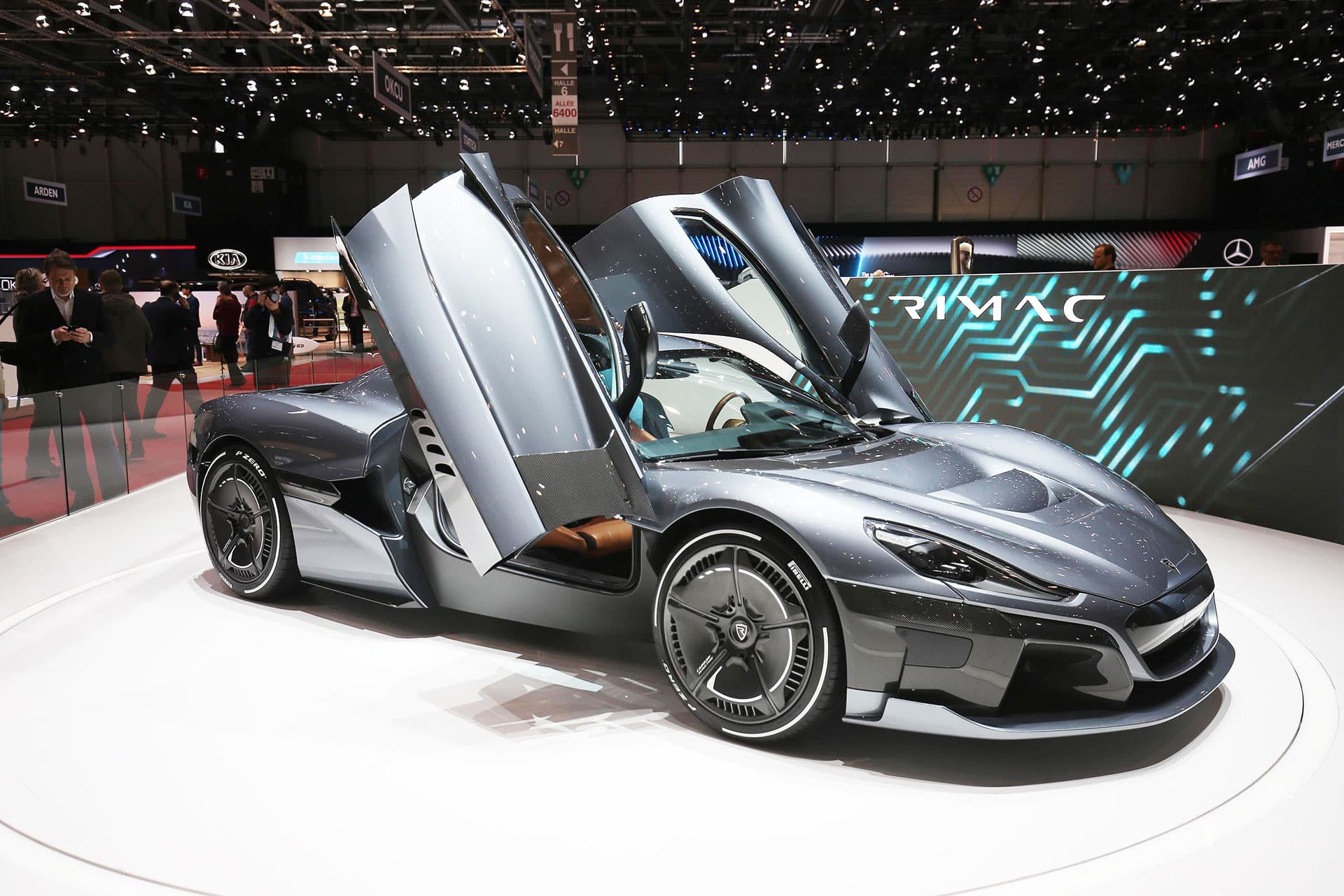 This is the Rimac C_Two, and if the name sounds familiar, it’s because there has been a Rimac Concept 1. Nine of them were built, and one was famously crashed and set on fire by a certain Richard Hammond.
The C_Two is built in Croatia, it has an electric drivetrain, with apparently 1,914hp, and claims a 0-62mph time of 1.85 seconds and a top speed of 258mph. The two-seater is propelled by four electric motors and has a claimed range of around 400 miles between charges.
This is the Rimac C_Two, and if the name sounds familiar, it’s because there has been a Rimac Concept 1. Nine of them were built, and one was famously crashed and set on fire by a certain Richard Hammond.
The C_Two is built in Croatia, it has an electric drivetrain, with apparently 1,914hp, and claims a 0-62mph time of 1.85 seconds and a top speed of 258mph. The two-seater is propelled by four electric motors and has a claimed range of around 400 miles between charges.
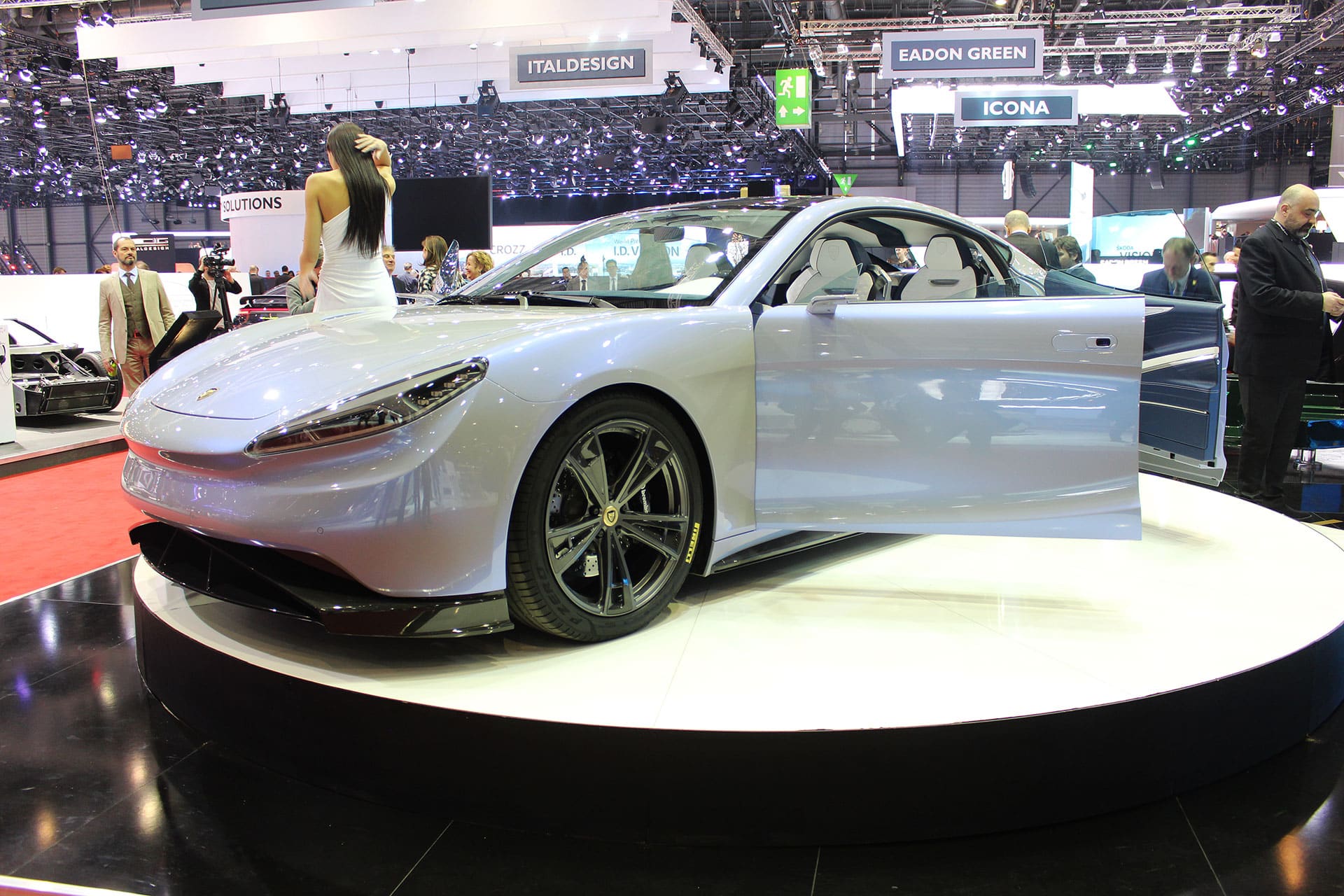 This four-seater limousine comes from Chinese newcomer Lvchi Auto, and is powered by a 1,000hp electric drivetrain. Four electric motors are involved with a claimed 0-62mph time of under three seconds.
Debuting at the show, Lvchi has big plans – it will start taking orders for a sports car and a coupé at the end of December 2019, by which time an electric SUV, MPV and saloon will have been unveiled, and two and four-seat city cars and a five-door hatch are planned by 2020. The company plans to sell 100,000 cars in 2019 and 550,000 by 2023, by which time its Chinese plants will be joined by one in Italy…
This four-seater limousine comes from Chinese newcomer Lvchi Auto, and is powered by a 1,000hp electric drivetrain. Four electric motors are involved with a claimed 0-62mph time of under three seconds.
Debuting at the show, Lvchi has big plans – it will start taking orders for a sports car and a coupé at the end of December 2019, by which time an electric SUV, MPV and saloon will have been unveiled, and two and four-seat city cars and a five-door hatch are planned by 2020. The company plans to sell 100,000 cars in 2019 and 550,000 by 2023, by which time its Chinese plants will be joined by one in Italy…
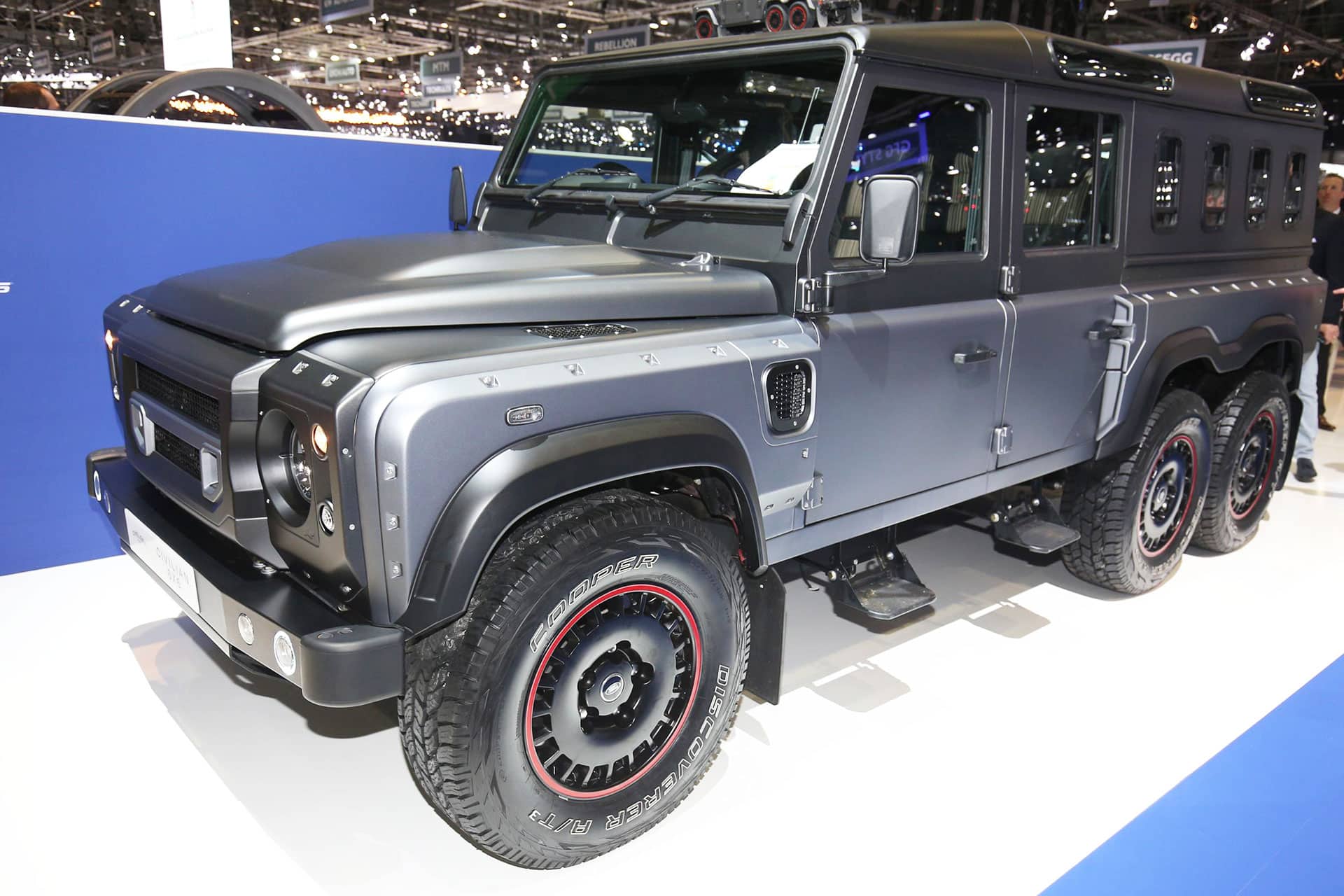 This may look like a Land Rover Defender because, basically, that’s the starting point for this huge six-wheeled vehicle, called the 6×6 Civilian Carrier and built by the – wait for it – Chelsea Truck Company.
No, it’s not the Chelsea Tractor Co, and yes the firm is based in London. Almost 5.5 metres long, the vehicle boasts exterior styling carried out by UK aftermarket specialist Kahn Design, and unsurprisingly it claims to offer a great deal of off-road prowess…
This may look like a Land Rover Defender because, basically, that’s the starting point for this huge six-wheeled vehicle, called the 6×6 Civilian Carrier and built by the – wait for it – Chelsea Truck Company.
No, it’s not the Chelsea Tractor Co, and yes the firm is based in London. Almost 5.5 metres long, the vehicle boasts exterior styling carried out by UK aftermarket specialist Kahn Design, and unsurprisingly it claims to offer a great deal of off-road prowess…
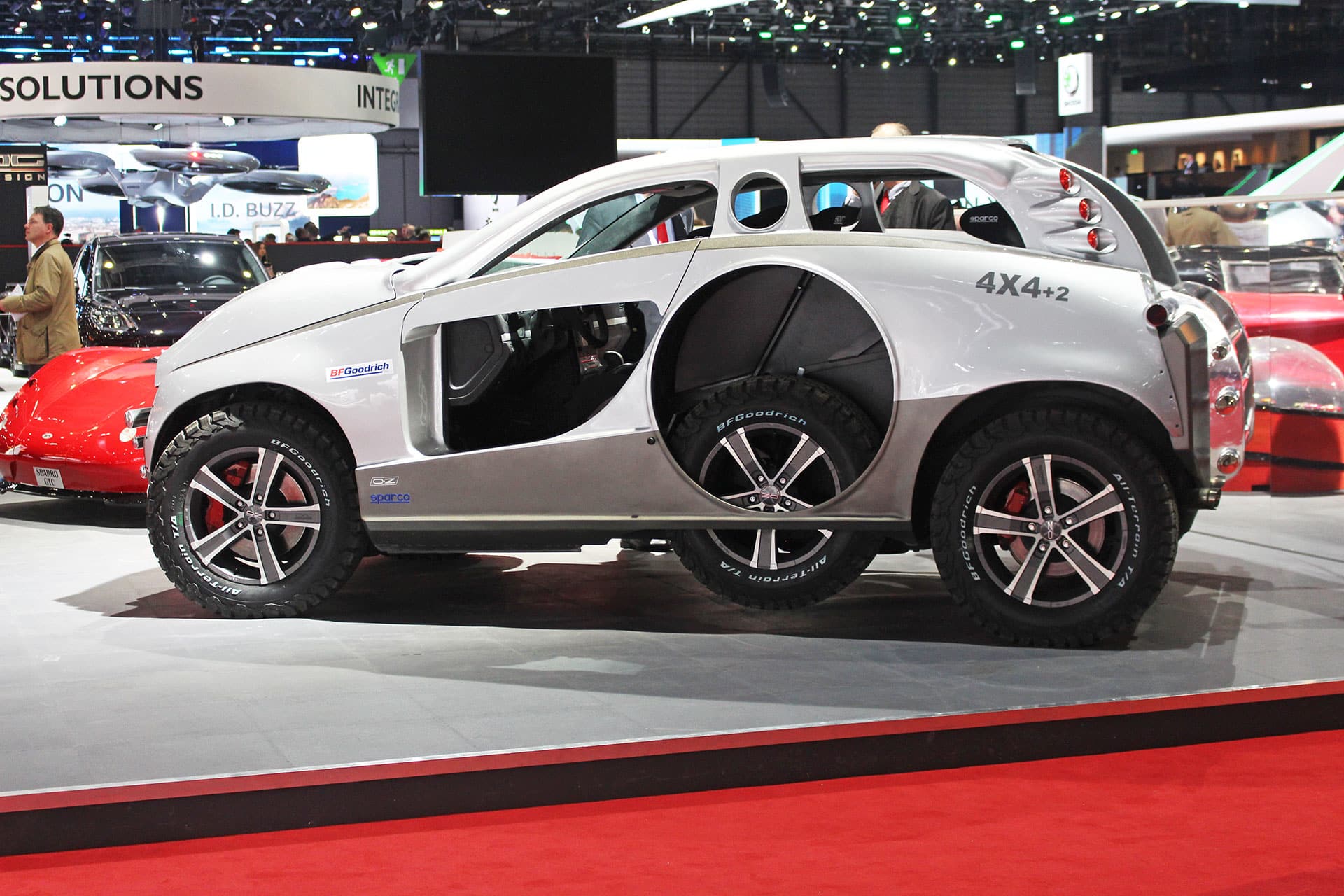 And while we are talking six-wheelers… This is the 4×4+2 from French creators Sbarro. Think it looks scary? You would be right, but we can add some extra frightening facts – several components, including the engine, started life at Porsche…
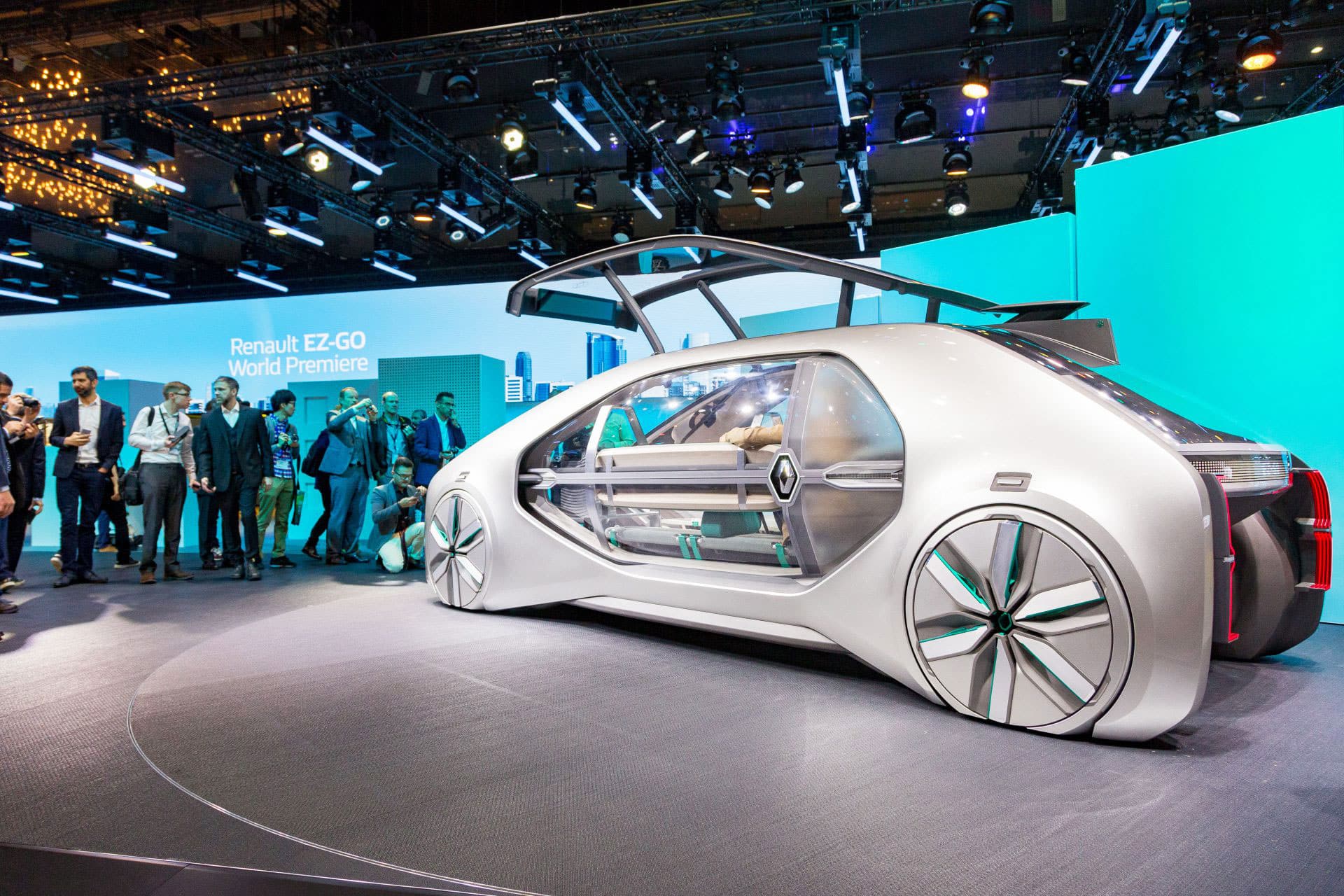 This concept could be for real, because it’s on the Renault stand. The EZ-Go is an autonomous vehicle that in the future could provide the role of taxi in emissions-free city centres.
Six occupants can be accommodated, all sitting facing each other, and they enter through a glass roof that raises out of the way.
This concept could be for real, because it’s on the Renault stand. The EZ-Go is an autonomous vehicle that in the future could provide the role of taxi in emissions-free city centres.
Six occupants can be accommodated, all sitting facing each other, and they enter through a glass roof that raises out of the way.
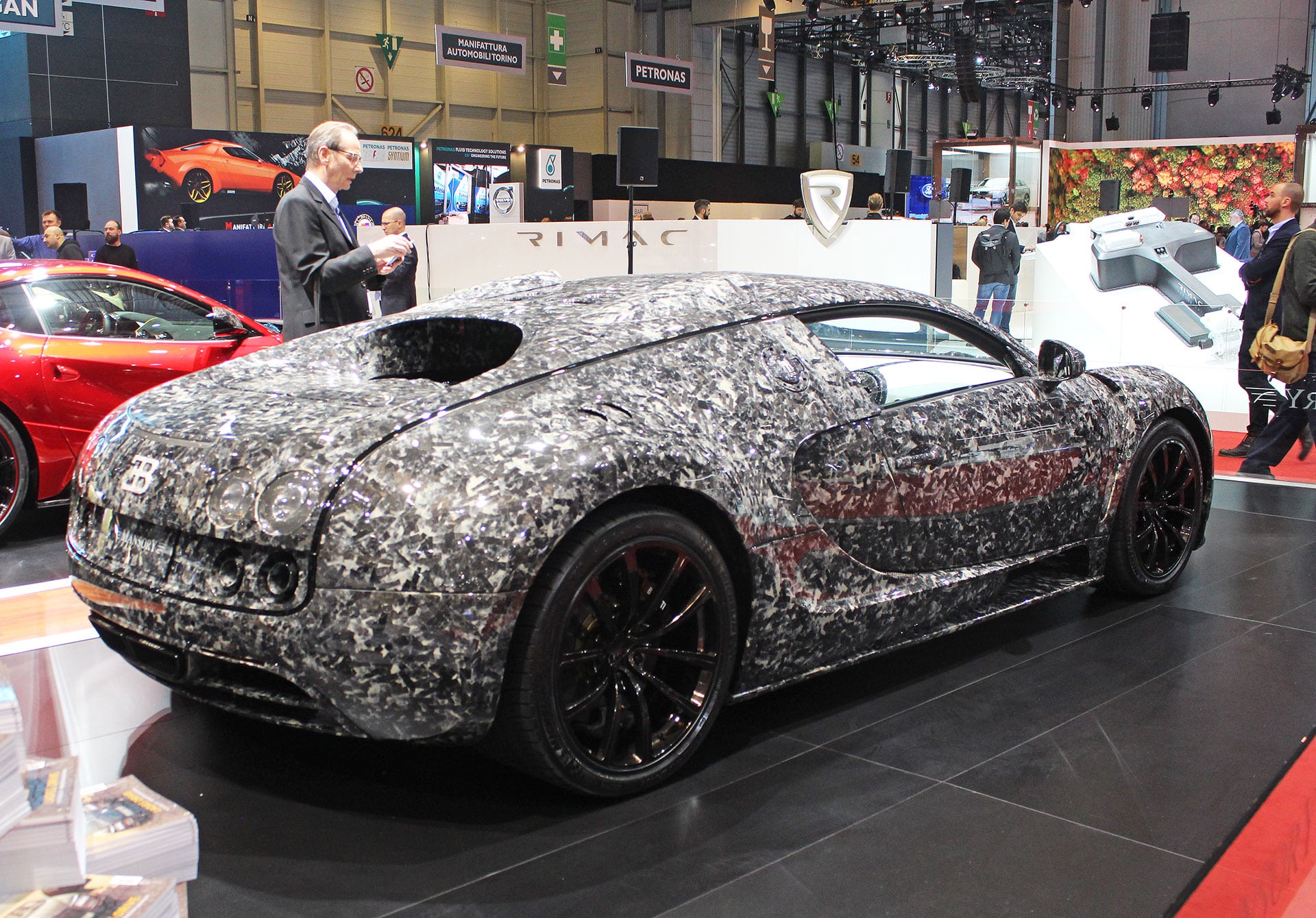 Everyone we have shown pictures of this car to has reacted – well not very positively. It is a take on the Bugatti Veyron by German aftermarket stylist Mansory. The effect, employed as liberally inside as on the exterior, is a sort of polished marble, actually created using carbon fibre.
Would you pay £1.5 million or so to have your car look permanently as if it has been snowed on?
Everyone we have shown pictures of this car to has reacted – well not very positively. It is a take on the Bugatti Veyron by German aftermarket stylist Mansory. The effect, employed as liberally inside as on the exterior, is a sort of polished marble, actually created using carbon fibre.
Would you pay £1.5 million or so to have your car look permanently as if it has been snowed on?
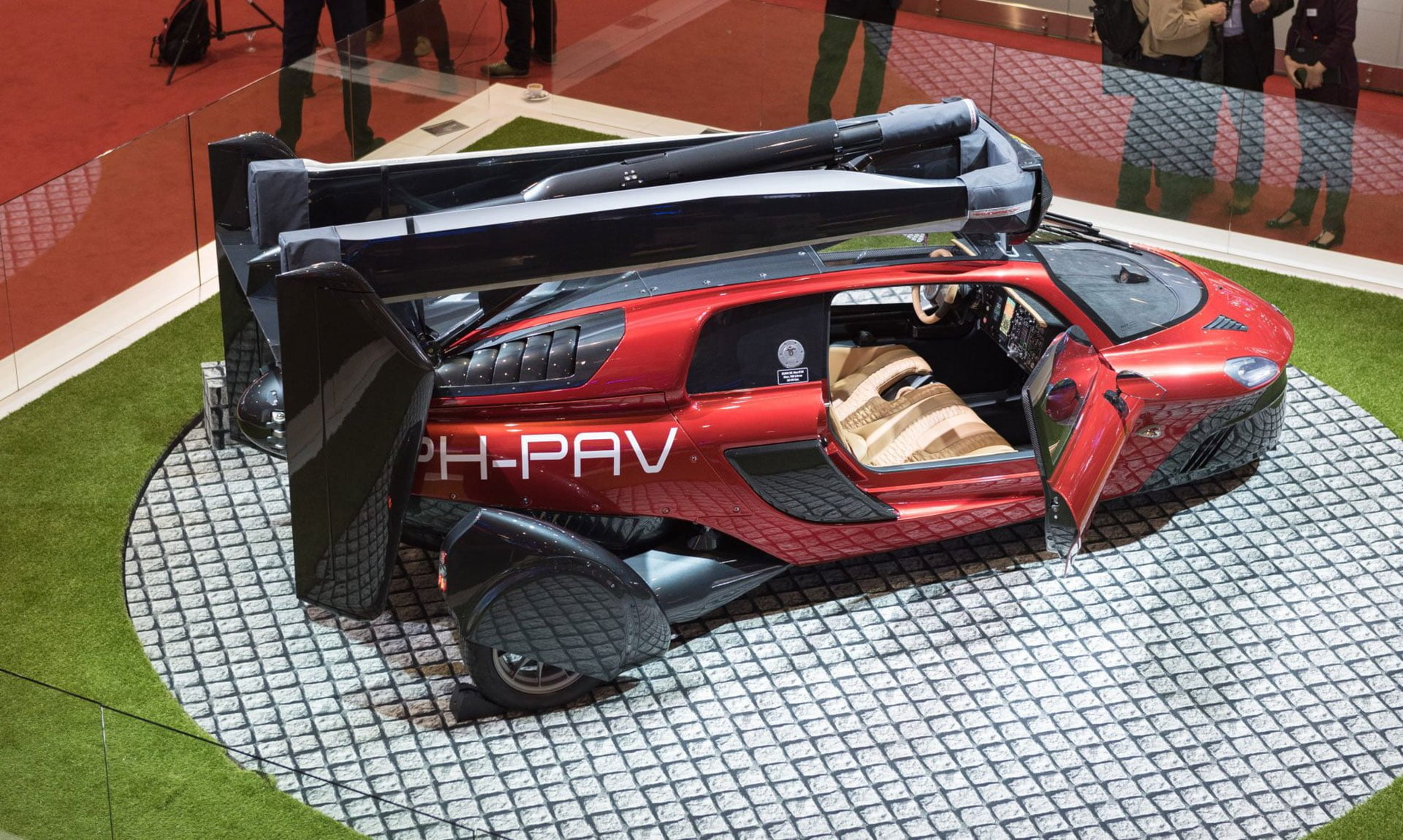 This extraordinary device claims to be the world’s first production flying car. The PAL-V Liberty is made in Holland and is a three-wheeled dual-engined vehicle, one for driving it on the ground and the other for powering the rotor blades atop it.
Those perusing it at the Geneva show are able to place orders for the first production versions, due on and above the roads in around a year. The cost? a mere 499,000 Euros, around £445,000 in UK money, before taxes. That price does include some flying lessons, but if it’s still a bit too steep, PAL-V plans a Sport model at a mere €299,000 (£254,000). Time we feel, to fly away from Geneva…
This extraordinary device claims to be the world’s first production flying car. The PAL-V Liberty is made in Holland and is a three-wheeled dual-engined vehicle, one for driving it on the ground and the other for powering the rotor blades atop it.
Those perusing it at the Geneva show are able to place orders for the first production versions, due on and above the roads in around a year. The cost? a mere 499,000 Euros, around £445,000 in UK money, before taxes. That price does include some flying lessons, but if it’s still a bit too steep, PAL-V plans a Sport model at a mere €299,000 (£254,000). Time we feel, to fly away from Geneva…

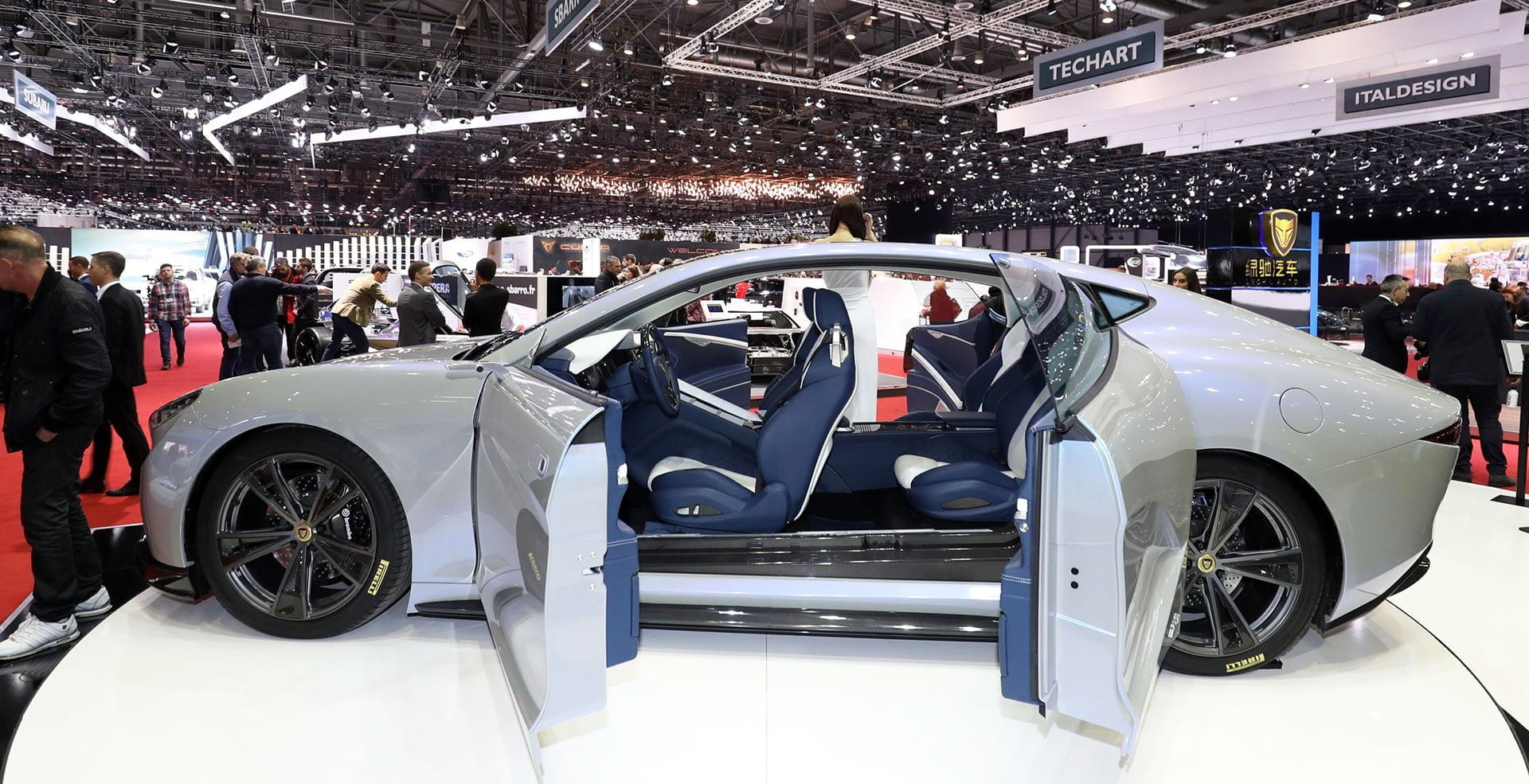
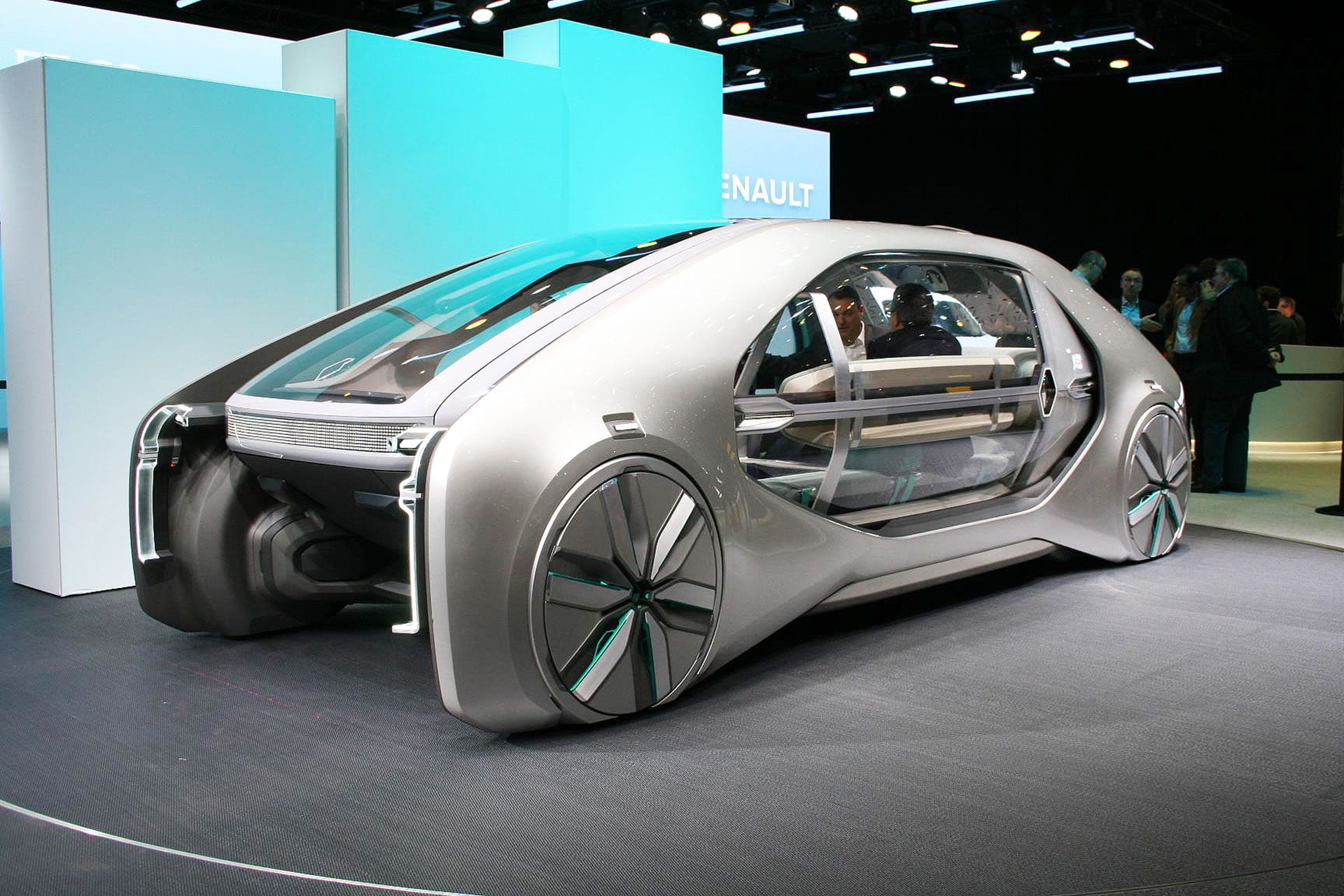
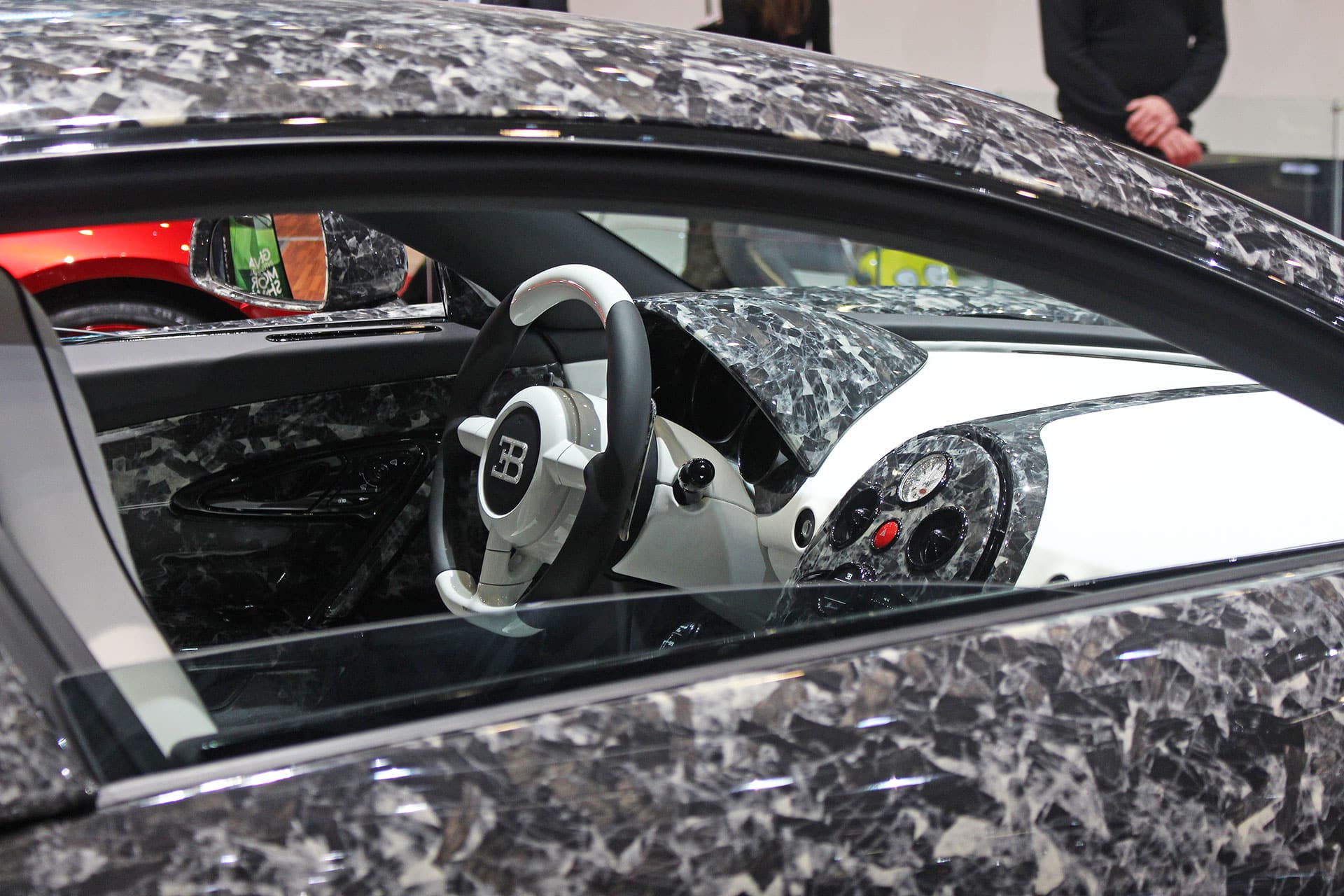
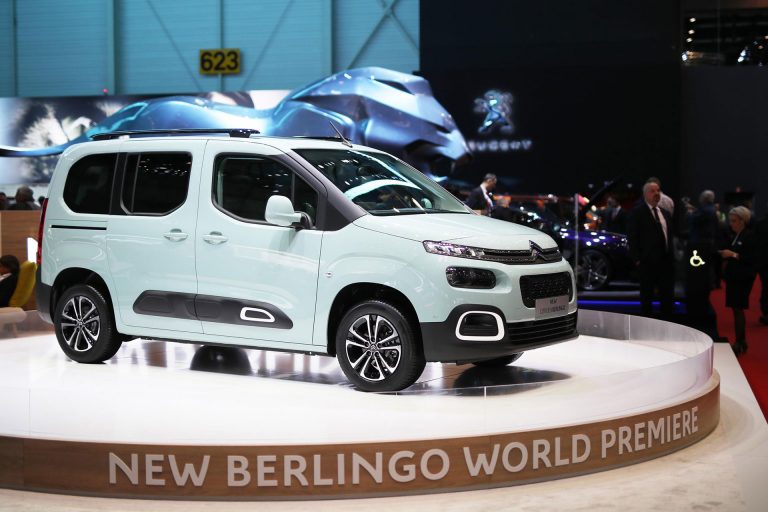
 Underpinning the new model is Citroën’s latest EMP2 platform, and this has resulted in visual changes. The new Berlingo has a higher and shorter front end with a more forward-set windscreen. It also gains the ‘air bump’ styling side panels first seen on the first Cactus.
Technology upgrades to the Berlingo will include 19 driving assistance systems and four connectivity technologies. The engines will be updated too, including PSA Group’s new BlueHDi 130 1.5 diesel unit, and the new EAT8 eight-speed automatic gearbox.
Underpinning the new model is Citroën’s latest EMP2 platform, and this has resulted in visual changes. The new Berlingo has a higher and shorter front end with a more forward-set windscreen. It also gains the ‘air bump’ styling side panels first seen on the first Cactus.
Technology upgrades to the Berlingo will include 19 driving assistance systems and four connectivity technologies. The engines will be updated too, including PSA Group’s new BlueHDi 130 1.5 diesel unit, and the new EAT8 eight-speed automatic gearbox.
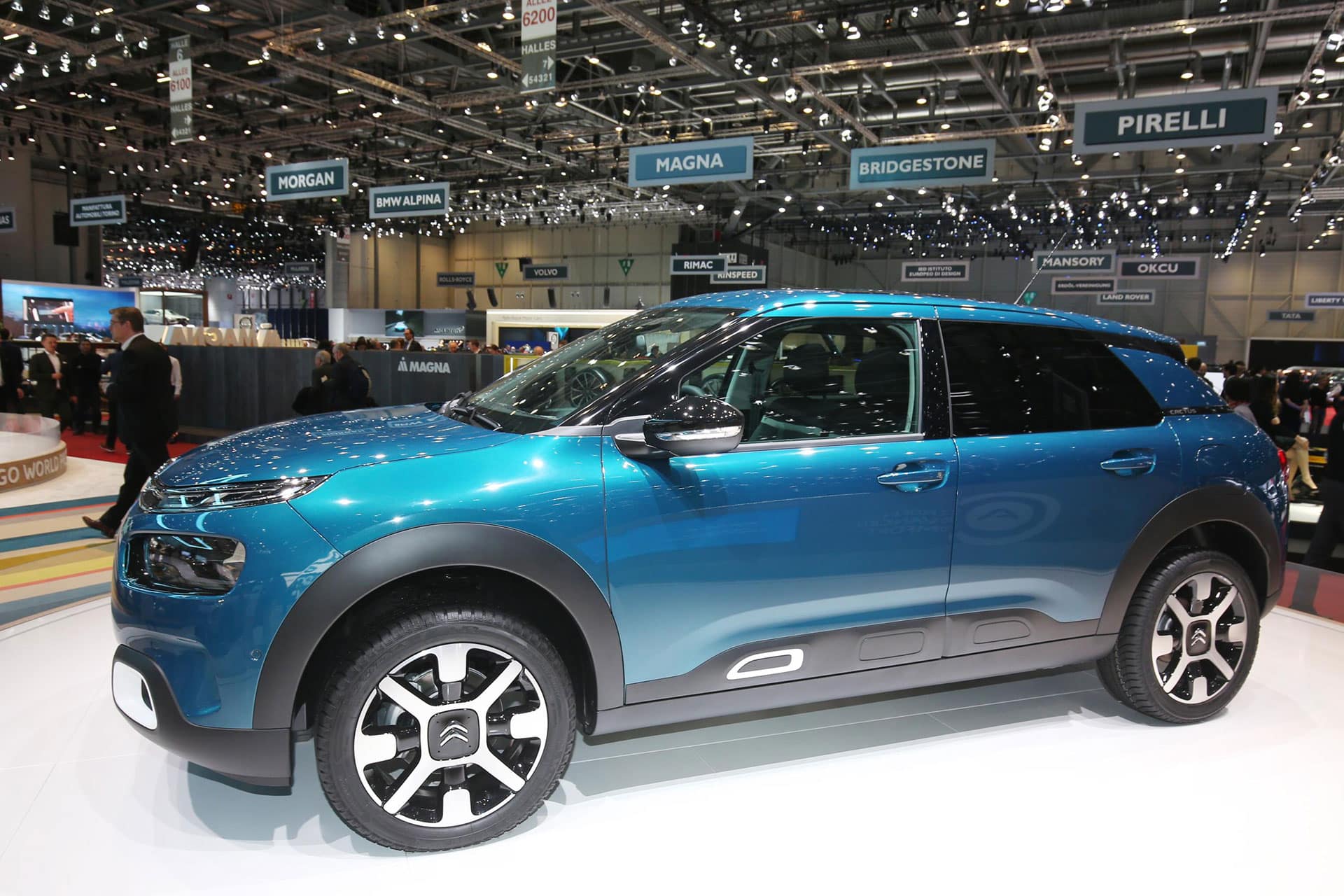


 Just what level that performance might reach is currently being kept under wraps too, with no technical details released to accompany the concept. Industry rumours suggest that the road car will produce around 340hp from its engine and, of course, offer a sub-four-second 0-62mph time.
Visually the concept is clearly in the traditional Supra mould – a muscular-looking, front-engined, rear-wheel-drive two-seater sports car.
Unsurprisingly, the racing concept makes extensive use of lightweight composite materials in such areas as the wide front and rear bumpers, front splitter and rear diffuser, side skirts, door mirror housings, the bonnet and the rear wing. Even the window are lightweight lexan, rather than glass.
The new Supra road car is expected to break cover in 2019.
Just what level that performance might reach is currently being kept under wraps too, with no technical details released to accompany the concept. Industry rumours suggest that the road car will produce around 340hp from its engine and, of course, offer a sub-four-second 0-62mph time.
Visually the concept is clearly in the traditional Supra mould – a muscular-looking, front-engined, rear-wheel-drive two-seater sports car.
Unsurprisingly, the racing concept makes extensive use of lightweight composite materials in such areas as the wide front and rear bumpers, front splitter and rear diffuser, side skirts, door mirror housings, the bonnet and the rear wing. Even the window are lightweight lexan, rather than glass.
The new Supra road car is expected to break cover in 2019.
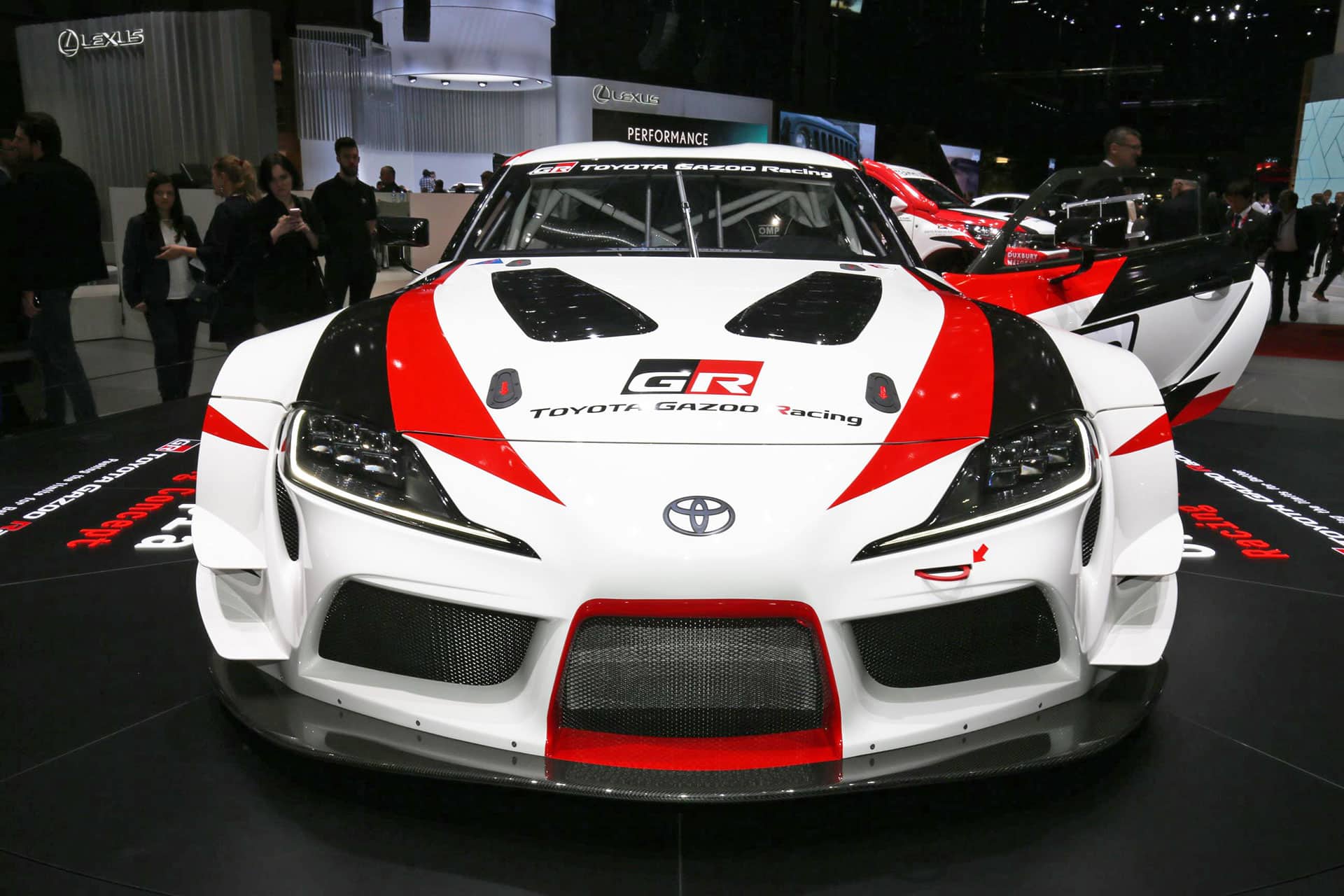
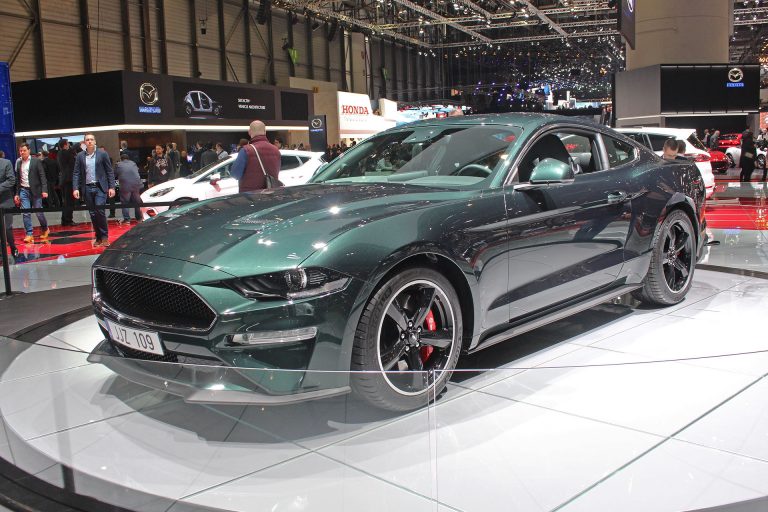
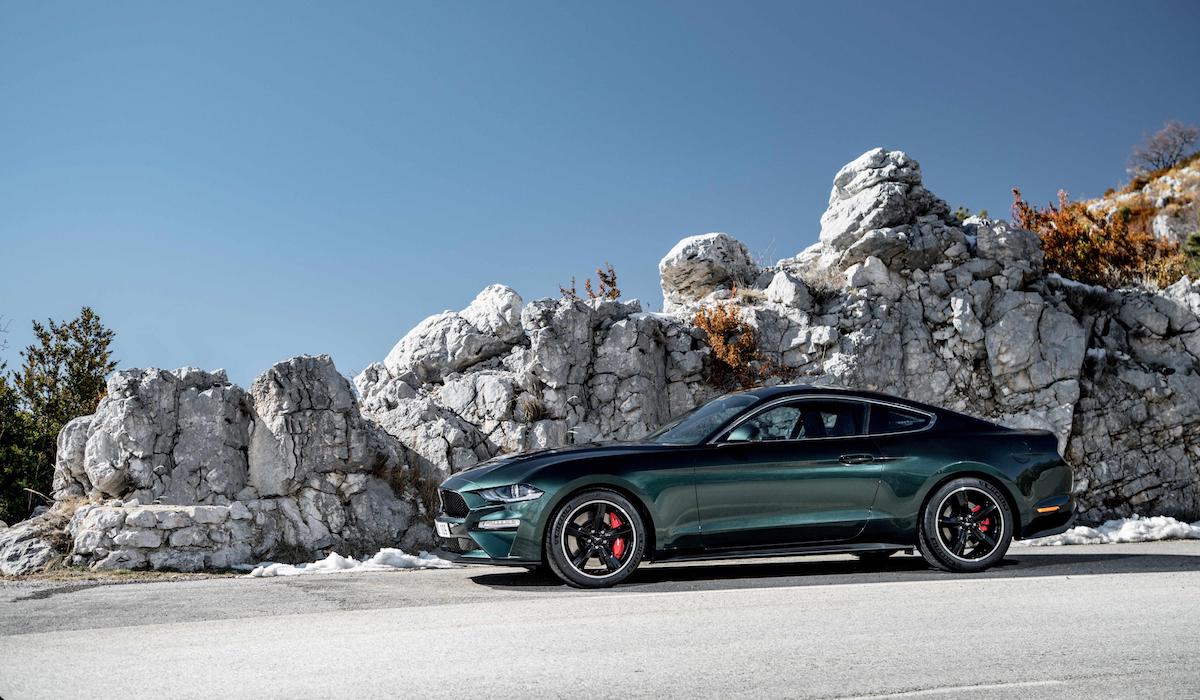 The Bullitt’s 5.0-litre V8 engine will be tuned to produce an anticipated 464hp, 14 horses more than the current most potent model, the GT. It also includes rev-matching technology to smooth out gear changes.
Buyers of the Bullitt will be able to choose liveries connected to the film, either Shadow Black or a Dark Highland Green exterior colour. Ford is not currently saying how many will be made to UK specification or what they will cost.
The Bullitt’s 5.0-litre V8 engine will be tuned to produce an anticipated 464hp, 14 horses more than the current most potent model, the GT. It also includes rev-matching technology to smooth out gear changes.
Buyers of the Bullitt will be able to choose liveries connected to the film, either Shadow Black or a Dark Highland Green exterior colour. Ford is not currently saying how many will be made to UK specification or what they will cost.
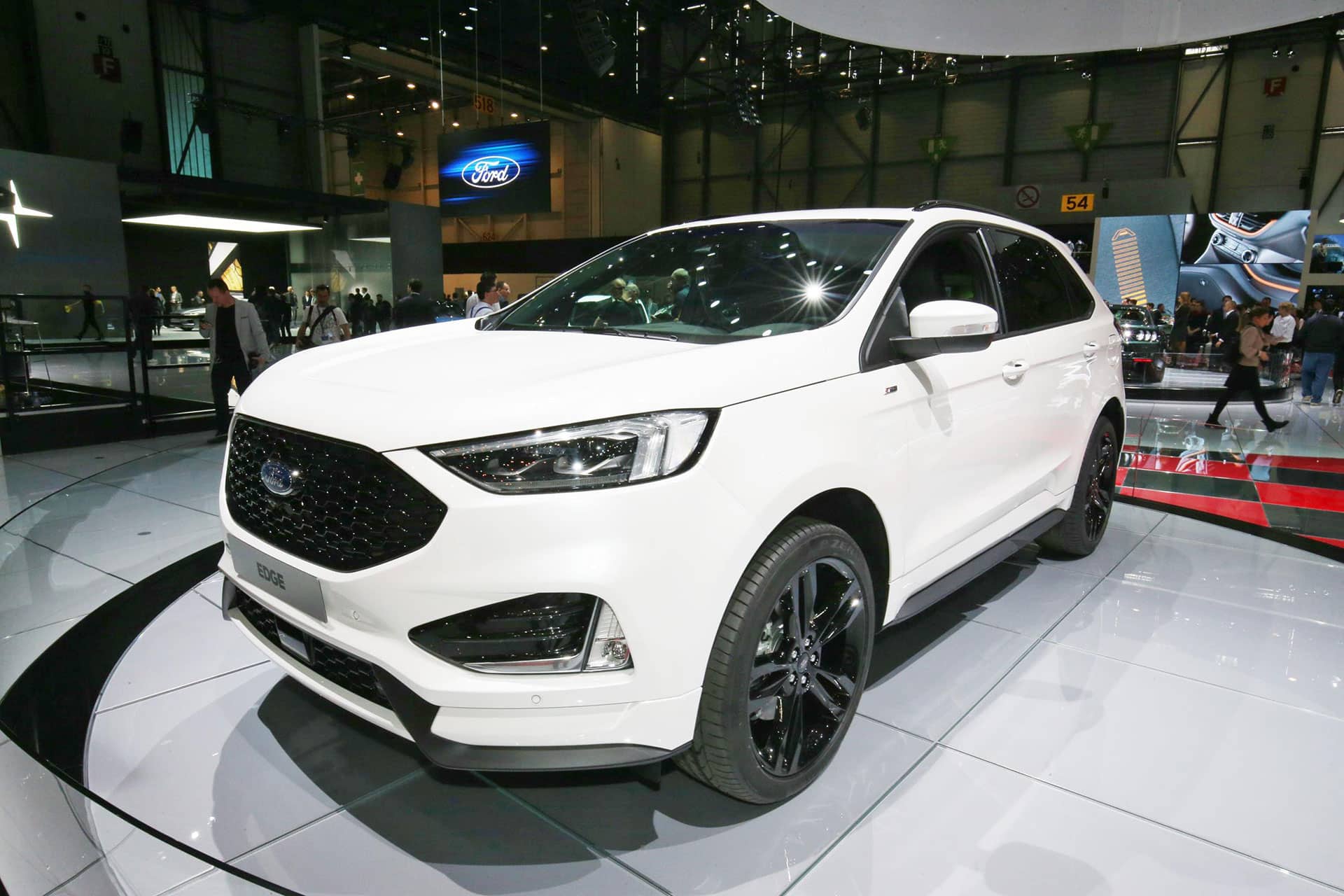 The revamped Edge is described as Ford’s most technically advanced SUV yet. Its drive assistance technologies, in particular, are updated to make the most of current camera and sensor advances. The adaptive cruise control includes a system to keep the car centred in its lane, while post-collision braking and an evasive steering aid also feature.
When the latest Edge goes on sale it will be available with a new 238hp bi-turbo diesel engine and equally new eight-speed auto transmission.
The revamped Edge is described as Ford’s most technically advanced SUV yet. Its drive assistance technologies, in particular, are updated to make the most of current camera and sensor advances. The adaptive cruise control includes a system to keep the car centred in its lane, while post-collision braking and an evasive steering aid also feature.
When the latest Edge goes on sale it will be available with a new 238hp bi-turbo diesel engine and equally new eight-speed auto transmission.

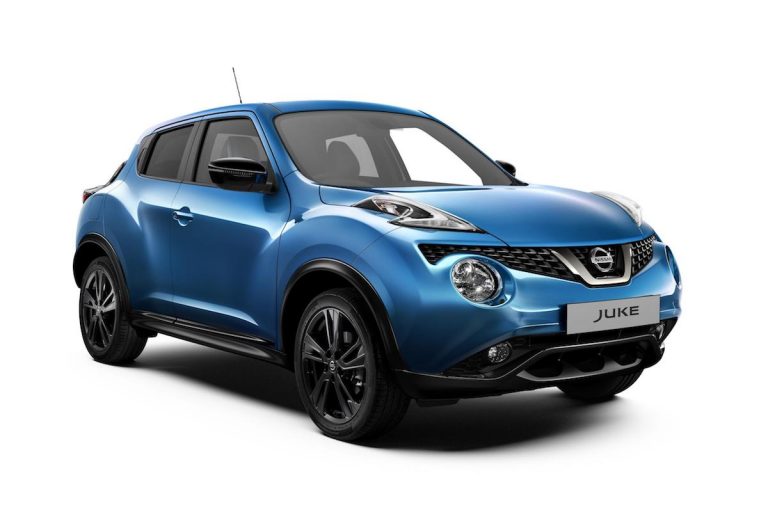

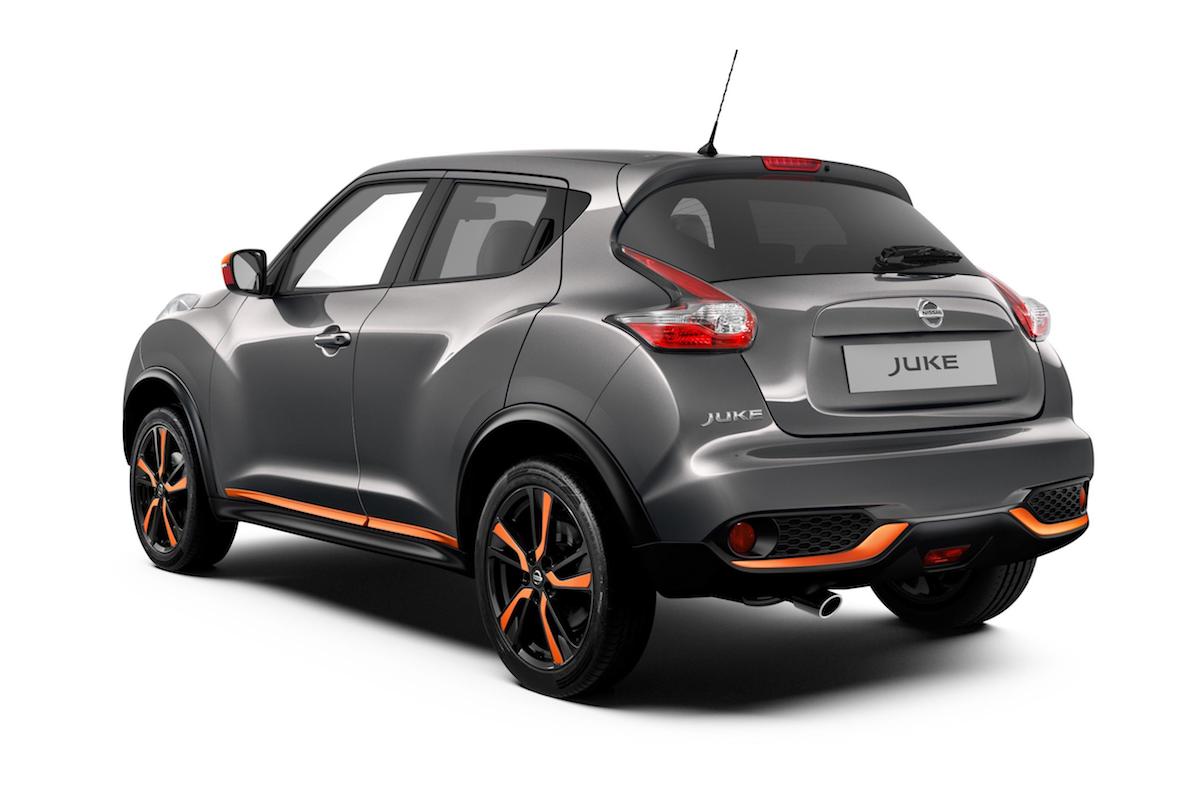


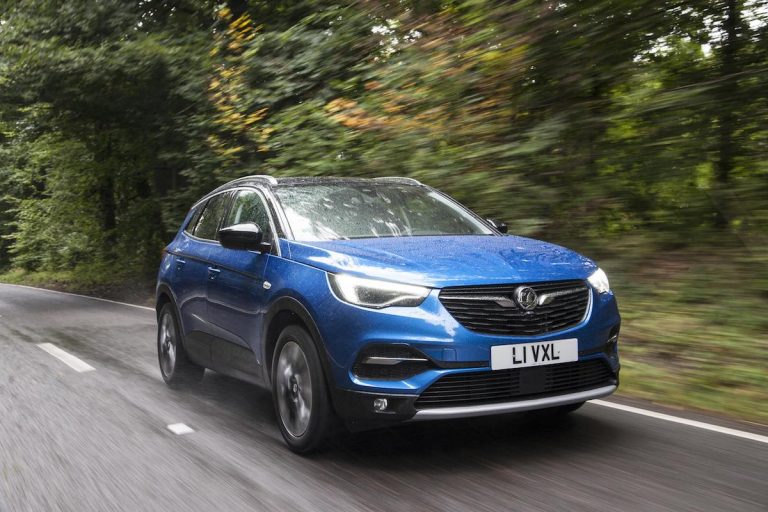
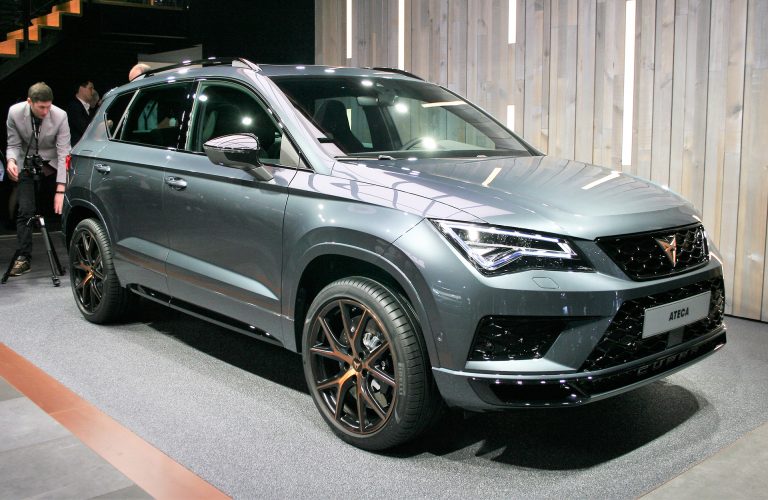
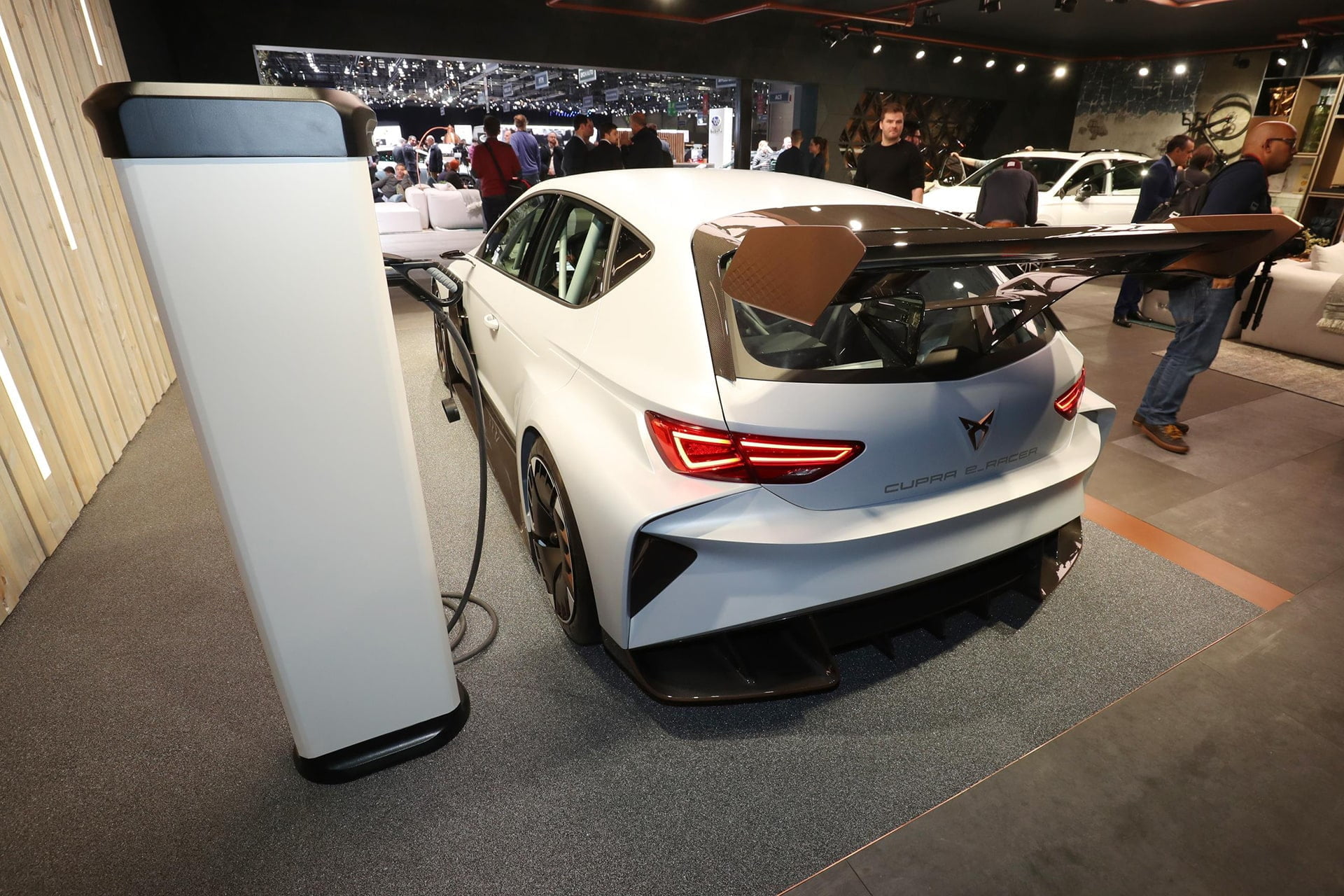

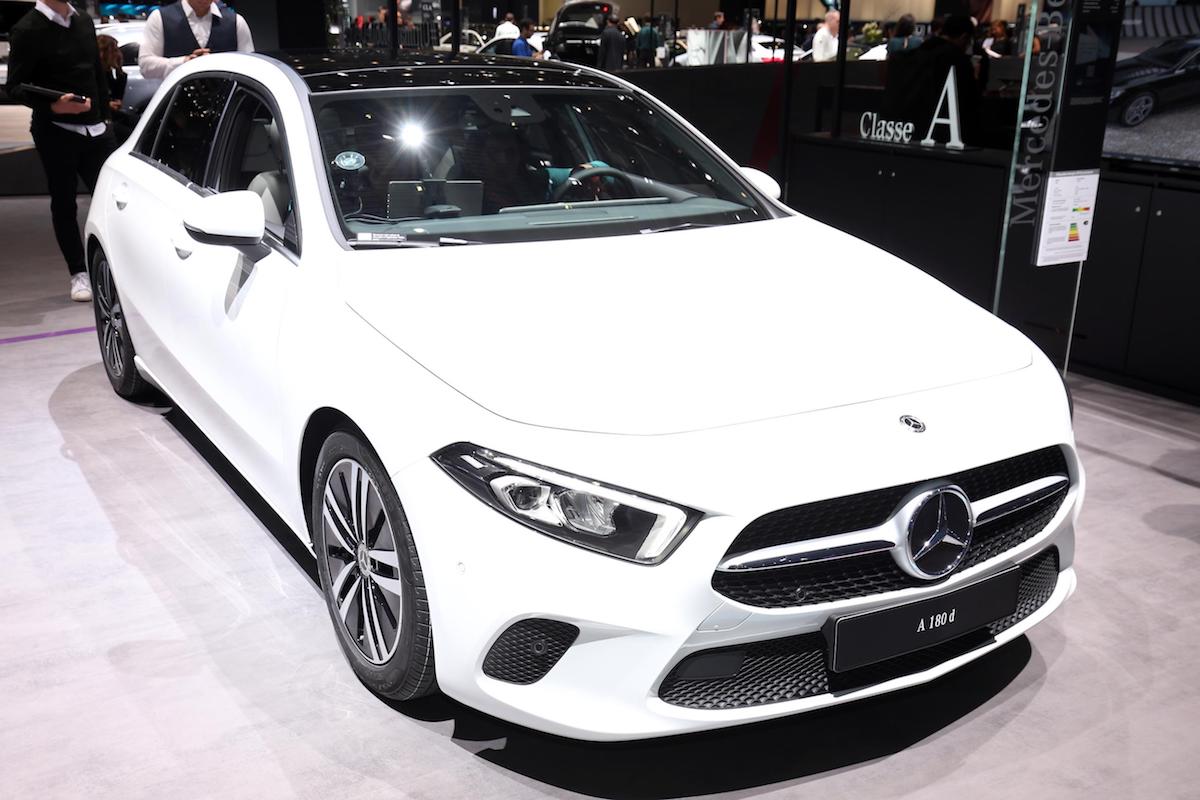


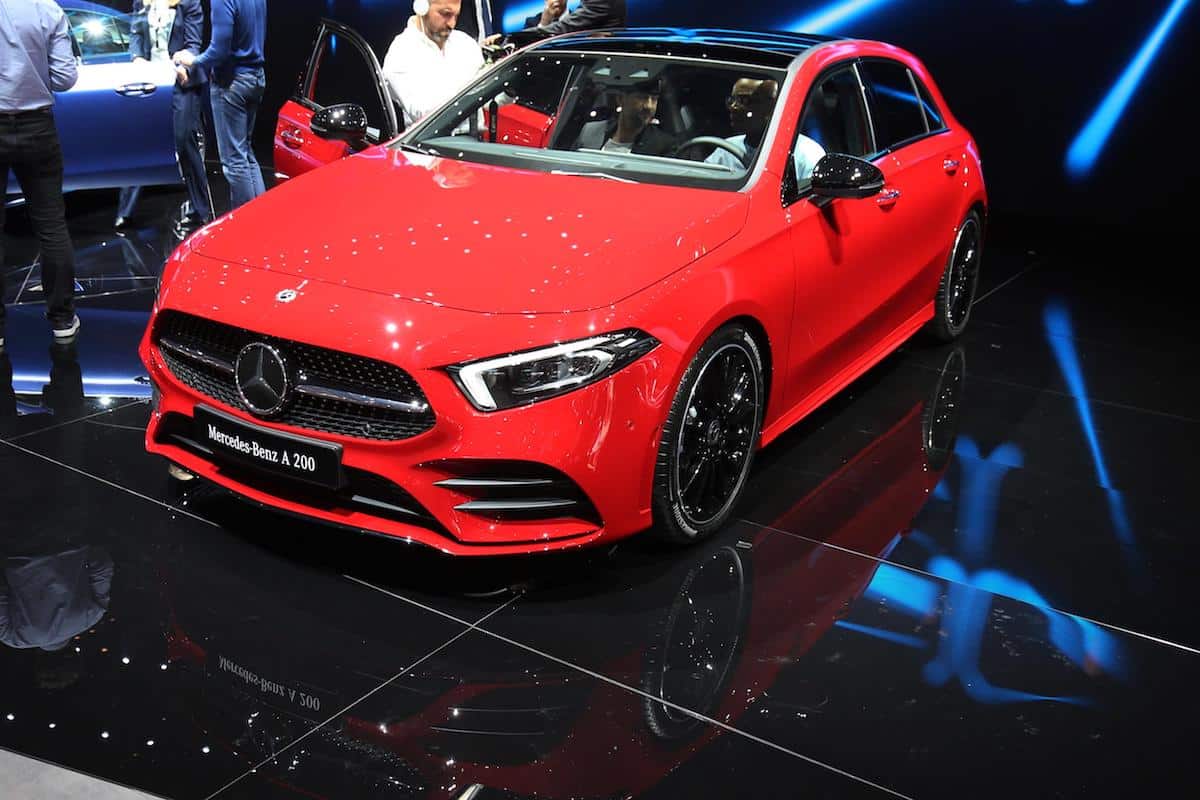


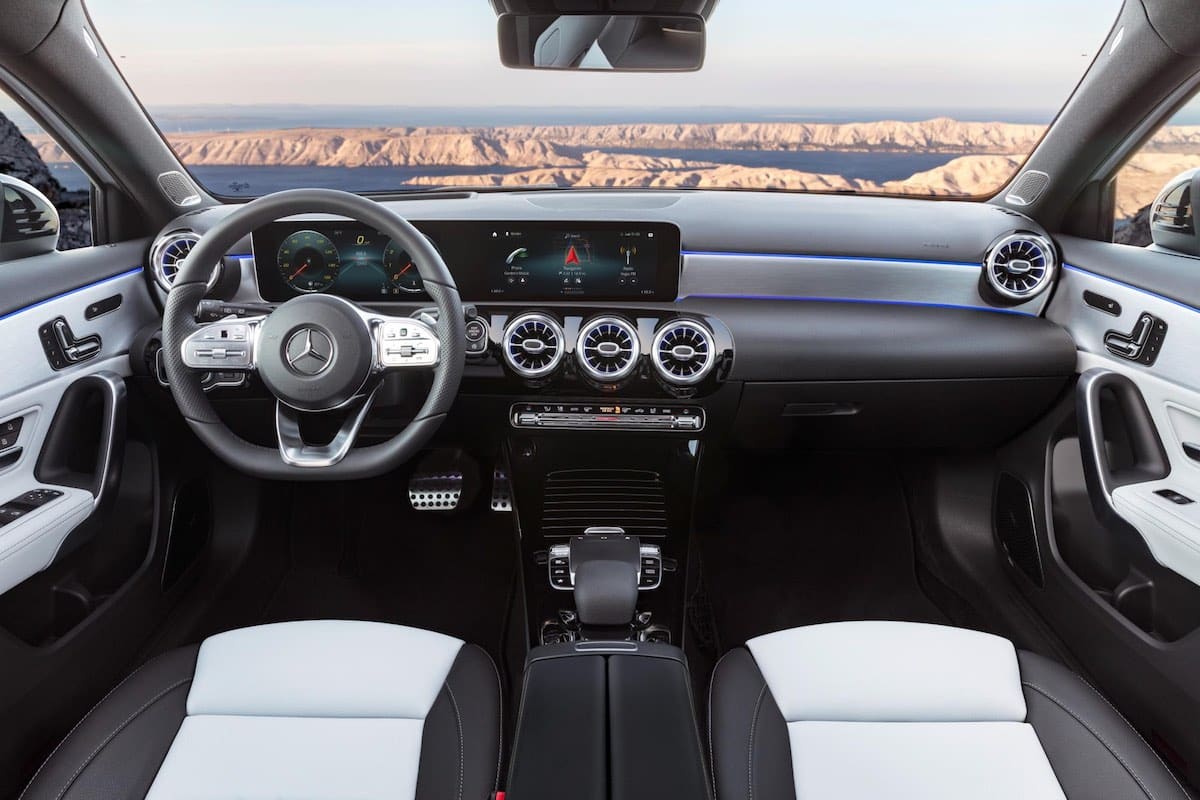 Options packages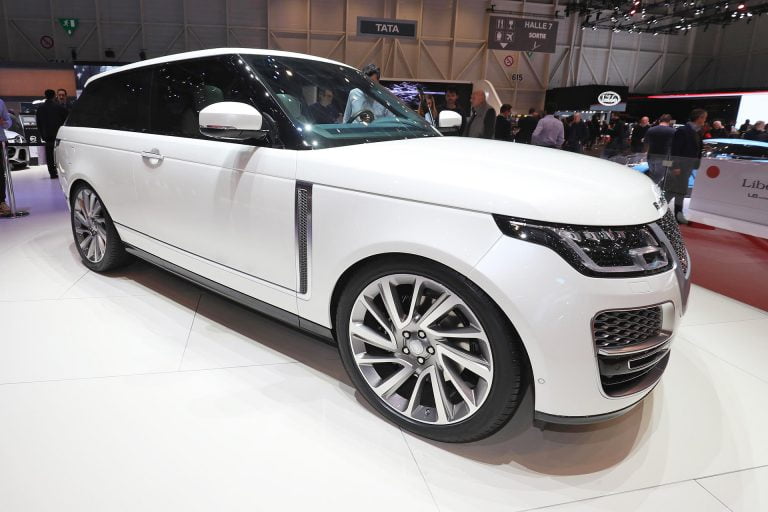


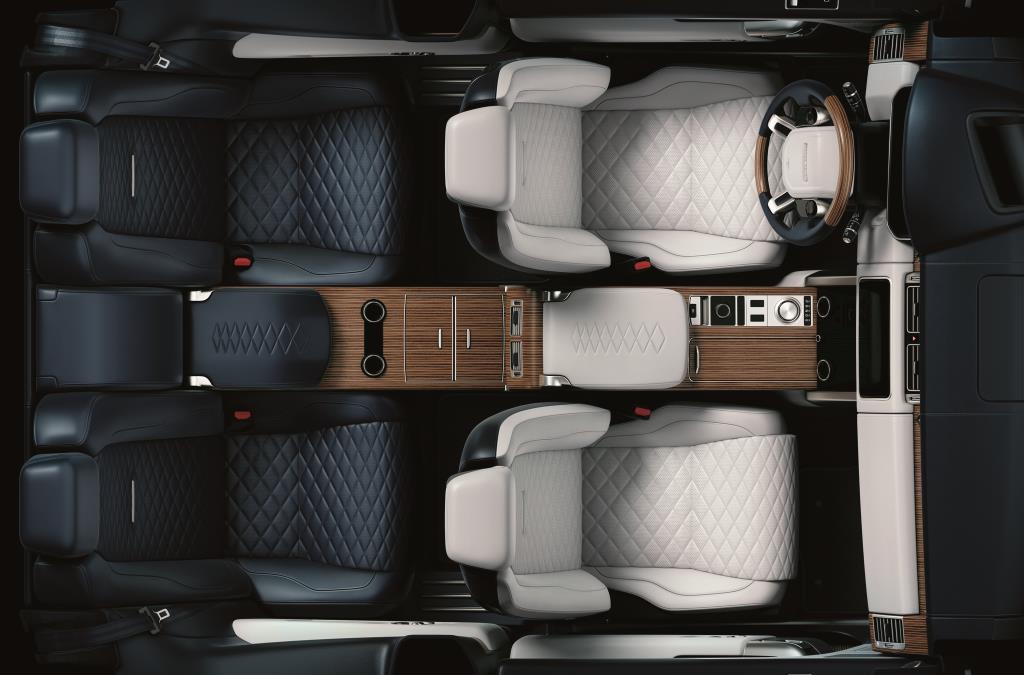


 Learned judging panel
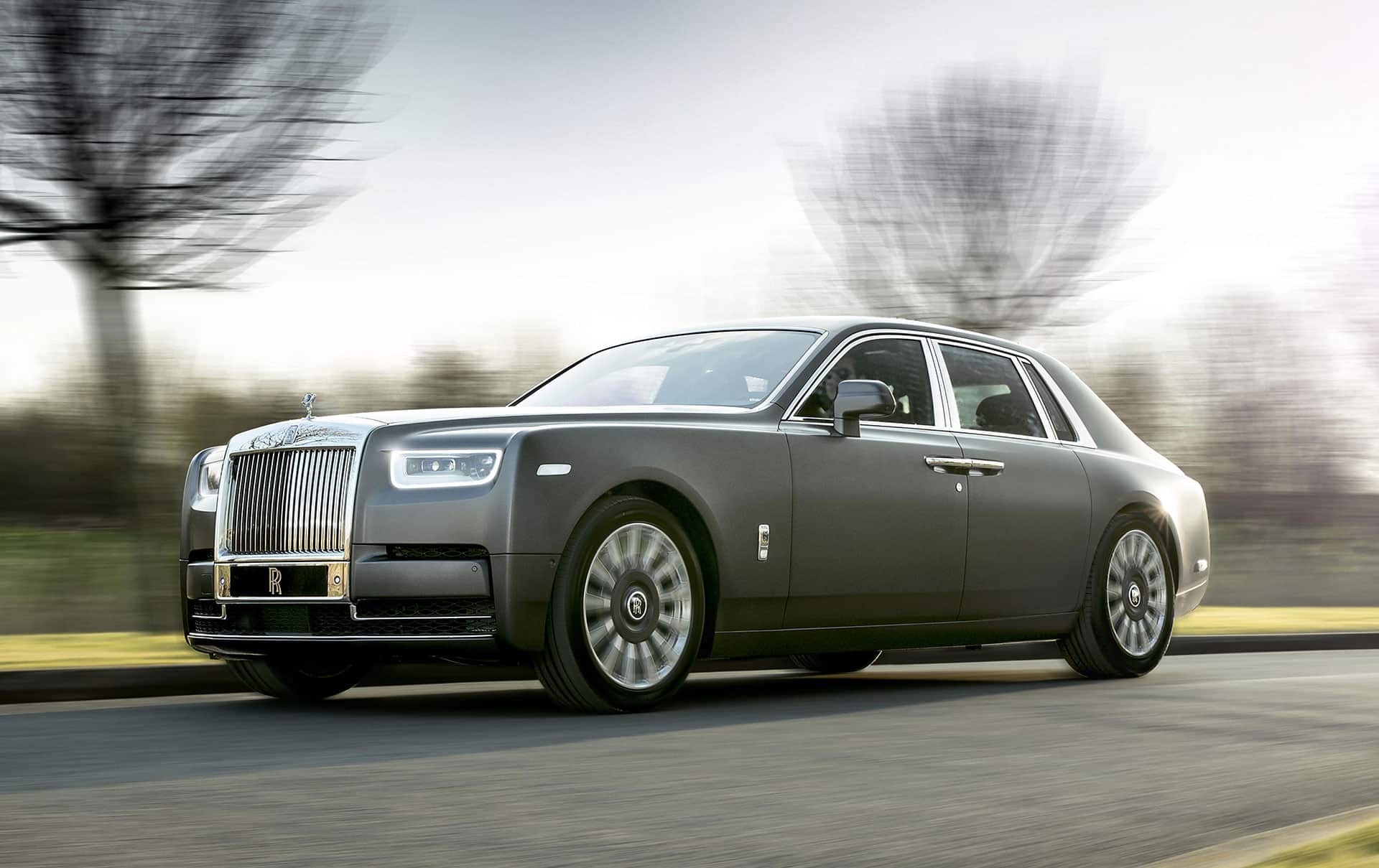

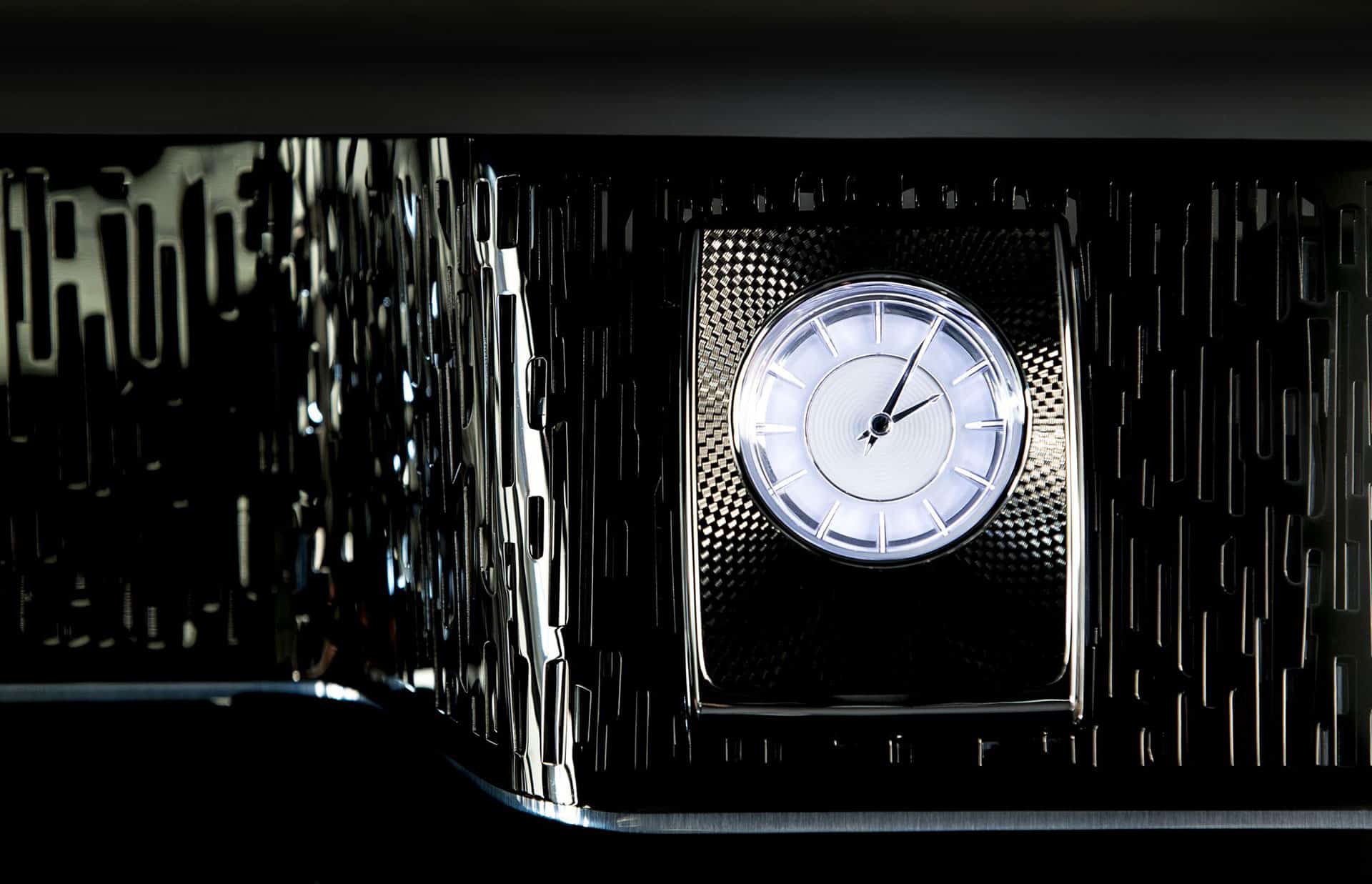


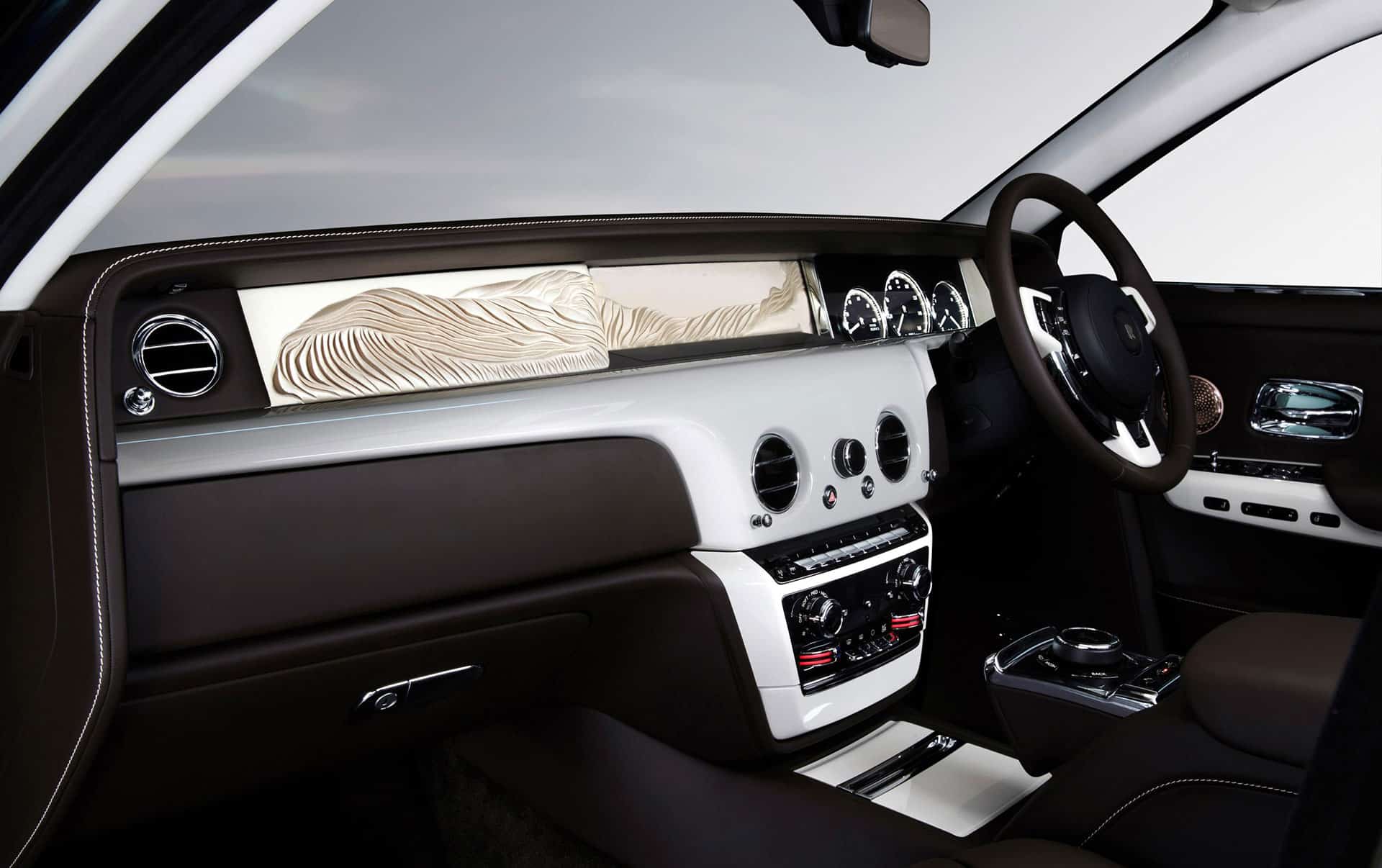
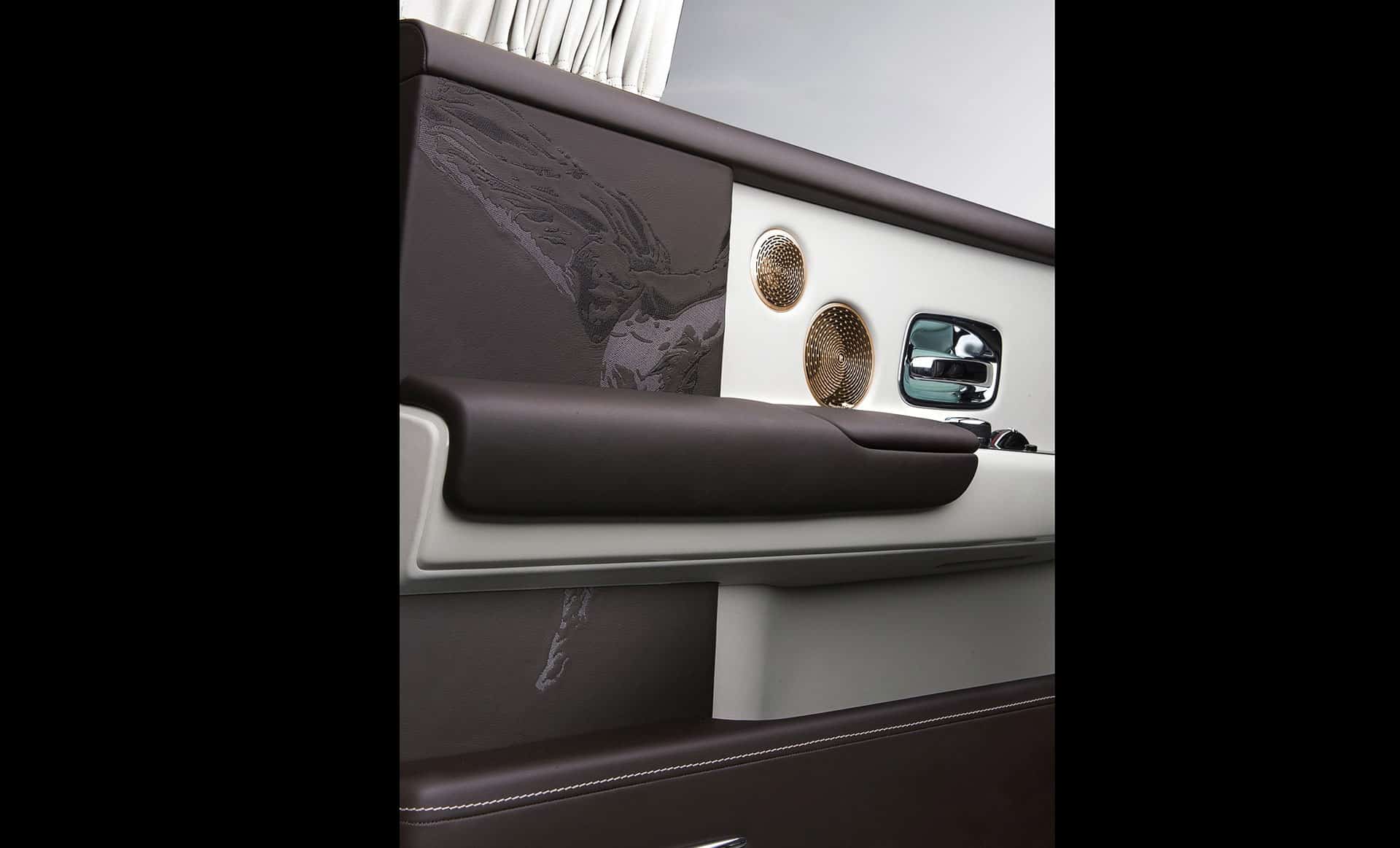
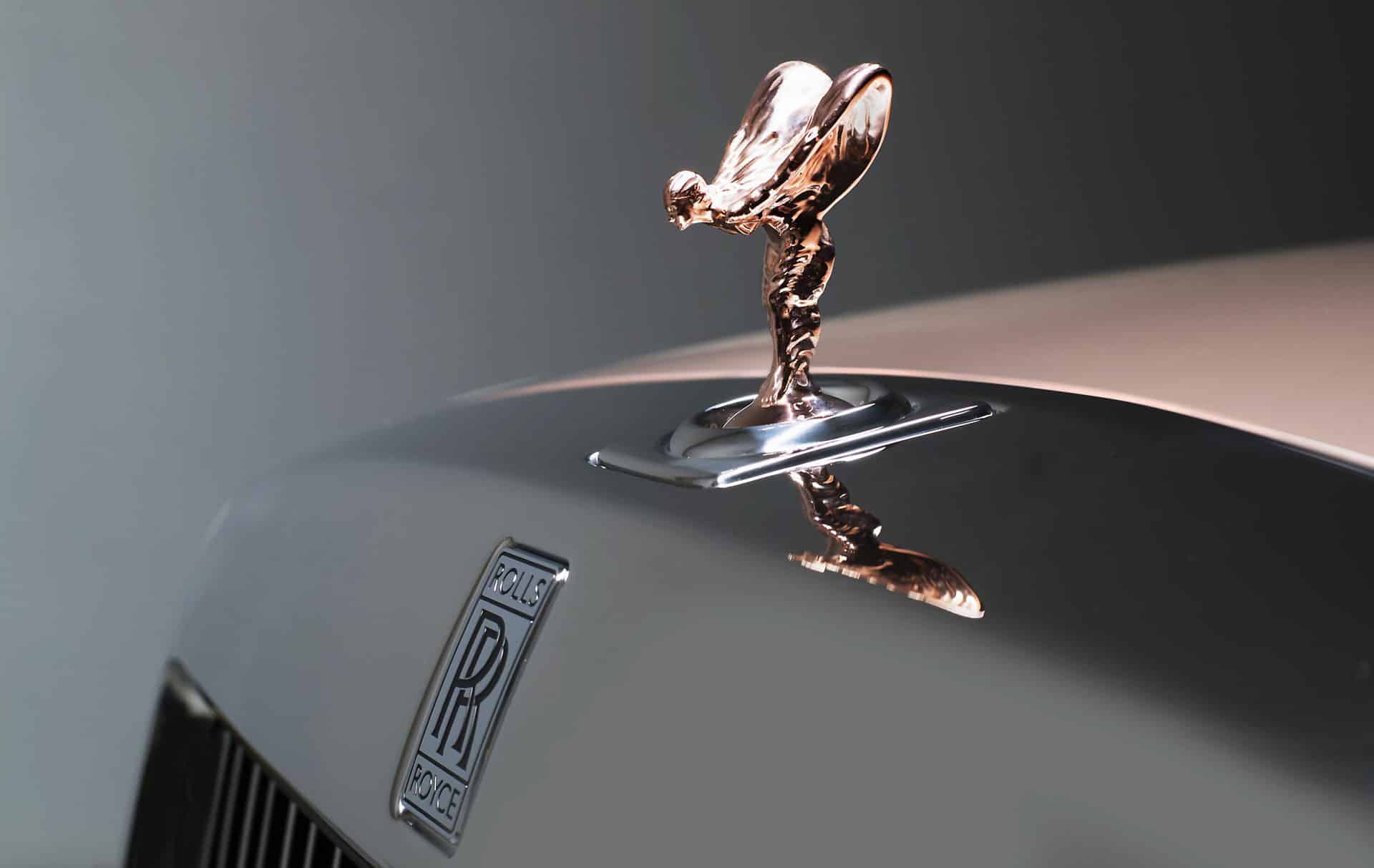


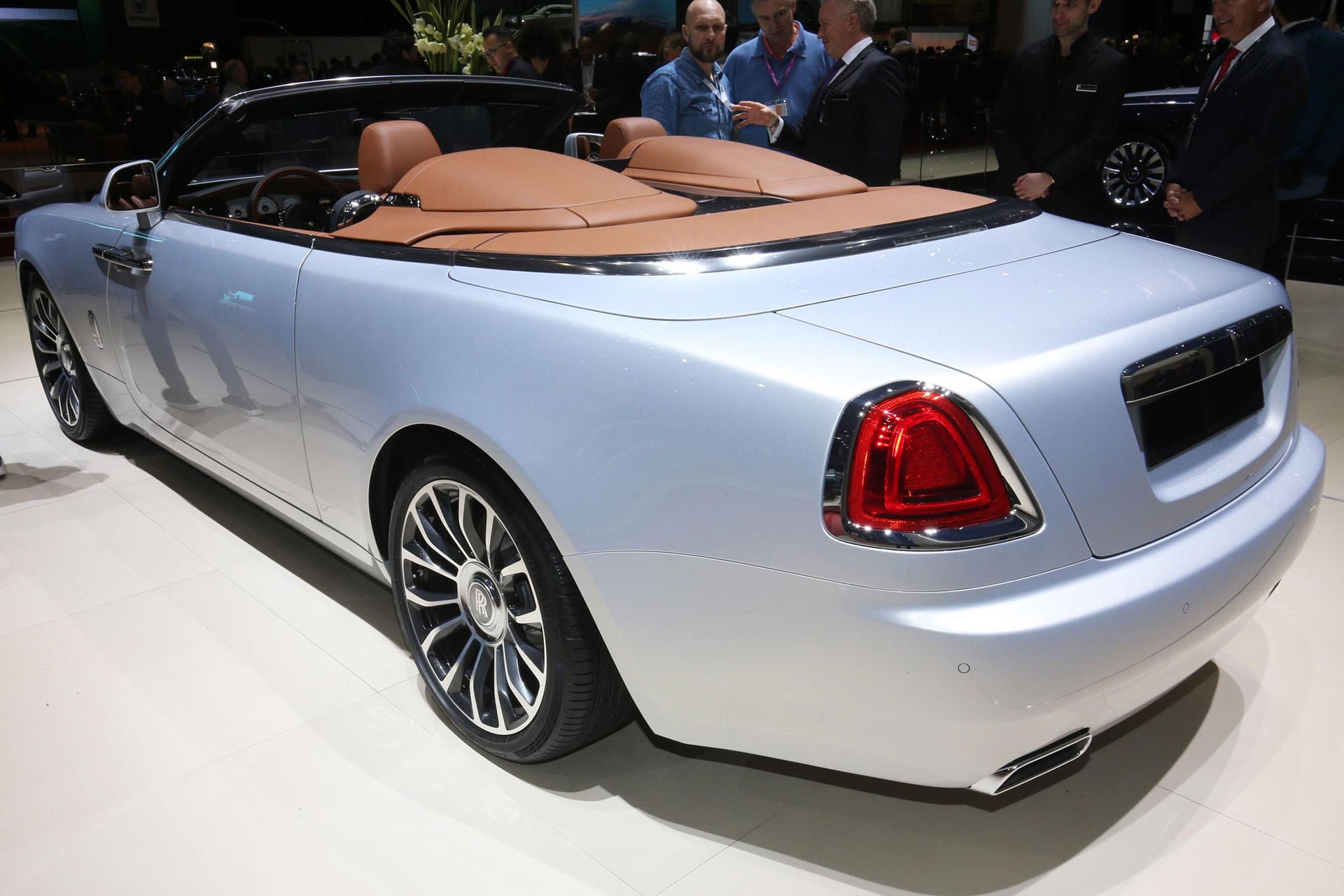
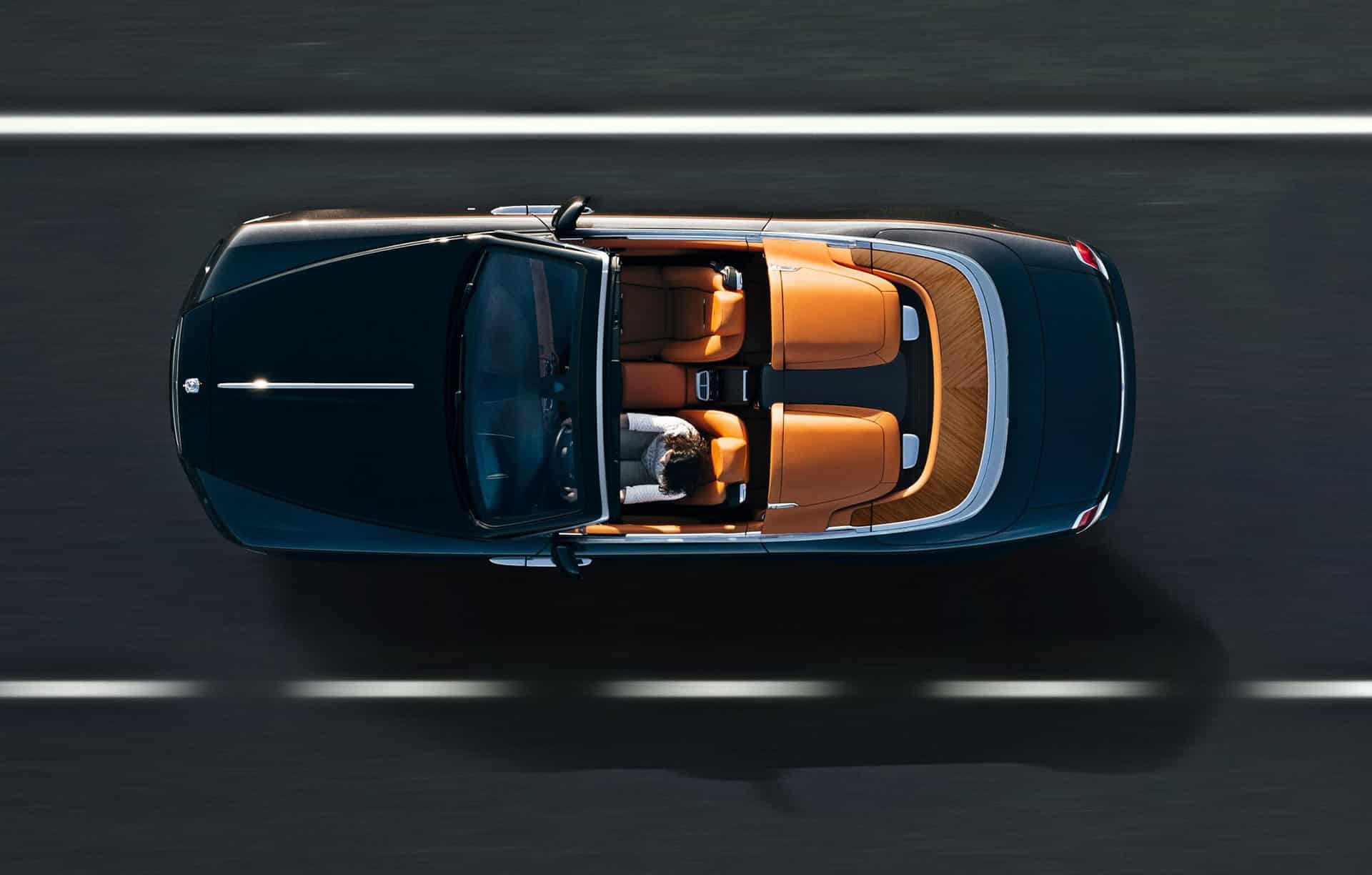

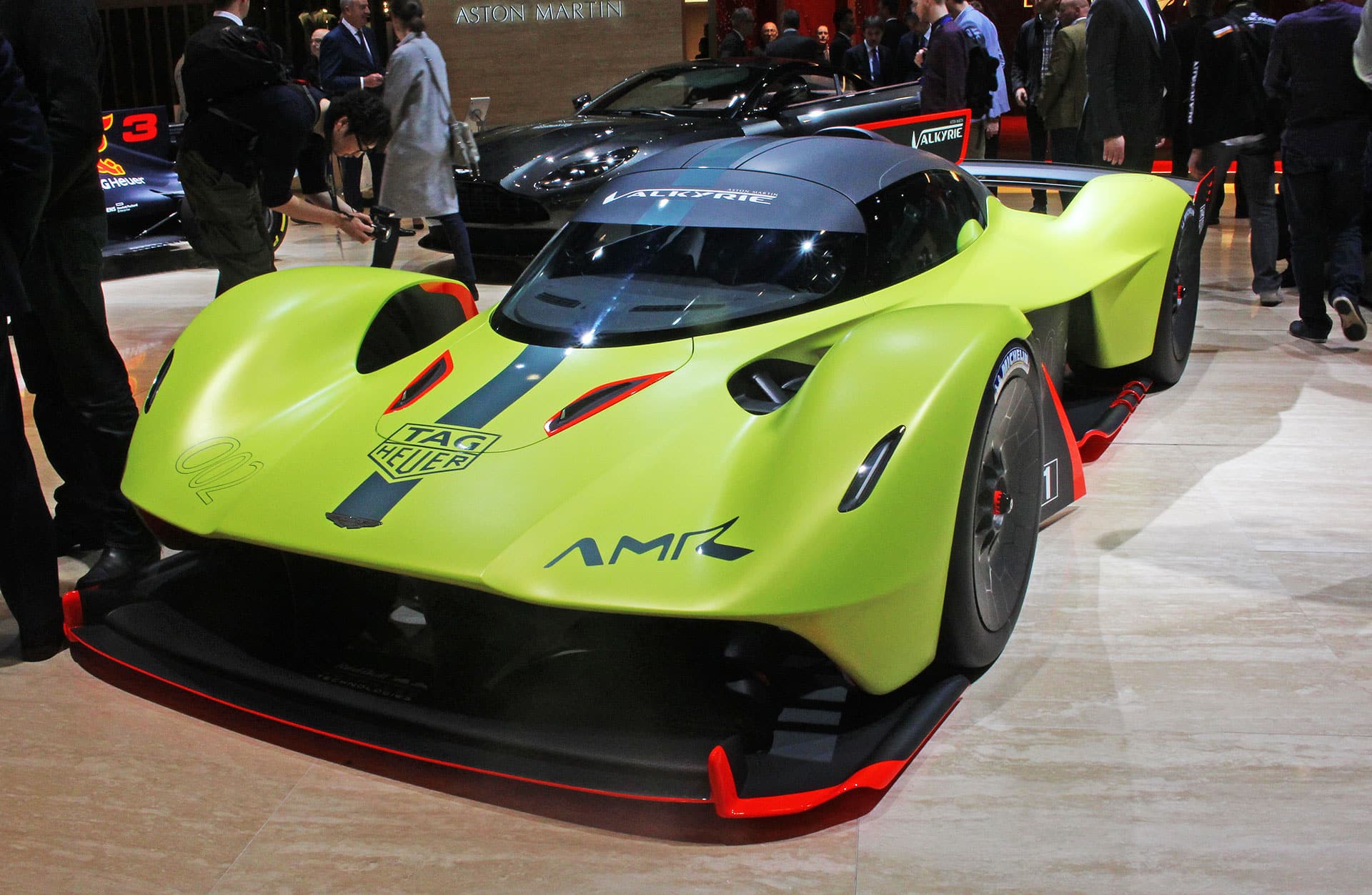
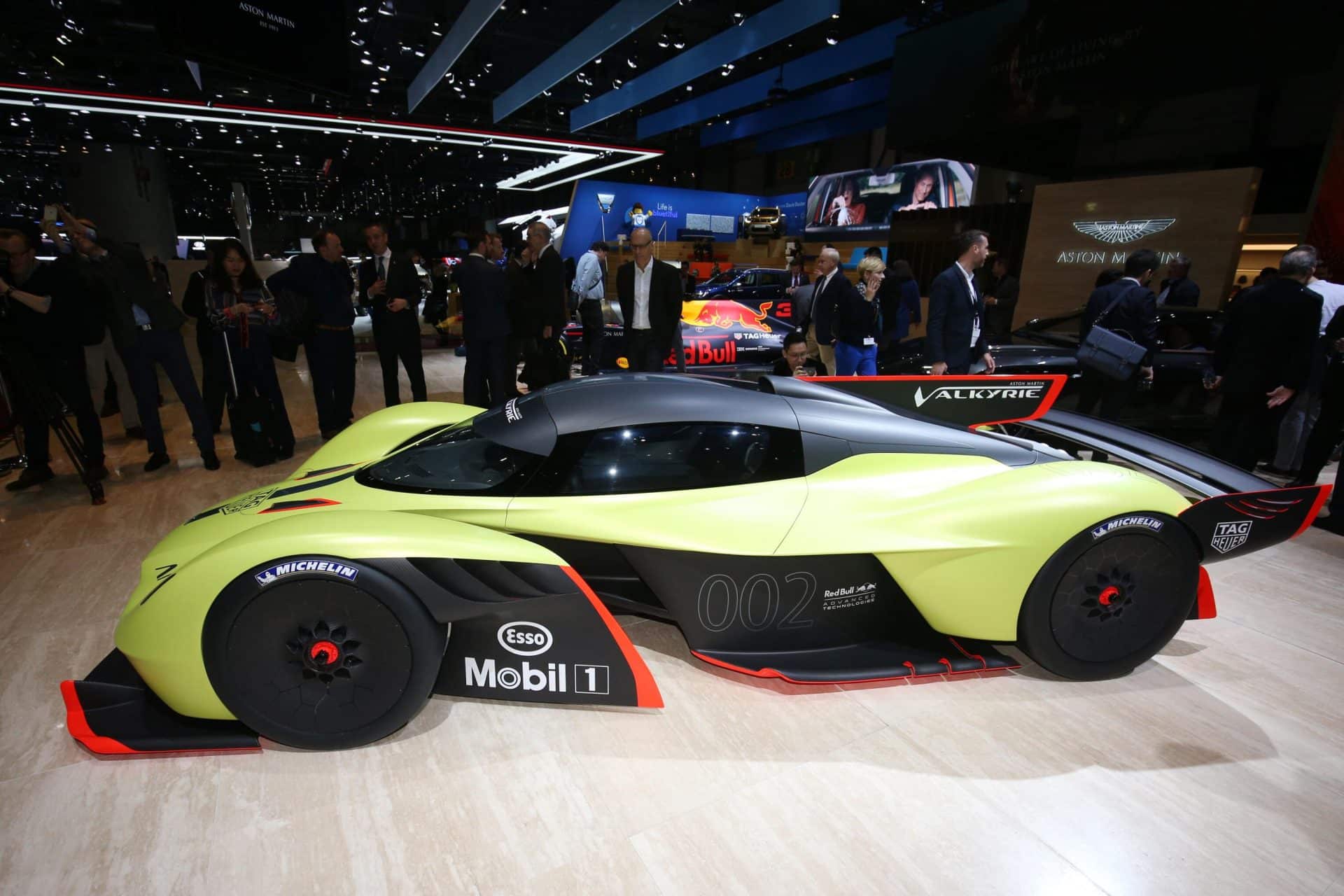


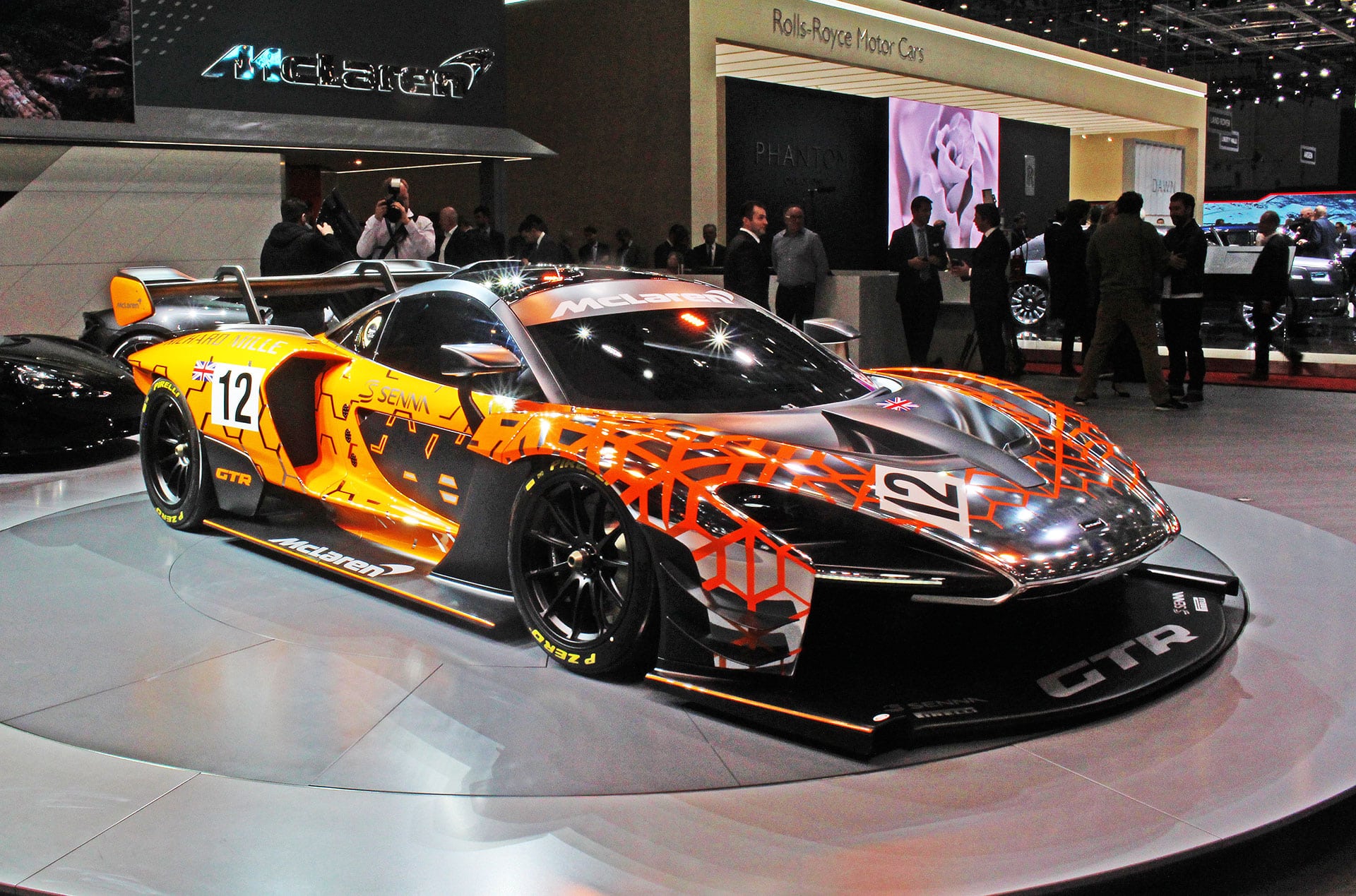


 Italian styling house Pininfarina first showed its H2 Speed concept, with a hydrogen fuel-cell engine using four electric motors, at the 2016 Geneva show and won the concept of the show award. Now the car is back, and set to become a production model, just 12 being made and all for track-only use.
The latest version of the H2 Speed is larger in all areas than the 2016 concept, but with no increase in weight. Its powertrain, developed by Swiss specialist GreenGT, produces 653hp, good enough for a 0-62mph time of 3.4 seconds and a maximum speed of 186mph.
Pininfarina describes it as a car for “speed- and performance-loving gentleman drivers who also respect the environment and are attracted at the same time by the exclusivity typical of a Pininfarina-designed vehicle.” What they are not saying yet is how much it will cost…
Italian styling house Pininfarina first showed its H2 Speed concept, with a hydrogen fuel-cell engine using four electric motors, at the 2016 Geneva show and won the concept of the show award. Now the car is back, and set to become a production model, just 12 being made and all for track-only use.
The latest version of the H2 Speed is larger in all areas than the 2016 concept, but with no increase in weight. Its powertrain, developed by Swiss specialist GreenGT, produces 653hp, good enough for a 0-62mph time of 3.4 seconds and a maximum speed of 186mph.
Pininfarina describes it as a car for “speed- and performance-loving gentleman drivers who also respect the environment and are attracted at the same time by the exclusivity typical of a Pininfarina-designed vehicle.” What they are not saying yet is how much it will cost…

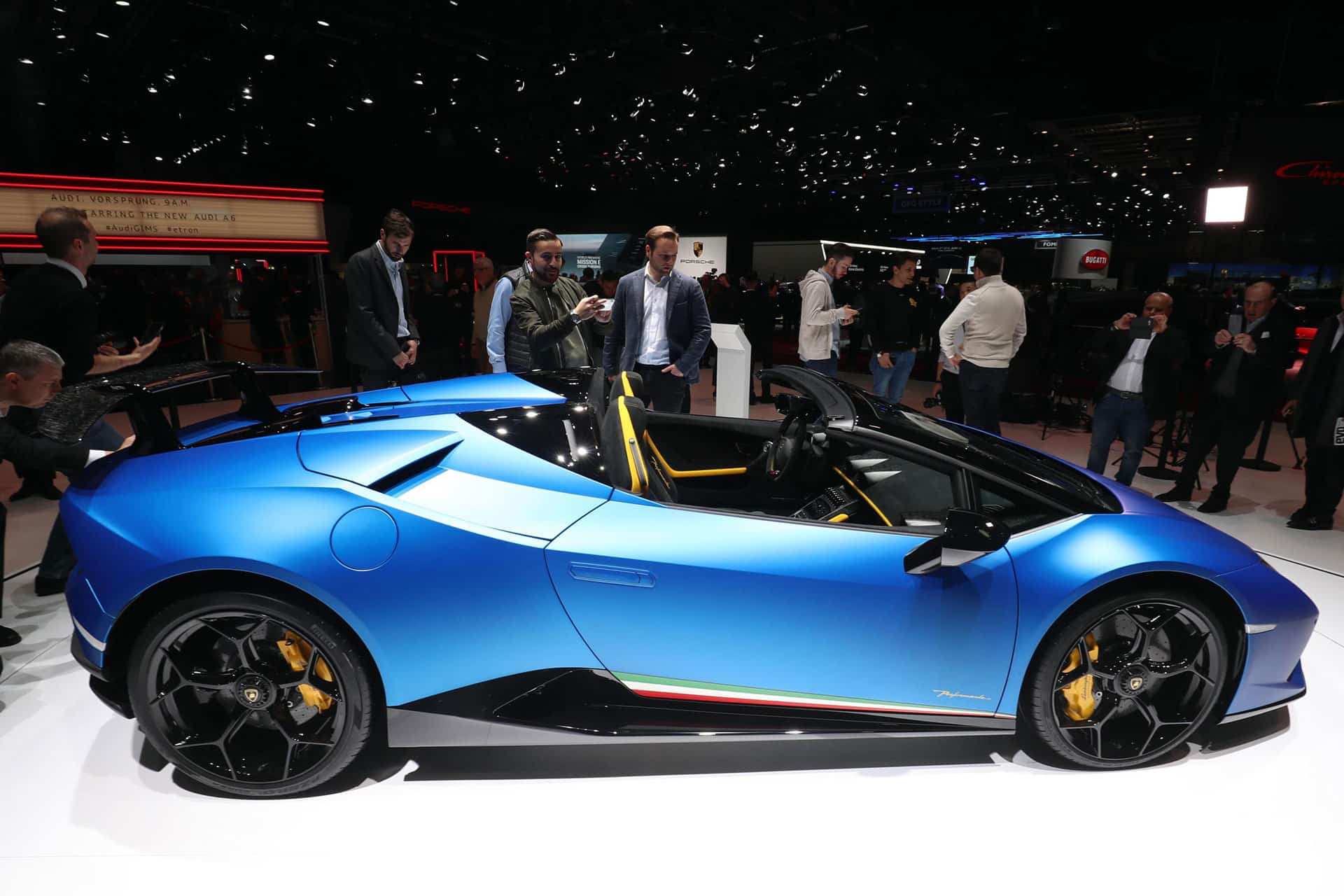

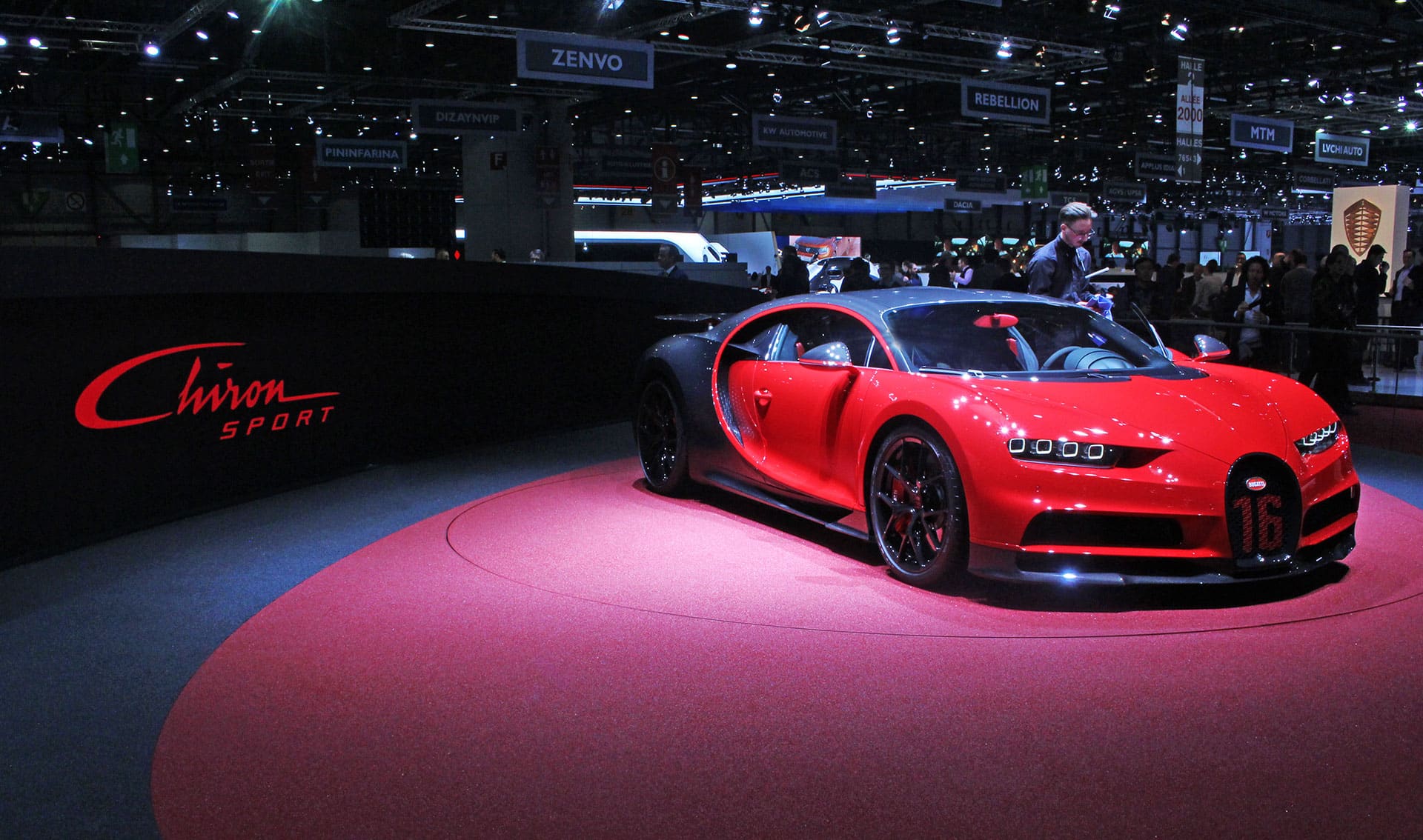 Bugatti Chiron Sport


 These days virtually every motor show unveiling is telegraphed days before, which made this one all the more surprising. Porsche revealed a new crossover version of its forthcoming Mission E electric model, dubbed the E-Cross Turismo. The concept’s all-wheel-drive powertrain is powered by 800-volt electrics which gives it more than 600hp and a 0-62mph time of 3.5 seconds.
Porsche promises that the E-Cross Turismo will be able to perform multiple rapid accelerations without losing power, and will be fast to recharge, providing a range of 250 miles after just 15 minutes plugged in. The concept is described as ‘road ready’ and produced to gauge customer interest. The smart money says a production version will go on sale in 2021.
These days virtually every motor show unveiling is telegraphed days before, which made this one all the more surprising. Porsche revealed a new crossover version of its forthcoming Mission E electric model, dubbed the E-Cross Turismo. The concept’s all-wheel-drive powertrain is powered by 800-volt electrics which gives it more than 600hp and a 0-62mph time of 3.5 seconds.
Porsche promises that the E-Cross Turismo will be able to perform multiple rapid accelerations without losing power, and will be fast to recharge, providing a range of 250 miles after just 15 minutes plugged in. The concept is described as ‘road ready’ and produced to gauge customer interest. The smart money says a production version will go on sale in 2021.
 The e-SIV is the fifth concept for an electric car that we have seen from the Korean brand on SsangYong, though there is still no news as to when one of these will translate into a production model. This latest is a mid-sized SUV and we do know that the body shape will form the basis of SsangYong’s next production model in this market.
While boasting an electric drivetrain, the concept mainly focuses on connectivity and autonomous driving – e-SIV stands for Electronic Smart Interface Vehicle. The car can reach level 3 autonomous driving standard, recognizing its lane, staying in it and keeping a safe distance from other vehicles. And the connectivity allows everything from remotely charging the battery to turning various equipment on and off, and offering an extensive infotainment service.
The e-SIV is the fifth concept for an electric car that we have seen from the Korean brand on SsangYong, though there is still no news as to when one of these will translate into a production model. This latest is a mid-sized SUV and we do know that the body shape will form the basis of SsangYong’s next production model in this market.
While boasting an electric drivetrain, the concept mainly focuses on connectivity and autonomous driving – e-SIV stands for Electronic Smart Interface Vehicle. The car can reach level 3 autonomous driving standard, recognizing its lane, staying in it and keeping a safe distance from other vehicles. And the connectivity allows everything from remotely charging the battery to turning various equipment on and off, and offering an extensive infotainment service.


 British luxury sports car manufacturer Aston Martin has unveiled an all-electric concept at the Geneva motor show that revives the famed Lagonda badge.
The Lagonda Vision Concept previews at least one and possibly two production models, to launch between 2021 and 2023, and Aston Martin insists the revived Lagonda will be true to the heritage of the company founded by Anglo-American entrepreneur Wilbur Gunn in 1904.
Gunn’s Lagondas were known for their innovation, one model in 1910 boasting a form of monocoque decades before the technology became widely accepted. Aston Martin bought Lagonda in 1947 and continued the tradition, particularly with the strikingly-styled Aston Martin Lagonda of the 1980s.
British luxury sports car manufacturer Aston Martin has unveiled an all-electric concept at the Geneva motor show that revives the famed Lagonda badge.
The Lagonda Vision Concept previews at least one and possibly two production models, to launch between 2021 and 2023, and Aston Martin insists the revived Lagonda will be true to the heritage of the company founded by Anglo-American entrepreneur Wilbur Gunn in 1904.
Gunn’s Lagondas were known for their innovation, one model in 1910 boasting a form of monocoque decades before the technology became widely accepted. Aston Martin bought Lagonda in 1947 and continued the tradition, particularly with the strikingly-styled Aston Martin Lagonda of the 1980s.
 Now, according to Aston Martin CEO Andy Palmer, the new Lagonda aims to continue the trend. The company is planning to usher in “the biggest revolution in land-bound transportation since the invention of the car” on its way to becoming what Aston Martin claims will be the world’s first zero-emission luxury brand.
“We believe people associate luxury in their cars with a certain traditional and even old-fashioned approach because, to date, that is all that’s been available to them,” commented Palmer at the unveiling of the car. “Lagonda exists to challenge that thinking and prove that being modern and luxurious are not mutually exclusive concepts.”
Described as a ‘near future’ design study, the Vision Concept was unveiled alongside two 40% scale models of potential future Lagonda models, one a coupé and the other an SUV. According to Aston Martin chief creative officer, Marek Reichman, electrification allows a complete redesign of a car’s packaging.
Now, according to Aston Martin CEO Andy Palmer, the new Lagonda aims to continue the trend. The company is planning to usher in “the biggest revolution in land-bound transportation since the invention of the car” on its way to becoming what Aston Martin claims will be the world’s first zero-emission luxury brand.
“We believe people associate luxury in their cars with a certain traditional and even old-fashioned approach because, to date, that is all that’s been available to them,” commented Palmer at the unveiling of the car. “Lagonda exists to challenge that thinking and prove that being modern and luxurious are not mutually exclusive concepts.”
Described as a ‘near future’ design study, the Vision Concept was unveiled alongside two 40% scale models of potential future Lagonda models, one a coupé and the other an SUV. According to Aston Martin chief creative officer, Marek Reichman, electrification allows a complete redesign of a car’s packaging.
 “Our new concept shows the scope of design opportunities that open up once you no longer need to provide space for a large power source directly in front of the passenger compartment,” Marek says, adding: “In the Lagonda Vision Concept, the batteries occupy the floor of the car. Everything above that line belongs to us.”
The Vision is significantly shorter and lower than traditional limousines but offers internal space for four, including plenty of room to stretch out. According to Reichman, without any internal combustion architecture to accommodate the designers were able to finalise the interior in detail and then build the car’s exterior around it. So, for example, there is no bonnet as it doesn’t need one.
Aston Martin is currently providing few performance details of the Lagonda Vision, only saying that it has been designed to accept batteries giving its all-wheel-drive powertrain a range of up to 400 miles between charges. The car is also designed to accept level four autonomous technology, in effect being able to drive itself on all recognisable roads.
“Our new concept shows the scope of design opportunities that open up once you no longer need to provide space for a large power source directly in front of the passenger compartment,” Marek says, adding: “In the Lagonda Vision Concept, the batteries occupy the floor of the car. Everything above that line belongs to us.”
The Vision is significantly shorter and lower than traditional limousines but offers internal space for four, including plenty of room to stretch out. According to Reichman, without any internal combustion architecture to accommodate the designers were able to finalise the interior in detail and then build the car’s exterior around it. So, for example, there is no bonnet as it doesn’t need one.
Aston Martin is currently providing few performance details of the Lagonda Vision, only saying that it has been designed to accept batteries giving its all-wheel-drive powertrain a range of up to 400 miles between charges. The car is also designed to accept level four autonomous technology, in effect being able to drive itself on all recognisable roads.
 Decisions about how Lagonda will be marketed have also apparently still to be made – whether the cars will sold from existing Aston Martin dealerships or separately. No production facility has yet been revealed although it is known that the plant currently being constructed for the DBX SUV in St Athan, South Wales, would have the capacity for a second model.
Palmer describes Lagonda as a brand without limits, saying; “It will produce cars that exploit technology, without being obsessed with it for its own sake – and It will enable Lagonda to redefine the concept of luxury within the automotive and other spheres.”
Decisions about how Lagonda will be marketed have also apparently still to be made – whether the cars will sold from existing Aston Martin dealerships or separately. No production facility has yet been revealed although it is known that the plant currently being constructed for the DBX SUV in St Athan, South Wales, would have the capacity for a second model.
Palmer describes Lagonda as a brand without limits, saying; “It will produce cars that exploit technology, without being obsessed with it for its own sake – and It will enable Lagonda to redefine the concept of luxury within the automotive and other spheres.”