The Geneva motor show in March will see the debut of the Skoda Octavia vRS 245 – the most powerful version of the model yet.
Offering as its name suggests 245hp, 15 horses more than any previous Octavia vRS model, the newcomer will go on sale later in 2017 in both hatch and estate form.
The increased power of its 2.0-litre four-cylinder TSI turbocharged petrol engine, allied to 370Nm of torque between 1600 and 4300rpm, will see the Octavia hatch through 62mph from rest in 6.6 seconds, the estate just one tenth slower. Both models will be electronically limited to a 155mph top speed.
In-gear acceleration is promised to be equally impressive. Hatch models will go from 37-62mph in 6.4 seconds, from 50-75mph in 6.6 seconds, with again the Estate just behind.
First dual-clutch auto ‘box
Octavia vRS 245 models will be supplied as standard with a six-speed manual gearbox but for the first time buyers will also be able to specify a seven-speed dual-clutch auto unit.
The 245 gains the performance-pitched chassis modifications of other Octavia vRS variants. The chassis is 14mm lower to the ground, while the rear track grows 38mm over previous vRS cars.
The Electronic Stability Control includes a Sport mode and an electronic limited-slip differential is fitted as standard, making itself particularly felt when accelerating rapidly out of corners.
A Performance Mode Select driver aid allows individual adjustment of the drive, chassis and road comfort settings, progressive steering is included and adaptive suspension an option.
Visually the car gains various design tweaks to emphasise its sporty nature, including a wider radiator grille with honeycomb-style air inlets, gloss black detailing, notably on the 19-inch alloy wheels, and sports seats, steering wheel and aluminium pedals inside.
The latest infotainment and connectivity systems are also included, among the features a wi-fi hotspot and real-time navigation.
Prices for the Skoda Octavia vRS 245 are yet to be announced – they will no doubt be more than the £25,130 of the vRS 230.
Safety body Euro NCAP is celebrating 20 years of its crash tests, during which road deaths and injuries have been cut by more than half.
Figures released for the 20th anniversary show that 182,000 deaths and serious injuries amongst motorists have been prevented since the tests began.
Euro NCAP began crash-testing cars in February 1997, in the face of major opposition from the motor industry. In the period since the star rating issued following each crash test has become the industry-standard guide to the safety of a car.
Today nine out of 10 cars sold in Europe hold a Euro NCAP rating and manufacturers are consistently meeting the top five-star rating.
Thatcham Research, which undertakes the Euro NCAP testing in the UK, estimates that deaths and serious injuries amongst car occupants have dropped by 63 per cent, from 23,000 in 1997 to 8,500 in 2015.
The shocking injuries that would have resulted to this driver in a 1997 Rover 100 show how far car safety has come in 20 years.
More than motorists
The testing has not just focused on the occupants of cars, however. Increasing legislation resulting from the Euro NCAP programme has seen the number of pedestrians and cyclists killed or seriously injured fall by 40 per cent, from 14,500 in 1997 to 8,500 in 2015.
While celebrating its successes, Thatcham Research is also using the anniversary to call for further increases in safety, and urging buyers to play their part.
Thatcham wants consumers to only buy cars that hold a top five-star Euro NCAP rating, and that have collision avoidance technology, such as autonomous emergency braking (AEB) and lane-keeping systems among their driver aids.
The safety body also wants manufacturers to specify AEB as standard, as this could prevent thousands of accidents, saving 2,700 pedestrian and cyclist deaths and serious injuries a year.
No time to slow safety
Euro NCAP’s Secretary General, Michiel van Ratingen is proud that over the past 20 years the programme of safety tests has helped Europe reach the lowest road fatality rate for any region in the world. But he also warns against complacency.
“Euro NCAP has given millions of consumers the knowledge and confidence to choose the safest cars possible, (but) recent years have shown a slowdown in the progress rate, so we mustn’t take our foot off the gas,” van Ratingen says.
“We want to ensure that Europe’s roads get even safer in the next 20 years, not just for car occupants but for all participants in traffic,” he adds.
Today Euro NCAP tests many more aspects of a car’s safety than when the programme started in 1997, and van Ratingen says more is to come. “Next year, we will test systems that recognise and avoid crashes with cyclists, and we’re lining up a very challenging roadmap for 2020 to 2025.”
Changing face of crashes
Euro NCAP has assessed 629 different cars since it started the programme in 1997. Four stars were the maximum available in the first tests, which analysed seven superminis. The Ford Fiesta and Volkswagen Polo each earned three stars, the Fiat Punto, Nissan Micra, Vauxhall Corsa and Renault Clio two. The Rover 100, successor to the Metro and at the time a top-selling model, achieved only one star.
The tests included pedestrian protection and the best score achieved was only two points, which according to Euro NCAP showed that manufacturers were not considering impacts with other road users when designing the front ends of cars.
Manufacturers slammed the tests, claiming they were so severe that achieving four stars was impossible. But the Volvo S40 gained the top rating for occupant protection only five months after the tests began.
In the years since safety technologies that were non-existent or optional when the tests began – such as driver and passenger airbags, side curtain airbags, seatbelt reminders and electronic stability control – are now standard on most cars sold in Europe.
Today’s Euro NCAP ratings are significantly more demanding and cars can now achieve a maximum of five stars, awarded not just for how they protect occupants and pedestrians in a collision, but on the car’s ability to avoid a crash in the first place.
Yet manufacturers routinely achieve the top five-star rating, and then use the Euro NCAP results in the marketing of new models.
‘Shocking’ Rover crash
To mark the anniversary Thatcham crash-tested a 1997 Rover 100 alongside a 2017 Honda Jazz – a car of equivalent price to the Rover in today’s market. The damage to the Rover shocked the testers – they concluded occupants would have suffered life-threatening injuries while those in the Jazz would have walked away.
In an offset frontal impact at 40mph, replicating the most common type of crash on UK roads, the Rover’s steering wheel was forced sharply into the cabin, pushing the airbag to one side as the passenger ‘safety cell’ dramatically collapsed.
The driver would have suffered serious head injuries as they smashed into the hard dashboard and A-pillar instead of the airbag. Thatcham’s HIC (Head Injury Criteria) scale registered 3,000 – way above the 1,000 HIC ‘high risk’ threshold.
The bulkhead between the passenger compartment and the engine bay also collapsed and the driver’s seat gave way, which would have caused severe injuries to the driver’s legs as they were rammed hard into the dashboard.
A three-year child in the back seat would also have suffered life-threatening injuries – a dummy representing the child was hurled forwards, ramming its head into metal pillars supporting the head restraint and the driver’s head.
Thatcham describes the Rover as ‘crumpling like a tin can’ leaving its injured occupants trapped in the car as the ‘safety cage’ was crushed almost in half. The safety cell collapsed by more than 400mm, while the Honda’s barely distorted at all.
The car’s front end collapsed and absorbed the impact, leaving the safety cell around the occupants intact. After the crash the car doors were able to be opened and even the windscreen remained intact.
All the internal safety systems such as the airbags and seat belts were able to perform as designed, further protecting the occupants from injury. The driver’s head hit the centre of the airbag registering a HIV of only 448 and the most serious injuries to occupants would likely have been no more than bruising.
Buyers now rate safety
According to Thatcham CEO Peter Shaw, Euro NCAP has fundamentally changed the way that vehicle buyers and vehicle manufacturers value safety.
“In 1997, many motorists were still choosing not to wear seatbelts – only a few years later we were demanding airbags, side impact protection and other safety systems,” Shaw says.
“You are now twice as likely to walk away from a car crash compared with 20 years ago – these major changes in the way people and manufacturers prioritise safety are all thanks to Euro NCAP,” he adds.
According to Shaw the focus is now turning to crash prevention, ensuring that Britain’s roads continue to become even safer, not just for car occupants but for every road user.
“We have come a long way since the days when manufacturers met only the most basic, mandatory, safety requirements but we must continue to apply pressure.”
The fifth-generation of the SEAT Ibiza supermini has been revealed at a special event in Barcelona.
Described by its creators as the ‘best Ibiza yet’ and ‘a major step forward’ in the brand’s renewal of its range, the new SEAT Ibiza will make its public debut at the Geneva Motor Show on 7th March and go on UK sale in July.
The new Ibiza will be offered, like other recent new superminis, as a five-door model only. The three-door version has fallen victim to significant declines in sales of such cars, while the estate model is unlikely to be repeated due to the imminent reveal of the Arona small SUV.
A new platform
The car is built on a new version of the VW Group’s latest MQB architecture – the A0 platform is specifically designed for smaller cars and the Ibiza the first model to use it.
While the body styling is familiar, and closely related to the latest version of its big sister the Leon, the car is 87mm wider, and fractionally shorter and lower than its predecessor.
Crucially a 95mm extension to the wheelbase, to 2564mm, frees up significant interior space – 35mm extra rear legroom, front headroom up by 24mm, rear headroom by 17mm, and the seats gaining 42mm extra width. The bootspace mushrooms by 63 litres to 355 litres, which SEAT claims is class-leading.
Five engine options will be available. The 1.0-litre three-cylinder TSI petrol unit will be offered with 95 or 115hp, and will be joined before the end of 2017 by a new four-cylinder 1.5 litre unit, dubbed EVO and with 150hp.
Diesel buyers will choose from two versions of the 1.6 TDI unit, with either 80 or 95hp. Depending on model the engines will be combined with five or six-speed manual transmissions or a seven-speed dual-clutch DSG-auto unit.
Tech fest on offer
SEAT promises plenty of technology across the four trim levels, S, SE, FR and the new Excellence grade. Connectivity and driver assistance systems will be to the fore, equipment including a wireless charger and smartphone compatibility through Apple Car Play, Android Auto and Mirror Link. Among the driver-aids available will be Front Assist, Adaptive Cruise Control, a keyless entry, front and rear parking sensors and a rear view camera.
The SEAT Ibiza has for many years been the brand’s top seller globally, with over 5.4 million finding owners since the first version launched in 1984. The Mk5 model will form one of three core pillars for the brand’s future growth, alongside the Ateca SUV and the Leon, which now competes with the Ibiza for most popular SEAT status.
What is it? The Audi A5 Sportback is a five-door hatch version of the newly-launched coupe. Key features: Weight saving, more distinctive shape, more room, upgraded technology. Our view: Five-door hatchback practicality with the visual appeal of the two-door A5 Coupe, improved engines and plenty of technology make the Audi A5 Sportback an attractive choice. Type of review: First UK drive
Little over a month after the second-generation Audi A5 Coupe arrived on UK roads, The Car Expert heads to the Midlands to test the second new version, the Audi A5 Sportback. This car joins its sister in showrooms from mid January.
Whereas the A5 Coupe is, as its name suggests, a two-door car with a boot, the Sportback retains the same distinctive shape, but in a more practical five-door hatch format.
First introduced in i010, the five-door A5 has since seen 340,000 sales. Customers are attracted to it as a more distinctive-looking alternative to the core A4 model that it is based on.
It is tempting to point readers towards our review of the Audi A5 Coupe published in November – the two cars are similar in most areas including styling, space, and mechanics.
Audi A5 Sportback exterior
Where the two cars differentiate is behind the door pillar, where the Sportback shell curves more gently backwards to accommodate the rear doors and a quarter panel.
Looks are everything to this car. Audi personnel describe the coupe shape as iconic and the Sportback manages to retain the sleek visuals despite the extra versatilty of the added pair of doors. The new shell, again built around the Volkswagen Group’s latest MLB architecture with its multi-material construction, cuts shell weight by 15kg, while the car as a whole saves up to 85kg despite being 2cm longer, if 1cm narrower, than its predecessor.
In its second-generation version, the A5 Sportback gains the same styling enhancements as its sister. The lines are more pronounced, particularly the wave shape running down each flank from head to tail lamp. The bonnet is longer, swooping down to meet the most prominent element, the wider, flatter grille.
In the rear the boot makes way for a tailgate, powered as standard, and the changes necessitate a wheelbase not only 14mm longer than its predecessor but extended by 60mm over that of the stock Coupe.
Inside the A5 Sportback
The extra space between the wheels produces more room within whether in front or rear, though calling this a true five-seater is stretching a point. Boot volume of 480 litres is 15 more than the Coupe and once the rear seats are dropped this can extend to 1,300 litres. It’s a practical space too, one metre wide and almost perfectly rectangular in shape.
Inside the car is exactly as the two-door Coupe, indicative of recent Audis but a significant step up from the first-generation model. It is a quality environment, finished to high quality and well designed, though this reviewer still thinks the MMI screen looks a little ‘plonked’ atop the centre console.
The cabin oozes technology, of course, this is an Audi after all. But how much of the tech one gets will depend which of the three trim levels, SE, Sport or S line, is chosen and the level to which one enjoys the ever-extensive options list.
Engine sizes range across two litres or three litres, in petrol and diesel form. However the 2.0-litre diesel will take by far the majority of sales amongst those calculating their benefit-in-kind tax. It offers 190hp, and can be had in stock form or as an eco-focused Ultra model – these come with front-wheel-drive transmissions only, cut CO2 emissions by 11g/km and add an extra seven miles to each gallon, while slowing the 0-62mph time by half a second.
Even standard diesels are 10mpg more efficient than their first-generation equivalents and 21g/km, 17 per cent, cleaner. And for those who want more grunt with diesel economy a 3-litre variant will soon join the range with 218hp.
The stock petrol unit is a 2-litre TFSI with 252hp on tap. That’s 22 horses more than its predecessor, cutting the 0-62mph time by half a second to 6.0 seconds, while returning 11 per cent better fuel economy and an almost 13 per cent improvement in C02 emissions.
Then there is the S5, the sports model. Like in the Coupe, its new 3-litre TFSI engine is at 354hp 21 horses up on the previous version, sending the car through 62mph from rest in 4.7 seconds. And while the savings in fuel economy aren’t quite as dramatic at 1.9mpg, emissions are cut by 14g/km, an eight per cent improvement.
On the road
Enough of dry figures, how does the Audi A5 Sportback perform? At the launch event The Car Expert drove the expected best-selling diesel version, and the performance S5 Sportback model. And a rather more practical test drive route compared to that on the A5 Coupe launch provided a clearer view of the Sportback’s capabilities.
Unsurprisingly, this is a highly refined car. Admittedly both of our test vehicles were all-wheel-drive variants with the long-renowned quattro system, which helped to add to the impression of a car firmly planted to the road.
But as we stated in the A5 Coupe review, it is also clear that Audi has worked very hard to improve its ride quality, a regular criticism of past models. The car is a composed and relaxing environment in which to eat up the miles at motorway speed limits, but also corners with confidence, remaining upright and composed.
The only real surprise comes with the S5. For a car with a 4.7-second 0-62mph time, it doesn’t feel nearly as raucous behind the wheel, far too normal and for a sports model, just a little underwhelming.
Prices and specifications
Audi A5 Sportback prices start from £33,050, this buying the 2.0-litre version in front-wheel-drive form with a six-speed manual gearbox. The cheapest quattro is again with the 2-litre unit, in Sport Trim and with a seven-speed S tronic ‘box. S5 versions, meanwhile cost £47,000.
SE and Sport models come supplied with xenon headlamps and 17-inch alloy wheels, S line versions get LED lamps and 18-inch wheels. Also standard across the range are leather upholstery with heated front seats, MMI operation of the radio through the seven-inch colour monitor, Apple CarPlay and Android auto smartphone integration, front and rear parking sensors and a notable safety feature, the pre-sense City collision avoidance system.
To little surprise, Audi tells us that A5 owners like to add options to their cars. The list was always extensive, and has now ‘expanded considerably’. Highlights include the MMI Navigation Plus, which has a larger 8.3-inch screen and a touchpad, and the virtual cockpit that can put Google Earth mapping right across the driver’s instrument panel.
More upmarket infotainment and connectivity systems and a host of driver assistance systems will make it all too easy for owners to spec their Sportback above the £40,000 marker that come April, will add £310 to the annual road tax bill for five years.
Summary
Like the Coupe, the new Audi A5 Sportback is an effective evolution of a model that already had plenty of fans. It looks better, its engines are both more powerful and more efficient, its road manners exemplary, and there is a highly tempting selection of latest technology available. It will continue to sell well.
Modelstested:Audi A5 Sportback S line 2.0 TDI quattro 190hp automatic, S5 Sportback 3.0 TFSI quattro 354hp automatic. On sale: January 2017 Range price: £33,050-£47,000 Insurance groups: 30E-41E Engines: Petrol 2.0. Diesel 2.0, 3.0. Audi S5: Petrol 3.0 Power (hp): 252. 190, 218. Audi S5: 354 Torque (Nm): 370. 400, 400. Audi S5: 500 0-62mph (sec): 6.0. 7.4*, 6.4. Audi S5: 4.7 Top speed (mph): 155. 146*, 152. Audi S5: 155 Fuel economy (combined, mpg): 47.9. 68.9*, 65.7. Audi S5: 37.7 CO2 emissions (g/km): 136. 117*, 119. Audi S5: 170 Key rivals: BMW 4 Series Gran Coupe, Mercedes C-Class Coupe Test Date: January 2017 * = quattro, S-tronic. All A5 figures with 17-inch wheels
Mitsubishi will debut an all-new compact SUV at the Geneva motor show in March.
Few details of the new car are currently available, though industry observers expect it to be a direct rival to the segment-leading Nissan Qashqai.
According to the Japanese brand the car will be the first of a new generation of vehicles from Mitsubishi. It is described as a ‘sporty, coupe-like SUV’ that will sit between the current Mitsubishi ASX and Outlander models in showrooms to broaden the brand’s model range and attract new customers.
Mitsubishi says that the new car is ‘sharper in its expression than a conventional coupe’, with ‘highly chamfered contours, a wedge-shaped belt line and a distinctive V-line in the rear quarter stemming from the forward-slanted C-pillar and the chunky, muscular rear fenders.’
Influence of new designer
The newcomer is expected to show the influence on Mitsubishi styling by new head of design Tsunehiro Kunimoto. He joined the brand in 2014 from Nissan, where he had been involved in many major launches including the Juke SUV.
New SUV could reflect styling of Mitsubishi XR-PHEV concept of 2015.
One of Kunimoto’s first moves at Mistubishi was to set up a European design studio and the image of the new car suggests a distinct move away from the box-like look of previous Mitsubishi SUVs.
Industry watchers also expect the car to reflect the look of the XR-PHEV concept, seen most recently at the 2015 Geneva show.
Mitsubishi registrations in the UK slid by almost 20% in 2016, according to figures released by the Society of Motor Manufacturers & Traders. A total of 18,237 new Mitsubishi models were registered giving the brand 0.68% of the UK market, compared to 0.86% in 2015.
The new Ford Mustang has drawn heavy criticism from safety body Thatcham Research after scoring the worst crash test rating for a top 10 car manufacturer in nearly a decade.
The Mustang scored only two stars in Euro NCAP crash tests, the first time a two-star rating has been awarded by a top 10 car brand since 2008. Both adult and child protection results fell short of expectations, airbags did not deploy as expected and collision avoidance technology like autonomous emergency braking is not fitted to European models.
Thatcham Research was particularly scathing of Ford’s decision not to offer safety equipment on European and UK Mustangs that is included or available in American markets.
“What really concerns me,” said Matthew Avery, director of research at Thatcham, “is that Ford has made a deliberate choice. The car has been designed to score well in less wide-ranging US consumer safety tests and only minor updates have been made to meet required European (pedestrian) safety regulations.
“This has resulted in poor adult and child protection scores and the high-tech radar collision warning system, that is available to US consumers, not being available here in the UK. The two-star Euro NCAP rating is the consequence.”
The Ford Mustang received a two-star Euro NCAP crash rating – and heavy criticism from road safety professionals.
Thatcham points out that other sports cars, like the Audi TT (four stars), Mazda MX-5 (four stars) and even the soon-to-be-replaced BMW Z4 (three stars) have achieved far better scores in recent years. However, it should also be pointed out that those vehicles were not tested on the latest Euro NCAP crash test protocol, so the results are not equivalent.
“Improved safety functionality and features apply equally to cars in the sports roadster category as to family cars,” said Avery. “We have concerns about the Ford Mustang’s crash protection of adults and children which also makes it unsuitable for having rear passengers.
“On top this, it does not have basic life-saving technology like Autonomous Emergency Braking (AEB) that is available even on the Ford Fiesta, and the recently launched Ford Edge.”
Euro NCAP secretary general, Michiel van Ratingen, said, “Ford did not expect Euro NCAP to test the Mustang and chose not to fit safety technology in Europe which is available to its American consumers. Such an attitude to safety should trouble Ford’s customers, whether they are buying a high-powered muscle car or a regular family car.”
Ford has informed Euro NCAP that Mustang orders placed after May 2017 will benefit from a model update to be launched in late 2017. These cars will be fitted as standard with AEB with pedestrian detection and a lane-keeping system. Euro NCAP will re-test the Mustang once these vehicles arrive on the European markets.
In more positive news to come out of the latest round of Euro NCAP tests, the Volvo S90 and Volvo V90 models scored five-star ratings with the best results ever achieved. The top three vehicles ever tested by Euro NCAP are now all 90-series Volvos (S90, V90, XC90).
Thinking of buying a new car in 2017? You may need to act quickly if you want to avoid being landed with extra road tax bills.
New regulations coming into effect on 1st April will change the rate of Vehicle Excise Duty, VED or to most drivers road tax, across the board. All cars registered from this date will be subject to the new rates, and anyone desiring one of the recent breed of efficient, emissions-friendly cars will end up paying more VED. But it’s time to get the calculators out because there will also be potential savings to be made on certain cars – believe it or not, we are talking less efficient, more polluting vehicles…
Why is it changing?
The current VED system has been in force since March 2001 and is based on the amount of CO2 a car emits. Cars with emissions under 100g/km pay nothing at all, between 100-110 £20 a year, 111-120 £30, and then a big jump to 131-140g/km at £110 per year. In total there are 13 bands with the most expensive costing owners of cars emitting more than 255g/km £515 a year.
When these rates were introduced very few cars qualified for the lowest tax bands. But the Government did not count on the pace of change in the motor industry. Often overlooked and not given the credit it deserves, constant innovation has resulted in a situation where today most new cars pay low VED rates or none at all. And as a result the Treasury receives far less revenue from car owners.
The new system seeks to rectify this – virtually all new cars will now be subject to higher charges in their first year, and then most will pay a flat rate of £140 a year. So the vast majority of new car drivers are facing more expense. The rules by the way only apply to cars registered after 1st April this year – any registered before this date will continue to pay at the current rates.
How does the new road tax system work?
The 13 road tax bands remain under the new system, again differentiated by CO2 emissions, but as our tables show the rates are very different. Whereas before any car with emissions up to 100g/km paid no tax, now only cars with no CO2 emissions at all will be exempt.
Effectively that means full-electric or hydrogen vehicles and even then a buyer will have to be careful over how much they pay for their car – all cars costing more than £40,000, no matter what their emissions level, will be served with an extra bill of £310 a year for the first five years. Don’t think you’ll escape the charges by buying a Tesla…
All cars emitting any CO2 will pay a rate in the first year based on their emissions, and then a standard fee of £140 a year. And all of the first-year charges are higher than the current rate, substantially so for the most polluting vehicles.
For example, so many of the mainstream cars launched in the last few years produce emissions under 120g/km – the average new car emissions rate in 2015 was around this amount. Let’s take an example of Britain’s best-seller, the Ford Fiesta supermini, not the lowest-power version but a 140hp petrol-engined variant with emissions of 104g/km. Under the current system an owner will pay no road tax in year one and then £20 a year. Under the new system it will be £140 in year one, and then £140 a year.
So many manufacturers in recent years have worked to get their emissions levels under the magic £100g/km marker, and the market is today full of models with CO2 rates of 95-99g/km, paying no road tax. Buy one of these after 1st April and you are looking at £120 in year one, then £140 a year.
Britain’s best-selling car, the Ford Fiesta – several versions with a current £20 annual tax bill will see it jump to £140…
Dirtier but not pricier?
The further one goes up the new tax bands, the more eye-watering the new first-year rates become. At between 171-185g/km the rate is £800, compared to £355 under the previous regime, and for the most polluting plus-255g/km cars it’s a massive £2,000 (ouch!), up from £1,120. But this is not necessarily a good reason not to buy a more polluting car.
Ever fancied a Ford Mustang? And not any Ford Mustang but the proper NASCAR-like version with its 5.0-litre V8 engine? The coupe is currently on sale on the UK market for £36,345. It puts out CO2 emissions of 299g/km, so under the old system it would cost £1,120 to tax in year one and then £550 a year after. Under the new system the first-year charge will be £2,000, but then £140 a year. By the time you buy your fourth year’s tax, you’ll be saving money and if you keep the car for five years you would have saved £750 compared to the old regime.
This perhaps is an extreme case but so long as you stay below that £40,000 price barrier cars that were previously a bad idea tax wise, because of their emissions, are now not necessarily so. And this is where the most criticism of the new system is being leveled, in that it effectively penalizes the buyers of cleaner cars by a much greater amount than it does dirtier ones.
The best seller in the Mitsubishi range is the Outlander PHEV, because it offers the twin plusses of an SUV that almost everyone seems to want these days, and a clean-plug-in hybrid powertrain with emissions of just 42g/km. Currently owners of these cars pay no VED at all. Under the new system their costs will increase by £140 a year, plus a first-year fee of £10 – over three years a total of £290.
The Mitsubishi Shogun puts out 200g/km more CO2 than the brand’s Outlander PHEV – yet over three years Shogun owners will pay just £90 more tax, PHEV owners £390…
Buy the traditional diesel version of the Outlander, however, with emissions of 139g/km, and the costs will be £200 in year one and then £140 a year – so over three years a total of £480. Under the current system, Outlander diesel owners pay £390 over three years – so come April 1st the clean PHEV version’s three-year tax bill goes up by £290, the diesel’s by £90…
Meanwhile you could instead look elsewhere in the Mitsubishi model range, to the least clean car in the line-up. The five-door Shogun SUV can be bought with a 3.2-litre engine and auto transmission, and a 245g/km emissions rate. But again, buy a Shogun after 1st April, and over three years you’ll see a tax bill increase of just £95. Keep it longer and you’ll start saving £360 a year compared to today’s road tax rate – while Outlander PHEV owners, putting almost 100g/km less CO2 into the environment, will carry on paying £140 more than they do now…
Mitsubishi knows all about all-wheel-drive. Which is why around half of the customers who buy the Mitsubishi ASX small crossover choose to have traction from all the wheels. This is very unusual in today’s SUV market – less than five per cent of the segment-creating Nissan Qashqai sales, for example, are 4WD.
Those Mitsubishi buyers are quite savvy – the ASX is a good value vehicle with surprising space. But despite selling around 4,000 a year, its attractions are missed by many potential buyers, so a facelift aims to give 2017 models a sales boost.
Except that this revamp of a model sold in the UK since 2010 is not very exciting. Mechanically there are no changes at all – the ASX gained a new 1.6 diesel engine in 2015 and the latest updates focus on styling, interior tweaks and equipment.
The new exterior look brings the latest Mitsubishi design language, ‘Dynamic Shield’ to the ASX. Created by the brand’s European design studio established two years ago, the most obvious change is to the front end. This is now more sculpted with a double bonnet bulge and two strong chrome stripes on the nose. It is a definite improvement on its predecessor.
Otherwise the model gains a shark’s fin antenna on the roof, while inside there are some new seat fabrics – oh yes and the heated seat switches have been moved. There are new infotainment systems too, but only if you choose higher-spec models, more on which shortly.
But while there might not be a lot new to get excited about, the ASX is still worth checking out. On the outside it is pleasant to look at – this is a compact machine and boasts exterior lines that tend more towards family hatch than bulbous SUV.
Outside and inside
The Mitsubishi ASX effectively sits between two segments. It’s bigger than the likes of the Renault Captur, Skoda Yeti, Suzuki S-Cross, but smaller than a Nissan Qashqai, SEAT Ateca or Kia Sportage. All of which means lots of room and useful boot space of 419 litres, big enough for the traditional two sets of golf clubs, along with easy manoeuvring in tight spots.
The cabin is – okay. The dash is a bit dark and traditional, but the controls are easy to find one’s way round and the fit and finish adequate. The infotainment touchscreen is mounted high on a centre console that bulges towards the driver and this falls naturally to hand.
This is, of course, if one buys any but the entry-level ASX 2 trim. ASX 3 models have gained a new system that includes a reversing camera, while ASX 4 and the new ASX 5 trim get the latest multimedia system with satellite navigation – and aluminium sports pedals too…
On the road
Engine choices range across 1.6-litre petrol or diesel units with a manual gearbox and two-wheel-drive, a 4WD version of the diesel, and a 2.2-litre diesel that only comes with an auto gearbox and 4WD. Despite rumours, there is no sign yet of the ASX being given a plug-in hybrid powertrain of the type that has propelled its big sister the Outlander to best-selling Mitsubishi status.
The 2.2 proved a competent performer during our brief test drive. It offers three driving modes, most of the time operating in 2WD form. It can switch to a 4WD 70:30 torque split and the transmission can then be locked for a 50:50 split across both axles – enough to keep the ASX going through any situation likely to be found on UK roads.
The car is usefully swift and easy to handle, if occasionally a little rattly over less than perfect surfaces. Mitsubishi highlights the independent rear suspension fitted and in corners the ASX certainly stays upright and behaves itself. It’s all very neutral, which no doubt suits the generally mature customer base the car attracts.
Those customers will also likely be attracted by the specification. ASX prices start at £15,999 and include a safety package ranging across seven airbags, brake assist, hill-start assist and stop signals automatically activated in under emergency braking. All cars also come with a five-year warranty.
More attractive is the £18,349 ASX 3, which includes the touchscreen infotainment, auto lights and wipers, cruise control and those heated seats. Then it’s a big jump to 4 trim at £24,249, necessary to get 4WD. Other highlights include the sat nav, a leather interior and a panoramic sunroof. Finally the range-topping 5 trim, from £26,949, ups the quality of the leather, heats all the seats and liberally sprinkles LED lighting.
Verdict
The more expensive versions of the Mitsubishi ASX pitch it against some seriously tempting competitors. But the lower-end models especially are good value for someone wanting a no-nonsense crossover with plenty of space.
More than two million new cars are sold each year in the UK, which averages out at about 5,500 new cars every single day of the year. Used car sales are about triple that. So in total, an average of over 20,000 people are buying a car each day in the UK. It’s big business.
Therefore, it’s obvious that a lot of people are considering the purchase of a new car at this very moment (and thousands of people are visiting this website every day, usually reading articles relating to buying a car and car finance). They might not buy it for a few days, weeks or months, but they are building up to it.
A car isn’t usually something you buy on the spur of the moment – it takes the average person about three months from first thought to signing a contract. So some quick maths tells us that there should be about two million people in the UK currently in the lengthy process of buying a car.
If you are one of those two million people presently pondering the purchase of a Peugeot or a Porsche, what things should you really be thinking about? What are the key considerations you need to have in mind to make sure you’re getting the best car for your budget and lifestyle?
Be brutally honest with yourself (even if you want to lie to everyone else) and answer these three questions:
What is the real reason you want to buy a new car?
How much can you really afford before it’s too much?
What do you actually need this car to do?
If you can’t answer these questions, you are almost guaranteed to end up spending your hard-earned money on the wrong car.
So let’s look at these three questions in a bit more detail.
1. Why do you really want that car?
You can make up excuses to give your spouse/family/friends about buying a car if you don’t want to have to justify yourself to them, but make sure you understand your own motivation.
If you just want a new car because you’re really bored with your old one and you really, really like the look of that new Turbomeister Supersport GT, then that’s absolutely fine. But don’t pretend it’s about fuel consumption or service costs.
Mid-life crisis? Fine! Current car too big/small/noisy/slow? That’s fine too! But pinpoint the key reason you are buying a car in the first place, and make sure your new car addresses that want or need (we’ll get to that shortly).
Why is this important? Car dealers are professionals at selling you the car that they want you to buy, regardless of the car you actually want (especially if they don’t have the one you want in stock).
If you give them fake reasons for wanting a new Turbomeister Supersport GT, they’ll spend hours convincing you that you really need the Practicalo Familia Lux instead, because it does all those things better (and because they just happen to have one right here that they really need to get rid of).
And next thing you know, you’re driving a car you didn’t want because they made it sound like a great deal and you fell for their sales spiel. Yes, it will be economical and cheap to run, which is what you told everybody you wanted. But it wasn’t what you actually wanted, so you won’t enjoy it.
Now you’ve got that straight, let’s talk about your budget.
2. How much can you really afford?
Regardless of whether you’re paying cash or financing your new car, everyone has a financial limit. Pushing beyond that limit because you really, really want that particular car is almost certainly a one-way ticket to Troubletown, and it happens all the time.
Cars cost a lot of money to buy, but people tend to forget that they also cost a lot of money to run. Petrol costs might be the most obvious expense, but there is also insurance, road tax, servicing and other maintenance, and the potential for expensive problems to suck your savings away.
Far too many people finance themselves to the hilt or blow all their cash to get their perfect car, and don’t leave themselves any room to pay for unexpected problems. What if you blow a tyre? It could cost you a couple of hundred pounds or more, and it’s not covered under warranty or insurance.
If the car is stolen or damaged, your insurance may cover most of the cost. But you could still have a hefty excess which you need to pay before they lift a finger to help you. Do you have several hundred pounds kicking around to cover that at the drop of a hat? If not, you’re up for more money and inconvenience paying for bus tickets and taxi fares until you can pay the excess.
Why is this important? The Car Expert gets loads of enquiries from car owners desperately trying to get out of their finance agreements because they can no longer afford the payments.
Unfortunately, there is rarely an easy exit and you are likely to lose a lot of money if you bite off more than you can pay for. Your credit rating could be destroyed or you could even end up in bankruptcy. Swallow your pride, set a very conservative limit and don’t go one penny beyond it.
Now we know your motivation and how much you can afford, all we need to do is find the right car for your needs.
3. What do you actually need the car to do?
Two-seat roadsters are pretty, and they’re usually great fun to drive. But they are absolutely no good at carrying more than one passenger or any reasonable amount of luggage. Therefore splashing out on a sports car is not wise if you need to run three kids around every day. Sounds obvious, I know, but apply the same thinking to every aspect of your driving needs.
If you’re doing a lot of motorway mileage, a diesel engine is very efficient. If you are only using the car at weekends and mainly for local trips, a petrol engine is probably a better choice. Saloons usually have bigger boots, but hatchbacks are more flexible in how their load space can be used. Lowered suspension and big wheels may look great, but if your local roads have lots of speed humps and potholes then your vertebrae and kidneys will be pounded by all the bouncing. Crossovers and SUVs are very popular at the moment, but they can be considerably more expensive to buy and run than the hatchbacks they are based on.
Why is this important? Don’t rush into buying a car that’s not right for you. If the car you are looking at doesn’t fill all your needs, go find another one. There are plenty of cars for sale, so you’ll eventually find one that ticks all your boxes.
If the car doesn’t fulfil its key requirements for your life, you’ll end up wanting to get rid of it sooner rather than later. And potentially make the same mistake all over again.
Unless you are honest with yourself as to why you want a new car, how much you can realistically afford and exactly what sort of car you need, you are highly unlikely to get the right result. And you will only have yourself to blame. So be a smart car buyer and make sure you know exactly what you’re doing any why before you start looking for that new set of wheels.
This article was originally published in July 2015, and was updated and expanded in January 2017.
Mitsubishi has announced a number of minor improvements to its best-selling Outlander PHEV plug-in hybrid SUV for 2017.
The 2017 Outlander PHEV now features an EV Priority Mode, which allows the driver to drive in electric-only mode without the petrol engine starting, as long as there is sufficient charge in the batteries.
The suspension has been tweaked to improve ride comfort and reduce noise. An electric parking brake with an automatic hold function now replaces the manual handbrake.
Electric-mode performance has been improved marginally, with the pure electric rage increased from 32 to 33 miles, and the regenerative braking system upgraded to deliver more charge to the battery when coasting or braking. Acceleration in electric-only mode is also improved. The changes have seen marginal improvements in the official economy and emissions figures, but it remains to be seen if these are noticeable in real-world driving conditions.
Rapid charging time has also been slightly improved, with an 80% charge using a rapid charging system now claimed to take 25 minutes instead of 30.
Safety systems on the Outlander PHEV have also been upgraded, with the optional autonomous emergency braking system gaining pedestrian detection ability. The mid-range 4h model now gets a blind spot warning system as standard, which also includes a rear cross traffic warning function.
Alfa Romeo has unveiled the next model and engine in its new Giulia-based SUV model, with the announcement of the Stelvio First Edition.
Joining the Quadrifoglio version, which made its public debut at the 2016 Los Angeles Auto Show, the Stelvio First Edition previews the volume models which will make up the bulk of the sales when the Stelvio hits the market this year.
The Stelvio First Edition is powered by a 2.0-litre turbo petrol engine producing 280hp and 400Nm, driving all four wheels via an eight-speed automatic transmission. Alfa Romeo claims a 0-62mph time of just 5.7 seconds, which is faster than the equivalent Porsche Macan.
The exterior is slightly toned down from the flagship Quadrifoglio model, but still boats 20-inch alloy wheels, front and rear parking sensors, bi-xenon headlights with automatic high beam, automatic tailgate and privacy glass.
Inside sees heated and electrically-adjustable leather seats, woodgrain trim, reversing camera and an 8.8-inch infotainment system with satnav and DAB digital radio.
In terms of safety equipment, the Stelvio First Edition boasts autonomous emergency braking, lane departure warning, forward collision warning and integrated braking systems, as featured on its sister Giulia model.
The Alfa Romeo Q4 all-wheel drive system sends all the torque to the rear axle under normal driving conditions, but can transfer up to 50% to the front axle as required when the rear wheels lose traction.
Great anticipation surrounds Alfa’s new mid-size SUV, which is named after the world-famous Stelvio Pass in the Italian Alps – with over 75 hairpin turns along its 12-mile length, the Stelvio Pass is considered to be one of the most thrilling and daunting public roads in Europe.
UK pricing and specification has yet to be announced, and the full range of Stelvio models is expected to be on show at the Geneva motor show in early March.
The all-new Mini Countryman is described as the biggest model ever launched in the 57-year history of the brand.
On UK roads in February, the new car is 20cm longer than its predecessor and 3cm wider, on a wheelbase extended by more than 7cm. As a result it includes five full-sized seats and according to its makers a clear increase in space and versatility.
The rear seats can also be adjusted forward and back by 13cm, depending on whether rear seat space or an increase in the standard 450-litre luggage volume is required. With the seats folded the volume climbs to 1,309 litres, 220 more than the previous Countryman.
Also debuting in the new MINI Countryman is the brand’s first plug-in hybrid drivetrain. The Countryman S E ALL 4 draws on experience gained by MINI parent company BMW in its iPerformance range of electric vehicles. A three-cylinder 136hp petrol engine powers the front wheels while the rear axle is powered by an 88hp motor mounted under the floor, with the lithium-ion battery mounted directly ahead of the motor.
The total system output of 224hp produces a 6.9-second 0-62mph time, alongside combined cycle fuel economy of 134.5mpg and CO2 emissions of 49g/km.
Touchscreen evident in this left-hand-drive car.
The full MINI line-up of traditional engines is also available. Countryman Cooper models use the same 1.5-litre 136hp petrol unit as the ALL4, while the Cooper S has a 2.0-litre four-cylinder unit with 192hp. Two versions of the 2.0 diesel engine are the Cooper D with 150hp and the 190hp Cooper SD.
The marketing push for the new MINI Countryman includes its high level of standard equipment – satellite navigation, Bluetooth connectivity and an emergency E-call service are fitted to all models. Other features available include the first electronic tailgate control on a MINI, with touch-free opening and closing. Two-zone automatic air conditioning, a panoramic glass roof and a tow hitch with removable ball head are also on the options list.
Equipment targeted at outdoor life.
Further debuts on the model include a touchscreen on the central dash instrument panel, and the MINI picnic bench, a foldout loading sill cushion on the luggage compartment lid designed for outdoor use.
Prices for the new MINI Cooper Countryman start from £22,465. Prices for the plug-in hybrid variant are yet to be announced.
The Vauxhall Crossland X crossover has been unveiled ahead of its showroom arrival in summer 2017.
The newcomer to Vauxhall’s SUV line-up will slot into the range alongside the existing Mokka X, with which it shares similar dimensions.
However Vauxhall says that the new car will be targeted at family buyers, whereas the Mokka X will be more suited to buyers ‘with a taste for adventure.’ The Vauxhall Crossland X sits 7cm lower than the Mokka X, on smaller wheels, and will not be offered in all-wheel-drive form as is its sibling. It also looks distinct from the Mokka X, primarily due to two-tone body finishes in similar style to the ADAM supermini.
At 4.2m in length, the Vauxhall Crossland X is slightly shorter than the Mokka X and 16cm shorter than the Vauxhall Astra hatch. It is 10cm taller at 1.6m, than the Astra – according to the car’s designers the compact dimensions and an elevated seating position will make the Crossland X easy to manoeuvre, while the ‘tardis-like’ cabin will give an impression of great space on the inside.
Flexibility will also be a prime selling point for the Crossland X, including adjustable rear seats that will allow an increase in the standard luggage capacity of 410 litres.
Details of the Vauxhall Crossland X powertrain line-up are yet to be released, but as the car is mechanically similar to the Peugeot 2008, and shares a production line, it is predicted to use the same engines as the Peugeot. These petrol and diesel units range from 1.2 to 2.0 litres in capacity and offer a 180hp maximum power output.
Technology will feature heavily in the new model. Available driving aids include a 180-degree panoramic rear-view camera, park assist, forward collision alert with pedestrian detection and autonomous emergency braking, lane departure warning, speed sign recognition and side blind-spot alert.
Connectivity functions will be headed by the Vauxhall OnStar assistance service, alongside IntelliLink infotainment systems, compatible with Apple CarPlay and Android Auto and operated through a colour touchscreen of up to eight inches.
The forthcoming Vauxhall Crossland X SUV is built in a joint project with PSA Group.
Meeting changing trends
According to Vauxhall’s chairman and managing director Rory Harvey the Crossland X meets changing customer expectations.
“The timing is perfect for an additional model in the Vauxhall range, which caters for a new breed of buyer,” Harvey says.
“(The Vauxhall Crossland X) will appeal to buyers with families who demand agility and convenience in urban driving, but with enough comfort and performance to cover long distances at the drop of a hat.”
Vauxhall’s SUV line-up will grow further later in 2017 when a larger version of the Crossland X, the Grandland X, is launched.
Facelifted versions of the BMW 4 Series will be displayed at the Geneva motor show in March.
The changes run across two-door Coupé, Convertible and four-door Gran Coupé versions of the car and form the first refresh since the initial BMW 4 Series launched in June 2013.
The 4 Series has since topped 400,000 sales globally, with the USA, Britain and Germany its top three markets. The Gran Coupé version takes half of these sales.
Styling updates are subtle, centring on mild tweaks to the grille, air ducts and the head and tail lamps – the twin headlamps are now full LED units with adaptive versions on the options list.
Customers can now choose from a wider range of 18 and 19-inch alloy wheels for their 4 Series, and two new exterior paint finishes are available – Snapper Rocks Blue and Sunset Orange.
Inside the changes are again mild, such as electroplated finishes on the air vent surrounds and control panels mounted in the doors. Chrome is added to the air conditioning and audio controls, while other finishes in the cabin include high gloss black, and leather on the new design steering wheel. More interior colour options are available too.
BMW follows the current industry trend to technology updates – M Sport trim cars include a new Professional navigation system which comprises six tile-style icons over two screens. The driver can customise these to their preference.
A digital cockpit display is on the options list, while other upgrades include cable-free smartphone charging and Wi-Fi connection, the latter providing a hotspot for up to 10 internet devices.
M Sport BMW 4 Series models also now come with the brand’s personal digital assistant service, BMW Connected, offering a range of useful services to the driver.
Same engines, chassis changes
There are no new drivetrains for the 4 Series – new engines were added to the model in 2016. Three petrol and three diesel units are available and power outputs of the petrol variants range from 184 though 252 to 326hp. Diesel buyers can choose 190, 258 or 313hp, the top diesel also fitted with all-wheel-drive.
There have been suspension changes, the Coupé and Gran Coupé now boasting a stiffer setup and steering modifications. According to BMW the results are reduced roll, more neutral responses when driving at the limit, greater straight-line stability and precise steering.
Order books are now open for the revamped BMW 4 Series at prices starting from £32,525 – this is a £680 price increase over the previous version.
The all-new Hyundai i30 will go on sale in March, priced from £16,995.
Described as the first in a family of new models, the third-generation Hyundai i30 was unveiled before the Paris motor show in September 2016.
The new car promises a more refined design, new powertrains and a major increase in safety technology. It is expected to continue the success of its two predecessors that have contributed a major part of Hyundai’s market growth in recent years.
Three-strong engine choice
Three engines will be available, the three-cylinder 1.0-litre petrol unit of 120hp new to the i30 line-up and the 1.4-litre 140hp new to Hyundai. The third option is a 1.6-litre diesel of 110hp, while depending on model six-speed manual or seven-speed automatic transmissions are available.
Safety equipment standard across the Hyundai i30 range includes a Lane Departure Warning System, Forward Collision Warning System, Lane Keep Assist, Autonomous Emergency Braking and Hill Start Assist Control. All cars will also be supplied with DAB radios and Bluetooth connectivity.
Five trim levels are on offer, S, SE, SE Nav, Premium and Premium SE. The £16,995 price buys the i30 S 1.0 T-GDi 120PS six-speed manual, and the car’s specification include 15-inch alloy wheels, LED daytime running lights, USB and aux connections on the DAB radio, steering wheel control of the Bluetooth, electric front and rear windows and driver seat height adjustment.
SE versions start from £18,695 – the alloy wheels grow to 16 inches, and added are front fog lamps, a five-inch touchscreen for the DAB, rear parking sensors with a camera and a leather steering wheel.
From £19,645 again with the 1-litre engine, SE Nav versions gain integrated satellite navigation with an eight-inch LCD touchscreen, voice recognition for the Bluetooth and wireless phone charging.
Options up the range
Hyundai i30 SE Nav versions or above can be specified with the 1.4 140hp engine, costing from £23,495, and the diesel at £21,545. A £1,000 option is the Visibility Pack, comprising dual LED headlights, 17-inch alloy wheels and dual-zone climate control.
Premium models start at £22,195 with the 140hp engine. The 17-inch alloy wheels with uprated Michelin tyres, LED headlights and the dual-zone climate control are standard, as are an electronic parking brake with auto-hold function, privacy glass and heated front seats with artificial leather/cloth seat facings.
Other additions include an electrically adjustable driver’s seat, a front and rear parking assist system and blind spot detection with rear cross traffic alert.
Premium SE tops the range from £23,495 and adds a panoramic sunroof, leather seat facings and a heated steering wheel.
Hyundai Motor UK CEO Tony Whitehorn expects the new i30 to continue the success of previous models that have sold more than 117,000 in the UK since the first generation launched in 2007.
“The original i30 was the model that sowed the seeds of our growth and we are confident that the New Generation i30 will again bring new customers into the brand with its great looks, technology and confident dynamic abilities,” Whitehorn says.
Bentley plans to offer plug-in hybrid versions of its entire range within a few years.
The first will be seen in the Bentley Bentayga SUV, a plug-in hybrid (PHEV) version launching in 2018.
Bentley Motors CEO Wolfgang Dürheimer revealed the plans during a speech to the Automotive News World Congress, held in Detroit alongside the North American International Motor Show.
According to Dürheimer, Bentley does not agree with the short life of PHEV powertrains predicted by other manufacturers, a stop-gap technology until full electric or fuel-cell vehicles become viable.
Range issues
Electric drivetrains may allow owners to drive their cars in urban areas where emissions laws may restrict the use of traditional petrol or diesel engines. But such units cannot currently offer the long-distance travel routinely undertaken by Bentley owners, without extended stops to recharge their batteries.
Durhëimer has clear views as to the future of Bentley powertrains.
“PHEV sometimes is mentioned as a transitional technology — it will be out of our way pretty soon – from my point of view, plug-in hybrid technology provides the best of two worlds,” Dürheimer said.
“To cover long distances and to make it from one city to another — and you travel long distances in the U.S. – I think the combustion engine will follow us for a long time.”
Speaking to Automotive News following his speech, Dürheimer revealed that the next Bentley Continental GT would follow the Bentayga down the PHEV route.
The new Continental GT is expected to be revealed in 2017 with the familiar W12 petrol engine. A V6 plug-in hybrid model will follow it and then the V8. Duerheimer also indicated that the PHEV version would match the power of the V8, the current version of which puts out 500hp.
Just before the Detroit show Bentley unveiled the fastest-accelerating version of the current Continental yet. The Bentley Continental Supersports produces 710hp from its W12 engine and a 0-60mph time of 3.4 seconds.
The CEO’s words are being seen as an indication that the brand is not pursuing rumoured development of an all-electric model.
Decade of transition
Dürheimer told the Congress that the next 10 years will be transformational for luxury car makers, and appeared to indicate that Bentley is not in favour of self-driving autonomous technology.
“We will see customer demographics broaden and change dramatically to incorporate millennials; the rising affluent in developing economies; and members of Generation ‘C’ – the connected generation where attitude, rather than age, is the defining characteristic,” he said.
“These future customers will have very different expectations and requirements to the luxury car buyer of today.”
Dürheimer added that to engage these new customers and future-proof the luxury British brand technology on its own would not be enough. “Technology in isolation is cold and can never be truly luxurious – we must never lose the human touch.”
Crossovers may be all the rage these days but plenty of buyers still choose the traditional family hatch – the Ford Focus and Vauxhall Astra permanently occupy places in the UK’s top four best-selling. For those looking for a family hatch, however, a much-underrated rival is the Mazda 3.
We saw a new Focus not that long ago, a new Astra far more recently, while further pressure on Mazda 3 sales has come from all-new versions of other leading contenders such as the Renault Megane. So for 2017, Mazda has given the latest, third-generation Mazda 3 a significant update.
The current Mazda3 launched in 2014, and was one of the earliest cars to gain Mazda’s latest ‘Kodo – soul of motion’ design language and notably the SkyActiv efficiency technologies ranging across powertrains and chassis. The looks are evolved from the larger Mazda6 and give the 3 a strong presence. This is especially true of the fastback version, effectively a four-door saloon with a boot of 55 litres greater capacity than in the hatch.
SkyActiv is still considered up-to-date enough to be retained with little change in the new model, though the new car does debut a new area of the technology, dubbed ‘Vehicle Dynamics’. Like so many updates these days the Mazda3 refresh focuses chiefly on minor styling enhancements, revisions to the cabin and the addition of more technology – advances in such tech certainly not slowing down…
Styling/Interior
The Mazda3 has always been one of the more distinctive family cars around – it boasts, bold, swooping lines running right along the car from grille to tailgate. Subtle updates to the 2017 model further enhance what is already pleasing to the eye.
A slightly differently shaped grille now has the Mazda badge in its centre, and the headlamps are modified. The rear bumper is reshaped with greater areas of body colour, there are revised turn indicators on the mirrors and such like. Two new options take the choice of exterior colours to eight.
Inside the refresh is more noticeable. The most obvious change sits between the seats, where the handbrake lever has been replaced by an electronic parking brake, freeing up space. The cup holders are bigger, but just as importantly everything looks and feels a little more upmarket. Mazda has upgraded the materials – there are more soft-touch items and delicate detailing that adds a lot to the impression of quality.
The tablet-style touchscreen persists atop the centre console, and while it still appears a little ‘stuck-on’ it remains very easy to use. This reviewer also considers Mazda’s Tom Tom-based navigation system one of the most user-friendly on the market.
So the cabin feels a nice place to be and it’s very practical too, at least in the front, The driving position matches the low exterior stance, being almost sporty, but the visibility is generally good – though the view directly out the rear window is not over generous.
Despite the door storage boxes having been extended in width, space remains good in the front. Matters are a little more cosy in the rear, but perfectly adequate even with the rearwards sloping roofline. Several rival cars offer more space, and larger boots, but the 364 litres of the Mazda3 is still close to 50 litres more than the family hatch best-seller, the Ford Focus.
Interior makeover has increased the quality.
Big speed dial gives dash a sporty look.
Touchscreen houses user-friendly navigation.
Boot not the biggest but beats the Focus.
Engine/transmission
Mazda3 buyers have a four-way engine choice, all SkyActiv Technology units and all with start-stop functions to aid efficiency. The SkyActiv concept eschews the industry trend to downsized, turbo engines in favour of more efficient packaging and particularly weight savings.
The petrol unit is of 2.0-litre capacity and offered in either 120 or 165hp power outputs. Our test car is fitted with the smaller of the two diesel units, of 1.5 litres and 105hp. Its larger sister is of 2.2 litres with 150hp.
Transmissions are six-speed manual as standard, though the 120 petrol and 150 diesel can be purchased with a six-speed auto ‘box instead.
Most Mazda3 sales are with the 120 unit but there is a lot to be said for our little diesel. Admittedly it is not as fleet of foot as its sister engines, which are all quite fast for the segment. However 11 seconds is still reasonable and in return for such patience one enjoys good efficiency. Combined cycle fuel economy of close to 75mpg and CO2 emissions of 99g/km, qualifying for zero road tax (so long as one buys before the bands change in April 2017) make these versions of the Mazda3 very fleet friendly.
On the road
Traditionally, every maker of a family hatch aspires to beat the on-the-road qualities of the Ford Focus. The Mazda3 does not match the Focus for its dynamics, but it comes a lot closer than do most rivals.
The Mazda3 is of course closely related to one of the most fun-to-drive cars around, the Mazda MX-5, and it shows. The car rides well, smoothing out road bumps, while enthusiastic cornering is rewarded with precise placing, superb balance and a pleasing upright stance – this is a very enjoyable car to drive.
Along with tweaks to anti-roll bar bushes and other subtle modifications, the latest cars add the first technology to be launched under the SkyActiv Vehicle Dynamics programme. G-Vectoring Control varies the torque delivery from the engine to each wheel, slightly cutting power to the front wheels under cornering and resulting in more effective turn-in and balance. You can’t tell the system is working but the car does produce an expertly-balanced cornering performance.
Other changes to the new Mazda include adding to the noise insulation – all of which makes for very refined progress.
The Mazda3 boasts a strong specification list when compared to rivals. All cars are supplied with alloy wheels, air conditioning, seat height adjustment for both driver and passenger, and electric windows all round.
Every car includes the seven-inch colour touchscreen, while DAB radio is standard, as is Bluetooth and a cloud-based connectivity system giving access to a range of internet-based infotainment services.
Our top-specification Sport Nav model boasts some attractive extras, such as a head-up display that now displays its information in colour. The touchscreen displays the images from a reversing camera, Smart keyless entry is included while the audio system is a quality Bose unit.
Summary
We have always liked the Mazda3 – it looks good, is well built and returns a quality on-the-road performance at a competitive price. Now with a well thought-out package of improvements added to the specification, there should be every reason for anyone considering a family hatch to take a serious look at this car.
Mazda 3 – key specifications
Test date: November 2016 Model Tested:Mazda 3 1.5 105ps Sport-Nav hatchback Price: £22,145 (range starts Insurance Group: 17E Engine: 1498cc diesel Power (hp): 105. Torque (Nm): 270 0-62mph (sec): 11.0. Max speed (mph): 113 Fuel economy (combined, mpg): 74.3 CO2 emissions (g/km): 99 Key rivals:Ford Focus, Vauxhall Astra, Renault Megane
Here’s a question you may have asked yourself many times but possibly not enough to go and find the answer. Why are most street lights orange rather than white?
Well, I thought I had the answer when I noticed that cars tend to have a yellow tint to their headlights. Halogen lights, as used in most cars for the last 40 years, burn with a slight yellow colour, which removes the blue-violet wavelengths from the projected light. Blue and violet light causes dazzle and glare.
You might recognise this when cars with xenon headlights are first switched on – the lights have a blueish tint until they warm up when they become much whiter. By removing blue-violet wavelengths, the quality of our vision is actually improved even though the overall brightness is somewhat reduced.
So if that’s true for cars, then surely that explain why street lights are orange? No – silly me. It turns out there’s a big difference between orange light and yellow light.
But let’s go back to the beginning.
The first electric street lights appear
Electric street lights have a long history dating back to the 1800s. The first electric street lights were developed by Russian-born Pavel Yablochkov in 1875, replacing existing gas- or oil-lit lighting. These were known as ‘Electric Candles’, or ‘Yablochkov Candles’ and were, in fact, carbon arc lamps that used an alternating current to ensure that both electrodes were used in equal parts. Before long, these inefficient types of light bulb were replaced with incandescent lights, much like the ones we still use today.
Electric street lights first came to the UK in 1878, when electrical arc lamps were installed along the Holborn Viaduct and Thames Embankment in London. The first street to be lit with modern electricity as we know it was the appropriately-named Electric Avenue in Brixton in 1880.
Initially called lightpoles, then lamp posts and then street lamps, these raised lights used on the edge of roads or pedestrian footpaths have now become an everyday part of modern day living. Many of today’s street lamps have light-sensitive photocells that automatically operate as and when light is needed. As the sky darkens, the lights come on and as dawn approaches and the sky brightens, the lights go off.
Orange light is actually not that helpful for our eyes
Municipal authorities worldwide eventually began to adopt sodium lamps, and these burn with that familiar orange glow when electricity is passed through them. High-pressure sodium lamps are still used around the world for street lights because they produce the greatest amount of light for the least amount of electricity required to power them. They’re not the best lights and don’t light up a street as well as other lights. They’re just cheap to run because they use less electricity.
Research has revealed that our eyes perceive an orange-lit street as darker than a white-lit street even when the same levels of light are provided. In fact, white light actually increases our peripheral vision by 100% and reduces our braking times by 25%, when compared to orange sodium lights. That’s a very big difference. So, forget what’s best for drivers, street lamps are orange not because they help us see better but because they’re cheaper to run.
New technology can make street lights whiter, brighter and cheaper
Having said that, many towns and cities around the world have started moving towards LED street lighting and high-intensity discharge lighting, which provides a cleaner white light which helps us to see better. And, thankfully, these types of light don’t cost a lot to power.
A comparison between metal halide and high-pressure sodium lamps has shown that at equal light levels, a street that’s been lit at night by metal halide lights is brighter and safer than the same street lit by high-pressure sodium lamps. The new LED, or induction lights, emit a white light that provides high light levels and lower wattages, so they provide a brighter light at a lower cost.
East Sussex County Council became the first local authority to roll out a major LED street light conversion project, converting more than 11,000 sodium street lights in Eastbourne and Hastings to LED lights. The Council expects to save nearly £300,000 per year from reduced electricity and maintenance costs. Several other councils have followed suit, such as Gloucestershire, which is in the middle of a project to replace 55,000 street lights for an anticipated saving of £17 million over 12 years.
Over in Italy, Milan has become the first major city to have switched completely to LED lighting.
An American organisation called the Civil Twilight Collective – dedicated to reducing energy emissions – has developed a lunar-resonant street light, which is a variation on a conventional LED street light. These street lights increase or decrease their intensity depending on the light of the moon. So instead of wasting energy, it uses light in a very smart way by tapping into the moon’s cycle.
This street light design reduces energy consumption and cuts down on light pollution. Maybe it’s the way we should be going here in the UK.
Prices for the latest Mercedes-Benz GLA have been announced, just as the facelifted crossover makes its debut at the Detroit motor show.
Order books are now open for the updated car, which challenges the likes of the BMW X1. It will arrive on UK roads in April at a starting price of £25,880.
The changes centre on minor revisions to the styling and interior and more equipment. The car is also made to look more like an SUV by specifying off-road suspension as standard, raising the ride height by 30mm. Lowered suspension is on the options list
Five-strong engine range
Three petrol engines will be available, the entry-level GLA 200 producing 156hp and combined cycle fuel economy of 50.4mpg, with CO2 emissions of 131g/km. The GLA 250 and Mercedes-AMG GLA 45 both come with 4Matic all-wheel-drive, with the range-topping 45 boasting 381hp.
Two diesel variants are also on offer, both with 4Matic. The 200 d offers 136hp with 67.3mpg and 108g/km, while the 220 d has 177hp on tap.
Like the previous SE, Sport or AMG Line trim levels are on offer for the Mercedes-Benz GLA. SE models now include Keyless-Go starting function as standard, Apple CarPlay compatability, a reversing camera and off-road comfort suspension.
Option packs on all cars include Premium at £1,695 and comprising Garmin satellite navigation, parking pilot and LED high performance headlights with Adaptive Highbeam Assist functions.
The Premium Plus package, at £2,995, also adds a Keyless-Go Comfort package and a panoramic sunroof.
Special editions add variety
Two special editions are also on offer. Prices for the WhiteArt Edition start from £31,260 on the GLA 200 – based on AMG Line trim, it adds the Premium Package, 19-inch multi-spoke alloy wheels with a high-sheen finish, black leather upholstery with white and crystal grey stripes and black floor mats.
GLA 45 models can be specified with the Yellow Night Edition, priced from £53,135. It adds an AMG aerodynamics package and Night package, 20-inch AMG 10-spoke alloy wheels with yellow-painted rims; body styling with painted yellow details, cosmos black metallic paint, the Keyless-Go Comfort package; an AMG performance steering wheel in Nappa leather and Dinamica microfibre and upholstery in Artico leather and Dinamica with yellow highlight stripes.
The Yellow Night Edition pack is available for the range-topping GLA 45.
The facelifted version of the Skoda Octavia has been unveiled, with changes to the exterior look and more technology.
Engine changes also feature in the line-up, with the top performance models gaining power.
The facelift, that runs across both the hatch and estate versions of Skoda’s global best-seller, includes a revised front end adopting the wider and more angular grille most recently seen on the new Kodiaq SUV.
New headlamps with a crystal-like finish are included, as are wider air inlets with honeycomb grilles and a more muscular bumper. LED lamps with adaptive lighting are available as options.
The rear also gains bumper modifications while the LED tail lamps offer two variants including C-shaped light signatures.
While the basic shell remains the same, the changes add 11mm to the length of the hatch, and 8mm to the estate. The rear track also expands, by 20 or 30mm depending on engine choice.
Across the mainstream Skoda Octavia range there are two TSI petrol engines and three TDI diesels, with power outputs ranging from 115 to 184hp. An 86hp petrol unit is joining the line-up but won’t apparently be offered to UK buyers.
Most major engine changes are to the most powerful units fitted to the vRS models. The 2-litre TSI petrol now produces 230hp, up by 10hp on the current model, while the TDI diesel puts out 184hp. It combines this with combined cycle fuel economy of 62.8mpg and 115g/km of CO2 emissions.
Most of the range gets a choice of manual or DSG transmissions while buyers of the cars with the 2-litre TDI can also specify all-wheel-drive.
Infotainment upgrades
Changes to the interior styling are subtle, to the equipment significant. New-generation infotainment systems start with an eight-inch touchscreen and range up to the Columbus navigation system with a 9.2-inch display, Wi-Fi hotspot and Phonebox smartphone charging.
Connectivity now includes a range of streamed services, among them Infotainment Online, the Care Connect assistance feature and remote services using the Skoda Connect smartphone app. Apple CarPlay, Android Auto and MirrorLink smartphone integration are all supported.
Drive assistance systems available for the Octavia have mushroomed in choice, new systems including Trailer Assist, the Predictive Pedestrian Protection function, Blind Spot Detect and Rear Traffic Alert.
And the signature Skoda ‘Simply Clever’ features have also been expanded. Two USB ports in the rear, folding tray tables on the back of the front seats, bottle holders that make the opening of bottles easier and a removable LED torch in the Estate’s boot are all available.
Facelifted Octavia models are expected on UK roads from March – prices are still to be announced but are expected to be slightly higher than the current car that starts at £16,660.
Debuting at the North American International Auto Show is an extended version of the big-selling Volkswagen Tiguan SUV.
Presented at Detroit as the LWB (long wheelbase) the car will go on sale first in the USA and then China, before arriving in the UK late in 2017 as the Volkswagen Tiguan Allspace.
It will be offered in both five-seat or optional seven-seat versions, though reports suggest that the rear two seats will not be very suitable for adults.
The standard Tiguan wheelbase is extended by 110mm, and the overall length by 215mm, creating a potential extra 115 litres of bootspace.
Other expected changes include minor exterior styling tweaks, chiefly to the bonnet and grille. The engine line-up is yet to be confirmed but will likely range across 1.4-litre TSI petrol and 2-litre TDI diesel units, with all-wheel-drive also available.
Volkswagen’s typical Trendline, Comfortline and Highline trim levels are expected on UK models, with prices starting around £3,000 more than the standard Tiguan.
When the Audi Q8 launches in 2018, it will become the German brand’s flagship SUV model. And the looks of the newcomer have been revealed at Detroit on a ‘near-production’ concept.
The Audi Q8 is expected to propel the brand into a new luxury market taking on the likes of the Range Rover. It is a large machine with striking exterior lines in a coupé style.
The car will certainly make its presence felt – it sits on an enormous 23-inch wheels, with ceramic brake discs of 20-inch diameter behind them. A notable design element is the wide, flat rear screen pillar, continuing the style seen recently on the new Q2 mini SUV.
Four-seat interior
Inside four seats are fitted, the intention being to offer what Audi describes as an ‘extremely comfortable’ experience. A wheelbase of some three metres frees up interior space while rear-seat passengers are promised ample head and shoulder room despite the coupé looks.
The driver’s surroundings are distinguished by large touchscreens, expanding the current Audi virtual cockpit, plus an analogue head-up display. All are incorporated into a gloss black wraparound cockpit design.
The Audi Q8 will make use of a plug-in hybrid powertrain combining a 333hp 3-litre TFSI petrol engine and a 100kW electric motor. Total power is 450hp with 700Nm of torque., which produces a 0-62mph time of 5.4 seconds.
Total potential range is quoted at 621 miles, with 37 miles possible on purely electric power. The Q8 will also return combined cycle fuel economy of 122mpg and CO2 emissions of 53g/km.
The production Audi Q8 is due to go on sale in 2018 with a likely starting cost of at least £60,000.
Mercedes-Benz celebrates the 50th anniversary of its Mercedes-AMG performance division at the Detroit show with the unveiling of a new coupé model.
The Mercedes-AMG GT C Coupé is effectively a hard-top version of the already launched AMG GTC Roadster. It will join the range between the GT S and GT R models, extending the Mercedes-AMG line-up to six models.
Initial examples will be sold as special ‘Edition 50’ models to celebrate the golden jubilee of Mercedes-AMG.
The Mercedes-AMG GT C Coupé borrows several elements from its more expensive GT R sister, including the wider and more muscular rear end, extended by 57mm over the GT and GT S versions. The GT R’s rear axle steering is also fitted – aiding handling, it turns in the opposite direction as the front axle at speeds under 62mph, and in the same direction at higher speeds.
Power for the Coupé comes from the same 4-litre V8 petrol engine as in other GT variants, in the GT C roadster specification with 557hp and 680Nm of torque. Despite weighing 35kg more than the roadster the Coupé returns the same 0-62mph time of 3.7 seconds and will go on to 196mph.
Two colours for special edition
Edition 50 will be offered in two bespoke paint finishes: designo graphite grey magno and designo cashmere white magno. Both versions include black chrome highlights on the side skirt trim, the front splitter, the air inlet trim strips in the grille, the side air outlet fins in the front wings, the rear diffuser moulding and the exhaust tailpipe trims. The surfaces of the cross-spoke AMG forged wheels gain a similar treatment.
Inside there is silver pearl/black nappa leather with grey diamond-patterned contrasting top stitching, and a black steering wheel with grey contrasting top stitching. The AMG Interior Night package is fitted as standard – steering wheel spokes, shift paddles and door sill panels are finished in black, along with silver seat belts and black chrome trim.
Power gains across range
Meanwhile other GT models are gaining upgrades. The entry-level GT’s power goes up from 462 to 476hp and it also gets an extra 30Nm of torque. The GT S gains 12hp (522hp) and 20Nm.
Further changes see the Airpanel active air management system, standard on the range-topping 585hp GT R, being extended to all GT variants. An electric motor opens and closes vertical shutters in the grille, at one-second intervals, to constantly prove the exact amount of cooling needed.
UK prices of the Mercedes-AMG GT C Coupé are due to be announced shortly – first deliveries are set for summer 2017.
The new Lexus LS range-topping saloon unveiled at the Detroit show, has been dubbed “the definitive new generation luxury car” by its designers.
Destined to be sold in 90 countries across the glove, the new Lexus LS will target very strong rivals including the mass-selling Mercedes-Benz S-Class.
Lexus claims to have imagined it was launching the brand all over again before creating the fifth generation of the model that launched the upmarket arm of Toyota in 1990.
The resultant Lexus LS is certainly distinctive. At 5.2m in length, it measures up 15cm longer than the car it replaces, on a wheelbase of 3.1m. This is 4cm longer than the long-wheelbase version of the current LS, and Lexus says the new car will only be offered in this form.
Coupe silhouette
It sits lower too – the ride height shrinks by around 2cm, the bonnet 3cm and the roof by some 4cm. Despite this and the coupe-like silhouette, Lexus promises both plenty of space and top quality inside the LS.
The new Lexus design language is applied to the brand’s latest GA-L platform. Also used for the new LC coupe and extended for the LS, it is described as the stiffest architecture in Lexus history. Rear-wheel drive is standard, while all-wheel-drive will be an option.
Lightweight materials are used throughout, including ultra-high-tensile steel and aluminium, helping to cut 90kg from the shell weight. Together with the extra rigidity and a lower centre of gravity significant handling improvements are promised.
These will be further aided by the Vehicle Dynamics Integrated Management (VDIM). This oversees all of the car’s sub-systems including braking, steering, powertrain and suspension. Further input comes courtesy of active anti-roll bars the Lexus Dynamic Handling (LDH) system, which uses independent front and rear steering.
New 3.5-litre engine
The Lexus LS debuts a new powertrain, a 3.5-litre V6 petrol engine matched to the first ten-speed automatic transmission in a luxury saloon.
With 421hp on tap and 600Nm of torque, the new twin-turbo V6 is significantly more potent than the V8 in the current LS – all-wheel-drive versions will boast a 4.5-second 0-62mph time. The unit is also said to offer significantly improved efficiency, though Lexus is yet to release figures.
The 10-speed auto debuted in the LC coupe. While a torque convertor unit, Lexus claims auto shift times to rival dual-clutch designs. Paddle controls allow the driver to shift manually if desired.
Industry observers also expect Lexus to produce a petrol-electric version of the LS drawing upon Toyota’s extensive hybrid technology. Its effective sister car the LC Coupe is offered in hybrid form.
Lexus chief designer Koichi Suga claims that interior of the LS is like no luxury car ever previously seen. The front seats include 28-way power, heating, cooling and massage functions, also featuring on the rear seats to which particular attention has been paid.
Rear-seat passengers can specify an ottoman leg rest, and the seat behind the front passenger can be reclined by up to 48 degrees and raised up to 24 degrees to ease exit from the car.
Further interior highlights include new wood slicing and laser-cutting techniques for the trim and the latest generation of the signature Mark Levinson in-car entertainment system.
The Lexus LS is expected on sale towards the end of 2017, and Suga is in no doubts to its importance to Lexus, saying; “More than any other model, it embodies the history and image of Lexus and serves as a symbol for everything the brand stands for.”
Image revival is a factor in the Volkswagen I.D. BUZZ concept, unveiled at the North American International Auto Show in Detroit.
The German brand’s reputation has been most heavily damaged in the USA, where the ‘Dieselgate’ scandal started in September 2015. And the crisis continues – a VW executive was arrested in Florida this week on his return from holiday.
The Volkswagen I.D. Buzz is the third of the brand’s MEB electric concepts, following the Budd-E and I.D. hatch both revealed in 2016. All are elements in Volkswagen’s bold plan to produce one million electric vehicles by 2025.
The latest concept reinvents the brand’s iconic Camper van that rose to fame in the ‘hippy era’ of the 1960s. However alongside its retro styling the car is a people carrier with seating for up to eight – Volkswagen believes it could appeal to ride-sharing companies such as Uber.
Range of the I.D. Buzz is up to 373 miles on one charge under EU testing standards. More strict US standards quote a range of 270 miles. The energy comes from a 111kW battery pack that can be charged to 80% in under 30 minutes.
First self-driving Volkswagen
Volkswagen describes the I.D. Buzz as the brand’s first concept that can be driven fully automatically and the world’s first fully-autonomous MPV. The concept includes the fully automated ‘I.D. Pilot’ mode, expected to go into production in 2025.
Under I.D. Pilot, a gentle push on the steering wheel moves it back into the cockpit panel, switching the car into the fully automated mode. The driver can then turn their seat to face the passengers in the back and enjoy a conversation or hold a meeting.
Meanwhile the car continues its journey using laser scanners, ultrasound sensors, radar sensors, area-view cameras and a front cameras to scan the surrounding area, with other traffic data being received via the Cloud.
Reaction of Detroit showgoers to the Volkswagen I.D. Buzz could decide its future – if the signs are positive, a self-driving production MPV could launch within five years.


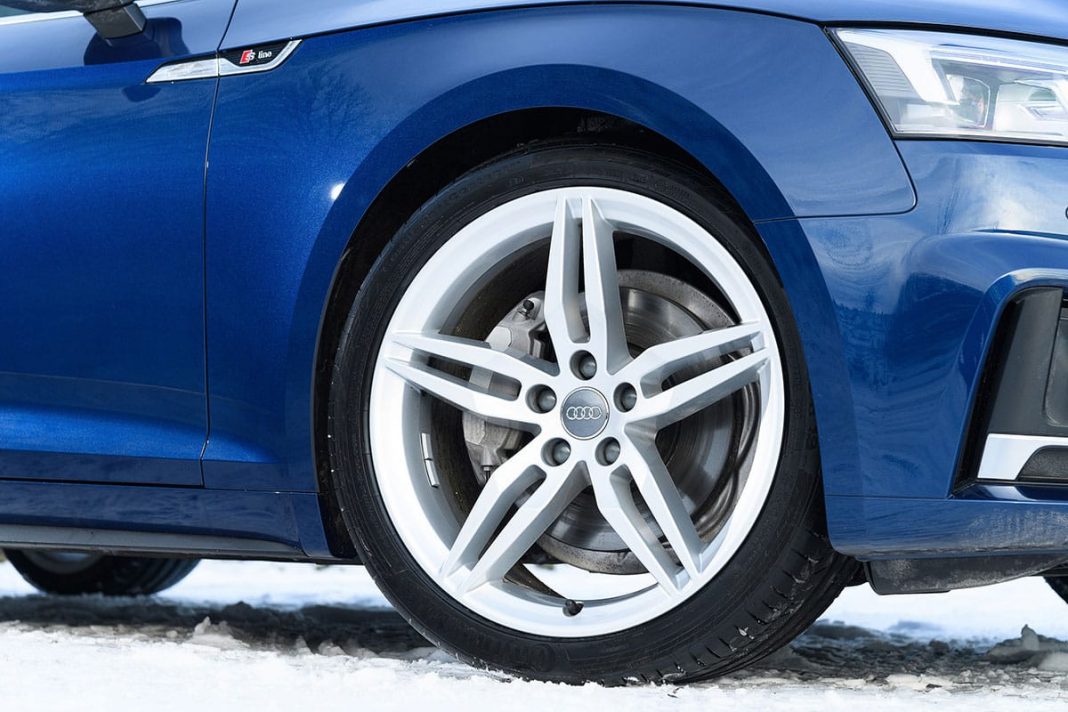


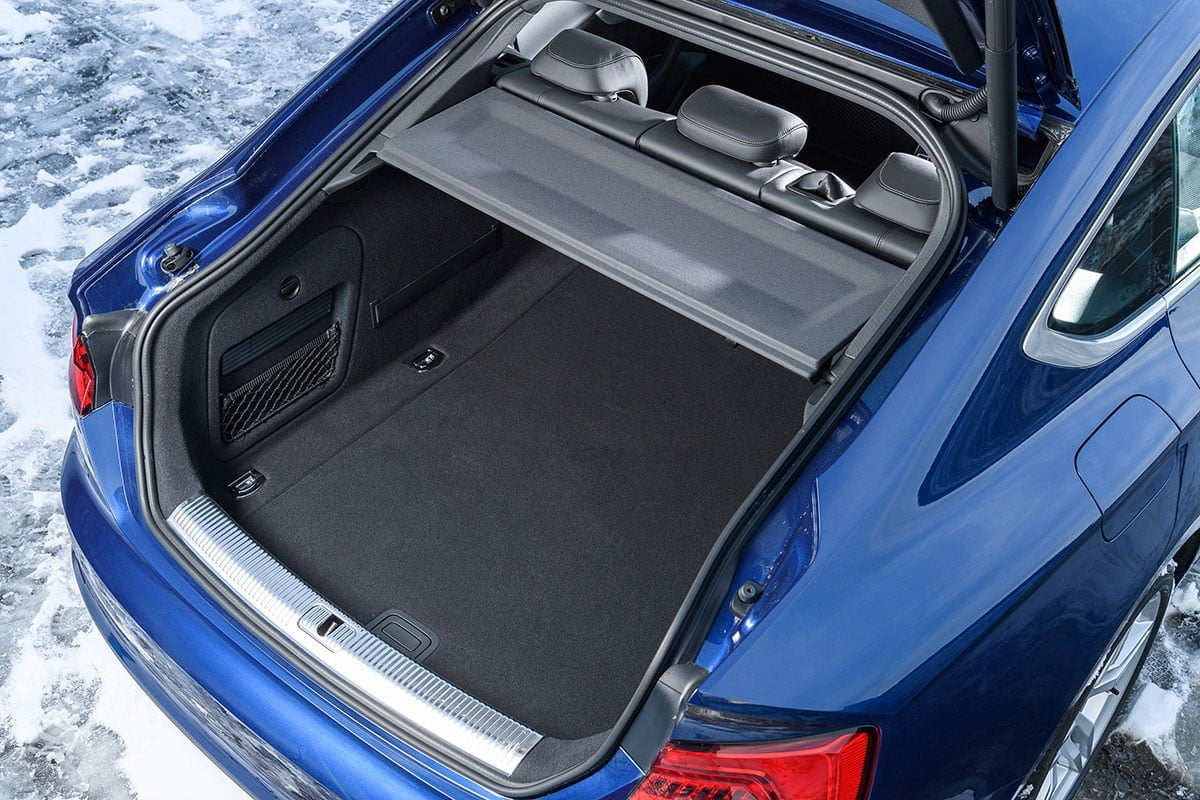
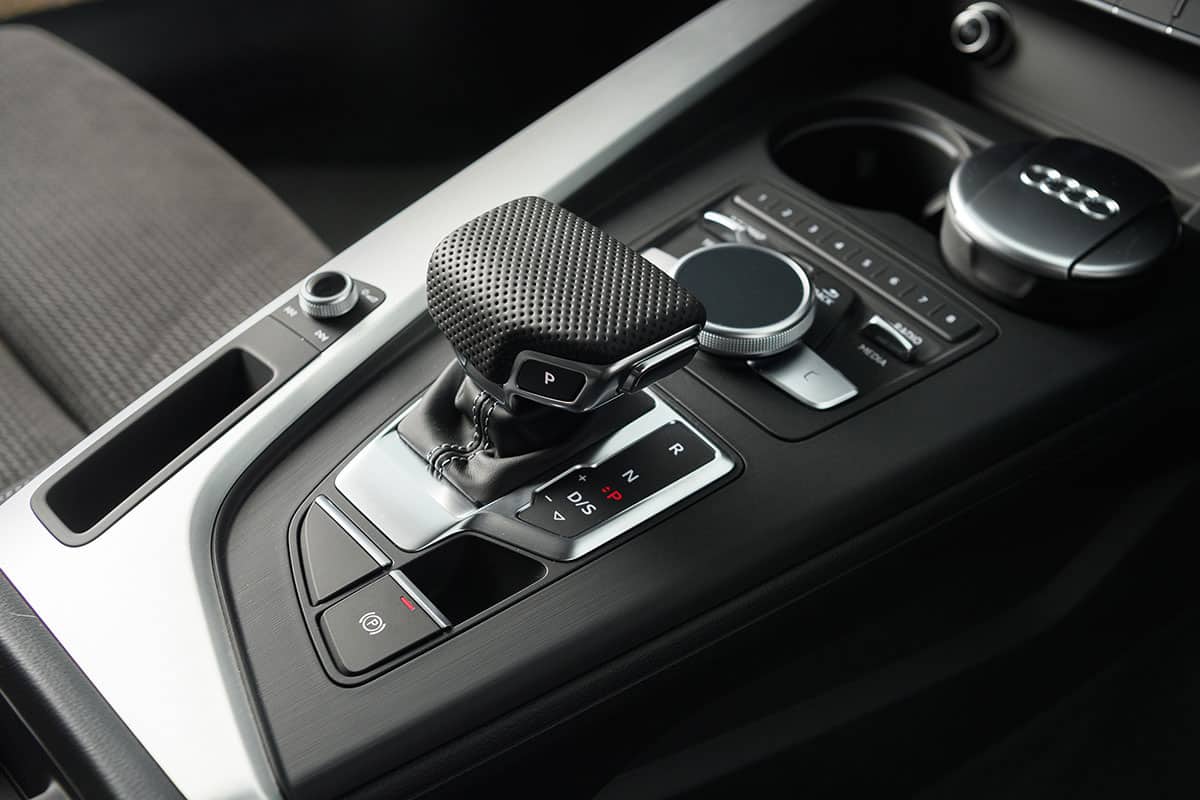


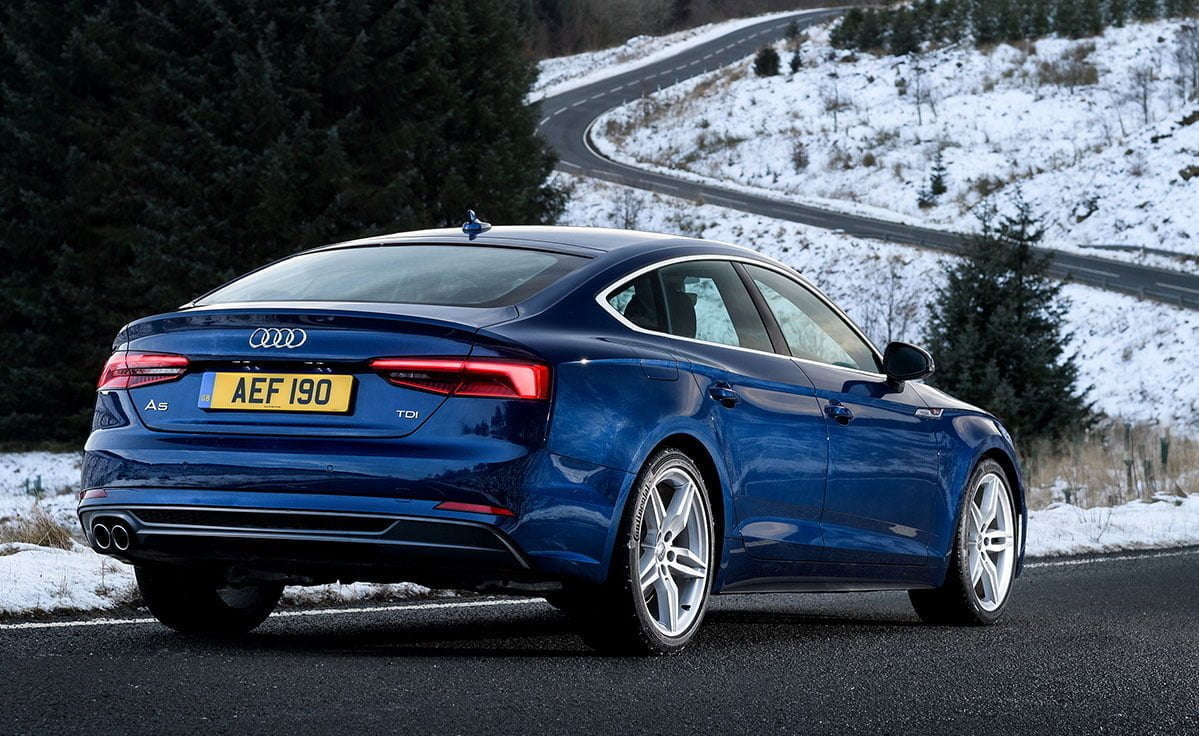


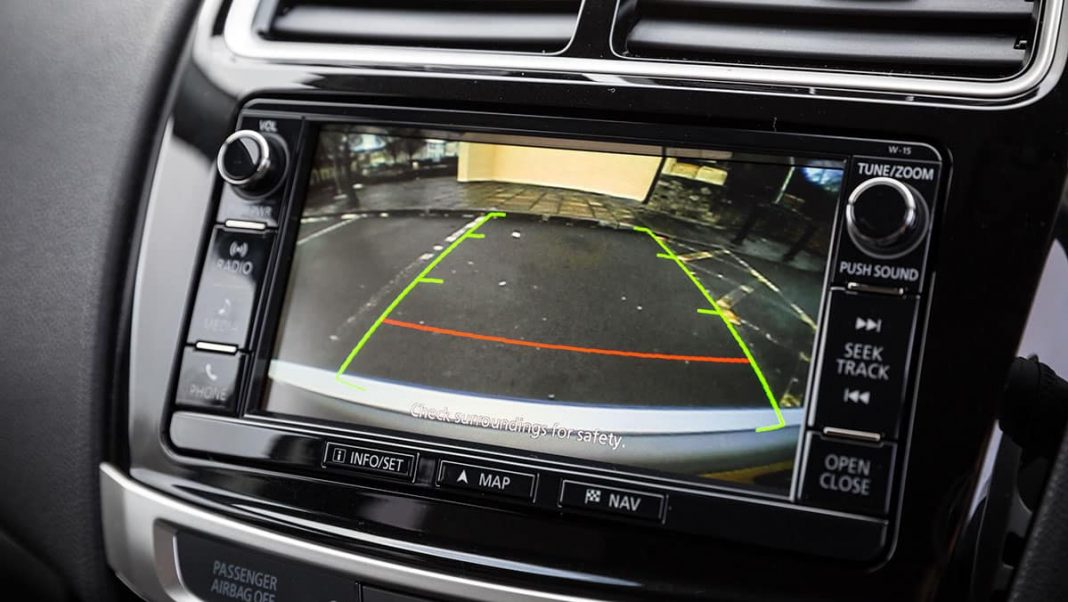


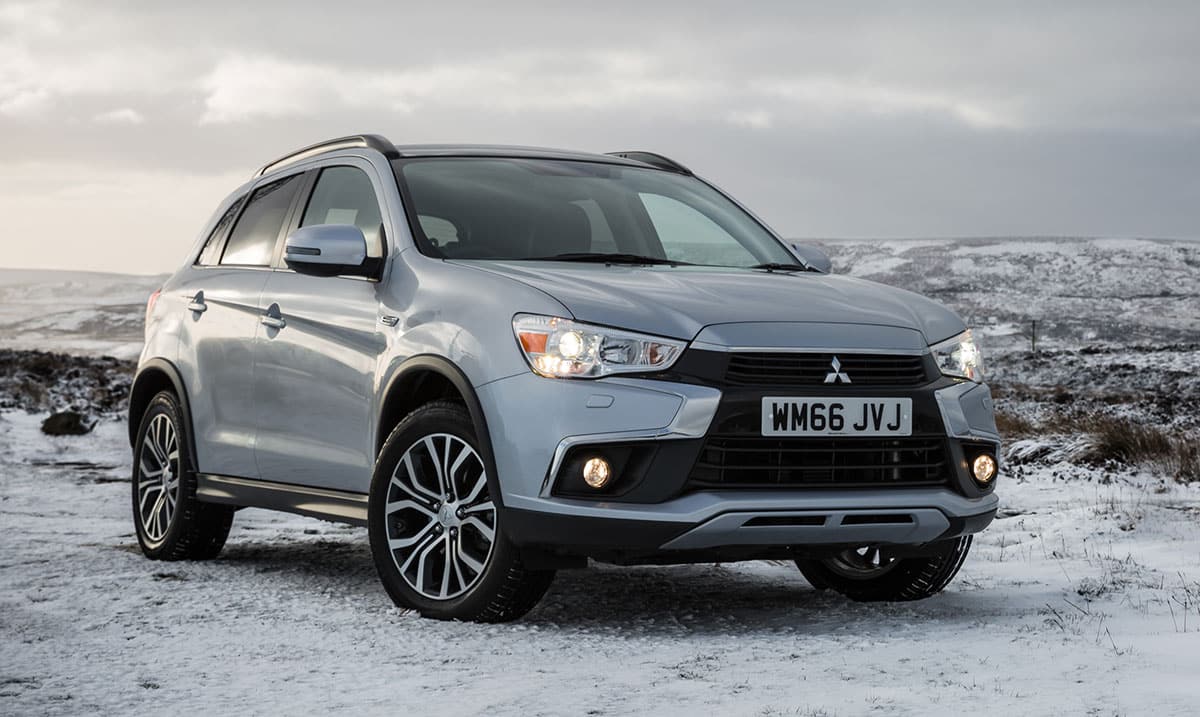


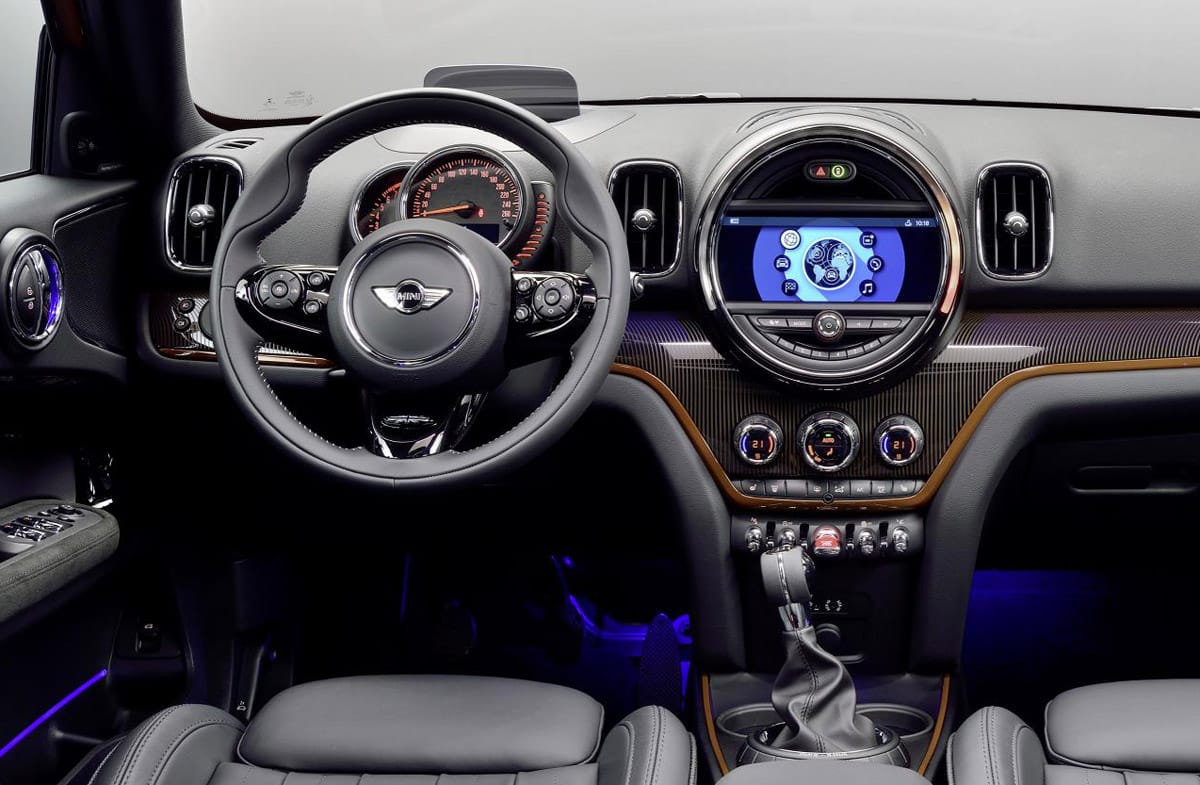


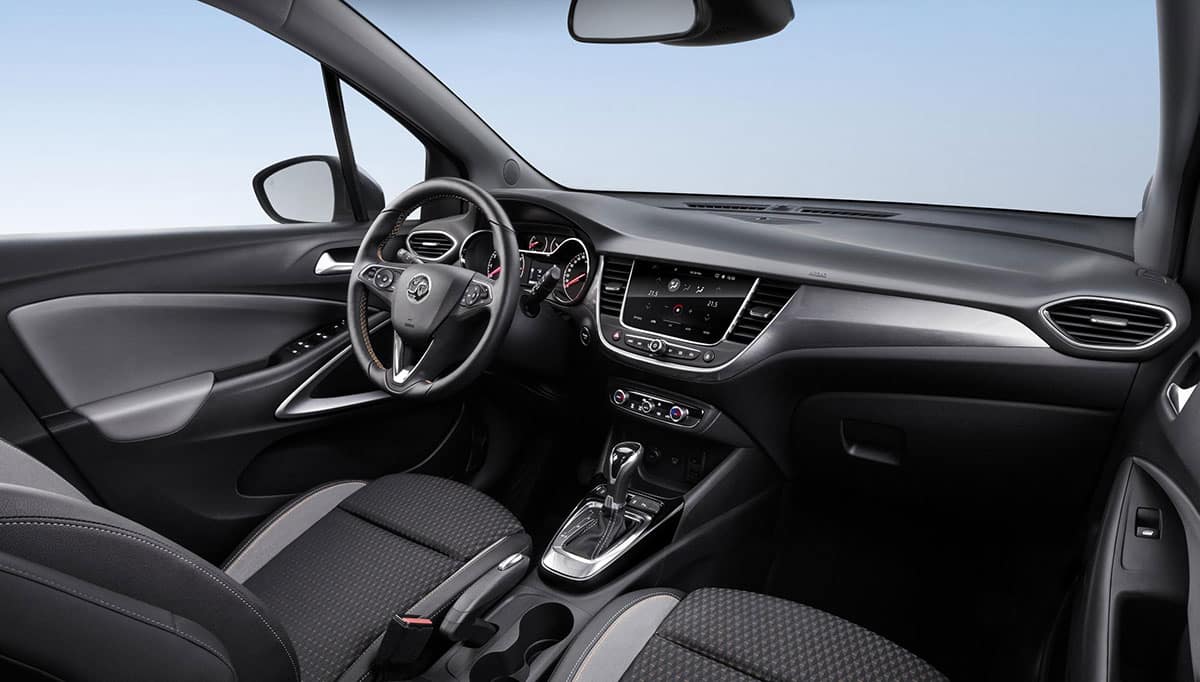


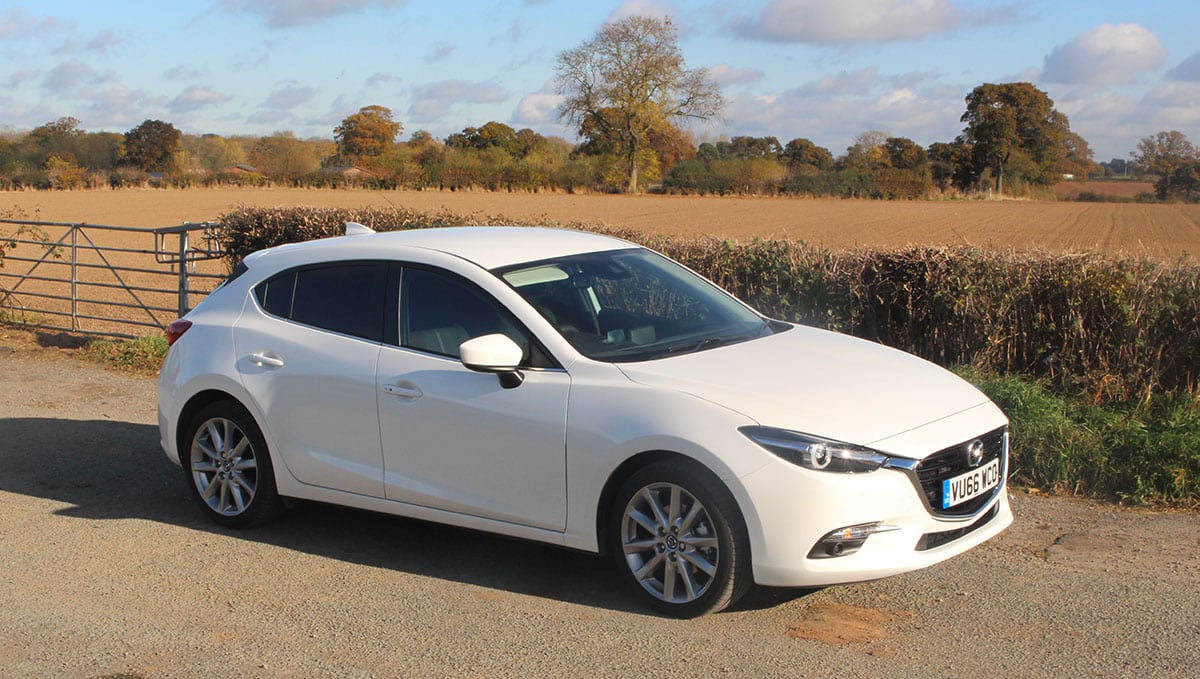


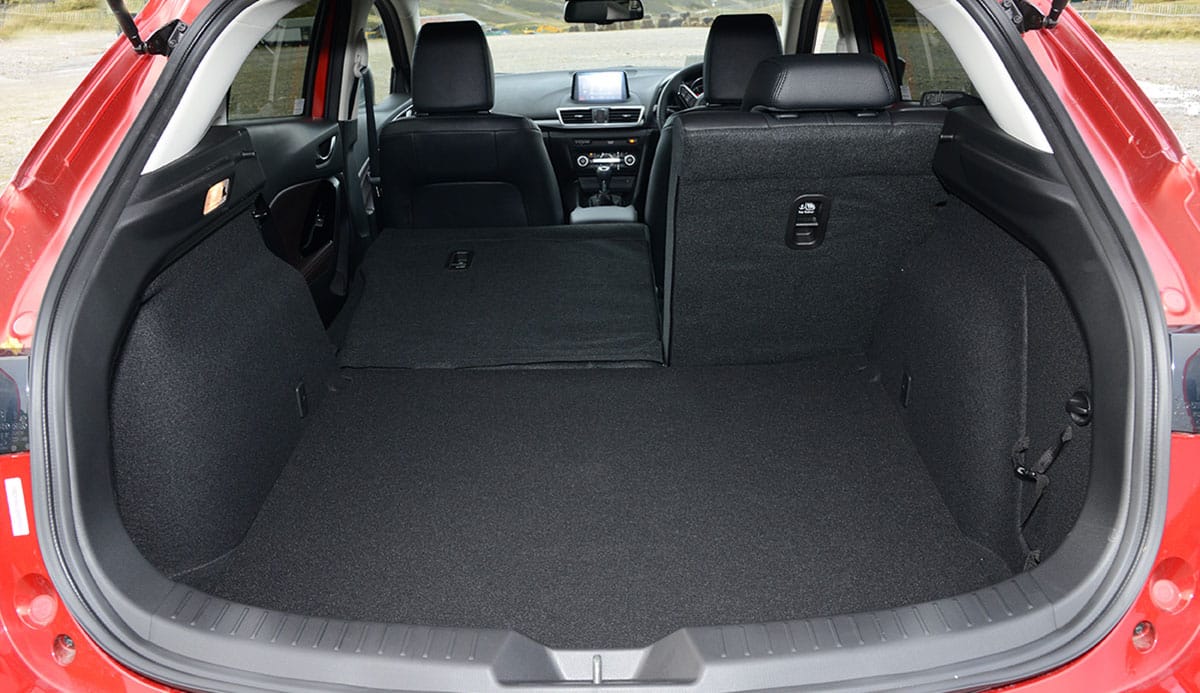


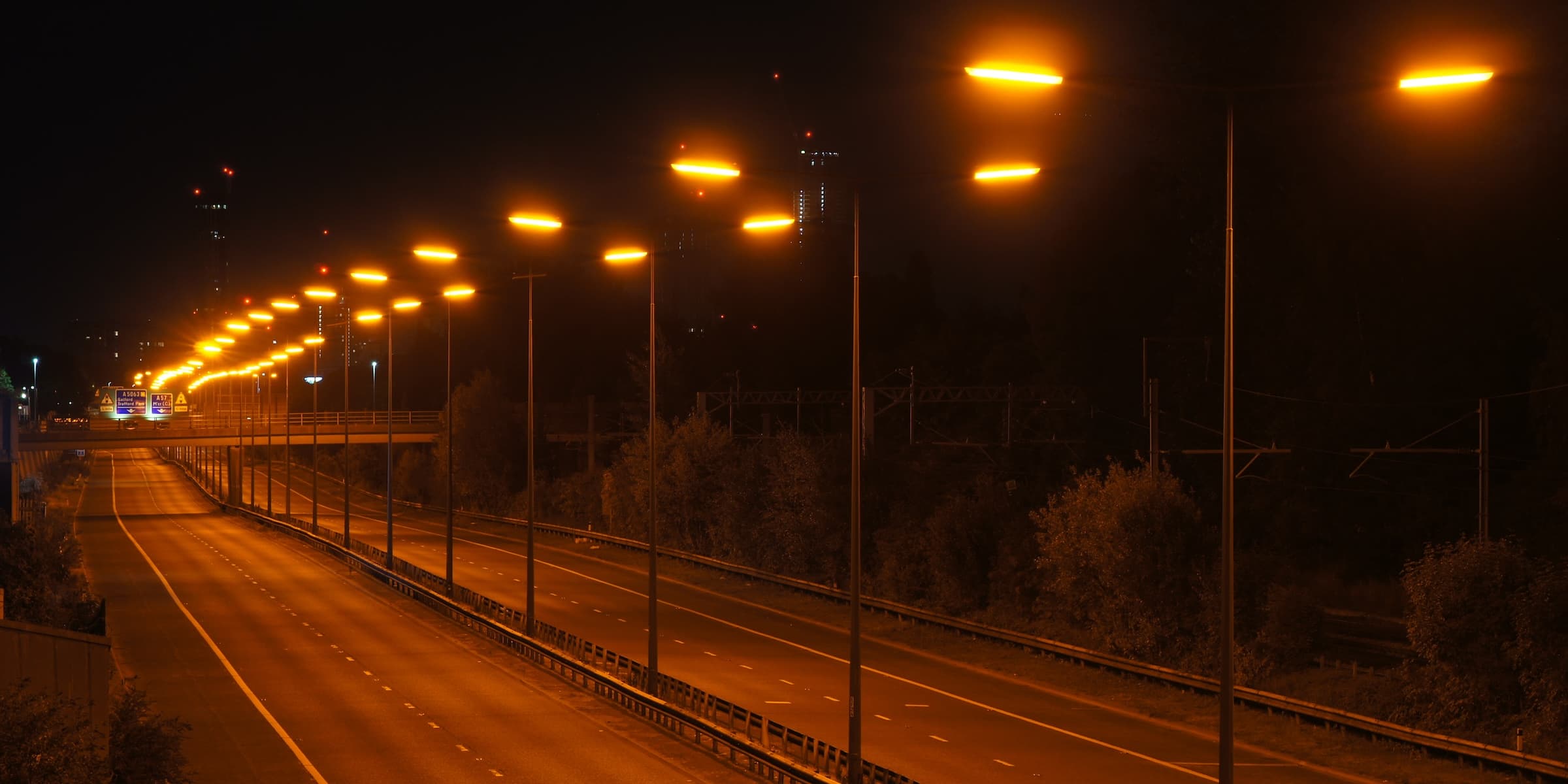
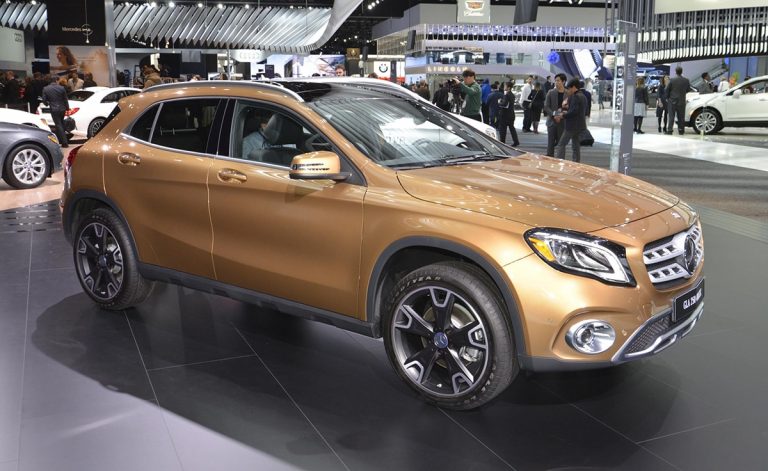
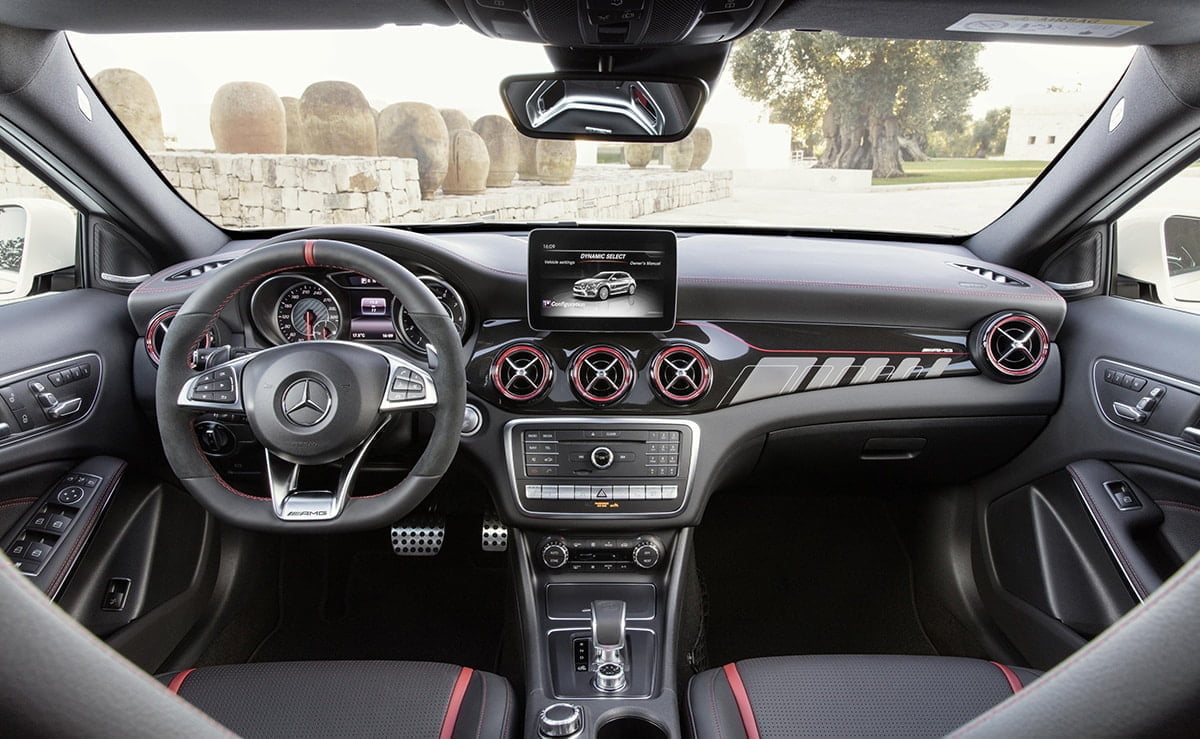
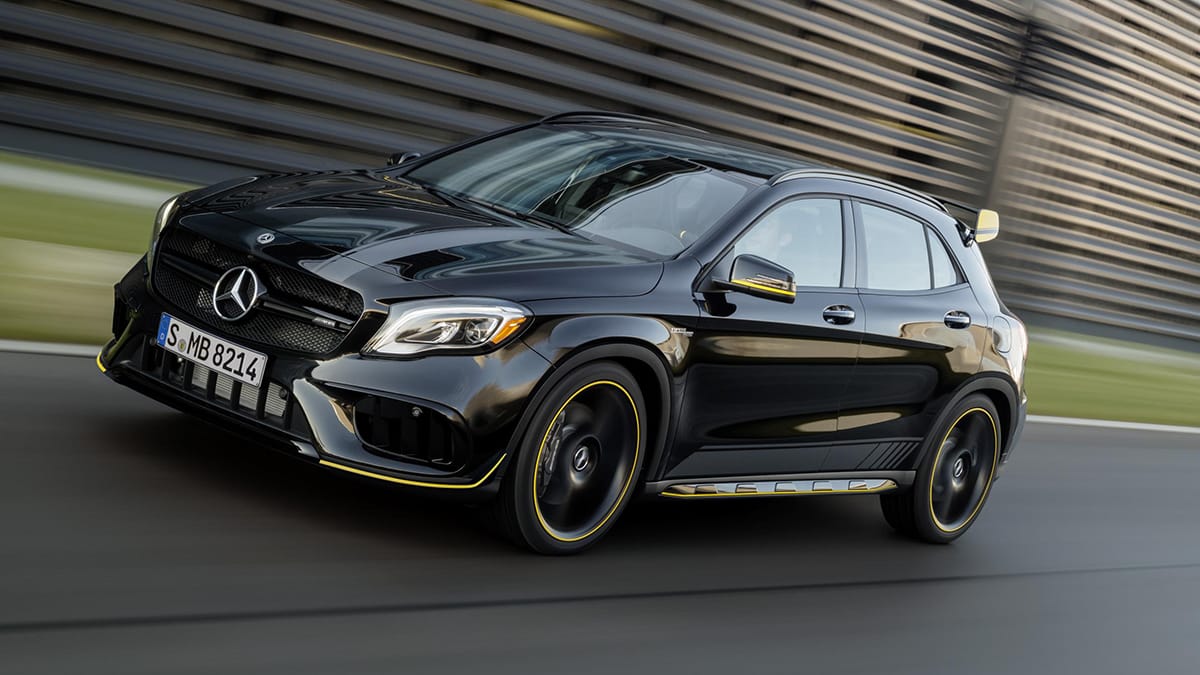
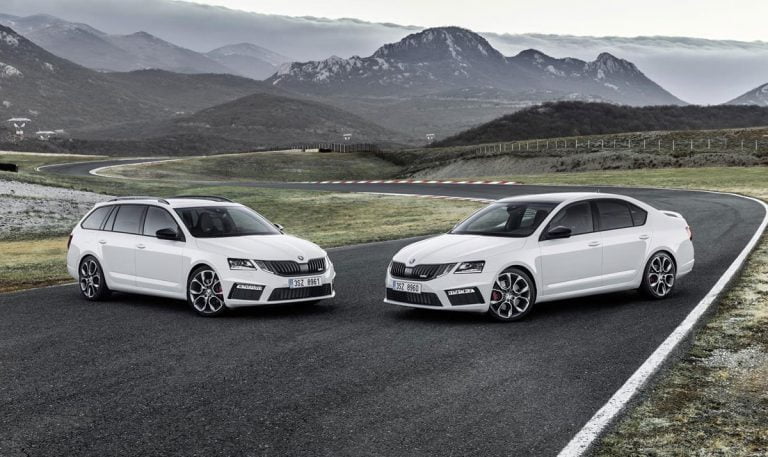
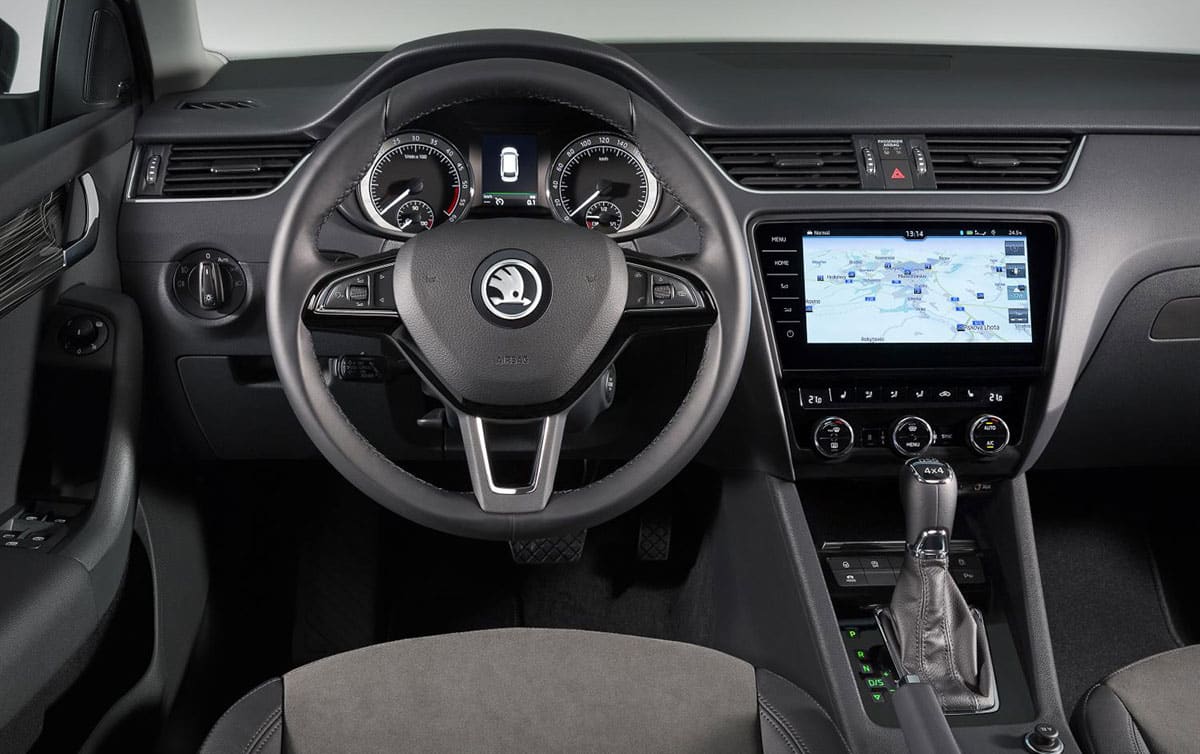


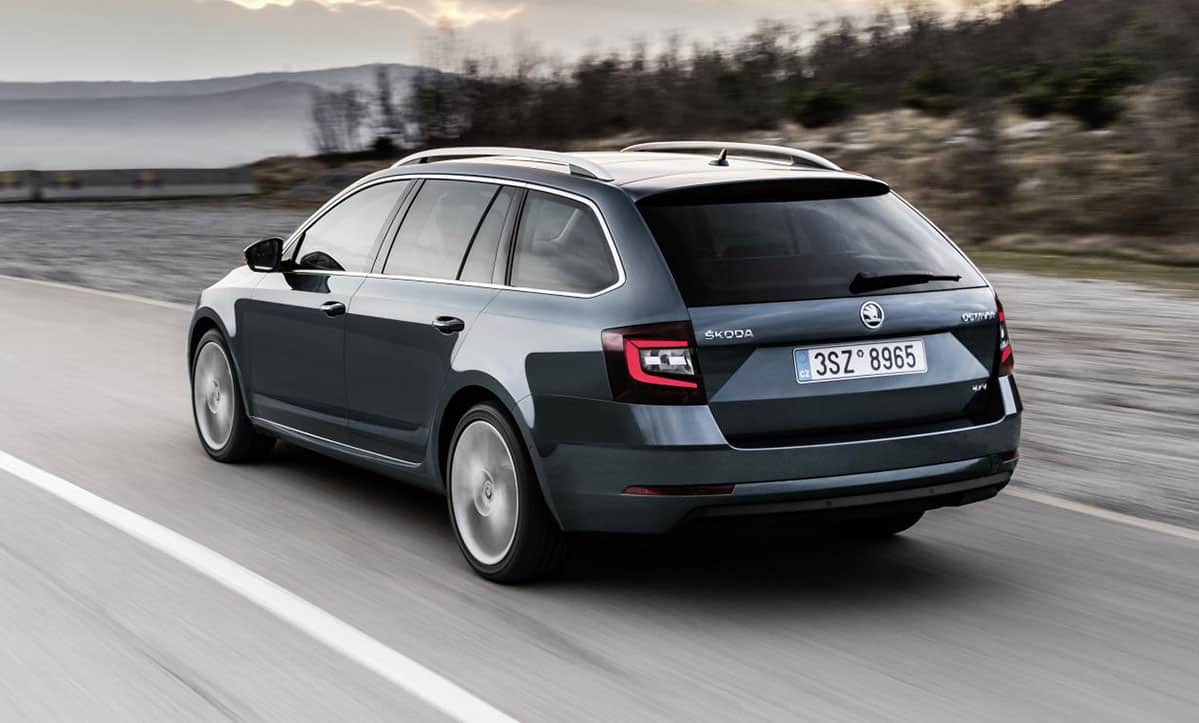


 Total potential range is quoted at 621 miles, with 37 miles possible on purely electric power. The Q8 will also return combined cycle fuel economy of 122mpg and CO2 emissions of 53g/km.
The production Audi Q8 is due to go on sale in 2018 with a likely starting cost of at least £60,000.
Total potential range is quoted at 621 miles, with 37 miles possible on purely electric power. The Q8 will also return combined cycle fuel economy of 122mpg and CO2 emissions of 53g/km.
The production Audi Q8 is due to go on sale in 2018 with a likely starting cost of at least £60,000.