Find an Expert Rating: 
Home Blog Page 143

Tesla Model X test drive

The Model X marks Tesla’s first foray into the SUV/crossover market. Elon Musk, the company’s CEO and founder, had a ‘master plan’ when he started the business that he hoped would see it grow from a small electric sports car maker to offering zero-emission models to the masses.

However, an SUV was never in the original vision and came out of what felt like something of a knee-jerk reaction to the booming segment. After early production delays and build quality issues, the Model X is back on track and available to the UK market.

The ‘Falcon’ rear doors, which hinge upwards to make getting in and out easier, are not only a source of entertainment but they’re useful too, while the electric motors’ power delivery is as addictive as ever.

Looks and image
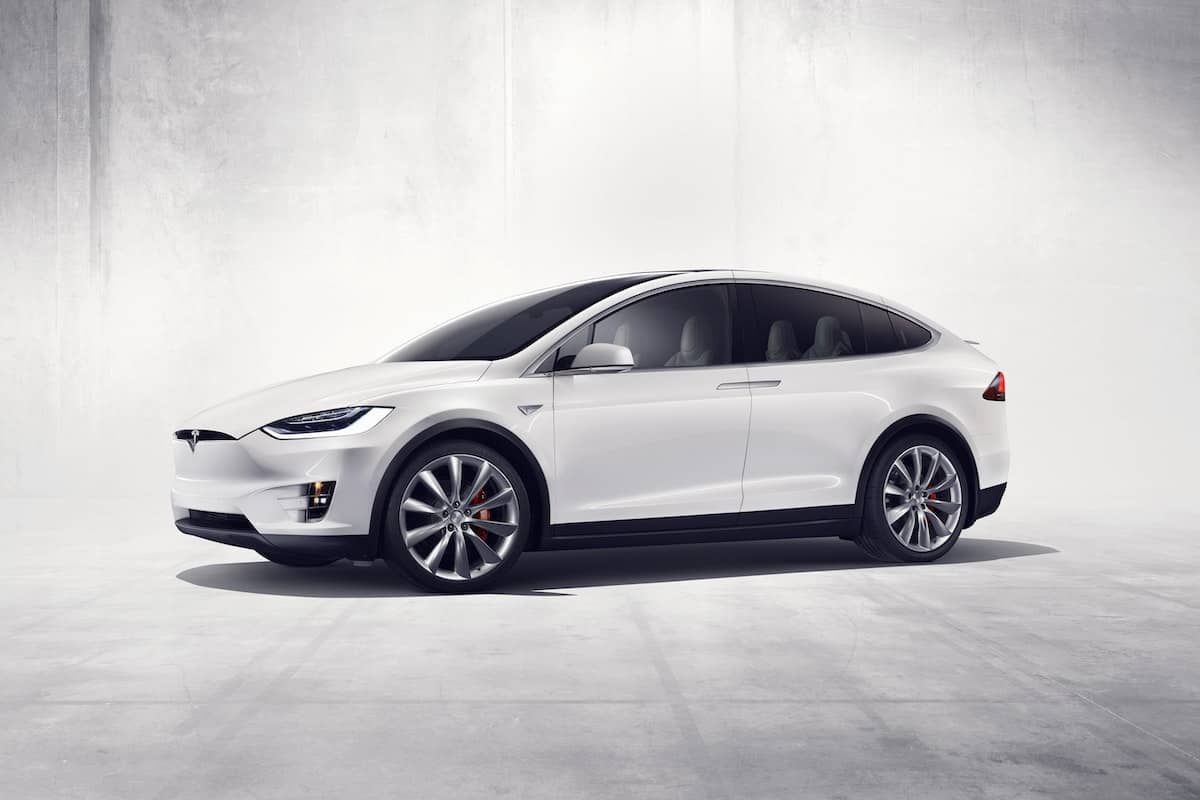
  • Tesla Model X – Falcon doors closed – front | The Car Expert
  • Tesla Model X – Falcon doors open – front | The Car Expert
  • Tesla Model X – Falcon doors open – rear | The Car Expert

Tesla’s biggest success has been making electric vehicles cool. With that in mind, among wealthy environmentalists there are few cars that carry badge appeal quite like a Tesla.

In the past, though, Tesla has struggled a little with build quality. Early US versions of the Model X suffered greatly, but after spending some time perusing Tesla’s owners’ forum, it appears the latest models have little to no issues at all. We poked, pulled and prodded our right-hand- drive model and could find nothing to complain about.

The materials used feel high quality and the seats, in particular, are incredibly comfortable. Our review vehicle was specced with bright white leather seats – they look great, but we’re confident young kids could ruin them quickly!

Space and practicality

In the large SUV segment space is king, and here the Model X excels. There’s plenty of headroom and a couple of well-sized cubby holes between the front seats. One of the advantages of an electric car is the lack of a transmission tunnel intruding into the cabin, so legroom is plentiful even for the centre passenger in the back.

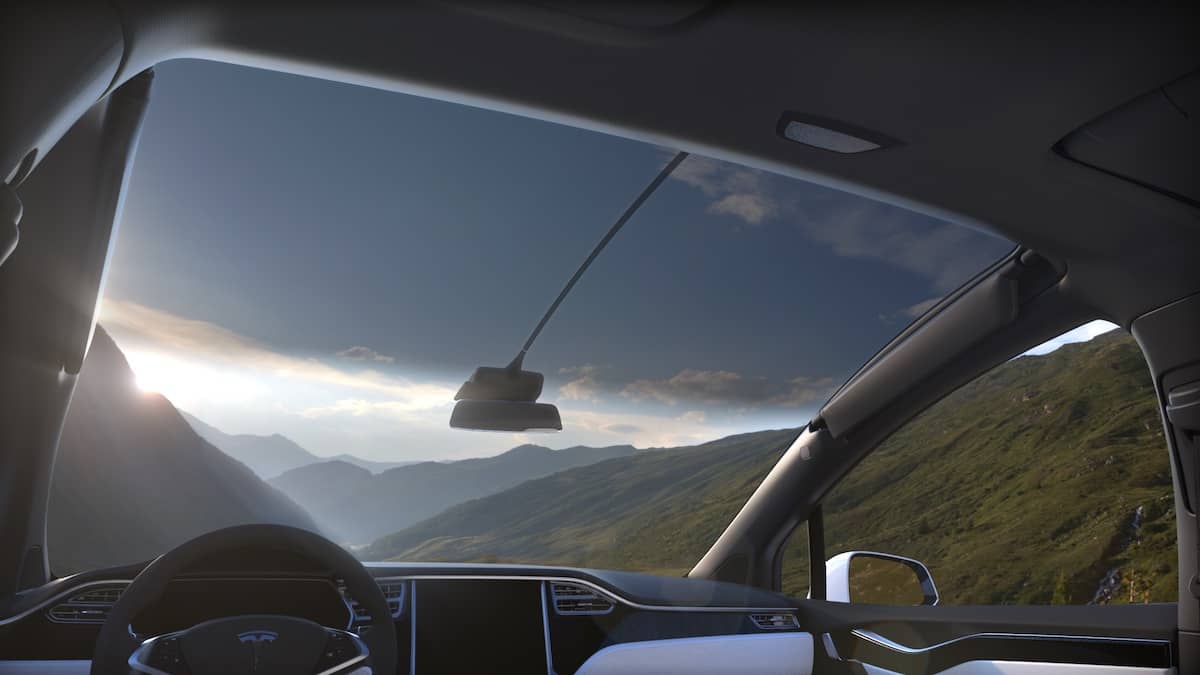
  • Tesla Model X review - dashboard | The Car Expert
  • Tesla Model X review - panoramic windscreen | The Car Expert
  • Tesla Model X review - front seats | The Car Expert

The Model X can be specced with five, six or seven seats, with the latter two costing £3,000 and £4,000 extra respectively. There’s plenty of room for passengers in all seats, though taller adults may find legroom a little limited in the ‘boot’ seats.

The big talking point is the ‘Falcon’ doors for rear passengers, which are double hinged so that they can open even in narrow spaces. There are in-built sensors to ensure they don’t hit other cars or garage roofs, too. Once open, they give a huge entry point, which makes it ideal for putting kids in the back. Oh, and they’re seriously cool to watch in action!

Behind the wheel of the Tesla Model X

For people new to the whole electric drive thing, the experience can feel pretty alien from the get-go. Climb into the capacious cabin and there’s no ‘on’ button, no key to turn and no firing up of cylinders. Simply belt up, knock the steering column-mounted gear lever into ‘D’ and away you go.

There are two electric motors, one on each axle, fed by a battery — we had a 90kWh pack in our test car. There are four battery options available, ranging in size from 75kWh to 100 kWh, with ranges of between 259 and 336 miles.
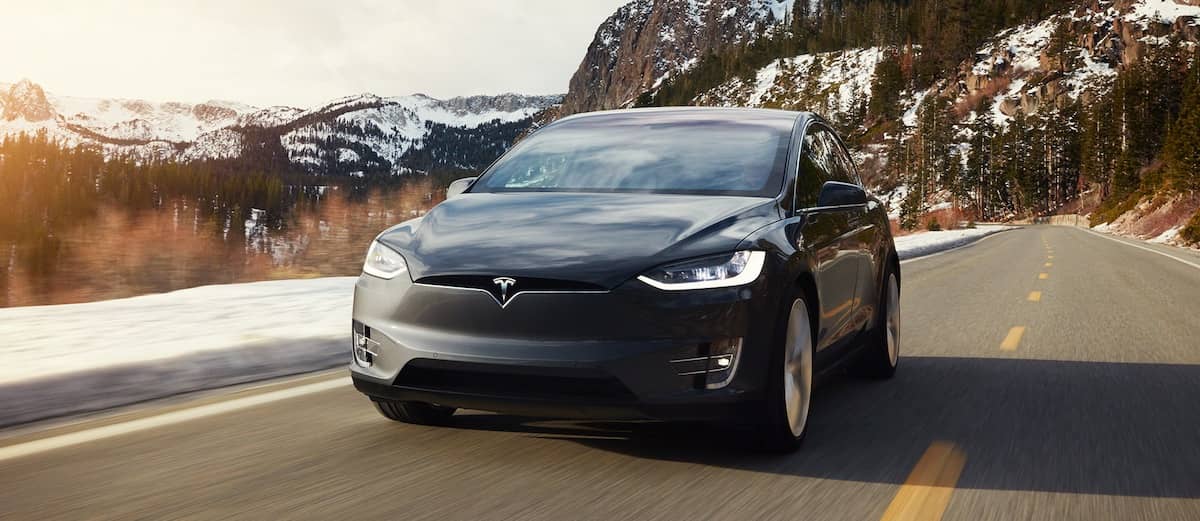
  • Tesla Model X road test - front | The Car Expert
  • Tesla Model X road test - rear | The Car Expert

Acceleration is exhilarating, as the nature of electric power delivery means that performance is available instantly at any speed and with only one gear there’s no waiting around for cogs to swap.

Regenerative braking replenishes the batteries by harvesting energy whenever you lift your foot off the accelerator. Once you get used to it, you can almost forget about using the brakes at all.

Cold weather and lots of motorway driving, which limits the effect of the regenerative braking as speed is more consistent, can have a negative impact on range.

Value for money

Here’s where it starts to get a bit trickier for Tesla. The entry-level 75D Model X starts at a snip over £80,000. For that money, you’re looking at a healthily-specced Porsche Cayenne or a top-spec Volvo XC90 with enough change for a once-in-a-lifetime holiday. The most expensive Model X starts at an eye-watering £129,200.

For those looking purely for space, luxury and a commanding driving position, there are better-value cars on the market. To go for the Model X you really have to have bought into Elon Musk’s vision for a sustainable future – it’s admirable and the car holds its own with more established competition, but buying in ain’t cheap.

Who would buy a Tesla Model X?

This car is targeted at wealthy people with a big family who want to make a statement about the future of the planet. It helps that Tesla has made EVs cool, so it’ll also appeal to those who want to be seen in the latest trendy thing.

Key specifications

Model: Tesla Model X 90D
Powertrain: Dual electric motors with 90kWh battery (371bhp, 440Nm)
Transmission: Single-speed automatic
Top speed: 155 mph
0-60mph: 4.8 seconds
Fuel economy: N/A
CO2 emissions: 0 g/km
Lexus announces scrappage scheme

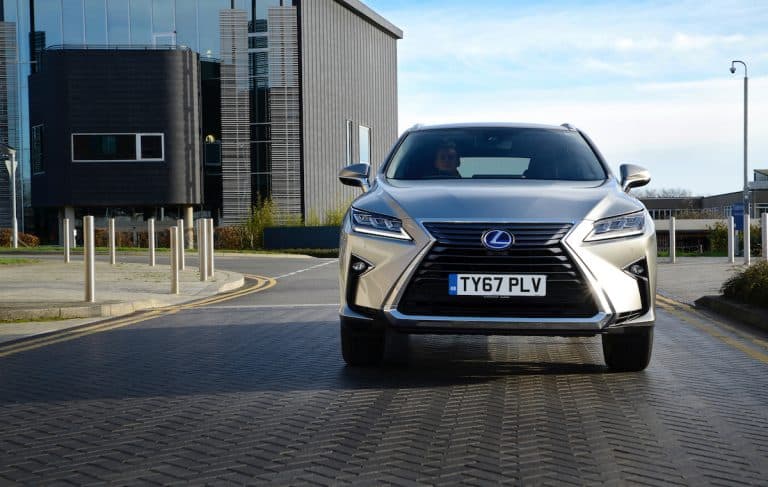
In addition to a deposit contribution scheme for its hybrid models, Lexus has joined the large number of car manufacturers now offering a scrappage scheme offer on selected models. For eligible part-exchange vehicles, Lexus is offering a part-exchange allowance of £3,500 against any new CT hatchback or IS saloon, or £4,000 against any new NX or RX SUV. All variants in those model ranges are eligible, including petrol, diesel and hybrid models. The programme is open to any petrol or diesel vehicle first registered no later than 31 December 2009 and registered to the current owner for at least six months. There is no requirement regarding the car’s emissions level, unlike many other programmes. The offer runs for any orders placed before the end of December, but cannot be used in conjunction with any other offer (like the new deposit contribution offer).

The Car Expert examines the fine print

  • This offer is a part-exchange allowance, for selected used cars part-exchanged against selected new cars.
  • Your current car can be from any brand, but must have been first registered no later than 31 December 2009. The first registration date is found in your V5C logbook registration document.
  • You must be the owner of the part-exchange vehicle and the buyer of the new car (same name and registered address).
  • You must have owned the part-exchange vehicle for a minimum of six months, to stop people buying an old banger for £200 and then getting a £4,000 part-exchange allowance for it.
  • The scrappage price is fixed for any car part-exchanged as part of the scheme, not an allowance on top of the car’s value. You are effectively getting nothing for your car, but a discount on the new car (although it won’t be written that way on the contract).
  • New cars must be ordered no later than 31 December 2017, although Lexus has not set a deadline for when the new car must be registered.
  • This offer can be used on top of any other offers from the dealer/manufacturer/finance company.
  • The offer is not dependent on you taking any finance package or other products.

Goodwood dates for 2018 announced

0
Goodwood Motorsport has announced provisional dates for its two flagship motorsport events for 2018 – the Goodwood Festival of Speed and the Goodwood Revival. The dates are subject to the final Formula One calendar being released later this year, so there may be movement to the dates below (as happened this year). The dates for the Members’ Meeting in March are final as that pre-dates the opening of the F1 season. 76th Members Meeting: 17-18 March 2018 Goodwood Festival of Speed & Moving Motor Show: 12-15 July 2018 Goodwood Revival: 7-9 September 2018 Tickets for the 76th Members’ Meeting are on sale now, while the two big events will go on sale in the next month or so. Tickets seem to sell out earlier and earlier every year (especially Saturday tickets), so make sure you book early to avoid disappointment. 2018 marks 20 years of the Goodwood Road Racing Club (GRRC) and the 25th Anniversary of the Festival of Speed, so Goodwood is sure to celebrate by putting on an even bigger show than usual. The world’s top motorsport teams flock to Goodwood for the Festival of Speed each year, with most of the top F1 teams represented. Both Porsche and Audi have sent their winning Le Mans cars almost directly from the Sarthe circuit up to Goodwood for the last decade or more, usually still covered in dirt and grime from the world’s toughest race. The rally stage grows larger every year, and the other assorted attractions never fail to please the massive crowds. The Goodwood Revival continues to attract some of the finest historic racing cars in the world, along with a formidable field of world-class drivers going wheel to wheel in what must be an insurance company’s nightmare. Make an effort to get into period costume and you’ll feel much more at home – this year, there seemed to be more people who didn’t bother getting dressed up and they looked completely out of place among the 1940s-1960s efforts of everyone else. Goodwood Revival 2017 - St Mary's Trophy

Lexus finance offer for hybrid models

Lexus has announced a £2,000 deposit contribution for its hybrid models when bought using a personal contract purchase (PCP), as well as a scrappage scheme for selected new models. The “Make the Switch” promotion offers a £2,000 deposit contribution for customers buying a new hybrid-powered Lexus on a PCP from Lexus Financial Services. Interest rates on PCP agreements are as low as 1.9% APR (representative) on the IS executive saloon range. Lexus claims that 99% of the cars it sells in the UK are hybrids, and has sold a total of 1.2 million hybrid vehicles worldwide. Cars have to be ordered by 17 December 2017, with delivery before 31 March 2018. The Lexus website T&Cs specifically reference a 42-month term, but presumably you will be able to go shorter or longer at a similar rate.

Scrappage scheme

Lexus has also launched a scrappage scheme for selected models, which we have analysed in detail separately.

The Car Expert explains the fine print

  • This offer provides a £2,000 deposit contribution towards selected new Lexus models, over and above any other discount you negotiate with the dealer.
  • The offers listed on the Lexus website are only examples, and you are entitled to adjust the term, deposit and annual mileage to suit your own needs.
  • The annual mileages shown on the website examples are all set at 8,000. This is less than most drivers average per year, so make sure you are choosing an annual mileage allowance that suits your needs.
  • The APRs and excess mileage charges shown on the examples vary considerably, so check the details carefully to make sure you are happy with what you are being offered.
  • Excess mileage fees only apply if you are giving the car back and claiming the guaranteed future value (GFV).
  • Cars have to be ordered and delivered by 31 March 2018.
  • The deposit contribution cannot be used in conjunction with any other advertised offer.
  • The finance offers are provided through Lexus dealers by Lexus Financial Services (a division of Toyota Financial Services). If a dealer offers you a finance deal that does not match these details or from another lender, it is not part of this offer.
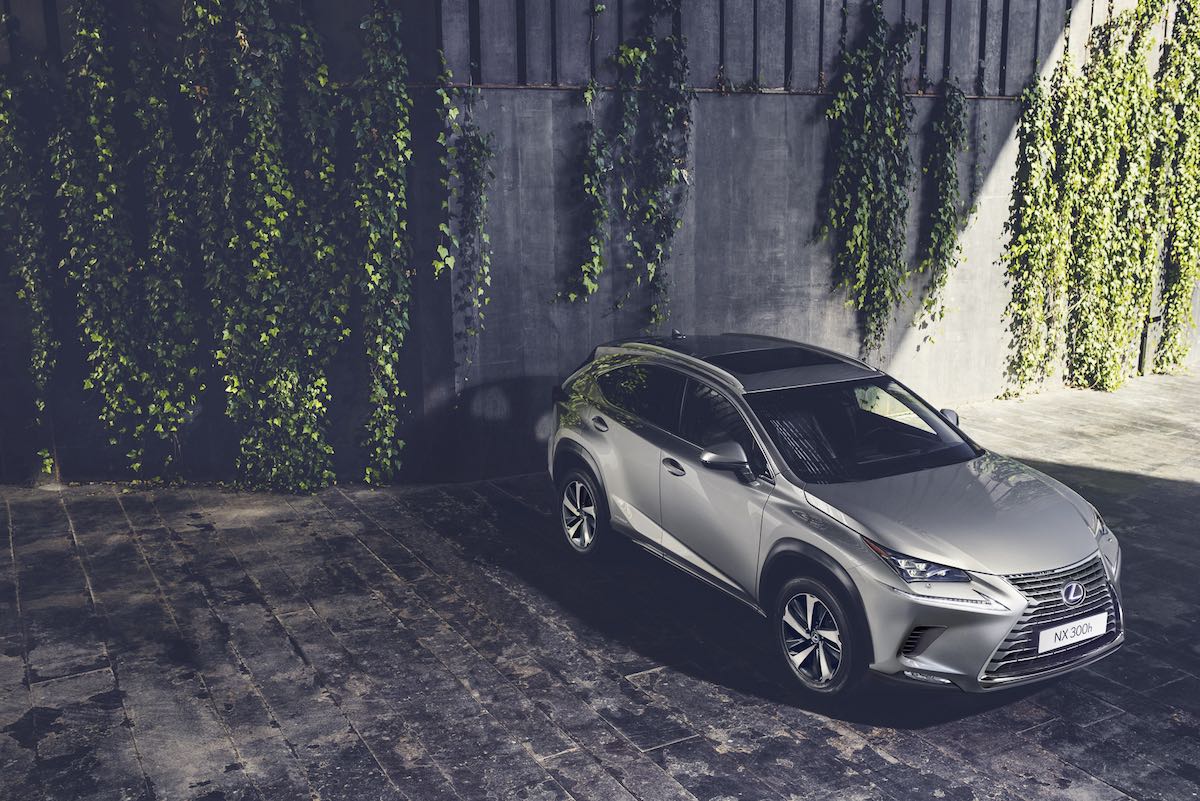
As with any car purchase, work out your budget before you visit the showroom and don’t be persuaded to go beyond it – regardless of what the smiling sales executive suggests. They don’t have your best interests at heart, but The Car Expert does! Lexus NX 300h hybrid

Ten safest used family cars 2017

0
For the second year, Co-op Insurance, in conjunction with car safety experts Thatcham Research and road safety charity Brake, have been crunching numbers to decide the safest used family cars for 2017. Safety continues to lag behind price and other priorities for used car buyers, and the aim of the annual Co-op Safe Used Car awards is to draw attention to the large number of used family car options that provide the best possible protection for you and your loved ones if the worst happens out on the road. Thatcham Research – the UK’s world-class crash test research centre – once again ranked all of the affordable family used cars in terms of their safety features.  The qualifying criteria were unchanged from last year; price (no more than £15,000 on the used car market), CO2 emissions (no more than 120g/km) and a five-star EuroNCAP rating. All of the cars ranked in the top ten are current models, with the formula considering a used car to be at least one year old. One of the key safety technologies that contributes heavily to an outstanding safety score is autonomous emergency braking. Thatcham recommends that all car buyers should look for vehicles with this accident-avoidance technology when shopping for a new or used car. All of the top ten cars ranked below have basic AEB included as standard, with more sophisticated systems often available at additional cost.
You may also like:

10. Volvo V40 (without safety pack)

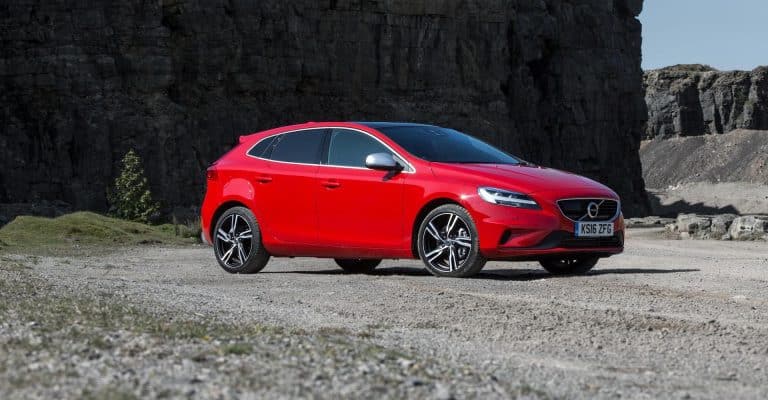
Volvo V40 Cross Country (without safety pack) The Volvo V40 hatchback features twice in this list, depending on whether it has the optional Driver Support Pack, which adds a number of advanced accident avoidance systems. It was a £2,000 option on any V40 model when launched in 2012, so the majority of cars don’t have it. It’s easy to spot whether or not the vehicle has the pack, as there will be a big black box inside the grille on the right side next to the Volvo logo. Even without the additional safety pack, the Volvo V40 is still a very safe car for drivers, passengers and even pedestrians thanks to an under-bonnet airbag that pops up in a frontal impact to cushion the impact for a pedestrian striking the bonnet.

9. Peugeot 308

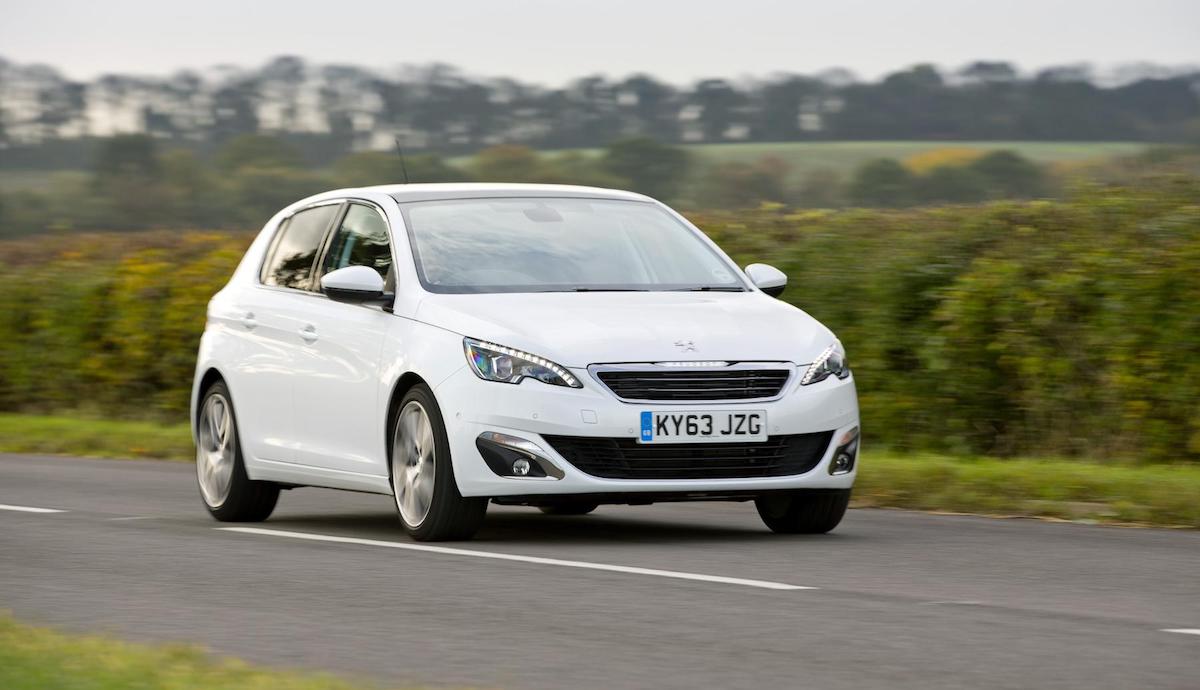
Peugeot 308 hatch (top ten safest used cars 2017) The Peugeot 308 hatchback remains in the top ten this year, but has fallen five places from last year’s results as rival vehicles have improved position. This is not because the 308 is any less safe than a year ago, but a larger number of other cars are now more widely available with class-leading safety features.

8. Nissan Qashqai

Nissan Qashqai (top ten safest used cars 2017) The Nissan Qashqai follows the Peugeot 308 in falling five places from last year’s results. Again, it’s not because the Qashqai is less safe than last year, but other cars are now more widely available with similar safety technology.

7. Volkswagen Golf

Volkswagen Golf, best-selling car in the UK June 2017
The Volkswagen Golf knocked the Ford Fiesta off the top of the sales charts in June
Another car to fall five places as a result of more competition in the marketplace. Last year, the Volkswagen Golf was rated the second-best safe used family car, but has slipped to seventh as other cars offer the safe technology at lower prices and with greater availability.

6. Volkswagen Touran

Volkswagen Touran (top ten safest used cars 2017) A new entry in the top ten safest used cars for this year, the Volkswagen Touran is a small people mover based on the Golf platform. As such it is available with all of the same safety systems as its more popular hatchback sibling, but lower residual values mean it’s a better second-hand buy than the Golf.

5. BMW 2 Series Active Tourer

BMW 2 Series Active Tourer (top ten safest used cars 2017) Another new entry is the BMW 2 Series Active Tourer, a small people mover family car and the first BMW built on a front-wheel drive platform. It actually shares many of its underpinnings with the MINI Countryman, but with increased emphasis on passenger space. It’s not the cheapest used car in the list, but if you’re looking for a premium family car with a BMW badge, it’s a good bet.

4. Volkswagen Golf SV

Volkswagen Golf SV (top ten safest used cars 2017) Another version of the Golf that ranks higher than the Golf itself, in fourth place is the Volkswagen Golf SV. Filling the very narrow niche between the five-seater Golf hatchback and the seven-seat Touran, the Golf SV has the height and general feeling of poor life choices that you get with a Touran, but with only five seats and more Golf-like styling. With residual values that are much poorer than the genuine Golf, the SV is an opportunity for buyers wanting a safe family car with Golf-ish looks.

3. Toyota Auris

Toyota Auris (top ten safest used cars 2017) Debuting in the top ten list – and in a podium position, no less – is the Toyota Auris. Built here in the UK at Toyota’s Derbyshire factory, the Auris is available in five-door hatchback or estate guise. Unlike pretty much every other car in this list, it is also readily available with a hybrid power option. The Auris range is well kitted-out with safety equipment, with all models apart from the entry-level Active spec being fitted as standard with Toyota’s Safety Sense package. This includes autonomous emergency braking, lane departure warning and other accident avoidance systems. If you are looking at a used Auris, make sure the specification is Icon or above (basically anything except an Active model).

2. Mazda3

Mazda3 (top ten safest used cars 2017) In second place, and improving five spots on last year, is the Mazda3. It’s the same car as last year, but another 12 months of sales has meant a much larger pool of vehicles to choose from in the used car market. And, of course, it means that prices of the latest model are starting to come down. The Mazda3 has been an underrated car since it launched, but it is definitely worth considering if you are looking for a second-hand family car. Avoid the base-level SE models, as they don’t get autonomous emergency braking as standard. SE-L and above is what you’re after. Higher-spec Sport models are also available with additional optional extras like blind spot and lane departure warning systems.

1. Volvo V40 (with safety pack)

Volvo V40 with safety pack (top ten safest used cars 2017) The Volvo V40 holds onto its title as the safest used family car in the UK for 2017, on the same proviso as last year – only if your car has the optional Driver Support Pack. The safety pack was a £2,000 option on a new car, so only a minority of buyers paid the extra to have it. It’s definitely worth hanging out for a used car with this pack on it, though, as it is a comprehensive set of kit comprising adaptive cruise control, lane departure and blind spot warning systems, cross-traffic assist system and more.

Vauxhall Insignia Grand Sport review

60-second summary

What is it?
The Vauxhall Insignia Grand Sport is an all-new version of the brand’s traditional large car

Key features
Much larger, upgraded interior, more safety kit

Our view
The Vauxhall Insignia Grand Sport is a significant step forward over its predecessor, with better looks, more interior space and greater refinement. It also scores heavily on its low starting price, which is not at the expense of standard equipment.

Similar cars
Ford Mondeo, Volkswagen Passat, Skoda Superb

Full review

Introduction

Buyers are turning away from large, traditional cars. Big, generally dull machines such as the Ford Mondeo, Volkswagen Passat and the Vauxhall Insignia have seen their sales eaten into by big SUVs, selling on their more imposing road presence and higher-up driving position. Others are opting instead for BMW or Mercedes-Benz badges as the upmarket manufacturers invade the market they previously looked down their noses at.

Mind you, the old Vauxhall Insignia was both dull and with far less room in the back than its size suggested. Vauxhall’s answer is to launch an all-new model, with five doors only, and to prove it’s all new to give it a slightly different name – enter the Vauxhall Insignia Grand Sport.

This is a much better looking car than its predecessor, with a swooping body style, sculpted doors and a sleek profile that at least gives it some presence in the company car parks most will live in.

Vauxhall believes it can still make such machines work – the Grand Sport is the first in a new range, joined by a Sports Tourer estate and an off-road styled Country Tourer. And the brand is boldly suggesting that at a time when everyone is watching their spending, the combination of the Insignia’s price, refinement and equipment could even persuade buyers to choose it instead of a BMW, Audi or Mercedes…

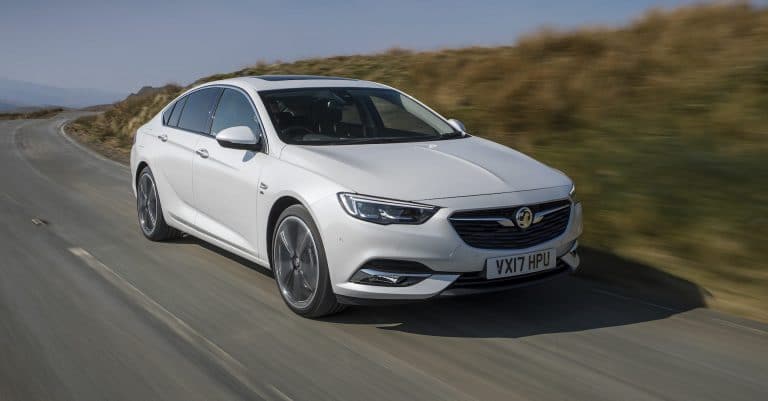
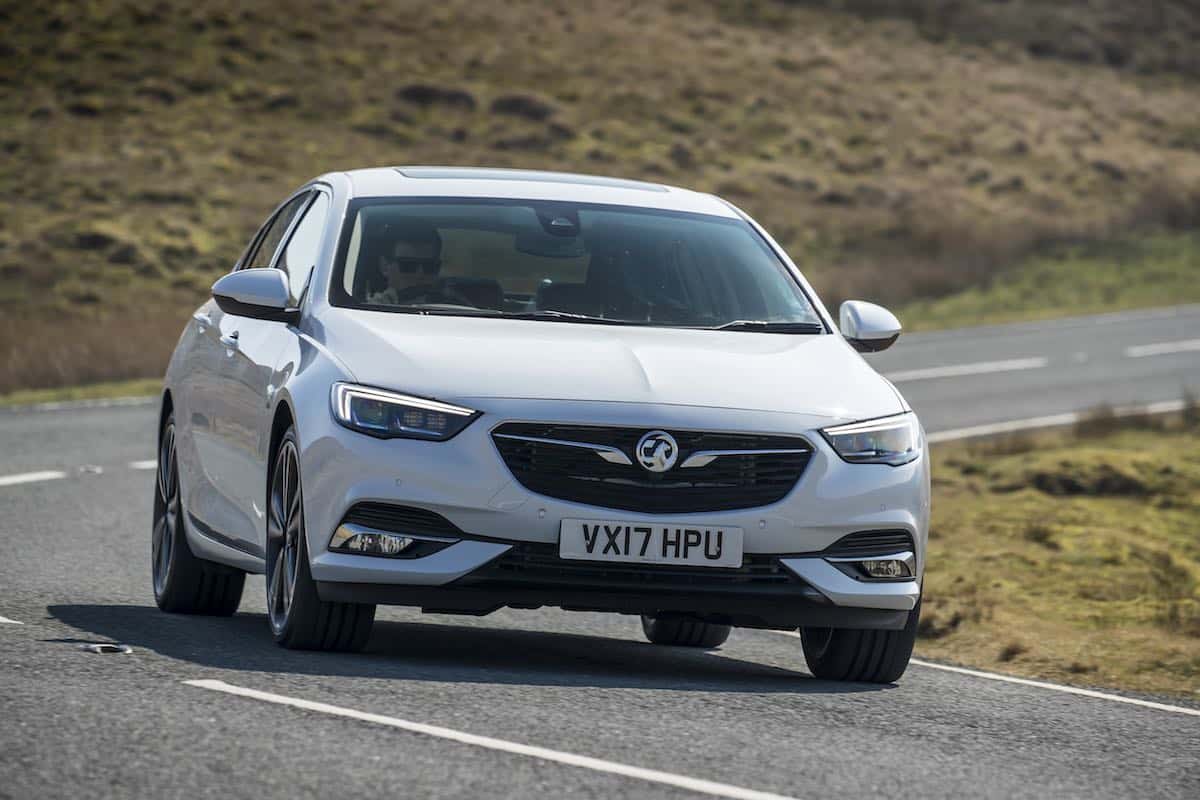
Vauxhall Insignia Grand Sport liftback | The Car Expert
The new Insignia has a sleek profile that gives it quite a presence

Buying and owning a Vauxhall Insignia Grand Sport

Cost is a prime weapon in Vauxhall’s efforts to persuade buyers into the Insignia Grand Sport. The car is priced from £17,185, which is £1500 cheaper than the cheapest outgoing Insignia. And depending on powertrain chosen the Insignia offers benefit-in-kind tax savings over rivals that could come close to £2,000 over a four-year period. Whole-life costs are tempting too, with potential savings of more than £5,500.

There are six engine choices, three petrol and three diesel with power outputs ranging from 110 to 260hp. All the petrol units are new, a 1.5-litre turbo with either 140 or 165hp and the range-topping 2.0-litre with 260hp. This engine only is matched to a new eight-speed auto transmission and all-wheel-drive.

Nothing so new in the diesel line-up – buyers get to choose from a 1.6-litre turbo with either 110 or 136hp, and the 2-litre turbo with 170hp. Six-speed manual gearboxes are standard, with six-speed autos also available.

Trim levels range across seven, but even the base Design level includes such niceties as air conditioning, electric heated mirrors, keyless entry and cruise control. Also standard is the IntelliLink infotainment system which includes DAB radio, Bluetooth and Apple/Android smartphone compatibility, but not satellite navigation – to get that on a one-inch larger screen you pay another £795 for Design Nav trim.

The Insignia also boasts an impressive safety package, scoring a five-star rating when tested by Euro NCAP. Plenty of driver assistance technology is available, though how much one gets depends on how much spends. Having said that, all cars include the Front Camera System, which powers such aids as a lane keeper, a forward collision alert, braking aids to reduce the severity of low-speed collisions and active emergency braking.

Also standard is Vauxhall’s OnStar assistance programme that allows access to a range of services from a central control centre and automatically alerts emergency services when it detects the car has been in an accident.

Inside the Vauxhall Insignia Grand Sport

Vauxhall Insignia Grand Sport interior | The Car Expert
The new Insignia has a cleaner and more elegant look to the interior

First impression on getting inside the Insignia is the space – it’s simply huge. Vauxhall has stretched the car by 55mm overall, and the space between the wheels by 92mm. In car terms this is a lot, and the roominess, particularly in the rear, will have in particular Skoda fans cursing – the Czech brand only recently put down an interior size challenge with its latest Superb.

It’s not all good news, however –  the necessity of making the Insignia look good on the outside, courtesy of that swooping roofline, does translate to cosy headroom in the rear. The boot space is also similar to that in the old car, and looks quite impressive when one first opens the tailgate. But it will swallow significantly less luggage than will rivals from Volkswagen and particularly Skoda.

Adding to the refinement is the driver’s environment. Vauxhall has done a complete redesign, taking the smaller Astra as its benchmark, and by principally replacing many individual buttons with functions on then central touchscreen. The result is a cleaner, more elegant and yes premium look to the dash, while available options such as a head-up display add an extra layer of technological kudos.

The designers have also taken time to mould the car around the driver. The seat is easy to get comfortable in, if a little low, and the controls fall easily to hand. Overall the Insignia is an upmarket environment in which to travel many miles of motorway.

Driving the Vauxhall Insignia Grand Sport

Vauxhall Insignia Grand Sport on the road | The Car Expert
The Insignia remains composed and calm through corners and over bumps

The diesel engine in our test car appeals to the core business market of the Insignia, being a 2.0-litre unit with 170hp on tap. This particular engine first appeared a couple of years ago, and it does its job very well, combining reasonable potency – a little over eight seconds to 60mph – with equally reasonable, if not outstanding, economy and emissions. More recent engines from rival brands are also more efficient in both miles per gallon and emissions.

All this is helped by some serious weight loss – the Grand Sport may be bigger than its predecessor but it tips the scales up to 175kg lighter.

Work the Insignia engine hard, however, and you will expose some rough edges to the refinement, with just an element of the old diesel clatter that simply shouldn’t be a part of today’s package. With smaller, more efficient diesels available and especially the new petrol engines, one wonders if the 2.0-litre oil burner can maintain its current popularity.

On the road the Insignia is certainly not a performance car – though we are promised a pretender in the forthcoming GSi version. But under cornering it remains composed, with enough feel through the steering wheel to enjoy progress through a series of bends.

In its natural environment, cruising on a motorway, it is highly refined. Bumps and indentations are soaked up by the effective chassis, and very little noise permeates through to the interior. This is possibly where the Insignia comes closest to proving itself an alternative to a more traditionally upmarket, and more expensive, rival.

Summary

Vauxhall will always struggle to completely rebrand the Insignia – the name has been around too long and gained a firm image as a sales rep’s motorway muncher. But the Grand Sport makes a bold bid to revise that image.

The car is better looking than its predecessor, with a much more upmarket interior. Its on-the-road performance will deliver all that the vast majority of its target market will ever need, and it comes in at a very competitive price. The Insignia Grand Sport should not be dismissed without a test drive.

Vauxhall Insignia Grand Sport rear view | The Car Expert
On-road performance delivers all that its target market will ever need

Autonomous Emergency Braking ‘a must’, say experts

Buying a new car? Insist it has Autonomous Emergency Braking and you could help save hundreds of lives, say road safety and motor industry bodies.

According to a coalition that includes experts on car and road design, fleet operations, driving for work, driver training and human behaviour, cars fitted with AEB systems could potentially save a total of 1,100 lives and 122,860 injuries over the next 10 years.

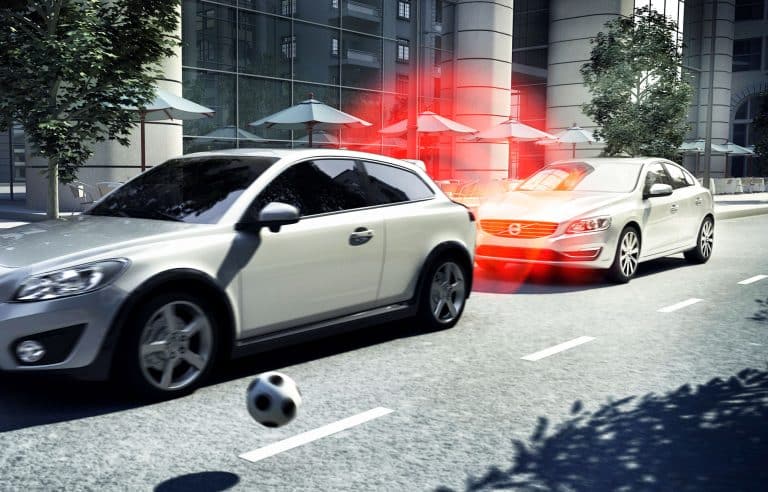
AEB systems scan the road ahead and will apply the brakes to avoid an impending crash with another vehicle, pedestrian or cyclist. While more manufacturers now offer the technology on their models, it is not standard equipment – so the answer is to persuade both private buyers and fleet managers to insist on AEB.

Cheap safety

“There’s an urgent need to change the consumer and fleet mind-set around car safety, especially when AEB can cost as little as £200,” says Peter Shaw, CEO of the UK’s Euro NCAP crash test representative Thatcham Research.

“Safety should be a deal-breaker, not a nice to have – if it doesn’t have AEB, it shouldn’t be a sale,” Shaw adds.

The call also has the full backing of the UK’s industry commercial vehicle body the Road Haulage Association. “Measures such as this need very little consideration – if the system has the potential to save lives then what’s to consider?” says CEO Richard Burnett.

“AEB systems have been fitted as standard to almost all newly registered heavy goods vehicles since November 2015. No matter how good a driver’s skills may be, the road network remains a dangerous place and any measure that can be taken to reduce that danger and the subsequent reduction in the risk of accidents is an obvious solution to a long standing, and distressing problem.”

According to the coalition, more buyers choosing AEB with their next car could result in 308 fewer deaths by 2025, and in the process save society £138 million.

SsangYong autonomous The Car Expert
Even budget models such as the SsangYong Tivoli can be specified with Autonomous Emergency Braking.

Hyundai i30 N hot hatch to cost from £25K

0

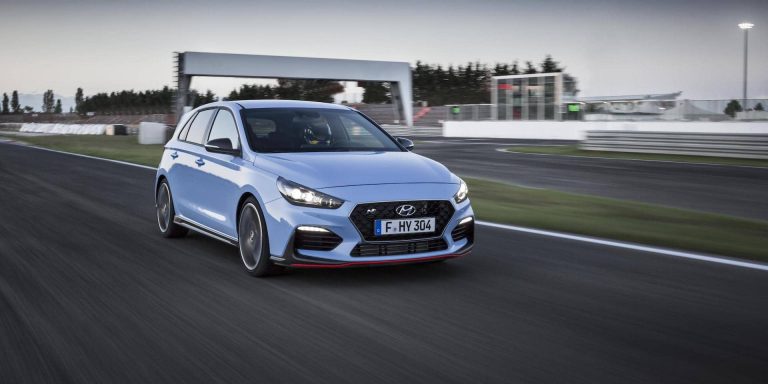
The Hyundai i30 N, the brand’s first outright performance model, will go on sale in January with prices starting from £24,995.

The petrol-engined hot hatch is the first car to be released under the N performance sub-brand that Hyundai intends to expand into other models. We are told the N stands for both Namyang – Hyundai Motor’s global R&D Centre in Korea where the car was created – and for the Nürburgring circuit in Germany, home to Hyundai Motor’s European Test Centre where the i30 N was developed.

Two versions of the car will be available, the i30 N and i30 N Performance, both using the same 2.0-litre turbo petrol engine. The stock model will produce 250hp, the i30 N Performance an extra 25hp. Torque figures are 353Nm across both cars, with an overboost feature that can add an extra 25Nm, resulting in a 6.4 second 0-62mph time for the i30 N, three tenths quicker for the Performance model.

Performance modifications

Added to the i30 standard equipment list are performance upgrades, including 18-inch alloy wheels with Michelin Pilot Super Sport tyres, electronically controlled Suspension, 17-inch ventilated front brake discs with 16in rear versions. A Torque Vectoring System and steering wheel mounted Drive Mode Buttons allow the driver to customise engine and suspension settings.

The Performance version carries a £3,000 higher price tag. The alloy wheels grow to 19 inches with bespoke compound Pirelli P-Zero tyres, an electronic Limited Slip Differential is added and the brakes increased by an inch in diameter all round. An Active Variable Exhaust system adds a bespoke sound while inside the front seats are electric and upholstered in leather and suede.

Further modifications over stock i30 models include body stiffening – the front suspension strut rings are reinforced, the front subframe reinforced, a central tunnel support bracket added along with a rear stiffness bar across the rear wheel arches. Both cars include Launch Control to make the most of acceleration from a standing start, a Rev Match Function for more effective gear changes, and ‘Brake Control knock back pre-fill’ – this helps keep the braking response at a peak after high-load cornering.

Volvo ‘Care by Volvo’ scheme takes on leasing

Volvo is launching a premium leasing programme called ‘Care by Volvo’.

The scheme is regarded as an answer to the increasing trend, particularly amongst premium buyers, to lease a car rather than make an outright purchase.The Swedish brand claims that Care by Volvo will make running a car as simple as owning a mobile phone.

Described as a subscription service, the programme will be based on a pre-negotiated monthly fee, and will provide customers with a new car every 24 months.

Fixed prices

Volvo says that those using the service will not have to worry about traditional extras such as deposits, insurance, taxes, service fees and differing prices based on buyer age and their location. The programme will offer standard rates with no negotiations – research suggests that this is an element of the car-buying process that most puts off customers.

There are also plans to launch a range of digital concierge services to Care by Volvo customers – these could include fuelling and cleaning the car, picking it up for service and delivering online orders to it.

According to Volvo, even full-service leasing does not offer all the elements, such as digital services, planned for the Care by Volvo programme – there will even be a facility to switch cars temporarily.

The new programme is being launched with the new XC40 SUV and Volvo says buyers will be able to share their car with friends using a new digital key technology. This will be offered as standard to Care by Volvo customers.

“In a time where consumers are used to transparent flat fees for all sorts of services, the traditional process of buying and owning a car can be perceived as rather complicated – Care by Volvo changes all of that,” says Volvo president and CEO Håkan Samuelsson.

In the UK, Care by Volvo will be launched alongside the new Volvo XC40 when it arrives in early 2018, but only to customers inside the M25 to start with. The company intends to widen the reach of the programme and expand it to other models, as well as introducing the digital concierge services, over time.

Care by Volvo The Car Expert
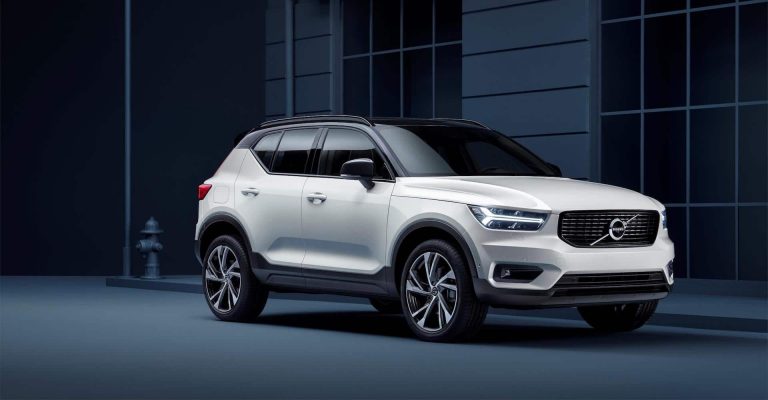
XC40 first car to be offered under Care by Volvo scheme.

Volvo XC40 to take on Evoque and Q3

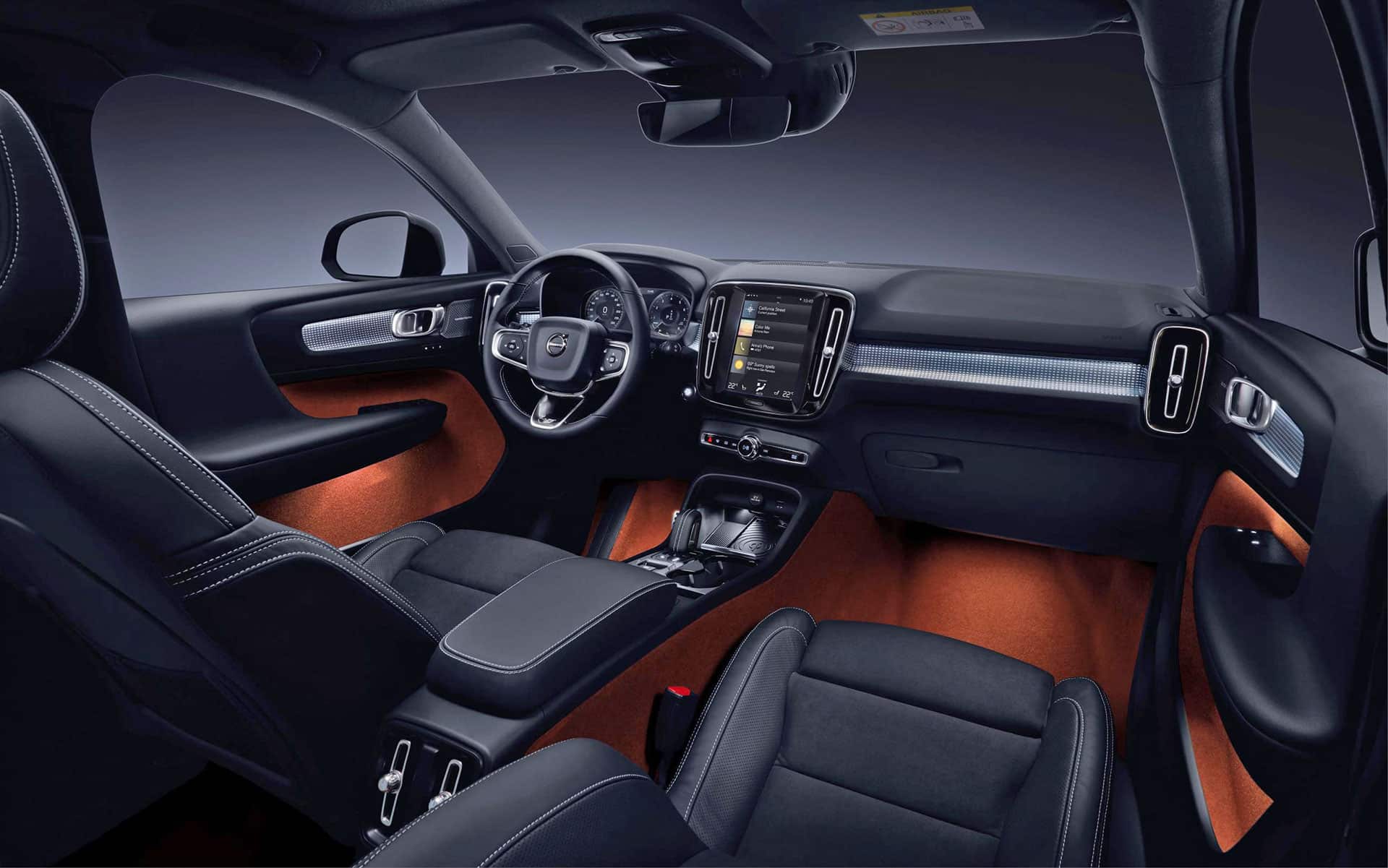
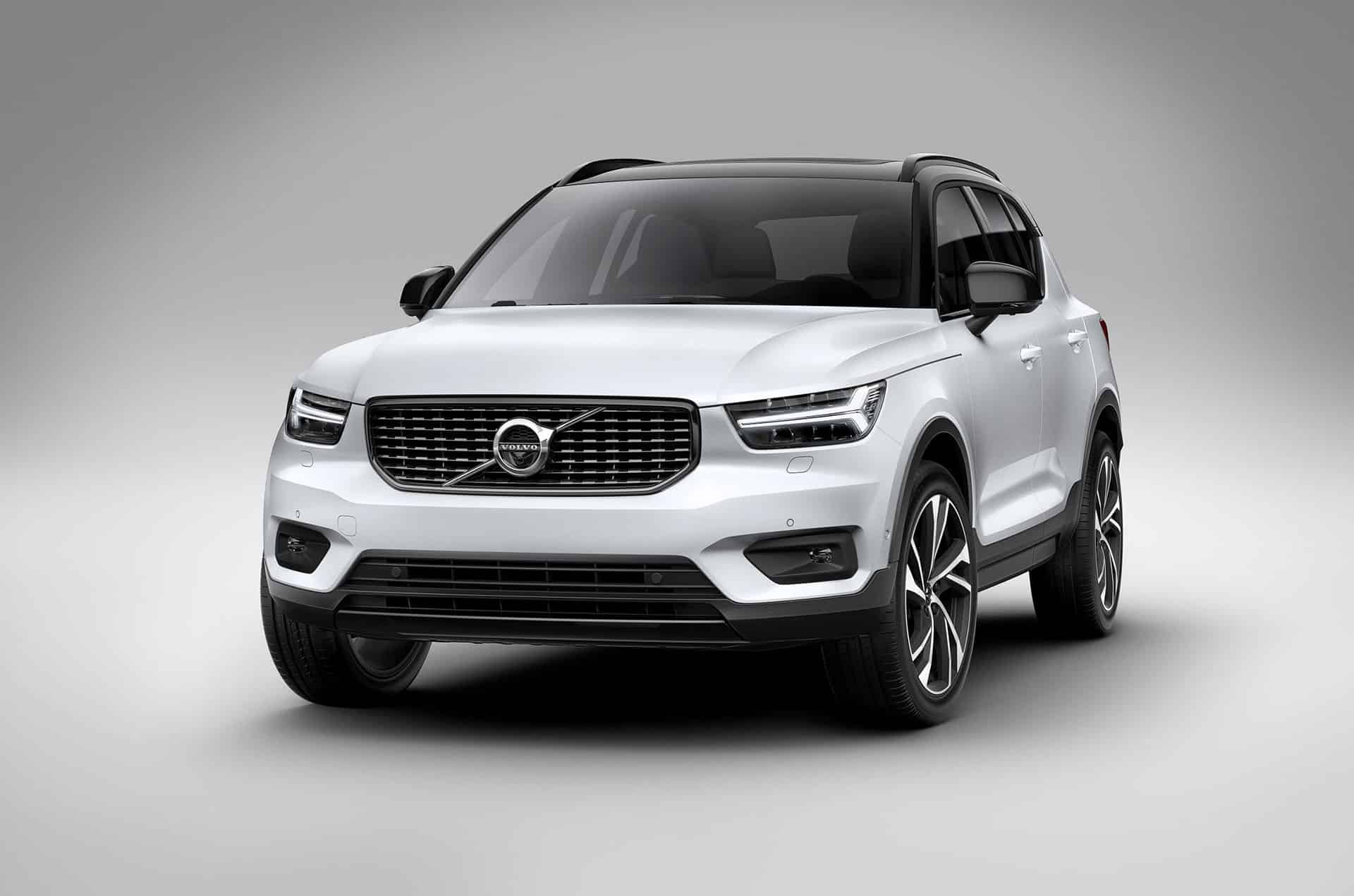
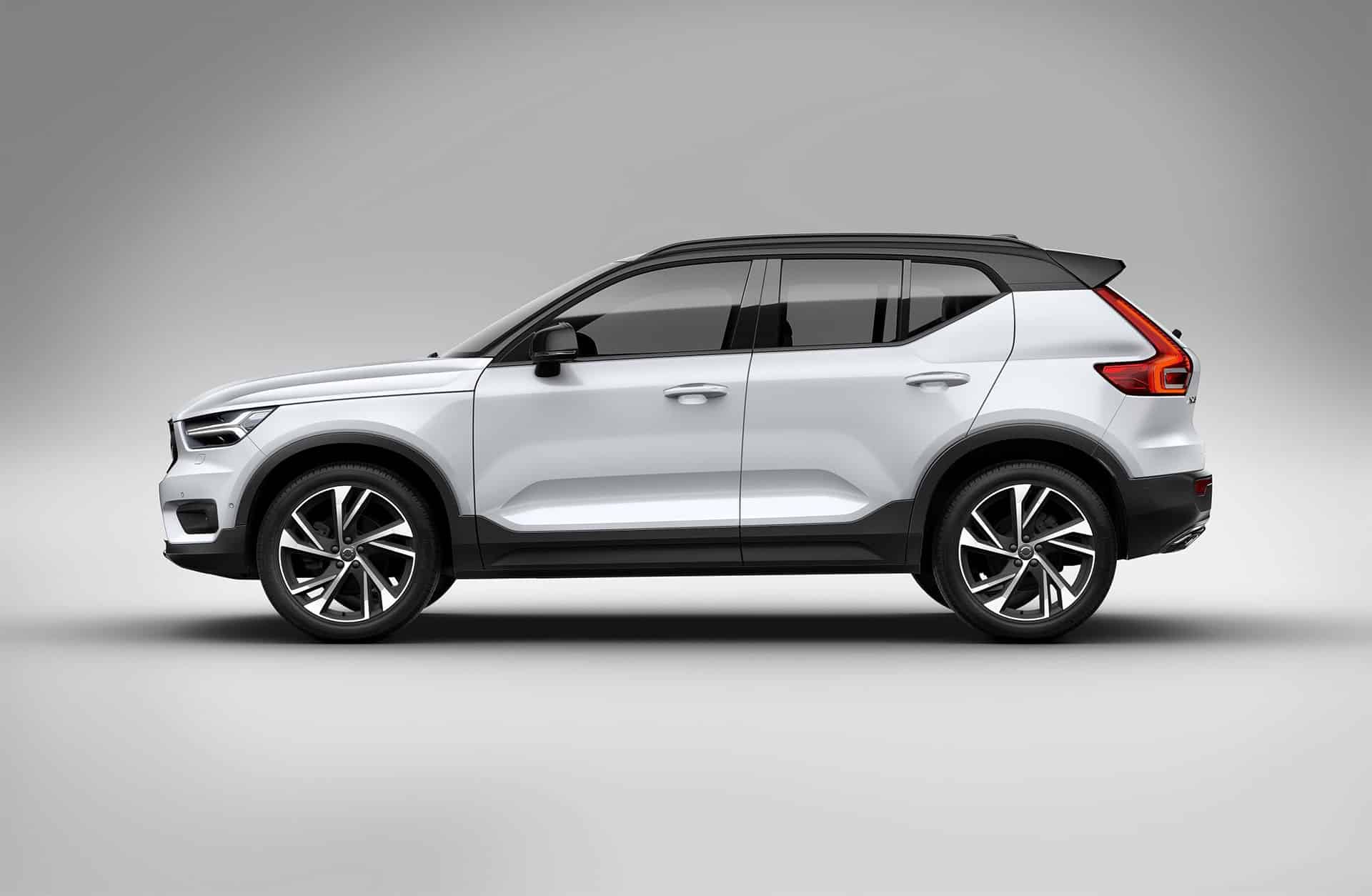
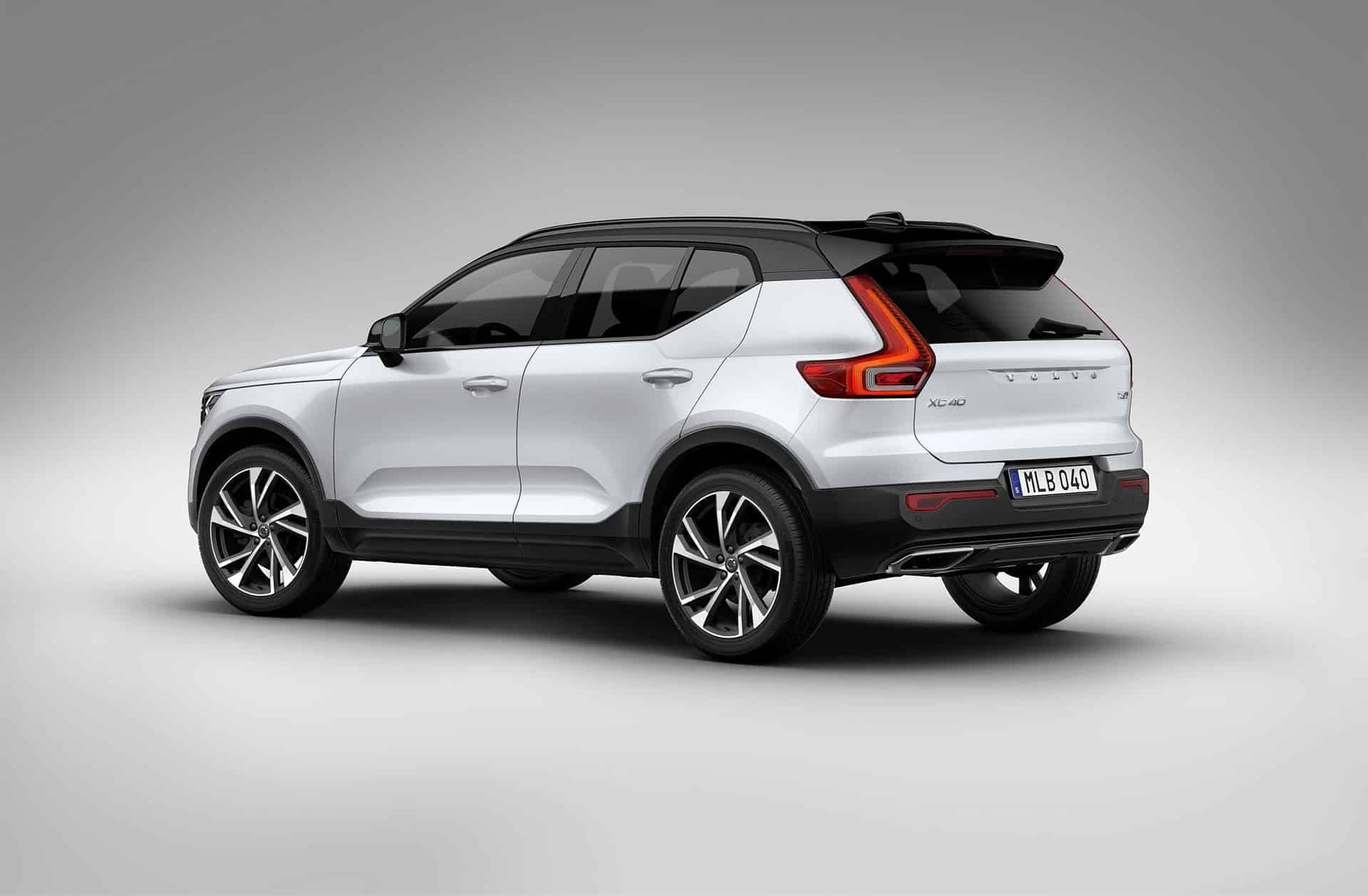
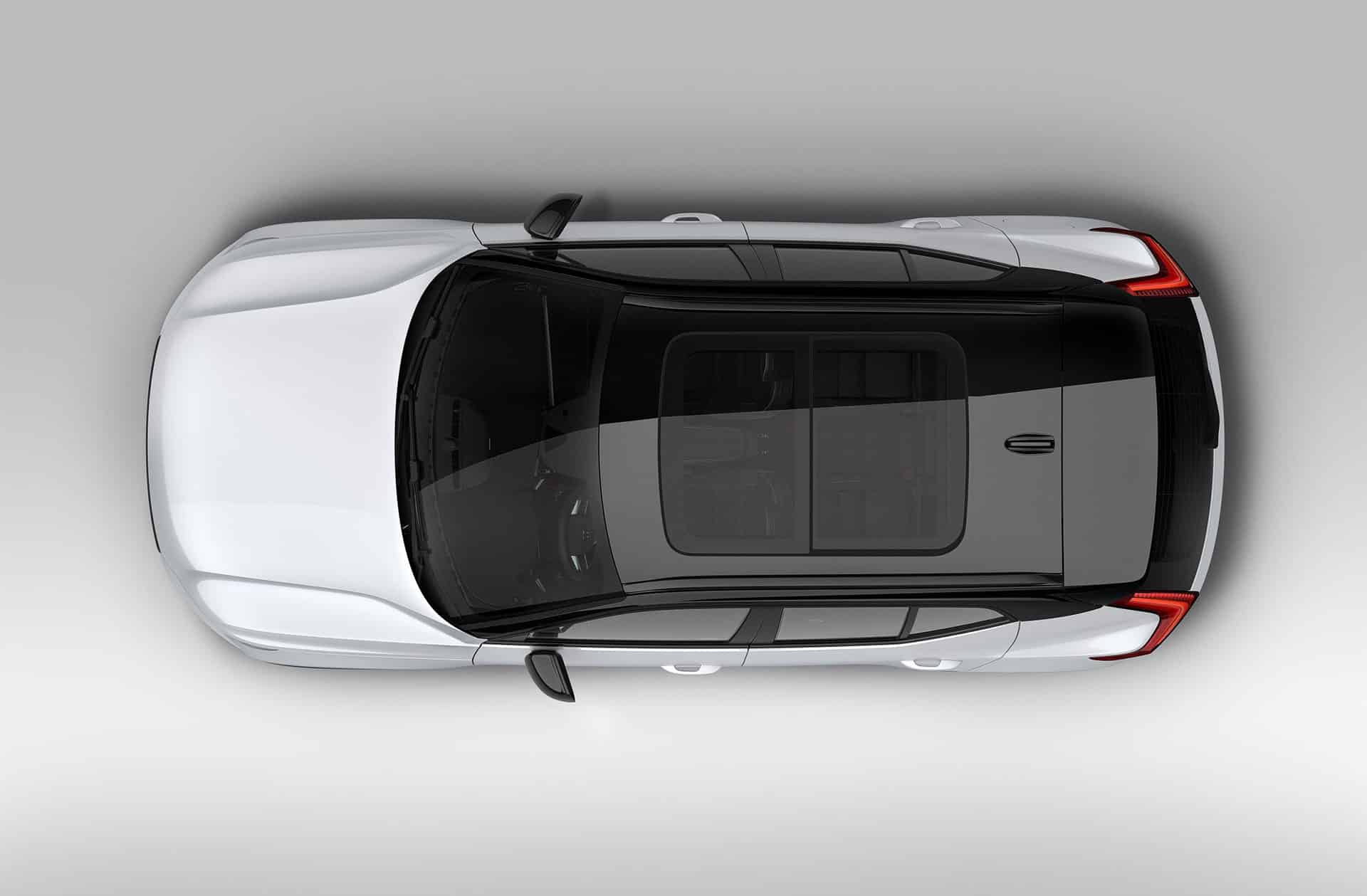
The Volvo XC40 expands the Swedish manufacturer’s SUV line-up to three and gives it a direct rival to the Range Rover Evoque and Audi Q3 in the growing market for smaller premium SUVs. Available to order now at prices from £27,905, and with first deliveries in early 2018, the XC40 is the first car built on the brand’s new modular vehicle architecture, CMA. All future 40 series cars will use this platform, which will include full electric vehicles. The Volvo XC40 measures 4425mm long, which is 263mm less than its XC60 sister model, on a wheelbase of 2702mm. Volvo says that the new model offers a new take on interior storage, the same level of safety, connectivity and infotainment services available in the larger 60 and 90 series cars, and one of the best equipment levels in the sector.

Clever storage

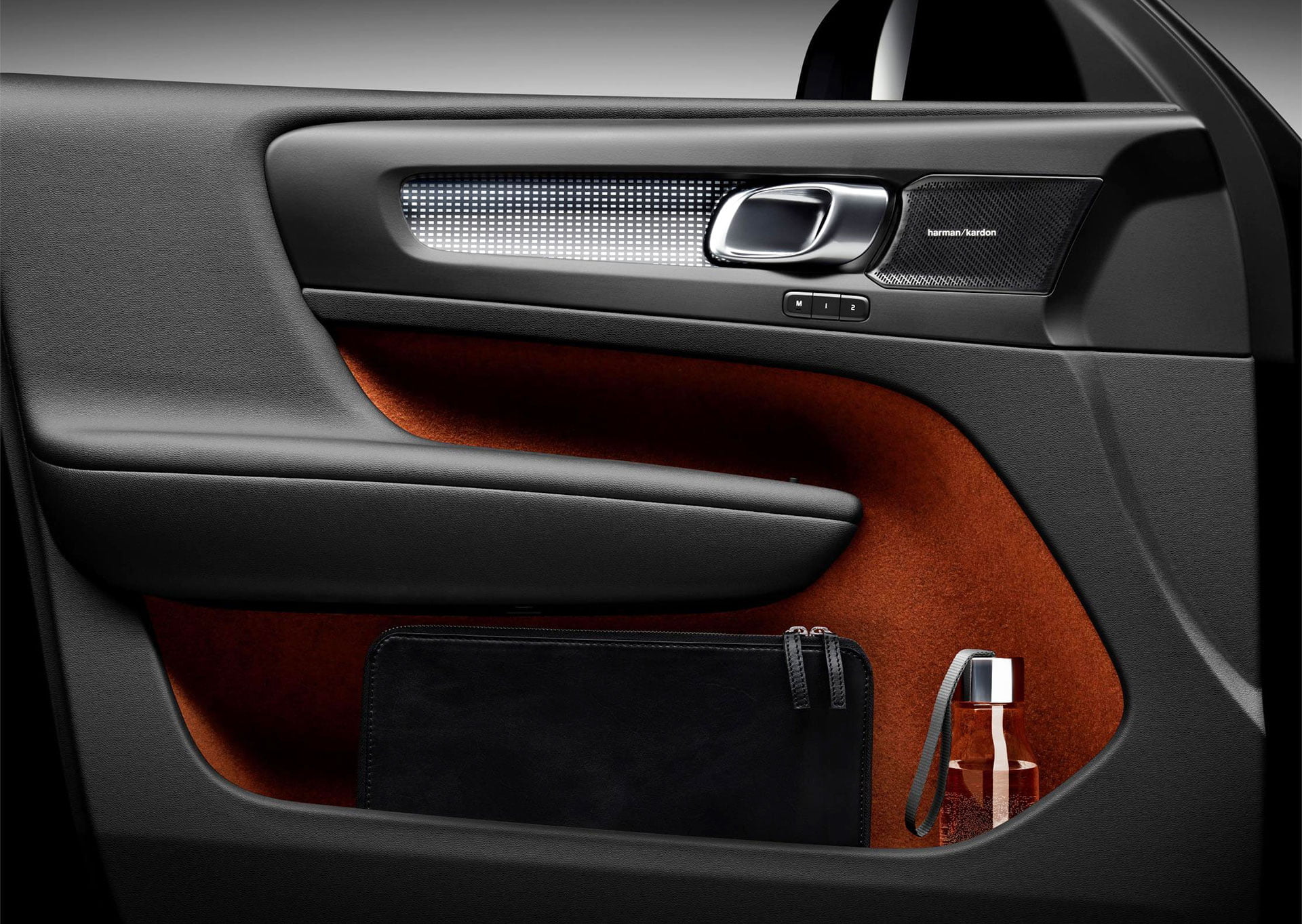
New ideas for use of interior space include more storage in the doors and under the seats, a bespoke space for phones (including inductive charging), a fold-out hook for small bags and a removable waste bin in the tunnel console. Meanwhile among a suite of driver-assistance features available will be the Pilot Assist system with its semi-autonomous steering, and a 360-degree camera that helps drivers manoeuvre their car into tight parking spaces. Styling-wise the XC40 will be clearly related to its larger siblings, though the interior is a step forward – the infotainment retains the portrait-style screen of the latest larger cars while the cockpit also includes a digital TFT display for the driver’s instruments. Initial powertrain choices for the XC40 will range across 190hp D4 diesel or 250hp T5 petrol engines built to Volvo’s Drive-E programme. These will be added to later by the first model to use the brand’s new three-cylinder engine as well as hybrid and pure electric versions.

Skoda Karoq SUV priced at £20.9K

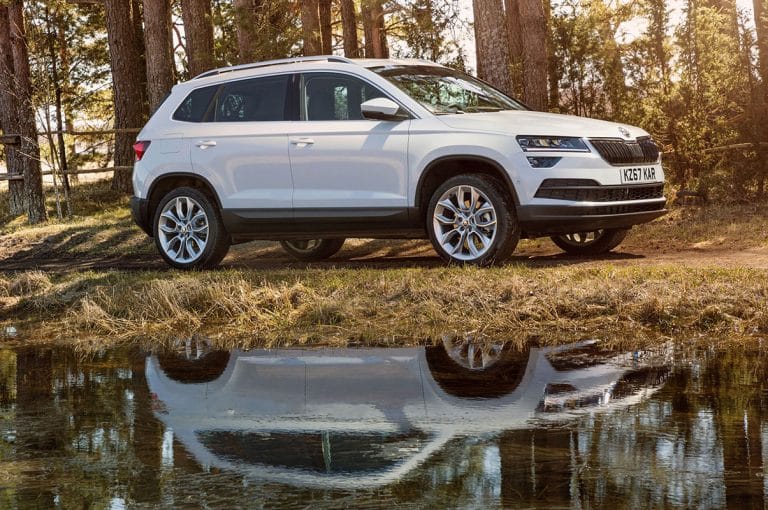
The Skoda Karoq SUV will cost from £20,875 when it goes on sale on 3rd October. The newcomer, which debuted at the Frankfurt Motor Show, effectively replaces the Skoda Yeti and targets the booming compact SUV market and in particular the segment-leading Nissan Qashqai – though the Skoda’s starting price is almost £1,600 more than the Nissan. Four engine options will be available to Karoq buyers at launch, with more expected to follow at some point. The choice will be between petrol units of 1.0-litre size with 115hp outlet and 1.5-litre with 150hp, and diesels of 1.6 115hp and 2.0 150hp – the latter the only engine that can be combined with all-wheel-drive. Six-speed manual gearboxes will be standard but seven-speed automatics will be optional.

Trio of trim levels

Three trim levels will be on offer, Skoda’s familiar SE and SE L and the new Edition grades, though the top Edition model will only be available with the 150hp engines. Among standard equipment on SE models are 17-inch alloy wheels, privacy glass, LED rear lights, dual-zone climate control, front and pedestrian driver warnings and a driver fatigue sensor. SE L models start from £23,165 and among the additional equipment are an increase in the alloy wheels to 18 inches, satellite navigation with and eight-inch touchscreen display, keyless entry and start/stop, full LED headlights with adaptive front lights, heated front seats, front and rear parking sensors with a camera on the rear, and Alcantara upholstery. Range-topping Edition models, £2,595 more expensive than SE L equivalents, grow the wheels further to 19 inches, and add a panoramic sunroof, metallic paint and leather upholstery as standard. The infotainment touchscreen grows too, to 9.2 inches and includes gesture control, an electric tailgate is fitted as is LED ambient lighting are several extra safety and driver assistance systems. These include a lane departure warning, blind spot protection with a rear traffic alert and traffic sign recognition. First Skoda Karoq customers are likely to receive their cars in mid-January 2018. Skoda Karoq The Car Expert

Kia Stonic goes on sale at £16.3K

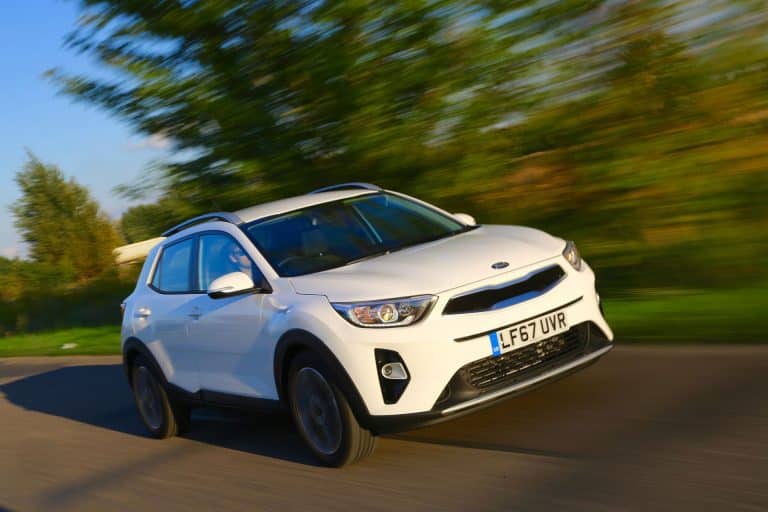
The new Kia Stonic small SUV will cost from £16,295 to £20,495 when it arrives in showrooms at the end of next month. The newcomer, which debuted at the Frankfurt motor show earlier in September, is Kia’s first entry in the booming small SUV/crossover market.  Sales of such vehicles have soared by 50 per cent since 2014 and are expected to go up another 40 per cent by 2020 by which time across Europe there are expected to be 2.2 million such vehicles. Kia expects to sell at least 7,000 Stonics in the UK in 2018, rising to 10,000-plus a year. The Stonic is based on the same underpinnings as the Rio supermini and reflects the trend among buyers to move out of smaller cars into small crossovers, which are felt to have more presence on the road. The Stonic measures 4140mm long which is only slightly more than the Rio, but it is 70mm taller and rides 42mm higher off the ground.

Five choices

Kia will offer the new model in five versions – three powertrains and two trim levels. Engine choices will be across 99hp 1.4-litre and 120hp 1-litre turbo petrol units, or a 1.6-litre turbodiesel of 110hp, all with six-speed manual gearboxes and stop-start functions. All versions will be front-wheel-drive – very few buyers in this market want all-wheel-drive. All versions will be available in ‘2’ trim, but buyers will not be able to choose the 1.4 petrol with the higher specification ‘First Edition’ grade. Standard equipment in 2 models includes a 7-inch infotainment screen with DAB radio and MP3 compatibility, plus Apple CarPlay and Android Auto smartphone connectivity. All models get a safety package that includes Electronic Stability Control, Vehicle Stability Management and a hill-hold system. First Edition models upgrade the infotainment to a seven-inch touchscreen and navigation system with Kia’s Connected assistance service. Auto-emergency braking, a lane departure warning system, blind-spot warning and an alert of crossing traffic when reversing are also standard, along with a driver attention monitor and auto high-beam headlamps. The First Edition also features two-tone paintwork. Kia Stonic The Car Expert

Ford simplifies Mondeo line-up

Ford has reduced its Mondeo range from seven to five models, trying to maintain sales in the face of the never-ending growth of SUVs at the expense of large saloons. With 85% of Mondeo sales going to business users as company or lease vehicles, Ford has paid particular attention to reducing Benefit in Kind (BIK) tax liabilities, with reduced prices across the range. On-road prices have been reduced by £2,500 on the entry-level Zetec Edition model up to £3,000 on the top-spec Vignale. Ford claims that this will save company car drivers of up to £240 per year, plus a £300 saving on an employer’s fleet National Insurance costs. The price and specification revisions have also meant that finance and leasing prices remain competitive, with average lease prices remaining at current levels despite added equipment in each model. The Mondeo range now starts with the Zetec Edition model AT £19,445 on-road, and then branches in either a more sporting direction (ST-Line and ST-Line Edition) or a more luxurious direction (Titanium Edition and Vignale). The ST-Line Edition and Titanium Edition models are new additions, while the Vignale flagship now incorporates the previously-optional Nero appearance pack. This includes dark-tinted 19-inch alloy wheels and dark chrome trim. There are no mechanical updates, so the 2018 Mondeos will be the same as the current-spec cars to drive. First deliveries of the upgraded models should start in November. Ford Mondeo ST-Line estate

Car manufacturers electrify Frankfurt

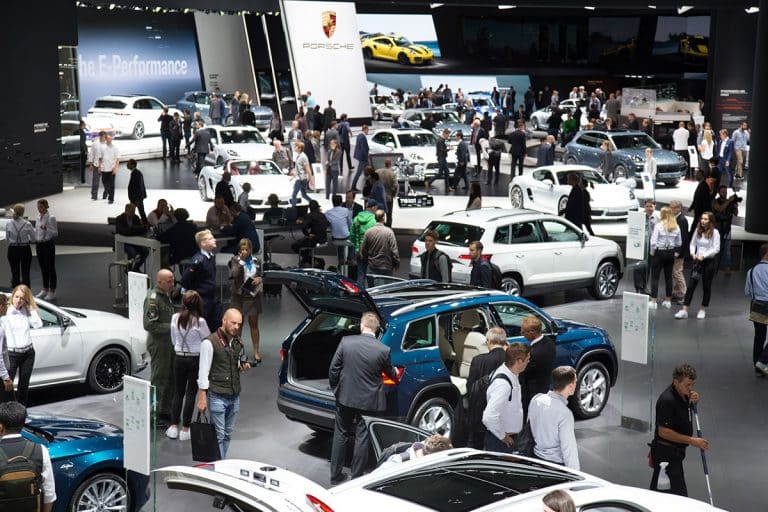
The Frankfurt motor show is, by far, the largest motor show in Europe and held every two years. Geneva might be the darling of the supercar manufacturers, but Frankfurt is a tour de force for the big German car companies and other major brands.

This year, the overwhelming theme for almost everybody was electrification. Almost every concept car and new production model featured either a hybrid or fully-electric drivetrain of some sort. With numerous governments planning to ban purely petrol and diesel cars in coming decades (the UK expiry date for non-electrified new cars is 2040), the car manufacturers were rolling out their latest ideas for electric vehicles.

Three-pointed star of the show

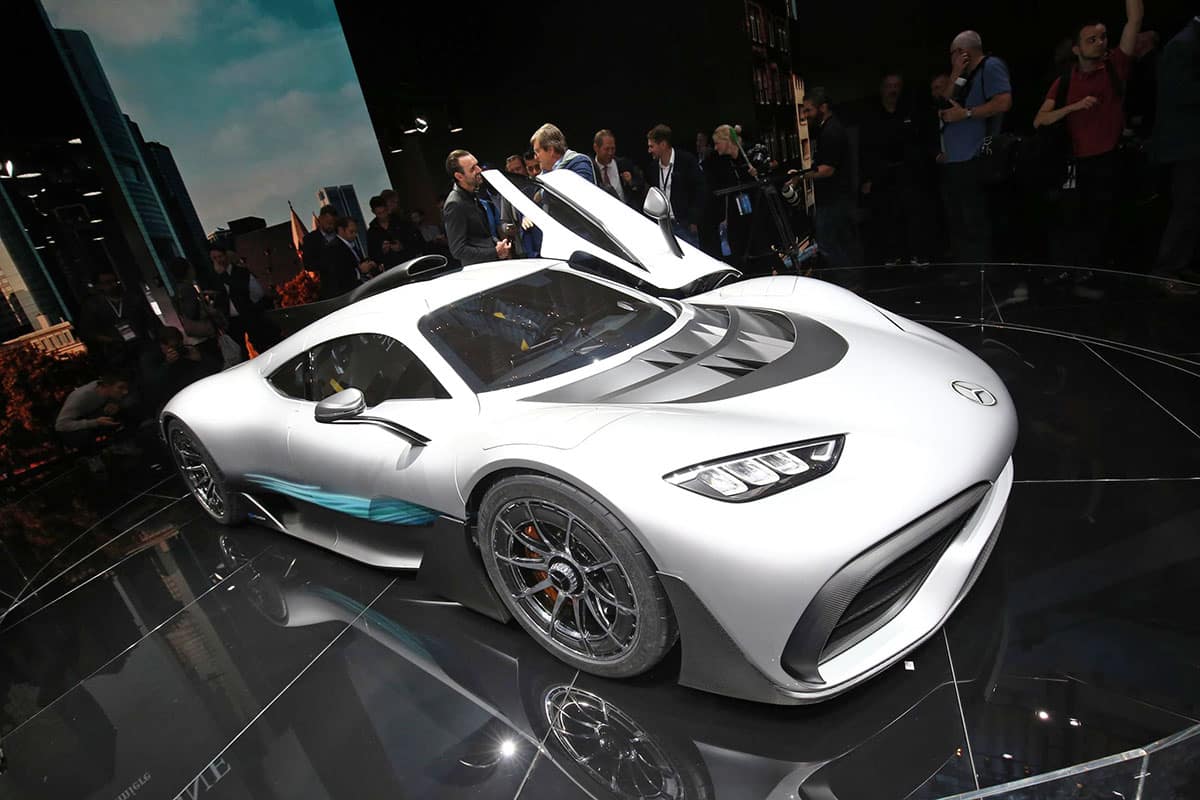
There was no doubt about the leading attraction at Frankfurt this year. Mercedes-Benz finally took the wraps off its long-awaited Mercedes-AMG Project ONE supercar. As close as you can possibly get to a Formula One car for the street, this 1,000hp monster is powered by a hybrid powertrain developed from Lewis Hamilton’s championship-winning F1 car.

Mercedes-AMG Project One The Car Expert

Bentley’s next big leap

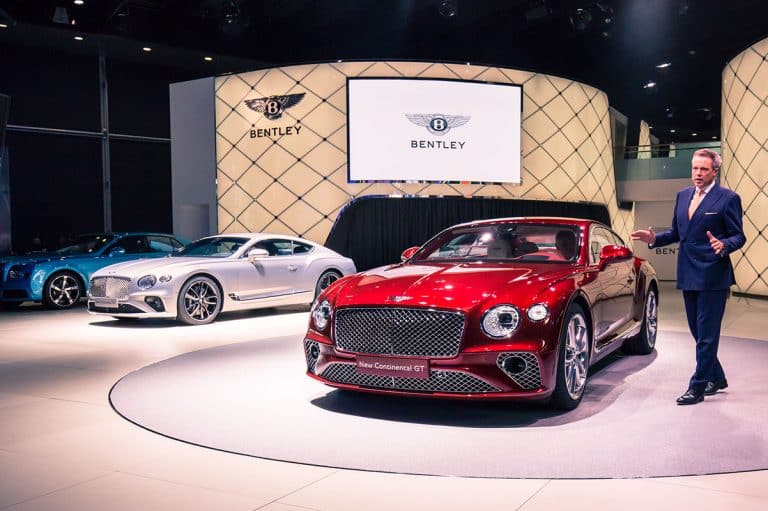
We’d already seen the photos, but Frankfurt marked the public debut for the all-new Bentley Continental GT, powered by a substantially reworked 6.0-litre W12 petrol engine. The original model revolutionised Bentley when it was launched in 2003, and was updated in 2010. Now the third-generation model promises to lead Bentley into the next decade, with a plug-in hybrid and possibly even a fully-electric model to follow.

Ferrari redefines the “entry-level” model

Replacing the successful California model, which has marked the gateway to the Ferrari range for the last decade, is the new Ferrari Portofino. With 600hp on tap and a handy 70kg weight reduction, however, its performance is anything but pedestrian. Styling is also smoothed out compared to the rather fussy California, especially with the folding hard-top roof in place.

Ferrari Portofino - Frankfurt motor show 2017 (The Car Expert)

Audi finally builds a rear-wheel drive car

For decades, Audi has championed the safety benefits of all-wheel drive and front-wheel drive over the driving dynamics of rear-wheel drive. When the brand took control of Lamborghini nearly 20 years ago, the first thing it changed was to add all-wheel drive to the Italian supercars to make them safer and easier to drive.

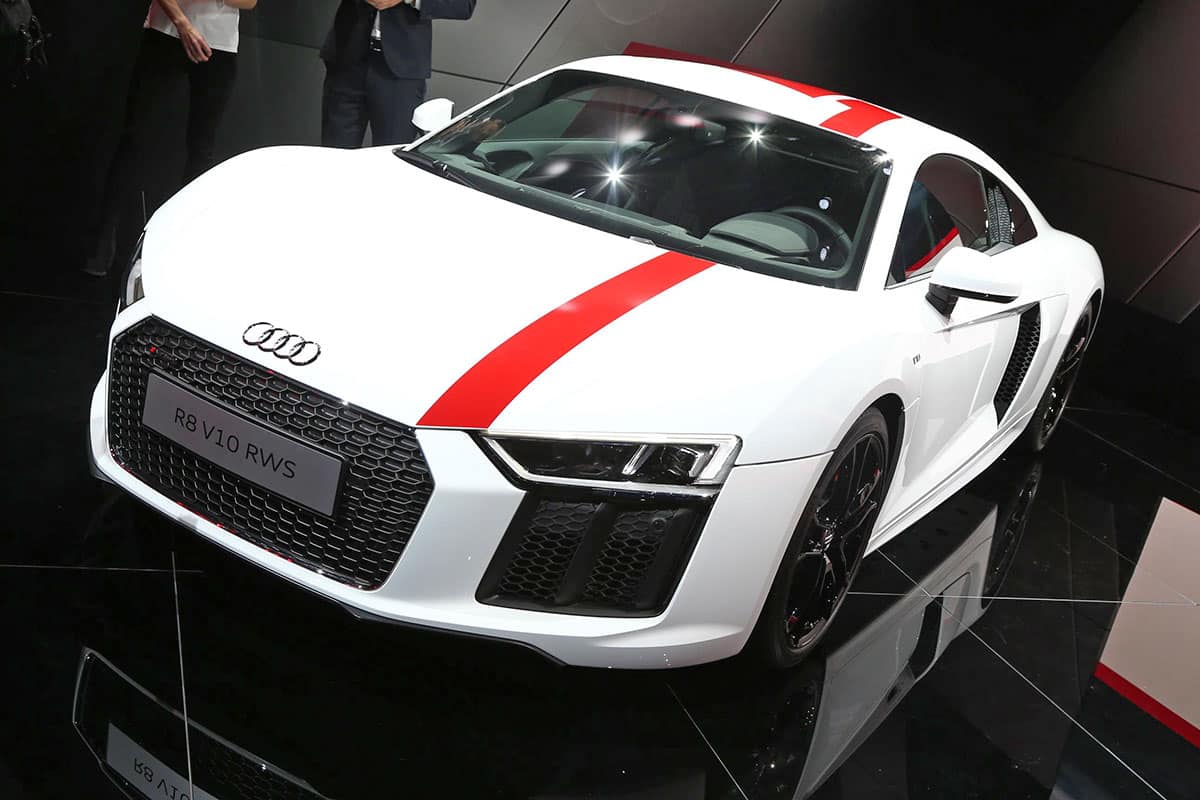
So it was to everyone’s great surprise that Audi whipped the covers off a special version of its R8 supercar called the RWS, which stands for Rear Wheel Series (as usual, Audi is great at catchy names). Only 999 are planned to be built, and they are likely to sell out quickly.

Audi R8 V10 RWS The Car Expert

Next page: Living in electric dreams

Ford introduces new Focus RS Edition

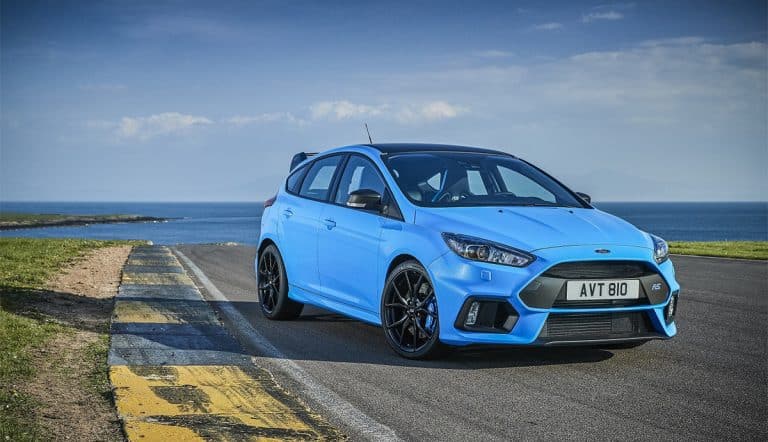
Ford has unveiled the new Focus RS Edition, claiming the vehicle provides even more driving appeal over the regular Focus RS for those looking for something extra. Dynamic torque vectoring and a Quaife limited slip differential are the key features of the RS Edition, which can be differentiated from a garden-variety Focus RS by its searing Nitrous Blue paint with matte black and carbon fibre detailing.

Focused on performance

The Focus RS Edition boasts the same 350hp from the 2.3-litre engine as the regular Focus RS, but the Quaife LSD promises greater traction for improved acceleration. Ford claims the Focus RS Edition can reach 0-62mph in 4.7 seconds, thanks to its combination of all-wheel drive, Quaife LSD and launch control system. Inside, drivers will be welcomed by Recaro shell seats, trimmed in Nitrous Blue to match the exterior, and carbon fibre trim details throughout the cabin. Standard safety technology includes privacy glass, rear parking sensors and an autonomous emergency braking system. The Focus RS Edition was on display at the 2017 Frankfurt motor show, and is available to order now from £35,795. Ford Focus RS Edition at the 2017 Frankfurt motor show

Frankfurt: Honda commits to electric future

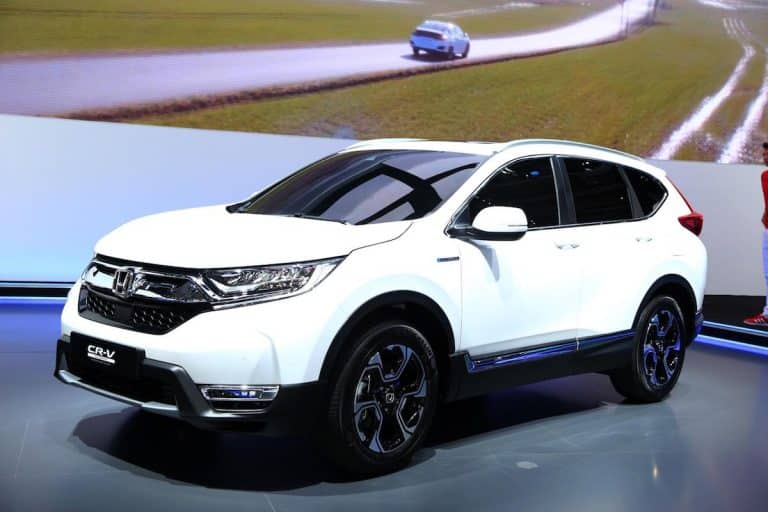
Honda has announced at the Frankfurt motor show that electric technology will feature in every new model the brand launches in Europe. The company aims for ‘electrified’ vehicles (conventional hybrids, plug-in hybrids and full electric vehicles) to make up two-thirds of its new vehicle sales in Europe by 2025, as part of its ‘Electric Vision’ strategy. Globally, it hopes to achieve the same levels by 2030. This would set Honda well on the way to hitting the UK government’s requirement for all vehicles to be electrified by 2040. To support this new vision, Honda also unveiled the Urban EV concept car and a CR-V Hybrid prototype at the show. “Here in Europe, we see this move towards electrification gathering pace at an even higher rate than elsewhere,” said Honda President and CEO Takahiro Hachigo. Hachigo also confirmed that the company’s electric future could be with us very soon, as a production version of the Urban EV has been confirmed for 2019. The futuristic design features of the concept could be the first glimpse of what future Honda vehicles may look like. The CR-V Hybrid – set to launch in 2018 – will also be Honda’s first hybrid SUV available in Europe. Honda Urban EV concept car - Frankfurt 2017 (The Car Expert)  

Frankfurt’s best of the rest round-up

The press have gone home and from today (Thursday 14th) the Frankfurt Motor Show opens to the public, running until Sunday 24th September. Over the past couple of days The Car Expert has posted details of many of the new models on show. If you are one of the thousands of visitors heading for the show over the next fortnight, you will also want to check out some of the other new metal that we highlight here.

Frankfurt show The Car Expert BMWBMW Z4

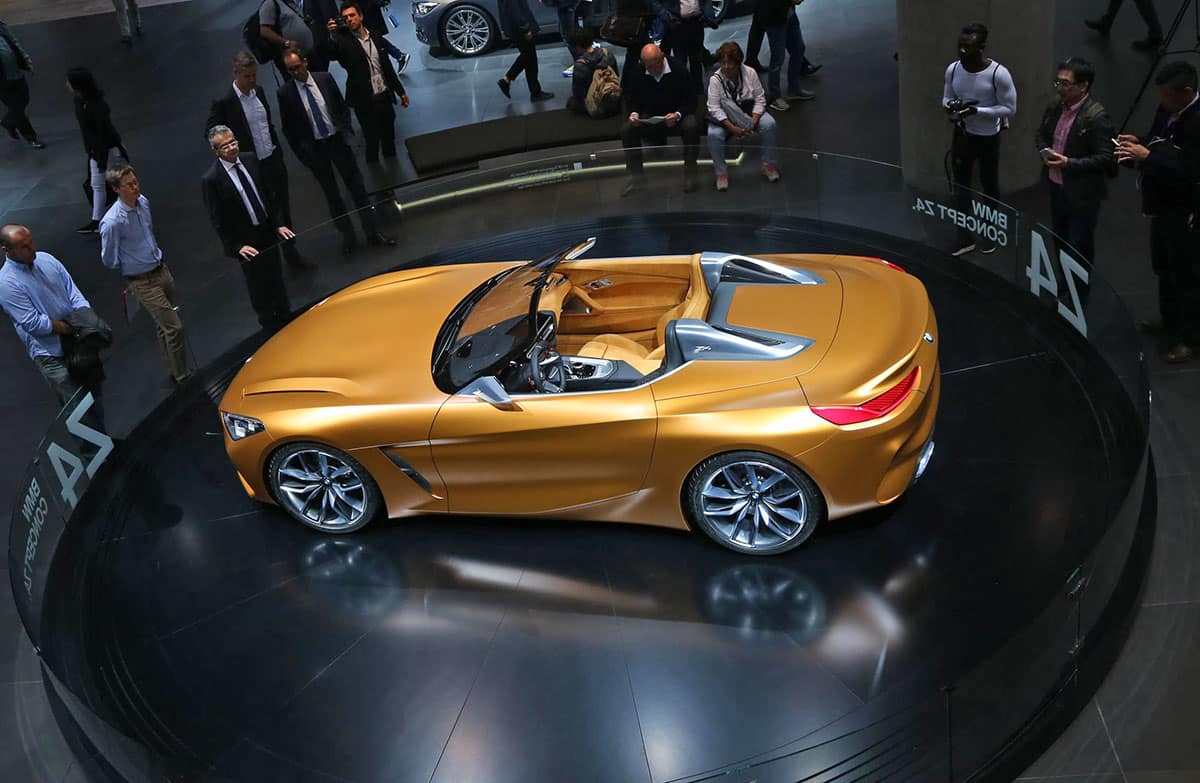
Here’s a car we are looking forward to the arrival of. The BMW Z4 concept, displayed at a motor show for the first time after its debut at the Pebble Beach Concours, previews a production model reviving the roadster line and due on sale in 2018. Yes this is a concept but we are told at least 80 per cent of it will be replicated in the showroom car.

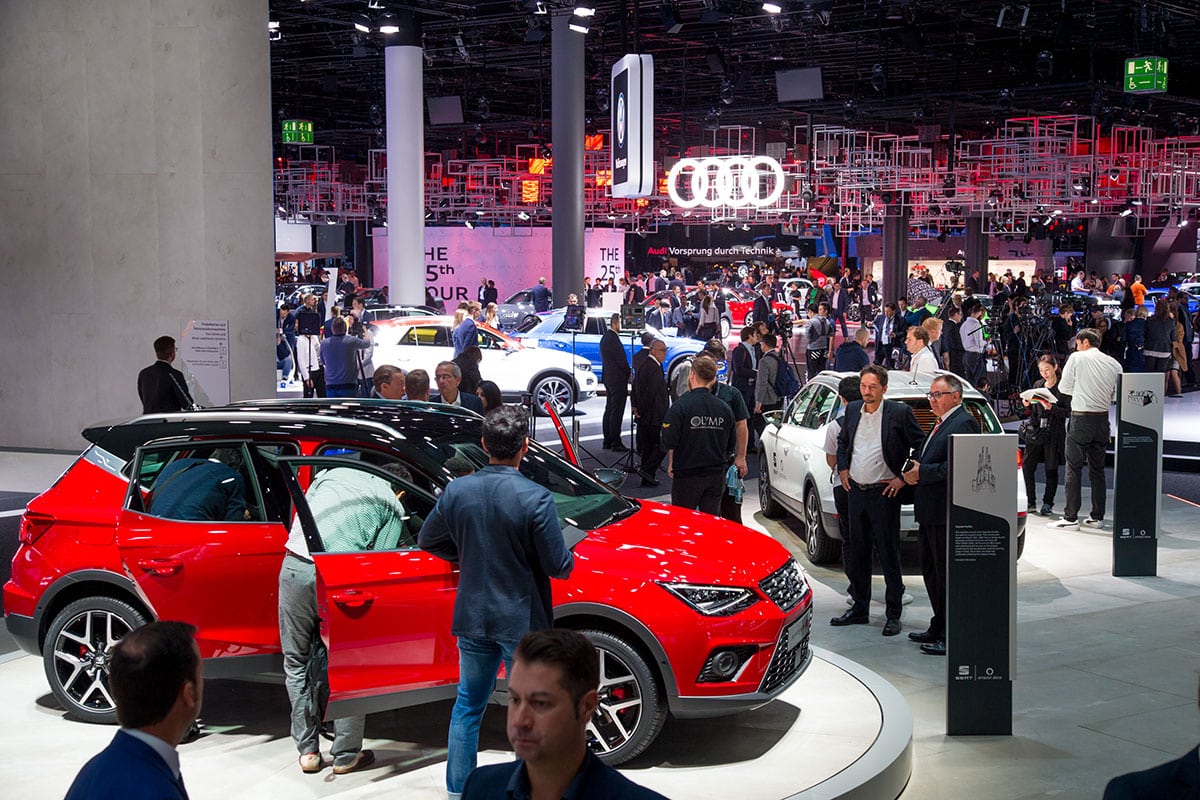
SEAT Frankfurt show The Car ExpertSEAT Arona – and others

SEAT has its second new SUV, the compact Arona, on display in the Frankfurt halls but has also revealed that its competition to find a name for the forthcoming largest seven-seat model is down to just four names. Drawn from 10,130 entries the finalists are Alboran, Aranda, Avila and Tarraco. The one rule of the competition was that the name had to relate to Spanish geography, so ‘Seaty Mc Seat Face’ was eliminated at the first hurdle…

Mercedes-Benz Frankfurt show The Car ExpertMercedes-Benz X-Class

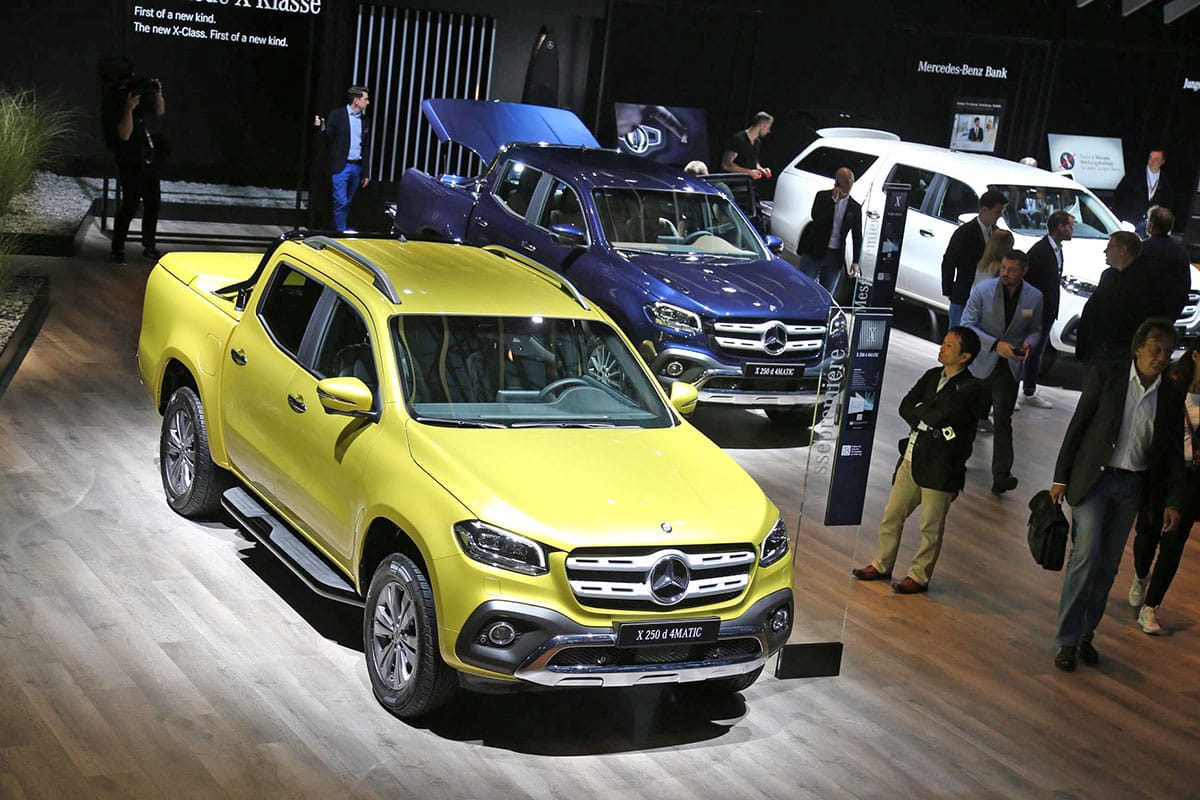
Mercedes-Benz is entering the pickup market but does not expect to be getting down and dirty on building sites. The long-trialled X-Class unveiled at the show is pitched very clearly as a lifestyle vehicle. On sale later this month from £34,500, it includes many upmarket car features, but Mercedes adds that it is also fully capable with a choice of permanent or part-time all-wheel-drive matched to a four-strong engine-line-up.

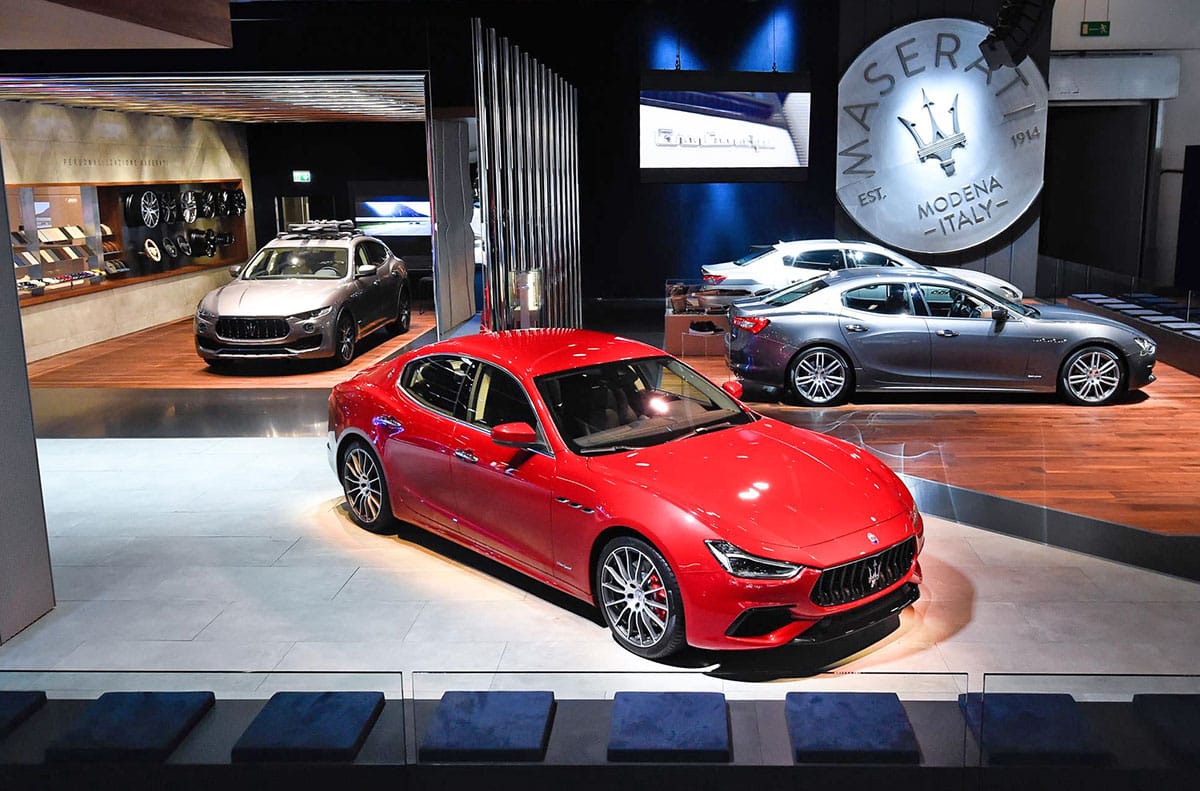
Maserati Frankfurt show The Car ExpertMaserati Ghibli

Leading the Maserati Frankfurt stand is the significantly revamped Ghibli. The sports saloon, the best-selling model in Maserati’s history, gains a major styling refresh and a great deal more technology, including for the first time electric power steering – Maserati following the example of related brand Ferrari in dumping hydraulics for electrics. The Ghibli now comes in two new trim levels, GranLusso and GranSport, and the top all-wheel-drive Shibli S Q4 variant hits 62mph in a mere 4.7 seconds.

Frankfurt show The Car Expert AudiAudi Elaine

As well as the Aicon electric saloon, Audi is displaying a second concept at the show, the Elaine SUV. The clue is in the names, which both include the letters AI; these two are all about artificial intelligence, or ‘Audi Intelligence’ – see what they did there? While not quite as far-seeing as the Aicon, the Elaine does include a great deal of autonomous technology, such as the ability to park itself while the driver watches from the pavement…

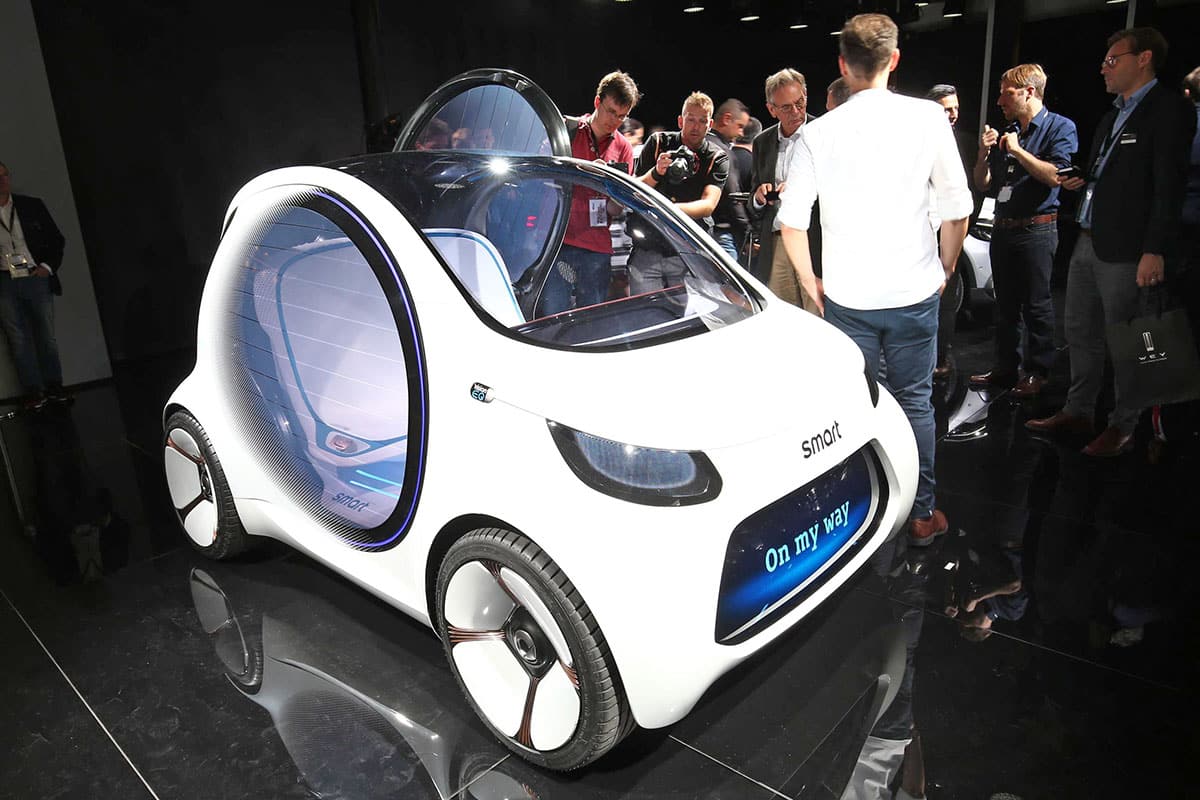
Frankfurt show The Car Expert SmartSmart Vision EQ

Smart believes that it has the key to future city cars with this electric concept. While the parentage is obvious, the Vision EQ is a self-driving machine that will be a focal part of future car-sharing technology – the cars will travel through city streets, automatically finding customers who need to use them.

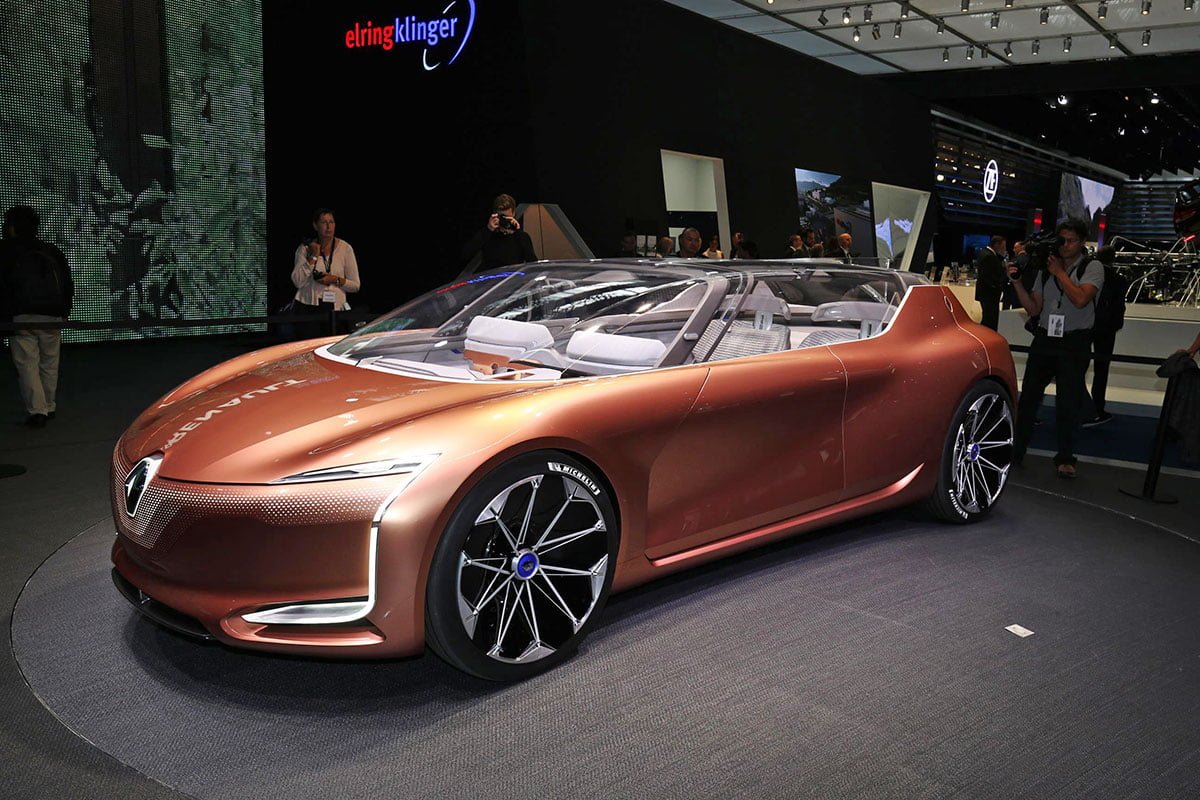
Renault Symbol Frankfurt show The Car ExpertRenault Symbioz

This design study from Renault fast forwards all the way to 2030. The Renault Symbioz is a concept with two electric motors that totally integrates itself into the owner’s life. Not only does it plan ahead, for example only charging itself when the driver’s diary suggests it is going to be used, but when parked at home it functions as a part of the house, with wi-fi, putting energy into the home and such like…

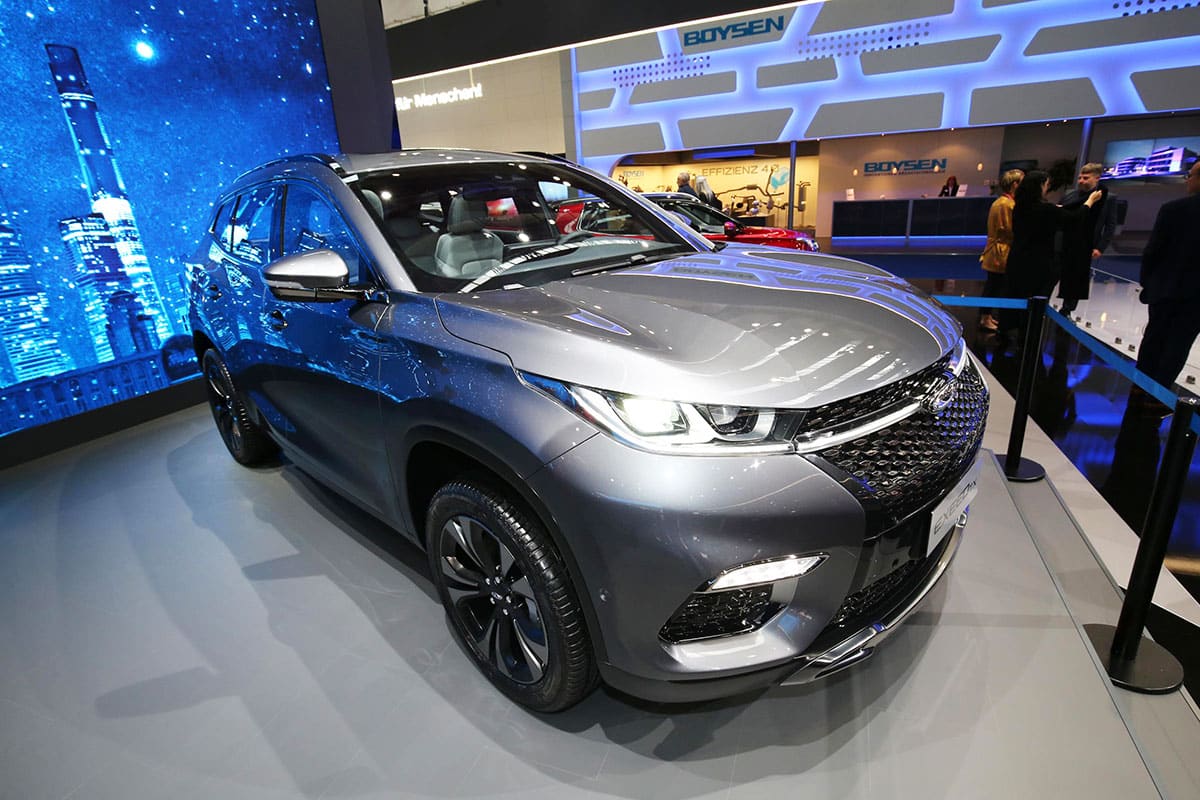
Chery Exceed Frankfurt show The Car ExpertChery Exceed

The Chinese are very much coming. Chery, China’s largest brand, has made no secret of its plans to enter the European market, and this SUV will lead the way. Focused firmly on Western buyers, the Chery Exceed will be sold in hybrid, plug-in and full electric form, and Chery will open a European research and design centre to spearhead its expansion. When, and where, we don’t yet know…

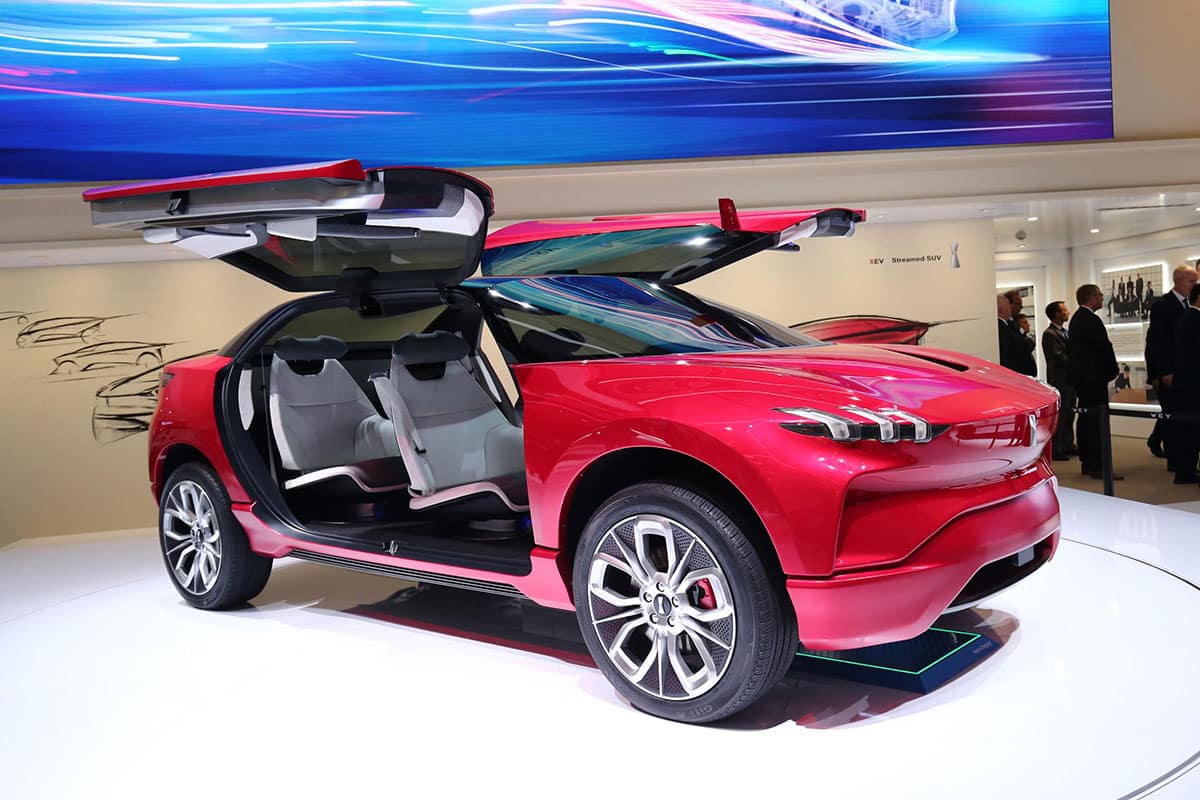
Wey XEV Frankfurt Motor Show The Car ExpertWey XEV

This is the XEV, a plug-in hybrid SUV displayed by Chinese brand Wey, which is effectively the upmarket sub-brand of the rather better known Great Wall. No Wey is this coming to Europe or the UK, as Wey is only marketed in its home market and there have been no indications that is about to change. Except if that’s the case, why pay to display your wares at Frankfurt?

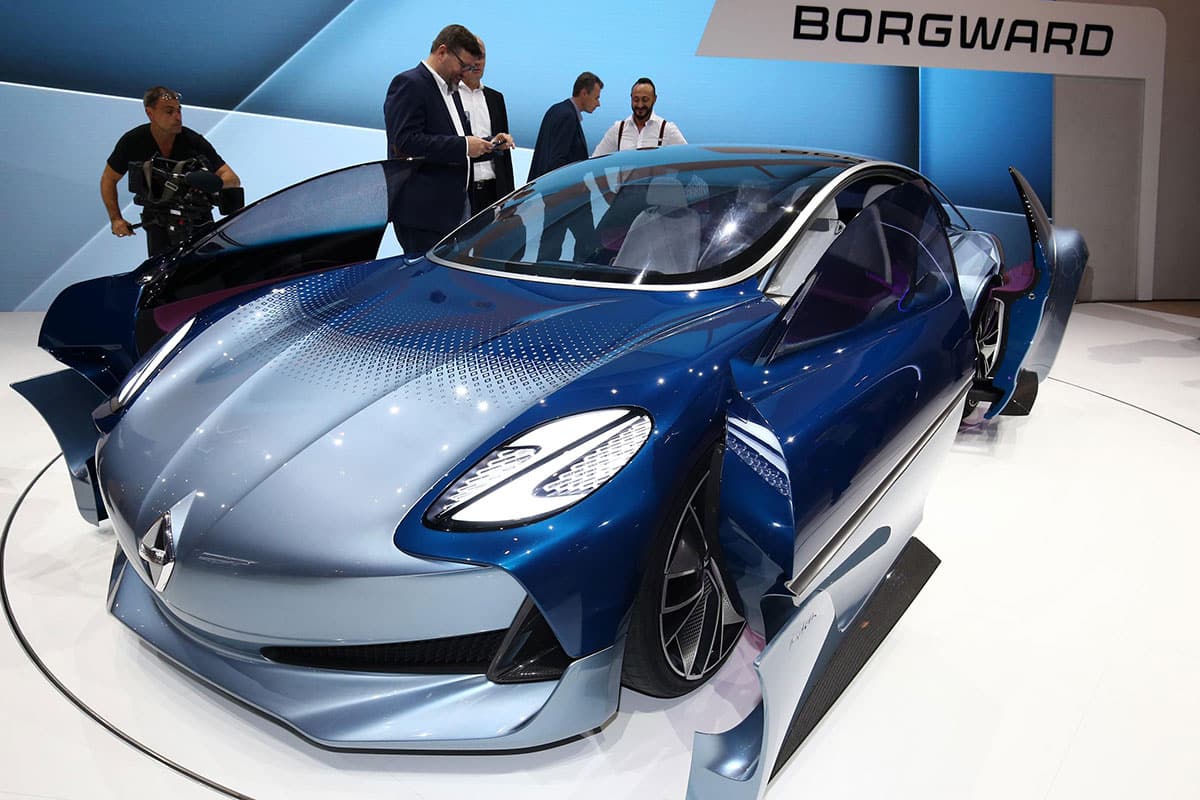
Borgward Isabella Frankfurt Show The Car ExpertBorgward Isabella

A classic name rides again on this striking concept from revived German brand Borgward. The Borgward Isabella is an all-electric coupe that might reach production one day as a range-topping model for the brand. Before that we are likely to see the BX7 SUV – Borgward’s new European plant in Bremen (story here) is close to completion.

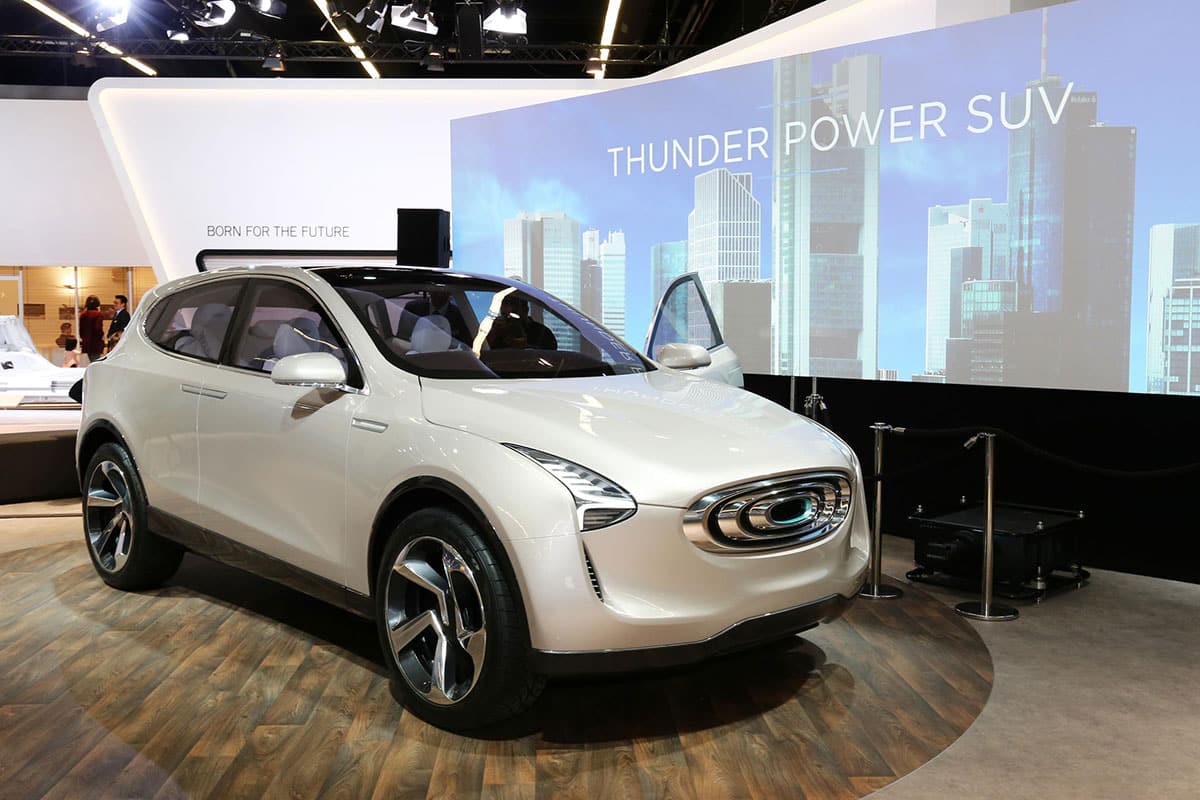
Thunder Power Frankfurt Show The Car ExpertThunder Power

And finally… Thunder Power may sound like a character in a Superhero B movie, but in fact the name belongs to a Taiwanese auto brand with big ideas. The SUV pictured here is the latest model  a pre-production version of an electric saloon, on sale in 2019 and set to be followed b y a coupe and SUV variants. The range-topping variant is said to have a sub four-second 0-62mph time and a plus-400 mile range. Look out Tesla

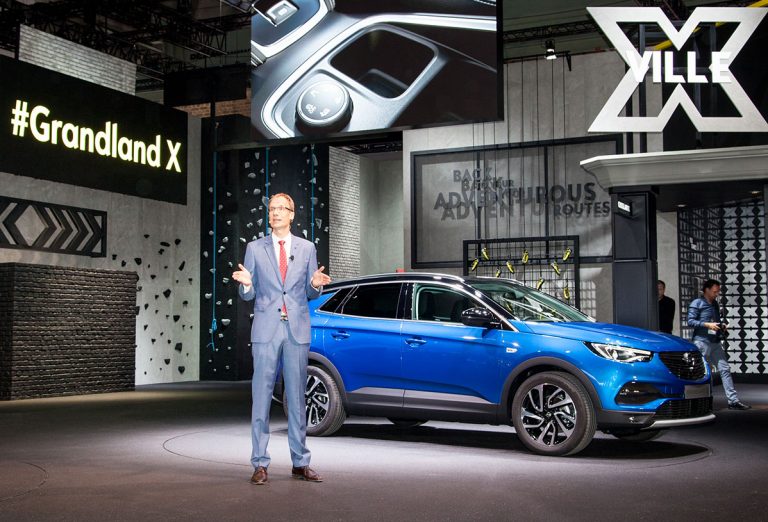
Frankfurt: Vauxhall offers four debut models

Two versions of the new Insignia and the Grandland X SUV have all made their debut on the Vauxhall Frankfurt stand. Both the Insignia GSi, a performance version of the large car with all-wheel-drive, and the off-road styled Insignia Country Tourer are unveiled at the show virtually as they go on sale. The Insignia GSi, reviving a nameplate last seen on the Vectra, gains a new FlexRide chassis setup and Bremb o brakes to support its performance-pitched image. The 2-litre turbo petrol engine generates 260hp and is matched to an eight-speed automatic gearbox, with paddle shifts on the steering wheel. The new Country Tourer is distinguished from its Insignia siblings by its black protective cladding and silver front and rear skid plates. It sits 20mm higher than the stock Insignia, and uses all-wheel-drive with torque vectoring and a pair of multi-plate clutches in place of the usual rear differential.

Premium space

The Grandland X completes the three-strong SUV line-up, following on from the Crossland X launched earlier in the year. As its name suggests 200mm longer than the Crossland X, it retains a five-seater layout, being pitched as the most premium and spacious model in the SUV range. Vauxhall has also unveiled two variants of the Vivaro van in business shuttle form. The Tourer Elite will be offered with a 1.6-litre CDTi BiTurbo engine with 125 or 145hp, in either L1 or L2 body lengths. Alongside it will be a lifestyle pitched variant, the Tourer Weekender, which a third-row bed. It will be available with the 1.6-litre engine in both power outputs but in L2 body length only, and both new models will be built at the brand’s UK van plant in Luton.
Vauxhall Country Tourer Frankfurt The Car Expert
Vauxhall Country Tourer is off-road styled Insignia model.

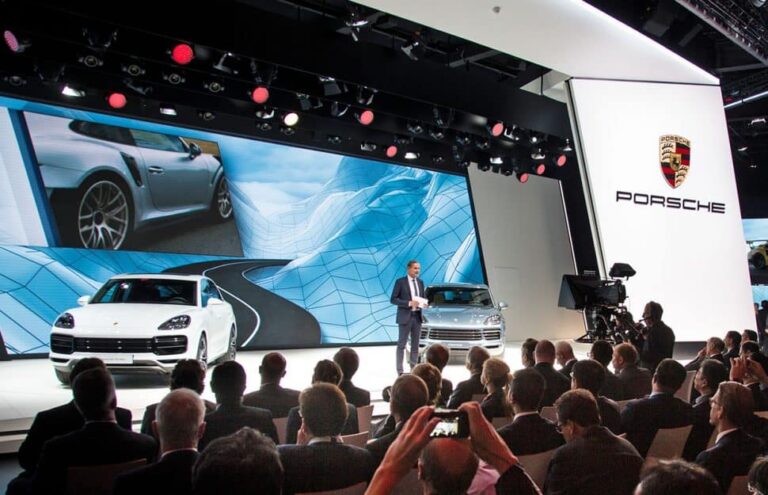
Frankfurt: Porsche Cayenne updates are mostly within

0

The third-generation Porsche Cayenne, debuting at the Frankfurt show, is a major reworking of the model despite appearing little changed from the exterior.

Porsche’s biggest-selling model has been re-engineered on a new and lightweight platform, significantly more aluminium being incorporated into the body structure to save weight, and a great deal of new technology added, much of it taken from the 911 sports car. The new Cayenne weighs up to 85kg less than its predecessor despite a longer length of 63mm and more standard equipment.

Cayennes now boast rear tyres wider than those at the front and the option of rear-wheel steering. Active all-wheel-drive is standard, there is a three-way air suspension system, and the Porsche Dynamic Chassis Control (PDCC) electronic roll stabilisation system has more options for settings allied to performance or comfort.

New interior

The interior has also been completely revamped, incorporating the ‘Porsche Advanced Cockpit’ and the luggage compartment extended by 100 litres to 770 litres. The car boasts a 48-volt electric system, and significantly more connectivity options for occupants in what Porsche describes as a fully networked car.

Deliveries of the new Cayenne start in April 2018 and initially the car will be offered in the familiar standard and S models. The stock versions is powered by a six-cylinder 3.0-litre turbo petrol engine with 340hp and a 6.2 second 0-62mph time, while the Cayenne S uses a 2.9-litre V6 petrol of 440hp, cutting the 0-62mph time to 5.2 seconds. Specifying the Sport Chrono option package on either model shaves another three-tenths from the acceleration.

Also seen for the first time at Frankfurt is the latest Cayenne Turbo version, with its 4.0-litre twin-turbo V8 petrol unit pumping out 550hp. This sends it through 62mph in 4.1 seconds, while the Sport Chrono package shaves that to 3.9 seconds.

Porsche Cayenne Turbo The Car Expert

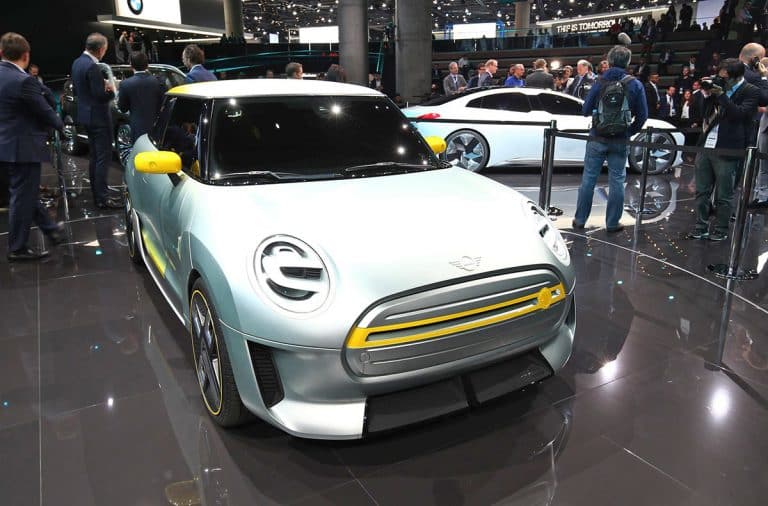
Frankfurt: Mini electric and extreme concepts debut

0

Unveiled at Frankfurt is the Mini Electric Concept, which as well as previewing the production Mini EV expected to go on sale in 2019, gives a strong hint to the brand’s future styling direction.

The BMW-owned brand’s personnel insist that the Mini Electric Concept is just that, a concept, and not necessarily any clue to how the production model will look. But it is clear from its exterior design that the fourth generation of the reborn 1950s classic could go for a more sporty look, sharper, cleaner and more minimalist.

Many of the details on the current generation have been smoothed out on the new model, though Mini insists this is to aid aerodynamics and the range of the electric powertrain.

Details of that powertrain are yet to be revealed, the only statement being that it will “always (be) quick off the mark.” Similarly, the concept does not have an interior, that is for future versions ahead of the production model.

The production version of the Mini Electric Concept will be built at the brand’s Oxford, UK plant from 2019 and will form a major element of the ‘Number One – Next’ strategy of Mini’s parent BMW Group.

It won’t be the first electric Mini – 10 years ago the Mini E was built as a purely experimental model on the 10th anniversary of the brand’s revival, and only 600 were made. Earlier in 2017, a plug-in hybrid version of the Countryman SUV was launched.

Works for the track

Also debuting on Mini’s Frankfurt stand is the most radical version of the top performance model yet. The John Cooper Works GP Concept is described as ‘the ultimate in sporting agility on the race track and the road.’

Its styling is certainly extreme, with large front and rear bumper units, side skirts and a not very subtle roof spoiler. It sits on 19-inch wheels and boasts a full roll cage and bucket seats.

Mini is not stating any performance figures for the concept – the previous GP model launched in 2012 offered 219hp and the current John Cooper Works model produces 230hp, so the GP is likely to be above this figure.

Similarly there is no confirmation that the concept will make it to production – however, such a car was launched as one of the final models in both the first and second generation versions of the Mini.

MIN I JCW GP Concept The Car Expert
MINI John Cooper Works GP is extreme concept.

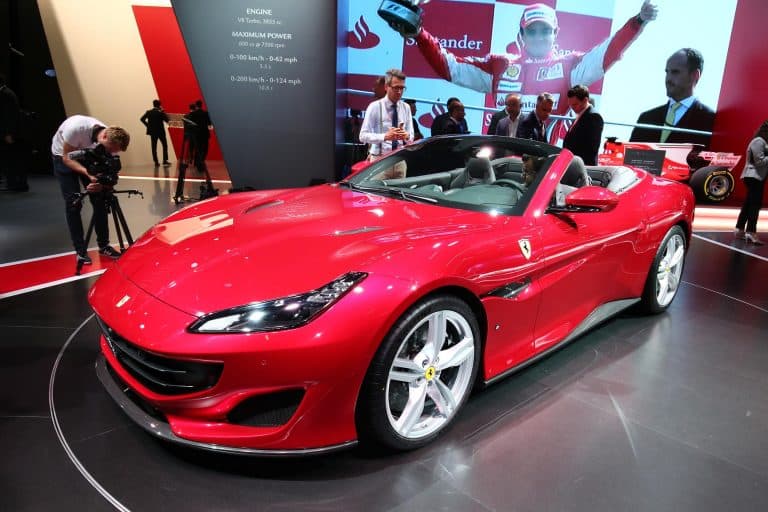
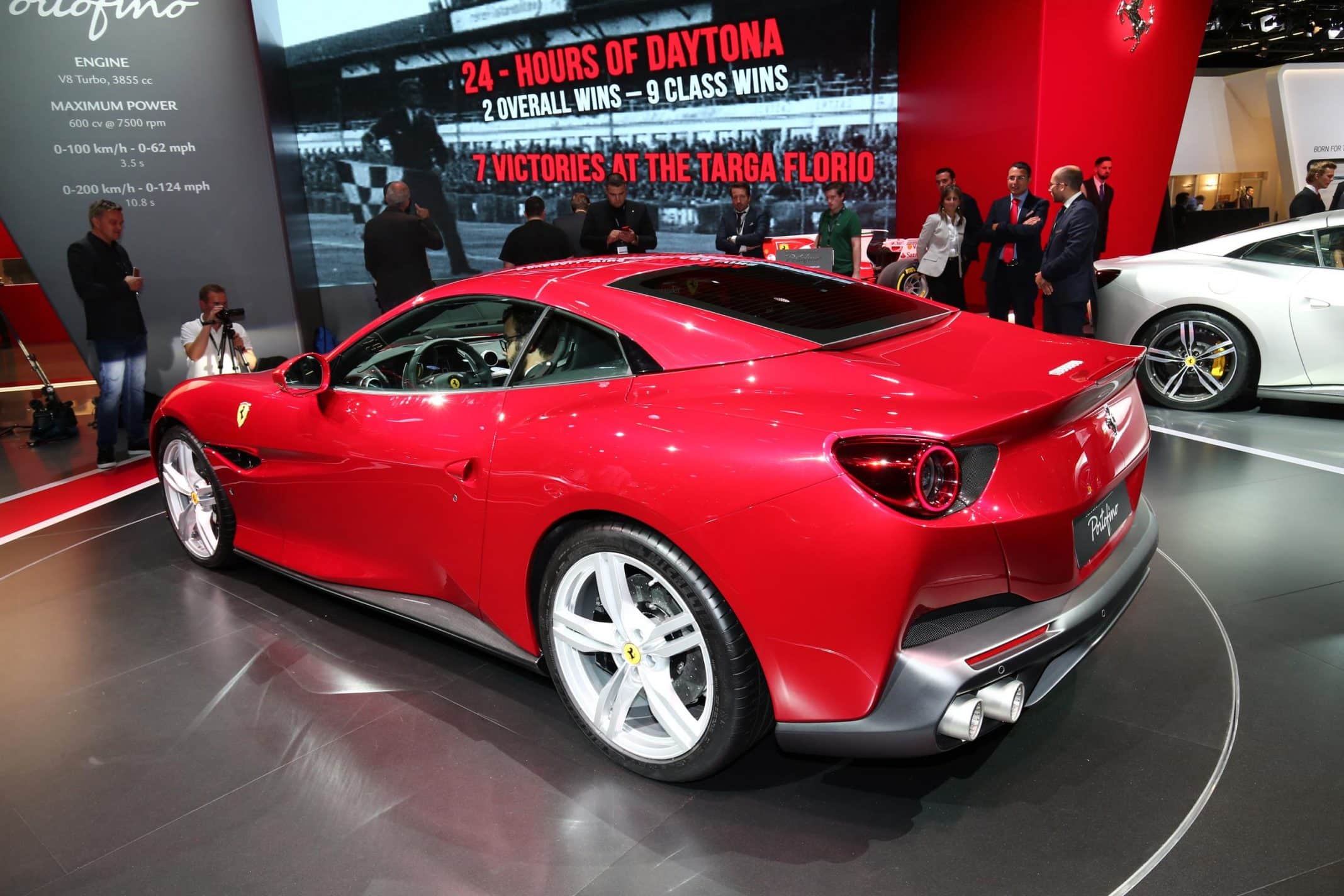
Frankfurt – Ferrari Portofino becomes new entry model

0

Frankfurt sees the debut of the Ferrari Portofino, a 2+2 convertible intended to replace the California T and to be the new entry model to Ferrari ownership.

The V8 GT Portofino is a 2+2 convertible with a folding hard top. Thanks to a complete redesign of the retractable hard top mechanism it now opens or closes in 14 seconds, while a new design of housing allows three cases to be carried in the boot with the roof up, two with it down.

The Portofino’s 3.9-litre V8 engine is developed from the California T unit and puts out 600hp, which is 40hp more powerful than in the California T. It will take the car through 62mph in 3.5 seconds and onto 124mph in 10.8 seconds. Top speed is said to be over 199mph.

Weight saving

Ferrari states that the Portofino is significantly lighter than its predecessor, though has not yet stated figures. Achieving the savings involved a complete chassis redesign – an example being the windscreen pillar (A-pillar) that now comprises two components instead of the 21 of predecessor cars. As a result body stiffness increases by 35 per cent.

Major suspension changes are also a part of the Portofino menu. Springs are stiffened at the front by 15.5 per cent, 19 per cent at the rear. The car’s Magnaride system now uses dual-coil dampers, and with other measures contributes to improved body control and reduced rolling in corners. The car also boasts electric power steering and an electronic rear differential for the first time.

Ferrari is yet to release prices for the Portofino.

Ferrari Portofino, The Car Expert

Frankfurt: Bentley Continental GT a ‘milestone’ model

Big things are expected of the third-generation Bentley Continental GT, unveiled at the Frankfurt motor show. The original, which launched in 2003, is said to have established a new market segment for luxury grand tourers. This latest model is according to Bentley improved in all areas, boasting a new chassis, engine, transmission and suspension, and could even outsell the Bentayga SUV that has been such a success for the brand. Bentley CEO Wolfgang Durheimer emphasised the importance of the Continental GT to the luxury brand, telling those gathered for the unveiling that “today is a defining moment for Bentley Motors.” He added that the Continental GT, designed, engineered and built in Britain, “signals a milestone on the road to future success for Bentley.” On the road the new Continental GT is described by engineering head Rolf Frech as sharper, lighter faster and more refined than its predecessor. The 6.0-litre W12 twin turbo engine is all new, with 635hp and 900Nm of torque on tap, and matched to a dual-clutch eight-speed transmission. While a large luxury car the Continental GT will still crest 62mph from rest in just 3.7 seconds and go on to a maximum speed of 206mph.

Plug-in model to follow

Combined cycle fuel consumption is 23.2mpg with CO2 emissions of 270g/km – the most efficient version of the W12 yet. Further powertrains will join the range including for the first time a plug-in hybrid version. Chassis upgrades, meanwhile, include the adoption of the 48v electrically powered Dynamic Ride system first seen in the Bentayga, together with an all-new air spring and damper system. Notable in the completely redesigned interior are a fully digital driver display and a three-sided rotating section in the centre of the fascia. One side matches the wood veneer of the rest of the fascia, the second houses three analogue duals and the third a 12-inch touchscreen infotainment system. Bentley Continental GT The Car Expert
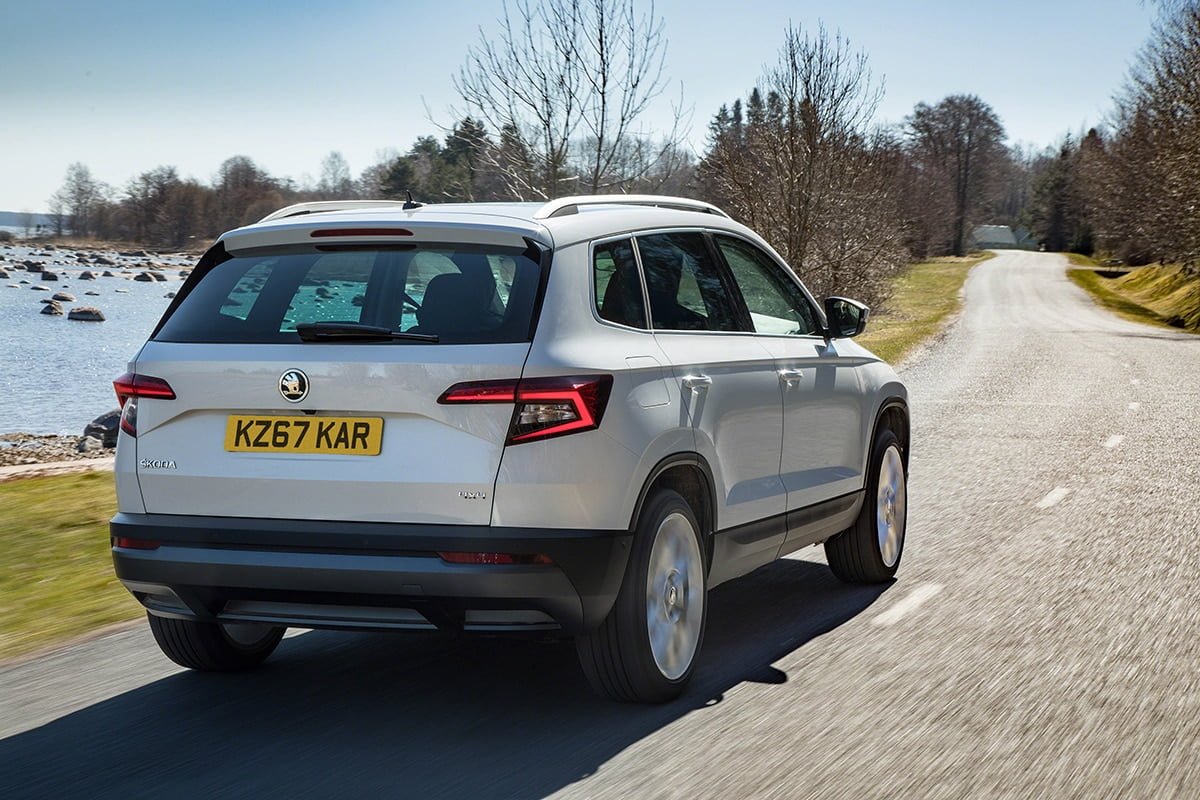
Frankfurt – Renault Megane R.S. steers four wheels

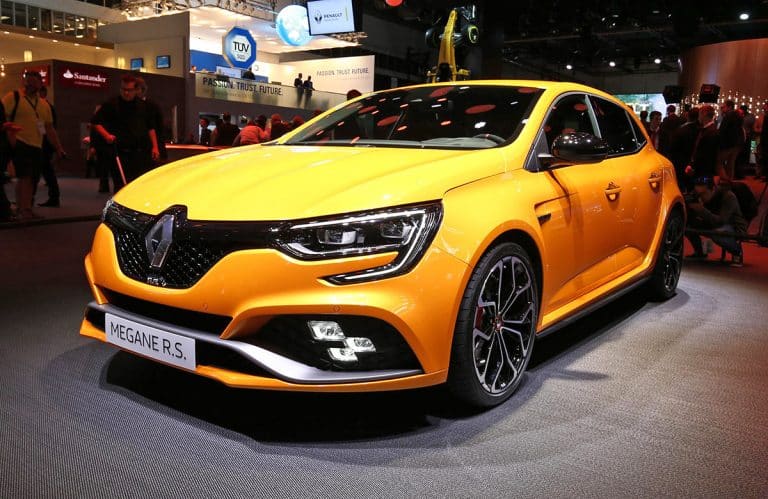
The latest generation of the Renault Megane R.S. hot hatch is debuting at the Frankfurt motor show, and claiming to be the first car in its segment with four-wheel steering. The new model, which has been developed by the brand’s competition department RenaultSport, will be offered in Sport and Cup versions. The 4Control technology will be offered as standard on both – with the rear wheels steering by up to 2.7 degrees in a different direction to the fronts, the car promises greater agility through tight turns and more stable when cornering at speed. The Megane R.S. also gains an all-new 1.8-litre turbocharged petrol engine offering 280hp and 390Nm of torque, and matched to a choice of six-speed manual or six-speed auto transmissions. The power figure is under the plus-300hp outputs of rivals such as the Ford Focus RS and Honda Civic Type R, but Renault is confident its car will be competitive thanks to the four-wheel steering.

More potent version to come

No performance figures for the Megane R.S. are yet being quoted, but Renault also plans to launch a Trophy version before the end of 2018, and this will have an engine producing 300hp and 400Nm together with further performance upgrades. Chassis upgrades to the new Megane R.S., which is now based on a five-door shell, include front and rear hydraulic compression stops on the suspension. Developed for motorsport, these add extra damping and eliminate a rebound effect that harms cornering ability. The car’s front suspension has also been completely redesigned. Order books for the Megane R.S. will open in Spring 2018 and the car has already been given the thumbs up by Renault Formula One driver Nico Hulkenberg, who was involved in its development. “Thanks to the new technologies it packs, including 4Control technology, New Mégane R.S. is even more efficient and nimble than its predecessor – it’s a delight to drive,” he says. Renault Megane RS The Car Expert

Frankfurt: Volkswagen T-Roc kicks off brand renewal

0

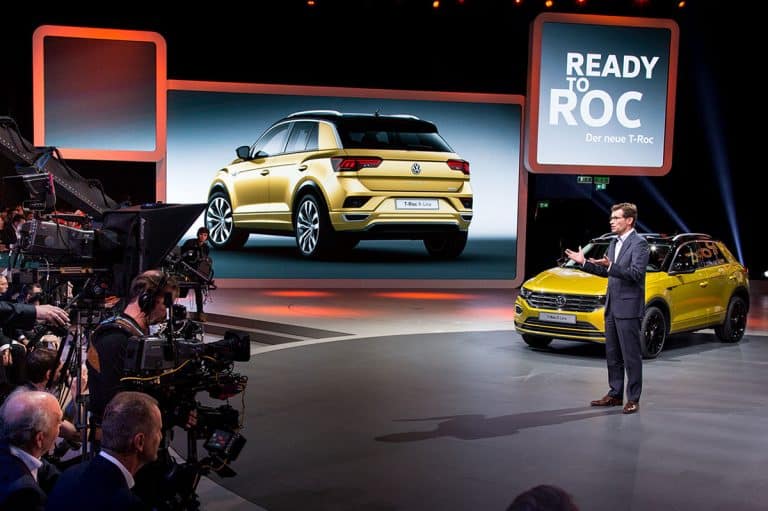
The much-trailed Volkswagen T-Roc compact SUV makes its public debut at the Frankfurt motor show, and is being seen as the start of a new era as VW attempts to put its emissions crisis behind it.

The T-Roc is the first major launch in a brand offensive that will see Volkswagen renew its model range over the next three years. “We will be thoroughly updating our vehicle range by 2020 and expanding into important segments,” says VW passenger cars chairman Dr Herbert Diess.

Two-tone paintwork

Lifestyle will be a major element of the T-Roc sales story – as detailed when first unveiled at Lake Como earlier this month – it will be the first VW SUV  available in two-tone paintwork, a range of colours on offer with visually contrasting roof, windscreen pillars and door mirror housings.

Volkswagen will offer both front and all-wheel-drive versions of the model. It promises that it will combine the ability of an SUV with the driving dynamics of a hatch and offer ride comfort on a par with the Golf. Three petrol and two diesel engines will be available, matched to six-speed manual or seven-speed auto transmissions.

Also set to appeal to buyers will be the range of assistance systems available on the car, including Front Assist and Lane Assist as standard and an optional Traffic Jam Assist system. The cabin gains the latest generation of VW’s Active Info Display systems and full connectivity. The car on show in Frankfurt is to the brand’s R-line trim, in addition to the announced T-Roc, Sport and Style grades.

The T-Roc is scheduled to go on sale at the end of 2017, at prices predicted to start from around £19,000. It will sit in the VW range below the Tiguan, and will be joined in 2018 by a smaller sister model, the T-Cross.

Frankfurt – new electric concept previews BMW i5

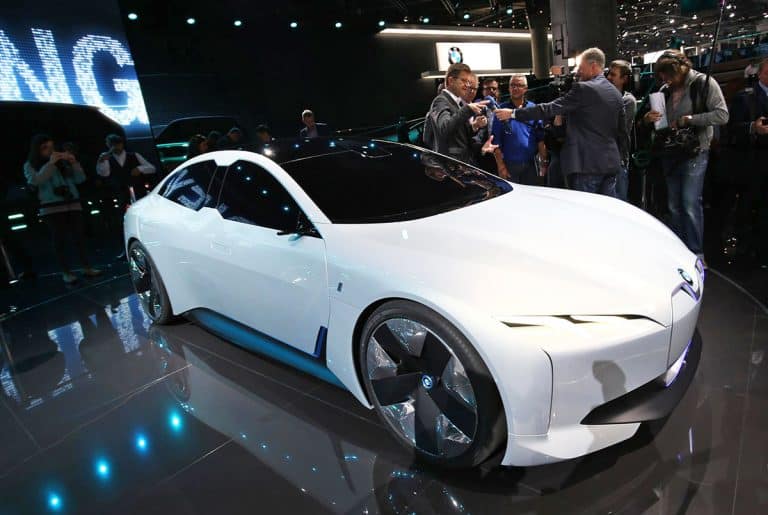
The BMW i Vision Dynamics, debuting on the German brand’s busy Frankfurt show stand, previews an i5 sister to the existing i3 and i8 electric cars, and expected to launch in 2021. Described by its makers as a ‘four-door Gran Coupe’ the i Vision Dynamics uses the same electric system of the i3 compact car and i8 sports car. Range is quoted at 373 miles, with a 0-62mph time of just 4.0 seconds and a top speed of more than 124mph.

Outstretching 3 Series

The car takes styling cues from the Vision Next concept unveiled by BMW in 2016 as a celebration of the brand’s centenary. It measures up at 4800mm long, 1933mm wide and 1387mm high – 167mm longer, 122mm wider but 42mm lower than the current best-selling 3 Series model. BMW chairman Harald Krüger describes the concept as electrifying the heart of the BMW brand and, at the same time, elevating the brand’s I electric sub brand into a totally new dimension. “With the BMW i Vision Dynamics we are showcasing how we envisage future electric mobility between the BMW i3 and BMW i8: a dynamic and progressive, four-door Gran Coupe,” he says. Also on the BMW stand is the Concept X7 iPerformance, a luxury SUV concept. This is also set to reach production in late 2018 as the range-topping X7, taking on the likes of Range Rover. The version on show in Frankfurt boasts a plug-in hybrid powertrain, combining BMW’s eDrive electric technology with a TwinPower turbo petrol engine that will allow it to travel more than 60 miles fully electrically. Production models are expected to also offer traditional petrol and diesel powertrains.
BMW Concept X7 iPerformance The Car Expert
Concept X7 iPerformance previews range-topping BMW X7 SUV.