The BMW i3 has been facelifted three years after it first went on sale, with styling revisions, more equipment and a new sports-pitched model, the i3s.
This version produces 184hp with peak torque of 270Nm, which compares to 170hp and 250Nm from the i3. It will go from 0-62mph in 6.9 seconds and onto 99mph, while its official electric range is 174 miles, the real-world range 125mph.
Sports suspension is also fitted, with bespoke springs, dampers and anti-roll bars, that also drops the ride height by 10mm. A Sport drive mode is added, with more direct response to the accelerator and sharper steering, while a 40mm wider track is contained within black wheel arch extenders. The 20-inch alloy wheels are 20mm wider than previous versions.
More miles per charge
Across the i3 line-up improved range is promised from the 94Ah lithium-ion battery mounted in the floor. The Dynamic Stability Control traction system has been refined and responds faster, while a wheel speed limiter both aids stability and improves the energy regenerated under braking.
The restyling majors on a sportier look emphasising the i3’s width, with a black belt running from the bonnet over the roof, more black on the A-pillars and roof lines and a chrome strip across the rear flank. More exterior paint finishes are now available and LED headlamps are now standard, while the choice of driver-assistance systems available has been expanded.
Both the i3 and i3s can be ordered with a range-extender petrol engine. The two-cylinder unit offers 38hp to drive a generator and adds 93 miles to the everyday range.
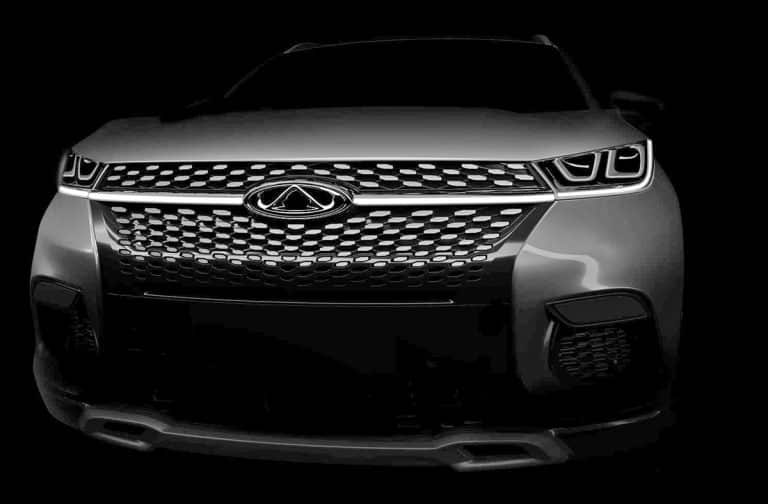
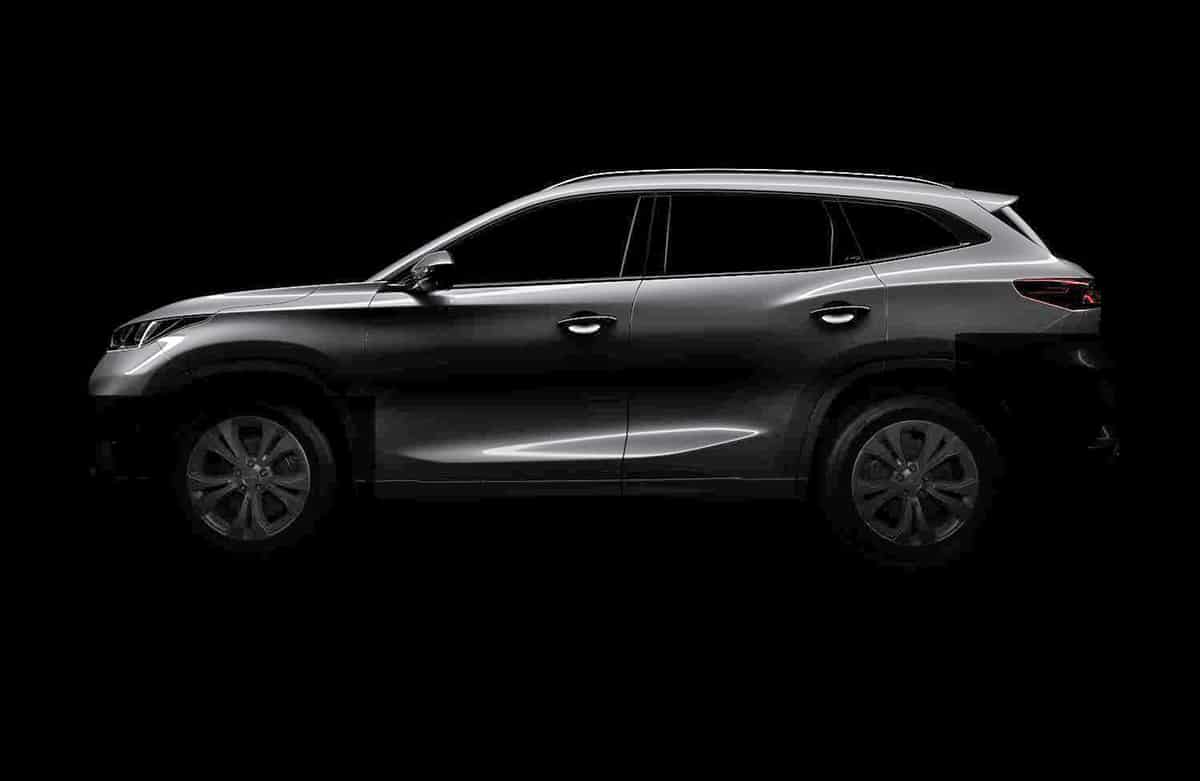
Chery has revealed the first sketches of the SUV it intends to launch into Europe, including likely the UK.
The first vehicle in what the Chinese manufacturer describes as its all-new ‘global model line’, and which will focus on SUVs and crossovers, will be unveiled at the Frankfurt Motor Show on 12th September.
According to Chery’s research and development head Ray Bierzynski, the new model line will launch “within a few years”, and all models in the line-up will feature “characteristic styling, user-focused technology, electrified powertrains and advanced safety features.”
Water inspiration
The styling of the initial compact SUV follows the brand’s ‘Life in Motion’ design language, developed by chief designer James Hope. The concept focuses on ‘hydrodynamic surfacing’, aiming at reflecting the qualities of running water, while the front end is dominated by a chrome horizontal bar and LED headlamps.
So far no details have been released of the car’s technical specification or powertrains, though the car is understood to have been built on an all-new platform.
The brand, which has sold more than 1.2 million units overseas since it was founded in 1997 – more than any other Chinese carmaker – is currently planning its European expansion. Retail and fleet channels will be included in the evaluation, and European design and R&D facilities will be established.
There has been a flurry of new part-exchange “scrappage schemes” announced in the last few weeks, with manufacturers offering thousands of pounds for owners of older, higher-polluting cars to trade them in for shiny new vehicles.
All of the offers are based on owners part-exchanging a pre-2009 car for a new 2017 model. In all cases, the buyer of the new car must be the owner of the part-exchange vehicle, and must have been the owner for a sufficient time (to stop people buying an old banger for £200 then part-exchanging it for £2,000).
Strictly speaking, not all the of the offers involve scrapping your old car when buying a new one. The BMW/Mini offer is simply a part-exchange allowance for old diesel cars, while Mercedes/Smart and Hyundai are planning to scrap cars with Euro 1 to Euro 3 emissions levels (roughly pre-2005). Ford says it will scrap all part-exchanges handled under its offer.
Some of the offers are targeted at old diesel cars (BMW and Mercedes-Benz), while others are any pre-Euro 5 cars (Ford and Hyundai). And it’s expected that other manufacturers will start offering similar schemes very soon.
Meanwhile, Vauxhall has run a scrappage offer several times in the last few years, although in a slightly different way. Rather than offering £2,000 on top of your part-exchange value, it simply offers to give you a minimum of £2,000 for your car, regardless of its actual market value. There is also no link to emissions levels or fuel type.
To recap, here are the programmes currently available:
BMW/Mini – up to £2,000 part-exchange allowance for pre-Euro 5 diesel cars on selected BMW and MINI models (mainly diesels). No scrappage component to offer.
Mercedes-Benz/Smart – up to £2,000 part-exchange allowance on pre-Euro 5 diesel cars on selected diesel or hybrid Mercedes and smart models. Euro 1 to Euro 3 part-exchange cars will be scrapped, Euro 4 won’t.
Ford – up to £2,000 part-exchange allowance on pre-Euro 5 cars (petrol or diesel) on selected Ford cars and van models. All part-exchange cars will be scrapped.
Hyundai – up to £5,000 part-exchange allowance on pre-Euro 5 cars (petrol or diesel) on selected Hyundai models. Euro 1 to Euro 3 part-exchange cars will be scrapped, Euro 4 won’t.
Vauxhall – up to £2,000 part-exchange allowance on any vehicle (to bring the part-exchange value up to £2,000) on selected Vauxhall models. All part-exchange cars will be scrapped.
Can the new scrappage schemes repeat the success of the past?
The government scrappage scheme of 2009/2010 certainly brought a lot of customers into a new car who wouldn’t have previously considered one. Nearly 400,000 cars were scrapped under the scheme, according to official government numbers.
It’s also fair to say that the timing of the government scheme coincided with the surge in popularity of personal contract purchase (PCP) car finance. Exactly how much the scheme contributed to the rapid growth in PCPs needs far more research, but it certainly meant a whole new generation of car buyers were suddenly able to swap their old banger for a shiny new car on a very affordable monthly payment.
With nearly 90% of all private new car sales now funded by PCP car finance, there is less opportunity to repeat this spectacular result. To succeed, car dealers will need to convert potential used car buyers, maybe planning to pay cash or get a personal loan, into new car buyers on a PCP.
In 2009/10, the biggest winners of the government scrappage scheme were budget mainstream manufacturers, with Hyundai and Kia leading the way. It’s not hard to see why this would be – a guaranteed minimum part-exchange value of £2,000 and PCP finance on less than £10,000 of new car was very affordable for many people.
But that was a national programme, supported by £400 million of taxpayers’ money (although it was actually very profitable for the government, since the VAT on each new car was worth much more than the state’s contribution). The new programmes are limited to a handful of manufacturers, each with their own terms and conditions, and limited to specific vehicles.
Vauxhall claims to have scrapped more than 20,000 vehicles under repeated scrappage schemes since 2015, but these are not linked to emissions and have simply been a Vauxhall promotion on selected models. It’s evidently worked well enough for Vauxhall to run the offer at least once per year over the last three years.
Are these offers simply marketing or political stunts?
Mercedes-Benz and BMW were the first to announce their emissions-based schemes, yet neither of those manufacturers are exactly targeting the budget end of the market – even with low-rate finance options available. How many old banger drivers are really likely to be seriously considering a new BMW or Mercedes?
Both the BMW/Mini and Mercedes/Smart offers are targeted at owners of old diesel cars, and are only applicable to selected new models. Both offers are also primarily aimed at getting new diesel cars out the door (plus selected low-emissions petrol models at BMW), in an attempt to halt the tide of customers deserting new diesel cars in favour of new petrol cars or used vehicles.
For two manufacturers who are heavily reliant on diesel sales to hit their targets, it’s certainly a convenient picture to paint for the public. “It’s old diesel engines that are killing polar bears, not new ones, so let’s show the world we’re doing something about it.”
Of course, it would be more convincing if Mercedes wasn’t actively recalling most of its Euro 5 and Euro 6 diesel cars (ie – the “low emissions” ones) for a software update to ‘improve’ their emissions performance.
Is Mercedes-Benz really expecting many customers to take advantage of its scrappage offer?
Good value for lower-end new car buyers
For mainstream manufacturers like Ford, Hyundai and Vauxhall, scrappage schemes make a lot more sense. The jump from old car to new car is a realistic step for far more customers, although it is usually reliant on competitive finance offers to make it happen.
Offering a couple of thousand pounds over the market value of a part-exchange vehicle could make a significant difference to the affordability of a new Hyundai i10, Ford Fiesta or Vauxhall Adam. It’s less likely to make a BMW 3 Series or Mercedes-Benz E-Class achievable for most buyers.
Ford gets van buyers involved
Of all the scrappage schemes announced so far, only Ford is making an attempt to include commercial vehicles as well as passenger cars. Including other discounts available, Ford is offering up to £7,000 off the price of selected new Transit vans.
Given the number of pre-Euro 5 vans clogging up city streets around the UK, and the stop-start nature of urban delivery work, this is perhaps the most laudable of all the scrappage offers available.
What are the hidden costs of the scrappage schemes?
As with the 2009/10 government scrappage programme, there has been debate about the overall environment merits of the latest scrappage schemes.
While it’s great to get higher-polluting cars off the roads, it’s highly dubious as to whether the total environmental effect of scrapping perfectly roadworthy vehicles and replacing them with new vehicles is any better. There have been many arguments about this, and it’s fair to say that opinion is split.
The other elephant in the room is car finance. Although none of the scrappage schemes are reliant on customers taking out finance, the reality is that the target customers for these programmes are highly likely to need finance to afford their new car. So we reduce the number of higher-polluting cars on the road, but increase buyers’ debt levels to pay for the new lower-polluting ones.
With all the current discussion about growing car finance debt and the potential impact on the economy, it will be interesting to see if there is a corresponding jump in car finance levels from scrappage customers. We are potentially trying to solve one problem by making another one worse. Which, of course, is largely how we ended up with all these polluting diesel cars on city streets in the first place…
Hyundai has joined the ranks of manufacturers offering scrappage or part-exchange offers for older, higher-polluting vehicles, with between £1,500 and £5,000 on offer from September until the end of December.
The Korean company is the latest manufacturer to announce financial incentives for owners of cars with Euro 4 or earlier emissions ratings. BMW/Mini, Mercedes-Benz/smart and Ford have all launched similar schemes this month, while Vauxhall has run similar schemes on several occasions in the last three years.
The Hyundai scheme is broadly similar to others on offer, particularly the Ford scrappage scheme. Owners of any Euro 1 to Euro 4-rated vehicle, either petrol or diesel, can claim a part-exchange allowance on a range of new Hyundai models.
Any Euro 1 to Euro 3 part-exchange vehicles will be scrapped, while Euro 4 models (approximately 2005 to 2009) will be re-sold.
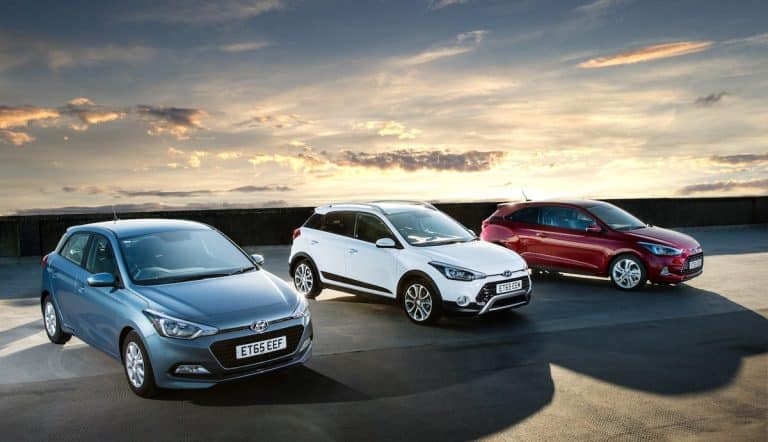
The allowances on offer range from £1,500 on the Hyundai i10 hatchback up to £5,000 on a Hyundai Santa Fe SUV.
Hyundai will also offer 2.9% APR finance plans to support the part-exchange offer, although details of these are yet to be announced. We will update you as soon as Hyundai publishes more information.
The Car Expert checks the fine print
This offer is a part-exchange allowance, for selected used cars part-exchanged against selected new cars.
Your current car can be from any brand, but must be built to Euro 4 emissions standard or earlier. This will definitely be cars registered before 31 December 2009, although some cars had Euro 5 specification engines earlier than this.
You must be the owner of the part-exchange vehicle and the buyer of the new car (same name and registered address).
You must have owned the old car for at least 90 days, to stop people buying an old banger for £200 and then getting a £5,000 part-exchange allowance for it.
You must order your new car and take delivery before the end of the year.
This offer can be used on top of any other offers from the dealer/manufacturer/finance company, including the government plug-in car grant
The offer is not dependent on you taking any finance package or other products.
The Maserati Ghibli has undergone a minor facelift after four years on sale.
On show at the Chengdu Motorshow in China, the new GranLusso variant sports minor visual changes, while also adding more and updated equipment. Its GranSport sister model will be similarly updated.
Maserati claims that the exterior restyling has contributed to a substantial improvement in the car’s aerodynamic efficiency, though figures have not been released. The car gains a new front bumper with chrome bars incorporated to reflect the design signature of more recently released Maserati models such as the Levante SUV, while the new rear bumper with its body-colour diffuser produces a sharper look to the back of the car.
Autonomous ready
Extra equipment now available includes adaptive full LED headlamps with Matrix high-beam lamps that will not cause glare to oncoming traffic, while Maserati is also introducing systems to the Ghibli that will enable autonomous driving in future. The existing interior layout is retained, having only recently been updated, principally gaining a new infotainment system.
Maserati has not yet released any powertrain details of the facelifted car but these are expected to remain unchanged as both the 3-litre V6 petrol and diesel engines recently gained power upgrades – the diesel now offers 275hp while the petrol can be bought with either 310 or 430hp.
Similarly the current prices, ranging between £50,000 and £66,000 are expected to see few changes when the revamped Maserati Ghibli goes on sale early in 2018 as a more exclusive rival to the BMW 5 Series and Mercedes-Benz E-Class.
A week after publishing disastrous results for used car sales from April to June, the Society of Motor Manufacturers and Traders (SMMT) has now published corrected numbers and decided that things aren’t so bad after all.
Having commissioned a hasty recount, the SMMT has now decided that used car sales did not fall by 13.5% during Q2, but only slipped by 0.7%. Instead of 1,832,400 cars changing hands over the three-month period, the SMMT has managed to find nearly 300,000 V5 registration papers down the back of the sofa, and now believes that 2,102,154 used cars found new homes.
The results certainly make more sense, as the Finance and Leasing Association (FLA) had posted finance results for the same period on the same day as the SMMT’s first attempt, and there was nothing unusual in the FLA’s finance numbers (more people are still taking out more finance on used cars).
As yet, there has been no statement from the SMMT as to where they found the extra numbers, but everyone in the automotive industry will be very pleased. We look forward to reading about how Brexit was the real cause of this whole saga and that the government must do something.
There is also apparently no truth to rumours that Theresa May has invited the SMMT to check the numbers on the recent General Election, as she’d quite like a disastrous June result improved as well.
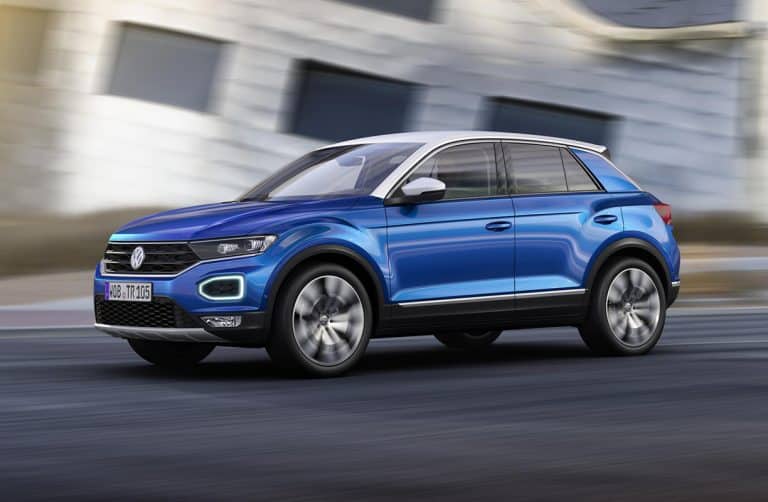
The Volkswagen T-Roc SUV has been unveiled during a presentation on the shores of Lake Como in Italy, setting off the brand’s new crossover offensive.
When it goes on sale in December the five-seater T-Roc will sit below the Tiguan as a more stylish, more compact sister model, and is expected to rival all the major players in the compact crossover segment – particularly the segment-leading Nissan Qashqai.
UK prices of the T-Roc have yet to be revealed but industry observers suggest that they will start from around £19,000. Three trim levels will be available, dubbed T-Roc, Sport and Style.
‘A car for all ages’
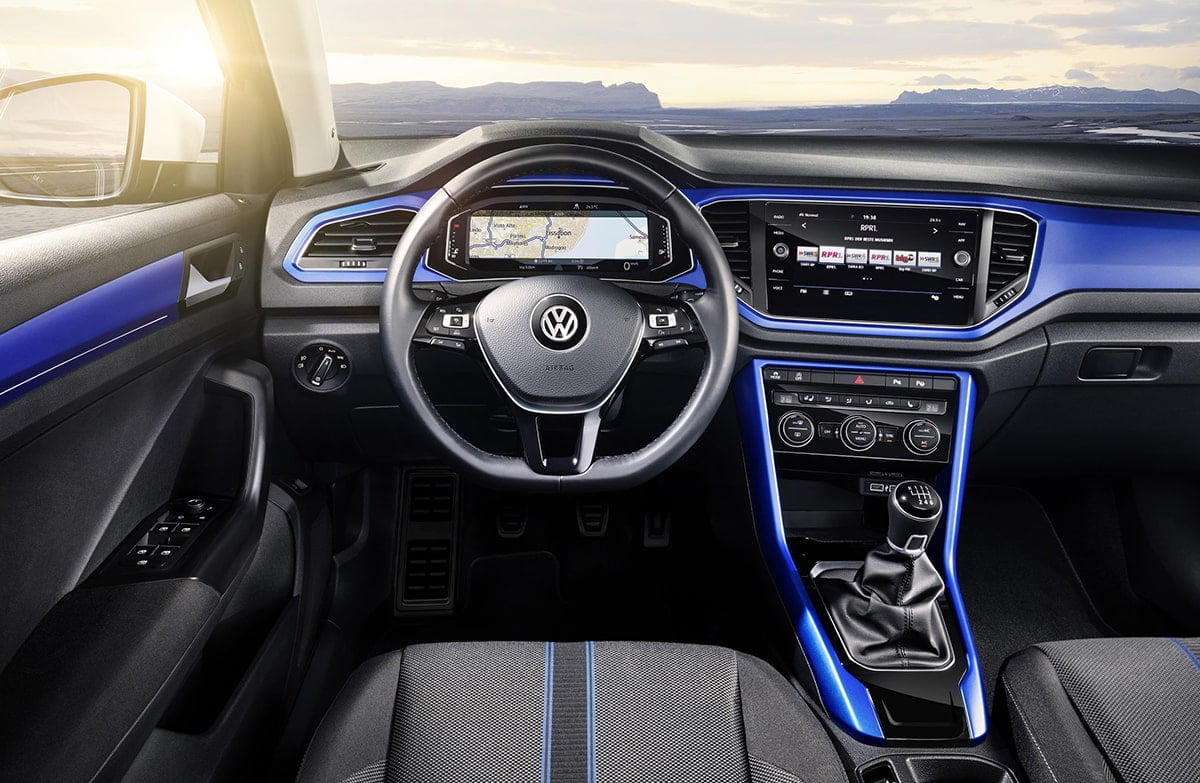
Volkswagen believes that its new model will appeal to all ages of buyers, expecting them to be down in by its personalisation options, digital technology, connectivity, driver assistance systems, engines and in particular what is dubbed a ‘modern, expressive design.’ “The T-Roc sets a new benchmark in the booming SUV segment,” says Volkswagen head Dr Herbert Diess.
The new SUV is built on the same Volkswagen Group MQB modular platform as the Tiguan and boasts a similar engine line-up. Three TSI petrol and three diesels will be on offer, and while most will use front-wheel-drive powertrains, unlike many rivals the T-Roc will offer an all-wheel-drive option using Volkswagen’s 4Motion transmission.
A host of driver-assistance systems will be fitted as standard on all models, including an automatic post-collision braking system, a lane keeping system and a front monitoring system including pedestrian monitoring and city emergency braking. A further 10 assistance features will be available as options, ranging from adaptive cruise control to rear parking cameras.
What is it?
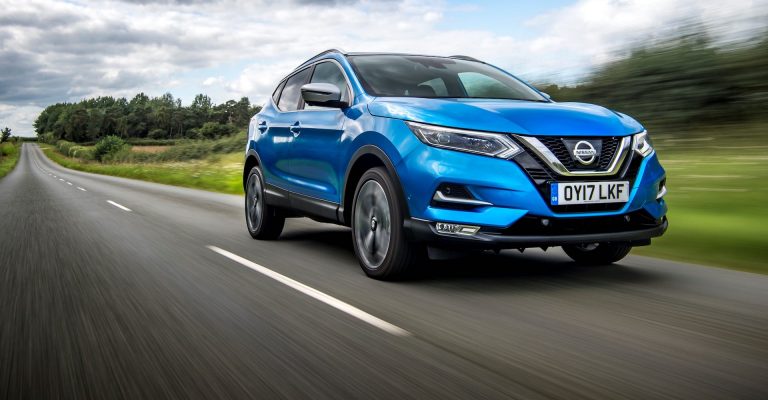
The new Nissan Qashqai is a facelift package for the elder statesman of the crossover market.
Key features
Significant visual changes, better quality, more equipment.
Our view
The upgrades to the Nissan Qashqai improve an already effective model and will keep it competitive against younger crossover rivals.
The interior upgrades have added an extra level of quality, though the layout feels slightly dated when compared to some rivals. But the Qashqai remains an accomplished all-round package and will no doubt continue to find many buyers.
Similar carsSEAT Ateca, Volkswagen Tiguan, Kia Sportage
Nissan Qashqai – the car that created the crossover segment, as its makers never fail to tell us. And today, as each manufacturer unveils yet another new crossover model in what is the UK’s fastest-growing sector, we always compare it first to the Qashqai.
A decade after its launch (we celebrated its birthday with a special feature), the Nissan Qashqai has at least 21 direct competitors, with more arriving all the time. And several of those have been launched since the current, second-generation version of the Nissan appeared in 2013.
So in order to keep adding to the 2.3 million sold so far, 4,500 in the UK claiming 10% of the entire segment, a facelift is necessary. The revamp follows the usual menu – styling changes, more equipment and better quality.
All this rates alongside one other factor that might sway some customers towards the Qashqai – it’s a British car, designed at Nissan’s studio in Paddington, engineered at Cranfield in Berkshire, and built, at a rate of around half a million a year, in the massive plant in Sunderland.
Minor visual update is most obvious from the front end
Exterior and interior
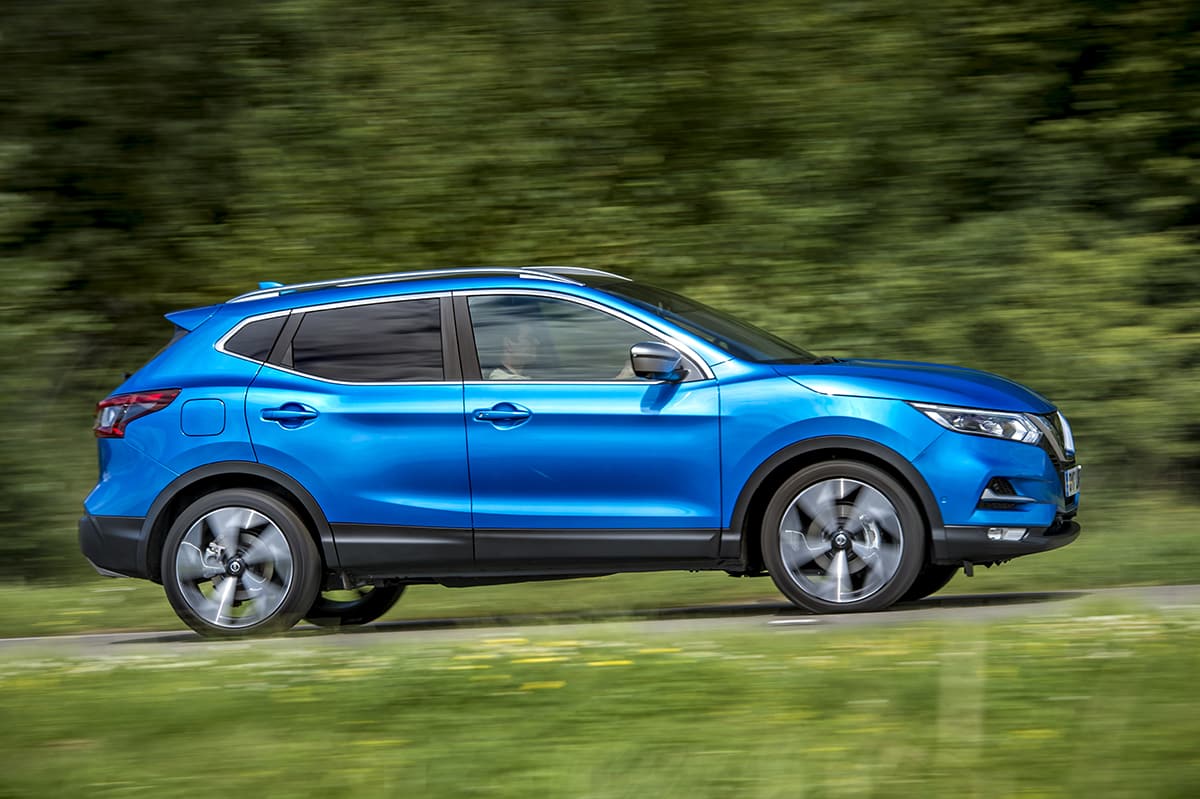
Visually, Qashqai connoisseurs will immediately notice one major difference in the new model – the front end. The latest Nissan ‘V-motion’ design style is applied, resulting in a much bolder, deeply plunging bumper arrangement, framed by slimmer LED headlamps.
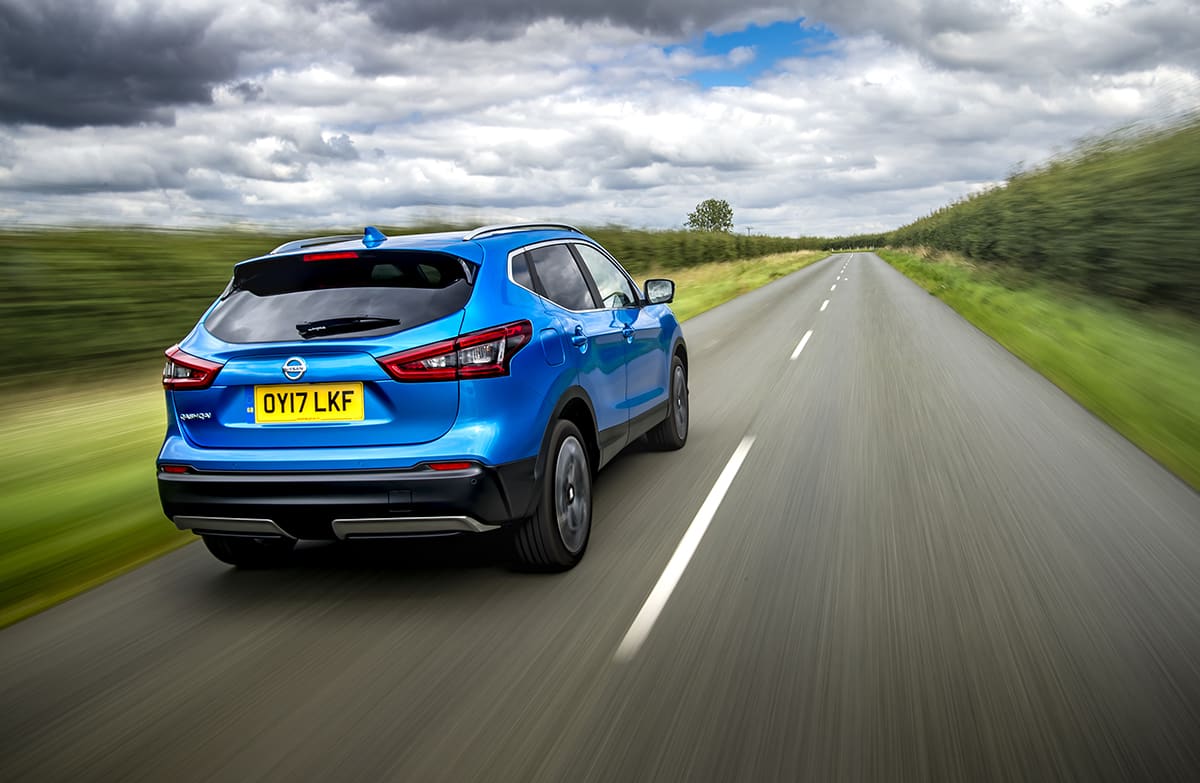
The rear is not so bold, but notable elements include the more prominent diffuser and the silver-finish sump guard look on upper trim levels. Together with more body-coloured components, and wider use of gloss instead of matt black finishes, the result is a more distinctive overall profile for the car.
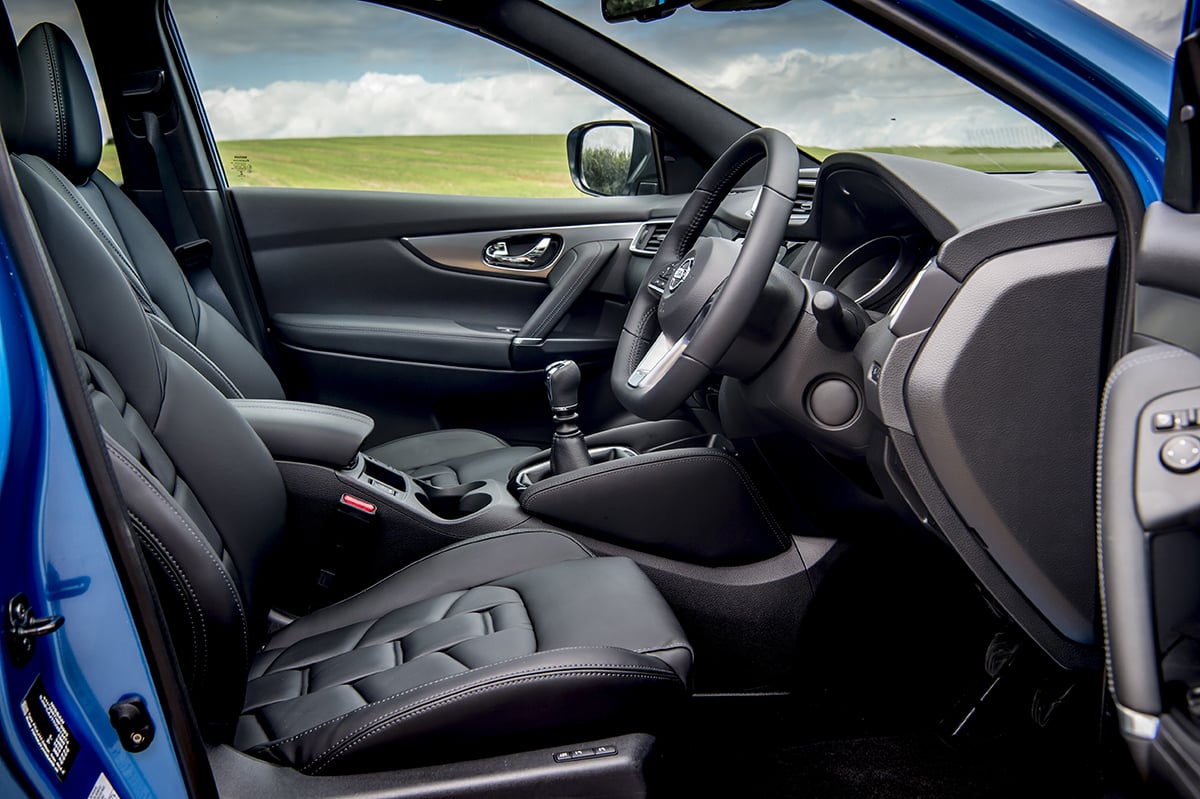
Inside has undergone lots of changes in a bid to appear more upmarket. The monoform seats look like one-piece units, and the steering wheel is now larger in diameter, thicker and D-shaped, which according to Nissan both offers improved steering and a better view of the instrument panel beyond.
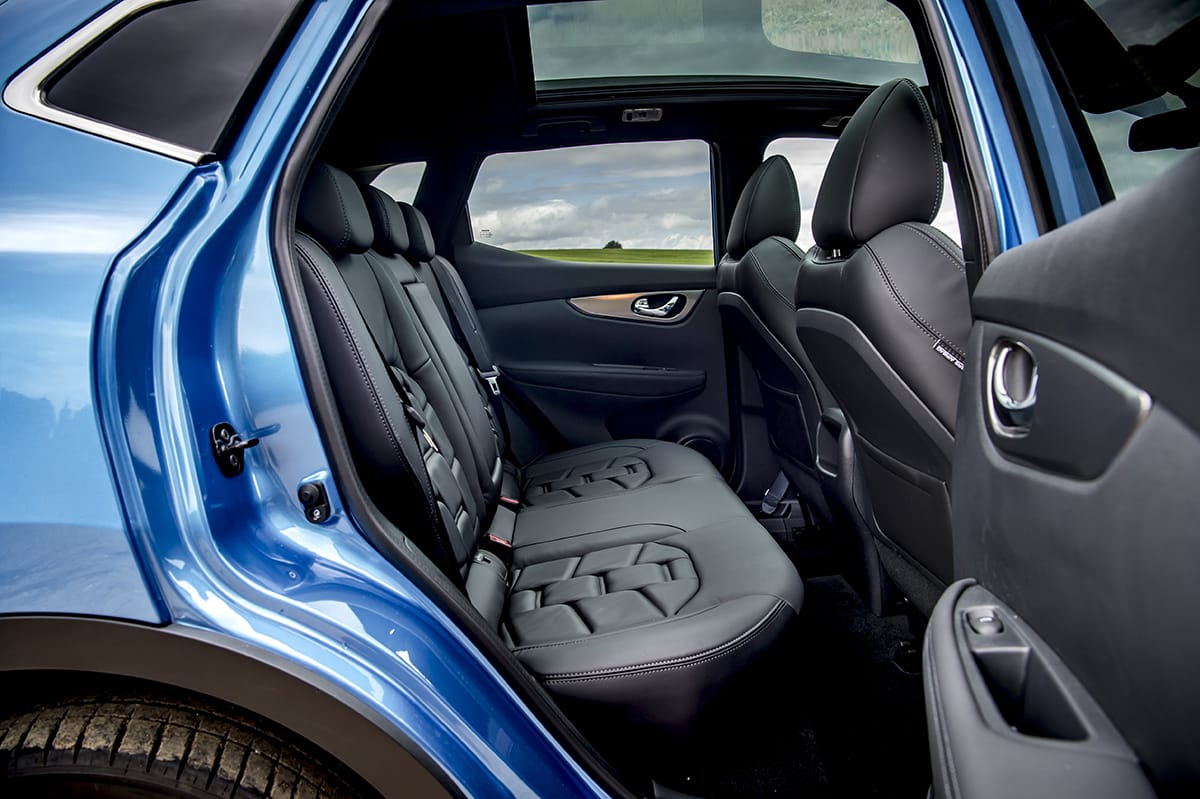
Spend out on the new range-topping Tekna+ model, and the seats certainly look premium, finished in nappa leather in a 3D quilted design. The driver’s seat includes pneumatic lumbar support, and memory settings.
Also new is an eight-speaker Bose premium sound system and smartphone compatibility through a unit called Nissan Connect EVO, while all models also get DAB digital radio. This is all controlled through the central screen, which is said to have more intuitive graphics but which also retains the layout and buttons of the previous version. The result is a bit cluttered compared to rivals, even including a CD slot – almost unknown on today’s new cars.
Dash layout is improved but still a bit cluttered
Tekna+ models get nappa leather
Optional panoramic roof brightens things up
Powertrains and chassis
One aspect that has not changed on the new Qashqai is the powertrain choice – between two petrol engines of 1.2 and 1.6 litres, and diesels of 1.5 and 1.6 litres. It’s a sign of the times that only the 1.6 130hp diesel is available with an all-wheel-drive transmission.
The smaller 1.5-litre diesel is expected to remain the most popular option – primarily because it has a CO2 emissions figure of only 99g/km. Aiding this is an underside smoothed out in the search for more efficient airflow.
Nissan has worked on the chassis. The dampers are softer, the roll bars stiffer. A new damper on the steering wheel improves response, while the electronic driver aids are refined too. Meanwhile, lots of extra insulation improves the interior ambience.
On the road
On the launch event we only had the chance to try out one engine option, but at least it was the most popular, the dCi 110, matched to a 2WD transmission and in N-Connecta trim.
The Qashqai is certainly refined on the road – riding within it is a calm experience even under heavy acceleration. The torquey engine dials in the power effectively without being exciting, and the on-the-road performance is similar. The car smothers bumps, rides in comfort, and corners effectively without being that invigorating.
The Qashqai is refined on the road
Torquey diesel engine is effective although not exciting
The Qashqai smothers bumps and rides comfortably
Equipment
Four trim levels of the previous Qashqai have become five. As in the previous car, Nissan expects by far the majority of customers to go for the upper-specification N-Connecta, Tekna and the new Tekna+ luxury grade. This includes such desirables as the Bose sound system, the quilted leather and a panoramic sunroof.
Standard equipment is good, with all models including LED daytime running lights, cruise control, front and rear parking sensors, heated mirrors and Bluetooth connectivity. You have to go up to N-Connecta before you gain the Nissan Connect seven-inch touchscreen satnav, with smartphone apps and a reversing camera, while choose Tekna and the leather seats are heated, and the neat ‘around-view monitor’ parking aid with self-parking included.
More is to come – from Spring 2018, the Qashqai will be available with the brand’s latest autonomous technology ProPilot, which offers an adaptive cruise control, lane keeping and traffic jam assistance.
Summary
The package of updates to the Nissan Qashqai improve what is already a highly effective package. The interior upgrades have added an extra level of quality, though the layout feels slightly dated when compared to some rivals. But the Qashqai remains an accomplished all-round package and will no doubt continue to find many buyers.
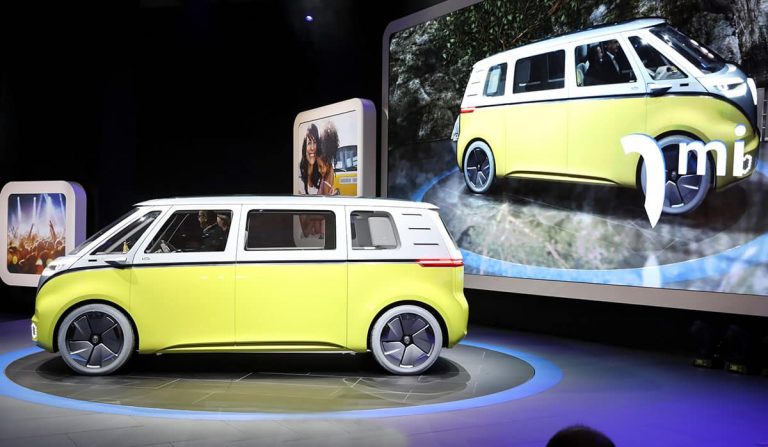
The iconic Volkswagen Kombi van is on the way back – as an electric people carrier based on the I.D. Buzz concept.
The German brand has announced that the concept, unveiled at the North American Auto Show in Detroit in January, is to be ‘further developed in preparation for its launch as a production vehicle.’
Revealing the plans at the Pebble Beach Concours D’Elegance in California, Volkswagen car and commercial vehicles brand heads, Dr Herbert Diess and Dr Eckhard Scholz, described the I.D. Buzz as an important pillar in VW’s electric vehicle strategy. They added that a production decision had been taken after a host of “please build this car” messages from visitors who saw the concept at Detroit and the Geneva show in March.
2022 launch date
The car is set to be the second member of the new VW electric family on sale, following the four-door I.D. into showrooms in 2022. Europe, North America and China are expected to be prime markets.
Few details of the production I.D. Buzz are currently being revealed, Volkswagen stating only that it will be based on the new all-electric architecture and incorporate many design ideas from the concept car. Variable seating, interactive connectivity and highly automated driving will all be part of the production model’s specification.
The Detroit concept offered seating for eight, and was capable of a range of 270 miles from a battery pack chargeable to 80 per cent in under 30 minutes.
The sixth-generation BMW M5 has been unveiled and dubbed the most powerful version of the performance super saloon yet.
On sale in February 2018 at prices expected to start from just under £90,000, the new M5 comes fitted with all-wheel-drive for the first time, allied to a significantly revised version of the 4.4-litre twin turbo V8 engine.
Higher pressure
New turbochargers and a higher injection pressure boost the M5’s power by 40hp to 600hp, alongside 750Nm of torque – 70Nm more than the previous M5 and on tap from 1800 to 5600rpm. The car reaches 62mph in 3.4 seconds and goes on to an electronically limited 155mph. Combined cycle fuel consumption is quoted at 26.9mpg with CO2 emissions of 241g/km.
An eight-speed M Steptronic auto/manual transmission is standard, matched to the M-specific xDrive all-wheel-drive system. This offers several drive modes, up to a track-specific setting with rear-wheel drive only and the Dynamic Stability Control disconnected.
The suspension and steering also boast Comfort, Sport and SportPlus drive modes, while both the front and rear axles have been redesigned to produce sharp, precise cornering performance while maintaining stability.
A new, more rigid but lighter architecture underpins the new M5 while other notable aspects aimed at saving weight and increasing performance include bespoke brakes – with ceramic versions as an option. The car makes extensive use of aluminium, the bonnet being composed entirely of the alloy, and for the first time in an M5, a carbon fibre reinforced plastic roof is fitted.
Ford is the latest manufacturer to offer a scrappage scheme in the UK, following similar schemes from BMW, MINI, Mercedes-Benz and smart.
Like the others, Ford is offering a £2,000 part-exchange allowance against selected new models. However, Ford is not limiting its offer to old diesel cars; any pre-Euro 5 petrol or diesel (or any other fuel) vehicle can be used to claim the allowance. This means most cars prior to 2010 will be eligible for the offer.
Ford also promises that all part-exchange vehicles under the new offer will be scrapped rather than re-sold, which again goes beyond what is being offered elsewhere (Mercedes plans to scrap diesel cars up to Euro 3 but not Euro 4).
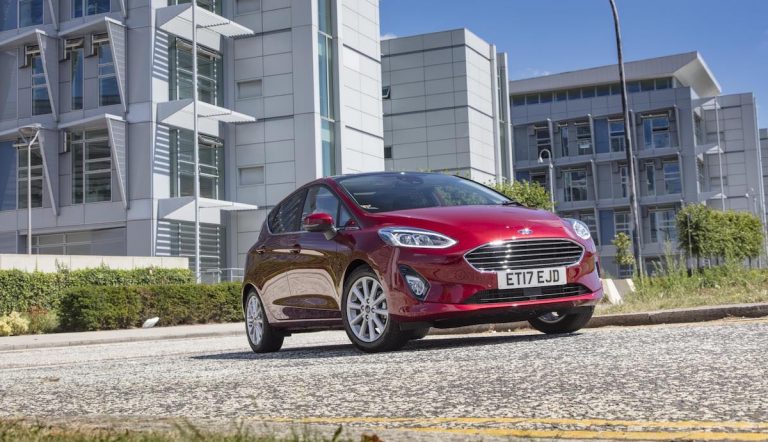
The offer applies to buyers of the all-new Ford Fiesta, the B-Max (excluding Zetec models), Focus, C-Max and Kuga passenger cars. There is also a similar offer on selected Ford Transit van models, which we are covering over at The Van Expert.
The offer kicks off in line with the new number plate change on 1 September, and cars must be registered by 31 December.
The Ford scrappage scheme offer is in addition to any other promotions and discounts. For example, there is a discount of nearly £3,000 on selected Focus models currently being offered, which would give a total saving of nearly £5,000.
The Car Expert checks the fine print
This offer is a part-exchange allowance, for selected used cars part-exchanged against selected new cars.
Your current car can be from any brand, but must be built to Euro 4 emissions standard or earlier. This will definitely be cars built no later than 2010, although some cars had Euro 5 specification engines earlier than this.
You must be the owner of the part-exchange vehicle and the buyer of the new car (same name and registered address).
You must have owned the old car for at least 90 days, to stop people buying an old banger for £200 and then getting a £2,000 part-exchange allowance for it.
You must order your new car and take delivery before the end of the year.
This offer can be used on top of any other offers from the dealer/manufacturer/finance company, including the government plug-in car grant
The offer is not dependent on you taking any finance package or other products.
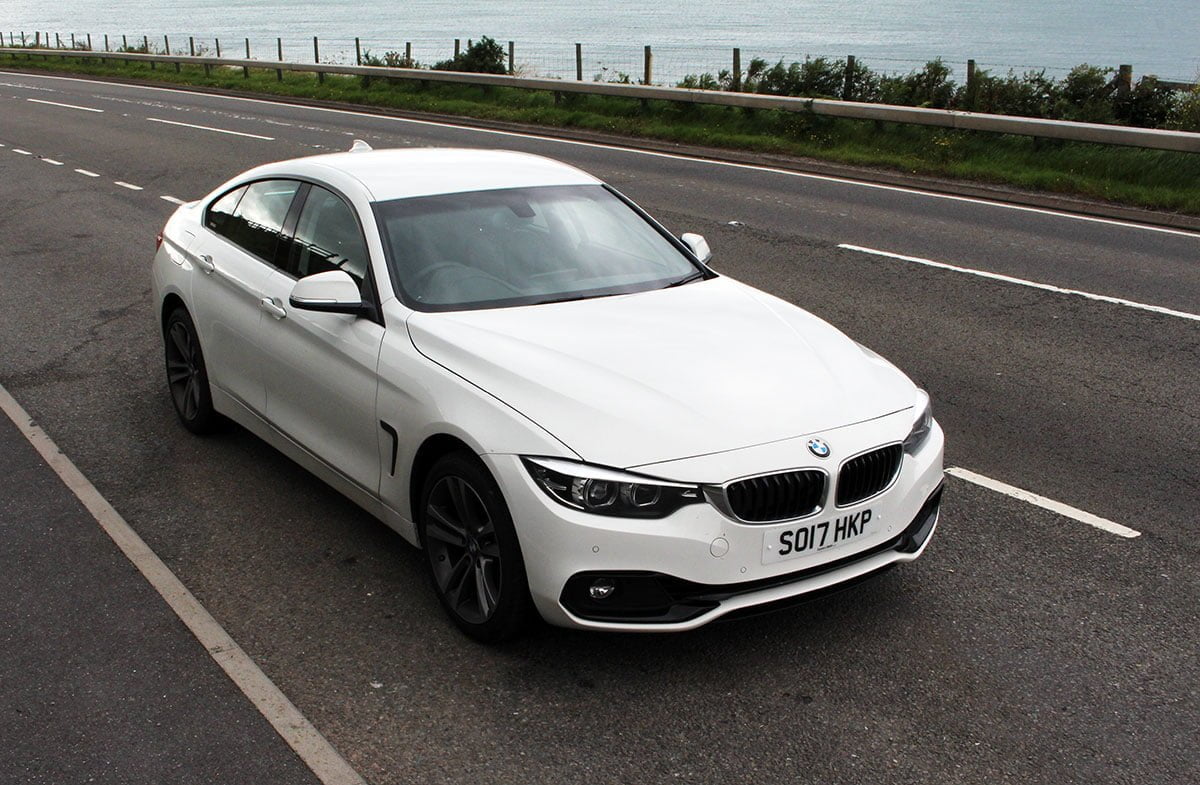
The BMW 4 Series Gran Coupé is a product of the increasingly niche marketing indulged in by upmarket manufacturers. In 2013, BMW separated out its 3 Series two-door coupé models from the four-door saloons and called them the 4 Series.
Then in 2014, a five-door version of the coupé shape arrived, complete with tailgate instead of boot, primarily to rival the highly successful Audi A5 Sportback. And it worked – today the Gran Coupé takes half of all 4 Series sales, the rest split equally between the Coupé and the Convertible.
Early in 2017, the Gran Coupé benefited from improvements applied across the 4 Series range. The styling has had a minor revamp, the cabin has been upgraded and there are suspension improvements and more equipment.
Styling and powertrain
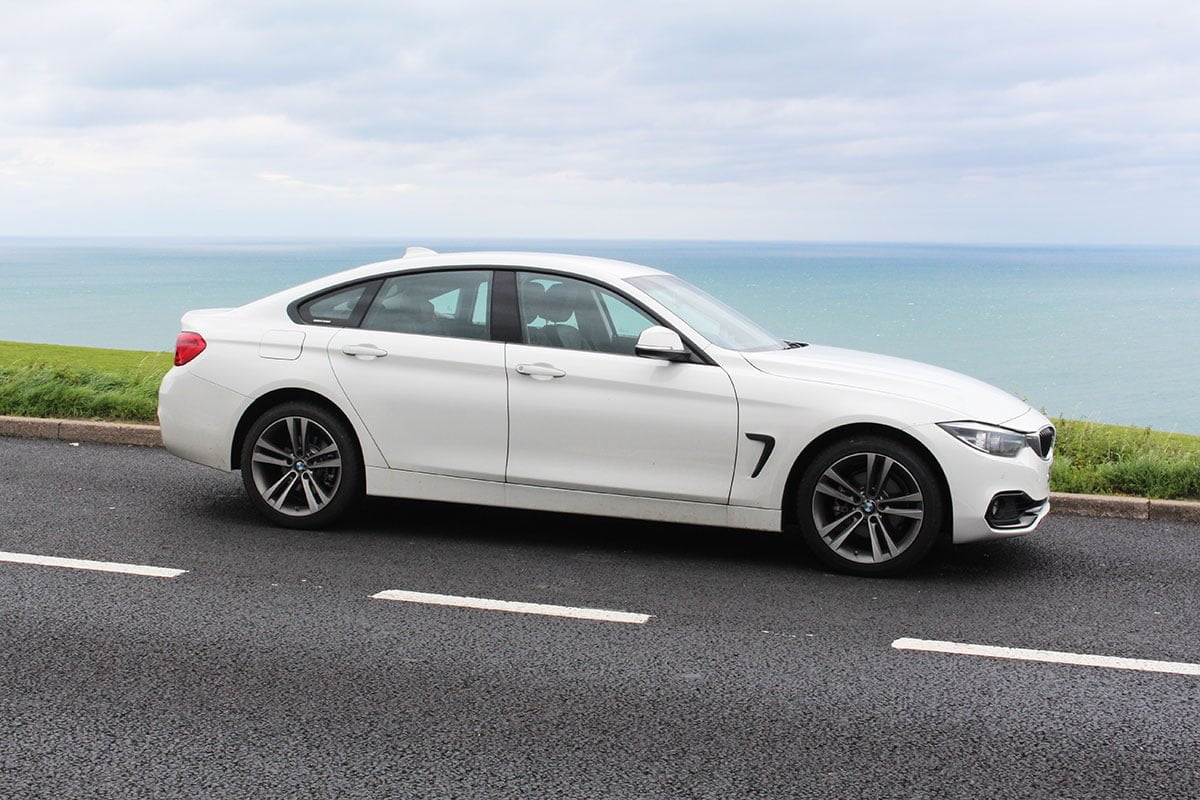
The 4 Series Gran Coupé scores immediately on its visuals – it is just about the most attractive model that BMW produces. While measuring 2cm higher than the Coupé to ensure the rear doors open up space that an adult can sit in, it still retains a much more elegant, sweeping profile compared to the 3 Series. Bespoke elements such as the frameless doors ensure that the car turns heads even when parked.
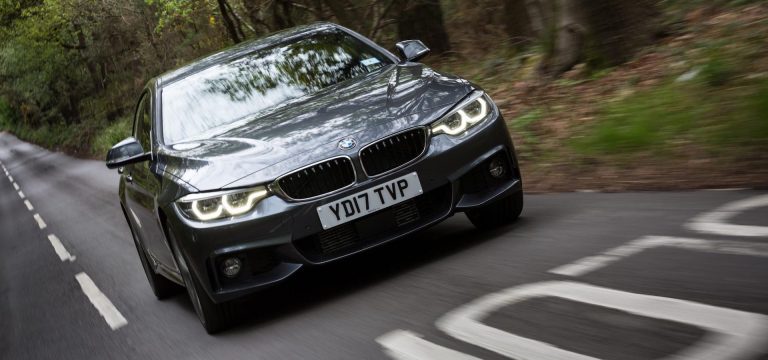
Changes made to the 2017 version merely add to the appeal, particularly to the front end. This has a larger air intake while slim twin LED headlamps are now standard. Together with a ride height 3cm under that of a 3 Series, the result is a car that looks wide and purposeful as it approaches in the rear-view mirror.
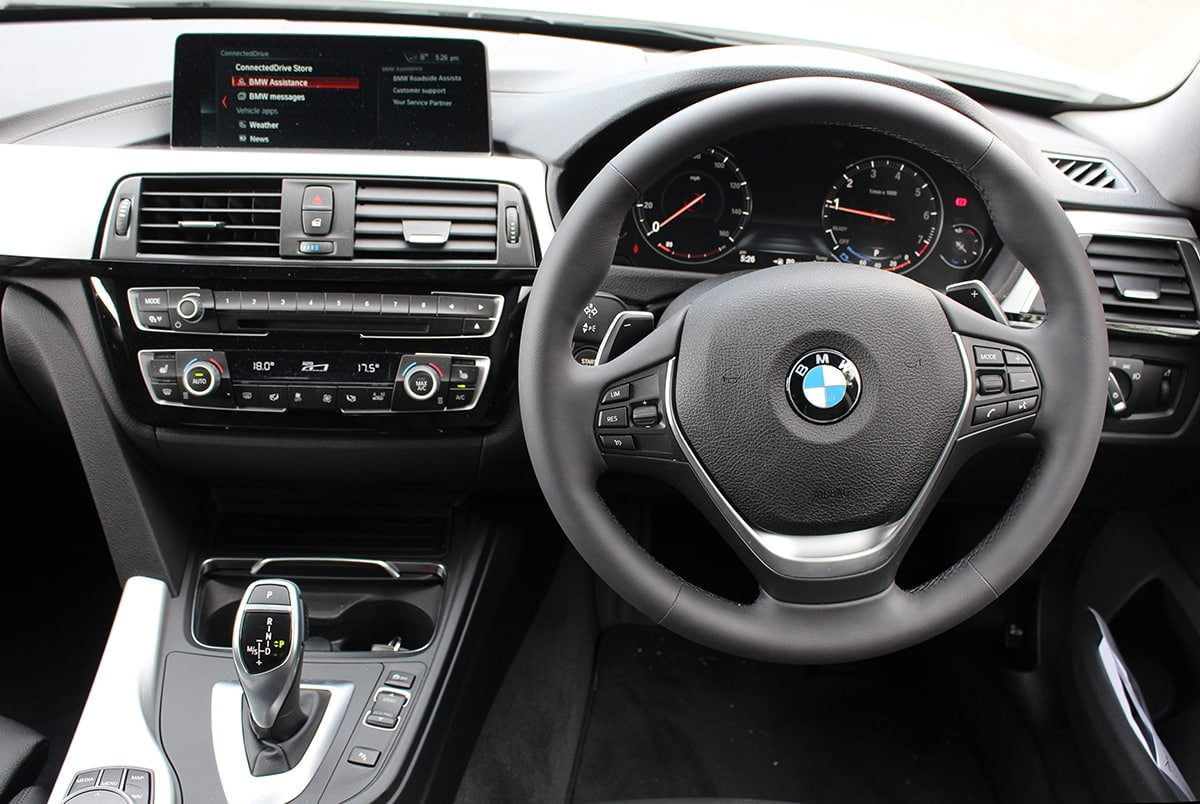
The driver’s surroundings will be familiar to any 3 Series driver. The dash controls work well, though the large handbrake lever seems a little old-tech and dominant.
Rear-seat passengers will likely be more comfortable in a 3 Series, though space is more generous than the strongly sloping roofline of the Gran Coupé might suggest. Mind you an adult won’t want to travel far in the middle rear seat.
Engine options for the 4 Series Gran Coupé range across three petrol units, with either 184, 252 or 326hp, and three diesels offering 190, 258 or 313hp. With evidence of sliding diesel popularity, The Car Expert tried the lowest-powered but also most popular petrol option, the 420i.
Our car also comes supplied with the xDrive all-wheel-drive transmission – also an option with all three diesel engines. A six-speed manual gearbox is standard across the range but optional is an eight-speed auto with sequential manual shifts and steering wheel paddles. Choose the auto ‘box and it slightly improves the fuel economy.
On the road
Of necessity, our road test of the Gran Coupe included a trip from Scotland to Wales of more than 300 miles, including trawling hundreds of miles of motorway.
It was a very easy run – the car cruises with superb refinement, its engine almost silent in operation while not lacking in brisk acceleration for overtaking. Admittedly it’s not the most potent powertrain – there are two larger options for those who want more power, but it is an excellent all-rounder.
Rear-wheel-drive BMWs have always been renowned for their finely placed cornering ability through excellently-weighted steering and the all-wheel-drive form adds an extra level of grip. The car is easy to place, and road bumps or dips fail to unsettle it – ride comfort is exemplary.
The Gran Coupé comes in SE, Sport, or M Sport trim levels and equipment levels on all are extensive. Even entry-level models get satellite navigation, Bluetooth, DAB radio, cruise control, LED head and tail lamps, front and rear parking sensors, heated seats and BMW Connected, which offers a range of online assistance services.
Also included is the Drive Performance Control (DPC) driver aid. This offers Eco Pro, Comfort and Sport modes, changing steering, throttle and suspension accordingly. On Sport versions of the car, the DPC adds a ‘Sport+’ mode that among other things disconnects the Dynamic Stability Control – not something we tried in the middle of a Welsh monsoon…
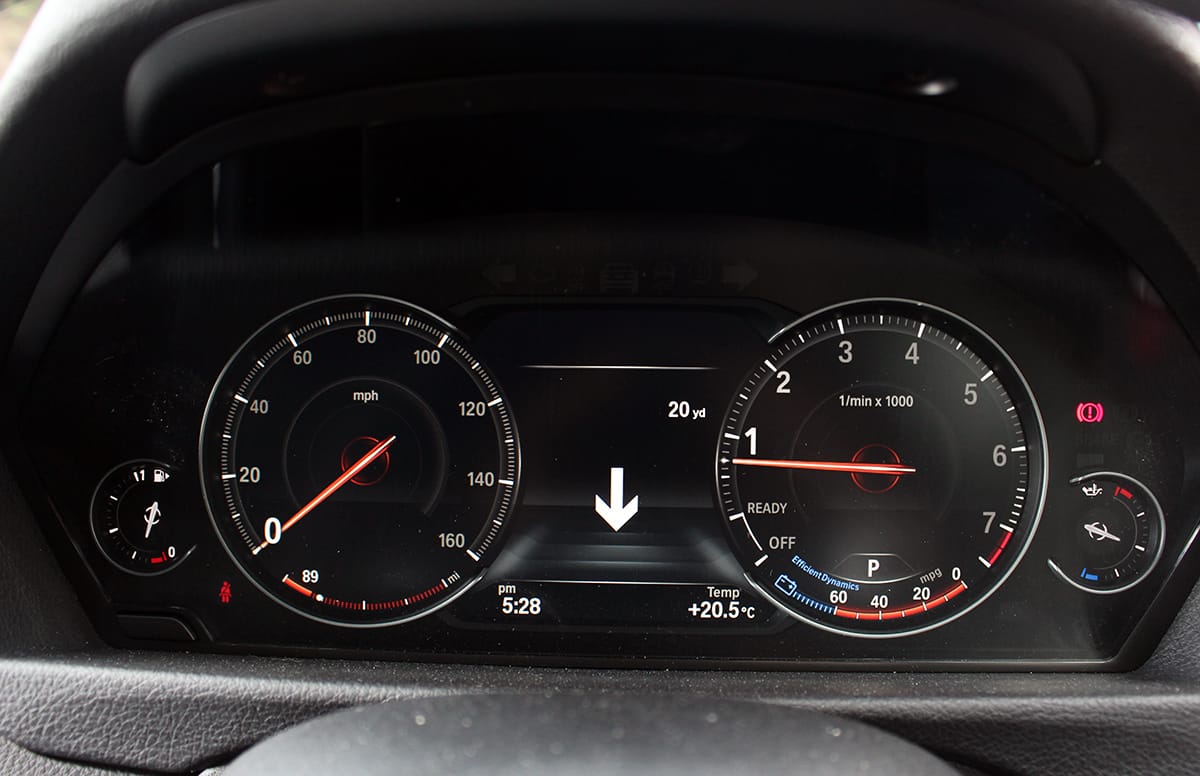
Other notables on our mid-level Sport include 18-inch alloy wheels, a natty leather steering wheel and a function that changes the instrument panel lighting to a fiery red when you select Sport on the DPC.
Verdict
The BMW 4 Series Gran Coupé provides the perfect answer to the view that for a premium car, there are just too many 3 Series around today. The Gran Coupe looks much more stylish, yet retains almost the same levels of practicality, and is very easy to live with while offering satisfactory levels of performance. We would choose this over its saloon sister every time.
Model tested: BMW 420i xDrive Sport Gran Coupe On sale: May 2017 (facelift version) Price: £34,910 (Range starts £33,110) Engine: 1998cc petrol, 184hp, 290Nm 0-62mph and max speed: 7.8 sec, 145mph Economy and emissions: 40.9mpg, 161g/km Test date: August 2017
Hyundai has unveiled an almost production-ready fuel cell SUV, with a potential all-electric range of 497 miles.
The as-yet unnamed hydrogen-powered car was revealed at a preview event in Seoul, South Korea, ahead of its official launch early in 2018. It is the brand’s second commercial fuel cell vehicle and represents the fourth generation of Hyundai’s hydrogen fuel cell technology.
Four major strategies governed the design of the new vehicle. The fuel cell system is 9% more efficient than the version in its ix35 Fuel Cell predecessor. Maximum power output of 163hp is 20% better than the ix35 version and with better cold starting. The system is more durable and the hydrogen storage tanks improved in density, using three equal-sized tanks instead of two of different sizes.
Water-inspired design
The look of the new vehicle is evolved from the FE Concept, which was unveiled at the Geneva Motor Show in March 2017. A ‘clean’ visual profile is inspired by water – the only emission of hydrogen vehicles – and includes several low-drag elements such as flush door handles.
The newcomer is expected to head up the brand’s development programme for low-emission vehicles, with 31 eco-friendly models due to introduced across the global Hyundai and Kia ranges by 2020. Hyundai will launch an electric version of its Kona SUV, with a range of 240 miles, in the first half of 2018, a Genesis EV in 2021 and a long-range EV capable of 310 miles after 2021.
The finished version of the new vehicle will be revealed in Korea early in 2018, but its name will be unveiled alongside a number of new driver assistance technologies at the CES global consumer electronics and technology show in Las Vegas, USA in January.
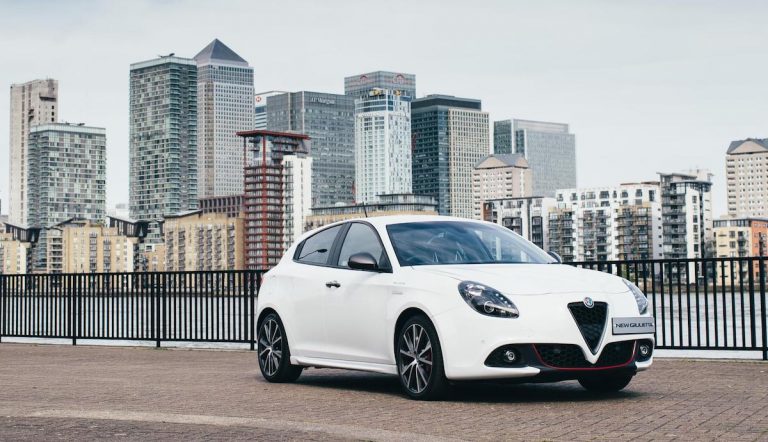
Alfa Romeo is offering a £2,000 deposit contribution on selected Mito, Giulietta, Giulia and 4C models sold and delivered by the end of September.
The “Test Me” promotion offers a £2,000 deposit contribution for customers taking out a personal contract purchase (PCP) car finance agreement after test driving one of the selected models.
This promotion is over and above any existing deposit contribution offers. For example, Giulietta models currently have advertised deposit contributions of £1,550 to £2,800, while selected Giulia models have an advertised deposit contribution of £750 and the 4C gets £500.
The Alfa Romeo website suggests that the £2,000 Test Me offer can also be used on a hire purchase (HP) finance agreement, but does not provide any details. It is not able to be used on a personal contract hire (PCH) lease agreement.
The Car Expert explains the fine print
This offer provides a £2,000 deposit contribution towards selected new Alfa Romeo models, over and above any other offers.
The offers listed on the Alfa Romeo website are only examples, and you are entitled to adjust the term, deposit and annual mileage to suit your own needs.The APRs and annual mileages shown on the examples vary considerably, so check the details carefully to make sure you are happy with what you are being offered.
The APRs, annual mileages and excess mileage charges shown on the examples vary considerably, so check the details carefully to make sure you are happy with what you are being offered.
Excess mileage fees only apply if you are giving the car back and claiming the guaranteed future value (GFV).
Cars have to be ordered and delivered by 30 September 2017.
The finance offers are provided through Alfa Romeo dealers by FCA Automotive Services. If a dealer offers you a finance deal that does not match these details or from another lender, it is not part of this offer.
As with any car purchase, work out your budget before you visit the showroom and don’t be persuaded to go beyond it – regardless of what the smiling sales executive suggests. They don’t have your best interests at heart, but The Car Expert does!
Daimler has announced a similar diesel part-exchange programme to the one announced last week by BMW, for any customer part-exchanging an older diesel car against a selected number of Mercedes-Benz or Smart models.
Until the end of 2017, any owner of a Euro 4 (or older) diesel car will be eligible for an additional £2,000 part-exchange allowance over and above their car’s value when they buy a new Mercedes-Benz diesel or plug-in hybrid model.
On new smart electric drive models, the offer is for an additional £1,000 part-exchange allowance.
Like BMW, Daimler will be hoping to boost sales of new diesel cars in the face of a significant slump in demand over the last four months. The majority of Mercedes-Benz sales have been diesel models for some years, and the company will be hoping that this offer will allow Mercedes-Benz to salvage a decent year in terms of new car sales.
Unlike the BMW offer, the Mercedes-Benz allowance does not extend to buyers of low-emissions petrol models. However, in a move that goes beyond BMW’s offer, Daimler has pledged to scrap any Euro 1 to Euro 3 diesel cars that are part-exchanged, rather than selling them on.
The allowance is in addition to any other offer available from the manufacturer, finance company or dealership, such as a deposit contribution or discount, or the government’s plug-in car grant for plug-in hybrid or fully-electric vehicles.
This offer is a part-exchange allowance, for selected used cars part-exchanged against selected new cars.
Your current car must be a diesel, from any brand, with an engine that is built to Euro 4 emissions standard or earlier. This will definitely be cars built no later than 2010, although some cars had Euro 5 specification engines earlier than this.
You must be the owner of the part-exchange vehicle and the buyer of the new car (same name and registered address).
Your car must have a valid MOT certificate, so you can’t drag an old car that’s off the road down to the dealership to claim the allowance.
You must have owned the old car for at least six months, to stop people buying an old diesel banger for £200 and then getting a £2,000 part-exchange allowance for it.
You must order your new car before the end of the year, and must take delivery of the vehicle no later than 31 March 2018.
This offer can be used on top of any other offers from the dealer/manufacturer/finance company, including the government plug-in car grant
The offer is not dependent on you taking any finance package or other products.
Chery is the newest Chinese brand to target European buyers. China’s leading vehicle exporter intends to begin selling its cars in Europe ‘in the next few years’, and says that they will be under an all-new, yet to be revealed nameplate.
Chery sold more than 700,000 vehicles in 2016, 28% up year-on-year and 100,000 of them exported, representing almost 30% of all Chinese vehicle exports.
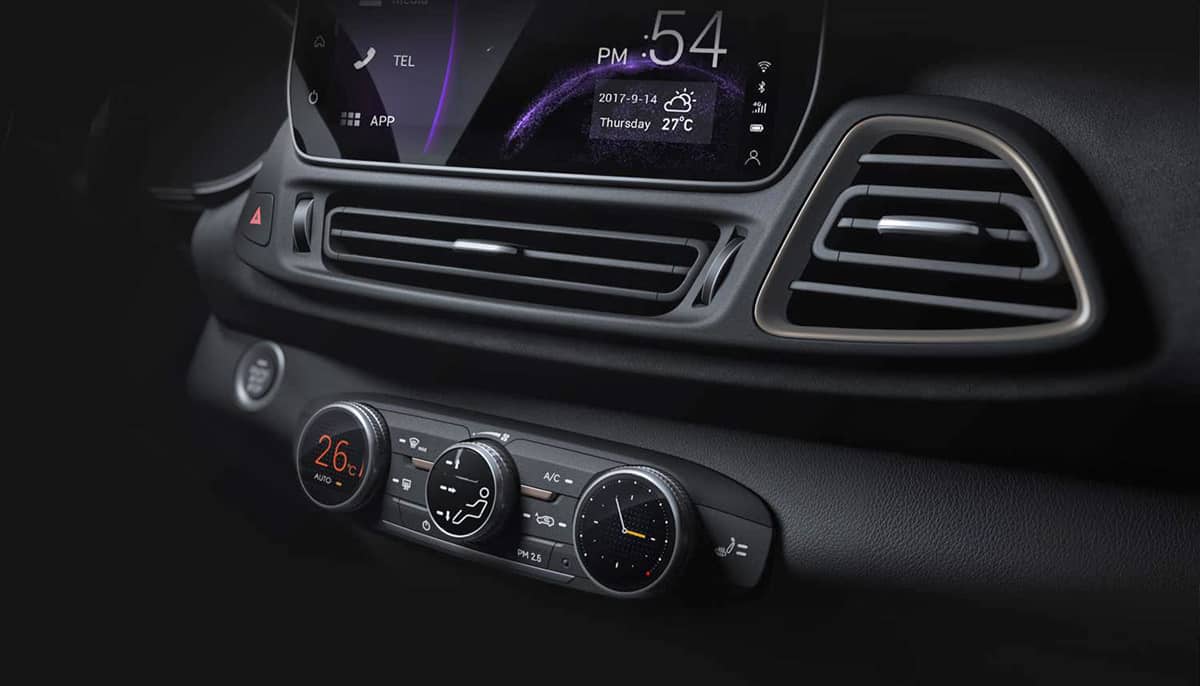
Chery’s first European model, a compact SUV, will be unveiled in pre-production form at the Frankfurt Motor Show on 12th September. Virtually nothing is currently known about the model apart from hints to its exterior design and interior in released sketches.
The company is planning a European research & design centre to work alongside its facilities in Wuhu, Beijing, and Shanghai in China. European markets will be analysed before sales and distribution networks are set up. Manufacturing will remain in China, where Chery has four plants with a total capacity of one million vehicles, one million engines and 600,000 transmissions per year.
Alternative fuel is also firmly in Chery’s plans, the company intending to create a range of hybrid electric vehicles (HEVs), plug-in hybrid electric vehicles (P-HEVs) and battery electric vehicles (BEVs).
According to Chery CEO Dr. Anning Chen, the brand will particularly target younger buyers. “(Our) product rollout strategy focuses on quality, low- and zero-emissions powertrains, and emotional engagement with customers. All Chery vehicles sold in Europe will feature class-leading connectivity, be fun to drive, offer flexible and spacious interiors and will provide comprehensive personalisation, all of which are aligned with our high standards of product quality and aftersales support.”
Used car sales for the second quarter of 2017 have fallen significantly, in results published by the Society of Motor Manufacturers and Traders (SMMT) today.
Overall used car transactions fell by 13.5% compared to the same three-month period last year, with 1,832,400 used cars changing hands between April and June.
Used car figures are not necessarily a strong indicator of what is going on in car dealerships, as the published numbers include any used car that has had a change of ownership. This includes private sales, auctions, registration transfers within households and so on. However, a fall of 285,000 units in three months is certainly significant as it represents 3,000 fewer cars per day changing hands.
The SMMT (triumphantly?) points out that used diesel sales held steady with a negligible 0.1% drop, while used petrol car sales fell by 9%. Hybrid and electric used car sales were up by 24%, but still only make up a meagre 1% of the used car marketplace.
Given the collapse in sales of new diesel cars over the same period, it seems quite likely that many potential new diesel car buyers have chosen a used car instead. It is also very likely that a higher-than-normal number of those used diesel sales will be made up of dealer demonstrators, head office company cars, pre-registered cars and so on.
With manufacturers and dealers propping up their new car diesel registrations over the last few months with self-registered diesel cars, it is logical that there would be an increase in nearly-new diesel stock on dealer forecourts and at auction blocks.
There is also talk of a diesel scrappage scheme being introduced at some point in the future, so buyers of cheaper used diesel cars may be reassured by the possibility that they could make a profit if they sell their car in a year if such a scheme comes into existence.
Worst Q2 results for years
The SMMT press release claims that this year’s results are “no surprise”, coming off the back of a record year last year. However, it conveniently fails to mention that the Q2 results for 2017 are also worse than both the 2015 and 2014 results, so at the very least it’s the worst result in four years (the SMMT does not publicly display older used car sales data).
Used car finance results published today by the Finance and Leasing Association (FLA) show that, despite the sales slowdown, used car dealer financing has actually increased compared to the same period last year. Both volume (4% more deals) and value (9% more overall borrowing) were up on last year, meaning an average increase of 5% borrowed per car) from dealerships.
This suggests that the biggest falls in used car sales have been at the bottom end of the used car market, where PCP finance is far less popular or relevant.
A blip or a fundamental shift?
As usual, the SMMT and other automotive industry commentators have queued up to imply that Brexit, elections and economic woes have affected the results. Given that this has been a rapid slump for both new and used cars after a long period of year-on-year growth, it certainly suggests that customers are hesitating to launch into a vehicle purchase at this time.
Another key factor, as it was for new car sales, would have been the General Election. Called in April and conducted in June, it will have affected all three months of the quarter.
Of course, this is only the result of one quarter. It remains to be seen what will happen over the second half of 2017 before we really start to understand whether this is a blip or a genuine shift in the marketplace.
Renault is offering a new Black Edition personalisation pack for its Clio Renault Sport. The pack is available regardless of the body colour chosen.
For the Clio Renault Sport 220 Trophy, the pack adds black gloss door handles, moulding inserts, front blade, tailgate moulding, badging and rear diffuser. The Clio Renault Sport 200 gets all this and more, with the addition of 17-inch black Renault Sport alloy wheels.
Both models have a 1.6-litre turbocharged petrol engine producing 220hp and 200hp respectively, paired with a six-speed double-clutch automatic transmission.
Customers are able to specify from three different types of chassis: the sport, uprated Cup and Trophy.
The latest Clio Renault Sport has Launch Control and Renault Sport Drive System, which allows drivers to select between normal, sport and race modes. The model also has Renault Sport Vision lighting comprising LED lights in the form of a chequered flag.
The Black Edition pack for the 220 Trophy costs £200 and £350 for the 200, and is available to order now.
The latest car finance monthly figures show that car finance debt remained at record levels in June, with a fall in new car volumes balanced by an increase in used cars.
The results for June, published today by the Finance and Leasing Association (FLA), show that an 8% fall in new car finance deals was balanced by a 7% increase in used cars deals. The average amount being financed increasing again for both new and used buyers, pushing total borrowing up by 5%.
The fall in the number of new car finance deals matches the SMMT’s official new car registration figures, which also show an 8% reduction compared to the same month last year. However, average new car borrowing is up nearly 9% on last year’s figure, at just under £19,000. This is down by £800 on May’s figure, but still helped keep average borrowing figures at record levels for the first six months of 2017.
The FLA claims that 86% of all private new car sales are financed by its members, which basically means PCP car finance at the dealership. This figure has been steady pretty much all year. Combined with the ever-increasing average borrowing figures, it suggests that car buyers are not heeding the warnings about the levels of car finance debt.
Used car borrowing is also at a record level, with both volumes and overall borrowing up on last year. Volume increased by 7% over June last year, following a similar pattern in May. Used car finance deals for the quarter were up by 4%, despite used car sales falling by more than 13% according to SMMT figures also published today.
Used car overall borrowing was up by 12% over the same month last year, pushing average used car borrowing to £11,400 – an increase of 5% on last year. Unlike new cars, the majority of used car sales are not financed by dealer funding, although the percentage is steadily growing as more used car buyers choose PCP financing.
The Honda Jazz has a new petrol engine and an updated exterior. The rejuvenated model will appear at the Frankfurt Motor Show in September.
It will be the first time that the 1.5-litre 130hp petrol engine has been available in Europe. Honda is claiming a 52.3mpg fuel economy and 124g/km CO2 emissions with the optional CVT automatic transmission.
Facelifted front and rear bumpers with signature headlights and grille align the Jazz with the latest models in the Honda family. A new Sport specification is on offer, as well as new colour option: Metallic Skyride Blue.
Inside, the Jazz continues to be a class-leader in terms of space with a 354-litre boot that can be expanded to 897 litres with the rear seats folded and roomy surroundings for occupants.
The Jazz features cruise control, automatic headlights and City-Brake Active safety system as standard. Optional extras include a seven-inch Honda Connect infotainment system, reversing camera, keyless entry and start, forward collision warning, lane departure warning and traffic sign recognition.
After its Frankfurt appearance, the updated Honda Jazz will be available to order in November, with first deliveries expected to be made early next year.
SsangYong has announced details of pricing and specification for its fourth generation Rexton 4×4. The latest model is based on the LIV-2 concept which SsangYong showed at the Paris motor show in September last year.
Powered by a 2.2-litre turbo diesel engine producing 181hp and 420Nm of torque, the Rexton has a 3.5-tonne towing capability and a kerb weight between 2,095 and 2,333kg. The four-wheel drive can be paired with either a six-speed manual or seven-speed Mercedes-Benz automatic transmission.
An updated front grille brings the fourth generation model’s look in line with that of the new Tivoli. Customers can opt for 17, 18 or 20-inch alloy wheels and specify either a five or seven-seat model.
The Rexton’s infotainment system features Apple CarPlay, Android Auto, DAB radio and a 9.2-inch HD screen.
New safety technology includes forward collision warning, autonomous emergency braking, lane departure warning, high beam assistance and traffic sign recognition.
The Rexton goes on sale in October from £27,500 and comes with a five-year limitless mileage warranty.
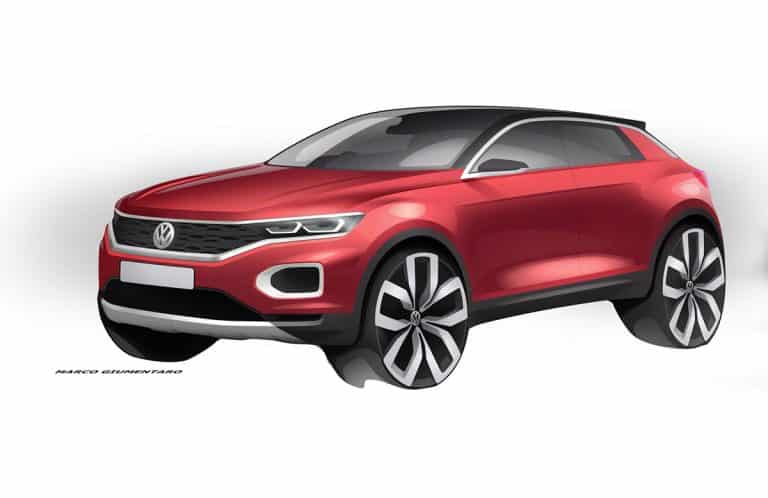
Newly released sketches provide major clues to the look of the Volkswagen T-Roc, a new compact SUV due to be unveiled on 23rd August.
Expected on sale in the Autumn, the T-Roc is expected to provide Volkswagen with a more direct rival to the segment-creating and leading Nissan Qashqai than is the current VW Tiguan.
Currently, there is little detailed information available about the T-Roc, Volkswagen merely stating that it will ‘combine the effortless superiority of an SUV with the agility of a sporty, compact model.’
Hybrid and electric
The new crossover model is expected to be closely related to the Polo and Golf hatch ranges. Most sales are likely to be of two-wheel-drive versions but with all-wheel-drive also being available in the line-up. Plug-in hybrid and fully electric versions are also thought to be in plans for the T-Roc range.
While based on the larger Tiguan, the styling of the T-Roc will be a departure from previous Volkswagen design, the aim being to give the car an off-road image with chunky dimensions particularly around the wheel arches – though perhaps not quite as bold as the sketches suggest. The car will be recognisable from its signature wide radiator grille which runs into the headlamps, while the indicators and daytime running lights are separately mounted in the bumper.
Check back to The Car Expert for the full story of the T-Roc following its unveiling on 23rd August.
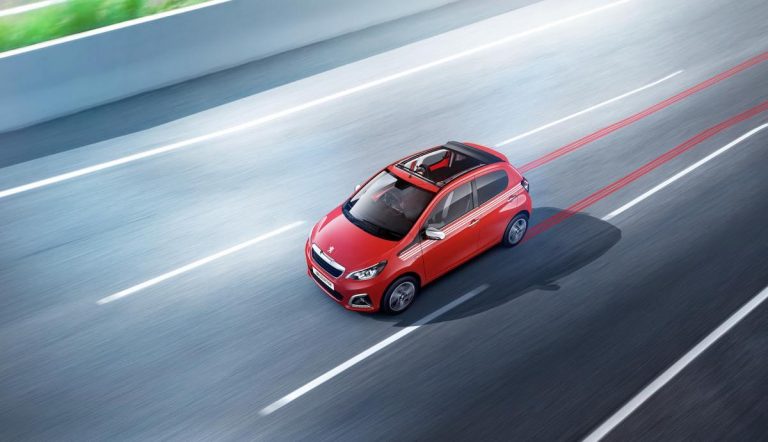
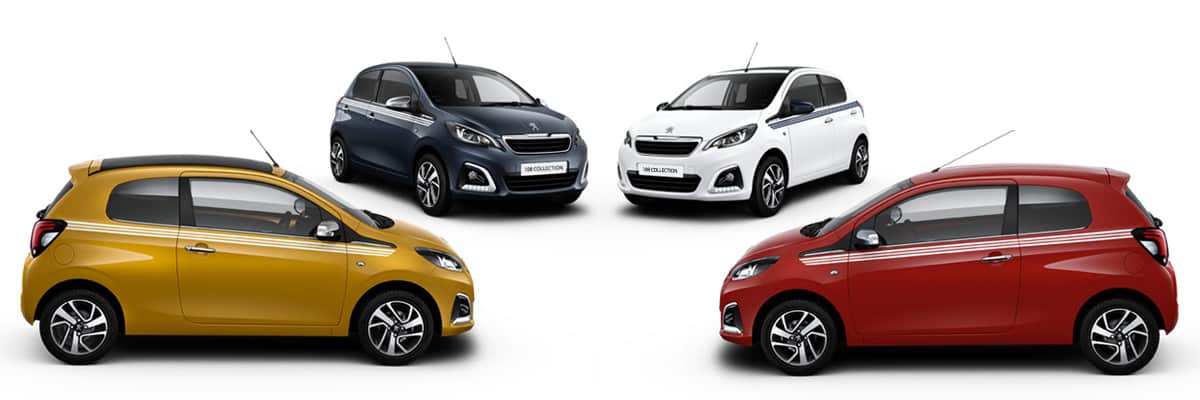
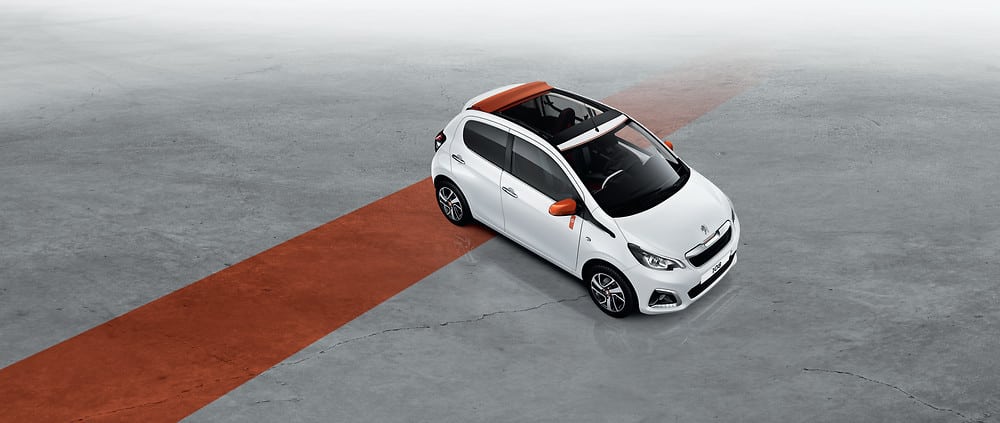
Peugeot has launched a pair of special-edition 108 models alongside a new finance offer as the market revs up ahead of the September rush.
The Peugeot 108 Collection and 108 Top! (cabriolet) Roland Garros get extra paint colours, alloy wheels and other extras, such as keyless entry, a seven-inch colour touchscreen with reversing camera (and satnav in the Roland Garros model).
Mechanically there are no changes, so they will drive the same as regular 108 models.
Peugeot has also announced a personal contract purchase (PCP) offer for all 108 models except the bottom-of-the-range Access model, for cars ordered before the end of this month.
The PCP offer is very similar to the one Peugeot is running on the larger 208 models. It is based on a contract of up to 37 months (three years of regular monthly payments plus the final balloon payment) with an APR of 4.9%, which is decent but not outstanding. The offer also does not require any upfront deposit from the customer, which is better than many PCP offers.
The Peugeot 108 Collection, Roland Garros, Allure and GT Line models get a £1,200 deposit contribution, while the Active trim model gets a £600 deposit contribution.
Peugeot 108 Collection
The Car Expert says… always check the fine print on finance offers
Peugeot refers to its personal contract purchase offers as “Passport”. Customers can also choose Peugeot’s “Just Add Fuel” package at extra cost, which also includes three years’ car insurance, road tax and routine servicing costs. If you are under 21 years of age, you are required to take a Peugeot telematics device if you want the Just Add Fuel package.
The Just Add Fuel package is certainly convenient, but you may find it cheaper to arrange your own insurance and servicing, rather than using Peugeot’s preferred providers.
The Peugeot 108 PCP deal is advertised with an APR of 4.9% representative, with a fixed interest rate that is also 4.9%. That means that there should be no fees anywhere on the finance agreement (apart from excess mileage fees).
The offers set out on the Peugeot website are only examples, and you are entitled to adjust the term, deposit and annual mileage to suit your own needs. The annual mileage used in all of the examples provided is only 6,000 – which is lower than most people drive in a year, so bear that in mind.
The excess mileage fee is 5p/mile. That’s £50 for every 1,000 miles you go over your limit, which is less than many other PCPs. The fee only applies if you are giving the car back and claiming the guaranteed future value (GFV).
The finance deal only applies to new cars, which does not include dealer demonstrators or pre-registered cars.
Cars have to be ordered by 31 August, but no delivery date is specified on the website. That means you can get one this month with a 17-plate, or wait until September and get one with the new 67-plates that start from 1 September. If you are planning to keep the car for three years or less, you may be better off waiting for the 67-plates, as it will probably be worth more at the end of the agreement.
The finance offers are provided through Peugeot dealers by PSA Finance UK. If a dealer offers you a finance deal that does not match these details or from another lender, it is not part of this offer.
As with any car purchase, work out your budget before you visit the showroom and don’t be persuaded to go beyond it – regardless of what the smiling sales executive suggests. They don’t have your best interests at heart, but The Car Expert does!
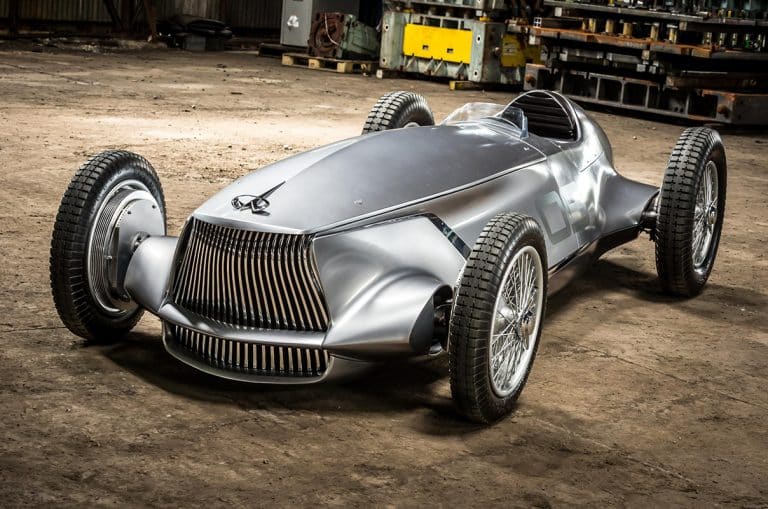
Infiniti is joining the manufacturer rush to electric racing cars – except that its new model looks as if it has come straight out of the 1940s.
The open-wheeled Prototype 9 has been unveiled as a concept at the Pebble Beach Concours d’Elegance in the USA. It is described as “a journey back in time” and a “fusion of advanced technology with traditional hands and hearts of hundreds of craftsmen.”
Nissan’s next electric
Underneath the retro exterior, however, the Prototype 9 boasts the latest electric powertrain from Nissan, expected to be unveiled in production form in the next Nissan LEAF at the Frankfurt Motor Show. It pairs the electric motor with a 30kWh high-voltage battery, putting 148hp and 320Nm of torque through the rear wheels which gives the car a 0-62mph time of 5.5 seconds and a 105.6mph top speed.
Built as an after-hours project by a team of employees from across Nissan, the car is even of traditional construction – weighing in at just 890kg, it has a steel ladder frame covered in hand-beaten steel panels in a bare finish, leaf springs behind the 19-inch wire wheels, a De Dion rear axle and no power steering.
Infiniti design elements are incorporated – the double-arch grille, the single crease in the bonnet, and the ‘shark gills’ behind the front wheels. Even the figure 9 in the title relates to the Q motif used in Infiniti cars – 9 in Japanese is pronounced ‘kyuu’.
There is no chance of the Prototype 9 reaching any form of production, the brand’s global design head Alfonso Albaisa effectively admitting that it imagines a heritage Infiniti doesn’t have. “Prototype 9 celebrates the tradition of ingenuity, craftsmanship and passion of our forebears at Nissan, on whose shoulders we stand today – what if Infiniti had created a race car in the 1940s? If one were to imagine an open-wheeled Infiniti racer on the famous circuits of the era, such as Japan’s Tamagawa Speedway, what would that look like?”
What is it: The Nissan X-Trail is the brand’s largest, go-anywhere crossover.
Key features: Seven-seat capability
Our view: In third-generation form, the Nissan X-Trail remains a practical large SUV and a solid, cheaper nearly-new option to its newly-launched facelift replacement.
Review type: End-of-line road test
The Nissan X-Trail is effectively the ‘elder statesman’ of the brand’s crossover/SUV range – it was around long before the arrival of the Qashqai and Juke kicked off the explosion in popularity of such vehicles. Once they joined the range, the X-Trail sat at the top as the more utilitarian, tougher model that really could go anywhere.
In recent times, however, that has changed. Visually at least, Nissan has ‘softened up’ the X-Trail, and in its third generation, it can be difficult at a glance to tell it apart from the Qashqai. So much so that an updated version of the model, arriving in showrooms in August, boasts a bolder exterior design with more edges and a particularly aggressive front end.
Before that car arrives, The Car Expert has been driving the outgoing version – is it a good bargain end-of-line, or more likely nearly-new, buy?
Introduction | Design | Powertrains | On the Road | Equipment | Summary and Specifications