Find an Expert Rating: 
Home Blog Page 152

SsangYong revamps Korando SUV

SsangYong has updated its Korando SUV with a redesigned grille and headlights, intended to bring the Korando in line with its other models: the Tivoli, the Tivoli XLV and the recently-announced Rexton.

The Korando gets new fog lights, a lower valance and bonnet, LED daytime running lights and a new steering wheel. The SUV can accommodate five people, has a 2-tonne towing capacity and a 1,312-litre boot.

Driven by a 2.2-litre diesel engine, the Korando produces 180hp and has a maximum torque of 400Nm. The engine can be paired with either a six-speed manual or a six-speed automatic transmission.

All models have electrically operated and heated door mirrors with puddle lamps, RDS radio, iPod and Bluetooth connectivity, air conditioning, tinted glass and roof rails as standard.

The top-of-the-range ELX adds front and rear parking sensors, rear-view camera, seven-inch touchscreen, TomTom satnav, 18-inch wheels, leather seats, heated steering wheel and heated front and rear seats.

The 2WD SE starts from £17,000, the 4×4 SW from £18,500, the 4×4 ELX from £22,000 and the ELX with automatic transmission from £23,500. The Korando SUV comes with SsangYong’s five-year unlimited mileage warranty and is on sale now.

SsangYong revamps Korando SUV (The Car Expert)
The Korando has a 2-tonne towing capacity suitable for a caravan, horsebox or boat trailer.

Is the sky really about to fall in for PCP car finance?

There have been a number of stories in the mainstream media recently about PCP (personal contract purchase) car finance driving a boom in car sales that will shortly become a bust, with massive knock-on effects for the car industry and the UK economy.

But what is driving those claims, and what are the implications for car buyers?

The Telegraph, the Sun, the Times and others have reported that the Bank of England is looking to regulate PCPs to prevent lenders charging excessively high interest rates to sub-prime customers. The Financial Conduct Authority (FCA) has also launched an investigation into how car finance is sold at dealerships, having stated a while back that it was watching the industry for evidence of mis-selling.

The tabloid papers have jumped a few steps forward and are predicting madness and mayhem if the number of PCP agreements falls, whether as result of Brexit, tougher selling rules or some other reason. With about 75% of personal car purchases from traders currently being made on a PCP agreement, a reduction in car finance approvals could lead to a significant downturn in sales. This has the potential to negatively affect the factories that build the cars, the dealers who sell them and most everyone else involved in the enormous automotive industry.

There are a few separate issues at play here, which inevitably have been mixed up – much like the Volkswagen Dieselgate scandal from 18 months ago that has catalysed an anti-diesel crusade around the world.

Interest rates are too high for sub-prime borrowers

As part of its evaluation of the broader credit market in the UK, the Bank of England is concerned that some car finance lenders are loaning money for PCP car finance to sub-prime (higher-risk) customers at excessively high interest rates. The Telegraph has reported that the Bank of England is contemplating tougher affordability tests, similar to those imposed in recent years on mortgage applications.

Should affordability tests be strengthened, more people might be declined finance, resulting in fewer customers. This would initially have an impact on new and used car sales at the cheaper end of the marketplace, as inevitably sub-prime loans tend to be for lower amounts than normal loans. But, there is the potential for a knock-on effect if cheaper cars become harder to sell, gradually pulling prices down across the board.

The Bank of England’s investigations are part of a broad look at how the finance markets operate. It is taking a big-picture approach, while the Financial Conduct Authority is separately looking at the issue of how PCPs are being presented and sold to customers.

PCP car finance agreements are being mis-sold

“Mis-selling” is a strong accusation in the financial world, usually with strong repercussions. So when the FCA announced that it had opened an investigation into the mis-selling of PCPs by car dealers, it generated headlines and provoked a strong response from car industry groups.

However, the FCA’s announcement, as reported in the Times, should not come as a surprise. The FCA said long ago that it was monitoring the situation and was considering an investigation – The Car Expert reported on it last July – and it had been discussed less formally for many months before that. Claims lawyers have also been priming themselves to launch action against dealers and finance companies who are guilty of mis-selling PCP car finance.

The FCA’s main concerns are that PCP products are not being adequately explained to customers, and are not being presented in an impartial manner.

In a speech at the Credit Summit conference in London in March 2017, Jonathan Davidson, Director of Supervision – retail and authorisations at the FCA, said: “Relevant here is not just the question of affordability, but also whether consumers are able to compare and choose effectively between financing options.

“The range of products available means that consumers’ choices are not always straightforward and they may have to take account of a number of variables in order to determine the most suitable product for their circumstances. These variables will depend on their attitude towards ownership of the vehicle at the end of the contract and the amount they want to pay on a monthly basis.”

Anyone selling car finance at a dealership must be accredited by the FCA to do so, but crucially they are only accredited in a ‘non-advisory’ capacity. This means that the salesperson is obliged to present you with all of the available finance options in a fair and transparent manner, highlighting the relevant points to consider, so that you can make an informed decision in your own time.

The reality is often very, very different for most customers. Salespeople in franchised dealerships are heavily financially incentivised to sell cars with PCP car finance packages, with monthly targets to hit and significant rewards or penalties based on their performance. Inevitably, this means that salespeople are pushing customers towards PCP offers instead of other alternatives – either consciously or subconsciously.

In some dealerships, salespeople are also measured on how much money each customer is financing, the idea being to push customers towards borrowing more money by purchasing a more expensive car and/or putting down a smaller deposit.

It is difficult to establish how prevalent this sort of selling behaviour is throughout the industry without active intervention and enforcement by the FCA. Indeed, this does not appear to be happening at anywhere near the levels required, especially when it comes to actively monitoring what is being said by sales staff to customers.

Sales staff are required to complete an online FCA quiz each year to maintain their accreditation, but this is easily cheated (for example, one employee can complete the quiz for all staff members) and it does not provide insight into what is actually going on at point of sale.

How can the system be improved?

Unsurprisingly, the car industry is happy with things as they are, and has no interested in reforming the system to make life better for customers.

However, the FCA has already introduced new regulations for selling GAP insurance which could provide a guide to how car finance sales could be improved. Since September 2015, car dealers are not allowed to sell GAP insurance as an add-on on the same day they sell a car. From the day GAP is first discussed, there must be specific written information provided to customers and then there must be two clear days until a buyer can actually purchase GAP insurance for their car. So if you are discussing GAP insurance for your new car on a Monday, the dealer cannot sell you GAP until Thursday.

The regulation of GAP insurance was implemented to stop widespread price gouging on by dealers all across the country, to a captive customer who often had never even heard of GAP. A similar principle could be applied to car finance.

There is no reason (apart from obvious resistance from the car industry) that a 48- or 72-hour period could not be mandated between providing a formal car finance offer and signing an agreement. Similar advice material could be provided to buyers, just as now happens with GAP insurance sales, allowing buyers to make a more informed decision about their purchasing plans.

An alternative option, which would encounter even more resistance, is mandating a proper cooling-off period that applies to both the finance agreement and the vehicle sale. A PCP car finance agreement, like any other finance agreement, has a 14-day cooling-off period whereby the borrower can cancel the contract without penalty. That’s all well and good in theory, but it’s not that simple.

Most car sales agreements do not have any cooling-off period, so cancelling your PCP simply means you then have to pay for the car in cash. Given that people tend to use a PCP because they don’t have the cash to pay for the car, the current cooling-off provision is meaningless. If buyers were able to cancel their PCP and return the car as well, dealers would be far more careful about how they sold the product in the first place…

But is the current media storm going to lead to a brighter future for car buyers, or will it simply blow over with no real improvements? And will the economy come crashing down if PCP car finance deals suffer?

So what will really happen to how PCPs are sold?

Contrary to the tabloids’ sensationalist headlines, there is unlikely to be any great crisis if there is a crackdown on PCP sales tactics. In fact, there are already some brands and dealers who are gradually starting to move away from PCPs.

What will happen is that finance companies will simply shift their efforts to other finance methods, like leasing, rather than PCP offers. Leasing is much less transparent, and conveniently avoids most of the legal obligations and consumer rights associated with purchase agreements like PCP and HP (hire purchase) finance. That’s great for dealers but even more disadvantageous to customers.

Other finance mechanisms, like peer-to-peer lending schemes, have been growing in the sub-prime market in recent years as well, so there will always be ways for people to finance cars. But, just like the crackdown on payday loans led to an increase in logbook loans, that doesn’t mean it will lead to a better outcome for consumers.

Additionally, the growth in online car sales is likely to weaken dealers’ hands in pressuring customers to take finance. As more manufacturers start offering buyers the option to conduct every aspect of their car purchase online, it becomes easier to ensure that the rules and regulations are actually being followed. Customers will have to click to download documents, and confirm that they have read and agree to the terms and conditions. If they choose not to read those documents, that’s not the seller’s problem.

Tougher car finance rules could well have a significant impact on the car market. But if a significant chunk of today’s car sales are being made on terms that are unfair to consumers, why should it be allowed to continue?

Consumer rights should always take priority over corporate profits, and the scare-mongering from the car industry is simply evidence that this is not currently the case.

New car registrations slump in April

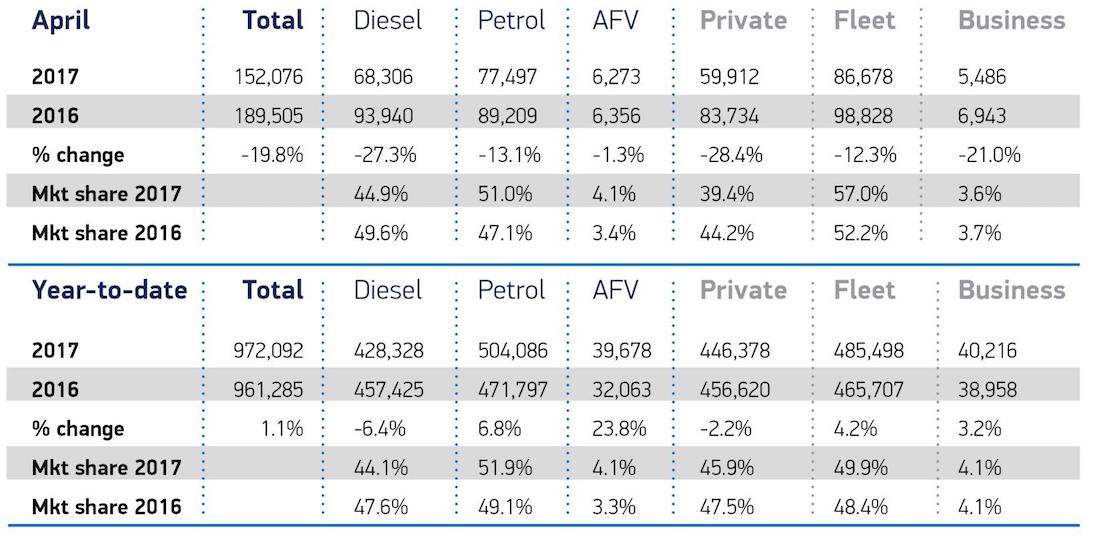
New car registrations slumped by 20% in April 2017 compared to last year, as the market was hit hard by changes to the cost of road tax.

Figures released today by the Society of Motor Manufacturers and Traders (SMMT) show that registrations of new cars fell 19.8% to 152,076 units following March, the biggest month on record, which saw 562,337 cars registered.

Despite the downturn in April, strong sales in March mean that 2017’s year-to-date performance remains at record levels. 972,092 were registered from January to April, up 1.1% on last year, although the next few months are not expected to maintain last year’s pace.
April sees demand for new cars fall (The Car Expert)
Sales of petrol, diesel and alternatively-fuelled vehicles declined in April.
The new vehicle excise duty (road tax) rates came into force on 1st April and have affected demand for new vehicles across the board. Registrations by private buyers, businesses and large fleets fell 28.4%, 21.0% and 12.3% respectively.

Tax rises for hybrid and electric vehicles affected the alternatively fuelled vehicle market which saw a downturn of 1.3%, the first for 47 months.

Mike Hawes, SMMT Chief Executive, remained optimistic however, stating that a downturn had been expected as a result of fewer selling days over Easter and changes to VED rates. The SMMT “expects demand to stabilise over the year as the turbulence created by the tax changes decreases.”

Table of bestselling UK cars April 2017 (The Car Expert)
The Ford Fiesta remains the UK’s best-selling car.

Petrol Maserati Levante S set for the UK

Maserati has announced the introduction of a petrol engine to its Levante SUV model in the UK, going back on its original claim that there was not enough demand for the model here.

One of the criticisms levelled at Maserati since the Levante was unveiled at last year’s Geneva motor show has been that the model was only available in the UK with a diesel engine, while other markets were offered a petrol alternative.

Maserati has now rectified this matter with the Levante S, powered by a 430hp 3.0-litre twin-turbo V6 petrol engine built by Ferrari. The Levante S has a top speed of 164mph and a 0-62mph time of 5.2 seconds.

The petrol engine joins the V6 275hp 3.0-litre turbo diesel powertrain that was launched in the UK last year.

The Levante S comes with active air suspension as standard and offers five varying ride heights. Intelligent Q4 AWD is included and a wide range of optional equipment is offered.

The Levante S starts from £70,755 and will be available in the UK from September.

Mazda updates CX-3 range

Mazda has announced an updated CX-3 range and added a new GT Sport specification to the thirteen-model line-up, which arrives in UK showrooms this summer.

The CX-3’s safety system and diesel engine have been upgraded, and G-Vectoring Control (GVC) introduced. GVC first appeared earlier this year on the Mazda3 and is standard across the CX-3 range. It optimises weight distribution on the wheels when cornering, which Mazda claims offers more precise handling whilst improving comfort.

All CX-3 models from SE-L Nav trim upwards, feature Advanced Smart City Brake Support which has been upgraded to include pedestrian detection, using a forward facing camera to detect obstacles.

A new steering wheel is standard across the range, as is extra sound insulation and heated electrically folding wing mirrors. Top-of-the-range Sport Nav models offer a heated steering wheel and colour head-up display.

The CX-3 range is available with a choice of eight petrol and five diesel models. The revised Mazda CX-3 range starts from £18,495 and arrives in the UK this summer.

GT Sport

Alongside the updated CX-3 range, Mazda has introduced a new flagship special edition: the GT Sport. With a limited production run of 500, the GT Sport features the same equipment as the CX-3 Sport Nav models, but has a sportier look with a black rear roof spoiler and 19-inch silver alloy wheels. The GT Sport’s 120hp petrol engine can be paired with either manual or automatic transmission, the former costing from £22,895 and the latter from £24,095.

Dacia announces UK pricing for revised Logan MCV Stepway

Dacia has announced UK pricing and specification for its updated Logan MCV Stepway, which was unveiled at the Geneva motor show earlier this year.

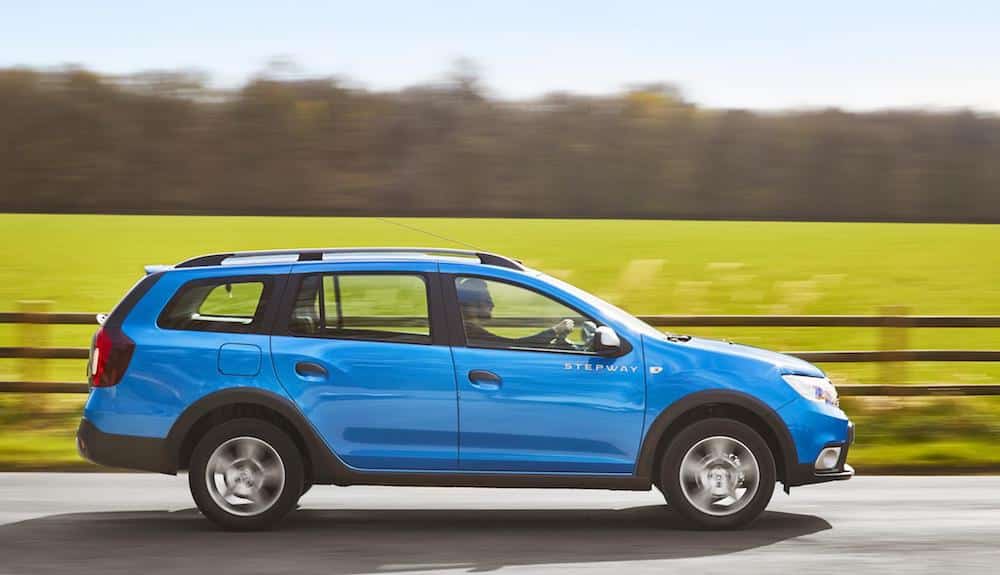
The Logan MCV maintains its 573-litre boot space, while the Lauréate trim adds a two-tone bumper, satin-effect chrome skid plate, fog lights and LED daytime running lights. ‘Stepway’ decals feature on the front doors and dark metal is used for the wing mirrors and roof bars.

Customers can choose from nine different paint finishes, and the Logan’s overall look is completed by 16-inch wheels. Inside, the Logan includes upgrades that Dacia introduced across the board in 2016.

Standard specification for the Logan includes heated and electrically adjustable wing mirrors, rear parking sensors and a height-adjustable driver’s seat. The infotainment system features a seven-inch touchscreen, USB and AUX sockets, Bluetooth connectivity and satellite navigation.

The Logan is available with a choice of two engines: the TCe 90hp petrol or the dCi 90hp diesel. Both are paired with a five-speed manual transmission.

The Logan MCV Stepway is priced from £11,495 and is available to order now, with UK deliveries commencing from June.

Dacia announces details of new Logan MCV Stepway (The Car Expert)
The Logan MCV Stepway is available in nine different paint-finishes.

Lux upgrade for Volvo S60 and V60

Volvo has announced the extension of its Lux upgrade to the S60 and V60 Business Edition models as the current models head into their final months of production, with an all-new replacement due to arrive next year.

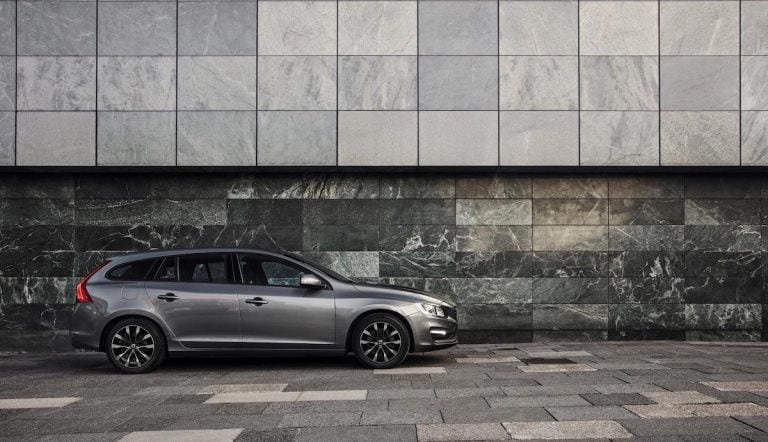
The Lux upgrade is already available for the SE, R-Design and Cross Country. The Business Edition is a popular specification and in 2016 accounted for 29% of Volvo’s total S60 and V60 sales.

Standard specification for the S60 and V60 includes autonomous emergency braking, satellite navigation, DAB radio, Bluetooth, dual-zone climate control, cruise control and LED daytime running lights.

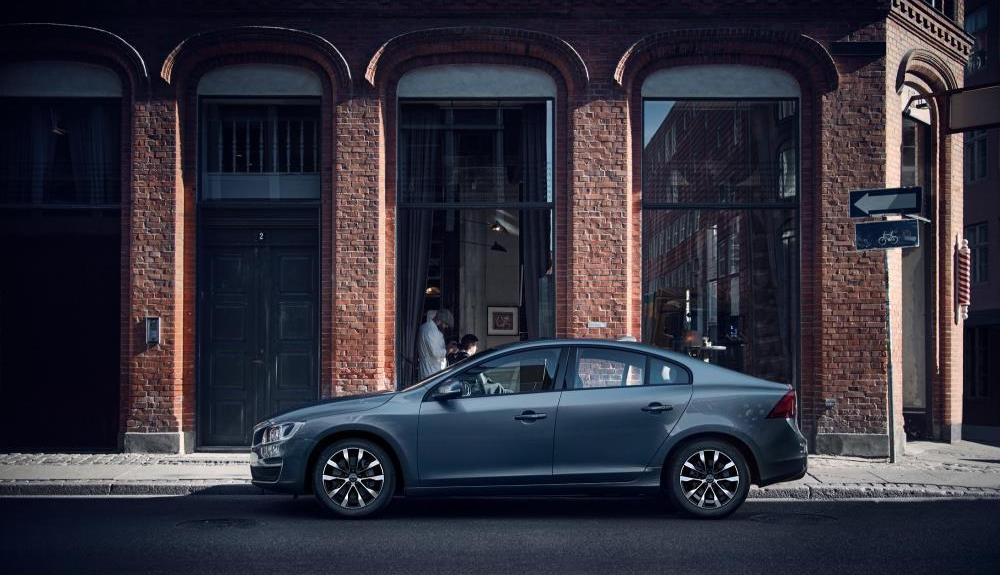
The Lux upgrade adds 17-inch alloy wheels, leather upholstery, an active information display and rear parking camera.

The Volvo S60 Business Edition Lux starts from £24,545 and the V60 from £25,745. The D2 diesel versions of both have a benefit-in-kind tax rate of 22%. The upgraded S60 and V60 Business Editions are available to order now.

Lux upgrade for Volvo S60 Business Edition (The Car Expert)
The Volvo S60 Business Edition Lux features 17-inch alloy wheels, leather upholstery and a rear parking camera.

Renault announces UK pricing for new Captur

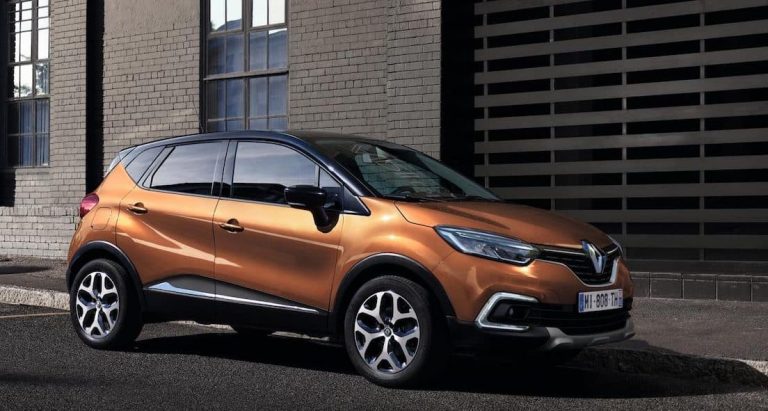
Renault has announced UK pricing and specification details for its new Captur, which was unveiled at the Geneva motor show earlier this year. The mid-life update of Europe’s best-selling crossover brings it closer in style to other models in the Renault range.

The new Captur offers a number of personalisation options. Seven different interior customisation packs can be paired with one of the six exterior packs to give buyers far more choice in how their car looks.

Five different trim levels are offered, in the normal progression of Renault model ranges: Expression+, Dynamique Nav, Dynamique S Nav, Signature X Nav and Signature S Nav. Three different multimedia systems are available according to trim level. R&GO transforms the user’s smartphone into a table connected via a universal cradle, while R-LINK’s seven-inch touchscreen incorporates navigation, 3G connectivity, Bluetooth and media playback.

The Captur scored a five-star Euro NCAP safety rating when originally tested back in 2013, although the testing regime has become tougher since then. All models have cruise control, speed limiter, hill-start assist and roll movement intervention as standard. Blind spot warning, front parking sensors, a reverse parking camera and hands-free parking are available at additional cost.

UK customers have a choice of two petrol engines; the 0.9-litre TCe 90hp and the 1.2-litre TCe 120hp, and two diesel engines; the 1.5-litre dCi 90hp and dCi 110hp. Manual versions feature a stop-start system to reduce fuel consumption and emissions.

Prices for the new Captur start from £15,355 with UK ordering now open and deliveries expected to begin from July.

Rear view of Renault's new Captur (The Car Expert)
Customers can choose from a host of customisation options including seven interior and six exterior personalisation packs.

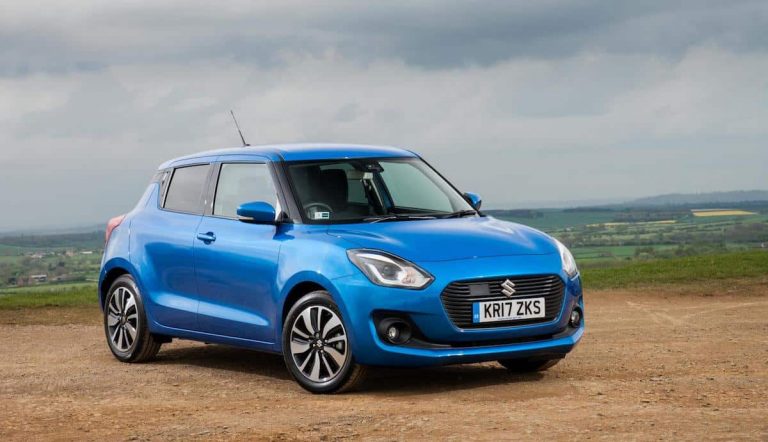
Suzuki announces details of third-generation Swift

Suzuki has announced pricing and specification details for its third-generation Swift, which goes on sale in June.

As standard, the five-model range comes with six airbags, air conditioning, DAB radio with Bluetooth, LED daytime running lights, 15-inch wheels and front electric windows.

The entry-level 1.2-litre SZ3 with Dualjet engine and manual transmission is priced at £10,999. The mid-range 1.0-litre SZ-T with Boosterjet engine and manual transmission adds a rear view camera, Smartphone link display audio, 16-inch alloy wheels and costs from £12,999. The top-of-the-range 1.0-litre SZ5 with Boosterjet engine and automatic transmission starts at £15,849 and features 16-inch polished alloy wheels, satellite navigation, keyless entry and rear electric windows.

Customers can choose metallic paint at £485 or dual-tone metallic paint at £650.

All models are covered by Suzuki’s three-year/60,000-mile vehicle warranty and come with one-year AA Suzuki Assistance offering 24-hour UK and European roadside assistance and recovery.

Interior of third-generation Swift (The Car Expert)
As standard the five-model Suzuki third-generation Swift comes with DAB radio, Bluetooth and four speakers.

La Premiere special edition for DS 7 Crossback

DS has announced pricing and specification details for a special launch edition of the DS 7 Crossback, the La Premiere.

Featured technology includes a semi-autonomous driving system called DS Connected Pilot which uses adaptive cruise control and lane-keeping assist. DS Active Scan Suspension employs a camera to anticipate any irregularities in the road surface in order to optimise comfort.

Customers can choose from three paint finishes: pearlescent Pearl White, Perla Nera Black or metallic Cumulus Grey. Exterior styling is completed by 20-inch gloss-black alloy wheels.

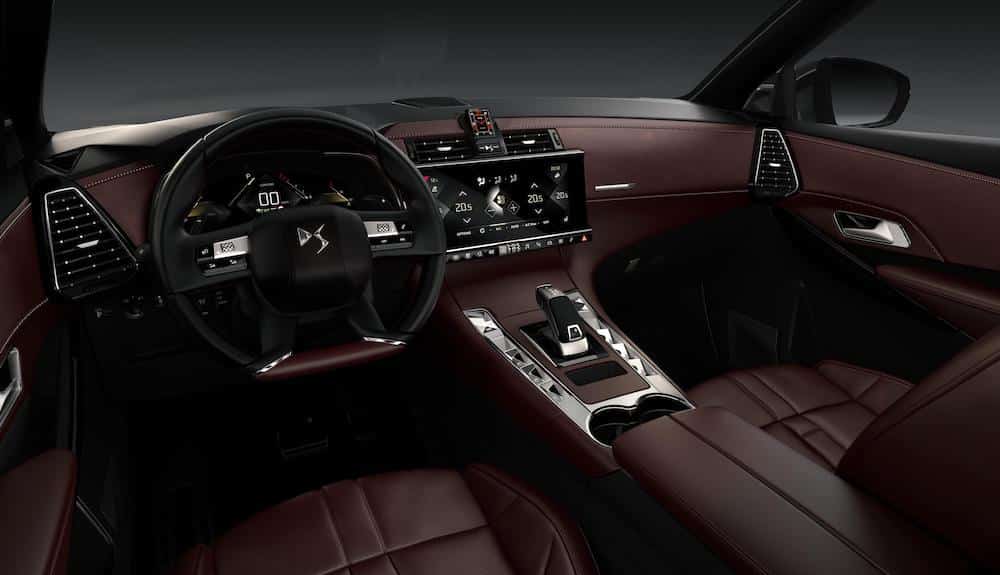
The inside of the cabin features an exclusive BRM R180 timepiece and uses ‘Art Rubis’ burgundy as a contrasting colour. La Premiere badging appears on the dashboard and floor mats.

The La Premiere is available with a choice of two engines. The Diesel BlueHDi 180 S&S and the Petrol THP 225 S&S are both paired with an eight-speed automatic transmission.

DS is inviting its customers to place a reservation for the La Premiere special edition until the end of the year either in showrooms or online. Pricing for both the diesel and petrol engines starts at £42,650.

Interior of DS 7 Crossback La Premiere special edition (The Car Expert)
The interior of the DS 7 Crossback La Premiere special edition.

Skoda Karoq SUV on sale in 2017

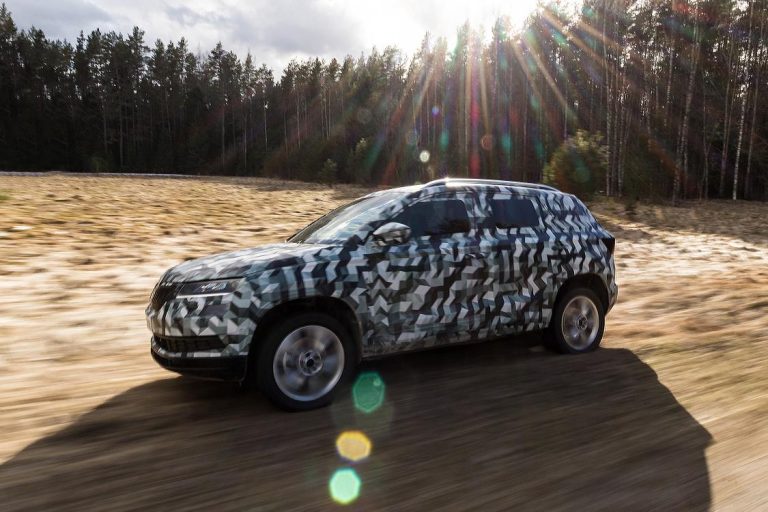
The Yeti is no more – the Skoda Karoq will go on sale as the brand’s second SUV later in 2017.

The new model, which will be unveiled in Stockholm, Sweden on 18th May, is a much more typical SUV compared to the Yeti that was more distinctive in shape. It will sit alongside the larger Kodiaq, measuring 4,382mm long, 1,841mm wide and 1,605mm high, with a 2,638mm wheelbase on front-wheel-drive models (2,630 with all-wheel-drive).

A rear-seat VarioFlex system will be on offer, allowing the bootspace to vary between 479 and 588 litres. Folding the rear seats down will allow a 1,630-litre volume and they can be removed altogether to create 1,810 litres of space.

Five engine choices will be available, TSI petrol and TDI diesel units ranging in output from 115hp to 190 hp, and four of them new to Skoda. They will be matched to six-speed manual or seven-speed DSG auto transmissions and all will feature start-stop and brake energy recovery.

Digital dash

Technology upgrades include LED headlamps and the first digital instrument panel offered in a Skoda. A host of driver-assistance systems are included in the specification while infotainment options range up to Columbus and Adamson systems operated through a touchscreen, and including the Skoda Connect assistance service.

The name comes from the same tribe that inspired the title of the Kodiaq, the Alutiqs who live on the island of Kodiak off the southern coast of Alaska. In their language Kaa Raq means ‘car’ and Ruq ‘arrow’. Skoda says this naming style will be adopted for other future SUVs.

Skoda Karoq rear 34


March sees UK car manufacturing at record high

Figures released by the Society of Motor Manufacturers and Traders (SMMT) show that March 2017 was a record month for UK car manufacturing.

With an increase of 7.3%, March saw 170,691 vehicles produced, the most manufactured in a single month since 2000.

March’s strong output contributed to a record quarter for UK car manufacturing with  471,695 vehicles produced. This 7.6% increase on last year helped make it the biggest Q1 for 17 years.

The comparatively weak pound drove export demand, which was up 10.6% on the same period in 2016. British brands like Jaguar, Land Rover, Bentley and Rolls Royce continued to appeal to overseas buyers, while volume brands like Nissan, Honda and Toyota also maintained strong export outputs. More than 76% of UK manufacturers’ output for March was for a customer overseas, with one car exported every 20 seconds.

The strong export market offset a decline in domestic sales, with demand down 4.3% in Q1, despite record sales in March ahead of changes to VED rates.

Mike Hawes, Chief Executive of the SMMT, offered this assessment: “UK car manufacturing is accelerating with low emission diesels accounting for a large proportion of the market.” Hawes also issued a warning on Brexit, deeming the maintenance of free trade between the UK and EU “vital”.

SMMT figures March UK car manufacturing (The Car Expert)
The output from UK car manufacturers has steadily increased.

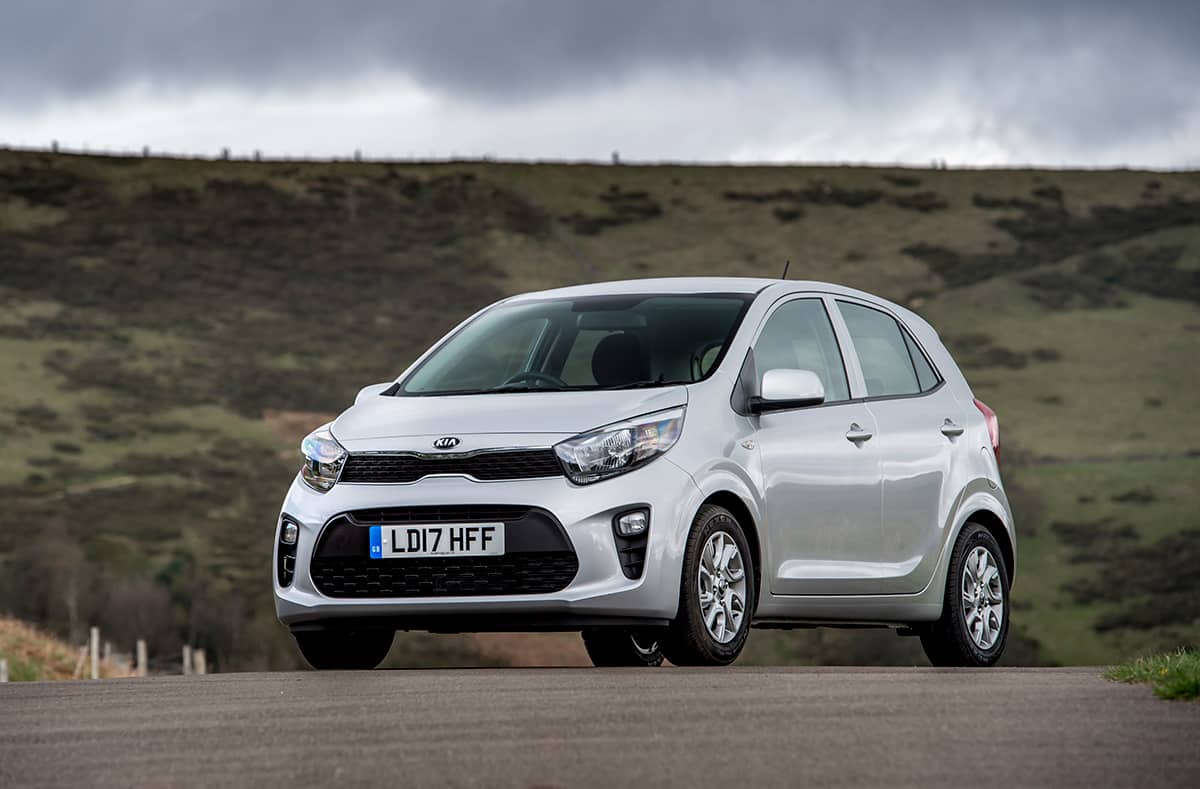
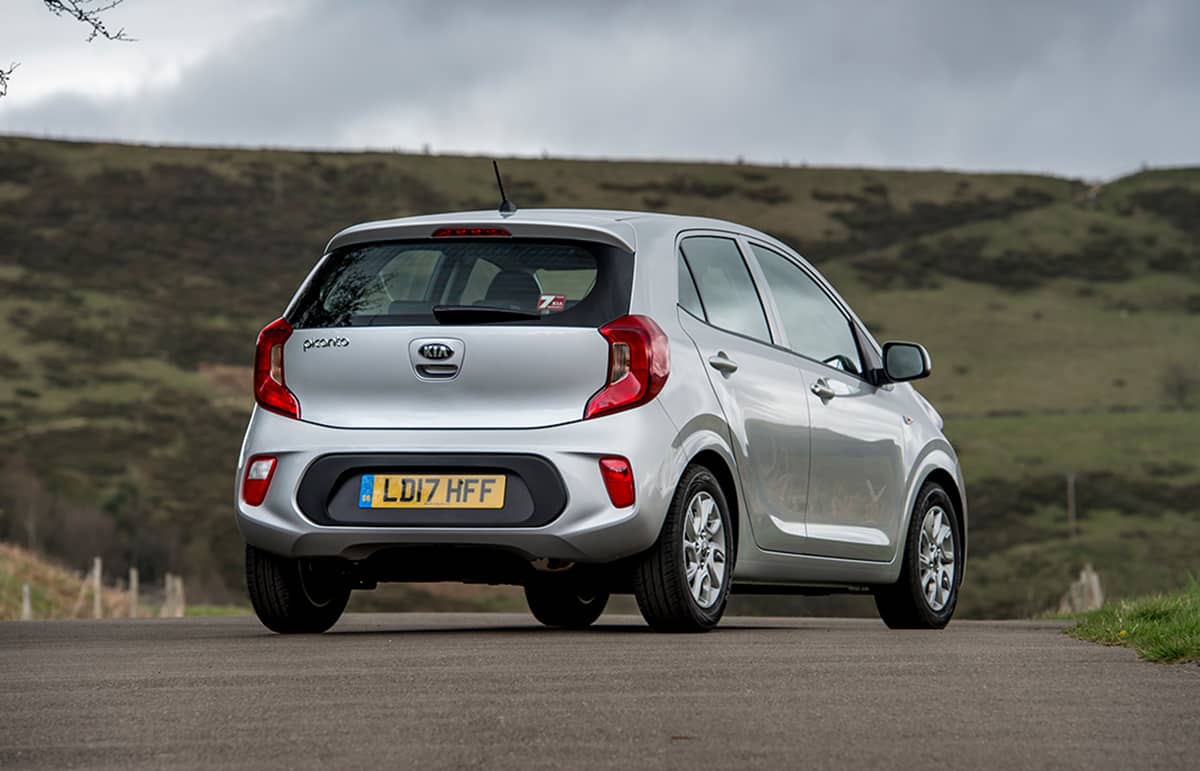
Kia Picanto review

What is it?
The Kia Picanto is the all-new third-generation version of the brand’s mass-selling city car.

Key features:
More space, more efficient, new tech.

Our view:
The Kia Picanto is improved in all areas and will remain a leading contender in the city car market.

Type of review:
First drive


City cars are a declining sector of the UK market – the creators of the third-generation Kia Picanto admit such in the press pack introduction to the car. The crossover takeover has reached the traditional small car’s patch as more buyers abandon traditional small cars for chunky, boxy machines in which they can sit higher up.

However, the market in which the Picanto competes is still huge business for Kia, its little car taking more than 60,000 of the one million annual A-segment sales. And nowhere is this more true than in the UK. British buyers, more than half of them women, account for almost a quarter of all European Picanto sales, the model regularly in the UK’s city car top five.

So there is no doubting the importance of this launch to Kia, and the recipe appears to make no radical departures, but to improve the car in all areas.

Next page: Exterior and interior design

The Car Expert wins at UK Blog Awards

UK Blog Awards 2017 - WINNERThe Car Expert has been awarded Best Automotive Blog (company division) at the UK’s largest awards event for independently-produced digital content, the UK Blog Awards.

It was the fourth year in a row that The Car Expert has made the finals of the awards, but the first time in the Company division. Previously, the site was categorised in the Individual division, and was Highly Commended at last year’s awards, as it had been a one-man show until last July.

As our regular readers will be aware, The Car Expert absorbed Car & Van News last year, and we also established a sister site for commercial vehicles, The Van Expert. The site has been reorganised, and we welcomed Andrew Charman as our news and road test editor.

It has been a huge year for us, and an enormous amount of work has been put in by the team. To win this award in our first year as a team is a great achievement. Last year the prize was won by Car Throttle, so it is an honour to follow in their wheeltracks and be chosen over a strong field of other sites.

Thank you to everyone who voted for The Car Expert to help us reach the finals every year for the last four years.

A huge thanks to Andrew Charman for his efforts since joining us, which has allowed us to add new car reviews and daily news updates to the site.

Now part of Immediate Network, we have a young team of content and social media editors who have made an important contribution to our growth. Special thanks to Jamie Munro, who did a lot of the work to integrate the Car & Van News reviews with our site, and Katharine Morgan for her news reporting since joining the team a month ago – especially during the Geneva motor show. Our new logo and all of the design improvements have been made by Immediate Network’s designer, Phil Allardice.

Finally, I would personally like to thank my wonderful partner Kate for all her support for nearly six years since The Car Expert first become an idea. She has been very patient as so many of my weekends and nights have been devoted to working on the website.

We are continuing to develop the site and add more features, and our traffic continues to grow. We have some big plans for the future, and I look forward to showing them off soon. We welcome any of your feedback and thoughts, and we will keep working hard to make The Car Expert even better.


Stuart Masson
Editor,
The Car Expert

Two new models for updated Mazda2 range

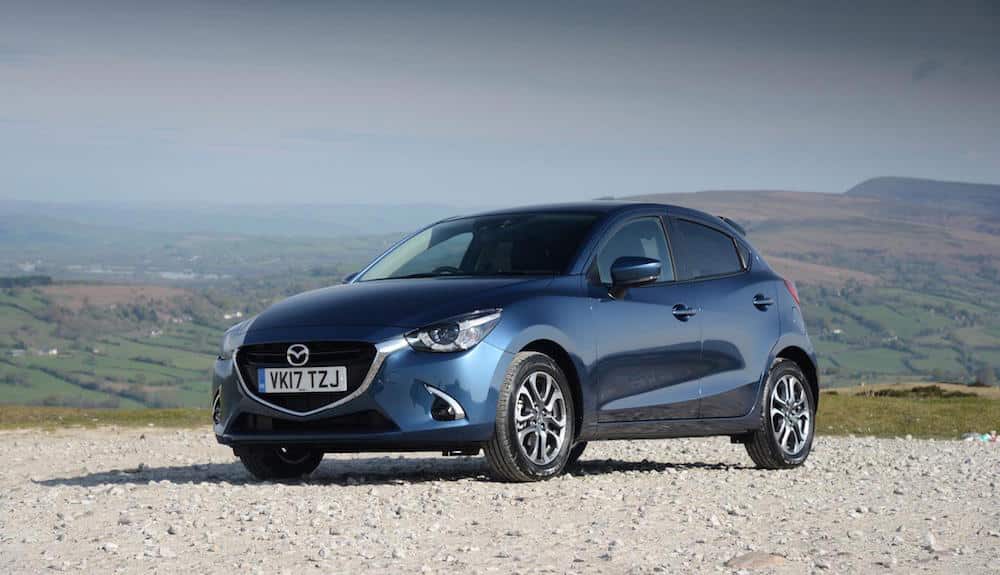
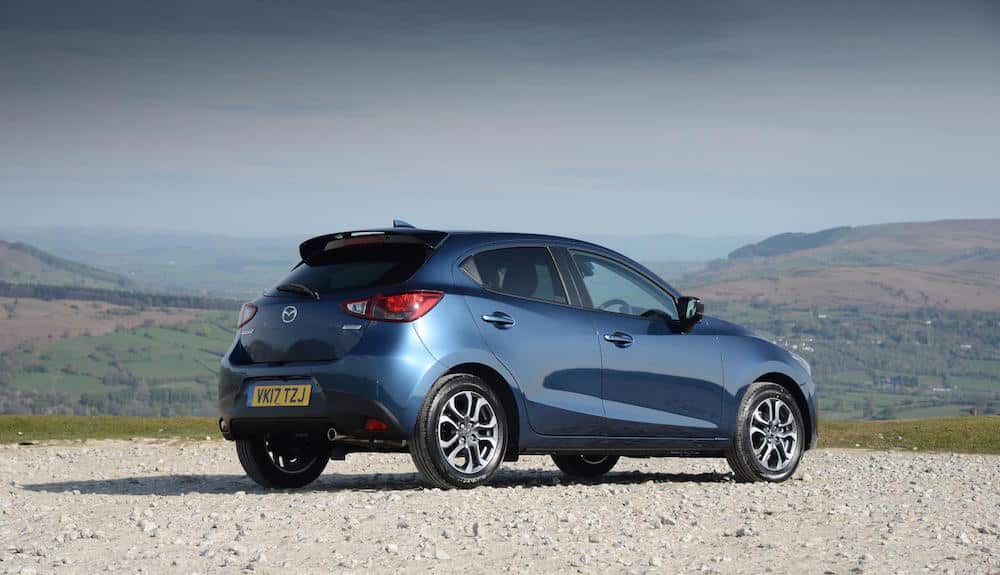
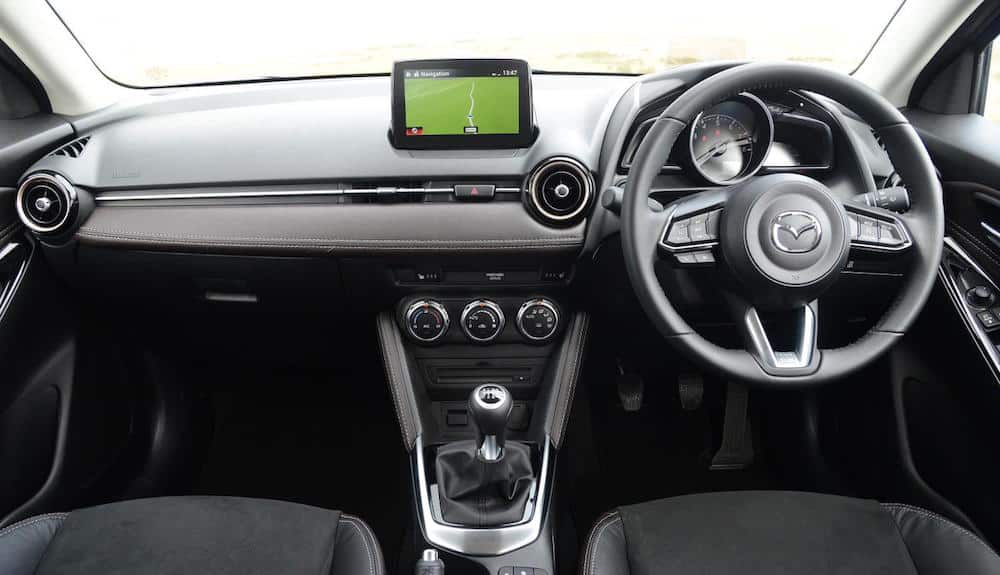
Mazda has updated its Mazda2 hatchback and introduced two new models, the GT and GT Sport, as part of a simplified model range.

All models feature new seat fabrics and a new steering wheel, while the side indicators have moved up into the door mirrors. The windscreen is now made from noise-insulating glass, and there has been extra soundproofing material fitted under the bonnet and inside the tailgate, parcel shelf and spare wheel well. Mazda has also made minor adjustments to the front suspension and the electric power steering.

All models above the entry-level 75hp now come with a seven-inch colour touchscreen display and infotainment system. This includes satnav, DAB digital radio and cruise control. New safety equipment for all 90hp and 115hp models includes autonomous emergency braking and lane keeping systems.

The new GT and GT Sport models sit at the top of the revised Mazda2 range. Two exclusive colours, Deep Crimson Mica and Eternal Blue Mica, are available, while LED headlights and LED daytime running lights are as standard. Also included are a rear spoiler, 16-inch alloy silver alloy wheels, black leather seats and a colour head-up display.

Entry-level 75hp models start from £12,695 with the entire Mazda2 range on sale from 1st June.

Hyundai Santa Fe Endurance Edition

Hyundai has announced a limited edition Santa Fe Endurance Edition, celebrating the first passenger vehicle to be driven across Antarctica. 500 examples will be available in the UK.

A modified Santa Fe became the first passenger vehicle to be driven across Antarctica in December last year. Patrick Bergel, great-grandson of the polar explorer Sir Ernest Shackleton, made the trek in a 2.2-litre diesel Santa Fe, whose modifications included large, low-pressure tyres, a 250-litre fuel tank and a pre-heater to cope with the sub-zero Antarctic temperatures.

The Santa Fe Endurance Edition is based on the 2.2-litre diesel 4WD Sante Fe Premium SE model. The otherwise optional convenience pack is included, along with unique logos, side steps, a dark grey finish to the 19-inch alloy wheels and a choice of five colours.

The Santa Fe Endurance Edition starts from £38,995 on-road, and will be available to order from 18th May.

Hyundai Santa Fe Antarctic expedition vehicle (The Car Expert)
The Hyundai Santa Fe which crossed the Antarctic in December 2016

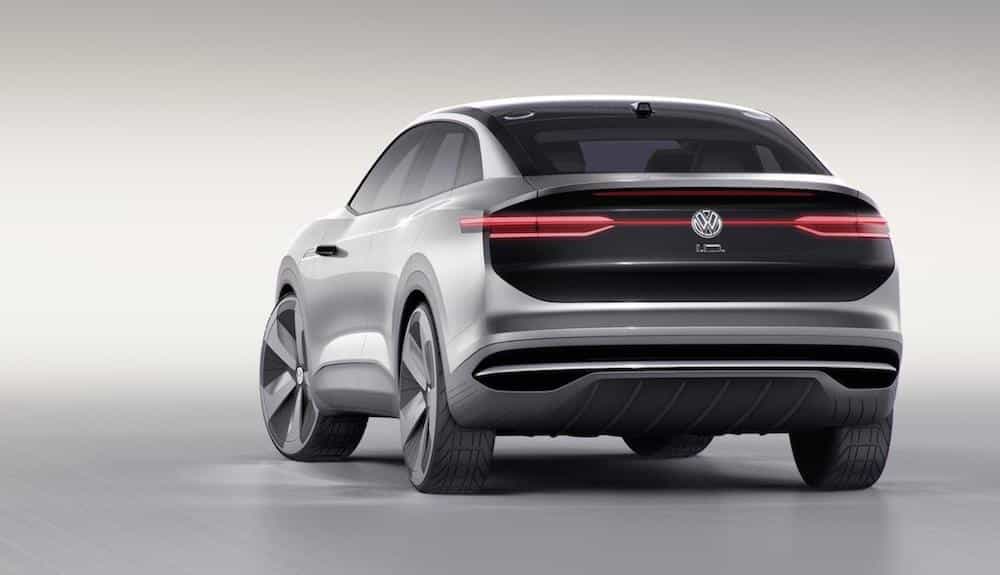
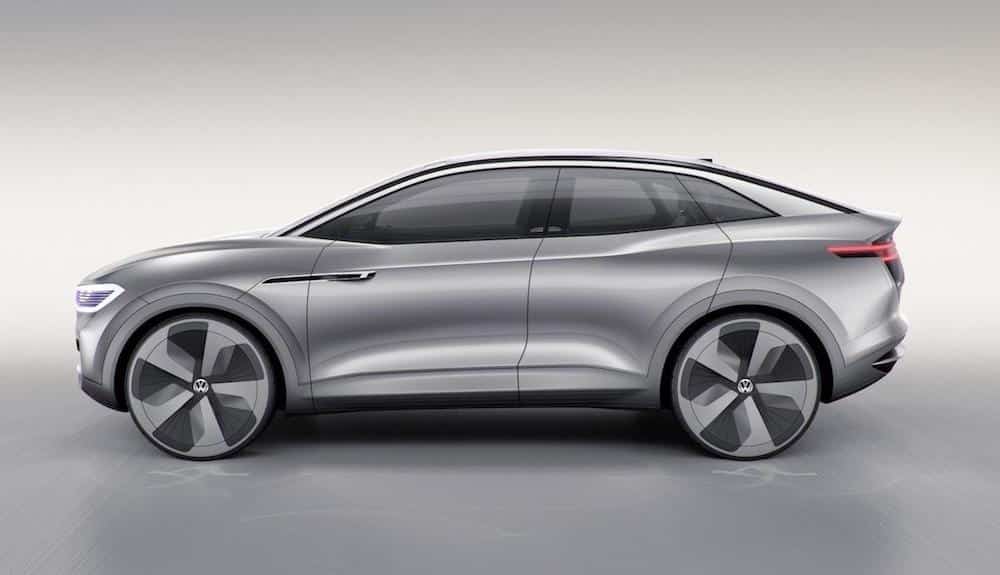
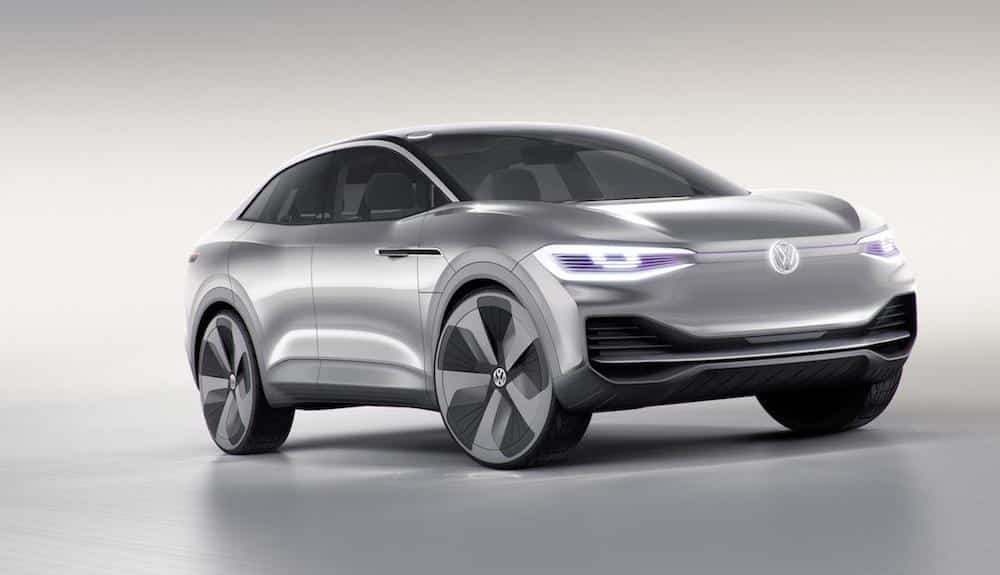
Shanghai: Volkswagen debuts I.D. Crozz concept

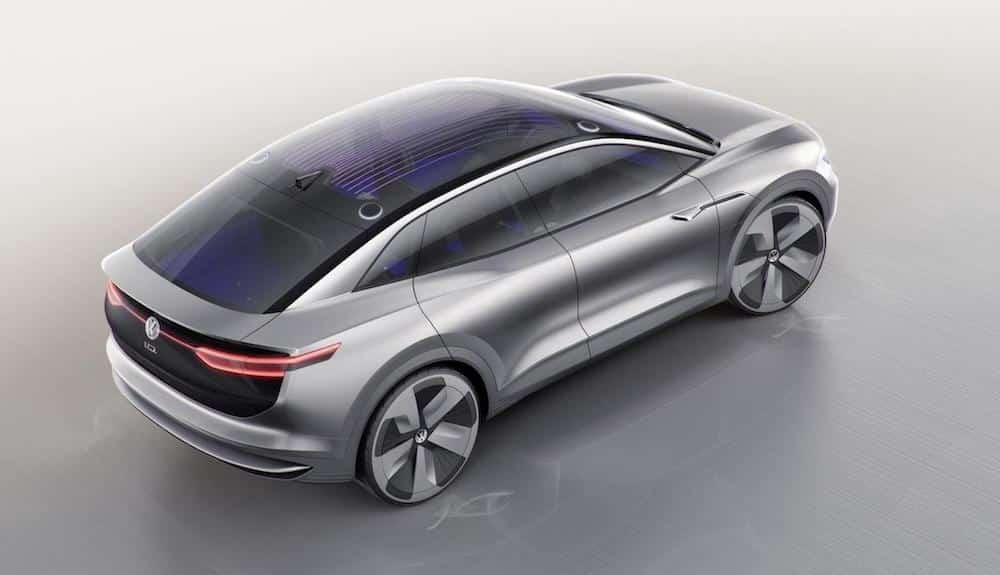
Volkswagen has debuted its zero emissions I.D. Crozz concept at the Shanghai motor show. The four-door I.D. Crozz is a crossover SUV concept model, and joins the I.D. hatchback which debuted in Paris last year, and the I.D. Buzz electric camper van concept shown in Detroit in January.

The zero-emissions I.D. Crozz will target a 310-mile range, which goes a long way to ensuring it will be suitable for most driving requirements. Featuring all-wheel drive, driven from two electic motors, the I.D. Crozz has a fully autonomous mode which is activated by holding down the VW badge on the steering wheel for three seconds.

The concept’s electric powertrain is capable of producing 300hp and a top speed of over 110mph. According to Volkswagen, the battery can be charged from flat to 80% in 30 minutes when using a fast-charging system at 150kW DC power.

Technological innovation is extended beyond the powertrain. Information is projected into the driver’s field of vision by augmented reality, while gesture control is used to activate the light shade in the transparent sunroof.

The I.D. Crozz is more compact than the new Volkswagen Tiguan Allspace, but provides a similar amount of space inside. This is achieved by positioning the suspension and drivetrain to the corners of the vehicle and integrating the battery into the floor. In the cabin, fold-up rear seats and wide-opening electric doors offer further flexibility when it comes to space.

A production version of the I.D. Crozz is scheduled to arrive in 2020.

Caterham Seven Sprint test drive

0

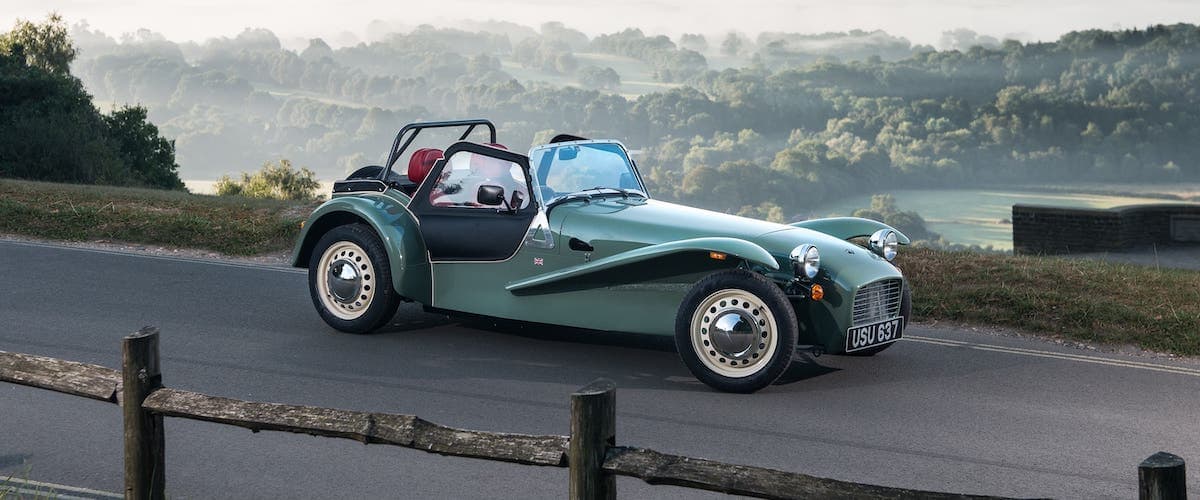
The Caterham Seven, which is the descendant of the original Lotus Seven, has been around for a while now – 60 years in fact. To celebrate, Caterham has created this – the Seven Sprint.

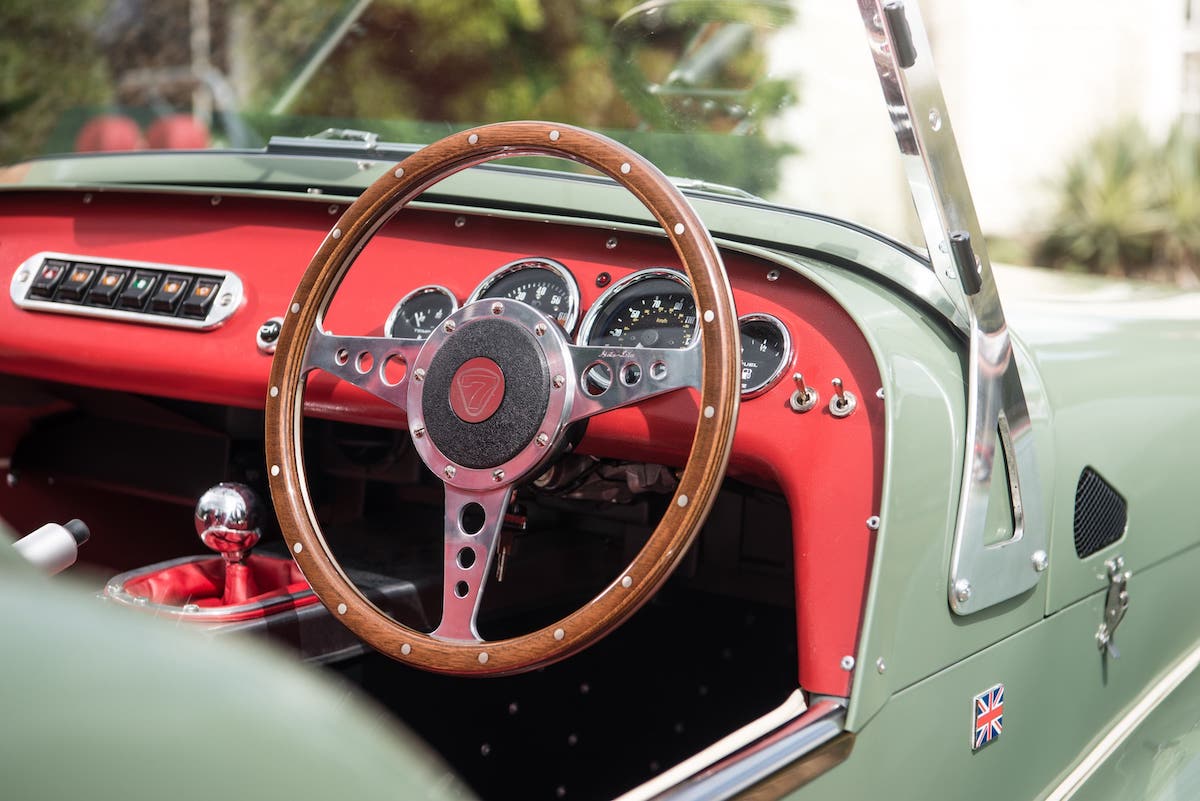
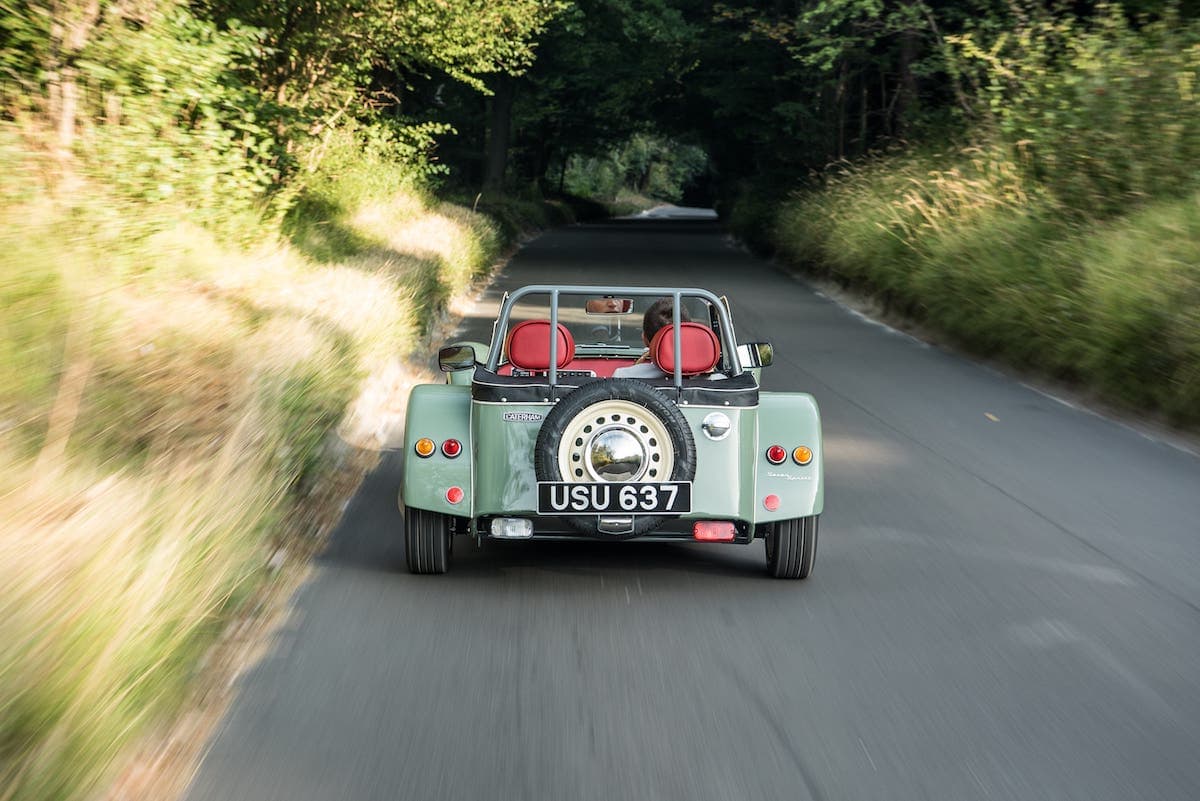
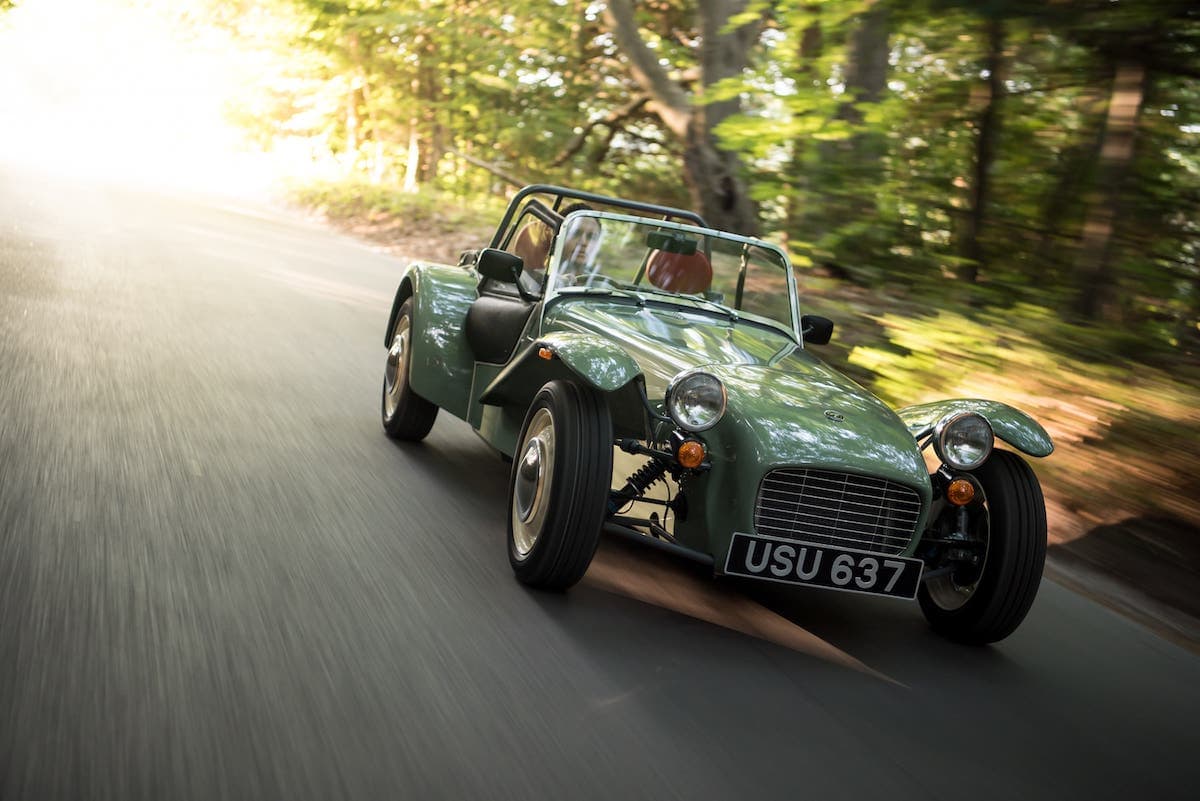
Epitomising Lotus founder Colin Chapman’s ideas of a lightweight, good to drive two-seater, the Sprint happily flaunts its retro looks. Underneath the bonnet sits a small 660cc three-cylinder turbocharged motor from Suzuki. This may not sound like much, but given the Sprint’s low weight of 490kg, it’s more than enough to get it up to speed in a brisk enough time.

Looks and image

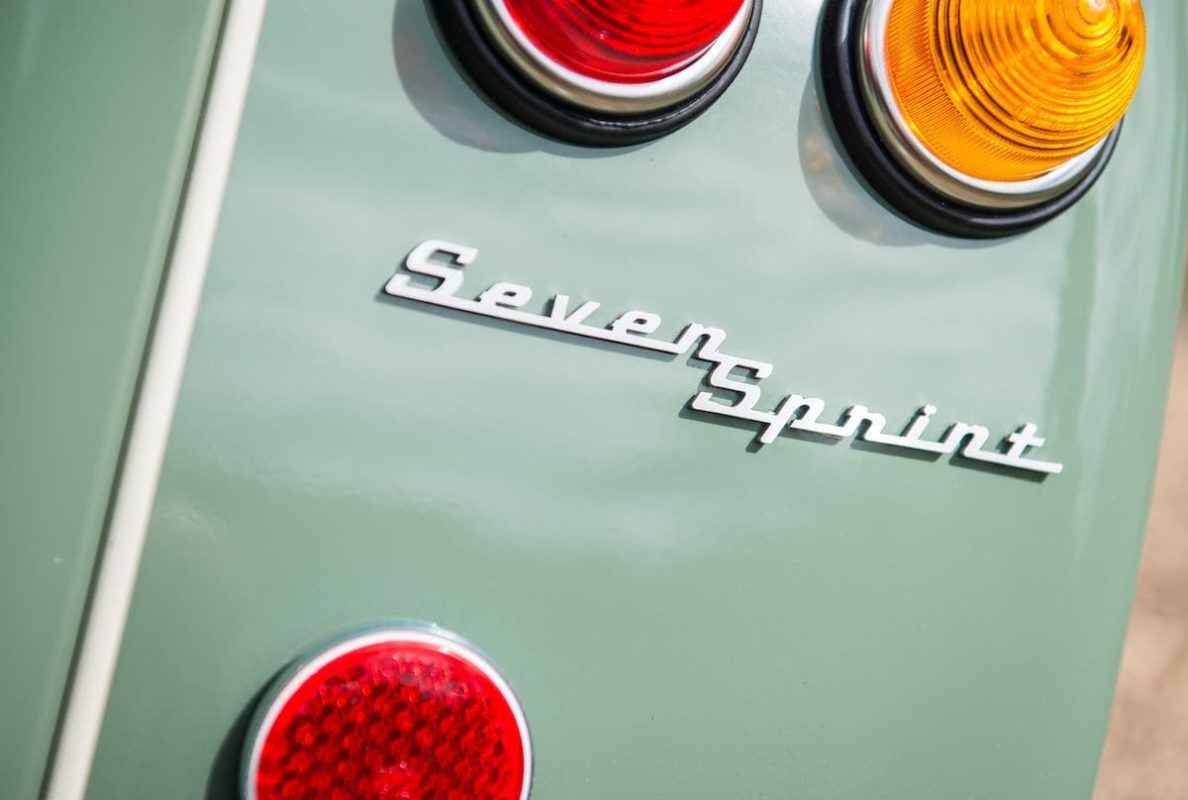
It’s hard not to love the look of the Seven Sprint. The exterior has been tastefully finished, with touches such as the traditional metal model badges at the rear and the crème alloy wheels giving it a distinctly retro appeal. Inside, it’s just as pretty, with comfortable sports seats trimmed in red leather and a thin moto-lita steering wheel transporting you back to the early days of Caterham. It’s all very well executed, however – it feels every bit of its £27,995 price tag.

All of the dials are clear and easy to read, and the toggle switches for the headlamps have a refreshing amount of robustness to them. The handmade quality of the Sprint is hard to ignore, and it’s something buyers will no doubt appreciate too.

Space and practicality

Caterhams aren’t exactly well-known for their practicality levels, and the Seven Sprint is, unsurprisingly, no different. There’s not even a glove box in this model, though you do get the added bonus of a 9-volt charging point. In all fairness, though, the area behind the rear seats is more than enough for a soft weekend bag or a few items of shopping, so taking the Sprint for a weekend away isn’t unimaginable.

Behind the wheel

You’d be hard-pressed not to wear a big grin when driving the Caterham Seven Sprint. It’s a truly refreshing driving experience, one without the distractions found in modern cars. The steering offers huge amounts of feedback, with each and every difference in road quality being translated through the steering wheel and into your hands.

That said, this does mean that longer journeys can be tiring – though the Seven Sprint was never designed to be a long-distance commuter.

The five-speed gearbox is a delight to use, though it can be notchy when cold. The handling is sharp and nimble, while the narrow tyres fitted to all four wheels ensure that the Sprint is a lot of fun at even low speeds. Though Caterham creates cars that will easily reach 60mph in half the time that the Sprint does, you never feel like you’d want more power – the Sprint has just enough shove for all occasions.

Value for money

Yes, the £27,995 that the Seven Sprint is a fair amount of money. You don’t get much in the way of standard equipment, technology or even comfort, for that matter.

However, what you do get is an all-encompassing experience, one which makes you wonder just why you need 18-way adjustable seats or radar-guided cruise control at all. In all fairness, some may not appreciate the car’s exposure to the elements nor its relatively unrefined character at motorway speeds, but the vast majority will enjoy the way it feels.

Who would buy one?

It’s safe to say that the Caterham Seven Sprint would suit those drivers who want a car to keep in the garage and wheel out on sunny Sunday afternoons for a leisurely drive through the country. However, it’d be just as well accustomed to daily driving. Yes, you’ll probably have to get a little more wrapped up than you would in a normal car, but it’s more than worth it.

The overall experience is one you’ll want to have time and time again, which is why if you do choose a Caterham, it’s best to use it each and every day.

Key specifications

Model: Caterham Seven Sprint
Price as tested: £27,995
Engine: 660cc three-cylinder petrol
Gearbox: Five-speed manual

Power: 80 hp
Torque: 107 Nm
Top speed: 100 mph

0-60mph: 6.3 seconds
Fuel economy (combined): 57.6 mpg
CO2 emissions: 114 g/km

New four-cylinder engine for Jaguar F-Type

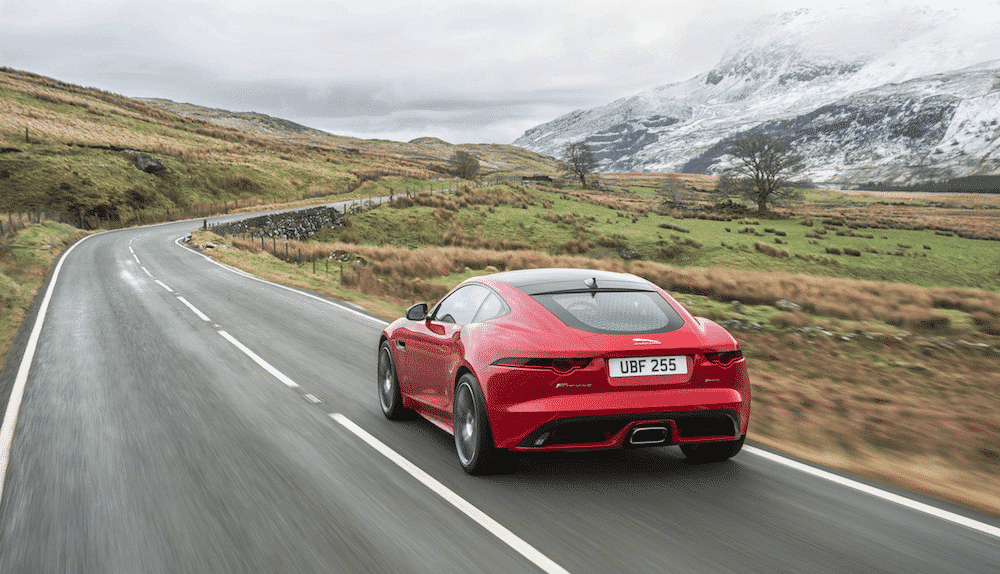
As has been expected for a long time now, Jaguar Land Rover’s four-cylinder Ingenium petrol engine has found its way under the bonnet of the Jaguar F-Type sports car.

Already used in a number of Jaguar and Land Rover models, the 2.0-litre variant used in the Jaguar F-Type has been suitably beefed up for duty in the two-door sports car. Producing 300hp and paired with an eight-speed automatic transmission, the F-Type four-cylinder has a 0-60mph time of 5.4 seconds and a maximum speed of 155mph.

Manufactured in the UK at a new facility in Wolverhampton, the Ingenium engine offers a significant improvement in efficiency compared to the more expensive V6 and V8 F-Type models. Fuel consumption has been reduced by 16% compared to the 340hp V6 engine in what was previously the entry-level model. Weighing 52kg less than the V6 version, the Ingenium-engined F-Type is expected to offer improved agility.

Updates across the Jaguar F-Type range

The new engine is part of a broader refresh for the F-Type range, which first went on sale in 2012. Most noticeably, the front and rear bumpers have been redesigned, and it is now available with full LED headlights and lighter 18-inch alloy wheels. Inside, minor updates include slimline seats, an improved infotainment system, more chrome and aluminium trim bits and a frameless rearview mirror.

Safety-wise, Jaguar has introduced a forward-facing stereo camera and the F-TYPE comes with autonomous emergency braking and lane departure warning as standard. Optional safety features include traffic sign recognition, adaptive cruise control, lane keeping assistant and a driver drowsiness detector.

The F-Type four-cylinder will be available as both a coupeé and convertible. It is on sale now, with prices starting from £49,900.

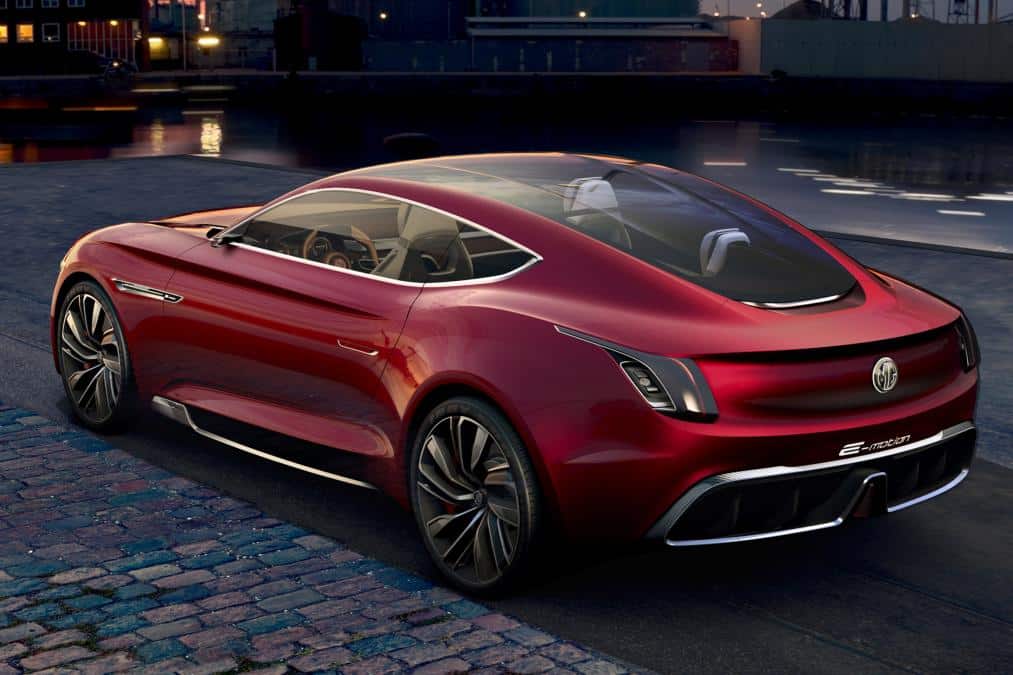
On sale in 2020? MG E-motion electric sports car

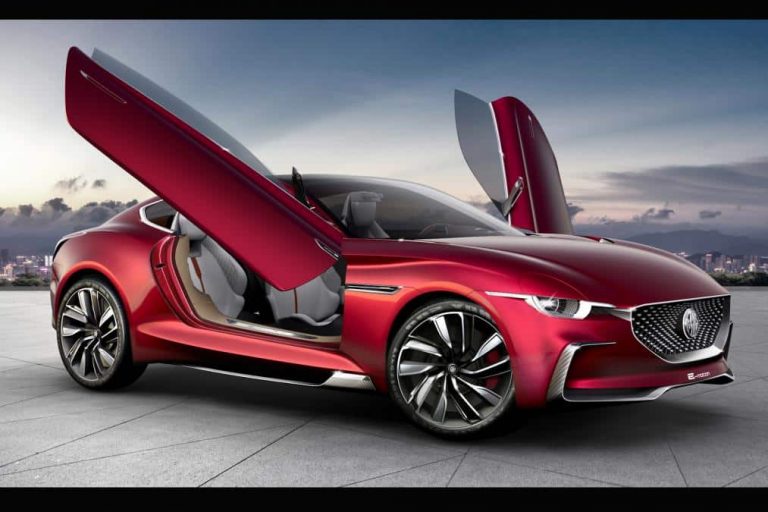
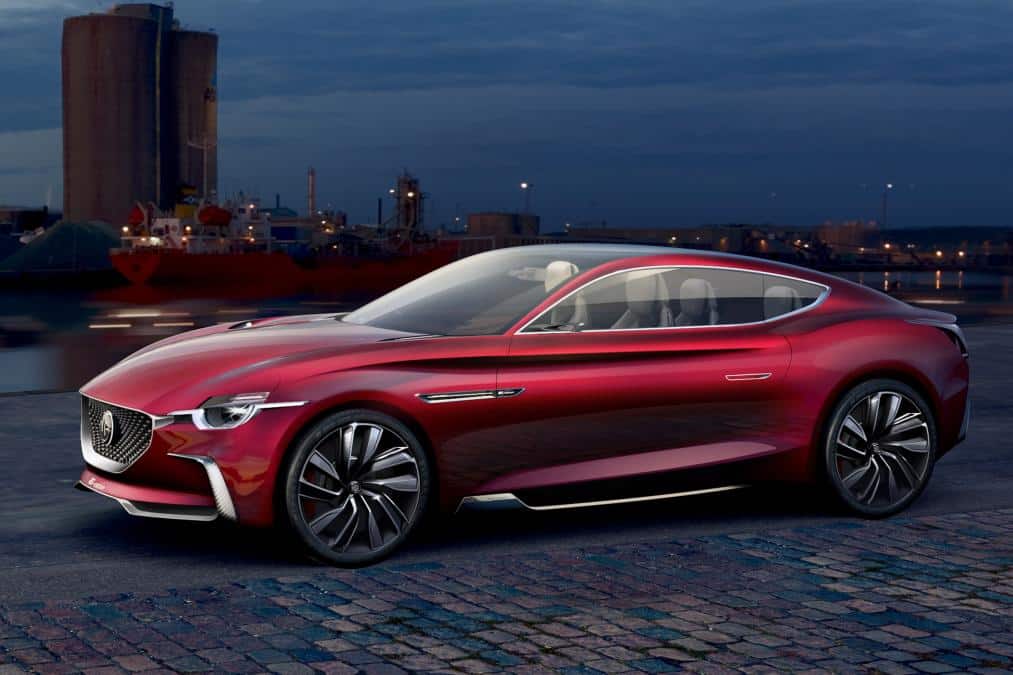
MG is set to build its first sports car since 2011, if the MG E-motion concept is anything to go by.

The electric car concept has been unveiled at the Shanghai Auto Show, and industry insiders suggest that it will reach production, retaining its electric drivetrain, by 2020. If so it would see the now Chinese-owned MG taking on the Tesla Model S.

Officially MG says that the car offers ‘a glimpse of the future’ and is a ‘next generation vehicle (aiming) to push the boundaries of innovation and technology, while meeting the needs of today’s trend-setting car buyers.’

Under four sec to 62mph

Details of the plug-in electric drivetrain have not been released but MG says that it makes the E-motion capable of a sub four-second 0-62mph time, while having a range between charges of more than 310 miles.

The car is also equipped with an intelligent infotainment system and fully internet-compatible, which MG believes will position it perfectly for the younger market.

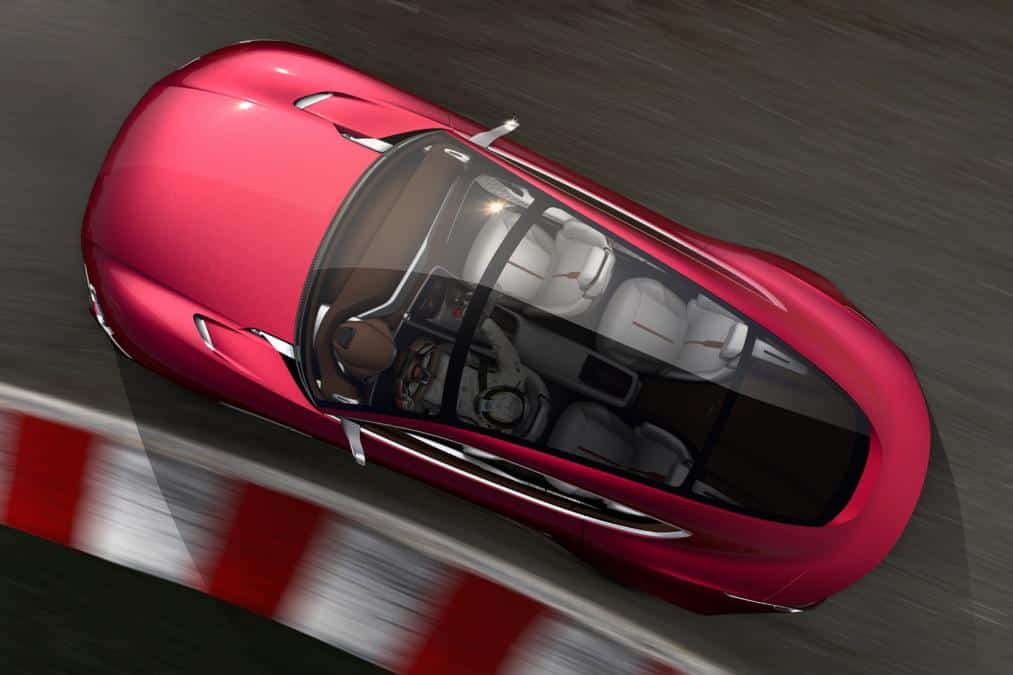
Notable styling elements of the four-seater car include the butterfly doors and a starlight matrix front grille and headlights that the designers says have been inspired by the London Eye.

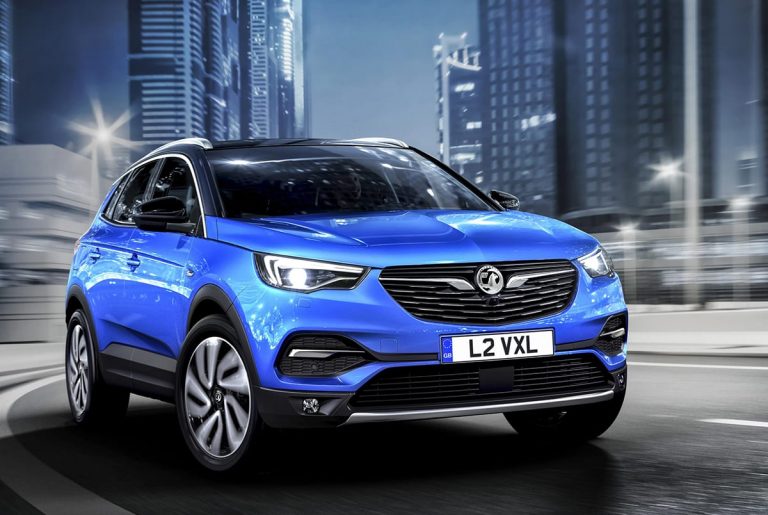
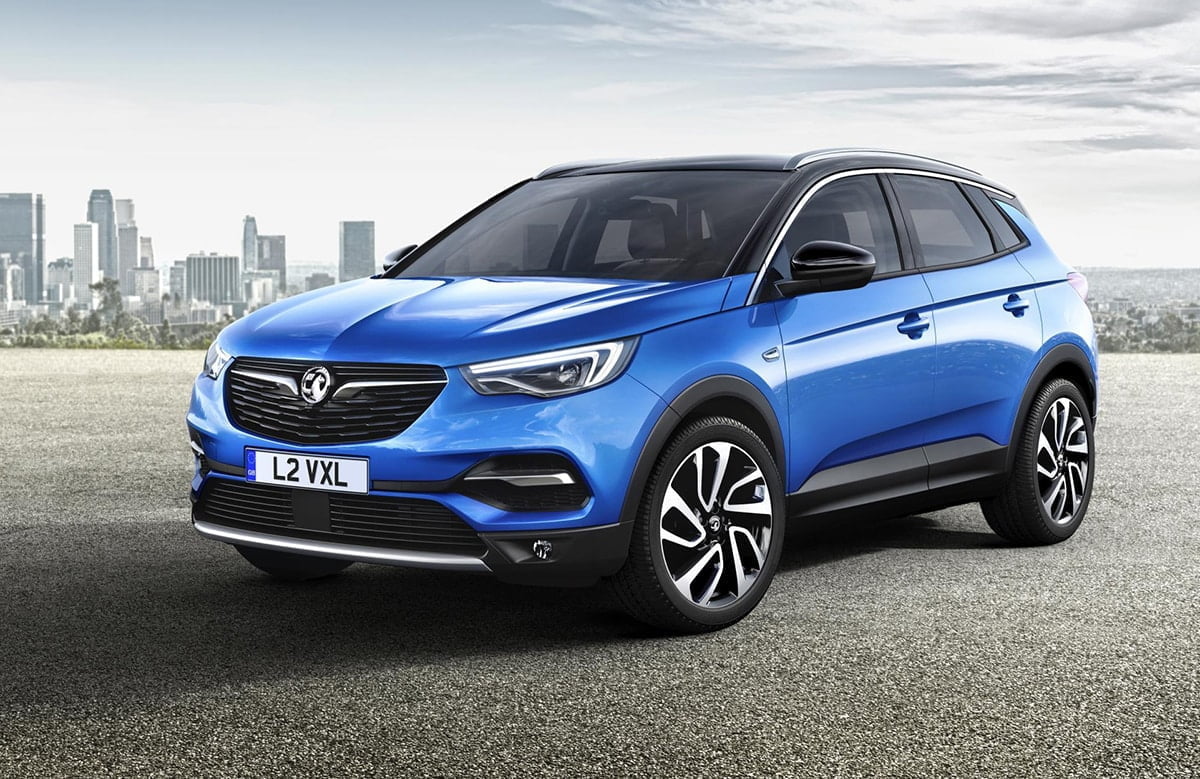
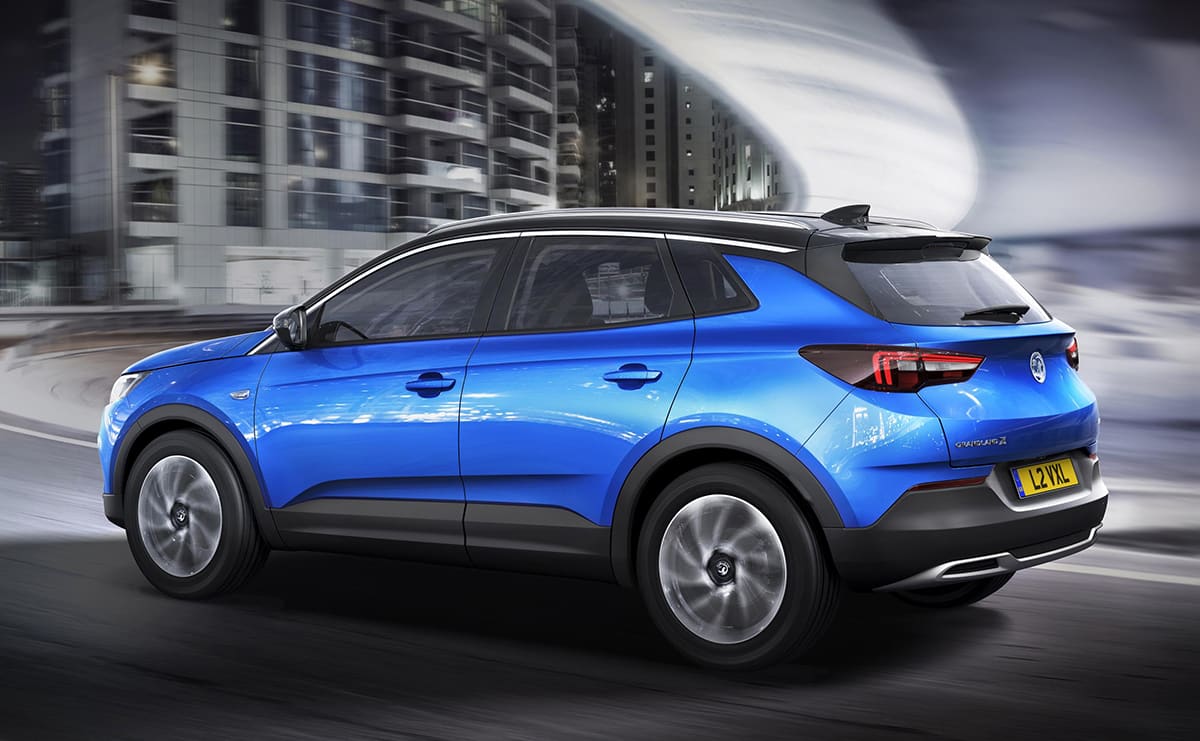
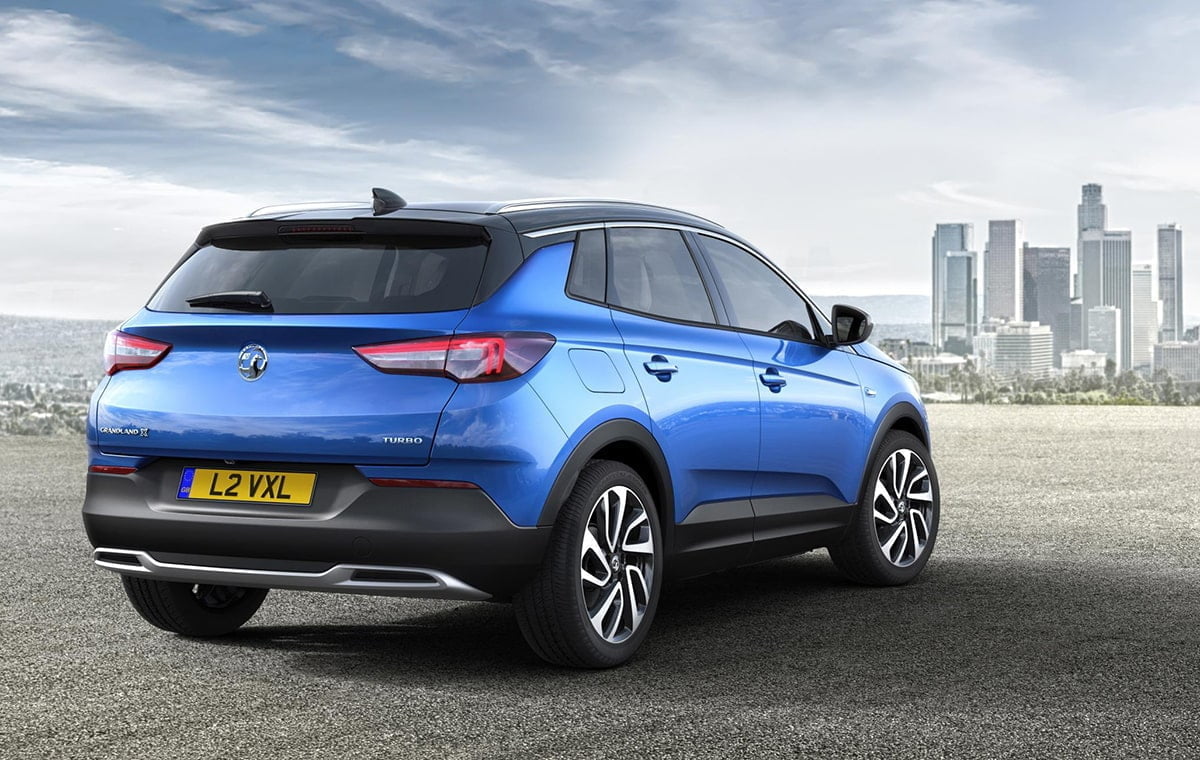
Vauxhall Grandland X to take on Qashqai

First images of the Vauxhall Grandland X have been unveiled ahead of the SUV’s debut at the Frankfurt Motor Show in September.

A larger sister to the recently revealed Crossland X, the Grandland X is expected to target the likes of the Nissan Qashqai and SEAT Ateca in the booming crossover market.

The car is built on the same architecture as the Peugeot 3008 in a joint programme between Vauxhall and new owners PSA Group. At 4.477mm in length, 1844mm width and 1636mm high, with a 2675mm wheelbase, the Grandland X will be the largest SUV in the brand’s now three-strong range.

Five-seat only

Vauxhall appears to have foregone an opportunity, however, to make the Grandland X a seven-seat SUV. It is described as having a spacious interior to carry five passengers and their luggage, the boot space being 514 litres, expanding to 1652 litres with the rear seats folded.

Currently there are no details of the car’s powertrain options apart from Vauxhall stating that Grip Control, PSA Group’s off-road traction aid will be available. This suggests standard versions of the Grandland X will be front-wheel-drive.

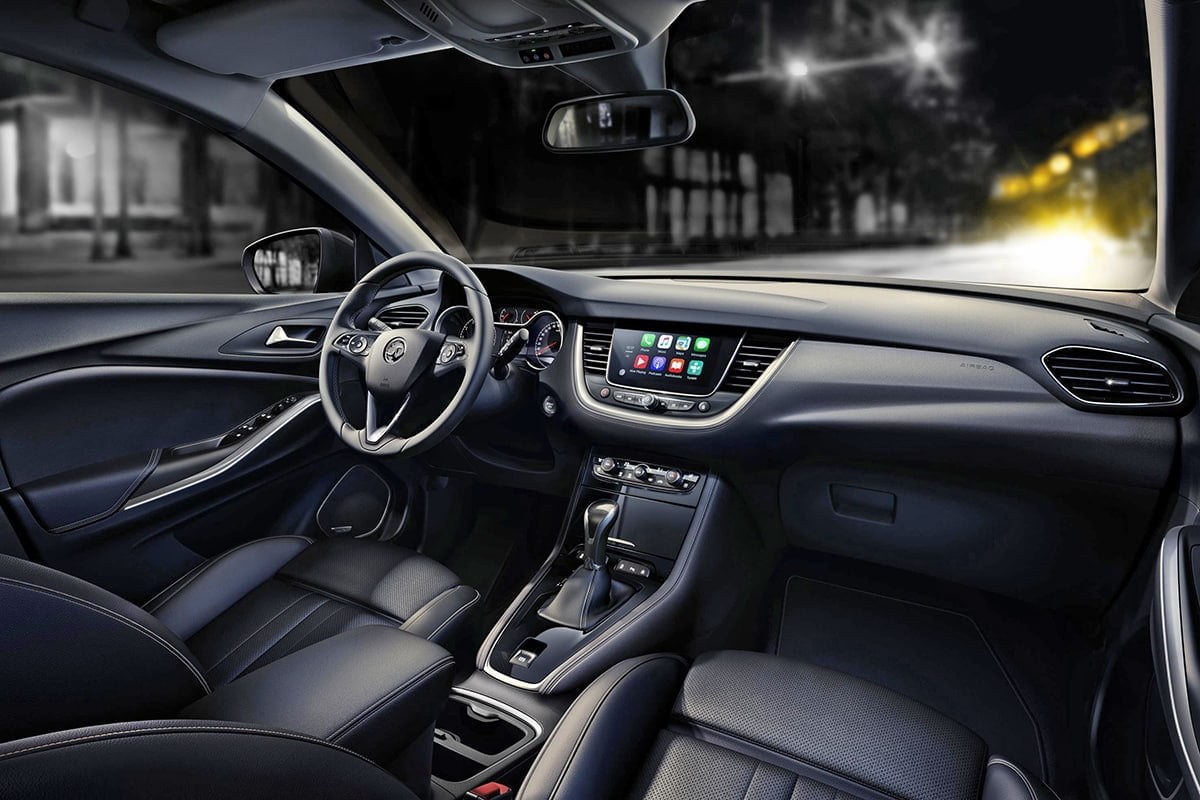
It is expected that PSA Group engines will be part of the line-up and industry observers expect entry-level models to use a 1.5-litre petrol unit.Vauxhall Grandland X interior

The technology available with the new SUV is being heavily promoted – the Grandland X will include a host of assistance and comfort systems. Among them are adaptive cruise control with pedestrian detection and automatic emergency braking, a driver drowsiness alert and park assist. Adaptive Forward Lighting LED headlamps include a cornering light, high beam assist and auto leveling.

Heated seats both front and rear and a heated steering wheel will also be available, as will a smart tailgate that opens with a kick.

Vauxhall’s latest IntelliLink connectivity systems and the personal connectivity and service assistant Vauxhall OnStar will as expected form part of the Grandland X specification.

The Vauxhall Grandland X is expected in UK showrooms early in 2018.

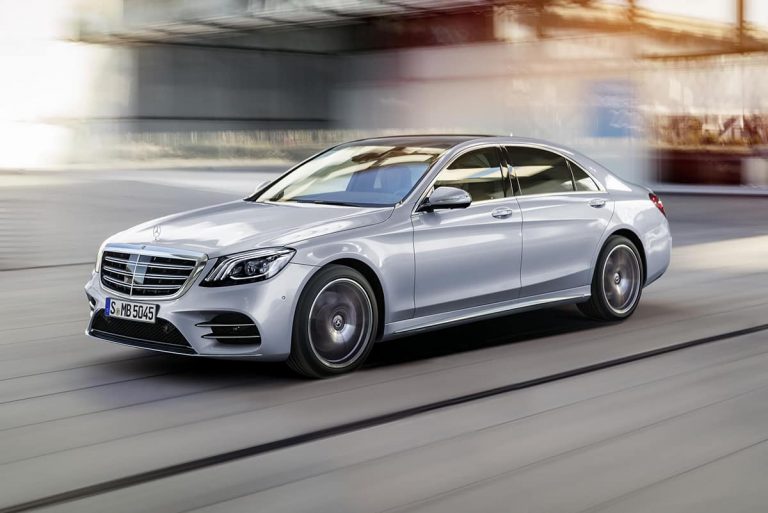
Mercedes-Benz S-Class lines up six

The facelifted Mercedes-Benz S-Class is debuting at the Shanghai Auto Show with the major headline a new range of engines.

Mercedes says that several new engines are planned for the new S-Class when it is launched throughout Europe from July. They include petrol and diesel in-line six cylinder units, a new V-8 bi-turbo petrol engine and a plug-in hybrid with an electric range of about 31 miles (50km).

Change of direction

The use of in-line six cylinder units is a switch in direction for Mercedes-Benz which has been using V6 units since 1997. The new units are evolved from the latest four-cylinder engine range and are expected to be expanded into other Mercedes models.

What is not known yet is how many of the new engines will be available in S-Class models on sale in the UK market.

Diesel variants are expected on sale first and will include the in-line six available in the S 350 d4Matic model with 286hp and 600Nm of torque, and the S 400 d4Matic with 340hp and 700Nm – the most powerful diesel car yet built by Mercedes-Benz.

Despite the significant power increase, the new units use seven per cent less fuel than the previous equivalents, quoted at 51.4mpg and 145g/km and 50.4mpg and 147g/km respectively.

Mercedes-Benz S-Class cockpit
New digital displays dominate the cockpit.

Changes to the S-Class include subtle exterior modifications including a new radiator grille, along with a new front and rear bumper with bolder air intakes. Cars bought with the optional multibeam LED headlamps include a ‘three torches of light’ styling element.

The interior is now fully digital with two-new high-resolution screens, each of 12.3 inches, creating an impression of a wide-screen cockpit. Like rival Audi it includes virtual displays ahead of the driver, who can choose from three formats and individually configure them.

Smartphone-style swiping motions will activate touch-sensitive controls on the steering wheel, allowing complete control of the infotainment system without taking hands off the wheel.

Other advances include further technology progressing towards fully-autonomous driving. The ‘Intelligent Drive’ systems on range-topping models now includes Distornic Active Proximity Control and Active Steer Assist now further raid keeping a safe distance from the car in front and staying in lane.

Mercedes is also debuting what it describes as ‘Energizing’ comfort control. Offered as an option, it links various comfort systems in the car together, such as climate control, ambience lighting, massage and fragrancing functions, to allow occupants to set all aspects to their personal preference.

The facelifted S-Class is expected in UK showrooms in October.

Mercedes-Benz S-Class 02

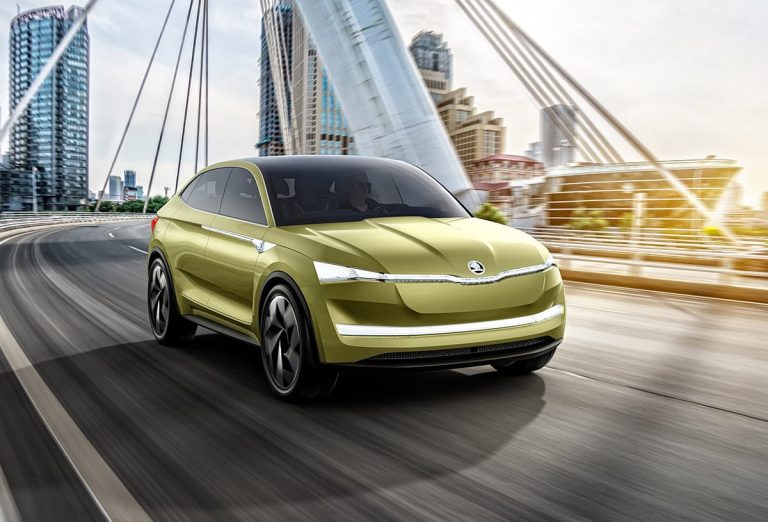
Skoda Vision E is brand’s first electric concept

The Skoda Vision E, unveiled at the Shanghai Auto Show, is a concept for an electric car but its bold styling also previews the look of future Skoda production models.

Industry observers suggest that a production electric-powered crossover expected from the Czech brand in 2020, one of five fully-electric cars promised by 2020, will be directly evolved from this concept.

The Vision E is the first fully electric concept from Skoda and is built on the Volkswagen Group’s MEB (modular electrification toolkit) architecture. It mounts electric motors on the front and rear axles for a total output of 300hp and an all-wheel-drive powertrain.

Skoda adds that the concept is capable of 112mph and offers a range of up to 311 miles. It also boasts wireless charging using a floor panel that reaches 80 per cent of battery capacity in just 30 minutes.

Space-generating layout

Measuring 4688mm long, 1924mm wide and 1591mm high the Vision E also has a 2851mm wheelbase, which is 60mm longer than the recently launched Kodiaq SUV, and made possible by the compact nature of the electric drivetrain and battery pack.

The resultant interior space is generous, further aided by the lack of a transmission tunnel. Notable elements include rotating, body-contoured and slightly raised individual seating positions, multiple touch displays for driver and front passenger along with a central touchscreen in the middle of the dashboard and phoneboxes on the inside of the doors.Skoda Vision E rear 34

A distinctive exterior design features a bold shaped bonnet with an LED lighting strip running across the entire width below the narrow, triangular Matrix LED headlamps, a gently sloping roofline that gives the car a coupe-look, a lack of door pillars and rear-hinged doors which allow very easy access.

Skoda intends that from 2025 one in four of its cars sold worldwide will be a plug-in or pure electric vehicle. The first will be the PHEV version of the Superb, expected in 2019.

Skoda Vision E

Citroën C5 Aircross to debut in Shanghai

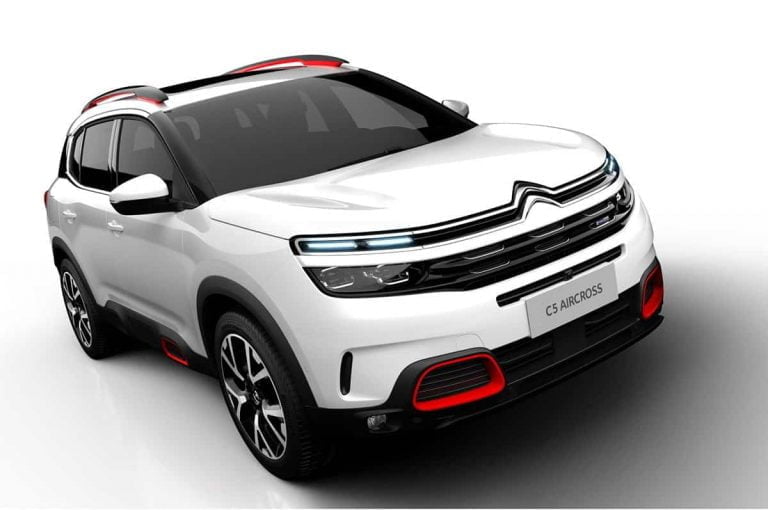
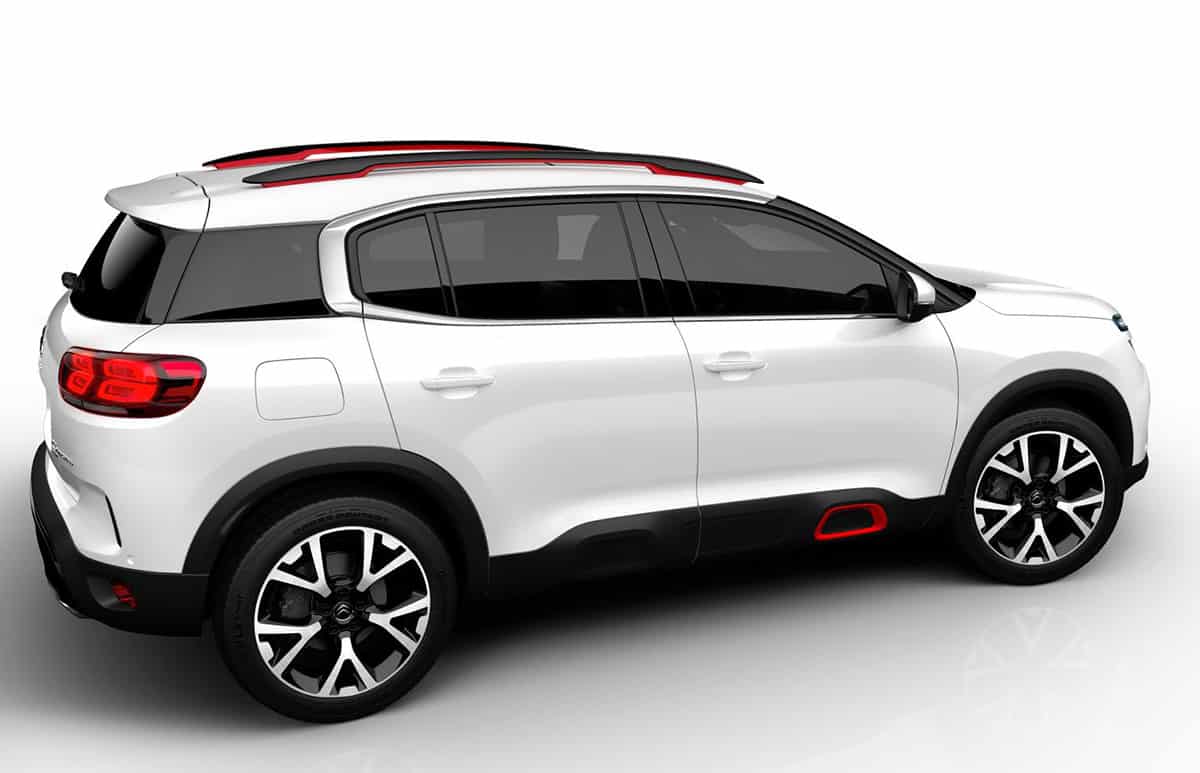
The Citroën C5 Aircross SUV, launched at the Shanghai Auto Show, will include the first plug-in hybrid model from the French brand.

The five-seater will go on sale first in China and arrive in European showrooms in 2018. It will become Citroën’s major player in the still-booming compact crossover segment, rivalling the likes of the segment-creating and still mass-selling Nissan Qashqai.

Production versions of the C5 Aircross will include petrol and diesel powertrains but it is the plug-in hybrid variant that is causing the most interest. Combining a 200hp engine with electric motors on the front and rear axles will promise a total power output of more than 300hp, making it Citroën’s most potent production car yet.

Four PHEV modes

Citroën says that four driving modes will be available in the PHEV version of the C5 Aircross. All electric will have a range of up to 36 miles (60km), while there will also be a long-distance Hybrid mode during which the system will not recharge, a Combined mode and a 4×4 mode.

Standard versions of the car will be front-wheel-drive only, but will offered with the PSA Group’s highly effective Grip Control system that aids traction on off-road surfaces.

The C5 Aircross is based firmly on the Aircross concept first shown in 2015 and is built on the PSA Group platform that also underpins the recently released Peugeot 3008. It measures 4500mm long, 1840mm wide and 1670mm high, on a 2730mm wheelbase, and promises a boot capacity of 482 litres.Citroen C5 Aircross interior

A new suspension system debuts with the model, described by Citroën as ‘an important milestone’ in the development of its Advanced Comfort programme. The system uses ‘Progressive Hydraulic Cushions’ to improve damping quality and overall ride comfort, and according to its creators has resulted in the filing of 20 new patents.

‘Magic carpet’ ride

The new Citroën system adds two hydraulic stops to each suspension unit – one for rebound and one for compression, resulting in the suspension functioning in two steps, depending on the loads placed on it. The hydraulic stops are used when required and are said to create a ‘magic carpet’ effect, as if the car were flying over bumps and dips in the road.

Citroën CEO Linda Jackson describes the New C5 Aircross as “the symbol of a brand with strong momentum,” and the first practical illustration of the brand’s offensive on the SUV market.

“(The C5 illustrates) our ability to approach it in our own way, with greater emphasis on character, comfort and on-board well-being –  New C5 Aircross will clearly be a major growth driver for Citroën,” Jackson adds.

Citroen C5 Aircross side

Infiniti QX30 review

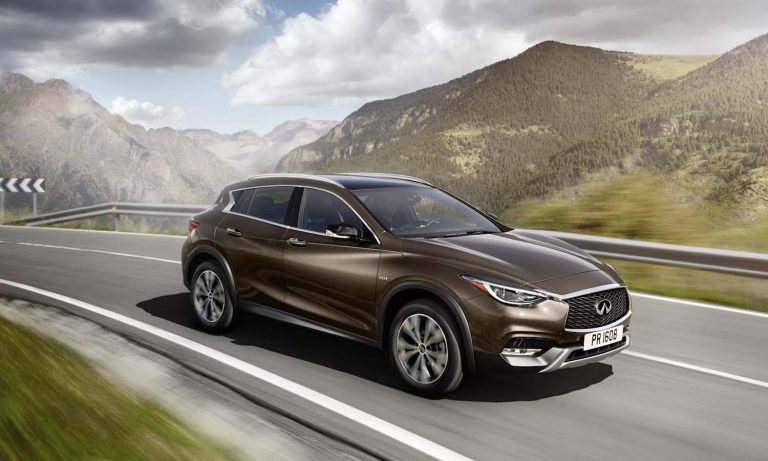
What is it: The Infiniti QX30 is the premium brand’s entry into the booming crossover market.
Key features: Sharp looks, standard all-wheel-drive, plenty of equipment.
Our view: The Infiniti QX30 has its flaws but overall is a viable premium crossover for those looking for something different to the masses.
Review type: Full road test


Anyone who follows the motor industry knows that these days virtually no manufacturer can do without an SUV or crossover model. Even the premium market is no longer immune from such things, and so we now have the Infiniti QX30.

That Nissan’s luxury brand should go the crossover route is no surprise – while a major player in the US, Infiniti is still having to work hard to establish itself in Europe, and with direct rival Audi’s Q3 totally outstripping its sales predictions, there is clear evidence that upmarket buyers are as crossover hungry as the mainstream.

Next page: Styling and interior

Infiniti QX30 review | rear view | The Car Expert