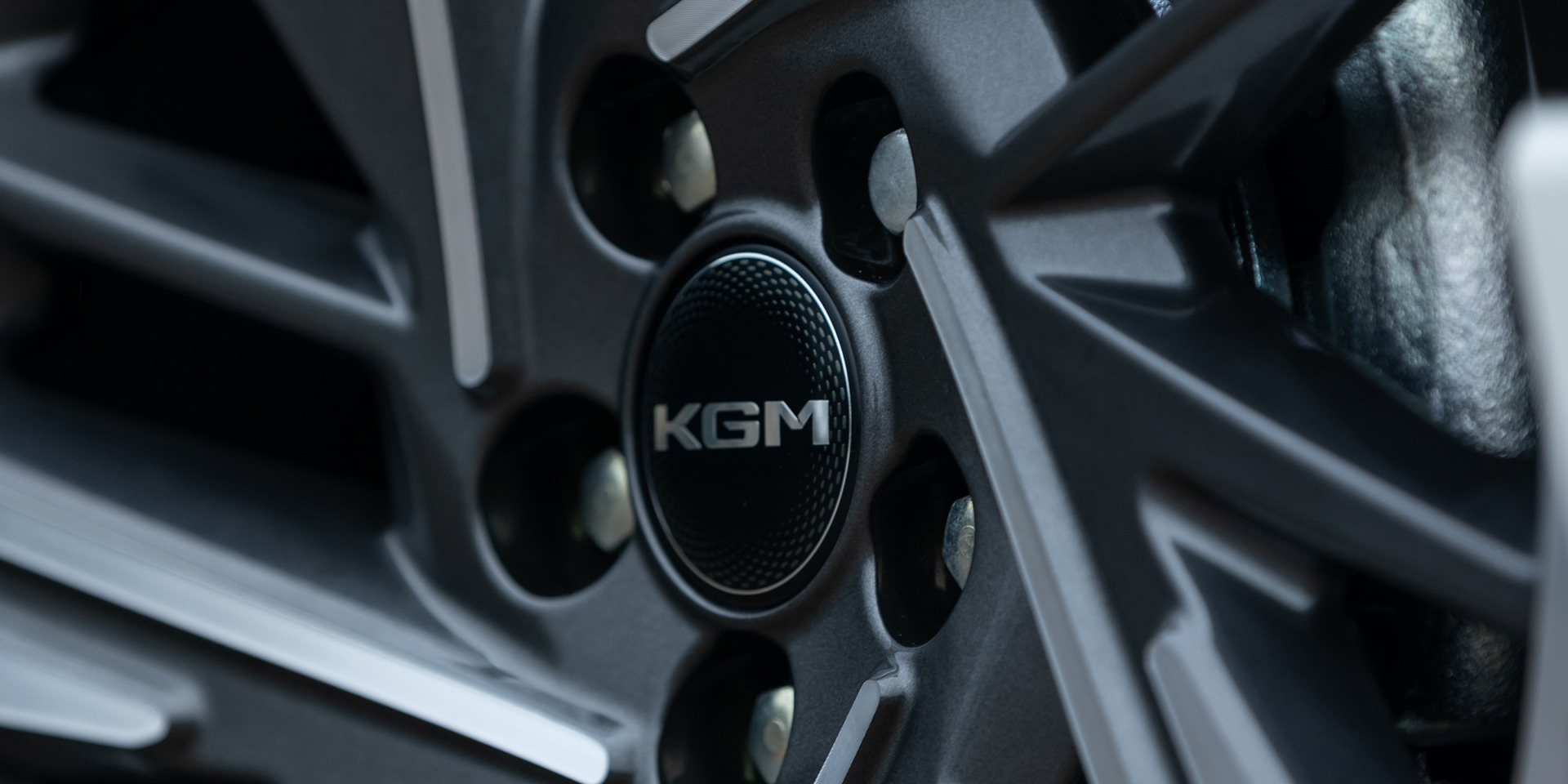






Many buyers will not recognise the brand of KGM Motors, perhaps because it only launched in late 2023. But in fact the cars of KGM have been around a lot longer, wearing SsangYong badges.
While on sale for almost four decades, SsangYong remained the least-known and – many might say – least successful Korean automotive brand, with the clumsiest name to pronounce. While Kia and Hyundai have mushroomed in size, profile and popularity with buyers, SsangYong has lurched from buy-out to virtual collapse, twice filing for receivership.
Yet the brand values of SsangYong, the oldest car manufacturer in Korea, make a lot of sense and have been retained by KGM. It’s unashamedly a budget brand, specialising in utility vehicles with all-wheel-drive chassis. It makes SUVs and pick-ups for buyers who need real workhorses.
The latest almost collapse of SsangYong happened in December 2020 and after a painful 18 months, Korean giant KG Group paid the equivalent of £620 million for SsangYong in mid-2022. In 2024 the company was relaunched under the name of KGM Motors.
So who or what is KGM?
Back in 1954, a company called Ha Dong-Hwan Motor Workshop was established in South Korea, making trucks, buses, and ‘special-purpose vehicles’ (basically 4x4s). Many were exported.
In 1974, the company co-founded a new outlet, called Shinjin Jeep, and as its name suggests producing versions of the famed American utility vehicle. Three years later, the Ha Dong-Hwan name was dropped in favour of Dong-A-Motor – this lasted until 1988 when the maker was acquired by industrial group SsangYong, whose name was applied to all its vehicles. The name means ‘double dragon’.
The next big move was in 1991 when a technical partnership was formed with Mercedes-Benz. New models were launched with proven Mercedes engines and other hardware under the bonnet, which helped raise the brand’s profile across Europe.
When did KGM launch in the UK?
While KGM-badged cars have only been on sale since 2024, the company has effectively been in the UK a lot longer – SsangYong arrived in 1994 with its first new model with Mercedes input, the Musso SUV.
The larger Rexton followed in 2001 but, during this period, SsangYong also went through several changes of ownership. It was first taken over by rival Korean brand Daewoo in 1997 and, for a while, all SsangYong vehicles were badged as Daewoos. SAIC Motor, the Chinese state-owned car company which now owns MG, took a 51% stake in 2004 but then ran into controversy, even accused of stealing SsangYong tech for its own vehicles.
Amid violent worker strikes, SsangYong went into receivership in 2009 and was then taken over by Indian giant Mahindra & Mahinda. SsangYong’s chequered history continued and in December 2020, the company again filed for receivership. While seeking a buyer, a deal was signed with Chinese maker BYD Auto to develop the batteries for electric vehicles, with a view to SsangYong plotting a whole electric future.
A takeover bid by electric bus and truck maker Edison Motors followed but failed and, in June 2022, Korean giant the KG Group took the reins, setting up KG Mobility a year later. The UK operation relaunched as KGM Motors in 2024, retaining the dragon-themed logo of its predecessor.
Even the switch to KGM has not gone smoothly – Korea’s Intellectual Property Office objected to the registration of the trademark believing it was part of a trolling operation, registering trademarks with no intention of using them. Further objections came from the Turkish Government’s highways office, because it uses the same three letters, and even Austrian motorcycle maker KTM argued that the names would be too similar to each other!
Amongst all this, KGM has continued its future plans by signing a partnership agreement with Chinese giant Chery Automobile to jointly develop future cars.
What models does KGM have and what else is coming?
The core of the KGM range dates back to its predecessor, with four of the current six models once sold as SsangYongs. The target market of budget buyers shows in the reviews from the UK motoring media – reviewers generally praise the price, robustness and equipment levels of KGM vehicles but mark them down on comfort and quality.
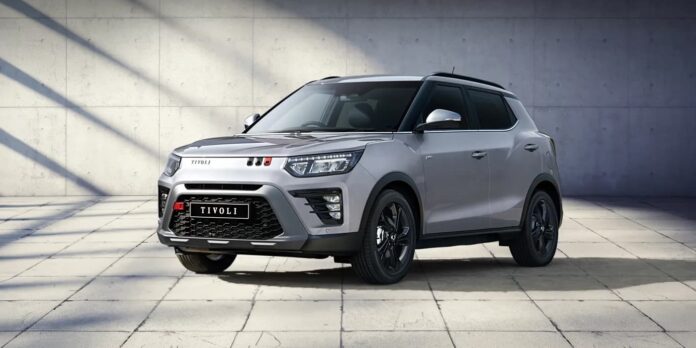
Most indicative of this is the Tivoli small crossover, launched back in 2015 and most recently updated in 2023. Today it’s only available in one length – the XLV with its extended body but awkward styling has been dropped. But the car still only earns a paltry New Car Expert Rating of E, with a score of 51% in The Car Expert’s industry-leading Expert Rating register, for the reasons stated above.
Mind you the first all-new model launched since the KGM takeover, the Torres, has done no better. Designed to fit between the mid-sized Korando and larger Rexton SUVs, the Torres was criticised for its fuel consumption and unusually for the brand, a price seen as too high – KGM has since tackled the first problem with a hybrid powerplant. Electric sister the Torres EVX, KGM’s first EV, has earned a little more praise with a New Car Expert Rating of C, its low running costs countered by soggy ride quality.
KGM then produced what is effectively a larger Torres to take on the most competitive mid-sized SUV market, the Actyon designed to rival the likes of the Kia Sportage and Nissan Qashqai. Launched in mid 2025 with a petrol engine that earned criticism for its running costs, it’s since gained a more fuel-efficient hybrid model.
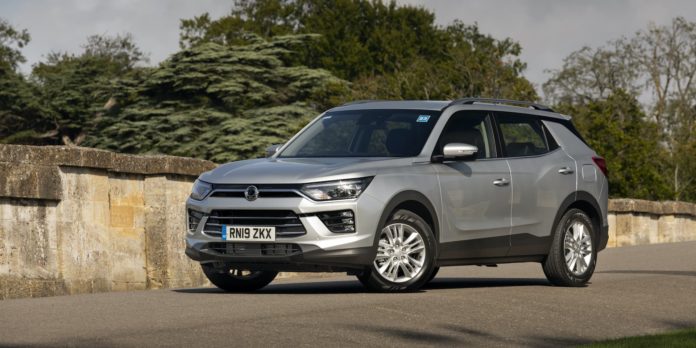
The Korando is another great survivor – the latest generation of this mid-sized SUV appeared in 2019 and was widely praised as being a big step-up on its predecessor, earning the brand’s first five-star safety rating. But it was also significantly more expensive than the previous generation and its appeal has been dulled by the appearance of more low-priced rivals – as of May 2026 it too has a New Car Expert Rating of C.
The Korando was also the first SsangYong to go electric, with an EV version called the Korando e-Motion launched in 2022. But consistent supplies could never be guaranteed and it was dropped in 2024.
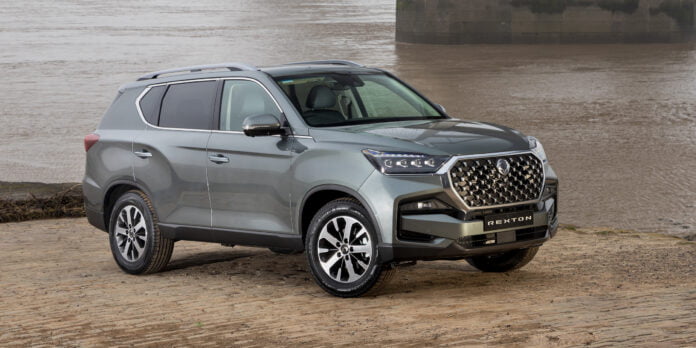
Longest-lived of all is the Rexton large SUV – it first appeared in 2001 and is today in its fourth generation. Launched in 2017 and lightly updated in 2021, it’s the biggest model in the line-up, with a 3.5-tonne towing capacity and space for seven occupants. It’s a proper off-road SUV, built on the same ladder chassis as the Musso pick-up.
The Musso was once an SUV, last sold in the UK back in 2005. The current pick-up was launched in 2018 and the model has remained popular with buyers who want a tough, powerful workhorse, but don’t have much to pay for one. It’s also spawned KGM’s newest model, the Musso EV, but this rare example of an electrically-powered pick-up, just going on sale in 2026, shares only its name with the diesel version, being based on KGM’s other recent launch, the Torres SUV.
Coming next from KGM, potentially in 2026, is expected to be an electric replacement for the Rexton, based on the F100 concept shown in 2024 and jointly developed with Chery.


Where can I try a KGM car?
KGM inherited an established SsangYong dealer network when it relaunched the brand and has been working to add outlets since, despite years of bouncing from one crisis to another tempting some dealers to the new options coming onto the market, especially the expanding Chinese brands.
Having said that, KGM is continuing to open new outlets, bringing its network closer to a planned 80 locations across the UK.
Where makes KGM different to the rest?
It may not have anything like the reputation, or the size of other makes from Korea, but KGM beats them all in one respect – with a history that in SsangYong terms stretches back to 1954, this is Korea’s oldest automotive manufacturer.
KGM today still firmly embraces a market that the bigger Korean names, Hyundai and Kia, have left behind – basic budget motoring. While the latest models are definitely much improved on predecessors, the KGM target buyer is still one with not a lot of money to spend. However Hyundai and Kia have benefited massively from moving upmarket – it will be interesting to see if KGM continues to embrace its budget market or also seeks a more upmarket future.
A KGM fact to impress your friends
KGM’s predecessor SsangYong celebrated its takeover by Mahinda & Mahindra at the turn of the millennium by designing a new people carrier that it determined must be distinctive. Freelance designer Ken Greenley, whose CV included work for Bentley and Aston Martin, was taken on to produce the new model and apparently turned to the world of luxury yachts for his inspiration.
Apparently? The Rodius, launched in 2011, was widely regarded as one of the ugliest cars ever built, with a strange rear body which looked as if an extra section had been dropped on top of the tailgate. However under the very questionable looks was a highly practical seven-seat MPV, and among the most popular of the 14,000 European buyers that kept the car in production for some eight years were taxi drivers.
Summary
With the chequered history and history of crises of its predecessor SsangYong, KGM might appreciate a period of making not too many headlines and focusing on the appeal it has to buyers on a budget. True, these SUVs don’t have the refinement and quality of fit and finish that is typical of the majority of today’s market, but you do get a lot for your money in terms of equipment.
KGM vehicles are built to withstand all you can throw at them – true, go-anywhere off-roaders that particularly rural buyers will appreciate.
This article was originally published in September 2023 and updated in May 2026.
Explore other lesser-known car brands with The Car Expert: