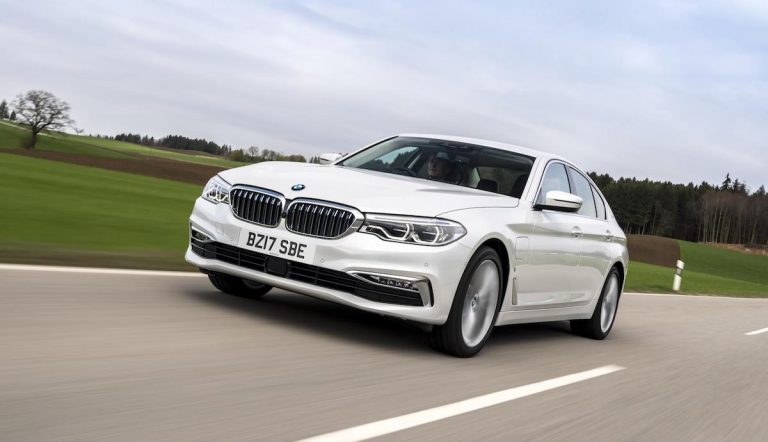
The sixth-generation BMW M5 has been unveiled and dubbed the most powerful version of the performance super saloon yet.
On sale in February 2018 at prices expected to start from just under £90,000, the new M5 comes fitted with all-wheel-drive for the first time, allied to a significantly revised version of the 4.4-litre twin turbo V8 engine.
Higher pressure
New turbochargers and a higher injection pressure boost the M5’s power by 40hp to 600hp, alongside 750Nm of torque – 70Nm more than the previous M5 and on tap from 1800 to 5600rpm. The car reaches 62mph in 3.4 seconds and goes on to an electronically limited 155mph. Combined cycle fuel consumption is quoted at 26.9mpg with CO2 emissions of 241g/km.
An eight-speed M Steptronic auto/manual transmission is standard, matched to the M-specific xDrive all-wheel-drive system. This offers several drive modes, up to a track-specific setting with rear-wheel drive only and the Dynamic Stability Control disconnected.
The suspension and steering also boast Comfort, Sport and SportPlus drive modes, while both the front and rear axles have been redesigned to produce sharp, precise cornering performance while maintaining stability.
A new, more rigid but lighter architecture underpins the new M5 while other notable aspects aimed at saving weight and increasing performance include bespoke brakes – with ceramic versions as an option. The car makes extensive use of aluminium, the bonnet being composed entirely of the alloy, and for the first time in an M5, a carbon fibre reinforced plastic roof is fitted.
Like the others, Ford is offering a £2,000 part-exchange allowance against selected new models. However, Ford is not limiting its offer to old diesel cars; any pre-Euro 5 petrol or diesel (or any other fuel) vehicle can be used to claim the allowance. This means most cars prior to 2010 will be eligible for the offer.
Ford also promises that all part-exchange vehicles under the new offer will be scrapped rather than re-sold, which again goes beyond what is being offered elsewhere (Mercedes plans to scrap diesel cars up to Euro 3 but not Euro 4).
The offer applies to buyers of the all-new Ford Fiesta, the B-Max (excluding Zetec models), Focus, C-Max and Kuga passenger cars. There is also a similar offer on selected Ford Transit van models, which we are covering over at The Van Expert.
The offer kicks off in line with the new number plate change on 1 September, and cars must be registered by 31 December.
The Ford scrappage scheme offer is in addition to any other promotions and discounts. For example, there is a discount of nearly £3,000 on selected Focus models currently being offered, which would give a total saving of nearly £5,000.
The Car Expert checks the fine print
This offer is a part-exchange allowance, for selected used cars part-exchanged against selected new cars.
Your current car can be from any brand, but must be built to Euro 4 emissions standard or earlier. This will definitely be cars built no later than 2010, although some cars had Euro 5 specification engines earlier than this.
You must be the owner of the part-exchange vehicle and the buyer of the new car (same name and registered address).
You must have owned the old car for at least 90 days, to stop people buying an old banger for £200 and then getting a £2,000 part-exchange allowance for it.
You must order your new car and take delivery before the end of the year.
This offer can be used on top of any other offers from the dealer/manufacturer/finance company, including the government plug-in car grant
The offer is not dependent on you taking any finance package or other products.
The BMW 4 Series Gran Coupé is a product of the increasingly niche marketing indulged in by upmarket manufacturers. In 2013, BMW separated out its 3 Series two-door coupé models from the four-door saloons and called them the 4 Series.
Then in 2014, a five-door version of the coupé shape arrived, complete with tailgate instead of boot, primarily to rival the highly successful Audi A5 Sportback. And it worked – today the Gran Coupé takes half of all 4 Series sales, the rest split equally between the Coupé and the Convertible.
Early in 2017, the Gran Coupé benefited from improvements applied across the 4 Series range. The styling has had a minor revamp, the cabin has been upgraded and there are suspension improvements and more equipment.
Styling and powertrain
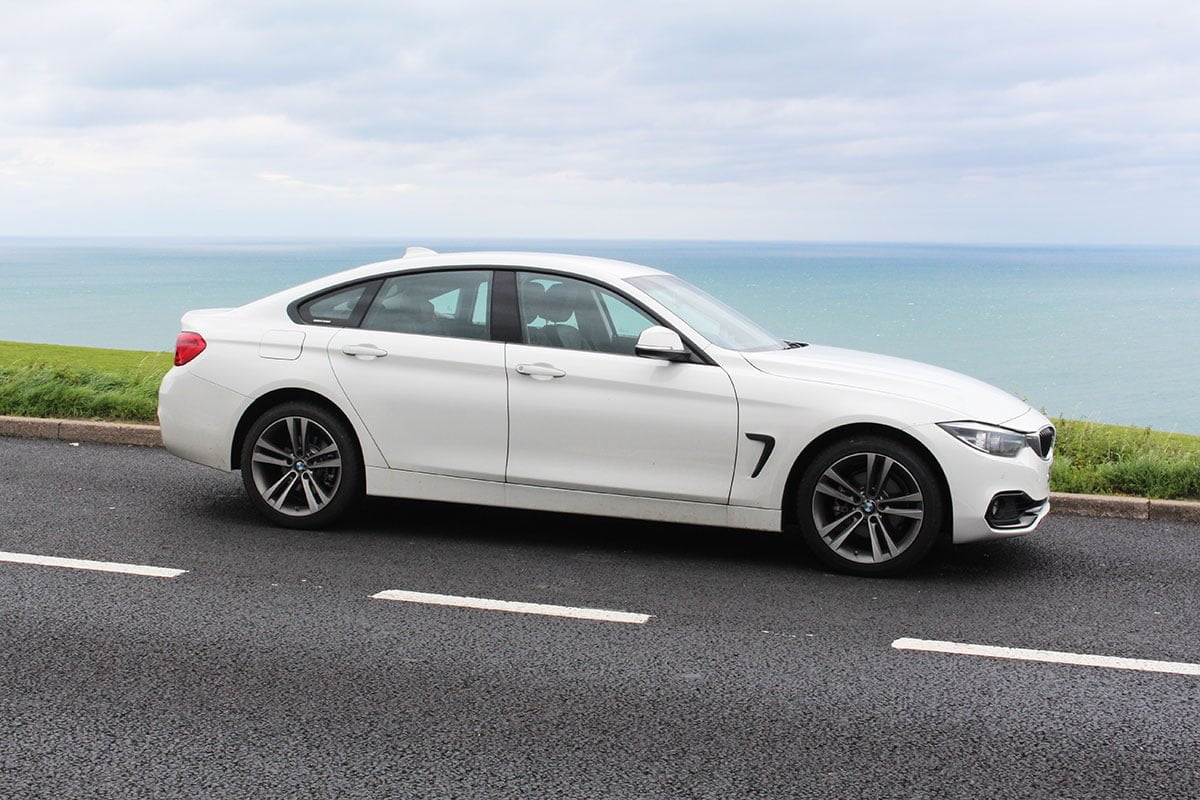
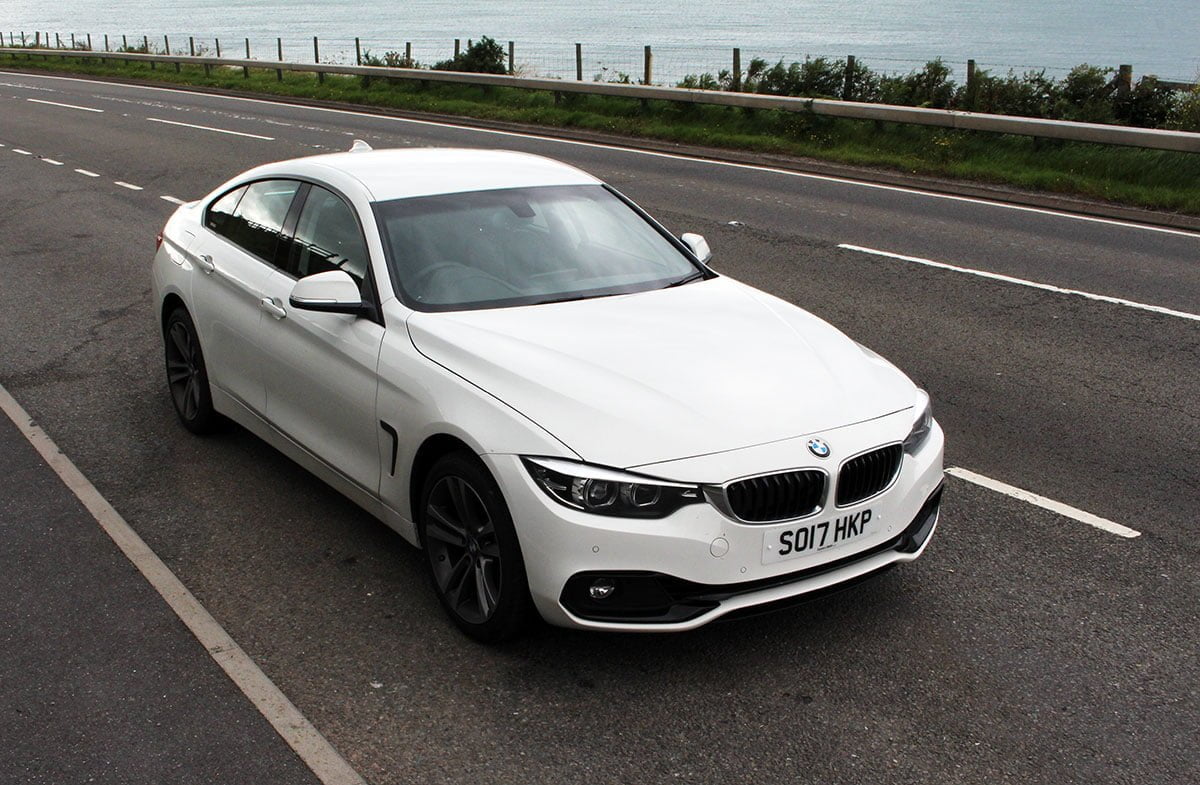
The 4 Series Gran Coupé scores immediately on its visuals – it is just about the most attractive model that BMW produces. While measuring 2cm higher than the Coupé to ensure the rear doors open up space that an adult can sit in, it still retains a much more elegant, sweeping profile compared to the 3 Series. Bespoke elements such as the frameless doors ensure that the car turns heads even when parked.
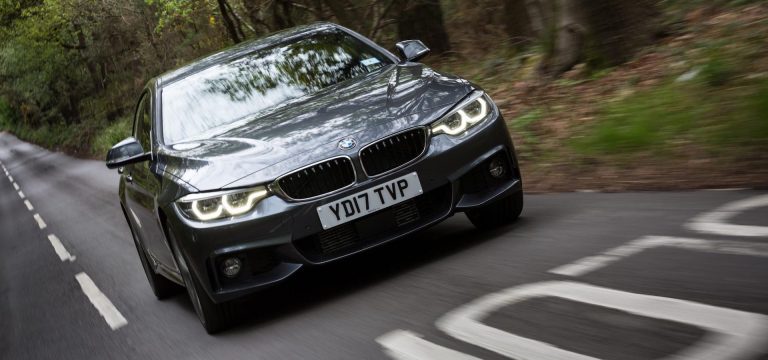
Changes made to the 2017 version merely add to the appeal, particularly to the front end. This has a larger air intake while slim twin LED headlamps are now standard. Together with a ride height 3cm under that of a 3 Series, the result is a car that looks wide and purposeful as it approaches in the rear-view mirror.
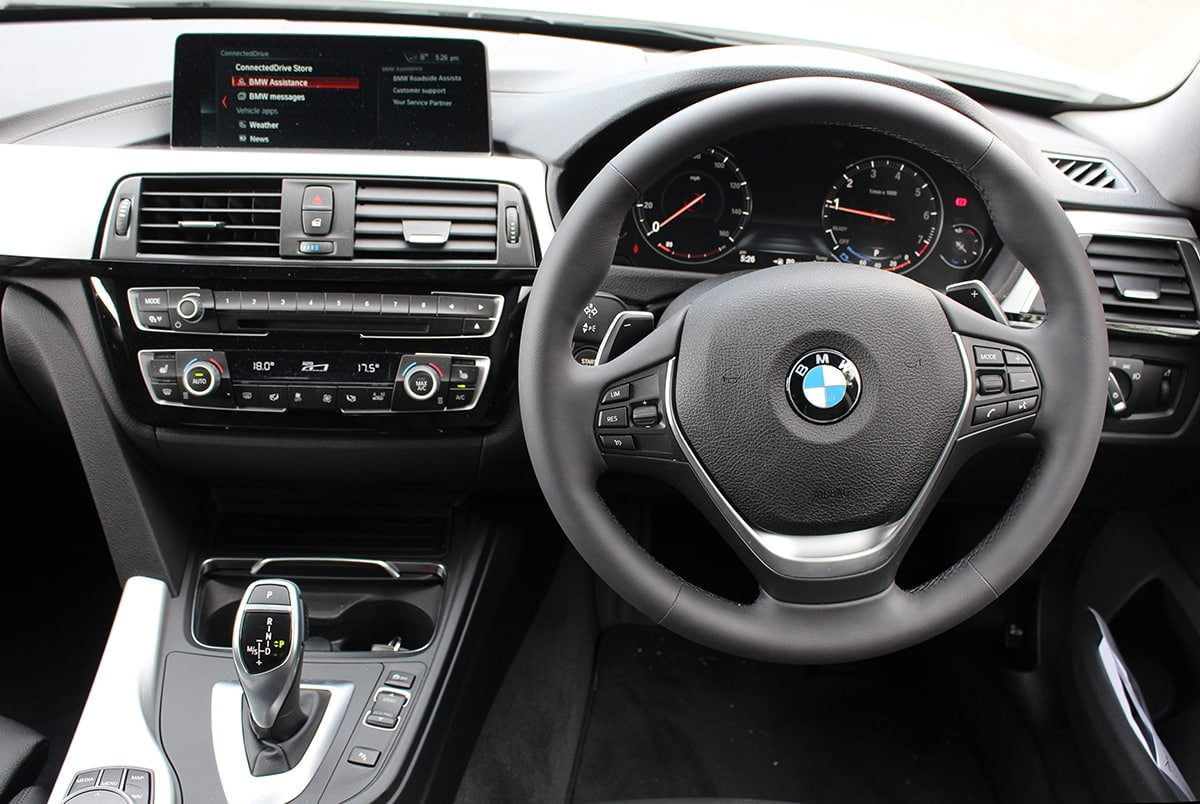
The driver’s surroundings will be familiar to any 3 Series driver. The dash controls work well, though the large handbrake lever seems a little old-tech and dominant.
Rear-seat passengers will likely be more comfortable in a 3 Series, though space is more generous than the strongly sloping roofline of the Gran Coupé might suggest. Mind you an adult won’t want to travel far in the middle rear seat.
Engine options for the 4 Series Gran Coupé range across three petrol units, with either 184, 252 or 326hp, and three diesels offering 190, 258 or 313hp. With evidence of sliding diesel popularity, The Car Expert tried the lowest-powered but also most popular petrol option, the 420i.
Our car also comes supplied with the xDrive all-wheel-drive transmission – also an option with all three diesel engines. A six-speed manual gearbox is standard across the range but optional is an eight-speed auto with sequential manual shifts and steering wheel paddles. Choose the auto ‘box and it slightly improves the fuel economy.
On the road
Of necessity, our road test of the Gran Coupe included a trip from Scotland to Wales of more than 300 miles, including trawling hundreds of miles of motorway.
It was a very easy run – the car cruises with superb refinement, its engine almost silent in operation while not lacking in brisk acceleration for overtaking. Admittedly it’s not the most potent powertrain – there are two larger options for those who want more power, but it is an excellent all-rounder.
Rear-wheel-drive BMWs have always been renowned for their finely placed cornering ability through excellently-weighted steering and the all-wheel-drive form adds an extra level of grip. The car is easy to place, and road bumps or dips fail to unsettle it – ride comfort is exemplary.
The Gran Coupé comes in SE, Sport, or M Sport trim levels and equipment levels on all are extensive. Even entry-level models get satellite navigation, Bluetooth, DAB radio, cruise control, LED head and tail lamps, front and rear parking sensors, heated seats and BMW Connected, which offers a range of online assistance services.
Also included is the Drive Performance Control (DPC) driver aid. This offers Eco Pro, Comfort and Sport modes, changing steering, throttle and suspension accordingly. On Sport versions of the car, the DPC adds a ‘Sport+’ mode that among other things disconnects the Dynamic Stability Control – not something we tried in the middle of a Welsh monsoon…
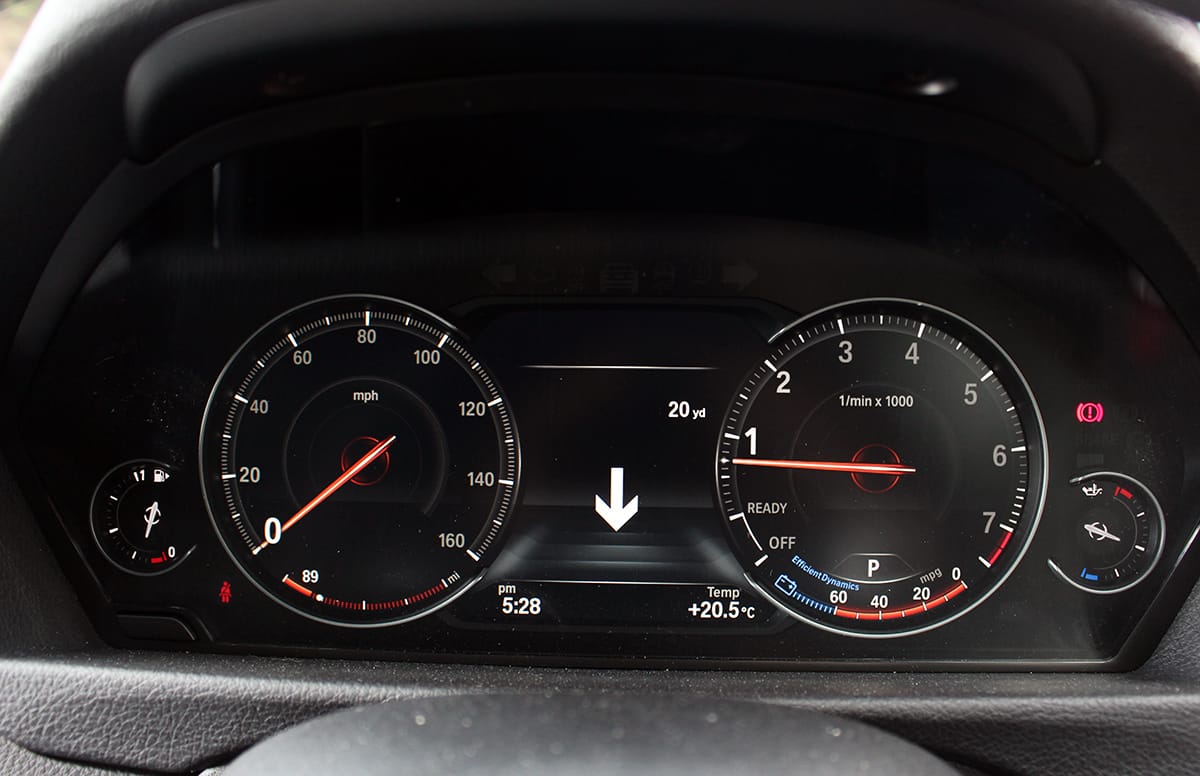
Other notables on our mid-level Sport include 18-inch alloy wheels, a natty leather steering wheel and a function that changes the instrument panel lighting to a fiery red when you select Sport on the DPC.
Verdict
The BMW 4 Series Gran Coupé provides the perfect answer to the view that for a premium car, there are just too many 3 Series around today. The Gran Coupe looks much more stylish, yet retains almost the same levels of practicality, and is very easy to live with while offering satisfactory levels of performance. We would choose this over its saloon sister every time.
Model tested: BMW 420i xDrive Sport Gran Coupe On sale: May 2017 (facelift version) Price: £34,910 (Range starts £33,110) Engine: 1998cc petrol, 184hp, 290Nm 0-62mph and max speed: 7.8 sec, 145mph Economy and emissions: 40.9mpg, 161g/km Test date: August 2017
Hyundai has unveiled an almost production-ready fuel cell SUV, with a potential all-electric range of 497 miles.
The as-yet unnamed hydrogen-powered car was revealed at a preview event in Seoul, South Korea, ahead of its official launch early in 2018. It is the brand’s second commercial fuel cell vehicle and represents the fourth generation of Hyundai’s hydrogen fuel cell technology.
Four major strategies governed the design of the new vehicle. The fuel cell system is 9% more efficient than the version in its ix35 Fuel Cell predecessor. Maximum power output of 163hp is 20% better than the ix35 version and with better cold starting. The system is more durable and the hydrogen storage tanks improved in density, using three equal-sized tanks instead of two of different sizes.
Water-inspired design
The look of the new vehicle is evolved from the FE Concept, which was unveiled at the Geneva Motor Show in March 2017. A ‘clean’ visual profile is inspired by water – the only emission of hydrogen vehicles – and includes several low-drag elements such as flush door handles.
The newcomer is expected to head up the brand’s development programme for low-emission vehicles, with 31 eco-friendly models due to introduced across the global Hyundai and Kia ranges by 2020. Hyundai will launch an electric version of its Kona SUV, with a range of 240 miles, in the first half of 2018, a Genesis EV in 2021 and a long-range EV capable of 310 miles after 2021.
The finished version of the new vehicle will be revealed in Korea early in 2018, but its name will be unveiled alongside a number of new driver assistance technologies at the CES global consumer electronics and technology show in Las Vegas, USA in January.
Alfa Romeo is offering a £2,000 deposit contribution on selected Mito, Giulietta, Giulia and 4C models sold and delivered by the end of September.
The “Test Me” promotion offers a £2,000 deposit contribution for customers taking out a personal contract purchase (PCP) car finance agreement after test driving one of the selected models.
This promotion is over and above any existing deposit contribution offers. For example, Giulietta models currently have advertised deposit contributions of £1,550 to £2,800, while selected Giulia models have an advertised deposit contribution of £750 and the 4C gets £500.
The Alfa Romeo website suggests that the £2,000 Test Me offer can also be used on a hire purchase (HP) finance agreement, but does not provide any details. It is not able to be used on a personal contract hire (PCH) lease agreement.
The Car Expert explains the fine print
This offer provides a £2,000 deposit contribution towards selected new Alfa Romeo models, over and above any other offers.
The offers listed on the Alfa Romeo website are only examples, and you are entitled to adjust the term, deposit and annual mileage to suit your own needs.The APRs and annual mileages shown on the examples vary considerably, so check the details carefully to make sure you are happy with what you are being offered.
The APRs, annual mileages and excess mileage charges shown on the examples vary considerably, so check the details carefully to make sure you are happy with what you are being offered.
Excess mileage fees only apply if you are giving the car back and claiming the guaranteed future value (GFV).
Cars have to be ordered and delivered by 30 September 2017.
The finance offers are provided through Alfa Romeo dealers by FCA Automotive Services. If a dealer offers you a finance deal that does not match these details or from another lender, it is not part of this offer.
As with any car purchase, work out your budget before you visit the showroom and don’t be persuaded to go beyond it – regardless of what the smiling sales executive suggests. They don’t have your best interests at heart, but The Car Expert does!
Daimler has announced a similar diesel part-exchange programme to the one announced last week by BMW, for any customer part-exchanging an older diesel car against a selected number of Mercedes-Benz or Smart models.
Until the end of 2017, any owner of a Euro 4 (or older) diesel car will be eligible for an additional £2,000 part-exchange allowance over and above their car’s value when they buy a new Mercedes-Benz diesel or plug-in hybrid model.
On new smart electric drive models, the offer is for an additional £1,000 part-exchange allowance.
Like BMW, Daimler will be hoping to boost sales of new diesel cars in the face of a significant slump in demand over the last four months. The majority of Mercedes-Benz sales have been diesel models for some years, and the company will be hoping that this offer will allow Mercedes-Benz to salvage a decent year in terms of new car sales.
Unlike the BMW offer, the Mercedes-Benz allowance does not extend to buyers of low-emissions petrol models. However, in a move that goes beyond BMW’s offer, Daimler has pledged to scrap any Euro 1 to Euro 3 diesel cars that are part-exchanged, rather than selling them on.
The allowance is in addition to any other offer available from the manufacturer, finance company or dealership, such as a deposit contribution or discount, or the government’s plug-in car grant for plug-in hybrid or fully-electric vehicles.
This offer is a part-exchange allowance, for selected used cars part-exchanged against selected new cars.
Your current car must be a diesel, from any brand, with an engine that is built to Euro 4 emissions standard or earlier. This will definitely be cars built no later than 2010, although some cars had Euro 5 specification engines earlier than this.
You must be the owner of the part-exchange vehicle and the buyer of the new car (same name and registered address).
Your car must have a valid MOT certificate, so you can’t drag an old car that’s off the road down to the dealership to claim the allowance.
You must have owned the old car for at least six months, to stop people buying an old diesel banger for £200 and then getting a £2,000 part-exchange allowance for it.
You must order your new car before the end of the year, and must take delivery of the vehicle no later than 31 March 2018.
This offer can be used on top of any other offers from the dealer/manufacturer/finance company, including the government plug-in car grant
The offer is not dependent on you taking any finance package or other products.
Chery is the newest Chinese brand to target European buyers. China’s leading vehicle exporter intends to begin selling its cars in Europe ‘in the next few years’, and says that they will be under an all-new, yet to be revealed nameplate.
Chery sold more than 700,000 vehicles in 2016, 28% up year-on-year and 100,000 of them exported, representing almost 30% of all Chinese vehicle exports.
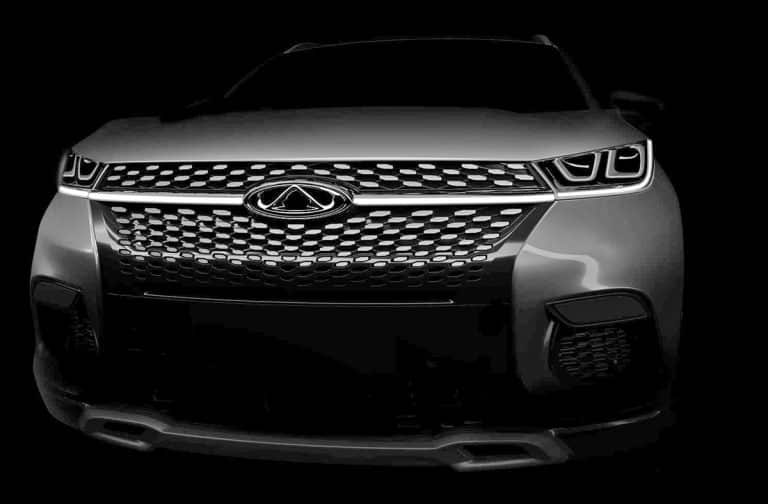
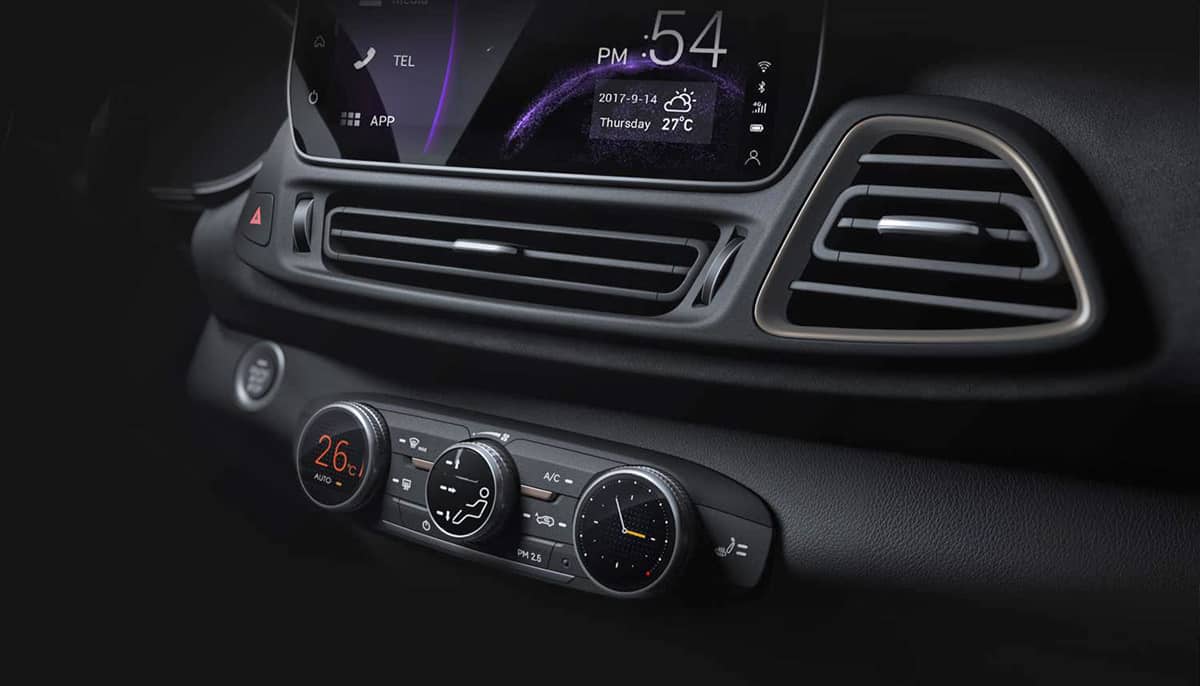
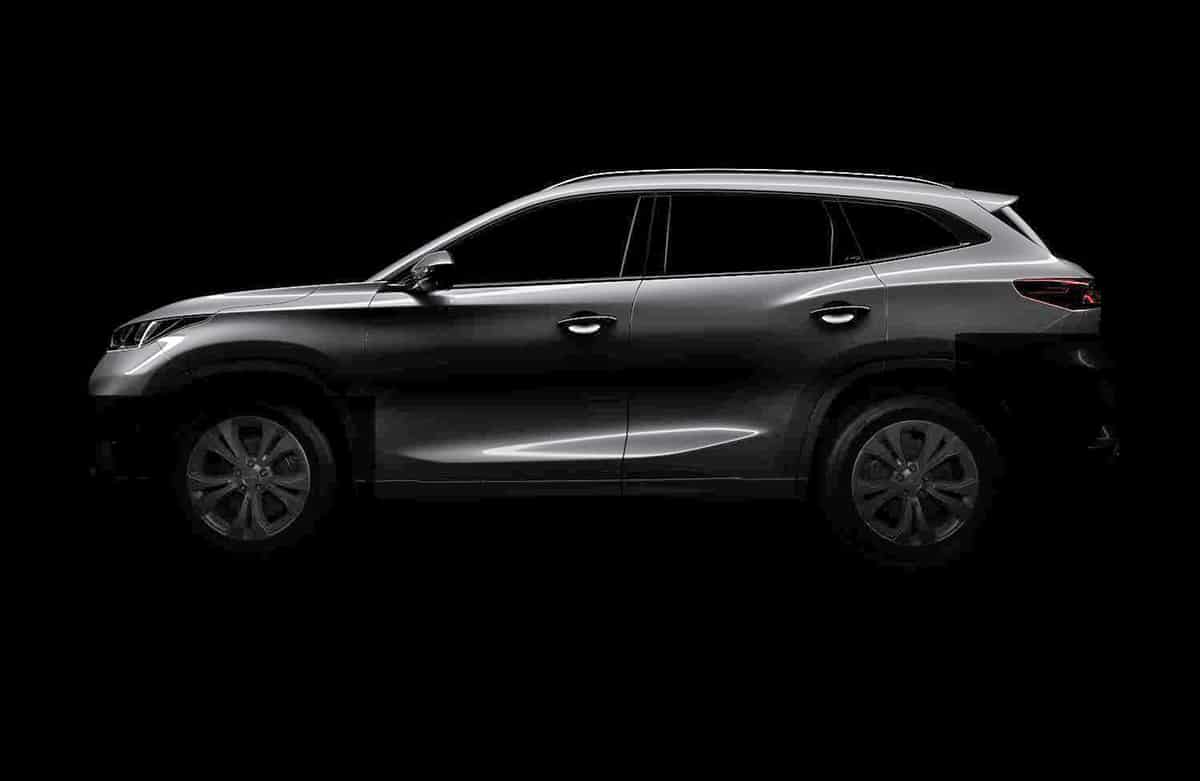
Chery’s first European model, a compact SUV, will be unveiled in pre-production form at the Frankfurt Motor Show on 12th September. Virtually nothing is currently known about the model apart from hints to its exterior design and interior in released sketches.
The company is planning a European research & design centre to work alongside its facilities in Wuhu, Beijing, and Shanghai in China. European markets will be analysed before sales and distribution networks are set up. Manufacturing will remain in China, where Chery has four plants with a total capacity of one million vehicles, one million engines and 600,000 transmissions per year.
Alternative fuel is also firmly in Chery’s plans, the company intending to create a range of hybrid electric vehicles (HEVs), plug-in hybrid electric vehicles (P-HEVs) and battery electric vehicles (BEVs).
According to Chery CEO Dr. Anning Chen, the brand will particularly target younger buyers. “(Our) product rollout strategy focuses on quality, low- and zero-emissions powertrains, and emotional engagement with customers. All Chery vehicles sold in Europe will feature class-leading connectivity, be fun to drive, offer flexible and spacious interiors and will provide comprehensive personalisation, all of which are aligned with our high standards of product quality and aftersales support.”
Overall used car transactions fell by 13.5% compared to the same three-month period last year, with 1,832,400 used cars changing hands between April and June.
Used car figures are not necessarily a strong indicator of what is going on in car dealerships, as the published numbers include any used car that has had a change of ownership. This includes private sales, auctions, registration transfers within households and so on. However, a fall of 285,000 units in three months is certainly significant as it represents 3,000 fewer cars per day changing hands.
The SMMT (triumphantly?) points out that used diesel sales held steady with a negligible 0.1% drop, while used petrol car sales fell by 9%. Hybrid and electric used car sales were up by 24%, but still only make up a meagre 1% of the used car marketplace.
Given the collapse in sales of new diesel cars over the same period, it seems quite likely that many potential new diesel car buyers have chosen a used car instead. It is also very likely that a higher-than-normal number of those used diesel sales will be made up of dealer demonstrators, head office company cars, pre-registered cars and so on.
With manufacturers and dealers propping up their new car diesel registrations over the last few months with self-registered diesel cars, it is logical that there would be an increase in nearly-new diesel stock on dealer forecourts and at auction blocks.
There is also talk of a diesel scrappage scheme being introduced at some point in the future, so buyers of cheaper used diesel cars may be reassured by the possibility that they could make a profit if they sell their car in a year if such a scheme comes into existence.
Worst Q2 results for years
The SMMT press release claims that this year’s results are “no surprise”, coming off the back of a record year last year. However, it conveniently fails to mention that the Q2 results for 2017 are also worse than both the 2015 and 2014 results, so at the very least it’s the worst result in four years (the SMMT does not publicly display older used car sales data).
Used car finance results published today by the Finance and Leasing Association (FLA) show that, despite the sales slowdown, used car dealer financing has actually increased compared to the same period last year. Both volume (4% more deals) and value (9% more overall borrowing) were up on last year, meaning an average increase of 5% borrowed per car) from dealerships.
This suggests that the biggest falls in used car sales have been at the bottom end of the used car market, where PCP finance is far less popular or relevant.
A blip or a fundamental shift?
As usual, the SMMT and other automotive industry commentators have queued up to imply that Brexit, elections and economic woes have affected the results. Given that this has been a rapid slump for both new and used cars after a long period of year-on-year growth, it certainly suggests that customers are hesitating to launch into a vehicle purchase at this time.
Another key factor, as it was for new car sales, would have been the General Election. Called in April and conducted in June, it will have affected all three months of the quarter.
Of course, this is only the result of one quarter. It remains to be seen what will happen over the second half of 2017 before we really start to understand whether this is a blip or a genuine shift in the marketplace.
Renault is offering a new Black Edition personalisation pack for its Clio Renault Sport. The pack is available regardless of the body colour chosen.
For the Clio Renault Sport 220 Trophy, the pack adds black gloss door handles, moulding inserts, front blade, tailgate moulding, badging and rear diffuser. The Clio Renault Sport 200 gets all this and more, with the addition of 17-inch black Renault Sport alloy wheels.
Both models have a 1.6-litre turbocharged petrol engine producing 220hp and 200hp respectively, paired with a six-speed double-clutch automatic transmission.
Customers are able to specify from three different types of chassis: the sport, uprated Cup and Trophy.
The latest Clio Renault Sport has Launch Control and Renault Sport Drive System, which allows drivers to select between normal, sport and race modes. The model also has Renault Sport Vision lighting comprising LED lights in the form of a chequered flag.
The Black Edition pack for the 220 Trophy costs £200 and £350 for the 200, and is available to order now.
The latest car finance monthly figures show that car finance debt remained at record levels in June, with a fall in new car volumes balanced by an increase in used cars.
The results for June, published today by the Finance and Leasing Association (FLA), show that an 8% fall in new car finance deals was balanced by a 7% increase in used cars deals. The average amount being financed increasing again for both new and used buyers, pushing total borrowing up by 5%.
The fall in the number of new car finance deals matches the SMMT’s official new car registration figures, which also show an 8% reduction compared to the same month last year. However, average new car borrowing is up nearly 9% on last year’s figure, at just under £19,000. This is down by £800 on May’s figure, but still helped keep average borrowing figures at record levels for the first six months of 2017.
The FLA claims that 86% of all private new car sales are financed by its members, which basically means PCP car finance at the dealership. This figure has been steady pretty much all year. Combined with the ever-increasing average borrowing figures, it suggests that car buyers are not heeding the warnings about the levels of car finance debt.
Used car borrowing is also at a record level, with both volumes and overall borrowing up on last year. Volume increased by 7% over June last year, following a similar pattern in May. Used car finance deals for the quarter were up by 4%, despite used car sales falling by more than 13% according to SMMT figures also published today.
Used car overall borrowing was up by 12% over the same month last year, pushing average used car borrowing to £11,400 – an increase of 5% on last year. Unlike new cars, the majority of used car sales are not financed by dealer funding, although the percentage is steadily growing as more used car buyers choose PCP financing.
The Honda Jazz has a new petrol engine and an updated exterior. The rejuvenated model will appear at the Frankfurt Motor Show in September.
It will be the first time that the 1.5-litre 130hp petrol engine has been available in Europe. Honda is claiming a 52.3mpg fuel economy and 124g/km CO2 emissions with the optional CVT automatic transmission.
Facelifted front and rear bumpers with signature headlights and grille align the Jazz with the latest models in the Honda family. A new Sport specification is on offer, as well as new colour option: Metallic Skyride Blue.
Inside, the Jazz continues to be a class-leader in terms of space with a 354-litre boot that can be expanded to 897 litres with the rear seats folded and roomy surroundings for occupants.
The Jazz features cruise control, automatic headlights and City-Brake Active safety system as standard. Optional extras include a seven-inch Honda Connect infotainment system, reversing camera, keyless entry and start, forward collision warning, lane departure warning and traffic sign recognition.
After its Frankfurt appearance, the updated Honda Jazz will be available to order in November, with first deliveries expected to be made early next year.
SsangYong has announced details of pricing and specification for its fourth generation Rexton 4×4. The latest model is based on the LIV-2 concept which SsangYong showed at the Paris motor show in September last year.
Powered by a 2.2-litre turbo diesel engine producing 181hp and 420Nm of torque, the Rexton has a 3.5-tonne towing capability and a kerb weight between 2,095 and 2,333kg. The four-wheel drive can be paired with either a six-speed manual or seven-speed Mercedes-Benz automatic transmission.
An updated front grille brings the fourth generation model’s look in line with that of the new Tivoli. Customers can opt for 17, 18 or 20-inch alloy wheels and specify either a five or seven-seat model.
The Rexton’s infotainment system features Apple CarPlay, Android Auto, DAB radio and a 9.2-inch HD screen.
New safety technology includes forward collision warning, autonomous emergency braking, lane departure warning, high beam assistance and traffic sign recognition.
The Rexton goes on sale in October from £27,500 and comes with a five-year limitless mileage warranty.
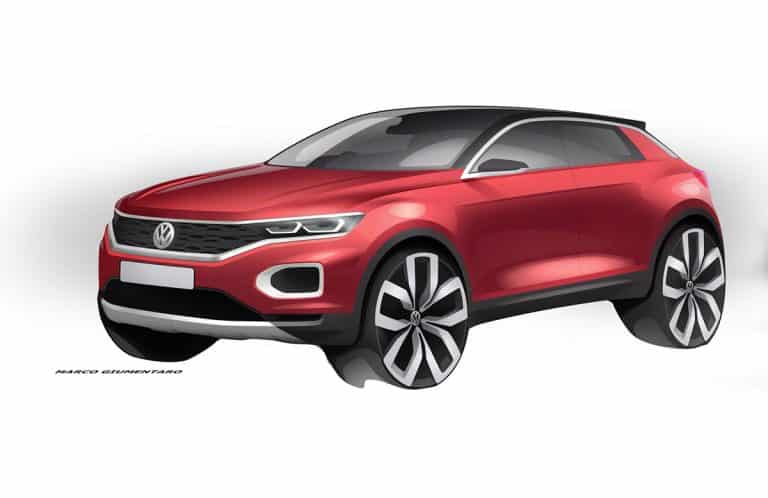
Newly released sketches provide major clues to the look of the Volkswagen T-Roc, a new compact SUV due to be unveiled on 23rd August.
Expected on sale in the Autumn, the T-Roc is expected to provide Volkswagen with a more direct rival to the segment-creating and leading Nissan Qashqai than is the current VW Tiguan.
Currently, there is little detailed information available about the T-Roc, Volkswagen merely stating that it will ‘combine the effortless superiority of an SUV with the agility of a sporty, compact model.’
Hybrid and electric
The new crossover model is expected to be closely related to the Polo and Golf hatch ranges. Most sales are likely to be of two-wheel-drive versions but with all-wheel-drive also being available in the line-up. Plug-in hybrid and fully electric versions are also thought to be in plans for the T-Roc range.
While based on the larger Tiguan, the styling of the T-Roc will be a departure from previous Volkswagen design, the aim being to give the car an off-road image with chunky dimensions particularly around the wheel arches – though perhaps not quite as bold as the sketches suggest. The car will be recognisable from its signature wide radiator grille which runs into the headlamps, while the indicators and daytime running lights are separately mounted in the bumper.
Check back to The Car Expert for the full story of the T-Roc following its unveiling on 23rd August.
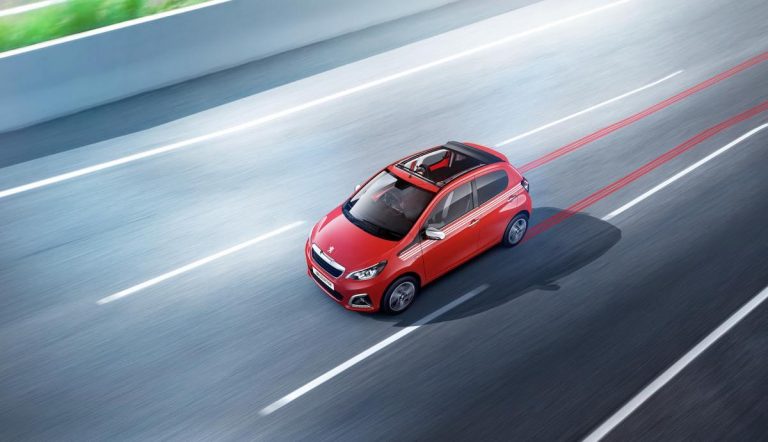
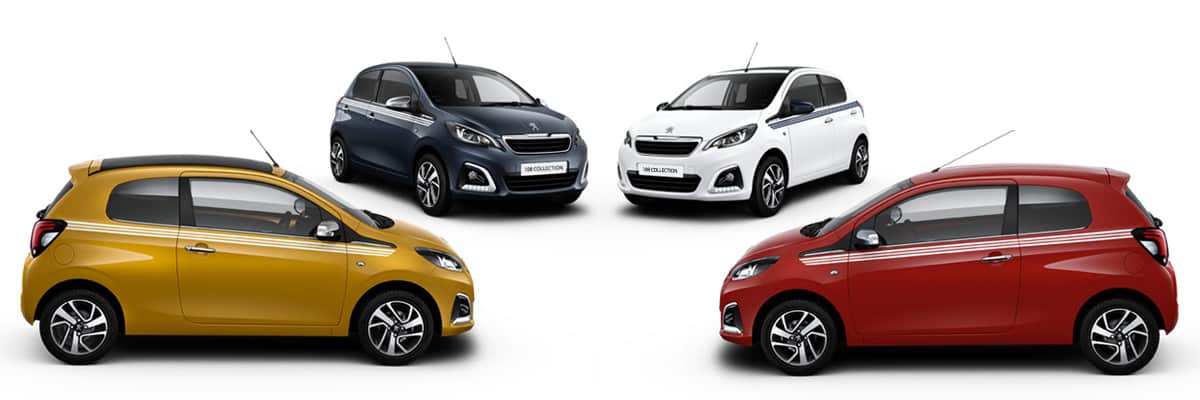
Peugeot has launched a pair of special-edition 108 models alongside a new finance offer as the market revs up ahead of the September rush.
The Peugeot 108 Collection and 108 Top! (cabriolet) Roland Garros get extra paint colours, alloy wheels and other extras, such as keyless entry, a seven-inch colour touchscreen with reversing camera (and satnav in the Roland Garros model).
Mechanically there are no changes, so they will drive the same as regular 108 models.
Peugeot has also announced a personal contract purchase (PCP) offer for all 108 models except the bottom-of-the-range Access model, for cars ordered before the end of this month.
The PCP offer is very similar to the one Peugeot is running on the larger 208 models. It is based on a contract of up to 37 months (three years of regular monthly payments plus the final balloon payment) with an APR of 4.9%, which is decent but not outstanding. The offer also does not require any upfront deposit from the customer, which is better than many PCP offers.
The Peugeot 108 Collection, Roland Garros, Allure and GT Line models get a £1,200 deposit contribution, while the Active trim model gets a £600 deposit contribution.
Peugeot 108 Collection
The Car Expert says… always check the fine print on finance offers
Peugeot refers to its personal contract purchase offers as “Passport”. Customers can also choose Peugeot’s “Just Add Fuel” package at extra cost, which also includes three years’ car insurance, road tax and routine servicing costs. If you are under 21 years of age, you are required to take a Peugeot telematics device if you want the Just Add Fuel package.
The Just Add Fuel package is certainly convenient, but you may find it cheaper to arrange your own insurance and servicing, rather than using Peugeot’s preferred providers.
The Peugeot 108 PCP deal is advertised with an APR of 4.9% representative, with a fixed interest rate that is also 4.9%. That means that there should be no fees anywhere on the finance agreement (apart from excess mileage fees).
The offers set out on the Peugeot website are only examples, and you are entitled to adjust the term, deposit and annual mileage to suit your own needs. The annual mileage used in all of the examples provided is only 6,000 – which is lower than most people drive in a year, so bear that in mind.
The excess mileage fee is 5p/mile. That’s £50 for every 1,000 miles you go over your limit, which is less than many other PCPs. The fee only applies if you are giving the car back and claiming the guaranteed future value (GFV).
The finance deal only applies to new cars, which does not include dealer demonstrators or pre-registered cars.
Cars have to be ordered by 31 August, but no delivery date is specified on the website. That means you can get one this month with a 17-plate, or wait until September and get one with the new 67-plates that start from 1 September. If you are planning to keep the car for three years or less, you may be better off waiting for the 67-plates, as it will probably be worth more at the end of the agreement.
The finance offers are provided through Peugeot dealers by PSA Finance UK. If a dealer offers you a finance deal that does not match these details or from another lender, it is not part of this offer.
As with any car purchase, work out your budget before you visit the showroom and don’t be persuaded to go beyond it – regardless of what the smiling sales executive suggests. They don’t have your best interests at heart, but The Car Expert does!
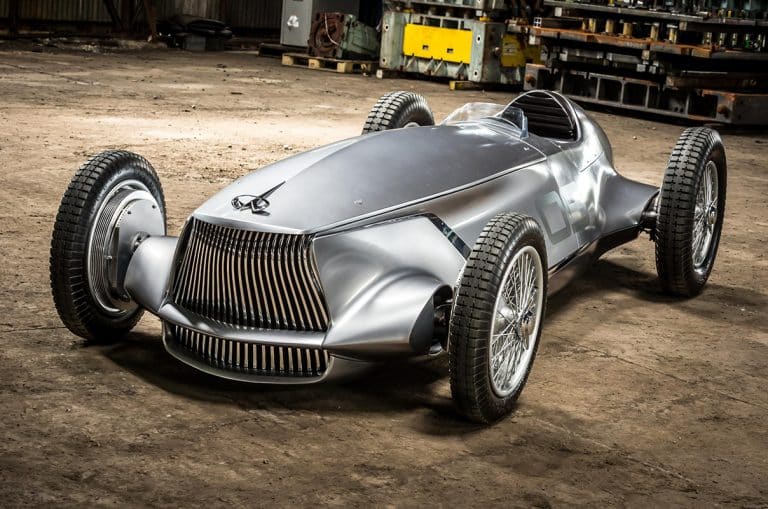
Infiniti is joining the manufacturer rush to electric racing cars – except that its new model looks as if it has come straight out of the 1940s.
The open-wheeled Prototype 9 has been unveiled as a concept at the Pebble Beach Concours d’Elegance in the USA. It is described as “a journey back in time” and a “fusion of advanced technology with traditional hands and hearts of hundreds of craftsmen.”
Nissan’s next electric
Underneath the retro exterior, however, the Prototype 9 boasts the latest electric powertrain from Nissan, expected to be unveiled in production form in the next Nissan LEAF at the Frankfurt Motor Show. It pairs the electric motor with a 30kWh high-voltage battery, putting 148hp and 320Nm of torque through the rear wheels which gives the car a 0-62mph time of 5.5 seconds and a 105.6mph top speed.
Built as an after-hours project by a team of employees from across Nissan, the car is even of traditional construction – weighing in at just 890kg, it has a steel ladder frame covered in hand-beaten steel panels in a bare finish, leaf springs behind the 19-inch wire wheels, a De Dion rear axle and no power steering.
Infiniti design elements are incorporated – the double-arch grille, the single crease in the bonnet, and the ‘shark gills’ behind the front wheels. Even the figure 9 in the title relates to the Q motif used in Infiniti cars – 9 in Japanese is pronounced ‘kyuu’.
There is no chance of the Prototype 9 reaching any form of production, the brand’s global design head Alfonso Albaisa effectively admitting that it imagines a heritage Infiniti doesn’t have. “Prototype 9 celebrates the tradition of ingenuity, craftsmanship and passion of our forebears at Nissan, on whose shoulders we stand today – what if Infiniti had created a race car in the 1940s? If one were to imagine an open-wheeled Infiniti racer on the famous circuits of the era, such as Japan’s Tamagawa Speedway, what would that look like?”
What is it: The Nissan X-Trail is the brand’s largest, go-anywhere crossover. Key features: Seven-seat capability Our view: In third-generation form, the Nissan X-Trail remains a practical large SUV and a solid, cheaper nearly-new option to its newly-launched facelift replacement. Review type: End-of-line road test
The Nissan X-Trail is effectively the ‘elder statesman’ of the brand’s crossover/SUV range – it was around long before the arrival of the Qashqai and Juke kicked off the explosion in popularity of such vehicles. Once they joined the range, the X-Trail sat at the top as the more utilitarian, tougher model that really could go anywhere.
In recent times, however, that has changed. Visually at least, Nissan has ‘softened up’ the X-Trail, and in its third generation, it can be difficult at a glance to tell it apart from the Qashqai. So much so that an updated version of the model, arriving in showrooms in August, boasts a bolder exterior design with more edges and a particularly aggressive front end.
Before that car arrives, The Car Expert has been driving the outgoing version – is it a good bargain end-of-line, or more likely nearly-new, buy?
The BMW Group has announced a new £2,000 part-exchange allowance for customers trading in an older diesel car on a new low-emissions BMW or MINI model.
For the rest of 2017, any owner of any Euro 4 (or older) diesel car will be eligible for an additional £2,000 part-exchange allowance over and above their car’s value when they buy a new BMW or MINI with a CO2 emissions rating of less than 130g/km.
The BMW Group claims that 80% of new BMW models and 70% of new MINI models are eligible for the allowance, with a range of electric, plug-in hybrid, petrol and diesel models to choose from.
As customer demand for new diesel cars continues to slide, and values of older diesel models plummet, BMW hopes to snare buyers who are worried about their current car’s value and also boost sales of its latest Euro 6 diesel models. The BMW website shows 58 models that qualify for the new offer, two-thirds of which are diesel. The MINI website lists 57 qualifying models, 56% of which are diesel.
The offer is not limited to current BMW owners, so you can part-exchange an old diesel from any brand as long as it is built to Euro 4 standards or earlier. To check if your car is eligible, visit this government link: http://carfueldata.direct.gov.uk/search-new-or-used-cars.aspx
The allowance is in addition to any other offer available from the manufacturer, finance company or dealership, such as a deposit contribution or discount.
The Car Expert explains the fine print
This offer is a part-exchange allowance, for selected used cars part-exchanged against selected new cars.
Your current car must be a diesel, from any brand, with an engine that is built to Euro 4 emissions standard or earlier. This will definitely be cars built no later than 2010, although some cars had Euro 5 specification engines earlier than this.
You must be the owner of the part-exchange vehicle and the buyer of the new car (same name and registered address). You must also have owned the old car for at least 12 months, to stop people buying an old diesel banger for £200 and then getting a £2,000 part-exchange allowance for it.
You must have owned the old car for at least 12 months, to stop people buying an old diesel banger for £200 and then getting a £2,000 part-exchange allowance for it.
This offer can be used on top of any other offers from the dealer/manufacturer/finance company, or the government plug-in car grant.
The offer is not dependent on you taking any finance package or other products.
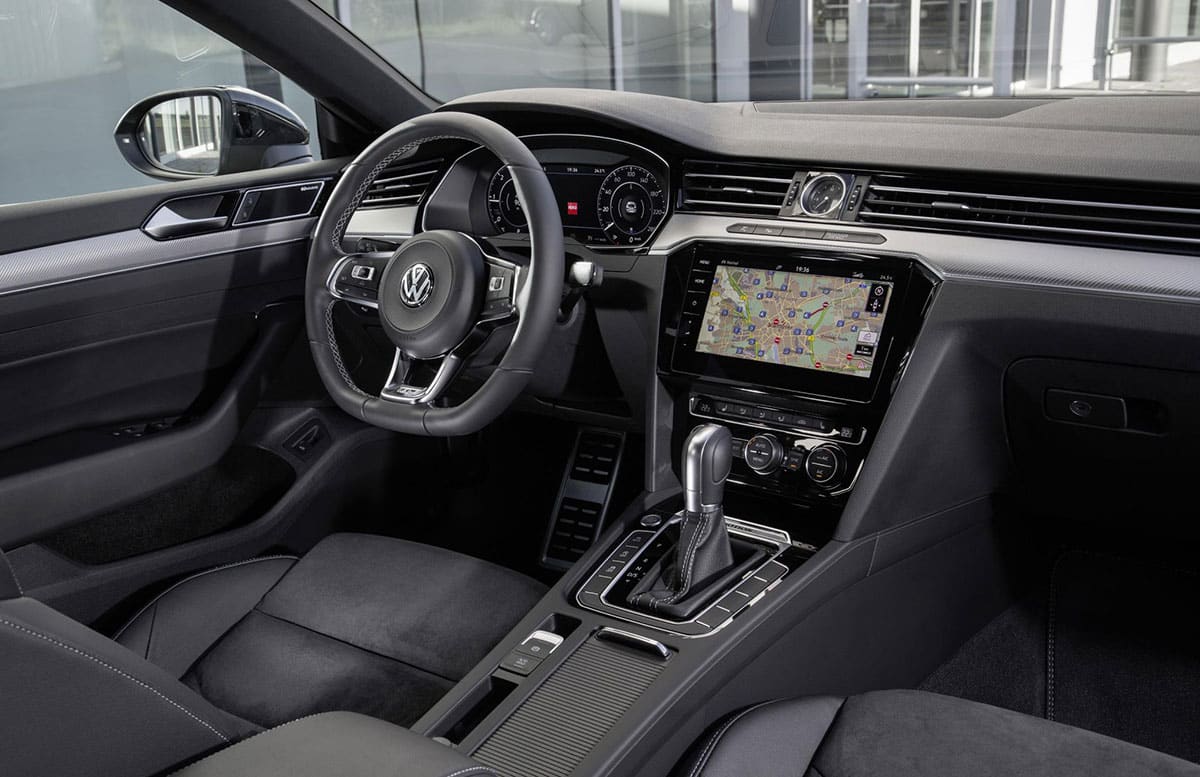
Dealers are now taking orders for the Volkswagen Arteon – the new range flagship will arrive in showrooms in September priced from £34,305.
A five-door five-seater, the Arteon will sit above the Passat, with Volkswagen stating that it ‘combines sports car detailing with luxury motoring in a muscular yet elegant design.’ Prime rivals will be the Audi A5 and Vauxhall Insignia Grand Sport.
It measures up at 4,862mm long, 1,871mm wide and 1,450mm high, while the wheelbase of 2,837mm creates a claimed class-topping legroom of 1,016 mm. Luggage space of 563 litres extends to 1,557 litres when the rear seats are folded.
Three engines
The Arteon will initially have a three-way engine choice – a petrol unit of two litres and 280hp and a pair of 2.0-litre diesels, offering either 150 or 240hp. Later Volkswagen will also offer a 1.5-litre 150hp petrol unit, badged Evo due to its cylinder deactivation technology, and a second 2.0-litre petrol with 190hp.
All the engines are four cylinder units, and combined or the seven-speed auto gearbox. The 1.5-litre petrol and 150hp version of the diesel can also be specified with a six-speed manual ‘box. The top 280hp petrol and 240hp diesels also have 4Motion all-wheel-drive as standard.
Arteon buyers will be able to choose either luxury-pitched Elegance or the more performance angled R-Line. Base level standard equipment includes navigation through an eight-inch touchscreen, an eight-speaker sound system, Bluetooth and smartphone compatibility. Every car also comes with a number of safety aids including adaptive cruise control, emergency braking, front, speed and traffic jam assistance, a lane keeping control and a driver fatigue alert.
Smart cars, allowing drivers to access all kinds of digital services from the cockpit, are all very well. But could they be hacked?
The UK Government seems to think so, and is now issuing guidance calling on car manufacturers to beef up their cars’ security against cyber attacks.
Connected technology in cars is growing in sophistication virtually by the week – drivers can now select their favourite places in the navigation, have messages sent to them through the infotainment screen, and download their phone contacts into the car’s systems.
But this connectivity could also provide an open invitation to hackers – to access personal information, steal cars that use keyless entry systems, or even take control of the car with potentially disastrous consequences. So the Government has now issued guidance, calling on car manufacturers to design more effective protection against cyber crime into their vehicles, and to “design out” hacking.
Smart insurance
The call for more protection is being made as the Government progresses its Autonomous and Electric Vehicles Bill. Announced in the Queen’s Speech, this Bill aims to create a new framework for insurance of self-driving vehicles. Ministers are concerned that should the technology in smart cars fail, owners are protected by their insurance.
Transport minister Lord Callanan admits that the risks of smart car technology being hacked are currently low, but adds that it is important to ensure the public is protected. “Whether we’re turning vehicles into wi-fi connected hotspots or equipping them with millions of lines of code to become fully automated, it is important that they are protected against cyber-attacks,” he says.
“That’s why it’s essential all parties involved in the manufacturing and supply chain are provided with a consistent set of guidelines that support this global industry.”
The guidance has been welcomed by industry body the Society of Motor Manufacturers & Traders (SMMT). “A consistent set of guidelines is an important step towards ensuring the UK can be among the first – and safest – of international markets to grasp the benefits of this exciting new technology,” says SMMT CEO Mike Hawes.
Peugeot has launched a range of car finance offer across its 208 hatchback range, with both PCP and leasing options.
With newer vehicles arriving in rival showrooms – like the new Ford Fiesta, Volkswagen Polo and SEAT Ibiza, to name a few – Peugeot will be hoping that the new finance offer keeps 208 sales trucking along through the new number plate change in September.
The PCP offer is based on a contract of up to 37 months (three years of regular monthly payments plus the final balloon payment) with an APR of 2.9%, which is a very competitive interest rate. The offer also does not require any upfront deposit from the customer, which is better than most low-rate offers.
A deposit contribution of £2,000 is included, which effectively means a £2,000 discount on the car price but is conditional on you taking out the finance offer. If you want to pay cash for a new 208, the dealer does not have to offer you a £2,000 discount.
All Peugeot 208 models are included in the offer, including the top-spec GTi models and packaged specifications like the Black Edition and Allure Premium Special Edition models.
Peugeot is also advertising leasing offers for the 208 range if you prefer to rent rather than own the vehicle. The advertised examples are not like-for-like, but you can ask a dealer to provide PCP and leasing examples on the same car, same term, same deposit and same mileage to see how they compare. The results should be pretty similar.
The Car Expert says… always check the fine print on finance offers
Peugeot refers to its personal contract purchase offers as “Passport”. Confusingly, personal leasing products are referred to as “Passport Lease”.
PCP customers can also choose Peugeot’s “Just Add Fuel” package at extra cost, which also includes three years’ car insurance, road tax and routine servicing costs. If you are under 21 years of age, you are required to take a Peugeot telematics device if you want the Just Add Fuel package.
The Just Add Fuel package is certainly convenient, but you may find it cheaper to arrange your own insurance and servicing rather than using Peugeot’s preferred providers.
The PCP deals are advertised with an APR of 2.9% representative, with a fixed interest rate that is also 2.9%. That means that there should be no fees anywhere on the finance agreement (apart from excess mileage fees).
The offers set out on the Peugeot website are only examples, and you are entitled to adjust the term, deposit and annual mileage to suit your own needs. The annual mileage used in all of the examples provided is only 6,000 – which is lower than most people drive in a year, so bear that in mind.
The excess mileage fee is 6p/mile. That’s £60 for every 1,000 miles you go over your limit, so make sure you allow yourself enough mileage when setting up your finance agreement. The fee only applies on a PCP if you are giving the car back and claiming the guaranteed future value (GFV). On a lease, you definitely have to give the car back with no option to pay off the finance and keep the car.
The finance deal only applies to new cars, which does not include dealer demonstrators or pre-registered cars.
Cars have to be ordered by 31 August, but no delivery date is specified on the website. That means you can get one this month with a 17-plate, or wait until September and get one with the new 67-plates that start from 1 September. If you are planning to keep the car for three years or less, you may be better off waiting for the 67-plates, as it may be worth more at the end of the agreement.
The finance offers are provided through Peugeot dealers by PSA Finance UK. If a dealer offers you a finance deal that does not match these details or from another lender, it is not part of this offer.
As with any car purchase, work out your budget before you visit the showroom and don’t be persuaded to go beyond it – regardless of what the smiling sales executive suggests. They don’t have your best interests at heart, but The Car Expert does!
The Financial Conduct Authority (FCA) published an update last week on its investigation into the car finance sector, and has identified the key questions it wants answered. The update, however, fails to clarify whether dealer selling practices will be investigated.
The FCA is working to identify “potential areas of consumer harm” in how car finance is sold, and is zeroing in on the way lenders are selling car finance products to buyers.
Of particular interest is the sale of personal contract purchase (PCP) car finance, and the FCA has had a few things to say about those. It also expresses concerns at how car finance is being used as a means of increasing profits on used car sales.
The FCA says that it is working with FCA-authorised lenders to analyse the market, and that other work will include “careful scrutiny of firms’ sales practices and processes”.
However, the implication from the report is that the word “firms” only refers to car finance companies, rather than the dealers who are actually selling these products to car buyers.
This suggests that the FCA will be placing responsibility for selling practices on the finance companies, which is far less likely to achieve a positive result than directly regulating how car finance products may be sold at a dealership level (as the FCA has already done with GAP insurance, for example).
The FCA has identified the following key questions that it is now focusing on:
Are firms taking the right steps to ensure that they lend responsibly, in particular by appropriately assessing whether potential customers can afford the product in question?
Are there conflicts of interest arising from commission arrangements between lenders and dealers, and if so are these appropriately managed to avoid harm to consumers?
Is the information provided to potential customers by firms sufficiently clear and transparent, so that they can understand the risks involved and make informed decisions?
Are firms managing the risk that asset valuations could fall and ensuring that they are adequately pricing risk?
So what does that all mean in plain English?
1. Lending responsibly and assessing affordability
There has been considerable concern that finance companies are lending money to people who are likely to struggle to repay it. This puts both borrower and lender at risk in the event of the borrower defaulting on the loan.
This also one of the areas that the Bank of England is looking at, with concerns that ‘sub-prime’ car finance is growing too fast and risking the rest of the industry.
2. Conflict of interest from commission payments
Most buyers will be unaware of the extent that dealerships and their staff are paid in terms of commission for selling finance. Buyers understand the concept of car salespeople working on commission, but not necessarily the level of financial incentives to sell every customer a PCP or other form of finance product.
This inevitably leads to concerns that dealers are trying to flog PCPs to every customer to hit their own targets, regardless of whether the customer wants one or if their circumstances are appropriate for a PCP.
3. Clear and transparent provision of information
From the earliest stages of a conversation, car salespeople are pushing customers to take PCP car finance. Other finance options are not explained adequately or even at all. The responsibilities and risks associated with a PCP, or any other form of car finance, are not explained adequately. As a result, customers do not understand their rights and obligations when entering into car finance contracts.
Many customers are also unaware that car finance, and PCP finance in particular, is being used to increase the profit margin of a sale. Interest rates and fees are all negotiable, especially on used car finance where there are no manufacturer subsidies or low advertised rates.
4. Adequate assessment of pricing risk
Used car values are gradually falling each year, even without any major disruptive events. This is largely a result of the overwhelming popularity of PCPs and leasing agreements, which have created increased volumes of used car stock.
If you also consider potential events that could affect used car values, like plummeting demand for diesels, or economic troubles that may arise over the next few years, and there is a risk that cars could be worth much less than their guaranteed values when their PCP agreements end.
Let’s say that every car currently on a PCP ends up being worth £1,000 less than predicted at the end of its agreement. That’s several billion pounds that would be lost. Some of that loss would be felt by customers and some by lenders. Customers expecting to have equity in their vehicles would find that they have less (or none at all), while lenders would potentially have millions of cars coming back worth less than their finance settlements.
Protecting customers yet ignoring dealers?
The FCA update talks a lot about how the car finance companies operate, and responsible lending behaviours like assessing customer affordability and setting realistic residual values. But it makes little mention of the biggest weak link in the current system – the car dealers and their salespeople.
It’s relatively easy to regulate a small number of lenders and their on-site staff, but it’s another thing altogether to enforce standards on hundreds of thousands of car sales executives and finance managers, operating up and down the country.
The biggest issue when it comes to customers being misled on car finance is the way that salespeople are actually selling the products. Yet there is virtually nothing in the FCA update that addresses this point.
Car dealers are generally not owned by the car manufacturers or the car finance companies, and it’s unclear whether the FCA intends to actively get into customers’ shoes and assess how the average car salesperson is explaining how a PCP works.
The FCA plans to report back in the first three months of 2018. But unless the face-to-face sales behaviour at dealer level is addressed, there will be no real consumer benefit from all this investigating.
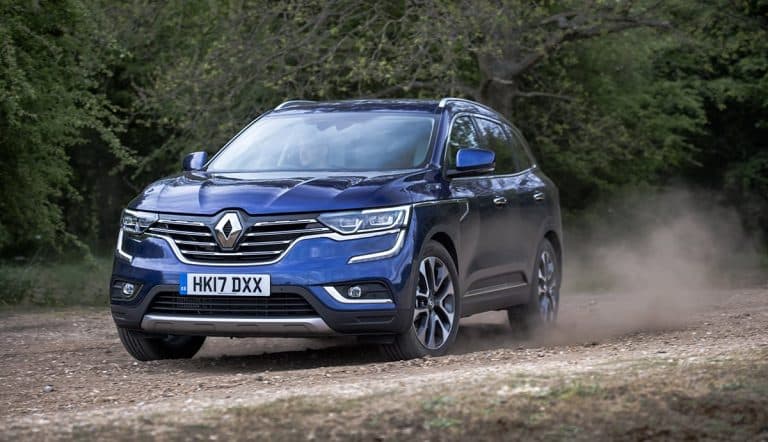
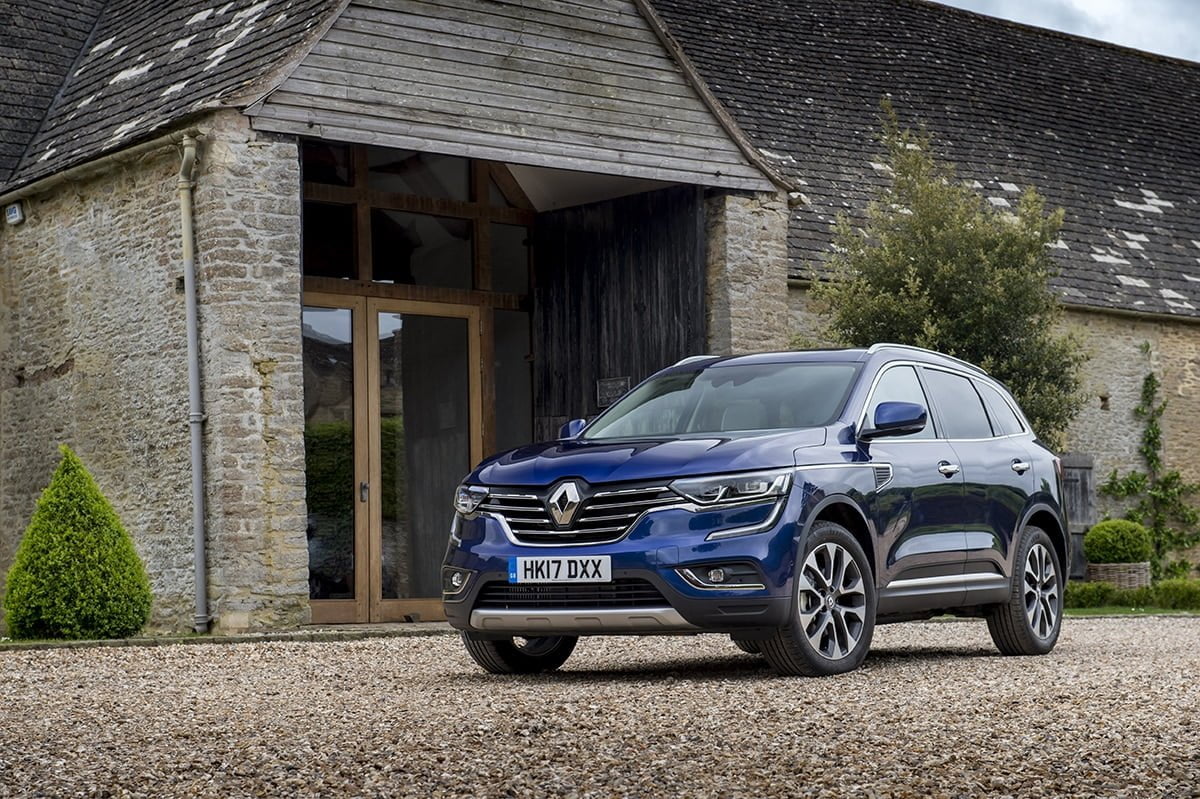
Renault Koleos – have we not been here before? Yes – the first Koleos was a compact SUV launched by Renault in 2007. By 2010 it had been withdrawn from the UK market, because nobody was buying it – less than 2,600 finding owners.
That was then, however, and this is now. In the time since the crossover market has mushroomed. Today everybody it seems wants one, and the cars they are abandoning most for crossovers are MPVs – which Renault used to sell lots of.
The French brand has already plunged into the compact SUV market with the Captur and Kadjar models – now the Renault Koleos arrives as a larger sister with the emphasis on upmarket. This is designed to be a halo model – Renault is offering it in five-seater form only, and expects only modest numbers of sales for the car.
UK new car registrations fell by more than 9% in July, with demand down across private, fleet and particularly business buyers, according to the results released today by the Society of Motor Manufacturers and Traders (SMMT).
Private sales were down by just under 7% compared to last year, with a fall of 10% for fleet sales (the largest market segment) and nearly 24% for business purchasers.
For fleet purchases, this may still be a hangover from the road tax increases in April that produced a record month in March.
Diesel disaster continues
It was another terrible month for diesel cars, with registrations down 20% on the same month last year. Year-to-date, diesel sales are 85,000 units behind last year’s results, against petrol sales which are 53,000 units up on the same point last year.
The poor diesel results come despite considerable anecdotal evidence of heavy discounting on diesel cars from various manufacturers. A quick check of several car broker sites this week revealed larger deposit contributions being offered for diesel-engined models of numerous cars compared to their petrol-engined equivalents – all linked to PCP car finance plans, of course.
We couldn’t find any published diesel-specific discounts or offers from car manufacturers, but dealership sources have told The Car Expert that at least some brands have “large pots of money” available to help dealers shift unwanted diesel cars on their forecourts.
As has been the norm for the last four months, the SMMT release almost completely ignored the disastrous diesel results. Instead, it highlighted the continued growth in ‘alternatively-fuelled’ vehicles (ie – hybrids and fully-electric cars).
While this growth is impressive from a year-on-year perspective, the actual number of vehicles is a mere fraction of what the overall market lost during the month.
AFV registrations reached 5.5% of the overall market, compared to 3% in July 2016. This compares with petrol cars holding almost 52% and diesel cars just under 43% of the total. Nobody expects AFV numbers to go anywhere except upwards, as more and more manufacturers offer hybrid options across their model ranges.
In fact, if the industry is to achieve the government’s plan of replacing all petrol and diesel cars by 2040, the current pace of hybridisation and electrification is woefully inadequate.
For those playing SMMT press release bingo, you will be pleased to know that the usual suspects all turned up, with “Brexit”, “Euro 6”, “AFVs”, “uncertainty” and “government must act” all appearing as usual.
Ford back on top – but not with the Fiesta
Looking at the best-sellers list, it was a month of change throughout the top ten.
In the absence of lots of new Fiesta stock for dealers to sell, Ford dealers have enjoyed a strong month for the larger Ford Focus hatchback. The Focus jumped to the top of the July charts, overtaking last month’s leader, the Volkswagen Golf. The Fiesta fell to fourth, behind the Nissan Qashqai.
It was a great month for the Kia Sportage SUV, which jumped into fifth place from outside the top ten previously. Mercedes-Benz had two cars in the top ten with both the C-Class and A-Class present, and the Audi A3 rounded out the top ten. The MINI hatch and BMW 3 Series dropped back out of the top ten altogether.
More self-driving technology is a good thing, according to the UK’s car insurers – but greater clarity is needed to ensure safety for all road users.
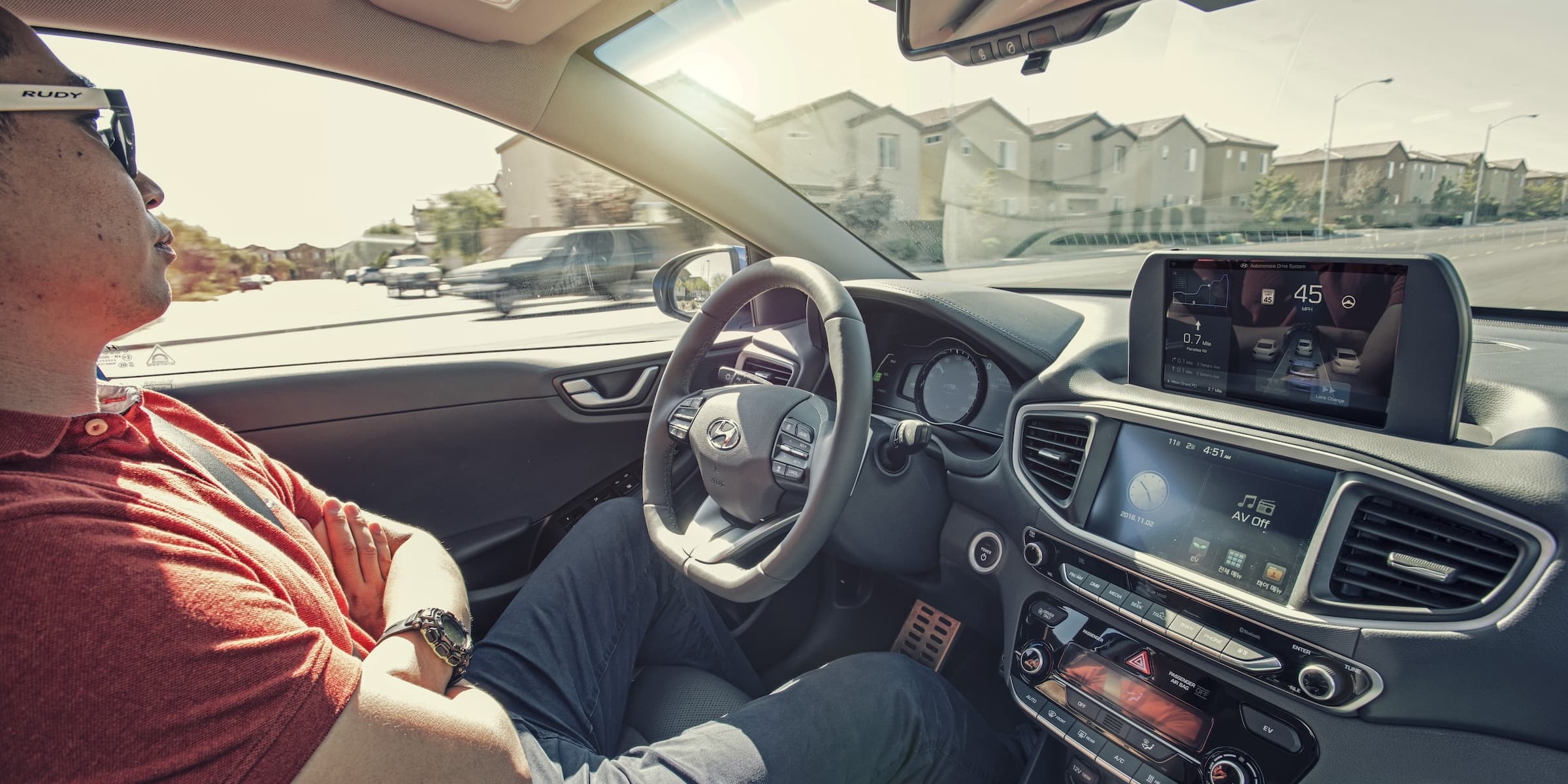
They want a clearly defined and regulated distinction between ‘assisted’ and ‘automated’ driving systems, which they say are creating what could be dangerous confusion amongst drivers and could actually lead to an increase in accidents.
The Automated Driving Insurer Group (ADIG), which includes virtually all of the UK’s car insurers, has released ‘Regulating Automated Driving’, the results of studies carried out with leading UK automotive test organisation Thatcham Research.
The paper states that there is a real danger of ‘autonomous ambiguity’ over the widely varying levels of driverless technology available on the latest cars going on sale. This could lead to drivers thinking their cars are better able to avoid an accident than it really is, which would increase rather than decrease the likelihood of a crash.
Insurers support increases in assisted-driving and self-driving technology, as they believe it will significantly reduce road accidents. They are highly supportive of driver assistance systems – such as those that act in the brief moments before a collision to aid the driver’s reaction, such as applying emergency braking. Fully automated vehicles, without the driver intervening in the car’s functions at all, also gain support, though these are still very much in development.
Autonomous technology is advancing fast, leading to confusion.
Taking back control
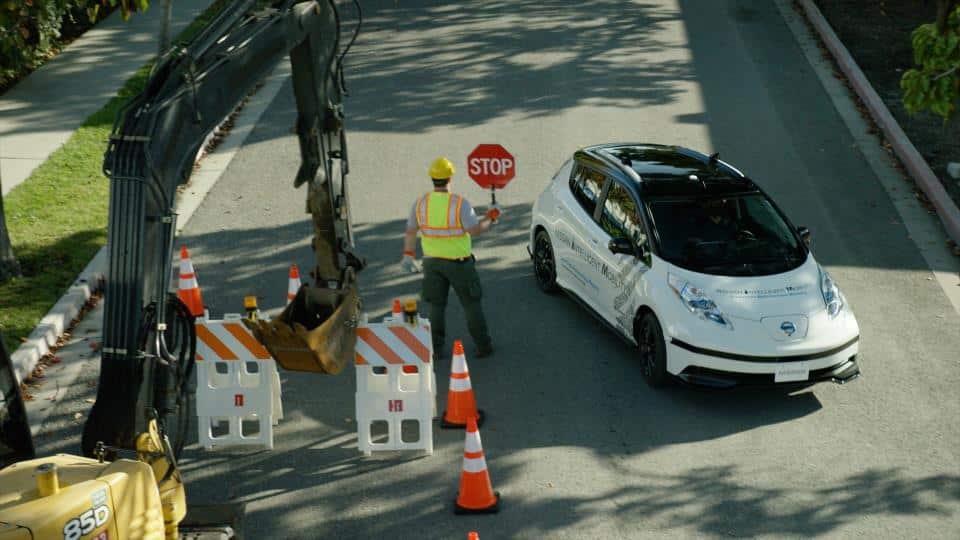
The issue comes with cars that can carry out most manoeuvres unaided by the driver, but will expect them to react and intervene (potentially at very short notice) in an emergency situation. This, say the insurers, poses significant concerns about public confusion and safety, particularly as different types of systems could be available on similar vehicles at the same time.
According to the research vehicle manufacturers argue that such systems can be safe, provided that drivers use them ‘as intended’. But it is not clear how different drivers will understand and use these types of systems.
The development of autonomous technology is moving fast and the insurers are calling on international regulators to ensure that new design standards for such vehicles clearly distinguish between Assisted and Automated systems.
According to the paper, a car should only be described as Automated when the driver knows they can leave it to control itself and be able to cope with virtually any road situation that might arise. If the car encounters something it can’t handle, it should be able to bring itself to a safe stop without the driver intervening.
The autonomous system should also be able to avoid all conceivable crash types and carry on working even if some of its systems fail. And after an accident, manufacturers and insurers should be able to access data showing clearly whether the driver or the vehicle is liable.
What’s in a name?
Drivers also need to know what they are buying, say the insurers, so the names manufacturers give to their autonomous systems need to make clear what they can – and can’t – do. Drivers must not be led into believing a system can take full control of a car when it can’t, and ‘hybrid’ systems, sitting in the grey area between assisted and automated, should be avoided.
Tesla, in particular, has come in for considerable criticism in the USA over its use of the name Autopilot to describe the semi-autonomous driving system on its cars. Consumer groups say that the name encourages drivers to put too much trust in the car’s ability to drive itself, when in reality the driver may need to intervene urgently to avoid an accident in common driving situations.
Car manufacturers have also long been guilty of applying their own names to universal technology, which further causes confusion among car buyers and drivers. Since the 1990s, there have been a variety of different names and acronyms to describe electronic stability control (ESC), such as ESP, DSC, VDC, VSC, DSTC, ICCS and so on. Currently, a number of different names are used to describe autonomous emergency braking systems. It’s no wonder customers get confused.
According to Thatcham Research CEO Peter Shaw, the risk of ‘autonomous ambiguity’ could actually result in a short-term increase in crashes involving such vehicles. “Vehicles with intermediate systems that offer assisted driving still require immediate driver intervention if the car cannot deal with a situation,” he says.
“Systems like these are fast emerging and unless clearly regulated, could convince drivers that their car is more capable than it actually is.”
Cars with suites of cameras reading the road will become commonplace in coming years.
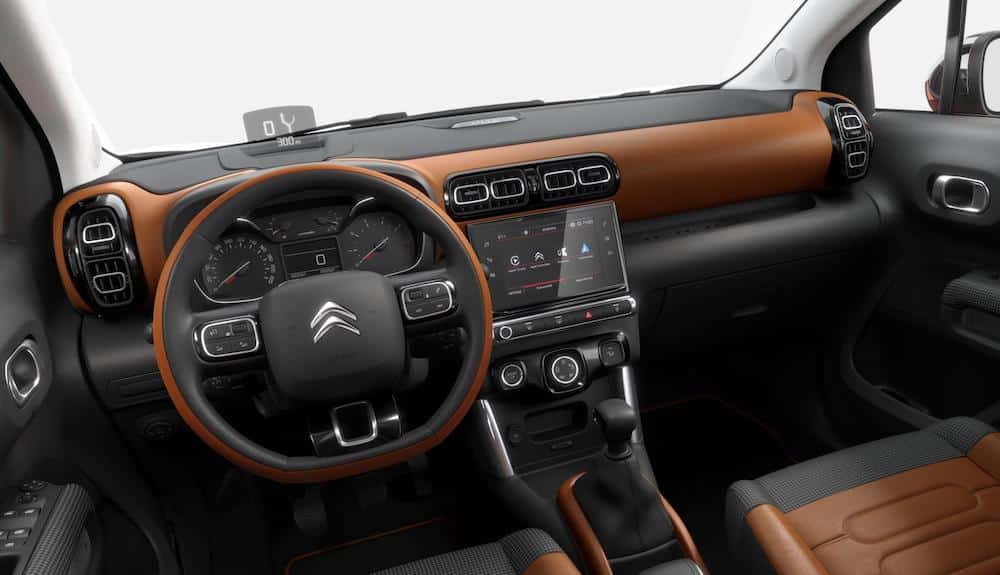
Citroën has announced details of pricing and specification for its new C3 Aircross which is available with a range of PureTech petrol and BlueHDi diesel engines.
A two-tone roof, range of exterior colour pack options and three trim levels will mean customers can choose from a possible 85 personalisation combinations.
Inside, Citroën hopes to impress in terms of space with a 410-litre boot. This can be increased to 520 litres when the 60:40 rear bench is folded. The seven-inch touchscreen is compatible with Android Auto, MirrorLink and Apple CarPlay.
Citroën has upped its technology offering for the Aircross. Voice-controlled navigation, keyless entry and start, reversing camera and wireless charging are all included.
In terms of safety, lane departure warning, blind-spot monitoring, speed sign recognition and recommendation and active safety brake are all as standard.
The C3 Aircross is available to order now before it officially goes on sale in November, with a price tag that starts from £13,995.