Renault has announced new finance offers for cars bought in February and March, as well as a free insurance promotion on the Clio hatchback.
The company is offering 0% APR personal contract purchase (PCP) finance packages across selected models in its range, as well as 4.9% APR PCP offers that also include a deposit contribution. Additionally, there are hire purchase (HP) offers at 0% APR available with deposit contributions as well.
The models included in the latest offer are the Clio, Captur, Kadjar, Megane, Koleos, Scenic and Grand Scenic.
The free insurance offer on the Clio is only available when purchased using a finance agreement (either PCP or HP) through Renault Finance. As with all “free insurance offers” from car manufacturers, there are several restrictions on eligibility.
These offers are for selected new Renault models only.
Finance provided by Renault Finance. UK residents only (excluding the Channel Islands). Over 18s only.
A 0% APR offer means that you should pay absolutely no interest or fees over the course of the agreement (although penalty fees may still apply).
The annual mileages shown on the website examples are all set at 6,000. This is less than most drivers average per year, so make sure you are choosing an annual mileage allowance that suits your needs.
The excess mileage on the PCP packages is 8p/mile. That’s £80 for every 1,000 miles you go over your limit, so make sure you allow yourself enough mileage when setting up the finance agreement. The fee only applies if you are giving the car back and claiming the guaranteed future value (GFV). HP customers do not need to worry about excess mileage.
Offers cannot be used with other schemes or finance offers.
Cars have to be ordered by 31st March 2018 and registered by 30th June 2018.
Insurance offer available on purchases of new Clio (excluding Expression and Renault Sport) when purchased using a finance agreement (either PCP or HP) through Renault Finance. Private retail customers only, aged 21-79 and permanent residents of the UK for a minimum of two years. Other conditions apply, so check with your dealer.
This offer cannot be used in conjunction with any other Renault UK promotion.
The finance offers are provided through Renault dealers by Renault Finance. If a dealer offers you a finance deal that does not match these details or from another lender, it is not part of this offer.
As with any car purchase, work out your budget before you visit the showroom and don’t be persuaded to go beyond it – regardless of what the smiling sales executive suggests. They don’t have your best interests at heart, but The Car Expert does!
What is it? The Volkswagen Tiguan Allspace is a seven-seat extended-body variant of the brand’s popular compact SUV.
Key features Seven seats, all-wheel-drive available, high specification
Our view Extending the bodyshell and adding two extra seats to create the Volkswagen Tiguan Allspace adds an extra practicality option to the model without taking away any of the qualities that have made the core model such a success for the brand. The Allspace is a complete package that answers the needs of those wanting SUV presence but needing MPV capacity.
However, the Tiguan Allspace is expensive alongside the one model it has to beat, the Skoda Kodiaq, and the VW is also more cramped in those rear seats than the rival from its sister brand. Despite this, the Allspace will without doubt further extend the Tiguan success story.
Visually, the Allspace is very similar to the regular Tiguan
Full review
Introduction
The compact SUV has over the last couple of years virtually replaced the MPV as the family vehicle of choice, buyers swayed by the higher-up driving position and more imposing presence on the road that such vehicles offer – any school car park at chuck-out time is today a commentary on what choices the SUV buyer has.
In creating their new SUVs, however, most manufacturers have chosen to ignore one aspect that was formerly a feature of many a people-carrier – seven seats. MPVs were created as family vehicles, and when said family’s offspring wanted to bring a couple of school friends home for tea, they could easily be accommodated in the third row. Few SUVs offer that flexibility.
Now joining the handful that do is Volkswagen, launching a new version of its popular Tiguan, extending the bodyshell to include that vital third row, and calling it the Tiguan Allspace.
The quality of the Tiguan is already well known – it is today VW’s third best-selling car behind the Golf and Polo. And with so few potential rivals – principally the Peugeot 5008 and in particular the Skoda Kodiaq – the Allspace appears on paper to be a winner.
This is a different vehicle to its five-seat sister – VW has not merely tried to squeeze two extra posterior-placers into the boot. Instead, the designers stretched the wheelbase by 11cm, in the process making the car as a whole 22cm longer, and the length of the rear doors was extended accordingly to ease access into the third row.
The stretched wheelbase requires some exterior modifications. In the interests of balance, the Allspace has a taller bonnet line, extended above the radiator grille level. This is evolved from the Atlas, a large SUV which VW sells in America.
The roofline is bespoke too, with distinct lines instead of a smooth surface, while Volkswagen anoraks will also be able to identify the Tiguan Allspace by a kick-up in the body line at the base of the rear side windows, something the stock Tiguan doesn’t have. It all hangs together very well, portraying the upmarket image its designers clearly desired.
Buying and owning a Volkswagen Tiguan Allspace
Volkswagen expects the Allspace to claim around 15% of all Tiguan sales, and is pitching it as a high-specification model, initially only available in SE Navigation and SEL versions. An even more upmarket R-Line variant will follow quickly, available from March 2018.
Buyers will, however, have a wide choice of powertrains. These include 2.0-litre diesels of 150, 190 or 240hp outputs, the latter a bi-turbo unit. Petrol buyers can choose between the 150hp 1.4-litre with VW Group’s now familiar Active Cylinder Technology – effectively turning cylinders off when not under load to improve emissions and economy – and a 2.0-litre of 180hp.
Depending on model, there are six-speed manual or seven-speed automatic gearboxes, and the Tiguan Allspace also delivers on its off-road credentials by offering an all-wheel-drive transmission on all the diesel variants. VW expects, like the five-seat version, that all-wheel-drive versions will outsell those with front-wheel-drive.
In fact like the five-seater, AWD version of the Tiguan Allspace can be bought in two distinct formats, on-road, or with an optional ‘off-road package’. This includes engine underbody protection that extends to bespoke bumpers. In the process ramp angle – how big an obstacle the car can drive over without grounding – improves by seven degrees.
The high specification of the Allspace includes a strong safety package – five-seater versions of the Tiguan having already gained a topfive-star Euro NCAP crash test rating in 2016. Autonomous emergency braking is there, as part of the standard-fit adaptive cruise control. Other features include a driver fatigue alert, lane assist and parking sensors front and rear.
Volkswagen’s major potential problem in this area is that the Tiguan Allspace’s prime rival can offer virtually all of this equipment, at a slightly cheaper price. The Skoda Kodiaq has full access to the same finish and technology pool, and Skoda also offers lower-specification versions of its seven-seat SUV.
Inside the Volkswagen Tiguan Allspace
Dashboard is almost identical to regular Tiguan
While the two extra seats head most Tiguan Allspace headlines, the car also will also appeal to another subset of buyers – those who want a five-seater, like the Tiguan, but who also desire just a little more roominess.
Second-row passengers will enjoy the extra wheelbase length, as will anyone loading the boot to capacity. When the rear seats are folded down – not the easiest thing to do without leaning over the rear bumper – the Allspace offers significant luggage capacity.
The 700 litres of space is 85 more than the five-seater. And it extends to 1,775 litres when one flattens the second row as well. Put up the rear seats, however, and boot space slips back to a mere 230 litres – less than in the Kodiaq.
These rear seats are not exactly spacious. On the launch event, Volkswagen personnel described them as “occasional seats”, adding that they best suit occupants under 5ft 2in tall – so basically children. There’s not much room above the head, or for the legs.
Volkswagen instrument panels are known for their combination of quality and practicality and the Allspace is no different. Of course, it replicates the layout of the five-seater, and the upmarket placing ensures there are plenty of toys available.
Our SE Navigation model features a very efficient satnav system accessed through an eight-inch touchscreen that also looks after several functions, including a combined variant of the Apple CarPlay, Android Auto and Mirror Link smartphone compatibility. This is called CarNet and also accesses useful information such as traffic, weather and even where to find a parking space.
Of course if one is prepared to spend, a whole lot more is available. SEL models include the ‘Active Info Display’ that adds a 12-inch digital screen ahead of the driver in place of the analogue instruments. Extra info available on this screen ranges up to displaying the satnav map between the speedo and rev counter dials.
On the options list, meanwhile, are such niceties as voice activation, wireless smartphone charging and a head-up display.
Driving the Volkswagen Tiguan Allspace
The driving experience is almost identical to smaller sister, which means smooth and comfortable
Our test car is fitted with the 150hp diesel and all-wheel-drive – it is a measure of the Tiguan’s serious SUV status that this combination is expected to be the best-selling version. We know all about the efficiency of Volkswagen diesels and this unit combines enthusiastic acceleration with refinement – only at low revs does its audio note become really noticeable.
When we tested the five-seat Tiguan back in 2016, we praised the car for its road manners, which were exceptionally well-behaved, but without being exciting. Our Allspace is 115kg heavier than its sister and slower by just over half a second to 62mph.
However, the car feels no different to the five-seater. It accelerates in eager fashion and combines this with exemplary ride quality, smothering bumps highly impressively.
There is a Dynamic Chassis Control system available on the options list with normal, sport and comfort modes available to adjust the chassis settings, but our car coped very well without this option.
In corners, the Tiguan Allspace is not exactly exciting to drive, but it remains well-composed, again targeting comfort over handling prowess. Overall this remains a very accomplished SUV, with the stretched body and extra weight having no effect on its on-road performance.
Summary
Volkswagen did not offer a seven-seat version of the first Tiguan but one can see why it’s deemed an effective expansion of the Mk2 model.
The Allspace adds an extra option to an SUV that is already a major success for the brand, and competes against less than a handful of rivals – it will, without doubt, continue the Tiguan’s sales prowess.
Volkswagen’s problem, however, is that the one major rival to the Tiguan Allspace is the Skoda Kodiaq. This is a vehicle that offers all the same features that the Tiguan does, but in a slightly bigger package (especially in those rear seats) and at a cheaper price. Directly compare the two and only badge snobs will choose the VW…
Here’s one for the pub quiz. What has the Toyota Auris got in common with the Infiniti QX30 and Bentley Bentayga? They are all built in the UK, along with many other mainstream, specialist and premium cars.
Britain has been a centre for mass car production since Ford opened a factory in Trafford Park, Manchester to assemble the Model T back in 1911. Since then a host of car makers have established plants in the UK to satisfy the demands of domestic, continental and global buyers.
The UK’s history as a car producer has had its fair share of ups and downs. Let’s not forget the wildcat strikes of the 1970s, the epic failure of Rover in the 1990s and the acquisition of all the big British marques by overseas giants.
Today, however, car manufacturing remains one of the powerhouses of the British economy. Not only is it a major employer and supporter of hundreds of supply chain businesses, but it has made the country a centre for large-scale foreign investment.
The McLaren Production Centre in Woking is not your average car factory
It’s also worth noting that eight out of ten cars produced in the UK are exported; that’s over 1.3 million units to over 160 countries. The biggest market for these cars is the EU, which accounts for 53% of all cars made here, although the jury is out on how these exports will be treated post-Brexit.
The second biggest market for UK-built cars is the US (15.7%), followed by China (7.5%); evidently both countries can’t get enough Jaguar, Land Rover, Bentley and MINI models as they both imported significantly more cars from us last year than they did in 2016.
The UK’s status as one of the top international producers of cars is being recognised this year by The Car Expert with our Best of British campaign; we can also exclusively reveal that UK car manufacturing will feature prominently at the 2018 London Motor Show.
The show runs from 17-20 May at the ExCeL Centre in London’s Docklands, with a dedicated Built in Britain area displaying cars built here by everyone from Honda and Vauxhall to Infiniti, McLaren and Rolls-Royce by way of local sports car specialists TVR and Noble and many, many more.
While UK car production has been in the headlines for the taking a 3% year-on-year dip in 2017 to 1.67 million units, what many of the media reports neglected to mention was that it was still at its second highest level since 1999 and was the first fall since 2009. Furthermore, the decline was not unexpected as the UK market for new cars dropped by nearly 6% last year.
The headlines also omitted the fact that engine production in the UK hit a record level of 2.72 million units produced in the year, up 7% on 2016. Last year, more than 1 million diesel and 1.7 million petrol units, destined for cars and vans made across the world, were built in Britain, delivering £8.5 billion to the economy.
So, with British car manufacturing contributing massively to the UK economy and enjoying strong demand from across the globe, The Car Expert presents the most popular models to be built in Britain in 2017.
Next page: The top ten cars built in the UKKeep reading: All the cars currently built in the UK
Despite falling new car sales (and possibly used car sales, but we await the final numbers), British car buyers were happy to plunge themselves ever further into car finance debt during 2017.
The final results for dealership car finance borrowing in 2017 have now been published by the Finance and Leasing Association, and show record levels of car finance debt for both new and used cars.
As car buyers continue to fall under the spell of low monthly payments offered by personal contract purchase (PCP) car finance plans, the total level of borrowing has kept ratcheting up despite fewer new cars being sold.
More than £34 billion of debt was taken on by buyers on new and used cars during 2017, with the last two months of the year showing no sign that the Bank of England’s interest rate rise in November had any effect on borrowing levels.
Cars bought on finance by consumers through dealerships
New business
Dec 2017
% change on prev. year
3 months to Dec 2017
% change on prev. year
12 months to Dec 2017
% change on prev. year
New cars
Value of advances (£m)
1,102
-9
3,926
-2
18,784
+2
Number of cars
54,589
-15
198,222
-10
990,029
-7
Used cars
Value of advances (£m)
971
+8
3,633
+14
15,436
+12
Number of cars
81,488
+3
309,269
+8
1,357,216
+6
Total cars
Value of advances (£m)
2,074
-2
7,559
+5
34,220
+6
Number of cars
136,077
-5
507,491
0
2,347,245
0
Data (c) Finance and Leasing Association
New car finance: sales down, borrowing up
December’s new car finance results followed the pattern of the rest of the year as could be expected. The number of new car finance deals fell by 15% compared to the previous year in line with the recorded decline of 15.9% in private new car sales, but the total amount borrowed only fell by 9%.
That means that the average borrowing per car increased by 7% compared to the previous December, and finally breached the £20,000 mark in December as we predicted, having been building up to it for several months.
Over the course of the whole year, new car finance deals dropped by 7%, corresponding precisely with a fall in 7% in private new car sales. This is not surprising, as 88% of all new cars are financed from the dealership (a figure which remained constant from the previous year). However, overall borrowing increased by 2% for the year, with £18.7 billion lent by dealer-brokered finance companies to new car buyers.
Used car finance: up and up and up
Used car finance continues to break records every month, for both the number of deals and the value of those deals. December was no different, with a 3% increase in the number of used car finance deals being agreed and an 8% increase in their value. The average borrowed per car is just under £12,000 per car.
Used car sales figures for the last quarter of 2017 have yet to be published, but the finance results suggest that we can expect no more than a minor drop at best.
Looking at the whole year results for 2017, the number of used cars with finance arranged at the dealership increased by 6% to a record 1.35 million. The amount borrowed, however, increased by 12% to more than £15.4 billion.
Interest rate rise showing no signs of impact
This is now the second month of car finance results since the Bank of England increased interest rates from 0.25% to 0.5% last November, and the data suggests that it has made no difference to car finance borrowing.
In fact, with Bank of England governor Mark Carney this week suggesting that interest rates could be going up again soon, we could potentially see a rush on car finance borrowing in coming months, as car buyers look to lock in finance deals with lower rates before the increases hit.
As car finance loans and most personal loans have a fixed interest rate for the life of the loan, it’s possible we could see dealers encouraging car buyers to borrow more money over a longer term to take advantage of these historically low rates.
As usual, it would be short-term thinking at the expense of longer-term sustainability, but that’s what car dealers do best…
What is it?
The 2018 Subaru XV is the Japanese brand’s latest attempt to up sales in Blighty.
Key features
Excellent handling, technology, safetyOur view
A whole redesign and new global platform means the new XV is a complete step-change for the model. The Subaru XV rocks a lower profile than rivals, offering improved stability and handling.Coupled with a commendable effort integrating technology, it’s less cookie cutter and this definitely adds to the XV’s appeal. On price, it’s arguably less competitive since its £24,995 on-road price tag is at the top end of many rivals’ highest spec.That said, the Subaru XV’s standard spec falls just short of more luxury marques in the same segment.Similar carsSkoda Karoq, Mazda CX-5, Toyota C-HR and many others
Subaru is a brand hell-bent on reinventing itself in the UK. For last 20 years, the Japanese brand has been associated with motorsport and massive gold rims. This has had limited market appeal, overshadowed the rest of the range and led to a 26% drop in UK sales from 2016 to 2017.
The brand has three products in its SUV line-up; a fact which shouldn’t surprise anyone given the growth of this new ‘family standard’ segment, but does, simply because it means Subaru is more than Marque Impreza. The 2017 XV plays little brother to the larger Outback and Forester models.
There’s tough competition from almost every manufacturer, including less expected makers Aston Martin, Jaguar and Ferrari. If they can do roomy, rugged and responsive enough for mobile wardrobes, creches or weekly grocery missions, Subaru has this one in the bag, given its predisposition for all-wheel-drive.
Style-wise, the 2014 Subaru XV’s classic body design is like a little black dress; it’s never been in fashion, so it’ll never really be out of fashion. That suits its revered reputation for reliability. Durable and date-less on the outside, the interior, however, hasn’t been so fortunate. The basic 2014 cabin has dated so badly, it’s surprising that it hasn’t graced the headlines of Hello magazine.
The 2017 XV is more a welcome cooling breeze on a hot humid day than a simple breath of fresh air. The longer bonnet covers the brand-quintessential boxer engine, carrying a lower profile, thus improving stability. There have been engineering tweaks to reduce noise and vibrations and the basic ‘what-you-see-is-all-there-is’ interior has been replaced with a higher quality feel and finish, complete with future-proof gadgetry. Changes to the chassis materials have made it some 40% safer than its predecessor, too.
The new Subaru XV is a big step up over its predecessor
Buying and owning the Subaru XV
Two engine choices are a 1.6-litre four-cylinder petrol unit pushing 114hp, or a 2.0-litre version pushing 156hp. Though there’s no option for a manual gearbox—bound to lessen the appeal for some drivers, completely irrelevant for others—the automatic transmission features a manual mode on the 2.0-litre engine, giving the driver more control when more traction is needed.
Unlike many rivals, the XV is a four-wheel-drive vehicle at all times and genuinely very capable in mud, snow and poor weather conditions. Since this adds weight and friction at the times you don’t need it, the trade-off is increased fuel consumption. The running costs for the XV could work out significantly higher when compared with the Honda HR-V’s combined fuel consumption of 49-71, the XV’s 44mpg comes off worse.
Up there with similar vehicles from Volvo and Audi, the Subaru XV has a five-star Euro NCAP safety rating, with an 89% rating for child safety—the highest in its category. Much of this comes from the EyeSight suite, which combines two front-facing cameras, with 110m visibility of the road ahead in good weather conditions. Configured to tell the difference between other vehicles, bikes, pedestrians and lane markets, a Japanese study has shown a 61% difference in accidents over a four-year period, between those with EyeSight and those without.
That said, there’s no radar, adopted by other manufacturers, for redundancy. This means the EyeSight technology will disable in low light conditions or when the cameras are obscured, since they can’t ‘see’ in these conditions.
Nonetheless, the suite integrates progressive technologies such as auto adaptive cruise control — which notably is still not available on the Nissan Qashqai as yet — autonomous emergency braking (known as Pre-Collision Braking in this case), lane keep assist and “Pre-collision throttle management”, where the car will alert the driver if ‘drive’ or ‘reverse’ are mistakenly selected and movement could cause a collision.
Inside the Subaru XV
Glossy and reflective surfaces can obscure displays on sunny days
There are two trim levels, SE and SE Premium. Featuring keyless entry, stop/start technology, electronic handbrake, LED headlights and shark fin antenna, the standard package is practical and ergnomically ideal.
Climate control and audio volume are physical dials. The eight-inch touchscreen integrates Android Auto and Apple CarPlay mirroring applications and DAB digital radio. Though the interior is much improved and of better quality, the finish on the digital display is high-gloss and drivers considering the premium trim level—which adds satnav, leather seats, sunroof and an eight-way adjustable driver’s seat—may find the reflective finish of the screen obscures the navigation display on sunny days.
For families and other groups who enjoy the great outdoors, the added width and length to the vehicle have enabled a five-litre increase in boot capacity to 385 litres, respectable when compared with the HR-V’s 377.
Driving the Subaru XV
The Subaru XV is smooth and stable on the road, and impressive off it.
A series of dynamic handling activities up against the 2014 version of the VX show just how much work has been done on the stability. The drive is remarkably cocoon-like. The high seating position offers great visibility and handling is so smooth and stable, corners and unkempt UK roads are no toil.
On this first drive, there wasn’t any motorway driving so we weren’t in a position to give the cruise control a good run out, but using Subaru’s safety equipment, we got a flavour for the responsiveness of the autonomous safety technology. It responded as it should. When drivers comment that they’d struggle to ‘trust the machine’, the XV most definitely outperforms some of its better-known (and more expensive) competitors on this front.
During the off-road manoeuvres, inputs to correct the car’s trajectory were minor and the traction in X-Mode—a button which toggles all of the handling kit to combine and optimise— was impressive, flawless and inspired driver confidence.
Summary
It was difficult to fault the new XV as a package. Sitting in it, it was comfy, reliable and went exactly where you wanted it to. Though fields of mud and old airfields aren’t the usual haunts of any vehicle, the car didn’t give any impressions that it would do anything but what you expected. The classic look wasn’t offensive or too bland and the interior has gotten a well-deserved makeover, bringing it right up to date and offering a swath of desirable technologies.
The sticking point will be price. If you’re looking for a long-term investment, the XV is all you would hope for, but it’s a model less likely to suit those looking to change their motor more frequently.
What is it? The Vauxhall Viva Rocks is an SUV-styled version of the city car launched in 2015.
Key features Elevated driving position, bolder styling, compact dimensions
Our view The Vauxhall Viva Rocks makes an honest attempt to create a sort of small SUV from a basic city car built for economy, and to attract younger buyers in the process. The elevated driving position is welcome and the extra body cladding adds a little character to an innocuous design.
However, the Viva Rocks rates only adequate in too many areas. Its cockpit design is ordinary, its powertrain lacking in performance. And a range-topper without the equipment levels of cheaper sister models is odd, to say the least.
The main problem for the Vauxhall Viva Rocks is that while its overall rating is adequate, rivals, particularly the Suzuki Ignis, are much more than adequate.
Every manufacturer appears to crave a small SUV in its range and in the last 18 months or so The Car Expert has tested many newcomers to this burgeoning market. But what do you do if you don’t have such a model in your line-up – how do you stop your rivals taking potential sales away?
In Vauxhall’s case, it seems, the answer is to make a city car look like a small SUV, and this is the basic premise behind the new addition to the Viva range, the Vauxhall Viva Rocks.
The Viva launched in 2015, reviving a nameplate last seen in 1979 and like its predecessor designed as a small car for the masses – no nonsense, easy to live with. And the Viva has slotted quietly into the Vauxhall range, writing no headlines of note since.
In that time, however, the small car market has been turned on its head by the rise of the SUV, as so many buyers turn away from traditional models towards the jacked-up newcomers.
Few of these buyers want the ability to go off-road or the extra expensive and complexity of an all-wheel-drive powertrain, but all desire the more muscular looks and higher driving position that are SUV signatures. And this is as true in the city as it is out in the country.
Hence in the Viva Rocks, we have what Vauxhall intends to be an urban crossover to attract those SUV-tempted buyers – particularly the younger market.
Despite the photos, Vauxhall Viva Rocks is pitched more at urban streets than country tracks
Buying and owning the Vauxhall Viva Rocks
The Viva Rocks is a simple choice to make as this car is basically a new range-topping trim level in the Viva line-up. It comes with the same engine offered in all other Viva models, Vauxhall’s recently introduced 1.0-litre three-cylinder petrol unit designed for the Viva and its larger ADAM sister. It offers a mere 73hp, clearly demonstrating how this car is pitched at urban streets, not country tracks.
Viva prices start from £10,070 for the SE and, at £11,835, the Rocks is the most expensive version of the small car, £865 more than the Viva SL and £335 more than the SE Nav model.
The Rocks specification, however, is based on the SE – the SL gets the OnStar connectivity assistant as standard whereas on the Rocks it is a £435 option. The IntelliLink navigation system, standard on the SE Nav and including Apple CarPlay and Android Auto accessed through a seven-inch touchscreen, will add £935 to the bill for anyone buying either an SL or Rocks.
So what does the Rocks offer for the £1,765 extra over the SE? Effectively a ride height raised by 2cm over the stock car, in order to provide the SUV signature elevated driving position, and body additions to give it a muscular look.
This consists of front and rear skid plates in a silver finish, side sills and roof rails, plus a bolder front and rear end with circular fog lamps. The final touches are provided by bespoke 15-inch alloy wheels.
Some things can’t be improved over the stock Viva, of course. The boot space, for example, which at 206 litres is one of the smaller in the class. With the rear seats folded it grows to 1,013 litres.
Standard equipment includes air conditioning, cruise control and electric front windows, but you can’t get away from the fact that the Rocks is the most expensive Viva with less equipment than cheaper versions.
The Viva Rocks has not been subject to a specific Euro NCAP crash test but the European version of the stock Viva, the Opel Karl, has. It scored three stars, downgraded from its initial rating of four stars from two years ago – none of the driver assistance technology now increasingly appearing on other small cars is available for this car, with the exception of a lane departure warning and then only as an option.
Inside the Vauxhall Viva Rocks
Interior is functional, but not as smart as many rivals
Vauxhall says that the Rocks gets a “robust new interior”, though it is hard to spot the differences over the stock car. When we tested the Viva in 2015, we described the interior as’ functional, well fitted without being plush’ and the same holds true for the Rocks.
The important instruments are where the driver would expect to see them, but the instrument panels increasingly appearing in rival small cars are more up-to-date and better looking – particularly if a Rocks buyer hasn’t paid extra for a touchscreen infotainment system.
The car is a five-seater, and up front is quite comfortable to travel in. The rear is cosier and only smaller occupants will be likely to enjoy travelling any significant distance in it.
Driving the Vauxhall Viva Rocks
“Sign says slow. Luckily, we’ve got just the car for the job…”
The Viva Rocks is an adequate road performer. A 2cm height increase is not exactly major and does not unsettle the car, which boasts generally compliant road manners.
This remains true even when cornering with as much speed as its low-powered engine can muster. The combination of a Macpherson strut front and torsion bar rear suspension is said to have been benchmarked on UK roads, with extra measures including side-load compensation springs on the front to improve ride quality. Generally it all works, the Rocks behaving itself on most road surfaces.
It is a low-powered car, however – 13.1 seconds to 60mph is fairly pedestrian and if you take the Rocks out of its urban environment onto a motorway the noise will become intrusive.
Summary
Vauxhall’s thinking in creating the Viva Rocks is understandable and the higher-up stance and more muscular visuals may indeed succeed in attracting some younger buyers into the car.
However it falls down in specific areas – it is only adequate in performance, quality and looks, and despite being the most expensive Viva it lacks equipment included on cheaper versions.
Vauxhall’s big problem, however, is that the Viva Rocks competes directly against a much better car. Costing around the same money, the Suzuki Ignis leaves the Viva Rocks behind in all areas, being a car full of character, with higher quality and refinement and much better performance – including the availability of a proper all-wheel-drive version.
Set to be the undoubted star of the Geneva motor show next month will be the McLaren Senna, the British brand’s new £750,000 hypercar.
The car’s name demonstrates the confidence of the McLaren company in only its eighth year of existence – named after the greatest driver to sit in a McLaren Formula One car, and to many motorsport enthusiasts the greatest F1 driver of all time (apart from Alain Prost, of course, who was better on both counts… – ed).
Statistics for the McLaren Senna suggest it will live up to the billing. The car will be powered by a 4.0-litre twin-turbo V8 – putting out 800hp, along with 800Nm of torque, this is the most powerful internal combustion engine McLaren has ever installed in a road car.
The car employs McLaren’s Monocage III carbon fibre chassis and body panels of the same composite material. As a result at 1.2 tonnes, it is the lightest road car to carry a McLaren badge since the iconic F1 of 1993. Power to weight ratio of the Senna is 668hp per tonne, while the body, rear wing and active aerodynamics generate some 800kg of downforce at 155mph.
Sub-three seconds
All of this produces remarkable performance figures. The Senna’s 0-62mph speed is 2.8 seconds. By 6.8 seconds it will pass 124mph and go on to a terminal speed of 211mph. A quarter mile will be dispatched in 9.9 seconds.
Just 500 examples of the Senna will be built, at McLaren’s production centre near Woking in Surrey, and all have already been reserved by buyers. One was held back to be auctioned at a private event for McLaren customers in December 2017. The winning bid was £2 million, and the proceeds will go to the Ayrton Senna Institute, set up in memory of the twice F1 world champion to provide education for underprivileged children in his home country of Brazil.
McLaren admits that the Senna is effectively a racing car masquerading as a road car. “The McLaren Senna is a car like no other: the personification of McLaren’s motorsport DNA, legalised for road use but designed and developed from the outset to excel on a circuit,” says CEO Mike Flewitt.
More details of the McLaren Senna will be revealed when it debuts at the Geneva Show on 6th March – The Car Expert will be at the show to report on all the important new models unveiled at the show.
The second-generation range of the Ford Ka+ city car, unveiled ahead of its sales launch later in 2018, includes an SUV-styled version.
The Ka+ Active is the second such model to be announced by Ford, and will follow the larger Fiesta Active into showrooms, sitting above the Studio and Zetec grades in the line-up.
The SUV makeover to the Ka+ Active involves a ride height raised by 23mm, additional body mouldings, roof rails and a bespoke 15-inch alloys wheels. A new metallic paint shade, dubbed Canyon Ridge bronze, and black front grilles also feature on the model, which is expected to target rivals such as the Suzuki Ignis and Vauxhall Viva Rocks.
Inside, the Ka+ Active gains scuff plates stamped with its name, all-water mats, bespoke fabric on the seats with stitching in a Sienna Hazel shade, and a revised leather steering wheel design incorporating cruise control switches and further stitching.
Diesel power added
A diesel engine joins the Ka+ range for the first time, a 1.5-litre unit of 95hp. It will be offered alongside new versions of the 1.2-litre three-cylinder petrol engine with either 70 or 85hp. Low range torque on these units has been improved by up to 10%.
The new Ka+ range includes updated exterior styling and will also benefit from Ford’s advancing technology. Rain-sensing wipers, a heated windscreen and rain-sensing wipers will all be available for the car, as will the latest Sync 3 infotainment system accessed through a 6.5-inch screen. Further options include electronic automatic temperature control and rear parking sensors.
Ford introduced the Ka+ in 2016, replacing the previous and long-lasting Ka model. Since then more than 61,000 have been sold. When the new version goes on sale prices will start from £10,795 – prices for the Active are yet to be revealed.
The latest Kia Ceed will make its public debut at the Geneva motor show on 6th March, as the Korean brand seeks to take a significantly bigger slice of the family hatch market.
Kia wants to take more sales from the Ford Focus, consistently one of the top three sellers in the entire UK car market. So the third-generation Ceed will boast much more distinctive styling than its predecessor to increase its presence. This is said to have been evolved from the styling of the Stinger coupe launched late in 2017.
And part of the growth strategy involves a subtle change to the car’s name. The quirky, much-derided and often mis-spelt cee’d has made way for Ceed.
The new Ceed will be produced in three body styles and Kia intends to unveil the five-door hatch and one more as yet unnamed form at the Swiss show. It is expected to be the estate – likely to appear in showrooms alongside the hatch .
Range-topper to follow
A range-topping shooting brake variant is not likely to join the range until 2019 and is expected to be based on the Proceed concept displayed at the Frankfurt show in September 2017.
The new Ceed is being heavily promoted as a European car. It has been designed at the brand’s European design centre in Frankfurt, Germany and engineered exclusively using European roads as the benchmark. Kia is promising significant improvements in road manners, refinement and driver engagement compared to the outgoing model.
A new engine range is also expected to debut with the car, meeting the latest emissions requirements due to be introduced later this year. The three-cylinder 1-litre turbo unit recently launched in the Picanto and Rio is also set to be offered in the Ceed.
First examples of the new Ceed will go on sale first in left-hand drive European markets, in the second quarter of the year. Kia is yet to announce when the first right-hand-drive versions will arrive in showrooms.
The UK new car market slid by 6.3% in January, as leading industry figures admitted that the latest figures are worrying.
A total of 163,615 new cars were registered in the month, according to figures released by the Society of Motor Manufacturers & Traders. Demand fell across the board, the business, private and fleet segments down 29.7%, 9.5% and 1.8% respectively.
Commenting on the figures, which follow a 6% drop in the market throughout 2017, SMMT chief executive Mike Hawes said that evidence indicates consumers and businesses are not switching into alternative-technology cars, but instead keeping their older cars running, which he describes as a concern both for the car industry and the environment.
“Given fleet renewal is the fastest way to improve air quality and reduce CO2, we need government policy to encourage take-up of the latest advanced low-emission diesels as, for many drivers, they remain the right choice economically and environmentally,” Hawes added.
Diesel backlash deepens
The figures revealed a continuing switch away from diesel cars, down more than 25% in January. Diesel market share, which until recently was close to half the market, has now slumped to less than 36%, the SMMT again blaming this decline on confusion over government policy causing buyers to hesitate over buying diesels.
Registrations of petrol cars rose 8.5% as what buyers were in the market shunned diesels. This switch was most clearly seen in the alternative-fuel sector, hybrid and electric registrations jumping almost 24%. However at 9,020 vehicles, the sector still represents a mere 5.5% of the overall market.
Hawes added that diesel cars and engines are highly important to the UK economy. Last year, more than two in five of the cars leaving British production lines were diesels,while manufacturers also produced more than 1 million engines – directly supporting some 3,350 jobs and, combined with the UK’s petrol engine output, delivering some £8.5 billion to the economy.
The latest figures also confirm the increasing demand for SUVs – the only sector to rise in the month. SUV registrations were up 6.6% and now account for a record fifth (20.2%) of all new car sales.
Britain’s most popular car remains the Ford Fiesta, with 8,335 registrations in January. However increasingly establishing itself in second place is the Volkswagen Golf – 4,310 examples were registered in January, pushing the Ford Focus down to third with 4,105 registrations. The Vauxhall Corsa, formerly a consistent top three car in the market, slumped to eight place with 2,587 registered in the month. This figure is significantly behind the fifth-placed Vauxhall Mokka X with 3,7657 registrations, clearly demonstrating the increasing switch to SUVs.
The Volkswagen Golf has climbed the sales charts into second place behind Ford’s Fiesta.
The new Mercedes-Benz A-Class will arrive on UK roads in June in what its designers describe is a form “grown up and comfortable like never before.”
The car’s designers are promising greater refinement and class-leading technology for the sixth-generation small hatch, several functions previously only offered on luxury cars progressing down to the A-Class including a degree of semi-autonomous driving capability.
While using the same platform as its predecessor, the new A-Class has a 30mm longer wheelbase, which frees up more interior space particularly in the boot. Capacity goes up 29 litres to 370 litres, with a 12cm longer floor and a 20cm wider loading aperture. A sleeker body shape with more steeply sloping bonnet produces a 0.25Cd aerodynamic figure, which Mercedes says is class-leading and producing improved fuel economy and emissions.
Interior features radical cockpit redesign.
The interior is completely redesigned with the emphasis on more space. A major new take on the cockpit design sees the gap between the instrument display and the centre console infotainment screen filled to produce an effectively one-piece dash. This can be specified in three ways – either as two seven-inch displays, one seven and one ten inch, or two ten-inch variants.
An all-new multimedia system is dubbed the Mercedes-Benz User Experience (MBUX) and set to be rolled out across future models. The system is said to be able to learn the operator’s requirements through the use of artificial intelligence, as well as offering extensive personalisation. The system operates through touchscreen functions or through a new form of voice control, activated by speaking “Hey Mercedes,” in similar form to the Apple Siri or Amazon Elexa technologies.
Autonomous tech
A range of new technologies will be launched under the Mercedes Me Connect banner, including intelligent navigation, a vehicle tracker that can remotely alert the driver if an incident happens to their vehicle while parked, and functions such as the availability of car park spaces and filling station prices.
The new A-Class will be offered with driver assistance systems using improved radar and camera technology. Semi-autonomous functions available will include the ability to read the navigation map and adjust the car’s speed when approaching bends, junctions or roundabouts, lane-changing assistance and emergency braking and stopping.
The Mercedes-Benz A-class will go on sale initially with three engine options, all of which are said to be new or improved. They range across 1.4-litre 163hp and 2.0-litre 224hp four-cylinder petrol engines and a 1.5-litre diesel of 126hp. All are specified with a seven-speed dual-clutch auto transmission, though the smaller petrol unit can also be ordered with a six-speed manual gearbox. All-wheel-drive will also be available as an option.
The auto version of the 1.4 petrol and the diesel will be available at launch, the 2.0-litre petrol following in summer 2018 and the manual by the end of the year. UK prices for the A-Class will be announced closer to order books opening in March.
Pre-orders for the Lister Thunder have topped £3 million – only 24 hours after the UK-built supercar was announced.
Lister Motor Company, based in Cambridge and which describes itself as Britain’s oldest surviving racing car company, unveiled the roadgoing Lister Thunder on 31st January. The car will make its public debut during the Historic Motorsport International show at London’s ExCeL between 15th-18th February.
Full specification of the car will not be revealed until its unveiling at the show but Lister says it will use a supercharged 5.0-litre V8 powerplant, with 675hp on tap. The Thunder will be capable of a 0-62mph time of just over three seconds, pass 100mph in 6.8 seconds and go on to a top speed of 208mph.
The chassis is based on that of the Jaguar F-Type, and Lister says plentiful use of carbon fibre will be made, notably the extended front splitter to improve downforce. The car will also be marketed on its luxury, with hand-stitched Bridge of Weir Nappa leather used extensively throughout the interior. The leather will be offered in a choice of 36 colours with contrast stitching.
Lister intends to build only 99 examples of the Thunder, at prices starting from £139,950. The company says that already orders have been placed for 22 cars.
The Thunder will be built at Lister’s Cambridge works alongside the ‘Continuation’ versions of Lister Jaguar cars built by the original company set up by Brian Lister in the 1950s. The Lister Motor Company was acquired by father and son team Andrew and Lawrence Whitaker in 2013, 60 years after the first Lister race car was built.
Glorious history
In the late 1950s Lister Jaguars enjoyed great success in international sports car racing driven by the likes of Stirling Moss. More recently, the Jaguar V12 powered Lister Storm, first launched 25 years ago in road car form, won the FIA World GT Championship in 2000.
According to CEO Lawrence Whittaker Lister aims to return to being synonymous with tuning Jaguar vehicles, in similar fashion to Brabus and AMG with Mercedes-Benz and Alpina with BMW.
“Although we are not directly affiliated with Jaguar Land Rover, Lister has a Jaguar tuning heritage dating back 65 years,” Whittaker adds. “Our new Lister Thunder is the fastest and most powerful Lister ever created – I am utterly proud of what we have achieved, and the Thunder is just the beginning.”
Renault has launched a new service and warranty plan dubbed EasyLife, which is now available across the entire new car range.
Described as ‘a comprehensive peace-of-mind offering’, the EasyLife Pack is said to guarantee that the car will be maintained by officially trained technicians using genuine Renault parts, diagnostic tools and equipment.
Owners will pay £99 for the pack, which lasts for three years and covers up to three services. Renault says that buying the pack will save an owner up to £560 compared to previous prices.
The pack is usable in any of Renault’s 160 dealers and stays with the vehicle if sold. The warranty and roadside assistance part of the pack can be extended for a fourth year for £300, or alternatively the servicing and warranty for £400. A fourth year of all three sections is available for £500.
Both the cost of the EasyLife Pack servicing plans and the extensions can be added to the customer’s finance agreement.
Three-year warranty
The warranty is over three years/60,000 miles on all models except the ZOE and Koleos, which are both three years/100,000 miles. The roadside assistance covers home, recovery and onward travel and promises to help the customer and their vehicle get to any single location in the UK mainland or Northern Ireland.
Renault UK managing director Vincent Tourette believes that by launching the EasyLife Pack, the brand is making the customer’s relationship with their car as simple and as easy as possible.
“The EasyLife Pack allows our customers to save money on their servicing, manage future costs and ensure their vehicle is maintained by authorised, trained and professional staff in one of our nationwide retailers,” Tourette says.
Range-topping versions of the Citroën C3 Aircross compact SUV have had their safety specification boosted by the addition of autonomous emergency braking as standard.
The top Flair variants of the C3 Aircross will now be fitted with AEB (which Citroën calls Active Safety Brake with Forward Collision Warning). This uses the camera mounted at the top of the windscreen to detect obstacles, such as a stationary vehicle or a car moving in the same direction at a slower speed, and between speeds of 3mph to 52mph will brake automatically if there is a risk of collision.
Autonomous emergency braking remains an option on the rest of the C3 Aircross range, only available as part of a ‘Family Pack’ that costs £490.
As a result of the system now being included in the standard equipment, insurance group ratings for the C3 Aircross Flair have been improved and now start from 4E.
Citroën offers the C3 Aircross Compact SUV with up to 12 driver assistance and safety systems, plus four connectivity technologies.
C3 Aircross Flair prices now start from £16,990 – £90 more than when the model launched in November 2017. This buys the 82hp petrol model, the car also available with 110hp and 130hp petrol engines and 100 and 120hp diesels.
SEAT is to turn its Cupra performance trim level into a separate, standalone brand.
In a similar fashion to Citroën’s move in 2015 to establish DS Automobiles as a separate entity, Cupra will become its own line, and SEAT has announced its formation by unveiling a new copper-shaded logo. Industry sources suggest that as with DS Automobiles, Cupra models will appear without SEAT branding.
The first Cupra models are set to be unveiled at an event on 22nd February and will then make their public debut at the Geneva Motor Show in March. No details of these models have yet been released but they are expected to include the Leon and Ibiza variants that have traditionally spawned hot Cupra models, and be headed by a Cupra variant of the Ateca SUV.
However Cupra – the name is derived from ‘Cup Racing’ – could also expand to encompass new standalone models, such as pure sports cars, that are not in the mainstream SEAT line-up.
Motorsport linked
The Cupra brand is expected to work closely with the SEAT Sport competition division that produces cars for international motorsport series, notably the TCR touring car category that has recently adopted for the FIA’s World Touring Car Cup.
“Cupra has always been the sportiest expression of SEAT,” a release launching the new brand stated. “Now the time has come for it to gain its own soul, its own DNA, its own identity by becoming a new entity. All new Cupra vehicles will feature the new Cupra logo.”
What is it? The new Honda Civic diesel completes the latest generation of the family hatch.
Key features Low emissions and high economy, smooth drive, strong safety package
Our view The new Honda Civic Diesel is an effective, efficient family hatch that shows the best of current diesel technology. Filling a big gap in the Civic range, it takes the plusses of the Civic petrol line-up and adds a welcome extra element.
Diesel – the new villain of the auto industry, according to the politicians. And as a result of negative and to a great extent ill-informed publicity, diesel sales over the last year have plummeted, down 17% on 2016.
So why, one might think, has Honda chosen now to launch a diesel version of the new, tenth-generation of its Civic hatch, which first appeared in early 2017? Quite simply, because it doesn’t have one in the range, and even with the anti-diesel rhetoric, people still want diesels – especially those running fleet cars.
Offering buyers the diesel option is expected to put a distinct upturn into Civic sales, which have been declining at around the same rate as the overall market, and Honda is confident that before long some 31% of all Civics sold will be oil burners.
This is also quite a diesel – even though it is not an all-new unit but a heavily revised version of the previous 1.6-litre engine.
Honda is proud to point out that the engine has been tested to the new, stricter European emissions testing regime – this includes ‘real world’ tests yet the latest diesel returns fuel economy and emissions both slightly improved on its predecessor and right at the top of the class when compared to rivals. On paper, it’s a winner…
The new Civic diesel engine complies with the latest, stricter real-world tests
Buying and owning a Honda Civic diesel
The new engine is the only effective change to the new tenth-generation Civic that we tested back in May 2017. And like the petrol models, it is a British-built car, Honda’s Swindon plant the global hub for Civic, sending them across the globe.
The car is very different to its predecessor, Honda tearing up the designs of its previous somewhat radical-looking, and therefore marmite-opinion forming, model to produce something larger and much more mainstream.
Like the petrol Civic, the diesel is available in four trim levels, at prices starting from £20,120, just over £1,300 more than the equivalent petrol version. That buys the S, though the £22,065 SR, the third of the four trims, is expected to be most popular.
So the engine then. Trying to keep CO2 emissions down, while also reducing the NOx particulates that are causing the current urban air quality concerns, would normally mean increased fuel consumption. So Honda put its engineers to work.
A host of technical innovations include forged steel pistons instead of aluminium to reduce cooling losses, and several friction-reducing technologies to cut friction losses to levels normally only seen in petrol engines.
All this means combined cycle fuel economy of 80.1mpg and CO2 emissions of just 93g/km – seriously impressive, and achieved without having to get involved in any additives such as AdBlue.
At 120hp, with 300Nm of torque, the diesel is the least powerful option in the Civic range. The alternatives are petrol units of either 1.0 litre and 129hp, or 1.5 litres and 182hp – plus the bonkers Type R with its 320hp. The diesel’s 9.8 seconds to 62mph is around half a second quicker than the 1.0-litre petrol, though the 1.5-litre variant cuts the time to 8.2 seconds. But the diesel also goes more than 20 miles further per gallon compared to the smaller petrol engine, and with some 17 grams lower emissions.
Safety rates highly across the Civic range too. The ‘Sensing’ package is standard, comprehensive active technology that includes autonomous emergency braking, lane departure warning, a system that applies gentle steering movements to prevent the car veering out of its lane, and even an adaptive cruise control that calculates what will happen if cars ‘cut in’ to the space ahead, and reacts accordingly.
Unsurprisingly the Civic has a top five-star Euro NCAP safety rating, though this was only achieved when the car was retested following modifications to its rear seat restraints.
Inside the Honda Civic diesel
Honda has abandoned the sci-fi interior of the previous Civic for something more mainstream and effective.
The Civic diesel interior replicates that of the petrol version tested in 2017, and our comments from then still hold firm. Honda has abandoned the sci-fi look of the previous cockpit for something more mainstream and more effective.
The various controls mostly work very well, though the second-generation Honda Connect infotainment system is not to the same quality, either in its graphics or its ease of use, as the rapidly advancing variants of some rivals. However, the system does include smartphone integration through Apple CarPlay and Android Auto.
This is a significantly larger car than its predecessor, 14cm longer and 3cm wider, though with a 2cm lower roofline. And this means a great deal more room inside, notably a massive increase in rear knee space by 10cm, and a 478-litre boot that is right up with the best in the class.
Generally, the new Civic is a comfortable car to sit in and to travel in.
Driving the Honda Civic diesel
The Honda Civic’s road manners are one of its strongest features
The diesel powerplant in our test car was combined with a six-speed manual gearbox – there will be a CVT auto version, but not until mid-2018. And the overwhelming first impression of travelling in the diesel Civic is just how undramatic it all is.
We have become very used to modern diesels having none of the rattle that once was the calling card of such engines, but this Honda unit takes matters to a new level. It is almost silent in operation – the only way to make this unit noticeably audible is to take it to the top of the rev range.
You never need to, however, as it pulls so very strongly from low revs – acceleration is as swift as it is smooth, making the car relaxingly confident to drive.
A major feature of the roads on the Italian launch route around Rome was their lack of quality. But this also served to demonstrate how effective the Civic’s chassis is. It soaks up the bumps and holes, never transmitting their effect to the cabin, so passengers will enjoy their Civic experience as much as the driver.
In the corners, the Civic remains just as confident. A complete change of installation under the bonnet has had no effect on the car’s balance, and cornering is an exercise of precision and confidence. The road manners are one of the biggest highlights of this car.
Summary
Dropping a diesel engine into a car can have a major and adverse effect – but not in the case of the new Honda Civic. This is a highly accomplished car that demonstrates all that is good about the most modern diesels, being responsive, confident and highly efficient.
Despite what the politicians may tell us, there are still plenty of motorists for whom diesel remains the most sensible option – some 67% of Civic diesel drivers will likely be fleet buyers.
The Honda Civic Diesel costs from £20,120, which is around £1,300 more than the cheapest petrol equivalent. But particularly for high-mileage drivers, it is well worth considering.
It’s now the end of January, so we’re well into 2018 already. It may still be early days, but we already know quite a bit about how things are likely to play out for the British car industry this year.
Like last year, it’s expected that new car sales will continue to fall and diesel sales will continue to flatline.
We know that there will be continued wrangling over Brexit, and that the British car industry is nervously waiting to find out what trading terms will be imposed as a result.
The exchange rate for sterling has been volatile, which makes forecasting and setting prices rather difficult for both locally-manufactured and imported vehicles.
Much of the UK car industry is owned by foreign interests, and this means that decisions affecting us here are made in head offices many thousands of miles away. This presents an ongoing risk for British jobs, as those foreign entities will inevitably act to protect their interests at home ahead of here in the UK.
These issues and economic uncertainty mean that it’s more important than ever to understand why a strong local automotive industry is so important to the UK, and for consumers to be aware of British options when they are making their new car choices.
The overall automotive industry provides nearly a million jobs in the UK, plus countless others that support the industry or benefit from it. As well as the big-name car companies, there are thousands of component suppliers in the automotive supply chain and billions of pounds spent each year on world-class research and development.
What are we doing about it?
Over the course of this year, our three sites – The Car Expert, The Van Expert and The Truck Expert – will be exploring the best aspects of the UK automotive industry, and highlighting all the good work that is done here.
As with everything else we do, we want to give consumers information to help them make informed decisions. We want people to be aware of the benefits of driving a British car, and draw attention to the vehicles built here so that consumers can give them fair consideration.
We feel that this is important and that it needs to be covered. We are not saying that everyone should abandon imported new cars and only drive British cars, as obviously we don’t live in a totalitarian country. But we do think it should be a point of consideration for any new car buyer.
We’re not going to bring you mindless nationalism. We are, however, going to bring you news, reviews and features over the course of this year that put a spotlight on the best of the British car industry, and make sure that British products are given their fair chance to prove themselves.
We will also cover other aspects of the broader UK automotive industry, to highlight the world-class innovation that goes on. British ideas and developments are helping to shape the cars of the future, and we will try and cover as many of those as possible throughout 2018.
Where will your next car be built?
More than 2.5 million new cars were registered in the UK in 2017, but fewer than one in seven of those were actually built here – and that rate has been falling for years.
From the whole country’s point of view, it would be advantageous if that ratio was a bit more favourable. Even if sales of locally-built cars doubled, it would still make up barely more than a quarter of total sales, but the economic benefit to this country would be significant.
If you are buying a new car in 2018, one of your buying considerations should be “Is this car made in the UK?” We are not asking for it to be the dominant factor in your purchase, but it does deserve to be one of the criteria you take into consideration when buying a new (or near-new) car.
Our wish is simple: that every new car buyer in 2018 considers a British-built car. We’re not insisting that you must buy one, but simply that you give one a try. If you like it, great. Keep it on your shortlist. If you don’t like it, fine. Buy something else, but at least you gave it your consideration.
The UK has a world-class automotive industry. At virtually every price point in the new car market, there is at least one British-built car that is worthy of your consideration. It may not be quite what you’re looking for, but it will definitely be worth a look. And that’s all we are asking.
Our wish is simple: that every new car buyer in 2018 considers a British-built car.
Just four of 27 European nations saw car sales decline in 2017 – and only Ireland prevented the UK sliding to rock bottom of the table.
Britain’s car market is still the second biggest in Europe, its 2.5 million+ registrations beaten only by Germany with just over 3.4 million. But while Germany’s figure was almost 3% up on 2016, UK figures slid by nearly 6%. Only Ireland slumped at a greater rate, its 131,360 registrations more than 10% down.
Overall the European new car market had a positive year, up 3% with more than 15.5 million registrations, the highest number in a decade. Some countries, particularly Eastern European nations, saw much higher sales boosts – Lithuania topped the table with growth of 27% (25,836), followed by Hungary (up 20% to 116,240), Croatia (17% to 50,412) and Poland (17% to 487,329).
European growth is not as strong as in previous years, however – in 2016 the figure was 6.5%, a year earlier 9.3%. December’s results were also the lowest in five years, suggesting the market is slowing down, and the finger of blame is increasingly being pointed at the UK and Brexit, seen as damaging consumer confidence.
Diesel slides across Europe
One area where Europe is replicating the UK is in the decline of diesel. While the Society of Motor Manufacturers and Traders (SMMT) blamed “confusing anti-diesel messages” from Government and others for a 17% slide in UK diesel registrations, the cars are falling in popularity across Europe too.
Diesel registrations across Europe slipped 8% to 6.76 million, a market share below 44%, which is the lowest for such cars since 2007. In the UK, diesel now has a 42% market share, down from nearly 48% a year earlier.
Meanwhile, the growth of the SUV continues unabated. The number of new SUVs registered hit 4.5 million, almost 20% up on 2016. In 10 years, the SUV slice of the market has gone from just 8.5% to just under 30%.
The biggest brand in Europe remains Volkswagen, and its Golf the most popular car. However, it was the market leader in only five European markets, with more than half of the Golf’s 483,105 registrations made in Germany. And while down 1% on 2016, Golf sales were still almost double those of Britain’s best-selling car, the Ford Fiesta, with 254,539.
In further bad news for Ford, the Fiesta figure slumped 15% compared to 2016, although a part of this will certainly be a result of the transition from the old model (introduced in 2009) to the all-new model in the second half of the year.
The latest Hyundai Santa Fe will launch at the Geneva Motor Show in March, and a newly-issued teaser picture gives clues to the look of the brand’s large SUV.
The newcomer is only shown in side profile, but appears to be adopting Hyundai’s latest family front end, with split headlamps, seen on the recently launched Kona small SUV.
Hyundai is currently giving little away about the latest version of its largest model, that first appeared in 2001. However, the Santa Fe will be fitted with a new package of active safety features, dubbed Smart Sense technology.
According to Hyundai, Smart Sense includes an industry-first Rear Occupant Alert, that monitors the rear seats to detect passengers. If the seats are occupied it alerts the driver when they leave the car.
The rear cross-traffic collision warning system has also been enhanced, and will now automatically brake the car if approaching traffic makes a collision likely when the driver is reversing out of a parking space with limited rear visibility.
More information on the new Santa Fe, including the car’s powertrains, will be revealed closer to its unveiling at the Geneva show on 6th March. And The Car Expert will be at the show to bring you the latest news on all the important new models.
The RAC has launched a new personal loan offer aimed at winning used car buyers away from the ever-increasing popularity of personal contract purchase (PCP) car finance.
Called Flexiloan, the payment structure of the loan mimics that of a PCP agreement, with low monthly payments followed by a large balloon. The RAC hopes that the product will appeal to car buyers who like the low monthly payments of a PCP but want greater control and flexibility over managing their finances.
The Flexiloan product is aimed at used car buyers rather than new cars buyers, with customers having to choose a car that is at least two years old (and no more than four years old). This is different from a normal personal loan application, where you can essentially spend the money however you like. The RAC says that this is to make sure that borrowers are choosing a balloon value that is appropriate for the expected value of the car at that time. It also hopes that Flexiloan will be extended to cars only a year old later this year. Mind you, given that the customer can sell their car at any time or even buy a different car once the money is in their bank account, this seems a bit pointless.
Like any personal loan, the funds are provided to the borrower directly, and you then pay the seller yourself. The car can be bought from a dealer or a private seller.
Borrowers can choose to manipulate the monthly payments and final balloon amount to achieve a balance that they are happy with. Unlike a PCP, there is no option to give the car back to the finance company at the end of the agreement, so you have to pay off the balloon one way or another. However, there is more flexibility to do that with the Flexiloan than there is with a PCP, and you can re-finance the balloon with the RAC if you don’t have the cash to pay it off (although this will presumably be at a higher interest rate).
Being a personal loan, the Flexiloan is a form of unsecured finance. That means that the finance company lends you the money and you use it to buy a car. The car is yours from day one, unlike a PCP or hire purchase (HP), which are secured loans and therefore the car does not truly belong to you until the last penny has been paid off. However, it also means that Flexiloan does not come with voluntary termination rights, so you can’t give the car back once you have paid 50% of the total amount payable like you can with a PCP or HP.
If your circumstances change and you need/want to sell the car, you are free to do so. You still have to pay back the finance company what you owe (which you can do with the money you got by selling the car), but the loan is separate from the ownership of the car. With a PCP, it’s not your car to sell so it is much more difficult to manage the situation if you need to get rid of the car before the end of the agreement.
The other major difference between a personal loan product and a PCP is that there are no requirements regarding annual mileage, servicing or vehicle condition – once again, it’s your car so you can do as many miles as you like, service it wherever you want, and not worry about dents and scratches.
Can Flexiloan tempt borrowers away from PCPs and other personal loans?
Based on what has been offered so far, and from the RAC’s explanation, Flexiloan looks like a fairly niche product at this stage. There are several restrictions and limitations that will exclude most buyers, and the impression is that the RAC is using Flexiloan to generate attention for its overall finance programme.
One of the keys to the RAC’s likely success or failure with Flexiloan is likely to be how competitive they can be on their interest rates. The advertised example on the RAC website is 12.9% APR, which is very high compared to other personal loan providers. The quote calculator uses an 8.9% APR to come up with its predicted numbers, which it claims is the representative rate (which means that at least half of customers can expect to be offered that rate).
Meanwhile, the RAC’s eternal rivals over at the AA are offering personal loans from only 3.1% APR for AA members. That means you will be paying hundreds, or even thousands, of pounds more in interest on a Flexiloan and not saving that much on your monthly payments (plus you have to pay off the balloon at the end). A representative from the RAC rather sniffily criticised lenders offering low interest rates, claiming that those lenders reject a very high number of applicants in order to preserve the advertised rates.
The RAC is clearly targeting dealer-provided finance, however, and used car PCPs tend to have interest rates that are comparable to those advertised examples for Flexiloan. Used car PCPs are usually offered at more than 10% APR, although you are normally able to negotiate the rate by a percentage point or two.
Key points to note about the RAC Flexiloan
Flexiloan is a form of personal loan.
A personal loan is a form of unsecured finance, and is not connected to the car. You can sell the car at any time, but you still need to pay back the finance company what you owe.
A personal loan does not include clauses for voluntary termination or repossession, as the finance company does not own the car at any point.
The interest rate is fixed for the entire duration of the product. However, if you choose to re-finance the final balloon payment rather than paying it off from your savings, you will almost certainly not be offered the same rate for the re-financing.
You have to use the loan money to buy a car that is between two and four years old
What is it? The Alfa Romeo Giulia is the Italian brand’s latest mid-sized saloon, competing in the most competitive sector of the premium market.
Key features Bold styling, rear-wheel-drive, all-wheel-drive top model
Our view The Alfa Romeo Giulia maintains much of the reputation long held by the Italian brand, being a very stylish, sporty contender but with a host of minor irritations that take the edge off its appeal.
However, the car offers enough to make it worthy of consideration for those wanting something different to the mass-selling mostly German rivals such as the BMW 3 Series and Audi A4.
Its diesel engines, in particular, feel pacey but return impressive economy and emissions. On the road, it displays impressive ride quality, while still driving like a sporty car. And it offers a good selection of standard equipment with an impressive standard safety package.
There is quite a lot riding on the success of theAlfa Romeo Giulia. The Italian brand has always considered itself a premium player, pitching itself against the might of the German badges of Audi, BMW and Mercedes-Benz.
Problem is, competing against these brands means taking on the all-conquering Audi A4, BMW 3 Series and Mercedes-Benz C-Class. And Alfa hasn’t been doing that since 2011, when the not exactly earth-shattering 159 was discontinued.
In that time not only have the Germans upped their game, but British pretender Jaguar has carved itself a place with the much-admired XE. The Alfa Romeo Giulia, reviving one of the Italian brand’s most classic badges not seen for close on four decades, faces pretty tough competition.
On paper, there is much to breed optimism. Firstly, the car looks the part. Built on the same brand-new platform as the Stelvio SUV, it offers sharp, purposeful proportions, with a very attractive version of the deep plunging vee-grille that really makes one wish that front registration plates were not mandatory in the UK. Its distinctive profile will certainly stand out amongst a sea of 3 Series and A4 clones.
That platform is also rear-wheel-drive, with an all-wheel-drive big-engined top model available too. This suggests that the Giulia should have the performance to go with the visual promise.
The Giulia offers sharp, purposeful proportions, with a very attractive version of Alfa’s deep vee-grille
Buying and owning an Alfa Romeo Giulia
Potential buyers of the Alfa Romeo Giulia are not short of choice – the range includes five engine options from frugal to frantic, all of them we are told new units, and six trim levels.
The majority of customers are likely to be driving the Giulia as some form of company car, so two versions of a 2.2-litre turbodiesel form the core of the range, with either 150 or 180hp on tap.
With the increasing shift to petrol, Alfa Romeo will no doubt be glad that the Giulia range includes a 2.0-litre unit with 200hp, along with the 280hp 2.0-litre unit exclusively offered in the Veloce model.
The range-topping Quadrifoglio, meanwhile, is a serious performance machine. The Quadrifoglio employs a 2.9-litre V6 bi-turbo petrol engine of some 510hp, along with 600Nm of torque and all-wheel drive. Such potency propels the Giulia into the very exclusive climes of the sub-four second club, achieving 0-62mph in 3.9 seconds.
Sadly there is just one transmission available, an eight-speed dual-clutch automatic. While such gearboxes are normal in the executive market, the availability of a proper manual shift, particularly for the performance-pitched Quadrifoglio, would be desirable.
Giulia prices start from £29,875, which buys the entry-level 2.0-litre petrol car. An extra £1,700 gains the second level Super Trim, while the cheapest diesel, the 150hp variant in Super trim, costs £32,115.
At £33,315 the 180hp diesel Super is £1,200 more than its 150hp sibling. Both diesels are also available in Technica trim – which was formerly just £245 more than Super but since September 2017, weirdly, retails for £1,080 less! The 180hp version is also offered as a mainstream range-topping Speciale model at £35,515.
The Veloce sits above the rest of the range at prices from £38,260, while the Quadrifoglio, with its engine sourced from a little-known Alfa Romeo sister brand called Ferrari, has its own exalted status at prices starting from £61,595…
A definite highlight of the standard specification is the highly-awarded safety package. Autonomous emergency braking is included on all cars, as part of a forward collision warning system that also encompasses pedestrian recognition. Also standard on all cars is lane departure warning, resulting in the Giulia not only gaining a five-star Euro NCAP safety rating, but also the best–ever score at the time for adult passenger protection at 98%.
Despite DAB digital radio, parking sensors and cruise control all being standard on the entry-level trim, Super is a preferable choice if budgets allow. The alloy wheels are 17-inch instead of 16, the seats gain leather bits and notably, the centre console screen grows from six inches to almost nine, and includes navigation.
Inside the Alfa Romeo Giulia
The Giulia’s dashboard is a wonderful example of minimalist style
Generally, the Giulia is spacious inside with a good-sized boot, though it is much more a four-seater than five-seater. The slope of the rear roofline might also prove slightly uncomfortable for taller occupants in the back seats.
Alfa Romeo has always been known for style and the Giulia interior certainly meets the brief. For a start, it’s quite minimalist, with no host of buttons and switches complicating matters, just the controls one needs.
The dash and instrument panel look as though they have been crafted, with lots of pleasing swoops, deep-set binnacles for the instruments and the like, and all slightly angled towards the driver’s position. Particularly impressive is the infotainment screen, contained behind a big glass panel that makes it appear truly integrated with the car, much more so than those on German rivals.
The trouble is, while maybe not so stylish, the interior fit and finish on those German rivals feels more solid than does the Alfa’s. And the Italian contender irritates in lots of little ways. The switches and knobs do not quite feel as decisive in action, even though the big rotary dial that controls most of the infotainment functions is quite easy to use. And that screen might look good at rest, but is less impressive in action, the graphics, in particular, a bit ‘last generation’.
Driving the Alfa Romeo Giulia
Giulia makes a good job of matching rivals like the BMW 3 Series
Our test car is diesel powered and the immediate question when choosing the oil burner is 150hp or 180hp? The only relevant factor is cost.
At 7.1 seconds the more powerful engine is 1.1 sec quicker to 62mph than its less potent sister – yet it quotes the same combined cycle fuel economy and CO2 emissions. Both of these are impressive at 67.3mpg and 109g/km respectively.
This efficiency by no means restricts the car’s performance appeal. Alfa Romeo has a reputation for pace and the diesel engines maintain it. While a little noisy at idle, the engine in our test car quickly evens out under acceleration and feels as swift as it is.
The lack of a manual gearbox is a shame, but the eight-speed auto is very efficient and smooth. And if you really must shift yourself, on all models above the entry-level Giulia the spec does include steering wheel paddles.
Playing its part to the full is the chassis. To succeed in this market the Giulia must take on the epitome of on-the-road excellence that is the BMW 3 Series, and it does a very good job of it. The chassis is slightly on the stiff side, but this does not transmit itself into the cabin, and miles of motorway progress will not leave occupants fatigued. In corners, the Giulia’s power steering is rapid to the touch, perhaps too much so, which does lead to corrections when cornering enthusiastically. However, the body stays upright and never feels any less than totally stable.
Summary
In many ways the Giulia is a typical Alfa Romeo – it is chock full of the style that the Italian brand does so well, while also retaining many of the minor irritations that seem to be equally reminiscent of this badge.
However, the Giulia also offers enough to allow one to overlook its little foibles. Its diesel engines, in particular, feel pacey but return impressive economy and emissions. On the road, it displays impressive ride quality, while still driving like a sporty car.
The Alfa Romeo Giulia will never be as numerous in the company car park as the mass-selling German machines – and that could make it an appealing option, especially for the fleet driver looking for something just a little different.
What is it? The SEAT Arona is the brand’s second and smallest SUV, competing in a mushrooming market.
Key features Distinctive styling, competent on-road performance, extensive standard safety package
Our view The SEAT Arona is a distinctive addition to a market of many similar vehicles. It matches the best of its rivals for practicality, quality and equipment, but it adds a quality driving performance that many of those rivals lack.
This is a highly accomplished small SUV and should become one of the biggest sellers in the sector.
After a 2017 in which every second new car tested appeared to be a small SUV, 2018 starts in a similar fashion. Latest to enter this now so crowded market is the SEAT Arona, but the Spanish brand remains convinced it can take a slice of the action with only its second SUV.
The optimism is perhaps well founded. SEAT’s first SUV, the Ateca, launched in the autumn of 2016 and there has been a waiting list for them ever since.
Partly as a result, SEAT’s UK reputation is rocketing, sales up 18% in 2017, in a market that overall slipped more than 5%. And it is easy to see why everyone wants to launch into the small SUV market, when demand for such cars has blossomed by 30% in just two years.
SEAT appears to be the guinea pig for Volkswagen Group chassis – always the first of the four brands to launch a model on new underpinnings. So it is with the Arona, which uses the MQB O platform – this debuted under the latest SEAT Ibiza supermini launched in 2017. VW plans its own small SUV on the platform, the T-Cross, but we won’t see that until later in the year.
Why is MQB O important? Because it is versatile, and light, which all adds up to a more efficient car, and one able to offer a lot more space inside, particularly in the rear seats and the boot.
Being a SEAT, however, the new model has to maintain the brand’s reputation for more distinctive looks, and a dash of style is sorely needed in a market sector that is gaining many innocuous members not very distinguishable from each other.
The Arona is certainly not innocuous – its visual appeal doesn’t quite go as radical as, say, the Citroën C3 Aircross, but it is certainly purposeful. The exterior styling is clearly related to its larger sister the Ateca, with sharp lines and muscular creases giving the car more presence than several of its ever-growing numbers of rivals.
The Arona’s exterior styling is clearly related to its larger sister, the Ateca
Buying and owning a SEAT Arona
The SEAT Arona follows the modus operandi for the segment to the letter. It is a car compact on the outside and spacious within, with the high-up driving position that is one of the prime appeals to the growing numbers of small SUV buyers.
The car goes on sale with a five-strong engine line-up, that will be familiar to anyone that knows the Volkswagen group – the range is almost identical to that offered in the new VW Polo supermini that we tested only a week before the Arona. Three petrol units are expected to command the vast majority of sales – particularly as almost three-quarters of Arona buyers will be paying for the car themselves rather than driving it as a company vehicle. The choices are a three-cylinder 1.0-litre unit with either 95 or 115hp, and a 1.5 of 150hp. Those who want diesel can choose between 1.6 engines with 95 or 115hp.
The 95hp units, petrol or diesel, are supplied with five-speed manual gearboxes, a six-speed version standard across the rest of the range, though the 115hp petrol unit can also be had with a seven-speed automatic transmission. And as is the norm in this market, this is an SUV with off-roader styling but no all-wheel-drive option – SEAT says there isn’t a market for it.
Where the Arona does depart radically from the norm is in its trim levels. We’ve all heard about the ‘trend to personalisation’ resulting in sometimes hundreds of equipment and colour combinations on offer. Well, SEAT says that its research suggests buyers are being overwhelmed by such choices.
So instead of a basic trim and a whole load of options on top, all of the Arona options have been grouped into six ‘Easy Trim’ packs, the idea being that you simply make three choices when buying the car – engine, colour and trim pack.
Effectively the extra specification that most customers choose is already loaded on – for example, all of the trim packs include metallic paint and a twin-colour roof. And this also affects the prices – while at first glance Arona prices might seem more expensive than rivals, they already include the extras that buyers of competing cars would have to add on top.
Particularly impressive is the Arona’s standard safety package. Autonomous emergency braking, with pedestrian recognition, is included on all cars, as is a speed limiter and hill hold, contributing to a top five-star Euro NCAP safety rating. Extra systems such as blind-spot detection and rear cross traffic alerts are offered further up the range.
Inside the SEAT Arona
The cockpit will be familiar to anyone who has driven a SEAT Ibiza
The Arona is a spacious vehicle within, especially in the rear where the car comfortably outstretches recently launched rivals such as the Hyundai Kona.
While there are belts for three in the back, a trio of adults will be rather too cosy, but one should remember this is a supermini SUV – consider it a four-seater and it knocks virtually all rivals aside, both in legroom and especially headroom.
It’s not quite as versatile as some rivals – one can’t slide the rear seats, for example, to prioritise people or luggage space. But considering that as well as rear seat space the 400-litre boot is some 46 litres more than the segment-setting Nissan Juke, and 39 better than the equally-new Kona, the SEAT certainly impresses.
Once settled into a driving position that is not as high up as some rivals, the cockpit ahead will be familiar to anyone who has driven a SEAT Ibiza, being virtually the same. It’s practical, with quality controls, but the overall impression is dulled by an excess of cold, grey plastic.
The Easy Trim concept ensures that equipment levels are high, however. All cars, for example, come with a central touchscreen, and the five-inch version of the entry-level SE trim jumps to eight inches on every grade above.
Unless finance is scarce the SE, costing from £16,555 should be dismissed. The infotainment system on the second level, SE Technology, offers so much more for an extra £990, including navigation and Smartphone compatibility through the Apple CarPlay, Android Auto and Mirrorlink systems. Wireless smartphone charging and parking sensors are also included from this level.
Above SE Technology, the trims split dependent on whether one desires sporty (FR, FR Sport) or luxury (Xcellence, Xcellence Lux), the most expensive version being the Xcellence Lux with the 115hp diesel at £24,235.
Driving the SEAT Arona
The Arona offers the most satisfying driving ability of the recent crop of small SUVs
At the launch event, The Car Expert drove the expected biggest-selling version of the Arona, the FR model with the 115hp petrol engine, and the more powerful 150hp TSI Evo variant.
The 115hp engine is well suited to its surroundings, and responds rapidly and smoothly. Its pulling power from low revs is impressive, almost diesel-like, and with no hint of coarseness unless worked very hard.
The larger unit is not surprisingly rather swifter, and turns the Arona into quite a performance SUV. But alongside the 1.0-litre, it seems an unnecessary extravagance.
One less impressive aspect of our cars was the manual gear shift – it felt surprisingly woolly for today’s market, encouraging a couple of mis-shifts.
A theme of all the recent small SUVs tested has been pretty uninspiring ride quality, but the Arona does rather better than most, at least the 1.0-litre version, which on the launch route was only unsettled by very uneven road surfaces.
The higher trims and bigger engine gain Dynamic Chassis Control, altering the suspension response, and the Drive Profile system, which switches the steering and throttle response between normal, eco, sport or individual modes. Alloy wheel sizes also increase from 17 to 18in, and all of this appears to combine very well.
The car’s cornering ability matches its ride comfort – it is well composed and precise, while not offering too much to excite an enthusiastic driver. However all things are relative, and again in its handling the Arona stands firmly above its rivals. It turns in as pointed, stays pleasingly upright and maintains high grip levels throughout a bend – definitely the most satisfying driving ability we’ve experienced on the recent crop of small SUVs.
Summary
SEAT came late to the compact SUV sector with the Ateca and immediately carved itself a sizable slice of the market. Now it looks set to do just the same in the smaller SUV market.
The SEAT Arona matches the best of its rivals in terms of space, quality and equipment. But in terms of its drivetrains and on-road performance it steps ahead of the competition – in a sector that is becoming known for practical vehicles that are only adequate on the road, it bucks the trend by delivering a satisfying drive.
The Arona is by no means the cheapest small SUV on the market, but it is one of the best, and will become a very significant model in the SEAT line up.
This is the new Nissan Leaf, the second generation of the best-selling electric vehicle, which accounted for nearly half of all pure electric car sales in the UK last year. It’s loaded with advanced technology, has a new look and a longer range.
Nissan says 12,000 orders have been taken since it was revealed three months ago, with 7,000 of those previous Leaf owners.
It’s also the poster child for Nissan’s ‘Intelligent Mobility’ ecosystem. The Japanese firm is branching out to promote a more sustainable society, using renewable energy and allowing owners to plug their vehicles into the grid to support the national network.
What’s new about this new Nissan Leaf?
Pretty much everything is new, from the uprated battery and motor system underneath, to the styling of the exterior and interior. There’s also Nissan’s ProPilot semi-autonomous driving assistance features, which appear in the UK for the first time here on top-spec cars – one of these is essentially adaptive cruise control and the other parks the car itself.
The other standout feature is e-Pedal. It’s a glorified version of the driving mode found in many electric vehicles that ramps up the regenerative braking effect, but here it’s tuned so that 90% of driving can be done without using the brakes. It’s really easy to use and really helps to extend range.
How does it look?
To put it politely, the old Leaf had a polarising design, the awkward, bulbous styling did nothing to fight the mainstream buyer’s perception that electric vehicles aren’t to be taken seriously – though it didn’t harm sales among EV buyers, clearly.
The second generation car moves the game on substantially. It’s a handsome looking car, with a sharply styled front end that works better in front of you than it does in pictures.
What’s perhaps more important is that now it looks like a serious car that ordinary people could buy, not an oddball EV that takes some explaining.
What’s the spec like?
Electric vehicles are notoriously more expensive than petrol and diesel models, but that’s beginning to change, with the new Leaf’s starting price £1,500 cheaper than before.
There are four trim levels – Visia, Acenta, N-Connecta and Tekna. Entry-level models start at £21,990 after the government’s green car grant, and get LED rear lights, seven-inch infotainment system, fabric seats and automatic headlights.
ProPilot is only standard on top-spec Tekna vehicles, which start at £27,490, but there is a traditional cruise control system standard across the rest of the range.
Top-spec models also get full LED headlights, leather heated seats and steering wheel, and a seven-speaker audio system by Bose.
Continued on next page:Interior, drive and our verdict
Mitsubishi has announced finance offers for the first three months of 2018, with options for both personal contract purchase (PCP) and hire purchase (HP) finance agreements.
The brand is offering PCP finance with a 5.9% APR representative rate and a variety of deposit contributions depending on model, and HP finance at 0% APR (no interest or fees at all). but without any deposit contributions. The offers run across the full range of Mitsubishi models, including the newly-launched Eclipse Cross SUV.
Reflecting the industry’s struggles to shift diesel vehicles, Mitsubishi is offering a £5,000 deposit contribution on Outlander diesel models of you take a PCP, compared to a £2,500 contribution on the plug-in hybrid version.
The ASX compact crossover comes with a £3,000 deposit contribution for diesel models and £2,000 on petrol models. The venerable Shogun large SUV and L200 pick-up are available with £2,000 deposit contribution.
The all-new Eclipse Cross is offered with a £750 deposit contribution, and finally, the Mirage Juro is available with a £700 deposit contribution.
These offers are for selected new Mitsubishi models only.
The offers listed on the Mitsubishi website are only examples, and you are entitled to adjust the deposit and term to suit your own needs (within limits).
Cars have to be ordered and delivered by 27 March 2018.
The finance offer is provided through Mitsubishi dealers by Shogun Finance. If a dealer offers you a finance deal that does not match these details or from another lender, it is not part of this offer.
The 0% APR finance offer applies to specific hire purchase agreements. If you want different terms, the interest rate may no longer be 0%.
A 0% APR offer means that you should pay absolutely no interest or fees over the course of the agreement (although penalty fees may still apply). The monthly payment should be easy to work out, as it should simply be the total amount borrowed divided by the number of months in the agreement.
The 5.9% APR advertised rate is a representative rate. That basically means you may not be offered finance at that rate based on your personal circumstances, but at last half of all customers must be offered that rate.
The finance offers are not available in conjunction with any other offer, although you are still free to negotiate the best possible price for the car with your dealer.
As with any car purchase, work out your budget before you visit the showroom and don’t be persuaded to go beyond it – regardless of what the smiling sales executive suggests. They don’t have your best interests at heart, but The Car Expert does!
The story of the current Land Rover Defender is not quite over – 150 ’70th Edition’ models are to be made available, at a cool £150,000 each.
Ahead of the launch of the next-generation Defender, predicted for 2019, Land Rover Classic is going to “re-engineer” 150 used vehicles for the project celebrating the 70th anniversary of Land Rover. The Defender was withdrawn from sale in January 2016 after a production run traceable directly back to the original Land Rover of 1948.
The major focus of the 70th Edition model is the addition of the first V8 engine seen in a Defender since 1998. The 5.0-litre unit puts out 405hp and 515Nm of torque. This compares to 122hp and 360Nm of the last of the regular Defenders, and makes the anniversary version the fastest Defender ever created by Land Rover – 0-62mph time is quoted at 5.6 seconds.
The engine will be combined with an eight-speed ZF automatic transmission with a sport mode. A handling kit of beefed-up springs, dampers and roll bars will be added, and uprated brakes fitted behind 18-inch diamond-turned alloy wheels and 265/65 R18 all-terrain tyres.
The 70th Edition will be available in a choice of eight body colours, including a pair of satin finishes. Machined aluminium will also feature on the door handles, fuel filler cap and Defender bonnet lettering, along with bi-LED headlamps.
Inside the 70th Edition gains a full leather interior trim, applied to the dashboard, door panels, headlining and Recaro sports seats. A bespoke infotainment system from the Land Rover Classic department is also fitted.
Land Rover intends to offer the 70th Edition in both the 90 and 110 wheelbase lengths. All will be sold direct by Land Rover Classic, UK prices starting from £150,000 for a 90 version.

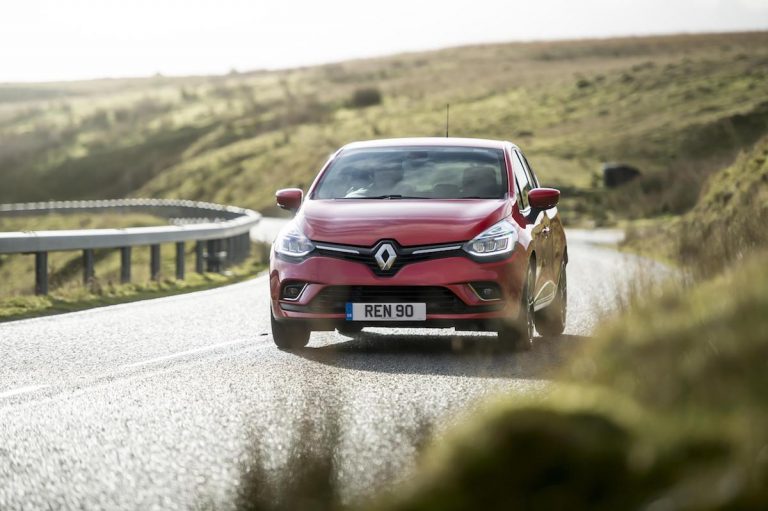

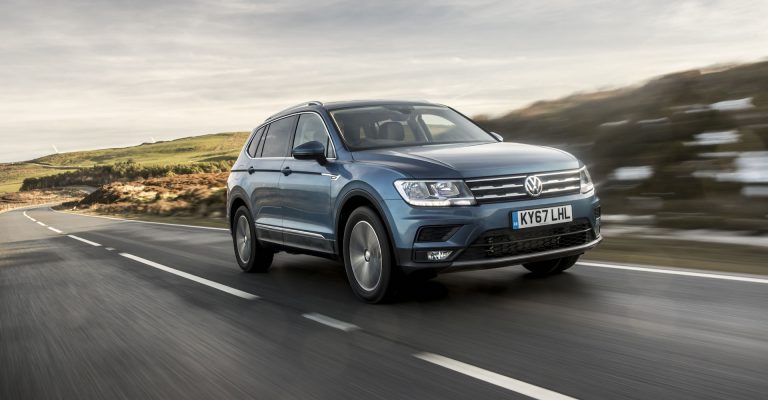

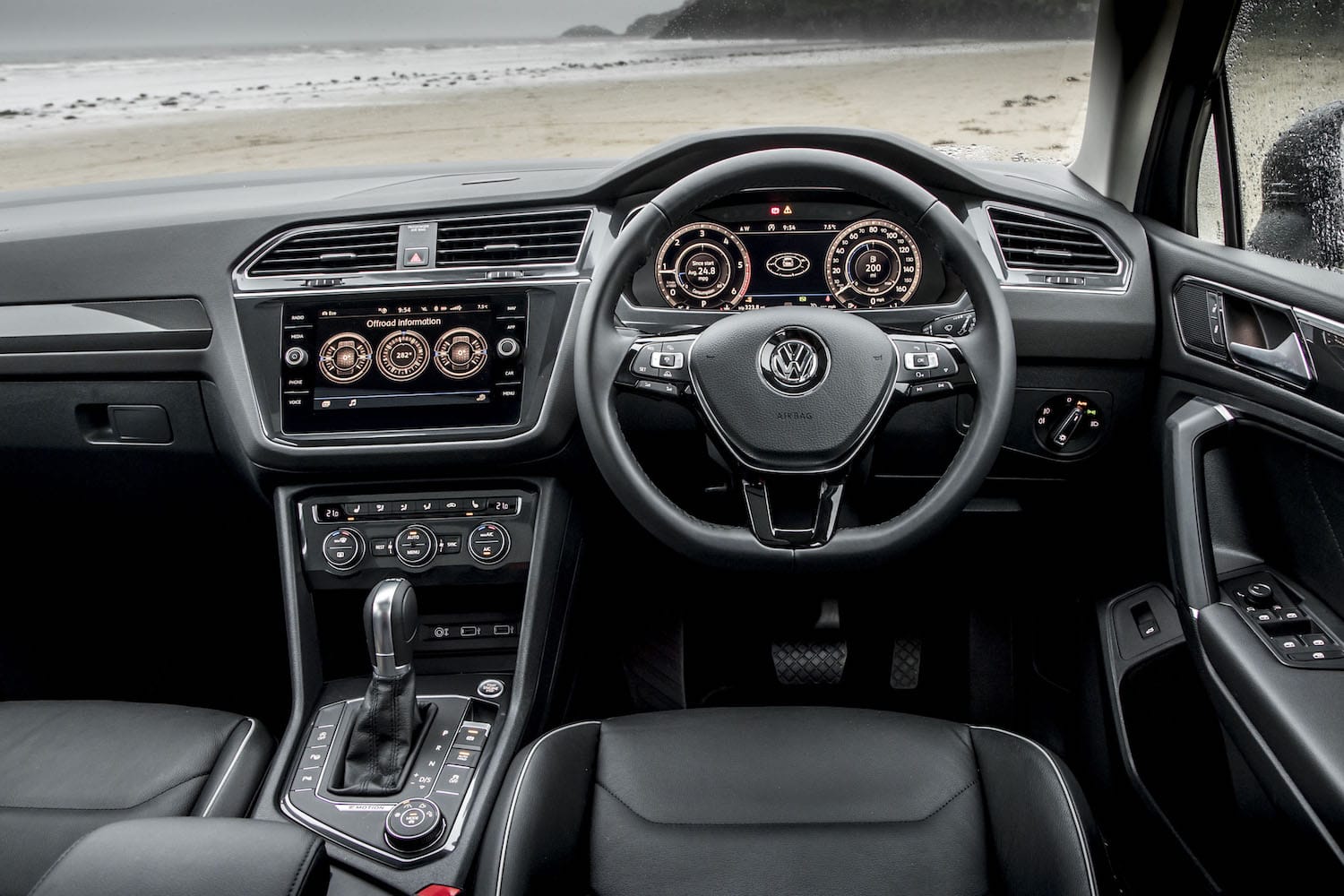


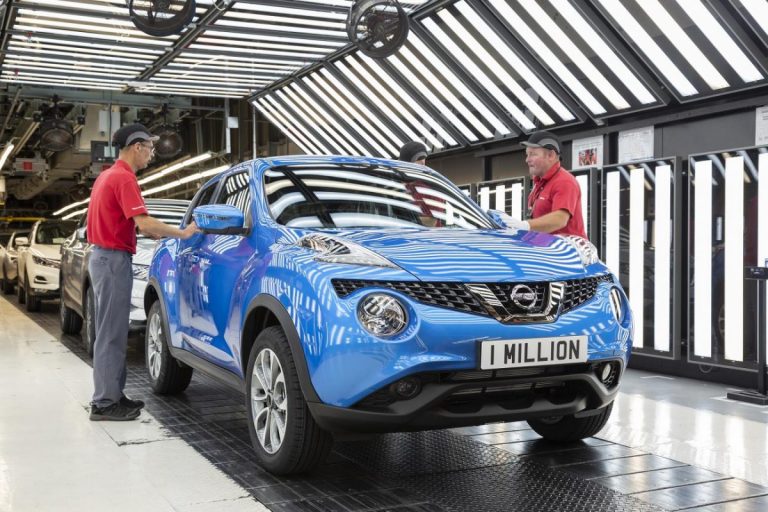


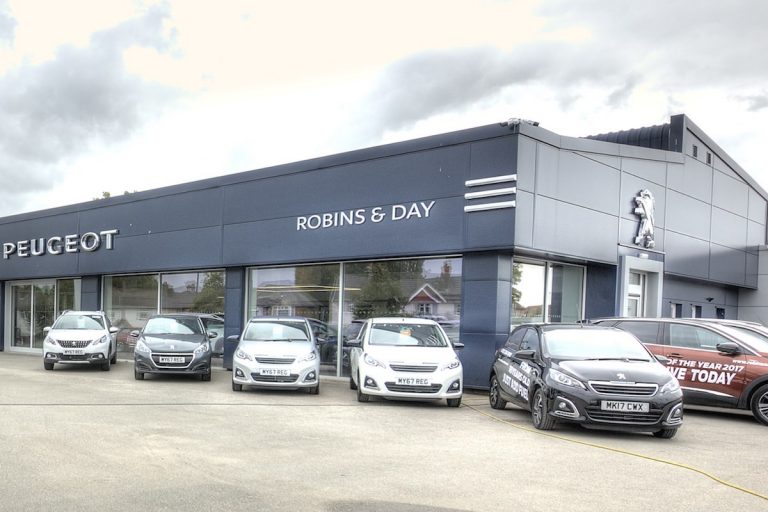


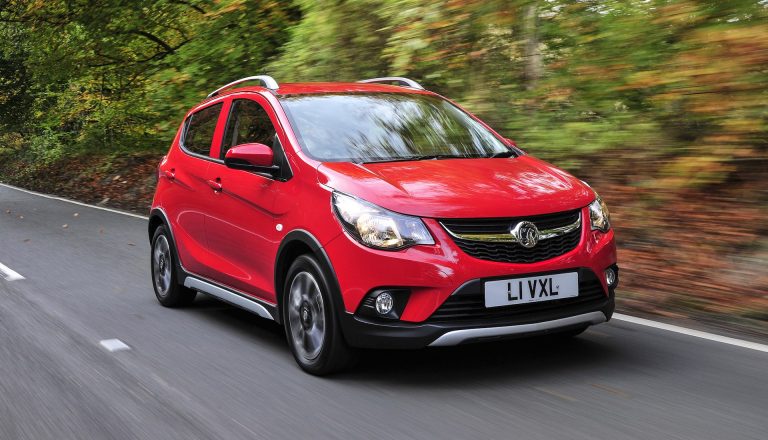

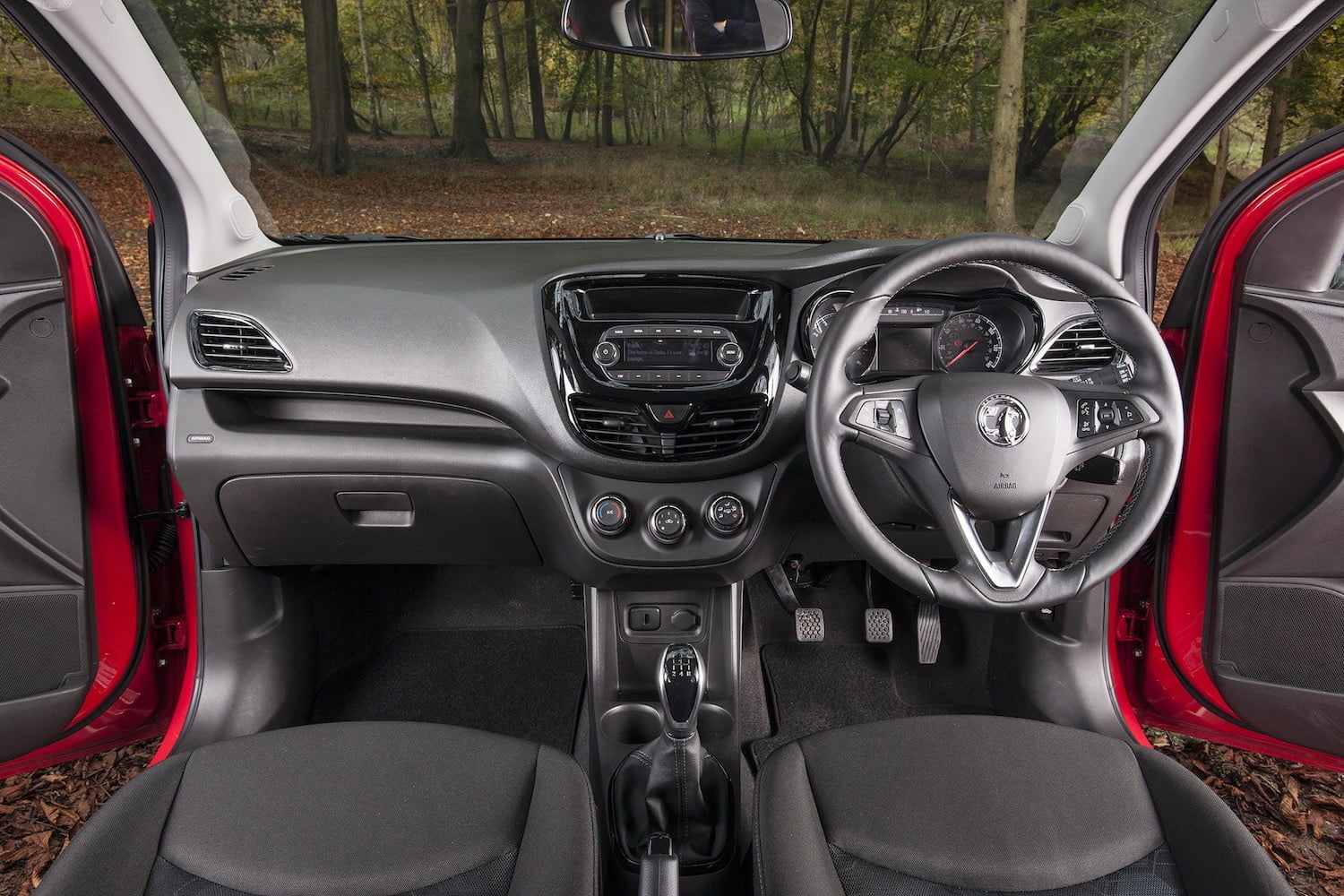


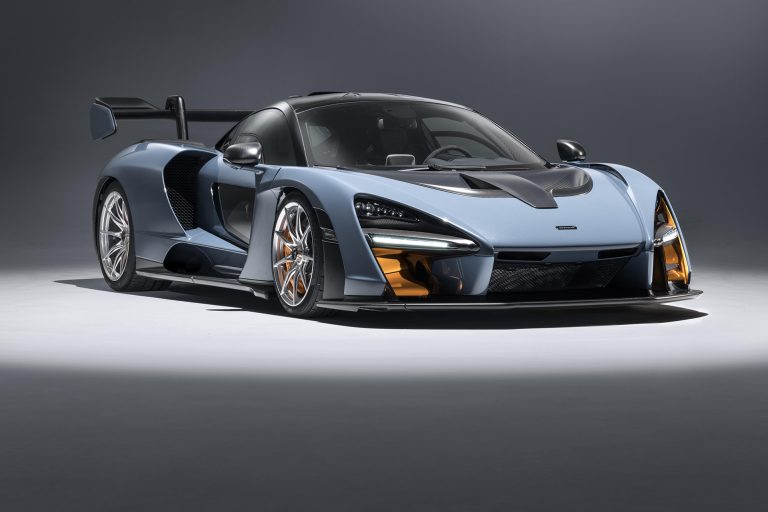
 The car employs McLaren’s Monocage III carbon fibre chassis and body panels of the same composite material. As a result at 1.2 tonnes, it is the lightest road car to carry a McLaren badge since the iconic F1 of 1993. Power to weight ratio of the Senna is 668hp per tonne, while the body, rear wing and active aerodynamics generate some 800kg of downforce at 155mph.


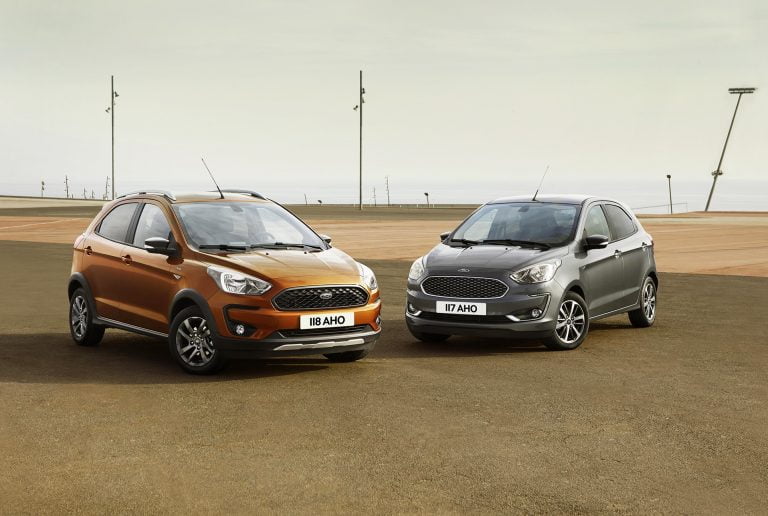

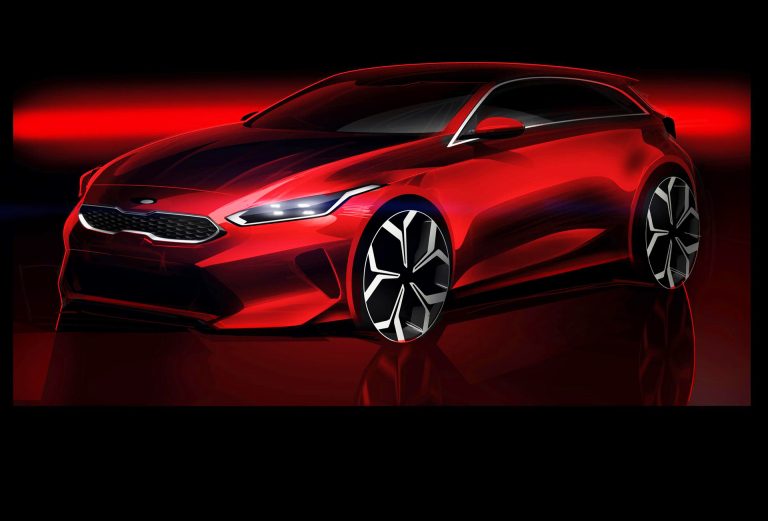

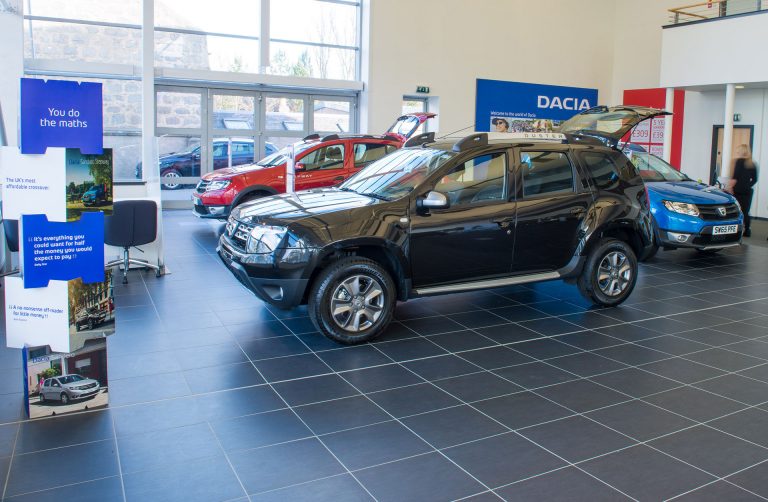


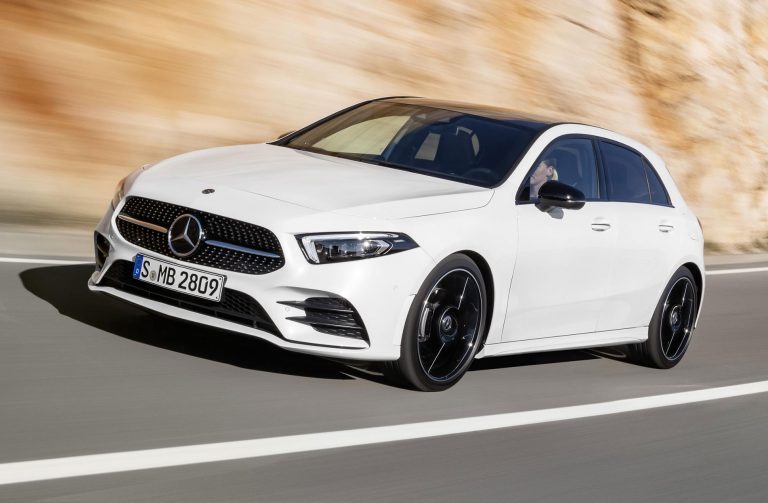


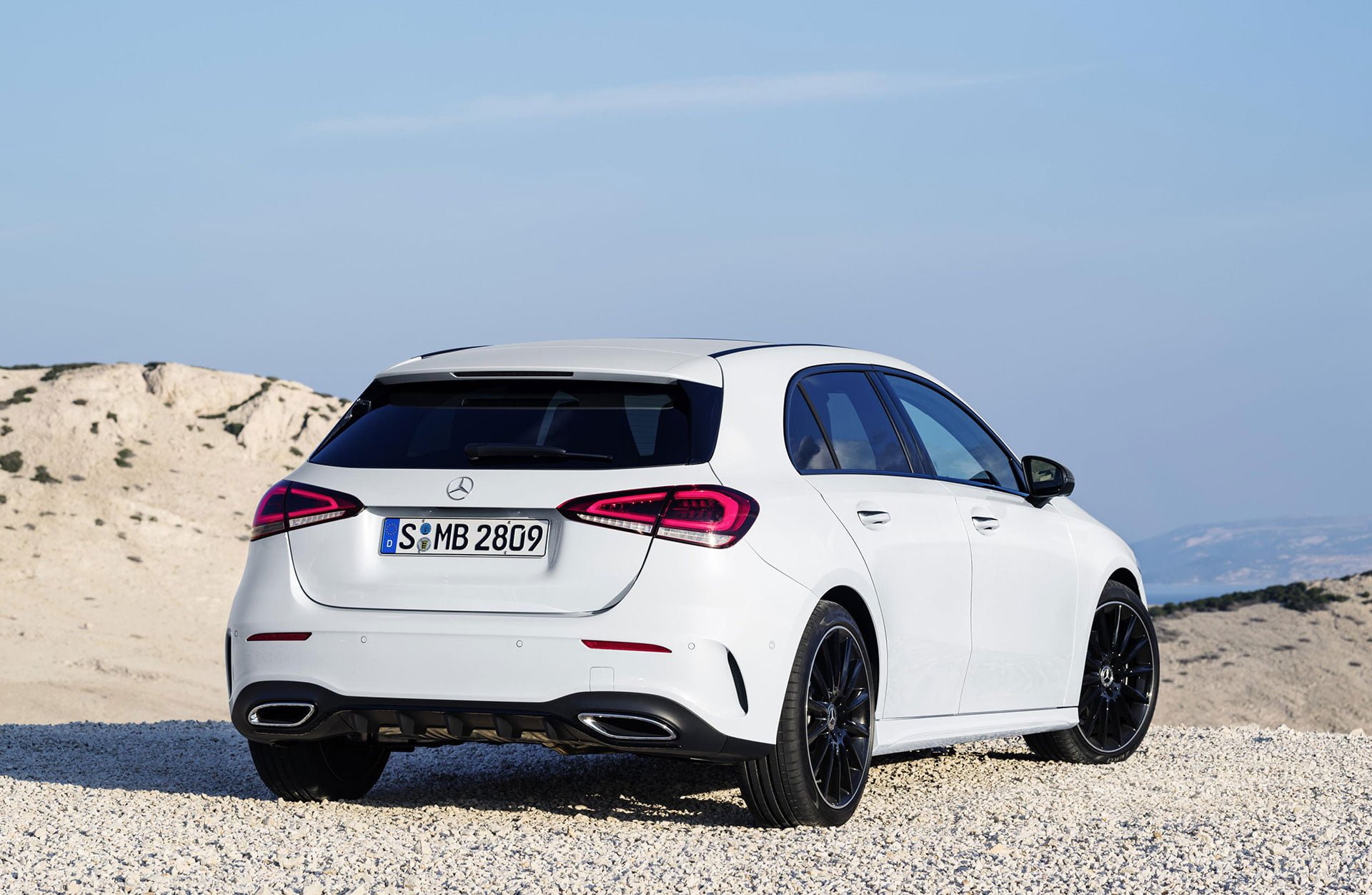
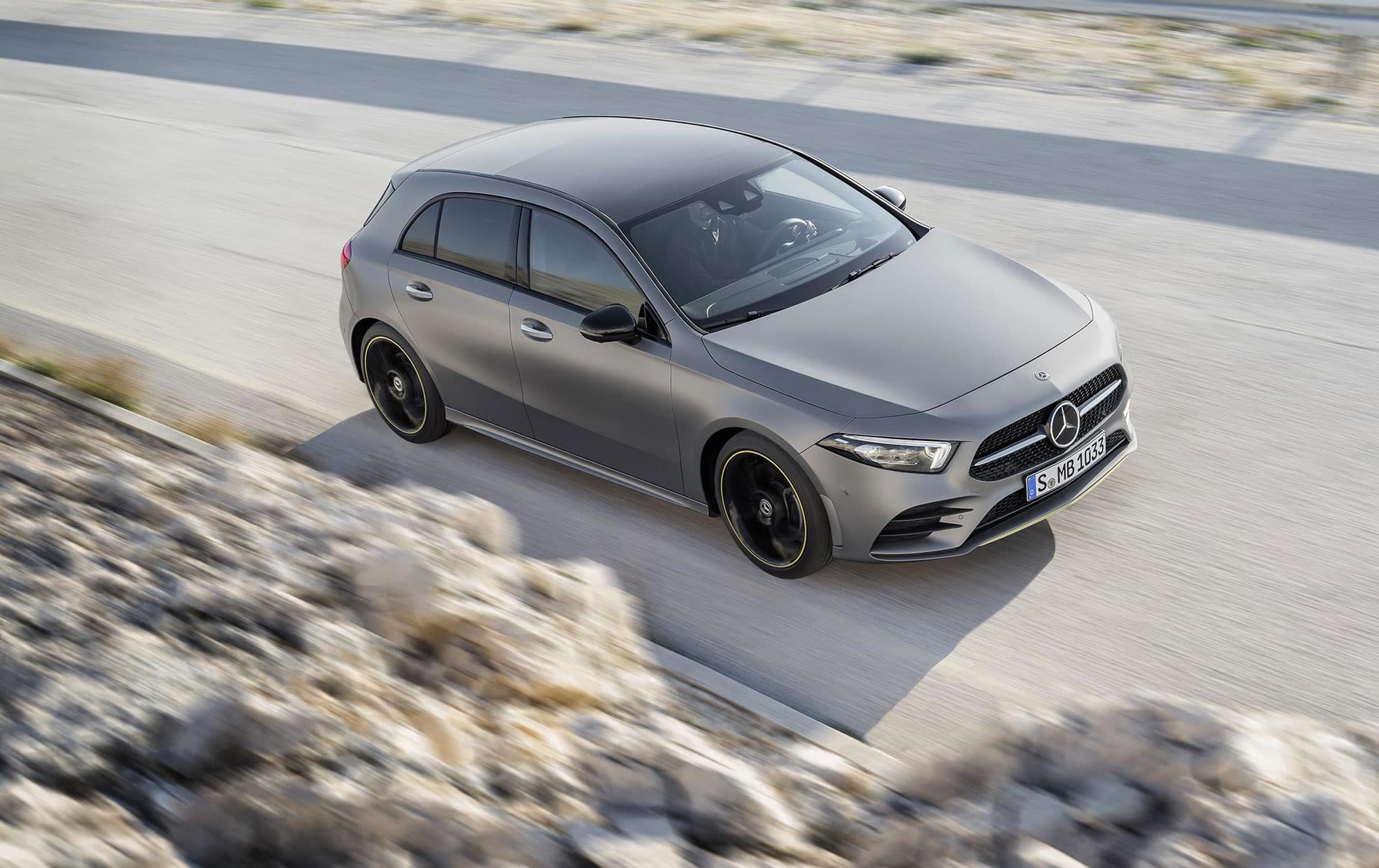

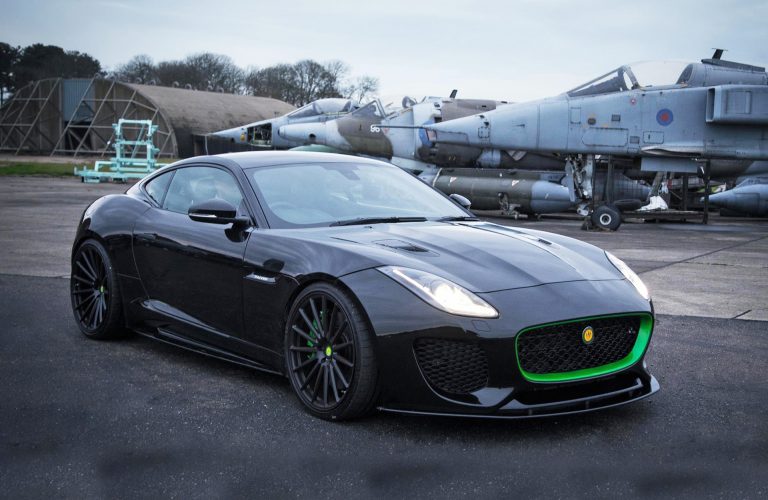
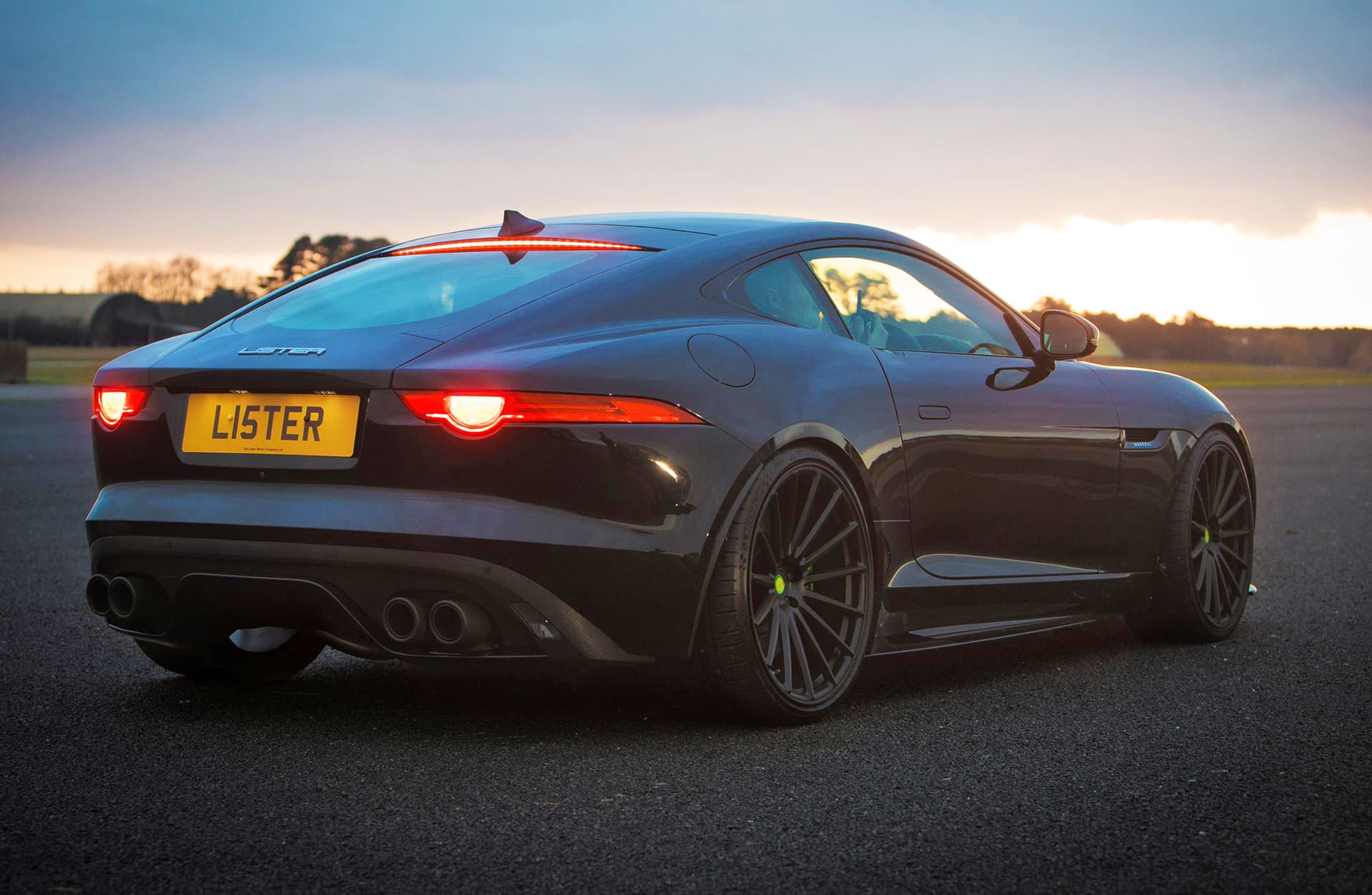
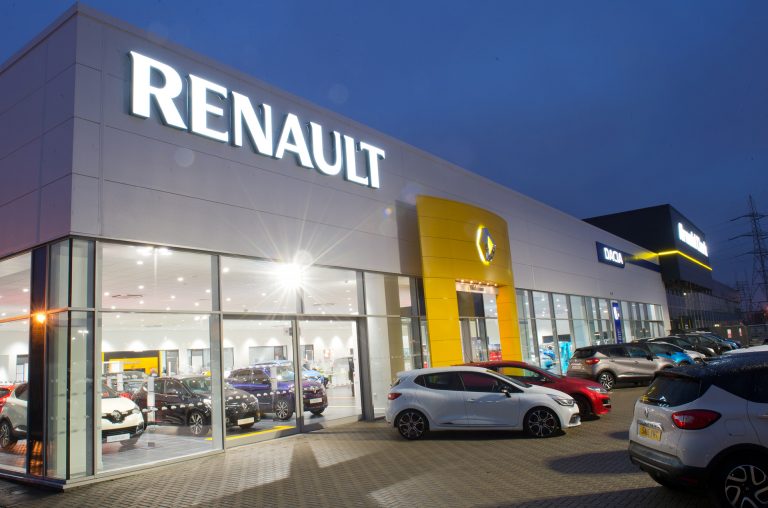
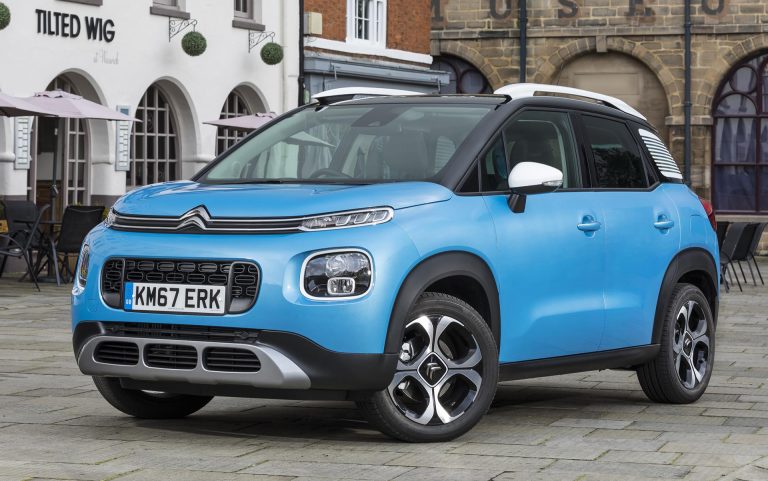



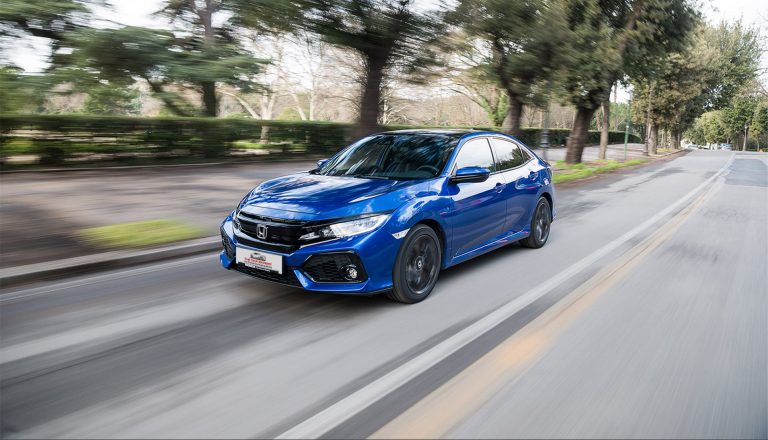


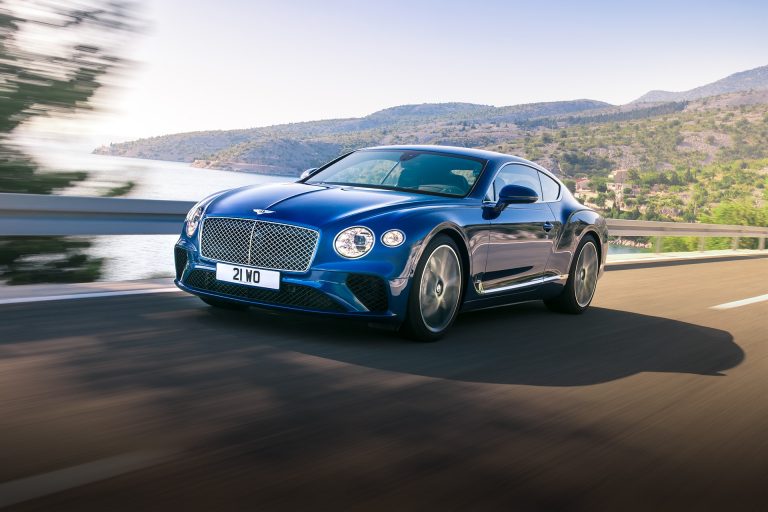


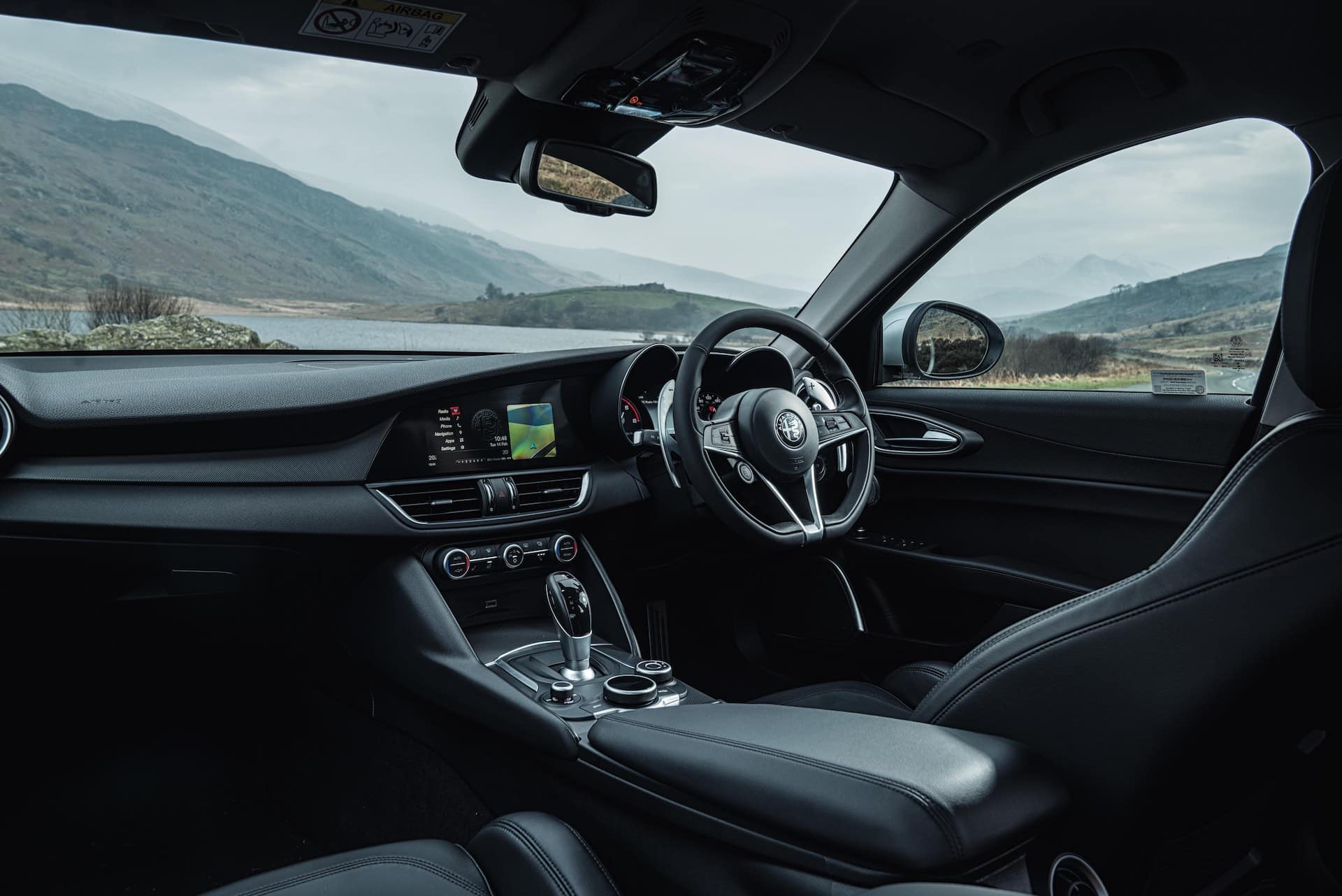


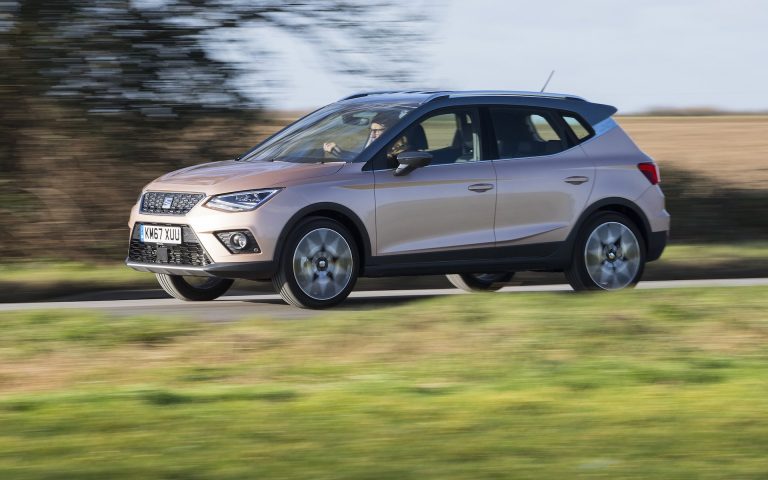


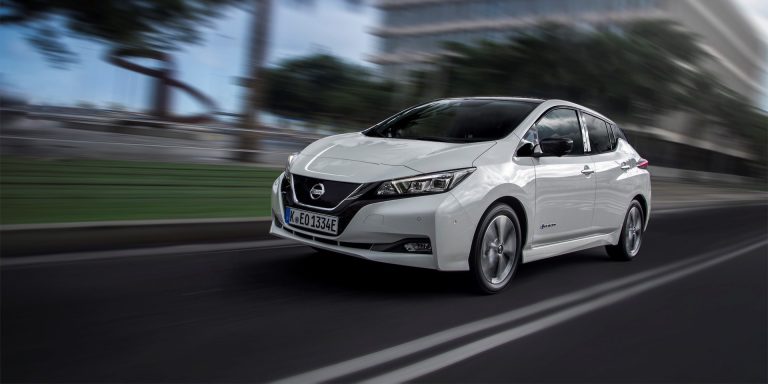


 The engine will be combined with an eight-speed ZF automatic transmission with a sport mode. A handling kit of beefed-up springs, dampers and roll bars will be added, and uprated brakes fitted behind 18-inch diamond-turned alloy wheels and 265/65 R18 all-terrain tyres.
The 70th Edition will be available in a choice of eight body colours, including a pair of satin finishes. Machined aluminium will also feature on the door handles, fuel filler cap and Defender bonnet lettering, along with bi-LED headlamps.
Inside the 70th Edition gains a full leather interior trim, applied to the dashboard, door panels, headlining and Recaro sports seats. A bespoke infotainment system from the Land Rover Classic department is also fitted.
Land Rover intends to offer the 70th Edition in both the 90 and 110 wheelbase lengths. All will be sold direct by Land Rover Classic, UK prices starting from £150,000 for a 90 version.
The engine will be combined with an eight-speed ZF automatic transmission with a sport mode. A handling kit of beefed-up springs, dampers and roll bars will be added, and uprated brakes fitted behind 18-inch diamond-turned alloy wheels and 265/65 R18 all-terrain tyres.
The 70th Edition will be available in a choice of eight body colours, including a pair of satin finishes. Machined aluminium will also feature on the door handles, fuel filler cap and Defender bonnet lettering, along with bi-LED headlamps.
Inside the 70th Edition gains a full leather interior trim, applied to the dashboard, door panels, headlining and Recaro sports seats. A bespoke infotainment system from the Land Rover Classic department is also fitted.
Land Rover intends to offer the 70th Edition in both the 90 and 110 wheelbase lengths. All will be sold direct by Land Rover Classic, UK prices starting from £150,000 for a 90 version.