Find an Expert Rating: 
Home Blog Page 103

All-new Ferrari Roma coupe revealed

0

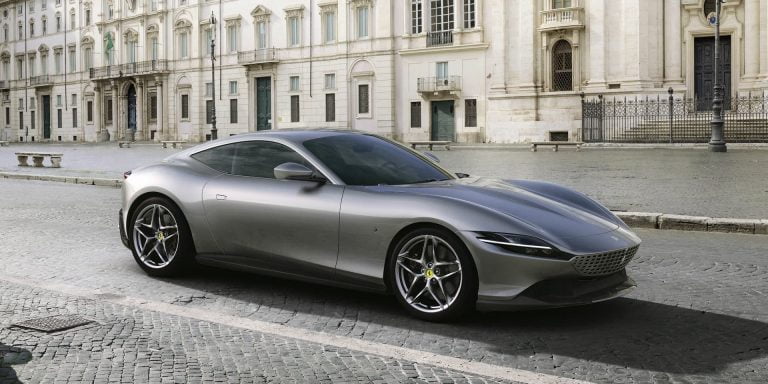
Ferrari has revealed another new model – its fifth this year – with the front-engined, V8-powered Roma coupé.

Named after the Italian capital city, this grand tourer boasts 620hp and 760Nm of torque from its 3.9-litre turbocharged V8 engine. Power is sent to the rear wheels via an eight-speed automatic gearbox. As a result, 0-60mph is covered in 3.2 seconds with the car’s top speed said to be in excess of 199mph.

Based on the same platform as the Portofino convertible, the Roma’s engine sits at the front of an elongated coupé body. The Roma takes on a classically-inspired look that is quite different to anything else in the current Ferrari line-up. Using hallmarks of the 250 GT Lusso of the 1960s, it features sleek bodywork with minimal disruptions in its design and a short rear overhang.

In order to keep grip at a high level without affecting the clean aesthetic, the Ferrari Roma utilises a rear spoiler that deploys at higher speeds — then retracting to return the smooth silhouette of the car.

Ferrari describes the front of the cabin as containing two ‘cells’. In effect, this sees the driver’s and passenger’s side of the car split by a centre console that swoops down from the dashboard. This looks to create an almost single seater-like effect at either side, and is again very different from any of Ferrari’s other models.

A 16-inch digital instrument cluster sits in front of the driver in place of traditional dials and gauges, while a vertically-mounted eight-inch infotainment is housed within the centre console.

There’s also a rear bench seat to give the car the ability to carry four occupants at any one time, though based on similar efforts from other manufacturers, we imagine this ‘+2’ layout will serve better for children or as extra luggage room.

There is no word yet on pricing and availability for the Ferrari Roma as yet, but expect a mid-late 2020 arrival.

All-new Skoda Octavia revealed

0

Skoda has revealed its all-new Octavia, with hybrid technology and a new look for the model debuting.

Available in either hatchback or estate forms, the Czech machine takes on the firm’s latest corporate design. The result is thin LED headlights flanking a wide chrome-trimmed grille, with simple body lines and an elegant approach at the rear end.

There’s also more boot space than ever thanks to increased vehicle dimensions, with 600 litres in its hatch body style — rising to 640 for the estate variant.

Powering the car is a selection of petrol, diesel and plug-in hybrid engines. Though full UK availability has yet to be confirmed, we can expect to see the iV model, which pairs a 1.4-litre petrol engine to an electric motor. European markets will also benefit from the inclusion of a CNG-powered option, though that’s extremely unlikely to be brought to the UK.

It’s also the first Skoda to use shift-by-wire for its DSG automatic transmission. This sees mechanical gear selection replaced with electronic controls, in turn translating to a smaller shift selector.

  • 2020 Skoda Octavia interior | The Car Expert
  • 2020 Skoda Octavia estate | The Car Expert

Inside the car, the driver is met with a new two-spoke steering wheel design, featuring a new layout of buttons and scroll wheels to control various functions. Sitting behind that is the firm’s Active Info Display technology, which replaces traditional dials and gauges with a screen to show key information.

A centrally-mounted infotainment system ranges from eight to ten inches in screen size, which will also incorporate the firm’s new Laura digital assistant — which exists in the same vein as Amazon’s Alexa or Google Assistant. USB-C ports are also dotted around the cabin, which allows for faster smartphone charging where supported.

Skoda has also brought in new ‘Simply Clever’ features to the car, including smartphone storage pockets on the back of the front seats for the benefit of passengers in the rear, along with a funnel built into the car’s windscreen washer fluid reservoir.

Pricing and specifications for the new Skoda Octavia have yet to be confirmed but expect the car to arrive on the market early in 2020.

Mazda 3 saloon SkyActiv-X review

60-second summary

What is it?
The four-door version of Mazda’s Focus and Astra rival also debuts new engine technology.

Key features
Four doors and therefore more space in the back, more environmentally-friendly engine.

Our view
The Mazda 3 saloon is an attractive new option for buyers of the brand’s Focus and Astra rival and in some ways more practical, offering more rear-seat and boot space than its hatch sister.

The SkyActiv-X engine, meanwhile, is a major advance, with its diesel-like efficiency wrapped up in a petrol package. Whether one goes for the hatch or saloon version of the Mazda 3, the SkyActiv-X should be the default engine choice.

Similar cars

Audi A3 saloon | Citroën C4 Cactus | Fiat Tipo | Ford Focus | Honda Civic 4-DoorHyundai i30 FastbackKia Ceed | Mercedes-Benz A-Class saloon | Peugeot 308 | Renault Megane | SEAT Leon | Skoda Scala | Skoda Octavia | Toyota Corolla | Vauxhall Astra | Volkswagen Golf


Full review

Introduction

The current Mazda 3 is not new to these pages as we reviewed the new fourth-generation hatchback in June 2019. We liked it then, and that sentiment has been broadly shared by most of the UK motoring media. According to The Car Expert’s unique Expert Rating aggregator, it currently holds a very good Expert Rating of 80%, which is fractionally shy of the Volkswagen Golf and Ford Focus but better than pretty much everything else in this class (see list above).

This latest version, however, is a body shape that is usually not at all popular in the UK, the four-door saloon format favoured only by buyers of premium brands such as Audi or BMW.

Much more important is the engine debuting with this model but also set to be a major part of sales across the Mazda 3 range. The 2.0-litre unit is the first petrol engine to employ Mazda’s SkyActiv-X format, an evolution of the brand’s against-the-grain environmental advances that eschew downsizing for more efficiency within the engine.

Skyactiv-X uses a new technology called Spark Controlled Compression Ignition (SPCCI) and Mazda claims, with some justification, that it offers diesel-like economy and emissions, but within a petrol engine.

Visually the saloon model certainly brings something new to the Mazda 3 range. Mazda tells us that the four-door shares only its bonnet and windscreen with the hatchback, but it adheres to the same ‘Kodo – soul in motion’ design language as its sister, and is attractive to the eye.

The saloon also shares its wheelbase with the hatch, but overall is 20cm longer, which should translate to improvements in rear seat and boot space – something we marked down in our hatch review.   

  • 2020 Mazda 3 saloon review – front view | The Car Expert
  • 2020 Mazda 3 saloon review – rear view | The Car Expert

Buying and owning a Mazda 3

Saloon variants of the Mazda 3 are only offered at present with the Skyactiv-X engine, and in four trim levels, dubbed Sport, Sport Lux, GT Sport and GT Sport Tech. With all trim levels the powertrain can be specified with six-speed manual or auto transmissions and the Skyactiv-X is also now available for the hatchback, following the same trim format.

Cheapest saloon is the Sport at £23,555 in manual form (£25,095 as an auto) while the range-topping GT Sport Tech costs £27,575 for a manual and £29,095 for the auto.

As in the previously reviewed hatch the equipment level across all versions is impressive, especially in terms of technology. All cars, for example, get a head-up display projecting vehicle speed, navigation instructions and traffic signs onto the windscreen.

Navigation is standard through a nine-inch screen, while Apple CarPlay and Android Auto are also included. Adaptive cruise control comes supplied too, but you do have to go up a level to the £24,875 Sport Lux to upgrade the parking sensors to a reversing camera and gain keyless entry and start.

The Mazda five-door hatch clocked up a five-star safety rating with crash testers Euro NCAP, earning lots of ‘full points’ comments, and the safety specification is repeated with the saloon. Autonomous emergency braking is part of the radar cruise control on all models while blind-spot monitoring and rear cross-traffic alert come as standard too.

Spend out on a top-spec cars and you get some useful extra safety tech, including Cruising & Traffic Support (CTS) – a variation of adaptive cruise control that accelerates and decelerates the car in traffic jams while also keeping it in the middle of the lane via small steering movements.

Top-spec GT Sport Tech variants also add a braking function to the rear cross-traffic alert, while the standard-fit driver attention alert is upgraded to a monitoring system that uses an interior camera to watch the driver’s face, particularly their eye movements, and gauges whether they might be about to fall asleep at the wheel, alerting them accordingly. 

Inside the Mazda 3 saloon

When we slipped inside the Mazda 3 hatch we liked the quality of construction, with its upmarket-feeling surfaces, and we liked the minimalist driver’s cockpit, which of course is replicated in the saloon.

  • Mazda 3 review 2019 – interior and dashboard | The Car Expert
  • Mazda 3 review 2019 – infotainment and Apple CarPlay | The Car Expert
  • Mazda 3 review 2019 – front seats | The Car Expert
  • Mazda 3 review 2019 – rear seats | The Car Expert

The driver’s essential information is transmitted by three large, traditional dials (though in digital format) mounted in a large pod behind the steering wheel, which is very user-friendly. The infotainment screen is right atop the centre console and so close to the driver’s eye line, but it’s not a touchscreen, operated by a single rotary control which Mazda claims is less distracting than prodding one’s finger on the glass.

What we liked less in the hatch was the interior space, which particularly in the back was somewhat cosy, especially for taller occupants, and with a boot of just 351 litres in capacity. The saloon boot is extended to 444 litres, and the rear seats are generally easier to access, thanks to larger doors. A slightly higher roof line helps free up more space in the rear cabin, and generally it’s more comfortable to travel in the back of the saloon than in the hatch. 

Driving the Mazda 3

So that engine then – Skyactiv-X is set to have a big input into the entire Mazda powertrain line-up (predicted to take 60% of sales) due to its Spark Controlled Compression Ignition. It is also matched to the same mild-hybrid system used by the more conventional Skyactiv-G petrol engine, adding to the efficiency.

Without getting too technical, SCCI allows use of a highly lean and emissions-efficient air to fuel mix, and the engine can switch seamlessly between conventional spark compression and combustion ignition, by using the spark plug to trigger both types of compression in different ways.

Using a precisely injected richer zone of atomised fuel to combust the earlier added lean mixture of fuel and air results in more efficient ignition and as a result significant gains in economy and emissions – the best figures (depending on transmission, wheel sizes and such) are 52.3mpg and just 96g/km of CO2, which are very much in diesel territory.

The engine does not feel like a diesel on the road – in fact at most times it feels no different to a conventional petrol unit. There’s no diesel-like rattle, but neither is there the low-down torque one gets in a diesel. Proper pulling power doesn’t come in until around 3000rpm, although that is better than the 4000rpm of the Skyactiv-G petrol unit.

  • Mazda 3 saloon road test – rear view | The Car Expert
  • Mazda 3 saloon road test – front view | The Car Expert

Acceleration is smooth if not particularly urgent, while cruising along in normal motoring the powertrain is very well behaved.  And if you do tackle that challenging B road the Skyactiv-X will return some of the enrthusiasm that the Skyactiv-G distinctly lacks – though it’s not that exciting…

In terms of handling the saloon behaves no differently to the hatch. In other words it’s highly competent and with a pleasing ride quality that is slightly stiff but not too much. Overall it’s an impressive package. 

Summary

The saloon is an attractive addition to the Mazda 3 choices but it remains to be seen whether it will score with buyers in a way four-door models previously haven’t.

The Skyactiv-X petrol engine, however, will very likely become the most popular powertrain option across the Mazda 3 range as it ticks all the boxes, offering the kind of economy and emissions one expects from a diesel but with none of the stigma now associated with diesel.  

Good points

  • More efficient engine
  • Bigger read and boot space
  • Attractive exterior shape

Bad points

  • Not particularly powerful
  • Innocuous handling

Key specifications

Model as tested: Mazda 3 saloon Sport Lux
Price (on-road): £24,875
Engine: 2.0-litre petrol
Gearbox: 6-speed manual
Power: 180 hp
Torque: 224 Nm
0-62mph: 8.2 sec
Top speed: 134 mph
Fuel economy (combined): 50.4 mpg (WLTP)
CO2 emissions: 102 g/km
Insurance group: F/22E
Euro NCAP rating: 5 stars (2019)

Volvo offers free electricity to UK plug-in buyers

Volvo has launched a new offer to reimburse UK buyers of its plug-in hybrid models with a year’s worth of electricity costs.

The offer has been introduced to ensure that people use their plug-in hybrids as efficiently as possible, topping up the batteries regularly rather than relying on petrol power.

Dubbed ‘Take Charge’, the incentive is available to anyone who purchases one of Volvo’s seven plug-in hybrid models between now and June 30, 2020.

Volvo is the only brand to offer a plug-in hybrid variant across every model in its range (XC40, S60, V60, XC60, S90, V90 and XC90).

The firm will monitor the level of charge put into a car using the Volvo On Call app, and then Volvo will give the customer a rebate based on the average price of electricity.

Keeping your plug-in hybrid plugged in

The offer will help to address recent criticisms of plug-in hybrid vehicles, which do not offer any environmental benefits if owners simply use them as petrol vehicles, rather than maximising the use of the electric motor and batteries.

Kristian Elvefors, Volvo Car UK managing director, said: “At Volvo, in keeping with our Swedish roots, we’ve always taken a keen interest in looking after the environment. Our recently stated ambition to become a carbon-neutral company by 2040 shows we are serious about addressing climate change.

“It’s crucial that we help our plug-in hybrid customers understand how they can make the most of their car’s electric potential. So, by meeting their electricity charging costs for a year, we can encourage them to develop the good habit of regularly recharging their car’s battery, as well as saving them money at the same time.”

The offer is open to private and business customers too, and because Volvo is keen to encourage drivers to charge their cars, the company car driver will receive the refund at the end of the year rather than their employer.

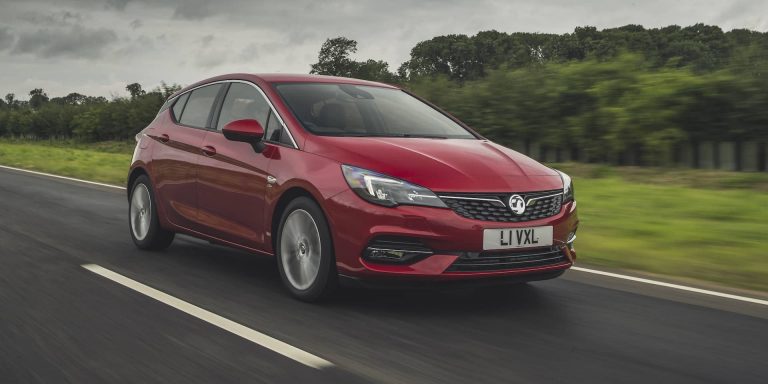
Vauxhall Astra test drive

For 40 years, the Vauxhall Astra has been a mainstay of the British car market. Since the first iteration was introduced in 1979, more than three million units have been sold and seven generations have elapsed – making it one of Britain’s favourite models.

Now, Vauxhall has revealed the mid-generation facelift for the seventh generation, and with it is offered with a series of new updates to bring up to scratch against recent arrivals in the market, like the latest Ford Focus, Hyundai i30 and new Kia Ceed – not to mention the all-new eighth-generation Volkswagen Golf that will arrive in early 2020. The Astra has also been sliding down the sales charts over the last couple years, so these changes are more than welcome.

The Vauxhall Astra currently holds a rating of 74% according to The Car Expert’s unique Expert Rating aggregator, which combines review scores from 18 of the top UK motoring website to give you an impartial overview of the media scores. That score puts it firmly in the midfield of the segment, so the new model need to step up its game against cars like the Focus and Golf.

So, can the refreshed Astra go toe-to-toe with some of the toughest rivals in the UK new car market? Let’s get behind the wheel to find out.

What’s new about the Vauxhall Astra?

Surprisingly for a mid-life facelift, there’s quite a lot new here. Vauxhall, now under the stewardship of the giant French PSA Group, has added a completely new range of engines and transmissions to suit.

The firm has also been hard at work in the wind tunnel, claiming to make this Astra the most aerodynamically efficient model in its class – with the estate Sports Tourer said to be even sleeker. Chassis tweaks have been made to the Astra for improved comfort and damping control over bumps.

There has also been a rationalisation of the trim levels, with Vauxhall now offering seven specifications for people to choose from. But with that comes new features, such as touchscreen infotainment systems as standard across the line-up, while wireless charging, a digital instrument display and ergonomic sports seats are fitted to top-end models.

Vauxhall Astra review 2019 – exterior front | The Car Expert

How does it look?

With the facelift comes a new fascia, which features more prominent chrome detailing and a new grille for a slightly sportier look. The visual tweaks are also aimed at making the car sleeker, with this Astra the smoothest yet. All of these design changes, including special flaps behind the grille to direct airflow, have been added to improve fuel efficiency.

Vauxhall also continues to offer the Astra with the class-exclusive Matrix LED headlights, with the units featuring a signature design. LED daytime running lights are fitted as standard.

The rear is almost identical to before. It’s certainly not an ugly car and we’d say it looks smarter – although we think the Sports Tourer estate version is the better looking of the two body types.

What’s the spec like?

With the refreshed model, Vauxhall has ensured that entry-level options come with a good standard of equipment. Starting from £18,885, the base SE model features 16-alloy wheels, a seven-inch touchscreen infotainment system, smartphone mirroring, air conditioning, Bluetooth and cruise control – covering all the essentials.

In the Elite Nav trim we tried, Vauxhall also includes 17-inch alloys, an eight-inch touchscreen, climate control, leather seats and steering wheel with heating function, front camera system, LED headlights and an eight-inch digital instrument cluster. Prices for that start from £23,955.

Our test car also came with front and rear parking sensors – an option box we’d definitely tick – and a heated windscreen, with a few other additions besides, taking the total cost to £26,210.

What’s the Vauxhall Astra like inside?

Vauxhall has incorporated a series of new features into the cabin and has decluttered the dashboard considerably. It’s well put together and solidly built, with scratchy plastics few and far between.

Vauxhall Astra review 2019 – interior and dashboard | The Car Expert

It isn’t the most exciting cabin in the world, but it does the job more than well enough. The Elite Nav model we tested also came with leather upholstery throughout, with the front sports seats being very comfortable.

The facelifted Astra is also rather spacious, with even taller drivers allowing for lots of legroom in the rear. The 370-litre boot space is also well-shaped and the boot lip isn’t too high either, making it easy to load and unload.

What’s under the bonnet?

As previously mentioned, the refreshed Astra comes with a series of new engines – three to be precise. There are two petrol blocks – measuring 1.2 and 1.4 litres in size – and a single diesel unit, a 1.5-litre. All three engines are three-cylinder units.

We tried the highest output petrol, the 145hp 1.2-litre, which also develops 225Nm of torque. Alongside a six-speed manual transmission, the Astra can get from 0-60mph in 8.8 seconds and reach a top speed of 137mph.

With this combination on board, the hatchback feels more than fast enough and nice to use. You can rev the engine quite highly before needing to change gear and it feels well-refined. Through the WLTP cycle, it’s claimed that this Astra can return up to 54.3mpg and just 99g/km of CO2.

What’s the Vauxhall Astra like to drive?

Chassis changes are telling, as the Astra felt stable and composed on the bumpy test route weaving through the Leicestershire countryside. A few bumps were transferred into the cabin, but they were few and far between, while wind and road noise are well-concealed. Having only driven on 17-inch alloys, we can confirm that it feels well-damped with these alloys fitted.

There is a lack of feel due to the electic power steering, but it’s direct and only goes to understeer when really pushed. When cruising, the Astra settles down very well and will remain a favourite for those needing a cossetted hatchback for long distances.

Despite the sloping roofline and smaller rear windows, all-round visibility is good. It’s easy to get comfortable, with a steering column that is adjustable for both height and reach, and well-bolstered seats with adjustable lumbar support.

Verdict

With the new range of engines and equipment, Vauxhall has done an impressive job with this mid-life refresh for the Astra. It may not be as complete as the rival Ford Focus, but it manages to be comfortable, nice to drive and spacious – all the things a typical hatchback buyer needs.

The automatic transmission on the diesel is a major let down though, so we’d recommend going for the manual gearbox if you’re going to plum for the more efficient engine.

This mid-life update is a good step up for the Astra, and on the whole, makes it a more appealing package. It’s likely to remain popular with its core market and continue to be a strong contender in the large family hatchback segment.

Similar cars

Alfa Romeo Giulietta | Citroën C4 Cactus | Fiat Tipo | Ford Focus | Honda Civic | Hyundai i30 | Kia Ceed | Mazda 3Mini Countryman | Peugeot 308 | Renault Megane | SEAT Leon | Skoda Scala | Skoda Octavia | Toyota Corolla | Volkswagen Golf | Volvo V40

Key specifications

Model as tested: Vauxhall Astra Elite Nav
Price (on-road): £26,210
Engine: 1.2-litre petrol
Gearbox: Six-speed manual
Power: 145 hp
Torque: 225 Nm
Top speed: 137 mph
0-60mph: 8.8 seconds
Fuel economy (combined): 54.3 mpg
CO2 emissions: 99 g/km

Volkswagen Passat (2015 to 2023)

Summary

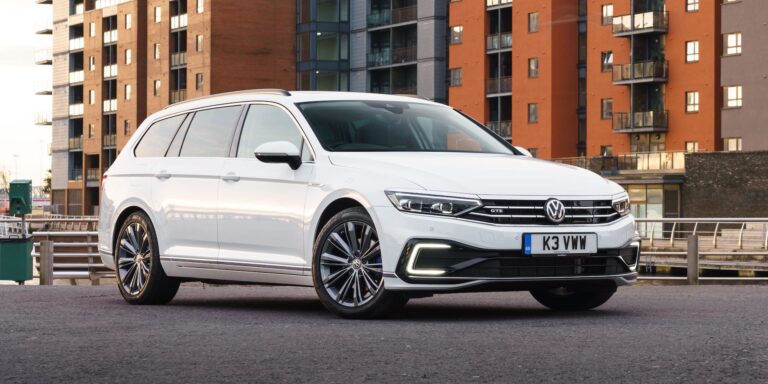
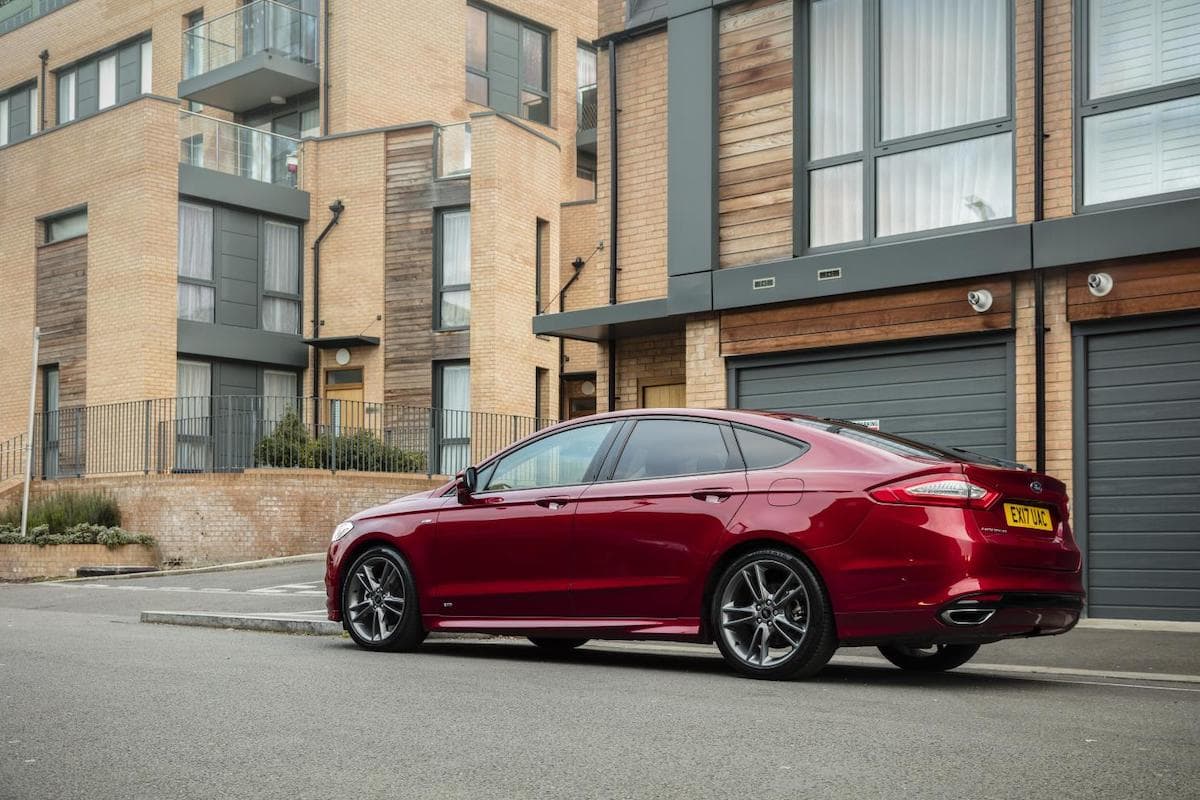
The Volkswagen Passat was a large family car, the eighth generation of the long-running Passat name. It was launched in the UK in 2015, with a facelift and 2019, and ended production in late 2023 ahead of the launch of an all-new model that will arrive in early 2024.

The saloon version of the Passat was discontinued in early 2022 in response to falling sales, while the estate model continued. A similar fate has befallen its traditional family car rivals, the Ford Mondeo and the Vauxhall Insignia, which were both discontinued around the same time.

Traditional saloon and estate cars have been struggling for years as buyers increasingly choose SUVs and crossovers. However, Volkswagen continued to develop the Passat range, with a more rugged Passat Alltrack Estate and performance GTE plug-in hybrid versions added to the range.

The Passat range received largely positive reviews from the UK motoring media, with the estate version earning slightly higher scores than the saloon. The GTE model was also widely acclaimed.

The Volkswagen Passat received particular praise for its refinement, comfort and space. Its driving dynamics were not as sharp as some similar vehicles, however, and it was more expensive than many of its rivals.

An all-new Volkswagen Passat arrived in the UK in Spring 2024. It is only available as an estate, with a choice of petrol or petrol/electric plug-in hybrid power. Diesel versions are not offered.

No longer on sale, this version of the Passat has a Used Car Expert Rating of B, with a score of 68%. It scores top marks for its CO2 emissions (helped by the plug-in hybrid version) and running costs, while its media reviews are also good. However, the Passat’s reliability record is only average, and its safety score is poor compared to newer cars.

Key specifications

Body style: Large estate (and previously saloon)
Engines: petrol, diesel, plug-in hybrid
Price when new: From £35,395 on-road

Launched: Winter 2014/15
Last updated: Summer 2019
Replacement due: Spring 2024

Media reviews

Reviews, road tests and comparisons from across the UK automotive media. Click any of the boxes to view.

The Car Expert

+

Auto Express

+

Auto Trader

+

Car

+

Car Keys

+

Carbuyer

+

Carwow

+

Company Car Today

+

Daily Mail

+

Daily Mirror

+

Fleetworld

+

Green Car Guide

+

Honest John

+

Motoring Research

+

Parkers

+

The Sun

+

The Sunday Times

+

The Telegraph

+

Top Gear

+

Safety rating

Independent crash test and safety ratings from Euro NCAP

Overall score: 5 stars
Date tested: December 2014
Date expired: January 2021
Read the full Euro NCAP review

Adult protection: 85%
Child protection: 87%
Vulnerable road users: 66%
Safety assist: 76%

Note on safety rating

The Volkswagen Passat was tested by Euro NCAP back in 2014 and awarded a five-star safety rating. However, this rating expired in January 2021 and is no longer valid. This is normal practice, as Euro NCAP reviews its ratings on most cars annually with most ratings expiring after about six or seven years.

However, if you are comparing a used Volkswagen Passat to vehicles of similar age, whose ratings will have probably also expired, its safety rating score is still useful.

Eco rating

Independent economy and emissions ratings from Green NCAP

No eco rating

The Volkswagen Passat was not lab tested by Green NCAP during its production life.

Reliability rating

Reliability data provided exclusively for The Car Expert by MotorEasy

All data based on MotorEasy average workshop costs for extended car warranty claims

The Volkswagen Passat has a good reliability score, according to exclusive extended warranty data provided to us by our partner MotorEasy. This score applies to both the current-generation Passat and previous models.

The Passat is generally reliable car, and most repair costs for Passat warranty claims are lower than average as well. The most common problems, making up around half of all claims, relate to either the suspension or braking system. Fortunately the average repair cost for both areas is around £250. What lowers the Passat’s reliability score is the cost of potential gearbox issues. While rare, a gearbox fault can cost around £1,300.

If you’re looking at buying a used Volkswagen Passat, make sure any extended warranty you purchase covers these potential problem areas.

Running cost rating

Monthly cost of ownership data provided exclusively for The Car Expert by Clear Vehicle Data

Fuel consumptionAverageScoreVariationScore
Petrol models44 mpgC42 – 46 mpgC – D
Diesel models57 mpgB49 – 60 mpgA – C
Plug-in hybrid models229 mpgA188 – 257 mpgA – A
CO₂ outputAverageScoreVariationScore
Petrol models145 g/kmB135 – 178 g/kmA – C
Diesel models128 g/kmA123 – 193 g/kmA – D
Plug-in hybrid models28 g/kmA25 – 33 g/kmA – A
Battery rangeAverageScoreVariationScore
Plug-in hybrid models38 milesD37 – 40 milesD – D
Insurance groupAverageScoreVariationScore
All models21A15 – 32A – C
Service and maintenanceCostScore
Year 1£163A
Year 2£466A
Year 3£770A
Year 4£1,018A
Year 5£1,372A
Overall£3,789A

For a large car, the Volkswagen Passat has a pretty good set of running costs, according to whole-life cost numbers provided exclusively to The Car Expert by our data partner, Clear Vehicle Data.

Fuel consumption for the petrol versions is reasonable, and the diesel versions are even better. Road tax should be good, based on the decent CO2 scores.

The plug-in hybrid version looks amazing on paper, but this is largely a function of the unrepresentative EU/UK government lab tests, which are completely unsuited to measuring plug-in hybrids. There are no real-world circumstances where you’re going to get 229 miles out of one gallon (4.5 litres) of petrol and some electricity.

Servicing and insurance costs are excellent, which will help ensure that the Passat remains affordable for at least the first five years of its life.

Security rating

Independent vehicle theft and security ratings from Thatcham Research

Rating: Superior | Good | Basic | Poor | Unacceptable
Relay Attack: Pass

Date: 2019

Awards

Trophies, prizes and awards that the Volkswagen Passat has received

2016

  • Tow Car Awards – Tow Car of the Year

2015

  • European Car of the Year
  • UK Car of the Year Awards – Estate Car of the Year
  • Fleet World Honours – Best Upper Middle Car
  • Tow Car Awards – Tow Car of the Year

Similar cars

If you’re looking at the Volkswagen Passat, you might also be interested in these alternatives

Alfa Romeo Giulia | Audi A4BMW 3 Series | Ford Mondeo | Jaguar XE | Mazda 6Mercedes-Benz C-Class | Peugeot 508 | Skoda Superb | Subaru Levorg | Toyota Camry | Vauxhall Insignia | Volkswagen Arteon | Volvo S60 | Volvo V60

More news, reviews and information about the Volkswagen Passat at The Car Expert

Everything you need to know about Volkswagen

Everything you need to know about Volkswagen

Volkswagen Passat

Volkswagen Passat

New Volkswagen Passat estate now on sale

New Volkswagen Passat estate now on sale

New Volkswagen Passat estate revealed

New Volkswagen Passat estate revealed

The best new estate cars for every budget

The best new estate cars for every budget

Volkswagen Passat test drive

Volkswagen Passat test drive

Volkswagen Passat updated with new tech and engines

Volkswagen Passat updated with new tech and engines

More petrol engines for Skoda and Volkswagen

More petrol engines for Skoda and Volkswagen

£34K price-tag for VW’s plug-in Passat

£34K price-tag for VW’s plug-in Passat

Volkswagen Passat review

Volkswagen Passat review

Buy a Volkswagen Passat

If you’re looking to buy a Volkswagen Passat, The Car Expert’s partners can help you find the right car

Motors 600x300

Search less, live more. We make finding the right car simple. Find out more

Auto Trader logo 600x300

Find your next new or used car with Auto Trader. Find out more

Carwow logo 600x300

Find your next new or used car with Carwow. Find out more

Lease a Volkswagen Passat

If you’re looking to lease a new Volkswagen Passat, The Car Expert’s partners can help you find a competitive deal

Carparison 600x300

Personal contract hire deals from Carparison Leasing. Find out more

Leasing-com logo

Personal contract hire deals from Leasing.com. Find out more

Rivervale Leasing logo 2022

Personal contract hire deals from Rivervale Leasing. Find out more

Subscribe to a Volkswagen Passat

If you’re interested in a car subscription, The Car Expert’s partners can help (PS: What’s a car subscription?)

Mycardirect subscriptions – 600x300

Car subscriptions from Mycardirect.
Find out more

Wagonex logo 2023 600x300

Car subscriptions from Wagonex.
Find out more

Cocoon Vehicles logo 600x300

Car subscriptions from Cocoon.
Find out more

Alfa Romeo 4C gets the axe

The Alfa Romeo 4C sports car is reported to have been cut from production.

The Italian sports car was absent from a list of the firm’s current and future models shown at the firm’s third-quarter earnings report last week. The 4C also appears to have been removed from Alfa’s online configurator and sales listings.

The PA news agency has approached Alfa Romeo for comment.

With the sports car market proving unpredictable in recent years, the Alfa Romeo 4C has struggled to compete with more established rivals for sales. According to data collated by carsalesbase.com, just 421 examples were sold across Europe in 2018 — compared with 8,202 for the Porsche 718 in the same year.

This fresh report comes after the Italian firm also canned plans for a new GTV coupe and 8C successor. These changes in Alfa’s product plans comes on the heels of parent company FCA’s merger with French giant PSA Group, though it hasn’t been confirmed to be a direct result of it.

Instead, Alfa Romeo looks to focus on introducing more SUVs to its line-up, as well as introducing a refreshed version of its Giulia saloon. It revealed the Tonale compact crossover at the Geneva motor show in March as a near-production concept, though it looks set to hit roads soon.

Britain’s best-selling cars – October 2019

It was a disappointing month for the car industry in October, with private new car sales down by more than 13%. With all the political manoeuvring around Brexit and a general election, this was not exactly a surprise – but it was still painful for many car dealers and manufacturers.

However, as always there were some makes and models that performed well among the doom and gloom. It was a good month for AlpineAudiBentleyDS AutomobilesLexusPorsche and SEAT, which all enjoyed increased registrations of at least 10% over the same month last year.

Things were not as rosy for AbarthCitroënDaciaFiatHondaInfinitiJaguarLand RoverLotusMaseratiMazdaMiniMitsubishiRenaultSmartSsangYongSubaruSuzukiVauxhall and Volvo, which all experienced double-digit percentage drops compared to the same month last year.

Don’t put too much weight into the year-on-year comparisons, however, as this time last year several brands were still struggling with having enough stock available thanks to the WLTP emissions regulations that came into force in September 2018.

After some major fluctuations in September, the top ten list settled down a bit in October. Let’s have a closer look:

The UK’s ten best-selling cars, October 2019

1. Ford Fiesta

Ford Fiesta news, reviews, safety and eco ratings | Britain's best-selling cars | The Car Expert

After being bumped off its perch in September by the Vauxhall Corsa, it was situation normal in October as the Ford Fiesta returned to the top of the charts. Incidentally, the Corsa fell out of the top ten altogether in October, so maybe Vauxhall has run out of cars as its now out of production and the new model doesn’t arrive until early next year.

The Fiesta currently holds an Expert Rating of 86% in The Car Expert’s all-new New Car Ratings database, which compares reviews from across the UK motoring media. This is higher than any other car in the supermini class and the second-highest rating in this month’s top ten best-sellers list, so it seems that motoring journalists and the buying public are in agreement on the Fiesta’s qualities.

2. Nissan Qashqai

2019 Nissan Qashqai wallpaper | The Car Expert

The Nissan Qashqai claimed the runner-up spot this month, the highest it has ranked for a long time. The British-built crossover edged out the third-placed VW Golf by less than 100 units, which also closes it to less than 300 units behind the Mercedes-Benz A-Class in year-to-date sales.

The Nissan Qashqai currently holds an Expert Rating of 74% in our New Car Ratings database, which is midfield for the compact crossover segment and in the bottom half of scores for a Top Ten-selling car.

3. Volkswagen Golf

Volkswagen Golf 2017 - ratings and reviews | The Car Expert

October was a much better month for Volkswagen as far as the Top Ten was concerned, with the Golf bouncing back up to third and the Tiguan and Polo joining it in the best-sellers list. A handy margin over its arch rival, the Ford Focus, also helped the Golf to edge further ahead in second place for year-to-date sales as well. With only two months to go in 2019 and the Golf now out of production, this could be critical.

The all-new eighth-generation Golf was officially unveiled late last month and it has quite a task ahead of it to be more highly regarded than the current model, which holds a class-leading Expert Rating of 82% according to our Expert Ratings aggregator.

4. Mercedes-Benz A-Class

Mercedes-Benz A-Class 2018 - ratings and reviews | The Car Expert

It’s still hard to believe that Mercedes-Benz is the third-most-popular brand in the UK, ahead of the likes of Vauxhall and Toyota. That’s partly because of the enormous model range now on offer, but also the huge (and increasing) popularity of the A-Class hatchback and saloon.

The Mercedes-Benz A-Class has an Expert Rating of 77% in The Car Expert’s New Car Rating system. The overall score is dragged down somewhat by lower ratings from a couple of performance car titles (Evo and Top Gear), otherwise it would be a solid 80% or more. However, it does rank highly for safety, winning awards from Euro NCAP, Thatcham and What Car? for its protective qualities.

5. Ford Focus

Ford Focus 2018 - ratings and reviews | Uk's best-selling cars | The Car Expert

The Ford Focus improved one place from sixth to fifth this month, less than 50 units behind the Mercedes A-Class. However, a stronger month for the Volkswagen Golf means the Focus lost a but more ground to its arch rival in the year-to-date race. It will need a strong finish to the year to overhaul the Golf, although the VW is now out of production so supply might be more difficult.

The Ford Focus currently holds an Expert Rating of 81% in our New Car Ratings database, just 1% lower than the Golf, and was also listed by safety gurus Thatcham Research as one of the ten safest cars for 2019.

6. Ford Kuga

Ford Kuga 2017 - ratings and reviews | The Car Expert

The Ford Kuga had another good month in October. Its sixth place and a good haul of customer means that it is closing in on the Mini hatch for seventh place in year-to-date sales, now just over 500 units behind and closing the gap quickly.

The current model is not long for this world, with an all-new replacement announced back in March. The current model has a relatively poor Expert Rating of 65% on our New Car Ratings aggregator, which is the lowest score in the top ten this month.

7. Kia Sportage

Kia Sportage (2018) ratings and reviews | The Car Expert

It was a good month for the Kia Sportage, improving from eighth place in September. It narrowly pipped the Volkswagen Tiguan to seventh place by just 41 units in October, but is now pretty comfortable in tenth place for year-to-date sales with just two months remaining.

The Sportage currently holds an Expert Rating of 72% in our aggregated New Car Ratings database, which is midfield for medium SUVs but a couple of points behind the best-selling Nissan Qashqai and quite a margin behind the top cars in the mid-size SUV segment.

8. Volkswagen Tiguan

Volkswagen Tiguan 2016 - ratings and reviews | The Car Expert

The Volkswagen Tiguan returned to the top ten in October, and was the fourth of five SUV/crossover models in the best-sellers list this month. The Tiguan range comprises the regular model and the longer seven-seat Tiguan Allspace.

The Volkswagen Tiguan holds a strong Expert Rating of 79% in our New Car Ratings aggregator, which is not quite the best in class but certainly among the leaders.

9. Volkswagen Polo

Volkswagen Polo (2018) - ratings and reviews | The Car Expert

Like the Tiguan, the Volkswagen Polo made a return to the top ten list in October. It was ninth for the month and remains in ninth place for year-to-date registrations. With just a couple of months to go for 2019, it looks like it will stay that way.

The Polo holds an Expert Rating of 79% in The Car Expert’s New Car Ratings calculator, which is good but a fair way behind the class-leading Ford Fiesta.

10. Range Rover Evoque

Land Rover Range Rover Evoque (2019) wallpaper | The Car Expert

It’s always nice to see a new face. Making its debut in the top ten this month is the new Range Rover Evoque. The baby Rangie had a great month to claim the final spot in the list, and was less than 60 units behind the Volkswagen Polo.

The Evoque currently holds an Expert Rating of 82% in our aggregated New Car Ratings database, which is very good and places it alongside the Volvo XC40 as joint best in class.

Rolls-Royce gives Cullinan the Black Badge treatment

0

Rolls-Royce has revealed a new Black Badge version of its luxurious Cullinan SUV.

Previously featured on the firm’s Wraith and Ghost models, the Black Badge specification brings with it a range of touches which help the Cullinan to stand out even further.

It’s also been given a boost in power, with a mild ECU refresh and a new exhaust system increasing the car’s output by 28hp and 50Nm of torque — now up to 600hp and 900Nm of torque.

The chassis has been given some small tweaks too, with a set of vented brake discs added along with a series of edits to the suspension components. The car’s throttle response has been sharpened as well.

Rolls-Royce Cullinan Black Badge - rear | The Car Expert

Notable styling changes include a set of 22-inch forged alloy wheels finished in black, along with a blacked-out radiator grille and a black chrome Spirit of Ecstasy figure on the bonnet.

Buyers are able to choose from one of 44,000 paint colours, though it’s likely that most people opting for the Black Badge will go for a new signature black paint, which is cured and then polished ten times to achieve the right finish according to Rolls-Royce.

Inside, all Black Badge models come with naked-weave carbon-fibre interior trim, and red-tipped dials too.

The Cullinan range has been a significant sales success for Rolls-Royce, helping it to achieve recored sales for the first nine months of this year. According to The Car Expert’s unique Expert Rating system, the Cullinan currently holds a rating of 79% based on reviews from 18 different UK motoring websites. It has received praise for its interior comfort and interior quality, but criticism for its poor cabin proportions and very high fuel consumption.

Rolls-Royce has yet to announce official pricing for the Black Badge Cullinan but expect it to be above the £250,000 price tag that applied to the launch version of the car.

Porsche Panamera GTS test drive

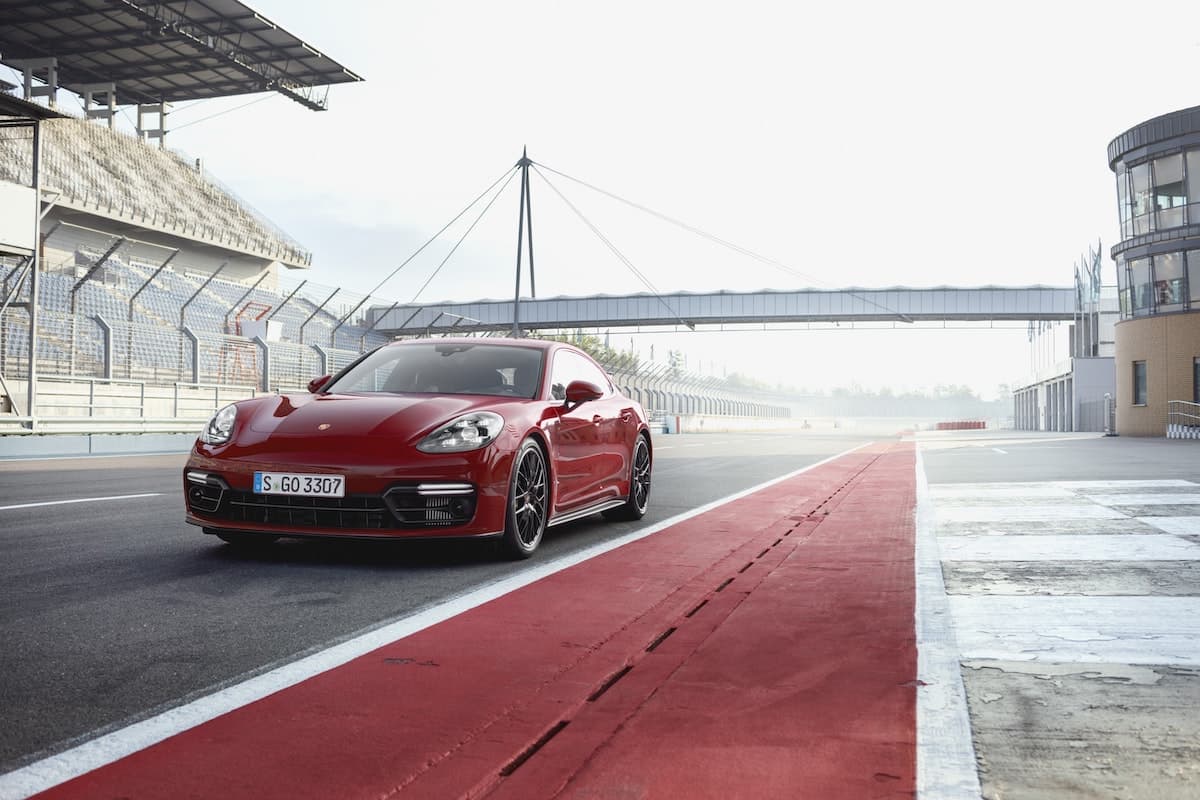
Once ridiculed for gopping looks and ‘not being a real Porsche’, the Porsche Panamera was revitalised as a head-turning and genuinely appealing option when it moved into its second generation in 2017.

In a very un-Porsche-like fashion though, there has been something of a gulf in the Panamera’s range of offerings. Entry-level 4 and 4S models have given a more efficient if perhaps lacking in power option at a relatively reasonable price point, while a jump up to Turbo models delivered a sufficient power boost, but at a £20k premium.

That gap looks set to have been filled though by this — the Panamera GTS.

What’s new about the Porsche Panamera GTS?

Borrowed from its Turbo brethren is the 4.0-litre turbocharged V8, albeit in a detuned state to give a range-appropriate level of performance.

Porsche GTS models have always been angled more towards performance than outright comfort too, and as such an air suspension system has been fitted that drops the car’s ride height by a centimere. Larger brakes also aim to improve stopping power.

Visual changes are subtle, but they do exist — with black trim fitted to both bumpers, while a fresh set of 20-inch alloy wheels come as part of the package too.

How does it look?

Styling changes to the Panamera are few and far between with the GTS package, but that’s nothing to be disappointed with.

In its first generation, the saloon was a very questionable-looking thing that at no angle sat easily on the eye. Fortunately, it’s a different story with its successor which now sports a more athletic and pleasing look. There’s still an element of ‘fat 911’ in the rear styling of the saloon version, however, which you don’t get in the more angular tailgate of the Sport Turismo estate.

  • Porsche Panamera GTS review –  front | The Car Expert
  • Porsche Panamera GTS review –  side | The Car Expert
  • Porsche Panamera GTS review –  rear | The Car Expert

The subtle additions with the GTS — its gloss black trim highlights and new alloy wheels — only serve to better its look. We’re big fans of the Mamba Green Metallic paint finish as sported on our test car as well, which proved to be a real head-turner in our time with it.

What’s the spec like?

Pricing for the Porsche Panamera GTS kicks off at £107,179 — a hefty bump over the base car’s £72,890. That does bring with it a shedload more performance though, so it’s not an unjust increase.

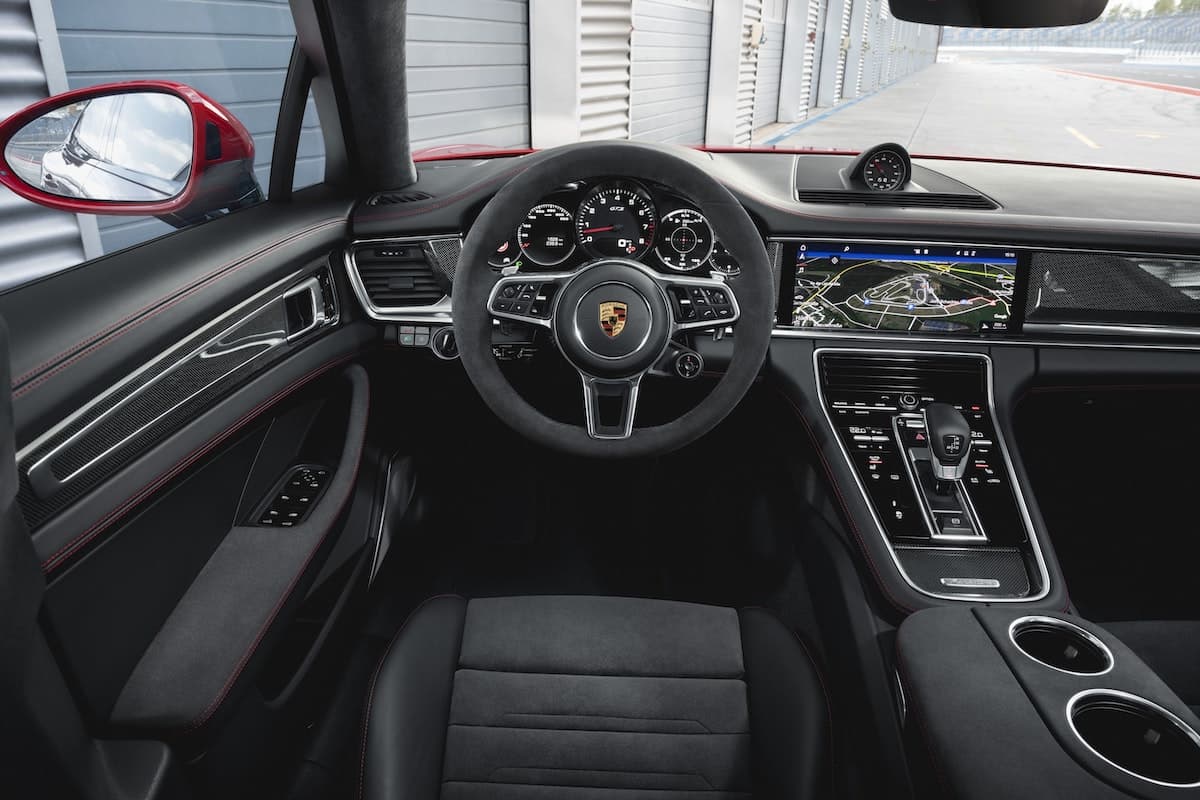
Standard equipment is reasonable here, with highlights including a sports exhaust system, the firm’s Sport Chrono package, an active rear wing, dual-zone climate, cruise control, 18-way electric and heated seats up front and an Alcantara-wrapped heated steering wheel.

Ticking the options box ramps the price up though, like in the case of our £131,672 test car. Options include the Dynamic Chassis Control system (£3,527), carbon composite brakes (£6,707) and adaptive cruise (£1,787).

Unsurprisingly, the Porsche Panamera hasn’t been crash tested by Euro NCAP, so it doesn’t have an independent safety rating.

What’s the Porsche Panamera GTS like inside?

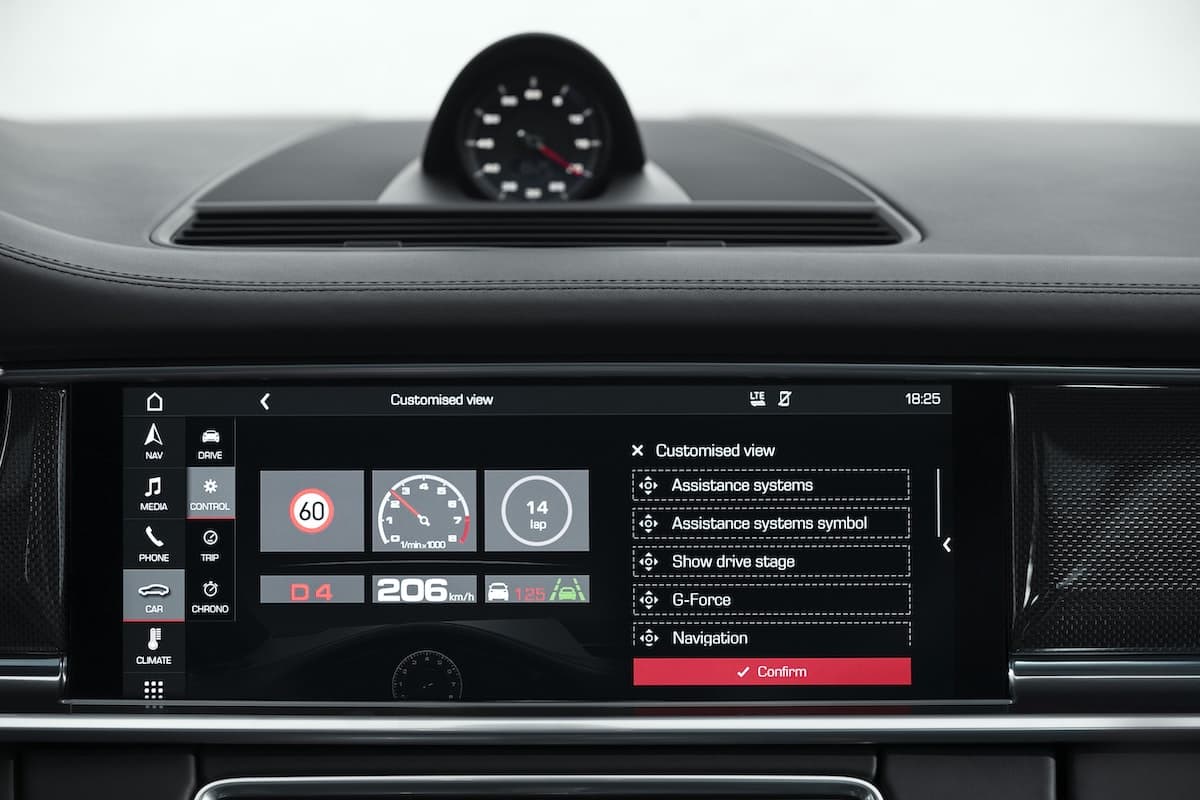
Little has changed for the Panamera in its move to GTS trim, save for some badging, though that’s no bad thing. There are a plethora of high-quality materials — predominantly a combination of leather and Alcantara in the case of our test car — and everything feels impressively put together.

  • Porsche Panamera GTS review –  interior and dashboard | The Car Expert
  • Porsche Panamera GTS review –  infotainment and Sport Chrono | The Car Expert

It’s also an exceptionally spacious car, with four adults easily getting into the car with comfort. A fifth seat is optional, though really this is best reserved for short trips at best.

Boot space comes in at 495 litres — by no means particularly generous — but does come in above the BMW M8 Gran Coupe’s 440-litre capacity, which is a key rival. Those desperate for more capacity can at least opt for the Sport Turismo, which has 520 litres of space.

What’s under the bonnet?

As mentioned earlier, powering the Porsche Panamera GTS is a 4.0-litre turbocharged V8 engine spitting out 460hp and 620Nm of torque to all four wheels via an eight-speed double-clutch automatic gearbox. This translates to a 0-60mph time of 3.9 seconds, with a 181mph top speed possible.

In terms of fuel economy and efficiency, Porsche says the car is capable of 22.5-23.5mpg on the combined WLTP cycle while emitting 235g/km of CO2.

Power from the unit comes early on and low down in the rev range, while remaining consistent throughout, resulting in a car that picks up pace effortlessly. Its performance isn’t delivered in a brutish manner but is equally as devastating at full pelt.

What’s the Porsche Panamera GTS like to drive?

Despite being a massive saloon car, the Panamera has always excelled in driving dynamics and fortunately, the GTS only serves to further that.

Handling is exceptionally sharp when pressing on, with a remarkable turn-in response that’s no doubt in part thanks to the car’s rear-wheel steering system. The car does a respectable job of trying to mask its own sheer mass, though its size and heft is hard to ignore.

Despite being a ‘racier’ model, the GTS doesn’t lack in refinement at motorway speeds either. Cabin noise is low, and ride quality is generally very impressive — though it’s not velvety-smooth and doesn’t cover up every nook and cranny in the road.

Verdict

Porsche’s latest Panamera has long been a supremely impressive car, and that’s no different with the GTS — which may just be the sweet spot of the range.

It adds a strong level of performance to the saloon without compromising on its everyday usability and looks as good as ever, too. Though handling is impressively sharp, it doesn’t deliver a rushing thrill when behind the wheel — more a cool and calculated driving experience.

For a car that does it all, the Porsche Panamera GTS might just be the one to go for. That is, as long as you’re willing to stump up its steep price and be prepared to dip into your wallet more for much-needed options.

Similar cars

Aston Martin Rapide | Audi RS 7 Sportback | BMW M8 GranCoupe | Mercedes-AMG GT 4 Door

Key specifications

Model as tested: Porsche Panamera GTS
Price (on-road): £131,672
Engine: 4.0-litre twin-turbo V8
Gearbox: Eight-speed automatic
Power: 460 hp
Torque: 620 Nm
Top speed: 181 mph
0-60mph: 3.9 seconds
Fuel economy (combined): 22.3-23.5 mpg
CO2 emissions: 235 g/km

Pricing and specs for refreshed Toyota C-HR range

0

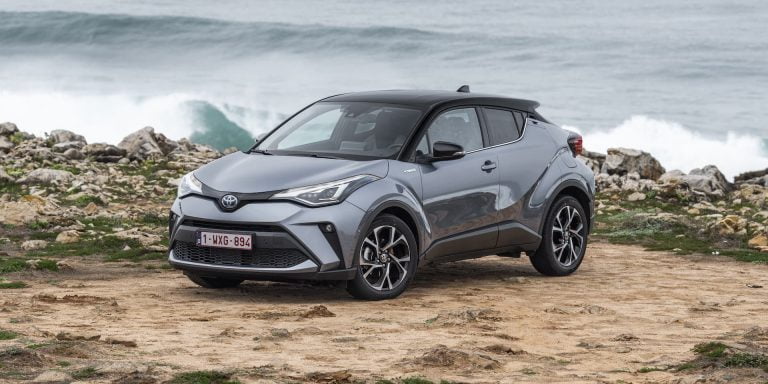
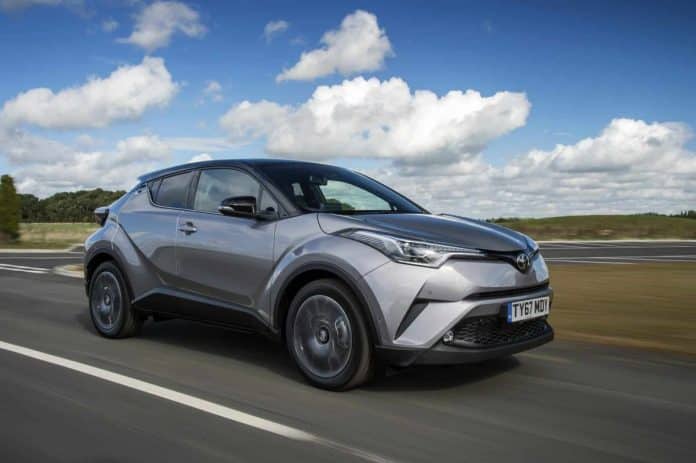
The popular Toyota C-HR crossover has been given a mid-life update, with Toyota dropping the 1.2-litre petrol model to concentrate only on petrol-electric hybrid options.

The hybrid powertrain is now available with a 2.0-litre petrol engine, as debuted on the new Corolla, which joins an updated version of the existing 1.8-litre unit.

The C-HR has been on sale since 2016 and is one of the company’s most popuar models. It’s also well regarded by critics, currently holding an Expert Rating of 76% on The Car Expert’s unique Expert Rating system, which aggregates media reviews from 18 of the top UK motoring websites.

The 120hp 1.8-litre model has been upgraded with a new lithium-ion battery while receiving size, weight and efficiency improvements across the entire powertrain, resulting in lower CO2 emissions of 109g/km and fuel economy of 54.3–58.9mpg.

The 2.0-litre version, which makes 182hp, emits 109g/km of CO2 and returns 49.6–54.3mpg. Models with this engine also get an uprated suspension and improved refinement.

Inside, the C-HR gets Toyota’s latest infotainment system included as standard, which incorporates Apple CarPlay and Android Auto, as well as satellite navigation with over-the-air updates.

Entry-level Icon models, starting from £25,625, are only available with the 1.8-litre hybrid system, with the 2.0-litre unit available from the Design trim and up and costing from £29,645. Standard equipment on the Icon trim includes 17-inch alloy wheels, a reversing camera, dual zone air conditioning and LED headlights.

Extras added in higher trim levels include 18-inch alloy wheels, LED lights all-round, leather upholstery, and safety sensors.

The updated Toyota C-HR is on sale now with prices starting at £25,625 on-road. Deliveries are expected to begin in January 2020.

October new car sales suffer setback

Private new car sales fell by more than 13% during October as customers stayed away from showrooms, according to results published today by the Society of Motor Manufacturers and Traders (SMMT).

With all the political manoeuvring around Brexit and calls for a general election, this was not a really surprising result. Elections always tend to create paralysis for car buyers, so it’s likely that November and December’s sales figures will also be impacted by the decision to hold a general election on 12 December.

Business registrations also fell sharply, while fleet registrations – the largest buying sector – remained stable, fractionally up on the same month last year. This meant the overall market was down by a little under 7%.

New car registrations, October 2019 | The Car Expert

Diesel continues its downward trend

Although it wasn’t a surprise to see sales of diesel cars continuing to fallm it was a surprise to see the extent of that fall during October. The numbers are slightly deceptive now that the SMMT no longer includes mild hybrid models in petrol and diesel numbers, but it still amounts to a 23% fall overall compared to the same month last year.

Diesel-powered cars (plus mild hybrid diesels) made up just over a quarter of all new car registrations in October, as fleet buyers turn away from diesel in increasing numbers.

It was another good month for electric vehicles, which again took more than 2% of the total registrations. Plug-in hybrids also improved compared to the first nine months of the year to take more than 2%, while regular hybrid continued their year-long improvements to take more than 5% of the market. Combined, electrified cars made up almost 10% of the total marketplace.

New car registrations by fuel source, October 2019 | The Car Expert

A long winter for new car sales?

Car dealers will not be looking forward to the next few months. A general election and a lack of resolution to the Brexit saga will likely keep buyers away until a new government is in place and a decision is made on what’s happening with Brexit.

That takes care of November and December, and then January and February are always quiet months anyway, so the glimmer of optimism for dealers will be next March…

Fiesta back on top as Corsa vanishes from Top Ten

It was a return to normality for the Top Ten as the Ford Fiesta resumed its usual spot at the top of the table. Last month’s upset best-seller, the Vauxhall Corsa, disappeared from the Top Ten altogether in October.

Ten best-selling new cars, October 2019 | The Car Expert

it was also a good month for the Nissan Qashqai, which took second place ahead of the Volkswagen Golf. The rest of the Top Ten was made up of the usual suspects, with the exception of the Range Rover Evoque, which popped up in tenth place.

As usual, we will be looking more closely at the Top Ten results in coming days so stay tuned.

Good month, bad month

Against a 7% drop in the overall marketplace, it was a good month for Alpine, Audi, Bentley, DS Automobiles, Lexus, Porsche and SEAT, which all enjoyed increased registrations of at least 10% over the same month last year.

However, things were not as rosy for Abarth, Citroën, Dacia, Fiat, Honda, Infiniti, Jaguar, Land Rover, Lotus, Maserati, Mazda, Mini, Mitsubishi, Renault, Smart, SsangYong, Subaru, Suzuki, Vauxhall and Volvo, which all experienced double-digit percentage drops compared to the same month last year.

Don’t put too much weight into the year-on-year comparisons, as this time last year several brands were still struggling with having enough stock available thanks to the WLTP emissions regulations that came into force in September 2018.

Mini GP John Cooper Works pricing announced

0

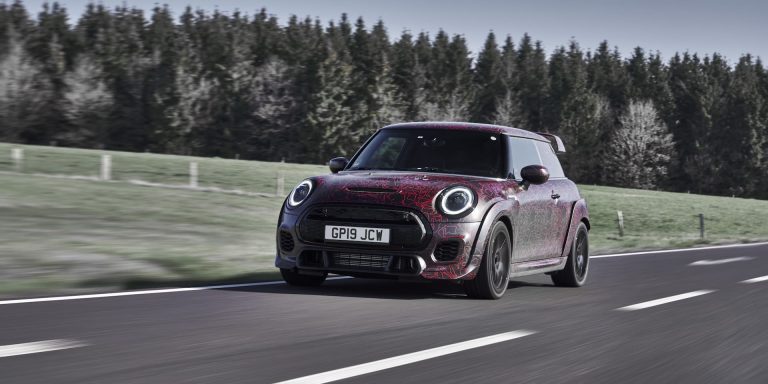
The high-performance Mini GP John Cooper Works will be offered from £34,995, the firm has revealed.

Set to arrive on UK roads next year, just 3,000 examples of the hot hatch have been slated for production. The car has been teased during the summer but is yet to be officially revealed. Demand is expected to be high for a model that has traditionally played a role as the run-out model for its respective Mini generation.

Little has been confirmed about the car so far, but we do know it will be powered by a turbocharged four-cylinder engine producing 305hp. That puts it equal with the latest Mini Clubman John Cooper Works for the title of the British firm’s most powerful car ever.

As well as a potent engine, images revealed of the car’s test mule have suggested major bodywork revisions will be made to the car in order to make the most of its power. These include an aggressive bodykit with flared arches and a large rear wing — the latter of which is visible in a new teaser image of the car.

2020 Mini GP John Cooper Works rear wing teaser | The Car Expert

Other confirmed introductions to the GP John Cooper Works include light alloy wheels, large air intakes for improved cooling and a bespoke suspension setup.

The two previous generations of the GP — produced in 2006 and 2013 respectively — also received performance-oriented enhancements such as the removal of rear seats, grippier tyres and uprated brakes too. It’s likely similar improvements will be made to the new car.

The Mini GP John Cooper Works will make its official debut at the Los Angeles motor show, taking place from November 22 to December 1. Expect to hear more on order books opening and exact availability following its unveiling.

Car finance: the early upgrade myth

If you have had a car on a PCP finance agreement for a few years, you may have received a phone call from the dealership with the “good news” that you are eligible to change your car several months before your contract runs out. Wow, an early upgrade – good news indeed, right? Well, possibly but not necessarily.

Let’s say you are two years through a three-year PCP.  One day, the dealer calls you out of the blue with the fantastic news that you are one of a lucky group of customers who have been selected to receive a special early upgrade offer (actual script may vary, but it’s more or less the same thing).

Why exactly do you think you have been chosen for this amazing opportunity? Unfortunately, it’s because it suits the dealer, not because they think it suits you.

Sorry, it’s not because you’re special

The simple reason for offering you an early upgrade is that the dealer or finance company is trying to get you back into the showroom to sell you another car. By calling you up with the promise of a fantastic offer on an early upgrade of some sort, they are setting out the terms of the negotiation (which are always designed to suit them, not you) rather than waiting for you to decide you’re ready for a new car and what you might like.

Dealers love to be in control of the negotiation – their whole process is based around controlling the customer. What they are trying to achieve here is to come up with an offer that sounds appealing enough to entice you in, before you’ve really started to look around at your options.

CGBlack1

So how does it work?

The early upgrade spiel usually follows the same sort of script: it targets existing customers who are in the last third of their PCP agreement and therefore will be looking to change their car over the next year; it is a finance offer that usually works out slightly more expensive than what you are paying now; and the offer is always limited to a specific car or choice of cars.

Targeting existing customers

As I said earlier, the exact script will vary depending on circumstances.  You may have been ‘chosen’ because you’re ‘a loyal customer’, or maybe because you’ve had a problem with your current car and the manufacturer has ‘approved a special offer to make up for the inconvenience’, or maybe ‘we have a shortage of used car stock right now, and the boss is prepared to pay more for your part-exchange’.

The actual excuse for calling you is irrelevant; all they want is to get you into the showroom to take a shot at selling you another car.

The new offer is never cheaper than the old one

Again, the excuse for this will vary, but you are unlikely to be offered a new deal that sees you paying less than your current car. It’s always about the same or slightly more.

Why is this so?  Because they know that if you’re happy enough with your current car and ready to consider another one, you’ll probably shell out a few more quid per month to upgrade. And since the whole thing is being pitched as an ‘early upgrade’, of course it will cost more. You expect to pay a bit more for an upgrade, don’t you?

So straight away, you’re receptive to the idea of paying more than you do now, which is the exact opposite of what most people want when looking at car finance offers.

It’s only on certain cars

The early upgrade offer is never as simple as a nice discount on anything in the range. It’s always a specific finance offer on certain specific vehicles, as decided by the dealer or manufacturer, not by you.

Why is this so? Because these cars are inevitably ones that they really need to get rid of right now – they may be old models, or just very unpopular at the moment, or maybe someone made a typo when ordering stock from the factory, and the dealer ended up with 22 green cars instead of two. Regardless, the dealer presents you with a small selection of cars with some fantastic-looking offers, rather than asking you what sort of car you would like.

How good are these early upgrade offers?

The carrot being dangled in front of you will vary according to whatever the dealer wants to offer you, and often there isn’t any special saving over and above their normal offers – it’s simply dressed up to sound special (even at their so-called “VIP events”).

Whether any deal is a good one depends on whether what’s being offered suits your needs. If you’re not that keen on your current car and the offer happens to be a good deal on just the sort of car you’re looking for, then it may be a good opportunity. But if you are simply changing a perfectly satisfactory car for a newer version, it’s probably not in your best interests – regardless of how the dealer spins it.

PCP agreements are designed to work over a set period of time. You pay a deposit up front, and your monthly payments are worked out to meet up with your vehicle’s depreciation at the end of the agreement.

If you want to change the car before the agreement is up, you not only have to find another deposit earlier than planned, but also potentially have to clear any negative equity, meaning you won’t be able to carry over any value into your next car.

The early upgrade offer being presented might go some way to helping with that, but it’s still a deficit that needs to be paid for, so it effectively means paying more on your next car.

There will always be another opportunity

When calling you up to pitch their early upgrade offer, the dealer is simply trying to get you into the showroom, and they are hoping that that they can work out a “great deal” for you once you’re in their lair. If the numbers simply don’t add up, it gives them an excuse to stay in touch over the next few months to try again when the numbers might work out better.

What you need to keep in mind at all times is the overall cost of any offer, not just the cashflow aspect. Having to come up with another large deposit, or pushing the term out for another year longer, might make an early upgrade a very expensive exercise.

Remember that they are making you this offer for their benefit, not yours. If it also happens to work well for you, then great. But always be mindful of what you are wanting to achieve, rather than accepting what a dealer tells you.

Disclaimer

Most car finance agreements in the UK are regulated by the Financial Conduct Authority, and anyone involved in the selling of car finance must be accredited by the FCA.  You should always consider the terms and conditions of any agreement carefully before taking out any form of car finance, as you are making a substantial ongoing commitment and there may be significant costs if you change your mind or are unable to meet your commitments at a later date.

This article was originally published in October 2015. Last updated November 2019.

Councils urged to pick up slack on EV charging points

Councils across the UK have been urged to take advantage of government funding to build up the country’s EV charging infrastructure.

This fresh call comes as the Department for Transport has published a ‘league table’ to illustrate the UK’s publicly-available charging infrastructure — revealing just 23 charging points are available per 100,000 members of the population.

This week, Grant Shapps, transport secretary, has written to authorities encouraging them to utilise a variety of available funds in a bid to make electric car ownership more accessible to the public.

These include the £5m on-street residential chargepoint scheme, the £10,000 per business workplace charging scheme and £500 per point homecharge scheme.

Significant holes in charging point coverage

Nearly 100 local authorities have fewer than 10 public charging devices per 100,000 population, according to figures published by the Department for Transport.

London currently leads the way with almost 4,000 chargers across the capital, while Scotland has in excess of 1,500 available to use. In contrast, Barrow-in-Furness has been exposed as the only region in the UK with no publicly-available charging points.

An analysis of data from electric vehicle charging platform Zap-Map shows there are more than 15,000 charging devices across the UK. Scotland is leading the way nationally with 32 per 100,000 people, ahead of England (22), Wales (17) and Northern Ireland (16).

Shapps said: “A postcode should play no part in how easy it is to use an electric car, and I’m determined electric vehicles become the new normal for drivers.

“It’s good news there are now more charging locations than petrol stations, but the clear gaps in provision are disappointing. I urge local councils to take advantage of all the government support on offer to help ensure drivers in their area don’t miss out.

“To help increase the provision of charging locations, the government is offering grants for the installation of chargepoints on the street, in work and at home. We are also offering grants to lower the upfront cost of these cars so everyone is able to experience the benefits.”

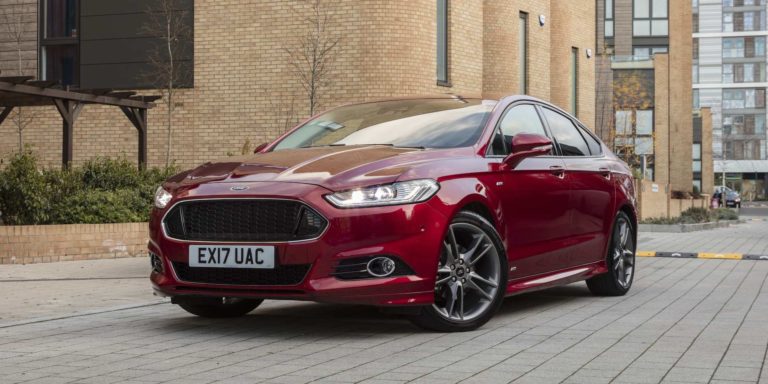
Ford Mondeo (2015 to 2022)

Summary

The Ford Mondeo was a large liftback, estate and saloon model. The latest iteration arrived in the UK in early 2015, and was updated last in early 2019.

The Mondeo received generally positive scores from the UK motoring media, although scores have been falling in recent years as newer rivals have come onto the scene. The hybrid version also doesn’t score as well as the rest of the range, which has dragged down the Mondeo’s overall rating.

The Ford Mondeo received praise for its comfort, refinement and equipment levels. However, it was criticised for interior quality and infotainment systems that are not up to the levels of some rivals.

Like many large saloon and estate vehicles, Mondeo sales struggled in later years as buyers have switched to SUV models. As a result, the Mondeo finally ended production for good in early 2022.

As of February 2026, the Ford Mondeo range holds a Used Car Expert Rating of D, with a score of 60%.

Key specifications

Body style: Large saloon and estate
Engines: petrol, diesel, hybrid
Price when new: From £27,155 on-road

Launched: Winter 2014/15
Last updated: Winter 2018/19
Discontinued: Spring 2022

Media reviews

Highlighted reviews and road tests from across the UK automotive media. Click any of the boxes to view.

Featured reviews

More reviews

The Car Expert

Auto Express

Auto Trader

Car

Car Keys

Carbuyer

Carwow

Company Car Today

Daily Mail

Discover EV

Driving Electric

Evo

Fleetworld

Green Car Guide

Heycar

Honest John

Parkers

The Sun

The Sunday Times

The Telegraph

Top Gear

Safety rating

Independent crash test and safety ratings from Euro NCAP

Overall score: 5 stars
Date tested: December 2019
Date expired: January 2021
Read the full Euro NCAP review

Adult protection: 96%
Child protection: 87%
Vulnerable road users: 70%
Safety assist: 73%

Eco rating

Independent economy and emissions ratings from Green NCAP

No eco rating

The Ford Mondeo was not assessed by Green NCAP during its production lifespan.

Reliability rating

MotorEasy logo 600x167

Reliability data provided exclusively for The Car Expert by MotorEasy

All data based on MotorEasy average workshop costs for extended car warranty claims

The Ford Mondeo has an average reliability score of 62% as of April 2025 (our most recent data point), according to exclusive extended warranty data provided by our partner MotorEasy. That’s a significant improvement over the previous 12 months, but only brings the Mondeo up to the midfield.

This score covers both the current-generation Mondeo and previous (pre-2017) versions.

Braking problems are the most common issue reported to date, and the good news is that the average repair cost has been quite inexpensive at about £170. The bad news, however, is that gearbox problems are quite common and the average repair bill for those is currently running at about £2,300 – which is eye-wateringly expensive, even compared to much more expensive cars.

Engine repairs have also been common, and are expensive at more than £1,000. All of this means that the average repair cost for a Mondeo has been almost £700 to date, which is considerably more than the cost of a used car warranty.

Given the so-so reliability score and high cost of repairs, make sure any extended warranty cover you purchase for a Ford Mondeo covers all of these potential problem areas.

Running cost rating

Clear Vehicle Data logo close crop

Monthly cost of ownership data provided exclusively for The Car Expert by Clear Vehicle Data

Fuel consumptionAverageScore
Diesel models50 mpgC
Hybrid models48 mpgC
CO₂ outputAverageScoreVariationScore
Diesel models148 g/kmC
Hybrid models132 g/kmB
Insurance groupAverageScoreVariationScore
All models25B

The Ford Mondeo is a relatively affordable car to own and run, according to whole-life cost numbers provided exclusively to The Car Expert by our data partner, Clear Vehicle Data.

We don’t have a complete set of data, due to the car’s age. But the diesel models should be cheap to be run, while insurance ratings are very competitive.

Awards

Significant UK trophies and awards that the Ford Mondeo has received

2016

  • Tow Car Awards – Best petrol tow car

2015

  • UK Car of the Year Awards – Best Family Car
  • Honest John Awards – Car of the Year + Most Popular Large Family Car
  • Fleet News Awards – New Company Car of the Year + Best Upper Medium Car
  • Tow Car Awards – Best petrol tow car

Similar cars

If you’re looking at the Ford Mondeo, you might also be interested in these alternatives

Audi A4 | BMW 3 Series | Kia Optima | Kia Stinger | Mazda 6 | Mercedes-Benz C-Class | Peugeot 508 | Skoda Superb | Toyota Camry | Vauxhall Insignia | Volkswagen Arteon | Volkswagen Passat | Volvo S60 | Volvo V60

More news, reviews and information about the Ford Mondeo at The Car Expert

Everything you need to know about Ford

Everything you need to know about Ford

Ford Mondeo Hybrid Estate test drive

Ford Mondeo Hybrid Estate test drive

Ford launches new scrappage scheme

Ford launches new scrappage scheme

The best used V6 cars for under £10,000

The best used V6 cars for under £10,000

Hybrid estate joins updated Ford Mondeo range

Hybrid estate joins updated Ford Mondeo range

Ford updates Mondeo hybrid models

Ford updates Mondeo hybrid models

Ford simplifies Mondeo line-up

Ford Mondeo review 2015

Ford Mondeo review 2015

Buy a used Ford Mondeo

If you’re looking to buy a Ford Mondeo, The Car Expert’s partners can help you find the right car

Motors 600x300

Search less, live more. We make finding the right car simple. Find out more

Auto Trader logo 600x300

Find your next new or used car with Auto Trader. Find out more

Carwow logo 600x300

Find your next new or used car with Carwow. Find out more

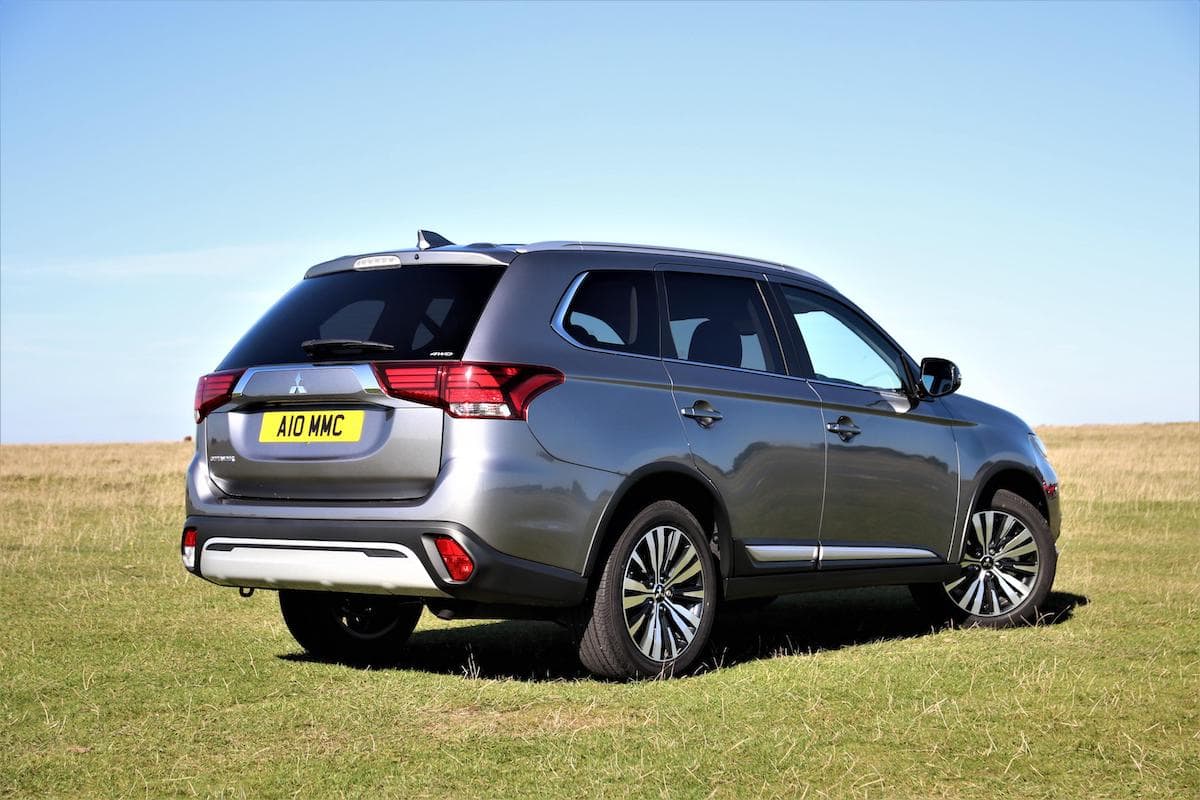
Mitsubishi Shogun Sport (2018 to 2021)

Summary

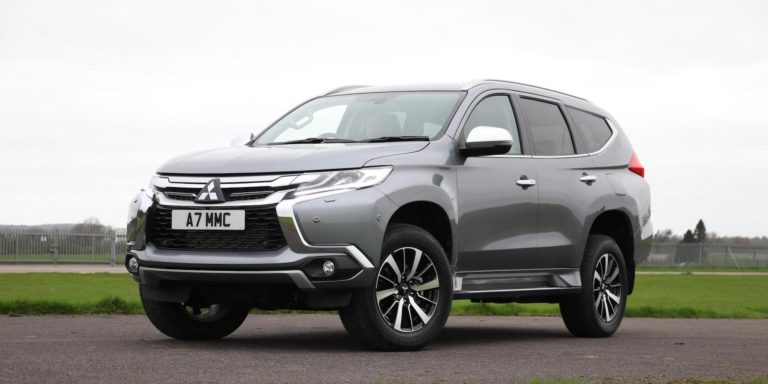
The Mitsubishi Shogun Sport is a seven-seat SUV that was the largest model in the Mitsubishi SUV family when the company decided to withdraw from the UK market in September 2021.

It is based on the popular L200 pick-up, which is reflected in it being more functional and less luxurious than the car-based crossovers from other brands.

The Mitsubishi Shogun Sport received praise for its off-road ability, towing ability and overall spaciousness, but was criticised for its poor on-road driving experience, poor fuel consumption and general lack of refinement. Overall, its media review scores were some of the worst of any new car when it was still on sale.

No longer on sale, the Mitsubishi Shogun Sport holds a Used Car Expert Rating of D, with a score of 56%. However, this is based on relatively limited information as we don’t currently have any reliability data. Check back again soon.

Shogun Sport highlights

  • Impressive towing capability
  • Talented off-roader
  • Spacious seven-seater cabin
  • Durable build quality

Shogun Sport lowlights

  • Dated interior trim
  • Heavy weight impacts steering
  • Rigid ride quality
  • Excessive fuel consumption
  • Noisy engine

Key specifications

Body style: Large SUV
Engines: diesel
Price when new: From £29,999 on-road

Launched: Spring 2018
Last updated: N/A
Discontinued: Autumn 2021

Media reviews

Highlighted reviews and road tests from across the UK automotive media. Click any of the boxes to view.

The Car Expert

Auto Express

Carbuyer

Carwow

Company Car Today

Heycar

Honest John

Parkers

The Sunday Times

The Telegraph

Top Gear

Safety rating

Independent crash test and safety ratings from Euro NCAP

No safety rating

The Mitsubishi Shogun Sport was not crash tested by Euro NCAP during its production life.

Eco rating

Independent economy and emissions ratings from Green NCAP

No eco rating

The Mitsubishi Shogun Sport was not lab tested by Green NCAP during its production life.

Reliability rating

MotorEasy logo 600x167

Reliability data provided exclusively for The Car Expert by MotorEasy

No reliability rating

As of March 2026, we don’t have enough reliability data on the Mitsubishi Shogun Sport to generate a reliability rating.

The Car Expert’s reliability information is provided exclusively to us using extended warranty data from our partner, MotorEasy. As soon as MotorEasy has sufficient data on the Shogun Sport, we’ll publish the score here.

Similar cars

If you’re looking at the Mitsubishi Shogun Sport, you might also be interested in these alternatives

Hyundai Santa Fe | Jeep Wrangler | Kia Sorento | Land Rover Discovery Sport | Nissan X-Trail | SEAT Tarraco | Skoda Kodiaq | SsangYong Rexton | Subaru Forester | Suzuki Across | Toyota RAV4 | Volkswagen Tiguan Allspace

More news, reviews and information about the Mitsubishi Shogun Sport at The Car Expert

The 10 worst new cars on sale in 2021

The 10 worst new cars on sale in 2021

Mitsubishi Shogun Sport test drive

Mitsubishi Shogun Sport test drive

Mitsubishi Shogun Sport on sale at £37.7K

Mitsubishi Shogun Sport on sale at £37.7K

Buy a Mitsubishi Shogun Sport

If you’re looking for a used Mitsubishi Shogun Sport, The Car Expert’s partners can help you find the right car

Motors 600x300

Find your next used car with Motors. Find out more

Auto Trader logo 600x300

Find your next new or used car with Auto Trader. Find out more

Carwow logo 600x300

Find your next new or used car with Carwow. Find out more

More car buyers considering an electric car

More than a fifth of motorists plan to buy an electric vehicle as their next car, which would lead to electricity overtaking diesel to become the nation’s second-favourite choice of powerplant if it actually happens.

While petrol continues to be the most popular choice, a survey of 7,205 motorists on behalf of electric vehicle website Driving Electric found 22% intended to buy an EV next, compared with 19% for diesel, 16% for hybrid, and 37% for petrol.

This indicates a shift in attitudes compared with a similar survey of 13,289 motorists two years ago by the site’s sister publication Auto Express. Back then, just 10% of buyers were said to be considering electric vehicles.

Of course, buying plans can very often change, so there is no certainty that all these people would go through with purchasing an electric car once it comes to signing on the dotted line. Despite the Auto Express research two years ago showing that 10% of buyers intended to switch to electric, the number of electric cars sold today is still only about 1% of total new car registrations.

The website says conversations with its readers also indicate that electric vehicle buyers are now more concerned with practicalities such as the extra boot space EVs tend to offer, rather than an eco-friendly image or fuel cost savings, indicating a switch to more mainstream buyers.

Vicky Parrott, associate editor of Driving Electric, said: “We’re now seeing a breakthrough in the perceptions of electric vehicles, from a niche phenomenon to a genuinely mainstream choice.

“The views of car buyers are clearly maturing as electric vehicles become more common. This means that the original chief selling points of EVs, such as very low running costs, are now being tempered by more traditional considerations around practicality, style, infotainment and comfort.”

Despite shifting attitudes, more choice in the market and increased sales, pure electric vehicles still make up a small share of new car sales in the UK. Between January and September this year, just 1.3% of sales were EVs, up from 0.6% in the same period last year.

Fiat Chrysler and PSA Group to merge

The boards of Fiat Chrysler Automobiles (Fiat, Alfa, Jeep, etc.) and PSA Group (Peugeot, Citroën, Vauxhall, DS) have announced plans to merge, creating the world’s fourth-largest car company.

The merger would bring together Italian-American Fiat Chrysler, with its strong footprint in North America where it makes at least two-thirds of its profits (through its Chrysler, Jeep and Dodge brands), and France’s PSA Group, the second-largest car manufacturer in Europe.

Both lag in China, despite the participation of the Chinese shareholder Dongfeng in PSA Peugeot, and are catching up in the transition to electrified powertrains.

The 50-50 merger is expected to create synergies of more than £3 billion and enough scale to confront what the firms say is “the new era in mobility”.

The new company would have combined revenues of almost £150 billion, an operating profit of almost £10 billion and produce nearly 9 million cars a year — behind only Toyota, Volkswagen and the RenaultNissan alliance. The combined market capitalisation would be around £43 billion.

The merger decision comes about five months after a similar deal with French rival Renault fell apart, mostly over French government concern about the role of Renault’s Japanese alliance partner Nissan. There were no signs of resistance to this deal, beyond concerns for jobs.

The companies said head offices would continue to operate in France, Italy and the US, and shares would be traded in the main exchanges in those three countries. The parent company would be based in the Netherlands, as is currently the case with Fiat Chrysler.

Another nervous wait for Vauxhall’s UK factories?

Vauxhall Ellesmere Port factory | The Car Expert

The companies said they expect to achieve without any factory closures — a concern of unions in the UK, France and Italy where the makers have more model overlap.

However, industry experts are not convinced. Professor David Bailey of Birmingham Business School said British plants may not be closed immediately, but will likely remain under threat.

He told the PA news agency that the Italian government will want to preserve factories at Fiat in Italy, while the French government – a part-shareholder in PSA Group – will be keen to maintain jobs in France.

He said: “I think, given the merger of these two giants, there will be pressure to take capacity out and British plants will be vulnerable.”

“I have a real fear that if this merger goes ahead then the likes of Ellesmere Port, which is actually a very efficient plant, could be sacrificed to get the sort of savings that the company is looking for especially in the context of all the uncertainty over Brexit.”

PSA Group announced in June that it planned to build the next generation of the Astra at the Ellesmere Port factory, but warned this was conditional on the final terms of the UK’s withdrawal from the EU.

Vauxhall currently employs 3,000 people in the UK.

Toyota C-HR (2016 to 2023)

Summary

The Toyota C-HR was a medium-sized SUV/crossover, which was launched onto the UK market in 2016 and quickly became one of the brand’s most popular models. Mildly updated in late 2019, this crossover was replaced by a new C-HR model in late 2023.

The C-HR received broadly positive reviews from the UK motoring media when it was new to the market, although scores fell slightly over time. Referred to by Car as “an interesting alternative to all the usual suspects in the growing crossover segment”, the Toyota C-HR received particular praise for its distinctive styling, driving dynamics and hybrid option.

That said, it was criticised for being somewhat compromised on space and visibility as a result of the swoopy styling. In addition, Top Gear was not all that enthused about the crossover’s infotainment, which it called a “let down”, and Parkers said that the selection of engines available was pretty slim when compared to the options rival brands offer.

No longer on sale, it has an overall Used Car Expert Rating of B with a score of 66%.

C-HR highlights

  • Efficient hybrid model
  • Distinctive styling
  • Comfortable cabin
  • Engaging to drive

C-HR lowlights

  • Only two engine options
  • Alternatives are more practical
  • Sluggish infotainment
  • Design means visibility suffers

Key specifications

Body style: Medium SUV/crossover
Engines: petrol, hybrid
Price when new: From £25,625 on-road

Launched: Summer 2016
Last updated: Winter 2020/21
Replaced: Winter 2023/24

Media reviews

Highlighted reviews and road tests from across the UK automotive media. Click any of the boxes to view.

Featured reviews

More reviews

The Car Expert

Auto Express

Car

Car Keys

Carbuyer

Company Car Today

Evo

Green Car Guide

Honest John

Parkers

The Sun

The Telegraph

Top Gear

Safety rating

Independent crash test and safety ratings from Euro NCAP

Overall score: 5 stars
Date tested: March 2017
Date expired: January 2024
Read the full Euro NCAP review

Adult protection: 95%
Child protection: 77%
Vulnerable road users: 76%
Safety assist: 78%

Eco rating

Independent economy and emissions ratings from Green NCAP

Model tested: 1.8-litre petrol/electric hybrid automatic

Overall score: 3 stars
Date tested: November 2020
Read the full Green NCAP review

Clean Air Index: 6 / 10
Energy Efficiency Index: 6.9 / 10

The rating above only applies to the 1.8-litre hybrid automatic variant of the Toyota C-HR. It does not apply to any other engine/gearbox combination.

Green NCAP, on publishing the results of this 2020 test, commented, “Fuel efficiency in the standard lab tests is very good and pollutant emissions are well controlled. The lack of a gasoline particulate filter (GPF) is regrettable as this would improve its performance even more. Green NCAP is informed that, from the end of 2020, a GPF is fitted to the C-HR. As tested, the C-HR delivers good, balanced scoring in all areas of assessment and the car emerges with a creditable 3½ star rating.”

Reliability rating

Reliability data provided exclusively for The Car Expert by MotorEasy

No reliability rating

As of April 2025 (our most recent data point), we don’t have enough reliability data on the Toyota C-HR to generate a reliability rating.

The Car Expert’s reliability information is provided exclusively to us using extended warranty data from our partner, MotorEasy. As soon as MotorEasy has sufficient data on the C-HR, we’ll publish the score here.

Running cost rating

Monthly cost of ownership data provided exclusively for The Car Expert by Clear Vehicle Data

Fuel consumptionAverageScore
Hybrid models56 mpgB
CO₂ outputAverageScoreVariationScore
Hybrid models115 g/kmB
Insurance groupAverageScoreVariationScore
All models18A
Service and maintenanceCostScore
Year 1£196B
Year 2£511B
Year 3£818B
Year 4£1,007B
Year 5£1,321B
Overall£3,853B

The Toyota C-HR is a very affordable car to own and run, according to whole-life cost numbers provided exclusively to The Car Expert by our data partner, Clear Vehicle Data.

Fuel consumption is very good according to the EU/UK government lab tests, but being a hybrid it will depend on how carefully you drive it to get maximum use out of the battery and electric motor.

Insurance and servicing costs are also excellent, with the C-HR being one of the cheapest new cars to live with overall.

Awards

Trophies, prizes and awards that the Toyota C-HR has received

2020

  • Company Car Today CCT100 Awards – Best Crossover

2019

  • Auto Trader New Car Awards – Best Car for City Drivers

2017

  • Carbuyer Awards – Best Hybrid SUV

Similar cars

If you’re looking at the Toyota C-HR, you might also be interested in these alternatives

Citroën C5 Aircross | Ford Kuga | Honda ZR-V | Hyundai Tucson | Jeep Compass | Kia Niro | Mazda CX-30MG HS | Mitsubishi Eclipse Cross | Nissan Qashqai | Peugeot 3008 | Renault Arkana | Skoda Karoq | SsangYong Korando | Subaru XV | Suzuki S-Cross | Vauxhall Grandland | Volkswagen Tiguan

More news, reviews and information about the Toyota C-HR at The Car Expert

Everything you need to know about Toyota

Everything you need to know about Toyota

Toyota C-HR test drive

Toyota C-HR test drive

Toyota C-HR

Toyota C-HR

New Toyota C-HR crossover revealed

New Toyota C-HR crossover revealed

Toyota C-HR test drive

Toyota C-HR test drive

Pricing and specs for refreshed Toyota C-HR range

Pricing and specs for refreshed Toyota C-HR range

Updated Toyota C-HR gets new hybrid engine and more equipment

Updated Toyota C-HR gets new hybrid engine and more equipment

Toyota boosts its scrappage scheme offer

Toyota boosts its scrappage scheme offer

Toyota dominates list of best-value hybrids

Toyota dominates list of best-value hybrids

Best value cars to stop depreciation

Best value cars to stop depreciation

Toyota C-HR review

Toyota C-HR review

Crash test issues for Fiat and Ford

Crash test issues for Fiat and Ford

Buy a Toyota C-HR

If you’re looking to buy a new or used Toyota C-HR, The Car Expert’s partners can help you find the right car.

Motors 600x300

Find your next used car with Motors. Find out more

Auto Trader logo 600x300

Find your next new or used car with Auto Trader. Find out more

Carwow logo 600x300

Find your next new or used car with Carwow. Find out more

Car insurance ‘ghost brokers’ on the rise

0

Young drivers are being warned to avoid so-called ‘ghost brokers’ on social media who offer car insurance at too-good-to-be-true prices.

Insurance comparison site GoCompare says motorists should ‘trust their gut instincts’ to avoid getting struck by fraudsters posing as a legitimate insurance broker.

Research by Action Fraud last year found young men are the most likely to fall victim to ghost brokers, which GoCompare says is likely because they’re not only inexperienced at buying insurance, but also face the highest premiums. The research also found non-English speaking communities at high risk.

It’s said there are three key tactics used by these brokers, who typically ask for cash upfront. They often forge documents with no insurance set-up at all, create fake documents to artificially lower the price, such as using a lower-risk address, or genuinely set-up insurance before cancelling it shortly after, pocketing the driver’s fee and the insurance company’s refund.

Drivers who are the victim of these scams are then unwittingly driving without insurance and could face a fine, penalty points, a driving disqualification, a criminal record, and the risk of having their car seized.

Fleur Lewis, head of fraud detection and prevention at GoCompare Car Insurance, said: “Younger, less experienced drivers pay more to insure their cars, which makes them particularly susceptible to adverts for heavily discounted insurance.

“Ghost brokers often operate on social media, especially Facebook and Instagram, where they often use imagery and logos of established insurers to enhance their believability.

“So, we’re warning people to be highly suspicious of cheap insurance advertised on social media or websites where the deal they are being offered looks too good to be true. Drivers can save money by shopping around for cover, but if the insurance offered is significantly less than you could get on a comparison website – be suspicious.”

Ben Fletcher, director of the Insurance Fraud Bureau, added: “Ghost broking is a serious issue, which shows little sign of slowing down. A third of all our investigations are focused on bringing ghost brokers to justice.

“When buying car insurance, we urge the public to make sure they’ve done the right checks first, so they are confident they are taking out cover from a trusted source. Consumers can also help in the fight against fraud by reporting any suspicious activity to the IFB Cheatline.”

Updated Mitsubishi Outlander gets more efficient petrol option

0

Mitsubishi has given the Outlander SUV an update for 2020, bringing improved on-board technology and a lower emissions figure for the petrol model.

CO2 output for the Mitsubishi Outlander petrol has been reduced to 169g/km from 196g/km, cutting the model’s first-year vehicle excise duty rate by £325.

The Mitsubishi Outlander PHEV continues to be the UK’s best-selling plug-in hybrid vehicle. It currently holds a middling Expert Rating of 67% according to The Car Expert’s unique Expert Rating system, which compares new car reviews from 18 of the country’s top motoring websites.

Equipment levels have also been improved across the range with the addition of a new eight-inch infotainment screen with Bluetooth, Apple CarPlay and Android Auto. A rear-view camera is also included, while top-specification models get integrated TomTom satellite navigation.

  • 2020 Mitsubishi Outlander petrol - rear | The Car Expert
  • 2020 Mitsubishi Outlander petrol - interior and dashboard | The Car Expert

The dashboard has been given a new look through a redesigned climate control panel, while the driver’s seat now benefits from electronic lumbar support. Meanwhile, the rear seats feature new padding and a Red Diamond exterior paint colour is now offered.

Safety systems remain unchanged on this latest update. The Mitsubishi Outlander was awarded a five-star safety rating by Euro NCAP back in 2013, but this score is not directly comparable to the tougher tests conducted today that all-new models are subjected to.

Trim level names have also been changed to bring the petrol Outlander in line with the rest of the range. The entry-level petrol model, starting at £28,085, will be called Design and gets seven seats, four-wheel drive, 18-inch alloy wheels, cruise control and an automatic transmission as standard.

The top trim level is now called Exceed and adds leather upholstery, a 360-degree camera, LED headlights and fog lights, heated steering wheel and blind-spot warning. Prices start from £30,385, with the car now available.

Maserati Levante GranLusso test drive

Few people could argue with Maserati’s decision to launch the Levante back in 2016. You see, though the introduction of an SUV may jar with the Italian firm’s roots in sports and supercars, the growing appetite for high-set vehicles means that the Levante made commercial sense when it arrived three years ago — and continues to do so today.

It’s why there’s now an entry-level petrol engine to make the Levante even more accessible and build on the car’s success. Believe it or not, it’s now Maserati’s most popular model, with 55,000 units sold globally since its launch. We’ve been out to see what this new ‘cooker’ model is all about.

What’s new about the Maserati Levante?

It’s safe to say that while this new entry-level Levante provides an access point into both the range and the firm as a whole, it’s not lacking in performance as a result.

There’s still a Ferrari-derived twin-turbo V6 engine under the bonnet, and all manner of driver aids to keep things on the straight and narrow. Two distinct trim levels have been developed too – GranLusso and GranSport – the former leaning heavily on outright luxury and the latter on, understandably, sportiness.

We’re in the first of the two today, which is why our test car is decked out in high-quality leather and plenty of buttons for all those tech-savvy buyers out there.

How does it look?

Of course, a car’s design success is down to the individual, but we’d argue that the Levante is a handsome looking brute. It’s large – there’s no way of getting around that – but the various angles and curves do help to mask its outright size. The optional 19-inch alloys fitted to our car gave it plenty of presence too, while the red callipers (a £200 extra) highlighted the car’s performance too.

  • Maserati Levante GranLusso - front view | The Car Expert
  • Maserati Levante GranLusso - rear view | The Car Expert

It’s a well-executed design, that’s for sure, and one which helps the Levante to appear as the sleeker, perhaps more understated option on the SUV spectrum.

What’s the spec like?

The Levante’s main infotainment offering is based around a central eight-inch display. It’s pleasingly easy to navigate, but it’s just lacking in the kind of functionality or detail that we’ve come to expect. The mapping system, for instance, does well to get you where you want to go – but it’s clunky in its orientation and doesn’t have the most high-definition readout.

Pairing your phone is simple, however, while the new central rotary controller in partnership with the touchscreen system helps to give you options on how you want to navigate the main screen. All in, there’s plenty of technology on offer here, and though the cabin materials may not be quite up to the standard set by the close-to-£70,000 price tag, the wealth of standard equipment certainly helps mitigate this.

What’s the Maserati Levante like inside?

You’d like to think that for £69,425 you’d be getting a high standard of fit-and-finish, but this isn’t entirely the case when you get inside the cabin of the Levante. The materials don’t feel as classy as those found in rival offerings, while the main displays and dials lack the clarity we’ve come to expect – particularly at this price point.

Maserati Levante review 2019 - interior and dashboard | The Car Expert

That said, the ergonomics are okay, and there’s plenty of adjustment to be found for the driver too. When it comes to practicality, the Levante does well enough to keep its head held high. Around the back, there’s 580 litres of boot space. Although somewhat smaller than the load area you’ll find in cars such as the BMW X5, it’s still large enough to accommodate several large bags.

What’s under the bonnet?

As we’ve already mentioned, there’s a 3.0-litre twin-turbocharged V6 under the bonnet of the Levante, which holds its origins with Maserati’s friends over in Maranello. It churns out 350hp here (with S-badged models pushing out considerably more at 430hp), but there’s a decent slug of torque to work with – 500Nm, in fact.

It’s sent to all four wheels via an eight-speed ZF automatic gearbox, and there’s plenty of off-road wizardries to help when the Levante goes off the beaten track which, as we imagine will be the case for most cars, won’t be very often.

Performance-wise this entry V6 model punches well above its weight, going from 0 to 60mph in a snick under six seconds and onwards to a top speed of 156mph. When it comes to efficiency it isn’t the best, however; Maserati claims 23.5mpg combined, while CO2 emissions are a chunky 278g/km.

What’s the Maserati Levante like to drive?

There’s a decent amount of expectation when you hop into the seat of the Levante and see that prominent trident badge sparkling away on the steering wheel ahead of you. Maserati, after all, knows a thing or two when it comes to making comfortable yet powerful long-distance cruisers, so you’d expect to the Levante to at least capture an essence of that.

  • Maserati Levante GranLusso road test - front view | The Car Expert
  • Maserati Levante GranLusso road test - rear view | The Car Expert

To begin with, things are good. That V6 burbles away joyfully, giving all manner of character to your forward progress. The steering is well-judged too, with plenty of weight and accuracy. The ride is left wanting, however, as even when riding on air suspension like our test car, the Levante transfers a lot of the road imperfections into the cabin. They’re less obvious when travelling at speed, but for around town, the refinement isn’t what we’d expect.

Verdict

It’s easy to understand the Levante’s success. It’s good looking, feels reasonably purposeful to drive and has plenty of kit bundled in as standard. This entry-level V6 makes even more sense, particularly as droves of potential buyers leave the idea of diesel behind and find the idea of a cleaner petrol more palatable.

It may not quite match its rivals for outright interior quality, but few will notice the smaller foibles. Those who drive the Levante for the first time will likely be swayed by that burbling exhaust, its sleek design and the competent way in which it clings on around bends – and that’ll likely be more than enough to seal the deal.

Similar cars

Audi Q8 | BMW X5 | BMW X6 | Lexus RX | Mercedes-Benz GLE | Porsche Cayenne | Range Rover Sport | Volvo XC90

Key specifications

Model as tested: Maserati Levante GranLusso
Price (on-road): £77,705
Engine: 3.0-litre V6
Gearbox: Eight-speed automatic
Power: 350 hp
Torque: 500 Nm
Top speed: 156 mph
0-60mph: 5.8 seconds
Fuel economy (combined): 23.5 mpg
CO2 emissions: 278 g/km

The best used estate cars for under £20,000

When looking for a practical everyday car, the booming SUV market may have you believing a high-up car is the way to go — but there’s an alternative.

Step in the humble estate car. Once the bread and butter of UK roads, the saloon/hatch-turned-workhorse formula has fallen by the wayside in recent years, yet they remain a truly compelling option for those after space above all else. Not only that, they can be properly fun to drive too.

In no particular order, we’ve picked out some of the best options the used estate car market offers at a £20k price point.

Skoda Superb

Skoda Superb – Best used estate cars for under £20,000 | The Car Expert

When it comes to sheer space, it’s hard to beat Skoda’s (frankly) Superb estate. In its latest guise, it offers a whopping 660 litres of load space — beaten pretty much only by vans.

It’s far from just a load-lugger, though. The Volkswagen Group-designed model is an exceptionally comfortable machine, with a solidly built cabin as well as a reputation for reliability. With our budget, high-spec examples with below 30,000 miles from 2017-18 come into play, though sacrificing on equipment brings early 2019 models into the mix.

Ford Focus ST

Ford Focus ST estate – Best used estate cars for under £20,000 | The Car Expert

Who said estates had to be boring? Certainly not Ford, which has long offered a more practical version of its loveable Focus ST hot hatch.

Powered by a 250hp, 2.0-litre petrol engine, it’s certainly no slouch — capable of 0-60mph in 6.5 seconds — and tops that off by being a complete riot in the corners. All that, while offering 476 litres of boot space. Examples from as recent as 2018 with miles well under 10,000 are available at a £20,000 price point.

BMW 335d Touring

BMW 335d Touring – Best used estate cars for under £20,000 | The Car Expert

When it comes to cars that cover all bases, there may be none better than the BMW 335d Touring. This practical estate boasts a respectable 495 litres of boot space, comfortable seating for five, a high-quality cabin and a claimed fuel return of 39.2mpg.

It’s pretty quick, too. With 315hp and 630Nm of torque, it can cover 0-60mph in under five seconds before going on to a limited 155mph top speed — perfect for heading on a European road trip with the family via the German autobahn. Our budget brings cars as recent as 2016 into the spotlight, with miles around the 50,000 mark.

Vauxhall Insignia Sports Tourer

Vauxhall Insignia Sports Tourer – Best used estate cars for under £20,000 | The Car Expert

It’s far from the most inspiring vehicle on this list, but there are good reasons why the Vauxhall Insignia Sports Tourer is one of the UK’s top repmobiles.

Impressive efficiency, good looks and a respectable amount of kit makes it a car that’s easy to live with and one that’s leaning on the side of desirable. With our price point, nearly new examples are available — sporting as little a 4,000 miles.

Mercedes-Benz CLS Shooting Brake

Mercedes-Benz CLS Shooting Brake – Best used estate cars for under £20,000 | The Car Expert

Mercedes may be cheating a little bit by using the ‘Shooting Brake’ moniker for its CLS estate — with the term normally referring to boxy two-door models — but we’ll forgive it considering how good the car looks.

Its dramatic bodywork hides a practical machine, too. You have 590 litres of boot space on offer, while our budget allows for an impressively efficient 220d model — which Mercedes says can return 56.5mpg in mixed driving conditions.

Volvo V90

Volvo V90 – Best used estate cars for under £20,000 | The Car Expert

Looking for a premium alternative to the usual German suspects? The Volvo V90 may just be the practical machine you’re looking for.

Our budget may only allow for lower-specification Momentum models if you’re looking for recent examples, though this still delivers big on comfort and efficiency — a claimed 50.4mpg if you opt for a D4 engine. It also boasts a remarkable 560 litres of boot space.

Mitsubishi Lancer Evolution IX Wagon

Mitsubishi Lance Evo IX Wagon – Best used estate cars for under £20,000 | The Car Expert
(PA)

Even those wanting a supremely rare Japanese performance car are catered for in the estate market, thanks to the seldom-found Mitsubishi Lancer Evolution IX Wagon.

There was no compromise on performance when compared with the saloon version for the estate. Its 2.0-litre, turbocharged four-cylinder dumps 280hp through an incredibly clever all-wheel-drive system to deliver one of the most exciting and practical cars money can buy. It was never officially sold in the UK though, so all examples are imported from Japan and price fluctuates wildly depending on the condition, age and levels of modification.

Order books open for £19,300 SEAT Mii Electric

0

Order books have opened for the Mii Electric, SEAT’s first all-electric car, with prices starting below £20,000.

The SEAT Mii Electric is priced from £19,300 including the government’s plug-in car grant, and the first 300 customers will receive a wall box home charger, home charge cable, three years’ servicing and roadside assistance free of charge.

SEAT has also revealed a PCP finance offer of £199 per month with a £4,399 deposit with a manufacturer deposit contribution of £500 and 6.9 per cent APR. Terms and conditions apply, so speak to your local dealer for all the details, then check out The Car Expert’s guide to understanding a PCP car finance quote.

The Mii Electric is available in only one trim level with a choice of five colours: black, white, red, blue, and silver. Exterior equipment includes 16-inch alloy wheels, heated and electrically adjustable door mirrors, dark-tinted rear windows and LED daytime running lights.

Inside, there are heated front seats with cloth upholstery, leather trim for the steering wheel, gear knob and handbrake, and a chrome-effect dashboard. On-board technology includes Bluetooth, smartphone integration, a five-inch infotainment screen and rear parking sensors.

Rounding out the equipment levels is air conditioning, cruise control, rain-sensing wipers, comfort suspension and electronic stability control.

The SEAT Mii Electric uses a single-speed transmission linked to a motor that makes 85hp and 212Nm of torque, with a claimed 0-31mph time of 3.9 seconds hinting at the model’s impressive acceleration. The 36.8kWh lithium-ion battery pack should be good for 161 miles between charges, and can be topped up from zero to 80% in about an hour at a 40kW fast charger.

Richard Harrison, managing director of SEAT UK, said: “The arrival of Mii Electric marks the start of a comprehensive programme to electrify the SEAT range, which will see further electrified models arriving in 2020.

“Mii Electric is the ideal first step into full electric motoring, and we’ve made it even easier for the first 300 customers, by including a free home charger, free servicing and free metallic paint, with a very attractive monthly PCP payment. But you’ll have to be quick as we expect customer demand to outstrip available production.”