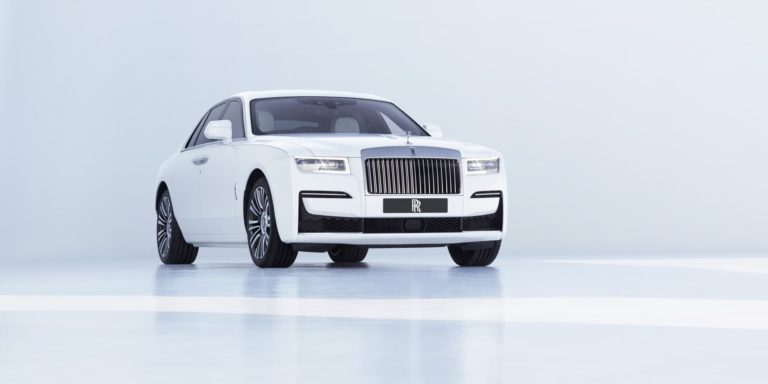
Rolls-Royce has revealed its latest Ghost, ushering in a new generation of the most successful model in the brand’s history.
First introduced in 2009, the original Ghost was built in response to a new group of customers who wanted a Rolls-Royce, but also wanted a car that was more ‘modest’ – in comparison to the Phantom, at least.
The new Ghost sits on the same aluminium spaceframe architecture used for the Phantom and Cullinan, which makes it highly rigid for an improved driving experience, as well as providing better sound insulation to keep the cabin quiet.
To ensure a 50/50 weight distribution, the front suspension mounts were pushed forward to keep the engine behind the front axle. To accommodate this, the Ghost has grown in length by 9cm to more than 5.5m, while its width has increased 3cm to almost 2m.
This has also allowed Rolls-Royce to introduce an all-wheel-drive system and all-wheel steering.
Performance comes from the firm’s 6.75-litre V12 petrol engine, which makes 570hp and 850Nm of torque. It has a redesigned air intake system to reduce sound in the cockpit.
The famed ‘Magic Carpet Ride’ system has been updated too, with a technology called Planar Suspension System. Rolls-Royce says it has been in development for ten years, and uses clever software that scans the road ahead for imperfections to prepare the suspension, as well as physical improvements.
On the outside, the new Ghost aims to have a more minimalist design. It looks similar to before, but subtle design tweaks such as LEDs in the front grille, give it a more striking look, while the Spirit of Ecstasy is no longer surrounded by panel lines, instead it’s alone within the bonnet.
Inside is the usual high quality materials and exquisite design you’d expect from the marque, with the highlight being a new illuminated fascia, which brings a starry glow to the dashboard surrounding the Ghost badge.
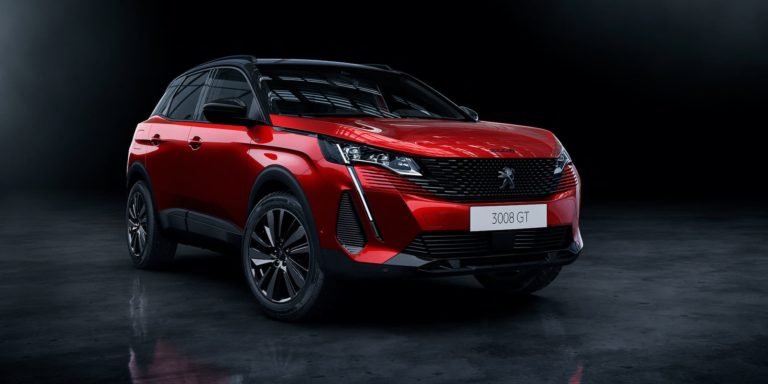
The Peugeot 3008 SUV has been given a bold makeover with a more striking front end, while introducing a plug-in hybrid powertrain.
A frameless grille has been incorporated into the front of the car, giving it a unique appearance that sees the chequered grille design fade out beneath the more aggressively styled LED headlights. On GT and GT Premium trims, the grille is a different design again.
In place of fog lights, the new 3008 activates the low beam LED headlights with reduced intensity when the rear fog lights are activated. Meanwhile, full LED lights are fitted at the rear with scrolling indicators.
Another notable inclusion is the introduction of a duo of plug-in hybrid powertrains, which are available with two power outputs. The first is a 225hp unit that uses a petrol engine and a single electric motor, with an electric-only range of 34 miles. Meanwhile, a 300hp option uses the petrol engine with twin electric motors. It’s the only 3008 with all-wheel-drive and has an electric-only range of 36 miles.
Inside, there’s a new ten-inch infotainment screen, as well as Peugeot’s unique i-Cockpit digital instrument binnacle. On-board technology includes night vision, adaptive cruise control, lane-keep assist and automatic emergency braking.
Pricing is yet to be confirmed, but expect the new equipment to result in a small jump in price over the existing model, which starts at £26,905.
The Toyota Land Cruiser has been given a light refresh that sees a new engine fitted as well as improved convenience and safety features.
The key news is the addition of a 2.8-litre engine, which is more powerful than before while also being slightly better on fuel. The four-cylinder turbo-diesel engine makes 204hp and 500Nm of torque, which is 27hp and 50Nm up on before.
This extra performance provides a healthy improvement to the 0-60mph time, which is now less than ten seconds. However, despite this extra power, the addition of a start-stop system as standard means fuel economy is slightly improved. It also meets the RDE2 emissions standard, so qualifies for a lower vehicle excise duty rate. This makes it £325 less expensive to tax in its first year than the existing model.
Trim levels have been tweaked to offer two grades, with the new entry point being Active. It’s available with three- and five-door variants and five or seven seats. It gets Apple CarPlay and Android Auto as standard with an improved eight-inch multimedia system. It also receives 17-inch alloy wheels, cruise control, air conditioning and more.
The top-spec Invincible model also brings the smartphone integration system, as well as an optional black pack for the interior and exterior. For those who tackle off-road terrain more often there’s Multi-Terrain Select, rear differential lock, centre Torsen limited-slip differential and crawl control.
Extra comfort-focused features include triple-zone climate control, heated and ventilated front seats, leather upholstery, 14-speaker JBL sound system, LED headlights and 19-inch alloy wheels.
Invincible models also get Toyota Safety Sense as standard, with upgrades including pedestrian and cyclist detection, adaptive cruise control and lane-keep assist.
Prices for the Land Cruiser start at £42,345 for the Active three-door and rise to £57,490 for the Invincible five-door with seven seats. It’s on sale now, with deliveries expected in October. The Commercial model is still available, with a Utility-spec model starting at £35,925.
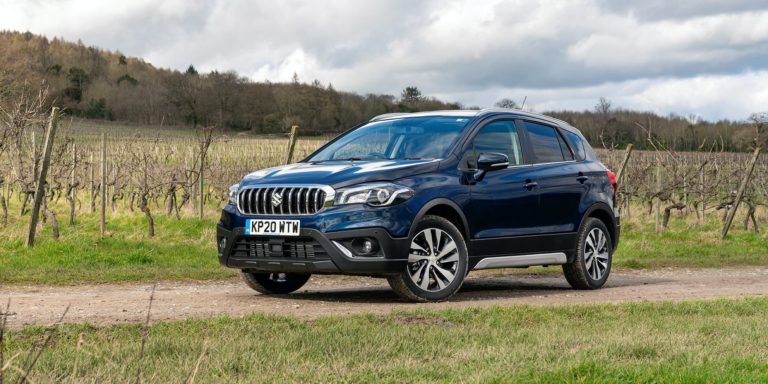
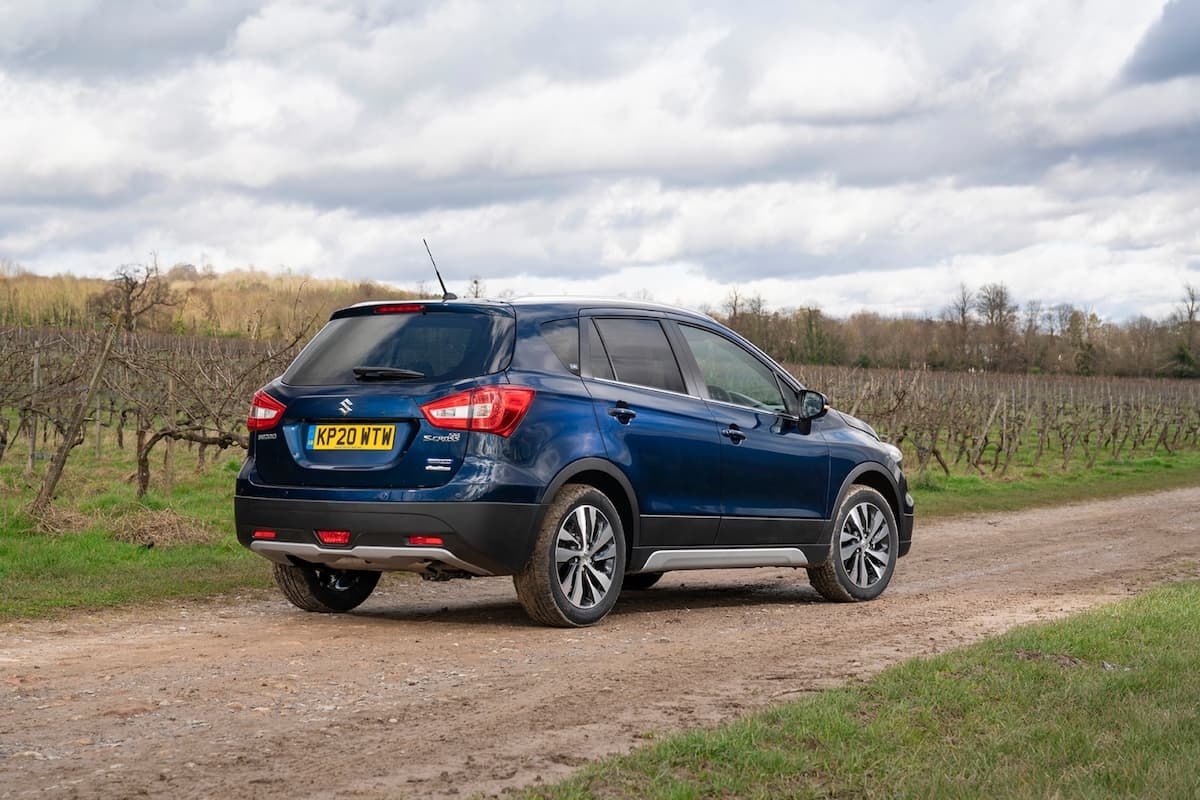
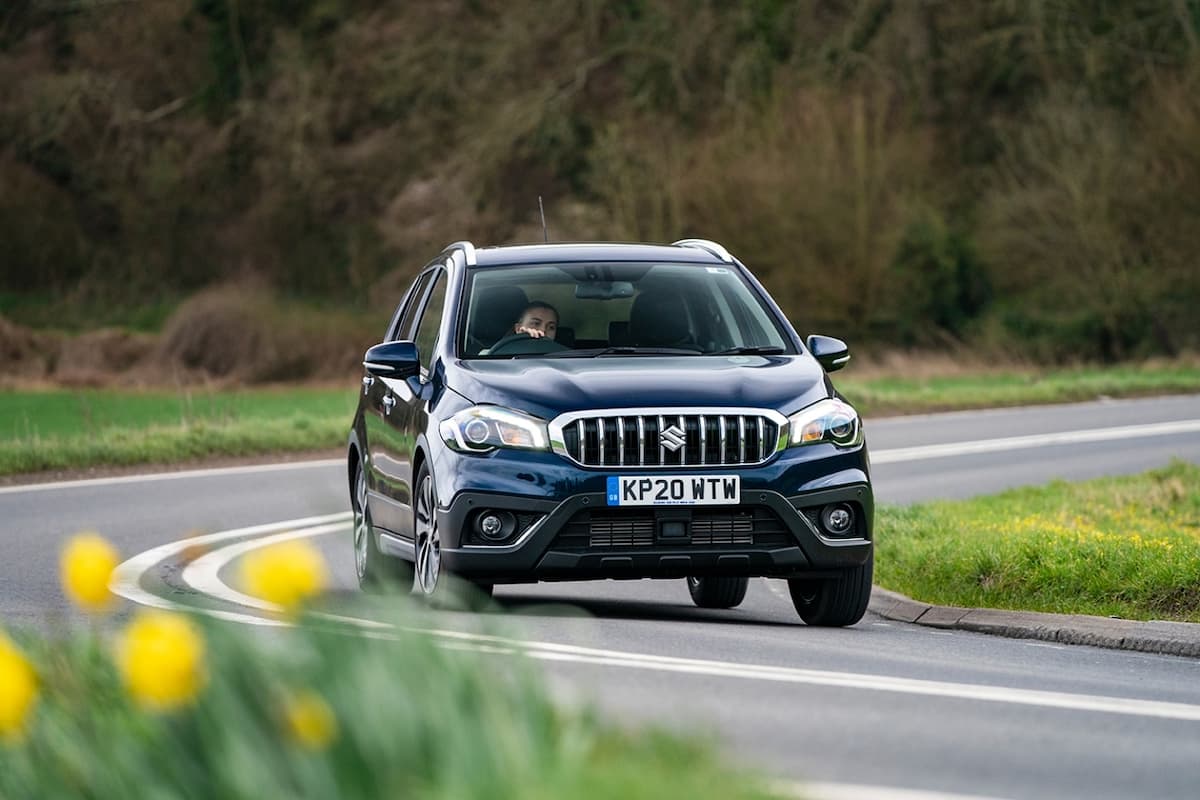
The Suzuki S-Cross was a mid-sized SUV/crossover that sat above the slightly smaller Vitara in the Suzuki family. This model was produced from 2013 to 2021, after which it was replaced by an all-new model.
Originally known as the SX4 S-Cross when it was first launched, it received a major mid-life facelift in late 2016. At the same time, the ‘SX4’ part of the name was dropped. A diesel engine was also previously offered, but was dropped as a result of falling demand for diesel cars.
The Suzuki S-Cross received generally indifferent reviews from the UK motoring media, without any enormous enthusiasm. No longer in production, its overall Used CarExpert Rating of C with a score of 59% puts it in the bottom half of the mid-size SUV segment and a long way behind the class-leading Skoda Karoq.
The S-Cross was praised for being reasonably practical and offering good value for money, but was criticised for not matching the comfort or driving enjoyment seen in many of its rivals.
An all-new S-Cross was unveiled in late 2021 and hit UK roads in early 2022. We will have an Expert Rating report for this car soon, so check back regularly for all the latest coverage.
Highlighted reviews and road tests from across the UK automotive media. Click any of the boxes to view.
The Car Expert
Score: 8 / 10 “The basic premise of the S-Cross is that, for pure driving enjoyment, it doesn’t quite come up to rivals. But in terms of what you get for your money, it leaves many rivals behind.” Read review
Auto Express
Model reviewed: Range overview Score: 6 / 10 “A 2016 facelift for the Suzuki SX4 S-Cross may have changed the styling, but it remains a great value crossover that’s decent to drive.” Read review
Auto Trader
Model reviewed: Range overview Score: 6.4 / 10 “There are aspects of Suzuki’s latest S-Cross that are noteworthy. The styling may be a bit questionable, but if you spec it accordingly and choose one of the punchy petrol engines, the S-Cross is an awful lot of car for the money.” Read review
Business Car
Model reviewed: 1.4-litre petrol (mild hybrid) SZ5 Allgrip Score: 6 / 10 “The Suzuki S-Cross looks like OK value in the C-segment, although its smaller size will count against it on practicality, but it might have a harder time overcoming the appeal of newer, cheaper and not much smaller alternatives from the class below.” Read review
Car
Model reviewed: 1.4-litre petrol manual SZ5 Score: 6 / 10 “Quirky. That’s arguably the best word to sum up the Suzuki S-Cross. Yes, that nose is grotesque, but the unexpected competence of pretty much everything else makes it a little more forgivable.” Read review
Model reviewed: 1.0-litre petrol manual SZ-T Score: 6 / 10 “There’s a refreshing honesty about the SX4 S-Cross that Suzuki should be applauded for. Detroit-esque grille aside it’s unpretentious, reliable, fit-for-purpose family transport with a standard kit roster in SZ-T form that embarrasses other players in the market.” Read review
Car Keys
Model reviewed: 1.0-litre petrol manual SZ-T Score: 8 / 10 “Well equipped, practical and better to drive than most, the Suzuki S-Cross is still something of a hidden gem in the crossover/SUV market. As a family runaround this model is hard to fault, though we’d probably opt for the diesel for better efficiency.” Read review
Carbuyer
Model reviewed: Range overview Score: 7.6 / 10 “The Suzuki SX4 S-Cross is an affordable crossover that competes with models like the Nissan Qashqai and Skoda Karoq” Read review
Carwow
Model reviewed: Range overview Score: 7 / 10 “The Suzuki SX4 S-Cross is a surprisingly capable small SUV that’s good value, practical and decent to drive, but not the most exciting car to look at.” Read review
Fleetworld
Model reviewed: SZ4 Hybrid Score: 7 / 10 “Mild it may be, but the S-Cross Hybrid benefits from strong improvements as a result of its electrification.” Read review
Honest John
Model reviewed: Range overview Score: 8 / 10 “Squint at the Suzuki S-Cross and you’ll see a few similarities to the Nissan Qashqai. That’s not a huge surprise – the Nissan crossover is a bestseller and it was the benchmark against which the S-Cross was measured, and the model from which Suzuki hopes to steal some of the limelight.” Read review
Parkers
Model reviewed: Range overview Score: 7 / 10 “Unpretentious and comfortable crossover is packed with equipment.” Read review
The Sun
Model reviewed: Range overview “The Suzuki S-Cross has the ingredients to give the Nissan Qashqai food for thought. Its main selling point is value for money. To get the same amount of goodies in the Qashqai you need two or three grand more.” Read review
The Telegraph
Model reviewed: (range review) Score: 7 / 10 “The Suzuki SX4 S-Cross gives you a lot of space for your money and is available with a strong and efficient diesel engine. Make sure you can live with the firm ride, though. And avoid the higher-spec versions – these are priced too close to the Nissan Qashqai.” Read review
Safety rating
Independent crash test and safety ratings from Euro NCAP
The Suzuki SX4 S-Cross was crash tested by Euro NCAP way back in 2013 and achieved a five-star rating. However, this rating expired in January 2020 and is no longer valid. This is normal practice, as Euro NCAP reviews its ratings on most cars annually with most ratings expiring after about six or seven years.
However, if you are comparing a used Suzuki S-Cross to vehicles of similar age, whose ratings will have probably also expired, its safety rating score is still useful.
Eco rating
Independent economy and emissions ratings from Green NCAP
No eco rating
The Suzuki S-Cross was not lab tested by Green NCAP during its production life.
Reliability rating
Reliability data provided exclusively for The Car Expert by MotorEasy
Total claims: 10 Average repair cost: £258.56 Last updated: April 2025
There has been a 3% annual rise in the number of drink-drive crashes on Britain’s roads, new figures show.
An estimated 5,890 accidents involved at least one driver who was over the alcohol limit in 2018 (the latest data available), the Department for Transport (DfT) said.
This is up from 5,700 during the previous 12 months and means around one in 20 of all reported crashes in 2018 involved a drunk driver. However, it is still 3% down on the 2016 data, and the number of drink-drive accidents has been hovering at around the 6,000 mark each year since 2013.
The reported figures for ‘drink-drive crashes’ cover any accident where at least one driver involved was over the legal limit for blood alcohol content, regardless of whether the drunk driver actually caused the accident.
The estimated number of people killed in drink-drive crashes fell from 250 in 2017 to 240 in 2018 and is similar to levels seen since 2010.
Some 80% of drink-drive accidents in 2018 involved male drivers or riders over the legal limit.
A Department for Transport spokeswoman said: “Drink-driving is truly unacceptable. It’s a senseless act that puts everyone at risk.
“These new statistics show that four in five drink-drivers who caused accidents were male. That’s why we’re focusing our work on young male drivers, with our award-winning Think! campaign highlighting that mates don’t let mates drink-drive.”
RAC head of policy Nicholas Lyes said: “These are disappointing figures which illustrate the need for much more to be done to curb the plague of drink-driving.
“The Government has indicated it is looking at the possibility of introducing alcolock technology to prevent reoffenders from getting behind the wheel, so we’d like to know what progress is being made here.
“This, together with more police on our roads conducting breathalyser tests, could go a long way to cutting drink-drive deaths in the future.”
The AA points out that, although women are involved in only a fifth of drink-drive crashes, they were disproportionately likely to be killed or injured.
“Statistics show that, although women are involved in 20% of drink-drive accidents, they make up 34% of casualties in these incidents. For men, it is 80% involvement in accidents but 66% in related casualties,” said Jack Cousens, head of roads policy for the AA.
“Many of these women will be passengers and the AA has long warned parents to be wary of who might be driving cars their daughters, and sons for that matter, are passengers in.
“Overall, drink-drive road accidents are up 3% year on year but significantly lower than in 2016. They account for one in eight road deaths.
“Ironically, one of the few good things to come out of the coronavirus epidemic should be big drop in drink-drive road accidents and casualties. However, that shouldn’t be allowed to hide unsettling trends related to this type of incident.”
Additional reporting by Neil Lancefield, PA Media.
The transition from internal combustion engines to electric vehicles (EVs) is well and truly underway, and the pace is accelerating around the world. Over the next decade, we will see the biggest shift in how our cars are powered in more than 100 years.
Depending on whether you feel ready to make that jump, the next new car you buy or lease is likely to be either your last petrol car or your first electrified car (either a fully-electric vehicle or a plug-in hybrid).
With government promotion of EVs increasing and a looming deadline on the sale of new petrol and diesel vehicles, many car buyers are considering an electric car for their next purchase or lease. Ten years ago, electric cars made up less than 1% of all new cars sold. Today, they make up about 5%, which is still fairly insignificant. However, most of that shift has occured in the last couple of years, and by the end of the next decade, electric vehicles could well make up about 80% of all new car sales.
Diesel sales are continuing to dwindle, and car manufacturers are starting to pull their diesel models from sale altogether. By the end of 2020, we may see electrified cars (fully electric and hybrid vehicles) outsell diesel cars for the first time. After that, hybrids – which are something of a bridge between the present of internal combustion and the future of electricity – will start to give way to fully electric vehicles over the next decade.
The UK government’s latest plans direct that effectively all new cars from 2035 will be electric vehicles. This means that new petrol, diesel and hybrid vehicles (including plug-in hybrids) will be phased out over the next 15 years ahead of this deadline, and in some cases much sooner.
In reality, market forces will dictate how this all takes place and it will very much depend on what’s happening in the rest of the world. In some sectors, like family cars, petrol and diesel engines could disappear before the end of the current decade. In others, like sports cars, it’s likely that we’ll see some petrol models on sale right up until the ban kicks in.
Moving from a petrol or diesel car to an electric vehicle can have significant benefits, but there are some changes that come as part of the switch. Let’s take a look at some of the key things you need to know and answer some of the most common questions car buyers have.
How important is range?
Range, range, range. It’s a word which has great emphasis in the EV world, as it governs how far you’ll be able to travel on a single charge. Depending on the car, you might be looking at less than 100 miles or nearly 300 miles on a full battery before it runs out of charge.
This is the major shortcoming of any electric car compared to its petrol or diesel equivalent, as those will almost always provide much greater range between refuelling stops. Electric cars have improved their range significantly over the last few years, but it’s still a concern for many buyers.
In reality, range shortcomings are often more of a perceived problem than a real one. If most of your driving is shorter trips around town and you do fewer than 100 miles a week (which actually covers millions of drivers in the UK), then an electric car with a shorter range isn’t likely to be a problem for most of your needs. However, if your driving needs take you further afield, then you’d probably need a car with a bigger battery.
Recharging vs refuelling
Connected to the issue of range is the issue of charging. Potential buyers are not just concerned that they may only get 100 miles of range from an EV, but it then takes hours to recharge the battery for another 100 miles of driving. It certainly sounds inconvenient, doesn’t it?
By comparison, a petrol car will usually give you at least 300 miles of range, and then require less than five minutes of refuelling to give you another 300 miles. For most drivers, this tends to mean a five-minute stop for fuel once a week or so, which is barely noticeable in your overall life.
In terms of getting your head around an electric car, this is probably the most difficult concept. However, in the 21st century we are all already accustomed to battery management thanks to our smartphones, smart watches and other smart devices. We have become comfortable with the idea of putting these devices on charge overnight, and having them ready to go with a full battery the next morning.
Every so often, you get caught short and need to charge the battery while you’re out and about, and it’s sometimes inconvenient. But our daily routines have come to accommodate the battery life of our electronic devices, and you just need to apply the same thinking to your car. It won’t always be perfect, but it will almost always be perfectly manageable. Public charging points are getting faster, and – just like your phone – you probably don’t need a full charge to get you through the rest of your day until you can fully charge the car overnight.
How do I charge my electric car at home?
Home charging is one of the crucial aspects of owning and running an electric car. Being able to recharge your car’s battery at home makes owning an EV a lot easier – and it’s cheaper than using public charging points. For many potential electric car buyers, not having the ability to charge the car at home is a deal breaker.
When you buy a new electric car or plug-in hybrid, there are incentives in place for charging at home and your friendly car dealer will be only too happy to point you in the right direction. Government grants and manufacturer schemes (usually in conjunction with a major electricity provider) will make installing a home wallbox much cheaper. Usually it ends up costing a couple of hundred pounds, but in some cases it may even be free.
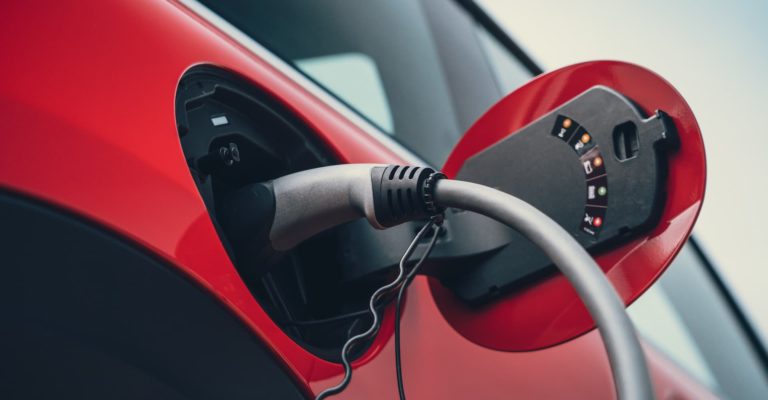
You can use an ordinary three-pin socket to charge your electric vehicle, but it’s not as quick, nor as safe, as having a proper wallbox installation. A wallbox charging unit will allow a higher rate of electricity to flow from the mains into your car’s battery, which can reduce charging time by hours over a regular three-pin plug. It’s still not as fast as the rapid charge units that are often available at public charging points, but for overnight use while your car is parked up anyway, it’s usually a perfectly reasonable solution.
Will an electric car actually be cheaper?
Another key consideration is that the initial upfront cost for an EV is often significantly more than an equivalent internal combustion-engined car. As the technology improves, the difference is gradually reducing, but it’s still a big issue. The new Renault Zoe, for example, is priced from about £26,500, which is 70% dearer than the starting price for the similarly-sized Renault Clio, which starts at about £15,300.
Based on the above example, you’re spending an extra £11,000 to buy the electric car, so you need other costs to be substantially less during the time that you own it for the EV to be cheaper overall.
Charging is where the cost savings are most noticeable. As with petrol, pricing does vary between chargers, ranging from around 25p/kWh up to around 35p/kWh. For around 200 miles of additional charge, you’ll be looking at about £12-14 if you’re using a public charging point.
When it comes to charging at home, the price you pay will depend on your energy tariff. Plenty of companies are now offering EV-friendly plans which take advantage of lower priced charging times, such as in the middle of the night. However, for an average EV with around 200 miles of range and a 60kWh battery, you’ll be looking at around £8-9 for a full charge.
To compare that to a petrol car, 200 miles of regular unleaded petrol will probably cost you about £20-30 at today’s prices.
While that’s a substantial difference, it’s certainly not going to make up that £11K difference over three or four years of ownership unless you’re doing an awful lot more than 100 miles a week. So we need to look at other costs:
there’s no road tax on an electric car, compared to roughly £500 for a petrol car for three years (and considerably more for cars costing more than £40k)
servicing should be cheaper as there are fewer parts to repair and maintain
depreciation is likely to be better on an electric car, which helps keep finance payments down on a PCP or lease
if you live in London or other large urban areas, you won’t have to pay congestion or low emission zone (LEZ) taxes
You’ll need to look at your own circumstances to decide whether an electric car is really going to be cheaper to run overall, but it’s likely to involve a much larger initial cost offset by lower running costs over time.
Are there any other benefits?
There are other positives to owning an EV beyond low running costs. One of them is refinement; an electric motors is very quiet and smooth compared to an internal combustion engine, which means that an electric car can be more relaxing to drive around in. You’ll notice quite the difference compared with a petrol or diesel car, particularly when accelerating.
Speaking of acceleration, another positive is performance. Electric motors have all of their pulling power available immediately, rather than requiring the engine to spin up to its optimal level. That means even lower-powered EVs really zip away from the traffic lights, providing acceleration that regular cars can’t match. This is most noticeable in urban environments where speed limits are 30-40mph, which is where electric cars are best suited anyway.
And we haven’t even mentioned the environmental impact of an electric vehicle. Having no tailpipe emissions is a huge health benefit for cities and urban centres, as is the lower noise pollution thanks to a lack of internal combustion engine. We’re not going to pretend that EVs are perfect when it comes to environmental impact, but they are conclusively better than either petrol or diesel in terms of CO2 emissions, local air pollution and noise pollution.
But isn’t there a lack of charging infrastructure in the UK?
This is another bugbear for potential electric car buyers. It’s still definitely an issue, although the situation is improving rapidly. A lot of it will depend on where you live – London is well serviced by charging points, with more than a quarter of the UK’s charging points located in central London – but villages in more rural areas are often very poorly serviced.
The number of charging stations across the UK overall has grown massively in recent years. According to ZapMap, there are 33,521 connectors across the country as of August 2020, made up of 19,249 charge points in 12,121 locations. This figure is currently growing by about 500 charging points per month.
In terms of how they’re spread out across the country, 26% are in central London alone, with 13% in the south east and 12% in Scotland. Infrastructure is being rolled out at a rapid pace, but it’s a bit like getting superfast broadband – the rollout will inevitably take a long time to reach every corner of the UK.
Ultimately, the best bet is to use home charging for most of your needs and only rely on public charging when it’s really necessary.
Doesn’t all of the energy come from fossil fuels anyway?
An electric vehicle is only as environmentally friendly as its energy source. However, many energy and charger unit suppliers are working to ensure that their energy comes from green suppliers. All of BP Chargemaster’s charging stations, for example, are certified as providing renewable energy while home energy providers like Octopus Energy provide power which is completely green.
Even if your electric vehicle is getting its electricity from a fossil fuel power station, it’s still almost certainly going to be more efficient than a car powered by petrol or diesel, which means a lesser environmental impact.
There is also the question about the environmental impact of battery production, which currently requires precious metals like cobalt that tend to be mined in harmful ways. This is an area that is improving but still needs to do better. Eventually, we are likely to see batteries being produced in a more sustainable manner using materials that have less impact on the earth, but that’s still likely to be years away from volume production.
Is an electric car the right choice for me?
You need to weigh up your driving needs, and also be prepared to reconsider your preconceptions. We can’t tell you if an electric vehicle is the best choice for your next car, but we can tell you that Evs are becoming a very viable choice for far more people these days, and would probably suit a large percentage of UK drivers if they were prepared to make the switch. Hopefully the points raised above will help you make the best choice for your needs.
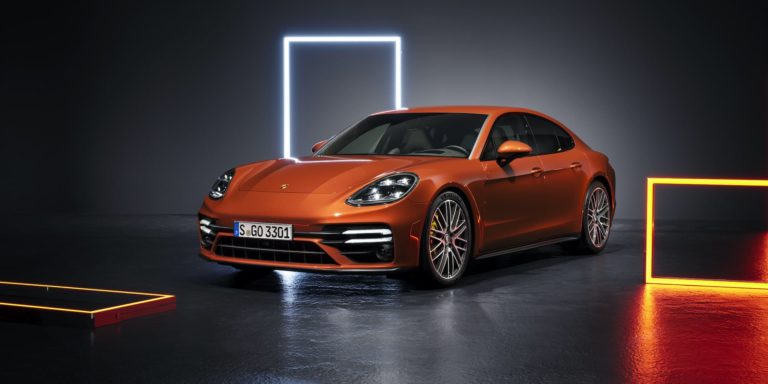
Porsche has unveiled its updated Panamera saloon and estate, bringing a new edge to the performance-orientated model.
The new Panamera, which starts from £69,860 for a rear-drive model, arrives with sharper looks than before thanks to the standard fitment of the once-optional Sport Design nose styling which adds large air intakes and side cooling openings as well as a single-bar front light module.
Around the back, the light strip across the tail of the car runs along the boot lid and has been designed to connect the two LED light clusters. Three new 20- and 21-inch alloy wheel designs have been added to the options list, too.
The chassis has been reconfigured for each Panamera model to help deliver a sporty yet comfortable ride. Porsche’s Active Suspension Management (PASM) system has been re-tuned to deliver better damping comfort, while the electric roll stabilisation system is better able to provide body stability than before.
Both Panamera and Panamera 4 models are powered by the same 2.9-litre V6 engine which has its performance and output figures left unchanged over the previous car. However, the range-topping Turbo S model has been tweaked, with its 4.0-litre twin-turbocharged V8 engine pushing out an additional 80hp and 50Nm of torque over the car it replaces for a total of 630hp and 820Nm of torque. As such, it’ll hit 0-60mph in around three seconds and hit a top speed of 196mph.
A new GTS model boasts more performance too, bringing 20hp more than the outgoing car while new asymmetrically positioned rear silencers should give the car an even more noticeable exhaust note. In total, the GTS pushes out 480hp and 620Nm of torque.
The electrified Panamera 4S E-Hybrid now receives a larger battery than before, rising from 14kWh to 18kWh. It means that the E-Hybrid is capable of travelling up to 34 miles on electric power alone returning up to 128mpg. Despite this efficiency, it’ll hit 0-60mph in under 3.5 seconds and reach a top speed of 185mph thanks to a 2.9-litre V6 linked with a 100kW electric motor for a combined output of 440hp and 750Nm of torque. Emissions stand at between 64-51g/km of CO2 for the standard saloon and 67-55g/km for Sport Turismo (estate) versions.
All Panamera models can be specified as a Sport Turismo estate variant, too, and are available to order now.
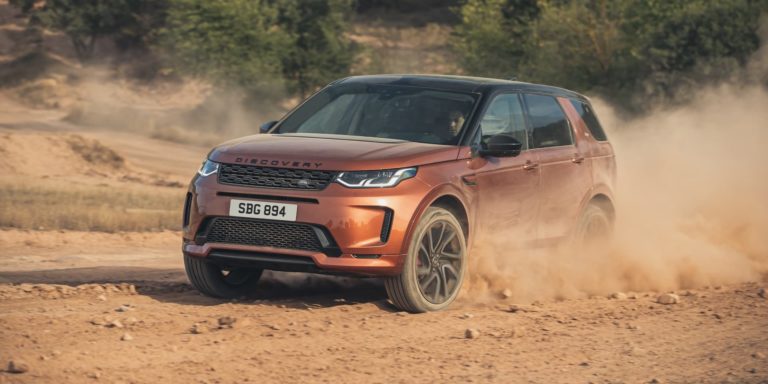
The Land Rover Discovery Sport and Range Rover Evoque are the latest Land Rover models to be freshened up for the 2021 model year, with more electrified powertrains, improved infotainment and upgraded equipment levels.
As with other models across the Jaguar Land Rover family, a 2.0-litre mild-hybrid diesel engine is being offered on both models, available with power outputs of either 163hp or 200hp. They are said to offer better efficiency as well as a smoother and more refined driving experience.
Both the Evoque and Discovery Sport also get the latest Jaguar Land Rover infotainment system. Called Pivi, it replaces the underwhelming InControl system from previous models. Pivi has a streamlined design to make it fast and easier to use, and it comes with a separate battery and data plan so it’s ready to go as soon as it is switched on.
It stays current via over-the-air updates to ensure drivers have the latest maps, apps and vehicle features.
For the Discovery Sport, the mild hybrid options are joined by a new range-topping turbocharged petrol engine that makes 290hp and offers a 0-60mph time of seven seconds. It’s part of a new Black Edition trim that brings interior and exterior styling upgrades.
Finbar McFall, Global Product Marketing Director for Land Rover, said: “Next-generation mild-hybrid diesel engines bring enhanced efficiency to the Discovery Sport, while the new Discovery Sport Black adds to its appeal. The addition of the advanced new Pivi Pro infotainment system with immediate start-up and self-learning capabilities mean the new Discovery Sport is now even more capable and versatile, and ready for family adventures.”
Alex Heslop, Director of Electrical Engineering at Jaguar Land Rover, said: “The infotainment experience in our best-selling compact SUVs has been transformed with the introduction of our new electric vehicle architecture and Pivi infotainment. New hardware and software means the Range Rover Evoque is more digitally connected than ever. Our customers can now benefit from a system as responsive and easy to use as a smartphone, which actually improves over time, thanks to Software-Over-The-Air updates.”
Both models are available to order now, with the Evoque starting at £32,100 while the Discovery Sport starts at £31,915.
The Skoda Octavia is a car which sits at the very heart of the Czech brand’s line-up. For several generations now, it has come to represent excellent value-for-money, brilliant practicality and genuine solidity. In short, it’s a pretty crucial car for the manufacturer.
Now, we’re into the latest, fourth-generation Octavia which, Skoda says, is better than ever. So, the question remains: is it? We’ve been behind the wheel to find out.
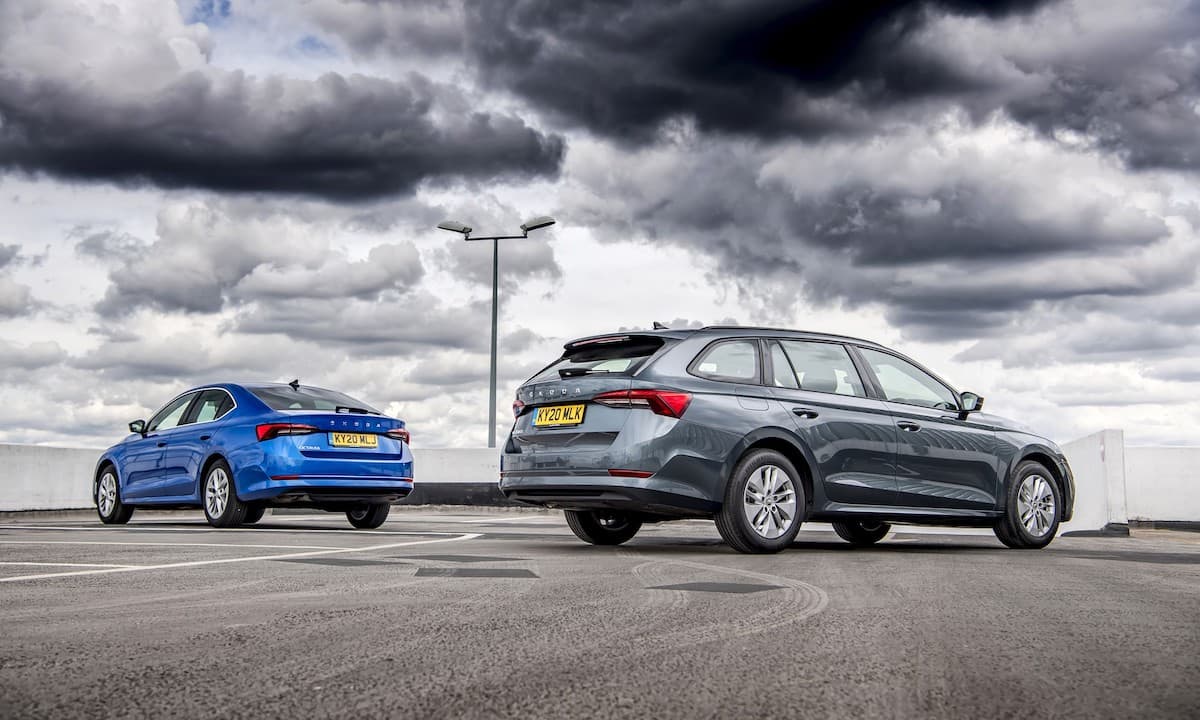
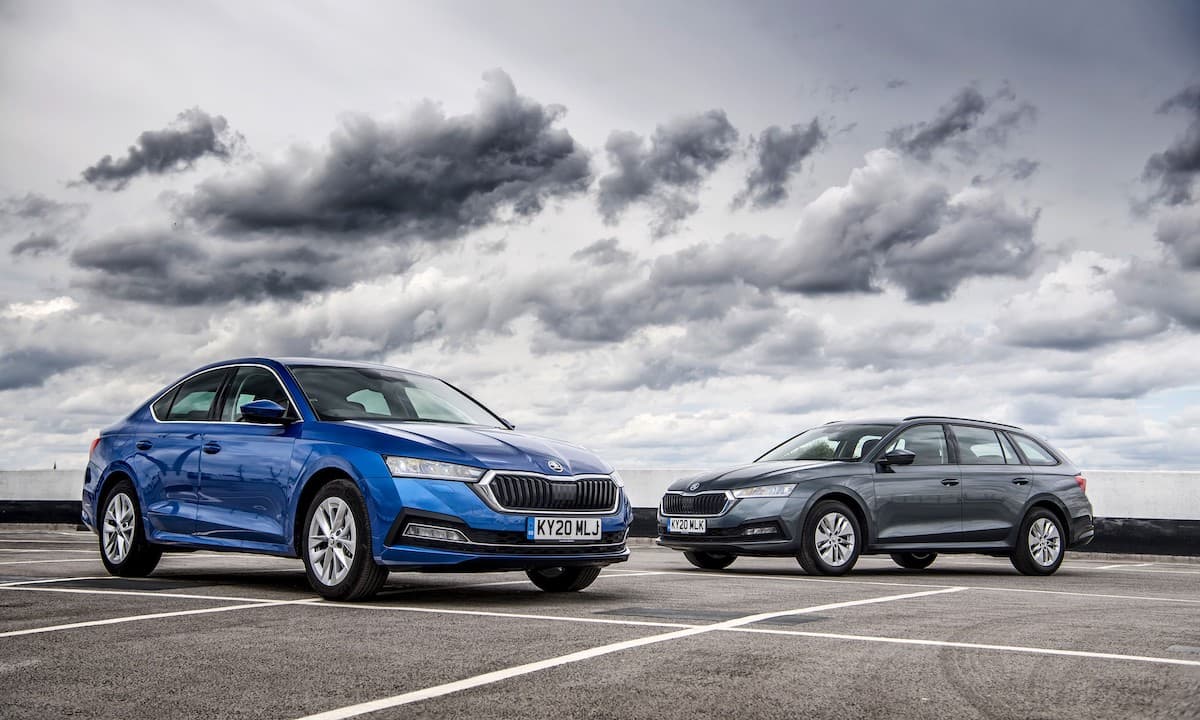
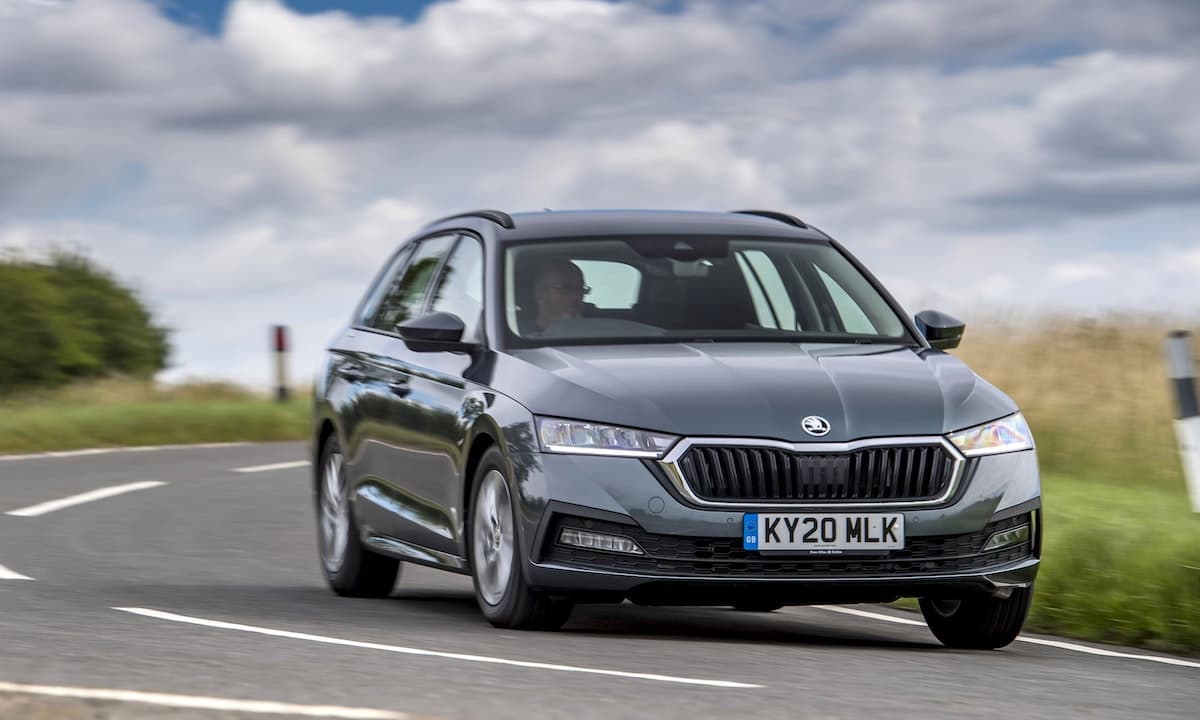
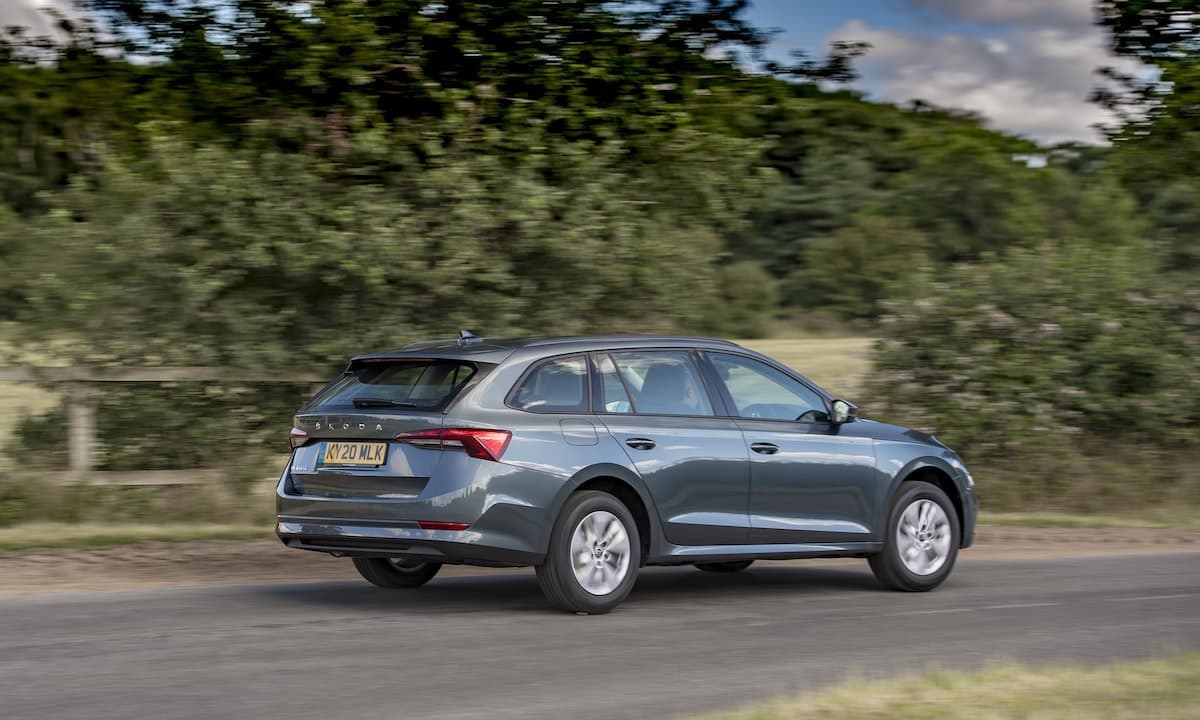
Take one glance at this latest Octavia model and you’re well aware that quite a lot has changed over the previous-generation car. Not only is it sharper to look at, but it’s now longer, wider and taller than the car it replaces – despite sharing the same length wheelbase. That’s because this latest Octavia has been designed to be more spacious than ever, making it even more appealing to the family buyers towards which it is targeted.
What’s more, the Octavia’s arrival has been accompanied by the introduction of cleaner engines, more interior technology and some clever voice-activated systems. There really is quite a lot going on here for a relatively ‘mainstream’ model.
How does it look?
The previous-generation Octavia was, in our eyes at least, one of the very best looking cars in its segment. It had proportions which just looked spot-on, and it was distinctive no matter which specification you went for. This latest version certainly moves the game on, but it doesn’t look quite as svelte as the car it follows on from.
It’s not a bad looking car, that’s for sure, it just doesn’t look quite as ‘tight’ in terms of design as the older Octavia. That said, we’re sure that many people will appreciate the more premium angle that the Octavia has taken. Our car – an estate – has been styled in such a way that much of the car’s heft is disguised, so it manages to appear a little smaller out on the road than its proportions would lead you to believe.
What’s the spec like?
Our car came in First Edition specification, which meant that it was practically weighed down with equipment. Features included 17-inch alloy wheels, adaptive cruise control, chrome roof rails and front heated seats. There’s certainly a lot of kit to play with here.
But what about that new infotainment screen? Since it controls crucial aspects of the car such as the heating and ventilation, it’s now a much-used part of the car’s cabin. Fortunately, it operates well and is easy to navigate through. The display itself is sharp and easy to read, and all of the various controls make sense. That said, we’d still be in favour of proper physical controls for the heating, as though better than in most applications, adjusting this via a screen can still be a little bit fiddly when on the move.
In terms of safety standards, the new Skoda Octavia has not yet been tested by Euro NCAP. Crash testing has been put on hold as a result of the coronavirus pandemic, and the Octabia is likely to be one of the first cars put through its paces once testing resumes.
What’s the Skoda Octavia Estate like inside?
Skoda benefits from access to the wider Volkswagen Group’s technologies, which is why the latest Octavia’s interior is a far more screen-heavy affair than the previous Octavia’s. As a result, the cabin feels cleaner, sharper and less button-cluttered, with the main screen giving access to practically every function for the car.
The front area of the cabin is wide and open – and the cloth seats in our test car were wonderfully comfortable – while there’s plenty of space for those sitting in the back too. When it comes to boot space, there’s 640 litres to play with – a helpful 30-litre bump on the outgoing car. This can, of course, be extended by folding the rear seats flat too. It’s a very practical option and outguns cars in even the class above when it comes to spaciousness.
What’s under the bonnet?
Our test car came fitted with a 2.0-litre turbocharged diesel engine, sending 150hp and 340Nm of torque to the front wheels via a seven-speed automatic transmission. And whereas those power outputs may sound relatively mundane, the Octavia’s economy figures are anything but; Skoda claims up to 60mpg combined with CO2 emissions of 123-141g/km depending on wheel size.
Performance-wise, you’re looking at 0-60mph in 8.5 seconds, while flat-out the Octavia will hit 137mph. Though a cheaper petrol option is available, we’re sure that given its low running costs this diesel choice will be a key consideration in the Octavia’s list of powertrains.
What’s the Skoda Octavia Estate like to drive?
If you’re looking for outright comfort then boy, is this the car for you. The Octavia feels as though it has been designed with the UK’s roads in mind, given its exceptional ability to steam out the creases in the road ahead and leave you riding a comfortable and soft wave of forward motion. For motorway slogs, the Octavia really is a great travelling companion.
Of course, a by-product of this soft ride is a limited ability to control body roll. Try and tackle a country road in slightly keener fashion and you’ll find the Octavia responds by leaning like a tacking sailboat in a gale. Would we sacrifice some of that ride quality for more body control? Absolutely not. The fact that the Octavia majors so heavily on ride comfort makes it a genuinely refreshing option in a wider car market which is dominated by firm-riding models.
Verdict
The new Skoda Octavia has arrived and has made a real impression. As a car for the rigours of the everyday, it’s fearlessly well-suited thanks to great practicality levels and a ride which turns even the most lumpen of roads into far more comfortable surfaces. It also looks good and feels good inside.
Our top-spec version may be accompanied by a reasonably hefty price tag – £33,210 – but go for a cheaper variant with fewer options which is no less accomplished and there’s no reason why the Octavia couldn’t be all the car you ever need.
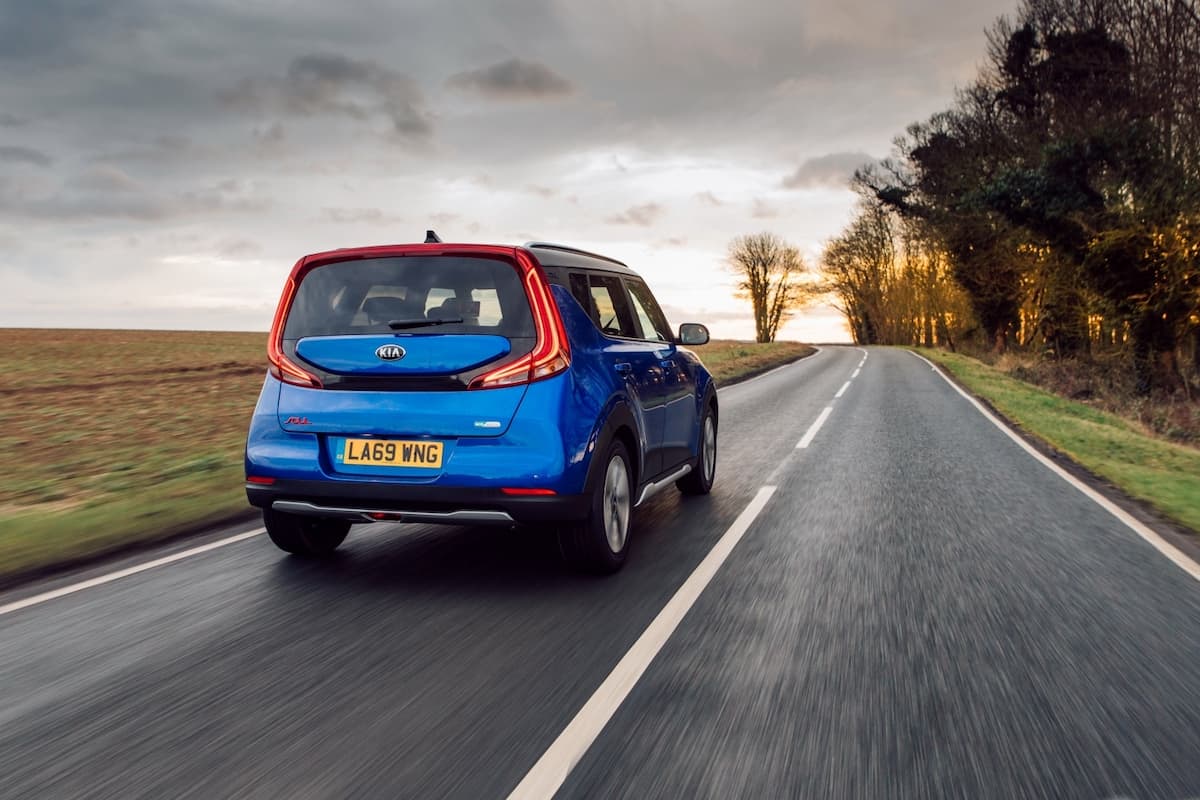
The Kia Soul EV was a small hatchback that, at least in the UK, was only available with an electric motor. This model was the third generation Soul, which was launched in 2019 and arrived in the UK in early 2020. It was discontinued from sale in 2024, effectively replaced by the Kia EV3.
With its boxy style, the Kia Soul EV was unlike anything else in the new car market. It did mean that headroom was pretty good, however…
The Kia Soul EV received mixed reviews throughout its production life. There was oraise for its distinctive (albeit divisive) exterior styling, while it was considered decent enough to drive and had a good range compared to many other electric cars.
However, its interior was far more conventionally and conservatively designed than the outside, and interior space wasn’t as good as some other cars at a similar price.
As of March 2026, the Soul has a Used Car Expert Rating of A, with a score of 74%. It scores top marks for its low running costs and zero tailpipe emissions, but media review scores were only average. There’s no safety rating as the Soul EV was not tested by Euro NCAP, and we don’t yet have enough data to provide a reliability rating.
Body style: Small five-door hatch Motor: electric, battery-powered Price when new: From £32,845 on-road
Launched: Spring 2020 Last updated: N/A Discontinued: Autumn 2024
Image gallery
Media reviews
Highlighted reviews and road tests from across the UK automotive media. Click any of the boxes to view.
Featured reviews
“The Kia Soul packs quite a lot of practicality into a more bespoke than most design. It’s expensive for what is actually a small EV but well-equipped and a quality car.”
“The Kia Soul EV might be one of the best electric cars you can buy. It’s great to drive, interesting to look at, comfortable and will return up to 280 miles of electric range and exceptionally low running costs.”
Model reviewed: Urban (2023) Score: 8 / 10 “The Kia Soul EV has long struggled to justify its existence next to its more rounded Niro EV stablemate, but its higher driving position and extra practicality will appeal to some.” Read review
Model reviewed: Range overview Score: 9 / 10 “The all-electric Kia Soul EV combines quirky design with enormous capability.” Read review
Auto Trader
Model reviewed: Range overview Score: 8 / 10 “The Kia Soul EV builds on the funky charm of its predecessor by maintaining the quirky styling, but upping the performance dramatically. It’s zippy to drive and boasts a very impressive range on a single charge. If you’re in the market for an electric car, it’s definitely one of the first cars to check out.” Read review
Business Car
Model reviewed: Score: 7 / 10 “While the Soul might feel dated against some more modern rivals, this Kia still deserves serious consideration when being compared against them.” (Martyn Collins) Read review
Car
Model reviewed: Range overview Score: 6 / 10 “Love-them-or-hate-them looks aside, the Kia Soul EV successfully pulls off the trick of offering an exceptionally good electric range at a reasonable price. A reliable 250+ miles on a single charge is nothing to sniff at – in fact, it’s enough for the majority of drivers to use as their only car.” Read review
Carbuyer
Model reviewed: Range overview Score: 8 / 10 “The Kia Soul EV is a distinctive zero-emissions car with impressive performance.” (Andy Goodwin) Read review
Carwow
Model reviewed: Range overview Score: 6 / 10 “The Kia Soul EV is an electric car that stands out from the crowd with its looks and has great electric range despite its modest price. It isn’t the most practical choice, however.” Read review
Company Car Today
Model reviewed: First Edition 64kWh “A stylish electric family car with a long range, impressive performance and lots of kit, all for a fairly competitive price.” Read review
Discover EV
Model reviewed: First Edition Score: 8 / 10 “Depending on whether you love or hate the styling, the majority of people will find that the Kia Soul EV offers enough range, plenty of cabin space, great performance, comfort and tech.” Read review
Eurekar
“The Kia Soul EV reaches 62mph in a sprightly 7.5 seconds and continues smoothly on to a 104mph top speed, all completed with a mannered and well balanced demeanor.” Read review
Fleetworld
Model reviewed: First Edition Score: 8 / 10 “An intriguing EV that satisfies the usual electric anxieties, but that comes at a sales-phenomenon-restricting price.” Read review
Green Car Guide
Model reviewed: First Edition Score: 9 / 10 “The new Kia Soul EV looks better than its predecessor, it has a much longer range and it’s excellent to drive. It still has a practical body style, and the quality of the interior has improved. Is there anything wrong with it? Not really. Well, except that it’s too quirky to fit in any of the conventional car categories.” Read review
Honest John
Model reviewed: Range overview Score: 8 / 10 “So confident is Kia that electric cars are the future, the Soul is now sold exclusively as an electric vehicle. It uses the same 204hp electric motor and 64kWh battery pack as the e-Niro, travelling 280 miles from a charge.” Read review
Parkers
Model reviewed: Rage overview Score: 9 / 10 “Super cool crossover with improved performance and range.” Read review
The Sun
Model reviewed: Range overview “Keep things simple but classy with the Kia Soul EV – the perfect electric ride for one-car families.” Read review
The Sunday Times
Model reviewed: Range overview Score: 8 / 10 “While the smaller, boxier Kia Soul EV is less practical and pleasing to drive than the e-Niro, it’s a more compact model for use around town and goes as far per charge. It’s a more fun and funky design, too, so will appeal to those who prefer to stand out from the crowd.” Read review
The Telegraph
Model reviewed: First Edition Score: 8 / 10 “The Kia Soul EV is one of the most accomplished electric cars out there. Its range is more than enough to manage most of your driving on super-cheap home charges. And if you need to stop at a charging station, you’ll probably be done in the time it takes you to sit and have a coffee.” Read review
Top Gear
Model reviewed: Range overview Score: 8 / 10 “Good news: it’s like an e-Niro, only a bit more interesting.” Read review
Safety rating
Independent crash test and safety ratings from Euro NCAP
No safety rating
Unlike earlier models, the third-generation Kia Soul EV was not assessed by Euro NCAP during its production life.
Eco rating
Independent economy and emissions ratings from Green NCAP
No eco rating
The Kia Soul EV was not assessed by Green NCAP during its production life.
Reliability rating
Reliability data provided exclusively for The Car Expert by MotorEasy
No reliability rating
As of March 2026, we don’t have enough reliability data on the Kia Soul EV to generate a reliability rating.
The Car Expert’s reliability information is provided exclusively to us using workshop and extended warranty data from our partner, MotorEasy, sourced from both official dealerships and independent workshops.
As soon as MotorEasy has sufficient data on the Soul EV, we’ll publish the results here.
Running cost rating
Monthly cost of ownership data provided exclusively for The Car Expert by Clear Vehicle Data
Battery range
Average
Score
Variation
Score
EV models
280 miles
B
Electrical efficiency
Average
Score
Variation
Score
EV models
4.4 m/KWh
B
Insurance group
Average
Score
Variation
Score
All models
31
C
Service and maintenance
Cost
Score
Year 1
£163
A
Year 2
£388
A
Year 3
£636
A
Year 4
£756
A
Year 5
£987
A
Overall
£2,930
A
The Kia Soul EV is a very cost-effective car to own and run, according to five-year ownership costs provided exclusively to The Car Expert by our technical partner, Clear Vehicle Data.
Electrical efficiency (the EV equivalent of miles per gallon in a petrol or diesel car) is good, which helps the Soul attain plenty of driving range for most household needs.
Servicing and maintenance costs for the first five years of the car’s life are excellent, although insurance premium are only likely to be average.
Awards
Trophies, prizes and awards that the Kia Soul EV has received
2023
Auto Trader Awards – Best Value Electric Car
2021
Auto Trader Awards – Best Value Electric Car
2020
World Car Awards – World Urban Car
UK Car of the Year Awards – Best Crossover
2019
DrivingElectric Awards – Best Medium Electric Car
Similar cars
If you’re looking at the Kia Soul EV, you might also be interested in these alternatives
Lexus has revealed pricing for its updated LC Coupe and Convertible models.
Sitting as the flagship models in the firm’s range, the LC starts from £80,100 in coupe form and £90,775 for the drop-top. Both remain available with the choice of either a V8 (LC 500) or hybrid (LC 500h) powertrain. Order books are open now and Lexus expects first deliveries to commence in autumn.
The convertible is available with a top-spec Sport+ Pack, which brings 21-inch forged alloy wheels, neck heaters in the front seats and semi-aniline leather seat upholstery. A colour head-up display and uprated sound system are also available. LC Convertible models fitted with the plus pack start from £96,625.
An exclusive Regatta Edition will also be available, though just ten are coming to the UK. Taking design cues from yachts, it features a deep blue paint colour contrasting the white steering wheel, headlining and seats.
A revamped suspension system has been introduced with the Coupe – and saves 10kg off the car’s total weight in the process – while the front shock absorbers have been adjusted to better the ride. The ten-speed automatic gearbox has also been tailored to help with everyday driving, while also allowing the engine to rev higher before shifting.
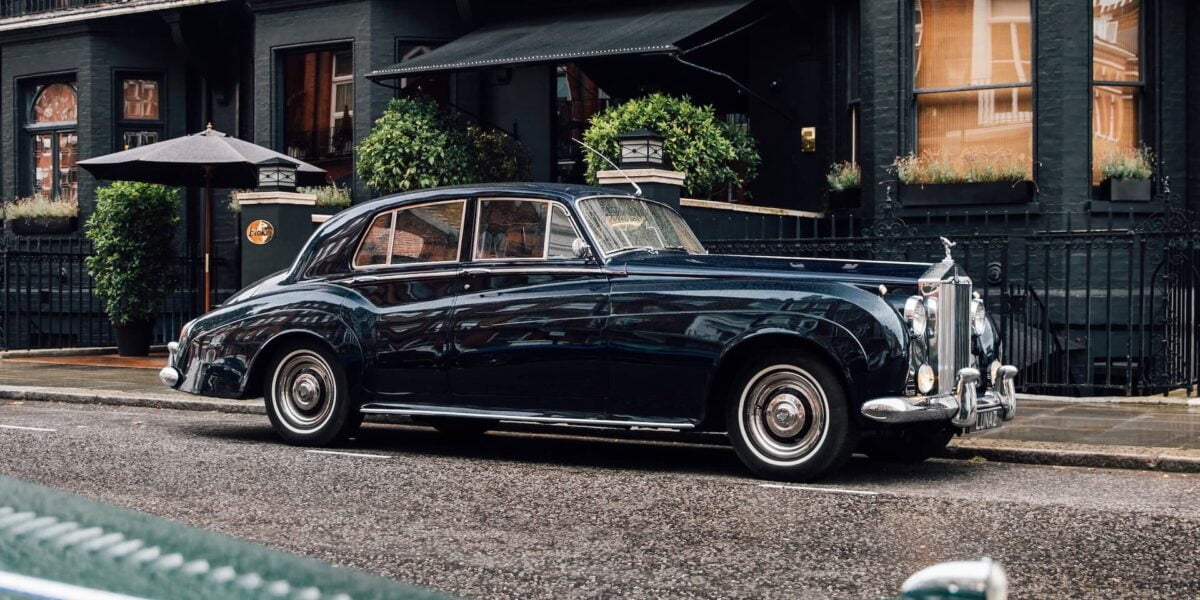
British manufacturer Lunaz has unveiled two new classic Rolls-Royce models converted to electric power – the first of their kind.
Joining EV versions of Jaguar and Bentleys built by Lunaz, the new models benefit from a ground-up restoration prior to the electric powertrain being installed.
The first car, a 1961 Rolls-Royce Phantom V, receives a variety of software and hardware upgrades to ensure that it’s as up-to-date as possible. It’s limited in production to just 30 units and orders are already being taken.
The EV Phantom commands quite the premium, with prices starting at £500,000 excluding local taxes. Utilising a 120kWh battery pack, the Phantom is capable of travelling up to 300 miles on a single charge. Lunaz says that the Phantom has been equipped with ‘the capability for both home and rapid charging’ too.
Despite being based on a 1960s classic Rolls-Royce model rather than a new car, the Phantom features thoroughly up-to-date touches. A fully integrated infotainment system with satellite navigation is fitted, for instance, while climate control ensures that the car’s interior is kept at a constant temperature. Two screens are integrated behind the rear passenger’s picnic tables, while a small ‘bar’ occupies the centre of the unit.
On top of the Phantom, Lunaz has already commenced creation of electric conversions of the 1950 and ’60s Silver Cloud models. They are available in a range of body styles including four-door limousine, two-door coupe and drop head coupe. Prices for the Silver Cloud start from £350,000 excluding local taxes.
As a result of increasing demand for electrified classic cars, Lunaz will be doubling its workforce at its technical HQ in Silverstone.
David Lorenz, founder of Lunaz, said: “The time is right for an electric Rolls-Royce. We are answering the need to marry beautiful classic design with the usability, reliability and sustainability of an electric powertrain.
“More than ever we are meeting demand for clean-air expressions of the most beautiful and luxurious cars in history. We are proud to make a classic Rolls-Royce relevant to a new generation.”
Porsche has given its Taycan electric saloon an update for 2021, bringing a series of changes and tweaks.
One of the key changes is the fitment of a new Functions on Demand (FoD) system which allows owners to buy and install new features completely over-the-air without the need to visit a dealership. Systems such as lane-keeping assist, adaptive cruise control and a power steering plus package can all be added from home. Owners will either be able to buy these features through a one-off purchase or subscribe to them on a monthly basis.
Porsche has also implemented a new battery preservation function in the 2021 Taycan. This automatically restricts charging capacity at certain points in order to better preserve the battery and reduce the amount of power loss. Drivers will be able to slow charging speeds via a new selector on the main display.
A knock-on effect has been made onto the Taycan’s performance levels too, with the battery changes shaving 0.2 seconds off its 0-124mph time.
The car will also work with a new Plug and Charge system which is being introduced across the UK. This does away with the need for a charging membership card for public chargers, instead linking payment and identification details directly to the car. It’ll mean that drivers need only plug their car into a charge point and it’ll automatically take payment and commence charging.
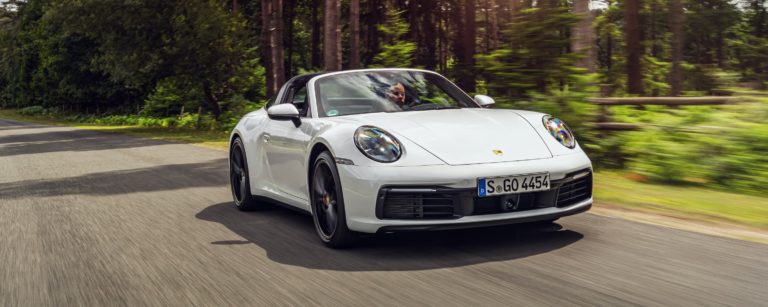
If you want to buy a sports car that you could use for everyday duties with minimal compromise, the answer has long been Porsche 911. And if everyday duties and style are more important than outright athletic ability, the 911 Targa 4S is arguably the best of the lot.
Born in the 1960s because America was considering banning convertibles for being too dangerous, and named after Porsche’s victories in the famous Targa Florio races around the Italian island of Sicily, the Porsche 911 Targa became an instant hit.
From the mid-1990s, the Targa became less distinctive as the removable roof panel was replaced by a large panoramic sunroof. In 2014, however, Porsche returned the styling to being inspired by those original models. The result is one of the best-looking sports cars out there thanks to the rollover hoop, curved rear window design and complex folding roof. Now, there’s a new one.
The latest 911 range currently holds an exceptional rating of 94% on The Car Expert’s unique Expert Rating scale, based on 34 reviews for the coupé and cabriolet 4 and 4S models. The 911 Turbo will be rated separately and we’re building an Expert Rating page for that at the moment, so check back soon.
As you’d expect, the latest Targa is based on the 992-generation Porsche 911 coupé that arrived in the UK about a year ago. Key changes compared to the previous 991-generation Targa relate to the engine, which is more powerful than before, while a newly developed manual transmission means those looking for a more physical connection with the driving experience are well catered for.
As in previous generations, there are two specifications – The Porsche 911 Targa 4 and more powerful Porsche 911 Targa 4S, which is the one we’re reviewing here.
The all-wheel-drive system has been optimised to provide more traction, Porsche Active Suspension Management is now offered as standard, and Porsche Torque Vectoring Plus is available as standard on the Targa 4S and as an option on the Targa 4.
How does it look?
The 911’s classic shape never goes out of fashion, and with the retro Targa styling it’s arguably at its prettiest. It’s like buying a retro model but with the bonus of all the modern technology and reliability you could ask for.
If you want to go fully retro, there’s a Heritage Design Edition limited to just 992 examples. It gets styling features inspired by classic models, including gold logos and circular number blocks on the outside, and corduroy upholstery inside.
What’s the spec like?
Standard equipment on the 911 Targa 4S is extensive. In addition to the active suspension system and torque vectoring tech, it comes with 20-inch alloy wheels at the front and 21 at the rear, leather upholstery, four-way electric sports seats, and the fantastic widescreen infotainment system.
There are various optional extras that can really up the price, too. There are three more alloy wheel designs that are the same size as the standard ones but range in price from £809 to £1,679, adaptive ‘sports seats plus’ for £2,315, Exclusive Manufaktur leather interior for £7,899, and a huge variety of exterior upgrades.
What’s the Porsche 911 Targa 4S like inside?
Drop into the cabin and it’s clear that Porsche has spent a lot of time making it ergonomically brilliant. The driving position is easy to get right, and most buttons are within easy reach, while the infotainment system is one of the best in the business – its menu design looks smart and is intuitive to navigate.
It’s also surprisingly spacious for a sports car, so long as you’re sitting in the front; rear passengers of even average height will be hoping the journey is short. That’s about the only criticism you can level at it, though, with the practical layout complemented by brilliant materials throughout.
What’s under the bonnet?
Performance comes from a 3.0-litre twin-turbocharged six-cylinder boxer engine, which makes 450hp and 530Nm in the Targa 4S. If you opt for the lower-spec Targa 4, you get 385hp and 450Nm of torque.
It’s an undoubtedly fantastic engine that loves to be revved out, and as is always the case with Porsche sixes, it sings high in the rev range. However, there’s no denying that in this application it feels particularly lacking in emotion, with an almost efficient charge through the revs. That does somewhat suit this car’s purpose as a more relaxed cruiser, but it is a bit of a shame given the 911’s natural underlying abilities on your favourite B-road.
What’s the Porsche 911 Targa 4S like to drive?
There’s a good reason why the Porsche 911 is one of the class leaders, thanks to its fantastic driving characteristics and spot on driving position. These attributes are all present and correct in the Targa, which is immediately comfortable whether cruising around in traffic, opening up on the motorway or pressing on down a back road.
Being slightly heavier than the coupe does lead to a subtle numbing of the 911’s abilities, feeling a little less nimble on its feet than regular models. However, it’s so subtle that very few will notice the difference or have any reason to be disappointed. Hit your favourite country roads and it’s a blast, with the way the all-wheel-drive grips up and shoots you out of a corner being the highlight.
Verdict
There’s no denying that, as usual, Porsche has absolutely nailed the brief with the 911 Targa 4S. Sure, it lacks some of the emotion driving flair of rivals, but that’s often been the case with this iconic sports car – the fact it’s so good to drive so much of the time has won it plaudits for decades.
Those looking for a true performance car might be better looking elsewhere in the 911 range, but if style and practicality are key to your sports car purchase you will not be left disappointed.
A lightly updated Kia Stinger has been revealed, with a few visual tweaks and an improved specification.
The handsome fastback model retains the firm’s signature tiger-nose grille, which sits between new LED headlights that are darker when the lights are off, while also having a new signature daytime running light design.
The lights at the rear have also been redesigned, with the light now spreading across the full width of the car. New indicators have also been fitted, made up of ten LED units in a grid pattern similar to a chequered flag.
More powerful versions of the Stinger now come with optional wider exhaust tips and a sportier rear diffuser, while two new alloy wheel designs are also offered in 18- and 19-inch sizes.
A new Dark Package brings design touches in black, including the diffuser surround and badges as well as new 19-inch alloy wheels.
The inside is largely the same as before but features a few subtle upgrades, such as improved materials, a new metallic finish to the bottom of the steering wheel, and a chrome infotainment screen surround. That infotainment system uses Kia’s latest generation software and is accessed through a ten-inch screen.
The new Stinger will go on sale in Kia’s home market of Korea during the third quarter of 2020. Sales will begin in the UK shortly after, with specifications confirmed closer to the time.
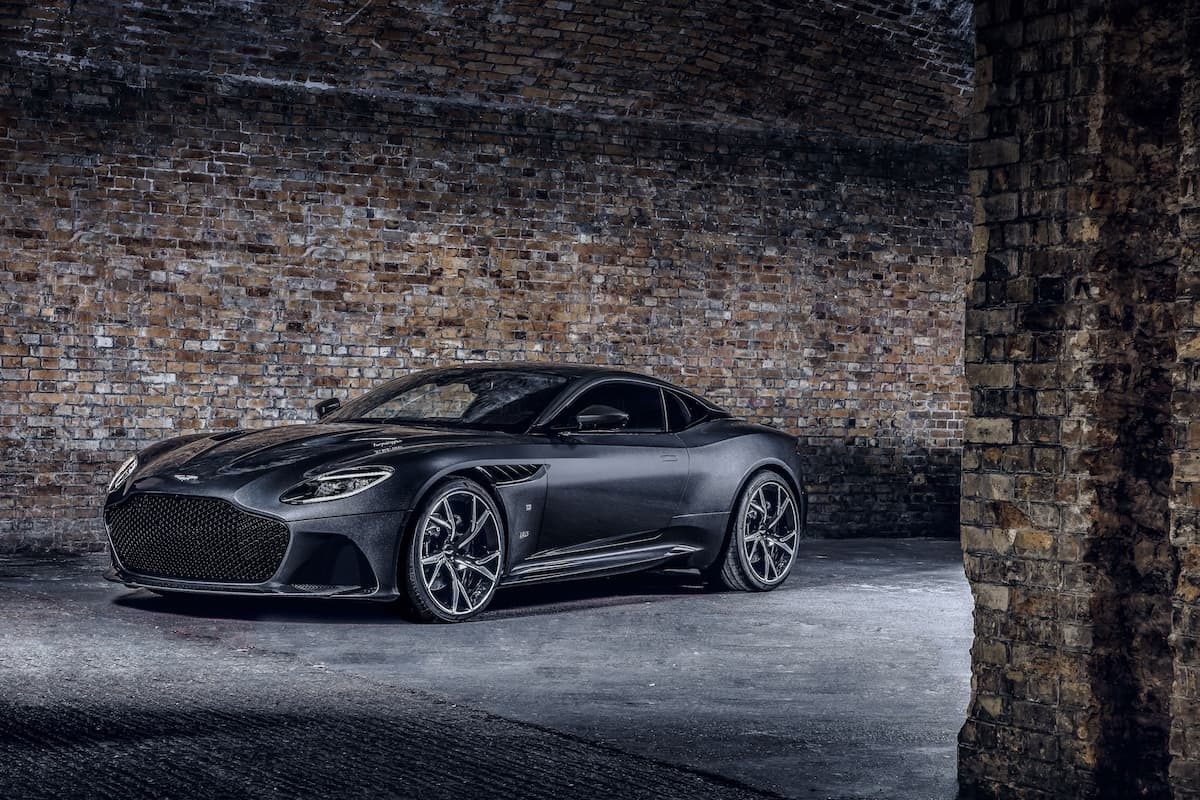
Aston Martin is celebrating the release of the upcoming James Bond film No Time To Die with the launch of two exclusive 007-themed cars.
Badged 007 Edition, the models have been created by the firm’s bespoke division, called Q by Aston Martin.
The first, the DBS Superleggera 007 Edition, has been created in homage to the upcoming film set for release in November and is limited to just 25 cars worldwide. While packing the regular car’s 725hp, 5.2-litre twin-turbocharged V12 engine, it also features a ceramic grey exterior paint and gloss black diamond-turned 21-inch alloy wheels.
A special 007 Edition badge has also been fitted to the flanks of the car, while a stainless steel silver 007 foil has been applied to the rear spoiler.
The second car, which is based on the current Vantage, references the original Aston Martin V8 that played a starring role in The Living Daylights of 1987. As well as a variety of styling enhancements, the Vantage can also be fitted with a limited edition set of skis and accompanying ski rack which harks back to the film car.
The interior of the Vantage features a variety of 007 brandings, while the sun visors have been embroidered with a radio station frequency – 96.60 (FM) – which was the Russian police frequency which Bond used to help his escape in the film.
Limited to just 100 units globally, the Vantage can also be fitted with a laser-etched gadget plate which references a variety of different weapons and features which the original film car had. Crosshairs etched onto the car’s paddle shifters also reference the missile guidance system seen in the film, too.
First deliveries of both cars are expected in the first quarter of 2021, with prices starting at £279,025 for the DBS Superleggera 007 Edition and £161,000 for the Vantage 007 Edition.
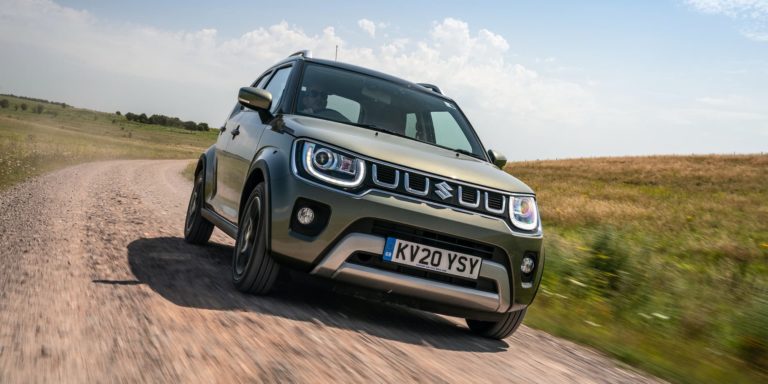
Suzuki has facelifted the Ignis small crossover, with a new mild hybrid petrol engine standard across the range, a fresh gearbox option, and a lightly revised look.
The powertrain has been updated with a new 1.2-litre petrol engine assisted by a mild hybrid system, which Suzuki says promises better fuel economy and lower CO2 emissions. Further economy improvements come from increasing the battery size, from 3Ah to 10Ah, over the previous model.
Furthermore, a new CVT automatic gearbox is available as an option on SZ-T and SZ5 trims with two-wheel-drive.
The two-wheel-drive version with the manual gearbox is the most efficient, achieving 55.7mpg on the combined cycle with CO2 emissions of 114g/km.
On the outside, there have been some minor styling revisions, with a five-spoke front grille and a redesigned front and rear bumper. Inside, there’s a new instrument cluster and new interior accent colours.
Standard equipment includes air conditioning, DAB digital radio, 15-inch alloy wheels, LED headlights and rear privacy glass. The SZ-T trim adds a rear-view camera, 16-inch alloy wheels, wheel arch extensions, and smartphone connectivity. The SZ5 adds automatic air conditioning, satellite navigation, rear electric windows, fog lights, and extra safety equipment.
The facelifted Suzuki Ignis range goes on sale this month, although Suzuki hasn’t specified delivery dates just yet.
Efficiency updates for Suzuki’s quirky crossover
This is a mild (hybrid) update with an emphasis on the Ignis’s electrical assistance. The “self-charging hybrid technology” described on the company’s website is simply marketing bollocks (although Suzuki is far from alone in this regard).
In reality, it’s just another example of a mild hybrid unit where a petrol engine gets a bit of electrical assistance to reduce the amount of fuel it needs to get the job done – and the same sort of set-up is being rolled out to almost every petrol car on the market. The Ignis can’t be driven on electrical power alone, so Suzuki’s “Hybrid” nomenclature may be somewhat misleading.
The Suzuki Ignis currently holds an Expert Rating of 70% on The Car Expert’s unique Expert Rating scale, based on 19 UK reviews of the pre-facelift version. This update isn’t likely to alter that significantly, so the Ignis will remain a distincitive little city car that looks like an SUV but isn’t really. Stuart Masson, Editor
Maserati has unveiled new high-performance Trofeo versions of its Ghibli and Quattroporte models.
Both utilise the same 3.8-litre V8 engine with 580hp, allowing both to crack a top speed of 203mph. Power is sent to the rear wheels through a ZF eight-speed automatic gearbox.
A new driving mode – called Corsa – has been included in both cars too, sharpening throttle response and allowing for even quicker gearshifts. It also stiffens the suspension and allows the exhaust system to become even more vocal.
The Trofeo-badged Ghibli will manage the 0-60mph sprint in four seconds, while the larger Quattroporte Trofeo takes just over the four-second mark. The pair join the existing Levante Trofeo SUV which has been a part of the firm’s range for a year, but has been tweaked to coincide with the introduction of these new models.
Each car also gets an extensive visual upgrade over the regular models, with aerodynamic tweaks and large 21-inch alloy wheels giving the pair a distinctly muscular look.
Inside, both the Ghibli and Quattroporte benefit from a range of sporty touches such as performance seats and contrast piping. The pair also benefit from Maserati’s latest infotainment system which is accessed via a new ten-inch screen in the middle of the dash.
Both cars are available to order now, with the Ghibli priced from £103,890 and the Quattroporte from £126,890.
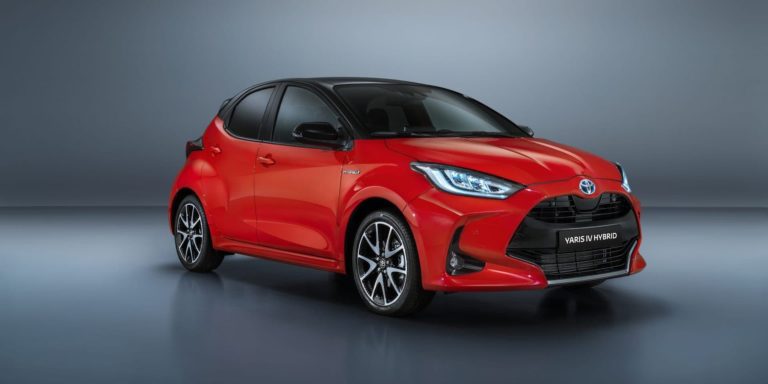
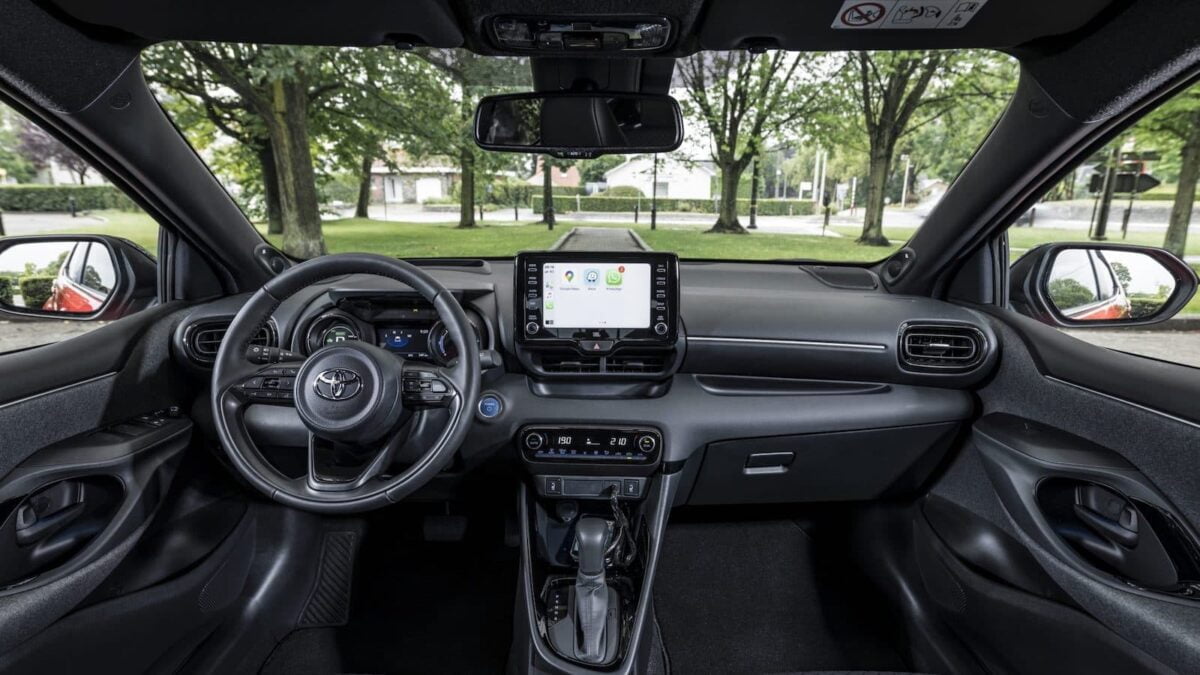
The fourth-generation Toyota Yaris has now gone on sale in the UK and it’s available with a 0% APR finance deal.
The personal contract purchase offer is available for up to 42 months on the Design trim, which results in monthly payments of £189 per month with a £4,311 deposit.
The new supermini gets a hybrid powertrain, which uses a 1.5-litre petrol engine and electric motors to offer 22% improved efficiency over its predecessor.
Prices start at £19,910 for the Icon trim, with standard equipment including 16-inch alloy wheels, a seven-inch infotainment screen, reversing camera, automatic air conditioning and heated door mirrors.
Design, priced from £20,970, adds an eight-inch infotainment screen, updated instrument display, LED headlights and rear lights and powered rear windows.
Priced from £21,920, Dynamic builds on Design with 17-inch alloy wheels, front sports seats, part-synthetic leather upholstery, and a JBL eight-speaker sound system. Excel, priced from £22,220, sits alongside Dynamic and gets a slightly different specification, including a six-speaker sound system, auto-folding door mirrors and advanced safety kit.
There’s also a Launch Edition in the UK, which is based on the Dynamic trim but with some choice extras as well as a Tokyo Fusion Red and Eclipse Black Pearlescent bi-tone paint finish.
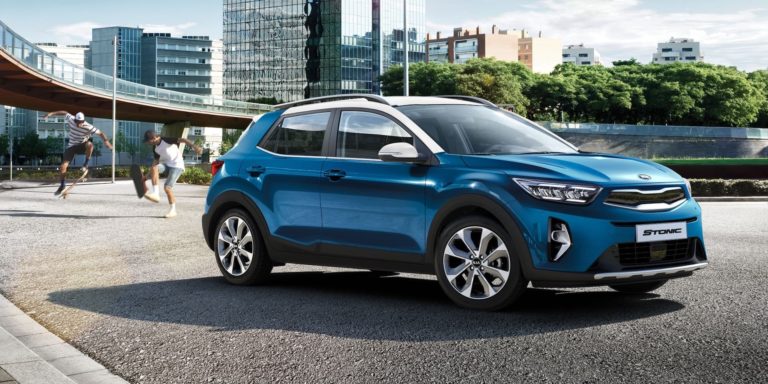
Kia has announced a ‘significant’ range of upgrades to the Stonic crossover, with the key update being the introduction of a mild-hybrid powertrain.
The electrified engine brings improved efficiency and lower emissions. Badged EcoDynamics+, the 1.0-litre petrol engine also comes with a new manual transmission as well as the existing seven-speed automatic. It’s available in two states of tune – 100hp and 120hp.
Aside from the mild-hybrid engines, the standard petrol units have also been updated. There’s a new version of the 100bhp 1.0-litre unit as well as an updated version of the 84hp 1.2-litre unit. Kia says it will confirm performance and efficiency figures closer to when it goes on sale.
Elsewhere, the eight-inch touchscreen display is now included as standard, with satellite navigation depending on specification. Up to two Bluetooth devices can be connected at one time, while vehicles equipped with the Display Audio infotainment system get wireless Apple CarPlay and Android Auto.
Styling-wise the Stonic is largely unchanged, but does get new LED headlights. There are new equipment options too, including a fresh 16-inch alloy wheel design, two new paint colours and an additional roof colour. Inside, there’s a new four-inch digital instrument display and a new interior colour choice.
Finally, the new Stonic is equipped with Kia’s latest safety assistance systems, though which are included will depend on the trim level chosen. These include forward collision-avoidance that now includes cyclist recognition, blind spot collision warning and adaptive cruise control.
The new Kia Stonic will come to the UK towards the end of 2020, with final specifications to be confirmed nearer the time.
One of the problems car buyers often get caught out by with regard to their car finance is negative equity, and it can get them into financial trouble. But what is negative equity and why is it a problem?
Equity is the difference between what you owe to the finance company for your car loan and what the car is actually worth. If your car is worth more than you owe the finance company, the difference between the two is called positive equity (and usually just referred to as equity). It means that if you sell or part-exchange your car, you can pay off your finance and still have something left over. Yay!
For example: Current car finance settlement: £10,000 Current car value: £12,000 Equity: £2,000
If your car’s value is less than what you still owe on it, that difference is called negative equity. That means that if you sell or part-exchange the car, the money you get for it won’t be enough to pay off your finance and you will have to pay the difference from your savings. Not so good.
For example: Current car finance settlement: £16,000 Current car value: £12,000 Negative equity: £4,000
This is caused by the car losing value (depreciating) faster than you are repaying the loan. It will always happen at the start of your agreement and that’s perfectly normal, but it becomes a problem if there is still a significant negative equity difference later in the agreement, at the time when you are thinking about selling or changing your car.
“So, your finance settlement is £16,000 but your car is only worth £12,000. Is that about what you were expecting?” “What does that mean?” “Ah, don’t worry about it…” (ominous music plays in background)
Having significant negative equity is very likely if your finance agreement is a PCP (personal contract purchase), especially if you have a small deposit and/or are taking the finance agreement over a long period (four or more years). Given that this exact scenario applies to millions of car owners in the UK, it’s fair to say that there are a lot of people who could potentially be in serious trouble if their financial circumstances change.
Why is negative equity a problem?
If your financial situation changes (eg – you lose your job, you have unexpected divorce or hospital expenses, etc.), you may be in a position where you can’t afford to keep up your monthly car payments. If your car finance is in negative equity, then even if you sell the car you still haven’t got enough money to pay off the debt to the finance company.
The example shown earlier had £4,000 of negative equity. If you were able to sell that car (and you’re probably not allowed to anyway), that means you would need to find £4,000 on top of what the buyer has paid you in order to clear the finance still owing on the vehicle. And the majority of car owners won’t have that £4,000 available to settle the debt.
If you default on your debt to the finance company, they will charge you late fees on top of the payments you already can’t pay. So your debt goes up, making your situation worse. When you still can’t pay, the finance company will call in a collections agency and that will take your problems to a new level. In addition, your default on the loan will be recorded on your credit history, making it harder to borrow money in the future or try to manage your way out of the problem. It’s a downward spiral that can easily end up in bankruptcy.
Does the thought of this keep you awake at night?
This scenario is very common in car finance. If you have a hire purchase, you will usually have negative equity until you are about two-thirds of the way through your agreement (depending on how much deposit you paid up-front).
If you have a PCP agreement, you may end up being in negative equity all the way through to the end of the agreement and have to rely on giving the car back to claim your GFV (guaranteed future value) to cover your negative equity.
Carrying your negative equity over simply increases your risk
If you want or need to end your agreement early and change your car, you will almost certainly have negative equity to deal with – particularly if you have a PCP.
What people are often inclined to do is add their negative equity debt onto their new finance agreement. Some finance companies will simply not allow this, and in the aftermath of the financial crash of 2008 there was a bit of a crackdown with finance companies refusing to allow buyers to transfer negative equity from their old car to their new one.
However, it seems that this practice is on the rise once again. Steady growth in enquiries about carrying over negative equity here at The Car Expert suggests that it is becoming increasingly common once again, and that more finance companies are now allowing it. This is concerning.
What usually happens in this scenario is that the salesperson at the dealership breaks the bad news that your part-exchange is worth less than you thought, and that it’s not enough to cover the balance still owing on your finance: “But you don’t have to worry! We can just carry that amount over onto your new finance agreement, and all that will happen is that you’ll pay a few pounds more per month to cover it. It’s easy.”
At this point, the salesman will sit back, offer his best reassuring smile and insist that’s it’s no problem whatsoever.
Except that’s not really true…
Believe it or not, this guy does not really have your best interests at heart…
Let’s go back to the example at the top of the page: You have £4,000 of negative equity in your current finance agreement, and now you want to borrow an extra £4,000 on your new agreement to pay that off. What the dealer will almost always fail to mention is that you have already paid interest on that £4,000, and you are now going to pay more interest on the same money because you are borrowing extra to cover it. But that’s only a minor problem.
The major issue is that you will be paying an extra £4,000 over and above the price of your new car.
Let’s say your new car costs £30,000. Your new finance agreement will include interest and fees, so your total amount repayable will probably end up being about £34,000. That’s already a negative equity of £4,000 before you have even started.
That new car will depreciate just as quickly as your old one, but the extra £4,000 of debt that you have whacked on top of the price means you are basically paying £38,000 for a £30,000 car. So if you run into any financial problems over the next three or four years, you have multiplied your problems because you have vastly increased your negative equity.
Avoiding or minimising negative equity
It’s almost impossible to completely avoid negative equity in car finance, as you are taking on a debt (plus interest and fees) against a depreciating asset. Even if you have an interest-free loan, the car will depreciate faster than you are repaying the loan to begin with. After a year or so, the rate of depreciation starts to slow down and your repayments start to ‘catch up’. But on a PCP, it is still possible that you will never completely catch up and will always be in negative equity until the end of the agreement.
There are ways you can minimise your negative equity position, and it usually means going against what the dealer wants you to do. These are:
Have a larger up-front payment (deposit). The more you are putting in now, the less you have to repay over the next 3-4 years. You will also pay less interest as you are borrowing less money. Dealers will usually try to get you to reduce your deposit and borrow more (“Why wouldn’t you? The rates are so low!”), but this is only because the more you borrow, the more commission they get paid. It’s not for your benefit.
Take a shorter term, such as a three-year PCP instead of a four-year (or longer) PCP. Your monthly payments will be higher, but that’s because you are paying off more of the car each month and closing down your negative equity sooner. So if you run into problems down the track, your negative equity problem will be smaller and hopefully more manageable.
Don’t be tempted to change your car because you’re bored with it. Settling your PCP ahead of schedule is almost guaranteed to result in you having to pay off negative equity.
Don’t underestimate your annual mileage. If you take a PCP at an annual mileage of 6,000 but you actually do 10,000 miles each year, you are creating a problem for yourself. Your payments will be lower, but you are devaluing the car faster because of the additional mileage. So if you need to sell the car, the car is worth less than it should be and you have a larger problem.
Make overpayments if you can. Most finance companies will let you make overpayments; either in the form of higher monthly payments than what you have committed to, or extra payments here and there when you have some spare money available. This reduces your debt (and the total amount of interest you will have to pay) and therefore your negative equity position.
Don’t pay for any extras you don’t want or need. Dealers will ALWAYS want you to take things like GAP insurance and service plans. Again, this is not because they are concerned about your best interests but because they get juicy commissions on all those extra bits. Meanwhile, your costs keep going up but you’re not necessarily getting any real benefits.
Most importantly, make sure you can comfortably afford whatever you’re spending – with plenty of money left over each month to cover other costs and deal with any problems. If you are up to your eyeballs in repayments and have nothing to spare, you are much more vulnerable to any unexpected financial hits that may come your way.
In most cases, this means reining in your ambitions a bit and making sure you’re not biting off more than you can chew. That might sound depressing now, but your future self will thank me for it.
This article was originally published in March 2017, and was last updated in August 2020.
Here at The Car Expert, we are building commercial partnerships with companies who can offer you competitive PCP deals on either a new or used car (as well as other types of finance if you prefer). Check these out before signing any finance agreement with a car dealer:
This is the new Ferrari Roma. It’s a car that the firm hopes will garner the interest of a whole new clientele – those looking for a comfortable yet involving cross-country GT car. And as a grand tourer, the Roma comes with a whole new range of requirements over and above Ferrari’s existing range of supercars.
But is the Roma up to the challenge, and has Ferrari succeeded in infusing it with all that makes its cars great, along with genuine long-distance useability? We’ve been behind the wheel to find out.
Looking at the Roma’s layout, you’re met with a typical GT setup; there’s a large V8 engine up front, drive to the rear and enough space for two adults and two children. There’s even a decent-sized boot. Yet while the Roma shares many components with the Portofino convertible, this is far more than just the drop-top with a fixed roof. No, Ferrari has worked extensively to ensure that the Roma is just as good in the bends as it is ploughing along highways.
The inside of the car has been fitted with the latest equipment the firm has to offer, with much of it only recently seen on the SF90 Stradale hypercar. So while the exterior is very much a nod to Ferrari cars of old, the cabin is as cutting edge as they come.
How does it look?
Ferrari has taken a look through its back-catalogue of greats for the Roma’s design inspiration. In our eyes, it appears like nothing else that the firm offers today, with a classically designed front grille making a real impression.
The sharp front end and razor-cut headlights give the car a real look of purpose, while the long bonnet section offers a classic look that has been used on GT cars time and time again.
What’s the spec like?
The Roma has been fitted with Ferrari’s latest in-car setup, which sees its traditional analogue rev counter ditched in favour of a widescreen display, and the central heating and ventilation controls (among others) accessed via a tablet-style screen in the middle of the cabin. The wheel itself has also been redesigned and now incorporates haptic-feedback controllers for that driver display, as well as for the audio controls, indicators, windscreen wipers and cruise control.
The new infotainment setup is one of the best we’ve seen from Ferrari; it’s easy to use and responsive, while the new driver display allows you to keep your eyes on the road.
Our only point of contention with this new setup is the engine starter button. It’s now a touch-sensitive button at the bottom of the steering wheel, and while its operation is easy enough it’s lost some of the sense of occasion you used to have with the big red starter buttons of old. Maybe it’s the inner eight-year-old in us, but there’s something exceedingly cool about starting a car with a loud, red and purposeful button, and this just misses out on that.
It might not be as flamboyant as some of Ferrari’s other supercars, but it’s not meant to be; this is a car which has been designed to be whisked across countries in a discreet fashion.
What’s the Ferrari Roma like inside?
The Roma has been designed around a 2+2 layout. And while there are rear seats there, they’re really only suited to children – something Ferrari now openly admits. However, they can be folded down to increase the space you’ll find in the boot, accessed via a hatch-style boot opening. It’s a usable area, with a decent opening allowing for a few weekend bags or even more should you fold down the back seats.
Up front, you’re sat low and ‘in’ the car, with a steering wheel that offers plenty of adjustment. The wing mirrors are adjusted via a new touchscreen panel down at the side of the wheel, and while it’s a futuristic touch, we’d have probably kept this as an analogue controller for ease of use.
What’s under the bonnet?
You’ll find the same 3.9-litre twin-turbocharged V8 engine under the bonnet of the Roma as you would on the Portofino, but extensive measures have allowed it to produce 20bhp more than in the drop-top model, now making 620hp. The Roma also benefits from a new eight-speed dual-clutch automatic – the first time one has been used in a front-engined Ferrari – and it’s been refined and made smaller to not only help with shift times but also reduce emissions.
When it comes to performance, the Roma certainly punches hard; zero to 60mph takes a snick over three seconds while flat-out it’ll do 199mph. Despite this, it should return 25mpg while emitting 255g/km CO2.
What’s the Ferrari Roma like to drive?
How do you want a grand tourer to drive? You want it to be comfortable and refined, for sure, as well as fast in an understated way. And while the Roma achieves all of these traits – in comprehensive fashion, we might add – it’s the way this car handles when the roads get twisty that really impresses. It’s been given a sharpness and keenness to turn in that only Ferrari could achieve, while its ability to rotate in a controlled, fluid motion is genuinely impressive.
There are five settings on the new manettino mode selector – Wet, Comfort, Sport, Race (a first for a Ferrari GT car) and traction control off – with the variety of selections on offer giving the Roma a real breadth of ability. There’s also the bumpy road button – now integrated into the manettino and activated by pressing the entire button – which adds a suppleness that will no doubt prove immensely useful in the UK.
The steering is classically Ferrari-quick off-centre, so while the Roma offers genuine composure when on the straight and narrow, its ability to change direction at a moment’s notice is nothing short of amazing. Oh, and then there’s the performance. The V8 gives the Roma a brawny, muscular kind of approach to acceleration, with a great deal of push available throughout the mid-range, though exploring the upper echelons of the rev counter is just as rewarding as riding the wave of torque available lower down.
Verdict
Though the Roma takes the place at the entry point of the Ferrari range, this is anything but an entry-level car. It drives with such verve and precision that it outclasses rivals left, right and centre, while its refinement and comfort allow it to appeal to those who want a Ferrari they can use day-in, day-out.
Combined with head-turning looks, this is a car which serves to show just what Ferrari can do when it is on tip-top form. Encapsulating some of the energy and edge from its more hardcore supercars and transplanting it into a useable GT car could have been difficult, but somehow Ferrari has achieved it in all-encompassing fashion.
Volkswagen has lost an appeal in a landmark ruling on the Dieselgate scandal.
The ruling could mean the UK’s largest ever group action can now continue, according to consumer action law firm Your Lawyers, as well as opening the door for other similar emissions-related cases involving Mercedes-Benz, Nissan and Renault.
In April, VW appealed against a ruling that said the firm installed ‘defeat devices’ in thousands of diesel vehicles to trick emissions recording software. However, the latest decision by Lord Justice Males said “the judge’s ‘defeat device’ issue was clearly correct”.
US consumers have been awarded $9.8bn in settlements related to Dieselgate, with the Federal Trade Commission saying VW had agreed to buy back or repair more than 500,000 affected vehicles. Claimants are being given between $5,100 and $10,000 in compensation on top of the value of their vehicles.
Aman Johal, director of Your Lawyers, said: “This latest ruling is a victory for all UK victims of the Volkswagen emissions scandal. We look forward to the case reaching its conclusion and hope for a favourable ruling for all affected claimants, with the US settlement hopefully setting the standard for compensation.
“Volkswagen must be held to account for its reprehensible actions that have caused physical, environmental and financial damage both nationwide and globally.
“Should justice be served in the UK courts, the total cost of Volkswagen’s transgression could place it as the largest ever group consumer action – a strong signal to other car manufacturers, including Mercedes, Nissan and Renault, who have also been accused of similar behaviour.”
A Volkswagen Group spokesperson said: “Volkswagen Group is disappointed in the Court of Appeal’s decision but, of course, respects it.
“This decision relates to the technical points of law that formed the Preliminary Issues Hearing in 2019. It does not determine the points of loss, liability and causation, which will be decided at a trial not before March 2022.
“Volkswagen maintains that because customers have not suffered any loss, it does not owe them compensation. Nevertheless, this is a matter for the main trial in due course.
“Volkswagen has openly acknowledged that, in relation to the emissions issue, we did not live up to our own standards. We are committed to maintaining the trust of the public through programmes such as our €33bn investment into e-mobility, bringing 75 fully electric car models to market by 2029.”
The Mini Electric is, as the name suggests, an electric version of the 2014-2023 Mini three-door hatch. It arrived in March 2020, and production concluded in late 2023 ahead of the launch of an all-new model in 2024.
A facelifted model arrived in early 2021, along with similar upgrades for the petrol hatch and convertible versions.
Visually, the Mini Electric was almost unchanged from the regular petrol or diesel Mini models, apart from some fluorescent trim pieces and other detail changes. However, due to the significant structural changes associated with replacing the combustion engine with an electric motor and battery pack, the Mini Electric did not qualify for the same Euro NCAP safety rating as the regular Mini hatch models.
The Mini Electric was praised for retaining traditional Mini characteristics, especially in the way it drove. The biggest criticisms were its relatively poor range compared to similarly-priced electric cars, and high price compared to a comparable petrol Mini.
An all-new Mini hatch was unveiled in Autumn 2023, which arrived in the UK in early 2024. This will be spearheaded by a new electric Mini Cooper, replacing the current Mini Electric.
No longer in production, the Mini Electric holds a Used Car Expert Rating of A, with a score of 72%. It scores top marks for its low running costs and zero tailpipe emissions, although its media reviews were poor. Also note that we don’t currently have any reliability data, and the Mini Electric was never tested by Euro NCAP so we don’t have a safety rating.
Body style: Small three-door hatch Motor: electric, battery-powered Price when new: From £29,000 on-road
Launched: Winter 2019/20 Last updated: Winter 2020/21 Replacement due: Spring 2024
Image gallery
Mini Electric (2020)
Mini Electric (2020)
Mini Electric (2021 facelift)
Mini Electric (2021 facelift)
Media reviews
Highlighted reviews and road tests from across the UK automotive media. Click any of the boxes to view.
The Car Expert
“If your car doesn’t move many miles and space isn’t an issue, the Mini Electric could be the perfect blend of guilt-free driving and actual enjoyment of a product. However, we suspect that key lack of battery range will do no favours for those with range anxiety.” Read review
Auto Express
Model reviewed: Convertible Score: 6 / 10 “t’s hard to recommend the MINI Electric Convertible. Anyone who’s happy to settle for a relatively old-school experience will need to stomach a hefty price tag.” Read review
Model reviewed: Score: 7 / 10 “Typically stylish, quick and cheap to run, the Mini Electric will put a smile on your face – although the limited range spoils the fun.” Read review
Score: 8 / 10 “The new British-built Mini Electric will appeal to anyone who loves the way a standard Mini drives and looks, although the 144-mile electric range might give buyers cause for concern.” Read review
Auto Trader
Score: 6 / 10 “Built in Britain alongside the rest of the range, the Mini Electric is a three-door Mini hatch, which uses the electric expertise of its parent, BMW Group (think BMW i3) to power the latest car. It’s still very recognisably a Mini, inside and out, with just a few styling clues to tell you it’s an EV.” Read review
Car
Model reviewed: Score: 4 / 10 “There’s a lot to be said for the Mini Electric as an inexpensive small electric car. However, there are other models that fill the brief better. A Corsa Electric or Renault Zoe are more practical, both in terms of their interior packaging and their much more usable range. A Fiat 500 Electric, meanwhile, fills the brief of ‘fashionable small car’, while offering more miles, albeit with similarly tight packaging.” Author: Jake Groves Read review
Car Keys
Model reviewed: Shadow Edition Score: 8 / 10 “Electric cars don’t get much more charming than the Mini. It is huge fun to drive, while looking cool and having a particularly upmarket interior. Though the cost of this Shadow Edition does make it harder to recommend, if you crave the ultimate electric Mini and don’t mind paving for the privilege, you really won’t be disappointed.” Read review
Score: 9 / 10 “The Mini Electric is one of the most fun electric cars yet – remaining the sparkle that makes the regular Hatch the success story that it is by being fun to drive and great to look at.” Read review
Carbuyer
Model reviewed: Score: 7.8 / 10 “The Mini Electric is quick and stylish but its shortcomings mean you may not want it as your only car.” Read review
Carwow
Score: 8 / 10 “The Mini Electric is fun to drive, has a funky cabin and comes stacked with standard equipment, but there are more comfortable small EVs that’ll go further on a charge.” Read review
Company Car Today
Model reviewed: Level 2 “A seriously attractive, and fun, near-hot-hatch proposition for those who don’t need to do regular long distances, and as with all EVs, it is incredibly attractive on the tax.” Read review
Daily Mail
“The original Mini revolutionised motoring when it rolled out of the same Oxford factory as today’s electric model to become a classless symbol of booming baby-boomer Britain in the Swinging Sixties. Perhaps its time really has come again.” Read review
Daily Mirror
Score: 6 / 10 “The Mini Electric shows that you don’t have to come up with a radical new car to create an appealing small EV – electrifying what you have does the job.” Read review
Discover EV
Model reviewed: Score: 9 / 10 “A Mini is not exactly the most practical car in terms of rear passenger space (with slightly less head room than in the regular versions of the car due to the battery’s position) or boot space. However, unless you’re going away on a family holiday, which you won’t be with 145 miles of range, it is more than adequate for school runs, shopping trips and commutes.” Read review
Driving Electric
Score: 7 / 10 “The Mini Electric is a fun, fast and chic small electric car, but its relatively modest driving range may put some buyers off.” Author: Tom Jervis Read review
Fleetworld
Score: 8 / 10 “Mini breaks most of the EV ownership barriers down with the Cooper SE, as it’s almost as good to drive and as practical as the ICE version. Watch the range though.” Read review
Green Car Guide
Model reviewed: Cooper S Level 2 Score: 8 / 10 “The Mini Electric offers huge amounts of fun, especially if your driving involves lots of corners. It also has good performance, yet also zero emissions. However it’s small, it has an official electric driving range of only 140-145 miles, and it’s not cheap.” Read review
Heycar
Model reviewed: Range overview Score: 7 / 10 “Retro classic with futuristic drivetrain” Read review
Honest John
Model reviewed: Score: 8 / 10 “There are other electric hatchbacks that do a much better job on range and interior space than the Mini Electric, so it won’t cut the mustard as a family’s only car. However, if you’re only viewing it as a weekday runabout, then it could still make sense for you if your commute is particularly short.” Read review
Parkers
Model reviewed: Score: 7.8 / 10 “Mini suits being electric, but range could be better.” Read review
The Sun
“The new battery Cooper SE is the Mini we know and love…but it still has a mini range.” Read review
The Telegraph
Model reviewed: Score: 8 / 10 “The Mini Electric is, in short, an easy car to love but a hard one to justify. There are better, more rounded electric cars out there for the price, but if you’re happy to throw reason to the wind, you’ll have more fun in this one.” Read review
Top Gear
Model reviewed: Score: 7 / 10 “A surprisingly rounded EV. Still fun to drive, and uncompromised inside, but it’s likely to be your second car.” Read review
Which EV?
Model reviewed: Score: 7.1 / 10 “The Mini Electric still has its charms. The new version hasn’t changed much, but maintains the core killer feature of great driving dynamics and strong performance. The low range is a big limitation, and the interior is not exactly spacious. But for city driving and commuting, the Mini Electric remains an attractive, enjoyable option. Just don’t drive to Scotland, unless you are already there.” (James Morris) Read review
Safety rating
Independent crash test and safety ratings from Euro NCAP
No safety rating
The Mini Electric was not given a safety rating by Euro NCAP. The regular combustion-engined Mini hatch (ie – all petrol and diesel models) was tested way back in 2014 and awarded a four-star rating, but this does not apply to the Mini Electric due to the significant changes in the overall vehicle structure and composition from replacing the traditional motor and associated equipment with an electric motor and battery pack.
Eco rating
Independent economy and emissions ratings from Green NCAP
No eco rating
The Mini Electric was not lab tested by Green NCAP during its production life.
The Green NCAP programme measures exhaust pollution (which is zero for an electric car) and energy efficiency. Electric cars are much more energy-efficient than combustion cars, so the Mini Electric would almost certainly have scored very highly in Green NCAP testing.
Reliability rating
Reliability data provided exclusively for The Car Expert by MotorEasy
No reliability rating
As of March 2026, we don’t have enough reliability data on the Mini Electric to generate a reliability rating.
The Car Expert’s reliability information is provided exclusively to us using workshop and extended warranty data from our partner, MotorEasy, sourced from both official dealerships and independent workshops.
As soon as MotorEasy has sufficient data on the Mini Electric, we’ll publish the results here.
Running cost rating
Monthly cost of ownership data provided exclusively for The Car Expert by Clear Vehicle Data
Battery range
Average
Score
Variation
Score
EV models
143 miles
C
Electrical efficiency
Average
Score
Variation
Score
EV models
4.4 m/KWh
B
Insurance group
Average
Score
Variation
Score
All models
23
B
Service and maintenance
Cost
Score
Year 1
£159
A
Year 2
£357
A
Year 3
£570
A
Year 4
£743
A
Year 5
£994
A
Overall
£2,823
A
The Mini Electric is an affordable car to own and run, according to whole-life cost numbers provided exclusively to The Car Expert by our data partner, Clear Vehicle Data.
In addition to the car’s fairly competitive battery range, the Mini Electric has a good electrical efficiency (the EV equivalent of miles per gallon for a petrol or diesel car). Insurance and maintenance costs are estimated to be excellent over the course of five years of ownership.
Awards
Trophies, prizes and awards that the Mini Electric has received
2021
News UK Motoring Awards – Best British-Built Car
2020
The Sun Motor Awards – Best British-Built Car
Similar cars
If you’re looking at the Mini Electric, you might also be interested in these alternatives
It was a pleasant change to read the monthly new car registration report and see a significant improvement in most numbers, and a timely shot in the arm for the beleagured automotive industry.
Overall, the new car market was up by 11% compared to the same month last year, with private buyers leading the way as they did last month as soon as showrooms re-opened. Scottish and Welsh dealers had a particularly good month, which is not that surprising since their showrooms were closed for weeks after those in England had reopened.
The top ten list looked rather more normal than in recent months as well, helped by a significant increase in fleet orders compared to recent months. This pushed more familiar names back into the top ten, while consumer darlings like the Tesla Model 3 dropped out.
The UK’s best-selling new cars, July 2020
1. Vauxhall Corsa
Top spot for the second month in a row went to the new Vauxhall Corsa, holding on by the narrowest of margins over the Ford Fiesta – just 34 units separted the two superminis in July. It’s also the fourth month in a row that the Corsa has outsold the Fiesta, which will please Vauxhall’s management. The Corsa also overtook the Volkswagen Golf in year-to-date sales, and currently sits in third place.
The petrol and diesel versions of the new Corsa currently hold an Expert Rating of 71% on our unique aggregator scale, based on 23 reviews we have gathered so far. That puts it in the bottom half of the supermini class, although the all-electric Corsa-e does score better with an Expert Rating of 76%.
After years as the undisputed best-selling car in the UK, the Ford Fiesta has had a tougher time of it over the last year. July was the fourth month in a row that it was outsold by the Vauxhall Corsa, even if there was hardly anything between them. Against a market that was up 11% compared to last July, Fiesta registrations were down by 9%. The Ford still holds a handy 3,000+ unit lead in year-to-date registrations, but it’s no longer a given that the Fiesta will top the charts at the end of 2020.
The Fiesta currently holds an Expert Rating of 84% in The Car Expert’s New Car Ratings database, which compares reviews from across the UK motoring media. This is higher than any other car in the supermini class – just ahead of the SEAT Ibiza – so it seems that motoring journalists still prefer it over the Corsa, even if customers haven’t over the last four months.
The Ford Focus improved one spot in July, outselling the Volkswagen Golf by more than 1,000 units. It was also about 1,000 sales more than the Focus achieved for the same month last year, so good news for Ford’s mid-size family hatch.
In year-to-date registrations, however, a new threat is looming as the new Vauxhall Corsa is closing in fast for second place. Plus, of course, the new Golf will be hitting its stride by the time new number plates arrive in September. This could be a close battle all the way to the end of the year.
The Ford Focus currently holds an Expert Rating of 80% in our Expert Ratings database, which is better than most rivals but still 5% off the all-new Volkswagen Golf based on its reviews to date.
The Volkswagen Golf jumps from sixth last month to fourth this month, as the new Mk8 model starts to become more reily available and the outoing Mk7 model starts to run out. The Golfs only just pipped the Mercedes-Benz A-Class for fourth place, with just 25 units separating the two.
We’re gradually seeing more local reviews of the new Golf being published in the UK media, and it currently holds an Expert Rating of 83% in our database, which makes it the top-ranked car in its class.
The Mercedes-Benz A-Class resumed its customary fifth place in the best-seller list in July, just pipped for fourth by only 24 units by the Golf. Having a plug-in hybrid option presumably helps sales of the little Mercedes as well, and it’s the best-selling car this month with a plug-in version available.
The A-Class has an Expert Rating of 77% in The Car Expert’s unique aggregated Expert Rating system. It ranks highly for safety, winning awards from Euro NCAP, Thatcham and What Car? for its protective qualities.
The Nissan Qashqai is still holding on, despite being in the twilight of its life. Sixth place this month is a couple of rungs up the ladder from last month, and it also reasserts the Qashqai as the top-selling British-built car – although it only edged out the Mini hatch by 65 sales.
The ageing Nissan Qashqai currently holds an Expert Rating of 74% in our New Car Ratings database, which is midfield for the compact crossover segment and in the bottom half of scores for a top ten-selling car. A replacement is due to be revealed later this year, although the timeframe may be subject to change in light of the chaotic economic conditions currently enveloping the industry.
The Volkswagen Polo made its first appearance since February, sitting in the middle of a very tight sales battle with the Nissn Qashqai, Mini hatch and Volkswagen Tiguan. It’s the third of four superminis in the top ten chart this month, although as usual it has only about half the numbers sold by the Corsa and Fiesta.
The Polo holds an Expert Rating of 80% in The Car Expert’s New Car Ratings calculator, which is good but still a few points behind the class-leading Fiesta and the Polo’s Spanish cousin, the SEAT Ibiza.
It was another good month for the Mini hatch, eighth in July after being fifth last month and still holding seventh place in year-to-date registrations. The electric model has now launched as well, which certainly won’t do any harm.
The Mini hatch holds a very solid score of 80% in our Expert Ratings aggregator, which is better than most cars in its class despite being much older than many of its rivals. We’re currently aggregating data for the Mini Electric, and will be publishing an Expert Rating analysis on that in the next few days so check back soon.
Two months in a row in the top ten for the Volkswagen Tiguan, which is the first time it’s managed that for a long time. It’s also the third VW to make the list this month, and that hasn’t happened for a while, either. The current Tiguan has been on sale for four years now, which means there is presumably a facelift in the works that’s due to pop up any time soon.
The Volkswagen Tiguan holds a strong Expert Rating of 79% in our Expert Ratings aggregator, which is not quite the best in class but certainly among the leaders.
Rounding out this month’s top ten is the new Ford Kuga. It’s possible that the numbers will include the last remaining stock of the old Kuga, as well as the all-new model.
The new Kuga’s Uk launch was just prior to lockdown, so there haven’t been too many media reviews for us to analyse yet, and all of those have been the plug-in hybrid version rather than the traditional petrol or diesel models. Based on the initial reviews, the new Kuga has received generally good scores and currently holds an Expert Rating of 80% – however, you can probably expect that to shift by a few points as we get more reviews of the whole range in coming months.