Find an Expert Rating: 
Home Blog Page 87

Toyota Yaris test drive

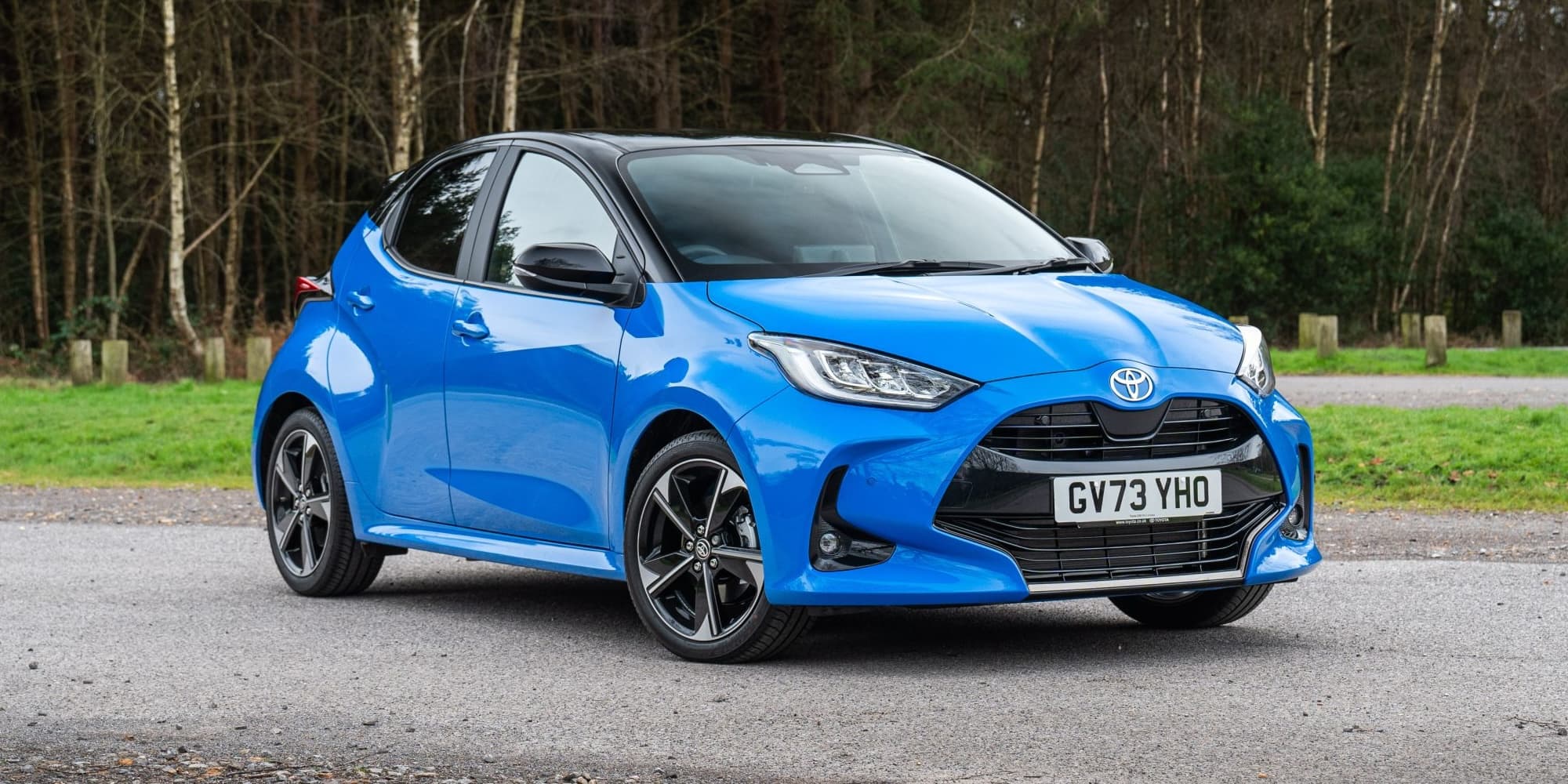
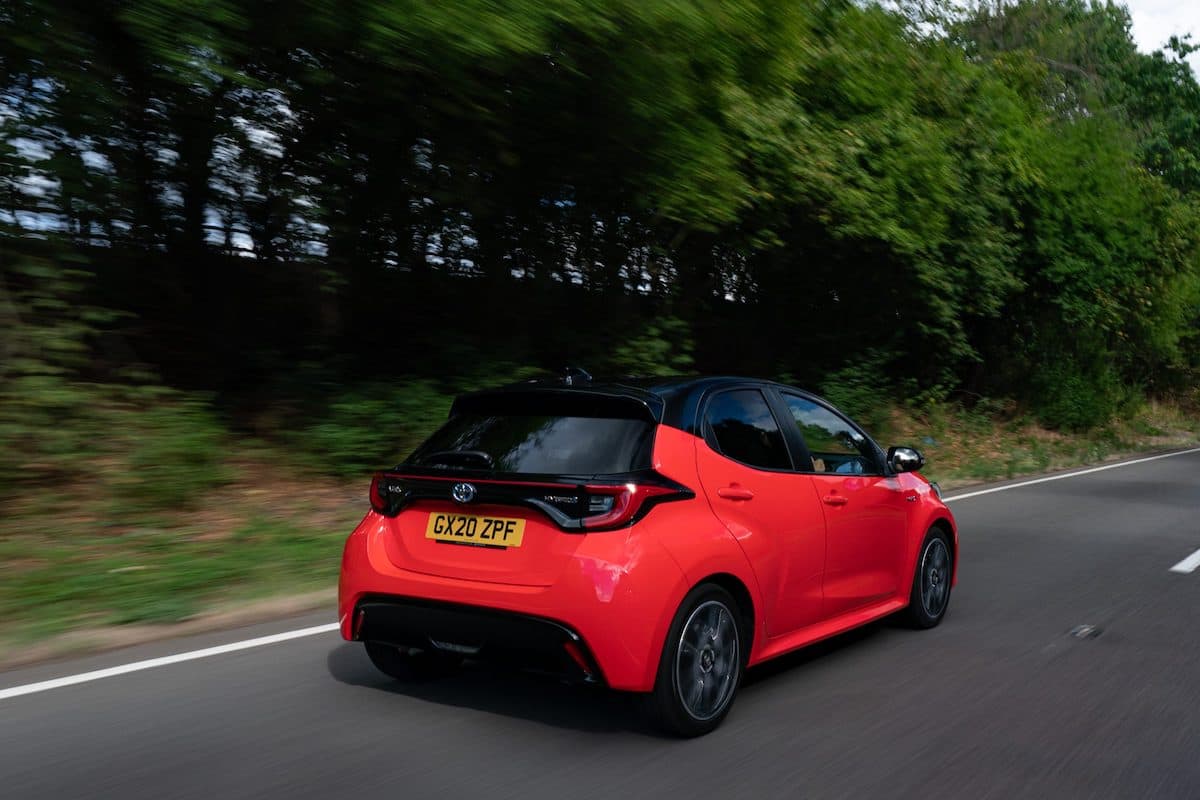
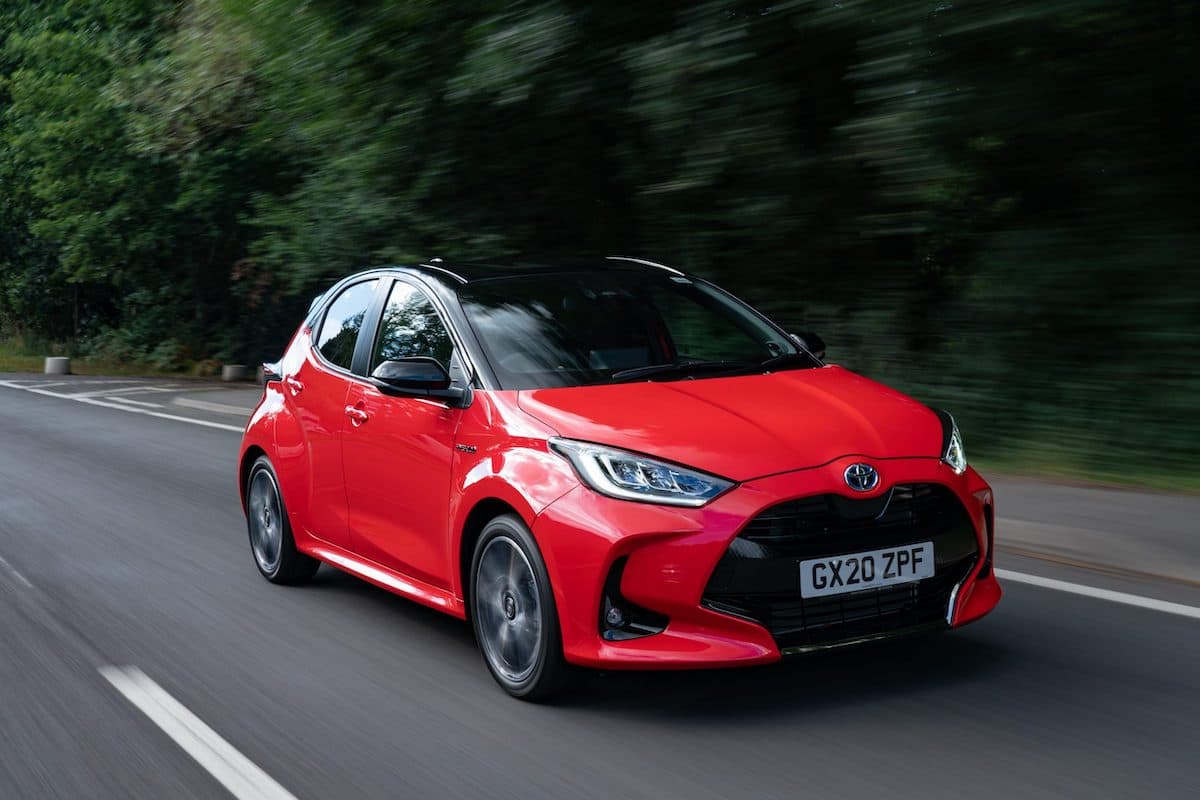
This is the new, fourth-generation Toyota Yaris. It’s a car which bears a nameplate that has come to represent value-for-money, no-frills motoring for many years now. This latest version aims to do the same, but with the added bonus of more interior technology and a great emphasis on efficiency too.

It’s why a hybrid powertrain remains, but this Yaris sits on a new platform that promises more space and practicality than the previous model. We’ve been behind the wheel to see if the change has been a fruitful one.

We’ve also put the new Yaris under the microscope on The Car Expert’s unique Expert Rating index, which compiles new car reviews from more than 25 of the UK’s leading automotive websites. Although it’s still early days and there are many more reviews still to come, the Yaris currently holds a rating of 75%. That puts it right in the middle of a field of 16 different superminis in our database.

What’s new?

As we’ve already mentioned, this latest Yaris sits on a new platform called GA-B. It’s key to the Yaris now, as it means that it should be able to bring more spaciousness while also helping to keep the car’s centre of gravity lower and improving its cornering ability. The new model is actually shorter than the one it replaces, yet has more space inside.

Elsewhere, there’s been a big push on safety with a wide-sweeping set of assistance systems incorporated into the Yaris’ set-up in order to keep it as safe as possible.

The exterior of the car also benefits from some cutting-edge styling which has helped to turn the Yaris into a far more interesting car to see out on the road.
How does it look?

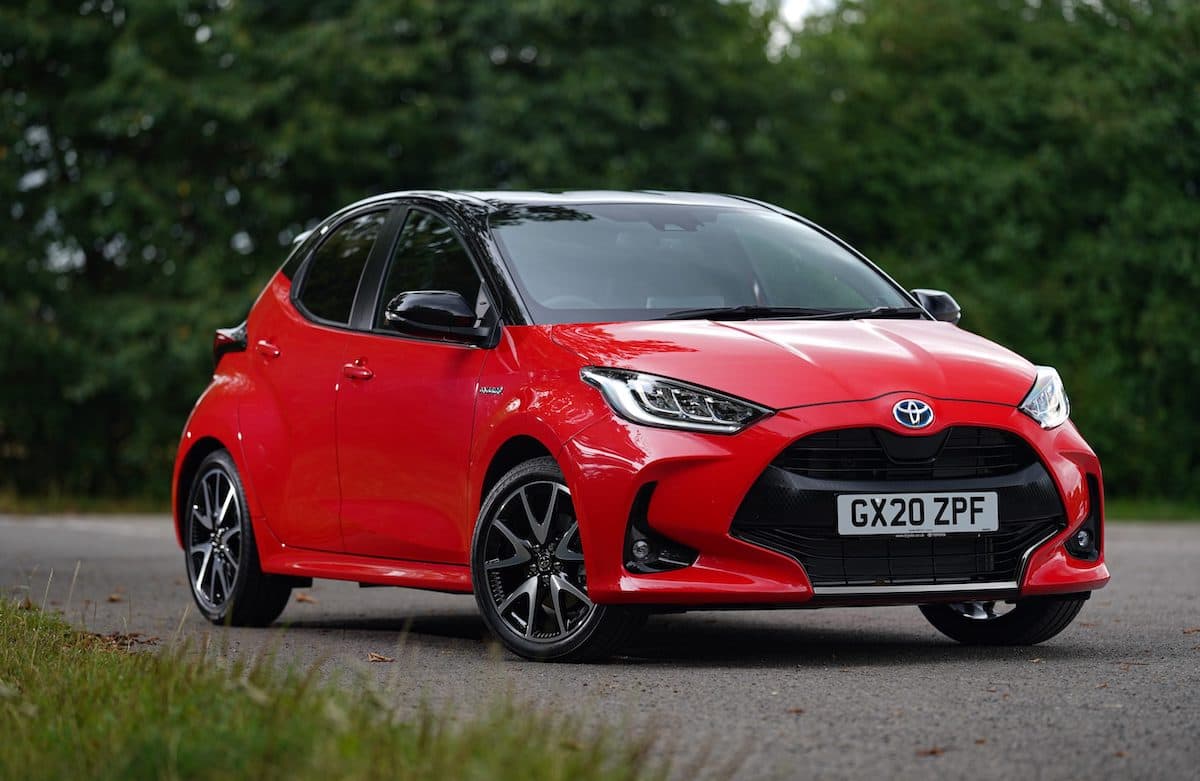
Toyota has done a fine job of making the Yaris look genuinely striking without resulting in a car which looks far too over the top. It’s a great looking car in the metal, in fact, with a lot of exciting angles and design touches helping to keep each part of the vehicle looking exciting.

That said, it’s not so overstyled that it’ll put off those who prefer a car that looks a little more under the radar.

What’s the spec like?

There’s a wealth of standard equipment available with the Yaris, with entry-level cars – which start from £19,910 – gaining features such as 16-inch alloy wheels and automatic air conditioning, though our Dynamic specification gained many additional touches.

The wheels are upgraded to 17-inch versions and you get a premium audio system too. The seven-inch infotainment screen which comes as standard is bumped up to eight inches too and though it’s not the most attractive of systems, it’s simple and easy to operate.

When it comes to the exterior, Dynamic cars also benefit from attractive LED running lights as well as full LED headlights and indicators. All of this does boost the price up to over £21,000 which, though a fair degree more than the entry cost, does represent good value for money considering the high level of standard equipment which accompanies the car.

Safety-wise, the Yaris is class-leading. It’s the first vehicle to be put through the latest Euro NCAP crash-testing programme, where it scored five stars and performed strongly in all four testing categories (adult protection, child protection, vulnerable road useer protection and accident avoidance).

What’s it like inside?

The cabin of the Yaris represents a great example of how to make a well-built and well-finished interior without going too overboard. The materials are of a good quality – with some harsher plastics used in places – but the general fit and finish is excellent with no squeaks or rattles to be found. The seating position is good too, with plenty of adjustability ensuring that you can find the ‘right’ spot easily.

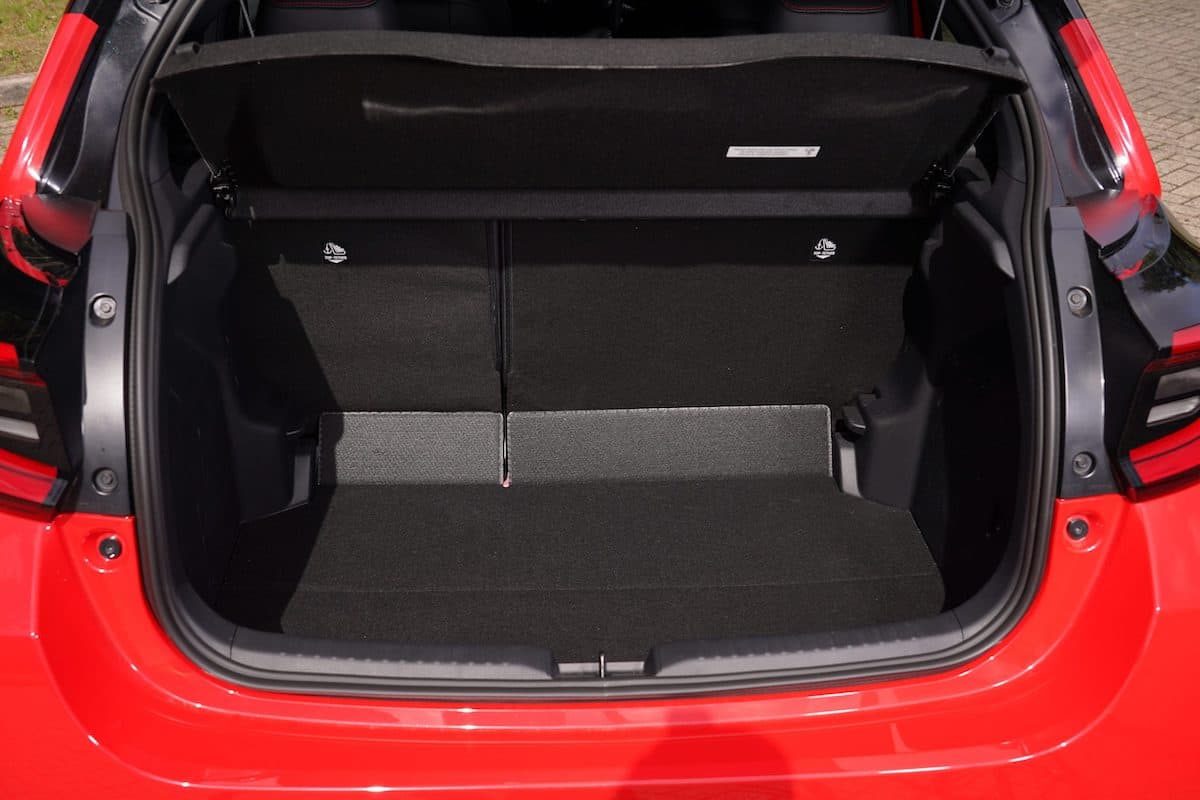
It’s compact in the back – but remember, this isn’t a large car – while the boot space is adequate despite not offering quite as much as the previous-generation Yaris. There’s still 286 litres to play with – which you can extend by folding down the rear seats – but this falls some way under the amount of luggage room offered by rivals such as the Volkswagen Polo and Ford Fiesta.

What’s under the bonnet?

The Yaris uses a mild-hybrid setup which combines a 1.5-litre petrol engine with an electric motor. It’s not a plug-in hybrid, so generates charge through regenerative braking. However, Toyota claims excellent efficiency figures with up to 68.9mpg and CO2 emissions of between 92 and 98g/km ensuring that the Yaris remains a very cheap car to run.

Its performance figures aren’t too bad, either. While 0-60mph in 9.5 seconds might not sound the quickest, it’s more than quick enough for all situations while the added zip that the electric assistance gives means that the Yaris feels a fair degree quicker than its numbers might suggest. It’ll also top out at 109mph if you have the space – and are legally allowed – to do so.

What’s it like to drive?

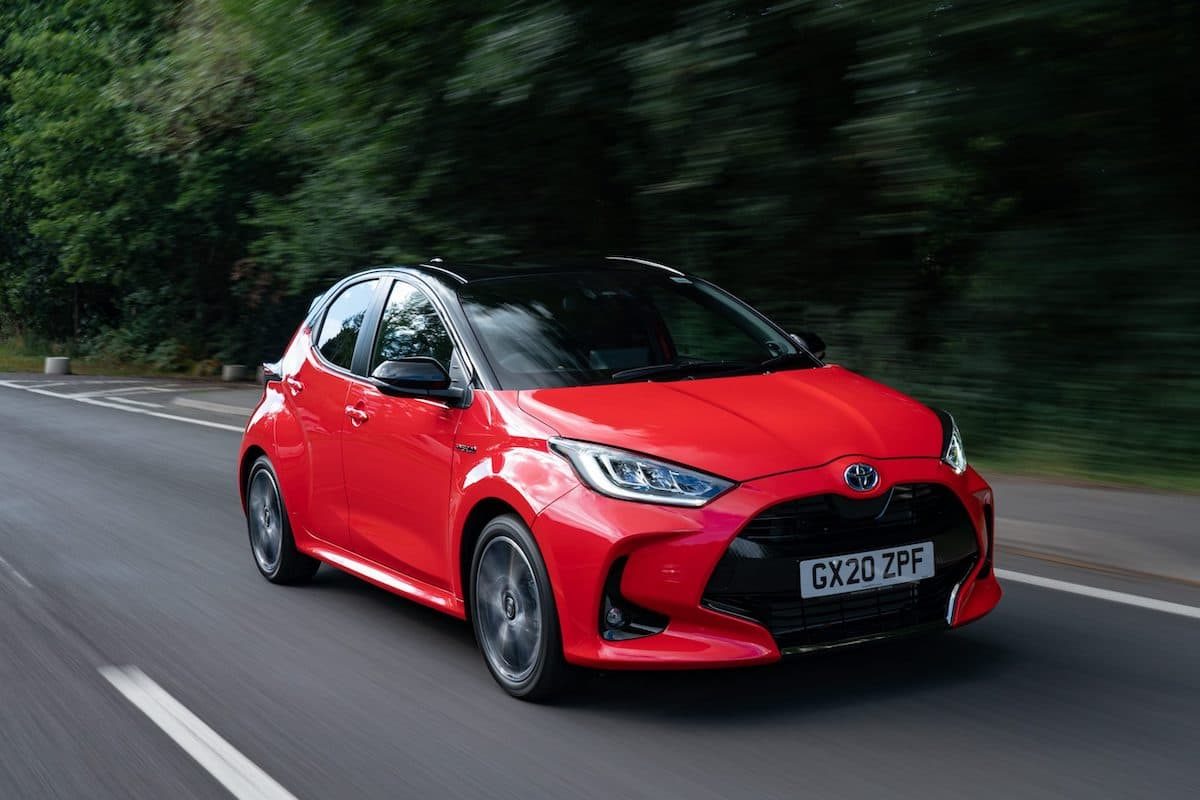
Setting off in the Yaris, things are typically hybrid-y. It’s quiet, and runs on EV power alone for far longer than you might expect from a conventional hybrid. Gain a little speed and the engine chimes in with little fuss – it’s hard to notice it waking up, in fact – while there’s little wind noise to interrupt an otherwise quiet and serene cabin experience.

The steering is a triumph; well-weighted and accurate, it manages to make the Yaris feel genuinely nimble at slower speeds yet stable and composed at higher ones. The suspension certainly fits on the firm side of things and though it does mean that the ride can feel unsettled over broken surfaces, it does give the Yaris a healthy dose of confidence-inspiring body control through the bends.
Verdict

As we’ve mentioned earlier, the Yaris is a car that is well-known for its ability to offer low-cost motoring for those who don’t want to break the bank to get around. It’s good news, therefore, that this latest car can deliver the same positives. However, this package is only bettered further thanks to an involving driving experience and head-turning styling which will appeal to most.

On The Car Expert’s unique Expert Rating index, the Yaris’ score of 75% (based on 20 UK reviews) is only middling for the supermini class, and a fair way behind class-leading rivals like the SEAT Ibiza and Ford Fiesta. This is a bit lower than we’d expect, but we are still gathering additional reviews as they are published, so the Yaris could close the gap to the leaders over coming months.

Though practicality levels may be down ever so slightly, the Yaris remains a truly attractive proposition in the small car segment.

Similar cars

Citroën C3 | Dacia Sandero | Ford Fiesta | Honda Jazz | Hyundai i20 | Kia Rio | Mazda 2 | Mini hatch | Nissan Micra | Peugeot 208 | Renault Clio | SEAT Ibiza | Skoda Fabia | Suzuki Swift | Vauxhall Corsa | Volkswagen Polo

Key specifications

Model as tested: Toyota Yaris Dynamic
Price: £21,920
Engine: 1.5-litre petrol with electric motor
Gearbox: Continuously-variable automatic transmission (CVT)
Power: 114 hp
Torque: 120 Nm

Top speed: 109 mph
0-60mph: 9.5 seconds
Fuel economy (combined): 68.9 mpg
CO2 emissions: 92-98 g/km
Euro NCAP safety rating: Five stars (2020)
TCE Expert Rating: 75% (as of October 2020)

Mobile video calls pose ‘clear and present danger’ on our roads

Nearly a fifth (18%) of young drivers admit to video calling while behind the wheel, a new survey suggests.

The research indicated that motorists aged 17-24 are more than twice as likely to make or receive video calls, with the average across all ages being 8%.

The RAC, which commissioned the poll of 3,068 drivers, warned that the growth in popularity of video calling services such as FaceTime, Facebook Messenger and WhatsApp poses a “new, clear and present danger” on UK roads.

Some 29% of drivers of all ages say they make and receive voice calls on handheld phones while behind the wheel. This is up six percentage points on last year and is the highest proportion since 2016.

Other drivers’ use of handheld phones is the second biggest overall motoring-related concern identified in the RAC’s annual Report On Motoring, with the state of local roads in first place.

A third of all UK drivers surveyed (32%) say mobile use concerns them. Almost four out of five (79%) want to see camera technology introduced to catch drivers using their phones illegally.

RAC road safety spokesman Simon Williams said: “The problem of illegal phone use at the wheel has far from disappeared.

“The rise in the popularity of video calls means this type of communication represents a new, clear and present danger on the UK’s roads in 2020.

“Our findings from 2016 were a watershed moment which led to the UK Government calling for people to make illegal mobile phone use while driving as socially unacceptable as drink-driving.

“The fact drivers still state it’s their second biggest motoring concern of all shows that more progress still needs to be made here.”

Inspector Frazer Davey of Avon and Somerset Police roads policing unit said: “The importance of concentrating on your driving cannot be overstated.

“Using a mobile phone while in charge of a car puts you and everyone else at risk.

“The consequences of allowing yourself to be distracted while you are driving can be catastrophic.

“It’s simply not worth it.”

In 2019, there were 637 casualties on Britain’s roads, including 18 deaths and 135 serious injuries, in crashes where a driver using a mobile was a contributory factor.

Since March 2017, motorists caught using a handheld phone have faced incurring six points on their licence and a £200 fine, up from the previous penalty of three points and £100.

A Department for Transport spokeswoman said: “We’re finalising plans to strengthen the law in this area, adding to the work of our award-winning THINK! campaigns in changing drivers’ behaviour.”

Covid pandemic is changing our car buying plans

The coronavirus pandemic has led to a change in the car buying plans of almost 14 million Brits, new research suggests.

The numbers, taken from a survey of 2,000 UK adults on behalf of Kwik-Fit, are relatively evenly split between those who say they are less likely to purchase another car in the coming 12 months, and those who are more likely to change their car.

Although the easing of lockdown procedures in summer saw some pent-up demand leasing to increased private car sales over the last few months, the new survey suggests that as many as 7.5 million motorists are less likely to buy a new or used car than before Covid-19 arrived.

However, it’s not all doom and gloom for the car industry, as up to 6.4 million car owners are now more likely to change their car in the coming year. Of these people, 51% plan to buy a brand new model.

Furthermore, 20% of these drivers said they wanted to use their car more because they wanted to avoid public transport, while almost 18% said they had seen the environmental impact of using their car less, so wanted to buy a greener car.

However, just 8% said they expect their next purchase to be an electric vehicle.

The drivers that were not planning to go electric next cited a lack of fast chargers (37%) as the main reason for not buying an EV, followed closely by range anxiety (35%) and the higher purchase price (33%).

Roger Griggs, communications director of Kwik Fit, said: “Coronavirus has changed so many lives this year that it’s no surprise people are altering their car buying plans, but we were astonished to see just how many drivers say they are more likely to buy a new car as a result of the pandemic.

“No matter if it is a new or used car people are buying, we would advise buyers to do their research as the lowest price is not always the best option, and be sure to get all appropriate documentation – especially for used cars – to ensure they have been maintained properly.”

Covid-19 has thrown car buying plans into chaos

The coronavirus pandemic has already had a massive impact on our economy, and seems ever-more likely to lead to long-term changes for the car industry.

With millions of people now working from home rather than commuting to their workplace, a car has become less of a priority than it was 12 months ago. Combined with enormous employment uncertainty across the UK for the short-term future, and it’s no wonder that millions of car owners are reassessing their plans.

For some, there will be an imperative to get off trains or buses and into a private car. However, the majority of those trading a bus pass for a V5 are likely to be at the lower end of the spending scale, which is good news for budget brands and used car dealers, but not that helpful to a lot of new car manufacturers.

For others, there will be a desire to replace an existing car with a cheaper model when their current PCP agreement comes to an end to reduce household costs. Again, that benefits cheaper new and used cars rather than more expensive vehicles.

Meanwhile, many multi-car households will be questioning whether they need to keep two (or more) cars on the driveway at all if they’re stuck at home most of the time. We could see a lower number of cars per household becoming a trend over the next 12 months.

All of this could have an enormous impact on the car industry. The road ahead looks bumpy.
Stuart Masson, Editor

Kia Stonic bolstered with new GT-Line specification

0

Kia has added to the appeal of its Stonic compact SUV with a new GT-Line specification.

Alongside the introduction of a new trim level, Kia has also added a new mild-hybrid engine to the Stonic. It combines a 1.0-litre petrol engine with a 48-volt system, driving through a manual or seven-speed dual-clutch automatic gearbox.

The addition of the mild-hybrid system allows the engine to switch off under certain conditions to help reduce fuel usage, while it’s also capable of harvesting the energy usually lost when slowing down and braking.

This ‘sailing’ function operates at speeds of up to 77mph, with the engine being reactivated when the driver uses the accelerator, brake or clutch pedals.

The new GT-Line specification brings a high level of standard equipment to the Stonic. Priced from £20,745, it adds LED headlights and daytime running lights as well as redesigned front and rear bumpers with integrated front skid plate and fog lamps. A rear spoiler adds a sporty edge, while 17-inch alloy wheels complete the look.

Inside, there’s a newly designed steering wheel with GT-Line badging, while the black cloth and faux leather seats get the same logos embossed upon them. In the centre of the cabin sits an eight-inch infotainment screen, bolstered by a four-inch colour display placed in the middle of the main instrument cluster ahead of the driver. Both Apple CarPlay and Android Auto are fitted as standard, as well.

All cars get rear privacy glass too, as well as folding door mirrors and automatic air conditioning.

The GT-Line Stonic also benefits from forward collision avoidance assist technology, alon with pedestrian and cyclist detection. Lane keeping assist, driver attention warning and high beam assist are also included. Higher-spec GT-Line S cars also receive blind spot collision warning and intelligent speed limit assist.

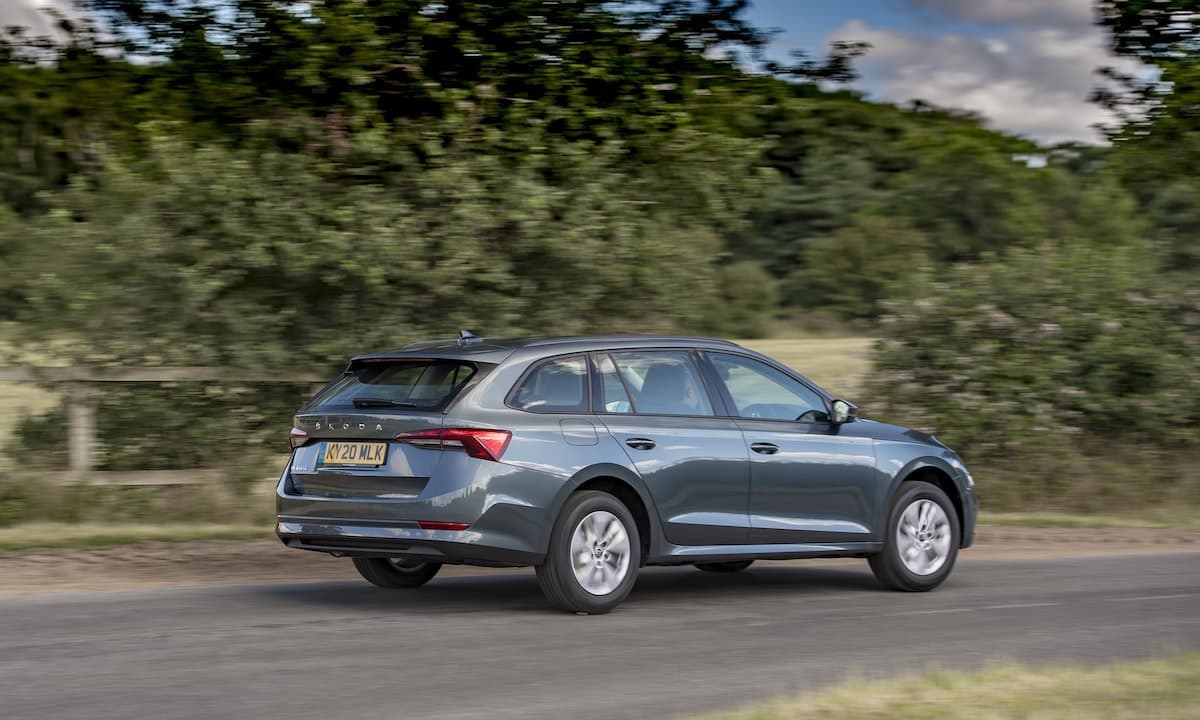
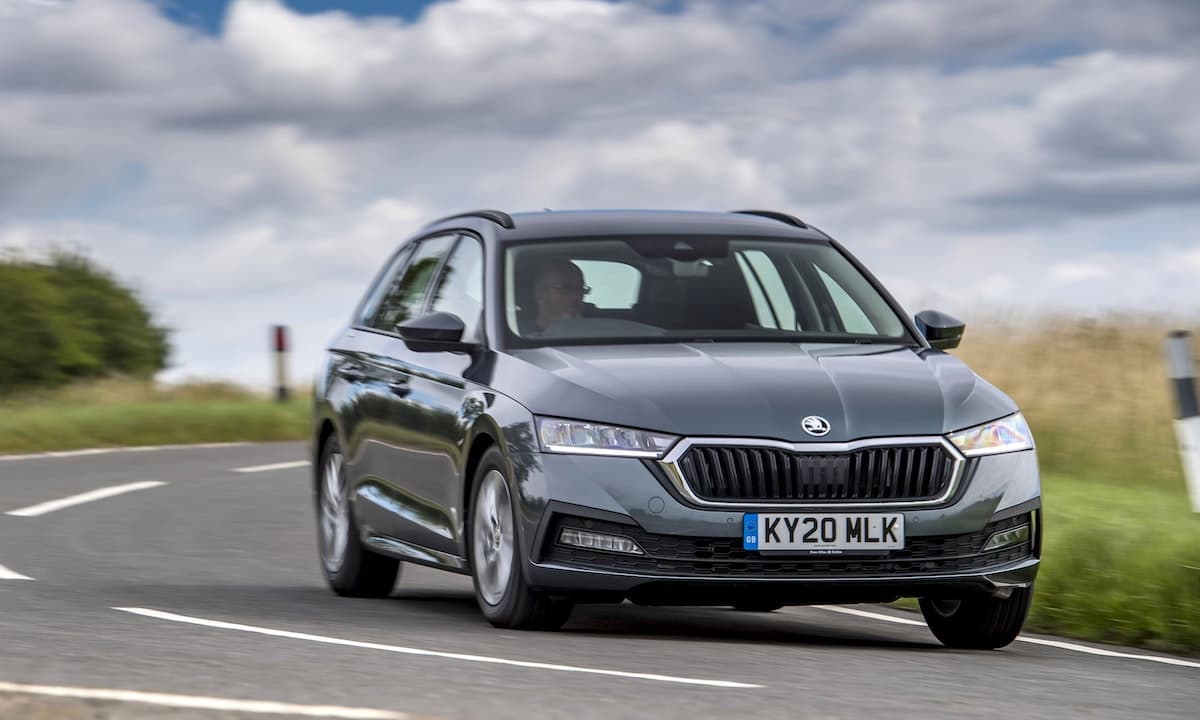
Skoda Octavia

Summary

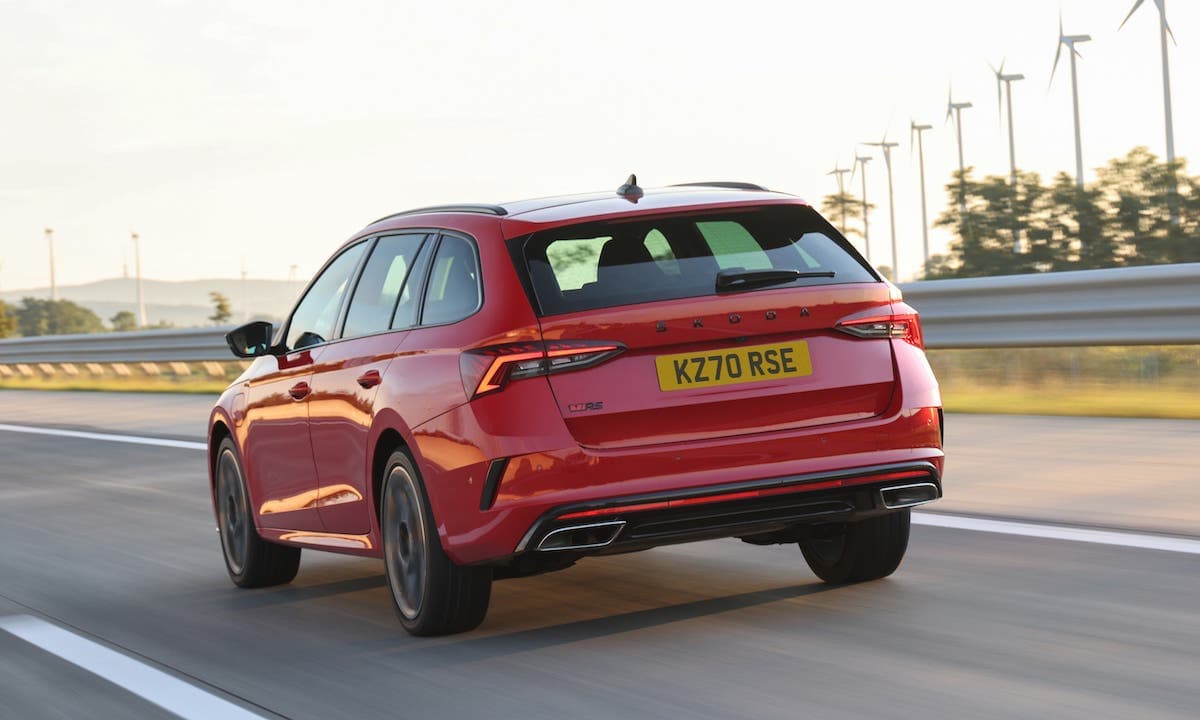
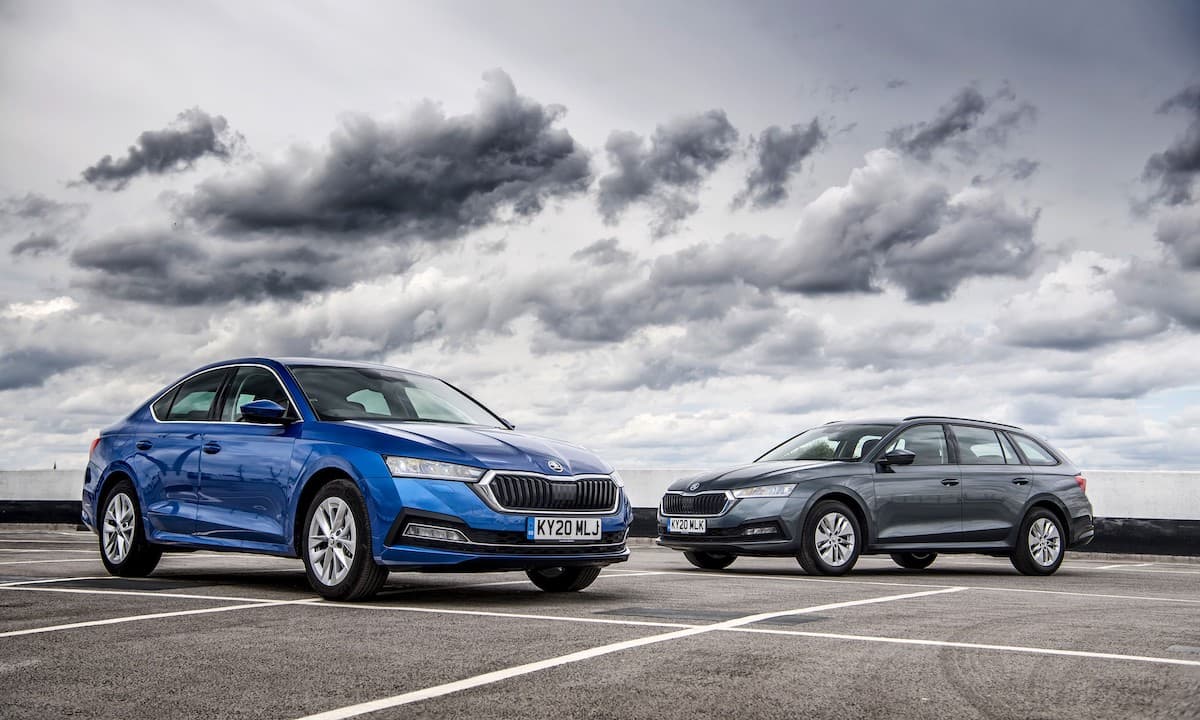
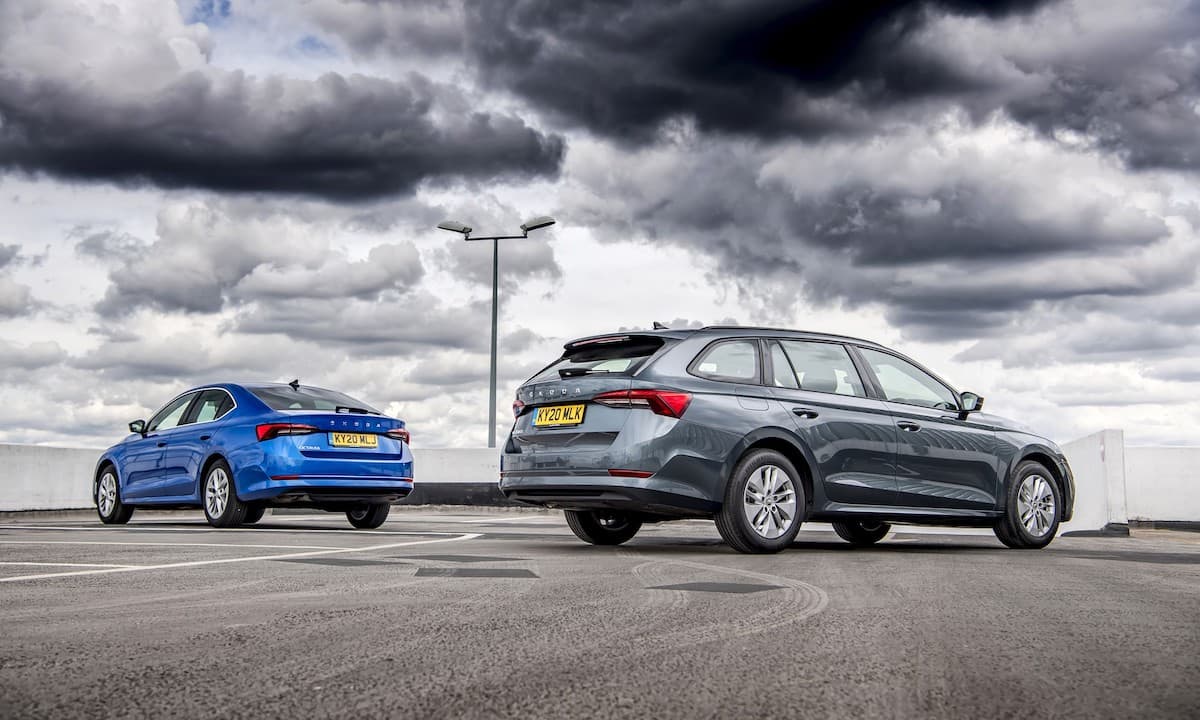
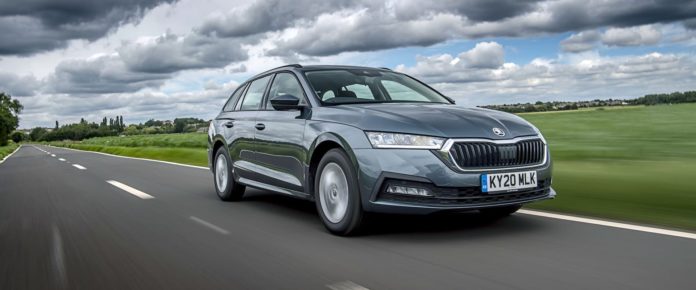
The Skoda Octavia is a medium-sized family car, available as either a five-door liftback or an estate. It sits above the smaller Scala and below the larger Superb in the Skoda family.

The current model is the fourth-generation Octavia, which arrived in the UK in summer 2020. The conventional petrol and diesel engines will be joined by a plug-in hybrid model before the end of 2020. The range-topping Octavia vRS performance models will also join the rest of the range before the end of the year.

The Skoda Octavia has received praise for its spacious cabin, practicality and value for money, which all build on the strengths of previous-generation models. However, its infotainment system has drawn criticism, while the front-end styling with its enormous BMW-style grille has also seen mixed reviews.

As of August 2025, the Skoda Octavia holds an Expert Rating of A, with a score of 72%. It scores top marks for its safety rating and low CO2 emissions, while its running costs, reliability record (shared with previous-generation Octavias) and media review scores are also good.

Octavia highlights

  • Class-leading legroom
  • Practical and refined interior
  • Value for money package
  • Leisurely driving experience
  • Low running costs

Octavia lowlights

  • Confusing infotainment
  • Polarising front-end aesthetic
  • So-so engine performance and handling

Key specifications

Body style: Five-door liftback and estate
Engines: petrol, diesel, plug-in hybrid
Price: From £23,650 on-road

Launched: Summer 2020
Last updated: N/A
Replacement due: TBA

Media reviews

Highlighted reviews and road tests from across the UK automotive media. Click any of the boxes to view.

Featured reviews

More reviews

The Car Expert

Auto Express

Auto Trader

Business Car

Car

Car Keys

Carbuyer

Carwow

Daily Mirror

Eurekar

Heycar

Honest John

Parkers

The Telegraph

Top Gear

Safety rating

Independent crash test and safety ratings from Euro NCAP

Overall score: 5 stars
Date tested: December 2022
Read the full Euro NCAP review

Adult protection: 86%
Child protection: 84%
Vulnerable road users: 68%
Safety assist: 81%

Eco rating

Independent economy and emissions ratings from Green NCAP

Model tested: Octavia Combi 2.0 TDI Diesel 4X2 Manual

Overall score: 3.5 stars
Date tested: February 2021
Read the full Green NCAP review

Clean Air Index: 6.7 / 10
Energy Efficiency Index: 7.7 / 10
Greenhouse Gas Index: 4.6 / 10

The Skoda Octavia 2.0-litre diesel manual estate received a 3.5 star rating from Green NCAP in February 2021.

Green NCAP said: “The Skoda Octavia 2.0 TDI demonstrates what can be achieved from a modern diesel equipped with the latest exhaust after-treatment technology. The car scores highly in all three areas of assessment: 6.7/10 for Clean Air, 7.7/10 for Energy Efficiency and 4.6/10 for Greenhouse Gases.

“This leads to a rating of 3½ stars, a remarkable achievement for a combustion-engined car with no electrification to assist its efficiency.”

This rating only applies to the 2.0-litre diesel manual estate version of the Octavia, and does not imply similar ratings for other engine and gearbox combinations in the range (although there will be no significant difference between estate and hatchback body styles).

Running cost rating

Clear Vehicle Data logo close crop

Monthly cost of ownership data provided exclusively for The Car Expert by Clear Vehicle Data

Fuel consumptionAverageScore
Petrol models53 mpgB
Diesel models63 mpgA
CO₂ outputAverageScoreVariationScore
Petrol models124 g/kmB
Diesel models118 g/kmB
Plug-in hybrid models24 g/kmA
Battery rangeAverageScoreVariationScore
Plug-in hybrid models40 milesD
Insurance groupAverageScoreVariationScore
All models23B
Service and maintenanceCostScore
Year 1£173B
Year 2£475B
Year 3£776B
Year 4£1,010B
Year 5£1,352B
Overall£3,786B

The Skoda Octavia is a relatively affordable car to own and run, according to whole-life cost numbers provided exclusively to The Car Expert by our data partner, Clear Vehicle Data.

The average fuel consumption of pure-petrol models is good, with diesel variants being even better. We don’t currently have average fuel consumption data for the plug-in hybrids, but they’re never remotely accurate anyway so it’s not really worth worrying about…

Insurance premiums should be good, while service and maintenance costs over the course of five years of ownership are predicted to be very low, which is all good news if you’re looking at an Octavia.

Reliability rating

MotorEasy logo 600x167

Reliability data provided exclusively for The Car Expert by MotorEasy

All data based on MotorEasy average workshop costs for extended car warranty claims

The Skoda Octavia has a better-than-average reliability rating of 72%, according to data provided exclusively to The Car Expert by our partner, MotorEasy. This score covers both the current model and previous (pre-2020) generations.

The average repair cost of just over £530 is fairly average, although obviously still more than the cost of a used car warranty so that’s worth bearing in mind. The most expensive individual item is the gearbox, which has an average repair cost of almost £1,500 in cars repaired to date.

Warranty rating

New car warranty information for the Skoda Octavia

Overall ratingD31%
Petrol or diesel modelsE17%
Electric or hybrid modelsC56%
New car warranty duration3 years
New car warranty mileage60,000 miles
Battery warranty duration8 years
Battery warranty mileage100,000 miles

Skoda’s new car warranty is pretty much the bare minimum offered in the UK, with a duration of three years and a limit of 60,000 miles. Other rivals in the price bracket do better (and in some cases, much better).

In addition to the standard new car warranty, the Octavia plug-in hybrid version has an eight-year/100,000-mile warranty for the battery components. As a result, it has a better warranty rating than the regular petrol and diesel models.

If you’re looking to buy a used car that is approaching the end of its warranty period, a used car warranty is usually a worthwhile investment. Check out The Car Expert’s guide to the best used car warranty providers, which will probably be cheaper than a warranty sold by a dealer.

Awards

Trophies, prizes and awards that the Skoda Octavia has received

2024

  • Carbuyer Awards – Best Family Car

2023

  • Carbuyer Awards – Best Estate Car
  • UK News Motoring Awards – Best Dog-Friendly Car (estate)

2022

  • Carbuyer Awards – Best Estate Car
  • Company Car Today CCT100 Awards – Best Lower Medium Car
  • Fleet News Awards – Best Lower Medium Fleet Car
  • News UK Motor Awards – Best Used Car

2021

  • UK Car of the Year Awards – Best Family + Best Estate
  • Auto Express Awards – Best Family Car + Best Estate Car
  • Business Car Awards – Best Family Car
  • Carbuyer Awards – Best Estate Car + Best Used Estate Car
  • DieselCar & EcoCar Top 50 – Best Medium Car + Best Medium Estate Car
  • Fleet World Awards – Best Lower Medium Fleet Car
  • Scottish Car of the Year Awards – Best Family Hatchback + Best Estate Car + Best Plug-in Hybrid

2020

  • Auto Express Awards – Car of the Year + Best Compact Family Car + Best Estate Car
  • Business Car Awards – Best Lower-Medium Car
  • Carbuyer Awards – Best Family Car + Best Estate Car
  • DieselCar & EcoCar Top 50 – Best Medium Car + Best Medium Estate Car

Similar cars

If you’re looking at the Skoda Octavia, you might also be interested in these alternatives

Citroën C4 | Fiat Tipo | Ford Focus | Honda Civic | Hyundai i30 | Kia Ceed | Peugeot 308 | Renault MeganeSEAT Leon | Skoda Scala | Subaru Levorg | Suzuki Swace | Toyota Corolla | Vauxhall Astra | Volkswagen Golf

More news, reviews and information about the Skoda Octavia at The Car Expert

The best used family cars for every budget in 2025

The best used family cars for every budget in 2025

Everything you need to know about Skoda

Everything you need to know about Skoda

Sporty Skoda Octavia vRS given power boost

Sporty Skoda Octavia vRS given power boost

Refreshed Skoda Octavia now on sale

Refreshed Skoda Octavia now on sale

MG 4 achieves top marks in crash safety test

MG 4 achieves top marks in crash safety test

Last days of the dinosaurs: the best petrol cars under £25K

Last days of the dinosaurs: the best petrol cars under £25K

New Skoda Octavia vRS on sale this month

New Skoda Octavia vRS on sale this month

Skoda Octavia Estate test drive

Skoda Octavia Estate test drive

Skoda Octavia vRS joins the line-up

Skoda Octavia vRS joins the line-up

Skoda Octavia vRS iV plugs in

Skoda Octavia vRS iV plugs in

All-new Skoda Octavia revealed

All-new Skoda Octavia revealed

Skoda Octavia (2013 to 2019)

Skoda Octavia (2013 to 2019)

Buy a Skoda Octavia

If you’re looking to buy a new or used Skoda Octavia, The Car Expert’s partners can help you find the right car

Motors 600x300

Search less, live more. We make finding the right car simple. Find out more

Auto Trader logo 600x300

Search for your next new or used car with Auto Trader. Find out more

Carwow logo 600x300

Discover great deals available on both new and used cars. Find out more

Lease a Skoda Octavia

If you’re looking to lease a new Skoda Octavia, The Car Expert’s partners can help you find a competitive deal

Leasing-com logo

Personal contract hire deals from Leasing.com. Find out more

Carwow logo 600x300

Personal contract hire deals from Carwow. Find out more

Select Car Leasing logo

Personal contract hire deals from Select Car Leasing. Find out more

Subscribe to a Skoda Octavia

If you’re interested in a car subscription, The Car Expert’s partners can help. (PS: What’s a car subscription?)

SelfDrive UK logo

Car subscriptions from SelfDrive.
Find out more

Drive Fuze logo 600x300

Car subscriptions from DriveFuze.
Find out more

Cocoon Vehicles logo 600x300

Car subscriptions from Cocoon.
Find out more

New Skoda Octavia vRS on sale this month

0

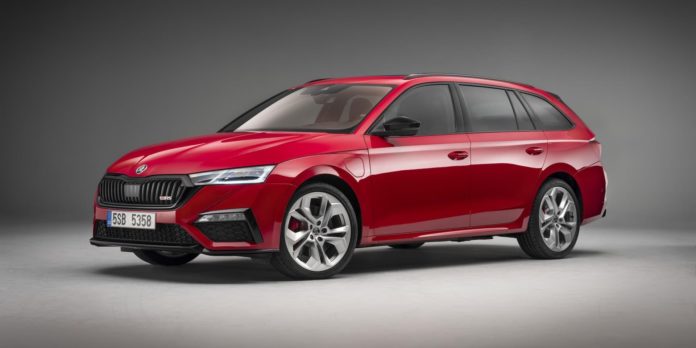
Skoda has announced that first versions of its performance Octavia vRS will hit the market at the end of the month priced from £31,495.

Both a hatch and estate version will be available, with the latter commanding a slightly higher price tag of £32,695.

The Octavia vRS will initially be powered by a 2.0-litre turbocharged petrol engine producing 245hp, though a 2.0-litre turbocharged diesel and a plug-in hybrid version will also join the ranks over the coming months.

That initial petrol-powered variant will send power through a seven-speed DSG automatic gearbox and be capable of hitting 60mph from zero in 6.5 seconds. It also benefits from a ride height lowered by 1.5cm over the standard Octavia, as well as an electronic limited-slip differential.

Both the estate and hatch benefit from redesigned front and rear bumpers with a variety of black details, while the door mirror housings and window frames are also finished in gloss black.

The hatch also gets gloss black aero flaps and diffuser at the rear while the estate benefits from gloss black roof rails.

Inside, there’s a new multifunction steering wheel, heated front sport seats, ambient lighting and aluminium pedals. The vRS also benefits from Skoda’s latest digital instrument display panel, along with a ten-inch central display. All cars also get full LED Matrix headlights, adaptive cruise control and parking sensors.

Though prices for the petrol Octavia vRS have been announced this week, prices for the other powertrains in the range will be revealed at a later date.

Updated Vauxhall Crossland arrives with bold new look

0

Vauxhall has revealed its facelifted Crossland compact SUV, dropping the ‘X’ moniker used on its predecessor.

The new Crossland, which is set to arrive in the UK early next year, brings a bold new exterior look which takes many cues from the recently-revealed Mokka.

New LED headlights and the redesigned Vauxhall badge sit at the front, while at the rear you’ll find tinted lights and a gloss-black tailgate surface.

Available with either 16- or 17-inch alloy wheels, the Crossland also features front and rear skid plates for a more rugged look. A sporty SRi variant will also benefit from a black roof with red window accents.

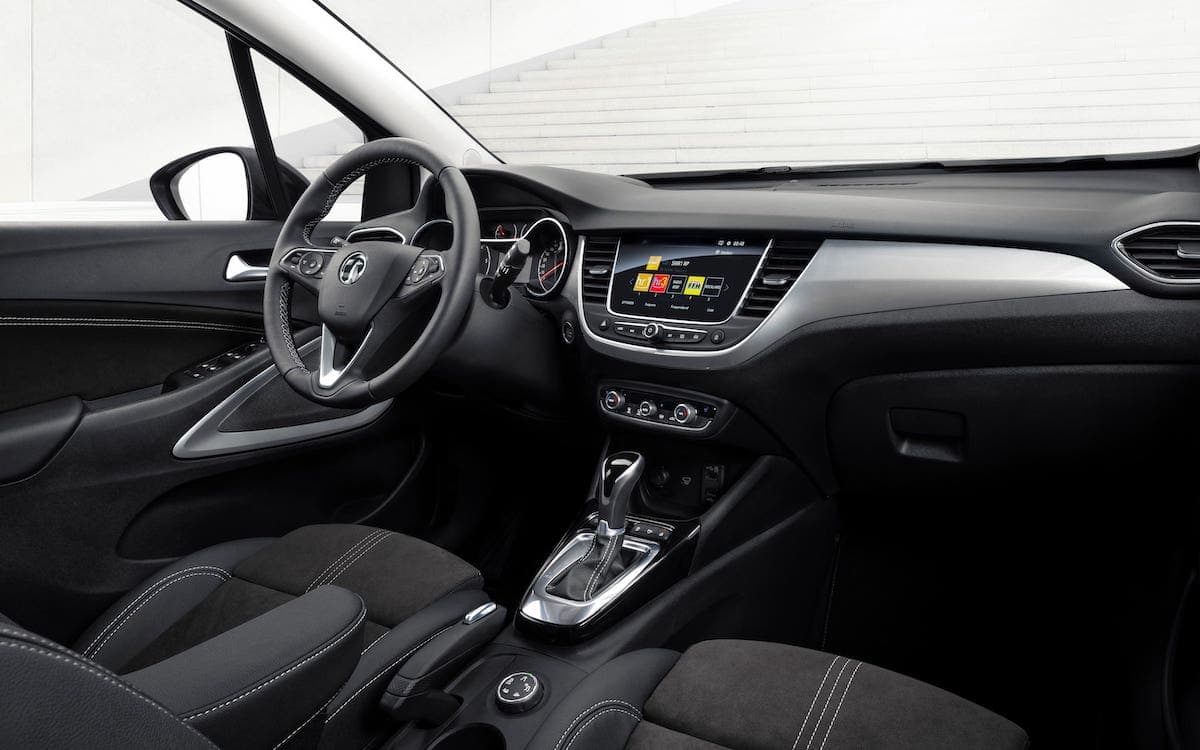
Turning to the cabin and Vauxhall has introduced an eight-inch colour touchscreen which features both Apple CarPlay and Android Auto. It offers a 410-litre boot as standard, though this can be increased to 520 litres by sliding the rear seats forwards. Drop them completely and boot space increases to 1,255 litres.

A range of assistance systems have also been fitted, including a driver drowsiness alert and forward collision alert with automatic emergency braking.

When it comes to powertrains, drivers will be able to choose from a 1.2-litre turbocharged petrol – available in three states of tune – along with a 1.5-litre diesel which is offered in two different power outputs. More powerful units are available with a six-speed automatic gearbox, but the vast majority of engines are linked to a manual gearbox as standard.

Jaguar XF updated with more tech and lower prices

Jaguar has unveiled facelifted versions of the XF saloon and estate, as well as minor updates to the smaller XE saloon, and has slashed the pricing of both models.

Both models get the firm’s latest Pivi Pro infotainment system and new mild-hybrid powertrains, but it’s the XF that’s the big news here as the BMW 5 Series rival receives its first major refresh since its reveal more than five years ago.

The XF gains a new look that follows a similar update to the F-Pace SUV, including a fresh grille, new bumpers and full LED headlights. But it’s the interior that’s seen the biggest change, where a new 11-inch curved touchscreen sits alongside a 12-inch digital instrument system to give the cabin a far more modern feel.

It also comes integrated with an e-sim for enhanced connectivity functions, while over-the-air updates will keep the systems up-to-date at all times. Apple CarPlay and Android Auto are also both now included as standard.

Elsewhere inside, there are new massaging seats, greater interior storage and a new centre console that features wireless smartphone charging. As an optional extra, there is a new system called ‘Active Road Noise Cancellation’ that delivers sound waves that cancel out any noise caused by vibrations from the road surface to offer a more hushed driving experience.

Moving over to the smaller Audi A4-rivalling XE saloon, changes are more limited as this saloon was only facelifted last year, though it also benefits from the new Pivi Pro media system on a smaller ten-inch screen. A new R-Dynamic Black trim is also available, which comprises black 19-inch alloy wheels with red brake callipers and a black design kit.

On both the XE and XF, Jaguar has slimmed the range significantly – halving the number of derivatives available compared to before and focusing on the models that sell best and retain the most value.

Both models are available with the same choice of four-cylinder engines – a new 204hp diesel that’s 24hp more powerful than the one it replaces and a petrol with either 250hp or 300hp. The diesel also gains new 48-volt mild-hybrid technology to maximise efficiency. Plug-in hybrid powertrains remain off the cards, though.

The slimmed-down range has also allowed Jaguar to cut prices on both by as much as 18%, with the XE available from £29,635 and the XF from £32,585, or £35,990 in Sportbrake (estate) form – undercutting rivals from BMW and Mercedes by some margin.

Both the updated XF and XE models are available to order now.

Polestar 2 test drive 2020

This is the new Polestar 2, and it’s the first solely electric vehicle to be produced by the company since it became a standalone entity separate from Volvo. We’ve already seen the Polestar 1, which utilised a plug-in hybrid powertrain, but the 2 is best seen as the firm’s first mass-market car with an electric setup designed to appeal to those who want an everyday EV.

It’s also aligned to take on a certain US-based electric car manufacturer at its own game. So can it hold its own in a quickly expanding segment? We’ve been behind the wheel to find out.

What’s new?

The Polestar 2 is a car that’s packed with innovation and features, so needless to say there’s a lot to talk about. It sits somewhere between a regular saloon and a slightly raised-up crossover, giving a more commanding view of the road ahead without being a fully-fledged SUV.

Inside, it’s brimmed with technology and it features full Google assistant capability. This means that, unlike many rival systems, all of the voice-activated systems genuinely work – but we’ll get on to that in more detail later on.

It essentially sits on the same platform as the Volvo XC40, but don’t go thinking that this is some parts-bin EV – this is a bespoke car for a very bespoke-feeling company.

How does it look?

To say the Polestar 2 looks otherworldly is to somewhat underplay just how mad this car looks out on the road. Of course, there are some subtle Volvo design cues there – the Thor’s Hammer headlights up front are the most noticeable – but in terms of outright design execution, the 2 is right up there. It turns heads wherever it goes with our space-age white vehicle standing out against pretty much anything it drove alongside.

The car’s layout, with a relatively raised seating point but a low-slung ride height, does give it rather strange dimensions but in this instance, it just works. Certainly against other EVs currently on sale, it’s refreshingly bold without being too over-the-top.

What’s the spec like?

Polestar has pitched the 2’s starting price at just under the £50,000 bracket, which allows it to benefit from the Government’s £3,000 plug-in car grant – so things are already off to a value-in-mind start. Even so, there’s a healthy amount of standard equipment including climate control, heated front and rear seats and adaptive cruise control.

The tech on offer is excellent too. The 11-inch touchscreen which dominates the cabin is one of the first to use a Google-made operating system and, as a result, it’s effortlessly clear to use and responsive, too. As we’ve mentioned, the voice control system is also intuitive and user friendly – just say ‘Hey Google’, state a command and it’ll do it. Looking for a charger or wanting to enter an address into the nav? This system will handle it all. Apple iPhone owners can connect and stream via Bluetooth, but full Apple CarPlay functionality won’t be available until sometime next year.

In terms of safety, just remember that Polestar is from the Volvo family. Therefore, it has been designed with safety as a priority rather than an afterthought. The Polestar 2 hasn’t been subjected to Euro NCAP crash testing yet because – like everything else – the labs have been closed due to the coronavirus pandemic, but it’s fair to expect that it will perform pretty well.

What’s it like inside?

Much like the simplistic exterior, the interior is a masterstroke in how to make a little look like a lot. It’s not a cabin which is strewn with buttons nor too many screens, just one central display which features a pleasing lack of menus. As a result, it’s a relaxing place to sit, with the elevated view of the road ahead giving a more commanding feel to those behind the wheel.

Space in the back is decent enough, though headroom could be a touch tight for taller passengers. There’s 405 litres of boot space which is bolstered by an additional 41 litres of load area under the boot floor. Polestar has also incorporated a clever ‘flip-up’ boot divider which helps to keep the area organised, while you can also fold the rear seats down to open up the boot area to a healthy 1,095 litres.

What’s under the bonnet?

The Polestar 2 uses a dual-motor EV setup, which sees a motor placed on each axle. With a 78kWh battery pack, it develops just over 400hp and an impressive 660Nm of torque, allowing for a 0-60mph time of 4.5 seconds and a top speed of 127mph. Of course, all of this is dealt out with zero-emission eco-friendliness.

What about range though? Polestar claims up to 292 miles on a single charge which, though coming just under the magical 300-mile bracket, is likely to be enough for most people. It’ll accept a rapid 150kW charge too, which would see the batteries taken from 0-80% in just 40 minutes. If you want to charge back at home via a wall box, you’re looking at 12 hours for a 0-100% recharge.

What’s it like to drive?

We’d argue that if you looked at any car with more than 400hp and over 600Nm of torque you’d expect it to punch pretty hard in the performance stakes, and that’s certainly the case with the Polestar 2. Stamp the throttle and the instant torque on offer thrusts you forward with ferocity, the numbers on the dash increasing in a scarcely believable fashion.

Acceleration tests aside, the 2 goes about daily duties in an elegant manner. The whisper-silent powertrain makes the whole car quiet and refined, though a small amount of wind noise from the roof did disrupt the peace somewhat.

Our car, in Performance Pack setup, rode on adjustable Ohlins dampers which, despite being an addition which will find favour with motoring enthusiasts, deals the 2 a ride which is simply too firm. It’s almost certain that, with these swapped in favour of a more everyday suspension setup, that the 2 will ride in a more composed fashion. But elsewhere things are superb; the steering is well-weighted and accurate and, despite weighing more than two tonnes, it goes round corners in an admirably flat way.

2020 Polestar 2 road test - rear

Verdict

Given that the 2 is only Polestar’s second vehicle – and first full EV – you could cut it a bit of slack if things weren’t quite as they should be. However, there’s little need as the 2 is a fully-fledged, brilliantly executed vehicle that feels just as good to drive as it is to look at. Cleverly packaged and featuring some innovative tech, it’s very much the real deal.

Polestar is expected to announce a cheaper, smaller battery version of the 2 shortly, lowering the entry price and further extending its appeal. If you were already looking at a Tesla Model 3, then we’d give the Polestar 2 a fair amount of consideration before you go through with a purchase – that’s for sure.

Similar cars

Alfa Romeo Giulia | Audi A4 | BMW 3 Series | Hyundai Ioniq Electric | Hyundai Kona Electric | Jaguar XE | Kia e-Niro | Lexus IS | Mercedes-Benz C-Class | Tesla Model 3 | Volvo S60

Key specifications

Model: Polestar 2
Base price: £49,900
Motor: 2 x 150kW electric motors
Gearbox: Single-speed automatic

Power: 408 hp
Torque:
660 Nm
Top speed: 127 mph
0-60mph: 4.5 seconds

CO2 emissions: 0 g/km
Range: 292 miles
Euro NCAP safety rating: Not yet tested
TCE Expert Rating: Not yet rated

Kia announces prices and specs for updated Rio and Picanto

0

Kia has revealed prices and specifications for its updated Picanto and Rio models, bringing a raft of changes and upgrades to two of its smallest models.

Exterior-wise, the ‘tiger nose’ grille on GT-Line and X-Line Picanto variants has been given a new textured surround, which sweeps into the lower part of the headlights.

Redesigned headlights combine with new LED daytime running lights while LED combination lamps sit at the rear. A new choice of eight paint finishes is now available, while a new alloy wheel with a 16-spoke design has been added too.

Inside, the Picanto benefits from a larger eight-inch touchscreen system, which as well as Bluetooth connectivity brings both Apple CarPlay and Android Auto smartphone integration. It also delivers live traffic information, weather forecasts and local fuel prices, too.

Cleaner, more efficient engines have been added, with a 1.0-litre turbocharged petrol unit with 100hp available alongside a naturally aspirated, 67hp 1.0-litre unit in the range. A five-speed manual gearbox is standard on all engines, though a five-speed automatic is available on all grades except entry-level ‘1’.

A range of new assistance systems has been added too, with forward collision avoidance assist, vehicle stability management and torque vectoring included on all cars up from ‘2’ specification.

Prices for the new Picanto start from £10,745 with the 67hp petrol engine with a five-speed manual gearbox.

2021 Kia Rio

The Rio, meanwhile, also benefits from a series of changes too. It too receives an updated front grille, as well as a lower and wider front bumper. A new set of 16-inch alloy wheels has been introduced too while two new exterior colours have been added.

The Rio also receives the same eight-inch touchscreen as the Picanto, included as standard on ‘2’ specification models and above. These cars also get a new four-inch display in the cluster ahead of the driver.

A new mild-hybrid engine has been added to give the Rio a cleaner, more efficient edge. The new turbocharged 1.0-litre unit is linked with a 48-volt mild-hybrid, which helps to improve fuel efficiency while giving an added boost to performance. It’s available with either a manual or dual-clutch automatic transmission.

A new 1.25-litre engine has also been added, with the four-cylinder, 16-valve unit bringing increased efficiency benefits over the existing range of engines.

Prices for the new Rio start from £13,395.

Britain’s best-selling cars, September 2020

Those hoping for a roaring September to offset months of dealership closures and poor sales will be somewhat disappointed with results published today. Overall new car registrations were down 4% on the same month last year, although private sales were only down by 1%.

We published our usual market analysis this morning, and now we turn to a more detailed look at the ten best-selling cars for September. It’s always a big month for private buyers, who tend to be more enthusiastic about the twice-yearly number plate changes than fleet buyers, but this year that was even more noticeable as fleet registrations continue to be weak. That has also played a part in shaping this month’s top ten list, with some new faces and a few poor results from some models that rely heavily on fleet sales.

The UK’s best-selling cars, September 2020

1. Vauxhall Corsa

The Corsa roared back to the top of the charts in September – despite recording 18% fewer sales than the same month last year – continuing an impressive run for the new Vauxhall supermini. To add further cause for celebration, it also overtook the Ford Focus to move into second place in year-to-date registrations. With only three months to go this year, it seems unlikely that the Corsa can catch its arch enemy, the Ford Fiesta, for overall full-year sales honours, but it might run it close.

The petrol and diesel versions of the new Corsa currently hold an Expert Rating of 72% on our unique aggregator scale, based on 24 reviews we have gathered so far. That puts it in the bottom half of the supermini class, although the all-electric Corsa-e does score slightly better with an Expert Rating of 74%.

2. Ford Fiesta

Ford Fiesta (2017 onwards) Expert Rating

Once again, the Ford Fiesta has to play second fiddle to the Vauxhall Corsa in the monthly sales race. Like the Corsa, Fiesta registrations were down 18% compared to last September against an overall market that was down just 4%. In year-to-date sales, the Fiesta still leads the Corsa by more than 3,700 units, so it’s likely to hold onto its crown as Britain’s best-selling car for another year, but it will probably be a close fight unless Ford can slow the Corsa’s momentum.

The Fiesta currently holds an Expert Rating of 82% in The Car Expert’s unique Expert Rating index, which aggregates reviews from 21 of the UK’s top motoring websites. This is a two-point slip in the last month, which now drops the Fiesta behind the SEAT Ibiza as class leader – although it’s still 10% better than the Corsa, so hopefully that will cheer up Blue Oval fans.

3. Mercedes-Benz A-Class

Mercedes-Benz A-Class hatchback | Expert Ratings

After slipping down to sixth place in August, the Mercedes-Benz A-Class rebounded to an excellent third place in September – although like the top two, its registrations were down 18% on the same month last year. Interestingly, that means that the top three places in September 2020 were exactly the same as September 2019.

The A-Class has an Expert Rating of 77% in The Car Expert’s unique aggregated Expert Rating index, based on 41 UK reviews. It ranks highly for safety, winning awards from Euro NCAP, Thatcham and What Car? for its protective qualities.

4. Volkswagen Polo

Volkswagen Polo (2018) - ratings and reviews | The Car Expert

It was a good month for the Volkswagen Polo, which rose from seventh place in August to fourth in September. That helped the Polo cement its eighth place in year-to-date registrations, closing in on the Mini for seventh place with only three months to go in 2020.

The Polo holds an Expert Rating of 80% in The Car Expert’s New Car Ratings calculator, which is good but still a few points behind its Spanish cousin, the SEAT Ibiza.

5. Volkswagen Golf

Volkswagen Golf (2020 onwards) Expert Rating

From a glass-half-empty approach, the Volkswagen Golf fell from second place last month to fifth this month, despite a much better year-on-year performance than the top three cars. That will be at least partly due to the fleet market underperforming relative to the private new car market. But from a glass-half-full point of view, it was a much better result than the Ford Focus managed, which allowed the Golf to leapfrog its arch-rival in the year-to-date sales race.

We’re beginning to see more local reviews of UK-spec Golf models being published in the media (as opposed to the initial reviews that took place at the international media launch), and the Golf’s formerly stellar Expert Rating is gradually starting to slip – although it’s still the top-ranked car in its class. The much-vaunted ‘all-digital’ interior has drawn criticism from several reviewers who have found it inferior to the more conventional cabin of the previous-generation model.

6. Nissan Qashqai

2019 Nissan Qashqai wallpaper | The Car Expert

After a surprising absence from the August best-sellers list, the Nissan Qashqai bounced back into the top ten in September. It also retains its title as the best-selling British-built car over the Mini hatch, and looks set to hold onto that title for another year with only three months to go.

The ageing Nissan Qashqai currently holds an Expert Rating of 74% in our New Car Ratings database, which is midfield for the compact crossover segment and in the bottom half of scores for a top ten-selling car. A replacement is due to be revealed later this year, although the timeframe may be subject to change in light of the chaotic economic conditions currently enveloping the industry.

7. Ford Puma

Ford Puma (2020 onwards) Expert Rating

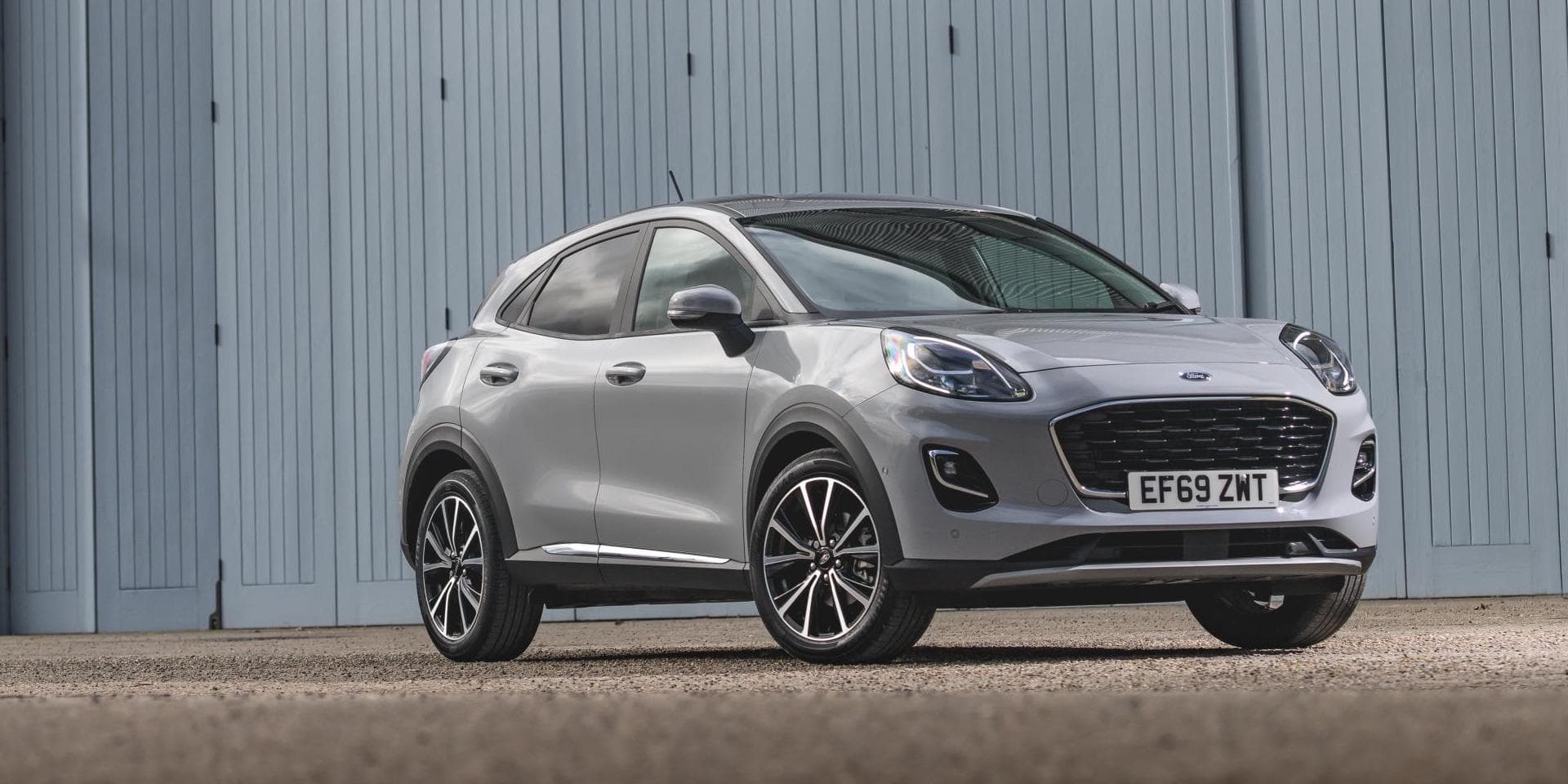
The new Ford Puma makes its second appearance in as many months with a very creditable seventh place. Given the drop in sales for both Fiesta and Focus, it may be that there has been some cannibalisation among existing Ford customers going on. As long as those customers are staying within the Blue Oval family, Ford is unlikely to be too bothered.

The bug-eyed small SUV has been popular with critics, currently holding a rating of 84% on our unique Expert Rating index. This remains a best-in-class result, but it has slipped a couple of points in the last month as we’ve added some new reviews and other sources have revised their initial opinions. A hot new ST version may help swing that score back upwards in coming months, however.

8. Mini hatch

Mini three-door hatch (2018) ratings and reviews | The Car Expert

Like the Nissan Qashqai, the Mini hatch was another car that disappeared in August then reappeared in September. The new-plate registration months are traditionally good for Mini, so eighth place may actually be a bit of a disappointment for the brand’s BMW overlords.

It was another good month for the Mini hatch, eighth in July after being fifth last month and still holding seventh place in year-to-date registrations. The electric model has now launched as well, which certainly won’t do sales any harm.

The Mini hatch holds a very solid score of 80% in our Expert Ratings aggregator, which is better than most cars in its class despite being much older than many of its rivals. We’ve now indexed the new Mini Electric model as well, and interestingly its score is currently only 73% – although this may change by a few points (eother up or down) as more reviews are published.

9. Volvo XC40

Volvo XC40 (2018 onwards) | Expert Rating

The brilliant little Volvo XC40 makes its second appearance in the top ten list, having previouly popped up during lockdown in May. It may be another quirk of a relatively strong consumer market/weak fleet market, and the addition of a plug-in hybrid version will probably help as well. Another factor is that Volvo has been working closely with car buying site Carwow, which reported today that the XC40 was the most popular car sold through its service in September.

The XC40 is the class leader among small SUV/crossover models, with an Expert Rating of 85%. A new plug-in hybrid model has recently joined the range, while a fully-electric version is now in production and set to arrive either later this year or early 2021.

10. Ford Focus

Ford Focus review 2018 | The Car Expert

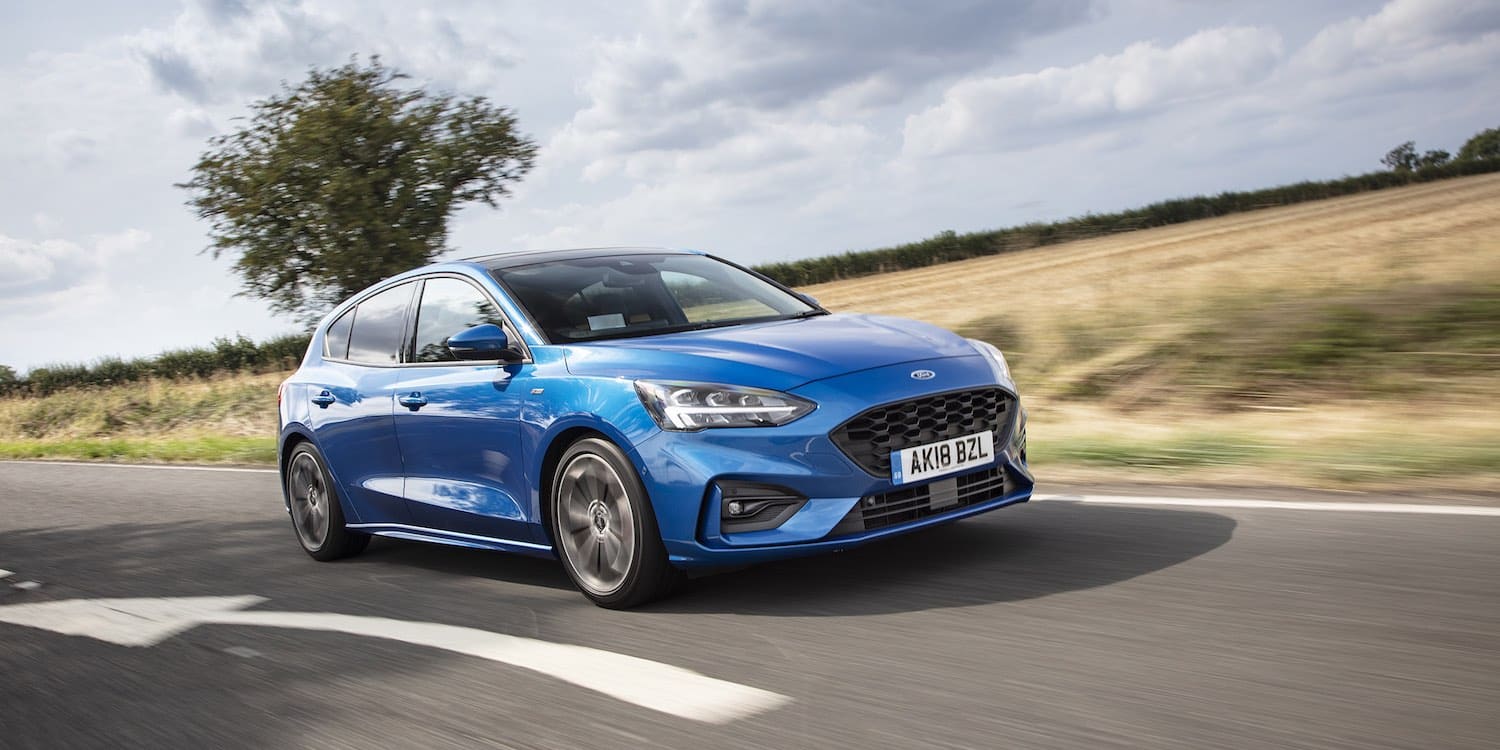
If you are a fan of terrible puns, you could say that Ford really lost its focus in September, as the brands family hatch fell from third place last month to tenth this month. It was also nearly 30% behind its registration numbers for last September against an overall market that was only down 4%.

The Focus was almost certainly the victim of a weak fleet market as well as its arch-rival, the new Volkswagen Golf, arriving in dealerships in large numbers to tempt away potential Focus customers.

A poor September result also means that the Focus has fallen from second place to fourth in year-to-date registrations, slipping behind the Vauxhall Corsa and Volkswagen Golf. It’s neck-and neck between Focus and Golf right now, but the momentum is certainly with the VW at the moment and it looks favourite to defeat the Focus in full-year sales in jut three months’ time.

The Ford Focus currently holds an Expert Rating of 80% in our Expert Ratings database, which is better than most rivals but still a couple of points off the new Volkswagen Golf based on its reviews to date.

September sales blow for new car market

There had been a lot of optimistic noises from various industry sources about how a backlog of orders and pent-up demand would generate a big month for new car sales in September, but that looks to have largely been wishful thinking, with a disappointing set of results published this morning.

New car registration data from the Society of Motor Manufacturers and Traders (SMMT) showed that the overall market was down more than 4% on the same month last year, resulting in the lowest number of September registrations since the twice-yearly number plate system was introduced back in 1999.

Data paints a bleak picture

Since dealerships started reopening across the UK in June, there has been the expectation that a lot of the registration results for June/July/August would have been the delivery of pre-lockdown orders, while most new customers would be placing orders for September delivery with the latest 70-plate number plates.

There have been mixed messages from the automotive world over the last few months, with some sources predicting a bumper September as the oft-repeated “pent-up demand” from three months of closed dealerships was finally released. Others were more cautious, suggesting that customer traffic was still slow.

September registrations always include a lot of orders placed in between April and August by customers who want the latest number plates on their new car. The fact that numbers were still down despite the “pent-up demand” shows that the underlying market is still very weak. With the likelihood of further movement restrictions and job losses set to affect much of the UK in the run-up to Christmas, the prospects for new car sales for the rest of 2020 look grim.

Source: SMMT

Consumer sales continue to lead the way

As has been the case since dealers reopened in June, the private new car market has outperformed the fleet market, as companies delay or reduce spending as much as possible. The consumer market is being largely propped up by returning PCP finance business, as customers can’t afford to pay out their balloon amounts and are essentially forced into buying another new or used car.

Private new car sales were down 1% compared to last September, while fleet registrations fell nearly 6%. Business registrations, which only make up 2-3% of new car sales anyway, were down 32% year-on-year. With business conditions looking bleak for the foreseeable future, the car industry will be frantically trying to cut supply of affected models. Which brings us onto the subject of diesel…

Electrified cars outsell diesels for the first time

Consumer sales outnumbered fleet registrations in September for the first time in many years, which contributed to another terrible month for diesel car registrations as diesel sales rely heavily on fleet customers.

We suggested a few months ago that the coronavirus could kill off diesel cars altogether, and today’s results showed that electrified cars (hybrids, plug-in hybrids and fully-electric cars) outsold diesel cars for the first time. To do so in one of the biggest sales months of the year is even more significant.

Several car manufacturers have been withdrawing their diesel engines from sale, and even some models that are largely reliant on diesel engines have been dropped. The silver lining in all this is that it might finally slow down the diesel-powered SUV juggernaut and lead customers back to traditional saloons and estates (which are generally much better vehicles anyway, to be frank).

Source: SMMT

Good month, bad month

Against an overall market that was down 4% compared to last year, there was quite a lot of volatility in how different manufacturers performed.

Some brands did particularly well. Audi, Bentley, Dacia, Honda, Jeep, MG, Nissan, Skoda, Smart, Suzuki, Toyota and Volkswagen all recorded results that were at least 10% better than the overall market.

Audi did particularly well, jumping to third overall in the market behind perennial best-sellers Ford and Volkswagen. Budget brand MG also recorded another massive month – up 170% year-on-year – continuing its relentless rise up the charts and having already sold more cars in the first nine months of this year than it did in all of 2019.

On the other hand, it was a much bleaker September for Alfa Romeo, BMW, Citroën, DS Automobiles, Hyundai, Jaguar, Maserati, Mazda, Mercedes-Benz, Mini, Mitsubishi, Subaru and Vauxhall, which were all at least 10% behind the overall market results.

Vauxhall Corsa is top of the pops in September

The 2020 supermini slugfest continued in September, with the new Vauxhall Corsa regaining top spot from its arch enemy, the Ford Fiesta. The Volkswagen Polo also had a good month to finish fourth in a strong month for small cars.

Source: SMMT

With September always being a strong consumer month, combined with a weak fleet market, there were a couple of surprises in this month’s top ten. The Ford Puma ranked seventh and the Volvo XC40 popped up in ninth place, while the Ford Focus fell to tenth place. This means that both the Vauxhall Corsa and Volkswagen Golf have now overtaken the Focus in year-to-date registrations.

As always, we’ll have a deeper dive into the monthly top ten in the next few days.

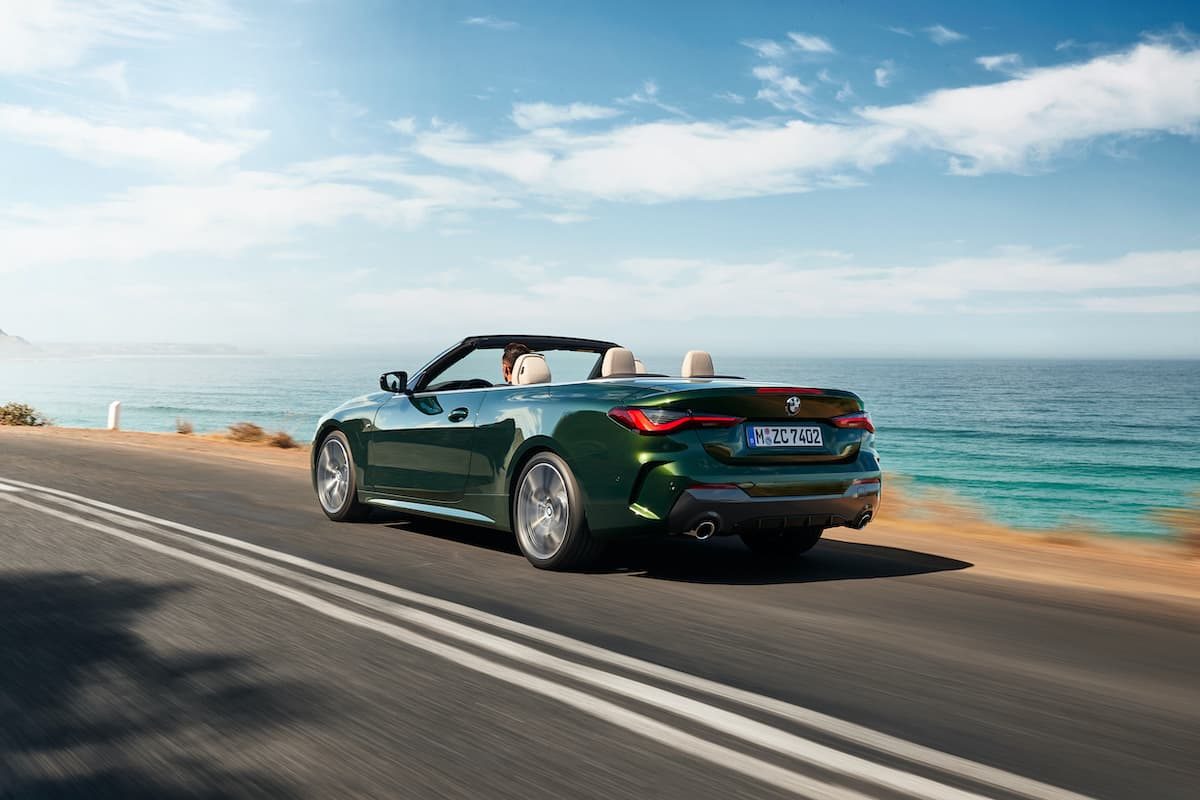
BMW unveils new 4 Series Convertible

0

BMW has revealed its new 4 Series Convertible, with the drop-top variant joining the recently-introduced coupé model.

All cars come in M Sport specification as standard and come with full LED headlights regardless of trim level. The folding fabric roof, meanwhile, has been designed to deliver the robustness of a retractable hard top with the ‘appeal of a fabric roof’, according to BMW, combining large panels and a flush-fitting rear window.

Several layers of insulation also ensure that the roof retains the car’s refinement, yet it’s 40% lighter than the outgoing car’s metal retractable roof. It’s able to open or close within 18 seconds at speeds of up to 31mph.

Inside, all cars get leather upholstery as standard as well as three-zone climate control, electric seats and a reversing camera. As already mentioned, all cars come in M Sport specification as standard, which brings large front air intakes and a sculpted rear apron as well as 18-inch alloy wheels and full M Sport suspension.

A digital instrument cluster measuring 12 inches is fitted as standard, sitting alongside a ten-inch display which houses all of the main infotainment functions. Both Android Auto and Apple CarPlay are supported, too.

A new M440i xDrive model has been added too, bringing a six-cylinder petrol engine and sitting as the flagship in the range. As well as a full M Sport differential, it gets contrast red brake calipers and 19-inch light M alloy wheels.

It’s joined in the range by two four-cylinder petrol units – badged 420i and 430i – while a four-cylinder diesel engine badged 420d will also be available. A more powerful 430d will also hit the market, albeit later in 2021. The former will achieve up to 67.3mpg, with the latter returning a claimed 50.4mpg.

At the top of the range of diesels sits a twin-turbocharged M440d xDrive. As well as the added capability of all-wheel-drive, this model can return up to 44.8mpg while emitting 165g/km of CO2.

All cars come with an eight-speed automatic transmission as standard.

A wider range of assistance systems has been included in the new 4 Series Convertible compared with its predecessor, bringing features such as lane departure warning, speed limit info and park distance control.

First UK deliveries of the new BMW 4 Series Convertible are expected in March, with prices starting from £45,785.

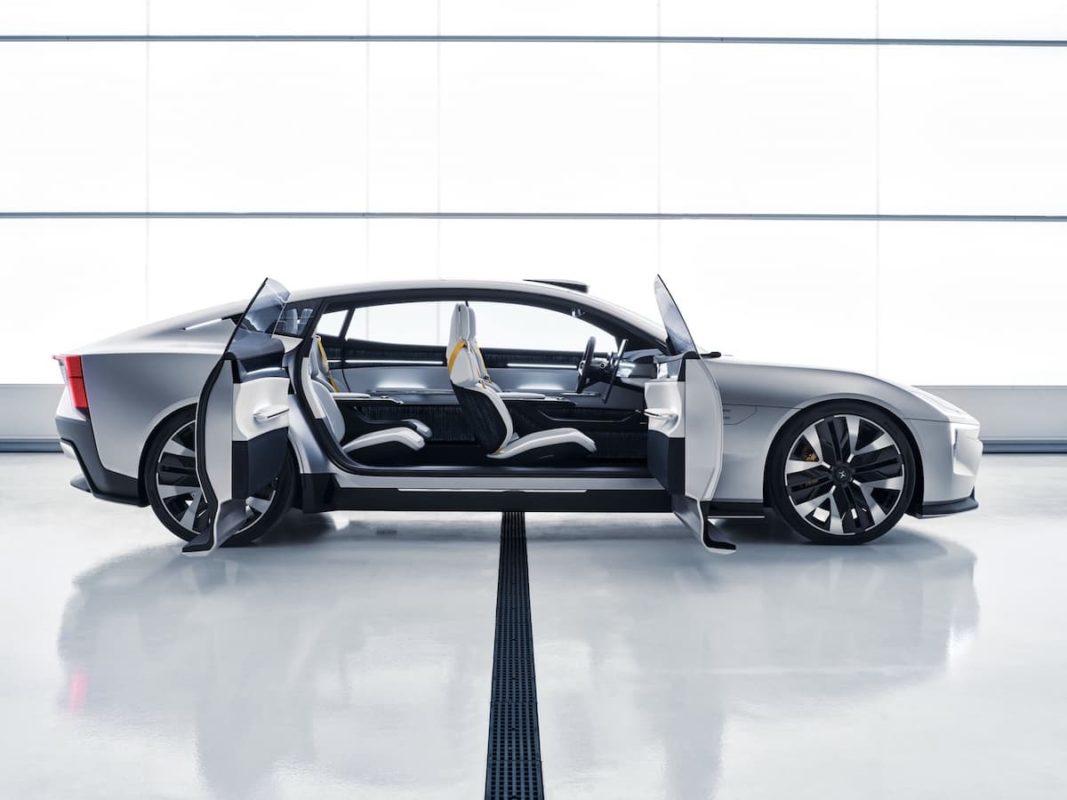
Stunning Polestar Precept concept to enter production

0

Polestar has confirmed that it will create a production version of its sleek Precept concept car.

Revealed earlier this year, the Precept was a showcase for the Swedish firm’s future design direction, as well as demonstrating the technology and sustainable materials that would feature in its road cars.

However, after receiving a positive reception, Polestar says it will build a road-going version at a new facility in China that the firm says will be carbon neutral.

Thomas Ingenlath, Polestar CEO, said: ‘Stunning. Spectacular. Cutting-edge. We’d like to see it on the road!’ – this is what the press wrote about Precept and the public said, ‘We want it’, so we decided to build it.

“Consumers want to see change from this industry – not just dreams. Now, Precept becomes an even stronger statement. We are committed to reducing the environmental impact of our cars and our business. The aim has to be climate neutrality, even though I recognise that is a long-term goal.”

Polestar says its ambition is to bring the Precept concept’s sustainably sourced interior into production. The car used materials including recycled PET bottles, reclaimed fishing nets, recycled cork vinyl and a flax-based composite.

The company is pushing sustainability in the automotive industry. Earlier this month, it pledged to publish the climate impact of its electric vehicles and called on other car manufacturers to do the same.

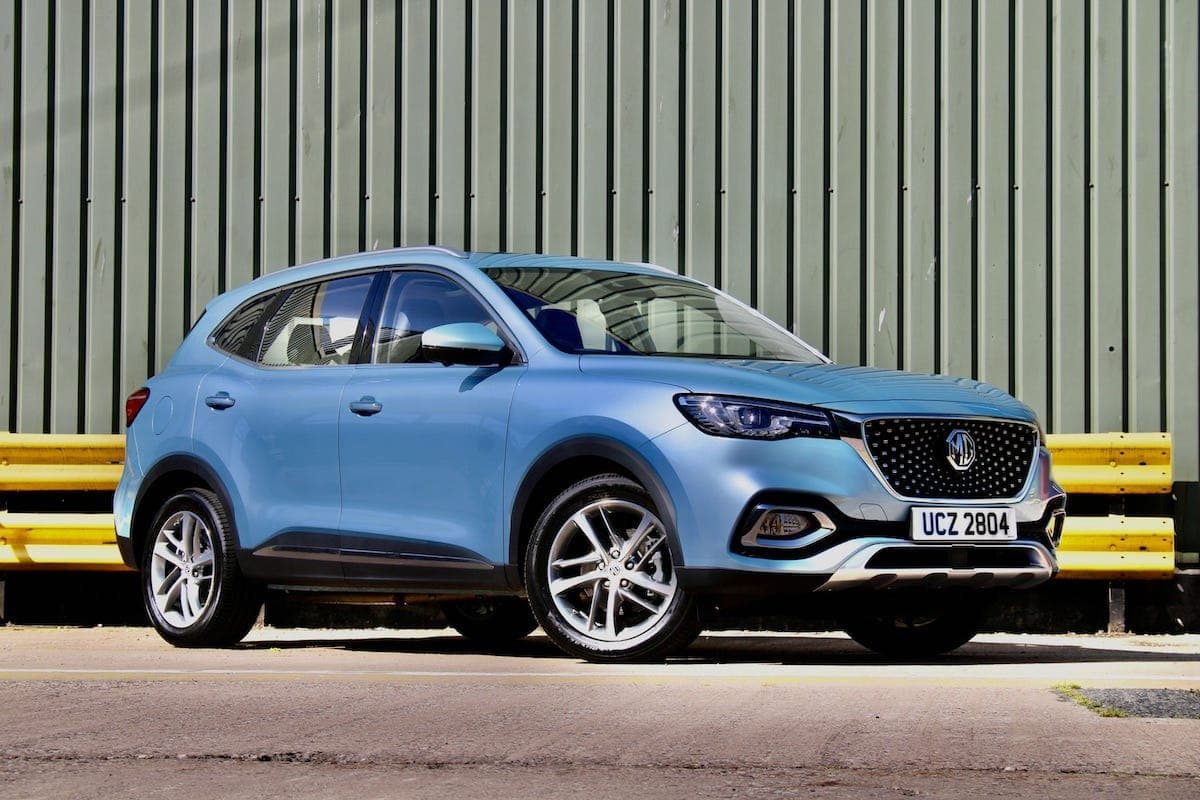
MG reveals new HS and 5 models

0

MG has introduced a pair of new electrified models, bolstering the firm’s low-emissions presence.

The new MG 5 arrives as the UK’s first fully-electric estate car and joins the ZS EV in the firm’s range of electric cars. Thanks to a 115kW electric motor, the MG5 will go from 0-60mph in just over eight seconds, while a 52.2kWh battery allows for a claimed electric range of 214 miles. However, this can be increased to 276 miles if the car is used solely for urban driving.

A zero to 80% charge can also be achieved in just 50 minutes when using a rapid charger, too, while a full charge at home using a domestic wallbox will take around eight and a half hours.

With the rear seats in place there’s 464 litres of boot space, or 1,456 litres when the rear seats are folded down.

Prices start from £24,495 for the MG 5 after the Government’s plug-in car grant and it’s available in one of two trim levels – Excite and Exclusive.

The second car to be announced is a new plug-in hybrid MG HS, which combines a 1.5-litre turbocharged petrol engine and a 90kW electric motor to provide excellent efficiency levels as well as an electric-only range of 32 miles. A new ten-speed automatic transmission has been fitted to ensure that both the petrol and electric motors deliver optimal efficiency, with CO2 emissions figures rated at just 43g/km.

Using a Type 2 fast charger, the MG HS can be charged from zero to 100% in just three hours.

The MG HS plug-in hybrid is priced from £29,995 and is available in two trim levels – Excite and Exclusive – which both pack plenty of standard equipment.

Both models are due to go on sale in the final part of this year, and each is covered by MG’s seven-year warranty.

All-new Dacia Sandero range revealed

0

Dacia has completed its range refresh with the launch of a new Sandero and Sandero Stepway.

The models have become popular as the least expensive new cars on sale in the UK, something that is unlikely to change despite an expected price increase when the pair go on sale in February 2021.

Both cars now sit on a new platform, which brings with it advancements in technology such as increased active and passive safety features, new engines and new transmissions.

The cars’ dimensions are the same as before, but the exterior styling is slightly different, with smoother lines and a more sloped windscreen. Both front and rear lights now get Dacia’s new Y-shaped light signature, while LED headlights are standard across the range.

The higher-riding Stepway version gets a ribbed and domed bonnet, chrome Stepway logo under the front grille and a metal skid plate front and rear to protect the car when taken off the beaten track.

It also gets modular roof bars that look like regular items, but they’re adjustable using a provided key. They can be dismantled to create a roof rack that can carry up to 80kg.

Convenience features vary depending on model and trim, but standard equipment includes a smartphone holder, on-board computer screen and speed limiter. Other equipment such as automatic air conditioning, keyless entry, reversing camera and automatic windscreen wipers come as standard too.

Both models get a turbocharged 1.0-litre engine, which is available with a six-speed manual or CVT automatic transmissions, as well as an LPG bi-fuel option, which is another 1.0-litre unit that’s only available with a manual.

The Sandero is also available with an entry-level naturally aspirated 1.0-litre engine, which can only be had with a five-speed manual.

The new Dacia Sandero and Sandero Stepway both go on sale in February 2021, with deliveries expected to begin in the Spring.

Toyota Yaris

Summary

The Toyota Yaris is a five-door supermini-class hatchback. This model is the all-new fourth generation, which was launched in the UK in summer 2020. While the previous model included a hybrid model, the new version is hybrid-only.

Unusually for a new model, the new Yaris is actually shorter than the old model, although better packaging means it’s roomier inside. There is also a high-performance model on the way called the GR Yaris, however this is an almost completely different car and won’t be included here.

The Toyota Yaris has been praised for its packaging and refined hybrid powertrain, which makes good use of its electric power in urban driving. It also scored very highly in the latest Euro NCAP crash testing programme. However, the starting price is quite high and the interior lacks the flair of some rivals.

As of January 2026, the Toyota Yaris has a New Car Expert Rating of A, with a score of 74%. It scores top marks for its low running costs and CO2 emissions, while its safety rating and reliability record are also good. However, its media review scores are only average, while Toyota’s new car warranty is also off the pace compared to some rivals.

Key specifications

Body style: Small five-door hatch
Engines: petrol-electric hybrid
Price: From £23,845 on-road

Launched: Summer 2020
Last updated: Winter 2024/25
Replacement due: TBA

Media reviews

Highlighted reviews and road tests from across the UK automotive media. Click any of the boxes to view.

Featured reviews

More reviews

The Car Expert

Auto Express

Auto Trader

Business Car

Car

Car Keys

Carbuyer

Company Car Today

Daily Mail

Driving Electric

Eurekar

Fleetworld

Honest John

Motoring Research

Parkers

The Sun

The Telegraph

Top Gear

Safety rating

Independent crash test and safety ratings from Euro NCAP

Overall score: 4 stars
Date tested: December 2025
Read the full Euro NCAP review

Adult protection: 72%
Child protection: 84%
Vulnerable road users: 83%
Safety assist: 72%

Note on safety

The Toyota Yaris was initially assessed by Euro NCAP back in 2020, where it scored a five-star rating. It was reassessed in December 2025 under the latest, tougher, protocols, where it was downgraded to a four-star rating. It’s not that the car has got any less safe after five years, simply that the standard for a five-star ranking is raised every three years or so.

This is still a good result for a supermini-class small car, and compares well against most of the Yaris’ rivals.

Eco rating

Independent economy and emissions ratings from Green NCAP

Model tested: 1.5-litre petrol/electric hybrid

Overall score: 3.5 stars
Date tested: February 2021
Read the full Green NCAP review

Clean Air Index: 6.3 / 10
Energy Efficiency Index: 7.4 / 10
Greenhouse Gas Index: 5.9 / 10

The Toyota Yaris received a 3.5-star rating from Green NCAP in February 2021. Green NCAP said: “The new Yaris comes in hybrid form, a 1.5-litre petrol engine being supplemented by an electric motor. Together, they deliver some impressive results. On-road emissions of NOx and CO are very low, and the particulate number is well controlled.

“The car scores well in energy efficiency and its emissions of greenhouse gases are, in the case of CH4 and N2O, vanishingly small. All in all, the Yaris achieves a well-deserved 3½ star rating.”

Reliability rating

MotorEasy logo 600x167

Reliability data provided exclusively for The Car Expert by MotorEasy

All data based on MotorEasy average workshop costs for extended car warranty claims

The Toyota Yaris has a good reliability rating of 92%, according to warranty data provided exclusively to us by our commercial partner, MotorEasy. This score applies to both this generation Yaris and previous (pre-2020) generations, which is good news if you are considering a used Toyota Yaris.

Across all categories, the repair bills claimed under warranty to date have been very inexpensive. All in all, the Yaris looks like being a reliable choice as a used car.

Running cost rating

Clear Vehicle Data logo close crop

Monthly cost of ownership data provided exclusively for The Car Expert by Clear Vehicle Data

Fuel consumptionAverageScore
Hybrid models66 mpgA
CO₂ outputAverageScoreVariationScore
Hybrid models95 g/kmA
Insurance groupAverageScoreVariationScore
All models14A
Service and maintenanceCostScore
Year 1£148A
Year 2£413A
Year 3£669A
Year 4£845A
Year 5£1,113A
Overall£3,188A

If you’re looking for a new car that’s cheap to run, the Toyota Yaris is a very good place to start. In fact, it scores an ‘A’ in every category of our running costs data, provided exclusively to The Car Expert by Clear Vehicle Data.

On top of the perfect set of scores you see above, which are based on the average results for the whole Yaris range, the fuller range of data shows that every single version of the Yaris scores an ‘A’ in every category – an extraordinarily good result.

If you’re looking at a used Yaris, it’s also pleasing to see that servicing costs remain low for five years from new (which is as far out as our data goes) and probably forever after that.

Awards

Trophies, prizes and awards that the Toyota Yaris has received

2023

  • EcoCar Electrified Top 50 – Best Hybrid Small Car

2021

  • European Car of the Year
  • UK Car of the Year Awards – Best Supermini
  • Auto Express Awards – Best Affordable Hybrid Car
  • Carwow Awards – Best Small Hybrid
  • Business Car Awards – Best Small Car

2020

  • Auto Express Awards – Best Affordable Hybrid Car

Similar cars

If you’re looking at the Toyota Yaris, you might also be interested in these alternatives

Current models: Citroën C3 | Dacia Sandero | Fiat Grande Panda | Honda Jazz | Hyundai i20 | Mazda 2 Hybrid | MG 3 | Mini Cooper | Peugeot 208 | Renault Clio | SEAT Ibiza | Skoda Fabia | Suzuki Swift | Vauxhall Corsa | Volkswagen Polo

Previous models: Citroën C3 (2017 to 2025) | Ford Fiesta (2017 to 2023) | Kia Rio (2017 to 2023) | Mazda 2 (2014 to 2025) | MG 3 (2014 to 2024) | Mini hatch (2014 to 2024) | Nissan Micra (2017 to 2022) |

Buy a Toyota Yaris

If you’re looking to buy a new or used Toyota Yaris, The Car Expert’s partners can help you find the right car.

Motors 600x300

Search less, live more. We make finding the right car simple. Find out more

Auto Trader logo 600x300

Search for your next new or used car with Auto Trader. Find out more

Carwow logo 600x300

Discover great deals available on both new and used cars. Find out more

Lease a Toyota Yaris

If you’re looking to lease a new Toyota Yaris, The Car Expert’s partners can help you find a competitive deal.

Leasing-com logo

Personal contract hire deals from Leasing.com. Find out more

Carwow logo 600x300

Personal contract hire deals from Carwow. Find out more

Select Car Leasing logo

Personal contract hire deals from Select Car Leasing. Find out more

Subscribe to a Toyota Yaris

If you’re interested in a car subscription, The Car Expert’s partners can help. (PS: What’s a car subscription?)

SelfDrive UK logo

Car subscriptions from SelfDrive.
Find out more

Cocoon Vehicles logo 600x300

Car subscriptions from Cocoon.
Find out more

Just Vehicle Solutions logo 600x300

Car subscriptions from Just Vehicle Solutions.
Find out more

Used car pricing: Why are cars sometimes advertised at two different prices?

James, from north London, has asked a very good question about used car pricing practices at dealerships. So good, in fact, that it has become the topic of our latest car buying advice article.

James was looking at a used car advertised online for £12,995 and decided to visit the dealership to look at the car. But when he arrived…  “I discovered that the car was priced at £14,995. When I questioned the salesman, I was told that the higher price was correct and I must have been mistaken.  Upon further questioning, the sales executive went off into the manager’s office, and when he came back he said that it had been a mistake and had now been corrected. Am I entitled to try and hold them to the lower price?”

It is not unusual for used car dealers to advertise the same car at different prices on different websites, or to have a higher price on the car window and a lower price advertised on the web. There are usually two reasons for this:

  1. If a customer hasn’t seen the lower price advertised elsewhere, the dealer can try and sell the car at the higher price; or
  2. The dealer can claim that the car has ‘already been reduced’ to the lower price, to try make the car look like a better deal. This strategy is used to stop a customer haggling for a lower price.

I have dealt with many dubious used car pricing practices, and plenty of used car dealers are very slippery at handling the question of “Isn’t this car advertised for less on the internet?”

Usually, the dealer will ‘suddenly remember’ that it has ‘only just been reduced this morning’ or make up some nonsense about ‘web-only offers’, or mutter something about how they ‘haven’t had enough time to update the price in the car window’.

It doesn’t really matter what the excuse is; they are simply trying it on – and then trying to cover it up when they realise you actually know what you’re talking about.

Used car pricing – anything goes

The reality is that there is no recommended retail price for a used car – a seller, whether private or dealer, is entitled to ask whatever price they like for their car. It’s simple capitalism, with supply and demand determining the price.

Although it’s not illegal for a dealer to advertise the same car at two (or more) different prices, it’s not exactly an example of outstanding business ethics if their used car pricing is handled like this as a matter of course.

James’ situation is a step more serious, as he claims that the dealer refused to sell him the car at the advertised price. We are no longer talking about a dealer omitting to mention that a car is advertised and available for a cheaper price, but actually refusing to honour their own advertised pricing.

These days, this sort of behaviour is thankfully becoming rare. Most dealers advertise their cars on several different websites, and can easily alter their used car pricing in seconds. In the past, an error in an old-style newspaper or magazine ad couldn’t be changed once it had been printed (assuming that it is a genuine error, rather than simply a dubious selling technique).

In this sort of situation, you need to have proof of the lower advertised price. With online ads, it is easy for you to look up the advertised price on your smartphone in seconds, but a dealer can also change their advertised price just as quickly, so always print out the advertisement before you visit the dealership.

If you hold your ground, and if you start mentioning phrases like ‘false advertising’ and ‘breach of trading standards’, dealers will generally concede fairly quickly. But is this the sort of dealer you want to be buying your car from?

Used car pricing – are you getting the best deal?

In the world of used car pricing, a dealer sets a car’s price based on what they hope to get and by what similar cars are being advertised for.

A salesman is not obliged to offer you a lower price, just as a customer is not obliged to pay a higher asking price. It comes down to who wants the deal more and is prepared to concede more ground, or who is better at negotiating a deal.

This article was originally published in October 2012, and most recently updated in September 2020.

Audi Q5 Sportback is coupé-styled mid-size SUV

0

Audi has given the coupé treatment to its mid-sized Q5 as the firm expands its range of SUV into ever-narrowing niches.

The Audi Q5 Sportback joins the Q3 and e-tron Sportback models, with a liftback rear end design compared to the more upright styling of the standard SUV.

It will launch with a choice of two diesel and one petrol engine. The entry level options are both 2.0-litre units making 204hp, badged as 40 TDI and 40 TFSI. A high-performance SQ5 Sportback will also be available, with a 347hp diesel engine, while a petrol-electric plug-in hybrid unit will be available at a later date.

The styling is largely similar to the existing Audi Q5, but the Sportback version’s roofline begins to taper down from the middle of the roof to give that liftback-style appearance. In top-spec Vorsprung models, the rear lights have OLED technology that splits the light into six segments that can be controlled differently. Customers can choose from three different rear light signatures when they order the car.

Inside, all UK cars are fitted with Audi Virtual Cockpit with its 12-inch panoramic display, as well as satellite navigation and internet connectivity. The Vorsprung trim adds a 19-speaker Bang & Olufsen audio system, head-up display, wireless charging and more.

The redesigned rear end means that the Q5 Sportback loses some boot space compared to its regular Q5 sibling, down 40 litres from 550 to 510 litres. Folding the rear seats flat increases this to 1,480 litres, and Vorsprung models get a sliding rear bench that can add up to 60 litres when pushed forward as far as possible. The difference will be more noticeable when you’re loading up to maximum levels to go away on holiday, but Audi conveniently doesn’t provide load volumes for luggage loaded above the window line.

The Audi Q5 Sportback is due to go on sale in the first half of 2021, with Sport, S line, Vorsprung and Edition One specifications available at launch.

Mazda MX-30 pricing and specification announced

0

Mazda has confirmed that the MX-30 will go on sale in the UK from March 2021 with prices starting at £25,545 after the plug-in car grant is applied.

The electric crossover will be available with three trim levels called SE-L Lux, Sport Lux and GT Sport Tech, as well as a high-spec First Edition that will be limited to just 500 examples.

Standard equipment includes LED headlights, a reversing camera, adaptive cruise control, satellite navigation and a head-up display. All cars are equipped with a Type 2 AC charging cable and 50kW charging capabilities.

The first cars to go on sale in March are the First Edition models, with orders open now and prices starting at £27,495. Upgraded equipment includes adaptive LED headlights, satin D-pillar trim and LED rear lights, while inside it gets a grey cloth and leatherette upholstery.

It will be joined later by the other models, with the entry SE-L Lux getting 18-inch alloy wheels, black door mirrors and grille, and a choice of five colours.

Upgrade to the £27,545 Sport Lux and there’s a different set of 18-inch alloy wheels, power adjustable seats with lumbar support and keyless entry.

The range-topping GT Sport Tech starts at £29,845 with a light grey cloth interior or £30,045 with a dark grey cabin with brown artificial leather upholstery. Extra equipment includes front wiper de-icer, an electric sunroof, heated steering wheel and 12-speaker Bose sound system.

Jeremy Thomson, managing director of Mazda Motors UK, said: “Our first all-electric Mazda heralds an exciting start to Mazda’s second century in business. With the First Edition MX-30 order book now open, customers in the UK can reserve a car for just £800 for delivery early in 2021.

“Part of Mazda’s multi-solution approach to efficient vehicles, the launch of our first pure electric car is a milestone moment for the brand and a landmark moment for our dealers and customers here in the UK.”

The Mazda MX-30 comes equipped with a 35.5kWh lithium-ion battery that provides up to 124 miles of range. First Edition orders can be made online now, and Mazda is planning opportunities for prospective customers to view and test drive models soon.

SEAT Leon test drive

If you’re looking for a sensible family car, two models have long stood out – the Ford Focus and the Volkswagen Golf. However, the SEAT Leon has long been an appealing alternative, sharing much of its underpinnings with the Golf but with more interesting styling and a more playful driving experience.

That’s still true of the latest model, which is a similar size to its German cousin but with sharper looks and the same excellent build quality – yet like for like it costs less. It all seems a bit too good to be true, so let’s delve a little deeper.

What’s new about the SEAT Leon?

SEAT has given the Leon a pretty comprehensive makeover for the fourth generation, as part of a 1.1 billion euro investment in its model range. It gets that smart new exterior look, updated interior design and technology, and the latest generation of Volkswagen Group engines – with a plug-in hybrid on the way.

Being based on the latest MQB Evo platform has allowed SEAT to add more connected services, advanced driving assistance systems and more safety technology, while also being bigger and more practical than before.

How does it look?

Although we were testing an FR model – meaning it had sporty-looking bumpers and smart 17-inch alloy wheels – the dull grey paint made it more subdued than we would have liked. You don’t need to go mad, but a bolder colour such as the metallic red (a no-cost extra) would be preferable.

A particular highlight of the new Leon is the full-width rear light, which gives off a futuristic look when driving at night while adding a splash of colour to the rear during the day. SEAT’s penchant for sharp creases in its cars’ styling continues to serve it well, taking a similar silhouette to the Golf but injecting a little more character.

What’s the spec like?

Prices for the SE Dynamic start at £20,995, with equipment including 17-inch alloy wheels, rear privacy glass, LED headlights and tail lights, front and rear fog lights, digital cockpit, ten-inch infotainment screen with sat nav, cloth upholstery, air conditioning and cruise control.

However, upgrade to the FR, and prices start from £23,185. For the extra cash, you get a different 17-inch alloy wheel design with an optional upgrade to 18-inch wheels, dynamic indicators, rain-sensing wipers and a wireless phone charger. On top of that, there’s the lower, stiffer suspension and sporty body kit.

As yet, the SEAT Leon has not been put through its crash-testing paces by Euro NCAP, thanks to our old friend Covid-19. Euro NCAP has now resumed testing, but there will be a bit of a backlog of cars to work through so we may not have results for the Leon for some months.

What’s the SEAT Leon like inside?

Sorry to keep going on about the Golf, but with the new one recently released and the Leon sharing so much with it, it’s tough to not make comparisons. Again, inside, the Leon borrows heavily from the new Volkswagen, having the same minimalist interior.

The dashboard has a large central screen for the infotainment and a digital instrument binnacle ahead of the driver, with minimal physical buttons. It looks fantastic, with SEAT doing a great job of elevating the premium feel of the cabin while keeping it cool and modern with lots of sharp angles in the design.

However, the downside is that navigating menus while on the move to change simple settings like the climate controls becomes annoying quickly. The sooner manufacturers move away from fitting everything behind a screen the better.

What’s under the bonnet?

There are currently three petrol engines and one diesel available, with the trim level dictating which are available. Opt for the standard SE Dynamic trim, and the petrols are a 110hp 1.0-litre and 130hp 1.5-litre, while the diesel is a 115hp 2.0-litre unit, each with a six-speed manual gearbox.

However, upgrade to the sporty-looking FR trim and you have the choice of the two petrols, as well as a 1.5-litre unit making 150hp, which is available with both the manual or a seven-speed automatic.

For everyday driving the 130hp unit is more than enough, but if you’re looking for something with a bit more pizazz for family duties, an FR model with 150hp could be your best bet. Should you do many motorway miles the diesel will be ideal, though it does limit you to the SE Dynamic trim.

What’s the SEAT Leon like to drive?

We got behind the wheel of the FR trim, which has traditionally been the sportier of SEAT’s specifications. However, the latest generation does appear to have lost some of that light-footed sparkle that was evident in its predecessor – it’s closer to a Golf in mannerisms than ever before.

However, that’s not necessarily a criticism, because it’s immediately obvious that this is one of the most pleasant, fuss-free driving experiences in the segment. The ride is comfortable despite the FR’s slightly stiffer suspension, and the steering light enough that city driving is a breeze while still being stable at motorway speeds. A great all-rounder, then.

Verdict

There’s no two ways about it – the new SEAT Leon is a brilliant car. It looks great, it’s practical, it’s quiet and comfortable to drive, and comes packed full of kit. The down side? The Golf does all of those things, and the extra cash won’t be too offensive when divided across the monthly payments of a finance deal.

The thing is, its greatest negative is the existence of the Golf, but it’s also a positive. It has all the great things the VW does but without forcing you to accept the dull, predictable choice – and if you can get dependability and character in one hit, why wouldn’t you? That minor saving could allow you to tick a couple of option boxes to make it even better value for money, too.

Similar cars

Alfa Romeo Giulietta | Citroën C4 Cactus | Fiat Tipo | Ford Focus | Honda Civic | Hyundai i30 | Kia Ceed | Mazda 3 | Mini Countryman | Peugeot 308 | Renault Megane | Skoda Scala | Skoda Octavia | Toyota Corolla | Vauxhall Astra | Volkswagen Golf

Key specifications

Model as tested: SEAT Leon FR
Price: £23,185
Engine: 1.5-litre petrol
Gearbox: Six-speed manual

Power: 130 hp
Torque: 200 Nm
Max speed: 130 mph
0-60mph: 9.4 secs

Fuel economy (combined): 46.3-51.4 mpg
CO2 emissions: 125 g/km
Euro NCAP safety rating: Not yet tested
TCE Expert Rating: Not yet rated

New Rolls-Royce Ghost extends its appeal

1

Rolls-Royce has introduced a new Extended version of its new Ghost luxury saloon.

Some 17cm longer than the standard car, the change brings – according to Rolls-Royce – ‘greater space and legroom for rear-seat occupants’.

Inside, an optional reclining ‘serenity seat’ can be selected, bringing a level of comfort which the Goodwood-based company likens to a business jet cabin. A champagne fridge has been installed between the two rear chairs, which features two different cooling modes.

A new micro-environment purification system (MEPS) system enhances the existing air filtration technology to further improve the cabin air quality in the car and is capable of detecting if the level of airborne contaminants is too high. If so, the air is then passed through a nanofleece filter which can remove all of the ultra-fine particles.

Torsten Müller-Ötvös, chief executive of Rolls-Royce Motor Cars, said: “New Ghost is the result of in-depth dialogue with Rolls-Royce’s diverse and global customer base. Many of them asked the marque to create a motor car that provides the indulgence of enhanced rear space within the interior suite with no compromise to driving dynamics.

“Ghost Extended answers this customer demand by creating a product that augments both their business and lifestyle requirements.”

New laser headlights are already included, while a range of assistance systems ensure that the safety levels in the Ghost match the level of luxury it offers.

The Ghost Extended retains the same 6.75-litre V12 engine as the standard Ghost, while 100kg of acoustic sound deadening ensures that the cabin remains as hushed as possible.

BMW unveils new M3 and M4

0

BMW has finally revealed its new M3 and M4 sports cars after several weeks of teasers.

Set to arrive in the UK next March, the new models boast up to 510hp from a new six-cylinder engine. The cars – which will only be available in high-performance Competition form – will also be available with optional xDrive four-wheel-drive for the first time. They’ll follow from the initially rear-wheel-drive cars which will hit showrooms first.

An increase in performance over the cars they replace means that acceleration times have sharpened; both cars will go from 0-60mph in just 3.7 seconds and hit a top speed of 155mph, though an optional drivers package can lift that to 180mph. All cars use an eight-speed torque converter automatic gearbox as standard.

The styling of the cars is radically different from the preceding models, showcasing a huge front set of grilles. They also debut a strikingly different look to the regular BMW 3 Series, but feature a similar grille to that used on the new 4 Series. It sits in the middle of full LED headlights, while flared arches and wide front air intakes give both cars an aggressive appearance.

Around the back, you’ll find sharp LED tail lights, while quad exhaust pipes – which have become such a recognisable feature of M3 and M4 cars – are fitted as standard.

The M3 is 10cm longer than its predecessor and almost 3cm wider too, while both M3 and M4 cars have a ride height which is ever so slightly lifted over the older cars. Inside, you’ll find newly developed sports seats which can be fitted with ventilation, while an M Sport steering wheel incorporates M mode buttons to help the driver easily switch between car settings. Apple CarPlay and Android Auto are both included as standard, too.

The M3 and M4 can both be fitted with an optional M Drive Professional system which allows for greater adjustability of the traction control and also brings a Drift Analyser which can record and rate driving statistics.

The new BMW M3 and BMW M4 models are, as mentioned, estimated to arrive in the UK next March, and prices are expected to sit around £65,000 for the M3 and £70,000 for the M4.

How much are the loyalty penalties for car insurance?

Loyal home and car insurance customers could find themselves paying significantly more than new customers, the City regulator has found.

Ten million policies across home and car insurance are held by people who have been with their provider for at least five years, according to the Financial Conduct Authority (FCA), which is proposing a radical shake-up of firms’ pricing.

It analysed the prices paid by new customers and those who have been with the same provider for more than five years.

As shown in the graphic above, the differences in car insurance prices paid for a typical risk was £85. New customers pay an average of £285 for their car insurance, while customers who have been with their insurance provider for more than five years pay an average of £370.

Similar patterns are found in building insurance, contents insurance, and combined building and contents insurance.

The FCA said that firms use complex techniques to identify customers who are more likely to renew with them. They then increase prices to these customers at renewal each year, resulting in some consumers paying very high prices.

The regulator said many of these consumers are unaware of this, mistakenly believing that their provider is offering them a competitive price at renewal.

In addition, some firms use practices that can discourage consumers from shopping around, including by making it more difficult to cancel automatic renewal.

And just because consumers often switch, it does not mean they will always get the best price.

Even people who switch regularly are not always offered firms’ lowest prices, the FCA said.

Kia Stinger gets tech upgrades and styling tweaks

0

Kia has freshened up its distinctive Stinger saloon, bringing a range of updates to the company’s flagship model.

New LED headlights have been included with matching LED daytime running lights, while the lights at the rear of the car have been updated too. New turn signals which each contain ten individual LED units, have been arranged to resemble the appearance of a chequered flag.

In addition, a new 19-inch aluminium wheel design has been included on the Stinger. An additional colour – ‘Ascot Green’ – has been added to the list of Kia’s exterior shades too.

Inside the overall look of the cabin remains unchanged, though the materials have been lifted slightly to improve the perception of quality. A new metallic finish has been added to sections of the steering wheel, while the rear-view mirror has been given a clean, frameless design.

A new upgraded ten-inch infotainment and navigation system has been fitted to the middle of the dash, and it incorporates both Apple CarPlay and Android Auto. A seven-inch digital display has also been included in the instrument cluster which displays key information such as speed and revs.

2021 Kia Stinger - rear
2021 Kia Stinger | The ar Expert

Kia has also removed the less powerful engines from the line-up – leaving just the 3.3-litre twin-turbocharged petrol V6 powertrain as the only option. It delivers 370hp and 510Nm of torque, resulting in a 0-60mph time of 4.6 seconds. In fact, the new engine makes the Stinger the fastest-accelerating Kia ever sold in Europe.

A new range of assistance systems have been included too, while existing ones have been upgraded in order to make the Stinger even safer.

Prices and full specifications for the Stinger have yet to be announced.