Find an Expert Rating: 
Home Blog Page 91

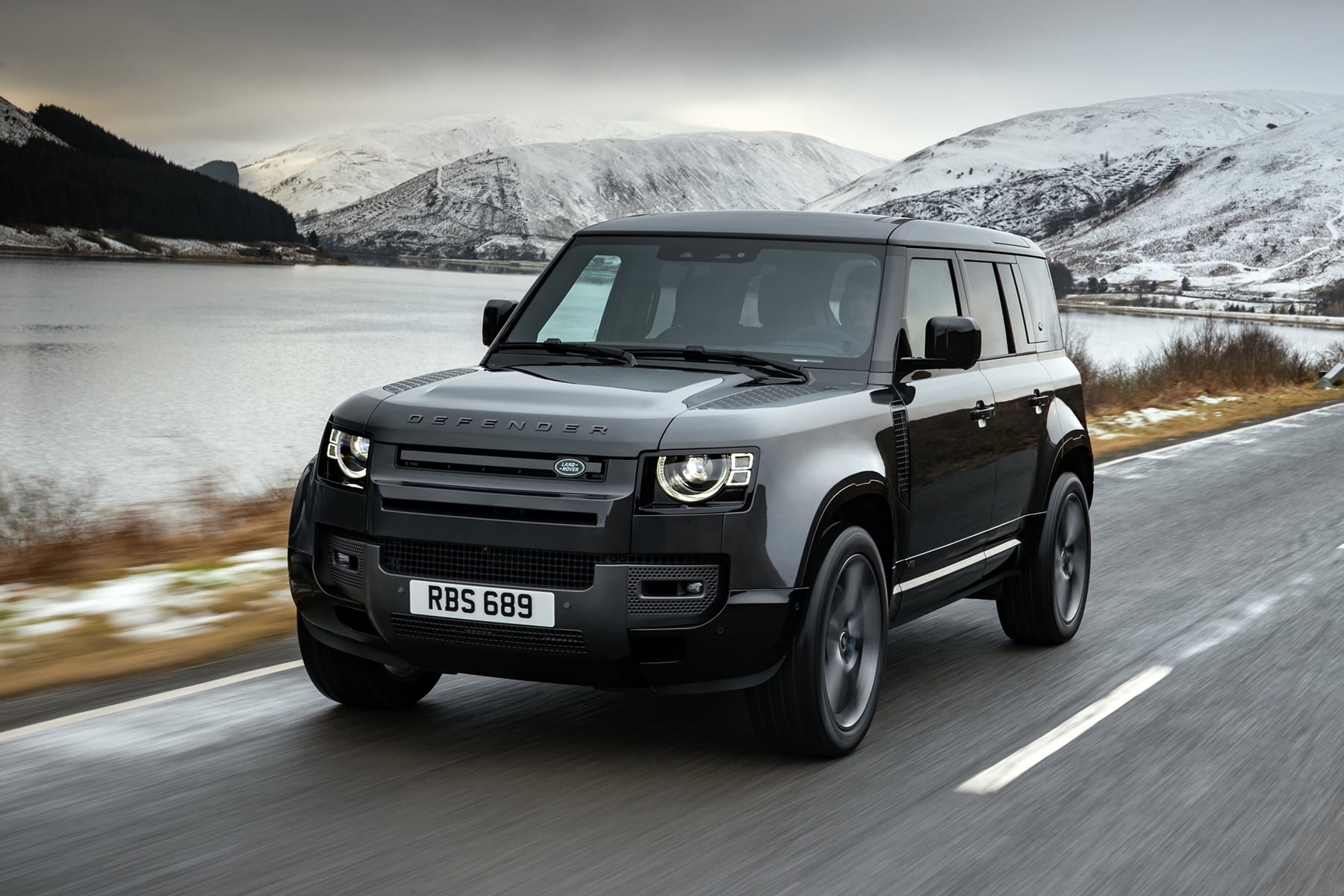
Land Rover Defender

Summary

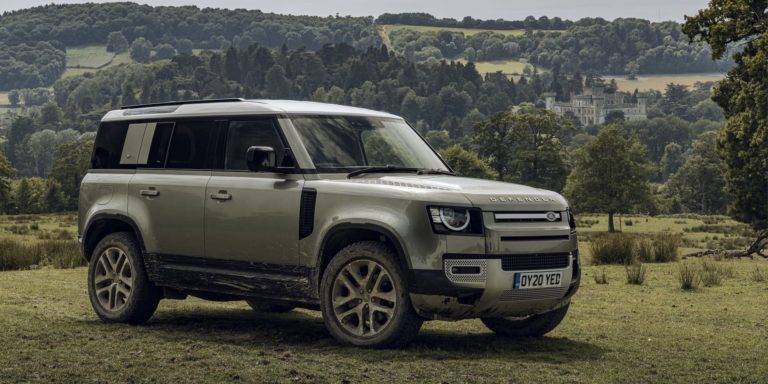
The Land Rover Defender is a large SUV that is inspired by, but completely unrelated to, the long-serving Defender model that could trace its lineage back to the first Land Rover in 1948. The new model shares a lot of its architecture and components with other models in the Jaguar Land Rover family, and carries over nothing from the old Defender.

The new Defender was launched in late 2019 and went on sale in the UK in early 2020. Initially it was only available in long-wheelbase (110) form, with the short-wheelbase (90) version arriving in the second half of 2020 and an extra-long-wheelbase (130) model completing the line-up in 2022. A plug-in hybrid version also reached showrooms in late 2020.

Unlike most models in the Land Rover range, which are built in Britain, the Defender is built alongside the Land Rover Discovery at a factory in Slovakia (so it doesn’t get our “Best of British” badge).

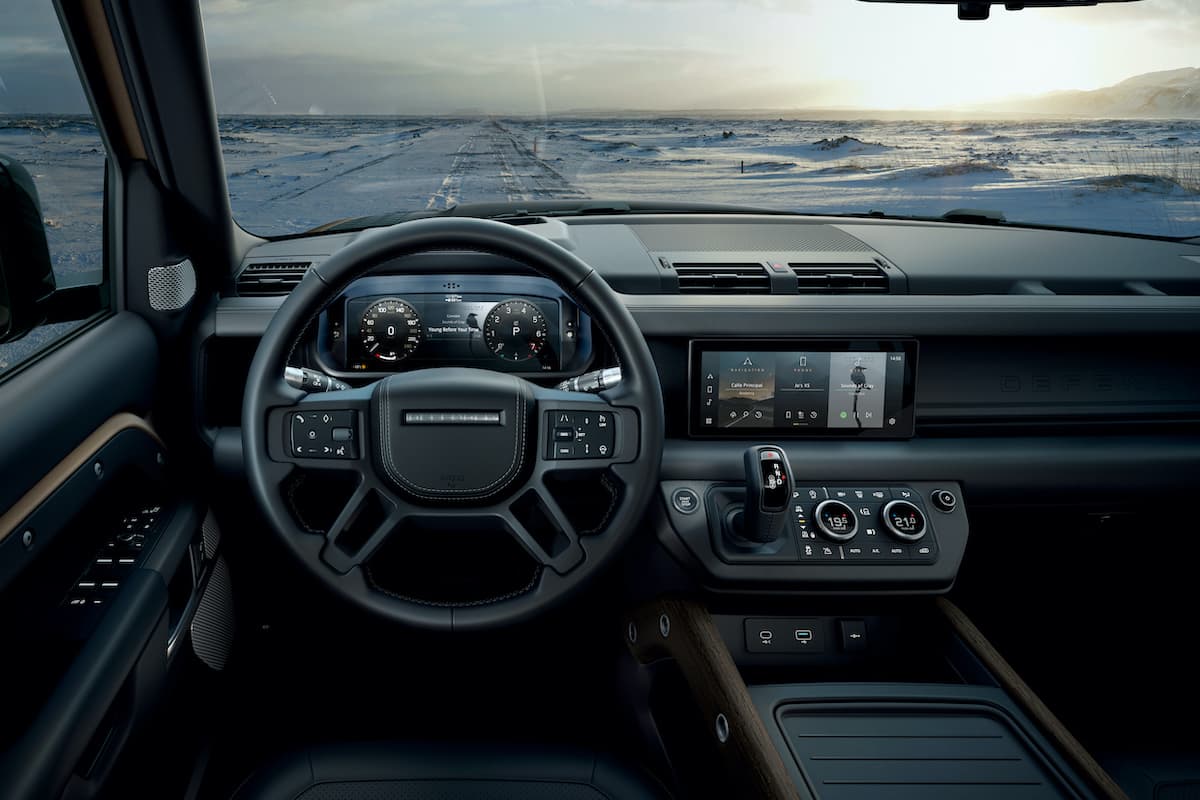
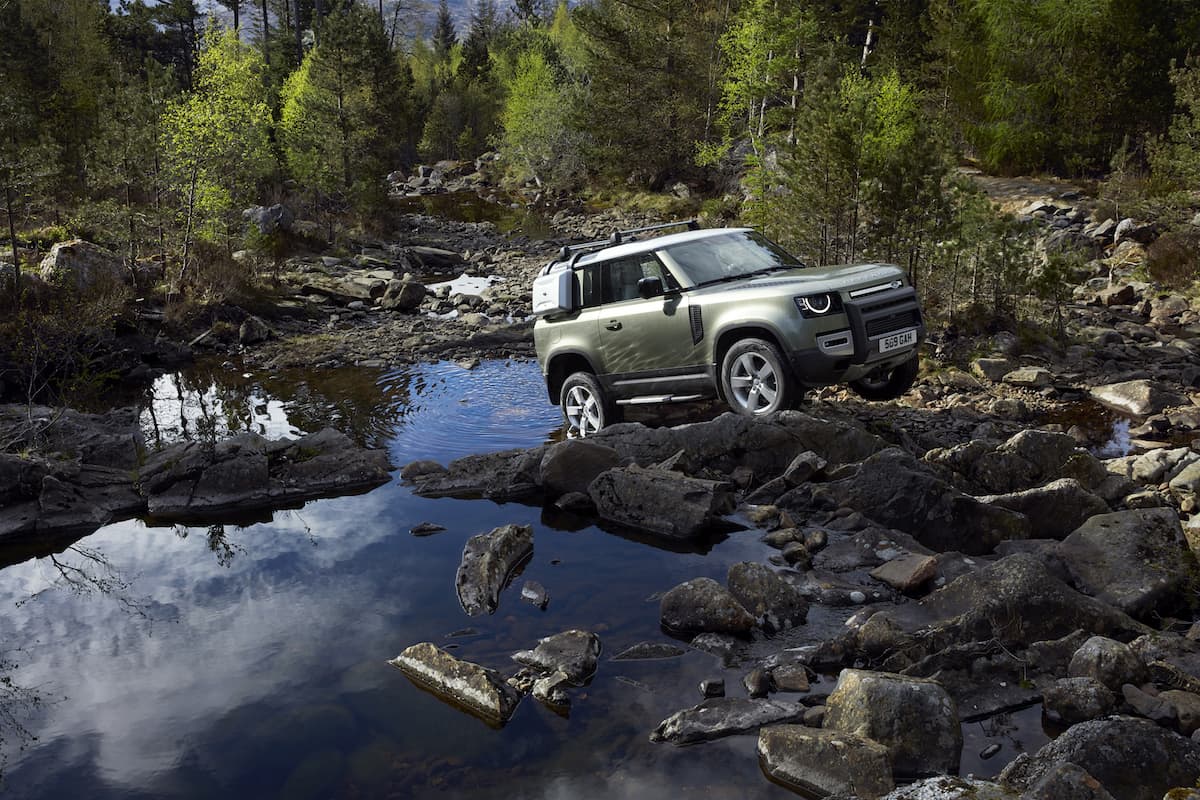
It has received high praise for its combination of off-road and on-road abilities, practicality and vastly improved infotainment system compared to other Land Rover models.

The main criticisms are directed at fairly poor fuel economy and the car’s high price – with a long list of expensive options, a Defender 110 can easily breach £100k.

As of March 2026, the Land Rover Defender holds a New Car Expert Rating of C, with a score of 61%.

Defender highlights

  • Talented performer on and off the road
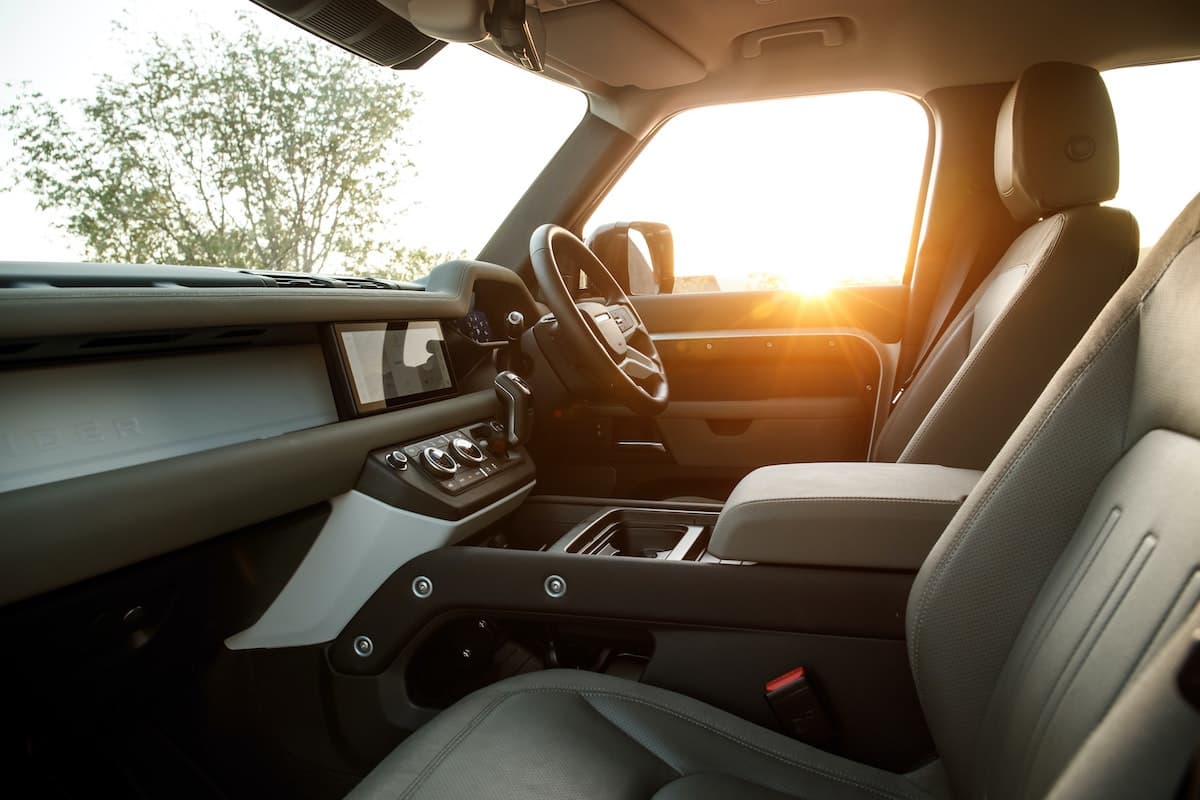
  • Spacious and luxurious interior
  • Impressive infotainment
  • Slow value depreciation
  • Excellent safety features

Defender lowlights

  • Hefty pricing for top models
  • Poor fuel economy
  • ’90’ models have a small boot
  • Brand has poor reliability track record
  • Slightly sluggish handling

Key specifications

Body style: Large SUV
Engines: petrol, diesel, plug-in hybrid
Price: From £57,540 on-road

Launched: Autumn 2019
Last updated: Autumn 2020
Next update due: TBA

Media reviews

Highlighted reviews and road tests from across the UK automotive media. Click any of the boxes to view.

Featured reviews

More reviews

The Car Expert

Auto Express

Auto Trader

Business Car

Car

Carbuyer

Company Car Today

Daily Mail

Daily Mirror

Driving Electric

Eurekar

Evo

Fleetworld

Green Car Guide

Heycar

Honest John

Parkers

The Sun

The Telegraph

Top Gear

Safety rating

Independent crash test and safety ratings from Euro NCAP

Overall score: 5 stars
Date tested: December 2020
Read the full Euro NCAP review

Adult protection: 85%
Child protection: 85%
Vulnerable road users: 71%
Safety assist: 79%

Eco rating

Independent economy and emissions ratings from Green NCAP

No eco rating

As of March 2026, the Land Rover Defender has not been lab tested by Green NCAP.

Running cost rating

Monthly cost of ownership data provided exclusively for The Car Expert by Clear Vehicle Data

Fuel consumptionAverageScore
Petrol models20 mpgE
Diesel models33 mpgD
Plug-in hybrid models101 mpgA
CO₂ outputAverageScoreVariationScore
Petrol models320 g/kmE
Diesel models226 g/kmE
Plug-in hybrid models63 g/kmA
Battery rangeAverageScoreVariationScore
Plug-in hybrid models30 milesE
Insurance groupAverageScoreVariationScore
All models46E
Service and maintenanceCostScore
Year 1£362D
Year 2£737D
Year 3£1,193D
Year 4£1,502D
Year 5£1,988D
Overall£5,782D

It should come as no real surprise to learn that a large, heavy SUV has high running costs, and the Land Rover Defender will cost you a fair chunk of change to live with.

Fuel consumption is unsurprisingly poor, regardless of whether you choose a petrol or diesel version. Don’t be fooled by the impressive-looking economy figures of the plug-in hybrid models – every plug-in hybrid on the market scores an ‘A’ for fuel economy, which is the result of the unrepresentative EU/UK lab tests that car manufacturers have to follow.

Insurance is also likely to be expensive, with several versions of the Defender in the top insurance group (group 50). Scheduled servicing costs are actually the most reasonable results here, and even then they are only average.

Reliability rating

Reliability data provided exclusively for The Car Expert by MotorEasy

All data based on MotorEasy average workshop costs for extended car warranty claims

The Land Rover Defender has a poor reliability score as of April 2025 (our most recent data point), according to workshop and warranty data provided exclusively to The Car Expert by our partner, MotorEasy. This score only applies to the ‘new’ Defender, rather than the ‘classic’ Defender, and to date it’s only based on a relatively small number of vehicles.

Average repair bills overall are £900, which is higher than most cars. To date, the biggest bills have been related to engine issues, with an average repair cost of about £1,800.

Given the cost of repairs (and Land Rover’s historically poor reliability record), if you own a Land Rover Defender or are interested in buying a used Defender, a used car warranty could be a good idea. Make sure it covers all of the areas listed above.

Recalls

Official DVSA safety recalls that have been issued for the Land Rover Defender

Date: June 2024
Recall number: R/2024/255
Model types: All Defender models
Build dates: 11/2023 to 02/2024
Number of vehicles affected: 590
Defect: The incorrect specification of plastic was used to manufacture the oil filter housing. This housing may over time and with vehicle use crack. This could result in oil under pressure leaking and coming into contact with hot components of the engine which may result in a fire. Additionally oil may leak onto the road surface posing a skid hazard.
Remedy: Replace the oil filter housing complete with filter and associated O-rings.

Date: March 2024
Recall number: R/2024/147
Model types: All Defender models
Build dates: 04/2019 to 02/2024
Number of vehicles affected: 47,815
Defect: The manufacturer has developed a software enhancement to further increase vehicle security.
Remedy: The software enhancement will deploy this update and reduce the theft risk.

Date: March 2024
Recall number: R/2024/145
Model types: All Defender models
Build dates: 07/2019 to 01/2022
Number of vehicles affected: 15,408
Defect: The manufacturer has developed a software enhancement to further increase vehicle security.
Remedy: The software enhancement will deploy this update and reduce the theft risk.

Date: October 2023
Recall number: R/2023/293
Model types: All Defender models
Build dates: 07/2023 to 09/2023
Number of vehicles affected: 770
Defect: On plug-in hybrid (PHEV) models, it is possible that the internal combustion engine will not start when required. This may occur whilst the vehicle is in motion and the vehicle will operate in electric vehicle (EV) Mode only. When the EV system is no longer able to propel the vehicle the vehicle will unexpectedly slow down and no drive is possible.
Remedy: Software update to the Powertrain control module.

Date: June 2023
Recall number: R/2023/135
Model types: Defender 130 models
Build dates: 07/2021 to 01/2023
Number of vehicles affected: 318
Defect: On affected vehicles there is an issue involving the seat latch in the area of the third row of seats for where injury in the event of an incident cannot be ruled out.
Remedy: The third-row seat back latch operation will be checked. Where the seat latches operate correctly no further action is required. Where a latch does not operate properly the seat frame and associated components will be replaced.

Date: May 2023
Recall number: R/2023/087
Model types: All Defender models
Build dates: 07/2020 to 01/2023
Number of vehicles affected: 18,151
Defect: The water pump pulley drive belt can become damaged leading to detachment or destruction. Where water pump pulley drive is lost, this leads to a loss of coolant flow in the engine.
Remedy: Affected vehicles will have the engine coolant elbow replaced. In addition, a turbocharger feed coolant pipe will be replaced.

Date: May 2023
Recall number: R/2023/044
Model types: All Defender models
Build dates: 08/2022 to 01/2023
Number of vehicles affected: 499
Defect: For certain 2023 Model Year 3.0-litre vehicles, a small number of engines the cam carrier oil gallery hasn’t been fully drilled. As a result, the oil channel could be blocked leading to accumulation of oil against the pressure control valve rubber membrane and subsequently an external oil leak or increased oil carryover into the air intake system.
Remedy: The engine cam carrier will be inspected and where an incorrectly machined cam carrier is found replace it with a correctly machined component. Depending on mileage and engine conditions further associated components may require replacement.

Date: August 2022
Recall number: R/2022/222
Model types: All Defender models
Build dates: 12/2021 to 05/2022
Number of vehicles affected: 2,981
Defect: Damaged front seat belt pretensioner tube may have been installed on the seat belt retractor.
Remedy: Inspect the seat belt pretensioner tube for damage and if damage is identified the seat belt retractor will be replaced.

Date: October 2021
Recall number: R/2021/333
Model types: All Defender models
Build dates: 07/2020 to 08/2021
Number of vehicles affected: 509
Defect: The front passenger seats were manufactured without the occupancy detection sensor system (ODS) installed.
Remedy: Fit the occupant detection sensor to the front passenger seat.

Date: August 2021
Recall number: R/2021/247
Model types: Defender 90 models
Build dates: 12/2020 to 04/2021
Number of vehicles affected: 1,025
Defect: The fixings connecting the exhaust downpipe to the catalytic converter may not have been tightened to the specified torque value.
Remedy: Inspect the exhaust downpipe to catalytic converter joint. If the fixings are present torque them up to the required torque specification. If any fixings are missing they will be replaced and torqued to the required specification.

Date: April 2021
Recall number: R/2021/137
Model types: All Defender models
Build dates: 11/2020 to 03/2021
Number of vehicles affected: 4,002
Defect: The front seat track end stop bracket may become deformed.
Remedy: Replace the front seat tracks with a modified part.

As of September 2024 (our most recent data point), there have been ten DVSA vehicle safety recalls on the Land Rover Defender to address various different issues.

Not all vehicles are affected by recalls. You can check to see if your car is included in any of the above recalls by visiting the DVLA website or contacting your local Land Rover dealer.

If your car is affected by a recall, the vehicle must be repaired and you should not be charged for any work required. If you are buying a used Defender, you should insist that any outstanding recall work is completed before you take delivery of the vehicle.

Awards

Trophies, prizes and awards that the Land Rover Defender has received

2023

  • EcoCar Electrified Top 50 – Best Plug-In Hybrid Luxury SUV

2022

  • Motor Trader Awards – Best Used Car
  • News UK Motor Awards – Best Adventure Car
  • Parkers New Car Awards – Best Off-Roader

2021

  • The Car Expert Awards – Large SUV Class Champion
  • UK Car of the Year Awards – Best Large Crossover
  • Auto Express Awards – Best Mid-Size Premium SUV
  • Carwow Awards – Best Large SUV
  • DieselCar and EcoCar Top 50 – Best Luxury SUV
  • Parkers New Car Awards – Best Off-Roader
  • News UK Motoring Awards – The Sunday Times Legend Award

2020

  • Auto Express Awards – Best Mid-Size Premium SUV
  • News UK Motor Awards – Best Adventure Car + Best Dog-Friendly Car
  • Business Car Awards – Driver’s Choice
  • Northern Group of Motoring Writers – Northern Car of the Year

2019

  • Carwow Awards – Design Award

Similar cars

If you’re looking at the Land Rover Defender, you might also be interested in these alternatives

Audi Q7 | BMW X5 | Jeep Wrangler | Land Rover Discovery | Lexus RX | Mercedes-Benz G-Class | Mercedes-Benz GLE | Range Rover Sport | SsangYong Rexton | Toyota Land Cruiser | Volkswagen Touareg | Volvo XC90

More news, reviews and information about the Land Rover Defender at The Car Expert
The best used family cars for every budget

The best used family cars for every budget

Everything you need to know about Land Rover

Everything you need to know about Land Rover

The best family cars for every budget in 2023

The best family cars for every budget in 2023

The best new petrol SUVs for every budget

The best new petrol SUVs for every budget

The history of the Land Rover Defender

The history of the Land Rover Defender

Last days of the dinosaurs: the best petrol cars under £75K

Last days of the dinosaurs: the best petrol cars under £75K

Ineos bids to plug Land Rover Defender gap

Ineos bids to plug Land Rover Defender gap

Land Rover reveals eight-seat Defender 130

Land Rover reveals eight-seat Defender 130

Best large SUVs of 2021

Best large SUVs of 2021

Land Rover Defender 90 test drive

Land Rover Defender 90 test drive

Plug-in hybrid powertrain added to Defender line-up

Plug-in hybrid powertrain added to Defender line-up

Land Rover Defender 110 test drive

Land Rover Defender 110 test drive

Buy a Land Rover Defender

If you’re looking to buy a new or used Land Rover Defender, The Car Expert’s partners can help you find the right car

Motors 600x300

Find your next used car with Motors. Find out more

Auto Trader logo 600x300

Find your next new or used car with Auto Trader. Find out more

Carwow logo 600x300

Find your next new or used car with Carwow. Find out more

Lease a Land Rover Defender

If you’re looking to lease a new Land Rover Defender, The Car Expert’s partners can help you find a competitive deal

Leasing-com logo

Personal contract hire deals from Leasing.com. Find out more

Carparison 600x300

Personal contract hire deals from Carparison Leasing. Find out more

Carwow logo 600x300

Personal contract hire deals from Carwow. Find out more

Subscribe to a Land Rover Defender

If you’re interested in a car subscription, The Car Expert’s partners can help (PS: What’s a car subscription?)

Cocoon Vehicles logo 600x300

Car subscriptions from Cocoon.
Find out more

Just Vehicle Solutions logo 600x300

Car subscriptions from Just Vehicle Solutions.
Find out more

Flexible Vehicle Contracts logo 600x300px

Car subscriptions from Flexible Vehicle Contracts.
Find out more
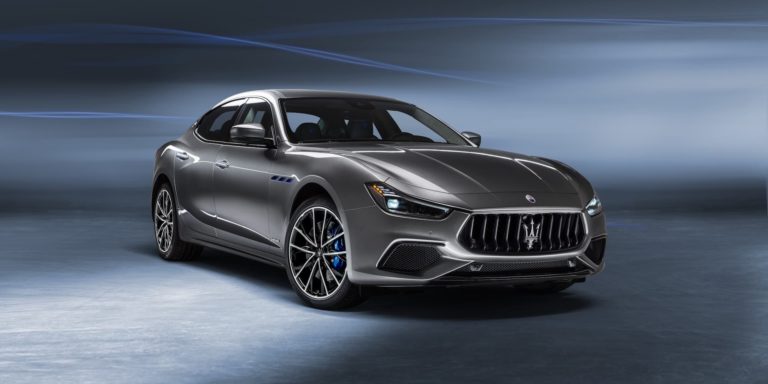
Maserati unveils new Ghibli Hybrid

0

Maserati has kicked off its electrification plans with the new Ghibli Hybrid.

The executive saloon ditches its old V6 engine in favour of a new, more efficient 2.0-litre turbocharged four-cylinder petrol engine linked up to a mild hybrid system.

The exterior has been tweaked to showcase the car’s greener credentials, with blue details and a grey colour which is unique to the electrified model. Two trims will be available from launch – sporty GranSport and high-end Gran Lusso.

Maserati claims that the new powertrain will match its predecessor’s performance, but with a significant reduction in emissions. As such, the Italian firm claims CO2 emissions as low as 192g/km and economy figures from 33.2mpg. Despite this, the Ghibli still pushes out 330hp and should be able to cover the 0-60mph sprint in 5.5 seconds. Its top speed stands at a claimed 158mph.

Power is sent to the rear wheels through an eight-speed ZF automatic gearbox. The electrification part of the process sees a 48-volt system integrated into the car’s powertrain, with a belt-driven starter/generator fitted to help recover the energy usually lost during braking and deceleration. It then sends this energy to a battery located in the boot.

This energy can then be used to fill in gaps in torque prior to the turbocharger spooling, resulting in sharper and more effective acceleration.

The new Ghibli Hybrid is available to order now with prices starting from £58,220, while first deliveries are expected in the late autumn.

Subaru Forester (2019 to 2024)

Summary

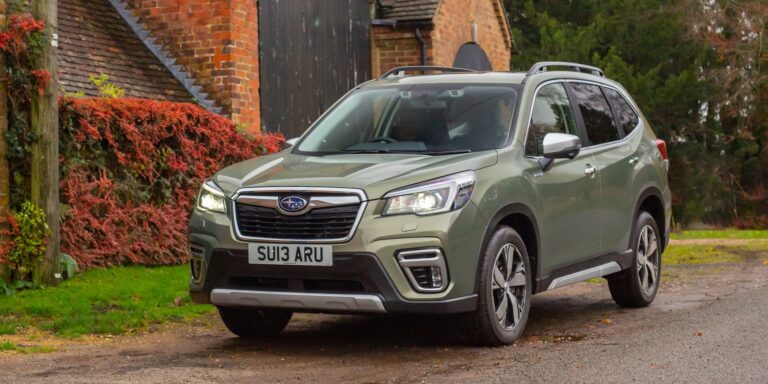
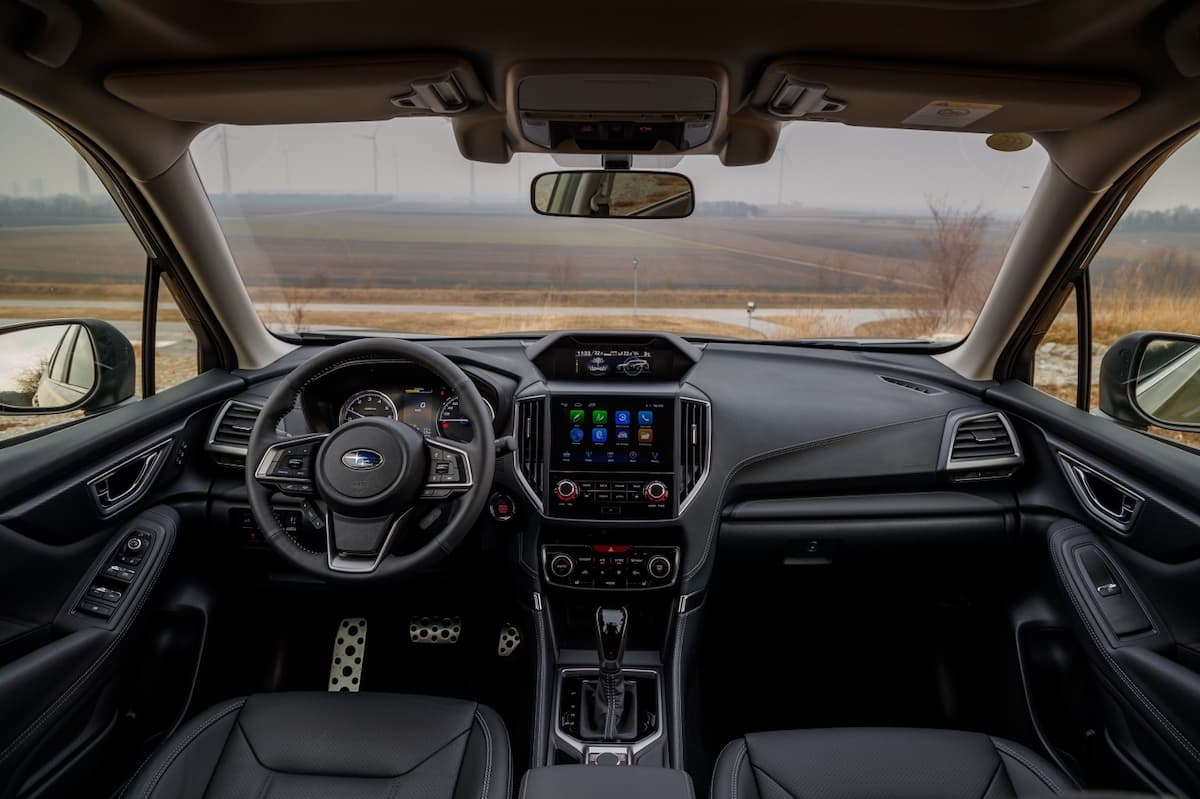
The Subaru Forester is a medium-sized SUV/crossover that sits above the smaller XV in the Subaru family. This model is the fifth generation, which went on sale in the UK in 2019 before being replaced by a new generation Forester in 2025. It was only available with a 2.0-litre petrol engine that also incorporates a small hybrid system.

The Forester received mixed reviews from the UK motoring media, with mostly poor to average scores. No longer on sale, it holds a Used Car Expert Rating of B with a score of 66%, which puts it firmly in the lower middle of the mid-size SUV section in our Expert Rating Index.

The Subaru Forester was highly regarded for its safety features and its off-road ability, both of which are considered as good as – if not better than – anything else in its class. However, its on-road comfort and performance were criticised as being off the pace of other SUV rivals, while several sources pointed out that its hybrid system does not deliver competitive real-world fuel economy.

Key specifications

Body style: Medium SUV/crossover
Engines: petrol
Price when new: From £36,335 on-road

Launched: Summer 2019
Last updated: Winter 2019/20
Replaced: Winter 2024/25

Media reviews

Highlighted reviews and road tests from across the UK automotive media. Click any of the boxes to view.

The Car Expert

Auto Express

Auto Trader

Carbuyer

Carwow

Company Car Today

Heycar

Honest John

Parkers

The Sun

Top Gear

Safety rating

Independent crash test and safety ratings from Euro NCAP

Overall score: 5 stars
Date tested: January 2020
Read the full Euro NCAP review

Adult protection: 97%
Child protection: 91%
Vulnerable road users: 80%
Safety assist: 78%

Note on safety
The Subaru Forester is very highly regarded for the level of safety it provides, both in terms of active safety (helping you avoid an accident) and passive safety (protecting you in the event of an accident). In addition to a five-star safety rating from Euro NCAP, the safety organisation also rated the Forester as Best in Class for 2019 in the Small Off-Road/MPV category. Its four safety scores were all outstanding, and in particular the Child Occupant score is the highest-ever result in its class.

Eco rating

Independent economy and emissions ratings from Green NCAP

No eco rating

The Subaru Forester was not assessed by Green NCAP during its production life.

Reliability rating

Reliability data provided exclusively for The Car Expert by MotorEasy

All data based on MotorEasy average workshop costs for extended car warranty claims

The Subaru Forester has a very good reliability score of 92% as of April 2025 (our most recent data point), although we currently have relatively little data to date.

In addition, the average repair cost of £200 is very low compared to most cars. So all in all, the Forester has been good value to date, although we will keep adding more data as we get it.

Running cost rating

Monthly cost of ownership data provided exclusively for The Car Expert by Clear Vehicle Data

Fuel consumptionAverageScore
Hybrid models35 mpgD
CO₂ outputAverageScoreVariationScore
Hybrid models185 g/kmD
Insurance groupAverageScoreVariationScore
All models23B
Service and maintenanceCostScore
Year 1£245C
Year 2£593C
Year 3£1,017C
Year 4£1,201C
Year 5£1,659C
Overall£4,715C

The Subaru Forester is a relatively affordable car to maintain, according to whole-life cost numbers provided exclusively to The Car Expert by our data partner, Clear Vehicle Data.

The hybrid’s fuel consumption is below average though, particularly when compared to other partially-electrified options of this size. That said, its insurance bracket is on the cheaper side, and its service and maintenance costs over five years of ownership are good.

Awards

Trophies, prizes and awards that the Subaru Forester has received

2020

  • 4×4 Magazine Award – Best Small SUV

Similar cars

If you’re looking at the Subaru Forester, you might also be interested in these alternatives

Citroën C5 Aircross | Hyundai Santa Fe | Kia SorentoLand Rover Discovery Sport | Mitsubishi Shogun Sport | Nissan X-Trail | Peugeot 5008 | SEAT Tarraco | Skoda Kodiaq | SsangYong Rexton | Suzuki Across | Toyota RAV4 | Volkswagen Tiguan Allspace

Buy a Subaru Forester

If you’re looking to buy a new or used Subaru Forester, The Car Expert’s partners can help you find the right car.

Motors 600x300

Find your next used car with Motors. Find out more

Auto Trader logo 600x300

Find your next new or used car with Auto Trader. Find out more

Carwow logo 600x300

Find your next new or used car with Carwow. Find out more

Lease a Subaru Forester

If you’re looking to lease a new Subaru Forester, The Car Expert’s partners can help you find a competitive deal.

Leasing-com logo

Personal contract hire deals from Leasing.com. Find out more

Carwow logo 600x300

Personal contract hire deals from Carwow. Find out more

Select Car Leasing logo

Personal contract hire deals from Select Car Leasing. Find out more

Subscribe to a Subaru Forester

If you’re interested in a car subscription, The Car Expert’s partners can help. (PS: What’s a car subscription?)

Cocoon Vehicles logo 600x300

Car subscriptions from Cocoon.
Find out more

Just Vehicle Solutions logo 600x300

Car subscriptions from Just Vehicle Solutions.
Find out more

Flexible Vehicle Contracts logo 600x300px

Car subscriptions from Flexible Vehicle Contracts.
Find out more

Nissan reveals dramatic new Ariya

0

Nissan has unveiled its new electric Ariya to the world following several concepts and teasers.

The Ariya, which comes as Nissan’s first electric ‘coupé crossover’, is built on a platform developed by the wider Renault-Nissan Alliance, and is set to deliver a claimed electric range of up to 310 miles in top-spec trim. Less powerful models return a claimed 211 miles.

The Ariya will be available with one or two electric motors (for front-wheel-drive or all-wheel-drive configurations), with power outputs ranging from 217 to 394hp. Battery capacity is available in either 63kWh or 87kWh capacities. In total, there will be five different versions of the Ariya available in the UK.

When using the twin-motor, all-wheel-drive setup, the Ariya includes an all-wheel control system called e-4ORCE. Nissan claims that this technology is a direct descendant of that fitted to the GT-R sports car and the intelligent four-wheel-drive system used on the firm’s Patrol off-roader. It manages power output and braking performance and, by doing this, is able to travel along the ‘driver’s intended line’ whatever the conditions.

“By taking advantage of e-4ORCE’s precise motor control response, we’re able to control vehicle motion as soon as the brakes are applied, giving all occupants – especially passengers – a stable, smooth ride,” said Ryozo Hiraku, expert leader of Nissan’s powertrain and EV engineering division.

Ariya models in 63kWh specification come with a 7.4kW charger on-board charger for home use, while the 87kWh model comes with a 22kW three-phase charger for even quicker charging at home. Not only that, but all models are rated up to 130kw for fast-charging. Getting from 0-60mph in the most powerful Ariya models will take just over five seconds, while less powerful variants will achieve it in around 7.4 seconds.

The Ariya also utilises Nissan’s latest ProPilot advanced cruise control and lane guidance system, which now uses navigation systems to automatically detect when the car should be slowing down or speeding up. It can even slow the car if it knows that a sharp bend is coming up.

Not only will the Ariya be able to perform on the road, but it’s rated to tow up to 1,500kg, which helps to strengthen its appeal even further.

Inside, the Ariya features a 12-inch digital display ahead of the driver as well another 12-inch screen in the middle of the cabin. However, the pair have been placed alongside one another to form one single ‘plane’ that helps to give the screens a seamless, one-piece appearance.

Boot space is also on a par with rivals, with two-wheel-drive models offering 466 litres of space and all-wheel-drive versions slightly less at 408 litres.

More details on further specifications and pricing for the Nissan Ariya will be announced in the coming months.

Range Rover gets mild hybrid update

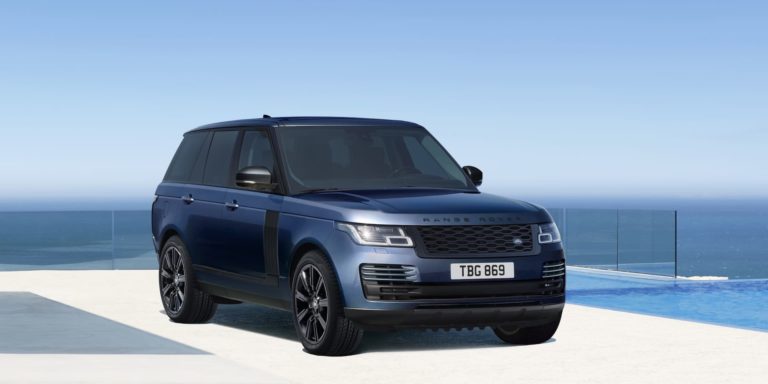
Land Rover has updated the engine range for its flagship Range Rover SUV with mild hybrid technology, alongside a range of special editions to bolster the ageing model’s appeal against a raft of new rivals.

The new 3.0-litre six-cylinder diesel engines incorporate 48-volt mild-hybrid technology, helping to make them more efficient than the V8 diesel engine they replace. A 3.0-litre D300 diesel unit kicks off the range, which produces 300hp and claims a combined cycle fuel economy result of up to 33mpg while emitting 225g/km of CO2.

A more powerful 350hp version is also available (unsurprisingly called the D350), which should achieve up to 30mpg on the combined cycle while emitting 241g/km of CO2. Both represent considerably lower running costs over the previous turbocharged V8 diesel, while emissions are reduced by 13%.

2020 Range Rover Westminster - side profile
Range Rover Westminster

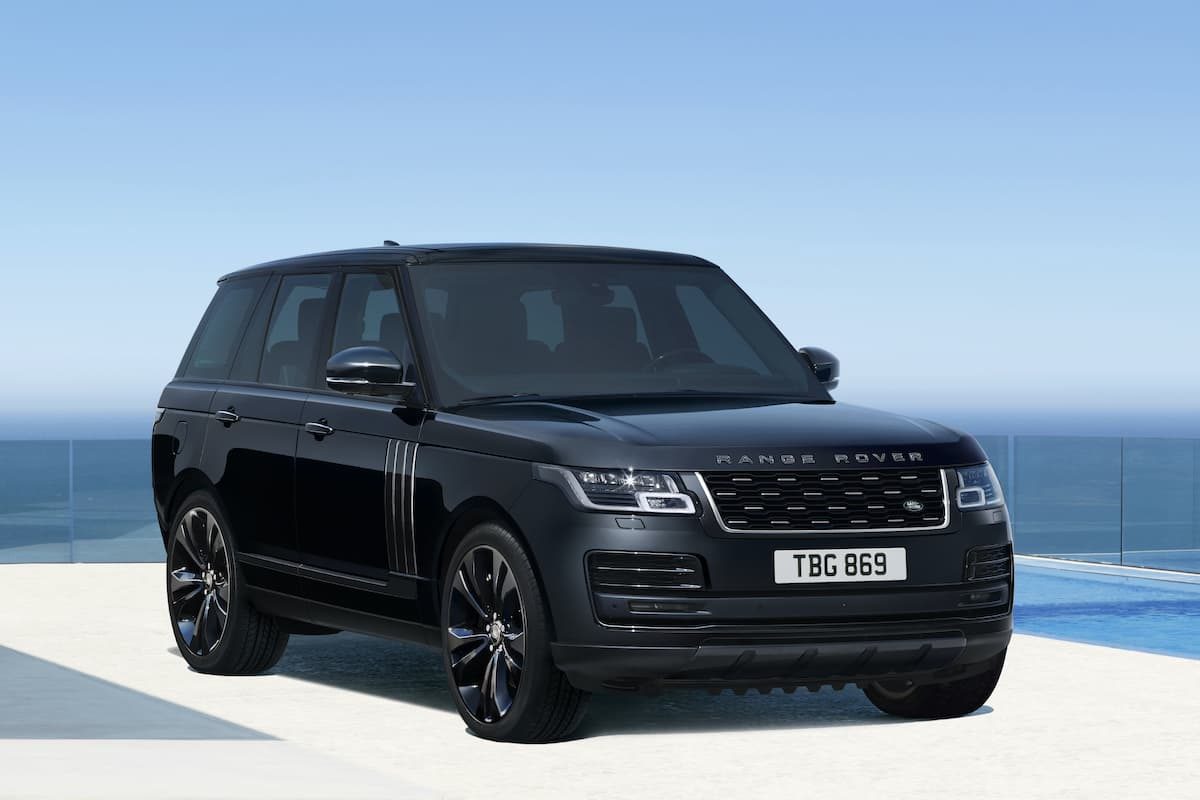
Two special editions – Westminster and SVAutobiography Dynamic Black – join the Range Rover line-up as it heads towards imminent replacement, with an all-new model due to be unveiled in 2021.

The Westminster, based on the existing entry-level Vogue specification, receives privacy glass and 21-inch diamond-turned alloy wheels. Inside, there’s black veneer trim with a sliding panoramic sunroof and ‘soft close’ doors. There’s also a Westminster Black edition, which replaces all your exterior chrome trim with gloss black and offers some different wheels.

The SVAutobiography Dynamic Black is based on the existing SVAutobiography Dynamic specification, and as the name suggests, it basically involves blacking out pretty much everything. Presumably this will save drug dealers the hassle of having to use aftermarket suppliers to pimp their ride, so they can hit the local alleyways as soon as they leave the dealership.

It gets metallic black paintwork with gloss black exterior accents instead of chrome, as well as 22-inch gloss black wheels and blacked-out privacy glass. The brake calipers are also painted gloss black and the interior is only available in pink with purple polka dots. No, just kidding – it’s all black leather in there as well.

The entire Range Rover line-up also gains the addition of Apple CarPlay and Android Auto smartphone integration systems, bolstering the level of smartphone connectivity available on the £80K SUV to finally match that provided on a £10K Kia.

Spate of value-added models signal run-out time

Thre limited-edition models in the last month means it’s end-of-line time for the current Range Rover, which has been on sale since 2012. An all-new model is due to be released next year, which can’t come too soon for Land Rover as rivals line up to compete with its flagship.

The Range Rover has always received strong reviews from the UK motoring media, and even after eight years on sale it still holds an Expert Rating of 82% on The Car Expert’s unique Expert Rating scale based on 19 different UK reviews.

If reviews were only judged on driving dynamics and comfort, that score would probably be even higher. But the Range Rover (along with most Land Rover models) is dogged by an abysmal reliability record that drags its score down. At least, when it inevitably breaks down, you can relax in comfort on the side of the road while waiting for the AA to show up.

Additional reporting by Jack Evans

New BMW iX3 charges in

0

BMW has revealed its latest electric vehicle – the iX3, which is due to arrive in the UK next year.

The second battery electric vehicle (BEV) to be produced by BMW, the iX3 arrives in production form after first being showcased at the 2018 Beijing motor show. It sits above the smaller i3 in BMW’s range of EVs.

The first of three new electric BMW models set to go on sale in the next 18 months, the iX3 is the result of a partnership between BMW and Chinese car maker Brilliance. At a time of economic tension and tit-for-tat sanctions between China and the USA (which is likely to be one of the iX3’s biggest markets), it’s notable that the iX3 is the first BMW to be produced in China for export around the world. The regular X3 and most other BMW SUVs are built in America.

Essentially an electric version of BMW’s popular X3 SUV, the iX3 packs a newly developed rear-mounted electric motor and battery setup, which produces 285hp and can travel up to a claimed 285 miles between charges. Like most electric vehicles, that power is delivered through a single-speed gearbox.

BMW claims that 0-60mph will take 6.5 seconds, while its top speed is limited to 112mph. The iX3 boasts 150kW DC rapid charging too, which should result in an 80% charge time of just 34 minutes at a suitably powerful rapid charging point.

In terms of design, the iX3 follows the look of the regular X3, albeit with a few noticeable changes. The front grille is blanked off, for instance, while the sills and rear bumper have been lightly revised. Blue styling elements have been included in the grille, sills and rear bumper which do help to differentiate the EV from its petrol-powered stablemates.

The BMW iX3 is expected to arrive in the UK in March next year. We’ll provide full UK pricing and specification as soon as it is announced.

Kia XCeed

Summary

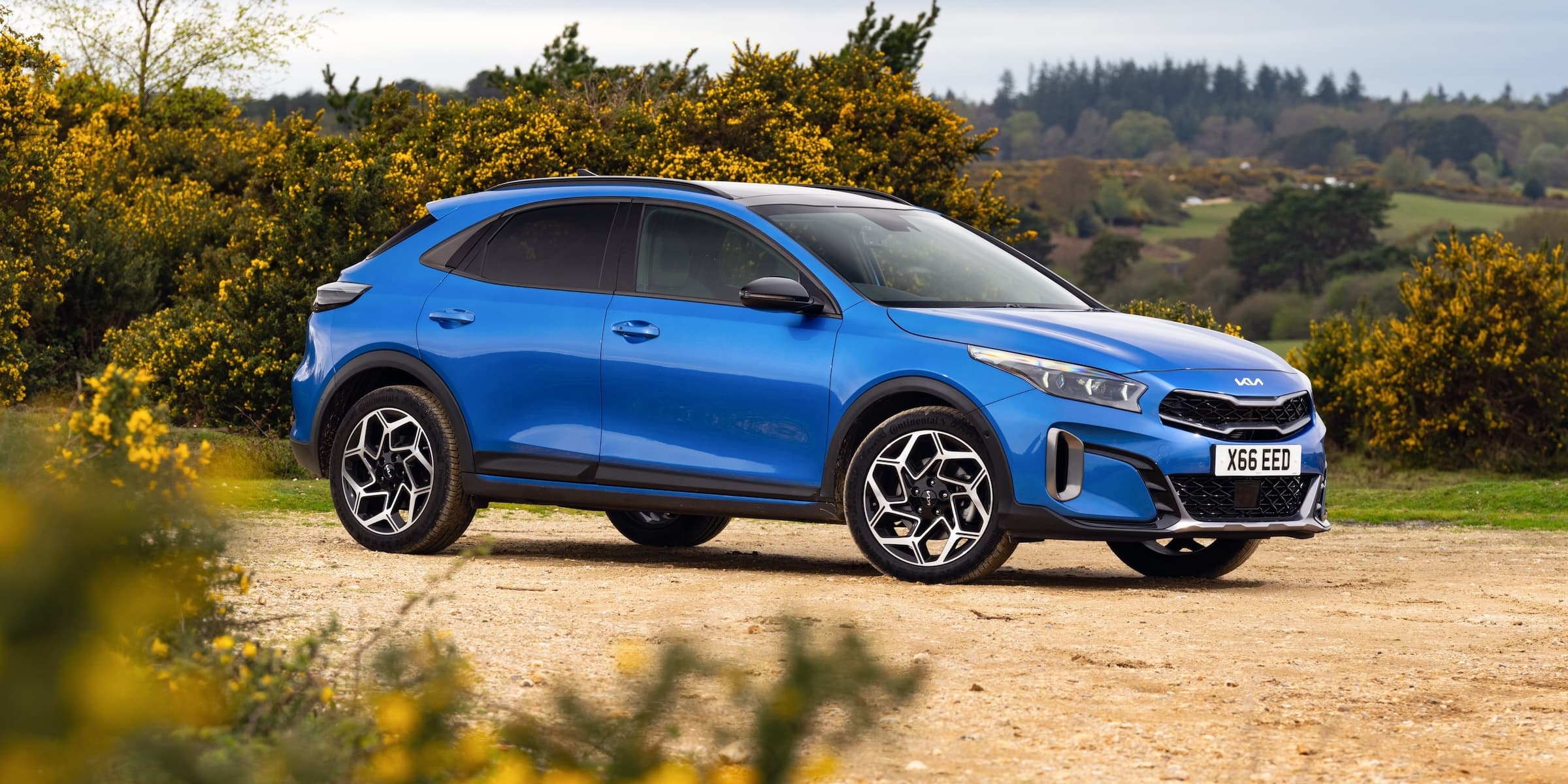
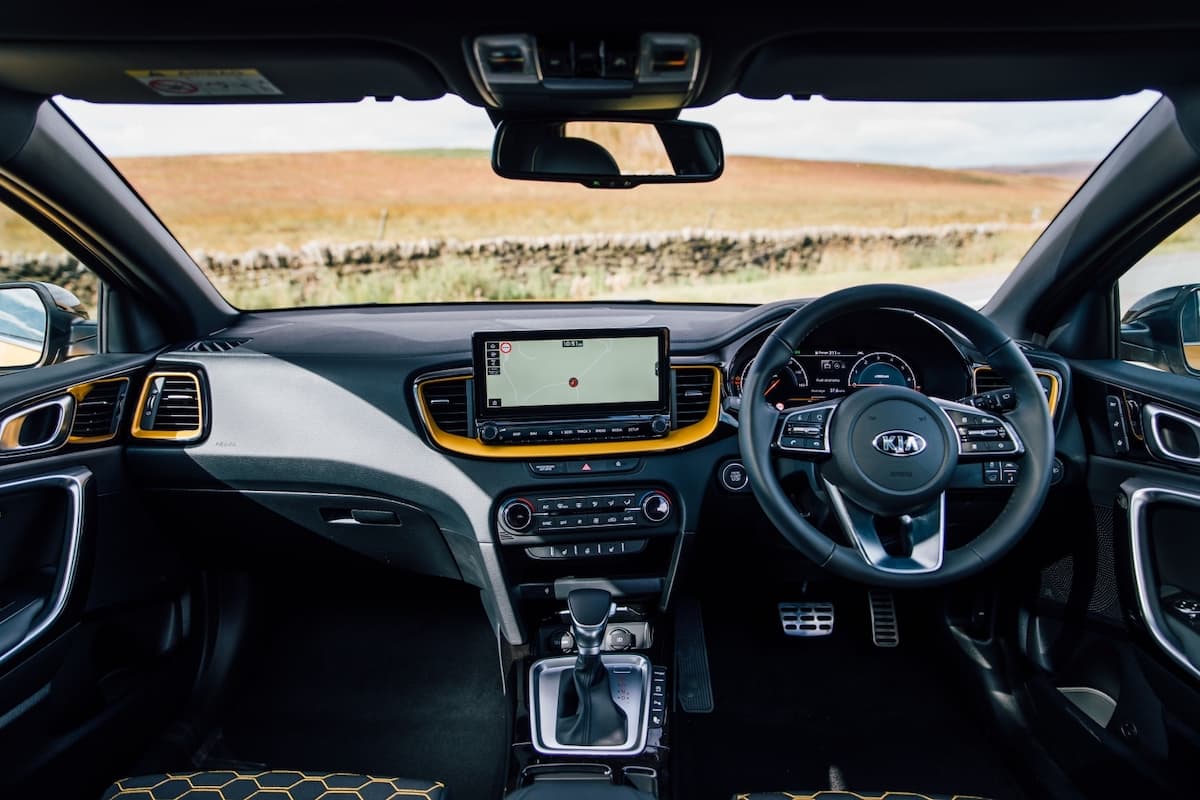
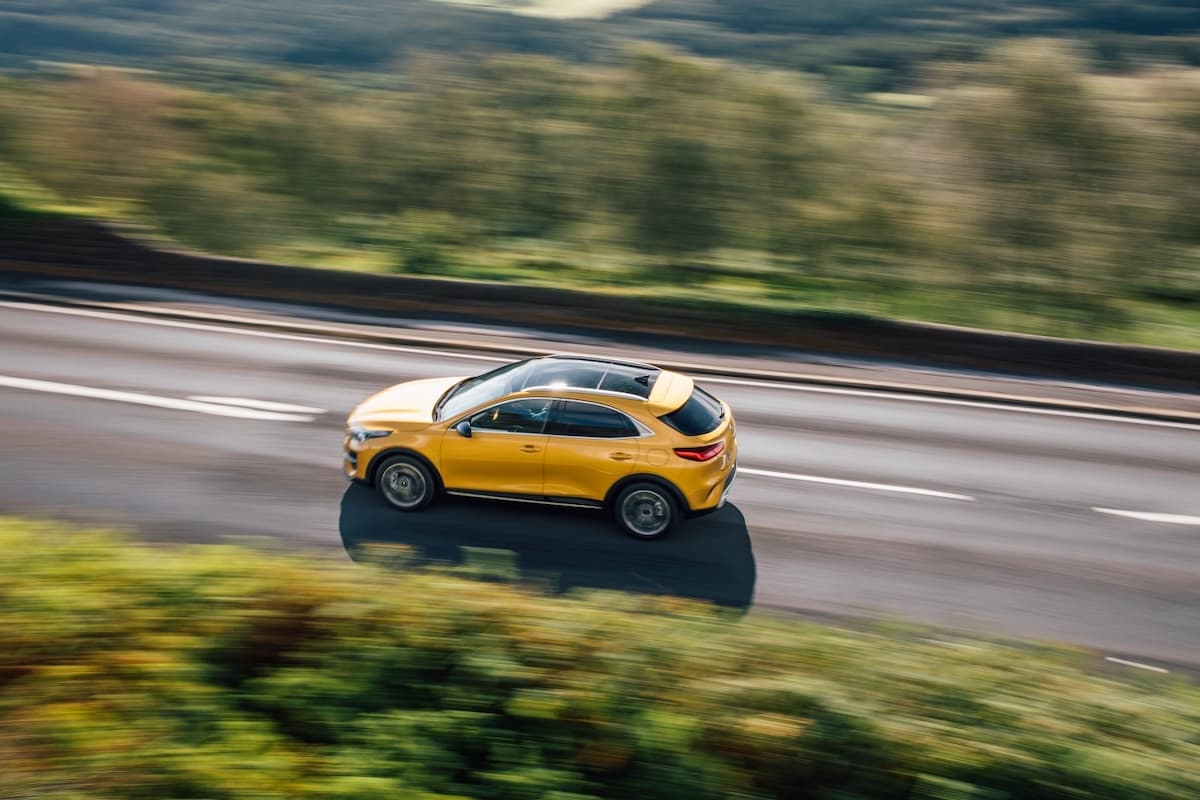
The Kia XCeed is a high-riding crossover based on the Kia Ceed hatchback. It sits between the Ceed and the Niro models in the Kia family. The XCeed is a new addition to the range, with the first cars arriving in the UK in Autumn 2019.

The XCeed was previously available a choice of petrol, diesel or plug-in hybrid powertrains. However, as part of a mid-life update in 2022, the only choice now is a 1.5-litre petrol engine.

The Kia XCeed has received generally positive reviews from the UK motoring media, although some titles have pointed out that it’s priced at a significant premium over the mechanically identical Ceed hatch while offering less practicality than a more SUV-styled vehicle like the Kia Niro.

As of July 2025, the Kia XCeed has a New Car Expert Rating of B, with a score of 66%, and a Used Car Expert Rating of A with a score of 70%. It scores top marks for its low CO2 emissions, highly competitive running costs and Kia’s excellent seven-year warranty, but its safety rating and its media review scores are only average.

Key specifications

Body style: Five-door small crossover
Engines: petrol, diesel, plug-in hybrid
Price: From £24,610 on-road

Launched: Summer 2019
Last updated: Summer 2022
Replacement due: TBA

Media reviews

Highlighted reviews and road tests from across the UK automotive media. Click any of the boxes to view.

Featured reviews

More reviews

Auto Express

Auto Trader

Business Car

Car

Carbuyer

Company Car Today

Green Car Guide

Honest John

Parkers

The Sun

The Sunday Times

The Telegraph

Top Gear

Safety rating

Independent crash test and safety ratings from Euro NCAP

Overall score: 4 stars
Date tested: July 2019
Read the full Euro NCAP review

Adult protection: 88%
Child protection: 85%
Vulnerable road users: 52%
Safety assist: 68%

Note on safety

The Kia XCeed shares its safety rating results with the rest of the Kia Ceed family, as they all share a common structure.

The XCeed has two separate Euro NCAP safety ratings. Lower-specification models do not get as much safety equipment as standard, so they get a four-star rating as shown above.

Higher-specification models get an additional Advanced Driving Assistance Pack (available on most lower-spec models at additional cost), which earns them a five-star rating. This also bumps up the Vulnerable Road Users rating from 52% to 68%, and the Safety Assist Rating from 68% to 73%.

Eco rating

Independent economy and emissions ratings from Green NCAP

No eco rating

As of July 2025, the Kia XCeed has not been assessed by Green NCAP.

Reliability rating

Reliability data provided exclusively for The Car Expert by MotorEasy

No reliability rating

As of July 2025, we don’t have enough reliability data on the Kia XCeed to generate a reliability rating.

The Car Expert’s reliability information is provided exclusively to us using extended warranty data from our partner, MotorEasy. As soon as MotorEasy has sufficient data on the XCeed, we’ll publish the score here.

Running cost rating

Clear Vehicle Data logo close crop

Monthly cost of ownership data provided exclusively for The Car Expert by Clear Vehicle Data

Fuel consumptionAverageScore
Petrol models45 mpgC
Diesel models53 mpgB
Plug-in hybrid models189 mpgA
CO₂ outputAverageScoreVariationScore
Petrol models142 g/kmB
Diesel models137 g/kmB
Plug-in hybrid models33 g/kmA
Battery rangeAverageScoreVariationScore
Plug-in hybrid models28 milesE
Insurance groupAverageScoreVariationScore
All models17A
Service and maintenanceCostScore
Year 1£219B
Year 2£536B
Year 3£861B
Year 4£1,055A
Year 5£1,413A
Overall£4,084A

The Kia XCeed is a very affordable car to own and run, according to whole-life cost numbers provided exclusively to The Car Expert by our data partner, Clear Vehicle Data.

Fuel economy is fairly average for petrol models but good for diesel-engined versions. The plug-in hybrid models look amazing on paper, but this is largely thanks to ridiculous EU/UK government lab tests that are completely inadequate for plug-in hybrids. There is no way you will ever travel for 201 miles on a single gallon (4.5 litres) of fuel and some electricity…

The battery range of the plug-in hybrid model is quite poor too when compared with most rivals – the battery with 30 miles of range probably can’t handle most of your weekly driving without using any petrol, unless you are able to plug it into a charger very consistently.

Compared to the rest of the mid-sized saloon sector, the car’s service and maintenance costs are excellent though, and insurance premiums are predicted to be in the lower brackets too.

Warranty rating

New car warranty information for the Kia XCeed

Overall ratingA85%
New car warranty duration7 years
New car warranty mileage100,000 miles

Kia’s new car warranty is one of the best in the new car market, and better than pretty much any rival brands in a similar price bracket as the XCeed.

The duration is seven years, with a limit of 100,000 miles. This is good news for both new and used car buyers, as it helps the residual value of the XCeed for new car buyers when they come to sell the car, and it gives near-new car buyers confidence that they are covered for years to come.

The XCeed is a purely petrol-powered Kia, so it doesn’t get an additional eight-year battery warranty that hybrid or electric models enjoy. However, this is still an excellent score.

Awards

Significant UK trophies and awards that the Kia XCeed has received

2020

  • Red Dot Design Awards – Product Design Award
  • iF Design Awards – Product Design Award

Similar cars

If you’re looking at the Kia XCeed, you might also be interested in these alternatives

Audi Q2 | Ford Focus Active | Kia Niro | Mazda CX-30 | Mercedes-Benz GLA | Mini Countryman | Toyota C-HR | Toyota Corolla TREK | Volkswagen T-Roc

More news, reviews and information about the Kia XCeed at The Car Expert

Trim changes for Kia Picanto and XCeed

Trim changes for Kia Picanto and XCeed

Everything you need to know about Kia

Everything you need to know about Kia

Pricing revealed for revamped Kia XCeed

Pricing revealed for revamped Kia XCeed

Kia XCeed gets mid-life facelift

Kia XCeed gets mid-life facelift

Kia XCeed review

Kia XCeed review

Kia Ceed range gets plug-in hybrid power

Kia Ceed range gets plug-in hybrid power

Kia XCeed crossover pricing confirmed

Kia XCeed crossover pricing confirmed

Buy a Kia XCeed

If you’re looking to buy a Kia XCeed, The Car Expert’s partners can help you find the right car

Motors 600x300

Find your next used car with Motors. Find out more

Auto Trader logo 600x300

Find your next new or used car with Auto Trader. Find out more

Carwow logo 600x300

Find your next new or used car with Carwow. Find out more
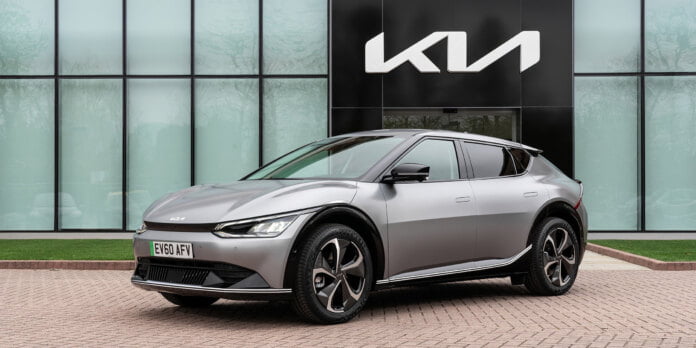
Lease a Kia XCeed

If you’re looking to lease a new Kia XCeed, The Car Expert’s partners can help you find a competitive deal

Leasing-com logo

Personal contract hire deals from Leasing.com. Find out more

Carwow logo 600x300

Personal contract hire deals from Carwow. Find out more

Select Car Leasing logo

Personal contract hire deals from Select Car Leasing. Find out more

Subscribe to a Kia XCeed

If you’re interested in a car subscription, The Car Expert’s partners can help (PS: What’s a car subscription?)

SelfDrive UK logo

Car subscriptions from SelfDrive.
Find out more

Drive Fuze logo 600x300

Car subscriptions from DriveFuze.
Find out more

Cocoon Vehicles logo 600x300

Car subscriptions from Cocoon.
Find out more

Rolls-Royce Wraith Kryptos contains encrypted message

Rolls-Royce has revealed a new limited-edition model for its Collection Cars range, which celebrates one of its designers’ passion for cryptography.

Just 50 examples of the Wraith Kryptos will be built, and include design features that appear like unconnected aesthetic touches, but actually include cryptic messages that can be deciphered.

Only the designer and Rolls-Royce’s boss know the answer to the code, which sits in a sealed envelope in a safe in the office of the CEO at the firm’s Goodwood headquarters. Clients can submit their attempts to crack the code through the firm’s members-only app.

The message begins on the Spirit of Ecstasy on the bonnet, with a green enamel engraving, and also includes front bumper inserts and interior. The exterior paint job is Delphic Grey, with hidden blue and green mica flakes that show through in sunlight and contain a hint to answering the hidden message.

Rolls-Royce Bespoke Designer, Katrin Lehmann, said: “The name Kryptos is derived from Ancient Greek, referring to something unseen, hidden and coded, mythical even. Ciphers can be traced through millennia, capturing the imagination of some of the world’s most brilliant minds.

“As a designer, I’ve always been fascinated by the notion that you can communicate messages that are understood by only an elite few, using symbols, pictograms, and ciphers. Finding the key becomes integral to appreciating the full meaning of an item that can otherwise be viewed simply as a work of art.”

Torsten Müller-Ötvös, CEO of Rolls-Royce Motor Cars, added: “The brilliant and creative minds of our Rolls-Royce Bespoke Collective have excelled once again, creating an extraordinarily contemporary and compelling iteration of Wraith.

“The Wraith Kryptos Collection, on first glance, is a statement of dynamism. On closer examination, a series of messages are hidden behind a unique Rolls-Royce cipher. I look forward to seeing whether any of our clients will crack the code!”

Hyundai Kona Hybrid test drive

In truth, we’re a little sorry for the Hyundai Kona Hybrid. It’s a car that is often overshadowed by its fully electric stablemate, with the tip-top Kona EV’s headline-grabbing range often causing people to flock towards it. Because of this, the Hybrid model can be left looking a little lost.

But what if you need the assistance of a petrol engine? The Kona Hybrid’s entry price undercuts that of the electric version, so it could be a good low-emission option for those who are finding the Kona Electric a stretch too far. We’ve been out and about in this latest Hyundai to find out what it’s like.

What’s new about the Konda Hybrid?

The entry-point to the Kona range is via a petrol 1.0-litre-engined version, but this hybrid version aims to offer the zingy performance afforded by that model with the added economic benefits that a hybrid powertrain affords. Base prices for the Kona Hybrid start from £22,495, which, though a small stretch over the regular Kona’s £18,250 entry cost, isn’t as high as you’d expect from a car with this level of technology on board.

Inside, it’s got the high level of standard equipment that we’ve come to expect from Hyundai, while the firm’s five-year unlimited-mileage warranty provides excellent peace of mind, too.

How does it look?

We’ve always quite liked the funky, alternative design of the Kona. It’s a car that stands out among rivals, and that’s a tough thing to do in such a congested segment. The hybrid model does little to give away its eco credentials, either, with only small hybrid badges giving any indication as to its electrified powertrain. Our car, in top-spec Premium SE trim, came with 18-inch wheels, which did help to beef its already chunky looks up even further.

Jazzier colours tend to suit it best, with our car in a rather subdued grey shade appearing a little duller than you might want your crossover to be. That’s all down to the individual, of course.

What’s the spec like?

Even though our test car was fitted in top-spec trim, the level of standard equipment provided was still mightily impressive. Features such as front seats which are both heated and ventilated are included – along with a heated steering wheel – as well as a head-up display, a ten-inch infotainment system and a full eight-speaker audio system. It’s an amazingly comprehensive list of kit.

But far from just being an endless list of features added for the sake of it, everything on the equipment line-up works well and effortlessly. The infotainment system, for instance, might not have the razor-edged graphics of some rivals, but it’s easy to operate and is simple to pick up. It’s a similar story for the Kona in general, in fact.

What’s it like inside?

The general fit and finish of the Kona’s interior puts many more ‘premium’ manufacturers to shame. Though there are some harsher plastics to be found, the overall layout and positioning of the major controls – along with the material they’re made from – is good, with everything logically laid out and easy to find. There’s plenty of space up front, too, while those in the rear have a decent amount of room for a car of this size.

When it comes to boot space, the Kona Hybrid does well. There are 361 litres of load area to play with, and while that’s a small amount less than you’ll find in some of the Kona’s key rivals, it’s about enough for most situations. It also chimes in at 29 litres more than in the fully-electric Kona.

What’s under the bonnet?

The powertrain underneath the Kona Hybrid combines a 1.6-litre petrol engine with an electric motor and batteries. The batteries are large enough to allow the Kona to run on EV power alone – albeit at low speeds – which is particularly noticeable in stop-start traffic or when pulling away from a junction. Then, at higher speeds, the engine chimes in to add support.

Hyundai claims up to 56.6mpg and impressively low CO2 emissions of just 99g/km. This is no performance model, mind you, with 0-60mph taking just over 11 seconds. Power is sent to the wheels through a six-speed dual-clutch automatic gearbox.

What’s it like to drive?

First off, the fundamentals. You sit quite high in the Kona, which gives you an elevated view of the road ahead. The steering wheel has a decent amount of adjustment, and there’s good visibility out of both the front and the back. On the move, the electric motor means slow-speed movements are whisper-quiet, but ask a little more of the engine and it’s hard not to notice the petrol unit kicking in. Heavy acceleration produces quite the drone, in fact.

Then, at motorway speeds, there’s a good degree of wind noise generated by the pillars. The steering, however, is a high point thanks to a well-judged amount of weight. And though there are shift paddles located behind the wheel, the Kona’s ‘box is best left to its own devices.

Verdict

The Kona Hybrid provides a significantly more efficient entry into the petrol-powered section of the car’s range. It’s best at the lower end of its pricing structure, where its excellent emission levels and impressive economy make it the pick of the bunch when compared to conventionally-powered versions. However, higher-priced examples – like the one we’ve tested here – sadly come too close in terms of price to the fully electric version. At this price point, we’d be more inclined to make the jump to the EV.

However, for those after the flexibility that a hybrid motor affords, then this Kona will be the ideal option from the line-up. Add in its solid interior, low running costs and Hyundai’s well-known reliability, and it’ll be a compelling package for many.

Similar cars

Citroën C3 Aircross | Dacia Duster | Fiat 500X | Ford EcoSport | Ford Puma | Honda HR-V | Jeep Renegade | Kia Stonic | Mazda CX-3 | MG ZS | Mitsubishi ASX | Nissan Juke | Peugeot 2008 | Renault Captur | SEAT Arona | Skoda Kamiq | SsangYong Tivoli | Suzuki Vitara | Vauxhall Crossland X | Volkswagen T-Cross | Volkswagen T-Roc

Key specifications

Model as tested: Kona Hybrid Premium SE
Price (on-road): £27,195
Engine: 1.6-litre petrol with electric motor
Power: 140 hp
Torque: 265 Nm
Top speed: 115 mph
0-60mph: 11.3 seconds
Fuel economy (combined): 56.5 mpg
CO2 emissions: 90 g/km
Euro NCAP safety rating: Five stars (2017)
TCE Expert Rating: 68% (as of July 2020)

Six health conditions drivers must declare to the DVLA

0

If you suffer from certain illnesses or health conditions that could affect your ability to drive, you’re required by the DVLA to inform them.

While some might be quite obvious, like vision limitations, the DVLA has a comprehensive list of health conditions on its website that may or may not need to be declared. If you have a particular medical condition that must be declared to the DVLA, you could face a £1,000 fine if you don’t declare it. Not only that, but your insurance could be invalid and you could be prosecuted in the event of an accident.

There are various forms that you may need to fill in, depending on your condition. All of the information is available on the government’s web portal. You should also speak to your car insurance provider or check your policy to see if you need to declare your condition to them as well.

Car hire comparison site StressFreeCarRental has scoured the full list of conditions to find the less obvious ones you should know about.

Diabetes

If you have diabetes that is treated by insulin, and the insulin treatments last more than three months, you must inform the DVLA. This also applies to gestational diabetes, or if you are at risk of low blood sugar, known as hypoglycaemia.

If your diabetes is not managed by tablets or non-insulin injections, you may need to inform the DVLA. Speak to your doctor or nurse to find out more.

Vertigo

While most people associate vertigo with being at height, this is specifically known as ‘height vertigo’. Regular vertigo sufferers can get attacks anywhere, making it feel like the world around them is spinning.

If you suffer from sudden, disabling, or recurrent vertigo, you must tell the DVLA.

Déjà vu

This is something mostly written off as an odd feeling that you’ve been somewhere before, but it can be much more serious.

The DVLA must be informed if you suffer from seizures or epilepsy that cause déjà vu. Speak to your doctor if you’re not sure whether you may need to declare your condition.

Sleep apnoea

Obstructive sleep apnoea is a condition that causes the throat to relax and narrow during sleep, which can cause difficulty breathing. It’s one of a number of sleeping disorders that the DVLA must be told about, including narcolepsy and cataplexy.

Obviously, any kind of sleepiness is directly detrimental to driving and you shoul dnot drive if you are feeling drowsy. However, if you have any sleep condition (or are taking medication) that causes excessive sleepiness for at least three months, you need to inform the DVLA.

Labyrinthitis

Labyrinthitis has nothing to do with mazes, it’s actually an inner ear condition that causes dizziness, nausea and loss of hearing. The DVLA classifies this as similar to vertigo in terms of how it may affect your driving.

Since all of these things could affect your ability to drive, you must inform the DVLA if you have labyrinthitis.

Heart palpitations

This condition results in the sufferer becoming more aware of their heartbeat, which may feel like it’s pounding or fluttering, or perhaps beating irregularly. While the NHS says they are usually not a sign of something serious, the DVLA requires you to declare if you regularly suffer from them.

Some other heart conditions need to be declared, while others (like heart murmur) don’t. Again, talk to your doctor about how your driving could be affected and whether you need to inform the DVLA.

Hot new Cupra el-Born EV unveiled

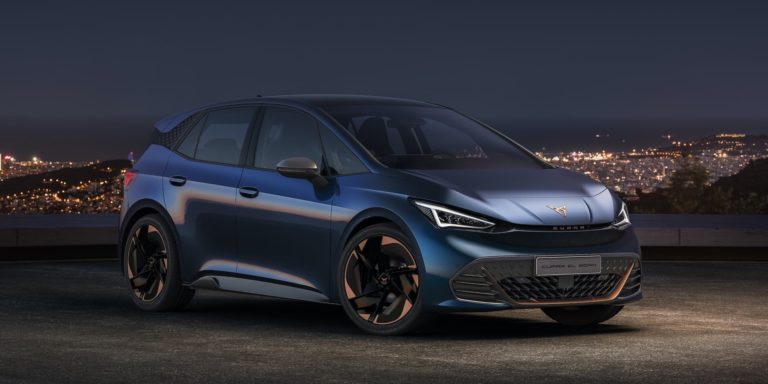
Cupra has unveiled its first production-ready EV with the new el-Born – a model that was originally meant to have a SEAT badge on the bonnet.

First shown in concept form as the SEAT el-Born at the 2019 Geneva motor show, the EV has since morphed into a Cupra – the Spanish firm’s separate performance brand.

Based on the VW Group’s MEB platform created specifically for electric cars, Cupra’s first EV is set to feature a large 82kWh battery enabling a range of 310 miles. Cupra says its rapid charging capabilities will mean 161 miles of charge can be added in just 30 minutes too.

While full performance details haven’t been revealed, the el-Born is likely to be available with several power outputs, with the top-spec version featuring the same 306hp electric motor found in the upcoming Skoda Enyaq vRS, while Cupra says it will be able to sprint to 30mph in 2.9 seconds.

As with the original SEAT concept, the el-Born gets aggressive exterior styling, along with sports bucket seats feature inside and a new sports steering wheel. Tech wise, it comes with an augmented reality head-up display and what Cupra calls ‘full connectivity’.

Cupra CEO Wayne Griffiths said: “Cupra el-Born displays all the genes of the Cupra brand and we have taken the original concept to the next level creating a new sporty and dynamic design and reengineering the technological content. Cupra el-Born is the living proof that performance and electrification are a great match.”

The new EV will be produced at the VW Group’s Zwickau plant in Germany, which is dedicated to just producing EVs, and is set to be launched in 2021.

Cupra split from SEAT in 2018 to become its own performance brand, though so far has only produced hot versions of existing SEAT models, with the Ateca and Leon. Its first bespoke model – the Forementor – is set to be launched at the end of this year with both plug-in hybrid and petrol derivatives.

Peugeot 108 updated with new colours and options

0

Peugeot has given its 108 city car a refresh for 2020, adding new colour choices for the exterior as well as upgrades inside the cabin.

Available to order now and with prices starting at £12,785, the 108 has been a longstanding model in Peugeot’s line-up. It is essentially identical to the Citroën C1 and Toyota Aygo models, with all three built in the same factory in the Czech Republic.

New colour shades have been added to the 108, with highlights including Smooth Green, Diamond White and Zircon Grey. The electric roof option can now be finished in a new colour too, while white and green colours can be applied to the interior as well.

Two new personalisation options – called Green ‘Vector’ and Grey ‘Vector’ – are now also available, bringing with them graphics for the area around the headlights and door pillars.

Prices start from £12,785 for a Peugeot 108 in three-door layout in Active trim and powered by a 1.0-litre petrol engine with five-speed manual gearbox. This increases to £15,540 for 108 Top! models with the same 1.0-litre engine.

Vehicle thefts increase by 56% in four years

Thefts of motor vehicles in Britain have risen by 56% in four years, new figures show.

Some 152,541 vehicles were stolen in 2018/19 compared with 97,609 in 2014/15, according to police data obtained by RAC Insurance.

All but three of Britain’s police forces that responded to Freedom of Information requests recorded an increase in thefts over the period.

The largest rises in terms of vehicle numbers were in the force areas of Metropolitan Police (up 9,635 to 30,773), West Midlands (up 5,677 to 10,372) and Greater Manchester (up 3,205 to 6,223).

Six forces saw thefts more than double, including Suffolk (from 347 to 945), Surrey (from 661 to 1,543) and Greater Manchester (from 3,018 to 6,223).

Only Lincolnshire, the City of London and Police Scotland recorded a reduction.

RAC Insurance spokesman Simon Williams said: “These figures paint a rather disturbing picture. Vehicle thefts are on the rise almost everywhere, and in some parts of the country numbers are rocketing.

“It’s also not the case that the rises in crime are confined to a few larger urban areas, with many police forces covering more rural areas also seeing big increases.

“While vehicle crime is at far lower levels today than it was in the early 1990s thanks to improvements in vehicle security, and the number of vehicles licensed to be driven on the UK’s roads is higher than at any point in the past, it’s still concerning that so many more vehicles are being stolen than just a few years ago.”

He believes the increase is partly due to a rise in thefts of vehicles that are easier to steal, such as motorbikes and mopeds which are less likely to have immobilisers. Also, many new cars that are fitted with keyless entry and/or start systems are vulnerable to a relay attack, where thieves intercept the signal from a car key to unlock and start a car. The video above shows a Mercedes-Benz with keyless entry being stolen with a relay attack from a driveway in a matter of seconds.

But it’s not just keyless cars that are being targeted. Government data shows that thieves use a car key to steal a vehicle in nearly half of all thefts, indicating that many drivers can do more to protect their vehicles. Old-fashioned hotwiring simply won’t work to steal a modern car, so getting hold of the key is usually the easiest way by far to commit a car theft.

Mr Williams went on: “While organised criminal gangs are responsible for a large proportion of crime, thieves will also be opportunistic in nature so the more a driver can do to make their car a less likely target the better.”

Speaking to Channel 5 news today, our editor here at The Car Expert, Stuart Masson, said: “One of the biggest problems is simply laziness. People may have a garage, but don’t park their car in it because they’d have to get out and lift up the door. They may have a gate on their property, but they never bother locking it because it takes an extra minute of their time.

“It’s really important that you protect your car, and protect your keys, with whatever means you have at your disposal.”

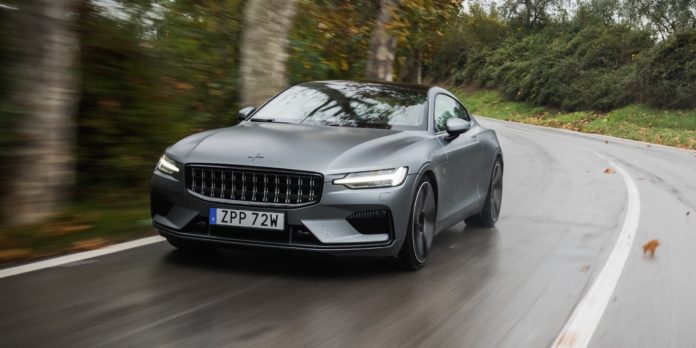
Polestar 1 (2019 to 2021)

Summary

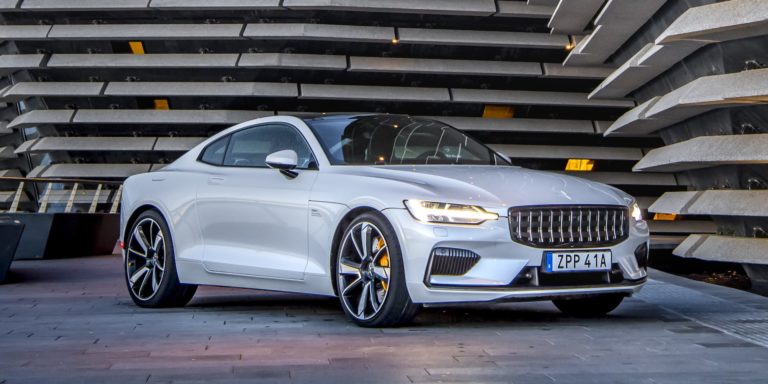
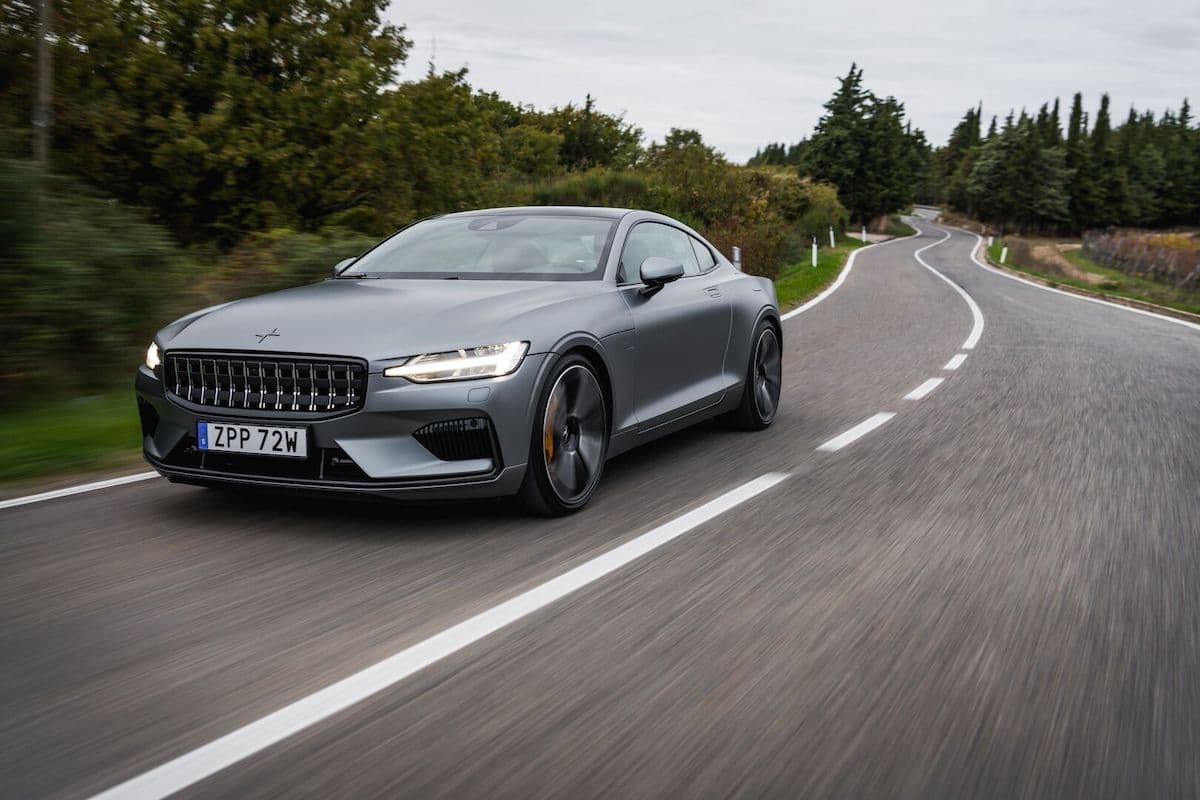
The Polestar 1 was the first car from Volvo’s spin-off car brand. It was a two-door coupé powered by a plug-in hybrid powertrain, available in left-hand drive only. It was built in a limited production run to launch the all-new Polestar brand.

The styling was based on a 2013 Volvo concept car called the Volvo Concept Coupe, which is why it bore a strong resemblance to the Volvo saloon and estate model range of the same era. It was a halo car for the new Polestar brand, and was the only model from the company to have a petrol engine component – the subsequent Polestar 2 and all future models have only been available as fully electric vehicles.

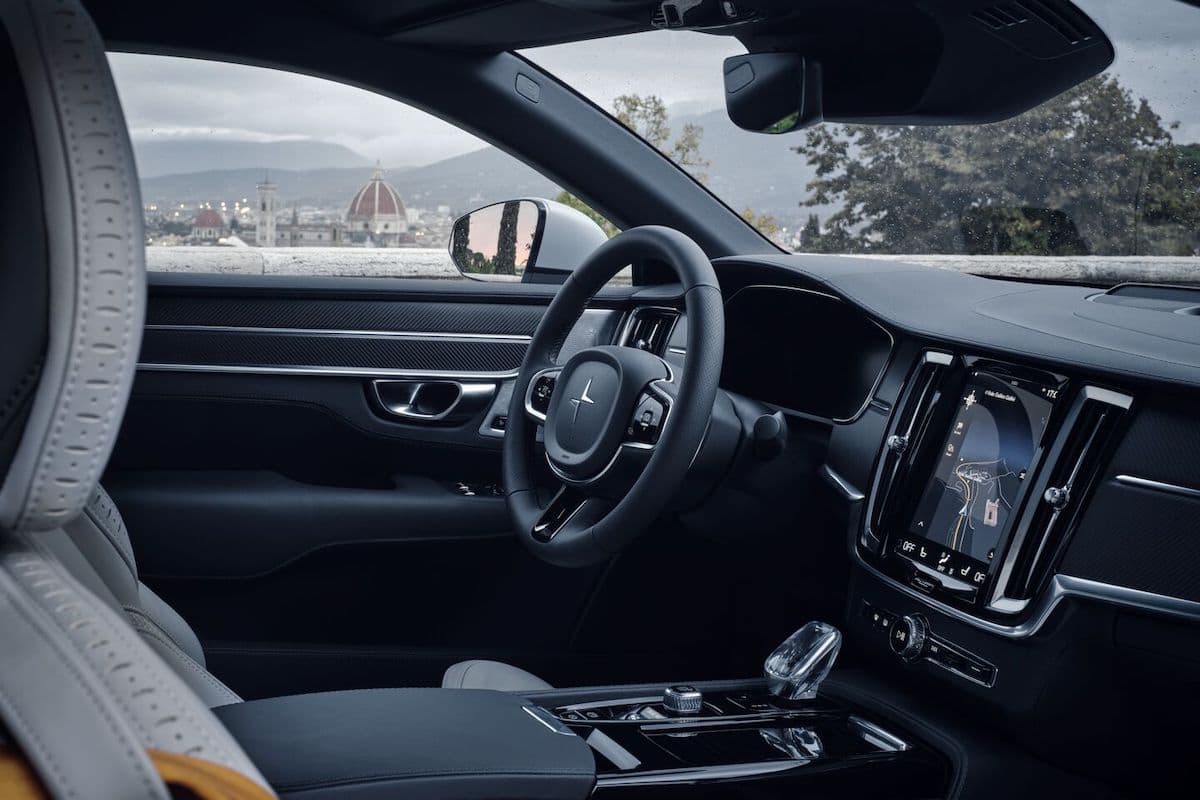
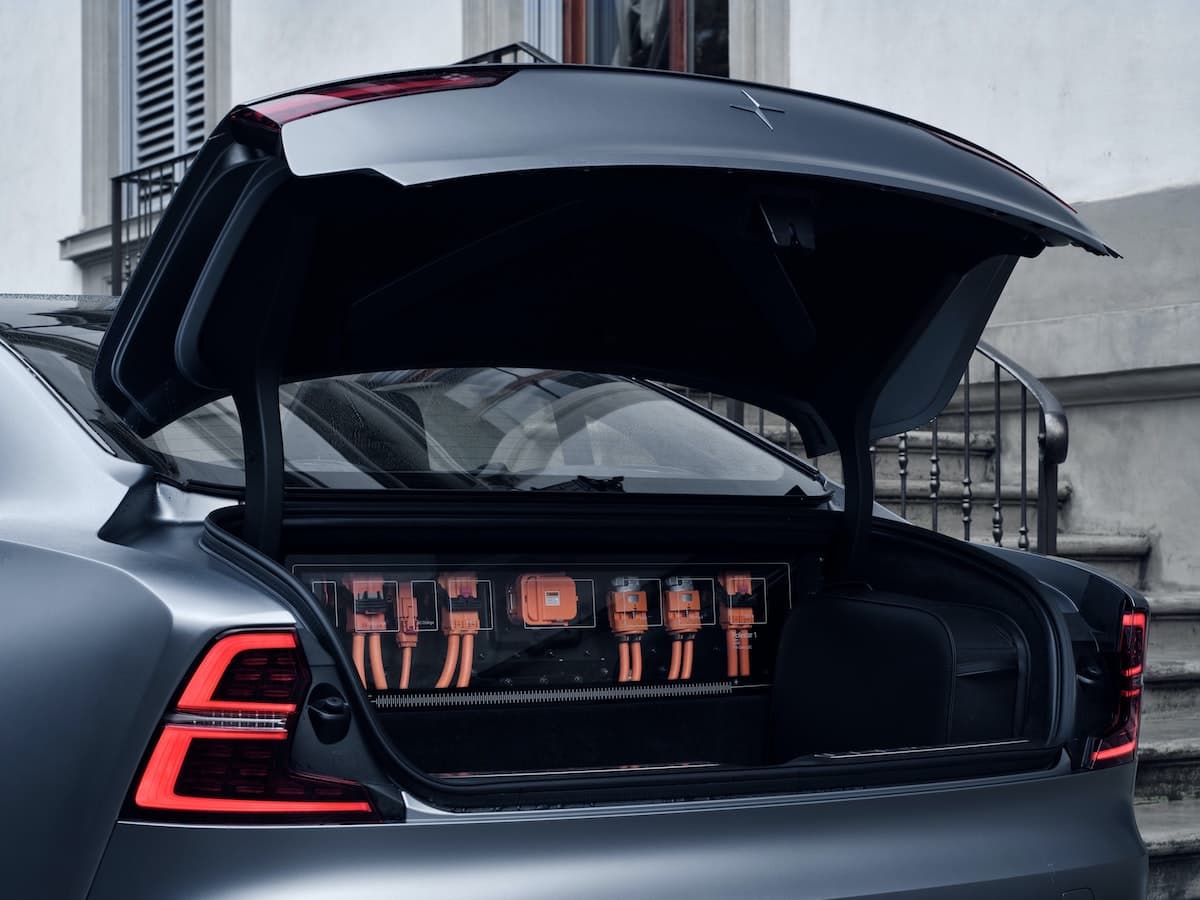
The Polestar 1 received very positive reviews from the UK media, although with several caveats and reservations. Reviewers praised the external styling, driving dynamics, performance, overall comfort and the low running costs associated with a plug-in hybrid powertrain. However, they were more critical of the interior design, which is lifted largely from the Volvo V60 and S60 models, as well as the relatively cramped rear seats and poor boot space.

No longer on sale, the Polestar 1 holds a Used Car Expert Rating of D, with a score of 59%. It scores top marks for its low CO2 emissions, but its media review scores were only average and its running costs are high.

Key specifications

Body style: 2+2 coupé (left-hand drive only)
Motor: petrol/electric plug-in hybrid
Price when new: From £139,995 on-road

Launched: Autumn 2019
Last updated: N/A
Production ended: Summer 2021

Media reviews

Highlighted reviews and road tests from across the UK automotive media. Click any of the boxes to view.

The Car Expert

Auto Express

Auto Trader

Car

Carbuyer

Carwow

Daily Mail

Evo

Honest John

Parkers

The Telegraph

Top Gear

Safety rating

Independent crash test and safety ratings from Euro NCAP

Notes on safety rating

The Polestar 1 was not crash tested by Euro NCAP during its limited production run.

Being a part of the Volvo family and developed largely under the same roof, the Polestar 1 was fitted all of the safety technology developed by its Swedish parent. That meant advanced active safety systems, like autonomous emergency braking, blind spot and lane-keeping assistance, and adaptive control with steering assistance.

Eco rating

Independent economy and emissions ratings from Green NCAP

No eco rating

The Polestar 1 was not lab tested by Green NCAP during its limited production run.

The Green NCAP programme measures exhaust pollution (which are generally very low for a plug-in hybrid) and energy efficiency. Electric cars are much more energy-efficient than combustion cars, and given that the Polestar 1 could run for considerable distance on electric power, it would been very likely to score highly in Green NCAP testing if it had ever taken place.

Similar cars

If you’re looking at the Polestar 1, you might also be interested in these alternatives

Audi e-tron GT | Aston Martin DB11 | Bentley Continental GT | BMW i8 | Lexus LC | McLaren GT | Mercedes-Benz S-Class Coupé | Porsche Taycan

The Polestar 1 doesn’t have any rivals that quite match its particular qualities. The Aston Martin DB11, Bentley Continental and Mercedes S-Class Coupé are petrol-engined GTs rather than plug-in hybrids. The BMW i8 is a plug-in hybrid like the Polestar, but it’s a mid-engined sports car rather than a GT (and it’s also just ended production). The Porsche Taycan is perhaps most similar in overall concept, although it’s fully electric rather than a hybrid and it’s also a four-seat saloon rather than a 2+2 coupé.

More news, reviews and information about the Polestar 1 at The Car Expert

Everything you need to know about Polestar

Everything you need to know about Polestar

Polestar 1 test drive

Polestar 1 test drive

New cars to look forward to in 2019

New cars to look forward to in 2019

Volvo’s electric spin-off brand launches first car

Volvo’s electric spin-off brand launches first car

Buy a Polestar 1

If you’re looking to buy a used Polestar 1, The Car Expert’s partners can help you find the right car

Motors 600x300

Find your next used car with Motors. Find out more

Auto Trader logo 600x300

Find your next new or used car with Auto Trader. Find out more

Carwow logo 600x300

Find your next new or used car with Carwow. Find out more

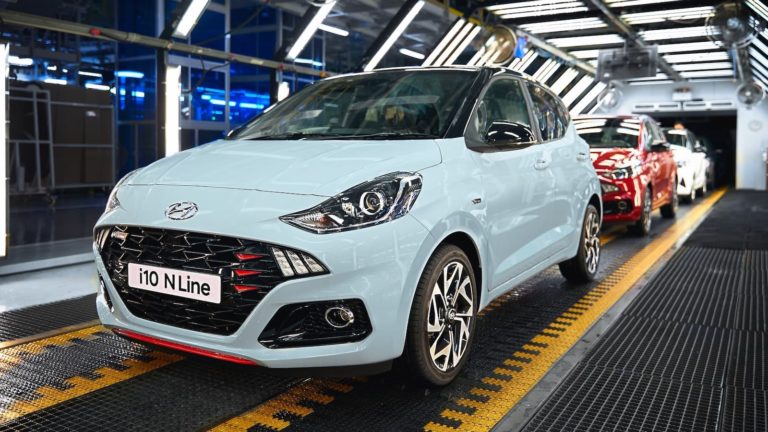
Hyundai reveals pricing for new i10 N Line specification

Hyundai has announced that the sports-inspired i10 N Line model will start from £16,195 when it goes on sale leter this month.

The company has expanded its highly-rated new i10 city car range with the addition of the N Line trim, which draws styling and technical inspiration (but no extra performance) from the firm’s performance-focused N cars.

The model also introduces a 1.0-litre petrol engine to the line-up, which gets 100hp and 172Nm of torque. The 0-60mph sprint takes 10.3 seconds with a top speed of 115mph. Other technical upgrades include an increased spring rate, longer rear bump stops and new rear shock absorbers.

On the outside, the i10 N Line adds a bespoke front grille with integrated LED running lights, unique 16-inch alloy wheels, dual chrome exhaust tips and red stripes to indicate its ‘N’ heritage. Inside, there’s an N-branded steering wheel and gear stick, cloth seats with red stitching and rear privacy glass.

On-board equipment is the same as the rest of the i10 range, which includes an eight-inch infotainment screen with integrated Apple CarPlay and Android Auto. An optional £1,000 Tech Pack adds navigation and a five-year subscription to Hyundai’s Bluelink telematics service.

Hyundai i10 N Line – the best city car gets better

The new Hyundai i10 is currently the top-rated vehicle in the city car class, according to The Car Expert’s unique Expert Rating system, which combines new car reviews from 21 UK automotive websites to give an overall rating.

As of July 2020, the i10 has an Expert Rating of 82%, which is comfortably clear of its rivals. It has been particularly praised for its interior quality, equipment levels and driving experience. A new engine and upgraded trim will only help to solidify the i10’s position at the top of the small car tree.
Stuart Masson, Editor

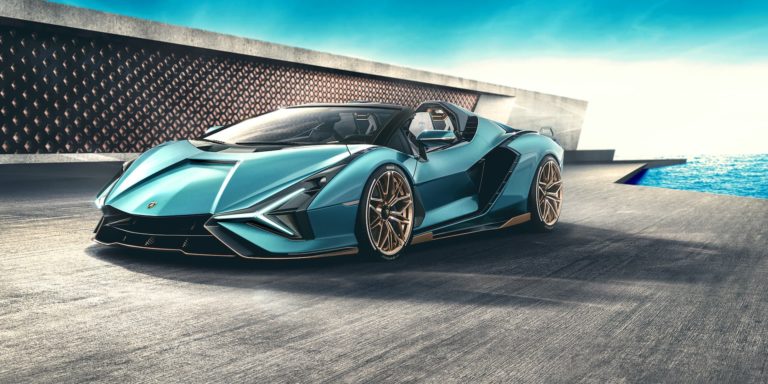
Lamborghini reveals 820hp Sián Roadster

Lamborghini has revealed an incredibly limited run of Sián Roadster models, with all 19 having already been sold.

The drop-top version of the Italian firm’s latest hypercar packs an 820hp V12 powertrain that uses a 48-volt electric motor in the gearbox. It supplies 35hp to improve the immediacy of the engine’s response under acceleration, but can also run the car during low-speed manoeuvres.

To power the motor, the Sián has a supercapacitor, which Lamborghini says is three times more powerful and three times lighter than a traditional lithium-ion battery. It uses regenerative braking to replenish the supercapacitor, while the motor is used to fill the gaps between gear changes so the driver feels no pause in acceleration.

The Sián Roadster accelerates from 0-60mph in about 2.7 seconds and has a top speed “above 217mph”.

Lamborghini Sian Roadster - rear

The Sián’s wild styling indicates the future designs of the brand’s cars, which have always stood out for their ostentatious aesthetics. It features the iconic Lamborghini Y-shaped headlights as well as sharp, angular body lines through to the rear – and debuts in a new colour called ‘Blu Uranus’.

Many of these bold styling choices have practical implications, such as the vents that direct air through the front bonnet and side air intakes and over the rear spoiler.

Stefano Domenicali, Automobili Lamborghini CEO, said: “The Sián Roadster encapsulates the spirit of Lamborghini.

“It is the expression of breathtaking design and extraordinary performance, but most importantly embodies important future technologies. The Sián’s innovative hybrid powertrain heralds the direction for Lamborghini super sports cars, and the open-top Sián Roadster affirms a desire for the ultimate lifestyle Lamborghini as we move towards a tomorrow demanding new solutions.”

The Sián coupe was revealed at the Frankfurt motor show last year, debuting Lamborghini’s trick supercapacitor technology.

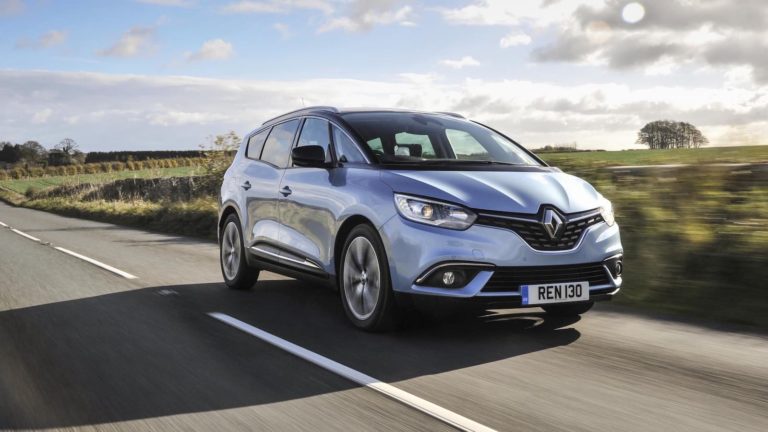
Renault Grand Scenic and Koleos get the chop

Renault has dropped the guillotine on two of the largest models in its range – the Grand Scenic people carrier and the Koleos SUV.

The company has cited “commercial reasons” for chopping the two models, which in plain English means that it couldn’t sell enough of them to make it worth the effort. Both will continue to be sold in Europe.

The Grand Scenic is Renault’s sole seven-seater model, and its departure comes after the regular Scenic was dropped last year.

Renault has said that the decision to remove the Grand Scenic from the range was made prior to Covid-19, and that the pandemic’s outbreak did not affect its plans.

The Grand Scenic will continue to be sold in Europe, however, as well as the Koleos. Originally launched in 1996, the standard Scenic and larger Grand Scenic have often been seen as a go-to option for families.

Introduced in 2017, the second-generation Koleos took its spot as the firm’s flagship SUV above its smaller Kadjar. Based on the Nissan X-Trail – utilising an Alliance platform sharing plan – the Koleos has only been available with five seats, while the Nissan offered a popular seven-seat option.

Renault issued separate statements confirming the axing of each model, although the comments were virtually identical, noting that the company has revised many of its core models in recent months and will be launching future new models in months to come.

A sign of things to come for the car industry in a post-coronavirus market?
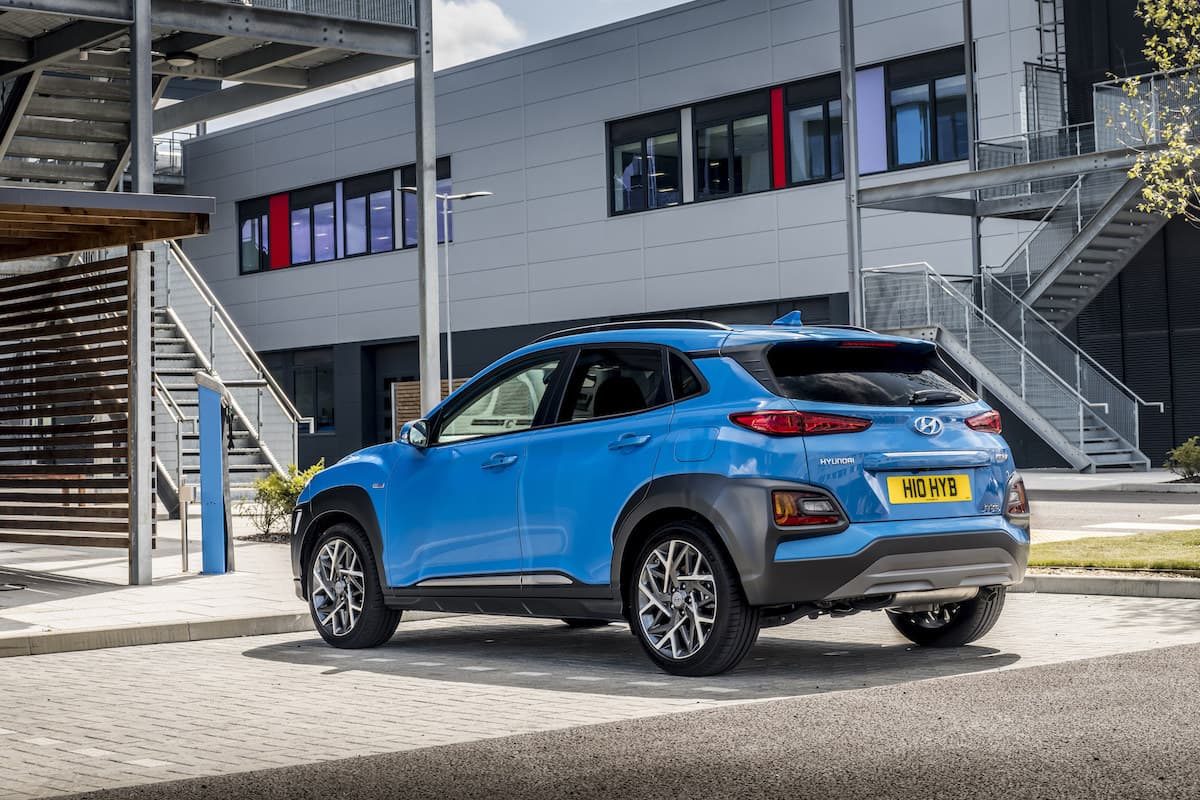
Despite Renault’s insistence that the Grand Scenic’s withdrawl was decided before the pandemic hit Britain (no such claim was made for the Koleos, incidentally), it seems likely that every car manufacturer is going to be assessing its line-up and making some tough calls on which models are not worth keeping on. So it’s likely that others will be pruning their family trees in a similar fashion to Renault.

The Grand Scenic’s demise is not altogether suprising given the fall in demand for MPVs, with the vast majority of consumers preferring SUV models as large family cars. However, that makes the decision to cull the Koleos somewhat more surprising, since it is precisely that sort of vehicle. The Koleos was only updated at the end of last year, when it received a revised look, new engines and additional tech.

It’s been a tough year for Renault so far, even by the low standards of new car sales due to the coronavirus pandemic. The UK’s new car registrations are down by 48% for the first six months of the year, but Renault is down by 52% – despite all-new Clio, Captur and Zoe models arriving in the last 12 months. The company is also facing legal action over claims that more than a million Renault and Nissan vehicles were fitted with illegal emissions defeat devices.

When it comes to vans, the picture for Renault is even bleaker. The overall UK van market is down by 44% for the first half of 2020 compared to 2019, but Renault is down by a whopping 65%. Could we see more underperforming models being given the chop in coming months?

Additional reporting by Jack Evans, PA Media

Britain’s best-selling cars, June 2020

In overall terms, June 2020 was another bad month for new cars sales, with overall numbers down 35% on the same month last year. However, it was a massive improvement over April and May as showrooms across England were allowed to reopen.

In some ways, it was almost a return to normal, with no great surprises in the top ten compared to some bizarre results in the last few months. Private new car registrations were down 19%, which was not great but a lot better than fleet registrations (down 45%), which helped this as well.

With English dealers open for the first time in more than ten weeks, a fair number of the June registrations will be orders placed before lockdown that were not able to be delivered until showrooms reopened. So it may be that the level of real post-lockdown demand is not as strong as it looks.

It will be interesting to see what happens in July, although it may be a bit of a disappointment unless fleets start placing large orders for vehicles to be delivered immediately. On a positive note, June’s numbers include very few cars from Wales, where dealerships only reopened on 22nd June, and basically nothing from Scotland, where showrooms didn’t open until the 29th.

The UK’s best-selling new cars, June 2020

1. Vauxhall Corsa

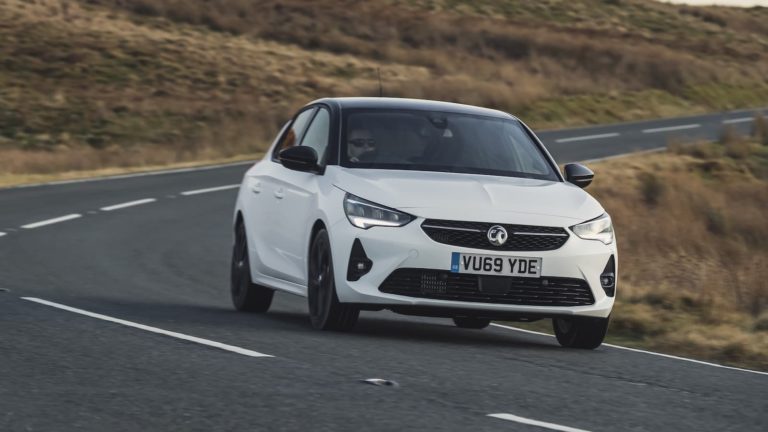
Third place in April. Second in May. Top of the table in June. Vauxhall has had an even worse 2020 to date than most brands, but the new Corsa seems to be hitting its stride nicely. And it gets bragging rights over its arch-nemesis, the Fiesta, for the third month in a row.

The new Corsa currently holds an Expert Rating of 71% on our unique aggregator scale, based on 23 reviews we have gathered so far. That puts it in the bottom half of the supermini class, although the all-electric Corsa-e does score better. We’ll be publishing our Expert Rating analysis of the Corsa-e in the next few days, but based on reviews we’ve aggregated so far it looks like it will be about 5% better than the petrol and diesel versions.

2. Ford Fiesta

Ford Fiesta (2017 onwards) Expert Rating

The Ford Fiesta moved up from third place to second in June, but remained one place behind the new Corsa. However, it did extend its lead at the top of the table in year-to-date registrations so there was still reason to smile for Ford fans.

The Fiesta currently holds an Expert Rating of 84% in The Car Expert’s New Car Ratings database, which compares reviews from across the UK motoring media. This is higher than any other car in the supermini class – just ahead of the SEAT Ibiza – so it seems that motoring journalists still prefer it over the Corsa, even if customers haven’t over the last three months.

3. Toyota Yaris

Toyota Yaris Y20 review 2019 | The Car Expert

The biggest surprise of the month was the Toyota Yaris supermini popping up in third place. Soon to be replaced by an all-new model, Toyota dealers have been clearing the decks of existing Yaris stocks, which also helped make Toyota’s overall registrations for June look rather good, being almost 3% ahead of the same month last year against a market fall of 35%.

The Toyota Yaris currently has an Expert Rating of 64% in our New Car Ratings database, which is well below average the supermini class. However, initial reviews of the all-new model due to land shortly have been very positive, so Toyota will be hoping for big things.

4. Ford Focus

Ford Focus review 2018 | The Car Expert

Like its little brother, the Ford Focus improved one spot in June. Its fourth-placing ranking helped it to overtake the Volkswagen Golf for second place in the year-to-date registrations as we hit the 2020 halfway point. However, the new Golf Mk8 is finally reaching UK dealers so it may be a tough battle for the Focus to keep its nose ahead for the second half of the year.

The Ford Focus currently holds an Expert Rating of 80% in our Expert Ratings database, which is better than most rivals but still 5% off the all-new Volkswagen Golf based on its reviews to date.

5. Mini hatch

Mini three-door hatch (2018) ratings and reviews | The Car Expert

It’s almost become a tradition that the Mini hatch range achieves good results when consumer sales are strong relative to fleet registrations. That usually happens in the new-number-plate months of March and September, but it was the same sort of situation in the first post-lockdown month of June 2020.

The Mini hatch popped back into the top ten for the first time since March, which also made the Union Jack-waving supermini the best-selling British-built for the month (note: not all Minis are built in the UK, so you’ll have to check yours if this is something you’re particularly interested in).

The Mini hatch holds a very solid score of 80% in our Expertr Ratings aggregator, which is better than most cars in its class despite being much older than many of its rivals.

6. Volkswagen Golf

Volkswagen Golf (2020 onwards) Expert Rating

The first examples of the new Mk8 Volkswagen Golf have arrived, although this month’s registrations will almost certainly include a large number of the outoing Mk7 model. It’s actually the first time we’ve seen the Golf in this list since March, and Volkswagen will be hoping that the new Golf can sell up a storm over the rest of the year.

We haven’t had that many local reviews of the new Golf yet, but it currently holds an Expert Rating of 85% in our database, which is the best rating of any car in its class.

7. Mercedes-Benz A-Class

Mercedes-Benz A-Class hatchback | Expert Ratings

The Mercedes-Benz A-Class slid backwards a bit in June, as cheaper vehicles filled the six spots above it on the best-sellers list. Still, another reasonable month for the small Mercedes, all things considered.

The Mercedes-Benz A-Class has an Expert Rating of 77% in The Car Expert’s unique aggregated Expert Rating system. It ranks highly for safety, winning awards from Euro NCAP and Thatcham for its protective qualities.

8. Nissan Qashqai

2019 Nissan Qashqai wallpaper | The Car Expert

Another familiar face returned to the charts in June, as the Nissan Qashqai reappeared for the first time since March. It just missed out on seventh place, trailing the Mercedes A-Class by fewer than 80 units, but still heads the baby Benz in year-to-date sales. The Qashqai had to yield the honours for ‘Best-selling British-built car’ to the Mini once again, but it’s fair it’s still representing Sunderland proudly as the current-generation model heads towards retirement.

The ageing Nissan Qashqai currently holds an Expert Rating of 74% in our New Car Ratings database, which is midfield for the compact crossover segment and in the bottom half of scores for a top ten-selling car. A replacement is due to be revealed later this year, although the timeframe may be subject to change in light of the chaotic economic conditions currently enveloping the industry.

9. Tesla Model 3

Tesla Model 3 (2019) new car ratings and reviews | The Car Expert

Tesla sold three times as many Model 3s in June as it did in May, yet it fell from first place to ninth in the sales charts as the big-name brands threw open their showroom doors. The Model 3 remains a runaway success for the electric car movement, however, taking nearly 30% of all the electric car registrations for the month.

The Tesla Model 3 currently holds an Expert Rating of 85% in our New Car Ratings database, which is certainly very good. However, there are still very few local reviews in our databse so this may vary by quite a bit (either up or down) in coming months once more local journalists get their hands on press vehicles.

10. Volkswagen Tiguan

Volkswagen Tiguan 2016 - ratings and reviews | The Car Expert

Rounding out the top ten this month is the Volkswagen Tiguan, a model we haven’t seen in this list all year but an occasional sighting every few months. The Tiguan range comprises the regular model and the longer seven-seat Tiguan Allspace. The current model has been on sale for four years now, which means there is presumably a facelift model in the works that’s due to pop up any time soon.

The Volkswagen Tiguan holds a strong Expert Rating of 79% in our Expert Ratings aggregator, which is not quite the best in class but certainly among the leaders.

Skoda Octavia vRS joins the line-up

Skoda’s new Octavia range has grown again with its fourth-generation vRS line-up.

Set to go on sale in the UK this autumn, the Skoda Octavia vRS arrives as a comfortable but potent option in the performance segment of the market

Available as either a hatchback or estate, the new vRS benefits from a choice of three familiar power options from the Volkswagen Group family: a 245hp petrol engine, a 200hp diesel engine and a 245hp plug-in hybrid setup.

The petrol engine, a turbocharged 2.0-litre four-cylinder unit pushing out 370Nm of torque, is driven via a seven-speed gearbox sending power to the front wheels. Skoda claims that it will go from 0-60mph in 6.5 seconds and onwards to a top speed of 155mph.

The plug-in hybrid model combines a 1.4-litre turbocharged petrol with an electric motor for a combined output of 245hp and 400Nm. That means it not only matches the power output of the petrol, but eclipses its torque figure. Its performance times are slightly slower, however, with Skoda claiming a 0-60mph of 7.0 seconds and a top speed of 139mph. It should also be able to cover up to 37 miles on electric power alone, too.

The diesel, meanwhile, is a turbocharged 2.0-litre unit with 200hp, while there’s the option of either front- or four-wheel-drive. It runs the same seven-speed automatic gearbox as its petrol-powered stablemate.

All three boast sports suspension lowered slightly compared to the regular car, as well as adaptive dampers and a limited-slip differential for the petrol variants. A new body kit helps to differentiate the vRS from the rest of the Octavia range, and this is fitted alongside a new front bumper, roof spoiler and wheels up to 19 inches in size – 18-inch gloss black units are fitted as standard.

Inside, there’s plenty of Alcantara trim, as well as sport seats and two ten-inch screens fitted alongside one another to form the look of a single display.

Prices for the new Skoda Octavia vRS are expected to be released closer to the car’s on-sale date this autumn.

Caterham Super Seven 1600 test drive

0

This is the Caterham Super Seven 1600 – a car with even more retro touches incorporated into its design than even the standard Seven can offer. According to Caterham, it draws inspiration from the classic Sevens of the 1970s which is why you’ll find flared arches and a high-quality interior befitting an old-school car in this decidedly brand-new two-seater.

But does it incorporate that driver-machine connection that has caused the Seven to prove so popular among driving enthusiasts? We’ve been out in the Super Seven 1600 to find out.

What’s new?

Though the look may be different, the recipe is the same here; there’s a reasonably powerful engine up front, drive to the rear wheels and space for two in the middle.

It’s a setup that Caterham has refined over the years and while new chassis sizes allow taller drivers to get comfortable – our ‘Large Chassis’ car was one such vehicle – the basic layout has been kept the same.

But Caterham has some tricks up its sleeve for the Super Seven 1600. It has taken learnings from 1970s motorsport to give the engine a little more kick, for instance, and there are other mechanical goings-on happening here too. But more on that later.

How does it look?

When it comes to head-turning design, the Caterham Seven still takes the biscuit. Few people miss this car when it comes zinging past, with the flared arches and bright ‘Caribbean Blue’ paint scheme of this car in particular making for a roadster few will miss. It certainly has a softer appeal to it compared with the carbon-fibre-laden, stripped-out models in the rest of the Seven range, making it better for trips along country lanes on sunny Sundays rather than razor-edged laps around Snetterton race track.

The retro-designed alloy wheels finish the look, while the mohair hood, boot cover and side screens only help it to feel even more like a classic two-seater.

Caterham Super Seven 1600 - red and blue

What’s the spec like?

Prices for the Super Seven 1600 start from £33,495, and for that you get 14-inch silver alloy wheels, black leather seats, classic Smiths gauges and a choice between six special paint finishes. If you’re feeling adventurous, Caterham will deliver the Super Seven 1600 at home in kit form for you to assemble yourself, otherwise, you can spend £2,395 for the Crawley-based outfit to build it for you – on top of that initial £33,495.

Our car, with its optional SV chassis, lowered floors and ‘Biscuit Beige’ leather seats chimed in at £39,655. It’s a lot of money for a car of this type, we’ll admit, but it’s a solid investment – Caterham values rarely dip, even with more miles on the clock.

What’s it like inside?

Make no mistake, even though this is the wider chassis option, the Super Seven 1600 is not a big car. Once you’re inside the cabin – not an easy feat in itself, particularly with the roof in place – there’s not a lot of room for, well, anything. Sure, there’s a small area behind the seats where you’ll be able to drop a few soft bags or some shopping, but in terms of practicality, the Seven isn’t up there.

But of course, that’s not the point of this car. The driving position is excellent, the heater blowers are powerful enough to take the edge off an evening chill, and there’s even a light to remind you to put your seatbelt on, which is practically cutting-edge technology for a Caterham. The leather for the seats is good quality, while all of the major touch points are finished in equally high-end materials.

What’s under the bonnet?

The Super Seven 1600 uses a 1.6-litre Ford Sigma for propulsion, and thanks to a generous 137hp – equating to 250hp-per-tonne in the featherweight, 565kg Caterham – that means a 0-60mph time of five seconds and a top speed of 122mph. Peak power comes high up in the rev range at 6,800rpm, while the peak amount of torque – 165Nm – arrives at 4,100rpm. Caterham has also fitted the engine with Twin 40s throttle-body upgrades and K&N filters for a more motorsport-inspired response.

Power is sent through a delightfully mechanical five-speed manual gearbox, while Caterham has fitted ‘our’ Caterham with its road suspension pack. Both a sport and track suspension setup are available for those who want a slightly more engrossing ride, but this is being pitched as a car for the road first and foremost – hence the suspension setup angled towards road use.

What’s it like to drive?

As with any Caterham, the sense of connection between driver and car is immediately present in the Super Seven 1600. The steering has a great deal of life to it, buzzing and chattering as the front wheels skip over the road ahead. In the dry, there are handfuls of grip to be found and while that’s considerably diminished in the wet, driven sensibly the Super Seven 1600 can be managed when the weather turns soggy.

Rev the engine out and you’re rewarded with a sumptuously savage bark from the engine, and the acceleration comes in equally raucous bouts. Though this is by no means a ‘quick’ Caterham, it’s more than pacey enough to see off most hot hatches. And in terms of sheer-willed entertainment, there aren’t many cars that feel quite so alive from behind the gloriously retro Moto Lita wheel.

Verdict

The Caterham Seven has never been a car that you purchase with your head. After all, it’s not particularly useable on a daily basis, it’s not practical and it’s not geared towards families whatsoever.

However, what cars like the Super Seven 1600 do is prove that there’s still a place for cars that revel in the joy of driving, something that this Caterham delivers time and time again. And though this is a car for the modern age, it’s still one that delivers the old-school thrills from the golden days of motoring.

Similar cars

Alpine A110 | Ariel Atom | Lotus Elise | Zenos E10

Key specifications

Model: Caterham Super Seven 1600
Price as tested: £39,655
Engine: 1.6-litre petrol
Gearbox: Five-speed manual
Power: 135 hp

Torque: 165 Nm
Max speed: 122 mph
0-60mph: 5.0 seconds
Fuel economy: N/A
CO2 emissions: N/A

Audi Q2

Summary

The Audi Q2 is a small SUV/crossover – the smallest in Audi’s ever-growing line of SUV models. It was launched in 2016 and shares a lot of its underpinnings with similar models from the wider Volkswagen family, such as the SEAT Arona, Skoda Kamiq and Volkswagen T-Roc.

The Q2 range is available with both petrol and diesel engines. The top-spec version is the Audi SQ2, which joined the line-up in 2019 and is powered by a 2.0-litre turbo petrol engine producing 300hp.

The Audi Q2 range has received generally good reviews from the UK motoring media. The top-spec SQ2 tends to score slightly better than the rest of the range, while cars powered by the entry-level 1.0-litre petrol have scored more poorly.

The Q2 has been praised for its overall quality and availability of advanced technology options, while the performance of the SQ2 model is particularly praised. However, it has been criticised for being relatively expensive compared to many rivals and with limited practicality, especially in the rear seats, compared to many rivals.

The Audi Q2 range received a mid-life facelift in late 2020. This wasn’t a major overhaul and was largely cosmetic in nature.

As of February 2026, the Audi Q2 has a New Car Expert Rating of D, with a score of 56%. That’s some way behind the best small SUVs on the market. It’s Used Car Expert Rating score is slightly better at 60%, as its competitive running costs make it relatively affordable to own and run.

Key specifications

Body style: Small SUV/crossover
Engines: petrol, diesel
Price: From £25,655 on-road

Launched: Autumn 2016
Last updated: Autumn 2020
Next update due: TBA

Media reviews

Highlighted reviews and road tests from across the UK automotive media. Click any of the boxes to view.

The Car Expert

Auto Express

Auto Trader

Business Car

Car

Car Keys

Carbuyer

Carwow

Company Car Today

Daily Mail

Daily Mirror

Evo

Green Car Guide

Heycar

Honest John

Motoring Research

Motors

Parkers

The Sun

The Sunday Times

The Telegraph

Top Gear

Safety rating

Independent crash test and safety ratings from Euro NCAP

Overall score: 5 stars
Date tested: November 2016
Date expired: January 2023
Read the full Euro NCAP review

Adult protection: 93%
Child protection: 86%
Vulnerable road users: 70%
Safety assist: 60%

Notes on safety rating

The Audi Q2 was originally crash tested by Euro NCAP back in 2016 and awarded a five-star rating. However, this rating expired in January 2023 and is no longer valid as the car no longer meets the standards required for such a rating. This is normal practice, as Euro NCAP reviews its ratings on most cars annually with most ratings expiring after about six or seven years.

However, if you are comparing a used Q2 to vehicles of similar age, whose ratings will have probably also expired, its safety rating score is still useful.

Eco rating

Independent economy and emissions ratings from Green NCAP

No eco rating

As of February 2026, the Audi Q2 has not yet been assessed by Green NCAP. If the Q2 is put through the Green NCAP lab testing programme, we will publish the results here.

Reliability rating

MotorEasy logo 600x167

Reliability data provided exclusively for The Car Expert by MotorEasy

No reliability rating

As of February 2026, we don’t have enough reliability data on the Audi Q2 to generate a reliability rating.

The Car Expert’s reliability information is provided exclusively to us using extended warranty data from our partner, MotorEasy. As soon as MotorEasy has sufficient data on the Q2, we’ll publish the score here.

Running cost rating

Clear Vehicle Data logo close crop

Monthly cost of ownership data provided exclusively for The Car Expert by Clear Vehicle Data

Fuel consumptionAverageScore
Petrol models45 mpgC
Diesel models52 mpgB
CO₂ outputAverageScoreVariationScore
Petrol models145 g/kmC
Diesel models144 g/kmC
Insurance groupAverageScoreVariationScore
All models21B
Service and maintenanceCostScore
Year 1£210B
Year 2£576C
Year 3£944C
Year 4£1,218C
Year 5£1,624C
Overall£4,572C

The Audi Q2 is average when it comes to ownership and running costs, according to data supplied by our technical partner Clear Vehicle Data.

Petrol versions offer around 45 mpg, which is around the market average, and diesel models are the more economical choice. The SUV’s insurance premiums are pretty cheap when compared to rivals, and the car is predicted to be rather cheap to service and maintain over five years of ownership.

Recalls

Official DVSA safety recalls that have been issued for the Audi Q2

Date: August 2023
Recall number: R/2023/254
Model types: All
Build dates: 10/2020 to 05/2023
Number of vehicles affected: 104,162
Defect: On affected vehicles an electrical connector for the power supply for the fuse carrier in the interior of the vehicle may have not been installed correctly.
Remedy: Check the electrical connection and secure if necessary.

Date: July 2019
Recall number: R/2019/234
Model types: All
Build dates: 02/2019
Number of vehicles affected: 1
Defect: The mounting for the head restraint may not be correctly welded to the outer backrest frame for the rear seat.
Remedy: The backrest on the rear seat bench must be checked and if necessary replaced.

Date: November 2018
Recall number: R/2018/338
Model types: All
Build dates: 05/2018 to 09/2018
Number of vehicles affected: 147
Defect: The rear back rest head restraint mounting is not correctly welded.
Remedy: Check and replace rear back rest frame if required.

Date: October 2018
Recall number: R/2018/295
Model types: All
Build dates: 01/2017 to 06/2018
Number of vehicles affected: 3,650
Defect: The electro-mechanical park brake may be released inappropriately.
Remedy: The software for the brake control will be updated.

Date: November 2017
Recall number: R/2017/311
Model types: All
Build dates: 08/2017
Number of vehicles affected: 30
Defect: The hardening process for the rear wheel bearing housings may not have been correctly performed. In the worst case this could lead to a fractured housing. Should a fractured housing occur there would be abnormal noises bad tyre wear and a theoretical possibility of wheel loss.
Remedy: Recall the vehicles that are likely to be affected and replace the right and left rear wheel bearing housings.

As of September 2024 (our most recent data point), there have been five DVSA vehicle safety recalls on the Audi Q2 addressing various different issues.

Not all vehicles are affected by recalls. You can check to see if your car is included in any of the above recalls by visiting the DVLA website or contacting your local Audi dealer.

If your car is affected by a recall, the vehicle must be repaired and you should not be charged for any work required. If you are buying a used Q2, you should insist that any outstanding recall work is completed before you take delivery of the vehicle.

Similar cars

If you’re looking at the Audi Q2, you might also be interested in these alternatives

BMW X1 | BMW X2 | Citroën C3 Aircross | DS 3 Crossback | Ford Puma | Hyundai Bayon | Jeep Renegade | Mazda CX-3 | Mini Countryman | Nissan Juke | Peugeot 2008 | Renault Captur | SEAT Arona | Skoda Kamiq | Vauxhall Mokka | Volkswagen T-Roc

Buy an Audi Q2

If you’re looking to buy an Audi Q2, The Car Expert’s partners can help you find the right car

Motors 600x300

Find your next used car with Motors. Find out more

Auto Trader logo 600x300

Find your next new or used car with Auto Trader. Find out more
Carwow logo 600x300

Find your next new or used car with Carwow. Find out more
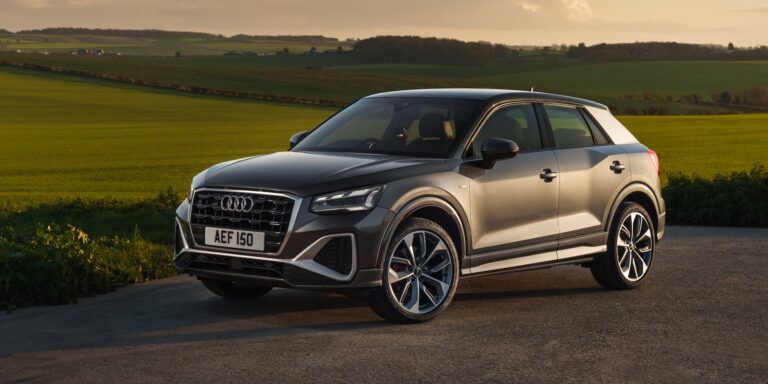
Lease an Audi Q2

If you’re looking to lease a new Audi Q2, The Car Expert’s partners can help you find a competitive deal

Leasing-com logo

Personal contract hire deals from Leasing.com. Find out more

Carparison 600x300

Personal contract hire deals from Carparison Leasing. Find out more

Rivervale Leasing logo 2022

Personal contract hire deals from Rivervale Leasing. Find out more

Drivers facing petrol price rises as lockdown eases

The average price of a litre of fuel went up in June, ending three months of price drops as lockdown eased.

Petrol prices went up 3.74p per litre, from an average of 107.11p to 110.85p, while diesel was up 2.89p per litre, rising from 112.07p to 114.96p.

The data from RAC Fuel Watch shows the prices rise in correlation to lockdown measures easing and more cars being on the road, with increasing demand seeing the price of a barrel of oil rising more than $6 (£4.80) to $41.87 (£33.51).
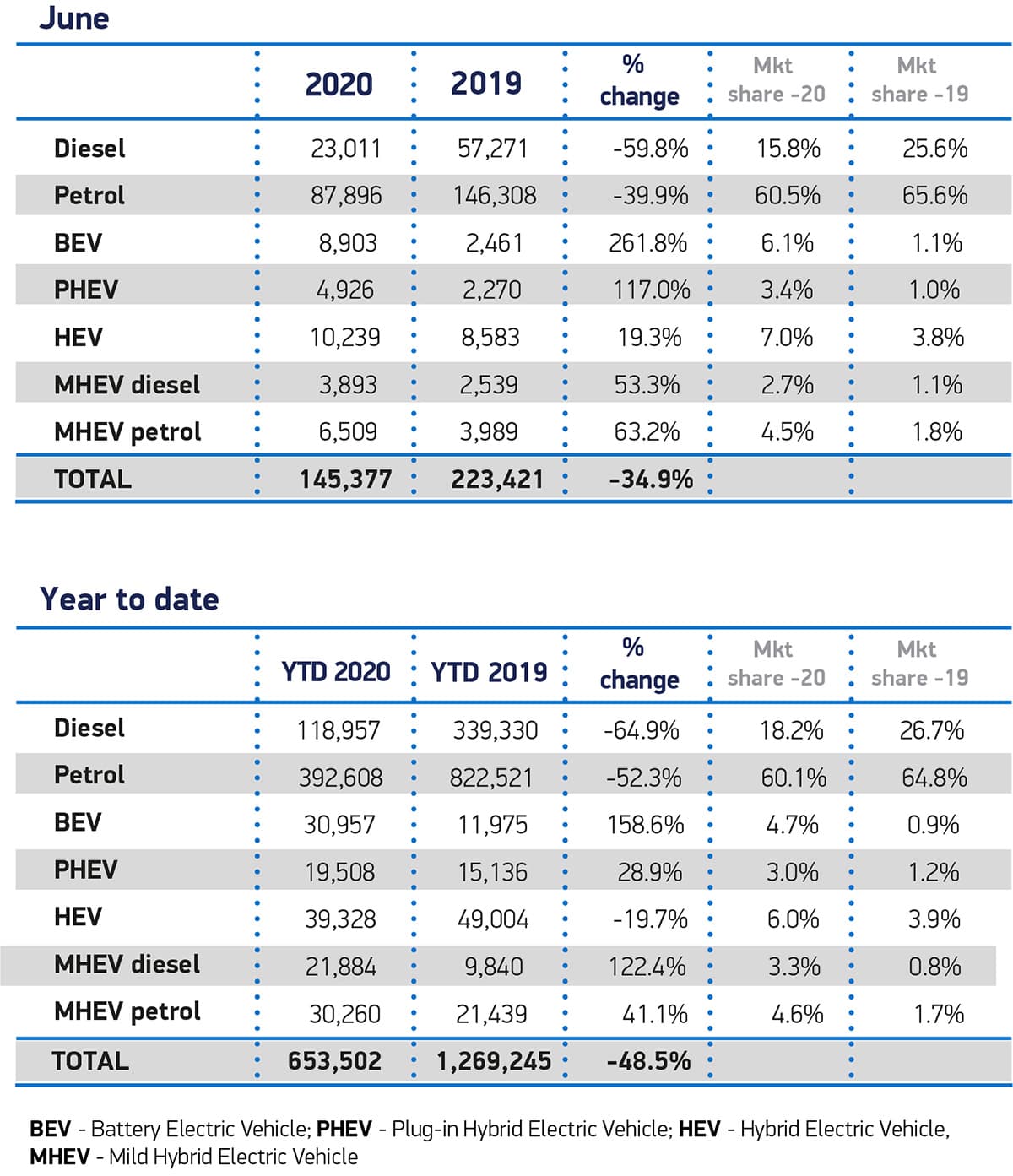
The lockdown price drops were driven by supermarkets, with many selling petrol for as low as £1 per litre helping to bring the petrol average to a low of 106.48p on May 19. Diesel saw an average of 111.8p on the same date.

However, RAC Fuel Watch says the ‘big four’ supermarkets are also now driving increases, with Morrisons, in particular, bumping up the price of both fuels by about 7p per litre, followed closely by Asda.

RAC fuel spokesman Simon Williams said: “The pump price rises witnessed in June will have been a nasty shock to the system for drivers. While those who continued to drive regularly throughout the pandemic will have benefitted from some very low prices, millions won’t have so will be disappointed that just as they start to drive more again prices are on the up.
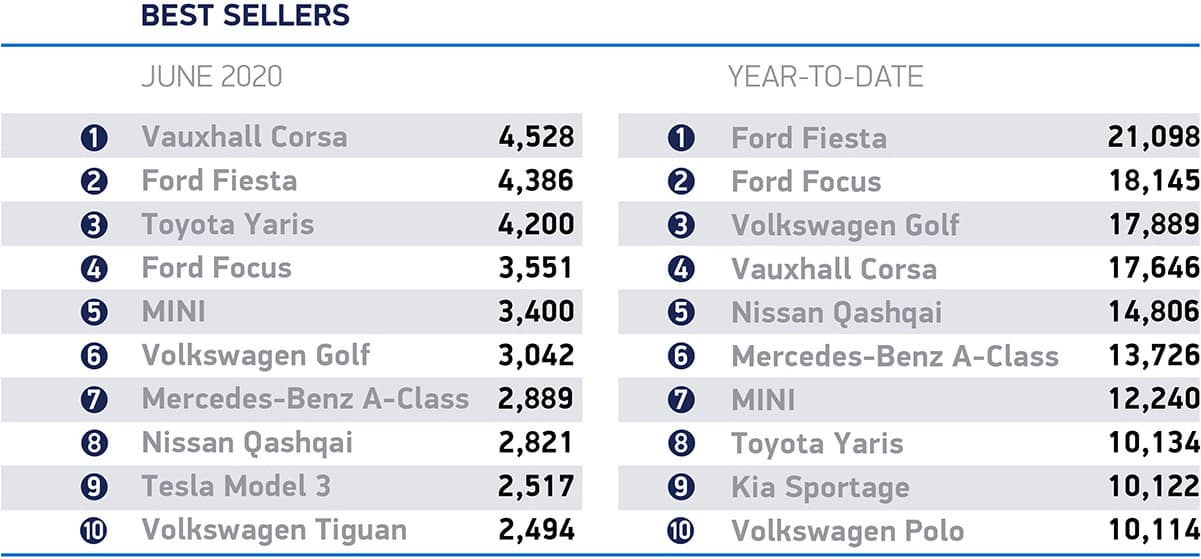
“It is, of course, the lack of demand for fuel which caused prices to drop in the first place so sadly it’s no great surprise that they’re on the rise again now.

“But drivers should take quite a lot of comfort from the fact that both petrol and diesel are a whopping 17p a litre cheaper than they were at the end of January. That means a tank of fuel is on average £9 less than it was then.

“And with RAC data predicting this weekend could be the busiest of the year so far on the roads that’s at least a little bit of better news, particularly as the direction of travel for fuel prices is upwards.

“Oil producer group OPEC and its allies are continuing to restrict output which has successfully driven up the barrel price and that can only mean one thing for drivers in the coming weeks – higher prices.

“This is confirmed by RAC Fuel Watch data which shows that petrol is likely to go up by 2p a litre in the next fortnight. Diesel, however, shouldn’t rise much at all unless retailers use the saving in its slightly lower wholesale price to subsidise petrol.”

New car sales improve in June, but companies not buying

New car registrations in June showed a reasonable amount of recovery from the disastrous figures for April and May. According to figures published this morning by the Society of Motor Manufacturers and Traders (SMMT), overall new car registrations were down 35% compared to the same month last year, although there are plenty of caveates to those results.

Private new car sales led the way in June as consumers began returning to car showrooms, with sales down 19% compared to June 2019. In England, doors opened right from the start of the month – although the SMMT estimates that 20% of dealers remained closed – while in Wales the date to reopen was 22 June and Scottish dealers could only open on 29 June.

What is not clear is what percentage of these numbers were collections of vehicles ordered before lockdown, and how many were fresh sales once dealers re-opened. The industry is not expecting great things over coming months, with the SMMT setting out its case for government support ahead of an expected call for a new scrappage scheme.

Fleet and business registrations were far more subdued, down 45% and 53% respectively. This is not surprising, with many companies still closed or fighting to keep expenditure to an absolute minimum. Until employees start returning to their workplaces rather than operating from home, there is no great urgency to provide them with new company cars.

Diesel sales slumped to even lower levels in June at about 18% of the overall market (including mild-hybrid diesels), hurt even more by poor fleet registrations and a strong month for small cars, which are often not evan available with diesel options. This fall has come directly at the expense of of electrified vehicles, with hybrid/plug-in hybrid and full-electric cars taking a record 16.5% of all registrations in June.

Year-to-date picture shows scale of collapse

With the first half of the year now behind us, the scale of the hit that the car industry has taken is illustrated quite starkly. For the first six months of 2020, overall new car registrations are down by more than 48%, with fleet and business sales again performing worse than private sales.

Electrified cars have taken nearly 15% of all registrations so far this year, with full-electric cars showing the greatest growth. Petrol-powered cars have seen a slight loss in market share but still command 65% of the overall market. Diesel cars, unsurprisingly, have taken the biggest hit with sales down nearly two-thirds over the first half of this year compared to the same period last year.

Good month, bad month, ugly month

For most car manufacturers, June was another month of bad news. With the overall market down by nearly half, there wasn’t a great deal to cheer about – unless you happen to work for MG or SsangYong, that is. The two budget brands both had very strong months, with MG almost doubling its sales compared to June last year (and almost tripling its market share). SsangYong recorded a registration increase of 30% compared to June 2019, which also more than doubled its share of the total market.

The success of these two budget brands suggests that new car buyers are reining in their spending in the light of economic uncertainty, and harks back to a decade ago when then-budget brands Kia and Hyundai did similarly well in the wake of the banking crash of 2008. Incidentally, those calling for another government-sponsored scrappage scheme may do well to remember that budget brands did well last time it happened – at the direct expense of volume brands and UK-built cars…

It was also a good month for hybrid-focused brands Lexus (up 13%) and Toyota (up 3%) and not-exactly-a-budget-brand Bentley, which was up more than 8%.

On the other side of the ledger, it wasn’t a great re-opening for DS Automobiles, Honda, Hyundai, Mazda or Suzuki, all of whom saw registrations fall to a greater degree than the overall market. Some of that may be dependent on supply levels, so we’ll keep an eye on it in coming months.

Life was even worse for Smart, not looking too clever with a fall of 72% against a market down 48%. But taking the wooden spoon for June was Subaru, which saw an 82% fall for June and only registered 44 cars for the entire month. If that doesn’t improve in short order, we may be saying sayonara to Subaru in the UK altogether.

Corsa cleans up as small cars dominate sales

With a lot of economic uncertaintly about, and fleet registrations still very depressed, it’s probably not surprising that the new car market for June was dominated by small car sales. The new Vauxhall Corsa topped the table over the Ford Fiesta, with the nearly-departed Toyota Yaris in third place.

It was also a good month for the Ford Focus, in fourth place for June and overtaking its nemesis, the Volkswagen Golf, in year-to-date sales. The Mini hatch was the top-selling British-built car for the month, with the Nissan Qashqai also reappearing to restore some local honour after May where no UK-built cars made it into the best-sellers list.

Tesla sold three times as many Model 3s in June as it did in May, but it still slipped from first to ninth place, just ahead of the Volkswagen Tiguan, which popped up in the top ten list for the first time in a while.

We’ll have are usual analysis of the top ten in coming days as usual.

Volvo recalls nearly 170,000 cars in the UK for seatbelt fault

Volvo has issued a recall of nearly 170,000 of its cars across the UK due to a securing cable that can suffer from wear over time and could result in reduced seatbelt function.

The recall applies to examples the following vehicles built from 2006 to 2018:

  • Volvo S60
  • Volvo S60 Cross Country
  • Volvo S80
  • Volvo V60
  • Volvo V60 Cross Country
  • Volvo V70
  • Volvo XC60
  • Volvo XC70

These models exclude cars in the firm’s current-generation cycle of vehicles. A total of 169,481 cars are affected.

In a statement, the Swedish manufacturer said that: “Investigations by Volvo Cars have identified that in very rare cases and under specific circumstances, a flexible steel cable connected to the front seat belts on certain Volvo models produced between 2006 and 2018 may under certain rare circumstances suffer from wear and fatigue over time.

“In extreme cases, damage to the cable, which is located in a rubber sleeve on the outside of the seats, could result in reduced seat belt restraint function.”

We do not compromise on safety, and always take full responsibility to ensure the highest quality and safety standards of our cars. We apologise for the inconvenience caused to our customers, and are grateful for their cooperation as we look to perform this precautionary action.

It also added that the issue is ‘extremely rare’ and that it ‘has had no reports either globally or in the UK of accidents or personal injuries connected to this issue.’

Volvo will contact owners of all affected cars to inform them of the issue and will be asking them to contact their closest Volvo dealer to book in their vehicle to have the issue corrected. If you are unsure whether your car is affected by this recall, contact your nearest Volvo dealer.

Drivers urged to book MOT tests now to avoid the rush

Drivers are being urged to get their cars MOT tested this summer to avoid the rush as thousands look to get their vehicles tested after making use of the six-month coronavirus extension.

The scheme, which draws to a close on August 1, was put into place to allow key workers to keep moving during the coronavirus pandemic without having to put their cars through the MOT test. Applied automatically, it granted a six-month extension to any vehicle with an MOT set to expire between March 30 and July 31.

However, a new survey by the RAC has found that nearly all of its network of approved garages are expecting demand to increase from October when the first cars that automatically qualified for the extension will require testing.

By October, 70% of these members anticipate significantly more demand, which could result in drivers finding it difficult to book their cars in for an MOT.

Despite the extension being automatically applied, drivers do not have to follow it, as cars can still be MOT tested as normal.

Adam O’Neill, RAC head of motoring services, said: “In many ways this is an ideal time for people to get their cars booked in for an MOT – whether they’ve already taken advantage of the automatic extension or not. Our garages have yet to see demand return to pre-lockdown levels, but if drivers wait until the autumn they’ll be trying to arrange MOTs at the same time as hundreds of thousands of others.

“Understandably, demand for MOTs and servicing fell sharply after the coronavirus lockdown as garages closed and the government instructed all of us to stay at home. But as the lockdown has started to be eased, drivers may be left wondering whether now is the right time to be getting their cars checked over, or whether making use of the MOT extension is the best course of action.

“The message from us is simple – our garages are fully open and all are operating to our Covid-19 Code of Conduct to help keep customers and staff safe. And with 70% of garages offering a collect-and-return service, reducing interaction with garage staff, drivers needn’t be put off from getting MOTs, servicing or other maintenance work completed.”