Find an Expert Rating: 
Home Blog Page 90

Car finance: Negative equity and why it’s a problem

One of the problems car buyers often get caught out by with regard to their car finance is negative equity, and it can get them into financial trouble. But what is negative equity and why is it a problem?

What exactly is negative equity?

Equity is the difference between what you owe to the finance company for your car loan and what the car is actually worth. If your car is worth more than you owe the finance company, the difference between the two is called positive equity (and usually just referred to as equity). It means that if you sell or part-exchange your car, you can pay off your finance and still have something left over. Yay!

For example:
Current car finance settlement: £10,000
Current car value: £12,000
Equity: £2,000

If your car’s value is less than what you still owe on it, that difference is called negative equity. That means that if you sell or part-exchange the car, the money you get for it won’t be enough to pay off your finance and you will have to pay the difference from your savings. Not so good.

For example:
Current car finance settlement: £16,000
Current car value: £12,000
Negative equity: £4,000

This is caused by the car losing value (depreciating) faster than you are repaying the loan. It will always happen at the start of your agreement and that’s perfectly normal, but it becomes a problem if there is still a significant negative equity difference later in the agreement, at the time when you are thinking about selling or changing your car.

Discussing part-exchange price at the car dealership
“So, your finance settlement is £16,000 but your car is only worth £12,000. Is that about what you were expecting?” “What does that mean?” “Ah, don’t worry about it…” (ominous music plays in background)

Having significant negative equity is very likely if your finance agreement is a PCP (personal contract purchase), especially if you have a small deposit and/or are taking the finance agreement over a long period (four or more years). Given that this exact scenario applies to millions of car owners in the UK, it’s fair to say that there are a lot of people who could potentially be in serious trouble if their financial circumstances change.

Why is negative equity a problem?

If your financial situation changes (eg – you lose your job, you have unexpected divorce or hospital expenses, etc.), you may be in a position where you can’t afford to keep up your monthly car payments. If your car finance is in negative equity, then even if you sell the car you still haven’t got enough money to pay off the debt to the finance company.

The example shown earlier had £4,000 of negative equity. If you were able to sell that car (and you’re probably not allowed to anyway), that means you would need to find £4,000 on top of what the buyer has paid you in order to clear the finance still owing on the vehicle. And the majority of car owners won’t have that £4,000 available to settle the debt.

If you default on your debt to the finance company, they will charge you late fees on top of the payments you already can’t pay. So your debt goes up, making your situation worse. When you still can’t pay, the finance company will call in a collections agency and that will take your problems to a new level. In addition, your default on the loan will be recorded on your credit history, making it harder to borrow money in the future or try to manage your way out of the problem. It’s a downward spiral that can easily end up in bankruptcy.

If you have other finance problems, negative equity on your car finance could push you into bankruptcy
Does the thought of this keep you awake at night?

This scenario is very common in car finance. If you have a hire purchase, you will usually have negative equity until you are about two-thirds of the way through your agreement (depending on how much deposit you paid up-front).

If you have a PCP agreement, you may end up being in negative equity all the way through to the end of the agreement and have to rely on giving the car back to claim your GFV (guaranteed future value) to cover your negative equity.

Carrying your negative equity over simply increases your risk

If you want or need to end your agreement early and change your car, you will almost certainly have negative equity to deal with – particularly if you have a PCP.

What people are often inclined to do is add their negative equity debt onto their new finance agreement. Some finance companies will simply not allow this, and in the aftermath of the financial crash of 2008 there was a bit of a crackdown with finance companies refusing to allow buyers to transfer negative equity from their old car to their new one.

However, it seems that this practice is on the rise once again. Steady growth in enquiries about carrying over negative equity here at The Car Expert suggests that it is becoming increasingly common once again, and that more finance companies are now allowing it. This is concerning.

What usually happens in this scenario is that the salesperson at the dealership breaks the bad news that your part-exchange is worth less than you thought, and that it’s not enough to cover the balance still owing on your finance: “But you don’t have to worry! We can just carry that amount over onto your new finance agreement, and all that will happen is that you’ll pay a few pounds more per month to cover it. It’s easy.”

At this point, the salesman will sit back, offer his best reassuring smile and insist that’s it’s no problem whatsoever.

Except that’s not really true…

A car salesman is not your friend, no matter how much he is smiling
Believe it or not, this guy does not really have your best interests at heart…

Let’s go back to the example at the top of the page: You have £4,000 of negative equity in your current finance agreement, and now you want to borrow an extra £4,000 on your new agreement to pay that off. What the dealer will almost always fail to mention is that you have already paid interest on that £4,000, and you are now going to pay more interest on the same money because you are borrowing extra to cover it. But that’s only a minor problem.

The major issue is that you will be paying an extra £4,000 over and above the price of your new car.

Let’s say your new car costs £30,000. Your new finance agreement will include interest and fees, so your total amount repayable will probably end up being about £34,000. That’s already a negative equity of £4,000 before you have even started.

That new car will depreciate just as quickly as your old one, but the extra £4,000 of debt that you have whacked on top of the price means you are basically paying £38,000 for a £30,000 car. So if you run into any financial problems over the next three or four years, you have multiplied your problems because you have vastly increased your negative equity.

Avoiding or minimising negative equity

It’s almost impossible to completely avoid negative equity in car finance, as you are taking on a debt (plus interest and fees) against a depreciating asset. Even if you have an interest-free loan, the car will depreciate faster than you are repaying the loan to begin with. After a year or so, the rate of depreciation starts to slow down and your repayments start to ‘catch up’. But on a PCP, it is still possible that you will never completely catch up and will always be in negative equity until the end of the agreement.

There are ways you can minimise your negative equity position, and it usually means going against what the dealer wants you to do. These are:

  • Have a larger up-front payment (deposit). The more you are putting in now, the less you have to repay over the next 3-4 years. You will also pay less interest as you are borrowing less money. Dealers will usually try to get you to reduce your deposit and borrow more (“Why wouldn’t you? The rates are so low!”), but this is only because the more you borrow, the more commission they get paid. It’s not for your benefit.
  • Take a shorter term, such as a three-year PCP instead of a four-year (or longer) PCP. Your monthly payments will be higher, but that’s because you are paying off more of the car each month and closing down your negative equity sooner. So if you run into problems down the track, your negative equity problem will be smaller and hopefully more manageable.
  • Don’t be tempted to change your car because you’re bored with it. Settling your PCP ahead of schedule is almost guaranteed to result in you having to pay off negative equity.
  • Don’t underestimate your annual mileage. If you take a PCP at an annual mileage of 6,000 but you actually do 10,000 miles each year, you are creating a problem for yourself. Your payments will be lower, but you are devaluing the car faster because of the additional mileage. So if you need to sell the car, the car is worth less than it should be and you have a larger problem.
  • Make overpayments if you can. Most finance companies will let you make overpayments; either in the form of higher monthly payments than what you have committed to, or extra payments here and there when you have some spare money available. This reduces your debt (and the total amount of interest you will have to pay) and therefore your negative equity position.
  • Don’t pay for any extras you don’t want or need. Dealers will ALWAYS want you to take things like GAP insurance and service plans. Again, this is not because they are concerned about your best interests but because they get juicy commissions on all those extra bits. Meanwhile, your costs keep going up but you’re not necessarily getting any real benefits.
  • Most importantly, make sure you can comfortably afford whatever you’re spending – with plenty of money left over each month to cover other costs and deal with any problems. If you are up to your eyeballs in repayments and have nothing to spare, you are much more vulnerable to any unexpected financial hits that may come your way.

In most cases, this means reining in your ambitions a bit and making sure you’re not biting off more than you can chew. That might sound depressing now, but your future self will thank me for it.

This article was originally published in March 2017, and was last updated in August 2020.

Here at The Car Expert, we are building commercial partnerships with companies who can offer you competitive PCP deals on either a new or used car (as well as other types of finance if you prefer). Check these out before signing any finance agreement with a car dealer:

  • We Finance Any Car can arrange PCP or HP finance at competitive rates
  • Motorly can find you a great car finance deal, even if you have a poor credit rating
  • FairSquare can find and finance either a new or used car, and deliver it to your door

Ferrari Roma test drive

This is the new Ferrari Roma. It’s a car that the firm hopes will garner the interest of a whole new clientele – those looking for a comfortable yet involving cross-country GT car. And as a grand tourer, the Roma comes with a whole new range of requirements over and above Ferrari’s existing range of supercars.

But is the Roma up to the challenge, and has Ferrari succeeded in infusing it with all that makes its cars great, along with genuine long-distance useability? We’ve been behind the wheel to find out.

What’s new about the Ferrari Roma?

Looking at the Roma’s layout, you’re met with a typical GT setup; there’s a large V8 engine up front, drive to the rear and enough space for two adults and two children. There’s even a decent-sized boot. Yet while the Roma shares many components with the Portofino convertible, this is far more than just the drop-top with a fixed roof. No, Ferrari has worked extensively to ensure that the Roma is just as good in the bends as it is ploughing along highways.

The inside of the car has been fitted with the latest equipment the firm has to offer, with much of it only recently seen on the SF90 Stradale hypercar. So while the exterior is very much a nod to Ferrari cars of old, the cabin is as cutting edge as they come.

Ferrari Roma review 2020 - front

How does it look?

Ferrari has taken a look through its back-catalogue of greats for the Roma’s design inspiration. In our eyes, it appears like nothing else that the firm offers today, with a classically designed front grille making a real impression.

The sharp front end and razor-cut headlights give the car a real look of purpose, while the long bonnet section offers a classic look that has been used on GT cars time and time again.

What’s the spec like?

The Roma has been fitted with Ferrari’s latest in-car setup, which sees its traditional analogue rev counter ditched in favour of a widescreen display, and the central heating and ventilation controls (among others) accessed via a tablet-style screen in the middle of the cabin. The wheel itself has also been redesigned and now incorporates haptic-feedback controllers for that driver display, as well as for the audio controls, indicators, windscreen wipers and cruise control.

The new infotainment setup is one of the best we’ve seen from Ferrari; it’s easy to use and responsive, while the new driver display allows you to keep your eyes on the road.

Our only point of contention with this new setup is the engine starter button. It’s now a touch-sensitive button at the bottom of the steering wheel, and while its operation is easy enough it’s lost some of the sense of occasion you used to have with the big red starter buttons of old. Maybe it’s the inner eight-year-old in us, but there’s something exceedingly cool about starting a car with a loud, red and purposeful button, and this just misses out on that.

It might not be as flamboyant as some of Ferrari’s other supercars, but it’s not meant to be; this is a car which has been designed to be whisked across countries in a discreet fashion.

What’s the Ferrari Roma like inside?

The Roma has been designed around a 2+2 layout. And while there are rear seats there, they’re really only suited to children – something Ferrari now openly admits. However, they can be folded down to increase the space you’ll find in the boot, accessed via a hatch-style boot opening. It’s a usable area, with a decent opening allowing for a few weekend bags or even more should you fold down the back seats.

Up front, you’re sat low and ‘in’ the car, with a steering wheel that offers plenty of adjustment. The wing mirrors are adjusted via a new touchscreen panel down at the side of the wheel, and while it’s a futuristic touch, we’d have probably kept this as an analogue controller for ease of use.

What’s under the bonnet?

You’ll find the same 3.9-litre twin-turbocharged V8 engine under the bonnet of the Roma as you would on the Portofino, but extensive measures have allowed it to produce 20bhp more than in the drop-top model, now making 620hp. The Roma also benefits from a new eight-speed dual-clutch automatic – the first time one has been used in a front-engined Ferrari – and it’s been refined and made smaller to not only help with shift times but also reduce emissions.

When it comes to performance, the Roma certainly punches hard; zero to 60mph takes a snick over three seconds while flat-out it’ll do 199mph. Despite this, it should return 25mpg while emitting 255g/km CO2.

What’s the Ferrari Roma like to drive?

How do you want a grand tourer to drive? You want it to be comfortable and refined, for sure, as well as fast in an understated way. And while the Roma achieves all of these traits – in comprehensive fashion, we might add – it’s the way this car handles when the roads get twisty that really impresses. It’s been given a sharpness and keenness to turn in that only Ferrari could achieve, while its ability to rotate in a controlled, fluid motion is genuinely impressive.

There are five settings on the new manettino mode selector – Wet, Comfort, Sport, Race (a first for a Ferrari GT car) and traction control off – with the variety of selections on offer giving the Roma a real breadth of ability. There’s also the bumpy road button – now integrated into the manettino and activated by pressing the entire button – which adds a suppleness that will no doubt prove immensely useful in the UK.

The steering is classically Ferrari-quick off-centre, so while the Roma offers genuine composure when on the straight and narrow, its ability to change direction at a moment’s notice is nothing short of amazing. Oh, and then there’s the performance. The V8 gives the Roma a brawny, muscular kind of approach to acceleration, with a great deal of push available throughout the mid-range, though exploring the upper echelons of the rev counter is just as rewarding as riding the wave of torque available lower down.

Ferrari Roma road test 2020 - rear view

Verdict

Though the Roma takes the place at the entry point of the Ferrari range, this is anything but an entry-level car. It drives with such verve and precision that it outclasses rivals left, right and centre, while its refinement and comfort allow it to appeal to those who want a Ferrari they can use day-in, day-out.

Combined with head-turning looks, this is a car which serves to show just what Ferrari can do when it is on tip-top form. Encapsulating some of the energy and edge from its more hardcore supercars and transplanting it into a useable GT car could have been difficult, but somehow Ferrari has achieved it in all-encompassing fashion.

Similar cars

Aston Martin DB11 | Bentley Continental GT | BMW M8 | McLaren GT | Mercedes-AMG GT | Polestar 1 | Porsche 911 Turbo |

Key specifications

Model: Ferrari Roma
Base price: £170,984
Engine: 3.9-litre petrol V8
Gearbox: Eight-speed automatic
Power: 620 hp

Torque: 760 Nm
Top speed: 199 mph
0-60mph: 3.1 seconds
Fuel economy (combined): 25.2 mpg
CO2 emissions: 255 g/km

High Court rejects Volkswagen appeal over emissions scandal

Volkswagen has lost an appeal in a landmark ruling on the Dieselgate scandal.

The ruling could mean the UK’s largest ever group action can now continue, according to consumer action law firm Your Lawyers, as well as opening the door for other similar emissions-related cases involving Mercedes-Benz, Nissan and Renault.

In April, VW appealed against a ruling that said the firm installed ‘defeat devices’ in thousands of diesel vehicles to trick emissions recording software. However, the latest decision by Lord Justice Males said “the judge’s ‘defeat device’ issue was clearly correct”.

US consumers have been awarded $9.8bn in settlements related to Dieselgate, with the Federal Trade Commission saying VW had agreed to buy back or repair more than 500,000 affected vehicles. Claimants are being given between $5,100 and $10,000 in compensation on top of the value of their vehicles.

Aman Johal, director of Your Lawyers, said: “This latest ruling is a victory for all UK victims of the Volkswagen emissions scandal. We look forward to the case reaching its conclusion and hope for a favourable ruling for all affected claimants, with the US settlement hopefully setting the standard for compensation.

“Volkswagen must be held to account for its reprehensible actions that have caused physical, environmental and financial damage both nationwide and globally.

“Should justice be served in the UK courts, the total cost of Volkswagen’s transgression could place it as the largest ever group consumer action – a strong signal to other car manufacturers, including Mercedes, Nissan and Renault, who have also been accused of similar behaviour.”

A Volkswagen Group spokesperson said: “Volkswagen Group is disappointed in the Court of Appeal’s decision but, of course, respects it.

“This decision relates to the technical points of law that formed the Preliminary Issues Hearing in 2019. It does not determine the points of loss, liability and causation, which will be decided at a trial not before March 2022.

“Volkswagen maintains that because customers have not suffered any loss, it does not owe them compensation. Nevertheless, this is a matter for the main trial in due course.

“Volkswagen has openly acknowledged that, in relation to the emissions issue, we did not live up to our own standards. We are committed to maintaining the trust of the public through programmes such as our €33bn investment into e-mobility, bringing 75 fully electric car models to market by 2029.”

Mini Electric (2020 to 2023)

Summary

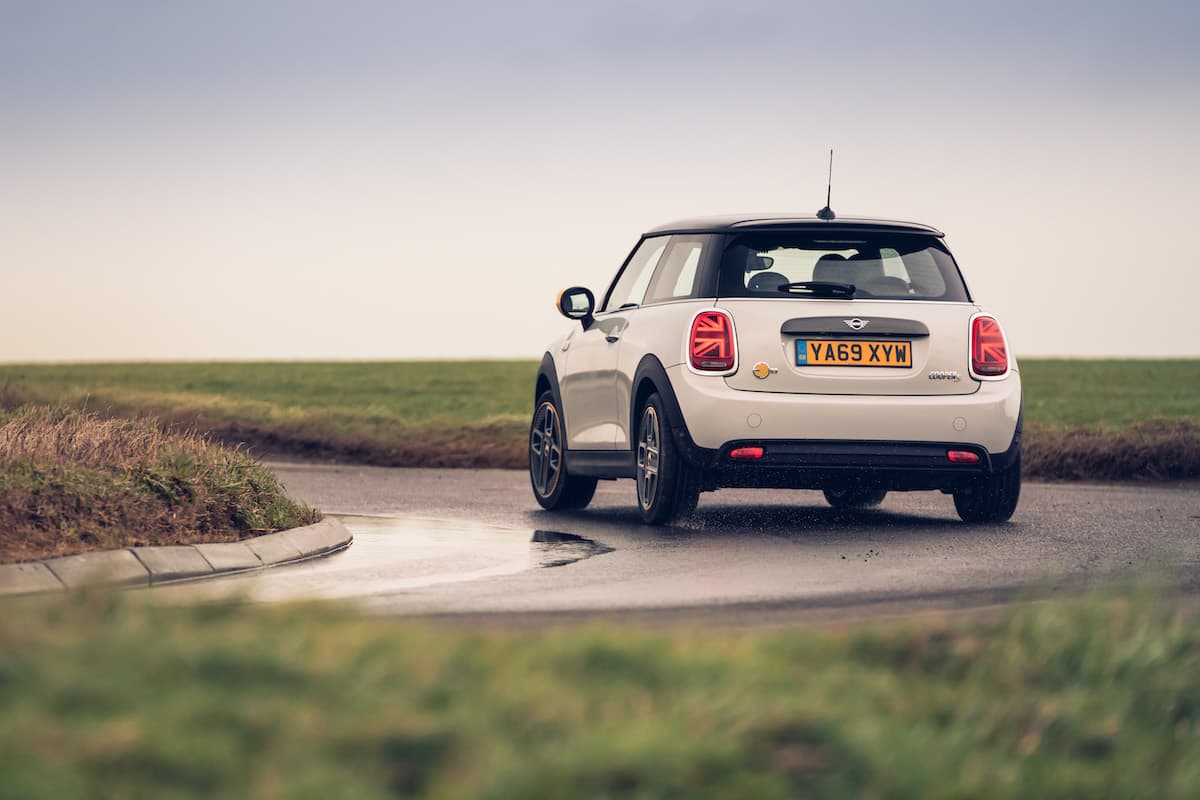
The Mini Electric is, as the name suggests, an electric version of the 2014-2023 Mini three-door hatch. It arrived in March 2020, and production concluded in late 2023 ahead of the launch of an all-new model in 2024.

A facelifted model arrived in early 2021, along with similar upgrades for the petrol hatch and convertible versions.

Visually, the Mini Electric was almost unchanged from the regular petrol or diesel Mini models, apart from some fluorescent trim pieces and other detail changes. However, due to the significant structural changes associated with replacing the combustion engine with an electric motor and battery pack, the Mini Electric did not qualify for the same Euro NCAP safety rating as the regular Mini hatch models.

The Mini Electric was praised for retaining traditional Mini characteristics, especially in the way it drove. The biggest criticisms were its relatively poor range compared to similarly-priced electric cars, and high price compared to a comparable petrol Mini.

An all-new Mini hatch was unveiled in Autumn 2023, which arrived in the UK in early 2024. This will be spearheaded by a new electric Mini Cooper, replacing the current Mini Electric.

No longer in production, the Mini Electric holds a Used Car Expert Rating of A, with a score of 72%. It scores top marks for its low running costs and zero tailpipe emissions, although its media reviews were poor. Also note that we don’t currently have any reliability data, and the Mini Electric was never tested by Euro NCAP so we don’t have a safety rating.

The Car Expert Best of British horizontal banner

Key specifications

Body style: Small three-door hatch
Motor: electric, battery-powered
Price when new: From £29,000 on-road

Launched: Winter 2019/20
Last updated: Winter 2020/21
Replacement due: Spring 2024

Media reviews

Highlighted reviews and road tests from across the UK automotive media. Click any of the boxes to view.

The Car Expert

Auto Express

Auto Trader

Car

Car Keys

Carbuyer

Carwow

Company Car Today

Daily Mail

Daily Mirror

Discover EV

Driving Electric

Fleetworld

Green Car Guide

Heycar

Honest John

Parkers

The Sun

The Telegraph

Top Gear

Which EV?

Safety rating

Independent crash test and safety ratings from Euro NCAP

No safety rating

The Mini Electric was not given a safety rating by Euro NCAP. The regular combustion-engined Mini hatch (ie – all petrol and diesel models) was tested way back in 2014 and awarded a four-star rating, but this does not apply to the Mini Electric due to the significant changes in the overall vehicle structure and composition from replacing the traditional motor and associated equipment with an electric motor and battery pack.

Eco rating

Independent economy and emissions ratings from Green NCAP

No eco rating

The Mini Electric was not lab tested by Green NCAP during its production life.

The Green NCAP programme measures exhaust pollution (which is zero for an electric car) and energy efficiency. Electric cars are much more energy-efficient than combustion cars, so the Mini Electric would almost certainly have scored very highly in Green NCAP testing.

Reliability rating

MotorEasy logo 600x167

Reliability data provided exclusively for The Car Expert by MotorEasy

No reliability rating

As of March 2026, we don’t have enough reliability data on the Mini Electric to generate a reliability rating.

The Car Expert’s reliability information is provided exclusively to us using workshop and extended warranty data from our partner, MotorEasy, sourced from both official dealerships and independent workshops. 

As soon as MotorEasy has sufficient data on the Mini Electric, we’ll publish the results here.

Running cost rating

Clear Vehicle Data logo close crop

Monthly cost of ownership data provided exclusively for The Car Expert by Clear Vehicle Data

Battery rangeAverageScoreVariationScore
EV models143 milesC
Electrical efficiencyAverageScoreVariationScore
EV models4.4 m/KWhB
Insurance groupAverageScoreVariationScore
All models23B
Service and maintenanceCostScore
Year 1£159A
Year 2£357A
Year 3£570A
Year 4£743A
Year 5£994A
Overall£2,823A

The Mini Electric is an affordable car to own and run, according to whole-life cost numbers provided exclusively to The Car Expert by our data partner, Clear Vehicle Data.

In addition to the car’s fairly competitive battery range, the Mini Electric has a good electrical efficiency (the EV equivalent of miles per gallon for a petrol or diesel car). Insurance and maintenance costs are estimated to be excellent over the course of five years of ownership.

Awards

Trophies, prizes and awards that the Mini Electric has received

2021

  • News UK Motoring Awards – Best British-Built Car

2020

  • The Sun Motor Awards – Best British-Built Car

Similar cars

If you’re looking at the Mini Electric, you might also be interested in these alternatives

BMW i3 | DS 3 Crossback E-Tense | Fiat 500 Electric | Honda e | Kia Soul EV | Peugeot e-208 | Renault Zoe | SEAT Mii Electric | Smart EQ Fortwo | Vauxhall Corsa-e | Volkswagen e-Up

Buy a Mini Electric

If you’re looking to buy a used Mini Electric, The Car Expert’s partners can help you find the right car

Motors 600x300

Find your next used car with Motors. Find out more

Auto Trader logo 600x300

Find your next new or used car with Auto Trader. Find out more

Carwow logo 600x300

Find your next new or used car with Carwow. Find out more

Britain’s best-selling cars, July 2020

It was a pleasant change to read the monthly new car registration report and see a significant improvement in most numbers, and a timely shot in the arm for the beleagured automotive industry.

Overall, the new car market was up by 11% compared to the same month last year, with private buyers leading the way as they did last month as soon as showrooms re-opened. Scottish and Welsh dealers had a particularly good month, which is not that surprising since their showrooms were closed for weeks after those in England had reopened.

The top ten list looked rather more normal than in recent months as well, helped by a significant increase in fleet orders compared to recent months. This pushed more familiar names back into the top ten, while consumer darlings like the Tesla Model 3 dropped out.

The UK’s best-selling new cars, July 2020

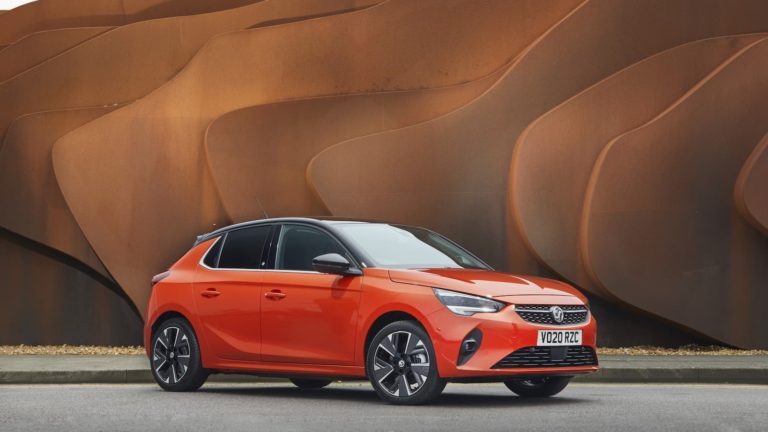
1. Vauxhall Corsa

Top spot for the second month in a row went to the new Vauxhall Corsa, holding on by the narrowest of margins over the Ford Fiesta – just 34 units separted the two superminis in July. It’s also the fourth month in a row that the Corsa has outsold the Fiesta, which will please Vauxhall’s management. The Corsa also overtook the Volkswagen Golf in year-to-date sales, and currently sits in third place.

The petrol and diesel versions of the new Corsa currently hold an Expert Rating of 71% on our unique aggregator scale, based on 23 reviews we have gathered so far. That puts it in the bottom half of the supermini class, although the all-electric Corsa-e does score better with an Expert Rating of 76%.

2. Ford Fiesta

Ford Fiesta (2017 onwards) Expert Rating

After years as the undisputed best-selling car in the UK, the Ford Fiesta has had a tougher time of it over the last year. July was the fourth month in a row that it was outsold by the Vauxhall Corsa, even if there was hardly anything between them. Against a market that was up 11% compared to last July, Fiesta registrations were down by 9%. The Ford still holds a handy 3,000+ unit lead in year-to-date registrations, but it’s no longer a given that the Fiesta will top the charts at the end of 2020.

The Fiesta currently holds an Expert Rating of 84% in The Car Expert’s New Car Ratings database, which compares reviews from across the UK motoring media. This is higher than any other car in the supermini class – just ahead of the SEAT Ibiza – so it seems that motoring journalists still prefer it over the Corsa, even if customers haven’t over the last four months.

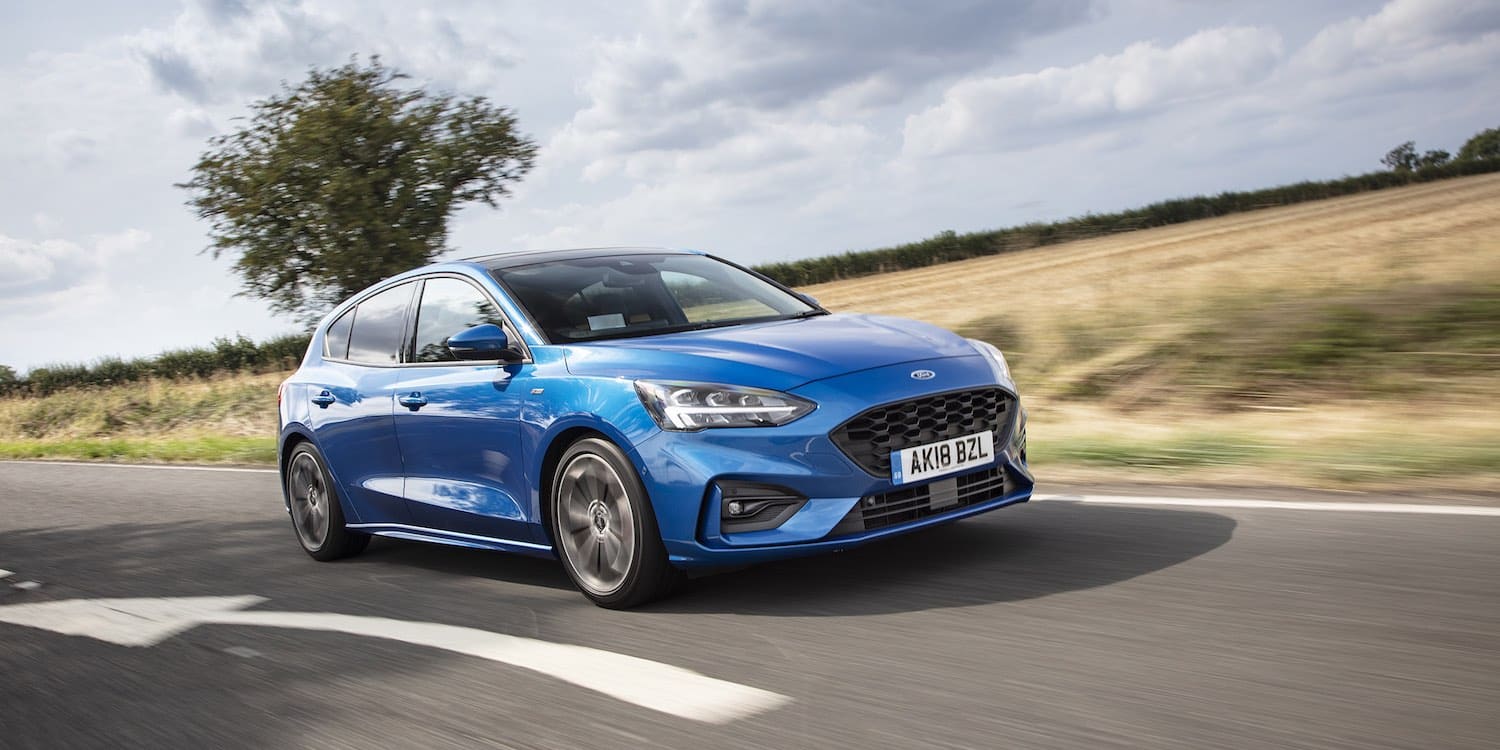
3. Ford Focus

Ford Focus review 2018 | The Car Expert

The Ford Focus improved one spot in July, outselling the Volkswagen Golf by more than 1,000 units. It was also about 1,000 sales more than the Focus achieved for the same month last year, so good news for Ford’s mid-size family hatch.

In year-to-date registrations, however, a new threat is looming as the new Vauxhall Corsa is closing in fast for second place. Plus, of course, the new Golf will be hitting its stride by the time new number plates arrive in September. This could be a close battle all the way to the end of the year.

The Ford Focus currently holds an Expert Rating of 80% in our Expert Ratings database, which is better than most rivals but still 5% off the all-new Volkswagen Golf based on its reviews to date.

4. Volkswagen Golf

Volkswagen Golf (2020 onwards) Expert Rating

The Volkswagen Golf jumps from sixth last month to fourth this month, as the new Mk8 model starts to become more reily available and the outoing Mk7 model starts to run out. The Golfs only just pipped the Mercedes-Benz A-Class for fourth place, with just 25 units separating the two.

We’re gradually seeing more local reviews of the new Golf being published in the UK media, and it currently holds an Expert Rating of 83% in our database, which makes it the top-ranked car in its class.

5. Mercedes-Benz A-Class

Mercedes-Benz A-Class hatchback | Expert Ratings

The Mercedes-Benz A-Class resumed its customary fifth place in the best-seller list in July, just pipped for fourth by only 24 units by the Golf. Having a plug-in hybrid option presumably helps sales of the little Mercedes as well, and it’s the best-selling car this month with a plug-in version available.

The A-Class has an Expert Rating of 77% in The Car Expert’s unique aggregated Expert Rating system. It ranks highly for safety, winning awards from Euro NCAP, Thatcham and What Car? for its protective qualities.

6. Nissan Qashqai

2019 Nissan Qashqai wallpaper | The Car Expert

The Nissan Qashqai is still holding on, despite being in the twilight of its life. Sixth place this month is a couple of rungs up the ladder from last month, and it also reasserts the Qashqai as the top-selling British-built car – although it only edged out the Mini hatch by 65 sales.

The ageing Nissan Qashqai currently holds an Expert Rating of 74% in our New Car Ratings database, which is midfield for the compact crossover segment and in the bottom half of scores for a top ten-selling car. A replacement is due to be revealed later this year, although the timeframe may be subject to change in light of the chaotic economic conditions currently enveloping the industry.

7. Volkswagen Polo

Volkswagen Polo (2018) - ratings and reviews | The Car Expert

The Volkswagen Polo made its first appearance since February, sitting in the middle of a very tight sales battle with the Nissn Qashqai, Mini hatch and Volkswagen Tiguan. It’s the third of four superminis in the top ten chart this month, although as usual it has only about half the numbers sold by the Corsa and Fiesta.

The Polo holds an Expert Rating of 80% in The Car Expert’s New Car Ratings calculator, which is good but still a few points behind the class-leading Fiesta and the Polo’s Spanish cousin, the SEAT Ibiza.

8. Mini hatch

Mini three-door hatch (2018) ratings and reviews | The Car Expert

It was another good month for the Mini hatch, eighth in July after being fifth last month and still holding seventh place in year-to-date registrations. The electric model has now launched as well, which certainly won’t do any harm.

The Mini hatch holds a very solid score of 80% in our Expert Ratings aggregator, which is better than most cars in its class despite being much older than many of its rivals. We’re currently aggregating data for the Mini Electric, and will be publishing an Expert Rating analysis on that in the next few days so check back soon.

9. Volkswagen Tiguan

Volkswagen Tiguan 2016 - ratings and reviews | The Car Expert

Two months in a row in the top ten for the Volkswagen Tiguan, which is the first time it’s managed that for a long time. It’s also the third VW to make the list this month, and that hasn’t happened for a while, either. The current Tiguan has been on sale for four years now, which means there is presumably a facelift in the works that’s due to pop up any time soon.

The Volkswagen Tiguan holds a strong Expert Rating of 79% in our Expert Ratings aggregator, which is not quite the best in class but certainly among the leaders.

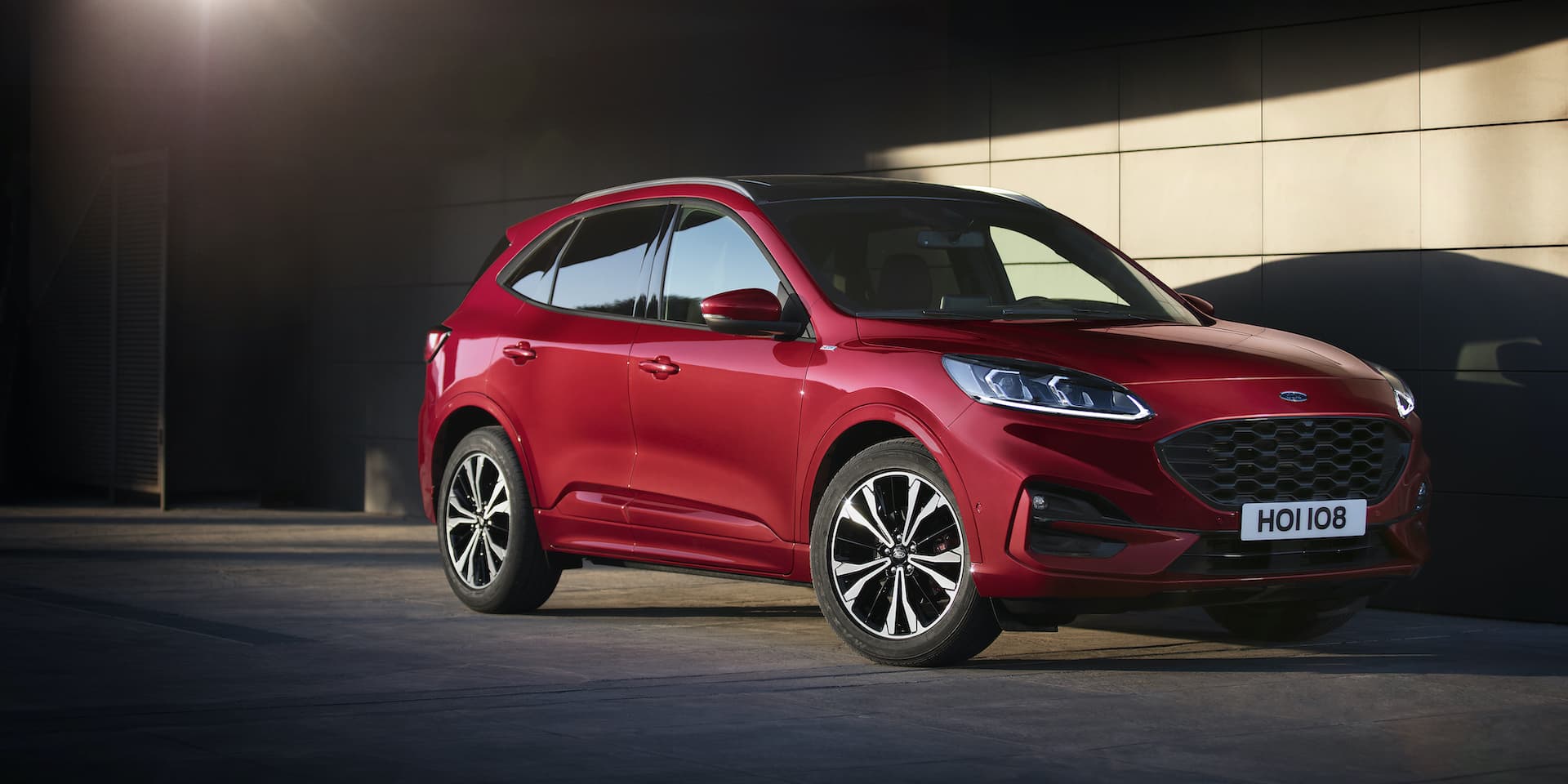
10. Ford Kuga

Ford Kuga (2020 onwards) Expert Rating

Rounding out this month’s top ten is the new Ford Kuga. It’s possible that the numbers will include the last remaining stock of the old Kuga, as well as the all-new model.

The new Kuga’s Uk launch was just prior to lockdown, so there haven’t been too many media reviews for us to analyse yet, and all of those have been the plug-in hybrid version rather than the traditional petrol or diesel models. Based on the initial reviews, the new Kuga has received generally good scores and currently holds an Expert Rating of 80% – however, you can probably expect that to shift by a few points as we get more reviews of the whole range in coming months.

Fuel prices up for second month in a row

Average petrol and diesel prices both rose by 3p per litre in July, new figures show.

The average cost of a litre of petrol increased from £1.11 to £1.14 while diesel was hiked from £1.15 to £1.18, according to RAC Fuel Watch data.

That added nearly £2 to the cost of filling up a typical 55-litre family car.

It was the second consecutive monthly fuel price rise, and means petrol is now 7p per litre more expensive than it was at the end of May.

The RAC believes retailers should be cutting forecourt prices by a few pence per litre within the next fortnight as the wholesale cost of fuel fell by 2p per litre for petrol and a fraction of a penny per litre for diesel last month.

The organisation’s fuel spokesman Simon Williams said: “July was another bad month for drivers with a 3p-a-litre rise in the price of fuel.

“This means petrol’s 7p a litre more expensive than it was at the end of May and diesel is 6p more, something drivers will no doubt have noticed as each complete fill-up is costing almost £2 more.

“The higher prices at the pump have been driven by the cost of oil increasing steadily to around 42 US dollars a barrel from a low of 13.21 US dollars in April.

“But drivers may well be given some respite as oil producers are planning on ramping up production despite the risk of renewed lockdowns around the world.

“This could easily lead to supply outstripping demand and therefore a reduction on the forecourts of the UK.

“There is some scope for retailers to already be reducing their prices. If they play fair with drivers we ought to see 2p a litre come off the price of unleaded and nearer 4p come off diesel.”

New car sales bounce back in July

For the first time in a long time, the monthly new car registration report is full of positive news – although no-one’s expecting that it’s the start of a long-term resurgence.

Private new car sales were up by more than 20% compared to July 2019, while fleet registrations were also 5% up. This meant an overall increase of just over 11% on the same month last year, according to the data published by the Society of Motor Manufacturers and Traders (SMMT). It’s a welcome boost to the car industry, although no-one’s getting too excited just yet.

Industry figures have been quick to attribute the strong results to pent-up demand from consumer and fleet customers who have been waiting for months to get behind the wheel of their new cars. Many of July’s registrations numbers will be for cars that were ordered before the coronavirus lockdown started, helped along by strong offers on new cars since dealerships reopened in June.

Further data from the SMMT shows that the strongest growth was in Scotland and Wales, where registrations were up by 36% and 39% respectively. England saw registrations increase by 8%, while Northern Ireland’s were up by 17%.

As we have repeatedly said here at The Car Expert, about 80% of all private new car sales are paid for by PCP car finance agreements, which effectively force customers to keep buying cars every three or four years. With dealerships closed for 2-3 months between March and June, it’s likely that more than 100,000 PCP deals would have expired. That basically creates an automatic demand for a similar number of new (or near-new) cars, so that will have made a big contribution to July’s results – and will probably do so again in August and September.

The increase in fleet registrations is also welcome news, even if it is again largely due to old orders being fulfilled rather than new orders post-lockdown. Industry expectation is that fleet sales will take longer to recover than consumer sales, with so many businesses across the UK hit hard by the national shutdown and fearful that another lockdown may be on the way as winter approaches.

Electricity still flowing as sales increase

The sales figures for hybrid, plug-in hybrid and full-electric cars were still strong in July, which is more positive news. Fleet buyers still tend to favour petrol and diesel cars more than consumers, so it’s not surprising that stronger fleet registrations saw a small improvement in diesel’s market share compared to last month. But the combined sales of electrified vehicles in July were still not far of the sales of diesel cars, so we could easily see that happen by the end of this year.

Year-on-year results for July, as well as year-to-date sales, show the strong growth of both electric and plug-in hybrid vehicles continues.

What’s in store for August?

August is usually one of the two weakest months of the year (along with February), as it falls right before the new number plate month of September. This year may be somewhat different if manufacturers and dealerships are still clearing a backlog of customer orders, although they may decide to try and hold as many over to September as possible.

There is obviously concern that we could all be plunged back into a second lockdown later in the year, which may impact on new car sales. This could go one of two ways: there could be a bit of a rush to buy new cars before another lockdown hits, or fears about an economic crash and job losses could cause people to put off new car purchases. Based on everything that’s happened already this year, who really knows what will happen?

Good month, bad month

Despite the good news overall, there was quite a variation in the fortunes of different car brands. BMW, Dacia, Fiat, Jeep, Kia, Land Rover, MG, Mini, Porsche, Renault, SsangYong and Toyota all saw registrations that were at least 10% ahead of the overall market.

On the downside, things weren’t so good for Abarth, Alfa Romeo, Alpine, Citroën, DS Automobiles, Hyundai, Maserati, Mercedes-Benz, Mitsubishi, SEAT, Smart, Subaru, Suzuki, Vauxhall and Volvo, who all performed at least 10% worse than the overall market.

Corsa stays on top in July

Hatchbacks dominated the top ten list in July, taking seven of the ten best-selling places. The otehr three spots were filled by crossover models. The only saloon in sight would be a small percentage of Mercedes-Benz A-Class sales.

It was month to celebrate for the Vauxhall Corsa, which narrowly pipped the Ford Fiesta to top spot by just 34 units. The Corsa has now also overtaken the Volkswagen Golf for third place in year-to-date sales, and is just 25 units behind the Ford Focus, which took third in July. The new Golf was fourth, just edging the Mercedes A-Class.

Sixth place, and the top British-built car once again, was the Nissan Qashqai – although it was very close between the Qashqai, Volkswagen Polo, Mini hatch and Volkswagen Tiguan. At the bottom of the top ten was the new Ford Kuga, which probably also helped contribute to strong plug-in hybrid registration figures in July.

As usual, we’ll have a more detailed look at the top ten in the next couple of days.

Land Rover Defender 110 test drive

When discussing the greatest off-road-capable cars ever produced, few can come close to the classic Land Rover Defender. The iconic 4×4, which has its roots way back in the 1940s, became the go-to vehicle for those who need off-road capability and nothing else.

However, as buying habits changed and rivals became more capable, the traditional Defender needed shaking up. Revealed last year, the new Defender has burst onto the scene with a cool new look, better-than-ever off-road abilities – but a new-found air of luxury, comfort, and driveability on the road.

Some purists have decried the fact it’s no longer the rugged, utilitarian 4×4 of the past, but by keeping its traditional abilities while appealing to a new, more lifestyle-focused audience, does Land Rover have a massive hit on its hands? We put the new Defender to the test on urban streets, country roads, boggy forests and boring motorways to find out.

As usual, you can compare our thoughts with the rest of the UK motoring media by heading over to our Expert Rating page for the new Defender. So far, we have 19 reviews of this Land Rover Defender 110 long-wheelbase version in our dtabase, and that number will continue to grow as the rest of the range is rolled out later this year.

What’s new about the Land Rover Defender?

The new Defender is so far removed from the car it replaces that it’s not even worth comparing the two. It sits on a vehicle platform that’s ’95% new’ compared with the current Land Rover range, and made from lightweight aluminium that’s been upgraded for ‘extreme’ capabilities. It’s three times stiffer than traditional designs, features independent suspension and can integrate electrified powertrains.

It also gets the latest version of Land Rover’s Terrain Response, which is now configurable so that off-road experts can tweak settings to their own preference, while the latest Pivi Pro infotainment system is also introduced, including over the air software updates.

There’s also that all-new look, the latest engines (including a plug-in hybrid later), 90 (three-door) and 110 (five-door) body styles as well as a commercial version… the list of newness is endless.

How does it look?

One of the toughest jobs for any car designer is reimagining an icon, but when the new Defender was revealed there can’t have been many who were disappointed with how it turned out.

Its boxy, upright stance remains, with enough chunky design features to give it the rugged looks its abilities deserve. There are nods to the old model to keep aficionados happy, too, while that side-opening rear door gives it real character and allows for a full-size spare wheel to be attached.
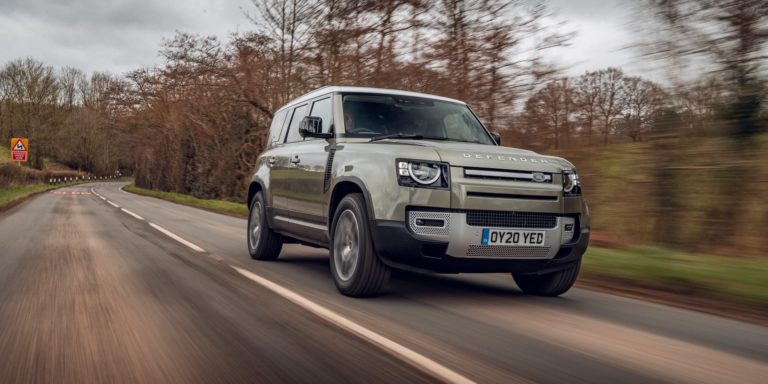
There are two body styles available – three-door (90) and five-door (110) – with the latter commanding a slight premium. There’s some more cool charm attached to the three-door, but for family life, the Land Rover Defender 110 five-door’s extra space and practicality can’t be ignored.

What’s the spec like?

At launch there are four trim levels available: Defender, Defender S, Defender SE and Defender HSE. There are also two separate models, called First Edition and Defender X.

The entry-level Land Rover Defender 110 starts at £43,385 and includes 18-inch steel wheels, LED headlights, fabric upholstery, sat nav and all the off-road technology you could require. Upgrade to the S from £46,840, and you get 19-inch alloy wheels, part-leather upholstery, and an integrated driver display.

SE starts at £50,690 and adds 20-inch alloy wheels, LED headlights with the signature DRL and LED taillights, front fog lights, a leather steering wheel and the upgraded Meridian sound system. The HSE, from £55,515, gets different 20-inch alloy wheels, Matrix LED headlights, a folding fabric roof, and full leather upholstery.

First Edition models start at £55,220 and add electronic air suspension, configurable terrain response, a heated steering wheel and khaki leather upholstery. And finally, the Defender X, starting at £75,510, gets more advanced off-road abilities, a sliding panoramic roof, and two-tone leather upholstery.

In terms of safety specification, the new Land Rover Defender 110 has not yet been tested by Euro NCAP. This is almost certainly thanks to the coronavirus pandemic, as all Euro NCAP and Green NCAP testing was put on hold for the first half of this year. We expect that the Defender will be tested eventually and our Expert Rating page will be updated with the data as soon as it is published.

It’s a similar story for Thatcham Research’s new security assessment programme, which rates new cars on their anti-theft abilities. This has been a sore point for many Range Rover and Range Rover Sport owners in recent years, with these models proving ridiculously easy for thieves to steal in a matter of seconds, so hopefully the new Defender will prove more robust in this regard. gain, we’ll publish the results as soon as we have them.

What’s the Land Rover Defender 110 like inside?

The interior has been one of the most contentious issues among enthusiasts, but for the general public, there’s nothing to complain about. Land Rover has managed to give the cabin a touch of luxury, with some expensive-feeling materials, chic design, and the new infotainment system, while keeping a more rugged look in places.

For example, there are exposed bolts in the door cards, and a metal structural element is visible in the dashboard. These have been integrated in a way that doesn’t detract from the premium feel while also hinting at its tougher abilities.

Gone are the days of cramped interiors, too. While classic Defenders were famed for having little room up front, the new one feels big and spacious inside. If you’re looking for a family car it’ll do a fantastic job of carrying multiple people and all their things.

2021 Land Rover Defender 110 - front seats

What’s under the bonnet?

The plug-in hybrid engine is arguably the biggest news, but since that’s not available at launch we’ve been testing the D240 engine, which will likely be the most popular.

It’s a twin-turbocharged 2.0-litre diesel unit from the latest family of JLR Ingenium engines. Its stats are 240hp, 430Nm of torque, fuel economy of up to 31.7mpg and CO2 emissions up to 253g/km.

For a car like this, that torque figure is arguably the most important, because when you’re on a boggy forest track you need it to help pull you out of trouble. On the road, it’s impressively quiet, while power is more than adequate for most situations.

What’s the Land Rover Defender like to drive?

There are two aspects to the driving experience – on-road and off-road. This being a Defender, let’s start with the latter. We tested the new Land Rover Defender 110 in the forests surrounding Eastnor Castle, not far from JLR HQ and the place where the car was tested during production.

There are three tyre options: the standard road tyre, an off-road tyre, and a compromise between the two, which is what our test car was fitted with. You wouldn’t have known it.

While the Defender unsurprisingly found little issue with dry, dusty paths – no matter how steep the inclines and declines – at times the route would turn to a gooey, chalky mess. The Defender never hesitated. There was barely any slip, with the on-board technology taking over and giving pure confidence that any terrain is passable, even without the top-spec tyre.

And when the road became narrow or sharp crests appeared, the on-board cameras made them a breeze to navigate. It was almost boringly easy.

On the road? Excellent. Again, you’d expect a lot of tyre noise from the ‘compromise’ tyre, but if you didn’t know you’d think it was quiet enough to be a road-focused tyre. The ride is sublime, too, ironing out bumps to make for carpet-like comfort, while wind and road noise is minimal at motorway speeds, too.

There are a couple of complaints. Although it’s fantastically comfortable, that high centre of gravity and soft suspension does lead to a lot of head wobble when the road gets particularly bumpy. Meanwhile, the gearbox is frustratingly slow to respond to inputs, which is likely related to hitting emissions targets. Overall, though, it drives much better on the road than any car this good off-road should.

Verdict

The Land Rover Defender had an almost impossible task on its hands, appealing to those who have long loved its no-nonsense ruggedness as well as those looking for a practical, characterful family runaround.

After a day behind the wheel of the Land Rover Defender 110 five-door, which is going to comfortably outsell the shorter three-door Defender 90, it’s fair to say it has succeeded in its task. Our tricky off-road route was mere child’s play for the Defender, yet when we took it to the Tarmac it was quiet, refined and comfortable with fantastic entertainment technology on-board.

The high-spec versions are too plush and too expensive to be considered for a truly workhorse lifestyle, but there are more affordable options at the bottom of the range, not least the forthcoming commercial version.

It’s safe to say Land Rover has nailed the brief.

The Car Expert’s unique Expert Rating system

It’s not just Darren who loves the new Defender. Based on 19 reviews we’ve aggregated so far – all of which are this 110 long-wheelbase model, and mostly with the same D240 dieel engine – the Defender currently holds an Expert Rating of 92% as of August 2020.

That ranks the Defender equal fourth out of nearly 200 cars that we have analysed over the last 18 months, so clearly the British motoring media are impressed with the big new Land Rover. However, it’s important to note that most of these reviews have been of the same model (110 long-wheelbase and D240 diesel engine) and took place at the same launch event. Once we get more reviews of more specifications in more varied environments, that score could change by a few points.
Stuart Masson, Editor

Similar cars

Audi Q7 | BMW X5 | Jeep Grand Cherokee | Jeep Wrangler | Land Rover Discovery | Lexus RX | Mercedes-Benz G-Class | Mercedes-Benz GLE | Range Rover Sport | SsangYong Rexton | Toyota Land Cruiser | Volkswagen Touareg | Volvo XC90

Key specifications

Model as tested: Land Rover Defender 110 D240 S
Price (on-road): £52,110
Engine: 2.0-litre diesel
Gearbox: Eight-speed automatic
Power: 240 hp
Torque: 430 Nm

Top speed: 117 mph
0-60mph: 9.9 seconds
Fuel economy (combined): 31.7 – 29.3 mpg
CO2 emissions: 234 – 253 g/km
Euro NCAP safety rating: Not yet tested (as of August 2020)
TCE Expert Rating: 92% (as of August 2020)

SEAT Mii Electric (2019 to 2021)

Summary

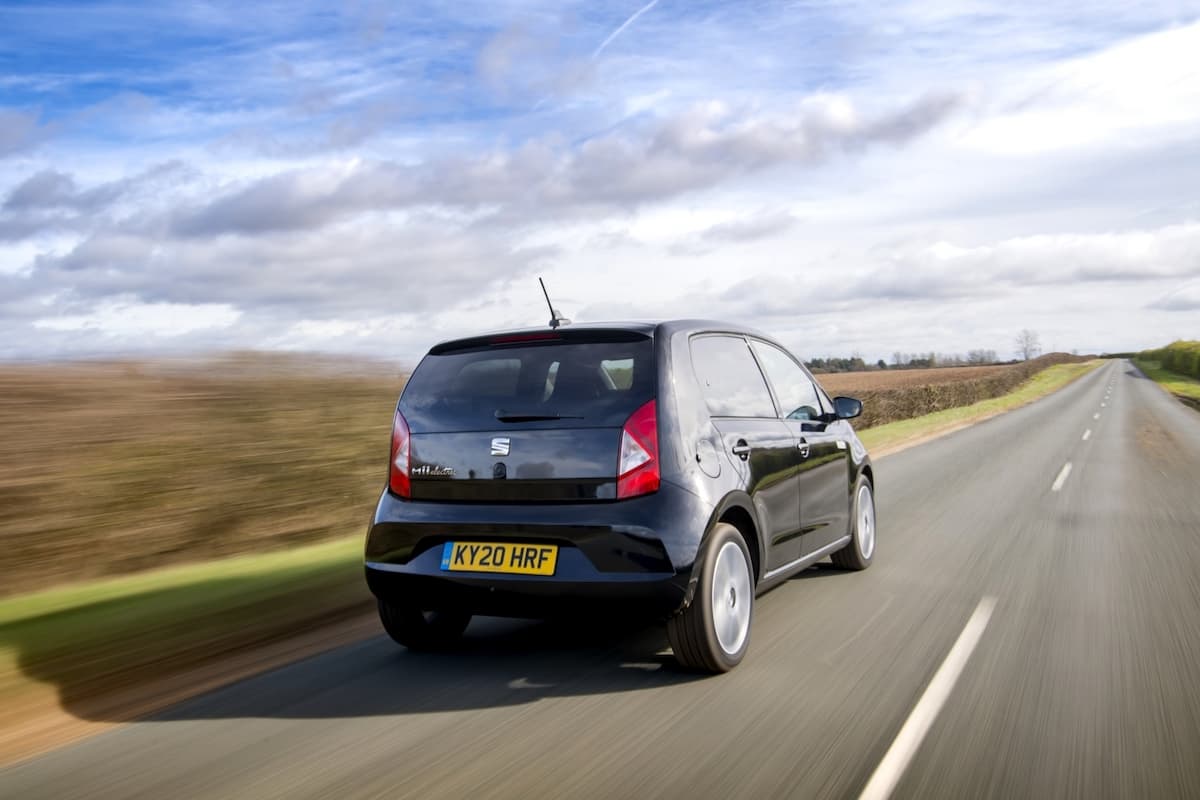
The SEAT Mii Electric was a small city car-class hatchback, which (as its name suggests) was powered by an electric motor rather than a petrol engine. It was launched in the UK in late 2019 with the first cars arriving in early 2020.

The Mii Electric was an electric version of the original petrol SEAT Mii, which had been around since 2012 and was taken off sale in early 2019. So although it may have been launched in 2019, it was far from an all-new model. The Mii Electric was basically the same vehicle as the Volkswagen e-Up and Skoda Citigo e iV, with only minor cosmetic and trim differences across all three vehicles.

Based on the reviews analysed, the SEAT Mii Electric was praised for being one of the more affordable options in the electric car market. However, it’s was not really suited outside an urban environment, and it’s sub-par three-star Euro NCAP safety rating was off the pace of newer rivals.

Mii Electric highlights

  • Great value for money
  • Good battery range for this price
  • Agile in urban areas
  • Comfortable and easy driving experience

Mii Electric lowlights

  • Concerning Euro NCAP safety rating
  • Rather dated interior
  • So-so exterior looks
  • No touchscreen infotainment

Key specifications

Body style: Small five-door hatch
Motor: electric, battery-powered
Price when new: From £19,800 on-road

Launched: Winter 2019/20
Last updated: N/A
Discontinued: Autumn 2021

Media reviews

Highlighted reviews and road tests from across the UK automotive media. Click any of the boxes to view.

Auto Express

Car

Carbuyer

Carwow

Discover EV

Honest John

Motoring Research

Parkers

The Sun

The Sunday Times

Top Gear

Safety rating

Independent crash test and safety ratings from Euro NCAP

Overall score: 3 stars
Date tested: December 2019
Date expired: January 2026
Read the full Euro NCAP review

Adult protection: 81%
Child protection: 83%
Vulnerable road users: 46%
Safety assist: 55%

The petrol SEAT Mii was originally awarded a five-star rating by Euro NCAP way back in 2011*. However, this rating expired in 2018 when the car no longer met the relevant criteria for a five-star vehicle. The electric version was tested by Euro NCAP in 2019*, when it was awarded the three-star rating shown above.

*the actual vehicles tested in each case were the Volkswagen Up! in 2011 and the Volkswagen e-Up! in 2019. The Volkswagen is structurally identical to the SEAT Mii and the Skoda Citigo, so the same rating applies to all three brands.

Eco rating

Independent economy and emissions ratings from Green NCAP

No eco rating

The SEAT Mii Electric was not lab tested by Green NCAP during its production life

The Green NCAP programme measures exhaust pollution (which is zero for an electric car) and energy efficiency. Electric cars are much more energy-efficient than combustion cars, so the Mii Electric would have been likely to score very highly in Green NCAP testing if it had ever taken place.

Reliability rating

MotorEasy logo 600x167

Reliability data provided exclusively for The Car Expert by MotorEasy

No reliability rating

As of April 2025 (our most recent data point), we don’t have enough reliability data on the SEAT Mii Electric to generate a reliability rating.

The Car Expert’s reliability information is provided exclusively to us using workshop and extended warranty data from our partner, MotorEasy, sourced from both official dealerships and independent workshops. 

As soon as MotorEasy has sufficient data on the Mii Electric, we’ll publish the results here.

Running cost rating

Clear Vehicle Data logo close crop

Monthly cost of ownership data provided exclusively for The Car Expert by Clear Vehicle Data

Battery rangeAverageScoreVariationScore
EV models155 milesC
Electrical efficiencyAverageScoreVariationScore
EV models4.4 m/KWhB
Insurance groupAverageScoreVariationScore
All models12A

The SEAT Mii Electric is a very affordable car to own and run, according to whole-life cost numbers provided exclusively to The Car Expert by our data partner, Clear Vehicle Data.

We don’t have five-year servicing cost data on the Mii due to its age, but its electrical efficiency (the EV equivalent of fuel economy) and insurance group are very competitive. The battery is quite small, however, so the driving range is going to be less than a lot of other electric cars.

Similar cars

If you’re looking at the SEAT Mii Electric, you might also be interested in these alternatives

BMW i3 | Fiat 500 Electric | Honda e | Mini Electric | Peugeot e-208 | Renault Zoe | Smart EQ Forfour | Smart EQ Fortwo | Vauxhall Corsa-e | Volkswagen e-Up

The SEAT Mii Electric is essentially a re-badged version of the Volkswagen e-Up. Most of the other cars listed above are all a bit larger and/or more expensive, and are classed as superminis rather than city cars – although, realisitically any small electric car is best suited to city and urban driving.

More news, reviews and information about the SEAT Mii at The Car Expert

Everything you need to know about SEAT

Everything you need to know about SEAT

The safest used first cars for 2017

The safest used first cars for 2017

Order books open for £19,300 SEAT Mii Electric

Order books open for £19,300 SEAT Mii Electric

Buy a SEAT Mii Electric

If you’re looking to buy a used SEAT Mii Electric, The Car Expert’s partners can help you find the right car

Motors 600x300

Find your next used car with Motors. Find out more

Auto Trader logo 600x300

Find your next new or used car with Auto Trader. Find out more

Carwow logo 600x300

Find your next new or used car with Carwow. Find out more

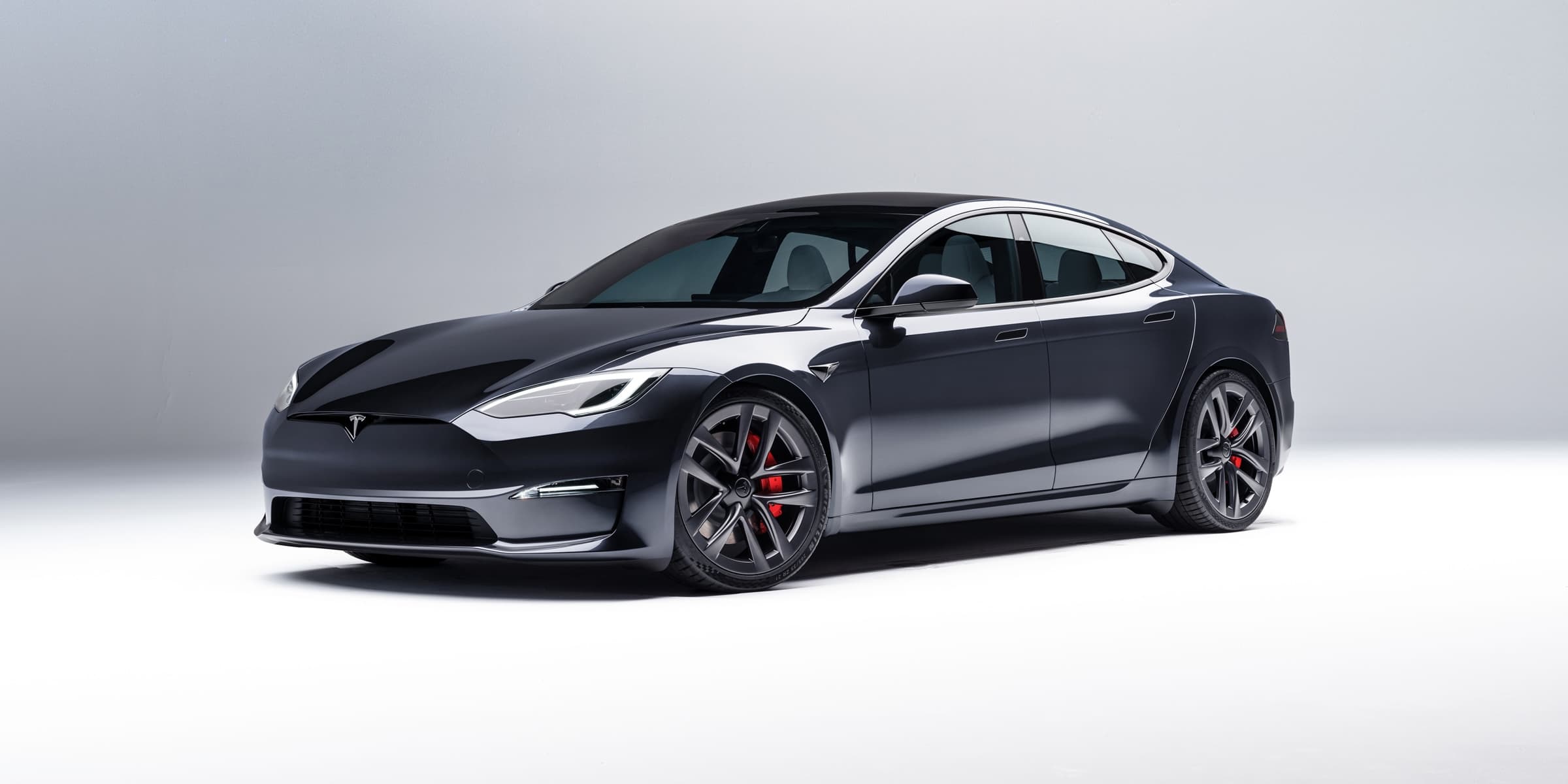
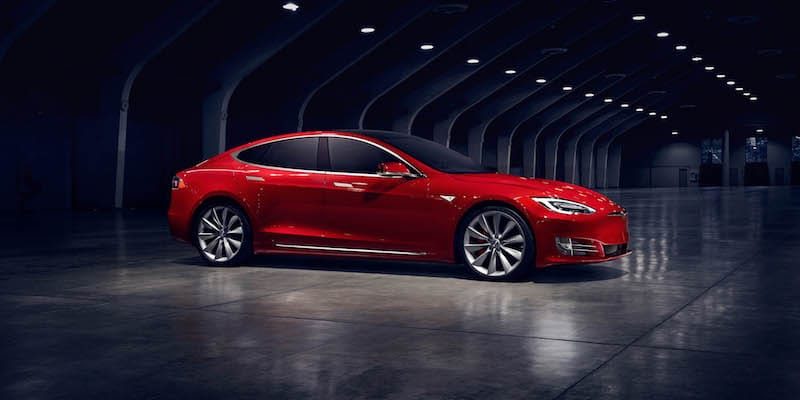
Tesla Model S

Summary

The Tesla Model S was a large electric saloon (well, technically it’s a liftback) that was the flagship of the Tesla range. It was sold in the UK from 2014 until the early 2020s, but after a major mid-life update it was only available in left-hand drive until finally being discontinued in 2026.

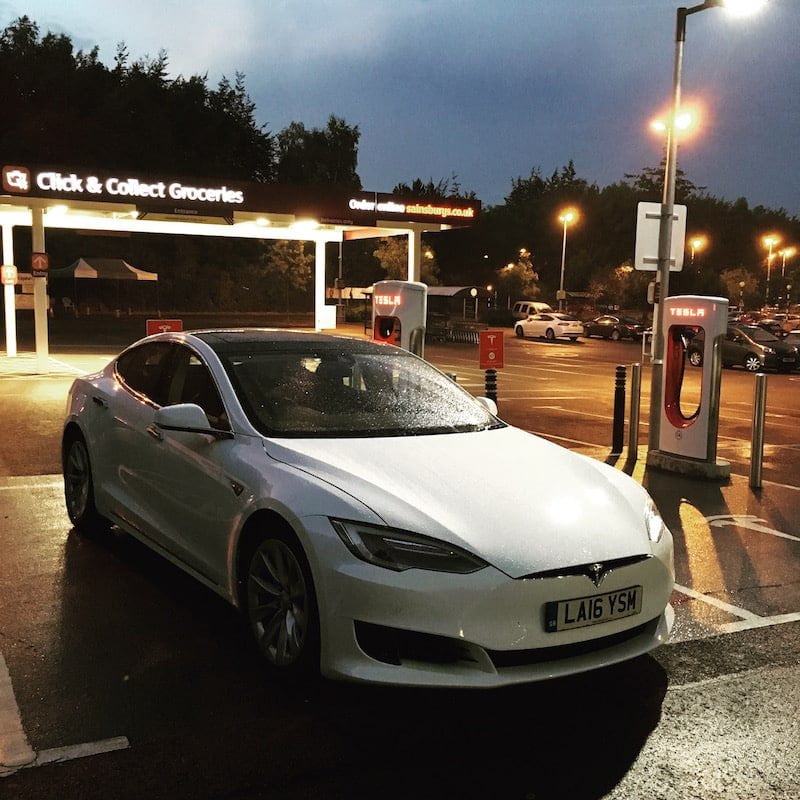
The Model S was launched in America in 2012, but didn’t arrive in the UK until 2014. It received a facelift in 2016, but Tesla operates on a different basis to other manufacturers, so all vehicles received significant software updates after launch. These were usually delivered ‘over the air’, being downloaded directly to the vehicle from Tesla.

A further updated Model S was launched in 2022, but it was only built in left-hand drive and was available by special order in the UK.

The Tesla Model S was a pioneering vehicle for the image of electric cars, almost single-handedly changing the perception of electric vehicles having poor performance and range. It received widespread praise for its performance, with acceleration that bettered many supercars, and overall practicality for a broad range of potential customers.

However, the Model S was plagued by quality and reliability issues in its early years, and build quality was not considered a match for similarly priced saloons from the likes of Mercedes-Benz, BMW or Audi. Which? magazine has been publicly calling for the Model S to be recalled for years, as its pop-out door handles are reported to have failed on one in five vehicles.

After being taken off-sale during the Covid-19 pandemic, the Model S finally returned to the UK market in summer 2023, but is now only available in left-hand drive and in ultra-fast Plaid trim.

As of March 2026, the Tesla Model S has a Used Car Expert Rating of D, with a score of 57%. It has excellent scores for safety, tailpipe emissions (which are zero, being an electric car) and media reviews. The two areas of concern for buyers are running costs (largely insurance) and reliability (which was poor on early cars but has improved over the years).

Model S highlights

  • Styling generally admired
  • Praiseworthy performance and driving dynamics
  • Reliability has proved better than most rivals

Model S lowlights

  • Interior quality not to German standards
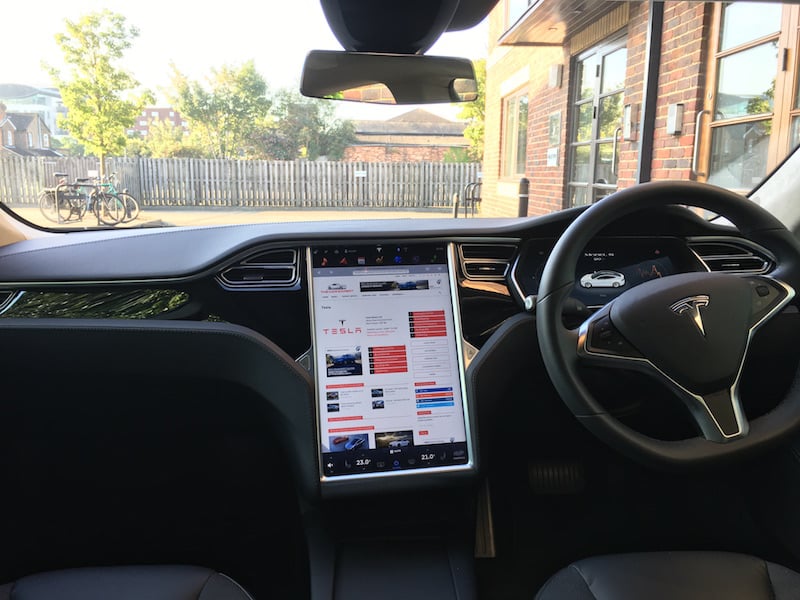
  • Infotainment system is also sub-par
  • Residual values can’t match best in class
  • Now only available in LHD

Key specifications

Body style: Large saloon/liftback
Powertrain: electric motor and batteries
Price: From £124,990 on-road

Launched: Summer 2014
Last updated: Summer 2023
Discontinued: Spring 2026

Media reviews

Highlighted reviews and road tests from across the UK automotive media. Click any of the boxes to view.

Featured reviews

More reviews

Auto Express

Auto Trader

Car

Carbuyer

Carwow

Company Car Today

Daily Mail

Discover EV

Evo

Green Car Guide

Honest John

Motors

Parkers

The Sunday Times

The Telegraph

Top Gear

Safety rating

Independent crash test and safety ratings from Euro NCAP

Overall score: 5 stars
Date tested: November 2022
Read the full Euro NCAP review

Adult protection: 94%
Child protection: 91%
Vulnerable road users: 85%
Safety assist: 98%

The Tesla Model S was tested by Euro NCAP back in November 2014 and awarded a five-star safety rating. However, this rating expired in January 2021 and is no longer valid.

The Model S was then re-tested by Euro NCAP in November 2022, renewing its five-star safety rating with an impressive set of individual safety scores.

Eco rating

Independent economy and emissions ratings from Green NCAP

No eco rating

The Tesla Model S was not assessed by Green NCAP during its production life.

The Green NCAP programme measures exhaust pollution (which is zero for an electric car) and energy efficiency. Electric cars are much more energy-efficient than combustion cars, so the Model S is likely to score very highly in Green NCAP testing if and when it ever takes place. Check back again soon.

Reliability rating

MotorEasy logo 600x167

Reliability data provided exclusively for The Car Expert by MotorEasy

All data based on MotorEasy average workshop costs for extended car warranty claims

The Tesla Model S has a very poor reliability score of 19% as of April 2025 (our most recent data point), according to workshop and warranty data provided exclusively to The Car Expert by our partner, MotorEasy.

The most common problems don’t relate to the car’s electric motor or battery pack, but to other systems like suspension, electrical system (wiring and accessories, rather than the electric motor) and brakes.

As noted above, there is a lot of owner-reported information about reliability problems on owners’ forums and consumer sites. The Model S has improved in terms of build quality throughout its decade-long production life, but it appears to still lag behind the best in the business.

Awards

Significant trophies and awards that the Tesla Model S has received

2022

  • DrivingElectric Awards – Best Used Large Electric Car

2021

  • Carbuyer Awards – Best Used Large Electric Car

2019

  • Auto Trader Awards – Best Green Car

2016

  • Business Car Awards – Best Luxury Car

2013

  • World Car Awards – World Green Car

Similar cars

If you’re looking at the Tesla Model S, you might also be interested in these alternatives

Audi A6 | Audi A7 Sportback | Audi e-tron GT | BMW i5 | BMW i7 | Genesis Electrified G80 | Mercedes-Benz CLS | Mercedes-Benz EQE | Mercedes-Benz EQS | Porsche Panamera | Porsche Taycan

More news, reviews and information about the Tesla Model S at The Car Expert

Should you refuse to drive a Tesla because of Elon Musk?

Should you refuse to drive a Tesla because of Elon Musk?

The safest new cars on sale in the UK

The safest new cars on sale in the UK

Everything you need to know about Tesla

Everything you need to know about Tesla

The best new electric cars for every budget 2024

The best new electric cars for every budget 2024

Five-star crash test results for 15 new cars

Five-star crash test results for 15 new cars

Tesla to offer fastest car in the world

Tesla to offer fastest car in the world

Tesla Model S review-2016

Tesla Model S review-2016

Brits don’t get personal with their cars

Tesla to resume unlimited free charging for Model S and Model X buyers

Tesla to resume unlimited free charging for Model S and Model X buyers

The best cars for hauling presents this Christmas

The best cars for hauling presents this Christmas

Buy a Tesla Model S

If you’re looking to buy a used Tesla Model S, The Car Expert’s partners can help you find the right car

Motors 600x300

Search less, live more. We make finding the right car simple. Find out more

Auto Trader logo 600x300

Search for your next new or used car with Auto Trader. Find out more

Carwow logo 600x300

Discover great deals available on both new and used cars. Find out more

Mercedes-Benz reveals prices and specs for updated E-Class

0

Mercedes-Benz has announced full details for its facelifted E-Class, with prices starting from £39,130.

Available in both saloon and estate guises, the E-Class arrives with a variety of trim levels and engine options.

That entry-level price applies to the E200 Sport saloon, rising to £41,460 for the estate version with the same powertrain.

The E300e AMG Line Edition saloon plug-in hybrid, meanwhile, is priced from £46,230, while the range-topping Mercedes-AMG E63 S comes in at £98,370 and £100,370 for the saloon and estate versions respectively.

Four trim lines will be available from launch – Sport, AMG Line, AMG Line Premium and AMG Line Night Edition Premium Plus. Even entry-level Sport cars boast Merc’s latest MBUX infotainment system, a twin-screen infotainment setup made of up two 12.3-inch displays, as well as 17-inch alloy wheels and front and rear parking sensors.

AMG Line adds 18-inch alloy wheels and a sports bodykit, while AMG Line Premium brings larger 19-inch alloys wheels, keyless entry and a 360-degree camera. Finally, AMG Line Night Edition Premium Plus brings 20-inch alloy wheels, a panoramic sunroof and electrically adjustable front seats – among other features.

All of the four- and six-cylinder engines in the range now feature 48-volt mild-hybrid technology, while full hybrid versions combine a 2.0-litre petrol engine with a 13.5kWh battery capable of driving the E-Class for up to 35 miles on electric power alone.

All versions of the E-Class are on sale now, with first deliveries expected in the autumn.

Nip and tuck for Mercedes-Benz’s unsung hero

The E-Class saloon is really the unsung hero of the Mercedes-Benz family. It’s technically overshadowed by the flagship S-Class and outsold by the smaller C-Class, and often viewed as little more than a chauffeur’s car. But the E-Class (and its forebears) have always been some of the best cars that the company produces, and the current generation is no different.

Launched in 2016, the current E-Class is – as of July 2020 – the highest-rated Mercedes we have analysed to date, with an Expert Rating of 84%. That’s a few points behind the BMW 5 Series, which is still regarded as a better driver’s car, but a very good score nonetheless.
Stuart Masson, Editor

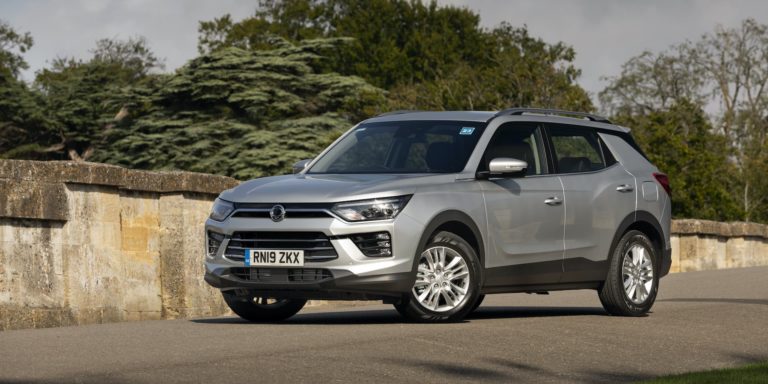
KGM Korando

Summary

The KGM (formely SsangYong) Korando is a mid-sized SUV/crossover that sits between the smaller Tivoli and larger Rexton in the KGM SUV family. The current model was launched at the 2019 Geneva motor show and arrived in the UK in the summer of the same year.

The Korando has been widely praised for being a significant improvement over the previous model and other models in the KGM range. Before its manufacturer dropped the SsangYong name, it was also the brand’s first model to receive a five-star safety rating from Euro NCAP. However, it’s no longer really a budget option and there are plenty of other choices that offer better quality and resale value at a similar price.

The Korando has received reasonable reviews from the UK motoring media, ranging from average to very good. Its overall New Car Expert Rating of C and score of 61% (as of March 2026) places the car in the midfield of the mid-sized mainstream SUVs.

Key specifications

Body style: Medium SUV/crossover
Engines: petrol, diesel
Price: From £19,995 on-road

Launched: Summer 2019
Last updated: N/A
Replacement due: TBA

Media reviews

Highlighted reviews and road tests from across the UK automotive media. Click any of the boxes to view.

Featured reviews

More reviews

Auto Express

Auto Trader

Car

Car Keys

Carbuyer

Carwow

Company Car Today

Daily Mirror

Honest John

Parkers

The Sunday Times

The Telegraph

Top Gear

Safety rating

Independent crash test and safety ratings from Euro NCAP

Overall score: 5 stars
Date tested: September 2019
Date expired: January 2026
Read the full Euro NCAP review

Adult protection: 88%
Child protection: 85%
Vulnerable road users: 68%
Safety assist: 74%

Eco rating

Independent economy and emissions ratings from Green NCAP

No eco rating

As of March 2026, the KGM Korando has not been lab tested by Green NCAP.

Reliability rating

Reliability data provided exclusively for The Car Expert by MotorEasy

No reliability rating

As of March 2026, we don’t have enough reliability data on the KGM Korando to generate a reliability rating.

The Car Expert’s reliability information is provided exclusively to us using extended warranty data from our partner, MotorEasy. As soon as MotorEasy has sufficient data on the Korando, we’ll publish the score here.

Running cost rating

Clear Vehicle Data logo close crop

Monthly cost of ownership data provided exclusively for The Car Expert by Clear Vehicle Data

Fuel consumptionAverageScore
Petrol models36 mpgD
Diesel models43 mpgC
CO₂ outputAverageScoreVariationScore
Petrol models179 g/kmD
Diesel models173 g/kmD
Insurance groupAverageScoreVariationScore
All models23B

The KGM Korando can be expensive to own and run, according to whole-life cost numbers provided exclusively to The Car Expert by our data partner, Clear Vehicle Data.

This is mostly due to the car’s fuel consumption. Petrol models offer poorer fuel economy than the market average, with diesel models typically conserving a bit more fuel. On the other hand, insurance costs should be pretty manageable.

Similar cars

If you’re looking at the KGM Korando, you might also be interested in these alternatives

Citroën C5 Aircross | Ford Kuga | Honda CR-V | Hyundai Tucson | Jeep Compass | Kia Sportage | Mazda CX-5 | MG HS | Mitsubishi Eclipse Cross | Nissan Qashqai | Peugeot 3008 | Renault Kadjar | SEAT Ateca | Skoda Karoq | Subaru XV | Suzuki S-Cross | Toyota C-HR | Vauxhall Grandland XVolkswagen Tiguan

More news, reviews and information about the SsangYong Korando at The Car Expert

Who or what is SsangYong?

Who or what is SsangYong?

KGM Korando e-Motion (2022 to 2024)

KGM Korando e-Motion (2022 to 2024)

SsangYong Korando review

SsangYong Korando review

Seven stars in latest round of crash tests

Seven stars in latest round of crash tests

Geneva: SsangYong launches all-new Korando SUV

Geneva: SsangYong launches all-new Korando SUV

Most new diesel cars still pollute beyond legal limits

SsangYong offering 0% finance on Tivoli and Korando

SsangYong offering 0% finance on Tivoli and Korando

SsangYong revamps Korando SUV

SsangYong revamps Korando SUV

SsangYong adds equipment to Korando

SsangYong adds equipment to Korando

SsangYong Korando 2.2 review

SsangYong Korando 2.2 review

Buy a KGM Korando

If you’re looking to buy a new or used KGM Korando, The Car Expert’s partners can help you find the right car.

Motors 600x300

Find your next used car with Motors. Find out more

Auto Trader logo 600x300

Find your next new or used car with Auto Trader. Find out more

Carwow logo 600x300

Find your next new or used car with Carwow. Find out more

Lease a KGM Korando

If you’re looking to lease a new KGM Korando, The Car Expert’s partners can help you find a competitive deal.

Leasing-com logo

Personal contract hire deals from Leasing.com. Find out more

Carwow logo 600x300

Personal contract hire deals from Carwow. Find out more

Select Car Leasing logo

Personal contract hire deals from Select Car Leasing. Find out more

Subscribe to a KGM Korando

If you’re interested in a car subscription, The Car Expert’s partners can help. (PS: What’s a car subscription?)

Cocoon Vehicles logo 600x300

Car subscriptions from Cocoon.
Find out more

Just Vehicle Solutions logo 600x300

Car subscriptions from Just Vehicle Solutions.
Find out more

Flexible Vehicle Contracts logo 600x300px

Car subscriptions from Flexible Vehicle Contracts.
Find out more

Morgan Plus Four test drive

0

This is the Morgan Plus Four and, make no mistake, it’s an altogether new thing. Sitting atop the firm’s latest aluminium architecture and powered by one of BMW’s sharpest engines, it’s a car which has been designed to follow on from the successful Plus Six.

The previous Plus 4 – note the numerical change in the naming structure – was one of Morgan’s best-sellers, so this latest one really needs to be rather good. We’ve been behind the wheel to see if things have gone to plan.

What’s new?

There’s a lot going on here. As we’ve already mentioned, the Plus Four sits on Morgan’s latest architecture – called CX – which has a bonded aluminium structure. Rather than the old steel-based chassis, this new setup allows the Morgan to be stiffer, stronger and lighter. In fact, this two-seater only weighs just over a tonne, yet still incorporates wood into its design.

Elsewhere, we’ve got a classic interior with some modern tweaks, but this really is about blending the old and the new.

How does it look?

Well, it looks like a Morgan, doesn’t it? In terms of styling it’s like nothing else on the road today, and wherever the Plus Four goes people stop to stare and look. There’s no animosity towards this car, however. On occasion, there can be a certain amount of distaste levelled at gaudy supercars or loud, barking sports cars, but there’s none of that here. A Morgan is a British, cherished car and one which people genuinely seem pleased to see.

The long, sculpted arches have been passed down through Morgan’s various generations, while the wire wheels on our car were brought smartly up to date with colour-coded green paint to match the body work.

What’s the spec like?

There’s no dual-screen infotainment setup or wireless smartphone connectivity to speak of here. The Plus Four isn’t bristling with the latest tech, though Morgan has fitted a new, compact, screen ahead of the steering wheel to display the heating and ventilation settings, as well as key information such as speed. It’s a small update – first seen on the Plus Six – but a welcome one.

At £62,995 the Plus Four certainly isn’t cheap, and after a few choice options such as the aforementioned wheels and air conditioning, our test car came in at close to £75,000.

What’s it like inside?

The cabin of the Morgan is an illustrious mix of high-end materials and old-school ergonomics. There’s more room inside the Plus Four than you may expect, with enough space to stretch out. It feels far less constrictive to sit in than, say, a Caterham Seven, which does open the Morgan up to slightly longer journeys. The sports seats are nicely padded and feature a lumbar support control which uses a small rubber bulb under the chair to either pump air into the seat or let it out. It’s a rudimentary way of doing things, but it works.

The steering wheel sits up close to your chest, and though the wheel itself may be a slight detachment from the wheels fitted to Morgan cars of old, it’s nice enough to hold. When it comes to luggage space, there’s a small area behind the seats which can be packed with softer bags, but that really is about it.

What’s under the bonnet?

The Plus Four makes use of a compact yet punchy 2.0-litre turbocharged petrol engine which comes courtesy of BMW. It’s got 225bhp and – impressively for a car of this size – 400Nm of torque. It means that this Morgan will crack 0-60mph in 4.6 seconds and carry on to a top speed of 149mph.

Power is sent to the rear wheels through a six-speed manual gearbox – an automatic is available but we’d keep with the stick – and you’ll not find a suite of driver aids and assistance systems coming into play here. An added bonus of this new powertrain is efficiency; Morgan claims up to 40mpg and CO2 emissions of just 159g/km. It gives the Plus Four far greener credentials than you might expect.

What’s it like to drive?

Drop into the Morgan’s padded yet supportive seat and you’re initially met with a slightly higher driving position than you may expect from a car of this type. It gives you a good view ahead, with the long, louvred bonnet stretching right out in front of you. It’s one of the best windscreen sightlines in the business, we’re sure.

Thumb the new starter button and the engine kicks into life with a pleasantly old-school grumble (our car had an optional sports exhaust fitted) and at slow speeds, the car chatters away merrily.

Pick up a bit of speed – something the Plus Four does remarkably well – and the whole car bristles. It’s not a car which likes to be overly rushed; this gearbox needs to be given time and you need to get the whole car settled before whisking it through a corner. But show it some large, flowing bends and it’s at its whooshing, all-encompassing best. Compared with the old 4, the new car presents a vast and striking improvement – it simply rides, turns and handles like a completely new car.

Verdict

Given the number of accomplished rivals which accompany the Plus Four at this price point, it could be said that this Morgan has an even more difficult job on its hands than ever before. However, the real draw to the Plus Four is the sheer sense of occasion, and that’s something which others struggle to nail down.

For many, the Plus Four won’t make sense. But we’d argue for plenty of people only a Morgan will scratch the itch. And given this latest car’s performance, looks and improved everyday driving manners, we’d argue that it’s an itch well worth scratching.

Key specifications

Model as tested: Morgan Plus Four
Price as tested: £74,949
Engine: 2.0-litre petrol
Gearbox: Six-speed manual

Power: 260 hp
Torque: 400 Nm
Top speed: 149 mph
0-60mph: 4.6 seconds

Fuel economy (combined): 40 mpg
CO2 emissions: 159 g/km
Euro NCAP safety rating: Not tested
TCE Expert Rating: Not yet rated (July 2020)

New MG 5 estate car coming to UK

0

MG Motors has announced that it will be bringing its new electric MG 5 estate car to the UK.

Set to sit alongside the firm’s existing ZS EV, the new MG 5 will have a range of 214 miles.

It’s believed that the MG 5 is an updated version of the Roewe Ei5, a car sold exclusively in Chinese markets. That car utilises a 52.5kWh battery pack and electric motor, delivering a range of 261 miles, albeit under older and less stringent NEDC tests. The latest and stricter WLTP emissions cycle testing is the reason behind the new 5’s smaller claimed range for the same drivetrain.

The MG 5 is set to be the first fully-electric estate car on sale in the UK. With a length of just over 4.5 metres – roughly similar to estate versions of the Vauxhall Astra or Toyota Corolla – it sits on the more compact end of the estate car spectrum. It’s expected to be priced competitively however, with prices likely to be around the same as the £25,495 charged for the firm’s ZS EV.

Despite its compact size, it’s likely to feature a 578-litre boot with up to 1,456 litres of space made available with the rear seats folded down. There’s also a strong chance that it will come with the same seven-year warranty as found on other MG vehicles.

MG is currently the fastest growing car brand in the UK, buoyed on by a flourishing dealer network and the popularity of the aforementioned ZS. Difficult economic conditions also tend to help budget brands at the expensive of more mainstream rivals – during the last financial crisis, Hyundai and Kia made huge strides at the direct expense of Vauxhall, Renault, Peugeot and the like.

In June, MG new car registrations were up by 88% despite a 35% decline for the overall new car market.

New car finance rules will save you money – but not until 2021

The Financial Conduct Authority (FCA) has confirmed that new rules set to save customers an estimated £165 million a year have been signed off – but they won’t come into force for another six months.

The new rules will stop car dealers or finance brokers from being paid commission based on the interest rate they charge the customer. Currently, some finance companies reward dealers with more commission if they charge you a higher interest rate, which is called discretionary commission. This obviously encourages dealers to sell customers finance packages at higher interest rates, with most customers completely unaware that they are able to negotiate the interest rate just as they can negotiate the price of the car.

Today’s announcement follows a consultation that the FCA initiated in October last year, with the new rules coming into force on 28 January 2021. The FCA has decided to be generous to finance companies under pressure from the coronavirus pandemic to allow them time to implement the new measures, which would otherwise have come into effect at the end of October.

Discretionary commission models will be banned, and the rules around disclosure of commission earnings will also be tightened to make sure dealers/brokers are giving consumers more relevant information.

What does it actually all mean?

The new rules are good news for car buyers when taking out car finance. Currently, a finance company might give the dealer discretion to set your interest rate between, say, 5% and 10%. If the dealer sets it at 10%, they pocket extra commission from the finance company while your payments go up by several pounds each month.

If dealers no longer earn money by pushing up interest rates, the theory is that they should all default to the lowest rate available to help them get your business. They will still earn commission for selling you a finance agreement, and commissions will still be linked to the amount borrowed (so they will earn more commission if you borrow more money), but they will no longer profit by making you pay more interest.

The new rules are likely to provide most benefit to used car buyers, as interest rates tend to be significantly higher than on new cars. Car manufacturers also tend to offer low-rate deals packaged up with deposit contribution offers on many of their new cars anyway, with little to no scope for dealers to vary the offers.

What sort of car finance agreements are affected?

The new rules will apply to personal contract purchase (PCP), hire purchase (HP), lease purchase (LP) and conditional sale finance agreements.
They do not apply to personal contract hire (PCH) or other forms of leasing, as these are rental agreements rather than borrowing money to purchase a car.

How much will customers really benefit?

The FCA estimates that the new rules could save customers £165 million in interest payments each year. However, that rather assumes an ideal world where people all borrow the same money but pay less interest. In the real world, things may be different.

Most car finance customers tend to look at their overall monthly budget and whether they can afford the car they want within that figure. If the dealer can’t get extra profit from charging more interest, they are likely to try and find other ways to earn extra money. So expect renewed efforts for them to flog you overpriced car cleaning kits, GAP insurance and extended warranties…

Another point to bear in mind is that the new rules don’t apply to leasing, which doesn’t work on an interest rate basis as you’re not borrowing money. It could be that dealers and brokers simply try to shift customers from PCP car finance to PCH leasing if it’s more profitable for them. The FCA has indicated it will monitor this to ensure customers are not being misled or switched to a different type of funding agreement.

Industry reaction

The new regulations have been welcomed by the finance industry’s representative body, the Finance and Leasing Association (FLA). Adrian Dally, head of motor finance at the FLA said: “This is a welcome announcement from the FCA as it provides clarity for the industry.

“We are also pleased that the regulator accepted our point about the need to monitor the consumer hire market as the ban on discretionary commissions does not extend to personal contract hire agreements.”

Mitsubishi preparing to pull out of Europe?

Mitsubishi has revealed that it is freezing the launch of new models in Europe, in a move that is likely to precipate a withdrawal from the market altogether.

The move, announced today, is part of cost-saving measures and a revamp of the company’s overall global operations.

The sales of existing models will continue in the UK for the time being, as will aftersales services.

The Japanese carmaker – creator of the popular Outlander PHEV – has ambitions to reduce its fixed costs by at least 20% over the next two years. It’s putting most of its emphasis and resources into the ASEAN (Australian and South-East Asian) region, where the company has a market share of more than 6%. That compares with only 1% per cent share of the European market.

The restructuring plan, called “Small but Beautiful”, looks to concentrate its resources on ‘core regions and technologies’.

Takao Kato, CEO of Mitsubishi Motors Corporation, said: “We will shift our strategy from all-round expansion to selection and concentration.

“First of all, we will complete our structural reforms and further strengthen our competitive areas – ultimately to build a corporate structure that can surely generate profits during this mid-term period.”

A separate statement from Mitsubishi announced that the company is expecting its global sales to fall by 25% this year, with an operating loss of ¥140 billion (approximately £1 billion) and an extraordinary loss of ¥220 billion (approximately £1.6 billion) for restructuring, for a total annual net loss of ¥360 billion (approximately £2.7 billion).

Another car brand pulling out of Europe?

Although Mitsubishi has not confirmed any longer-term plans, this announcement could well represent the start of Mitsubishi’s move away from Europe. The current economic environment is putting car manufacturers under enormous pressure, as Mitsubishi’s financial forecasting above shows, and a marketplace that is over-saturated with competitors is likely to be unsustainable for several of them.

Mitsubishi’s existing models are mostly getting old and uncompetitive with new rivals. In fact, the ASX small crossover and Shogun Sport SUV have the two lowest ratings we have analysed to date with our unique Expert Rating system, which aggregates new car reviews from 21 different UK sources. The company’s best-seller is the Outlander plug-in hybrid SUV, but that car has achieved its success over the last few years largely to a lack of competition – a situation that is rapidly changing.

A freeze on new models suggests that current offerings are unlikely to be replaced when they cease production or no longer comply with new EU emissions regulations, suggesting that this could be the first announcement in the firm’s exit from the market.

Addtional reporting by Jack Evans, PA Media

Motorway speed limits past roadworks to rise to 60mph

Speed limits past motorway roadworks in England will be increased to cut journey times and ease drivers’ frustrations.

Highways England announced that the typical 50mph restriction where work is being carried out will rise to 60mph.

The government-owned company responsible for motorways and major A roads in England made the decision after carrying out trials over the past 18 months which showed the safety of motorists and road workers can be maintained despite the 10mph increase. It found that more drivers stay within the limit when it is 60mph.

Average time savings ranged from 8% to 14% at the eight sites tested. At one pilot scheme – the M1 between junctions 13 and 16 – drivers typically shaved 68 seconds off their journeys due to the increased limit.

For several years motorways such as the M1, M4, M6 and M20 have had stretches where the standard 70mph limit has been reduced to 50mph for roadworks due to the roll-out of smart motorways.

The change in policy does not mean limits will be immediately increased at every set of roadworks. Depending on the road layout and the work being done, 40mph and 50mph restrictions will continue to be used in places.

Highways England chief executive Jim O’Sullivan said: “All of our research shows that road users benefit from 60mph limits in roadworks. They have shorter journey times and feel safe.

“Road users understand that roadworks are necessary, but they are frustrated by them. So testing 60mph has been about challenging the norm while ensuring the safety of our people working out there and those using our roads.

“We have a huge programme of work planned, so being able to use 60mph where safe will continue to improve everybody’s experience of our roads.”

Anthony Smith, chief executive of watchdog Transport Focus, described the introduction of 60mph limits as “a welcome step”.

He went on: “We know road users want speed limits in roadworks to be no lower than necessary to maintain safety.”

AA president Edmund King said being able to reach 60mph in roadworks “is often safer than driving at 50mph”.

He explained: “Sticking at 50mph often leads to other drivers tailgating in order to try to force vehicles to pull over. The speed limit for HGVs over 7.5 tonnes travelling on dual carriageways or motorways is also 60mph, so sometimes this leads to tailgating in 50mph limits.

“Plus we have very long stretches of roadworks such as the 32 miles being converted to smart motorway on the M4 between junctions 3 and 12, where 60mph would seem much more appropriate.”

Rebecca Ashton, of road safety charity IAM RoadSmart, said: “IAM RoadSmart welcomes Highways England’s common sense solution to keeping traffic moving safely and smoothly at roadworks.

“Previous research showed that drivers felt less stressed when the speed limit was increased in motorway roadworks. Allowing cars to travel at 60mph will help to separate traffic, avoid bunching, giving a quicker and less stressful journey.”

New spec for Volkswagen Polo, T-Cross and T-Roc models

0

Volkswagen has added a new United trim level to its Polo, T-Cross and T-Roc models, bringing more equipment and some subtle styling upgrades.

Based on the existing SE specifications, United specification brings 15-, 16-, or 17-inch wheels depending on the model, as well as a voice control function in the cabin and a winter pack. This latter feature adds heated front seats and a low washer fluid warning light.

T-Cross and T-Roc models also benefit from a set of heated windscreen washer jets, while the Polo’s technology levels are boosted through the introduction of an eight-inch touchscreen infotainment system and a light and sight pack which adds an automatic dimming rearview mirror, automatic headlights and a rain sensor.

All three receive grey and blue seat fabric as well as brushed stainless steel pedals and a variety of decorative interior inserts.

All cars also get rear tinted glass fitted as standard, while the T-Cross boasts front and rear parking sensors fitted as standard. The larger T-Roc, however, also brings United branding which is displayed on the floor by puddle lights.

The Polo is available with the choice of a 1.0-litre engine in one of two outputs, while the T-Cross also arrives with an engine of the same capacity in two power options.

The T-Roc, meanwhile, can be fitted with either a three-cylinder petrol engine or a more powerful four-cylinder petrol, which is available with either a six-speed manual or seven-speed DSG automatic transmission.

Prices start at £17,350 for the Polo, £20,410 for the T-Cross and £23,550 for the T-Roc.

Renault announces prices and specs for updated Megane

0

An updated Renault Megane will go on sale next month, the French manufacturer has announced.

The facelifted Megane now comes with a slimmed down range of specifications with just two trim levels available to choose from.

The first, Iconic, brings LED headlights, a range of driver aids and a seven-inch touchscreen system. Front and rear parking sensors are also included.

Sportier RS-Line – which replaces the outgoing GT-Line specification – cars benefit from a larger screen – now nine inches – as well as a sportier exterior line which takes inspiration from Renault’s performance RS range.

The exterior of the car remains much the same as the outgoing Megane, albeit with a few subtle tweaks. There’s a new LED lighting signature at the back, while the front and rear bumpers have been redesigned. The turn indicators are now integrated into the C-shape lights at the front now, too.

The revised Renault Megane doesn’t pick up any new safety features as part of this update. The car has a five-star rating from Euro NCAP, although this dates back to 2015 when the current model was first launched.

The Megane RS range has also been tweaked, with the entry-level RS 280 now dropped. From now, all models will be powered by the same 300hp engine while Trophy and Cup chassis options remain the same.

A new ten-inch digital driver display is another new addition to the Megane’s technology offerings, giving users a high-tech way of viewing key information about their vehicle as well as traditional readouts such as speed and revs.

For the first time, a plug-in hybrid variant of the Megane joins the ranks too. Only available in estate layout to begin with, this model combines a 1.6-litre petrol engine lined with two electric motors for a combined output of 160hp. A range of up to 30 miles on electric power alone is possible, while Renault claims up to 217.3mpg combined and CO2 emissions of just 30g/km.

All models of the new Megane will be available to order from August, with pricing starting at £20,740 on-road.

Will coronavirus kill off the diesel car?

Like most industries right around the world, the car industry has been hit hard by the coronavirus pandemic. Many big car companies have been haemorrhaging cash for months as production ground to a halt and dealerships closed all around the world.

Although things have been slowly re-starting in recent weeks, the long-term implications of what has happened in the first half of 2020 will be felt for a long time – and that’s without considering what may still happen if the virus returns in a second wave.

Car companies are already having to make tough decisions about how to ensure they survive, yet alone return to profitability. Inevitably, that’s going to mean that they make some deep cuts to their current business models.

Some brands have already been cutting the number of models they sell. Renault has announced this month that it is dropping its Koleos SUV and Grand Scenic people carrier from sale in the UK, and other companies are likely to follow suit with any slow-selling models.

But as well as specific models or even brands that could face the chop, there is one area of the car industry that seems likely to suffer across the board – the diesel engine.

Falling customer demand for diesel cars, growing environmental pressure and new emissions laws have badly hurt diesel sales in recent years, but enormous coronavirus-related financial losses could be the trigger for many car companies to kill off their diesel models sooner rather than later.

Diesel sales in freefall

Sales of new diesel cars in the UK have been declining for about five years. Concerns about air quality had been starting to gain traction, and then bombshell revelations about Volkswagen cheating emissions tests detonated. Unable to engineer certain diesel vehicles to both comply with emissions laws and still provide reasonable performance, Volkswagen engineers programmed their cars to just switch off all the anti-pollution equipment. This allowed the cars to spew toxic fumes directly into our air, and it happened in millions of cars all around the world.

The full impact of the Dieselgate scandal took a while to sink into the public consciousness. Although the cheating was publicly exposed in September 2015, it probably took at least a year for the general public to really understand the significance of what Volkswagen had actually done. The scandal brought the problem of diesel emissions onto the front pages of newspapers and the top of TV news bulletins over a long period of time. Scientists were repeatedly interviewed to explain it all, but the clear overall message was that diesel cars were bad news.

Diesel’s slow fall from favour began to accelerate. From 50% market share in 2015, it fell to 48% in 2016 and then 42% in 2017. Things really crashed in 2018, when diesel’s market share slumped to only 29%, but there was more than just Volkswagen’s Dieselgate actions behind this.

The EU reacted to Dieselgate by fast-tracking tougher emissions regulations, which also tried to prevent Volkswagen-style cheating. This added even more complexity and more expense to diesel cars. Dozens of diesel models from different brands were pulled from sale during 2018 as car companies had to extensively modify them to meet the new laws. There may have been falling demand, but those people who wanted a diesel car often still had to wait several months to get one.

Some car companies looked at the cost of upgrading their diesel engines (while simultaneously trying to develop new hybrid and electric vehicles), looked at the falling sales for diesel cars, looked at government plans around the world to ban new petrol and diesel cars over the next 10-20 years, and decided it wasn’t worth the effort. They dropped their diesel models for good. Volvo was the first mainstream manufacturer to declare that no future new models would be offered with diesel engines (although models already on sale would continue to offer them), and others have quietly followed suit.

There was a further slip in 2019 as diesel’s market share fell to about 25%, with private new car buyers leading the exodus away from diesel towards hybrids and full-electric vehicles. Then, just when you thought diesel sales couldn’t fall any further, along came the coronavirus.

The overall new car market was down about 35% for the first half of 2020, largely as a result of shutdowns from March onwards. Fleet sales (down 52%) have fallen harder than private sales (down 45%), which recovered to some degree in June when showrooms reopened. Fleet buyers tend to buy more diesel cars than private consumers, so diesel sales are being particularly hurt by a lack of company car orders.

As a result, new diesel car sales are down about 60% for the first half of the year, from almost 350,000 units to just over 140,000. This is a massive collapse and, with the growing popularity of electrified cars only likely to accelerate (electric new car sales have almost tripled this year to date), it’s unlikely to recover.

Diesel car sales, 2011 - 2020

Falling demand also hurts used car values, which in turn makes financing or leasing new diesel cars more expensive, which in turn reduces demand even further. So the downward spiral continues until it simply becomes uneconomical for car companies to keep offering them.

A national lockdown of almost everyone in the UK meant that businesses in almost every industry came to a standstill. Slashing costs and saving every penny has become paramount, which means ordering new company cars for employees has suddenly become much less of a priority – especially since so many of them are currently working from home and may well be doing so for months to come.

Air quality in big cities improved dramatically in April with no cars, buses or taxis clogging the streets. Environmental groups latched onto this quickly, lobbying goverment to offer greater subsidies for electric cars and/or more taxes on diesel cars and diesel fuel. The car industry has been lobbying for a repeat of the 2009/10 scrappage scheme, but the fact that very few electric cars are built in the UK may scupper the chances of that.

End of the line for diesel?

The eventual demise of diesel is inevitable anyway, as governments around the world draw up plan to ban the sale of new combustion-engined cars (ie – petrol and diesel) over the next 10-20 years. The UK sits roughly in the middle, with plans to ban them by 2035. Ahead of those deadlines, market forces and model cycles were expected to mean that diesel cars would gradually disappear from most new car showrooms over the coming decade.

However, this timetable may now have gone out the window as car companies start looking for ways to urgently cut costs. No car company can afford to be building and selling vehicles that customers won’t buy, and in the current environment many brands may choose to cut their losses immediately and kill off their diesel cars as soon as possible.

There will still be demand for diesel vehicles in the short-term future, but it is likely to be far smaller and more niche than previously. If you do a lot of long-distance motorway driving, a diesel engine is usually far more economical than an equivalent petrol unit and much more practical than an electric car that spends hours recharging all the time.

If you tow or carry heavy loads, a diesel motor is still far superior to a petrol one – which means big SUVs will probably soldier on with diesel for a while yet. However, demand for those currently popular vehicles may start to slow down if costs keep escalating. Buses and trucks will still rely on diesel for the forseeable future as well, as there are no viable alternatives currently on offer for them.

But for suburban new car purchases for day-to-day commuting and family duties, diesel’s days are definitely numbered.

We advise car buyers to think very carefully before buying a new diesel car in 2020, even if the deal on offer sounds fantastic. You may find that your resale value plummets while the cost of road tax and fuel increase over your ownership cycle, so any savings you’re getting now could be outweighed by losses down the road.

Honda e test drive

This is the new Honda e, and it’s what the Japanese manufacturer calls an ‘urban commuter’ car, designed for those who are undertaking regular, but shorter journeys. So while you’ll find no headline-grabbing range or huge battery pack here, the e positions itself as a car which is more than happy at dealing with the day-to-day of driving.

The question is, is it any good? We’ve been out behind the wheel of the Honda e to find out.

What’s new about the Honda e?

Make no bones about it, the Honda e is a completely new thing. You’ll find no platform sharing here, with the e underpinned by a bespoke platform unique to the dinky little Honda. So instead of being moulded around a preexisting base, the e has been designed from the ground up and this allows for a little more freedom when it comes to packaging.

So while the vast majority of EVs currently on sale are either front- or all-wheel-drive, the e sends power to the rear wheels. Why’s that? In order both free up space in the cabin and allow for a much smaller turning circle since the front wheels can turn to a much sharper angle without an engine or motor to compete for space with.

How does it look?

With its cutesy styling, you’ve got to say that Honda has nailed the tie-up between futuristic and retro with the e’s design. The way the front lights mirror the rears, the shortness of the overhangs and the rounded, ‘bubble’ nature of the way the e looks turns it into a real head-turner.

It’s clearly inspired by the original Honda Civic of 1972, but avoids the outright retro look of a Fiat 500 or Mini. During our time with the car, there were very few people who didn’t stop, stare and point at the little Honda e as it went past.

Against rival offerings, it’s a genuinely exciting alternative and one we’re sure will be a hit with buyers. It’s a real testament to the original design that this road-going Honda looks so similar to the concept we first saw at the Geneva motor show three years ago.

What’s the spec like?

It’s when it comes to equipment that the Honda e really moves things forward. It’s a car practically bristling with technology incorporated into nearly every area of the vehicle. The main infotainment setup, for instance, combines two 12-inch high-definition screens in the middle of the dashboard; in total, there are five screens. It’s here where you can access information about the car’s battery status, as well as media controls and satellite navigation. It operates much like a smartphone, with configurable panels making tailoring the display to your own needs easy. The passenger can also take control of the screens too.

The Honda e also includes a futuristic side camera mirror system that displays rear view information onto two screens inside the car, one on either side of the vehicle. These use cameras located on the outside of the vehicle to display an image of what’s behind to the cabin. It’s not a feature reserved for tip-top versions – this is a bit of tech which all e models get, regardless of trim. It’s an exceptional level of equipment and represents a genuine step-change in the segment.

As yet, the Honda e has not faced crash testing by Euro NCAP or anti-theft testing by Thatcham Research. Like most things, these testing programmes have been put on hold by the coronavirus pandemic, and are expected to start resuming during the second half of 2020.

What’s it like inside?

The cabin of the e has been executed extremely well and though it’s dominated by the technology described above, the general standard of fit and finish is very good indeed. Wood trim pieces blend well with the high-tech elements, while the relatively high up driving position and flat dashboard allow you to have an extremely clear view of the road ahead. Visibility out of the back is good, too.

If you have any reservations about the side camera mirror system, we can report that it works very well in practice and takes almost no time to adjust to.

Space in the rear of the e isn’t bad for a car of this size, but because of the battery located at the rear of the car, the boot is quite small. At 171 litres it’s enough for a weekly shop, for sure, but not large enough for family’s luggage.

What’s under the bonnet?

The Honda e uses an electric motor with 153hp (or 113kW in EV-speak) which is powered by a 35.5kWh lithium-ion battery. It helps the e to go from 0-60mph in just under eight seconds, while flat-out it’ll do 100mph. Honda claims a range of 125 miles from a single charge; it’s a figure which is a fair bit under rival EVs, but likely to be enough for daily commutes.

Charging-wise, it’ll take just half an hour to complete a full charge via a 50kWh CCS fast charger, or just over four hours when using a standard AC home wallbox. Thinking of charging your e with a regular three-pin plug? That’ll take about 19 hours.

Given the speediness of a quick charge, however, it won’t take long to significantly boost the e’s range when out and about. The charging port is located on the front of the car too, underneath the black accent in the middle of the ‘bonnet’.

What’s the Honda e like to drive?

Take a glance at the e’s short overhangs, compact proportions and relatively brisk performance figures and it’s easy to see that it has been designed with the city in mind. And fortunately enough, it’s superb in urban environments. The acceleration is zippy and ideal for darting in and out of spaces, while the button-small turning circle makes u-turns an absolute breeze. Dinky dimensions will make it less of a headache to park in areas where spaces are at a premium, too.

But there’s fun to be had here too. The steering, which is well weighted and positive, enables you to have fun in the corners while the rear-wheel-drive setup gives the e plenty of balance through the bends. Even out on the motorway it’s hushed and refined, while only the smallest amount of jarring was transferred through to the cabin, likely as a result of the 17-inch wheels fitted to our higher-spec test car.

A single pedal driving system means you rarely need to go near to the brake as the car’s regenerative system slows the car down. You can adjust how much regenerative braking you want, in fact, via the steering wheel-mounted paddles.

Verdict

Given the amount of interest in the original concept, it could’ve been that the production Honda e arrived as a bit of a damp squib. However, that simply isn’t the case. It’s a groundbreaking little car, this, and one which will undoubtedly prove immensely popular. Yes, you could say that the range restricts it, but for those who want a car which is easy to nip here and there in – charging on the fly – then it more than fits the bill.

It’s simply so desirable as an object too, which is an attribute which rarely graces the EV segment. One thing is for sure – the e is going to prove to be a popular electric car option.

Similar cars

Mini Electric | Peugeot e-208 | Renault Zoe | Skoda Citigo iV | Smart EQ Fortwo | Vauxhall Corsa-e | Volkswagen e-Up!

Key specifications

Model as tested: Honda e Advanced
Price as tested: £29,160
Engine: Electric motor + 35.5kWh lithium-ion battery
Gearbox: Single speed automatic
Power: 113 kW (153 hp)
Torque: 315 Nm

Top speed: 100 mph
0-60mph: 7.8 seconds
Range: 125 miles
CO2 emissions: 0 g/km
Euro NCAP safety rating: Not yet tested
Thatcham security rating: Not yet tested

Should I buy a pre-registered car?

If you are out and about looking to buy a car, you may hear a car salesman trying to talk you into a pre-registered car, usually with the spin that it’s done zero miles but was registered a few weeks ago. It’s a brand new car but amazingly much cheaper! 

But what’s the real story? Is it really as good a deal as you are being led to believe?

What is a pre-registered car?

A pre-registered car is one that has been registered by the manufacturer or dealer to itself (not to a customer) but not actually used. This is called self registration, and is done to add extra ‘sales’ to their quarterly/annual results, even though the manufacturers or dealers have simply sold these cars to themselves rather than to genuine buyers. 

Because they don’t have customers for these extra cars, they sit around in a storage yard or paddock somewhere (sorry, a “secure storage facility”) until eventually being sent to dealer forecourts and sold as ‘pre-registered’ cars. ‘Eventually’ might be anywhere from three to many, many months.

In simple terms, it means that the manufacturer and dealers can’t sell these cars new because nobody wants them, so they register them to themselves to make their sales numbers look good, lock them up for a few months and then have another go at selling them at a lower price. As such, it tends to only happen to models that are not selling in adequate numbers, and is a last resort rather than part of an overall plan.

Industry analysts have been reporting for years that the number of cars being pre-registered is continuing to increase, and is skewing the official sales results being reported by manufacturers and the UK industry body, the Society of Motor Manufacturers and Traders (SMMT). The SMMT is very careful to report monthly ‘registrations’ rather than ‘sales’, and that’s because there’s often a giant difference between the two.

As with most industries, the coronavirus pandemic may have a significant impact on the practice of pre-registration, depending on how the new car market fares as the UK’s economy changes and how well the manufacturers revise their sales targets accordingly. We may see an increase or a decrease in pre-reg activity, but (as with pretty much everything to do with Covid-19), no-one really has a clue what’s going to happen.

Why register a car that hasn’t been sold?

As we have discussed before here at The Car Expert, everyone in the car sales world has targets that they need to hit – every month, every quarter, every year. The factory needs to build a certain number of cars to make a profit, so it sets a sales target for each market or country. Ultimately, this trickles down to every single dealership and every single salesperson having a target number of cars that they must sell. These targets are measured in the number of cars registered with the DVLA (or equivalent transport department in other countries).

If a brand doesn’t hit its targets here in the UK, there can be huge financial penalties from the company Head Office (which may be in Europe, Japan or the USA). So if a brand has an annual target of 100,000 cars but only actually sells 90,000 to genuine buyers, they may well register another 10,000 cars just to hit their targets.

At any point, there are thousands of cars standing around in fields across the UK, waiting for an accountant at a car company to decide that it’s time to sell them as ‘pre-registered’ cars.

So is a pre-registered car a new car or a used car?

Despite what a car salesman may tell you, a pre-registered car is not the same as a new car. It might have negligible mileage and might look for all the world like a new car, but it’s not. A pre-registered car is most definitely a second-hand car.

The car was originally registered to the manufacturer (often through its finance company or fleet department) or the dealership. They are the original owner of the vehicle, and will be listed as such on the vehicle logbook (registration document, known as the V5 or V5C in the United Kingdom). You will be the second owner. It might not sound that important, but if you sell the car sooner rather than later, the value will be less than if the car had only had one owner. If you keep the car for a number of years, this won’t be important.

The date the car was first registered is also the date that the New Car Warranty started, not the date when you bought the car. This means that you will have less warranty cover than on a new car – potentially several months less. Many new cars also come with breakdown cover for the warranty period, and obviously that is reduced as well.

It is also common for pre-registered cars to be older specification vehicles, even if they are basically ‘zero miles’. When a manufacturer updates a model, they inevitably struggle to sell remaining stock of the old model, so these cars are prime candidates for pre-registering. So despite being described as being “just like a new car”, they may not be the same specification as the model sitting on the showroom floor.

Also be aware that new car finance offers will not normally apply to a pre-registered car, since it’s not a new car, so the interest rate on the finance could be much higher than on a new car, and there may not be any deposit contribution either. This means that although the cash price might be thousands of pounds cheaper, your monthly finance payments might not be much cheaper at all.

How much cheaper should a pre-registered car be?

As we have discussed before, new cars take a savage depreciation hit as soon as you drive out the door. The market price of a car that is less than a year old is always going to be a lot less than the brand new price, and this applies to pre-registered cars as much as it does to other used cars.

As a rule, a pre-registered car shouldn’t be significantly dearer than an equivalent used car or demonstrator model. It certainly shouldn’t be even close to the new car price, just because the mileage is small. If you are selling a used car with very low mileage, a dealer won’t give you much more money than if it had average mileage, so the same works in reverse – you shouldn’t be paying more if they wouldn’t do the same.

As for the argument that the car’s condition is ‘as new’ – even if it’s true, it still adds precious little actual value to the car, so it shouldn’t add anything to the price tag. A similar age demonstrator should be in excellent condition (after all, that’s what they use to sell new cars to customers), so the only key difference should be mileage. And in three years’ time, that difference will be inconsequential.

Summary

The constant push from car companies to sell more and more cars each year means ever-escalating sales targets for dealerships. When the economy stumbles (or falls off a cliff, as is happening now), more and more new cars go unsold, leading to more pre-registrations. Ultimately it’s not good for anyone, since the cars are sold at basically no profit (or even a loss) and the residual values for the model range take a hit as the market is oversupplied with cars it doesn’t really want. 

While a pre-registered car can appear to offer a good saving off the official new car price, the likelihood is that there will be plenty of new car deals about, especially if you are taking the manufacturer’s finance plan offer. And the car’s resale value in three year’s time is likely to be pretty poor as well.

Remember that pre-registered cars are unwanted cars – if there was enough demand for them in the first place, the car company wouldn’t need to be registering thousands of unsold cars…

This article was originally published in May 2015 and most recently updated in February 2026.

Traffic returning to pre-pandemic levels

Road traffic is quickly approaching pre-pandemic levels, new figures show.

The amount of vehicles on Britain’s roads on Monday was 88% of an equivalent day in early February, according to Department for Transport (DfT) data.

That is up four percentage points week-on-week.

The figures were even higher over the weekend, at 94% on Saturday and 98% on Sunday.

A breakdown of the data shows that on Monday the number of cars on the road was 85% of what it was before the coronavirus outbreak, with vans and lorries at 97% and 99% respectively.

Latest confirmed data for trains show demand on July 13 was only 22% of what it was pre-lockdown.

On Monday, bus use outside London was at 33%, London Underground use at 23% and cycling in England at 146%.

Road traffic fell to 23% of pre-pandemic levels in mid-April, as people were urged to stay at home to tackle the virus.

Steve Gooding, director of motoring research charity the RAC Foundation, said: “The national figures suggest that we are fast heading for pre-lockdown traffic levels in the round, but not necessarily at the same times of day.

“With many office staff still working from home, schools only re-opening to a limited extent and delivery vans stopping us driving to the high street, we’ve escaped the full misery of the morning rush hour.”

Mr Gooding predicted that many people embarking on staycations and long-distance trips to visit friends and family could decided “the best option for travel is the car”.

This would create “far more pressure” on roads during traditionally quieter periods, he warned.

Drivers have also been hit by a rise in fuel prices as the lockdown eased.

Government figures show average prices at UK forecourts are £1.12 per litre of petrol and £1.17 per litre of diesel.

This is the most expensive fuel has been since March 30, reflecting rising oil prices in recent weeks.

Fuel dropped to as low as £1.05 per litre of petrol and £1.12 per litre of diesel in May, as oil prices collapsed due to lower demand.

Skoda Fabia (2015 to 2021)

Summary

The Skoda Fabia is a small car in the supermini class, available as either a five-door hatch or – unusually for this segment – an estate. This Fabia is the third generation model, which was launched in the UK in early 2015 and received a mid-life facelift in 2018. It has since been replaced by an all-new Fabia, which arrived in late 2021.

The Fabia was only available with a 1.0-litre petrol engine with various levels of performance. There was previously a diesel engine as well earlier in its lifespan, but this was discontinued as diesel fuel has rapidly declined in popularity.

Throughout its production lide, the Fabia received generally good reviews from the UK motoring media, although its scores started to decline as it has got older and had to contend with newer and more sophisticated rivals. The estate version tended to receive scores that were pretty much identical to the hatch.

The Fabia was praised for its value for money and practicality, with good space for both people and luggage. Critics generally pointed out that it’s a rather unexciting car to both look at and drive.

No longer on sale, the third-generation Skoda Fabia holds a Used Car Expert Rating of B, with a score of 66%. It scores top marks for its low running costs and CO2 emissions, however its overall rating is dragged down by a poor reliability record and a safety rating that expired a few years ago.

Key specifications

Body style: Five-door hatch and estate
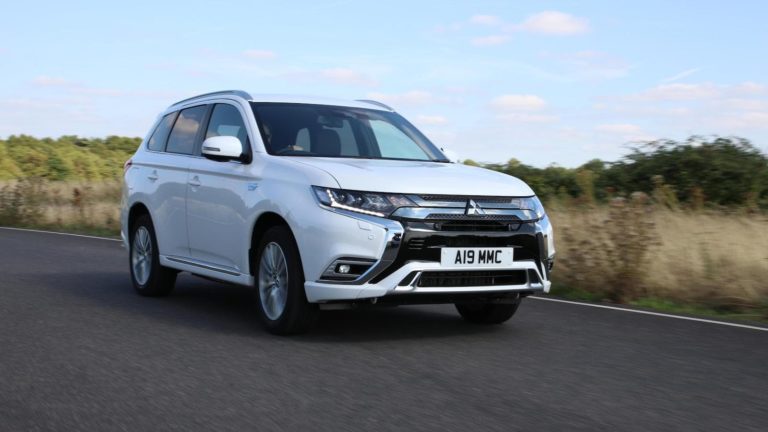
Engines: petrol
Price: From £14,280 on-road

Launched: Spring 2015
Last updated: Summer 2020
Replaced: Winter 2021/22

Media reviews

Highlighted reviews and road tests from across the UK automotive media. Click any of the boxes to view.

The Car Expert

Auto Express

Auto Trader

Car

Car Keys

Carbuyer

Carwow

Evo

Honest John

Motors

Parkers

The Sunday Times

The Telegraph

Top Gear

Safety rating

Independent crash test and safety ratings from Euro NCAP

Overall score: 5 stars
Date tested: November 2014
Date expired: January 2021
Read the full Euro NCAP review

Adult protection: 81%
Child protection: 81%
Vulnerable road users: 69%
Safety assist: 69%

No safety rating

The Skoda Fabia was originally crash tested by Euro NCAP back in 2014 and awarded a five-star rating. However, this rating expired in January 2021 and is no longer valid as the car no longer meets the standards required for such a rating. This is normal practice, as Euro NCAP reviews its ratings on most cars annually with most ratings expiring after about six or seven years.

However, if you are comparing a used Skoda Fabia to vehicles of similar age, whose ratings will have probably also expired, its safety rating score is still useful.

Eco rating

Independent economy and emissions ratings from Green NCAP

Model tested: 1.0 TSI PETROL 4X2 MANUAL

Overall score: 3 stars
Date tested: February 2021
Read the full Green NCAP review

Clean Air Index: 6 / 10
Energy Efficiency Index: 6.5 / 10
Greenhouse Gas Index: 5 / 10

The Skoda Fabia 1.0-litre petrol manual hatchback received a three-star rating from Green NCAP in February 2021.

Green NCAP said: “The third generation Škoda Fabia is tested here with the three-cylinder 1.0-litre turbocharged direct injection engine. In the past, such engines might have had issues with the number of particulate they emitted but a gasoline particulate filter (GPF) takes care of the problem, and to good effect.

“Emissions of particulates are never excessive, even in the more challenging tests. Emissions of NOx and CO are very well controlled, especially in the road tests. The story remains good when we look at energy efficiency, with the small engine emitting low values of CO2. This serves the car well in the Energy Efficiency index too, and excellent control of laughing gas, N2O and of Methane, CH4, contribute to a good index of 5 in this part of the assessment.

“Overall, the average index is only a little short of gaining the Fabia an extra half-star but it emerges from the tests with a very creditable three-star rating.”

This rating only applies to the 1.0-litre petrol (TSI) manual hatchback version of the Skoda Fabia, and does not imply similar ratings for other engine and gearbox combinations in the range (although there will be no significant difference between estate and hatchback body styles).

Reliability rating

MotorEasy logo 600x167

Reliability data provided exclusively for The Car Expert by MotorEasy

All data based on MotorEasy average workshop costs for extended car warranty claims

As of April 2025 (our most recent data point), the Skoda Fabia has an average reliability rating with a score of 61%. This covers not only this model but also older (pre-2015) generations.

The average repair cost of £600 is fairly high for this segment of car, and certainly more than the cost of a used car warranty. Certainly worth bearing in mind if you currently own a Fabia or are thinking about buying a used Fabia.

Engine repairs have proved particularly expensive to date, with an eye-watering average repair bill of £1,200, and are also the most common kind of fault on the Skoda Fabia. Gearbox repairs have been even more expensive, although have not been as common.

If you’re looking to buy a used Skoda Fabia, make sure that any used car warranty you purchase covers all of the potential problem areas shown above.

Awards

Trophies, prizes and awards that the Skoda Fabia has received

2017

  • Auto Express Driver Power Survey – Best Small Car

2016

  • Carbuyer Awards – Best Small Car

2015

  • Fleet News Awards – Best Small Car
  • Red Dot Awards – Product Design Award

Similar cars

If you’re looking at the Skoda Fabia, you might also be interested in these alternatives

Audi A1 | Citroën C3 | Dacia Sandero | Ford Fiesta | Honda Jazz | Hyundai i20 | Kia Rio | Mazda 2 | MG 3 | Mini hatch | Mitsubishi Mirage | Nissan Micra | Peugeot 208 | Renault Clio | SEAT Ibiza | Suzuki Swift | Toyota Yaris | Vauxhall Corsa | Volkswagen Polo

More news, reviews and information about the Skoda Fabia at The Car Expert

Everything you need to know about Skoda

Everything you need to know about Skoda

Five of the safest new small cars on sale in 2024

Five of the safest new small cars on sale in 2024

Range revisions for Skoda Fabia and Karoq

Range revisions for Skoda Fabia and Karoq

Skoda Fabia test drive

Skoda Fabia test drive

Five of the safest new small cars on sale in 2023

Five of the safest new small cars on sale in 2023

The UK’s most underappreciated small cars

The UK’s most underappreciated small cars

Skoda Fabia

Skoda Fabia

The best new family cars for every budget in 2022

The best new family cars for every budget in 2022

Skoda unveils new Fabia Monte Carlo

Skoda unveils new Fabia Monte Carlo

The five safest cars of 2021

The five safest cars of 2021

Best small cars of 2021

Best small cars of 2021

Five-star safety for seven new cars – but none for Renault

Five-star safety for seven new cars – but none for Renault

Buy a Skoda Fabia

If you’re looking to buy a used Skoda Fabia, The Car Expert’s partners can help you find the right car

Motors 600x300

Search less, live more. We make finding the right car simple. Find out more

Auto Trader logo 600x300

Search for your next new or used car with Auto Trader. Find out more

Carwow logo 600x300

Discover great deals available on both new and used cars. Find out more

Jeep launches new Renegade plug-in hybrid

0

Jeep has introduced a new plug-in hybrid version of its Renegade.

Badged Renegade 4xe, this latest model kicks off a new offensive of electrified models for Jeep as the firm looks to incorporate electric powertrains across its range.

Priced from £32,600, the Renegade 4xe is set to arrive in showrooms this September.

Utilising a 1.3-litre turbocharged petrol engine which is linked to an 11.4kWh battery and electric motor, the Renegade 4xe can travel up to 26 miles under electric-only power at speeds of up to 81mph. Two different powertrains will be offered from launch – 190hp and 240hp – while three trim levels, Longitude, Limited and Trailhawk give buyers a variety of specification options. That final trim – Trailhawk – is geared up towards more comprehensive off-road situations, while the other pair are better suited to urban driving.

The Renegade 4xe, regardless of specification, brings four-wheel-drive with power sent to the wheels through a six-speed automatic gearbox. Jeep’s own Selec-Terrain response system comes as standard, with different driving modes such as Auto, Snow and Mud there to choose from. A new mode – Sport – debuts on the new 4xe.

Jeep says that the Renegade 4xe should return between 123-124mpg while emitting less than 50g/km of CO2 in hybrid mode.

The cabin features a full satellite navigation system accessed through an eight-inch touchscreen which also incorporates Apple CarPlay and Android Auto.