Find an Expert Rating: 
Home Blog Page 83

Car insurance coming up for renewal? Get in early

We all know that to drive a car on the road you need adequate insurance. But are you one of those drivers who leaves their renewal to the last minute?

Well, don’t. A new study has shown that the point when you buy car insurance has a big impact on the premium you’ll be charged.

Leave your renewal until the day before your existing policy runs out and you could be quoted nearly 30% more for the next year’s cover. But get organised and pay for your insurance early and you could be in for some decent savings.

New analysis by consumer researchers NimbleFins showed that you can save 30% or more on your car insurance just by buying your policy with a start date three weeks away from the renewal date.

They analysed more than 200 Ford Fiesta car insurance quotes for a sample 45-year-old driver with a range of start dates from ‘today’ to ‘three weeks from now’, taking the average of the cheapest ten policies for each time window, and found that some insurers charge more than £1,000 extra for a last-minute purchase with an immediate start date.

Buying your renewal even one day in advance could save you at least 17% compared with asking for an immediate start.

“Insurers are cautious of buyers who leave things to the last minute,” says Erin Yurday, NimbleFins’ CEO.

“Thus, buying insurance with a forward-dated start date can save a driver between 17% to 29% – or sometimes even more. The sample driver in the study could save £262 on average by purchasing their policy three weeks in advance of the coverage start date.”

Policy start dateAnnual premiumNumber of quotes
Today£90223
Tomorrow£74733
1 week away£68245
2 weeks away£65246
3 weeks away£64046
Source: NimbleFins

As well as paying a lower price, there’s more selection when looking for a car insurance policy well in advance. The study found 46 quotes for a start date three weeks away, but only 23 offers with an immediate start.

Why there is such a big difference in price, just for getting in early, is difficult to explain. Car insurance policies are largely based on an insurer’s past claims experience with a certain driver, their history and their habits.

“Perhaps those who buy car insurance at the last minute tend to submit claims more often,” says Yurday. “Maybe car insurance companies prefer a more organised client who doesn’t leave decisions until the last minute.

“Or it could be that drivers needing insurance immediately take less time to shop around, and are therefore more likely to take a higher price – in this case, car insurance companies can get away with pricing plans a bit higher.”

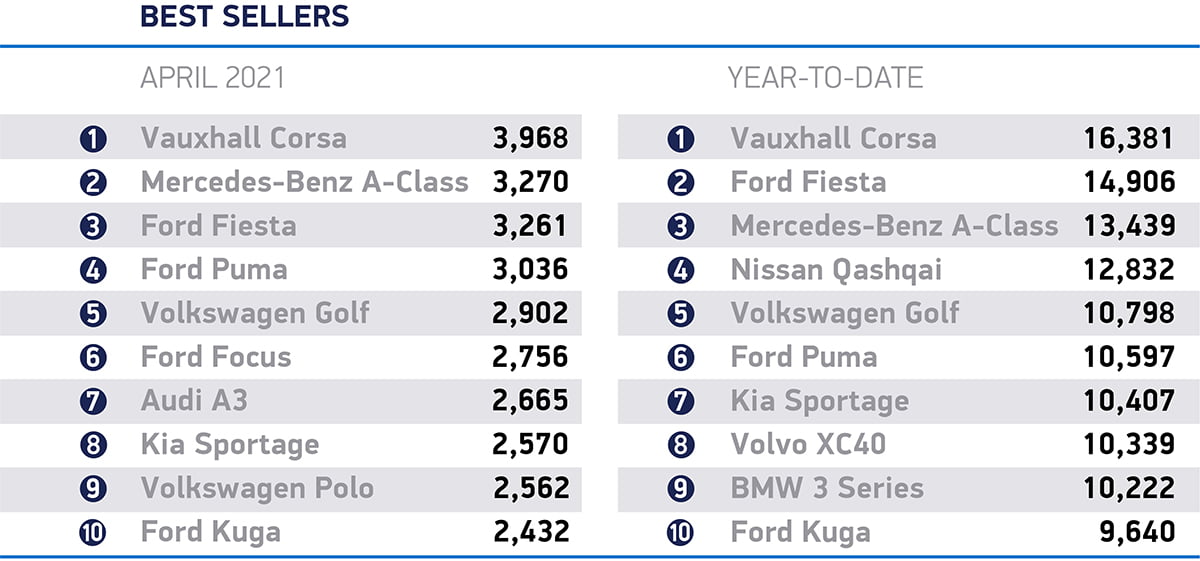
Britain’s best-selling cars, April 2021

Compared to 12 months ago, April’s registration numbers look spectacular. In reality, they are still well short of pre-pandemic sales levels. But it was nice to see customers back in showrooms as the UK started the gradual return to normal life.

Whether it was the return to showroom sales or other reasons, the top ten has quite a different look to last month. Five of last month’s top ten disappeared from the list this month, replaced by some models that we haven’t seen for quite a while.

We’ve covered the detail of the monthly registration results already this week, so let’s look at the top-selling cars of the month.


The UK’s best-selling cars, April 2021

1. Vauxhall Corsa

Vauxhall Corsa Ultimate

The Vauxhall Corsa extended its lead at the top of the charts with another best-selling month in April. That’s three months out of four for the Corsa, as it doubled its year-to-date sales lead over the Ford Fiesta in the last month.

The petrol and diesel versions of the new Corsa currently hold an Expert Rating of 72% on our unique aggregator scale, based on 26 reviews we have gathered so far. That puts it in the bottom half of the supermini class, although the all-electric Corsa-e does score slightly better with an Expert Rating of 74%.

2. Mercedes-Benz A-Class

Mercedes-Benz A-Class hatch – Britain's best-selling cars of 2020

The Mercedes-Benz A-Class stepped up from third to second this month, edging out the Ford Fiesta by only nine units. Combined with the Nissan Qashqai falling out of the top ten in April, it means that the A-Class has now jumped the Qashqai to move up to third place in year-to-date sales.

The A-Class has an Expert Rating of 76% in The Car Expert’s unique aggregated Expert Rating index, based on 47 UK reviews. It ranks highly for safety, winning awards from Euro NCAP and Thatcham in previous years for its protective qualities.

3. Ford Fiesta

Ford Fiesta – Britain's best-selling car 2020

The Ford Fiesta-Vauxhall Corsa battle is inching ever further away from the defending champ. In April, the Fiesta fell 700 sales behind the Corsa, meaning that it now trials its major rival by nearly 1,500 units after the first fourth months of the year.

The Fiesta currently holds an Expert Rating of 81% in The Car Expert’s unique Expert Rating index, which aggregates reviews from 25 of the UK’s top motoring websites. That’s some 9% better than the Corsa, so the motoring media still clearly prefers the Ford.

4. Ford Puma

Ford Puma (2020 onwards) Expert Rating

One of the Fiesta’s problems is friendly fire from within the same showrooms. The Ford Puma is based on the Fiesta and had a very strong month in April, rising to fourth place in the sales charts and stealing sales from its hatchback sibling.

Ford’s little crossover has been popular with critics, currently holding a rating of 82% on our unique Expert Rating index. This remains a best-in-class score for supermini SUVs, but it has slipped a few points in the last few months as we’ve added some new reviews and other sources have revised their initial opinions.

5. Volkswagen Golf

Volkswagen Golf – Britain's best-selling cars of 2020

It may sound surprising, but fifth place in this list is the best result we’ve seen for the Volkswagen Golf in several months. Like the Ford Fiesta above and Focus below, the Golf has had to contend with internal rivalries as well as external ones. The new ID.3 is Volkswagen’s own Golf-sized electric vehicle, which is taking sales off the Golf itself.

Year-to-date, the Golf has now improved to fifth place after leapfrogging the BMW 3 Series and Volvo XC40 .

As more local reviews of different UK-spec Golf models have been published in the media, the Golf’s initial stellar Expert Rating slipped from a high of 85% to its current level of 80%. The much-vaunted ‘all-digital’ interior has drawn criticism from reviewers, who have found it inferior to the more conventional cabin of the previous-generation model. It’s not exactly disastrous news for Volkswagen, but it’s interesting to see review scores that are consistently below the previous model’s results.

6. Ford Focus

Ford Focus (2018 onwards) Expert Rating

Another sign that there is a fundamental shift going on in new car sales is the performance of the Ford Focus. Sixth place in April was a reasonable result for the Focus, but – almost unbelievably – it doesn’t feature in the top ten for year-to-date sales.

Like its little brother, the Fiesta, the Focus picked up some mild hybrid engines in the second half of last year, but it still lacks a fully-electric or plug-in hybrid option. It’s likely that we’ll see the PHEV setup from the Kuga mid-sized SUV drop into the Focus sometime soon, and Ford dealers will be looking forward to having a strong performer in the electrified family car marketplace.

In terms of critical appraisal, the Ford Focus currently holds an Expert Rating of 80% in our Expert Ratings database, which is now level with the slowly-slipping Golf and three points better than than the Mercedes-Benz A-Class.

7. Audi A3

Audi A3 (2020 onwards)

Popping up for the first time this year is the Audi A3. Available as both a five-door hatchback and a saloon, the new A3 appeared in the top ten a couple times at the end of 2020, but this is the highest we’ve seen it to date.

The Audi A3 has received generally good reviews from the UK media since it was launched, with an Expert Rating of 78% that puts it a few points behind the BMW 1 Series (81%) and a couple of points ahead of the Mercedes A-Class (76%).

8. Kia Sportage

Kia Sportage (2018) ratings and reviews | The Car Expert

After a cracking start to the year, where it was the second-best-selling car in January, the Kia Sportage then fell out of the top ten altogether in February and March. It’s popped up again in April, and a good result this month also means it has stepped up from eighth to seventh in year-to-date sales.

The Sportage currently holds an Expert Rating of 72% in our aggregated Expert Ratings index, which is midfield for medium SUVs but a couple of points behind the best-selling Nissan Qashqai and quite a margin behind the top cars in the mid-size SUV segment.

9. Volkswagen Polo

Volkswagen Polo (2018 onwards) Expert Rating

Clearly April was a month for returning favourites, as the Volkswagen Polo reappeared for the first time since about last September. Like many other historically big-selling hatchbacks, it’s had to contend with a shift in customer tastes, losing sales to VW’s own T-Cross and T-Roc mini-SUV twins.

The Polo holds an Expert Rating of 80% in The Car Expert’s New Car Ratings calculator, which is good but still a few points behind its Spanish cousin, the SEAT Ibiza. A facelifted model has just been announced, which will arrive here in the UK in the next few months.

10. Ford Kuga

Ford Kuga (2020 onwards) Expert Rating

In tenth place is another returnee, with the Kuga back after dropping out of the top ten last month. That also means that it snatches tenth place in year-to-date sales from the Volkswagen Tiguan. It was also the fourth Ford in the top ten this month in what was a great result for the Blue Oval.

Based on reviews we’ve analysed to date – which are mostly of the plug-in hybrid version, the Kuga has received generally good scores and currently holds an Expert Rating of 79%. However, you can probably expect that to shift by a few points as we get more reviews of the unplugged versions.

When is a 4×4 not a 4×4?

In these times of Tesco car parks being full of SUV-style cars, the 4×4 is not quite as it seems. After years of being the preserve of the country elite, 4x4s began appearing in a less muddy format more and more often.

With most off-road vehicles never going off-road at all, manufacturers quickly realised they didn’t need to include full-time four-wheel drive (shortened to either 4WD or 4×4) systems in their SUV models – in fact, quite often they didn’t need to include any kind of 4WD system at all. So the answer to the slightly odd title question is ‘most of the time’.

Today, many of the chunky-looking SUVs on the market are actually “faux-by-fours” with zero off-roading credentials whatsoever. Others have varying levels of mud-plugging ability, and only a few are genuinely capable of going a long way from the safety of a nice piece of Tarmac.

What is four-wheel drive?

Four-wheel drive (4WD) means that both the front wheels and rear wheels are used to move the car. Most conventional cars are two-wheel drive (2WD), driving either the front or rear wheels.

The idea behind getting all four wheels to drive the car is to share the load more evenly, meaning each wheel has less work to do. This means that the vehicle is more likely to maintain its grip on slippery surfaces, as all four wheels are contributing and each driving wheel is less likely to spin as you push down on the accelerator.

There are various ways of providing four-wheel drive on modern cars, so let’s have a look at how it’s done.

Traditional 4×4

Before we had a hundred different shapes and sizes of SUV, there were only a handful of ‘real’ four-wheel drive cars available in the UK. These included a few Land Rover and Range Rover models, as well as some very capable Japanese offerings like the Toyota Land Cruiser and Hilux, the Mitsubishi Shogun, and even small Suzuki models like the Jimny and its predecessors. All of these vehicles had one thing in common; they all had traditional 4×4 systems.

Most vehicles using this sort of 4WD/4×4 system have mechanisms to lock the differential(s) to make sure left and right wheels are getting equal drive. This last bit is critical because a normal car will always push the power to the wheel with least resistance. Anyone who has ever got a car stuck will have seen this, as one wheel spins furiously while the car goes nowhere. A locking diff system will mean that power goes equally to either side, and this is what gets you out of the mud or snow.

Some models allow either the front or rear wheels to be disengaged, turning the vehicle back into a two-wheel-drive model when conditions did not require the extra traction, such as on-road driving. This improved fuel economy and wear on components, especially at the higher speeds achieved on Tarmac compared to gravel or mud.

Most traditional 4×4 systems also have a separate control level for high and low ratios. In normal use, the vehicle would be in high ratio, and in low-speed off-road situations the driver can switch to low ratio for improved take-off in low-grip conditions. This is a level of off-roading far beyond what most modern SUVs will ever need.

All-wheel drive

In the 1980s, car manufacturers started exploring the idea of using four-wheel-drive systems for on-road performance rather than simply off-road utility. This came about as performance cars became ever faster and harder to control. Spreading the drive across four wheels rather than two means that the car has more grip, and can go faster and/or maintain its performance better in slippery conditions.

Two of the big drivers of this development were Audi and Porsche, who started using the term all-wheel drive (AWD) to describe what was basically a 4WD system optimised for on-road use. The other major difference was that these vehicles used systems to vary the amount of drive going to the front and rear wheels, rather than a simple fixed 50:50 split.

Porsche was one of the first companies to realise the potential for all-wheel drive to enhance on-road performance

With over 30 years of development, many of these systems have become highly advanced, and can control the amount of drive going to each wheel to ensure best overall grip and performance. There are a variety of systems used to achieve this by different manufacturers, but the principle remains the same.

Manufacturers, typically, have ignored simply calling these systems ‘all-wheel drive’ and applied their own terminology instead: Audi kicked things off with the name quattro, but these days BMW calls its AWD models XDrive, Volkswagen used to use Syncro but now uses 4Motion, Mercedes-Benz uses the name 4Matic, and so on. The principle is the same; a variable all-wheel-drive system that is largely designed for on-road use, although it may well be very competent in a number of fairly gentle off-road scenarios.

Dual-motor AWD

Some vehicles have different power units driving each axle. For example, several hybrid or plug-in hybrid SUVs use their petrol engine to drive the front wheels and their electric motor to drive the rear wheels when it’s needed.

Some are even clever enough to switch between driving as a front-wheel drive petrol car, a rear-wheel drive electric car or an all-wheel drive hybrid at different times, depending on circumstances.

In the world of electric vehicles, some cars have two electric motors – one that powers the front wheels and one that powers the rear wheels. It’s also possible to have four-motor electric cars, where each wheel is driven by its own electric motor for ultimate performance and control.

Two-wheel drive SUVs

This group of vehicles is the answer to the question posed by the title of this article – when is a 4×4 not a 4×4?

Not every butch-looking SUV has genuine off-roading hardware underneath the flared wheel arches and side steps. In fact, these cars may be no better than a common hatchback or saloon when the going gets muddy or snowy, and the genre has been dubbed ‘faux-by-four’ by critics. They’re also often referred to as ‘crossovers’ or ‘soft-roaders’.

Car companies worked out that customers loved the look of big four-wheel-drive vehicles, but rarely do the majority of these cars go anywhere off the beaten track. In fact, they are mostly used for popping down to Waitrose (or Aldi, if you prefer) and dropping the kids at school. In other words, normal car stuff.

So, reasoned the manufacturers, there was absolutely no need to burden their vehicles down with heavy and expensive 4WD running gear. Take out half the drivetrain and you get a vehicle which has better performance, better economy, lower emissions, lower servicing costs, is much cheaper to build and – importantly – still has the all-important ‘lifestyle’ appeal for buyers. As long as they don’t want to actually act out those lifestyle feelings by getting their car muddy.

Honda HR-V (2015 onwards) Expert Rating
Crossover, soft-roader, whatever. It’s basically a hatchback on steroids.

What has been most pleasing to manufacturers, however, is that the remarkable appetite from buyers for these vehicles has allowed them to charge hefty premiums for all sorts of soft-roaders, crossovers and other marketing buzzwords which describe cars that look like trucks but are not.

Basically, Volkswagen can butch up the looks of the Golf, stick a Tiguan badge on it and charge a huge premium for the privilege. The Honda HR-V is little more than a Jazz on steroids, the BMW X1 is a 1 Series hatch on stilts, the Nissan Juke evolved from the Note hatchback platform, and so on across pretty much every single car brand. Some of these are available with a four-wheel-drive option, but by default they are simply two-wheel-drivers with added height and weight.

For a huge number of drivers, a 2WD SUV is the perfect option, as they never intend to drive off-road anyway. Just as long as they appreciate that their car will be no better (and often worse) than a run-of-the-mill hatchback when it starts snowing, since these vehicles generally offer nothing in the way of extra traction or off-road capability.

Servicing and running costs

As with all cars, SUVs need servicing and looking after. It will probably come as no surprise that four-wheel-drive and all-wheel-drive cars might need some extra attention, due to the extra wear and tear created by having twice as many driving wheels and associated assemblies.

If your car is a 2WD SUV, your servicing and running costs should not be massively different to a regular hatchback or saloon, so make sure you are not being ripped off by the dealer or garage just because your car is an SUV. Your tyres, however, may be significantly more expensive than those found on a conventional hatchback.

Whatever type of SUV you drive or choose to buy in the future it is important to understand what it is capable of. It is also important not to be lured into buying a large heavy two-wheel drive car under the false impression it might be useful if it starts snowing… because it may not be.

No good off-road? An all-wheel drive Porsche 959 en route to winning the Paris-Dakar Rally in 1986

This article was originally published in September 2016, and comprehensively updated in May 2021.

EVs now suitable for majority of drivers

This article is brought to you by

Tusker 600x300

The biggest concern among prospective electric car buyers – the vehicle’s range – could be being driven away after new research about how far people actually travel now, shows that it’s well within the capabilities of the latest-generation EVs.

The findings, from car benefit scheme provider (and TCE partner) Tusker, reveal that the majority of UK motorists drive less than 100 miles a week and only undertake a journey of more than 100 miles once a month.

With the average range of an electric car now standing at 193 miles – and many models being able to far exceed this – the worry of being stranded at the side of the road with a flat battery, and nowhere to charge it, is fast vanishing up the electric highway.

With most drivers’ thoughts turning to leaner and greener motoring in the future, and the UK just nine years away from a total ban on petrol and diesel car production, one in four motorists now consider an electric vehicle a priority when choosing a new car. This compares with one in seven just a year ago.

You may also like: The best new electric cars for every budget

Total cost of ownership now the priority

The cost of running the vehicle, the cost of buying it and the style and image of the brand were the top three priorities for drivers choosing their next electric car.

Business users and company car drivers have also become increasingly aware of the tax benefits of driving an EV compared with an oil-burning car. Although the initial cost of an electric car is still considered to be high, the current 1% benefit-in-kind (BiK) tax on an EV is becoming highly attractive to business users.

But whatever peoples’ views are on electric vehicles versus petrol/diesel ones are, it’s clear that the number of buyers taking an electric car has risen greatly in the last year while, importantly, their commuting habits haven’t changed for several years now.

In fact, in many cases, their journeys have reduced – a legacy of the Covid pandemic and enforced lockdown which has kept people at home for months.

Even among electric car drivers, the most popular mileage sits between 21 and 100 miles per week on average, which means that most  journeys could still be carried out with an electric car, most of which can travel much further than that on a single charge.  

With an average weekly mileage of less than 100 miles, most new EVs could comfortably fulfill most households’ driving needs.

Range concerns reflect growing interest in EVs

Tusker’s research shows that the main concerns of prospective EV customers remain charging availability and driving range, which echoes every other recent survey of car buyers.

One of the reasons for continued concerns about range and charging is simply that more people than ever are now evaluating an electric car as their next form of transport.

However, the research shows that those concerns are significantly lower among drivers who have already made the switch to EVs, suggesting that people are realising that the reality of driving and charging an electric car is much easier than they had feared.

With the average EV battery range now equivalent to more than a week’s worth of typical driving, the urgency of needing to charge an electric car every day is no longer an issue. And with more public charging points being installed up and down the country every day, charging an electric car has never been more convenient.

Car sales soar but still a long way to go

UK car sales rocketed in April – but the car industry is not ready to celebrate just yet.

Figures released by the Society of Motor Manufacturers and Traders (SMMT) showed registrations of new cars in the UK were 141,583, some 30 times more than the same month in 2020.

However April 2020 was at the height of the first Covid lockdown, when car showrooms were closed and as a result just 4,321 vehicles were registered. This month’s total, while encouraging, is still almost 13% down on the average April sales over the last decade.

The reopening of showrooms resulted in retail sales showing the biggest jump, the 61,935 private registrations more than 7,000% up on the mere 871 in April 2020. But year-to-date figures show there is still a long way to go, the market so far up just 16% on 2020 despite last year being decimated by lockdowns. These figures are of course expected to improve as the year goes on and more buyers return to showrooms.

April 2021 car sales figures

Meanwhile the plug-in market appears to have stalled slightly – registrations accounted for just over 13% of the market, with unusually plug-in hybrids (PHEVs) taking more share than full battery-electrics (BEVs), at 6.8 and 6.5% respectively.

BEV registrations were down from a recent average of 7.5% of the market, in the first month of figures following the Government’s recent cuts to the Plug-in Car Grant.

Following the latest figures the SMMT has slightly boosted its prediction for full-year car registrations in 2021, from 1.83 million to 1.86 million. This will still be down 20% on the average full-year figure over the last decade. The SMMT also believes BEVs will take slightly less of overall market share than previously expected.

SMMT Chief Executive Mike Hawes described the figures as “light at the end of the tunnel after one of the darkest years in automotive history”, but added that a complete recovery is still some way off.

“Market confidence is improving, and we now expect to finish the year in a slightly better position than anticipated in February, largely thanks to the more upbeat business and consumer confidence created by the successful vaccine rollout,” Hawes added.

April 2021 best sellers

Meanwhile, in the new-car top ten, the dethroning of the Ford Fiesta has continued. Topping the charts for more than a decade, the Ford supermini could manage only third spot in the April table, with its great rival the Vauxhall Corsa continuing to lead both the monthly and year-to-date charts.

Can Genesis become a revelation?

There is a new badge coming to UK roads – and those behind Genesis hope that before long the name won’t primarily be associated with the Bible, or a 1980s musical supergroup, but with luxury vehicles.

Plans for Genesis to expand into Europe were announced this week, initially by selling cars in the UK, Germany and Switzerland. The brand has been around since 2015, but only available in Korea and the US, selling 130,000 vehicles in 2020.

But what is Genesis? Quite simply, an upmarket ‘luxury’ arm of mainstream brand Hyundai. This is not the first Far-East manufacturer to go that route, of course, but while others have seen success with their upmarket spin-offs in Asia and America, breaking the European market has not proven so easy.

Lexus is a prime example of the process working, today established on the European and UK market as a premium sister brand to Toyota. But while Nissan’s upmarket badge Infiniti has long been familiar in the US, launching in Europe in 2008 proved much more troublesome – by 2020, the brand admitted defeat and abandoned its European sales. Honda also has a premium brand called Acura in the US, but has never tried to bring it to this side of the Atlantic.

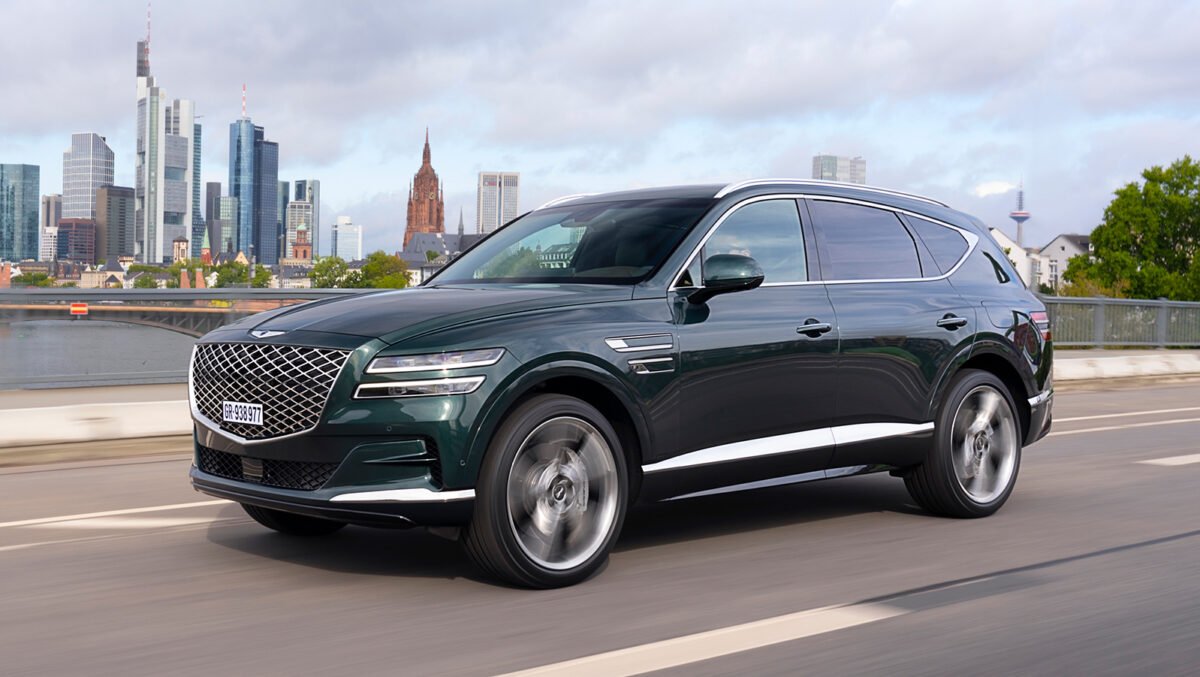
2105 Genesis GV80 side
The GV80 large SUV is one of two initial Genesis cars to go on UK sale.

Genesis will be determined to avoid such difficulties, and will pin these hopes both on the fact that its new model line-up is led by electric cars at a time when EV sales are beginning to soar, plus a rather different way of selling its cars that will dispense with dealers and go directly to customers.

While saying that his cars boast “a distinctive design”, Genesis Motor Europe managing director Dominique Boesch is promising the brand will place customer service over sales. The ‘Genesis Promise’ will include what is described as a “transparent” pricing structure with a five-year care plan included in the cost and claiming no hidden extras. And these may well not be empty promises – the brand has topped the JD Power customer service survey for three years running in markets in which it already operates.

Sales of Genesis cars will be mainly online, but for customers who want to see what they are buying, this summer the brand will open ‘studios’. Initially, these flagship centres will be located in London’s Westfield shopping centre at Shepherd’s Bush, as well as similar venues in Munich and Zurich. According to Boesch, further studios will be located in similar luxury shopping environments around Europe.

“We want to create an environment in which the customer can discover the brand and its products and enjoy a stress-free ownership throughout the whole vehicle lifetime”, Boesch says. “We have optimised the Genesis experience so owners never need to visit a dealer again, with home pick-up and delivery at every step.”

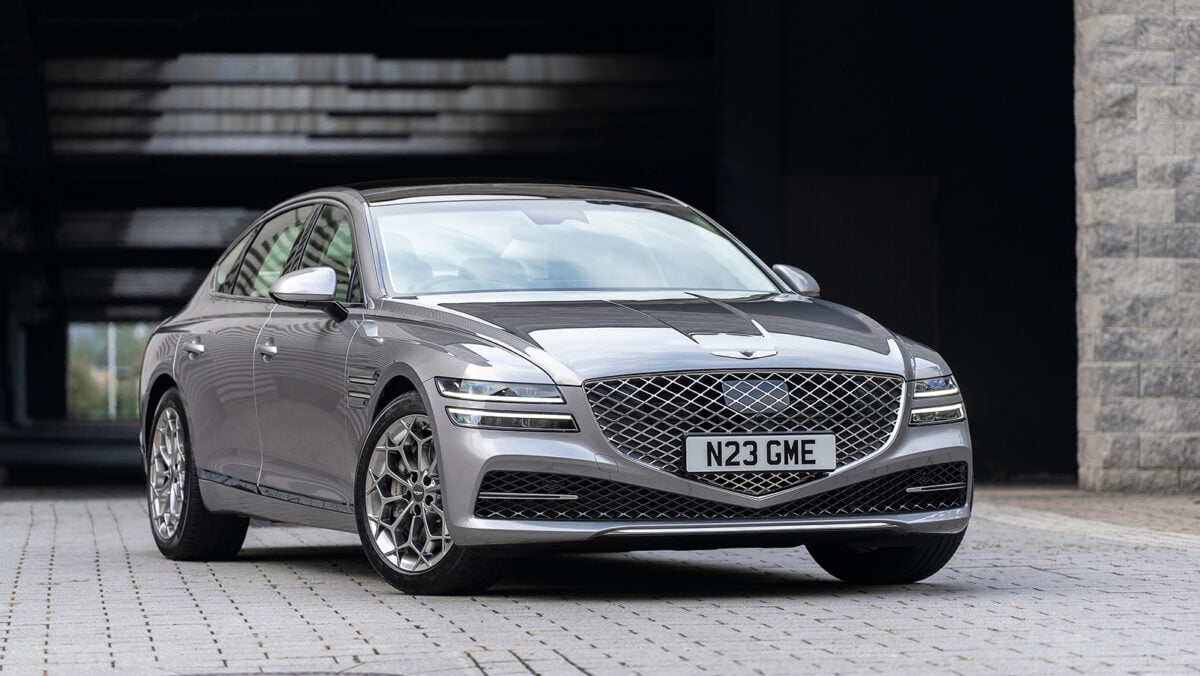
2105 Genesis G80 front
The G80 large saloon will also be available from launch.

The Genesis way of car ownership is set to be very different to the norm. Prospective customers will be encouraged to configure and order their car online, and the specifications and pricing structure have been greatly simplified to make this process easy. The five-year care plan will include warranty, servicing, roadside assistance, a courtesy car, software and sat nav map updates, maintained through the whole length of the plan.

Every owner will also be appointed a Genesis Personal Assistant, who will take full responsibility for every contact with the brand, from sales enquiries to co-ordinating service and maintenance bookings. According to Boesch, all the Personal Assistants have been recruited from backgrounds in high-end retail and hospitality sectors.

This non-dealer approach is not a first, of course, and it is a direction that parent company Hyundai has form in. The brand opened car ‘stores’ in the Bluewater and Westfield shopping centres but has run into some difficulties with them. In August 2019, dealer group Motorline gave up running the Bluewater store after just 16 months, stating that it did “not believe in the mid- to long-term viability” of the shopping centre new-car sales concept. Ancaster Group has since taken over the store for Hyundai.

The initial Genesis models on sale will be the G80 large saloon and GV80 large SUV – the newest models from the brand. These will be quickly followed by two more models, a mid-size saloon and SUV pair named the G70 and GV70, respectively.

2105 Genesis G80 interior
Genesis expects its interiors, here on the G80, to compete with the best in the premium market.

Pricing and specifications for the new range of vehicles have yet to be confirmed. While the G80 and GV80 are already available elsewhere, Genesis says that they have been specially retuned for European roads. It also hasn’t confirmed whether European versions will feature the same drivetrains used in other markets. The G80 will be on sale in electric form by the end of 2021 but whether this will be with the 370hp dual-motor electric unit offered in other markets is yet to be revealed.

We do know that new electric vehicles will follow within the first year of sales, specifically designed for the European market and one built on a dedicated electric chassis. No details have been released on these cars but observers believe one could be a production version of the Mint small car concept that was unveiled in 2019.

“The marriage of luxury and electric is a natural step and we are fully committed to it,” Boesch says. “Our first electric Genesis will be on European roads within the year. Two more electric vehicles will follow within our first year – this is only possible because we are part of a large automotive group who are leaders in electrification.”

Genesis Mint concept side view
The Genesis Mint concept unveiled in 2019 is thought to be a likely future production model.

Boesch regards Europe as the spiritual home of the premium car market. “We will work hard, earn our place,” he says. “But we believe that we have the ingredients to be different, to stand out.”

So will Genesis follow the example of Lexus and prove a UK success, or Infiniti and descend into obscurity (and inevitable ‘Genesis to Exodus’ headlines…)? Only time will tell, but over a decade of soaring growth Hyundai has made few significant mistakes. We suspect we will soon be familiar with the cars of Genesis…

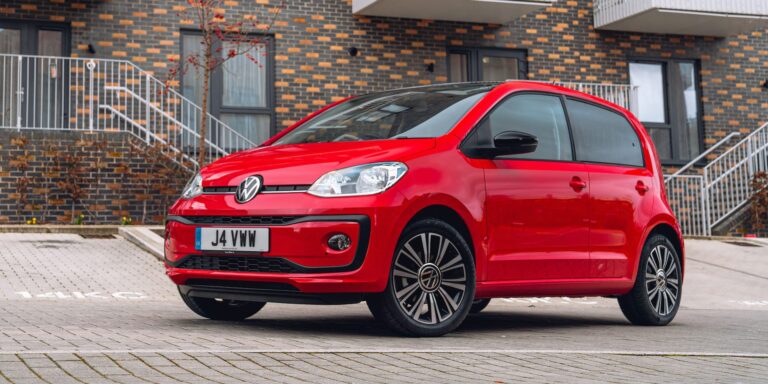
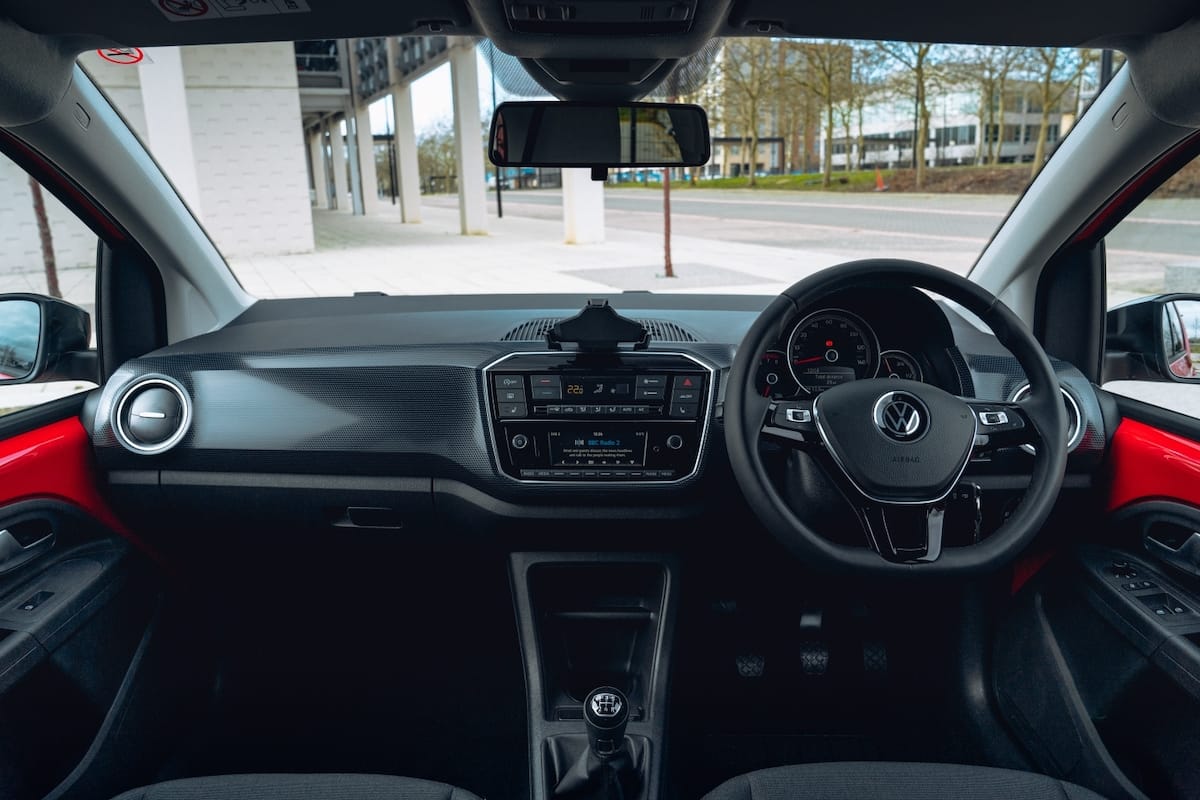
Volkswagen Up (2012 to 2023)

Summary

The Volkswagen Up (styled as the up!) wa a city car-class small hatchback, available with either three or five doors. It was effectively the same vehicle as the SEAT Mii and Skoda Citigo.

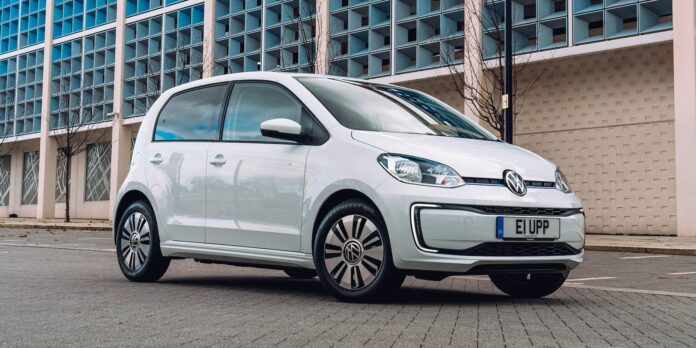
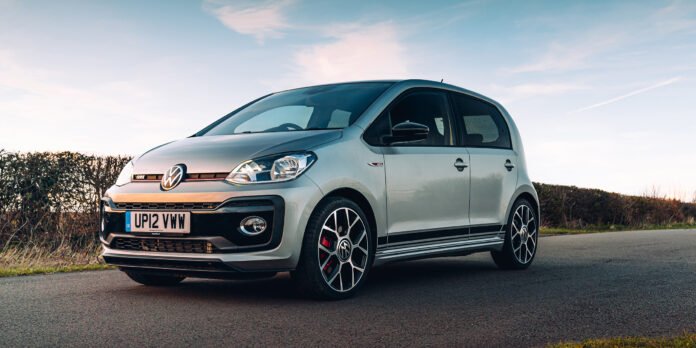
An electric version of the Up was also available for several years, called the e-Up. Unsurprisingly, this is virtually identical to the SEAT Mii Electric and Skoda Citigo e iV, although all of these electric models have also now ended production. There was also a high-performance model called the Up GTI, which we have covered separately.

Despite being in production for nearly a decade, the Volkswagen Up remained one of the highest-rated small cars on sale throughout its entire production life.

The Volkswagen Up was highly praised for its build quality and driving dynamics, as well as its low running costs. However, its safety rating was downgraded by Euro NCAP due to its lack of modern accident-avoidance technology.

No longer on sale, the Volkswagen Up holds a Used Car Expert Rating of A, with a score of 71%. That’s the same score but a few points better than the electric e-Up.

Key specifications

Body style: Small three- and five-door hatch
Engine: petrol
Price when new: From £14,630

Launched: Winter 2011/12
Last updated: Spring 2019
Ended production: Winter 2023/24

Media reviews

Reviews, road tests and comparisons from across the UK automotive media. Click any of the boxes to view.

The Car Expert

Auto Express

Auto Trader

Business Car

Car Keys

Carbuyer

Carwow

Eurekar

Evo

Green Car Guide

Heycar

Honest John

Motoring Research

Motors

Parkers

The Sun

The Sunday Times

The Telegraph

Top Gear

Safety rating

Independent crash test and safety ratings from Euro NCAP

Overall score: 3 stars
Date tested: December 2019
Date expired: January 2026
Read the full Euro NCAP review

Adult protection: 81%
Child protection: 83%
Vulnerable road users: 46%
Safety assist: 55%

Notes on safety

The Volkswagen Up was initially given a five-star safety rating by Euro NCAP when it was first assessed, which was way back in 2011. However, it was reassessed in 2019 and downgraded to a three-star rating. It still provides competitive protection in the event of an accident, but it no longer meets the highest standards for avoiding an accident in the first place.

Eco rating

Independent economy and emissions ratings from Green NCAP

No eco rating

The Volkswagen Up was not lab tested by Green NCAP during its production life.

Reliability rating

Reliability data provided exclusively for The Car Expert by MotorEasy

No reliability rating

As of April 2025 (our most recent data point), we don’t have enough reliability data on the Volkswagen Up to generate a reliability rating.

The Car Expert’s reliability information is provided exclusively from workshop and extended warranty data from our partner, MotorEasy. As soon as MotorEasy has sufficient data on the Up, we’ll publish the score here.

Running cost rating

Monthly cost of ownership data provided exclusively for The Car Expert by Clear Vehicle Data

Fuel consumptionAverageScore
Petrol models54 mpgB
CO₂ outputAverageScoreVariationScore
Petrol models119 g/kmB
Insurance groupAverageScoreVariationScore
All models3A
Service and maintenanceCostScore
Year 1£141A
Year 2£434A
Year 3£676A
Year 4£893A
Year 5£1,175A
Overall£3,319A

Unsurprisingly, the Volkswagen Up is a very cheap car to own and run, according to numbers provided exclusively to The Car Expert by our data partner, Clear Vehicle Data.

Fuel consumption is about as good as you’re ever going to see from a purely petrol engine (without any form of electrical assistance), while the Up also rates very highly for servicing, insurance and road tax.

Awards

Trophies, prizes and awards that the Volkswagen Up has received

2020

  • Auto Express Awards – Best City Car

2019

  • Auto Express Awards – Best City Car
  • DieselCar & EcoCar Top 50 – Best sub-110g/km Petrol Car

2018

  • Auto Express Awards – Best City Car

2017

  • Auto Express Awards – Best City Car

2016

  • Top Gear Awards – Best First Wheels
  • Telegraph Cars Awards – Best Car Under £10,000

2013

  • Fleet World Honours – Best City Car

2012

  • World Car of the Year
  • Carbuyer Awards – Best City Car
  • Scottish Car of the Year Awards – Best Compact Car
  • Fleet World Honours – Best City Car
  • Next Green Car Awards – Best City Car

2011

  • Top Gear Awards – Best Small Car

Similar cars

If you’re looking at the Volkswagen Up, you might also be interested in these alternatives

Citroën C1 | Fiat 500 | Fiat Panda | Hyundai i10 | Kia Picanto | Peugeot 108 | SEAT Mii | Skoda Citigo | Toyota Aygo | Toyota Aygo X

More news, reviews and information about the Volkswagen Up at The Car Expert

Volkswagen e-Up (2014 to 2022)

Volkswagen e-Up (2014 to 2022)

Volkswagen Up GTI (2019 to 2023)

Volkswagen Up GTI (2019 to 2023)

The cheapest new cars on sale in 2022

The cheapest new cars on sale in 2022

The safest used first cars for 2017

The safest used first cars for 2017

Updated Volkswagen e-Up arrives with more range

Updated Volkswagen e-Up arrives with more range

Volkswagen Up! test drive

Volkswagen Up! test drive

The best cars for hauling presents this Christmas

The best cars for hauling presents this Christmas

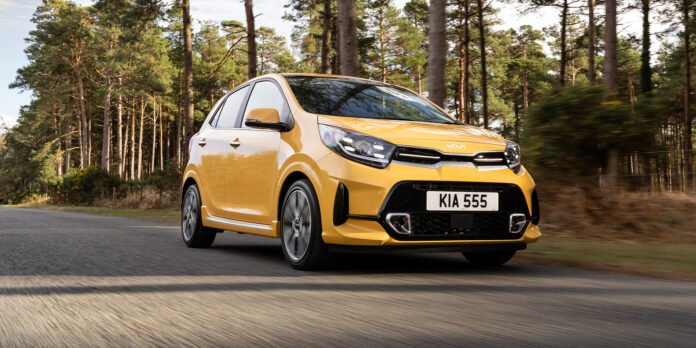
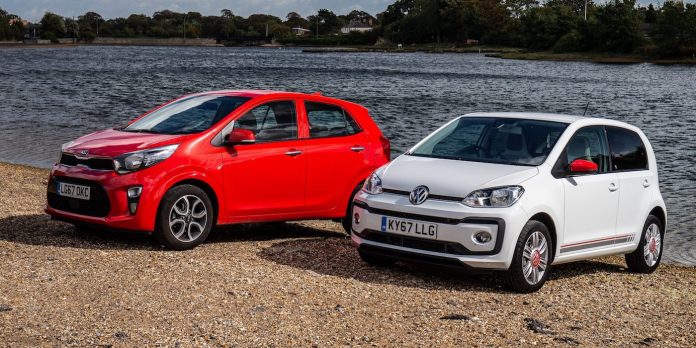
Twin test: Volkswagen Up! vs. Kia Picanto

Twin test: Volkswagen Up! vs. Kia Picanto

Volkswagen reveals up! GTI concept

Volkswagen reveals up! GTI concept

Buy a Volkswagen Up

If you’re looking to buy a new or used Volkswagen Up, The Car Expert’s partners can help you find the right car

Motors 600x300

Search less, live more. We make finding the right car simple. Find out more

Auto Trader logo 600x300

Find your next new or used car with Auto Trader. Find out more

Carwow logo 600x300

Find your next new or used car with Carwow. Find out more

Subscribe to a Volkswagen Up

If you’re interested in a car subscription, The Car Expert’s partners can help (PS: What’s a car subscription?)

Cocoon Vehicles logo 600x300

Car subscriptions from Cocoon.
Find out more

Just Vehicle Solutions logo 600x300

Car subscriptions from Just Vehicle Solutions.
Find out more

Flexible Vehicle Contracts logo 600x300px

Car subscriptions from Flexible Vehicle Contracts.
Find out more

MG 3 (2014 to 2024)

Summary

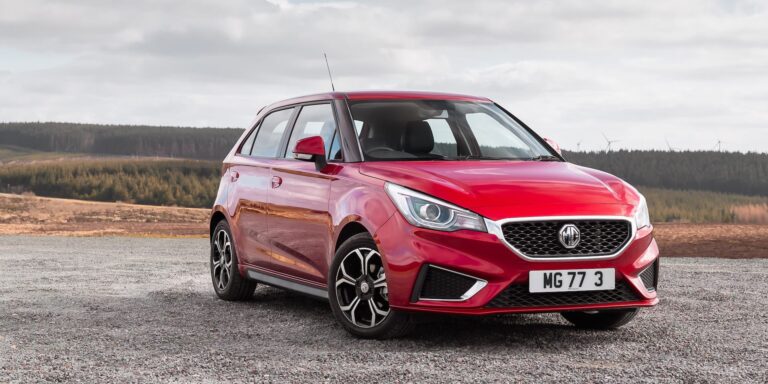
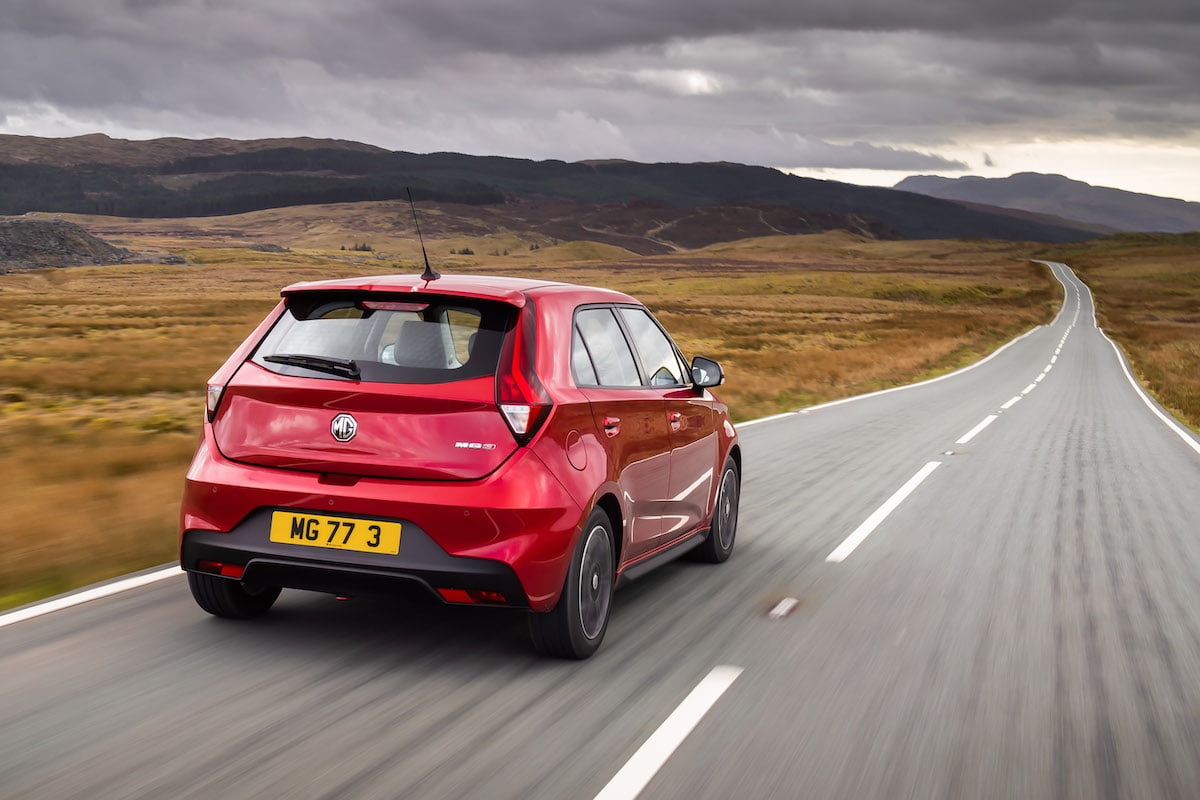
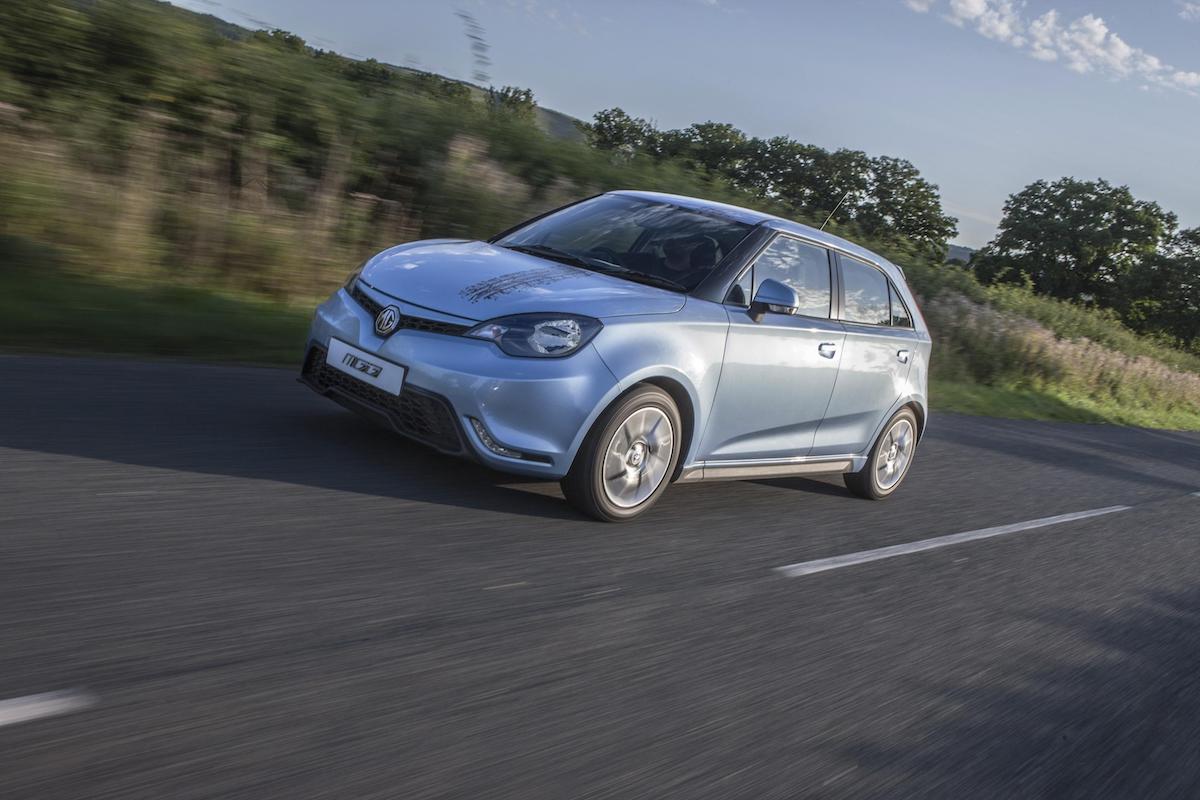
The MG 3 (styled as MG3) is a small, supermini-class, five-door hatchback. It was launched in the UK back in 2014, with a major facelift arriving in 2019. It was finally discontinued in early 2024, ahead of an all-new model’s arrival.

There is very little to recommend the MG 3 over any other similarly-priced small cars. It had a sub-par three-star safety rating when it was tested by Euro NCAP seven years ago, and that rating has now expired because the car doesn’t even meet the required standard for a three-star rating anymore.

As a used car, it might be worth looking at if the price was low enough, but the MG 3 doesn’t stack up as a new car. The Dacia Sandero is both significantly cheaper and significantly better (although it has its own safety concerns), while more expensive rivals are both better and safer.

No longer on sale, the MG 3 has a very poor Used Car Expert Rating of C, with a score of 61%. It scores top marks for its very low running costs, while its CO2 emissions are also low, but its safety score is very poor and its media review scores were also terrible.

MG 3 highlights

  • Seven-year new car warranty
  • Attractive low-cost pricing
  • Decent cabin space
  • Appealing exterior update
  • Agile handling

MG 3 lowlights

  • Poor engine quality
  • Cheap interior trim
  • Bumpy ride
  • Very basic safety features
  • Poor fuel economy

Key specifications

Body style: Five-door hatchback
Engine: petrol
Price: From £13,820 on-road

Launched: Spring 2014
Last updated: Spring 2019
Replacement due: TBA

Media reviews

Highlighted reviews and road tests from across the UK automotive media. Click any of the boxes to view.

Auto Express

Auto Trader

Business Car

Car

Car Keys

Carbuyer

Carwow

Eurekar

Evo

Heycar

Honest John

Motors

Parkers

The Sun

The Telegraph

Top Gear

Safety rating

Independent crash test and safety ratings from Euro NCAP

Overall score: 3 stars
Date tested: June 2014
Date expired: January 2021
Read the full Euro NCAP review

Adult protection: 69%
Child protection: 71%
Vulnerable road users: 59%
Safety assist: 38%

No safety rating

The MG 3 was tested by Euro NCAP back in 2014 and achieved a three-star rating. However, this rating expired in January 2021 and is no longer valid. This is normal practice, as Euro NCAP reviews its ratings on most cars annually with most ratings expiring after about six or seven years. In some cases, Euro NCAP will re-test a model if it’s still on sale, but this hasn’t yet happened with the MG 3.

However, if you are comparing a used MG 3 to vehicles of similar age, whose ratings will have probably also expired, its safety rating score is still useful.

Eco rating

Independent economy and emissions ratings from Green NCAP

No eco rating

The MG 3 was not lab tested by Green NCAP during its production life.

Reliability rating

Reliability data provided exclusively for The Car Expert by MotorEasy

No reliability rating

As of March 2026, we don’t have enough reliability data on the MG 3 to generate a reliability rating.

The Car Expert’s reliability information is provided exclusively to us using workshop and extended warranty data from our partner, MotorEasy, sourced from both official dealerships and independent workshops. 

As soon as MotorEasy has sufficient data on the MG 3, we’ll publish the results here.

Running cost rating

Monthly cost of ownership data provided exclusively for The Car Expert by Clear Vehicle Data

Fuel consumptionAverageScore
Petrol models42 mpgC
CO₂ outputAverageScoreVariationScore
Petrol models150 g/kmC
Insurance groupAverageScoreVariationScore
All models7A
Service and maintenanceCostScore
Year 1£146A
Year 2£426A
Year 3£682A
Year 4£853A
Year 5£1,150A
Overall£3,257A

Running cost data provided exclusively to The Car Expert by our data partner Clear Vehicle Data displays that, while the MG 3 is an ageing car that struggles when compared to other budget options like the Dacia Sandero, it is certainly cheap to run and maintain.

Only available with a petrol powertrain, the MG 3 has an average fuel consumption of 43 mpg, which is surpassed by several newer hatchbacks like the Dacia Sandero and Volkswagen Polo by 10 mpg or more. If you decide to opt for this MG however, the service and maintenance costs are quite affordable when compared to the market as a whole, as is the car’s insurance.

Similar cars

If you’re looking at the MG 3, you might also be interested in these alternatives

Citroën C3 | Dacia Sandero | Ford Fiesta | Honda Jazz | Hyundai i20 | Kia Rio | Mazda 2Mini hatch | Mitsubishi MirageNissan Micra | Peugeot 208 | Renault Clio | SEAT Ibiza | Skoda FabiaSuzuki Swift | Toyota Yaris | Vauxhall Corsa | Volkswagen Polo

More news, reviews and information about the MG 3 at The Car Expert

MG 3

MG 3

Compact MG 3 hybrid now available to order

Compact MG 3 hybrid now available to order

All-new MG 3 hatchback debuts

All-new MG 3 hatchback debuts

The 10 worst new cars on sale in 2023

The 10 worst new cars on sale in 2023

Who or what is MG?

Who or what is MG?

The 10 worst new cars on sale in 2022

The 10 worst new cars on sale in 2022

The cheapest new cars on sale in 2022

The cheapest new cars on sale in 2022

The 10 worst new cars on sale in 2021

The 10 worst new cars on sale in 2021

MG 3 range bolstered with Exclusive Nav trim

MG 3 range bolstered with Exclusive Nav trim

New MG 3 launches with seven-year warranty

New MG 3 launches with seven-year warranty

Buy an MG 3

If you’re looking to buy a new or used MG 3, The Car Expert’s partners can help you find the right car

Motors 600x300

Search less, live more. We make finding the right car simple. Find out more

Auto Trader logo 600x300

Search for your next new or used car with Auto Trader. Find out more

Carwow logo 600x300

Discover great deals available on both new and used cars. Find out more

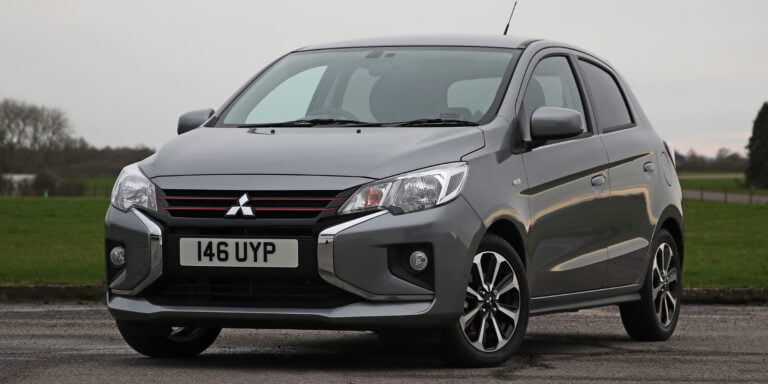
Mitsubishi Mirage (2013 to 2021)

Summary

The Mitsubishi Mirage is a small, supermini-class five-door hatchback. It was on sale from 2013 until Mitsubishi withdrew from the UK market altogether in 2021, with a number of updates over that eight-year period.

It’s an understatement to say that the Mitsubishi Mirage is not a good car. We actually found it difficult to put together a comprehensive Expert Rating for the Mirage, as there were simply very few reviews of the vehicle available. According to some of our review sources, Mitsubishi did not keep any Mirages on its press fleet in order to avoid unflattering reviews of the car being published…

The Mirage was considered sub-par when it was launched in the UK way back in 2013, and a couple of facelifts over the years did not close the gap to the rest of its supermini rivals, almost all of which have been replaced by all-new vehicles during the eight years the Mirage was on sale. By the time it was finally withdrawn from 2021, it had fallen a long way behind every other new small car on sale.

As of March 2026, the Mitsubishi Mirage holds a Used Car Expert Rating of E, with a score of 52%. It scores top marks for its low running costs and CO2 emissions, but its safety rating has long expired due to age and its media review scores were awful.

Mirage highlights

  • Respectable fuel economy
  • Generous cabin space

Mirage lowlights

  • More expensive than budget rivals
  • Dated and cheap interior
  • Underwhelming engine quality
  • Poor steering dynamics
  • Easily surpassed by newer rivals

Key specifications

Body style: Five-door hatchback
Engines: petrol
Price: From £10,580 on-road

Launched: Spring 2013
Last updated: Spring 2020
Discontinued: Autumn 2021

Media reviews

Highlighted reviews and road tests from across the UK automotive media. Click any of the boxes to view.

Auto Express

Auto Trader

Car

Car Keys

Carbuyer

Carwow

Heycar

Honest John

Motoring Research

Parkers

Top Gear

Safety rating

Independent crash test and safety ratings from Euro NCAP

Overall score: 4 stars
Date tested: September 2013
Date expired: January 2020
Read the full Euro NCAP review

Adult protection: 90%
Child protection: 72%
Vulnerable road users: 73%
Safety assist: 55%

Notes on safety rating

The Mitsubishi Mirage was originally crash tested by Euro NCAP back in 2013 and awarded a five-star rating. However, this rating expired in January 2020 and is no longer valid as the car no longer meets the standards required for such a rating. This is normal practice, as Euro NCAP reviews its ratings on most cars annually with most ratings expiring after about six or seven years.

Although the rating has now expired, the score is still useful if you are comparing a used Mirage to vehicles of similar age – whose ratings will have probably also expired.

Eco rating

Independent economy and emissions ratings from Green NCAP

No eco rating

The Mitsubishi Mirage was not lab tested by Green NCAP during its production life.

Reliability rating

MotorEasy logo 600x167

Reliability data provided exclusively for The Car Expert by MotorEasy

No reliability rating

As of March 2026, we don’t have enough reliability data on the Mitsubishi Mirage to generate a reliability rating.

The Car Expert’s reliability information is provided exclusively to us using extended warranty data from our partner, MotorEasy. As soon as MotorEasy has sufficient data on the Mirage, we’ll publish the score here.

Similar cars

If you’re looking at the Mitsubishi Mirage, you might also be interested in these alternatives

Citroën C3 | Dacia Sandero | Ford Fiesta | Honda Jazz | Hyundai i20 | Kia Rio | Mazda 2 | MG 3Mini hatch | Nissan Micra | Peugeot 208 | Renault Clio | SEAT Ibiza | Skoda FabiaSuzuki Swift | Toyota Yaris | Vauxhall Corsa | Volkswagen Polo

More news, reviews and information about the Mitsubishi Mirage at The Car Expert

The 10 worst new cars on sale in 2021

The 10 worst new cars on sale in 2021

Refreshed Mitsubishi Mirage arrives in UK

Refreshed Mitsubishi Mirage arrives in UK

Mitsubishi announces winter finance offers

Mitsubishi announces winter finance offers

Buy a Mitsubishi Mirage

If you’re looking to buy a used Mitsubishi Mirage, The Car Expert’s partners can help you find the right car

Motors 600x300

Search less, live more. We make finding the right car simple. Find out more

Auto Trader logo 600x300

Search for your next new or used car with Auto Trader. Find out more

Carwow logo 600x300

Discover great deals available on both new and used cars. Find out more

Your next car: buying vs leasing

Should you rent your next new car, buy it now, buy half later, or keep your options open? These are the basic choices for car buyers working out the best way to pay for their next vehicle.

There are countless ways to fund a new or used car, and the best option for you will depend on both your financial circumstances and the car you want.

Different types of funding for a car have quite different implications, so we have taken a look at leasing and the various forms of car finance. There are pros and cons for each, so it’s worth considering your position in detail before jumping into a big decision.

What is vehicle leasing?

Vehicle leasing is a long-term rental agreement that allows you to drive a new vehicle for a set period of time at a fixed monthly price. The leasing company is the owner of the vehicle throughout and there is no option to buy it at the end.

All the value-added tax (VAT) of the monthly fee is recoverable against tax if the vehicle is solely for business use, or 50% if the car has some private usage.

Leases are usually provided by independent companies, although some manufacturers are now offering them with new vehicles held in stock. There are plenty of different brokers, comaprison sites and providers, and we’ve rounded up some of the best here at The Car Expert.

A traditional lease is still counted as a finance agreement, even though there is no borrowing and no interest attached to it, and you will be subject to a credit check.

You choose the exact specification you’d like or a car from stock, specifying how many miles you think you’ll cover each year and the length of the lease – usually from two to five years. If you’d like something shorter with no commitment, a car subscription might be right for you.

The monthly cost of the lease is calculated in relation to the new car price, how much it will lose in depreciation and admin costs. Road fund licence and warranty are provided for the duration of the agreement, but you must insure and maintain the car unless you add a package.

All leases require an initial payment, which can be from one to 12 months’ worth of charges. This shouldn’t be called a deposit, because you won’t get it back, but the larger it is, the lower the monthly cost. For the total lease cost, add the initial payment to the monthlies.

At the end of the lease there will be excess mileage charges if you have gone beyond the agreed distance or if there is damage beyond fair wear and tear.

Personal Contract Hire (PCH)

Personal contract hire (PCH) is becoming a popular to the traditional personal contract purchase (PCP) as private car shoppers look for ways to try and minimise their montly payments.

PCH is essentially the same as a business lease agreement, except you have to pay VAT. The monthly charge is based on the length of the contract and the expected mileage.

Road fund licence is provided, but under a PCH agreement you are responsible for ensuring the vehicle is serviced to schedule and has an MOT from year three, but many leases can have a maintenance package added. You normally insure it, but again that can be added to some leases.

Leasing pros and cons
  • Leasing has been used by business users for years, from sole traders to large fleets. Large amounts of capital are not tied up in the vehicles, maintenance can be included and the admin is dealt with.
  • Because leasing companies buy vehicles in bulk at a discount, the monthly rate for personal or business users can be lower than dealer finance.
  • You simply hand the car back to the leasing company at the end of your lease.
  • It can be a cheaper way to drive a more expensive brand than traditional car finance.
  • The initial payment can be quite high compared to personal contract purchase or hire purchase (explained later).
  • You can’t use your existing car as a part exchange to start the lease.
  • You don’t own the car and won’t have the option to in future.
  • There can be excess mileage and damage charges.
  • Ending a lease early is difficult and costly.

The difference between finance and leasing

Plenty of people (and media commentators) tend to use the terms ‘car finance’ and ‘car leasing’ interchangably, but they are actually different things.

As mentioned above, a lease is simply a long-term rental agreement. Finance refers to the means of borrowing money to fund a purchase. If you look at property, It’s not that different from renting a house compared to taking out a mortgage to buy a house.

The most popular car finance agreements are the personal contract purchase (PCP) and hire purchase (HP). With a car finance agreement, you borrow the money from the finance company to pay the dealer for the car, then repay your debt to the finance company over a number of years.

Depending on the nature of the agreement, your monthly repayments may cover all of your debt, or there may still be a large chunk (called a balloon) that needs to be paid off at the end. The finance company retains control of the vehicle until you’ve paid off the whole balance.

You will generally be charged interest on the loan, unless its a 0% deal sponsored by the car company’s own finance division to help sales, and this interest can add up to several thousand pounds over the life of the agreement. If you want or need to end the agreement eaarly, your outstanding debt to the finance company needs to be settled.

Personal Contract Purchase (PCP)

The PCP is by far the most popular way for private car buyers to fund a new car in the UK, and is fast becoming just as popular for buying used cars.

A PCP is a variation on the traditional hire purchase agreement (see below). It allows you to pay a monthly fee for a new or used car and at the end of the term choose whether to pay a pre-agreed ‘balloon’ payment and own the car, or hand it back.

As we explain in our comprehensive and independent guide to PCP car finance, it’s very popular with car manufacturers and car dealers, because it keeps customers coming back for new cars.

Like a lease, when you start a PCP you agree the mileage you will cover and the term of the agreement, usually three to four years. The initial downpayment is flexible; you choose between a lower or higher monthly cost. Manufacturers often provide incentives called ‘deposit contributions’.

Part of the capital cost of the new car is deferred to become the optional final ‘balloon’ payment – fixed at the start of the agreement. You can be paying a lower monthly fee than a full loan – often half as much less.

It is often described as paying for the depreciation on the car – if you don’t pay the final payment – and in that sense is similar to a lease.

The fixed optional payment is often described as designed to leave you ‘equity’ because the value is less than the market price of the car. This ‘equity’ can be used as a deposit on a new PCP.

A PCP is a secured finance agreement like HP, so the debt is secured against the car. The finance company remains the owner of the vehicle until the end of the term unless you pay the optional final payment to own the car

The finance comes from a different source to the car, so even if there is a manufacturer contribution, you can still ask for a discount on the price of the car itself.

PCP pros and cons
  • A PCP gets you a new or used car for a lower monthly cost than HP or a bank loan.
  • You can use your own car as part exchange to start the PCP (up to a fixed percentage of the total cost).
  • There may be a deposit contribution provided by the manufacturer (independently from the dealer) as an incentive.
  • Even though you have the option not to pay the final payment to own the car interest is applied on the whole value of the car, not just the cost minus the optional final payment
  • To qualify for voluntary termination, you need to pay 50% of the total amount payable, including interest and fees.
  • The end value is fixed at the start, so that is what you must pay to own the car, even if comparable cars have a lower value. There may not be any ‘equity’ in it.
  • There can be excess mileage and damage charges.
  • Used car PCP interest rates (APRs) can be much higher than a regular loan.
  • It’s easy to soon forget the very large optional payment, or plan for it, so the car remains unaffordable even if you do decide to keep it – which is why many people choose another PCP.

Hire Purchase (HP)

HP is the age-old way of paying for consumer goods, from TVs and fridges to cars, over a set period. It can be applied to new or used cars, although its popularity has fallen dramatically over the years as more and more people have moved to PCP finance.

After an initial payment which can be from a part exchange or cash, you pay off the remaining or full value of the car in monthly instalments. When all payments have been made, the HP agreement ends and you own the car. Three to five years is the usual term. You’ll be subject to a credit check.

HP is secured against the car, so you don’t own the car until the last payment is made. It is usually sold at the dealership – new or used – and is an important way in which the dealer will make money on the sale, so they are likely to be keen to offer it.

HP pros and cons
  • There is no need to specify annual mileage and no excess mileage and damage charges at the end.
  • Interest rates – expressed as annual percentage rates (APR) – are usually higher than a bank or building society loan. However, it is sometimes possible to negotiate a lower rate if you don’t mind haggling.
  • You can use your existing car as a part exchange.
  • You are committed to buying the car, there is no option to give it back.
  • If you don’t keep up the payments, the car can be repossessed without a court order, until a third of the total amount payable has been paid off.

Unsecured finance

Car finance agreements are called secured loans, because the car is secured against the debt. That means that if you default, the finance company essentially retains ownership of the vehicle until you have repaid every penny of the loan. It also means that the finance company can repossess the vehicle (either automatically or with a court order) if you default on your payments.

Alternatively, you can borrow money with a personal loan from a bank or building society. This is called an unsecured loan because you are free to spend the money as you see fit and it is not connected to a particular car. However, if you default on the loan, the bank can come after you and any of your assets to recover your debt.

Bank or building society loan

If you have a good record with your bank or building society, a loan can be simple to arrange at a competitive rate.

As mentioned above, a bank will usually be an unsecured loan, although do check to make sure. That means you borrow the money from the bank and the funds are transferred directly to you – rather than to the car dealer.

You pay for your car with the money you’ve borrowed, and you own it from day one. That also means you can sell it on before the loan ends, which may be helpful if your circumstances change and you no longer need the car, or if you hit financial trouble and need to take some drastic action.

Unlike secured car finance, you usually have the flexibility to overpay or settle the loan early without heavy penalties.

Bank loans pros and cons
  • Bank loan interest rates are often much lower than dealer PCP or HP, so compare the Annual Percentage Rates (APR).
  • You own and run the car from the start with no mileage or damage penalties.
  • You can sell it or part exchange it for another when you like. However, the loan still runs its term.
  • You can use your existing car as part payment (part exchange) and fund the rest with the loan.
  •  Most banks will allow you to settle early, with no penalties except a short amount of interest while you have given notice.
  • Unless you have a high-value car to part exchange, you will have to borrow a larger value whether it’s new or used, hence bigger monthly payments.
  • Manufacturer new car incentives such as deposit contributions won’t be available if you have your own loan.

Additional reporting by Stuart Masson.

Putting off a car repair? It could cost you in the long run

Millions of drivers have delayed having their car fixed and then seen the problem escalate into a major and expensive repair.

As we have reported before here at The Car Expert, putting off repairs to your car is not only a bad idea in terms of safety but it rarely gives you the money you think you’ve saved by ignoring the fix.

Now a new survey out today shows that millions of motorists are still turning a blind eye to damage even though it will come back and bite them harder in the future.

More than 19 million drivers have not repaired damage to their vehicles for more than a month, reveals the research from Churchill Insurance. And it’s not just cosmetic damage such as bodywork dents – the survey shows that six million motorists have put off having repairs done to their brakes.

Two-thirds of car mechanics questioned in the research said they see cars every week where repairs have been left too long. And yet ignoring minor issues could cost drivers up to £5,000.

For most motorists, the main reason for driving with damage is that they believe the issue is only cosmetic, while a fifth ignore these issues because they know they can get away with it. Around 20% say they can’t afford repairs, while lockdown during the recent pandemic and a lack of time were also contributing factors.

A third of drivers (13 million) admitted to leaving damage to bodywork for more than a month, with five million not repairing it for more than a year.

Top five reasons for driving with damage or a fault
Reason%
The problem was only cosmetic33%
I knew I could get away with driving it despite the damage20%
I couldn’t afford to fix it19%
I’ve not been using my car as much during lockdown14%
I didn’t have time to get the problem fixed14%
Source: Churchill Motor Insurance 2021

“We understand the reasons drivers do not immediately get bumps and scrapes to bodywork repaired as they are probably seen as minor issues and can be expensive to repair,” says Nicholas Mantel, head of motor insurance for Churchill.

“However, minor issues can quickly become major if they are not dealt with. Engine noises which could be sorted out with a £10 oil replacement, for example, could amount to needing a new engine, costing thousands if ignored for too long.

How bad could it get?
Type of repairPotential cost straight awayPotential cost if delayed
Hand brake sticking£100£324
Paint damage£15£102
Engine noises£10£5,000
Windscreen crack£189£250
Wheel bearing£300£800
Brake pads£252£450
Overheating£60£1,000
Low tyre pressure£2£100
Slow punctures£100£900
Source: Churchill Motor Insurance 2021

“The research also highlights how drivers are not taking problems with car brakes seriously. Brake failure can lead to road traffic accidents and drivers are putting themselves and the public at high risk,” says Nicholas Mantel.

“While we sympathise with car owners, we recommend tending to even the small issues as quickly as possible, not only to save money and avoid a bigger bill in the future, but also to avoid road accidents or injury.”

If you’re worried about shelling out for repairs on your car, you might want to consider a used car warranty to protect you from the largest expenses.

Here at The Car Expert, we have some fantastic warranty offers for our readers provided by our commercial partners. If you’re interested in a used car warranty, you should check these out:

Volkswagen ID.4 EV gets sporty

0

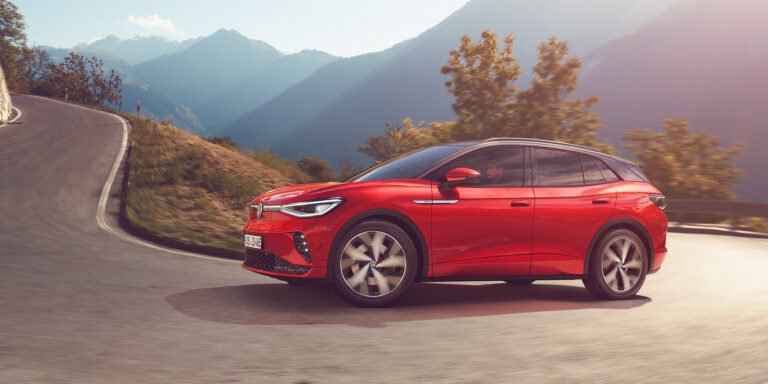
Volkswagen is adding a performance-pitched GTX variant to its ID.4 electric car range.

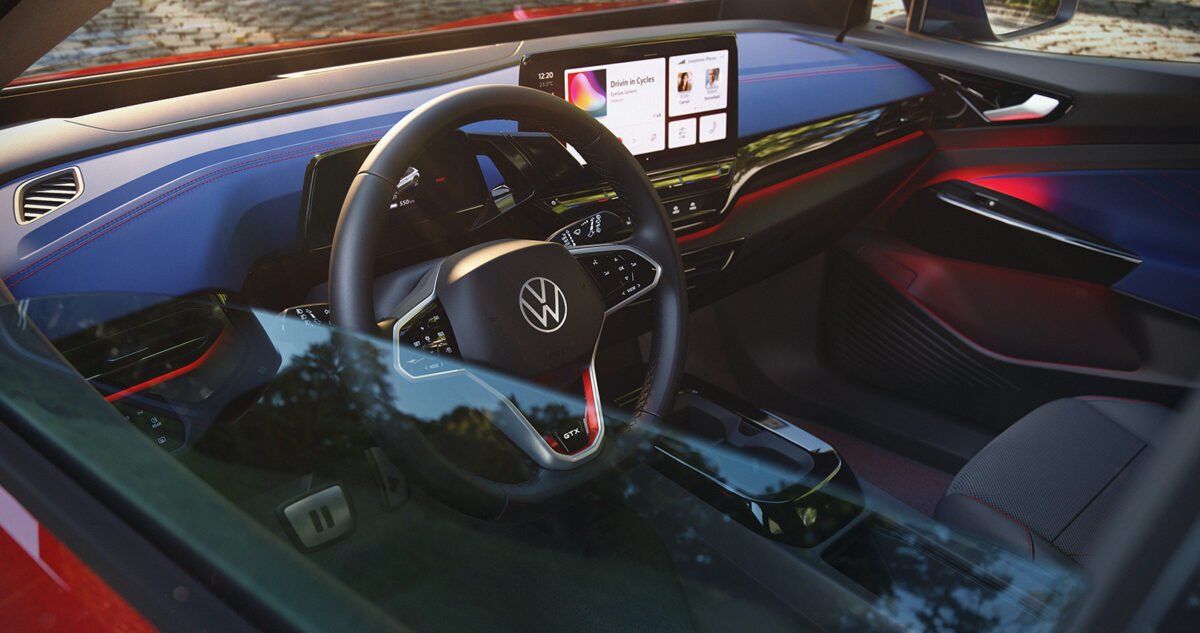
On sale in the summer of 2021, the Volkswagen ID 4 GTX will become the ID range flagship model and the first to be fitted with a pair of electric motors, one each on the front and rear axles and able to work together to offer all-wheel drive.

The effectiveness of this AWD system was demonstrated during the digital unveiling of the car at Berlin’s Templehof airport during which it climbed a 37.5% ramp.

Volkswagen quotes a total power figure for the ID 4 GTX of 299hp and says it will be capable of a 0 to 62mph sprint of 6.2 seconds, with a limited top speed of 112mph.

The ID 4 GTX will be fitted with the model line’s largest battery, a 24-cell 77kWh lithium-ion unit, and performance will not come at the expense of efficiency with a range of 298 miles between charges quoted.

Volkswagen ID 4 GTX interior

Volkswagen intends the GTX line to sit alongside its existing GTI performance brand – GTX models are distinguished from other ID cars by bespoke styling details. These include more sporty daytime running lights, redesigned bumpers withe the rear housing a 3D lighting cluster forming an X design, and more dominant colour schemes. The bespoke interior includes leatherette inserts in a new colour dubbed X Blue.

Volkswagen CEO Ralf Brandstätter describes the GTX as the most emotional member of the ID family to date and a car that shows that electric mobility and top sporty performance are not mutually exclusive.

“Electric driving is simply great fun – and with the ID 4 GTX we are adding a new dimension of sportiness and dynamics,” Brandstätter added.

Volkswagen has set itself a target of purely electric vehicles forming 70% of the brand’s sales in Europe by 2030 – under its Accelerate strategy the German manufacturer aims ‘to become the most coveted sustainable mobility brand.’

Volkswagen ID 4 GTX debut
The newcomer demonstrated its all-wheel-drive torque during the unveiling event.

Mazda 6 (2013 to 2022)

Summary

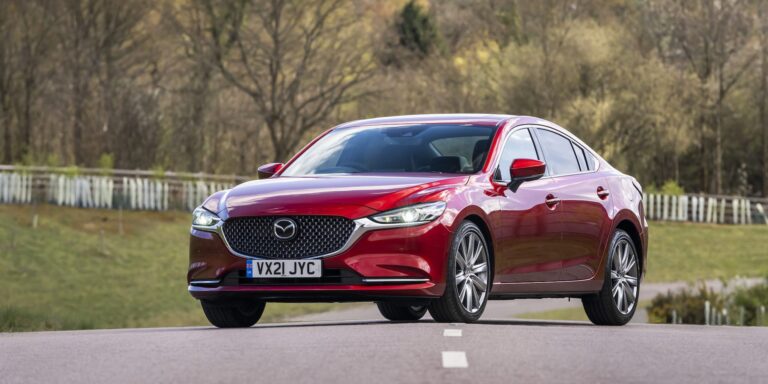
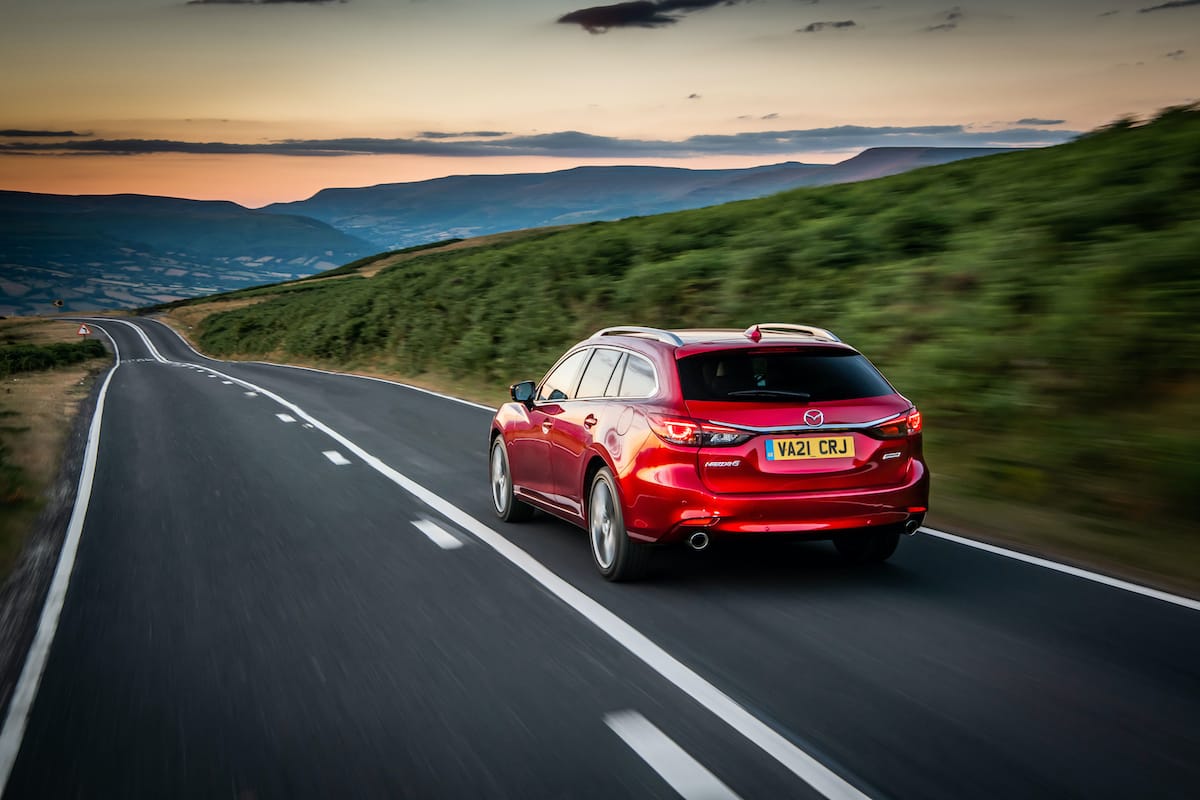
The Mazda 6 (styled as Mazda6) was a large family car, offered in both saloon and estate (known as Tourer) body styles. After nine years on sale, this model was removed from sale towards the end of 2022.

Despite being older than most of its rivals, the Mazda 6 was still competitive in the family car segment against rivals like the Volkswagen Passat, Ford Mondeo and Vauxhall Insignia. Petrol and diesel models were available – There was no hybrid or electric option, which is not surprising for a vehicle that was launched nearly a decade ago.

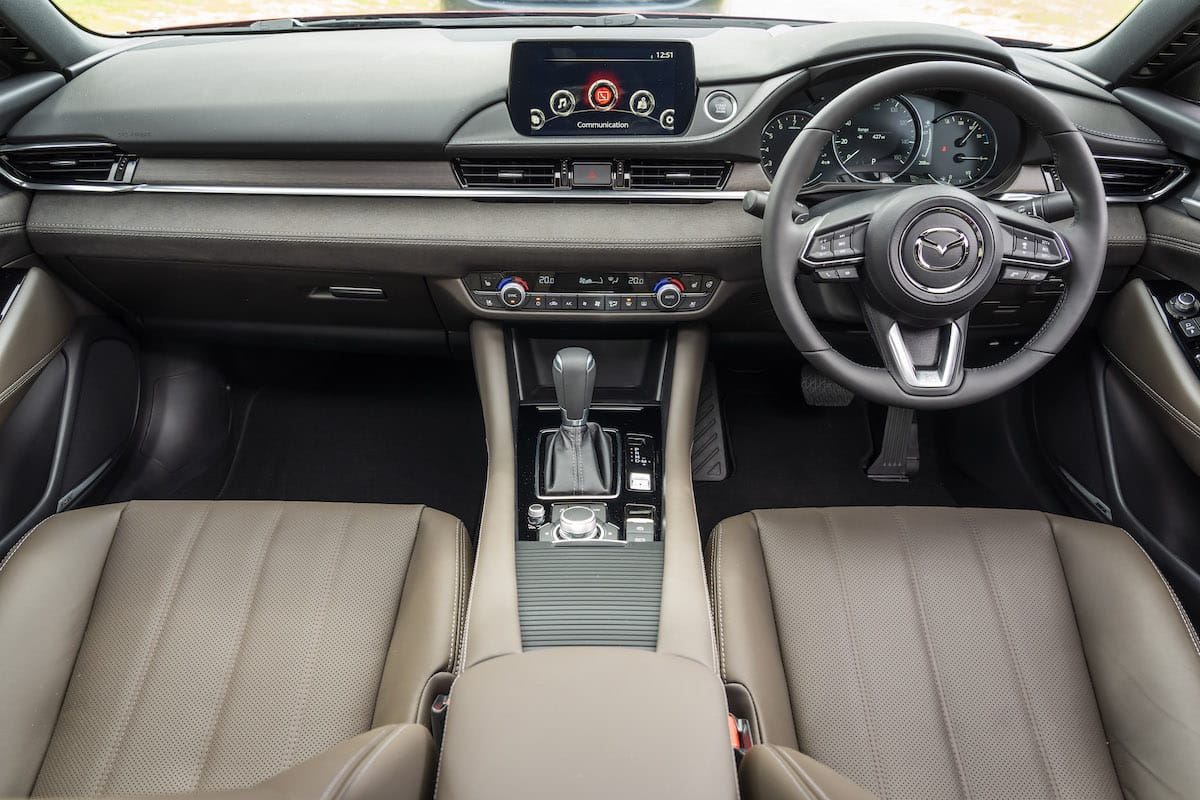
The Mazda 6 was warmly praised for its driving dynamics, styling (both inside and out) and comfort. However, rear headroom was not as good as some rivals, which may be important if you regularly carry adult passengers in the back seats. Running costs were also higher than average for the class.

No longer on sale, the Mazda 6 holds a Used Car Expert Rating of D, with a score of 59%. It scores top marks for its low CO2 emissions, while running costs are also strong. However, its safety rating is no longer comparable with newer cars and its reliability record is poor.

Mazda 6 highlights

  • Interior is both stylish and functional
  • Exterior design is clean and understated
  • Comfortable ride
  • Good cabin and boot space

Mazda 6 lowlights

  • Limited powertrain choice
  • Running costs are higher than most rivals
  • Rear headroom limited for tall passengers
  • Infotainment screen is small

Key specifications

Body style: Large saloon and estate
Engines: petrol
Price when new: From £26,340 on-road

Launched: Summer 2016
Last updated: Summer 2019
Discontinued: Autumn 2022

Media reviews

Highlighted reviews and road tests from across the UK automotive media. Click any of the boxes to view.

The Car Expert

Auto Express

Auto Trader

Business Car

Car

Car Keys

Carbuyer

Carwow

Company Car Today

Eurekar

Evo

Green Car Guide

Honest John

Parkers

The Sunday Times

The Telegraph

Top Gear

Safety rating

Independent crash test and safety ratings from Euro NCAP

Overall score: 5 stars
Date tested: October 2018
Date expired: January 2025
Read the full Euro NCAP review

Adult protection: 95%
Child protection: 91%
Vulnerable road users: 66%
Safety assist: 73%

Eco rating

Independent economy and emissions ratings from Green NCAP

No eco rating

The Mazda 6 was not assessed by Green NCAP during its production life.

Reliability rating

MotorEasy logo 600x167

Reliability data provided exclusively for The Car Expert by MotorEasy

All data based on MotorEasy average workshop costs for extended car warranty claims

As of April 2025 (our most recent data point), the Mazda 6 has a very poor reliability rating of 23%, according to extended warranty data provided by our commercial partner, MotorEasy. This covers both this model shown here and previous generation models.

The average repair cost is more than £1,000, which is obviously a lot higher than the cost of a used car warranty. So that’s worth keeping in mind if you own or are looking at a used Mazda 6.

The most common warranty claims relate to engine issues, which are also the most expensive with an average repair bill to date approaching £2,000. Braking issues are also common, although they are much cheaper to repair with an average bill of less than £200.

If you’re buying a used car warranty for a Mazda 6, make sure it covers all of the potential problem areas shown above.

Awards

Trophies, prizes and awards that the Mazda 6 has received

2018

  • Auto Express Driver Power Awards – Gold Award, Family Car class

2015

  • Northern Ireland Car of the Year Awards – Best Executive Car

2014

  • Auto Express Awards – Best Family Car
  • Carbuyer Awards – Best Large Family Car

2013

  • Auto Express Awards – Best Family Car
  • Scottish Car of the Year Awards – Best Eco Car

Similar cars

If you’re looking at the Mazda 6, you might also be interested in these alternatives

Audi A4 | BMW 3 Series | Ford Mondeo | Kia Stinger | Mercedes-Benz C-Class | Peugeot 508 | Skoda Superb | Toyota Camry | Vauxhall Insignia | Volkswagen Arteon | Volkswagen Passat | Volvo S60 | Volvo V60

More news, reviews and information about the Mazda 6 at The Car Expert

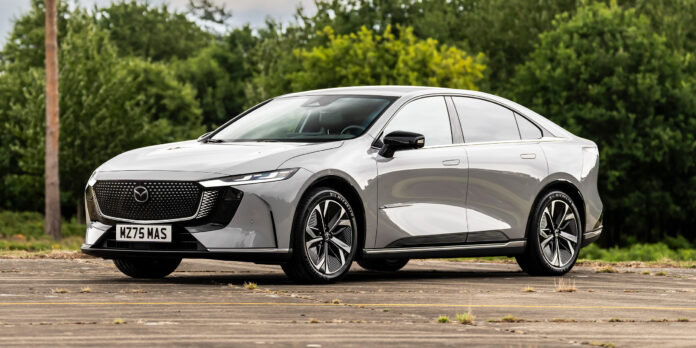
Mazda 6e

Mazda 6e

Everything you need to know about Mazda

Everything you need to know about Mazda

New battery-powered Mazda 6e range debuts

New battery-powered Mazda 6e range debuts

Mazda celebrates centenary with special edition models

Mazda celebrates centenary with special edition models

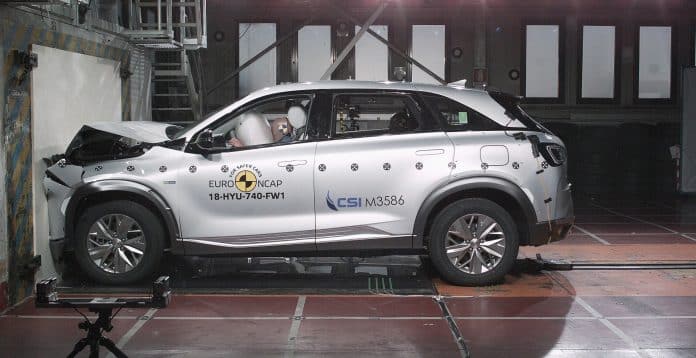
Crash test thumbs-up for hydrogen Hyundai Nexo

Crash test thumbs-up for hydrogen Hyundai Nexo

Mazda 6 review

Mazda 6 review

New Mazda 6 prices announced

New Mazda 6 prices announced

Mazda gets on the scrappage scheme bandwagon

Mazda gets on the scrappage scheme bandwagon

Mazda 6 review (2015 – 2017)

Mazda 6 review (2015 – 2017)

Buy a Mazda 6

If you’re looking to buy a used Mazda 6, The Car Expert’s partners can help you find the right car.

Motors 600x300

Search less, live more. We make finding the right car simple. Find out more

Auto Trader logo 600x300

Search for your next new or used car with Auto Trader. Find out more

Carwow logo 600x300

Discover great deals available on both new and used cars. Find out more

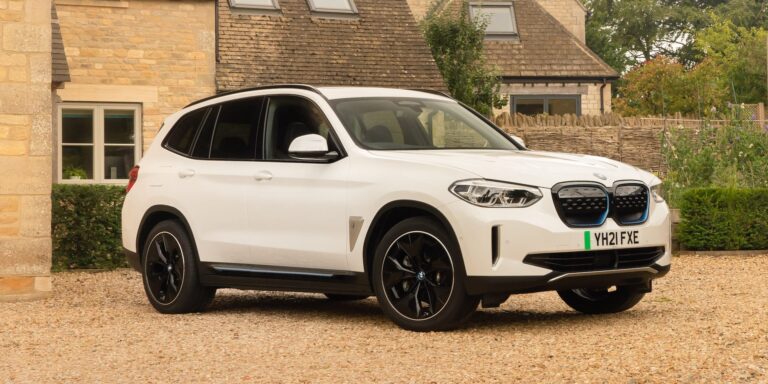
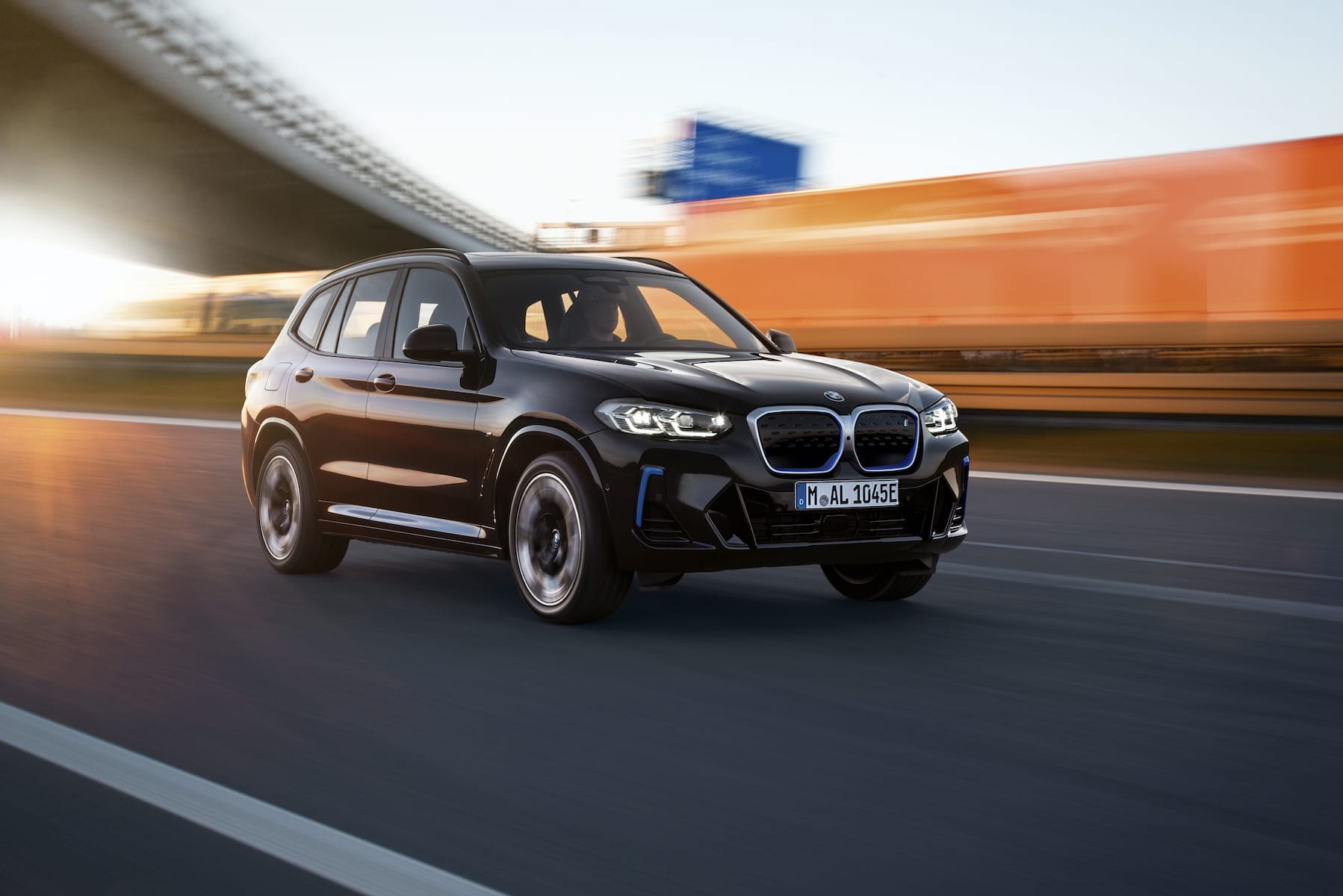
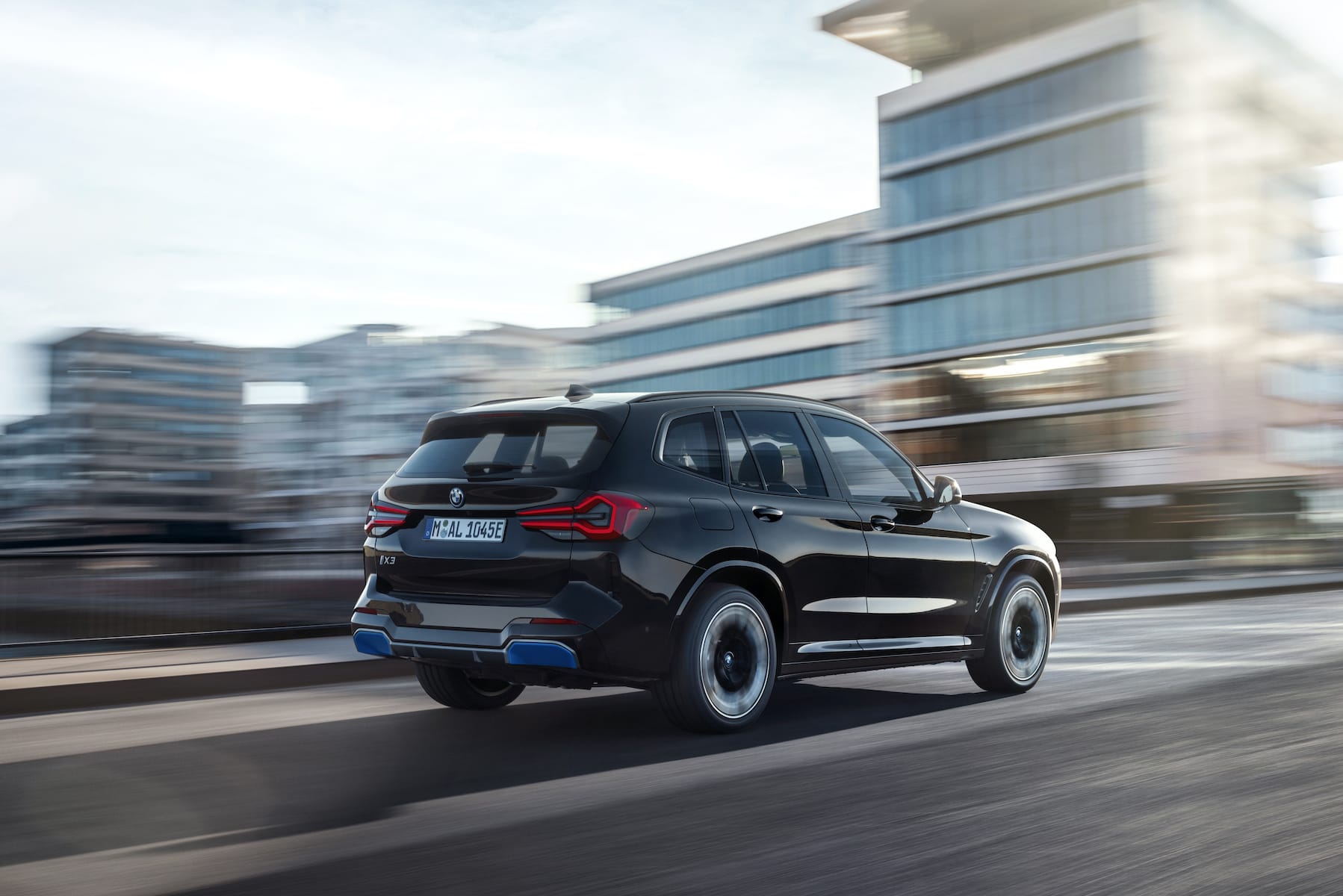
BMW iX3 (2021 to 2025)

Summary

The BMW iX3 was an electric version of the contemporary BMW X3 SUV. It arrived in the UK in 2021 to join the regular X3 models, and was on sale until 2025 when it was replaced by the all-new, second-generation iX3.

The iX3 received positive feedback from the UK motoring media during its production life. It was particularly praised for its quiet and refined drivetrain, even compared to other electric cars, and for its better-than-average handling. The main criticisms were that performance was not as sharp as some rivals, and that the iX3 was expensive compared to regular X3 models in the same family.

In what must have been some kind of record, a facelifted version of the BMW iX3 was announced in late summer 2021, almost before the first original cars even started arriving in the UK. The updated models began to arrive in December and offered the usual mid-life updates of revised styling both inside and out, as well as an upgraded mapping system for improved traffic and charging point information.

As of February 2026, the BMW iX3 holds a Used Car Expert Rating of B, with a score of 65%. It scores top marks for its zero tailpipe emissions and BMW’s new EV warranty, while also getting good grades for its positive media reviews and low running costs. However, its safety rating (based on the last-generation X3 from 2017) has now expired, which negatively impacts the overall rating.

Key specifications

Body style: Medium SUV/crossover
Powertrain: electric motor, battery-powered
Price when new: From £65,160 on-road

Launched: Summer 2021
Last updated: Winter 2021/22
Replacement due: Winter 2025/26

Media reviews

Highlighted reviews and road tests from across the UK automotive media. Click any of the boxes to view.

Featured reviews

More reviews

Auto Express

Auto Trader

Car

Car Keys

Carbuyer

Company Car Today

Daily Mail

Daily Mirror

Driving Electric

Electrifying.com

Green Car Guide

Heycar

Honest John

Parkers

The Sunday Times

Top Gear

Safety rating

Independent crash test and safety ratings from Euro NCAP

Overall score: 5 stars
Date tested: November 2017
Date expired: January 2024
Read the full Euro NCAP review

Adult protection: 93%
Child protection: 84%
Vulnerable road users: 70%
Safety assist: 58%

Independent crash test and safety ratings from Euro NCAP

Notes on safety rating

The BMW X3 was originally tested by Euro NCAP back in 2017 and awarded a five-star rating. The iX3 shares the same rating as the combustion-powered X3 models, as Euro NCAP determined that it is structurally identical and would perform similarly in emergency situations.

However, this rating expired in January 2024 and is no longer valid as the car no longer meets the standards required for such a rating. This is normal practice, as Euro NCAP reviews its ratings on most cars annually with most ratings expiring after about six or seven years.

However, if you are comparing a used iX3 to vehicles of similar age, whose ratings will have probably also expired, its safety rating score is still useful.

Eco rating

Independent economy and emissions ratings from Green NCAP

No eco rating

The BMW iX3 was not assessed by Green NCAP during its production life.

The Green NCAP programme measures exhaust pollution (which is zero for an electric car) and energy efficiency. Electric cars are much more energy-efficient than combustion cars, so the iX3 would certainly have scored very highly in Green NCAP testing if it had ever taken place. Check back again soon.

Running cost rating

Clear Vehicle Data logo close crop

Monthly cost of ownership data provided exclusively for The Car Expert by Clear Vehicle Data

Battery rangeAverageScoreVariationScore
EV models290 milesB
Electrical efficiencyAverageScoreVariationScore
EV models3.6 m/KWhD
Insurance groupAverageScoreVariationScore
All models44E
Service and maintenanceCostScore
Year 1£334D
Year 2£581C
Year 3£845B
Year 4£1,105C
Year 5£1,382B
Overall£4,247C

Running costs for the BMW iX3 are much cheaper than its ICE-powered X3 counterpart, according to numbers provided exclusively to The Car Expert by our data partner, Clear Vehicle Data.

The SUV has an average battery range of 290 miles (which varies from 282 miles to 286 miles, depending on which model you choose) according to official UK/EU government lab tests. That’s more than enough for most household needs, so you shouldn’t need to worry about running out of charge in normal day-to-day driving. The car’s service and running costs are good for the first year, and excellent from the second year onwards.

Reliability rating

MotorEasy logo 600x167

Reliability data provided exclusively for The Car Expert by MotorEasy

No reliability rating

As of February 2026, we don’t have enough reliability data on the BMW iX3 to generate a reliability rating.

The Car Expert’s reliability information is provided exclusively for us using warranty data from our partner, MotorEasy. As soon as MotorEasy has sufficient data on the iX3 we’ll publish the score here.

Warranty rating

New car warranty information for the BMW iX3

Overall ratingB76%
New car warranty duration3 years
New car warranty mileageUnlimited miles
Battery warranty duration8 years
Battery warranty mileage100,000 miles

BMW’s standard new car warranty is worse than average, and not as good as some other brands in a similar price bracket as the iX3.

The duration is three years, with no limit on mileage. In addition, there’s an eight-year/100,000-mile warranty for the battery components.

Warranty on a used BMW iX3

  • The first BMW iX3 vehicles started arriving in the UK in late 2021, meaning they would have reached the end of their new car warranty at the end of 2024. Cars first registered in late 2025 will still be under new car warranty until late 2028.
  • If you are buying an ‘Approved Used’ BMW iX3 from an official BMW dealership, you will get a minimum 12-month warranty included.
  • If you are buying a used BMW iX3 from an independent dealership, any warranty offered will vary and will probably be managed by a third-party warranty company.
  • If you are buying a used BMW iX3 from a private seller, there are no warranty protections beyond any remaining portion of the original new car warranty.

If you’re looking to buy a used car that is approaching the end of its warranty period, a used car warranty is usually a worthwhile investment. Check out The Car Expert’s guide to the best used car warranty providers, which will probably be cheaper than a warranty sold by a dealer.

Recalls

Official DVSA safety recalls that have been issued for the BMW iX3

Date: August 2023
Recall number: R/2023/235
Model types: All
Build dates: 08/2022 only
Number of vehicles affected: 27
Defect: On affected vehicles due to a supplier component production process error a damaged Combined Charging Unit may have been installed.
Remedy: Replace the Combined Charging Unit.

Date: May 2023
Recall number: R/2023/133
Model types: All
Build dates: 11/2021 to 03/2023
Number of vehicles affected: 28
Defect: A cable bridge connection connecting two circuit boards within the cell supervision circuit (CSC) might not have been installed properly.
Remedy: On the affected vehicles the cell supervision circuit (CSC) inside the high-voltage battery will be replaced.

Date: October 2021
Recall number: R/2021/361
Model types: All
Build dates: 06/2020 to 05/2021
Number of vehicles affected: 384
Defect: In rare cases due to a software error the fast intermediate circuit discharge is triggered late.
Remedy: On the affected vehicles software in the Battery Management Unit (BMU) will be updated by reprogramming.

As of September 2024 (our most recent data point), there have been three DVSA vehicle safety recalls on the iX3 addressing various different issues.

Not all vehicles are affected by recalls. You can check to see if your car is included in any of the above recalls by visiting the DVLA website or contacting your local BMW dealer.

If your car is affected by a recall, the vehicle must be repaired and you should not be charged for any work required. If you are buying a used iX3, you should insist that any outstanding recall work is completed before you take delivery of the vehicle.

Awards

Trophies, prizes and awards that the BMW iX3 has received

2025

  • Autotrader Awards – Best Premium Electric Car

2023

  • Auto Trader Awards – Best Premium Electric Car

2022

  • Fleet News Awards – Best Premium SUV

Similar cars

If you’re looking at the BMW iX3, you might also be interested in these alternatives

Audi e-tron | Audi Q4 e-tron | Ford Mustang Mach-E | Hyundai Ioniq 5 | Jaguar I-Pace | Kia EV6 | Mercedes-Benz EQC | Polestar 2 | Skoda Enyaq | Tesla Model Y | Volkswagen ID.4

Buy a BMW iX3

If you’re looking to buy a new or used BMW iX3, The Car Expert’s partners can help you find the right car.

Motors 600x300

Find your next used car with Motors. Find out more

Auto Trader logo 600x300

Find your next new or used car with Auto Trader. Find out more

Carwow logo 600x300

Find your next new or used car with Carwow. Find out more

Updated Volkswagen Polo lights up the changes

Significant changes to the front-end lighting and partly-autonomous driving top a list of newly unveiled updates to the Volkswagen Polo.

The revamped version of the supermini, which will go on UK sale in the Autumn of 2021, gets the family look of its larger sister the Golf and Volkswagen’s ID.3 electric car, in the form of an LED lighting strip running right across the front end, just below the upper grille.

All Polos also now have LED front and tail-lights as standard, and the front ones can be specified with interactive matrix technology. And of course the Polo refresh features the favourite update move, subtle styling tweaks in the form of redesigned front and rear bumpers.

Inside the cabin, updates include VW’s ‘Digital Cockpit’ – a new infotainment system that comes as standard with a six-inch touchscreen, while a nine-inch version is on the options list. The driver’s display is now an eight-inch digital unit instead of traditional analogue dials and the steering wheel has been redesigned.

Lane-keeping assist is also standard on all models but significantly VW’s IQ.Drive Travel Assist, which debuted on the Passat, can now be ordered on the Polo. In this system, the lane-keeping works with the adaptive cruise control to provide partly autonomous driving, at speeds up to 130mph. It’s the first time that such advanced driver assistance technology has appeared in a supermini-sized small car.

Where there are no changes are to engines and transmissions – the existing line-up of three-cylinder petrol units with power outputs from 80hp to 110hp has been carried over, with the diesel units being quietly ditched a while ago now. No sign, however, of any electric Polo on the way.

Volkswagen has sold more than 18 million Polos globally in the 45 years since the Mk1 version was launched. 

Car insurance cheaper as travel bans curb drivers

Another effect of the Covid-19 pandemic on the motor industry has been revealed in a report showing that annual insurance premiums have fallen to their lowest average since 2015.

There is usually a slight dip in insurance prices at the start of any year but for 2021 it was a completely new story. In the last year, the government’s travel restrictions have resulted in fewer cars on the road, which has led to a 19% decline in car insurance claims.

The insurance firms have passed on some of those savings to motorists through lower premiums. Some insurers, such as Direct Line, Admiral and Esure, have also been giving refunds to customers for miles they thought they were going to do, but weren’t allowed to.

Average premiums plummet

The average car insurance premium fell by £55 in the first quarter (Q1) of 2021, compared with the previous quarter, according to a report from insurance comparison site comparethemarket.com. It’s the steepest fall in premiums over a three-month period since their research began in 2012, and means the average premium in Q1 2021 (December 2020 – February 2021) dropped to £652.

This represents the lowest quarterly average for car insurance premiums since Q3 2015, when a typical premium cost £606. 

Premiums have also declined by an average £103 year-on-year, as the pandemic has caused a sharp drop in the cost of insurance. This also represents the largest 12-month decline on record.

The cheapest premium typically available at the start of 2021 also tumbled by £68 year-on-year to £560. The drop means there are still significant savings available to drivers who shop around for the best deal when their policy comes to an end.

Inexperienced motorists

A drop in the number of inexperienced drivers on the road might also have contributed to the decline in car insurance claims and subsequent fall in premiums. Latest DVLA figures show a 48% drop in the number of people passing their practical driving test in 2020, compared with the previous year, as the pandemic prevented or discouraged L-drivers to hit the road.

Young motorists though, have seen the greatest financial benefit from the fall in premiums. The average cost of car insurance for drivers aged under 25 has dropped to £1,097, down from £1,282 in the same quarter in 2020.

“Motorists will be thrilled that the cost of car insurance has nosedived in the first quarter of this year,” says Dan Hutson, head of motor insurance at comparethemarket.com.

“The drop in insurance claims seems to be trickling through to the cost of premiums. This fall will be particularly good news for young drivers who typically face the highest premiums.”

Keep your insurer updated with your details

Although some car insurance providers have been actively offering customers refunds, it’s important to remember that the vast majority of insurers won’t be so helpful. It’s up to you as the policyholder to make sure that your policy details are all correct and up to date at all times.

There’s no guarantee that lower mileage will translate to significantly lower insurance premiums, as there are many other factors that contribute to your overall premium. For example, if the insurer considers that the greatest risk to your policy is your car being stolen from your driveway, then having it parked there far more often may increase that risk rather than decreasing it.

As part of your annual insurance renewal, you should always shop around. Whether it’s using a comparison site or by calling insurers directly, you will almost certainly get a better price than if you simply accept the renewal quote your insurer sends you each year.

Toyota bZ4X concept previews new range of EVs

The Toyota bZ4X concept, unveiled at the Shanghai motor show this week, previews the Japanese brand’s first new model range specifically designed as electric cars.

When the production version of the bZ4X launches in mid 2022, it will be the first of seven bZ models which will form the core of the 15 new battery-electric vehicles Toyota intends to put on sale by 2025.

The bZ moniker stands for ‘Beyond Zero’, Toyota saying it is transitioning from a pure car company to a business developing better mobility generally, and bZ shows that it is going beyond the much vaunted principle of zero-emissions cars.

Toyota is following the lead of other brands in giving their electric models their own identity – think Volkswagen ID, Hyundai Ioniq, Mercedes EQ. So the new cars will sit alongside existing Toyota models rather than simply replace them – the bZ4X is a mid-sized SUV targeted at those who might buy the similar-sized but hybrid-powered RAV4.

Toyota bZ4x interior

The bZ models will have their own styling treatments to distinguish them from other Toyotas – a notable element of the bZ4X is the lack of a front grille, not needed for EVs, and instead a combination of sensors, lights and aerodynamics in what the designers describe as a ‘hammerhead style.’

The concept is more evidence of Toyota’s growing association with Subaru, a joint design from the two manufacturers and built on a new platform specifically designed for EVs.

Occupants are promised lots of space while the driver has their own ‘module’ with the controls designed around them – the controls are low set to improve visibility, above the steering wheel is a digital instrument display while the steering wheel itself becomes a more oblong-shaped ‘yoke’ operating an electronic ‘steer by wire’ system.

Other notable features on the concept include a solar-charging system, which puts more power back into the battery and increases the range – though of course what we don’t know yet is just how much of this technology will make it into the production model.

Toyota bZ4x side

According to Toyota the Beyond Zero programme is built on four aspects, topped by ‘You and the environment’ focusing on not just the energy the car needs but what it can generate.

‘You and your car’ emphasises the technology in bZ models to provide peace of mind and enjoyable driving. Then ‘You and others’ emphasises a specious, quiet environment that occupants can share and interact with each other.

Finally ‘You and Society’ considers the car’s impact on others and the environment.

I’ve been caught speeding by a speed camera – what happens now?

323

Have you recently been caught out by a speed camera? This article provides an easy-to-understand guide on what to expect, what to do and when to do it.

It happens to most of us eventually. You’re driving along, minding your own business and not really aware of how fast you’re travelling. All of a sudden, there’s a flash in your rear-view mirror and you realise that you’ve been busted by a speed camera.

The UK is filled with speed cameras these days as a substitute for actual policing; from the traditional yellow Gatso devices to more advanced units, and now an ever-increasing number of average speed cameras that monitor your speed over a distance of several miles. They first started sppearing at major roadworks sites, but now they seem to be popping up all over the country.

What many drivers don’t realise is that there is a formal process that the police must follow when you are flashed by a speed camera. This process is both to maintain your rights and to minimise errors by the police in making a valid prosecution if you have been speeding.

In this article, we will cover:

Timing: When do you receive a speed camera fine?

One of your first concerns after triggering the dreaded speed camera flash is probably the cost of any fine. Don’t worry about that for now.

Firstly, the police have 14 days in which to serve the registered keeper of the vehicle with a ‘notice of intended prosecution’ (NIP), which sets out the details of the alleged offence.

Study the NIP closely and make sure you abide by any conditions and timescales given. If the police haven’t sent you a NIP within 14 days, you may have escaped prosecution. However…
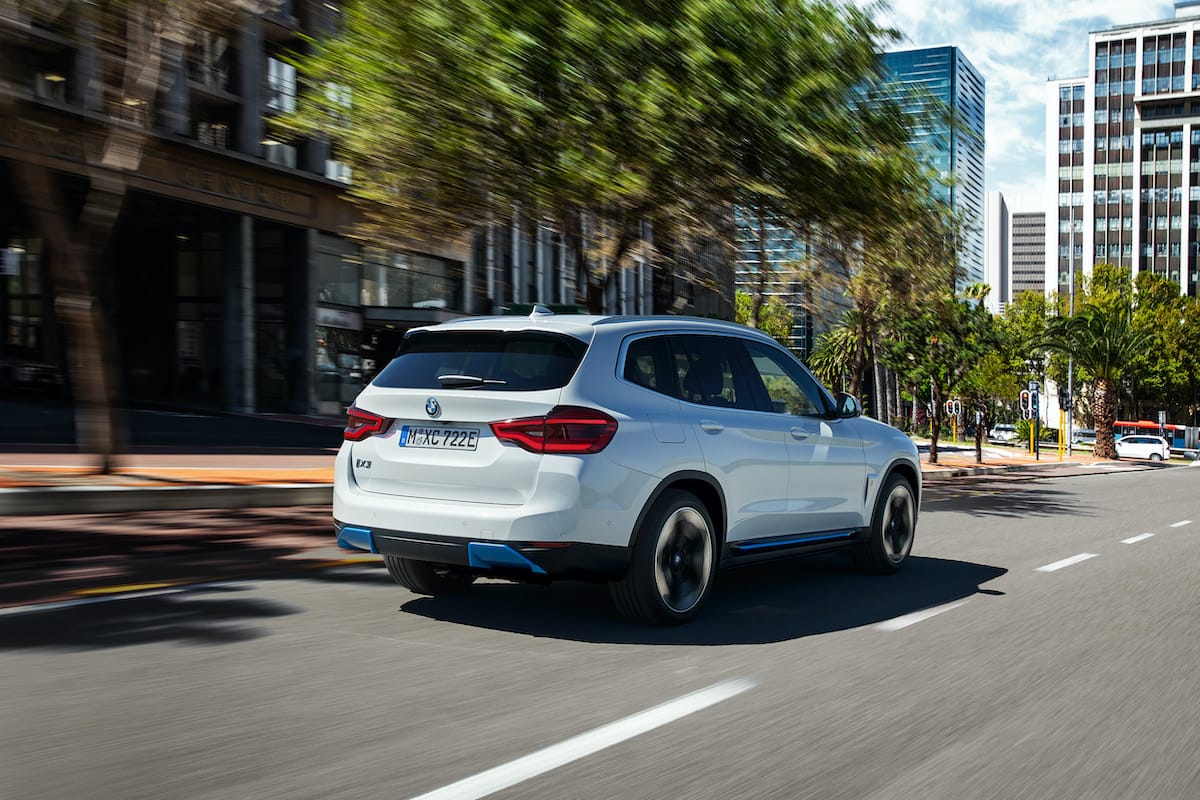
If you are running a leased car, you are not the registered keeper. The penalty notice will be sent to the leasing company, who will then have to advise the police that you were in posession of the car. That means it could take a few weeks for the NIP to reach you.

Along with the NIP, you will receive a form called a Section 172 notice that asks for confirmation of who was driving the car. You need to complete this by declaring that you were the driver of the car at the time of the offence, or you dob in whoever was driving. You have 28 days to fill in the form and return it.

Assuming that you have confirmed that it was you who was speeding, you will probably receive a fixed penalty notice (FPN) unless you were driving well in excess of the speed limit. The FPN gives you a choice of pleading guilty or not guilty. If you plead guilty, you’ll to pay the fine. If you plead not guilty, your case will usually proceed to a court hearing.

If you’re going to court, you should seek legal advice. We’re not qualified to help you with that.

Cost: How much will your fine be?

The minimum penalty for a speed camera offence is £100 and three points on your licence. But that’s only the minimum.

Updated laws came into effect in April 2017 that have made things a lot more complicated over the last four years. Fines are now graded according to both the level of speeding and your weekly salary. These fines were bumped up again in 2021.

Speeding penalties are now classified into three bands:

  • Band A for minor excesses (for example, up to 40mph in a 30mph zone)
  • Band B for moderate excesses (for example, up to 50mph in a 30mph zone)
  • Band C for major excesses (for example, more than 50mph in a 30mph zone)

Instead of fixed penalties based on your speed, the system now also takes your earnings into account, using the following formula:

  • Band A: 50% of your weekly salary, plus 3 penalty points
  • Band B: 150% of your weekly salary, plus 4-6 penalty points or disqualification for up to 28 days
  • Band C: 150% of your weekly salary, plus 6 penalty points or disqualification for up to 56 days
Speed camera fine - what happens now?

There is also some flexibility (plus or minus 25%) in the fine, based on other circumstances. Speeding around a school or busy pedestrian area will probably get your fine bumped up, whereas a similar speed on a deserted road in the middle of nowhere may get you a bit of leniency.

Points: Speed camera offences and penalty points

In addition to the cash penalty, you will normally receive between three and six penalty points, depending on the offence (see above). Anything above six penalty points will almost certainly be heard in court, due to the severity of the offence.

Penalty points are valid on your licence for three years from the date of the offence, or if your case is heard in court, from the date of your conviction. However, you may only apply for the endorsement to be removed from your licence completely after four years.
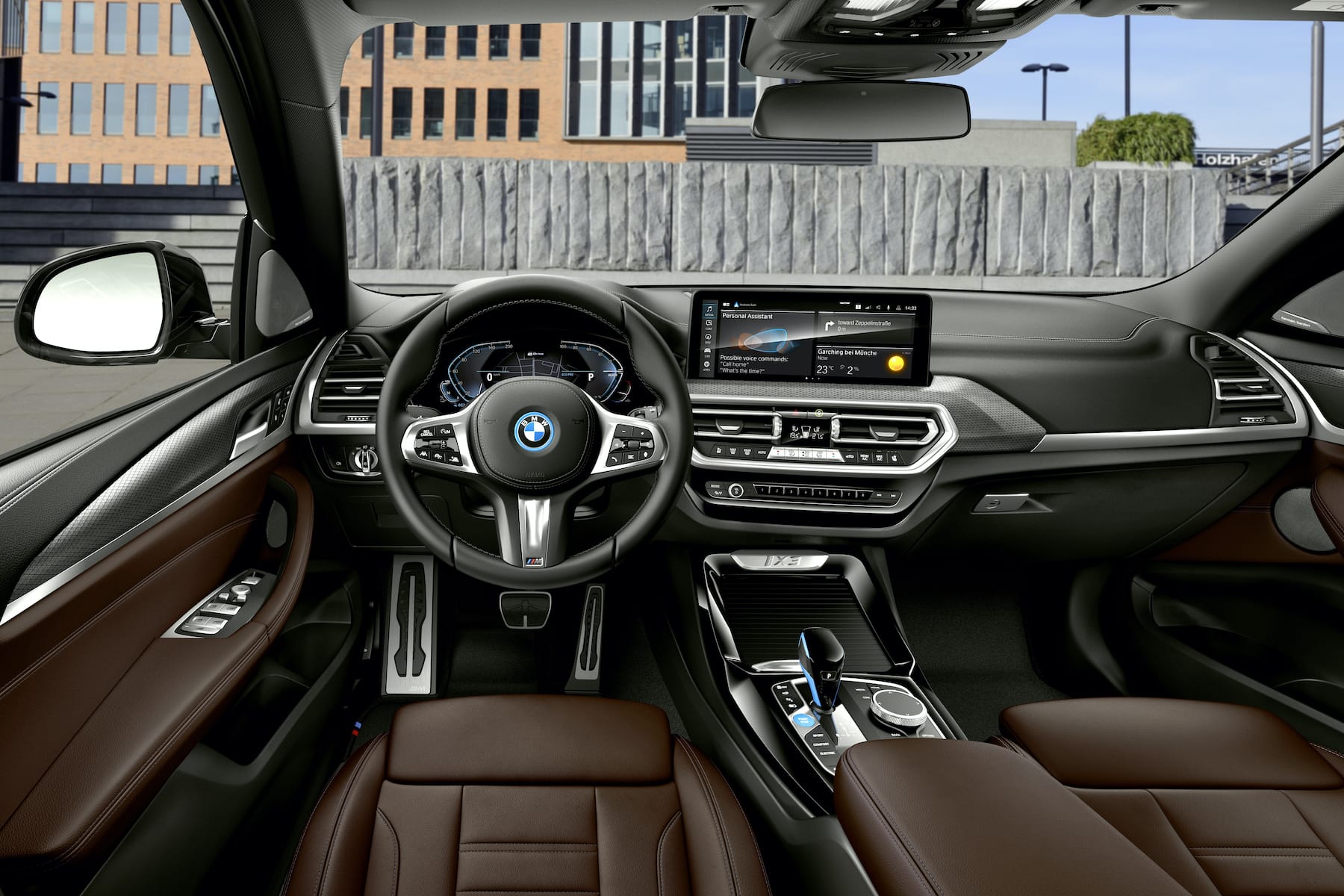
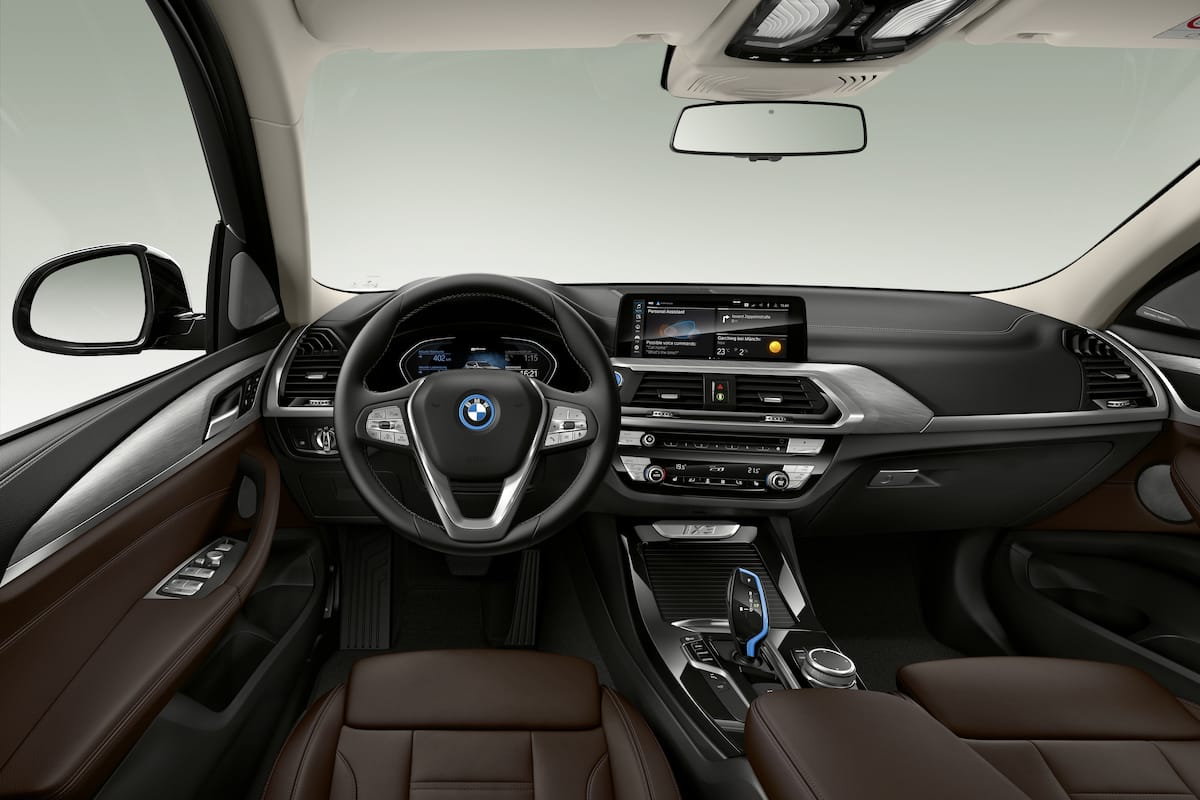
Most insurers don’t penalise for three penalty points. However, if you receive further endorsements within three years, you’re likely to see a significant rise in your car insurance premium.

Next page: Speed awareness courses, appealing a penalty and more serious offences

Peugeot 108 (2014 to 2022)

Summary

The Peugeot 108 was a small, city-class, five-door hatchback. It was also available as a cabriolet version, which features a full-length fabric sunroof in a similar vein to the Fiat 500. The current model was launched in 2014, replacing the previous Peugeot 107, and was discontinued in 2022.

The 108 was essentially identical to the Citroën C1 and Toyota Aygo, with the three models developed together and built at the same factory in the Czech Republic. The 108 underwent its most recent update in 2021, adding new trim and colour options but also dropping the three-door variants.

Toyota took full ownership of the factory for the production of its new Aygo X and the 108 was discontinued in Spring 2022. With Peugeot’s parent company Stellantis now also owning Fiat, it is likely that any future Peugeot city car will be based on the new, all-electric Fiat 500.

Reviewers generally considered the 108 a distinct improvement on its predecessor the 107, although the overall media review scores were still very poor. Parkers noted the way it looks like its bigger sister the 208, and more importantly how the ‘wheel on corners’ design produces surprising interior space in a small car.

Originally there were 1.0 and 1.2-litre engine options (as well as a cabriolet model) but this range was reduced to just a three-cylinder 1-litre 73hp petrol engine with emissions of 110-111g/km. Testers liked this unit, typical of the comments being from the Sunday Times, “adequate in its power and easy on the fuel.” But Auto Express regretted the demise of the 1.2, “which gave the car an extra little punch.”

While more recent small cars have dulled the appeal of the 108, reviewers did like the range of personalisation options available on the Peugeot, which Auto Express added; “will certainly attract younger buyers.” 

As of September 2025, the Peugeot 108 holds a Used Car Expert Rating A, with a score of 72%. It scores top marks for its low running costs and CO2 emissions, and its excellent running costs. However, its media review scores were very poor and its safety rating has long since expired.

108 highlights

  • Economical, ideal first car
  • Good equipment levels
  • Spacious for its size
  • Three-cylinder engine efficient
  • Lots of personalisation options

108 lowlights

  • Active safety only options
  • Engines can be noisy
  • Some cheap trim
  • Dated compared to newer rivals

Key specifications

Body style: Small five-door hatch
Engines: petrol
Price when new: From £13,320 on-road

Launched: Summer 2014
Last updated: Summer 2021
Discontinued: Spring 2022

Media reviews

Highlighted reviews and road tests from across the UK automotive media. Click any of the boxes to view.

Featured reviews

More reviews

Auto Trader

Business Car

Car

Car Keys

Carbuyer

Carwow

Green Car Guide

Honest John

Motors

Parkers

The Sunday Times

The Telegraph

Top Gear

Safety rating

Independent crash test and safety ratings from Euro NCAP

Overall score: 4 stars
Date tested: September 2015
Date expired: January 2021
Read the full Euro NCAP review

Adult protection: 80%
Child protection: 80%
Vulnerable road users: 62%
Safety assist: 56%

Notes on safety rating

The Peugeot 108 was awarded a four-star safety rating from Euro NCAP back in 2015. However, this rating expired in January 2021 as the 108 no longer met the requirements for a five-star car. This is normal practice, as Euro NCAP reviews its ratings on most cars annually with most ratings expiring after about six or seven years.

However, if you are comparing a used Peugeot 108 to vehicles of similar age, whose ratings will have probably also expired, its safety rating score is still useful.

Eco rating

Independent economy and emissions ratings from Green NCAP

No eco rating

The Peugeot 108 was not lab tested by Green NCAP during its production life.

Reliability rating

MotorEasy logo 600x167

Reliability data provided exclusively for The Car Expert by MotorEasy

All data based on MotorEasy average workshop costs for extended car warranty claims

As of April 2025 (our most recent data point), the Peugeot 108 has an excellent reliability record according to workshop and extended warranty data provided exclusively to The Car Expert by our partner, MotorEasy.

The average repair cost is very low at just £150, and the cost of repairs in each category is also low. In short, a used Peugeot 108 should provide cheap and reliable transport for many years if you take care of it.

Running cost rating

Clear Vehicle Data logo close crop

Monthly cost of ownership data provided exclusively for The Car Expert by Clear Vehicle Data

CO₂ outputAverageScoreVariationScore
Petrol models111 g/kmA
Insurance groupAverageScoreVariationScore
All models8A

Due to its age, we only have a limited amount of running cost data for the Peugeot 108. However, it should be very cheap to insure, and its low CO2 emissions are also likely to equate to decent fuel consumption.

Warranty rating

New car warranty information for the Peugeot 108

Overall ratingE17%
New car warranty duration3 years
New car warranty mileage60,000 miles

Peugeot’s new car warranty is pretty much the bare minimum offered in the UK, with a duration of three years and a limit of 60,000 miles. Other rivals in the price bracket do better (and in some cases, much better).

As a result, only the very last 108s sold might still be under the last months of their new car warranty. On the vast majority of 108s sold, the warranty will have already expired.

Warranty on a used Peugeot 108

  • If you are purchasing an ‘Approved Used’ 108 from an official Peugeot dealership, you will get a minimum six-month warranty included.
  • If you are buying a used 108 from an independent dealership, any warranty offered will vary and will probably be managed by a third-party warranty company.
  • If you are buying a used 108 from a private seller, there are no warranty protections.

If you’re looking to buy a used car that is approaching the end of its warranty period, a used car warranty is usually a worthwhile investment. Check out The Car Expert’s guide to the best used car warranty providers, which will probably be cheaper than a warranty sold by a dealer.

Recalls

Official DVSA safety recalls that have been issued for the Peugeot 108

Date: December 2020
Recall number: R/2020/354
Model types: All
Build dates: 08/2020 to 10/2020
Number of vehicles affected: 121
Defect: Some rear seat belts may have incorrect stitching on the belt material to connect the buckle to the anchor plate.
Remedy: Check seat belts and relace if necessary.

Date: June 2016
Recall number: R/2016/137
Model types: All
Build dates: 09/2014 to 10/2014
Number of vehicles affected: 985
Defect: A component of the steering column may not be to specification and could fail. If this occurs, there would be a loss of directional control.
Remedy: The manufacturer will contact keepers of affected vehicles and advise not to use the vehicle. Examine vehicles and, on those with the affected component, replace the steering column.

Date: January 2015
Recall number: R/2015/023
Model types: All
Build dates: 11/2014
Number of vehicles affected: 1
Defect: There may be a small defect in the front bumper frame, which may affect its impact absorption in a collision.
Remedy: Replace front bumper frame.

As of September 2024 (our most recent data point), there have been three DVSA vehicle safety recalls on the Peugeot 108 to address different issues.

Not all vehicles are affected by recalls. You can check to see if your car is included in any of the above recalls by visiting the DVLA website or contacting your local Peugeot dealer.

If your car is affected by a recall, the vehicle must be repaired and you should not be charged for any work required. If you are buying a used Peugeot 108, you should insist that any outstanding recall work is completed before you take delivery of the vehicle.

Similar cars

If you’re looking at the Peugeot 108, you might also be interested in these alternatives

Current models: Hyundai i10Kia Picanto | Toyota Aygo X

Discontinued models: Citroën C1 | Fiat 500 | Fiat Panda | SEAT Mii | Skoda Citigo | Smart Fortwo | Smart Forfour | Suzuki Ignis | Toyota Aygo | Volkswagen Up!

The obvious rivals to the Peugeot 108 are its siblings with different badges, the Citroën C1 and Toyota Aygo, but they really are so similar you will only be looking for which is offered to you for the lowest price.

More recent small cars have to a degree left the 108 in their wake, particularly the Hyundai i10, which offers much more interior space.

There are very few new petrol-powered city cars still on sale in the UK, with all of the latest models being electric vehicles.

Buy a used Peugeot 108

If you’re looking to buy a Peugeot 108, The Car Expert’s partners can help you find the right car

Motors 600x300

Search less, live more. We make finding the right car simple. Find out more

Auto Trader logo 600x300

Find your next new or used car with Auto Trader. Find out more

Carwow logo 600x300

Find your next new or used car with Carwow. Find out more

Car subscriptions

If you’re interested in a car subscription, The Car Expert’s partners can help (PS: What’s a car subscription?)

SelfDrive UK logo

Car subscriptions from SelfDrive.
Find out more

Drive Fuze logo 600x300

Car subscriptions from DriveFuze.
Find out more

Cocoon Vehicles logo 600x300

Car subscriptions from Cocoon.
Find out more

Hyundai i20

Summary

The Hyundai i20 is a small, supermini-class, five-door hatchback. The current model was launched in early 2020, arriving in the UK late in the year.

Unlike some rivals, the i20 is only available in one body style (five-door hatch) and with one engine (a 1.0-litre mild hybrid petrol unit). A high-performance model called the i20 N arrived in 2021 and we have a separate page here for that model.

The i20 has received praise for being a significant improvement over the previous model. Reviewers have particularly noted its styling and interior quality, although it’s still not considered to be on a par with rivals like the SEAT Ibiza and Volkswagen Polo.

As of March 2026, the Hyundai i20 holds a New Car Expert Rating of B, with a score of 68%. It scores highly for running costs and low CO2 emissions, while its safety reliability and reliability record are also good.

Key specifications

Body style: Five-door hatch
Engines: petrol
Price: From £19,035 on-road

Launched: Autumn 2020
Last updated: N/A
Replacement due: TBA

Media reviews

Highlighted reviews and road tests from across the UK automotive media. Click any of the boxes to view.

Featured reviews

More reviews

Auto Express

Auto Trader

Car

Car Keys

Carbuyer

Company Car Today

Daily Mirror

Fleetworld

Heycar

Honest John

Parkers

The Telegraph

Top Gear

Safety rating

Independent crash test and safety ratings from Euro NCAP

Overall score: 4 stars
Date tested: September 2022
Read the full Euro NCAP review

Adult protection: 76%
Child protection: 82%
Vulnerable road users: 76%
Safety assist: 67%

The Hyundai i20 has not specifically been assessed by Euro NCAP, but has been awarded a four-star safety rating based on the test results of the similar Bayon SUV/crossover.

Eco rating

Independent economy and emissions ratings from Green NCAP

Model tested: 1.0-litre petrol automatic

Overall score: 3.5 stars
Date tested: September 2025
Read the full Green NCAP review

Clean Air Index: 6.7 / 10
Energy Efficiency Index: 6.8 / 10
Greenhouse Gas Index: 4.7 / 10

Reliability rating

Reliability data provided exclusively for The Car Expert by MotorEasy

All data based on MotorEasy average workshop costs for extended car warranty claims

The Hyundai i20 family has a good reliability record, according to workshop and warranty data provided exclusively to The Car Expert by our partner, MotorEasy. This score applies to all i20 models from the current generation, as well as previous models (before 2020).

The most common problem are reported by workshops for the i20 is the braking system. Fortunately, the average repair price is about £200. Gearbox repairs have been the most expensive to date, averaging nearly £800 to fix, but these are thankfully rare.

Running cost rating

Clear Vehicle Data logo close crop

Monthly cost of ownership data provided exclusively for The Car Expert by Clear Vehicle Data

Fuel consumptionAverageScore
Petrol models52 mpgB
CO₂ outputAverageScoreVariationScore
Petrol models124 g/kmB
Insurance groupAverageScoreVariationScore
All models13A
Service and maintenanceCostScore
Year 1£176B
Year 2£475B
Year 3£764B
Year 4£964B
Year 5£1,259B
Overall£3,638B

The Hyundai i20 is a very affordable car to own and run, according to whole-life cost numbers provided exclusively to The Car Expert by our data partner, Clear Vehicle Data.

Servicing and insurance bills should be cheap, while fuel consumption is also very good for day-to-day driving.

Similar cars

If you’re looking at the Hyundai i20, you might also be interested in these alternatives

Citroën C3 | Dacia Sandero | Ford Fiesta | Honda Jazz | Kia Rio | Mazda 2 | MG 3Mini hatch | Mitsubishi MirageNissan Micra | Peugeot 208 | Renault Clio | SEAT Ibiza | Skoda FabiaSuzuki Swift | Toyota Yaris | Vauxhall Corsa | Volkswagen Polo

Buy a Hyundai i20

If you’re looking to buy a new or used Hyundai i20, The Car Expert’s partners can help you find the right car

Motors 600x300

Find your next used car with Motors. Find out more

Auto Trader logo 600x300

Find your next new or used car with Auto Trader. Find out more

Carwow logo 600x300

Find your next new or used car with Carwow. Find out more

Lease a Hyundai i20

If you’re looking to lease a new Hyundai i20, The Car Expert’s partners can help you find a competitive deal

Leasing-com logo

Personal contract hire deals from Leasing.com. Find out more

Carwow logo 600x300

Personal contract hire deals from Carwow. Find out more

Select Car Leasing logo

Personal contract hire deals from Select Car Leasing. Find out more

Subscribe to a Hyundai i20

If you’re interested in a car subscription, The Car Expert’s partners can help (PS: What’s a car subscription?)

Cocoon Vehicles logo 600x300

Car subscriptions from Cocoon.
Find out more

Just Vehicle Solutions logo 600x300

Car subscriptions from Just Vehicle Solutions.
Find out more

Flexible Vehicle Contracts logo 600x300px

Car subscriptions from Flexible Vehicle Contracts.
Find out more

Audi Q4 e-tron is entry-level electric SUV

0

The Audi Q4 e-tron has been unveiled as the entry-level member of the German brand’s now four-strong electric range.

The Q4 e-tron will arrive in showrooms in the second half of 2021 and will be available as a standard SUV and a more aerodynamic Sportback version.

Audi’s first model to use parent company Volkswagen’s MEB electric vehicle platform, the Q4 e-tron has a WLTP-certified driving range of up to 316 miles between charges. Owners with access to 125kW rapid chargers will be able to put 80 miles of range into the battery pack in only ten minutes.

Three powertrain options will be available. The Q4 35 e-tron has one electric motor producing 170hp driving the rear wheels and its 52kWh battery pack offering a maximum range of 208 miles (in SUV form). 0-62mph takes nine seconds.

The Q4 40 e-tron is also rear-wheel drive but with power increased to 204hp. A larger battery capacity boosts the potential range to 316 miles, again in SUV form, with an 8.5-second 0-62mph time.

Range-topper is the Q4 e-tron quattro, with separate motors driving the front and rear wheels and power totalling 300hp. Range is quoted at 295 miles for both versions of the car which both produce a 0-62mph time of 6.2 seconds.

Rear-seat passengers will enjoy a commanding view in the Q4, their seats mounted 7cm higher than the front seats in order to accommodate the battery pack.

The car is also the first Audi to offer new head-up display technology. Augmented reality information such as moving navigation instructions are projected onto the windscreen, in two fields. The largest version of Audi’s well-known MMI digital dash display will be available some time after the car’s launch.

Prices for the Q4 e-tron range from £40,750 for the 35 Sport to £65,070 for the 50 quattro Vorsprung. First deliveries of the SUV will be in June, the Sportback following in September.

Safety advances leave Dacia trailing

The latest round of crash tests by safety body Euro NCAP have seen the new Skoda Enyaq and Volkswagen ID.4 electric cars earn top five-star ratings – but the Dacia Sandero Stepway SUV and Logan saloon have earned ratings of just two stars.

The reason, according to the testers, is the slim accident avoidance specification on the budget brand’s two models (the Logan is effectively a saloon version of the Sandero but it’s not currently sold in the UK). While both are fitted with autonomous emergency braking, it is radar rather than camera controlled. Dacia’s basic system will not detect pedestrians or cyclists, only reacting to other vehicles which will soon be a legal requirement on all cars.

In addition, neither of the two cars is available with the lane-keeping technology which has become the norm in car safety packages in recent years, which Euro NCAP noted was disappointing as in other areas (adult occupant protection and child occupant protection) the two cars had scored well. With a better active safety package they could have secured a four-star safety rating.

In essence, the new Dacia Sandero will protect you reasonably well if you have an accident, but it doesn’t do enough to help you avoid that accident in the first place.

“Safety has moved on,” said Euro NCAP secretary general Michel van Ratingen. “The biggest strides forward are now being made by using high-tech to prevent accidents from happening.

“Dacia have found their market and they are sticking to it, but a two-star rating shows little ambition, even for a low-cost product. Their decision not to offer a camera clearly is out of step with the market and disappointing as Dacia are aware that their cars will soon have to comply with the general safety regulation.”

Skoda Enyaq crash test
The Skoda Enyaq earned praise from testers for its wide-ranging safety systems.

The Enyaq, Skoda’s first production model designed specifically as an electric car, and the ID.4, a bigger version of VW’s previously launched ID.3, produced very similar points scores, with Euro NCAP praising their extensive safety systems. With front, centre and curtain airbags fitted as standard, both cars scored over 90% for adult occupant protection.

In good company: which car scheme should your business offer?

You’re an employer providing a great service and you want top people alongside you to achieve your goals. But how do you attract them?

A decent salary of course, and perhaps some eye-catching add-ons. For many prospective employees, an essential part of any offer is a company car scheme of some sort. It’s well-known that, after a house purchase, a car is usually the biggest acquisition anyone will make, so to get one as part of an employment package is a real bonus. Some might say it’s the deal-clincher.

Company car schemes are probably the most popular of all employee benefits to be offered, and that’s good news for the car industry too – around half of all new cars sold go to company fleets.

Being able to offer a car as part of a job package not only says a lot about you as a company, but it opens up a wider pool of good people to draw from. Because for many potential employees, it’s a case of: ‘No car? No thanks.’

And company car packages are not just the domain of big businesses. Smaller companies and even start-ups can just as easily throw company wheels on to their benefits list in the bid to attract the right people.

It’s fairly easy today to organise a company car fleet for any size of business. The most difficult part is deciding which type of company car scheme is right for you, as the employer, to offer.

So what’s available?

There are basically three ways forward on the road to a good company car scheme:

  • company-owned vehicle
  • employee car allowance
  • employee salary sacrifice scheme

They’re all quite different and each option offers its own pros and cons.

Company-owned vehicle scheme

Running a straight company car scheme has many advantages over and above creating an attractive rewards package for staff. It’s a controllable scheme as you can choose which cars are offered and therefore their cost.

Cars with low or no CO2 emissions can be specified, thereby lowering the carbon footprint of your business. Servicing and maintenance can be organised as a ‘job lot’ to reduce costs and you can even incorporate some small signwriting on the cars to advertise your company and its business.

On the downside, there could be a large ‘start-up’ cost to get your fleet bought, taxed and insured and ultimately, you as the employer, are responsible for the maintenance and upkeep of a fleet of vehicles – and that doesn’t come cheap.

There are also tax and national insurance contributions (NICs) to consider. Employers will pay NICs based on the value of a car and the fuel that it uses. And employees will pay too – cars are taxed according to their value and the type of fuel that they use, so the more emissions (CO2) the car emits, the greater the banding figure, while diesel cars carry an extra 4% on top of their banding rates.

And with benefit-in-kind (BiK) tax being levied on fuel used for private use too, it is important to choose cars that represent reasonable tax value for the employee, or the benefit of having the car will be lost.

Company car allowance

This is a straight cash allowance which is added to your employee’s salary, enabling him or her to put it towards the car of their choice, either buying or leasing it. One immediate benefit is that neither the employer nor the employee has to worry about paying company car tax. The employee will, however, pay income tax on the extra money they’re being paid.

Another benefit for the employer is that you are not responsible for the upkeep, maintenance or insurance of the vehicle because it’s not yours. And the employee will have to keep their own records of business mileage versus private mileage, not you.

Your employee doesn’t have to use all of their allowance on the car, so they could buy or lease a cheaper vehicle and pocket the extra cash. They also get to keep the vehicle if they leave your company, which means that you don’t have to worry about continuing to pay for an idle vehicle while you’re recruiting a replacement staff member.

The potential downside is that you’re not in control of the car your employee buys. If your business is trying to project a clean and green image, for example, you don’t want your employee turning up to meet clients in a ten-year-old V8 barge that emits more pollution than a small town. Or they buy something hideously unreliable that breaks down halfway to a crucial meeting…

Salary sacrifice

Salary sacrifice schemes are business contract hire arrangements which allow employees to take a new car – helped by their employer – and in return sacrifice part of their gross salary to pay for it. That means they don’t pay income tax or national insurance contributions on the portion of their salary they have ‘sacrificed’.

This was a popular way to get a company car up until 2017, when the government changed the tax laws to make drivers pay income tax on the value of the car or the amount of money they were giving up to get one. So the attraction waned.

However, with electric cars, the opportunity to save that tax and NIC is still there and, even though from this month (April 2021) employees have to pay 1% of the value of the car in BiK, it’s still an appealing proposition for many.

For the employer, salary sacrifice is still a worthwhile consideration. It adds no more cost to you, while providing a tax-effective way for employees to drive a new car that usually leaves them with extra money in their wallet each month.

It encourages everyone to opt for clean, low emissions cars that attract lower company car tax, and it also means lower national insurance bills for the employer because the worker’s gross salary has been reduced.

It doesn’t suit every business though. Companies with lower-paid staff might find that the scheme is not worth it to them as there is little room to ‘sacrifice’ salary. Also, firms with a high turnover of staff could find themselves with unwanted returned vehicles that they have to pay early termination fees on.

Sometimes employers will choose to offer multiple options for employees to take a company car. So, for example, an employee could use their car allowance cash to take a vehicle on a salary sacrifice programme. Depending on the circumstances, this could offer your staff the best of both worlds.

SUVs top the wish list of aspirational buyers

Fed up UK drivers are spending their extra savings, gained from the Covid lockdown period, on the car of their dreams – and SUVs are topping the choice lists.

A new survey shows that the big family cars and other premium brand vehicles were the used cars of choice last month (March), as buyers dipped into some of the unspent restaurant, cinema and holiday money that they’ve saved over the last 12 months.

The Volkswagen Touareg was the fastest-selling used car during March, according to the eBay Motors Group findings, with the Mercedes-Benz GLC and GLE, BMW X4, Audi Q7 and Land Rover Discovery Sport also among the top 10 quick sellers.

RankMakeModelAvg days to sell
1VolkswagenTouareg29.0
2Hyundaii4029.1
3Mercedes-BenzGLC29.9
4CitroënBerlingo30.0
5BMWX431.9
6AudiQ732.5
7Mercedes-BenzGLE32.8
8MiniOne33.2
9HyundaiKona34.3
10Land RoverDiscovery Sport34.3
March 2021 Motors.co.uk. Top 10 Fastest Selling Used Cars (minimum of 100 models)

Ford was the most searched-for brand among used car buyers, accounting for almost 13% of all views on eBay’s Motors.co.uk site in March, increasing its year-on-year share from 11%.

Volkswagen was the second most viewed brand with just under a 9% share, followed in third place by Vauxhall (8%).

Premium brands also performed strongly in the top ten including BMW, Mercedes-Benz and Audi all seeing about 7% of total page views, and Land Rover in ninth place with just under 4%.

RankMakeMarch 2021February 2021March 2020
1Ford12.9%13.4%11.3%
2Volkswagen8.6%8.2%8.1%
3Vauxhall8.0%8.7%8.3%
4BMW7.3%6.7%7.5%
5Mercedes-Benz7.1%7.1%7.9%
6Audi7.0%6.4%7.1%
7Nissan4.5%4.8%4.2%
8Peugeot3.9%4.2%3.4%
9Land Rover3.6%3.7%4.4%
10Toyota3.3%3.1%3.2%
March 2021 Motors.co.uk. Top 10 Most Viewed Manufacturers

“For some used car buyers the long months of lockdown, missed holidays and unexpected financial savings, have prompted aspirational purchases of premium brand family-size SUVs,” says Dermot Kelleher, head of marketing and research at eBay Motors Group.

“With the UK in lockdown throughout March, the used car market continued to show remarkable resilience with franchised dealers achieving their fastest stock turns so far this year on the back of high levels of online consumer activity.

“Overall, our March analysis reflects a strong desire among buyers to research and complete purchases as the UK prepares to move out of lockdown.”

The ten golden rules for buying a car

When it comes to buying a car, even the most sensible and organised people can go into a complete panic. They make stupid decisions and ignore their instincts because they are suddenly put under pressure in an uncomfortable environment.

The complete guide to getting a great deal on buying a car would fill a whole book. But since you’re probably here looking for immediate answers and advice on buying your next car, here are The Car Expert’s Ten Golden Rules for buying a new or used car.

There’s nothing in here that is complicated or difficult, and we will show you how anyone can get a great deal on a car. You don’t have to know anything about cars or car finance; you just have to trust your own judgment and ask questions whenever you don’t understand something.

Follow our golden rules and you are far more likely to end up with a decent car – and get a decent deal on it, too.

Rule 1. Don’t sign anything unless you are 100% committed to buying the car

Signing a form indicates you are committing to what that form says. In a car showroom, signing a form generally means you’re agreeing to buy a car – and it’s usually a legally-binding commitment.

You don’t need to sign anything for a quote, whether it’s a price for the car or a quotation on car finance. Any dealer telling you that you need to sign something “to hold the price until you make up your mind” is lying. You don’t need to do that. You are probably signing a contract to buy a car.

You may have to sign a test drive form to make sure you are covered for insurance purposes, but you don’t have to sign a vehicle order. If a dealer won’t let you test drive a car without signing an order “subject to a satisfactory test drive” beforehand, walk away.

If you’re not 100% sure that this car is the one you want, or whether your significant other will like it, or if you haven’t got an insurance quote yet, or if you’re not sure it will fit in the garage, or for any other reason at all, don’t sign the form.

Do your homework first and make sure you have all your ducks lined up in a row before committing yourself. Don’t be pressured into signing anything (see Rule 4 and Rule 9) by anyone. Only sign when you are good and ready.

Once you sign a contract to buy a car in a car showroom, you have legally committed yourself to it and you can be held to it.

Changing your mind after you sign on the dotted line is much harder than beforehand, and usually much more expensive.

Next page: Before you reach for your wallet…