Find an Expert Rating: 
Home Blog Page 97

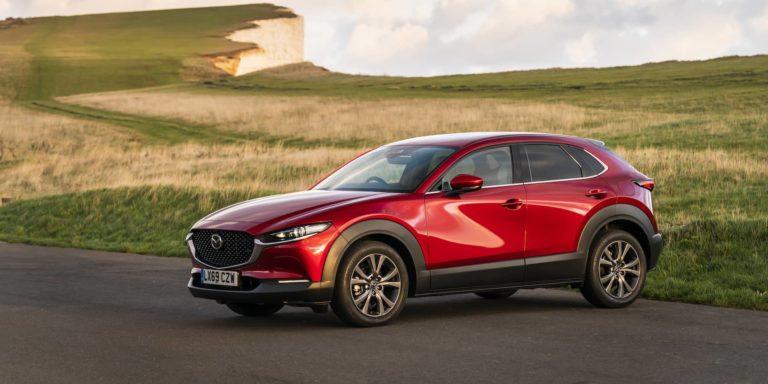
Mazda CX-30

Summary

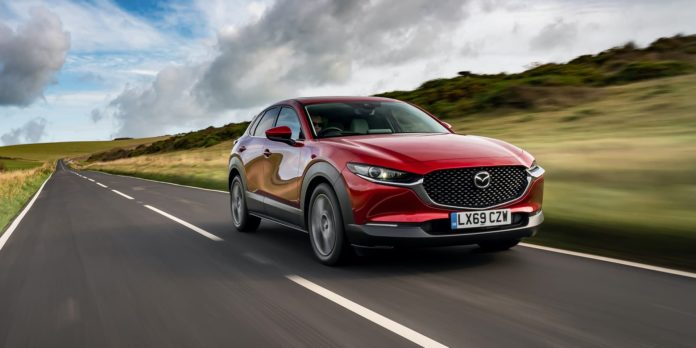
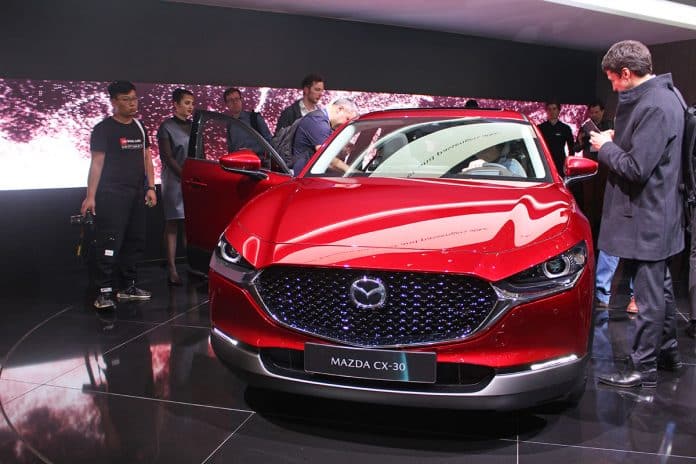
The Mazda CX-30 is an SUV/crossover that sits between the smaller CX-3 and larger CX-5 in the Mazda SUV range. It was launched at the 2019 Geneva motor show before going on sale later in the year.

The CX-30 is based on the Mazda 3 hatchback and is more sleekly-styled, although less practical, than the slightly larger CX-5.

As of March 2026, the Mazda CX-30 has a New Car Expert Rating of B with a score of 68%, and has received generally positive reviews from UK motoring websites. It has been praised for its driving dynamics and interior quality, although it has been criticised for its small boot and poor practicality compared to rivals.

CX-30 highlights

  • High-quality interior
  • Economical engines
  • Well-equipped as standard
  • Stylish looks

CX-30 lowlights

  • Rivals are more spacious and practical
  • No diesel or electrified engine options
  • Boot could be bigger

Key specifications

Body style: Medium SUV/crossover
Engines: petrol
Price: From £22,945 on-road

Launched: Autumn 2019
Last updated: Spring 2021
Replacement due: TBA

Media reviews

Highlighted reviews and road tests from across the UK automotive media. Click any of the boxes to view.

Featured reviews

More reviews

Auto Express

Auto Trader

Car

Car Keys

Carbuyer

Carwow

Company Car Today

Green Car Guide

Honest John

Parkers

The Sun

The Telegraph

Top Gear

Safety rating

Independent crash test and safety ratings from Euro NCAP

Overall score: 5 stars
Date tested: November 2019
Date expired: January 2026
Read the full Euro NCAP review

Adult protection: 99%
Child protection: 86%
Vulnerable road users: 80%
Safety assist: 77%

Eco rating

Independent economy and emissions ratings from Green NCAP

Model tested: SKYACTIV-X 180 PETROL 4X2 MANUAL

Overall score: 2.5 stars
Date tested: February 2021
Read the full Green NCAP review

Clean Air Index: 4.6 / 10
Energy Efficiency Index: 4.7 / 10
Greenhouse Gas Index: 4 / 10

The Mazda CX-30 SkyActiv-X 180 2.0-litre petrol manual received a 2.5 star rating from Green NCAP in February 2021.

Green NCAP said: “The CX-30 180 petrol employs Mazda’s Skyactiv-X technology, with a very high compression ratio and lean fuel mixture to try to reduce emissions. This is combined with a 24-volt mild hybrid system to improve fuel efficiency.

“Together with the exhaust after-treatment – three-way catalyst, exhaust gas recirculation and a gasoline particulate filter – the car shows generally low values of pollutant emissions. The weakness is at high engine loads where values of carbon monoxide and carbon dioxide become elevated. This limits the scores in the Clean Air and Greenhouse Gas indexes.

“Overall, the CX-30 scores similarly across the three areas of assessment and emerges with a solid 2½ star rating.”

This rating only applies to the SkyActiv-X 180 2.0-litre petrol manual version of the Mazda MX-30, and does not imply similar ratings for other engine and gearbox combinations in the range.

Reliability rating

Reliability data provided exclusively for The Car Expert by MotorEasy

No reliability rating

As of March 2026, we don’t have enough reliability data on the Mazda CX-30 to generate a reliability rating.

The Car Expert’s reliability information is provided exclusively to us using extended warranty data from our partner, MotorEasy. As soon as MotorEasy has sufficient data on the CX-30, we’ll publish the score here.

Running cost rating

Clear Vehicle Data logo close crop

Monthly cost of ownership data provided exclusively for The Car Expert by Clear Vehicle Data

Fuel consumptionAverageScore
Petrol models46 mpgC
CO₂ outputAverageScoreVariationScore
Petrol models138 g/kmC
Insurance groupAverageScoreVariationScore
All models18A
Service and maintenanceCostScore
Year 1£192B
Year 2£527B
Year 3£864C
Year 4£1,105C
Year 5£1,517C
Overall£4,205C

The Mazda CX-30 is a relatively affordable car to own and run, according to whole-life cost numbers provided exclusively to The Car Expert by our data partner, Clear Vehicle Data.

While the crossover’s fuel economy is fairly average, its insurance premiums are estimated to be on the cheaper side, and its servicing and maintenance costs should be pretty affordable over the first five years of ownership.

Similar cars

If you’re looking at the Mazda CX-30, you might also be interested in these alternatives

Citroën C4 CactusFord Kuga | Honda CR-V | Hyundai Tucson | Jeep Compass | Kia Sportage | Mazda CX-5 | Nissan Qashqai | Peugeot 3008 | Renault Kadjar | Skoda Karoq | Subaru XV | Toyota C-HR | Vauxhall Mokka | Volkswagen T-Roc

More news, reviews and information about the Mazda CX-30 at The Car Expert

Everything you need to know about Mazda

Everything you need to know about Mazda

Last days of the dinosaurs: the best petrol cars under £25K

Last days of the dinosaurs: the best petrol cars under £25K

Mazda celebrates centenary with special edition models

Mazda celebrates centenary with special edition models

Mazda CX-30 review

Mazda CX-30 review

Mazda CX-30 pricing and specifications announced

Mazda CX-30 pricing and specifications announced

Geneva: Mazda expects big things of CX-30 SUV

Geneva: Mazda expects big things of CX-30 SUV

Buy a Mazda CX-30

If you’re looking to buy a new or used Mazda CX-30, The Car Expert’s partners can help you find the right car.

Motors 600x300

Find your next used car with Motors. Find out more

Auto Trader logo 600x300

Find your next new or used car with Auto Trader. Find out more

Carwow logo 600x300

Find your next new or used car with Carwow. Find out more

Lease a Mazda CX-30

If you’re looking to lease a new Mazda CX-30, The Car Expert’s partners can help you find a competitive deal.

Leasing-com logo

Personal contract hire deals from Leasing.com. Find out more

Carwow logo 600x300

Personal contract hire deals from Carwow. Find out more

Select Car Leasing logo

Personal contract hire deals from Select Car Leasing. Find out more

Subscribe to a Mazda CX-30

If you’re interested in a car subscription, The Car Expert’s partners can help. (PS: What’s a car subscription?)

Cocoon Vehicles logo 600x300

Car subscriptions from Cocoon.
Find out more

Just Vehicle Solutions logo 600x300

Car subscriptions from Just Vehicle Solutions.
Find out more

Flexible Vehicle Contracts logo 600x300px

Car subscriptions from Flexible Vehicle Contracts.
Find out more
Coronavirus: Can I drive during the lockdown?

1

This week the UK has been in lockdown as the Government has moved to try to limit the spread of coronavirus.

It meant that people are only allowed to leave the house to buy food or medicine, exercise once per day, to receive medical help, or to help someone who is vulnerable.

All businesses that are not deemed essential have also been asked to close down, and employees who do not work in essential sectors should either work from home or not work at all.

Residents have also been warned not to visit friends or family with the police given powers to break up groups of more than two people who don’t live together.

When can I drive?

All of this means that there are some reasons to drive. For example, if you work in an essential business and have to get to work, there’s nothing to stop you from driving to do so.

Furthermore, if you’re travelling to a supermarket or pharmacy to stock up on essential provisions then you’re allowed to drive to these locations.

You can also use the car to travel to visit a vulnerable person in need of help, or to get to the hospital to seek medical attention for yourself or someone else.

When can’t I use the car?

Simply put, any other time. If you’re looking to blow off the cobwebs by going for a drive, that’s deemed an unnecessary journey so you shouldn’t be in the car.

And if you’re tempted to drive to the local park or forest to take your allotted form of exercise for the day, this is being discouraged too.

Police in Bristol have been asking dog walkers visiting the Wellington Monument to stay away, handing them leaflets that say: “The government restrictions currently in place do not permit you to use your vehicle to travel to this location to exercise.

“Each and every one of us has been instructed to avoid all unnecessary travel.

“You are entitled to exercise once daily. This should be by walking, running or cycling from your home address.

“You should not be driving to a location away from home to carry this out.”

This interpretation of the rules appears to be being followed by police forces across the country, after Derbyshire Police shared drone footage of hikers in the Peak District who had travelled from as far afield as Sheffield, saying that ‘the message [to exercise close to home] is still not getting through’.

Why can’t I drive if I’m on my own?

Many users on social media hit back at Derbyshire Police, saying there was nothing wrong with travelling to get exercise if they practised social distancing. However, Supt Steve Pont of Derbyshire Police told the BBC’s Today programme the force would continue to “apply the law the government makes… to keep you and others safe and ensure our NHS is able to cope in order to save as many lives as possible”.

It is argued that by limiting the number of unnecessary journeys you take, you minimise the risk of getting into a crash that would put strain on the emergency services and NHS, and minimise the risk of getting a puncture or breaking down that would cause you to risk close contact with recovery personnel.

Coronavirus: How to keep your car in roadworthy condition

This week, the Department for Transport (DfT) announced that it will grant a six-month MOT exemption to all cars from March 30 in response to the ongoing coronavirus pandemic. It means that if your MOT expires after that time, it will automatically be exempt for a period of six months.

However, the DfT has also reminded owners that cars must be kept in a roadworthy condition, with police able to prosecute those who are driving a car which is mechanically unsound. This is no different to laws before the coronavirus lockdown began, but owners need to take extra care since they can’t rely on an MOT inspection to flag up any issues.

Although garages remain open for essential repairs, a few simple checks at home can help ensure that you and your car are safe out on the road. If your vehicle does need to be taken to a garage, you must ensure that you’re not showing any signs of coronavirus – in which instance you shouldn’t visit the garage and should self-isolate instead.

Government advice currently states that you should stay at home and only go outside when absolutely necessary, but if you have to head out on the roads it’s worth making sure your car is all okay. With that in mind, here are some of the key checks to make sure that your car is safe and sound.

Check your tyres to make sure your car is in a roadworthy state

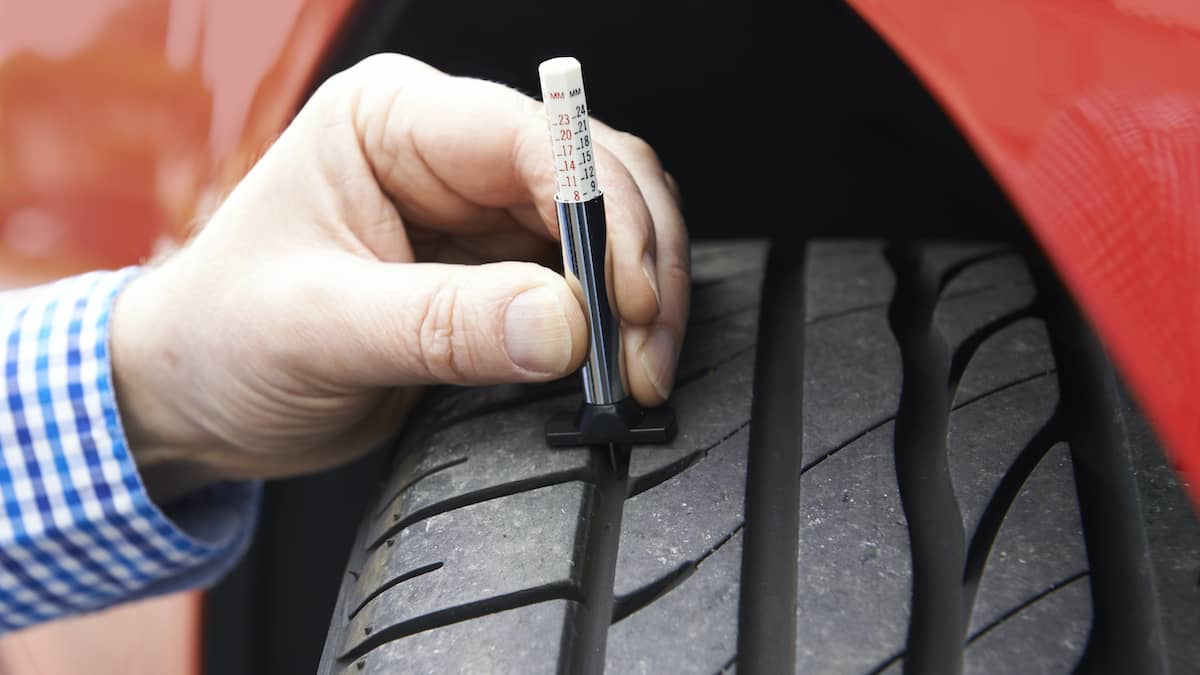
This is a straightforward one. The tyres are the only contact point between the car and the road, and it’s paramount that they’re in good condition. The minimum tread depth in the UK is 1.6mm, so check all of the tyre grooves to ensure they meet this. Either use a tread depth gauge or a 20p coin – if the outer band of the coin is obscured by tyre, then the tread depth is good.

Also, check your pressures – you’ll be able to find your car’s correct tyre pressures either in the handbook or inside the fuel filler cap. Check and fill appropriately.

Check your brakes

Your brakes are one of the most important mechanical parts of your car and without them, it’s likely you’ll be in a whole heap of trouble. So before you head out, it’s worth giving them a test to make sure that they’re working effectively.

When moving at a slow speed and when safe to do so, press down on the brake pedal and ensure that you’re getting a good amount of return pressure. If the pedal feels overly light or doesn’t effectively ‘bite’, it could be worth getting them checked out. Likewise, if the car ‘pulls’ or the brake pedal vibrates when you use it, this could be a sign that they need changing.

Remember, garages are still open for key maintenance.

Check your oil

Check your oil to make sure your car is in a roadworthy state

Oil is a key element to the smooth operation of an engine, so it’s crucial it stays well topped up and in good condition.

Checking the levels of oil in your car is a simple task. In most cases, simply open the bonnet and locate the dipstick — usually with a bright yellow cap. If you have used your car prior to checking levels, allow the engine to cool for 10 minutes.

Use this time to check manufacturer guidelines on how often the oil should be replaced. If it’s been longer than a recommended interval, it’s best to book into a garage to have it drained and replaced as soon as possible.

Before removing the dipstick to check levels, ensure you have a clean piece of tissue to hand. Once you have removed the dipstick, use this to clear oil on it and locate the indicator markings — typically two holes towards the end of the stick.

Place the dipstick back in fully, remove it again and see where the oil level comes up to. It should be between the two indicators. If it’s below the lowest indicator, it’s time to top up. If it’s above, talk to a garage about removing any excess.

Keep washer fluid levels topped up

Check your windscreen washer fluid to make sure your car is in a roadworthy state

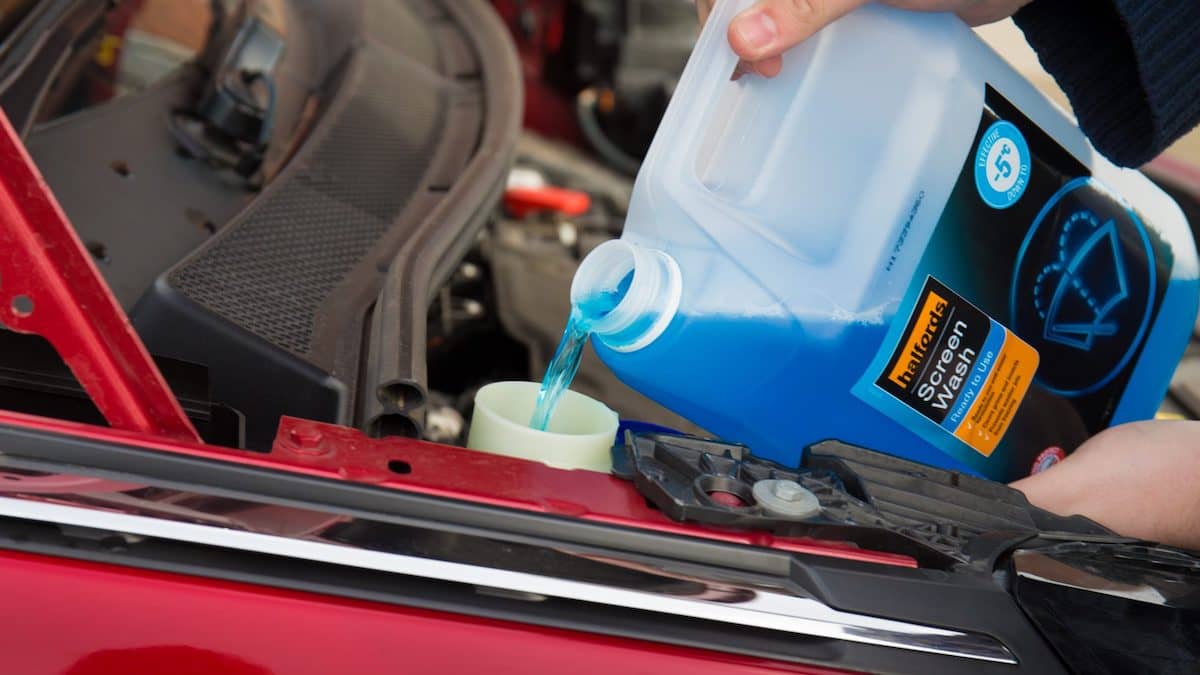
With the weather starting to brighten up, it’s crucial that you ensure that your windscreen washer fluids are kept topped up so you can effectively clear the screen. A smeary windscreen in low sunlight can be a nightmare – and dangerous too.

Use a correct amount of windscreen washer fluid – we wouldn’t advise using just water – and fill it through the correct filler cap. It’s traditionally the blue-capped pipe in the engine bay.

Check wipers are clearing screen correctly

Check your windscreen wipers to make sure your car is in a roadworthy state

Even if you’ve topped up your washer fluid correctly, it won’t make much difference if your wipers aren’t working effectively. If they’re streaky or ‘rub’ when operating, they need changing.

Replacements are simple and easy to fit and you’ll notice a lot of difference. It’s one of the easiest but most crucial pieces of maintenance you can make.

Test all your lights are working

Check your headlights to make sure your car is in a roadworthy state

Maximising road visibility is key to keep yourself and other drivers safe, so you should test your lights before heading off.

Checking the fronts is easy. Hop into your car with the ignition half-turned briefly (if your car is capable of operating the lights without the engine running, at least) and turn on your headlights. Hop out again, and ensure there are no bulbs out. Use this as a chance to test front and rear foglights too.

Brake lights can be trickier to test, though it helps if you have a second person to hand. Ask whoever is helping to stand at the rear of the vehicle as you push down on the brake pedal, though parking up against a wall or utilising a reflective surface such as a large mirror also works.

If you have any lights out, replace them imminently either yourself if you’re capable and have bulbs to hand, or through a local garage.

Get professional help to stay roadworthy

If you’ve been checking over your car as described above and find anything that you’re not sure about, you can always call your local garage and book an appointment to get it checked out. Keeping your car roadworthy also means keeping it safe, and a professional mechanic can always advise you on anything that needs repairing or replacing.

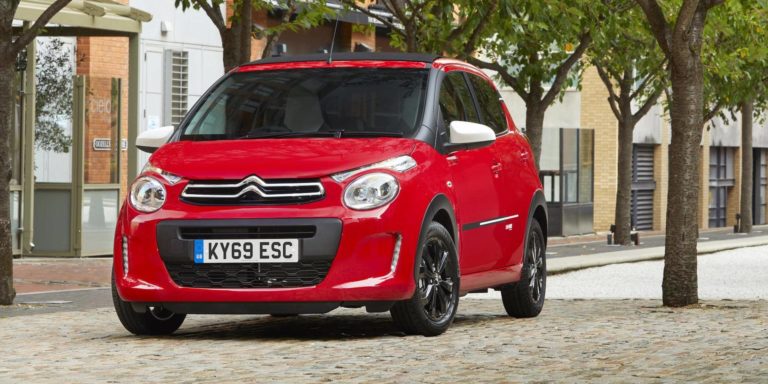
Citroën C1 (2014 to 2022)

Summary

The Citroën C1 was a small city-car class hatchback, produced in either three-door or five-door form. It was also available as a cabriolet version called Airscape, which featured a full-length fabric sunroof in a similar vein to the Fiat 500.

This model was the second generation, which was launched in 2014 and ended production in early 2022. It has not been replaced by a new model.

The C1 was essentially identical to the Peugeot 108 and Toyota Aygo, with the three models developed together and built at the same factory in the Czech Republic. With Citroën’s parent company Stellantis now also owning Fiat, it is likely that any future Citroën city car will be based on the new, all-electric Fiat 500.

The Citroën C1 received generally positive reviews from the UK motoring media throughout its seven-year production cycle. It was praised for its low running costs and overall driving dynamics, but criticised for a lack of refinement compared to newer rivals.

As of February 2026, the Citroën C1 holds a Used Car Expert Rating of A, with a score of 70%. It scores top marks for its very low running costs and reliability record, but its media review scores and safety rating are poor.

Key specifications

Body style: Small three-door and five-door hatch
Engines: petrol
Price: From £12,945 on-road

Launched: Summer 2014
Last updated: Spring 2019
Ended Production: Spring 2022

Media reviews

Highlighted reviews and road tests from across the UK automotive media. Click any of the boxes to view.

The Car Expert

Auto Express

Auto Trader

Car

Car Keys

Carbuyer

Carwow

Evo

Heycar

Honest John

Motors

Parkers

The Telegraph

Top Gear

Safety rating

Independent crash test and safety ratings from Euro NCAP

Overall score: 4 stars
Date tested: September 2015
Date expired: January 2021
Read the full Euro NCAP review

Adult protection: 80%
Child protection: 80%
Vulnerable road users: 62%
Safety assist: 56%

No safety rating

The Citroën C1 was assessed by Euro NCAP back in 2014 and achieved a four-star rating. However, this rating expired in January 2021 and is no longer valid. This is normal practice, as Euro NCAP reviews its ratings on most cars annually with most ratings expiring after about six or seven years.

However, if you are comparing a used C1 to vehicles of similar age, whose ratings will have probably also expired, its safety rating score is still useful.

Eco rating

Independent economy and emissions ratings from Green NCAP

No eco rating

The Citroën C1 was not tested by Green NCAP during its production cycle.

Reliability rating

MotorEasy logo 600x167

Reliability data provided exclusively for The Car Expert by MotorEasy

All data based on MotorEasy average workshop costs for extended car warranty claims

As of April 2025 (our most recent data point), the Citroën C1 has a very good reliability score, according to workshop and warranty data provided by our partner, MotorEasy.

Average repair bills are also very low at less than £300. The main issue to watch out for is the gearbox, with an average repair cost of £1,000 to date. If you’re looking at a used C1, make sure that any extended warranty you buy covers all the potential problem areas above.

Similar cars

If you’re looking at the Citroën C1, you might also be interested in these alternatives

Fiat 500 | Fiat Panda | Hyundai i10Kia Picanto | Peugeot 108 | SEAT Mii | Skoda Citigo | Smart Forfour | Suzuki Ignis | Toyota Aygo | Volkswagen Up!

Buy a used Citroën C1

If you’re looking to buy a Citroën C1, The Car Expert’s partners can help you find the right car

Motors 600x300

Search less, live more. We make finding the right car simple. Find out more

Auto Trader logo 600x300

Find your next new or used car with Auto Trader. Find out more

Carwow logo 600x300

Find your next new or used car with Carwow. Find out more

Car subscriptions

If you’re interested in a car subscription, The Car Expert’s partners can help (PS: What’s a car subscription?)

Cocoon Vehicles logo 600x300

Car subscriptions from Cocoon.
Find out more

Just Vehicle Solutions logo 600x300

Car subscriptions from Just Vehicle Solutions.
Find out more

Flexible Vehicle Contracts logo 600x300px

Car subscriptions from Flexible Vehicle Contracts.
Find out more

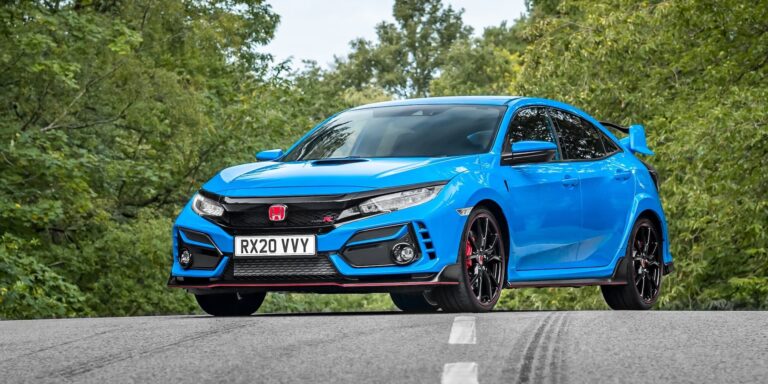
Honda Civic Type R (2017 to 2022)

Summary

The Honda Civic Type R is a high-performance version of the regular Honda Civic five-door family hatchback. This tenth-generation model was launched in 2017 and ended production in 2021.

The Civic Type R was given a light update in early 2020, when a new Sport Line model was added to the range. Its performance is same the as the regular Type R, but the bodywork has been toned down somewhat. A Limited Edition model was also released, although it sold out almost immediately.

The Honda Civic Type R received unanimously positive reviews from across the UK motoring media, as well as many awards. It was highly praised for its driving dynamics, both in terms of performance as well as comfort, which are almost universally regarded as best-in-class. The main criticisms related to its extroverted styling and poor-quality infotainment system.

This generation ended production along with the rest of the Civic range in 2021. An all-new Type R was unveiled in 2022 and arrived in the UK in 2023. Unlike this model, which was built in Swindon, England, the new model is built in Japan.

Key specifications

Body style: Mid-size five-door hatchback
Engines: petrol
Price when new: From £31,870 on-road

Launched: Summer 2017
Last updated: Spring 2020
Production ended: Autumn 2021

Media reviews

Highlighted reviews and road tests from across the UK automotive media. Click any of the boxes to view.

Featured reviews

More reviews

Auto Express

Auto Trader

Car

Car Keys

Carbuyer

Carwow

Company Car Today

Daily Mail

Daily Mirror

Heycar

Honest John

The Sun

The Sunday Times

The Telegraph

Top Gear

Safety rating

Independent crash test and safety ratings from Euro NCAP

Overall score: 5 stars
Date tested: November 2017
Date expired: January 2024
Read the full Euro NCAP review

Adult protection: 92%
Child protection: 75%
Vulnerable road users: 75%
Safety assist: 88%

Notes on safety rating

The Honda Civic was originally crash tested by Euro NCAP back in 2017 and awarded a five-star rating. However, this rating expired in January 2024 and is no longer valid as the car no longer meets the standards required for such a rating. This is normal practice, as Euro NCAP reviews its ratings on most cars annually with most ratings expiring after about six or seven years.

However, if you are comparing a used Civic Type R to vehicles of similar age, whose ratings will have probably also expired, its safety rating score is still useful.

Eco rating

Independent economy and emissions ratings from Green NCAP

No eco rating

The Honda Civic Type R was not lab-tested by Green NCAP during its production life.

Reliability rating

MotorEasy logo 600x167

Reliability data provided exclusively for The Car Expert by MotorEasy

All data based on MotorEasy average workshop costs for extended car warranty claims

As of April 2025 (our most recent data point), the Honda Civic range – including the Type R – has an excellent reliability record of 85%, according to workshop and warranty data provided exclusively to The Car Expert by our partner, MotorEasy.

Running cost rating

Clear Vehicle Data logo close crop

Monthly cost of ownership data provided exclusively for The Car Expert by Clear Vehicle Data

Fuel consumptionAverageScore
Petrol models33 mpgD
CO₂ outputAverageScoreVariationScore
Petrol models191 g/kmD
Insurance groupAverageScoreVariationScore
All models39D

The Honda Civic Type R is a reasonably expensive car to own and run – although possibly not as expensive as you might expect, given its performance. That’s according to whole-life cost numbers provided exclusively to The Car Expert by our data partner, Clear Vehicle Data.

We don’t have servicing and maintenance data, as the Civic Type R is now too old, but fuel consumption is not great. Insurance might be better than you’d expect, but it’s likely to still be fairly pricey.

Awards

Trophies, prizes and awards that the Honda Civic Type R has received

2022

  • News UK Motor Awards – The Sunday Times Leged Car of the Year

2020

  • Auto Express Awards – Best Hot Hatch

2019

  • Auto Express Awards – Best Hot Hatch

2018

  • Auto Express Awards – Best Hot Hatch
  • News UK Motor Awards – Best Hot Hatch

2017

  • Top Gear AwardsCar of the Year
  • Auto Express Awards – Best Hot Hatch

Similar cars

If you’re looking at the Honda Civic Type R, you might also be interested in these alternatives

Audi RS 3 | BMW M135i | Cupra Leon | Ford Focus ST | Hyundai i30 N | Mercedes-AMG A 35 | Mini hatch John Cooper Works | Renault Megane RS | Toyota GR Yaris | Volkswagen Golf GTI

Buy a Honda Civic Type R

If you’re looking to buy a used Honda Civic Type R, The Car Expert’s partners can help you find the right car

Motors 600x300

Search less, live more. We make finding the right car simple. Find out more

Auto Trader logo 600x300

Search for your next new or used car with Auto Trader. Find out more

Carwow logo 600x300

Discover great deals available on both new and used cars. Find out more

All cars to get six-month MOT exemption

The government has announced that all light vehicles (cars, motorcycles and vans) will be granted a six-month exemption from MOT testing in response to the coronavirus pandemic.

Revealed by the Department for Transport (DfT) today, all cars, vans and motorcycles will be exempted from needing a test from 30 March. As is always the case, it is your responsibility to keep your vehicle in a roadworthy condition, and you could be prosecuted if you are found to be driving a car that is unsafe.

If a vehicle’s MOT is due after 30 March (ie – from next Monday onwards), it will automatically be granted the six-month extension so you do not need to take any action to receive the MOT exemption. If you have already booked an MOT inspection after that date, the appointment will no longer be valid although you should contact the garage to confirm the cancellation.

If your MOT is due this week (up to Sunday 29 March), you will still need to get it tested as normal. We provided some helpful information about this last week. Likewise, if you are at all unsure about the condition of your car then you can still book an appointment with your garage to have it checked out.

Government guidelines still state that people should avoid travel and stay at home. This is due to be reviewed in three weeks’ time but is expected to be extended for up to several months.

Transport Secretary Grant Shapps said: “We must ensure those on the frontline of helping the nation combat COVID-19 are able to do so.

“Allowing this temporary exemption from vehicle testing will enable vital services such as deliveries to continue, frontline workers to get to work, and people get essential food and medicine. Safety is key, which is why garages will remain open for essential repair work.”

The new MOT exemption legislation will be in effect for 12 months. Garages will also still be allowed to remain open for essential work, although you will need to make sure that your garage is still operating as obviously employees may be self-isolating if they are ill or have COVID-19 symptoms.

Supermarkets cut fuel prices by up to 12p a litre

Supermarkets Asda and Morrisons have reduced their fuel prices by 12p per litre for petrol and 8p per litre for diesel.

The RAC said it is the largest single cut it has seen and predicted it will result in prices sinking to a four-year low.

Oil prices have plunged in the past few weeks since Covid-19 took hold across Europe.

They were also heavily dented when Saudi Arabia, which produces around 10% of the world’s oil, decided to slash prices and ramp up production in a trade war with Russia.

The price of a barrel of Brent crude oil, the most used measure, has fallen by around 60% since the beginning of the year.

It slipped another 5.7% to 25.53 US dollars per barrel on Monday.

Latest Government figures show the average price for a litre of fuel at UK forecourts on March 16 was 120.3p for petrol and 124.4p for diesel.

RAC fuel spokesman Simon Williams said: “These unprecedented times are leading to unprecedented price cuts on fuel – the largest single cut from retailers we’ve ever seen.

“The price of oil has fallen so far – down to an 18-year low – that it was inevitable that pump prices would eventually follow suit.”

He added: “These savings will directly benefit those people who continue to rely on their vehicles for essential journeys.

“It is vital, however, that drivers heed Government advice and only travel if it absolutely needed.

“Drivers need to take sensible precautions when filling up – follow the social distancing guidelines and use disposable gloves when handling pumps or indeed electric car charge point nozzles.”

Honda Civic Type R Limited Edition sold out before customers even saw it

1

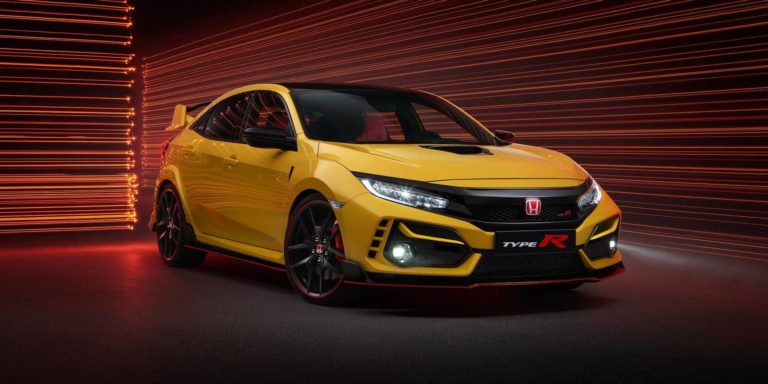
The low-volume Honda Civic Type R Limited Edition sold out in the UK before buyers even had a chance to see it or find out how much it would cost.

The Japanese car manufacturer has now revealed that pricing for the Limited Edition version of the hot hatch is £39,995, so now you’ll know how much anyone is trying to mark up theirs when it appears for sale about ten minutes after being handed over by the dealership.

Widely regarded as the best hot hatch on the market, just 20 of the 100 Civic Type R Limited Edition models are coming to the UK. They get lightweight 20-inch BBS alloy wheels, a unique yellow paint job, and an overall weight saving of 47kg compared with the standard Type R.

Honda Civic Type R Limited Edition - rear

Inside, there’s a new Alcantara-wrapped steering wheel and a counterweighted teardrop gear knob – though unlike many lightweight rivals, the rear seats remain in place.

Phil Webb, head of cars at Honda UK, said: “As with the previous generation, we were expecting a huge demand for the Civic Type R Limited Edition.

“To have sold all 20 examples so quickly and before anyone has even seen, let alone driven the car, is fantastic and testament to the work done by the multiple-award winning Civic Type R.”

New Kia Sorento steps up its game

0

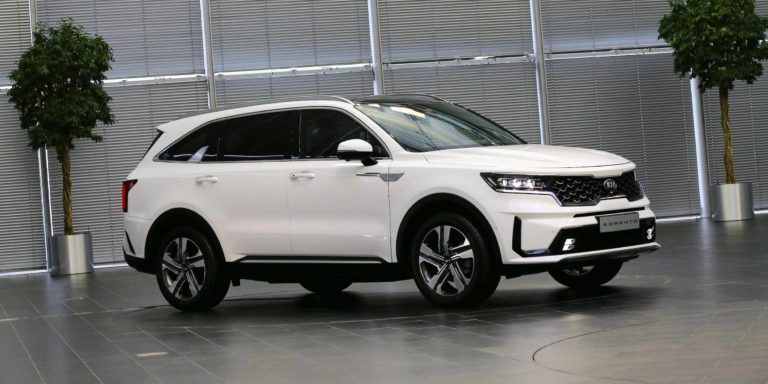
Details on the latest-generation Kia Sorento have been announced in a virtual launch, breathing new life into one of the firm’s most popular models.

Set to go on sale in Europe in the third quarter of this year, the new Sorento sits above the smaller Xceed, Stonic and Sportage models in Kia’s range of SUVs.

Now a bit wider, with a longer wheelbase yet featuring shorter overhangs than the previous-generation Sorento, the new model incorporates a practical and spacious cabin with seating for seven. With five seats in place, there’s 821 litres of boot space – or 910 litres on five-seat-only models – which drops to 187 litres with all seven seats in place.

A new 12-inch digital driver display kicks off the Sorento’s tech offerings and is bolstered by a ten-inch touchscreen infotainment system in the middle of the dash. A smaller eight-inch system will be fitted on lower specification cars.

Kia is also introducing a new hybrid powertrain with the Sorento, combining a 1.6-litre turbocharged petrol engine with a 44kW electric motor and batteries. While a standard hybrid will be available from launch, a plug-in version will come to market later on in the year.

The only powertrain available alongside the hybrid from launch is a 2.2-litre turbocharged diesel with 200hp and 440Nm of torque, linked to an eight-speed dual-clutch automatic transmission. Emissions and economy figures are set to be announced closer to the car’s arrival. Plug-in hybrid versions are expected to be added to the range at a later date.

A suite of driver assistance systems will be fitted, too, with features such as forward collision-avoidance assist and blind-spot view monitor helping to bolster the car’s safety credentials. The new Sorento also incorporates the firm’s first multi-collision brake system, which can help to reduce the impact of secondary collisions by applying the brakes even after the airbags have been deployed.

Like the rest of the range, the new Kia Sorento will come with a seven-year, 100,000-mile warranty as standard. UK prices and specifications released over the coming months ahead of the car arriving on local roads before the end of the year.

Volvo recalls more than 700,000 cars over emergency braking issue

Volvo has issued a recall of close to 750,000 vehicles worldwide over concerns that autonomous emergency braking (AEB) systems in its cars could be faulty.

The issue, which affects 736,430 cars – 56,368 of which are in the UK – means that the braking system ‘may not function as intended in certain situations and in certain temperatures’.

It could mean that the AEB system might not brake as intended for certain objects, pedestrians and cyclists. However, in this instance, Volvo says, the system will continue to provide visual and audible alerts via the forward-collision warning system.

The recall affects almost every model in the range apart from the V40 hatchback. So, it includes:

The Swedish firm says that the affected cars are still safe to use and that standard braking remains unaffected by the fault. At present, Volvo has had no reports of any incidents or personal injuries as a result of the issue.

Volvo is in the process of contacting the owners of all affected cars and asking them to contact their closest Volvo retailer to have the issue corrected for free. If you are unsure whether your car is affected, simply call your local Volvo dealership with your registration number and they should be able to tell you.

Coronavirus: Can I still hire a car?

The ability to hire a car can be a key way of getting around. It’s a growing business, particularly in busy urban centres like London where many people no longer own their own car and simply hire a vehicle when they need one.

However, with the current spread of coronavirus (Covid-19) being at the forefront of everyone’s minds, it’s a tricky time to think about taking the keys to a hire car. This applies to traditional car hire companies as well as car club, car-sharing, companies.

Of course, government advice states that you should limit travel and stay at home whenever possible, but if you absolutely need to, can you hire a car through a car rental company or car club?

Can I still hire a car?

Yes, you still can at this stage. Companies such as Zipcar and Enterprise have told the PA Media news agency that they are still allowing people to hire a car, and have put more stringent safety and hygiene measures into place.

That means that if you do need to get around and require a hire car, you can. However, other car rental companies may not be operating as normal, so if you have a car booked then make sure you contact the hire company to make sure the car will still be available on your booked date.

What measures are being put into place?

Companies are building on existing levels of car cleaning in an effort to reduce the risk of coronavirus transfer. Enterprise, for example, told us it is including additional measures to clean both vehicles and locations. Key touchpoints in the car – such as the dashboard, instrument panel, steering column and wheel and many others – are all getting a thorough clean with disinfecting products.

Zipcar has changed the type of cleaning products it uses and has further enhanced the hygiene checks it makes on every vehicle.

Europcar says it’s operating a ‘zero contact’ policy, disinfecting car keys before placing them in a sealed envelope. This can then be opened by the driver.

What if I need to cancel my booking?

If you’re experiencing symptoms which could signify the presence of the coronavirus and had planned to hire a car, you need to cancel it.

Zipcar has waived cancellation fees completely, recognising that many people may need to self-isolate with very little warning. The company already allowed users to cancel at no charge with three hours’ notice for bookings under eight hours, or within 24 hours for journeys over eight hours. However, those who need to cancel with less notice need only contact the company and the cancellation fee will be waived.

Enterprise says it has extended its existing no-fee cancellation policy to include those who have pre-paid. Those who booked through a third-party company are requested to get in touch with them in the event of a cancellation.

Europcar has also extended its free-of-charge modification and cancellation policy to any current or future reservation for any pick-up until 31 May 2020.

What should I do to protect myself and others?

It’s all about cleanliness. Zipcar is requesting its members practice good hygiene, and ask that they bring disinfecting wipes to wipe down the car for yourself and others, and also use anti-bacterial hand gel before and after each trip.

If you are going to hire a car, make sure you wash your hands both before and after being in the vehicle, and if you experience any symptoms of coronavirus then you don’t use a hire vehicle.

Renault Clio test drive

While the Nissan Jukes and Ford EcoSports of this world might be slicing into the sales of conventional superminis, there is still a big market for these affordable compact models.

The Fiesta remains Ford’s best-seller in the UK; the Corsa as Vauxhall’s, and for Renault it’s the Clio. It’s been a huge success story, and despite the presence of the firm’s similarly-sized Captur crossover, it’s done little to detract sales from this hatch. The opposite, in fact.

With 15 million sold since it was launched 30 years ago, as well as being the European class-leader for sales since 2013, this remains a mightily important car for Renault.

The last model looked the part, but wasn’t especially good to drive and had a sub-par interior come the end of its lifetime, so can this fifth-generation Clio sort that?

What’s new about the Renault Clio?

If you just look at this new Clio, you could be mistaken for thinking it’s little more than a mild facelift. Renault hasn’t changed the styling dramatically, and is happy to admit it. The old one still looked great, and apparently that’s why most buyers choose the Clio anyway.

So, the differences. Well, key to this new model is its new CMF-B platform, which allows it to be more spacious than ever, as well as being available with a hybrid powertrain for the first time – it’s arriving in the summer.

Another big change is on the interior, which feels far more upmarket than before, while top-spec versions feature a large nine-inch touchscreen, as well as the option for a ten-inch digital instrument cluster.

So far, we have assessed 12 supermini-class hatchbacks on The Car Expert’s unique Expert Rating scale, which aggregates reviews from 18 different UK motoring websites. The Renault Clio currently ranks jointly fourth behind the Ford Fiesta, SEAT Ibiza and Mini hatch, and equal with the Volkswagen Polo.

What does it look like?

With styling being something Renault absolutely excels at, it’s not surprising that Renault hasn’t really done anything radical here.

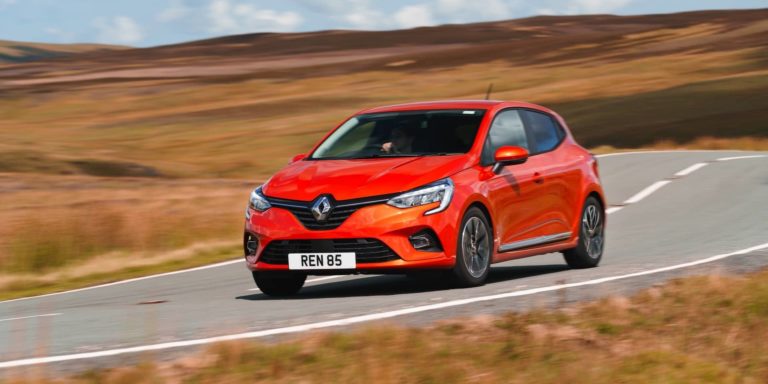
The new Clio is arguably more noticeable than before thanks to its C-shaped LED daytime running lights, while LED headlights are fitted as standard, which is something uncommon at this price point.

Just like before, Renault has tried the ‘make a five-door car look like it has three’ look with the integrated rear door handles, while the same compact profile remains. A sportier-looking R.S. Line grade serves those wanting something a bit more aggressive, too.

What’s the spec like?

Even despite the many improvements to the Clio, it still quite noticeably undercuts rivals, such as the Ford Fiesta, with a list price starting from £14,295.

Standard kit is impressive and includes LED headlights, air-conditioning and plenty of driver assistance tech, though we’d skip the entry-level Play model and head for the Iconic grade instead. This brings rear parking sensors, 16-inch diamond-cut alloy wheels and a seven-inch touchscreen, and pretty much features all the equipment you could ask for from a supermini.

Our test model came in this grade, and cost a very reasonable £16,295, pre-options.

While you can spend more than £20,000 on a top-spec model, this version here offers a great balance of equipment and affordability.

All versions of the new Renault Clio come with a five-star safety rating as assessed by Euro NCAP.

What’s it like inside?

So it’s the interior where Renault has been really making the difference, and it’s significantly better than the cheap plasticky-feeling cabin of the last car. New materials give it a more upmarket feel, while even the regular seven-inch touchscreen on our test model offers all the functions you could wish for (smartphone mirroring, sat nav, etc). More tech is offered with the larger nine-inch unit and the cool digital dials, though we don’t see the need to pay extra for them when the standard setup works perfectly as it is.

2020 Renault Clio interior and dashboard

This new platform also makes the Clio noticeably more spacious, even though it’s actually smaller in dimensions than rear seats. Its 391-litre boot is the largest you’ll find in the supermini class, while rear space is generous enough for adults, too.

Our only real gripe is that on all but top-spec models, the Clio features incredibly obvious blanked-off buttons. It detracts from the more upmarket feel elsewhere in the interior and appears poorly integrated.

What’s under the bonnet?

Buyers have plenty of engine choice with the Clio, with petrol and diesel engine options ranging in power from 75hp to 130hp.

But our test car features the mid-range option – a turbocharged 1.0-litre petrol unit producing 100hp and 160Nm of torque. It’s not what you’d call quick, and it’s a shame that the turbo doesn’t deliver a bit more zing (like it does in Ford’s EcoBoost-powered models, for example), with 0-60mph taking 11.6 seconds, while maxed-out Renault says it would hit 116mph. Power is delivered to the front wheels via a five-speed manual gearbox, which is pleasant enough, but let down by an overly chunky gear knob.

On the plus side, it’s very efficient, claiming to do 54.3mpg, which is easily achievable, along with CO2 emissions of 99g/km.

What’s it like to drive?

A Fiesta or Mini remains a more obvious choice if you’re wanting the best supermini to drive, but whether you’re looking for a town runabout or something for small motorway commutes, the Clio is a great all-rounder.

Our test car’s small 16-inch alloy wheels equate to a comfortable ride, while the Clio is also easy to place through corners with minimal body roll. We might usually complain about the Clio’s rather light steering, but as it will predominantly be a town car, it’s really a good thing as it makes it exceptionally easy to manoeuvre. One of the only things we’d like to see is a six-speed manual, which would just help to drop the revs at motorway speeds and lead to an overall more relaxed drive.

Verdict

This new Renault Clio is a big step forward compared to its predecessor and makes key improvements in all the areas where it needed to – the interior and driving experience, namely.

It might not lead the way for driver enjoyment, but the new Clio is an accomplished all-rounder that offers great value, spaciousness and comfort. This mid-spec Iconic grade and TCe 100 petrol engine tested here is also a winning combination – offering just the right amount of performance for a car of this size, plenty of standard kit and low running costs. With all these attributes up its sleeve, it undoubtedly makes the Clio one of the best superminis on sale today.

Similar cars

Citroën C3 | Ford Fiesta | Honda Jazz | Hyundai i20 | Kia Rio | Mazda 2 | Mini hatch | Nissan Micra | Peugeot 208 | SEAT Ibiza | Skoda Fabia | Suzuki Swift | Toyota Yaris | Vauxhall Corsa | Volkswagen Polo

Key specifications

Model: Renault Clio Iconic TCe 100
Price (as tested): £18,105
Engine: 1.0-litre turbocharged petrol
Gearbox: Five-speed manual
Power: 100 hp
Torque: 160 Nm
Top speed: 116 mph
0-60mph: 11.6 seconds
Fuel economy: 54.3 mpg
CO2 emissions: 99g/km
Euro NCAP safety rating: Five stars (2019)

Coronavirus: My car’s broken down. Can I still get roadside assistance?

With the ongoing coronavirus pandemic, there are a lot of things we’ve taken for granted in our daily routines being upset and a lot of uncertainty comes as a result of that.

One of those could be your car breaking down. With the country effectively on unofficial lockdown, it’s natural to fear you may be stranded without roadside assistance — but will that really be the case? We’ve been speaking to some of the UK’s leading recovery firms to find out.

Will my breakdown cover provider still be able to assist me during the pandemic?

The good news is that, across the board, breakdown services are continuing to operate as normal during this stage of the coronavirus pandemic.

The AA told us it is “working hard to protect our staff and members while doing our part to keep the country moving” while Green Flag confirmed it is “still offering a UK-wide breakdown for our customers and accepting new customers”.

Meanwhile, RAC said its roadside assistance service is “operating as normal” and that it’s doing “everything” to minimise delays.

Many new cars come with roadside assistance cover that is handled by third-party companies. It’s worth checking with your provider beforehand if it’s with another company and you have any concerns.

Roadside assistance services during the coronavirus pandemic are being maintained so far | The Car Expert
Green Flag says it is “still offering a UK-wide breakdown for our customers and accepting new customers”.

Will there be any new restrictions to the breakdown service I will receive?

So far, it appears that breakdown providers will not be applying any particular restrictions to their service, though the AA did state it will “ask that any members who have been diagnosed with or come into contact with coronavirus, or are in self-isolation, call and let us know when reporting their breakdown.”

Green Flag stated it is “constantly reviewing our current ways of serving our customers to ensure we adhere to Government and Public Health England guidelines, paramount is for us to ensure the wellbeing of our people, partners and customers.”

The nature of the pandemic means this could change at any time though, so we’d recommend contacting your provider if you are fearing a breakdown before your journey.

How will roadside assistance staff prevent the spread of Covid-19 when called out?

If you’re concerned that staff members from your breakdown provider may be exposing you to coronavirus, advice given by businesses to its members of staff will likely put you at ease.

Green Flag says its roadside staff are regularly updated with safety advice, while the AA said it is “closely monitoring and following Government advice in relation to the outbreak of Coronavirus” and has “provided employees with guidance and precautions to follow.” It also says regular, deep cleaning has been carried out at its sites.

For your own safety and that of breakdown assistance staff, we’d also recommend taking your own precautions. Maintain distance, avoid contact such as handshaking and also carry antibacterial wipes in your car to clean any interior surfaces recovery staff may need to touch.

The AA is maintaining normal breakdown cover and roadside assistance dueing the Covid-19 pandemic | The Car Expert
The AA says it is “working hard to protect our staff and members while doing our part to keep the country moving”.

I’m self-isolating but need to call for an at-home breakdown recovery. Can I do that?

For those self-isolating, some roadside assistance providers have said that any home breakdown assistance needed would have to be arranged following the isolation period.

The AA says it will not attend any home recoveries if the customer has been exposed to coronavirus or has been asked to self-isolate, questions which will be asked at the time of the call. However, it will arrange an appointment for a future date.

Green Flag mirrored this stance, saying arrangements can be made to attend the vehicle following the isolation period. It did add however that it is “not abandoning and supporting customers who travel outside of self-isolation” though it is adapting its service “to protect our roadside teams from any potential exposure.”

However, it’s a different story for customers with RAC. It said: “We’re asking customers to let us know if they have symptoms or have been diagnosed when they call our breakdown line so we can take the necessary precautions when helping them. If we’re coming to customers at home, we’re asking them to stay inside and put the keys on the doorstep on arrival. We’ll then talk to them on the phone.”

Other roadside assistance providers may take a different stance though, so it’s worth calling to ask.

Coronavirus: I’m self-isolating but my car’s MOT is due. What can I do?

UPDATE: The government has now announced that all cars, vans and motorcycles will be given a six-month exemption from MOT exemption from 30 March 2020. For the latest information, click here.


With the Government issuing advice for those with any symptoms of coronavirus to stay at home, many of us will see otherwise trivial chunks of our life affected unexpectedly.

Of course, it’s advice that should be followed, but it’s natural to be concerned about its effects. One of those we’re looking to answer today is for those whose vehicle MOT certificate may be on the brink of expiring.

The PA news agency has spoken with the Driver and Vehicle Standards Agency (DVSA) to see what options motorists who are self-isolating have if their vehicle’s MOT certificate is expiring soon, and how centre closures could have an impact going forward.

My MOT is due but I’m self-isolating, what are my options?

As it stands, no special provisions are being made by the DVSA to exempt vehicles due MOTs for those self-isolating due to the coronavirus pandemic. This means you will need to make arrangements to have your vehicle tested if you want or need to keep it on the road.

This could mean insuring a driver you trust with the vehicle and asking them to take it to and from the test centre. It may also be possible for the centre to organise delivery and collection, so we’d recommend putting the call in.

If the vehicle is parked off the street and on private property, it’s advised by the DVSA to declare the vehicle off the road (SORN). This means tax will not need to be paid on the vehicle, nor it will it require an MOT. That said, it legally cannot be used on public roads when declared SORN — which you should keep in mind if your vehicle is street parked.

If it’s possible to SORN the vehicle and store it legally, it may be worth taking this option and arranging an MOT for after your coronavirus isolation period.

Declaring your vehicle SORN is advised if you’re able to legally store it off the road. (PA)

Will I be penalised if my vehicle doesn’t have a valid MOT while I’m self-isolating?

As no provisions for MOT exemptions have been made as of yet, failing to MOT a vehicle will leave you at risk of a fine of up to £1,000 if it is not declared off the road, or is caught driving on public roads without. Legally, your car may only be on the road without an MOT certificate if you are driving directly to an MOT test centre to have the test done.

Your car insurance will also probably be void if you don’t have a valid MOT certificate, so you won’t be covered in the event of an accident. This may apply even if the car is parked on private property.

If MOT centres are ordered to shut and my vehicle’s certificate expires, what can I do?

The DVSA currently has “no provisions” for centres that may be advised or forced to close pending further government communications on the coronavirus pandemic, or simply a lack of available staff, but says the situation is “constantly under review”. Given that this is fairly unhelpful advice for anyone who relies on their car, it’s important for you to take action to make sure you stay legal.

If your vehicle is due an MOT soon and you are able to arrange for it to be taken/to from the centre or are still able yourself, we’d recommend doing that as soon as possible. This will help in case MOT centres are advised or ordered to close in the future.

It’s worth noting that your vehicle can be put through an MOT test up to one calendar month prior to its existing certificate expiring. So check your expiry date and book your car in for its MOT inspection as soon as possible.

Coronavirus: Can I still buy a car?

UPDATE, January 2021: Almost every car dealership in the country has now closed for vehicle sales, although many are still open for car servicing. A growing number of manufacturers and dealers are now accepting online purchases with home deliveries, but other deliveries are likely to take place after showrooms have reopened.


Buying a car purely online is a relatively new concept. One of the best parts of it – particularly given the current climate – is that there are thousands of new and used vehicles out there available to browse, all from the comfort of your own home.

But, should you need a new car during the coronavirus pandemic, is it still possible to get one? And what processes are in place to ensure that the whole experience remains safe? We’ve been investigating to find out.

Browse away

Browsing for a new car is one of the best bits of the entire process. As we’ve already mentioned, there are thousands of cars available to view via the internet, allowing you to check them out without having to leave the house.

Of course, going online limits the amount of exposure you get – so make the most of it. Check out car postings, read reviews and research as much as you can. Many dealers will make you a personalised video of the car you’re interested in, so take advantage of technology to go beyond the simple photos posted on classified websites.

Pick a car

It’s come to the crucial point – it’s time to choose a car. Thankfully, the whole process from here – for many outlets – can be managed entirely online. James Hind, CEO of Carwow, told the PA news agency that the firm ‘is this week adding additional functionality to the website so buyers can see which dealers will offer home test drives, to help consumers who may be worried about visiting the showroom’.

Visiting a dealership shouldn’t put you at any more risk than any other public space, but you should still follow NHS safety guidelines. And of course, if you’re experiencing coronavirus symptoms or belong to an at-risk group, then you should stay at home.

However, if you want to visit a dealership to see a car you still can. It’s all about making a sensible decision and limiting your distance from other people.

Is it possible to buy a car without entering a dealership?

Yes, certainly. In fact, it can be to your benefit to buy a car from a dealership online rather than on-premises.

Stuart Masson, editor here at The Car Expert, points out that customers benefit from stronger consumer rights laws that apply to buying a car online or over the phone: “If you buy a new or used car from a dealership at a distance, which means signing the paperwork via email and making any payments via phone or online banking, you automatically have a 14-day cooling-off period for that purchase. That means you can change your mind for whatever reason – even if you simply don’t like the car.

“By comparison, if you physically walk into a dealership and buy that same car, there is no cooling-off period. Once you sign that contract, you don’t have the right to cancel it.”

Online car sales, especially for new cars, were already ramping up prior to the coronavirus outbreak, but this current period of forced isolation is likely to help make it even more popular. Erin Baker, Auto Trader editorial director, told PA: “Increasing numbers of car brands are offering the public an online buying experience, where you can do the entire thing – part-exchange your car, sort finance, purchase the new one and have it delivered to you – without leaving your home.”

Brands already offering an end-to-end online new car buying process include Dacia, Hyundai, Jaguar, Kia, Land Rover, Mercedes-Benz, Peugeot and Volvo.

A spokesperson for online used car retailer Cazoo told PA: “Cazoo is continuing business as normal as our service allows consumers to purchase our cars entirely online in much the same way as buying any other product today.

“We own all our cars and recondition them fully before offering them for sale and delivering them to customers’ doors in a convenient two-hour delivery slot, and our handover process has been adjusted to be done at a safe distance in the current climate. Every car comes with a full seven-day money-back guarantee, destined to replace the seven-minute test drive at a dealer, and includes free comprehensive 90-day warranty and roadside assistance.”

Can I still sell my car?

If you were looking to sell your car privately, then it’s more than likely that you’ll have to wait longer for a sale. With people being asked to distance themselves from one another, there’s a good chance that most people will want to steer clear of an in-depth test drive. Plus, we’ve always promoted that you should stay with the car when it’s being test driven by another person – and this goes against the current government guidelines.

However, if you are part-exchanging your car against another new or used vehicle at a dealership, your should be unaffected. There are also businesses that offer to buy your car, which are currently trading as normal.

If I buy a new car, will it be delayed?

That depends on whether you are buying a car from existing stock or ordering a car from the factory.

If you’re buying a new vehicle that is already on the dealer’s premises or in storage, there shouldn’t be any significant delay. Things may be moving a bit slower, as there are likely to be fewer staff on hand to manage the process, but it probably won’t make much of a difference.

If you are ordering a vehicle that does not yet exist, it’s a different story. With plants shutting down across the UK and around the world, the likelihood is that production of your new car will probably be delayed. With logistics operations being slowed across the board, there’s also a good chance that even if your car has been built, it will probably take a bit more time to reach you.

Is this a good time to buy a new car?

There are positives and negatives to buying a car right now, as our editor Stuart Masson explains:

“With so many people currently confined to their homes, dealers will be very eager to sell whatever they can at the moment. That means there will certainly be deals around for buyers who are in the market and ready to buy now. The flip side of that is that your part-exchange vehicle is going to be worth less money as well, so your overall cost to change may not be as good as you’d hoped.

“In addition, many customers are going to be unsure of their own circumstances and whether they’ll even have a job in a few weeks’ time, let alone a couple of years. For the average family, now is not really the ideal time to be making a large financial commitment that locks them in for the next three or four years.

“Whatever your situation, it’s important to remember that The Car Expert’s Ten Golden Rules for buying a car still apply. Don’t be swayed by what looks to be an amazing deal – take a deep breath and properly scrutinise the numbers to make sure it all works for you. And in uncertain times, don’t overextend yourself with anything you don’t need. A car that’s a bit cheaper to finance and run each month could be critically important in coming months.”

Lexus RX (2015 to 2022)

Summary

The fourth-generation Lexus RX was a large premium SUV, available in regular five-seat and seven-seat (RX L) formats. The RX range launched in the UK in 2015, and was bolstered by the longer RX L two years later. This fourth-generation line-up was removed from sale in 2022, making way for the new fifth-generation range.

Like most Lexus models, the RX and RX L were only available in the UK with a petrol-electric hybrid drivetrain towards the end of their time on sale. No conventional petrol or diesel models were offered.

The Lexus RX and RX L received generally good reviews from UK media sources. They have been rated highly for their build quality, comfort and refinement, although have been criticised for their driving dynamics. The third-row seats in the RX L were also quite small compared to other seven-seat SUV rivals.

No longer on sale, the fourth-generation Lexus RX holds a Used Car Expert Rating of E, with a score of 57%. It gets good grades for reliability, but its CO2 emissions and safety rating (now expired) are only average, and its running costs are high.

Key specifications

Body style: Large SUV
Engines: petrol-electric hybrid
Price when new: From £50,905 on-road

Launched: Winter 2015/16
Last updated: Winter 2019/20
Replaced: Winter 2022/23

Media reviews

Highlighted reviews and road tests from across the UK automotive media. Click any of the boxes to view.

Featured reviews

More reviews

The Car Expert

Auto Express

Car

Carbuyer

Carwow

Company Car Today

Daily Mail

Daily Mirror

Evo

Green Car Guide

Heycar

Honest John

Parkers

The Sun

The Sunday Times

The Telegraph

Top Gear

Safety rating

Independent crash test and safety ratings from Euro NCAP

Overall score: 5 stars
Date tested: December 2015
Date expired: January 2022
Read the full Euro NCAP review

Adult protection: 91%
Child protection: 82%
Vulnerable road users: 79%
Safety assist: 77%

The Fourth-generation Lexus RX was originally crash tested by Euro NCAP back in 2015 and awarded a five-star rating. However, this rating expired in January 2022 and is no longer valid as the car no longer meets the standards required for such a rating.

Eco rating

Independent economy and emissions ratings from Green NCAP

No eco rating

The fourth-generation Lexus RX was not lab tested by Green NCAP during its production life.

Reliability rating

MotorEasy logo 600x167

Reliability data provided exclusively for The Car Expert by MotorEasy

All data based on MotorEasy average workshop costs for extended car warranty claims

The Lexus RX has an above-average reliability score, according to warranty claim data provided by our partner MotorEasy. This data refers to these fourth-generation models, and previous (pre-2015) versions.

While MotorEasy warranty holders haven’t submitted many Lexus RX claims, it is clear to see that suspension and braking system issues are the most common. While braking system faults are likely to cost around £200 to correct, suspension issues are more expensive, costing more than £400 on average.

If you’re looking at a used Lexus RX, make sure any extended warranty cover you purchase covers all of these potential problem areas.

Running cost rating

Clear Vehicle Data logo close crop

Monthly cost of ownership data provided exclusively for The Car Expert by Clear Vehicle Data

Fuel consumptionAverageScore
Hybrid models35 mpgD
CO₂ outputAverageScoreVariationScore
Hybrid models182 g/kmD
Insurance groupAverageScoreVariationScore
All models41D

The Lexus RX is a relatively very expensive car to own and run, according to whole-life cost numbers provided exclusively to The Car Expert by our data partner, Clear Vehicle Data. However, it should be noted that we don’t have a complete set of data for this model due to its age.

Fuel consumption is poor, although you’d expect it to be so on a large five-seat premium SUV. We don’t have servicing cost data, but Lexus servicing tends to be relatively expensive as well – on a par with other premium brands.

Awards

Trophies, prizes and awards that the Lexus RX has received

2020

  • Auto Express Driver Power – Best Non-Plug-In Hybrid Car

2019

  • DrivingElectric Awards – Best Premium Hybrid Car
  • Auto Express Driver Power – Best Large Luxury SUV

2018

  • Auto Express Driver Power – Best Large Luxury SUV

2017

  • Auto Express Driver Power – Best Large Luxury SUV

Similar cars

If you’re looking at the Lexus RX, you might also be interested in these alternatives

Audi Q7BMW X5 | Jeep Grand CherokeeLand Rover Discovery | Maserati Levante | Mercedes-Benz GLE | Porsche Cayenne | Range Rover Sport | Volkswagen Touareg | Volvo XC90

More news, reviews and information about the Lexus RX at The Car Expert

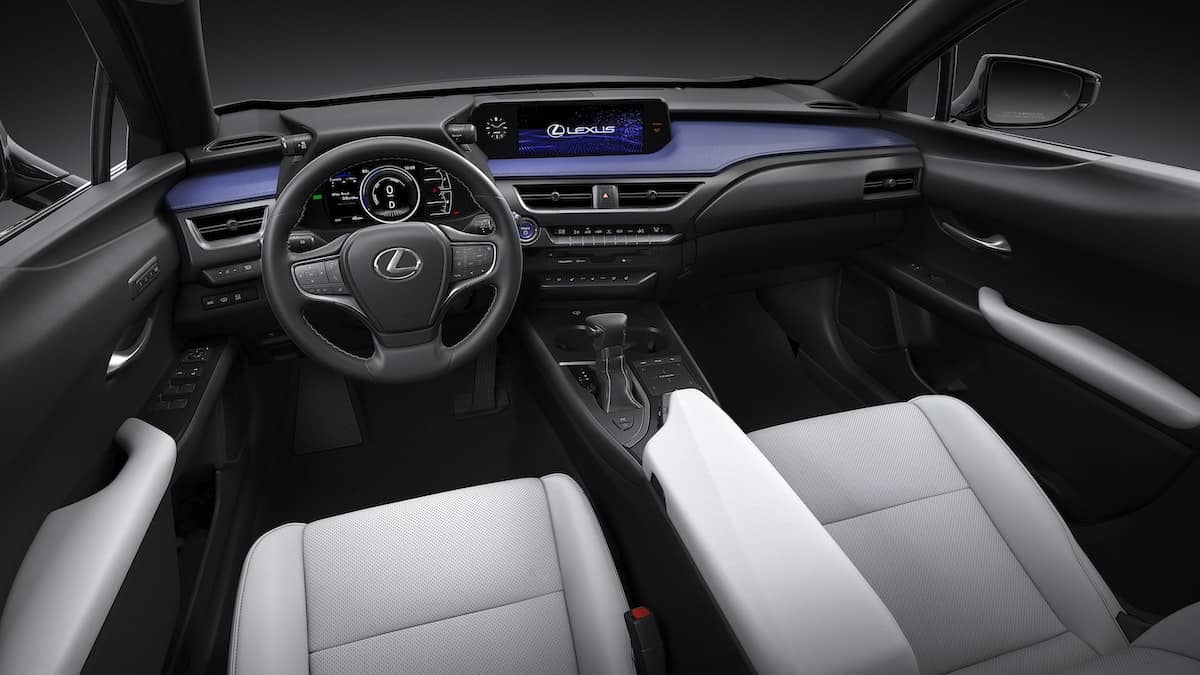
Lexus RX 450h+ test drive

Lexus RX 450h+ test drive

Everything you need to know about Lexus

Everything you need to know about Lexus

Best Large SUV 2024

Best Large SUV 2024

Lexus RX

Lexus RX

MG 4 achieves top marks in crash safety test

MG 4 achieves top marks in crash safety test

Lexus builds new RX from the ground up

Lexus builds new RX from the ground up

UK demand drives Lexus to 250,000 hybrid SUV sales in Europe

UK demand drives Lexus to 250,000 hybrid SUV sales in Europe

Updated Lexus RX breaks cover

Updated Lexus RX breaks cover

More equipment in updated Lexus RX range

More equipment in updated Lexus RX range

Lexus RX L test drive

Lexus RX L test drive

Lexus RX 450h review

Lexus RX 450h review

Lexus announces scrappage scheme

Lexus announces scrappage scheme

Buy a Lexus RX

If you’re looking to buy a used Lexus RX, The Car Expert’s partners can help you find the right car

Motors 600x300

Search less, live more. We make finding the right car simple. Find out more

Auto Trader logo 600x300

Search for your next new or used car with Auto Trader. Find out more
Carwow logo 600x300

Discover great deals available on both new and used cars. Find out more

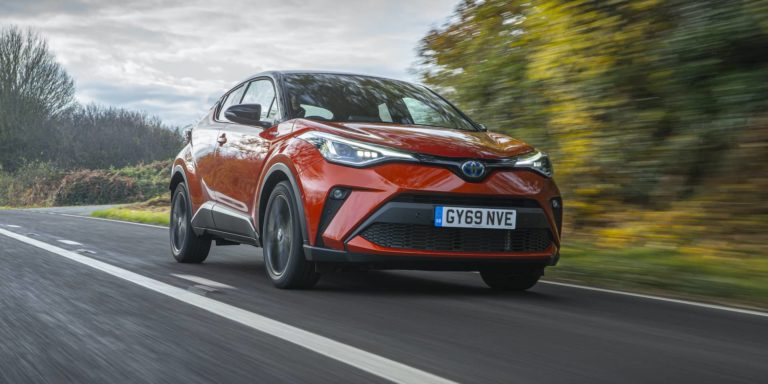
Toyota C-HR test drive

The distinctive-looking Toyota C-HR compact SUV has become so familiar on UK roads that it’s hard to believe it debuted just over three years ago.

In that time it’s done very well for Toyota, more than 400,000 sold across Europe, while also boosting hybrid credentials – between them, Toyota and sister brand Lexus currently claim almost half of what is known as the ‘alternative fuel’ sector, but they are now under bigger pressure as just about every other brand electrifies its cars in some form.

The C-HR has received broadly positive reviews from the UK motoring media over the last three years. According to The Car Expert’s unique Expert Rating scale, it currently holds an overall Expert Rating score of 76% based on more than two dozen reviews from some of the country’s top automotive websites. That puts it near the top of the heap in a large and very competitive field of rivals, but still some distance behind the class leaders.

So now in showrooms is a revised Toyota C-HR, here to take on all those new rivals. It has mildly changed looks outside and in, has answered consumer demands for proper smartphone integration and crucially, can now only be bought as a hybrid – though you do now have a choice of two…

What’s new about the Toyota C-HR?

The new Toyota C-HR is an update, not an all-new model so the basics remain the same as previously. The most significant change is that there is no longer a 1.2-litre petrol option, but there are two hybrid choices – a more powerful 2.0-litre version joins the existing 1.8-litre.

It’s not just about a new engine, however. Toyota claims better driving dynamics, while there have been some modest changes to the exterior looks, as there always are on updated models. The interior has had a makeover too, though most notable here is the fact that you can now plug your smartphone properly into the car.

How does it look?

When first launched the Toyota C-HR scored on its visuals, which were rather different to the small crossover heard, boasting a coupe-like body shape (the name apparently actually means ‘Coupe High-Rider’) and sharp, bold lines. All this remains but with a few enhancements.

Up front there is a new lower spoiler and bumper in the body colour, accommodating a grille that has been opened up. The fog lamps are placed within its extremities, while the indicators are now incorporated into the daytime running lights in the pencil-slim headlamp clusters.

At the back a spoiler mounted at the base of the screen and finished in piano black neatly connects the redesigned LED lamp clusters. And if you choose the new 2.0-litre version you get chrome detailing in the rear diffuser.

Finally you can choose three new body colours, ‘Celestite Grey’ (and which Toyota confusingly describes as “a bluish silver”), red and orange.

2020 Toyota C-HR review - static | The Car Expert

What’s the spec like?

Four trim levels are available on the Toyota C-HR, while if you are lucky you may also still find one of the 500 ‘Orange Edition’ launch limited-edition variants at a showroom. Base model is the Icon, only available with the 1.8 hybrid drivetrain and costing from £25,625. Even at this level the new touchscreen is standard with its smartphone integration and a rear parking camera, as is adaptive cruise control, dual-zone auto air con and a wi-fi connection.

All versions of the car also get Toyota’s Safety Sense suite of active safety systems as standard, which includes autonomous emergency braking with pedestrian detection. Crash-tested by Euro NCAP in 2017, the C-HR gained a five-star rating.

The Design is offered with either 1.8 or 2.0 engine, from £28,005 or £29,645 respectively. Highlights of the upgrades include bigger alloys, front and rear parking sensors with auto braking, built-in navigation, heated front seats and keyless entry.

Most buyers are expected to opt for the ‘sister trims’ of Excel or Dynamic, again with either engine. The Excel costs £30,110/£31,750, the Dynamic adds £140 to each price. The differences are really only visual – both get enhanced active safety with blind-spot monitor, lane-changing assistance and a rear cross traffic alert with braking.

Adaptive LED lamps are fitted front and back, with LED indicators, sequential on the Dynamic which also gets a different alloy design to the Excel and a black two-tone roof. You get leather upholstery on the Excel, ‘Dynamic’ fabric on the Dynamic, and puddle lights on the door mirrors of both.

What’s it like inside?

The big news inside the Toyota C-HR is a new multimedia system, because it answers a major criticism at the launch of recent new models from the brand. While it’s the same basic unit as launched on the Corolla and RAV4, with the addition or physical buttons which are easier to use, it now crucially includes proper smartphone integration so we can expect this change to roll out across the Toyota range pretty quickly.

2020 Toyota C-HR review - interior | The Car Expert

What this means is that you can now plug in your phone and get full Apple CarPlay or Android Auto services, which of course will mean you don’t need the in-built ‘Enhanced Go’ navigation that’s offered from Design models upwards. If you do use the built-in navigation you do get over-the-air updates every six months, rather than having to go to a dealer. Each new car includes a three-year free subscription to these updates but we’d recommend using the navigation in your phone – the in-built Toyota system appears pretty last-generation compared to rivals.

No change to the body means no change to the interior space. This means plentiful room up front, but thanks to that shapely rear slope not a lot of headroom in the rear. The boot is very small too, at a mere 355 litres.

What’s under the bonnet?

So it’s an all petrol-electric hybrid powertrain choice, the 1.8-litre unit offered on other Toyotas now joined by a more powerful 2.0-litre version – though Toyota expects three-quarters of buyers will opt for the 1.8.

The fourth-generation 2.0-litre hybrid has seen some major development, the base petrol engine coming from Toyota’s latest powertrain family. It’s combined with a smaller, lighter hybrid system, though with a larger battery pack, the greater number of cells giving it more energy too cope with the more powerful electric motor and to more efficiently harvest energy recovered during braking.

Combined output of the 2.0-litre hybrid is 184hp – Toyota says this is 50% more power for a fuel consumption increase of 10% – the car will do the 0-62mph sprint in 8.2 seconds while returning around 52 mpg and CO2 emissions of 118 g/km (WLTP figures).

The 1.8 hasn’t been ignored – a smaller, lighter but more powerful lithium-ion battery has been added, which Toyota says makes the car more natural to drive while returning a 0-62mph time of 11 seconds, around 57 mpg and 86 g/km of emissions (again to WLTP standard).

As mentioned, you can’t get the plain 1.2-litre petrol-engined C-HR in the UK any more, though you can in Europe, and in Eastern Europe there’s also a non-hybrid 2.0-litre variant.

What’s it like to drive?

2020 Toyota C-HR road test - rear | The Car Expert

The lingering disappointment one felt when previous C-HR was that it didn’t quite have the pace to go with the bold looks, and the new 2.0-litre model addresses this. No, it’s not suddenly become an SUV rocketship, but it does feel eager when one accelerates hard, helped by the instant torque that electric adds to the drivetrain.

Of course what is basically a CVT gearbox remains, so you do have to use that right foot to get the most out of it, but do this and you notice another improvement in that the whine that has been a feature of Toyota hybrids in the past is not nearly so intrusive. We are told that improving the NVH was a priority for the makeover artists and they have certainly succeeded in this respect.

Not that most C-HR owners will be thrashing their car along very often and in the typical conditions of the morning commute, cruising on a motorway or a not too-hurried jaunt across the countryside, the car is an excellent companion, as refined as anyone could wish for. There is some wind-noise at motorway limits but not annoyingly so.

Apparently another customer-focused area of attention for the revamp was to improve the C-HR’s driving dynamics and there are no complaints here – the car copes very well with all but the worst road surfaces, while the steering is light but precise, adding to the general ease of driving the C-HR.

Verdict

You need to think carefully before choosing the Toyota C-HR because it’s one of the more expensive cars in its class – but it makes up for this with cheaper running costs than many rivals. It scores too on being easy to live with and being of generally good quality, though if you regularly carry tall rear-seat passengers or lots of luggage this won’t be for you.

Toyota expects the C-HR to go on stealing customers from other brands, including premium ones. Maybe it will, though former Audi or BMW customers will likely choose it more for its distinctive looks and perhaps the hybrid drivetrain than any major financial saving.

Similar cars

Citroën C5 Aircross | Ford Kuga | Honda CR-V | Hyundai Tucson | Jeep Compass | Kia Sportage | Mazda CX-5 | Mitsubishi Eclipse Cross | Nissan Qashqai | Peugeot 3008 | Renault Kadjar | Skoda Karoq | Subaru XV | Vauxhall Grandland X | Volkswagen Tiguan

Key specifications

Model as tested: Toyota C-HR Dynamic Force
Price (on-road): £29,645 – £32,595
Engine: 2.0-litre petrol plus 80kW electric motor
Gearbox: CVT automatic
Power: 184 hp
Torque: 202 Nm
Top Speed: 112 mph
0-62mph: 8.2 sec
Fuel economy (combined): 53.3-52.3 mpg (WLTP)
CO2 emissions: 118 g/km (WLTP)
Euro NCAP safety rating: Five stars (2017)

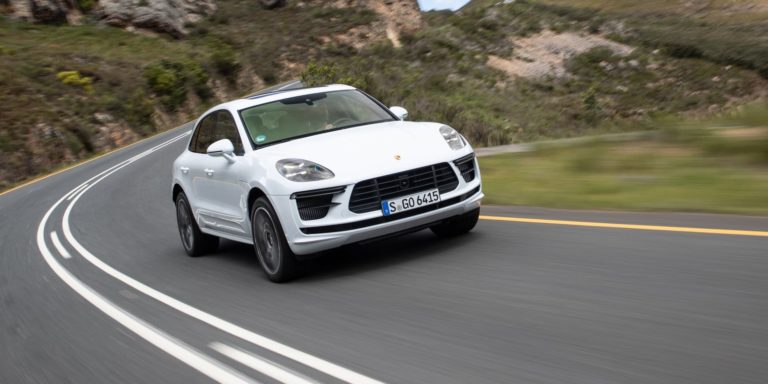
Porsche Macan Turbo test drive

While many car enthusiasts like to think of Porsche as purely a sports car maker, it’s easy to forget that the real meat of the firm’s sales actually come from SUVs, with the Macan being hugely popular among those who want the looks and practicality of an SUV but only need to use it on the school run.

Today we’re testing the Turbo, which was a late addition to the facelifted Macan and sits at the very top of the range with more power and more equipment. We already know this SUV is one of the best drivers’ cars in the segment, so was this flagship version worth the wait?

What’s new about the Porsche Macan Turbo?

This latest Turbo model was introduced as part of the Macan facelift, so it’s perhaps surprising to see it given a fairly comprehensive upgrade instead of the usual minor tweaks. For example, on the performance front there’s a newly downsized engine, the chassis has been overhauled and it gets upgraded brakes as standard.

There are also a few styling tweaks to make it stand out from the rest of the range, a new touchscreen infotainment system inside, and improved driver assistance and comfort technology. Compared with its predecessor, then, the Macan Turbo should be a better driver and nicer to be in.

How does it look?

The Macan is a handsome small SUV, though its best angle is definitely the rear end. The Turbo benefits from the smart light bar that tracks the full width of the car and is incorporated into the taillights, while specific to the Turbo model is a prominent roof spoiler and a rear diffuser built into the bumper.

The front end is less elegant, with a whopping great grille flanked by large air intakes and the softly curved headlights somewhat at odds with the sharp rear and edgy alloy wheel design. Its appearance is also very colour-dependant, with our off-white ‘Crayon’ car with chunky black wheels actually looking rather understated, but you can go completely the other way and opt for Kermit green, if you’d prefer.

What’s the spec like?

This being the flagship model the Macan Turbo’s spec is impressive. Standard equipment includes sporty-looking body trim, 20-inch alloy wheels, leather upholstery in the cabin, sports seats, and three-zone climate control.

Unsurprisingly for a premium car manufacturer, it’s easy to go mad with the options list, and that’s exactly what happened with our test car. The Turbo starts at £68,530, but ours had almost £18,000-worth of extras, such as the Crayon paint job for £1,676, a black leather interior for £1,154, self-levelling air suspension for £1,044, 21-inch Sport Classic wheels for £1,482 and LED main headlights, which are ludicrously effective, for £618.

Safety-wise the Macan was crash tested by Euro NCAP back in 2014 when the original model was launched, scoring five stars. That rating remains current, although the test have got tougher in recent years.

What’s it like inside?

As you might expect from a Porsche, the interior is a lovely place to sit as you eat through miles. The Macan’s cabin can feel like quite a dark place to be, so we’d recommend going for a lighter upholstery shade if possible, but otherwise all of the materials are top quality and it’s decently spacious.

The key upgrade is the large 11-inch touchscreen that’s in the centre console. It’s full HD and the result is one of the highest quality navigation screens on the market, while the touch sensitivity is fantastic and means you can quickly move between screens. There is an odd juxtaposition though, because while the touchscreen is a gorgeous centerpiece, there’s a frankly astonishing number of buttons below it, something that detracts from the modernity of the cabin.

What’s under the bonnet?

This being a performance variant, the headline news has to be the new engine. The dreaded word downsizing rears its ugly head, because the old 3.6-litre V6 has been replaced with a 2.9-litre unit. Porsche has compensated for this by increasing power 40bhp to 440bhp, which results in a 0-60mph time of 4.3 seconds and top speed of 167mph – deeply impressive figures for an SUV.

Despite being Porsche’s baby SUV in comparison to the larger Cayenne, the Macan does feel heavy on the road, meaning the engine’s performance is numbed somewhat. That being said, rotate the wheel-mounted driving mode dial to sport or Sport Plus to make the car super-alert, push the accelerator pedal, and the Turbo really picks up and goes. It’s not whip crack fast, but it’ll leave dawdling commuters in its dust without breaking a sweat.

What’s it like to drive?

Performance versions of mainstream models such as this tend to find their appeal in their ability to switch character, and it’s here that the Macan Turbo really does excel. Keep it in its normal mode, and it settles into everyday life brilliantly, being a quiet and comfortable companion whether you’re pootling around town or cruising down the motorway. Perhaps the only complaint is the gearbox, which can be sluggish to wake up to inputs at slower speeds

However, switch it to one of its sportier modes and it comes more alive. With the engine response improved and the gearbox suddenly awake to your needs, the Macan Turbo can satisfy your go-faster kicks with ease. It’s at its best accepting hard throttle inputs on wide open carriageways rather than carving up a winding road, where its weight is definitely noticeable in the corners, though.

Verdict

The Porsche Macan Turbo has a lot going for it. It’s handsome (from most angles) and manages to be fast and fun to drive despite suffering from downsizing. It sounds great when you’re pushing it and, although it’s no go kart, it’s still rewarding in corners. Then, when you need it to calm down, it’s a relaxing companion, even if the gearbox can fall asleep at times.

Perhaps the only major complaint is the price. As is typical of a Porsche you can easily spend five figures in options, with our car’s £86k price tag proving that. For a mid-sized SUV that’s frankly ridiculous, but for well-heeled buyers who demand badge appeal it might not be an issue.

Similar cars

Alfa Romeo Stelvio Quadrifoglio | Audi SQ5 | BMW X3M | BMW X4M | Mercedes-Benz GLC 63

Key specifications

Model as tested: Porsche Macan Turbo
Price (on-road): £86,143
Engine: 2.9-litre V6 twin-turbo petrol
Gearbox: Seven-speed automatic
Power: 440 hp
Torque: 550 Nm
Top speed: 167 mph
0-60 mph: 4.3 seconds
CO2 emissions: 224 g/km
Euro NCAP rating: Five stars (2014)

Lexus UX gets new kit and finance offer

The Lexus UX crossover has been given an update for 2020, offering improved technology, new equipment packages, and a finance offer that includes a deposit allowance.

Standard equipment levels have been boosted with the addition of wireless smartphone integration through Apple CarPlay and Android Auto, while a new Premium Pro Pack has been added to the option list. It includes various technological upgrades, such as auto braking, head-up display, LED headlights with adaptive high beam, upgraded 13-speaker Mark Levinson surround sound system and wireless smartphone charging.

There are also new interior colour choices available, including ‘Cobalt’, which features black and blue trim pieces with white and blue seat upholstery, and an F White option for some higher-spec models that adds black leather to the instrument panel and white leather for the seats.

Lexus UX interior 2020
The new Cobalt trim available for the Lexus UX

A new Lexus Driver Assist Pack is offered as a free upgrade to Premium Plus Pack buyers or a £745 option on Premium Pack-equipped cars. This adds various driver aids that improve visibility around the car, such as blind spot monitoring and rear cross traffic alert.

The Lexus UX has been praised for its urban fuel economy and driving dynamics, although it has been criticised for being cramped compared to some rivals. It currently has an overall Expert Rating of 69% on The Car Expert’s unique Expert Rating scale, based on 17 UK reviews over the last 18 months. It has a five-star safety rating from Euro NCAP.

The new finance offer is available to PCP customers until March 31, 2020. The Lexus UX is available with 3.9% APR and a £1,000 deposit allowance. Prices start from £29,905, with the top-spec Takumi models available for £40,105.

Volvo V90

Summary

The Volvo V90 is a premium large estate car, the saloon version of which is called the S90. It was launched in 2016, with a lightly facelifted version arriving in the UK in early 2020.

After being discontinued in Autumn 2023, Volvo decided to bring the model back in 2024 due to rising demand for the estate bodystyle. Production ended in late 2025 and new car availability is now limited to the remaining cars in stock.

In addition to the regular V90 range, there was a more rugged version called the V90 Cross Country aimed at owners who want more off-roading ability but don’t want an SUV.

The Volvo V90 has received consistently good ratings and several awards from the UK motoring media, although the model tends to sit in the shadow of its SUV sister, the enormously popular Volvo XC90. It has received widespread praise for its exterior and interior design, as well as its overall comfort levels. The driving experience is not as good as the class-leading BMW 5 Series Touring, but this is not necessarily a priority for a large estate model.

The Volvo V90 Cross Country has also received considerable praise and is considered an excellent compromise for those who want the ability to venture beyond the bitumen but would prefer a regular car to an SUV-style vehicle.

As of March 2026, the V90 has a New Car Expert Rating of C with a score of 60%. It gets good grades for its media review scores, low CO2 emissions and solid reliability record, but its safety rating is now only average, and running costs are high.

Key specifications

Body style: Large estate
Engines: petrol, diesel, plug-in hybrid
Price: From £50,315 on-road

Launched: Summer 2016
Last updated: Spring 2020
Discontinued: Spring 2026

Media reviews

Highlighted reviews and road tests from across the UK automotive media. Click any of the boxes to view.

Featured reviews

More reviews

The Car Expert

Auto Express

Auto Trader

Business Car

Car

Car Keys

Carbuyer

Carwow

Company Car Today

Daily Mail

Daily Mirror

Eurekar

Evo

Green Car Guide

Heycar

Motors

Parkers

The Sun

The Sunday Times

The Telegraph

Top Gear

Safety rating

Independent crash test and safety ratings from Euro NCAP

Overall score: 5 stars
Date tested: January 2017
Date expired: January 2024
Read the full Euro NCAP review

Adult protection: 95%
Child protection: 80%
Vulnerable road users: 76%
Safety assist: 93%

Eco rating

Independent economy and emissions ratings from Green NCAP

No eco rating

The Volvo V90 was not assessed by Green NCAP during its production life.

Reliability rating

MotorEasy logo 600x167

Reliability data provided exclusively for The Car Expert by MotorEasy

All data based on MotorEasy average workshop costs for extended car warranty claims

As of April 2025 (our most recent data point), the Volvo V90 holds a better-than-avverage reliability score of 73%, according to workshop and extended warranty data provided exclusively to The Car Expert by our partner, MotorEasy.

Running cost rating

Clear Vehicle Data logo close crop

Monthly cost of ownership data provided exclusively for The Car Expert by Clear Vehicle Data

CO₂ outputAverageScoreVariationScore
Petrol models172 g/kmD
Diesel models164 g/kmD
Plug-in hybrid models19 g/kmA
Battery rangeAverageScoreVariationScore
Plug-in hybrid models53 milesD
Insurance groupAverageScoreVariationScore
All models41D
Service and maintenanceCostScore
Year 1£335D
Year 2£820D
Year 3£1,247D
Year 4£1,533D
Year 5£1,981D
Overall£5,916D

The Volvo V90 estate is entirely average when it comes to running costs, according to numbers provided exclusively to The Car Expert by our data partner, Clear Vehicle Data. Given that it’s a large petrol/diesel vehicle, that’s actually better than it looks.

As you can see from the tables above, the V90 scores a ‘C’ in pretty much every category. We don’t currently have fuel consumption data, but given that the CO2 scores for both the petrol and the diesel models are a C, it’s entirely likely that the fuel consumption scores would be similar.

Insurance and servicing costs are also slap-bang in the middle of our A-to-E scale. Although the plug-in hybrid looks to be very efficient on paper, scoring an A for its emissions, that’s simply a function of the rather useless EU/UK government lab tests that produce completely unrealistic results for plug-in hybrids.

On a positive note, an official battery range of more than 50 miles is very good for a plug-in hybrid (although nowhere near the range of a fully electric car), meaning that you can do most of your day-to-day running on electric power – as long as you are able to keep the battery charged on pretty much a daily basis.

Awards

Trophies, prizes and awards that the Volvo V90 has received

2023

  • Auto Trader Awards – Best Car for Towing

2019

  • Car Dealer Magazine Awards – Best Used Executive Car

2017

  • UK Car of the Year Awards – Best Estate Car
  • Scottish Car of the Year Awards – Best Estate Car

2016

  • Top Gear Awards – Best Estate
  • Scottish Car of the Year Awards – Car of the Year + Best Estate Car

Similar cars

If you’re looking at the Volvo V90, you might also be interested in these alternatives

Audi A6 Avant | BMW 5 Series Touring | Jaguar XF Sportbrake | Mercedes-Benz E-Class estate

More news, reviews and information about the Volvo V90 at The Car Expert

Everything you need to know about Volvo

Everything you need to know about Volvo

Volvo V60 and V90 estates back from retirement

Volvo V60 and V90 estates back from retirement

Volvo expands plug-in hybrid line-up

Volvo expands plug-in hybrid line-up

Volvo recalls more than 700,000 cars over emergency braking issue

Volvo recalls more than 700,000 cars over emergency braking issue

Updates to Volvo S90 and V90 models

Updates to Volvo S90 and V90 models

The best used estate cars for under £20,000

The best used estate cars for under £20,000

Volvo issues vehicle recall over fire risk

Volvo issues vehicle recall over fire risk

Most new diesel cars still pollute beyond legal limits

Volvo 90 series adds extra petrol potency

Volvo 90 series adds extra petrol potency

Volvo S90 and V90 gain new petrol engine

Volvo S90 and V90 gain new petrol engine

Volvo V90 Cross Country review

Volvo V90 Cross Country review

Safety body slams Ford Mustang over poor crash results

Safety body slams Ford Mustang over poor crash results

Buy a Volvo V90

If you’re looking to buy a used Volvo V90, The Car Expert’s partners can help you find the right car.

Motors 600x300

Find your next used car with Motors. Find out more

Auto Trader logo 600x300

Find your next new or used car with Auto Trader. Find out more

Carwow logo 600x300

Find your next new or used car with Carwow. Find out more

Mercedes-Benz GLS

Summary

The Mercedes-Benz GLS is a large SUV, and the largest model in the Mercedes SUV family. The current model was launched in 2019 – earlier models were called the GL until 2016, when Mercedes renamed a number of its models to provide a more cohesive structure to its range.

The standard GLS is currently only available in the UK with a diesel engine. There is a more luxurious Mercedes-Maybach GLS that comes with a petrol engine, and a high-performance Mercedes-AMG GLS 63 as well. We will be building separate pages for these vehicles, so check back soon.

The GLS has received positive reviews from the UK automotive media. It has received praise for its comfort, refinement and spaciousness, although the driving experience is not rated particularly highly.

As of July 2025, the Mercedes-Benz GLS holds a very poor New Car Expert Rating of E, with a score of 50%. The score for its used car rating is even lower, at just 39%. Running costs and reliability both rate particularly poorly, which affect the used car rating more in our calculations.

Key specifications

Body style: Large SUV
Engines: diesel
Price: From £108,070 on-road

Launched: Summer 2019
Last updated: Winter 2023/24
Replacement due: TBA

Media reviews

Highlighted reviews and road tests from across the UK automotive media. Click any of the boxes to view.

Featured reviews

More reviews

Auto Express

Auto Trader

Car

Carbuyer

Evo

Heycar

Honest John

Parkers

The Sunday Times

The Telegraph

Top Gear

Safety rating

Independent crash test and safety ratings from Euro NCAP

No safety rating

As of July 2025, the Mercedes-Benz GLS has not been assessed by Euro NCAP.

Due to its price and relatively low sales numbers in Europe, we’re not expecting the GLS to be a priority for Euro NCAP crash testing. If the car is assessed, we’ll publish the results here.

Eco rating

Independent economy and emissions ratings from Green NCAP

No eco rating

As of July 2025, the Mercedes-Benz GLS has not been assessed by Green NCAP.

Reliability rating

MotorEasy logo 600x167

Reliability data provided exclusively for The Car Expert by MotorEasy

All data based on MotorEasy average workshop costs for extended car warranty claims

The Mercedes-Benz GLS has a poor reliability record of 11%, according to workshop and warranty data provided exclusively to The Car Expert by our partner, MotorEasy. This score applies to both the current model (2019 onwards) and previous GL/GLS models.

The biggest bills have been for gearbox faults, with an average repair cost of about £1,700. The average repair bill for all repairs is just over £800, which is obviously more than your average used car warranty.

If you own a Mercedes GLS or you’re looking to buy a used GLS, make sure that any used car warranty covers all the areas above.

Similar cars

If you’re looking at the Mercedes-Benz GLS, you might also be interested in these alternatives

Aston Martin DBX | Audi Q8 | Bentley Bentayga | BMW X7 | Lamborghini Urus | Porsche CayenneRange Rover

More news, reviews and information about the Mercedes-Benz GLS at The Car Expert

Mercedes-Benz GLS refresh available from October

Mercedes-Benz GLS refresh available from October

All-new Mercedes-Benz GLS puts luxury at forefront

All-new Mercedes-Benz GLS puts luxury at forefront

Buy a Mercedes-Benz GLS

If you’re looking to buy a new or used Mercedes-Benz GLS, The Car Expert’s partners can help you find the right car

Motors 600x300

Search less, live more. We make finding the right car simple. Find out more
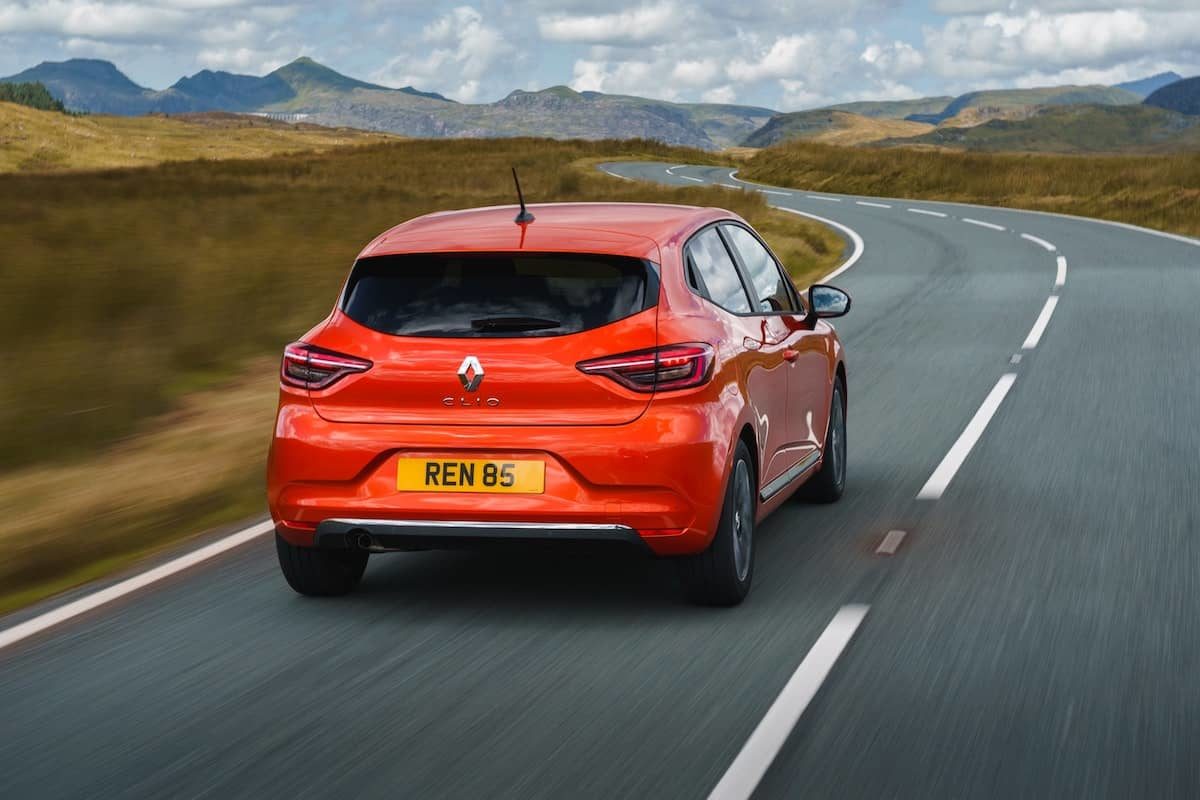
Auto Trader logo 600x300

Search for your next new or used car with Auto Trader. Find out more
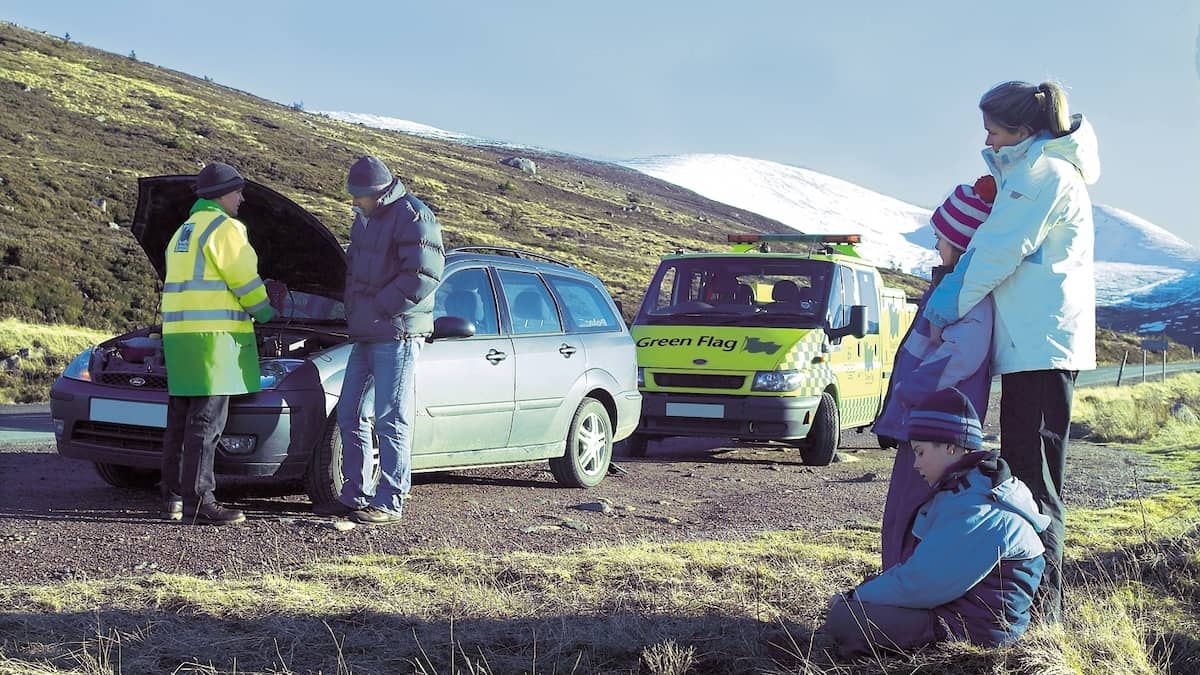
Carwow logo 600x300

Discover great deals available on both new and used cars. Find out more
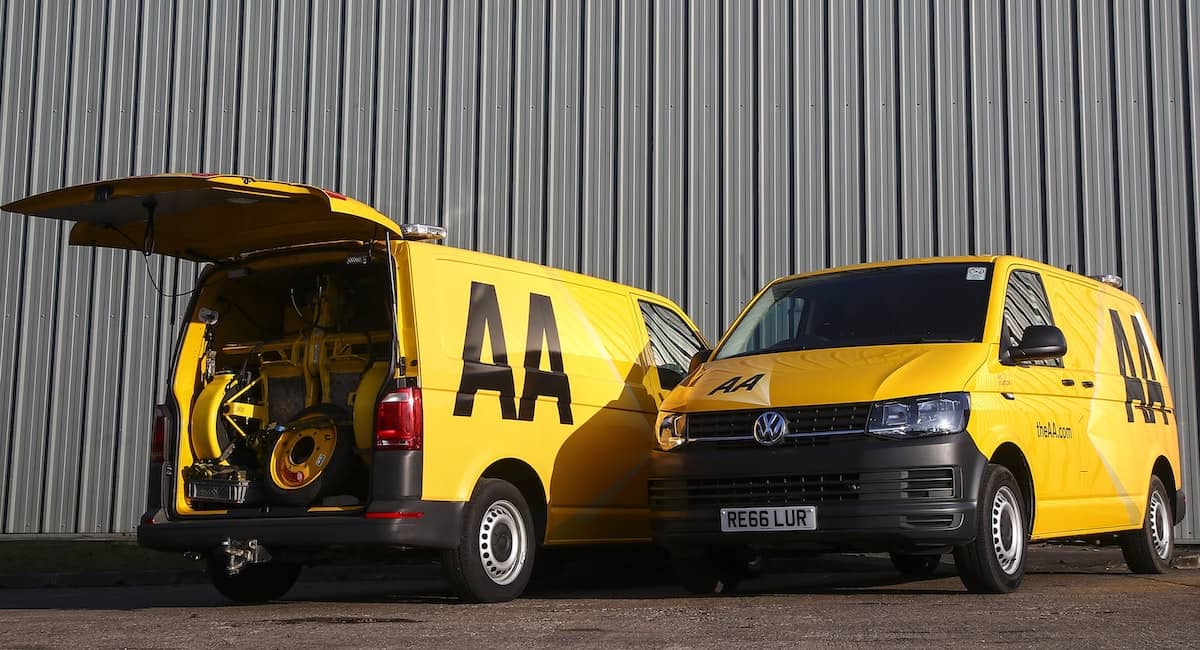
Lease a Mercedes-Benz GLS

If you’re looking to lease a new Mercedes-Benz GLS, The Car Expert’s partners can help you find a competitive deal

Carparison 600x300

Personal contract hire deals from Carparison Leasing. Find out more

Leasing-com logo

Personal contract hire deals from Leasing.com. Find out more

Select Car Leasing logo

Personal contract hire deals from Rivervale Leasing. Find out more
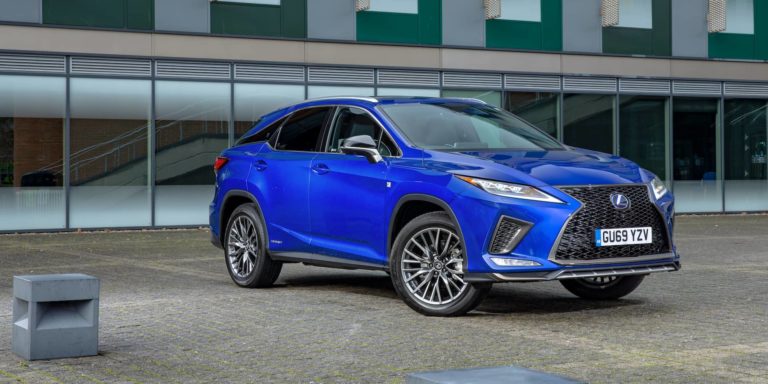
Subscribe to a Mercedes-Benz GLS

If you’re interested in a car subscription, The Car Expert’s partners can help (PS: What’s a car subscription?)

SelfDrive UK logo

Car subscriptions from SelfDrive.
Find out more

Drive Fuze logo 600x300

Car subscriptions from DriveFuze.
Find out more

Cocoon Vehicles logo 600x300

Car subscriptions from Cocoon.
Find out more

Subaru Forester e-Boxer test drive

The Subaru Forester has always been a go-to of the ‘lifestyle’ sect. For those people who want something practical that could carry all the bits and bobs their outdoorsy lives require while also being capable off the beaten track. That’s still applicable here, but this new e-Boxer variant is designed to make the car more appealing to city slickers with its hybrid powertrain.

Subaru has taken a unique approach to electrification with what it calls a ‘micro hybrid’ system. It consists of a small electric motor and similarly small battery, which are both more compact (and significantly lighter) than a traditional hybrid set-up. The downside is that it provides very little electric-only range, with the theory being that the system can charge and deploy electricity on almost a continual basis rather than storing it to use in larger hits.

On the face of it, though, it’s closer to a mild hybrid than a traditional hybrid, where the electrical motor provides assistance to the petrol engine without driving the wheels itself. It’s very much Subaru dipping its toes in the waters of electrification, and with economy and emission figures not overly impressive compared with hybrid rivals the Forester will have to make a case for itself elsewhere.

What’s new about the Subaru Forester?

This model is the fifth generation of Forester, and while it might look similar to its predecessor, it actually sits on the new Subaru Global Platform (or SGP). It’s the third car to do so, and not only does this standardised platform help the firm reduce production costs, it allows for the electrified powertrain at the heart of this model.

Other changes include an increase in size to make more room for passengers and their things, the latest EyeSight safety technology, and driver facial recognition software.

How does it look?

At the launch of the Forester e-Boxer, Subaru’s designers said the car wasn’t “styled to win beauty contests”, which is quite an admission but totally understandable – this car is about rugged practicality, or function over form.

That being said, the Forester isn’t an unattractive car. Its boxy side profile is reminiscent of all large SUVs, while the rear lights have a cool angular design. The front end is a little fussy, but its chunky features make it look off-road ready.

New features include LED headlights, new gloss black styling details and a two-tone panel above the rear lights. The plastic cladding, which looks rather cheap on closer inspection, is perhaps the only real complaint on the outside.

What’s the spec like?

Our high-specification XE Premium model came with all the bells and whistles you could require of a car. Exterior equipment includes automatic LED headlights, automatic rain-sensing wipers, 18-inch alloy wheels, and a sunroof. Inside, there’s plenty of leather, heated seats and steering wheel, dual-zone climate control, and an eight-inch infotainment system with satellite navigation.

Other notable technology includes Apple CarPlay and Android Auto integration, various off-road driving assists, adaptive cruise control and Subaru’s impressive EyeSight system, which includes a suite of advanced safety aids.

What’s it like inside?

Jump in the cabin and it’s immediately clear that this isn’t a premium car, but it does a great job of balancing creature comforts with its focus on durability. There are soft-touch and premium-looking materials on show, with the worst of the cheap plastics hidden away. The infotainment system has plenty of features and is easy to use, though the graphics do look rather aftermarket.

Its real USP is the space on offer, though. It feels massive inside whether you’re sat in the front or back, largely because of the increased wheelbase improving cabin and boot space. The rear doors have also been made wider to make it easier to get in the back seats.

What’s under the bonnet?

It’s the powertrain that’s the real story here, and at its heart is a familiar Subaru ‘boxer’ petrol engine. It’s a 2.0-litre unit paired with an electric motor that’s powered by a small lithium-ion battery. It allows for all-electric driving of up to one mile at speeds of 25mph and Subaru says it improves fuel economy by 10% compared with the standard engine.

The result is, well, a little underwhelming. With the combined fuel economy figure of 34.7mpg, it’s well off the 50mpg-plus of the similarly sized, similarly priced Toyota Rav4, which benefits from a bigger battery to support its petrol engine.

And because it’s a CVT, when you put your foot down you get that odd sensation of zero progress despite the high engine revolutions. On the plus side, if you have a couple of screaming kids in the back seat, they’ll be drowned out by the screaming engine as you accelerate up to motorway speeds.

What’s it like to drive?

It’s not all doom and gloom, though, because the Forester is generally a decent drive. A bit of pre-planning to avoid the need for full throttle maneuvers and the engine is relatively quiet, with the added bonus of avoiding the worst of the automatic gearbox’s droning.

The ride is great, too, thanks largely to the off-road-ready raised suspension and high-sidewall tyres. On the road, you do notice its weight in the corners, but this is not a car that encourages you to channel Subaru rally legends of old. It’s at its best driven at a sedate pace, which will also help maximise that disappointing fuel economy…

Take the Forester off road, and it’s brilliantly capable. It has the firm’s excellent symmetrical all-wheel-drive system, and a drive mode dial that can optimise the powertrain for road driving, snow and dirt, or deep snow and mud.

Verdict

The Subaru Forester e-Boxer is a tough one to deliver a verdict on. On the one hand, it’s very likeable, offering a comfortable driving experience, plenty of space and loads of on-board equipment, especially in our highly specified test car.

However, it’s hard to ignore that largely pointless integration of electrification, which barely improves fuel economy and doesn’t push the Forester into a low tax bracket. There are rivals that do and therefore make a better case for themselves, but if you need something rugged and practical with some off-road capability, the Forester makes a compelling case for itself.

Similar cars

Citroën C5 Aircross | Hyundai Santa Fe | Kia Sorento | Land Rover Discovery Sport | Mitsubishi Shogun Sport | Nissan X-Trail | Peugeot 5008 | SEAT Tarraco | Skoda Kodiaq | SsangYong Rexton | Toyota RAV4 | Volkswagen Tiguan Allspace

Key specifications

Model as tested: Subaru Forester e-Boxer
Price: £38,995
Engine: 2.0-litre petrol and electric motor
Gearbox: automatic, continuously variable
Power: 150 hp
Torque: 196 Nm
Top speed: 119 mph
0-60mph: 11.6 seconds
CO2 emissions: 154 g/km
Euro NCAP safety rating: Five stars (2019)
TCE Expert Rating: 61% (as of July 2020)

Porsche 911 Turbo S revealed with 650hp

0

The new 992-generation Porsche 911 Turbo S has been revealed, with the flagship 911 model producing a monstrous 650hp.

That output comes courtesy of a new 3.8-litre twin-turbocharged flat-six engine sending that power and 800Nm of torque to all four wheels via an eight-speed PDK automatic gearbox.

The result is a blistering 0-60mph time of 2.5 seconds, and a 205mph top speed. It’s available as both a coupe or cabriolet, too, though Porsche hasn’t stated if the drop-top version of the car has seen a slight compromise on performance.

992 Porsche 911 Turbo S side view

Helping to contain this power is a new aerodynamic bodykit. Along with a large rear wing at the back, adaptive elements are included in the nose of the car to optimise downforce — which Porsche says is up 15% overall compared with the previous 911 Turbo S.

Its all-wheel-drive system has also been worked to make the most of the power available in both road and circuit conditions, with as much as 500Nm of torque able to be sent to the front wheels at any given time.

Carbon composite brakes are a standard fit item to enhance stopping power, while alterations have been made to the car’s dampers for improved handling as well.

Inside the car, 18-way adjustable sports seats are available along with a full leather interior as standard. There’s also the inclusion of Porsche’s 11-inch infotainment system and a Bose surround sound system.

Order books for the Porsche 911 Turbo S coupe and cabriolet are now open, with pricing kicking off at £155,970 and £165,127 respectively.

Pollution from tyre wear “1,000 times worse” than exhaust emissions

Pollution from tyre wear can be up to 1,000 times worse than the emissions produced from a car’s exhaust, claims a UK research group.

Particulate matter produced by tyres and brakes is harmful, and levels are increasing as a result of the growing number of large SUVs and even electric cars — which are heavier than standard cars and therefore put more pressure on their tyres – on city streets.

In addition, tyre wear pollution remains unregulated, so while tighter control on exhaust emissions means that the amount of particulate matter produced by combustion-engined vehicles has fallen, ‘non-exhaust emissions’ (NEE) have been allowed to continue. There is currently no legislation in place to limit or reduce NEE, either.

Non-exhaust emissions are believed to contribute to the majority of primary particulate matter produced by road transport, which was highlighted in a report by the government’s Air Quality Expert Group released in 2019. It recommended that NEEs be immediately recognised.

Emissions Analytics, therefore, undertook real-world testing to see the number of particulates produced by tyres. It found that a standard family hatchback using brand-new correctly-inflated tyres emitted 5.8 grams of particulates per kilometre.

In contrast, the regulated exhaust emission limit of 4.5 milligrams per kilometre show that unregulated tyre emissions are higher by a factor of over 1,000. Emissions Analytics believed that if the vehicle had been using under-inflated tyres or driving on a road with poorer surface quality then the tyre emissions could have been far higher.

Richard Lofthouse, senior researcher at Emissions Analytics said: “It’s time to consider not just what comes out of a car’s exhaust pipe but particle pollution from tyre and brake wear. Our initial tests reveal that there can be a shocking amount of particle pollution from tyres — 1,000 times worse than emissions from a car’s exhaust.

“What is even more frightening is that while exhaust emissions have been tightly regulated for many years, tyre wear is totally unregulated – and with the increasing growth in sales of heavier SUVs and battery-powered electric cars, non-exhaust emissions (NEE) are a very serious problem.”

Mercedes-Benz E-Class gets new look and added tech

0

Mercedes-Benz has revealed its new E-Class saloon and estate, which have been facelifted for 2020.

Offering an lightly updated look and better levels of driver assistance technology, the facelifted E-Class brings new life to the popular saloon and estate models. There will be a similar update to the coupé and cabriolet models coming up in the next few months, although there are no details for those at this time.

The front end of the new E-Class has been made somewhat softer in appearance than the outgoing car, with reshaped headlights sitting either side of a newly-designed grille in a style that matches other new models in the Mercedes-Benz family. LED headlights now come as standard, with more powerful ‘Multibeam’ units available as an optional extra, too.
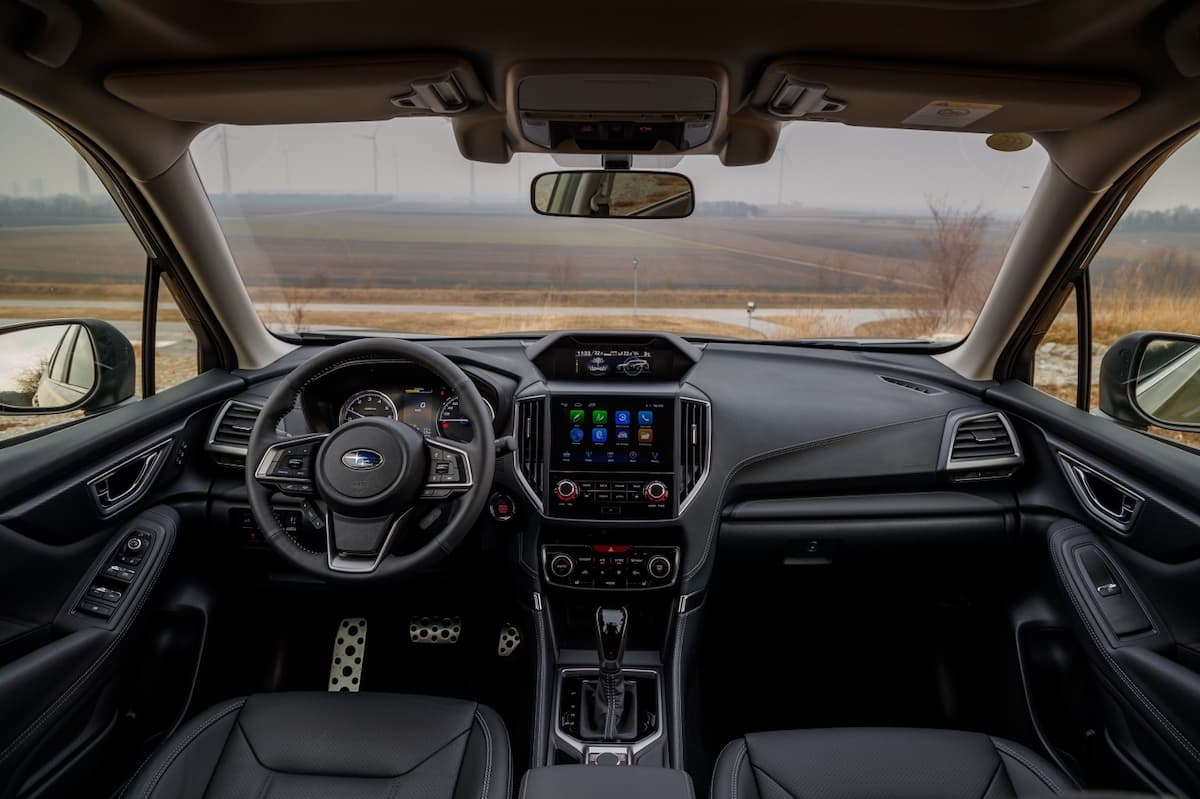
Meanwhile, around the back the taillights have been sharpened and now look more like those fitted to the smaller A-Class saloon. There are new alloy wheel designs to choose from as well.
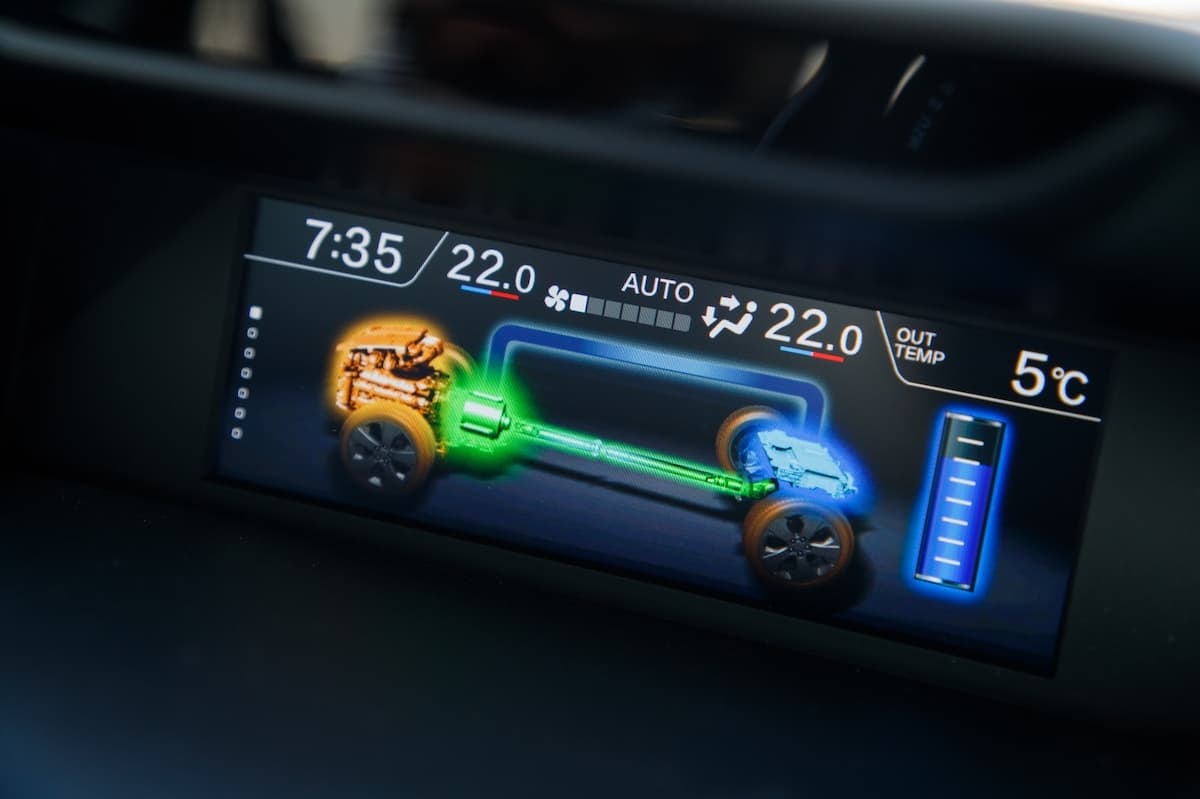
Inside, the fundamentals remain much the same as before; a large twin-screen setup dominates the cabin, with two 12-inch screens (on high-specification models) appearing to meet in the middle as one solid piece of glass. Entry trims get two ten-inch screens instead.

One of the most obvious changes inside the cabin is a new steering wheel, which receives a split-three spoke design with touch-sensitive buttons.

The new E-Class also benefits from a wide variety of driver-assist systems, including Active Speed Limit Assist – which can adapt the car’s speed depending on traffic signs, bends and upcoming junctions. It can even use online traffic data to find out when the car is approaching a jam, and slow the vehicle accordingly.

Plug-in hybrid models are now available across the E-Class range, while petrol and diesel powertrains can be had with either rear- or four-wheel-drive on both saloon and estate models.

A newly-tweaked E53 is also available, generating 435hp and 520Nm from its six-cylinder petrol engine with mild-hybrid technology.

Prices for the new Mercedes-Benz E-Class are yet to be confirmed, but we expect them to be released closer to first deliveries commencing this summer.

2020 Mercedes-Benz E-Class