Toyota has revealed UK pricing for its eagerly anticipated GR Yaris performance hatchback.
Priced from £29,995, the GR Yaris has been developed by Toyota Gazoo Racing and uses experience from the firm’s involvement in the World Rally Championship.
UK customers will have the choice of two versions – GR Yaris and GR Yaris Circuit Pack – priced at £29,995 and £33,495 respectively.
Powered by a 1.6-litre three-cylinder turbocharged engine with 260hp, it returns a claimed 0-60mph of under 5.5 seconds. It also features an all-wheel-drive system, which, when coupled with the car’s lightweight construction, should mean that it delivers excellent handling both on the road and on-track too.
Power is sent to the wheels through a six-speed gearbox, while motorsport features such as multi-oil jet piston cooling, large-diameter exhaust valves and a part-machined intake port have been incorporated into the car’s design to boost its performance.
Circuit Pack cars also benefit from a Torsen limited-slip differential on both the front and rear axle, as well as performance-tuned suspension and 18-inch forged alloy wheels.
With a roof lowered by 9cm compared to the standard Yaris, the GR version aims to be a sleeker, more driver-focused variant sitting atop the range.
Further specifications are due to be announced later, but those who are interested in becoming one of the first UK owners of the GR Yaris can sign up to Toyota’s ‘keep me informed’ service prior to order books opening later in the year. It’s expected that the first customer deliveries will start from November 2020.
Fiat’s popular 500 city car has been reinvented as an all-electric model, offering up to 199 miles from a single charge.
Set to arrive in the UK early next year – and only available in convertible form initially – the new Fiat 500 sits on the first bespoke electric car platform from Fiat Chrysler Automobiles (FCA), meaning it’s now 6cm longer and 6cm wider than the previous 500. It’s also 4cm taller than before.
The retro look of the previous-generation 500 has been retained, though flush door handles and LED head- and taillights help to distinguish this latest version from its predecessor.
It uses a 119hp electric motor linked to a 42kWh battery pack. The total claimed electric range stands at 199 miles, and it should be able to reach 60mph from a dead stop in under nine seconds. The car’s top speed is limited to 90mph, too.
It comes with an 85kW rapid-charging system, capable of replenishing the car’s batteries from empty to 80% in just 35 minutes and is also capable of adding 31 miles of extra range to the car in just five minutes.
Launch-specification cars, called La Prima, also come with a Fiat charging unit which is able to deliver 3kW charging – though it can be upgraded to 7.4kW.
A new eco-focused driver mode is included in the car, too. Called Sherpa, it reduces power, throttle response and switches off energy-draining ancillary functions like climate control to help better retain battery charge.
The other driver modes are Normal and Range, with the latter function bringing more regenerative braking.
The new Fiat 500 also meets legally required low-speed acoustic warning legislation for electric cars in a unique way – by playing one of the theme songs from the film La Dolce Vita.
These launch edition cars – available as a convertible for now – is priced from £29,000 including the plug-in grant. It’s expected that more entry-level cars – accompanied by a lower entry price – will arrive on the market shortly.
February is always a quiet month for new car sales, and this year was a but quieter than the last couple of years, with new car registrations down about 3% on the same month last year.
The low sales numbers in February in August also tend to see some surprising shake-ups in the list of best-selling cars, and this month was no different. The same applies to overall sales numbers, as manufacturers can significantly influence overall market share by registering a few more cars here and there.
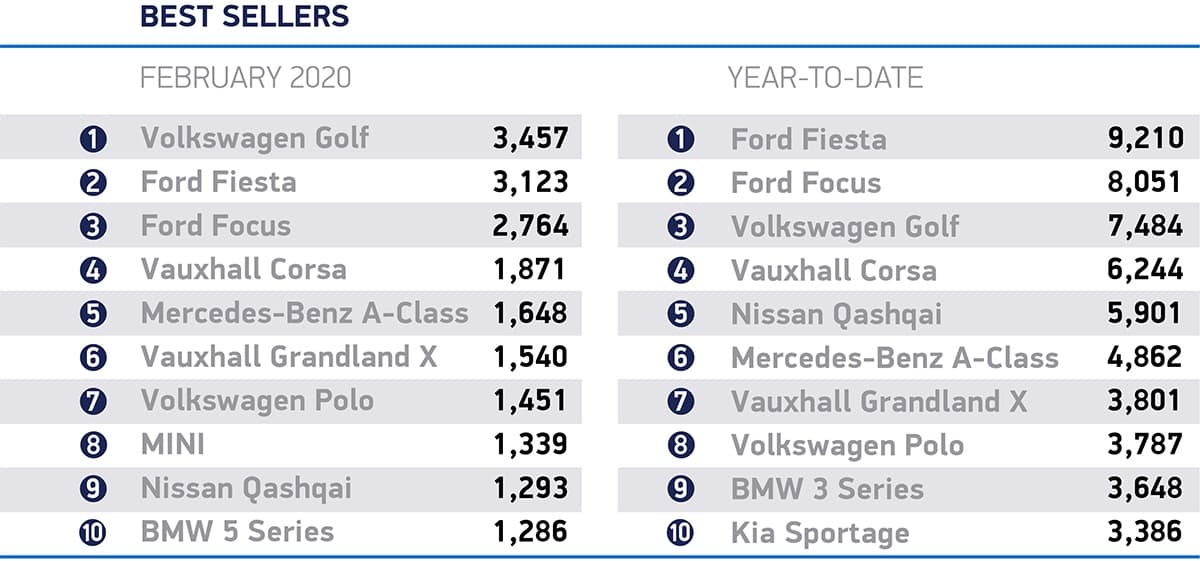
But what about the top ten models? Well the usual order was shaken up a bit, so let’s have a look at how it all went down in February.
The UK’s ten best-selling cars, February 2020
1. Volkswagen Golf
The venerable Mk7 Volkswagen Golf jumped back to the top of the charts in February, a couple of months after it last occupied the top spot in December. However, its March results may depend on how much stock dealers have left before the all-new Mk8 Golf arrives.
Despite being on sale since 2012, the Mk7 Volkswagen Golf still holds an Expert Rating of 82% in The Car Expert’s New Car Ratings database, which is the best rating of any car in its class. Can the new model top this? (Spoiler alert: Yes, it can.)
It’s been a tough six months for the perennially best-selling Fiesta, with the Vauxhall Corsa and Volkswagen Golf taking turns at the top of the charts late in 2019 and Ford announcing a reduction in production due partly to a relative slump in UK sales.
After a strong start in January, the Fiesta slipped a bit in February, with sales down about 9% on the same month last year. It’s still comfortably leading year-to-date registrations, but March is one of the biggest months of the year so it could all change dramatically next month.
The Fiesta currently holds an Expert Rating of 86% in The Car Expert’s New Car Ratings database, which compares reviews from across the UK motoring media. This is higher than any other car in the supermini class, so it seems that motoring journalists and the buying public are in agreement on the Fiesta’s qualities.
Like its little brother, the Ford Focus slipped back a place in February, although it actually sold better than it did when it placed second this time last year. It’s been a good start to the year for the Focus, and Ford will be hoping to maintain that momentum against the incoming new Golf.
The Ford Focus currently holds an Expert Rating of 81% in our New Car Ratings database, which is 1% lower than the outgoing Volkswagen Golf but about 3% off the all-new Golf based on its initial launch reviews.
Fourth place for the Corsa will presumably represent the last of the old cars and the first of the new model. Usually customers and dealers like to co-ordinate new model arrivals with the change in registration plates, so expect to see a lot more all-new Corsas wearing 20-reg number plates in March.
It might have been a popular car over the last six years, but the Vauxhall Corsa only holds an Expert Rating of 64%, which is the lowest score among this month’s top ten cars according to our Expert Rating aggregator. Reviews for the new model have been somewhat better, and we’ll have all the details next month (assuming Vauxhall sells enough of them to rank in the top ten, of course).
The darling of the aspirational small car set continues to be the Mercedes-Benz A-Class, occupying its usual place in the midfield of the top ten. It was the fifth best-selling car in February, and currently sits in sixth place or year-to-date sales. Mercedes-Benz is the third best-selling brand in the UK so far this year, so maybe it’s time we stop referring to it as a premium brand and recategorise it as a volume brand, since it appears to be the very definition of mainstream based on its sales numbers.
The Mercedes-Benz A-Class has an Expert Rating of 77% in The Car Expert’s New Car Rating system. It ranks highly for safety, winning awards from Euro NCAP and Thatchamfor its protective qualities.
After first appearing in the top ten last month, the Vauxhall Grandland X moved up from tenth to sixth place in February, which also moves it up to seventh in year-to-date numbers. The largest of Vauxhall’s crossover family has been buoyed by a growing model range, with a plug-in hybrid powertrain now available.
Like the Corsa, the Grandland X doesn’t let average media reviews get in the way of scoring decent sales numbers. The Grandland X currently holds an Expert Rating of 69% based on 16 UK media reviews, according to our unique aggregator, which is in the bottom half of its class and well off the pace of the class-leading Peugeot 3008.
The Volkswagen Polo moved up from ninth to seventh place in February, and also leapfrogged the BMW 3 Series in year-to-date sales to sit eighth. It’s the third of four superminis in the top ten chart this month, although as usual it’s a long way off the numbers generated by the Ford Fiesta.
The Polo holds an Expert Rating of 79% in The Car Expert’s New Car Ratings calculator, which is good but a fair way behind the class-leading Fiesta.
The Mini hatch popped back into the top ten in February, which may or may not have coincided with the first media reviews of the new Mini Electric model being published. The Union Jack-waving supermini edged out the Nissan Qashqai for eighth place by less than 50 units, making it the best British-built car in February (note: not all Minis are built in the UK, so you’ll have to check if this is something you’re particularly interested in).
The Mini hatch holds a very solid score of 80% in our New Car Ratings aggregator, which is better than most cars in its class despite being older than many of its rivals.
Afer a strong start in January, the Nissan Qashqai fell back a bit this month to end up in ninth place. In fact, it was only seven sales clear of tenth place. Unusually, that means it was neither the best-selling British-built car not the best-selling SUV/crossover model in February, which hasn’t happened for quite a while.
The ageing Nissan Qashqai currently holds an Expert Rating of 74% in our New Car Ratings database, which is midfield for the compact crossover segment and in the bottom half of scores for a top ten-selling car.
OK, does anyone know if the BMW 5 Series has ever made it to the UK top ten list before? I certainly can’t remember it, but please let us all know in the comments section below if you do.
The 5 Series appears in tenth place this month, and only a few units behind ninth, so either a lot of chauffers have got brand-new BMWs or there’s a fair bit of pre-registration going on from BMW UK…
With a score of 89%, the new BMW 5 Series has the highest Expert Rating of any car in the top ten, according to our unique New Car Ratings aggregator. With outstanding reviews for both the saloon and Touring (estate) models, it’s also comfortably the highest-rated car in its class – which is no mean feat given the quality of its rivals.
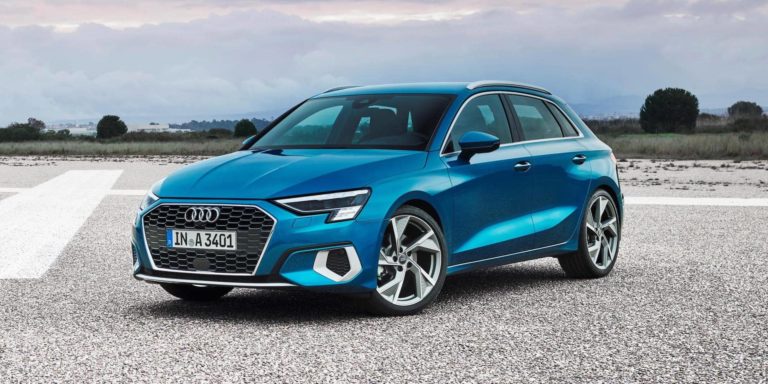
Audi has revealed the updated version of its popular A3 hatchback, which now sports a sharper, more angular look and much-improved technology.
While the shape is familiar, the details of its styling are vastly different, particularly at the front end where the headlights and side intakes in particular have been given a more aggressive appearance.
Along the side of the car is a sharp crease that makes the wheel arches look wider, while the rear lights are now narrower and the lower bumper is more streamlined.
Inside, the technology has been hugely improved over the now-dated outgoing model. There’s a ten-inch touchscreen fitted as standard, which has been brought over from larger models, while a digital instrument binnacle can be upgraded to Audi’s full virtual cockpit.
Featuring Audi’s latest operating system, the new A3 gets DAB digital radio included as standard with online radio available as an option, navigation that can predict changes in traffic situations along the route, and smartphone integration through Apple CarPlay and Android Auto.
There are three engines available at launch; a single 1.5-litre petrol engine making 150hp, and a 2.0-litre diesel with a choice of 115hp or 150hp. These will be offered with front-wheel-drive and a choice of six-speed manual or automatic transmissions at launch, with further engine options and all-wheel-drive offered at a later date.
Audi will start taking orders this month with first deliveries scheduled for May. Early adopters can specify an Audi A3 Edition One trim, which adds 18-inch alloy wheels, LED headlights, S line interior and aluminium inlays. Full UK pricing and specifications should be available shortly.
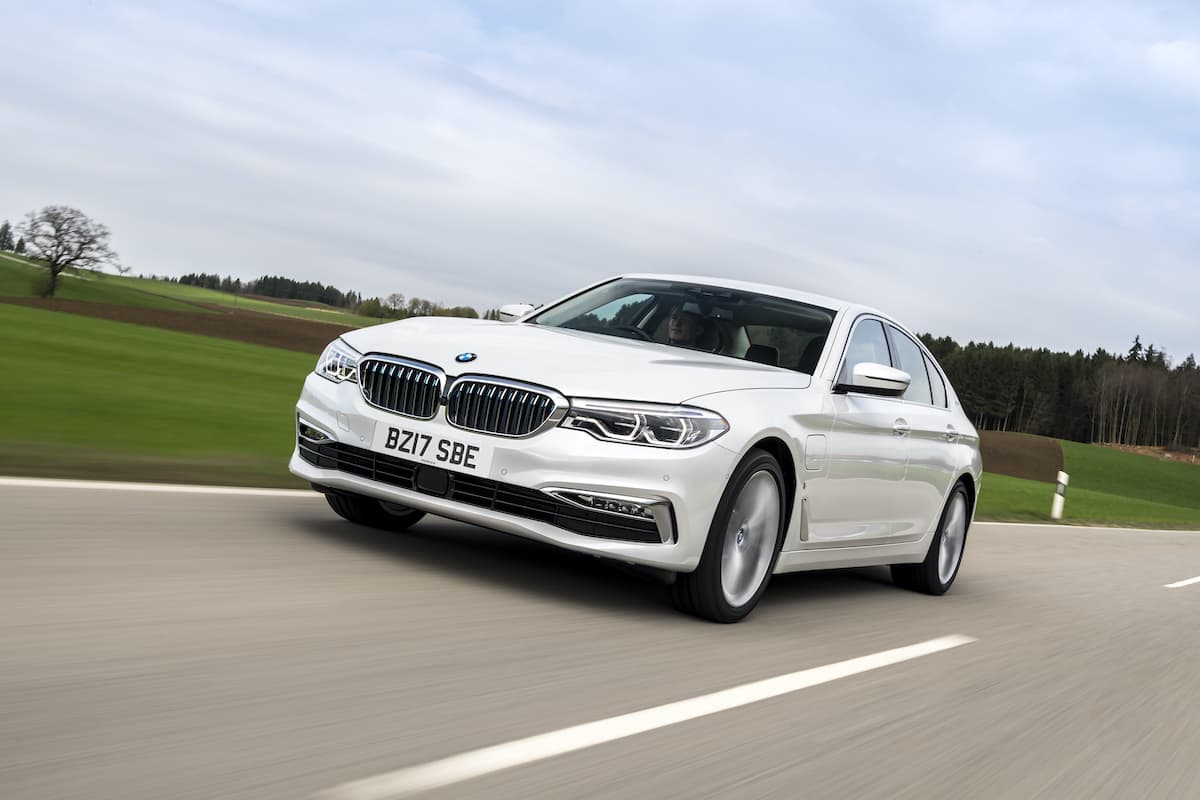
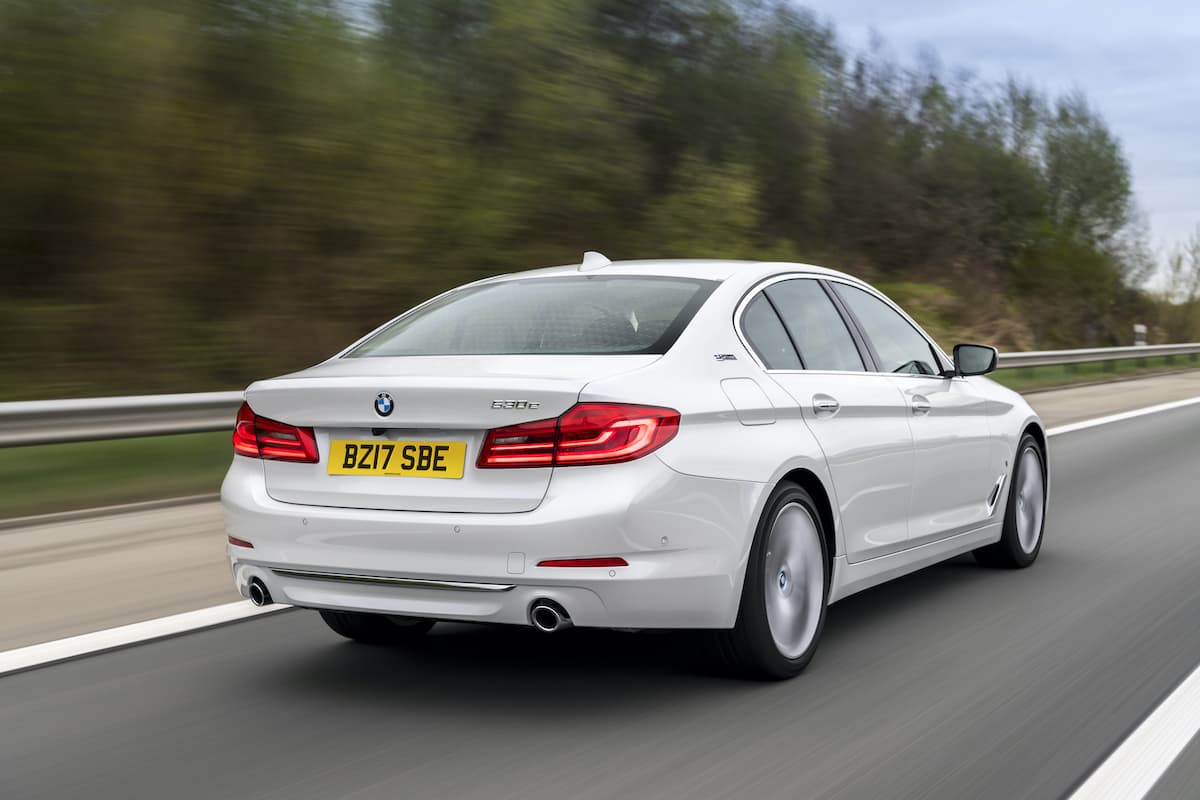
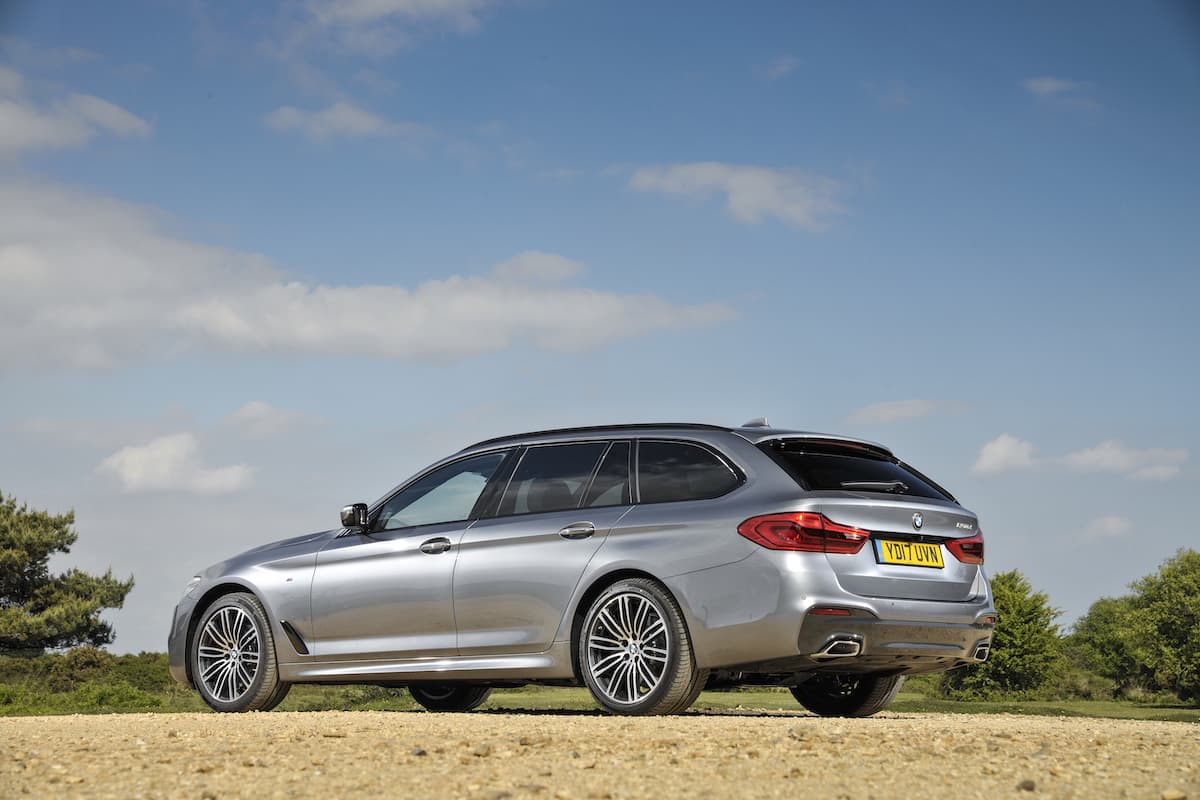
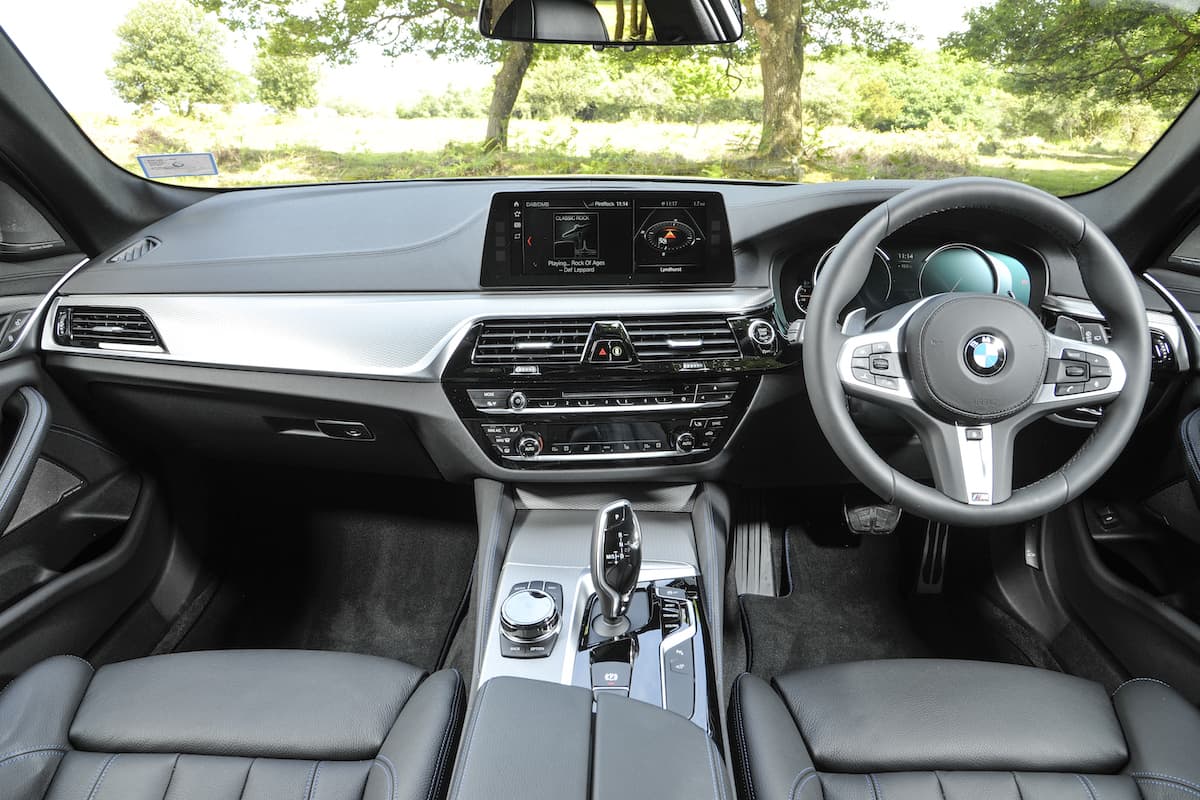
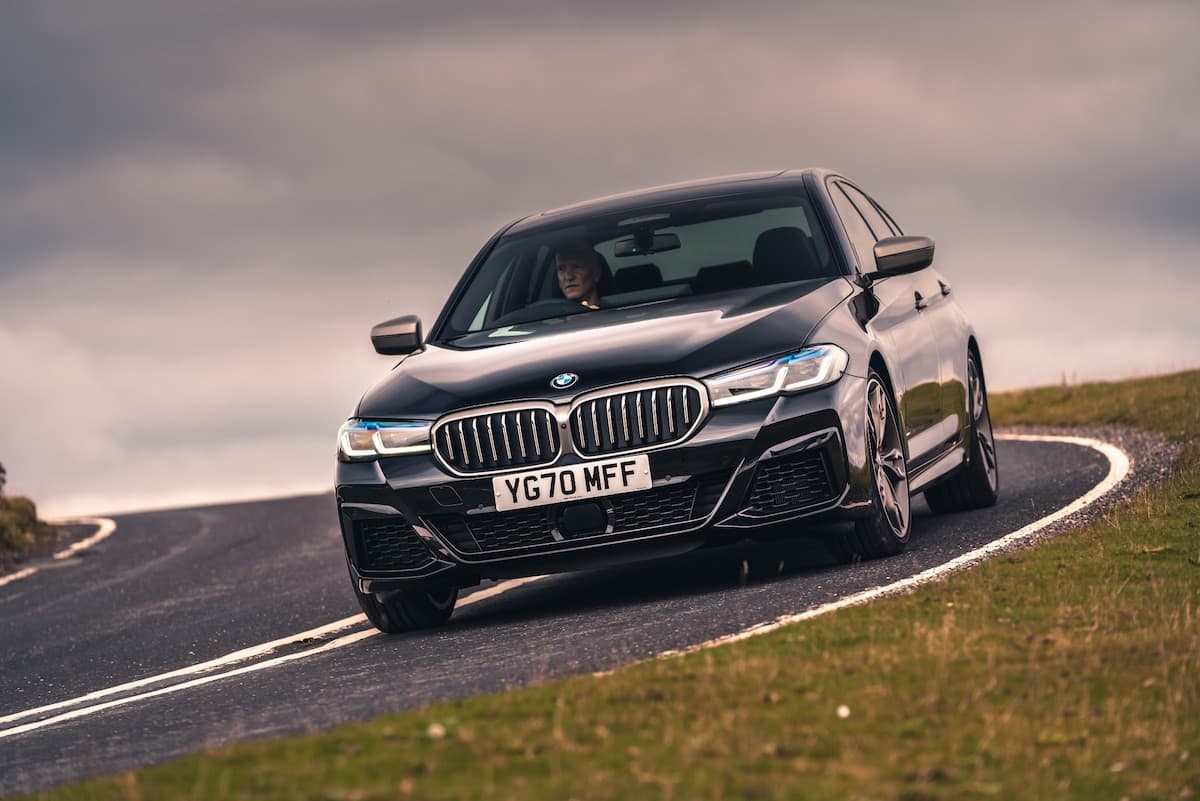
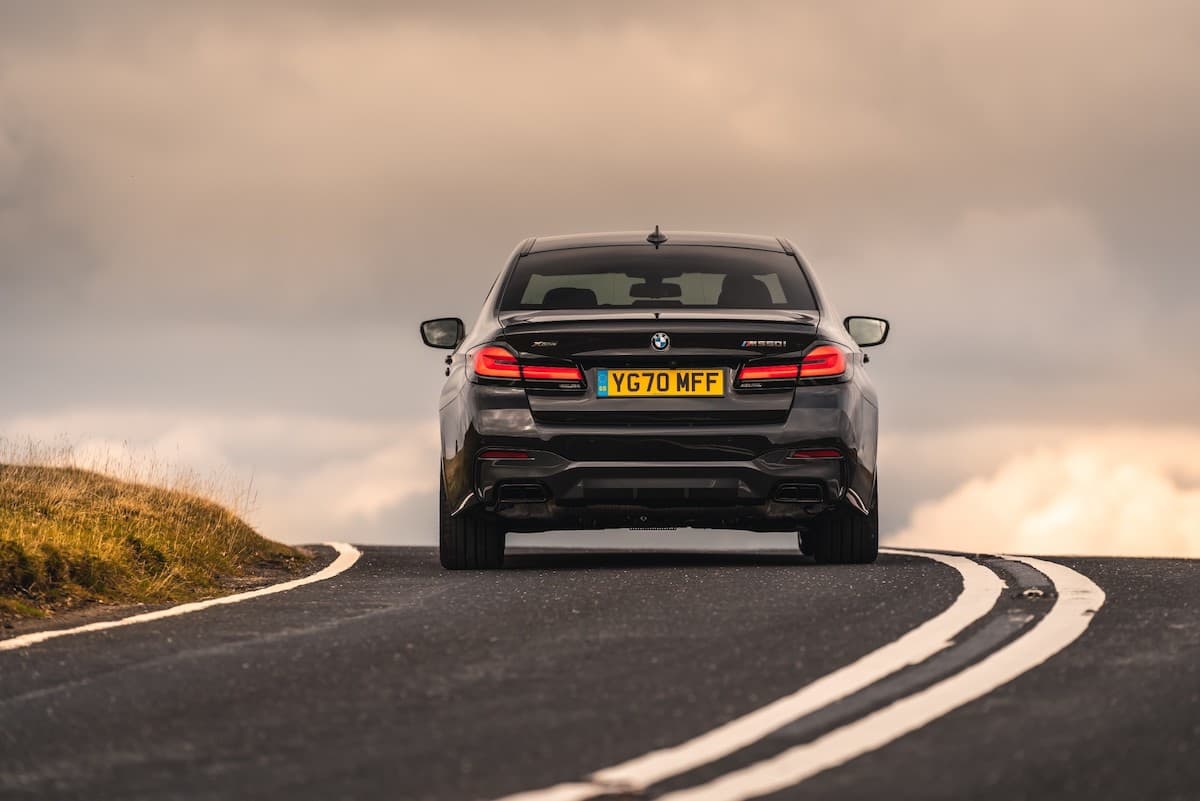
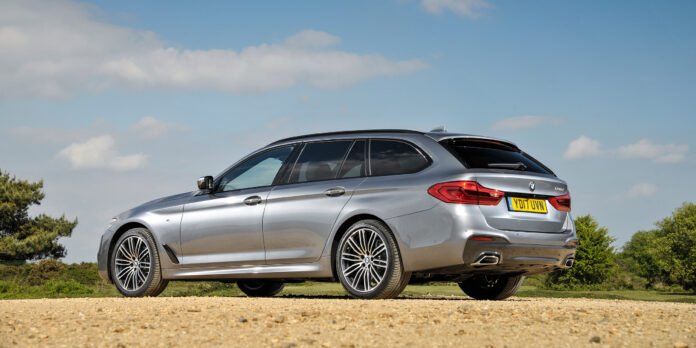
The BMW 5 Series was a large executive car, available in either saloon or estate (called Touring) body styles. This seventh-generation model was launched in 2017 and was available with a range of petrol, diesel and plug-in hybrid powertrains. Production ended in 2023 ahead of the launch of an all-new model.
The 5 Series range also included the M5 sports saloon, which is not covered on this page. We have a separate report for the M5, so click here to read it.
The BMW 5 Series received consistently positive reviews from the UK automotive media and continued to win awards right throughout its production life, despite newer rivals arriving on the scene.
The 5 Series was praised highly for its driving experience, refinement and build quality. The only real negatives related to the number of optional extras that are included as standard on many cheaper cars.
An facelifted version arrived in the UK in July 2020. This was a substantial mid-life update rather than an all-new car.
One area of concern for potential 5 Series buyers is its reliability score – it has a poor reliability rating of E, according to our data. For full details, see the ‘Reliability rating’ section below.
As of February 2026, the BMW 5 Series has a Used Car Expert Rating of D, with a score of 57%. It scores top marks for its media reviews and its low CO2 emissions (thanks to the plug-in hybrid version), but gets very poor grades for its reliability issues and high running costs. Due to its age, its Euro NCAP safety rating has also now expired.
Highlighted reviews and road tests from across the UK automotive media. Click any of the boxes to view.
The Car Expert
Model reviewed: 530i Touring “The 5 Series Touring remains one of the best options for those looking for a car which will travel great distances with little fuss, while transporting its occupants in great comfort.” Read review
Score: 8.4 / 10 “Just as the latest contenders from rival brands almost catch up, the BMW 5 Series eases ahead again. This is still the car that everyone else has to beat.” Read review
Auto Express
Model reviewed: Saloon range Score: 10 / 10 “Terrific to drive and packed with the latest tech, the supremely capable BMW 5 Series is better than ever.” (Paul Adam) Read review
Model reviewed: 2.0-litre petrol/electric plug-in hybrid Touring estate Score: 8 / 10 “BMW refined the formula for its plug-in hybrid 5 Series estate with model year updates adding more tech. But fundamentally the 530e Touring is as good as ever, blending superb refinement and driving dynamics with usable all-electric range, strong efficiency and great cabin quality. Practicality takes a hit, but not by much, given the benefits elsewhere.” Read review
Model reviewed: M550i saloon Score: 9 / 10 “The M550i is the least sensible variant of the updated 5 Series line-up. We’d recommend the more modestly priced yet equally polished options further down the range, but every version benefits from impeccable build quality, superb engines, strong refinement and tech, and tidy handling.” Read review
Model reviewed: 3.0-litre petrol-electric plug-in hybrid 545e xDrive Score: 9 / 10 “The new plug-in hybrid BMW 545e xDrive combines a 3.0-litre six-cylinder petrol engine with an 11.6kWh battery and electric motor.” Read review
Model reviewed: Estate range Score: 10 / 10 “The BMW 5 Series Touring is at the top of the executive estate car class, thanks to a perfect blend of performance and practicality. There’s a range of economical engines and it’s great to drive, too, with sports car-like dynamics and limo levels of luxury and refinement.” Read review
Auto Trader
Model reviewed: Range overview Score: 9 / 10 “The executive saloon class is extremely competitive and filled with truly excellent cars from all the premium players. Even with that caveat, the BMW 5 Series is an exceptional piece of kit and a masterclass in style, technology, luxury, handling and comfort.” Read review
Business Car
Model reviewed: 530e M Sport saloon Score: 8 / 10 “Except for the rocket-propelled M5, the 530e probably boasts the sweetest steering connection of any BMW 5 Series, but its reactions are undermined by the additional bulk of the battery packs. We are talking forensic levels of scrutiny here, and judging the 530e by BMW’s lofty benchmark. Read review
Car
Model reviewed: Saloon range Score: 10 / 10 “The 520d is still the sensible model that does everything well, but if you’ve got the cash, go for the 530d xDrive. It feels effortlessly eager, smooth and isn’t guaranteed to cripple you financially in fuel costs.” Read review
Model reviewed: 530e iPerformance saloon Score: 10 / 10 “Providing you don’t live too far from work and are able to keep the thing charged, the 530e makes a great case for itself as a surprisingly cheap-to-own company car.” Read review
Model reviewed: Estate range Score: 8 / 10 “Crossovers and SUVs might be stealing the limelight, but the BMW 5 Series Touring continues to impress. It’s comfortable, spacious, highly refined, nicely put together and well-equipped.” Read review
Car Keys
Model reviewed: Range overview Score: 10 / 10 “As an all-round executive car, the BMW 5 Series remains unbeatable. Its mix of quality, sportiness and comfort are unmatched, even next to accomplished rivals such as the Mercedes E-Class.” Read review
Carbuyer
Model reviewed: 530e plug-in hybrid Score: 8.2 / 10 “The BMW 530e is everything you’d expect of a 5 Series but with extra economy and improved running costs” Read review
Model reviewed: Saloon range Score: 9.2 / 10 “The BMW 5 Series has reclaimed its place at the top of the executive saloon class.” Read review
Model reviewed: Estate range Score: 9.6 / 10 “The BMW 5 Series Touring makes a powerful case for the traditional estate against the SUV, and is an almost perfect family car” Read review
Carwow
Model reviewed: Touring estate range Score: 8 / 10 “The BMW 5 Series Touring comes with a futuristic cabin and boatloads of high-tech features but its conservative styling means it isn’t as distinctive as the Mercedes E-Class Estate.” Read review
Model reviewed: saloon range Score: 8 / 10 “The BMW 5 Series comes packed with more high-tech features than ever before but looks more conservative than the Mercedes E-Class.” Read review
Company Car Today
Model reviewed: 520i Touring “The Company Car Today CCT100 Award-winning BMW 5 Series is still great in petrol form, but isn’t quite enough when you do the maths to coax sensible high-mileage company car drivers out of the excellent 520d.” Read review
Model reviewed: 520d M Sport Touring “More practical and more tech-packed than ever. It’s not cheap, but the BMW 5 Series Touring is about as good as all-rounders get.” Read review
Model reviewed: Saloon range Score: 8.5 / 10 “The consummate executive saloon package that combines excellent refinement, driving quality, industry-leading tech and excellent residuals values” Read review
Driving Electric
Model reviewed: 545e xDrive hybrid Score: 9 / 10 “It’s not even that much more expensive than the four-cylinder 530e, particularly from a company-car tax or PCP finance point of view. It should prove a popular choice.” Read review
Evo
Model reviewed: Saloon range Score: 9 / 10 “BMW’s most complete 5 Series ever, there are almost no compromises in this exceptional executive.” Read review
Model reviewed: Estate range Score: 8 / 10 “In Touring form the latest BMW 5 Series is as impressively capable as it is as a saloon, regardless of the engine powering it and the extra weight sitting over the rear axle.” Read review
Green Car Guide
Model reviewed: 545e plug-in hybrid M Sport saloon Score: 9 / 10 “The BMW 545e xDrive M Sport Saloon PHEV combines tradition with the future. The overall driving experience is traditional BMW: rewarding handling, good ride quality, responsive performance, and a dashboard that is functional for the driver. However this base has been supplemented by the addition of an electric powertrain that can provide up to 30 miles of driving range.” (Paul Clarke) Read review
Model reviewed: 530e iPerformance saloon Score: 9 / 10 “The BMW 530e M Sport iPerformance Saloon is, without doubt, another BMW engineering triumph. The majority of hybrid and plug-in hybrid cars on sale are efficiency-focused; the 530e offers performance – and the potential for efficiency – for keen drivers.” Read review
Model reviewed: 520d saloon Score: 9 / 10 “From the point of view of the motorists who travel many miles up and down the nation’s motorways on business, the BMW 520d has to be one of the most comfortable, convenient and efficient ways to do this; it doesn’t feel anything like a diesel car did even just a few years ago.” Read review
Heycar
Model reviewed: Saloon range Score: 10 / 10 “Be in no doubt, the BMW 5 Series is a brilliant executive saloon. The Mercedes-Benz E-Class may have a slightly more luxurious feel to its cabin, but the BMW is the more involving to drive. It means the BMW is very easy to recommend, though you may want to try the Merc just to make sure.” Read review
Honest John
Model reviewed: Saloon range Score: 10 / 10 “The BMW 5 Series is a superb executive saloon, with top-notch refinement and quality throughout. BMW’s trademark driving enjoyment shines through on a challenging road, although some might feel that the interior feels a little flat against the equally excellent Mercedes-Benz E-Class.” Read review
Model reviewed: Estate range Score: 10 / 10 “It’s hard to find fault with the BMW 5 Series Touring – it does everything you ask of it impeccably. The ultimate estate car? We’d find it hard to argue with that.” Read review
Model reviewed: 530d Touring “Once I really got to know the G31 530d it’s probably the most satisfying car I’ve ever driven.” Read review
Motoring Research
Model reviewed: Range overview Score: 9 / 10 “The BMW 5 Series is a quality machine and yet another step on from models of old. Being brilliant to drive is the icing on the cake.” Read review
Motors
Model reviewed: Range overview Score: 9 / 10 “The BMW 5 Series manages to toe the line between stylish and over-the-top well. There’s no mistaking it as anything but a BMW—the huge kidney grilles up front speak for themselves – but it’s a well-executed design.” Read review
Parkers
Model reviewed: Saloon range Score: 9 / 10 “Benchmark premium executive saloon” Read review
Model reviewed: Estate range Score: 8.2 / 10 “Has BMW created the perfect estate car? Looks that way…” Read review
The Sun
Model reviewed: Saloon range “The new BMW 5 Series has hit a sweet spot which other executive motors just can’t reach.” Read review
The Sunday Times
Model reviewed: 530d xDrive Touring Score: 10 / 10 “No other car does everything so well” (Jeremy Clarkson) Read review
Model reviewed: 530d M Sport saloon Score: 8 / 10 “A great car underneath some clever-clever electronics” (Jeremy Clarkson) Read review
Model reviewed: 520d M Sport saloon Score: 8 / 10 “Still the leader of the pack” Read review
The Telegraph
Model reviewed: 2.0-litre diesel automatic 520d M Sport Touring (estate) Score: 10 / 10 “The latest BMW 5 Series is predictably brilliant. Granted, the same caveats apply as before, which are that it’s best served in its simplest form; as an SE with the more comfortable suspension, or if you must have an M Sport, then at least with the standard wheels.” Read review
Model reviewed: Estate range Score: 9 / 10 “The BMW 5 Series Touring is every bit as impressive as the saloon, only with the added versatility that comes from having a larger boot. True, a Mercedes E-class Estate can carry more still and Volvo’s V90 is cheaper to buy, but as an all-rounder the BMW still edges ahead of rivals.” Read review
Model reviewed: 530e iPerformance saloon Score: 6 / 10 “While the 530e is without doubt an accomplished plug-in hybrid and the numbers are sure to appeal to company car drivers, it isn’t quite as good to drive as other models in the BMW 5 Series range. A good car, then, but not a truly great one.” Read review
Model reviewed: Range overview Score: 9 / 10 “Is the BMW 5 Series the best car in the world? Certainly it’s a strong contender thanks to a combination of ride comfort, performance, luxury and technology that edge it ahead of its key rivals. By any measure, it’s a truly outstanding machine.” Read review
Top Gear
Model reviewed: Estate range Score: 8 / 10 “It’s a BMW 5 Series: very refined, great to drive and features loads of high-tech” Read review
Model reviewed: Saloon range Score: 9 / 10 “It’s comfy, it drives well, it’s got performance *and* eco options… There’s really not much to criticise.” Read review
Safety rating
Independent crash test and safety ratings from Euro NCAP
The BMW 5 Series was originally crash tested by Euro NCAP back in 2017 and awarded a five-star rating. However, this rating expired in January 2024 and is no longer valid as the car no longer meets the standards required for such a rating. This is normal practice, as Euro NCAP reviews its ratings on most cars annually with most ratings expiring after about six or seven years.
However, if you are comparing a used 5 Series to vehicles of similar age, whose ratings will have probably also expired, its safety rating score is still useful.
Eco rating
Independent economy and emissions ratings from Green NCAP
No eco rating
The BMW 5 Series was not tested by Green NCAP during its production life.
Reliability rating
Reliability data provided exclusively for The Car Expert by MotorEasy
Total claims: 1160 Average repair cost: £895.95 Last updated: April 2025
The BMW 5 Series range has a very poor reliability score of 28% as of April 2025 (our most recent data point), according to extended warranty data provided by our commercial partner, MotorEasy. The data covers both this model (2017 to 2023) as well as earlier generations of 5 Series, but includes a very large number of vehicles.
As well as a reputation for unreliabilty, the average repair costs for a 5 Series is rather expensive at nearly £900. This is largely thanks to the very high number of expensive repairs for engine-related faults, which have an average repair bill of about £1,700.
The most common problems reported for the 5 Series relate to the suspension, which account for about a quarter of all warranty repairs. Engine problems are almost as common, and have been the most expensive issues to date.
If you own or are looking at buying a used BMW 5 Series, it’s certainly worth considering a used car warranty that covers all of the potential trouble spots shown in the charts above.
Running cost rating
Monthly cost of ownership data provided exclusively for The Car Expert by Clear Vehicle Data
Fuel consumption
Average
Score
Petrol models
38 mpg
D
Diesel models
53 mpg
B
Plug-in hybrid models
165 mpg
A
CO₂ output
Average
Score
Variation
Score
Petrol models
166 g/km
D
Diesel models
136 g/km
C
Plug-in hybrid models
38 g/km
A
Battery range
Average
Score
Variation
Score
Plug-in hybrid models
31 miles
E
Insurance group
Average
Score
Variation
Score
All models
41
D
Service and maintenance
Cost
Score
Year 1
£287
C
Year 2
£670
D
Year 3
£1,127
D
Year 4
£1,445
D
Year 5
£1,901
D
Overall
£5,430
D
The BMW 5 Series is fairly expensive when it comes to running costs, although this is not unusual for a car of this price and technical sophistication. Diesel models are quite fuel-efficient for such a large car, althoigh the petrol models are not so good. The plug-in hybrid models look good on paper, but this is largely nonsense due to how the cars are tested. This is not BMW’s fault, but the fault of the EU/UK government testing protocol.
Servicing costs are pretty middle-of-the-road for the first five years, which is better than many cars in this price bracket.
Awards
Trophies, prizes and awards that the BMW 5 Series has received
2022
Auto Express Awards – Best Large Company Car
Business Car Awards – Best Executive Car
Company Car Today CCT100 Awards – Best Executive Car
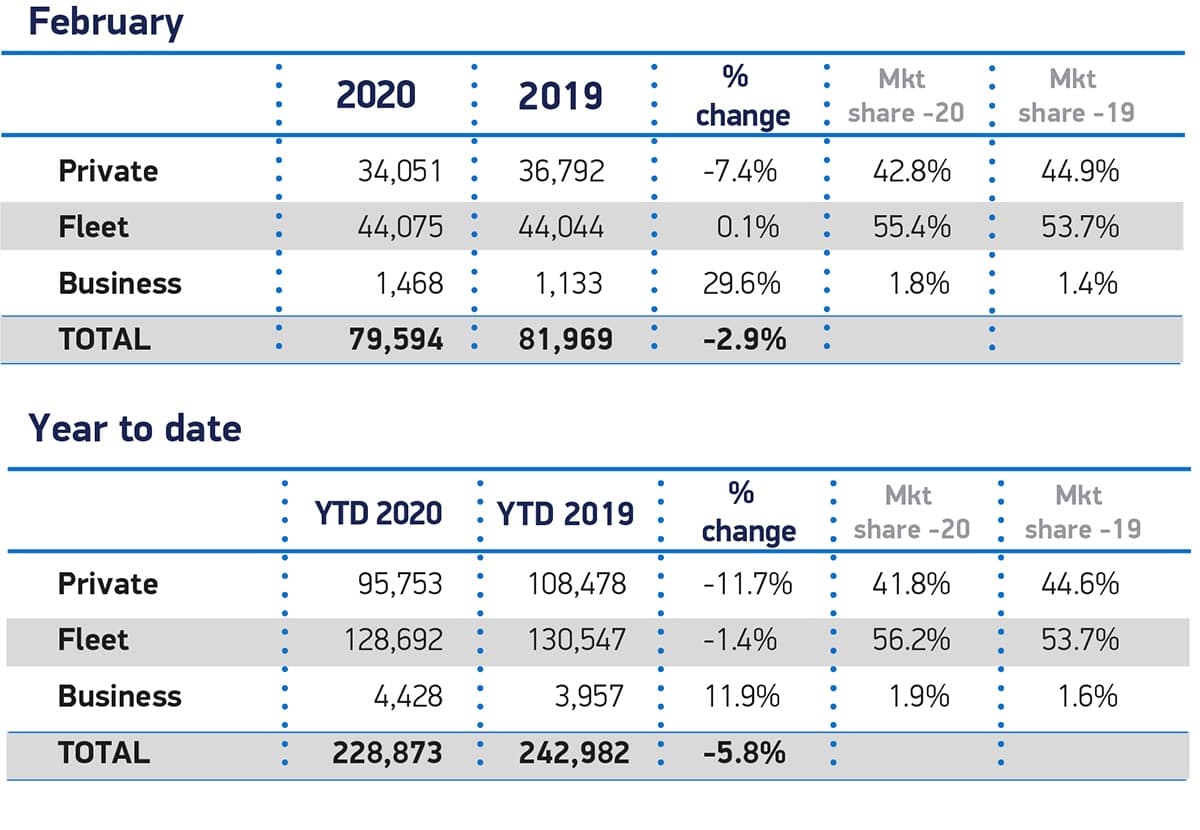
Private new car purchases were down by more than 7% in February, according to latest data published by the Society of Motor Manufacturers and Traders (SMMT) today, in another disappointing month for the car industry.
Fleet registrations were almost exactly the same as last year, however, and business registrations were up, so the overall new car market was down about 3%.
It should be pointed out that February is traditionally one of the two quietest months of the year (along with August), so a fall in numbers is less important than it would be in March or September. Just under 80,000 new cars were registered in February, whereas about 300,000 would normally be registered in March as the new 20-reg number plates are launched. How much this will be affected by coronavirus-related issues remains to be seen, but the car industry will be far more worried about that than about a slow February.
Declining new car sales appears to be largely a consumer issue, as fleet and business numbers are actually pretty good. Data (SMMT)
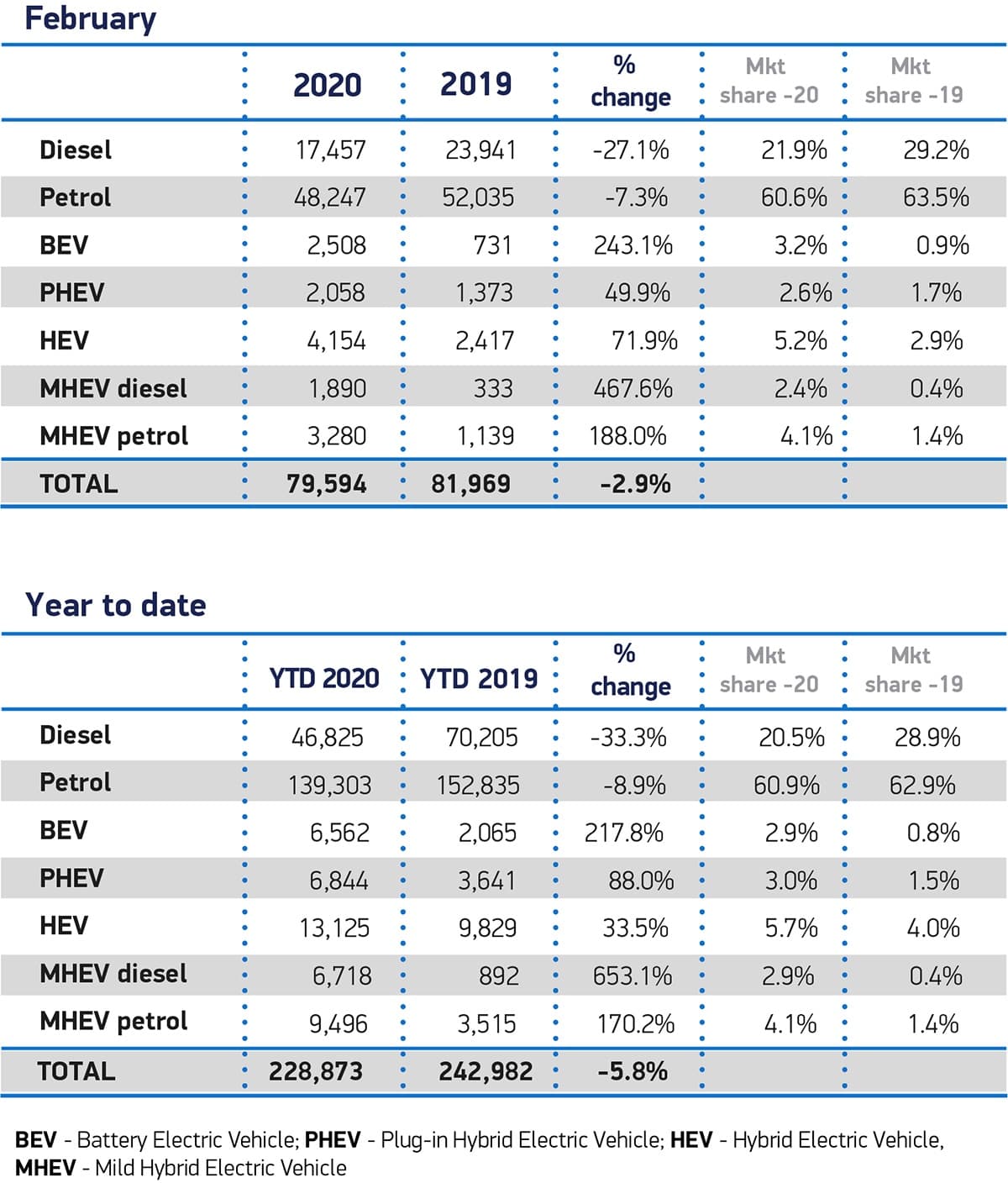
The unpopularity of diesel fuel shows no sign of letting up, with market share for diesel cars (including mild hybrid diesels) down at about 24%, some 5% lower than at the same time last year. Electrified cars continue to grow in popularity, and this should start to accelerate as more new models (and more cheaper new electric vehicles) arrive during 2020. The SMMT is also calling for government to remove VAT from electric cars in order to stimulate growth, as well as the re-introduction of the plug-in car grant for plug-in hybrids.
(SMMT)
Will coronavirus affect March new car sales?
Many retail sectors have reported significantly reduced footfall over the last week or so, as customers start to avoid public spaces due to concerns about the spread of COVID-19 – a.k.a. the coronavirus. Car showrooms will be no different.
March and September are the two biggest months of the year for new car registrations, as buyers like to take delivery of new cars with the latest number plates. Many of the cars that have already hit the road with 20-reg plates will have been ordered over the last couple of months, so sales numbers will probably not have been significantly affected just yet. However, with more than three weeks of the month still to go, any decline in showroom traffic now will almost certainly mean a sales slowdown in the second half of the month.
Other retail sectors are expecting a boost in online sales to at least partly cancel out falls in high street sales, but the car industry is still a long way behind when it comes to online sales. Those companies who have embraced it may benefit, but overall the likely result is that customers will simply delay their new car purchases where possible.
On top of that, we are almost certainly going to see production slowdowns as manufacturers close factories. Even if they dont have any problems at their own facilities, almost every car company is heavily reliant on Chinese suppliers for many components. This may affect March sales, but is more likely to hit over the next few months. At this stage, it’s difficult to say what sort of impact this will have for car buyers, but it’s unlikely to be helpful.
Good month, bad month
With February being such a quiet month in terms of customer demand, it doesn’t take a big increase or decrease in numbers to create a large swing in percentages. So any large growth or fall in registrations should be taken with a pinch of salt, as they could be driven by manufacturers choosing to self-register a lot of extra vehicles or hold back depending on their own requirements. Unsurprisingly, there were more big swings than we’d normally see during the year.
The outgoing Volkswagen Golf hit the top of the sales charts in February, as car buyers took advantage of good deals on run-out models ahead of the launch of the all-new model in the next few months.
(SMMT)
It wasn’t exactly a disaster for Ford, as the Fiesta still finished up in second place with the Focus in third. Overall, though, Ford registrations were down more than 18% compared to a year ago, so the rest of the range looks to have had a tough month. Ford has alreadyreduced Fiesta production in Germany, partly because of a fall in UK demand.
Vauxhall is likely to be pleased, with the outgoing Corsa holding fourth place while the Grandland X crossover jumped to sixth place and continued its strong start to the year. The Nissan Qashqai slipped back to ninth place, and was almost pipped by a new entry to the Top Ten, the BMW 5 Series. If anyone knows the last time the 5 Series featured in the list of the UK’s ten best-selling cars, please let us know in the comments section below.
Skoda has finally pulled back the covers on its new Octavia vRS iV following months of teaser images.
Key to the new version of the performance model is a plug-in hybrid powertrain in a first for the nameplate. This sees a 1.4-litre turbocharged four-cylinder petrol engine linked up to an 85kW electric motor, combining to produce 245hp and 400Nm of torque.
As a result, 0-60mph comes in 7.1 seconds with a top speed of 140mph said to be possible. Skoda has yet to confirm exact efficiency figures, though has said it expects the vRS iV to emit around 30g/km of CO2 as well as offering 37 miles of electric-only driving.
In typical vRS fashion, the performance variant of the Octavia also sports a number of subtle styling tweaks. Black inserts feature on the front of the car and around the windows, while a diffuser sits at the rear of the car — residing below a red reflective strip.
Saloon variants of the Octavia vRS iV sport a black rear spoiler too, while estate versions see a body-coloured item. 18-inch alloy wheels come as standard, with 19-inch alloy wheels available optionally too.
Inside the car, a three-spoke leather steering wheel with vRS branding features alongside fabric-upholstered sports seats as standard. Alcantara units can be had in place of these optionally, while aluminium pedals and decorative vRS inserts add to the aesthetic.
Rumours ahead of the launch of the car suggested pure-petrol and diesel versions of the Octavia vRS would be offered too, as they have in previous generations, however Skoda has yet to confirm the existence of either of these powertrains.
Expect to hear more on pricing, specifications and availability of the Skoda Octavia vRS iV later in the year.
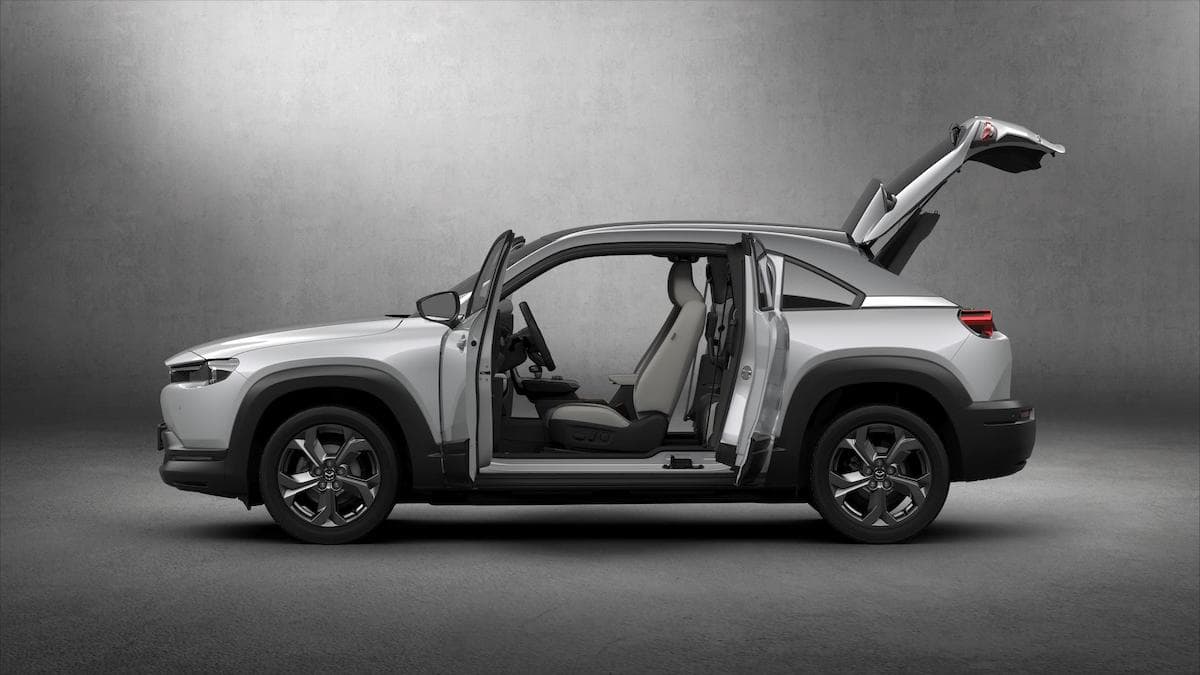
Mazda has revealed pricing for the first models of its first battery-electric vehicle – the Mazda MX-30 First Edition SUV.
Limited to 500 cars in the UK, the MX-30 First Edition is available to pre-order now, with each costing £26,995 inclusive of the government’s electric car grant.
UK deliveries are slated for early 2021, with each car featuring an electric motor linked to a 35.3kWh battery which, when combined, give the MX-30 a range of around 124 miles. It also supports AC charging up to 6.6kW and DC rapid charging up to 50kW. In this latter mode, a charge of between 30 to 40 minutes will return up to 80% of battery energy.
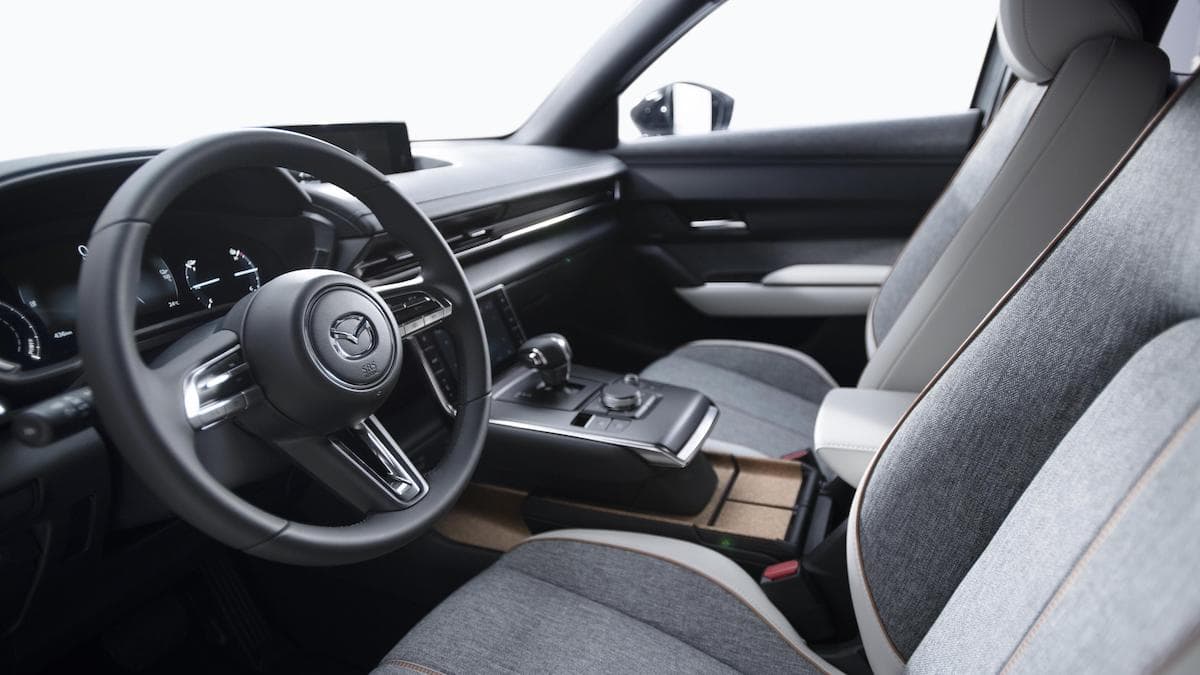
Inside, the lower console features a seven-inch colour touchscreen air conditioning control panel, as well as cork-lined centre console trays and inner side door handles in reference to Mazda’s founding as the Toyo Kogyo Cork Company in 1920.
Jeremy Thomson, managing director for Mazda Motors UK, said: “Our first all-electric Mazda heralds an exciting start to Mazda’s second century in business. With the First Edition MX-30 order book now open, customers in the UK can reserve a car for just £800 for delivery early in 2021.
“A battery electric vehicle conceived and created with Mazda’s well-renowned focus on distinctive styling, innovative technology, driver focused dynamics and class-leading interior quality, the MX-30 will be a stand out addition to the rapidly evolving EV marketplace. Part of Mazda’s multi-solution approach to efficient vehicles, the launch of our first pure electric car is a milestone moment for the brand and a landmark moment for our dealers and customers here in the UK.”
UK pricing for the rest of the MX-30 is expected to be announced later this year, but this First Edition version allows eager customers to get their hands on a car earlier. Standard equipment includes Apple CarPlay and Android Auto, as well as adaptive cruise control and a full satellite navigation system.
Customers opting for the MX-30 First Edition will also benefit for a free wall box home charger.
Alfa Romeo has let its engineers loose on the high-performance Giulia Quadrifoglio to produce an extreme version of the saloon.
The result is the Giulia GTA, created to celebrate the Italian firm’s 110th birthday as well as paying homage to the Giulia Sprint GTA of 1965. An even more extreme GTAm (for modificato) version, which pays homage to the GTA racer of the same name, was also announced.
Sitting underneath the bonnet of the Giulia GTA is a ramped-up version of the 2.9-litre twin-turbocharged V6 found in the standard car, now producing 540hp — a 30hp increase. Power is still sent to the rear wheels, with a 0-60mph time of 3.6 seconds possible in extreme GTAm configuration.
Linked up to the beefed-up V6 is a new Akrapovic exhaust setup that brings an even more raucous note to the super saloon.
Helping to contain all that performance is a whole host of new bodywork which is equally functional as it is eye-catching. Dubbed the ‘Sauber Aerokit’, it’s been developed by Sauber Engineering — which operates the Alfa Romeo Formula One team — and has been honed in a wind tunnel.
This brings an aggressive new splitter to the front of the car, extended carbon fibre wheel arches and a model-specific rear spoiler. Despite all of this new bodywork, weight is down by 100kg overall thanks to the introduction of a carbon fibre driveshaft, bonnet, roof, front bumper and seat shells.
Taking things even further, the no-compromise GTAm features a monstrous rear wing and the removal of the rear seats in favour of a bolted-in roll cage to improve chassis rigidity. There are also no door panels and belts in place of handles inside the car to shed as much weight as possible.
Both variants of the GTA also see the introduction of more Alcantara throughout the cabin for a motorsport-inspired feel.
Just 500 examples of the Giulia GTA – all of which could theoretically be specified as an ‘Am’ if customers so desire – are slated for production, although pricing has yet to be confirmed. Each owner will also receive a personalised Alpinestars racing suit and Bell helmet to complement the car, as well as being offered driving training.
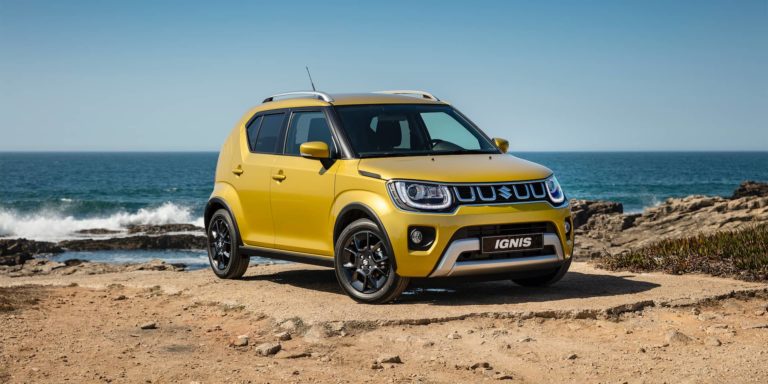
Suzuki has introduced a refreshed version of its Ignis, bringing a tweaked look and improved powertrain to the car.
The key mechanical upgrade to the Ignis is the introduction of a larger battery to the mild-hybrid powertrain. Its 1.2-litre petrol engine is now linked up to a 10Ah battery instead of the previous 3Ah unit, with efficiency said to be improved as a result though Suzuki has not yet published any figures. A CVT automatic gearbox has also been added to the line-up.
Visually, the Ignis now sports a five-slotted grille that replaces a previously horizontally-set trim piece, over a new front bumper with a silver insert at the bottom. A similar silver bit of trim has been added at the rear of the car too, which Suzuki says ‘accentuates the car’s SUV character and uniqueness’. There’s also a selection of new colours, including ‘Rush Yellow Metallic’ and ‘Tough Khaki Pearl Metallic’.
Inside the cabin, changes are limited to some redesigned instrument graphics and two new colour options for upholstery accents, which are called ‘Lazuli Medium Blue Pearl’ and ‘Medium Grey Metallic’.
Expect orders of the facelifted Suzuki Ignis to open in April, with deliveries to follow soon after. Prices and specifications have yet to be confirmed, however, so we’ll keep you posted as these are announced.
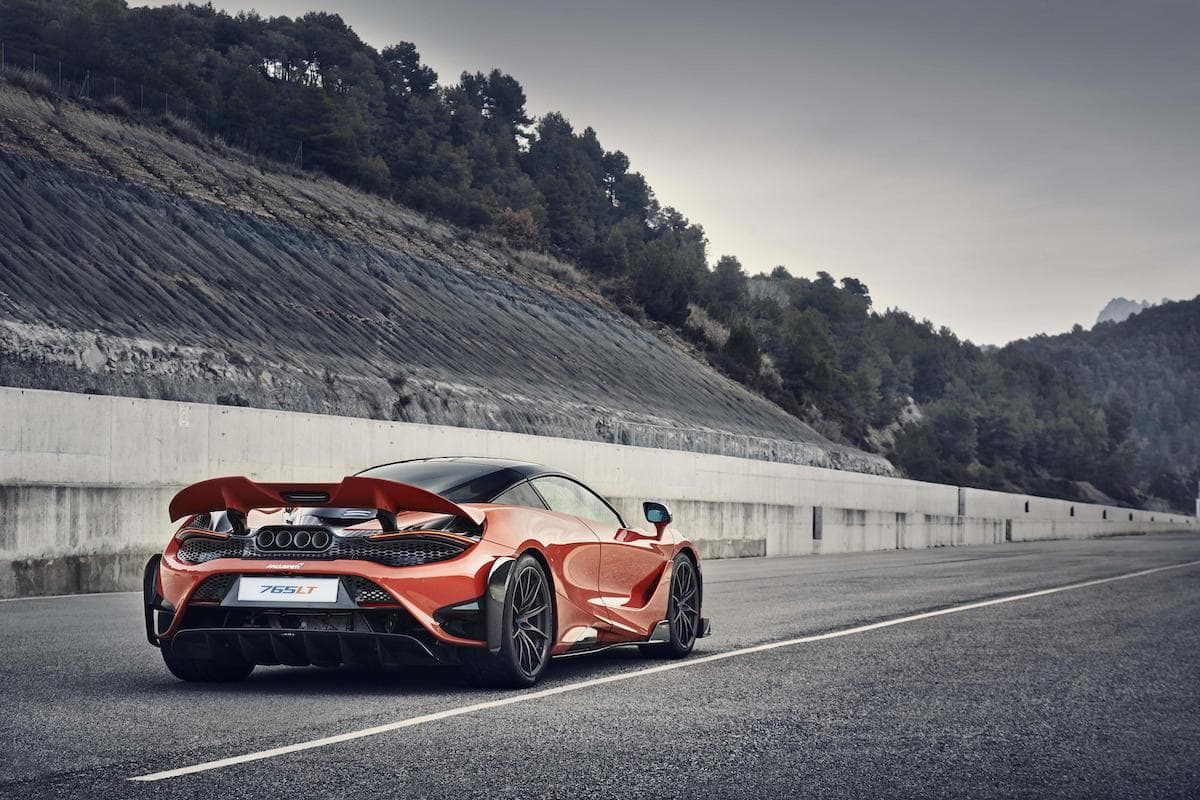
McLaren has revealed its latest model in its ‘Longtail’ series of cars – the 765LT.
The British manufacturer says that the 4.0-litre twin-turbo V8 engine powering the 765LT produces 765hp and 800Nm of torque, meaning a 0-60mph sprint of under three seconds and 0-124mph in just 7.2 seconds.
According to McLaren, the in-gear acceleration is 15% quicker than the 720S, upon which the 765LT is based.
The steering has also been made quicker than the 720S, while a stiffer torsion beam has been incorporated to enhance the amount of feedback given to the driver.
A titanium quad-exhaust system brings a 40% weight saving over the equivalent steel variant, while ten-spoke forged alloy wheels and Pirelli P Zero Trofeo R tyres bring the weight down by a further 22kg compared with the 720S. All in, the 765LT weighs 1,339kg – 80kg less than the 720S coupe.
An all-new aero package is fitted as standard too, incorporating a carbon fibre splitter, front bumper, side skirts, rear bumps and a larger active rear wing. Combined, they contribute to a 25% increase in downforce.
The active rear wing, rear bumper and front floor were designed at McLaren’s newly-opened Composites Technology Centre, which is based at the firm’s home in Woking.
Inside, carbon fibre racing seats dominate the cabin, while the lightweight material has also been used to line the central transmission tunnel and floor.
Just 765 examples will be made available worldwide, with no pricing details given just yet.
Dacia has confirmed plans to put an electric car into production next year and has offered a first glimpse at the car with a new concept.
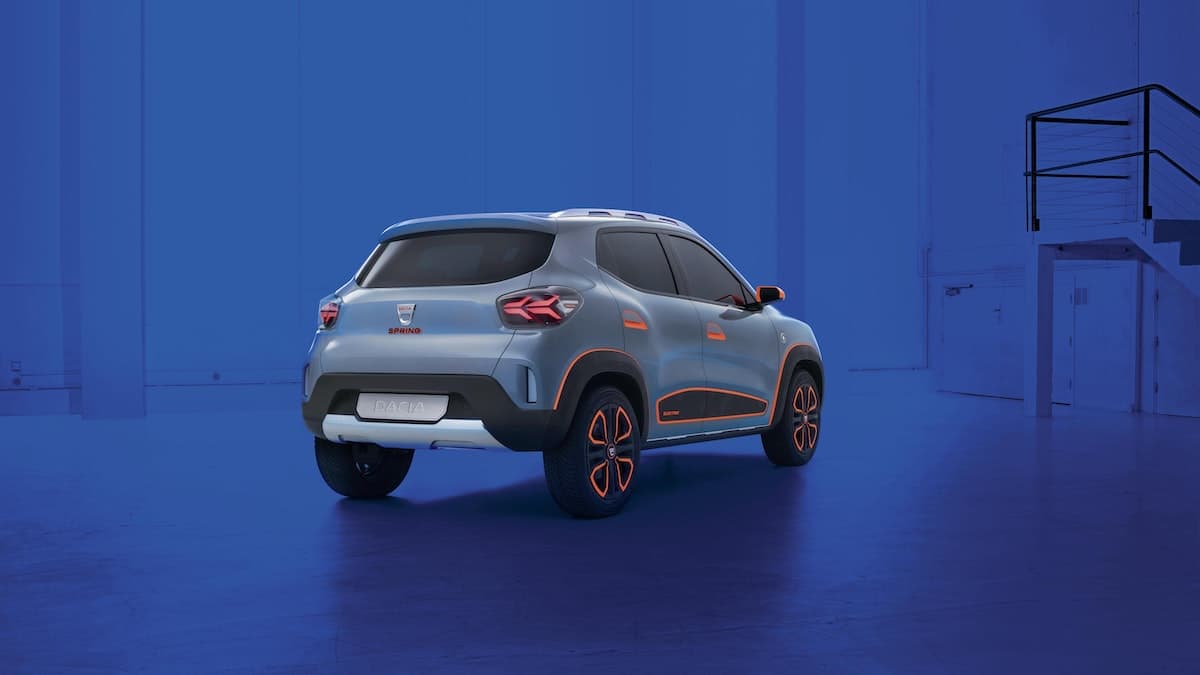
This is the Dacia Spring Electric, which is said to preview ‘Europe’s most affordable all-electric vehicle’. It takes on a look similar to that of its current offerings with a boxy silhouette, rugged design details like plastic cladding and roof bars plus skid plates integrated into the front and rear bumpers.
Fully-LED headlights fitted in a horizontal strip are said to highlight Dacia’s future design direction, with the firm also opting to kit the concept out in an eye-catching grey and orange livery.
Dacia claims the production version of the car, which is unlikely to carry the Spring Electric name but will undoubtedly take on heavy design inspiration from the concept, will be capable of more than 124 miles between charges. It hasn’t stated exact figures for the powertrain, though.
An early 2021 arrival for the production car is expected, with Dacia claiming it will offer low running costs, ease of driving and easy maintenance.
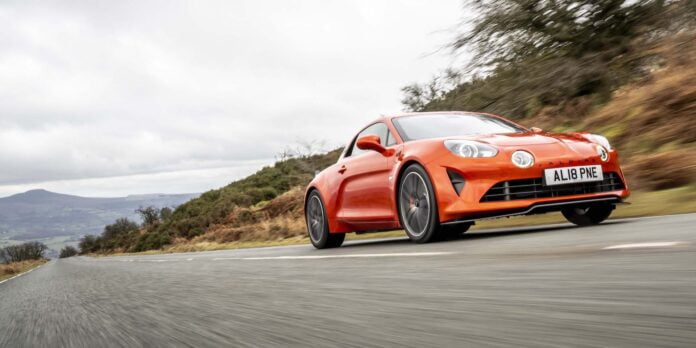
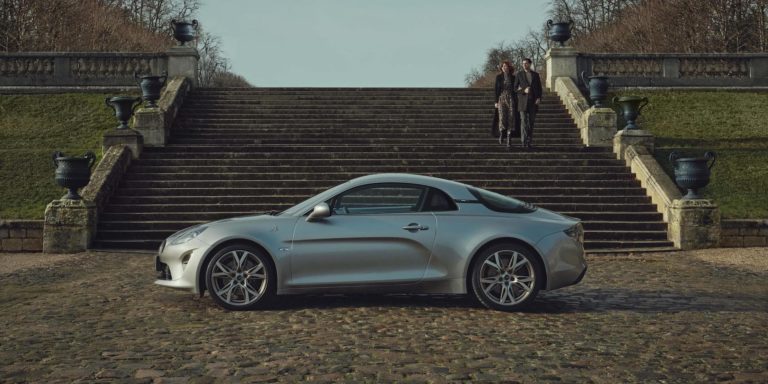
Alpine has revealed the A110 Legende GT, a limited edition model that’s described as ‘the most refined’ version of the sports car yet.
Limited to just 400 examples globally, the Legende GT has seen a number of alterations made to improve everyday usability.
Three colours are offered for the model — Mercury Silver, Deep Black and Abyss Blue — while gold 18-inch alloy wheels have been added too. Translucent LED taillights have also been added to mark the Legende GT out from the rest of the range.
Inside the car, new comfort-oriented leather sets hoe been introduced and are finished in a model-specific amber hue. Brown stitching also features throughout the cabin, along with a colour-matching 12 o’clock marker for the steering wheel.
A luggage set exclusive to the Legende GT that is identical in colour to the seats is also offered with the car, as well as a new storage compartment between driver and passenger for smaller items.
Equipment highlights include a reversing camera, Focal stereo system, Brembo brakes and an active sports exhaust system.
Chassis tweaks haven’t been made from the regular A110 Legende, while its 1.8-litre four-cylinder turbocharged engine continues to produce 250hp. As a result, the GT is capable of 0-60mph in 4.3 seconds with a 156mph top speed possible.
There’s no official word on UK pricing for the Alpine A110 yet, but a European asking price of €69,300 (£60,240) has been stated.
Morgan has revealed the successor to its venerable Plus 4 model – the new Plus Four.
Representing the greatest shift in the model’s 70-year history, the new car features radical new touches and technology. And they’ve changed the ‘4’ to a ‘Four’ as well, just so you know it’s really new.
Sitting on the company’s latest CX-Generation bonded aluminium platform developed alongside the recently-introduced Plus Six, the Plus Four retains the smaller body and profile of the previous-generation car, yet boasts better cornering and handling characteristics.
Compared to the Plus Six, the Plus Four is 10cm narrower in the central body and 8cm narrower overall, yet manages to offer better interior and luggage space than the outgoing car.
The Plus Four uses a four-cylinder turbocharged petrol engine for the first time, too. Sourced from BMW, the 2.0-litre TwinPower Turbo unit produces 260hp and 400Nm of torque, driven to the rear wheels through either a six-speed manual or eight-speed automatic.
Morgan claims 0-60mph takes 4.6 seconds and it will have a top speed of 149mph, thanks to its dry weight of just 1,009kg. And, thanks to that new engine, efficiency has been improved too with a 30% decrease in CO2 compared to the outgoing Roadster. The Malvern firm claims WLTP combined figures of 159g/km of CO2 and 40mpg combined.
The Plus Four also features automatic LED front and rear lighting, remote central locking and ABS, alongside optional equipment such as Bluetooth connectivity and puddle lighting. In total, Morgan claims that there are one trillion combination of options available to the buyer. Based on Morgan’s production numbers, it could take rather a while to work through all of them…
The new Morgan Plus Four is available to order now, with prices starting from £62,995.
The original Renault Captur debuted in simpler times in 2013. An era before a ‘crossover’ became the thing it is today, and when this stylish Renault had just a handful of competitors.
But fast forward seven years and all this has changed, with the Captur now seeing in excess of 20 manufacturers fighting for the business of this ever-growing customer base.
And while this Renault still continues to sell in droves, with 1.5 million being registered since 2013 (a sizeable chunk of those coming to the UK), the poor-quality interior and disappointing drive had made it way off the pace of rivals. It’s therefore time for a game of catch-up with this all-new model…
Based on the excellent new Clio, this second-generation Captur has some solid foundations already in place. It’s built on a new platform known as ‘CMF-B’ – allowing for improved cabin space and electrified powertrains for the first time, with a plug-in hybrid version set to go on sale in July.
Just like the exterior design of the Clio, the Captur’s looks haven’t changed dramatically compared with its predecessor, which is unsurprising because styling is said to be the key reason why buyers chose the previous model. It certainly pays, then, to take the ‘if it ain’t broke, don’t fix it’ approach. The interior is a different story, though, with the cabin entirely new with a much cleaner and more upmarket layout.
How does it look?
The Captur remains one of the best-looking crossovers around, retaining the bold and recognisable C-shaped daytime running lights and the two-tone ‘floating roof’. It also adds new touches such as the matching C-shaped rear lights (mimicking those at the front) and a smoother and fresher-looking tailgate with more noticeable branding. LED headlights are also now standard, regardless of trim level.
Thanks to an increase in length of 11cm, the model also looks far more like a baby SUV than ever before – rather than just a lifted version of the Clio. This is something buyers are undoubtedly going to love.
What’s the spec like?
The Renault Captur remains an affordable crossover option, with the range starting from £17,595, which is just about identical to the Skoda Kamiq and Nissan Juke.
Even entry-level Play models are well-equipped, with highlights including a seven-inch touchscreen, 17-inch alloy wheels, cruise control, and keyless entry and start. Our mid-spec Iconic test car is the trim level of choice – adding the cool two-tone paint, rear parking sensors, roof bars and satellite navigation for a modest £19,095 starting price.
If you want to splash out on the top model, the S Edition isn’t significantly pricier (costing from £20,595), and adds front parking sensors, a larger touchscreen, a semi-digital instrument cluster and a reversing camera.
What’s it like inside?
The interior was one of the key flaws of the older Captur – feeling just as flimsy as it looked. Little surprise, then, that it’s this area where Renault has been making huge changes for the better.
Look hard and you might find a few cheap-feeling plastics, but the quality has dramatically improved thanks to new textures and cool semi-digital touches like the ventilation controls. Our test car also came with a £350 Signature Orange colour pack, which is yet another way of personalising the Captur.
The new model is also now the most spacious car in its class, with increased legroom and boot space – the latter rising by 81 litres to a seriously impressive 536 litres, while a sliding rear bench furthers versatility. Unlike many cars in this sector, the Captur is easily big enough to be a compact family car, and far larger than the Clio it’s based on.
What’s under the bonnet?
You’ll have to wait a few months if you’re looking for a Renault Captur hybrid, but there are plenty of turbocharged engine options to go with from launch.
If you’re looking for a petrol, you can choose between a 100hp 1.0-litre or a 1.3-litre unit with outputs of either 130hp or 155hp. As for diesel, there is a single 1.5-litre engine available with variants of 95hp or 115hp.
Our test car uses the junior 1.0-litre petrol unit and sends its power to the front wheels via a five-speed manual gearbox – the latter being an odd pairing as a six-speed gearbox is far more commonplace these days. With this engine, the Captur is a model that’s best for use around town – as it sits at high revs at motorway speeds. In terms of numbers, it can accelerate from 0-60mph in 13.1 seconds and hit a claimed top speed of 107mph, while returning a combined 47.1mpg and CO2 emissions of 116g/km.
We also tried the 130hp 1.3-litre petrol unit, which offered much-improved performance, but it was let down by its seven-speed dual-clutch automatic transmission. Should you drive regularly out of town, this could be the better option, though.
What’s it like to drive?
Behind the wheel, this new Renault Captur feels like an entirely different car to its predecessor, being far more comfortable and refined than before. It’s exceptionally easy to drive with light controls and an excellent turning circle making it feel just as nimble around urban areas as a city car. That said, refinement remains impressive at higher speeds thanks to limited road noise, while the engine is largely quiet unless under heavy acceleration.
It’s perhaps not as fun behind the wheel as the Ford Puma, but with direct steering and limited body roll, there will be few complaints from most buyers getting behind the wheel of a Captur.
Verdict
It’s rare for a car to get its brief absolutely nailed, but the Renault Captur manages to do just that. It feels like a true transformation compared to the dated outgoing version of this crossover, and far more well-rounded than just about all of its rivals – offering spaciousness combined with ease of driving, through to stylish looks and affordability.
This TCe 100 engine might be a bit flawed away from the town centre, but given that the majority of Capturs will be urban cars, it’s a minor complaint. Aside from that, it’s exceptionally hard to find fault with the Renault Captur. It feels like a true baby SUV, and somehow even better than the excellent Clio on which it’s based. Whether you’re looking for a small family car or a compact crossover, this Renault should definitely be on your shortlist. Maybe even at the top.
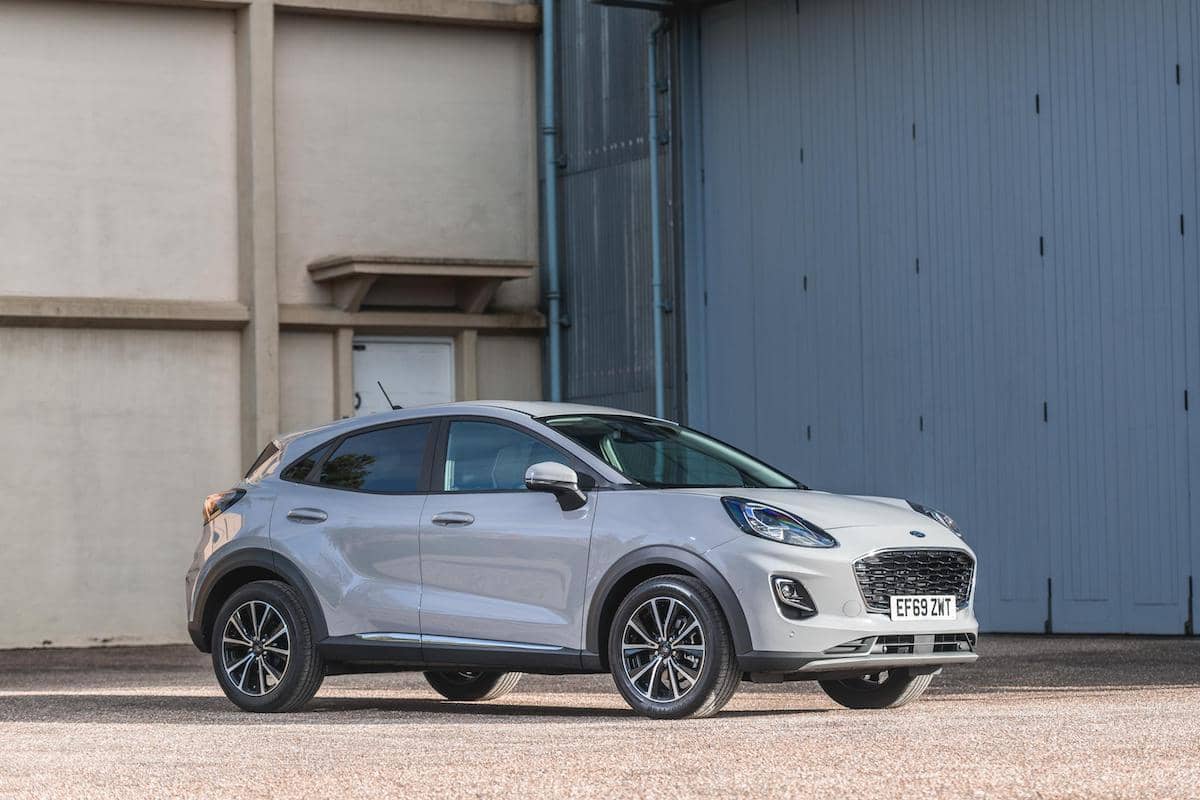
The Ford Puma is a small SUV launched in 2020 and given a light facelift in 2024. It is available in petrol-powered form, as covered here, as well as an electric Puma Gen-E model covered separately.
The Puma essentially replaces both the Fiesta hatch and EcoSport small SUV in the Ford line-up. It has been the UK’s best-selling new car for the last three years (2023 to 2025), taking over a position that the Fiesta had held for more than a decade.
UK media reviews have been consistently positive, particularly for the Puma’s sharp handling and well-judged ride. It’s widely regarded as one of the more enjoyable small SUVs to drive, while remaining comfortable and easy to live with.
Cabin design is functional rather than premium, but practicality is strong for its size. Particular praise has been given to its clever storage solutions, including a deep underfloor boot compartment known as the MegaBox.
Buyers choosing between this model and the electric Puma Gen-E will need to weigh lower upfront cost and familiar refuelling convenience for the petrol Puma against the higher efficiency and lower day-to-day running costs of the electric version.
Safety scores are average by current standards, and running costs are also middle of the pack. The weakest area is warranty cover, which is notably shorter than many rivals.
As of February 2026, the Ford Puma holds a New Car Expert Rating of B, with a score of 64%. Strong media scores and competitive efficiency support the result, while average safety, average running costs and very limited warranty cover temper the overall grade. The Used Car Expert Rating is slightly higher at B (67%).
Highlighted reviews and road tests from across the UK automotive media. Click any of the boxes to view.
Featured reviews
“The Ford Puma is an impressive crossover and it’s clear to see why it’s already been extremely successful in the UK. From the outside, the body style might not make sense for those unfamiliar with the crossover style, but in the driving seat it makes perfect sense.”
“The Ford Puma looks the part, is a hoot to drive and comes with a sizable boot; but other SUVs are comfier on the road and provide a better view out.”
Model reviewed: 2024 facelift range Score: 8 / 10 “The refreshed Ford Puma compact SUV is still the best-handling car in its class by far.” Author: Shane Wilkinson, Alex Ingram Read review
Model reviewed: 1.0-litre petrol automatic ST-Line Vignale Score: 6 / 10 “The seven-speed auto doesn’t really fit with the Ford Puma’s sporty character, and we’d only recommend it if you must have a self-shifter. Adding Vignale extras to ST-Line X spec seems an extravagance, too, unless you really need all the creature comforts it provides.” Read review
Auto Trader
Model reviewed: 2024 facelift range Score: 7 / 10 “While the Ford Puma’s handling is still leagues ahead of its competition, the amount of standard equipment is not generous, and the interior falls behind rivals like the Renault Captur and Peugeot 2008. As a result, the Puma’s uninterrupted reign over other compact crossovers no longer feels guaranteed, and it risks getting lost in the ever-growing jungle of small family SUVs.” Author: Catherine King Read review
Model reviewed: Pre-facelift (2019 to 2023) range Score: 8 / 10 “The historic Puma badge now adorns a baby SUV with a choice of 1.0-litre petrol engines and hybrid tech, that rivals the likes of the Audi Q2, Nissan Juke, BMW X1, VW T-Cross and Skoda Kamiq.” Read review
Car
Model reviewed: 2024 facelift range Score: 6 / 10 “The proposition of a slightly roomier and more practical Fiesta was an enticing one, and when the Ford Puma came out, it felt like those virtues were upheld. Lamentably, though, it now feels like Ford has dropped the ball with the Puma. The cabin simply isn’t a very pleasant place to sit, the aesthetic is nigh-on dreary and some of the layout suggests any ergonomic merit was reduced to an afterthought.” Author: Seth Walton Read review
Car Keys
Model reviewed: 1.0-litre petrol manual ST-Line X Score: 10 / 10 “The market might not have demanded yet another crossover, but this is undoubtedly one of the best small crossovers to date, and it sits right at the forefront of this sector. It’s impressively practical and also great to drive – two things that can’t be said about much of the competition.” Read review
Carbuyer
Model reviewed: 2024 facelift range Score: 8.4 / 10 “The Ford Puma is the best small SUV to drive and it’s highly rated by its owners.” Author: Charlie Harvey Read review
Company Car Today
Model reviewed: 1.0-litre petrol manual ST-Line X Score: 7.9 / 10 “No matter what you think of the name, or to some extent the looks, the Ford Puma is a great little car underneath – fine-handling, practical and very efficient.” Read review
Model reviewed: 1.0-litre petrol manual Titanium “Excellent small crossover addition that propels Ford into competitiveness for the first time in a rapidly growing segment.” Read review
Daily Mirror
Model reviewed: 1.0-litre petrol manual ST-Line X Score: 8 / 10 “New compact SUV puts the boot into rivals.” Read review
Fleetworld
Model reviewed: Range overview Score: 8 / 10 “Not a cheap option but the Ford Puma is great to drive, should be cheap to run and certainly looks sharp compared to rivals. Could the B-SUV class have a new leader?” Read review
Heycar
Model reviewed: Range overview Score: 9 / 10 “With frisky engines, sharp styling and impressive kit levels, the Ford Puma sits proudly at the top of the small SUV sector. You’ll pay more for one compared to the budget Ford EcoSport, but there’s a very good reason for that.” Read review
Honest John
Model reviewed: Range overview Score: 10 / 10 “There’s not much going against the Ford Puma. Not everyone will appreciate its looks, while it looks pricey alongside the EcoSport, you get what you pay for – and it’s certainly no more expensive than the likes of the Volkswagen T-Roc and Peugeot 2008.” Read review
Motoring Research
Model reviewed: Range overview Score: 9 / 10 “A fine compact SUV that entertains, as well as being practical” Read review
Parkers
Model reviewed: Range overview Score: 8.8 / 10 “Best handling small SUV is surprisingly practical too” Read review
The Sun
Model reviewed: ST “The Ford Puma ST is a highly useful, highly entertaining car.” Read review
Model reviewed: 1.0-litre petrol manual “How does the Ford Puma compare against crossover rivals like the revamped Nissan Juke, VW T-Cross or Kia Stonic? You’d be happy in any of them but the Puma has that magic MegaBox, excellent standard kit, hybrid tech and the best handling by some distance.” Read review
The Sunday Times
Model reviewed: 1.0-litre petrol manual ST-Line X Score: 8 / 10 “Big-booted crossover delivers smart looks and hatchback-like handling” Read review
The Telegraph
Model reviewed: 1.0-litre petrol (mild hybrid) manual Titanium Score: 10 / 10 “As we’ve already mentioned, we really rather like the Ford Puma. However, what we hadn’t yet discovered was the best news of all: the best version is also the most affordable.” Read review
Model reviewed: 1.0-litre petrol manual ST Line Score: 10 / 10 “After a glut of quite ordinary cars rushed into this burgeoning sector by a host of manufacturers, the new breed of second-generation vehicles are really quite good. Yet the Ford Puma takes this several steps further, with a specification and luggage capacity that rivals struggle to match and a driving quality which surpasses them all.” Read review
Top Gear
Model reviewed: Range overview Score: 7 / 10 “It’s an impressively rounded thing. Its combination of an interesting engine, strong cornering and dignified ride are hard to match in the class, and the interior is cleverly versatile as well as nicely furnished.” Read review
Safety rating
Independent crash test and safety ratings from Euro NCAP
Despite being recently downgraded from top marks to a four-star crash test rating, the Ford Puma has a competitive set of safety scores, particularly for adult (front seat) and child (rear seat) protection. Scores for vulnerable road user (pedestrian and cyclist) protection and safety assistance systems (to help you avoid an accident in the first place) are also above average for the small SUV sector.
Eco rating
Independent economy and emissions ratings from Green NCAP
Clean Air Index: 5.2 / 10 Energy Efficiency Index: 5.2 / 10 Greenhouse Gas Index: 3.7 / 10
Please note that Green NCAP ratings are very specific to the engine/gearbox combination tested. These ratings only applies to the 1.0-litre petrol manual versions of the Puma. Any other engine, or models with automatic gearboxes, are not covered by this rating.
Running cost rating
Monthly cost of ownership data provided exclusively for The Car Expert by Clear Vehicle Data
Fuel consumption
Average
Score
Petrol models
49 mpg
C
CO₂ output
Average
Score
Variation
Score
Petrol models
127 g/km
B
Insurance group
Average
Score
Variation
Score
All models
20
B
Service and maintenance
Cost
Score
Year 1
£174
B
Year 2
£435
A
Year 3
£708
A
Year 4
£957
B
Year 5
£1,284
B
Overall
£3,558
B
Running costs for the Ford Puma are generally very good, according to data provided exclusively to The Car Expert by our partner, Clear Vehicle Data. Fuel consumption is average overall, but some models are better than others.
CO2 levels are very good, so road tax should be reasonable, while insurance and servicing costs are also excellent. Overall, the Puma should cost less than most new cars to run.
Reliability rating
Reliability data provided exclusively for The Car Expert by MotorEasy
No reliability rating
As of February 2026, we don’t have enough reliability data on the Ford Puma to generate a reliability rating.
The Car Expert’s reliability information is provided exclusively to us using workshop and extended warranty data from our partner, MotorEasy, sourced from both official dealerships and independent workshops.
As soon as MotorEasy has sufficient data on the Puma, we’ll publish the score here.
Warranty rating
New car warranty information for the Ford Puma
Overall rating
E
15%
New car warranty duration
3 years
New car warranty mileage
60,000 miles
Battery warranty duration
0 years
Battery warranty mileage
0 miles
Ford’s new car warranty is pretty much the bare minimum offered in the UK, with a duration of three years and a limit of 60,000 miles. Other rivals in the price bracket do better (and in some cases, much better).
Warranty on a used Ford Puma
If you are buying an ‘Approved Used’ Ford Puma from an official Ford Direct dealership, you will get a minimum two-year, unlimited-mileage warranty included.
If you are buying a used Ford Puma from an independent dealership, any warranty offered will vary and will probably be managed by a third-party warranty company.
If you are buying a used Ford Puma from a private seller, there are no warranty protections beyond any remaining portion of the original new car warranty.
If you’re looking to buy any used car that is approaching the end of its warranty period, a used car warranty is usually a worthwhile investment. Check out The Car Expert’s guide to the best used car warranty providers, which will probably be cheaper than a warranty sold by a dealer.
Date: July 2024 Recall number: R/2024/278 Model types: All Build dates: 01/2024 to 07/2024 Number of vehicles affected: 155 Defect: Puma vehicles that might have an intermittent instrument panel cluster display issue due to an incorrect software configuration. If this happens the cluster will turn black when turning the ignition on or while driving. The Ford dealer will update the Instrument Panel Cluster (IPC). Remedy: Update the instrument panel cluster (IPC) software to the latest level.
Date: September 2023 Recall number: R/2023/264 Model types: All Build dates: 04/2023 to 08/2023 Number of vehicles affected: 13,487 Defect: Incorrectly configured Restraint Control Module (RCM), which can cause the restraint system not to work as intended. In the event of an incorrect crash sensor being installed throughout the life of the vehicle while in service, the current software will not detect it and will not display any warnings in the dash, so in the event of an accident, the restraint system’s performance could potentially be degraded, therefore increasing the risk of an injury. Remedy: Dealers will perform a configuration update in order to restore functionality.
Date: July 2022 Recall number: R/2022/239 Model types: All Build dates: 02/2022 to 07/2022 Number of vehicles affected: 9,388 Defect: It may be possible that the eCall feature will stop functioning due to a malfunction. Remedy: The Telecommunication Module will need to be replaced.
Date: April 2022 Recall number: R/2022/171 Model types: All Build dates: 06/2020 to 05/2022 Number of vehicles affected: 9,818 Defect: Certain vehicles could have an engine oil separator that may have been damaged prior to engine assembly. Remedy: Inspect the engine oil separator and if found to be damaged and/or leaking a replacement engine oil separator must be installed.
Date: May 2021 Recall number: R/2021/177 Model types: All Build dates: 07/2019 to 02/2021 Number of vehicles affected: 100 Defect: Vehicles may have an issue with the current software that controls the functionality of the eCall system. Remedy: Carry out a software update.
Date: January 2021 Recall number: R/2021/008 Model types: Mild hybrid models Build dates: 09/2020 to 10/2020 Number of vehicles affected: 151 Defect: There is a potential that the vehicle’s MHEV battery connections may become loose. Remedy: Inspect and check torque on 48-volt battery cable connections.
Date: August 2020 Recall number: R/2020/248 Model types: All Build dates: 11/2019 to 07/2020 Number of vehicles affected: 428 Defect: It is possible that the hybrid battery connections may not have been torqued to Ford specification. Remedy: The MHEV battery connections need to be checked and torqued to the correct value.
Date: February 2020 Recall number: R/2020/045 Model types: All Build dates: 11/2019 to 01/2020 Number of vehicles affected: 24,249 Defect: The driver’s airbag retention springs may be outside of manufacturing specifications and may not lock the module to the steering wheel. Remedy: Install a replacement airbag retention spring.
As of September 2024 (our most recent data point), there have been eight DVSA vehicle safety recalls on the Ford Puma to address different issues. However, recall information is updated regularly, so this may have changed.
Not all vehicles are affected by recalls. You can check to see if your car is included in any of the above recalls by visiting the DVLA website or contacting your local Ford dealer.
If your car is affected by a recall, the vehicle must be repaired and you should not be charged for any work required. If you are buying a used Puma, you should insist that any outstanding recall work is completed before you take delivery of the vehicle.
Ford is set to cut its UK dealership network by almost half as it looks to shore up ‘unsustainable’ profit levels.
The manufacturer, which currently has around 400 showrooms across the country, is looking to reduce that number to somewhere between 210 and 230 by 2025.
In a statement issued today, the company said it was ‘working together in a spirit of partnership’ with its dealers and their investors to build a ‘stronger and more sustainably profitable Ford sales and servicing network for the future’.
The aim is to create a network ‘which works for the mutual benefit of our businesses and for our commercial and passenger vehicle customers,’ it added.
Ford said its customers would not be ‘unduly inconvenienced’ when buying a new vehicle adding: “There will continue to be a Ford selling site within easy reach for the majority of our customers, with around 90% of the population within a 30-minute drive of a Ford sales point.
“Many of the existing smaller sales sites will be converted into vehicle servicing centres to further improve our customer service capability.”
Explaining the rationale behind the strategy, the manufacturer said: “Ford is becoming a more targeted business with a strong focus on growing our commercial vehicle business and providing passenger vehicle customers with a more defined portfolio. In addition, automotive retailing is pivoting to new trends, including electrification, connectivity, car-sharing and online sales.
“The UK is an important part of Ford’s European transformation, continuing to be a critical market. We are the largest European sales market for commercial and passenger vehicles, and [have been] market leader in both for many decades.”
Turning to the specifics of its dealer network, it went on: “Ahead of the game in UK, the dealer network and Ford of Britain national sales company have undergone restructuring over the past two decades. [But] the market is changing further and dealer network profitability is still not sustainable.”
Speaking to the PA news agency, Andy Barratt, chairman and managing director of Ford of Britain, said: “This journey started a few years ago and we have had some natural attrition but we truly value the relationship we have with our network. They’ve been valued partners – in some cases, we’re talking about the same family for well over 100 years.
“You cannot disregard that level of loyalty – and it has worked both ways. You don’t rip up a relationship that has lasted that long. We are actively working with every single owner and investor in our network to come up with the right solution for them for the future. They have a choice as to where they spend their capital – we’d like them to keep spending their capital with Ford.”
Barratt added: “There are some sites that will no longer sell new vehicles. It depends on the viability and it depends on the shape and format and span of control. It’s not an easy answer for the purposes of an interview but we have a plan.”
Analysis by consumer group Which? has revealed that the amount of CO2 produced by new cars is actually increasing, despite official lab tests showing the opposite.
Which? does its own emissions testing, which is significantly tougher than the official EU-mandated tests used for working out your road tax and other calculations. This includes a motorway test, where cars are accelerated up to and sustain motorway speeds. In addition, Which? turns on the air-conditioning and adds an extra 200kg of weight (the equivalent of two adults, some luggage and a tank of fuel) to better replicate the way that cars are actually used.
It appears that the manufacturers’ ongoing attempts to game the lab tests are resulting in cars that perform better under very light loads (EU lab conditions) but much worse when worked harder (as driven in real life by real people on real roads), combined with extra equipment and tech designed to reduce emissions using more fuel and therefore actually doing the opposite.
Which? analysed every car it has tested since the start of 2017 – just under 300 different models – and found consistent trends across the board. Small petrol cars (Ford Fiesta, Volkswagen Polo and others) saw an average increase in CO2 emissions of more than 11% (from 131g/km to 146g/km), while mid-size petrol SUVs (Nissan Qashqai, Kia Sportage and others) rose by 20% (from 158g/km to 190g/km). Worse than either of these categories were large petrol-hybrid cars (like the BMW 3 Series and similar), which recorded an average increase of nearly 32% (from 89g/km to 117g/km).
According to Which?, one of the contributing factors is the ever-increasing weight of new cars. According to its data, the weight of cars tested has increased by an average of 67kg for cars complying with the latest emissions regulations. Some of this increase is additional tech and equipment, but some of it is also additional emissions kit required to reduce pollution coming out of car exhausts.
The Which? analysis did find emissions linked to harming human health – NOx (oxides of nitrogen) and CO (carbon monoxide) – are now a fraction of what they were, compared to cars made in recent years. In petrol cars, the level of carbon monoxide emissions has dropped by more than 40%, on average, when comparing newer cars tested under the latest regime versus older cars tested under previous regulations. Across all diesel vehicles, the decrease in NOx was an average of 84%.
These pollutants are directly linked to human health, and have been at the centre of arguments over banning diesel vehicles from urban areas. Diesel engines produce less CO2 than petrol engines, which is good for global warming, but much more local air pollution in the form of NOx and CO, which is detrimental to anyone near a diesel exhaust pipe. The reduction in these pollutants is certainly most welcome, although the unfortunate trade-off from improving local air quality is a potential increase in global CO2 levels.
CO2 is a big global problem, but NOx is a big local problem. CO2 won’t kill you now, but NOx will. However, CO2 could kill all of us eventually. This is the trade-off that local and national governments are having to grapple with, and it doesn’t help if they continue to rely on tests that are far less taxing than normal everyday life.
So what needs to happen?
The latest WLTP emissions tests introduced in 2018 were supposed to be more realistic than the antiquated and discredited NEDC tests that were used for decades beforehand (and continue to be used for calculating certain tax obligations, although they are gradually being phased out). Getting the test protocols agreed and legislated was a lengthy painful process as environmentalists pushed for tougher standards while car manufacturers pushed for them to be watered down.
While the new rules are better than the old ones, that’s a bit like saying that an exam score of a C+ is better than an F – it’s still not good enough and it should be better. Obviously it’s a complicated process, but if the testing is less taxing than ordinary everyday use then why bother at all?
From next year, car manufacturers will have to comply with new laws that limit the average CO2 emissions across their model ranges – based on the flawed lab test, of course. As usual, it’s become complicated and there are loopholes that the industry will seize upon, but the upshot is that we will see many more mild hybrid models (where a small electric motor boosts a petrol or diesel engine, but can’t drive the car on electrical power alone like a full hybrid), more plug-in hybrids and more electric cars.
If the added electrification reduced real-world emissions rather than just helping cars pass lab tests, then that would be a good thing for both local and global emissions. We’ll have to wait and see what future research from Which? and others turns up over the next year or two.
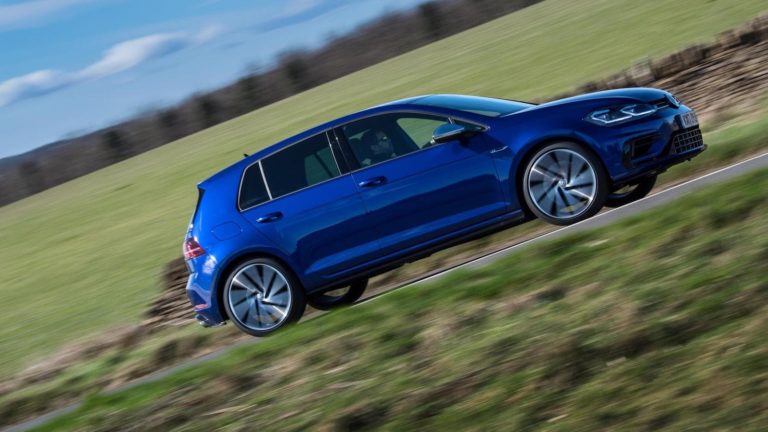
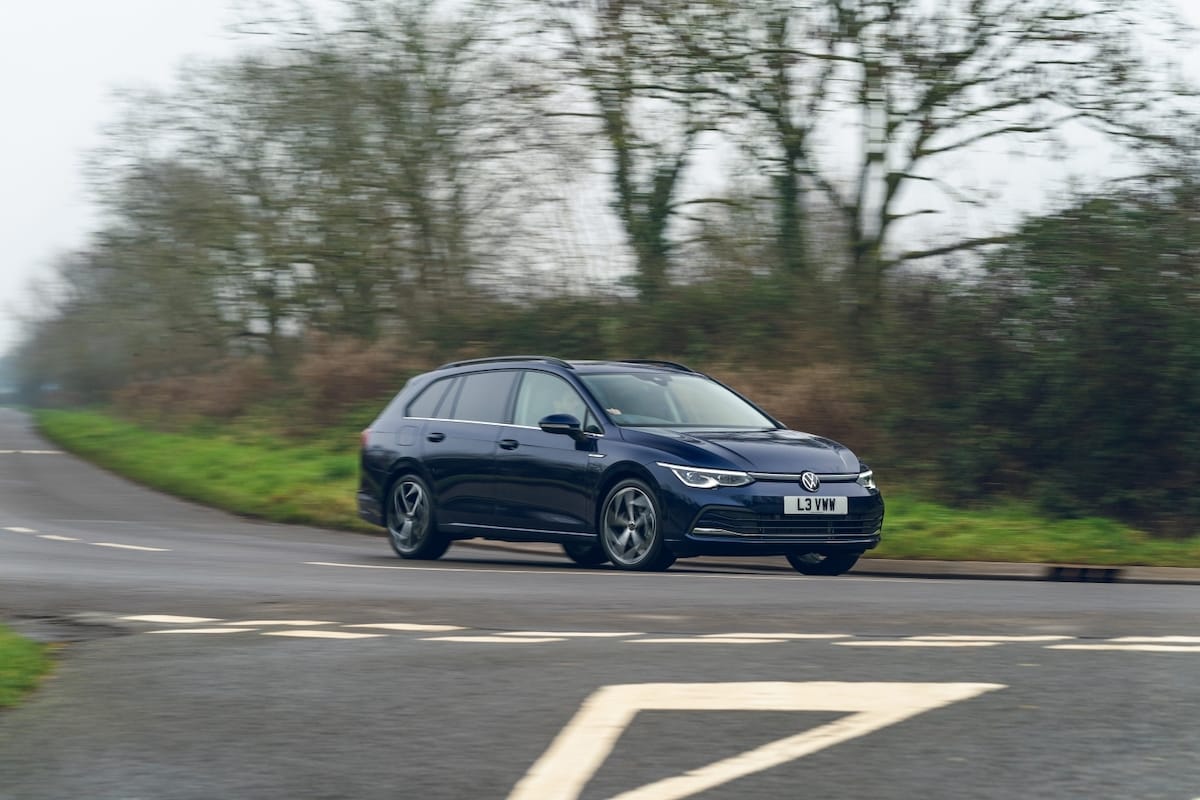
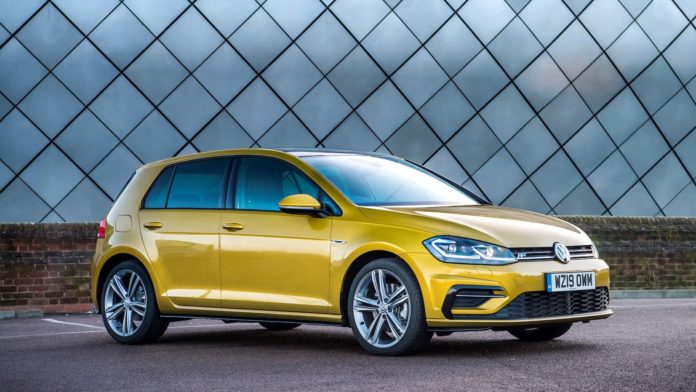
The Volkswagen Golf is a five-door family hatchback, available in petrol, diesel or plug-in hybrid formats. The current model is the eighth generation and was launched in late 2019. It arrived in the UK in summer 2020 and received a mid-life update in summer 2024.
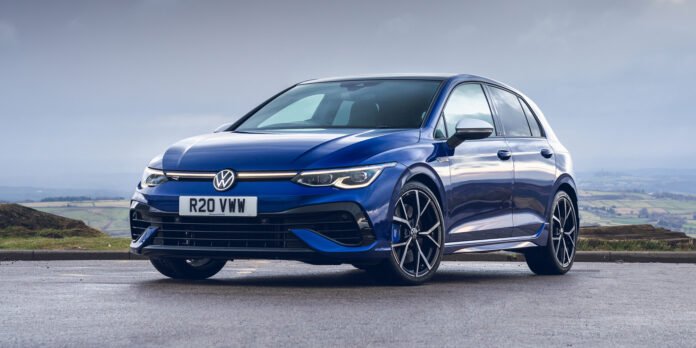
Unlike earlier versions of the Golf, there is no three-door hatchback version. An estate model joined the range in 2021, while performance models like the GTI, GTE and GTD arrived in the second half of 2020. There’s no electric e-Golf this time around, as the new Golf-sized Volkswagen ID.3 becomes the electric alternative to a petrol or diesel Golf.
Initial reviews of the new Volkswagen Golf at the international launch were very positive, although the overall rating dropped back by several points once more local reviews of UK-spec cars were published in recent months.
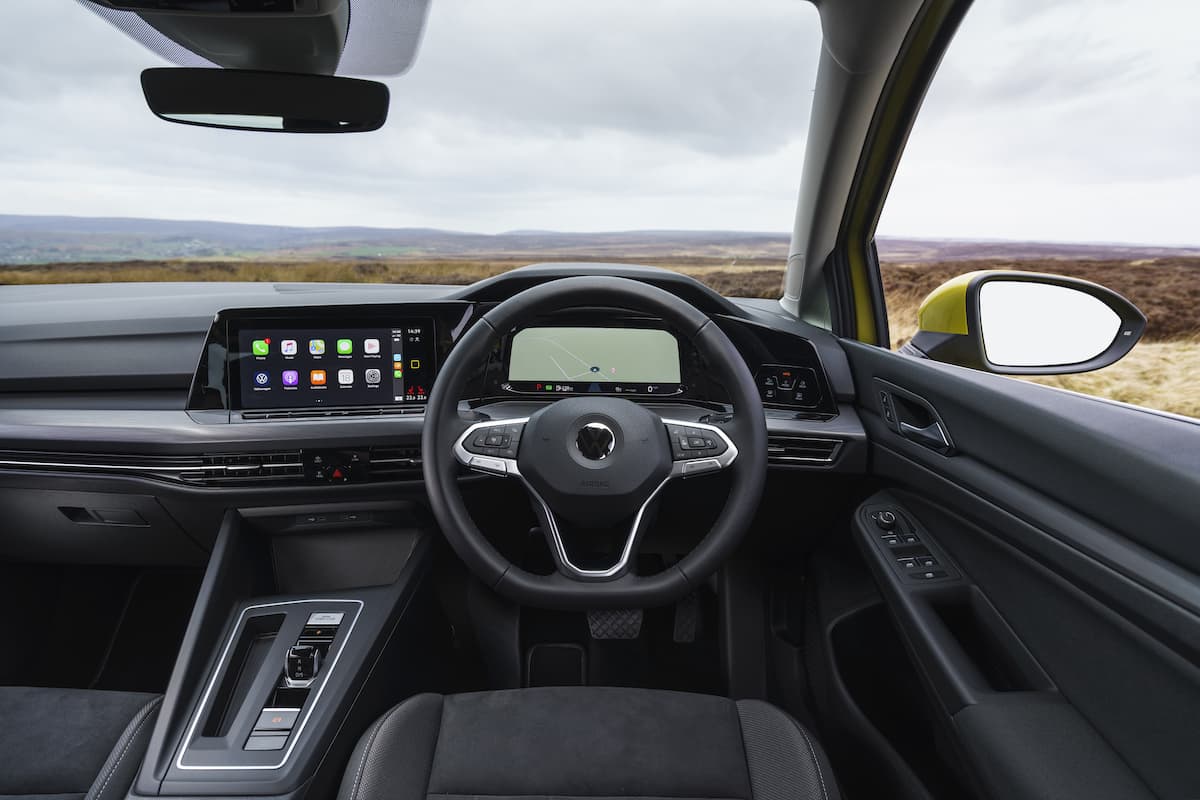
The Golf has received praise for being better to drive than its acclaimed predecessor, although its ‘all-digital’ interior has received generally poor reviews from almost all reviewers for not being anywhere as user-friendly as previous models.
As of December 2025, the Volkswagen Golf holds a New Car Expert Rating of A, with a score of 74%. It scores top marks for its excellent media reviews, five-star Euro NCAP safety rating and low CO2 emissions, while running costs are also good. However, Volkswagen’s new car warranty coverage is poor.
Body style: Medium hatchback and estate Engines: petrol, diesel, plug-in hybrid Price: From £28,895 on-road
Launched: Autumn 2019 Last updated: Summer 2024 Replacement due: TBA
Image gallery
Media reviews
Highlighted reviews and road tests from across the UK automotive media. Click any of the boxes to view.
Featured reviews
“The Volkswagen Golf has remained a favourite car for many buyers for half a century because it does everything expected of it to a high standard and this update will keep it very much in contention with much younger rivals.”
Model reviewed: 1.5-litre petrol automatic Match hatchback (2024 update)
“The Volkswagen Golf Mk8 retains its core family hatchback appeal, and will appeal whatever your needs – even if some alternatives are more fun to drive.”
Model reviewed: 1.5-litre petrol manual Style “Volkswagen already had a near-class-leading model with the outgoing Golf, and it didn’t need to do a great deal to this new eighth-generation model to bring it right to the forefront of the competitive family hatchback class.” Read review
Auto Express
Model reviewed: Range overview Score: 8 / 10 “The Mk8 Golf offers cleaner engines, an updated interior and the latest on-board tech, but it can’t quite reach the top of the class.” Author: Alex Ingram Read review
Model reviewed: 1.5-litre petrol automatic Match hatchback Score: 8 / 10 “The Volkswagen Golf doesn’t quite define the family-car segment in the way that it used to – a Skoda Octavia is more practical, and it remains better value – but there’s no denying that some well-judged tweaks have made VW’s icon better aligned with its own values than it has been for some time. It’s not exactly cheap, but it is well equipped, generally comfortable, neatly finished and, for many people, just the right size.” Author: John McIlroy Read review
Model reviewed: Alltrack (2023) Score: 8 / 10 “The Volkswagen Golf Alltrack’s powertrain is well suited and it’s more economical than most SUVs, while possessing genuine off-road ability. The annoying interior technology of the current Golf is a shame, however.” Read review
Score: 8 / 10 “The new Volkswagen Golf Estate is more practical than ever, but it still can’t match up to some of its rivals.” Read review
Model reviewed: GTE “Performance, range and company car tax are all big plus points, although the Volkswagen Golf GTE does look a touch expensive versus its immediate rival plug-in hatchbacks.” Read review
Model reviewed: 1.4-litre petrol/electric plug-in hybrid GTE hatchback Score: 7 / 10 “The Volkswagen Golf GTE feels solid to drive and it’s a straightforward plug-in hybrid hatch that those new to electrification will get along with easily. However, it’s an expensive proposition, and Mercedes makes a plug-in A-Class that’s cheaper to buy, cheaper to tax and potentially cheaper to run.” Read review
Model reviewed: Range overview Score: 8 / 10 “The Mk8 Volkswagen Golf offers cleaner engines, an updated interior and the latest on-board tech, but it can’t quite reach the top of the class.” Read review
Model reviewed: 1.5-litre petrol automatic Style Score: 8 / 10 “The latest Volkswagen Golf brings worthy upgrades in lots of areas. The new mild-hybrid powertrain is exceptionally refined, the cabin materials and packaging are better than ever and even the geekiest buyer would find it hard to fault the gains in infotainment. But the tweaks to the chassis and cabin layout seem to have brought as many foibles as they have benefits.” Read review
Auto Trader
Model reviewed: Range overview Score: 9 / 10 “The Golf is a true benchmark, not just for Volkswagen but for the wider industry. More tech and engines will follow, but this latest Volkswagen Golf already has enough in its locker to make it one of the best compact hatchbacks you can buy.” Read review
Business Car
Model reviewed: GTE Score: 8 / 10 “The Volkswgen Golf GTE melds low emissions with hot hatch pedigree.” Read review
Car
Model reviewed: Range review Score: 8 / 10 “An even more mature version of what came before, with a higher-tech and nicer built interior, loads more engine choices and a bit more sparkle to the handling.” Read review
Carbuyer
Model reviewed: Estate Score: 8.4 / 10 “The Volkswagen Golf Estate is sophisticated and practical but some cheaper models offer even more space.” Author: Andy Goodwin, John McIlroy Read review
Model reviewed: Range overview Score: 8.2 / 10 “The eighth-generation Volkswagen Golf improves incrementally on the old one in most areas and has a smart new interior” Read review
Company Car Today
Model reviewed: 1.5-litre petrol manual Life “Price tag apart, the new Volkswagen Golf is a big step forward over the previous model, and worthy of the nameplate’s strong reputation.” Read review
Model reviewed: 1.5-litre petrol manual Style “A high-class family hatchback with the latest tech, efficient engines and serious fleet appeal.” Read review
Daily Mirror
Model reviewed: 1.5-litre petrol automatic Life Score: 8 / 10 “The new Volkswagen Golf is a little bit more precise in its handling but then since 1974 it’s always offered safe and dependable behaviour. Other cars might be more fun to drive, but few can beat the Golf’s all-round appeal.” Read review
Fleetworld
Model reviewed: 1.5-litre petrol manual 130hp Life “The 1.5-litre manual offers everything a traditional fleet driver could ask for, but the Volkswagen Golf’s digital revelations in terms of layout and usability are sadly hit and miss. The mild-hybrid and forthcoming plug-in hybrid versions should suit the car more, however, and offer further fleet incentives.” Read review
Honest John
Model reviewed: Range overview “The interior shows a significant reduction in cabin clutter, with almost all of the buttons from the dashboard being replaced with touch-sensitive controls.” Read review
Model reviewed: 1.5 TSI “It’s got grip where you want it, is a bit nose heavy, and has an overly aggressive lane-keeper to make sure you don’t take the racing line, but apart from that it’s a Golf. And that means it’s brilliant.” Read review
Motoring Research
Model reviewed: 2.0-litre diesel automatic estate Alltrack Score: 8 / 10 “In a world of SUVs, the four-wheel-drive Volkswagen Golf Estate Alltrack is a niche choice – but quite a compelling one.” Read review
Model reviewed: Hatchback range Score: 9 / 10 “Now into its eighth generation, the Volkswagen Golf still feels like the benchmark hatchback, from the entry-level Life to the sporty Golf R.” Read review
Motors
Score: 9 / 10 “The Volkswagen Golf delivers a high-quality interior, efficient engines and is impressively refined.”
Read review
Parkers
Model reviewed: Range overview Score: 9.2 / 10 “Volkswagen dials up the tech for new Golf” Read review
The Sun
Model reviewed: 0 “Honestly, you won’t go far wrong with any Golf because… it’s a Golf. It’s brilliant. Of course it is.” Read review
The Sunday Times
Model reviewed: Range review Score: 9 / 10 “The new Golf may not be hugely different to look at from the outside but it definitely has the wow factor on the inside, and it’s packed with the very latest technology.” Read review
The Telegraph
Model reviewed: 1.4-litre petrol/electric plug-in hybrid GTE hatchback Score: 6 / 10 “The Volkswagen Golf GTE is a lovely and clever car that’s surprisingly difficult to recommend despite that. It’s very good in many ways, but it’s no sports hatch and you’ll get more for your money elsewhere.” Read review
Model reviewed: 1.5-litre petrol automatic Life Score: 8 / 10 “VW has done just enough to keep the Golf near the top of its game. But beneath the surface, it no longer feels all-conquering; there’s a sense corners have been cut, particularly in suspension tuning and sound deadening; as a result, this is merely a good car, where the previous one was truly great.” Read review
Model reviewed: 1.5-litre petrol manual Style Score: 8 / 10 “Forget the Golf 8 description, think of this as Golf 7.55 and you see a host of welcome upgrades and genuine innovation, although parts of the facia and the central touchscreen aren’t very easy to use and don’t seem very progressive.” Read review
Top Gear
Model reviewed: Range overview Score: 8 / 10 “New eighth-gen Volkswagen Golf remains the lingua-franca of the hatch world. A finely polished machine.” Read review
Safety rating
Independent crash test and safety ratings from Euro NCAP
The Volkswagen Golf was originally tested by Euro NCAP back in 2019, being awarded a five-star rating. The facelifted model was re-tested in October 2025 under the latest – tougher – Euro NCAP protocols, where it retained its five-star score.
Eco rating
Independent economy and emissions ratings from Green NCAP
Model tested: 1.4-litre petrol/electric plug-in hybrid GTE
Clean Air Index: 6.2 / 10 Energy Efficiency Index: 6.9 / 10 Greenhouse Gas Index: 5.3 / 10
Both the 1.5-litre petrol and plug-in hybrid GTE models received 3.5-star ratings from Green NCAP in 2021. These are solid ratings for petrol (or predominantly petrol) cars, and it’s interesting that the plug-in hybrid GTE shows little eco benefit over the regular petrol engine in the Green NCAP testing process.
Running cost rating
Monthly cost of ownership data provided exclusively for The Car Expert by Clear Vehicle Data
Fuel consumption
Average
Score
Petrol models
51 mpg
C
Diesel models
61 mpg
A
CO₂ output
Average
Score
Variation
Score
Petrol models
124 g/km
B
Diesel models
121 g/km
B
Plug-in hybrid models
7 g/km
A
Battery range
Average
Score
Variation
Score
Plug-in hybrid models
85 miles
C
Insurance group
Average
Score
Variation
Score
All models
22
B
Service and maintenance
Cost
Score
Year 1
£149
A
Year 2
£435
A
Year 3
£717
A
Year 4
£958
B
Year 5
£1,288
B
Overall
£3,547
B
The Volkswagen Golf has a very good set of running cost scores, according to data provided exclusively to The Car Expert by Clear Vehicle Data.
Fuel consumption is good to excellent, depending on whether you’re driving a petrol, diesel or plug-in hybrid model. Emissions levels are also impressive – although this is Volkswagen, the world’s most infamous emissions cheaters, so who knows if you can trust their latest numbers…
Insurance and servicing costs should also be very competitive for the first five years of ownership.
Reliability rating
Reliability data provided exclusively for The Car Expert by MotorEasy
Total claims: 1262 Average repair cost: £570.50 Last updated: April 2025
As of June 2025, the Volkswagen Golf has a fairly average overall reliability score, according to exclusive extended warranty data provided by our partners at MotorEasy. However, this applies to all Golf models in MotorEasy’s database, so will be a combination of the current Mk8 and the previous Mk7 (pre-2020).
The average repair cost of £570 is also about average – but much more than the cost of a used car warranty, which is certainly worth bearing in mind.
The majority of problems with the Golf relate to the engine or suspension, and although engine repairs usually cost around £900, suspension issues fortunately tend not to be too expensive with an average repair cost of about £240. Gearbox problems are expensive, at more than £1,300, but the good news is that these are relatively rare.
If you’re looking at a used Volkswagen Golf, make sure any extended warranty cover you purchase covers all of these potential problem areas.
Warranty rating
New car warranty information for the Volkswagen Golf
Overall rating
D
28%
Petrol or diesel models
E
15%
Electric or hybrid models
C
50%
New car warranty duration
3 years
New car warranty mileage
60,000 miles
Battery warranty duration
8 years
Battery warranty mileage
100,000 miles
Volkswagen’s new car warranty is pretty much the bare minimum offered by car manufacturers in the UK, and worse than rival brands in a similar price bracket as the Golf. The duration is three years, with a limit of 60,000 miles, which is pretty basic. Some rivals offer up to seven years of cover.
In addition to the standard new car warranty, the Golf plug-in hybrid version has an eight-year/100,000-mile warranty for the battery components.
Warranty on a used Volkswagen Golf
If you are buying an ‘Approved Used’ Volkswagen Golf from an official Volkswagen dealership, you will get a minimum 12-month warranty included.
If you are buying a used Volkswagen Golf from an independent dealership, any warranty offered will vary and will probably be managed by a third-party warranty company.
If you are buying a used Volkswagen Golf from a private seller, there are no warranty protections beyond any remaining portion of the original new car warranty.
If you’re looking to buy any used car that is approaching the end of its warranty period, a used car warranty is usually a worthwhile investment. Check out The Car Expert’s guide to the best used car warranty providers, which will probably be cheaper than a warranty sold by a dealer.
Date: January 2024 Recall number: R/2024/014 Model types: All Build dates: 03/2020 to 08/2022 Number of vehicles affected: 26,721 Defect: On certain vehicles with electromechanical brake servo and DSG (Direct Shift Gearbox) of a limited production period, there is a possibility that a heat protection mat was incorrectly fitted. In individual cases, the brake fluid reservoir can melt and cause a brake fluid leak into the engine compartment. Remedy: A check of the installation of the heat protection mat on affected vehicles will be conducted. If necessary, the correct heat shield condition will be restored, and in a damage case, the damaged components will be replaced.
Date: April 2022 Recall number: R/2022/086 Model types: All Build dates: 01/2019 to 02/2022 Number of vehicles affected: 1,868 Defect: The fuse in the high-voltage system of plug-in hybrid vehicles was, in some cases, produced with too little so-called fire sand. Remedy: An additional protective insulating mat is to be fitted to the switching unit for the high-voltage battery.
Date: March 2022 Recall number: R/2022/074 Model types: All Build dates: 09/2020 to 02/2022 Number of vehicles affected: 7,579 Defect: Engine compartment covers were fitted that, regardless of use (very sporty driving style or poor road condition) and operating period, could come loose from their attachment. Remedy: On all affected vehicles, the engine compartment cover has to be removed.
Date: September 2021 Recall number: R/2021/320 Model types: All Build dates: 01/2019 to 05/2021 Number of vehicles affected: 145 Defect: The bolted connection of the pull rod between the electromechanical brake servo and brake pedal may come loose, resulting in a loss of all service braking ability. Remedy: Vehicles are not to be driven, and the bolted connection of the input rod between the electromechanical brake servo and brake pedal must be checked and, if necessary, retightened.
Date: February 2021 Recall number: R/2021/320 Model types: All Build dates: 09/2020 Number of vehicles affected: 124 Defect: Faulty crash sensors for airbag and restraint systems may have been fitted in the front doors. Remedy: The crash sensors in the front doors are to be checked and, if necessary, replaced.
Date: June 2020 Recall number: R/2020/176 Model types: All Build dates: 03/2020 to 05/2020 Number of vehicles affected: 4,630 Defect: The e-call service may not function. Remedy: Update the Online Control Unit software on affected vehicles.
As of September 2024 (our most recent data point), there have been six DVSA vehicle safety recalls on this generation of the Volkswagen Golf range to address different issues.
Not all vehicles are affected by recalls. You can check to see if your car is included in any of the above recalls by visiting the DVLA website or contacting your local Volkswagen dealer.
If your car is affected by a recall, the vehicle must be repaired and you should not be charged for any work required. If you are buying a used Golf, you should insist that any outstanding recall work is completed before you take delivery of the vehicle.
The Volkswagen Golf automatically scored a ‘Poor’ security rating from Thatcham because it is susceptible to a relay attack. This is a popular form of vehicle theft where thieves intercept the signal from your car key – even if it’s inside your house – then use it to remotely open and start the car.
Awards
Trophies, prizes and awards that the Volkswagen Golf has received
2025
Autotrader Awards – Best car for new drivers
2024
News UK Motor Awards – Sunday Times Legend Car + The Sun Legend Car
2022
Auto Express Awards – Best Used Family Car
Motor Trader Awards – Best Used Car
2021
Fleet News Awards – Best Lower Medium Car
2020
News UK Motor Awards – Sunday Times Car of the Year + Best Family Car
Auto Trader Awards – Best Car for Long Distances
Similar cars
If you’re looking at the Volkswagen Golf, you might also be interested in these alternatives
Roads in central London will see new 20mph speed limits imposed from next week, the Mayor of London has confirmed.
Taking to Twitter to break the news, Sadiq Khan revealed roads operated by Transport for London (TfL) within the congestion charge zone that currently have a 30mph limit will see that drop to 20mph as of Monday, March 2.
In the announcement, Khan tweeted: “Happy to report that the speed limit across TfL roads in central London will reduce from 30mph to 20mph from Monday 2 March. This new measure will save countless lives and eradicate serious injuries on our roads, whilst making it safer to walk and cycle around the capital.”
Lilli Matson, TfL chief health, safety and environment officer added: “Millions of walking and cycling journeys are made across our city every single day and a person is five times less likely to be fatally injured if hit at 20mph than at 30mph – it’s as straightforward as that.
“Ensuring the safety of Londoners and visitors is paramount, which is why we are introducing a safer speed limit for all road users in central London. It’s clear the new 20mph speed limits will not only save lives but will also encourage Londoners to travel in more active and sustainable ways.”
New signage will be in place imminently to highlight the speed limit changes, while plans for raised pedestrian crossings in ‘prominent locations’ including near Embankment and Tower Hill Underground stations are underway.
TfL says speed is a factor in ‘around 37%’ of collisions in London that result in death or serious injury. The move to 20mph speed limits is part of TfL’s ‘Vision Zero’ commitment to eliminate deaths and serious injuries from the transport network by 2041, with ambitions to reduce limits more widely across the capital over the next five years as well.
Edmund King, president of motoring services firm the AA, said: “The AA view is that targeted 20 mph zones that have the support of the local community are welcome and can be effective. For example, drivers understand why speeds should be 20mph outside a school, playing fields or a residential cul-de-sac.
“The most effective 20mph zones are those backed by traffic calming such as interactive signs or changes to the road surface. There are some concerns that wide 20mph zones undermine the effectiveness of the targeted zones.
“However, during the day in central London average traffic speeds are around 7.4mph so signing the roads with 20 mph speeds is unlikely to slow down the traffic. Traffic has been at the speed of the horse and cart in central London for over a century and that is unlikely to change any time soon.”
Road safety charity Brake added: “The reduction of the speed limit on central London roads to 20mph is a huge boost for road safety across the capital. Slower speeds save lives and also make our streets more liveable environments, encouraging people to walk and cycle safely and confidently in their local area.
“A 20mph limit where people work, live and play is widely accepted as the safest option, with stopping distances at 20mph half those at 30mph. London is setting an example the rest of the UK should follow and we urge the Government to make 20mph the default speed for built-up areas across the country, helping make our streets safer and more welcoming.”
Volkswagen has revealed three performance-focused variants of its new Golf, continuing with the GTI, GTE and GTD nameplates.
These represent the petrol, plug-in hybrid and diesel powertrains respectively, with VW saying that it expects these GT models to account for 15% of all Golf sales.
The iconic GTI model returns for the eighth-generation Golf with a 2.0-litre turbocharged petrol engine making 245hp and 370Nm, while the hybrid GTE is now offered with an identical power output but more torque at 400Nm. The GTI is available with a six-speed manual gearbox as standard or an optional seven-speed dual-clutch automatic, while the GTE gets a six-speed automatic.
The diesel GTD focuses on lower running costs, with a 200hp engine that matches the GTE’s 400Nm of torque. VW says its nitrogen oxide emissions are much lower than its predecessor.
From left to right: Volkswagen Golf GTD (diesel), Golf GTI (petrol) and Golf GTE (plug-in hybrid)
On the outside, GT models have a one-piece, honeycomb-shaped lower grille, 17-inch alloy wheels with optional 18- and 19-inch items available, red brake calipers, and a sporty body kit. Standard equipment also includes LED headlights with an optional LED strip that lights up the front grille.
To differentiate between the models, the GTI model gets a red trim piece across the front of the bonnet, while the GTE gets blue and GTD gets silver.
Inside, the digital cockpit is included as standard, offering a detailed instrument binnacle, while the GTE gets Volkswagen’s Innovision Cockpit as standard, which merges the centre console screen and digital cockpit. This is an optional upgrade on GTI and GTD models. Other features of the cabin include a sports steering wheel and the traditional GTI golf ball gear knob and tartan seat covers.
All eighth generation Golfs get plenty of safety kit, such as lane assist, emergency braking assist with pedestrian monitoring and an electronic differential lock, the latter of which is controlled by a new vehicle dynamics manager in GT models that makes the car sharper to drive.
Nissan is aiming to make its longer-range Leaf e+ more accessible with a cut-price trim grade.
New to the line-up is the Nissan Leaf e+ N-Tec, of which just 1,000 examples will be offered. This trim is priced at £32,795 (including the £3,500 government plug-in car grant) which represents a £3,100 saving on the range-topping Leaf e+ Tekna.
This comes at the compromise of equipment but retains the larger 62kWh powertrain offered by the Leaf e+, which Nissan claims can deliver up to 239 miles of range between charges. For comparison, the standard 40kWh powertrain delivers a claimed 168 miles. However, Nissan’s range claims have been questioned in the past so take that with a grain of salt.
It also boasts 215hp and 340Nm of torque, delivered to the front wheels. As a result, 0-60mph is covered in 6.7 seconds with a 98mph top speed.
Standard equipment on the N-Tec includes an eight-inch touchscreen infotainment setup with support for Android Auto and Apple CarPlay, 17-inch alloy wheels and the Leaf’s one pedal ‘e-pedal’ technology. Goodies added for no cost over the standard Leaf includes LED fog flights, semi-autonomous ProPilot features, an electronic parking brake and a metallic blue front splitter.
Prices for the three-door Land Rover Defender 90 will start at £40,290, making it almost £5,000 less expensive than the starting price for the larger 110 model.
The 90 is expected to appeal to those who use their 4×4 off-road more often, boasting a short wheelbase and minimal overhangs that the company claims makes it ‘the most capable Land Rover ever made’.
There are four option packs available for the 90, called Explorer, Adventure, Country and Urban, which give the model slightly different specifications adapted to different use cases. The most popular on the 110 so far has been Urban, a £517 pack that ‘equips Defender to stand out in the suburbs’ – which also tends to reveal where the ‘most capable Land Rover ever made’ is really likely to be found…
Finbar McFall, Land Rover’s global product marketing director, said: “We have experienced unprecedented demand for New Defender 110 and the official introduction of Defender 90 is sure to boost interest.
“As the family grows to include an efficient plug-in hybrid powertrain and commercial derivatives later this year, we look forward to continuing this success. If our experience with the Defender 110 is anything to go by, we can expect over half of customers to opt for one of the four Accessory Packs, making New Defender the most accessorised and personalised Land Rover we have ever produced.”
The Defender 90 model is designed with the same view towards practicality as its larger sibling, with features like a ‘jump seat’ in the centre of the front row, which means it can carry a total of six people. The seat folds away when not in use to double as a large armrest.
Order books for the Defender 90 are open now with deliveries expected ‘later this summer’. Prices for the Defender 110 start at £45,240 and first deliveries are due in the spring. Meanwhile, commercial derivatives will join the range later this year, priced from £35,000, excluding VAT.
Way back when, the naturally-aspirated V8 engine was something that defined the high-end performance coupe segment — but that trend has died out for the most part as car manufacturers look for smaller, more efficient engines to keep emissions down in line with international regulations.
BMW’s second-to-last M3 utilised a V8 engine, but the last model switched to a six-cylinder unit (and the next one is expected to maintain that). The once-hellish 6.3-litre Mercedes-AMG C63 kept its cylinder count, but dropped down to 4.0 litres and took on a couple of turbochargers. A similar thing happened with the Audi RS 5 too, swapping its eight cylinders for six.
There is an outlier to this trend though, and one that’s often forgotten. You see, the Lexus RC F joined the fray in 2014 in a fashion that went against tide — offering a naturally-aspirated 5.0-litre V8 engine. Admittedly sales never set the world alight, but Lexus hasn’t given up the ghost and has recently treated the distinctively-styled coupé to a light refresh. Are the updates to this old brute effective? We find out….
Though Lexus is a firm very much focused on hybrid technologies these days, it (perhaps surprisingly) hasn’t messed with the RC F’s powertrain formula here — sticking with that raucous V8 of old — albeit with a little less power.
Changes do come beyond that, though. Visual alterations include new headlights, a tweaked front grille and revised taillights, while mechanical changes are namely refined suspension bushings, minor weight savings and launch control as standard. New Michelin Pilot Sport 4S tyres are thrown into the package as standard, too.
How does it look?
In the grand scheme of things, little has changed in the way the Lexus RC F looks — not that we’re calling that a bad thing. Its altered headlights are the most noticeable change and to us improve the package, but you’d be hard pressed to notice tweaks otherwise.
Its overall styling remains quintessentially Japanese, with its low-slung silhouette littered with peculiar angles and ‘look at me’ styling elements. It’s certainly an acquired taste, particularly in the Azure Blue colour our test car is in, but this particular tester is a fan.
What’s the spec like?
When it comes to standard equipment, Lexus has thrown the book at the RC F. Luxuries like rain-sensing wipers, automatic headlights, all-round parking sensors, keyless start and its infotainment system are thrown in out of the box, while Lexus’ Safety System + brings adaptive cruise control, lane keeping assist, automatic high beams and pre-collision warning.
Pricing kicks off at £62,900 for the RC F, which undercuts most rivals, though it’s worth noting that used examples as recent as 2016 can be had for under £30,000 easily — so be prepared for a notable drop in value through ownership.
Our test car comes in at a £75,600 — putting it at the rather steep end of things. The extra cost covers its Azure Blue paint (£250), blind spot monitoring with rear cross traffic alert (£500), a Mark Levinson audio system (£1,000), a sunroof (£900), trim inlays (£300) and, perhaps most notably, the £9,750 track pack.
That last-most item adds BBS alloy wheels, carbon ceramic brakes with red Brembo callipers and a rear diff with torque vectoring.
The Lexus RC F comes with all the usual safety-related equipment you’d expect from a car at this price tag, however the RC range has never been crash-tested by Euro NCAP so we can’t tell you whether that all adds up to a five-star score or not.
What’s it like inside?
Though updates have come to the outside of the car, that treatment hasn’t really come to the interior. To an extent, that’s fine, it’s still loaded with high-quality materials and feels incredibly well put together.
It does feel outdated, though. The woeful infotainment system is still controlled via an irritating touchpad, and there’s even a CD player included for a real throwback. We’d like to have seen the introduction of parent company Toyota’s latest system here.
As for space, four can be seated and the rear row is surprisingly usable on shorter journeys — though we’d avoid carrying four adults for longer trips. Its boot can hold 366 litres of luggage, too, which is notably down on the BMW M4’s 445-litre capacity.
What’s under the bonnet?
So, on to the V8 that defines the Lexus RC F. This 5.0-litre, eight-cylinder unit produces 460hp and 520Nm of torque (down 15hp and 10Nm as a result of stricter emissions regulations), delivered to the rear wheels through an eight-speed automatic gearbox.
As a result, the RC F is capable of 0-60mph in 4.1 seconds before reaching an electronically-limited 168mph top speed. Efficiency is far from the name of the game here, with a claimed WLTP combined figure of 23.9mpg with CO2 emissions weighing in at 258g/km.
The old-school nature of this car is a bit of an anomaly today, and that gives a distinctive character to the unit. Initially, it can feel sluggish with a lack of immediate torque but once the revs tick over the 3,000rpm mark its power comes in with a real ferocity — a curve that’s matched by its engine note too.
What’s it like to drive?
Though the engine of the Lexus RC F may be brash and spine-tingling, the driving experience isn’t really that at all.
This isn’t some agile monster looking to carve up every corner in its path and run circles around its rivals. Rather this feels more like a refined cruise missile — happy to sit on a motorway in supreme comfort and turn on the straight-line goods when called upon. If mashing the throttle to indulge in acceleration is your thing, you may find yourself at home here.
When it comes to cornering though, the RC F can be frustrating. It’s not particularly keen to get its power down (though cold January weather didn’t help that) and while there is a sense of composure through the corners, the car never particularly at home when trying to attack a tight country road. Soft-set suspension creates a wallowy feel to the rear of the car, and it’s hard to make the most of the evident performance on offer as a result.
Verdict
Though updated for 2020, the Lexus RC F still very much remains an old school machine — for better and worse in some areas.
Its engine is something to behold in a modern era of turbocharging and electrification, providing one of the most addictive audible experiences of any car on the market as well as brutal acceleration to back the brawn up.
It’s just a shame the driving experience leans more towards that of a long-distance cruiser than a real performance animal, feeling more like an Alcantara-clad wingback chair than a Recaro bucket seat to make a furniture comparison. It doesn’t feel quite right.
Alfa Romeo Giulia Quadrifoglio | Audi RS 5 | BMW M4 | Ford Mustang | Mercedes-AMG C63
Key specifications
Model as tested: Lexus RC F with Track Pack Price (on-road): £75,600 Engine: 5.0-litre petrol V8 Gearbox: Eight-speed automatic Power: 460 hp Torque: 520 Nm Top speed: 168 mph 0-60mph: 4.1 seconds Fuel economy (combined): 23.9 mpg CO2 emissions: 258 g/km Euro NCAP safety rating: Not tested
This sharply styled concept car is the Polestar Precept, and it has been designed to show off the firm’s future design direction as well as its commitment to using more sustainable materials.
The Swedish premium car manufacturer, which is closely tied to Volvo, says this concept ‘sets the tone’ for future Polestar vehicles.
One of the key talking points is its use of sustainable materials. For example, the plant-based composites used for interior panels and the seatbacks save up to 50% in weight and produce 80% less plastic waste than conventional materials.
Meanwhile, the seat surfaces are 3D-knitted from recycled plastic bottles, the seat bolsters and headrests are made from recycled cork vinyl, and the carpets come from reclaimed fishing nets.
It also features Polestar’s next-generation infotainment system, which is powered by Android. The ‘human-machine interface’ (HMI) system is operated through a portrait-orientated central touch screen and a 12-inch driver display – the latter of which houses eye tracking software that can optimise screen displays on the move.
The exterior’s sharp creases and minimalist design put a focus on aerodynamic efficiency, something that’s important to get the most range out of the all-electric powertrain. Meanwhile, keeping the batteries low in the wheelbase contributes to the low and sleek profile.
Maximilian Missoni, head of design at Polestar, said: “Polestar Precept’s aesthetics are rooted in cutting-edge technology rather than looking back in time at historical, automotive references.
“At Polestar we see technology as an enabler, as a tool to solve our society’s problems and we translated this attitude into a new set of design principles. The combination of sustainable materials and high-tech smart systems opens an entirely new chapter of avant-garde luxury design and shows where Polestar is heading.”
The Polestar Precept will make its public debut at the Geneva motor show from March 5 to 15.