Find an Expert Rating: 
Home Blog Page 43

Renault Arkana refresh now on sale

0

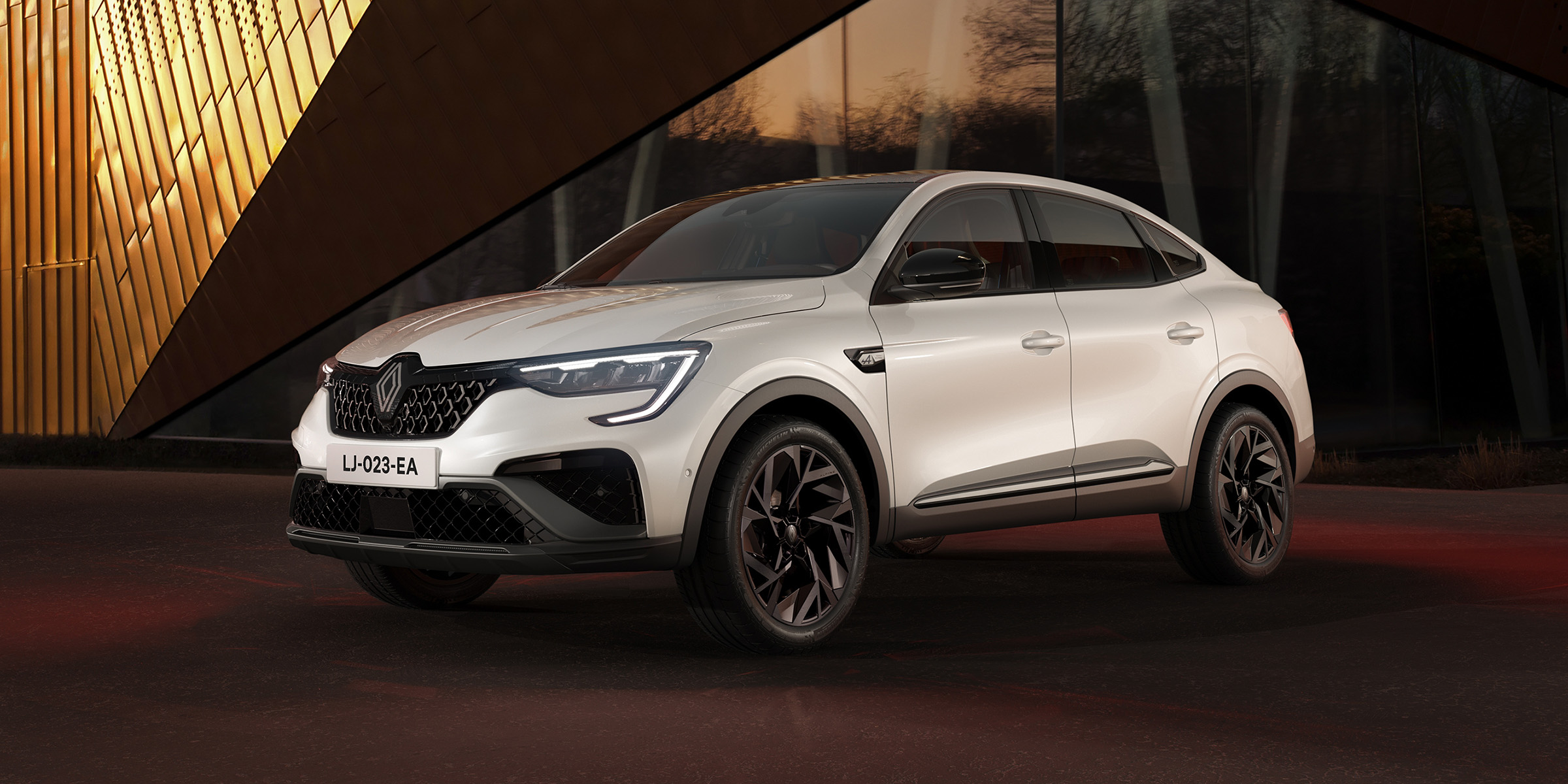
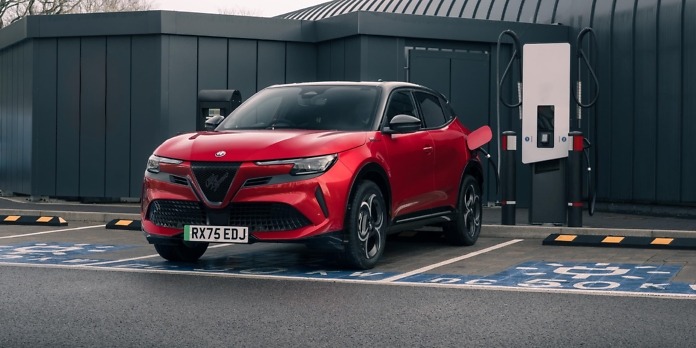
The Renault Arkana coupé-SUV has received more trim changes, as part of a mild update that also introduces some cosmetic alterations.

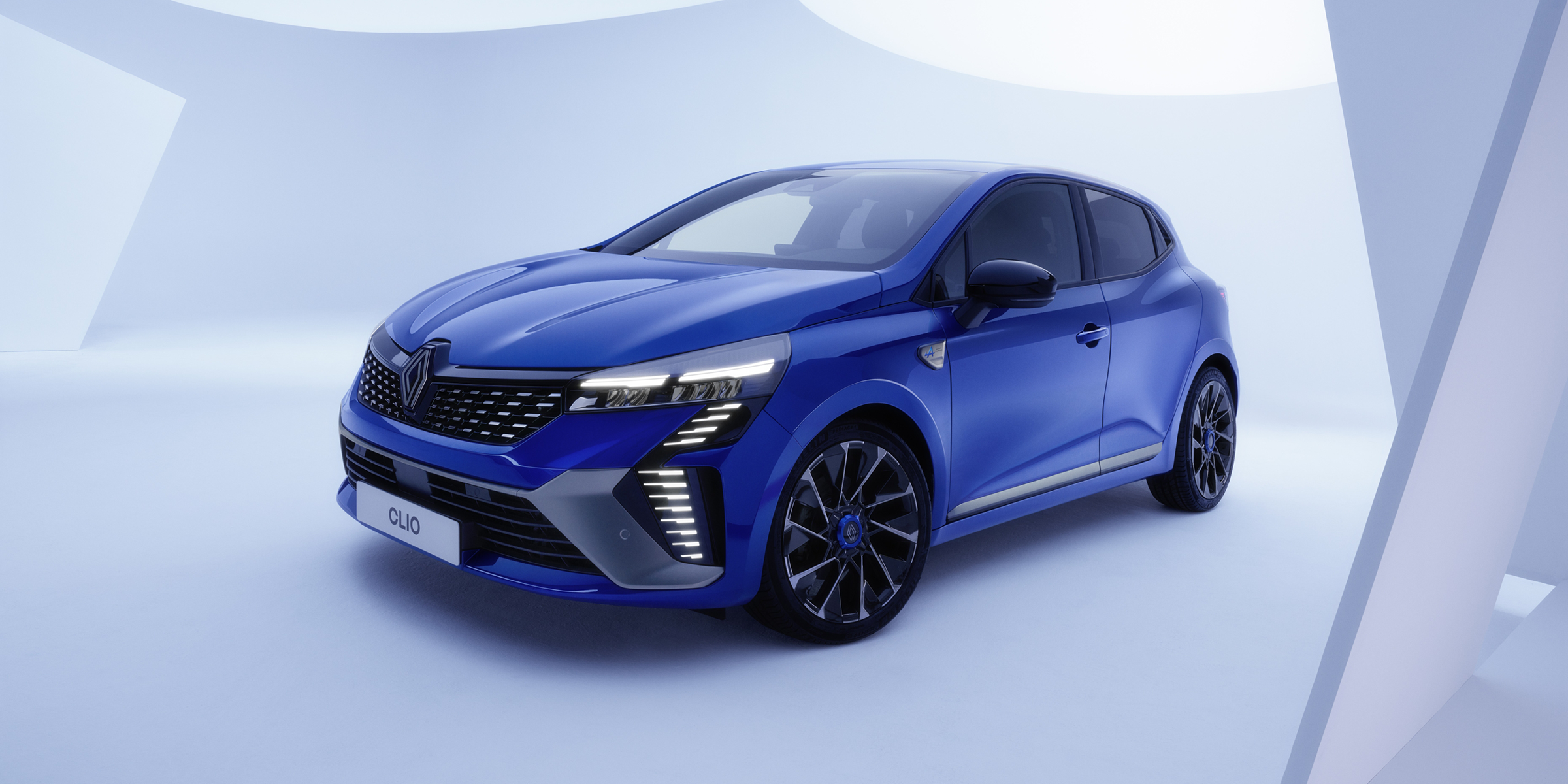
A year on from the Arkana’s last set of trim revisions, Renault has decided to change the coupé-SUV’s trim line-up once again. The most notable change is that, like the Clio hatchback, the Arkana is now hybrid only – the petrol mild-hybrid powertrain on offer since the car launched in 2021 is no longer available.

The entry-level ‘Evolution’ and mid-range ‘Techno’ trim grades remain unchanged, while the ‘R.S Line’ grade is now called the ‘Esprit Alpine’. The ‘E-Tech engineered’ trim, which formerly topped the range, has been dropped after a year on sale.

Besides the updated Renault badges, exterior styling changes include a new diamond pattern for the front grille as standard, an ‘F1 blade’ front splitter for the ‘Techno’ and up, and double exhaust tailpipes in gloss black and ‘Alpine’ branding for the top-spec ‘Esprit Alpine’.

Key trim level features

Entry-level ‘Evolution’ (from £26,995)

  • LED headlights
  • 17-inch alloy wheels
  • Electrically-adjustable folding heated door mirrors
  • Tinted rear windows
  • Automatic climate control
  • Seven-inch digital instrument cluster
  • Seven-inch infotainment console
  • Traffic sign recognition
  • Cruise control
  • Rear parking sensors
  • Rear view parking camera
  • Automatic rain-sensing wipers

Mid-range ‘Techno’ (from £28,995)

  • All ‘Evolution’ features not replaced
  • 18-inch alloy wheels
  • Auto-dimming rear-view mirror
  • Foldable rear armrest with cupholders
  • Artificial leather upholstery
  • ‘F1 blade’ front splitter
  • Ten-inch digital instrument cluster
  • Nine-inch infotainment console with voice recognition
  • Ambient interior lighting
  • Front parking sensors
  • Blind spot monitoring

Top-spec ‘Esprit Alpine’ (from £31,295)

  • All prior features that are not replaced
  • 19-inch alloy wheels
  • Black door mirrors
  • Black double exhaust tailpipes
  • Heated front seats
  • Alpine-branded artificial leather upholstery
  • Heated steering wheel
  • Adaptive cruise control

All models are now powered by the ‘E-Tech’ 145hp petrol hybrid engine, which was available before the update. Pricing remains the same – starting at just under £27k.

It is fair to say that the Arkana has received a rather mixed bag of reviews after being on sale for around two years now, praised for its looks and efficient hybrid engine, but criticised for its bumpy ride comfort at low speeds. It currently holds an Expert Rating of 57%, which puts it well down the order in our ranking of Best Small SUVs based on new car reviews from 30 of the UK’s top motoring sites.

Looking for a Renault Arkana? The Car Expert’s partners can help

Carwow logo 600x300

Discover great deals available on both new and used cars. Find out more

Auto Trader logo 600x300

Search for your next new or used car with Auto Trader. Find out more

Cazoo 600x300

Buy a car online from your sofa. We’ll deliver it. Find out more

Motors 600x300

Search less, live more. We make finding the right car simple. Find out more

Carparison 600x300

Personal contract hire deals from Carparison Leasing. Find out more

Moneyshake logo 600x300

Personal contract hire deals from Moneyshake. Find out more

Rivervale Leasing logo 2022

Personal contract hire deals from Rivervale Leasing. Find out more

LeaseLoco logo 600x300

Personal contract hire deals from LeaseLoco. Find out more

Ready2Lease logo

Personal contract hire deals from Ready2Lease. Find out more

Hippo Leasing 600x300

Personal contract hire deals from Hippo Leasing. Find out more

Peugeot 3008 and 5008 gain new engine option

0

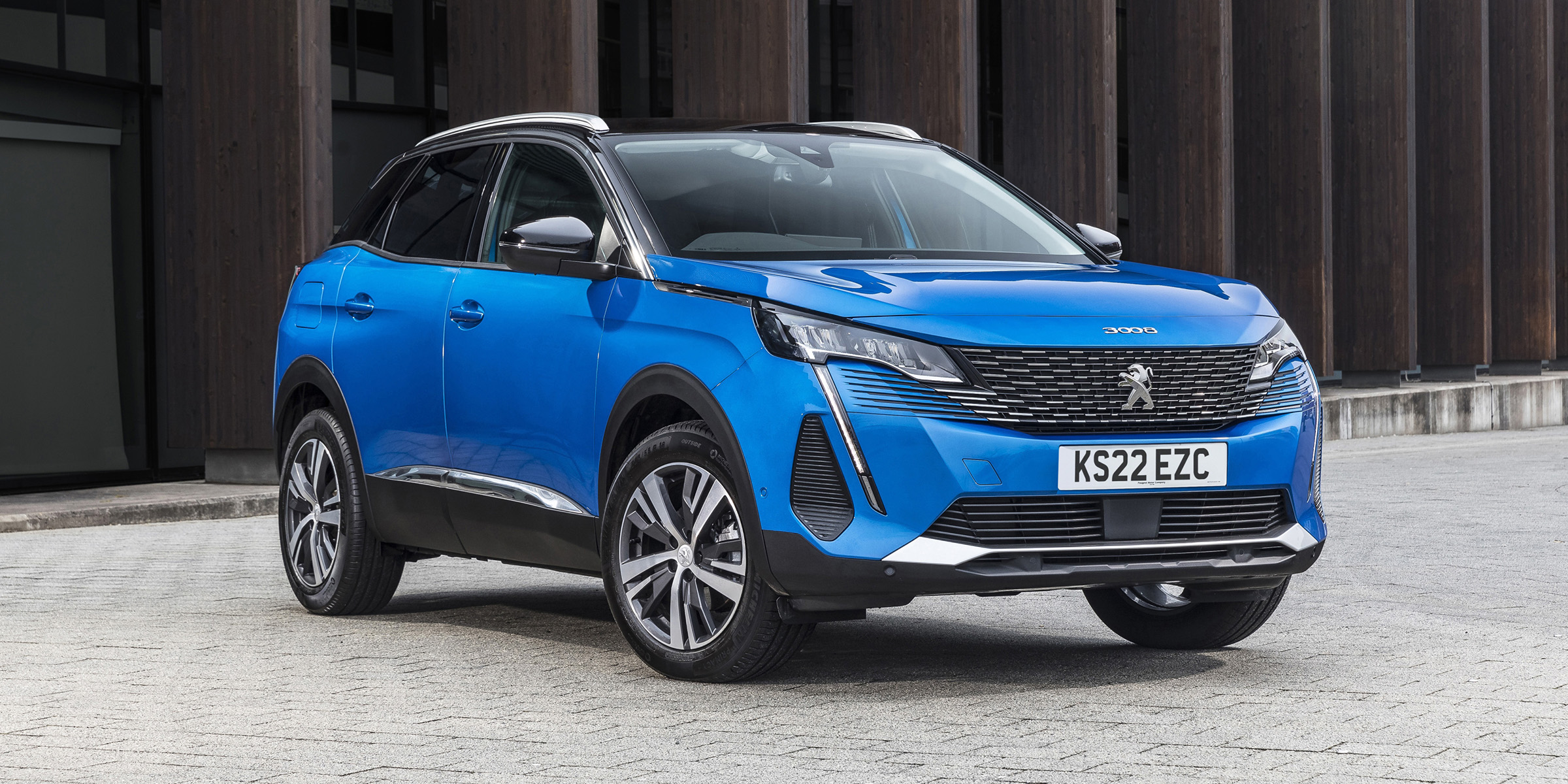
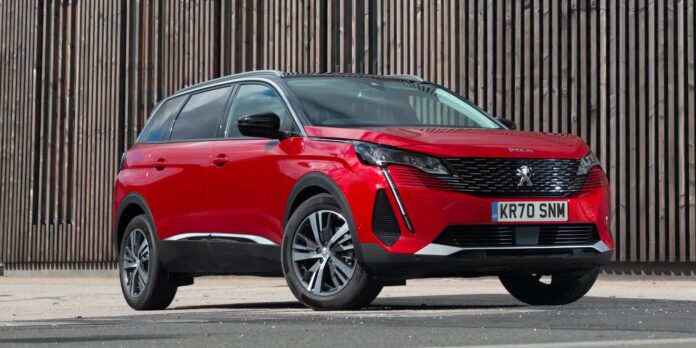
Peugeot has added the new ‘Hybrid 136 e-DSC6’ engine option to its 3008 and 5008 SUV model lines, with a view to introducing the hybrid powertrain to other model lines across its range.

This engine uses the same 1.2-litre petrol engine as the entry-level model, but with a 48V battery, a 16kW electric motor and a six-speed automatic transmission, it offers 6hp more than the petrol engine alone – 136hp in total – and makes the car a reported 15% more fuel efficient around town.

Opting for this hybrid also brings some minor tech changes inside. The digital instrument cluster behind the steering wheel will feature colour-changing accents to indicate when the vehicle is running in all-electric mode and the battery charge level.

Available across all trims in the 3008 and 5008 ranges, the hybrid is around £1k more expensive than the 1.2-litre petrol, but around £500 cheaper than the 1.5-litre diesel. In the 3008 range, two more expensive plug-in hybrid options are also available.

Prices for the new 3008 hybrid start at just over £34k, while the 5008 hybrid costs £38k in the cheapest ‘Active Premium+’ guise.

Expert Ratings

Peugeot 3008 (2017 to 2024)

Peugeot 3008 (2017 to 2024)

Peugeot 5008 (2017 to 2024)

Peugeot 5008 (2017 to 2024)

The Peugeot 3008 has been well regarded by UK reviewers, with praise for its design, comfort and practicality, though some have taken issue with its interior design. It currently holds an Expert Rating of 74% on our award-winning Expert Rating Index.

The larger Peugeot 5008 has faced the same interior design criticisms, although it’s a comfortable family SUV with a bit more space than its smaller brother. As of August 2022, it holds an Expert Rating of 72%.

The best cheap ULEZ-compliant petrol cars

With the expansion of the London ULEZ zone out to the boundary of M25 now in force, you may find that your car no longer meets the zone’s emissions requirements, leading a hefty £12.50 daily charge for taking your vehicle on the road.

If you’re in this position, you have the choice of paying this tax every single day you need to drive within the M25, or selling your your non-compliant car and buying another, newer, car to avoid this charge. The good news is that there are plenty of ULEZ-compliant cars available relatively cheaply on the used market – and they could also save you a few more pounds at the pump in the long run too.

Transport for London does have a scrappage scheme available for eligible Londoners to claim up to £2,000 by scrapping their current car. But if you live outside London and have to drive in every day for work, bad luck. The Mayor of London doesn’t care about you.

Which cars are compliant with the new ULEZ rules?

The ULEZ requirements are based on a car’s ‘Euro’ emissions standards, which are EU/UK legal requirements for exhaust pollution. The key standards here are Euro 4 for petrol cars and Euro 6 for diesel cars.

Once the expanded ULEZ goes into effect, you will need to have either a petrol car that meets Euro 4 emissions standards (which should be any petrol car built after 2006) or a diesel car that meets Euro 6 emissions standards (which is any diesel car first registered after 2015). Any hybrid, plug-in hybrid or electric vehicles will be compliant with the rules.

Because compliant diesel cars are much newer, they’re also likely to be more expensive. So if you’re looking for a cheap car that meets the new ULEZ rules, it’s going to be petrol-powered.

You may find some older petrol cars built before 2006 that meet Euro 4 standards, as car companies had some models on sale well before the laws came into effect, but you’ll need to check carefully.

Bear in mind that the ‘Euro 4’ standard is the minimum from August 2023, but you can bet London to a pound that this will move to Euro 5 cars (2011 onwards) in coming years – and the daily rate will certainly start going up from the current £12.50 as well. If you plan to keep your next car for several years, you’re probably better looking for a Euro 5 or Euro 6 model. They’ll be quite a bit more expensive but you’re less likely to have to sell them anytime soon.

Looking for a cheap, ULEZ-compliant car? Start here.

We’ve spent some time browsing the listings of our premier car marketplace partner site, Motors.co.uk, to find the best cheap used cars that comply with the London ULEZ.

These cars are located all over the country, but plenty of car dealers offer nationwide delivery (although usually at extra cost). Incidentally, we’ve concentrated on cars that are Euro 5-compliant, so you can be confident that your wallet won’t be raided by the Mayor of London every day for at least a while yet…

The model availability and prices mentioned below are accurate as of August 2023.

Under £3k

Mini hatch (2006 to 2012)

We found a 2010 Mini on Motors.co.uk from £1,750

The Mini hatch is a British classic, and this second-generation model is the cheapest car to pick up on our list. It’s fun and economical to drive, and is well suited to navigating the boroughs of London.

That said, it doesn’t come with much boot space, and it could run up an expensive repair bill if parts begin to fail.

Ford Focus (2011 to 2018)

We found a 2012 Ford Focus on Motors.co.uk for £2,320

Ford Focus (2011 - 2014) front view | Expert Rating

Praised by reviewers for its comfortable ride and value-for-money, the family-sized Ford Focus is both practical and cheap to run. There are thousands of models available on the used market for affordable prices.

This third-generation model currently holds an Expert Rating of 72%, and is available as either a five-door hatchback or estate.

Vauxhall Insignia (2008 to 2017)

We found a 2010 Vauxhall Insignia on Motors.co.uk for £2,490

The Vauxhall Insignia certainly offers value for money – you’re unlikely to find this level of interior space and comfort for under £3k. This car is well-suited to motorway cruising and has a reputation for long-term reliability.

The Insignia isn’t very exciting to drive, however, and smaller cars are more fuel-efficient.

Under £5k

Ford Fiesta (2008 to 2017)

We found a 2013 Ford Fiesta on Motors.co.uk for £3,000

Ford Fiesta (2008 - 2013) front view | Expert Rating

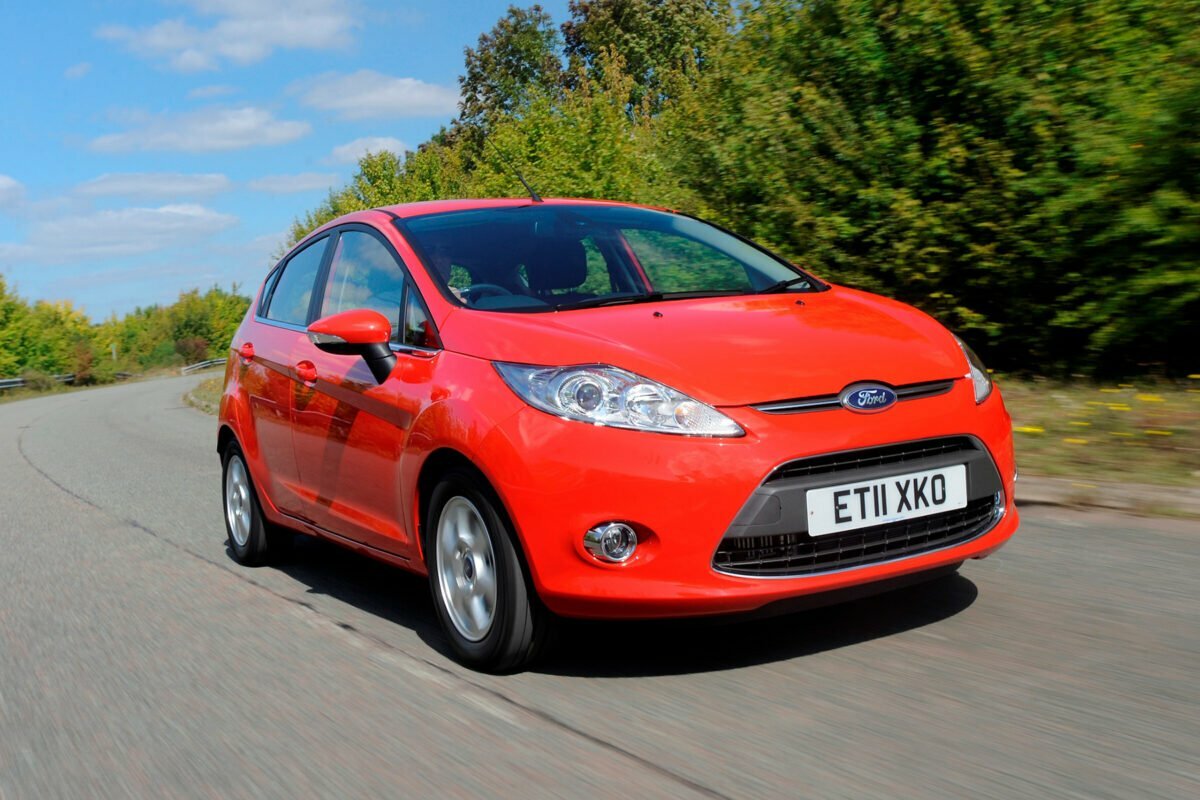
This sixth-generation Ford Fiesta hatchback was the UK’s best-selling car every single year from its launch to its retirement, and for good reason. It’s fun to drive, cheap to run, and quite affordable on the used market too. It currently holds an Expert Rating of 77%.

Volkswagen Golf (2009 to 2013)

We found a 2012 Volkswagen Golf on Motors.co.uk for £3,950

The Mk6 Volkswagen Golf is an excellent family car choice, which comes with a well-built interior and a powerful but economical engine. It offers comfort for inner-city driving, and provides a boost of speed on the motorway should you need it.

However, other mid-sized hatchbacks offer a bit more boot space.

Skoda Octavia (2004 to 2013)

We found a 2011 Skoda Octavia on Motors.co.uk for £3,995

A popular choice for taxi companies across the UK, this second-generation Skoda Octavia is a capable all-rounder with a spacious and practical cabin, and a large boot. It’s also very fuel efficient and has proven reliable over the years.

If interior quality is one of your top priorities though, you’re better off taking a look at the Volkswagen Golf instead.

Under £10k

SEAT Leon (2012 to 2019)

We found a 2013 SEAT Leon on Motors.co.uk for £5,995

A dependable family car with satisfying driving dyanmics, the SEAT Leon offers a practical interior, punchy performance and attractive looks for a cheaper price than the closely related Mk7 Volkswagen Golf. It currently holds an Expert Rating of 76%.

Nissan Qashqai (2006 to 2013)

We found a 2012 Nissan Qashqai on Motors.co.uk for £7,995

Suited to ferrying a family of four from A to B, the Nissan Qashqai offers a comfortable ride with an elevated SUV driving position and adequate engine performance.

This first-generation model has garnered a reputation for being durable, but clutch and suspension issues are commonly reported by Qashqai drivers, which can lead to a large repair bill.

Toyota GT86 (2012 to 2020)

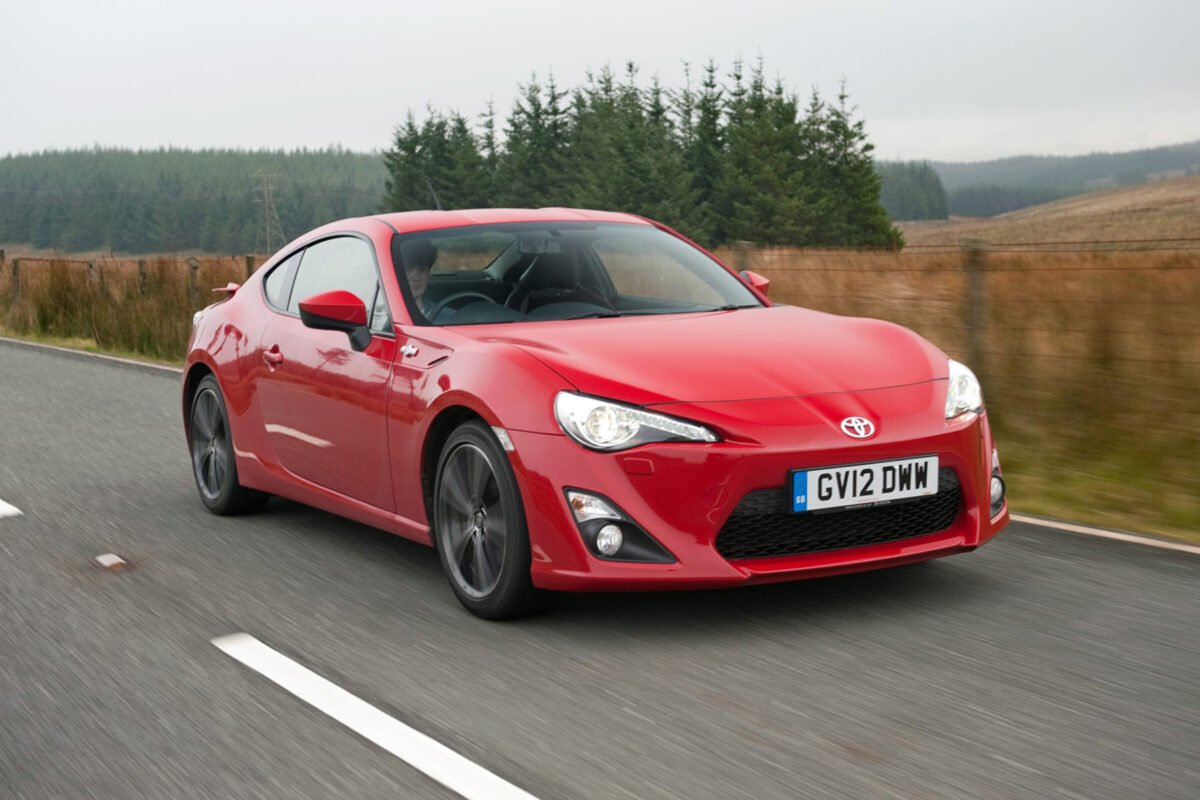
We found a 2012 Toyota GT86 on Motors.co.uk for £9,995

Toyota GT86 (2012 - 2016) front view | Expert Rating

Fast and agile, the Toyota GT86 is a competitively priced sports car that is serious fun to drive and rather comfortable too.

That said, there aren’t many on the used market to pick from, and this coupé doesn’t offer the best fuel economy. It currently holds an Expert Rating of 80%.

Under £15k

Mazda 6 (2013 to 2022)

We found a 2014 Mazda 6 on Motors.co.uk for £11,100

Mazda 6 saloon (2013 onwards) – front three-quarter

The Mazda 6 was one of the more highly-regarded family-sized saloons during its time on sale – commended for its comfort, clean looks and stylish cabin.

However, some alteratives offer better rear headroom, and the Mazda’s running costs are on the high side too. It currently holds an Expert Rating of 73%.

Volkswagen Tiguan (2008 to 2016)

We found a 2015 Volkswagen Tiguan on Motors.co.uk for £11,949

The first-generation Volkswagen Tiguan is a strong used SUV choice. It offers great driver visibility, good fuel economy, a spacious and well-built interior and it is frequently praised for its long-term reliability.

Some owners have noted that the car has been rather expensive to service, however.

Audi Q5 (2008 to 2016)

We found a 2011 Audi Q5 on Motors.co.uk for £12,990

The Audi Q5 is a spacious and sohisticated SUV with neat handling and strong performance. It is easy to drive and park, and while it may be on the more expensive side, there are several of these first-generation models available on the used market for under £15k.

Fuel economy is also acceptable, but smaller cars on this list provide more miles per gallon.

First off, check your current car’s compliance before opting for a change. Your’s car’s emissions standard will be listed in the vehicle’s V5C log book. You can also type your registration into Motorway’s ULEZ compliance checker for an immediate answer.

If your car is non-compliant, head over to Motors.co.uk and use the in-depth search engine to find your desired model. After entering your postcode to find suitable cars in your area, set your budget and fuel type in the side bar, and enter the keyword ‘Euro 4’ or ‘Euro 5’ in the ‘Vehicle Features’ tab.

Read more:

For the definitive rankings of the best new cars, check out The Car Expert’s industry-leading Expert Rating Index. The index analyses new car reviews from 35 of the top UK motoring websites, using an advanced algorithm that we have developed specifically to compare review scores.

New Lexus LBX hybrid now available to pre-order

0

Lexus has unveiled its new LBX crossover that is now available to pre-order in the UK – a hybrid that aims to offer the “quality and attention to detail” of the brand’s larger SUVs in a more compact package.

Based on the same foundations as the Toyota Yaris Cross, the LBX has been designed specifically for the European market, and is the smallest model in the Lexus range.

As the new lead-in model in the brand’s SUV range, Lexus is hoping that the LBX will find an audience with younger generations that may not have considered opting for a Lexus before.

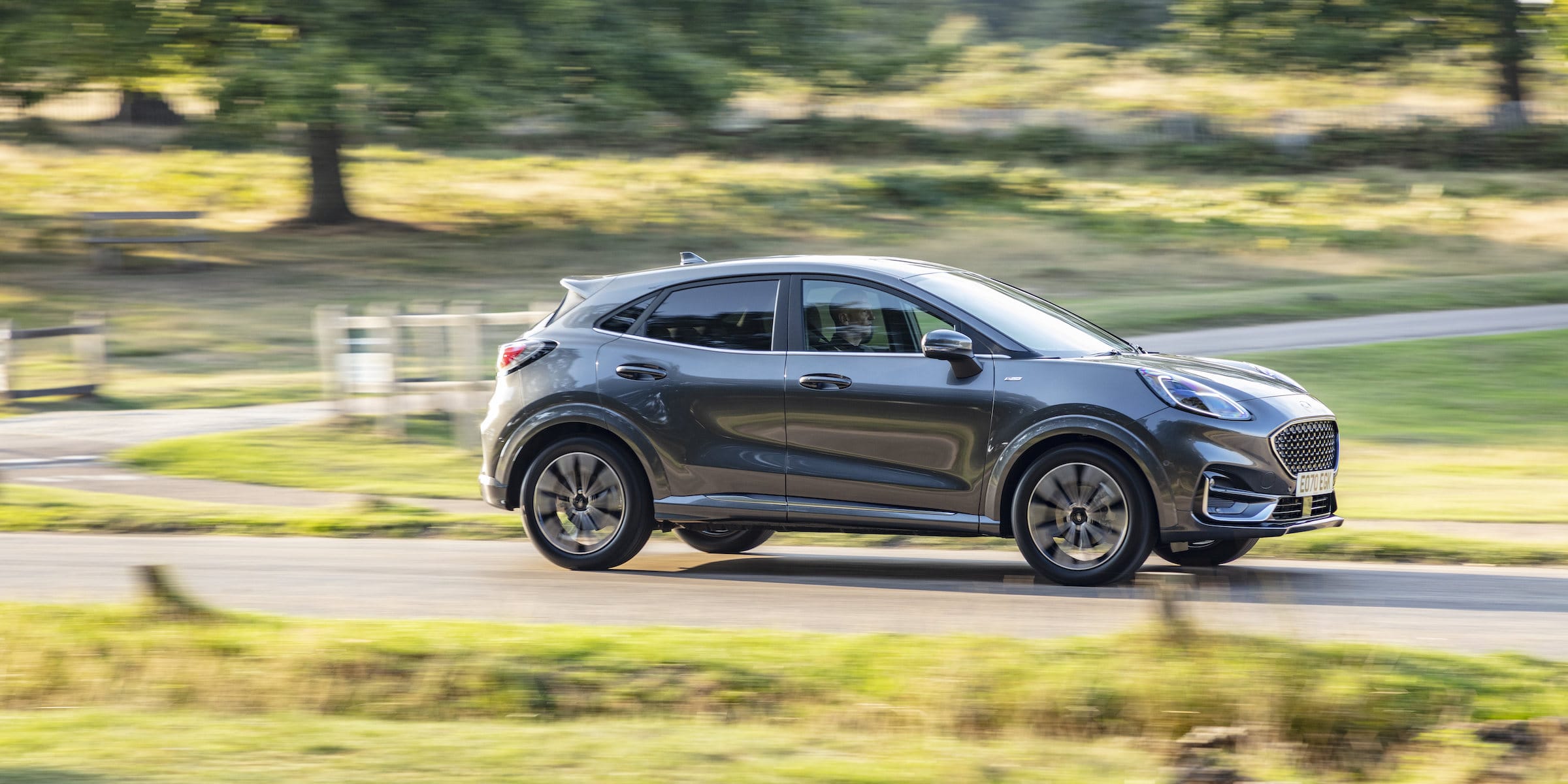
The car is now competing against similarly-sized crossover rivals like the Kia Niro and best-selling Ford Puma, and Lexus is convinced that its new small SUV will be “a game-changer” – offering driving luxury and refinement usually reserved for larger upmarket SUVs.

Lexus has installed sound-deadening materials in the doors and roof to reduce noise and vibration when on the move, and the car’s suspension system has been designed to make the crossover agile, stable and comfortable in the corners.

A new ‘vehicle braking posture control’ feature is also included, which automatically balances front and rear brake force to stop the car pitching forward in heavy braking scenarios.

Inside, the LBX takes several interior design cues from the larger NX SUV that was unveiled last year. The dashboard and centre console layout has been simplified, and top-spec models will come with a 12-inch infotainment touchscreen (10-inch system as standard) and a head-up display that projects driving information onto the windscreen.

The seating position will be much lower than in most crossovers, which Lexus says aids driver visibility and engagement on the road. Lexus claims that “every inch of the car’s bonnet can be seen from the steering wheel.” To ensure that passengers in the back also have a good view out the windscreen, the rear seats are set slightly higher than those at the front.

Ambient lighting is available, with 50 colour options to choose from. Upholstery options will include leather, synthetic leather, and an optional “vegan-friendly” interior with no natural leather products.

The crossover is available with one powertrain option at launch – a three-cylinder 1.5-litre petrol engine and single electric motor pairing that can muster 136hp. A four-wheel drive model that uses a dual-motor setup is also on the way, but its arrival date is yet to be confirmed.

Lexus claims that it has refined the design of this hybrid system’s motor and battery to make the LBX more efficient and responsive than prior models.

Lexus has revealed that pricing will start at £30k for the entry-level LBX ‘Urban’, one of six trims that will be on offer from launch. British buyers can now place a ‘advance order’ for the new LBX, with all six trims available to reserve for a refundable £500.

That just about sums up what we know about the new LBX – models are expected to arrive in dealerships in October, and the first customer deliveries are scheduled to arrive in March next year. Full UK pricing is sure to follow in the coming months.

New Honda CR-V pricing announced

0

The next iteration of the Honda CR-V SUV will become available to order in the UK this month, with three different trims to choose from.

This sixth-generation CR-V was first unveiled back in May, when it was announced that it offers more cabin and boot space than its predecessor. We now know that the new SUV has four centimetres of extra length in the cabin, including around two centimetres of added rear legroom.

Honda adds that it has increased the boot capacity by 18% to 587 litres for luggage, up from the previous model‘s 497 litres. The range-topping plug-in hybrid model has even more room in the boot – 617 litres to be exact.

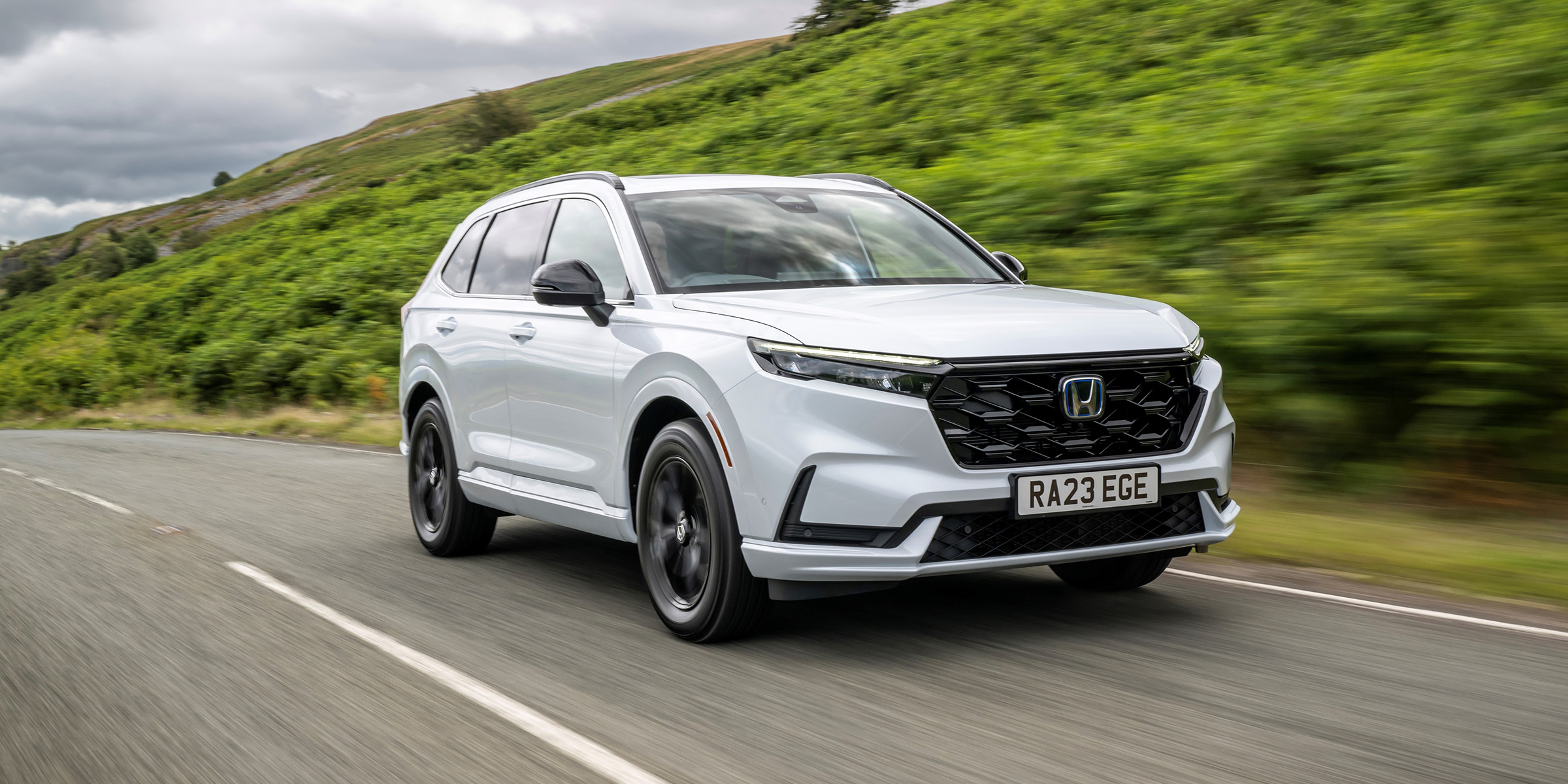
The SUV’s exterior design is an evolution of the current model, with the same bulky silhouette and side profile. The front and rear end have had a design overhaul that follows the design ethos of the compact HR-V crossover that arrived in 2021, with narrow LED headlights, and L-shaped tail lights that frame the rear window.

Inside, the SUV will come with the same nine-inch infotainment console as the Civic, which sits alongside a 10-inch digital driver’s display on the dashboard, and leather upholstery will be included as standard. A head-up display that projects driving information onto the windscreen is also offered, but is only available with ‘selected’ trims.

The manufacturer adds that the CR-V will be the first of its models to feature its ‘Sensing 360’ driver assistance system which “removes blind spots around the vehicle.” A motorised tailgate and wireless smartphone charging also feature. Lifting the central armrest reveals nine litres of extra storage space.

Three trims will be available from August 14th. The ‘Elegance’ is the cheapest model, followed by the mid-range ‘Advance’, which are both 184hp 2.0-litre petrol-electric hybrids, using the same ‘e:HEV’ technology that underpins the latest Civic liftback. The SUV can accelerate from 0-60mph in nine seconds flat.

The top-spec ‘Advance Tech’ is a plug-in hybrid, which can reportedly muster up to 50 miles of electric-only range when fully charged. This model also comes with a ‘tow mode’, which helps with charge management when pulling a trailer weight of up to 1,500kg.

That sums up what we know about the new CR-V – pricing starts at just under £46k for the ‘Elegance’, rising to £54k for the ‘Advance Tech’.

Beat buyer’s remorse by doing your research

A new study reports that more than a third of car owners are dissatisfied with various aspects of their vehicles, with most of those who are unhappy thinking about changing their car as a result.

The research, from insurance company Churchill, underlines the importance of properly researching a car before spending thousands of pounds or locking into a four- or five-year car finance contract.

The data was gathered from a survey of around 1,500 British motorists in June 2023. It claims that 73% of this dissatisfied group said that they would even consider changing their vehicle as a result. Young drivers are more likely to have regrets; with over half rethinking their purchase; with 88% of this group considering changing the car.

Regrets about vehicleNumber of owners who regret their purchase
The car is too small17%
The car uses diesel fuel15%
Dissatisfaction with the car model15%
Issues with the car’s power14%
Issues with the drive quality13%
Specifications (such as colour, extras, features, interior)12%
The car is too big12%
The car uses petrol fuel11%
Source: Churchill Expert

The drivers who registered their buying regret were also asked to explain why they are unhappy with their car. 29% of these respondents were unhappy with their car’s size, while another 26% were unhappy with their choice of fuel to power the vehicle.

Choosing the right vehicle was also a significant issue, with 27% of motorists not happy with either the specific model or specifications chosen.

A few hours of time could save you thousands of pounds

This data highlights the importance of properly considering your budget and needs before starting to look for a car – something we tend to bang on about a lot at The Car Expert. In addition, a proper examination of the vehicle and a decent test drive are key factors in making sure you’re happy with the vehicle before signing your life away on a very expensive purchase.

Far too many car buyers rush into a purchase without properly considering their budget and their needs, and how these are likely to change over the next few years. Buying a car isn’t just about what you’d like right now, but what you’re going to need for the next four to five years of ownership.

We have loads of useful consumer advice on our site, covering every aspect of buying and financing a new or used car. A great place to start is our Ten Golden Rules for buying a car. If you’re planning to finance your next car (and most people are), then you should definitely spend time looking through our car finance advice, starting with How to understand a PCP car finance quote.

In terms of which car to buy, our award-winning Expert Rating Index pulls together more than 15,000 car reviews from all of the UK’s top motoring sites, using a sophisticated algorithm to rate and rank vehicles of every size and price bracket. We also collate key data for safety, emissions, reliability and running costs so that you can make an informed decision about your next car, and find other similar models that might better fit your needs.

Understanding affordability

As well as choosing the right type of vehicle, you need to keep your budget firmly in mind.

While you may have enough money to cover a deposit and initial monthly payments right now, you also need to be confident that you’ll be able to keep up your finance payments every single month – regardless of whatever other expenses you may have along the way.

Our research from late last year found that the average car costs more than £200 a month to run (on top of your car finance payments). That covers fuel, insurance, servicing, road tax, parking fees and so on – and could be a lot higher if you live somewhere like London.

If you run into affordability problems down the line, it can be difficult and very costly to try and get out of your finance agreement. So it’s crucial to crunch your numbers carefully, before you start looking for your dream set of wheels.

Short-term options and subscriptions

If you’re not completely sold on committing to a particular vehicle for the next four years or so, there are increasingly popular options that may suit. Short-term leasing and car subscriptions are growing rapidly in popularity, and may be a suitable solution for your needs.

Car subscriptions allow you to lease a car for as little as a month, or allow you to change the vehicle regularly if your needs change. For example, you may need a van for work over the summer but want a family car for holidays over winter.

They also allow you to try a vehicle for a few weeks or months to see if it’s the right one for you. This is particularly helpful if you’re thinking about making the switch to an electric vehicle, but you’re not sure if it’s going to suit your needs. If it doesn’t work out, you’ve saved yourself thousands of pounds over having to cut short a lease or PCP.

Subscription fees can look expensive, but they are usually all-inclusive of servicing, road tax and other costs – and often include comprehensive insurance as well – so the total monthly spend is often similar to what you’d pay on a lease anyway.

The Car Expert is the best place to find all the information and advice you need when it comes to car subscriptions. It could be just the thing for you!

Additional reporting by Stuart Masson

Read more:

MG 4 now available with bigger battery

0

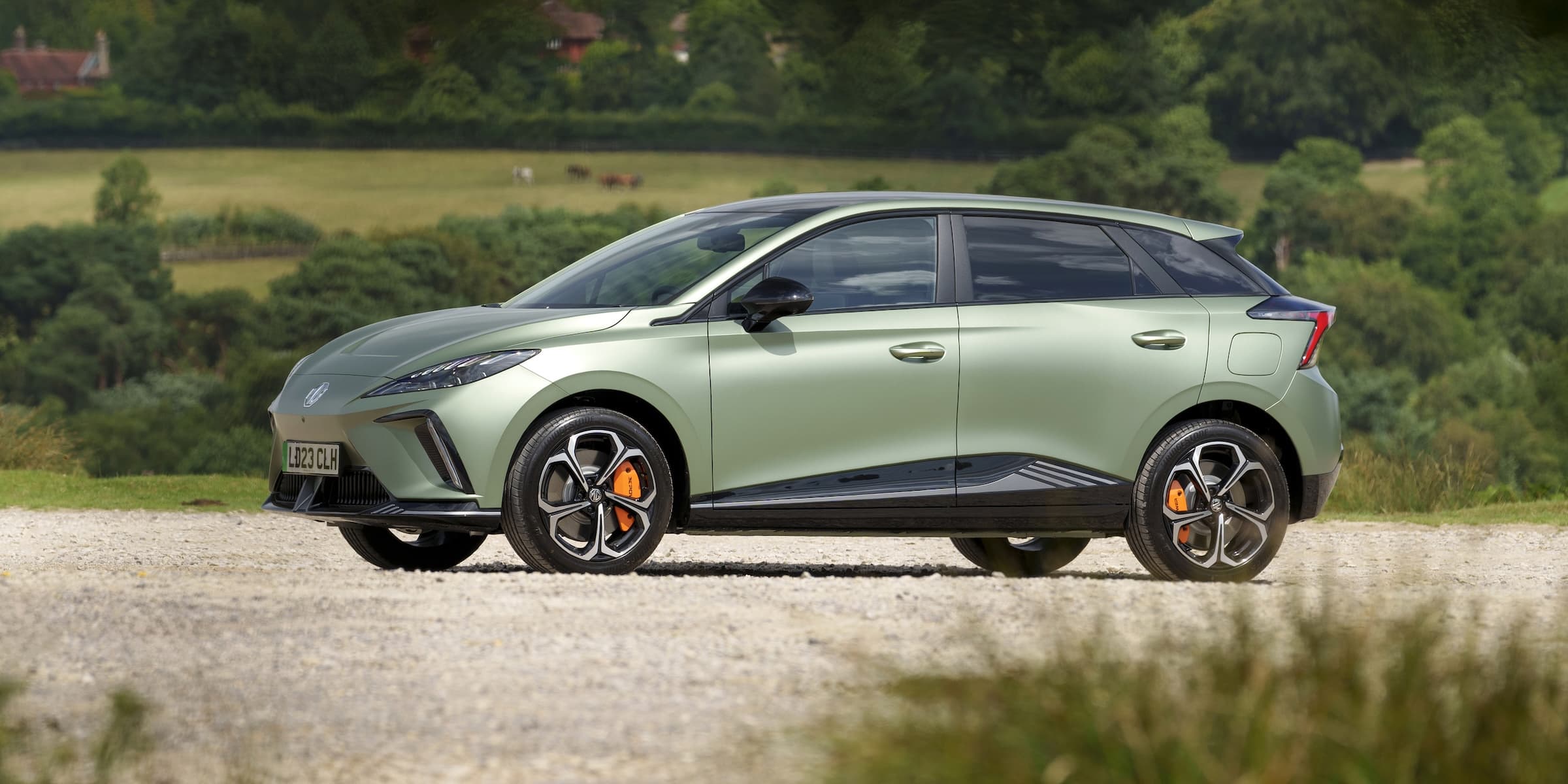
The mid-sized MG 4 family car is now offered in a ‘Trophy Extended Range’ trim, which builds on the cheaper ‘Trophy’ grade by introducing two-tone exterior paintwork and a bigger battery.

The hatchback is still available with the entry-level 51kWh the more powerful 64kWh battery options – the 77kWh unit in the ‘Trophy Extended Range’ is another addition.

MG says that the ‘Trophy Extended Range’ can muster up to 323 miles on a single charge – 105 miles more than the entry-level MG 4 ‘SE’. By comparison, this model comes with the same size battery as the more upmarket Hyundai Ioniq 5 but offers around 20 more miles for nearly £10k less.

There are no other changes not already included in the ‘Trophy’ trim, which features heated front seats, a 360-degree parking camera and a wireless smartphone charger, apart from a two-tone exterior finish that paints the roof in black. The ‘Trophy Extended Range’ is now available, with prices starting north of £37k.

The MG 4 has received some glowing reviews published by the UK motoring media, with praise for its competitive battery range, comfortable ride and its rather unparalleled pricing. That said, it has been criticised for its poor rear visibility and some cheap interior plastics. It currently holds an Expert Rating of 80%.

Who or what is Nio?

If you’ve never heard of a car brand called Nio, that’s not surprising as it doesn’t yet sell cars in the UK. It’s one of several Chinese EV brands that have emerged in recent years and now have their sights set on Europe.

The company’s were delayed by the Covid pandemic, and its delayed UK launch is now expected to happen sometime in the second half of 2024.

Nio is a brand focused on developing electric cars, both for the premium market taking on the likes of Audi, BMW, and Porsche, and a range of smaller cars – likely under different brand names – to rival the mainstream market EV players such as Hyundai and Volkswagen.

The company, a major player in electric propulsion in its home nation, also has a novel approach to the technology, with proposals for stations where battery packs are swapped instead of being recharged.

Early suggestions also involve plans for Nio drivers to subscribe to one lease programme for their cars and a separate lease for batteries. This idea has been tried in the past, notably by Renault with the original Zoe, but was abandoned as concerns about battery life receded. But with a swappable battery system and network, it could potentially make more sense.

Not many details of the brand’s UK plans have been revealed yet, but we’ve done some digging to establish what you can expect to see from yet another new car badge.

So who or what is Nio?

Nio is still a very new manufacturer, only launching in 2014. Interestingly, the global unveiling took place in London but initially the brand’s cars were only available in China.  After a Covid-induced delay, European expansion did not start until 2022, beginning in EV-friendly Norway. Nio’s leaders have admitted that the brand has found expansion into the UK more challenging than was expected.

Despite the obstacles, Nio has established itself quickly. The company claimed that it had sold almost quarter of a million vehicles by the end of 2022, most of them in China, while it now sells cars in Denmark, Germany, the Netherlands, Norway and Sweden. By 2025, it plans to be operating in 25 countries around the world.

When will Nio launch in the UK?

As of August 2023, we expect to see the first cars with Nio badges appearing on UK roads late in 2024. The company confirmed the planned UK launch date when launching the brand in Germany last month, just as the Nio ET5 saloon made its UK debut at the 2023 Goodwood Festival of Speed.  

What models does Nio have and what else is coming?

Nio has several models on sale in China already. Its first model was called the EP9, which was an electric hypercar with a 195mph top speed. Subsequent cars have included three SUVs, two coupé SUVs and a pair of saloons.

The first car confirmed for UK showrooms will be the ET5 saloon, which will be a similar size and price to the popular Tesla Model 3. Initial reports suggested an estate version of the ET5 would launch the brand, but this is yet to be seen. With saloon models being less popular these days, an estate alternative could be a shrewd move.

With the popularity of SUVs in the UK market, it would not be a surprise to see cars such as the Nio ES8 large SUV, already confirmed for Germany, also on sale here. The ET7 large saloon is also thought to be in the mix for UK sale.  

Nio personnel have also hinted at bringing another mid-sized model to the UK, though no details of it have yet been released, while the brand is also said to be working on a flagship saloon with a price tag of more than £100,000.

The brand appears already to cleared one hurdle that Chinese makers have found difficult in the past – safety. Four Nio models have so far been tested by Euro NCAP, all gaining five-star ratings with high scores in every category.

Where can I try a Nio car?

As yet, nowhere, as the brand has not revealed a UK dealer network yet. Right now, the company is starting to recruit UK staff, although a site in London has already been secured for a flagship ‘Nio House’.

Following the lead of similar facilities in Nio’s existing markets, the Nio House will both display the cars and provide “a pleasant, welcoming space for our users and the community,” offering cafes, children’s play areas and meeting venues for groups. The company even claims that it doesn’t have ‘customers’, but ‘users’ who are already enjoying three Nio Houses in Berlin, Oslo and Rotterdam.

Setting up a dealer network will be more complex for Nio than its Chinese rivals as the brand’s battery-swap technology, detailed below, will require the establishment of a swathe of its ‘Power Swap’ battery exchange stations across the UK. These haven’t been rolled out across Europe as quickly as hoped, Nio admitting that securing sites is proving more difficult than in China. But when the stations do arrive they will be good news for all EV owners as each one will also offer a number of conventional charging points.

When Nio’s cars do hit the UK, the latest reports suggest you won’t be buying them, but leasing them. The brand is reputedly planning to go with the car subscription method which has already proven a success in Europe for Chinese maker Geely, with some reports suggesting that as well as a typical fixed subscription, users could sign up for a more flexible programme with just one month’s notice required to return the car.    

What makes Nio different to the rest?

Nio has publicly declared a very different approach to how it does EVs. While you will be able to charge a Nio just like any rival, the brand has also developed battery-swap technology – instead of queuing up for public chargers Nio drivers will pull into one of a network of stations where their depleted battery will be changed for an 80% charged one, the whole process taking less than five minutes.

To be able to swap out their packs at a station, UK drivers are expected to need to sign up to a battery-leasing programme, separate from the cost of the car. The cost is said to be similar to a Tesla owner using one of the brand’s Superchargers.

Nio says that this process solves two big concerns of potential EV owners – range anxiety and how long a car’s battery will last before requiring a potentially costly replacement. And while battery swapping might sound a somewhat niche way of doing things, Nio claims that drivers of more than half of its already sold cars are using the technique, and the brand is also known to be talking to other manufacturers about using the battery-swap concept. Rival Chinese makers, in particular, are known to be actively pursuing battery swapping.

Of course, it’s not that simple. While removable batteries may sound attractive, the idea does have many limitations.

EV batteries are very large and heavy, so it’s hardly like swapping the AA batteries on your TV remote – it’s likely to require specialist lifting equipment. The batteries also need to be safely secured inside the vehicle when driving, yet able to be easily removed and replaced in minutes, which adds weight and complexity. Additionally, it requires batteries to be a fixed size with the rest of the car designed around the battery pack, rather than designing a battery pack to fit the car.

Finally, the investment required to develop a bespoke battery-swapping network across the country will be enormous, especially for a start-up company that will see minimal sales for several years. With battery technology developing so rapidly in terms of charging times and lifespan, the benefits of swappable batteries are less than they might have been a decade ago.

Nio Power Swap battery exchange station

What’s particularly significant about this company?

Nio is a brand that wants to take on the whole of the market. While its first cars will be targeted firmly at upmarket executive rivals such as the German heavyweights of Audi, BMW, Mercedes and Porsche (and Tesla, of course), there are reputedly two extra programmes underway to compete in the mainstream and budget end of the EV market.

Project Alps, which Nio has publicly confirmed, would produce cars to rival EVs from volume brands like Volkswagen and Hyundai, while the yet to be confirmed Project Firefly would possibly offer electric cars with prices as low as £23,000. Cars produced as a result of these two programmes would likely not carry Nio nameplates and launch in Europe first, only later going on sale in China.

How much of this actually comes to pass remains to be seen, of course, especially since the company is still in the early days of launching its first brand around the world.

Summary

Nio’s prospects in the UK are difficult to predict at this early stage, despite the brand’s success in its home market. While the battery-swap concept may appeal to a large number of potential customers, can Nio really establish enough swap stations to make buying or leasing their products practical? Apparently there are only 18 in Europe right now, which is far below the critical mass required to make the concept workable.

So there’s still a lot to learn about Nio. Watch this space…

You may also like:

MG 4 XPower

Summary

The MG 4 XPower is a high-performance version of the all-electric MG 4 hatchback, and the first model to sport MG’s ‘XPower’ branding since the mid-noughties.

The hot hatch is powered by the same 64kWh battery pack as the MG 4 Long Range, but with an additional electric motor which gives the car more than double the power – 429hp to be exact – and a 0-62mph sprint time of 3.8 seconds.

“That’s even faster than a Porsche 911 Carrera”, Honest John points out, while Richard Ingram of Auto Express describes the XPower as an “esteemed all-rounder” which is “fast, fun and expertly engineered”. Electrifying.com‘s Ginny Buckley says “the performance stats of this car are barely believable, what’s not to love?”

Top Gear’s Ollie Marriage sees things a little differently. “If you’re still insisting this is a hot hatch, then the answer is no, emphatically not. It’s dull. It’s not eager or enticing at all and although it doesn’t do anything worrying if you pile into a corner, all it does do is struggle to cope.”

Reviewers agree that the XPower offers serious pace in a rather unrivalled value-for-money package, but like other recently launched high-power EVs which have faced similar criticisms, many outlets struggle to recommend the car as a hot hatch as it lacks the driving dynamics that make current petrol-powered hot hatches thrilling to drive.

As Carwow concludes, “traditional hot hatch buyers may struggle to be won over by quite a muted driving experience” beyond the price tag.

As of August 2025, the MG 4 XPower holds a New Car Expert Rating of A with a score of 76%. It scores top marks for ownership categories like running costs, tailpipe emissions and new car warranty, while its safety rating is also good. But as a hot hatch, its media review scores are poor.

MG 4 XPower highlights

  • Seriously fast
  • Great value-for-money
  • As practical as the standard MG 4

MG 4 XPower lowlights

  • Same exterior looks as the standard hatch
  • Reduced battery range
  • Not as much fun to drive as ICE-powered hot hatches

Key specifications

Body style: Medium hatchback
Engines:
electric, battery-powered
Price:
From £36,495 on-road

Launched: Summer 2023
Last updated: N/A
Replacement due: TBA

Media reviews

Highlighted reviews and road tests from across the UK automotive media. Click any of the boxes to view.

Featured reviews

More reviews

Auto Trader

Car

Electrifying.com

Honest John

Parkers

The Sun

The Telegraph

Top Gear

Safety rating

Independent crash test and safety ratings from Euro NCAP

Overall score: 5 stars
Date tested: December 2022
Read the full Euro NCAP review

Adult protection: 83%
Child protection: 80%
Vulnerable road users: 75%
Safety assist: 78%

The MG 4 XPower shares its Euro NCAP safety rating with the structurally identical MG 4 hatchback, which was awarded five stars in December 2022.

Eco rating

Independent economy and emissions ratings from Green NCAP

No eco rating

As of August 2025, the MG 4 XPower has not been lab tested by Green NCAP.

The Green NCAP programme measures exhaust pollution (which is zero for an electric car) and energy efficiency. Electric cars are much more energy-efficient than combustion cars, so the MG 4 XPower is likely to score very highly in Green NCAP testing if and when it takes place. Check back again soon.

Running cost rating

Clear Vehicle Data logo close crop

Monthly cost of ownership data provided exclusively for The Car Expert by Clear Vehicle Data

Battery rangeAverageScoreVariationScore
EV models239 milesB
Electrical efficiencyAverageScoreVariationScore
EV models4.2 m/KWhC
Insurance groupAverageScoreVariationScore
All models29C
Service and maintenanceCostScore
Year 1£169B
Year 2£422A
Year 3£682A
Year 4£835A
Year 5£1,152A
Overall£3,260A

The MG 4 XPower is an affordable car to own and run, according to whole-life cost numbers provided exclusively to The Car Expert by our data partner, Clear Vehicle Data.

Although the battery range is lower with this high-performance MG 4 variant, the range is still competitive with other electric hatchbacks. While insurance premiums sit at around the market average, maintenance and servicing costs over the course of five years of ownership should be excellent.

Reliability rating

MotorEasy logo 600x167

Reliability data provided exclusively for The Car Expert by MotorEasy

No reliability rating

As of August 2025, we don’t have enough reliability data on the MG 4 XPower to generate a reliability rating.

The Car Expert’s reliability information is provided exclusively to us using workshop and extended warranty data from our partner, MotorEasy. As soon as MotorEasy has sufficient data on the XPower, we’ll publish the score here.

Warranty rating

New car warranty information for the MG 4 XPower

Overall ratingA97%
New car warranty duration7 years
New car warranty mileage80,000 miles
Battery warranty duration8 years
Battery warranty mileage100,000 miles

MG’s new car warranty is one of the best in the new car market, and better than pretty much any rival brands in a similar price bracket to the MG 4.

The duration is seven years, with a limit of 80,000 miles. This is good news for both new and used car buyers, as it helps the residual value of the EV3 for new car buyers when they come to sell the car, and it gives near-new car buyers confidence that they are covered for years to come.

In addition to the overall new car warranty, battery components benefit from an additional eight-year/100,000-mile warranty. This is pretty much standard for all new EVs on sale in the UK, but is an extra reassurance that petrol and diesel cars don’t get.

If you’re looking to buy a used car that is approaching the end of its warranty period, a used car warranty is usually a worthwhile investment. Check out The Car Expert’s guide to the best used car warranty providers, which will probably be cheaper than a warranty sold by a dealer.

Similar cars

If you’re looking at the MG 4 XPower, you might also be interested in these alternatives.

Abarth 600e | Cupra Born | Hyundai Ioniq 5 N | Kia EV6 GT | Smart #1 | Volkswagen ID.3

More news, reviews and information about the MG 4 range at The Car Expert

Electric car grant – all the EVs with discounts in 2026

Electric car grant – all the EVs with discounts in 2026

MG 4 Urban

MG 4 Urban

MG 4 review (2026 facelift)

MG 4 review (2026 facelift)

Budget-end MG 4 Urban hatchback debuts

Budget-end MG 4 Urban hatchback debuts

The best used family cars for every budget in 2025

The best used family cars for every budget in 2025

The best new electric cars for every budget 2024

The best new electric cars for every budget 2024

MG 4 review

MG 4 review

Car of the Year 2024

Car of the Year 2024

Best Medium Car 2024

Best Medium Car 2024

The best new electric cars for every budget 2023

The best new electric cars for every budget 2023

MG 4 now available with bigger battery

MG 4 now available with bigger battery

MG 4

MG 4

Buy an MG 4 XPower

If you’re looking to buy a new or used MG 4 XPower, The Car Expert’s partners can help you find the right car.

Motors 600x300

Find your next used car with Motors. Find out more

Auto Trader logo 600x300

Find your next new or used car with Auto Trader. Find out more

Carwow logo 600x300

Find your next new or used car with Carwow. Find out more

Lease an MG 4 XPower

If you’re looking to lease a new MG 4 XPower, The Car Expert’s partners can help you find a competitive deal.

Carwow logo 600x300

Personal contract hire deals from Carwow. Find out more

Leasing-com logo

Personal contract hire deals from Leasing.com. Find out more

Rivervale Leasing logo 2022

Personal contract hire deals from Rivervale Leasing. Find out more

Subscribe to an MG 4 XPower

Subscriptions are becoming a very popular way for consumers to try an electric car for a few weeks or months to help decide whether it’s a suitable alternative to a petrol car. If you’re interested in a car subscription, The Car Expert’s partners can help. (PS: What’s a car subscription?)

SelfDrive UK logo

Car subscriptions from SelfDrive.
Find out more

Drive Fuze logo 600x300

Car subscriptions from DriveFuze.
Find out more

Cocoon Vehicles logo 600x300

Car subscriptions from Cocoon.
Find out more

Driving in Germany – what are the rules?

0

It’s a big country with a fantastic motorway (Autobahn) network, spectacular scenery and beautiful towns and cities. No wonder Germany is such a popular driving destination for the British.

If you like driving it’s one of the better choices for a motoring holiday. Wide open roads, lots of space and fast Autobahns make getting behind the wheel and heading off for a vacation, a pleasure for solo drivers, couples and families.

But you’ll need some careful planning if you do intend to drive there. The UK has a lot in common with its German friends but driving in their country is a completely different experience from doing so in Britain. And not least because they drive on a different side of the road from the British.

It’s so much more than that and planning a driving holiday, or even taking your car to Germany on business, requires careful planning and a good understanding of what you can and can’t do while using German roads.

Here The Car Expert looks at the most important elements to consider when planning to take a car to Germany, and we’ve included a handy checklist. As each journey is unique, always check that you have everything covered for your particular visit.

Basic rules for driving in Germany

You must be 18 years or over to drive in Germany and you should hold a full UK driving licence. Just the licence card will do, as the paper counterpart is no longer a requirement. Nor is an international driving permit – some countries expect you to have this validation, but Germany is not one of them.

You’ll need to prove that you have insurance cover (but you don’t need a European ‘green card’) and you must carry with you documents that show the identity of the car, such as a V5 registration document or ‘logbook’. 

Always carry your personal ID or passport with you everywhere, and if your car is more than three years old and has an MOT certificate, take that too. Ensure that your car is fully taxed before travelling.

The vehicle’s ‘home country’ must be shown on it. You can buy small ‘UK’ stickers to fix to your front and rear number plates and these are accepted. But if you don’t want to do that, use a ‘UK’ sticker for the back of your car. The ‘GB’ badge is no longer allowed and the same goes for country badges incorporating the English, Scottish or Welsh flags.

Speed limits

As with most countries in the world, Germany uses the metric system for speed and distance. That means distances on road signs are shown in kilometres rather than miles, and speed limits are shown in km/h (kilometres per hour) rather than mph (miles per hour).

It’s often thought that Germany has no speed limits on the Autobahn, but that’s not completely true. There are some de-restricted areas of Autobahn but most stretches have a 130 km/h limit. A-roads outside built-up areas have a 100km/h limit while built-up areas are enforced with a 50km/h limit.

You’re not allowed to have speed camera locator devices in your car, which includes satnav units with the camera detection built-in. If you have one, make sure it is de-activated before you drive on the roads.

Blood alcohol limit

Obviously, we don’t condone any kind of drinking before you get behind the wheel, but it’s important to know what the legal limit is.

There are tougher drink drive limits in Germany than in England and Wales. The maximum level of alcohol in the blood (Blood Alcohol Content) is 0.5 grams per litre (0.05%) for most drivers, although the level is strictly zero (0.0 g/l or 0.0% if you’re not zure what ‘zero’ means…) for ‘new drivers’ with less than two years’ experience.

By comparison, it’s 0.8 g/l in England and Wales (0.5 in Scotland). Police can carry out spot checks with a breathalyser if they suspect you might have been drinking.

Parking regulations

You can’t just pull up and park where you like in Germany and there are rules governing where and how you can leave your car unattended.

Don’t park if you see a ‘parking prohibited sign’ or within five metres of junctions or pedestrian crossings, 10 metres from traffic lights and 15 metres from a bus stop. You should be careful not to leave your car on a narrow road or where visibility is hampered to other drivers.

Make sure you’re not on a taxi rank, stopped facing on-coming traffic or in front of properties or, where narrow, opposite their entrance. If you’re parked at night your car should be illuminated front and rear although this does not apply if the road is well-lit by street lamps or you’re in an authorised parking space.

Break one of these rules and you might find your car has been towed away with a fine of several hundred Euros to have it released. German authorities don’t use wheel clamps.

What to carry in the car

There are several items that the authorities in Germany will expect you to have in your car while motoring and you risk penalties if you can’t show them. These include a warning triangle for breakdowns and a reflective jacket or bib for you and every passenger. 

Headlamps must be set so that they don’t dazzle oncoming traffic. This can be adjusted manually in some cars while, for others, you can fit headlamp beam deflectors. It’s not mandatory to carry spare lightbulbs but it’s still a good idea. The same goes for a first aid kit – only German registered cars must carry these, not visitors. 

Specialist suppliers, such as motoring organisations, sell ‘European driving kits’ for around £25, which should contain everything required. 

Seatbelt rules

Seatbelt laws are the same as in the UK: if your car has them, they must be worn. It’s the driver’s responsibility to make sure everyone is buckled up. Children over three years must sit on the back seat of the car. Under-3s are not allowed to travel if they are not restrained in a child seat. Passengers under 12 years must be in a child seat or restraint that conforms to agreed European safety standards. 

Driving

Keep to the right hand lane as much as possible but if you are overtaking, do so on the left. If traffic is moving slowly or queueing, you can pass on the right side. Trams are more common in Germany than the UK. If you want to pass one, do it on the right if it’s moving. If it has stopped you can overtake on the left but always be aware of, and give priority to, passengers getting on or off. Don’t attempt to overtake a school bus if it has stopped with warning lights showing. 

Traffic signals follow the same pattern as in the UK, including the red and yellow phase just before the green for ‘go’. If a green ‘turn right’ arrow shows with the red light you may turn right but you must give way to pedestrians and cyclists.

You may wear headphones while driving as long as the sound doesn’t block out everything else.

If you are towing a caravan ensure that your car and the ‘van don’t exceed 18.75 metres in length and 2.55 metres in width. You must have two rear-view mirrors that are wider than the caravan but should be foldable.

Emergency number

Rather like the UK’s 999 number, in Europe you can dial 112 and make contact with emergency services such as fire, ambulance or police, 24 hours a day. They will speak English as well as a number of other European languages.

Checklist for driving in Germany

Must haves:

  • Driving licence
  • Passport
  • Vehicle insurance
  • MOT certificate
  • V5 or vehicle ID
  • UK sticker or number plate markings
  • Warning triangle
  • Headlamp beam deflectors
  • Hi-viz jackets

Options:

  • First aid kit
  • Spare bulb kit
  • Screen wash
  • Bottled water
  • Map or satnav
  • Phone power bank
  • Fire extinguisher
  • Torch
  • Fuel can

Read more:

Industry hoopla masks flat private new car sales

Despite positive-sounding press releases from the car industry, there was nothing to really cheer about for consumer new car sales in July.

According to registration data published this morning by the Society of Motor Manufacturers and Traders (SMMT), overall new car registrations were up by 28% compared to the same month last year. However, this was almost entirely thanks to rebounding fleet purchases (up 62%) while private new car sales were almost completely flat (up only 0.3%).

Cost-of-living pressures, thanks to runaway inflation and ever-increasing interest rates (which went up again yesterday) are clearly deterring consumers from buying new cars. There are certainly more deals available, along with a number of 0% interest rate finance offers from some car brands, but these don’t really come close to cancelling out the steadily increasing costs of new cars.

While the fleet results look fantastic at first glance, it’s really an ongoing recovery from the last few years of significantly depressed fleet sales. Compared to pre-pandemic results for July in 2019 and 2018, these latest figures are still 10-15% down.

Flat month for private sales deflates June optimism

Last month, we were welcoming a 15% increase in private new car sales results. This month, however, things returned to the flat results of the previous few months.

Year-to-date, private new car sales are about 1.5% up on the same point last year while fleet registrations are up 41%. Again, this is up on the turbulent results for the last three years but still well behind 2019 and earlier.

In all likelihood, this is the new normal for new car registrations – at least for the forseeable future. Registrations have been steadily decreasing since 2015, and the July results are in keeping with that longer-term trend.

July

BuyerJuly 2023July 2022% changeMarket share 2023Market share 2022
Private60,04559,8830.3%41.7%53.4%
Fleet80,96150,01461.9%56.3%44.6%
Business2,9152,26528.7%2.0%2.0%
Total143,921112,16228.3%
Source: SMMT

Year to date

BuyerYTD 2023YTD 2022% changeMarket share 2023Market share 2022
Private495,370487,9491.5%45.3%53.4%
Fleet571,685404,48641.3%52.3%44.2%
Business26,58621,80621.9%2.4%2.4%
Total1,093,641914,24119.6%
Source: SMMT

EV sales up but not by enough

As with fleet numbers, the data for new electric vehicle sales looks promising at first glance with an 88% increase over the same month last year. While this is definitely good news for the UK’s transition to electric motoring, it’s still not behind schedule. EV market share was 16% in July, which is in line with the year-to-date position and still behind the full-year results for 2022 (16.6%).

The strong growth in new EV sales in the second half of 2022 has not been maintained in the first half of 2023, and much more needs to be done to accelerate this.

Month-by-month numbers can also be quite misleading for EVs, as the largest player in the market – Tesla – still has a massive influence on the numbers. Tesla registered more than 3,000 new cars in July, compared to just 3 cars (no, not a typo) in the same month last year. This is not a reflection of any staggering increase in Tesla’s popularity, but simply a factor of the company’s shipping and delivery schedules. Had Tesla’s boats run a couple of weeks late, July’s EV numbers would have been far less impressive.

Diesel sinks to last place

It had to happen eventually, but July also marked the first time that diesel was the least popular form of powertrain for new cars.

Back in 2017, diesel ruled the roost for new car sales with up to 55% of the overall market share. Last month, it was below 8% and an increase in plug-in hybrid sales was enough to drop diesel to the bottom of the pile.

Expect this to be the new normal – although diesel may still end the year ahead of plug-in hybrids, its contribution to the new car sales market is dwindling into insignificance.

New car registrations by fuel type – July

FuelJuly 2023July 2022% changeMarket share 2023Market share 2022
Petrol*81,74066,34223.2%56.8%59.1%
Electric23,01022,73787.9%16.0%10.9%
Hybrid16,32114,97818.9%11.3%12.2%
Plug-in hybrid11,7026,53379.1%8.1%5.8%
Diesel*11,14813,314-16.3%7.7%11.9%
Total143,921112,16228.3%

*includes mild hybrids
Source: SMMT

New car registrations by fuel type – Year to date

FuelYTD 2023YTD 2022% changeMarket share 2023Market share 2022
Petrol*621,346526,43317.3%56.8%57.6%
Electric175,978127,49238.0%16.1%13.9%
Hybrid135,991105,33229.1%12.4%11.5%
Diesel*86,46997,188-10.2%7.9%10.6%
Plug-in hybrid73,85757,79627.8%6.8%6.3%
Total1,093,641914,24119.6%

*includes mild hybrids
Source: SMMT

Good month, bad month

While a 28% overall market increase sounds great, the growth is never spread equally across the car industry. Some brands (particularly those with strong fleet appeal) enjoyed a great month, while others underachieved quite significantly.

July was a good month for Abarth, Citroën, Ford, Lexus, Mazda, MG, Peugeot, Polestar, SEAT, Skoda, Suzuki, Tesla, Vauxhall and Volvo. Each of these brands outperformed the overall market bt at least 10% (so achieved a year-on-year improvement of at least 38%).

Meanwhile, it wasn’t exactly sunshine and rainbows for Alfa Romeo, Alpine, Bentley, BMW, Cupra, Dacia, DS Automobiles, Fiat, Genesis, Honda, Hyundai, Jaguar, Jeep, Land Rover, Mercedes-Benz, Mini, Smart, SsangYong and Toyota. All of these brands underachieved against the overall market by at least 10% (so an overall improvement of less than 18%, and in some cases a significant decline).

That means that the following brands more or less stayed put in line with the overall market growth: Audi, Kia, Maserati, Nissan, Porsche, Renault, Subaru and Volkswagen.

Volkswagen topped the sales charts for the second month in a row, ahead of Ford, Audi, Kia and BMW. Ford has the strongest growth in absolute numbers, selling 4,000 more cars this July than last year. On the other hand, Dacia had the biggest fall, with sales down by more than 1,800 units (54%) on the same month last year.

July

RankBrandRegistrationsMarket share
1Volkswagen13,0649.1%
2Ford11,2487.8%
3Audi11,0817.7%
4Kia9,6246.7%
5BMW8,6686.0%
6Toyota8,5465.9%
7Vauxhall7,4525.2%
8Hyundai6,4794.5%
9Skoda6,4694.5%
10Nissan6,0874.2%

Source: SMMT

Year to date

RankBrandRegistrationsMarket share
1Volkswagen92,6858.5%
2Ford83,6767.7%
3Audi79,2017.2%
4Kia68,3846.3%
5Toyota64,5915.9%
6BMW60,9435.6%
7Vauxhall56,9575.2%
8Hyundai52,8304.8%
9Nissan51,3964.7%
10Mercedes-Benz48,7694.5%

Source: SMMT

Ford Puma is top of the pile in July

The Ford Puma comfortably topped the new car sales charts in July, which also extended its lead in the overall 2023 sales race. The Vauxhall Corsa finished sixth, meaning that it clings onto second place in year-to-date numbers, but is falling back into the clutches of the 2022 sales champ, the locally-built Nissan Qashqai.

It was a strong month for mid-sized SUVs, with five of them in the top ten. This will almost certainly be a reflection of July’s solid results for fleet sales, with consumer darlings like the Mini hatch and Volkswagen Polo/T-Cross/T-Roc models nowhere to be seen.

Finally, the Ford Fiesta slipped another spot to tenth in the 2023 sales race, being just outside the top ten again in what was its final month of production. Will this be the last time we ever see it in the best-sellers list? Tune in next month to see if Ford has any supplies left…

We’ll have our usual full analysis of the top ten shortly.

July

RankBrandRegistrations
1Ford Puma4,124
2Kia Sportage3,060
3Nissan Qashqai3,032
4Vauxhall Mokka3,002
5Hyundai Tucson2,608
6Vauxhall Corsa2,543
7Ford Kuga2,530
8Audi A32,467
9Toyota Aygo X2,353
10Tesla Model Y2,284

Source: SMMT

Year to date

RankBrandRegistrations
1Ford Puma26,889
2Vauxhall Corsa23,751
3Nissan Qashqai23,015
4Tesla Model Y21,835
5Hyundai Tucson21,286
6Kia Sportage21,117
7Nissan Juke20,498
8Mini hatch18,046
9Vauxhall Mokka17,998
10Ford Fiesta17,480

Source: SMMT

Mazda 3 update brings tech and trim changes

0

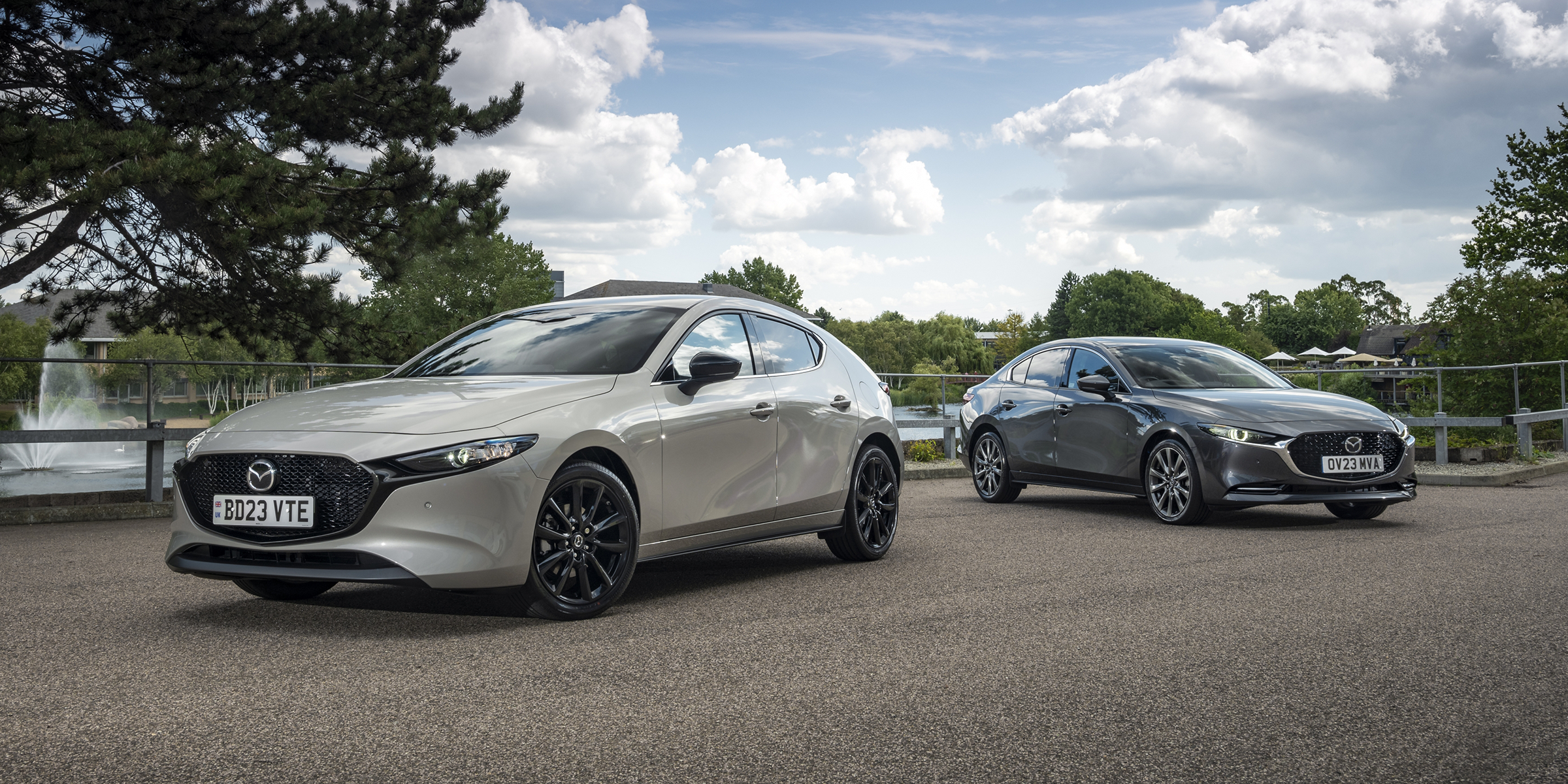
Mazda has rolled out a minor update for its Mazda 3 hatchback and saloon range, which introduces the brand’s latest trim naming strategy, and includes a small infotainment refresh.

The new line-up includes 18 model choices – 15 hatchback variants and 3 saloon options – with five renamed trim grades on offer. As we have seen elsewhere in the Mazda range, the new trim line-up begins with the ‘Prime-Line’ and ‘Centre-Line’ models, followed by the mid-range ‘Homura’ and ‘Exclusive-Line’ trims, and finally the top-spec ‘Takumi’.

Each trim’s equipment list remains the same after the update, they have just been renamed. That said, Mazda has modified the car’s infotainment on the dashboard.

Replacing the previous eight-inch central console, a new ten-inch infotainment touchscreen has been installed as standard – a change that the manufacturer says was made “to allow for clearer navigation mapping”.

The screen can now also display Apple CarPlay and Android Auto navigation, and both Apple CarPlay and Android Auto are now wirelessly compatible. A wireless smartphone charger is also now included, and USB Type-C charging ports also feature for the first time.

The pre-facelift all-petrol engine line-up has been retained, with the 122hp 2.0-litre ‘e-Skyactiv-G’ and 186hp 2.0-litre ‘e-Skyactiv-X’ to choose from. Both engines come with a mild-hybrid boost, which reportedly makes the car feel “even smoother during linear acceleration”. Models can be specced with a six-speed manual or six-speed automatic gearbox.

Prices for the new range now start at just under £24K, rising to over £29k for the range-topping ‘Takumi’. The refreshed range is now available to order in the UK.

The Mazda 3 has received generally good to very good reviews from the UK media, with particular praise for its styling and value for money. It currently holds an Expert Rating of 73%.

Looking for a Mazda 3? The Car Expert’s partners can help

Carwow logo 600x300

Discover great deals available on both new and used cars. Find out more

Auto Trader logo 600x300

Search for your next new or used car with Auto Trader. Find out more

Cazoo 600x300

Buy a car online from your sofa. We’ll deliver it. Find out more

Motors 600x300

Search less, live more. We make finding the right car simple. Find out more

Carparison 600x300

Personal contract hire deals from Carparison Leasing. Find out more

Hippo Leasing 600x300

Personal contract hire deals from Hippo Leasing. Find out more

Moneyshake logo 600x300

Personal contract hire deals from Moneyshake. Find out more

Rivervale Leasing logo 2022

Personal contract hire deals from Rivervale Leasing. Find out more

LeaseLoco logo 600x300

Personal contract hire deals from LeaseLoco. Find out more

Ready2Lease logo

Personal contract hire deals from Ready2Lease. Find out more

Making sense of EV public charging

It looks confusing, but with a shift in thinking you can learn how to make public charging points work for you, even if you can’t charge at home. 

For non-EV owners the prospect can seem daunting. “I think people are typically concerned about being made to wait to charge versus the way they usually use, say petrol.” says James McKemey, head of policy and public affairs leading UK EV charging infrastructure firm, Pod Point. “And the idea that they’re going to be marooned in the middle of a journey, either having to wait for a very long time for their car to charge or not being able to access the charger.”

According to Zap-Map, the UK’s leading charge point mapping service, there are currently around 70 providers of public charging and at the end of May 2023, there were more than 43,000 electric vehicle charging points across the UK, across more than 25,000 charging locations.

The number increases every year but it’s well reported that that this is not yet at the rate it to meet the 2030 deadline. Each operator has to apply to councils to put chargers in place, which they say is slow.

Famously, Tesla has built its own network of ‘Superchargers’ for its owners, but the company is starting to open these up to other EV users across the world. Currently, 15 of Tesla’s 98 UK charging sites are taking part in a pilot scheme.

What are the types of public chargers?

After street chargers, which are usually used by people who live nearby them, the vast majority of public chargers are termed destination chargers. As the name suggests, these are places where you go to and normally leave the car to go and do something else – for example: hotels, tourist attractions, station car parks, supermarkets, gyms, and shopping centres.

The other category is rapid or ultra-rapid chargers. These are most commonly located at motorway services, and you generally wait around while your car charges then continue your journey.  They get a lot of attention (and bad press) but as we’ll explain, it’s best to view these only for occasional use.

What are the speeds of public chargers?

There are currently four terms for the speed of public chargers: slow, fast, rapid and ultra-rapid. These terms are fairly unhelpful (would you have guessed that ‘rapid’ is faster than ‘fast’?), but the car industry has never been very good at clear, unambiguous jargon.

The power of an electric car charger is measured in kW (kilowatts). Your electric car’s battery will have a capacity given in kWh (kilowatt hours). It’s like the capacity of a fuel tank.  

We’ll run through some sample power outputs for these types of chargers but don’t get too hung up on the amount of power attached to fast, rapid and ultra-rapid. The figures are shifting with the technology: tomorrow’s fast could be yesterday’s rapid. Just remember that in any group of chargers, the one with the biggest number is the fastest.

Slow charging covers home and public charging most often by lampposts. It is rated 3kW-5kW. A full charge takes a long time with 3kW. A typical electric car (60kWh battery) takes just under 16 hours to charge from empty to full using a 3kW slow charging point.

Fast chargers have power outputs between 7kW-22kW and you start to find them on streets and at destinations. 7kW fast chargers are the most common home chargers and a typical electric car (60kWh battery) takes just under eight hours to charge from empty-to-full with a 7kW charging point.

Rapid chargers are between 50kW and 100kW, while ultra rapid chargers can provide charge at 150kW and more. These are most likely found at motorway services or car dealerships for some prestige brands. For many electric cars, you can add up to 100 miles of range in about 35 minutes with a 50kW rapid charger.

The rate at which an EV charges is slow when the battery is near-empty, then rises to its maximum charging speed, then drops slows down again once the battery is 80% charged to preserve the battery life (modern smartphones and other devices do the same thing). Owners are advised that it’s good to keep an EV no higher than 80% charged unless you know you’ll need its maximum range. 

“The way your charging works is your battery management system will protect the battery when it’s very empty, and particularly as it’s starting to get very full,” says James McKemey. “That means you’ll get a peak rate when your battery is under 50% charged.” 

Every EV has a claimed peak rapid charging rate. For each EV it road tests, Autocar magazine records how much power is actually drawn by the car as it passes a 10, 30, 50, 70, and 90% state of charge (SOC).

The fastest-charging car it has tested to date is the Porsche Taycan, which has a claimed rapid power peak rate of 270kW (which is classed as an ultra-rapid charger, which are rarest). Its weighted average test charge rate was 198kW, which gave an indicative charging wait of 22 minutes to go from 10%-90%.

The slowest-charging car (of 19) was the Kia Soul, which has a claimed peak rate of 50kW and had a weighted average test charge of 38kW, which meant it took 51 minutes for the same fill.

How to charge 

Another anxiety about public charging – especially rapid chargers – is that you turn up and find that you can’t use a debit/credit card and you have to sign up for an RFID card (Radio Frequency Identity Card) from that particular provider. You can use an RFID reader to scan via an app on your phone.

With so many operators, it has been a mixed picture, but now all motorway rapid chargers (which you might have to use out of necessity) will take a contactless card.

In July 2023, the government introduced the new Public Charge Point Regulations in draft form which will come into force later in 2023. These will require charging firms to increase the availability of contactless payment systems. All new public chargers that are faster than 8kW will have to offer contactless payments. 

The type of charging cable you need varies by vehicle and the power of the charge point.  Electric vehicles either have a Type 1 (the older standard) or Type 2 (almost universal) and CHAdeMO or CCS for DC rapid charging. However, most DC rapid charging stations have cables fitted to them (tethered) with both a CHAdeMO and CCS connector.

It’s usually plug in at the car first, then the charger (unless it’s already tethered, like all DC and some AC chargers), authorise payment and start charging. The charger will tell you that your battery is charging (lit up blue) and when they have finished Many EVs have lights on the charging port and/or display charging on the dashboard.

Most also come with a dedicated app developed by the manufacturer which will tell you the state of charge. Just remember to enable notifications on your phone.  You can end charging at any time by unlocking the car, disconnecting the cable at the car, then at the post.

How much does public charging cost?

Public chargers are about two thirds more expensive than home charging. They can’t make use of off-peak tariffs and the operators have to set them up, maintain them and make a profit. The higher the charge rate, the more expensive the infrastructure is because it needs a higher power connection.

“Most EV drivers start to understand how many miles you get out of a kWh,” says James McKemey of Pod Point. “A typical EV is about 3 ½ miles a kWh and therefore that’s a metric that makes sense. Domestic rates at the moment are somewhere in the region of 36p per kWh which is historically very high, and most public charging starts at that level, and then the really high power chargers can get up towards 85 or 90p.” 

Not every charging point will tell you what the rate per kWh is before you start charging. The slower, more plentiful chargers save costs by confining charging info to an app.

Zap-Map tells you the charge for each provider that it covers and there are a number of online calculators such as Smart Home Charge, which installs home chargers. The new legislation will require all chargers to produce real-time data on their status, offering better information to potential users.

Many car parks used to let people who paid to park charge for free, but this has largely gone with rising energy costs. Some, especially those with rapid chargers, levy an overstay fee to stop people leaving their EV sat there long after it has finished charging, in order to ensure that the charger is able to be used by lots of people.

VAT on public charging is the standard 20%.  “VAT on home charging is 5% and that is an unfortunate dynamic because typically those who can charge at home are more affluent,” says McKemey. “We would like to see public charging VAT reduced.”

There is still some free public charging

You can charge for free at some destinations like hotels, public car parks and supermarkets. Those currently with free EV charging points include Sainsbury’s, Lidl and Aldi.  Morrisons, Waitrose and Asda also have EV charging points, but they aren’t free to use on a pay-as-you-go basis. The 7/22kW Pod Point chargers at Tesco are no longer free to use – a victim of rising energy costs.

Let the car charge while you’re not there

There’s a view that there’s too much focus on rapid chargers. Once you have established where your go-to chargers are where you can leave your car (supermarket, gym, station car park, cinema, restaurant etc.) the only time you should need to take some time actually with the car waiting for it to charge should be a motorway services rapid charger, and even then, you can time it with a natural break to use the services, have a coffee or eat. 

“That might feel worse if you come at this from a petrol perspective, because it’s a longer time,” says McKemey, who himself has no home or workplace charger but uses a rapid charger only once or twice a year.

“The really important thing to say from a convenience standpoint is it’s very, very rare that you use these chargers and most of your charging is happening at other places, be that at home, be that at work, be that at destinations that you use.”

Charging an EV at destination chargers is more about top-ups than fill-ups and will cost you less. “Installing more charge points at common destinations, such as supermarket car parks, would be a potential game-changer,” says Danny Morgan, editor at Smart Home Charge.

“These would not need to be the expensive rapid chargers seen at service stations, but instead a plentiful supply of regular fast chargers, which are much cheaper and easier to install.

“This would require a change in mindset in how we fuel our cars – moving to getting regular battery top-ups as we’re out and about rather than emptying the tank and filling it to the brim – but it makes better use of existing car parks where our vehicles are sat doing nothing for a period of time and would reduce reliance on public rapid chargers, leaving them for those who really need a superfast charge.”

Which are the best public charging networks?

Public charger reliability is one of the major worries for those who are looking to buy an EV.  Hardly a week goes by without a documentary or a car magazine report where an EV driver tries to take a long trip and arrives at a public charger and it’s not working.

“I think things still need to improve,” says Pod Point’s McKemey. “So, I don’t want to give a complacent picture but it’s much better than public discourse would tell you.” The new charging legislation also sets a minimum standard for public charge reliability of 99%, putting an emphasis on firms to ensure that units are durable and capable of constant use.

But which providers are currently better than others? Zap-Map conducts an annual survey of electric vehicle (EV) drivers in the country. The last survey of September 2022 had responses from more than 4,358 Zap-Map users. The majority owned only an EV and charged at home, but 50% used supermarkets and 48% motorway services.

Users were asked how satisfied they were with the reliability, ease of use, cost and facilities of the different providers. These were ranked with up to five stars available.

There will be another survey published later in 2023, but for 2022 in joint-first place overall were two ultra-rapid networks, Fastned and MFG EV Power. The two networks – which both provide hubs with multiple chargers each location – scored highly for reliability and ease of use. Taking third place in 2022 was rapid network InstaVolt, while Connected Kerb and Osprey were joint fourth. 

Although they are backed by household names, Shell Recharge came 18th out of 21 and BP Pulse 20th with three and two stars respectively. As we’ve said in our feature on home chargers, BP Pulse’s home and public charging currently gets a lot of criticism from EV drivers.

Read more: 

New Toyota Land Cruiser SUV revealed

0

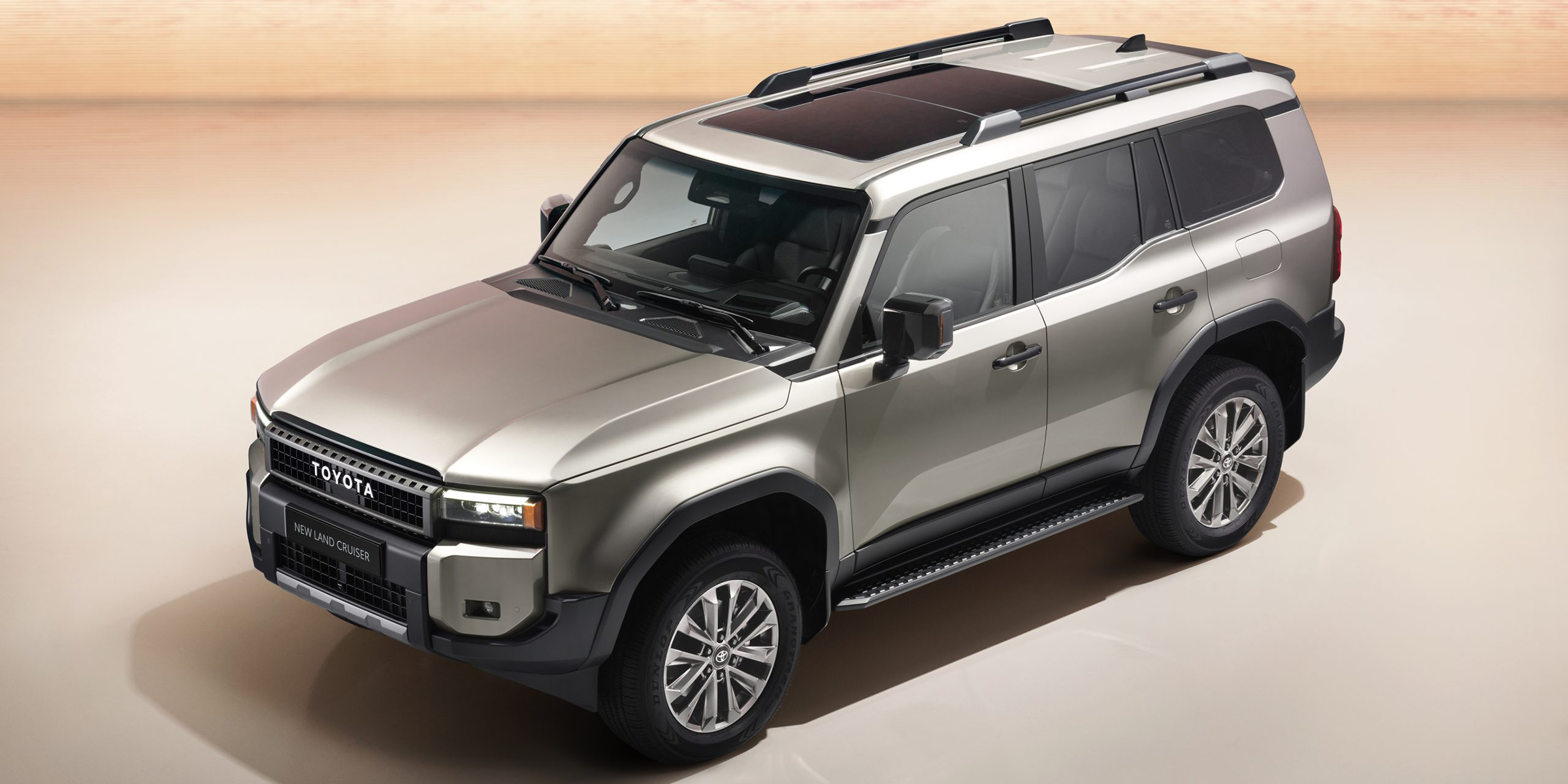
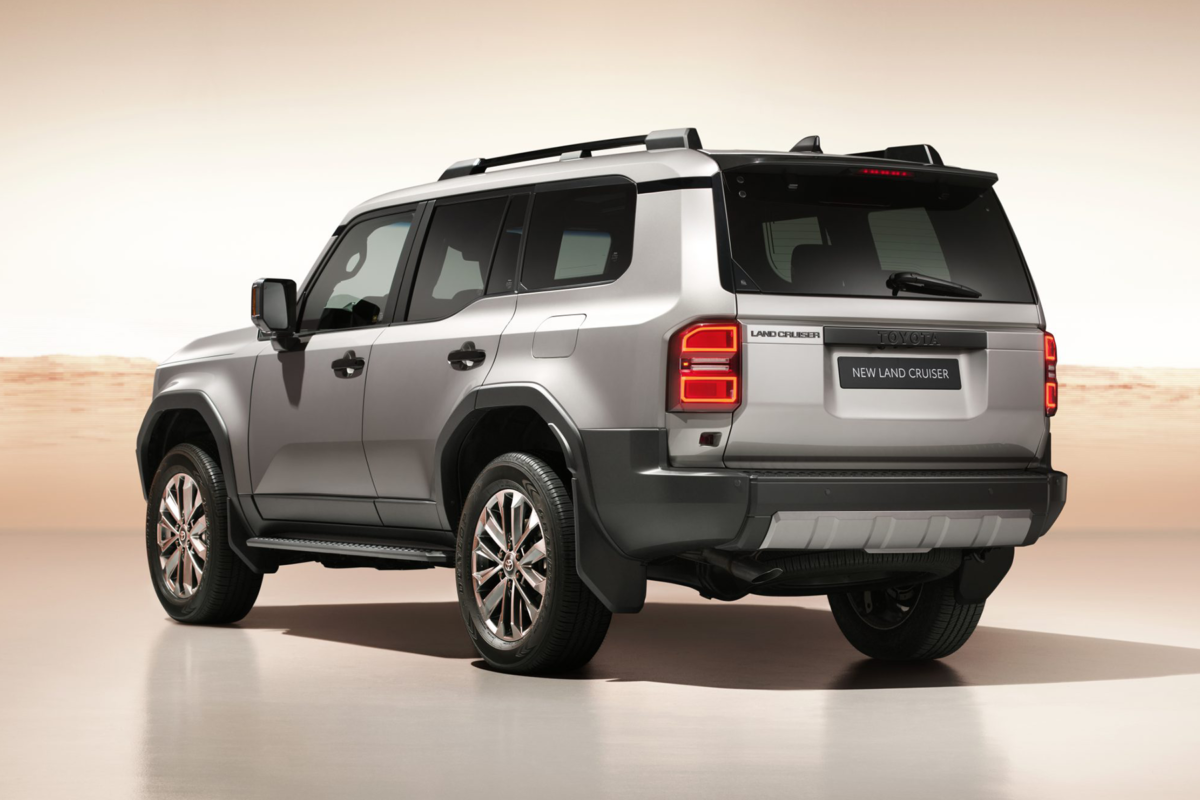
Sporting retro exterior looks inspired by its predecessors, a new Toyota Land Cruiser has been announced which will become available to order in the UK in the first half of 2024.

The new model will replace the ageing Land Cruiser that has now been removed from sale here in the UK. The discontinued model – called the Land Cruiser Prado in other countries – had been on sale since 2010, and while it was known for its tough and dependable nature, its interior had become dated, and newer rugged SUV rivals were more comfortable on tarmac.

Set to challenge the likes of the Land Rover Defender and BMW X5, the new Land Cruiser takes design inspiration from the FJ62 Land Cruiser of the mid-80s, including a boxy silhouette, square headlights, a rectangular grille and bulky front and rear bumpers.

While the car’s looks are a gentle nod to the Land Cruiser’s heavy-duty off-roading past, Toyota has moved the SUV to its latest ‘Global Architecture’ design platform, which makes the car larger than its predecessor and more rigid, which the manufacturer says has led to “improved responsiveness, handling and ride comfort.”

These newer foundations have also allowed Toyota’s engineers to improve the suspension and install an electric power steering system which “reduces the amount of kickback that can occur when driving over rough surfaces and provides smoother, more direct steering.”

A first for Toyota – the new Land Cruiser also comes with a ‘disconnecting front anti-roll bar’, which allows the driver to change the anti-roll bar settings via a switch on the dashboard to reportedly make the SUV more capable when tackling rough roads.

Inside, both five- and seven-seat configurations will be available, and Toyota says that driver visibility and ease of use have been the key design focuses. The dashboard and door panels are lower, allowing for deeper side windows, and key driving settings can be changed using switches “that are shaped for easy operation.”

A digital instrument cluster and infotainment display sit side-by-side on the dashboard, though Toyota is yet to confirm the exact size of these screens.

The next-generation Land Cruiser will be powered by the same turbocharged diesel engine as the former model. There has been no word about the petrol engine that was available in the previous range, which has likely been discontinued.

This 2.8-litre diesel provides 200hp, and is paired with an eight speed automatic transmission. Towing capacity stands at a maximum of 3,500kg. One other powertrain is in the works for release in early 2025 – it uses the same engine, but comes with an added 48V of mild-hybrid assistance.

UK buyers will be able to reserve a limited run First Edition model by the end of the year, which takes a slightly different design approach – sporting round headlights that share a resemblance with the FJ60 Land Cruiser of the early 80s.

Only around 3,000 First Edition models are scheduled for sale in Europe. The body has a two-tone paintwork design, with two different colour combinations to choose from.

That sums up what we know about the new Toyota Land Cruiser range – more details will follow towards the end of the year when the SUV nears its official launch.

Nissan Ariya gains cheaper trim and price reductions

0

Nissan has decided to revise its Ariya trim line-up, including price reductions, a new lead-in trim that reduces the SUV’s entry-level price tag, and the addition of a new top-spec trim grade that offers more power and acceleration.

Before this minor update, the Ariya was priced at around £46k, which is around £3,000 more expensive than the cheapest version of the Skoda Enyaq, which reviewers largely agree is the current class benchmark.

In order to make the Ariya a more competitive consumer proposition, Nissan has decided to slash the entry-level price by introducing the two-wheel drive ‘Engage’ trim level, which is £6k cheaper. Powered by either a 63kWh or 87kWh battery, the brand says that this new grade delivers 251 or 330 miles of range respectively.

The ‘Engage’ comes with the LED headlights, LED rear fog lamps, electronically-folding heated door mirrors and 19-inch alloy wheels as the Mid-range ‘Advance’ trim, as well as rain sensing wipers, dual-zone automatic climate control, a leather steering wheel and the combination of a 12-inch digital instrument display and 12-inch infotainment screen on the dashboard.

Lead-in safety features also include a rear view camera and front and rear parking sensors, but the ‘Engage’ is missing the ‘ProPilot Assist’ pack that is included with the ‘Advance’ grade, which adds lane keeping assistance and traffic sign recognition, as well as wireless smartphone charging.

The ‘Engage’ also comes with black fabric upholstery, while the seats in the ‘Advance’ are trimmed in synthetic leather. These are a few of the key ways that Nissan has cut equipment levels for the new ‘Engage’ to offer more affordable pricing.

If you are more interested in the ‘Advance’, Nissan has also rolled out a price reduction for the middling ‘Advance’ and ‘Evolve’ trim grades. 63kWh models are now £3k cheaper, while more powerful 87kWh versions of the ‘Advance’ and ‘Evolve’ are now close to £4k cheaper.

Finally, a new range-topper has arrived as part of this range refresh – the four-wheel drive Ariya ‘Evolve+’. With an output of 388hp and a 0-62mph sprint time of 5.1 seconds, this new trim is 0.6 seconds faster than the previous top-spec ‘Evolve’, while reportedly still offering 310 miles of range.

The ‘Evolve+’ sits on larger 20-inch alloy wheels and comes with a panoramic sunroof, a head-up display that displays driving information on the windscreen, a power-adjustable centre console and steering column with temperature-controlled front seats wrapped in Nappa blue leather, and Bose speaker system upgrade.

Pricing for the refreshed Ariya range now starts at under £40k for the ‘Engage’, rising to £59k for the ‘Evolve+’.

The Nissan Ariya has been well-received by the British motoring media so far. Currently holding an Expert Rating of 74%, reviewers agree that the Nissan is well-equipped and refined inside, but a few comment that the Ariya might struggle to stand out from a very competitive all-electric SUV class.

This update has the potential to increase the Ariya’s Expert Rating score, as one of the key drawbacks of the SUV was the more competitive pricing of its key rivals.

Renault Clio refresh now available

0

Renault has launched an update for its compact Renault Clio which is now available to order here in the UK – the Clio E-Tech petrol-electric hybrid that is…

The French manufacturer announced back in April that it would be scrapping petrol-only Clio models in the summer as part of this mid-life refresh, which also includes cosmetic tweaks, some tech upgrades and an additional top-spec trim grade inspired by Renault’s performance-focused spin-off Alpine.

Reportedly around 40% more fuel efficient than the petrol-only Clio models that are no longer on offer, the refreshed Clio E-Tech reportedly offers a fuel consumption of 68mpg – around 4mpg more than the pre-facelift E-Tech version.

Taking design cues from the new electric Mégane E-Tech, the updated Clio features slimmer LED headlights, a wider front grille and a new-look front bumper design, as well as chevron-shaped light signatures.

Three trims are on offer, starting with the entry-level ‘Evolution’ grade. Standard equipment includes electrically-folding and heated door mirrors, a seven-inch digital instrument cluster behind the steering wheel, a seven-inch infotainment touchscreen, 16-inch alloy wheels, and rear parking sensors.

The mid-range ‘Techno’ trim adds a rear view parking camera, 17-inch alloy wheels, front parking sensors, wireless smartphone charging, and ambient lighting in the cabin.

Opting for the range-topping ‘Esprit Alpine’ adds a few cosmetic alterations and a larger infotainment layout. Alpine branding is embossed on the alloy wheels and the lower front bumper is trimmed in grey. The Alpine detailing continues on the seats inside, and the standard digital instrument cluster and infotainment console are swapped out for bigger 10-inch and nine-inch displays. Adaptive cruise control and a blind spot warning system are also included.

Pricing for the new range starts at just over £21k, rising to £24k for the Clio ‘Esprit Alpine’.

The Renault Clio currently holds an Expert Rating of 69% – a score aided by the car’s fun driving experience and smooth hybrid engine, and hindered by its compact cabin that is not quite as spacious as its rivals.

Looking for a Renault Clio? The Car Expert’s partners can help

Carwow logo 600x300

Discover great deals available on both new and used cars. Find out more

Auto Trader logo 600x300

Search for your next new or used car with Auto Trader. Find out more

Cazoo 600x300

Buy a car online from your sofa.
We’ll deliver it. Find out more

Motors 600x300

Search less, live more. We make finding the right car simple. Find out more

Carparison 600x300

Personal contract hire deals from Carparison Leasing. Find out more

Moneyshake logo 600x300

Personal contract hire deals from Moneyshake. Find out more

LeaseLoco logo 600x300

Personal contract hire deals from LeaseLoco. Find out more

Rivervale Leasing logo 2022

Personal contract hire deals from Rivervale Leasing. Find out more

Ready2Lease logo

Personal contract hire deals from Ready2Lease. Find out more

Hippo Leasing 600x300

Personal contract hire deals from Hippo Leasing. Find out more

Limited-run Volkswagen Polo GTI Edition 25 on sale in August

0

Volkswagen has announced that a new limited edition version of the compact Polo GTI hot hatch will be available to order in the UK from 3rd August.

Called the ‘Edition 25’, this special version will offer a slight performance boost over the standard hot hatch, a few unique design touches and an extensive standard equipment package. This exclusive trim comes as Volkswagen celebrates the Polo GTI’s 25th birthday, and only 2,500 of these models will be up for grabs worldwide.

Starting with exterior looks, the ‘Edition 25’ sports a honeycomb radiator grille, red detailing and ‘GTI’ branding like the standard model, but with extra bits of subtle design flair. The model sits on 18-inch alloy wheels finished in black gloss, and features a black roof and black door mirrors.

In addition to the Polo GTI’s equipment list that already includes Matrix LED headlights, daytime running lights, a twin exhaust tailpipe and sports suspension, the ‘Edition 25’ also comes with an electronic differential lock that was originally designed for the bigger Golf GTI, which improves the traction and handling by compensating for understeer in fast corners.

Inside, the leather-wrapped steering wheel gains some ’25’ branding, and lettering located on the car’s door sills will tell you the position your car was on the production line out of the 2,500 models sold.

This limited-run model uses the same 2.0-litre turbocharged petrol engine, but Volkswagen’s engineers have upped the car’s power output to 207hp for the ‘Edition 25’ – an increase of 7hp. It might not seem like much, but the manufacturer reports that this power boost knocks two tenths of a second off the Polo GTI’s 0-62mph sprint time. The ‘Edition 25’ can officially reach 62mph in 6.5 seconds.

Like most of the compact Polo range, the Polo GTI ‘Edition 25’ will be manufactured in South Africa. This special edition has been on sale in Germany since the start of June – interest UK buyers will be able to order the car from early August.

If you are interested though, you will have to act quickly. Of the limited stock of 2,500 ‘Edition 25’ models going into production, only 350 will be available here in Britain. Prices start at just over £31k – around £2k more than the standard Polo GTI hot hatch.

Now in its sixth generation, the Volkswagen Polo GTI is regarded as a capable all-rounder that offers punchy performance and a practical interior that is almost as big as the more expensive Golf GTI. That said, reviewers agree that it lacks the fun factor of its most popular rivals, many concluding that the hot hatch is too mature for its own good. It currently holds an Expert Rating of 55%.

The Car Expert calls for national co-operation on electrifying cars instead of political grandstanding

31 July 2023

  • Electioneering from all sides is stalling progress – a co-ordinated national plan is essential
  • “It’s blindingly obvious that powering our cars on fossil fuels is a 20th century solution to a 21st century problem,” says Stuart Masson
  • Recent by-election result in Uxbridge has caused febrile mood among those for and against action to transition away from fossil-fuel cars
  • Rowing back on plans is not an option but The Car Expert argues that nationwide co-ordination will be cheaper and more effective
  • Councils and mayors should support national agenda instead of implementing their own taxation schemes like ULEZ

National unity on the UK’s approach to its transition away from fossil fuelled vehicles is vital for achieving our ambitious climate goals says The Car Expert.

After the recent by-election in which the London Ultra Low Emission Zone (ULEZ) extension became a political hot potato, posturing on all sides has replaced rational debate and could hamper the UK’s position of leadership.

“There’s a lot of ill-informed noise about the role of cars and the automotive industry in fighting climate change. But there’s a real risk that the current political grandstanding from all sides will simply make ordinary people’s lives worse, rather than better,” said Stuart Masson, Editorial Director at The Car Expert.

London’s ULEZ is expanding across all boroughs this month, causing significant debate about the best way to reduce pollution and meet the UK’s climate goals.

Masson added: “It’s blindingly obvious that running cars on fossil fuels is a 20th century solution to a 21st century problem, and we need to change that. Every first-world country on the planet is moving in this direction, and anyone who thinks that the UK should be going the other way is simply ignoring reality.

“The UK government has an ambitious plan to stop the sale of new petrol and diesel cars by 2030, and that was a good decision. But if you’re going to set ambitious targets then you need to have ambitious plans to achieve them, and this is where the government has been sorely lacking.

“Rather than trying to row back on the 2030 deadline, which would be disastrous, the government needs to double down on it. That means accelerating the installation of public charging points all over the country, giving car buyers the confidence that they will be able to charge their vehicle wherever they may be going.

“We also need local councils and mayors to be supporting the national agenda to shift from fossil fuels to EVs, rather than using climate change to implement their own taxation schemes like ULEZ or LTNs. A co-ordinated national plan will achieve far better results – at a much lower cost for everyone – than piecemeal schemes that simply tax and frustrate drivers to suit political agendas.”

Attempts to push back the 2030 cut-off for new petrol and diesel car sales would be disastrous for the UK car industry, which has essentially already passed the ‘point of no return’ for new car investment. It would also be an embarrassing failure for the UK’s drive to reduce transport emissions.

“For most car buyers, the looming ‘2030’ deadline for petrol and diesel cars is actually more like 2033 or 2035 anyway,” said Masson. “Only 20% of car sales in the UK are new cars – and more than half of those are to fleets, with less than half to private buyers. The other 80% of car sales are used cars, which means that most people will still be able to buy a petrol car well into the 2030s if they choose to.

“Pushing back the 2030 cut-off for new fossil-fuel cars will simply stop private investment in charging infrastructure and keep polluting vehicles on the road for even longer.

“Electric vehicle technology is advancing at a rapid rate, so we will see significant improvements to both battery range and charging times before 2030 comes around – and certainly by the time most car buyers must finally make the switch in the mid-2030s.

“What we really need is a properly co-ordinated plan from central government and across the various devolved local governments and councils to help people to make the change from fossil fuels to electric cars.”

ENDS

About The Car Expert

Founded in 2011, The Car Expert is the UK’s most comprehensive automotive consumer advice site. With an audience of over two million readers a year, The Car Expert provides independent and impartial advice on every aspect of buying, financing, owning, and selling new or used vehicles.

The Rotten Tomatoes equivalent for the automotive world, The Car Expert consolidates reviews from 35 of the UK’s top automotive websites to create the Expert Rating Index. Bringing together science and data analysis, the index calculates a weighted average to give an aggregated score – Expert Rating – that is comparable across different brands and models.

The Expert Rating Index factors in the age of each review, so that newer reviews carry more weight than older reviews. It also breaks down the complex web of different scoring systems that various websites use in their reviews.

The Car Expert has logged over 15,000 reviews covering more than 500 cars from over 50 manufacturers, with its Expert Rating Index now trusted as the gold standard for rating and ranking new cars in the UK.

For all media enquiries, please contact:

Stuart Masson: editor@thecarexpert.co.uk

New Honda e:Ny1 crossover available from October

0

Posing a direct sales challenge to the Smart #1 and Kia Niro EV, the brand-new Honda e:Hy1 crossover will soon join the Honda range as the brand’s only high-riding electric option.

Following on from the Japanese brand’s first electric model, the Honda e, the first e:Ny1 details arrived back in May. The manufacturer said that the EV debuts a “all-new electric identity for Honda”, with short front overhang, large wheels and a wide stance, creating a low centre of gravity that “delivers a fun and confidence-inspiring drive.”

It was also revealed that the e:Ny1 is powered by a 69kWh battery and front-mounted electric motor pairing that generates a maximum output of around 200hp and a maximum battery range of 256 miles. The battery can be reportedly charged from 10% to 80% in 45 minutes.

We now know that the model will be available to order in the UK from October, with two trim options on offer and pricing that is a little higher than you might expect.

While entry-level versions of the Smart #1 and Kia Niro EV cost around £37k and £40k respectively, prices for the e:Ny1 will start at just under £45k. The new Honda does have a bigger battery than these rivals though.

Starting with the standard ‘Elegance’ grade, the e:Ny1 comes with a 15-inch portrait-oriented infotainment screen with Apple CarPlay (wireless) and Android Auto (wired) compatibility, a 10-inch digital instrument display, and wireless smartphone charging.

The standard safety equipment list is rather comprehensive, including blind spot monitoring, lane keeping assistance, and traffic sign recognition to aid motorway journeys, and front and rear sensors and a rear view camera to assist parking.

Key trim level features

Lead-in ‘Elegance’ (from £44,995)

  • 15-inch infotainment touchscreen
  • 10-inch digital instrument cluster
  • Front and rear parking sensors
  • Rear view parking camera
  • Blind spot monitoring
  • Lane keeping assistance
  • Traffic sign recognition
  • Heated and electrically-adjustable driver seat
  • Synthetic leather upholstery
  • Dual zone air conditioning
  • Rear privacy glass
  • Wireless smartphone charging

Top-spec ‘Advance’ (from £47,195)

  • All ‘Elegance’ features that are not replaced
  • Semi-autonomous parking assistance
  • Multi-view parking camera
  • Panoramic sunroof
  • Heated leather steering wheel
  • Powered tailgate

The ‘Elegance’ interior is trimmed in synthetic leather, both front seats are heated, and the driver’s seat is electrically-adjustable with eight different settings.

Upgrading to the range-topping ‘Advance’ trim adds Honda’s ‘Parking Pilot’ system, which can essentially park the car on its own when prompted. Using a multi-view camera, the system identifies a suitable space and controls the steering, brakes and accelerator.

The trim also includes the addition of a panoramic sunroof and a motorised boot lid, as well as a heated leather steering wheel.

Honda says this new crossover is targeted at younger buyers, and says the car has been engineered to provide “exceptional” comfort and quietness.

Hyundai Tucson review

Make and model: Hyundai Tucson
Description: Medium-sized SUV/Crossover
Price range: £34,640 to £45,130 (plus options)

Hyundai says: “Since its launch, the Tucson has become Hyundai’s best-selling SUV with 7 million sales globally – including 1.4 million in Europe.”

We say: It’s easy to see why the Tucson is such a strong seller for Hyundai, this generation is a modern take on the highly competitive mid-size SUV.


First seen in 2004, the Tucson has now arrived in its fourth generation which was launched in 2020. It’s already been extremely popular with UK customers and it’s currently the fifth best selling car in 2023. The sixth best seller of the year is its rival the Kia Sportage, both are performing well in the midsize SUV segment thanks to attractive design and economical hybrid engines.  

Hyundai has undergone some huge changes over the past few years. Its product lineup now includes some thoroughly futuristic EVs whilst its existing models have gained greener hybrid options and improved styling. The Tucson shows off this new era whilst appealing to customers that aren’t yet ready to get an EV. 

As of July 2023, media reviews of the Hyundai Tucson have earned the car an Expert Rating of 75% on The Car Expert’s award-winning Expert Rating Index

What is the Hyundai Tucson?

This midsize SUV sits just below the Santa Fe which is Hyundai’s large seven-seater. The Tucson only comes with five seats so it’s a slightly smaller vehicle but unless carrying seven people is a must, buyers will generally be looking at midsize SUVs. 

This category of cars includes the likes of the Ford Kuga, Renault Austral and the Skoda Karoq. These are all super practical cars that are suitable for families or those looking for a bit more space and a higher ride height.

First impressions

It’s not often an SUV is interesting to look at, they’re often functional vehicles where styling is less of a priority. Hyundai says this is its first SUV to be “developed according to the company’s ‘Sensuous Sportiness’ design identity.” This new direction seems to be working because the Tucson is definitely eye catching, especially in the flesh. The angular door design makes the car look dynamic even when it’s parked. 

Inside, the layout is easy to get used to and the gear selectors are buttons on the centre console so there’s a flat surface between the driver and passenger. The climate control panel can be annoying to begin with as its sensitivity means buttons can be pressed accidentally whilst using the main touch screen. There’s also a lot of different functions on it so it can be hard to find buttons on the move. 

We like: Attractive dynamic exterior styling
We don’t like: Oversensitive climate control screen  

What do you get for your money?

Prices vary depending on which engine you go for but the range starts at around £30,000 and reaches in the region of £45,000 before options. Within this price bracket, there’s five trim options to choose from. 

SE Connect is the entry level trim that costs between £30,000 to £35,000. It’s well equipped so it’s a good value pick, it comes with Apple CarPlay and Android Auto, lane keep assist, 17-inch alloy wheels, reversing camera and rear parking sensors. The next trim level Premium adds blind spot collision warning, heated front seats, heated steering wheel, front and rear parking sensors, wireless phone charging, keyless entry and 19-inch alloy wheels. 

N Line gets special styling packages including leather and suede seats and on the tech front adds lane follow assist. N Line S comes next and adds a panoramic sunroof, smart electric tailgate and blind spot collision avoidance assist. At the very top of the range is Ultimate which has three zone climate control, heated outer rear seats and ventilated front seats. 

In terms of equipment and value for money, we’d pick Premium trim for around £37,000. The Tucson was tested by Euro NCAP and achieved a five star safety rating, the area it scored lowest in was protecting vulnerable road users, in particular pedestrians but it had a very high score for protecting adult and child occupants. 

The Hyundai Tucson comes with a five year unlimited mileage warranty. 

We like: Well equipped from entry level
We don’t like: Range-topping trims are very similar

What’s the Hyundai Tucson like inside?

The interior design is made up of clean lines and good quality feeling materials. There’s quite a lot of buttons, including buttons to select gears and the central touch screen has some shortcut buttons beneath to jump to music or navigation. Climate control is operated via a small screen with buttons integrated into a flat panel, these can be quite easy to accidentally press whilst trying to operate the main screen. The piano black finish looks sleek but to keep it free of fingerprint smudges it needs to be regularly cleaned. 

There’s lots of handy storage compartments, including two cubbies beneath the centre console, ideal for sunglasses. In the back, there’s a fold out cup holder when no one is sitting in the central seat and there’s a decent amount of head and leg room. All the back seats fold down individually and the outer seats have release levers that are accessible at the base of the chairs. The boot is a great size and has a 12V connector which is especially useful for avid campers. 

We like: Functional storage spaces throughout
We don’t like: Piano black finish gets grubby quickly

What’s under the bonnet?

Just like the trim options, there’s five different engines to choose from. A 1.6-litre petrol, a 1.6-litre mild hybrid with either 148bhp, 178bhp and four wheel drive or 227bhp. At the top end there’s also a plug-in hybrid with 261bhp. 

The mild hybrids are a good choice for those looking for something that will be economical but doesn’t require plugging in. The most fuel efficient version is the plug-in hybrid but it needs to be plugged in regularly to realise the fuel savings. At a 7kW charging box it should top up in one hour and 40 minutes. This version is also the best on carbon emissions so company car users will want to consider the plug-in. Its official electric-only range is 38 miles. 

For towing, the mild hybrids will provide greater flexibility as they can tow a braked trailer up to 1650kg, whilst the plug-in can tow up to 1350kg. All versions also have roof rails that will take up to 100kg. 

What’s the Hyundai Tucson like to drive?

It’s very easy to get used to driving the Tucson, the hybrid engines make taking off or crawling through traffic quiet and relaxed. When the engine kicks in it can be a little noisy until it’s warmed up. The steering is light but delivers a good amount of feedback from the road so it’s never an arm workout to manoeuvre the car. It feels like it has quite a tight turning circle so it’s not cumbersome in a carpark. 

The high ride height makes it feel authoritative on the road and all round visibility is quite good. Electric power means when you need a little boost to get up to speed it doesn’t hang about but it can take a second to think about it. The lane keeping assist is useful on the motorway but sometimes on country lanes it can be a bit annoying, jumping in when you don’t need it to. Regardless of how you drive, fuel economy is good and it’s a comfortable car for long journeys. 

We like: Good manoeuvrability
We don’t like: Engine can be a bit noisy

Verdict

The Tucson is an incredibly attractive SUV that delivers plentiful tech and a smooth driving experience. Inside, the centre console looks modern but the glossy black finish can get dirty very quickly. It’s an accessible car for those with children and there’s loads of storage room. 

The midsize SUV segment is one saturated with choices from every manufacturer so the Tucson’s exterior styling makes it stand out from the crowd. It sits at a reasonable price point and those looking for extra luxury can opt for higher trim levels without breaking the bank. If you’re on the lookout for an SUV, the Tucson is well worth considering.

Similar cars

If you’re looking at the Hyundai Tucson, you might also be interested in these alternatives.

Citroën C5 Aircross | Ford Kuga | Honda CR-V | Jeep Compass | Kia Sportage | Mazda CX-5 | MG HS | Mitsubishi Eclipse Cross | Nissan Qashqai | Peugeot 3008 | Renault Kadjar | SEAT Ateca | Skoda Karoq | SsangYong Korando | Subaru XV | Suzuki S-Cross | Toyota C-HR | Vauxhall Grandland X | Volkswagen Tiguan

Key specifications

Model tested: Hyundai Tucson Hybrid
Price as tested: £37,505
Engine: 1.6-litre petrol hybrid
Gearbox: Six-speed automatic

Power: 227 hp
Torque: 350 Nm
Top speed: 120 mph
0-62 mph: 8.0 seconds

CO2 emissions: 31-162 g/km
Euro NCAP safety rating: Five stars
TCE Expert Rating: 75% (as of July 2023)

Buy a Hyundai Tucson

If you’re looking to buy a new or used Hyundai Tucson, The Car Expert’s partners can help you find the right car

Motors 600x300

Find your next used car with Motors. Find out more

Auto Trader logo 600x300

Find your next new or used car with Auto Trader. Find out more

Carwow logo 600x300

Find your next new or used car with Carwow. Find out more

Market value vs agreed value

When a car is stolen and never recovered, or when it’s experienced accident damage that would cost more to repair than the car’s worth, an insurer will pay out a certain amount of money to cover the car’s value.

There are two types of value that they could pay you – these are called market value and agreed value

The majority of car insurance policies will pay out the market value. This is what the insurer decides the value of the vehicle was when it was written off, based on similar vehicles that are on the market at the same time.

Agreed value is the price the insurer agrees to pay based on a valuation figure agreed with you at the time the policy is signed. 

What’s the difference between market value and agreed value? 

Market value changes over time in line with the used car market and depreciation. Agreed value remains the same regardless of whether the market value increases or decreases over the policy period.

If you have an insurance policy with an agreed value, it’s important to review the agreed value when your renewal comes around as the value of the vehicle may have increased. 

Most insurance policies work on a market value estimate as this should, in theory, payout for the policy holder to replace the vehicle with something very similar. However, based on the market at the time, the price realised for the vehicle might not be enough to purchase another car that is closely comparable. Agreed value protects the owner and guarantees that agreed figure is paid. 

To establish how much the vehicle is worth, the applicant needs to submit photographs of the car and if it’s modified or restored, invoices can help to prove the value of the car as well. Sometimes an independent valuation is required too. 

How does the price of market value vs agreed value policies compare? 

Agreed value insurance policies tend to be more expensive as the agreed worth of the vehicle is usually higher than market value. To cover this gap, the insurance premium is likely to be higher to reflect this. 

For those looking to save money on insurance, sometimes an agreed value lower than market rate can be set to reduce the insurance premium, although this is rarely how agreed value policies are used. 

Should I get a market value or agreed value policy? 

Certain types of cars are more suited to agreed value policies than others. Higher insurance premiums for vehicles that fall outside of these categories would not necessarily be worth it. 

Classic cars

Market value for classic vehicles varies greatly so an agreed value will ensure a fair price is paid regardless of market trends. These vehicles can be bought as restoration projects, too, so the value to the owner is higher, reflecting the amount of money invested in the vehicle.

This investment can be reflected in the agreed value if the cost of works can be evidenced along with a valuation that concludes the same figure. Market value does not always reflect the rarity of a classic vehicle so its replacement value would be difficult to establish based on very few examples for sale in a similar condition. 

Performance cars

Rarity and desirability means these vehicles can often appreciate, something market value might not reflect sufficiently. However, they can also experience steep depreciation within the first couple of years from new or nearly new. If the car is written off soon after purchase, the policyholder won’t be able to replace the vehicle with a like-for-like thanks to instant depreciation after driving it home from the dealership.

The owner will essentially lose a significant amount of money if the vehicle is written off within the first year or so, an agreed value provides the owner with some protection. These cars are also more likely to be targets of theft thanks to their high value, increasing the chance of an insurance claim. 

Modified cars

Any modifications should always be declared to an insurer but agreed value policies can reflect the cost of these modifications. Market value will not consider these additional features to increase the value of the car and the owner will not be compensated for these changes without taking out agreed value insurance. 

Kit cars

These are unusual cars that require a lot of time and dedication to build. It can be hard to establish an accurate market value for one-of-a-kind examples so agreeing a value with the insurer will cover the time, money and uniqueness factor. 

Imported cars

Vehicles imported from other countries might have very few similar examples in the same country. This can make it difficult to find any data to base a market value from, therefore an agreed value will provide the owner with the best protection if the car is written off. 

Collector vehicles

Again, these cars won’t necessarily have a market value as the worth of collector’s items varies hugely depending on provenance, condition and rarity. This makes it challenging to estimate how much a collector’s car would sell for at auction so an agreed value policy would be a sensible option. 

How do I get an agreed value policy? 

If your vehicle would be best suited to an agreed value policy there are specialist insurers who cover certain classes of car. For example, classic car insurers tend to deal with agreed values more often but there are few insurers who offer agreed value policies so it might take some searching to find the right provider at a competitive rate. 

The insurer might not always agree with your proposed valuation of the vehicle so it’s okay to negotiate or try a different insurer. Independent valuations can help the applicant and insurer agree on a fair price for the car. 

Read more:

Is my car leaking oil?

Just as you regularly put fuel into your car to keep it running, the engine oil is also one of those things that you should be checking on a regular basis.

When you take your car in for any service or repair work, the engine oil will be one of the first things a technician will check. It’s simply a must-have – unless you want a car that won’t start one day, or leaves you stranded at the roadside, and with a big bill to repair it. 

Oil is worth its weight in gold to your car’s engine. It lubricates all the moving parts that are working away inside its engine and stops them rubbing together and wearing unnecessarily. It courses through the engine, helping to remove old oil and sludge that can build up over time. It helps to keep all of the hot engine parts cooler, and generally assists with cleaning and maintaining those finely-tuned components. 

So if you have an oil leak, or you suspect you might have one developing, there’s no time to waste. It must be seen to as soon as possible. Ignoring the issue and putting it off for later can be a dangerous decision to make and one you could come to regret.

Tell-tale signs of an oil leak

So how can you tell that you might have an oil leak – other than a big, black puddle on your driveway? There are several simple signs that could be pointing towards the problem, and they’re worth looking and listening out for. They could save you from being stranded with a damaged car, looking down the barrel of a big garage repair bill in the future.

Oil warning light

It couldn’t be more obvious. Your car is trying to tell you something when the oil light comes on in the instrument panel. Don’t ignore it – it’s warning you that the engine oil pressure has dropped, which could (though not exclusively) be a sign that oil has been escaping. It’s time to get the car inspected, fixed and the light reset.

A smoking car

Smoke doesn’t necessarily come only from the exhaust pipe and if you notice increased haze from around your engine, you could be seeing the first signs of an oil leak. Oil dripping onto the exhaust manifold can heat up and start smoking. As well as losing oil from your engine, you are also potentially driving a fire hazard. Hot oil can burst into flames.

Smell of burning oil

Going hand in hand with the smoking issue above, oil doesn’t only smoke when it gets super-heated, it smells too. Burning oil is an unpleasant odour and one that’s difficult to miss (or ignore). Another reason to have the problem investigated.

Engine overheating

As well as the oil light on your dashboard, there’s another symbol that might become illuminated – the engine temperature warning. There are many reasons why this might light up, but low oil is among the list of culprits. Without proper lubrication, parts could rub against each other causing friction that can heat up to super levels. It can lead to important parts such as the engine’s pistons seizing up and coming to a grinding halt. Don’t ignore the temperature gauge or warning light.

Black marks on the driveway

A small rupture, crack or other damage anywhere in your engine can result in a drip-drip leak every time you stop. Leave your car overnight on your driveway and you could easily have a stain or worse still, a puddle made from oil under your car. Have a look as you drive or reverse away in the morning. If you park on the road, leave a piece of cardboard or a plastic tray under the car for checking, if you suspect something’s not right.

Pick up on any of these warning signs and you should not delay in having your car at least inspected. A small repair now could save you from a much larger bill later. And, although modern cars don’t generally leak as much as their older predecessors, it’s still worth pulling out the dipstick once in a while and visually checking that your engine has enough life-giving oil to keep it running smoothly.

Read more:

Should Londoners sell their cars ahead of the 2023 ULEZ extension?

From 29 August 2023 the London Ultra-Low Emissions Zone (ULEZ) will expand right out to the M25 but not include it. Here’s our latest advice.

The extension has provoked widely reported opposition. In early July, five Conservative councils: Bexley, Bromley, Harrow, Hillingdon and Surrey County Council spent two days at the High Court seeking a judicial review of London mayor Sadiq Khan’s decision to extend the ULEZ.

They argued that he exceeded his powers in extending an existing scheme rather than a creating a new one, that the consultation was flawed and that the scrappage scheme lacked detail. The mayor’s chief defence was that he has a statutory responsibility to take measures to improve London’s air quality. On 28 July, a judge ruled that the plan to extend the zone was lawful, so could go ahead.

Other London councils have also expressed concerns over the expansion, with many asking the mayor to delay or improve the scrappage scheme to support people during the cost-of-living crisis.

You can read our full guide to the London Ultra Low Emissions Zone (ULEZ), but in short it means that if your petrol vehicle does not meet Euro 4 emission standards (before 1 Jan 2006) or Euro 6 standards for diesel vehicles (pre-September 2015) you have to pay £12.50 a day to drive a non-compliant car within both the existing or the new zone and if you enter from outside.

Vans and taxis have their own rules: see our guide to the London Ultra Low Emission Zone (ULEZ) for vans.

Map of London ULEZ extension for 2023
Map showing the ULEZ zones in 2019 (inner zone), 2021 (middle zone) and from August 2023 (outer zone)

The ULEZ currently covers the area inside the North Circular (A406) and South Circular (A205) roads. A separate Low Emission Zone (LEZ) for diesel lorries expands out to Greater London.

The ULEZ charge applies all day, every day, apart from Christmas Day. This includes residents of the ULEZ. However, you don’t need to pay the daily charge if you are parked inside the zone and don’t drive on that day.

If you own an older car within the expansion zone or are likely to have to drive into it with one, the first thing you should do is check whether your car is already compliant by using the Transport for London’s ‘Check Your Vehicle’ web page. Transport for London (TfL) maintains that 9 out of 10 cars seen driving in outer London on an average day meet the ULEZ emissions standards.

The scrappage scheme and exemptions

Londoners receiving certain low-income or disability benefits can apply to the £110 million scrappage scheme. Eligible applicants could receive a payment to scrap their vehicle (up to £2,000 for a regular car, £5,000 for a wheelchair-accessible vehicle), or choose a lower payment plus one or two TfL Annual Bus & Tram passes which TfL says are worth more than the payment alone.

A separate van and minibus scrappage scheme will also be available for sole traders, micro-businesses (10 or fewer employees) and charities. More details are promised by the end of July about a grace period for the latter categories to cover those who have ordered brand new, compliant vans or minibuses with a delivery due after 29 August, or booked a non-compliant light van or minibus to be retrofitted, where a booking slot wasn’t available before the ULEZ expands.

However, with the rising cost of living, Londoners who are not in the narrow band of people entitled to an exemption may simply give up having a car altogether because they can’t afford to change right now.

Our Expert Partner Motorway, the car-buying service, found in a survey earlier this year that 23% of Londoners say it is too expensive to use their vehicle for work due to the cost of ULEZ.

If you are an occasional car user you might consider joining a car club. As we explain here if you don’t mind sharing a car which other people use, it may be worthwhile giving up car ownership, or replacing a non-compliant second car with a car club subscription. You pay by the hour or the day and fuel, insurance and city charges are included. 

Many clubs, such as Enterprise Car Club have a cost calculator to work out how much you could save in total compared to a monthly finance payment, fuel, and insurance. There are some incentives from TfL, for example, one years’ worth of free membership of Enterprise Car Club normally worth £60, along with £10 of free driving credit.

Buying or selling an older car in London?

If you are buying a used car within the zones in the next few weeks, look up its compliance yourself before you view it – don’t just take the seller’s claim that it’s ULEZ-compliant (this appears on many ads in the Autotrader for example).

The good news is that many carmakers adopted Euro 4 (petrol) before 2006. Looking at Auto Trader, we saw a £1,000 2002 Peugeot 206 CC and a £695 2004 Volkswagen Polo, one on sale within the new zone, one outside, which are both compliant.

If you are selling privately yourself, it’s likely you’ll already know whether or not it’s compliant. If you’re not keen on selling privately, you can consider using Motorway, which provides a platform to sell to dealers across the UK.

Alex Buttle, one of Motorway’s co-founders says: “In the lead up to the expansion, car values are changing, with the price of some compliant models going up due to demand. On the flip side, non-compliant cars could see a drop in value in the run up to, and once the expansion comes into effect. Car owners needing to sell should consider doing so sooner rather than later, to get their best price.”

According to Motorway’s data, the average sold price for a Volkswagen Polo under five years old has increased by 18% quarter-on-quarter and the average sold price for a Ford Focus under five years old has increased by 9% quarter-on-quarter.

Emissions zones in other UK cities

Elsewhere in the UK, some cities run emissions-based zone schemes under a variety of names, but none are on the same scale as the London ULEZ.

Bath, Birmingham, Bradford, Newcastle, Portsmouth, Sheffield and Tyneside (Newcastle and Gateshead) now have clean air zones but private cars are currently exempt. A pilot scheme for a zero emissions zone is running in a small part of Oxford city centre but has no date for expanding and launching.

Bristol started a small central clean air zone last November and private combustion-engine cars which don’t conform to the London ULEZ standards (Euro 4-upwards petrol vehicles, Euro 6 diesel vehicles, roughly end of 2015 onwards) have to pay £9 to enter.

The Greater Manchester clean air zone has been on pause for over a year and is still under review but could rival London. This could have a major impact on used var values says Alex Buttle of Motorway: “As it’s the UK’s second most populated city, if Greater Manchester were to introduce charges for non-compliant cars, we would expect this would drive further fluidity in the market, as many more people would need to sell their cars.”

Outside of England, Cardiff is still consulting. Belfast does not have a zone. Aberdeen will launch a low emission zone in 2024, Dundee will start enforcing an already-launched zone in 2024, as will Edinburgh. Glasgow launched its city centre LEZ in June 2023. Emission standards for LEZs in Scotland have been set in legislation at national level and for private petrol/private cars follow the Euro 4/Euro 6 split.

Read more:
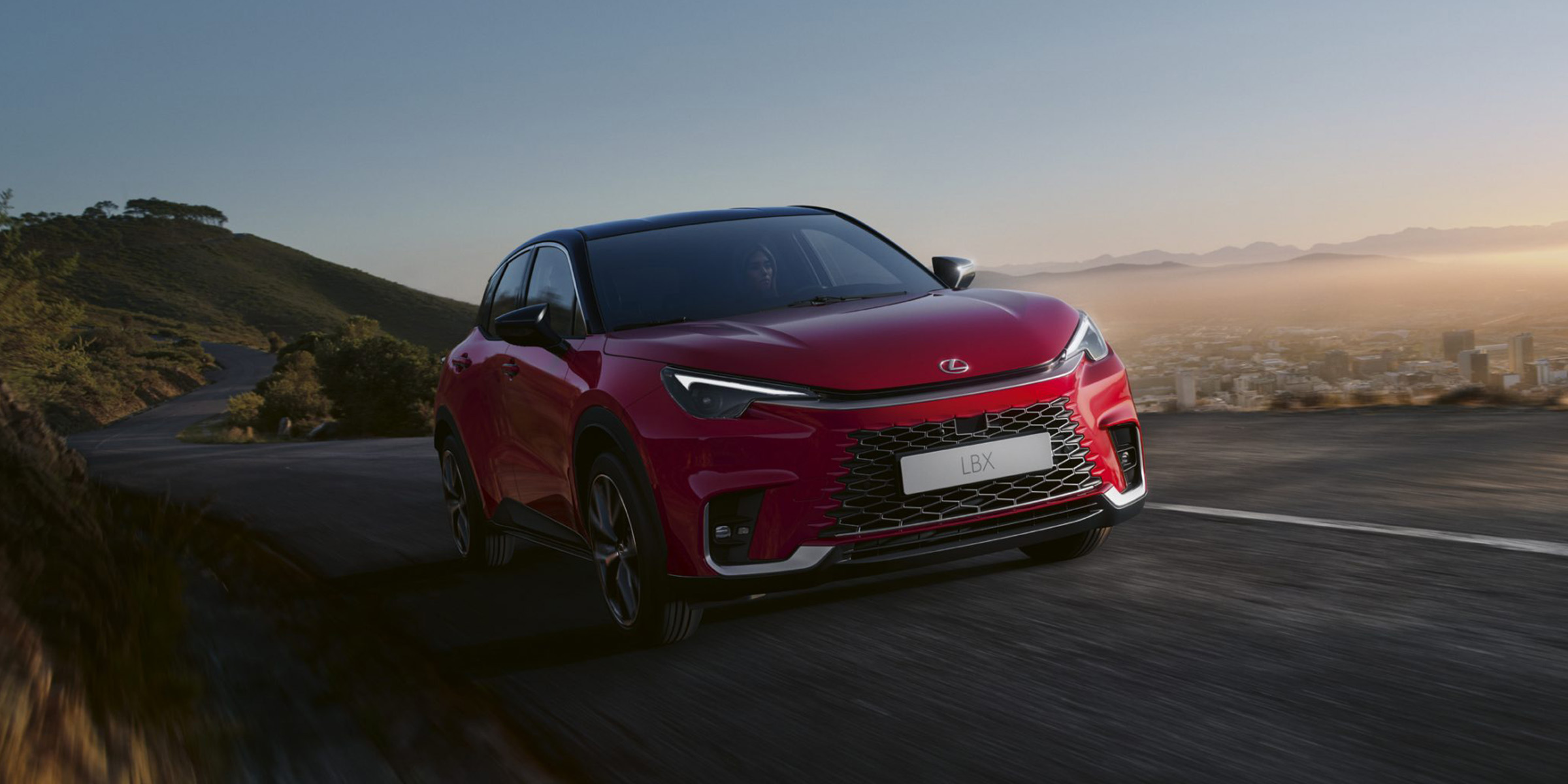
What’s next for ULEZ?

If you’re thinking that you’re fine because your car is compliant with the new ULEZ rules, don’t get too comfortable. Now that the Mayor of London has created the means to monitor and tax every vehicle moving anywhere inside Greater London, he’s unlikely to stop at older cars.

After the 2023 ULEZ extension comes into force this month, the Mayor’s next step will almost certainly be to target Euro 5 petrol cars. Then all diesel cars. Then everybody else – including electric cars. And the current £12.50 charge will inevitably creep up to £15 a day, then towards £20.

Like any politician, Sadiq Khan knows that taxing motorists is easy and lucrative. However, at least most governments have the good taste to apply more tax to the most expensive cars and wealthiest owners. The Mayor of London, on the other hand, has chosen to tax the less well-off who can’t afford a new car – especially in the middle of a cost-of-living crisis – and who are now going to have to pay £12.50 every day to drive to work or take the kids to school.
Stuart Masson, editor

Need to sell your car? Our partners can help

Looking to sell your car to avoid Sadiq Khan’s latest attack on your wallet? Get an obligation-free quote from our commercial partners.

Motorway 600x300
Cazoo 600x300
Auto Trader logo 600x300
Carwow logo 600x300

Additional reporting by Stuart Masson

Volkswagen ID.5

Summary

Arriving in the UK in Spring 2022, the Volkswagen ID.5 is an upmarket all-electric coupé-SUV. The ID.5 range also includes a range-topping performance model – the ID.5 GTX.

The Volkswagen ID.5 is essentially a sleeker version of the ID.4 SUV – with a sloping roofline that reduces the car’s drag coefficient, which extends the range of the battery by a few miles. The ID.5 is powered by a 77kWh battery and a single electric motor, providing an official battery range of 313 miles.

While the ‘Pro’ and ‘Pro Performance’ trims offer power outputs of 172hp and 201hp respectively, the dual-motor ID.5 GTX model is significantly more powerful at 295hp, but reviewers are not all that impressed with the performance of models across the range.

The majority of reviewers have criticised the coupé-SUV’s infotainment, which Carbuyer calls “needlessly confusing”, while Car concludes that, unless you like its exterior styling, there is no compelling reason to choose the ID.5 over cheaper alternatives – “The price simply doesn’t reflect this car’s dull dynamics and cheap-feeling interior.”

That said, most of these criticisms are reflections of how competitive the SUV market is at the moment. Described as “surprisingly spacious” by The Sunday Times, the ID.5 is still a practical car with plenty of on-board equipment included as standard and a competitive battery range. But as Driving Electric explains, “The ID.5 isn’t a class leader, for either driving experience or value.”

As of February 2026, the Volkswagen ID.5 holds an New Car Expert Rating of B with a score of 69%. It scores top marks for having zero tailpipe emissions, while its running costs and safety rating are also good. But Volkswagen’s new car warranty is not as good as some rival brands, and media review scores have been poor.

ID.5 highlights

  • Nearly as practical as the ID.4
  • Competitive battery range
  • Comfortable driving experience
  • Plenty of on-board tech

ID.5 lowlights

  • Complicated infotainment
  • Fiddly controls
  • Interior trim cheap in places
  • Expensive to buy outright

Key specifications

Body style: Medium coupé-SUV
Engines:
electric, battery-powered
Price:
From £52,185 on-road

Launched: Spring 2022
Last updated: N/A
Replacement due: TBA

Media reviews

Highlighted reviews and road tests from across the UK automotive media. Click any of the boxes to view.

Auto Express

Auto Trader

Business Car

Car

Carbuyer

Carwow

Driving Electric

Electrifying.com

Green Car Guide

Heycar

Honest John

Parkers

The Sunday Times

The Telegraph

Top Gear

Safety rating

Independent crash test and safety ratings from Euro NCAP

Overall score: 5 stars
Date tested: March 2022
Read the full Euro NCAP review

Adult protection: 93%
Child protection: 89%
Vulnerable road users: 76%
Safety assist: 85%

The Volkswagen ID.5 coupé-SUV and the Volkswagen ID.4 SUV have an identical front end and the same list of safety equipment. Therefore, Euro NCAP says that the crash test rating they awarded the ID.4 also stands for the ID.5, including an excellent adult protection score of 93%, and an impressive safety assistance technology score of 85%.

Eco rating

Independent economy and emissions ratings from Green NCAP

Model tested: Pro Performance Electric RWD Automatic

Overall score: 5 stars
Date tested: June 2023
Read the full Green NCAP review

Clean Air Index: 10 / 10
Energy Efficiency Index: 9.4 / 10
Greenhouse Gas Index: 9.6 / 10

This five-star rating above only applies to the ‘Pro Performance’ grade model, which is the range-topping 201hp version. It does not directly apply to the lead-in 172hp ‘Pro’ model, but both share the same 77kWh battery pack.

Reliability rating

As of February 2026, we don’t have enough reliability data on the Volkswagen ID.3 to generate a reliability rating.

The Car Expert’s reliability information is provided exclusive from extended warranty data from our partner, MotorEasy. As soon as we have sufficient data on the ID.3, we’ll publish the score here.

Running cost rating

Monthly cost of ownership data provided exclusively for The Car Expert by Clear Vehicle Data

Battery rangeAverageScoreVariationScore
EV models338 milesA
Electrical efficiencyAverageScoreVariationScore
EV models4.4 m/KWhB
Insurance groupAverageScoreVariationScore
All models37D
Service and maintenanceCostScore
Year 1£267C
Year 2£536C
Year 3£802B
Year 4£1,059B
Year 5£1,355B
Overall£4,019B

The Volkswagen ID.5 scores highly across the board when it comes to running costs, according to data supplied by our partners Clear Vehicle Data.

Its battery range and efficiency is very good when compared to the market as a whole, and the car’s five-year service and maintenance costs are rather affordable when compared to other electric cars of its size. Insurance costs are average.

Similar cars

If you’re looking at the Volkswagen ID.5, you might also be interested in these alternatives

Audi Q4 e-tron | Citroën ë-C4 | DS 3 E-Tense | Hyundai Ioniq 5 | Kia e-Niro | Kia EV6 | Lexus UX Electric | Mazda MX-30 | Mercedes-Benz EQA | MG ZS EV | Peugeot e-2008 | Polestar 2 | Skoda Enyaq | Vauxhall Mokka-e | Volvo C40

More news, reviews and information about the Volkswagen ID.5 at The Car Expert

Electric car grant – all the EVs with discounts in 2026

Electric car grant – all the EVs with discounts in 2026

Everything you need to know about Volkswagen

Everything you need to know about Volkswagen

Trim line-up changes for electric Volkswagen models

Trim line-up changes for electric Volkswagen models

Tech upgrades for Volkswagen ID.4 and ID.5

Tech upgrades for Volkswagen ID.4 and ID.5

Volkswagen GTX models get spec upgrade

Volkswagen GTX models get spec upgrade

Top safety scores for Lexus, Renault and Volkswagen

Top safety scores for Lexus, Renault and Volkswagen

Volkswagen ID.5 prices and specifications revealed

Volkswagen ID.5 prices and specifications revealed

All-electric Volkswagen ID.5 debuts

All-electric Volkswagen ID.5 debuts

Buy a Volkswagen ID.5

If you’re looking to buy a new or used Volkswagen ID.5, The Car Expert’s partners can help you find the right car.

Motors 600x300

Find your next used car with Motors. Find out more

Auto Trader logo 600x300

Find your next new or used car with Auto Trader. Find out more

Carwow logo 600x300

Find your next new or used car with Carwow. Find out more

Lease a Volkswagen ID.5

If you’re looking to lease a new Volkswagen ID.5, The Car Expert’s partners can help you find a competitive deal

Leasing-com logo

Personal contract hire deals from Leasing.com. Find out more

Carwow logo 600x300

Personal contract hire deals from Carwow. Find out more

Select Car Leasing logo

Personal contract hire deals from Select Car Leasing. Find out more

Subscribe to a Volkswagen ID.5

Subscriptions are becoming a very popular way for consumers to try an electric car for a few weeks or months to help decide whether it’s a suitable alternative to a petrol car. If you’re interested in a car subscription, The Car Expert’s partners can help. (PS: What’s a car subscription?)

Cocoon Vehicles logo 600x300

Car subscriptions from Cocoon.
Find out more

Just Vehicle Solutions logo 600x300

Car subscriptions from Just Vehicle Solutions.
Find out more

Flexible Vehicle Contracts logo 600x300px

Car subscriptions from Flexible Vehicle Contracts.
Find out more

How does a speeding fine affect your car insurance?

A penalty for speeding will make your car insurance more expensive but there are things you can do to manage the costs and, most importantly, avoid speeding in the future.

In the UK, the courts can fine you and ‘endorse’ your driving record with penalty points if you’re convicted of a motoring offence. The minimum penalty for speeding is a £100 fine and three penalty points added to your licence.

Endorsements must stay on your driving record for four or 11 years, depending on the offence (starting from either the date you’re convicted or the date of your offence). You could be disqualified from driving if you build up 12 or more penalty points within a period of three years – check your driving licence record to see if you have points on your licence.

Other ways in which you can get points on your licence include failing to report and accident, drink, drugs and reckless driving. A full list can be found on www.gov.uk.

Speed awareness courses as an alternative to points

Nearly every police force can offer an option to attend a speed awareness course as an alternative to a speeding conviction. The National Driver Offender Retraining Scheme (NDORS) is run and regulated by UK Road Offender Education (UKROEd) for the police.

The general philosophy is that motorists may be offered a course as an alternative to enforcement sanctions, only where their driving may have amounted to a lapse of concentration or an error of judgement, with no serious consequences or high risk. Courses are only offered if you haven’t been convicted of any other speeding offences in the past three years.

A person volunteers to attend an NDORS course and upon completion, this puts a halt to any criminal proceedings, and no further action is taken against the driver/rider for the offence they have allegedly committed on the occasion which led to the offer of a course. Depending on the police force, a virtual speed awareness course costs between £73 – £90 (June 2022).

If I get a conviction, when do I have to tell my insurer?

You are required by law to tell your insurer about unspent (current) penalty points or a conviction, and also if a named driver on your policy has points. If you don’t, your insurance policy will be invalidated, meaning any future claims could be turned down and you could face also criminal charges for fraudulently withholding information from your insurer.

For most policies, you do not need to inform your insurer until renewal. But you should always check the terms and conditions of your policy as it may differ by company or by severity of the conviction.

How much more will my insurance be?

In 2018 Consumer Intelligence analysed nearly 36,000 insurance quotes and found that drivers without any speeding convictions paid an average £693 a year but that jumped to £743 a year with any speeding conviction. The biggest impact on bills however came from being caught speeding on a motorway — the so-called SP50 offence, which added £101 a year to bills taking them to £794 a year. The cost was higher proportionally for over-50s.

Mainstream insurers may refuse to cover those with unspent convictions. This means the cheapest policies are unlikely to be available to you. An insurance broker is probably the best place to start for a specialist policy for an unspent conviction (not a comparison site). You can search the database of insurance brokers on the British Insurance Brokers’ Association (BIBA) website, and there is a charity called Unlock for helping people with convictions get fairer insurance.

How can I cut the cost of a premium after a speeding penalty?

You can take the same general steps as anyone who wants to reduce car insurance costs; increase your voluntary excess (the first part of any repair cost), lower your annual mileage, consider telematics or ‘black box’ insurance if you are sure that you can change any bad driving habits, and remove extra named drivers. More drastic options are to downgrade your cover (e.g. fully comprehensive down to third party fire and theft, or third party), or to change your car for one of lower value in a lower insurance group.

How long will the penalty have an effect?

Once any offence becomes spent under the legislation, then it does not have to be disclosed. If your conviction is spent, you don’t need to declare it when you apply for insurance, even if you’re asked. The Rehabilitation of Offenders Act 1974 sets out the detail on spent and unspent convictions generally.

Further information on motor insurance, check out the Association of British Insurers (ABI) website.

This article was originally published in June 2022, and has since been updated.