The Ford EcoSport was a small SUV/crossover that was launched in 2013. It was given a major update in 2017, and discontinued in 2023.
The EcoSport received mostly poor to average scores from most of the UK media, although the updated version launched in 2017 was considered a significant improvement on earlier versions. However, there are many rivals in this sector and a lot of them are rated more highly than the Ford EcoSport.
The diesel engine option disappeared due to lack of demand, meaning that by 2020 the only engine option was a 1.0-litre petrol engine. The Ford Puma isn’t officially a replacement for the EcoSport, but it’s about the same size, only a little more expensive and a lot more popular, so it seemed inevitable that the EcoSport would be dropped eventually.
As of February 2026, the Ford EcoSport has a Used Car Expert Rating of C, with a score of 64%. Although it was marked harshly by motoring journalists, the EcoSport is a very cheap used car to run, with low servicing and insurance costs.
“The Ford EcoSport is a small SUV with Tonka-toy looks and agile handling. Unfortunately, the latter comes at the expense of comfortable suspension and the boot isn’t very practical”
Model reviewed: Range overview Score: 5 / 10 “The Ford Ecosport is reasonably competitive on price when compared to many key rivals, but it is true that there are some very desirable rivals – like the Volkswagen T-Cross and Renault Captur – that’ll cost you a bit less to buy.” Read review
Car
Score: 6 / 10 “The EcoSport is now much easier to recommend than it was before. It looks better than it did, has a nicer interior and comes with a good range of engines. However, that doesn’t quite feel enough to push it to the top of the class.” Read review
Car Keys
Model reviewed: Range overview Score: 8 / 10 “In Ford’s excellent line-up, it was always the Ecosport that managed to just fall shy of the mark. However, that has now changed with this latest version, with a much-improved interior making a lot of difference to the overall package. Combine affordable prices with lots of standard equipment and a good range of engines and the Ecosport is a small SUV that should be on your shortlist.” Read review
Carbuyer
Model reviewed: Score: 6 / 10 “It has the outline of an SUV, but the Ford EcoSport isn’t big enough for a family, suffers from poor economy and is underwhelming to drive.” Author: Andy Goodwin Read review
Company Car Today
Model reviewed: 1.0-litre petrol manual Titanium “The Ford Ecosport is better, but still not as good as the most polished rivals in the segment, and the much-improved looks are still a bit challenging.” Read review
Heycar
Model reviewed: Range overview Score: 4 / 10 “Where once there was a place for the EcoSport in the Ford range as a stop-gap to snap up buyers hungry for anything with a raised driving position, the presence of the vastly superior Puma now renders it obsolete.” Read review
Honest John
Model reviewed: Range review Score: 6 / 10 “It’s fair to say it’s not Ford’s most adventurous design, but it does look good from the front with a strong mini-SUV look. We’re far less convinced by the rear though.” Read review
Motors
Model reviewed: Range overview Score: 5 / 10 “The Ford EcoSport did not get off to the best start in life in the UK, with a relatively poor transition that belied its South American origins and emerging market intent. It garnered poor reviews on just about every front and though it has improved since then, it’s still fighting off some of that negative early publicity. The cheapish cabin doesn’t do much to help either.” Read review
Parkers
Model reviewed: Range review Score: 7.2 / 10 “New face and tech for compact SUV” Read review
The Sun
“The new SUV would be perfect but for the totally impractical rear door. This just makes the compact city SUV not a very compact city SUV.” Read review
The Sunday Times
Model reviewed: 1.0-litre EcoBoost 125hp ST-Line petrol manual Score: 7 / 10 “Improvements all round, quality and style abound in Ford’s tiny hulk.” Read review
The Telegraph
Model reviewed: 1.0-litre petrol manual EcoBoost ST-Line Score: 6 / 10 “There’s no doubt this latest Ford Ecosport is an improvement on its predecessor (particularly on the inside) and Ford’s 1.0-litre engine is terrific. However, that’s still not enough to lift it above average in what is fast becoming one of the most congested sectors of the new car market. The diesel version is even farther off the pace.” Read review
Top Gear
Model reviewed: Range overview Score: 6 / 10 “Ford has gone to work on the updated EcoSport, dragging it from a blot on its record to a class contender.” Read review
Safety rating
Independent crash test and safety ratings from Euro NCAP
The Ford EcoSport was originally tested by Euro NCAP back in 2013 and awarded a four-star rating. However, this rating expired in January 2020 and is no longer valid as the car no longer meets the standards required for such a rating. This is normal practice, as Euro NCAP reviews its ratings on most cars annually with most ratings expiring after about six or seven years.
However, if you are comparing a used EcoSport to vehicles of similar age, whose ratings will have probably also expired, its safety rating score is still useful.
Eco rating
Independent economy and emissions ratings from Green NCAP
No eco rating
The Ford EcoSport was not assessed by Green NCAP during its production life.
Reliability rating
Reliability data provided exclusively for The Car Expert by MotorEasy
Total claims: 11 Average repair cost: £204.19 Last updated: April 2025
As of April 2025 (our most recent data point), the Ford EcoSport has an excellent reliability record, according to workshop and new car warranty data provided exclusively to The Car Expert by our partner, MotorEasy.
The only caveat to these results is that we only have a small number of data points at this time, so this score could fluctuate more than usual over time.
Running cost rating
Monthly cost of ownership data provided exclusively for The Car Expert by Clear Vehicle Data
Fuel consumption
Average
Score
Petrol models
48 mpg
C
Diesel models
55 mpg
B
CO₂ output
Average
Score
Variation
Score
Petrol models
142 g/km
C
Diesel models
133 g/km
B
Insurance group
Average
Score
Variation
Score
All models
11
A
Service and maintenance
Cost
Score
Year 1
£138
A
Year 2
£385
A
Year 3
£615
A
Year 4
£861
A
Year 5
£1,148
A
Overall
£3,147
A
The Ford EcoSport is a relatively affordable car to own and run, according to whole-life cost numbers provided exclusively to The Car Expert by our data partner, Clear Vehicle Data.
Fuel consumption is average for the petrol models but better for the diesel versions, while service and insurance bills are likely to be some of the cheapest around for a vehicle of this size.
Similar cars
If you’re looking at the Ford EcoSport, you might also be interested in these alternatives
The Vauxhall Corsa is a small supermini-class hatchback available in three- and five-door body styles. This model was launched in 2014 and was replaced in early 2020 by an all-new model.
There is a higher-performance model called the Corsa GSi, which replaced an ever higher-performance model called the VXR. The reviews for the GSi have not been as positive as the regular range, which has dragged the overall score down by a couple of percentage points.
The Vauxhall Corsa received average reviews from most UK media sources, particularly in later years as newer rivals have arrived in the market. The Corsa remained one of the biggest-selling cars in the UK right up until the end of its production life, and remains a very popular first-car choice for young drivers.
As of March 2026, this generation of the Vauxhall Corsa holds a Used Car Expert Rating of E, with a score of 53%.
Body style: Three- and five-door hatch Engines: petrol, diesel Price when new: From £15,665
Launched: Autumn 2014 Last updated: Summer 2018 Replaced: Spring 2020
Image gallery
Media reviews
Highlighted reviews and road tests from across the UK automotive media. Click any of the boxes to view.
The Car Expert
“Ticks all the boxes – many thousands of buyers are likely to be perfectly satisifed.” Read review
Auto Express
Score: 6 / 10 “If you’re looking for a stylish, practical and good value supermini, there should be a Vauxhall Corsa in the extensive lineup to suit.” Read review
Model reviewed: GSi Score: 5 / 10 “To be blunt, Vauxhall needs to do better than this to compete at this price point – even if the GSi is cheaper to insure than most of the competition.” Read review
Car
Score: 6 / 10 “It’s not hard to see why the CDTi-equipped Corsa is a niche option: it’s a very coarse engine that commands a hefty price premium over the smooth and quiet petrol engines on offer.” Read review
Carbuyer
Score: 6.4 / 10 “Offering excellent value, the Vauxhall Corsa is a practical and affordable supermini but its engines and interior fall short of rivals.” Read review
Model reviewed: GSi Score: 6.2 / 10 “With a less powerful engine than the VXR, the Vauxhall Corsa GSi is more affordable to insure and run. It’s just a shame the GSi lacks the polish of the best ‘warm’ hatchbacks” Read review
Company Car Today
Model reviewed: GSi “The new ST-Line trim Ford Fiesta is a better all-rounder if you’re not after a fully-blown hot hatch.” Read review
Model reviewed: Range overview “Not as near the top of its class as the Astra is, but the Vauxhall Corsa is still much improved in its current form, and offers a wide range of alternatives that is, if anything, a touch bewildering trying to identify the best option.” Read review
Evo
Model reviewed: GSi Score: 5 / 10 “It’s an eager performer, but lifeless steering and overservoed brakes relegate expensive Vauxhall Corsa GSi to also-ran status” Read review
Green Car Guide
Model reviewed: 1.0-litre petrol manual SRi Score: 7 / 10 “In isolation, the Vauxhall Corsa ticks all the boxes to ensure it appeals to its target market. However, the challenge occurs when you compare it to its rivals – such as the Ford Fiesta and Mini. Both of these cars are slightly more rounded than the Corsa.” Read review
Honest John
Score: 6 / 10 “If this Corsa has more than a hint of the old one in the design then that’s because it’s not actually ‘all-new’.” Read review
Parkers
Model reviewed: Range review Score: 7.4 / 10 “Ageing, middle-of-the-road hatchback – replacement imminent” Read review
Top Gear
Score: 7 / 10 “A well rounded supermini, but not quite the pick of the bunch.” Read review
Safety rating
Independent crash test and safety ratings from Euro NCAP
The Corsa was assessed by Euro NCAP in 2014 and awarded a four-star rating. This rating expired in January 2021, as it no longer met the requirements for a four-star score. This is normal practice, as Euro NCAP reviews its ratings on most cars annually with most ratings expiring after about six or seven years.
However, if you are comparing a used Vauxhall Corsa to vehicles of similar age, whose ratings will have probably also expired, its safety rating score is still useful.
Eco rating
Independent economy and emissions ratings from Green NCAP
As of April 2025 (our most recent data point), the Vauxhall Corsa has a better-than-average reliability rating of 74%, according to warranty data provided exclusively to us by our commercial partner, MotorEasy. This score applies to both this generation Corsa and also to both newer (2020 onwards) and previous (pre-2014) generations, which is good news if you are considering a used Vauxhall Corsa.
More than a third of all warranty claims to date have been for engine issues, with an average bill of just over £600. Average repair costs overall are very competitive, which is good news if you’re looking at buying a used Corsa.
Running cost rating
Monthly cost of ownership data provided exclusively for The Car Expert by Clear Vehicle Data
No data
This generation of the Vauxhall Corsa is too old for us to have running cost data.
Awards
Trophies, prizes and awards that the Vauxhall Corsa has received.
2023
Carbuyer Awards – Best Used Small Car
Similar cars
If you’re looking at the Vauxhall Corsa, you might also be interested in these alternatives
SEAT has become the latest brand to ramp up its electrification strategy, announcing that it will launch a total of six pure-electric or plug-in hybrid cars by 2021.
The electric strategy, that also extends to SEAT’s performance-focused sub-brand Cupra, involves two pure electric and four plug-in hybrid models. The EVs will be a version of the existing Mii city car and the purpose-built El-Born – previewed by a concept model at the Geneva motor show last month.
Plug-in hybrid powertrains will then be offered on the next-generation Leon hatchback and Tarraco SUV, while Cupra will also offer them on its version of the Leon and the forthcoming Formentor coupe-SUV.
The El-born will put Seat at the head of the Volkswagen Group’s electrification strategy – it will be the first brand to access the low-cost, purpose-built MEB platform that will eventually underpin all of the group’s compact EVs.
According to SEAT CEO Luca de Meo, the brand now has a clearer role in the Volkswagen Group. “Thanks to the results obtained, we have earned the new electric vehicle platform,” he said.
“For the first time, the SEAT Technical Centre will be developing a platform that may be used by more brands around the globe.”
ElBorn concept made its debut at Geneva show in March.
Seat has dedicated 300 engineers to the project in Spain, and says that eventually the brand will produce electric vehicles priced at less than 20,000 Euros (£17,125).
The brand announced the electric strategy at its annual media conference, where it also revealed its best-ever financial results. Operating profit grew by 93% in 2018, to 223 million Euros.
“2018 was the best year in the history of SEAT,” De Meo said. “For the first time, we have good products in the relevant and most profitable segments, which has led us to become one of the fastest growing brands in Europe in the past three years.
“The SUV offensive we began in 2016 exceeded our most optimistic expectations and one out of every three cars sold last year entered in this category. SEAT can now look the future straight in the eyes.”
The Ford Kuga was a medium-sized SUV/crossover vehicle. This model was first launched in 2013 and had a major update in the second half of 2016. It ended production in 2019, with an all-new replacement arriving in the UK in Spring 2020.
The Kuga scored average to good reviews from UK media sources throughout its production life, and was eventually outclassed by newer arrivals in the mid-sized crossover category. The updated models from late 2016 onwards were considered significantly better than the earlier versions, although the top-spec Vignale models did not score as well as the entry-level models.
As of February 2026, this generation of the Ford Kuga holds a Used Car Expert Rating of D, with a score of 57%. Its reliability record is only average and its safety rating has long expired. It also has quite poor media reviews (unlike its successor, which is more highly regarded).
Body style: Five-door SUV/crossover Engines: petrol, diesel Price: From £23,060 on-road
Launched: Spring 2013 Last updated: Autumn 2016 Replaced: Spring 2020
Image gallery
Media reviews
Highlighted reviews and road tests from across the UK automotive media. Click any of the boxes to view.
Featured reviews
“The Ford Kuga is competent and good looking, but doesn’t feel as up-to-date as newer SUV rivals.”
Score: 6 / 10
Auto Express
“With its plush fixtures and fittings the Ford Kuga has levels of luxury you’d find in much plusher brands, but it’s expensive for a Ford and not the most spacious of SUVs.”
Model reviewed: Vignale range
Score: 5 / 10
Carwow
More reviews
Auto Trader
Model reviewed: Range overview Score: 7 / 10 “Ford is renowned for producing some of the finest-driving cars of their type, and when compared with other compact SUVs, the Kuga is no different. It does a great job of treading the fine line between comfort and engagement, especially when specified on the ST-Line chassis, maing it the perfect tool for even the bleakest Monday morning school run.” Read review
Car
Model reviewed: 1.5-litre petrol automatic ST-Line Score: 6 / 10 “The ST-Line Kuga is among the best in its class to drive – and the recently added tech, combined with a sporty appeal that isn’t just skin deep, means it’s a compelling choice in a world crammed full of hyper-value Korean cars and VW Group-spawned German/Spanish/Czech metal.” Read review
Car Keys
Model reviewed: 2.0-litre diesel automatic ST-Line Score: 8 / 10 “As a family SUV, the Ford Kuga makes a good choice. It is spacious, well equipped and one of the best driving mid-size SUVs you can buy. In ST-Line it looks rather smart, too. If you value the driving experience of your SUV and like the Kuga’s looks, it makes a fine choice, but there are other rivals to consider such as the Mazda CX-5 and SEAT Ateca.” Read review
Model reviewed: 2.0-litre diesel manual Titanium Score: 8 / 10 “The Ford Kuga remains a decent option for those after a family SUV and the updates to the onboard equipment helps to freshen it up next to the competition. Because there are so many good options in the Kuga’s segment though, it’s a tough job trying to make a real stand-out entry.” Read review
Carbuyer
Score: 6.6 / 10 “With attractive styling, decent practicality and an impressive safety record, the Kuga is a convincing family SUV. It can’t quite match the extremely high all-round standards of some of its latest rivals – the SEAT Ateca in particular – but for the right deal it’s worth considering.” Read review
Daily Mail
Model reviewed: 1.5-litre petrol manual Score: 6 / 10 “Ford’s Kuga lacks the panache of its rivals. It’s bigger, but its relative spaciousness still can’t beat the SEAT Ateca, it’s pricier to run and, overall, rather average in such able company.” Read review
Honest John
Score: 8 / 10 “Probably the sportiest handling SUV in the £20k-£30k bracket. But ride on 18-inch and especially on 19-inch wheels is hard.” Read review
Motors
Model reviewed: Range overview Score: 5 / 10 “The Ford badge helps the Kuga retain value better than many of its competitors. The only SUV that loses less value over the course of ownership is the Volkswagen Tiguan, thanks to its more upmarket appeal.” Read review
Parkers
Model reviewed: Range review Score: 7.4 / 10 “Popular mid-sized SUV for family-friendly motoring” Read review
The Sun
“The Kuga is the best in its class to drive. It has the best chassis. It’s basically a Focus on stilts. It’s just a little expensive.” Read review
The Telegraph
Model reviewed: (range review) Score: 6 / 10 “The Ford Kuga is a perfectly likeable SUV, provided you can live with the smaller than average boot. It is also reasonably fun to drive and quiet on a long journey, but since its launch more desirable cars such as the SEAT Ateca, Peugeot 3008 and Mazda CX-5 have also surfaced, which when you look a little deeper make more sense.” Read review
Model reviewed: 2.0-litre diesel automatic Vignale Score: 4 / 10 “As a mid-sized SUV, the Ford Kuga is competitive if no longer class-leading, but the Vignale trim sits uncomfortably with this car. Sticking in nice seats and covering everything with leather doesn’t make it a premium product and Ford needs more commitment and investment in its luxury sub-brand.” Read review
Top Gear
Score: 7 / 10 “The new Ford Kuga isn’t as sharp or as fun as the original. But it is bigger, safer and, um, more sensible.” Read review
Safety rating
Independent crash test and safety ratings from Euro NCAP
The Ford Kuga was originally tested by Euro NCAP back in 2012 and awarded a five-star rating. However, this rating expired in January 2019 and is no longer valid as the car no longer meets the standards required for such a rating. This is normal practice, as Euro NCAP reviews its ratings on most cars annually with most ratings expiring after about six or seven years.
Although the rating has now expired, the score is still useful if you are comparing a used Kuga to vehicles of similar age – whose ratings will have probably also expired.
Eco rating
Independent economy and emissions ratings from Green NCAP
No eco rating
The Ford Kuga was not assessed by Green NCAP during its production life.
Reliability rating
Reliability data provided exclusively for The Car Expert by MotorEasy
Total claims: 325 Average repair cost: £800.30 Last updated: April 2025
The Ford Kuga is pretty much bang-on average when it comes to reliability, according to exclusive warranty data provided by our partner, MotorEasy.
By far the most common problems with used Ford Kugas relate to the car’s electrical system, which account for nearly a quarter of all warranty claims. Fortunately, the average cost to repair these problems was quite low, at less than £400.
One issue to look out for is the gearbox. Average repair bills here are quite expensive at more than £2,300 to date.
If you’re looking at a used Ford Kuga, make sure any extended warranty cover you purchase covers all of the potential problem areas shown above.
Similar cars
If you’re looking at the Ford Kuga, you might also be interested in these alternatives
The Nissan Qashqai is a medium-sized SUV/crossover, built here in the UK at Nissan’s Sunderland plant. It is the UK’s biggest-selling British-built car, and one of the top-selling cars in the country.
This model is the second-generation Qashqai, which was launched in 2014 with a facelift in 2017 and further updates in the second half of 2018. Production ended in 2021 with an all-new replacement reaching UK roads in the summer of that year.
The Nissan Qashqai scored plenty of good reviews from various UK media sources throughout its life, but in its later years it was largely eclipsed by a huge number of similar models from rival manufacturers that were just as good – if not better – in many areas.
In August 2020, Which? magazine publicly called for the Qashqai to be recalled for a battery problem that affected more than one in five owners surveyed, and led to the Qashqai to be dubbed the car with the highest breakdown rate in its annual car owner survey.
As of March 2026, the Nissan Qashqai holds a Used Car Expert Rating of D, with a score of 60%. It gets good grades for its running costs, but its other scores are now all average to poor.
Body style: Medium SUV/crossover Engines: petrol, diesel Price when new: From £19,995 on-road
Launched: Winter 2014 Last updated: Autumn 2018 Replaced: Summer 2021
Image gallery
Media reviews
Highlighted reviews and road tests from across the UK automotive media. Click any of the boxes to view.
The Car Expert
“Great all-around visibility paired with finely-tuned steering means it’s easy to get around even the tightest of streets, ideal for a car that’s likely to spend the majority of its lifetime in the urban jungle.” Read review
Auto Express
Model reviewed: Range overview Score: 8 / 10 “The Nissan Qashqai has been a consistent feature at the top end of sales charts for years now, and this all-round package was improved further by an update in 2017 and a range of new engines and gearboxes in 2019. That said, rivals offer strong competition in this class.” Read review
Car
Score: 8 / 10 “Nissan knows its target buyer extremely well and has created just the car that the great British public will lap up.” Read review
Carbuyer
Score: 8.2 / 10 “The Nissan Qashqai is a practical SUV with the running costs of a hatchback, and a facelift has only increased its appeal.” Read review
Carwow
Model reviewed: Range overview Score: 7 / 10 “The Nissan Qashqai is a small family SUV that’s comfortable to drive and cheap to run. It’s far from the most practical SUV on sale, though, and doesn’t feel particularly special inside.” Read review
Company Car Today
Model reviewed: 1.5-litre diesel manual 115 Tekna “A worthy update to a very successful model. The new diesel will appeal for emissions and performance, and the infotainment updates banish a previous weakness of the Qashqai.” Read review
Model reviewed: Range overview “As good as it’s ever been, the Nissan Qashqai remains a worthy car. It’s a close call between it and the SEAT Ateca.” Read review
Honest John
Score: 6 / 10 “The cabin feels somewhat old compared to the Qashqai’s newer rivals, while the infotainment looks distinctly aftermarket with blocky graphics, slow screen changes and a confusing menu layout. The low set of the infotainment screen also makes it difficult to read when on the move.” Read review
Parkers
Model reviewed: Range review Score: 7.8 / 10 “Popular crossover is packed with equipment, but feeling dated” Read review
The Sun
Model reviewed: 1.3-litre turbo petrol “Beefed-up Nissan Qashqai with 160hp 1.3-litre turbo petrol engine will feel more purposeful and is more efficient for long runs.” Read review
“It’s safe and stylish and reliable and reasonably cheap to run. And it keeps 40,000 Brits in jobs. But it’s just not very exciting.” Read review
The Sunday Times
Score: 6 / 10 “Overall it’s quiet and the suspension does a decent job of smoothing out potholed roads, but it’s a tight squeeze with three children aboard, and the boot is surprisingly small.” Read review
The Telegraph
Model reviewed: 1.3-litre petrol manual N-Connecta Score: 8 / 10 “The class leadership has moved on, but the Qashqai remains one of the best of the rest, and an amiable, easy-going way to transport your family. These new petrol engines suit it well, and arrive just in time to provide a worthwhile alternative as diesel’s popularity continues to dwindle.” Read review
Top Gear
Model reviewed: Range overview Score: 7 / 10 “One of Britain’s best-selling cars, the Nissan Qashqai is quiety, comfy and homemade, too.” Read review
Safety rating
Independent crash test and safety ratings from Euro NCAP
The Qashqai was assessed by Euro NCAP in 2014 and awarded a five-star rating. This rating expired in January 2021, as it no longer met the requirements for a five-star score. This is normal practice, as Euro NCAP reviews its ratings on most cars annually with most ratings expiring after about six or seven years.
However, if you are comparing a used Nissan Qashqai to vehicles of similar age, whose ratings will have probably also expired, its safety rating score is still useful.
Eco rating
Independent economy and emissions ratings from Green NCAP
As of April 2025 (our most recent data point), the Nissan Qashqai has a reliability rating that is below average, according to workshop and warranty data provided exclusively to The Car Expert by our partner MotorEasy. This score applies collectively to this second-generation Qashqai as well as the newer (2021 onwards) and older (pre-2014) generations.
Average repair costs for the Qashqai are reasonably high, at nearly £700. This is considerably more than the price of a used car warranty, which is worth keeping in mind if you are considering a used Qashqai. Gearbox problems are particularly expensive to fix, at an average repair cost of £2,300, while engine repairs are also quite costly at an average repair cost of about £1,000.
Awards
Trophies, prizes and awards that the Nissan Qashqai has received
2020
Auto Trader Awards – Best Car for City Driving
2015
Auto Express Awards – Crossover of the Year
2014
Auto Express Awards – Crossover of the Year
Tow Car Awards – Tow Car of the Year + 1,400-1,549kg caravan category
Similar cars
If you’re looking at the Nissan Qashqai, you might also be interested in these alternatives
The Volkswagen Polo is a small supermini-class five-door hatchback. The current model was launched at the end of 2017 and has become one of the best-selling cars in the UK.
The Volkswagen Polo has received generally good scores from the UK media, but there is more variation between the best and worst scores than for the Ford Fiesta. It is generally praised for high levels of build quality and general refinement.
There is a hot-hatch version called the Polo GTI, which has a 55% rating that the regular Polo easily surpasses, most reviewers concluding that the Volkswagen Polo’s mild-mannered maturity is not the perfect fit for a hot hatch spin-off model.
A facelifted model arrived in the UK in Autumn 2021, with minor upgrades to trims and specifications. As of December 2025, the Polo holds a New Car Expert Rating of A with a score of 70%, which makes it one of the top-ranked small cars on sale.
Reviews, road test and comparisons from across the UK automotive media. Click any of the boxes to view.
The Car Expert
Score: 8 / 10 “Anyone looking for a quality supermini that they want to get into, enjoy driving and not have to think about, should certainly check out the Polo.” Read review
Auto Express
Model reviewed: Score: 8 / 10 “The Volkswagen Polo remains an impressively capable supermini, offering plenty of comfort, refinement and big-car features.” Read review
Model reviewed: Range overview Score: 8 / 10 “The Volkswagen Polo shows how sophisticated the humble supermini can get.” Read review
Model reviewed: 1.0-litre petrol automatic R-Line Score: 6 / 10 “While it isn’t as fun to drive as a Ford Fiesta or as fast as a Polo GTI, it sums up everything we love about the standard car – in a racier package. It is expensive, however.” Read review
Car
Score: 8 / 10 “If you want sharp looks, plenty of tech and an undemanding driving experience crossed with a solid gold (ok, now slightly tarnished) image and lots of space (for a supermini), the new VW Polo is going to be tough to beat.” Read review
Car Keys
Model reviewed: Score: 9 / 10 “The Volkswagen Polo was already one of the best small cars on the market, and the addition of a more modern look and additional standard equipment have only solidified its position near the top of this class. With its roominess, refinement and comfort, it ticks all the boxes that matter from a small car.” Read review
Carbuyer
Model reviewed: Range overview Score: 8.4 / 10 “Spacious, handsome and good to drive, with sophisticated equipment and options, the Volkswagen Polo impresses.” (Tom Jervis) Read review
Carwow
Model reviewed: Range overview Score: 9 / 10 “The Volkswagen Polo is a small car that’s comfortable to drive and has a spacious, plush cabin, but it’s far from exciting to drive.” Read review
Company Car Today
Model reviewed: 1.0-litre petrol manual 95hp SE Score: 7.9 / 10 “Typically Volkswagen in the approach of gentle improvement, the new Polo is better than its predecessor in every way, and a classy option.” Read review
Honest John
Score: 10 / 10 “Efficient, comfortable and practical, the Polo is more Golf-like than ever before and certainly raises the bar for the once humble small hatchback.” Read review
Motoring Research
Model reviewed: Range overview Score: 8 / 10 “The Volkswagen Polo is the default choice for parents buying a car for their children, and pensioners downsizing from something larger.” Read review
Motors
Score: 9 / 10 “The Volkswagen Polo offers a practical cabin, excellent refinement for a supermini, and lots of standard safety kit.” Read review
Parkers
Model reviewed: Range review Score: 8.6 / 10 “Polished Polo is well built and spacious, with an extensive range” Read review
The Sun
Model reviewed: Highline “Volkswagen’s supermini is no longer mini. It’s now a foot longer than the original version of its bigger-brother Golf — and larger than the Golf Mk IV, which sold until 2003.” Read review
The Sunday Times
Score: 6 / 10 “For a small car, it’s extremely polished and refined.” Read review
Top Gear
Model reviewed: Range overview Score: 7 / 10 “It’s a sizeable leap, and enough to shove the Volkswagen Polo up to the upper reaches of the supermini order.” Read review
Safety rating
Independent crash test and safety ratings from Euro NCAP
The Volkswagen Polo was originally tested by Euro NCAP in November 2017 and awarded a five-star rating. The facelifted 2021 Polo was tested in early 2022, which saw it awarded a fresh five-star rating in Euro NCAP’s tougher new tests.
Eco rating
Independent economy and emissions ratings from Green NCAP
No eco rating
As of January 2025, the Volkswagen Polo has not been lab tested by Green NCAP. If the Polo is selected for assessment by Green NCAP, we will publish the results here.
Reliability rating
Reliability data provided exclusively for The Car Expert by MotorEasy
Total claims: 357 Average repair cost: £491.25 Last updated: January 2024
The Volkswagen Polo has a good reliability score, according to exclusive extended warranty data provided to The Car Expert by our partner MotorEasy. This covers both the current-generation Polo range and previous models.
There are two main areas of concern for the Polo – its engine and suspension. Engine repairs can be expensive, with an average repair cost of around £800, while suspension faults usually cost around £300. Also of note are a few gearbox problems, for which the average repair bill was more than £1,400.
If you’re looking at buying a used Volkswagen Polo, make sure any extended warranty you purchase covers all of these potential problem areas.
Running cost rating
Monthly cost of ownership data provided exclusively for The Car Expert by Clear Vehicle Data
Fuel consumption
Average
Score
Variation
Score
Petrol models
49 mpg
C
46 – 51 mpg
B – C
CO₂ output
Average
Score
Variation
Score
Petrol models
123 g/km
A
118 – 139 g/km
A – B
Diesel models
127 g/km
A
127 – 127 g/km
A – A
Insurance group
Average
Score
Variation
Score
All models
9
A
1 – 50
A – F
Service and maintenance
Cost
Score
Year 1
£129
A
Year 2
£380
A
Year 3
£611
A
Year 4
£820
A
Year 5
£1,119
A
Overall
£3,059
A
The Volkswagen Polo has a running cost report that’s mostly good. Insurance and road tax should be very cheap, as should scheduled servicing costs for the first five years.
The only disappointment is the biggest running cost of all – fuel consumption. A score of ‘C’ is average, which is disappointing for a supermini-sized hatchback. By comparison, the Toyota Yaris gets an ‘A’, representing a significant annual saving.
Awards
Trophies, prizes and awards that the Volkswagen Polo has received
2019
UK Car of the Year Awards – Best Supermini
Carwow Awards – Little Legend Award
Company Car Today CCT100 Awards – Best Supermini
2018
World Car of the Year Awards – World Urban Car of the Year
FirstCar Awards – Safe Car of the Year
Tow Car Awards – Best Ultralight Tow Car
Carwow Awards – Little Legend Award
Similar cars
If you’re looking at the Volkswagen Polo, you might also be interested in these alternatives
The Mercedes-Benz A-Class is a medium-sized hatchback and saloon model. The current generation was launched in the middle of 2018 and quickly became one of the best-selling cars in the UK.
A saloon version joined the range in the middle of 2019, which was not offered in previous generations. There is also a pair of hot-hatch performance models available – the Mercedes-AMG A 35 and the even-faster Mercedes-AMG A 45.
The Mercedes-Benz A-Class has received generally good scores from most UK media sources, with most rating the entry-level models slightly higher and performance-oriented titles slightly lower. Scores for the hatchback and saloon models are very similar, which is not surprising.
A facelifted A-Class range arrived in the UK in late 2022. It consists of minor visual and trim updates, as well as improvements to the car’s infotainment system.
Sales have steadied in the second half of this car’s lifespan, as Mercedes has been concentrating on its higher-profit models instead of high-volume models like the A-Class.
As of July 2025, the A-Class has a New Car Expert Rating of A, with a score of 70%. It scores top marks for its low CO2 emissions (helped by the plug-in hybrid version), while running costs, safety rating and media review scores are also good. Reliability is better than average, but of significant concern to potential buyers will be the staggering number of recalls that this generation of A-Class has had.
“The Mercedes-Benz A-Class is a good-looking premium hatchback with a cool interior design. It’s not as much fun to drive as a BMW 1 Series, though, and it’s quite pricey.”
Model reviewed: Hatchback range Score: 8 / 10 “The Mercedes-Benz A-Class is a premium hatch that is full of quality, with great on-board technology and a range of frugal engines.” Author: Ellis Hyde, Dean Gibson Read review
Model reviewed: 2023 facelift range overview Score: 8 / 10 “The A 200 is the one to go for in the revised Mercedes-Benz A-Class range, with claimed emissions and economy that match the entry-level A 180’s, but also a much-needed boost in performance.” (Dean Gibson) Read review
Model reviewed: Plug-in hybrid A 250 e AMG Line Premium Score: 8 / 10 “The numbers alone make the A 250 e hugely appealing as a company car, while the fuel savings and fantastic interior will be just as tempting for private buyers. We hope that the quality issues our test car suffered were an isolated thing, but we would prefer a slightly more forgiving ride. Even so, this PHEV remains one of the highlights of the Mercedes-Benz A-Class range.” Read review
Model reviewed: Saloon range Score: 8 / 10 “Thanks to its beautiful interior and conventional three-box body, the A-Class Saloon feels like a proper mini Mercedes.” Read review
Model reviewed: A 180 SE Score: 8 / 10 “Quality is excellent; the doors shut with that characteristic Mercedes thud, and the dash is covered in squashy plastics.” Read review
Auto Trader
Model reviewed: 2023 facelift range Score: 9 / 10 “Mercedes’ posh Golf alternative gets an update, the already impressive onboard tech in the A-Class is now even better than before.” Read review
Model reviewed: Hatchback range Score: 7 / 10 “The Mercedes A-Class has become one of the most desirable small family cars in Britain. And with sharp looks and a beautiful interior, this latest version is giving rivals like the BMW 1 Series and Audi A3 plenty to think about.” Read review
Business Car
Model reviewed: 250e Score: 8 / 10 “The current Mercedes-Benz A-Class was always a good car, but these changes certainly freshen
it up. It’s also disappointing that you can’t have the A250e as a hatch anymore and it’s more expensive than rivals.” (Martyn Collins) Read review
Model reviewed: 1.3-litre petrol-electric plug-in hybrid automatic A 250e AMG Line Premium Score: 9 / 10 “With 218hp in total, and the electric motor’s readily available torque, the A 250e accelerates very strongly when required, making for safe overtaking. The A-Class probably has the edge over its premium rivals in cabin design at the moment, too.” Read review
Car
Model reviewed: 1.3-litre petrol/electric plug-in hybrid automatic A250e AMG Line hatchback Score: 8 / 10 “There’s usuable electric range with the A250e, so much so that most people really could commute entirely on electric power alone and charge up while the car is at home overnight or at the office during the day.” Read review
Model reviewed: Hatchback range Score: 8 / 10 “As a first step onto a manufacturer’s ladder of cars, the new Mercedes-Benz A-class is a pretty darn good one. Mercedes has addressed many concerns surrounding the – hugely popular – previous generation model and bequeathed the 2018 car with an onslaught of clever tech and high-end interior design, not to mention improved driving manners.” Read review
Model reviewed: Saloon range Score: 8 / 10 “You might think you don’t need a premium compact saloon. But drive the Mercedes-Benz A-Class and you could well find yourself coming up with reasons why that’s exactly what you need. It’s very good.” Read review
Car Keys
Model reviewed: 250 e plug-in hybrid 2021 Score: 8 / 10 “When it comes to a plug-in hybrid with the ability to give you low running costs, there are few better options than the Mercedes A 250 e.” Read review
Model reviewed: 1.5-litre diesel manual A 180d hatchback Score: 9 / 10 “The new Mercedes-Benz A-Class has set a benchmark for the next generation of premium hatchbacks, and one that may prove tough to crack for impending competitors. The latest tech fitted to it is seriously impressive, especially when you consider that you can’t even get some of it on cars twice the price.” Read review
Carbuyer
Model reviewed: Hatchback range Score: 8 / 10 “Hi-tech, well built, stylish and as comfortable and luxurious as it should be: the Mercedes A-Class is a great premium hatchback.” (Andy Goodwin) Read review
Model reviewed: Saloon range Score: 8 / 10 “The Mercedes A-Class saloon is full of the latest technology, but with a more conservative and slippery shape than the hatchback” Read review
Carwow
Model reviewed: Saloon range Score: 6 / 10 “Updates have improved the popular Mercedes-Benz A-Class, which looks great as a saloon, but the boot is smaller than you’ll find elsewhere.” Author: Darren Cassey Read review
Company Car Today
Model reviewed: plug-in hybrid A250e AMG Line “Undeniable leadership in terms of PHEV benefit-in-kind, and the A-Class’s other strengths of looks and cabin design and quality are present. The powertrain isn’t always the slickest though, and the small boot will be an issue for some.” Read review
Model reviewed: A220 4Matic saloon AMG Line “Niche addition that has almost the same whole-life cost as the hatch and which is marginally more efficient. It’s also less practical, however.” Read review
Model reviewed: A220d AMG Line “Punchy engine that offers decent performance and efficiency as well as lower company car tax than any rival.” Read review
Model reviewed: 1.3-litre petrol automatic A200 AMG Line Score: 8.1 / 10 “Strengths of residuals, efficiency, cabin design, quality and front-end styling all position the Mercedes-Benz A-Class very nicely in the premium lower medium sector.” Read review
Daily Mail
“There’s so much that is just right that this car could have been designed and engineered by Goldilocks.” Read review
Evo
Model reviewed: Range overview Score: 7 / 10 “Now in its fourth generation, the Mercedes-Benz A-class is unrecognisable from the car that kicked things off two decades ago.” Read review
Fleetworld
Model reviewed: “Better mostly because it’s more comfortable, but it takes a P11d in excess of £30,000 to make the A-Class feel premium. Rivals do this better for less.” Read review
Model reviewed: “A new chapter in the fleet market has been written with the A-Class, because it signals that Mercedes-Benz is now a major, major player.” Read review
Heycar
Model reviewed: Saloon range Score: 9 / 10 “The Mercedes A-Class Saloon brings some sophistication to the A-Class line-up. It’s a good-looking car that will turn heads more than its more common hatchback relations and it’s a rival to cars like the BMW 2 Series Gran Coupe and Audi A3 Saloon.” Read review
Model reviewed: Hatchback range Score: 9 / 10 “The A-Class has come a long way since the early days. First introduced in 1997 as an upright scaled-down MPV-type model that was roomy, if a little unusual, it would gradually morph over the years into a more conventional prestige hatchback that would form the entry-point into the Mercedes-Benz club.” Read review
Honest John
Model reviewed: Hatchback range Score: 8 / 10 “It’s sophisticated and civilised on the road, it’s packed with technology, and the interior has proper wow-factor.” Read review
Model reviewed: Saloon range “Same engine line up as latest A-Class hatchback. Handsome small saloon.” Read review
Parkers
Model reviewed: Saloon range Score: 8.4 / 10 “The perfect premium saloon for those who feel a C-Class is too big” Read review
Model reviewed: Hatchback range Score: 8.2 / 10 “Impressive optional in-car tech, but prioritises style over substance” Read review
The Sun
Model reviewed: Range overview “Almost faultless inside and out – the Mercedes A-Class finally earns an A grade.” Read review
The Sunday Times
Score: 8 / 10 “A very decent car, but it’s the design and tech that set it apart.” Read review
The Telegraph
Model reviewed: 1.3-litre petrol/electric plug-in hybrid A 250e Score: 4 / 10 “Expensive as a plug-in system is, this PHEV A-class makes a pretty good fist of saving fuel (as long as you plug it in) and feeling great to drive. What a shame the lack of traction and non-linear braking mar the whole experience.” Read review
Top Gear
Model reviewed: Hatchback range Score: 6 / 10 “Interior furnishing and screen systems take priority over how it drives. Many love it for that, but not us.” Author: Paul Horrell Read review
Model reviewed: 250 AMG Line Score: 6 / 10 “Handsome thing it is too, resplendent here in AMG Line trim. Good proportions, a nice stance, not too big and unwieldy, compact. A good size.” Read review
Model reviewed: 2.0-litre diesel automatic A 220d AMG Line Score: 6 / 10 “It runs a 2.0-litre, four-cylinder turbodiesel engine, developing meaty numbers.” Read review
Safety rating
Independent crash test and safety ratings from Euro NCAP
Clean Air Index: 4.4 / 10 Energy Efficiency Index: 6.2 / 10 Greenhouse Gas Index: 3 / 10
Green NCAP has tested two versions of the Mercedes-Benz A-Class to date – one petrol and one diesel. The petrol scored a creditable three stars, which is one of the best results seen for a fossil-fuel car, while the diesel was not far behind on two-and-a-half stars.
These scores only apply to the specific engines and gearboxes shown above. You can’t draw any conclusions about other models in the range.
Running cost rating
Monthly cost of ownership data provided exclusively for The Car Expert by Clear Vehicle Data
Fuel consumption
Average
Score
Petrol models
46 mpg
C
Diesel models
55 mpg
B
Plug-in hybrid models
341 mpg
A
CO₂ output
Average
Score
Variation
Score
Petrol models
139 g/km
B
Diesel models
134 g/km
A
Plug-in hybrid models
19 g/km
A
Battery range
Average
Score
Variation
Score
Plug-in hybrid models
50 miles
D
Insurance group
Average
Score
Variation
Score
All models
23
A
Service and maintenance
Cost
Score
Year 1
£250
B
Year 2
£619
B
Year 3
£1,128
C
Year 4
£1,305
B
Year 5
£1,749
C
Overall
£5,051
B
Running costs for the Mercedes-Benz A-Class are reasonable for the price of the vehicle, but more expensive than similarly-sized cars from other brands. This is based on data provided exclusively to The Car Expert by our commercial partner, Clear Vehicle Data.
Fuel consumption for petrol models is average, although diesels are better. The plug-in hybrid looks good on paper, but this is deceptive – every plug-in hybrid looks great in theory, but this is because of rubbish EU/UK government lab testing. You certainly won’t get 341 miles of driving from one gallon (4.5 litres) of fuel and a bit of electricity…
The battery range of the plug-in hybrid is surprisingly good, at 50 miles according to the official tests. That’s better than most plug-in hybrids, but you’ll still need to charge it almost daily to get best use out of the electric motor and battery. By comparison, an equivalent mid-size full EV would get more than 200 miles out of its battery so most households would only need to charge it once a week.
Scheduled servicing costs are quite good for the first five years, so you shouldn’t have to fork out too much for your annual service.
Reliability rating
Reliability data provided exclusively for The Car Expert by MotorEasy
Total claims: 259 Average repair cost: £530.70 Last updated: April 2025
The Mercedes-Benz A-Class has a better-than-average reliability score, according to warranty data provided exclusively to The Car Expert by our partner MotorEasy. This score and data cover both the current A-Class and previous (pre-2018) models.
The average repair cost of £530 is rather average for a mid-sized car but considerably more than the cost of a used car warranty, which is worth bearing in mind.
The most commonly reported faults to date have been with the car’s braking and electrical systems, which have been relatively cheap to fix at less than £300. However, there have been a reasonable number of claims for engine and gearbox faults, which have an average repair bill of around £1,000 and £2,000 respectively.
What is more concerning, if you own an A-Class or are thinking about buying a used one, is that there have been (as of September 2024) an astonishing 44 separate recalls issued by the DVSA in the UK for the current-generation A-Class. See below for all the details.
Warranty rating
New car warranty information for the Mercedes-Benz A-Class
Overall rating
B
68%
Petrol or diesel models
C
41%
Hybrid or plug-in hybrid models
A
82%
New car warranty duration
3 years
New car warranty mileage
Unlimited miles
Battery warranty duration
8 years
Battery warranty mileage
100,000 miles
Mercedes-Benz’s new car warranty is only average, and not as attractive as some other cars in a similar price bracket as the A-Class.
The duration is three years, with no limit on mileage – although, in reality, the mileage numbers are likely to be fairly irrelevant as most cars only cover about 10,000 miles each year.
In addition to the standard new car warranty, the A-Class plug-in hybrid models have an eight-year/100,000-mile warranty for the battery components. The overall rating above is a mix of the different models.
Recalls
Official DVSA safety recalls that have been issued for the Mercedes-Benz A-Class
2024
2023
2022
2021
2020
2019
2018
Date: May 2024 Recall number: R/2024/166 Model types: All Build dates: 01/2018 to 02/2024 Number of vehicles affected: 182,895 Defect: The backup function of the steering software might not meet specifications. As a result the steering power support might be impaired and a loss of steerability cannot be ruled out. Remedy: Update the software of the electric steering on the affected vehicles.
Date: July 2023 Recall number: R/2023/190 Model types: All Build dates: 05/2022 to 06/2022 Number of vehicles affected: 84 Defect: The equipped tyres might not meet the load requirements. Remedy: Check and change the tyres if necessary.
Date: July 2023 Recall number: R/2023/185 Model types: All Build dates: 05/2019 to 07/2019 Number of vehicles affected: 4,148 Defect: The corrosion protection of the integral carrier of the front axle might not be sustained over the lifetime of the vehicle. Remedy: Replace the front axle carrier.
Date: March 2022 Recall number: R/2022/062 Model types: All Build dates: 12/2019 to 11/2021 Number of vehicles affected: 17 Defect: The bolting on the brake caliper housing might not meet torque specifications. Remedy: Check and, if necessary, rework the bolting of the brake caliper housings on the affected vehicles.
Date: March 2022 Recall number: R/2022/061 Model types: All Build dates: 07/2018 to 09/2019 Number of vehicles affected: 26 Defect: A particle in the fuel rail might lead to a leak between the fuel rail and the fuel injector. Remedy: Replace the fuel rail and fuel injectors on the affected vehicles.
Date: January 2022 Recall number: R/2021/444 Model types: All Build dates: 06/2020 to 07/2020 Number of vehicles affected: 113 Defect: The power supply connection of the electric power steering might have been contaminated with melted adhesive. Remedy: Check the connection on the affected vehicles and perform repair measures if necessary.
Date: January 2022 Recall number: R/2021/437 Model types: All Build dates: 01/2020 to 02/2021 Number of vehicles affected: 2,829 Defect: On certain vehicles with an additional door lock the locking pawl spring of the left side door locks might not be greased according to specifications. Remedy: Conduct greasing of the locking pawl spring on the affected vehicles.
Date: January 2022 Recall number: R/2021/401 Model types: All Build dates: 06/2019 Number of vehicles affected: 2 Defect: The corrosion protection of the high-voltage battery housing might not be ensured over the lifetime of the vehicle. Remedy: Check the high-voltage battery of the affected vehicles and if necessary carry out rework measures.
Date: November 2021 Recall number: R/2021/376 Model types: All Build dates: 01/2016 to 01/2021 Number of vehicles affected: 50,390 Defect: The behaviour of the emergency call system might not meet specifications. Remedy: Update the software of the communication module for the emergency call system.
Date: July 2021 Recall number: R/2021/246 Model types: All Build dates: 04/2019 to 05/2019 Number of vehicles affected: 19 Defect: The bolting of a side crash sensor may not meet specifications. Remedy: Check the bolting of the side crash sensor on the affected vehicles and rework it if necessary.
Date: May 2021 Recall number: R/2021/134 Model types: All Build dates: 01/2016 to 01/2021 Number of vehicles affected: 663,406 Defect: The behaviour of the emergency call system might not meet specifications. Remedy: Update the software of the communication module for the emergency call system.
Date: April 2021 Recall number: R/2021/084 Model types: All Build dates: 09/2019 to 08/2020 Number of vehicles affected: 7 Defect: The variant of spark plugs installed may not meet specifications. Remedy: Replace the spark plugs on the affected vehicles.
Date: March 2021 Recall number: R/2021/083 Model types: All Build dates: 02/2017 to 03/2020 Number of vehicles affected: 36 Defect: The software of certain communication modules may not meet specifications. Remedy: Carry out an update to the software of the communication module on affected vehicles.
Date: March 2021 Recall number: R/2021/082 Model types: All Build dates: 05/2016 to 07/2020 Number of vehicles affected: 24 Defect: The communication module may be deactivated. Remedy: Carry out a check of the configuration of the communication module on affected vehicles and, if necessary, activate the communication module.
Date: February 2021 Recall number: R/2021/030 Model types: All Build dates: 07/2020 to 09/2020 Number of vehicles affected: 543 Defect: The ISOFIX bracket might be missing on the right rear seat. Remedy: Check the ISOFIX bracket on the affected vehicles and replace it if necessary.
Date: December 2020 Recall number: R/2020/339 Model types: All Build dates: 11/2018 to 02/2020 Number of vehicles affected: 543 Defect: The oil level in the dual clutch transmission might not meet specifications. Remedy: Check the dual clutch transmission on the affected vehicles and correct the oil level.
Date: December 2020 Recall number: R/2020/336 Model types: All Build dates: 11/2018 to 02/2020 Number of vehicles affected: 129 Defect: The oil level in the dual clutch transmission might not meet specifications. Remedy: Check the dual clutch transmission on the affected vehicles and correct the oil level or replace the dual clutch transmission if necessary.
Date: December 2020 Recall number: R/2020/332 Model types: All Build dates: 05/2019 to 06/2019 Number of vehicles affected: 70 Defect: The screw connection of the control unit box might not meet the specification. Remedy: Check the screw connection on the affected vehicles and correct it if necessary.
Date: October 2020 Recall number: R/2020/277 Model types: All Build dates: 12/2019 to 01/2020 Number of vehicles affected: 37 Defect: An electrical contacting inside the engine control unit might not meet the specification. Remedy: Replace the engine control unit on the affected vehicles.
Date: October 2020 Recall number: R/2020/262 Model types: All Build dates: 10/2019 to 06/2020 Number of vehicles affected: 1,074 Defect: The oil supply line of the turbocharger might leak. Remedy: Check the oil supply line of the turbocharger on the affected vehicles and replace it if necessary.
Date: October 2020 Recall number: R/2020/237 Model types: All Build dates: 10/2019 to 11/2019 Number of vehicles affected: 30 Defect: The air conditioning system might erroneously be filled with the incorrect refrigerant. Remedy: Replace the refrigerant in the air conditioning system on the affected vehicles.
Date: September 2020 Recall number: R/2020/221 Model types: All Build dates: 01/2018 to 02/2019 Number of vehicles affected: 20,536 Defect: Condensation water from the air conditioning might enter the passenger compartment. Remedy: Check the installation of the air conditioning drain hose and correct it if necessary.
Date: September 2020 Recall number: R/2020/198 Model types: All Build dates: 10/2019 Number of vehicles affected: 11 Defect: The bolts on the rear axle might not be tightened correctly. Remedy: Check the tightening of the bolts on the rear axle on the affected vehicles and correct it if necessary.
Date: July 2020 Recall number: R/2020/134 Model types: All Build dates: 05/2019 Number of vehicles affected: 134 Defect: The mounting of an argon gas line to generator of the inerter system might not meet specifications. Remedy: Check the mounting of the gas line to the gas generator on the affected vehicles and rework it if necessary.
Date: January 2020 Recall number: R/2019/408 Model types: All Build dates: 10/2018 Number of vehicles affected: 1 Defect: The glass panel of the sliding roof might not have been bonded properly. Remedy: Replace the glass panel of the panoramic roof on the affected vehicles.
Date: January 2020 Recall number: R/2019/371 Model types: All Build dates: 10/2018 to 11/2018 Number of vehicles affected: 380 Defect: A weld seam on the height adjustment of the left front seat might be insufficiently welded. Remedy: Replace the tilt adjuster of the left front seat on the affected vehicles.
Date: December 2019 Recall number: R/2019/340 Model types: All Build dates: 03/2018 to 07/2018 Number of vehicles affected: 605 Defect: Front seat belt may not be mounted correctly. Remedy: Check the bolt connection on the front seat belt end fitting and repair if necessary.
Date: November 2019 Recall number: R/2019/337 Model types: All Build dates: 08/2018 to 09/2019 Number of vehicles affected: 2,345 Defect: Certain driver airbag modules might not be bolted onto the base plate. Remedy: Check the driver airbag on the affected vehicles and replace it if necessary.
Date: October 2019 Recall number: R/2019/282 Model types: All Build dates: 04/2019 Number of vehicles affected: 246 Defect: The rear right wheel carrier might have been manufactured outside specification. Remedy: Check the rear right wheel carrier on the affected vehicles and replace it if necessary.
Date: September 2019 Recall number: R/2019/293 Model types: All Build dates: 01/2018 to 07/2018 Number of vehicles affected: 326 Defect: The protective tinplate underneath the spare wheel recess might tear. Remedy: Replace the protectuve tinplate on the affected vehicles.
Date: September 2019 Recall number: R/2019/269 Model types: All Build dates: 02/2017 to 07/2019 Number of vehicles affected: 294 Defect: The software of the radar control unit might not meet the specification. Remedy: Update the software of the radar sensor control unit on the affected vehicles.
Date: September 2019 Recall number: R/2019/253 Model types: All Build dates: 02/2019 to 03/2019 Number of vehicles affected: 35 Defect: The durability of the crankshaft might be impaired. Remedy: Replace the engine on affected vehicles.
Date: July 2019 Recall number: R/2019/217 Model types: All Build dates: 07/2018 to 02/2019 Number of vehicles affected: 1,209 Defect: Under certain circumstances it might not be possible to shift into Drive or Reverse mode. Remedy: Update the transmission control unit software of the affected vehicles.
Date: April 2019 Recall number: R/2019/108 Model types: All Build dates: 05/2016 to 08/2018 Number of vehicles affected: 69 Defect: The ECO Start-Stop function may be disabled and cause the vehicle to stall. Remedy: The affected vehicles are to be recalled and the software updated.
Date: April 2019 Recall number: R/2019/105 Model types: All Build dates: 07/2018 to 02/2019 Number of vehicles affected: 957 Defect: The driver might temporarily not be able to deactivate the high beam with the high beam lever. Remedy: The software is to be updated on affected vehicles.
Date: April 2019 Recall number: R/2019/097 Model types: All Build dates: 08/2018 to 12/2018 Number of vehicles affected: 3 Defect: One or more of the four locknuts securing the drivers airbag might be insufficiently tightened. Remedy: Replace the driver airbag of affected vehicles.
Date: March 2019 Recall number: R/2019/093 Model types: All Build dates: 03/2018 to 11/2018 Number of vehicles affected: 2,476 Defect: Shock absorbers that are too long may have been installed. As a result the brake hoses may be under too much tension. Remedy: The rear axle shock absorbers and rear axle brake hoses are to be checked and replaced if necessary.
Date: March 2019 Recall number: R/2019/076 Model types: All Build dates: 03/2018 to 06/2018 Number of vehicles affected: 41 Defect: The flat conductor of the starter wiring harness might not have been routed according to specifications. Remedy: On affected vehicles the flat conductor will be checked and replaced if necessary.
Date: February 2019 Recall number: R/2019/021 Model types: All Build dates: 06/2018 to 08/2018 Number of vehicles affected: 2 Defect: On the front passenger airbag deployment the airbag could be damaged as it opens. Remedy: The affected vehicles are to be recalled and the dashboard replaced.
Date: January 2019 Recall number: R/2019/003 Model types: All Build dates: 05/2018 to 08/2018 Number of vehicles affected: 7 Defect: The locks of the right and/or left seat backrest may not be able to lock. Remedy: The seat backrest locks will be checked and replaced if necessary.
Date: October 2018 Recall number: R/2018/250 Model types: All Build dates: 09/2017 to 08/2018 Number of vehicles affected: 449 Defect: Multi beam LED Headlamp control units may not correspond with the specifications. Remedy: Recode the control units of the headlamps and LED matrix on the left & right.
Date: August 2018 Recall number: R/2018/168 Model types: All Build dates: 01/2018 to 03/2018 Number of vehicles affected: 421 Defect: Driver’s airbags with potentially faulty gas generator housing material may have been installed. If the material of the gas generator housing fails during airbag deployment in the event of a crash the airbag system would possibly no longer have a restraint effect. In addition separating parts could enter the passenger compartment. This could lead to an increased risk of injury. Remedy: On affected vehicles, replace the driver’s airbag.
Date: August 2018 Recall number: R/2018/168 Model types: All Build dates: 01/2018 to 03/2018 Number of vehicles affected: 421 Defect: Driver’s airbags with potentially faulty gas generator housing material may have been installed. If the material of the gas generator housing fails during airbag deployment in the event of a crash the airbag system would possibly no longer have a restraint effect. In addition separating parts could enter the passenger compartment. This could lead to an increased risk of injury. Remedy: On affected vehicles, replace the driver’s airbag.
Date: June 2018 Recall number: R/2018/167 Model types: All Build dates: 09/2017 to 03/2018 Number of vehicles affected: 2 Defect: The A-Class 177 might have some missing welding points in the area of both front side members. It is possible that due to a deviation in the internal production process a couple of welding points could not have been set. Remedy: If these welding points are not present the structural behaviour would be impaired in the event of a crash. In this case an increased risk of injury for the passengers cannot be excluded. As a precautionary measure recall the affected vehicles and check the welding points and rework if necessary.
As of September 2024 (our most recent data point), there have been a staggering 44 separate DVSA vehicle safety recalls on this generation of the Mercedes-Benz A-Class range, addressing various different issues.
Not all vehicles are affected by recalls. You can check to see if your car is included in any of the above recalls by visiting the DVLA website or contacting your local Mercedes-Benz dealer.
If your car is affected by a recall, the vehicle must be repaired and you should not be charged for any work required. If you are buying a used A-Class, you should insist that any outstanding recall work is completed before you take delivery of the vehicle.
New cars sold in the UK from 2022 are set to have devices fitted to stop the driver breaking the speed limit.
The Department for Transport (DfT) said new EU rules that have been provisionally agreed would still apply to the UK, regardless of what form Brexit ends up taking.
Intelligent speed assistance (ISA) is one of a raft of safety measures set to become mandatory in all new vehicles sold in Europe after the plans were given approval by the European Commission.
ISA prevents vehicles from speeding by limiting engine power, but the system can be overridden or temporarily switched off.
It is claimed the changes could help save more than 25,000 lives and avoid at least 140,000 serious injuries by 2038.
Road safety charity Brake described it as a “landmark day for road safety”, but the AA has countered by saying that the “best speed limiter is the driver’s right foot”.
(PA Graphics)
ISA prevents vehicles from speeding by limiting engine power, but the system can be overridden or temporarily switched off.
Speed limits are detected using a sign-recognition camera and GPS technology.
The approved mandatory safety features for cars, vans, trucks and buses also include a warning of driver drowsiness and distraction, such as when using a smartphone while driving, and a data recorder in case of an accident.
Devices for lane-keeping assistance, advanced emergency braking and crash-test improved safety belts are suggested for cars and vans, while the legislation also addresses drink-driving, making it easier to retrofit an alcohol interlock device – used in a number of EU member states to tackle repeat drink-driving.
A DfT spokesman said: “These interventions are expected to deliver a step-change in road safety across Europe, including the UK.
“Intelligent Speed Assistance systems are expected to give drivers feedback when the speed limit is exceeded rather than limiting the speed, much like satellite navigation does now.”
EU Commissioner Elzbieta Bienkowska said the “vast majority” of fatal road accidents are caused by human error.
“We can and must act to change this,” she said.
“With the new advanced safety features that will become mandatory, we can have the same kind of impact as when safety belts were first introduced.”
Joshua Harris, director of campaigns for Brake, said: “These measures will provide the biggest leap forward for road safety this century, perhaps even since the introduction of the seatbelt.
“These life-saving measures come at a vital time, with road safety in a concerning period of stagnation with more than 70 people still being killed or seriously injured on British roads every day.”
Brake urged the Government to commit to adopting the regulations in the UK, no matter what happens with Brexit.
The DfT said vehicle safety measures generally relate to technical standards set by the United Nations Economic Commission for Europe, and the UK’s relationship with this body will be unaffected by Brexit.
The political agreement on the new safety measures has yet to be formally approved by the European Parliament and Council.
This process could take several more months due to European Parliamentary elections in May, according to the European Transport Safety Council.
AA president Edmund King said: “There is no doubt that new in-car technology can save lives and there is a good case for autonomous emergency braking to be fitted in all cars.
“When it comes to intelligent speed adaptation, the case is not so clear.
“The best speed-limiter is the driver’s right foot and the driver should use it to do the right speed in the right situation.”
The Volkswagen Golf was a medium-sized family hatchback, available in three- and five-door hatchback body styles, and as an estate. Over more than 40 years, the Golf has been one of the biggest-selling names in automotive history.
This model was the seventh generation, or Mk 7, launched in late 2012. Along with regular model year tweaks, it received a major update at the end of 2016. Production of the Mk 7 Golf ended in 2019. A replacement model was unveiled in October 2019 and arrived in the UK in Spring 2020.
The Volkswagen Golf Mk 7 was also available as a taller Golf SV MPV version and performance models called the Golf GTI and Golf R. These models are not included on this page.
The Golf received consistently good scores from UK media sources compared to rival cars, and has been widely praised for its refinement and wide range of model choices – in fact, the Mk 8 Golf’s Expert Rating is lower than the Mk 7. The hatchback has tended to score better than the estate, but only by a small amount.
No longer on sale, the seventh-generation Volkswagen Golf has a Used Car Expert Rating of B, with a score of 68%. It scored top marks in media review scores from journalists, while running costs and CO2 emissions are also low (helped by the plug-in hybrid version). However, it’s safety score is poor because its Euro NCAP rating has long expired due to age.
Body style: Five-door hatch and estate Engines: petrol, diesel Price when new: From £18,765 on-road
Launched: Winter 2012/13 Last update: Winter 2016/17 Replaced: 2020
Image gallery
Media reviews
Reviews, road tests and comparisons from across the UK automotive media. Click any of the boxes to view.
Auto Express
Model reviewed: (range review) Score: 10 / 10 “The Volkswagen Golf continues to be an impressive all-rounder that justifies its price premium over family hatchback rivals.” Read review
Car
Model reviewed: 2.0-litre TDI 150 diesel manual R-Line Score: 8 / 10 “You may be hesitant to choose a diesel VW but this Golf is well worth the £25,720 price. In fact ditching the R-Line in favour of the £24,725 GT version is wiser still, as all you lose are a couple of R-Line badges and other aesthetic trinkets.” Read review
Model reviewed: 1.5-litre TSI Evo 150 petrol automatic Score: 8 / 10 “This new 1.5-litre petrol is a pretty good antidote to some of VW’s recent engineering ills. No, it probably won’t ultimately prove as economical as a TDI, and yes, some rivals will involve the driver more than this latest Golf.” Read review
Carbuyer
Model reviewed: (hatchback range review) Score: 8.6 / 10 “An automotive institution, the Volkswagen Golf should be on the shortlist of anyone considering a compact family hatchback.” Read review
Model reviewed: (estate range review) Score: 8.6 / 10 “The Volkswagen Golf Estate is a very practical version of the popular hatchback. It’s not the cheapest model in its class, but it’s one of the best.” Read review
Evo
Model reviewed: (range review) Score: 8 / 10 “The Volkswagen Golf defines the family hatchback class, for good reason.” Read review
Honest John
Model reviewed: (range review) Score: 8 / 10 “The Golf is a hugely capable and high quality car that goes about it’s business in a fuss-free fashion. It may not break any boundaries but it does everything you want it to and it does it very well. As an all-rounder it can’t be bettered. In fact, it’s pretty much perfect.” Read review
Parkers
Model reviewed: Hatchback range Score: 9 / 10 “Excellence abounds, although a replacement is due soon” Read review
Model reviewed: Estate range Score: 8.6 / 10 “Estate version of the best hatch isn’t the roomiest but it’s highly desirable” Read review
The Sun
Model reviewed: (range review) “Pound for pound, it’s one of the best cars on the market, and now it pays attention to the tech-hungry generation, it will find its way onto even more driveways.” Read review
The Sunday Times
Model reviewed: GTE Advance Score: 8 / 10 “It even has a satisfying turn of speed, thanks to a kick from the electric motor.” Read review
The Telegraph
Model reviewed: Estate range Score: 9 / 10 “The Volkswagen Golf Estate will cost you a bit more than some rivals. But it’s worth the extra because it’s more comfortable and its boot is both cavernous and clever. It’s an excellent family estate.” Read review
Model reviewed: 1.5-litre petrol manual Score: 8 / 10 “Volkswagen’s devilishly desirable hatchback just got better, keeping its class lead in terms of build, driving appeal and sheer solidity. The diesels are economical but expensive, while the GTI is even more a lithe road warrior than before, but for everyday driving the new 1.5 TSI (with a DSG gearbox) is hard to beat.” Read review
Top Gear
Model reviewed: (estate range review) Score: 8 / 10 “It’s taken Volkswagen a surprising amount of time to get here, but finally we have a Golf Estate that’s up with the best.” Read review
Model reviewed: (hatchback range review) Score: 8 / 10 “As an all-rounder, the Golf simply cannot be beaten.” Read review
Safety rating
Independent crash test and safety ratings from Euro NCAP
The Volkswagen Golf was originally tested by Euro NCAP back in 2012 and was awarded a five-star rating. However, this rating expired in January 2019 and is no longer valid as the car no longer meets the standards required for such a rating. This is normal practice, as Euro NCAP reviews its ratings on most cars annually with most ratings expiring after about six or seven years.
However, if you are comparing a used Volkswagen Golf to vehicles of similar age, whose ratings will have probably also expired, its safety rating score is still useful.
Eco rating
Independent economy and emissions ratings from Green NCAP
As of April 2025, the Volkswagen Golf has a fairly average overall reliability score of 62%, according to exclusive extended warranty data provided by our partners at MotorEasy. However, this applies to all Golf models, so will be a combination of this Mk7 model (2012-2020) as well as newer (2020 onwards) and older (pre-2012) models.
The average repair cost of £570 is better than average – although it’s still more than the cost of a used car warranty, which is certainly worth bearing in mind.
The majority of problems with the Golf relate to the engine, and they’re also fairly expensive with an average repair cost of about £850. Gearbox problems are even more expensive at more than £1,300.
If you’re looking at a used Volkswagen Golf, make sure any extended warranty cover you purchase covers all of these potential problem areas.
Running cost rating
Monthly cost of ownership data provided exclusively for The Car Expert by Clear Vehicle Data
As of September 2024 (our most recent data point), there have been 14 DVSA vehicle safety recalls on this generation of the Volkswagen Golf, which is too many to fully list here. These cover braking systems, software, airbags, engine issues, seat head restraints and more.
Not all vehicles are affected by recalls. You can check to see if your car is included in any of the above recalls by visiting the DVLA website or contacting your local Volkswagen dealer.
If your car is affected by a recall, the vehicle must be repaired and you should not be charged for any work required. If you are buying a used Golf, you should insist that any outstandi
Awards
Trophies, prizes and awards that the Volkswagen Golf has received
2022
Motor Trader Awards – Best Used Car
Parkers New Car Awards – Best Used Car
2019
DieselCar & EcoCar Top 50 – Best Medium Car
2018
Auto Express Awards – Compact Family Car of the Year
Fleet World Honours – Best Lower Medium Car
Fleet News Awards – Best Lower Medium Car
DieselCar & EcoCar Top 50 – Best Medium Car + Best Plug-In Hybrid
Sunday Times Motor Awards – Commuter Car of the Year
2017
Auto Express Awards – Compact Family Car of the Year
Similar cars
If you’re looking at the Volkswagen Golf, you might also be interested in these alternatives
Mild-hybrid versions of the Fiesta and Focus lead a major electrification strategy that Ford plans to unveil at an event in Amsterdam next week.
The ‘Go Further experience’ will see the brand details what it describes as its ‘vision for a new era of mobility’ that will include ‘a new generation of smart vehicles for a smart world, delivering a diverse range of powertrain solutions tailored to customer needs.’
The new 48-volt mild-hybrid Fiesta and Focus EcoBoost Hybrid models will be introduced in 2020, as part of what Ford describes as a comprehensive and compelling new line-up of hybrid and all-electric cars, SUVs and commercial vehicles.
Both cars will use their hybrid systems to both improve fuel economy and power and response. The system replaces the standard alternator with a belt-driven integrated starter/generator (BISG) , enabling recovery and storage of energy usually lost during braking and coasting to charge a 48-volt lithium-ion air-cooled battery pack.
The BISG also acts as a motor, integrating with the three-cylinder 1.0‑litre EcoBoost combustion engine and using the stored energy to provide torque assistance during normal driving and acceleration, as well as running the car’s electrical ancillaries.
Bigger turbo
As a result, Ford promises more response at lower engine speeds, while the system has also allowed engine power to be boosted by a larger turbocharger, the hybrid compensating for turbo lag.
While full technical details are yet to be released, Ford states that the Fiesta EcoBoost Hybrid should offer CO2 emissions from 112 g/km and fuel-efficiency from 57.6 mpg. for the Focus EcoBoost Hybrid the figures will be from 106 g/km, and 60.1 mpg.
Ford has already released a full hybrid version of the Mondeo estate and intends to add the mild-hybrid powertrain to the Transit two-tonne and Transit Custom vans, and the Tourneo Custom eight/nine-seater people-mover.
Ford had previously announced that every model line from the latest Focus onwards, both in cars and vans, will include one or more electrified options – either a mild-hybrid, full-hybrid, plug-in hybrid or full battery electric model.
This is Skoda looking at vehicles such as the Range Rover Sport, Porsche Cayenne and BMW X5 and saying ‘nope, our way is better’.
Skoda is already very good at making SUVs – its Kodiaq and Karoq are serious class contenders – while its vRS performance division has a small but very loyal following. The obvious solution, then, is to combine the two and let vRS loose on the largest car on Skoda’s range – the Kodiaq SUV.
It will likely take you two glances to notice that there’s anything different about the Kodiaq vRS, but that’s the way Skoda likes it – understated. Look closer, though, and there’s a sporty body kit, big 20-inch alloy wheels and glossy black trim.
The powertrain is new too – it’s a 2.0-litre twin-turbocharged diesel, and it’s paired to a newly dynamic suspension, gearbox and chassis set-up. All the tweaks, then, have been made in a bid to get this big bruiser to handle like a hot hatchback.
How does it look?
The Kodiaq’s always been a smart-looking thing, and the vRS is no different. The brand’s trademark sharp-edged styling and moustache-style family grille are present and correct, and the car’s neat rear end doesn’t have the bulky look of some seven-seat SUVs.
Some may be disappointed to see that the vRS treatment hasn’t added a lot of bold styling details to the Kodiaq, though. Despite the smart 20-inch ‘Xtreme’ alloy wheels and red brake calipers, this is still a car that flies under the radar thanks to its largely standard bodywork.
Our test model did come in the standard ‘Race Blue’ paintwork, though, which we love – though many of the other shades lean towards the monochrome, making the Kodiaq vRS even more discreet.
What’s the spec like?
Sitting at the top of the Kodiaq range – the vRS costs more than £42,000 – you’d expect the vRS to be near enough fully loaded. And to an extent, it is – dual-zone climate control, Skoda’s top-end infotainment system with satnav and smartphone connectivity, cruise control, and a ‘virtual cockpit’ digital dashboard all come as standard.
You’re paying quite a lot for the vRS tweaks – and there are many who won’t want to justify this price tag on what’s still, in essence, a budget brand.
On the safety front, however, it’s generally good news. The Kodiaq range was awarded a five-star safety rating from Euro NCAP. Mind you, finding blind-spot monitoring, adaptive cruise control and a reversing camera relegated to the options list does sting a little. You’ll find them all as standard on the Kia Sorento.
Porsche now has an answer to sporty SUV rivals with swept-back body styles in its Cayenne Coupe.
This new model adds a swooping roofline and coupe silhouette to the existing Cayenne SUV, pitching Porsche’s best-seller directly against German rivals such as the Mercedes-Benz GLE Coupe, Audi Q8 and BMW X6.
Like its competitors, the Cayenne Coupe is bound to divide opinion with its styling. Signature features include a more steeply raked windscreen, curving roofline and dramatically tapered rear end onto the SUV’s bulky body.
Porsche states that the styling fits the Cayenne’s sporting character, paired as it is exclusively with high-performance powertrains and a chassis tuned for dynamism.
The Coupe’s roofline is a centimetre lower than the standard car, while redesigned rear arches and doors add 2cm to the car’s width. The rear features a roof spoiler and, uniquely, an adaptive spoiler on the boot lip.
As standard, the Cayenne Coupe will be supplied with a panoramic fixed glass roof, while a full carbon-fibre version will be available as an option.
Inside the Coupe is also distinctly different to its stock sibling, with the standard car’s three-seater rear bench removed in favour of two individual seats with a centre armrest. Rear passengers sit 3cm lower than in the standard Cayenne to provide them with sufficient headroom, despite the low roofline.
Boot space is 625 litres rising to 1,540 litres when the rear seats are folded down, though in Turbo models it drops to 600 and 1,510 litres. This compares to 770 and 1710 litres in the standard Cayenne.
At launch, the Coupe engine line-up will mirror that of the standard Cayenne. Entry point will be a 340hp 3.0-litre V6 petrol unit offering a 0-60mph sprint of less than six seconds and a top speed of 151mph.
Also available will be the Cayenne Turbo Coupe, which features a 4.0-litre V8 producing 550hp. It will be capable of 0-60mph in less than four seconds, and a top speed of 178mph.
According to Porsche sales and marketing head Detlev von Platen, the brand wants to appeal more strongly to new, younger target groups with the Cayenne Coupe. “These groups value exclusivity and an expressive lifestyle and have a very performance-oriented mentality,” von Platen said.
Porsche is taking orders for the Cayenne Coupe, with first deliveries set for the end of May. Prices start at £62,129, the Turbo costing from £104,729.
More Porsche news, reviews and features
Hyundai has added a new N-Line trim level to its mid-sized crossover, the Tucson.
The Hyundai Tucson N-Line follows the form established by N-Line versions of the i30 hatch. There are no powertrain upgrades but some suspension tweaks and a sports-styled body kit.
The idea is to provide some of the spirit of Hyundai’s flagship N performance models for drivers who don’t want to commit to a full hot hatchback. And the variant launches ahead of a full Tucson N performance model likely to be revealed in 2020.
Stiffer chassis
Chassis modifications to the Tucson include a more rigid suspension and adjusted steering for greater feel behind the wheel.
A sporty body kit brings redesigned bumpers and a dark mesh to the grille, as well as 19-inch alloy wheels finished in black. Black trim also features on the rear spoiler and side mirror housings.
The new front end features low-set, angular LED daytime running lights below the Tucson’s sharp-edged headlight units.
The interior makeover, includes N-branded sports seats finished in leather and suede, plus red stitching across the steering wheel, seats and gear shift.
Hyundai will offer the Tucson N-Line with a choice of two powertrains – one diesel and one petrol. New to the range is a 1.6-litre CRDi diesel with 136hp, which now features 48V mild hybrid technology to improve fuel economy.
Sitting above this is a 1.6-litre turbocharged petrol with 178hp. Other markets get a 2.0-litre diesel with 185hp, but that powertrain won’t be available on UK N-Line models, instead remaining exclusive to Premium and Premium SE trims.
The Hyundai Tucson N-Line is expected to go on sale later this year at prices yet to be announced.
Toyota is joining forces with Suzuki to build a hybrid car for the fellow Japanese brand at its factory in Derbyshire.
The new car will be based on the Toyota Corolla and will be fitted with engines built in Toyota’s Deeside factory, with electrical components coming from Japan.
No new jobs or investment will result from the new model, but production of it does bring job security to the 3,000-plus who already work at Toyota’s Burnaston plant in Derbyshire. Toyota has stated that it intended to make the production centre more efficient.
Welcome news
The news is also a welcome boost to the UK car industry following news that Honda was to close its factory in Swindon and that a new Nissan X-Trail would not be built at the company’s Sunderland plant as previously announced.
Production of the new Suzuki hybrid forms part of a wide-ranging resource-sharing agreement announced between Toyota and Suzuki on 20th March. Hybrids based on the RAV4 and Corolla will be manufactured by Toyota in Europe for Suzuki, which in turn will provide Toyota with petrol engines for its compact vehicles that are sold across the continent.
Cooke, managing director of Toyota’s UK manufacturing division, describes the announcement as good news for the brand’s UK plants. “(It) demonstrates Toyota’s trust in the capability of our workforce to deliver the highest levels of superior quality products,” he says.
“Seeking to produce additional volume for other customers is one example of all the efforts we are making to keep our UK manufacturing operations as competitive as they can be,” Cooke adds.
Production of the Suzuki hybrid is scheduled to begin late in 2020.
The V6 engine configuration is widely used by manufacturers in cars of all persuasions. From people movers to performance cars, the V6 engine has found a home in all manner of different vehicles.
And thanks to the relatively common use of the configuration, there are plenty of fabulous V6-powered cars on the used market, even if you restrict yourself to a budget.
But let’s assume you’re not looking for a people carrier. These are some of the best used V6-powered cars available in the UK today for less than £10,000.
Volkswagen Golf Mk 5 R32
The Volkswagen Group 3.2-litre V6 is a superb engine that has found a home in numerous cars in the family, especially in the VW and Audi brands.
One such example is the Volkswagen Golf R32. Debuting in the Mk 4 Golf and then returning in the vastly superior Mk 5 generation, the R32 was a great alternative to the GTI, favouring capacity over turbocharging to deliver 250hp to all four wheels.
The bottom end of the market is just below £5,000, though good, unmolested examples are scarcely available for less than £8,000.
Audi offered a mechanically-identical version of the A3 hatchback, but it’s almost indistinguishable from a regular A3. If you really don’t want people to know you’ve got a quick hatch, it may be a better bet. Otherwise, the Golf is a better car.
The world of motoring rarely weighs in unanimously on any matter, and the Alfa Romeo Brera was more divisive than most.
From some angles, the Brera (along with its soft-top sister, the Spider) was one of the best-looking cars on the market when it arrived in 2005. From other angles, particularly in profile, it looked awkward with a short wheelbase and long overhangs.
The engine range consisted of three petrol units and a pair of diesels. Of those, the pick simply has to be the soulful 3.2-litre V6, which came with all-wheel drive rather than the standard front-wheel drive.
The V6 Brera starts at upwards of £5,000, though we’d suggest staying above £6,500 for a little peace of mind as Alfas of this era can be temperamental. Look out for the limited-edition Brera S version, which was comprehensively reworked by the British experts at Prodrive.
The first-generation Audi TT looks fairly understated today, but back when it was released, it was lauded for being the spitting image of the fairly radical concept car that inspired it.
The most exciting TT was the 3.2-litre V6 quattro version, using the same engine, gearbox and all-wheel-drive system from the Volkswagen Golf R32. Here as with there, the engine delivered 250hp, and if you value looks over practicality, you may want to choose the Audi over the VW hatchback.
The bottom end of the market is hovering around the £2,500 mark, while the good, less used examples start somewhere closer to £5,000.
The engine did carry over into the second-generation TT, but eventually fell foul of emissions laws and was replaced by a more efficient, but flat-sounding, four-cylinder turbo engine.
The C32 AMG is a car that can definitely be described as a wolf in sheep’s clothing, with an understated look paired to a supercharged 3.2-litre V6 delivering 350hp.
It’s a rare car, and the few UK-spec examples we could find on the market were cheap at a shade under £3,000, but also very well used and likely quite rusted, like so many Mercedes of the era.
However, for roughly £8,000, you can start finding some Japanese imports of the C32, which are much less susceptible to rust. And, even at that price, this could be a great left-field choice if you want a compact performance saloon.
Kia has provided a glimpse of the new Ceed crossover that will be revealed later this year.
The new model will be the first crossover and the fourth variant in the family car line-up alongside the five-door hatch, Sportwagon estate and Proceed shooting brake.
Kia’s crossover will face intense competition in the rapidly growing segment, recent releases including the Volkswagen T-Roc and the Kona from Kia sister brand Hyundai. The car will sit between the compact Stonic and larger Sportage in the south Korean manufacturer’s SUV line-up.
Strong demand for crossover
According to Gregory Guillaume, vice president of design for Kia Motors Europe, the crossover is another type of vehicle that the brand feels very strongly deserves to be a member of the Ceed family.
“It will the play the role that’s needed to make the Ceed range stronger and even more exciting, more appealing, to European consumers,” Guillaume says.
“The design will be nothing like you’ve seen in the Ceed family so far. This will be the next big surprise from Kia.”
While the crossover features a more streamlined look than its hatchback sibling, the sketch showing a raked design and a high bootline, it is expected to employ the same powertrains as the regular Ceed upon which it is based.
The core unit is likely to be a 1.0-litre turbocharged three-cylinder petrol engine in a variety of outputs, along with a larger, 1.6-litre diesel unit. It is also likely to be front-wheel-drive only.
Bentley has revealed the latest V8 variant of its Continental GT and GT Convertible, which will go on sale alongside the W12 version launched last year.
The 4.0-litre unit is well-known, already employed in a number of Volkswagen Group models. In the Continental GT, it develops 550hp – more than 40hp more than the previous generation Continental GT V8 – and 770Nm of torque.
The twin-turbo V8 provides the Continental, pitched as more of a grand tourer than a sports car, with some significant performance figures – it will hit 60mph from rest in just 3.9 seconds and go on to a top speed of 198mph. Convertible models, with their increased weight, are one-tenth slower to 60mph but have the same top speed.
Bentley promises the new engine will produce a ‘characterful V8 burble’ and paired with the standard-fit eight-speed auto transmission and all-wheel drive, the lighter weight of the engine should make the car nimbler in the corners and less nose-heavy.
The main appeal of a Continental V8, however, will be the improved range. The new engine will be able to deliver better fuel economy than the W12, helping the Continental GT complete cross-country journeys with fewer stops at a filling station.
Bentley hasn’t released fuel economy figures yet, but has promised a range between fill-ups of more than 500 miles – around 50 more than the W12 will manage.
Customers will be able to distinguish their V8 Continental from the W12 model by bespoke 20-inch, 10-spoke alloy wheels, quad exhaust pipes, and subtle badging.
The Continental GT V8 is expected on UK roads in 2020 – no pricing has been released yet but the figure is expected to be less than the W12 model’s £159,100 asking price.
Cupra has been announced as a new standalone brand, no longer just a performance trim level on SEAT models. The Cupra Ateca is its first model, and it’s here to establish the brand as a company in its own right.
Mind you, as an opening statement for a performance brand, a lightly-modified compact SUV doesn’t seem the most exciting choice. This is a warmed-up version of the popular SEAT Ateca, but do the raft of performance modifications make it a more capable machine on the road, and worthy of a whole new brand name?
Like we mentioned, the Cupra Ateca shares its platform with the regular SEAT Ateca. Don’t let that fool you into thinking this is just a warmed-up SUV with some jazzy badges, though – some serious mechanical upgrades have been applied here. There are also a range of exterior and interior upgrades to be found, helping to differentiate it against some of its more mundane relations.
There’s just the one engine option available, and save for a few exterior colours and a handful of equipment packs, there’s not a huge amount of customisation available on the Cupra Ateca.
How does it look?
Save for a smattering of Cupra-specific badges and four hard-to-miss exhaust pipes at the back, the Ateca looks relatively unchanged from the regular version. In truth, the car’s appearance could be played down even further as in our eyes an understated yet hugely powerful SUV is a very cool thing indeed. The badges themselves are likely to divide opinion, particularly given how little is known about the brand at the moment, but the overall impression is a good one.
The large alloy wheels look the part with their intricate design, and the bronze elements dotted across the car’s exterior help to make it stand out a little further. It’s not a bold design, but it’s one which works in the metal.
What’s the spec like?
You’re not going to be left wanting for equipment in the Cupra Ateca, that’s for sure. It benefits from the brand’s latest infotainment system, which houses satellite navigation and media functions. It’s easy to navigate too, with clear, logically laid-out displays and a responsive touchscreen. It also incorporates Apple CarPlay and Android Auto, both of which integrate exceptionally well into the car’s system.
The Cupra Ateca also gets a virtual cockpit-style central display set-up, relaying key information such as navigation instructions back to the driver in the space where the traditional dials usually sit. You get key speed readouts too, of course, but it means it’s easier to see useful displays without having a look away from the road for too long.
Safety-wise, the Cupra carries over all of the same kit as the SEAT-badged version. Euro NCAP rated the SEAT Ateca five stars back in 2016, and the model remains competitive with newer rivals in terms of safety tech.
What’s the Cupra Ateca like inside?
It’s a similar story when it comes to the cabin. There’s some contrast stitching used throughout the interior and some carbon-fibre effect trim, but for the most part it feels standard SEAT fare.
The front seats are sports versions and are hugely supportive, but save for those it feels much like a normal Ateca. Again, that’s no bad thing; it means there’s plenty of space for those sat in the back, and the general fit-and-finish is top-notch.
The car’s four-wheel-drive system brings down the car’s boot capacity, but it’s still large enough for several weekend bags or a lot of shopping. And, of course, you can extend it by folding the rear seats flat, too.
What’s under the bonnet?
Residing underneath the Cupra Ateca’s bonnet is a 2.0-litre turbocharged petrol engine with 300hp and a considerable 400Nm of torque. It’s essentially the same engine as the one you’ll find in Volkswagen’s potent Golf R.
Power is sent to all four wheels via a seven-speed DSG gearbox. This means the Cupra Ateca is graced with impressive performance figures and 0-60mph takes just five seconds, while flat-out it’ll crack 153mph.
Despite this, it’s not bad economy-wise, with Cupra claiming 38.2mpg combined, and emissions of 168g/km of CO2. It means that though it can out-perform a lot of hot hatches, you won’t be spending all of your time at the petrol station topping it up.
What’s the Cupra Ateca like to drive?
The initial impression that you get when behind the wheel of the Cupra Ateca is simply how normal it feels. When you’re ambling around town it feels as if you’re driving a regular Ateca – albeit one with a slightly firmer ride. Then, you get the opportunity to open the car up a bit, and the difference is quite clear – it’s ferociously fast in a straight line.
The gearshifts are brisk enough (it can be slow to kick down at times), and that forward progress is matched with a purposeful – if not particularly tuneful – growl from the exhaust.
The steering is relatively light, but it’s not a hard car to place. One of the stand-out features were the brakes; the upgraded Brembo units provide excellent stopping performance, allowing you to brake harder and later than you would with conventional units.
Verdict
The Cupra Ateca may be expensive at close to £40,000, but it’s an attractive proposition. It’s practical, well-made and it goes like the clappers too.
For those who want a performance SUV to be seen in, it may not make so much sense. But for those who find going quickly under-the-radar appealing, then the Cupra Ateca could be the car for you.
What is it?
The new Volvo V60 Cross Country is the latest version of the brand’s 4×4 ‘country estate’.
Key features
All-wheel drive, raised ride height, off-road mode
Our view
The Volvo V60 Cross Country adds a whole lot of extra versatility to an already impressive estate car.
Its raised ride height, all-wheel drive, off-road mode and hill-descent control give it the capability of tackling muddy fields and rocky forest tracks while adding an extra element to an extensive on-the-road safety package.
Similar cars
Audi A4 allroad, Skoda Octavia Scout, Volkswagen Passat Alltrack
Full review
Introduction
It may surprise some reading this to learn that not everyone wants an SUV. The traditional premium estate, typified by the Volvo V60, still holds a lot of sway with a certain type of buyer.
But for some of the V60’s customer base, the ability to do a little of what traditional SUVs can do (and what many of today’s SUVs can’t), towing a horsebox across a muddy field or tackling a hole-strewn forest track, can be useful. And for such buyers, there is the Volvo V60 Cross Country.
Volvo has been making all-wheel-drive Cross Country models for 21 years. The new V60 version comes to market as a sister to the larger V90 Cross Country, but also a more tempting proposition, because it no longer has a direct rival.
Previously buyers looking for such specialist wheels were tempted by the Audi A4 allroad, but the allroad no longer on UK sale – whether it will be a part of the soon to be revealed next A4 range remains to be seen.
So the nearest alternatives to the V60 Cross Country are the Skoda Octavia Scout, that offers all of the ability but not in a premium car package, or AWD cars from the likes of BMW and Mercedes-Benz that have none of the additions to allow any serious green-lane motoring.
We tested the mainstream V60 on its UK launch in July 2018 and were impressed, highlighting the car’s big boot, premium build quality and performance, along with the impressive safety package.
The Cross Country stands a little higher than a stock V60, and looks a little more muscled-up thanks to the extra mouldings intended to offer some form of protection off-road. But it’s what’s under the skin that makes all the difference…
Buying and owning a Volvo V60 Cross Country
Being effectively a V60 trim level, the Cross Country maintains all the appeal of its mainstream sisters, and adds some bespoke features of its own. In the UK you can only buy one version, with a D4 diesel engine combined with an eight-speed auto transmission and permanent all-wheel drive.
Externally the visual differences to a standard V60 are most obviously the raised ride height, the car standing 6cm further off the ground on its 18-inch alloy wheels.
The body gains some extra plastic, in the form of wheel and sill extensions and a lower front grille all finished in charcoal. As an aside, Volvo is building a reputation for its environmental awareness, and among recent measures is a pledge that 25% of the plastics in its cars will be recyclable by 2020.
As well as the AWD, the car gains hill-descent control, to assist with descending steep muddy or rocky slopes, and an extra setting on its driver-operated Drive modes.
Operating below 25mph (exceed that speed and the system automatically defaults to the Comfort setting), Off-Road mode activates the hill-descent, calibrates the engine, transmission and AWD to provide max traction on slow slippery surfaces, increases the power assistance to make the steering lighter, disables the auto start-stop and adds a compass to the digital driver’s display.
Cross Country models also retain the impressive specification of other V60 models. Highlights include the nine-inch touchscreen infotainment system in its signature vertical format, dual-zone climate control, front and rear parking sensors, a powered tailgate and the impressive 12-inch digital dash display ahead of the driver.
Mind you, there remain plenty of opportunities to spend big on the options list. Our test car’s on-the-road price of £38,270 soon ballooned to £50,915 thanks to extras. These included an £1,800 ‘Xenium Pack’ – adding a panoramic sunroof, a 360-degree parking camera and auto parallel and 90-degree parking, and for £1,275 a Winter Pack with heated front seats and wiper blades plus headlight cleaning and a head-up display (for winter?).
Adding another £1,625 was ‘Intellisafe Pro’ which loads on a whole lot of useful extra safety. The list includes adaptive cruise control, blind-spot information, cross traffic and rear collision aids and the Pilot Assist steering aid.
Having said that, the V60’s standard safety package is pretty impressive, with Volvo remaining the standard-bearer in safety. The City Safety suite of collision avoidance aids is on every car and includes autonomous emergency braking that reacts to vehicles, pedestrians, animals and cyclists.
Newly launched on the V60 is Oncoming Collision mitigation – this works just like City Safety but analyses the behaviour of other cars either running alongside or approaching in the other direction, and reacts accordingly. Unsurprisingly, the V60 gets a full five-star Euro NCAP safety rating.
Continued on next page:Interior, driving experience and our verdict
Tesla has unveiled the new Model Y – a seven-seat electric crossover that will serve as the Model 3’s slightly bulkier sibling.
The company’s fourth model to hit full production was unveiled by Tesla CEO Elon Musk at a launch event in Los Angeles this week.
The Model Y is set to begin production late in 2020, which means it’s unlikely to be seen in the UK until 2021 at the earliest – especially given the delays that have afflicted Tesla’s previous models.
With an expected starting price of $47,000 (£35,460), the Model Y is about $4,000 more than the Model 3 on which it’s based. Though that translates to just £26,400, it’s unlikely that the Model Y would make it to British shores without a significant price increase.
Justifying that price tag is the Model Y’s larger body. It’s shaped as a compact crossover, giving it a high-set driving position, hatchback rear and space for seven passengers.
The car’s design is similar to other models in the range, particularly the Model 3 and Model X. The truncated rear end helps aerodynamics, while Tesla’s bold decision to leave the car’s front virtually featureless lends it a clean, if curiously empty, look.
The Model Y does without the Model X’s distinctive ‘falcon-wing’ rear doors, instead using traditional hinged offerings with frameless windows like the Model S and Model 3.
Four powertrain configurations are expected to be offered, with Long Range, Dual Motor and Performance versions arriving first. All offer serious acceleration and impressive range for a pure-electric car.
The Long Range model is expected to offer 300 miles of range, while four-wheel drive Dual Motor and Performance versions will get 280 miles. The latter will hit 60mph from rest in just 3.5 seconds. These are all slightly worse figures than the smaller Model 3, befitting the Y’s status as a slightly bigger and more aspirational car.
A Standard Range model will round out the bottom of the range, with a 230-mile range and 5.9 second 0-60mph time. It’s expected to launch in 2021 and will have a headline price of just $39,000. (£26,400). This is also when seven-seat models will go on sale, with just five seats available from launch.
The Model Y will feature the same headline technology available across the rest of the Tesla range. This includes access to Tesla’s super-quick Supercharger network, which can add 75 miles of range in just five minutes.
There’s also Tesla’s Autopilot suite, which offers monitored self-driving in certain situations. Musk has said that cars fitted with Autopilot hardware will be able to drive themselves completely autonomously in the future.
The market for old-fashioned, separate-chassis SUVs has declined as the market for car-based crossovers has increased. These big, rugged beasts are something of an anachronism in 2019 – generally unable to offer the refinement or dynamism of their newer rivals.
But Mitsubishi has a strong history of selling these types of vehicles, based on what they are good at – true off-road ability, dependability, and a general sense of toughness.
This is its latest competitor – the Mitsubishi Shogun Sport, based upon the same platform as the brand’s big-selling L200 pick-up.
The underlying platform of the Shogun Sport may be similar to the Mitsubishi L200, but rather than the pick-up’s load bed it’s fitted with a spacious – if not especially pretty – seven-seat SUV body.
The L200’s 2.4-litre diesel engine is present and correct but it’s mated to a new eight-speed automatic, replacing the previous six-speed unit to provide better performance and economy.
Crucially in a vehicle that’s meant to carry passengers rather than cargo, the rear suspension has also been replaced with a more car-like multi-link system, which should give slightly more refinement to the ride.
How does it look?
Beauty is in the eye of the beholder, but we’d struggle to call the Shogun Sport pretty. Imposing is possibly a better way to put it – it’s laden with chrome, especially on the large ‘Dynamic Shield’ front grille.
LED daytime running lights do at least make the Shogun Sport appear modern, but the rear end looks uncomfortably pinched. The wheels also appear slightly lost in the massive arches, especially at the rear.
The Shogun Sport definitely won’t turn any heads, then, but nor will it attract any disgusted glances – unless, perhaps, you try and sneak it into the local country club.
What’s the spec like?
There are only two trims on offer in the UK – rather unimaginatively named ‘3’ and ‘4’. Both are decently equipped with 18-inch alloy wheels, privacy glass, full LED headlights, full leather upholstery, keyless entry and cruise control all standard.
Range-topping 4 trim adds a healthy chunk to the price tag, but does bring heated front seats, an upgraded sound system, adaptive cruise control and a raft of safety kit.
Both models use a third-party touchscreen infotainment system, the one saving grace of which is that it offers native support for Apple CarPlay and Android Auto. This is also the only way to get satnav on the Shogun Sport.
Continued on next page:Interior, driving experience and our verdict
Jaguar Land Rover is recalling more than 44,000 cars after it was found that many of its models were emitting more carbon dioxide (CO2) than is legally permitted.
The recall affects Jaguar and Land Rover vehicles fitted with either a 2.0-litre petrol or 2.0-litre diesel engine. It applies to certain versions of the following models, with cars built between 2014 and 2018 requiring corrective action:
The timing of this recall will be even more embarrassing than the average recall for Jaguar Land Rover, which only last week was proudly touting the environmental credentials of its 2.0-litre diesel engine.
A statement from Jaguar Land Rover said that customers are being contacted by the two brands. Some vehicles will need physical changes to be made, while others will only need a software update.
The issue was discovered by the UK Vehicle Certification Agency (VCA), which reported its findings to Jaguar Land Rover. The manufacturer then contacted the Driver and Vehicle Standards Agency (DVSA) and an alert was made via the European Commission’s rapid alert system.
The alerts for each car all say the same thing: “Certain vehicles fitted with 2.0-litre diesel engines may emit excessive levels of CO2 and may not conform with the certified condition.
“The product does not comply with the regulation setting emission performance standards for new passenger cars and the regulation on type approval of motor vehicles with respect to emissions from light passenger and commercial vehicles.”
If you own one of the vehicles above and are not sure whether your car is affected by this recall, contact your local Jaguar or Land Rover dealership. Any recall work done on your car will be free of charge.
Infiniti is to pull out of Western Europe, including the UK, because the company believes it cannot secure a viable future based on its current sales volumes.
Like all manufacturers selling in the EU, Nissan’s luxury arm will be required to reach an average 95g/km CO2 emissions figure across its range in 2020, or face big penalties. The brand is said to see no viable way of investing in the technology, principally electrification, to meet this requirement based on its current and forecast sales numbers.
As a result, Infiniti will cease all Western European operations by early next year and focus its operations on “its largest growth markets, specifically North America and China”. The restructuring will have no impact on Infiniti operations in Eastern Europe, the Middle East and Asia, which the brand says continue to grow.
Sunderland plant hit
The decision is a further blow to Nissan’s large UK plant in Sunderland, which currently builds the Infiniti Q30 and QX30. Production of both models will cease by the middle of this year, and the news comes just weeks after Nissan announced it would no longer be building its next X-Trail model at Sunderland.
The Q30 and QX30 models are only sold in Europe and do not feature in the company’s plans for other markets. Nissan does not provide a breakdown of production figures for Sunderland, but it’s fair to say that Q30 and QX30 do not make up a significant portion of the 400,000+ cars that roll out of the factory each year.
Industry sources suggest that about 300 people are directly employed in building the two models at Sunderland, out of a total of about 7,000 employees at the factory. The company said it hopes to find alternative opportunities for these workers.
Infiniti’s European HQ, based near Geneva in Switzerland, will also be affected by the brand’s withdrawal, although the site also manages the company’s Middle East and Africa regions so some staff may be redeployed at the same location.
Infiniti centres will remain open – for now…
Infiniti’s UK and European showrooms will remain in operation for the present, while the brand takes steps to put in place continuing aftersales services for current owners of its cars, including vehicle servicing, maintenance and warranty repairs.
Ironically, the brand also states that it will be investing in electrification, from 2021 onward. It will stop selling vehicles with diesel engines while focusing on its SUV lineup in North America, and bringing five new vehicles to China over the next five years.
Infiniti launched in the UK in 2008, Nissan effectively trying to replicate what Toyota had achieved with its premium sub-brand Lexus. But the Infiniti brand has never really taken off in Britain.
According to data from the Society of Motor Manufacturers & Traders (SMMT), Lexus registered 12,405 vehicles in the UK 2018 while Infiniti only managed 750 – down from 3,515 the year before.
For the first two months of this year, Infiniti only had 48 registrations against its name. Take out dealer demonstrators and head office registrations, and almost nobody has actually walked into a dealership and bought a new Infiniti so far this year.
The UK is gaining two Scalas in 2019 – the new classical music radio station launched last week, and the Skoda Scala that goes on sale in the summer.
Debuted at this month’s Geneva motor show, the Scala replaces the Rapid as Skoda’s Focus-sized family hatch. Dealers will start taking orders for it in May, with first deliveries in the summer.
The Scala is the first Skoda to use Volkswagen Group’s MQB A0 platform that already underpins the SEAT Ibiza and Volkswagen T-Roc. It is evolved from the Vision RS concept that Skoda unveiled at the 2018 Paris motor show, and styling details from that concept remain in the production model – notably the optional all-glass rear screen.
UK buyers of the Scala will have a choice of with three petrol engines and a single diesel. Petrol options are 1.0-litre units with either 95hp or 115hp or a 1.5 with 150hp. The diesel is a 1.6-litre unit with 115hp.
Six-speed manual transmissions will be standard but all bar the 95hp petrol will also be available with a seven-speed automatic transmission.
The Scala will be sold in three trims – Skoda’s familiar S, SE and SE L grades. Entry-level S models start from £16,595 and highlights of the specification include 16-inch alloy wheels, LED headlamps, leather on the steering wheel, gear and handbrake lever, air-conditioning, DAB digital radio and an infotainment system with a six-inch screen.
Skoda’s Front Assist system, which incorporates autonomous emergency braking, tops the standard safety equipment.
Mid-range SE versions cost from £18,580 and extra equipment includes cruise control, rear parking sensors, an upgraded infotainment system with eight-inch touchscreen and an integrated umbrella in the door.
Range topper is the SE L at £20,380 and this includes Skoda’s new Amundsen infotainment system with nine-inch glass touchscreen, digital cockpit display, climate control air conditioning, keyless entry with start/stop and a colour multifunction trip computer.
Other SE-L features include 17-inch alloy wheels, full LED rear lights, dynamic indicators privacy glass on the rear windows and bespoke interior trim.
The TT has been a mainstay of the Audi range for some time now, delivering rock-solid German build quality in a good-looking and compact package. It’s recently been refreshed, updating its looks both inside and out, and refining the way it drives.
It’s still available with a range of petrol engines (though now with more power on offer than before), and it can be specified as either a hard-top Coupe or, like we have here, the soft-top Roadster version.
What’s new about the Audi TT Roadster?
This is a subtle refresh of the third-generation TT we first saw on our roads back in 2014. However, some key changes have been made throughout the car; the interior has been given new seats, while the exterior gets a variety of new design touches to help it remain fresh.
The cabin still benefits from Audi’s Virtual Cockpit infotainment system (the TT was the first production model to feature this tech when it was first released), but it doesn’t feel outdated – in fact, it continues to add to the overall appeal of the car.
How does it look?
The TT remains a looker. Sharp lines and a compact, almost square layout mean that it fits well on UK roads, while the twin pipes at the rear and electric rear spoiler do give it a little added drama. S Line models like our test car are helped even further thanks to the inclusion of a rear diffuser and a full-length front splitter.
The Roadster version even looks good with the roof raised — an area which can sometimes detract from the overall look of soft-top cars. Speaking of the roof, it can be raised or lowered in around ten seconds, at speeds of up to 31mph. Once closed, it does a decent job of isolating road noise – though, of course, it isn’t a refined as the hardtop.
What’s the spec like?
Audi has beefed-up the amount of standard equipment available on base models, with features such as cruise control and Xenon headlights now included on entry-level Sport-spec cars. However, our S Line test car benefitted from additions such as 19-inch forged alloy wheels, full LED headlights and ‘Super’ sports seats fitted as standard.
S Line cars also get a full exterior styling pack, which is ideal for those looking to give their TT a little more presence out on the road. Virtual Cockpit is fitted as standard too – though our car came with the Technology Pack, a £1,495 optional extra which adds full navigation and online mapping, as well as an eight loudspeaker system. A wireless phone charging system is also added as part of the pack.
Continued on next page:Interior, driving experience and our verdict

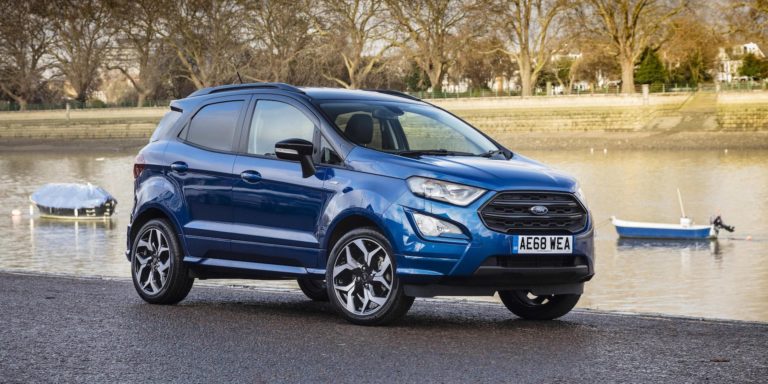
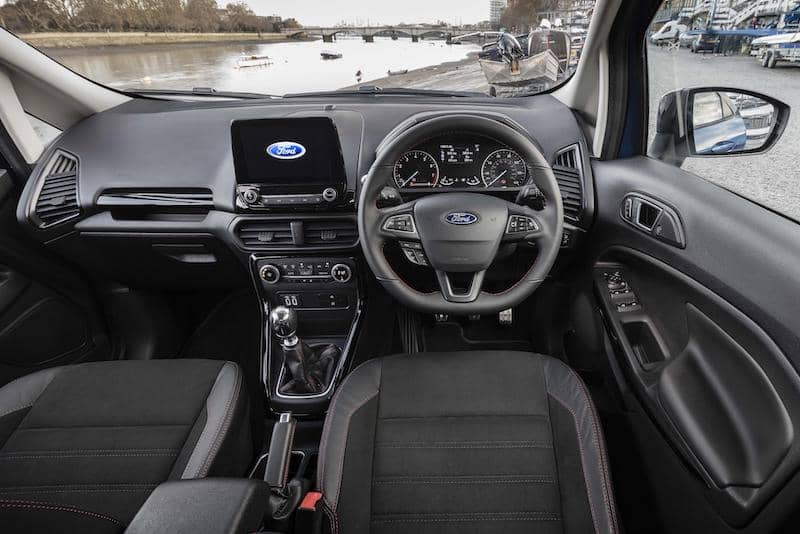









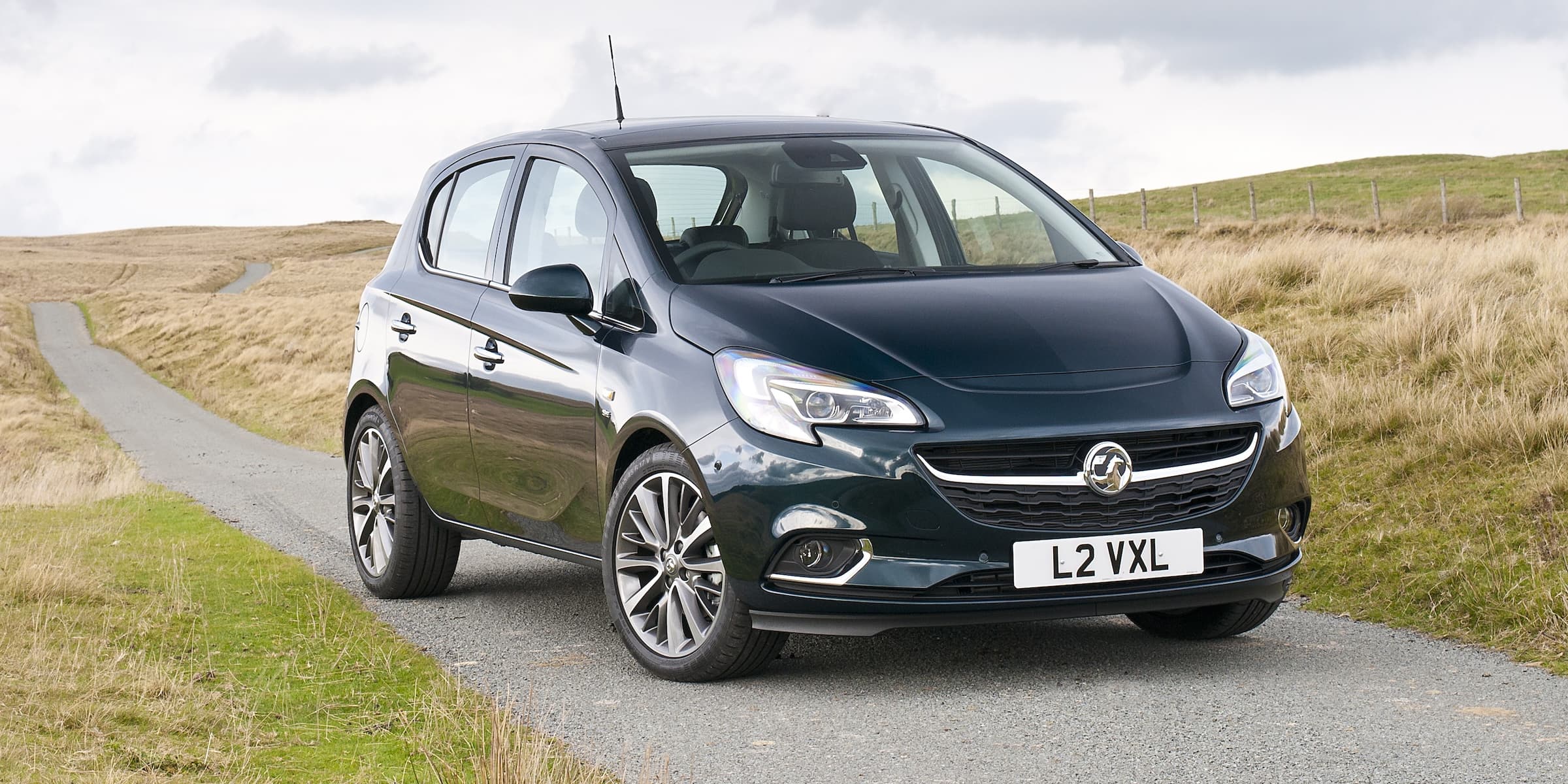







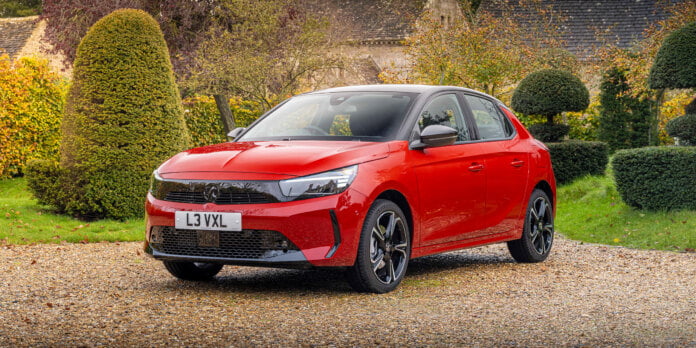


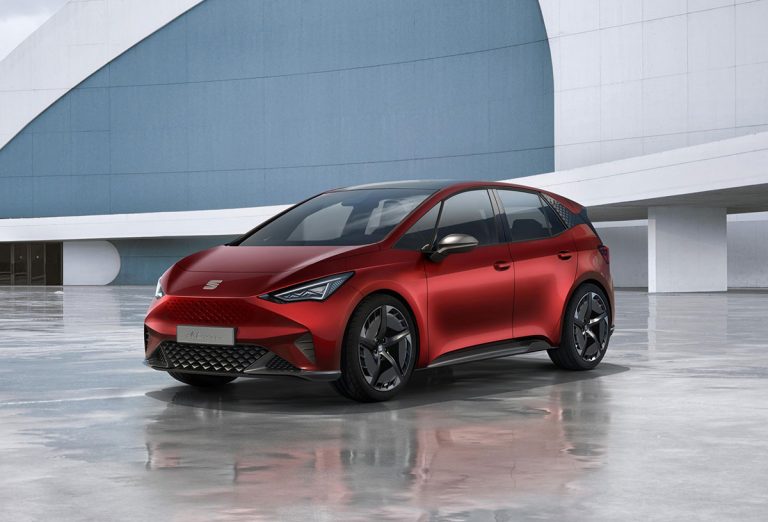


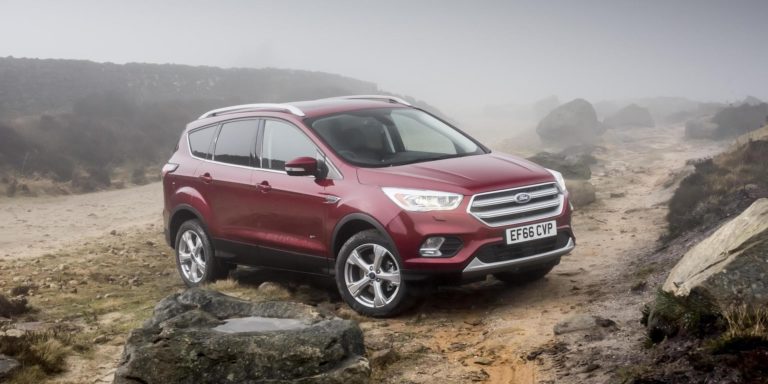




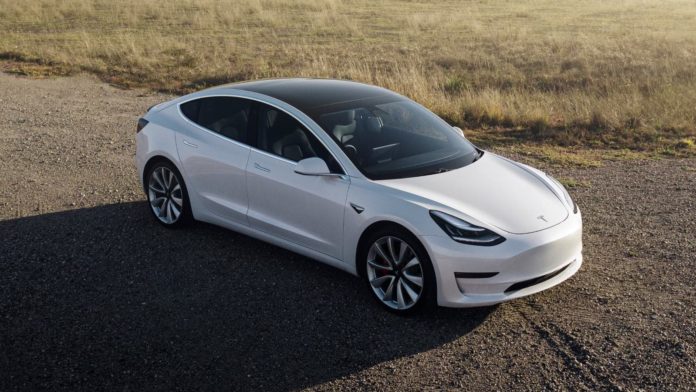

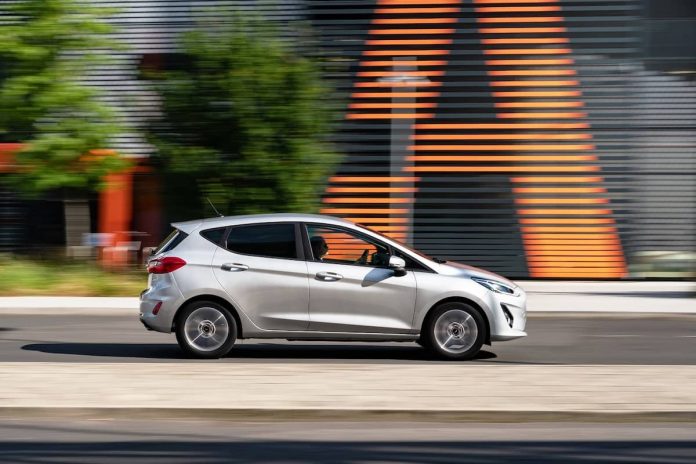

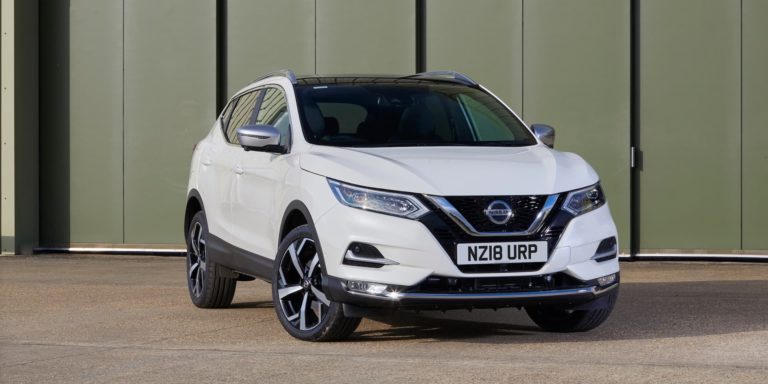


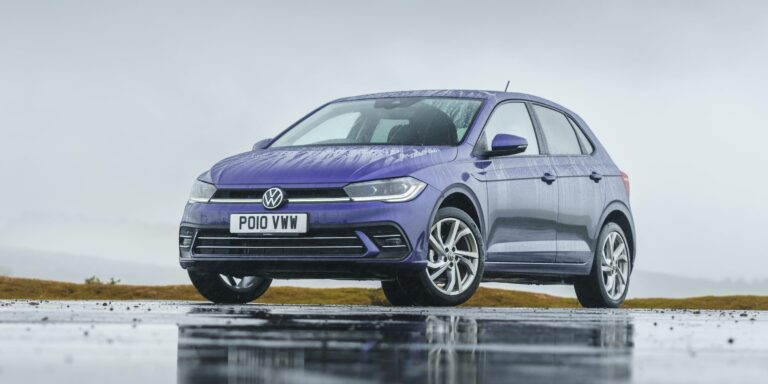

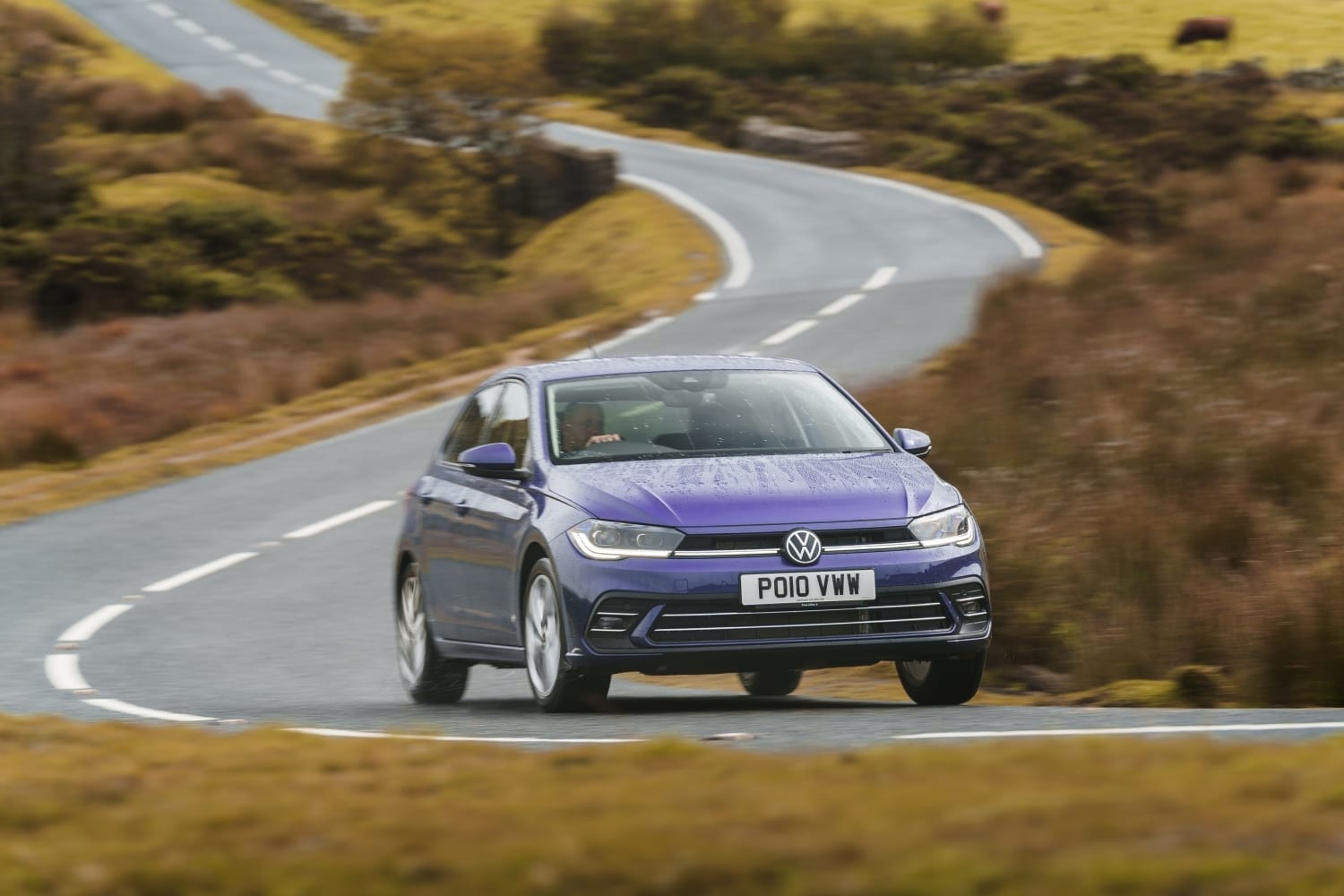
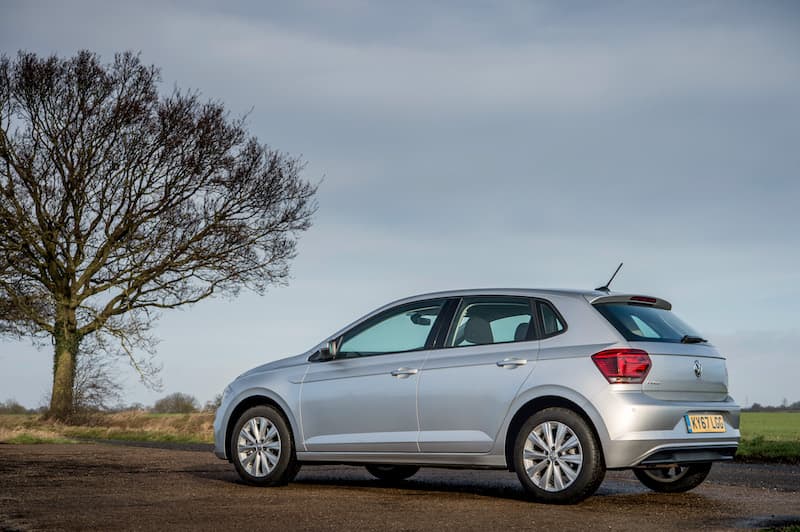

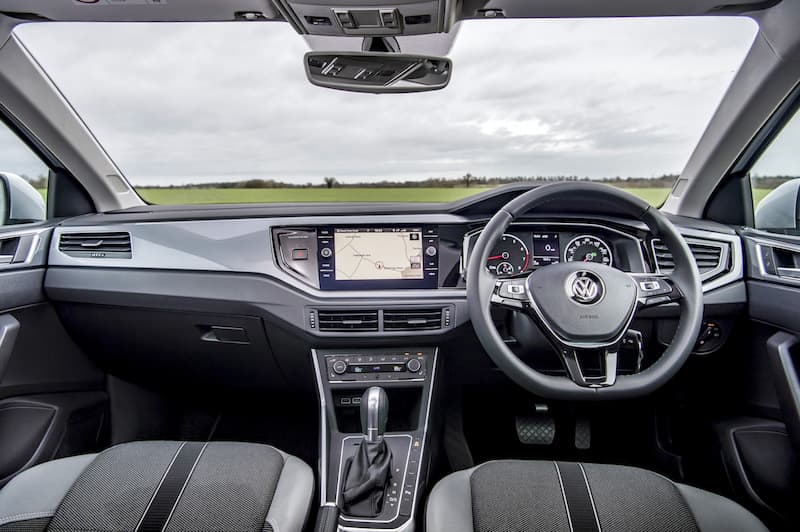


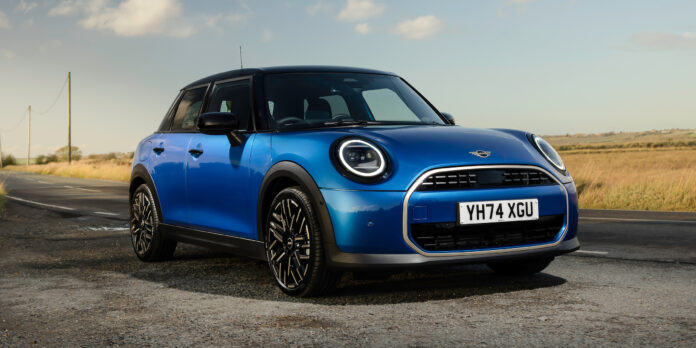


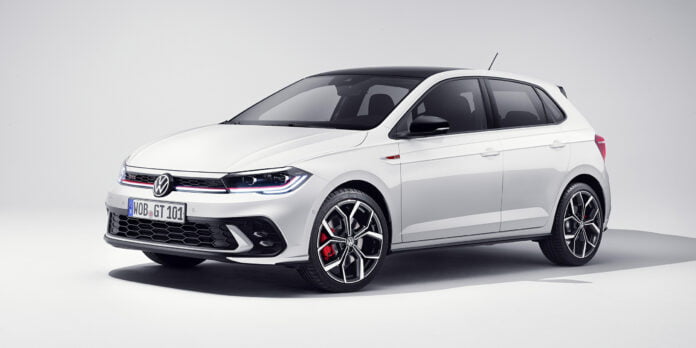





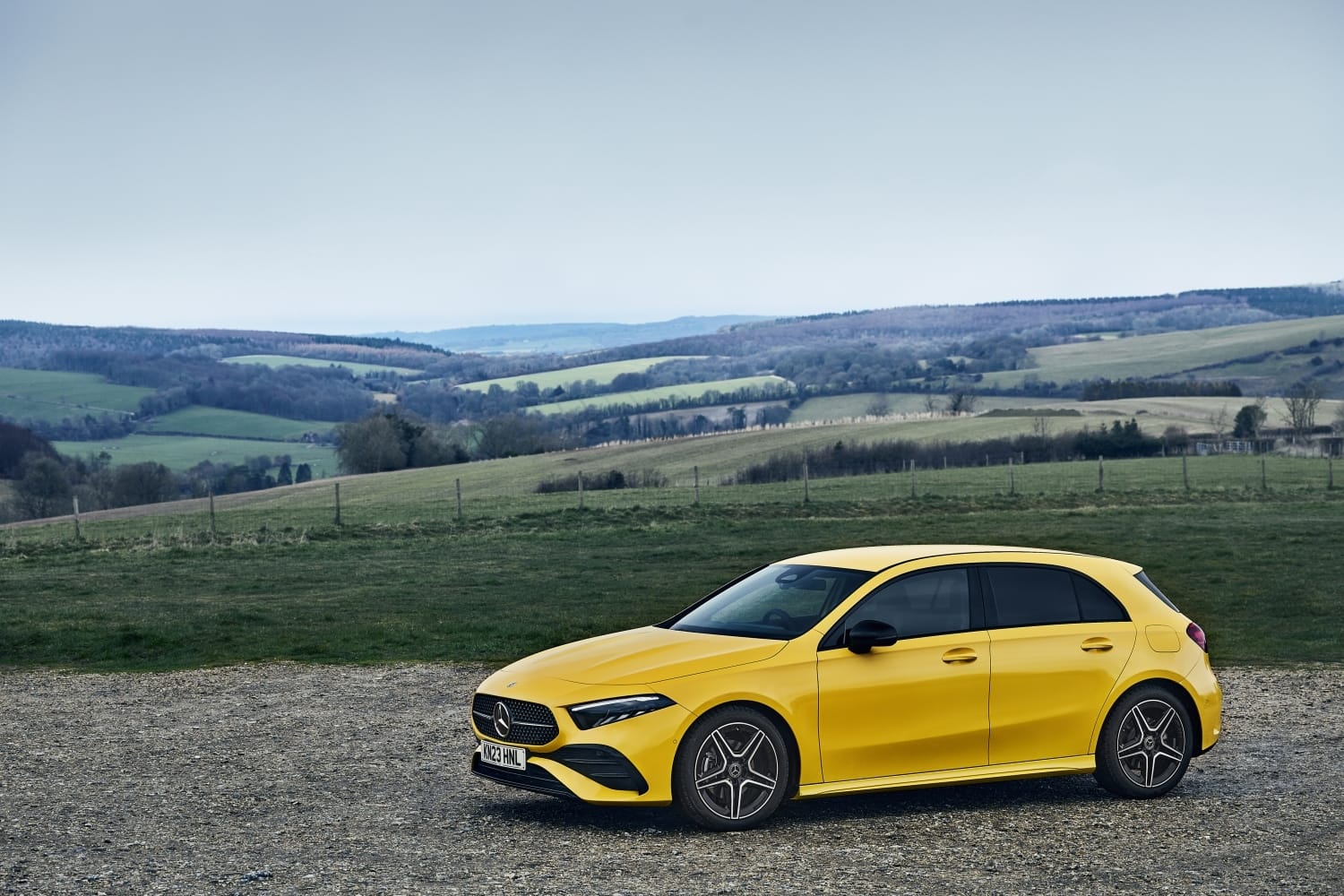
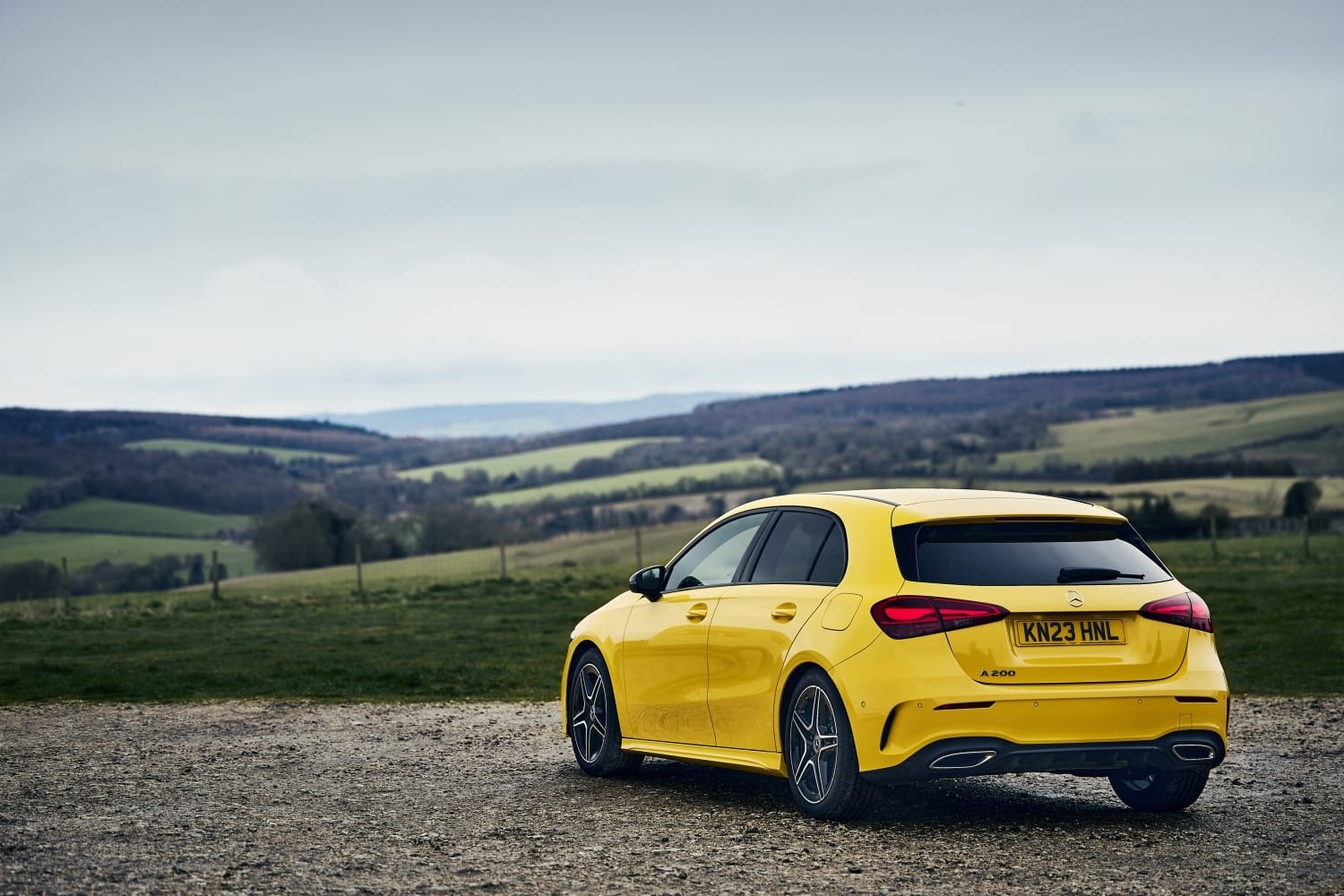

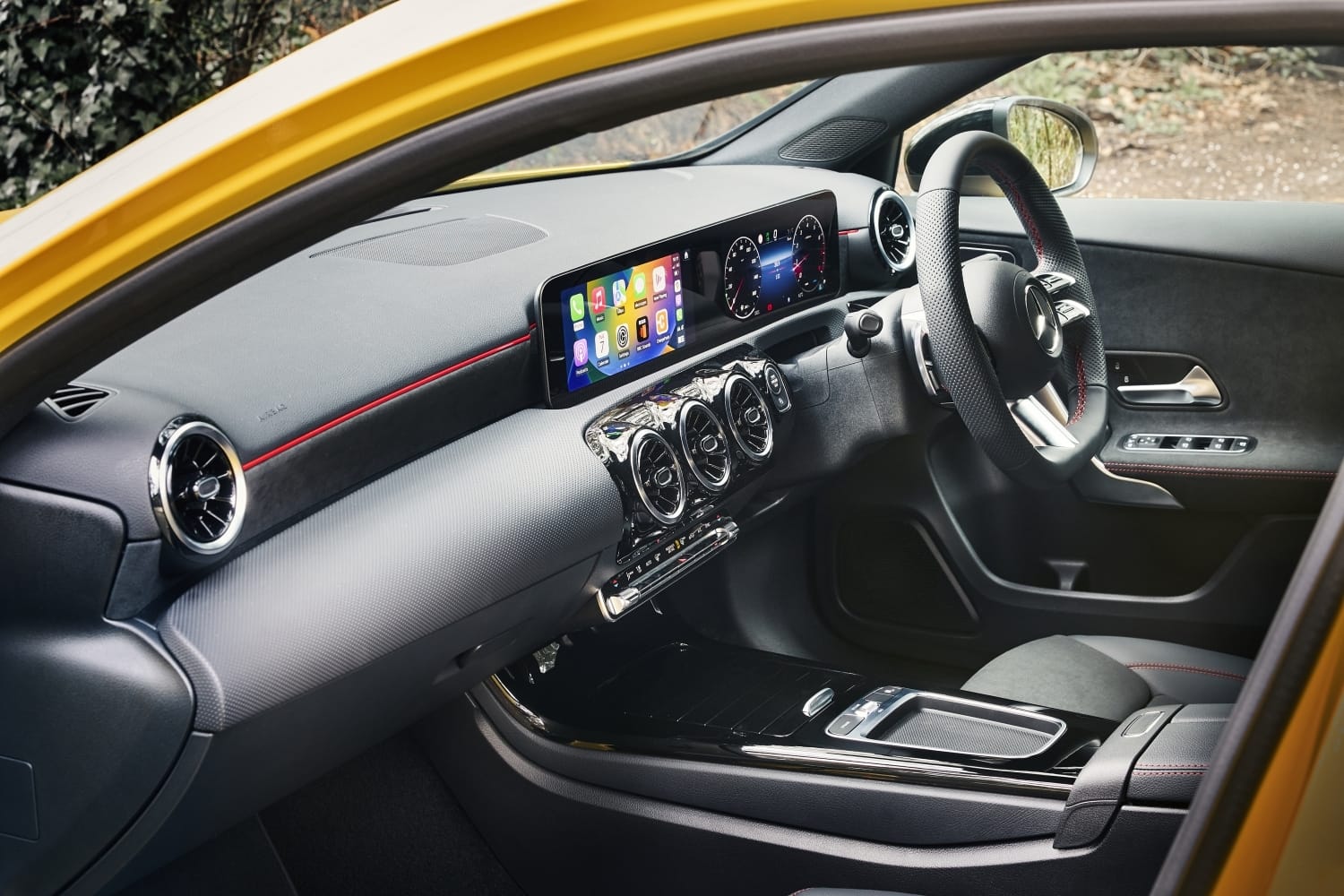


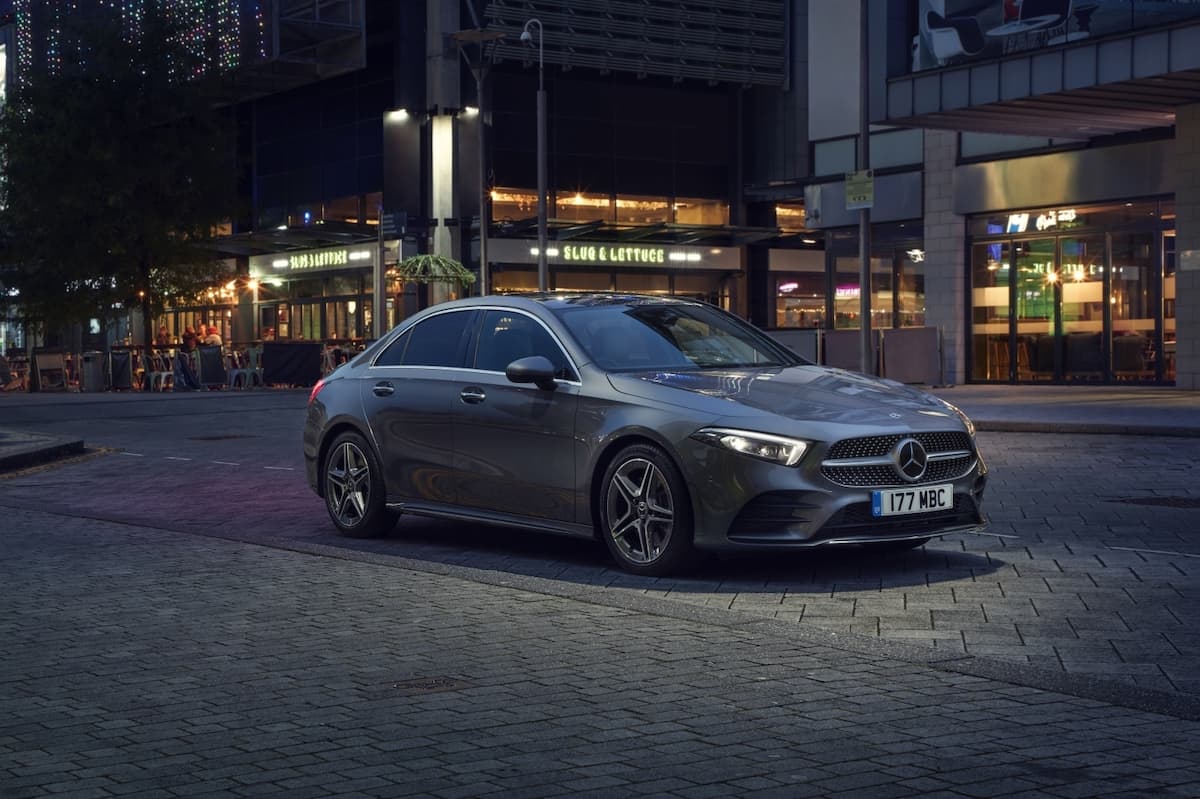

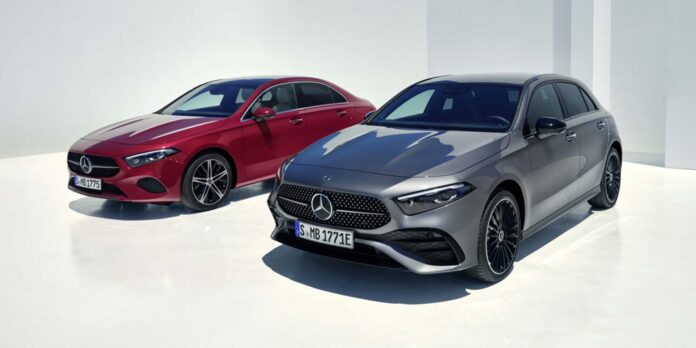


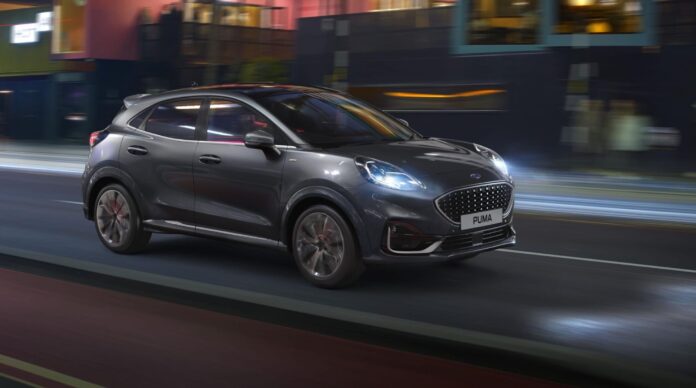


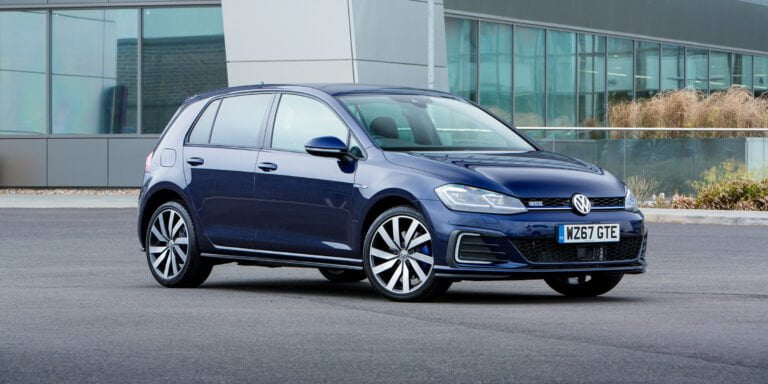


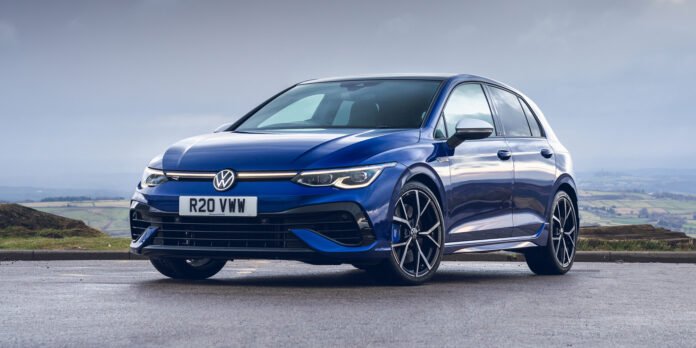
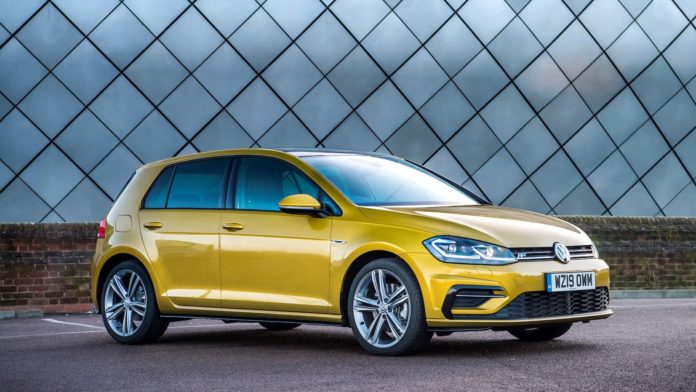


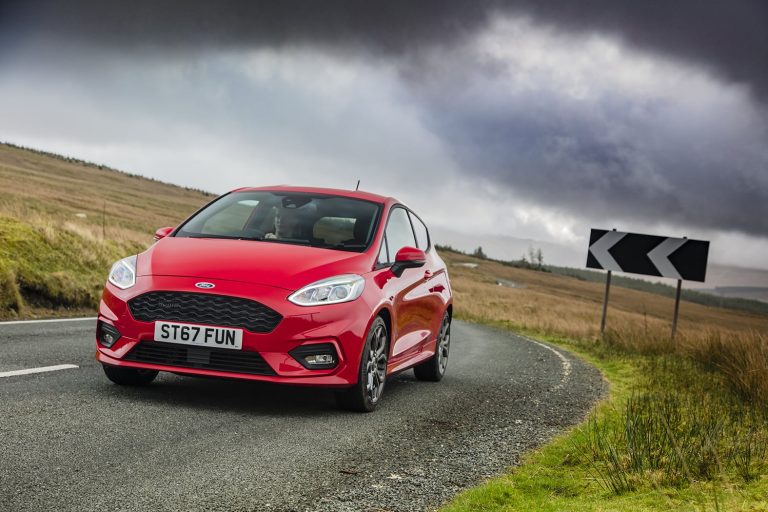

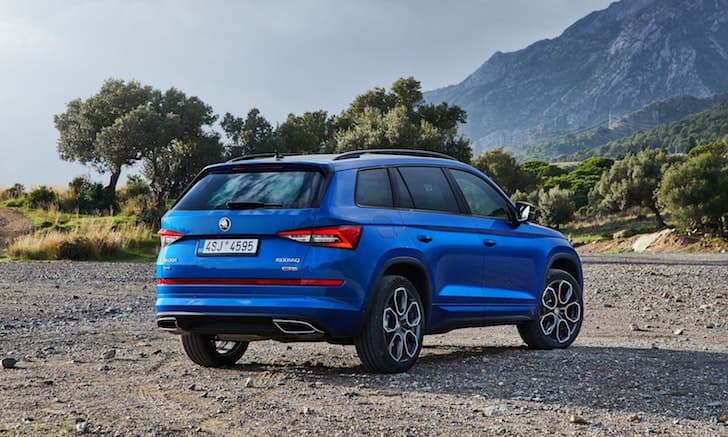
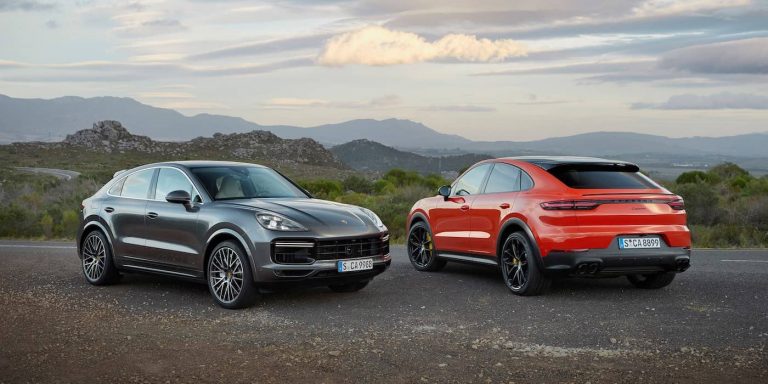
 Inside the Coupe is also distinctly different to its stock sibling, with the standard car’s three-seater rear bench removed in favour of two individual seats with a centre armrest. Rear passengers sit 3cm lower than in the standard Cayenne to provide them with sufficient headroom, despite the low roofline.
Boot space is 625 litres rising to 1,540 litres when the rear seats are folded down, though in Turbo models it drops to 600 and 1,510 litres. This compares to 770 and 1710 litres in the standard Cayenne.
At launch, the Coupe engine line-up will mirror that of the standard Cayenne. Entry point will be a 340hp 3.0-litre V6 petrol unit offering a 0-60mph sprint of less than six seconds and a top speed of 151mph.
Also available will be the Cayenne Turbo Coupe, which features a 4.0-litre V8 producing 550hp. It will be capable of 0-60mph in less than four seconds, and a top speed of 178mph.
According to Porsche sales and marketing head Detlev von Platen, the brand wants to appeal more strongly to new, younger target groups with the Cayenne Coupe. “These groups value exclusivity and an expressive lifestyle and have a very performance-oriented mentality,” von Platen said.
Porsche is taking orders for the Cayenne Coupe, with first deliveries set for the end of May. Prices start at £62,129, the Turbo costing from £104,729.
Inside the Coupe is also distinctly different to its stock sibling, with the standard car’s three-seater rear bench removed in favour of two individual seats with a centre armrest. Rear passengers sit 3cm lower than in the standard Cayenne to provide them with sufficient headroom, despite the low roofline.
Boot space is 625 litres rising to 1,540 litres when the rear seats are folded down, though in Turbo models it drops to 600 and 1,510 litres. This compares to 770 and 1710 litres in the standard Cayenne.
At launch, the Coupe engine line-up will mirror that of the standard Cayenne. Entry point will be a 340hp 3.0-litre V6 petrol unit offering a 0-60mph sprint of less than six seconds and a top speed of 151mph.
Also available will be the Cayenne Turbo Coupe, which features a 4.0-litre V8 producing 550hp. It will be capable of 0-60mph in less than four seconds, and a top speed of 178mph.
According to Porsche sales and marketing head Detlev von Platen, the brand wants to appeal more strongly to new, younger target groups with the Cayenne Coupe. “These groups value exclusivity and an expressive lifestyle and have a very performance-oriented mentality,” von Platen said.
Porsche is taking orders for the Cayenne Coupe, with first deliveries set for the end of May. Prices start at £62,129, the Turbo costing from £104,729.

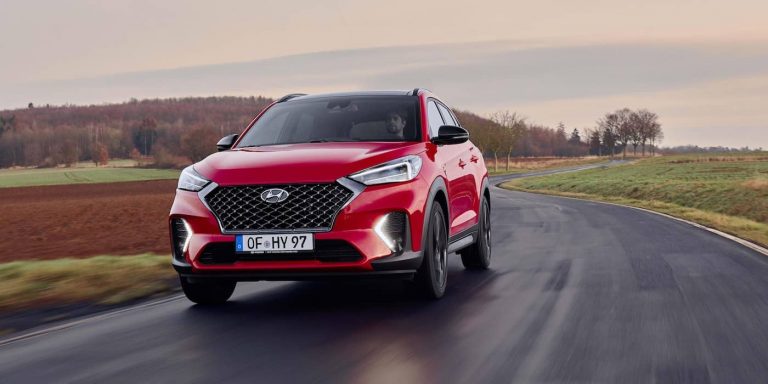
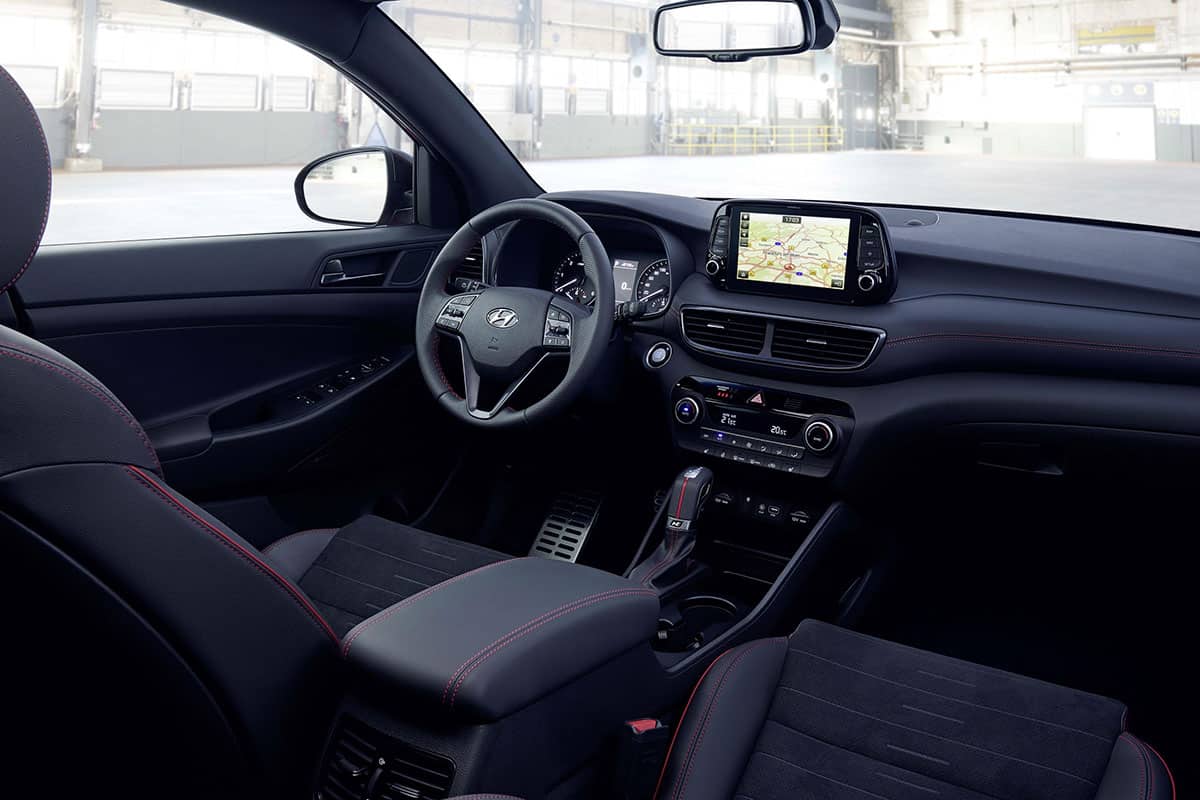 The new front end features low-set, angular LED daytime running lights below the Tucson’s sharp-edged headlight units.
The interior makeover, includes N-branded sports seats finished in leather and suede, plus red stitching across the steering wheel, seats and gear shift.
Hyundai will offer the Tucson N-Line with a choice of two powertrains – one diesel and one petrol. New to the range is a 1.6-litre CRDi diesel with 136hp, which now features 48V mild hybrid technology to improve fuel economy.
Sitting above this is a 1.6-litre turbocharged petrol with 178hp. Other markets get a 2.0-litre diesel with 185hp, but that powertrain won’t be available on UK N-Line models, instead remaining exclusive to Premium and Premium SE trims.
The Hyundai Tucson N-Line is expected to go on sale later this year at prices yet to be announced.
The new front end features low-set, angular LED daytime running lights below the Tucson’s sharp-edged headlight units.
The interior makeover, includes N-branded sports seats finished in leather and suede, plus red stitching across the steering wheel, seats and gear shift.
Hyundai will offer the Tucson N-Line with a choice of two powertrains – one diesel and one petrol. New to the range is a 1.6-litre CRDi diesel with 136hp, which now features 48V mild hybrid technology to improve fuel economy.
Sitting above this is a 1.6-litre turbocharged petrol with 178hp. Other markets get a 2.0-litre diesel with 185hp, but that powertrain won’t be available on UK N-Line models, instead remaining exclusive to Premium and Premium SE trims.
The Hyundai Tucson N-Line is expected to go on sale later this year at prices yet to be announced.


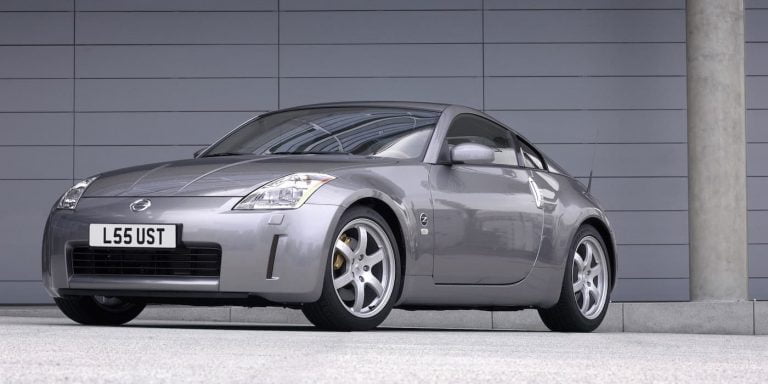
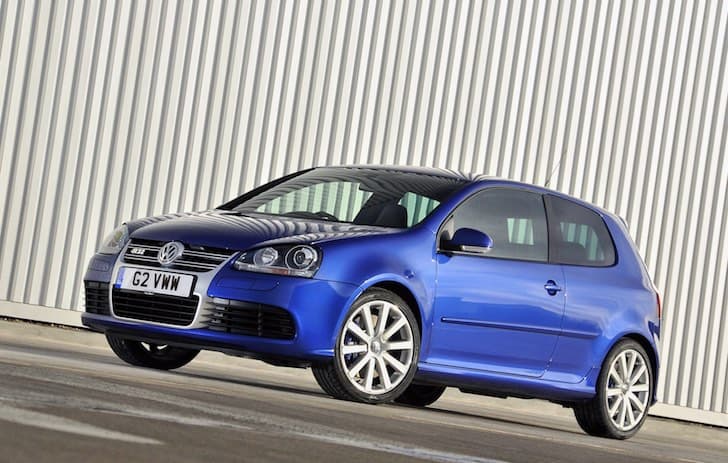


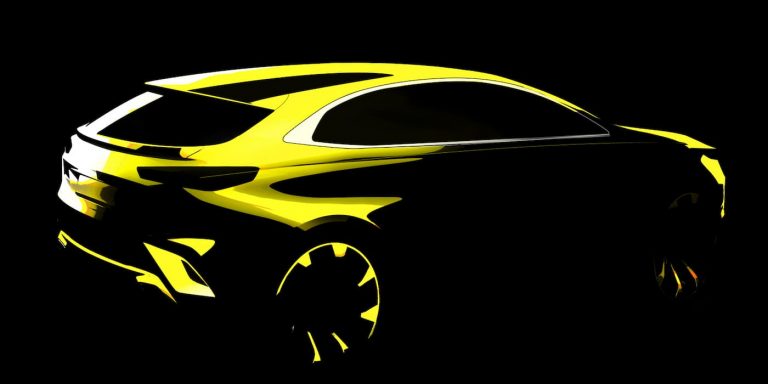
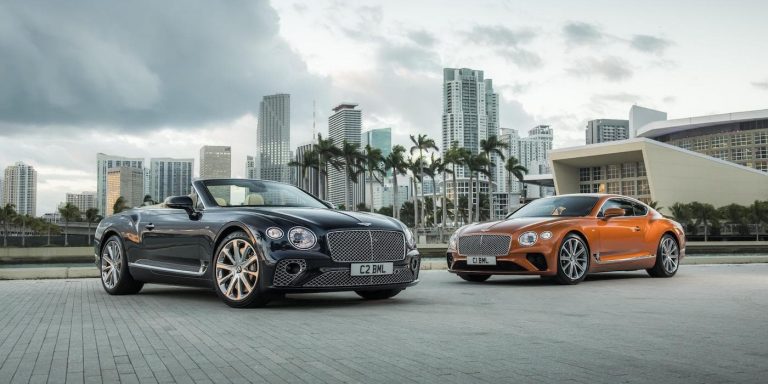
 The main appeal of a Continental V8, however, will be the improved range. The new engine will be able to deliver better fuel economy than the W12, helping the Continental GT complete cross-country journeys with fewer stops at a filling station.
Bentley hasn’t released fuel economy figures yet, but has promised a range between fill-ups of more than 500 miles – around 50 more than the W12 will manage.
Customers will be able to distinguish their V8 Continental from the W12 model by bespoke 20-inch, 10-spoke alloy wheels, quad exhaust pipes, and subtle badging.
The Continental GT V8 is expected on UK roads in 2020 – no pricing has been released yet but the figure is expected to be less than the W12 model’s £159,100 asking price.
The main appeal of a Continental V8, however, will be the improved range. The new engine will be able to deliver better fuel economy than the W12, helping the Continental GT complete cross-country journeys with fewer stops at a filling station.
Bentley hasn’t released fuel economy figures yet, but has promised a range between fill-ups of more than 500 miles – around 50 more than the W12 will manage.
Customers will be able to distinguish their V8 Continental from the W12 model by bespoke 20-inch, 10-spoke alloy wheels, quad exhaust pipes, and subtle badging.
The Continental GT V8 is expected on UK roads in 2020 – no pricing has been released yet but the figure is expected to be less than the W12 model’s £159,100 asking price.
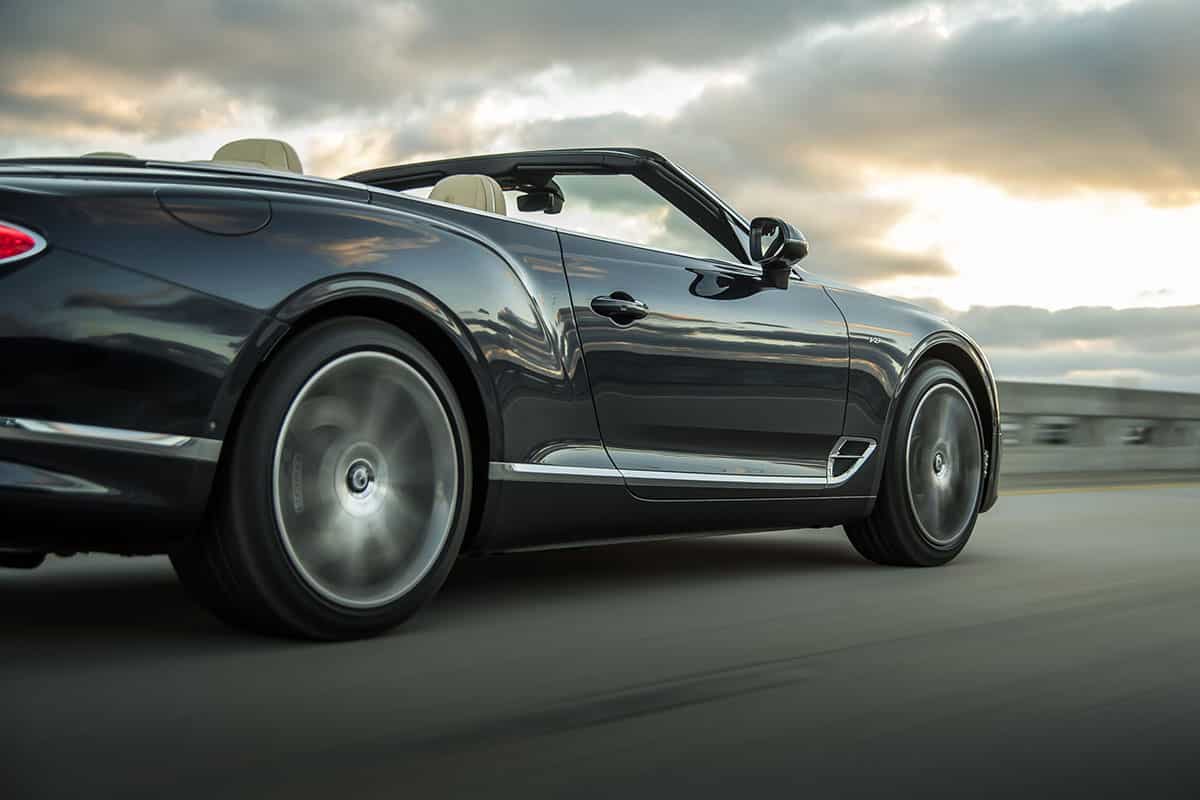
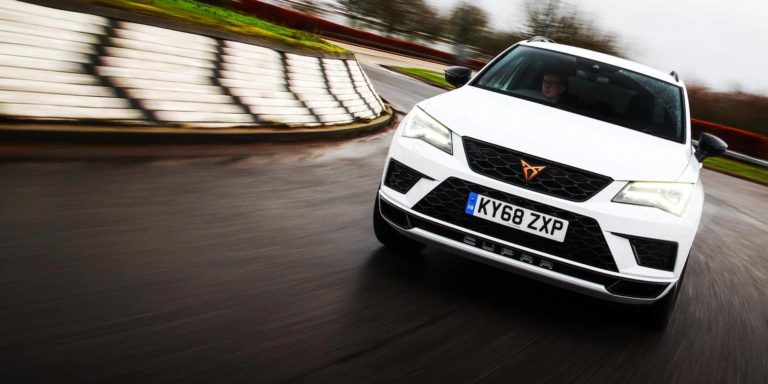


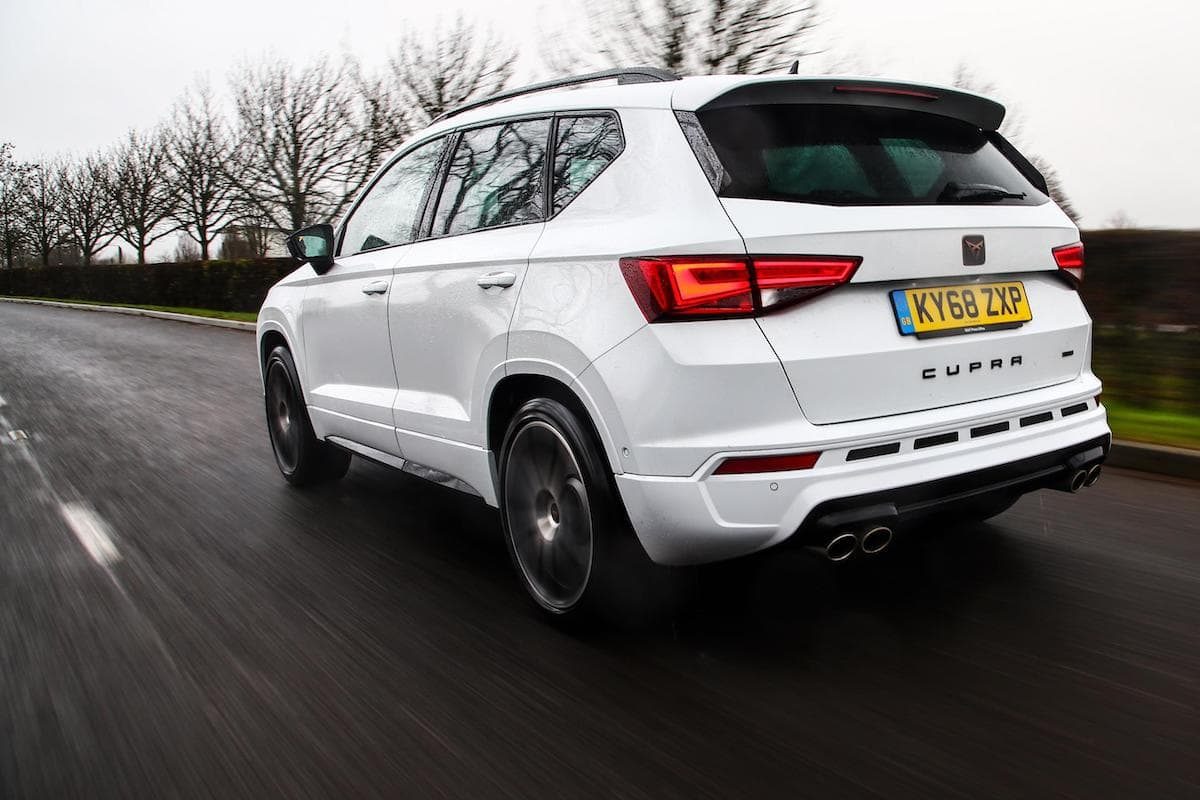
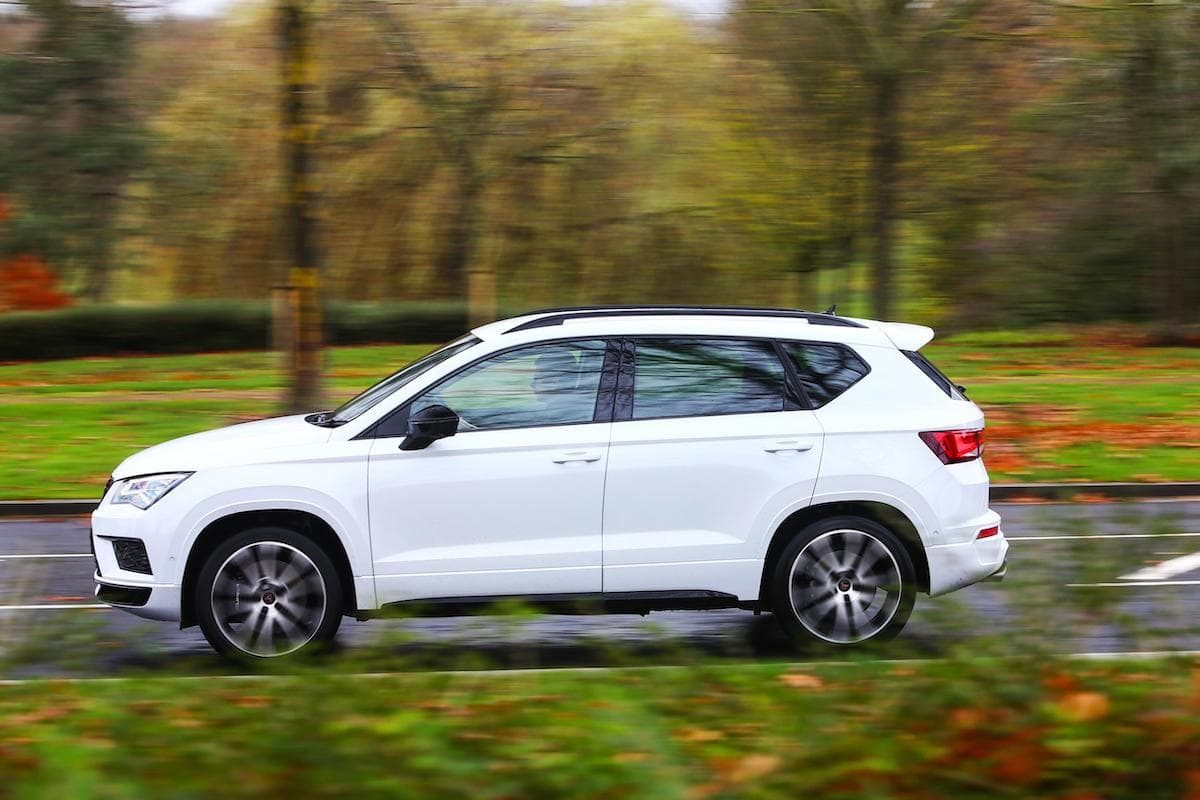
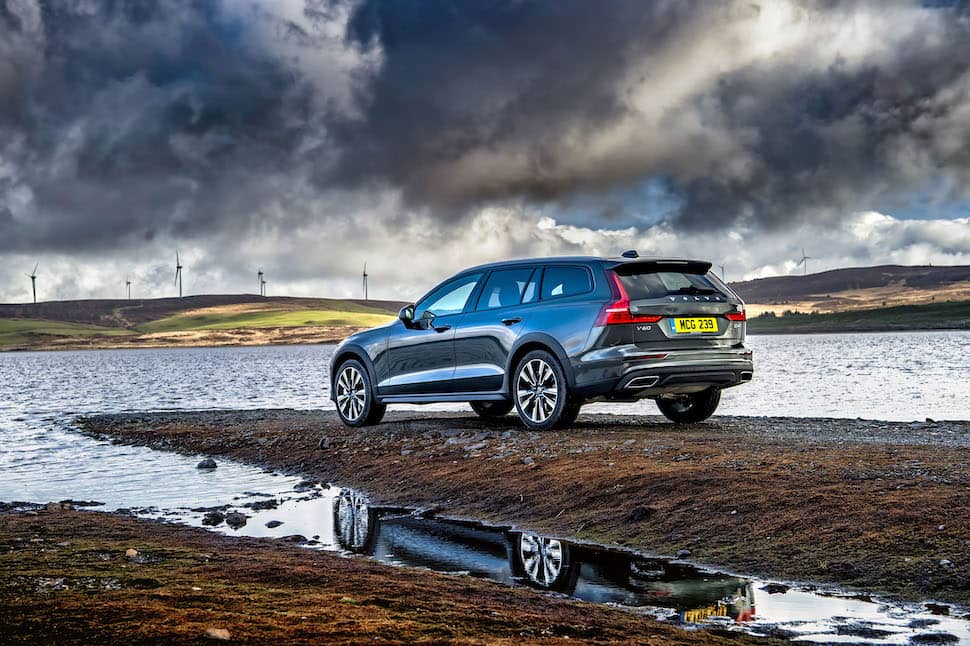
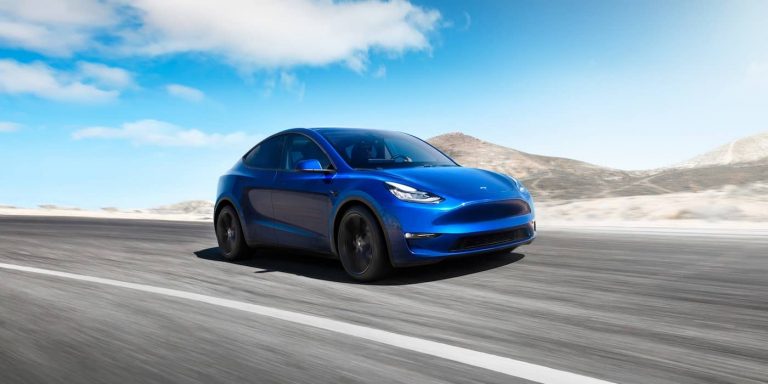

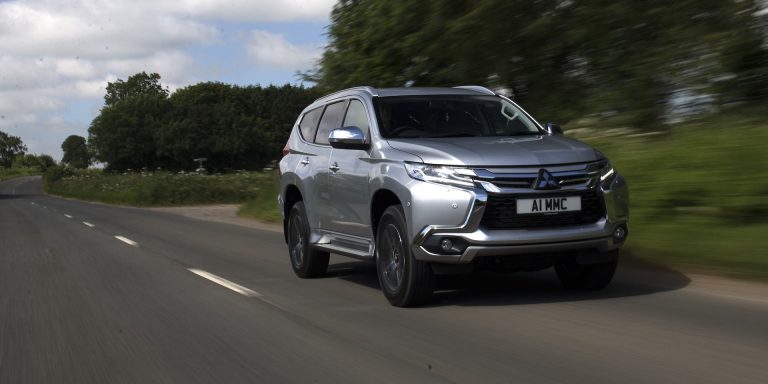




 The Scala will be sold in three trims – Skoda’s familiar S, SE and SE L grades. Entry-level S models start from £16,595 and highlights of the specification include 16-inch alloy wheels, LED headlamps, leather on the steering wheel, gear and handbrake lever, air-conditioning, DAB digital radio and an infotainment system with a six-inch screen.
Skoda’s Front Assist system, which incorporates autonomous emergency braking, tops the standard safety equipment.
Mid-range SE versions cost from £18,580 and extra equipment includes cruise control, rear parking sensors, an upgraded infotainment system with eight-inch touchscreen and an integrated umbrella in the door.
Range topper is the SE L at £20,380 and this includes Skoda’s new Amundsen infotainment system with nine-inch glass touchscreen, digital cockpit display, climate control air conditioning, keyless entry with start/stop and a colour multifunction trip computer.
Other SE-L features include 17-inch alloy wheels, full LED rear lights, dynamic indicators privacy glass on the rear windows and bespoke interior trim.
The Scala will be sold in three trims – Skoda’s familiar S, SE and SE L grades. Entry-level S models start from £16,595 and highlights of the specification include 16-inch alloy wheels, LED headlamps, leather on the steering wheel, gear and handbrake lever, air-conditioning, DAB digital radio and an infotainment system with a six-inch screen.
Skoda’s Front Assist system, which incorporates autonomous emergency braking, tops the standard safety equipment.
Mid-range SE versions cost from £18,580 and extra equipment includes cruise control, rear parking sensors, an upgraded infotainment system with eight-inch touchscreen and an integrated umbrella in the door.
Range topper is the SE L at £20,380 and this includes Skoda’s new Amundsen infotainment system with nine-inch glass touchscreen, digital cockpit display, climate control air conditioning, keyless entry with start/stop and a colour multifunction trip computer.
Other SE-L features include 17-inch alloy wheels, full LED rear lights, dynamic indicators privacy glass on the rear windows and bespoke interior trim.