BMW has revealed its latest-generation 4 Series Coupé, debuting a dramatic new design ahead of its market launch in October.
The two-door version of the current-generation 3 Series, the 4 Series Coupé arrives with an eye-catching look which incorporates a huge new front grille. A concept car previewed the new look at the 2019 Frankfurt motor show, and the production version has followed that pretty closely. It’s already caused considerable discusion on social media and motoring websites, with most of it pretty negative.
BMW explains the new look as “a modern interpretation of the classic BMW kidney grille”, and it’s certainly one of the most noticeable aspects of the new car’s design.
Slim LED headlights sit at the front of the car, while at the rear the lights have been designed into L-shaped bars.
A series of petrol and diesel engines will be available from launch – three petrol and two diesel – while a further pair of six-cylinder diesel engines will join the line-up in March next year.
All diesel engines, as well as the six-cylinder petrol which currently tops the range, benefit from mild-hybrid technology that uses a 48-volt starter-generator to aid with efficiency while improving engine response. All cars come with an eight-speed automatic transmission as standard too.
The range is kicked off by the 2.0-litre petrol-powered 420i and is followed by the 430i, which uses the same engine but with power increased from 184hp to 258hp. The range is topped by the M440i xDrive Coupé, which uses a 3.0-litre straight-six engine with 374hp.
From launch, the single diesel available will sit in the 420d xDrive Coupe, with the four-cylinder unit producing 190hp and 400Nm of torque.
Longer, wider, more advanced
To give the 4 Series a sportier feel, BMW has given it a lower centre of gravity than the 3 Series saloon, while the rear track is a couple of centimetres wider than the four-door upon which it is based. Compared to the previous-generation 4 Series Coupé, the new car is some 13cm longer and about 3cm wider
The suspension features tuning bespoke to the 4 Series, while M Sport suspension remains an optional extra for those who want a firmer ride. Electronically-controlled dampers can be fitted at extra cost, too.
Inside, there’s a 10-inch central infotainment screen, while a 12-inch instrument cluster can be added as an optional extra. BMW has also included acoustic glass in the windscreen to create a more hushed cabin, while the glass roof is a couple of centimetres longer than that on the old car to help create a lighter interior.
Full UK pricing and specification for the new BMW 4 Series Coupé will be released closer to the car’s arrival in local dealers. There will also be the inevitable separate launches for the 4 Series Convertible and 4 Series Gran Coupé models as well over the coming months, followed by the M4 versions of each.
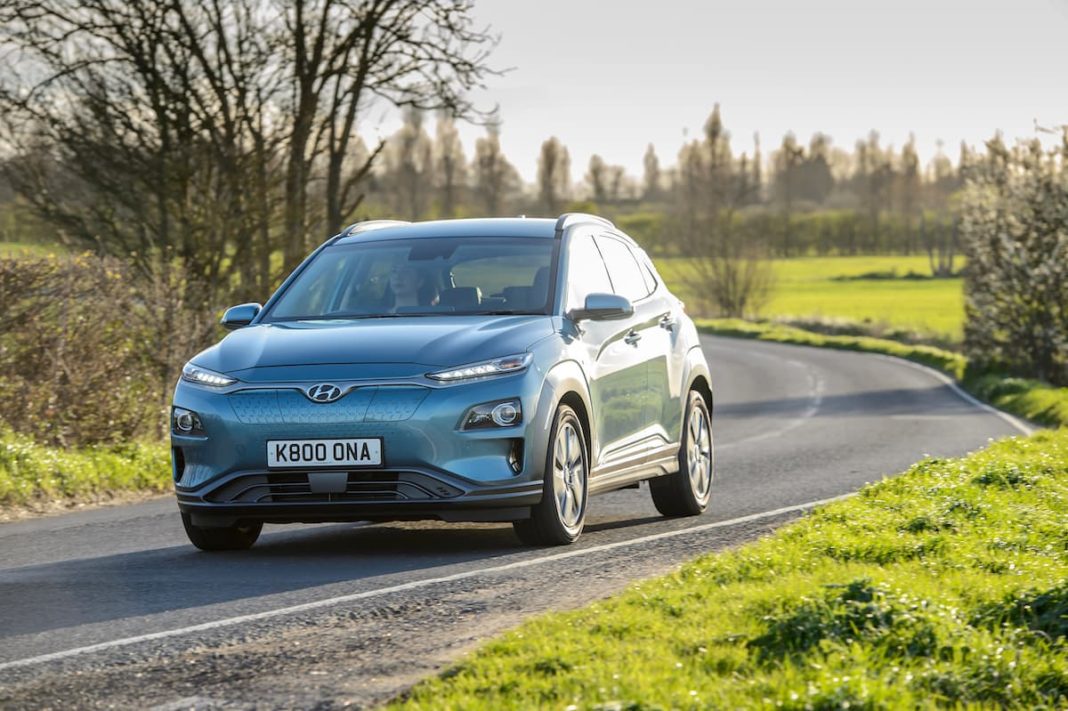
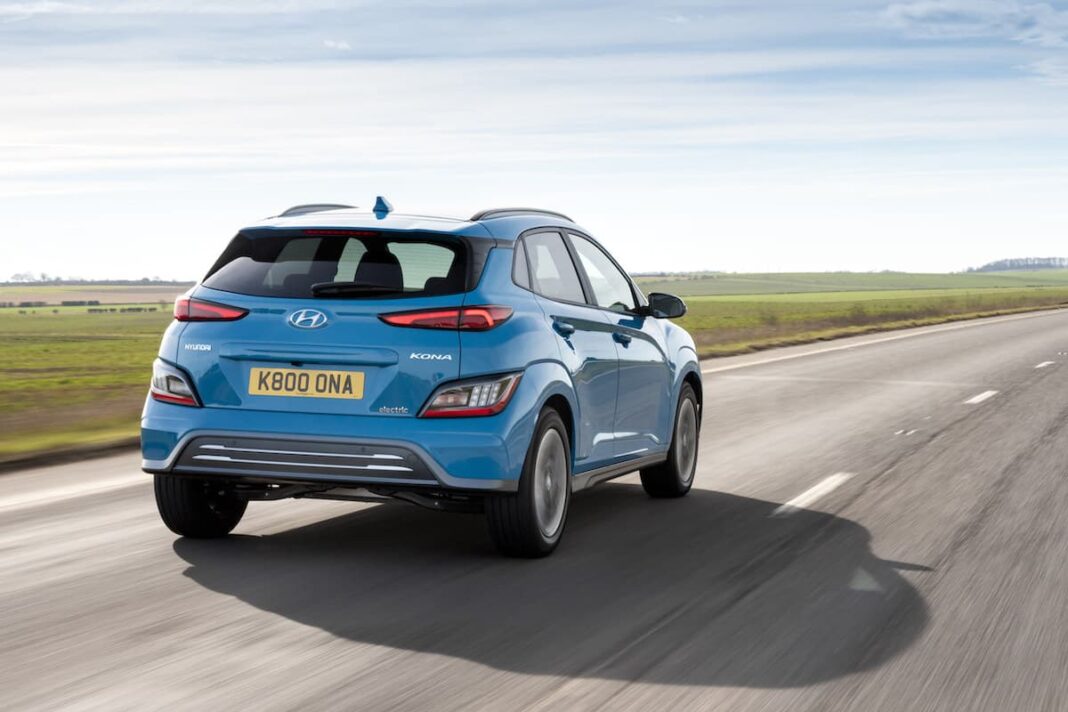
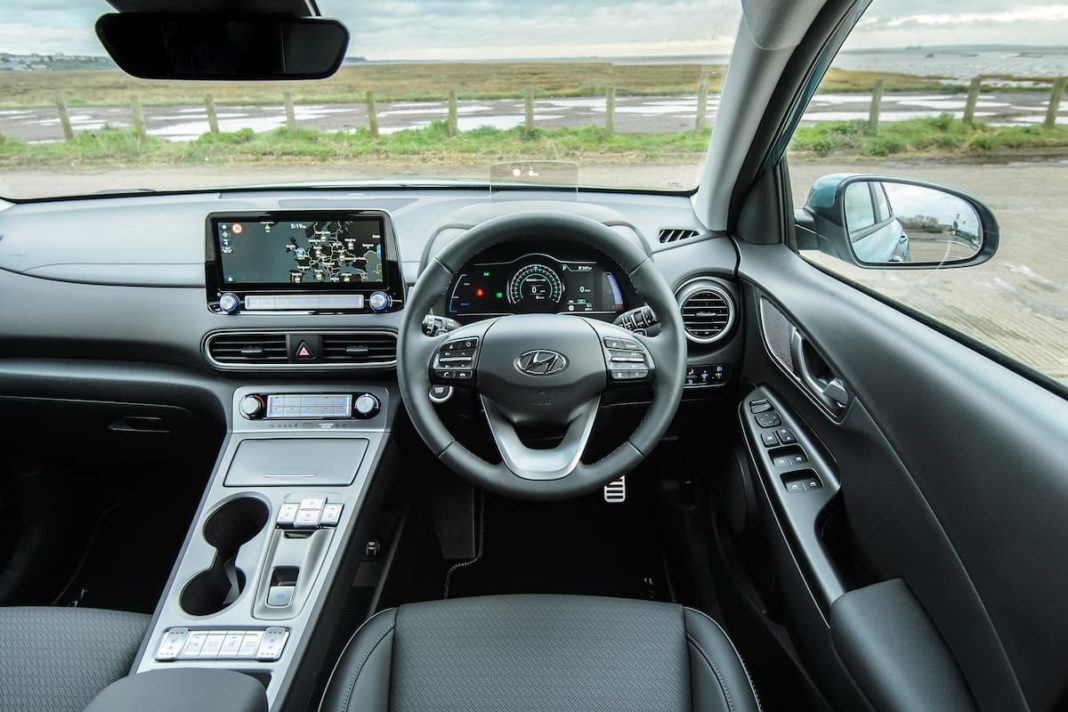
The Hyundai Kona Electric was a fully-electric version of the Kona small SUV/crossover, and was also closely related to the Kia e-Niro. It arrived in the UK in late 2018, and was removed from sale five years later to make way for a new version of the Kona Electric.
The Kona Electric received high praise from the UK motoring media and, now out of production, it holds a strong Used Car Expert Rating of A, with a score of 76%. This is in stark contrast to the regular petrol Kona model range, which sat in the bottom half of the small SUV market when new and hasn’t really improved as a used car.
According to Hyundai’s official figures, the Kona Electric with a 64kWh battery (the larger of the two battery choices) was capable of covering 279 miles on a single charge. Based on independent research, this is likely to translate to a real-world driving figure of about 250 miles.
The Hyundai Kona Electric was praised for its driving range, which is more than comfortable enough for most car buyers, as well as its overall practicality. Critics rated the similar (but now also replaced) Kia e-Niro more highly, although it’s also more expensive than the Hyundai.
An all-new Hyundai Kona range arrived in the UK in Summer 2023. It is based on the new Kia Niro range, and is slightly larger to provide more room for rear-seat passengers.
“The Hyundai Kona Electric is still one of our favourite EVs – punchy performance, a genuinely useful range and decent levels of comfort and practicality make it a great all-rounder. The mid-spec Premium model offers the best value for money, in our opinion.”
Model reviewed: Range overview
Score: 8 / 10
Auto Express
More reviews
Auto Express
Model reviewed: Range overview Score: 9 / 10 “The popular Hyundai Kona Electric SUV has been updated for 2020 and it’s now better than ever” Read review
Auto Trader
Model reviewed: Range overview Score: 8 / 10 “The Hyundai Kona Electric’s chunky design makes it one of the more distinctive-looking offerings in the small SUV segment, but it is the choice of two versions, both with a decent driving range, that makes it a winner in our eyes.” Read review
Car
Model reviewed: Range overview Score: 8 / 10 “It might be based upon a middling family car in ICE form, but as an EV, the Hyundai Kona Electric really is an astounding effort. As a state-of-the-art EV that’ll go harder, and faster than all of its rivals, this is the one to go for – some achievement considering it’s far from the newest option available.” Read review
Car Keys
Model reviewed: Range overview Score: 9 / 10 “We take our hats off to Hyundai for making an EV that has an impressive real-world range, but at a reasonable price. It’s one of the most usable electric cars on the market, and while it’s not without fault, it could be the driving force that people need to get into something electric.” Read review
Carbuyer
Model reviewed: Range overview Score: 8.6 / 10 “The Hyundai Kona is a car transformed by the switch to electric power, making it a great choice for affordable family motoring.” Read review
Carwow
Score: 8 / 10 “The Hyundai Kona Electric offers punchy performance, a raised driving position and lots of equipment, but there are more spacious EV alternatives.” Read review
Company Car Today
Model reviewed: Premium SE 64 kWh Score: 8 / 10 “A genuine step forward for EVs thanks to a battery that removes range concerns for a greater size of the driving population, in a car that’s ‘normal’ in every other way.” Read review
Discover EV
Model reviewed: Ultimate 64kWh (facelifted model) “The Hyundai Kona Electric has been a key player in the UK’s EV market and these latest updates should help to meet consumers growing demands of what they want from an electric car in terms of cost, range and equipment levels.” Read review
Model reviewed: Ultimate 64kWh (pre-facelift) Score: 8 / 10 “With 278 miles of a range and a starting price of 35,900, the Hyundai Electric Kona almost matches the distance you can travel in your regular car and at a fairly reasonable price point, too.” Read review
Green Car Guide
Model reviewed: Premium SE 64 kWh Score: 10 / 10 “The Hyundai Kona Electric is the first car to address all the normal objections to electric cars for the average motorist. It has a 279-mile electric range, zero tailpipe emissions, it’s excellent to drive, it’s well equipped, it has a practical body style, and it’s relatively affordable.” Read review
Heycar
Model reviewed: Range overview Score: 8 / 10 “The Hyundai Kona Electric is one of the best electric cars on the market. It’ll travel far enough between charges to keep most of us happy, and you get a load of standard equipment for your money. It’s so desirable that actually finding one might be tricky, and you’ll pay a premium for it.” Read review
Honest John
Model reviewed: Range overview Score: 10 / 10 “By offering Tesla-rivalling electric range in a desirable crossover package for an affordable price, Hyundai has already proven it’s onto a winner with the Kona Electric. It has its flaws – a small boot, for example – but it’s still a massively appealing electric car.” Read review
Parkers
Model reviewed: Range overview Score: 8 / 10 “The state-of-the-art of family electric cars” Read review
The Sun
“Hyundai’s all-electric Kona is handsome – and packed with tech from infotainment system to USB ports. With a range of 259 miles and a £30k price tag, the new Kona is the first genuine long-range electric car for the masses.” Read review
The Sunday Times
Model reviewed: Premium SE 64kWh Score: 8 / 10 “Hyundai has produced the first viable answer to Tesla’s Model 3… but not enough of them to go around. In such a fast-moving car market, that could prove to be a big problem for the Kona Electric’s prospects.” Read review
The Telegraph
Model reviewed: 39kWh Premium Score: 6 / 10 “The Hyundai Kona Electric is still a likeable little car. With this smaller battery, it certainly makes a good case for itself as a sensible second car or runaround. The trouble is, by and large, its rivals are smarter and roomier, and some also throw a greater range into the bargain too.” Read review
Top Gear
Model reviewed: Premium 64kWh Score: 9 / 10 “A proper tipping point BEV [battery electric vehicle]: genuine 300-mile (ish) range in a small SUV for under £30k. Consider it.” Read review
Safety rating
Independent crash test and safety ratings from Euro NCAP
No safety rating
The Hyundai Kona Electric was not awarded a safety rating by Euro NCAP.
The conventional petrol and diesel Kona models were awarded a five-star safety rating back in 2017, but that score was not applied to the Kona Electric because of the substantial differences in the electric motor and battery layout compared to a regular engine and fuel tank.
Eco rating
Independent economy and emissions ratings from Green NCAP
Clean Air Index: 10 / 10 Energy Efficiency Index: 10 / 10
Reliability rating
Reliability data provided exclusively for The Car Expert by MotorEasy
No reliability rating
As of March 2026, we don’t have enough reliability data on the Hyundai Kona Electric to generate a reliability rating.
The Car Expert’s reliability information is provided exclusively to us using workshop and extended warranty data from our partner, MotorEasy, sourced from both official dealerships and independent workshops.
As soon as MotorEasy has sufficient data on the Kona Electric, we’ll publish the results here.
Running cost rating
Monthly cost of ownership data provided exclusively for The Car Expert by Clear Vehicle Data
Battery range
Average
Score
Variation
Score
EV models
246 miles
B
Electrical efficiency
Average
Score
Variation
Score
EV models
4.6 m/KWh
A
Insurance group
Average
Score
Variation
Score
All models
24
B
The Hyundai Kona Electric is both cheap to run and pretty efficient, according to running cost data provided exclusively by our partner Clear Vehicle Data. Its maximum battery range is competitive with the electric car market at large, and its insurance premiums are lower than average too.
Recalls
Official DVSA safety recalls that have been issued for the Hyundai Kona Electric
Jun 2023
Apr 2021
Jan 2021
Feb 2021
Oct 2020
May 2019
Jan 2019
Date: June 2023 Recall number: R/2023/134 Model types: Kona EV Build dates: 06/2020 to 09/2020 Number of vehicles affected: 1,121 Defect: Subject vehicles may experience a loss of coolant within the electronic power control unit. Remedy: Inspect the electronic power control unit and replace the component if required.
Date: April 2021 Recall number: R/2021/087 Model types: Kona EV Build dates: 05/2018 to 03/2020 Number of vehicles affected: 1,214 Defect: Potential electrical short in the lithium-ion battery. Remedy: Initial step to limit the charge state followed by eventual complete replacement of the battery assembly.
Date: January 2021 Recall number: R/2020/382 Model types: Kona EV and hybrid Build dates: 01/2018 to 11/2020 Number of vehicles affected: 12,835 Defect: If an abnormality is registered within the IEB system that might illuminate the malfunction indicator lamp (MIL) on the vehicle cluster braking performance may be reduced. Remedy: A software upgrade to the ESC (electronic stability control) system.
Date: February 2021 Recall number: R/2021/014 Model types: All Kona models Build dates: 09/2020 to 12/2020 Number of vehicles affected: 1,879 Defect: The vehicle VIN information may not be registered correctly within the E-call unit. Remedy: Register the VIN information within the vehicle by resetting the E-call unit and updating.
Date: October 2020 Recall number: R/2020/308 Model types: Kona EV Build dates: 01/2018 to 11/2020 Number of vehicles affected: 1,672 Defect: The high voltage battery system may have a faulty battery management system (BMS) or in extreme cases may exhibit internal damage to certain cells of the lithium-ion battery. Remedy: A software upgrade to the BMS inspection of lithium-ion battery data and if required replacement of a faulty battery module or complete battery assembly.
Date: May 2019 Recall number: R2019/115 Model types: All Kona models Build dates: 04/2017 to 09/2018 Number of vehicles affected: 1,522 Defect: A right-front brake fluid line and air-conditioning tube may become damaged and leak. Remedy: The brake pipe and air-conditioning pipe will be inspected for damage. If the pipes are damaged they will be replaced.
Date: January 2019 Recall number: R/2019/001 Model types: All Kona models Build dates: 05/2018 to 12/2018 Number of vehicles affected: 416 Defect: The airbag may not deploy properly during a crash due to a programming issue. Remedy: Upgrade the software in the Airbag Control Unit.
As of September 2024 (our most recent data point), there have been six DVSA vehicle safety recalls on the Hyundai Kona Electric – two of which apply to all Kona models, not just the EV versions. These cover software, battery and braking issues.
Not all vehicles are affected by recalls. You can check to see if your car is included in any of the above recalls by visiting the DVLA website or contacting your local Hyundai dealer.
If your car is affected by a recall, the vehicle must be repaired and you should not be charged for any work required. If you are buying a used Kona Electric, you should insist that any outstanding recall work is completed before you take delivery of the vehicle.
Similar cars
If you’re looking at the Hyundai Kona Electric, you might also be interested in these alternatives
Citroën has announced pricing and specifications for its refreshed C3, which brings a sharper exterior look alongside new, more efficient engines to the hatchback.
Prices for the updated C3 start from £16,280 and deliveries are expected to start in August. It’s Citroën’s best-selling car worldwide, having secured more than 780,000 sales globally.
To help keep its appeal going, Citroën has given the front end of the C3 a subtle redesign, with updated LED lights and an extended colour range. The side protection ‘Airbump’ pods have been redesigned too, while new 17-inch alloy wheels have been added.
Three trim levels are available – Feel, Flair and Flair Plus – with even base-spec cars receiving LED headlights, a seven-inch colour touchscreen with Apple CarPlay and Android Auto, and air conditioning as standard. Safety-wise, there’s nothing new as part of this update. The C3 range earned a five-star safety rating from Euro NCAP back in 2017.
Flair specification cars gain diamond-cut alloy wheels, a bi-tone roof and automatic headlights, while range-topping Flair Plus boasts 17-inch alloy wheels, a reversing camera and Citroën Connect satellite navigation with three years of TomTom Live updates. The former costs from £17,330, while the latter commands a slightly higher price tag of £18,730.
Flair Plus models also get a range of soft-touch materials with special stitching and a ‘light wood’ finish on the dashboard.
All cars can be fitted with Citroën’s Advanced Comfort seats too – though these are standard on top-spec models. With enhanced levels of padding and special foam on the surface of the seat, they can help with posture.
A range of petrol engines is available for the updated Citroën C3, alongside a diesel option. There’s the choice of either a six-speed manual or automatic gearbox, too.
Nip and tuck for Citroën’s distinctive supermini
This is a cosmetic update for the Citroën C3, with some useful extra trinkets and a mild restyle after three years on sale. The C3 currently holds an overall Expert Rating of 71% on our unique Expert Rating scale, based on 22 UK reviews. That puts it firmly in the midfield of a highly competitive class, but a long way behind the class-leading (and best-selling) Ford Fiesta.
It has received praise for its distinctive design and personalistion options, but has been criticised for poor driving dynamics and limited practicality. These updates won’t change any of that, but will keep it looking fresh in showrooms for another couple of years. Stuart Masson, Editor
Car dealerships in England have been allowed to open from today, following more than two months of closure as a result of measures brought in to prevent the spread of coronavirus. It now means that buyers can go and see vehicles in the metal, as well as place orders and have their cars serviced.
But dealerships aren’t going to look quite the same as they did prior to closure. With new guidance on hygiene being issued and dealers required to comply, the forecourt might not resemble the one you remember. Here are some of the key changes.
You might need to call to make an appointment beforehand
If there’s a car you’d like to view, it might be the case that you need to arrange an appointment prior to visiting the dealership. This will help dealers to keep track of customer numbers heading to the site, while also allowing them to stop overcrowding.
If you’ve got any queries, it’s always best to phone up beforehand.
Floor markers will help maintain social distancing
Markers on the floor of the dealership will be put in place to help maintain social distancing. Almost all doors – excluding fire doors – will be kept open to minimise contact, while it’s likely that many dealerships will employ a one-way system to help with the movement of people.
As always, remember to keep at least two metres away from anyone else.
Hand sanitiser stations will be available throughout
Much the same as in supermarkets, hand sanitiser will be readily available throughout a dealership. Make sure you use it if you’ve come into contact with any surfaces, and before taking a test drive too.
Cars will be locked
Though you used to be able to dip in and out of display vehicles on a dealership floor, that isn’t going to be the case at the moment. Display cars will be kept locked to ensure that people aren’t going into the cars without members of staff being present.
However, if you do want to take a closer look at a car’s interior then you can ask – and the staff nearby will be sanitising it both before and after.
Screens will be in place
In order to conduct meetings which would usually require face-to-face seating, plastic screens will be put in place to make sure that both customers and staff are kept safe.
Expect to see them in places such as the main reception desk, as well as at smaller stations where meetings between salespeople and buyers take place.
Test drives will be solo
Whereas traditionally a dealer would accompany you on a test drive of a new car, that isn’t the case anymore. Test drives will now be undertaken solo, with dealerships likely giving you a predetermined route to follow which will allow you to get a good feel of the car.
The vehicles will also be extensively cleaned both before and after the test drive to make sure that hygiene standards are met.
Online sales will remain
If you don’t fancy visiting a dealership in person, then there are still plenty of options available to you. Many dealerships and manufacturers are operating fully contactless online sales, while some do click-and-collect services too.
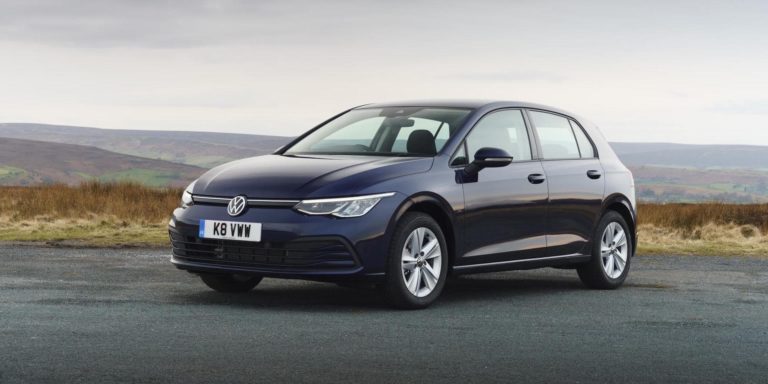
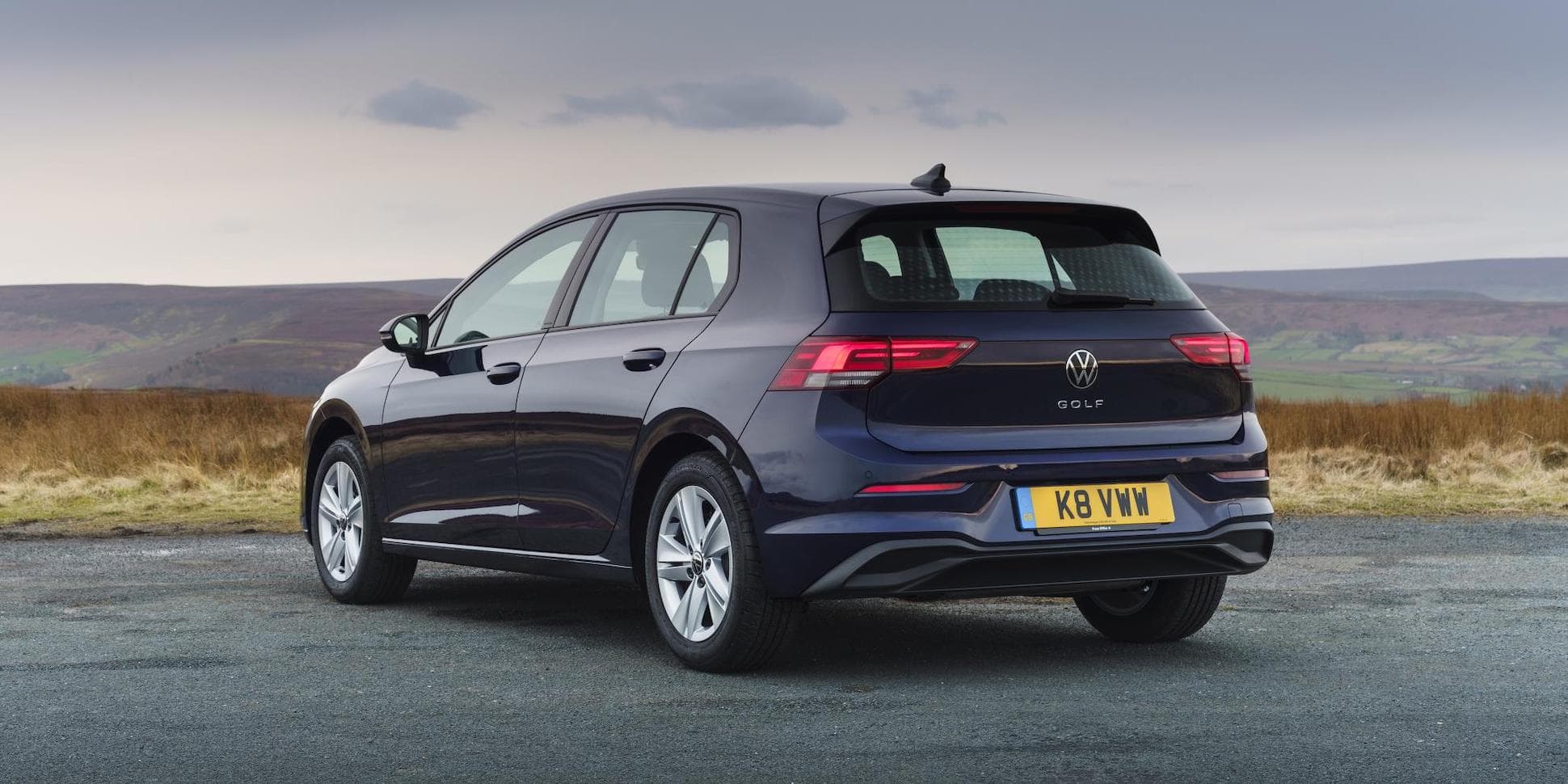
Volkswagen is introducing a new entry-level version of its all-new Mk.8 Golf hatchback.
Priced from £23,300, it is powered by a 110hp 1.0-litre petrol engine with a six-speed manual gearbox, and is offered exclusively with the Life trim level.
With this engine, the Golf is capable of going from 0-60mph in ten seconds with a top speed of 126mph. Fuel economy is registered between 49.6 and 53.3mpg, while CO2 emissions are 121-129g/km.
With the Life trim, the Golf gets 16-inch alloy wheels, automatic LED headlights, rain-sensing wipers, front and rear parking sensors and keyless start. Inside, there’s a digital instrument screen, 10-inch infotainment system, adaptive cruise control and a variety of safety systems.
Dale Piper, Golf product manager at Volkswagen UK, said: “The Golf is one of the UK’s most popular cars, both for new- and used-car customers. One of the many reasons for its success is the way it offers compelling value for money, and this entry-point to the Golf 8 range is a great example.
“Featuring the latest technology and highest levels of quality – along with class-leading efficiency – this new 1.0-litre TSI 110 PS option brings the possibility of new Golf ownership to even more people.”
Elsewhere in the Golf range, engine options include two variations of a 1.5-litre petrol unit and two 2.0-litre diesels. A mild-hybrid version of the 1.5-litre engine is also available, which uses a small electric motor to help reduce running costs and emissions.
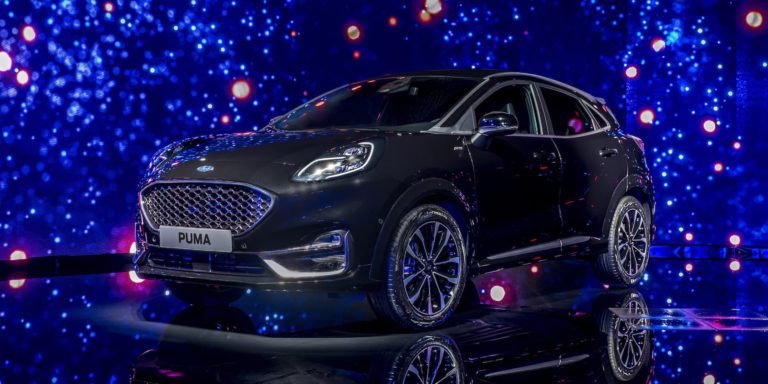
Ford has bolstered the appeal of its Puma crossover with the introduction of a new high-end specification and a seven-speed dual-clutch automatic gearbox.
The ST-Line X Vignale trim level, which arrives from £25,240, extends the amount of standard equipment fitted to the Puma. Aluminium exterior trim pieces have been added to the exterior of the car alongside 18-inch alloys, while LED headlights help to improve night time visibility.
Inside, the Puma receives a full leather upholstery, a wrapped instrument cluster and heated front seats. The steering wheel is heated, too. There are no safety improvements as part of this update, although the Ford Puma range received a five-star rating from Euro NCAP only last December so it’s still at the sharp end of the field.
Minor tweaks for the class leader
The Ford Puma is currently the highest-rated car in the smallSUV/crossover, according to The Car Expert’s unique Expert Rating system. Its overall score of 84% from 15 UK reviews puts it at the top of the class of 21 models we have analysed to date, a couple of points clear of the Volkswagen T-Cross. The new gearbox, in particular, is likely to help it retain that crown. Stuart Masson, Editor
Roelant de Waard, vice president, marketing, sales & service, Ford of Europe, said: “Customers have told us that they want a range of options to help find a combination of style, equipment, performance and efficiency that’s just right for them. That’s something we committed to delivering with Puma, and with a new Puma ST coming later this year, we’re not finished yet.”
A new seven-speed dual-clutch automatic gearbox has been added to the Ford Puma too. Available alongside a 1.0-litre EcoBoost engine, the setup helps to return emissions figures of 138g/km of CO2 as well as 45.6mpg. Ford claims that the gearbox helps to return ‘seamless gear changes’, which help in terms of efficiency and refinement.
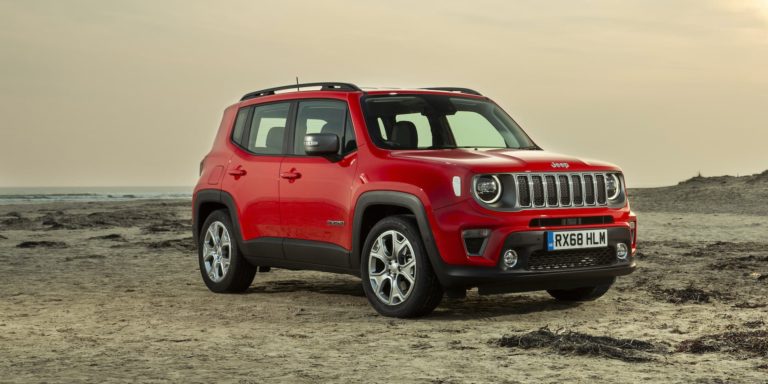
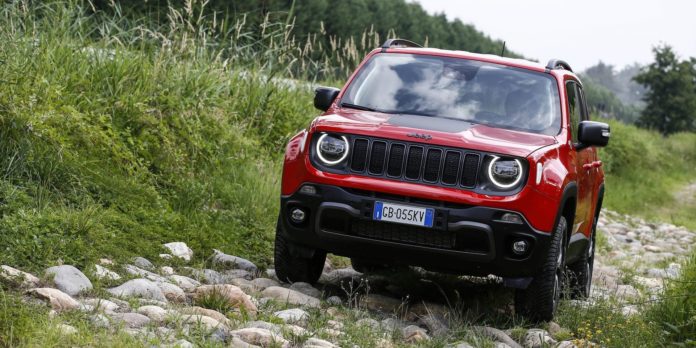
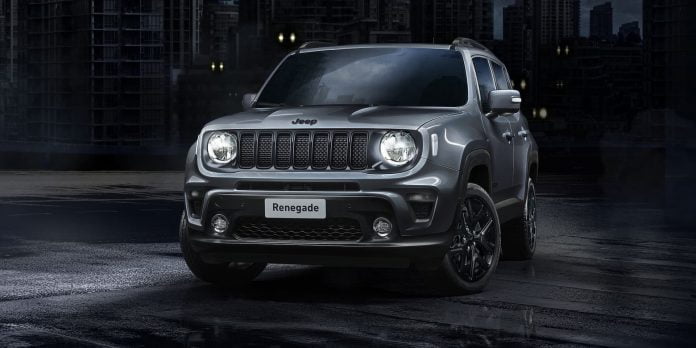
The Jeep Renegade is a small SUV/crossover that sits under the Compass in the Jeep family. Despite the brand name and familiar Jeep design cues, the Renegade is actually based on the Fiat 500X and is built in Italy.
The Renegade arrived in the UK in early 2015 and differentiates itself from its Fiat sister with the availability of improved off-road ability, especially in the top-spec Trailhawk model. It received a facelift in late 2018.
The Jeep Renegade has received praise for its off-road capabilities, which are far better than most of its small SUV rivals. However, its on-road refinement is considered poor compared to cars like the Ford Puma and Volkswagen T-Cross.
It has received generally average to poor review scores from the UK media, especially more recent reviews of the facelifted model.
As of May 2026, it has a New CarExpert Rating of E, with a score of 48%, which is well off the pace of the best in class.
Model reviewed: 4xe plug-in hybrid “While it’s not a car that responds well to spirited driving and the interior is neither particularly practical nor upmarket, the Jeep Renegade 4xe is an interesting alternative to other plug-in crossovers, and it’s worth considering for its low running costs.” Read review
Auto Express
Model reviewed: North Star Score: 5 / 10 “The Jeep Renegade North Star might have a decent amounts of space and kit, but the Renegade really feels its age and rivals beat this small SUV in most areas.” Author: Dean Gibson Read review
Model reviewed: plug-in hybrid 4xe Score: 6 / 10 “There’s plenty of choice in the compact SUV segment, and with several of the Jeep’s rivals already offering plug-in hybrid power this 4xe model does just about enough to compete. It’s expensive, but rivals can’t match the Jeep’s off-road ability. Plus, it comes loaded with kit.” Read review
Auto Trader
Model reviewed: Range overview Score: 6.8 / 10 “For buyers with a focus on off-road ability, space and practicality, and a fun sense of personality, the Jeep Renegade offers something different from the norm. However, high prices, refinement issues and a firm, bouncy ride make it harder to recommend to everyday family buyers.” Read review
Business Car
Model reviewed: 1.6-litre petrol/electric plug-in hybrid 4xe Limited Score: 7 / 10 “Jeep claims it hasn’t compromised off-road ability in turning the Renegade into a plug-in hybrid, and it’s difficult to argue against that. But in doing so, it has probably made it a less appealing plug-in hybrid for those interested in taking a step to reducing carbon footprint, or reducing their tax liability.” Read review
Car
Model reviewed: 1.0-litre petrol manual Limited Score: 6 / 10 “It’s not exactly a thriller to drive, motorway cruises will be blighted by considerable wind noise and most of the powertrains aren’t dripping with the same charm that the looks do. Keep it simple with a manual 1.0 and you’ll get the best of the pack.” Read review
Model reviewed: 2.0-litre diesel automatic Trailhawk Score: 8 / 10 “Sized to take on Mini’s Countryman and the Skoda Yeti, if you actually want to get more adventurous than the parking arrangements at Goodwood, the Jeep Renegade Trailhawk will likely chew up said rivals and spit them out again. Before going on to chase down a Freelander for breakfast.” Read review
Car Keys
Model reviewed: 1.3-litre petrol/electric plug-in hybrid 4xe Score: 8 / 10 “A plug-in hybrid is a radical departure for Jeep, however it successfully showcases the smoothness of a good electrified powertrain, along with no compromise when it comes to off-roading ability. The Renegade 4xe could also be cheap to run, while its funky looks make it stand out from the crowd.” Read review
Model reviewed: 1.0-litre petrol manual Score: 7 / 10 “While the Jeep Renegade might not be class-leading, it’s an appealing and different proposition in the crossover class – bringing funky styling and the option to have genuine off-roading ability.” Read review
Carbuyer
Model reviewed: Range overview Score: 6.6 / 10 “The Jeep Renegade stands out from the crowd with its chunky looks and excellent off-road performance.” (Andy Goodwin) Read review
Company Car Today
Model reviewed: 1.3-litre petrol/electric plug-in hybrid automatic 4xe Longitude “This 4xe is certainly an interesting and worthy addition to the Renegade range. It may not be the most obvious corporate choice, but the plug-in hybrid tech and resulting low BiK will undoubtedly help the Renegade to attract more company car drivers than the before.” Read review
Model reviewed: 1.0-litre petrol manual Limited “The good-looking and practical Jeep Renegade is underrated among the small crossover class. Unfortunately, it is also a pricier option than most of its rivals, leading to higher running costs.” Read review
Daily Mail
Model reviewed: 2.0-litre diesel automatic Trailhawk Score: 4 / 10 “Please tell me: what I am missing here? Its wheels are way too small for its wheel arches. Postman Pat’s van has more in the way of aerodynamics.” (Chris Evans) Read review
Eurekar
Model reviewed: 4xe “The Italian-made Jeep Renegade hybrids are expensive over the non-hybrid versions but it’s a major breakthrough for the brand and it will be interesting to see how may drivers are convinced the extra money outlay is worth it. On first driving impressions it has to be said it is impressive.” Read review
Green Car Guide
Score: 7 / 10 “The Jeep Renegade 4xe PHEV Limited 1.3 is fun to drive and it offers lots of off-road engineering.” Read review
Honest John
Model reviewed: Range overview Score: 6 / 10 “There is plenty of classic Jeep influence in the styling with those recognisable circular headlights and the slotted grille. While this is a smaller SUV, it’s nonetheless refined with a solid and good quality feel. It’s comfortable too and an impressive car for motorway with little wind noise.” Read review
Model reviewed: 1.6-litre diesel manual “The Renegade adds up to a car that Jeep hopes will attract new customers to the Jeep brand – but a car that is still a highly competent off roader, and one that hasn’t lost any of its – er – Jeepness. Even if it is built in Italy alongside the Fiat 500X.” Read review
Motors
Model reviewed: Range overview Score: 7 / 10 “On-the-road performance does leave a little to be desired, particularly if you opt for the base 1.0-litre powertrain, which doesn’t really feel powerful enough for even the smallest of SUVs.” Read review
Parkers
Model reviewed: Range overview Score: 7 / 10 “The Jeep Renegade offers solutions that no other car in the sector can quite manage. It’s a bona fide rugged off-roader first and foremost, while nods to fuel economy and tax bills come in the form of front-wheel drive models that offer the image but without the higher monthly outgoings.” Read review
The Sun
Model reviewed: Range overview “The Jeep Renegade is hard, cool and definitely worth a look” Read review
Model reviewed: 2.0-litre diesel automatic “Jeep brings army-style cred to the school run.” Read review
The Telegraph
Model reviewed: 1.3-litre petrol-electric plug-in hybrid 4xe Trailhawk Score: 6 / 10 “No, however much radical appeal these mini mud-pluggers might seem, they will remain an emotional right-brain choice, particularly when you can have a 4×4 estate such as the Skoda Octavia Scout for less and a fully loaded Dacia Duster for much less.” Read review
Model reviewed: 1.6-litre diesel manual Limited Score: 4 / 10 “The Jeep Renegade’s chunky styling might appeal, as indeed might the cachet of the Jeep badge. But with its high price and multitude of flaws – and so many credible opponents to choose from – there’s not much else here to fall in love with.” Read review
The Times
Model reviewed: 1.0-litre petrol manual Limited Score: 6 / 10 “Not bad, not uncomfortable, just annoying” Read review
Top Gear
Model reviewed: Range overview Score: 6 / 10 “Buy it for the looks and lifestyle, then put up with the flaws. Likeable, but irrational.” Read review
Safety rating
Independent crash test and safety ratings from Euro NCAP
The Jeep Renegade was tested by Euro NCAP back in 2019 and awarded a three-star rating. However, this rating expired in January 2026 and is no longer valid as the car no longer meets the standards required for such a rating. This is normal practice, as Euro NCAP reviews its ratings on most cars annually with most ratings expiring after about six or seven years.
Although the rating has now expired, the score is still useful if you are comparing a used Renegade to vehicles of similar age – whose ratings will have probably also expired.
Eco rating
Independent economy and emissions ratings from Green NCAP
Clean Air Index: 4.9 / 10 Energy Efficiency Index: 4.7 / 10
The rating above only applies to the manual 4×2 Renegade model, which is powered by a 1.6-litre diesel engine. It does not apply to any other engine/gearbox combination.
Reliability rating
Reliability data provided exclusively for The Car Expert by MotorEasy
Total claims: 27 Average repair cost: £385.77 Last updated: April 2025
The Jeep Renegade has an excellent reliability rating according to warranty claim data provided by our partner MotorEasy. The only caveat to this score is that it’s based on a relatively small number of vehicles to date.
The most common repair that Renegade owners claim for is electrical repairs, which in this case cost £230 on average. Engine problems are by the most costly, with an average repair fee of around £450. Fortunately these faults are rare.
If you’re looking at a used Jeep Renegade, make sure any extended warranty cover you purchase covers all of these potential problem areas.
Running cost rating
Monthly cost of ownership data provided exclusively for The Car Expert by Clear Vehicle Data
Fuel consumption
Average
Score
Petrol models
40 mpg
D
Diesel models
38 mpg
D
CO₂ output
Average
Score
Variation
Score
Petrol models
127 g/km
B
Diesel models
171 g/km
D
Plug-in hybrid models
48 g/km
A
Battery range
Average
Score
Variation
Score
Plug-in hybrid models
22 miles
E
Insurance group
Average
Score
Variation
Score
All models
42
E
Service and maintenance
Cost
Score
Year 1
£207
B
Year 2
£554
C
Year 3
£872
C
Year 4
£1,070
B
Year 5
£1,432
B
Overall
£4,135
B
The Jeep Renegade has a mixed bag of scores when it comes to running costs, according to whole-life cost numbers provided exclusively to The Car Expert by our data partner, Clear Vehicle Data.
Fuel economy – which is the largest running cost for any car – is poor for both the petrol and (now discontinued) diesel versions. The plug-in hybrid looks great on paper, but this is more a function of the inaccurate EU/UK government lab testing process, which is pretty much useless for plug-in hybrids.
Insurance group ratings are high on average but with significant variation across the range, so make sure you get several insurance quotes before committing.
Finally, servicing and maintenance over the car’s first five years look to be very good.
Awards
Trophies, prizes and awards that the Jeep Renegade has received
2021
4×4 Magazine Awards – Best Small SUV
2016
4×4 Magazine Awards – Best Small SUV
2015
4×4 Magazine Awards – 4×4 of the Year
Similar cars
If you’re looking at the Jeep Renegade, you might also be interested in these alternatives
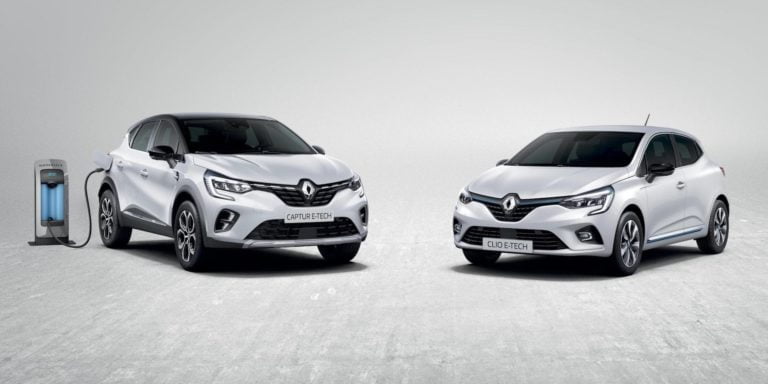
Renault has revealed information about its upcoming Clio and Captur hybrid models.
The powertrain, which the French firm calls E-Tech, joins several other petrol and diesel engines already in the line-up for both cars. Prices start at £19,595 for the Clio Hybrid and £30,495 for the Captur plug-in hybrid. Both can be ordered now, and first deliveries are expected in September.
The Clio arrives as a traditional hybrid which generates charge from the engine for use at low speeds. The Captur hybrid, meanwhile, can be plugged into the mains to add charge.
Though the pair both use a 1.6-litre petrol engine combined with two electric motors, the Captur is the only one that can be properly locked into electric mode, while Renault states that the Clio can operate in EV mode for “around 80% of the time” at speeds of up to 38mph.
It’s down to the batteries fitted to the pair. Whereas the Clio makes do with a 1.2kWh battery, the Captur utilises a much larger 9.8kWh battery, which allows it to travel up to 30 miles on battery power alone. Renault claims that the Captur will return up to 188.3mpg and CO2 emissions of 33g/km, while the Clio should see up to 64.2mpg with CO2 emissions of 98g/km.
A free wallbox comes with the purchase of the Captur plug-in hybrid too. It sees a 7kW home charger fitted by BP Chargemaster, enabling the Captur to be charged from zero to 100% in around three hours.
Two trim levels are available with the Captur. The entry point S Edition brings 17-inch alloy wheels and a nine-inch touchscreen infotainment system alongside front and rear parking sensors, while upgraded Launch Edition cars receive 18-inch alloy wheels and exterior blue and copper detailing, among other features.
The Clio, meanwhile, gets a Launch Edition with 17-inch diamond-cut alloy wheels and two new exterior paint choices. All cars get a smart cockpit with a digital driver’s display, while five separate trim levels give buyers a range of options to choose from. Even base-spec Play specification cars get a full multimedia system and LED headlights, as well as cruise control and air conditioning.
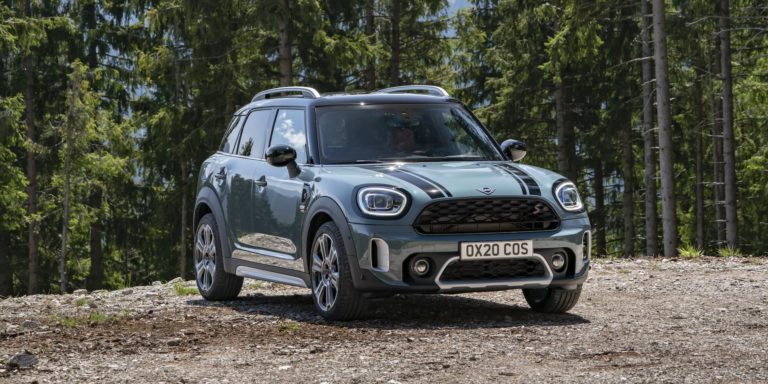
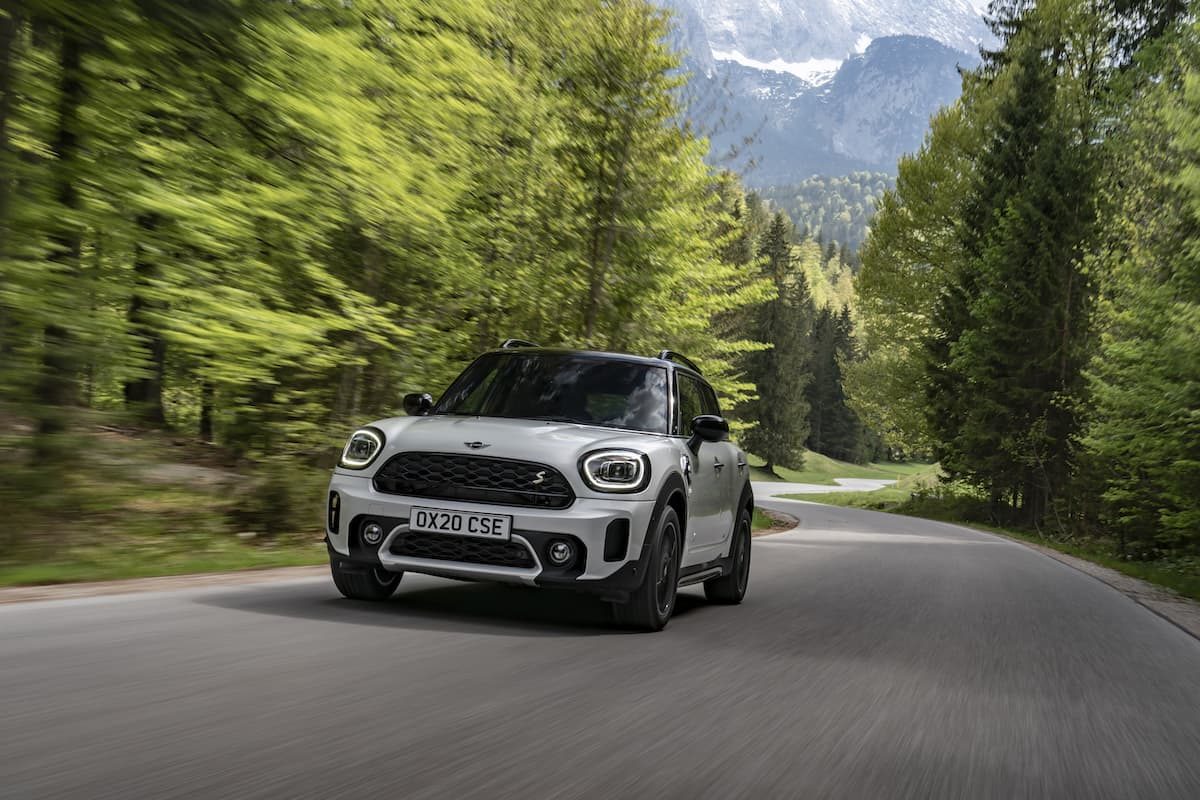
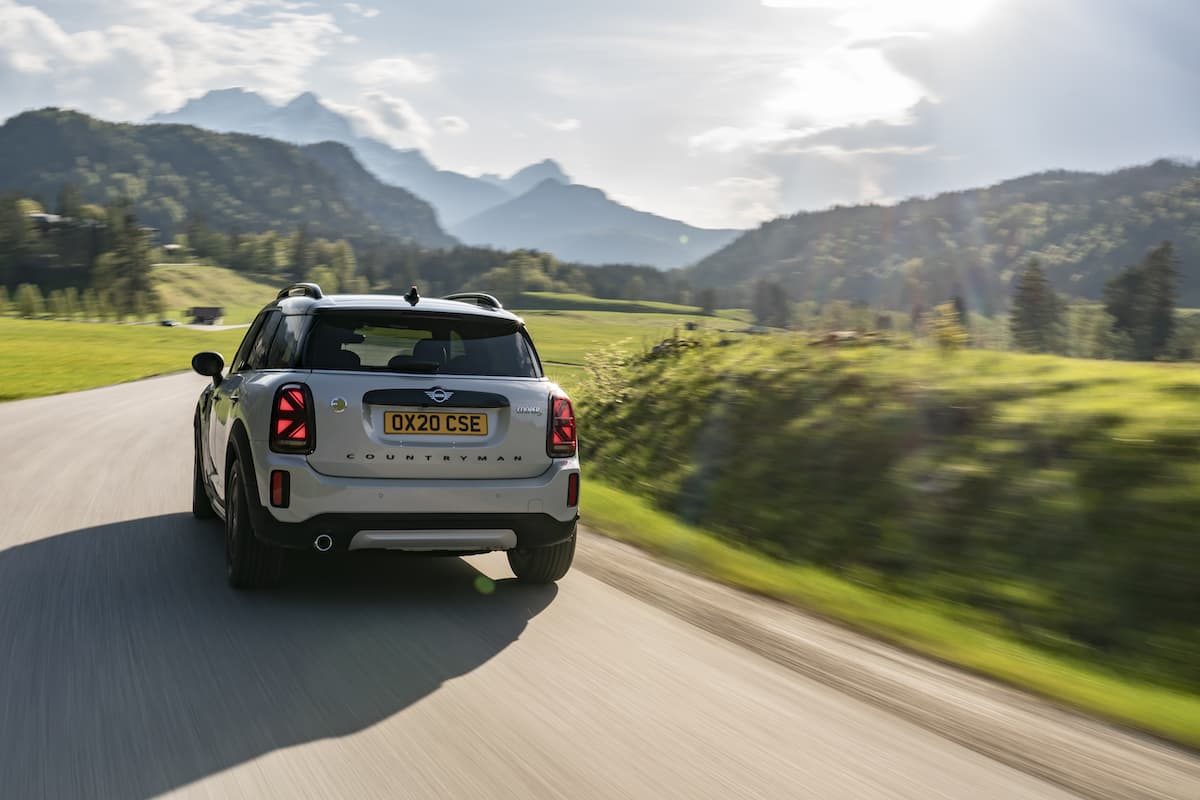
Mini has revealed the new Countryman, which sports an updated exterior, upgraded technology and cleaner, more efficient engines.
The design has been lightly fettled, with a new rear bumper and a front bumper that’s now fully painted in the car’s body colour, while the redesigned grille gets the typical Mini hexagonal look and a slim, one-piece chrome frame.
LED headlights are now included as standard, complementing the LED rear lights that are shaped like the Union Jack. The rounded headlights are framed by a band of light that acts as the daytime running lights but doubles up as the indicator, while LED fog lamps are also standard. Adaptive LED headlights are now an optional upgrade for the Countryman.
Still popular, but no longer a class leader
The Mini Countryman remains a distinctive and left-field choice in a field of conventional family hatchbacks. Its styling remains divisive, however, and its retro-themed design focus can sometimes come at the expense of practicality and usefulness.
According to our unique Expert Rating system, the Countryman currently holds an Expert Rating of 73%, based on 27 reviews that we have analysed to date. That’s a reasonable score, but still a long way behind a number of similarly-priced alternatives. Stuart Masson, Editor
Inside, not much has changed in the overall design, while split-folding rear seats open up boot space from 450 to a maximum of 1,390 litres. There are a couple of new leather upholstery options, piano black interior surfaces are now standard, and a new silver surface upgrade is now offered.
The range of engines has been developed to lower emissions, with particulate filters for petrol engines and AdBlue injection for diesel engines meaning all powertrains now meet Euro 6d regulations.
All-wheel-drive is available on four of the engines, and it’s standard-fit for the plug-in hybrid model, which makes 220hp and has an electric-only range of up to 38 miles.
Order books for the new Mini Countryman are open now.
Order books for Volvo’s first electric vehicle have opened in the UK, with the Volvo XC40 Recharge priced from £53,155.
The highly-acclaimed small SUV leads the charge for the Swedish firm’s electric range, which will grow to include five electric vehicles over the next five years.
If you thought that the XC40 Recharge was a plug-in hybrid model, not least because we reviewed it recently, you’re right. But the new electric model is also called the XC40 Recharge. The fully-electric version is badged ‘P8’ to differentiate it from the plug-in hybrid Recharge model, which is called the ‘T5’.
The XC40 Recharge P8 has a range of 249 miles and can be charged to 80% of its battery capacity within 40 minutes at a fast charger. It makes 408hp and has a 0-60mph time of 4.9 seconds.
At first, it will only be offered in R-Design specification, which includes 19-inch alloy wheels, leather and nubuck upholstery, aluminium inlays, 12-inch driver display, high-end audio system and LED headlights.
Optional equipment highlights include 20-inch alloy wheels (£750), charcoal leather upholstery (£900), upgraded driver assistance (£1,550), and a climate pack (£775) that adds heated seats all around, a heated steering wheel and heated front windscreen.
Volvo has continued its commitment to safety by completely redesigning the front end crash structure to account for the fact there is no longer an engine under the bonnet. The XC40 Recharge P8 is also the first Volvo to get a new version of Pilot Assist, the firm’s adaptive cruise control and lane-keeping system.
Buyers can order now with deliveries expected in early 2021.
The best small SUV keeps getting better
The Volvo XC40 continues to draw praise from journalists across the wide spectrum of the UK motoring media. The recently-launched plug-in hybrid version (confusingly, also badged as XC40 Recharge) has received strong reviews, and this all-electric version is likely to only enhance its reputation further.
The XC40 has the highest Expert Rating of all the small SUVs on sale in the UK, regardless of price. Based on 24 different UK media reviews, it continues to score better than newer rivals like the Range Rover Evoque or Ford Puma. Stuart Masson, Editor
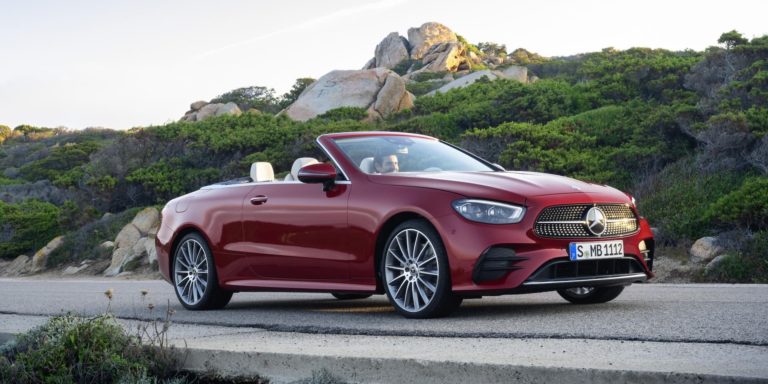
Mercedes-Benz has given its E-Class Coupe and Cabriolet models a mid-life refresh, sharpening the looks of the pair while adding more efficient powertrains.
Both cars will go on sale in June, with first deliveries expected to arrive in the early autumn. The updates broadly follow those applied to the E-Class saloon and estate that were announced back in March.
The two-door models get a new set of LED headlights which are sleeker in design than those fitted to the previous version, while a new-look grille completes the refresh of the front. Around the back, there are new LED taillamps, too.
Though the interior of the cars remain largely the same as before, the most notable addition is a new touch-sensitive steering wheel. The system also allows drivers to keep the car in semi-autonomous mode simply by having a hand on the wheel – no steering inputs are required from the driver to allow it to stay in this mode.
Mercedes’ latest MBUX infotainment system has been introduced too, linking two screens – either 10 or 12 inches across – together, giving the impression of one large, widescreen display.
A new security feature called Urban Guard has been fitted as well. Linked to the owner’s Mercedes Me smartphone app, the system can alert the driver if the car has been bumped or broken into.
Underneath the bonnet, there’s the choice of several turbocharged four and six-cylinder petrol and diesel engines, with Merc’s 48-volt mild-hybrid system incorporated into all of the four-cylinder diesel options. All cars in the line-up use a nine-speed automatic gearbox, while both rear- and all-wheel-drive variants are available.
At the top of the range sits the Mercedes-AMG E53 4MATIC, which uses a 3.0-litre turbocharged petrol engine with mild-hybrid technology. Pushing out 435hp and 520Nm of torque, it’ll reach 60mph from a dead stop in just over four seconds and hit 168mph flat-out. This powertrain is available with both E-Class Coupe and Cabriolet models.
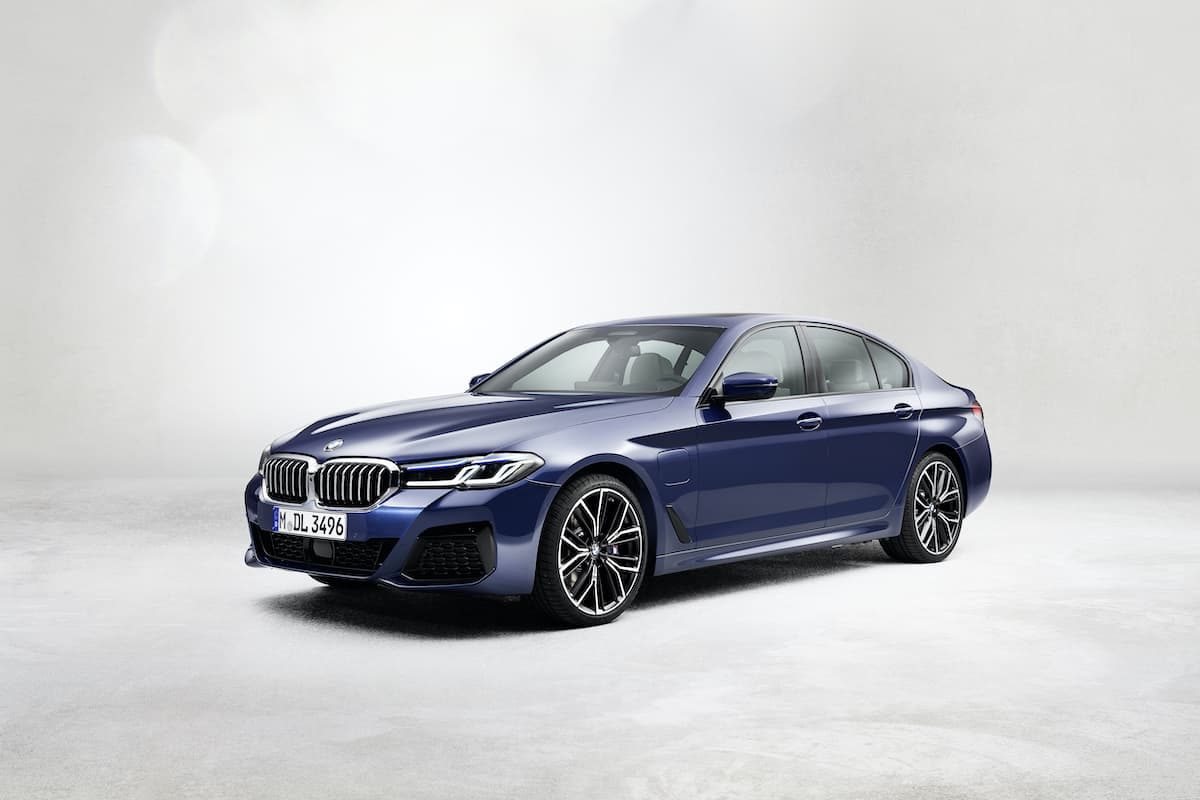
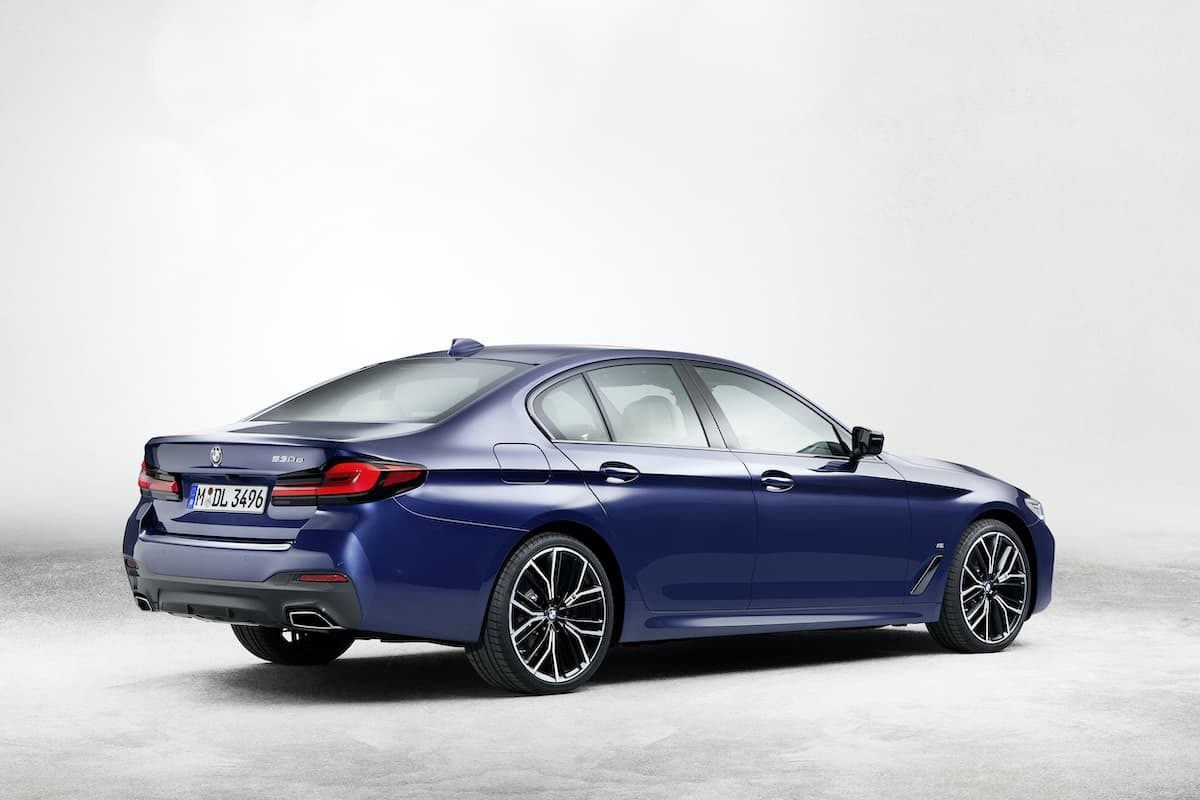
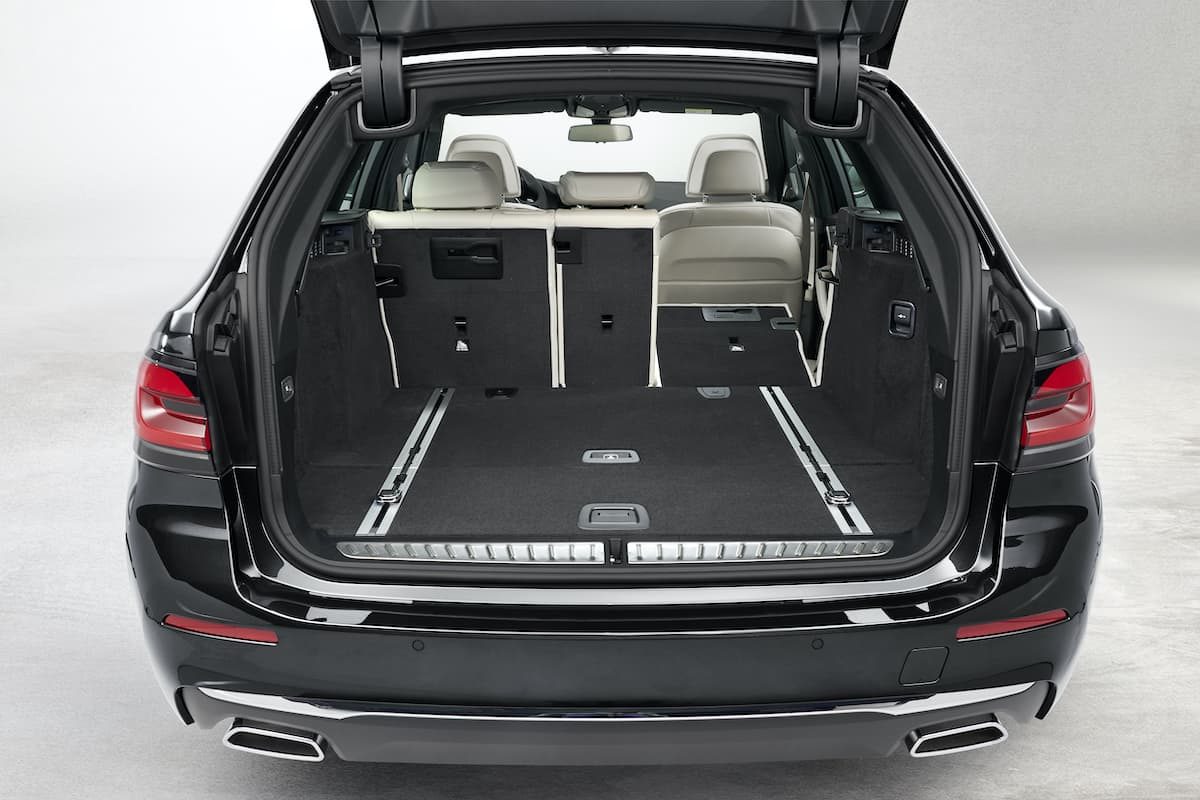
It’s mid-life update time for the BMW 5 Series, which gets a refreshed exterior, updated technology and electrified powertrains.
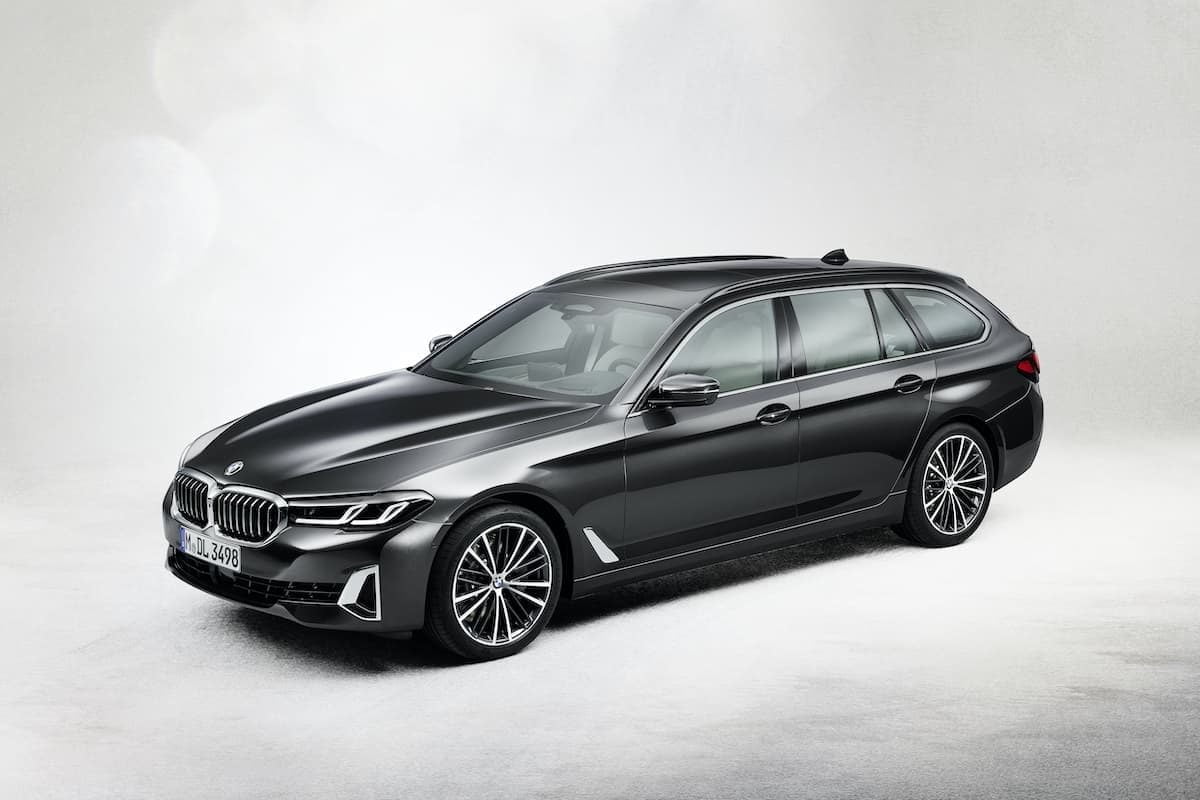
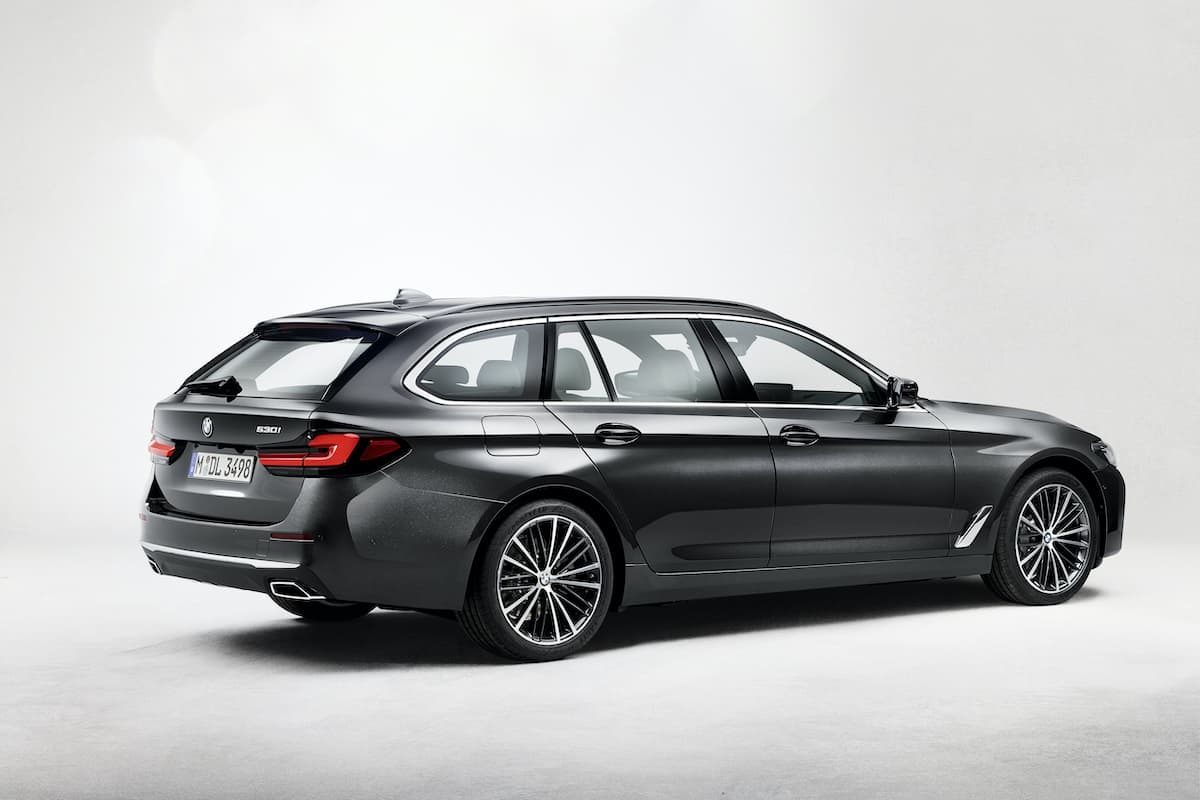
The saloon model will be available with three plug-in hybrid powertrains, with a 530e and 545e offered with all-wheel drive and an option of rear-wheel drive on the 530e. Estate models (called Touring in BMW-speak) will have the 530e options available from November.
All four- and six-cylinder models that are not plug-in hybrids will get a mild-hybrid powertrain. This uses a 48-volt starter generator to take the load off the engine and improve both acceleration and fuel consumption.
The exterior design hasn’t undergone a drastic change, which is not surprising given that the current model only arrived in the UK in early 2017. Notable changes include a larger, lower front grille, slimmer full-LED headlights, reshaped rear lights and redesigned rear bumper.
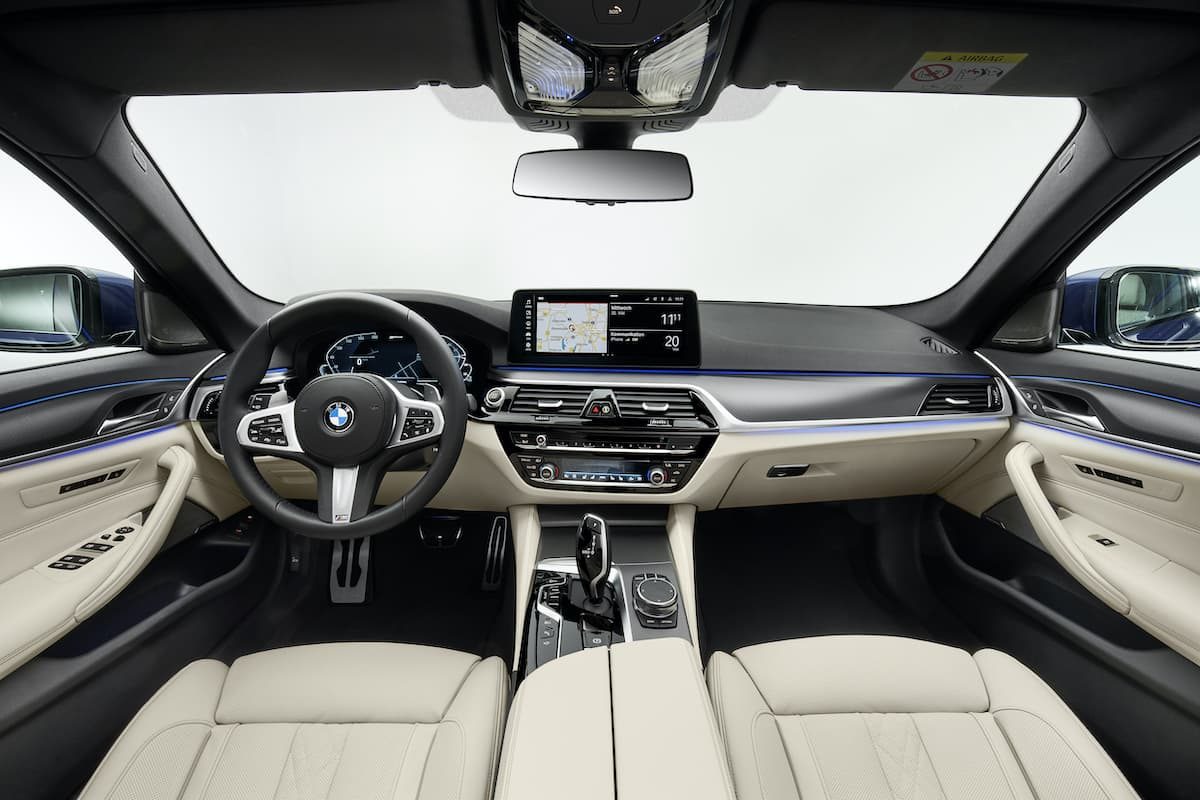
Inside, the central infotainment display has increased in size from 10 to 12 inches and receives BMW’s latest generation operating system.
Safety-wise, there’s nothing new to report with this update. The BMW 5 Series received a five-star safety rating from Euro NCAP when it was tested three years ago, and that rating remains valid today.
The best gets better
The BMW 5 Series is the highest-rated car in its class, and one of the top-rated cars that we have analysed with The Car Expert’s unique Expert Rating system. Based on reviews from 21 of the top UK motoring websites, the 5 Series currently holds an Expert Rating of 88%. This update looks set to help keep it at the top of the executive saloon class. Stuart Masson, Editor
There are three trim levels: SE, M Sport and M Sport Edition. Saloon models, meanwhile, get an M Performance M550i xDrive option for the first time. Standard on the SE is a choice of 17-inch to 19-inch alloy wheels, leather upholstery and heated front seats. New equipment for this trim includes folding mirrors, parking assistant and DAB radio.
M Sport gets new alloy wheel designs in 18-inch to 20-inch sizes, an M body kit, M leather steering wheel, front sports seats and a distinctive instrument panel. M Sport suspension is standard except on 530e variants.
The M Sport Edition builds on this with Tanzanite Blue or an exclusive Donington Grey paint, 20-inch alloy wheels, adaptive LED headlights, and red M brake callipers. Saloon versions get a rear spoiler and multifunction seats, too.
The M550i xDrive Saloon sits separately from all other models in the 5 Series hierarchy, boasting a 4.4-litre turbocharged V8 engine, exclusive 20-inch alloy wheels, grey exterior detailing, a Harman/Kardon surround sound system, M sport differential and adaptive M suspension.
The range will be launched in July with prices for the saloon start at £37,480 for the 520i in SE trim, while the Touring starts at £39,730 in the same specification. The M550i xDrive starts at £67,595.
Most car dealerships are rubbish at explaining how various car finance products work. This is clear from the amount of traffic this site receives from UK car owners and car buyers every day.
Today we are answering one of the most common PCP finance agreement questions: What if I want to terminate the agreement and settle my PCP early?
There is a lot of confusion about ending a PCP agreement early, and a lot of that confusion comes about because people are looking for easy answers that simply don’t exist. In reality, it’s quite simple. You have borrowed a large amount of money to buy a car, and that money needs to be repaid.
You can repay this at any time if you have the money available to do so. However, the reality is that most people don’t have the thousands of pounds usually required to settle their finance and are looking for other options.
A lot of the confusion about settling a PCP early comes from borrowers’ misunderstandings about how a PCP actually works in the first place.
When you take out a PCP, you will usually put in an upfront payment (referred to as a deposit) and borrow the rest of the money required to pay for the car. So if the car costs £30,000 and you put in £2,000 deposit, you will borrow the remaining £28,000. The finance company pays the dealer £28,000 and you get to drive home in your new car.
At this point, you will owe the finance company £28,000 plus interest and fees – let’s call it a nice round £30,000. This is your debt, and it needs to be repaid. Until it is repaid in full, the car remains the property of the finance company.
To repay this debt, you will have three to four years of monthly payments and then a balloon payment. In this example, that would probably mean monthly payments of £400-£500 and a balloon payment that’s probably somewhere between £10,000 and £15,000.
The key to a PCP is that the finance company offers a guaranteed (minimum) future value to cover the balloon amount. That means you can give the car back at the end of the agreement, or part-exchange it with a car dealer on another vehicle, instead of paying off the balloon. However, that only applies at the end of the agreement, not during the agreement.
A PCP is designed to work out neatly if you run it for the full term of the contract. If you want to settle up early and get rid of your car, it’s not so simple. You will probably find you have a negative equity problem thanks to the car’s depreciation.
From the moment you drive off in your new (or used) car, it starts losing value. This is called depreciation, shown in the blue line below. The car loses value more quickly early on, because the price you pay for a car from a dealer will include the cost of the car plus the dealer’s costs and profit margin, plus a large dose of VAT if it’s a new car. Over time, the rate of depreciation starts to slow, which you can see as the blue line starts to flatten out.
Depreciation vs finance outstanding (click to enlarge)
The “cost of purchase” (dealer’s costs and profit margin) push up the price you pay but they don’t add any value to the car, so once you drive away from the dealership your car is potentially worth thousands of pounds less than what you just paid for it.
Your monthly payments, of a few hundred pounds each month, gradually reduce your settlement figure (the red line above) over time. But because your monthly payment is fixed, this amount reduces in more or less a fixed amount each month, which is why the red line above is a straight line.
For the first year or more of your finance agreement, your car’s value is falling by more than you are repaying. This creates what is called negative equity (the grey area in the graph above; it’s simply an example and the actual result will be affected by many factors).
Negative equity is what you get when you owe the finance company (the settlement, in red) more than what your car is worth (the value, in blue). On a PCP, you spend almost all of your time in negative equity. Even if you were able to sell your car (and legally it’s not yours to sell), the money you would get for it wouldn’t cover your debt.
In theory, the value of your car and the amount you owe the finance company should come back together again towards the end of the agreement. At any point before that time, you will have negative equity.
What does that mean if I want to settle early?
Generally, it means you have a problem. You owe thousands of pounds (all your remaining monthly payments, plus the balloon amount, minus some minor interest savings), which you probably don’t have in your bank account.
Let’s look at the simple example graph above, which is based on borrowing £30,000 and having a GFV of £15,000 after three years. If you wanted to try and get out of your agreement after one year, you would owe £25,000 (actually slightly less because you would save a few hundred pounds on interest by settling early). If you want to settle after two years, you’d owe £20,000 (again, it would actually be slightly less).
You’re almost certainly not allowed to sell your car privately, because it’s not yours to sell. Some finance companies will allow it under certain circumstances, but will probably require the buyer to pay them directly, rather than paying you and then you paying the finance company.
Usually, a finance company will allow you to sell the car to a dealer because the dealer will settle the finance. However, a dealer will usually want to sell you another car rather than simply buying yours, so finding one that will buy your car and settle your finance may be difficult.
And even if you are able to sell the car, its value will be significantly less than your settlement figure, so you’d still be a few thousand pounds short. You would have to pay those few thousand to either the finance company or the dealer before the debt is considered settled.
Will my car ever be worth more than the settlement?
The whole point of a PCP is to guarantee the value at the end of the agreement (guaranteed future value – GFV). This means that if the car’s market value is less than the GFV, the finance company will lose money. As a result, they will want to make sure they are not setting the GFV too high. So it is possible that the car could be worth more than the GFV at the end of the agreement.
It certainly used to be the case that finance companies were quite conservative in their GFV predictions, and customers would end up with a car that was worth a handy sum more than the settlement figure (called equity or positive equity, and obviously the opposite of negative equity). This money would almost certainly be used as a deposit for another PCP agreement, so it all worked out happiily for both buyer and lender.
However, as the market has become more competitive, the situation has changed. More finance companies appear to have increased their GFV predictions, while at the same tie used car values have been falling. This has kept your monthly payments down a bit but it has made it much less likely that you will have any equity in the car at the end of the agreement or any point during the agreement.
It is now very unlikely you can ever settle a PCP early and be in a position where your car is worth more than you owe. There will be exceptions, but as a general rule you should always assume that you will be in a negative equity position.
However, due to the way that a PCP is structured (usually a low deposit, low monthly payments and a large balloon amount), you will probably only reach the point where you can give the car back a few months before the end of the end of the agreement anyway. So it’s great if you hit trouble three months before the end of the agreement, but no use whatsoever if you’re only a few months in (or even a couple of years, in many cases).
You can voluntarily terminate your agreement at any time, but if you haven’t reached your 50% point then you will have to pay the difference to make it up. For most car owners with a PCP, that’s still a negative equity position and not really any better than selling the car with the permission of the finance company and settling the full amount.
Unfortunately, there’s not usually a good outcome if you want/need to change your car before the end of the specified term. The reality is that you will usually have to find several thousand pounds to settle a PCP early. This is the nature of a secured loan on a depreciating asset, where you’re paying for a product you don’t own and is losing value faster than you’re paying it off.
You should contact the finance company and discuss your situation. If you are suffering from genuine financial hardship, they may be able to offer alternative payment terms to help you work through your problems. You will probably end up paying more in the long run, but you may get some short-term relief. However, don’t pin your hopes on the finance company being too helpful – their first response will always be to insist that you pay what you owe.
If you are wanting to settle your PCP early because you’re trying to buy another car, you may find that there are deals on offer that will help you with your negative equity. Be very careful here, as you may be simply setting yourself up for more problems on your next car, and you could find yourself back in the same position (or an even worse position) very quickly.
If you genuinely can’t settle your debt, you may have to accept voluntary surrender. This is a very different thing to voluntary termination. You give back the car but still owe whatever is left to pay (and the finance company will add on extra costs for collecting and disposing of the vehicle). This is pretty much a worst-case scenario, as the finance company will still be chasing you for money even though you’ve already given back the car.
If you are suffering financial hardship as a result of the coronavirus pandemic, there is help and guidance available. Your finance company should offer you a three-month payment deferral on your car finance agreement. Before taking it, however, you should read our exclusive analysis of this payment holiday initiative to decide if it is right for you.
Should I settle a PCP early or keep it until the end?
A PCP agreement is set out to be financially optimal to run it all the way to the end of the agreement. The reality is that most times, you’ll have to pay out a substantial sum of negative equity to settle a PCP early.
Whether or not it is worth paying to settle the finance depends on how important the need is to change your car or get rid of it.
Circumstances change, and the cost of paying to get rid of the car now may be better than paying more to keep it for the rest of the agreement. Alternatively, your car may no longer be suitable for your needs, and the cost to change may be worth it to you.
Is it simply impatience that makes you want to change your car early? In that case, understand that you’ll be paying a high price to settle your PCP early instead of finishing it as scheduled.
The dealer who sold you your car will often contact you several months (or even a year) before your PCP is due to finish. They will try to entice you to buy a new car ahead of schedule with an early upgrade offer. Sometimes these offers are advantageous. But usually, they’re a bit of smoke and mirrors, and not really worth it.
You should plan your purchase carefully to make sure you are not destined for an expensive problem in a few years’ time.
Here at The Car Expert, we are building commercial partnerships with companies who can offer you competitive PCP deals on either a new or used car (as well as other types of finance if you prefer). Check these out before signing any finance agreement with a car dealer:
FairSquare can find and finance either a new or used car, and deliver it to your door
This article was originally written in June 2014 and was most recently updated in May 2020. Latest changes include re-writing the section about negative equity and depreciation, as well as information boxes regarding information about our coronavirus-related car finance advice.
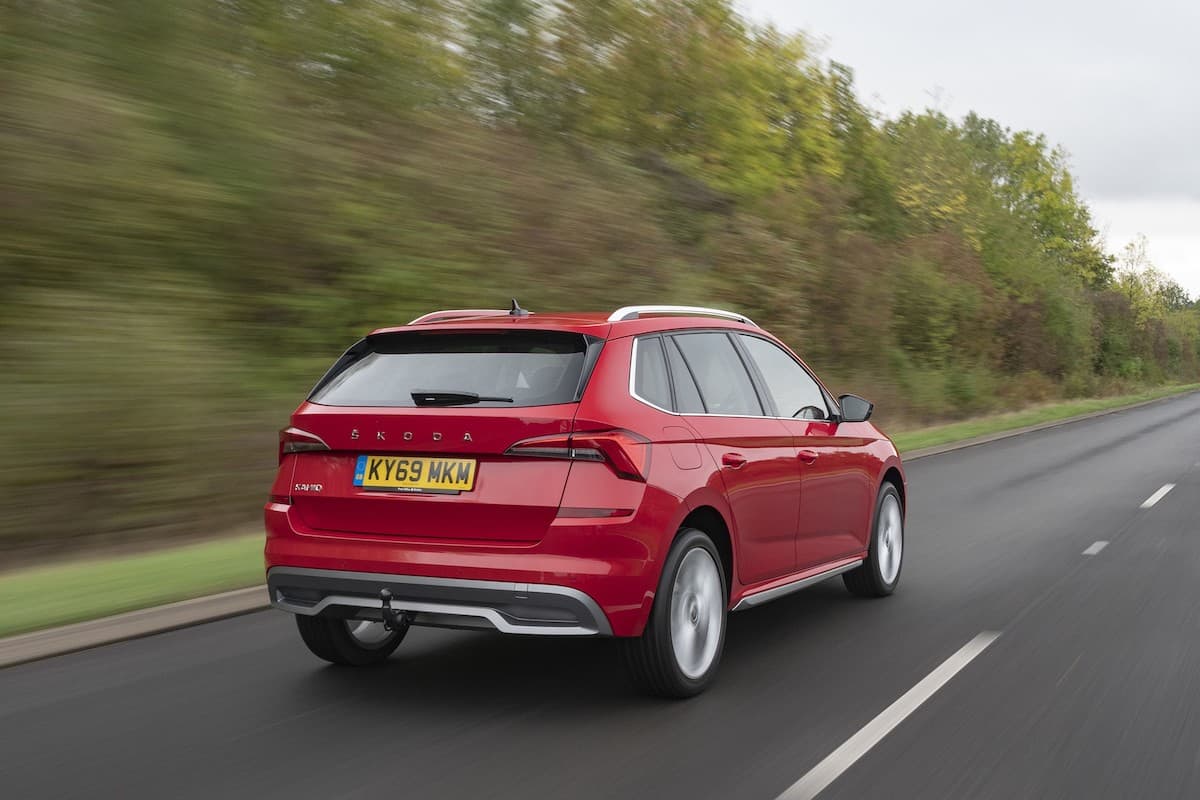
The Skoda Kamiq is a small SUV/crossover, that sits underneath the larger Karoq in the Skoda SUV family. It was launched in late 2019, and shares most of its key mechanical parts with the Volkswagen T-Cross.
Many of the reviews we have analysed for the Kamiq so far have been short road tests from the international and UK launch events, rather than more extensive and comprehensive reviews, so it’s possible that its overall Expert Rating could alter by a few percentage points in coming months once more journalists have spent more time driving the car.
As of August 2025, the Skoda Kamiq holds a New CarExpert Rating of B, with a score of 67%. The Kamiq has been praised for its comfort, practicality and value for money, while the only real criticisms have been that it doesn’t really stand out in any particular way.
“The Skoda Kamiq is an excellent small SUV with a spacious cabin and plenty of high-tech features that’s dead easy to drive and live with, but is also a bit on the dull side.”
Model reviewed: 1.6-litre diesel automatic SE “Skoda builds some of the best affordable new cars on sale, and the Kamiq is no exception. However, the diesel automatic option tested here doesn’t show the Skoda Kamiq at its best, as it makes it both pricey and not especially smooth. Instead, stick with a more affordable petrol option and you will have one of the best small crossovers on sale.” Read review
Auto Express
Model reviewed: Monte Carlo Score: 8 / 10 “The Monte Carlo takes the Kamiq’s good bits and adds extra power and equipment. The mid-level models are still where the sweet spot of the Kamiq range lies, but this smart and swift small SUV is a nice book-end that looks great and offers the same level of practicality.” Read review
Model reviewed: 1.0-litre petrol manual SE L Score: 8 / 10 “It drives neatly and offers loads of space, as well as a solid, well-built interior.” Read review
Auto Trader
Model reviewed: Range overview Score: 8 / 10 “The Kamiq is the entry to Skoda’s SUV range and joins a thriving sector of the market stacked with talented and distinctive rivals. Practicality, plentiful trim options and value for money all count its favour, likewise the brand’s reputation for reliability.” Read review
Car
Model reviewed: Range overview Score: 6 / 10 “So introverted, inoffensive and indistinct, I wonder if the Skoda Kamiq might be entirely passed by, as customers look for something with a bit more of a story, and a bit more buzz, the car you might end up with if you really can’t make your mind up about the others.” Read review
Car Keys
Model reviewed: 1.0-litre petrol manual Score: 9 / 10 “Skoda first two SUVs have been instant hits, and the Kamiq only builds on that, with another class-leading crossover that will likely only continue to see this Czech manufacturer continue to go from strength to strength.” Read review
Carbuyer
Model reviewed: Score: 8.6 / 10 “The Skoda Kamiq is the brand’s smallest SUV but it’s still very practical and well-equipped.” (Andy Goodwin, Charlie Harvey) Read review
Model reviewed: Range overview Score: 8.8 / 10 “The Skoda Kamiq is everything good about Skoda wrapped up in a desirable small SUV package.” Read review
Company Car Today
Model reviewed: 1.0-litre petrol manual SE L Score: 7.9 / 10 “A new entry in to the increasingly crowded small crossover market that does a lot of things well but doesn’t have a big flagship USP to grab the attention.” Read review
Daily Mirror
Model reviewed: 1.0-litre petrol manual SE L Score: 6 / 10 “There’s nothing about the Skoda Kamiq that sets it apart from rivals. There’s no quirkiness that the Yeti had in spades. It’s a shame because the whole Volkswagen Group is turning into an organisation that makes too many similar cars.” Read review
Evo
Model reviewed: Range review Score: 7 / 10 “Skoda’s late to the city SUV party, but might have just hit the jackpot in what will surely be a big seller.” Read review
Heycar
Model reviewed: Range overview Score: 9 / 10 “Hitting the market with something bold and brash isn’t Skoda’s way. While the understated Kamiq doesn’t shout about its abilities, it’s a really versatile little SUV that’s both spacious and upmarket enough to tempt buyers away from bigger and more expensive cars.” Read review
Honest John
Model reviewed: Range overview Score: 8 / 10 “While the Skoda Kamiq is somewhat anonymous to look at, we think it provides a classy and refined experience that few of its rivals can match.” Read review
Model reviewed: 1.0-litre petrol manual “As small crossovers go, the Skoda Kamiq is a very versatile car. Space in the rear is excellent, with loads of headroom and a reasonable amount of legroom for adults. There are lots of useful features in the cabin, too, including plenty of stowage and large door pockets.” Read review
Parkers
Model reviewed: Range overview Score: 9 / 10 “Skoda’s smallest SUV is accomplished and appealing” Read review
The Sun
Model reviewed: 1.0-litre petrol manual “Essentially, the Skoda Kamiq is a cut-price VW T-Cross in a different dress, and it pulls it off nicely.” Read review
The Telegraph
Model reviewed: 1.0-litre petrol manual SE L Score: 8 / 10 “A classy and easy-to-use interior, lots of rear-seat space, a good-sized boot and decent equipment levels mean the Kamiq is a solid, sensible and likeable compact SUV. But there are some flies in the ointment; a stiff ride and an inflexible boot mean this isn’t quite the car it could have been.” Read review
Top Gear
Model reviewed: Range overview Score: 7 / 10 “Another worthy crossover. Comfy, roomy, but not especially interesting.” Read review
Safety rating
Independent crash test and safety ratings from Euro NCAP
Independent economy and emissions ratings from Green NCAP
No eco rating
As of August 2025, the Skoda Kamiq has not been lab tested by Green NCAP.
Running cost rating
Monthly cost of ownership data provided exclusively for The Car Expert by Clear Vehicle Data
Fuel consumption
Average
Score
Petrol models
49 mpg
C
Diesel models
55 mpg
B
CO₂ output
Average
Score
Variation
Score
Petrol models
129 g/km
B
Diesel models
136 g/km
C
Insurance group
Average
Score
Variation
Score
All models
16
A
Service and maintenance
Cost
Score
Year 1
£168
B
Year 2
£475
B
Year 3
£793
B
Year 4
£1,050
B
Year 5
£1,422
B
Overall
£3,908
B
The Skoda Kamiq is a pretty affordable car to own and run, according to whole-life cost numbers provided exclusively to The Car Expert by our data partner, Clear Vehicle Data.
While fuel consumption figures for petrol models sit at around the market average, diesel models have a higher fuel efficiency. Insurance premium estimates suggest that the car’s insurance should be pretty affordable, and the maintenance and servicing costs should be on the cheaper side too.
Reliability rating
Reliability data provided exclusively for The Car Expert by MotorEasy
No reliability rating
As of August 2025, we don’t have enough reliability data on the Skoda Kamiq to generate a reliability rating.
The Car Expert’s reliability information is provided exclusively to us using extended warranty data from our partner, MotorEasy. As soon as MotorEasy has sufficient data on the Kamiq, we’ll publish the score here.
Warranty rating
New car warranty information for the Skoda Kamiq
Overall rating
E
17%
New car warranty duration
3 years
New car warranty mileage
60,000 miles
Skoda’s new car warranty is pretty much the bare minimum offered in the UK, with a duration of three years and a limit of 60,000 miles. Other rivals in the price bracket do better (and in some cases, much better).
Buying a used Skoda Kamiq
If you are purchasing an ‘Approved Used’ Skoda Kamiq from an official Skoda dealership, you will get a minimum 12-month warranty included.
If you are buying a used Skoda Kamiq from an independent dealership, any warranty offered will vary and will probably be managed by a third-party warranty company.
If you are buying a used Skoda Kamiq from a private seller, there are no warranty protections beyond any remaining portion of the original new car warranty.
If you’re looking to buy a used car that is approaching the end of its warranty period, a used car warranty is usually a worthwhile investment. Check out The Car Expert’s guide to the best used car warranty providers, which will probably be cheaper than a warranty sold by a dealer.
Awards
Trophies, prizes and awards that the Skoda Kamiq has received
2020
Fleet World Awards – Best Fleet Small SUV
Similar cars
If you’re looking at the Skoda Kamiq, you might also be interested in these alternatives
Citroën is continuing its four-year collaboration with surf-wear manufacturer Rip Curl with its latest ‘lifestyle-focused’ special edition car.
The Citroën C3 Aircross Rip Curl is based on the top-of-the-range Flair trim but gets a slightly different styling package inside and out.
On the outside, the Rip Curl edition is characterised by a black theme, including 16-inch black alloy wheels, a black roof and tinted windows, as well as an ‘anodised ochre’ colour pack for the headlight surrounds, wheel caps and door mirrors.
According to Citroën: “This intense and energetic ochre hue – inspired by the sand dunes and sunshine of the surfing world – enlivens the overall appearance and conjures up thoughts of wide sandy beaches and the freshness of the ocean.”
In other words, it’s some orange trim pieces…
Distinctive Citroën crossover falling behind
The C3 Aircross has received average to good reviews from the UK motoring media, with an overall Expert Rating of 72% as of May 2020. When it was first launched, that was good enough to rank it towards the top of the small SUV/crossover class, but newer models like the Ford Puma and Volkswagen T-Cross have raised the bar for this market segment, and the Citroën has fallen back into the midfield. Stuart Masson, Editor
The C3 Aircross Rip Curl also gets wave graphics on the doors, Rip Curl logo badging, and a choice of Platinum Grey, Cumulus Grey, Natural White and Perla Nera Black paint jobs.
Inside, there’s a grey fabric upholstery with an ochre band at the top of the backrest, and ochre floor mats with the Rip Curl logo. Equipment is based on the top-spec Flair trim, so it includes automatic climate control, automatic windscreen wipers, seven-inch touchscreen infotainment system with satellite navigation, Apple CarPlay and Android Auto, and various driver assistance systems.
The Citroën C3 Aircross Rip Curl is available now with prices starting at £21,610. Deliveries are expected to begin in July.
The Ioniq range has been at the forefront of Hyundai’s commitment to providing low-emission vehicles. When it was introduced, it was the first car to be offered with the choice of a hybrid, plug-in hybrid, or all-electric powertrain, with no non-electrified variant on offer.
While the firm’s electrification strategy has expanded to its mainstream models, with the Kona Electric in particular winning plaudits across the industry, the Ioniq is still going strong, receiving an update late last year. Here, we’re testing the pure electric version.
While the new versions look similar to their predecessors, there have been some small but noticeable changes. On the outside, there have been some subtle but effective design tweaks, while the inside has been given an overhaul with a new look and better materials.
The electric model we’re testing here gets a bigger battery and more powerful motor, as well as more options for adjusting the amount of regenerative braking on offer. The hybrid powertrains have been carried over, but now get the same control over regenerative braking, which extends the potential electric-only range.
How does it look?
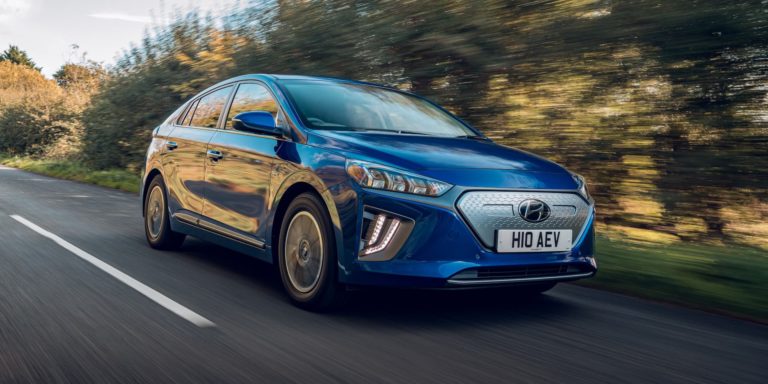
The Hyundai Ioniq manages to tread a fine design line that makes it quirky and unique without looking too wacky. It looks a little awkward from the back, but particularly from the front it’s a handsome thing, with the new blocky headlights and fang-like daytime running lights.
The latest design changes work well, including a new closed-off grille for this all-electric version, redesigned front and rear bumpers, and new-look 16-inch alloy wheels. There are also four new colours, which bring the total to nine across the Ioniq range.
What’s the spec like?
Prices for the Electric start at £29,950 after the government’s plug-in car grant in Premium trim, which offers 16-inch alloy wheels, a leather-wrapped steering wheel, heated front seats, and cloth upholstery. It also includes all of the on-board technology, such as the ten-inch touchscreen, LCD screen in the instrument binnacle, wireless charging pad, and Android Auto and Apple CarPlay connectivity.
Step up to Premium SE for £31,950 after the grant, and additional equipment includes ventilated and electrically adjustable driver’s seat, heated rear seats, and leather seat upholstery.
Safety-wise, all Hyundai Ioniq Electric models have a five-star rating from Euro NCAP, as do the hybrid and plug-in hybrid models.
What’s it like inside?
Inside it’s very different from before; though still unmistakably Hyundai, it feels like a real effort has been made to bring a more upmarket appeal. Its success is hit and miss.
The new ten-inch widescreen infotainment system, housed within a gloss black surround, is the main feature of the cabin, and while it’s responsive and intuitive to use, along with the touch buttons elsewhere on the dashboard it’s really difficult to use on the move.
The touchscreen and climate control section lacks the class and quality of a truly premium model, but elsewhere Hyundai’s done a great job of bringing quality levels up through the use of soft-touch materials.
What’s under the bonnet?
Those changes under the bonnet mean the battery size has increased by more than a third to 38.3kWh, while the more powerful electric motor makes 134bhp and 295Nm of torque. The result is an official range of 193 miles – though we typically saw about 170 miles indicated with a full charge.
While many electric vehicles impress with instant torque, the Ioniq has been tuned with efficiency in mind, meaning it feels quite lethargic off the line. However, it’s far from sluggish and has enough pace to dart through gaps in traffic and easily maintain motorway speeds.
The range will be more than enough for the average driver, too. We found we’d knocked about the same number of miles off the range indicator as the distance we’d travelled, meaning that figure isn’t an optimistic, unachievable number.
What’s it like to drive?
The Ioniq is a car that wants you to drive it in a calm and collected manner. Do so, and it’s a well-mannered family car that’s comfortable and relaxing to drive. It’s just as happy to sit quietly at motorway speeds as it is in inner-city traffic, too, thanks to its relatively small dimensions and good visibility.
However, some of the finer points of the driving experience are disappointing, with the brakes providing inconsistent feedback in particular. It makes slowing down unpredictable because you’re never quite sure how much force you’ll need on the pedal, resulting in the occasionally jerky stop.
Verdict
While many electric vehicles play on rapid acceleration or futuristic styling inside and out to woo buyers across from traditionally fuelled vehicles, Hyundai’s approach is much more mundane – this is an ordinary-looking car that’s perfectly good if exceedingly dull to drive, while being spacious and practical inside. And that’s where its appeal lies.
There are plenty more rivals entering the segment this year that will make the Ioniq a tougher sell, but for those who want a car to be nothing more than a car, the Ioniq hits the spot.
The Nissan X-Trail is a medium-sized SUV/crossover and the largest in the Nissan SUV family. It shares many of its components with the smaller Nissan Qashqai. It is available with either five or seven seats. Called the Nissan Rogue in the USA and Canada, Nissan claims that it is the most popular SUV in the world.
This generation of the X-Trail was launched in 2014, with a major update in 2017 and various other improvements over the last few years. It ended production in Autumn 2021, ahead of a new model that is set to arrive in the UK by the end of 2022 (originally early 2022, but was delayed thanks to the car industry’s Covid-related supply shortages).
The Nissan X-Trail was praised for its practicailty and spaciousness as a five-seater model, although the optional extra row of seats is really only suitable for young children. Newer rivals are considered to be more comfortable and better to drive, with improved safety technology and better infotainment systems.
As of March 2026, the Nissan X-Trail holds a Used Car Expert Rating of D, with a score of 55%. It gets good grades for its low running costs, but all its other scores are now poor.
Highlighted reviews and road tests from across the UK automotive media. Click any of the boxes to view.
The Car Expert
Model reviewed: 1.6-litre petrol manual N-Vision Score: 6.8 / 10 “In third-generation form, the Nissan X-Trail remains a practical large SUV.” Read review
Auto Express
Model reviewed: Range overview Score: 6 / 10 “The Nissan X-Trail is essentially a larger version of the Qashqai with the option of seven seats” Read review
Model reviewed: 2.0-litre diesel automatic Score: 8 / 10 “For those who don’t often use their Nissan X-Trail’s full load capacity, the more refined 1.6 diesel is still a fine choice, but the useful extra punch in the new engine will suit those with lots of kids and luggage to carry.” Read review
Auto Trader
Model reviewed: Range overview Score: 7 / 10 “The Nissan X-Trail is a family SUV that’s available with five or seven seats. Closely related to the Qashqai, it’s comfortable and good value for money. Some rivals are classier and more practical, but the X-Trail is a good all-rounder that tick most boxes.” Read review
Car
Model reviewed: 1.7-litre diesel manual Score: 6 / 10 “With our thoughts focused on the important things in life – looking after your family and neighbours, that sort of thing – the Nissan X-Trail seems like a winner. It doesn’t make a good job of doubling up as a thrill-tastic driver’s car for more frivolous times, but then what SUV does at this price?” Read review
Model reviewed: 1.6-litre diesel automatic Score: 6 / 10 “The Land Rover Discovery Sport drives better and the VW Tiguan rival smashes the quality issue, but the big Nissan X-Trail fights back with a pleasing honesty. It’s big, sensible, practical transport for large broods.” Read review
Car Keys
Model reviewed: Range overview Score: 8 / 10 “The facelifted Nissan X-Trail is almost all the car you’d ever need if you want a family hauler. It’s extremely spacious, practical, easy to drive and rather well-equipped. It does have its niggling issues, but ultimately there’s nothing majorly wrong with the car.” Read review
Carbuyer
Model reviewed: Range overview Score: 8.2 / 10 “The Nissan X-Trail looks good and drives well, but it can be pricey and could do with a bigger choice of engines” Read review
Carwow
Model reviewed: Range overview Score: 6 / 10 “The Nissan X-Trail is a big practical family SUV that’s available with seven seats. Its interior is pretty boring, however, and it’s not fun to drive.” Read review
Company Car Today
Model reviewed: 1.7-litre diesel manual Tekna “A perfectly decent car in isolation but more recent arrivals, most notably the SEAT Tarraco, are a better all-round bet.” Read review
Honest John
Model reviewed: Range overview Score: 8 / 10 “If you want a Nissan Qashqai but you find the interior a bit too small for your growing family, the X-Trail is the car you’re looking for. It’s just as comfortable and easy-to-drive as its smaller sibling, but with much more back row space, a bigger boot and the option of seven seats.” Read review
Motors
Model reviewed: Range overview Score: 6 / 10 “Compared to the interior of the higher-priced Kia Sorento and Hyundai Santa Fe, however, there is significant shortfall in the Nissan X-Trail, but that shouldn’t be a worry if you wish to have size and practicality first and foremost.” Read review
Parkers
Model reviewed: Range overview Score: 7.6 / 10 “A crossover for families when a Qashqai’s not big enough” Read review
The Sun
“Nissan X-Trail is spacious, secure and more affordable than other SUVs.” Read review
Model reviewed: Range overview “Following a facelift, the new SUV’s functionality is faultless but it does feels far from premium.” Read review
The Sunday Times
Model reviewed: 1.6-litre diesel manual Acenta Score: 6 / 10 “Nothing more than a larger, more expensive version of the Nissan Qashqai” Read review
The Telegraph
Model reviewed: Range overview Score: 7 / 10 “Despite being Nissan’s most expensive crossover, the X-Trail has always lived in the shadow of the hugely popular Qashqai. The latest updates don’t change that, nor make Nissan’s large SUV a match for the Mazda CX-5 as a five-seater or a Skoda Kodiaq as a seven-seater.” Read review
Top Gear
Model reviewed: Range overview Score: 6 / 10 “A good, solid SUV. Lots of space, but competitors have caught and passed in some areas.” Read review
Safety rating
Independent crash test and safety ratings from Euro NCAP
The X-Trail was assessed by Euro NCAP in 2014 and awarded a five-star rating. This rating expired in January 2021, as it no longer met the requirements for a five-star score. This is normal practice, as Euro NCAP reviews its ratings on most cars annually with most ratings expiring after about six or seven years.
However, if you are comparing a used Nissan X-Trail to vehicles of similar age, whose ratings will have probably also expired, its safety rating score is still useful.
Eco rating
Independent economy and emissions ratings from Green NCAP
No eco rating
The Nissan X-Trail was not lab tested by Green NCAP during its production life.
Reliability rating
Reliability data provided exclusively for The Car Expert by MotorEasy
Total claims: 206 Average repair cost: £711.46 Last updated: April 2025
As of April 2025 (our most recent data point), the Nissan X-Trail has a reliability rating that’s below average, according to warranty data provided exclusively to The Car Expert by our partner MotorEasy. This score applies collectively to this third-generation X-Trail as well as older (pre-2017) generations.
Average repair costs for the X-Trail are fairly moderate, at a little over £700 – although this is still more than the price of an average used car warranty, which is worth keeping in mind if you are considering a used X-Trail. Engine problems are particularly expensive to fix, at an average repair of nearly £1,700, while most other repair costs compare favourably to similar cars.
Awards
Trophies, prizes and awards that the Nissan X-Trail received
2019
Sunday Times Motor Awards – Best Dog-Friendly Car
Similar cars
If you’re looking at the Nissan X-Trail, you might also be interested in these alternatives
Volkswagen has added a new Black Edition specification to its compact T-Roc crossover model.
Priced from £23,750, the T-Roc Black Edition trim level is based on the existing SE specification but gains additional black-coloured trim pieces and extra interior features. It follows on from the Volkswagen Touareg, which also gained a Black Edition specification.
The exterior of the car receives a black finish to the front grille, rear privacy glass and 18-inch alloy wheels. LED headlights are included as standard, too.
Inside the black theme is continued, with piano black dashboard trim pieces and a black roof, while a multifunction steering wheel with contrasting grey stitching is also included.
Standard equipment includes adaptive cruise control, front and rear parking sensors, and Apple CarPlay and Android Auto smartphone integration. Safety-wise, the T-Roc Black Edition doesn’t pick any new kit, but the T-Roc already has a five-star safety rating from Euro NCAP so it’s already well equipped in the event of trouble.
If specified individually, these options would cost more than £2,000, meaning that the T-Roc Black Edition potentially represents a considerable saving for buyers. An extensive list of optional extras remains, however, with buyers able to add features such as leather upholstery and a sports suspension package for an additional cost.
Available in front-wheel drive, the T-Roc Black Edition can be fitted with the choice of a 1.0-litre or 1.5-litre petrol engine, as well as either a 1.6-litre or 2.0-litre diesel.
Tempting T-Roc
The Volkswagen T-Roc is one of the most highly-rated small crossovers, as calculated by The Car Expert’s unique Expert Rating system. We have analysed 19 different reviews of the T-Roc from the UK’s top automotive websites, and their combined scores give it an overall Expert rating of 79% (as of May 2020). That’s a few points behind the class-leading Ford Puma, but still puts it firmly in the top half of its segment.
Car crash test procedures are being given their biggest overhaul in a decade to improve occupant protection and improve post-crash protection.
The Euro NCAP tests dictate the safety ratings given to new cars, which are ranked on how well they protect adult occupants, child occupants and vulnerable road users, as well as how much safety assistance technology is included.
When the changes are implemented later this year, they will include a new moving barrier in the moving car frontal crash test. Not only does this measure how occupants of the car are protected, it can also calculate how the vehicle’s front end crash structure contributes to injuries in the vehicle it has collided with.
Euro NCAP says side impacts account for the second highest frequency of death or serious injuries in collisions, so it has increased the severity of impacts during the test. It will also evaluate how the collision affects the ‘far side’ of a vehicle in an impact rather than just the immediate contact point, and the potential for interaction between the driver and front seat passenger.
The tests also include challenging new scenarios to evaluate the latest generation of driver assistance systems, and the first step towards evaluating a vehicle’s driver monitoring system.
A new crash test dummy, called THOR, is also being introduced. This is said to be the world’s most advanced crash dummy, which can more accurately replicate a human in crash conditions and record more types of potential injuries.
The organisation has also worked with the International Association of Fire and Rescue services to create a post-crash safety rating system. This will score manufacturers for how accurate and easily available extraction information is, as well as ease of extraction and use of electric door handles, for example.
Why we publish the full Euro NCAP ratings
The Car Expert is one of a very few automotive sites that publishes the full Euro NCAP safety ratings – rather than just the headline star rating – as part of our unique Expert Rating report for new cars.
The Euro NCAP tests are made up of four categories: 1) adult occupants; 2) child occupants; 3) vulnerable road users (pedestrians and cyclists); and 4) active safety systems (to help you avoid a crash). Together they combine to form an overall rating.
It’s quite common for a car to miss out on a higher overall rating because it is deficient in one area. For example, the Ford Mustang has an overall three-star rating, which means titles like Which? automatically give it a “Don’t Buy” recommendation. But one of the reasons for that poor rating is a very low child safety score. If you don’t have kids and are not planning to carry any in your car, the rest of the Mustang’s scores are much more competitive.
Stuart Masson, Editor
Levelling the playing field
Matthew Avery, director of research at Thatcham Research and Euro NCAP board member, said: “This is a new yardstick that vehicles will be measured against. We and Euro NCAP look forward to working closely with carmaker safety teams to drive towards strong results for these society-benefitting tests.
“These are the biggest changes to Euro NCAP’s impact testing protocols in a decade. Chief amongst them is the new ‘compatibility’ impact test.
“The objective is to encourage makers of larger vehicles to share some of the burden of the impact with smaller vehicles. Historically SUVs and other big cars have offered very good protection to their occupants. However, the smaller vehicles they sometimes crash into can fare less well.”
“In the new compatibility test, if the larger vehicle is too stiff in an impact scenario, it will be penalised accordingly. This levels the playing field for all vehicle sizes, which is a win-win for road safety.”
Avery also explained the benefits of the new dummy. “The THOR dummy is the most advanced we’ve ever worked with. It makes the new test especially challenging for carmakers, as the dummy more closely represents a human. The previous dummy we used was designed for impact scenarios that are less common today, while the THOR dummy is far more complex and sensitive and can record abdominal injuries.”
Euro NCAP normally tests up to half a dozen new cars each month, but testing has been put on hold due to the coronavirus pandemic. It is expected to resume in coming months, with the first tests under the new protocols due “after the summer”.
The Range Rover Sport was a large SUV that sat above the smaller Range Rover Velar and below the flagship Range Rover in the Land Rover family. This is the second generation, which was launched in 2013, received a mid-life update in early 2018, and was replaced by the current generation in 2022.
Unlike some other models in the Jaguar Land Rover stable, the Range Rover Sport was built in the UK for its full production life, at JLR’s factory in Solihull.
The Range Rover Sport received many positive reviews from the UK automotive media. It got particular praise for its ability to combine on-road and off-road performance, as well as comfort and luxury. However, like most Land Rover models, it was criticised for a high number of reliability and quality problems. We explain this in more detail in the ‘Reliability rating’ section below.
No longer on sale, the Range Rover Sport holds a Used Car Expert Rating of E, with a score of 44%. It scored well for its media reviews, but very poor scores for reliability and running costs drag the overall rating down.
Body style: Large SUV Engines: petrol, diesel, plug-in hybrid Price when new: From £65,295 on-road
Launched: Summer 2013 Last updated: Spring 2019 Replaced: Autumn 2022
Image gallery
Media reviews
Highlighted reviews and road tests from across the UK automotive media. Click any of the boxes to view.
Featured reviews
“If you’re looking for the ultimate combo of luxury, performance and off-road ability, nothing else comes close”
Model reviewed: Range overview
Score: 8 / 10
Auto Express
“A strong combination of full-size Range Rover elements in a more attainable package, but the Sport is objectively it’s no class-leader.”
Score: 7 / 10
Evo
More reviews
Auto Express
Model reviewed: 3.0-litre diesel (mild hybrid) D350 HST Score: 8 / 10 “Creaking infotainment aside, this Range Rover Sport feels rejuvenated by its all-new diesel engine. It has bags of punch and performance, is refined and offers great long-distance cruising ability.” Read review
Model reviewed: 3.0-litre petrol automatic HST Score: 8 / 10 “It may not look much different, but beneath the bonnet this new Range Rover Sport HST is very different indeed.” Read review
Model reviewed: 5.0-litre petrol automatic SVR Score: 8 / 10 “With the exhaust baffles fully open, the steering weighted up, the gearbox in its most aggressive setting and the engine in its most unhinged mode, the Range Rover Sport SVR feels like a proper weapon.” Read review
Model reviewed: 2.0-litre petrol/electric plug-in hybrid automatic P400e HSE Score: 8 / 10 “The Range Rover Sport’s P400e powertrain is beautifully befitting of the brand – nothing screams luxury like the sound of silence, after all. If a plug-in hybrid works for you financially, we’ve few reasons not to recommend one.” Read review
Car
Model reviewed: Range overview Score: 8 / 10 “The new straight-six engines in the Range Rover Sport are welcome powertrain replacements for their ousted counterparts, with the petrol proving impressively efficient around town, the diesel on longer slogs.” Read review
Model reviewed: 2.0-litre petrol/electric automatic plug-in hybrid P400e Score: 8 / 10 “In the grand scheme of things, the plug-in Range Rover Sport makes as much sense as any of its rivals; the electrified powertrain feels better matched here than it does in the maximum Range Rover.” Read review
Model reviewed: SVR Score: 8 / 10 “A Porsche Cayenne Turbo might be for the discerning driver, but the Range Rover Sport SVR will whole-heartedly tick the entertainment factor box. You just have to put up with looking like a Premier League footballer.” Read review
Model reviewed: 3.0-litre diesel automatic SDV6 Score: 8 / 10 “The 2017 update has kept the Range Rover Sport on the pace of newer rivals such as the Audi Q7 and Volvo XC90. It’s not as light, frugal or tax-friendly as those peers, but it offers a compelling combination of comfort and dynamics.” Read review
Carbuyer
Model reviewed: Range overview Score: 7.2 / 10 “The Range Rover Sport certainly isn’t cheap, but it offers most of the luxury of its big brother, while also being more enjoyable to drive.” Read review
Model reviewed: 2.0-litre petrol/electric plug-in hybrid automatic Score: 8.2 / 10 “The Range Rover Sport PHEV is a desirable luxury SUV with low emissions. It’s not perfect, but should dramatically cut costs for some drivers.” Read review
Carwow
Model reviewed: 5.0-litre petrol automatic SVR Score: 8 / 10 “Given the performance on offer, the Range Rover Sport SVR is a surprisingly practical car. Its tall body gives the driver an excellent, commanding view of the road ahead and makes for a roomy cabin, with a big boot. Excellent off-road ability is a given, too.” Read review
Model reviewed: Range overview Score: 7 / 10 “The Range Rover Sport is a good choice if you want a posh car that’s brilliant for family life. Other models are sportier to drive but few can match the Range Rover’s luxurious cabin and impressive off-road ability.” Read review
Daily Mail
Model reviewed: 4.4-litre diesel automatic SDV8 “The Range Rover Sport is a very good car. Given the budget to pick an all-rounder, it would make a very good choice and the SDV8 sits firmly in the most sought after bracket of Range Rover Sports.” Read review
Discover EV
Model reviewed: 2.0-litre petrol/electric plug-in hybrid P400e Score: 6 / 10 “Despite the fact that there’s no six- or eight-cylinder unit it still feels like a proper Range Rover, retaining its most of its best qualities while giving you a big enough range to cope with day-to-day errands. If you drive mainly short distances and have access to charging points at home and/or work the P400e makes sense.” Read review
Evo
Model reviewed: 3.0-litre petrol automatic HST Score: 7 / 10 “Land Rover’s new inline-six is an impressive unit, making this Range Rover Sport the pick of the range.” Read review
Model reviewed: 5.0-litre petrol automatic SVR Score: 8 / 10 “The Range Rover Sport SVR is impressively capable on road and off it, but not a car for those wishing to keep a low profile.” Read review
Model reviewed: Range overview Score: 8 / 10 “Hugely capable off-roader that makes you question the relevance of the regular Range Rover.” Read review
Green Car Guide
Model reviewed: 2.0-litre petrol/electric plug-in hybrid P400e HSE Dynamic Score: 9 / 10 “It’s amazing that any car can feel so luxurious, sporty, comfortable and refined on tarmac roads, yet also be so competent off-road. In the case of the Range Rover Sport P400e, it’s even got added capability, because it can also travel on tarmac or off the beaten track in zero emission electric mode.” Read review
Model reviewed: 3.0-litre diesel hybrid automatic SDV6 Autobiography Dynamic Score: 9 / 10 “The Range Rover Sport Hybrid is probably the world’s most capable all-round car. With help from its air suspension, it can drive over most off-road tracks and make them feel like a normal British urban road surface.” Read review
Heycar
Model reviewed: Range overview Score: 7 / 10 “Despite its name, the Range Rover Sport is actually more comfortable and refined than most sporty SUVs. It feels extremely luxurious inside, comes with some wonderful engines, and we like the latest new technology. Few rivals are as competent off-road, but it’s very expensive to buy and run.” Read review
Honest John
Model reviewed: Range overview Score: 6 / 10 “The Range Rover Sport isn’t as sharp as the Porsche Cayenne, but it’ll still take corners with gusto without making your passengers feel seasick. Where the Sport really shines is off-road – it can tackle much more challenging obstacles than any similar SUV on sale.” Read review
Motors
Model reviewed: Range overview Score: 8 / 10 “As a first in the Range Rover line-up, the Sport is available with an optional third row of seats, meaning that it is capable of transporting as many as seven people. While these seats are a bit too small for adults, parents will no doubt find them perfect for the school run.” Read review
Parkers
Model reviewed: Range overview Score: 8.2 / 10 “The full-sized Range Rover designed to suit keener drivers.” Read review
The Sun
Model reviewed: Range overview “It’s an SUV Jack of all trades. It does all the off-road stuff, combined with the ability to produce race car performance on tracks — yet also still be the coolest car on the school run.” Read review
The Sunday Times
Model reviewed: SVR Score: 8 / 10 “The Range Rover SVR is not about keeping a hold on your carbon footprint, but it’ll get you noticed. It’s even got a button to press in case there aren’t enough people looking at you.” Read review
Model reviewed: SVR Score: 8 / 10 “Handles extremely well for something bigger than a Scottish island” (Jeremy Clarkson) Read review
The Telegraph
Model reviewed: 3.0-litre petrol automatic P400 HST Score: 8 / 10 “Its name might be evocative, but the HST feels a little pricey for what it is. However, the P400 engine it comes with is superb – a genuinely characterful petrol with the economy and towing capability of a diesel. It’s now the powerplant of choice in the Range Rover Sport.” Read review
Model reviewed: 2.0-litre petrol/electric plug-in hybrid Score: 8 / 10 “The Range Rover Sport hybrid is potentially very economical over short distances between recharges. But that supposes the vehicle will be on charge when it is parked and as we know, that’s not always the case. Used improperly, the Sport becomes an absurdly heavy twin-engined car.” Read review
Model reviewed: 3.0-litre diesel automatic SDV6 Score: 8 / 10 “The Range Rover Sport still strikes me as more of a luxury cruiser than a performance car. Perhaps its ability to make a decent fist of both roles is its strength.” Read review
Top Gear
Model reviewed: Range overview Score: 8 / 10 “An imperious cruiser, best sampled with vast quantities of diesely torque. Now with better tech, but the same old image.” Read review
Model reviewed: 3.0-litre petrol automatic HST Score: 7 / 10 “The Range Rover Sport HST is far less brash than an SVR, feels like a more intelligent, educated choice that doesn’t sacrifice drivability, but does appear to get some fuel economy gains.” Read review
Model reviewed: 5.0-litre petrol SVR “You have the likes of Kahn and Overfinch to blame for the SVR’s appearance. Bored of seeing such companies taking its cars, making them more brash and selling them on for a hefty profit, Land Rover decided it could do that itself via SVO. Not for us, but hey, who are we to lecture anyone on style.” Read review
Safety rating
Independent crash test and safety ratings from Euro NCAP
No safety rating
The Range Rover Sport was not tested by Euro NCAP during its production life.
Eco rating
Independent economy and emissions ratings from Green NCAP
No eco rating
The Range Rover Sport was not tested by Green NCAP during its production life.
Reliability rating
Reliability data provided exclusively for The Car Expert by MotorEasy
Total claims: 1395 Average repair cost: £1383.73 Last updated: April 2025
Like most Land Rovers, the Range Rover Sport has a very poor reputation when it comes to reliability. As of April 2025, the Range Rover Sport has a frankly terrible reliability score of 20%, according to exclusive extended warranty data provided by our partners at MotorEasy.
A wide array of problems with the Sport have been reported, spread across all areas of the car. Engine problems are the most expensive, and unfortunately they appear to be relatively common, making up nearly a quarter of all claims with an average repair cost of nearly £4,000.
If you’re looking at a used Range Rover Sport, make sure any extended warranty cover you purchase covers all of the potential problem areas shown in the charts above.
Running cost rating
Monthly cost of ownership data provided exclusively for The Car Expert by Clear Vehicle Data
Fuel consumption
Average
Score
Petrol models
24 mpg
E
Diesel models
31 mpg
D
CO₂ output
Average
Score
Variation
Score
Petrol models
265 g/km
E
Diesel models
233 g/km
E
Plug-in hybrid models
77 g/km
A
Battery range
Average
Score
Variation
Score
Plug-in hybrid models
25 miles
E
Insurance group
Average
Score
Variation
Score
All models
47
E
The Range Rover Sport is an expensive car to own and run, according to whole-life cost numbers provided exclusively to The Car Expert by our data partner, Clear Vehicle Data.
We don’t have a full set of running cost data due to the car’s age, but the numbers we do have are not flattering (and based on what we know of the numbers we don’t have, like servicing costs, they’re also on the expensive side).
Insurance is an ongoing problem for Range Rover Sport models – it’s in a high insurance group to start with based on its price and repair costs, but very high theft rates have put insurance premiums on all Range Rover models up by a lot.
Awards
Trophies, prizes and awards that the Range Rover Sport has received
2015
Fleet World Honours – Best SUV
2013
4×4 Magazine Awards – 4×4 of the Year + Best Premium 4×4
Similar cars
If you’re looking at the Range Rover Sport, you might also be interested in these alternatives
The Volkswagen Up! has been one of the stars in the city car segment for some time. Offering clever packaging as well as traditionally dependable build quality, it’s been one of the best small cars out there. However, the game has moved on since the Up! first arrived, with key contenders like the new Kia Picanto and Hyundai i10 hitting the forecourts.
In response, Volkswagen has updated the little Up! as well as refining its choice of engines while offering more kit. Has it done enough though? We’ve been behind the wheel to find out.
As we’ve just mentioned, the list of engines has been trimmed down to just two, giving buyers less of a headache when it comes to powertrains. There’s also the all-electric e-Up!, which means people have an electrified option too.
But Volkswagen hasn’t messed with the outright formula much. The packaging is still clever, the dimensions still compact and the cabin still not overloaded with buttons. The German manufacturer knows, however, that a car brimmed with features isn’t what this segment wants – value reigns supreme here, after all.
How does it look?
Smart, dinky and well-proportioned, the Up! is a surprisingly premium-looking way of getting around. It’s a well-finished design, that’s for sure. Despite having been around since 2011 – and remaining relatively unchanged during that period – it’s not showing its age whatsoever, and still looks on par with rivals introduced more recently.
There are a variety of colour options for drivers to choose for meaning personalisation – which is a key concern in this segment – is well catered for.
What’s the spec like?
Volkswagen has tried hard to build up the level of standard equipment accompanying the Up!, meaning people don’t have to stray too far into the optional extras list. All cars get a five-inch colour touchscreen system – but there’s no ‘central’ system.
Instead, Volkswagen has fitted a smartphone cradle in which you place your phone and access the car’s main functions via an app. Connected at all times, it can relay information like fuel station locations, driving style analysis and even most recent parking locations – all on your phone.
Our test car did come with a select number of options – a multifunction leather steering wheel came in at £280, for instance, and though we could do without that, we’d highly advise spending the £270 for the climate control pack.
Safety-wise, the Volkswagen Up! has fallen behind the times. When the car was first launched, way back in 2011, it scored a benchmark five-star safety rating from Euro NCAP. But standards have improved and the Up! no longer meets the requirements for a five-star score. When the car was re-tested in 2019, it was re-classified with a three-star safety rating.
What’s it like inside?
The cabin of the Up! is an area which really impresses. It’s akin to a shrunken-down version of some of Volkswagen’s larger cars, which means that the build quality is solid and the layout of controls is superbly intuitive. Since the Up! does without a screen – we’ll get to that in a second – it’s also refreshingly low on displays, which is something you don’t tend to find on most current cars.
The seating position gives you a good view out, while rear-seat passengers get a decent amount of legroom too. It’s certainly not palatial, but it’s a good degree more than you’d expect from a car of this size.
Plus, you get a very useable 251 litres of boot space, and you can increase this up to 951 litres by folding the rear seats flat.
What’s under the bonnet?
All Up! models – save for the range-topping GTI and e-Up – make use of the same 1.0-litre naturally-aspirated petrol engine. Its outputs are modest; there’s just 70hp and 95Nm to call upon when pressing the accelerator, and it means that going from 0-60mph will take a rather sedate 14.7 seconds. Flat-out (if you felt the need) the Up! would get to 101mph – but it would need a rather large run-up to get to this.
That said, economy figures are excellent as a result. Volkswagen claims up to 51.2mpg combined, with CO2 emissions at 100g/km. Though the engine line-up is slim, to say the least, the 1.0-litre on offer certainly delivers what buyers will need; enough performance to make the car accessible around town but, more importantly, great economy figures.
What’s it like to drive?
We’d have to argue that the Up! offers one of the best big-car-in-a-small-car driving experiences around. It’s partly down to the ride – few cars in this segment manage to be quite as comfortable to drive over rough and broken surfaces like the Up! Visibility up front is excellent, and when combined with light steering and a peppy engine make for a car which is well-suited to life around town.
However, areas which require a car to be a little more long-legged – such as when joining a motorway, for example – do tend to unravel the Up! somewhat. There’s no getting away from the fact that this Volkswagen isn’t a powerful one, so merging and overtaking require some serious forward planning.
Verdict
Though the Volkswagen Up! now sits in a market with several other key competitors, it’s still more than good enough a proposition. Cleverly put together and surprisingly refined, it’ll be a great option for those who want a comfortable around-town car which won’t fall over during longer journeys.
The engine does mean it’s reasonably restricted to lower-speed travel, but given that it’s a car aimed for urban drivers then this is unlikely to trouble too many people. With some simple revisions, Volkswagen has ensured that the Up! remains competitive for some time yet.
Car insurance providers have been told to allow for delayed payments and waive fees when necessary, to help customers who are in financial difficulty due to the coronavirus pandemic.
The Financial Conduct Authority (FCA) has told insurers that they must waive the cancellation fees – among others – that customers would traditionally have to pay when making adjustments to their policies. They’ve also been requested to reassess customer risk profiles to see if premiums can be lowered.
It’s been requested that firms also consider whether other products could be better suited to a customer’s needs and revise cover to reflect this.
Sheldon Mills, Interim Executive Director of Strategy and Competition at the FCA, commented: “As with other areas of finance, we have worked quickly to draw up measures to help policyholders in financial difficulty because of coronavirus. The majority of respondents expressed support for the proposals we published at the start of May.
“Many firms in the insurance industry have already taken some of the actions we are suggesting here to support customers, such as premium reductions, discounts, waiving fees, and payment deferrals. The measures confirmed today will provide urgent support to those that need it.”
The new requirements are meant to help drive down the cost of payments for those who pay monthly or give a partial refund for those who pay for their annual premiums in full.
However, if refunds aren’t available or amendments cannot be made to a policy, the FCA is stating that insurers should offer payment deferrals of between one and three months. Firms also have the option to defer payments for more than three months if they believe it’s in the customer’s best interest.
The Kia Rio was a small supermini-class five-door hatchback. This model was the fourth-generation Rio, which arrived in the UK in early 2017 and remained on sale until 2023, when it was discontinued without a replacement.
It shares most of its underpinnings with the Kia Stonic small SUV and the Hyundai i20 hatch. It was originally available with a choice of petrol or diesel power, but the diesel engine was dropped about halfway through the car’s life.
The Rio received mixed reviews from the UK motoring media. Most reviews considered it to be competent but not in the same league as class leaders like the Ford Fiesta and SEAT Ibiza. Some titles, like Which?, marked it down severely due to its sub-par three-star safety rating from Euro NCAP on the entry-level model.
No longer on sale, the Kia Rio holds a Used Car Expert Rating of B, with a score of 68%. This is considerably better than its score when it was still a new car, as our algorithms put more emphasis on reliability and running costs for used cars. The Rio has very low running costs and CO2 emissions, while reliability is about average. However, its safety score and media review scores are very poor.
Body style: Small five-door hatch Engines: petrol Price: From £14,900 on-road
Launched: Spring 2017 Last updated: Spring 2018 Discontinued: 2023
Image gallery
Media reviews
Highlighted reviews and road tests from across the UK automotive media. Click any of the boxes to view.
Auto Express
Model reviewed: Mk4 Score: 6 / 10 “The Kia Rio has come on in leaps and bounds since the no-frills original, but the fourth-generation model isn’t a huge step on from the Mk3. It has merely average ride and refinement, and some hard, cheap-feeling interior plastics that all hurt its cause.” Read review
Model reviewed: Range overview Score: 6 / 10 “The Kia Rio offers good value and practicality, but it’s a safe pair of hands in a talented supermini class” Read review
Model reviewed: 1.4-litre diesel manual Score: 6 / 10 “While the new Kia Rio gets the basics right, it doesn’t do enough to stand out in the competitive supermini sector. We take issue with the unexciting design, mixed cabin quality and so-so ride and refinement. This diesel might sip fuel, but the 1.0-litre turbo petrol would be our choice in the range.” Read review
Model reviewed: 1.0-litre petrol manual 3 Score: 6 / 10 “In isolation the new Kia Rio is a capable supermini, thanks to a neatly designed interior, range of efficient engines and big luggage area. Unfortunately, it’s entering a market with many excellent competitors that beat it in virtually every area, so it’s a tough one to recommend.” Read review
Auto Trader
Model reviewed: Range overview Score: 7.4 / 10 “It’s all too easy to sound like we’re damning the Kia Rio with faint praise, but this really is a very decent car that does its job extremely well. It’s not quite class-leading in any way, but as an overall package, it has an awful lot to recommend it, and no major weaknesses.” Read review
Car
Model reviewed: 1.0-litre petrol manual 3 Score: 6 / 10 “The Kio Rio is a well-equipped, cheap-to run and relatively spacious supermini. As a tool for getting from A to B, it’ll do the job nicely. Yet in class of such broad and varied talent, the Rio is overwhelmed.” Read review
Car Keys
Model reviewed: 1.0-litre petrol manual 3 Score: 7 / 10 “It may not match rivals like the Ford Fiesta but the Kia Rio is a great-value, well-equipped and practical supermini. In top spec ‘3’ grade, it comes with all the kit you’d ever need. The 1.0-litre petrol engine is a fantastic unit, both around town and on the motorway, too.” Read review
Carbuyer
Model reviewed: Range overview Score: 7.8 / 10 “The Kia Rio is a competent supermini, but because it doesn’t excel in any one area, it’s difficult to recommend over the competition.” Read review
Carwow
Model reviewed: Range overview Score: 6 / 10 “Believe it or not, the Kia Rio supermini is the Korean brand’s best-selling model. The latest fourth-generation version wades into a congested field dominated by established rivals including the Ford Fiesta, VW Polo and Skoda Fabia.” Read review
Company Car Today
Model reviewed: 1.0-litre petrol manual 3 “The Kia Rio appeals not for its particular strengths, but in fact for its lack of weaknesses. That might not sound particularly interesting, but will make for a rewarding ownership experience backed up by Kia’s seven-year warranty.” Read review
Green Car Guide
Model reviewed: 1.4-litre diesel manual 3 Eco Score: 7 / 10 “The new Kia Rio is ideal for people buying cars. It’s easy to drive and easy to live with. But it’s rubbish for motoring journalists because there’s nothing to complain about. It just does everything as it should do. There are no quirky, annoying faults.” Read review
Honest John
Model reviewed: Range overview Score: 8 / 10 “It might not have the all-round classiness and capability of the SEAT Ibiza or the dynamic sparkle of the Ford Fiesta, but the Kia Rio is a very capable hatchback that does everything well enough. Factor in the seven-year warranty and it’s a sound buy.” Read review
Motors
Model reviewed: Range overview Score: 7 / 10 “With each generation, the Kia Rio has got better to drive and far better finished, though even in its current guise it’s one of the more basic cars on the market, aimed at those who really value its combination of practicality, affordability and the peace-of-mind offered by its seven-year warranty.” Read review
Parkers
Model reviewed: Range overview Score: 6.8 / 10 “There are few reasons why you wouldn’t buy a Kia Rio, but when the competition is so strong elsewhere it’s hard to recommend it over the rivals.” Read review
The Sun
“I’ve had more fun threading a Kia Rio down my back roads than I would in something expensive.” Read review
The Telegraph
Model reviewed: Range overview Score: 7 / 10 “The Kia Rio might not be the most fun car to drive in its class, or as comfortable as some rivals, but it scores well most other areas, whether it’s in the space on offer, the low running costs, excellent reliability record, or value for money.” Read review
Top Gear
Model reviewed: Range overview Score: 5 / 10 “An appliance carefully targeted at people who are uninterested in cars.” Read review
Safety rating
Independent crash test and safety ratings from Euro NCAP
As of May 2020, the entry-level Kia Rio ‘1’ earned a three-star rating from Euro NCAP in standard form. Models from specification ‘2’ and upwards are fitted with additional safety equipment as standard, which is an additional £350 option on the ‘1’. This additional equipment lifts the Euro NCAP safety score to five stars.
This rating has since expired, as the car no longer meets the increasing standards for a three-star rating.
Eco rating
Independent economy and emissions ratings from Green NCAP
No eco rating
The Kia Rio was not assessed by Green NCAP during its production life.
Reliability rating
Reliability data provided exclusively for The Car Expert by MotorEasy
Total claims: 28 Average repair cost: £673.11 Last updated: April 2025
The Kia Rio has an above-average warranty reliability score, according to extended warranty data provided exclusively to The Car Expert from our partner, MotorEasy.
The key Rio complaint refers to the car’s braking system, which costs a pretty affordable £190 to fix on average. Very expensive engine issues have also been reported though – while they are rare, the average fix cost is close to £3,000. That’s very high for a car of this size.
However, we only have 28 warranty claims on file, which is a small amount. Not only are other superminis like the Vauxhall Corsa more reliable according to MotorEasy, but they have a much larger selection of reported warranty claims, which provides a more accurate breakdown of what is likely to cause issues during the course of ownership.
Running cost rating
Monthly cost of ownership data provided exclusively for The Car Expert by Clear Vehicle Data
Fuel consumption
Average
Score
Petrol models
51 mpg
C
CO₂ output
Average
Score
Variation
Score
Petrol models
127 g/km
B
Insurance group
Average
Score
Variation
Score
All models
7
A
Running costs for the Kia Rio range are a pretty affordable, according to data provided exclusively to The Car Expert by our commercial partner, Clear Vehicle Data.
Though we don’t current have the full picture – with no maintenance and service cost estimates – the car’s fuel consumption which ranges from 44mpg to 54mpg is commendable, and its insurance premiums should be very low.
Awards
Trophies, prizes and awards that the Kia Rio has received
2020
Auto Express Driver Power Awards – Best Supermini
2019
Auto Express Driver Power Awards – Best Supermini
2018
Auto Trader New Car Awards – Best Value New Car + Best Car for New Drivers
2017
iF Design Awards – Product Design Award
Similar cars
If you’re looking at the Kia Rio, you might also be interested in these alternatives
Ssangyong has updated its popular Tivoli model with a sharper look and more interior technology.
Priced from £13,995, the compact SUV has received a mild facelift for the first time since going on sale in 2015. The front of the car has been updated, with sharper lines helping to inject some new life into the model.
Inside, there’s a new ten-inch LCD instrument cluster located in place of the usual dials – something that has already been seen on the firm’s latest Korando model – which gives drivers the ability to rotate through different menus and graphics. All trim levels get DAB digital radio and Bluetooth connectivity, too.
Three engines are available with the Tivoli, with 1.2-litre and 1.5-litre petrol options joining a 1.6-litre diesel in the line-up. The new 1.2-litre unit is linked to a six-speed manual gearbox, while both the larger 1.5-litre engine and the diesel unit are available with an automatic ‘box.
Three trim levels are available with the Tivoli too – EX, Ventura and Ultimate – with the entry-level specification only available with the 1.2-litre, manual gearbox variant. Even base-spec cars receive air conditioning, tinted glass and electric windows, along with a host of electronic driver safety features including lane departure warning and front collision warning.
Make the jump to top-spec Ultimate trim and you’ll find dual-zone air conditioning, leather seats and 18-inch diamond-cut alloy wheels added alongside the ten-inch instrument cluster. All Tivoli models come with a seven-year or 150,000-mile warranty.
Toyota has announced that it will bring its seven-seat Highlander SUV to the UK for the first time next year.
The Highlander will sit at the top of Toyota’s crossover model range, and is the second new SUV model announced by Toyota in the last month. The small Yaris Cross will also arrive next year to occupy the other end of the range, sandwiching the existing RAV4 and C-HR models.
Although it will be a new addition to the UK range, this is actually the fourth generation of Toyota Highlander and has been sold in several other markets for years. It’s sold as the Toyota Kluger in Japan and Australia because the Highlander name was already trademarked by Hyundai. The current model was launched at last year’s New York motor show.
The seven-seat Land Cruiser 4×4 is expected to remain in the UK line-up for the time being, but that is much more of a niche model that provides far greater off-road capability than the Highlander.
The new Highlander will only be available with four-wheel drive and a hybrid powertrain that uses a 2.5-litre petrol engine and twin electric motors. The total power output is 245hp, with CO2 emissions of 146g/km on the combined cycle and fuel economy of 42.8mpg.
Toyota calls the Highlander ‘an authentic seven seater’ because the second row of seats has a 18cm sliding range that frees up legroom in the third row for two adults.
The boot space measures 658 litres, with extra underfloor storage space available, while folding the second and third rows provides up to 1,909 litres of load area.
In the cabin, there are USB ports for the front and second row passengers, an infotainment system with sat-nav, head-up display, wireless phone charging, and connectivity for both Apple CarPlay and Android Auto.
UK pricing for the Toyota Highlander will be revealed closer to the car’s launch date in early 2021.