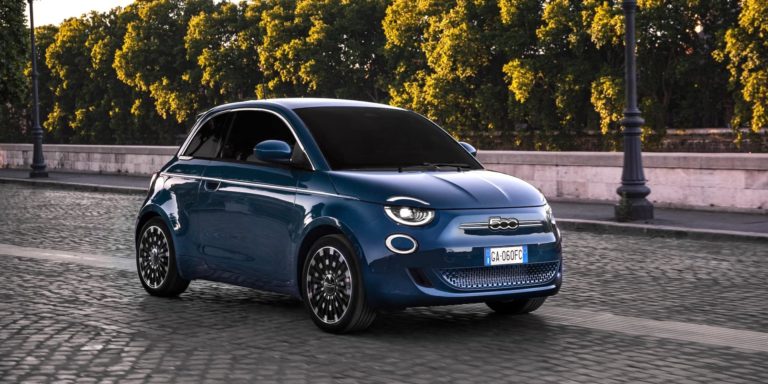
Fiat has opened reservations for the all-new electric 500 hatchback, which joins the zero-emission convertible version in the firm’s line-up.
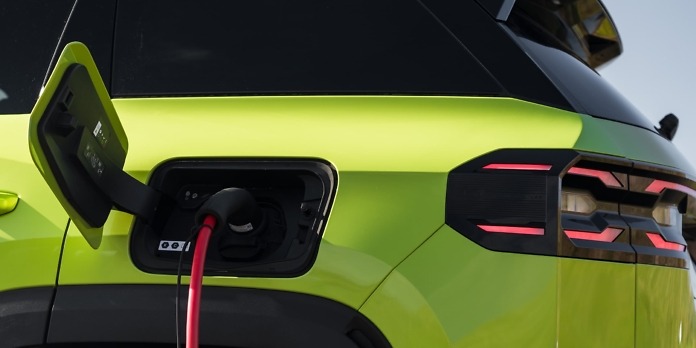
The ‘la Prima’ launch edition is priced at £26,995 including the plug-in car grant and comes with a Wallbox that can be fitted at home to deliver up to 3kW of charging power. This can be upgraded to 7.4kW, which can provide a full charge in just over six hours.
The electric Fiat 500 has a maximum charge rate of 85kW, which Fiat says can add a usable 30 miles of range in five minutes, or can top the battery up to 80% in 35 minutes. Its 42kWh battery has a maximum range of 199 miles.
The electric motor’s output is 87kW and provides a top speed of 93mph, with a 0-60mph time of nine seconds.
In this la Prima specification, the new electric 500 comes with a panoramic glass sunroof, a more pronounced rear spoiler, three paint choices, full LED headlights, 17-inch alloy wheels, chrome-plated inserts, and eco-leather upholstery.
The electric 500 gets a new look compared with the petrol-powered versions because it sits on Fiat Chrysler Automobiles’ first bespoke electric car platform. It’s 6cm longer and 6cm wider than before, and features a more rounded, curvy look.
There are three drive modes available: Normal, Range and Sherpa. Normal aims to give a driving experience similar to that of a petrol vehicle, while Range ramps up the amount of energy recouped by the car, meaning it decelerates quickly when the accelerator is lifted to provided ‘one pedal driving’.
Sherpa mode, named after Himalayan Sherpas who take charge of an expedition, optimises the driving experience based on battery levels and the distance to the destination.
It also comes with adaptive cruise control and the new UConnect 5 infotainment system, which comes integrated with Android Auto and Apple CarPlay. It is controlled through a ten-inch touchscreen in the dashboard.
Reservations for the all-new electric Fiat 500 are now open for UK customers, and both the hatchback and convertible can be ordered with no deposit.
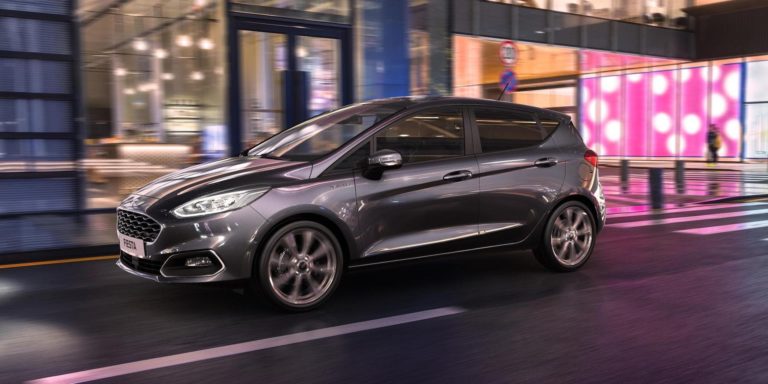
Ford has added light electrification to the Fiesta for the first time.
Britain’s favourite supermini can now be ordered with a mild hybrid system, which uses a 48-volt motor to assist the petrol engine. Ford claims fuel efficiency is improved by 5% while also making it more powerful and responsive to drive.
For this powertrain, the traditional alternator is replaced with a belt-driven starter generator, which enables recovery of energy usually lost during braking and coasting. This energy can then be redeployed to boost the engine under acceleration or take over running the vehicle’s electrical ancillaries.
It is available in two power outputs of 125hp and 155hp. The former emits 109g/km of CO2 and promises 57.6mpg, while the latter emits 116g/km of CO2 and achieves 55.4mpg.
It’s part of Ford’s plan to offer an electrified version of every passenger vehicle it makes and plans to have 18 electrified models on sale by the end of 2021.
Roelant de Waard, vice president of marketing, sales and service at Ford of Europe, said: “Adding EcoBoost Hybrid technology to Fiesta’s best-in-class driving dynamics means customers can have even more power and still go further on a tank of fuel.
“The Fiesta EcoBoost Hybrid will help Ford bring the benefits of electrification to more drivers than ever before.”
As well as being the best-selling car in Britain for the last decade, the Fiesta is also the top-rated supermini according to The Car Expert’s unique Expert Rating analyser. Based on 22 UK reviews, the Fiesta has an overall Expert Rating of 84%, with particular praise for its driving dynamics.
The mild-hybrid Ford Fiesta will be available on the Titanium trim level with prices starting at £19,860. Equipment on this model includes adaptive cruise control with stop and go and speed sign recognition.
What do you know DS best for? That iconic ‘60s Citroën model that this brand is essentially named after, or the rebadged Citroëns that existed between 2010 and 2017? After a lukewarm start, DS Automobiles is aiming to carve out its own niche, with the brand’s bespoke models starting in 2017 with the DS 7 Crossback SUV.
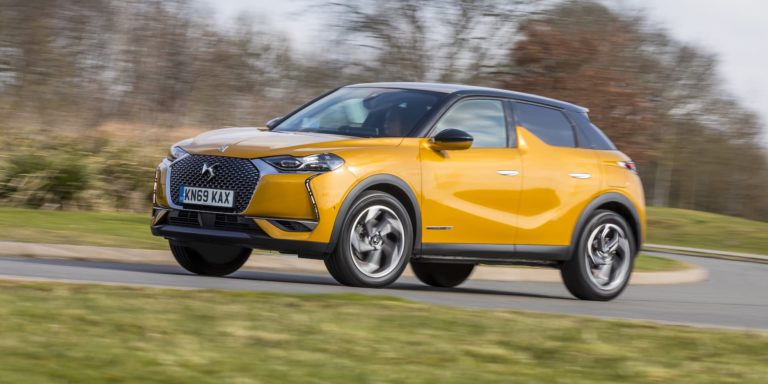
Following on from that model is the new DS 3 Crossback – a compact crossover that aims to inject a bit of French luxury into the premium end of this sector. It replaces the original DS 3 supermini and aims to combine the style of what made that model so popular with the all-important crossover looks that buyers crave.
To date, the DS 3 Crossback range has received fairly average reviews from the UK motoring media. According to The Car Expert’s unique Expert Rating system, which aggregates new car reviews from 21 different UK websites, the DS 3 Crossback currently has an overall Expert Rating score of 66%, which puts it in the bottom half of the small crossover class.
Here we’re trying it in the stylish Performance Line grade. Will it be eough to lift the DS 3 Crossback to a higher level?
The DS 3 Crossback is only the second bespoke model to come from DS since it split from Citroën.
It’s the first model to sit on the PSA Group’s new CMP platform, which is also underpinning the new Vauxhall Corsa and Peugeot 208. It means that, in addition to the usual petrol and diesel engines, the DS 3 Crossback is available with an all-electric powertrain. We’ll hopefully have a drive report on the electric version for you soon.
It’s also featuring a whole host of tech that’s exclusive to this segment – including Matrix LED headlights, as well as fancy pop-out door handles.
How does it look?
Many criticise modern cars for all looking too similar, but that is most certainly not the case with this DS. Distinctive design is part of the company’s strategy for setting DS Automobiles apart from the pack – and thanks to the DS 3’s pop-out door handles, large alloy wheels and chunky design, there is little else that looks quite like it on the road.
While all DS 3 Crossbacks look the part, the Performance Line version is undoubtedly the one to go for if you prefer that sportier looks – achieved through the black styling pack, unique 17-inch alloy wheels and revised bumpers.
What’s the spec like?
All DS 3 Crossbacks come well-equipped, though admittedly you pay more in the first place, with models starting from £22,120.
In Performance Line grade you get 3D LED rear lights, along with a black styling pack and tinted windows, to name but a few features. Upgrading to the Prestige brings a 10-inch touchscreen with a 3D satellite navigation, front sensors and full leather upholstery, while Ultra Prestige features a head-up display, 18-inch alloy wheels, massaging front seats and Matrix LED headlights.
The costly La Premiere launch edition meanwhile features adaptive cruise control, fancier leather upholstery and blind-spot monitoring.
What’s it like inside?
Look inside to the DS 3 Crossback and it’s clear that the French brand has completely thrown out of the typical cabin rulebook. On first glance it looks like an ergonomic nightmare – there are buttons everywhere. But think of it like from moving from a bungalow to a two-storey house – at first it feels bizarre, but you soon adjust to its quirks and differences.
But don’t go buying the DS 3 Crossback if you’re wanting something spacious and practical as this is one of the least roomy interiors in its class – the rear seats offer little space for adults and the 350-litre boot is small next to many of its rivals.
What’s under the bonnet?
The DS 3 Crossback Performance Line is available with a choice of three petrol engines and one diesel unit – the petrol variants making up the bulk of sales.
It’s certainly more powerful than the other two – delivering smooth performance that enables a 0-60mph time of eight seconds and a claimed top speed of 126mph. The engine feels equally as good around town as it does on the motorway, though it can feel a bit gruff under heavy acceleration. It uses an eight-speed automatic transmission which is responsive and pleasant to use, while paddles are also on the steering wheel if you’d prefer to change gear yourself.
What’s it like to drive?
For an urban-aimed model, the DS 3 Crossback’s low-speed ride around town is a little disappointing, and instead it seems to be on the motorway where this model seems to feel the most settled and comfortable, with the sports seats offering plenty of support.
But it’s also surprisingly good to drive on more twisty roads, with sharp steering and minimal body roll making this feel like one of the more dynamic models in its sector.
Though the Performance Line’s minimal tweaks might give it a sportier look, the changes when it comes to driving are small. Though with no hot version likely to follow, this is the trim to go for if you want that sportier feel.
Verdict
It’s easy to criticise the DS 3 Crossback for its odd interior layout, practicality misgivings and high list price, yet somehow despite these issues, this French crossover is remarkably appealing – particularly in this Performance Line trim.
Next to other models in this somewhat bland segment, the DS 3 Crossback Performance Line deserves high praise for establishing its own path against the likes of premium established players from Audi and Mini.
It’s not going to tempt buyers out of those cars just yet, but if you’re looking for a more upmarket and exclusive crossover than the run-of-the-mill offerings, this is a worthy option.
It was another tough month for car companies and their dealers in May. Private new car sales were down 84% in April, with fleet registrations down 93% as well, as the UK endured a second month of lockdown.
Things were slighly better than April, as some manufacturers and dealerships were able to operate click-and-collect sales, but that still only resulted in about 20,000 registrations compared to more than 183,000 for the same month last year. Read our full monthly new car registration report here.
Hopefully, May’s results were the first step towards a more substantial recovery in June, now that showrooms in England have re-opened.
The UK’s ten best-selling cars, May 2020
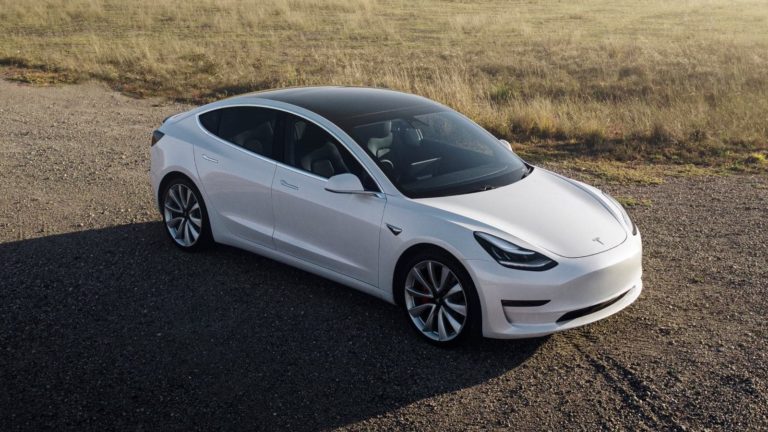
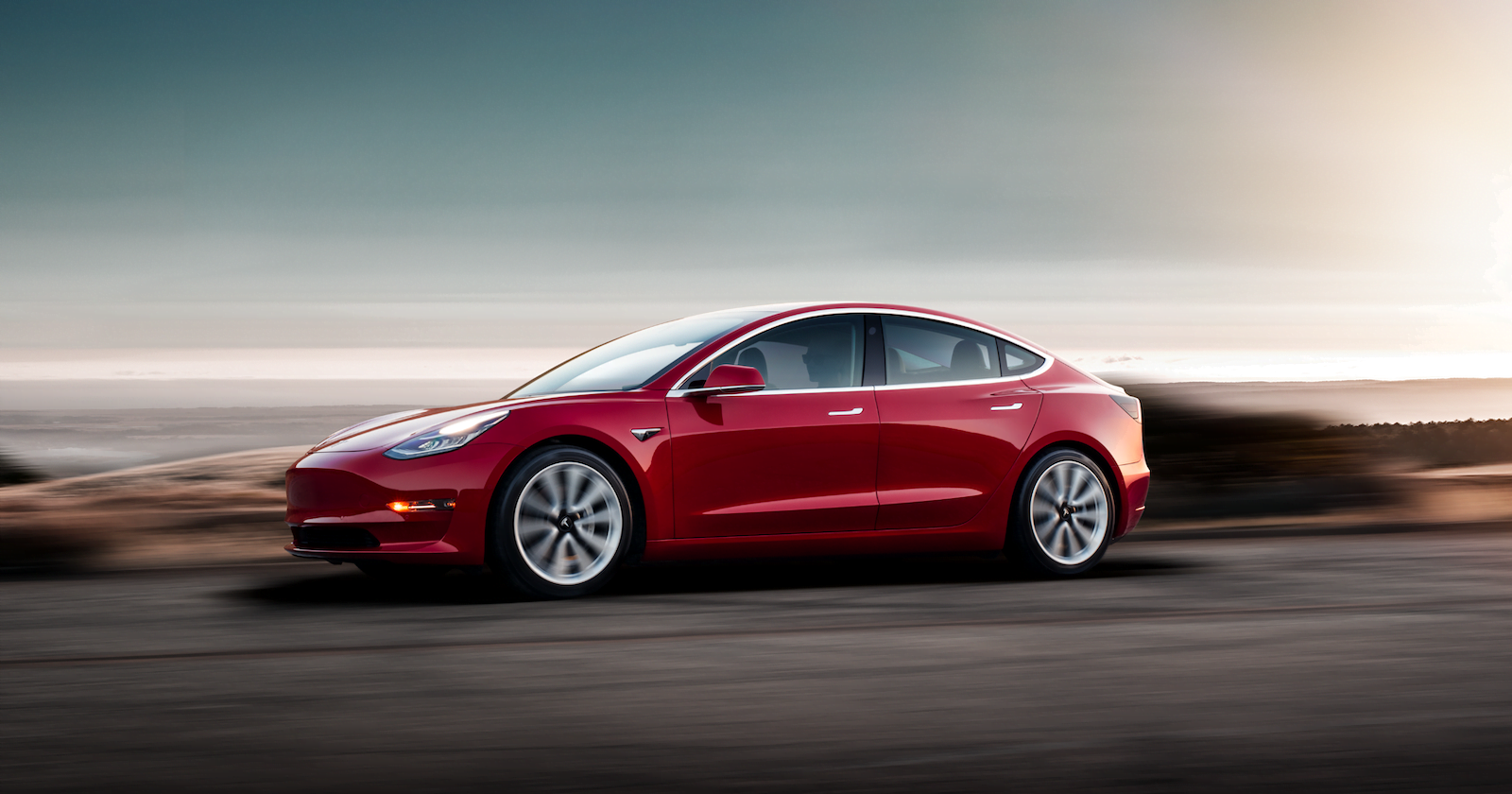
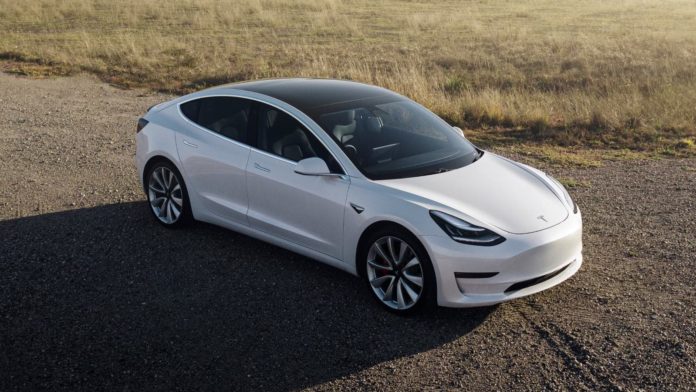
1. Tesla Model 3
The Tesla Model 3 topped the charts again in May, continuing its successful run during the downturn. The numbers are still small, but Tesla’s early adoption of online car buying is certainly paying off at the moment – and will probably continue to do so in months to come.
The Tesla Model 3 currently holds an Expert Rating of 84% in our New Car Ratings database, which is certainly very good. However, there have been very few local reviews yet so this may vary by quite a bit (either up or down) in coming months.
The new Vauxhall Corsa had another strong month (relatively speaking; it was still only 790 cars), moving up from third last month to second this month. And it gets bragging rights over the Fiesta for the second month in a row.
The new Corsa currently holds an Expert Rating of 70% on our unique aggregator scale, based on 22 reviews we have gathered so far. That puts it in the bottom half of the supermini class (ninth out of 14 cars we’ve analysed so far). This may change quite dramatically once more reviewers drive the car on local roads, but it’s still a disappointing score for a brand-new model. The new Peugeot 208, which is mechanically identical to the Corsa, is currently at 78%.
After falling out of the top ten altogether last month, the Ford Fiesta popped back up into third place in May. It wasn’t a lot of cars (just 760 units), but with the Volkswagen Golf not featuring in the top ten again, the Fiesta edges a bit further ahead in the year-to-date registration numbers.
The Fiesta currently holds an Expert Rating of 84% in The Car Expert’s New Car Ratings database, which compares reviews from across the UK motoring media. This is higher than any other car in the supermini class – just ahead of the SEAT Ibiza – so it seems that motoring journalists and the buying public are in agreement on the Fiesta’s qualities.
Mercedes-Benz seems to have done a good job in getting its click-and-collect operations up and running in May, as the company had three cars in this month’s top ten (which must be a first, surely?). Predictably, the A-Class leads the way, in fourth place overall, as 552 people managed to take possession in May.
The Mercedes-Benz A-Class has an Expert Rating of 78% in The Car Expert’s New Car Rating system. It ranks highly for safety, winning awards from Euro NCAP and Thatchamfor its protective qualities.
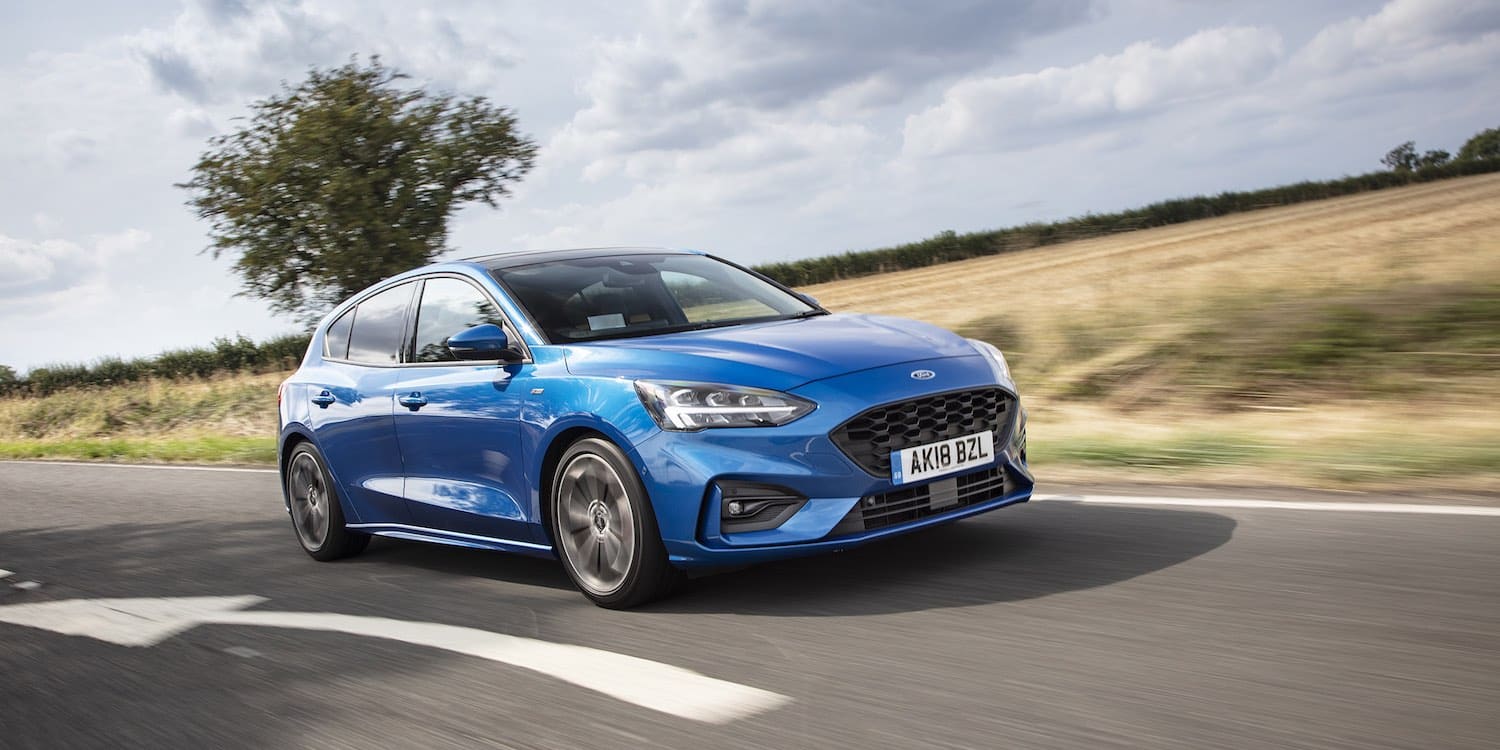
Like its little brother, the Ford Focus reappeared in May. Its fifth-placing ranking translated to only 502 registrations, which brings it to less than 400 units behind the Volkswagen Golf in year-to-date registrations.
The Ford Focus currently holds an Expert Rating of 80% in our New Car Ratings database, which is better than most rivals but still 4% off the all-new Volkswagen Golf based on its initial launch reviews.
The brilliant little Volvo XC40 pops up in sixth place, making its first appearance in the top ten list. Like many cars over the last two months, it might be an achievement to savour as it’s unlikely to remain in the best-sellers list once life starts returning to normal.
The XC40 is the class leader among small SUV/crossover models, with an Expert Rating of 85%. A new plug-in hybrid model has recently joined the range, while a fully-electric version is set to arrive either later this year or early 2021.
The new 1 Series hatchback breaks with long-held BMW tradition by being front-wheel drive instead of rear-wheel drive, a point that has caused consternation among BMW enthusiasts but has been well received by most of the motoring media. However, it definitely follows modern BMW tradition by being really ugly…
The good news is that it drives better than it looks. It has been generally praised for its driving dynamics, despite the switch to front-wheel drive, and currently holds an Expert Rating of 81%.
It’s another top ten debut in eighth place, as the Mercedes-Benz GLC makes its first appearance on this list. Again, it’s probably more a reflection of Mercedes being able to supply cars quickly during lockdown rather than huge demand for the recently-facelifted SUV, so don’t expect the GLC to remain in the top ten once showroom sales resume in June.
The Mercedes GLC has received generally positive reviews from the UK motoring media, with scores ranging from average to outstanding. According to The Car Expert’s unique Expert Rating system, the GLC is currently ranked above average compared to its premium SUV rivals, but falls well short of the best-in-class Audi Q5.
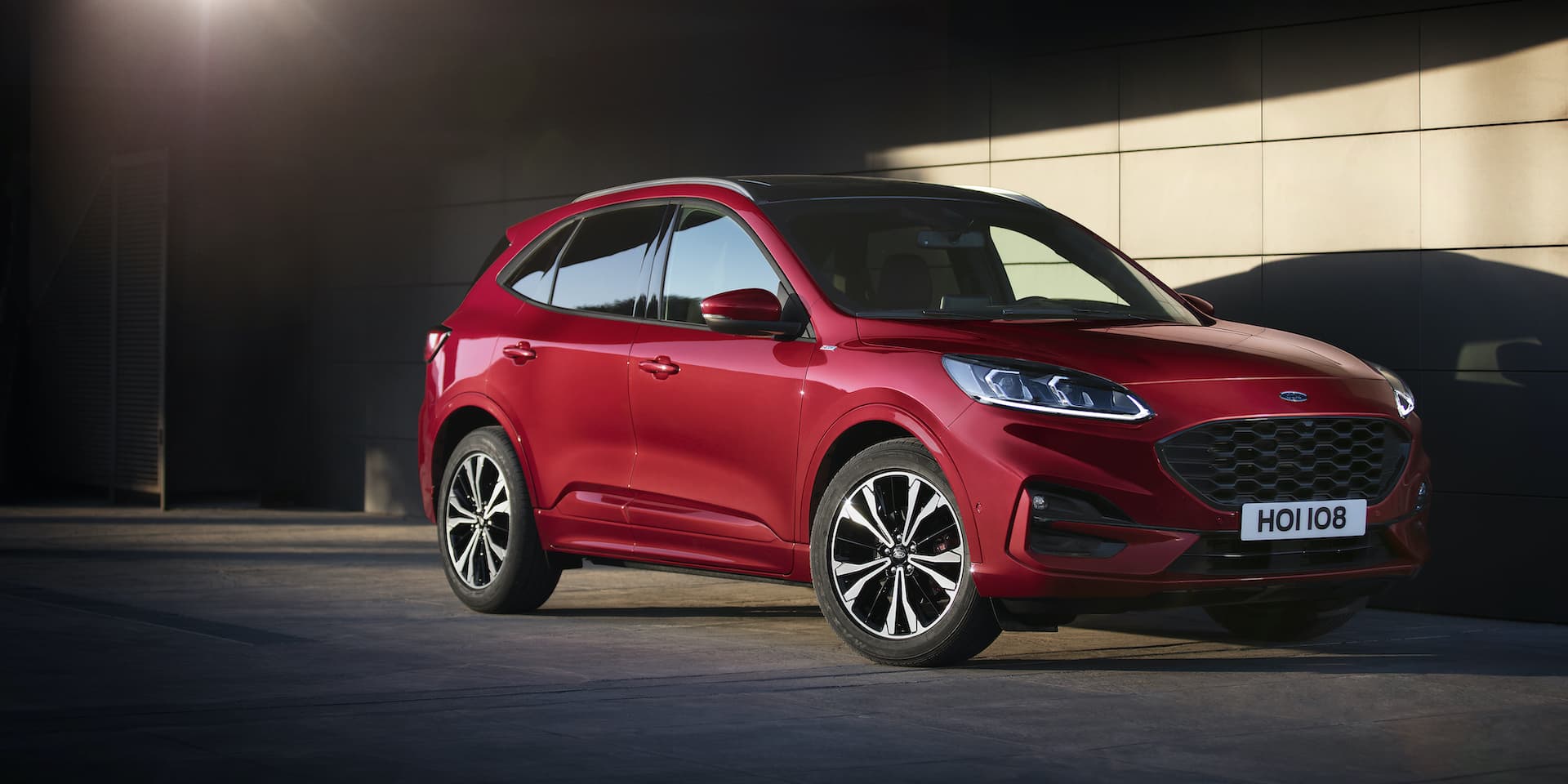
The all-new Ford Kuga’s UK launch was taking place just as the country moved into lockdown, so it was rather an inauspicious start for a car that Ford expects to be one of its biggest sellers over the next few years. The 300 registrations for May will probably include any last examples of the old Kuga, as well as first registrations of the new model.
The lockdown has also meant that there have been relatively few media reviews of the new Kuga for us to analyse, and all of those have been the plug-in hybrid version rather than the traditional petrol or diesel models. Based on a dozen or so initial reviews, the new Kuga has received generally good scores and currently holds an Expert Rating of 80% – however, you can probably expect that to shift by a few points as we get more reviews of the whole range in coming months.
To round out this month’s best-seller list, it’s a third entry from Mercedes-Benz. I can’t imagine that we’ve ever had three Mercedes in the top ten before, but then there’s a lot about the current period in time that can be considered highly unusual.
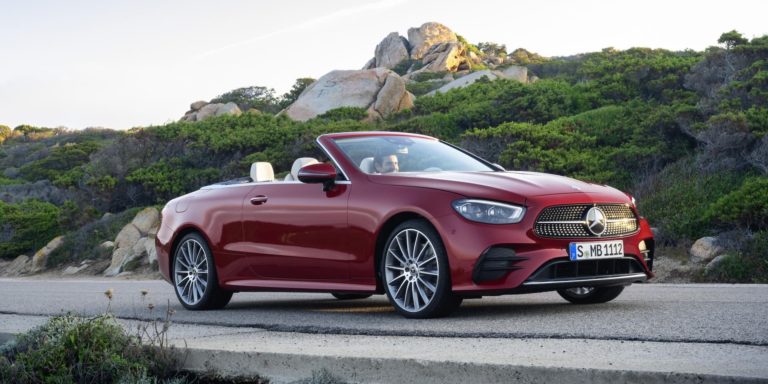
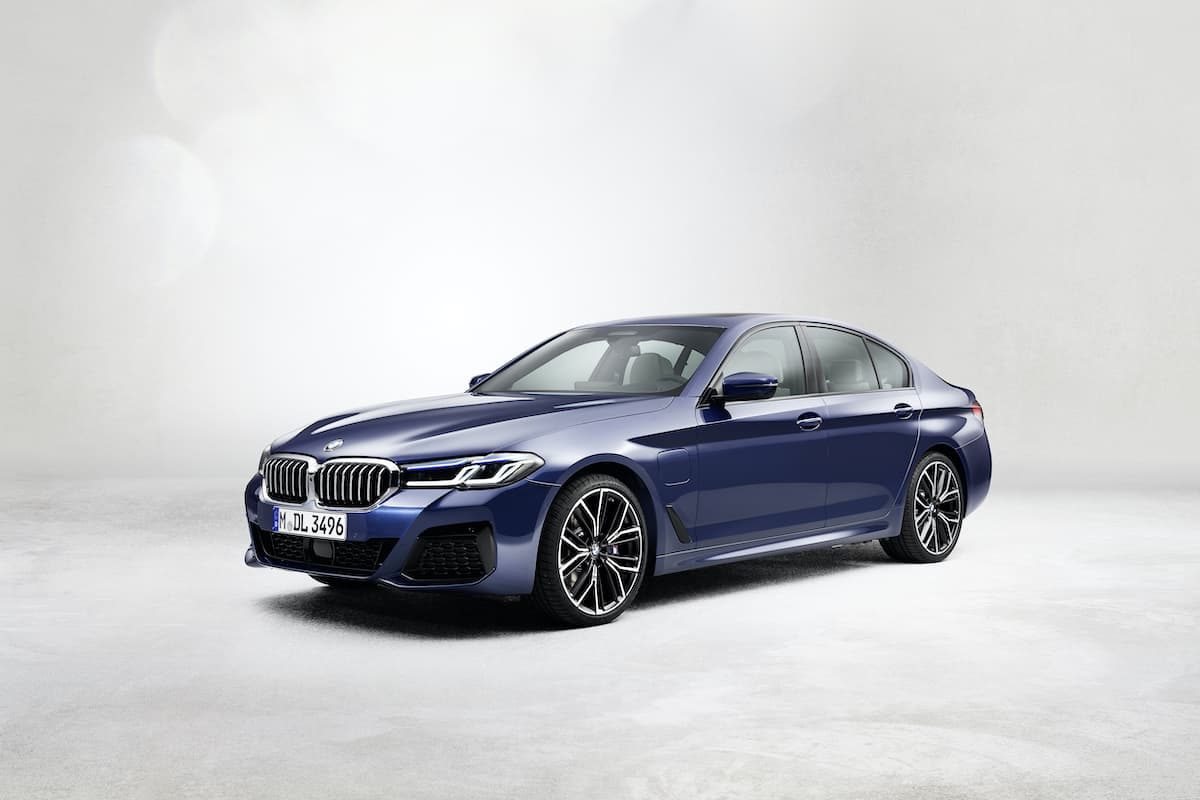
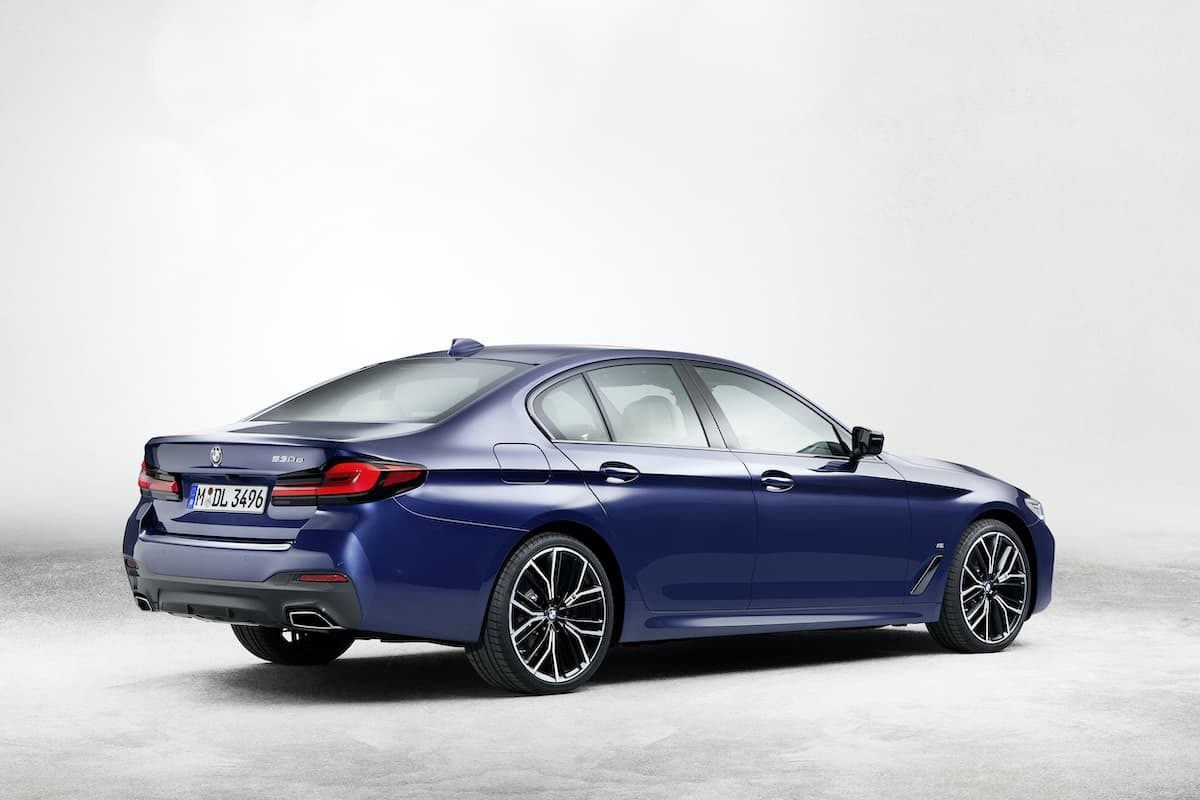
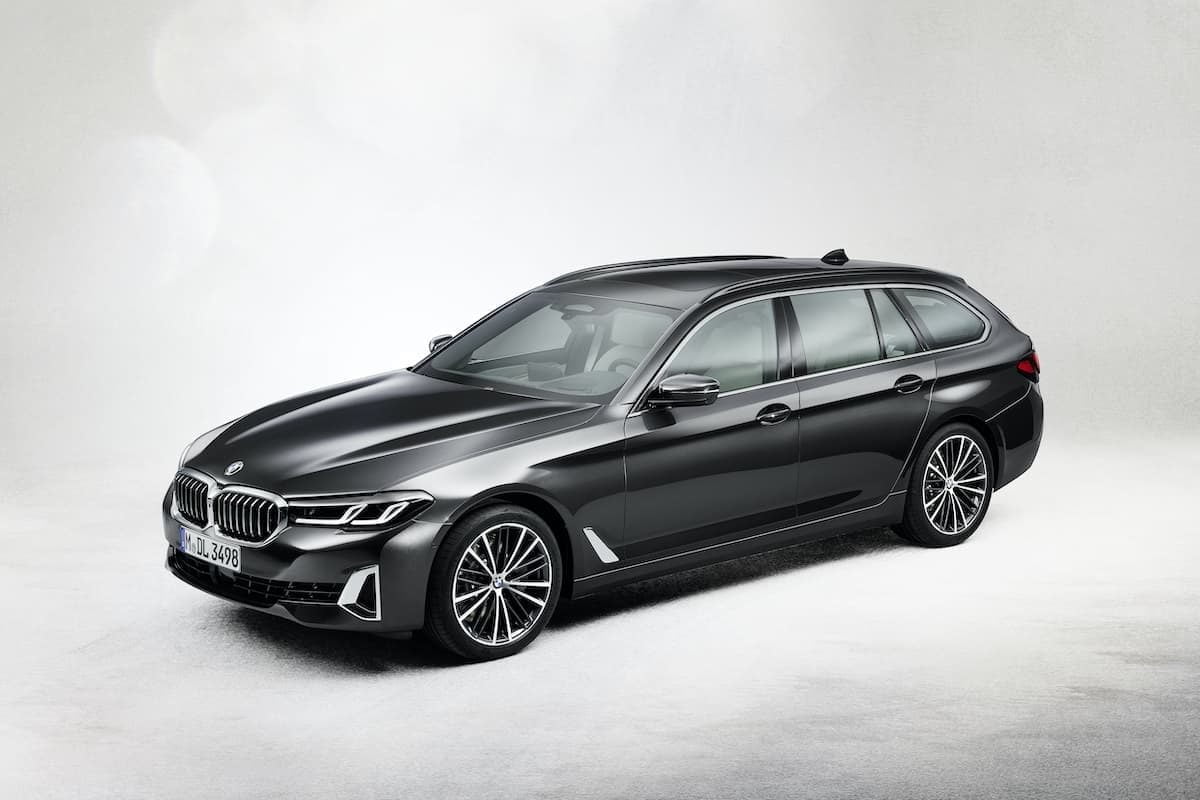
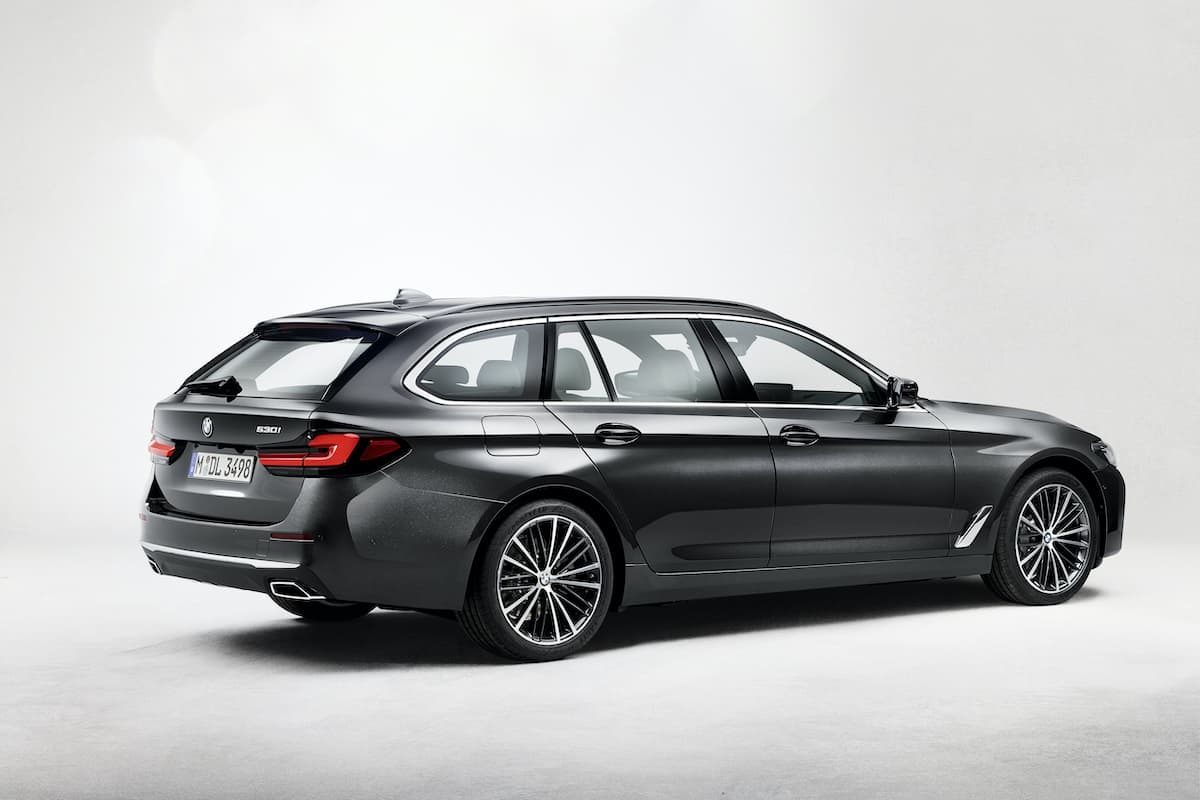
The Mercedes-Benz E-Class is the highest-rated car from Mercedes that we have analysed to date, currently holding an overall Expert Rating of 84%. A facelifted model is due to arrive over the summer, right about the same time that an updated BMW 5 Series hits the streets. Probably not a coincidence…
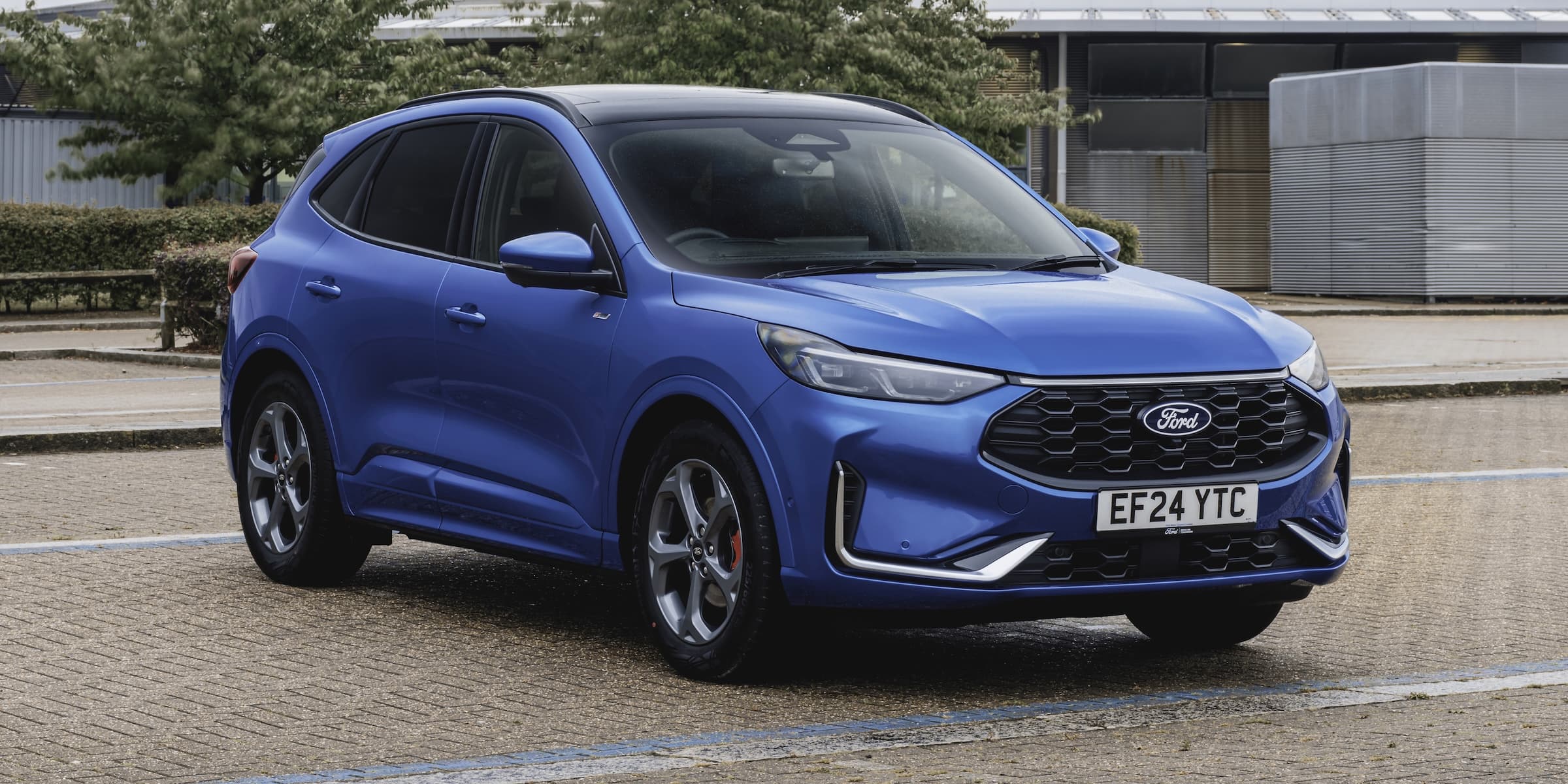
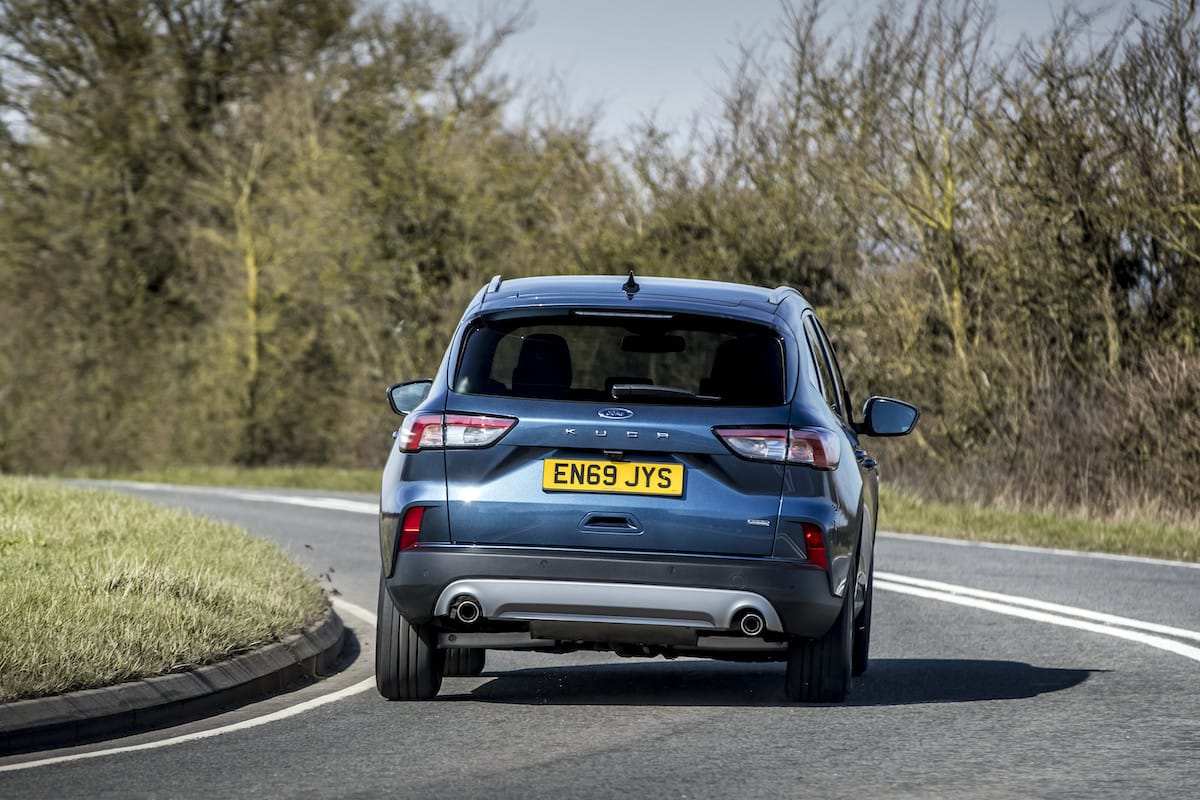
The Ford Kuga is a mid-sized SUV/crossover model, that sits above the Puma in the Ford SUV range. The current model is the third generation, which was launched in the UK in early 2020.
The Kuga was updated in early 2024, with the most noticeable difference being a redesigned front end.
Unlike the previous generation, the current Kuga is available with a petrol/electric plug-in hybrid powertrain, as well as traditional petrol and diesel engines.
Media reviews for the Kuga have been generally positive, with the plug-in hybrid models tending to score better than the regular petrol and diesel models. All models have been praised for their driving dynamics, with most reviewers declaring the Kuga better to drive than other family SUVs. However, cabin refinement isn’t as plush as some rivals, wjhich has dragged down some review scores.
As of July 2025, the Ford Kuga holds a New Car Expert Rating of B, with a score of 66%. It scores top marks for its low CO2 emissions (helped by the plug-in hybrid model), while its safety rating and overall running costs are also good. However, its media review scores are only average, while its reliability record is poor and Ford’s new car warranty coverage is less than you get from many rivals.
“The Ford Kuga is a spacious, practical family SUV that’s great to drive. You’ll find alternatives with nicer cabins, though, and better infotainment systems.”
Model reviewed: Range overview Score: 6 / 10 “Ford’s third attempt at the Kuga is easily the best yet. The latest iteration of its family SUV blends great driving dynamics with useful on-board tech, good safety kit and plenty of practicality.” Read review
Model reviewed: PHEV Score: 8 / 10 “Ford’s hybrid technology is a useful addition to the Kuga SUV range with the ‘FHEV’ model offering a sharp drive and plenty of kit along with strong economy.” Read review
Model reviewed: 2.5-litre petrol/electric plug-in hybrid ST-Line Score: 7 / 10 “The Ford Kuga PHEV is at its best when running around in its pure-EV mode. The engine is a little intrusive when it kicks in, and the CVT gearbox doesn’t do the driving experience any favours. Thankfully, the Kuga has a usable electric range, plus enough space for all the family.” Read review
Auto Trader
Model reviewed: Range overview Score: 7 / 10 “With a plug-in hybrid option as well as the regular petrol and diesel options, the Ford Kuga adds affordable running costs to an already appealing proposition.” Read review
Business Car
Model reviewed: 1.5-litre diesel manual Titanium Score: 8 / 10 “Ford has gone for a rather conservative middle-ground approach in the dynamics department with the Kuga – but we think that’s a good thing. The 1.5-litre 120hp diesel we tested is of a similar ilk; it does what it’s supposed to, to a sensible family car standard.” Read review
Car
Model reviewed: 2.5-litre petrol/electric plug-in hybrid ST-Line Score: 8 / 10 “In benefit-in-kind terms, a 20% rate payer’s only going to be looking at a £60 monthly bill to run one as a company car. Expect to see a lot of these on the roads this year, just as soon as supply allows post-Coronavirus.” Read review
Car Keys
Model reviewed: 2.5-litre petrol/electric plug-in hybrid ST-Line Score: 8 / 10 “The Ford Kuga PHEV is a seriously credible and well-executed model. Not only does it represent good value for money and have a seriously spacious interior, but you also get the possibility of some exceptionally low running costs. If you want a comfortable plug-in hybrid family SUV that could cost you hardly anything to run, this Kuga should definitely be considered.” Read review
Carbuyer
Model reviewed: Range overview Score: 8 / 10 “Like most Fords, the Kuga is rather good to drive and a mid-life facelift has helped it feel sharp versus rivals.” Author: Charlie Harvey Read review
Company Car Today
Model reviewed: 2.5-litre petrol/electric plug-in hybrid automatic Vignale “The new Ford Kuga is a versatile range to suit every powertrain requirement, and offers increased technology and in particular interior accommodation, while retaining the fine-handling character of previous Kugas.” Read review
Fleetworld
Model reviewed: 1.5-litre petrol-electric plug-in hybrid ST-Line Score: 8 / 10 “Good to drive, cheap to run and the move to the Focus floorpan equals an impressively spacious interior. Needs more performance and sharper looks to be king.” Read review
Heycar
Model reviewed: 2024 facelift range Score: 7 / 10 “Recent updates to the Ford Kuga mean it’s a stronger choice than ever before, thanks to up-to-date technology and a more attractive exterior design. Its wide range of engines – including petrol, hybrid and plug-in hybrid power – mean there’s a Kuga to suit almost every buyer, too.” Author: Andrew Brady Read review
Honest John
Model reviewed: Range overview “Longer and wider than the current model, the Kuga offers more room inside for front and rear passengers. Despite being lower, it also has more headroom than before. The rear seats can be moved backwards for extra legroom, or forwards to increase boot capacity.” Read review
Parkers
Model reviewed: Range overview Score: 8.8 / 10 “Focus-based SUV is good, but lacks the Puma’s sparkle” Read review
The Sun
Model reviewed: 2.5-litre petrol/electric plug-in hybrid ST-Line “To sum up, then: It looks like a Ford, drives like a Ford but, best of all, it is future-proof. Go check it out.” Read review
The Telegraph
Model reviewed: 2.5-litre petrol/electric hybrid ST-Line X Edition Score: 8 / 10 “The Ford Kuga is well equipped, smart to look at, easy to drive and rather more involving than a hybrid SUV has any right to be. If you want to be sensible, look elsewhere – but if you’re prepared to throw a little bit of caution to the wind in favour of a grin on your face from time to time, the Kuga should be on your list.” Read review
Top Gear
Model reviewed: Range overview Score: 8 / 10 “At long last, Ford’s crossover family has inherited the all-conquering genes from its hatchback set.” Read review
Safety rating
Independent crash test and safety ratings from Euro NCAP
Clean Air Index: 4.7 / 10 Energy Efficiency Index: 5.8 / 10 Greenhouse Gas Index: 1.8 / 10
The Ford Kuga 2.0-litre diesel manual ST-Line received a 2.5 star rating from Green NCAP in February 2021. We are currently updating our Euro NCAP database, as the organisation changed its rating system and we need to change our database accordingly to be able to display the new scores.
Green NCAP said: “The Ford Kuga is tested here with a 2.0 litre diesel engine equipped with 48-volt mild hybrid technology. In general, the car performs well, and energy efficiency is impressive for a vehicle in this size category.
“However, despite being equipped with a lean NOx trap, designed to reduce emissions of the oxides of Nitrogen, these remain a weak-point, reducing the indexes for both Clean Air and Greenhouse Gases and limiting the rating to 2½ stars.”
This rating only applies to the 2.0-litre diesel manual version of the Ford Kuga, and does not imply similar ratings for other engine and gearbox combinations in the range.
Running cost rating
Monthly cost of ownership data provided exclusively for The Car Expert by Clear Vehicle Data
Fuel consumption
Average
Score
Petrol models
42 mpg
C
Diesel models
52 mpg
B
Plug-in hybrid models
302 mpg
A
CO₂ output
Average
Score
Variation
Score
Petrol models
152 g/km
B
Diesel models
140 g/km
B
Plug-in hybrid models
22 g/km
A
Battery range
Average
Score
Variation
Score
Plug-in hybrid models
42 miles
D
Insurance group
Average
Score
Variation
Score
All models
22
A
Service and maintenance
Cost
Score
Year 1
£229
B
Year 2
£527
A
Year 3
£860
A
Year 4
£1,109
B
Year 5
£1,463
B
Overall
£4,188
B
The Ford Kuga should be an affordable car to own and run, according to whole-life running cost data provided exclusively to The Car Expert by our technical partner, Clear Vehicle Data.
The plug-in hybrid model boost the overall range averages quite a lot, as its fuel economy and emissions figures are flattered by the useless UK/EU government lab test protocols. Under normal driving circumstances, you’ll never travel 302 miles on one gallon (4.5 litres) of petrol and some electricity…
Servicing and insurance costs are competitive as well, so you shouldn’t have to dread either of those annual bills.
Reliability rating
Reliability data provided exclusively for The Car Expert by MotorEasy
Total claims: 306 Average repair cost: £780.94 Last updated: October 2024
The Ford Kuga has a fairly average reliability score of 62%, according to workshop and warranty data provided exclusively to The Car Expert by our partner, MotorEasy. This score applies to both the current model (2020 onwards) and the previous Kuga (2013 to 2019).
The big item to look out for is the gearbox. Faults here are both reasonably common and eye-wateringly expensive, with an average repair bill of about £2,500. Engine problems are also fairly common, with an average bill of almost £900.
Most other faults tend to be cheaper to repair. Electric system problems are the most commonly reported issues, with an average repair bill of just under £400.
If you own a Ford Kuga, or you’re looking at buying a used Kuga, a used car warranty would be a sensible investment. Makes sure that any warranty you purchase covers these key problem areas.
Warranty rating
New car warranty information for the Ford Kuga
Overall rating
D
31%
Petrol or diesel models
E
17%
Electric or hybrid models
C
56%
New car warranty duration
3 years
New car warranty mileage
60,000 miles
Battery warranty duration
8 years
Battery warranty mileage
100,000 miles
Ford’s new car warranty is pretty much the bare minimum offered in the UK, with a duration of three years and a limit of 60,000 miles. Other rivals in the price bracket do better (and in some cases, much better). Audi does offer an additional year or two years of warranty at extra cost when you buy the car from new.
In addition to the standard new car warranty, the Kuga hybrid and plug-in hybrid versions have an eight-year/100,000-mile warranty for the battery components, which is why they get a better score than the standard petrol models.
If you are purchasing a ‘Ford Direct’ Kuga from an official Ford dealership, you will get a minimum two-year/unlimited-mileage warranty included, which is better than most brands offer.
If you are buying a used Kuga from an independent dealership, any warranty offered will vary and will probably be managed by a third-party warranty company. If you are buying a used Kuga from a private seller, there are no warranty protections beyond anything that may be left on the original new car warranty.
If you’re looking to buy a used car that is approaching the end of its warranty period, a used car warranty is usually a worthwhile investment. Check out The Car Expert’s guide to the best used car warranty providers, which will probably be cheaper than a warranty sold by a dealer.
Date: June 2024 Recall number: R/2024/260 Model types: Kuga plug-in hybrid models Build dates: 01/2020 to 10/2022 Number of vehicles affected: 1,153 Defect: A recent update to the Power Control Module (PCM) software could result in the vehicle shifting into neutral and coasting to a stop. The subsequent limp-home mode results in unintended acceleration or ‘supercreep’. Remedy: Update the Powertrain Control Module (PCM) software.
Date: March 2024 Recall number: R/2024/141 Model types: All Kuga models Build dates: 11/2022 to 01/2023 Number of vehicles affected: 1,136 Defect: A small number of vehicles on which the fuel injectors may crack and leak. In the event of an injector failing this may result in fuel accumulating on the top of the engine. The accumulation of fuel could become the catalyst for a fire due to the proximity to the exhaust system and lack of an escape route for the leaking fuel. Remedy: The dealer will fit a specially developed drain tube which will safely drain any leaking fuel away from hot surfaces like the cylinder head or exhaust. Also the vehicle software will be updated which will allow any drop in fuel pressure to be detected. This software will reduce the power of the engine if a drop in fuel pressure is detected and a warning light will be illuminated in the instrument cluster.
Date: February 2024 Recall number: R/2023/341 Model types: All Kuga models Build dates: 01/2021 to 09/2021 Number of vehicles affected: 5,154 Defect: The steering gear could potentially develop excessive movement. Over time a wear condition may manifest in an audible noise increased steering efforts and the steering wheel not returning to the centre position. In rare circumstances if the issue of noise increased steering efforts and the steering wheel not returning to the centre position are not addressed the excessive movement in the steering gear may lead to the pinion shaft becoming disconnected from the steering rack. Remedy: Replace affected components.
Date: February 2024 Recall number: R/2023/175 Model types: All Build dates: 07/2019 to 12/2022 Number of vehicles affected: 24,762 Defect: Engine failure that may lead to a breach of the engine oil sump or engine block. Remedy: Software update.
Date: March 2023 Recall number: R/2023/080 Model types: All Build dates: 07/2019 to 12/2022 Number of vehicles affected: 13,671 Defect: In the event of a fuel injector failing this will potentially cause a fuel leak. Remedy: A drain tube will need to be installed to allow safe passage of the fuel away from hot surfaces in the event of a leak occurring. Also the dealer will perform a PCM software update that will reduce the engine power if a drop in fuel pressure is detected and a warning light will be illuminated to make the user aware.
Date: February 2023 Recall number: R/2023/042 Model types: All Build dates: 06/2022 to 07/2022 Number of vehicles affected: 142 Defect: A small number of vehicles may be fitted with tyres that do not meet the high specification expected. Remedy: Conduct a visual inspection of the summer tyres to identify known and specific build codes. If, after inspecting the vehicle, a tyre(s) is identified as one of the known specific build numbers that falls in the suspect build range the Dealer will replace the affected tyre free of charge.
Date: November 2022 Recall number: R/2022/325 Model types: All Kuga models Build dates: 04/2021 to 11/2021 Number of vehicles affected: 2,359 Defect: Some Kuga vehicles with a panoramic roof may have a fixed glass panel with poor adhesion to the roof frame assembly. As a result there is a possibility that the fixed glass panel could detach during driving causing a hazard to vehicle occupants and other road users. Remedy: Check the panoramic roof frame If an affected date is present the fixed glass roof panel will need to be removed to inspect the integrity of the adhesive. If the adhesive is found to be compromised a new roof frame assembly will need to be installed.
Date: October 2022 Recall number: R/2022/304 Model types: All Build dates: 11/2019 to 04/2021 Number of vehicles affected: 35 Defect: The lower front seatbelt bolt may not be correctly tightened to specification. Remedy: Inspect and re-torque the front lower seatbelt bolts to specification.
Date: July 2022 Recall number: R/2022/239 Model types: All Kuga models Build dates: 02/2022 to 06/2022 Number of vehicles affected: 9,388 Defect: It may be possible that the eCall feature will stop functioning due to a malfunction. Remedy: The Telecommunication Module will need to be replaced.
Date: July 2022 Recall number: R/2022/231 Model types: All Kuga models Build dates: 01/2020 to 07/2022 Number of vehicles affected: 16,155 Defect: Under certain operating conditions an oil and/or fuel vapour leak in the presence of an ignition source may result in an engine compartment or vehicle fire localized melting or smoke. Remedy: Modification of the engine undertray and active grill assemblies.
Date: July 2022 Recall number: R/2022/167 Model types: Kuga plug-in hybrid models Build dates: 07/2020 to 04/2021 Number of vehicles affected: 760 Defect: A number of Kuga PHEV (Plug-in Hybrid Electric Vehicle) have a High Voltage (HV) battery that may have an internal fault with one of the battery arrays causing overheating. Remedy: A new HV battery must be installed.
Date: April 2022 Recall number: R/2022/171 Model types: All Kuga models Build dates: 02/2020 to 02/2022 Number of vehicles affected: 9,818 Defect: Certain vehicles could have an engine oil separator that may have been damaged prior to engine assembly. Remedy: Inspect the engine oil separator and if found to be damaged and/or leaking a replacement engine oil separator must be installed.
Date: February 2022 Recall number: R/2022/003 Model types: Kuga plug-in hybrid models Build dates: 02/2020 to 09/2021 Number of vehicles affected: 14 Defect: A battery may have an incorrectly positioned/welded busbar in one of the battery arrays. Remedy: Install a new High Voltage battery.
Date: May 2021 Recall number: R/2021/177 Model types: All Build dates: 07/2019 to 02/2021 Number of vehicles affected: 100 Defect: Vehicles may have an issue with the current software that controls the functionality of the eCall system. Remedy: Carry out a software update.
Date: December 2020 Recall number: R/2020/317 Model types: Kuga plug-in hybrid models Build dates: 01/2020 to 09/2020 Number of vehicles affected: 2,326 Defect: Particle contamination can cause internal short circuiting of high-voltage battery cells. Remedy: The HV battery pack will be replaced on affected vehicles.
Date: September 2020 Recall number: R/2020/224 Model types: All Build dates: 07/2019 to 09/2020 Number of vehicles affected: 5,046 Defect: The HV battery pack can overheat and result in the venting of hot gas which can ignite vehicle components or in extreme cases the entire vehicle. Remedy: To prevent a vehicle fire the vehicles should not be charged using the external charging cable and the vehicles should only be driven using the default Auto EV mode only.
Date: September 2020 Recall number: R/2020/214 Model types: All Build dates: 11/2019 to 06/2020 Number of vehicles affected: 1 Defect: The Fuel Operated Heater could start inadvertently. Remedy: New SYNC system software must be applied.
Date: July 2020 Recall number: R/2020/196 Model types: All Build dates: 07/2019 to 07/2020 Number of vehicles affected: 30,202 Defect: The High Voltage Battery Control Charger Module (BCCM) connector may be damaged. Remedy: An inspection of the BCCM is required to confirm an undamaged connector. If a failed inspection occurs the vehicle must be reworked with a replacement BCCM and charge cable.
As of October 2024 (our most recent data point), there have been 18 DVSA vehicle safety recalls on the current-generation Ford Kuga, addressing various different issues. Four recalls are specific to plug-in hybrid models.
Not all vehicles are affected by recalls. You can check to see if your car is included in any of the above recalls by visiting the DVLA website or contacting your local Ford dealer.
If your car is affected by a recall, the vehicle must be repaired and you should not be charged for any work required. If you are buying a used Kuga, you should insist that any outstanding recall work is completed before you take delivery of the vehicle.
The Jeep Compass has been given a refresh, with a new engine that promises to make the SUV cleaner and more efficient than before.
The headline change is the addition of a new 1.3-litre turbocharged petrol engine available in two outputs of either 130hp or 150hp. The former sends drive through a six-speed manual gearbox, while the latter utlises a six-speed automatic ‘box instead.
It marks the first time that an automatic gearbox has been available with the Compass, while all new cars utilise a front-wheel-drive layout.
The new powertrain replaces the older 1.4-litre petrol engine, which was available with either 140hp or 170hp. Jeep claims that the new setup is now 30% more efficient than the one it replaces while ensuring lower CO2 emissions without a reduction in performance.
Cars with an automatic transmission also receive a new ‘Sport’ driving mode which adds weight to the steering while also sharpening the throttle response.
Jeep says that it has also revised the Compass’ steering system while also improving the suspension system for a better ride.
A 1.6-litre diesel unit remains in the lineup and is combined with a front-wheel-drive layout once again.
A hybrid version – badged 4xe – will also be arriving in European showrooms during the second half of the year and will be four-wheel-drive only.
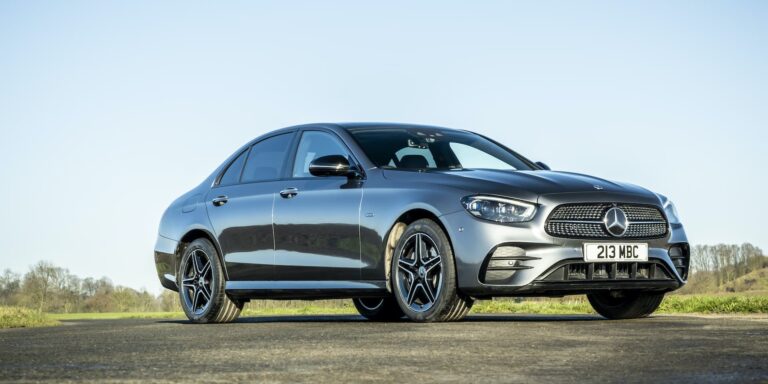
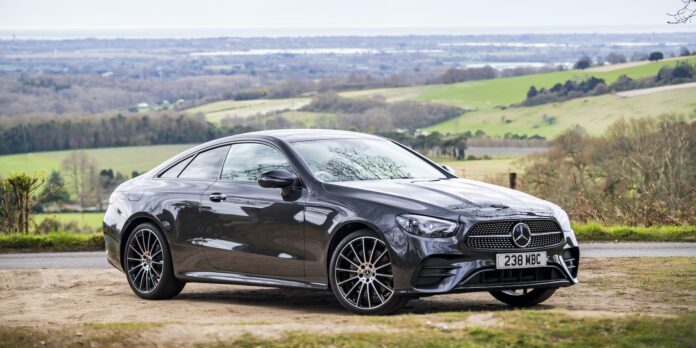
The Mercedes-Benz E-Class was a large executive car, available in either saloon and estate body styles. This model was launched in 2016, with a facelifted model arriving in the UK in the second half of 2020. It was discontinued in summer 2023, replaced by an all-new model.
The E-Class was available with a range of petrol and diesel engines, as well as a petrol/electric plug-in hybrid and an unusual diesel/electric plug-in hybrid option.
The E-Class was available in coupé and cabriolet body styles, which are not covered here as we have separate pages for these models. There was also a flagship high-performance model called the Mercedes-AMG E 63, which is also not covered here.
The Mercedes-Benz E-Class received consistently positive reviews from the UK motoring media. It was highly praised for its comfort and refinement, although it wasn’t as dynamic to drive as the BMW 5 Series.
The All-Terrain estate version, which has a raised ride height and all-wheel drive, didn’t score as highly and was considered expensive compared to the regular models.
No longer on sale, the Mercedes-Benz E-Class holds a Used Car Expert Rating of D, with a score of 56%. It scores top marks for its low CO2 emissions and media review scores, but its safety score is now only average (its Euro NCAP rating has expired due to age) and its running costs are high. The E-Class also has a poor reliability record, although this applies to older models as well as this one.
Body style: Large saloon and estate Engines: petrol, diesel, plug-in hybrid Price when new: From £48,775 on-road
Launched: Summer 2016 Last updated: Summer 2020 Replaced: Autumn 2023
Image gallery
E-Class estate (2016-2020)
E-Class All-Terrain (2016-2020)
E-Class saloon (2016-2020)
E-Class saloon (2020 onwards)
E-Class saloon (2016-2020)
E-Class saloon (2020 onwards)
Media reviews
Highlighted reviews and road tests from across the UK automotive media. Click any of the boxes to view.
Auto Express
Model reviewed: Used E-Class overview “The most difficult thing about shopping for a Mercedes-Benz E-Class is pinning down which model to buy. The range is incredibly complex, with petrol and diesel engines both available in regular, hybrid and plug-in-hybrid forms. Add in four different bodystyles, several trim levels, plus a huge array of extra-cost options as well as option packs, and your head will be spinning just trying to work out what to go for.” (Richard Dredge) Read review
Model reviewed: Saloon range Score: 9 / 10 “The Mercedes E-Class saloon blends sumptuous comfort, refinement and tech in a stylish executive package.”
Model reviewed: E 300 e 2021 Score: 8 / 10 “The new E 300 e is a great executive saloon that’s loaded with tech. It offers strong enough EV range and good efficiency.” Read review
Model reviewed: 2.0-litre petrol/electric plug-in hybrid E 300 e saloon Score: 8 / 10 “The Mercedes-Benz E-Class facelift is limited to a few minor styling changes and some tweaks to the cabin, but it remains an all-round impressive package. It’s still not as sharp as a BMW 5 Series to drive, but the interior blows its rival out the park.” Read review
Model reviewed: E 300 de Score: 8 / 10 “The E 300 de is a very worthy alternative to the petrol-electric E 300 e.” Read review
Auto Trader
Model reviewed: Estate range Score: 9.2 / 10 “The Mercedes-Benz E-Class estate expertly combines luxury, practicality, technology and engines to suit all requirements in a quietly stylish package that leaves SUVs looking rather clunky.” Read review
Model reviewed: Saloon range Score: 9 / 10 “The Mercedes-Benz E-Class is a peerless executive saloon in the classic mould, combining a sumptuous interior with the latest tech and petrol, diesel and hybrid engines to suit all tastes and budgets.” Read review
Model reviewed: All-Terrain estate “The Mercedes E-Class All-Terrain is a very good all-rounder. It looks smart, has a beautifully appointed interior and is exceptionally practical. It’s also very good to drive, with a cosseting ride, capable handling and decent refinement.” Read review
Business Car
Model reviewed: E300e Score: 8 / 10 “Plug-in E-Class offers space, refinement, comfort, strong efficiency and good range.” (Martyn Collins) Read review
Model reviewed: E 300e AMG Line Edition Score: 8 / 10 “The Mercedes-Benz E-Class remains a benchmark in the large executive saloon and estate market, with peerless comfort, up-to-date tech, and a wide range of frugal engines, including the only plug-in hybrid diesel on sale.” Read review
Car
Model reviewed: E 350d All-Terrain estate Score: 8 / 10 “Comfortable, classy and – when it comes to semi-autonomous driving – a little too clever for its own good, the Mercedes E-Class All-Terrain makes a very respectable fist indeed of disguising how little it actually differs at heart from the standard estate.” Read review
Model reviewed: 2.0-litre diesel automatic E220d AMG Line estate Score: 10 / 10 “Let’s not beat about the bush here – it may as well be dug up and slotted into the colossal loadspace instead. Some estates are more engaging to drive, but none are as accomplished an all-rounder as the Mercedes E-Class Estate.” Read review
Model reviewed: 2.0-litre diesel automatic E220d saloon Score: 8 / 10 “A Jaguar XF is more entertaining to drive but if it was us staring down the barrel of four years grinding a pair of furrows in the M1 motorway, we’d struggle to look past this impressive new Mercedes-Benz E-class.” Read review
Car Keys
Model reviewed: Range overview Score: 10 / 10 “If you view a model like the Mercedes-Benz E-Class as a luxury car on a lower budget, then it really does hit the nail right on the hand. With a fantastic interior, especially comfortable ride and huge range of standard kit, it truly excels in this class at being a premium saloon.” Read review
Model reviewed: 2.0-litre diesel/electric plug-in hybrid automatic E 300 de saloon Score: 9 / 10 “The E 300 de is a superbly efficient model that makes a lot of sense to buyers who don’t cover a lot of miles each day, but have the additional benefit of a more efficient diesel engine on longer trips. We just question whether it’s worth nearly £10,000 more than the E 220d.” Read review
Model reviewed: All-Terrain estate Score: 8 / 10 “The looks may not be to everyone’s liking, but that is a necessary addition to make the car more capable off the beaten track. It copes as well on the moors we tested it on as it does on the motorway and can mean it is a true all-rounder.” Read review
Model reviewed: 2.0-litre diesel automatic E 220d AMG Line saloon Score: 9 / 10 “If you want to get from London to Inverness in serene comfort, with every conceivable gadget, it’s hard to argue with the might of the E-Class. Drive it, and you get a sense of the evolution and thousands (perhaps millions?) of man-hours spent engineering and developing this powerhouse of a car.” Read review
Model reviewed: 3.0-litre diesel automatic E 350d AMG Line estate Score: 9 / 10 “The Mercedes-Benz E-Class Estate is one of the most grown-up, comfortable, well-kitted cars on sale, and as opposed to merely matching its rivals in the all-important luxury department, it exceeds expectations.” Read review
Carbuyer
Model reviewed: Score: 8 / 10 “The Mercedes E-Class is a large executive car with a winning focus on comfort, luxury and technology.” (Sam Naylor) Read review
Model reviewed: plug-in hybrid models Score: 8.4 / 10 “The smooth and quick Mercedes E-Class plug-in hybrids combine luxury with impressive fuel efficiency.” (Andy Goodwin) Read review
Model reviewed: Saloon range Score: 9 / 10 “The Mercedes E-Class majors on superb refinement and technological innovation in the large executive car class” Read review
Model reviewed: Estate range Score: 9.2 / 10 “The Mercedes-Benz E-Class Estate is a seriously practical car with a luxurious interior and the latest technology” Read review
Model reviewed: All-Terrain estate Score: 9 / 10 “The Mercedes E-Class All-Terrain adds excellent rough-road capability to the estate’s already long list of talents” Read review
Carwow
Model reviewed: Saloon range Score: 8 / 10 “The Mercedes E-Class is built for comfort and comes with an interior that oozes luxury, but if you’re after a big saloon that’s fun to drive then you’d better look elsewhere.”
Model reviewed: Estate range Score: 8 / 10 “The Mercedes E-Class Estate is a luxurious, comfortable car that’s also very practical – just don’t expect it to be huge fun to drive.”
Model reviewed: All-Terrain estate Score: 7 / 10 “The Mercedes E-Class All-Terrain is a posh, comfortable estate car that can deal with driving down rough roads and is also pretty good for towing. It has comfy raised air suspension and four-wheel drive as standard.”
Company Car Today
Model reviewed: 2.0-litre petrol/electric plug-in hybrid automatic E 300 e saloon “Minor E-Class update brings some subtle upgrades inside and out, but probably isn’t enough to sway the choice for or against the Merc versus its talented rivals.” Read review
Model reviewed: Range overview “Minor E-Class update brings some subtle upgrades inside and out, but probably isn’t enough to sway the choice for or against the Merc versus its talented rivals.” Read review
Model reviewed: 2.0-litre diesel/electric plug-in hybrid automatic E 300 de saloon AMG Line “Much cheaper on tax and national insurance but significantly more expensive to buy, the PHEV diesel E-Class will make sense for the right drivers and is a big step in terms of making PHEVs a logical option for more people.” Read review
Model reviewed: E 350 d All-Terrain estate “High price and very high emissions compared with those of rivals are problems for the All-Terrain.” Read review
Daily Mail
Model reviewed: 2.0-litre diesel automatic E 220 d SE “If your shopping list must-haves include an upmarket feel, an undemanding cossetting character and a strong powertrain, the E220d will fulfil your expectations.” Read review
Daily Mirror
Model reviewed: 3.0-litre diesel automatic E 400d AMG Line estate “I owned a 1993 Mercedes-Benz E-Class estate about ten years ago and still regret the day we sold it. If I bought this E400d estate, I wouldn’t make that mistake again.” Read review
Evo
Model reviewed: Range overview Score: 8 / 10 “The E-class is more diverse, multi-talented and capable than ever, but still retains those key Mercedes attributes.” Read review
Green Car Guide
Model reviewed: 2.0-litre diesel hybrid automatic saloon E300 de AMG Line Score: 8 / 10 “In the current ‘anti-diesel’ climate, Mercedes is being brave offering a diesel-electric plug-in hybrid, but it’s a welcome choice for people who drive up to 25-30 miles locally, which can be done on zero tailpipe emission electric power, and who also drive long motorway distances.” Read review
Heycar
Model reviewed: Saloon range Score: 9 / 10 “This Mercedes-Benz E-Class is among the most sophisticated cars the German brand has ever made. It even gives the luxury S-Class something to think about such is the level of comfort, space, quality and technology now included with this executive contender to the likes of the Audi A6 and BMW 5 Series.” Read review
Model reviewed: Estate range Score: 9 / 10 “The E-Class Estate is a car that perfectly encapsulates what Mercedes-Benz is all about. It feels luxurious and has presence but isn’t ostentatious. It’s comfortable and spacious inside but is practical, and is loaded with modern technology without bombarding the driver with complication. It’s not the most satisfying car in the class to drive and isn’t cheap, but if you take the plunge you’re unlikely to be disappointed.” Read review
Honest John
Model reviewed: Estate range Score: 10 / 10 “No matter how you look at it, the Mercedes-Benz E-Class Estate costs more than its rivals. But for a premium estate car that sets a new benchmark for luxury, practicality and is on par with its rivals when it comes to handling, it might just be worth it.” Read review
Model reviewed: Saloon range Score: 10 / 10 “More a shrunken S-Class than an inflated C-Class, with the very best from the Mercedes-Benz technology and safety catalogue. The result is a new class leader, a car more refined, of higher quality and significantly more luxurious than the Audi A6 and BMW 5 Series with which it competes.” Read review
Model reviewed: All-Terrain estate Score: 8 / 10 “The E-Class All Terrain is the newest, plushest and the best in its class, but with such a prohibitively high cost it’s likely to be a little more exclusive than Mercedes-Benz would probably like it to be. Shame.” Read review
Motors
Model reviewed: Range overview Score: 8 / 10 “The Mercedes-Benz E-Class is a big car, and though that makes it a bit awkward to slot into supermarket car parking bays, it’s good news when it comes to interior space.” Read review
Parkers
Model reviewed: Saloon range Score: 9.2 / 10 “Luxurious, practical executive car brimming with clever tech” Read review
Model reviewed: All-Terrain estate Score: 8 / 10 “The Mercedes-Benz E-Class All-Terrain makes a very respectable fist indeed of disguising how little it actually differs at heart from the standard estate.” Read review
Model reviewed: Estate range Score: 8.8 / 10 “The best premium estate car you can buy” Read review
The Sun
Model reviewed: All-Terrain estate “The interior is too lovely for muddy boots — but the car is a refreshing alternative to the gazillions of SUVs on offer.” Read review
The Sunday Times
Model reviewed: 2.0-litre diesel automatic E 220 d AMG Line estate Score: 8 / 10 “On style, it’s a class above” Read review
Model reviewed: 2.0-litre diesel automatic E 220d AMG Line estate Score: 8 / 10 “Run the numbers and you’ll know it makes sense” (Jeremy Clarkson) Read review
The Telegraph
Model reviewed: 2.0-litre petrol-electric plug-in hybrid E 300 e EQ saloon Score: 8 / 10 “Grand, grown-up (and expensive if you tick the options boxes), in this air-suspended PHEV form the facelifted Mercedes-Benz E-class is, more than ever, a brilliantly engineered combination of performance saloon and economical and comfortable mile-eater.” Read review
Model reviewed: Estate range Score: 9 / 10 “The E-class Estate does pretty much everything a family will ask from it. Mercedes has left the sporty handling to the manufacturers that do it best, instead focusing on supple, wafty ride and all-round ease-of-use.” Read review
Model reviewed: Saloon range Score: 9 / 10 “The E-class is not a sporty car, and for that it makes no apologies. Good, we say; leave the handling to the sports cars and let big saloons be about comfort and tranquility. Specify the air suspension and you’ll end up with a beautifully-made car that soothes the senses whenever you drive it.” Read review
Top Gear
Model reviewed: All-Terrain Score: 8 / 10 “It’s not revolutionary, but in refocusing the dynamics to deliver a more relaxed driving experience, the All-Terrain is the most compelling E-Class estate out there.” Read review
Model reviewed: Estate range Score: 9 / 10 “One of the most practical, sensible and desirable large estates.” Read review
Model reviewed: Saloon range Score: 8 / 10 “Mercedes has thrown everything it knows into the new E-Class. You can tell.” Read review
Model reviewed: 300 de” diesel-electric hybrid ” The electric propulsion in the E300de is a foot in the door to demonstrate what electricity can do and maybe change a few minds in the process.” Read review
Safety rating
Independent crash test and safety ratings from Euro NCAP
As of April 2025 (our most recent data point), the Mercedes-Benz E-Class has a below-average reliability rating of 45%, according to warranty data provided exclusively to us by our commercial partner, MotorEasy. This score applies to both this generation of E-Class and also to previous models, which is worth considering if you are considering a used Mercedes-Benz E-Class.
Based on more than 800 warranty claims, the average repair cost is just over £700 so a used car warranty is well worth considering if you own or are considering an E-Class. More than 35% of claims concern the electrical system, with an average bill of more than £500. Engine and gearbox faults are unsurprisingly the most expensive problems, and are not uncommon in the E-Class.
Make sure that any used car warranty you purchase covers all of these problem areas.
Running cost rating
Monthly cost of ownership data provided exclusively for The Car Expert by Clear Vehicle Data
Fuel consumption
Average
Score
Petrol models
36 mpg
D
Diesel models
48 mpg
C
Plug-in hybrid models
193 mpg
A
CO₂ output
Average
Score
Variation
Score
Petrol models
177 g/km
D
Diesel models
156 g/km
C
Plug-in hybrid models
36 g/km
A
Battery range
Average
Score
Variation
Score
Plug-in hybrid models
33 miles
E
Insurance group
Average
Score
Variation
Score
All models
45
E
Service and maintenance
Cost
Score
Year 1
£319
D
Year 2
£743
D
Year 3
£1,245
D
Year 4
£1,503
D
Year 5
£2,015
D
Overall
£5,825
D
Running costs for the Mercedes-Benz E-Class are likely to be relatively high, according to data provided exclusively to The Car Expert by our commercial partner, Clear Vehicle Data.
Fuel consumption for the petrol models is poor, while the diesels are average (although some smaller-engined disel models are quite good). The plug-in hybrid models look great on paper, but this is largely due to the vagaries of EU/UK government lab testing – almost every plug-in hybrid car scores an ‘A’, but real-world fuel consumption is not that impressive.
Battery range on the plug-in hybrid is no longer anywhere near best-in-class, either. You’ll need to be plugging the car in every day and you’ll still be unlikely to get through most of your day-to-day driving on electrical power alone.
Insurance is also likely to be fairly expensive, with most E-Class models carrying high insurance group ratings, while servicing costs are likely to be average for the first five years.
Awards
Trophies, prizes and awards that the Mercedes-Benz E-Class has received
2023
Carbuyer Awards – Best Used Plug-In hybrid
2022
Carbuyer Awards – Best Used Plug-In hybrid
DrivingElectric Awards – Best Used Plug-In Hybrid Car
2021
Auto Express Awards – Best Large Company Car + Best Premium Hybrid Car
2020
Auto Express Awards – Best Executive Car + Best Premium Hybrid Car
Fleet World Awards – Best Executive Car
2019
Auto Express Awards – Best Premium Hybrid Car
Auto Trader Awards – Most Recommended Car
JD Power Vehicle Dependability Study – Most Dependable Large and Luxury Car
2017
UK Car of the Year Awards – Car of the Year
World Car Awards – World Luxury Car
Carbuyer Awards – Most Comfortable Car + Best In-Car Connectivity
Honest John Awards – Best Premium Large Car
Fleet News Awards – Best Executive Car + Best New Company Car
Fleet World Honours – Best New Car + Best Executive Car
Professional Driver Awards – Car of the Year
2016
Auto Express Awards – Best Executive Car
Professional Driver Awards – Best Executive Car
Tow Car of the Year Awards – Best tow car, £35K to £45K
Telegraph Cars Awards – Best Business Car
Similar cars
If you’re looking at the Mercedes-Benz E-Class, you might also be interested in these alternatives
It was another month of agonisingly low new car sales in May, with just over 20,000 new vehicles registered – compared to nearly 184,000 in the same month last year.
The only good news is that it was a considerable improvement on April’s numbers, when only about 4,000 new cars were registered. The five-fold increase was due to the government allowing car dealers to operate on a ‘click-and-collect’ basis, meaning dealers and manufacturers who had systems in place to support this could at least get a limited number of cars out the door.
According to data released this morning by the Society of Motor Manufacturers and Traders (SMMT), it was private buyers and small business who really took advantage of online new car purchasing. Private buyers normally make up just over 40% of new car registrations each month – in May it was nearly 64%, with private sales almost doubling fleet registrations.
It was still the worst set of results for May since 1952, when the world was a very different place. However, with dealerships in England allowed to open again from the start of this week, we can at least expect that June’s results will show another step forward as the country tries to ease back towards some kind of normality.
New market trends or anomalies?
With a market that was still 89% off last year’s levels, and two months of showrooms and car factories being closed, it would be foolish to read too much into some of the big changes in market share for different vehicles. The numbers are likely to be more representative of what vehicles were available and able to be delivered, rather than genuine customer demand. Nevertheless, the industry is keen to understand how consumer and business appetites are changing. Will the sort of cars that were popular pre-lockdown still be as popular post-lockdown?
A superficial look at the registration data shows a record market share for electric vehicles and a new low for diesels. Realistically, both of those results are in line with predicted trends, but the scale of the shift is somewhat overstated. One of the leading click-and-collect automotive brands is Tesla, which is an electric-only car company and therefore significantly influences the overall data. This also helped the Tesla Model 3 to be the best-selling car in the UK in May (although it has certainly been a very popular car since it was launched here last year).
It’s certainly likely that the coronavirus shutdowns and market collapses around the world will accelerate car makers’ plans to phase out diesel models as part of inevitable cost-cutting measures that will be rolled out, but the ability to ramp up production of new electic models is likely to also be impaired, so we may see further short-term growth in the popularity of petrol power at the expense of diesel before electric models can really start to grow their market share.
Who will benefit once car sales resume?
If we rewind a decade or so, the government introduced a scrappage scheme to help the car industry recover from the 2008 financial crisis. It’s only in recent years that we have seen how profoundly this permanently changed the new car market. The two brands who benefitted most from the scrappage scheme were Hyundai and Kia, as a combination of £2,000 scrappage deposit and a little-understood finance product called a PCP helped thousands of people to get into a new car for as little as £99 a month.
This gave both brands a massive boost, which helped establish them as big players in the industry over the last decade. The free deposit/low monthly payment attraction of PCP finance also saw a seismic shift in how consumers bought cars. Luxury brands like Mercedes-Benz, BMW and Audi all benefitted as their cars became afforable for more people, while mainstream brands – particularly Vauxhall – were squeezed hard.
There will be potentially be even more profound changes to the new car market that arise from the coronavirus pandemic. Several already-struggling car brands are reported to be considering whether to exit the European market altogether Some car companies may not survive at all.
Those brands who can built strong online sales divisions are likely to benefit, and those who have electric cars immediately available to capture rapidly-growing demand will also prosper. Tesla ticks both of those boxes, so it should really start to make inroads. There will now be a mad scramble from other brands to fast-track new electric models, assuming they have enough cash left to invest…
Will we see another scrappage scheme?
Possibly, although it may not happen in the next few months. If it does, there is likely to be pressure on government to prioritise low-emissions models rather than the blanket approach used last time (where you could claim a £2,000 deposit towards a new Lamborghini or Rolls-Royce).
And now that Britain is no longer going to be bound by EU regulations on state support, there will also be calls for any government contributions to favour British-built cars rather than imported vehicles.
Top ten is slightly less bizarre than last month
Last month’s best-sellers list was one of the most unusual ever seen. This month we have a few more familiar names in the top ten, even if the order is still more jumbled than normal.
The Tesla Model 3 takes top honours, as the company enjoys the dual benefit of consumer demand for electric vehicles and a far more sophisticated online buying process than any rival brand. The new Vauxhall Corsa pipped its arch-rival, the Ford Fiesta, for second place.
After a number of unexpected top ten debuts last month (all of which disappeared again this month), we have more new entries in May. The Volvo XC40 was sixth, while the Mercedes-Benz GLC and E-Class models appeared in eighth and tenth places, respectively.
There was not a single British-built car in the top ten in May, so hopefully that will be an anomaly rather than a trend once production resumes and sales start to return to something approaching normal.
We’ll run our usual analysis of the top ten in the next few days.
BMW has revealed its latest-generation 4 Series Coupé, debuting a dramatic new design ahead of its market launch in October.
The two-door version of the current-generation 3 Series, the 4 Series Coupé arrives with an eye-catching look which incorporates a huge new front grille. A concept car previewed the new look at the 2019 Frankfurt motor show, and the production version has followed that pretty closely. It’s already caused considerable discusion on social media and motoring websites, with most of it pretty negative.
BMW explains the new look as “a modern interpretation of the classic BMW kidney grille”, and it’s certainly one of the most noticeable aspects of the new car’s design.
Slim LED headlights sit at the front of the car, while at the rear the lights have been designed into L-shaped bars.
A series of petrol and diesel engines will be available from launch – three petrol and two diesel – while a further pair of six-cylinder diesel engines will join the line-up in March next year.
All diesel engines, as well as the six-cylinder petrol which currently tops the range, benefit from mild-hybrid technology that uses a 48-volt starter-generator to aid with efficiency while improving engine response. All cars come with an eight-speed automatic transmission as standard too.
The range is kicked off by the 2.0-litre petrol-powered 420i and is followed by the 430i, which uses the same engine but with power increased from 184hp to 258hp. The range is topped by the M440i xDrive Coupé, which uses a 3.0-litre straight-six engine with 374hp.
From launch, the single diesel available will sit in the 420d xDrive Coupe, with the four-cylinder unit producing 190hp and 400Nm of torque.
Longer, wider, more advanced
To give the 4 Series a sportier feel, BMW has given it a lower centre of gravity than the 3 Series saloon, while the rear track is a couple of centimetres wider than the four-door upon which it is based. Compared to the previous-generation 4 Series Coupé, the new car is some 13cm longer and about 3cm wider
The suspension features tuning bespoke to the 4 Series, while M Sport suspension remains an optional extra for those who want a firmer ride. Electronically-controlled dampers can be fitted at extra cost, too.
Inside, there’s a 10-inch central infotainment screen, while a 12-inch instrument cluster can be added as an optional extra. BMW has also included acoustic glass in the windscreen to create a more hushed cabin, while the glass roof is a couple of centimetres longer than that on the old car to help create a lighter interior.
Full UK pricing and specification for the new BMW 4 Series Coupé will be released closer to the car’s arrival in local dealers. There will also be the inevitable separate launches for the 4 Series Convertible and 4 Series Gran Coupé models as well over the coming months, followed by the M4 versions of each.
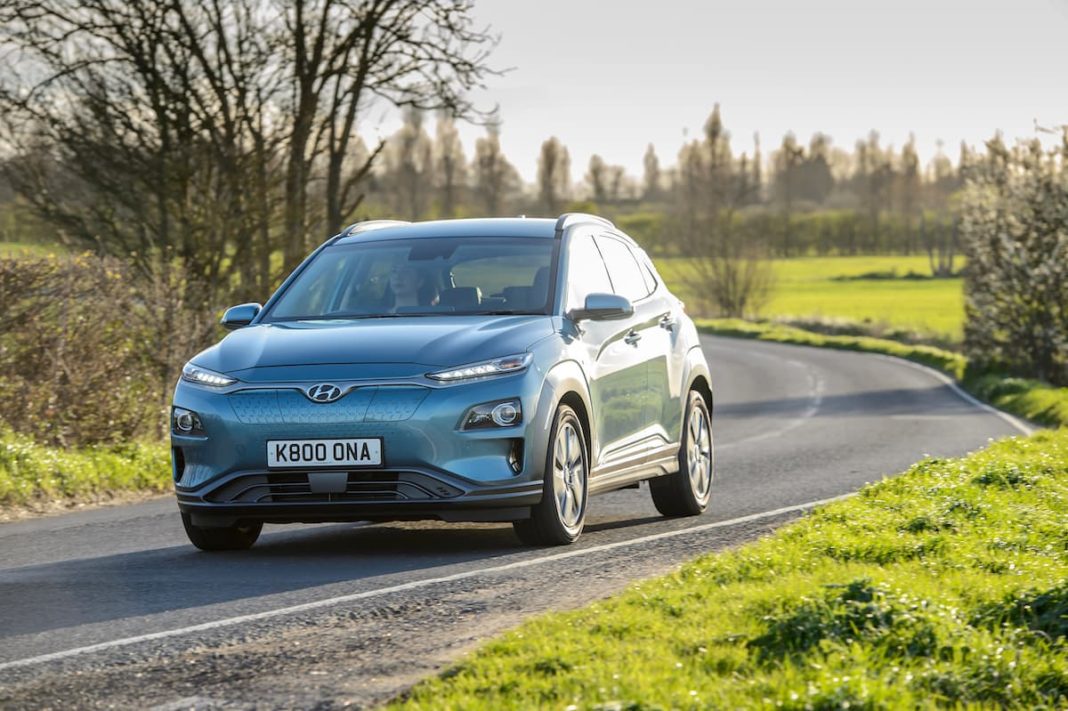
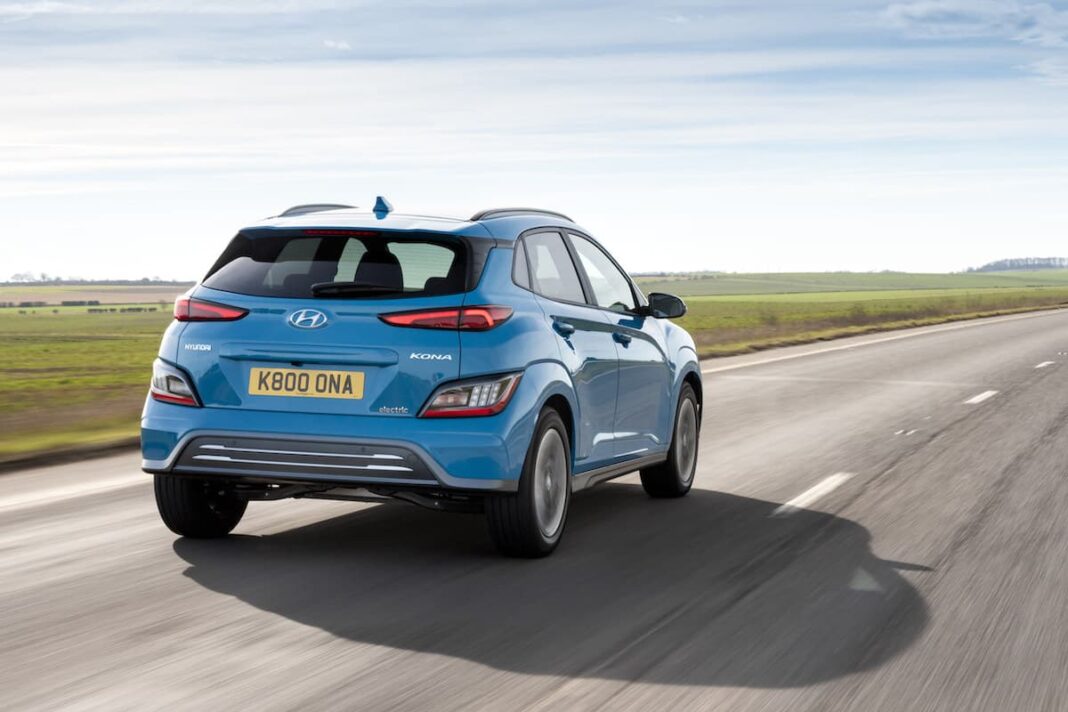
The Hyundai Kona Electric was a fully-electric version of the Kona small SUV/crossover, and was also closely related to the Kia e-Niro. It arrived in the UK in late 2018, and was removed from sale five years later to make way for a new version of the Kona Electric.
The Kona Electric received high praise from the UK motoring media and, now out of production, it holds a strong Used Car Expert Rating of A, with a score of 76%. This is in stark contrast to the regular petrol Kona model range, which sat in the bottom half of the small SUV market when new and hasn’t really improved as a used car.
According to Hyundai’s official figures, the Kona Electric with a 64kWh battery (the larger of the two battery choices) was capable of covering 279 miles on a single charge. Based on independent research, this is likely to translate to a real-world driving figure of about 250 miles.
The Hyundai Kona Electric was praised for its driving range, which is more than comfortable enough for most car buyers, as well as its overall practicality. Critics rated the similar (but now also replaced) Kia e-Niro more highly, although it’s also more expensive than the Hyundai.
An all-new Hyundai Kona range arrived in the UK in Summer 2023. It is based on the new Kia Niro range, and is slightly larger to provide more room for rear-seat passengers.
“The Hyundai Kona Electric is still one of our favourite EVs – punchy performance, a genuinely useful range and decent levels of comfort and practicality make it a great all-rounder. The mid-spec Premium model offers the best value for money, in our opinion.”
Model reviewed: Range overview
Score: 8 / 10
Auto Express
More reviews
Auto Express
Model reviewed: Range overview Score: 9 / 10 “The popular Hyundai Kona Electric SUV has been updated for 2020 and it’s now better than ever” Read review
Auto Trader
Model reviewed: Range overview Score: 8 / 10 “The Hyundai Kona Electric’s chunky design makes it one of the more distinctive-looking offerings in the small SUV segment, but it is the choice of two versions, both with a decent driving range, that makes it a winner in our eyes.” Read review
Car
Model reviewed: Range overview Score: 8 / 10 “It might be based upon a middling family car in ICE form, but as an EV, the Hyundai Kona Electric really is an astounding effort. As a state-of-the-art EV that’ll go harder, and faster than all of its rivals, this is the one to go for – some achievement considering it’s far from the newest option available.” Read review
Car Keys
Model reviewed: Range overview Score: 9 / 10 “We take our hats off to Hyundai for making an EV that has an impressive real-world range, but at a reasonable price. It’s one of the most usable electric cars on the market, and while it’s not without fault, it could be the driving force that people need to get into something electric.” Read review
Carbuyer
Model reviewed: Range overview Score: 8.6 / 10 “The Hyundai Kona is a car transformed by the switch to electric power, making it a great choice for affordable family motoring.” Read review
Carwow
Score: 8 / 10 “The Hyundai Kona Electric offers punchy performance, a raised driving position and lots of equipment, but there are more spacious EV alternatives.” Read review
Company Car Today
Model reviewed: Premium SE 64 kWh Score: 8 / 10 “A genuine step forward for EVs thanks to a battery that removes range concerns for a greater size of the driving population, in a car that’s ‘normal’ in every other way.” Read review
Discover EV
Model reviewed: Ultimate 64kWh (facelifted model) “The Hyundai Kona Electric has been a key player in the UK’s EV market and these latest updates should help to meet consumers growing demands of what they want from an electric car in terms of cost, range and equipment levels.” Read review
Model reviewed: Ultimate 64kWh (pre-facelift) Score: 8 / 10 “With 278 miles of a range and a starting price of 35,900, the Hyundai Electric Kona almost matches the distance you can travel in your regular car and at a fairly reasonable price point, too.” Read review
Green Car Guide
Model reviewed: Premium SE 64 kWh Score: 10 / 10 “The Hyundai Kona Electric is the first car to address all the normal objections to electric cars for the average motorist. It has a 279-mile electric range, zero tailpipe emissions, it’s excellent to drive, it’s well equipped, it has a practical body style, and it’s relatively affordable.” Read review
Heycar
Model reviewed: Range overview Score: 8 / 10 “The Hyundai Kona Electric is one of the best electric cars on the market. It’ll travel far enough between charges to keep most of us happy, and you get a load of standard equipment for your money. It’s so desirable that actually finding one might be tricky, and you’ll pay a premium for it.” Read review
Honest John
Model reviewed: Range overview Score: 10 / 10 “By offering Tesla-rivalling electric range in a desirable crossover package for an affordable price, Hyundai has already proven it’s onto a winner with the Kona Electric. It has its flaws – a small boot, for example – but it’s still a massively appealing electric car.” Read review
Parkers
Model reviewed: Range overview Score: 8 / 10 “The state-of-the-art of family electric cars” Read review
The Sun
“Hyundai’s all-electric Kona is handsome – and packed with tech from infotainment system to USB ports. With a range of 259 miles and a £30k price tag, the new Kona is the first genuine long-range electric car for the masses.” Read review
The Sunday Times
Model reviewed: Premium SE 64kWh Score: 8 / 10 “Hyundai has produced the first viable answer to Tesla’s Model 3… but not enough of them to go around. In such a fast-moving car market, that could prove to be a big problem for the Kona Electric’s prospects.” Read review
The Telegraph
Model reviewed: 39kWh Premium Score: 6 / 10 “The Hyundai Kona Electric is still a likeable little car. With this smaller battery, it certainly makes a good case for itself as a sensible second car or runaround. The trouble is, by and large, its rivals are smarter and roomier, and some also throw a greater range into the bargain too.” Read review
Top Gear
Model reviewed: Premium 64kWh Score: 9 / 10 “A proper tipping point BEV [battery electric vehicle]: genuine 300-mile (ish) range in a small SUV for under £30k. Consider it.” Read review
Safety rating
Independent crash test and safety ratings from Euro NCAP
No safety rating
The Hyundai Kona Electric was not awarded a safety rating by Euro NCAP.
The conventional petrol and diesel Kona models were awarded a five-star safety rating back in 2017, but that score was not applied to the Kona Electric because of the substantial differences in the electric motor and battery layout compared to a regular engine and fuel tank.
Eco rating
Independent economy and emissions ratings from Green NCAP
Clean Air Index: 10 / 10 Energy Efficiency Index: 10 / 10
Reliability rating
Reliability data provided exclusively for The Car Expert by MotorEasy
No reliability rating
As of March 2026, we don’t have enough reliability data on the Hyundai Kona Electric to generate a reliability rating.
The Car Expert’s reliability information is provided exclusively to us using workshop and extended warranty data from our partner, MotorEasy, sourced from both official dealerships and independent workshops.
As soon as MotorEasy has sufficient data on the Kona Electric, we’ll publish the results here.
Running cost rating
Monthly cost of ownership data provided exclusively for The Car Expert by Clear Vehicle Data
Battery range
Average
Score
Variation
Score
EV models
246 miles
B
Electrical efficiency
Average
Score
Variation
Score
EV models
4.6 m/KWh
A
Insurance group
Average
Score
Variation
Score
All models
24
B
The Hyundai Kona Electric is both cheap to run and pretty efficient, according to running cost data provided exclusively by our partner Clear Vehicle Data. Its maximum battery range is competitive with the electric car market at large, and its insurance premiums are lower than average too.
Recalls
Official DVSA safety recalls that have been issued for the Hyundai Kona Electric
Jun 2023
Apr 2021
Jan 2021
Feb 2021
Oct 2020
May 2019
Jan 2019
Date: June 2023 Recall number: R/2023/134 Model types: Kona EV Build dates: 06/2020 to 09/2020 Number of vehicles affected: 1,121 Defect: Subject vehicles may experience a loss of coolant within the electronic power control unit. Remedy: Inspect the electronic power control unit and replace the component if required.
Date: April 2021 Recall number: R/2021/087 Model types: Kona EV Build dates: 05/2018 to 03/2020 Number of vehicles affected: 1,214 Defect: Potential electrical short in the lithium-ion battery. Remedy: Initial step to limit the charge state followed by eventual complete replacement of the battery assembly.
Date: January 2021 Recall number: R/2020/382 Model types: Kona EV and hybrid Build dates: 01/2018 to 11/2020 Number of vehicles affected: 12,835 Defect: If an abnormality is registered within the IEB system that might illuminate the malfunction indicator lamp (MIL) on the vehicle cluster braking performance may be reduced. Remedy: A software upgrade to the ESC (electronic stability control) system.
Date: February 2021 Recall number: R/2021/014 Model types: All Kona models Build dates: 09/2020 to 12/2020 Number of vehicles affected: 1,879 Defect: The vehicle VIN information may not be registered correctly within the E-call unit. Remedy: Register the VIN information within the vehicle by resetting the E-call unit and updating.
Date: October 2020 Recall number: R/2020/308 Model types: Kona EV Build dates: 01/2018 to 11/2020 Number of vehicles affected: 1,672 Defect: The high voltage battery system may have a faulty battery management system (BMS) or in extreme cases may exhibit internal damage to certain cells of the lithium-ion battery. Remedy: A software upgrade to the BMS inspection of lithium-ion battery data and if required replacement of a faulty battery module or complete battery assembly.
Date: May 2019 Recall number: R2019/115 Model types: All Kona models Build dates: 04/2017 to 09/2018 Number of vehicles affected: 1,522 Defect: A right-front brake fluid line and air-conditioning tube may become damaged and leak. Remedy: The brake pipe and air-conditioning pipe will be inspected for damage. If the pipes are damaged they will be replaced.
Date: January 2019 Recall number: R/2019/001 Model types: All Kona models Build dates: 05/2018 to 12/2018 Number of vehicles affected: 416 Defect: The airbag may not deploy properly during a crash due to a programming issue. Remedy: Upgrade the software in the Airbag Control Unit.
As of September 2024 (our most recent data point), there have been six DVSA vehicle safety recalls on the Hyundai Kona Electric – two of which apply to all Kona models, not just the EV versions. These cover software, battery and braking issues.
Not all vehicles are affected by recalls. You can check to see if your car is included in any of the above recalls by visiting the DVLA website or contacting your local Hyundai dealer.
If your car is affected by a recall, the vehicle must be repaired and you should not be charged for any work required. If you are buying a used Kona Electric, you should insist that any outstanding recall work is completed before you take delivery of the vehicle.
Similar cars
If you’re looking at the Hyundai Kona Electric, you might also be interested in these alternatives
Citroën has announced pricing and specifications for its refreshed C3, which brings a sharper exterior look alongside new, more efficient engines to the hatchback.
Prices for the updated C3 start from £16,280 and deliveries are expected to start in August. It’s Citroën’s best-selling car worldwide, having secured more than 780,000 sales globally.
To help keep its appeal going, Citroën has given the front end of the C3 a subtle redesign, with updated LED lights and an extended colour range. The side protection ‘Airbump’ pods have been redesigned too, while new 17-inch alloy wheels have been added.
Three trim levels are available – Feel, Flair and Flair Plus – with even base-spec cars receiving LED headlights, a seven-inch colour touchscreen with Apple CarPlay and Android Auto, and air conditioning as standard. Safety-wise, there’s nothing new as part of this update. The C3 range earned a five-star safety rating from Euro NCAP back in 2017.
Flair specification cars gain diamond-cut alloy wheels, a bi-tone roof and automatic headlights, while range-topping Flair Plus boasts 17-inch alloy wheels, a reversing camera and Citroën Connect satellite navigation with three years of TomTom Live updates. The former costs from £17,330, while the latter commands a slightly higher price tag of £18,730.
Flair Plus models also get a range of soft-touch materials with special stitching and a ‘light wood’ finish on the dashboard.
All cars can be fitted with Citroën’s Advanced Comfort seats too – though these are standard on top-spec models. With enhanced levels of padding and special foam on the surface of the seat, they can help with posture.
A range of petrol engines is available for the updated Citroën C3, alongside a diesel option. There’s the choice of either a six-speed manual or automatic gearbox, too.
Nip and tuck for Citroën’s distinctive supermini
This is a cosmetic update for the Citroën C3, with some useful extra trinkets and a mild restyle after three years on sale. The C3 currently holds an overall Expert Rating of 71% on our unique Expert Rating scale, based on 22 UK reviews. That puts it firmly in the midfield of a highly competitive class, but a long way behind the class-leading (and best-selling) Ford Fiesta.
It has received praise for its distinctive design and personalistion options, but has been criticised for poor driving dynamics and limited practicality. These updates won’t change any of that, but will keep it looking fresh in showrooms for another couple of years. Stuart Masson, Editor
Car dealerships in England have been allowed to open from today, following more than two months of closure as a result of measures brought in to prevent the spread of coronavirus. It now means that buyers can go and see vehicles in the metal, as well as place orders and have their cars serviced.
But dealerships aren’t going to look quite the same as they did prior to closure. With new guidance on hygiene being issued and dealers required to comply, the forecourt might not resemble the one you remember. Here are some of the key changes.
You might need to call to make an appointment beforehand
If there’s a car you’d like to view, it might be the case that you need to arrange an appointment prior to visiting the dealership. This will help dealers to keep track of customer numbers heading to the site, while also allowing them to stop overcrowding.
If you’ve got any queries, it’s always best to phone up beforehand.
Floor markers will help maintain social distancing
Markers on the floor of the dealership will be put in place to help maintain social distancing. Almost all doors – excluding fire doors – will be kept open to minimise contact, while it’s likely that many dealerships will employ a one-way system to help with the movement of people.
As always, remember to keep at least two metres away from anyone else.
Hand sanitiser stations will be available throughout
Much the same as in supermarkets, hand sanitiser will be readily available throughout a dealership. Make sure you use it if you’ve come into contact with any surfaces, and before taking a test drive too.
Cars will be locked
Though you used to be able to dip in and out of display vehicles on a dealership floor, that isn’t going to be the case at the moment. Display cars will be kept locked to ensure that people aren’t going into the cars without members of staff being present.
However, if you do want to take a closer look at a car’s interior then you can ask – and the staff nearby will be sanitising it both before and after.
Screens will be in place
In order to conduct meetings which would usually require face-to-face seating, plastic screens will be put in place to make sure that both customers and staff are kept safe.
Expect to see them in places such as the main reception desk, as well as at smaller stations where meetings between salespeople and buyers take place.
Test drives will be solo
Whereas traditionally a dealer would accompany you on a test drive of a new car, that isn’t the case anymore. Test drives will now be undertaken solo, with dealerships likely giving you a predetermined route to follow which will allow you to get a good feel of the car.
The vehicles will also be extensively cleaned both before and after the test drive to make sure that hygiene standards are met.
Online sales will remain
If you don’t fancy visiting a dealership in person, then there are still plenty of options available to you. Many dealerships and manufacturers are operating fully contactless online sales, while some do click-and-collect services too.
Volkswagen is introducing a new entry-level version of its all-new Mk.8 Golf hatchback.
Priced from £23,300, it is powered by a 110hp 1.0-litre petrol engine with a six-speed manual gearbox, and is offered exclusively with the Life trim level.
With this engine, the Golf is capable of going from 0-60mph in ten seconds with a top speed of 126mph. Fuel economy is registered between 49.6 and 53.3mpg, while CO2 emissions are 121-129g/km.
With the Life trim, the Golf gets 16-inch alloy wheels, automatic LED headlights, rain-sensing wipers, front and rear parking sensors and keyless start. Inside, there’s a digital instrument screen, 10-inch infotainment system, adaptive cruise control and a variety of safety systems.
Dale Piper, Golf product manager at Volkswagen UK, said: “The Golf is one of the UK’s most popular cars, both for new- and used-car customers. One of the many reasons for its success is the way it offers compelling value for money, and this entry-point to the Golf 8 range is a great example.
“Featuring the latest technology and highest levels of quality – along with class-leading efficiency – this new 1.0-litre TSI 110 PS option brings the possibility of new Golf ownership to even more people.”
Elsewhere in the Golf range, engine options include two variations of a 1.5-litre petrol unit and two 2.0-litre diesels. A mild-hybrid version of the 1.5-litre engine is also available, which uses a small electric motor to help reduce running costs and emissions.
Ford has bolstered the appeal of its Puma crossover with the introduction of a new high-end specification and a seven-speed dual-clutch automatic gearbox.
The ST-Line X Vignale trim level, which arrives from £25,240, extends the amount of standard equipment fitted to the Puma. Aluminium exterior trim pieces have been added to the exterior of the car alongside 18-inch alloys, while LED headlights help to improve night time visibility.
Inside, the Puma receives a full leather upholstery, a wrapped instrument cluster and heated front seats. The steering wheel is heated, too. There are no safety improvements as part of this update, although the Ford Puma range received a five-star rating from Euro NCAP only last December so it’s still at the sharp end of the field.
Minor tweaks for the class leader
The Ford Puma is currently the highest-rated car in the smallSUV/crossover, according to The Car Expert’s unique Expert Rating system. Its overall score of 84% from 15 UK reviews puts it at the top of the class of 21 models we have analysed to date, a couple of points clear of the Volkswagen T-Cross. The new gearbox, in particular, is likely to help it retain that crown. Stuart Masson, Editor
Roelant de Waard, vice president, marketing, sales & service, Ford of Europe, said: “Customers have told us that they want a range of options to help find a combination of style, equipment, performance and efficiency that’s just right for them. That’s something we committed to delivering with Puma, and with a new Puma ST coming later this year, we’re not finished yet.”
A new seven-speed dual-clutch automatic gearbox has been added to the Ford Puma too. Available alongside a 1.0-litre EcoBoost engine, the setup helps to return emissions figures of 138g/km of CO2 as well as 45.6mpg. Ford claims that the gearbox helps to return ‘seamless gear changes’, which help in terms of efficiency and refinement.
The Jeep Renegade is a small SUV/crossover that sits under the Compass in the Jeep family. Despite the brand name and familiar Jeep design cues, the Renegade is actually based on the Fiat 500X and is built in Italy.
The Renegade arrived in the UK in early 2015 and differentiates itself from its Fiat sister with the availability of improved off-road ability, especially in the top-spec Trailhawk model. It received a facelift in late 2018.
The Jeep Renegade has received praise for its off-road capabilities, which are far better than most of its small SUV rivals. However, its on-road refinement is considered poor compared to cars like the Ford Puma and Volkswagen T-Cross.
It has received generally average to poor review scores from the UK media, especially more recent reviews of the facelifted model.
As of May 2026, it has a New CarExpert Rating of E, with a score of 48%, which is well off the pace of the best in class.
Model reviewed: 4xe plug-in hybrid “While it’s not a car that responds well to spirited driving and the interior is neither particularly practical nor upmarket, the Jeep Renegade 4xe is an interesting alternative to other plug-in crossovers, and it’s worth considering for its low running costs.” Read review
Auto Express
Model reviewed: North Star Score: 5 / 10 “The Jeep Renegade North Star might have a decent amounts of space and kit, but the Renegade really feels its age and rivals beat this small SUV in most areas.” Author: Dean Gibson Read review
Model reviewed: plug-in hybrid 4xe Score: 6 / 10 “There’s plenty of choice in the compact SUV segment, and with several of the Jeep’s rivals already offering plug-in hybrid power this 4xe model does just about enough to compete. It’s expensive, but rivals can’t match the Jeep’s off-road ability. Plus, it comes loaded with kit.” Read review
Auto Trader
Model reviewed: Range overview Score: 6.8 / 10 “For buyers with a focus on off-road ability, space and practicality, and a fun sense of personality, the Jeep Renegade offers something different from the norm. However, high prices, refinement issues and a firm, bouncy ride make it harder to recommend to everyday family buyers.” Read review
Business Car
Model reviewed: 1.6-litre petrol/electric plug-in hybrid 4xe Limited Score: 7 / 10 “Jeep claims it hasn’t compromised off-road ability in turning the Renegade into a plug-in hybrid, and it’s difficult to argue against that. But in doing so, it has probably made it a less appealing plug-in hybrid for those interested in taking a step to reducing carbon footprint, or reducing their tax liability.” Read review
Car
Model reviewed: 1.0-litre petrol manual Limited Score: 6 / 10 “It’s not exactly a thriller to drive, motorway cruises will be blighted by considerable wind noise and most of the powertrains aren’t dripping with the same charm that the looks do. Keep it simple with a manual 1.0 and you’ll get the best of the pack.” Read review
Model reviewed: 2.0-litre diesel automatic Trailhawk Score: 8 / 10 “Sized to take on Mini’s Countryman and the Skoda Yeti, if you actually want to get more adventurous than the parking arrangements at Goodwood, the Jeep Renegade Trailhawk will likely chew up said rivals and spit them out again. Before going on to chase down a Freelander for breakfast.” Read review
Car Keys
Model reviewed: 1.3-litre petrol/electric plug-in hybrid 4xe Score: 8 / 10 “A plug-in hybrid is a radical departure for Jeep, however it successfully showcases the smoothness of a good electrified powertrain, along with no compromise when it comes to off-roading ability. The Renegade 4xe could also be cheap to run, while its funky looks make it stand out from the crowd.” Read review
Model reviewed: 1.0-litre petrol manual Score: 7 / 10 “While the Jeep Renegade might not be class-leading, it’s an appealing and different proposition in the crossover class – bringing funky styling and the option to have genuine off-roading ability.” Read review
Carbuyer
Model reviewed: Range overview Score: 6.6 / 10 “The Jeep Renegade stands out from the crowd with its chunky looks and excellent off-road performance.” (Andy Goodwin) Read review
Company Car Today
Model reviewed: 1.3-litre petrol/electric plug-in hybrid automatic 4xe Longitude “This 4xe is certainly an interesting and worthy addition to the Renegade range. It may not be the most obvious corporate choice, but the plug-in hybrid tech and resulting low BiK will undoubtedly help the Renegade to attract more company car drivers than the before.” Read review
Model reviewed: 1.0-litre petrol manual Limited “The good-looking and practical Jeep Renegade is underrated among the small crossover class. Unfortunately, it is also a pricier option than most of its rivals, leading to higher running costs.” Read review
Daily Mail
Model reviewed: 2.0-litre diesel automatic Trailhawk Score: 4 / 10 “Please tell me: what I am missing here? Its wheels are way too small for its wheel arches. Postman Pat’s van has more in the way of aerodynamics.” (Chris Evans) Read review
Eurekar
Model reviewed: 4xe “The Italian-made Jeep Renegade hybrids are expensive over the non-hybrid versions but it’s a major breakthrough for the brand and it will be interesting to see how may drivers are convinced the extra money outlay is worth it. On first driving impressions it has to be said it is impressive.” Read review
Green Car Guide
Score: 7 / 10 “The Jeep Renegade 4xe PHEV Limited 1.3 is fun to drive and it offers lots of off-road engineering.” Read review
Honest John
Model reviewed: Range overview Score: 6 / 10 “There is plenty of classic Jeep influence in the styling with those recognisable circular headlights and the slotted grille. While this is a smaller SUV, it’s nonetheless refined with a solid and good quality feel. It’s comfortable too and an impressive car for motorway with little wind noise.” Read review
Model reviewed: 1.6-litre diesel manual “The Renegade adds up to a car that Jeep hopes will attract new customers to the Jeep brand – but a car that is still a highly competent off roader, and one that hasn’t lost any of its – er – Jeepness. Even if it is built in Italy alongside the Fiat 500X.” Read review
Motors
Model reviewed: Range overview Score: 7 / 10 “On-the-road performance does leave a little to be desired, particularly if you opt for the base 1.0-litre powertrain, which doesn’t really feel powerful enough for even the smallest of SUVs.” Read review
Parkers
Model reviewed: Range overview Score: 7 / 10 “The Jeep Renegade offers solutions that no other car in the sector can quite manage. It’s a bona fide rugged off-roader first and foremost, while nods to fuel economy and tax bills come in the form of front-wheel drive models that offer the image but without the higher monthly outgoings.” Read review
The Sun
Model reviewed: Range overview “The Jeep Renegade is hard, cool and definitely worth a look” Read review
Model reviewed: 2.0-litre diesel automatic “Jeep brings army-style cred to the school run.” Read review
The Telegraph
Model reviewed: 1.3-litre petrol-electric plug-in hybrid 4xe Trailhawk Score: 6 / 10 “No, however much radical appeal these mini mud-pluggers might seem, they will remain an emotional right-brain choice, particularly when you can have a 4×4 estate such as the Skoda Octavia Scout for less and a fully loaded Dacia Duster for much less.” Read review
Model reviewed: 1.6-litre diesel manual Limited Score: 4 / 10 “The Jeep Renegade’s chunky styling might appeal, as indeed might the cachet of the Jeep badge. But with its high price and multitude of flaws – and so many credible opponents to choose from – there’s not much else here to fall in love with.” Read review
The Times
Model reviewed: 1.0-litre petrol manual Limited Score: 6 / 10 “Not bad, not uncomfortable, just annoying” Read review
Top Gear
Model reviewed: Range overview Score: 6 / 10 “Buy it for the looks and lifestyle, then put up with the flaws. Likeable, but irrational.” Read review
Safety rating
Independent crash test and safety ratings from Euro NCAP
The Jeep Renegade was tested by Euro NCAP back in 2019 and awarded a three-star rating. However, this rating expired in January 2026 and is no longer valid as the car no longer meets the standards required for such a rating. This is normal practice, as Euro NCAP reviews its ratings on most cars annually with most ratings expiring after about six or seven years.
Although the rating has now expired, the score is still useful if you are comparing a used Renegade to vehicles of similar age – whose ratings will have probably also expired.
Eco rating
Independent economy and emissions ratings from Green NCAP
Clean Air Index: 4.9 / 10 Energy Efficiency Index: 4.7 / 10
The rating above only applies to the manual 4×2 Renegade model, which is powered by a 1.6-litre diesel engine. It does not apply to any other engine/gearbox combination.
Reliability rating
Reliability data provided exclusively for The Car Expert by MotorEasy
Total claims: 27 Average repair cost: £385.77 Last updated: April 2025
The Jeep Renegade has an excellent reliability rating according to warranty claim data provided by our partner MotorEasy. The only caveat to this score is that it’s based on a relatively small number of vehicles to date.
The most common repair that Renegade owners claim for is electrical repairs, which in this case cost £230 on average. Engine problems are by the most costly, with an average repair fee of around £450. Fortunately these faults are rare.
If you’re looking at a used Jeep Renegade, make sure any extended warranty cover you purchase covers all of these potential problem areas.
Running cost rating
Monthly cost of ownership data provided exclusively for The Car Expert by Clear Vehicle Data
Fuel consumption
Average
Score
Petrol models
40 mpg
D
Diesel models
38 mpg
D
CO₂ output
Average
Score
Variation
Score
Petrol models
127 g/km
B
Diesel models
171 g/km
D
Plug-in hybrid models
48 g/km
A
Battery range
Average
Score
Variation
Score
Plug-in hybrid models
22 miles
E
Insurance group
Average
Score
Variation
Score
All models
42
E
Service and maintenance
Cost
Score
Year 1
£207
B
Year 2
£554
C
Year 3
£872
C
Year 4
£1,070
B
Year 5
£1,432
B
Overall
£4,135
B
The Jeep Renegade has a mixed bag of scores when it comes to running costs, according to whole-life cost numbers provided exclusively to The Car Expert by our data partner, Clear Vehicle Data.
Fuel economy – which is the largest running cost for any car – is poor for both the petrol and (now discontinued) diesel versions. The plug-in hybrid looks great on paper, but this is more a function of the inaccurate EU/UK government lab testing process, which is pretty much useless for plug-in hybrids.
Insurance group ratings are high on average but with significant variation across the range, so make sure you get several insurance quotes before committing.
Finally, servicing and maintenance over the car’s first five years look to be very good.
Awards
Trophies, prizes and awards that the Jeep Renegade has received
2021
4×4 Magazine Awards – Best Small SUV
2016
4×4 Magazine Awards – Best Small SUV
2015
4×4 Magazine Awards – 4×4 of the Year
Similar cars
If you’re looking at the Jeep Renegade, you might also be interested in these alternatives
Renault has revealed information about its upcoming Clio and Captur hybrid models.
The powertrain, which the French firm calls E-Tech, joins several other petrol and diesel engines already in the line-up for both cars. Prices start at £19,595 for the Clio Hybrid and £30,495 for the Captur plug-in hybrid. Both can be ordered now, and first deliveries are expected in September.
The Clio arrives as a traditional hybrid which generates charge from the engine for use at low speeds. The Captur hybrid, meanwhile, can be plugged into the mains to add charge.
Though the pair both use a 1.6-litre petrol engine combined with two electric motors, the Captur is the only one that can be properly locked into electric mode, while Renault states that the Clio can operate in EV mode for “around 80% of the time” at speeds of up to 38mph.
It’s down to the batteries fitted to the pair. Whereas the Clio makes do with a 1.2kWh battery, the Captur utilises a much larger 9.8kWh battery, which allows it to travel up to 30 miles on battery power alone. Renault claims that the Captur will return up to 188.3mpg and CO2 emissions of 33g/km, while the Clio should see up to 64.2mpg with CO2 emissions of 98g/km.
A free wallbox comes with the purchase of the Captur plug-in hybrid too. It sees a 7kW home charger fitted by BP Chargemaster, enabling the Captur to be charged from zero to 100% in around three hours.
Two trim levels are available with the Captur. The entry point S Edition brings 17-inch alloy wheels and a nine-inch touchscreen infotainment system alongside front and rear parking sensors, while upgraded Launch Edition cars receive 18-inch alloy wheels and exterior blue and copper detailing, among other features.
The Clio, meanwhile, gets a Launch Edition with 17-inch diamond-cut alloy wheels and two new exterior paint choices. All cars get a smart cockpit with a digital driver’s display, while five separate trim levels give buyers a range of options to choose from. Even base-spec Play specification cars get a full multimedia system and LED headlights, as well as cruise control and air conditioning.
Mini has revealed the new Countryman, which sports an updated exterior, upgraded technology and cleaner, more efficient engines.
The design has been lightly fettled, with a new rear bumper and a front bumper that’s now fully painted in the car’s body colour, while the redesigned grille gets the typical Mini hexagonal look and a slim, one-piece chrome frame.
LED headlights are now included as standard, complementing the LED rear lights that are shaped like the Union Jack. The rounded headlights are framed by a band of light that acts as the daytime running lights but doubles up as the indicator, while LED fog lamps are also standard. Adaptive LED headlights are now an optional upgrade for the Countryman.
Still popular, but no longer a class leader
The Mini Countryman remains a distinctive and left-field choice in a field of conventional family hatchbacks. Its styling remains divisive, however, and its retro-themed design focus can sometimes come at the expense of practicality and usefulness.
According to our unique Expert Rating system, the Countryman currently holds an Expert Rating of 73%, based on 27 reviews that we have analysed to date. That’s a reasonable score, but still a long way behind a number of similarly-priced alternatives. Stuart Masson, Editor
Inside, not much has changed in the overall design, while split-folding rear seats open up boot space from 450 to a maximum of 1,390 litres. There are a couple of new leather upholstery options, piano black interior surfaces are now standard, and a new silver surface upgrade is now offered.
The range of engines has been developed to lower emissions, with particulate filters for petrol engines and AdBlue injection for diesel engines meaning all powertrains now meet Euro 6d regulations.
All-wheel-drive is available on four of the engines, and it’s standard-fit for the plug-in hybrid model, which makes 220hp and has an electric-only range of up to 38 miles.
Order books for the new Mini Countryman are open now.
Order books for Volvo’s first electric vehicle have opened in the UK, with the Volvo XC40 Recharge priced from £53,155.
The highly-acclaimed small SUV leads the charge for the Swedish firm’s electric range, which will grow to include five electric vehicles over the next five years.
If you thought that the XC40 Recharge was a plug-in hybrid model, not least because we reviewed it recently, you’re right. But the new electric model is also called the XC40 Recharge. The fully-electric version is badged ‘P8’ to differentiate it from the plug-in hybrid Recharge model, which is called the ‘T5’.
The XC40 Recharge P8 has a range of 249 miles and can be charged to 80% of its battery capacity within 40 minutes at a fast charger. It makes 408hp and has a 0-60mph time of 4.9 seconds.
At first, it will only be offered in R-Design specification, which includes 19-inch alloy wheels, leather and nubuck upholstery, aluminium inlays, 12-inch driver display, high-end audio system and LED headlights.
Optional equipment highlights include 20-inch alloy wheels (£750), charcoal leather upholstery (£900), upgraded driver assistance (£1,550), and a climate pack (£775) that adds heated seats all around, a heated steering wheel and heated front windscreen.
Volvo has continued its commitment to safety by completely redesigning the front end crash structure to account for the fact there is no longer an engine under the bonnet. The XC40 Recharge P8 is also the first Volvo to get a new version of Pilot Assist, the firm’s adaptive cruise control and lane-keeping system.
Buyers can order now with deliveries expected in early 2021.
The best small SUV keeps getting better
The Volvo XC40 continues to draw praise from journalists across the wide spectrum of the UK motoring media. The recently-launched plug-in hybrid version (confusingly, also badged as XC40 Recharge) has received strong reviews, and this all-electric version is likely to only enhance its reputation further.
The XC40 has the highest Expert Rating of all the small SUVs on sale in the UK, regardless of price. Based on 24 different UK media reviews, it continues to score better than newer rivals like the Range Rover Evoque or Ford Puma. Stuart Masson, Editor
Mercedes-Benz has given its E-Class Coupe and Cabriolet models a mid-life refresh, sharpening the looks of the pair while adding more efficient powertrains.
Both cars will go on sale in June, with first deliveries expected to arrive in the early autumn. The updates broadly follow those applied to the E-Class saloon and estate that were announced back in March.
The two-door models get a new set of LED headlights which are sleeker in design than those fitted to the previous version, while a new-look grille completes the refresh of the front. Around the back, there are new LED taillamps, too.
Though the interior of the cars remain largely the same as before, the most notable addition is a new touch-sensitive steering wheel. The system also allows drivers to keep the car in semi-autonomous mode simply by having a hand on the wheel – no steering inputs are required from the driver to allow it to stay in this mode.
Mercedes’ latest MBUX infotainment system has been introduced too, linking two screens – either 10 or 12 inches across – together, giving the impression of one large, widescreen display.
A new security feature called Urban Guard has been fitted as well. Linked to the owner’s Mercedes Me smartphone app, the system can alert the driver if the car has been bumped or broken into.
Underneath the bonnet, there’s the choice of several turbocharged four and six-cylinder petrol and diesel engines, with Merc’s 48-volt mild-hybrid system incorporated into all of the four-cylinder diesel options. All cars in the line-up use a nine-speed automatic gearbox, while both rear- and all-wheel-drive variants are available.
At the top of the range sits the Mercedes-AMG E53 4MATIC, which uses a 3.0-litre turbocharged petrol engine with mild-hybrid technology. Pushing out 435hp and 520Nm of torque, it’ll reach 60mph from a dead stop in just over four seconds and hit 168mph flat-out. This powertrain is available with both E-Class Coupe and Cabriolet models.
It’s mid-life update time for the BMW 5 Series, which gets a refreshed exterior, updated technology and electrified powertrains.
The saloon model will be available with three plug-in hybrid powertrains, with a 530e and 545e offered with all-wheel drive and an option of rear-wheel drive on the 530e. Estate models (called Touring in BMW-speak) will have the 530e options available from November.
All four- and six-cylinder models that are not plug-in hybrids will get a mild-hybrid powertrain. This uses a 48-volt starter generator to take the load off the engine and improve both acceleration and fuel consumption.
The exterior design hasn’t undergone a drastic change, which is not surprising given that the current model only arrived in the UK in early 2017. Notable changes include a larger, lower front grille, slimmer full-LED headlights, reshaped rear lights and redesigned rear bumper.
Inside, the central infotainment display has increased in size from 10 to 12 inches and receives BMW’s latest generation operating system.
Safety-wise, there’s nothing new to report with this update. The BMW 5 Series received a five-star safety rating from Euro NCAP when it was tested three years ago, and that rating remains valid today.
The best gets better
The BMW 5 Series is the highest-rated car in its class, and one of the top-rated cars that we have analysed with The Car Expert’s unique Expert Rating system. Based on reviews from 21 of the top UK motoring websites, the 5 Series currently holds an Expert Rating of 88%. This update looks set to help keep it at the top of the executive saloon class. Stuart Masson, Editor
There are three trim levels: SE, M Sport and M Sport Edition. Saloon models, meanwhile, get an M Performance M550i xDrive option for the first time. Standard on the SE is a choice of 17-inch to 19-inch alloy wheels, leather upholstery and heated front seats. New equipment for this trim includes folding mirrors, parking assistant and DAB radio.
M Sport gets new alloy wheel designs in 18-inch to 20-inch sizes, an M body kit, M leather steering wheel, front sports seats and a distinctive instrument panel. M Sport suspension is standard except on 530e variants.
The M Sport Edition builds on this with Tanzanite Blue or an exclusive Donington Grey paint, 20-inch alloy wheels, adaptive LED headlights, and red M brake callipers. Saloon versions get a rear spoiler and multifunction seats, too.
The M550i xDrive Saloon sits separately from all other models in the 5 Series hierarchy, boasting a 4.4-litre turbocharged V8 engine, exclusive 20-inch alloy wheels, grey exterior detailing, a Harman/Kardon surround sound system, M sport differential and adaptive M suspension.
The range will be launched in July with prices for the saloon start at £37,480 for the 520i in SE trim, while the Touring starts at £39,730 in the same specification. The M550i xDrive starts at £67,595.
Most car dealerships are rubbish at explaining how various car finance products work. This is clear from the amount of traffic this site receives from UK car owners and car buyers every day.
Today we are answering one of the most common PCP finance agreement questions: What if I want to terminate the agreement and settle my PCP early?
There is a lot of confusion about ending a PCP agreement early, and a lot of that confusion comes about because people are looking for easy answers that simply don’t exist. In reality, it’s quite simple. You have borrowed a large amount of money to buy a car, and that money needs to be repaid.
You can repay this at any time if you have the money available to do so. However, the reality is that most people don’t have the thousands of pounds usually required to settle their finance and are looking for other options.
A lot of the confusion about settling a PCP early comes from borrowers’ misunderstandings about how a PCP actually works in the first place.
When you take out a PCP, you will usually put in an upfront payment (referred to as a deposit) and borrow the rest of the money required to pay for the car. So if the car costs £30,000 and you put in £2,000 deposit, you will borrow the remaining £28,000. The finance company pays the dealer £28,000 and you get to drive home in your new car.
At this point, you will owe the finance company £28,000 plus interest and fees – let’s call it a nice round £30,000. This is your debt, and it needs to be repaid. Until it is repaid in full, the car remains the property of the finance company.
To repay this debt, you will have three to four years of monthly payments and then a balloon payment. In this example, that would probably mean monthly payments of £400-£500 and a balloon payment that’s probably somewhere between £10,000 and £15,000.
The key to a PCP is that the finance company offers a guaranteed (minimum) future value to cover the balloon amount. That means you can give the car back at the end of the agreement, or part-exchange it with a car dealer on another vehicle, instead of paying off the balloon. However, that only applies at the end of the agreement, not during the agreement.
A PCP is designed to work out neatly if you run it for the full term of the contract. If you want to settle up early and get rid of your car, it’s not so simple. You will probably find you have a negative equity problem thanks to the car’s depreciation.
From the moment you drive off in your new (or used) car, it starts losing value. This is called depreciation, shown in the blue line below. The car loses value more quickly early on, because the price you pay for a car from a dealer will include the cost of the car plus the dealer’s costs and profit margin, plus a large dose of VAT if it’s a new car. Over time, the rate of depreciation starts to slow, which you can see as the blue line starts to flatten out.
Depreciation vs finance outstanding (click to enlarge)
The “cost of purchase” (dealer’s costs and profit margin) push up the price you pay but they don’t add any value to the car, so once you drive away from the dealership your car is potentially worth thousands of pounds less than what you just paid for it.
Your monthly payments, of a few hundred pounds each month, gradually reduce your settlement figure (the red line above) over time. But because your monthly payment is fixed, this amount reduces in more or less a fixed amount each month, which is why the red line above is a straight line.
For the first year or more of your finance agreement, your car’s value is falling by more than you are repaying. This creates what is called negative equity (the grey area in the graph above; it’s simply an example and the actual result will be affected by many factors).
Negative equity is what you get when you owe the finance company (the settlement, in red) more than what your car is worth (the value, in blue). On a PCP, you spend almost all of your time in negative equity. Even if you were able to sell your car (and legally it’s not yours to sell), the money you would get for it wouldn’t cover your debt.
In theory, the value of your car and the amount you owe the finance company should come back together again towards the end of the agreement. At any point before that time, you will have negative equity.
What does that mean if I want to settle early?
Generally, it means you have a problem. You owe thousands of pounds (all your remaining monthly payments, plus the balloon amount, minus some minor interest savings), which you probably don’t have in your bank account.
Let’s look at the simple example graph above, which is based on borrowing £30,000 and having a GFV of £15,000 after three years. If you wanted to try and get out of your agreement after one year, you would owe £25,000 (actually slightly less because you would save a few hundred pounds on interest by settling early). If you want to settle after two years, you’d owe £20,000 (again, it would actually be slightly less).
You’re almost certainly not allowed to sell your car privately, because it’s not yours to sell. Some finance companies will allow it under certain circumstances, but will probably require the buyer to pay them directly, rather than paying you and then you paying the finance company.
Usually, a finance company will allow you to sell the car to a dealer because the dealer will settle the finance. However, a dealer will usually want to sell you another car rather than simply buying yours, so finding one that will buy your car and settle your finance may be difficult.
And even if you are able to sell the car, its value will be significantly less than your settlement figure, so you’d still be a few thousand pounds short. You would have to pay those few thousand to either the finance company or the dealer before the debt is considered settled.
Will my car ever be worth more than the settlement?
The whole point of a PCP is to guarantee the value at the end of the agreement (guaranteed future value – GFV). This means that if the car’s market value is less than the GFV, the finance company will lose money. As a result, they will want to make sure they are not setting the GFV too high. So it is possible that the car could be worth more than the GFV at the end of the agreement.
It certainly used to be the case that finance companies were quite conservative in their GFV predictions, and customers would end up with a car that was worth a handy sum more than the settlement figure (called equity or positive equity, and obviously the opposite of negative equity). This money would almost certainly be used as a deposit for another PCP agreement, so it all worked out happiily for both buyer and lender.
However, as the market has become more competitive, the situation has changed. More finance companies appear to have increased their GFV predictions, while at the same tie used car values have been falling. This has kept your monthly payments down a bit but it has made it much less likely that you will have any equity in the car at the end of the agreement or any point during the agreement.
It is now very unlikely you can ever settle a PCP early and be in a position where your car is worth more than you owe. There will be exceptions, but as a general rule you should always assume that you will be in a negative equity position.
However, due to the way that a PCP is structured (usually a low deposit, low monthly payments and a large balloon amount), you will probably only reach the point where you can give the car back a few months before the end of the end of the agreement anyway. So it’s great if you hit trouble three months before the end of the agreement, but no use whatsoever if you’re only a few months in (or even a couple of years, in many cases).
You can voluntarily terminate your agreement at any time, but if you haven’t reached your 50% point then you will have to pay the difference to make it up. For most car owners with a PCP, that’s still a negative equity position and not really any better than selling the car with the permission of the finance company and settling the full amount.
Unfortunately, there’s not usually a good outcome if you want/need to change your car before the end of the specified term. The reality is that you will usually have to find several thousand pounds to settle a PCP early. This is the nature of a secured loan on a depreciating asset, where you’re paying for a product you don’t own and is losing value faster than you’re paying it off.
You should contact the finance company and discuss your situation. If you are suffering from genuine financial hardship, they may be able to offer alternative payment terms to help you work through your problems. You will probably end up paying more in the long run, but you may get some short-term relief. However, don’t pin your hopes on the finance company being too helpful – their first response will always be to insist that you pay what you owe.
If you are wanting to settle your PCP early because you’re trying to buy another car, you may find that there are deals on offer that will help you with your negative equity. Be very careful here, as you may be simply setting yourself up for more problems on your next car, and you could find yourself back in the same position (or an even worse position) very quickly.
If you genuinely can’t settle your debt, you may have to accept voluntary surrender. This is a very different thing to voluntary termination. You give back the car but still owe whatever is left to pay (and the finance company will add on extra costs for collecting and disposing of the vehicle). This is pretty much a worst-case scenario, as the finance company will still be chasing you for money even though you’ve already given back the car.
If you are suffering financial hardship as a result of the coronavirus pandemic, there is help and guidance available. Your finance company should offer you a three-month payment deferral on your car finance agreement. Before taking it, however, you should read our exclusive analysis of this payment holiday initiative to decide if it is right for you.
Should I settle a PCP early or keep it until the end?
A PCP agreement is set out to be financially optimal to run it all the way to the end of the agreement. The reality is that most times, you’ll have to pay out a substantial sum of negative equity to settle a PCP early.
Whether or not it is worth paying to settle the finance depends on how important the need is to change your car or get rid of it.
Circumstances change, and the cost of paying to get rid of the car now may be better than paying more to keep it for the rest of the agreement. Alternatively, your car may no longer be suitable for your needs, and the cost to change may be worth it to you.
Is it simply impatience that makes you want to change your car early? In that case, understand that you’ll be paying a high price to settle your PCP early instead of finishing it as scheduled.
The dealer who sold you your car will often contact you several months (or even a year) before your PCP is due to finish. They will try to entice you to buy a new car ahead of schedule with an early upgrade offer. Sometimes these offers are advantageous. But usually, they’re a bit of smoke and mirrors, and not really worth it.
You should plan your purchase carefully to make sure you are not destined for an expensive problem in a few years’ time.
Here at The Car Expert, we are building commercial partnerships with companies who can offer you competitive PCP deals on either a new or used car (as well as other types of finance if you prefer). Check these out before signing any finance agreement with a car dealer:
FairSquare can find and finance either a new or used car, and deliver it to your door
This article was originally written in June 2014 and was most recently updated in May 2020. Latest changes include re-writing the section about negative equity and depreciation, as well as information boxes regarding information about our coronavirus-related car finance advice.
The Skoda Kamiq is a small SUV/crossover, that sits underneath the larger Karoq in the Skoda SUV family. It was launched in late 2019, and shares most of its key mechanical parts with the Volkswagen T-Cross.
Many of the reviews we have analysed for the Kamiq so far have been short road tests from the international and UK launch events, rather than more extensive and comprehensive reviews, so it’s possible that its overall Expert Rating could alter by a few percentage points in coming months once more journalists have spent more time driving the car.
As of August 2025, the Skoda Kamiq holds a New CarExpert Rating of B, with a score of 67%. The Kamiq has been praised for its comfort, practicality and value for money, while the only real criticisms have been that it doesn’t really stand out in any particular way.
“The Skoda Kamiq is an excellent small SUV with a spacious cabin and plenty of high-tech features that’s dead easy to drive and live with, but is also a bit on the dull side.”
Model reviewed: 1.6-litre diesel automatic SE “Skoda builds some of the best affordable new cars on sale, and the Kamiq is no exception. However, the diesel automatic option tested here doesn’t show the Skoda Kamiq at its best, as it makes it both pricey and not especially smooth. Instead, stick with a more affordable petrol option and you will have one of the best small crossovers on sale.” Read review
Auto Express
Model reviewed: Monte Carlo Score: 8 / 10 “The Monte Carlo takes the Kamiq’s good bits and adds extra power and equipment. The mid-level models are still where the sweet spot of the Kamiq range lies, but this smart and swift small SUV is a nice book-end that looks great and offers the same level of practicality.” Read review
Model reviewed: 1.0-litre petrol manual SE L Score: 8 / 10 “It drives neatly and offers loads of space, as well as a solid, well-built interior.” Read review
Auto Trader
Model reviewed: Range overview Score: 8 / 10 “The Kamiq is the entry to Skoda’s SUV range and joins a thriving sector of the market stacked with talented and distinctive rivals. Practicality, plentiful trim options and value for money all count its favour, likewise the brand’s reputation for reliability.” Read review
Car
Model reviewed: Range overview Score: 6 / 10 “So introverted, inoffensive and indistinct, I wonder if the Skoda Kamiq might be entirely passed by, as customers look for something with a bit more of a story, and a bit more buzz, the car you might end up with if you really can’t make your mind up about the others.” Read review
Car Keys
Model reviewed: 1.0-litre petrol manual Score: 9 / 10 “Skoda first two SUVs have been instant hits, and the Kamiq only builds on that, with another class-leading crossover that will likely only continue to see this Czech manufacturer continue to go from strength to strength.” Read review
Carbuyer
Model reviewed: Score: 8.6 / 10 “The Skoda Kamiq is the brand’s smallest SUV but it’s still very practical and well-equipped.” (Andy Goodwin, Charlie Harvey) Read review
Model reviewed: Range overview Score: 8.8 / 10 “The Skoda Kamiq is everything good about Skoda wrapped up in a desirable small SUV package.” Read review
Company Car Today
Model reviewed: 1.0-litre petrol manual SE L Score: 7.9 / 10 “A new entry in to the increasingly crowded small crossover market that does a lot of things well but doesn’t have a big flagship USP to grab the attention.” Read review
Daily Mirror
Model reviewed: 1.0-litre petrol manual SE L Score: 6 / 10 “There’s nothing about the Skoda Kamiq that sets it apart from rivals. There’s no quirkiness that the Yeti had in spades. It’s a shame because the whole Volkswagen Group is turning into an organisation that makes too many similar cars.” Read review
Evo
Model reviewed: Range review Score: 7 / 10 “Skoda’s late to the city SUV party, but might have just hit the jackpot in what will surely be a big seller.” Read review
Heycar
Model reviewed: Range overview Score: 9 / 10 “Hitting the market with something bold and brash isn’t Skoda’s way. While the understated Kamiq doesn’t shout about its abilities, it’s a really versatile little SUV that’s both spacious and upmarket enough to tempt buyers away from bigger and more expensive cars.” Read review
Honest John
Model reviewed: Range overview Score: 8 / 10 “While the Skoda Kamiq is somewhat anonymous to look at, we think it provides a classy and refined experience that few of its rivals can match.” Read review
Model reviewed: 1.0-litre petrol manual “As small crossovers go, the Skoda Kamiq is a very versatile car. Space in the rear is excellent, with loads of headroom and a reasonable amount of legroom for adults. There are lots of useful features in the cabin, too, including plenty of stowage and large door pockets.” Read review
Parkers
Model reviewed: Range overview Score: 9 / 10 “Skoda’s smallest SUV is accomplished and appealing” Read review
The Sun
Model reviewed: 1.0-litre petrol manual “Essentially, the Skoda Kamiq is a cut-price VW T-Cross in a different dress, and it pulls it off nicely.” Read review
The Telegraph
Model reviewed: 1.0-litre petrol manual SE L Score: 8 / 10 “A classy and easy-to-use interior, lots of rear-seat space, a good-sized boot and decent equipment levels mean the Kamiq is a solid, sensible and likeable compact SUV. But there are some flies in the ointment; a stiff ride and an inflexible boot mean this isn’t quite the car it could have been.” Read review
Top Gear
Model reviewed: Range overview Score: 7 / 10 “Another worthy crossover. Comfy, roomy, but not especially interesting.” Read review
Safety rating
Independent crash test and safety ratings from Euro NCAP
Independent economy and emissions ratings from Green NCAP
No eco rating
As of August 2025, the Skoda Kamiq has not been lab tested by Green NCAP.
Running cost rating
Monthly cost of ownership data provided exclusively for The Car Expert by Clear Vehicle Data
Fuel consumption
Average
Score
Petrol models
49 mpg
C
Diesel models
55 mpg
B
CO₂ output
Average
Score
Variation
Score
Petrol models
129 g/km
B
Diesel models
136 g/km
C
Insurance group
Average
Score
Variation
Score
All models
16
A
Service and maintenance
Cost
Score
Year 1
£168
B
Year 2
£475
B
Year 3
£793
B
Year 4
£1,050
B
Year 5
£1,422
B
Overall
£3,908
B
The Skoda Kamiq is a pretty affordable car to own and run, according to whole-life cost numbers provided exclusively to The Car Expert by our data partner, Clear Vehicle Data.
While fuel consumption figures for petrol models sit at around the market average, diesel models have a higher fuel efficiency. Insurance premium estimates suggest that the car’s insurance should be pretty affordable, and the maintenance and servicing costs should be on the cheaper side too.
Reliability rating
Reliability data provided exclusively for The Car Expert by MotorEasy
No reliability rating
As of August 2025, we don’t have enough reliability data on the Skoda Kamiq to generate a reliability rating.
The Car Expert’s reliability information is provided exclusively to us using extended warranty data from our partner, MotorEasy. As soon as MotorEasy has sufficient data on the Kamiq, we’ll publish the score here.
Warranty rating
New car warranty information for the Skoda Kamiq
Overall rating
E
17%
New car warranty duration
3 years
New car warranty mileage
60,000 miles
Skoda’s new car warranty is pretty much the bare minimum offered in the UK, with a duration of three years and a limit of 60,000 miles. Other rivals in the price bracket do better (and in some cases, much better).
Buying a used Skoda Kamiq
If you are purchasing an ‘Approved Used’ Skoda Kamiq from an official Skoda dealership, you will get a minimum 12-month warranty included.
If you are buying a used Skoda Kamiq from an independent dealership, any warranty offered will vary and will probably be managed by a third-party warranty company.
If you are buying a used Skoda Kamiq from a private seller, there are no warranty protections beyond any remaining portion of the original new car warranty.
If you’re looking to buy a used car that is approaching the end of its warranty period, a used car warranty is usually a worthwhile investment. Check out The Car Expert’s guide to the best used car warranty providers, which will probably be cheaper than a warranty sold by a dealer.
Awards
Trophies, prizes and awards that the Skoda Kamiq has received
2020
Fleet World Awards – Best Fleet Small SUV
Similar cars
If you’re looking at the Skoda Kamiq, you might also be interested in these alternatives
Citroën is continuing its four-year collaboration with surf-wear manufacturer Rip Curl with its latest ‘lifestyle-focused’ special edition car.
The Citroën C3 Aircross Rip Curl is based on the top-of-the-range Flair trim but gets a slightly different styling package inside and out.
On the outside, the Rip Curl edition is characterised by a black theme, including 16-inch black alloy wheels, a black roof and tinted windows, as well as an ‘anodised ochre’ colour pack for the headlight surrounds, wheel caps and door mirrors.
According to Citroën: “This intense and energetic ochre hue – inspired by the sand dunes and sunshine of the surfing world – enlivens the overall appearance and conjures up thoughts of wide sandy beaches and the freshness of the ocean.”
In other words, it’s some orange trim pieces…
Distinctive Citroën crossover falling behind
The C3 Aircross has received average to good reviews from the UK motoring media, with an overall Expert Rating of 72% as of May 2020. When it was first launched, that was good enough to rank it towards the top of the small SUV/crossover class, but newer models like the Ford Puma and Volkswagen T-Cross have raised the bar for this market segment, and the Citroën has fallen back into the midfield. Stuart Masson, Editor
The C3 Aircross Rip Curl also gets wave graphics on the doors, Rip Curl logo badging, and a choice of Platinum Grey, Cumulus Grey, Natural White and Perla Nera Black paint jobs.
Inside, there’s a grey fabric upholstery with an ochre band at the top of the backrest, and ochre floor mats with the Rip Curl logo. Equipment is based on the top-spec Flair trim, so it includes automatic climate control, automatic windscreen wipers, seven-inch touchscreen infotainment system with satellite navigation, Apple CarPlay and Android Auto, and various driver assistance systems.
The Citroën C3 Aircross Rip Curl is available now with prices starting at £21,610. Deliveries are expected to begin in July.
The Ioniq range has been at the forefront of Hyundai’s commitment to providing low-emission vehicles. When it was introduced, it was the first car to be offered with the choice of a hybrid, plug-in hybrid, or all-electric powertrain, with no non-electrified variant on offer.
While the firm’s electrification strategy has expanded to its mainstream models, with the Kona Electric in particular winning plaudits across the industry, the Ioniq is still going strong, receiving an update late last year. Here, we’re testing the pure electric version.
While the new versions look similar to their predecessors, there have been some small but noticeable changes. On the outside, there have been some subtle but effective design tweaks, while the inside has been given an overhaul with a new look and better materials.
The electric model we’re testing here gets a bigger battery and more powerful motor, as well as more options for adjusting the amount of regenerative braking on offer. The hybrid powertrains have been carried over, but now get the same control over regenerative braking, which extends the potential electric-only range.
How does it look?
The Hyundai Ioniq manages to tread a fine design line that makes it quirky and unique without looking too wacky. It looks a little awkward from the back, but particularly from the front it’s a handsome thing, with the new blocky headlights and fang-like daytime running lights.
The latest design changes work well, including a new closed-off grille for this all-electric version, redesigned front and rear bumpers, and new-look 16-inch alloy wheels. There are also four new colours, which bring the total to nine across the Ioniq range.
What’s the spec like?
Prices for the Electric start at £29,950 after the government’s plug-in car grant in Premium trim, which offers 16-inch alloy wheels, a leather-wrapped steering wheel, heated front seats, and cloth upholstery. It also includes all of the on-board technology, such as the ten-inch touchscreen, LCD screen in the instrument binnacle, wireless charging pad, and Android Auto and Apple CarPlay connectivity.
Step up to Premium SE for £31,950 after the grant, and additional equipment includes ventilated and electrically adjustable driver’s seat, heated rear seats, and leather seat upholstery.
Safety-wise, all Hyundai Ioniq Electric models have a five-star rating from Euro NCAP, as do the hybrid and plug-in hybrid models.
What’s it like inside?
Inside it’s very different from before; though still unmistakably Hyundai, it feels like a real effort has been made to bring a more upmarket appeal. Its success is hit and miss.
The new ten-inch widescreen infotainment system, housed within a gloss black surround, is the main feature of the cabin, and while it’s responsive and intuitive to use, along with the touch buttons elsewhere on the dashboard it’s really difficult to use on the move.
The touchscreen and climate control section lacks the class and quality of a truly premium model, but elsewhere Hyundai’s done a great job of bringing quality levels up through the use of soft-touch materials.
What’s under the bonnet?
Those changes under the bonnet mean the battery size has increased by more than a third to 38.3kWh, while the more powerful electric motor makes 134bhp and 295Nm of torque. The result is an official range of 193 miles – though we typically saw about 170 miles indicated with a full charge.
While many electric vehicles impress with instant torque, the Ioniq has been tuned with efficiency in mind, meaning it feels quite lethargic off the line. However, it’s far from sluggish and has enough pace to dart through gaps in traffic and easily maintain motorway speeds.
The range will be more than enough for the average driver, too. We found we’d knocked about the same number of miles off the range indicator as the distance we’d travelled, meaning that figure isn’t an optimistic, unachievable number.
What’s it like to drive?
The Ioniq is a car that wants you to drive it in a calm and collected manner. Do so, and it’s a well-mannered family car that’s comfortable and relaxing to drive. It’s just as happy to sit quietly at motorway speeds as it is in inner-city traffic, too, thanks to its relatively small dimensions and good visibility.
However, some of the finer points of the driving experience are disappointing, with the brakes providing inconsistent feedback in particular. It makes slowing down unpredictable because you’re never quite sure how much force you’ll need on the pedal, resulting in the occasionally jerky stop.
Verdict
While many electric vehicles play on rapid acceleration or futuristic styling inside and out to woo buyers across from traditionally fuelled vehicles, Hyundai’s approach is much more mundane – this is an ordinary-looking car that’s perfectly good if exceedingly dull to drive, while being spacious and practical inside. And that’s where its appeal lies.
There are plenty more rivals entering the segment this year that will make the Ioniq a tougher sell, but for those who want a car to be nothing more than a car, the Ioniq hits the spot.
The Nissan X-Trail is a medium-sized SUV/crossover and the largest in the Nissan SUV family. It shares many of its components with the smaller Nissan Qashqai. It is available with either five or seven seats. Called the Nissan Rogue in the USA and Canada, Nissan claims that it is the most popular SUV in the world.
This generation of the X-Trail was launched in 2014, with a major update in 2017 and various other improvements over the last few years. It ended production in Autumn 2021, ahead of a new model that is set to arrive in the UK by the end of 2022 (originally early 2022, but was delayed thanks to the car industry’s Covid-related supply shortages).
The Nissan X-Trail was praised for its practicailty and spaciousness as a five-seater model, although the optional extra row of seats is really only suitable for young children. Newer rivals are considered to be more comfortable and better to drive, with improved safety technology and better infotainment systems.
As of March 2026, the Nissan X-Trail holds a Used Car Expert Rating of D, with a score of 55%. It gets good grades for its low running costs, but all its other scores are now poor.
Highlighted reviews and road tests from across the UK automotive media. Click any of the boxes to view.
The Car Expert
Model reviewed: 1.6-litre petrol manual N-Vision Score: 6.8 / 10 “In third-generation form, the Nissan X-Trail remains a practical large SUV.” Read review
Auto Express
Model reviewed: Range overview Score: 6 / 10 “The Nissan X-Trail is essentially a larger version of the Qashqai with the option of seven seats” Read review
Model reviewed: 2.0-litre diesel automatic Score: 8 / 10 “For those who don’t often use their Nissan X-Trail’s full load capacity, the more refined 1.6 diesel is still a fine choice, but the useful extra punch in the new engine will suit those with lots of kids and luggage to carry.” Read review
Auto Trader
Model reviewed: Range overview Score: 7 / 10 “The Nissan X-Trail is a family SUV that’s available with five or seven seats. Closely related to the Qashqai, it’s comfortable and good value for money. Some rivals are classier and more practical, but the X-Trail is a good all-rounder that tick most boxes.” Read review
Car
Model reviewed: 1.7-litre diesel manual Score: 6 / 10 “With our thoughts focused on the important things in life – looking after your family and neighbours, that sort of thing – the Nissan X-Trail seems like a winner. It doesn’t make a good job of doubling up as a thrill-tastic driver’s car for more frivolous times, but then what SUV does at this price?” Read review
Model reviewed: 1.6-litre diesel automatic Score: 6 / 10 “The Land Rover Discovery Sport drives better and the VW Tiguan rival smashes the quality issue, but the big Nissan X-Trail fights back with a pleasing honesty. It’s big, sensible, practical transport for large broods.” Read review
Car Keys
Model reviewed: Range overview Score: 8 / 10 “The facelifted Nissan X-Trail is almost all the car you’d ever need if you want a family hauler. It’s extremely spacious, practical, easy to drive and rather well-equipped. It does have its niggling issues, but ultimately there’s nothing majorly wrong with the car.” Read review
Carbuyer
Model reviewed: Range overview Score: 8.2 / 10 “The Nissan X-Trail looks good and drives well, but it can be pricey and could do with a bigger choice of engines” Read review
Carwow
Model reviewed: Range overview Score: 6 / 10 “The Nissan X-Trail is a big practical family SUV that’s available with seven seats. Its interior is pretty boring, however, and it’s not fun to drive.” Read review
Company Car Today
Model reviewed: 1.7-litre diesel manual Tekna “A perfectly decent car in isolation but more recent arrivals, most notably the SEAT Tarraco, are a better all-round bet.” Read review
Honest John
Model reviewed: Range overview Score: 8 / 10 “If you want a Nissan Qashqai but you find the interior a bit too small for your growing family, the X-Trail is the car you’re looking for. It’s just as comfortable and easy-to-drive as its smaller sibling, but with much more back row space, a bigger boot and the option of seven seats.” Read review
Motors
Model reviewed: Range overview Score: 6 / 10 “Compared to the interior of the higher-priced Kia Sorento and Hyundai Santa Fe, however, there is significant shortfall in the Nissan X-Trail, but that shouldn’t be a worry if you wish to have size and practicality first and foremost.” Read review
Parkers
Model reviewed: Range overview Score: 7.6 / 10 “A crossover for families when a Qashqai’s not big enough” Read review
The Sun
“Nissan X-Trail is spacious, secure and more affordable than other SUVs.” Read review
Model reviewed: Range overview “Following a facelift, the new SUV’s functionality is faultless but it does feels far from premium.” Read review
The Sunday Times
Model reviewed: 1.6-litre diesel manual Acenta Score: 6 / 10 “Nothing more than a larger, more expensive version of the Nissan Qashqai” Read review
The Telegraph
Model reviewed: Range overview Score: 7 / 10 “Despite being Nissan’s most expensive crossover, the X-Trail has always lived in the shadow of the hugely popular Qashqai. The latest updates don’t change that, nor make Nissan’s large SUV a match for the Mazda CX-5 as a five-seater or a Skoda Kodiaq as a seven-seater.” Read review
Top Gear
Model reviewed: Range overview Score: 6 / 10 “A good, solid SUV. Lots of space, but competitors have caught and passed in some areas.” Read review
Safety rating
Independent crash test and safety ratings from Euro NCAP
The X-Trail was assessed by Euro NCAP in 2014 and awarded a five-star rating. This rating expired in January 2021, as it no longer met the requirements for a five-star score. This is normal practice, as Euro NCAP reviews its ratings on most cars annually with most ratings expiring after about six or seven years.
However, if you are comparing a used Nissan X-Trail to vehicles of similar age, whose ratings will have probably also expired, its safety rating score is still useful.
Eco rating
Independent economy and emissions ratings from Green NCAP
No eco rating
The Nissan X-Trail was not lab tested by Green NCAP during its production life.
Reliability rating
Reliability data provided exclusively for The Car Expert by MotorEasy
Total claims: 206 Average repair cost: £711.46 Last updated: April 2025
As of April 2025 (our most recent data point), the Nissan X-Trail has a reliability rating that’s below average, according to warranty data provided exclusively to The Car Expert by our partner MotorEasy. This score applies collectively to this third-generation X-Trail as well as older (pre-2017) generations.
Average repair costs for the X-Trail are fairly moderate, at a little over £700 – although this is still more than the price of an average used car warranty, which is worth keeping in mind if you are considering a used X-Trail. Engine problems are particularly expensive to fix, at an average repair of nearly £1,700, while most other repair costs compare favourably to similar cars.
Awards
Trophies, prizes and awards that the Nissan X-Trail received
2019
Sunday Times Motor Awards – Best Dog-Friendly Car
Similar cars
If you’re looking at the Nissan X-Trail, you might also be interested in these alternatives