Find an Expert Rating: 
Home Blog Page 74

New 2022 Kia Niro makes its debut

0

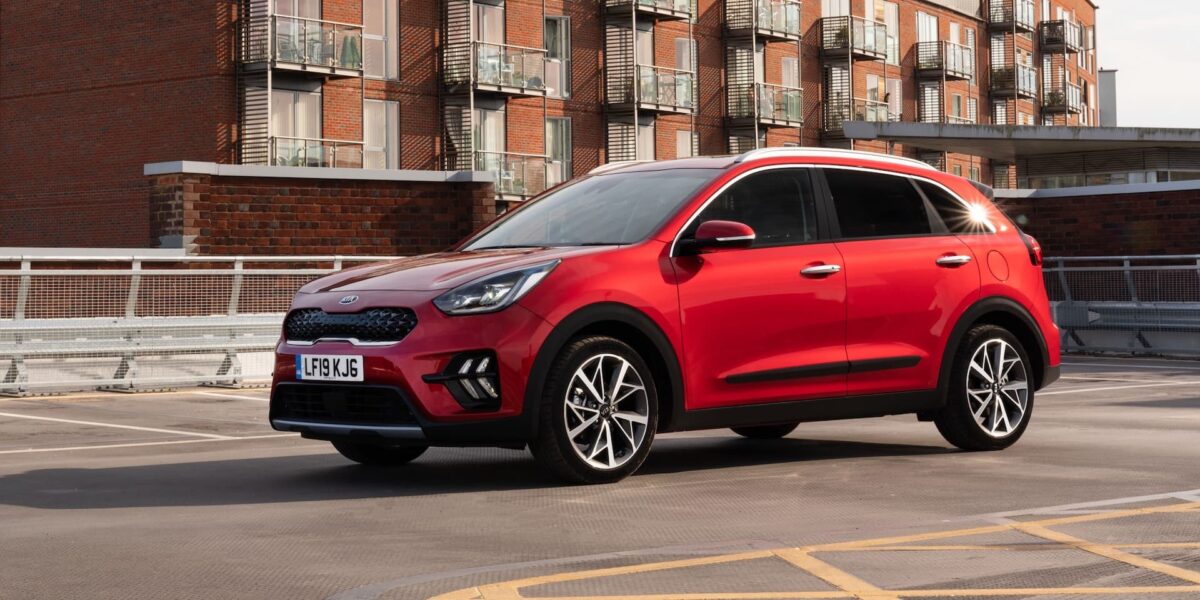
The second generation of the Kia Niro crossover has been revealed in Korea, retaining its line-up of hybrid, plug-in hybrid, and all-electric powertrains.

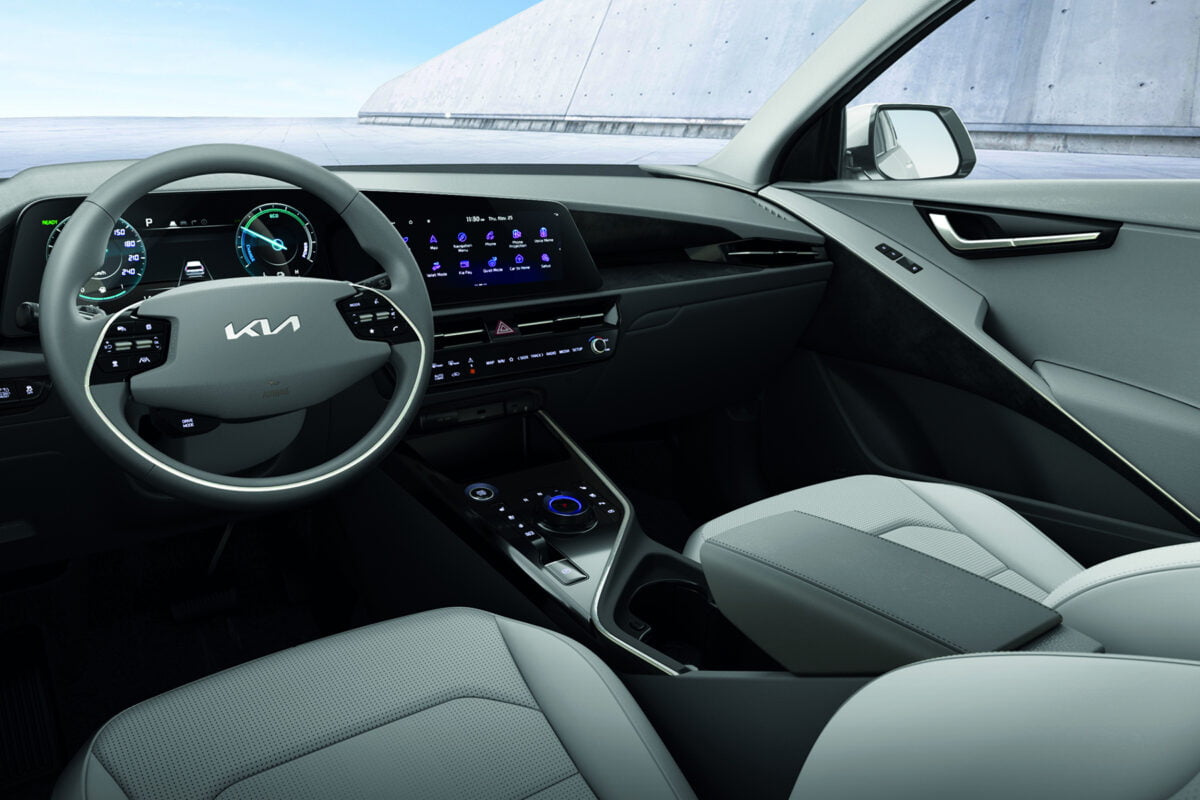
Kia claims that the Niro line-up, including the e-Niro, has been rebuilt from the ground up, featuring an entirely new exterior design and cabin interior, including new on-board tech features that the manufacturer has added to boost sustainability across the range.

This new generation comes just six years after the Kia Niro first arrived in the UK, and sits between the smaller Stonic and larger Sportage in the Kia SUV family.

The exterior styling of the 2022 Kia Niro takes its inspiration from the Habaniro crossover concept from 2019, providing a substantial evolution of Kia’s signature ‘tiger face’ grille. The rear pillars have been widened, which Kia says improves the SUV’s aerodynamics, and matches the new vertical wing-shaped tailights.

Sustainability is front and centre in the sales brief for the new Niro, with water-based paint used to cut out petrochemicals on the door panels, while recycled materials have been used to construct the interior trim. The headlining fabric on the underside of the roof is made from recycled wallpaper, while the seats have been made using eco-friendly fabric and coating materials extracted from eucalyptus leaves.

Bringing the Niro up to date with newer Kia models like the EV6, the curved dashboard redesign adds a new infotainment console, shaped to fit the diagonal lines on the dash.

Other new tech additions include interior lighting, an electronic gear shift dial, and what Kia calls ‘Greenzone Drive Mode’, which is available exclusively for the plug-in hybrid version. This new software takes cues from the navigation system and driving history data to switch between combustion and electric power where appropriate, with the aim of reducing pollution around ‘green zones’ like residential areas, schools and hospitals.

Kia has not released any specifics about the new Niro’s engine line-up, and there there is currently no word as to whether Kia has improved the battery range of the all-electric e-Niro; the 2019 model able to travel a maximum of 282 miles on a full battery.

Prices for the the second generation of the Niro are also expected closer to its UK launch, sometime in 2022.

The current model of the Kia Niro, which holds an Expert Rating of 62%, was one of the UK’s best selling cars in October, and is likely to continue to add to its impressive sales record into the new year. The Kia e-Niro EV stands as the top-ranked small SUV in our index of more than 300 new cars, with an Expert Rating of 84%.

Genesis G80 (2021 to 2024)

Summary

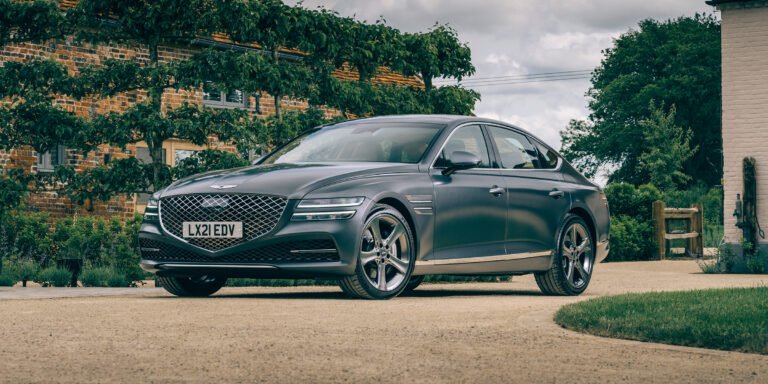
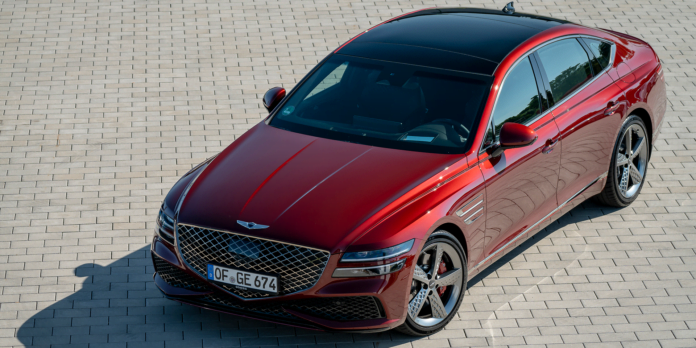
The Genesis G80 was a large executive saloon that arrived in the UK in Autumn 2021, looking to challenge the likes of the Audi A6, BMW 5 Series and Mercedes-Benz E-Class. It was discontinued in 2024 as the brand shifted to 100% electric models.

Genesis is a spin-off upmarket brand owned by Hyundai, and the G80, alongside the GV80 SUV, was its first foray into the European automotive market after successes in Asia and the USA.

The G80 range offered two engine options to potential buyers; a 304hp 2.5-litre turbocharged petrol engine or a 210hp 2.2-litre diesel unit, both versions fitted with an eight-speed automatic gearbox. An electric version – called the Genesis Electrified G80 – is now available and we have a separate Expert Rating page for that model.

The Genesis G80 received a wide range of review scores, ranging from excellent to mediocre, with reviewers often singling out the saloon’s upmarket interior trim and the brand’s ownership care plan and warranty for particular praise.

“The Genesis G80 is an accomplished proposition with a distinct design, knockout interior, lots of well-integrated tech and a strong customer focus”, Car explained. “Unfortunately, that’s the opposite of the engine line-up, with a petrol engine that’s off the pace, a diesel whose time has passed, and no electrification yet.”

Company Car Today concluded its review by stating, “The Genesis G80 is off the pace in a lot of areas, such as tax, ride quality, headroom, boot space and efficiency, compared to established rivals.”

As of February 2026, the Genesis G80 holds a Used Car Expert Rating of D, with a score of 57%.

G80 highlights

  • Luxury interior trim
  • Five years of free servicing
  • Stylish exterior
  • Good equipment levels

G80 lowlights

  • Smaller boot than rivals
  • Rather rigid ride comfort
  • Poor fuel economy

Key specifications

Body style: Large saloon
Engines: petrol, diesel
Price: From £41,650 on-road

Launched: Autumn 2021
Discontinued: Summer 2024

Media reviews

Highlighted reviews and road tests from across the UK automotive media. Click any of the boxes to view.

Auto Express

Auto Trader

Business Car

Car

Carbuyer

Carwow

Company Car Today

Eurekar

Heycar

Motoring Research

Parkers

The Sun

Top Gear

Safety rating

Independent crash test and safety ratings from Euro NCAP

Overall score: 5 stars
Date tested: May 2021
Read the full Euro NCAP review

Adult protection: 91%
Child protection: 87%
Vulnerable road users: 77%
Safety assist: 91%

Eco rating

Independent economy and emissions ratings from Green NCAP

No eco rating

The Genesis G80 was not assessed by Green NCAP during its production life.

Reliability rating

Reliability data provided exclusively for The Car Expert by MotorEasy

No reliability rating

As of February 2026, we don’t have enough reliability data on the Genesis G80 to generate a reliability rating.

The Car Expert’s reliability information is provided exclusively to us using workshop and extended warranty data from our partner, MotorEasy, sourced from both official dealerships and independent workshops. 

As soon as MotorEasy has sufficient data on the G80, we’ll publish the results here.

Running cost rating

Clear Vehicle Data logo close crop

Monthly cost of ownership data provided exclusively for The Car Expert by Clear Vehicle Data

Fuel consumptionAverageScore
Petrol models31 mpgD
Diesel models44 mpgC
CO₂ outputAverageScoreVariationScore
Petrol models201 g/kmD
Diesel models164 g/kmD
Insurance groupAverageScoreVariationScore
All models44E

As of February 2026, we don’t have complete running costs for the Genesis G80. However, the data we do have shows that the G80 is an expensive car to own and run.

Emissions are average to poor, while insurance is expensive. We don’t have fuel economy data but, given the poor CO2 data, it’s unlikely to be good. We also don’t yet have servicing costs, so check back again soon.

Similar cars

If you’re looking at the Genesis G80, you might also be interested in these alternatives

Audi A6 | Audi A7 Sportback | BMW 5 SeriesDS 9 | Jaguar XF | Lexus ES | Maserati Ghibli | Mercedes-Benz E-Class | Tesla Model S | Volvo S90 | Volvo V90

More news, reviews and information about the Genesis G80 at The Car Expert

Everything you need to know about Genesis

Everything you need to know about Genesis

Genesis Electrified G80

Genesis Electrified G80

Genesis G80 gets sportier

Genesis G80 gets sportier

Can Genesis become a revelation?

Can Genesis become a revelation?

Buy a Genesis G80

If you’re looking to buy a new or used Genesis G80, The Car Expert’s partners can help you find the right car.

Motors 600x300

Find your next used car with Motors. Find out more

Auto Trader logo 600x300

Find your next new or used car with Auto Trader. Find out more

Carwow logo 600x300

Find your next new or used car with Carwow. Find out more

Audi RS 3

Summary

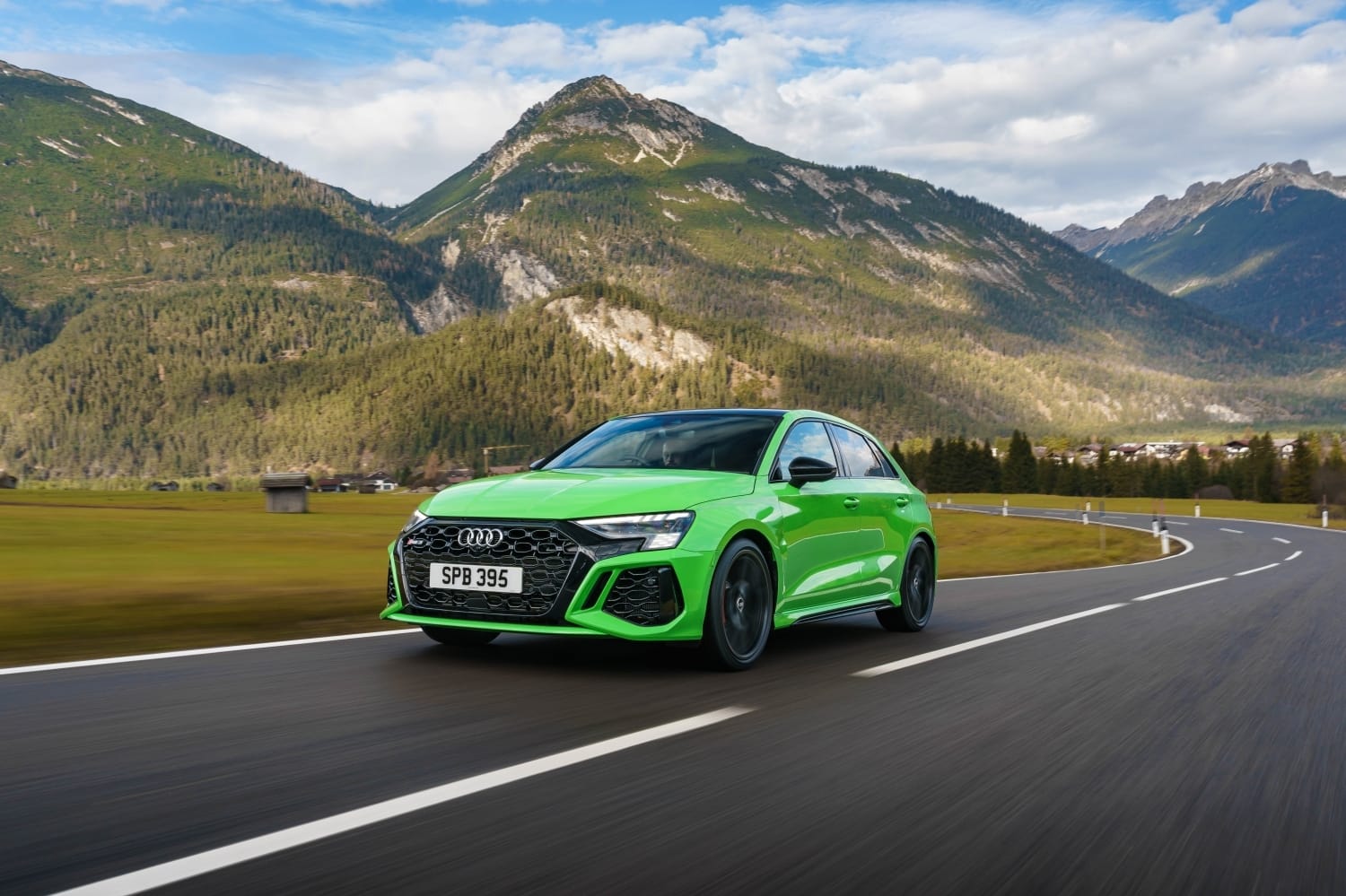
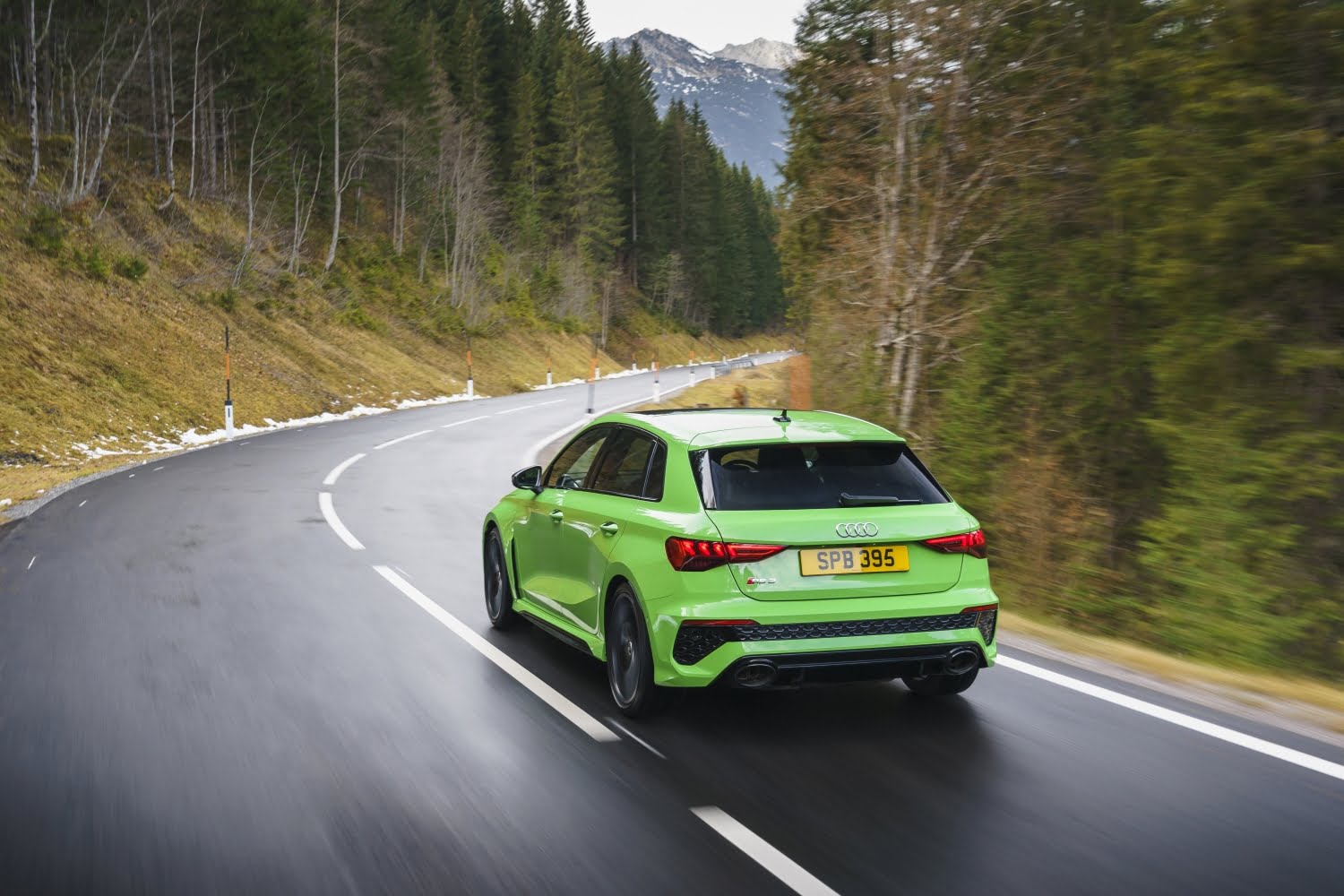
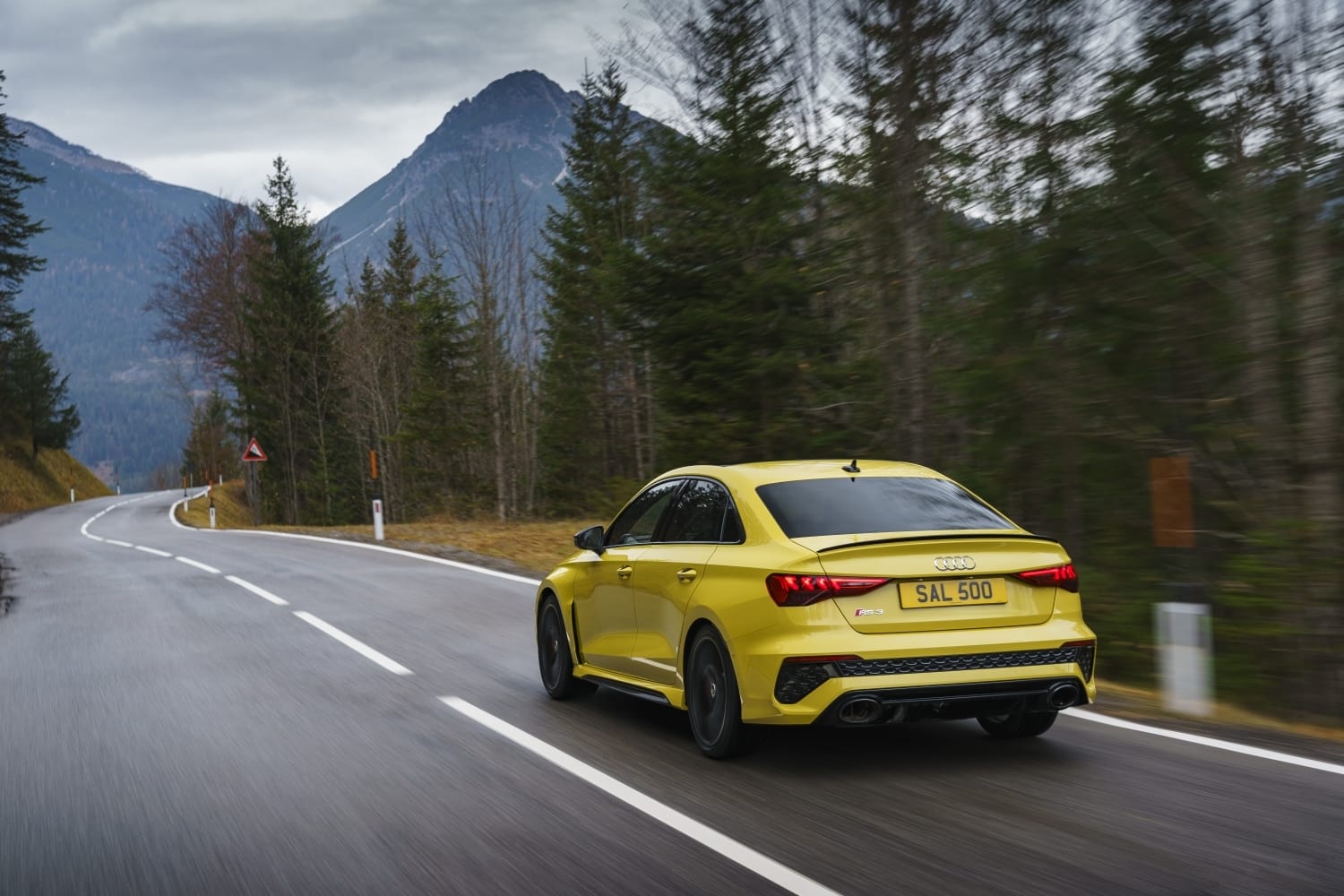
Now in its third generation, the Audi RS 3 is an upmarket performance model based on the regular Audi A3 range, available as both a five-door hatchback and a four-door saloon.

Arriving in late 2021, the RS 3 is the smallest member of Audi’s RS performance family. It has been warmly received by the UK media, with a large majority of road test reviews referring to the hatch rather than the saloon.

Reviewers generally conclude that, while the RS 3 is an impressive performance package, its price is rather steep for a hot hatch of this size. The cheapest version of the Audi RS 3 starts at nearly £50,000, which is significantly more expensive than other hyper-hatches of the same size, such as the Hyundai i30 N and Ford Focus ST.

However, the RS 3 provides speed and acceleration that can rival some sports cars; performance that the i30 N and Focus ST simply cannot match. Powered by the same five-cylinder 400hp engine used by the Audi TT RS, the RS 3 accelerates from rest to 60mph in 3.8 seconds. This pace means that, from a performance standpoint, the only strong rival the Audi RS 3 faces is the Mercedes-AMG A 45.

Reviewers also point to how well the car performs through corners too, compared to older iterations of the RS 3, and both the hatch and saloon versions have earned praise for their ‘engaging’ exterior styling.

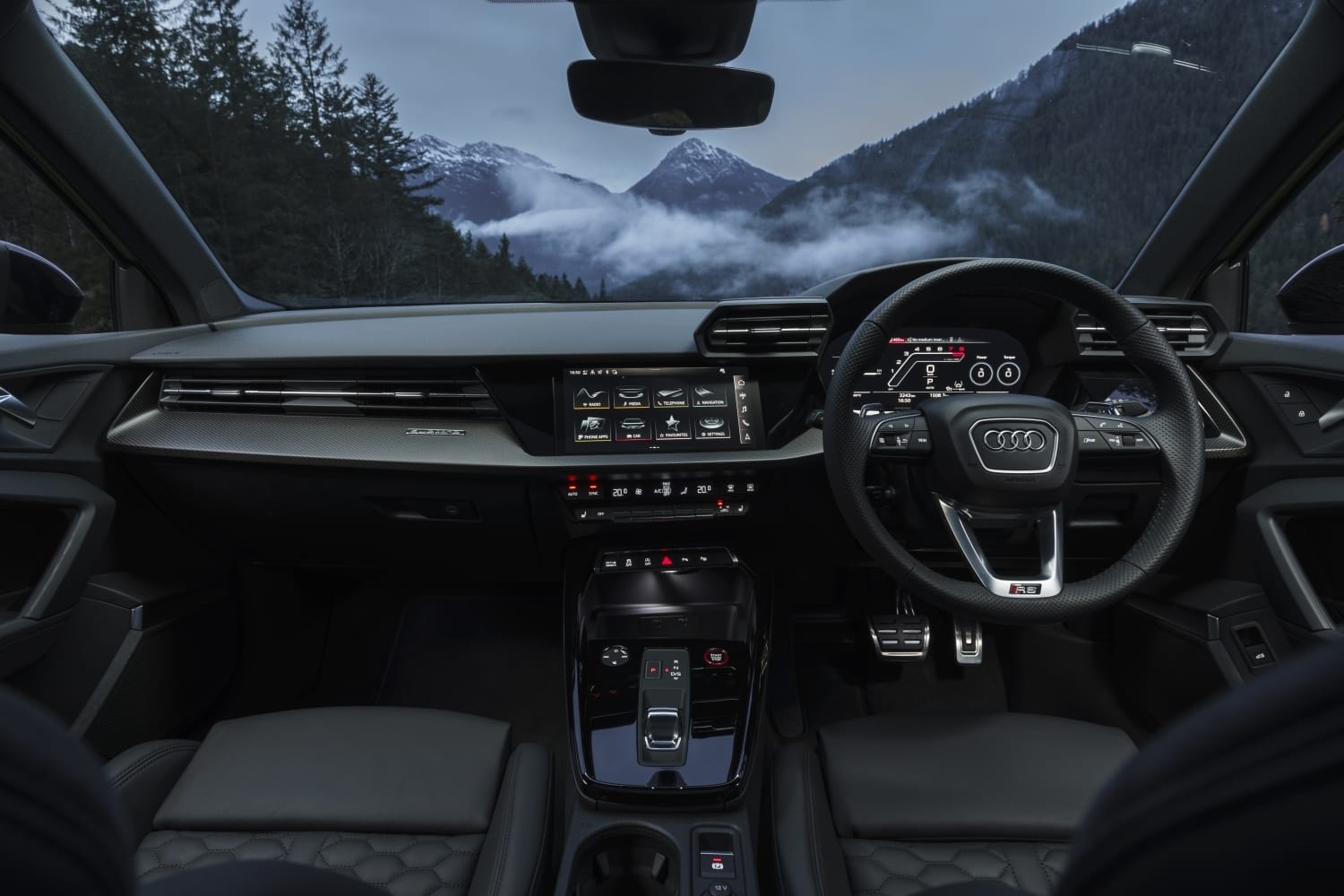
Finally, reviewers also comment that, while this is a class-leading performance model, it is still an Audi A3 at heart, being just as comfortable to drive as the wholesale model. Carwow explains: “The RS 3 isn’t hardcore all of the time, and can in fact settle down very nicely when you want it to. On the motorway, it feels comfortable and smooth – and you have that massive power on tap whenever you need it.”

As of February 2026, the Audi RS 3 holds a New Car Expert Rating of C with a score of 63%. This score is currently eight points lower than the score held by the standard Audi A3.

RS 3 highlights

  • Quality interior trim
  • Class-leading hot hatch performance
  • Comfort that other hot hatches can’t match
  • Five-cylinder engine sounds great

RS 3 lowlights

  • Less storage space than the regular A3
  • Expensive base price, trims and options
  • Cheaper alternatives are more agile
  • So-so fuel economy

Key specifications

Body style: Medium five-door hot hatch and sports saloon
Engines: petrol
Price: From £49,415 on-road

Launched: Winter 2021/22
Last updated: N/A
Replacement due: TBA

Media reviews

Highlighted reviews and road tests from across the UK automotive media. Click any of the boxes to view.

Car

Car Keys

Carbuyer

Carwow

Evo

Heycar

Honest John

Parkers

The Sunday Times

The Telegraph

Top Gear

Safety rating

Independent crash test and safety ratings from Euro NCAP

Overall score: 5 stars
Date tested: November 2025
Read the full Euro NCAP review

Adult protection: 86%
Child protection: 81%
Vulnerable road users: 76%
Safety assist: 74%

The Audi RS 3 has not specifically been assessed by Euro NCAP, but it shares its safety rating with the regular Audi A3 range, which was most recently tested in late 2025 and awarded a five-star rating.

Eco rating

Independent economy and emissions ratings from Green NCAP

No eco rating

The Audi RS 3 has not been assessed by Green NCAP. If it happens, we’ll publish the results here.

Reliability rating

Reliability data provided exclusively for The Car Expert by MotorEasy

All data based on MotorEasy average workshop costs for extended car warranty claims

The Audi A3 family (including the RS 3) has a below-average reliability score of 56%, according to workshop data provided exclusively to The Car Expert by our partner, MotorEasy.

Based on extensive data, the A3 has had issues across all the major mechanical systems (engine, gearbox, fuel system, suspension, brakes and electrics) with an average repair bill of about £650. Unsurprisingly, gearbox repairs tend to be the most expensive, with an average bill of nearly £1,500.

If you own an Audi RS 3 or are looking at buying a used RS 3, it’s worth considering a used car warranty that covers all these major areas.

Running cost rating

Clear Vehicle Data logo close crop

Monthly cost of ownership data provided exclusively for The Car Expert by Clear Vehicle Data

Fuel consumptionAverageScore
Petrol models31 mpgD
CO₂ outputAverageScoreVariationScore
Petrol models211 g/kmD
Insurance groupAverageScoreVariationScore
All models37D
Service and maintenanceCostScore
Year 1£501E
Year 2£1,187E
Year 3£1,846E
Year 4£2,185E
Year 5£2,961E
Overall£8,680E

The Audi RS 3 is an expensive car to own and run, according to whole-life cost numbers provided exclusively to The Car Expert by our data partner, Clear Vehicle Data.

The car’s fuel economy of 31 mpg is poor when compared to the average car’s fuel consumption, while servicing costs are also high. That said, insurance premiums are estimated to be just above the market average, which isn’t a bad deal for a premium hot hatch.

Awards

Trophies, prizes and awards that the Audi RS 3 has received

2022

  • News UK Motor Awards – Best Hot Hatch

Similar cars

If you’re looking at the Audi RS 3, you might also be interested in these alternatives

BMW M135i | Cupra Leon | Ford Focus ST | Honda Civic Type R | Hyundai i30 N | Mercedes-AMG A 35 | Mercedes-AMG A 45 | Renault Megane RS | Volkswagen Golf GTI

Buy a Audi RS 3

If you’re looking to buy a new or used Audi RS 3, The Car Expert’s partners can help you find the right car

Motors 600x300

Find your next used car with Motors. Find out more

Auto Trader logo 600x300

Find your next new or used car with Auto Trader. Find out more

Carwow logo 600x300

Find your next new or used car with Carwow. Find out more

Lease a Audi RS 3

If you’re looking to lease a new Audi RS 3, The Car Expert’s partners can help you find a competitive deal

Leasing-com logo

Personal contract hire deals from Leasing.com. Find out more

Carparison 600x300

Personal contract hire deals from Carparison Leasing. Find out more

Select Car Leasing logo

Personal contract hire deals from Select Car Leasing. Find out more

Alpine A110 coupé range updated

0

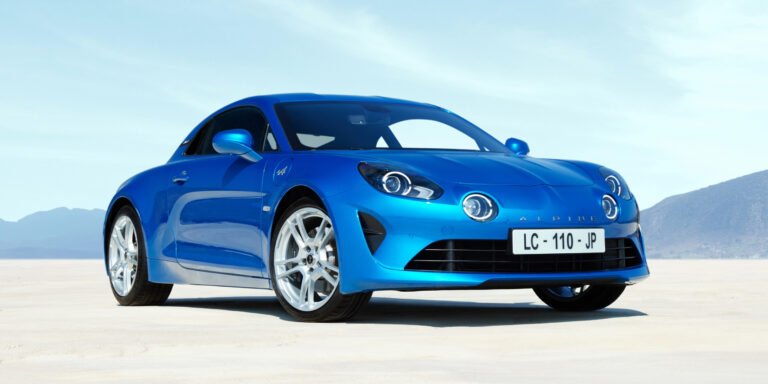
Alpine has unveiled a mid-life facelift for its A110 sports coupe, with Renault’s spin-off performance brand adding some power upgrades along with new infotainment systems and some detail changes.

As previously, the range consists of three versions of the two-door coupe, but they have been renamed. The former entry-level Pure and Légende grades are replaced by plain A110 and GT, while the range-topping S remains.

All three versions retain a 1.8-litre turbo petrol engine, matched to a seven-speed automatic gearbox driving the rear wheels. The A110 remains at its previous 252hp power level but the GT and S models have undergone software recalibration, boosting their output to 300hp.

The Alpine A110 entry model has undergone minor changes to make it slightly lighter, weighing in at 1102kg and costing from £49,905.

The A110 GT is pitched as a luxury model, while the A110 S is aimed at drivers wanting sportier performance. GT versions offer 300hp and a 4.2-second 0-62mph time, with pricing starting from £59,355.

While having the same power output as the GT, the S includes a bespoke tuned chassis and can optionally be specified with semi-slick tyres and a carbon-fibre aero kit. This includes a large rear spoiler which, according to Alpine, significantly improves the S model’s credentials as a track day car, the revised aerodynamics adding 60kg of downforce to the front and 81kg at the rear. S versions cost from £59,955 with the aero kit adding £4,650 on top.

Common to all three versions is a new infotainment system based on a seven-inch touchscreen. The unit offers Android Auto and Apple CarPlay smartphone compatibility along with built-in navigation and voice recognition.

Versions fitted in the S grade also include telematics, providing information on such aspects as turbo boost pressure, gearbox temperature and acceleration, as well as including a chronograph for timing laps at track days.

The Alpine A110 competes against the likes of the Audi TT and Porsche 718 Cayman. As of November 2021, the A110 holds an outstanding Expert Rating of 88%, which is one of the highest in our index of over 300 new cars.

An all-new version is expected to launch in 2025, developed with in collaboration with sports car manufacturer Lotus.

Volkswagen T-Roc refresh set for Spring arrival

0

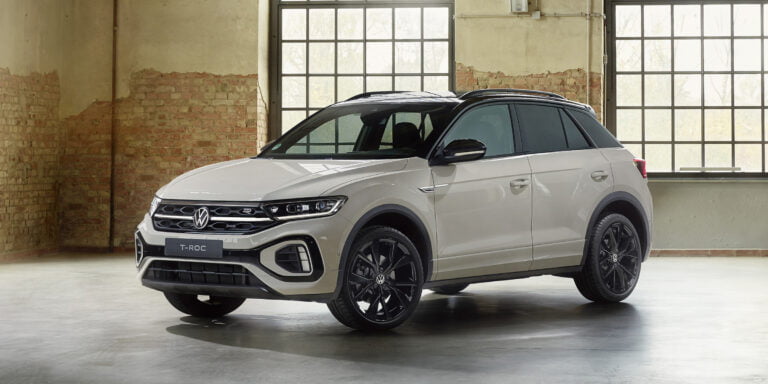
Volkswagen has revealed a mid-life facelift for its small T-Roc SUV/crossover, featuring a sharper exterior and new tech additons carried over from its range of more expensive models.

The T-Roc refresh, applying updates to the regular SUV, cabriolet, and high-performance T-Roc R model, is set to arrive in UK dealerships in Spring 2022.

Initially launching in Autumn 2017, The T-Roc sits between the slightly smaller T-Cross and the larger Tiguan in Volkswagen’s crowded SUV/crossover range, this revamp set to arrive around the same time as the introduction of the Volkswagen Taigo coupe-SUV.

The standard range remains an all-petrol line-up, with buyers able to choose from five engine options between 110hp and 190hp, with either a six-speed manual or seven-speed automatic gearbox. Meanwhile, the Volkswagen T-Roc R retains its four-cylinder 300hp petrol engine, available as an automatic only.

On the outside

The T-Roc has recieved a few styling tweaks in the front and rear, most notably more advanced LED headlamps and a new design for its wing-shaped LED brake lights. Also on show are sharper bumper designs and an illuminated light bar across the grille, all of these changes matching the style choices made for the recent facelifts of Volkswagen’s Polo and Golf hatchback ranges.

Volkswagen says that there wil be five new paint colours available, and that the T-Roc has 17-inch alloy wheels as standard. 19-inch alloys are an optional extra cost.

On the inside

The facelifted Volkswagen T-Roc has had a number of interior updates to tech and trim. In addition to the ten-inch digital cockpit display available as standard, Volkswagen has borrowed the steering wheel from the latest iteration of the Golf, also featuring touch-sensitive slider controls that were first introduced with the release of the all-electric ID range.

The refresh includes a tweak to the infotainment layout; the six-inch screen now protruding out of the dashboard. Customers can pay extra to upgrade to a nine-inch infotainment screen, as seen in the image below.

The 2022 T-Roc also comes with Volkswagen’s ‘Travel Assist’ package, which includes predicitive cruise control and lane assist.

The trim designs differ throught the range. The T-Roc R is fitted with sports seats, and leather upholstery is available as an optional extra.

Range and pricing

Apart from its fabric folding roof, the Volkswagen T-Roc Cabriolet is indentical to the standard T-Roc, both being available in the ‘Life’, ‘Style’ and ‘R-Line’ (different from the T-Roc R) trim levels.

The Style package adds the two-tone paintwork options, interior lighting and ‘convenience seats’, while the R-Line trim gets an additional sports package that allows you to select driving modes.

Currently holding an Expert Rating of 71% as of November 2021, the main criticism levelled against the pre-facelift Volkswagen T-Roc was its lack of interior quality when compared to pricier models in the Volkswagen range.

This set of design tweaks and tech additions has the potential to improve the T-Roc’s rating when the facelift is reviewed in coming months, but its rating is unlikely to change dramatically.

UK Pricing will be announced closer to the arrival of new T-Roc in Spring 2022.

Genesis G70 Shooting Brake pricing announced

0

Genesis has revealed UK prices for the G70 Shooting Brake, the fifth model announced by the upmarket arm of Hyundai since its European launch earlier this year.

UK pricing for the Shooting Brake, a sleek estate version of the G70 saloon, will start at £35,250.

The model, which Genesis Motor Europe managing director Dominique Boesch says has been designed specifically for European customers, will target some of the biggest selling German-produced cars in the executive sector, including the Audi A4 Avant, BMW 3 Series Touring and Mercedes-Benz C-Class estate.

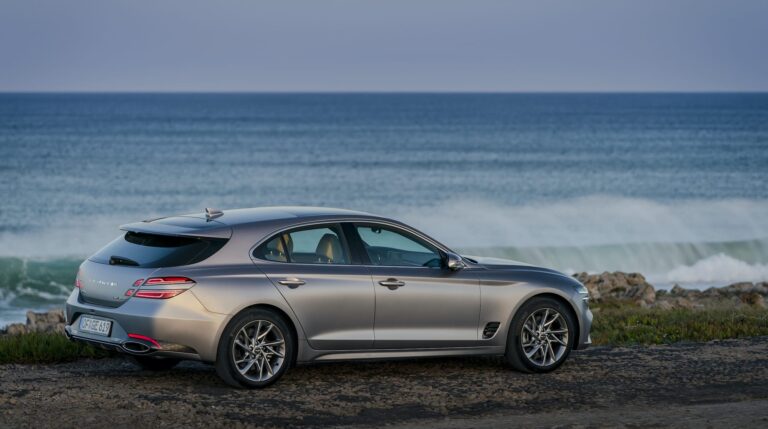
The Shooting Brake is identical to the G70 saloon as far as the central door pillar, and unlike most estate models does not have side windows after the rear doors. The rear roof profile is also raked giving the car a much sportier profile than typical estates.

Genesis adds, however, that the car will still offer greater practicality, with boot space increased by 40 litres over the G70 saloon to 465 litres and 1,535 litres with the seats folded.

Initially, at least, the G70 Shooting Brake will only be offered with traditional engines with no plans for electrification. The choice lies between a 2.0-litre petrol with either 197 or 245hp or a 2.2-litre diesel with 200hp, both driving the rear wheels through an eight-speed automatic transmission.

The G70 saloon is also available with a 3.3-litre V6 petrol unit and all-wheel-drive, but this option has not been announced for the Shooting Brake.

As with the saloon three trim levels will be on offer, dubbed Premium, Luxury and Sport with the lower-powered petrol version only available in Premium specification. Diesel variants start from £37,600.

Full details of each trim level and any options packages are still to be announced but like other Genesis cars the price of all Shooting Brake models will include a ‘Five-Year Plan’ including aftersales care with home collection and delivery and a five-year warranty.

How to deal with aquaplaning

What is aquaplaning? Although it sounds like an extreme water sport, it is a very dangerous phenomenon which can occur on a very wet road.

Aquaplaning is a sudden loss of grip while driving on a wet surface. It occurs when there is too much water between the tyre and the road, causing the tyre to lose contact with the road surface.

Every driver should be aware of this danger as it leads to the momentary loss of the steering control over the vehicle. It generally occurs at higher speeds, such as on a motorway, but can occur at lower speeds as well if the road is wet enough and your tyres are lacking grip.

Dealing with aquaplaning

The period of aquaplaning lasts usually about two seconds. When it happens, remember to follow this simple advice:

  • Stay calm and don’t panic
  • Take your foot off the accelerator
  • Don’t brake or accelerate, just let the car coast for a few seconds
  • Hold the steering wheel firmly (don’t make any sudden movements)

Keep these simple rules in mind and you are bound to feel contact with the road again in a short moment.  If the tyres are not in contact with the road then you won’t have any steering control, so it’s important to keep the wheel still and wait for the tyres to regain their grip.

Preventing aquaplaning

Don’t wait for aquaplaning to occur and take precautions to minimise the risk. Here’s what you need to remember:

  • Always adjust your driving style to the weather and road conditions
  • Avoid puddles, wheel-ruts and holes on the road
  • Keep the correct tyre pressure (under or overinflated tyres can increase the risk of aquaplaning)
  • Make sure your tyre tread at least the legal minimum of 1.6 mm and preferably a lot more: the more tread your tyres have, the more grip you will get.

Timely tyre replacement

Reducing the risk of aquaplaning is a good reason not to prolong tyre replacement until the legal minimum of 1.6 mm tread depth is reached. Safety experts advise changing tyres when tread depth is less than 3.0 millimetres.

Generally speaking, the job of tread on a wet road is to push water aside from underneath the tyre. When the tread pattern is not deep enough, the risk of aquaplaning increases.

This article was originally published in May 2016. Last updated November 2021

Updated Volkswagen Polo GTI goes on sale

0

Sporting some new exterior styling updates and some on-board tech passed down from larger cars in the Volkswagen range, the facelifted Polo GTI is now available to order.

The revisions to the Volkswagen Polo GTI are part of a mid-life facelift for the whole sixth-generation Polo range. Regular Polo models have already arrived in the UK, with the updated GTI due to join them early in the new year.

There are no genuine surprises here. Volkswagen continues to target buyers who prefer their hot hatch to prioritise comfort and refinement over the more raucous driving excitement found in the likes of the Hyundai i20 N or Ford Fiesta ST.

Spot the difference: blue car is the original 2018 version, white car is the facelifted model.

Exterior styling tweaks

The most obvious new element of the Polo GTI’s styling is an LED headlight upgrade, with the lights now extending a little deeper into the bumper below. The red strip across the grille is now illuminated by a LED crossbar, these changes having already appeared on Volkswagen’s bigger and newer models, such as the facelifted Golf GTI and the ID.3.

The Polo GTI has also taken inspiration from the Golf GTI for its new bumper designs in the front and rear, and the rear LED headlights have a new shape, as they now extend further into the tailgate.

Wheels are the same size but with new patterns, with 17-inch alloy wheels as standard and 18-inch versions available at extra cost.

Under the hood

The updated Volkswagen Polo GTI is still powered by the same 2.0-litre petrol engine that was introduced for this model in 2018, but with some additional tuning changes to up the power output. The 2021 Polo GTI produces 207hp, 10hp more than both the 2018 Polo GTI and its key rival, the Ford Fiesta ST. As before, the only available gearbox is a seven-speed automatic transmission.

This means that the new Polo GTI has a slightly improved 0-60mph time of 6.5 seconds, which is incrementally better than the pre-facelift time of 6.7 seconds.

Interior and tech

Unsurpisingly, much of the Polo GTI’s interior remains the same as before, featuring the familar thatched pattern design on the seats and a red two-tone dashboard. However, the door panels and dashboard now get additional lighting.

The dashboard layout also remains identical, but the ten-inch digital display behind the steering column is now standard. Volkswagen has also added touch-sensitive buttons to the steering wheel to control speaker volume and other settings, similar to what you’ll find in the electric ID.3.

The Polo GTI now also features adaptive cruise control and lane self-centring for the first time. These features are packaged together in what Volkswagen calls ‘Travel Assist tech’. In a nutshell, it means that the car will steer itself as required to stay in its lane, even around bends, but you still need to keep your hands on the wheel.

Continuing its partnership with Beats Electronics, Volkswagen also offers a six-speaker Beats sound system as an optional extra for the Polo GTI. A panoramic roof and a wireless phone charging pad are other notable options also available for extra cost.

Pricing

The 2021 Volkswagen Polo GTI is now on sale in the UK with prices starting at £26,430, which is roughly £2,000 more than the pre-facelift version.

That also means that the Polo GTI is more expensive than its key competitors – the Hyundai i20 N is available from £24,995, while you can currently pick up a new (but soon to be faclifted) Ford Fiesta ST for £21,955.

With all the additional extras on offer added to the price, including a panoramic roof, 18-inch alloy wheels, heated seats, keyless entry, the Beats sound system and the upgraded ‘DiscoverPro’ infotainment package that allows you to surf the internet, the new Polo GTI can cost as much as £31,000. That’s more expensive than the bigger and more powerful Ford Focus ST.

As of November 2021, the current Polo GTI has an Expert Rating of 68%, which is some way behind the class-leading Ford Fiesta ST (86%) and the Hyundai i20 N (85%). With a bit more kit but no real changes to the way the car drives, we don’t expect the facelift to bring the Polo significantly closer to the class leaders.

What to look for when buying a used EV

Electric vehicles (EVs) have, in a very short time, gone from a quirky niche product to a genuine option for many new car buyers. Car industry body the Society of Motoring Manufacturers and Traders (SMMT) says that, in 2021, more new EVs and plug-in hybrids will be registered than in the whole of the decade from 2010 to 2019.

Many of the fears that have previously put off potential EV buyers, such as range anxiety and battery longevity, appear to be receding. Charging infrastructure remains a concern, but a lot of work is being done to improve this around the country.

Initial costs for new EVs are still high, with most models priced at more than £30,000, but the purchase or leasing cost is offset by much lower running costs.

And as more and more new EVs have appeared on our streets, there has been an inevitable follow-on in the growth of used EVs. The choice of cars is still fairly limited, but it is growing rapidly and gaining more options. But is buying a used EV a good idea?

Yes it can be, but you need to buy carefully. Obviously when considering a used EV you should do all the things you should when buying any used petrol or diesel car. But there are also several specific things you need to factor in when buying electric.

Where to buy

Firstly, where should you buy a used EV? If you are after a particular model then a main dealer could be a first port of call, as they will be increasingly taking in and re-selling trade-ins as owners update their cars. They will also have intimate knowledge of the model having sold it in the first place and be able to advise on various EV specific-questions that you may need to ask.

Main dealers are also, of course, the most expensive option. Independents and online suppliers dealing in used vehicles are now paying increasing attention to EVs, while it is worthwhile checking out the growing number of EV-specific independent outlets – they deal only in electric models so generally know a lot about them, and they can offer a range of different models to choose from, not just from one manufacturer.

Buying direct from a private seller remains the cheapest option, though as with i/c cars it comes with risks of potential hidden issues with the car and no comeback once you’ve bought it. However this can be slightly less of an issue with

Service history

Regardless of what’s powering your car, it’s important to know that it’s been properly serviced and maintained by the previous owner(s).

EVs are significantly simpler mechanically than are traditional cars and more reliable as a result – there are no engine, fuel system, traditional transmission or exhaust systems to wear out or go wrong.

However, there are specific areas to pay close attention to. Software updates are important to EVs, so you need documented evidence they have been applied. The car’s documentation will also show exactly which model of car you are looking at, vital as we will explain shortly.

Tyres and brakes

While there is far less mechanically to look out for during a test drive, tyres and brakes are vital areas. EVs are heavy due to having to the weight of the battery, so wear on the rubber, the brake pads and discs needs to be checked closely.

Most EVs also have some form of battery regeneration – during deceleration and braking the electrical energy produced is fed back into the battery to help replenish it. There will often be three or four settings and the difference in feel between them on the road is obvious, so try them all and make sure they are working correctly.

Model updates

The most focus when buying a used EV, however, surrounds the battery and its potential range. Generally, the newer the model the more battery range it is likely to have. This is mainly because the technology has been moving on quickly and driving ranges have been stretching as the electrical infrastructure is improved.

Even specific models can offer major differences in potential driving range due to changes during the life cycle, so it is important to do your homework.

For example, the Renault Zoe was first launched in 2013 with a ‘real-world’ driving range of less than 100 miles. A new and smaller motor offered in 2015 extended the range closer to 150 miles. Then, a year later, a new battery increased the Zoe’s potential range towards 200 miles. And in 2019 a new Zoe arrived with a more powerful motor, a bigger battery and a range of 245 miles.

As with petrol or diesel cars, updated models may sit alongside existing versions in a showroom, so the age of the car is not necessarily an obvious identifier to what battery capacity it has. The Zoe is a prime example of ensuring you know exactly which version of an electric car you are looking at.

Battery capacity is measured in kWh (kilowatt hours) – the larger the number, the bigger the battery.

Batteries not included?

One aspect you should be less worried about is declining battery performance over time. While the vast majority of EVs use lithium-ion batteries, they do not degrade significantly with use – the battery pack of an EV some years old will not have quite the same range as when new, but it will retain the vast majority of its capacity and not fall off a cliff as does the average battery in a laptop, tablet or phone.

This does throw up something else to check, however. Fears of battery fall-off in the early days did lead some manufacturers to offer two-part deals on their EVs – you bought the car but leased the battery, with an agreement that it would be replaced if its capacity fell below 70% of how it was when new.

Nissan and Renault both tried these schemes but dropped them when it became clear that battery degradation was not nearly the issue that had been feared – but if you are buying an older EV make sure it doesn’t have a leased battery otherwise you will find yourself with an extra monthly bill.

And finally on the subject of the battery, have another look at the documentation and specifically the warranty. EVs usually come with two warranties – the manufacturer’s standard one for the car, varying from three to seven years depending on badge, and a separate one for the battery. These are usually eight years and 100,000 miles, with again a commitment to replace the battery if it fails to hold its charge above 70%. You can also now get independent EV-specific warranties for older cars.

Charging

As well as having bigger and better batteries, newer EVs are also often able to charge faster than older ones. Again, this may be something that was upgraded during a car’s production cycle. If two cars have the same battery capacity but one can charge faster, that car will need less time plugged in every time you need to charge it.

Charging speed is measuring in kW, so look for this number when comparing used EVs. The larger the number, the faster it charges. However, batteries don’t always charge at a fixed rate as it depends on a number of factors, so a car with twice the charging rate won’t always charge twice as fast. But will be a lot faster most of the time.

You may also like: Charge for a charge – where can I power up my EV?

Cables

Make sure you check that all the charging leads supplied with the car are present and in good condition – you don’t need the extra bill of buying new ones.

One unhelpful element of EV ownership over the last decade has been a lack of consensus among car manufacturers of what sort of charging cables and plugs should be used. As a result, different cars came with different plugs and cables that were not necessarily compatible with a wide range of charging points.

With any EV, you can always charge from a conventional three-point plug (as long as you have the right cable), but the rate of charging is very slow. That means the larger the car’s battery, the longer it takes to charge. If you want your EV to be genuinely useful, you’ll need a cable that allows a faster charge.

Feeling the heat

Conventional petrol and diesel cars put out a lot of heat – in fact, more heat (and noise) than actual power. Most of the time, that’s simply wasted energy. But when it’s cold, the heat generated by the engine is used to help warm the cabin.

Because an electric motor is much more efficient than a petrol or diesel engine, it produces very little heat (and very little noise). Great for efficiency and for the planet, but not so good for warming you up in the middle of winter.

One of the best and most efficient ways to keep you warm on a cold winter’s morning is by heating the seats and steering wheel, while an electric heater gradually warms up the rest of the cabin. Some manufacturers have made these standard on their electric models, while others charged extra.

So if you’re looking at used EVs, keep an eye out for cars with heated seats and a heated steering wheel – and test them to make sure that they work.

Connectivity

Most electric cars have an app that allow you to connect your smartphone or tablet to your car. These apps will usually allow you to programme a pre-heating function, so you can turn on the heater half an hour before you intend to leave home, for example.

You can also check how much charge is currently in your battery, and some will even allow you to remotely unlock and start the car. Of course, you don’t want to rely on that in case the company’s global systems fail and you can’t start your car, so always best to still carry the car key…

You may also like: Preparing to go electric? You’ll need an app or two

Home plug-in

Finally, you will need to add on the cost of installing a charging point for your car at home – if you are in a position to charge at home, that is. Cut-price deals with charging point suppliers usually only come with new cars, so used car buyers generally have to cough up about £500 for a proper home wallbox. Charging from a regular three-point plug is almost never a viable long-term solution, so factor a home charging point into your budget.

It’s not as bad as it sounds, however. There are grants available under the Government’s OLEV scheme that can cover up to 75% of the cost of installing a home charger, but again you need to check carefully before committing as the scheme has a list of approved charge points and car models.

So is all the effort worth it? Yes, as it could enable you to join the switch to electric now, rather than waiting until you are forced to. As the move to electric cars gathers pace, the used market will continue to grow. Knowing what to look for when buying a used EV will help you find the best car for the best price.

Additional reporting by Stuart Masson

Hyundai and Kia concepts preview next-gen electric SUVs

0

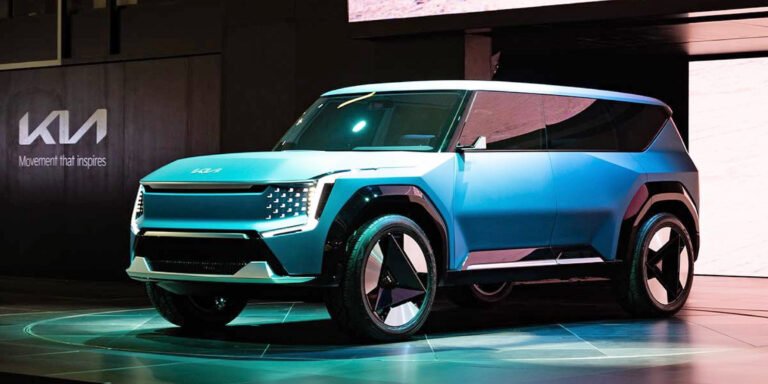
Two new all-electric SUV concept models have been on display at the Los Angeles motor show this week.

The Hyundai Seven and Kia EV9 both preview production models that the Korean sister brands are expected to launch by 2024.

The Seven will become the Ioniq 7, topping Hyundai’s bespoke electric range, while the Kia is expected to retain its EV9 moniker, slotting in above the recently launched Kia EV6.

Both concepts on display in Los Angeles are aggressively styled and would expect to be toned down somewhat for production, though Hyundai is hinting that its future electric vehicles will be innovative, “changing the paradigm of electric vehicle customer experiences.” Certainly the recently launched Ioniq 5 retained much of the styling of the 45 concept that preceded it.

The Seven concept boasts a streamlined low-looking roofline and steeply raked-back windscreen, though Hyundai adds that it is spacious within, thanks to the bespoke electric chassis that allows a 3.2-metre long wheelbase.

Access is easy too through ‘suicide doors’, which are rear-hinged with no central pillar, into what the car’s designers describe as “a more fluid interior layout”, furnished “like a premium lounge”. This includes a facility for the seats to swivel through 180 degrees.

The Kia EV9 takes a different approach, its size, upright stance and shape reminiscent of a Range Rover – the confident Korean brands will be targeting the likes of Land Rover and Volvo with their new SUVs, but offering upmarket electric motoring at a significantly lower price.

Like the Hyundai the EV9 concept boasts rear-hinged doors and seats that swivel, though it is thought many of these features are likely to be reined back for the production version.

Mechanically the two vehicles are similar and will remain so into production, using the group’s bespoke electric chassis that is also employed on the Kia EV6. They are likely to employ the largest 77kWh battery, as befits range-topping vehicles.

More top ratings awarded, but green tests to get tougher

Two cars have achieved a top five-star rating in the latest set of results by Green NCAP, but the environmental test body plans to make its ratings tougher to achieve in 2022.

Green NCAP is an offshoot of safety body the European New Car Assessment Programme (Euro NCAP), promoting the development of cars that are clean, energy efficient and not harmful to the environment. Since 2019 it has been giving new cars a star rating in similar fashion to Euro NCAP’s crash-test programme.

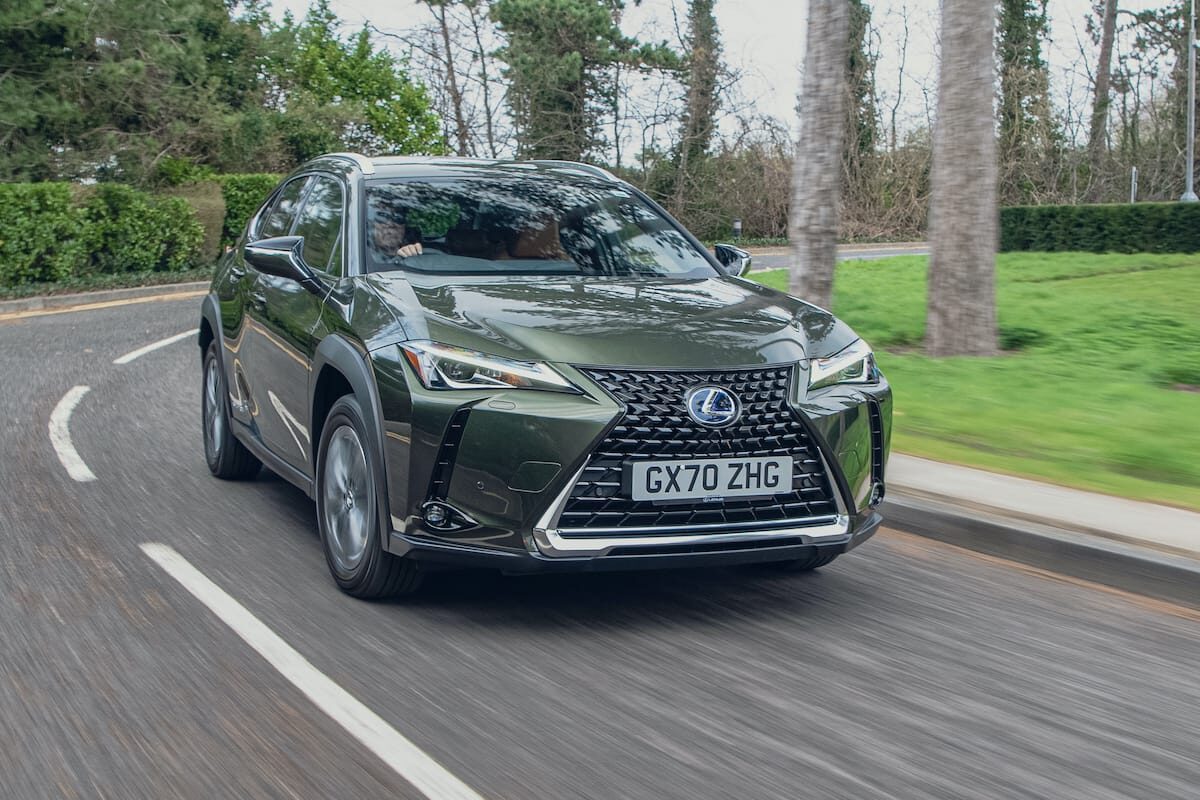
In the latest set of results, which is the final batch of tests for 2021, the Lexus UX 300e and Nissan Leaf e+, both full battery-electric cars, earned maximum five-star ratings.

The Lexus and Nissan were rated in the three sectors of performance in clean air, greenhouse gas emissions and energy efficiency – the two EVs only lost fractions of points in the energy efficiency category.

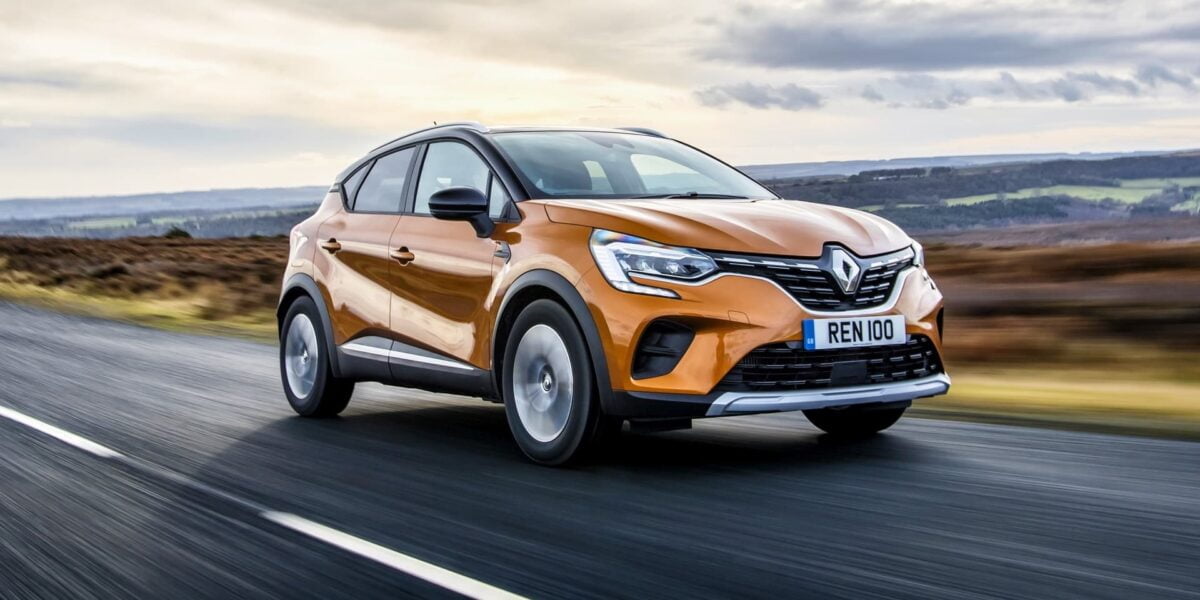
Plug-in hybrids the Renault Captur E-Tech and Volkswagen Golf 8 GTE achieved 3.5 stars and the diesel-engined Audi A3 Sportback 35 TDI gained three stars, a result Euro NCAP described as creditable.

Commenting on the results recorded by the two PHEVs, Green NCAP accepted that plug-in hybrids perform at their best with fully-charged batteries, but both cars also have efficient after-exhaust treatment systems, cutting emissions when running on their petrol engines.

The Audi diesel performed very well in the clean air and energy efficiency tests but was let down by its greenhouse gas emissions. “Nevertheless, a rating of three Green NCAP stars is a solid performance for a traditional, diesel powered car,” testers commented.

In announcing its results Green NCAP also revealed plans to change the current criteria for cars which is based solely on tailpipe emissions.

From 2022 Green NCAP will base its tests on ‘well-to-wheel’, taking account of the environmental impact of producing the electricity for EVs. Green NCAP’s incoming technical manager Alex Damyanov admitted that looking only at tailpipe emissions flatters all-electric vehicles by ignoring the energy consumed in producing the electricity they use.

“Next year, we plan to also provide consumers with a total life-cycle analysis (LCA) which will allow them to see for themselves which car offers the cleanest mode of transport, depending on the use they make of the car, where their electricity comes from, where the vehicle is produced and how it is ultimately salvaged,” Damyanov said.

Should I consider a new diesel car? It could still make sense

This article is brought to you by

Hippo Leasing 600x300

Not so long ago, diesel was the fuel of choice for UK and European motorists, with government incentives citing its efficiency and low CO2 emissions to encourage uptake in the early 2000s.

Two decades later and diesel is now a dirty word due to a mix of emissions scandals and high NOx emissions reducing air quality. This has seen the fuel fall from favour in successive years since 2016, with a jaw-dropping 55% dip in 2020 as EVs and hybrids have clawed their share of the new car market. 

Is diesel the future of motoring? Absolutely not. Though a stricter Euro-7 emissions standard is being introduced in 2025, the fact is the sale of new petrol and diesel cars will be banned in the UK from 2030 meaning the future is definitely an electric and/or hydrogen one.

But in the here and now, have we jumped the gun on dismissing diesel outright? We’d argue yes as there are some situations where diesel is still your best engine choice when leasing a car. Here’s a reminder of when and why…

You should lease a diesel if… you drive long distance and want to save money

While electric car battery range is slowly improving, it’s nowhere close to the type of mileage you can do in a petrol or diesel car. So why does diesel get the edge over petrol when it comes to driving long distance? Superior fuel economy.

Compare the miles per gallon stats from the current Peugeot 208 as an example: the 1.2-litre 75hp petrol engine with a manual gearbox offers 53.6 miles per gallon, compared to the 71.4 mpg offered by its 1.5-litre diesel sibling with a manual counterpart.

You should lease a diesel if… you regularly deal with rough terrain

While the superior range of a diesel vehicle is one thing, it’s also important to factor in terrain. And while the popularity of crossovers and faux SUVs with petrol engines has grown, and the majority of EVs look like SUVs to account for their large battery, when it comes down to it only a diesel SUV or pick-up truck gives you the surety to cover rough terrain.

You’ll find that the vast majority of electric vehicles offer four-wheel drive, but its purpose is mainly to provide more traction on wet roads and boost acceleration, rather than get stuck in the mud or climb a hill. And do those two things seem like something you’d want to do in your pristine £82K Tesla Model X? We didn’t think so.

You should lease a diesel if… you need to tow anything

Torque is the key to a powerful tow car, and diesel engines generate more torque than petrol engines. This is important to ensure the car can pull easily from a stand-still and offer smooth performance and acceptable fuel economy when moving, all while hauling a heavy load behind.

But wait, don’t electric cars have maximum torque available instantly? Yes, but utilising this is likely to cut your battery capacity in half and radically reduce the distance you’re able to travel before needing to spend an hour or three recharging.

Add to that the large weight of electric vehicles and, by towing a heavy caravan or trailer, you are putting a lot more stress on the brakes and transmission than you would be in a diesel car.

You should lease a diesel if… you want no future concerns

With diesel having such a bad reputation now, and the impending ban on petrol and diesel sales, resale value and depreciation is likely to be a big concern for motorists. 

This plays into the benefits of car leasing as, because usership is emphasised over ownership, the burden of residual and eventual resale value lies with the leasing company.

On top of that, as you’re only leasing for a set period of time – be it as little as 12 months or as many as 48 – this allows you to reassess your changing vehicle needs more readily. It may be that a diesel makes sense for you to lease now, while at the end of your term you might want to consider an electric vehicle instead. 

You should lease a diesel if… you want less maintenance

Petrol engines have a lot of variables such as spark plugs and distributors, and the batteries in electric cars and hybrids require specialist technicians to maintain, while a diesel engine is pretty straightforward.

While regular oil and filter changes are important to keeping your diesel engine well maintained so that the fuel injection system doesn’t break down, there’s no need to have ignition tune ups like you would with a petrol car or suffer the inconvenience of travelling to a specialist or approved repairer if you have an issue with your EV. 

While there’s no ‘one size fits all’ answer to what type of engine is right for you in 2021, if there’s one aim of this article it’s to advise you not to completely dismiss diesel just yet. Yes, its time is numbered, but with the current Euro-6 engines producing the cleanest diesels ever, it still makes sense for a particular set of motorists. 

Get in touch with Hippo Leasing if you want to discuss new vehicle leases, or visit their website if you have more questions about whether car leasing is the right option for you.

This article was originally published on the Hippo Leasing website

Porsche Taycan Sport Turismo EV joins the family

0

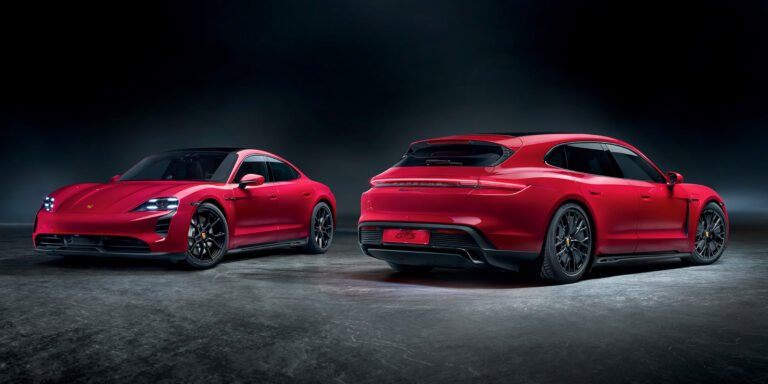
Porsche has unveiled a new version of its Taycan electric sports saloon with an estate body taken from its crossover-style Taycan Cross Turismo.

The Taycan Sport Turismo, revealed at the Los Angeles motor show, is ‘aimed at customers seeking a similar level of everyday practicality as that offered by the Taycan Cross Turismo, combined with the on-road performance of the Taycan sports saloon’, says manufacturer Porsche.

The third body style in the Taycan line-up offers rear-seat headroom 5cm higher than in the saloon, combined with a 1,200-litre boot. But it does without the raised suspension, gravel and loose surfaces driving mode and off-road styling add-ons of the Cross Turismo.

Debuting with the Sport Turismo in Los Angeles is a new powertrain level dubbed GTS, sitting between the existing 4S and Turbo versions. An identifier long used by Porsche, GTS is described as ‘the sporting all-rounder’ of the Taycan range, ‘with a specific focus on driver appeal and athletic style’.

Meeting these sporting credentials sees the GTS in both saloon and Sport Turismo style fitted with Porsche’s 93.4kWh Performance Plus battery as standard.

The car retains all-wheel-drive, the separate motors in the front and rear axles delivering a combined 598hp in overboost mode using the launch control feature. This enables the car to complete a 0-62mph sprint in 3.7 seconds. Range between charges is quoted at up to 312 miles.

Further GTS-specific features include bespoke tuning of the adaptive air suspension and the optional rear-wheel steering. The Porsche Electric Sport Sound feature offered with the Taycan is also specifically tuned for a sportier note.

Porsche dealers are already taking orders for Taycan GTS models at prices starting from £104,190 for the saloon and £104,990 for the Sport Turismo. The first deliveries are expected on UK roads in Spring 2022, and Porsche adds that further powertrain options for the Sport Turismo will join the range later.

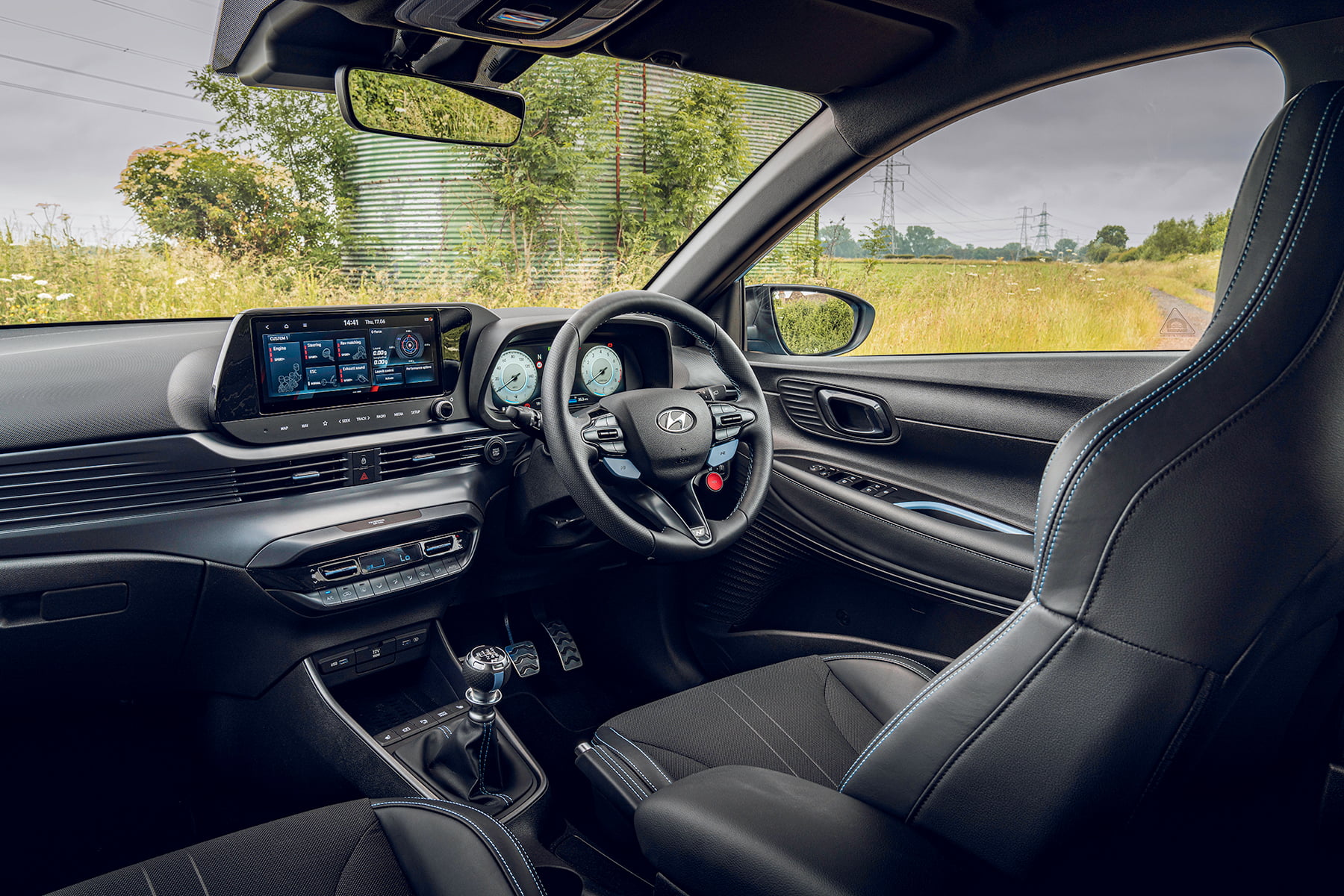
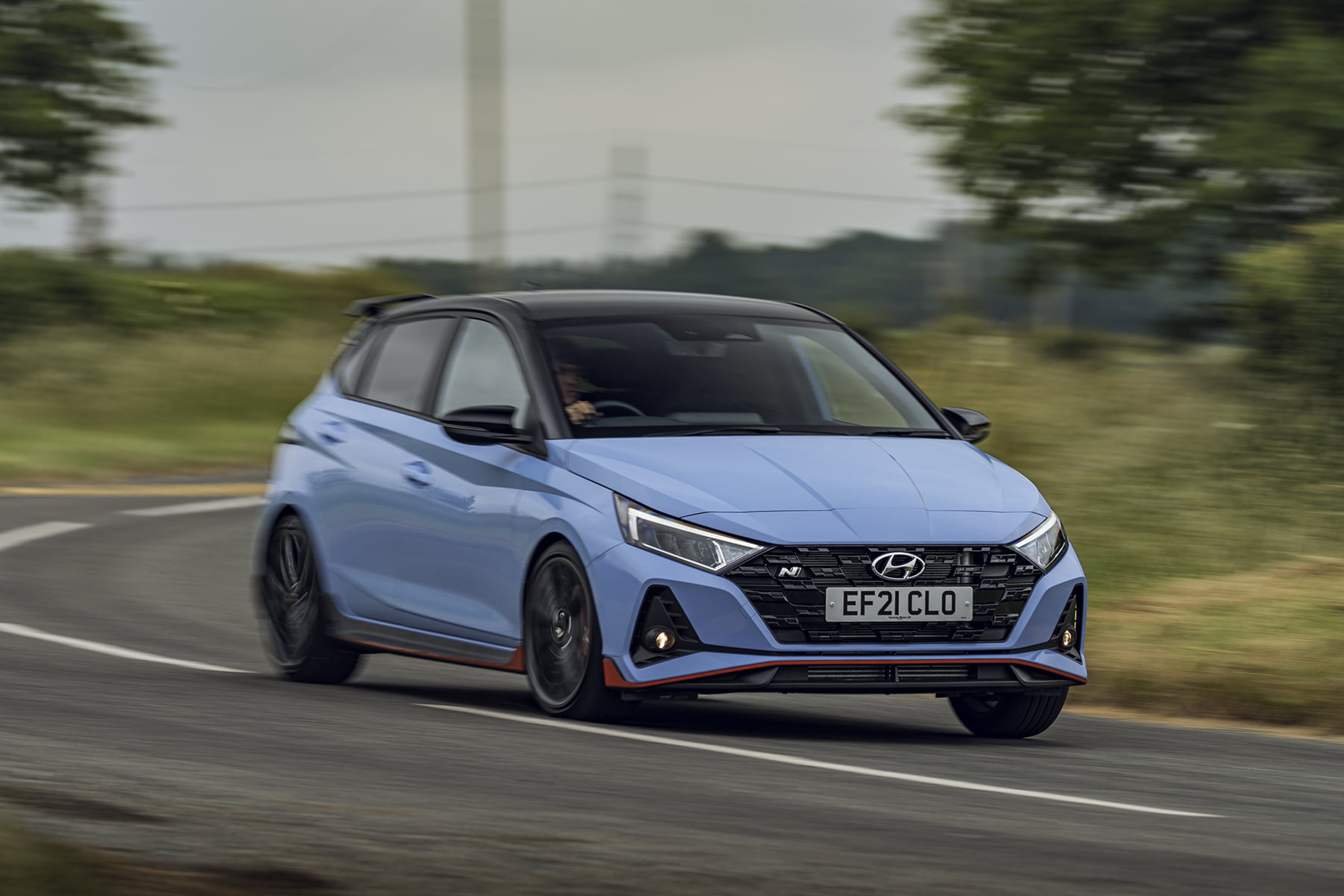
Hyundai i20 N

Summary

The Hyundai i20N was a hot hatch based on the normal i20 hatchback, and the entry-level model in Hyundai’s N subdivision of performance cars. It was sold in the UK between 2021 and 2024.

With the ‘N’ being a nod to the German Nürburgring circuit, the Hyundai i20 N was powered by a turbocharged 1.6-litre engine that produced 201hp, 46hp less than the next model up in the N range, the Hyundai i30 N. Other than the engine, the i20 N was far more agile than the regular i20 models, with notable improvements made to the chassis, suspension, brakes and steering.

Fitted with its own specifically designed turbocharger and intercooler system, the i20 N was almost half a second faster in a 0-62mph drag race (6.2 seconds) than its close rivals, theFord Fiesta ST and the Volkswagen Polo GTI.

This impressive pace did not go unnoticed. “This is a car of serious talent”, The Telegraph explains, “one with immense pace, a beautifully poised and precise chassis, and a nose that just won’t quit.”

The engine performance, body control and handling of this supermini, along with its long warranty, relatively cheap running costs, and good levels of standard equipment made the Hyundai i20 N a real highlight for the motoring media, although a number of reviews concluded that it wasn’t as ‘playful’ as the Fiesta ST while cornering.

Reviewers also found cause for concern when using the i20 N’s ‘sluggish’ infotainment, as well as its so-so ride comfort, with some of its hot hatch rivals being more comfortable to drive on a day-to-day basis.

As of March 2026, the Hyundai i20 N holds a Used Car Expert Rating of A, with a score of 77%. It scores highly in media reviews and has low CO2 emissions, while running costs are decent and the i20 range tends to be very reliable.

i20 N highlights

  • Pure hot hatch performance
  • Sharp handling and body control
  • Good levels of standard equipment
  • Excellent driving position
  • Suitable for track days and day-to-day driving

i20 N lowlights

  • Rather rigid ride comfort
  • Infortainment lags behind rivals
  • Cheap interior trim in places
  • Sport driving mode makes the steering heavy

Key specifications

Body style: Small three-door hot hatch
Engines: petrol
Price: From £25,250 on-road

Launched: Autumn 2021
Discontinued: Summer 2024

Media reviews

Highlighted reviews and road tests from across the UK automotive media. Click any of the boxes to view.

Featured reviews

More reviews

Auto Trader

Car

Carbuyer

Carwow

Heycar

Honest John

Parkers

The Sun

The Sunday Times

The Telegraph

Top Gear

Safety rating

Independent crash test and safety ratings from Euro NCAP

Overall score: 4 stars
Date tested: September 2022
Read the full Euro NCAP review

Adult protection: 76%
Child protection: 82%
Vulnerable road users: 76%
Safety assist: 67%

Notes on safety rating

The Hyundai i20 N shares its safety rating with the regular i20 range.

Eco rating

Independent economy and emissions ratings from Green NCAP

No eco rating

The Hyundai i20 N was not assessed by Green NCAP during its production life.

Reliability rating

Reliability data provided exclusively for The Car Expert by MotorEasy

All data based on MotorEasy average workshop costs for extended car warranty claims

The Hyundai i20 family has a good reliability record, according to workshop and warranty data provided exclusively to The Car Expert by our partner, MotorEasy. This score applies to all i20 models (including the i20 N) from the current generation, as well as previous models (before 2020).

The most common problem are reported by workshops for the i20 is the braking system. Fortunately, the average repair price is about £200. Gearbox repairs have been the most expensive to date, averaging nearly £800 to fix, but these are thankfully rare.

Running cost rating

Monthly cost of ownership data provided exclusively for The Car Expert by Clear Vehicle Data

Fuel consumptionAverageScore
Petrol models49 mpgC
CO₂ outputAverageScoreVariationScore
Petrol models133 g/kmB
Insurance groupAverageScoreVariationScore
All models18A
Service and maintenanceCostScore
Year 1£198B
Year 2£509B
Year 3£820B
Year 4£1,030B
Year 5£1,338B
Overall£3,895B

The high-performance Hyundai i20 N is a relatively affordable car to own and run, according to whole-life cost numbers provided exclusively to The Car Expert by our data partner, Clear Vehicle Data.

The car’s fuel economy sits at around the market average, which is good for a petrol-powered performance model, and its insurance premiums are in one of the cheapest brackets. In addition, the Hyundai should be cheap to service and maintain over the course of five years of ownership.

Awards

Trophies, prizes and awards that the Hyundai i20 N has received

2023

  • Carbuyer Awards – Best Hot Hatchback

2022

  • Carbuyer Awards – Best Hot Hatchback

2021

  • Auto Express Awards – Best Hot Hatch
  • Carbuyer Awards – Best Hot Hatchback
  • Scottish Car of the Year Awards – Best Hot Hatch
  • Top Gear Awards – Car of the Year + Best Performance Car
  • Top Gear Speed Week – Competiton Champion

Similar cars

If you’re looking at the Hyundai i20 N, you might also be interested in these alternatives

Ford Fiesta ST | Hyundai i30 N | Mini Cooper S | Mini hatch John Cooper Works | Suzuki Swift Sport | Toyota GR Yaris | Volkswagen Polo GTI | Volkswagen Up GTI

More news, reviews and information about the Hyundai i20 range at The Car Expert

Everything you need to know about Hyundai

Everything you need to know about Hyundai

Hyundai i20 ‘N Line S’ trim now available

Hyundai i20 ‘N Line S’ trim now available

Pricing and specs for Hyundai i20 update

Pricing and specs for Hyundai i20 update

Hyundai rolls out i20 refresh

Hyundai rolls out i20 refresh

Honda Jazz named the UK’s most reliable used car

Honda Jazz named the UK’s most reliable used car

Hyundai i20

Hyundai i20

All-new Hyundai i20 pricing and specifications confirmed

All-new Hyundai i20 pricing and specifications confirmed

All-new Hyundai i20 breaks cover

All-new Hyundai i20 breaks cover

Revised Hyundai i20 on sale at £13,995

Revised Hyundai i20 on sale at £13,995

Hyundai i20 refresh adds dual-clutch gearbox

Hyundai i20 refresh adds dual-clutch gearbox

Brits don’t get personal with their cars

Hyundai announces scrappage and emissions offers

Hyundai announces scrappage and emissions offers

Buy a Hyundai i20 N

If you’re looking to buy a used Hyundai i20 N, The Car Expert’s partners can help you find the right car.

Motors 600x300

Find your next used car with Motors. Find out more

Auto Trader logo 600x300

Find your next new or used car with Auto Trader. Find out more

Carwow logo 600x300

Find your next new or used car with Carwow. Find out more

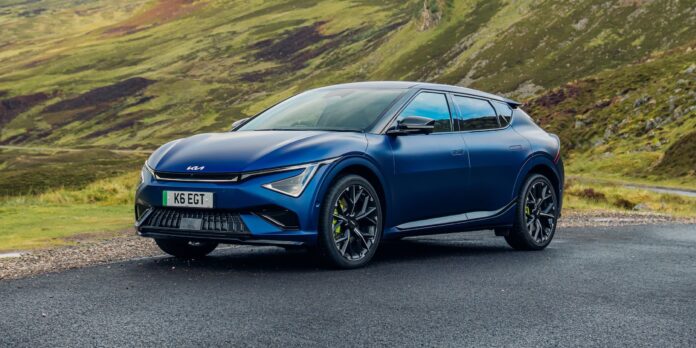
Kia EV6

The Kia EV6 was The Car Expert’s Car of the Year 2022.

Summary

Launched in 2021, the Kia EV6 is the Korean brand’s first production car that has been specifically designed as an all-electric model and is closely related to the Ioniq 5 from sister brand Hyundai. 

The EV6 debuts new and bold styling, available in single-motor, two-wheel-drive form or with dual motors and four-wheel drive. Depending which model you choose, the 2024 facelifted range stretches up to a battery range of 361 miles (depending on model). 

Like the Polestar 2 and Hyundai Ioniq 5, the Kia EV6 sits slightly higher than a regular petrol-engined car but lower than an SUV.

Reviews of the EV6 have been universally positive, the car earning very high praise and many awards – including The Car Expert’s Car of the Year 2022 title.

Auto Express describes it as “a little sportier and more dynamic” than its Ioniq sister; “the styling sets the tone with a swoopier, curvier look to its profile.” The Sun, however, argues that the EV6 is a “little more normal” than the Ioniq but adds “it does north of 300 miles between charges, drives well and has all the toys and luxury you would expect from a car at that price.”

For quite a large electric car, the EV6 is also quite sporty; “It really is excellent at dealing with those junction pull-aways and gap-threading,” says Top Gear, adding “it’s also quiet, calm and relaxing.”    

The electric-specific platform liberates more interior space but reviewers also like the design inside, especially the curved instrument panel. “It looks very smart, with as many interesting touches as the exterior,” says Carbuyer.

More ticked boxes for the standard-fit ultra-fast recharging capability. “Nothing in this price range can get close to its recharging speeds, that will overshadow everything else when you are on a journey in a hurry,” says Electrifying.com.

As of July 2025, Kia EV6 holds an excellent New Car Expert Rating of A, with a score of 82%. It scores top marks for its very positive media reviews, safety rating and seven-year new car warranty, while it also gets good grades for its overall running costs and safety rating.

EV6 highlights

  • Choice of excellent range or performance
  • Sprightly handling
  • Ultra-fast charging capability as standard
  • Well-designed and spacious cabin

EV6 lowlights

  • More expensive than similar Hyundai Ioniq 5
  • Slightly firm ride

Key specifications

Body style: Medium SUV/crossover
Engines: electric, battery-powered
Price: From £45,575 on-road

Launched: Summer 2021
Last updated: Autumn 2024
Replacement due: TBA

Media reviews

Highlighted reviews and road tests from across the UK automotive media. Click any of the boxes to view.

Featured reviews

More reviews

Auto Express

Auto Trader

Business Car

Car

Car Keys

Carbuyer

Discover EV

Driving Electric

Electrifying.com

Eurekar

Evo

Green Car Guide

Heycar

Honest John

Parkers

Regit

The Scotsman

The Sun

The Sunday Times

The Telegraph

Top Gear

Which EV?

Safety rating

Independent crash test and safety ratings from Euro NCAP

Overall score: 5 stars
Date tested: May 2022
Read the full Euro NCAP review

Adult protection: 90%
Child protection: 86%
Vulnerable road users: 64%
Safety assist: 87%

The Kia EV6 has received a full five-star rating from crash testers Euro NCAP, praised for its occupant protection features, and the long list of safety assistance features it has for avoiding a crash in the first place.

That said, Euro NCAP has given the EV6 a rather low vunerable road user score, as the car does not come with an ‘Active bonnet’ feature like other saloons – designed to mitigate the impact to a pedestrian’s head with the car’s bonnet in an accident.

Eco rating

Independent economy and emissions ratings from Green NCAP

No eco rating

As of July 2025, the Kia EV6 has not been assessed by Green NCAP.

The Green NCAP programme measures exhaust pollution (which is zero for an electric car) and energy efficiency. Electric cars are much more energy-efficient than combustion cars, so the EV6 is likely to score very highly in Green NCAP testing whenever it ever takes place. Check back again soon.

Running cost rating

Clear Vehicle Data logo close crop

Monthly cost of ownership data provided exclusively for The Car Expert by Clear Vehicle Data

Battery rangeAverageScoreVariationScore
EV models346 milesA
Electrical efficiencyAverageScoreVariationScore
EV models4.1 m/KWhC
Insurance groupAverageScoreVariationScore
All models37C
Service and maintenanceCostScore
Year 1£281B
Year 2£562B
Year 3£896B
Year 4£1,117B
Year 5£1,376A
Overall£4,232B

The Kia EV6 should be a reasonably cheap car to own and run, according to whole-life cost data provided exclusively to The Car Expert by our technical partner, Clear Vehicle Data. It’s also not surprising that running costs for the EV6 are almost identical to its closely related sibling, the Hyundai Ioniq 5.

Electrical efficiency (the EV equivalent of miles per gallon for a petrol or diesel car) is average, but decent battery sizes mean that the EV6 still gives plenty of range between charges – with all models offering an official driving range of at least 300 miles, and the 2024 facelift models offering more than 340 miles.

Insurance is middling, but servicing costs are better than average – and stay that way over the first five years, which is reassuring for both new and used EV6 buyers.

Reliability rating

MotorEasy logo 600x167

Reliability data provided exclusively for The Car Expert by MotorEasy

No reliability rating

As of July 2025, we don’t have enough reliability data on the Kia EV6 to generate a reliability rating.

The Car Expert’s reliability information is provided exclusively to us using workshop and extended warranty data from our partner, MotorEasy, sourced from both official dealerships and independent workshops. 

As soon as MotorEasy has sufficient data on the EV6, we’ll publish the results here.

Warranty rating

New car warranty information for the Kia EV6

Overall ratingA99%
New car warranty duration7 years
New car warranty mileage100,000 miles
Battery warranty duration8 years
Battery warranty mileage100,000 miles

Kia’s new car warranty is one of the best in the new car market, and better than pretty much any rival brands in a similar price bracket to the EV3.

The duration is seven years, with a limit of 100,000 miles. This is good news for both new and used car buyers, as it helps the residual value of the EV3 for new car buyers when they come to sell the car, and it gives near-new car buyers confidence that they are covered for years to come.

In addition to the overall new car warranty, battery components benefit from an additional eight-year/100,000-mile warranty. This is pretty much standard for all new EVs on sale in the UK, but is an extra reassurance that petrol and diesel cars don’t get.

If you’re looking to buy a used car that is approaching the end of its warranty period, a used car warranty is usually a worthwhile investment. Check out The Car Expert’s guide to the best used car warranty providers, which will probably be cheaper than a warranty sold by a dealer.

Recalls

Official DVSA safety recalls that have been issued for the Kia EV6

Date: May 2024
Recall number: R/2024/197
Model types: All
Build dates: 04/2021 to 02/2024
Number of vehicles affected: 16,611
Defect: On affected vehicles, the integrated charging control unit (ICCU) may become damaged over time and may not be able to charge the 12-volt battery, which can discharge gradually while driving with a progressive reduction of motive power.
Remedy: On affected vehicles check for DTC P1A9096. If not present, update the software in the ICCU. If the DTC is present, replace the ICCU the fuse and check the software version is correct.

Date: April 2024
Recall number: R/2024/163
Model types: All
Build dates: 01/2023 to 04/2023
Number of vehicles affected: 236
Defect: On affected vehicles, an improperly treated driveshaft may break under load resulting in the loss of drive.
Remedy: On affected vehicles, the driveshaft will be replaced.

Date: May 2022
Recall number: R/2022/173
Model types: All
Build dates: 07/2021 to 05/2022
Number of vehicles affected: 3,805
Defect: A voltage fluctuation may occur when the vehicle is switched off and in the parked position, resulting in a temporary disengagement of the parking mechanism.
Remedy: The vehicles identified require a software update for the shifter control unit (SCU).

As of September 2024 (our most recent data point), there have been three DVSA vehicle safety recalls on the Kia EV6. These cover software and driveshaft issues.

Not all vehicles are affected by recalls. You can check to see if your car is included in any of the above recalls by visiting the DVLA website or contacting your local Kia dealer.

If your car is affected by a recall, the vehicle must be repaired and you should not be charged for any work required. If you are buying a used EV6, you should insist that any outstanding recall work is completed before you take delivery of the vehicle.

Awards

Trophies, prizes and awards that the Kia EV6 has received

2024

  • Business Motoring Awards – Best EV £30K – £45K

2023

  • Auto Trader Awards – New Car of the Year
  • Business Motoring Awards – Best Large EV

2022

  • The Car Expert Awards – Car of the Year + Best Medium Car
  • European Car of the Year
  • EV Fleet World – Best EV Compact Executive Car
  • Parkers New Car Awards – Best Large Electric Car
  • Scottish Car of the Year Awards – Best £40K+ SUV
  • Southern Group of Motoring Writers Awards – Car of the Year

2021

  • Top Gear Awards – Best Crossover

Similar cars

If you’re looking at the Kia EV6, you might also be interested in these alternatives

Audi Q4 e-tron | BMW iX3 | Citroën ë-C4Ford Mustang Mach-E | Genesis GV60Hyundai Ioniq 5 | Mercedes-Benz EQA | Nissan AriyaPolestar 2 | Skoda Enyaq iV | Subaru Solterra | Tesla Model Y | Toyota bZ4XVolkswagen ID.4 | Volkswagen ID.5Volvo XC40 Recharge | Volvo C40

Pigeon-holing the Kia EV6 against regular petrol or diesel cars is difficult, as it falls somewhere between conventional liftback car and a high-riding crossover. Based on how the latest generation of EVs is designed, with batteries underneath the cabin floor, it’s becoming an increasingly popular layout. The mechanically identical Hyundai Ioniq 5 is obviously similar, as is the Polestar 2.

A growing number of electric SUV-style crossovers are also lining up against the EV6; notably the Skoda Enyaq iV, the Ford Mustang Mach-E and Nissan Ariya. Other than sitting up slighty higher, they offer very little difference in terms of cabin space and no inherent advantage in off-road performance.

More information

More news, reviews and information about the Kia EV6 at The Car Expert

Kia updates EV6 GT and adds EV9 GT

Kia updates EV6 GT and adds EV9 GT

Kia EV6 updated with larger battery

Kia EV6 updated with larger battery

Kia EV6 review

Kia EV6 review

Everything you need to know about Kia

Everything you need to know about Kia

The best new electric cars for every budget 2024

The best new electric cars for every budget 2024

Electric cars – what’s on sale and what’s coming in 2024?

Electric cars – what’s on sale and what’s coming in 2024?

Kia Niro EV and EV6 now available in ‘Horizon’ trim

Kia Niro EV and EV6 now available in ‘Horizon’ trim

The best family cars for every budget in 2023

The best family cars for every budget in 2023

The best new electric cars for every budget 2023

The best new electric cars for every budget 2023

Kia EV6 GT

Kia EV6 GT

Best medium cars of 2022

Best medium cars of 2022

Car of the Year 2022

Car of the Year 2022

Buy a Kia EV6

If you’re looking to buy a new or used Kia EV6, The Car Expert’s partners can help you find the right car

Motors 600x300

Search less, live more. We make finding the right car simple. Find out more

Auto Trader logo 600x300

Search for your next new or used car with Auto Trader. Find out more

Carwow logo 600x300

Discover great deals available on both new and used cars. Find out more

Lease a Kia EV6

If you’re looking to lease a new Kia EV6, The Car Expert’s partners can help you find a competitive deal

Leasing-com logo

Personal contract hire deals from Leasing.com. Find out more

Carwow logo 600x300

Personal contract hire deals from Carwow. Find out more

Select Car Leasing logo

Personal contract hire deals from Select Car Leasing. Find out more

Subscribe to a Kia EV6

Subscriptions are becoming a very popular way for consumers to try an electric car for a few weeks or months to help decide whether it’s a suitable alternative to a petrol car. If you’re interested in a car subscription, The Car Expert’s partners can help. (PS: What’s a car subscription?)

SelfDrive UK logo

Car subscriptions from SelfDrive.
Find out more

Drive Fuze logo 600x300

Car subscriptions from DriveFuze.
Find out more

Cocoon Vehicles logo 600x300

Car subscriptions from Cocoon.
Find out more

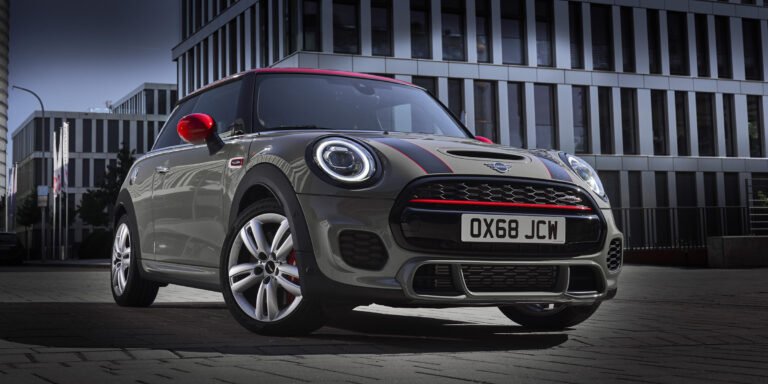
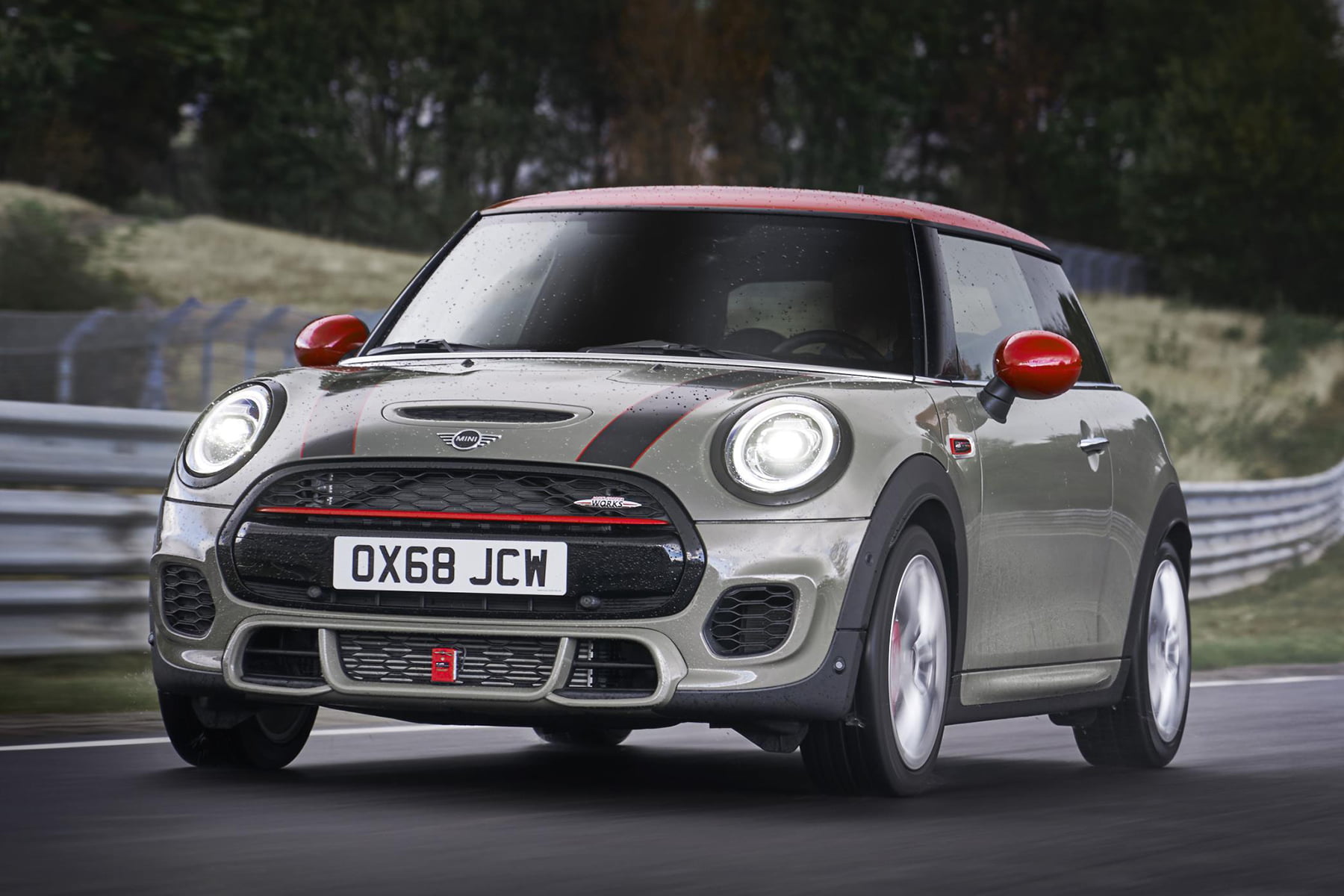
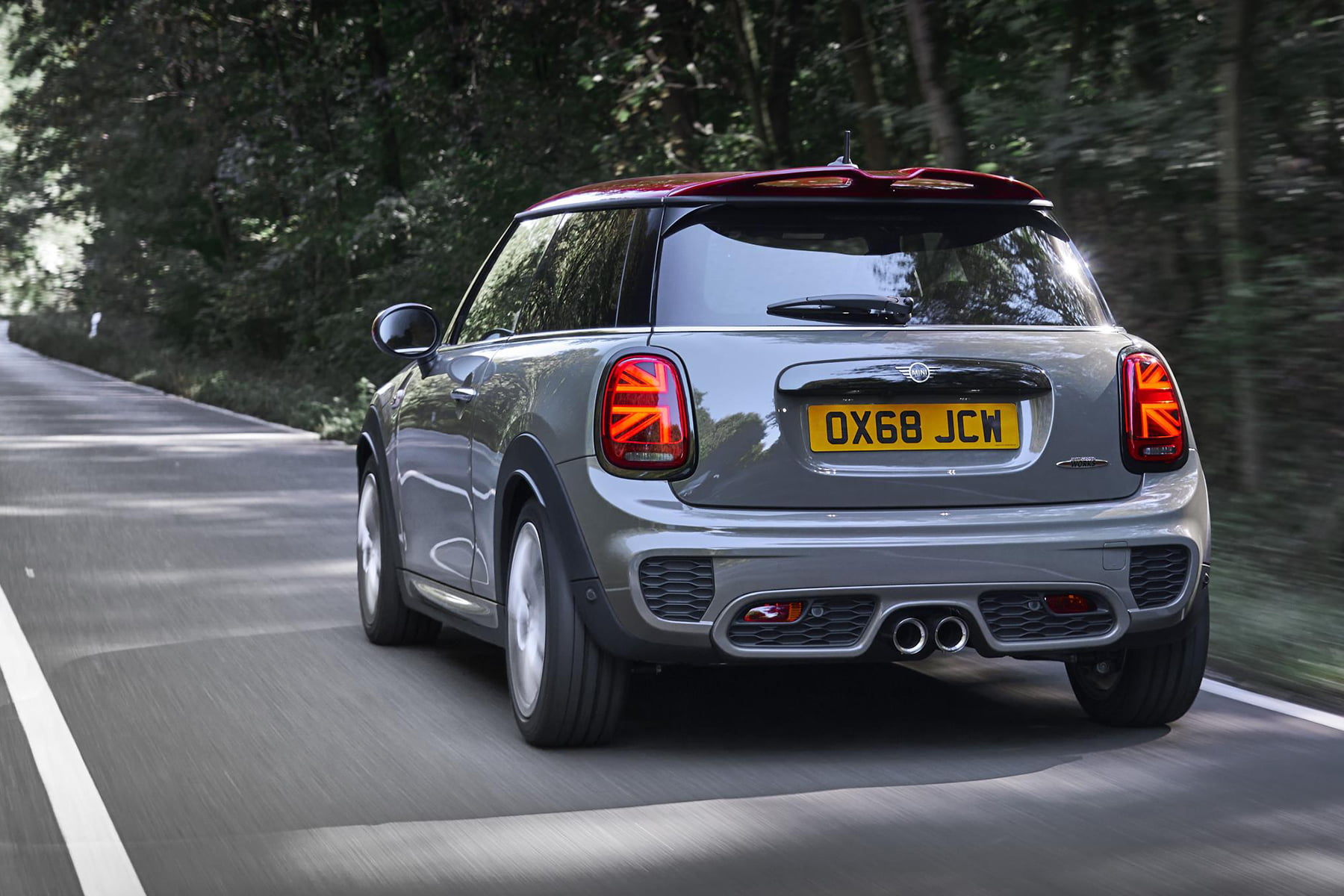
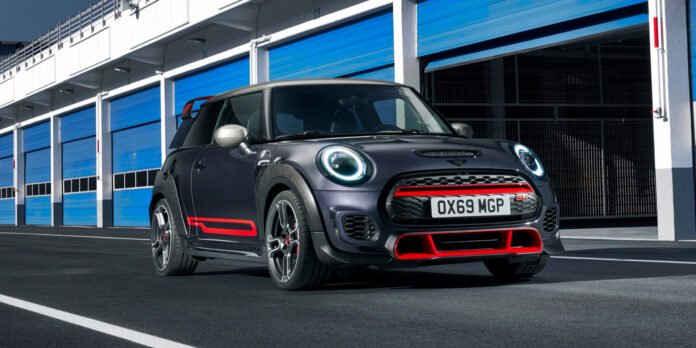
Mini hatch John Cooper Works (2015 to 2024)

Summary

The third-generation Mini hatch John Cooper Works was a hot-hatch variant of the regular three-door Mini hatchback, a step above the well-known Mini Cooper S version.

Sometimes simply referred to as the ‘Mini John Cooper Works’, the Mini hatch JCW first appeared in UK dealerships in Summer 2015, and was given a small facelift along with the rest of the Mini hatch range in Spring 2019. Along with the standard Mini hatch, the Mini JCW was reitred in 2024, making way for the new Mini Cooper range which will reportedly included JCW variants in the near future.

Only one engine spec was available, a 2.0-litre four-cylinder petrol engine providing 228hp to reach a top speed of 153mph. Customers could choose either a six-speed manual or six-speed automatic transmission.

The Mini hatch John Cooper Works recieved plenty of acclaim from the UK media when it first arrived on the scene in 2015, with Auto Trader concluding back then that, “Few rivals have the JCW’s image, character or downright cheekiness, and for many buyers, that’ll be the deal-sealer. If you can afford it, you’ll absolutely love it.”

Despite many newer hot hatch rivals launching in the UK during its nine-year lifespan, and the JCW still stood up well to the competition until its retirement. Car called it “sensational to drive” back in 2015, and said years later that “… it still is, remaining such a hoot to drive you forgive it for being a bit too firm around town.”

Besides questions about the cramped nature of the cabin, the main sticking point reviewers continually referenced was the price of this Mini hot hatch, particularly as it cost around £7,500 more than its principal rival and class leader, the Ford Fiesta ST.

As of March 2026, the third-generation Mini hatch John Cooper Works holds a Used Car Expert Rating of D with a score of 56%. It gets good grades for its media reviews and its low CO2 emissions, but its running costs are only average. Furthermore, its reliability record is poor and its safety score is very low as its Euro NCAP safety rating expired long ago.

The Car Expert Best of British horizontal banner

Mini hatch JCW highlights

  • Unique interior trim
  • Performance that rivals larger hot hatches
  • Responsive handling and body control
  • Value depreciates slowly

Mini hatch JCW lowlights

  • Other small hot hatches are better value
  • Rigid ride comfort
  • Cramped rear seating
  • Apple CarPlay, but still no Android Auto

Key specifications

Body style: Three-door hatchback
Engines: petrol
Price when new: From £27,615 on-road

Launched: Summer 2015
Last updated: Summer 2021
Replaced: 2024

Media reviews

Highlighted reviews and road tests from across the UK automotive media. Click any of the boxes to view.

Auto Trader

Car

Car Keys

Carbuyer

Evo

Heycar

Honest John

Top Gear

Safety rating

Independent crash test and safety ratings from Euro NCAP

Overall score: 4 stars
Date tested: December 2014
Date expired: January 2021
Read the full Euro NCAP review

Adult protection: 79%
Child protection: 73%
Vulnerable road users: 66%
Safety assist: 56%

Notes on safety rating

The Mini hatch was originally tested by Euro NCAP back in 2014 and awarded a four-star rating. However, this rating expired in January 2021 and is no longer valid as the car no longer meets the standards required for such a rating. This is normal practice, as Euro NCAP reviews its ratings on most cars annually with most ratings expiring after about six or seven years.

However, if you are comparing a used Mini hatch to vehicles of similar age, whose ratings will have probably also expired, its safety rating score is still useful.

Eco rating

Independent economy and emissions ratings from Green NCAP

No eco rating

The Mini hatch John Cooper Works was not assessed by Green NCAP during its production life.

Reliability rating

Reliability data provided exclusively for The Car Expert by MotorEasy

All data based on MotorEasy average workshop costs for extended car warranty claims

Across all three generations, the Mini hatch has a reliability score that is below average, according to workshop and warranty data from our commercial partner, MotorEasy.

The biggest concern is that the most common problem is also the most expensive one – engine issues. The average repair cost is about £700, so it’s worth carefully inspecting a used car or making sure you purchase an extended warranty for your Mini to cover you once the factory new car warranty runs out.

Running cost rating

Clear Vehicle Data logo close crop

Monthly cost of ownership data provided exclusively for The Car Expert by Clear Vehicle Data

Fuel consumptionAverageScore
Petrol models47 mpgC
CO₂ outputAverageScoreVariationScore
Petrol models136 g/kmC
Insurance groupAverageScoreVariationScore
All models23B
Service and maintenanceCostScore
Year 1£175B
Year 2£477B
Year 3£759B
Year 4£1,013B
Year 5£1,348B
Overall£3,772B

The Mini John Cooper Works hatch should be relatively affordable to own and run, according to five-year running cost data provided exclusively to The Car Expert by our technical partner, Clear Vehicle Data.

Fuel consumption is only average, but insurance and servicing costs should be better than average. However, given the likely high age and mileage of any used models, maintenance costs could vary considerably from car to car.

Awards

Trophies, prizes and awards that the Mini hatch John Cooper Works has received

2016

  • Sport Auto Magazine Awards – Sportiest Car

Similar cars

If you’re looking at the Mini hatch John Cooper Works, you might also be interested in these alternatives

Abarth 595 | Ford Fiesta ST | Hyundai i20 N | Mini Cooper S | Suzuki Swift Sport | Toyota GR Yaris | Volkswagen Polo GTI | Volkswagen Up GTI

More news, reviews and information about the Mini John Cooper Works range at The Car Expert

Mini John Cooper Works

Mini John Cooper Works

Mini John Cooper Works Electric

Mini John Cooper Works Electric

Everything you need to know about Mini

Everything you need to know about Mini

New high-power MINI JCW Countryman revealed

New high-power MINI JCW Countryman revealed

Mini JCW GP (2019 to 2020)

Mini JCW GP (2019 to 2020)

Mini John Cooper Works GP revealed as two-seat ultra-hot hatch

Mini John Cooper Works GP revealed as two-seat ultra-hot hatch

Mini GP John Cooper Works pricing announced

Mini GP John Cooper Works pricing announced

Mini Clubman John Cooper Works test drive

Mini Clubman John Cooper Works test drive

Mini teases upcoming John Cooper Works GP model

Mini teases upcoming John Cooper Works GP model

Mini Countryman and Clubman JCW models updated

Mini Countryman and Clubman JCW models updated

Mini John Cooper Works models updated

Mini John Cooper Works models updated

Buy a Mini hatch JCW

If you’re looking to buy a new or used Mini hatch, The Car Expert’s partners can help you find the right car

Motors 600x300

Find your next used car with Motors. Find out more

Auto Trader logo 600x300

Find your next new or used car with Auto Trader. Find out more

Carwow logo 600x300

Find your next new or used car with Carwow. Find out more

What is breakdown cover and how can I get it cheaper?

0

Available from a number of providers, having breakdown cover means you can motor on without the fear of suddenly becoming stranded should your car give up the ghost while out on the road — and helps prevent unexpected costs.

But what is covered exactly, and how can you get an affordable deal on your policy? We explain.

So what is breakdown cover?

Breakdown cover is a service that pretty much does what it says on the tin. Should your car break down while on the move, holding a policy with any of the variety of providers in the UK will mean you have an on-demand recovery service to either help you get back on the road quickly or take your car to a garage without fear of unexpected fees.

What exactly is covered?

What is covered by a policy varies depending on what type you have and who your provider is. Typically, a basic breakdown cover policy will ensure you’re covered for simple roadside repairs (commonly known as roadside assistance) or to be towed to a garage without having to pay extra over your annual or monthly fixed rate — though the latter sometimes cost more than the standard rate.

Many providers also offer a wide number of optional extras. Examples of these include at home cover which will allow you to call upon assistance if your car is failing to start at home, onward travel cover which will allow you to be taken to your originally planned destination if your car cannot be quickly fixed, and European cover which allows you to take advantage of similar privileges while driving on the continent.

Optional extras vary by policy types and provider, so it’s worth cross-checking companies when looking to take out breakdown cover.

Who offers breakdown cover, and how can I take out a policy?

There’s a range of breakdown cover providers in the UK, with popular choices including the AA, RAC and Green Flag among others.

Taking out a policy can be as easy as contacting a provider and looking through your options with them. Insurance providers often offer breakdown cover as an additional extra when taking out a new car insurance policy, while some banks will even offer it as part of premium account offerings if you’re taking out a loan to buy a car.

It’s also common for manufacturers to offer breakdown cover on new cars for a period of time (usually the same period as the new car warranty). Many brands also include breakdown cover for 12 months as part of their ‘Approved Used’ programmes with franchised dealers, so it’s possible that you won’t need to pony up extra cash for breakdown cover at the time you’re buying your car.

How can I get cheap breakdown cover?

The easiest way to get a low-cost breakdown policy is to use an online comparison tool. Much like an insurance comparison site, these can take your details and return quotes from a number of providers to find the best price for your particular needs.

If you’re still happy with the price, don’t be afraid to pick the phone up and directly contact providers to try and bring that down. Our tip would be to make a note of any cheaper quotes if you have a preferred provider, and see if they can match that or, even better, beat it.

Save big at renewal time

What’s also crucial is to repeat your shopping around every year before accepting your renewal quote. It’s a common ploy from the big providers to offer you a cheap rate when you first sign up, then jack the price up to double or more when you need to renew it a year later. Don’t put up with that nonsense.

When it’s time to renew, check the best offers elsewhere then call your current provider and demand that they match the best price you can find, even if it’s a big difference. It’s almost certain that they’ll do so, or at least offer you something competitive.

I save about £140 every single year by doing this. It’s an absolute pain to have to call your breakdown provider up every year to demand that they stop ripping you off, but it’s worth it. They’ll make some excuse about how you had a “special discount” last year, but it’s all rubbish and they’ll still drop their price for you anyway.

If they won’t price match, cancel your cover and switch providers. Don’t pay overinflated prices at renewal time, ever.

Stuart Masson, editor

Is it illegal to drive without breakdown cover?

Unlike an insurance policy, there is no legal requirement for your car to be covered under a breakdown policy. However, your wallet may thank you should you have a policy and do have an unexpected breakdown.

This article was originally published in November 2020 and most recently updated in November 2021 with additional comment by Stuart Masson.

Suzuki Swift Sport (2018 to 2024)

Summary

The performance version of the Suzuki Swift, the Swift Sport was a small five-door hot hatch that first arrived on UK roads in Summer 2018.

First unveiled at the 2017 Frankfurt motor show, the Suzuki Swift Sport differentiated itself from the regular Swift by sporting sharp bumper designs, a rear spoiler, and larger alloy wheels. All models came with a turbocharged 1.4-litre petrol engine, also found in the Suzuki Vitara, available with either a six-speed manual or a six-speed automatic transmission.

In Summer 2020, Suzuki revised the Swift Sport range to offer mild-hybrid assistance for new models as standard, fitting a 48-volt battery to the petrol engine and swapping out the old turbocharger for a smaller one, producing 129hp.

The UK media gave the Swift Sport a mixed set of reviews, ranging from very good to mediocre, reviewers often singling out the Suzuki’s fun driving experience and extensive list of standard equipment for particular praise.

However, reviewers almost universally agreed that the latest mild hybrid version of the Swift Sport, marketed by Suzuki as the ‘Swift Sport Hybrid’ since 2020, was not a very good value-for-money package. Auto Trader concludes that, “In isolation, the Swift Sport is a fun car with plenty to enjoy but it’s simply too expensive – and too slow – to compete with the true hot hatch heroes it’s now priced against.”

The UK hot hatch market had the Suzuki Swift Sport stacked up against the much faster and largely cheaper Ford Fiesta ST, making it hard for many reviewers to recommend it.

Heycar believed that the Swift Sport would have been far more competitive without the transition to mild-hybrid technology. “The problem remains that on scale of bang for buck, the Suzuki Swift has got worse not better with its latest revision. It’s hard not to miss the earlier 1.4-litre non-hybrid model for its chirpily uncomplicated approach and appeal.”

No longer on sale, the Suzuki Swift Sport holds a Used Car Expert Rating of C with a score of 61%.

Swift Sport highlights

  • Extensive list of equipment as standard
  • Punchy and fun hot hatch performance
  • Good fuel economy

Swift Sport lowlights

  • The cheaper Fiesta ST is a better all-round performer
  • Too expensive for what you get
  • Cheap interior in places

Key specifications

Body style: Five-door small hot hatch
Engines: petrol, mild-hybrid
Price: From £20,570

Launched: Summer 2018
Last updated: Summer 2020
Discontinued: 2024

Media reviews

Highlighted reviews and road tests from across the UK automotive media. Click any of the boxes to view.

The Car Expert

Auto Express

Auto Trader

Business Car

Carbuyer

Carwow

Evo

Fleetworld

Heycar

Honest John

The Sun

The Sunday Times

The Telegraph

Safety rating

Independent crash test and safety ratings from Euro NCAP

Overall score: 4 stars
Date tested: November 2017
Date expired: January 2024
Read the full Euro NCAP review

Adult protection: 88%
Child protection: 75%
Vulnerable road users: 69%
Safety assist: 44%

Notes on safety rating

As the Swift Sport comes with a safety pack of additonal features that are an optional extra for the regular Suzuki Swift SZ3 and SZ-T models, the Swift Sport recieved a four-star rating from Euro NCAP in 2017. The regular Swift (without the safety pack) was tested at the same time, achieving a three-star rating.

Eco rating

Independent economy and emissions ratings from Green NCAP

No eco rating

The Suzuki Swift Sport was not assessed by Green NCAP during its production life.

Reliability rating

MotorEasy logo 600x167

Reliability data provided exclusively for The Car Expert by MotorEasy

All data based on MotorEasy average workshop costs for extended car warranty claims

The Suzuki Swift family has an excellent reliability score, according to exclusive extended warranty data provided by our partners at MotorEasy. This score covers both this generation Swift, including the Swift Sport, and the previous (pre-2017) versions.

Faults are reportedly cheap to fix across the board for Swift owners, with engine, suspension and braking system repairs being the most common.

If you’re looking at a used Suzuki Swift, make sure any extended warranty cover you purchase covers all of these potential problem areas.

Running cost rating

Clear Vehicle Data logo close crop

Monthly cost of ownership data provided exclusively for The Car Expert by Clear Vehicle Data

Fuel consumptionAverageScore
Petrol models50 mpgC
CO₂ outputAverageScoreVariationScore
Petrol models125 g/kmB
Insurance groupAverageScoreVariationScore
All models28C
Service and maintenanceCostScore
Year 1£153A
Year 2£471B
Year 3£775B
Year 4£1,029B
Year 5£1,434C
Overall£3,862B

The Suzuki Swift Sport is one of the most affordable hot hatches on the market, according to whole-life cost numbers provided exclusively to The Car Expert by our data partner, Clear Vehicle Data.

While the standard Swift offers better fuel economy, the Swift Sport’s performance boost doesn’t increase the fuel consumption by much, meaning that the hot hatch is still more economical than the average car.

Insurance and maintenance costs are also predicted to be pretty manageable over the course of five years of ownership.

Awards

Trophies, prizes and awards that the Suzuki Swift Sport has received

2018

  • Scottish Car of the Year Awards – Best Hot Hatch

Similar cars

If you’re looking at the Suzuki Swift Sport, you might also be interested in these alternatives

Ford Fiesta ST Hyundai i20 N | Mini Hatch John Cooper WorksRenault Megane RS | Toyota GR Yaris | Volkswagen Polo GTI | Volkswagen Up GTI

More news, reviews and information about the Suzuki Swift at The Car Expert

Everything you need to know about Suzuki

Everything you need to know about Suzuki

Suzuki Swift

Suzuki Swift

Suzuki Swift test drive

Suzuki Swift test drive

Pricing announced for new Suzuki Swift hatchback

Pricing announced for new Suzuki Swift hatchback

The cheapest new cars on sale in 2022

The cheapest new cars on sale in 2022

Suzuki Swift Sport Hybrid test drive

Suzuki Swift Sport Hybrid test drive

Suzuki Swift (2017 to 2024)

Suzuki Swift (2017 to 2024)

Suzuki brings Attitude to Swift range

Suzuki brings Attitude to Swift range

The best hot hatches for under £10k

The best hot hatches for under £10k

Suzuki Swift Sport review

Suzuki Swift Sport review

Suzuki rolls out new finance offers

Suzuki rolls out new finance offers

New Suzuki Swift Sport to go turbo

New Suzuki Swift Sport to go turbo

Buy a Suzuki Swift Sport

If you’re looking to buy a new or used Suzuki Swift Sport, The Car Expert’s partners can help you find the right car.

Motors 600x300

Find your next used car with Motors. Find out more

Auto Trader logo 600x300

Find your next new or used car with Auto Trader. Find out more

Carwow logo 600x300

Find your next new or used car with Carwow. Find out more

Sensors for reversing reassurance in demand

Forget satnavs, infotainment systems or even a sunroof, a new optional extra has leapt to the top of the want-list for thousands of young drivers this year – the reverse sensor.

Many drivers hate the thought of reverse parking and many even go to great lengths to avoid backing into tight and tricky spaces. But, according to research by independent road safety charity IAM RoadSmart, young drivers are ready to kick parking problems into the kerb once and for all as they look for vehicles fitted with back-up sensor technology.

In a survey commissioned by the charity of more than 1,000 drivers aged 17-24, drivers were asked to rank a number of optional extras from 1 to 10, with 10 being the most important and 1 being the least important, when purchasing a new car. Parking sensors took top spot on their wish lists, with an average score of 7.5 while Android Auto was, perhaps surprisingly, the least important. 

The research also revealed that parking sensors are not the only form of technology that young drivers are looking for when buying a car. It found that Bluetooth connectivity (7.23), satellite navigation (7.19) and autonomous emergency braking (6.85) rank as the next most important technology features young drivers look for when car hunting.

Top 10 most desirable car features for young drivers (average score)
1Parking sensors7.55
2Bluetooth7.23
3Satellite navigation7.19
4Autonomous emergency braking6.85
5Fast USB charging point                   6.63
6Heated seats6.20
7Lane departure warning6.13
8Apple CarPlay6.04
9Sunroof5.78
10Android Auto5.32
Source: IAM RoadSmart

“Having grown up in an age of mobile phones and social media, 17 to 24-year-olds have embraced how technology can make everyday decisions and activities easier, and clearly this is no different when it comes to keeping it between the lines or squeezing into tight spaces,” said Neil Greig, Director of Policy and Research at IAM RoadSmart.

“Parking sensors also make Britain’s roads a safer place to be, as poorly parked or protruding vehicles can often obstruct the vision or restrict mobility of other road users.

“Technology will play a vital role in improving road safety in years to come, so it’s great to see that young people are looking for features which either directly or indirectly help with making Britain’s roads safer.”

But he warned: “Parking sensors don’t always work and still need the back up of looking all around, checking mirrors, signalling and expecting the unexpected.”

Subaru Solterra unveiled as brand’s first EV

0

Subaru has revealed its first global electric car, a five-seat SUV called the Subaru Solterra.

Set to go on sale in mid 2022, it’s the fruit of a partnership between Subaru and fellow Japanese manufacturer Toyota and is technically identical to the Toyota bZ4X that was unveiled in October.

The Solterra is also visually similar to the Toyota, though Subaru insists that much effort has been made to maintain the brand’s long legacy in producing SUVs. “(We) aimed to make it a vehicle that existing customers can feel that it truly is a Subaru,” a spokesman for the brand said.

These efforts are most obvious in the car’s front end treatment, the grille and headlamps following Subaru’s family styling language.

Again the Subaru 4×4 legacy sees the brand emphasising the all-wheel-drive powertrain – this mounts separate 80kW electric motors in the front and rear axles for combined power equivalent to 217hp.

As with the Toyota bZ4X, the Solterra will be offered in single-motor 204hp front-wheel-drive form, but there are no indications yet as to whether this version will be available for UK buyers.

Subaru’s off-road credentials will be maintained by the inclusion of its X-Mode control system for more confident driving on rough surfaces, and a new Grip Mode system to aid off-tarmac stability.

The motors are fed by a 71.4kWh battery, and like its Toyota cousin, the Solterra is expected to offer a driving range between charges of more than 280 miles.

Subaru has released just two images of the Solterra ahead of the car’s public debut at the Los Angeles motor show next week, but the interior view suggests the Solterra closely follows the Toyota in layout and equipment.

Prices for the Solterra will not be announced until closer to the car’s on-sale date.

Driving safely, whatever the weather

1

It’s funny how chaotic driving can become as soon as the weather turns a bit nasty. Drivers who are normally exemplars of driving safely on a sunny day can seem to lose their senses at exactly the time when a calm head and considered judgments are most important.

In any weather, driving safely (or riding safely on a motorbike) is a complex skill that requires concentration, clear thinking and situational awareness.  But when conditions take a turn for the worse, a driver has to make good decisions in more difficult circumstances with less visual information available. This puts more pressure on a driver and it seems that many struggle to cope with that.

Spend time on the roads in rain, fog or snow and you will see some crazy moves being pulled.  Often it is the sort of dangerous driving you would never see in clear, dry weather, so why do some people feel the need to drive like kamikazes when the conditions become more treacherous? [Note: if you feel that everyone else drives too slowly in bad weather, you may be the one I am talking about here…]

Drive to the conditions, not the speed limit

Common sense suggests that when your visibility is reduced by darkness, rain or anything else, you should reduce your speed somewhat to make sure you can see what’s coming with enough time to react.  Yet it continually surprises me to see other cars stubbornly sticking to their normal speed – or even speeding up – with no regard for the increased risks.

A speed limit is a maximum speed, not a minimum or a target.  Like most people, I am sure that speed limits are far too arbitrary in far too many places, and set for the lowest common denominator drivers who shouldn’t even have a driving licence, but that doesn’t mean you should be rigidly sticking to the speed limit in any weather.  

It’s perfectly OK to slow down a bit and give yourself more room to the cars around you.  So what if you arrive five minutes late?  Better than having an avoidable accident because you were in too much of a rush and couldn’t stop when you needed to.

Driving safely means that windscreen wipers should be replaced regularly

Visibility, braking and steering are all reduced in the wet

Not only is your visibility reduced in wet weather, braking distances are usually much longer and your tyres won’t have as much grip to steer. So not only will you spot the danger much later, you won’t be able to stop anywhere near as quickly or swerve out of the way as effectively to avoid it.  

Those three factors all mean that your chances of having an accident at any given speed are much higher in wet weather than in the dry.

Another source of continual amazement is the number of people who seem content to drive with dirty windscreens (or frozen ones in winter). If your windscreen is misted up or obscured by dust, take a few minutes to properly clean it so that you can see clearly through the entire window.  Cleaning a small patch directly in front of the steering wheel is not sufficient to provide a safe level of visibility.

This article was originally published in April 2016 and most recently updated in November 2021.

Britain’s best-selling cars, October 2021

October was yet another chaotic month for new car sales, with overall registrations down nearly 25% – although it must be said, this was mostly due to a drop in fleet registrations (down 40%) rather than private purchases (down 3%).

Ongoing supply problems continue to plague almost every car brand, with individual results up or down depending on whether manufacturers can get enough computer chips to be able to build cars. Once again, that has led to a jumbled-up best-sellers’ list.

It was yet another disastrous month for the long-time reigning champ of new car sales, the Ford Fiesta. Ford only managed to shift about 500 of them in October, compared with nearly 4,000 in the same month last year. It also only sold about 500 Puma small SUVs. Given that these are two cars that would normally be a regular fixture in the top ten, it made a large dent in Ford’s overall numbers – although there was was some consolation that the Focus had its best month in a long time.

We’ve published our normal report on the monthly new car registration figures, with plenty of detail that you won’t find elsewhere. So let’s now look at the mixed-up top ten results for October 2021.


The UK’s top-selling cars, October 2021

1. Volkswagen Polo

Volkswagen Polo (2018 onwards) Expert Rating

The Volkswagen Polo celebrated a fantastic month in October. As well as topping the charts for the second time this year, its strong performance also lifted it from sixth to third place in year-to-date sales, and within touching distance of second place (currently held by its bigger brother, the Golf).

Most, if not all, of these sales were the pre-facelift model rather than the updated version that was expected back in September. The first of the new versions should be flowing through to customers in November.

The Polo currently holds an Expert Rating of 78%, which makes it one of the top-rated small cars according to our industry-leading Expert Rating index. Whether this will improve further once the facelifted model arrives remains to be seen.

2. Mini hatch

Minii 3-door wallpaper 2021

Despite being the oldest car in the top ten, the twice-facelifted Mini continues to sell strongly some seven years after the current model was launched, although it’s unlikely to finish the year in the top ten. It did almost snare top spot in October, though, losing out to the Volkswagen Polo by a mere 34 units.

The Mini hatch still holds a very solid score of 76% in our Expert Ratings index, which is one of the top scores in its class. The electric version doesn’t score so well, with an Expert Rating of only 63% that puts it close to the bottom of its class.

3. Nissan Qashqai

Best-selling cars 2021 | Nissan Qashqai

The all-new Nissan Qashqai continued its strong debut with third place in October, although it was pipped by the Mini as the best-selling car actually built in Britain.

Nissan will be hoping that it can maintain production levels to keep up this momentum. It’s certainly been a good start, and everyone up in Sunderland will have their fingers crossed…

We have compiled our Expert Rating report for the new Qashqai since last month’s registration report, and it puts Nissan’s latest contender right in the midfield with a score of 72%. It’s still early days and there’ll be more reviews to be published, so this could change – either up or down – in coming weeks.

4. Ford Focus

Ford Focus (2018 onwards) Expert Rating

The only real highlight for yet another miserable month for Ford was the welcome return of the Focus to the top ten for the first time since April.

Previously one of the most popular cars in the country, the Focus has spent most of this year outside the top ten. It’s due a facelift that will arrive in the UK in early 2022, so this may be the last we see of the current version.

In terms of critical appraisal, the Ford Focus currently holds a score of 75% on our Expert Ratings Index, which is level with its fierce rival, the Volkswagen Golf.

5. Vauxhall Corsa

Vauxhall Corsa Ultimate

The king is dead, long live the king! We still have two months to go in 2021, but we may as well go ahead and get the coronation started. It’s now beyond doubt the Vauxhall Corsa will be the first car in a dozen years to depose the Ford Fiesta as the UK’s most popular new car.

The Corsa leads the sales race by more than 7,000 units, so Vauxhall dealers could close their doors for the last two months of the year and it would still end the year on top.

Despite its popularity, the petrol and diesel versions of the new Corsa hold a rather poor Expert Rating of 64% on our industry-leading Expert Rating Index, although the all-electric Corsa-e manages a few points better at 67%. Those scores put the Corsa in the bottom half of the supermini class, suggesting that journalists are not as excited about the Corsa as customers seem to be.

6. Kia Niro

Kia Niro (2016 onwards) – Expert Rating

It’s a second month in a row for the Kia Niro in the top ten, improving from ninth place last month to sixth in October. Once again, Niro sales helped Kia perform well for the month, ending up third behind Volkswagen and BMW.

The Niro currently holds an Expert Rating of 62% in our aggregated Expert Ratings index, while the e-Niro is far more highly rated with a score of 84% – a whopping 22% better than the hybrid versions.

7. Volvo XC40

Volvo XC40 (2018 onwards) – Expert Rating

The Volvo XC40 returned to the top ten for the first time since February, and fell just short of pipping the Kia Niro for sixth place. Despite being on sale for nearly four years, the XC40 continues to sell well and remains highly rated by critics.

The XC40 is the class leader among premium small SUV/crossover models, with an Expert Rating of 79%, for the petrol/diesel/plug-in hybrid version. The new electric XC40 Recharge doesn’t fare quite so well, with an Expert Rating of 68%.

8. Mercedes-Benz A-Class

Mercedes-Benz A-Class hatch – Britain's best-selling cars of 2020

The Mercedes-Benz A-Class is another big-selling car that has run into sales problems over the last few months due to a lack of computer chips to supply vehicles. This time last year, the A-Class topped the sales charts…

Fortunately for Mercedes, the Volkswagen Golf performed even worse than than the A-Class in October, which missed out on the top ten altogether for the second month in a row. That means that the year-to-date sales are incredibly close from second to sixth place, and with this year’s crazy rollercoaster of vehicle sales, it’s impossible to predict who’s going to prevail.

The A-Class has an Expert Rating of 69% in The Car Expert’s unique aggregated Expert Rating index. It ranks highly for safety, winning awards from Euro NCAP and Thatcham over the years for its protective qualities.

9. Peugeot 2008

Peugeot 2008 (2019 onwards) Expert Rating

It’s a new face in ninth place, as the Peugeot 2008 small SUV makes its debut in the top ten. Registration nunbers will also include the electric e-2008. It’s likely to be a short-lived time in the best-sellers list, given the number of usual suspects that are currently underachieving, but it’s always good to see different cars and brands doing well.

Based on the 208/e-208 small car, the latest 2008 is rated as one of the better contenders in the small SUV segment. Our industry-leading Expert Rating Index scores the petrol/diesel 2008 at 70% and the electric e-2008 at 74%, both of which are scores that put the car in the top tier of the class – although still a few points behind the very best in class.

10. Hyundai Tucson

Hyundai Tucson (2021 onwards) – Expert Rating

Making its second appearance in three months is the all-new Hyundai Tucson, which has drawn attention with its bold front-end styling. Hyundai (including Kia) has managed to maintain its production levels much better than most rivals during the semiconductor crisis, which has no doubt helped Tucson sales compared to many rivals.

It will be interesting to see if the all-new Kia Sportage – quite closely related to the Tucson – can enjoy a similarly successful launch in coming months.

The Hyundai Tucson currently has an Expert Rating of 75%, which places it well in the top half of all of the medium SUV marketplace according to our industry-leading Expert Rating index.

Plugging the gap

We’ve said it before and we’ll say it again at The Car Expert, and now automotive industry data confirms it: plug-in car sales are accelerating at a rapid rate.

Latest forecasts from automotive trade association the Society of Motor Manufacturers and Traders (SMMT) reveal that it expects British businesses and consumers to take delivery of around 287,000 of the latest zero-emission electric and plug-in hybrid cars during 2021.

Compare that to the 271,000 new battery electric (BEV) and plug-in hybrid (PHEV) vehicles that were registered between 2010 and 2019, and the rapid growth and popularity of this new wave of transport becomes clear.

Based on current forecasts, BEV registrations are also expected to exceed those of diesel vehicles next year – in fact, electric cars have outsold diesel cars for the last two months in a row, although supply issues have complicated the results.

The quality of new EVs and the growing acceptance and approval of the cars among UK buyers was reported in the Expert Rating Index quarterly report, released last week by The Car Expert.

The rise of these vehicles is remarkable given that 2021 is expected to be a relatively weak year for new car registrations: 30% below the average recorded over the past decade. A semiconductor shortage reduced overall global car production, but manufacturers have worked to ensure the availability of as many plug-in vehicles as possible.

Uptake rates of plug-in vehicles began to accelerate dramatically during 2020, as the billions of pounds invested by manufacturers in new technology resulted in the widest ever choice of zero emission-capable cars. More than a quarter of all car models available in the UK can now be plugged in.

Businesses have been particularly incentivised to invest in plug-in cars thanks to a range of tax breaks and grants, meaning around two in every three new BEV registrations this year have been for large fleets.

“Our latest outlook shows the UK experiencing a surge in plug-in vehicle uptake,” said Mike Hawes, SMMT Chief Executive. “Massive investment by the industry as well as long standing government incentives have seen us go from just 188 new plug-in cars in 2010, to almost 300,000 in 2021.

“To achieve net zero by the desired date, however, uptake rates must continue to grow. This requires ongoing incentives to help consumers make the switch and significant investment in the public charging infrastructure.”

Genesis GV80 review

0

The one question we were constantly asked while driving this car was,”What’s a Genesis?”. Previously in the UK, the word has had either religious or prog-rock overtones, but now the Hyundai empire wants you to regard Genesis as its new upmarket brand.

It’s a direction other manufacturers have tried with mixed results. Lexus is now firmly established as the upmarket sibling to Toyota, though it took a good few years, the jury is still out on Stellantis’ DS Automobiles, while Nissan’s attempt to replicate the US success of Infiniti in Europe flopped.

The South Korean automotive giant has done little wrong with either its Hyundai or Kia brands in recent times, however, and one or two people viewing the GV80 even thought we were driving a new Bentley, so perhaps this is a direction we should take notice of.

What’s new about the Genesis GV80?

The GV80 is one of the two launch models from Genesis, a large SUV sitting alongside a large saloon dubbed the G80. They’ll soon be followed by mid-sized variants called, you guessed, G70 and GV70 while most interest surrounds a full-electric car, the GV60, likely on sale in late 2022.

For now, however, we basically have conventional large and mid-sized SUVs and saloons, targeting as so many have tried to do the German heavyweights of the premium market, and hoping to succeed through a strategy of matched quality, a little more exclusivity and a bit less to pay to buy one.

How does it look?

SUVs, of course, struggle to look truly stylish but the Genesis does a better job than most. It has quite a low, purposeful stance that is emphasised by the slim treatment to grille and headlamps, making the car appear wider than it is and helping set it apart from the typical boxy sillhouette of large SUVs.

The car sits as standard on 20-inch wheels while huge 22-inch versions on the Luxury trim level certainly add to the car-park presence – again emphasising that this machine is not intended for a market where you agonise over the cost of replacing tyres.

Viewing the GV80 from a reasonable distance one can understand the Bentley confusion, especially as Luc Donckerwolke, who looks after the design of both Genesis and Hyundai Ioniq models, used to work for the Volkswagen Group on Audi and, yes, Bentley…

What’s the spec like?

Genesis keeps things simple with just two trim levels, dubbed Premium and Luxury, and both come with a sizeable amount of equipment.

for example standard on all versions are LED headlamps, a 14-inch wide infotainment screen atop the centre console with Apple CarPlay and Android Auto compatibility, nine speakers on the sound system, front seats are powered in 12 ways and heated, and a rear-view camera.

The safety package is particularly impressive – ten airbags, adaptive cruise control, lane-following and lane-keeping assistance, autonomous braking of course – it’s no surprise the GV80 has a top-level five-star Euro NCAP safety rating. The forward-facing safety camera also works with the suspension to detect such issues as potholes and adapt the car’s suspension, and with the navigation to present a more accurate picture of the route ahead.

Go for the Luxury trim and additions include the 22-inch wheels, full leather, a quality wood trim, heated steering wheel and rear air conditioning and seat heating.

There are some tempting options too, such as the Innovation Pack fitted to our car that for £3,900 adds such niceties as a big digital instrument display, a head-up display, adaptive headlamps, wireless phone charging and a 360-degree surround-view camera – great for parking what feels like a very big car.

What’s the Genesis GV80 like inside?

The GV80 is a spacious five-seater but you can have it with seven – though due to its less than boxy looks we reckon the two rear seats would be best suited to smaller occupants. Certainly in five-seat form, as was our test car, there is plenty of room in front and back and high levels of comfort. This extended on our car to the ‘Comfort Seat Pack’ a £1,250 option which among its features includes the driver’s seat bolsters gently tightening in certain driving situations.

To succeed in its chosen market the interior of the GV80 needs to offer a standard of fit and finish up with the best and in most aspects it meets the brief. The surfaces and detailing are of very high quality, even if you don’t go for the Luxury trim with its wood surfaces and leather upholstery. Virtually all the plastics are supple too, making for a very welcoming environment.

There are irritations, however. The letterbox-style infotainment screen is impressive – especially when using it with the likes of Google Maps – but it’s a very long stretch when you need to adjust any app with its controls on the left of screen. Using the rotary controllers at the base of the console is a better alternative, but the controller is rather similar (and close to) the transmission knob.

There’s no simple button to switch off the lane-departure warning, but to give it its due this is a smart system which only activates on straight bits of road. And the extensive safety systems can include on cars with the digital instrument display a useful Hyundai group feature – on activating the indicators either the speedometer or rev-counter dial (depending on direction) changes into a blind-spot camera.

What’s under the bonnet?

Genesis currently offers two propulsion options for the GV80 – a 3.0-litre diesel putting out 278hp, or the 2.5-litre turbocharged petrol engine of our test car with 304hp. Both are combined with an eight-speed auto transmission and all-wheel-drive – no cheap front-propelled option here. Indeed the GV80 comes with proper off-road aids such as Terrain Control modes, though you can’t imagine many owners going too far off the blacktop in one of these.

Both engines offer reasonable potency with the diesel GV80 actually slightly quicker, completing the 0-62mph sprint in 7.5 seconds compared to the 7.7 seconds of our petrol unit. In our case a 500-mile round trip involving lots of motorway served to demonstrate just how refined is the petrol engine, smooth in its application and very quiet.

But with such big engines comes a penalty, the need to form a close relationship with your local filling station. With fuel economy figures of around 26mpg for our petrol unit along with CO2 emissions north of 220g/km, the GV80 is not the obvious buy for business users.

What’s the Genesis GV80 like to drive?

On first pulling away the GV80 feels like a very soft, gentle car, almost wafting along with the engine purring at sound levels almost down to electric levels. And if that’s not enough for you one it can be changed – Genesis makes great use of active noise cancellation technology. This basically uses computer software to project noises out of the car’s audio system to effectively cancel out irritating sounds whether from engine or road – it produces a luxurious environment, but equally by dialling through a menu it can be used to artificially enhance the engine sound.

The gentle progress from standstill does not translate to fidgety handling at high speeds. Computer-controlled adaptive suspension is standard on all versions of the GV80 and at motorway limits the car is composed and very easy to keep control of.

In corners it is, for a large, heavy car, surprisingly competent – there is body roll but it is all well controlled. The plentiful rubber of the 22-inch rims on the Luxury car produces excellent grip, though these can produce some harsh reactions to running over potholes and the like. We have heard the lower-spec 20-inch rubber is less prone to this.

Verdict

You get the impression that with its first offerings Genesis is hoping to attract those who want Audi and BMW levels of quality but in a different package, and the GV80 fills this brief, right down to the way you buy it – there are no Genesis dealers, just a small number of ‘studios’ in major shopping centres.

Sales of Genesis cars are mainly online, the price including a ‘five-year care plan’ encompassing warranty, servicing, roadside assistance, a courtesy car, software and sat nav map updates, and delivered by a personal assistant allocated to the customer and not working on commission.

The GV80 starts from £54,000 for the Premium version, stretching to £59,600 for Luxury and our car with options costing £66,970. These prices are cheaper than comparable rivals from the likes of Audi and BMW, and when one adds in the five-year care plan the Genesis becomes a tempting proposition on price.

However it’s more than that, because the car keeps pace with its German rivals in virtually all the areas that concern buyers in this market – quality, tech, comfort and performance.

Can one regard this as a viable alternative to a Bentley Bentayga? Of course not, you buy a Bentayga because you need an SUV but you want a Bentley. But if the badge doesn’t bother you the GV80 is certainly worth a look and an impressive first effort from Hyundai’s upmarket offspring.

You do get the feeling, however, that the chances of Genesis establishing itself will be markedly improved by the arrival of its more distinctive cars with hybrid and electric propulsion. The GV80 is as good as many of its rivals – but it doesn’t stand apart from them.

Similar cars

Audi Q7 | BMW X5 | Land Rover Discovery | Lexus RX LMaserati Levante | Mercedes-Benz GLE | Porsche Cayenne | Range Rover Sport | Volkswagen TouaregVolvo XC90

Key specifications

Model tested: Genesis GV80 Luxury
Price (as tested): £66,970
Engine: 2.5-litre petrol
Gearbox: Eight-speed automatic

Power: 304 hp
Torque: 422 Nm Nm
Top speed: 147 mph
0-60 mph: 7.7 seconds

Fuel economy (combined): 30.5 – 31.4 mpg
CO2 emissions: 220 g/km
Euro NCAP safety rating: Five stars (2021)
TCE Expert Rating: Not yet rated

New Vauxhall Astra now on sale

0

Vauxhall has started taking orders for the eighth-generation Astra, featuring a number of exterior styling updates and on-board tech additons, set to challenge the Ford Focus and Volkswagen Golf.

Petrol, diesel and plug-in hybrid models are available to order now, and will arrive on UK roads in Spring 2022. However, you’ll have to wait at least another year before an all-electric model joins the range sometime in 2023.

Overall, the new Astra is of similar size to its predecessor but with a slightly longer wheelbase to improve interior space. It follows the new Vauxhall Mokka in applying the company’s new family styling treatment, which is gradualy being applied across the entire range.

A major change to the Astra’s interior sees the use of fully digital instrumentation across all versions, replacing conventional analigue die. Dubbed ‘Pure Panel’, this includes a ten-inch digital instrument cluster for the driver and another ten-inch colour touchscreen atop the centre console.

The Vauxhall Astra (2015 – 2021) vs. The Vauxhall Astra (2022 onwards)

Also new is the Astra model structure, simplified to three trim levels dubbed Design, GS Line and Ultimate, and set to be applied across all Vauxhall’s cars by the middle of 2022.

Prices for this new range of Astra models starts at £23,275. From launch, powertrain options range across petrol, diesel and plug-in hybrid models. The 1.2-litre three-cylinder petrol engine will be available in 110hp and 130hp outputs, the 1.5-litre four-cylinder diesel engine with 130hp.

The plug-in hybrid, which costs from £32,200, combines a 1.6-litre petrol engine with a 12.4kWh electric drivetrain for combined power of 180hp. A more powerful 225hp version will join the range next year – both models quote all-electric ranges of up to 35 miles and CO2 emissions of 24-27g/km.

Six-speed manual gearboxes will be standard on petrol and diesel models, though the 130hp petrol and the diesel will also be available with an eight-speed automatic transmission.

Vauxhall is heavily emphasising the safety specification of the new Astra. All cars are fitted as standard with a suite of active safety tech, including autonomous emergency braking with pedestrian detection, lane-departure and lane-keeping systems and driver drowsiness alerts.

Safety tech available includes ‘Intelli-Drive’ – working with four body cameras and five radar sensors installed on the car, this can offer semi-autonomous driving including adapting speed in curves and performing lane changes, as well as recommending suitable speeds for the road ahead.