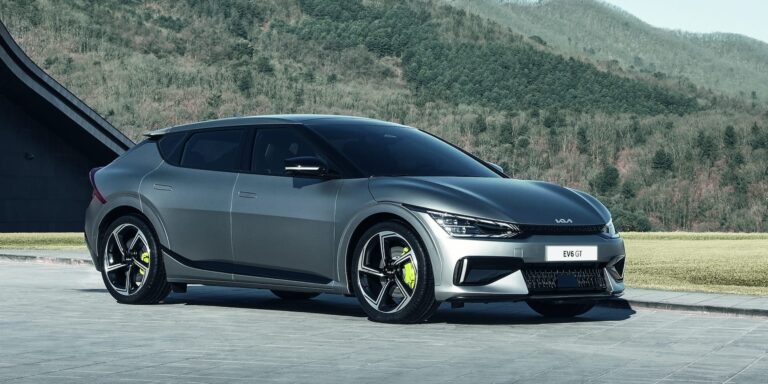
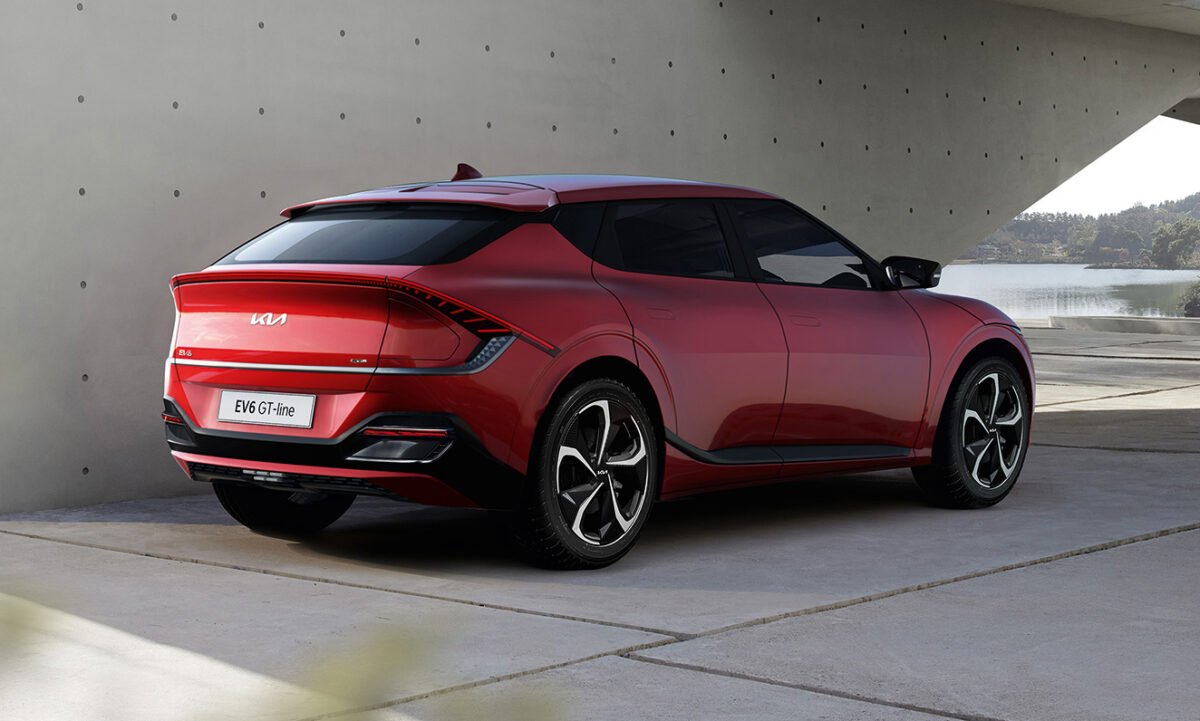
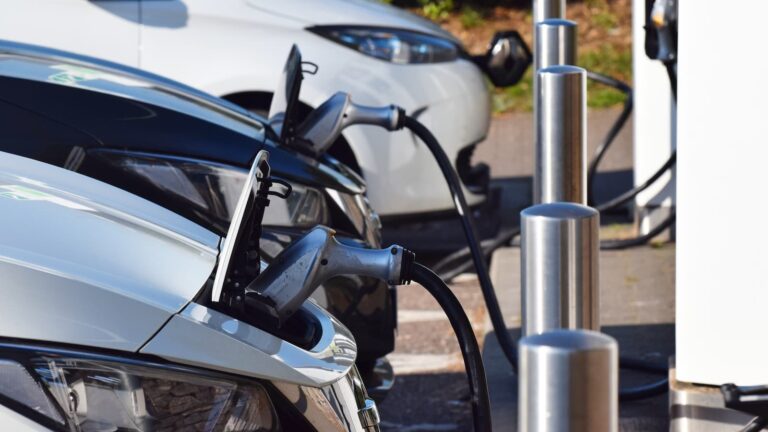
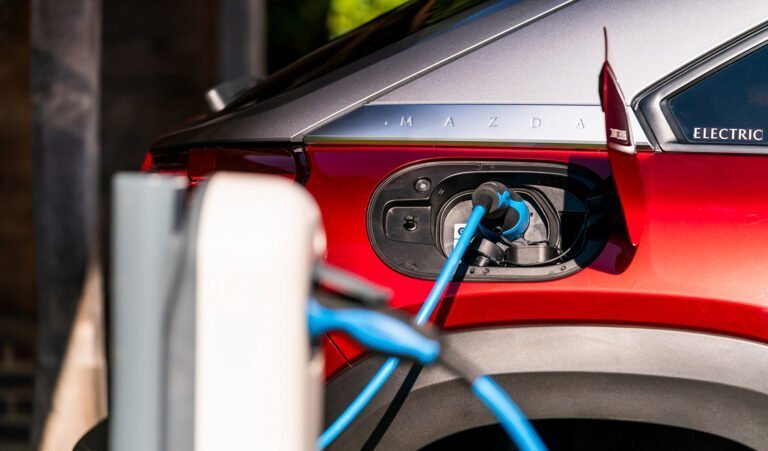
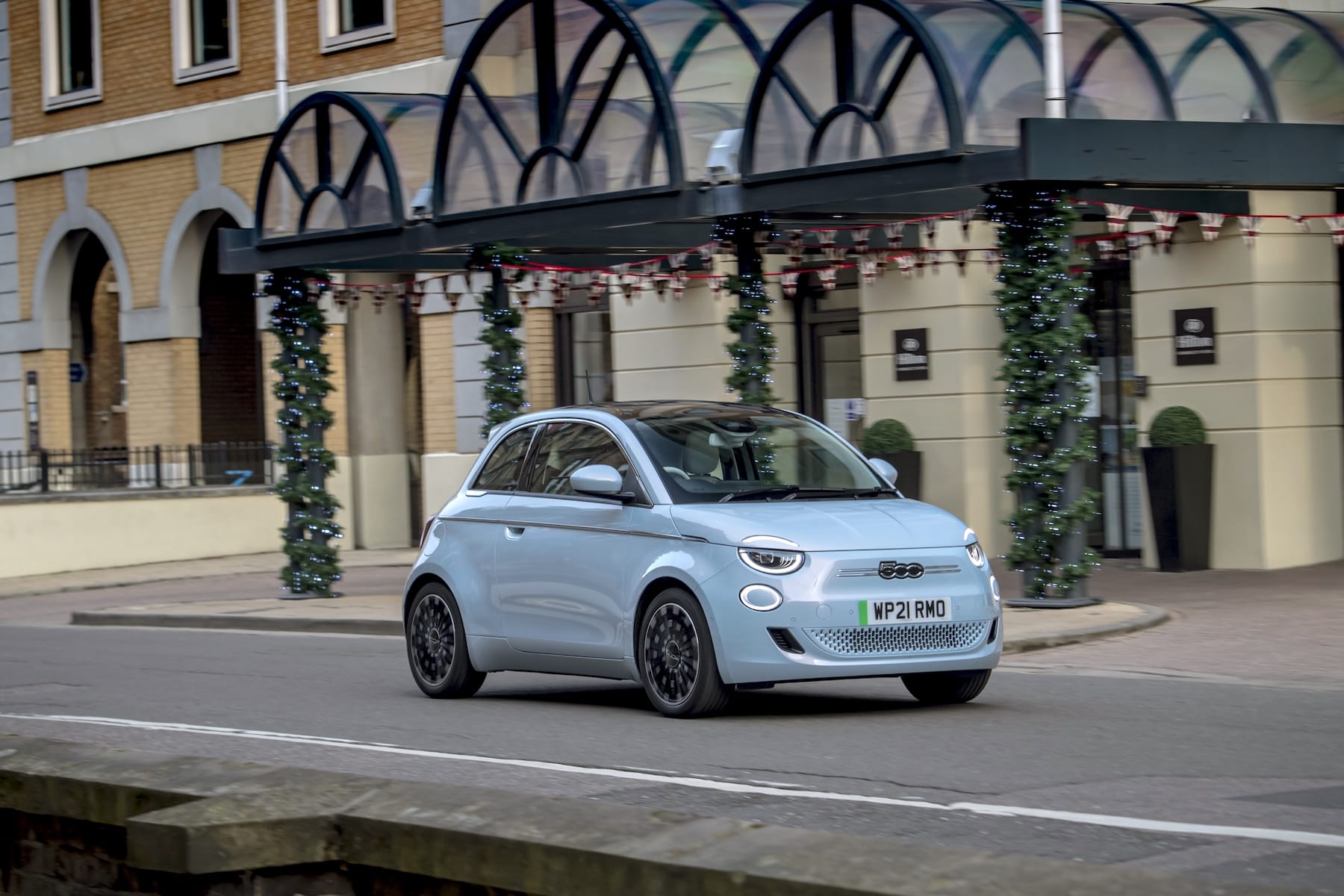
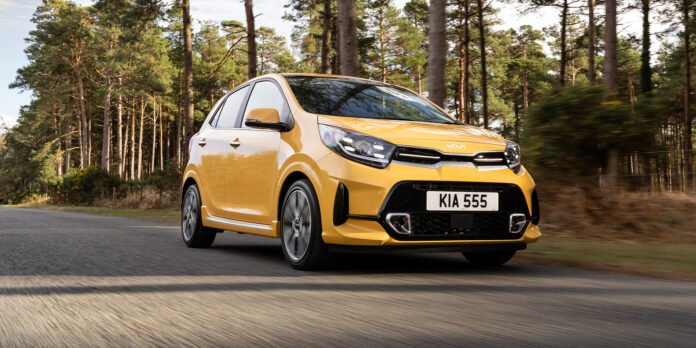
Kia has started taking pre-orders for its new EV6 SUV, and revealed that the range will include a flagship GT model with a sub four-second 0-62mph time.
The EV6 is the South Korean brand’s first production car designed exclusively as an electric vehicle, and will be one of 11 new BEV vehicles Kia intends to launch by 2026. Seven will be built on the new E-GMP electric platform shared with sister brand Hyundai, and the other four electric versions of existing models.
The EV6 is expected to appear on UK roads from October 2021 at prices starting from £40,895 for the base model, while £43,895 will buy the EV6 GT-line with a sports-look trim. The GT version will follow in 2022, at prices from £58,295.
Details of the Kia EV6 specification will not be released until May but buyers will be able to choose their car with an emphasis on performance or range. The base model will be available in rear-wheel-drive form with a long-range (77.4kWh) battery pack quoted at a WLTP combined cycle range of 316 miles.
A four-wheel-drive variant is also expected to be available with a smaller battery pack, likely to give a range of around 250 miles. The dual-motor GT, meanwhile, will boast a 0-62mph time of 3.5 seconds and a top speed of 162mph – the fastest car Kia has produced.
Rapid charging will also be a feature of the EV6, the 800V charging capability allowing battery replenishment from 10% to 80% in 18 minutes.
Potential buyers who put down a £100 refundable deposit will be invited to place their order two weeks ahead of the car going on general sale in May, and will gain charging benefits including a free one-year subscription to the KiaChargePlus programme.
Kia plans for battery-electric (BEV), plug-in hybrid (PHEV) and hybrid electric (HEV) vehicles to make up 40% of the brand’s total sales by 2030.
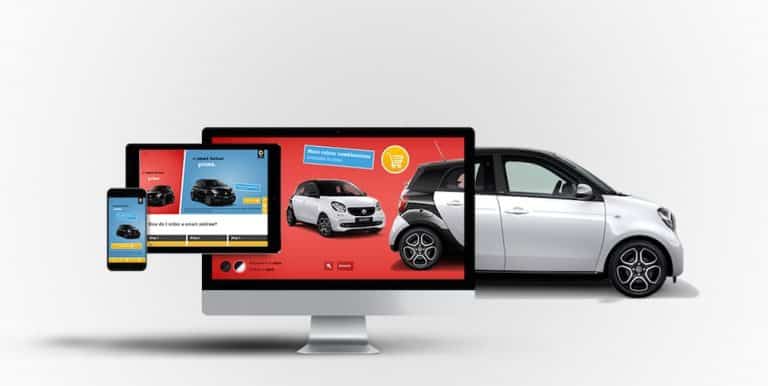
Well before we were grounded by lockdowns, the number of times a car buyers would visit a physical dealership before choosing a new or used car had been decreasing.
New car buyers were only visiting an average of 1.2 dealerships prior to the coronavirus pandemic, having digested all the online road tests, compared prices and used the specification configurator to select the perfect piping for the carpet mats.
There will always be those who find this a pleasure, but more and more customers are getting used to the idea of foregoing the traditional dealership altogether. Covid-19 has enforced contactless handovers for traditional dealerships, but most car buyers have still ended up at a showroom to test drive or collect their new car. Some brands are now offering home delivery, however, and it’s been well received by customers.
But it’s not just new cars. There’s been an explosion in fixed-priced online used car buying as well. The entire process can now take place without ever having to leave your home.
There are differences between these new companies offering used car delivery to your door, but aspects common to all are:
A stock of used cars from different brands, which are refurbished and checked to set quality standards
Online listing with numerous exterior and interior photos and in some cases indications of blemishes above normal wear and tear
Details of the car’s service history online
A fixed price, with the ability to add finance and extras, and reserve with a small deposit
A part exchange valuation tool
Delivery to your home or office by an operator who will give a detailed handover
A ‘no quibble’ returns policy for seven or 14 days after delivery
Pros of buying a used car online
Buying a used car online is potentially as easy as buying anything else online, like a new mattress or a fridge. The ability to compare and research as much as you want, securing exactly the car that you want and not having to sell your old car separately. You know exactly what you are buying. There should be a good standard of customer service coupled to a delivery slot to suit you and a handover which should feel as special as having a new car arrive.
Various types of finance, such as a hire purchase (HP) or personal contract purchase (PCP) will be offered alongside your used car as is common practice on manufacturer websites but don’t forget to compare the interest rate with a bank loan, as it can be very high on used car finance.
Some suppliers offer a panel of lenders, while many will also be able to offer an extended warranty, servicing and breakdown cover for an additional monthly fee.
It doesn’t have to be done entirely online. Car supermarket Carshop offers both home delivery and the chance to compare cars in one of eleven locations and to test drive. Cazoo has 17 locations across the UK where you can collect the car in person and some also have servicing attached.
Cons of online used car buying
A used car site or supermarket’s stock will tend to reflect the preferences of the company car market of two or three years ago, because a lot of the cars will be returned lease vehicles. That can mean less choice. For example, selecting petrol rather than diesel can narrow your choice because, three years ago, fleets still bought a lot more diesel cars than petrol ones.
A manufacturer’s approved used car site usually allows you to get down to a specification which can be much more precise than the generic tick boxes of a mixed car used car supplier – for example, a used Mini with a specific option pack or colour combination.
The price is fixed with an online used retailer. This can be either a pro or a con, depending on how you look at it. The companies maintain that their prices are lower in any case because of reduced overheads. However, don’t assume that it will always be less than a manufacturer’s approved used price. It’s usually easy to cross compare any chosen car of the same specification and some approved used and big dealer chain sites have a ‘make an offer’ or ‘make a bid’ option.
Manufacturers’ approved used car schemes tend to offer a minimum 12-month warranty, whereas 90 days is the norm for a used car retailer. Again, look at your end price – there may be spare cash to add an extended warranty.
The mixed brand online used car retailers won’t usually offer test drives, so you need to be sure that the car will suit you. Don’t forget the simple things such as checking the dimensions to make sure you’re not going to be hitting the gatepost or scraping the raised garage door!
What about my part exchange?
Like new and approved used car sites, you can the enter your current car’s registration number and mileage for what is usually called a ‘no obligation’ part exchange valuation. Although you’ll be asked to provide as much detail as possible, the final decision won’t be until the company has inspected your old car in person when the new one is delivered
The company will reserve the right not to accept the part exchange – for example if it is damaged, won’t start or is unroadworthy – and cancel the order. These will be listed on the terms and conditions.
Alternatively, there are equally simple ways to sell your car online without part-exchanging it to the dealership. For example, The Car Expert has partnered with online selling agency Motorway to allow you to sell your car to the trade quickly and easily.
If you can’t take a test drive, what if it becomes clear that you soon find the seats make your back hurt, the engine seems too weedy or it’s too big or too small? Luckily, you have clear consumer rights when buying a used car online.
The new online used car retailers all have returns policies with no need to provide a reason but you have a limit of seven or 14 days to request a return. This is unlike manufacturer approved used car schemes which have 30-day exchange policies based on a fault being developed or not needing to specify a reason. However, you are locked into an exchange with the same dealer, not getting your money back.
All of the new breed of online used car suppliers provide details of their return/cancellation policies on their websites, where they must explain any extra charges. A common condition for accepting a car back is not having covered more than 250 miles. Fair wear and tear is accepted but you’ll have to pay for any damage. However, one major deterrent to sending your car back is that you won’t get your part exchange returned, although you’ll get the cash equivalent or be offered help to find a replacement.
In a nutshell, you have the legal right to cancel your purchase from the moment an order is placed until 14 days after taking delivery of the car. It doesn’t matter whether it’s a new or used car, the law is the same.
To conclude; buying a used car online may not be as cheap as it may appear and you still need to do your research to find a car you’re not likely to return, but the simplicity and the convenience will win out for many.
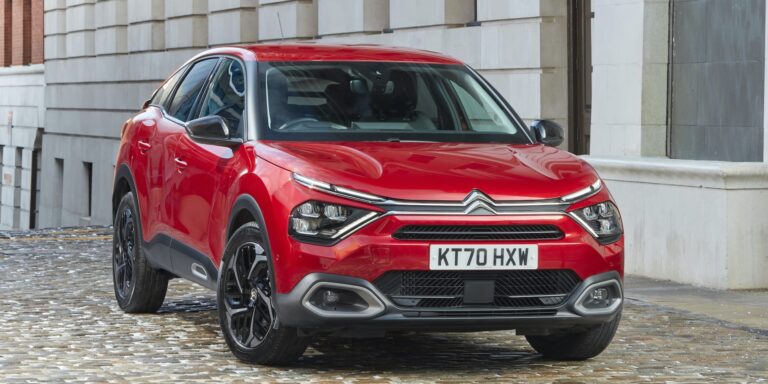
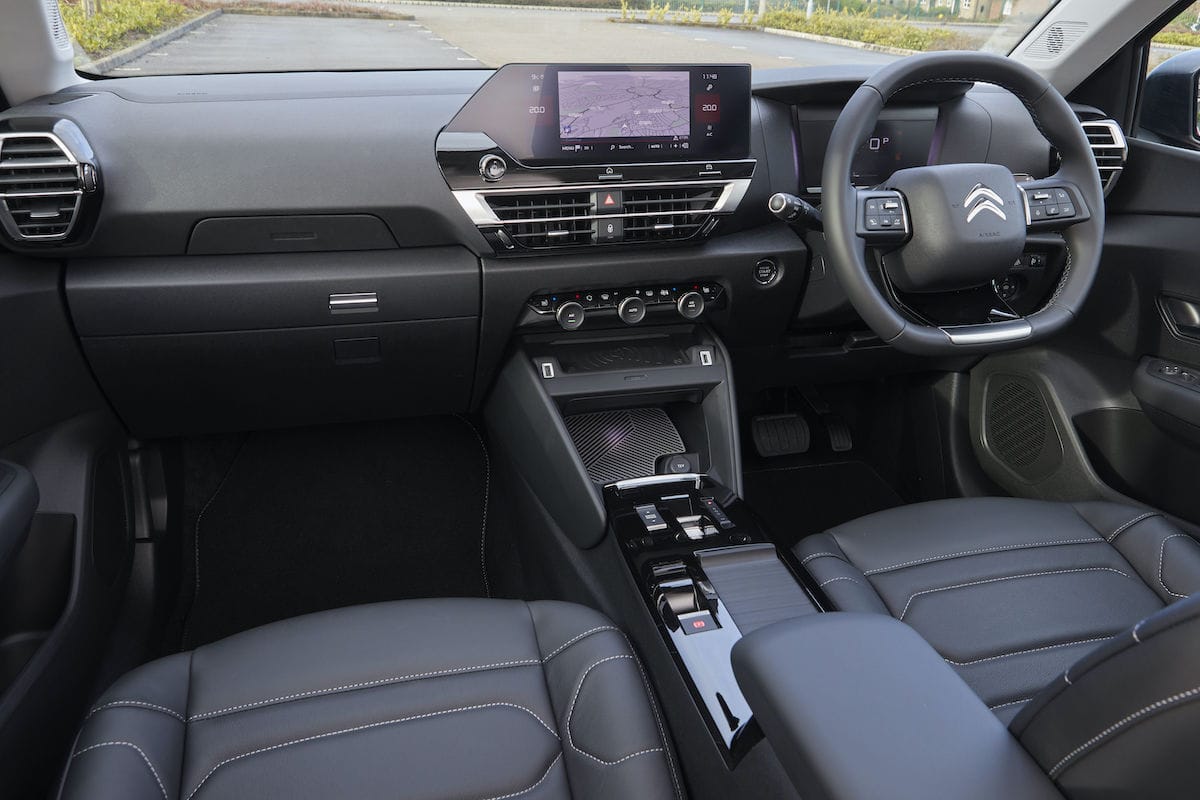
The Citroën C4 is a medium-sized family car, which was unveiled in late 2020 and arrived in the UK in early 2021. It’s similar in size to a Volkswagen Golf or Ford Focus, although it’s more a liftback than a regular hatchback, and rides a bit higher like an SUV/crossover. So it’s certainly a bit different to its competitors.
Unusually, the C4 is available with a choice of petrol, diesel or electric power. This page only covers the conventional fossil-fuel models, and we have a separate page for the electric ë-C4 version.
The initial reviews for the C4 range have been generally positive, although not quite as strong as for the leading rivals in its class. It has been praised for its comfort and distinctive design, which is notably different from anything else in the mid-size family car sector.
An updated C4 family was announced in Autumn 2024, with the first cars expected to reach UK showrooms in Spring 2025. There will be the usual minor styling revisions and trim level tweaks, but they’re fundamentally the same cars.
As of February 2026, the Citroën C4 holds a New Car Expert Rating of C, with a score of 59%. It achieves top marks for its low CO2 emissions and its running costs are relatively low, but its safety rating is merely average and its reliability record is poor.
Model reviewed: 1.2-litre petrol automatic 155 Shine Plus Score: 7 / 10 “While the e-C4 grabs headlines, this new petrol unit shows lots of appeal, too. The power boost makes the Citroën C4 a lively option that gives a little flexibility to those looking for a comfortable family hatchback. It’s just a shame that one or two negatives take the shine off the overall package.” Read review
Model reviewed: 1.2-litre petrol automatic 130hp Shine Plus Score: 7 / 10 “Our rating reflects the fact that the higher-end, automatic car we’ve driven here isn’t likely to be the sweet spot in the new Citroën C4 range; for that, you’d save the cash and stick to a manual gearbox, or choose the electric version as a company car and revel in the tax breaks.” Read review
Auto Trader
Model reviewed: Hatchback Score: 7 / 10 “With new trim options, and Citroën’s continued focus on comfort, the new C4 is a big improvement over its predecessor.” Read review
Business Car
Model reviewed: 1.2-litre petrol automatic Shine Plus Score: 7 / 10 “In summary, the new Citroen C4 is a good replacement for the old C4 and Cactus. For those who need to travel reasonably long distances on a regular basis – but still frequent towns and cities – the petrol C4 range is a compelling choice.” Read review
Car
Model reviewed: 1.2-litre petrol automatic Score: 8 / 10 “The new Citroën C4 is as supple as a Pilates teacher, refreshingly putting comfort above all else. It’s nicely equipped and competitively priced.” Read review
Car Keys
Model reviewed: Range overview Score: 8 / 10 “To those that criticise cars for being too similar these days, the Citroen C4 exists to prove this is definitely not the case. It really is a breath of fresh air in the crossover and hatchback segments, with its bold design, pleasing interior and impressive levels of comfort.” Read review
Carbuyer
Model reviewed: Range overview Score: 8.2 / 10 “The Citroen C4 is a comfortable family hatchback with modern, fashionable styling.” (Ben Custard) Read review
Company Car Today
Model reviewed: 1.2-litre petrol manual Shine Score: 8 / 10 “A striking and distinctive new take on the regular lower medium hatchback, the Citroën C4 is comfortable and practical, as well as offering a good range of powertrains.” Read review
Daily Mail
Model reviewed: 1.2-litre petrol automatic Shine Plus “The new Citroen C4 certainly looks the part and should give the rival VW Golf and Ford Focus a run for their money.” Read review
Daily Mirror
Model reviewed: 1.2-litre petrol automatic Shine Plus Score: 10 / 10 “The new Citroen C4 ticks a lot of boxes and looks refreshingly different. It works particularly well as an electric car but is still a great choice in petrol. And diesel offers a possible 70mpg. Whatever the powertrain, the new C4 marks another step forward for Citroen.” Read review
Eurekar
“The new Citroen C4 is a very smooth operator.”
Read review
Fleetworld
Score: 8 / 10 “Nothing like as conventional as rivals such as Ford’s Focus and Vauxhall’s Astra. However, if you value comfort then the C4 is definitely worthy of keen consideration.” Read review
Heycar
Model reviewed: Range overview Score: 7 / 10 “Citroen doesn’t really sell a conventional rival to the likes of the Ford Focus and Volkswagen Golf. The dull-as-dishwater Citroen C4 was axed in 2018, leaving the quirky C4 Cactus to cater for that market. But now, the C4 returned for 2021 and it’s certainly very different to its staid predecessor. “ Read review
Honest John
Model reviewed: Range overview Score: 8 / 10 “If you’re looking for a car that’ll turn heads in the Tesco car park, the Citroen C4 is a much better choice than more conventional alternatives. It’s not much of a compromise, either, with a decent cabin and frugal petrol and diesel engines.” Read review
Parkers
Model reviewed: Range overview Score: 8.2 / 10 “Distinctive hatchback majors on comfort.” Read review
The Sunday Times
Model reviewed: Petrol C4 and electric ë-C4 combined review Score: 6 / 10 “The petrol Citroën C4 is a little floaty over bumpier roads, and our test car revealed vibrations on some country lanes that become really quite unpleasant, to the extent that it felt like there was a flat spot on a tyre. The ë-C4 on the other hand, had no such issues.” Read review
Top Gear
Model reviewed: Range overview Score: 7 / 10 “Citroen C4 hatch isn’t like all the rest and plays big on comfort. Plus, it’s not a crossover.” Read review
Safety rating
Independent crash test and safety ratings from Euro NCAP
The Citroën C4 was crash-tested by Euro NCAP in May 2021 and awarded a four-star safety rating. In most areas the car performed well, although not as well in every test as the best performers, hence the four-star rating. The main concern of testers was that the autonomous emergency braking (AEB) system did not recognise pedestrians well enough in all scenarios.
This rating score also applies to the ë-C4 electric model.
Eco rating
Independent economy and emissions ratings from Green NCAP
No eco rating
As of February 2026, the Citroën C4 has not been tested by Green NCAP.
Reliability rating
Reliability data provided exclusively for The Car Expert by MotorEasy
Total claims: 155 Average repair cost: £418.74 Last updated: October 2024
The Citroën C4 has a poor reliability record, according to workshop and warranty data provided exclusively to The Car Expert by our partners at MotorEasy. This score applies to both the current model C4 and to previous (pre-2021) generations.
The most commonly reported problems relate to the engine, with an average repair bill of more than £500. Gearbox repairs are considerably more expensive, with an average bill of £1,200, but thankfully these have been quite rare to date.
Running cost rating
Monthly cost of ownership data provided exclusively for The Car Expert by Clear Vehicle Data
Fuel consumption
Average
Score
Petrol models
53 mpg
B
Diesel models
61 mpg
A
CO₂ output
Average
Score
Variation
Score
Petrol models
126 g/km
B
Diesel models
129 g/km
B
Insurance group
Average
Score
Variation
Score
All models
19
A
Service and maintenance
Cost
Score
Year 1
£171
B
Year 2
£493
B
Year 3
£778
B
Year 4
£1,022
B
Year 5
£1,396
B
Overall
£3,860
B
The Citroën C5 X should be a very affordable car to own and run, according to whole-life cost data provided exclusively to The Car Expert by our technical partner, Clear Vehicle Data.
Fuel economy is good on petrol models and even better on diesel-engined versions. Insurance costs are excellent, as are servicing and maintenance costs over the first five years.
For a car this size, you’ll struggle to find any petrol or diesel car that’s cheaper to live with than a Citroën C4.
Similar cars
If you’re looking at the Citroën C4, you might also be interested in these alternatives
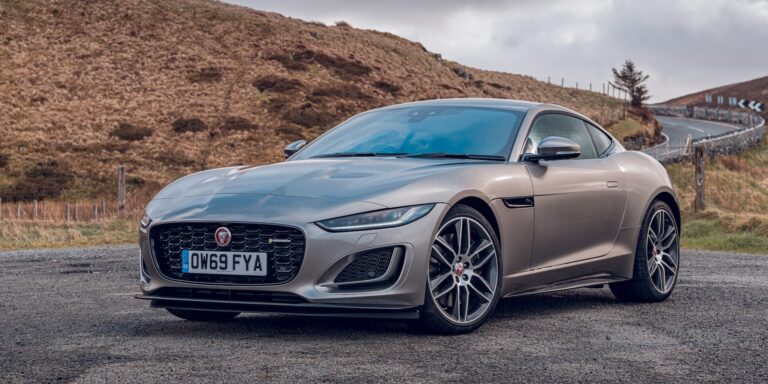
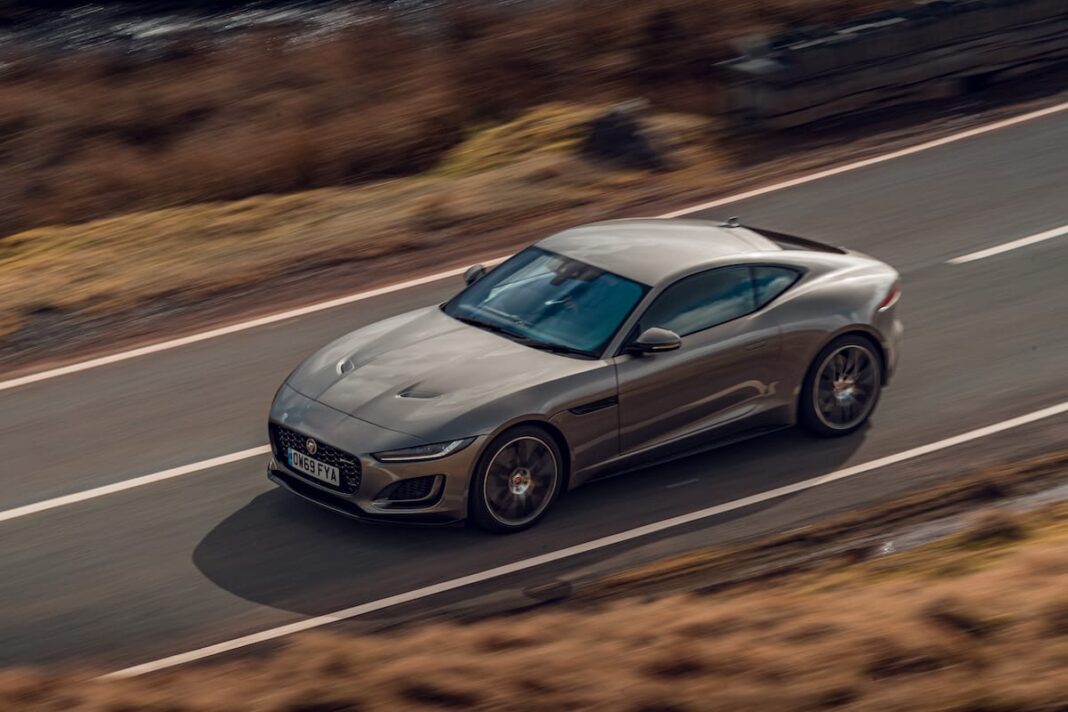
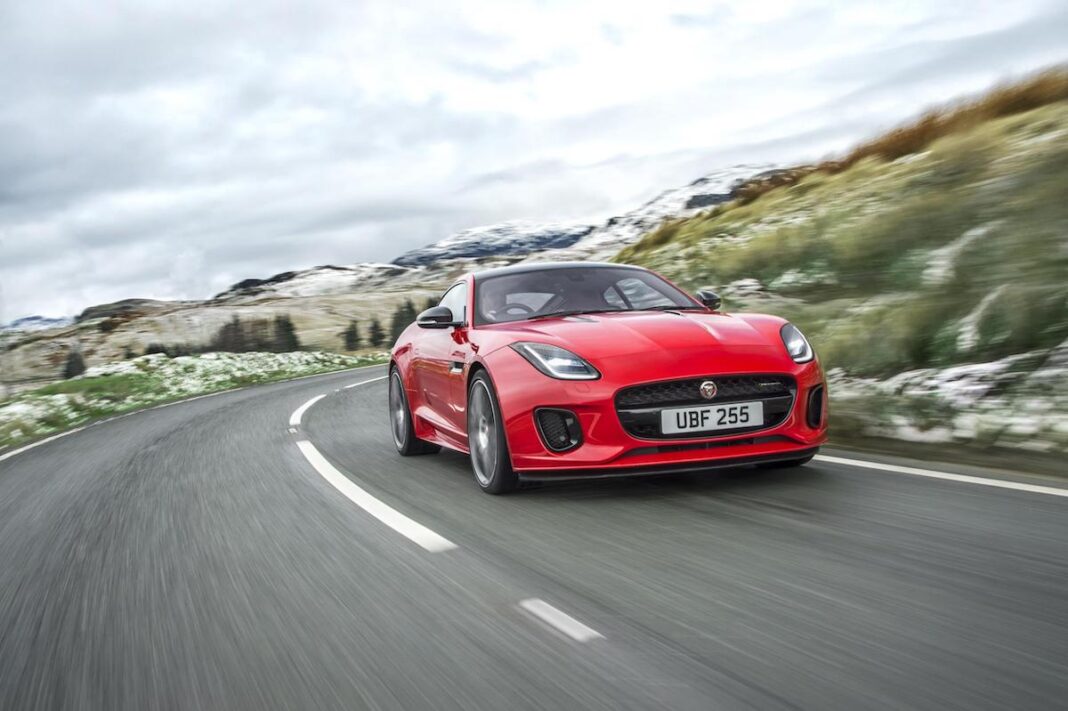
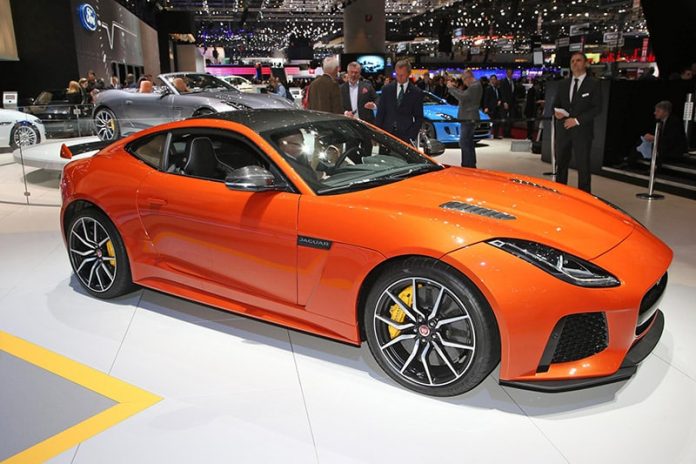
The Jaguar F-Type was a two-door, two-seat sports car available in either coupé or convertible body styles. It was originally launched in convertible form in late 2012, going on sale in the UK in summer 2013. The coupé version followed about a year later.
The range was given a major update in 2019, easily recognisable from the revised front-end styling. The F-Type remained in production until 2024, when it was finally discontinued as part of Jaguar retiring its entire model range ahead of a complete brand relaunch.
Originally launched with a choice of V6 or V8 engines, a four-cylinder powerplant was added in 2017. As part of the 2019 facelift, the V6 engine was dropped and a lower-spec V8 engine offered instead. There were also high-performance SVR and Project 7 models, which are not covered here.
The F-Type received mostly positive reviews for its combination of style and performance. Its Expert Rating score falls a long way behind its most commonly-compared rivals, the Porsche 911 and Porsche 718 Boxster/Cayman twins, but it still tended to be a favourite of motoring journalists.
No longer on sale, the Jaguar F-Type has a Used CarExpert Rating of E with a score of 51%. Athough its media review scores are decent, its running costs are very high and its reliability record is poor.
“The Jaguar F-Type stands out for two reasons: its head-turning looks and bone-rattling V8. There are more practical coupes, with better infotainment, though.”
Model reviewed: P450 75 (2023) Score: 8 / 10 “The 75 is a fitting, if not dramatically changed, send-off for the Jaguar F-Type. The softer, lower-powered P450 derivative better suits the car’s more GT-aligned nature, and it seems great value compared to a Porsche 911 Cabriolet, despite that car being sharper and fresher.” Read review
Model reviewed: P450 coupé Score: 8 / 10 “Jaguar’s efforts with the heavily updated F-Type prove you can teach an old dog new tricks. Perhaps the most welcome change is the rejigged line-up, though; the new P450 option means V8 power is likely to be more appealing than ever in this popular car.” Read review
Car
Model reviewed: Coupé range Score: 8 / 10 “This is a very light facelift. But the car’s even better looking than it was before, the new driver instruments are a welcome addition (even if the different modes are a little fiddly to shift between), as is CarPlay, and the driving experience remains richly rewarding.” Read review
Model reviewed: Heritage 60 Edition convertible (2021) Score: 8 / 10 “The Jaguar F-Type remains a fine sports car, and the R remains – for the power-hungry at least – the ultimate example of it; handsome, shatteringly fast, brawny and seriously capable.” Read review
Carbuyer
Model reviewed: Coupé range Score: 8.2 / 10 “The Jaguar F-Type offers style and performance by the bucketload, combining classic grace with modernity very well.” (Tom Jervis) Read review
Carwow
Model reviewed: Convertible range Score: 8 / 10 “The Jaguar F-Type Convertible stands out for two reasons: its head-turning looks and bone-rattling V8. There are more practical open-tops, with better infotainment, though.” Read review
Daily Mail
Model reviewed: Coupé range “The new Jaguar F-Type is an evolution rather than a radical revolution. In essence, the face has been sharpened up with some razor-like headlights similar to those used in the electrifying I-Pace SUV.” Read review
Daily Mirror
Model reviewed: Coupé range Score: 10 / 10 “Jag gets everything right but the price.” Read review
Evo
Model reviewed: Range overview Score: 8 / 10 “The updated Jaguar F-type appeals on style and image, but there’s no escaping its age against razor-sharp rivals.” Read review
Heycar
Model reviewed: Range overview Score: 7 / 10 “Competent, beautiful Jaguar ageing well” Read review
Honest John
Model reviewed: Coupé range Score: 8 / 10 “The Jaguar F-Type is a very British sports car, though, and a very desirable one should you not have quite the means to stretch to something like an Aston Martin Vantage.” Read review
Model reviewed: Convertible range Score: 8 / 10 “The Jaguar F-Type Convertible still makes a convincing, largely comfortable touring car while providing eight-tenths of the plug-in, sheer driving brilliance of a Porsche Boxster or 911 – models that are both F-Type alternatives because of the sheer breadth of the Jaguar’s model range.” Read review
Parkers
Model reviewed: Convertible range Score: 8.4 / 10 “If you’re in the market for a two-seat convertible sports car, and you don’t want a Porsche, the Jaguar F-Type should be near, or at, the very top of your list. Something that looks so good and drives so well should be on the list of anybody with an ounce of petrol in their bloodstream.” Read review
Model reviewed: Coupé range Score: 8 / 10 “This is a very light facelift to the Jaguar F-Type. R customers will notice a difference, should they drive new and old back to back, but P300 customers won’t, because there are no differences to feel.” Read review
The Sun
Model reviewed: 2.0-litre petrol automatic P300 coupé “The best just got better as the Jaguar F-Type looks like a Ferrari and performs like a Porsche.” Read review
The Telegraph
Model reviewed: 5.0-litre petrol automatic P575 R coupé Score: 6 / 10 “The problem with the Jaguar F-Type R, really, is that it’s just a bit too much. Too powerful, too costly, and frankly, too tricky to handle if the conditions aren’t perfect.” Read review
Top Gear
Model reviewed: Coupé range (facelift) Score: 8 / 10 “Slightly sharper looks, slightly sharper chassis… but otherwise refreshingly old-school. Phew.” Read review
Model reviewed: Convertible range (facelift) Score: 6 / 10 “Time is starting to tell for the Jaguar F-Type. Old school driving experience isn’t without charm, but sophistication is lacking.” Read review
Model reviewed: Heritage 60 Edition Score: 7 / 10 “The Jaguar F-Type’s dynamics are the best they’ve ever been.” Read review
Safety rating
Independent crash test and safety ratings from Euro NCAP
No safety rating
The Jaguar F-Type was not tested by Euro NCAP during its production life.
Eco rating
Independent economy and emissions ratings from Green NCAP
No eco rating
The Jaguar F-Type was not tested by Green NCAP during its production life.
Reliability rating
Reliability data provided exclusively for The Car Expert by MotorEasy
Total claims: 87 Average repair cost: £983.56 Last updated: April 2025
The Jaguar F-Type has a below-average reliability rating of 58%, according to workshop and warranty claim data provided by our partner MotorEasy. The data refers to both coupé and convertible models.
Electrical system faults are the most common, and usually cost around £420 to fix. Engine problems are pretty common too but don’t occur as often – these repairs reported cost about £3,500 on average.
If you’re looking at a used Jaguar F-Type, make sure any extended warranty cover you purchase covers all of these potential problem areas.
Running cost rating
Monthly cost of ownership data provided exclusively for The Car Expert by Clear Vehicle Data
Fuel consumption
Average
Score
Petrol models
28 mpg
E
CO₂ output
Average
Score
Variation
Score
Petrol models
234 g/km
E
Insurance group
Average
Score
Variation
Score
All models
44
E
Service and maintenance
Cost
Score
Year 1
£501
E
Year 2
£1,137
E
Year 3
£1,749
E
Year 4
£2,097
E
Year 5
£2,804
E
Overall
£8,288
E
The Jaguar F-Type is an expensive car to own and run, according to whole-life cost numbers provided exclusively to The Car Expert by our data partner, Clear Vehicle Data.
The car’s fuel economy is very poor, and insurance and maintenance costs are predicted to be higher than the market average.
Awards
Trophies, prizes and awards that the Jaguar F-Type has received
2019
Honest John Awards – Best Performance Car
2015
UK Car of the Year Awards – Best Coupé
Automotive Management Awards – Best New Car
ContractHire&Leasing Awards – Best Sports Car
2014
Auto Express Awards – Best Coupé
2013
Top Gear Awards – Best Convertible
Stuff Awards – Car of the Year
FHM Awards – Best Drop Top
Recombu Awards – Best Performance Car
World Car Awards – Best Car Design
Similar cars
If you’re looking at the Jaguar F-Type, you might also be interested in these alternatives
The Mazda MX-30 is a milestone car for the Japanese brand, which is finally plugging into the electric circuit after shouting long and loud that efficient internal-combustion engines still have their place in future motoring.
That view hasn’t changed, but Mazda admits that electric propulsion should not be completely ignored. Its first full battery-electric production car will be followed by more, as well as plug-in hybrids. But as is typical of the brand, the MX-30 does the electric bit in a different way, particularly with distinct and controversial methods of addressing the so-called major turn-off for EV adopters, range anxiety.
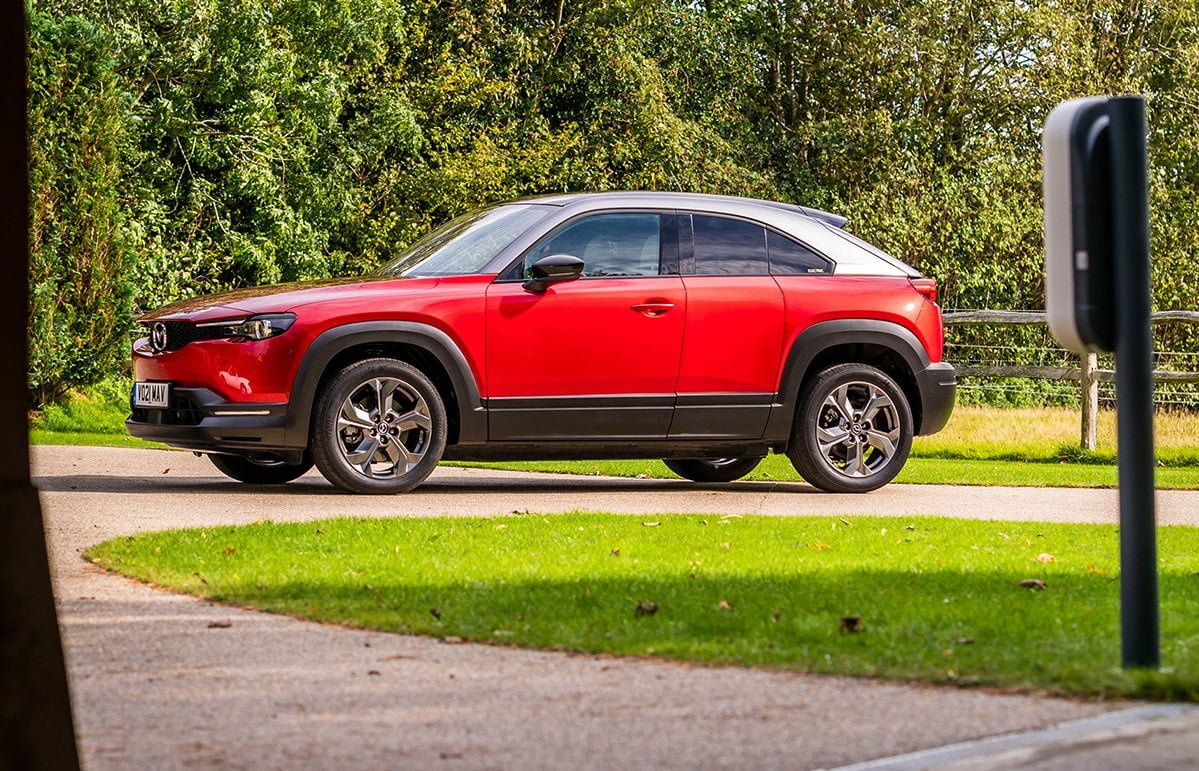
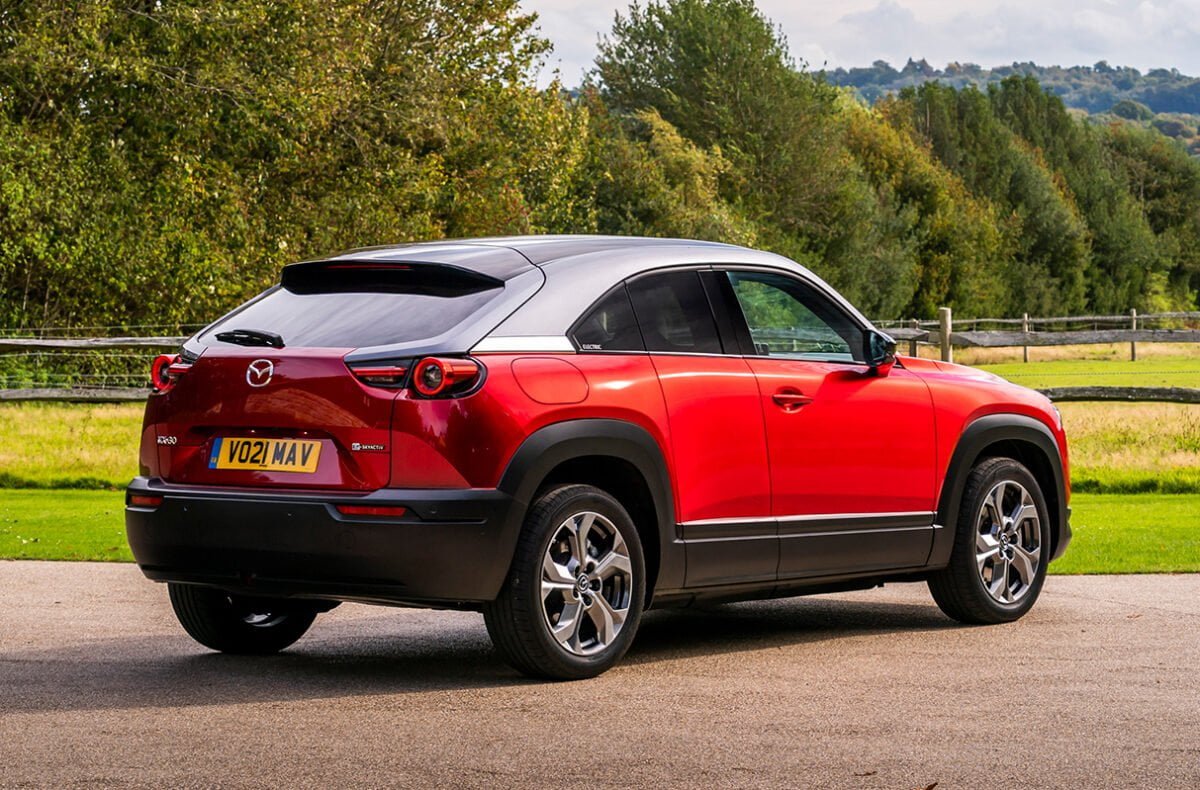
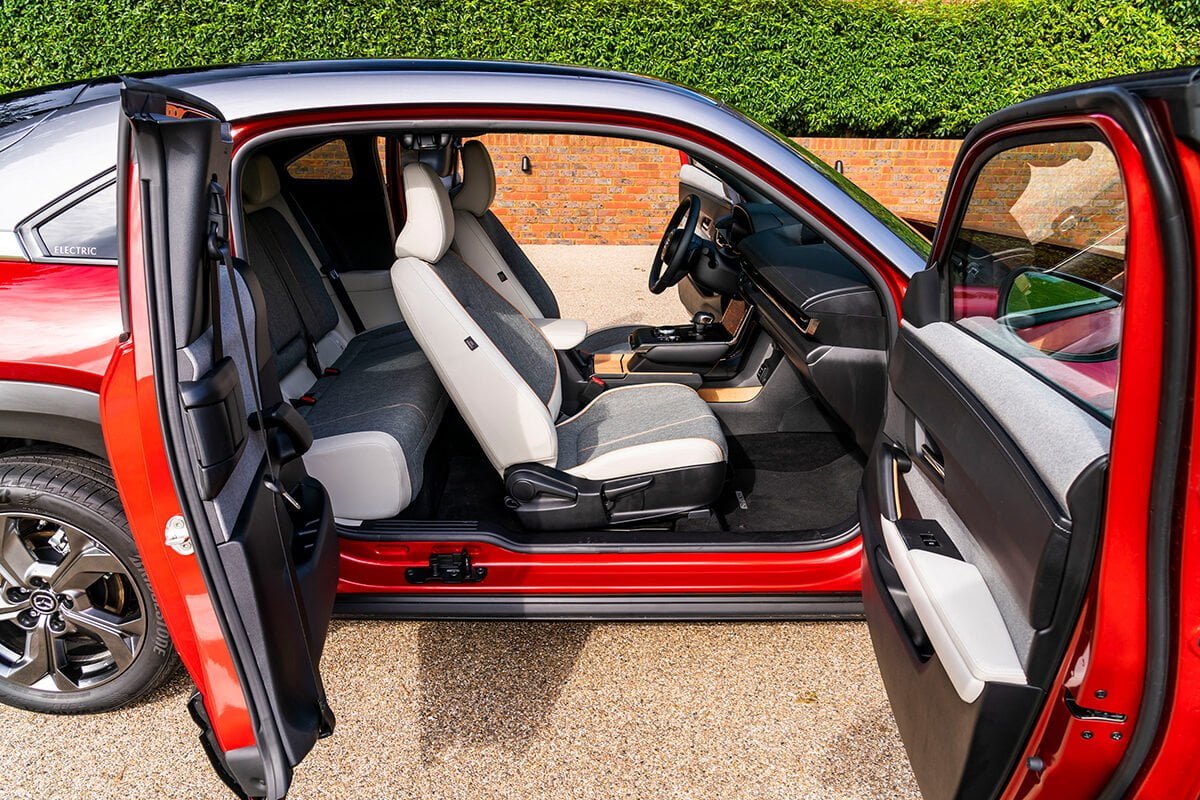
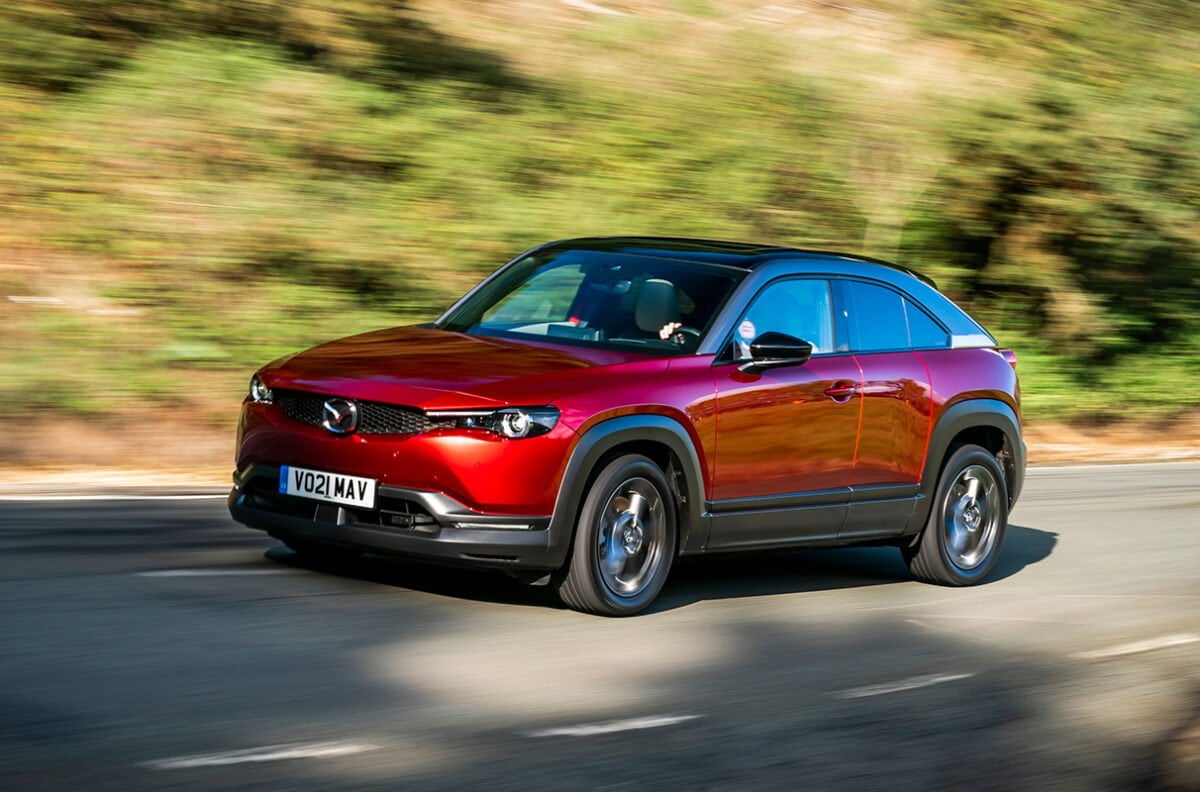
On the surface the MX-30 is a battery-electric version of the CX-30 SUV that Mazda launched last year. But while the two are sisters, the new car was designed from the start as an electric vehicle while also adopting novel touches. The one that most visually differentiates it from its internal combustion sister is the lack of central door pillars and the resultant ‘Freestyle’ rear-hinged doors.
More pertinently, Mazda argues that an EV with a lightweight battery and a shorter range can be just as appealing as one lugging around heavy extra cells and going the extra miles as a result. The car’s modest range between charges could be the defining factor setting the MX-30 apart from rivals.
How does it look?
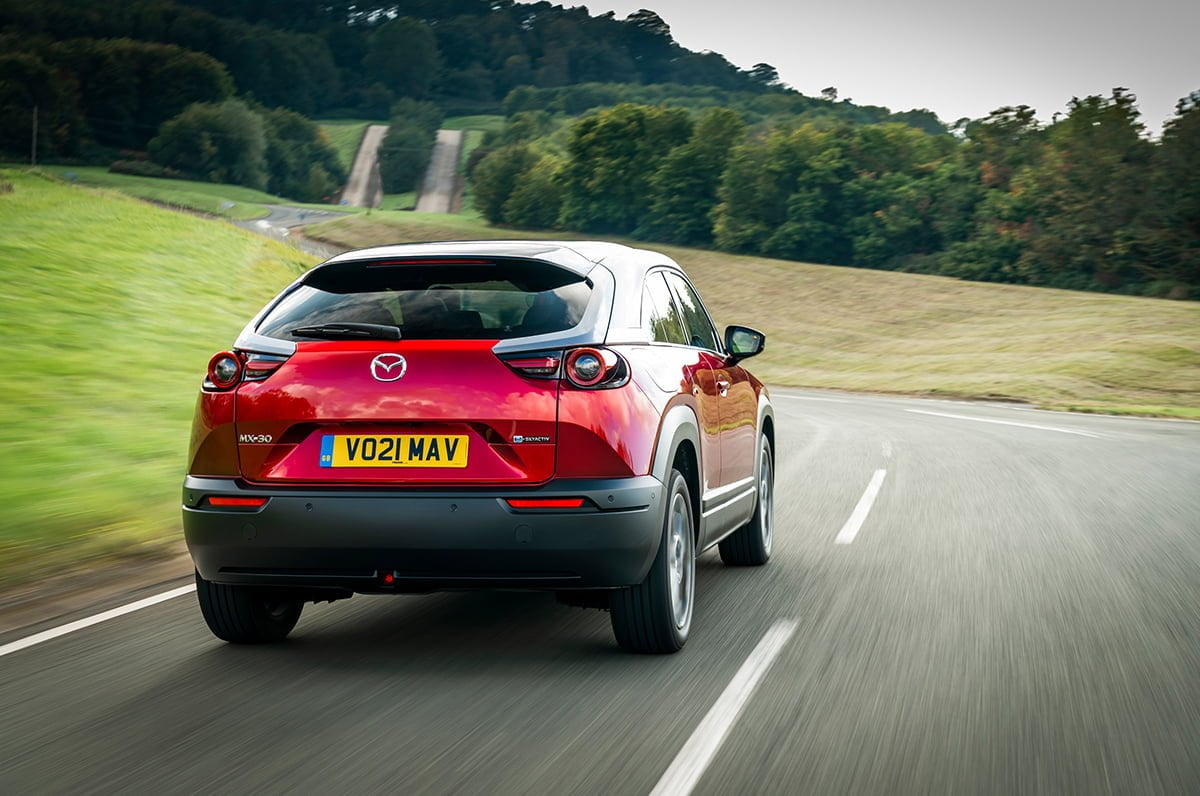
Visually the Mazda MX-30 sits among the least SUV-like of SUVs. While the bottom half of the car boasts the signature SUV cladding supposedly designed to protect the car from the ravages of urban driving, it forms the base to a coupe-like profile. According to the designers this is deliberate – having spent much time and money designing a chassis and powertrain aimed at making the car fun to drive, they did not want to dent the experience with brick-like aerodynamics.
Mazda says it wanted to create a car with an eye-catching design that customers could identify with, rather than the “alien and clinical designs that we saw in a lot of our competitors’ initial electric offerings.”
The resultant clean and simple lines go beyond that essential requirement for EVs to boast as slippery an aerodynamic package as possible to aid the battery range. Overall, the MX-30 is better on the eye than many rivals be they EV or SUV.
What’s the spec like?
The MX-30 range is offered in three mainstream levels plus an initial First Edition model for the first 350 customers. Mazda expects the car to have a slightly niche appeal, only selling around 2,600 in a full year, and most sales are likely to be of the top-specification GT Sport Tec grade.
Prices start from £25,595, once one has factored in the government’s £2,500 grant available to buyers of fully-electric vehicles. Standard equipment on all cars includes LED headlamps, a reversing camera, adaptive cruise control, navigation and a head-up display. The base SE-Lux version comes in a choice of five single-tone colours though only one, the Arctic White, does not attract an additional fee.
Sport Lux pushes the prices up by £2,000 and adds powered seats, lumber adjustment and smart keyless entry, with three-tone paint finishes available. The GT Sport Tech costs from £30,345 with a cloth interior trim or £30,545 with artificial leather and includes de-icing on the wipers, a powered sunroof, heated steering wheel and 12-speaker Bose sound system. It also gets extra active safety aids and a 360-degree view monitor.
The launch First-Edition grade numbers 350 examples and retails at £27,995, with bespoke metallic paint options and interiors plus extra equipment. Initial MX-30 buyers are also being offered a free wall-mounted home charging box.
What’s the Mazda MX-30 like inside?
Firstly we need to talk about getting in, particularly to the rear seats, because unlike its CX-30 sister, the MX-30 is fitted with rear-hinged ‘Freestyle’ back doors and has no central door pillars – recalling the RX-8 sports car of some 19 years ago. You can’t open them without opening the fronts first, which aids safety but not convenience, and the strength of the pillar is built into the doors – the MX-30 has earned a top five-star Euro NCAP rating.
Opening both side doors reveals the entire interior but it’s still not that easy to get in the back, particularly if you are tall. Once in you will struggle for both head and legroom, while it’s slightly claustrophobic due to the narrow glassware that comes with that coupe shape. Matters are a lot better up front, even with the higher than usual driving position which is good for the person behind the wheel.
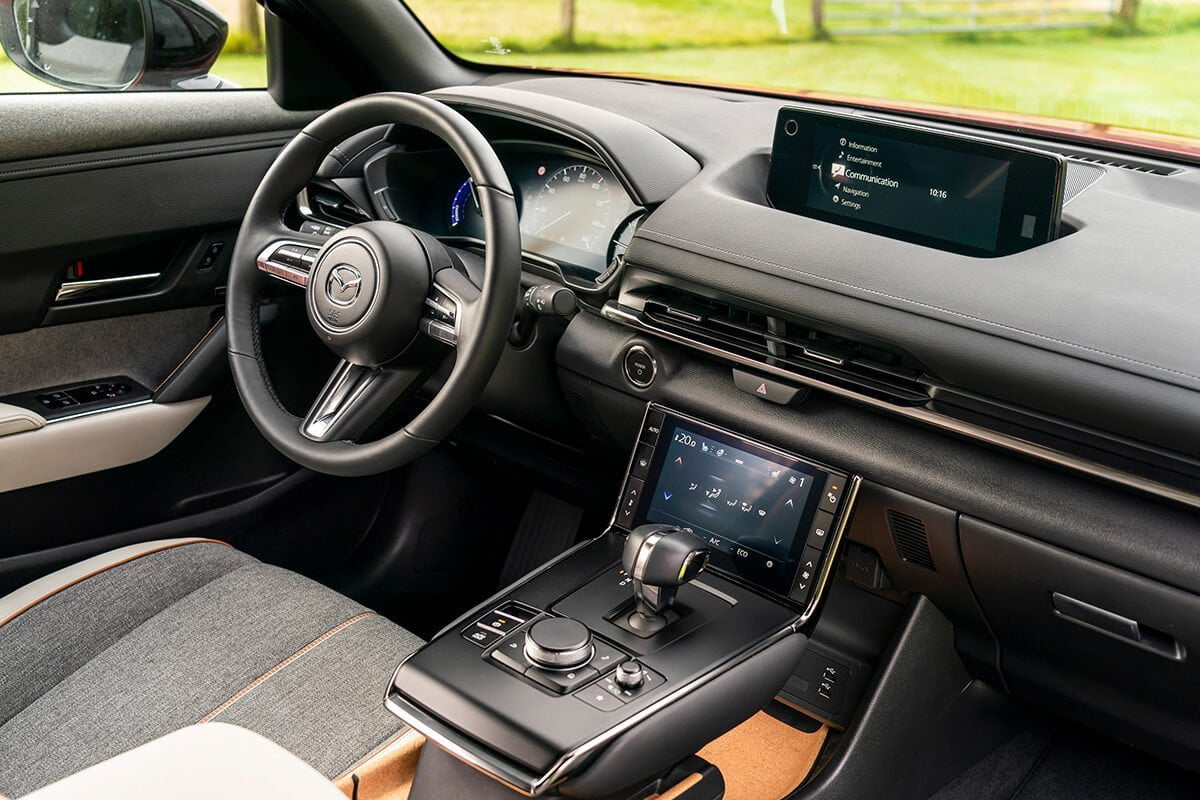
The dash-layout is minimalist, simple and easy to navigate, with the sat-nav screen mounted nice and high atop the centre console. Eco-friendly additions feature throughout the interior, including artificial leathers that don’t look artificial, recycled threadwork and one novel addition, a cork finish to some of the surfaces. This makes use of offcuts used in bottle-stopper production and which would normally be discarded, and also recalls the history of Mazda; bet you didn’t know that the company began as a cork-making factory in 1920 – a great pub-quiz question…
What’s under the bonnet?
This is where Mazda turns away from the philosophy of other manufacturers. It’s well known, though not exactly shouted about, that EVs are not ‘zero emission’ vehicles principally due to what goes into building the hardware to power them and to recharge them, including the mining of rare-earth minerals to make the batteries with.
Mazda argues that by using a battery of 310kg in weight compared to the around 700kg units typically fitted to today’s mainstream electric SUVs, the result is a car that achieves CO2 emissions parity with an internal-combustion engined rival earlier in its life cycle (known as LCA or Life-Cycle Assessment), while the weight saving enables the creation of a much more capable chassis.
The drawback – lighter, smaller batteries hold less charge and thus the car won’t go so far. Mazda claims a WLTP-measured driving range of 124 miles for the MX-30, extending to 160 if you spend all your time in the city and can make more extensive use of the regenerative braking. So not that far then, and that has caused some early criticism of the car.
The designers do take this on the chin, accepting that the MX-30 won’t suit everyone but arguing that its combination of driving fun and green credentials will appeal to most people’s general needs. And it is a viable argument – certainly for most of the year an MX-30 would be perfectly adequate for this reviewer’s daily commute. Only when we travel halfway across the country to visit family would we have to factor in a couple of coffee stops at public charging points. With a plus 50kW charger the battery can be replenished from 20% to 80% in less than 40 minutes.
What’s the Mazda MX-30 like to drive?
So does that ‘better handling car’ actually mean anything? Yes it does – it’s on the road where the Mazda philosophy towards lightweight batteries becomes most appealing. The MX-30 is a spirited performer – the impressive propulsion of the EV package means that the sprint time to 62mph feels rather more rapid than the officially-quoted 9.7 seconds (the car having a governed 87mph top speed), but the big plus is the excellent handling.
While the car is slightly soft on its suspension, taking it through a series of challenging bends is much more akin to the handling prowess of a well-sorted saloon than the ‘throwing a brick’-like progress of a typical SUV.
Technology does aid this – the MX-30 is fitted with a refinement of Mazda’s electronic chassis aid, dubbed e-GVC Plus, designed to control the G forces experienced when leaning into and out of a bend. It gently biases the weight to the front wheels into a corner, improving grip, then as the car exits the bend adds a small acceleration to shift the load to the rear tyres. The system all works rather well and Mazda adds that it is effective across all driving situations, not just on the limit of grip as in a typical torque-vectoring control.
The other notable EV feature is the regenerative braking, which can be adjusted over five levels of effectiveness by means of paddles behind the steering wheel, looking just like those on an auto-manual car. Practiced application of these in circumstances that require a lot of coasting and braking, such as negotiating an urban road network, can add useful extra energy to the battery and miles to the range – it becomes quite easy to use the paddles to slow the car rather than simply pressing on the brake pedal.
Verdict
The Mazda MX-30 is a useful addition to the ranks of electric SUVs, offering something a little different to its rivals. It won’t suit everyone, with those walking away likely to include anyone needing to carry adults in the rear on a regular basis, and primarily those whose daily life includes driving long distances, for which the limited range will be a deal breaker.
However the vast majority of drivers don’t do long distances very often – Mazda’s own data from digital service records across its entire model range shows that the average daily journey distances are just 26 miles. For such people the MX-30 is likely to appeal on its looks, its green credentials compared to other EVs and the fact that it is an electric car that is actually fun to drive.
The latest generation of the BMW M3 has arrived – and it’s the boldest and most powerful model to wear the covted nameplate yet.
And while the new car might be grabbing the headlines, it’s important to appreciate just how important a car the M3 is for performance car fans and for BMW itself. Let’s take a quick look back through the history of the BMW M3, starting with arguably the most important ‘M’ car ever…
The original: The E30
The BMW 3 Series has been around since 1975 as the firm’s junior executive saloon, but buyers had to wait until 1985 for the German manufacturer to create a hot version – the M3. The first M3 was created as a homologation special based on the 3 Series coupé, so BMW could use it to compete in various touring car championships around the world.
Only 5,000 had to be produced to meet Group A regulations but, in the end, nearly 18,000 rolled out of the factory. A handful of those were M3 Cabriolets, which obviously were not homologated for racing…
While quite slow by today’s standards, the E30 M3 was a revelation at the time and is still revered today. The 200bhp, 2.3-litre petrol engine allowed it to reach 60mph in 6.5 seconds. Handling was generally considered sublime by all who drove it. Power would be increased to 240hp on the Sport Evo versions during its lifetime, in conjunction with other improvements to the car’s specification.
Today, decent examples of the original M3 are easily worth £50,000 – and often a lot more – despite only ever being built in left-hand drive. It also started a dynasty, although none of its successors was built to go motor racing.
The boxy one: The E36
Often the forgotten piece of the M3 jigsaw, the E36 M3 came along in 1992. No longer a homologation special to qualify BMW to go racing, it was a more upmarket, more luxurious and heavier vehicle then the original.
Buyers could get a right-hand-drive version for the first time, as well as a new saloon model to sit alongside the familar coupé and convertible versions. Power was increased to 285hp due to a larger 3.0-litre petrol engine, while a revised 1996 model pushed the power to 320hp, thanks to its larger 3.2-litre unit.
An automatic gearbox would also be introduced for the first time as well, which helped to reinforce opinion that the second-generation M3 was a softer, less-defined model than its celebrated predecessor.
A return to form: The E46
BMW ditched the saloon model to concentrate on the the coupé and convertible body styles for the E46 M3, which was introduced in 2000. It was again a further step upmarket thanks to its plush interior.
As is customary of every M3, power increased again to 337hp from a 3.2-litre unit. This was sent through either a six-speed manual or BMW’s latest SMG semi-automatic gearbox. Although intended to provide a racier paddle-shift experience than a traditional automatic transmission, its clunky operation and reputation for braking in a very expensive fashion has resulted in it being viewed as one of the least-popular innovations in M3 history.
The most famous of all the E46 M3s is the CSL (standing for Coupé Sport Lightweight) – a model that harked back to the original 3.0 CSL model from the 1970s. It was worthy of the name, too, as BMW shaved 10% from the weight thanks to a host of carbon-fibre parts and a stripped-out interior. The engine uprated to 360hp as well, to provide a substatial jump in performance.
The only downside was that all CSL models came with the unloved SMG automatic gearbox. Mind you, given that a good CSL today can be easily worth £60,000 (triple the price of the standard M3), it certainly hasn’t held back enthusiasm for this model.
The V8 one: The E92
BMW M3 GTS (07/2010)
The original E30 M3 had a four-cylinder engine, while the second and third models were powered by straight-six units. For the E92 model that arrived in 2007, BMW upped the cylinder count to eight – utilising a 430hp 4.0-litre V8. This dropped the 0-60mph time to 4.6 seconds, which made it the quickest M3 to date.
The saloon body style returned, which continued to be sold alongside the coupé and convertible models, while there were several special editions that largely celebrated BMW’s achievements in motorsport. These include the DTM Champion Edition and the CRT, but the most memorable E93 M3 is the GTS – a bright orange and lighter M3 that used a larger 450hp 4.4-litre V8 engine and was essentially a track car for the road.
The confusing one: M3 becomes M4 with the F80/F82
Up until 2014, the BMW was best known as a fast and sleek coupé. But with the arrival of the fifth-generation model, it was only available as a saloon.
BMW decided to spin the coupé and convertible versions of the 3 Series off into their own model range, called the 4 Series. As a result, the two-door M3 became the M4. The complex evolution of the range didn’t end there, either. BMW decided to revert back to six cylinders for these new cars, as well turbocharging an M3 for the first time – the latter proving controversial.
Power stayed at a similar level to the V8 M3, producing 432hp. This was bumped up to 450hp in the case of the later ‘Competition’ models, which would prove to be the most popular.
This outgoing generation of M3 and M4 has also had its fair chase of special editions, including the CS, DTM Champion Edition ‘30 Jahre’ models celebrating 30 years of the M3. The hottest of the lot, though, was the M4 GTS – a track-focused special edition available with a roll cage and increasing power to almost 500hp.
The new one: The G80 M3 and G82 M4
And now we have a new generation of M3 and M4. The new models are just hitting UK streets now and are undoubtedly the boldest yet, with huge front grille predictably splitting opinion among car enthusiasts.
Six-cylinder engines remain, though, and purists will be delighted that there’s no whiff of electrification either (although this is almost certainly the last generation of M car to be purely petrol-powered). Two variants are offered – the standard models and the Competition, with the latter producing 510hp to make it the most powerful M3 ever.
There is one other key new development with the latest BMW M3, though. For the first time, you’ll be able to buy an M3 Touring (estate). It’s something BMW has teased on several occasions, while backyard modders have created their own versions on many occasions, but an official M3 Touring will finally be a reality by 2022. So if you want an M3 but also need more boot space, this could be right up your street.
The car industry’s predictable and self-serving opposition to yesterday’s reduction in the plug-in car grant was to be expected, but what does it mean for the average consumer?
In case you missed the news, the government has announced that – effective immediately – the taxpayer subsidy on electric cars is being reduced by £500, from £3,000 to £2,500. It will also now only be available to cars priced under £35,000, compared to the previous limit of £50,000.
Car industry spokesfolks have howled with indignation, as they always do. In reality, the government is simply doing exactly what it has always said it was going to do, and this is just the latest of several cuts to the plug-in car grant in recent years. The only real surprise was that the reduction is effective immediately, rather than setting a start date of 1 April or 1 May.
What’s important to note is that the overall pot of money for electric cars is not being reduced, just retargeted. The government has chosen to spread its money a bit thinner and target lower-priced electric cars, which is not that surprising given the strong growth in electric car sales.
Well, if you’re buying a new Vauxhall Corsa-e on a four-year PCP or equivalent lease, it will cost you about a tenner a month more today than it did a couple of days ago – and that’s if Vauxhall does nothing to mitigate the £500 net price increase. Alternatively, you can keep your monthly payments the same and pay an extra £500 deposit up front. So if you were already planning to buy an EV that costs less than £35K, this news is unlikely to sway your decision.
On the other hand, if you were planning to buy a £35-50K electric car, like a Tesla Model 3 or a Polestar 2 or a Mercedes-Benz EQA, yesterday’s news may well cause you to pause for thought. Over the same four-year period, you’ll have to pay more than £60 extra each month – or cough up an extra £3K up front – unless the car manufacturers reduce their prices (and, historically, they magically tend to do so when government incentives disappear so we’ll see what happens).
But in the real world, there is currently a much bigger problem for the economics of switching to an electric car…
The white elephant on the driveway
The biggest economic factor working against electric cars right now is our old friend Covid-19.
Most households have driven much less than usual in the last 12 months, as people have been working from home and doing a lot less travel outside work. According to this month’s MOT report, my own car covered just 1,000 miles in the last year, compared to a usual 7,000 miles a year pre-pandemic, and millions of UK households will have been in a similar position.
Low mileage is a killer for electric car economics. You pay a lot more to buy an EV and then hope to save enough on your running costs to offset the price of the car. But if your electric car has been largely sitting on your driveway for a year, your economic plans have gone completely out the window – by far more than any amount of government subsidy.
Given that a return to normal driving may still be months away for most people, this is what should really be causing car buyers to reconsider whether they want an electric car right now.
The fact that electric car sales have grown so significantly during a year of national lockdowns suggests that the public’s desire to have an electric car on the driveway is stronger than their economic sensibility. So why should the government keep subsidising what is already in demand?
Supporting affordable cars makes sense
Continuing to support more affordable models is far more important than supporting high-end cars, as this is where the government can genuinely help the largest number of people make the switch from fossil fuel to electricity. Even with a massive subsidy, an electric Vauxhall Corsa-e’s starting price is still £10,000 more than the starting price for a petrol Corsa.
On the other hand, is it really the best use of government funds at a time of financial crisis to subsidise the cost of a £50K luxury electric car for people who have that much to spend on a new set of wheels? The government is banking that the general public will agree with this decision.
One last thought
Incidentally, how did the government arrive at the new £35K limit? Well, it probably doesn’t hurt that this precise number means that the two UK-built electric cars – the Nissan Leaf and Mini Electric – both slide under this threshold so they’ll still be eligible for the subsidy…
The UK government has cut its plug-in car grant (PICG) subsidy on new electric cars from £3,000 to £2,500.
In addition, the grant will also only be available to cars costing £35,000 or less, down from the £50,000 price currently applied. The moves take effect immediately and the grants available to buyers of plug-in vans are also being reduced.
Consumers considering a switch to an electric car have been offered government grants since 2011, initially of £5,000 and available to buyers of both purely electric and plug-in hybrid vehicles. Plug-in hybrids were excluded in 2018 and the level of the grant has steadily been reducing, the last move in early 2020 cutting it from £3,500 to £3,000.
According to the government, the latest reduction has been made to ensure that the grant could continue to be paid out until 2022-23, as announced in the March 2020 budget.
The announcement claims that since 2019 the choice of EVs costing under £25,000 on the market has increased by “almost 50%,” quoting as examples the MG ZS EV and Hyundai Kona Electric – however, only base models of the Hyundai will be eligible for the funding under the new rules.
“This (move) will mean the funding will last longer and be available to more drivers,” the government announcement stated. “Grants will no longer be available for higher-priced vehicles, typically bought by drivers who can afford to switch without a subsidy from taxpayers.”
Transport minister Rachel Maclean said: “We are refocusing our vehicle grants on the more affordable zero-emission vehicles, where most consumers will be looking and where taxpayers’ money will make more of a difference.” She added that the scheme would continue to be reviewed “in line with further price reductions in electric vehicles,” raising the prospect of further cuts.
Industry responds exactly as you’d expect
Today’s decision inevitably produced an angry reaction across the automotive industry. Mike Hawes, chief executive of industry representative body the Society of Motor Manufacturers and Traders, branded the decision as the wrong move at the wrong time.
“New battery electric technology is more expensive than conventional engines and incentives are essential in making these vehicles affordable to the customer,” Hawes said.
“Cutting the grant and eligibility moves the UK even further behind other markets, markets which are increasing their support, making it yet more difficult for the UK to get sufficient supply. This sends the wrong message to the consumer, especially private customers, and to an industry challenged to meet the government’s ambition to be a world leader in the transition to zero emission mobility.”
The Fiat 500e, also known as the 500 Electric, is all-new model that is unrelated to the petrol-powered Fiat 500 which has been around since 2007 (albeit with several updates over the years).
The new model is a bit bigger and, as the name suggests, will only be available with electric power. Like previous generations, it is available as both a regular hatchback and as a cabriolet. It landed in the UK in Spring 2021 and the old petrol model is continuing to soldier on for the time being, although its demise appears imminent.
Based on dozens of reviews we have gathered to date, the Fiat 500e has been praised for its driving dynamics and interior quality, both of which are significant improvements over the old model.
The main criticism is that the car remains cramped for four people and luggage, but then that goes for any car in this class. It’s also worth noting that most reviews have been based on high-spec models with much higher pricing that the basic version, with higher performance, more equipment and better battery range.
As of September 2025, the Fiat 500e holds a New CarExpert Rating of A, with a score of 72%. It scores top marks for its low running costs and zero tailpipe emissions, although its media review scores have diminished since it was launched and its safety and warranty scores are only average.
Highlighted reviews and road tests from across the UK automotive media. Click any of the boxes to view.
Featured reviews
“While cars such as the Volkswagen e-up! and Honda e have disappeared from their respective price lists, the Fiat 500e soldiers on against an influx of new rivals, including the similarly priced Renault 5 and Citroen e-C3. It has retro-inspired style on its side, and as a city car it certainly cuts it with the best, although its limitations are easy to see once you head out on the open road for longer trips.”
Model reviewed: 42 kWh Convertible Icon Score: 8 / 10 “The Fiat 500 maintains the old car’s fashion accessory image, but it’s also a small EV with usable range, the latest charging tech and crucially it’s offered at a very tempting price. The less expensive and likely more popular hatchback version could score an extra half star when we try it.” Read review
Auto Trader
Score: 10 / 10 “New all-electric Fiat 500 delivers the classic Italian style in an affordable package brimming with the charisma to take on the Mini Electric and Honda E.” Read review
Business Car
Model reviewed: 500e Hatchback La Prima Score: 7 / 10 “The Fiat 500e is light years ahead in terms of powertrain refinement than its forebears, but overall it is still not the most cultured device.” Read review
Car
Model reviewed: 500 Convertible 42 kWh Passion Score: 8 / 10 “Redlining a petrol Fiat 500 through every gear and hearing the chirrup of its tyres on roundabouts as you dodged through city traffic used to be one of the purest and most underrated driving experiences going. Somehow Fiat has translated that eagerness into an electric model.” Author: Adam Binnie Read review
Car Keys
Model reviewed: Range overview Score: 8 / 10 “The Fiat 500 seemed like a perfect fit for electric power and, now that a version is finally here, it’s clear to see those initial ideas were on the money.” Read review
Carbuyer
Model reviewed: Range overview Score: 8 / 10 “The Fiat 500 has been reborn with electric power. It’s an even better city car but the price has increased considerably” (Ben Custard) Read review
Carwow
Model reviewed: Convertible range Score: 6 / 10 “The reborn Fiat 500 Electric is now available as a dashing convertible. Electric performance is strong, but cabin space is tight and the boot is tiny.” Read review
Company Car Today
Model reviewed: Icon 42kWh Score: 8 / 10 “A small car with a very decent range, neat styling, competitive pricing and the tax, NI and fueling advantages of EV. Sal-sac in particular will be enticing.” Read review
Model reviewed: 500 Convertible 42 kWh Passion “The Fiat 500 Electric is a very likeable and good-to-drive little car. It’s not cheap for the version with the more usable range, but the cut-price urban-range model is a handy extra offering.” Read review
Daily Mail
Model reviewed: 500 Convertible Icon “Bellissimo! In these dark and difficult times it’s great to drive a car that instantly puts a big smile on your face. But the new all-electric Fiat 500 brought me an automotive ray of welcome – if socially-distanced – Mediterranean sunshine and warmth.” Read review
Daily Mirror
Model reviewed: Action “Would I buy this budget Fiat 500 Action model and could I live with its range? In a word, no. I’d pay more and go for the 500 that can manage almost 200 miles. You never know when you might have to make a long journey and a range of under 100miles would be a real pain.” Read review
Model reviewed: 42 kWh La Prima Score: 6 / 10 “Owners of the current Fiat 500 who want to go electric but still want a stylish car with plenty of character are not going to be disappointed by this new arrival. In fact, it’s an improvement. What seemed like an eccentric move by Fiat turns out to have been a wise one.” Read review
Discover EV
Model reviewed: Range overview Score: 6 / 10 “If you’re after an electric city car with iconic good looks then the New Fiat 500 with a relatively long official range for its segment and the ability to charge up more quickly than many of its electric supermini competitors, is a good bet for EV buyers in the city car class. Just don’t plan on putting anyone in the back or carrying lots of luggage.” Read review
Driving Electric
Model reviewed: Range overview Score: 9 / 10 “The iconic Fiat 500 city car has gone electric-only in its latest incarnation – and it’s better than its petrol predecessor in every way.” Read review
Electrifying.com
Model reviewed: Range overview Score: 9 / 10 “A fantastic evolution of the 500 that keeps the charm but finally brings the comfort, efficiency and tech you want.” Read review
Eurekar
“As little electric cars go the 500 makes a fine job of its pollution free role and it comes with three drive modes to enable the driver to get the best out of its performance.” Read review
Fleetworld
Model reviewed: Electric “There’s substance behind the electric 500’s stylish update, with a useful range and improved driving experience compared to the old car. But that substance comes at a price.” Read review
Green Car Guide
Model reviewed: Score: 8 / 10 “The Fiat 500 Electric is a welcome choice for EV buyers in the city car class, offering a fun driving experience and a decent 199 mile official driving range.” Read review
Heycar
Model reviewed: Range overview Score: 7 / 10 “The Fiat 500 Electric is a modern urban electric car with a retro twist. It combines quirky looks with a fashionable interior but crucially it’s cheaper than the competition.” Read review
Honest John
Model reviewed: Range overview Score: 8 / 10 Fiat’s electric 500 is a stylish urban runaround – just don’t expect a great deal of refinement once you’ve left the parameters of the city centre. Read review
Parkers
Model reviewed: Range overview Score: 8.4 / 10 “The previous Fiat 500 always felt a bit like a case of style over substance. With this impressively well-resolved and modern new 500, Fiat’s given us a generous dose of both sides.” Read review
The Telegraph
Model reviewed: La Prima Score: 8 / 10 “Cute, charming and surprisingly upmarket, this zero-emissions Fiat 500 city car is the EV that style-conscious urbanites have been waiting for.” Read review
Top Gear
Model reviewed: Range overview Score: 7 / 10 “Fiat’s re-cast 500 is a solid, refined little electric car.” Read review
Which EV?
Model reviewed: Range overview Score: 7.5 / 10 “Just as previous Fiat 500s dating back to the 1950s have been great city cars, the Fiat 500 Electric excels around town. The Action trim sets a new level for EV affordability, although the meagre battery range means you could not buy it intending to go more than short distances from your home. Other versions are more flexible, even if none of them are fast. The Fiat 500 Electric is a great little EV for a keen price, ideal for young urban trendies or as a second family vehicle. Highly recommended.” (James Morris) Read review
Safety rating
Independent crash test and safety ratings from Euro NCAP
Green NCAP said: “With no pollutant emissions at the tailpipe, this full-electric car gets an unbeatable ten out of ten for the Clean Air Index. Energy efficiency of battery electric cars is very high compared with other types of vehicles and the Fiat gets full points here, too.
“However, the standard charger supplied with the vehicle was slow and inefficient so, in the long term, the customer will pay more for grid electricity than would be the case with a better unit. In Green NCAP’s current assessment, which looks only at tailpipe emissions and takes no account of upstream CO2, the 500 completes its hat-trick with maximum points in the Greenhouse Gas pillar.”
Running cost rating
Monthly cost of ownership data provided exclusively for The Car Expert by Clear Vehicle Data
Battery range
Average
Score
Variation
Score
EV models
178 miles
C
Electrical efficiency
Average
Score
Variation
Score
EV models
4.7 m/KWh
A
Insurance group
Average
Score
Variation
Score
All models
18
A
Service and maintenance
Cost
Score
Year 1
£111
A
Year 2
£299
A
Year 3
£502
A
Year 4
£650
A
Year 5
£888
A
Overall
£2,450
A
The Fiat 500e offers very low-cost running, even by electric car standards. Electrical efficiency (the EV equivalent of miles per gallon for a petrol or diesel car) is excellent, while insurance and servicing should also be relatively cheap by new car standards.
The only disappointment is that battery range isn’t great. Across the 500e family, the average range is 170 miles, although the entry-level model drops down to as low as 115 miles while the biggest-battery models are rated for 199 miles. On top of that, you’ll need to bear in mind that these are official EU/UK lab figures, which are optimistic compared to real-world driving.
Reliability rating
Reliability data provided exclusively for The Car Expert by MotorEasy
No reliability rating
As of September 2025, we don’t have enough reliability data on the Fiat 500e to generate a reliability rating.
The Car Expert’s reliability information is provided exclusively to us using extended warranty data from our partner, MotorEasy. As soon as MotorEasy has sufficient data on the 500e, we’ll publish the score here.
Warranty rating
New car warranty information for the Fiat 500e
Overall rating
C
58%
New car warranty duration
3 years
New car warranty mileage
100,000 miles
Battery warranty duration
8 years
Battery warranty mileage
100,000 miles
Fiat’s new car warranty is pretty much the bare minimum offered in the UK, with a duration of three years and a limit of 60,000 miles. Other rivals in the price bracket do better (and in some cases, much better).
In addition to the standard new car warranty, the 500e has an eight-year/100,000-mile warranty for the battery components.
Buying a used Fiat 500e
If you are purchasing an ‘Approved Used’ Fiat 500e from an official Fiat dealership, you will get a minimum six-month warranty included.
If you are buying a used Fiat 500e from an independent dealership, any warranty offered will vary and will probably be managed by a third-party warranty company.
If you are buying a used Fiat 500e from a private seller, there are no warranty protections beyond any remaining portion of the original new car warranty.
If you’re looking to buy a used car that is approaching the end of its warranty period, a used car warranty is usually a worthwhile investment. Check out The Car Expert’s guide to the best used car warranty providers, which will probably be cheaper than a warranty sold by a dealer.
Awards
Trophies, prizes and awards that the Fiat 500e has received
2023
EcoCar Electrified Top 50 – Best Electric City Car
2022
UK Car of the Year Awards – Best City Car
Carbuyer Awards – Best Small Electric Car
Company Car Today CCT100 Awards – Best Small EV
EVFleet World Awards – Best EV City Car
GQ eCar Awards – Best City Car
Parkers New Car Awards – Best Small Electric Car
Southern Group of Motoring Writers Awards – ‘Dark Horse’ of the Year
2021
Auto Express Awards – Best City Car + Best Small Electic Car for the City
Electrifying.com Awards – Car of the Year + Best Small Car
Fleet World Awards – Best EV City Car
Marie Claire Sustainability Awards – Best Electric Car
News UK Motoring Awards – Best City Car
Parkers New Car Awards – Best Small Electric Car
Similar cars
If you’re looking at the Fiat 500e, you might also be interested in these alternatives
Find your next new or used car with Auto Trader. Find out more
Find your next new or used car with Carwow. Find out more
Lease a Fiat 500e
If you’re looking to lease a new Fiat 500e, The Car Expert’s partners can help you find a competitive deal
Personal contract hire deals from Leasing.com. Find out more
Personal contract hire deals from Carwow. Find out more
Personal contract hire deals from Select Car Leasing. Find out more
Subscribe to a Fiat 500e
Subscriptions are becoming a very popular way for consumers to try an electric car for a few weeks or months to help decide whether it’s a suitable alternative to a petrol car. If you’re interested in a car subscription, The Car Expert’s partners can help. (PS: What’s a car subscription?)
Kia has unveiled dramatic new styling on the EV6, the brand’s first production car designed purely as a battery-electric vehicle.
The SUV, set to be officially unveiled later in March, will be the first of a new range of electric vehicles from Kia, all badged EV followed by a number – some six different models are expected by 2027.
According to Kia’s designers the new ‘Opposites United’ design philosophy is based on five pillars – ‘Bold for Nature’, ‘Joy for Reason’, ‘Power to Progress’, ‘Technology for Life’ and ‘Tension for Serenity.’
Evolving a design first seen on the Imagine concept of 2019, what this translates to is a far bolder look than previous models, principally to ensure the best aerodynamic performance so vital to EV battery range – the EV6 for example has a distinctly lower profile than a typical SUV, while the front boasts a new interpretation of the brand’s signature ‘tiger nose’ grille.
The car is being built on the same new E-GMP platform as sister brand Hyundai’s Ioniq 5. Combining this with a new minimalist interior design will make the EV6 feel more spacious compared to current models. A notable feature is the seamless curved high-definition audio-visual and navigation screen funning across more than half of the front fascia.
Kia is yet to confirm full technical details for the EV6. However it is expected to be a performance-focused model, industry sources predicting 0-62mph times of around five seconds and a 120mph top speed.
The car’s battery pack is expected to produce a range of around 310 miles with the ability for 800-volt rapid charging to 80% in less than 20 minutes.
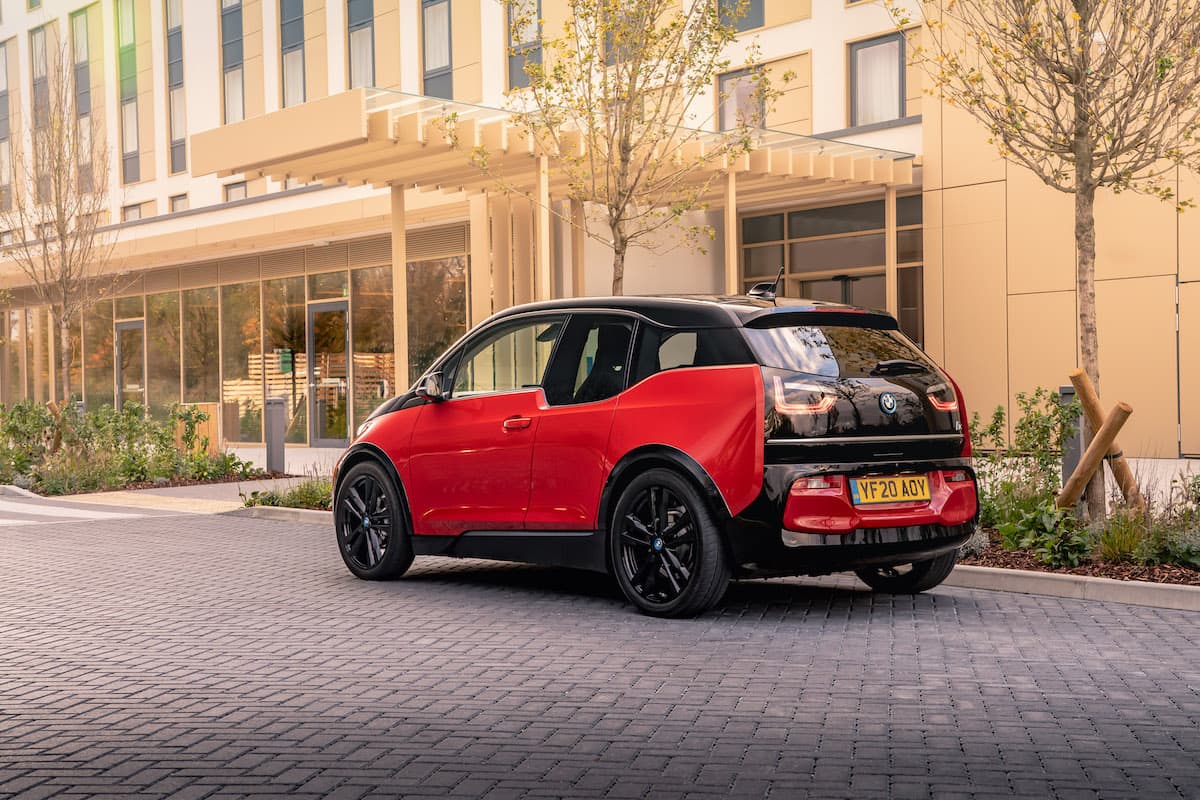
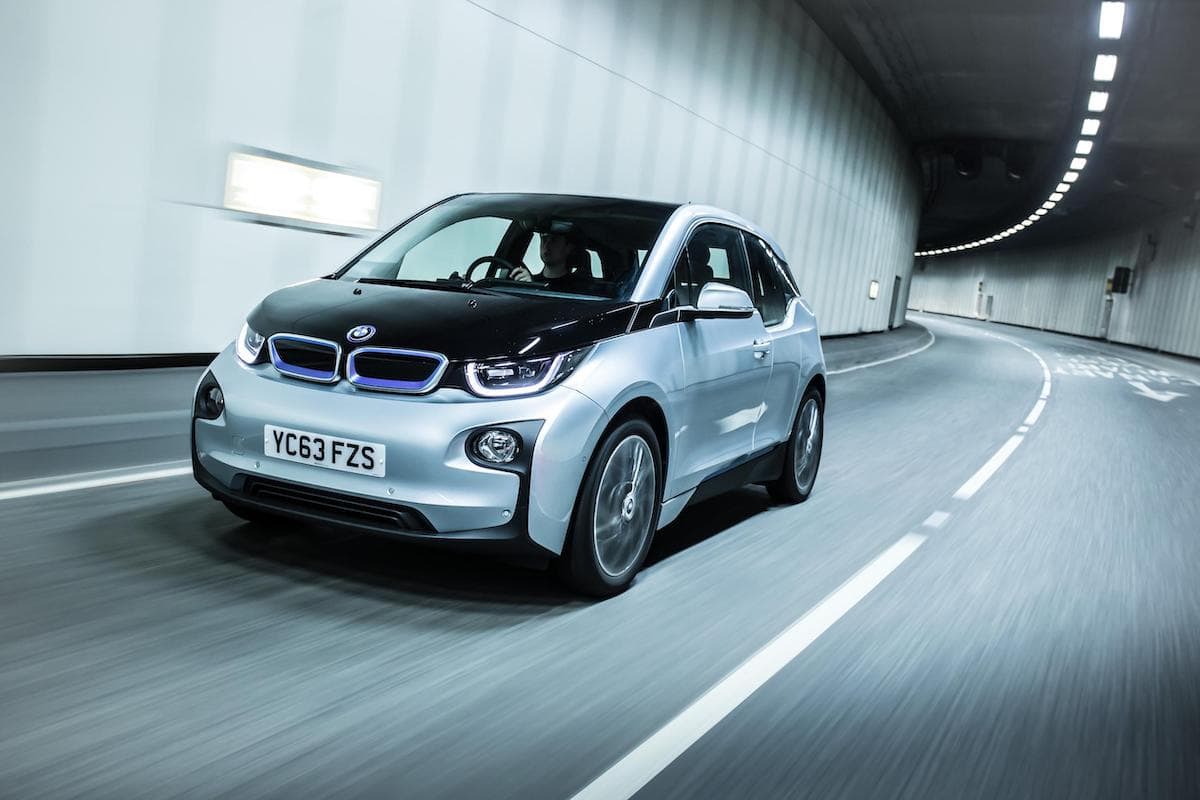
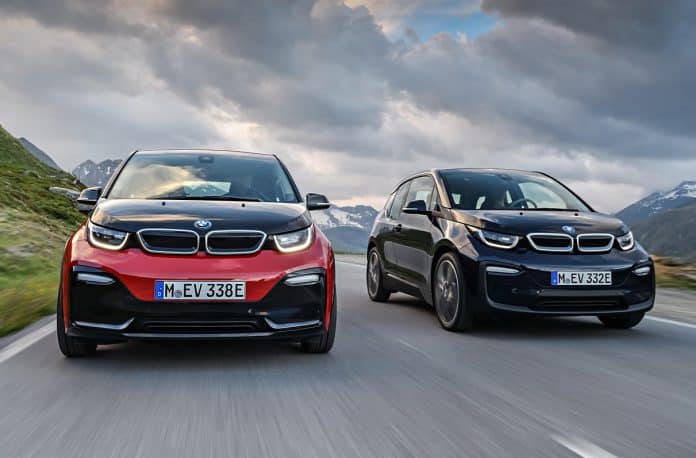
The BMW i3 was a small urban electric car, and was BMW’s first fully electric vehicle when it was launched back in 2013. It received a substantial mid-life update in 2017.
The i3 was one of the pioneers of the electric car movement, and there is still nothing really directly comparable to it on the market. It boasted clever construction methods and lightweight body panels, developed to offset the significant weight of its batteries. Even eight years after it was launched, it was still a more innovative and futuristic vehicle than most other cars on the market – at any price.
However, those eight years saw EV technology evolve rapidly, and newer rivals were able to combine more space and better battery range in more conventionally designed vehicles at lower prices. As an indication of how rapid this evolution has been, the i3 received much praise and many awards in its early years but by the time it ended production in 2022 its review scores had fallen to very low levels.
As a used car, however, and when compared with other cars of a similar age and/or price, the i3 is still highly regarded and has proved to be very reliable. Its very low running costs are also attractive.
No longer on sale, BMW is not expected to replace the i3 with a direct successor and is likely to shift towards electric versions of its regular model range.
As of February 2026, the BMW i3 holds a Used Car Expert Rating of A, with a score of 70%. It scores top marks for its low running costs, while its reliability record is good and media review scores are still solid when viewed over the model’s whole life. However, its safety score is low due to its age, meaning it doesn’t offer many of the latest accident avoidance systems now fitted as standard to new cars.
“The BMW i3 is a small electric car with a funky interior and a decent range between charges. Sadly, it’s expensive and other small electric cars are more comfortable.”
Model reviewed: 120Ah Score: 8 / 10 “More range can only be a good thing when it comes to EVs, and the BMW i3 is still relatively affordable for a premium electric car. New owners will benefit from more flexibility, but they’ll also be dogged by the same flaws – namely the poor ride and the lack of standard safety and connectivity tech.” Read review
Model reviewed: i3s range extender Score: 7 / 10 “It’s impressive for BMW to give the i3 more performance without cutting the range at the same time, and to sharpen the way it drives. However, the standard car is hardly a slouch and is pretty good to drive, so we struggle to see how the BMW i3s is worth the considerable extra money.” Read review
Auto Trader
Model reviewed: Range overview Score: 8 / 10 “An early electric pioneer, the BMW i3 remains a distinctive and stylish offering despite new rivals appearing in the EV market. An improved battery pack and increased range meaning the earlier range-extender version is now redundant, and the i3 is now a pure electric vehicle.” Read review
Business Car
Model reviewed: 94Ah Score: 9 / 10 “Putting the engineering brilliance of Tesla to one side, the BMW i3 is arguably the best electric car currently on the market, and these latest updates find solutions to almost all the obstacles stopping fleets from investing in the technology.” Read review
Car
Model reviewed: Range overview Score: 8 / 10 “It is still a £25k city car with only four seats and a tiny boot, but the BMW i3 range is far more appealing than any EV we’ve driven.” Read review
Model reviewed: i3 S range extender Score: 8 / 10 “If you want the fastest, most fun BMW i3, this is it – but its greatest strengths (an attractive, innovative interior, show-stopping exterior styling and enough space for everyday most driving scenarios around town with the capacity for longer trips possible) are shared with the regular i3.” Read review
Model reviewed: 94Ah Score: 8 / 10 “The appeal of the BMW i3 is only strengthened with its new battery pack fitted. It retains the eye-catching design, spacious interior and engaging driving experience we’ve praised previously, but now you can enjoy it for longer between charges.” Read review
Car Keys
Model reviewed: Range overview Score: 8 / 10 “While there are certain areas where the i3 might be showing its age, that can’t detract from the brilliance of this BMW. Given it was years ahead of the competition in many respects, it continues to build a strong case for itself in the electric hatchback market.” Read review
Carbuyer
Model reviewed: Range overview Score: 7.8 / 10 “The BMW i3 is great fun and nippy around town but it’s expensive and those striking looks won’t appeal to everyone.” Read review
Company Car Today
Model reviewed: i3s range extender “The new BMW i3s is the sportiest of mainstream plug-in vehicles and goes and handles very nicely, though it’s far from cheap. The looks are still divisive and the ride quality suffers due to that sportiness.” Read review
Model reviewed: i3s (pure electric version) “The BMW i3s’s zippy performance and fine handling impress, but it’s a shame the range doesn’t let you enjoy it for longer.” Read review
Daily Mail
Model reviewed: i3S “Priced at £37,000, the BMW i3S is unquestionably a premium product considering its modest size, though it’s hard to argue that it is one of the best low-emissions models on the market to date.” Read review
Discover EV
Model reviewed: i3S Score: 6 / 10 “At the time of launch, the BMW i3 proved that electric cars could be funky and fast, and played a major role in bringing them to the forefront of people’s attention. The problem it has now though is that it’s barely changed in the last eight years but the industry is moving fairly rapidly.” Read review
Driving Electric
Model reviewed: Range overview Score: 6 / 10 “The BMW i3 was one of the first electric cars to make everyday drivers sit up and take notice, with its cool style, good handling and practical range.” Read review
Electrifying.com
Model reviewed: Range overview Score: 8.5 / 10 “BMW’s first electric car, the quirky i3, has been around since 2013. But even now it feels like a car from the future.” Read review
Eurekar
Model reviewed: i3 range extender “The BMW i3 handles well with beautifully responsive steering. Wind and road noise are largely absent. The only drawback is the harsh suspension. The car literally clatters over lesser road surfaces, making it uncomfortable at times.” Read review
Evo
Model reviewed: Range overview Score: 8 / 10 “The BMW i3 is a genuinely impressive take on the electric city car.” Read review
Green Car Guide
Model reviewed: i3 S Score: 10 / 10 “If you’re looking for an EV in this class that will also offer a rewarding driving experience for the duration of ownership, then the BMW i3s doesn’t really have any competition at this time – and that’s why BMW believes it can charge a premium for the i3s.” Read review
Model reviewed: 94Ah range extender Score: 10 / 10 “The BMW i3 looks great, it’s rewarding to drive, and it’s an electric car with a solution to range anxiety.” Read review
Heycar
Model reviewed: Range overview Score: 9 / 10 “If any car could convince you that EVs are a good idea, the BMW i3 is it. It has sufficient charm and appeal to make you want one regardless of the engine under the bonnet, yet delivers all the big EV plus points too.” Read review
Honest John
Model reviewed: Range overview Score: 10 / 10 “What the BMW i3 manages to achieve is impressive, ticking all the boxes you expect from an electric car – acceptable range, zero emissions and an environmental mindset thanks to its recycled material content.” Read review
Motoring Research
Model reviewed: Range overview Score: 8 / 10 “The BMW i3 remains one of the most stylish and image-friendly EVs, with driving dynamics that are almost unheard of in the sector.” Read review
Motors
Model reviewed: Range overview Score: 7 / 10 “The BMW i3 can’t be called cheap. It costs considerably more than many of its rivals including the Nissan Leaf, Hyundai Ioniq Electric and Volkswagen e-Golf. Opt for a second hand one, however, and the i3 makes for a used car bargain.” Read review
Parkers
Model reviewed: Range overview Score: 7.6 / 10 “Small electric car is aging gracefully, remaining modern in many ways” Read review
The Sun
Model reviewed: i3S “The key words here are responsible, renewable or recycled resources. Add rather expensive to that list and that’s the BMW i3. It’s a statement car — a very cool, feel-good statement car — but it starts at £30k.” Read review
The Sunday Times
Model reviewed: Range overview Score: 8 / 10 “A high watermark for premium electric motoring.” Read review
The Telegraph
Model reviewed: 94Ah Score: 8 / 10 “The BMW i3 is one of the most advanced battery vehicles on sale, designed with elan and with all BMW’s handling prowess, if not its ride quality. Still needs more range (and bigger rear seats) and this battery-swap business is plain confusing, but this is as good at it gets if you drive with a battery.” Read review
Top Gear
Model reviewed: Range overview Score: 8 / 10 “The BMW i3 remains the best premium small EV out there. Just be prepared to pay proper money.” Read review
Safety rating
Independent crash test and safety ratings from Euro NCAP
No safety rating
The BMW i3 was awarded a four-star Euro NCAP safety rating back in 2013, however this rating expired in 2020 and is no longer valid. This is normal practice, as Euro NCAP reviews its ratings on most cars annually with most ratings expiring after about six or seven years.
However, if you are comparing a used i3 to vehicles of similar age, whose ratings will have probably also expired, its safety rating score is still useful.
Eco rating
Independent economy and emissions ratings from Green NCAP
Clean Air Index: 10 / 10 Energy Efficiency Index: 8.5 / 10
Running cost rating
Monthly cost of ownership data provided exclusively for The Car Expert by Clear Vehicle Data
Battery range
Average
Score
Variation
Score
EV models
182 miles
C
Electrical efficiency
Average
Score
Variation
Score
EV models
5.7 m/KWh
A
Insurance group
Average
Score
Variation
Score
All models
25
B
The BMW i3 is a very affordable car to own and run, according to whole-life cost numbers provided exclusively to The Car Expert by our data partner, Clear Vehicle Data.
Electrical efficiency (the EV equivalent of fuel consumption for a petrol or diesel car) is very good, which helps to provide a decent range for an urban car despite a small battery. Insurance premiums should also be competitive.
We don’t have servicing or maintenance cost information due to the model’s age – by now, servicing costs will vary significantly from car to car depending on age, condition and mileage.
Reliability rating
Reliability data provided exclusively for The Car Expert by MotorEasy
Total claims: 90 Average repair cost: £663.79 Last updated: April 2025
As of January 2025, the BMW i3 has a middling reliability score of 70%, according to exclusive extended warranty data provided by our partners at MotorEasy.
The most commonly reported problems with the i3 relate to the car’s electrical and suspension systems – the electrical issues are more expensive, with an average repair cost of more than £800. Powertrain problems (electric motor and the range-extending petrol engine on some versions) are more expensive, with an average bill of about £1,400.
If you’re looking at a used BMW i3, make sure any extended warranty cover you purchase covers all of the potential problem areas above.
Warranty rating
New car warranty information for the BMW i3
Overall rating
B
76%
New car warranty duration
3 years
New car warranty mileage
Unlimited miles
Battery warranty duration
8 years
Battery warranty mileage
100,000 miles
BMW’s standard new car warranty offering is worse than average, and worse than rival brands in a similar price bracket as the i3.
The duration is three years, with no limit on mileage. Due to the age of the model, that means that almost all i3s will now be out of their factory warranty. However, it’s worth noting that the battery components have an additional eight-year/100,000-mile warranty, so most cars will still be covered by that as of September 2025.
Warranty on a used BMW i3
If you are buying an ‘Approved Used’ BMW i3 from an official BMW dealership, you will get a minimum 12-month/unlimited mileage warranty included.
If you are buying a used BMW i3 from an independent dealership, any warranty offered will vary and will probably be managed by a third-party warranty company.
If you are buying a used BMW i3 from a private seller, there are no warranty protections beyond any remaining portion of the original new car warranty.
If you’re looking to buy a used car that is approaching the end of its warranty period, a used car warranty is usually a worthwhile investment. Check out The Car Expert’s guide to the best used car warranty providers, which will probably be cheaper than a warranty sold by a dealer.
Date: June 2024 Recall number: R/2022/355 Model types: All Build dates: 11/2022 to 05/2023 Number of vehicles affected: 26 Defect: Certain vehicles may have been equipped with an open roof anti-pinch system which does not operate according to specification. Remedy: If required the two motors will be replaced.
2022
2021
2020
2015
Date: November 2022 Recall number: R/2022/322 Model types: All Build dates: 11/2018 to 07/2021 Number of vehicles affected: 18 Defect: During supplier’s production process of the battery cells, a manufacturing defect occurred with the winding of cell-internal films for the high-voltage battery. Remedy: The defective cell module will be replaced.
Date: March 2022 Recall number: R/2022/089 Model types: All Build dates: 01/2022 to 02/2022 Number of vehicles affected: 2,018 Defect: The micro gas generator within the front seatbelt’s retractor may have been damaged and may not act according to the specification in the event of an accident. Remedy: The front seatbelts will be checked and replaced if they are found to have been damaged.
Date: December 2021 Recall number: R/2021/442 Model types: All Build dates: 10/2021 Number of vehicles affected: 38 Defect: The material quality of seat and seatbelt screws may not be according to specification. Remedy: The screws will be replaced in specific locations on the seat belts or rear seats.
Date: April 2021 Recall number: R/2021/158 Model types: All Build dates: 02/2021 to 03/2021 Number of vehicles affected: 82 Defect: The control ring of the recliner of the backrest in the second seat row may break due to insufficient material performance. Remedy: The seat frames of the second seat row will be replaced.
Date: June 2020 Recall number: R/2020/162 Model types: All Build dates: 03/2020 Number of vehicles affected: 189 Defect: The airbag control unit may have been equipped with a defective sensor for the rollover detection. Remedy: The airbag control unit (ACSM4i) will be replaced on the affected vehicles.
Date: April 2020 Recall number: R/2019/289 Model types: All Build dates: 01/2019 to 03/2019 Number of vehicles affected: 120 Defect: The electric motor electronics (EME) printed circuit board was not manufactured according to specifications. Remedy: The electric motor electronics (EME) of vehicles affected will be replaced.
Date: December 2015 Recall number: R/2015/244 Model types: All Build dates: 10/2015 to 11/2015 Number of vehicles affected: 41 Defect: The engine current sensors have not been calibrated correctly, which could lead to an increased recuperation torque during vehicle deceleration. An increased recuperation torque during deceleration could lead to a vehicle oversteer condition. This could lead to skidding on slippery roads. Remedy: Recall the vehicles that are likely to be affected and calibrate sensors for measuring the engine current.
As of September 2024 (our most recent data point), there have been seven DVSA vehicle safety recalls on the BMW i3 to address different issues.
Not all vehicles are affected by recalls. You can check to see if your car is included in any of the above recalls by visiting the DVLA website or contacting your local BMW dealer.
If your car is affected by a recall, the vehicle must be repaired and you should not be charged for any work required. If you are buying a used i3, you should insist that any outstanding recall work is completed before you take delivery of the vehicle.
The rapidly expanding electric car market is changing almost monthly. Of the cars listed above, few are genuinely similar to the BMW i3 in terms of size and specification, but all are trying to fill a similar role for urban driving.
The Renault Megane is a car that’s still known for the controversial styling of the second-generation model, despite more than a decade passing since that well-known version was around.
And while still proving popular, two generations later the Megane isn’t quite the huge hit it once was, even with its cool styling. So with more fierce competition in the family hatchback class – not least from crossovers like Renault’s own Captur and Kadjar – Renault’s set about giving the Megane a makeover to make sure it doesn’t fall by the wayside, but does it exceed?
The styling is arguably the best thing about the Renault Megane, so it’s no surprise this has remained pretty much the same. Instead it’s the cabin that’s really the main difference, with Renault waving the same magic wand that’s benefited the new Clio and Captur recently – meaning an uplift in quality and more tech.
There’s also been a trim level rejig, and importantly the introduction of a new E-Tech plug-in hybrid on the Sport Tourer estate model – the car we’re testing here – which is part of a rollout of electrification on Renault’s core models.
How does it look?
Despite this current fourth-generation Renault Megane range being around for five years, it still looks as fresh as the day it was unveiled – and is dominated by huge lights at the front and rear.
As part of last year’s update, those lights are replaced by LEDs as standard, with the ones at the rear featuring scrolling indicators. Look close and you’ll spot a new grille as well.
If you like sporty looks, you’ll also love the new R.S. Line trim, which replaces the previous GT Line. Renault stretches its marketing enough to say the design takes inspiration from F1, but whether you fall into that trap or not, this is a fine-looking estate car – helped by revised bumpers, large alloy wheels and chrome exterior trim.
What’s the spec like?
Likely to be the most popular choice with fleet buyers, the no-frills entry-level Iconic trim level comes well-equipped as standard, including 16-inch alloy wheels, full LED headlights, keyless entry and front and rear parking sensors.
It really comes with all the kit you could ask for, but if you want style then it’s worth splashing out on the R.S. Line. This gets you all the racier looks, along with additional safety kit and a larger touchscreen and digital dials system.
As with all plug-in hybrids, prices aren’t cheap, with the standard Renault Megane Sport Tourer E-Tech costing from £30,685, which is very similar to the Kia Ceed SW PHEV. Splash out an extra £2,000 if you want the R.S. Line trim.
What’s the Renault Megane Sport Tourer like inside?
On looks alone, the updated Megane’s cabin doesn’t appear too different to its predecessor, but it’s on closer inspection when you notice the well-needed changes. Like before, the media system is integrated into the design, but has a new interface which is much sharper to use, while the quality throughout has definitely improved.
All E-Tech versions also benefit from a digital system, too, while in R.S. Line trim, you can have full Alcantara seats, which truly help to offer a sportier experience – they’re almost like bucket seats in terms of design, but still very comfortable.
In the switch from pure petrol power to electrified petrol power, the Megane’s boot has taken a practicality hit – reducing from 521 litres to 447 litres. However, it’s only really the underfloor storage that’s reduced, and the rest of the cabin is generally roomy, though those fancy seats and the sunroof on our test car did impact rear space somewhat. In that respect, the Kia Ceed SW is a more useful choice.
What’s under the bonnet?
It’s a new powertrain underneath the Megane’s bonnet – and it’s exactly the same as what you’d find in the new Captur. It sees a naturally aspirated 1.6-litre petrol engine mated to a pair of electric motors and a 9.8kWh battery – producing 160hp and 349Nm when combined. It also uses a clever clutchless automatic transmission, which is largely smooth and much nicer to use than the CVTs often found in hybrids.
But it’s not a car that’s all about performance – 0-60mph comes along in a leisurely 9.6 seconds and maxed out it would hit a claimed 111mph. Instead, it’s efficiency where the Megane scores well. With a 30-mile electric range, Renault claims it’ll return 217.3mpg, with CO2 emissions of 30g/km – the latter figure making it a superb company car thanks to a 10% benefit-in-kind rate.
What’s the Renault Megane Sport Tourer like to drive?
While our test car might have been dressed up in its R.S. Line gear, underneath its frock this is a sensible hybrid estate car, and that’s really how the Megane behaves on the road.
It’s a smooth and unobtrusive powertrain that cleverly makes the most of its different resources – leave it in the ‘MySense’ driving mode and it will do it for you, but Sport offers more responsiveness, while Pure lets you potter around just using electricity. While a touch firm in this sporty-looking grade, it remains comfortable and handles well for an estate car – making it more enjoyable behind the wheel than the Kia Ceed SW PHEV, its key rival.
The only real gripe is with the steering itself, which has a bizarre artificial heaviness to it – as if Renault has tweaked it to offer a ‘sporty’ feel, albeit not effectively.
Verdict
Despite the Renault Megane Sport Tourer not being one of the best-selling estate cars, with the introduction of this E-Tech plug-in hybrid, it deserves to be more popular. As before this is a seriously striking-looking estate car, and Renault’s focus on improving quality and technology as part of this update has certainly been noticed.
For company drivers and those that do short journeys and can charge regularly, it’s a very appealing hybrid estate car, but just make sure your lifestyle suits that 30-mile electric range before signing on the dotted line.
Model tested: Renault Megane Sport Tourer E-Tech R.S. Line Price (on-road): £32,995 Engine: 1.6-litre petrol/electric plug-in hybrid Gearbox: Seven-speed automatic
Power: 160 hp Torque: 349 Nm Top speed: 111 mph 0-60 mph: 9.6 seconds
Fuel economy (combined): 217 mpg CO2 emissions: 30 g/km Euro NCAP safety rating:Five stars (2015) TCE Expert Rating:70% (as of March 2021)
The Polestar 2 is a mid-sized electric car and the first volume production vehicle from Volvo’s EV spin-off brand. Unlike the limited-production halo model Polestar 1, the 2 is a regular production model aimed at the hotly contested executive saloon market.
Inevitably, the Polestar 2 has been drawn into comparisons with the Tesla Model 3, which is broadly similar in price and size – and, of course, also powered by an electric motor supplied by batteries. General media consensus has been that the two cars are very evenly matched, but that the Tesla currently has a significant advantage in its comprehensive nationwide Supercharger charging network.
In terms of design, this Polestar is an unconventional blend of saloon, liftback and SUV, making it even more of a crossover than a regular crossover. It sits slightly higher than a conventional car, but doesn’t have the heavy plastic cladding of most SUVs to bulk up its styling.
The Polestar 2 has received many positive reviews from the UK motoring media, as well as from lifestyle and technology titles that we don’t include in our Expert Rating index.
The 2 has been particularly praised for its design, both internal and external, as well as for its performance and outstanding Euro NCAP safety scores. Like most electric cars, it is more expensive to purchase than a conventional petrol or diesel rival, although running costs will inevitably be cheaper.
There has also been criticism (and plenty of complaints on social media) of the company’s apparently deliberate decision not to offer Apple CarPlay in its cars, a consequence of its tie-up with rival Google to provide the operating system for the Polestar 2’s infotainment system.
A mid-life update to the Polestar 2 arrived in the UK in the summer of 2023. This was a substantial evolution of the current model, rather than an all-new car.
As of July 2025, it holds a New CarExpert Rating of A with a score of 73%. This covers both the original and post-2023 facelifted version of the car. It scores top marks for its zero tailpipe emissions and excellent safety rating, while its media review scores and running costs are also good.
Body style: Mid-sized liftback Powertrain: electric motor and batteries Price: From £44,950 on-road
Launched: Autumn 2020 Last updated: Spring 2023 Replacement due: TBA
Image gallery
(2023 onwards)
(2020 to 2023)
(2023 onwards)
(2020 to 2023)
(2023 onwards)
(2020 to 2023)
Media reviews
Highlighted reviews and road tests from across the UK automotive media. Click any of the boxes to view.
Featured reviews
“The Polestar 2 appears an initially expensive buy but once you factor in its quality, equipment levels and the extras such as the over-air updates that keep the car fresh, it becomes a much more attractive proposition.”
Model reviewed: Long Range Single Motor RWD, facelift model
“The Polestar 2 is a fully-fledged, brilliantly executed vehicle that feels just as good to drive as it is to look at. Cleverly packaged and featuring some innovative tech, it’s very much the real deal.” Read review
Auto Express
Model reviewed: Range overview Score: 8 / 10 “The stylish, all-electric Polestar 2 oozes quality and is a decent alternative to a Tesla, but it’s held back by an overly firm ride.” Author: Ellis Hyde, Richard Ingram Read review
Model reviewed: Score: 7 / 10 “Big range and efficiency improvements in the Long Range are offset by the same choppy ride in the latest revised Polestar 2.” (Richard Ingram) Read review
Model reviewed: BST Edition 270 Score: 8 / 10 “Polestar’s BST Edition 270 is delivers when it comes to performance, and the brand’s focus on chassis tuning is a breath of fresh air compared with rival makers obsessed with headline power outputs. The car is still a little short of personality, which is a challenge the performance-EV world as a whole has to overcome.” Read review
Auto Trader
Model reviewed: 2023 facelift range Score: 9 / 10 “As if the multi-award-winning Polestar 2 wasn’t good enough, already this improved version offers more range and performance.” Author: Erin Baker Read review
Model reviewed: Range overview Score: 8.6 / 10 “The Polestar 2 is a stylish, all-electric sporting crossover built by Volvo’s new luxury sub-brand and delivering a stylish spin on zero-emissions motoring.” Read review
Car
Model reviewed: Range overview Score: 8 / 10 “The Polestar 2 deserves your attention because instead of reinventing the wheel, it’s nailed the basics, the less glamorous things that actually make a difference to you day-to-day.” Read review
Carbuyer
Model reviewed: Range overview Score: 8.6 / 10 “The Polestar 2 is available with plenty of range and performance, has one of the best infotainment systems in the business and feels solidly built, making it one of the Tesla Model 3’s strongest rivals.” (Miles Goodson) Read review
Company Car Today
Model reviewed: Range overview Score: 8.2 / 10 “As the only real rival to the trailblazing Tesla Model 3, the Polestar 2 is a high-quality first effort from the fledgling carmaker and well worth considering.” Read review
Daily Mail
“Step inside the clean, chic, cabin and a pressure-sensitive monitor in the driver’s seat fires up the electric motors automatically. Now brace yourself, because the near-silent Polestar 2 has Concorde-like acceleration but without the noisy roar.” Read review
Daily Mirror
Score: 10 / 10 “Polestar is a new brand and an unfamiliar one. Not for long, I suspect, because the Polestar 2 is the most desirable EV that we’ve tested so far. Competition in the EV world is hotting up and that’s great news for the customer and enthusiast.” Read review
Discover EV
Model reviewed: Range overview Score: 9 / 10 “Minimalist Scandinavian design, superb build quality, well-conceived and on the whole great to drive, the Polestar 2 is one of the most complete electric vehicles you can buy. For all of those people who bought the Polestar 2 without even having a test drive they will not be disappointed.” Read review
Driving Electric
Model reviewed: Range overview Score: 8 / 10 “With the addition of two single-motor variants, Polestar’s Tesla Model 3 rival is more affordable, but still strikes a great balance between practicality and desirability.” Read review
Eurekar
“The Polestar 2 is a very impressive newcomer on the EV scene.” Read review
Evo
Model reviewed: Range overview Score: 7 / 10 “Another sign electric cars are maturing to become competent and clever. But while the Polestar 2 makes a great everyday car, it’s still no performance hero.” Read review
Fleetworld
Score: 8 / 10 “Stylish with impressive range, the Polestar 2 has the ‘want’ factor.” Read review
Green Car Guide
Model reviewed: Long Range Single Motor Score: 8 / 10 “The Polestar 2 offers zero-emission motoring in a good-looking, practical package, with the options of standard range or long range, and front-wheel drive or all-wheel drive. The Long Range Single Motor model tested is cheaper than the AWD model, and the official 335-mile range (or 270-mile range in the real world) is good.” Read review
Model reviewed: Performance Pack Score: 9 / 10 “The all-electric Polestar 2 offers an official 292-mile electric range, good performance, excellent traction, and it feels like a premium product.” Read review
Honest John
Score: 8 / 10 “Not only does the Polestar 2 look great, it’s sensational to drive and offers build quality that’s superior to its rival – even if it can’t quite match the TeslaModel 3’s pace.” Read review
Parkers
Score: 8.8 / 10 “The Polestar 2 is the best reason yet not to buy a Tesla Model3.” Read review
The Independent
Score: 8 / 10 “You’ll struggle to notice, but the Polestar 2’s recent revamps have transformed the way it drives. There’s still the Scandi cool, high-tech cabin and plenty of range, but now it features a more compliant ride and better handling, too.” Author: Steve Fowler Read review
The Scotsman
Model reviewed: Single Motor Long Range Score: 9 / 10 “The Polestar 2 is great to drive, fantastic to look at and even better to just sit in. While the dual motor, long-range version offers impressive performance headlines, the long-range single motor car feels more than quick enough and has the best range figure of the bunch, albeit at a £4,000 premium over the standard range car.” Author: Steven Chisholm Read review
The Sun
“Talking car Polestar 2 is a Swedish Tesla – only better.” Read review
The Sunday Times
Score: 9 / 10 “From the design and technology to the fit and finish, safety and usability, performance and handling, the Polestar 2 really feels like a quality package.” Read review
The Telegraph
Model reviewed: Long Range Single Motor (2023 facelift) Score: 10 / 10 “The Polestar 2 is a car that is still stonkingly good – better than ever, in fact – and it remains one of the best EVs on sale. You’ll have to live with the fact it isn’t all that roomy, though there’s enough space for a family of four to be getting along with. And you might not be entirely enamoured with the low-speed ride, though even this you’ll probably get used to. Otherwise, though, the 2 is a class act; there’s very little to dislike here.” Author: Alex Robbins Read review
Model reviewed: Long Range Single Motor Score: 8 / 10 “The single-motor version is now the Polestar 2 to choose. Flaws aside, the 2 is still as much of a delight as ever – even more so now it’s lost a motor. You get everything here that’s good about the dual-motor 2, but with a usefully greater range, more agile handling, and better energy consumption.” Read review
Model reviewed: Score: 8 / 10 “It’s hard to escape the word ‘lovely’ when describing the Polestar 2. It’s endowed with one of the loveliest interiors of any current electric car and a lovely sense of sophisticated maturity that makes Tesla’s farting indicators seem rather gauche. This is not the best electric car out there, and neither is it the best value, but it’s still satisfying and truly desirable.” Read review
Score: 8 / 10 “Polestar may be seen as coming second to Tesla – but that’s often a good place to be. The market is small but growing fast and this likeable car could catch the wave thanks to a more familiar layout for those who have struggled with Tesla’s unashamed disruptive design (and so-so reliability).” Read review
Top Gear
Model reviewed: Range overview Score: 8 / 10 “One of the most complete electric cars money can buy. Superb build quality, and decent to drive.” Read review
“The Polestar 2 is a lovely piece of design inside and out, and well-engineered. Smooth, quiet, and almost over-endowed with acceleration and grip.” Read review
Safety rating
Independent crash test and safety ratings from Euro NCAP
Independent economy and emissions ratings from Green NCAP
No eco rating
As of July 2025, the Polestar 2 has not been assessed by Green NCAP.
The Green NCAP programme measures exhaust pollution (which is zero for an electric car) and energy efficiency. Electric cars are much more energy-efficient than combustion cars, so the Polestar 2 is likely to score very highly in Green NCAP testing whenever it ever takes place. Check back again soon.
Reliability rating
Reliability data provided exclusively for The Car Expert by MotorEasy
No reliability rating
As of July 2025, we don’t have enough reliability data on the Polestar 2 to generate a reliability rating.
The Car Expert’s reliability information is provided exclusively to us using workshop and extended warranty data from our partner, MotorEasy, sourced from both official dealerships and independent workshops.
As soon as MotorEasy has sufficient data on the Polestar 2, we’ll publish the score here.
Running cost rating
Monthly cost of ownership data provided exclusively for The Car Expert by Clear Vehicle Data
Battery range
Average
Score
Variation
Score
EV models
367 miles
A
276 – 409 miles
A – B
Electrical efficiency
Average
Score
Variation
Score
EV models
4.6 m/KWh
A
3.6 – 4.9 m/KWh
A – D
Insurance group
Average
Score
Variation
Score
All models
43
D
34 – 50
C – F
Service and maintenance
Cost
Score
Year 1
£368
C
Year 2
£711
C
Year 3
£1,081
C
Year 4
£1,313
C
Year 5
£1,743
C
Overall
£5,216
C
The Polestar 2 is a mixed bag when it comes to running costs, according to whole-life cost numbers provided exclusively to The Car Expert by our data partner, Clear Vehicle Data.
While the saloon’s official battery range of 360 miles is impressive and its electrical efficiency (the EV equivalent of miles per gallon for a petrol or diesel car) is top notch, the car’s insurance premiums are in the highest bracket.
Awards
Trophies, prizes and awards that the Polestar 2 has received
2022
Auto Trader New Car Awards – New Car of the Year + Best Premium Electric Car + Most Loved Car
2021
Auto Trader New Car Awards – Best Premium Electric Car
Fleet World Awards – Best EV Compact Executive Car
edie Sustainability Leaders Awards – Product Innovation of the Year
Top Gear Electric Awards – Best All-Rounder
DieselCar and EcoCar Top 50 – Best Electric Compact Executive Car
Fleet News Awards – Best Zero-Emission Car
Business Car Awards – Best Electric Car Over £35K
2020
Sunday Times Driving Awards – Motoring Innovation of the Year
Similar cars
If you’re looking at the Polestar 2, you might also be interested in these alternatives
The Polestar 2 is a bit difficult to pigeonhole compared to most cars. It rides a bit higher than a regular saloon/liftback like the BMW 3 Series, but not quite as high as an SUV/crossover vehicle like the BMW iX3. As such, it has plenty of indirect rivals but none that are directly comparable. That includes its own in-house rivals from Volvo – the Polestar 2 shares its electric drivetrain with the XC40 Recharge.
Find your next new or used car with Auto Trader. Find out more
Find your next new or used car with Carwow. Find out more
Lease a Polestar 2
If you’re looking to lease a new Polesar 2, The Car Expert’s partners can help you find a competitive deal
Personal contract hire deals from Leasing.com. Find out more
Personal contract hire deals from Carwow. Find out more
Personal contract hire deals from Select Car Leasing. Find out more
Subscribe to a Polestar 2
Subscriptions are becoming a very popular way for consumers to try an electric car for a few weeks or months to help decide whether it’s a suitable alternative to a petrol car. If you’re interested in a car subscription, The Car Expert’s partners can help. (PS: What’s a car subscription?)
The Ford Fiesta turned the table on its long-time rival, the Vauxhall Corsa, in February as the new car market endured another month under lockdown with sales down 35% on the same month last year.
With showroom set to stay shut during March, the UK looks set for a dismal first quarter of new car registrations. The siver lining to that cloud has been the rapid growth in online car buying, allowing dealers and manufacturers to avoid another complete shutdown like we saw last April and May.
Despite the challenging trading conditions, some cars still sold well. Or at least relatively well – February is usually the smallest month of the year for new car sales anyway, so a 35% drop in registrations will hurt a lot less than it will in March when new number plates go on sale.
The UK’s best-selling cars, February 2021
1. Ford Fiesta
After the Vauxhall Corsa drew first blood in January, the Ford Fiesta turned the tables on its rival in February to outsell the Corsa by more than 200 units.
The Vauxhall is still narrowly ahead in year-to-date registrations due to its bigger margin in January, but hopefully this will be a sales battle that rages all year long.
The Fiesta currently holds an Expert Rating of 81% in The Car Expert’s unique Expert Rating index, which aggregates reviews from 25 of the UK’s top motoring websites. That’s some 9% better than the Corsa, so the motoring media still clearly prefers the Ford.
Despite slipping to second place in February, the Vauxhall Corsa keeps its nose ahead in year-to-date sales. However, even in the current pandemic and lockdown, March registrations are likely to dwarf those of January and February so we eagerly await next month’s results to see whether Ford or Vauxhall has taken the upper hand.
The petrol and diesel versions of the new Corsa currently hold an Expert Rating of 72% on our unique aggregator scale, based on 26 reviews we have gathered so far. That puts it in the bottom half of the supermini class, although the all-electric Corsa-e does score slightly better with an Expert Rating of 74%.
It looks like Nissan is determined to send the current Qashqai out with a bang, as it holds onto third place for the second month in a row.
The ageing Qashqai currently holds an Expert Rating of 74% in our New Car Ratings database, which is midfield for the compact crossover segment and in the bottom half of scores for a top ten-selling car. A replacement has been unveiled and arrive on UK streets this summer, but the new car will have a tough job in living up to the sales success of the current model over its seven-year run.
The Mercedes-Benz A-Class improves from sixth place last month to fourth this month, although it remains in sixth for year-to-date figures. It was a close battle with the Qashqai, with the Mercedes falling short of third place in February by only 24 cars.
The A-Class has an Expert Rating of 77% in The Car Expert’s unique aggregated Expert Rating index, based on 45 UK reviews. It ranks highly for safety, winning awards from Euro NCAP and Thatcham for its protective qualities.
The Volvo XC40 has made itself comfortably in the middle of the top ten, holding onto fifth place for the second month in a row, and unsurpringly sitting in the same place in year-to-date registrations.
The XC40 is the class leader among small SUV/crossover models, with an Expert Rating of 83%, although that score has fallen a couple of points from a previous high of 85% in recent months. A new plug-in hybrid model joined the range last year, while a fully-electric version is now in production and set to arrive in UK showrooms in coming months.
The Kia Niro is another model that’s becoming a familiar face in the top ten. Ninth in January and now seventh in February shows that the Niro is becoming more and more popular with age. It’s also the only Kia in the top ten this month after last month’s second-placed Kia Sportage disappeared altogether in February.
The Niro currently holds an Expert Rating of 70% in our aggregated Expert Ratings index, while the e-Niro is far more highly rated with a score of 88% – a whopping 18% better than the hybrid versions.
Two Volkswagens in the top ten this month, which is certainly not unusual. What is definitely different is that neither of them is a Golf or a Polo. The T-Roc small SUV pipped its similarly-sized sibling, the T-Cross, to seventh place in February.
The T-Roc currently holds an Expert Rating of 78% in our unique and clever Expert Ratings index, which has slipped from more than 80% over the last 18 months, but it’s very much still at the sharp end of a highly competitive sector.
Only 20 units separated the Volkswagen T-Cross from the T-Roc above it in February as VW’s small SUVs both enjoyed a much better month than its usual big hitters. Maybe Volkswagen is holding back its Golf supply until March?
The T-Cross has an Expert Rating of 79% in our Expert Rating index, which is 1% better than its sibling above, although like the T-Roc, that score has slipped slightly over the last year or so.
If you’re looking at the photos above and wondering what exactly the difference is between the two models, it’s easy – the T-Roc is blue and the T-Cross is silver. Other than that, the T-Roc is supposedly the ‘sporty’ one, while the T-Cross is the ‘sensible’ one.
Making its return to the top ten for the first time since last August is the Ford Kuga, edging out the Focus for ninth place by only 15 units. It’s also the sixth SUV/crossover in the top ten, which is the highest we’ve had in a while.
Based on reviews we’ve analysed to date – which are mostly of the plug-in hybrid version, the Kuga has received generally good scores and currently holds an Expert Rating of 79%. However, you can probably expect that to shift by a few points as we get more reviews of the whole range whenever we finally get out of lockdown and back to road testing.
Bringing up the rear for this month’s top ten, as it was last month, is the Ford Focus. It also holds the same place in year-to-date sales.
Like its little brother, the Fiesta, the Focus picked up some mild hybrid engines in the second half of last year, but it still lacks a fully-electric or plug-in hybrid option. It’s likely that we’ll see the PHEV setup from the Kuga mid-sized SUV drop into the Focus sometime soon, and Ford dealers will be looking forward to having a strong performer in the electrified family car marketplace.
In terms of critical appraisal, the Ford Focus currently holds an Expert Rating of 80% in our Expert Ratings database, which is now level with the slowly-slipping Golf and three points better than than the Mercedes-Benz A-Class.
The slow start to 2021 for new car sales continued in February (and let’s face it, will almost certainly carry on through March and probably April), with consumer new car registrations down by 37% compared to the same month last year.
According to data published today by the Society of Motor Manufacturers and Traders (SMMT), overall registrations were down 35% year-on-year, with fleet registrations performing better than private sales. The silver lining to this cloud is that the industry still managed to managed to shift two-thirds of last February’s volume despite every new car shoroom in the UK being closed.
Despite the car industry’s best efforts to talk down its results, the work that has gone into developing nationwide online sales has basically saved a large number of manufacturers and dealers. Let’s not forget that when dealerships were closed last Spring, sales were down by 99%…
Electrification trend continues to accelerate
As has been the case for nearly every month over the last couple of years, predominantly-electrified cars (full electric and plug-in hybrid) all saw strong growth while diesel’s market share plumbed new depths and petrol fell significantly as well.
Sales of regular hybrids did fall, but nowhere near to the extent of the overall market so it was still a net growth in market share.
February can throw up some odd results, so we shall see how things look in March.
Good month, bad month
In a market down by 35%, there inevitably wasn’t a lot of celebrating. But some car brands certainly did better than others.
All of the manufacturers will have their fingers crossed for better results when the new registration plates arrive in March.
Fiesta strikes back in battle with Corsa
After the Vauxhall Corsa drew first blood in January, the Ford Fiesta struck back to take top spot on the sales charts in February.
It’s hopefully a battle that will carry on all year. The Corsa still holds top spot in year-to-date sales on account of its stronger performance in January, but March registrations will likely dwarf the first two months’ results anyway.
It wasn’t surprising to see two Volkswagens in the top ten, but what was definitely unusual was that neither of them was the Golf or the Polo. Instead it was the T-Roc and T-Cross small SUV models that occupied seventh and eighth places on the best-sellers list.
The Lexus UX Electric (UX 300e) is a battery-powered electric version of the estabished Lexus UX 250h Hybrid. It is the first fully-electric model from Lexus, launching in 2020 and arriving in the UK in early 2021.
Reviewers have praised its urban driving dynamics, which is where its electric powertrain is best suited, but have criticised its poor infotainment system and cramped interior dimensions. Its driving range is also less than several significantly cheaper alternatives.
As of March 2026, the Lexus UX Electric holds a New CarExpert Rating of C, with a score of 63%. It scores top marks for its zero tailpipe emissions, while its safety rating and overall running costs are also good. However, its media review scores are poor.
Body style: Compact SUV/crossover Power unit: single electric motor with battery Price: From £47,495 on-road
Launched: Autumn 2020 Last updated: N/A Replacement due: TBA
Image gallery
Media reviews
Highlighted reviews and road tests from across the UK automotive media. Click any of the boxes to view.
Auto Express
Model reviewed: UX 300e Score: 7 / 10 “Don’t be fooled by the rating here; it’s the same as the regular UX hybrid’s, but in truth, we think that cheaper versions of the Lexus UX 300e will probably be worth an extra half-star. This EV is nicely finished, just about practical enough for most buyers’ needs, and particularly refined.” Read review
Auto Trader
Score: 7.6 / 10 “The UX 300e builds on the wide experience Lexus has in building hybrid models. Rather than an all-new model, Lexus has instead electrified the existing UX SUV, which you can still buy as a petrol-electric hybrid if you prefer. The UX 300e impresses with its build quality and style, but the relatively short range and middling performance put it on a back foot compared with many rivals.” Read review
Carbuyer
Score: 8.4 / 10 “The Lexus UX 300e is a refined electric SUV with respectable range” Read review
Carwow
“Combining the traditional Lexus benefits of build-quality and reliability with electric power should make the Lexus UX 300e a popular choice.” Read review
Company Car Today
“Lexus has positioned itself well with a small SUV that offers reasonable range, a high-quality interior and a decent driving experience.” Read review
Daily Mail
“Though technically it is a compact urban SUV, the Lexus UX 300e feels roomy and high-riding. It’s sprightly enough and smooth, refined and well-balanced to drive. It whizzes along dual-carriageways and A-roads, and has a bit of poke thanks to its friction-free early electric acceleration.” Read review
Daily Mirror
Score: 6 / 10 “Everybody inside the UX 300e will appreciate the silence but this Lexus is not strikingly good value and there is a lot of competition with more on the way.” Read review
Discover EV
Model reviewed: Premium Plus Score: 7 / 10 “Given similarly priced EVs are quicker, have more range and space, we think the majority of buyers will be die-hard Lexus enthusiasts. Yes, build quality is fantastic, it looks great and it’s comfortable as a small two-plus-two but we’re not sure why you’d opt for the Lexus UX 300e.” Read review
Driving Electric
Model reviewed: Score: 7 / 10 “The Lexus UX 300e electric car suits its drivetrain well and is one of the most refined small SUVs around.” Read review
Fleetworld
Model reviewed: UX 300e Premium Plus Score: 7 / 10 “The Lexus UX is a good electric car with a strong business case made without re-writing the rule book, unlike its competition.” Read review
Honest John
“Notably, the Lexus UX 300e is currently the only premium SUV which meets the eligibility criteria for the £3,000 plug-in vehicle grant from OLEV, the Government’s Office for Low Emission Vehicles.” Read review
The Telegraph
Score: 6 / 10 “The Lexus UX 300e is well priced and nicely specced. It’s not a bad drive, though the traction isn’t the greatest, and Lexus models tend to be reliable and have good residual values. But the range isn’t wonderful and will fall considerably in cold weather, at high speeds or on hills, and there are more interesting models out there.” Read review
Top Gear
Score: 7 / 10 “The Lexus UX 300e is quiet, efficient enough, makes good use of the advantages of the drivetrain and is a relaxing car to drive.” Read review
Safety rating
Independent crash test and safety ratings from Euro NCAP
The Lexus UX Electric shares its Euro NCAP safety rating with the UX Hybrid range, which was rated five stars in 2019.
A shared rating is not automatic for electric versions of conventional vehicles because the electric motor and battery layout can lead to very different crash test results. In this case, Euro NCAP confirmed in early 2021 that the UX 300e shares the UX Hybrid’s 2019 rating rather than conducting separate crash tests based on newer protocols.
Eco rating
Independent economy and emissions ratings from Green NCAP
Clean Air Index: 10 / 10 Energy Efficiency Index: 9.7 / 10 Greenhouse Gas Index: 10 / 10
The Lexus UX Electric was reviewed by emissions testers Green NCAP in their last batch of 2021 tests, achieving a full five-star rating.
Green NCAP concluded, “A higher driving range would improve the vehicle’s functionality and user experience, but for those wishing to minimize their environmental impact, the Lexus 300e offers an excellent choice.”
Reliability rating
Reliability data provided exclusively for The Car Expert by MotorEasy
No reliability rating
As of March 2026, we don’t have enough reliability data on the Lexus UX family to generate a reliability rating.
The Car Expert’s reliability information is provided exclusively to us using extended warranty data from our partner, MotorEasy. As soon as MotorEasy has sufficient data on the UX Electric, we’ll publish the score here.
Running cost rating
Monthly cost of ownership data provided exclusively for The Car Expert by Clear Vehicle Data
Battery range
Average
Score
Variation
Score
EV models
277 miles
B
Electrical efficiency
Average
Score
Variation
Score
EV models
3.7 m/KWh
D
Insurance group
Average
Score
Variation
Score
All models
38
D
Service and maintenance
Cost
Score
Year 1
£214
C
Year 2
£502
B
Year 3
£821
B
Year 4
£987
B
Year 5
£1,286
B
Overall
£3,810
B
The Lexus EX Electric will be a relatively affordable car to own and run, according to whole-life cost numbers provided exclusively to The Car Expert by our data partner, Clear Vehicle Data.
Electrical efficiency (the EV equivalent of miles per gallon for a petrol or diesel car) isn’t great, but official battery range is still reasonable. Insurance is likely to be more expensive than for the hybrid Lexus UX, but servicing and maintenance are likely to be significantly cheaper.
Similar cars
If you’re looking at the Lexus UX Electric, you might also be interested in these alternatives
Find your next new or used car with Auto Trader. Find out more
Find your next new or used car with Carwow. Find out more
Lease a Lexus UX Electric
If you’re looking to lease a new Lexus UX Electric, The Car Expert’s partners can help you find a competitive deal.
Personal contract hire deals from Leasing.com. Find out more
Personal contract hire deals from Carwow. Find out more
Personal contract hire deals from Select Car Leasing. Find out more
Subscribe to a Lexus UX Electric
Subscriptions are becoming a very popular way for consumers to try an electric car for a few weeks or months to help decide whether it’s a suitable alternative to a petrol car. If you’re interested in a car subscription, The Car Expert’s partners can help. (PS: What’s a car subscription?)
Ever heard of an accommodation deal? In this case, it’s nothing to do with booking your next holiday but rather a finance arrangement that people try to use to get someone else to take out car finance on their behalf.
For example, here’s a question from a reader named Bradley that is similar to many we have received over the years. “Is it possible to have more than one car finance agreement in my name? I have a PCP for my car and I want to start another one for my girlfriend’s car as she can’t get finance approved. But the dealer said I can’t do that. If I can afford it, why not?”
Taking out finance for another person – the Accommodation Deal
We spend a lot of time looking at every aspect of car finance here at The Car Expert. But there is one assumption in any car finance application – that the person applying for car finance is the owner, keeper and main driver of the vehicle.
If you have a poor credit score or credit history and you can’t get car finance approval, it may seem simple enough to ask someone else (usually a spouse or partner or parent or close friend) to take the finance in their name, while you promise to pay them for the monthly payments so they’re not out of pocket.
The problem is that you generally can’t do it. Taking out car finance for someone else is known as an Accommodation Deal, and the finance companies simply won’t touch it – despite the concept not actually being illegal. So what exactly is the problem?
Lending to someone else on your behalf
If you are unable to get finance, it is because the finance company has decided that you are too high a risk for them to loan money to. For whatever reason, be it failing to pay previous bills or not enough evidence of suitable income, the finance company has decided it does not believe that you can or will repay its loan.
So if the finance company won’t lend to you, it’s not going to lend money to someone else who is applying on your behalf, and who is expecting you to pay them for the loan. You are trying to circumvent your inability to get car finance by having someone else get it for you, and the finance companies are not stupid.
An accommodation deal is considered too risky
The logic is simple: the finance company does not expect you to be able to repay the loan, so it doesn’t expect you to be able to repay the same amount of money to another person.
The person responsible for repaying the loan does not have possession of the vehicle (because you have it), which leaves the finance company at greater risk of not getting its money back and not getting the car back.
If you are declined car finance then the finance company will probably not approve a similar application from anyone at the same address. They will also not approve anyone else they suspect trying to be applying for finance on your behalf as an accommodation deal.
Your credit score will be marked accordingly, which means other finance companies will almost certainly reject your finance application as well.
Don’t rely on what a car dealer tells you
Car dealers often don’t help matters by tacitly accepting and assisting with accommodation deal applications, rather than simply rejecting them outright. This also puts them in a dangerous position with the finance companies providing the loans.
The terms and conditions of the finance contract will be very clear regarding an accommodation deal, so even if a car salesman tells you that it’s fine, he will be able to deny it all later while you’re the one left in a big financial mess.
If you complain to the finance company, the salesman will swear blind that you lied to him and there’s no way he would have submitted your loan application if he knew the truth. And there will be nothing written down, so you can’t prove anything.
Don’t commit fraud so someone else can drive a new car
Whilst the concept of an accommodation deal is not illegal, the concept of fraud most certainly is. Finance companies have become very sensitive to accommodation deal agreements in recent years, and they are on the lookout for these arrangements.
Usually, as part of the terms and conditions of your finance contract, you are declaring that you will be the registered owner and keeper of the vehicle, and that you will be the main driver.
If you are applying for finance on behalf of someone else, and you do not intend to be the primary user of the vehicle, you will be lying to the finance company and that is considered fraud. In such circumstances, both persons involved (the one unable to get finance and the one applying for it on their behalf) would be committing fraud by attempting to deceive the finance company.
If someone asks you to apply for car finance on their behalf, the correct answer is NO. In addition to the legal issues surrounding an accommodation deal as outlined above, money issues tend to destroy friendships and relationships.
Disclaimer
Most car finance agreements in the UK are regulated by the Financial Conduct Authority, and anyone involved in the selling of car finance must be accredited by the FCA.
You should always consider the terms and conditions of any agreement carefully before taking out any form of car finance, as you are making a substantial ongoing commitment. There may be significant costs if you change your mind or are unable to meet your commitments at a later date.
The original version of this article was written in January 2014 and has been regularly updated and improved. Last updated March 2021.
More and more cars now come with adaptive cruise control as standard or as an option. But what does it do and is it for you?
Traditional cruise control allows you to set your car to drive at a speed you choose (usually above 30mph) which it will then maintain, including up and down hills, while you take your foot off the accelerator. It can be paused and resumed by the driver, and touching the brake pedal will also de-activate it. You still need to keep your hands on the wheel.
First seen in the 1990s, adaptive cruise control (ACC) works on the same principle, but your car watches the road ahead and can reduce and then regain your set speed on its own. It’s the first of four official classes of autonomous driving, or types of self-driving vehicle.
Once the system is switched on (usually available from about 20mph), you set your desired speed then choose the gap you want to leave to the car in front. This is usually done via controls on the steering wheel or a stalk on the steering column. If you want to pause the ACC you press the brake pedal or button.
Adaptive cruise control buttons on the steering wheel of a Mazda
If you catch up to a car ahead of you, or if another vehicle cuts in front of you, ACC intervenes to automatically slow the car down. When a safe distance opens ahead, or when you pull out to a clear lane, it will bring the car back up to the chosen speed. If very sudden braking happens in front of you, most systems will apply the brakes more severely, or disengage and you must complete braking. You can temporarily override your chosen speed, say for overtaking, by accelerating.
Radar/camera-based ACC systems are the dominant technology, although laser (which builds a 3D picture of the world around the car) will feature on future self-driving cars. Radar can scan the road for objects up to 200 metres ahead and the sensors can be hidden behind the lower part of the front bumper or behind the badge. It can be combined with one or two cameras which use software to analyse the distance ahead and are mounted in the windscreen behind the rear-view mirror.
Pros:
If you often use motorways, then both types of cruise control can make driving easier and help you stick to the speed limit, but ACC is better suited to the heavier traffic of the UK.
It comes into its own paired with automatic transmission because many ACC systems (sometimes called Stop and Go) allow the car to come to a complete halt and after a few seconds move off when there is a clear space. ACC is often allied to Autonomous Emergency Braking, which will stop the car at city speeds.
Cons:
Adaptive Cruise Control is not for everyone. It can take some getting used to the sensation, and to learn how to use the controls. ACC has its limits. Radar cruise control can’t always recognise the shape of the vehicle in front, and can be affected by heavy rain, snow and fog and sharp bends. However, in those situations it’s safer not to use any kind of cruise control at all.
Both cameras and radar sensors (some radars are heated) need to be kept clean to work properly. If any cruise control system malfunctions while driving, it should disengage and you should see your dealer as soon as possible.
Adaptive cruise control radar unit on the front of a Volkswagen Golf
How do I get adaptive cruise control?
Carmakers give adaptive cruise control different names. It can also be called active cruise control, intelligent cruise control or distance control. Mercedes-Benz calls it Distronic.
If you’re buying new, regular cruise control is a common standard fit from the supermini class (eg – Ford Fiesta) upwards, but ACC can be found on the options list. Moving up in size, ACC is standard fit on some medium-sized family cars such as the Honda Civic, Volkswagen Golf, Mazda 3, Toyota Corolla and Renault Captur.
Some prestige car makers – such as Land Rover and BMW – prefer to provide cruise control as standard but give buyers a choice on ACC as a factory-fit option. Then it can often be allied with other technologies such as camera software which reads traffic signs and road markings so will keep the car from drifting out of its lane – usually called Lane Keeping Assist – and it can also combine with the navigation system and front and rear cameras to slow the car down for junctions and curves.
Adaptive cruise control can’t be fitted as an accessory. If you’re buying a used car, ACC becomes harder to find unless the first owner specified it as an option when new. However, you can go as far back as a 2012 Volkswagen Golf Mk 7 and find radar ACC on most models, as Volkswagen was then alone in fitting it to that class of car as standard.
To sum up, adaptive cruise control can make long journeys easier, but you need to be prepared to do some homework to get the best out of it. It’s not an invite for a snooze: at any kind of speed, you still need to keep alert, steer and be ready to brake.
This is the Mercedes-AMG GLE 53, and it’s a car that is designed to offer somewhat of a compromise. Punchier and more dynamically-minded than a ‘standard’ Mercedes-Benz GLE, yet tamer and not as over-the-top as the V8-powered GLE 63, it’s meant to provide the best of both worlds.
So can it do just that? Can it let you have your cake and eat it? We’ve been behind the wheel to find out.
Fundamentally this is the same GLE that we’ve seen before but, because it’s an AMG, it’s got a whole host of additions in the quest for a more sporty nature. The bulk of those changes centre around the engine of course, but elsewhere there’s standard air suspension with changeable modes and a smooth-shifting nine-speed gearbox.
For those in need of a more practical SUV then the GLE could be the right fit too, as it comes with seven seats as standard. Over and above, it’s got all of the technological features you could want, while the exterior of the car looks markedly different to the regular GLE thanks to a wider, more aggressive bodykit and a more imposing grille.
How does it look?
The standard GLE is a handsome car as standard – in our eyes, at least. However, with the addition of a chunky bodykit and Merc’s eye-catching Panamericana grille, the 53 variant is genuinely pleasing to view. Our test car also came in a ‘brilliant’ blue shade, which really helped the GLE to stand out against the vast number of greys and blues on the road today.
AMG cars also ride on 22-inch wheels which, though massive in size, do look the part on the GLE. In all, it appears to us like a well-rounded design.
What’s the spec like?
As one of the highest-specification GLE models on sale, the 53 benefits from an impressive amount of standard equipment. Priced from a snick over £80,000, it receives the full windscreen infotainment system which links up to the drivers’ display to create one, ultra-stretched screen.
In it there’s satellite navigation, media function and Apple CarPlay too. Heated seats are thrown in as well, while all of the rows of seats can be electronically lowered or raised via switches on the doors and in the boot.
That configurable driver screen is excellent too. You can tailor the displays to showcase a variety of functions or, as we found, place it in a stripped-back, darkened mode which really helps when driving at night.
In terms of safety, the entire GLE range was awarded a five-star rating from Euro NCAP in 2019 with an outstanding set of scores. So if things do go bad, you should be well protected.
What’s it like inside?
Merc’s latest cabin architecture is easily one of the most tech-laden about, and that’s certainly noticeable when it comes to the GLE’s screen-heavy interior. Despite being dominated by displays, the GLE has a solid feel to it and the satin-silver finish applied to many dials and switches help to lighten an otherwise quite dark place to be.
Those sitting in middle seats are well catered for in terms of head- and legroom, while controls for the heating and ventilation located in front of the middle road allow those in the back to get the temperature just as they’d like.
The third and final row is best reserved for children; adults could fit there, but it’s not going to be an awfully comfortable journey. Fold down the middle and rear row of seats and there’s a massive 2,055 litres of boot space too, while with the second row in place it remains a decent 630 litres.
What’s under the bonnet?
Though ‘53’ might lead you to believe that there’s some 5.3-litre leviathan under the bonnet, the GLE makes do with a far more conventional powertrain. It sees a 3.0-litre turbocharged petrol unit sending 435hp and 520Nm of torque to all four wheels via, as we mentioned, a nine-speed automatic gearbox. Its performance figures are more than respectable; zero to 60mph takes five seconds, while all-in it’ll do 155mph.
The engine is also fitted with Mercedes’ EQ Boost mild-hybrid tech, which integrates a 48-volt electrical system into the car’s design to fill in the gaps in torque, therefore boosting performance and reducing the sense of ‘lag’. Mercedes claims 30.4mpg and 212g/km CO2 though during our time with the car, we were struggling to break beyond the high 20s.
What’s it like to drive?
The Mercedes-AMG GLE 53 makes its performance roots known from the off. Start the engine up and there’s a rasping, metallic growl from the exhaust which, at times, feels somewhat stylised. Move off and the gears shift smoothly and in comfort – with the dampers at their softest – it even rides pleasantly too. The steering is one of the stand-out aspects of the whole affair, as it’s well-weighted and direct.
But it’s that engine which comes out head and shoulders above the rest. It’s beautifully smooth and keen to rev, yet because maximum torque is available from 1,800rpm, you can lean on it to pull you up to speed in impressive fashion. You can, of course, take control of the gears too via the steering wheel-mounted paddles, but the nine-speed gearbox is responsive and quick-witted when left to its own devices.
Verdict
The Mercedes-AMG GLE 53 feels like a near-ideal balance between performance and everyday useability. It’s good to drive, good to look at and practical too, while the engine’s smooth and free-revving nature is likely to appeal to anyone who gets behind the wheel.
Though it might not have the raucous character of the full-fat GLE 63, that’s not what this car is about. Plus, when you add in the wealth of standard equipment – not to mention the increase in performance – that this AMG version brings over the regular GLE, then it starts to make a good deal of sense.
Model: Mercedes-AMG GLE 53 Premium Plus Price as tested: £81,170 Engine: 3.0-litre turbocharged petrol Gearbox: Nine-speed automatic
Power: 435 hp Torque: 520 Nm Top speed: 155 mph 0-60 mph: 5.0 seconds
Fuel economy (combined): 30.4 mpg CO2 emissions: 212 g/km Euro NCAP safety rating:Five stars (2019) TCE Expert Rating: Not yet rated (as of February 2021)
Driving less than you did? Most people are, mainly because Covid restrictions are keeping them at home more than before. And if you’re one of those, you have probably noticed a change in your monthly motoring expenses, as your fuel bill reduces with every untaken journey.
But prices at the pumps have actually risen recently, which makes it all the more important to think about fuel economy when you do have to hit the road for your key worker commute or to make an essential journey to the supermarket.
Petrol prices have crept back up to their highest levels since they first dropped following last March’s lockdown, according to car insurer Ageas Insurance. Their figures reveal that by the end of January, petrol prices had risen to 118.1p per litre – up nearly 3p compared with the price at the beginning of the month – while diesel rose to 122.7p per litre.
If your car takes £60 to fill (that’s the average), and you do this once a week, you’ll be spending a whopping £3,000 a year. With many road journeys now on ice (and not because of the cold weather), motorists will certainly be seeing the financial benefits of staying indoors and working from home. However, the way you drive when you do venture out, and the condition of your car play a huge role on the amount of fuel you use, and any unnecessary costs can add up over time.
All the more reason to consider your driving habits and see if there’s anything you can do to help your car run more efficiently, to save you fuel and money. Driving carefully and considerately also helps to reduce strain on the car and its components, avoiding possible unnecessary repair bills.
These 10 top tips, compiled with the help of Ageas, could assist you in upping your petrol or diesel economy and going further on each tank of fuel:
1. Lose some weight
The heavier your car, the harder it has to work to speed up or slow down. So take out any weighty items that you don’t really need.
2. Don’t be a drag
Your car will have to work harder against unnecessary wind resistance. So remove roof boxes or bike racks if you’re not using them.
3. Windows up
Driving with windows open also increases aerodynamic drag, so you have to put your foot down further to compensate. No worries, you have air conditioning? Unfortunately this also uses fuel to operate.
4. Up the maintenance
Take the time to keep your car well maintained. Crucially for fuel-efficient driving, this includes keeping your tyre pressures correct to reduce resistance.
5. Switch up a gear
Change to a higher gear as soon as it’s possible and safe to do. It’s also a quieter and more relaxing drive like this.
6. Read the road ahead
Look ahead and anticipate obstacles, slowing vehicles or changes in gradient. That way, you can ease off the throttle gently rather than slamming your foot on the brakes.
7. Back off
Your fuel costs will increase the faster you drive, so keep speed reasonable, get into a high gear as soon as you can and drive smoothly.
8. Accelerate gently
There’s no need to race anyone away from the lights, or to blast through the gearbox like you’re on a rally. The harder you accelerate the more fuel you will burn through.
9. Steady as you go
Keeping a comfortable, steady speed could mean using cruise control. But this feature only aids fuel economy when driving on a constant flat surface. And keep a wary look out ahead – you’re ultimately in control of the vehicle.
10. Don’t go neutral
For most modern cars putting it in neutral when coasting downhill or up to a red light can actually waste fuel. While coasting, your engine is idling and still putting fuel into the motor. Approach obstacles steadily and use lower gears for engine braking to help save your brake pads as well as your fuel.
Do you drive a car that’s car legal and roadworthy? Or are you regularly jumping behind the wheel of an MOT failure without even knowing it?
The majority of motorists in the UK consider themselves law-abiding and respectful drivers. And if you’re one of them, it’s probably not your intention to break the law or wilfully take to the roads in a vehicle that’s dangerous.
But did you know that driving a car that doesn’t have screenwash can earn you a £1,000 fine and three penalty points?
If you answered ‘no’ to that, you’re not alone. A new survey has revealed that millions of British drivers lack the basic knowledge of vehicle maintenance and can’t – or don’t want to – know how to check straightforward features such as their car’s tyre pressures, the condition of their number plate or that screenwash level.
Protect yoursef, your car and your wallet from MOT failure
The findings, from motoring products and repairs company Halfords, reveal that the majority of motorists didn’t know that as well as being dangerous to drive an unroadworthy vehicle, it could also prove expensive. Almost two thirds of those surveyed were unaware that you can be fined £2,500 and handed three penalty points for driving a vehicle that’s in a dangerous condition.
And as Britain’s drivers are using their cars less and less – due to Covid lockdowns and increased working at home – there are fears that millions could be putting off having their car serviced or repaired, which could lead to a throng of unsafe vehicles taking to the roads once the pandemic has eased.
The survey revealed that:
Only a quarter (27%) of drivers know that an underinflated tyre could result in an MOT failure
More than a third (36%) don’t even know the legal minimum tyre tread depth, which is 1.6mm
Almost two thirds (61%) of motorists don’t know the penalty for driving with a dirty number plate and one in 10 (10%) think there isn’t a fine at all. The penalty for failing to wipe down a number plate to ensure it’s readable is £1,000
Four in five (80%) drivers are also hazy on the laws surrounding screenwash
More than two-fifths (43%) of those quizzed think driving without screenwash isn’t an offence when, in fact, it could lead to a £1,000 fine and three penalty points
Not using your car as regularly because of lockdown restrictions may mean that drivers don’t realise its condition has deteriorated to the point where it becomes an MOT failure.
“It is highly concerning, the lack of knowledge around basic vehicle maintenance, which is required to keep everyone safe on the roads, especially as we are limiting our daily car use so we may not notice any changes in our vehicles,” said a Halfords spokesman.
“Sometimes people break motoring laws without even realising so it’s best to brush up your knowledge before hitting the roads especially as many of us will be driving less during this period of lockdown and future tier restrictions.”
Your health is as important as your car’s
The Car Expert recently revealed how the DVLA licensing bureau requires motorists to inform them if there is a medical condition that might affect their ability to drive. But many of the ailments weren’t always obvious, including diabetes, vertigo and labyrinthitis. Failure to declare these, and many other ailments, could land you with a £1,000 fine.
The Toyota GR Yaris is a small, high-performance hatchback that is only very loosely based on the regular Toyota Yaris model. It started development as a rally homologation model, but a change in the sport’s regulations means it will never compete. Instead, it’s only role is as a high-performance hot hatch for the road.
The GR Yaris was launched in late 2020 and immediately started racking up award wins, including pretty much every ‘Hot Hatch of the Year’ award on offer. It’s probably more accurate to think of it as an entirely different car to the regular Yaris – it shares only four exterior body parts with its namesake, and is lower and wider. It also sports the world’s most powerful three-cylinder engine, a one-litre unit pushing out 260hp via all four wheels.
The UK motoring media has been in raptures about the way the GR Yaris drives, with universal praise for its performance and handling. Criticisms have been generally minor, with Car pointing out that it has “road noise like a death-metal gig”.
The GR Yaris is keenly priced, but actually buying one has proven difficult as Toyota sells every car it manages to get hold of. This has also helped keep used car values high.
As of December 2025, the Toyota GR Yaris holds a New CarExpert Rating of C with a score of 61%. It achieves top marks for its excellent media review scores, but ownership ratings drag the overall score down and the GR Yaris has not been assessed for safety by Euro NCAP.
“The Toyota GR Yaris is one of our favourite hot hatchbacks on sale. It’s immensely fun to drive and very fast, but it’s not as practical as the regular Yaris.”
Score: 9 / 10 “Developed as a ‘World Rally Car for the road’, the Toyota GR Yaris is no ordinary supermini.” Read review
Score: 9 / 10 “Look beyond the price because the Toyota GR Yaris is no ordinary Yaris. Instead, it’s a car that will be written about and cherished by enthusiasts for many years to come. It’s one of the most exciting cars you can drive this side of £35,000, and as fast as a supercar on the right road.” Read review
Car
Model reviewed: 2024 Gen2 facelift Score: 10 / 10 “The Toyota GR Yaris is feisty, quick with a capital F and oh, so fun – and feels like one of the greatest hot hatchbacks in a generation. Stick with the manual and get one of these joy machines in your life, pronto – it won’t be around forever.” Author: Jake Groves, Ben Barry Read review
Car Keys
Model reviewed: Circuit Pack Score: 10 / 10 “This is one of the best hot hatches we’ve sampled in a long time. Its interior quality and compromised practicality might disappoint, but they’re worthy compromises for a driving experience that makes the GR Yaris one of the best cars Toyota has ever made.” Read review
Carbuyer
Model reviewed: Score: 8.2 / 10 “The Toyota GR Yaris is a once-in-a-generation rally special, serving up a seriously impressive driving experience.” Read review
Daily Mail
Model reviewed: Circuit Pack “As red devils go, Toyota’s rally-inspired and derived GR Yaris can certainly burn tarmac with fiery intensity. This compact, fire-breathing road-going sports car was developed specifically by Toyota from a vehicle designed to win it more championships.” Read review
Score: 8 / 10 “Fast, exciting and very different to a standard Yaris” Read review
The Sun
“The Toyota GR Yaris is a blistering hot hatch built for racing and adapted for the road.” Read review
The Telegraph
Score: 10 / 10 “Simply stunning; fast, grippy and great fun, it provides all the sensations of a rally car in a road-going package. Every drive in the GR Yaris is going to feel special and it all comes with Toyota’s legendary reliability. We are seriously going to miss cars like this when they are legislated out of existence.” Read review
Top Gear
Score: 10 / 10 “The GR Yaris is superb – the best Toyota we’ve ever driven.” Read review
Safety rating
Independent crash test and safety ratings from Euro NCAP
No safety rating
As of October 2025, the Toyota GR Yaris hasn’t been crash tested by Euro NCAP.
We don’t think it’s ever likely to happen because of the car’s tiny production volumes. The GR Yaris doesn’t automatically carry the regular Yaris model’s safety rating as it’s had so many structural modifications that it’s essentially a completely different car. If it does ever get put through a Euro NCAP test programme, we will update this section accordingly.
Eco rating
Independent economy and emissions ratings from Green NCAP
No eco rating
As of October 2025, the Toyota GR Yaris has not been lab tested by Green NCAP.
The GR Yaris is a high-performance homologation model, so it hasn’t been designed for maximum environmental performance, so it’s fairly safe to assume that it wouldn’t score too highly if it was ever tested.
Running cost rating
Monthly cost of ownership data provided exclusively for The Car Expert by Clear Vehicle Data
Fuel consumption
Average
Score
Petrol models
34 mpg
D
CO₂ output
Average
Score
Variation
Score
Petrol models
202 g/km
D
Insurance group
Average
Score
Variation
Score
All models
43
E
Service and maintenance
Cost
Score
Year 1
£1,197
E
Year 2
£592
C
Year 3
£1,078
D
Year 4
£1,342
D
Year 5
£1,834
D
Overall
£6,043
D
Unsurprisingly, the high-performance GR Yaris is a tad more expensive to own than your regular garden-variety Yaris. That’s according to whole-life cost information provided exclusively to The Car Expert by our data partner, Clear Vehicle Data.
Servicing and maintenance costs are actually pretty good compared to anything else with this level of performance, while insurance costs are reasonable. Fuel consumption isn’t great, though, especially if you drive the GR Yaris the way you’ll inevitably want to…
Reliability rating
Reliability data provided exclusively for The Car Expert by MotorEasy
No reliability rating
As of October 2025, we don’t have enough reliability data on the Toyota GR Yaris to generate a reliability rating.
The Car Expert’s reliability information is provided exclusively to us using extended warranty data from our partner, MotorEasy. As soon as MotorEasy has sufficient data on the GR Yaris, we’ll publish the score here.
Warranty rating
New car warranty information for the Toyota GR Yaris
Overall rating
E
17%
New car warranty duration
3 years
New car warranty mileage
60,000 miles
Toyota’s new car warranty is pretty much the bare minimum offered in the UK, with a duration of three years and a limit of 60,000 miles. Other car manufacturers do better (and in some cases, much better).
Toyota does offer a conditional warranty extension each year on most of its models, whereby if you have your car serviced by an official Toyota dealer then you’ll get 12 months of extended warranty, up to a total of ten years.
Warranty on a used Toyota GR Yaris
If you are buying an ‘Approved Used’ Toyota GR Yaris from an official Toyota dealership, you will get a minimum 12-month warranty included.
If you are buying a used Toyota GR Yaris from an independent dealership, any warranty offered will vary and will probably be managed by a third-party warranty company.
If you are buying a used Toyota GR Yaris from a private seller, there are no warranty protections beyond any remaining portion of the original new car warranty.
If you’re looking to buy any used car that is approaching the end of its warranty period, a used car warranty is usually a worthwhile investment. Check out The Car Expert’s guide to the best used car warranty providers, which will probably be cheaper than a warranty sold by a dealer.
As of October 2025, we are not aware of any DVSA vehicle safety recalls affecting the Toyota GR Yaris. However, recall information is updated very regularly, so this may have changed.
You can check to see if your car has any outstanding recalls by visiting the DVLA website or contacting your local Toyota dealer.
Another nationwide lockdown in January has meant that 2021 new car sales have got off to a predictably poor start, although there are certainly some positive stories among the overall gloom.
Private new car sales were down almost 39% compared to the same month a year ago – which wasn’t exactly a good month itself – as showrooms remained closed for the whole month. Fleet registrations were also down by just under 40%.
The silver lining to that cloud is that the industry still managed to deliver 60% of last January’s volume despite a national lockdown. That’s actually quite good when you consider that showroom closures last Spring resulted in new car sales pretty much grinding to a halt for about ten weeks.
This time around, car manufacturers and dealerships were much better prepared with their home delivery and click-and-collect offerings, allowing a large number of buyers to still take delivery of new cars despite the government restrictions.
Electrified cars still on a charge
The steady growth of electrified new cars (full EVs, plug-in hybrids and regular hybrids) continued in January. Combined, they accounted for more than 21% of the new car market, compared to just over 19% for diesel-powered cars (which include mild-hybrid diesels). Petrol cars (including mild hybrids) made up just under 60% of all new cars registered for the month.
Among the three types of electrified cars, full EVs continue to outsell plug-in hybrids. Regular hybrids improved their market share, although their growth was significantly less.
This growth came at the expense of both petrol and diesel cars, which both saw declines of roughly 5% in market share. This is likely to be a repeating pattern every month for the forseale future as we move towards the banning of all new petrol and diesel vehicles by 2030.
Good month, bad month
With an overall new car market down about 40%, there were very few brands that could say they had a good month. However, as always, some brands did better than others as the year got underway.
It was an above-average performance from Hyundai, Kia, MG, Mini, Porsche, Smart and Volvo, who all recorded sales that were at least 10% better than the overall market fall of 40%
After leading the market for the last half of last year, the Vauxhall Corsa has started 2021 on top. It’s alost foolishly early to make predictions, but could this be the year that the Ford Fiesta is finally dethroned from its sales throne?
It was a great month for the ageing Kia Sportage, which is normally found in and out of the bottom half of the top ten, while the even more elderly Nissan Qashqai appears to be in full run-out mode ahead of the launch of an all-new model in coming weeks.
The Kia Niro also popped up into ninth place on the best-sellers list, while the rest of the top ten consisted of most of the usual suspects, albeit shuffled about a bit on what we’ve come to expect. We’ll have our usual analysis of the top ten in coming days.
Where has the good old-fashioned spare wheel gone? That’s the lament of many a motorist.One of the least-popular trends in modern car design is the almost total disappearance of the traditional full-size spare tyre and spare wheel.
Many drivers, even of today’s modern cars, take one look under the boot carpet of their new vehicle and sigh with disappointment at the sight of a compact space-saver, a canister of green sealant and a compressor to re-inflate a punctured tyre or – on some cars such as BMW or Mini, a run-flat tyre, which is designed to be able to be driven with no air pressure for a short while.
Why have spare tyres / spare wheels disappeared?
There are several reasons why modern cars no longer come with a full-size spare wheel. The main one is fairly simple: they are rarely used. Most spares spend their entire life hidden in the boot, so there are considerable savings to be made by not fitting them.
The main three savings are cost, space and weight. A typical 17″ alloy wheel and tyre would cost the manufacturer about £100 and weigh about 20kg. A full-size wheel is also bulky, so designers have to factor in enough space for the wheel to fit in or under the boot – and that adds more bulk and weight to the vehicle.
By replacing the full-size wheel with a space-saver spare wheel, costs go down and weight is saved. If you have a ‘breakdown kit’ of goo and compressor, the weight, space and cost savings are even greater.
The saved weight makes a small difference to fuel economy and emissions, which can help lower a car’s CO2 rating (and potentially reduce road tax). Smaller cars like hatchbacks and sports cars gain the most from the saved space, but the cost savings are universal.
So what are the pros and cons of each tyre emergency alternative?
Full-size spare wheel
The default spare wheel offering until the 1990s and now virtually non-existent. Until recent years, it was considered standard practice for all cars to come with five identical wheels and tyres – four on the road and one in the boot.
This option means that any tyre can be immediately replaced with the spare on the spot, and there are no limitations to speed and distance when the spare wheel is in place.
These factors are still crucial in more remote parts of the world, where it’s easy to be a long way from your local tyre shop. There is also the caveat that the spare is only useful if it is in good working order and not flat! This sounds obvious, but the number of people who never check their spare tyre – or who use it to replace a flat tyre and never get the damaged one fixed – is staggering. So it’s useless when you actually need it.
Also, most drivers don’t bother replacigg the spare tyre when replacing the other four tyres, so it is often a different tyre to the other four anyway, which is not ideal from a safety perspective.
Pros: convenient, as long as all four wheels are the same size; no speed or distance limitations when running spare wheel Cons: expensive, heavy and bulky for something which is rarely used; few people ever check the tyre pressure on the spare, so it could be be flat when you actually need it.
Space-saver spare wheel
Compact space-saver spare wheels emerged in the 1980s as manufacturers looked to start saving money and weight in their cars.
It was also becoming more common for cars to come with different-sized front and rear tyres and/or directional tyres, meaning that it was possible that a car could have four different tyres on four wheels! This meant that one full-size spare wheel had a 75% chance of being the wrong wheel for the job.
One common problem with a space-saver spare wheel is that if you ever need to use it, the original full-size wheel and flat tyre won’t fit in the spare wheel well, so you have to carry it in the boot – which, of course, is no good if you already have a bootful of luggage or a very small boot.
Space-saver spare tyres are also usually limited to a maximum speed of 50mph (80 km/h) and a maximum distance of about 50 miles, so it limits your options for getting to a suitable tyre shop. Your steering and braking performance will also be affected, so it’s very much a temporary solution.
Pros: cheaper, lighter and smaller than a full-size spare tyre; can be used for almost any tyre problem Cons: your damaged full-size tyre won’t fit in the space-saver wheel well; limited speed and distance; vehicle handling and safety impaired
Breakdown kits, also known as tyre inflation kits, consist of a bottle of sealant liquid and an air compressor. They’ve become a lot more popular in recent years, and are now becoming the default solution for most new cars. However, they are far from perfect. The theory is that you squirt the green goo into the tyre valve and then use the compressor to reinflate the flat tyre.
Again, this is a temporary fix and usually limited to about 50 miles at no more than 50mph. Whilst it does mean that you don’t have to worry about changing the tyre and emptying your boot, it is only really useful for relatively minor punctures and no good whatsoever if the tyre has suffered significant damage.
Pros: re-inflating tyre means no need to change a wheel on the roadside; maximum cost/space/weight savings (no spare wheel, wheel well, jack, tyre lever, etc.) Cons: only suitable for minor tyre damage; limited speed and distance; using sealant usually makes tyre irreparable
Run-flat tyres
Run-flat tyres have long been championed by BMW, and are slowly being adopted by some other brands as they improve in terms of cost and ride comfort.
These tyres feature a reinforced sidewall that allows you to continue driving on a punctured tyre even if it has lost all of its air (again, you’re limited in speed and distance).
The downsides to run-flat tyres are that they are again limited to minor punctures rather than serious cuts, and the reinforced sidewalls are much more rigid than those of a normal tyre, which usually makes your ride a lot bumpier than on a regular tyre.
Pros: maximum convenience, with no need to stop to change or repair the tyre; maximum cost/space/weight savings Cons: only suitable for minor tyre damage; limited speed and damage; tyres are expensive; significantly reduced ride comfort.
So has the full-size spare wheel been replaced forever?
Many people still bemoan the removal of full-size spare wheels from new cars, but the simple reality is that for the vast majority of people, it’s not a big deal. In fact, many people with go their whole driving lives without ever having a flat tyre or blowout.
Certainly within Britain and most of Europe, breakdown assistance services are able to attend to your tyre emergency promptly, so your likelihood of being severely inconvenienced is slim. And a flat tyre is certainly not the most common reason drivers call for breakdown assistance – that’s a flat battery, and no-one carries a spare one of those in their car.
Most new cars now come with breakdown kits instead of a full-size or space-saver spare wheel. It may not be a perfect solution for every situation, but covers most people’s needs most of the time.
You’ve bought a car. It’s yours to use and enjoy, and where you go is entirely up to you. But think about what you do in it.
Cars are very personal things – more than just a means of getting from A to B. They become part of us, part of the family, and a big part of life.
Get inside, shut the doors and you’re in your own private domain. Warm, dry and ready to go. That’s why cars are, for most people, the second most expensive purchase they’ll ever make after their house, and certainly something they would never want to be without.
That makes it important to look after your car, as we have said many times here at The Car Expert. A car is for driving. So drive it, enjoy it and use it for the purpose that it was designed, and not for a whole host of other reasons.
Here’s a list of ten top things not to do in your car, and why. Are you guilty of any of them? Chances are at least one of these is on your list – and now’s the time to put a stop to it:
1. Eating while driving
While it’s not illegal to eat while in control of a car, if you get distracted as ketchup falls from your quarter pounder onto your lap or you burn your hand on a hot cup of coffee, the police might take a dim view of your carelessness.
Popping a sweet or small snack into your mouth while on the move is probably ok, but avoid the three-course meal.
2. Eating while stationary
It’s a similar story to eating and driving, except for a different reason. Certainly it’s safer but, tuck into a large takeaway while in the driving seat and you will almost certainly drop some of it on the floor.
At the very least, you’ll brush your trousers or skirt down when you’ve finished and spread hundreds of crumbs onto the carpets. Research from insurance company Ageas revealed that the bacteria bacillus cereus, one of the most common causes of food poisoning, lives in cars.
3. Using it as a cupboard
Because the tailgate locks with the rest of the car, many drivers confuse the boot as a spare cupboard. But they really shouldn’t. Every extra item stored inside the car adds weight and with that comes poorer fuel economy and extra wear on the car’s suspension and tyres.
If there’s too much stored in a hatchback or estate car’s rear space, it can also block visibility and becomes a moving hazard in an accident or emergency stop. Anything on view is also an invitation to thieves.
4. Playing loud music
We’ve all pulled up at traffic lights to be treated to someone else’s musical tastes whether we want it or not. Not everyone appreciates ear-splitting heavy rock or booming reggae, and some police forces agree – many have considered treating loud music in a car as anti-social behaviour.
From a safety point of view, scientists have found that it can be distracting to drive with your speakers on fire, and it could also be dangerous if you can’t hear, for example, an ambulance approaching behind you.
5. Picking your nose (or anything else)
The research from Ageas showed that cars’ interiors, including their steering wheels, can become home to more than 3,826 units of bacteria per square inch, which is 19 times more than a toilet seat.
The most common bacteria lurking in our motors was pseudomonas aeruginosa, which can cause a skin rash, ear and eye infections, and even respiratory problems.
6. Smoking
As with eating while driving, it’s not specifically illegal to smoke while behind the wheel. But similarly, if you have an accident, and lighting or smoking the cigarette was found to be the cause of distraction, you could end up with a charge of careless driving.
You certainly should not smoke in a car carrying anyone under the age of 18 – that’s against the law. Meanwhile, it’s hardly going to increase your car’s value or enjoyment of travelling in it, if the upholstery and carpets smell like an ashtray.
7. Shaving or applying make-up
Safety group RoSPA describes a distraction as ‘paying attention to a second activity while driving’. That second activity can mean the driver is less likely to see or anticipate hazards and therefore increases the risk of an accident.
Using an electric shaver or putting on makeup while driving would certainly qualify as a distraction and you shouldn’t do either on the move. Both also leave behind human particles which can collect and multiply as bacteria.
8. Driving with a loose pet
It’s not only a cause of great distraction if you have the pet dog loose in your car, but it would also be highly dangerous if you were in an accident with an unrestrained animal sat behind you. And if the dog was loose on the front seat when the airbag went off, there’s no telling where Rover would end up.
Best to buckle up the pooch on the back seat with a genuine pet harness. That way everyone has a safe and comfortable ride.
9. Using your phone while driving
It’s not only illegal to use a phone (or satnav) while driving, it’s against the law to even hold one. There have been several high profile cases reported where cell phone users have caused road accidents, and the police can stop you if they think you’re not in control because of the phone.
Don’t forget that you can’t even use your mobile when you’re stopped at traffic lights, waiting in a traffic queue or supervising a learner driver. Make sure you’re hand-free at all times.
10. Drinking and driving
There’s not much to add to this one and you shouldn’t be driving if you need reminding. It’s simple – if you are going to drink, don’t drive, and if you are planning to drive, don’t drink.