Find an Expert Rating: 
Home Blog Page 63

Vauxhall Zafira Tourer (2011 to 2018)

Summary

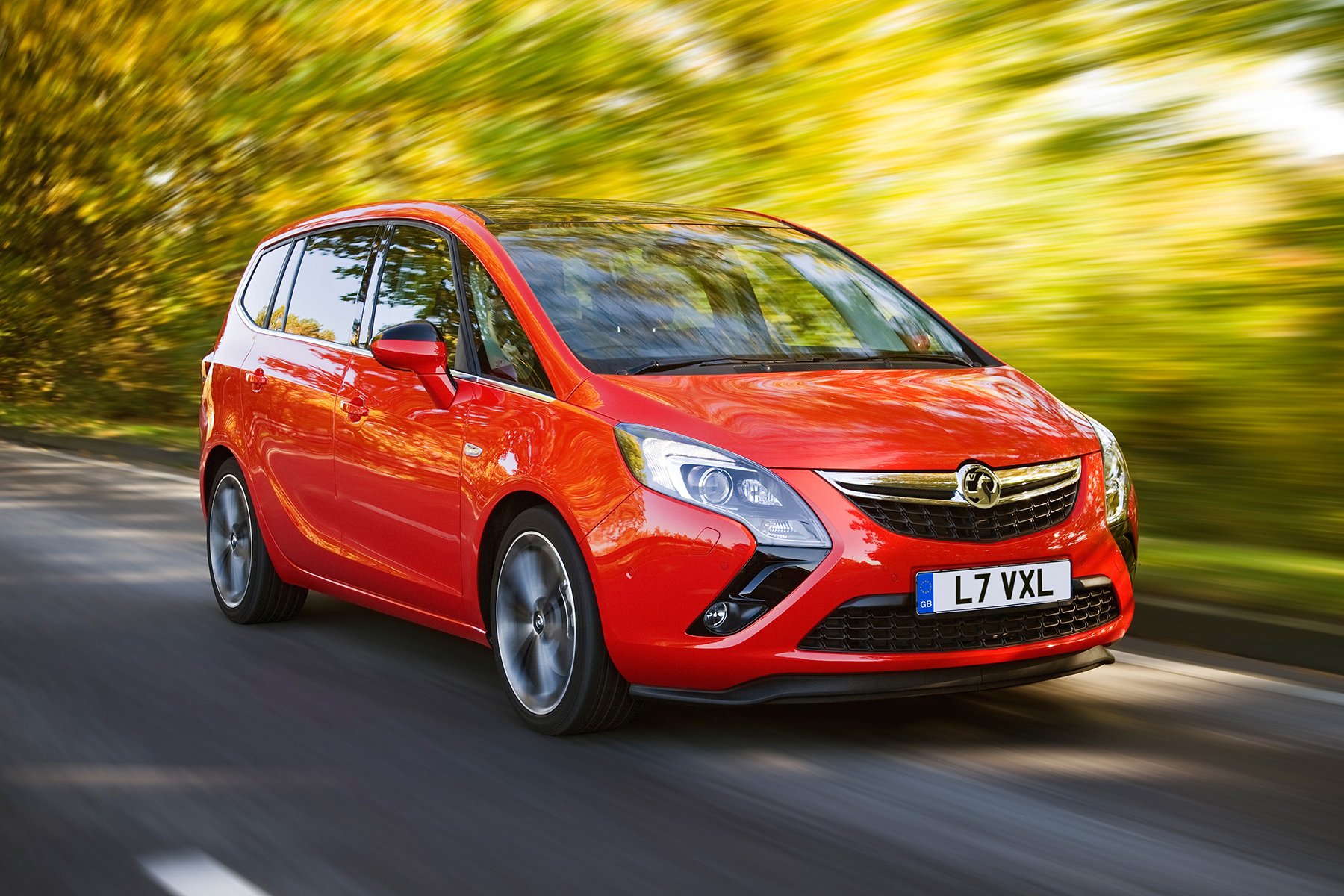
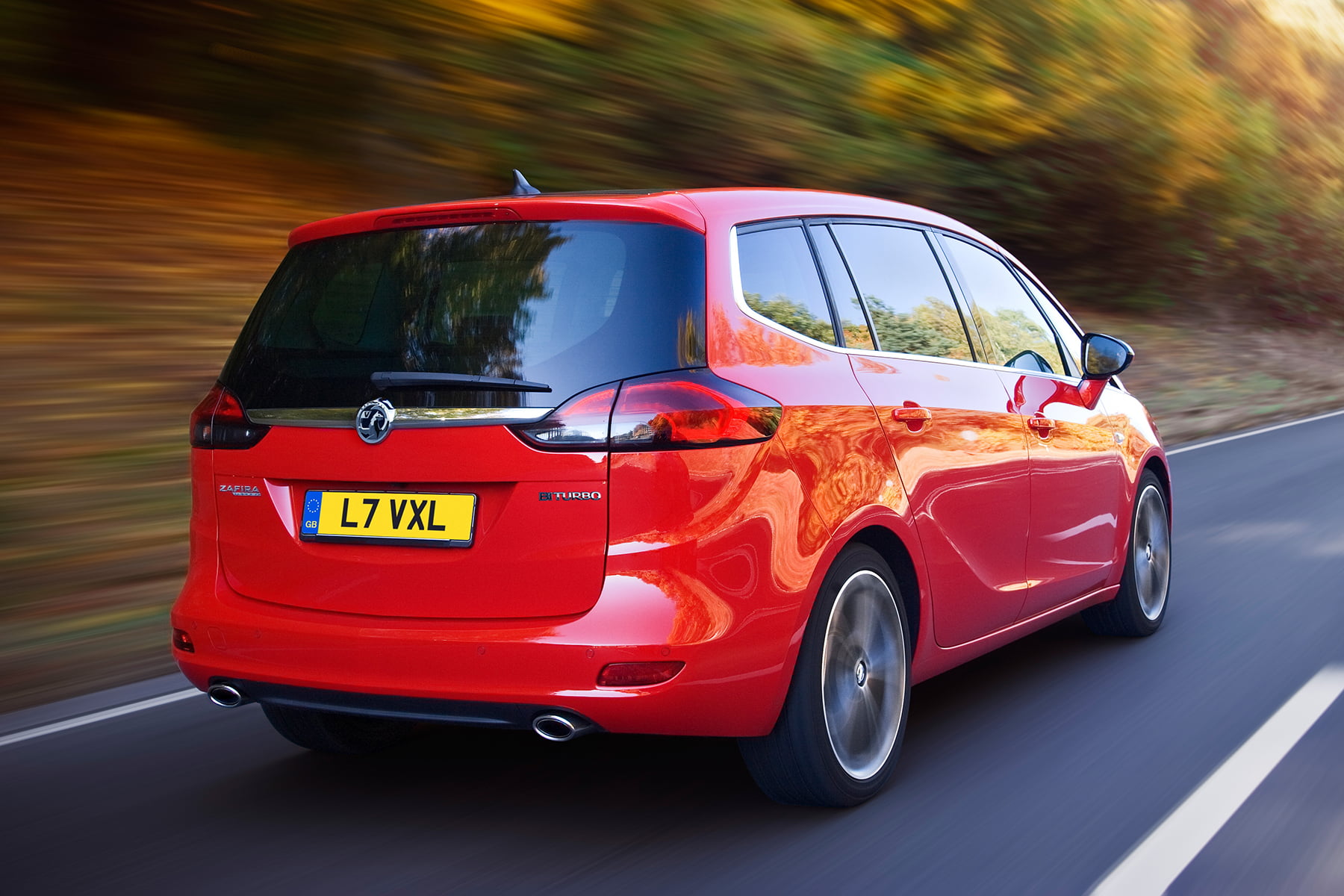
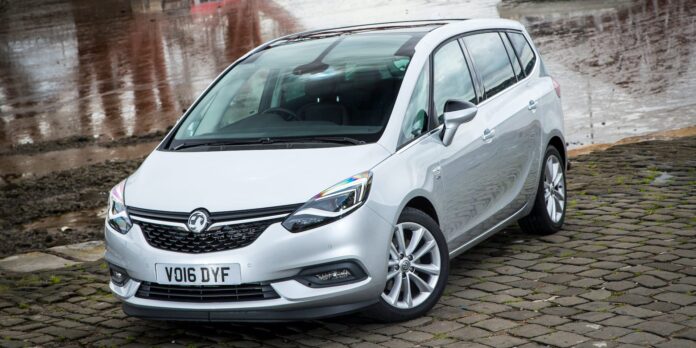
The Vauxhall Zafira Tourer was a seven-seat people carrier that first arrived on UK roads at the end of 2011. It was discontinued in mid-2018 as Vauxhall looked to target the SUV market instead.

Available as a petrol or diesel model, the Zafira Tourer had the same basic underpinnings as the last-generation Astra, and many reviewers commented that this had a positive impact on the Zafira Tourer’s driving abilities.

As well as being surprisingly agile, the Vauxhall Zafira Tourer was praised for its comfortable cabin and an efficient range of engines, though some found the ride comfort to be rather firm and the diesel powertrains to be quite noisy at speed.

A few reviews tabled criticisms of the Zafira’s infotainment too, which Vauxhall updated as part of the car’s 2016 facelift, but the newer system has not aged very well either.

That said, motoring outlets collectively agreed at the Zafira Tourer was an affordable option for long-distance seven-seater travel with little fuss. “It has everything a family could need”, Auto Express concluded. “It offers smart looks, a spacious cabin and, apart from entry-level models, lots of equipment.”

As of March 2026, the Vauxhall Zafira Tourer holds a Used Car Expert Rating of D, with a score of 54%.

Zafira Tourer highlights

  • Flexible and practical seven-seater
  • A comfortable and well-equipped cabin
  • Value-for-money option second hand
  • Quality range of engines
  • Surprisingly nimble on the road

Zafira Tourer lowlights

  • Entry-level models are pretty basic
  • Diesel engines are rather noisy
  • Dated infotainment
  • Frim ride comfort
  • Cramped rear row of seating

Key specifications

Body style: People carrier
Engines:
petrol, diesel
Price when new:
From £25,445

Launched: Winter 2011/12
Last updated: Summer 2016
Discontinued: Summer 2018

Media reviews

Highlighted reviews and road tests from across the UK automotive media. Click any of the boxes to view.

Auto Express

Auto Trader

Business Car

Car

Car Keys

Carbuyer

Carwow

Eurekar

Fleetworld

Heycar

Honest John

Motors

Parkers

The Sun

The Sunday Times

The Telegraph

Top Gear

Safety rating

Independent crash test and safety ratings from Euro NCAP

Overall score: 5 stars
Date tested: October 2011
Date expired: January 2018
Read the full Euro NCAP review

Adult protection: 94%
Child protection: 83%
Vulnerable road users: 53%
Safety assist: 86%

Notes on safety rating

The Vauxhall Zafira was awarded a five-star safety rating from Euro NCAP back when this model was launched in 2011. However, this rating expired in January 2018 and is no longer valid, as the Zafira no longer met the requirements for a five-star car. This is normal practice, as Euro NCAP reviews its ratings on most cars annually with most ratings expiring after about six or seven years.

However, if you are comparing a used Vauxhall Zafira Tourer to vehicles of similar age, whose ratings will have probably also expired, its safety rating score is still useful.

Eco rating

Independent economy and emissions ratings from Green NCAP

No eco rating

The Vauxhall Zafira Tourer was never lab tested by Green NCAP as its production cycle pre-dated the progamme.

Reliability rating

MotorEasy logo 600x167

Reliability data provided exclusively for The Car Expert by MotorEasy

All data based on MotorEasy average workshop costs for extended car warranty claims

As of January 2024, the Vauxhall Zafira Tourer has an average reliability score of 60%, according to exclusive extended warranty data provided by our partners at MotorEasy. The average repair cost for a Zafira Tourer is also good at less than £500, which is good news if you are considering a used Zafira Tourer.

The most common faults to date have related to the suspension and the engine, although average repair costs for both compare well with similar vehicles. Most other faults have been relatively inexpensive to fix as well.

If you’re looking at a used Vauxhall Zafira Tourer, make sure any extended warranty cover you purchase covers all of the potential problem areas shown in the charts above.

Awards

Trophies, prizes and awards that the Vauxhall Zafira Tourer has received

2016

  • BusinessCar Awards – Best Mini-MPV

2013

  • CarSite Awards – Best Large MPV
  • Fleet News Awards – Best Full-size People Carrier

2012

  • Towcar Awards – Best MPV

Similar cars

If you’re looking at the Vauxhall Zafira Tourer, you might also be interested in these alternatives

BMW 2 Series Gran TourerCitroën Grand C4 SpaceTourer | Ford Galaxy | Ford Grand C-Max | Ford S-Max | Mazda 5 | Renault Grand Scenic | SEAT Alhambra | Volkswagen Sharan

Buy a Vauxhall Zafira Tourer

If you’re looking to buy a Vauxhall Zafira Tourer, The Car Expert’s partners can help you find the right car

Motors 600x300

Find your next used car with Motors. Find out more

Auto Trader logo 600x300

Find your next new or used car with Auto Trader. Find out more

Carwow logo 600x300

Find your next new or used car with Carwow. Find out more

Government ends electric car subsidy

The UK government has announced this morning that it is ending the plug-in car grant (PiCG) with immediate effect, which basically means that prices of the cheapest new EVs should now increase by £1,500.

The plug-in car grant has been around for more than a decade, introduced back in 2011 to provide a subsidy of up to £5,000 on any new electric car. The plan was always for the subsidy to reduce over time as the price of electric cars (and, initially, plug-in hybrids) came down until it eventually ended.

This happened in a number of reductions of £500 or £1,000 every few years. For the last year or so, the level has been set at £1,500. Along the way, subsidies for plug-in hybrid vehcles was dropped and the maximum price threshold for eligible cars was steadily reduced to concentrate the money on more affordable EVs rather than luxury models.

Which new cars are affected?

Today’s news means that several cars will theoretically become £1,500 dearer. These include:

Will these prices go up immediately?

The grant has been ended with immediate effect, which means that the price of any of these cars should be £1,500 dearer today than they were yesterday. However, there are two things that may affect this.

Firstly, if you’ve been looking at one of these cars at your local dealership but not yet signed on the dotted line, chances are that the dealer or manufacturer will offer to cover the cost of the price rise as an unofficial ‘goodwill gesture’.

Secondly, it should be noted that manufacturers have tended to drop their prices whenever the goverment has previously reduced the plug-in car grant. Assuming that the same will happen again, at least some of the above cars will shortly see their recommended retail prices reduced by up to £1,500.

Assuming that one or both of the above happen (and it’s been the case every single time the grant has been reduced previously), the overall impact on car buyers will be less than you might expect.

Is there any good news to soften the blow?

Yes, there should be. Obviously, if you were planning to buy one of the cars above in the next few weeks then it may have just got dearer. But if you’re thinking about switching to an electric car in the next few months or years, then it’s potentially good news.

The government has said that money saved from scrapping the plug-in car grant will be redirected into improving public charging infrastructure. This is good news for all consumers, as a lack of on-street charging is now probably the biggest barrier to broader EV adoption.

Spending money on charging infrastructure also benefits all electric car owners, particularly used car buyers who have never enjoyed a government handout anyway, rather than just new car buyers.

Are any vehicles still eligible for a grant?

Not consumer passenger vehicles. The plug-in car grant will still continue for light commercial vehicles (like delivery vans and taxis) for the time being. This is a good thing as these vehicles tend to do a lot of driving in built-up urban areas and are traditionally powered by diesel engines.

Axing of government plug-in car grant scheme could benefit consumers, says The Car Expert

14 June 2022

  • Axing of Plug-in car grant scheme may leave consumers disappointed, however the change may come as a benefit to electric car-buyers, according to The Car Expert
  • Manufacturers likely to absorb cost of the financial advantages of the grant by reducing the price of electric vehicles
  • Overall impact of the cut to the Government scheme should see investments re-directed to benefit electric vehicle owners with improvements to the UKs EV infrastructure

While many consumers may be faced with disappointment following the axing of the Government plug-in car grant scheme, those looking to purchase an electric vehicle could actually benefit from the change in legislation, according to The Car Expert.

At a time when the sales of fully electric, plug-in and hybrid vehicles are at an all time high, the end to the Government plug-in car grant scheme – introduced with immediate effect – will inevitably leave electric car-buyers frustrated with the potential financial loss resulting from the withdrawal of the grant.

However, according to The Car Expert, the pattern of the automotive industry over time suggests that this cost is likely to be absorbed by car manufacturers who will in turn reduce the cost of electric vehicles accordingly to minimise the cost impact on customers.

As car manufacturers adjust pricing on electric vehicles, the re-direction of Government investment into its electrification strategy will likely have wider a positive impact on public infrastructure.

The result may lead to an evening of the distribution of electric charge points across the UK, an increase of  on-street charging for those without home charging facilities and a general increase of charge points to relive pressure from the already overcrowded public charging available, ultimately benefiting the consumer.

“Although the axing of the plug-in grant may initially be seen  as a blow, the end of the scheme is unlikely to see a dramatic effect on new EV sales. Sales have been steadily increasing every month for years, despite ongoing reductions to the plug-in car grant. The onus will fall on manufacturers to swallow the cost by reducing the soaring prices of electric vehicles if they wish to retain a firm position in the market,” commented Stuart Masson, Editorial Director at The Car Expert

He continued: “What we will see in turn is that the Government handouts, which for the most part were designed to support manufacturers, will be re-routed into areas of the industry that have fallen desperately behind that of passenger cars, such as vans, LCVs and commercial sector.”

ENDS

The Car Expert

Founded in 2011, The Car Expert is the UK’s most comprehensive automotive consumer advice site. With an audience of over two million readers a year, The Car Expert provides independent and impartial advice on every aspect of buying, financing, owning, and selling new or used vehicles.

The Rotten Tomatoes equivalent for the automotive world, The Car Expert consolidates reviews from 30 of the UK’s top automotive websites to create the Expert Rating Index. Bringing together science and data analysis, the index calculates a weighted average to give an aggregated score – Expert Rating – that is comparable across different brands and models.

The Expert Rating Index factors in the age of each review, so that newer reviews carry more weight than older reviews. It also breaks down the complex web of different scoring systems that various websites use in their reviews.

The Car Expert has logged over 12,000 reviews covering more than 400 cars and over 50 manufacturers, with its Expert Rating Index now trusted as the gold standard for rating and ranking new cars in the UK.

For media enquiries, please contact Performance Communications:

Melissa Lodge: melissa@performancecomms.com
Richard Tanner: richard@performancecomms.com

How to minimise the risk of your car being stolen

Cars being stolen to order and sent abroad or stripped for valuable parts are being blamed for a rise in vehicle thefts across Britain.

New figures published this week by the PA News Agency show that the number of vehicle thefts in the last 12 months across the UK have reached 90,000. Most police forces around Britain have recorded an increase in thefts, thought to be driven by a lack of parts.

Thieves are stealing cars ‘to order’ and stripping them of components such as semi-conductors, the microchips used in cars to run infotainment and safety control equipment, which have been the subject of a worldwide shortage.

New cars generally are in short supply and gangs are stealing them in broad daylight to send them to new ‘owners’ – sometimes in other countries.

Now, with your car being one of the most expensive purchases you are likely to make (after your home), experts are calling on owners to exercise even greater care when leaving their vehicles unattended.

Aside from the usual security features fitted to most new cars such as alarms and immobilisers, there are many simple things you can do to reduce the chance of your car being targeted by crooks.

Reducing the risk

Here are 10 top tips, compiled with help of transport charity IAM RoadSmart, which won’t just remove the heartbreak of losing your car, but could save you money in potential losses from forfeiting your insurance no-claims discount.

1. Park in a secure area if possible

Your car will be most secure if it’s kept in a locked garage or secure car park. But if that’s not possible try to get it off the road and on a driveway. Consider installing a CCTV camera or motion detector light to deter criminals. If you have to park on the street, make it a well-lit one. 

2. Keep valuables out of sight

Hide expensive or desirable objects – ideally don’t leave them in the car at all. Even low value items can tempt thieves and, while they might not cost a lot to replace, you could end up losing your no claims bonus by making a claim for a forced lock or broken window.

3. Get a car alarm and tracker

Many vehicles are fitted with a factory fitted alarm and immobiliser; but think about an additional alarm to offer maximum security. If you feel you’re more vulnerable to car thieves and would like more peace of mind, investing in a vehicle tracker is a good idea. These can make it much easier to trace and recover your vehicle.

4. Keep your keys safe

Keep your car key away from the home’s window and not in an expected place, such as a hall table. Consider taking them to your bedroom at night. If your car has a keyless entry system, put the fob in a signal blocking bag so thieves can’t copy your own key to signal jump and gain access to your car. If you buy a car and only a single key is offered, get a professional to reprogramme the vehicle just in case the seller plans to ‘take the car back’ at some point.

5. Invest in a steering wheel lock

While steering wheel locks may have become less popular over the years, they are still an effective way of stopping thieves as they provide another layer of security to crack. They can also stop high-tech thieves in their tracks as they tend to target the car’s electronic systems rather than heavy duty lock devices.

6. Locking wheel nuts

Modern alloy wheels can cost hundreds of pounds each and are an easy target for thieves. Locking wheel nuts are cheap, easy to fit, and can act as an effective deterrent for criminals.  Keep the special socket or key somewhere safe within your vehicle and out of sight.

7. Lock your car

It may seem like a basic security tip but remember to lock your car whenever you leave it, such as when paying for fuel. Many people admit to leaving their car unlocked, even leaving their keys in the ignition, so prevent any risk by locking the car when it’s left unattended.

8. Do your research

Be aware of the crime trends in your area.  Have there been reports of catalytic converter thefts in your town?  Which models are most likely to be taken in your local region? Often high-end cars are the ones that organised gangs go for so extra care may be needed if you own one.

9. Beware of car-jackers

Just because you’re in your car doesn’t mean you won’t get targeted. In traffic, drive with your doors locked and leave enough space in front of you if you have to get out of trouble quickly. If you are bumped from behind get out where there are plenty of people around and if you’re not sure, call the police.

10. Look for strange tow trucks

One way to steal a car is to lift it – literally. If you see a tow truck lurking in your area and you think it’s suspicious, report it to the police. Is the vehicle branded? Are the crew wearing any uniform? If not, they could be a threat. The police won’t mind if you get it wrong.

Audi RS 6 (2020 to 2025)

Summary

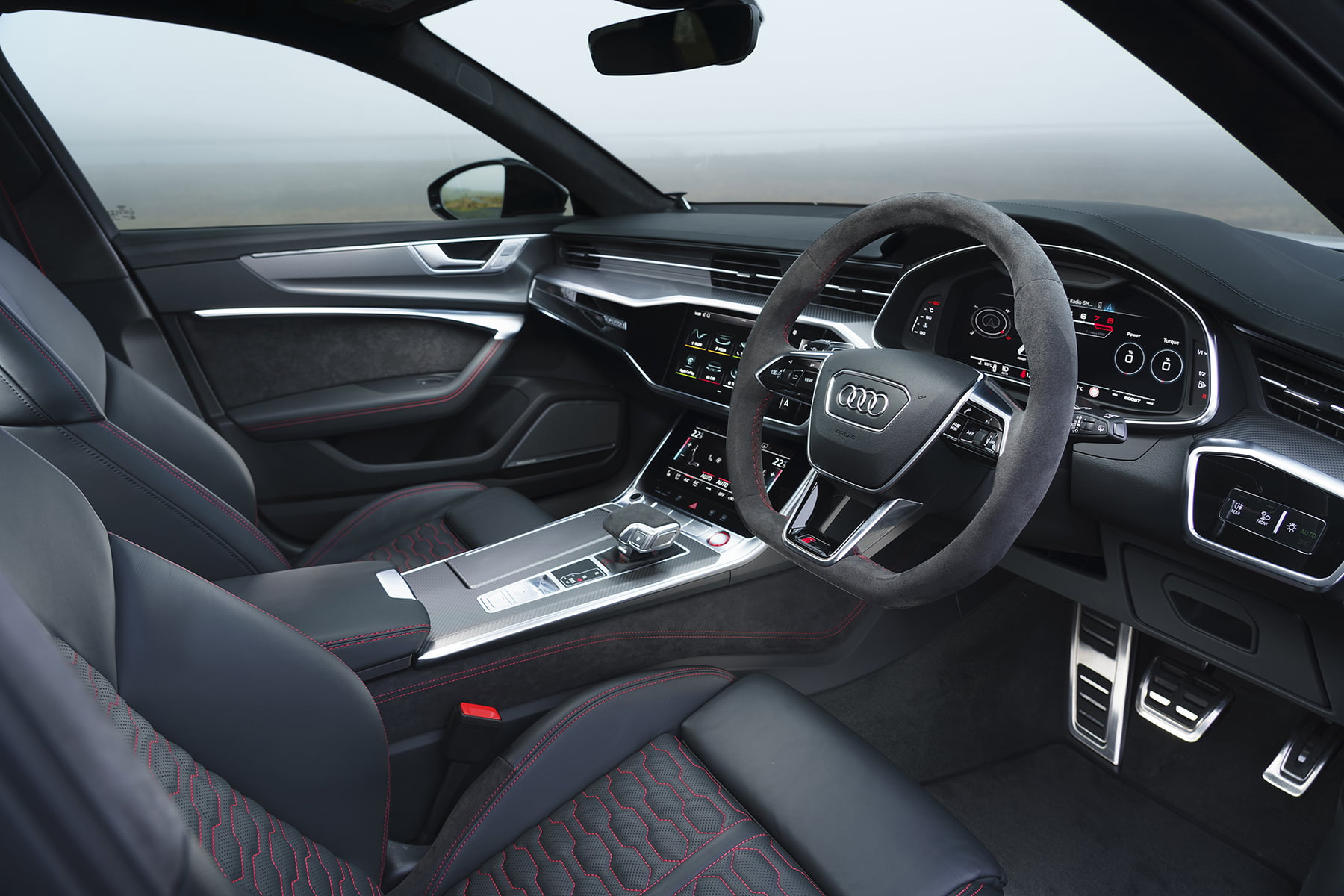
The Audi RS 6 was a performance-focused estate car based on the regular A6 range. This was the fourth generation of the RS 6, arriving in the UK in early 2020 and ending production in late 2025.

Available only as an eight-speed automatic, the RS 6 distinguished itself from the standard A6 Avant with its sportier styling and its powerful 4.0-litre V6 twin-turbo petrol engine, which was capable of producing 600hp and accelerating from 0-62mph in 3.6 seconds.

Described by Auto Express as a “beguiling mix of supercar performance with limousine-like refinement and space”, the RS 6 was highlighted by reviewers for being a talented all-rounder that also provided impressive straight-line speed. “It’s monstrously quick”, Carwow commented, “yet also quiet, comfortable and roomy inside.”

That said, a few titles said that alternatives are more exciting to drive overall. “For all its incredible ability, it’s a bit devoid of excitement”, Heycar explained. Other reviewers concluded that the Mercedes-AMG E63 Estate offered more driver appeal and was more spacious inside as well.

Price was also a sticking point for a few reviewers, particularly as the smaller Audi RS 4 estate was over £30,000 cheaper. “If you’re in the market for a seriously fast estate car, then the Audi RS 6 remains the benchmark”, Parkers explained. “Just expect to pay six figures for the privilege.”

As of February 2026, the Audi RS 6 holds a Used Car Expert Rating of E with a score of 40%. Despite receiving excellent review scores from the motoring media, the car’s high running costs hinder its rating.

RS 6 highlights

  • Well-built and refined interior
  • Rapid straight-line speed
  • Class-leading infotainment
  • Comfortable ride
  • Spacious cabin with plenty of boot space

RS 6 lowlights

  • Expensive to buy and run
  • Optional extras get pricey too
  • Quite heavy
  • Alternatives offer more driver appeal

Key specifications

Body style: Five-door estate car
Engines:
petrol
Price:
From £114,890 on-road

Launched: Spring 2020
Last updated: Spring 2021
Replacement due: TBA

Media reviews

Highlighted reviews and road tests from across the UK automotive media. Click any of the boxes to view.

Auto Express

Auto Trader

Car

Carbuyer

Carwow

Evo

Heycar

Motors

Parkers

Top Gear

Safety rating

Independent crash test and safety ratings from Euro NCAP

Overall score: 5 stars
Date tested: September 2018
Date expired: January 2025
Read the full Euro NCAP review

Adult protection: 93%
Child protection: 85%
Vulnerable road users: 81%
Safety assist: 76%

Note on safety rating

The Audi RS 6 has not specifically been assessed by Euro NCAP, but it shares its safety rating with the regular Audi A6 range, which was awarded a five-star rating in 2018. However, this rating expired in January 2025 and is no longer valid as the car no longer meets the standards required for such a rating. This is normal practice, as Euro NCAP reviews its ratings on most cars annually with most ratings expiring after about six or seven years.

Although the rating has now expired, the score is still useful if you are comparing a used RS 6 to vehicles of similar age – whose ratings will have probably also expired.

Eco rating

Independent economy and emissions ratings from Green NCAP

No eco rating

As of February 2026, the Audi RS 6 has not been assessed by Green NCAP.

Running cost rating

Monthly cost of ownership data provided exclusively for The Car Expert by Clear Vehicle Data

Fuel consumptionAverageScore
Petrol models23 mpgE
CO₂ outputAverageScoreVariationScore
Petrol models282 g/kmE
Insurance groupAverageScoreVariationScore
All models50F
Service and maintenanceCostScore
Year 1£625E
Year 2£1,468E
Year 3£2,335E
Year 4£2,588E
Year 5£3,523E
Overall£10,539E

Running costs for the Audi RS 6 Avant are unsurprisingly high, according to numbers provided exclusively to The Car Expert by our data partner, Clear Vehicle Data.

Given that it’s powered by a 600hp, twin-turbocharged 4.0-litre V8 petrol engine, the RS 6’s woeful fuel consumption and CO2 figures (which are used to determine road tax) are to be expected. Likewise, its performance and price tag mean that insurance costs will be at the top end of town.

Finally, scheduled servicing costs will also be expensive – although not quite as pricey as some other cars in this price bracket.

Reliability rating

Reliability data provided exclusively for The Car Expert by MotorEasy

All data based on MotorEasy average workshop costs for extended car warranty claims

The Audi A6 range, which includes the RS 6, has a very poor reliability score of just 19%, according to workshop and warranty data provided exclusively to The Car Expert by our partners at MotorEasy. Please note that this score covers both the current-generation A6 family and the previous (pre-2018) iterations.

Almost a quarter of all reported problems with the A6 relate to its electrical system, with an average repair bill of £430. Engine problems are (unsurprisingly) expensive, and are unfortunately rather common too, costing around £1,800 on average. Warranty claims relating to the car’s gearbox also have an average cost of around £3,000 and they’re certainly not uncommon.

If you own an Audi RS 6 or you’re looking at purchasing a used RS 6, make sure any extended warranty cover you purchase covers all of these potential problem areas.

Recalls

Official DVSA safety recalls that have been issued for the Audi RS 6

Date: December 2020
Recall number: R/2020/372
Model types: All
Build dates: 07/2020 to 09/2020
Number of vehicles affected: 31
Defect: Faulty crash sensors for airbag / restraint systems may have been fitted in both of the front doors.
Remedy: The crash sensors for the side airbags (front) must be checked on the vehicles affected and replaced if necessary.

As of September 2024 (our most recent data point), there has only been one DVSA vehicle safety recall specifically for the current Audi RS 6. However, there may be some additional recalls for the Audi A6 family (which has had ten recalls to date) that also affect the RS 6.

Not all vehicles are affected by recalls. You can check to see if your car is included in any of the above recalls by visiting the DVLA website or contacting your local Audi dealer.

If your car is affected by a recall, the vehicle must be repaired and you should not be charged for any work required. If you are buying a used RS 6, you should insist that any outstanding recall work is completed before you take delivery of the vehicle.

Awards

Trophies, prizes and awards that the Audi RS 6 has received

2022

  • Auto Trader New Car Awards – Best Luxury Car

2020

  • Top Gear Awards – Best Family Car

Similar cars

If you’re looking at the Audi RS 6, you might also be interested in these alternatives

Alfa Romeo Giulia Quadrifoglio | Audi RS 4 | BMW M3 Touring | BMW M5 | Cupra Leon Estate | Mercedes-AMG E 63 | Porsche Taycan Cross Turismo | Peugeot 508 PSE SW

More news, reviews and information about the Audi RS 6 at The Car Expert

Audi unveils RS 6 and RS 7 ‘Performance’ range

Audi unveils RS 6 and RS 7 ‘Performance’ range

The best new estate cars for every budget

The best new estate cars for every budget

The best cars for hauling presents this Christmas

The best cars for hauling presents this Christmas

Buy an Audi RS 6

If you’re looking to buy a new or used Audi RS 6, The Car Expert’s partners can help you find the right car

Motors 600x300

Find your next used car with Motors. Find out more

Auto Trader logo 600x300

Find your next new or used car with Auto Trader. Find out more

Carwow logo 600x300

Find your next new or used car with Carwow. Find out more

Lease an Audi RS 6

If you’re looking to lease a new Audi RS 6, The Car Expert’s partners can help you find a competitive deal

Leasing-com logo

Personal contract hire deals from Leasing.com. Find out more

Carparison 600x300

Personal contract hire deals from Carparison Leasing. Find out more

Rivervale Leasing logo 2022

Personal contract hire deals from Rivervale Leasing. Find out more

New Rip Curl trim tops Citroën C3 Aircross range

0

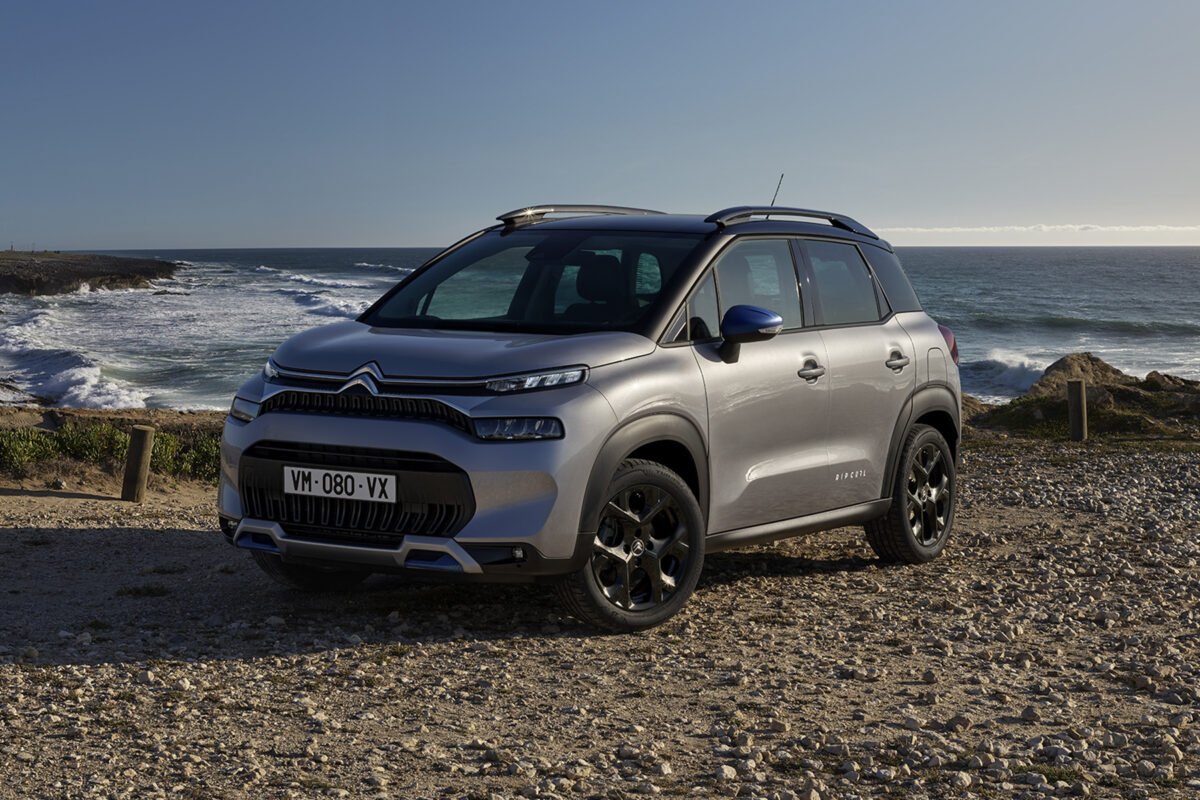
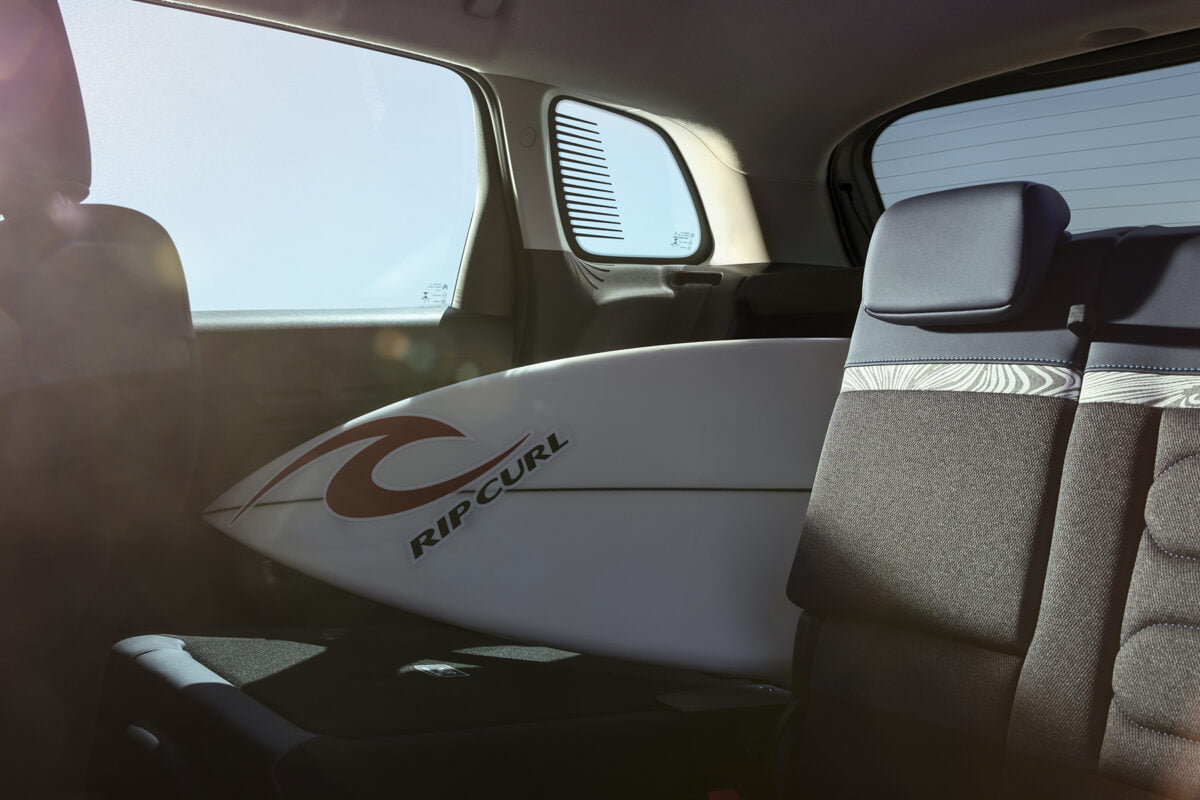
The fruit of Citroën’s third collaboration with surfing brand Rip Curl, the C3 Aircross Rip Curl trim has broken cover, with unique styling quirks inside and out.

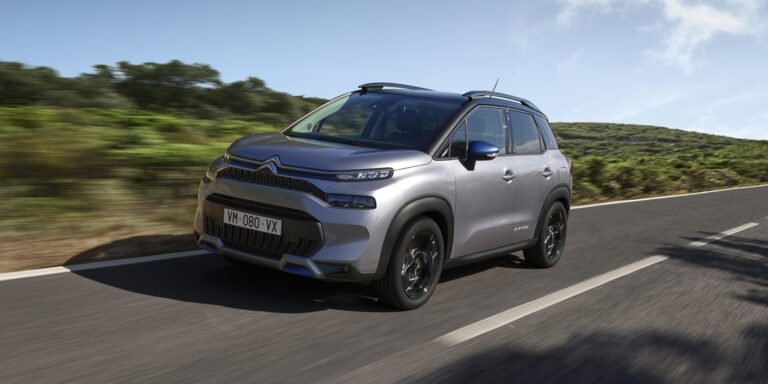
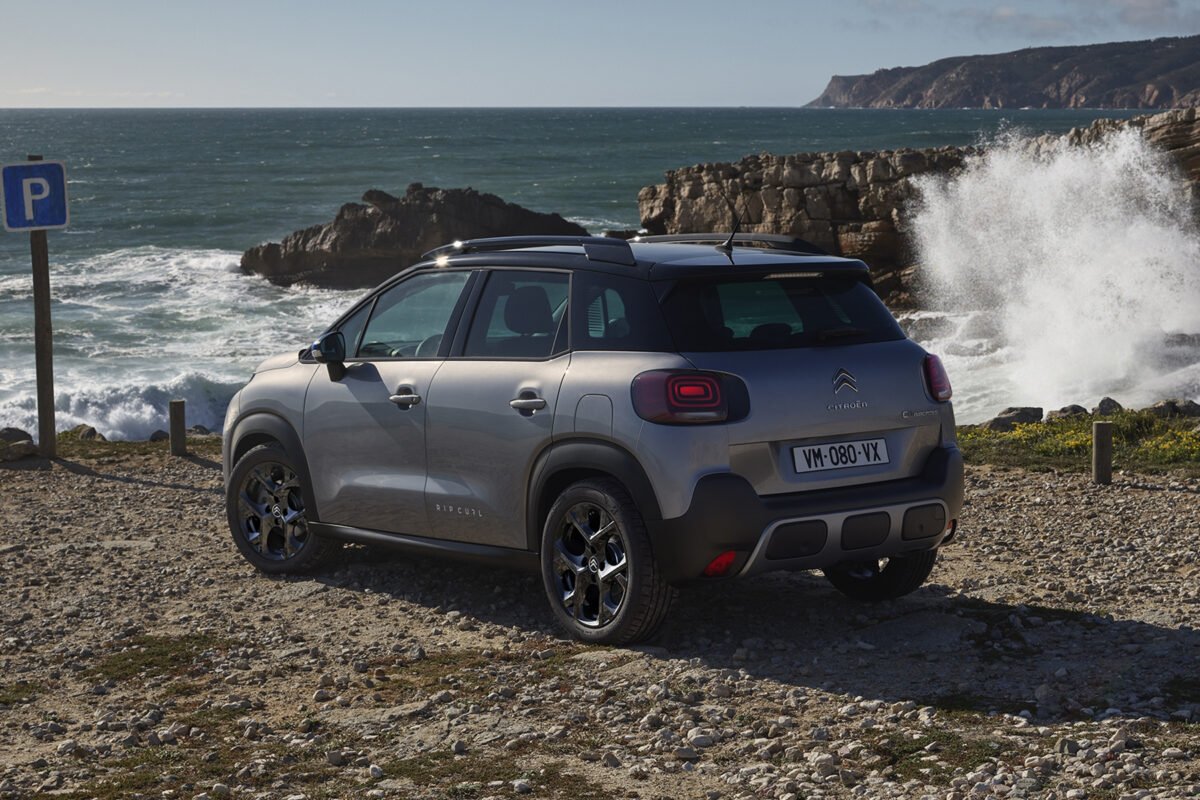
Based on the ‘Shine Plus’, previously the most expensive trim package in the C3 Aircross SUV range, the latest ‘Rip Curl’ trim can be distinguished from the standard model thanks to its ‘anodised blue’ door mirrors and skid plate (under the front bumper).

With surfers in mind, the Rip Curl package comes with black 17-inch alloy wheels with a unique design, and all-season tyres for added grip when on the beach front. Available with a choice of four exterior colour options (white, black, and two shades of grey), the model also features the Rip Curl branding on the boot lid.

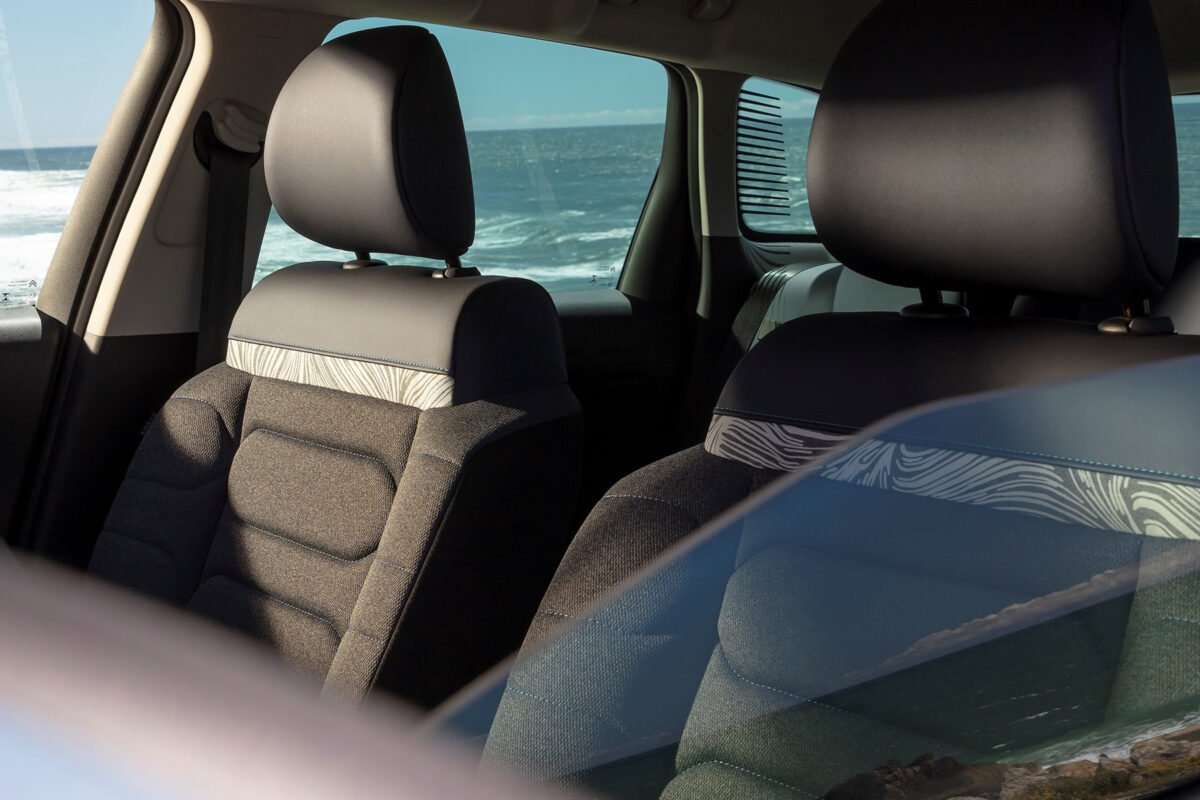
In the cabin, Citroën has fitted its ‘Advanced Comfort’ seats, which are designed with more padding and lumbar support for ‘optimal driving comfort’, trimmed ‘sapphire blue’ leather-effect and cloth materials. Splashes of blue also feature on the dashboard, centre console and air vent surrounds, as well as the floor mats marked with Rip Curl lettering.

The Rip Curl trim also features a panoramic sunroof with an electric sunblind, as well as the brand’s ‘Sight & Sound’ pack, which includes an upgraded speaker system, and head-up display which sits above the steering wheel on the dashboard.

For an extra cost, the C3 Aircross Rip Curl can be specced with hill descent technology for tackling muddy slopes or sandy dunes. The Rip Curl trim is available with either a 110hp petrol engine with a manual gearbox, a 130hp petrol engine with an automatic gearbox, or a 110hp diesel engine with a manual gearbox – the same powertrain range as the Shine Plus trim.

While the Shine Plus trim can be bought for £22.6K, prices for the C3 Aircross Rip Curl start at £23.8K. Citroën says it is now taking orders for the new trim.

The smallest SUV/crossover model in the Citroën range, the C3 Aircross currently holds an Expert Rating of 63%. While reviewers agree that the car’s versatility and individual styling distinguishes it from many of its rivals, but has been criticised for a lack of refinement and relatively poor standard specification.

Nissan updates Qashqai SUV

0

The Nissan Qashqai SUV range has received a minor update for 2022, consisting of equipment additions, slight exterior changes and pricing revisions.

Externally, the Qashqai gets an entirely different shde of grey for the bumpers and Nissan’s new logo. And that’s about it.

Inside, the manufacturer says that there are several new enhancements to its ‘Nissan Connect Services’ that can be accessed through the Qashqai’s infotainment, including a digital owners manual, and voice control with an Amazon Alexa personal assistant.

The first of these updated models are now arrivingin dealerships, and although the brand says that it has increased its deposit contribution to £1,000 for those who buy using Nissan Finance, there has been a price increase across the range.

2022 Nissan Qashqai pricing

Trim levelUK starting price
Visia£25,505
Acenta Premium£28,105
N-Connecta£30,275
Tekna£32,815
Tekna+£36,325

The revised range begins with the £25.5K Visia trim – a price increase of around £1,500 when compared to the entry-level price when the car was launched in 2021.

The mid-range N-Connecta trim, which is now priced at just over £30K, is fitted with a bigger 12-inch infotainment screen, and can be specced with a glass roof and roof rails for the additional price of £650.

The top of the Qashqai range has seen a price increase of over £2,000 since last year – the top-spec Tekna+ trim has prices starting from more than £36K. This grade does now come with LED front fog lights as standard, previously an optional extra.

Built in Nissan’s Sunderland factory in the UK, the Qashqai is proving to be one of Britain’s most popular SUV options as 2022 progresses. With a current Expert Rating of 73%, the Nissan Qashqai has been commended by UK reviewers for its extensive user-friendly tech and impressive safety kit, though some journalists conclude that the SUV has an irritating manual gearbox.

New Bentley ‘S’ trims unveiled for Continental GT and Flying Spur

0

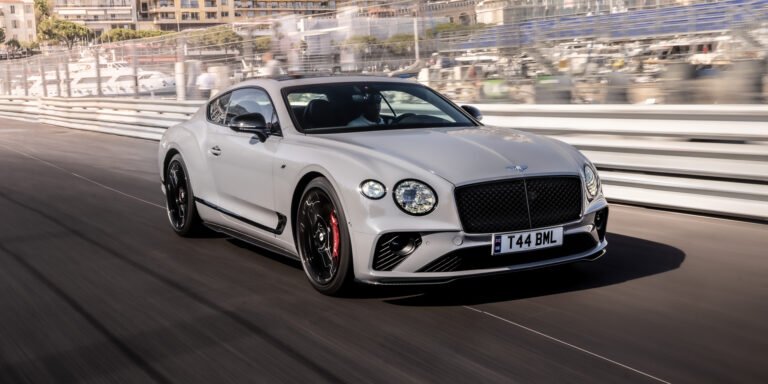
Featuring a few subtle driver-focused enhancements and exterior styling tweaks, Bentley has unveiled a new ‘S’ trim for the Continental GT saloon, Continental GTC convertible and Flying Spur saloon, which the brand says provides enhanced driving performance and visual presence.

This sporty new variant of the two-door Continental GT luxury saloon and Continental GTC convertible is based on the V8-powered versions of each model, and comes with a few cosmetic changes, as well as featuring a new exhaust system and Bentley’s ‘Dynamic Ride’ suspension setup.

This suspension package – already available with the ‘GT Speed’ trim – uses an electronic anti-roll system that increases the car’s stability when cornering at speed, while minimising bumps and vibrations in more relaxed cruising situations.

The new Bentley Continental GT S and GTC S models use the same 4.0-litre twin-turbocharged V8 found on the standard model, but the new exhaust system amplifies the noise level under acceleration.

Distinguishing itself from the regular Continental, the ‘S’ trim features a black gloss radiator grille with ‘S’ branding above the wheel arches in the front. The headlights and tail lights have a dark tint that Bentley says emphasises the trim’s “sporting character”, and the ‘S’ can be configured with unique 22-inch alloy wheels painted in black chrome.

In the cabin, the interior upholstery has a two-tone colour scheme, trimmed in leather and a suede-like material called dinamica. The headrests are adorned with more ‘S’ trim branding, and the tread plates are marked with the same lettering. Additionally, the Continental GT S and GTC S come with a digital instrument cluster behind the steering wheel, a feature found on range-topping models.

Bentley has not yet released pricing for the ‘S’ trim, but the layout of the brand’s website suggests that it will slot into the middle of the trim range, below the range-topping ‘GT Speed’ and ‘GT Mulliner’ trims. The entry-level price for a Bentley Continental GT stands at £157,900.

Sharing its underpinnings with the Porsche Panamera, the Bentley Continental GT arrived in the UK in 2018, and has received unanimously positive reviews since. The luxury saloon variant currently holds an Expert Rating of 84%, while the GTC convertible holds an Expert Rating of 81%.

The new Bentley Flying Spur S is available with the same 4.0-litre V8 as the Continental GT range, or with a six-cylinder hybrid powertrain. This new ‘S’ variant of the Flying Spur gets similar visual tweaks too, with black trim replacing most of the exterior chrome and the headlights and tail lights with a dark tint.

The same ‘S’ badging is present on the saloon’s front wheel arches, and the Flying Spur S can be specced with five-spoke 22-inch alloy wheels – a unique feature for the trim level. Inside, the upholstery is trimmed in the same leather and a suede-like materials, and the Flying Spur S is also equipped with Bentley’s ‘Dynamic Ride’ suspension setup.

On sale since 2019, the Bentley Flying Spur currently holds an Expert Rating of 83%, having received glowing reports for its luxury and driving dynamics. That said, consumer-oriented titles have pointed out its obvious shortcomings in areas like value for money and fuel economy.

All-new Mercedes-Benz GLC SUV revealed

0

Following on from last year’s launch of the new C-Class saloon, Mercedes-Benz has unveiled the high-riding GLC SUV built on the same platform.

The new GLC will go on sale in the UK later this year and is marginally larger than the previous version. It will be available with three plug-in hybrid powertrain choices and features a new interior that follows the dashboard layout seen in the S-Class and C-Class models.

Externally, the new GLC follows the styling themes of the larger GLE and GLS models. Most obvious is a larger grille, flanked by more powerful LED headlights, while at the rear you’ll find narrower LED tail lights running the full width of the tailgate.

Mercedes-Benz says the new GLC is more aerodynamic than the last, creating less drag to hopefully save you a few pennies at the pumps.

The tailgate is electrically powered as standard across the range, which opens to reveal a boot with 50 litres more load volume than the previous version, giving a total of 600 litres with the rear seats up.

Inside the cabin, the new GLC has had a dramatic interior transformation to bring it in line with the brand’s latest models. The thick centre console between the driver and front passenger curves up to meet the floating 12-inch portrait-orientated infotainment touchscreen, just as it does on the new C-Class.

A fully digital instrument display sits behind a new-look steering wheel, while a head-up display that projects information onto the windscreen is optional.

The infotainment console, which can be updated with new features while sitting on your driveway thanks to over-the-air updates, has a fingerprint scanner to select your personalised driver profile. In addition, the new GLC has wireless smartphone charging and heated seats as standard.

Like the latest C-Class range, the entry-level petrol and diesel GLC models are equipped with a four-cylinder mild hybrid petrol engine. All models come with a nine-speed automatic transmission, while all-wheel drive is also standard.

Three plug-in hybrid powertrains are available – two petrol and diesel, all using the same 31kWh battery. Mercedes-Benz claims that these plug-in models can travel more than 62 miles on electric power. There’s also a a new off-road driving mode to improve the GLC’s performance away from the tarmac.

There’s no news on UK pricing or specification yet, but we expect these to be announced in coming weeks ahead of the GLC’s UK arrival later this year.

Mercedes-Benz will be hoping that the new GLC represents enough of a step forward over the previous model to improve its ratings from UK reviewers. The current model has an Expert Rating of 68%, which falls short of most of its key rivals in the medium SUV segment – like the Volvo XC60 (77%), BMW X3 (75%), Lexus NX (75%), Audi Q5 (72%), Jaguar F-Pace (72%) and Range Rover Velar (72%).

Peugeot 208 (2012 to 2019)

Summary

The Peugeot 208 is a compact five-door hatchback and a leftfield rival to established supermini class leaders like the Ford Fiesta and Volkswagen Polo. This page is dedicated to the first-generation model which first arrived in 2012, which was replaced by the current generation at the end of 2019.

The 208 range included a number of petrol and diesel engine options fitted with either a manual or automatic gearbox, and was topped by the performance-tuned 208 GTI model. The supermini had a mild update in early 2015, consisting of new on-board tech additions and revisions to its engine line-up.

A direct successor to the popular Peugeot 207 supermini, the 208 needed to be bold to live up to Peugeot’s successful supermini lineage, and Top Gear concluded that it met those high expectations. “Its reinvention of the supermini, a car that looks back to the 205 for design cues but also looks forward in finish, engineering and interior features.”

Auto Trader complemented the 208 for its smart exterior styling and its interior comfort, but nevertheless explained that the hatchback is “way too compromised in too many other areas to trouble the class leaders.”

The motoring media often note that the Ford Fiesta has better driving dynamics and more driver appeal, and that the 208 has some rather noisy petrol engine options.

No longer on sale, the Peugeot 208 holds a Used Car Expert Rating of D, with a score of 56%.

208 highlights

  • Efficient engines with low emissions
  • Stylish exterior
  • Comfortable interior that has aged well
  • Suited to agile city driving

208 lowlights

  • Rather rough automatic gearbox
  • Noisy petrol engines
  • Ill-equipped entry-level trim
  • Fiesta has better driving dynamics

Key specifications

Body style: Five-door hatchback
Engines:
petrol, diesel
Price when new:
From £11,695 on-road

Launched: Autumn 2012
Last updated: Spring 2015
Replaced: Winter 2019/20

Media reviews

Highlighted reviews and road tests from across the UK automotive media. Click any of the boxes to view.

Auto Express

Auto Trader

Business Car

Car

Car Keys

Carbuyer

Carwow

Fleetworld

Green Car Guide

Heycar

Honest John

Motoring Research

Parkers

The Sun

The Sunday Times

The Telegraph

Top Gear

Safety rating

Independent crash test and safety ratings from Euro NCAP

Overall score: 5 stars
Date tested: May 2012
Date expired: January 2019
Read the full Euro NCAP review

Adult protection: 88%
Child protection: 78%
Vulnerable road users: 61%
Safety assist: 83%

No safety rating

The first-generation Peugeot 208 was originally crash tested by Euro NCAP back in 2012 and awarded a five-star rating. However, this rating expired in January 2018 and is no longer valid. This is normal practice, as Euro NCAP reviews its ratings on most cars annually with most ratings expiring after about six or seven years.

However, if you are comparing a used Peugeot 208 to vehicles of similar age, whose ratings will have probably also expired, its safety rating score is still useful.

Eco rating

Independent economy and emissions ratings from Green NCAP

No eco rating

The Peugeot 208 range was not lab tested by Green NCAP during its production life.

Reliability rating

MotorEasy logo 600x167

Reliability data provided exclusively for The Car Expert by MotorEasy

All data based on MotorEasy average workshop costs for extended car warranty claims

The Peugeot 208 has a reliability score that’s about average, according to workshop and warranty data provided by our partners at MotorEasy. This score covers both this 208 and the previous (pre-2019) versions.

Unfortunately, the most frequently reported problems with the 208 relate to its engine, with an average repair cost of £1,200. A common car on UK roads, MotorEasy has received several warranty claims for electrical system, suspension and braking system faults, but these types of repairs are comparatively much cheaper to fix.

If you’re looking at a used Peugeot 208, make sure any extended warranty cover you purchase covers all of these potential problem areas.

Running cost rating

Clear Vehicle Data logo close crop

Monthly cost of ownership data provided exclusively for The Car Expert by Clear Vehicle Data

No data

Due to its age, we don’t have any running-cost data for the Peugeot 208.

Awards

Trophies, prizes and awards that the Peugeot 208 has received

2015

  • Next Green Car Awards – Best Supermini

2014

  • Fleet News AwardsBest Small Car

2013

  • Car of the Year Awards – Car of the Year
  • CarSite Awards – Best Supermini

2012

  • Auto Express Awards – Best Supermini
  • Company Car of the Year Awards – Most Cost-Efficient Car
  • Fleet News Awards – Best Small Car

Similar cars

If you’re looking at the Peugeot 208, you might also be interested in these alternatives

Citroën C3 | Dacia Sandero | Ford Fiesta | Honda Jazz | Hyundai i20 | Kia Rio | Mazda 2 | MG 3 | Mini hatch | Mitsubishi Mirage | Nissan Micra | Renault Clio | SEAT Ibiza | Skoda Fabia | Suzuki Swift | Toyota Yaris | Vauxhall Corsa | Volkswagen Polo

Buy a used Peugeot 208

If you’re looking to buy a Peugeot 208, The Car Expert’s partners can help you find the right car

Motors 600x300

Search less, live more. We make finding the right car simple. Find out more

Auto Trader logo 600x300

Find your next new or used car with Auto Trader. Find out more

Carwow logo 600x300

Find your next new or used car with Carwow. Find out more

Mercedes-AMG GT Roadster

Summary

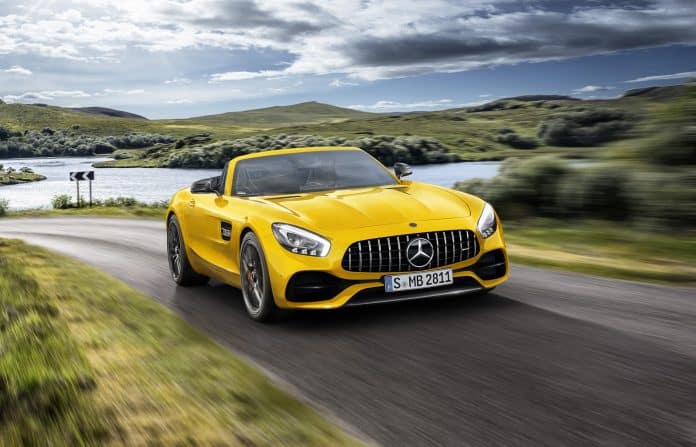
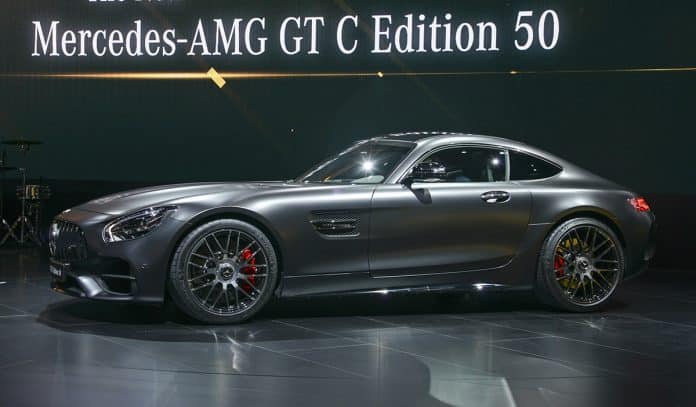
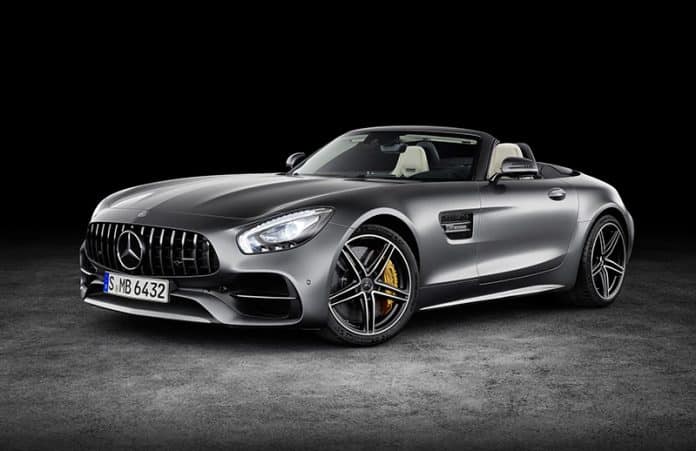
The Mercedes-AMG GT Roadster was a two-door high-performance convertible – a drop-top derived from the GT Coupé, and Mercedes’ answer to the Porsche 911 Cabriolet.

The GT Roadster arrived about two years after the GT Coupé at the end of 2016, and was discontinued in 2023 ahead of an all-new model launching in 2024.

The standard GT Roadster was around 50kg heavier than its coupé sibling, but used the same twin-turbocharged 4.0-litre V8 engine. Mercedes-AMG tuned the engine to produce a slightly higher output of 475hp, to counteract the added weight.

Auto Express added that the Porsche 911 Cabriolet was the more practical choice for day-to-day travel, though it also explained that the Mercedes-AMG matched the Porsche’s driving dynamics and ride comfort, “but feels more dramatic”, with an “intoxicating” V8 engine soundtrack.

“The 911 wishes it had this much personality”, Parkers asserted, praising the GT Roadster for its attractive muscle car exterior styling, its luxurious interior trim and its electrically-operated soft-top roof that opened or closed in 11 seconds.

No longer on sale, the Mercedes-AMG GT Roadster holds a Used Car Expert Rating of E, with a score of 50%. Although it scores well in media reviews, running costs are very high – which drag down our used car scores. We also don’t have reliability or safety data for this model.

GT Roadster highlights

  • Alluring exterior looks
  • Very strong performance
  • Luxurious cabin interior
  • Improved handling
  • AMG engine sounds inspire acceleration

GT Roadster lowlights

  • The GT Coupé has more precise handling
  • Expensive to buy, base model and up
  • High running costs
  • Not too practical day-to-day
  • Poor rear visibility

Key specifications

Body style: Two-seat roadster
Engines:
petrol
Price when new:
From £115,730 on-road

Launched: Winter 2016/17
Last updated: Winter 2019/20
Replacement due: 2024

Media reviews

Highlighted reviews and road tests from across the UK automotive media. Click any of the boxes to view.

Featured reviews

More reviews

Auto Express

Car

Carbuyer

Evo

Parkers

The Sunday Times

The Telegraph

Top Gear

Safety rating

Independent crash test and safety ratings from Euro NCAP

No safety rating

The Mercedes-AMG GT Roadster was not crash tested by Euro NCAP during its production life.

Eco rating

Independent economy and emissions ratings from Green NCAP

No eco rating

The Mercedes-AMG GT Roadster was not lab tested by Green NCAP during its production life.

Reliability rating

Reliability data provided exclusively for The Car Expert by MotorEasy

No reliability rating

As of March 2026, we don’t have enough reliability data on the Mercedes-AMG GT Roadster to generate a reliability rating.

The Car Expert’s reliability information is provided exclusively to us using workshop and extended warranty data from our partner, MotorEasy, sourced from both official dealerships and independent workshops. 

As soon as MotorEasy has sufficient data on the GT Roadster, we’ll publish the results here.

Similar cars

If you’re looking at the Mercedes-AMG GT Roadster, you might also be interested in these alternatives

Aston Martin Vantage | Audi R8 | BMW 8 Series | Chevrolet CorvetteFerrari Portofino | Ferrari Roma | Jaguar F-Type | Lexus LC | McLaren Artura | Porsche 911 Cabriolet

More news, reviews and information about the Mercedes-AMG Roadster at The Car Expert

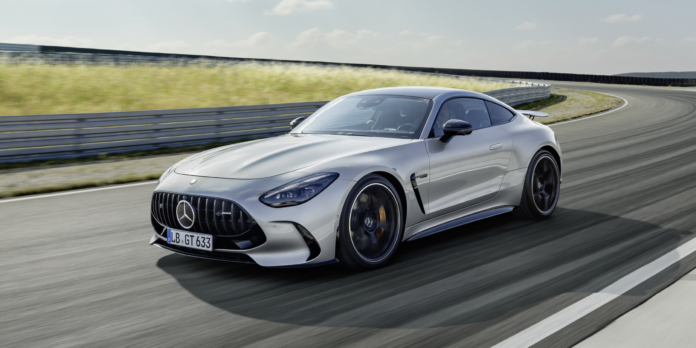
Mercedes-AMG GT

Mercedes-AMG GT

Everything you need to know about Mercedes-AMG

Everything you need to know about Mercedes-AMG

New Mercedes-AMG GT Coupé now available to order

New Mercedes-AMG GT Coupé now available to order

Mercedes-AMG GT Coupé

Mercedes-AMG GT Coupé

£127K Mercedes AMG Roadster goes on sale

£127K Mercedes AMG Roadster goes on sale

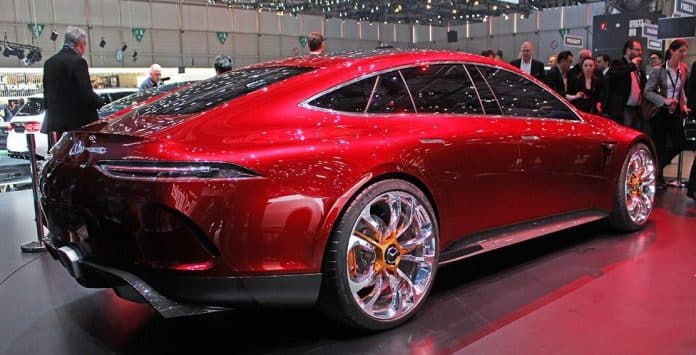
Geneva: Mercedes-AMG GT debuts

Geneva: Mercedes-AMG GT debuts

Detroit show: Coupé takes Mercedes-AMG to six

Detroit show: Coupé takes Mercedes-AMG to six

Mercedes-AMG GT models on sale from £110K

Mercedes-AMG GT models on sale from £110K

Paris debut for 196mph Mercedes drop-top

Paris debut for 196mph Mercedes drop-top

Buy a Mercedes-AMG GT Roadster

If you’re looking to buy a Mercedes-AMG GT Roadster, The Car Expert’s partners can help you find the right car

Motors 600x300

Search less, live more. We make finding the right car simple. Find out more

Auto Trader logo 600x300

Search for your next new or used car with Auto Trader. Find out more

Carwow logo 600x300

Discover great deals available on both new and used cars. Find out more

New car buyers going smaller, cheaper and greener

The latest new car registrations published yesterday showed yet another month of falling sales, along with the inevitable doom and gloom messages from within the industry. But there are actually at least three positive messages to take from the numbers.

According to data published this week by the Society of Motor Manufacturers and Traders (SMMT), private new car registrations were down 10% in May compared to the same month last year. Combined with fleet registrations being down by 30%, this meant the overall market was down by just over 20% – and a long way down on pre-pandemic levels.

This should come as no surprise to anyone as the 2020/21 theme of Covid shutdowns and the 2021/22 theme of supply chain shortages have now been joined by the 2022 theme of escalating costs of living, all of which are combining to limit new car sales.

However, there are three silver linings to this cloud. New car buyers seem to be going smaller, cheaper and greener – all of which are good things.

Good things come in small packages

Over the last few years, we have seen a gradual shift from regular cars (hatchbacks, saloons, estates) to SUV-style vehicles (regardless of whether or not they have any off-roading ability) which are taller, wider, longer and heavier.

With fuel costs increasing and other costs of living affecting monthly disposable household income, buyers are looking to save money on their cars. And one way to do that is to buy a smaller car, which will almost certainly be cheaper to purchase and cheaper to run.

A great example of this is the Mini hatchback, which has been around in its current form since 2014 and is getting ready to be pensioned off in favour of an all-new model next year. Yet despite a whole host of newer rivals, the Mini is still selling up a storm every month.

While we’re still seeing a shift towards SUV-style cars, there is a downward size shift going on here too as more car manufacturers offer smaller SUV models. A buyer switching from a Ford Fiesta hatchback to a small Ford Puma SUV (which is actually based on the Fiesta anyway) is better than the same buyer jumping into a larger and heavier SUV, while buyers moving from a larger SUV to a smaller SUV is also a good thing.

As an added bonus, a small car can actually fit in a standard shopping centre car park space…

Cheap kicks are alright

The latest cost-of-living crisis is putting household finances under increasing strain, which means car buyers are looking to reduce their finance payments when choosing their next car. And one of the best ways of doing that is to buy a cheaper car.

In reality, this has been building for a while as cars have been getting more and more expensive. Brands like Dacia and MG have been growing in popularity for several years as buyers look for cheaper options, usually trading down from traditional mainstream brands.

The other good news is that a cheaper car usually means less money borrowed on a PCP to pay for it. Car finance borrowing has been steadily increasing for the last decade, thanks to the explosion of PCP car finance across the UK for both new and used cars. But this nearly caused a serious disaster during the Covid pandemic, forcing the government to introduce a three-month payment holiday mechanism.

We could see another problem emerging in 2022 as rapidly escalating living costs put household finances under a serious squeeze, leading to more car finance defaults. If your personal circumstances go badly during your car finance term, then the less money you’ve borrowed, the less debt you have to clear – which could mean the difference between financial difficulties and bankruptcy.

MG sales have been steadily growing for several years now

The green, green cars of home

Each month, an increasing number of car buyers are choosing to put an electric – or at least partially electric – new car on their driveway. It’s surely no coincidence that nine of the ten best-selling cars of 2022 to date (as of the end of May) are available as a regular hybrid, plug-in hybrid or fully electric model. The only exception is the Ford Puma.

Obviously, the shift to electric cars is being encouraged by both carrot and stick. There are still some financial incentives via the government’s plug-in car grant and favourable tax rates for company car drivers, as well as the upcoming 2030 bans on petrol and diesel cars, and ever-increasing taxes on internal combustion cars being able to enter low-emission zones.

Although they’re not the magic bullet that some people believe, electric cars are better for both the overall environment and local air quality, so every increase in EV ownership – particular in urban areas – is welcome.

It’s always nice when you car is colour-coded to match the charging point…

Sales slowdown continues into May

Private new car sales were down by 10% in May as supply shortages combined with cost of living concerns to limit new car spending.

According to data published this morning by the Society of Motor Manufacturers and Traders (SMMT), private new car registrations were down 10% in May compared to the same month last year. Combined with fleet registrations being down by 30%, this meant the overall market was down by just over 20%.

Year-on-year comparisons are still difficult to judge, as both 2020 and 2021 were badly affected by factory shutdowns and dealership closures thanks to the Covid-19 pandemic. But even allowing for the steady decline in new car sales since 2016, it’s clear that the market is still down on where we’d expect it to be.

Car makers prioritising private buyers over fleets

Car manufacturers continued to prioritise retail customers ahead of fleet buyers in May, as they have been doing for most of this year. That’s good news for waiting times for consumers, but not so good for customers leasing a new car through a broker or large leasing company.

In a time of restricted production, car makers are enjoying the benefits of selling more cars to retail customers, who pay full price (or close to full price) rather than fleets who expect massive discounts in return for buying thousands of vehicles. This also affects the types of cars sold, as private buyers tend to prefer smaller cars, SUVs and EVs while fleets tend to (proportionally) buy more plug-in hybrids, diesels and larger cars.

Source: SMMT

Electric cars still marching forward

The current market conditions are also helping the sale of electric vehicles, through a combination of car companies prioritising them, customers wanting them and fewer supply chain hold-ups.

Plug-in hybrid sales were flat, as were regular hybrids. Both have basically maintained market share in line with previous months this year, but are not growing as fast as fully electric cars. This is not hugely surprising, as most of the big nee developments in electrified models are targeted at full EVs rather than partial EVs.

Diesel’s market share trundles along at about 10-11%, and seems to have levelled out for the time being after five years of falls. Petrol’s market share is now starting to gradually slide as buyers switched to electrified vehicles, although it remains the dominant player in the new car market with more than half of all registrations.

Source: SMMT

Good month, bad month

Despite an overall market fall of 20%, some brands coped better than others – largely a function of how many semiconductor chips they have been able to secure to keep building cars. Overall, Ford has re-establised itself at the top of the market with another solid month, bouncing back after a terrible end to last year. Kia continues to hold second place overall, ahead of Audi, Volkswagen and BMW.

Compared to the overall market, it was a good month for Abarth, Alfa Romeo, Alpine, Bentley, Citroën, Cupra, Dacia, DS Automobiles, Ford, Hyundai, Kia, Maserati, MG, Mini, Nissan, Polestar, Porsche and Smart. All of these brands outperformed the market by at least 10%.

However, life wasn’t so rosy for Fiat, Honda, Jaguar, Jeep, Land Rover, Lexus, Mazda, SEAT, Skoda, Subaru, Suzuki, Volkswagen and Volvo, who all underachieved by at least 10% against the rest of the market.

As we’ve warned previously, supply issues will continue to plague the new car market for at least the rest of this year, so we’ll continue to see some topsy-turvy results.

Corsa on course

With five months of the year down already, the Vauxhall Corsa is gradually edging clear in the race for the UK’s best-selling car of 2022 after returning to the top of the sales charts in May.

Similarly, the second-placed Ford Puma is edging away from the Nissan Qashqai in third, while the Mini hatchback has overtaken the Kia Sportage for fourth place in year-to-date sales.

The Volkswagen Golf made a comeback, reappearing in the top ten for the first time in a few months. Going in the other direction, the Mercedes-Benz A-Class has now fallen out of the top ten in year-to-date sales after another slow month.

We’ll have our full analysis of the top ten in the next few days.

Source: SMMT

Car buyers opting for smaller, cheaper and greener vehicles, says The Car Expert

Monday, 6 June 2022

  • After years of cars getting increasingly large, consumers are choosing smaller alternatives says The Car Expert
  • Electric vehicles continue their growth at the expense of petrol and diesel cars
  • “Lower sales don’t mean we have to be gloomy as manufacturer profitability is robust, and buyers are turning away from oversized diesel leviathans in favour of smaller, lighter models,” says Stuart Masson
  • Cost of living pressures could put strain on buyers locked into longer finance deals

Consumers are increasingly turning to more compact and affordable cars as the cost-of-living crisis starts to bite, says The Car Expert.

Vehicles which represent good value for money dominate the sales charts, a trend which is becoming clear following publication of the latest SMMT (Society of Motor Manufacturers and Traders) UK car sales data.

“Drivers are turning away from oversized diesel leviathans and are instead choosing smaller or fully electric vehicles,” according to Stuart Masson, Editorial Director at The Car Expert, the UK’s most comprehensive automotive consumer advice site.

Value brands like Dacia and MG are gaining market share and more affordable models dominate the top-10 sellers, including the Vauxhall Corsa, Kia Sportage and Hyundai Tucson. Large SUVs are mostly absent from the higher reaches of the sales charts.

“As consumers increasingly feel the burden of the cost of living, pressures could put strain on household budgets, especially for those locked into longer finance deals which are now typically four years instead of three” added Masson.

The ultra-luxury vehicle market remains robust as wealthy buyers don’t suffer the same need to tighten their belts.

“It is intriguing how after years of cars getting ever larger, we are now seeing habits change as drivers opt for vehicles that are smaller and, in many cases, cheaper too. Drivers are making pragmatic choices. They want a vehicle that meets their needs and, with the challenges of the increasing cost of living, are cutting their cloth accordingly.”

Sales of electric cars are also booming, with its market share representing more than 12% of total sales in May, an increase of nearly 18% compared to the same month last year.

ENDS

The Car Expert

Founded in 2011, The Car Expert is the UK’s most comprehensive automotive consumer advice site. With an audience of over two million readers a year, The Car Expert provides independent and impartial advice on every aspect of buying, financing, owning, and selling new or used vehicles.

The Rotten Tomatoes equivalent for the automotive world, The Car Expert consolidates reviews from 30 of the UK’s top automotive websites to create the Expert Rating Index. Bringing together science and data analysis, the index calculates a weighted average to give an aggregated score – Expert Rating – that is comparable across different brands and models.

The Expert Rating Index factors in the age of each review, so that newer reviews carry more weight than older reviews. It also breaks down the complex web of different scoring systems that various websites use in their reviews.

The Car Expert has logged over 12,000 reviews covering more than 400 cars and over 50 manufacturers, with its Expert Rating Index now trusted as the gold standard for rating and ranking new cars in the UK.

For media enquiries, please contact Performance Communications:

Melissa Lodge: melissa@performancecomms.com
Richard Tanner: richard@performancecomms.com

How to prepare for the annual MOT test   

Like road tax and fuel, sooner or later your car is going to need an MOT test. Once they hit their third birthday, all cars must have this annual safety and emissions check in order to be allowed to stay on the road.

Brought in by the Ministry of Transport (MOT) in 1960, the yearly £54.85 check is today managed and monitored by the DVSA (Driver and Vehicle Standards Agency) and ensures all vehicles on the road meet minimum legal safety requirements.

Since 2018 any defects found on a car are listed as minor, major or dangerous. A minor listing does not necessarily mean a fail but the fault should be repaired as soon as possible. The MOT tester can also give an ‘advisory’ note: a particular fault could get worse and should be monitored, or a ‘pass’, which is the best outcome.

Any ‘major’ or ‘dangerous’ listings attract an MOT ‘fail’ and will have to be repaired before the car can be driven again. There are fines of up to £2,500 and three penalty points on your licence for driving a dangerous MOT failure, or £1,000 for driving a car that hasn’t been tested at all.

While some of the test procedure is quite complex, such as suspension, steering, the exhaust system and electrical components, and needs to be carried out by an expert, many items can be checked easily yourself and put in a fit state before you get anywhere near the MOT testing station.

By looking after your car and checking the fundamental features that keep it working day after day, you can improve your chances of a first time pass greatly. Here are 12 easy things to check which could turn your car from a certain failure into a potential pass.

Wipers

Make sure your wipers clear the screen properly without smears when it rains (check using the garden hose). The blades should be free from damage, while you should make sure the washer pump is working and that there is plenty of fluid.

Windscreen

You are allowed 10mm of chipped damage in front of the driver side and 40mm anywhere else on the screen, so have a good look at the glass and make a decision on whether you need a new one.

Horn

One of the simplest checks to do yourself – give the horn a quick toot to make sure you and everyone else can hear it.

Lights

They don’t just help you see, but they help to be seen. That’s why lights are vital to driving and therefore a major part of the MOT. Go round the car checking headlights, indicators, reverse and hazard lights and replace any that have gone out.

Tyres

It’s easy to check your tyres as they’re so accessible. Correct tyre pressures will be listed in your car’s handbook and tread depth should be at least 1.6mm. Have a look all-round the tyres for signs of bulges, cuts or damage.

Seat belts

These should not be frayed or damaged. Go round and buckle up each one to make sure they engage properly to hold you or passengers safely in place.

Bodywork

A few small dents won’t put paid to your MOT pass, but body panel damage must not be serious, nor leave exposed or jagged edges.

Exhaust

Testers won’t like blown or leaking exhausts as this can affect a car’s emissions output so start the engine and have a look and listen for signs of pipe damage.

Warning lights

You shouldn’t be driving around with a warning lights showing in your dashboard anyway, but if you have, now is the time to sort out the problem. If there’s a warning showing during the test, the car will fail.

Fluid levels

No test can be carried out if there are insufficient fluid levels in the car and that includes petrol, or diesel, and oil. Fill everything up to give yourself the best chance of a pass.

Number plates

These should conform to legal standards, must be fixed properly and not be  damaged. While you’re about it, give them a wipe over to make them clean.

Tidiness

Give the car a quick tidy round before you head for the test. If an examiner can’t get to somewhere he wants to look, such as the seatbelt mountings, he could fail the car. Keeping the interior, including the boot, clear gives a better impression too.

Can the Volkswagen ID. Buzz revive the MPV market?

One of the most anticipated new arrivals in 2022 is the Volkswagen ID. Buzz – the electric people carrier with retro styling that harks directly back to the 1960s VW Microbus so beloved of the hippy generation.

But could the arrival of this vehicle, quite unlike anything else recently launched in the rapidly expanding EV market, actually prove a last-minute saviour for a sector that has almost disappeared – the ‘multi-purpose vehicle’ (MPV)? Or is the way the Buzz is being presented to potential buyers missing a trick?

Not so many years ago, MPVs – or people carriers as they were often called – were the thing to have. Many buyers appeared to like the concept of the large, slab-like vehicles with astonishing practicality compared to a regular hatchback or estate car.

Some MPVs could accommodate seven or even eight occupants, or with less people capacity could offer a whole lot more flexibility – individual armchairs that swung around with a table in the centre should one wish to turn the vehicle into a mobile office. Every major manufacturer offered at least one MPV in its line-up, some even producing mini ranges of people carriers in differing sizes.

Then, however, the bottom fell out of the market as the MPV became yet another victim of the new generation of SUV and crossover vehicles that have also decimated the large family car segment. Suddenly, buyers preferred a Ford Kuga to a C-Max or a Renault Kadjar to a Scenic.

When some SUVs started appearing with seven-seat capacity, the MPV’s fate was sealed. Back in 2009, 1.7 million MPVs were sold across Europe, compared to a million SUVs. By 2019, that picture had changed dramatically. SUV sales were running at 4.9 million and still mushrooming, while MPVs down to just a million and still falling – in Covid-affected 2020 that figure dropped under 700,000.

Today, just about the only users keeping the people-carrier market alive are high-end private-hire firms needing to transport clients in expensive luxury. The UK’s biggest, Addison Lee, spent £41 million buying 1,200 new Volkswagen Sharan models in January 2019, slotting into their fleet alongside their existing Ford Galaxy people carriers. If they want to replace any today, the Sharan is no longer available, and persistent rumours suggest the current Ford Galaxy is the last, despite a recent major update with a hybrid drivetrain.

There are some people carriers still about, smaller five-seat models such as the Ford S-Max, but their days are definitely numbered too – recent examples to pass into history include the Citroën Grand C4 SpaceTourer, which had its own legion of fans.

The irony is that the industry is shifting irrevocably towards electric cars, and the MPV format is almost a perfect match for an electric drivetrain. People carriers typically have a large footprint, and that means lots of space under their floor for big battery packs – essential for the driving range buyers would expect from vehicles sold on their practicality and flexibility.

Current people carrier models in our Expert Rating Index

Vauxhall Zafira Tourer (2011 to 2018)

Vauxhall Zafira Tourer (2011 to 2018)

Tesla Model X

Tesla Model X

Volkswagen California

Volkswagen California

Peugeot Rifter (2018 to 2022)

Peugeot Rifter (2018 to 2022)

Ford Tourneo Custom

Ford Tourneo Custom

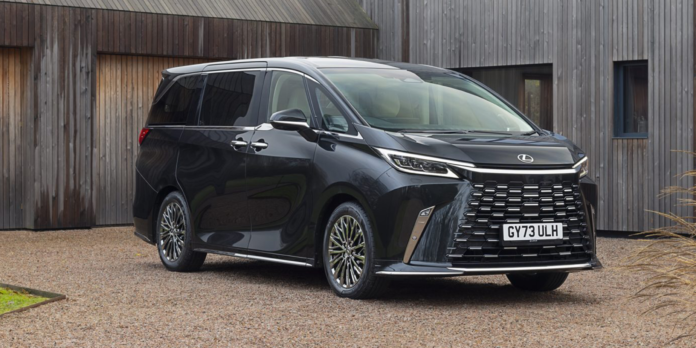
Lexus LM

Lexus LM

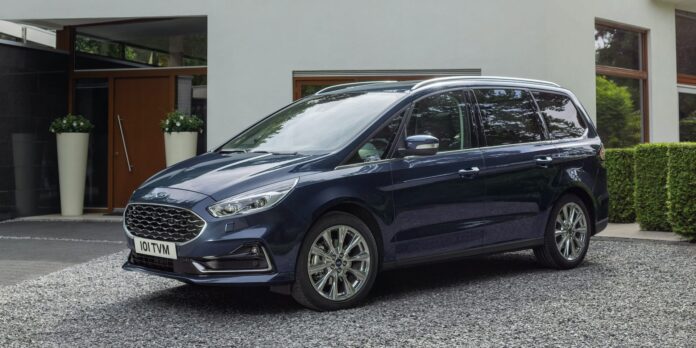
Ford Galaxy (2015 to 2024)

Ford Galaxy (2015 to 2024)

Ford S-Max (2015 to 2024)

Ford S-Max (2015 to 2024)

Culture change

Talking about flexibility, going electric really gives the car designer the chance to completely forget the cars they’ve done before. Because electrics are compact and can be packaged anywhere, an EV doesn’t have to look like a petrol car and offers the opportunity to reinvent the vehicle’s entire interior layout.

Big airy interiors with flat floors, seats that move about to allow said interior to become working space, living space, travel space and even sleeping space, with all the connectivity and such one needs at one’s fingertips. It’s all so much more doable in an EV because there ane none of the usual engine/gearbox/driveshaft/fuel tank/exhaust components to get in the way.

Trouble is, most EV designers still haven’t got traditional cars out of their system, which is why most EVs still look like cars, with engine bays they don’t need, even uncomfortable styling because the designers can’t really decide how to replace the front grilles that are effectively redundant with electric drivetrains.

With the ID. Buzz, Volkswagen is seizing on the practical advantages of an EV. An enormous wheelbase just shy of three metres, with the wheels right on the corners of the vehicle, means loads of space inside. The driver sits further forward than in any other people carrier on the market, and inspiration for filling what’s behind them comes from the home, rather than from other cars.

Describing what he called ‘the lounge’, interior designer Tomasz Bachorski says that the goal was to bring customers’ homes into the vehicle interior, “in every aspect, from the materials to the digital equipment you are used to.”

So yes, the Volkswagen ID. Buzz is very much a people carrier for the 21st century and is confidently predicted to be hugely popular. Volkswagen only expects to produce around 15,000 examples of the passenger ID. Buzz and its cargo-carrying sister for Europe in 2022, but hopes to ramp that up closer to 60,000 in 2023. Eventually, that number will double again if all goes to plan.

Yet this popularity is not being generated on the newcomer’s practical qualities. The major sales push on the ID. Buzz is all about taking up the torch for the iconic 1950s Microbus, with Volkswagen eagerly pointing out the direct styling references and even announcing early on that a Camper version – surely the most coveted of all the Microbus variants – will be coming among a whole lot of variations on the theme in the next couple of years.

It could be that buyers discover the practical aspects of the Buzz almost by accident, and that practicality reputation grows by word of mouth. But the cost of the vehicle isn’t going to help – UK prices for the passenger version start north of £57,000, and that’s for the base model…

With pricing such as that, you are not going to look at a Buzz among a number of considerations for a practical people-carrier – you are only going to pay that sort of money if you really, really want the Volkswagen, and that will likely be because you want it for what it’s being presented as, a fashion-heavy lifestyle choice.

Will other car brands catch the buzz?

The Volkswagen ID. Buzz is a thoroughly modern and attractive version of the traditional people carrier, a type of vehicle we all thought was finished. The problem is few of the traditional people-carrier buyers are going to be able to afford to find that out for themselves.

It’s very early days to talk about its impact, since the ID. Buzz hasn’t even hit the streets yet. But Volkswagen has been teasing and previewing a new Microbus for more than 20 years now – with the first concept being shown at the 2001 Detroit motor show. In 2011 came the first electric concept, called the Bulli, followed by the Budd-e in 2016. The concept version of the ID Buzz was shown in 2017, a full five years before the production version finally makes it onto public roads.

Each concept was revealed to hype and excitement about the idea of an all-new Microbus, yet other car manufacturers have yet to produce their own interpretations of the idea. Despite the enormous buzz (pardon the pun) that accompanies the retro-tastic Volkswagen, there’s no evidence yet that it will lead to a revival of an MPV sector that seems perfect for 21st century lifestyles.

There was one brief suggestion, that one of the most popular of all compact MPVs, the Renault Scenic, was coming back when in May Renault unveiled a new concept called the ‘Scenic Vision’. But no, that famed model name has been hung onto yet another SUV…

Meanwhile, the ID. Buzz really is an example of making the best use of the practicality made possible by electric drivetrains, and those buyers lucky enough to have one in their households are likely to love it. It’s just a shame that no other car manufacturers seem tempted to jump on the bandwagon.

You may also like:

Electric car charging explained

This article is brought to you by

Tusker 600x300

As we have covered recently at The Car Expert, the charge of the electric vehicle (EV) brigade is bringing with it a whole new world of technical terminology that’s going to take some time to get used to.

BEV, HEV, Regen and REx: they’re all new terms to thousands of motorists, especially those considering switching over to an electric car in the near future. And, going one layer deeper, to the specific topic of charging your vehicle, another catalogue of jargon can be found.

With charging being one of the main areas of concern for would-be electric car users, it’s important to get to grips with all the terminology and jargon surrounding this particular topic. There are different speeds at which you can charge a car, various power ratings, ways to pay for your energy and a selection of connectors. It’s all a minefield that needs careful thought and research.

Award-winning company car and salary sacrifice scheme organisation Tusker campaigns constantly to help customers and businesses understand more about EVs and the advantages of running them, and strives to encourage drivers to embrace battery power in the future.

So to help you understand more about car charging jargon, here is a list of some of the terms and phrases you might come across:

CCS

Combined Charging System: There are several different types of charging connectors to power up cars and CCS is one of them. It’s a popular choice which features a regular ‘Type 2’ connector for slow charging, such as at home (more of that later) plus an extra DC connector which allows for more rapid charging: useful when you are away from home and need a quicker top up.

Fast charging

Charging up overnight is fine if you don’t intend to go out again until the morning. Even so, a household three-point plug still won’t be quick enough for many people and that’s where a fast charger comes in. Fast charging means a speed of anything between 7kW to 22kW, which means it’s capable of topping your battery back up to full in 5 to 10 hours. For people who mainly charge overnight at home, that should be sufficient for most of your needs.

You’ll also find these types at shopping centres, supermarkets and restaurant/retail outlets where you might be planning to stay for a couple of hours.

ICEd

If you own an EV the last thing you want is to be ICEd. It’s got nothing to do with winter weather or scraping windscreens. Being ICEd means someone has parked an internal combustion engine (ICE) car – which means a petrol or diesel car – in a space designated for electric vehicles, and that means you can’t access the charger there.

It can be very frustrating and inconvenient, whatever the reason. Possibly the other driver didn’t notice the signs saying it was an EV space or occasionally the driver just didn’t care. Either way, you have to find the careless owner, or hope there’s another designated space somewhere.

kWh

This is a unit of energy, more specifically a unit of electricity. So an electric car that has a 20kWh battery will take 20 units of electricity before it is completely full.

The vehicle’s power gauge will tell you how quickly the charge is running down, depending on the length of time and style of driving. The maths is fairly simple: if your car has a 5kW motor to power it you would get four hours of motoring (20 divided by 5).

Rapid charging

Slightly confusing terminology here, but rapid charging is faster than fast charging (see above). If you’re running low on power while on the motorway, a rapid charger is useful because it will top up your car’s battery much quicker than the trickle of an overnight slow charger.

They draw much greater power, 40-50kW or even more, compared with 7kW of a domestic charger. Technology is improving and already cars are becoming equipped to take very fast charges of over 200kW which can put three quarters of power back into a battery in half an hour. Even 15 minutes – a cup of coffee at a motorway service area – can give you 40 miles of range.

RFID card

A little like owning a bank or credit card, an RFID (radio frequency identification) card allows you to operate an electric charge point using a particular supplier’s app.

They’re not universal, so you need to have an account set up with a supplier to use their RFID card. If you have more than one supplier stored as apps in your mobile phone, you probably need a separate card for each one. With the account working the supplier can track your usage and take payment for your electricity.

Slow charging

Slow charging generally refers to plugging your car into a regular three-point pug socket. Charging speed is no more than 7kW so it’s only really suitable for overnight charging as a latest-generation EV with a large battery could take a day to fully charge.

There are public, street-sited charge points like this too. Simple and convenient, but certainly slow, they will charge at around 3kW, which means around 10 to 15 hours plugged in for a full top-up. Only really useful if you parking on the street overnight.

Smart charging

Smart charging systems work intelligently to help suppliers monitor their charging stations: how they are being used, by what number of vehicles, and how busy they are.

That gives them the opportunity to track usage and restrict it if necessary, optimising the current grid that supplies the energy, reducing the risk of overloading and removing the need for investment in areas where it’s not going to be needed. This ensures efficient charging using the available power.

Type 1/2/CHAdeMO cables

Most cables that are supplied with your new EV are called a ‘Type 2’ cable, and that’s the one that is now required by EU law (which still applies to cars in the UK market). Some cars will come with other cables as well as the Type 2 cable, while if you’re buying a used EV that’s more than a few years old, it may have one of the other cable types below.

Type 1 cables are mostly seen on Japanese, Asian and American cars and are a five-pin design with a latch that keeps it in place when connected to the vehicle. Type 2 cables feature a seven-pin design and a locking pin to secure the plug in place.

CHAdeMO is a trade name, meaning Charge de Move (charge for moving), and works with other companies to offer charging solutions of their own. Using DC (direct current) for charging, it offers another way to power up an EV.

VTG

Vehicle to Grid: Don’t need all the electricity you have stored in your car’s battery? Some cars and home charging systems allow you to send electricity from your car back to the grid. That’s what V2G is all about. There are many ways in which households can supply the grid with unwanted energy, such as that gained from roof-mounted solar panels, and this system is similar.

When a battery powered or hybrid car is parked up and not using energy, if it’s plugged in, it can trickle back unwanted electricity to the grid. That’s very useful at times of high usage and profitable too: owners signed up for V2G earn money from the electricity they give back.

All-new BMW X1 and electric iX1 revealed

0

BMW has revealed its next-generation X1 crossover range, which includes petrol, diesel, and plug-in hybrid models, as well as an all-electric version, which is set to be the new lead-in model of the BMW ‘i’ family.

This new electric crossover, called the BMW iX1, is set to become the entry-level electric car (EV) in the BMW line-up once the ageing BMW i3 is retired shortly. The iX1 is powered by two electric motors, one in the front and another in the rear, paired with a 65 kWh battery to produce 313hp and a reported all-electric travel range of 272 miles.

For comparison, the entry-level Mercedes-Benz EQA has a similar range of 267 miles, while the Lexus UX Electric can’t crack the 200-mile mark.

For customers not ready to make the all-electric leap, the third-generation BMW X1 range will also launch with one petrol and two diesel engines, followed soon after by two plug-in hybrid options that BMW says can travel a maximum of 55 miles on just electric power. All models come fitted with a seven-speed automatic gearbox as standard.

2020 BMW X1 vs. new 2022 BMW iX1

BMW has evolved the X1’s exterior styling from the previous model. The nose has been raised to give the front end a more aggressive look, allowing the designers room to install even bigger square-shaped kidney grilles.

The new X1 is slightly longer and wider than its predecessor, with more pronounced wheel arches to accommodate the 17-inch alloy wheels fitted as standard (18-, 19- and 20-inch alloy wheels are also available). The crossover features an extended rear spoiler, and LED tail lights are also fitted on the entry-level model.

Inside, the X1 is a bit roomier than the model it replaces. The on-board tech and interior layout have also a makeover as BMW brings the X1 cabin into line with newer siblings like the flagship BMW iX SUV.

Front and centre on the dashboard is the latest iteration of the brand’s ‘iDrive’ operating system, which combines the driver’s ten-inch digital screen with a ten-inch infotainment version – these merge into each other in a panel that curves towards the driver.

BMW says that the X1 is fitted with a new seat design that has been optimised for comfort over long distances. As standard they are manual, but electric adjustment for the driver and passenger will be an optional extra.

The new BMW X1 range, in petrol and diesel form, is available to order now from just over £35K, with the first cars set to reach the UK by October. The first iX1 EV and X1 plug-in models are scheduled to arrive soon after, though no pricing has been confirmed for these versions as of yet.

Lexus builds new RX from the ground up

0

The all-new fifth-generation RX SUV has been unveiled, and will be available as either a regular hybrid or a plug-in hybrid model.

Built on the same platform as the smaller Lexus NX SUV, the new RX is slightly longer, wider and lower than the previous model. It’s also 90kg lighter than its predecessor, as part of an effort to make the SUV’s handling more agile in tight corners.

Though the 2022 RX has a similar exterior silhouette and window surrounds as the model it replaces, the new model takes a few design cues from the recently revealed all-electric RZ SUV, with rectangular headlights sitting above new-look air intakes in the front, and one elongated rear light panel extending across the width of the tailgate.

The pattern of the front grille differs across the range, with a specific design for each powertrain option. Among other options, the RX can be ordered with wheels up to 21 inches in diameter.

In the cabin, the new RX comes with the brand’s new 14-inch infotainment system as standard, with navigation software that offers live traffic and road condition updates. The cubby below the infotainment touchscreen has wireless charging for your phone, and you can control the car’s functions using voice commands.

The standard model is fitted with heated and ventilated seats, which are trimmed in vegan synthetic leather – as is the steering wheel and gear shifter. Ambient lighting is present throughout the cabin, with 64 different colour settings.

The lead-in model in the new RX range is the 350h – powered by a 2.5-litre petrol-electric hybrid unit that has a small electric motor that can only provide enough power to drive the car at low speeds for short distances. Lexus says this system is comparable to that found in the last-generation RX 450h, but with lower emissions and a lower output of 245hp.

Likely to be the most popular variant in the new RX line-up is the 450h+, which is a 2.5-litre petrol plug-in hybrid model that utilises a 18kWh battery to produce 306hp and an all-electric driving range of around 40 miles.

At the top of the new range sits the RX 500h – a performance-focused model that uses a turbocharged 2.4-litre hybrid engine to produce 371hp and 0-62mph sprint time of six seconds flat, which is two seconds quicker than the RX 350h.

The 2022 Lexus RX 450h+ and 500h also come with the brand’s ‘Direct4’ four-wheel drive system, which constantly balances the power and torque between the front and rear axles in any driving situation, so that the SUV has more poise and balance at speed.

There is no word on pricing as of yet – more information will be released closer to the RX’s arrival later this year.

Until then, the older fourth-generation Lexus RX SUV is still on sale, praised for its build quality, comfort and refinement, but criticised for its driving dynamics. It currently holds an Expert Rating of 63% on our industry-leading Expert Rating Index.

Land Rover reveals eight-seat Defender 130

0

The only SUV with an eight-seat layout on offer in the UK, Land Rover has unveiled a longer version of its all-terrain Defender 4×4, with three mild-hybrid powertrains to choose from.

The Land Rover Defender range now consists of three variants – the 90, 110 and the new 130 – just like the first-generation utilitarian Defender range, which had its own extended wheelbase version which was designed to accommodate heavier cargo than other models.

However, the famous ‘Defender’ nameplate now has a new focus, challenging luxurious upmarket SUV rivals like the BMW X7 and Mercedes-Benz G-Class, and Land Rover is hoping that the new eight-seat Defender 130 will be able to do just that.

The 2022 Defender 130 has a more spacious cabin than other Defender models thanks to an extended rear overhang that provides the space for an extra row of seats at the back. This extra 34cm of chassis at the back means that the Defender 130 has 2,516 litres of load space with the back and middle rows of seats folded – over 950 litres more than the Defender 110 in the same configuration.

The two rows passenger seats also have an angled design – like cinema seats – with the back seats sitting slightly higher than the middle row, to improve passenger visibility.

With this added passenger space, Land Rover assures customers that the 4×4 still has ample boot space, and that rear passengers will have plenty of headroom in the third row, which also has heated seats and storage compartments with USB-C ports for plugging in devices.

Like the Defender 90 and 110, the Defender 130 comes fitted with Land Rover’s 11-inch Pivi Pro infotainment system with navigation software installed – which the brand says can navigate to any square three metres on the planet, without the need for a phone signal.

With the increased cabin space in mind, the Defender 130 has four-zone climate control, two sunroofs, and the top-spec ‘Air Purification Plus’ package comes as standard – technology that Land Rover says works to reduce allergens in the air, as well as purge other potentially harmful airborne bacteria.

The Defender 130 also comes with keyless entry – the SUV will unlock automatically as soon as you are within two metres of the car with key fob in hand.

In the styling department, the Land Rover Defender 130 introduces a new exterior colour and a new interior trim colour scheme to the range. The brand says that the ‘Sedona Red’ exterior colour option is exclusive to the Defender 130, while the new interior material finish – ‘Natural Light Oak veneer’ – is available across the Defender line-up.

The Defender 130 is available with a familiar selection of 3.0-litre six-cylinder petrol and diesel mild-hybrid engines, paired with an eight-speed automatic gearbox. Two mild-hybrid petrol engines are offered – the 300hp ‘P300’ and the 400hp ‘P400’, and the diesel-powered ‘D300’ with 300hp completes the powertrain range.

While other Defender variants are available with plug-in hybrid technology or a V8 engine, these options have not joined the Defender 130 range as of yet.

Prices for the new Land Rover Defender 130 start from £74K for the entry-level P300 guise, though prices can quite easily surpass the £100K mark. The new range is now available to configure and order on the Land Rover website, which states that you may have to wait for an extended period for your new model due to the global semiconductor chip shortage.

Currently holding an Expert Rating of 83%, the Land Rover Defender has received high praise for its combination of off-road and on-road abilities, practicality and vastly improved infotainment system compared to other Land Rover models.

The main criticisms are directed at fairly poor fuel economy and the car’s high price – issues that the addition of the Defender 130 model does not amend.

BMW X5 (2014 to 2018)

Summary

The third-generation BMW X5 was a large SUV that arrived in the UK in early 2014 and was updated in 2016, before being replaced by the current iteration of the X5 in 2018.

Late in its lifespan, Carbuyer said it was the motoring equivalent of Sean Connery – “getting on a bit, but still impressively handsome”.

In truth, the motoring media remained divided over the X5’s exterior looks while it was on sale, though journalists did generally agree that the X5’s upmarket cabin makeover and its range of refined engine choices were definite improvements over the model it replaced.

“It’s still a sharp drive”, Car explained, “but it couples more maturity and refinement with a much more premium-feeling cabin.” Other reviewers also praised its driving dynamics, describing its handling as more like a raised BMW 5 Series saloon than a typical bulky SUV.

Available initially as a petrol or diesel SUV, a plug-in hybrid model joined the range for the first time in 2015, which Motoring Research called “technically brilliant”, due to how smooth the hybrid system was on the road. That said, Driving Electric pointed out that the plug-in hybrid’s all-electric range is nothing special by current standards.

The most widespread criticism of the third-generation BMW X5 refers to its steep price tag, even as a used model, thanks to its strong residual values. And while the X5’s price has remained high, its upmarket rivals have only been improving.

As Carbuyer concluded, “the Audi Q7 is slightly nicer inside, the Porsche Cayenne is better to drive, while the Mercedes-Benz GLE is arguably smoother and more relaxing.”

As of February 2026, the third-generation BMW X5 holds a Used Car Expert Rating of E, with a score of just 51%. It gets poor grades in all of the data we have available, consisting of media reviews, running costs and (especially) reliability.

X5 highlights

  • Upmarket interior trim
  • Well-equipped
  • Spacious cabin and boot
  • Range includes plug-in hybrid model
  • Strong residual values

X5 lowlights

  • Expensive price tag
  • So-so fuel economy
  • Polarising exterior styling
  • Rougher ride with sports suspension

Key specifications

Body style: Large SUV
Engines:
petrol, diesel, plug-in hybrid
Price when new:
From £47,895 on-road

Launched: Winter 2013/14
Last updated: Spring 2015
Replaced: Autumn 2018

Media reviews

Highlighted reviews and road tests from across the UK automotive media. Click any of the boxes to view.

Auto Express

Car

Car Keys

Carbuyer

Carwow

Daily Mirror

Driving Electric

Eurekar

Evo

Fleetworld

Green Car Guide

Heycar

Honest John

Motoring Research

Motors

Parkers

The Sunday Times

The Telegraph

Top Gear

Safety rating

Independent crash test and safety ratings from Euro NCAP

No safety rating

The third-generation BMW X5 was not tested by Euro NCAP during its production life.

Eco rating

Independent economy and emissions ratings from Green NCAP

No eco rating

The third-generation BMW X5 pre-dated the Green NCAP environmental assessment programme and so was not tested during its production life.

Reliability rating

MotorEasy logo 600x167

Reliability data provided exclusively for The Car Expert by MotorEasy

All data based on MotorEasy average workshop costs for extended car warranty claims

The BMW X5 has a very poor reliability rating of just 15%, according to exclusive extended warranty data provided by our partner MotorEasy. This score covers both the third-generation X5, as well as its predecessor (2007 – 2013) and the current iteration of the X5.

In addition to its poor rating, the average repair cost to date has been high at almost £1,000. That’s obviously considerably more than the cost of a used car warranty, which is worth bearing in mind if you own a BMW X5 or are planning to buy one.

Given the below-average reliability score and potentially expensive bills, make sure any extended warranty cover you purchase for an BMW X5 covers all of these potential problem areas.

Awards

Trophies, prizes and awards that the BMW X5 has received

2016

  • Business Car Awards – Best Large 4×4

2015

  • Business Car Awards – Best Large 4×4

2013

  • Golden Steering Wheel Awards – Best SUV

Similar cars

If you’re looking at the BMW X5, you might also be interested in these alternatives

Audi Q7 | BMW X6 | Genesis GV80 | Land Rover Discovery | Lexus RX L | Maserati Levante | Mercedes-Benz GLE | Porsche Cayenne | Range Rover Sport | Volkswagen Touareg | Volvo XC90

More news, reviews and information about the BMW X5 at The Car Expert

Revised BMW iX SUV unveiled

Revised BMW iX SUV unveiled

Everything you need to know about BMW

Everything you need to know about BMW

BMW X5 M

BMW X5 M

BMW X5 and X6 given mid-life refresh

BMW X5 and X6 given mid-life refresh

The ten best-selling plug-in hybrid cars of 2021

The ten best-selling plug-in hybrid cars of 2021

BMW X5

BMW X5

BMW X5 test drive

BMW X5 test drive

Five-star safety ratings for seven new models

Five-star safety ratings for seven new models

BMW UK recalls 268,000 diesel cars over risk of fire

BMW UK recalls 268,000 diesel cars over risk of fire

Summer debut for new BMW X5 SUV

Summer debut for new BMW X5 SUV

Buy a BMW X5

If you’re looking to buy a used BMW X5, The Car Expert’s partners can help you find the right car

Motors 600x300

Search less, live more. We make finding the right car simple. Find out more

Auto Trader logo 600x300

Search for your next new or used car with Auto Trader. Find out more

Carwow logo 600x300

Discover great deals available on both new and used cars. Find out more

Funky Cat supermini to mark Ora’s UK arrival

0

Fledgling Chinese marque Ora will be setting up shop for the first time in the UK this year – its first model being the rather oddly-named Funky Cat electric supermini.

Ora is a spin-off brand owned by Chinese powerhouse Great Wall Motors. With only electric cars in its repertoire, the company is hoping that its new Funky Cat supermini will become a viable left-field alternative to compact all-electric best-sellers like the Mini Electric and Vauxhall Corsa-e.

Powered by a 48kWh battery, Ora claims that the five-door Funky Cat can travel a maximum of 193 miles on a fully charged battery, and that the supermini can charge at a rate of 80kW – charging from 15% to 80% in 40 minutes. The first Funky Cat models to arrive in the UK will be part of a ‘First Edition’ series, with prices starting from £30,495.

By comparison, the Corsa-e hatchback uses a smaller 45kWh battery to muster an all-electric range of 175 miles, but starts at more than £3,000 less than the Funky Cat, and can charge at a faster rate of 100kW too. That said, the price of the Ora Funky Cat supermini is likely to drop slightly as first edition models are replaced by a regular trim range in 2023.

Keen to put any customer concerns at ease, Ora is offering the Funky Cat with a five-year unlimited mileage warranty, with cover for the car’s battery that lasts for eight years or 100,000 miles.

There are four exterior paint colours to choose from (red, black and two variations of green) and two interior colours (black or grey). The roof can either be specced as black or white, and 18-inch alloy wheels are standard.

The Ora Funky Cat First Edition model also comes with a long list of on-board equipment – some of which is usually reserved for bigger, more expensive electric cars. The dashboard features a ten-inch instrument cluster, and a ten-inch infotainment screen, from which you can set the car’s climate control function and access its 360-degree reversing camera.

The Funky Cat First Edition also has keyless entry, wireless phone charging, rear parking sensors, LED headlights and an auto-dimming rearview mirror, as well as a host of safety assistance features, like blind spot monitoring, adaptive cruise control, lane keeping assistance and a rear cross traffic alert system.

Ora is currently trying to establish a nationwide network of retailers to start selling the Funky Cat, which can also be purchased using the brand’s online sales platform from August.

The company has been gauging interest in its new supermini since its UK public debut at the Fully Charged Live electric vehicle show in April, and says that over 6,000 people have registered an interest in buying a model already. Customers will be able to reserve a vehicle with a £100 deposit from June, with vehicles arriving later this year.

Top marks for four brands in latest Euro NCAP tests

Safety body Euro NCAP has released its third batch of crash test ratings this year, with favourable results for the latest models from Kia, Mercedes-Benz, Volkswagen and Volvo.

Top marks have been given to the all-electric Kia EV6 and the newest iteration of the Mercedes-Benz C-Class, both of which arrived on UK roads towards the end of last year.

Both models were said to have demonstrated excellent crash protection, though the EV6 received a lower vulnerable road user protection score, as it does not come fitted with an ‘Active bonnet’ system like the C-Class – a feature which is designed to mitigate the impact to a pedestrian’s head in an accident.

The Mercedes-Benz C-Class has also been given a Euro NCAP Advanced award for its ‘Car-to-X Communication’ system, which utilises data from other vehicles to provide an early warning of potential hazards in a car’s vicinity before they could otherwise be detected.

The model with the highest safety assistance technology score in this round of tests was the new Volvo C40 coupé-SUV, with the Volkswagen Multivan people carrier not far behind – both models also being awarded a full five-star rating from Euro NCAP.

This batch of Euro NCAP crash tests also included results for the new Peugeot 308 and Vauxhall Astra – both built on the same Stellantis platform. Both models were awarded respectable four-star crash test ratings, with lower crash protection scores than the other models assessed in May.

This is because “neither car was equipped with a centre airbag for far-side crash protection, a countermeasure which is increasingly common on modern cars”, says Euro NCAP, who also added that “both cars offer plenty of crash avoidance technology but do not include some of the latest advancements introduced in the market.”

Commenting on the rising standards of crash avoidance technology across the industry, the Secretary General of Euro NCAP, Michiel van Ratingen said that “some manufacturers will have to continue to up their game in this area if they are not going to be left behind by the competition.”

Volkswagen pays almost £200 million to settle Dieselgate action

Volkswagen has agreed to pay close to £200 million (and probably a lot more once the final legal bills are settled) to end the long-running class action in England and Wales over its ‘Dieselgate’ emissions-cheating scandal.

In an official statement this week, the Volkswagen Group has confimed that it will pay £193 million to the 91,000 claimants in an out-of-court settlement. In addition, “a separate contribution is being made by the Volkswagen Group towards the claimants’ legal costs and other fees.” Given than this action involves more than 91,000 claimants and three law firms, and has been going on since the start of 2017, the “legal costs and other fees” will certainly be another very big number.

The case was due to head to court next year, and Volkswagen’s official view is that “… the legal costs of litigating this case to a six-month trial in England, and then in relation to any further appeals by either party, were such that settlement was the most prudent course of action commercially.”
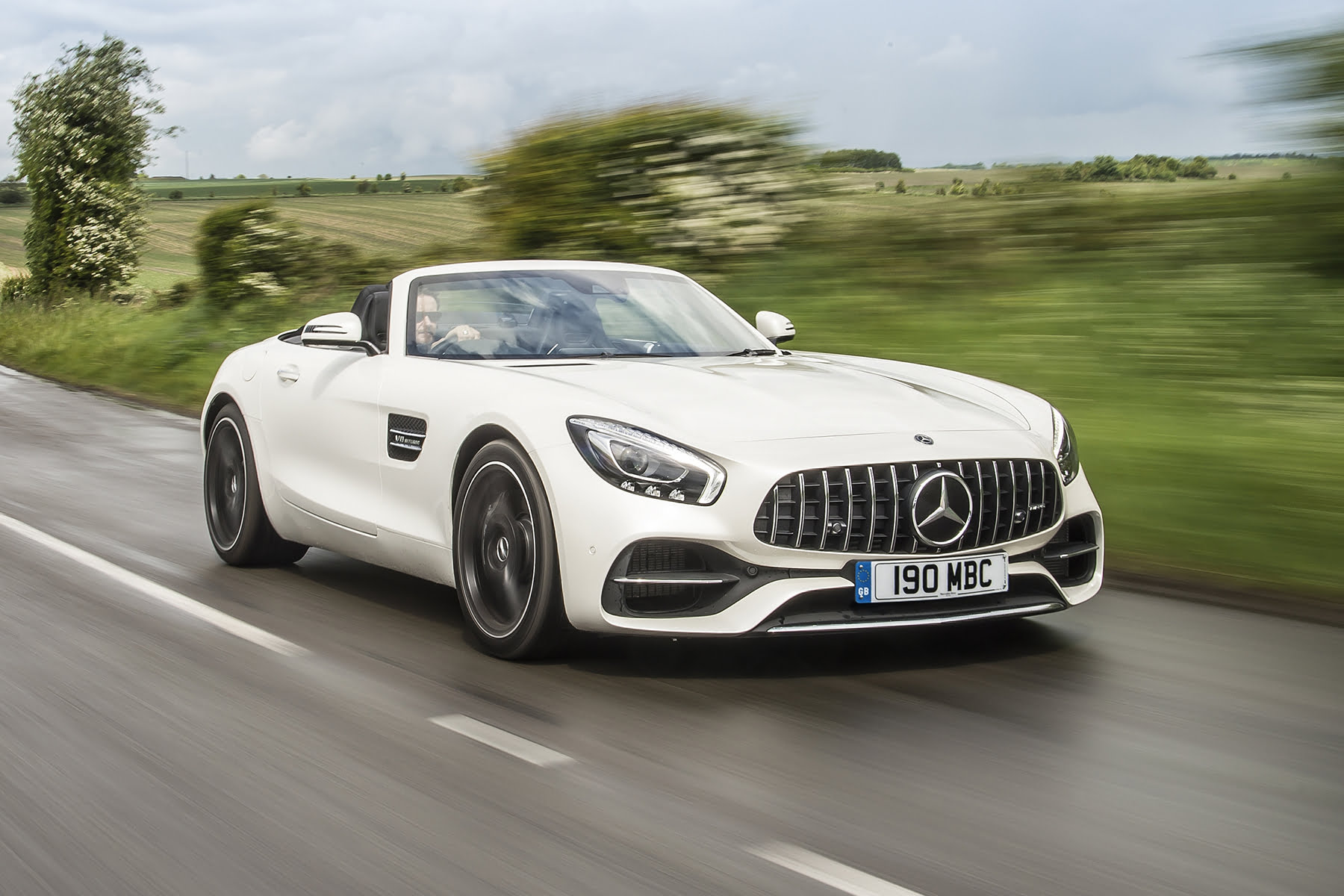
Even by the going rate for a London law firm, suggesting that a trial and any appeals would cost more than £200 million seems a bit rich…

Inevitably, the payout has been made despite Volkswagen still refusing to make any admission of “liability, causation or loss”. Fortunately, pretty much the entire world is well aware that Volkswagen cheated emissions tests for years. A near-£200 million settlement (plus the billions paid out in other countries around the world) simply reinforces what we already knew.

How much will the claimants actually get?

Exact numbers are obviously confidential, and the claimants will be bound to keep their payout figures to themselves, but it’s not as simple as dividing £193 million by 91,000 claimants and everyone getting a bit over £2,000 each.

According to the official statement this week, the money “… will be allocated between the claimants in proportions agreed amongst the various claimant solicitors’ firms and those from whom they take instructions.”

Of course, the biggest winners will be the legal firms. It has been suggested that they will swallow up 30-40% of the payout, depending on which firm is representing each claimant, which works out to between £58 and £77 million of the total.

Despite the confidentiality issues, claimants have already been discussing their settlement letters in online forums. Some are annoyed that they will only see a few hundred pounds once the lawyers take their share, with the settlement described by one claimant as “derisory” after more than five years of waiting. On the other hand, others are pleased to have got anything at all.

When will claimants get their money?

Slater and Gordon, which is representing about three quarters of the 91,000 claimants, suggests that there’ll be a cheque in the mail in about four to six weeks. The company also asks that claimants don’t chase them up for more information just yet as they’re still working their way through more than 70,000 cases.
Can I still make a claim if I wasn’t part of this action?

The closing date for joining this class action was years ago, so you can’t help yourself to a share of the jackpot unless you were already signed up. You’re welcome to bring your own case against Volkswagen, but your chances of success are probably slim.

What about other car manufacturers with class actions for emissions cheating?

There are several other class actions underway against other car manufacturers, notably Mercedes-Benz. These are still in very early stages and there is no guarantee that this result will improve the likelihood of any other actions proceeding to court or a settlement.

It’s more than two years since the UK High Court ruled that the Volkswagen Group installed illegal ‘defeat devices’ in selected VW, Audi, SEAT and Skoda vehicles sold in the UK. A similar ruling has not been made against any other car manufacturer, so there’s still a long way to go until we find out whether claimants against Mercedes-Benz or any other car company will ever see any compensation.

What exactly did Volkswagen do wrong?

Volkswagen dieselgate headlines

In September 2015, Volkswagen was caught with illegal software and hardware in some of its diesel-engined cars in America.

This equipment was what is called a ‘defeat device’. Basically, it switched off all of the car’s emissions equipment to improve performance and economy – but, in the process, meant that the car spewed a lot more pollution into the air. And by ‘the car’, we actually mean millions of Volkswagens, Audis, SEATs and Skodas.

Using various sensors, the car was able to detect whether it was undergoing an emissions test. If so, then all of the anti-pollution kit worked normally and official emissions were in line with what Volkswagen claimed. But if the car recognised that it was actually on a road being driven normally (which was about 99.99% of the time), then the anti-emissions gear was deactivated and toxic emissions rose to as much as 40 times the legal limit.

Within a few months, it was conclusively determined that the Volkswagen Group had fitted ‘defeat devices’ to millions of diesel cars sold around the world over many years. Most of the attention has focused on an engine called the EA189, which is a four-cylinder diesel engine, although there have been cases covering diesel V6 and V8 engines as well, which were also used by Porsche and Bentley.

More than 11 million cars were built with the hidden defeat devices according to Volkswagen’s own admission, including 1.2 million here in the UK. The company was eventually embarrassed into recalling the affected UK cars, although there were many reports (and about 17,000 formal complaints) that the ‘fix’ had negatively affected the vehicles, including cars breaking down or going into ‘limp home’ mode literally minutes after being ‘fixed’.

Throughout the whole saga – and even before being caught – Volkswagen has generally acted deplorably in covering up, then denying, its behaviour. Through a ‘research group’, it even gassed people as well as monkeys with diesel car fumes to try and work out how they affect health. Yes, you read that right – 70 years after WWII, the car company founded by the Nazis decided it would be a good idea to gas people with a diesel engine…

Although it has been forced to pay billions of pounds in fines around the world, the reality is that the company has been largely unaffected. A more effective punishment would have been to ban Volkswagen Group brands from sale, but no government was brave enough to do so.

Alfa Romeo adds new trim to Giulia and Stelvio line-ups

0

Unveiled at the headquarters of the Alfa Romeo F1 team in Switzerland, the range-topping ‘Estrema’ trim level has been added to the Giulia saloon and Stelvio SUV ranges, and is now available for UK buyers to order.

Based on the high-spec ‘Veloce’ trim, which was previously the highest trim level available for both the Giulia and Stelvio, Alfa Romeo says that the new limited edition Estrema trim has been developed with a focus on “technical refinement” and “sporting luxury”.

The Giulia Estrema and Stelvio Estrema packages include adaptive suspension with a limited-slip differential that limits the amount of wheelspin the car produces when you set off at pace and when exiting high-speed corners.

On the outside, Estrema models distinguish themselves from lower trim levels thanks to their jet black alloys, carbon-fibre grille and wing mirrors, and the ‘Estrema’ branding on the tailgate. Four exterior colour schemes are available – black, red, white and blue.

The carbon fibre detailing continues in the cabin, which also includes alcantara-trimmed seats with red stitching that also appears on the dashboard, centre console and steering wheel.

The Giulia Estrema is available only with a 280hp 2.0-litre petrol engine for the price of just over £50.5K. The Stelvio Estrema is available as either a 280hp 2.0-litre petrol or a 210hp 2.2-litre diesel, priced at £60K and £58K respectively.

Both the Alfa Romeo Giulia and Stelvio have been universally admired by UK journalists, although with caveats. The Giulia and Stelvio currently hold Expert Ratings of 74% and 68%, respectively, with both praised for their driving dynamics and engines, but criticised for their interior finish and infotainment systems.